APERION CARE VINCENNES


3801 OLD BRUCEVILLE ROAD, BOX 136, VINCENNES, IN 47591 (812) 882-1783
For profit - Individual 170 Beds APERION CARE Data: November 2025
Trust Grade
5/100
#421 of 505 in IN
Last Inspection: February 2025

Within standard 12-15 month inspection cycle. Federal law requires annual inspections.

Overview

Aperion Care Vincennes has received a Trust Grade of F, indicating significant concerns with its care and services. It ranks #421 out of 505 facilities in Indiana, placing it in the bottom half, and #5 out of 6 in Knox County, meaning only one local option is rated lower. While the facility's number of issues has improved slightly, decreasing from 27 in 2024 to 22 in 2025, the overall situation remains troubling. Staffing is a major concern, with a rating of 1 out of 5 stars and a high turnover rate of 63%, which is above the state average. Although there have been no fines reported, the facility has serious issues, including a resident suffering second-degree burns from hot water due to inadequate monitoring and a failure to prevent pressure injuries for multiple residents, highlighting both critical weaknesses in care and staffing competencies.

Trust Score
F
5/100
In Indiana
#421/505
Bottom 17%
Safety Record
Moderate
Needs review
Inspections
Getting Better
27 → 22 violations
Staff Stability
⚠ Watch
63% turnover. Above average. Higher turnover means staff may not know residents' routines.
Penalties
✓ Good
No fines on record. Clean compliance history, better than most Indiana facilities.
Skilled Nurses
⚠ Watch
Each resident gets only 23 minutes of Registered Nurse (RN) attention daily — below average for Indiana. Fewer RN minutes means fewer trained eyes watching for problems.
Violations
⚠ Watch
69 deficiencies on record. Higher than average. Multiple issues found across inspections.
★☆☆☆☆
1.0
Overall Rating
★☆☆☆☆
1.0
Staff Levels
★☆☆☆☆
1.0
Care Quality
★☆☆☆☆
1.0
Inspection Score
Stable
2024: 27 issues
2025: 22 issues

The Good

  • Full Sprinkler Coverage · Fire safety systems throughout facility
  • No fines on record

Facility shows strength in fire safety.

The Bad

1-Star Overall Rating

Below Indiana average (3.1)

Significant quality concerns identified by CMS

Staff Turnover: 63%

17pts above Indiana avg (46%)

Frequent staff changes - ask about care continuity

Chain: APERION CARE

Part of a multi-facility chain

Ask about local staffing decisions and management

Staff turnover is elevated (63%)

15 points above Indiana average of 48%

The Ugly 69 deficiencies on record

2 actual harm
Sept 2025 2 deficiencies 1 Harm
SERIOUS (G) 📢 Someone Reported This

A family member, employee, or ombudsman was alarmed enough to file a formal complaint

Actual Harm - a resident was hurt due to facility failures

Accident Prevention (Tag F0689)

A resident was harmed · This affected 1 resident

Based on observation, interview, and record review, the facility failed to ensure a resident was free from accident hazards for 1 of 3 residents reviewed for accidents. Staff provided hot water to a r...

Read full inspector narrative →
Based on observation, interview, and record review, the facility failed to ensure a resident was free from accident hazards for 1 of 3 residents reviewed for accidents. Staff provided hot water to a resident without monitoring or checking the temperature of the water. The resident spilled the hot water which resulted in second-degree burns to the resident's abdomen, left hip, and lower back. This deficient practice resulted from a failure to follow the facility's procedure for serving hot beverages and contributed the development of second-degree burns that required routine treatment and the resident pain rated at a 5 on a scale of 0 - 10 (zero indicating no pain and 10 indicating the most pain). (Resident C)Finding includes: During a review of Facility Reported Incidents (FRIs) on 9/17/25 at 1:50 P.M., an incident dated 9/13/25 at 10:01 P.M. indicated Resident C had requested that CNA 4 heat a cup of water. CNA 4 placed the heated water on a bedside table, and Resident C spilled the water onto herself when raising her head of bed. Resident C received second-degree burns to her abdomen and back. During an observation and interview on 9/17/25 at 2:50 P.M., Resident C was sitting up in a Broda wheelchair in her room. Resident C indicated that she recently sustained second-degree burns from a spilled hot water after staff had brought her boiling hot water that had been warmed in a microwave. The resident indicated she often liked to make instant coffee in the evening. Resident C provided images of the burn wounds that included 3 separate reddened areas with what appeared to be a peeling off of the outer layer of skin. During record review on 9/17/25 at 3:00 P.M., 2/26/25 at 11:15 A.M., Resident C's diagnoses included, but were not limited to, spastic paraplegia, demyelinating disease of the central nervous system, hypertrophic osteoarthropathy, cerebellar ataxia, lack of coordination, and muscle spasm.Resident C's most recent Annual Minimum Data Set (MDS) assessment, dated 9/2/25, indicated the resident had no cognitive impairment, had lower extremity impairment to both sides, and required setup assistance for eating.Resident C's care plan included, but was not limited to, Activity of Daily Living (ADL) self-care/mobility performance (functional abilities) deficit that may fluctuate with activity throughoutthe day due to limited mobility, limited Range of Motion (ROM), and musculoskeletal impairment (initiated 3/07/2025). Interventions included but were not limited to set up assistance for eating (revised 6/16/25). Resident C's physician orders included, but were not limited to: Silver sulfadiazine external cream 1%, apply to trunk and lower back topically two times a day for burns (started 9/14/25) and treatment to hip, abdomen and left flank, gently cleanse areas with normal saline, apply Silvadene, cover with non-adherent dressing and secure with rolled gauze every day shift for burn and as needed if soiled or dislodged (started 9/18/25). Resident C's progress notes included, but were not limited to:9/14/25 at 2:30 P.M. - Follow-up assessment of burn - Burn areas continue to be red with large blisters noted to the abdomen, under both breasts, lower back, and left outer thigh. Silvadene treatment applied. 9/15/25 at 6:33 A.M. - CNAs reported a skin issue to the nurse. Resident C stated that the night shift CNA had been asked to heat up a cup of water for the resident to make instant coffee in her room. The resident states that the CNA told her she had heated the cup of water for two and a half minutes. The resident raised the head of the bed with her remote control, and the cup of hot water was knocked over and spilled on the resident's torso and traveled to her back. Skin was red, and blisters were noted forming. The physician was notified, and orders were received to send to the hospital. The area was draped with a cool compress.9/15/25 at 9:57 A.M. - Blistering present at burn site. Some blisters open. Resident C's wound assessments included, but were not limited to the following:9/15/2025 1:24 PM - abdomen, facility acquired burn, partial thickness, wound tissue intact skin 20%, pale pink or red epithelial 20%, bright pink or red 60%, pain rated at 5 on scaled 0 - 10 (0 being no pain and 10 being the most pain), wound measurement 34 cm (centimeters) x 10 cm x 0.10 cm (L x W x D).9/15/2025 1:28 PM - left side lower back, facility-acquired burn, partial thickness, wound tissue intact skin 15%, pale pink non-granulating 15%, bright pink or red 70%, pain rated at 5 on scale 0 - 10, wound measurement 19 cm x 12 cm x 0.10 cm.9/16/25 at 7:19 A.M. - Left trochanter (hip), facility-acquired burn, partial thickness, wound tissue 100% bright pink or red, pain rated at 4 on scale 0 - 10, wound measurement 15 cm x 8 cm x 0.10 cm.During an interview on 9/18/25 at 10:55 A.M., the Director of Nursing (DON) indicated that staff should monitor the temperature of heated liquids that are served to residents and that there was no documentation or indication that the temperature of the water served to Resident C was monitored. The DON indicated education was provided to staff regarding water/drinking temperatures, thermometers were provided near microwaves, and signage to remind staff to monitor temperatures had been added in the dining areas near microwaves. On 9/18/25 at 11:06 A.M., the Facility Administrator supplied a facility policy titled Precautions for Handling Hot Beverages, dated 2020. The policy included, Staff will monitor, serve, and hold hot beverages in a safe manner to prevent potential burns. 1. The temperature for brewing and serving hot beverages will be based on the manufacturer's recommendations for the beverage equipment utilized in the community. Although the recommended settings for proper brewing may vary based on equipment, it is recommended that the temperature of the equipment be set at the lowest possible temperature for adequate brewing, anticipated to be in the range of 160 - 170 degrees Fahrenheit. The serving temperature should be approximately 10 - 15 degrees less than the brewing temperature . 4. Additional precautions may be implemented: a. Assessing and identifying those individuals served who are at high risk for burning themselves with hot beverages. b. ensuring staff monitor the identified high-risk resident(s) during meal times and/or when hot beverages are served . The deficient practice was corrected on 9/15/25 after the facility implemented a systemic plan that included the following actions: an action plan included in-service review of policy for heating or reheating food and beverages, use of microwave with staff and residents, and ongoing monitoring of the use of thermometers on each unit when reheating food and beverages. This citation relates to intake 2605036.3.1-45(a)(1)
CONCERN (E) 📢 Someone Reported This

A family member, employee, or ombudsman was alarmed enough to file a formal complaint

Potential for Harm - no one hurt, but risky conditions existed

Safe Environment (Tag F0921)

Could have caused harm · This affected multiple residents

**NOTE- TERMS IN BRACKETS HAVE BEEN EDITED TO PROTECT CONFIDENTIALITY** Based on observation, interview, and record review, the facility failed to ensure a safe, sanitary, and homelike environment in ...

Read full inspector narrative →
**NOTE- TERMS IN BRACKETS HAVE BEEN EDITED TO PROTECT CONFIDENTIALITY** Based on observation, interview, and record review, the facility failed to ensure a safe, sanitary, and homelike environment in 1 of 3 resident units observed and 1 of 2 dining rooms observed. Resident areas had missing paint on the walls, missing cove base, plywood covering a window, and a dark decolorization to dining room vaulted ceiling. (C/D halls, room [ROOM NUMBER], room [ROOM NUMBER] and C/D dining room)Finding includes:During an observation on 9/17/25 at 11:35 A.M., Resident room [ROOM NUMBER] was missing paint from the wall under the window, around the air conditioning unit, and behind the bed. The cove base behind the resident bed was missing from the wall. An observation on 9/17/25 at 11:38 A.M., Resident room [ROOM NUMBER] had a piece of plywood completely covering 1 of 2 windows in the room. An observation on 9/17/25 at 11:40 A.M., a shared restroom door near the nurse's station on the C/D hall unit had a protective door covering that had peeled away from the door, approximately 5 inches from the top right corner, approximately halfway up the door. An observation on 9/23/25 at 12:08 P.M., the C/D unit dining room contained an activity area with a television and dividing half wall. Approximately 80 % of the paint had peeled off the wall. The vaulted ceiling had a black discoloration near the top of the ceiling. An observation on 9/23/25 at 12:14 P.M., Resident room [ROOM NUMBER] was missing paint from the wall under the window, around the air conditioning unit, and behind the bed. The cove base behind the resident bed was missing from the wall. During an interview on 9/23/25 at 1:00 P.M., the maintenance director indicated that when residents move out of their room, the room is then repaired and renovated. The maintenance director indicated that he had been at the facility for approximately four weeks and the facility was soon hiring an assistant maintenance personnel. The window in room [ROOM NUMBER] had been broken by a lawnmower, and the facility was waiting on a repair window, and an outside source was scheduled to be at the facility the following day to bid on the work for the dining room. Facility maintenance could not complete the larger projects and required outside sources to make those repairs. On 9/23/25 1:30 P.M., The Facility Administrator supplied an undated facility policy titled Environmental Services Policy. The policy included, Purpose: To ensure that the facility is designed, equipped, and maintained in accordance with all governing rules and regulations and standards . It is the policy of the facility that it is constructed, equipped, and maintained to carry out the function of all services and to protect the health and safety of residents, personnel, public, and in compliance with all applicable Federal, State, and Local regulations.This citation relates to intakes 2603099, 2600442, and 2596108. 3.1-19(a)(4)
Jul 2025 1 deficiency
CONCERN (E) 📢 Someone Reported This

A family member, employee, or ombudsman was alarmed enough to file a formal complaint

Potential for Harm - no one hurt, but risky conditions existed

Food Safety (Tag F0812)

Could have caused harm · This affected multiple residents

Based on observation, interview, and record review, the facility failed to ensure a sanitary environment was maintained in accordance with professional standards for food services safety during 1 of 1...

Read full inspector narrative →
Based on observation, interview, and record review, the facility failed to ensure a sanitary environment was maintained in accordance with professional standards for food services safety during 1 of 1 kitchen observations. Containers of food were stored on the dry food storage room floor and on the walk-in freezer floor, and a buildup of dust and debris was observed over the cookstove hood, on the ceiling in and around the vents above the dishwashing area, on top of the dishwasher, and along the base of the walls and floor. Finding includes:1. During an observation on 7/30/25 at 11:45 A.M., the facility kitchen' cookstove hood had a buildup of dust, the ceiling contained a buildup of dust in and around vents above the dishwashing area, the top of the dishwasher had a buildup of dust and debris, and dust and debris was built up along the base of the walls in the dishwashing area. During an interview on 7/31/25 at 1:00 P.M., Culinary Aide (CA) 4 indicated the kitchen staff had not been completing a daily cleaning task checklist and was unaware of where to find a cleaning task checklist. 2. During an observation on 7/30/25 at 11:55 A.M., the dry food storage room contained one (1) box of frosted flakes, a flat of canned beans, a box of canned sliced apples, a box of bagged sugar, and two (2) boxes of pudding cups on the floor. A walk-in freezer contained a box of dinner rolls stored on the floor. During an interview on 7/30/25 at 11:55 A.M., CA 4 indicated that the kitchen was short staffed. During an interview on 7/30/25 at 12:00 P.M., CA 4 indicated the food delivery truck's most recent delivery was two days prior (7/28/25). During an interview on 7/31/25 at 12:55 P.M., the Dietary Manager (DM) indicated there are areas of the kitchen that need cleaned and that food should be stored up off the floor. On 7/31/25 at 1:05 P.M., the Facility Administrator supplied facility policies titled, Food Storage (Dry, Refrigerated, and Frozen) dated, 2020 and Sanitation of Dining and Food Service Areas, dated 2020. The Food Storage (Dry, Refrigerated, and Frozen) policy included, Food shall be stored on shelves in a clean, dry area free from contaminants . (1) e. Store deliveries as soon as they have been inspected . (3) c. Store dry food on shelves . six inches off the floor to allow for proper sanitation . The Sanitation of Dining and Food Service Areas policy included, The Dining Services staff will uphold sanitation of the dining areas according to a thorough, written schedule.This citation relates to complaints 2568057 and 2572931. 3.1-21(l)(2)3.1-21(l)(3)
Feb 2025 19 deficiencies 1 Harm
SERIOUS (G)

Actual Harm - a resident was hurt due to facility failures

Pressure Ulcer Prevention (Tag F0686)

A resident was harmed · This affected 1 resident

**NOTE- TERMS IN BRACKETS HAVE BEEN EDITED TO PROTECT CONFIDENTIALITY** Based on observation, interview, and record review, the facility failed to ensure necessary treatment and services were provided...

Read full inspector narrative →
**NOTE- TERMS IN BRACKETS HAVE BEEN EDITED TO PROTECT CONFIDENTIALITY** Based on observation, interview, and record review, the facility failed to ensure necessary treatment and services were provided to prevent and promote healing of facility acquired pressure injuries for 3 of 8 residents reviewed for pressure ulcers. Specific care plans were not developed, physician orders and other interventions not followed, and assessments were not completed thoroughly or accurately. This deficient practice resulted in facility acquired unstageable, Stage 3, and Stage 4 pressure ulcers. (Resident 20, Resident 7, Resident 25) Findings include: 1. On 2/5/25 at 11:05 A.M., Resident 20 was observed by the nurses' station sitting in a wheelchair. The resident was wearing slip on shoes on both feet. The left foot was wrapped with a gauze wrap and dated 2/4/25. On 2/6/25 at 2:31 P.M., Resident 20's clinical record was reviewed. Diagnosis included, but were not limited to, heart failure, diabetes mellitus, and dementia. The most recent Quarterly Minimum Data Set (MDS) assessment, dated 1/16/25, indicated no cognitive impairment and no behaviors. Resident 20 had two unstageable facility acquired pressure ulcers. (National Pressure Ulcer Advisory Panel defines an unstageable pressure ulcer as full thickness tissue loss in which the base of the ulcer is covered by slough (tan, brown or yellow) and /or eschar (tan, brown or black) in the wound bed.) Current physician orders included, but were not limited to: Treatment to Left Plantar Medial Heel: Cleanse with normal saline solution or Wound Wash, pat dry, apply calcium alginate to wound bed, cover with ABD pad, heel foam protector, and wrap with Kerlix (gauze wrap), secure with tape. Daily and as needed, dated 2/2/25. Treatment to Coccyx: Cleanse with normal saline solution, pat dry, apply collagen powder to open area, then insert calcium alginate, cover with Optifoam 4x4 dressing daily and as needed, dated 12/31/24. Float heels while resident in bed. Resident to wear pressure off loading boots every shift, dated 12/12/24. A current pressure ulcer care plan indicated an unstageable to the left medial heel as well as an unstageable to the coccyx, last revised 1/17/25. Interventions included, but were not limited to, follow physician orders for skin care and treatments, off load wound and float heels in bed every shift, treatments as ordered, and wound physician to manage wound care. Resident 20's clinical record lacked a separate care plan in place for the left medial heel pressure ulcer and the coccyx pressure ulcer. From November 2024 through February 2025, Resident 20's clinical record included the following assessments of pressure injuries: Coccyx 11/19/24 A wound nurse assessment indicated an unstageable coccyx pressure ulcer was identified that measured 1.5cm (centimeters) x 1cm x 0cm. An order was received 11/20/24 that indicated clean the coccyx with normal saline, apply calcium alginate, and cover with a foam dressing daily and as needed. The progress notes lacked documentation that the wound physician was notified of a coccyx pressure area and did not document on the area until 1/15/25. The wound physician note at that time indicated an unstageable coccyx pressure ulcer that measured 1cm x .5cm x .3cm. The coccyx wound lacked an assessment from 12/17/24 through 12/31/24. 12/31/24 The coccyx treatment order was changed to cleanse with normal saline, apply collagen powder to open area, insert calcium alginate, and cover with Optifoam 4x4 dressing. 1/7/25 A wound nurse assessment form indicated resident refused will assess tomorrow. The next wound nurse assessment was documented on 1/14/25. 1/22/25 A wound physician note indicated an unstageable coccyx pressure ulcer that measured 1cm x .5cm x .3cm. The wound physician indicated to continue the dressing treatment plan for calcium alginate and cover with foam border dressing daily. That order was not current and was not placed into Resident 20's clinical record. Resident 20's weekly skin assessments from 11/2024 through 2/2025 indicated the following assessment dates that lacked documentation of the coccyx: 11/21/24, 11/28/24, 12/5/24, 12/12/24, 12/14/24, 12/27/24, 1/3/25, 1/10/25, 1/31/25, and 2/7/25 Resident 20's Treatment Administration Record (TAR) from 11/2024 through 2/2025 indicated the following days a coccyx treatment was not completed and lacked an explanation: 11/20/24, 12/13/24, 12/19/24 On 2/11/25 at 10:40 A.M., the wound nurse was observed to change Resident 20's coccyx dressing. The area on the coccyx measured 2cm x 1cm x 0cm and was bright red on the inside with distinct edges. The area surrounding the wound was pink. When the old dressing was removed, red, pink, and brown drainage was observed on the inside of the dressing. The wound nurse cleansed the wound with normal saline, and applied collagen powder to the inside of the wound using a cotton tip applicator. A small square of calcium alginate was placed over the wound, and a large sacral dressing with a border was placed on top. The dressing was not dated or initialed. At that time, it was not the wound physician's recommendation to add collagen powder to the wound. Left Heel 11/5/24 A wound nurse assessment indicated a facility acquired unstageable left heel pressure ulcer. The form indicated the area had been identified on 1/3/24. The wound currently measured 2cm x 1.5cm x unknown. Wound nurse assessments completed on the following dates identified the left heel pressure as unstageable: 11/11/24, 11/19/24, 11/26/24, 12/3/24, 12/10/24, 12/17/24, 12/24/24, 1/7/25, 1/14/25, 1/21/25, 1/29/25, 2/4/25 11/8/24 A wound physician note indicated a Stage 3 pressure ulcer (National Pressure Ulcer Advisory Panel defines Stage 3 Pressure Injury: Full-thickness skin loss Full-thickness loss of skin, in which adipose [fat] is visible in the ulcer and granulation tissue and epibole [rolled wound edges] are often present. Slough and/or eschar may be visible. The depth of tissue damage varies by anatomical location; areas of significant adiposity can develop deep wounds. Undermining and tunneling may occur. Fascia, muscle, tendon, ligament, cartilage and/or bone are not exposed. If slough or eschar obscures the extent of tissue loss this is an Unstageable Pressure Injury) to the left plantar medial heel that measured 3cm x 2cm x 0.1cm. The wound physician indicated to continue a treatment of calcium alginate, collagen powder, an ABD pad, and gauze roll. Wound physician assessments completed on the following dates identified the left heel pressure as Stage 3: 11/13/24, 11/20/24, 11/26/24, 12/4/24, 12/11/24, 12/18/24, 12/26/24, 1/8/25, 1/15/25, 1/22/25, 1/29/25, 2/5/25 11/16/24 Received new physician's order for the left heel to cleanse with normal saline, apply collagen powder and calcium alginate, and cover with Kerlix (gauze wrap). The order did not include an ABD pad as per the wound physician's recommendations. The ABD pad was not added to the order until 11/21/24 (5 days later). 12/12/24 Received new physician's order for the left heel to cleanse with normal saline, apply collagen powder and calcium alginate, then place an ABD pad, heel foam protector, and wrap with Kerlix daily and as needed. The most current wound physician recommendation did not include a heel foam protector. 1/29/25 The wound physician indicated to discontinue the collagen powder. The order was changed in the clinical record on 2/2/25 (4 days later). 2/5/25 The wound physician indicated to add collagen powder to the treatment plan. The new order was not placed in the resident's clinical record. Resident 20's weekly skin assessments from 11/2024 through 2/2025 indicated the following assessment dates that lacked documentation of the left heel: 11/21/24, 12/14/24, 12/19/24, 1/3/25, 1/10/25, 1/31/25 Resident 20's Treatment Administration Record (TAR) from 11/2024 through 2/2025 indicated the following days a left heel treatment was not completed with no explanation: 11/7/24, 11/8/24, 11/10/24, 11/11/24, 11/19/24, 11/20/24, 11/21/24, 11/22/24, 12/12/24, 12/13/24, 12/19/24, 2/2/25 On 2/11/25 at 10:40 A.M., the wound nurse was observed to change Resident 20's left heel dressing. The area on the left heel measured 2.5cm x 4cm and was pink on the inside. The surrounding area was pink and yellow, with dark red and black areas and non-distinct edges. When the old dressing was removed, brown drainage was observed on the inside of the dressing. The wound nurse cleansed the wound with normal saline, applied a single layer of calcium alginate, and placed an ABD pad over it. The area was then covered with a foam heel protector and the foot wrapped with a Kerlix. The dressing was not dated or initialed. At that time, collagen powder was not placed on the wound as recommended by the wound physician as it was not entered into the resident's current physician orders in the clinical record after the most recent recommendation. 2. On 2/6/25 at 2:43 P.M., Resident 7's clinical record was reviewed. Diagnosis included, but were not limited to, hemiplegia following a stroke effecting the right side, dementia, anxiety, and depression. The most recent Quarterly Minimum Data Set (MDS) assessment, dated 12/16/24, indicated severe cognitive impairment and no behaviors. Resident 7 required substantial to maximal assistance (staff assists with more than half the effort) and was totally dependent with bathing. Resident 7 had one facility acquired unstageable pressure ulcer. Current physician orders included, but were not limited to: Treatment for the left buttock: Cleanse area with normal saline, pat dry, apply [NAME]/Castor Oil twice a day and as needed, dated 12/31/24. A current pressure ulcer to the left buttock care plan, revised 2/4/25, was initiated 12/2/24 and included, but was not limited to, the following interventions: Treatments as ordered, dated 12/2/24. From November 2024 through February 2025, Resident 7's clinical record included the following assessments of a left buttock pressure injury: 11/17/24 A weekly skin assessment indicated a new skin concern. Resident had a newly identified Stage 2 pressure ulcer on the left buttock (National Pressure Ulcer Advisory Panel defines a Stage 2 pressure ulcer as a partial-thickness loss of skin with exposed dermis. The wound bed is viable, pink or red, moist, and may also present as an intact or ruptured serum-filled blister. Adipose [fat] is not visible and deeper tissues are not visible. Granulation tissue, slough and eschar are not present) and indicated a care plan was initiated. The care plan was initiated on 12/2/24 (15 days later). The assessment lacked measurements, color, or other condition or appearance of the wound. 11/26/24 A wound physician note indicated a Moisture Associated Skin Damage (MASD) area to the left buttock that measured 2cm x 1cm x .1cm. At that time, the wound physician indicated to add [NAME]/Castor Oil as a left buttock treatment. The order was not placed in the resident's clinical record until 12/5/24 (9 days later). 12/11/24 A wound physician note indicated an unstageable pressure injury to the left buttock that measured 4cm x .8cm x .1cm. At that time, the wound physician indicated to discontinue the [NAME]/Castor Oil and add Leptospermum Honey and a gauze island with border dressing daily. The new order was placed into the clinical record 12/12/24, but the [NAME]/Castor Oil was not discontinued until 12/31/24. On 12/19/24, the physician's order to apply leptospermum honey to the left buttock was discontinued. A new physician's order was received to cleanse the left buttock with normal saline, pat dry, apply Medi honey, then gauze Optifoam with border daily and as needed. The order received was not the current recommendation of the wound physician. 12/30/24 the wound physician indicated to change the Leptospermum Honey (which was not the current order in the clinical record, only their own most recent recommendation) to [NAME]/Castor Oil and discontinue the foam with border. The clinical record was updated with the new order the next day, 12/31/24. Wound nurse assessments completed on the following dates identified the left buttock pressure as Stage 2: 12/17/24, 12/24/24, 1/6/25, 1/13/25, 1/20/25, 1/27/25, 2/3/25 Wound physician assessments completed on the following dates identified the left buttock pressure as unstageable: 12/18/24, 12/26/24, 12/30/24, 1/8/15 1/15/25 A wound physician note indicated the unstageable pressure injury to the left buttock had resolved. The clinical record lacked clarification that the left buttock pressure area had been healed, and lacked documentation to the wound physician about the wound remaining. Resident 7's weekly skin assessments from 11/2024 through 2/2025 indicated the following assessment dates that lacked documentation of the left buttock: 11/20/24, 11/27/24, 12/4/24, 12/19/24, 1/2/25, 1/10/25, 1/15/25, 1/17/25, 1/18/25, 1/19/25, 1/24/25, 1/31/25, 2/5/25, 2/7/25 Resident 7's Treatment Administration Record (TAR) from 11/2024 through 2/2025 indicated the following days a left buttock treatment was not completed with no explanation: 12/13/24 evening shift, 12/18/24 evening shift, 12/19/24 evening shift, 12/21/24 evening shift, 2/3/25 evening shift On 2/10/25 at 10:33 A.M., the wound nurse was observed to enter Resident 7's room with supplies to change a dressing to her buttock. The resident indicated she was not feeling well, and pain was ten out of ten. The wound nurse indicated the resident had been given pain medication an hour prior, would not be doing the dressing change at that time, and left the room. 3. On 2/6/25 at 2:49 P.M., Resident 25's clinical record was reviewed. Diagnosis included, but were not limited to, paraplegia, anxiety, and depression. The most recent Quarterly Minimum Data Set (MDS) Assessment, dated 1/8/25, indicated no cognitive impairment and no behaviors. Resident 25 was dependent on staff with toileting, bed mobility, transfers, and bathing. The resident had one facility acquired Stage 4 pressure ulcer. (National Pressure Ulcer Advisory Panel defines Stage 4 Pressure Injury as full-thickness skin and tissue loss. Full-thickness skin and tissue loss with exposed or directly palpable fascia, muscle, tendon, ligament, cartilage or bone in the ulcer. Slough and/or eschar may be visible. Epibole [rolled edges], undermining and/or tunneling often occur. Depth varies by anatomical location. If slough or eschar obscures the extent of tissue loss this is an Unstageable Pressure Injury). Current physician orders included, but were not limited to: Treatment to left/right buttocks: Cleanse with soap and water, pat dry, then apply barrier cream twice a day and as needed every day and evening for wound, dated 12/20/24. [NAME]/Castor Oil ointment, apply to left buttocks every day and evening shift for wound care. Cleanse with soap and water and pat dry before applying. Twice a day and as needed, dated 12/5/24. A current pressure ulcer care plan included both the left buttock and right trochanter (hip), revised 2/4/25 and initiated 4/23/24. Interventions included, but were not limited to, wound physician follows wound care, weekly treatment documentation to include measurement of each area of skin breakdown's width, length, depth, type of tissue and exudate (drainage). From November 2024 through February 2025, Resident 7's clinical record included the following assessments of a left buttock pressure injury: 11/1/24 A wound nurse assessment indicated a facility acquired left buttock Deep Tissue Pressure Injury (DTI), identified on 4/23/24. The wound measured 5.5cm x 4.5cm x 0cm. 11/8/24 A wound physician assessment indicated a Stage 4 left buttock pressure ulcer that measured 6cm x 3.6cm x .1cm. At that time, the wound physician indicated to continue [NAME]/Castor Oil twice a day. At that time, the current order was for a daily treatment. The order wasn't changed to twice a day until 11/21/24 (13 days later). 2/5/25 A wound physician assessment indicated a Stage 4 left buttock pressure ulcer that measured 4.2cm x 2.6cm x .1cm. At that time, the wound physician indicated to discontinue [NAME]/Castor Oil and add Leptospermum Honey with a gauze island with border once a day. The new order was not placed into the resident's clinical record. Resident 25's weekly skin assessments from 11/2024 through 2/2025 indicated the following assessment dates that lacked documentation of the left buttock: 11/25/24, 12/9/24, 12/31/24, 1/7/25, 1/14/25, 1/20/25, 2/3/25 Resident 25's TAR indicated the following dates from November 2024 through February 2025 the treatment for the left buttock was not completed: 11/4/24 evening shift, 11/11/24 evening shift, 11/19/24 day shift, 11/28/24 day shift, 12/3/24 evening shift, 12/13/24 evening shift, 12/18/24 evening shift, 12/19/24 evening shift, 12/21/24 evening shift On 2/10/25 at 10:40 A.M., the wound nurse was observed to prepare to change Resident 25's left buttock dressing. Upon observing him from the hallway, Resident 25 was sitting in a wheelchair, out of the bed. The wound nurse sighed and indicated that since the staff had already assisted the resident to get up, it would be too much trouble to get him back to bed, and she would be unable to do the dressing at that time. On 2/13/24 at 10:12 A.M., the wound nurse indicated she made weekly rounds with the wound physician. If she was not in the building, the floor nurse would usually do it. She indicated the orders in the resident's clinical record should be the most recent orders from the wound physician, as those orders were placed into the clinical record either the day of the assessment or the following day. She indicated the wound physician will sometimes give a verbal order or change the dressing in the middle of a dressing change, but that order should be what was current in the clinical records. She indicated she was unsure why her assessments indicated different staging and measurements than the wound physician and could be because they differ in how they measure wounds. She further indicated weekly skin assessments were entered by the floor nurses, should include something to address current wounds, and all the nurses had been inserviced how to fill them out. She indicated the floor nurses were also responsible for daily treatments and would expect them to be carried out as ordered. She indicated although she was not the one that currently entered care plans, there should have been a separate care plan for each wound unless it required the same interventions. On 2/12/25 at 11:26 A.M., the Administrator provided a current Wound Nurse description, dated 3/23/17, that indicated The Wound Nurse is responsible for providing primary skin care to residents under the medical direction and supervisor of the residents' attending physician, the Director of Nursing, or the Medical Director of the facility, with an emphasis on treatment and therapy of skin disorders . Examine the resident and his/her records and charts, and discriminate between normal and abnormal findings, in order to recognize when to refer the resident to a physician for evaluation, supervision, or directions . Provide assessment and diagnostic services to residents. Perform an assessment evaluation using techniques including observation, inspection, and palpation . Implement and maintain established policies and procedures relative to skin care treatments. On 2/11/25 at 3:30 P.M., the Administrator provided a current Skin Condition Assessment and Monitoring Pressure and Non-Pressure policy, dated 6/8/18, that indicated Pressure and other ulcers . will be assessed and measured at least weekly by licensed nurse and documented in the resident's clinical record . residents identified will have a weekly skin assessment by a licensed nurse . at the earliest sign of a pressure injury or other skin problem, the resident, legal representative, and attending physician will be notified. The initial observation of the ulcer or skin breakdown will also be described in the nursing progress notes . dressings which are applied to pressure ulcers, skin tears, wounds, lesions, or incisions shall include the date of the licensed nurse who performed the procedure . the licensed nurse is responsible for notifying the attending physician, Director of Nursing and legal representative of any suspected wound infection . a licensed nurse shall observe condition of wound incision daily, or with dressing changes as ordered. Observations such as drainage, dehiscence, redness, swelling, or pain will be documented in the nurse's notes. 3.1-40(a)
CONCERN (D) 📢 Someone Reported This

A family member, employee, or ombudsman was alarmed enough to file a formal complaint

Potential for Harm - no one hurt, but risky conditions existed

Resident Rights (Tag F0550)

Could have caused harm · This affected 1 resident

3. On 2/7/25 at 9:01 A.M., the Assistant Director of Nursing (ADON) was observed to administer medications to Resident F. Before she entered the room, the ADON indicated she was unsure if the resident...

Read full inspector narrative →
3. On 2/7/25 at 9:01 A.M., the Assistant Director of Nursing (ADON) was observed to administer medications to Resident F. Before she entered the room, the ADON indicated she was unsure if the resident would take the medications or not because she was like that. The ADON entered the room, provided the resident with her medications, then proceeded to walk toward the door. Before she exited, the ADON indicated (within earshot of the resident) she was surprised Resident F took her medications, and that went good, she can get feisty. The statement was voiced with attitude. On 2/13/25 at 11:55 A.M., the ADON indicated staff should treat all residents with the same respect and dignity they treated family. When working with residents, staff should not use foul language, talk about their own habits, or what they did outside of work. No inappropriate language, and should speak directly to the resident. She indicated no comments should be made to another person about that resident, and all residents should be treated with kindness and gentleness. On 2/13/25 at 12:19 P.M., the Administrator provided a current Resident Rights policy, dated 8/23/17, that indicated To promote the exercise of rights for each resident, including any who face barriers . in the exercise of these rights . rights include . exercise his or her rights . voice grievances and have the facility respond to those grievances . use a telephone in privacy . exercising rights means that residents have autonomy and choice, to the maximum extent possible, about how they wish to live their everyday lives and receive care, subject to the facility's rules, as long as those rules do not violate a regulatory requirement. This citation is related to Complaint IN00449788. 3.1-3(a) 3.1-3(t) Based on observation, interview, and record review, the facility failed to ensure each resident was treated with respect and dignity for 2 of 3 residents reviewed for dignity concerns and one random observation. Residents felt like staff were rude and not in a hurry to provide care and staff made unkind comments about a resident within hearing distance of that resident. (Resident C, Resident E, Resident F) Findings include: 1. On 2/10/25 at 10:27 A.M., Resident C's clinical record was reviewed. Diagnoses included, but were not limited to, stroke, hemiplegia on right dominant side, and dementia with mood disturbance. The most recent Annual Minimum Data Set (MDS) assessment, dated 1/8/25, indicated Resident C's cognition was moderately impaired and totally dependent on staff for toileting and transfers. During an observation of incontinence care on 2/11/25 at 1:16 P.M., Resident C indicated night shift staff were rude to her when she asked for ice and asked to get out of bed. She indicated they wouldn't give her ice because she didn't need it and they wouldn't get her up because they were leaving and day shift would get her up. The resident indicated it made her upset and she threw her call light onto the floor. Certified Nurse Aide (CNA) 25 and CNA 27 were both present. After care was completed, CNA 25 indicated to the resident that she had notified the charge nurse and someone should come talk to her about her complaints. During an interview on 2/11/25 at 1:55 P.M., CNA 25 indicated she knew Resident C well and believed she was interviewable. She indicated when she started her shift that day the resident seemed upset and her call light was on the floor. During an interview on 2/12/25 at 9:30 A.M., the Administrator indicated she was aware of the alleged incident, staff investigated it, and she sent an Indiana Department of Health (IDOH) incident report. She said she was not sure it really happened but believed it was agency staff who worked the night before and they were phasing them out anyway. She indicated they would educate staff on providing resident's preferences within reason. 2. On 2/10/25 at 9:37 A.M., Resident E's clinical record was reviewed. Diagnoses included, but were not limited to, stroke, dementia without behaviors, and diabetes mellitus type II. The most recent Quarterly MDS assessment, dated 11/8/24, indicated Resident E's cognition was moderately impaired and totally dependent on staff for toileting, bed mobility, and transfers. During an interview on 2/6/25 at 10:44 A.M., Resident E's family member indicated in the evening on 1/5/25 at approximately 7:30 P.M., her brother called her and indicated staff weren't answering his call light. She hung up with him and called the facility to notify staff he needed attention. After hanging up with staff, she indicated she called her brother back to let him know they should be coming. At that time, she said a female staff member confronted her brother and said in a degrading tone, You do not need to call your sister, you should use your call light. The sister and resident were not familiar with the staff member. She indicated she called to report the incident to the SSD on 1/6/25 at approximately 9:48 A.M., but no one answered the phone and she left a general message for the SSD to call her back but she hadn't received a call. She indicated her brother often complained that he had to wait too long for staff to come clean him up. She indicated she had discussed that concern with the Social Services Director (SSD) before but nothing had changed. During an interview on 2/7/25 at 11:10 A.M., Resident E indicated they Have to sit in it too long to the point where it burns and hurts. He indicated he used his call light and there were some staff that come quickly, but some staff Aren't in any hurry. During an interview on 2/13/25 at 9:30 A.M., the SSD indicated he was aware of the incident and spoke with the resident's sister and the resident recently. According to their investigation, Resident E thought he turned on the call light but he didn't. The sister said she was here 20 minutes prior to the incident and his call light was not on at that time. The SSD indicated it did upset Resident E, so he called his sister to set up a care plan conference for 2/14/25. The SSD didn't document his conversation in the chart, but he did file a grievance form and gave it to the Director of Nursing (DON) for follow up. During an interview on 2/13/25 at 9:32 A.M., the DON was unaware of the grievance form but would check in her office for it. On 2/13/25 at 10:00 A.M., the Administrator provided a grievance form, dated 2/8/25, which indicated the sister overheard staff arguing with her brother about whether his call light was on or not. The sister indicated it was (name of staff) and (name of staff). The form indicated the DON investigated the allegation and spoke with and educated the aides about customer service. During an interview on 2/11/25 at 2:12 P.M., CNA 25 and CNA 27 indicated Resident E used his call light. During an interview on 2/11/25 at 3:02 P.M., Licensed Practical Nurse (LPN) 19 indicated Resident E used to abuse his call light on the other unit, but he didn't anymore and he didn't call the nurse's station like he used to either.
CONCERN (D)

Potential for Harm - no one hurt, but risky conditions existed

Deficiency F0553 (Tag F0553)

Could have caused harm · This affected 1 resident

3. On 2/7/25 at 9:57 A.M., Resident 35's clinical record was reviewed. Current diagnoses included, but was not limited to, stage 5 chronic kidney disease and hypertension. The most recent Quarterly M...

Read full inspector narrative →
3. On 2/7/25 at 9:57 A.M., Resident 35's clinical record was reviewed. Current diagnoses included, but was not limited to, stage 5 chronic kidney disease and hypertension. The most recent Quarterly Minimum Data Set (MDS) assessment, dated 12/17/24 indicated Resident 35 was cognitively intact. Resident 35 failed to receive a care plan conference between 7/23/24 and 12/17/24. During an interview on 2/11/25 at 2:25 P.M, the SSD indicated Resident 35 should have had a care plan conference between 7/23/24 and 12/17/24. At that time, he indicated care plan conferences should be completed quarterly. On 2/11/25 at 3:30 P.M., the Administrator provided a current Comprehensive Care Plan policy, revised 11/17/17 that indicated, .The resident and/or resident representative shall be invited to review the plan of care with the interdisciplinary team either in person, via telephone or video conference (if available) at least quarterly . 3.1-35(a) Based on interview and record review, the facility failed to ensure timely care plan conferences with residents and/or their representatives for 3 of 7 residents reviewed for care plan conferences. Care plan conferences were not held quarterly for residents and/or their representatives to participate in planning of care. (Resident D, Resident 4, Resident 35) Findings include: 1. On 2/6/25 2:39 P.M., Resident D's clinical record was reviewed. Diagnoses included, but were not limited to, chronic obstructive pulmonary disease, diabetes mellitus type II, sepsis, UTI, flaccid bladder, and dementia with behaviors. The most recent Quarterly Minimum Data Set (MDS) assessment, dated 1/25/25, indicated Resident D's cognition was moderately impaired. The clinical record indicated Resident D had a care plan conference on 1/26/24, 4/26/24 and 10/4/24. During an interview on 2/11/25 at 2:27 P.M., the Social Services Director (SSD) indicated Resident D did not have any other care plan conferences in the last year. 2. On 2/11/25 at 9:26 A.M., Resident 4's clinical record was reviewed. Current diagnoses included, but was not limited to, dementia with behaviors. The most recent Quarterly MDS assessment, dated 10/4/24, indicated Resident 4 had severe cognitive impairment. The clinical record indicated Resident 4 had a care plan conference on 2/12/24, 6/14/24, and 9/27/24. During an interview on 2/11/25 at 2:27 P.M., the SSD indicated he was unable to contact Resident 4's guardian to set up a care plan conference. At that time, he indicated a care plan conference should have been held regardless and that Resident 4 had not had any other care plan conferences in the last year.
CONCERN (D)

Potential for Harm - no one hurt, but risky conditions existed

Deficiency F0578 (Tag F0578)

Could have caused harm · This affected 1 resident

**NOTE- TERMS IN BRACKETS HAVE BEEN EDITED TO PROTECT CONFIDENTIALITY** Based on interview and record review, the facility failed to clarify a Resident's code status for 1 of 1 residents reviewed for ...

Read full inspector narrative →
**NOTE- TERMS IN BRACKETS HAVE BEEN EDITED TO PROTECT CONFIDENTIALITY** Based on interview and record review, the facility failed to clarify a Resident's code status for 1 of 1 residents reviewed for advanced directives. A resident's current facesheet and Physician's Order did not match the signed Indiana Physician Orders for Scope of Treatment form. (Resident B) Finding includes: On [DATE] at 3:00 P.M., Resident B's clinical record was reviewed. Diagnoses included, but were not limited to heart failure, diabetes, dementia, anxiety, depression, and psychotic disorder. The most current Annual Minimum Data Set (MDS) assessment, dated [DATE], indicated Resident B had severe cognitive impairment, required set up or clean up (helper sets up or cleans up; resident completes activity) assistance for eating, was dependent (resident does none of the effort to complete the activity) on staff for toilet use and transfers, and required partial/moderate (helper does less than half the effort) assistance for bed mobility. Physician Orders included, but were not limited to the following: FULL CODE No directions specified for order, dated [DATE] The Care Plans indicated the following: Resident has a Full Code status, dated [DATE] The interventions included, but were not limited to the following: Assist resident and/or family with making changes to code status as desired. Inform all of my caregivers of Full Code Status Review wishes with resident/resident family quarterly and as needed On [DATE] at 03:07 P.M., the Indiana Physician Orders for Scope of Treatment (POST) form, dated [DATE], indicated Do Not Attempt Resuscitation (DNR). During an interview on [DATE] at 3:14 P.M., Registered Nurse (RN) 15 indicated to find out the resident's code status, she would see what was marked on the computer. She thought Resident B was a DNR. When she opened Resident B's record on the computer, it indicated he was a Full Code. When she looked at the POST form, it indicated DNR. When asked which one would she follow, she indicated that if Resident B coded, she would do a Full Code. RN 15 indicated the order and the POST form should match. On [DATE] at 3:30 P.M., the Administrator provided an Advance Directives policy, revised on [DATE], that indicated .8. If a resident or health care representative indicates an Advanced Directive regarding CPR [Cardiopulmonary Resuscitation] or Scope of Treatment ( .Post form), the appropriate forms will be completed. 9. A written physician's order is required in response to the resident's Advanced Directive(s). Physician's orders shall be specific and address each Advanced Directive(s) . 3.1-4(l)(5)
CONCERN (D)

Potential for Harm - no one hurt, but risky conditions existed

Report Alleged Abuse (Tag F0609)

Could have caused harm · This affected 1 resident

Based on interview and record review, the facility failed to ensure an incident report contained an explanation of the circumstances for an alleged incident. The incident report lacked details related...

Read full inspector narrative →
Based on interview and record review, the facility failed to ensure an incident report contained an explanation of the circumstances for an alleged incident. The incident report lacked details related to the actual incident reported involving a Certified Nurse Aide (CNA) and resident. (CNA 31, Resident B) Finding includes: An Indiana Department of Health (IDOH) incident report, dated 1/22/25, indicated a staff member reported CNA 31 was providing care that did not meet company standards for Resident B. On 2/10/25 at 3:00 P.M., Resident B's clinical record was reviewed. Diagnoses included, but were not limited to heart failure, diabetes, dementia, anxiety, depression, and psychotic disorder. The most current Annual Minimum Data Set (MDS) assessment, dated 1/13/25, indicated Resident B had severe cognitive impairment, required set up or clean up (helper sets up or cleans up; resident completes activity) assistance for eating, was dependent (resident does none of the effort to complete the activity) on staff for toilet use and transfers, and required partial/moderate (helper does less than half the effort) assistance for bed mobility. On 2/4/25 at 12:13 P.M., a Corrective Action Form completed by the Administrator, with date of incident recorded as 1/22/25 at 5:10 P.M., indicated CNA 29 came to my office, stated 'I think I just saw possible abuse of A hall resident.' She stated 'CNA 31 was turning resident , he grabbed her wrist so CNA 31 grabbed his testicles. She then was turning him d/t [due to] him being incontinent, using both hands, the resident grabbed both her wrists.' CNA 29 said 'It looked like she put her arm against his side of his neck.' I thanked her for making me aware as that is what suppose is [sic] to happen. I immediately left my office, went to A Hall, investigated the allegation. RN 15 and CNA 31 accompanied myself into the Resident's room. She stated 'I was washing his scrotum providing peri care from his incontinence. Then rolled him toward me to change him. He grabbed both my wrists. I never grabbed him by his scrotum not pressed my arm against his neck.' Full body assessment was completed. Scrotum was intact, no redness, abrasions noted. No swelling. Also looked at residents [sic] R [right] side of neck, compared with L [left] side of neck. Both =, no redness, no abrasions, no swelling. The CNA 31 demonstrated how she cleaned resident and turned him. Resident's bed (head) is against the wall, the side of his bed (left) is against the other wall. The CNA 31 demonstrated turning him over toward her to get him dry. Resident's BIMs [Brief Interview for Mental Status] is a 3. He is mostly nonverbal only saying words, i.e. [for example] good, yes, no. He does have a dx [diagnosis] dementia, resides on our memory care unit. Resolution: Investigation revealed no s/s [signs/symptoms] of abuse. Resident didn't express any pain. Psychosocial assessments were completed, no psychosocial issues founded. Res. [resident] family [primary contact] was notified per nurse consultant. I immediately suspended CNA 31 until the investigation was completed. Time line: C/o [complaint of] was approx [approximately] 1/22/25 at 4:45 P.M., CNA 29 came to me at 5:10 P.M. I went immediately to the resident et [and] spoke with CNA 31, then walked her to timeclock to start the suspension. I made HR [Human Resources] aware, VP [Vice President] of Operations, she made [name of person] aware. We also changed the CNA 31 assignment to a different unit. No further issues noted. Signed by the Administrator and dated 1/23/25. During an interview on 2/13/25 at 11:11 A.M., VP of Operations indicated on reporting protocol-if we don't know what happened-on follow up will give the details of incident .if there was allegation thrown out from resident, would that allegation be in the initial report .maybe not will look for policy on how company wanted done. On 2/13/25 at 12:20 P.M., the Administrator provided an Abuse Prevention and Reporting-Indiana policy, revised on 10/28/22, indicated .The initial report to Department of Public Health shall include the following information, if known at the time of the report: .Type of abuse reported (physical, sexual, neglect, verbal or mental abuse, misappropriation of resident property), Date, time, location, and circumstances of the alleged incident . 3.1-28(c)
CONCERN (D)

Potential for Harm - no one hurt, but risky conditions existed

Comprehensive Care Plan (Tag F0656)

Could have caused harm · This affected 1 resident

Based on observation, interview and record review, the facility failed to develop a care plan for 2 of 5 residents reviewed for Unnecessary Medications, and 1 of 1 residents reviewed for hospice servi...

Read full inspector narrative →
Based on observation, interview and record review, the facility failed to develop a care plan for 2 of 5 residents reviewed for Unnecessary Medications, and 1 of 1 residents reviewed for hospice services. A resident was administered an anticoagulant and an antiplatelet and did not have a care plan related to the medication. A resident received hospice services but lacked a care plan. (Resident D, Resident 79, Resident 67) Findings include: 1. On 2/10/25 at 11:53 A.M., Resident 67's clinical record was reviewed. Current diagnoses included, but was not limited to, non-traumatic brain dysfunction, anxiety, and depression. The most recent Minimum Data Set (MDS) assessment, dated 1/13/24 indicated Resident 67 is rarely/never understood, and a cognitive status could not be completed, and Resident 67 received hospice services. Current Physician's Orders included, but was not limited to, admit to hospice, dated 12/23/24. Resident 67's clinical record lacked a care plan related to hospice services. On 2/13/25 at 11:18 A.M., the [NAME] President of Operations indicated if a resident is on hospice, a hospice care plan should be initiated. 4. On 2/6/25 2:39 PM Resident D's clinical record was reviewed. Diagnoses included, but were not limited to, chronic obstructive pulmonary disease, diabetes mellitus type II, deep vein thrombosis (DVT), sepsis, UTI, flaccid bladder, and dementia with behaviors. The most recent Quarterly Minimum Data Set (MDS) assessment, dated 1/25/25, indicated Resident D's cognition was moderately impaired, he received an anticoagulant, and was totally dependent on staff for toileting, transfers, and showers. Current Physician's Orders included, but were not limited to, the following: Xarelto 15 milligrams (MG) tablet, give one tablet by mouth two times a day for DVT, 1/23/2025 The clinical record lacked a care plan for an anticoagulant. During an interview on 2/10/25 2:26 admin indicated the MDS coordinator would be responsible for developing care plans and they would review them quarterly. During an interview on 2/13/25 at 11:18 A.M., the [NAME] President of Operations indicated a care plan would be expected within 72 hours for a resident who was put on an anticoagulant or antiplatelet medication. On 2/11/25 at 3:30 P.M., a current Comprehensive Care Plan Policy, revised 11/17/17, was provided by the Administrator and indicated A comprehensive care plan must be developed within 7 days after completion of the comprehensive assessment . 3.1-35(a) 3.1-35(c)(1) 2. On 2/10/25 at 10:05 A.M., Resident 79's clinical record was reviewed. Diagnoses included, but were not limited to hypertension, fracture of hip, diabetes, dementia, anxiety, and depression. The most current Quarterly Minimum Data Set (MDS) assessment, dated 1/10/25 indicated Resident 79 had severe cognitive impairment and was dependent (resident does none of the effort to complete the activity) on staff for eating, toilet use, bed mobility, and transfers. Resident 79 was on the following medications: antianxiety, antidepressant, and antiplatelet. Physician orders included, but were not limited to the following: Alarm when in bed, dated 12/19/2024 Alarm when up in chair, 12/19/2024 Resident 79's clinical record was not revised to include a care plan for bed alarm, and chair alarm after the order was added During an interview on 2/13/25 at 11:18 A.M., [NAME] President of Operations indicated there should be a care plan for alarm use. 3. On 2/10/25 at 10:05 A.M., Resident 79's clinical record was reviewed. Diagnoses included, but were not limited to hypertension, fracture of hip, diabetes, dementia, anxiety, and depression. The most current Quarterly Minimum Data Set (MDS) assessment, dated 1/10/25 indicated Resident 79 had severe cognitive impairment and was dependent (resident does none of the effort to complete the activity) on staff for eating, toilet use, bed mobility, and transfers. Resident 79 was on the following medications: antianxiety, antidepressant, and antiplatelet. Physician orders included, but were not limited to the following: Aspirin Oral Tablet 325 MG (milligram) Give 1 tablet by mouth one time a day for Prophylaxis related to peripheral vascular disease, Start Date 12/24/2024 D/C (discontinued) Date 1/13/2025 Resident 79's clinical record lacked a care plan for antiplatelet medication. During an interview on 2/13/25 at 11:18 A.M., [NAME] President of Operations indicated there should be a care plan for antiplatelet use.
CONCERN (D)

Potential for Harm - no one hurt, but risky conditions existed

Incontinence Care (Tag F0690)

Could have caused harm · This affected 1 resident

Based on observation, interview, and record review, the facility failed to ensure residents with indwelling urinary catheters received appropriate orders and services to prevent urinary tract infectio...

Read full inspector narrative →
Based on observation, interview, and record review, the facility failed to ensure residents with indwelling urinary catheters received appropriate orders and services to prevent urinary tract infections (UTI) for 2 of 3 residents reviewed for catheter care. A resident's urinary catheter bag was not placed lower then his bladder and a resident with a urinary catheter did not have an order. (Resident D, Resident 48) Findings include: 1. On 2/5/25 at 11:01 A.M., Resident D was laying with his head of his bed and foot of the bed elevated. The resident's indwelling catheter bag was observed under the resident's left leg and there was yellow liquid in it and in the tubing. On 2/6/25 2:39 PM Resident D's clinical record was reviewed. Diagnoses included, but were not limited to, chronic obstructive pulmonary disease, diabetes mellitus type II, sepsis, UTI, flaccid bladder, and dementia with behaviors. The most recent Quarterly Minimum Data Set (MDS) assessment, dated 1/25/25, indicated Resident D's cognition was moderately impaired, had a catheter, and was totally dependent on staff for toileting, transfers, and showers. Current Physician's Orders included, but were not limited to, the following: Foley Catheter, size 18 french/30 milliliter balloon, to gravity drain every shift, ordered 1/9/2025 A current Indwelling Foley Catheter Care Plan, last revised 7/3/24, included, but was not limited to the following intervention: Position catheter bag and tubing below the level of the bladder and away from entrance room door, revised 7/3/24 During an interview on 2/11/25 at 2:09 P.M., Certified Nurse Aide (CNA) 25 indicated the nurses do catheter care, but the CNAs should drain the bag every shift. The bag should be covered and hung on the side of the bed. If the resident was in bed, the bag should definitely not be on his leg. 2. On 2/10/25 at 10:48 A.M., Resident 48 was observed sitting up in a recliner in his room with his eyes closed, Foley catheter hooked to rollator walker in front of him, and television (TV) was on. On Enhanced Barrier Precautions (EBP) for catheter. There was a sign posted outside his room on the wall. On 2/11/25 at 10:47 A.M., Resident 48 was observed up in a recliner, lying back, eyes closed, Foley catheter draining yellow urine and hooked to rollator walker, occasional cough, and EBP in place. On 2/11/25 at 1:22 P.M., Resident 48 was observed sitting up in recliner in his room, Foley catheter draining yellow urine, hooked to rollator in front of resident, and TV on. On 2/10/25 at 10:16 A.M., Resident 48's clinical record was reviewed. Diagnoses included, but were not limited to anemia, arthritis, dementia, depression, and schizophrenia. The most current Quarterly Minimum Data Set (MDS) assessment, dated 1/26/25, indicated Resident 48 had severe cognitive impairment, was occasionally incontinent of urine, and did not have a catheter. Resident 48's clinical record lacked a Physician's Order and care plan for a Foley catheter. During an interview on 2/10/25 at 11:03 A.M. Registered Nurse (RN) 17 indicated Resident 48 was hospitalized for pneumonia and urinary tract infection (UTI). Foley catheter was inserted while he was in the hospital. The hospital staff tried to remove it before he returned but were unable to so the put it back in. There should be an order for the Foley catheter. During an interview on 2/13/25 at 11:18 A.M., [NAME] President of Operations indicated there should be a care plan for Foley catheter use. On 2/11/25 at 3:30 P.M., a current Urinary Catheter Care Policy, revised 2/14/19, was provided by the Administrator and indicated . Catheters shall be positioned to maintain a downhill flow of urine to prevent a back flow of urine into the bladder or tubing, during transfer, ambulation and body positioning . On 2/13/25 at 3:00 P.M., the Director of Nursing (DON) indicated they didn't have a policy for a catheter order, but it was their policy that anyone who had a catheter should have an order for it. 3.1-41(a)(1) 3.1-41(a)(2)
CONCERN (D)

Potential for Harm - no one hurt, but risky conditions existed

Pharmacy Services (Tag F0755)

Could have caused harm · This affected 1 resident

**NOTE- TERMS IN BRACKETS HAVE BEEN EDITED TO PROTECT CONFIDENTIALITY** Based on interview and record review, the facility failed to ensure pharmaceutical services (including procedures that assure th...

Read full inspector narrative →
**NOTE- TERMS IN BRACKETS HAVE BEEN EDITED TO PROTECT CONFIDENTIALITY** Based on interview and record review, the facility failed to ensure pharmaceutical services (including procedures that assure the accurate acquiring, receiving, dispensing, and administering of all drugs and biologicals) met the needs of each resident for 1 of 1 residents reviewed for antibiotic use. A resident's antibiotics (taken for multiple infections) were not continued in a timely manner after discharge from the hospital. (Resident D) Finding includes: On 2/6/25 2:39 PM Resident D's clinical record was reviewed. Diagnoses included, but were not limited to, chronic obstructive pulmonary disease (COPD), diabetes mellitus type II, deep vein thrombosis (DVT), sepsis, urinary tract infection (UTI), flaccid bladder, and dementia with behaviors. The most recent Quarterly Minimum Data Set (MDS) assessment, dated 1/25/25, indicated Resident D's cognition was moderately impaired and he was totally dependent on staff for toileting, transfers, and showers. An After Visit Summary, dated 1/22/25, indicated Resident D was admitted to the hospital on [DATE] and discharged to the facility on 1/22/25 at 12:55 P.M. Diagnoses during his stay included, but were not limited to, sepsis, catheter-associated urinary tract infection, Respiratory Syncytial Virus (RSV), and COPD with respiratory failure with hypoxia (low oxygen level). The medication list to continue when discharged included, but was not limited to, the following: cefdinir (antibiotic) 300 milligram (mg) capsule, take one capsule by mouth every 12 hours for one dose (to finish course) at bedtime tonight (1/22/25) doxycycline (antibiotic) 100 mg capsule, take one capsule by mouth every 12 hours for ten total doses starting tonight (1/22/25) A pharmacy review, dated 1/23/25, indicated the doxycycline was not transcribed from the discharge orders and the cefdinir dose was not given. An undated handwritten note at the bottom of the letter indicated, Phoned doctor: Awaiting response. A nurse's note, dated 1/23/25 at 6:52 P.M., indicated the Medical Doctor (MD) was notified that resident missed 48 hours of his cefdinir and doxycycline related to technical error. New orders received to continue doxycycline 100 mg twice day for four days for diagnosis of RSV. The Medication Administration Record (MAR) for January 2025 was reviewed and indicated the following: cefdinir 300 mg capsule by mouth two times a day for infection until 1/25/25 4:00 P.M. was ordered with a start date of 1/24/25 at 8:00 A.M. The medication was given for three doses (1/25/25 at 8:00 A.M., 1/25/25 at 4:00 P.M., 1/26/25 at 8:00 A.M.) doxycycline 100mg tablet by mouth two times a day for RSV for five days until finished was ordered with a start date of 1/26/25 8:00 P.M. The medication was given for 10 doses starting at 8:00 P.M. on 1/26/25. During an interview on 2/12/25 at 11:26 A.M., the Administrator indicated it was the receiving nurse's responsibility to review and put in medication orders when a resident was readmitted from the hospital and she did. The cefdinir came in, but the doxycycline did not come from the pharmacy for an unknown reason. The nurse notified the MD about the missed doses and when the doxycycline came in, the resident got all the doses. During an interview on 2/12/25 at 1:38 P.M., the Infection Preventionist indicated they do follow an antibiotic stewardship program. The prescriber was responsible for making sure the indication, dose, and duration were correct and the pharmacy would also review it. If the medication was in the emergency drug kit (EDK) they could give it right away, otherwise they would have to wait for the pharmacy which didn't usually take long. They discuss and review antibiotic use in the Quality Assessment and Assurance (QAA) meetings. On 12/13/25 at 12:22 P.M., a current Pharmacy Policy, revised August 2020, was provided by the Administrator and indicated . providing routine and timely pharmacy service as contracted, as well as emergency pharmacy service 24 hours per day, seven days per week. New medication orders are available for administration on the next routine delivery, unless otherwise requested by facility staff. Medications will be delivered by the primary pharmacy or back-up pharmacy or are available from the emergency medication kit . 3.1-25(a)
CONCERN (D)

Potential for Harm - no one hurt, but risky conditions existed

Unnecessary Medications (Tag F0759)

Could have caused harm · This affected 1 resident

Based on observation, record review, and interview, the facility failed to ensure it was free of a medication error rate of greater than 5 percent for 2 of 3 residents (Residents 6, Resident D) observ...

Read full inspector narrative →
Based on observation, record review, and interview, the facility failed to ensure it was free of a medication error rate of greater than 5 percent for 2 of 3 residents (Residents 6, Resident D) observed during medication pass. Two medication errors were observed during 31 opportunities for error in medication administration. This resulted in a medication error rate of 6.45 percent. Findings include: 1. On 2/7/25 at 9:40 A.M., the ADON was observed to administer 16 units of Lyumjev (insulin lispro) via an insulin pen to Resident D. The ADON did not prime the pen prior to clicking it to the number of units. At that time, she questioned whether the pen needed to primed, and indicated she did not prime insulin pens, and only primed needles when drawing insulin from a vial. 2. On 2/7/25 at 9:25 A.M., the ADON was observed to prepare an insulin administration for Resident 6. At that time, the ADON indicated she could not find the resident's insulin, and would request it from the pharmacy to be delivered that afternoon. On 2/7/25 at 2:04 P.M., the ADON indicated Resident 6's insulin had been found in another medication cart that morning, but that Resident 6 missed the 8:00 A.M. dose. On 2/13/25 at 10:57 A.M., Resident 6's clinical record was reviewed. A current order for Novolog insulin indicated to administer based on the following sliding scale: 150 - 200 = 2 units; 201 - 250 = 4 units; 251 - 300 = 6 units; 301 - 350 = 8 units; 351 - 400 = 10 units Notify MD (Medical Doctor) and or NP (Nurse Practitioner) of blood sugar greater than 400, subcutaneously three times a day Resident 6's Medication Administration Record (MAR) indicated a blood sugar of 223 on 2/7/25 at 8:00 A.M. Resident 6 should have received 4 units of insulin at that time. On 2/13/25 at 10:01 A.M., the Director of Nursing (DON) indicated it was the policy of the facility to prime all insulin pens prior to use. 3.1-48(c)(1)
CONCERN (D)

Potential for Harm - no one hurt, but risky conditions existed

Deficiency F0760 (Tag F0760)

Could have caused harm · This affected 1 resident

Based on observation, interview, and record review, the facility failed to ensure prevention of a significant medication error for 1 of 3 residents observed for medication administration. A dose of in...

Read full inspector narrative →
Based on observation, interview, and record review, the facility failed to ensure prevention of a significant medication error for 1 of 3 residents observed for medication administration. A dose of insulin was not given resulting in an increase of blood sugar. (Resident 6) Finding includes: On 2/7/25 at 9:25 A.M., the ADON was observed to prepare an insulin administration for Resident 6. At that time, the ADON indicated she could not find the resident's insulin in the medication cart or the medication storage room, and would request it from the pharmacy to be delivered that afternoon. On 2/7/25 at 2:04 P.M., the ADON indicated Resident 6's insulin had been found in another medication cart that morning, but that Resident 6 missed the 8:00 A.M. dose. On 2/13/25 at 10:57 A.M., Resident 6's clinical record was reviewed. A current order for Novolog insulin indicated to administer based on the following sliding scale: 150 - 200 = 2 units; 201 - 250 = 4 units; 251 - 300 = 6 units; 301 - 350 = 8 units; 351 - 400 = 10 units Notify MD (Medical Doctor) and or NP (Nurse Practitioner) of blood sugar greater than 400, subcutaneously three times a day Resident 6's Medication Administration Record (MAR) indicated a blood sugar of 223 on 2/7/25 at 8:00 A.M. Resident 6 should have received 4 units of insulin at that time. At 12:00 P.M., Resident 6's blood sugar was 362 (139 higher than the reading at 8:00 A.M.), requiring 10 units of insulin. The clinical record lacked notification to the physician related to the missed dose of insulin on 2/7/25. On 2/13/25 at 11:11 A.M., the [NAME] President (VP) of Operations indicated the ADON had notified her of Resident 6's missed dose of insulin on the day it happened and was advised to call the physician. She indicated when there was a missed insulin dose, the physician sometimes gave an order for a different type of insulin, or the facility could get it immediately from the pharmacy. At that time, documentation to the physician and their response to the call was requested and not provided. On 2/13/25 at 11:55 A.M., a current nondated Medication Errors and Drug Reactions policy was provided and indicated Notify the attending physician or Medical Director if the attending physician is not available . A detailed account of the incident must be recorded in the resident's medical record 3.1-48(c)(2)
CONCERN (D)

Potential for Harm - no one hurt, but risky conditions existed

Smoking Policies (Tag F0926)

Could have caused harm · This affected 1 resident

Based on observation, interview, and record review, the facility failed to ensure smoking policies related to smoking safety were enforced for 2 of 2 random observation of smoking. (Resident K, Reside...

Read full inspector narrative →
Based on observation, interview, and record review, the facility failed to ensure smoking policies related to smoking safety were enforced for 2 of 2 random observation of smoking. (Resident K, Resident 51, Resident 20) Finding includes: During a random continuous observation on 2/5/25 from 11:05 A.M. through 11:45 A.M., the following was observed on the G/H/I Hall: 11:05 A.M. Resident K, Resident 51, and Resident 20 were observed all sitting in wheelchairs in the common area around the nurses station. Resident 51 indicated it was a usual occurrence to wait for staff to take them out to smoke. He indicated they were supposed to go out at 11:00 A.M., but since it was dietary's turn to take them, sometimes that smoke time was skipped because dietary did not have time to take them. At that time, a form was observed posted by the nurses station that indicated 11:00 A.M. smoke break with dietary beside the time. 11:08 A.M. Registered Nurse (RN) 17 called dietary and indicated they needed someone to come and take the smokers out. 11:18 A.M. Certified Nurse Aide (CNA) 27 indicated if the department that was supposed to take the smokers out did not show up after about ten to fifteen minutes, staff would typically call them back. 11:19 A.M. Resident 51 asked Housekeeper 21 if she could take the residents out to smoke. Housekeeper 21 agreed and indicated she would go lock down her cart and go with them. 11:21 A.M. Housekeeper 21 indicated to the residents waiting to smoke that she was waiting on the nurse to get their cigarettes out for them. 11:22 A.M. RN 17 observed obtaining cigarettes from the medication room for the smokers. 11:24 A.M. Resident K, Resident 51, and Resident 20 observed to go out the door by the nurses station with Housekeeper 21. The residents were not offered a smoking apron or any other protective devices while outside, and none were observed in the area. The residents were wearing appropriate outer wear. The residents were observed smoking under a covered patio area up against the facility. No ashtray was observed. A sign was observed hanging from the patio railing that indicated non-designated smoking area with a picture of a cigarette in a circle with a line through it that indicated no smoking. Another sign was observed on the door that indicated no smoking within 7 feet of the facility. A stone plant pot was observed with used cigarette butts in it on the patio. Resident K was observed to toss 2 used cigarette butts into the stone plant pot without putting them out first, and Housekeeper 21 was observed to toss one of Resident 20's cigarette butts in the pot without first putting it out. The pot was observed to have dried plant material and dirt inside of it. Resident 51 was observed to go in the building prior to the rest of the smokers being done smoking. When the residents were finished smoking, Housekeeper 21 was observed to take Resident 20 inside the building, and left Resident K outside on the patio for three minutes, until he wheeled himself inside the building. On 2/6/25 at 11:17 A.M., the Social Services Director (SSD) was observed to take residents to smoke from the G/H/I Hall. The residents were led to a shed with the front completely open. An ashtray was observed just outside of the shed. Prior to smoking, the residents were not offered an apron to wear for safety. At that time, the smoke times form was still posted by the nurses station that indicated dietary to take the residents to smoke at 11:00 A.M. On 2/7/25 at 11:00 A.M., the Dietary Manager indicated they did not have enough time to take the residents to smoke so they had quit taking them a couple of days prior. She indicated that administration was aware of the change. On 2/13/25 at 9:22 A.M., the Administrator indicated the 11:00 A.M. smoke time for G/H/I Hall was recently changed for laundry staff to take the residents out to smoke. At the time it was decided, all departments heads were aware and a part of the meeting. At that time, the Administrator indicated she was unaware of the form posted on the G/H/I Hall that indicated what department was responsible for taking the residents to smoke. At that time, she indicated residents were only to smoke in designated areas, and not on the patio of the facility. On 2/10/25 at 2:59 P.M., the Administrator provided a current Smoking Safety policy, dated 1/19/21, that indicated . the facility will designate outdoor areas approved for smoking by residents, visitors and staff . ashtrays of noncombustible material and safe design shall be provided in all areas where smoking is permitted. Metal containers with self-closing cover devices into which ashtrays can be emptied shall be readily available to all areas where smoking is permitted . Appropriate safety devices, including but not limited to, smoking aprons, fire blanket and a fire extinguisher shall be readily available . smoking areas must not be near entrance where visitors, vendors or employees enter or exit This citation relates to Complaint IN00452999.
CONCERN (E)

Potential for Harm - no one hurt, but risky conditions existed

Transfer Notice (Tag F0623)

Could have caused harm · This affected multiple residents

**NOTE- TERMS IN BRACKETS HAVE BEEN EDITED TO PROTECT CONFIDENTIALITY** Based on interview and record review, the facility failed to ensure a notice of transfer or discharge was given to residents or ...

Read full inspector narrative →
**NOTE- TERMS IN BRACKETS HAVE BEEN EDITED TO PROTECT CONFIDENTIALITY** Based on interview and record review, the facility failed to ensure a notice of transfer or discharge was given to residents or resident representatives for 5 of 5 residents reviewed for hospitalizations and transfers. There was no documentation of a resident or representative receiving a notice of transfer or discharge at the time of hospitalization. (Resident D, Resident B, Resident 79, Resident 48, Resident 30) Findings include: 1. On 2/6/25 at 1:58 P.M., Resident 30's clinical record was reviewed and indicated they were admitted from the facility to the hospital on [DATE] and returned back to the facility from the hospital on [DATE]. Resident 30's clinical record lacked a notice of transfer/discharge given to the resident or a representative at the time of transfer. During an interview on 2/13/25 at 11:19 A.M., the Administrator indicated they did not have any record of Resident 30 or Resident 30's representative receiving a notice of transfer or discharge on [DATE]. At that time, she indicated the facility should fill out the state transfer forms. 5. On 2/6/25 2:39 PM Resident D's clinical record was reviewed and indicated they were admitted from the facility to the hospital on 1/18/25 and returned back to the facility from the hospital on 1/22/24. The clinical record lacked documentation of a completed transfer/discharge notice given to the resident and representative at the time of transfer. The transfer assessment completed in the resident's assessments lacked information about the appeals process, the appeals form, and ombudsman contact information. During an interview on 2/11/25 at 2:37 P.M., Licensed Practical Nurse (LPN) 19 indicated the floor nurse was responsible for filling out the change in condition and transfer assessment forms in the electronic record only. There was nothing else in addition to those. During an interview on 2/13/25 at 9:25 A.M., the Social Services Director (SSD) indicated he sent the facility transfers and discharges monthly to the ombudsman's portal. He had the link he used in his email but at the time, his email was not working. He indicated he didn't have any documentation to verify sending them to the ombudsman. On 2/13/25 at 12:14 P.M., via email, the State Long-Term Care Ombudsman Program Deputy Director indicated, I only show receipt of the Oct and [DATE] monthly acute transfer reports. I don't see anything after [DATE] On 2/13/25 at 11:24 A.M., a current Transfer/Discharge Notice Policy was requested from the Administrator but was not received. 3.1-12(a)(6)(A)(i) 3.1-12(a)(6)(A)(iii) 3.1-12(a)(6)(A)(iv) 3.1-12(a)(9) 2. On 2/10/25 at 3:00 P.M., Resident B's clinical record was reviewed. Diagnoses included, but were not limited to heart failure, diabetes, dementia, anxiety, depression, and psychotic disorder. Resident B's clinical record indicated he was hospitalized on [DATE]. Resident B's clinical record lacked a hospital transfer notice. 3. On 2/10/25 at 10:16 A.M., Resident 48's clinical record was reviewed. Diagnoses included, but were not limited to anemia, arthritis, dementia, depression, and schizophrenia. Resident 48's clinical record indicated he was hospitalized on [DATE]. Resident 48's clinical record lacked a hospital transfer notice. 4. On 2/10/25 at 10:05 A.M., Resident 79's clinical record was reviewed. Diagnoses included, but were not limited to hypertension, fracture of hip, diabetes, dementia, anxiety, and depression. Resident 79's clinical record indicated she was hospitalized on [DATE]. Resident 79's clinical record lacked a hospital transfer notice.
CONCERN (E)

Potential for Harm - no one hurt, but risky conditions existed

Deficiency F0625 (Tag F0625)

Could have caused harm · This affected multiple residents

**NOTE- TERMS IN BRACKETS HAVE BEEN EDITED TO PROTECT CONFIDENTIALITY** Based on interview and record review, the facility failed to ensure a bed hold policy was given to residents or resident represe...

Read full inspector narrative →
**NOTE- TERMS IN BRACKETS HAVE BEEN EDITED TO PROTECT CONFIDENTIALITY** Based on interview and record review, the facility failed to ensure a bed hold policy was given to residents or resident representatives for 5 of 5 residents reviewed for hospitalizations and transfers. There was no documentation of a resident or representative receiving a bed hold policy at the time of hospitalization. (Resident D, Resident B, Resident 79, Resident 48, Resident 30) Findings include: 1. On 2/6/25 at 1:58 P.M., Resident 30's clinical record was reviewed and indicated they were admitted from the facility to the hospital on [DATE] and returned back to the facility from the hospital on [DATE]. Resident 30's records lacked a bed hold policy given to the resident or a representative at the time of the transfer. During an interview on 2/13/25 at 11:19 A.M., the Administrator indicated they did not have any record of Resident 30 or Resident 30's representative receiving a bed hold policy on 11/8/24. At that time, she indicated the facility should fill out the state bed hold form. 5. On 2/6/25 2:39 PM Resident D's clinical record was reviewed and indicated they were admitted from the facility to the hospital on 1/18/25 and returned back to the facility from the hospital on 1/22/24. The clinical record lacked documentation of a written bed hold notice and policy given to the resident and representative at the time of transfer. During an interview on 2/11/25 at 2:37 P.M., Licensed Practical Nurse (LPN) 19 indicated the floor nurse was responsible for filling out the change in condition and transfer assessment forms in the electronic record only. They no longer did the bed hold notice. On 2/12/25 at 11:04 A.M., a current Bed Hold Policy, revised 9/16/17, was provided by the Administrator and indicated, Purpose: To ensure that residents and/or resident representatives are notified of the facility bed hold policy and conditions for return to facility upon admission and at the time of a transfer from the facility . 3.1-12(a)(25) 3.1-12(a)(26) 2. On 2/10/25 at 3:00 P.M., Resident B's clinical record was reviewed. Diagnoses included, but were not limited to heart failure, diabetes, dementia, anxiety, depression, and psychotic disorder. Resident B's clinical record indicated he was hospitalized on [DATE]. Resident B's clinical record lacked a bed hold notice. 3. On 2/10/25 at 10:16 A.M., Resident 48's clinical record was reviewed. Diagnoses included, but were not limited to anemia, arthritis, dementia, depression, and schizophrenia. Resident 48's clinical record indicated he was hospitalized on [DATE]. Resident 48's clinical record lacked a bed hold notice. 4. On 2/10/25 at 10:05 A.M., Resident 79's clinical record was reviewed. Diagnoses included, but were not limited to hypertension, fracture of hip, diabetes, dementia, anxiety, and depression. Resident 79's clinical record indicated she was hospitalized on [DATE]. Resident 79's clinical record lacked a bed hold notice.
CONCERN (E)

Potential for Harm - no one hurt, but risky conditions existed

Deficiency F0657 (Tag F0657)

Could have caused harm · This affected multiple residents

Based on observation, interview, and record review, the facility failed to ensure comprehensive care plans were reviewed and revised by the interdisciplinary team (IDT) after each assessment, includin...

Read full inspector narrative →
Based on observation, interview, and record review, the facility failed to ensure comprehensive care plans were reviewed and revised by the interdisciplinary team (IDT) after each assessment, including both the comprehensive and quarterly review assessments. Care plans weren't revised for residents that were nothing by mouth (NPO), had a bed alarm, had a catheter removed, and a decline in activities of daily living (ADLs). (Resident C, Resident 73, Resident 79, Resident 4) Findings include: 1. On 2/10/25 at 10:27 A.M., Resident C's clinical record was reviewed. Diagnoses included, but were not limited to, stroke, hemiplegia on right dominant side, and dementia with mood disturbance. The most recent Annual Minimum Data Set (MDS) assessment, dated 1/8/25, indicated Resident C's cognition was moderately impaired and totally dependent on staff for toileting and transfers, and did not have an indwelling catheter. Current Physician's Orders were reviewed and lacked an order for an indwelling catheter. Resident C's care plans were reviewed and included, but were not limited to, the following: Resident has an indwelling catheter, last revised on 2/13/24 On 2/11/25 at 1:16 P.M., incontinence care was observed on Resident C. There was not an indwelling catheter observed. During an interview on 2/11/25 at 1:55 P.M., Certified Nurse Aide (CNA) 25 indicated Resident C did not have an indwelling catheter. 2. On 2/11/25 at 9:26 A.M., Resident 4's clinical record was reviewed. Diagnoses included, but was not limited to, dementia with behaviors. A recent Quarterly MDS assessment, dated 10/4/24, indicated resident 4's cognition was severely impaired, she was set up assistance by staff for eating and bed mobility, substantial/maximum assistance of staff (staff performs over half the effort) for transfers, and totally dependent on staff assistance for toileting and bathing. The most recent Quarterly MDS assessment, dated 1/14/25, indicated Resident 4's cognition was severely impaired, supervision from staff for eating (decline), substantial/maximum assistance of staff (staff performs over half the effort) for bed mobility (decline) and transfers, and totally dependent on staff assistance for toileting and bathing. During an interview on 2/11/25 at 2:18 P.M., CNA 27 indicated Resident 4 has had a recent decline in eating and mobility. She got sick and she was no longer able to stand and needed cuing to eat. She was getting some better, but then got sick again a few weeks ago and had been in bed more again. She indicated therapy was aware and they were going to work with her and staff to see if they could get her stronger. 3. On 2/4/25 at 11:12 A.M., Resident 73 was observed sitting in his room with a feeding tube. On 2/10/25 at 8:27 A.M., Resident 73's clinical record was reviewed. Diagnoses included, but not limited to, nontraumatic intracranial hemorrhage. The most recent Annual MDS assessment, dated 1/10/25, indicated Resident 73's cognition was severely impaired, he had a feeding tube, totally dependent on staff assistance for toileting and showering, and substantial/maximal assistance (staff performed half the effort) for transfers and bed mobility, and eating was non applicable. Current Physician's Orders included, but were not limited to, the following: Enteral Feed, Jevity 1.5 kcalorie/milliliter(ml), give 65 ml per hour via gastric tube every shift for nutrition and flush with 200 ml water every 4 hours, ordered 1/9/2024 Nothing By Mouth (NPO) diet, may have ice chips, ordered 1/9/2024 All current care plans were reviewed and lacked interventions related to the resident having an NPO diet (except ice chips). During an interview on 2/11/25 at 2:57 P.M., Licensed Practical Nurse (LPN) 19 indicated the resident was NPO. 4. On 2/10/25 at 10:05 A.M., Resident 79's clinical record was reviewed. Diagnoses included, but were not limited to hypertension, fracture of hip, diabetes, dementia, anxiety, and depression. The most current Quarterly Minimum Data Set (MDS) assessment, dated 1/10/25 indicated Resident 79 had severe cognitive impairment and was dependent (resident does none of the effort to complete the activity) on staff for eating, toilet use, bed mobility, and transfers. Resident 79 was on the following medications: antianxiety, antidepressant, and antiplatelet. Physician Orders included, but were not limited to the following: Alarm when in bed, dated 12/19/2024 Alarm when up in chair, 12/19/2024 Resident 79's clinical record was not revised to include a care plan for bed alarm, and chair alarm after the order was added post fall. During an interview on 2/13/25 at 11:18 A.M., the [NAME] President of Operations indicated if a resident was NPO or had a bed alarm, she would expect the care plans to reflect that. Comprehensive care plans should be resident specific and be put in within 72 hours and revised quarterly, with change of condition, or with a new order. On 2/11/25 at 3:30 P.M., a current Comprehensive Care Plan Policy, dated 11/17/17, was provided by the Administrator and indicated . a comprehensive care plan must be reviewed and revised by the interdisciplinary team after each assessment, including both the comprehensive and quarterly review assessments. The CAAs [Care Area Assessments] provide a link between the MDS and care planning. The care plan should be revised on an ongoing basis to reflect changes in the resident and the care that the resident is receiving . 3.1-35(d)(2)(B)
CONCERN (E)

Potential for Harm - no one hurt, but risky conditions existed

Deficiency F0744 (Tag F0744)

Could have caused harm · This affected multiple residents

Based on observation, interview and record review, the facility failed to ensure a resident who displayed or was diagnosed with dementia, received the appropriate treatment and services to attain or m...

Read full inspector narrative →
Based on observation, interview and record review, the facility failed to ensure a resident who displayed or was diagnosed with dementia, received the appropriate treatment and services to attain or maintain his highest practicable physical, mental, and psychosocial well-being for 1 of 5 residents reviewed on the dementia unit. A Certified Nurse Aide (CNA) failed to provide appropriate Activities of Daily Living (ADL) care for a resident on the dementia unit along with other concerns on the hall with 15 men. (Resident B, men's hall) Finding includes: 1. On 2/5/25 at 11:33 A.M., Resident B was observed in a wheelchair in activities. At that time, his hair was not combed. On 2/10/25 at 10:47 A.M., Resident B was observed sitting up in a wheelchair in the common area next to table, eyes closed. On 2/10/25 at 11:15 A.M. Resident B was observed awake sitting in a wheelchair in common area with a word search paper in front of him at table, making marks on paper. On 2/11/25 at 10:45 A.M., Resident B was observed sitting up in a wheelchair in common area next to table watching TV. On 2/11/25 at 1:18 P.M., Resident B sitting up in wheelchair next to dining room table, holding his lunch tray, ate all of lunch, propelled self away from table. An Indiana Department of Health (IDOH) incident report, dated 1/22/25, indicated a staff member reported CNA 31 was providing care that did not meet company standards for Resident B. On 2/10/25 at 3:00 P.M., Resident B's clinical record was reviewed. Diagnoses included, but were not limited to heart failure, diabetes, dementia, anxiety, depression, and psychotic disorder. The most current Annual Minimum Data Set (MDS) assessment, dated 1/13/25, indicated Resident B had severe cognitive impairment, required set up or clean up (helper sets up or cleans up; resident completes activity) assistance for eating, was dependent (resident does none of the effort to complete the activity) on staff for toilet use and transfers, and required partial/moderate (helper does less than half the effort) assistance for bed mobility. 2. During an interview on 2/10/25 at 11:13 A.M., CNA 35 indicated she had worked with CNA 31 on the dementia unit. She indicated CNA 31 came off gruff, her voice was loud, she would go into a resident's room and just start care without telling the residents what she was going to do. CNA 35 indicated CNA 31 would deny the male residents refills of coffee when they asked for it. She indicated the atmosphere in the A hall that consisted of 15 men was better since CNA 31 had been working on a different hall. During an interview on 2/10/25 at 3:18 P.M., Registered Nurse (RN) 15 indicated she had been here almost 10 years and worked the 2 P.M.-10 P.M. shift. She indicated on 1/22/25 she was not aware of the incident until the Administrator came to the unit and asked her to go to Resident B's room. She indicated CNA did sit down by her while she was charting but did not tell her anything about the situation. RN 15 indicated the unit was calmer since CNA 31 was not working on it. She indicated male residents and staff would complain how rough CNA 31 was and she intimidated the residents. Residents would ask if CNA 31 was working. They were glad when she wasn't on the unit. RN 15 indicted CNA 31 would disappear for long periods of time-go outside or go to the bathroom for 30 minutes or more. RN 15 indicated about 3-4 weeks ago the Wound Nurse reported to her that CNA 31 was lying on a resident's bed talking on her phone. When RN 15 went to the resident's room CNA 31 was lying on the bed talking on her phone and the resident was in the room in a wheelchair. RN 15 indicated she reported the incident to the ADON but nothing was done about it. On 2/11/25 at 9:15 A.M., CNA 31's Employee File was reviewed and indicated CNA 31 had the following dementia training: 1 hour (hr) on 3/28/24, 1 hr on 3/24/24, 0.5 hrs on 3/23/24, 1 hr on 3/23/24, 0.5 hr on 3/23/24, and 0.25 hr on 3/13/24. She had Alzheimer's disease training of 1 hr on 3/15/24 and 1 hr on 3/10/24, Residents Rights on 2/15/24, Abuse on 2/15/24. On 2/11/25 at 3:41 P.M., the [NAME] President of Operations provided an undated Activities of Daily Living policy which indicated .Give a clear message: .Respect space .Do not rush .Special Instructions: Ask yes/no questions, Use one step commands, Offer choices one at a time .Do one thing at a time and be ready to follow the resident's preference . On 2/13/25 at 11:26 A.M., the Administrator indicated she would expect the residents on the Dementia unit to be treated the same way as stated in the policy during ADLs. This citation relates to complaint IN00452319. 3.1-37(a)
CONCERN (E)

Potential for Harm - no one hurt, but risky conditions existed

Deficiency F0761 (Tag F0761)

Could have caused harm · This affected multiple residents

Based on observation, interview, and record review, the facility failed to follow facility policy by ensuring safe and secure storage of medications for 5 residents during 2 random observations of the...

Read full inspector narrative →
Based on observation, interview, and record review, the facility failed to follow facility policy by ensuring safe and secure storage of medications for 5 residents during 2 random observations of the medication carts. Medications had been pre-prepared and held in medication cups in the medication cart prior to administration. (Resident B, Resident G, Resident 76, Resident 34, Resident 19) Findings include: 1. On 2/4/25 at 10:00 A.M., the medication cart on B Hall was observed. Qualified Medication Aide (QMA) 5 opened the top drawer and four medication cups were observed with pills in them. The names written on the cups were as follows: Resident G (1 pill) Resident 76 (1 pill) Resident 34 (2 pills) Resident B (1 pill) At that time, QMA 5 indicated the medication cups had been prepared for the 11:00 A.M. medication pass and she was aware they were not supposed to be in the cart pre-prepared. 2. On 2/4/25 at 10:15 A.M., medication cart on D Hall was observed. Licensed Practical Nurse (LPN) 7 opened the top drawer and a medication cup was observed with eight pills in it. Resident 19's name was written on the cup. At that time, LPN 7 indicated they were Resident 19's 8:00 A.M. morning medications and he had refused them. On 2/13/25 at 10:01 A.M., the Director of Nursing (DON) indicated she was unaware what the facility's policy was related to pre-preparing medications, but if the resident refused medications, they could be locked in the cart while the staff member got another nurse to attempt to administer the medications. On 2/7/25 at 2:20 P.M., the [NAME] President (VP) of Operations provided a nondated Medication Administration General Guidelines policy that indicated . medications are administered at the time they are prepared. Medications are not pre-poured either in advance of the med pass or for more than one resident at a time 3.1-25(b)(5)
CONCERN (E) 📢 Someone Reported This

A family member, employee, or ombudsman was alarmed enough to file a formal complaint

Potential for Harm - no one hurt, but risky conditions existed

Menu Adequacy (Tag F0803)

Could have caused harm · This affected multiple residents

Based on interview and record review, the facility failed to ensure menus were being followed by dietary staff for 1 of 1 kitchens reviewed. (Kitchen) Finding includes: During an interview on 2/10/25 ...

Read full inspector narrative →
Based on interview and record review, the facility failed to ensure menus were being followed by dietary staff for 1 of 1 kitchens reviewed. (Kitchen) Finding includes: During an interview on 2/10/25 at 10:49 A.M., the Administrator indicated the Dietary Manager was on a 30 day Performance Improvement Plan (PIP). The Administrator indicated when she took over 12/9/24, it took her two days to see and know the kitchen had major concerns. The Dietary Manager was already on a 30 day PIP for not following menus at that time like they should have been but the menus have been followed since the current Administrator took over. At that time, the Administrator indicated no one held the staff accountable for what they did wrong. The turnover in Administration probably had some to do with it because the staff were on their own. They continued the PIP for another 30 days and the Dietary Manager was told she would not be able to maintain the role unless things were changed. The next PIP review date is 2/14/25. The Administrator indicated majority of the resident grievances were about dietary services. On 2/10/25 at 11:33 A.M., the Administrator provided the PIP on the dietary manager, dated 12/2/24 and 1/15/25, which included, but were not limited to, the following issues: Dietary Manager needed to make sure staff was following menus and order the correct items for the menu. Dietary Manager needed to complete inventory before placing orders to ensure she had what she needed for the upcoming menus. The staff can't cook it if they don't have it. Menus must be followed at every meal. Dietary Manager to monitor, educate cooks, and must have inventory completed prior to each order. During an interview on 2/10/25 at 2:56 P.M., the Administrator indicated it would be policy to follow regulations and to follow the assigned menus. This citation relates to Complaint IN00449788. 3.1-20(i)
CONCERN (E) 📢 Someone Reported This

A family member, employee, or ombudsman was alarmed enough to file a formal complaint

Potential for Harm - no one hurt, but risky conditions existed

Infection Control (Tag F0880)

Could have caused harm · This affected multiple residents

2. On 2/7/25 at 8:30 A.M., the ADON was observed to take the medication cart keys from the night shift nurse. At that time, she indicated they had a staff member to call in that morning, and she had j...

Read full inspector narrative →
2. On 2/7/25 at 8:30 A.M., the ADON was observed to take the medication cart keys from the night shift nurse. At that time, she indicated they had a staff member to call in that morning, and she had just gotten there. On 2/7/25 at 9:37 A.M., the ADON was observed to prepare a glucometer machine for an accucheck for Resident D. She obtained the machine from the medication cart, placed it on top of the cart, and prepared the strip and lancet before entering the resident's room. The glucometer machine had not been cleaned during observation since 8:30 A.M. At that time, the ADON indicated the glucometer machines were cleaned in between each resident but could not say if it had been cleaned after the most recent resident it was used for as she had just taken over the cart that morning. The ADON used the glucometer machine to do Resident D's accucheck without cleaning it. On 2/13/25 at 10:01 A.M., the Director of Nursing (DON) indicated she would expect staff to clean the glucometer machine at the beginning of their shift and between each resident use. Based on observation, interview, and record review, the facility failed to provide a safe and sanitary environment to help prevent the development and transmission of communicable diseases and infections for 4 of 6 residents observed for infection control. Staff did not clean the shared glucometer prior to use, staff was not using proper personal protective equipment (PPE) or signage, and hands were not sanitized between glove use. (Resident C, Resident D, Resident G, Resident H) Findings include: 1. On 2/10/25 at 10:27 A.M., Resident C's clinical record was reviewed. Diagnoses included, but were not limited to, stroke, hemiplegia on right dominant side, and dementia with mood disturbance. The most recent Annual Minimum Data Set (MDS) assessment, dated 1/8/25, indicated Resident C's cognition was moderately impaired and totally dependent on staff for toileting and transfers. On 2/11/25 at 1:16 P.M., incontinence care was observed on Resident C performed by Certified Nurse Aide (CNA) 25 and CNA 27. Staff came into the room wearing a gown and mask. CNA 27 put on gloves lowered the bed, grabbed the bed to move it away from the wall, and moved the soiled sheet off the resident. CNA 25 put on gloves, opened the bathroom door, turned on the faucet, wet a stack of tattered wash cloths, turned off the faucet, and put the wash cloths on the clean towel that covered the bedside table. CNA 27 rolled the soiled incontinence pad down between the resident's legs. A large amount of bowel movement was visible on the resident's right and left groin area. CNA 27 took off her gloves and put new gloves on without sanitizing hands. Both CNAs took off the resident's gown and laid a clean blanket across the resident's chest and rolled the resident to her right side while CNA 27 wiped a large amount of bowel movement from the buttocks, folded the wash cloth, and wiped again. CNA 27 took off her gloves and went into the bathroom to wet more wash cloths. CNA 27 continued to wipe the resident's buttocks until no more bowel movement was visible. CNA 25 noticed the clean incontinence pad they were going to put on the resident was not the right size so she took off her gown and went out of the room to get a different one. CNA 27 continued rolling the soiled sheets, wash cloths, and chucks under the resident's right side. CNA 27 took off her gloves and put on new ones without sanitizing her hands. CNA 25 returned in a new gown with a clean brief. CNA 27 took the brief and placed it along with a blanket to cover the bed under the soiled linens rolled under the resident's right side. CNA 25 put on gloves. Both CNAs helped roll the resident onto her left side. CNA 25 rolled the soiled incontinence pad and soiled linens out from under the resident and put them into a trash bag and then pulled out the clean blanket and incontinence pad. CNA 25 then wiped bowel movement off of the resident's right leg. CNA 25 took her gloves off and went to wet more wash cloths. While the resident was on her back now, CNA 27 wiped the left groin area in the front, then folded the wash cloth and wiped the right groin area, folded again, and wiped down the center of the resident's front. CNA 27 repeated that process again when CNA 25 handed her more wet wash cloths. CNA 27 took off her gloves and put on new ones on without sanitizing her hands, put on the resident's pants and shirt, and took off her gloves. During an interview on 2/12/25 at 1:38 P.M., the Infection Preventionist indicated she would expect staff to wipe from clean to dirty or front to back, change gloves during incontinence care between clean and dirty tasks and after touching items before incontinence care, and to sanitize hands between glove changes during incontinence care.3. On 2/10/25 at 9:45 A.M., Resident H's clinical record was reviewed. Diagnoses included, but were not limited to dementia, anxiety disorder, and psychotic disorder. The most current Quarterly Minimum Data Set (MDS) assessment, dated 11/28/24, indicated Resident H was unable to complete the cognitive test due to resident rarely or never understood, dependent (Helper does ALL of the effort. Resident does none of the effort to complete the activity) on staff for bed mobility, transfers and toilet use, required substantial/maximal assistance (Helper does MORE THAN HALF the effort) for eating, and had one Stage 3 Pressure Ulcer. Physician Orders included, but were not limited to the following: TX (treatment) to Right Elbow: Cleanse area with NSS (Normal Saline Solution) or Wound Wash, pat dry, apply Collagen Powder to wound bed, insert Calcium Alginate into wound bed, then cover with ABD (Abdominal) pad, and cover with elbow foam dressing, wrap with Kerlix and secure with paper tape Daily and PRN (as needed), every day shift for Wound Care AND as needed for when soiled, loose, dislodged, dated 2/6/2025. Enhanced Barrier Precautions related to wound No directions specified for order, dated 1/9/2025 On 2/12/25 at 11:00 A.M., Licensed Practical Nurse (LPN) 37 and Agency Certified Nurse Aide (CNA) 39 were observed doing a dressing change to Resident H's right elbow. Both LPN 37 and Agency CNA 39 washed their hands over 20 seconds. They did not put gowns on. LPN 37 and Agency CNA 39 put gloves on, LPN 37 removed elbow pad, put sleeve of shirt up, and at that time indicated she had given Resident H a pain medication before starting. LPN 37 removed her gloves and put in the trash can, cleaned hands with sanitizer, put on clean gloves, removed dressing and put in trash can, cleaned wound with wound cleaner and a 4 x 4 gauze, removed gloves and put in trash can, washed hands, put on clean gloves, poured collagen powder in medicine cup and poured on wound, removed gloves and put in trash can, cleaned hands with sanitizer, put on clean gloves, cut section of calcium alginate dressing and placed in wound bed, ABD pad placed over wound and wrapped with Kerlex gauze, removed gloves and washed hands, put on clean gloves, put tape on gauze, did not date or initial dressing. LPN 37 removed gloves and put in trash can, washed hands at sink. LPN 37 indicated the wound to the elbow was looking better, had no drainage and was caused from the resident leaning her elbows on the wheelchair arms and that was why they put foam elbow pads on both elbows now. Resident H had skin prep applied to left heel daily but she had already done that. LPN 37 put the elbow pad back on right arm. Agency CNA 39 took trash bag out of trash can and tied it shut, put new trash bag in, put trash in utility room. There was no Enhanced Barrier Precautions sign on the wall or door outside of Resident H's room. During an interview on 2/13/25 at 10:25 A.M., the Wound Nurse indicated Resident H has an open elbow wound and would expect her to be on EBP. Staff should wear gown, mask, gloves when doing care and dressing changes. 4. On 2/10/25 at 1:30 P.M., Resident G's clinical record was reviewed. Diagnoses included, but were not limited to anemia and dementia. The most current Quarterly Minimum Data Set (MDS) assessment, dated 12/6/24 indicated Resident G had moderate cognitive impairment, required set up or clean up (Helper sets up or cleans up; resident completes activity) assistance with eating, bed mobility and transfers, and required substantial/maximal (Helper does MORE THAN HALF the effort) assistance with toilet use, and had an indwelling catheter. Physician Orders included, but were not limited to the following: may remove Foley catheter, if does not void in 8 HOURS reinsert Foley catheter 14 French (size of catheter) 10 cc (cubic centimeters) balloon, dated 1/31/2025 Enhanced Barrier Precautions (EBP) related to Foley Catheter, dated 1/9/2025 change catheter PRN (as needed) when there is leakage, call doctor when there's discomfort before changing, every 24 hours as needed for preventive, dated 9/20/2024 On 02/12/25 at 11:17 A.M., Agency Certified Nurse Aide (CNA) 39 was observed during catheter care for Resident G. Agency CNA 39 washed her hands at sink, explained what she was going to do, filled water basins with warm water and set them on the bedside table, and put gloves on. There was an EBP sign on the wall outside of Resident G's room, but Agency CNA 39 did not put gown on. Agency CNA 39 used clean washcloth with skin cleaner and water, washed head of penis, washed head of penis again, used a clean washcloth and rinsed area, used another washcloth with skin cleanser and washed catheter tubing, used clean washcloth to rinse tubing, used towel to dry area, resident stood so leg bag could be emptied, Agency CNA 39 removed gloves and washed hands, put clean gloves on, opened leg bag and emptied urine into urinal, cleaned tip of bag and closed leg bag, emptied urinal, and put dirty linens in trash bag, emptied and dried water basins, emptied trash can and tied bag, and put new trash bag in can, and carried both trash bags to utility room. During an interview on 2/12/25 at 1:38 P.M., the Infection Preventionist (IP) indicated residents on EBP would be residents with indwelling devices, open wounds with dressings, wounds that are chronic but not all wounds require EBP. She indicated she would expect staff to wear gowns and gloves with catheter care and when doing care for anyone on EBP. On 2/12/25 at 2:47 P.M., the Administrator provided an Enhanced Barrier Precautions policy, revised on 5/7/24, which indicated Enhanced Barrier Precautions (EBP) refer to an infection control intervention designed to reduce transmission of multidrug-resistant organisms that employs targeted gown and glove use during high contact resident care activities .EBP are indicated for residents with any of the following: Chronic wounds and/or indwelling medical devices even if the resident is not known to be infected or colonized with a multidrug-resistant organism (MDRO) .Examples of chronic wounds include, but are mot limited to: pressure ulcers, diabetic foot ulcers, unhealed surgical wounds and venous stasis ulcers .For residents for whom EBP are indicated, EBP is employed when performing the following high-contact resident care activities, especially when care is being bundled: .Device care or use: .urinary catheter .Wound care: any chronic skin opening requiring a dressing . On 2/13/25 at 11:24 A.M., a current Incontinence Care Policy was requested and not provided. On 2/13/25 at 12:19 P.M., a current Hand Hygiene Policy, revised 7/30/24, was provided by the Administrator and indicated . Examples of when to perform hand hygiene (either alcohol based hand sanitizer or handwashing): at room entry, before performing an aseptic task, before exiting room, after contact with blood, body fluids or excretions, mucous membranes, non-intact skin, or wound dressings . after glove removal . On 2/7/25 at 2:20 P.M., the [NAME] President (VP) of Operations provided a current Glucometer Cleaning policy, dated 8/1/16, that indicated The blood glucose monitor should be cleaned and disinfected between each resident test This citation relates to Complaint IN00449788 and IN00452999. 3.1-18(b) 3.1-18(j) 3.1-18(l)
CONCERN (F)

Potential for Harm - no one hurt, but risky conditions existed

Deficiency F0801 (Tag F0801)

Could have caused harm · This affected most or all residents

Based on interview and record review, the facility failed to employ sufficient staff with the appropriate competencies and skills set to carry out the functions of the food and nutrition service for 1...

Read full inspector narrative →
Based on interview and record review, the facility failed to employ sufficient staff with the appropriate competencies and skills set to carry out the functions of the food and nutrition service for 1 of 1 kitchens observed. The Dietary Manager was not certified. (Dietary Manager) Finding includes: On 2/4/25 at 9:51 A.M., the Dietary Manager was asked to provide her certification certificate. At that time, she indicated she was not certified yet, but she was working on it. She indicated she started working at the facility in August of 2024 and her previous certification had expired. During an interview on 2/10/25 at 10:49 A.M., the Administrator indicated they knew the Dietary Manager needed to take her test again because she failed the first time, but the new test date was unknown. At that time, the Administrator indicated the Dietary Manager was on a 30 day Performance Improvement Plan (PIP). On 2/10/25 at 11:33 A.M., the Administrator provided the PIP on the dietary manager, dated 12/2/24 and 1/15/25, which included, but were not limited to, the following issues: Dietary Manager needed to complete her training. Training had not been completed. It had been addressed multiple times. Training must be completed within 30 days. During an interview on 2/10/25 at 1:50 P.M., the Administrator indicated it would be policy to follow regulations and to have certified dietary manager. This citation relates to Complaints IN00449788. 3.1-20(a)
Dec 2024 3 deficiencies
CONCERN (D) 📢 Someone Reported This

A family member, employee, or ombudsman was alarmed enough to file a formal complaint

Potential for Harm - no one hurt, but risky conditions existed

Medical Records (Tag F0842)

Could have caused harm · This affected 1 resident

Based on interview and record review, the facility failed to ensure resident records were accurate and complete for 1 of 3 residents reviewed for pressure wounds and 1 of 3 residents reviewed for diab...

Read full inspector narrative →
Based on interview and record review, the facility failed to ensure resident records were accurate and complete for 1 of 3 residents reviewed for pressure wounds and 1 of 3 residents reviewed for diabetic care. Medication Administration Records (MAR) and Treatment Administration Records (TAR) were not documented completely. (Resident D) Finding includes: During record review on 12/6/24 at 10:30 P.M., Resident D's diagnoses included, but were not limited to, diabetes mellitus, morbid obesity, and chronic kidney disease. Resident D's most recent quarterly Minimum Data Set (MDS) assessment dated , 11/8/24, indicated the resident received insulin. Resident D's care plan included, but was not limited to, Resident has a left toe infection (created 9/30/24) and resident has diabetes mellitus (created 12/18/20). Resident D's physician orders included, but were not limited to, treatment to left, first toe. Cleanse area with wound cleanser or normal saline solution, pat dry. Apply Betadine twice a day and as needed, every day and night shift (started 10/17/24), and Humalog Injection (insulin) Solution 100 units/milliliter (ml) inject per sliding scale (started 12/8/23). A review of Resident D's TAR indicated that the resident's order for wound treatment to the left toe was not documented as completed, and contained no documentation as to why it was not completed on the dates of: 10/27/24 (day shift), 11/18/24 (day shift), 11/20/24 (day shift), 11/21/24 (day shift), 11/23/24 (day shift), and 12/2/24 (day shift). A review of Resident D's MAR indicated that the resident's order for sliding scale insulin was not documented as administered and contained no documentation as to to why the medication was not administered. The record also lacked required documented blood sugar levels for the following dates in November, 2024: 11/6/24 (evening), 11/13/24 (noon), 11/23/24 (noon). During an interview on 12/6/24 at 2:20 P.M., LPN 9 indicated that all ordered medications and treatments should be documented as completed in the resident's MAR and TAR. When an ordered medication or treatment is not administered or completed, staff should document the reasoning. On 12/6/24 at 3:15 P.M., the Facility Administrator supplied an undated facility policy titled Medication Administration General Guidelines. The policy included, .Documentation (including electronic) 1. The individual who administers the medication dose records the administration on the resident's MAR directly after the medication is given . 6. If a dose of regularly scheduled medication is withheld, refused, not available, or given at a time other than the scheduled time . An explanatory note is entered . 3.1-50(a)(1) 3.1-50(a)(2)
CONCERN (E) 📢 Someone Reported This

A family member, employee, or ombudsman was alarmed enough to file a formal complaint

Potential for Harm - no one hurt, but risky conditions existed

Food Safety (Tag F0812)

Could have caused harm · This affected multiple residents

Based on observation, interview, and record review, the facility failed to ensure a sanitary environment was maintained in accordance with professional standards for food services safety during 2 of 2...

Read full inspector narrative →
Based on observation, interview, and record review, the facility failed to ensure a sanitary environment was maintained in accordance with professional standards for food services safety during 2 of 2 kitchen observations. Kitchen staffs' hair was not fully contained within a hairnet, and kitchen staff failed to complete proper hand hygiene. Findings include: 1. During an observation on 12/4/24 at 12:00 P.M. the DM (Dietary Manager) was in the kitchen wearing a hairnet. The DM's hair was not fully contained by the hairnet with loose strands of hair coming out the front and back of the hairnet. During an observation on 12/5/24 at 12:00 P.M., the DM and [NAME] 4 were preparing for lunch service. During service, the DM and [NAME] 4's hair was not fully contained by their hairnet with loose strands exposed. During an interview on 12/5/24 at 3:40 P.M., the Facility Administrator indicated she had previously mentioned to the DM that her hair must be covered by the hairnet. 2. During a kitchen observation on 12/5/24 at 11:59 A.M., a printed sign above the kitchen handwashing sink indicated that proper hand washing included washing hands for at least 20 seconds. During an observation on 12/5/24 at 12:02 P.M., prior to food service, cook 4 washed hands with a 9 second scrub time. During an observation on 12/5/24/at 12:03 P.M., the DM washed hands with a scrub time of 6 seconds. During an observation on 12/5/24 at 12:04 P.M., the DM exited the kitchen and then returned with a bowl of ice. The DM then washed hands while allowing no scrub time between adding soap to her hands and then immediately rinsing the soap from her hands. During an observation and interview on 12/6/24 at 2:20 P.M., CNA 5 was pushing a food cart and hydration cart through the GHI dining room. CNA 4 indicated that during meal service, staff should wash their hands for a time period long enough to sing the alphabet twice. On 12/6/24 at 10:00 A.M., the Facility Administrator supplied a facility policy titled, Hair Restraints, dated 2020. The policy included, Hair restraints shall be worn by all Dining Services staff when in food production areas, dishwashing area, or when serving food . The Facility Administrator also supplied a policy titled, Proper Hand Washing and Glove Use, dated 2020. The policy included, 1. Instructions will be posted over each hand washing station outlining the proper procedure for washing hands. 2. The proper procedure for washing hands is as follows: a. Turn on water as hot as comfortable. b. Wet hands and apply soap. c. Scrub for 15 to 20 seconds or more: getting under nails, between fingers, and all exposed areas, such as back of hands and forearms . 3. All employees will wash hands upon entering the kitchen from any other location . 4. Employees will wash hands before and after handling foods . This citation relates to complaints IN00448562, IN00447164, and IN00442047. 3.1-21(i)(2) 3.1-21(i)(3)
CONCERN (E) 📢 Someone Reported This

A family member, employee, or ombudsman was alarmed enough to file a formal complaint

Potential for Harm - no one hurt, but risky conditions existed

Safe Environment (Tag F0921)

Could have caused harm · This affected multiple residents

**NOTE- TERMS IN BRACKETS HAVE BEEN EDITED TO PROTECT CONFIDENTIALITY** Based on observation, interview, and record review, the facility failed to ensure a safe, sanitary, and homelike environment in ...

Read full inspector narrative →
**NOTE- TERMS IN BRACKETS HAVE BEEN EDITED TO PROTECT CONFIDENTIALITY** Based on observation, interview, and record review, the facility failed to ensure a safe, sanitary, and homelike environment in 2 of 6 resident halls observed. Resident areas had holes in walls, floors appeared dirty and unmopped, bedpans were stored uncovered, cove base was missing from a resident restroom, a vent fan was missing a cover in a resident restroom, used Styrofoam cups were not removed from a resident's room, and resident wheelchairs had not been cleaned. (C/D Halls, Resident D, Resident F, room [ROOM NUMBER], room [ROOM NUMBER], Resident H, Resident G, Resident M) Finding includes: 1. During a review of facility grievance forms on 12/4/24 at 1:30 P.M., a concern/complaint form dated 12/1/24 indicated that a family member to a resident in room [ROOM NUMBER] made staff aware that the resident had not had any housekeeping services in days and had been out of toilet paper for days. Family indicated the room was filthy. During a review of resident council minutes on 12/4/24 at 1:40 P.M., a council meeting held 9/25/24 indicated that residents were requesting that their restrooms be deep cleaned better. A council meeting held 11/26/24 indicated a resident was concerned with their commode not being cleaned and their restroom floor not being swept and mopped. During an interview on 12/5/24 at 3:30 P.M., Resident H's family member indicated that the resident had gone days without housekeeping services just a few days prior in room [ROOM NUMBER]. The family member indicated that the resident was out of toilet paper and that the waste bin had not been emptied. The resident used a walker to get around that had tennis balls placed on the bottom to help the walker move across the floor. The tennis balls were covered in dust from the floor not being cleaned. 2. During an observation on 12/4/24 at 3:07 P.M., Resident D had 5 Styrofoam drinking cups on a bedside table, one the cups was dated 12/2/24. During an observation on 12/5/24 at 11:05 A.M., room [ROOM NUMBER]'s restroom was observed to have no functioning light. A bedpan was sitting on top of a wheel chair in the restroom uncovered and contained a brown substance. A wet washcloth was lying in the restroom sink. A hole was located near the door to the restroom. During an interview, Resident D indicated that he did not typically go into the restroom and used a bedpan, and that staff used the restroom to wash their hands. During an observation on 12/6/24 at 10:35 A.M., Resident D's restroom light was not functioning and a hole remained in the wall near the restroom door. 3. During an observation on 12/5/24 at 11:10 A.M., Resident F's restroom contained no cove base, a bedpan was uncovered and resting on the back of the commode, the vent fan was missing a cover, toothpaste was on the wall behind the sink, and white splatter marks were on the wall next to the sink. During an observation on 12/6/24 at 10:50 A.M., Resident F's restroom had no cove base, a bedpan was resting on the back of the commode uncovered, the vent fan had no cover, and white splatters remained on the wall next to the sink. 4. During an observation on 12/5/24 at 11:12 A.M., a common area on Hall D appeared to be unmopped with wheelchair markings crossing the floor and a brown drip stain on the floor near a television. During an observation on 12/6/24 at 10:40 A.M., a common area on Hall D appeared to be unmopped with wheelchair markings crossing the floor and a brown drip stain on the floor near a television. 5. During an observation on 12/5/24 at 11:15 A.M., the wall between a utility closet and room [ROOM NUMBER] on the C hall had a hole punctured in it. During an observation on 12/6/24 at 10:45 A.M., the wall between a utility closet and room [ROOM NUMBER] on the C hall had a hole punctured in it. 6. During an interview an observation on 12/6/24 at 2:55 P.M., Resident G and Resident M indicated that their wheelchairs are never cleaned and that housekeeping did not clean their rooms routinely. Resident G and Resident M's wheelchair wheels were covered in dust. Resident G had a cup holder attached to the wheelchair that had old spills inside of it that had not been cleaned. During an interview on 12/6/24 at 11:45 A.M., LPN 9 indicated that bedpans should be cleaned when not in use and covered when stored. During an interview on 12/6/24 at 1:40 P.M., the Maintenance Director indicated that they are behind on the maintenance work that needs to be completed and that they could use extra maintenance staff, at least temporarily, to catch up with the work needed to be done. During an interview on 12/6/24 at 3:15 P.M., the Facility Administrator indicated that night shift should be cleaning resident wheelchairs but that no wheelchair cleaning schedule existed at that time. The Facility Administrator indicated she would make a cleaning schedule for the resident wheelchairs. On 12/6/24 at 2:10 P.M., the Facility Administrator supplied an undated C Hallway Daily Cleaning Log. The Facility Administrator indicated that the cleaning log applied to all resident halls, no just the C hall. The log included that resident rooms would have the trash collected, toilet cleaned, and floors would be swept and mopped daily. This citation relates to complaints IN00448562 and IN00446746. 3.1-19(a)(4)
Aug 2024 2 deficiencies
CONCERN (D) 📢 Someone Reported This

A family member, employee, or ombudsman was alarmed enough to file a formal complaint

Potential for Harm - no one hurt, but risky conditions existed

Incontinence Care (Tag F0690)

Could have caused harm · This affected 1 resident

Based on observation, interview, and record review, the facility failed to ensure routine catheter care and ostomy care was completed for 3 of 3 residents reviewed for catheter/ostomy care. Routine ca...

Read full inspector narrative →
Based on observation, interview, and record review, the facility failed to ensure routine catheter care and ostomy care was completed for 3 of 3 residents reviewed for catheter/ostomy care. Routine catheter and ostomy care was not provided per the residents' plan of care. (Resident C, Resident D, Resident F) Finding includes: 1. Resident C was observed up in a wheelchair in her room on 8/16/24 at 10:00 A.M A catheter drainage bag was clipped to the underside of the resident's wheelchair. Resident C indicated that she also had a colostomy and that she had recently waited through multiple shifts for nursing staff to change the colostomy bag. A record review on 8/16/24 at 10:30 A.M., indicated that Resident C's diagnoses included, but were not limited to, paraplegia, neuromuscular dysfunction of bladder, and stage 4 pressure ulcer of sacral region. Resident C's most recent Quarterly Minimum Data Set (MDS) Assessment, dated 6/1/24, indicated the resident had no cognitive impairment, had an indwelling catheter, and an ostomy. Resident C's physician orders included, but were not limited to, catheter care every shift (2/20/24), and colostomy care every shift (2/20/24). Resident C's care plan included, but was not limited to, resident has indwelling catheter due to neuromuscular dysfunction with an intervention including catheter care per policy (12/1/21) and resident has colostomy with an intervention that included empty colostomy bag every shift (12/2/21). Resident C's treatment administration record (TAR) for July, 2024 indicated that the physician's orders to provide catheter care and colostomy care every shift was not documented as completed on 7/6/24 (day-shift), 7/9/24 (nightshift), and 7/15/24 (night shift). 2. Resident D was observed lying in bed in his room on 8/16/24 at 12:00 P.M. A catheter drainage bag was clipped to the side of the bed. Resident D indicated that he fills the drainage bag often and has to tell staff to empty due to staff not emptying the catheter routinely. Resident D indicated staff rarely come in to provide catheter care including cleaning the catheter tubing and insertion site. A record review on 8/16/24 at 12:30 P.M., indicated that Resident D's diagnoses included, but were not limited to, benign prostatic hyperplasia with lower urinary tract symptoms and neuromuscular dysfunction of bladder. Resident D's most recent Quarterly MDS Assessment, dated 8/7/24, indicated the resident had no cognitive impairment and had an indwelling catheter. Resident D's physician orders included, but were not limited to, catheter care every shift (1/29/24). Resident D's care plan included, but was not limited to, resident has indwelling catheter due to neuromuscular dysfunction with an intervention including catheter care every shift (2/11/24). Resident D's treatment administration record (TAR) for July & August, 2024 indicated that the physician's orders to provide catheter care every shift was not documented as completed on 7/6/24 (day-shift), 8/3/24 (evening shift), 8/7/24 (day-shift), 8/8/24 (day shift), and 8/12/24 (evening shift). 3. Resident F was observed sitting up in recliner in her room on 8/15/24 at 11:10 A.M A catheter drainage bag was clipped to the lower leg. Resident F indicated that she provides her own catheter care. A record review on 8/16/24 at 10:50 A.M., indicated that Resident F's diagnoses included, but were not limited to, hemiplegia, chronic kidney disease, and cystocele. Resident F's most recent Quarterly Minimum Data Set (MDS) Assessment, dated 6/24/24, indicated the resident had moderately impaired cognition, an indwelling catheter, and required substantial to maximum assist with toileting hygiene. Resident F's physician orders included, but were not limited to, ensure Foley catheter care is provided every shift (3/31/23). Resident F's care plan included, but was not limited to, resident has indwelling catheter due to cystocele/prolapsed bladder with an intervention including catheter care every shift (4/3/23). Resident F's treatment administration record (TAR) for July, 2024 indicated that the physician's orders to provide catheter care and colostomy care every shift was not documented as completed on 7/6/24 (day-shift), 7/9/24 (nightshift), and 7/15/24 (night shift). During an interview on 8/16/24 at 12:15 P.M., RN 5 indicated staff assist Resident F with her catheter care and that routine catheter care included cleaning the catheter tubing and insertion site. RN 5 indicated if a routine order is not completed, staff should document in the resident's record why the order was unable to be completed. On 8/16/24 at 1:10 P.M., the Facility Administrator supplied a copy of an undated facility policy titled Colostomy Care, and a policy titled Urinary Catheter Care, dated 2/14/19. The Colostomy Care policy included, .Colostomy Site Care a) Colostomy site care will be provided . as ordered by [Medical Doctor]. The Urinary Catheter Care policy included, .routine hygiene is appropriate . This citation relates to complaints IN00439625 and IN00439414. 3.1-41(a)(2) 3.1-47(a)(3)
CONCERN (E) 📢 Someone Reported This

A family member, employee, or ombudsman was alarmed enough to file a formal complaint

Potential for Harm - no one hurt, but risky conditions existed

Safe Environment (Tag F0921)

Could have caused harm · This affected multiple residents

**NOTE- TERMS IN BRACKETS HAVE BEEN EDITED TO PROTECT CONFIDENTIALITY** Based on observation, interview, and record review, the facility failed to ensure a safe, sanitary, and homelike environment in ...

Read full inspector narrative →
**NOTE- TERMS IN BRACKETS HAVE BEEN EDITED TO PROTECT CONFIDENTIALITY** Based on observation, interview, and record review, the facility failed to ensure a safe, sanitary, and homelike environment in 3 of 4 resident halls observed and 2 of 3 shared restrooms observed. Resident rooms were missing window trim, had stained toilet bowels, and were missing thresholds between doorways, shared shower rooms were missing light covers, cove base, corner trim, had cracked or broken tiles, had a broken switch plate, and had old screw holes in the walls, and hall floors were missing baseboard and had worn spots and paint splatters. (C/D Halls and shower rooms, GHI shower room, room [ROOM NUMBER], room [ROOM NUMBER], room [ROOM NUMBER], room [ROOM NUMBER]) Findings includes: 1. During an observation on 8/15/24 at 11:00 A.M., room [ROOM NUMBER]'s restroom contained a stained commode with the bowl having dark discolorization. 2. During an observation on 8/15/24 at 11:15 A.M., Hall D was observed to have white paint splatters on the hallway floor as well as what appeared to be worn spots through the flooring showing the white spots throughout the hall. Baseboard was missing from room [ROOM NUMBER] to the next doorway of a storage closet. 3. During an observation on 8/15/24 at 11:30 A.M., a shared shower room on the C/D halls contained broken floor tiles near the base of the sink and in the main shower stall. 4. During an observation on 8/15/24 at 2:20 P.M., a second shared room on the C/D halls contained a broken switch plate and a build up of dust in the overhead vent. 5. During an observation on 8/15/24 at 2:40 P.M., a shared shower room on the G/H/I halls was missing a corner trim cover near the commode, had 14 old screw holes on the wall across from the commode, light covers were missing from the light fixtures towards the back of the shower room over a shower stall and towards the front of the room near the doorway, and the wall cove base was missing near the shower room door. 6. During an observation on 8/16/24 at 10:00 A.M., room [ROOM NUMBER] was missing a piece of window trim and the edges of the tiles were cracked or broken near the bathroom door. 7. During an observation on 8/16/24 at 10:30 A.M., room [ROOM NUMBER] and room [ROOM NUMBER] were missing the threshold in the doorways entering the rooms. During an interview on 8/16/24 at 10:15 A.M., Maintenance 4 indicated that the facility was short on maintenance personnel and that one maintenance staff had recently left employment. Maintenance 4 indicated that maintenance staff completes routine checks on rooms weekly but rely on staff to alert them of missing or broken items in the facility. The white spots on the flooring on the C/D hall were from the floor tech staying in one spot too long with the floor cleaning machine and burning through the top layer of flooring. On 8/16/24 at 10:50 A.M., the Facility Administrator supplied an undated facility policy titled Physical Plant - Daily Inspections. The policy included, Buildings and grounds are to be inspected daily . As areas needing repair or attention are identified, they should be dealt with immediately . This citation relates to complaint IN00437748. 3.1-19(a)(4)
Apr 2024 3 deficiencies
CONCERN (D) 📢 Someone Reported This

A family member, employee, or ombudsman was alarmed enough to file a formal complaint

Potential for Harm - no one hurt, but risky conditions existed

Deficiency F0554 (Tag F0554)

Could have caused harm · This affected 1 resident

**NOTE- TERMS IN BRACKETS HAVE BEEN EDITED TO PROTECT CONFIDENTIALITY** Based on observation, interview, and record review, the facility failed to ensure that a resident was clinically appropriate to ...

Read full inspector narrative →
**NOTE- TERMS IN BRACKETS HAVE BEEN EDITED TO PROTECT CONFIDENTIALITY** Based on observation, interview, and record review, the facility failed to ensure that a resident was clinically appropriate to administer their own medications without supervision by qualified staff during a random observation during the survey. A resident was alone in their room with a cup of medications sitting at their bedside table. (Resident F) Finding includes: During an observation and interview on 4/19/24 at 11:40 A.M., Resident F was sitting up in their bed at a bedside table. A medication cup holding six medication tablets and/or capsules had been placed on the bedside table. Resident F indicated not knowing what the medications were and that she intended to take the medications after lunch. During record review on 4/19/24 at 12:15 P.M., Resident F's diagnoses included, but were not limited to heart failure and anxiety. Resident F's most recent Quarterly MDS (Minimum Data Set) assessment dated [DATE] included that the resident had no cognitive impairment. Resident F's physician orders included, but were not limited to, Cardizem 180 mg (milligrams) 1 capsule, lisinopril 5 mg 1 tablet, ferrous sulfate 325 mg 1 tablet, tramadol 50 mg 1 tablet, potassium chloride 1 tablet, and furosemide 40 mg 1 tablet, all ordered to be administered at noon. No physician order to self administer medication was in the record. No medication self-administration assessments were found in Resident F's record. During an interview on 4/19/24 at 2:40 P.M., LPN 5 indicated that Resident F should be supervised when taking her medications. On 4/19/24 at 2:45 P.M., the DON (Director of Nursing) indicated that resident's who do not administer their own medications should be observed during medication administration and that nursing staff should not leave a resident with their medications. On 4/19/24 at 3:15 the Facility Administrator supplied a list of residents who self-administered their medications. Resident F was not on the medication self-administration list. ON 4/19/24 at at 3:20 P.M., the Facility Administrator supplied a facility policy titled Self-Administration of Medication, dated 04/2014. The policy included, .1. A resident may not be permitted to administer or retain any medication in his/her room unless so ordered, in writing, by the attending physician . This citation relates to complaint IN00431340. 3.1-11(a)
CONCERN (D) 📢 Someone Reported This

A family member, employee, or ombudsman was alarmed enough to file a formal complaint

Potential for Harm - no one hurt, but risky conditions existed

Comprehensive Care Plan (Tag F0656)

Could have caused harm · This affected 1 resident

Based on observation, interview, and record review, the facility failed to ensure a resident's plan of care was followed for 1 of 4 resident care plans reviewed. A resident did not receive care from a...

Read full inspector narrative →
Based on observation, interview, and record review, the facility failed to ensure a resident's plan of care was followed for 1 of 4 resident care plans reviewed. A resident did not receive care from at least 2 staff members according to the resident's plan of care, resulting in an allegation of staff negligence. (Resident B) Finding includes: During an observation and interview on 4/19/24 at 10:50 A.M., Resident B indicated that he had recently been hospitalized and received a feeding tube after nursing staff had administered his medications orally while Resident B was lying flat in bed, causing a medication to get stuck in the resident's throat and burn a hole in his throat. During the interview, Resident B was sitting up in a wheelchair, eating ice chips. On two occasions the resident had trouble swallowing the ice and began coughing. During record review on 4/18/24 at 11:30 A.M., Resident B's diagnoses included, but was not limited to, cerebral infarction, dysphagia, cognitive communication deficit, and hemiplegia. Resident B's most recent Quarterly MDS (Minimum Data Set) assessment, dated 3/29/24 included that the resident had moderate cognitive impairment, one sided impairment to both upper and lower extremities, was dependent with changes in positioning, including lying to sitting, and had a feeding tube. Resident B's physician orders included, but were not limited to consistent carbohydrate diet, regular texture and regular consistency (discontinued 2/16/24). Resident B's care plan included, but was not limited to, resident requires bolus tube feeding due to dysphagia (initiated 2/26/24), resident is at risk for aspiration related to dysphagia (initiated 1/27/22), and resident reported to fabricate stories about employees. When in resident room, ensure there are two staff in room (initiated 9/7/22). Resident B's nurse's progress notes included the following: 2/16/24 at 2:24 P.M., Resident coughed on pill, it got stuck and dissolved in back of throat causing resident to produce a lot of phlegm. Lungs congested, resident continued to cough as day went on. Order given to send to emergency department for evaluation. 2/24/24 at 2:59 P.M., Resident returned from hospital. Resident is on an NPO (Nothing by Mouth) diet and gets feeding via PEG (Percutaneous Endoscopic Gastrostomy) tube. During a review of the facility's investigation into the incident on 2/16/24, an undated telephone interview with QMA 10 included that the QMA went into Resident B's room for morning medication pass, elevated the resident's bed so his head was up, then Resident B took his pills whole one at a time. Resident B told QMA 10 that he felt like a pill was stuck in his throat. QMA 10 gave Resident B more water and encouraged him to clear his throat. QMA 10 reported to the nurse on duty that the resident reported difficulty with pill. QMA 10 indicated continuing to check on Resident B frequently and that the resident has had trouble with swallowing and choking in the past. During an interview on 4/19/24 at 10:30 A.M., ST 7 (Speech Therapist) indicated that Resident B had aspirated on oral medications on 2/16/24. ST 7 indicated that Resident B had waved to her as she passed his room around noon on 2/16/24 to tell her he had a pill stuck in his throat. Resident B indicated that nursing staff had given him his medications while lying flat causing the pill to become stuck in his throat. ST 7 indicated the staff member denied giving the resident his medications while lying flat. During an interview on 4/19/24 at 12:38 P.M., LPN 9 indicated that 2 staff should be present when providing care to Resident B due to behaviors. During an interview on 4/19/24 at 2:50 P.M., the Facility Administrator indicated that there were not any other witnesses to confirm or deny that Resident B had been administered medications while lying flat on 2/16/24. On 4/19/24 at 3:20 P.M., the Facility Administrator supplied a facility policy titled Comprehensive Care Plan, dated 11/28/12. The policy included, .The facility will develop and implement a comprehensive person-centered care plan for each resident, consistent with the resident rights, that includes measurable objectives and timeframes to meet a resident's medical, nursing, and mental and psychosocial needs . This citation is related to complaint IN00431340. 3.1-35(g)(1)
CONCERN (D) 📢 Someone Reported This

A family member, employee, or ombudsman was alarmed enough to file a formal complaint

Potential for Harm - no one hurt, but risky conditions existed

ADL Care (Tag F0677)

Could have caused harm · This affected 1 resident

Based on observation, interview, and record review, the facility failed to provide assistance with bathing for 2 of 3 residents reviewed for activities of daily living (ADLs). Residents did not receiv...

Read full inspector narrative →
Based on observation, interview, and record review, the facility failed to provide assistance with bathing for 2 of 3 residents reviewed for activities of daily living (ADLs). Residents did not receive assistance with ADL's (bathing) according to the plan of care and bathing schedule. (Resident B, Resident C) Findings include: 1. During an observation on 4/19/24 at 10:50 A.M., Resident B was sitting up in a wheelchair. Resident B had multiple stains on the front of his shirt. During an interview on 4/19/24 at 12:45 P.M., Resident B's family member indicated that Resident B had went 23 days while only receiving two showers. Resident B had yeast growing in the palm of his left hand. During record review on 4/18/24 at 11:30 A.M., Resident B's diagnoses included, but was not limited to, cerebral infarction, cognitive communication deficit, and hemiplegia. Resident B's most recent Quarterly MDS (Minimum Data Set) assessment, dated 3/29/24 included that the resident had moderate cognitive impairment, one sided impairment to both upper and lower extremities, and was dependent with bathing. Resident B's care plan included but was not limited to, self care deficit: ADLs. Residents ADL needs will be met by staff with assistance from resident as tolerated. Interventions included, but were not limited to, Shower days per resident preference. Resident B's scheduled shower days were Mondays and Thursdays. During review of Resident B's documented bathing from 3/19/24 thru 4/19/24, the following showers/complete bed baths were provided: Shower on 3/21/24, bed bath on 3/25/24 and 3/28/24, and a shower on 4/18/24. 2. During an observation on 4/19/24 at 11:05 A.M., Resident C was sitting up in a recliner with his eyes closed. A soiled towel was on the floor in front of the resident's recliner. During record review on 4/19/24 at 10:00 A.M., Resident C's diagnoses included, but were not limited to, nontraumatic intracranial hemorrhage, difficulty in walking, nausea with vomiting, morbid obesity, and major depressive disorder. Resident C's most recent Quarterly MDS (Minimum Data Set), dated 4/5/24, included that the resident had no cognitive impairment and required substantial to maximum assistance with bathing. Resident C's care plan included but was not limited to, self care deficit: ADLs. Residents ADL needs will be met by staff with assistance from resident as tolerated. Interventions included but were not limited to, shower days per resident preference (initiated 1/17/24). During review of Resident C's documented bathing from 3/19/24 thru 4/19/24, the following showers/complete bed baths were provided: Resident refused bathing on 3/26/24, bed bath on 3/29/24, shower 4/5/24, shower 4/12/24, and a shower on 4/16/24. During an interview on 4/19/24 at 1:35 P.M., CNA 4 indicated all residents should receive a complete bed bath or a shower, per their preference, at least twice weekly. Staff should offer bathing on the residents' scheduled shower days and document in the residents' record the type of bathing that occurred. Should the resident refuse their bathing, staff should document the refusal. On 4/19/24 at 4:40 P.M., the Facility Administrator supplied a facility policy titled, Bathing - Shower and Tub Bath, dated 1/31/18. The policy included, .A shower, tub bath, or bed/sponge bath will be offered according to resident's preference two times per week or according to the resident's preferred frequency and as needed or requested . This citation is related to complaint IN00431340. 3.1-38(b)(2)
Jan 2024 19 deficiencies
CONCERN (D)

Potential for Harm - no one hurt, but risky conditions existed

Notification of Changes (Tag F0580)

Could have caused harm · This affected 1 resident

Based on observation, interview, and record review, the facility failed to ensure notification to a resident's healthcare provider following a significant change for 1 of 2 residents reviewed for nutr...

Read full inspector narrative →
Based on observation, interview, and record review, the facility failed to ensure notification to a resident's healthcare provider following a significant change for 1 of 2 residents reviewed for nutrition. The Registered Dietician (RD) was not notified following a significant weight loss, and the physician was not notified of a significant weight loss or medication recommendation. (Resident 54) Finding includes: On 1/22/24 at 10:02 A.M., Resident 54's clinical record was reviewed. Diagnosis included, but were not limited to, dementia, anxiety and depression. The most recent Annual and State Optional MDS (Minimum Data Set) Assessment, dated 11/4/23, indicated a severe cognitive impairment, no swallowing disorders, and no weight loss. Resident 54 required setup with supervision for eating. Current physician orders included, but were not limited to: Regular diet, dated 5/6/24. House shake two times a day for supplement with breakfast and supper, dated 8/6/21. A current potential for nutritional problems related to dementia care plan, initiated 5/10/21, included, but was not limited to, the following interventions: Monitor/record/report to MD as needed for signs and symptoms of emaciation . significant weight loss: 3 pounds in 1 week, >5% in 1 month, >7.5% in 3 months, >10% in 6 months, dated 11/16/21. RD to evaluate and make diet change recommendations as needed, dated 5/10/21. Weights as ordered and as needed, dated 11/16/21. Weights from October 2023 through current included the following: 1/7/2024 9:16 A.M. 146.9 Lbs Standing (8.24% loss in three months) 1/5/2024 1:39 P.M. 147.8 Lbs Standing 1/1/2024 7:49 A.M. 146.8 Lbs Standing 12/1/2023 7:57 A.M. 153.6 Lbs Standing 11/1/2023 9:54 A.M. 157.1 Lbs Standing 10/2/2023 3:39 P.M. 160.1 Lbs Standing An RD dietary note, dated 1/10/24, indicated the following: Res. [resident] is on a Reg. [regular] diet with 25-50% po [by mouth] intake . Wt [weight] -146.9# [pounds], bmi [body mass index] -27.8 Wt. [weight] is an 11.9% loss x 180 days and a 4.4% loss x 30 days . Rec [recommendation] -Remeron [may be used as an appetite stimulant] 7.5mg [milligram] dly [daily]. Will cont. [continue] to f/u [follow up] prn [as needed] Resident 54's clinical record lacked RD and physician notification of a significant weight loss after the weight obtained on 1/7/24. Resident 54's clinical record lacked physician notification for the RD's recommendation of Remeron 7.5mg daily. On 1/22/24 at 12:33 P.M., Resident 54 was observed sitting in the dining area in front of a lunch tray that was 1/4 eaten. At that time, Resident 54 indicated she was finished with her food, and it was so-so. On 1/23/24 at 10:30 A.M., Certified Nurse Aide (CNA) 33 was observed to weight Resident 54. Weight at that time was 143.7 pounds (3.2 pounds less that previous weight on 1/7/24). The weight obtained was not put into the clinical record, and no one was notified of the new weight. On 1/24/24 at 2:06 P.M., the Assistant Director of Nursing (ADON) indicated the RD came to the facility 1-2 times per week, and typically reviewed the residents with weekly weights or other concerns related to nutrition. She indicated she would communicate any new concerns such as weight loss to the RD through a phone call or email as they came up. She indicated she would notify the RD and physician of a significant weight loss either that same day or the next business day. On 1/24/24 at 2:21 P.M. the RD indicated she came to the facility twice a week or would review clinical records remotely. She indicated if a resident had a significant weight loss, she would either obtain that information from the MDS or from staff. If a significant weight loss is identified by the floor staff, they should have let the Director of Nursing (DON) know, and then the DON would let her know, then call the physician. She indicated at that time that Resident 54's weight that was obtained on 1/23/24 should have been charted and communicated to the DON, RD, and physician. On 1/16/24 at 10:30 A.M., a current Acute Condition Changes policy, dated 8/2009, was provided and indicated The nursing staff will contact the Physician based on the urgency of the situation . The staff will notify the Medical Director for additional guidance and consultation if a timely response is not received On 1/24/24 at 2:41 P.M., a current non-dated Significant Change of Condition: Physician Notification policy was provided and indicated The attending physician will be notified of a change in a Resident's condition by a licensed (all licensed nursing personnel) staff member as warranted . Physician notification is to include but is not limited to: . 7% weight loss or gain in 3 months . The nurse will make an entry into the nurses notes regarding condition and that the physician has been notified 3.1-5(a)(2)
CONCERN (D)

Potential for Harm - no one hurt, but risky conditions existed

Deficiency F0658 (Tag F0658)

Could have caused harm · This affected 1 resident

Based on observation, interview and record review, the facility failed to ensure a new diagnosis of schizophrenia was reviewed for appropriateness for 1 of 5 residents reviewed for unnecessary medicat...

Read full inspector narrative →
Based on observation, interview and record review, the facility failed to ensure a new diagnosis of schizophrenia was reviewed for appropriateness for 1 of 5 residents reviewed for unnecessary medications. (Resident 63) Finding includes: On 1/22/24 at 9:54 A.M., Resident 63's clinical record was reviewed. admission date was 5/11/23. Diagnosis included, but was not limited to, schizophrenia. The most recent Quarterly MDS (Minimum Data Set) Assessment, dated 11/30/23, indicated a severe cognitive impairment, and a diagnosis of schizophrenia. Current physician orders included, but were not limited to: Risperidone extended release subcutaneous suspension prefilled syringe 125 mg (milligram)/0.35 ml (milliliter) one time a day every 28 days related to schizoaffective disorder, dated 10/29/23. An admission record, dated 5/11/23, did not indicate schizophrenia or schizoaffective disorder under diagnosis information. An admission record, dated 7/19/23, indicated schizoaffective disorder with an onset date of 8/3/23. A PASRR (preadmission screening and resident review), dated 3/13/23, indicated major depression, bipolar disorder, depression, and intermittent explosive disorder as mental health diagnoses. Schizophrenia or schizoaffective disorder were not listed on the form. A PASRR, dated 7/14/23, indicated schizoaffective disorder as a mental health diagnoses. On 1/26/24 at 3:40 P.M., a hospital discharge summary form was provided, dated 7/19/23. The form indicated schizoaffective disorder as a discharge diagnoses. At that time, the ADON indicated that was the first time the diagnoses was mentioned in Resident 63's clinical record. On 1/24/24 at 2:12 P.M., the Assistant Director of Nursing (ADON) indicated the MDS Coordinators would review new diagnosis as they were put into the chart, and notify the physician, ADON, or Director of Nursing (DON) if any new diagnosis was inappropriate or needed review. On 1/25/24 at 11:13 A.M., the MDS Coordinator indicated when a resident received a new diagnosis, they would look to see if it fit within the resident's documentation in their clinical record, and would question with psychiatric services if the resident did not have that mental health diagnosis prior. On 1/24/24 at 2:41 P.M., a current non-dated Use of Antipsychotic Medications policy was provided, and indicated Antipsychotic medications may only be used when a comprehensive assessment of a Resident's medical, psychiatric, and behavioral condition proves evidence that an enabling condition is present 3.1-35(g)(1)
CONCERN (D)

Potential for Harm - no one hurt, but risky conditions existed

Deficiency F0678 (Tag F0678)

Could have caused harm · This affected 1 resident

**NOTE- TERMS IN BRACKETS HAVE BEEN EDITED TO PROTECT CONFIDENTIALITY** Based on interview and record review, the facility failed to provide emergency basic life support immediately when needed, inclu...

Read full inspector narrative →
**NOTE- TERMS IN BRACKETS HAVE BEEN EDITED TO PROTECT CONFIDENTIALITY** Based on interview and record review, the facility failed to provide emergency basic life support immediately when needed, including CPR (cardiopulmonary resuscitation) for 1 of 1 resident reviewed for CPR. Staff did not immediately provide services to a resident that required emergency care and CPR. (Resident 178) Finding includes: On [DATE] at 10:48 A.M., Resident 178's clinical record was reviewed. Diagnosis included, but was not limited to, dementia and traumatic brain injury. The most recent Significant Change MDS (Minimum Data Set) Assessment, dated [DATE], indicated a severe cognitive impairment, no falls, and no swallowing disorders. Physician orders included, but were not limited to, the following: CPR - Full Code, dated [DATE]. A full code care plan was in place, dated [DATE]. Progress notes included, but were not limited to, the following: [DATE] 0 at 9:30 A.M.Resident was sent to [hospital] ER via [hospital EMS] at 9:00 am for eval [evaluation]. During breakfast resident was seating next to this nurse eating breakfast, this nurse looked away to feed another resident and when this nurse looked back at resident his lips where purple and he wasn't responding. This nurse immediately took resident down to residents' room and possibly code resident but by time we made it to resident's room resident started to vomit. Resident continued to vomit several times after that. At this time nurse decided to have resident evaluated at ER. NP [Nurse Practitioner], POA [power of attorney], all are aware [DATE] at 11:14 A.M. Hospital called to report resident was being admitted for aspiration pneumonia. On [DATE] at 1:57 P.M., the distance from where Resident 178 was sitting in the dining room to his room (room [ROOM NUMBER]) was observed to be 64 steps and traveled in 40 seconds at a walking speed. On [DATE] at 2:16 P.M., the ADON (Assistant Director of Nursing) indicated staff was expected to immediately intervene with a full code resident that was choking or nonresponsive in the dining room, and not to take them to their room first. On [DATE] at 10:47 A.M., LPN (Licensed Practical Nurse) 20 indicated as she was watching Resident 178 eat on [DATE], she was also assisting another resident to eat. At one point, she turned to Resident 178 and he was unresponsive with lips turning blue. She indicated she immediately took him to his room where he projectile vomited. He was then sent to the hospital. She indicated she was aware now that an immediate intervention should have been done, but was thinking of the resident's dignity and wanted to take him to his room. On [DATE] at 2:41 P.M., an undated code status policy was provided and indicated The long-term care facility requires all physicians to address code status for each Resident regarding the use of resuscitation. This enables nursing staff to readily and clearly ascertain how to treat the Resident in the even [sic] of an emergency . If the Resident desires a NO CODE status, the chart will be marked accordingly per facility practice
CONCERN (D)

Potential for Harm - no one hurt, but risky conditions existed

Deficiency F0688 (Tag F0688)

Could have caused harm · This affected 1 resident

Based on observation, interview, and record review, the facility failed to ensure residents with limited mobility received appropriate services and assistance to prevent further decrease in range of m...

Read full inspector narrative →
Based on observation, interview, and record review, the facility failed to ensure residents with limited mobility received appropriate services and assistance to prevent further decrease in range of motion for 2 of 2 residents reviewed for the restorative nursing program. (Resident 7, Resident 29) Findings include: 1. During an interview on 1/17/24 at 2:29 P.M., Resident 7 indicated he should be getting restorative therapy, but doesn't always get it. On 1/19/24 at 10:19 A.M., Resident 7's clinical record was reviewed. Diagnoses include, but were not limited to, traumatic brain injury and hemiplegia affecting right dominant side. The most recent Annual MDS Assessment, dated 11/22/23, indicated Resident 7 was cognitively intact, had impairment of both upper and both lower extremities, totally dependant on 2 staff for toileting, transfers, and bed mobility, and received restorative therapy. The following orders were included in the Point of Care nursing tab of the resident's electronic clinical record, but not limited to: NURSING REHAB: Passive ROM [range of motion]- Resident will allow staff to perform passive range of motion [PROM] to bilateral upper and lower extremities and neck X 10 reps (all planes) at least 6 days per week , ordered 6/10/2022 A current Hemiplegia-Right Side of Body Care plan, dated 11/22/19, included, but was not limited to, the following intervention: Range of motion (active or passive) with am/pm (morning/afternoon) care daily, initiated 6/7/17 A current Traumatic Brain Injury Care Plan, dated 11/26/16, included, but was not limited to, the following intervention: Turn and reposition every 2 hours and as needed. Keep body in good alignment, initiated 11/26/16 On 1/22/24 at 1:44 A.M., a CNA (Certified Nurse Aide) assignment sheet for the F Hall was provided by LPN (Licensed Practical Nurse) 22 and indicated Resident 7 was on a restorative program. On 1/25/24 at 2:05 P.M., a list of residents receiving restorative therapy as of 1/18/24 was provided by MDS (Minimum Data Set) Coordinator 1 and indicated Resident 7 was to get PROM 6 days a week. On 1/25/24 at 11:42 A.M., an occupational therapy discharge summary, signed 5/24/22, was provided by Physical Therapist (PT) 16 and indicated Restorative Nursing Program (RNP) to facilitate patient maintaining current level of performance and in order to prevent decline, development of and instruction in the following RNPs has been completed with the Inter Disciplinary Team (IDT): ROM (Passive), wheelchair positioning Restorative Therapy tasks for the following months were reviewed and indicated: November 2023- resident missed 3 days December 2023-resident missed 0 days January 2024-resident missed 3 days (as of 1/25/24) During an interview on 1/25/24 at 10:49 A.M., PT 16 indicated it had been a while (2022) since Resident 7 was seen for therapy, that he did have posture problems, and they tried to get him another wheelchair but it wasn't cost effective for the family. She indicated frequent repositioning was recommended for his posture but he did sometimes refuse. 2. During an interview on 1/17/24 at 2:19 P.M., Resident 29 indicated he had restorative therapy ordered but didn't feel like he did it. On 1/23/24 at 10:06 A.M., Resident 29's clinical record was reviewed. Diagnoses included, but were not limited to, stroke, dementia, and diabetes mellitus type II. The most recent Quarterly MDS Assessment, dated 11/25/23, indicated Resident 29's cognition was moderately impaired, receiving restorative therapy, and an extensive assist of 2 staff for bed mobility, transfers, and toileting. The following orders were included in the Point of Care nursing tab of the resident's electronic clinical record, but not limited to: NURSING REHAB: AROM [active range of motion]- Resident will perform AROM to bilateral lower extremities (all planes to tolerance) X [times] 20 reps [repetitions] at least 3 days per week , ordered 10/25/23 NURSING REHAB: AMBULATION Resident will be able to walk 40 feet with limited assist and rolling walker daily at least 3 days per week , ordered 10/25/23 A current Nursing Restorative Program: Ambulation Care Plan, revised 1/25/23, included, but was not limited to, the following intervention: Assist resident to walk 40 feet, initiated 10/25/23 A current Nursing Restorative Program: AROM, dated 10/25/23, included but was not limited to, the following intervention: Give verbal, visual and tactile cues to do fine motor exercises: string beads, peg board, find objects in thera putty, stack cones, fold laundry etc for 15 minutes. Provide frequent reminders to stay on task, initiated 10/25/23 On 1/22/24 at 1:44 A.M., a CNA (Certified Nurse Aide) assignment sheet for the F Hall was provided by LPN 22 and indicated Resident 29 was on a restorative program. On 1/25/24 at 2:05 P.M., a list of residents receiving restorative therapy as of 1/18/24 was provided by MDS Coordinator 1 and indicated Resident 29 was to get AROM and walking 3 days a week. On 1/25/24 at 11:42 A.M., an occupational therapy discharge summary, signed 10/18/23, was provided by PT 16 and indicated Discharge Recommendations: walk with walker and assist of CNA staff daily, participate in active movement exercises BLE [bilateral lower extremities], amb [ambulate] to commode with assist of staff . RNP: BLE there ex [bilateral lower extremity therapy exercises], transfers and am b [sic] with ww [wheeled walker]. Restorative Therapy tasks for the following were reviewed and indicated: November 2023- resident missed 3 days December 2023-resident missed 2 days January 2024-resident missed 2 days (as of 1/25/24) During an interview on 1/23/24 at 1:24 P.M., LPN 20 indicated CNAs were responsible for getting restorative therapy completed as ordered for residents. At that time, she indicated there was not an aide specifically dedicated to do restorative therapy. During an interview on 1/23/24 at 2:08 P.M., CNA 24 indicated there was no one that she knew of on restorative therapy for the E/F Halls. She indicated if you see someone declining or more stiff, they would notify the nurse of the decline. During an interview on 1/25/24 at 10:49 A.M., PT 16 indicated when a resident finishes therapy, and the therapist feels they would benefit from a restorative program, then they would write a referral for restorative therapy and notify MDS Coordinator 2. She indicated she is in charge of overseeing the program to make sure it was being completed on residents. During an interview on 1/25/24 at 11:25 A.M., the Director of Nursing (DON) indicated there was a staff member specifically assigned to do restorative therapy for residents but he has been gone for about 2-3 months so the CNAs are responsible for doing it and monitoring was done by MDS Coordinator 2. During an interview on 1/25/24 at 2:01 P.M., MDS Coordinator 1 indicated the facility had an aide recently quit that was dedicated to the restorative program and they had not replaced him. At that time, she indicated it was difficult for staff to get restorative therapy duties completed due to being pulled in other directions. She indicated they check the charts once every other week or as needed to make sure therapy was completed on the restorative residents. During an interview on 1/26/24 at 11:19 A.M., CNA 6 indicated Resident 7 gets his range of motion with arms and legs in the mornings when the staff get him up and Resident 29 was self sufficient and would walk with assistance when he wanted to. On 1/25/24 at 2:45 P.M., a current non dated Restorative Nursing Policy and Procedure was provided by the Administrator and indicated . It is the policy of this facility to provide restorative nursing interventions that promote the resident's ability to adapt to living as independently and safely as possible. This concept actively focuses on achieving and maintaining, optimal physical, mental and psychosocial functioning . 3.1-42(a)(2)
CONCERN (D) 📢 Someone Reported This

A family member, employee, or ombudsman was alarmed enough to file a formal complaint

Potential for Harm - no one hurt, but risky conditions existed

Incontinence Care (Tag F0690)

Could have caused harm · This affected 1 resident

Based on observation, interview, and record review, the facility failed to ensure residents incontinent of urine received incontinence services and assistance. Residents were observed saturated with u...

Read full inspector narrative →
Based on observation, interview, and record review, the facility failed to ensure residents incontinent of urine received incontinence services and assistance. Residents were observed saturated with urine at the end of night shift for 2 of 5 residents reviewed for incontinence care. (Resident B, Resident E) Findings include: 1. On 1/18/24 at 5:22 A.M., Certified Nurse Aide (CNA) 15 was observed assisting Resident B out of bed and with toileting. Resident B walked into the bathroom and CNA 15 removed the incontinence pad which was observed saturated with urine. CNA 15 then assisted the resident with a clean and dry incontinence pad. At that time, CNA 15 indicated she had been the only CNA on two halls (20 residents) and had not had time to provide incontinence care to all residents by herself. On 1/25/24 at 10:21 A.M., Resident B's clinical record was reviewed. Diagnosis included, but were not limited to, bipolar disorder and dementia. The most recent Quarterly and State optional MDS (Minimum Data Set) Assessment, dated 11/12/23, indicated a severe cognitive impairment, and extensive assistance of one staff for toileting. Resident B was frequently incontinent of urine. A current bladder incontinence care plan, initiated 5/1/20, included but was not limited to, the following interventions: Assist resident with toileting as needed, dated 5/3/20. Check for incontinence and assist with toileting as needed, dated 5/3/20. 2. On 1/18/24 at 6:14 A.M., CNA 15 was observed providing incontinence care for Resident E. When Resident E's incontinence pad was removed, it was observed to be saturated with urine. On 1/25/24 at 10:12 A.M., Resident E's clinical record was reviewed. Diagnosis included, but were not limited to, anxiety and depression. The most recent Quarterly and State Optional MDS Assessment, dated 11/16/23, indicated a severe cognitive impairment, frequently incontinent of bladder, and required extensive assistance of two staff with toileting, bed mobility, and transfers. A current bladder incontinence care plan, initiated 7/18/23, included but was not limited to, the following interventions: Assist resident with toileting as needed, dated 7/18/23. Check for incontinence and assist with toileting as needed, dated 7/18/23. A grievance form, dated 11/22/23, indicated a concern that staff was not answering call lights, and a resident was concerned related to a CNA indicating to her that she was passing trays and unable to change her. Anonymous staff interviews during the survey included the following: There was not enough time for one CNA to get everything done on their shift, so many times the residents were left soiled. Due to a lack of staff, residents were left in urine because the staff that were working did not have enough time to change them. On 1/25/24 at 10:58 A.M., a current non-dated Application of Incontinent Briefs policy was provided and indicated Incontinent Residents must be assess [sic] frequently to ensure that they are not wet or soiled for prolonged periods of time This citation relates to complaint IN00424807. 3.1-41(a)(2)
CONCERN (D)

Potential for Harm - no one hurt, but risky conditions existed

Deficiency F0760 (Tag F0760)

Could have caused harm · This affected 1 resident

Based on observation, interview, and record review, the facility failed to ensure residents were free of significant medication errors for 1 of 1 insulin administration. The nurse failed to prime the ...

Read full inspector narrative →
Based on observation, interview, and record review, the facility failed to ensure residents were free of significant medication errors for 1 of 1 insulin administration. The nurse failed to prime the insulin pen before administering insulin to a resident. (Resident 60) Finding includes: On 1/18/24 at 7:11 A.M., LPN (Licensed Practical Nurse) 20 was observed administering insulin to Resident 60. LPN 20 applied the needle, dialed the Lantus SoloStar Pen to 7 units without priming the pen, put on gloves and administered the insulin into Resident 60's abdomen. LPN 20 opened another Lantus SoloStar Pen to finish the dose of medication, applied a needle, dialed the pen to 31 units without priming the pen, put on gloves and administered the insulin into Resident 60's abdomen. On 1/23/24 at 9:19 A.M., Resident 60's clinical record was reviewed. Diagnoses included, but were not limited to, diabetes mellitus type II. The most recent Annual MDS (Minimum Data Set) Assessment, dated 11/4/23, indicated Resident 60's cognition was moderately impaired and the resident received insulin. Current Physician's Orders included, but were not limited to, the following: Lantus SoloStar Insulin, inject 38 units subcutaneously once daily in the morning, ordered 1/2/24 On 1/25/24 at 1:52 P.M., the DON (Director of Nursing) provided the last in service regarding giving insulin through a pen and the attendance sheet, dated 5/26/23, and LPN 20 was in attendance. During an interview on 1/25/24 at 11:25 A.M., the DON indicated she would expect priming of an insulin pen before administering insulin dose to the resident. A current Lantus SoloStar pen package insert from the manufacturer, dated 8/2022, indicated . Dial a test dose of 2 Units. Hold pen with the needle pointing up and lightly tap the insulin reservoir so the air bubbles rise to the top of the needle. This will help you get the most accurate dose. Press the injection button all the way in and check to see that insulin comes out of the needle. The dial will automatically go back to zero after you perform the test dose . On 1/16/24 at 10:30 A.M., a current Medication Administration Policy, revised 1/1/13, was provided by the Administrator and indicated . Follow manufacturer medication administration guidelines . On 1/24/24 at 2:41 P.M., a current Insulin Administration Policy, revised September 2014, was provided by the Administrator and indicated . The nursing staff will have access to specific instructions (from the manufacturer if appropriate) on all forms of insulin delivery system(s) prior to their use . 3.1-48(c)(2)
CONCERN (D)

Potential for Harm - no one hurt, but risky conditions existed

Medical Records (Tag F0842)

Could have caused harm · This affected 1 resident

2. On 1/22/24 at 1:38 P.M., Resident 7 was observed during a smoke break without splints on his hands. On 1/23/24 at 2:23 P.M., Resident 7 was observed in the common area watching TV without splints ...

Read full inspector narrative →
2. On 1/22/24 at 1:38 P.M., Resident 7 was observed during a smoke break without splints on his hands. On 1/23/24 at 2:23 P.M., Resident 7 was observed in the common area watching TV without splints on his hands. On 1/19/24 at 10:19 A.M., Resident 7's clinical record was reviewed. Diagnoses include, but were not limited to, traumatic brain injury and hemiplegia affecting right dominant side. The most recent Annual MDS Assessment, dated 11/22/23, indicated Resident 7 was cognitively intact, had impairment of both upper and both lower extremities, and totally dependant on 2 staff for toileting, transfers, and bed mobility. Current Physician's Orders included, but were not limited to, the following: Resident to have on bilateral resting hand splints on in the afternoon for 2-4 hours , dated 7/20/23 Observe for increased weakness and development of contractures and/or worsening of contractures on right side of body, dated 8/24/22 A current Restorative Program care plan, revised 2/19/19, included, but was not limited to the following interventions: Resident to have bilateral resting hand splints on in the afternoon for 2-4 hours or as tolerated, initiated 7/20/23 The January 2024 MAR was reviewed and the following was found: 1/22/24 Resident 7 had the splints put on at 1:00 P.M. and taken off at 5:00 P.M. 1/23/24 Resident 7 did not have the splints put on at 1:00 P.M. but they were taken off at 5:00 P.M. During an interview on 1/23/24 at 2:23 P.M., anonymous staff indicated putting the splints on Resident 7 was the nurse's responsibility and they should be put on after lunch and off two to four hours after. At that time, anonymous staff observed the splints were not on Resident 7 and she not able to find them. During an interview on 1/26/24 at 11:33 P.M., anonymous staff indicated staff have been documenting that he wears them but he doesn't. At that time, they indicated if it wasn't done, it should not be documented in the clinical record and she wasn't sure why it was being documented inaccurately. On 1/24/24 at 2:41 P.M., a current non-dated Charting and Documentation policy was provided and indicated Nursing notes on each Resident shall be written by licensed nurses or nurse aides and shall address the Resident's condition . Sufficient progress information should be addressed in an effort to meet the Resident's needs 3.1-50(a)(2) Based on observation, interview, and record review, the facility failed to ensure complete and accurate documentation of resident records for 1 of 2 residents reviewed for nutrition, and 1 of 2 residents reviewed for restorative nursing program. (Resident 54, Resident 7) Findings include: 1. On 1/22/24 at 10:02 A.M., Resident 54's clinical record was reviewed. Diagnosis included, but was not limited to, dementia. The most recent Annual and State Optional MDS (Minimum Data Set) Assessment, dated 11/4/23, indicated a severe cognitive impairment, and no weight loss. Current physician orders included, but were not limited to: Monthly weight every 1st of the month, dated 7/1/21. A current potential for nutritional problems related to dementia care plan, initiated 5/10/21, indicated, but was not limited to, the following interventions: Monitor/record/report to MD as needed for signs and symptoms of emaciation . significant weight loss: 3 pounds in 1 week, >5% in 1 month, >7.5% in 3 months, >10% in 6 months, dated 11/16/21. Weights as ordered and as needed, dated 11/16/21. Weights from October 2023 through current included the following: 1/7/2024 09:16 146.9 Lbs Standing (8.24% loss in three months) 1/5/2024 13:39 147.8 Lbs Standing 1/1/2024 07:49 146.8 Lbs Standing 12/1/2023 07:57 153.6 Lbs Standing 11/1/2023 09:54 157.1 Lbs Standing 10/2/2023 15:39 160.1 Lbs Standing On 1/23/24 at 10:30 A.M., Certified Nurse Aide (CNA) 33 was observed to weight Resident 54. Weight at that time was 143.7 pounds (3.2 pounds less that previous weight on 1/7/24). The weight obtained was not put into the clinical record, and no one was notified of the new weight. On 1/24/24 at 2:21 P.M. the RD (Registered Dietician) indicated Resident 54's weight that was obtained on 1/23/24 should have been charted and communicated to the DON (Director of Nursing), RD, and physician.
CONCERN (D)

Potential for Harm - no one hurt, but risky conditions existed

Deficiency F0849 (Tag F0849)

Could have caused harm · This affected 1 resident

Based on observation, interview, and record review, the facility failed to follow 2 of 2 hospice contracts to ensure communication from the Hospice providers were available for the facility staff. Hos...

Read full inspector narrative →
Based on observation, interview, and record review, the facility failed to follow 2 of 2 hospice contracts to ensure communication from the Hospice providers were available for the facility staff. Hospice diet orders were not put into place when ordered, and hospice communication was not available for review on a unit with a Hospice resident. (Resident 28, Resident 178) Findings include: 1. On 1/22/24 at 9:49 A.M., Resident 28's clinical record was reviewed. Diagnosis included, but were not limited to, dementia, anxiety, and depression. The most recent Significant Change MDS (Minimum Data Set) Assessment, dated 12/28/23, indicated a severe cognitive impairment, extensive assistance of two staff with bed mobility, transfers, and toileting, total dependence of one staff with eating, and hospice services while a resident. Current physician orders included, but were not limited to, the following: Admit to [Hospice B], dated 12/29/23 Resident 28's clinical record lacked any hospice notes or assessments. Hospice communication could not be located on the unit. On 1/22/24 at 1:06 P.M., Hospice Aide 77 was observed preparing a shower for Resident 28. At that time, Resident 28 was observed sitting in a high back wheelchair in the common area. Hospice Aide 77 indicated the only information she filled out before leaving the facility was a shower sheet that was placed in the shower binder at the nurses station. She was unsure of what information the nurses left on their visits. At that time, Registered Nurse (RN) 9 indicated the hospice nurse came once a week for Resident 28, and was unsure where they leave their summary for the visits. She indicated there was no written form of communication for that hospice company on the unit, and the nurses did not leave any type of communication with them after their visits. 2. On 1/24/24 at 10:48 A.M., Resident 178's clinical record was reviewed. The resident passed away 12/17/23 at the facility. Diagnosis included, but was not limited to, dementia and traumatic brain injury. The most recent Significant Change MDS Assessment, dated 11/10/23, indicated a severe cognitive impairment, and hospice services while a resident. Physician orders included, but were not limited to, the following: A hospice certification and plan of care, dated 11/1/23, indicated resident was a DNR. An order from Hospice A, dated 11/6/23, indicated to add comfort foods by mouth and honey thickened liquids. Additional orders from the primary medical record: CPR (Cardiopulmonary Resuscitation) - Full Code, from 12/8/22 through 12/4/23. DNR (Do Not Resuscitate), dated 12/4/23. Nothing by mouth diet, from 10/22/23 through 12/1/23. A proposed aide care plan report, dated 11/1/23, indicated resident had nectar/honey/pudding thickened liquids, and was a DNR. Resident 178's documentation survey report (summary of oral intake) from 10/2023 through 12/2023 indicated NPO and no amount eaten until 11/30/23. On 1/26/24 at 12:42 P.M., the ADON indicated hospice had not communicated admitting orders for Resident 178 when the resident was first admitted to hospice including diet orders for comfort foods. On 1/16/24 at 10:30 A.M., a current contract agreement for Hospice A was provided and indicated The Plan of Care will be written in collaboration with the Hospice IDT, the Facility staff, the Hospice staff, Patient or the Hospice Patient's Representative and the physician, based on the he needs of the Hospice Patient. Any change in the POC [plan of care] will be discussed with the Hospice Patient or the Hospice Patient's representative, and the Facility representatives, and must be approved by Hospice before implementation . Will collaborate with the Facility in developing ongoing Plan of Care and promptly communicating any revision orally or in writing to the Facility Will provide all documentation to show that services are furnished in accordance with this agreement On 1/16/24 at 10:30 A.M., a current contract agreement for Hospice B was provided and indicated Facility shall participate in any meetings, when requested by Hospice, for the coordination of services provided to Hospice Patients. Hospice and Facility shall communicate with one another regularly and as needed for each particular Hospice Patient. Each party if responsible for documenting such communications in its respective clinical records to ensure that the needs of Hospice Patients are met 24 hours per day On 1/24/24 at 2:41 P.M., a current Hospice Program policy, dated 1/2014, was provided and indicated When a resident participates in the hospice program, a coordinated plan of care between the facility, hospice agency and resident/family will be developed and shall include directives for managing pain and other uncomfortable symptoms. The care plan shall be revised and updated as necessary to reflect the resident's current status
CONCERN (D)

Potential for Harm - no one hurt, but risky conditions existed

Smoking Policies (Tag F0926)

Could have caused harm · This affected 1 resident

Based on observation, interview and record review, the facility failed to ensure the smoking policy was followed for 1 of 1 residents reviewed for smoking. A resident has been caught smoking in his ro...

Read full inspector narrative →
Based on observation, interview and record review, the facility failed to ensure the smoking policy was followed for 1 of 1 residents reviewed for smoking. A resident has been caught smoking in his room and was still considered a safe smoker and allowed to keep his smoking supplies on his person. (Resident 57) Finding includes: On 1/16/24 at 11:34 A.M., ashes were observed in the shared bathroom sink and cigarette butt floated up into the sink when the water was turned on, On 1/17/24 at 11:00 A.M., Resident 57 was observed smoking a yellow colored vape in his room. On 1/23/24 at 9:00 A.M., Resident 57's clinical record was reviewed, Diagnoses included, but were not limited to, chronic obstructive pulmonary disease. The most recent Quarterly MDS Assessment, dated 10/17/23, indicated Resident 57 was cognitively intact and supervision of staff for bed mobility, toileting, and transfers. On 1/16/24 at 10:30 A.M., a list of smokers in the facility was provided by the Administrator and indicated Resident 57 was a smoker. On 1/26/24 at 9:00 A.M., Resident 57's January 2023 through January 2024 log of behaviors regarding smoking in his room was provided and indicated: 1/1/23 resident was smoking in his room and staff educated resident on not smoking in room, offered reassurance, and validated feelings, which was effective. 12/12/23 resident was smoking in his room, staff got Social Services Director (SSD) assistance, and educated resident on not smoking in room, which was effective. 12/18/23 resident was smoking in his room, staff got SSD assistance, and educated resident on not smoking in room, which was effective. Smoking Assessments on Resident 57 were completed on the following dates: 3/28/23-indicated resident may smoke independently (i.e. safe smoker) in designated areas, resident wishes to keep smoking materials on his person, 7/8/23-indicated resident must be supervised at all times when smoking and does not indicate whether resident may keep 10/10/23-indicated resident must be supervised at all times when smoking, resident wishes to keep smoking materials on their person (for safe smokers only), and resident had been informed of smoking evaluation results, policies, and procedures During an interview on 1/23/24 at 2:24 P.M., Resident 57 indicated they should not smoke or vape in their room but he had smoked in his room about 1-2 times per week in the morning because he wanted to smoke earlier then the first smoke break at 9:30 A.M. At that time, he indicated staff knew he smoked and vaped in his room. During an interview on 1/24/24 at 10:17 A.M., the SSD indicated the term safe smoker comes from the resident's smoking assessment done on admission, quarterly, and as needed and resident's also sign a confirmation of understanding the smoking rules of this facility on admission and as needed. At that time, he indicated the resident's short and long term memory has to be intact and be able to make decisions, should be alert and oriented and practice safe smoking techniques, have adequate hearing, vision and communication, and fine motor skills to hold and light own cigarette, and be able to communicate the risk of smoking. The nursing staff and SSD would review and decide if resident is termed a safe smoker. At that time, he indicated that they consider vaping and smoking rules the same and if a resident is a safe smoker then they are permitted to keep their smoking supplies on their person but not smoke in the building. He indicated Resident 57 had been caught smoking in the building before and when this happened, the nursing staff alerted the SSD and/or DON and they educated and reminded Resident 57 about the smoking rules. Nursing staff should monitor for smoking behaviors and complete an entry in the behavior book kept at the nurse's station. It is not documented as part of the resident's clinical record. He indicated on the first offense of finding resident's smoking in their room, staff will talk to them and most likely take away their smoking supplies and lock them up at the nurse's station for safety. During an interview on 1/22/23 at 10 A.M., anonymous staff indicated a while ago, a resident on the dementia unit (no longer here) was outside with the smokers. Without staff's knowledge, he obtained a lighter and brought it inside to his room where he willingly lit a chair on fire in the room he shared with a roommate who was also in the room. During an interview on 1/25/24 at 11:25 A.M., the Director of Nursing (DON) indicated Resident 57 has been caught multiple times smoking/vaping in his room. At that time, she indicated that he should not have smoking supplies on his person. On 1/24/24 at 2:41 P.M., the Administrator provided a current Smoking Policy, dated 8/2018, and indicated . The facility's leadership will establish and enforce a specific smoking policy for residents and visitors, outlining the parameters under which residents, visitors, and employees may be permitted to smoke on the facility's property . Residents, employees and/or visitors may smoke only in those areas which have been approved and identified as a designated smoking area (this includes e-cigarettes) . each resident will be supervised . unless deemed a safe smoker per the safe smoking evaluation form . Residents who choose to utilize devices such as the electronic cigarette or e-cigarette are subject to this same policy . Residents who have been assessed as safe smokers will be permitted to keep their smoking materials (lighter, cigarettes, etc) in their rooms and/or on their person. Any safe smoker who fails to follow the smoking policy . will be re-assessed by the Inter Disciplinary Team (IDT) and may be re-categorized as a supervised smoker . Any safe smoker who is observed or has been determined to be utilizing ignition materials in an unsafe manner will immediately be re-categorized as a supervised smoker, and will no longer be permitted to carry or keep their smoking materials on their person or in their room, and could potentially receive a discharge from the Facility as well . A resident's failure to comply with the facility's Smoking Policy may result in progressive action(s) up to and including discharge. Progressive actions may include, but are not limited to: installing a wireless cigarette smoke detector in the resident's room/bathroom. Random searches of the resident's room/person. Performing searches of person and property upon return from LOAs [leave of absences]. Room change to ease monitoring. One-on-one supervision. Monitored/supervised visits, if it is suspected visitors are supplying smoking materials .Smoking by any person, including, without limitation, residents, employees or visitors, in non-designated areas of the building or on facility property, is strictly prohibited .
CONCERN (E)

Potential for Harm - no one hurt, but risky conditions existed

Resident Rights (Tag F0550)

Could have caused harm · This affected multiple residents

**NOTE- TERMS IN BRACKETS HAVE BEEN EDITED TO PROTECT CONFIDENTIALITY** 4. During an interview on [DATE] at 2:05 P.M., an anonymous resident indicated staff members would open the window in the reside...

Read full inspector narrative →
**NOTE- TERMS IN BRACKETS HAVE BEEN EDITED TO PROTECT CONFIDENTIALITY** 4. During an interview on [DATE] at 2:05 P.M., an anonymous resident indicated staff members would open the window in the resident's room without permission. On that day, the staff member forgot to close the window prior to exiting the room, and the window was still open after lunch. During an observation on [DATE] at 2:30 P.M., the resident's thermostat was set to 75 degrees Fahrenheit, and the temperature of the resident's room was 69.1 degrees Fahrenheit. The temperature outside at that time was 30 degrees Fahrenheit with a feels like temperature of 17 degrees. The information regarding the weather was obtained from the WeatherChannel.com at that time. During an interview on [DATE] at 10:40 A.M. Licensed Practical Nurse (LPN) 25 indicated staff should not open windows in a resident's room when they are hot. On [DATE] at 2:41 P.M., a current Resident Rights policy, dated 8/2009, was provided and indicated Employees shall treat all residents with kindness, respect, and dignity 3.1-3(t) Based on observation, interview and record review, the facility failed to ensure each resident was treated with respect and dignity for 1 of 6 residents observed for care, and 3 of 3 random observations. A staff member was observed speaking to a resident in an undignified manner, a resident waited on a meal for over 22 minutes after other residents were served, a resident was observed wearing clothing belonging to a recently deceased resident, and staff opened a window during care against the resident's wishes. (Resident 30, Resident 55, Resident 127, Anonymous Resident) Findings include: 1. On [DATE] at 12:20 P.M., Resident 30 was observed sitting at a dining room table with three other residents. The other three residents were eating lunch with a tray in front of them. Resident 30 did not have a tray. At that time, Certified Nurse Aide (CNA) 7 indicated the kitchen had been notified a while ago that Resident 30's lunch tray had not been brought to the unit with the other trays. CNA 7 and Registered Nurse (RN) 9 indicated it happened a lot. On [DATE] at 12:36 P.M., CNA 7 was observed to call the kitchen to check on Resident 30's lunch tray. Following the phone call, CNA 7 indicated the kitchen said they had forgotten, and would send it right away. On [DATE] at 12:42 P.M., Resident 30's lunch tray was brought to the unit. 2. On [DATE] at 5:43 A.M., CNA 15 was observed assisting Resident 55 to get out of bed, as well as incontinence care. CNA 15 wet a washcloth, and placed it in Resident 55's left hand that was positioned by his face with part of the washcloth covering his face. At that time, CNA 15 indicated to the resident to get with it, get with the program and instructed him to wash his face. While waiting for the resident to finish, CNA 15 then indicated to him c'mon man, wake up before assisting him to get out of bed. 3. On [DATE] at 11:48 A.M., Resident 127 was observed sitting in the dining area in a wheelchair. Resident 127 was wearing socks with a different resident's name on them. At that time, CNA 33 indicated the name on the socks belonged to a resident that had passed away the day before. On [DATE] at 2:06 P.M., Housekeeper 41 indicated when family donated clothing after a resident passed away, staff would take a heat press to peel the name label off and relabel it. On [DATE] at 2:39 P.M., the Social Services Director (SSD) indicated when clothing was donated to the facility, staff should write over the old name with the name of the resident it was going to.
CONCERN (E)

Potential for Harm - no one hurt, but risky conditions existed

Comprehensive Care Plan (Tag F0656)

Could have caused harm · This affected multiple residents

**NOTE- TERMS IN BRACKETS HAVE BEEN EDITED TO PROTECT CONFIDENTIALITY** Based on observation, interview, and record review, the facility failed to ensure care was provided in accordance with the writt...

Read full inspector narrative →
**NOTE- TERMS IN BRACKETS HAVE BEEN EDITED TO PROTECT CONFIDENTIALITY** Based on observation, interview, and record review, the facility failed to ensure care was provided in accordance with the written plan of care for 5 of 5 residents reviewed. Care plan interventions and orders were not followed or implemented for the following: fluid restriction, skin assessment, prescribed antibiotics, hand splints, and performance of household chores. (Resident 7, Resident 45, Resident 58, Resident 60, Resident 127) Findings include: 1. On 1/18/24 at 12:37 P.M., clinical records were reviewed for Resident 58. Diagnosis included, but were not limited to, chronic kidney disease, dependence on renal dialysis, Type II diabetes mellitus with retinopathy, and cerebral palsy. The most recent quarterly MDS (Minimum Data Set) Assessment, dated 1/10/24, indicated Resident 58 was cognitively intact, required assistance of 2 for bed mobility, transfers, and toilet use, supervision and set up with eating. There were no skin issues or pressure ulcers. Current physician orders included, but were not limited to: CCHO (controlled carbohydrate diet), NAS (no added salt) diet regular texture, Thin-Regular consistency, 1500 cc (cubic centimeters)/24 hr(hour) Fluid restriction, dated 12/30/23 Duplicated order on the physicians order form for increased amount of fluids each shift. 1500 cc fluid restriction every shift (sic) , dated 12/30/23 Weekly Skin Assessment, every evening shift every Friday, dated 12/29/23 A care plan dated 11/3/21, titled Skin breakdown: potential for included, but was not limited to, the following intervention, .Weekly skin assessments. A care plan dated 11/3/21, titled The resident is at risk for nutritional problems r/t (related to) therapeutic diet d/t (due to) fluid restriction included, but was not limited to, the following intervention, .Provide and serve diet as ordered . A care plan dated 7/12/23, titled Resident has renal failure included, but was not limited to, the following intervention, Fluids as ordered, restrict or give as ordered . The January 2024 TAR (Treatment Administration Record) was reviewed and lacked Weekly Skin Assessment documentation. The most recent Skin Assessment in the clinical record was 12/7/2023. Review of the TAR for 1500 cc Fluid Restriction every shift for January 2024 included, but was not limited to, the following 24 hour periods of greater than 1500 cc: 1/3/24 Day 420, Evening 1800, Night 200, total intake of 2420 ml 1/5/24 Day 420, Evening 1800, Night 120, total intake of 2340 ml 1/14/24 Day 460, Evening 1000, Night 120, total intake of 1580 ml 1/17/24 Day 460, Evening 1000, Night 120, total intake of 1580 ml 1/22/24 Day 480, Evening 1000, Night 120, total intake of 1600 ml During an interview on 1/22/24 at 9:40 A.M., LPN (Licensed Practical Nurse) 16 indicated Resident 58 did not have an open area on his bottom. During an interview on 1/24/24 at 11:16 A.M., RN (Registered Nurse) 18 indicated Skin Assessments were in the computer, and there was a wound book. Resident 58 had no wounds. During an interview on 1/25/24 at 10:17 A.M., the ADON (Assistant Director of Nursing) indicated she assisted Resident 58 with care last week, and he had no open areas or skin areas. There was no documentation in the TAR due to the order not being marked to trigger the nurses to do weekly skin assessments. During an interview on 1/25/24 at 10:30 A.M., LPN 14 indicated the staff kept track of Resident 58's fluid restriction by keeping track of the fluids he drank from the cup in his room, which had measurements on it and the fluids at meals which were premeasured. CNAs (Certified Nurse Aides) reported his intake to the nurses and it was recorded in the TAR. 3. On 1/22/24 at 1:38 P.M., Resident 7 was observed during a smoke break without splints on his hands. On 1/23/24 at 2:23 P.M., Resident 7 was observed in the common area watching TV without splints on his hands. On 1/19/24 at 10:19 A.M., Resident 7's clinical record was reviewed. Diagnoses included, but were not limited to, traumatic brain injury and hemiplegia affecting right dominant side. The most recent Annual MDS Assessment, dated 11/22/23, indicated Resident 7 was cognitively intact, had impairment of both upper and both lower extremities, and totally dependant on 2 staff for toileting, transfers, and bed mobility. Current Physician Orders included, but were not limited to, the following: Resident to have on bilateral resting hand splints in the afternoon for 2-4 hours , dated 7/20/23 Observe for increased weakness and development of contractures and/or worsening of contractures on right side of body, dated 8/24/22 A current Restorative Program care plan, revised 2/19/19, included, but was not limited to the following interventions: Resident to have bilateral resting hand splints on in the afternoon for 2-4 hours or as tolerated, initiated 7/20/23 During an interview on 1/23/24 at 2:23 P.M., LPN 22 indicated putting the splints on Resident 7 was the nurse's responsibility and they should be put on after lunch and off two to four hours after. At that time, LPN 22 observed the splints were not on Resident 7 and she not able to find them. 2. On 1/23/24 at 9:19 A.M., Resident 60's clinical record was reviewed. Diagnoses included, but were not limited to, neurogenic bladder, diabetes mellitus, and pneumonia. The most recent Annual MDS, dated [DATE], indicated Resident 60 had moderate cognitive impairment. Resident 60's physician's orders included, but were not limited to, Cefdinir Oral Capsule 300 MG [milligrams], Give 1 capsule by mouth two times a day for UTI [urinary tract infection]/pneumonia for 5 days. Start Date 10/29/2023 . A review of the Medication Administration Record (MAR) indicated the facility failed to give the medication on 10/29/23 because it was pending arrival from pharmacy, and was only given 4 of the 5 scheduled days. A current indwelling suprapubic catheter care plan, dated 11/22/22, included, but was not limited to, an intervention to administer medications as ordered, dated 12/14/22. During an interview on 1/25/24 at 11:13 A.M., the DON indicated that staff should have pulled the medication from the EDK (emergency drug kit) on 10/29/23, and the medication should have been given all 5 days. 4. On 1/16/24 at 10:30 A.M., Resident 45 was observed attempting to push the door on A Hall (locked unit) open as a visitor came in. Staff was observed to witness the behavior, instructed to visitor to pull the door shut, and did not intervene or redirect the resident as she then walked back and forth from A Hall to B Hall through the nurses station that connected them. On 1/22/24 at 9:43 A.M., Resident 45's clinical record was reviewed. Diagnosis included, but were not limited to, dementia, anxiety, and depression. The most recent quarterly and state optional MDS (minimum data set) Assessment, dated 11/3/23, indicated a severe cognitive impairment, wandering, and required setup with supervision for bed mobility, transfers, and eating. A current care plan for pushing at others to get past to go on another unit, initiated 10/10/22, included, but was not limited to, the following interventions: Offer a snack of resident choice, dated 10/26/22. Take on a walk to calm the behavior down, dated 10/26/22. On 1/23/24 at 10:08 A.M., an elopement binder at the nurses station was reviewed and identified Resident 54 was an elopement risk. 5. On 1/16/24 at 11:15 A.M., Certified Nurse Aide (CNA) 33 was observed assisting Resident 127 to sit in the dining area of A Hall. CNA 33 then gestured to the laundry basket sitting on the table in front of Resident 127 and asked if she could match the socks and fold the laundry. Resident 127 then began folding the items in the basket. On 1/16/24 at 11:46 A.M., Resident 127 was observed sitting in the same place, still folding the laundry from the laundry basket. CNA 33 brought another basket to the table, and encouraged Resident 127 to fold the laundry that was in it. On 1/22/24 at 10:09 A.M., Resident 127's clinical record was reviewed. Diagnosis included, but were not limited to, dementia, anxiety, and depression. The most recent quarterly and state optional MDS Assessment, dated 11/10/23, indicated a severe cognitive impairment, and a requirement of setup with supervision for all activities of daily living. Resident 127's clinical record lacked an order to perform household chores. Resident 127's clinical record lacked a care plan to perform household chores. On 1/24/24 at 2:41 P.M., a current non-dated Care Plan policy was provided and indicated An interdisciplinary Care Plan provides guidance to all staff caring for the Resident and communicates changes in care to all direct care staff On 1/24/24 at 2:50 P.M., the Administrator indicated it was the policy of the facility to have an order and/or a care plan before having residents do household chores. 3.1-35(a)
CONCERN (E)

Potential for Harm - no one hurt, but risky conditions existed

Deficiency F0657 (Tag F0657)

Could have caused harm · This affected multiple residents

**NOTE- TERMS IN BRACKETS HAVE BEEN EDITED TO PROTECT CONFIDENTIALITY** Based on observation, interview, and record review, the facility failed to develop a care plan for 2 of 5 residents reviewed for...

Read full inspector narrative →
**NOTE- TERMS IN BRACKETS HAVE BEEN EDITED TO PROTECT CONFIDENTIALITY** Based on observation, interview, and record review, the facility failed to develop a care plan for 2 of 5 residents reviewed for development of care plans and failed to provide care plan conferences with residents and residents' representatives for 5 of 5 residents reviewed for care plan conferences. A resident lacked a care plan for dialysis and dementia. A resident lacked a care plan for smoking. (Resident 17, Resident 24, Resident 31, Resident 57, Resident 58) Findings include: 1. On 1/22/24 at 10:20 A.M., the clinical record for Resident 24 was reviewed. Resident 24 was admitted on [DATE]. Diagnoses included, but were not limited to, hypertension, neurogenic bladder, paraplegia, anxiety, depression, and bipolar disease. The most current Quarterly MDS (Minimum Data Set) Assessment, dated 12/14/23, indicated Resident 24 was cognitively intact and required substantial assistance for bed mobility and was totally dependent on staff for transfers, toilet use and bathing. The last care plan conference in the clinical record was 4/18/23. During an interview on 1/22/24 at 12:20 P.M., Social Services indicated the last care plan conference was 11/21/23. He provided the invitation for 11/21/23 but no notes for an actual meeting on that date. During an interview on 1/24/24 at 10:17 A.M., Social Services indicated a care plan conference was scheduled for 1/25/24 at 10:30 A.M. The emergency contact didn't want to come. It was not documented when he contacted him. Resident 31 was his own person. 2. On 1/18/24 at 10:14 A.M., the clinical record for Resident 31 was reviewed. Resident 31 was admitted on [DATE]. Diagnoses included, but was not limited to, acute and chronic respiratory failure with hypoxia, pressure ulcer of sacral region, stage 4, paraplegia, demyelinating disease of central nervous system, neuromuscular dysfunction of the bladder, depression, colostomy status and panic disorder. The most current Quarterly MDS Assessment, dated 11/24/23, indicated Resident 24 was cognitively intact, required extensive assistance of two for bed mobility and toilet use, was totally dependent on two staff for transfers and required supervision for eating. The last care plan conference in the clinical record was 7/28/23. During an interview on 1/22/24 at 12:20 P.M., Social Services indicated the last care plan conference was 11/21/23. On 1/23/24 at 10:50 A.M., Social Services provided an invitation to the meeting dated 11/21/23, but no note from the care plan conference was provided. During an interview on 1/24/24 at 10:17 A.M., Social Services indicated Resident 24 was now scheduled for 1/25/24 at 11:00 A.M., gave invite yesterday and asked about spouse and she said no he couldn't attend because he was working. Resident 24 was her own person. 3. On 1/18/24 at 12:37 P.M., the clinical record for Resident 58 was reviewed. Resident 58 was admitted on [DATE]. Diagnoses included, but were not limited to, cerebral palsy, Type II diabetes mellitus with retinopathy, chronic kidney disease, dependence on renal dialysis and vascular dementia with other behavioral disturbance. The most current Quarterly MDS Assessment, dated 1/10/24, indicated Resident 58 was cognitively intact, required extensive assistance of two for bed mobility, transfers and toilet use, supervision and set up for eating and was on dialysis. A care plan dated 7/12/23 titled Resident has renal failure lacked an intervention for dialysis. The clinical record lacked a care plan for dialysis. The clinical record lacked a care plan for dementia. The last care plan conference in the clinical record was 3/21/23. During an interview on 1/24/24 at 10:17 A.M., Social Services indicated Resident 58 was scheduled on 1/29/24. He talked to the brother yesterday by phone to schedule. During an interview on 1/25/24 at 11:23 A.M., the Administrator indicated if a resident was on dialysis they should have a care plan for dialysis or dialysis should be listed in interventions under kidney failure. If a resident has a diagnosis of dementia, they should have a care plan for dementia. 4. On 1/19/24 at 8:12 A.M., Resident 17's clinical record was reviewed. Diagnoses included, but were not limited to, multiple sclerosis, Post Traumatic Stress Disorder (PTSD), and depression. The most recent Quarterly MDS Assessment, dated 11/23/23, indicated Resident 17 was cognitively intact and an extensive assist of 2 staff for bed mobility, transfers, and toileting. During an interview on 1/24/24 at 10:17 A.M., the SSD indicated Resident 17's last care plan conference was on 9/26/23 and he did not have one scheduled at this time. He indicated he sent an email to Resident 17's sister on 1/23/24 at 7:47 A.M., to set up a care plan conference but had not received a response back. At that time, the SSD indicated the care plan conferences should be done quarterly but if needed he would do sooner. He kept his schedule in a handwritten planner. He will schedule a meeting and send invite to resident and/or representative 7 days prior to conference. 5. On 1/23/24 at 9:00 A.M., Resident 57's clinical record was reviewed, Diagnoses included, but were not limited to, chronic obstructive pulmonary disease. The most recent Quarterly MDS Assessment, dated 10/17/23, indicated Resident 57 was cognitively intact and supervision of staff for bed mobility, toileting, and transfers. On 1/16/24 at 10:30 A.M., a list of smokers in the facility was provided by the Administrator and indicated Resident 57 was a smoker. Resident 57's last care plan conference was 10/20/23. Resident 57's clinical record lacked a care plan for smoking. During an interview on 1/23/24 at 2:54 P.M., RN (Registered Nurse) 54 indicated Resident 57 should have a care plan to smoke. During an interview on 1/24/24 at 10:17 A.M., the SSD indicated the care plans were reviewed at each care plan conference and smokers should have a care plan. On 1/16/24 at 10:30 A.M., a current Care Plan Policy, dated 1/2011, was provided by the Administrator and indicated . Our facility's Care Planning/Interdisciplinary Team is responsible for the development of an individualized comprehensive care plan for each resident . The Care Planning/Interdisciplinary Team is responsible for the periodic review and updating of care plans . The resident and/or responsible party will be invited to participate in the quarterly review of the residents overall plan of care. Record of this invitation will be maintained in the resident's clinical record . 3.1-35(a)
CONCERN (E)

Potential for Harm - no one hurt, but risky conditions existed

Deficiency F0679 (Tag F0679)

Could have caused harm · This affected multiple residents

**NOTE- TERMS IN BRACKETS HAVE BEEN EDITED TO PROTECT CONFIDENTIALITY** Based on observation, interview, and record review, the facility failed to ensure an ongoing program to support residents in the...

Read full inspector narrative →
**NOTE- TERMS IN BRACKETS HAVE BEEN EDITED TO PROTECT CONFIDENTIALITY** Based on observation, interview, and record review, the facility failed to ensure an ongoing program to support residents in their choice of activities for 2 of 7 halls reviewed. A and B Halls lacked activities in accordance with the activity calendar. (Locked Dementia Unit A and B Hall) Finding includes: On 1/16/24 at 12:24 P.M., Licensed Practical Nurse (LPN) 22 indicated she wished activity staff would give Resident 45 more to do to keep her occupied. She indicated Resident 45 liked to walk, and someone took her for a walk twice a day, but she needed more to do. At that time, Resident 45 was observed sitting in the common area on B Hall, then wandering from B Hall to A Hall, and back again. On 1/17/24 at 11:06 A.M., no activities were observed on A or B Halls. At that time, an activities calendar posted in the hall indicated Name 5 for the 11:00 A.M. activity. On 1/22/24 at 10:52 A.M., no activities were observed on A or B Halls. At that time, the activities calendar indicated Nailed it for the 10:00 A.M. activity, and [name] sing along for the 11:00 A.M. activity. On 1/22/24 at 1:02 P.M., no activities were observed on A or B Halls. At that time, the activities calendar indicated Self-directed activities for the 1:00 P.M. activity. On 1/23/24 at 9:24 A.M., no activities were observed on A or B Halls. At that time, the activities calendar did not indicate an activity until 10:00 A.M. On 1/23/24 at 11:13 A.M., no activities were observed on A or B Halls. At that time, the activities calendar indicated UNO for the activity at 11:00 A.M. On 1/23/24 at 1:57 P.M., Resident 45 was observed asking staff to take her walking, and was told there was no staff available. Activities 23 indicated to the resident they had already walked that morning, and would walk again the following morning. On 1/24/24 at 1:45 P.M., Resident 45 was observed lying in bed with her eyes open. She indicated she was not resting, there was just nothing to do. On 1/24/24 at 1:47 P.M., five residents were observed in the dining area of A Hall. No activities were observed. On 1/25/24 at 2:10 P.M., Activities 23 was observed preparing the activities room by C/D Halls for an ice cream social. At that time, she indicated they had to change the activities schedule because it was to hard to do what was scheduled and pass the mail. She indicated they could not be all over the building at the same time. On 1/25/24 at 2:25 P.M., staff on A and B Halls were observed taking residents off of the unit to an activity that was scheduled at 2:00 P.M. On 1/26/24 at 10:26 A.M., Activities 57 was observed in the activities room (by C/D Hall) doing a ring toss activity with the residents. She indicated they had to change the time for the ring toss because she was currently assisting with two activities at the same time in two different areas (ring toss in the activities room and rosary in the dining room). On 1/24/24 at 2:00 P.M., an activities schedule was provided and indicated the following dates in January 2024 that one activities staff was scheduled (with an average census of 74 residents): 1/1/24 1/6/24 1/7/24 1/8/24 1/13/24 1/14/24 1/18/24 1/20/24 1/21/24 1/22/24 1/27/24 On 1/23/24 at 1:41 P.M., Activities 23 and Activities 57 indicated there were currently 3 activities staff (2 of them were 4 days a week, and 1 was 5 days a week working every other weekend). They indicated on average, 3 staff were in the building 3 days a week, and the other days there were 2 activities staff. Activities 23 indicated there were not enough activities staff for the whole building, and the dementia unit did not have dedicated activities staff. They indicated there was not enough staff to do all of the activities scheduled, and would have to change activities due to not enough time or staff. At that time, Activities 23 indicated the activities calendar was used as a policy as to what activities were to be done in the facility. On 1/24/24 at 2:41 P.M., the Administrator indicated there was not a specific activities policy, but the activities staff were to follow their job description, which at that time was provided. The job description indicated The Activity Director is responsible for planning, organizing and implementing an ongoing program of group and individual resident activities designed to meet, in accordance with the comprehensive assessment, the interests and the physical, mental, and psychosocial well-being of each Resident 3.1-33(a)
CONCERN (E)

Potential for Harm - no one hurt, but risky conditions existed

Accident Prevention (Tag F0689)

Could have caused harm · This affected multiple residents

Based on observation, interview, and record review, the facility failed to ensure each resident received adequate supervision to prevent accidents for 4 of 5 residents reviewed for accidents. A reside...

Read full inspector narrative →
Based on observation, interview, and record review, the facility failed to ensure each resident received adequate supervision to prevent accidents for 4 of 5 residents reviewed for accidents. A resident was found smoking several times in his room/bathroom and was still allowed to carry his smoking supplies on his person. Residents' care plan interventions were not followed and alarms were not working. (Resident 57, Resident 25, Resident 127, Resident 178) Findings include: 1. On 1/16/24 at 11:34 A.M., ashes were observed in the shared bathroom sink and a cigarette butt floated up into the sink from the drain when the water was turned on. On 1/17/24 at 11:00 A.M., Resident 57 was observed smoking a yellow colored vape in his room, a camouflage colored vape was plugged into the wall charging, and a black colored vape was laying next to it on the night stand. On 1/22/24 from 1:38 P.M.- 2:05 P.M., during a smoke break observation in an unventilated barn, the following was observed: At 1:40 P.M., Resident 57 reached into his coat pocket, pulled out a pack of cigarettes and lighter, and put them back into his coat after lighting the cigarette. At 1:44 P.M., two anonymous residents indicated they didn't get to smoke over the previous weekend and sometimes after maintenance leaves for the day because staff can't or don't want to take them out even though it's their right to smoke. An anonymous resident indicated they don't smoke in their room but some residents do because of this. At 1:49 P.M., Resident 57 reached into his coat pocket, pulled out a pack of cigarettes and lighter, and put them back after lighting the cigarette. At 1:53 P.M., Resident 57 left smoking area without staff taking smoking supplies on his way out. On 1/23/24 at 9:00 A.M., Resident 57's clinical record was reviewed, Diagnoses included, but were not limited to, chronic obstructive pulmonary disease. The most recent Quarterly MDS Assessment, dated 10/17/23, indicated Resident 57 was cognitively intact and supervision of staff for bed mobility, toileting, and transfers. On 1/16/24 at 10:30 A.M., a list of smokers in the facility was provided by the Administrator and indicated Resident 57 was a smoker. The clinical record lacked a care plan for smoking. Smoking Assessments on Resident 57 were completed on the following dates: 3/28/23-indicated resident may smoke independently (i.e. safe smoker) in designated areas, resident wishes to keep smoking materials on his person 7/8/23-indicated resident must be supervised at all times when smoking and does not indicate whether resident may keep supplies on his person 10/10/23-indicated resident must be supervised at all times when smoking, resident wishes to keep smoking materials on his person (for safe smokers only), and resident had been informed of smoking evaluation results, policies, and procedures On 1/26/24 at 9:00 A.M., Resident 57's January 2023 through January 2024 log of behaviors regarding smoking in his room was provided and indicated: 1/1/23 resident was smoking in his room and staff educated resident on not smoking in room, offered reassurance, and validated feelings, which was effective. 12/12/23 resident was smoking in his room, staff got Social Services Director (SSD) assistance, and educated resident on not smoking in room, which was effective. 12/18/23 resident was smoking in his room, staff got SSD assistance, and educated resident on not smoking in room, which was effective. During an interview on 1/23/24 at 2:24 P.M., Resident 57 indicated they should not smoke or vape in their room but he had smoked in his room about 1-2 times per week in the morning because he wanted to smoke earlier then the first smoke break at 9:30 A.M. At that time, he indicated staff knew he smoked and vaped in his room. He indicated he kept his cigarettes and lighter in his room with him in his coat pocket or dresser so he has them. During an interview on 1/23/24 at 2:54 P.M., Registered Nurse (RN) 54 indicated residents that smoke should have a care plan indicating that and SSD made the care plans. At that time she indicated that Administration decides smoke break times for the residents, they have recently changed, and some resident's were complaining. She was unsure if there was anyone termed a safe smoker on the G/H/I unit and not sure who determined that. She indicated smoking supplies, including vapes, should be locked up in the medication storage room and she didn't know anyone who would be allowed to keep their smoking supplies on their person. During an interview on 1/24/24 at 10:17 A.M., the SSD indicated the term safe smoker comes from the resident's smoking assessment done on admission, quarterly, and as needed and resident's also sign a confirmation of understanding the smoking rules of this facility on admission and as needed. At that time, he indicated the resident's short and long term memory has to be intact and be able to make decisions, should be alert and oriented and practice safe smoking techniques, have adequate hearing, vision and communication, and fine motor skills to hold and light own cigarette, and be able to communicate the risk of smoking. The nursing staff and SSD would review and decide if resident is termed a safe smoker. At that time, he indicated that they consider vaping and smoking rules the same and if a resident is a safe smoker then they are permitted to keep their smoking supplies on their person but not smoke in the building. He indicated Resident 57 had been caught smoking in the building before and when this happened, the nursing staff alerted the SSD and/or DON and they educated and reminded Resident 57 about the smoking rules. Nursing staff should monitor for smoking behaviors and complete an entry in the behavior book kept at the nurse's station. It is not documented as part of the resident's clinical record. He indicated on the first offense of finding resident's smoking in their room, staff will talk to them and most likely take away their smoking supplies and lock them up at the nurse's station for safety. During an interview on 1/24/24 at 11:39 A.M., the Administrator indicated staff were supposed to go by the smoking assessments to determine if a resident was a safe smoker and won't smoke in their room but it was a struggle at this facility. During an interview on 1/25/24 at 11:25 A.M., the Director of Nursing (DON) indicated Resident 57 had been caught multiple times smoking/vaping in his room. At that time, she indicated that he should not have smoking supplies on his person. 2. On 1/22/24 at 9:38 A.M., Resident 25's clinical record was reviewed. Diagnosis included, but were not limited to, dementia, epilepsy, anxiety, depression, psychotic disorder, and schizophrenia. The most recent Annual and State Optional MDS (Minimum Data Set) Assessment, dated 11/14/23, indicated a severe cognitive impairment, and one fall with no injury. Resident 25 required limited assist of one staff with bed mobility and transfers, extensive assist of one staff with toileting, and setup with supervision with eating. A current falls care plan, initiated 2/2/23, included, but was not limited to, the following interventions: Keep resident in high traffic area when up, dated 3/17/23. Pressure pad alarm to chair, dated 12/13/23. Put alarm box out of site, dated 12/28/23. A falls risk assessment, dated 6/23/23, indicated Resident 25 was a high risk for falls. Progress notes included, but were not limited to, the following: 9/25/23 at 5:00 P.M. Resident readmitted to facility from [hospital psychiatric stay]. Follow all physician orders from transfer and ancillary orders . 9/29/23 at 5:07 P.M. Resident sitting in dining room. Alert with forgetfulness . Calls for assist before getting up with walker due to dizziness . 10/7/23 at 8:16 A.M. resident was up in dining room for breakfast complained of dizziness routine Tylenol [pain reliever and fever reducer] and Neurontin [anticonvulsant and nerve pain medication with main side effect of dizziness] given appetite good went back to room after toileting n [sic] room at this time no distress noted no complaints Fall 1 10/8/23 at 12:02 P.M. resident was coming out of bathroom in room had gripper socks on walker by bathroom door [sic] told cna that resident went down to knees due to dizziness resident [sic], resident assessed head to toe no injuries neurological checks started able to move all extremities complained of dizziness, resident did not eat breakfast this morning did take medication . intervention toilet resident before lunch 10/8/23 at 1:12 P.M. resident complained of dizziness comes an [sic] goes pain scale a 2 does not want anything at this time 10/9/23 at 10:18 A.M. IDT [Interdisciplinary Team] met this day during clinical and discussed incident to where resident had taken himself to the bathroom, lost balance/become dizzy and went to knees. This incident happened before lunch. Staff intervened with toileting resident before meals. Will c/t [continue] with current intervention . Fall 2 12/3/23 at 11:00 A.M. this nurse entered residents room found resident on floor by window no [sic] knees had shoes on and matt [sic] beside bed resident stated was looking for nephews outside resident has psychotic disturbances head to toe complete sight bruising left forearm old bruisingright [sic] hip neurological checks started . matt [sic] removed for intervention 12/4/23 at 10:08 A.M. IDT met this day during clinical and discussed residents recent incident that occurred on 12/3 and plan of care related to falls. On 12/3 resident had been in bed, got up and tripped over bedside matt [sic] and fell. Removed bedside matt [sic] and adjusted plan of care d/t [due to] bedside matt [sic] being a contributing factor in this incident . Fall 3 12/12/23 at 6:11 P.M. Resident has been confused with unstable gait. Resident was ambulating in hallway without walker or assistance. Small laceration above left eye, order obtained for triple antibiotic ointment for a week to area . Neuro checks initiated. Pressure alarm placed as intervention to increase safety of resident. No neuro deficits noted . 12/12/23 at 7:26 P.M. Resident sleeping soundly in bed. Fall follow up cont [continues] . Gait unsteady . 12/13/23 at 10:32 A.M. IDT met this day during clinical and discussed residents incident that occurred on 12/12. Resident had gotten up from bed and fell. Staff placed pressure pad alarm on bed to alert staff when attempting to get out of bed. Pressure pad alarm is an appropriate intervention at this time . Fall 4 12/13/23 at 6:17 A.M. Resident's bed alarm was sounding and staff went to answer it when the resident was found laying on his right side on the floor in between his bed and the wall. A laceration noted on his right head. Pressure was applied. [doctor] was notified and new order noted to send to ER [emergency room] for eval [evaluation] and treat [treatment]. EMT's [emergency medical technician] loa [leave of absence] with resident per stretcher at 5:20 A.M. Report given to ER nurse 12/13/23 at 9:39 A.M. resident returned from [hospital ER] residents abrasion not cleaned had blood on face and neck resident toileted and cleaned abrasion area no complaints at this time resident eating some breakfast continue with neuro checks head to toe complete has small abrasion to left knee and right elbow small skin tear will continue to monitor Fall 5 12/28/23 at 4:23 P.M. Heard noise et upom [sic] looking in hall pt [patient] on floor laying on rt [right] side. Area noted on rt side of forehead above rt eye. sm [small] laceration noted approx [approximately] 0.2 x0.1 in [inch] middle of abrasion 2x3 x 0.5. Cleansed with NS [normal saline]. Ice applied. Neuro checks . New order to send to ER to eval et treat . 12/28/23 at 4:26 P.M. Resident put on 15 min checks and alarms out of residents sight. Forehead cleansed with ns and ice packs applied 12/28/23 at 5:30 P.M. Resident returned to facility via facility transport. Nurse from ER reported a CT of head was done and is negative no new orders received at this time 12/29/23 at 12:06 P.M. IDT met this day and discussed residents fall from 12/28 and plan of care related to falls. Resident had turned pressure pad alarm off and was running down hallway and fell. Staff placed resident on 15 minute safety checks. Will c/t with 15 minute checks through the 1st of year to monitor resident for safety . Fall 6 1/22/24 1:19 P.M. Resident was in diniong [sic] room got up from table started went in circle [sic] started to stumble knocked food off table then fell on floor did not hit head able to move all extremities resident was toileted . intervention to find out if resident finished then walk back to chair after meals 1/23/24 at 8:49 A.M. IDT Note Reviewed resident's incident that occurred on 1/22. Resident had been at dining room table and got up from table, lost balance, stumbled and fell. Resident has a decrease in safety awareness and requires hands on assistance with transfers at times. Staff to ask and anticipate when resident finished with meal and assist resident away from table when finished . On 1/22/24 at 10:58 A.M., Resident 25 was observed sitting in a recliner in the dining area on an alarm. The alarm box was observed on and sitting on the floor under the recliner. On 1/22/24 at 12:41 P.M., Resident 25 was observed sitting at a table in the dining room. The resident stood up and immediately fell to the floor, knocking his food tray off the table on the way down. There were two staff members in the dining room at the time of the fall. Both nurse and CNA (Certified Nurse Aide) were with other residents assisting them to eat, and unable to reach Resident 25 in time. An alarm was not sounding. On 1/23/24 at 9:35 A.M., Resident 25 was observed lying in bed on an alarm pad. At that time, Registered Nurse (RN) 2 checked the alarm box and it was observed to be off. At that time, RN 2 indicated the alarm should have been turned on. On 1/23/24 at 10:36 A.M., Resident 25 was observed sitting in a recliner in the dining area with no pad alarm. On 1/26/24 at 10:59 A.M., Resident 25 was observed sitting in a recliner with a pad alarm in the dining area with a walker beside him. The alarm box was observed on and sitting in a cup that was affixed to the walker. The alarm box was within sight and reach of the resident. 3. On 1/22/24 at 10:09 A.M., Resident 127's clinical record was reviewed. Diagnosis included, but were not limited to, dementia, anxiety and depression. The most recent Quarterly and State Optional MDS Assessment, dated 11/10/23, indicated a severe cognitive impairment, and required setup with supervision for all activities of daily living. A current falls care plan, initiated 1/11/24, included, but were not limited to, the following interventions: Bed/chair alarm at all times, dated 1/11/24. A falls risk assessment, dated 1/11/24, indicated Resident 127 was a moderate risk for falls. Progress notes included, but were not limited to, the following: Fall 1 1/11/24 at 3:05 A.M. cna was doing rounds entered residents room and found resident sitting on the floor next to bed . skin tear noted to left thumb . bed alarm put in place as immediate intervention . 1/11/24 at 11:38 A.M. IDT met this day during clinical and reviewed residents incident that occurred earlier this morning and plan of care r/t [related to] falls. Resident has been confused and has required more assist with care since returning to facility from recent hospital stay at [inpatient psychiatric hospital]. Staff has made more frequent safety checks on resident. After incident, a pressure pad alarm was applied to residents bed and chair d/t [due to] a decrease in safety awareness . Fall 2 1/22/24 at 8:27 A.M. cna walking by residents room noted resident sitting on edge of bed when entering room resident slid off bed, resident was wet toileted . intervention to toilet resident at 6 am 1/23/24 at 8:40 A.M. IDT Note Reviewed resident's incident that occurred on 1/22. Resident has been disoriented since upon return from [inpatient psychiatric hospital]. Resident has pressure pad alarm in place d/t decreased safety awareness and unsteady gait. Alarm in place and functioning at time of incident. Resident was sitting on side of bed and had been incontinent of urine and was attempting to get up OOB [out of bed] when slid off bed. Resident needs assist with toileting and/or incontinent care. Staff to offer, encourage and assist with toileting q [every] AM around am [sic] . On 1/22/24 at 1:02 P.M., Resident 127 was observed sitting int he dining area in a chair with no alarm on. She was observed getting up and down in different chairs as well as moving those chairs around the dining area. The nurse and aide were both assisting other residents down the hall with no other nursing staff near the resident. On 1/23/24 at 9:24 A.M., Resident 127 was observed sitting in the dining area in a wheelchair with no alarm. She had one sock on and was holding the other one in her hand. On 1/23/24 at 11:13 A.M., Resident 127 was observed sitting in the dining area. At that time, CNA 91 indicated they were unsure if Resident 127 was supposed to have an alarm on in the wheelchair or not, and was only aware of the one required in the bed. RN 2 was then overheard telling CNA 91 that Resident 127 required a pad alarm in the wheelchair. On 1/24/24 at 1:48 P.M., Resident 127 was observed sitting in the dining area with fuzzy socks on without grippers on the bottom. 4. On 1/24/24 at 10:48 A.M., Resident 178's clinical record was reviewed. Diagnosis included, but was not limited to, dementia and traumatic brain injury. The most recent significant change MDS (minimum data set) Assessment, dated 11/10/23, indicated a severe cognitive impairment and no falls. Physician orders included, but were not limited to, the following: Change batteries in alarm every 30 days, dated 6/12/23. Dycem (non-slip matting) to chair, dated 2/1/23. A falls care plan, dated 12/16/22, included, but was not limited to, the following intervention: Pull alarm when up in chair, dated 3/1/23. Keep in high traffic area when up, dated 8/31/23. Progress notes included, but were not limited to, the following: 10/23/23 at 1:00 A.M. Resident was out in the hall crawling. Placed in high back wheel chair and taken by the nurses station. Fall 1 10/31/23 at 1:00 A.M. Resident was found on floor pad by low bed with hive type areas on buttocks. Moaned when put back to bed and range of motion done to left arm, but unable to tell if pain in elbow or shoulder. Will report to day nurse and follow up. Fall 2 11/6/23 at 1:37 P.M. Nurse noted resident to be in room on floor. Was previously in geri chair in room. Nurse assessed resident, resident c/o [complained of] severe back pain, nurse notified NP, order received to send to ER for eval r/t [related to] back pain. [hospital EMS] contacted. First responders showed up, assessed resident, resident not wanting to go in for eval, first responders said no need to go . Staff re-educated on not leaving resident in room in chair d/t [due to] safety purposes. Resident to be in high traffic area when up. Resident family aware 11/7/23 at 9:44 A.M. IDT [interdisciplinary team] met this day and discussed residents recent incident that occurred in room. Resident was in room in geri chair unattended and had fallen. Staff re-educated on not leaving resident unattended in room while in chair. Resident family and NP aware On 1/24/24 at 2:41 P.M., a current non-dated Fallen Resident policy was provided and indicated Upon observing a fall, or finding a Resident who has fallen, the Resident will be assessed for injuries and emergency care provided. To assess a Resident (noted to have fallen) for injuries and provide treatment, as indicated The policy did not include information about following or updating care plans as needed. On 1/24/24 at 2:41 P.M., the Administrator provided a current Smoking Policy, dated 8/2018, and indicated . The facility's leadership will establish and enforce a specific smoking policy for residents and visitors, outlining the parameters under which residents, visitors, and employees may be permitted to smoke on the facility's property . Residents, employees and/or visitors may smoke only in those areas which have been approved and identified as a designated smoking area (this includes e-cigarettes) . each resident will be supervised . unless deemed a safe smoker per the safe smoking evaluation form . Residents who choose to utilize devices such as the electronic cigarette or e-cigarette are subject to this same policy . Residents who have been assessed as safe smokers will be permitted to keep their smoking materials (lighter, cigarettes, etc) in their rooms and/or on their person. Any safe smoker who fails to follow the smoking policy . will be re-assessed by the Inter Disciplinary Team (IDT) and may be re-categorized as a supervised smoker . Any safe smoker who is observed or has been determined to be utilizing ignition materials in an unsafe manner will immediately be re-categorized as a supervised smoker, and will no longer be permitted to carry or keep their smoking materials on their person or in their room, and could potentially receive a discharge from the Facility as well . A resident's failure to comply with the facility's Smoking Policy may result in progressive action(s) up to and including discharge. Progressive actions may include, but are not limited to: installing a wireless cigarette smoke detector in the resident's room/bathroom. Random searches of the resident's room/person. Performing searches of person and property upon return from LOAs [leave of absences]. Room change to ease monitoring. One-on-one supervision. Monitored/supervised visits, if it is suspected visitors are supplying smoking materials .Smoking by any person, including, without limitation, residents, employees or visitors, in non-designated areas of the building or on facility property, is strictly prohibited . 3.1-45(a)(2)
CONCERN (E)

Potential for Harm - no one hurt, but risky conditions existed

Deficiency F0725 (Tag F0725)

Could have caused harm · This affected multiple residents

Based on observation, interview, and record review, the facility failed to ensure sufficient and competent nursing staff was provided for 1 of 3 units reviewed, 2 of 6 resident council meetings review...

Read full inspector narrative →
Based on observation, interview, and record review, the facility failed to ensure sufficient and competent nursing staff was provided for 1 of 3 units reviewed, 2 of 6 resident council meetings reviewed, and 2 of 2 resident grievances reviewed. Incontinence care was not completed, hospice orders were not in place, interventions were not followed resulting in falls, notification was not completed following significant changes, and the unit was observed to not be sufficiently staffed. (A/B Unit) Findings include: 1. During the survey dates of 1/16/24 through 1/26/24, the following anonymous staff interviews were completed: a. Many days, there is a lot of charting to do after a shift due to lack of time to complete it during the shift. I have stayed 1 1/2 to 2 hours over just to chart. There is often only one nurse on A/B, and 2 aides which is not enough. We need one nurse and two aides per hall. b. There is not enough staff to properly care for the residents. Several times, what is on the staffing sheet and who is actually here working are very different. c. Not all of our tasks can get done due to not enough staff. Whether it's passing ice, making beds, or changing linens, something is not getting done. Toileting all of the residents is not possible. Many residents sit in urine because there is not enough staff to change everyone. d. Family members observe the lack of care due to lack of staffing, but the staff do try. e. The lack of staff is not safe for residents. With the alarms going off, staff cannot get to all of them. f. There is no time to do your job when you have alarms going off and have to choose who you let fall because there is not enough staff. Residents are not clean and dry at the beginning of the shift because there is not enough staff to change everyone. One nurse cannot help both halls during meals and at supper time, not all residents can be fed. Trays end up on the floor, and there's not enough staff to be able to encourage those residents that need encouragement to eat. You try to cover a lot of holes, and it's impossible. It causes a lot of stress. The staff member was tearful during the interview. g. There is not enough staff. Showers are not getting done because we cannot get to them. Residents are not being changed properly, and staff feel as if they cannot ask for more help because they are treated like it's their fault that they cannot get everything done. 2. On 1/18/24 at 5:21 A.M., the A/B (Locked Dementia) Unit was observed with one nurse and one aide. At 6:00 A.M., two nurses and one aide came in for the day shift. At that time, staff indicated another aide would be in at 8:00 A.M. 3. On 1/22/24 at 10:32 A.M., the A/B Unit was observed with 23 residents. There were two residents that required a full body lift for transfers, and 10 total residents that required assistance of two staff for activities of daily living. At that time, Certified Nurse Aide (CNA) 7 indicated there was currently one nurse and two aides for both halls combined, but would require one nurse and four aides to be fully staffed. 4. The following observations were made on the A/B Unit during the survey: a. On 1/22/24 at 12:41 P.M., there was one aide and one nurse observed on A Hall, both assisting residents to eat. At that time, Resident 25 was observed to stand up from the table and fall. Neither staff member was able to get to the resident in time to prevent the fall. At that time, the residents that were being assisted to eat had to stop eating so that the staff on the floor could tend to the fallen resident. Following the incident, CNA 15 assisted Resident 25 to the shower room to get cleaned up, and RN 9 was in the nurses station notifying appropriate parties and charting on the incident. At that time, Resident 127 was observed getting up out of her chair, setting off a pad alarm. There was no nursing staff on the unit. b. On 1/25/24 at 2:28 P.M., the A Hall was observed with one aide on the unit and no nurses. CNA 59 was observed in the dining area redirecting two residents at the same time that were both on pad alarms and getting up to walk around. There was no other staff on the unit to assist other residents. c. On 1/26/24 at 11:10 A.M., Resident 28 and Resident 54's beds were observed not made. 5. On 1/17/24 at 2:00 P.M., the following Resident Council minutes were reviewed: a. Meeting held on 9/26/23: Resident indicated it took too long to answer the call light, and usually took between 30-45 minutes for staff to come. Resident questioned why staff did not answer the call light at night. b. Meeting held on 10/26/23: Resident indicated he was not receiving medications on time. 6. On 1/17/24 at 2:00 P.M., the following Grievances were reviewed: a. 11/22/23 Resident was concerned that a staff member was not answering the call light. Resident stated that CNA told her that she was passing trays and was unable to change her b. 11/30/24 Resident indicated it took a while to answer call lights, and sometimes staff would walk right past the room when the call light was on. 7. The lack of sufficient nursing staff resulted in lack of notification following a significant change of status. Cross reference F580. 8. The lack of sufficient nursing staff resulted in not implementing interventions as per care plans. Cross reference F656. 9. The lack of sufficient nursing staff resulted in lack of incontinence care for the dependent resident. Cross reference F690. 10. The lack of sufficient nursing staff resulted in accidents related to falls. Cross reference F689. 11. The lack of sufficient nursing staff resulted in lack of communication with hospice services. Cross reference F849. On 1/26/24 at 12:30 P.M., the Director of Nursing (DON) indicated the A/B Unit generally required one nurse and two aides on each hall depending on the acuity of residents. She indicated the facility was currently experiencing several call-ins and hiring staff had been difficult. She indicated second shift especially had diminished on the A/B Unit recently. A staffing policy was requested and not provided. 3.1-17(a)
CONCERN (E)

Potential for Harm - no one hurt, but risky conditions existed

Food Safety (Tag F0812)

Could have caused harm · This affected multiple residents

Based on observation and interview the facility failed to ensure all the freezers in the kitchen had thermometers in them and temperature logs filled out for 1 of 1 kitchen observations. The ice cream...

Read full inspector narrative →
Based on observation and interview the facility failed to ensure all the freezers in the kitchen had thermometers in them and temperature logs filled out for 1 of 1 kitchen observations. The ice cream freezer did not have a thermometer in it and the freezer in dry storage lacked a temperature log for January 2024. (Kitchen) Findings include: On 1/16/24 at 10:02 A.M., the following was observed in the kitchen: no thermometer in the ice cream freezer no temperature log for the freezer in dry storage for January 2024 During an interview on 1/25/24 at 2:07 P.M., Kitchen Staff 27 indicated all of the freezers and refrigerators in the kitchen should have a thermometer in them, and they should all have a temperature log to write temperatures on daily. On 1/25/24 at 2:58 P.M., a current Record of Refrigeration Temperatures policy, not dated, was provided by the Administrator and indicated A daily record is to be kept of refrigerated items. The Dietary Manager is to assign an employee to daily record all refrigerator and freezer temperatures. 3.1-21(i)(2) 3.1-21(i)(3)
CONCERN (E)

Potential for Harm - no one hurt, but risky conditions existed

Infection Control (Tag F0880)

Could have caused harm · This affected multiple residents

Based on observation, interview, and record review, the facility failed to ensure infection control practices were followed for 5 of 9 residents during observation of perineal care. Gloves were not ch...

Read full inspector narrative →
Based on observation, interview, and record review, the facility failed to ensure infection control practices were followed for 5 of 9 residents during observation of perineal care. Gloves were not changed between dirty and clean tasks during peri care, staff dropped gloves on the floor and picked them up and used them to perform peri care. Staff failed to sanitize hands between dirty and clean tasks and after completing peri care (Resident 16, Resident 66, Resident B, Resident 55, Resident E) Findings include: 1. On 1/18/24 at 5:22 A.M., Certified Nurse Aide (CNA) 15 was observed to provide incontinence care for Resident B. CNA 15 washed hands with a five second lather, put gloves on, then assisted the resident to the toilet. After pulling their pants and incontinence brief off, CNA 15 assisted Resident B to get dressed using the same gloves. CNA 15 then washed hands with a nine second lather. 2. On 1/18/24 at 5:34 A.M., CNA 15 was observed to provide incontinence care for Resident 55. CNA 15 washed hands with a nine second lather, obtained clothes from the closet, then obtained a pair of gloves from a box, dropping one on the floor. CNA 15 picked up the glove, put it on, wet a washcloth, and gave it to the resident to wash. CNA 15 then cleaned the resident's peri area, removed the gloves, and washed hands with a four second lather. CNA 15 left the room to gather supplies, and washed hands with a five second lather upon return to the room. After Resident 55 was dressed, CNA 15 put the soiled brief on the bedside table, and wheeled the resident to the common area. 3. On 1/18/24 at 6:14 A.M., CNA 15 was observed to provide incontinence care for Resident E. CNA obtained gloves from a box, dropped one, picked it up and put it on, then assisted to take off Resident E's soiled brief. CNA 15 then cleaned the resident's peri area, and put a clean dry brief on with the same gloves. Following the incontinence care, CNA 15 washed hands with a nine second lather. 4. During an observation on 1/18/24 at 5:29 A.M., CNA 26 performed perineal care on Resident 16 and failed to close the residents door or pull the privacy curtain. CNA 26 used her gloved hands to used the remote and raise the bed, pulled back the covers, removed the soiled brief, opened the clean brief and placed it under the resident with the same gloves. CNA 26 then removed Resident 16's gown and lowered the bed with the remote with the same soiled gloves. 5. During an observation on 1/18/24 at 5:35 A.M., CNA 26 performed perineal care on Resident 66. CNA 26 donned gloves and grabbed a gown and washcloths out of the linen cart in the hallway and placed the clean linens against her shirt. CNA 26 then used her gloved hands to close the door, used the remote to raise the bed, removed the soiled brief, placed her left hand on the residents leg to help him roll, and then covered the resident with his blankets. CNA 26 then used the same gloved hands and used the remote to lower the bed and opened the residents door to leave the room. At that time, CNA 26 indicated she did not place a brief on Resident 66 because he wasn't very wet and sometimes they let him without a brief. On 1/26/24 at 11:05 A.M., the Infection Preventionist (IP) indicated if a glove were to fall to the floor, staff was expected to obtain a new one, hand washing should include lathering hands with soap for 20 seconds or more, and gloves should be changed and hands sanitized when switching from dirty to clean tasks. On 1/24/24 at 2:41 P.M., a current non-dated Hand Hygiene policy was provided and indicated . you should continue to lather the soap over all surfaces of the hands and fingers for at least 15 seconds . the entire hand washing process should take 40-60 seconds to complete On 1/24/24 at 2:41 P.M., a current non-dated Non-Sterile Gloves policy was provided and indicated Disposable gloves shall be replaced when contaminated, torn, punctured, or then their function as a barrier has been compromised 3.1-18(b) 3.1-18(l)
CONCERN (E)

Potential for Harm - no one hurt, but risky conditions existed

Safe Environment (Tag F0921)

Could have caused harm · This affected multiple residents

**NOTE- TERMS IN BRACKETS HAVE BEEN EDITED TO PROTECT CONFIDENTIALITY** 18. During an observation on 1/26/24 at 12:20 P.M., the following was viewed on the outside of the building: a. A wing: 11 sets ...

Read full inspector narrative →
**NOTE- TERMS IN BRACKETS HAVE BEEN EDITED TO PROTECT CONFIDENTIALITY** 18. During an observation on 1/26/24 at 12:20 P.M., the following was viewed on the outside of the building: a. A wing: 11 sets of 4 windows had paint peeled off on the bottom 3 sides of the frame that meets the roof had paint peeled off of the wood in multiple places 1 wooden trim above the door to enter that wing had wood trim and paint peeled off 7 sets of air conditioner units viewed that had paint peeled off and the trim around the top of the units was peeled off. b. B wing: 1 set of 2 windows with paint peeled off 11 sets of 4 windows had paint peeled off 2 sides of the frame that meets the roof had paint peeled off in multiple spots 12 sets of air conditioner units viewed with peeled paint and 1 unit was dented in c. C wing: 8 sets of 4 windows had paint peeled off 1 wooden trim above the door to enter that wing had wood trim and paint peeled off d. D wing: 8 sets of 4 windows had paint peeled off the bottom of the window frame 3 sides of the frame that meets the roof had paint peeled off of the wood in multiple places 1 wooden trim above the door to enter that wing had wood trim and paint peeled off e. E wing: 1 wooden trim above the door to enter that wing had wood trim and paint peeled off f. I wing: 5 sets of 4 windows with paint peeled off On 1/16/24 at 11:44 A.M., the Maintenance Supervisor indicated there had been an issue with the regulator that was effecting water temperatures. For a while, they had been trying to get an even medium for the temperatures. He indicated it had been a few days since checking them last. On 1/26/24 at 3:05 P.M., the Maintenance Supervisor indicated there were three maintenance staff that covered the entire building, and were not enough hours in the day to provide daily maintenance, preventative maintenance, and issues as they arise. He indicated because of the positioning of the building on a hill, the ground was settling and disturbing the tile floors of A and B Halls, causing them to crack. He indicated several tiles had been replaced before, but it was a temporary solution. He indicated in order to effectively fix the problem, the floor would need to be leveled and new flooring installed. He indicated the outside needed work in multiple areas, but had not been completed due to the current budget. At that time, he indicated there was not a facility policy related to maintenance. On 1/24/24 at 2:41 P.M., a current non-dated Water Temperature policy was provided and indicated For burn prevention, federal guidelines advise that you keep domestic water temperatures below 120 degrees Fahrenheit, although this temp can still cause burns if exposure reaches five minutes 3.1-19(a) 3.1-19(f) Based on observation, interview, and record review, the facility failed to ensure a sanitary environment for resident rooms and halls. The outside of the building had paint peeled off the frame and window frames. The water temperature on the dementia unit was hot. (A wing, B wing, C wing, D wing, E wing, I wing) Findings include: 1. On 1/16/24 from 10:39 A.M. until 11:54 A.M., the following water temperatures were observed: B Hall shower room [ROOM NUMBER].7 degrees Fahrenheit Bathroom between room [ROOM NUMBER] and room [ROOM NUMBER] 124.0 degrees Fahrenheit Bathroom between room [ROOM NUMBER] and room [ROOM NUMBER] 123.1 degrees Fahrenheit A Hall shower room [ROOM NUMBER].3 degrees Fahrenheit Bathroom between room [ROOM NUMBER] and room [ROOM NUMBER] 124.3 degrees Fahrenheit 2. On 1/16/24 at 10:57 A.M., the bathroom between room [ROOM NUMBER] and room [ROOM NUMBER] was observed with five toothbrushes and two combs sitting behind the faucet on the sink. The resident in room [ROOM NUMBER] indicated at that time that both her and the resident in room [ROOM NUMBER] use that bathroom, and she did not know which toothbrush and comb was hers. The same was observed during a walkthrough on 1/23/24 that began at 2:00 P.M. 3. On 1/16/24 at 10:39 A.M., the B Hall shower room was observed with a wall dented in with a brown substance coming out from the bottom of the baseboard by the toilet. The call light was brown and dragging the floor, and scuff marks on both sides of the wall. The vent on the right when entering the shower room as well as the ceiling vent were observed caked with dust. The shower room door and door frame were scuffed at the bottom, and the frame had missing paint and chipped wood. The same was observed during a walkthrough on 1/23/24 that began at 2:00 P.M. 4. On 1/16/24 at 10:42 A.M., the nurses station between A and B Hall was observed with scuffed walls, paint missing and chipped. The same was observed during a walkthrough on 1/23/24 that began at 2:00 P.M. 5. On 1/16/24 at 10:43 A.M., the B Hall hallway was observed with several chipped tiles throughout and part of the tile missing around a copper circle on the floor. The walls in the hall were scuffed. At the beginning of the hall, a dent with several cracks was observed measuring 6x2 inches. The same was observed during a walkthrough on 1/23/24 that began at 2:00 P.M. 6. On 1/16/24 at 10:44 A.M., the B Hall common area was observed with scuffed walls, and a couch with a rip on each of the arms. The area in front of the sliding doors between the door and floor was a strip missing and filled with a brown substance and debris. The same was observed during a walkthrough on 1/23/24 that began at 2:00 P.M. 7. On 1/16/24 at 11:02 A.M., the common area on A Hall was observed with a fist sized hold in the wall under the banister. The banister was scuffed with paint missing and chipping. The same was observed during a walkthrough on 1/23/24 that began at 2:00 P.M. 8. On 1/16/24 at 11:05 A.M., the A Hall shower room was observed with a black and brown substance around the baseboards. A crack was observed around the inside of the door frame, and it was observed coming away from the wall at the bottom of the outside of the room. The wall was scuffed in front of the shower at eye level. The same was observed during a walkthrough on 1/23/24 that began at 2:00 P.M. 9. On 1/16/24 at 11:08 A.M., the A Hall hallway was observed with black and discolored parts throughout, as well as dents in the floor. The same was observed during a walkthrough on 1/23/24 that began at 2:00 P.M. 10. On 1/16/24 at 11:09 A.M., the A Hall kitchen area was observed with brown splatters under the counters, and a door handle was hanging off the door in the kitchen area by the television. The same was observed during a walkthrough on 1/23/24 that began at 2:00 P.M. 11. On 1/16/24 at 11:26 A.M., room [ROOM NUMBER] was observed with scuffed baseboards and bathroom door frame. The bathroom ceiling vent was caked with dust. The same was observed during a walkthrough on 1/23/24 that began at 2:00 P.M. 12. On 1/16/24 at 11:31 A.M., room [ROOM NUMBER]'s bathroom sink was observed to be clogged, and the water did not go down after two minutes. The same was observed during a walkthrough on 1/23/24 that began at 2:00 P.M. 13. On 1/16/24 at 11:32 A.M., the bathroom between room [ROOM NUMBER] and room [ROOM NUMBER] was observed with a brown and black substance around the base of the toilet, and the bathroom doorknob was not attached to the door, with a piece hanging off. The same was observed during a walkthrough on 1/23/24 that began at 2:00 P.M. 14. On 1/16/24 at 11:54 A.M., the bathroom between room [ROOM NUMBER] and room [ROOM NUMBER] was observed with a green substance between the sink and the tile on the wall behind it. A male urinal and a plunger were observed on the floor uncovered. The same was observed during a walkthrough on 1/23/24 that began at 2:00 P.M. 15. On 1/18/24 at 6:14 A.M., room [ROOM NUMBER] was observed with a strip of the floor missing between the room and bathroom where there was a black substance and debris in the open area. The window curtain was observed with 7 brown smudges. The same was observed during a walkthrough on 1/23/24 that began at 2:00 P.M. 15. On 1/22/24 at 12:59 P.M., room [ROOM NUMBER] was observed with an outlet plate cracked and missing the upper left part, exposing jagged edges by the air conditioning unit. The same was observed during a walkthrough on 1/23/24 that began at 2:00 P.M. 16. On 1/24/24 at 1:50 P.M., the area in front of A and B Halls was observed with a strip coming up from the floor and a black substance underneath it. All four sides of the square on the floor were observed with areas coming up from the floor. 17. On 1/25/24 at 2:12 P.M., the vent cover in the dining room between the A/B Halls and C/D Halls was observed coming away from the wall.
CONCERN (F)

Potential for Harm - no one hurt, but risky conditions existed

Deficiency F0838 (Tag F0838)

Could have caused harm · This affected most or all residents

Based on interview and record review, the facility failed to ensure a complete and accurate facility assessment for 1 of 1 reviewed based on the resident population and identification of resources nee...

Read full inspector narrative →
Based on interview and record review, the facility failed to ensure a complete and accurate facility assessment for 1 of 1 reviewed based on the resident population and identification of resources needed to provide the necessary care and services required for their residents. Finding includes: On 1/17/24 at 10:00 A.M., the Administrator provided a facility assessment form dated 1/16/24. The form listed general staff as Licensed Nurses, direct care staff, and other, but lacked specific staff titles and lacked the staffing plan to ensure sufficient staff were in the building to meet the needs of the residents. The form lacked training topics and competencies specific to the facility, and only listed those trainings and competencies included in the facility assessment template. All physical environment and building/plant needs listed were those in the template, and not specific to the facility. On 1/23/24 at 2:23 P.M., the Administrator indicated the facility assessment was completed using a template, and only those areas with blanks were filled in. She indicated she was unsure how to completely and accurately complete the facility assessment. At that time, she indicated the facility did not have a policy related to the facility assessment, but followed the online template for filling it out.
May 2023 2 deficiencies
CONCERN (D) 📢 Someone Reported This

A family member, employee, or ombudsman was alarmed enough to file a formal complaint

Potential for Harm - no one hurt, but risky conditions existed

Free from Abuse/Neglect (Tag F0600)

Could have caused harm · This affected 1 resident

Based on observation, interview, and record review, the facility failed to ensure residents were free from abuse for 1 of 3 residents reviewed for abuse. During personal care by CNA 13 the resident be...

Read full inspector narrative →
Based on observation, interview, and record review, the facility failed to ensure residents were free from abuse for 1 of 3 residents reviewed for abuse. During personal care by CNA 13 the resident became tearful and complained of pain to the left shoulder and hand. (Resident D) Finding includes: During a review of State reportable incidents on 5/10/23 at 11:30 A.M., an incident report dated 4/30/23, indicated that there was an allegation from Resident D that a staff member handled him roughly, jerked his arms, didn't dry him off following a shower, and that staff transferred him from a shower chair to a wheelchair roughly. Resident D also complained that two staff members were arguing with each other while providing his bathing care, which made him feel uncomfortable. CNA 13 and CNA 3 were placed on suspension pending an investigation into the allegation. Record review on 5/11/23 at 11:15 A.M., Resident D's diagnoses included, but were not limited to; fracture of unspecified part of left clavicle, difficulty in walking, and peripheral vertigo. Resident D's most recent admission MDS (Minimal Data Set) assessment, dated 3/31/23, indicated the resident's cognition was intact, the resident required extensive assistance of 2 staff for transfers, and was totally dependent with bathing. Resident D's physician orders included; Left Clavicle fracture, left arm precautions during healing, be aware - no pulling, tugging on left arm, weight bearing as tolerated (started 3/24/23) and Resident transfers with assist of 2, gait belt and hemi-walker. May use Hoyer lift as needed (started 4/13/23). Resident D's care plan included; potential for complications due to healing fracture of left clavicle (3/27/23). Interventions included; assist with transfers as needed. During an observation on 5/11/23 at 1:25 P.M., Resident D was observed in his room sitting in a recliner. Resident D was lifting his left arm above his head to indicate how much mobility he had following an injury to the left shoulder. Resident D indicated that a staff member had been abusive towards him, but no longer worked at the facility. Resident D indicated a staff member took him to the shower room to give him a shower. Following the shower, the staff member did not dry the resident off, but threw a towel on him and brought him back to the room. While transferring the resident, the staff flung the resident around, hitting the resident's hand against the lavatory. During an interview on 5/11/23 at 10:50 A.M., the DON (Director of Nursing) indicated that CNA 13 and CNA 3 were terminated from employment for being abusive towards Resident D. An undated written statement by CNA 4 included, On Sunday 4/30/23 I [CNA 4] went to [halls] GHI to help pass breakfast trays. When I entered into [Resident D's] room he proceeded to tell me how the CNA that gave him a shower that morning had treated him. He looked up at me with tears in his eyes and said, 'I don't know why he hates me so bad!' [CNA 4] asked who it was and he said 'that main with a beard that gave me my shower. He came in and swung me to the side of the bed and when I told him I couldn't reach the floor he jerked me up, slung me around and threw me in my chair. When I asked him to put my shoes on me he looked at me and told me no because I'm not going anywhere. A written statement by LPN 8, dated 4/30/23, included, When this nurse spoke with resident about shower, [Resident D] stated . [CNA 13 and CNA 3] came in here and told me it was time to shower. When I asked for help [CNA 13] got my leg and this bad shoulder and pulled me up to side of bed. This left shoulder, you know, is broke and not supposed to be pulling on it . They both jerked me up and into (the) shower chair (and) rolled me down hallway. [CNA 13] roughly gave me a shower . [CNA 13 and CNA 3] argued the whole time he showered me. [CNA 13] threw a couple towels over me and a sheet then rolled me back to my room. [CNA 13] didn't even dry me off. They dressed me but didn't dry my feet, then they both jerked me up again under this arm, hurting my broken shoulder but my feet were wet and they slid. So [CNA 13] just bear hugged me and moved me to the bed roughly. They put my shoes on and put me in recliner with my legs down. They made my shoulder and knees sore. [CNA 13]wasn't very easy at all and it says no pulling on this left shoulder in my orders. You are supposed to use a gait belt to pull me up it says . During an interview on 5/11/23 at 1:50 P.M., the DON indicated that CNA 13 was called into the facility and questioned about the allegations. CNA 13 did not provide a written statement and said that they were handling Resident D that way to prevent the resident from falling. On 5/11/23 at 3:00 P.M., the facility Administrator supplied a facility policy titled, Abuse & Neglect Policy, dated 1/1/23. The policy included, Each resident has the right to be free from abuse . Each nursing home must provide care and services in a person-centered environment in which all individuals are treated as human beings . 3.1-27(b)
CONCERN (D) 📢 Someone Reported This

A family member, employee, or ombudsman was alarmed enough to file a formal complaint

Potential for Harm - no one hurt, but risky conditions existed

Report Alleged Abuse (Tag F0609)

Could have caused harm · This affected 1 resident

Based on interview and record review, the facility failed to ensure staff immediately reported suspected abuse to the administrator for 1 of 1 allegations of abuse reviewed. After receiving an allegat...

Read full inspector narrative →
Based on interview and record review, the facility failed to ensure staff immediately reported suspected abuse to the administrator for 1 of 1 allegations of abuse reviewed. After receiving an allegation of abuse from a resident, staff waited until the end of their shift to report the allegation to Administrative staff. (Resident D) Finding includes: During a review of State reportable incidents on 5/10/23 at 11:30 A.M., an incident report dated 4/30/23, indicated that there was an allegation from Resident D that a staff member handled them roughly, jerked their arms, didn't dry them off following a shower, and that they transferred them from a shower chair to a wheelchair roughly on 4/30/23 at 7:15 A.M. Resident D also complained that two staff members were arguing with each other while providing their bathing care, which made them feel uncomfortable. CNA 13 and CNA 3 were placed on suspension impending an investigation into the allegation. During an interview on 5/11/23 at 10:50 A.M., the DON (Director of Nursing) indicated that CNA 13 and CNA 3 were terminated from employment for being abusive towards Resident D. During an interview on 5/11/23 at 1:50 P.M., the DON indicated that CNA 4 was made aware of an abuse allegation by Resident D the morning of 4/30/23. CNA 4 waited until the end of the shift to notify administration of the allegation. During an interview on 5/11/23 at 1:35 P.M., LPN 10 indicated that if a resident made an allegation of abuse, the Administrator should be notified immediately. On 5/11/23 at 3:00 P.M., the facility Administrator supplied a facility policy titled, Abuse & Neglect Policy, dated 1/1/23. The policy included, The facility will ensure that all alleged violations involving mistreatment, neglect, or abuse, including injuries of unknown source and misappropriation of resident property are reported immediately to the administrator of the facility . 3.1-28(c)
Jun 2021 18 deficiencies
CONCERN (D)

Potential for Harm - no one hurt, but risky conditions existed

Deficiency F0554 (Tag F0554)

Could have caused harm · This affected 1 resident

Based on observation, interview, and record review, the facility failed to ensure a self administration of medications assessment was completed for 1 of 1 residents reviewed for medications stored at ...

Read full inspector narrative →
Based on observation, interview, and record review, the facility failed to ensure a self administration of medications assessment was completed for 1 of 1 residents reviewed for medications stored at the bedside. (Resident B) Finding includes: On 6/22/21 at 11:30 A.M., a bottle of Equate Cold and Flu was observed to be on Resident B's bedside table. Resident B indicated he took the medication when he needed it. On 6/24/21 at 2:15 P.M., a bottle of Equate Cold and Flu was observed to be on Resident B's bedside table. On 6/24/21 at 1:31 P.M., Resident B's clinical record was reviewed. The Quarterly MDS (Minimum Data Set) assessment, dated 5/23/21, indicated Resident B had no cognitive impairment, a diagnosis of end stage renal disease, and received dialysis. The Physician's Order lacked an order to self administer medications or an order for Equate Cold and Flu. On 6/25/21 at 12:22 P.M., LPN 21 indicated Resident B did not have any medications he self administered. On 6/28/21 at 1:00 P.M., the DON provided the current Bedside Medication Storage policy. The policy included, but was not limited to: Bedside medication storage is permitted for residents who wish to self-administer medications, upon the written order of the prescriber and once a self-administration skills have been assessed and deemed appropriate in the judgment of the facility's interdisciplinary resident assessment team. On 6/28/21 at 1:00 P.M., the DON provided the current Medications Brought to the Facility by a Resident policy. The policy included, but was not limited to: Medications brought into the facility by a resident or responsible party are used only upon written order by the resident's attending physician . This Federal tag relates to Complaints IN00356525 and IN00355590. 3.1-11(a)
CONCERN (D)

Potential for Harm - no one hurt, but risky conditions existed

Deficiency F0558 (Tag F0558)

Could have caused harm · This affected 1 resident

Based on observation, interview, and record review, the facility failed to ensure call lights were within reach for 1 of 1 residents observed without a call light within reach during the initial tour ...

Read full inspector narrative →
Based on observation, interview, and record review, the facility failed to ensure call lights were within reach for 1 of 1 residents observed without a call light within reach during the initial tour and resident sample. (Resident B) Finding includes: On 6/22/21 at 11:34 A.M., Resident B was observed to be sitting in his recliner. Resident B's call light was not within reach. Resident B indicated that if he needed assistance he had to yell for help. On 6/25/21 at 12:26 P.M., Resident B was observed to be sitting in his recliner. Resident B's call light was not within reach. On 6/24/21 at 1:31 P.M., Resident B's clinical record was reviewed. The Quarterly MDS (Minimum Data Set) assessment, dated 5/23/21, indicated Resident B had no cognitive impairment, was dependent upon two persons for bed mobility, transfers, and toilet use, and required extensive assistance of two persons for dressing and personal hygiene. On 6/28/21 at 12:15 P.M., the Administrator provided the current Call Light policy, undated. The policy included, but was not limited to: The resident's call light is to be within reach of the dependent resident and answered promptly. 3.1-3(v)(1)
CONCERN (D)

Potential for Harm - no one hurt, but risky conditions existed

Deficiency F0561 (Tag F0561)

Could have caused harm · This affected 1 resident

Based on observation, interview, and record review the facility failed to ensure a resident's choices to receive two or more showers a week were honored for 1 of 3 residents reviewed for choices. (Re...

Read full inspector narrative →
Based on observation, interview, and record review the facility failed to ensure a resident's choices to receive two or more showers a week were honored for 1 of 3 residents reviewed for choices. (Resident F) Findings include: During an interview on 6/23/21 at 11:24 A.M., Resident F indicated she had two showers in the last month and that she would like more showers. The shower schedule was reviewed on 6/24/21 at 10:00 A.M. Resident F was scheduled for a shower at 10:00 P.M. to 6:00 A.M. on Mondays, Wednesdays, and Fridays. During an interview on 6/24/21 at 10:00 A.M., Unit Manager 1 indicated she could only find a shower sheet documenting a shower was given on 5/20/21 and on 6/20/21. The clinical record of Resident F was reviewed on 6/24/21 at 10:10 A.M. The record indicated the diagnoses for Resident F included, but were not limited to, cerebral vascular accident and Pseudobulbar Affect. The Annual MDS (Minimum Data Set) assessment, dated 4/30/21 indicated Resident F experienced no cognitive impairment. The assessment indicated Resident F required the assistance of two staff for transfers, was totally dependent for bathing activity, and was occasionally incontinent of bladder. The assessment further indicated Resident F found it very important to choose between shower, bed bath, sponge bath, and tub bath. During an interview on 6/24/21 at 11:11 A.M., Unit Manager 1 indicated that the resident had not had a shower between 5/20/21 and 6/20/21. An undated policy titled, Showering a Resident while using a shower bed, was provided by the Administrator, reviewed on 6/25/21 at 10:50 A.M., and read as follows: .Residents will receive a shower at least two times a week . This Federal tag relates to Complaint IN00355590 and IN00356525. 3.1-3(u)(1)
CONCERN (D)

Potential for Harm - no one hurt, but risky conditions existed

Transfer Notice (Tag F0623)

Could have caused harm · This affected 1 resident

Based on interview and record review, the facility failed to ensure a notice of transfer or discharge was given to the resident or resident representative for 3 of 3 residents reviewed for hospitaliza...

Read full inspector narrative →
Based on interview and record review, the facility failed to ensure a notice of transfer or discharge was given to the resident or resident representative for 3 of 3 residents reviewed for hospitalizations. There was no documentation of residents receiving a notice of transfer or discharge form prior to hospitalization. (Resident G, Resident H, Resident E) Findings include: 1. During record review 6/24/21 at 2:13 P.M., Resident G's hospital records indicated the resident was admitted from the facility to the hospital on 6/10/21 and discharged from the hospital back to the facility on 6/13/21. Resident G's records did not contain a notice of transfer/discharge given the resident or a representative at the time of the transfer. 2. During record review on 6/24/21 at 11:00 A.M., Resident H's progress notes included but were not limited to; 5/16/21 - Resident admitted to hospital with diagnoses of pneumonia and respiratory failure. During an interview on 6/23/21 at 11:04 A.M. Resident H's family member indicated the resident was admitted to the hospital recently and that they had not receive a notice of transfer or discharge form. During an interview on 6/28/21 at 12:45 P.M., LPN 24 indicated Resident H returned from the hospital on 5/18/21 and that transfer/discharge forms were sent in the hospital transfer paperwork but were never filled out and should have been. 3. On 6/24/21 at 12:58 P.M., Resident E's clinical record was reviewed. The Annual MDS (Minimum Data Set) assessment, dated 4/25/21, indicated Resident E had no cognitive impairment. The Progress Notes included, but were not limited to: 6/2/21 at 1:35 A.M., Resident sent to emergency room due to penis swelling and drainage. 6/4/21 at 11:23 A.M., Resident sent to emergency room related to penis swelling. The clinical record lacked a Notice of Transfer/Discharge. On 6/28/21 at 1:28 P.M., the Administrator indicated the facility was unable to locate a Notice of Transfer/Discharge for Resident E's hospitalization and transfer. A checklist for sending residents to ER form was supplied on 6/28/21 at 12:00 P.M. The check list included, Fill out transfer form . keep a copy for chart. This Federal tag relates to Complaints IN00356525 and IN00355590. 3.1-12(a)(6)(A)
CONCERN (D)

Potential for Harm - no one hurt, but risky conditions existed

Deficiency F0625 (Tag F0625)

Could have caused harm · This affected 1 resident

Based on interview and record review, the facility failed to ensure a bed hold policy was given to the resident or resident representative for 3 of 3 residents reviewed for hospitalizations. There was...

Read full inspector narrative →
Based on interview and record review, the facility failed to ensure a bed hold policy was given to the resident or resident representative for 3 of 3 residents reviewed for hospitalizations. There was no documentation of residents receiving a bed hold policy form prior to or during hospitalization. (Resident G, Resident H, Resident E) Findings include: 1. During record review 6/24/21 at 2:13 P.M., Resident G's hospital records indicated the resident was admitted from the facility to the hospital on 6/10/21 and discharged from the hospital back to the facility on 6/13/21. Resident G's records did not contain a bed hold policy given the resident or a representative at the time of the transfer. 2. During record review on 6/24/21 at 11:00 A.M., Resident H's progress notes included but were not limited to; 5/16/21 - Resident admitted to hospital with diagnoses of pneumonia and respiratory failure. During an interview on 6/23/21 at 11:04 A.M., Resident H's family member indicated the resident was admitted to the hospital recently and that they had not receive a bed hold policy. During an interview on 6/28/21 at 12:45 P.M., RN 24 indicated Resident H returned from the hospital on 5/18/21 and that bed hold policy forms were sent in the hospital transfer paperwork but were never filled out and should have been. 3. On 6/24/21 at 12:58 P.M., Resident E's clinical record was reviewed. The Annual MDS (Minimum Data Set) assessment, dated 4/25/21, indicated Resident E had no cognitive impairment. The Progress Notes included, but were not limited to: 6/2/21 at 1:35 A.M., Resident sent to emergency room due to penis swelling and drainage. 6/4/21 at 11:23 A.M., Resident sent to emergency room related to penis swelling. The clinical record lacked a Notice of Bed Hold Policy. On 6/28/21 at 1:28 P.M., the Administrator indicated the facility was unable to locate a Notice of Bed Hold Policy for Resident E's hospitalization and transfer. A bed hold policy, dated 2/23/18, was supplied on 6/28/21 at 12:00 P.M. The policy included, Federal regulations require a nursing facility to provide written information to the resident and a family member or legal representative that specifies the duration of the bed hold policy under Medicaid state plan during which the resident is permitted to return and resume residence in the facility. This notice must be provided in advance of any transfer and the time of transfer. The first notice of bed hold policy is given [to] residents at the time of admission to the facility. Another notice will be given at the time of transfer. In the event a resident requires an emergency transfer to a hospital, the resident, a family member or a the legal representative will be provided with a copy of the Bed Hold/readmission Policy as soon as it is practicable. This Federal tag relates to Complaints IN00356525 and IN00355590. 3.1-12(a)(25)(A)
CONCERN (D)

Potential for Harm - no one hurt, but risky conditions existed

Quality of Care (Tag F0684)

Could have caused harm · This affected 1 resident

Based on observation, interview, and record review, the facility failed to ensure resident's care was provided to ensure their highest practicable well being for 1 of 1 residents reviewed for hospice ...

Read full inspector narrative →
Based on observation, interview, and record review, the facility failed to ensure resident's care was provided to ensure their highest practicable well being for 1 of 1 residents reviewed for hospice services and 1 of 1 residents reviewed for skin conditions. Showers were not provided per resident preference and need, urinary catheters lacked orders, and a fly was observed on an open wound. (Resident C, Resident E) Findings include: 1. On 6/23/21 at 11:04 A.M., Resident C indicated hospice would not give her a shower. Resident C indicated she only received bed baths. Resident C further indicated she would like a shower because her hair needed washed. Resident C was observed to have an indwelling urinary catheter. Resident C indicated she had the catheter because she could not get out of bed. On 6/25/21 at 9:53 A.M., CNA 12 and CNA 10 were observed to transfer Resident C via a mechanical lift to a chair. CNA 12 indicated that Resident C had requested to have a shower by hospice. CNA 12 indicated the hospice aide had indicated that Resident C could only have bed baths because she was bed bound. On 6/24/21 at 1:16 P.M., Resident C's clinical record was reviewed. The Quarterly MDS (Minimum Data Set) assessment, dated 4/12/21, indicated Resident C had mild cognitive impairment, an indwelling urinary catheter, was dependent on one person for bathing, and received hospice services. The Care Plans included, but were not limited to: Self Care Deficit, Activities of Daily Living, initiated 7/29/20. The interventions included, but were not limited to: Shower days per resident preference, initiated 7/29/20. Transfers: Resident requires total assist of 2 for transfers, Hoyer lift, initiated 7/29/20. Resident is receiving hospice services, initiated 10/23/20. The interventions included, but were not limited to: Hospice aides to provide personal care including showers 1-3 times weekly, initiated 10/23/20. Resident has an indwelling catheter related to urinary retention, initiated 11/2/20. The interventions included, but were not limited to: Change catheter per physician's orders, initiate 11/2/20. I have MASD (Moisture Associated Skin Damage) to my bilateral buttocks with areas of scattered excoriation related to me scratching and could be at risk for further problems, initiated 4/17/21. The interventions included, but were not limited to: Report all changes warranted to hospice, undated. The Physician's Orders included, but were not limited to: Foley (urinary) catheter as needed for dysuria, irrigate with 30 mL (milliliters) of normal saline, ordered 5/4/21. Hoyer (mechanical) lift to be used for transfers, ordered 10/10/20. The Hospice Visit Note Reports, indicated Resident C only received bed baths from 5/4/21-6/17/21. Resident C received a bed bath on: 5/4/21, 5/6/21, 5/11/21, 5/13/21, 5/18/21, 5/20/21, 5/25/21, 5/27/21, 6/3/21, 6/10/21, 6/15/21, and 6/17/21. On 6/25/21 at 2:27 P.M., the Hospice Director indicated on the hospice care plan Resident C was a bed bath. The Hospice Director further indicated that if Resident C could get up via a mechanical lift there was no reason Resident C could not have a shower. On 6/28/21 at 9:31 A.M., the DON indicated the facility had contacted the hospice provider for the reason for Resident C's indwelling urinary catheter. The DON further indicated she believed the indwelling urinary catheter was for urinary retention but the physician's order should not be ordered as needed. On 6/28/21 at 12:54 P.M., the C/D Unit Manager indicated she had spoke to hospice. The C/D Unit Manager indicated that the hospice nurse had noticed in May that Resident C did not have an order for the indwelling urinary catheter so the order was placed on 5/4/21. The C/D Unit Manager further indicated the indwelling urinary catheter was for urinary retention. On 6/28/21 at 1:03 P.M., Resident C's clinical record was reviewed. A Progress Note, dated 11/2/21 at 7:09 A.M., included, but was not limited to, Hospice nurse was here and inserted indwelling urinary catheter due to urine retention and received 2800 mL (milliliters) return of tea colored urine . The clinical record lacked any other documentation related to Resident C's need for an indwelling urinary catheter. On 6/28/21 at 12:15 P.M., the Administrator provided the current Catheter Use Care Policy, dated 7/19/20. The policy included, but was not limited to: It is the policy of this facility to ensure that a resident that enters this facility without an indwelling catheter is not catheterized unless the resident's clinical condition demonstrates that catheterization was necessary. On 6/28/21 at 12:51 P.M., the Administrator indicated that their hospice policy for communication was within the hospice contract. The contract was reviewed at that time, and included, but was not limited to: 2.5 Coordination of Services .The Hospice Designee shall (a) provide overall coordination of Hospice Services for each Resident Patient with Nursing Facility representatives; (b) communicate with Nursing Facility representatives and other health care providers participating in the provision of care for the Resident Patient to ensure quality of care is provided .2.6 Manner of Communication All communications between the Hospice and Nursing Facility pertaining to the care and services provided to the Resident Patient shall be documented in the Resident Patient's clinical record . 2. On 6/24/21 at 12:58 P.M., Resident E's clinical record was reviewed. The Annual MDS (Minimum Data Set) assessment, dated 4/25/21, indicated Resident E had no cognitive impairment and required extensive assistance of two persons for bed mobility, personal hygiene, and toilet use. The Care Plans included, but were not limited to: Self Care Deficit, Activities of Daily Living, initiated 5/7/18. The interventions included, but were not limited to: Elevate penis up above abdomen on several washcloths, no urinal, check every two hours, if any change in color of head of penis or urinary issues send to emergency room, initiated 6/11/21 Potential for skin breakdown, resident keeps his urinal propped up under his groin and refuses to let staff move it, on 6/10/21 resident has an ulcer, swelling, and cellulitis of his penis, originally initiated on 5/7/18. The interventions included, but were not limited to: assess groin area for skin breakdown and encourage resident not to prop urinal against skin/groin area, initiated 5/24/21. Resident has a penile infection with cellulitis, initiated on 6/1/21. The interventions included, but were not limited to: Administer antibiotics/medications per physician's orders, assess for side effects and effectiveness, initiated 6/1/21. Resident was readmitted to facility with open areas to the tip of penis and to the posterior aspect of shaft related to cellulitis and an abscess that had ruptured during hospitalization. At risk for further problems, initiated 6/10/21. On 6/24/21 at 10:00 A.M., the Wound Nurse indicated that Resident E had kept his urinal between his legs at night and refused to allow staff to move the urinal. The Wound Nurse indicated that she had tried to educate Resident E about the potential issues that could arise with keeping the urinal between his legs for extended time periods. The Wound Nurse indicated that Resident E's testicles and penis had become swollen and he was sent to the emergency room. The Wound Nurse indicated Resident E returned with an order for antibiotics for cellulitis. The Wound Nurse indicated that the area worsened and the nurse practitioner sent the resident back to the emergency room. The Wound Nurse indicated that at some point an abscess opened up on the shaft of Resident E's penis. On 6/25/21 at 10:30 A.M., the Wound Nurse was observed to change the dressing for Resident E's wound. The Wound Nurse washed her hands and donned clean gloves. The Wound Nurse indicated that the dressing had previously been removed because it was saturated. Resident E's wound was observed at that time. A large circular area was observed. A fly was observed to be landing on Resident E's bed. LPN 22 was observed to attempt to remove the fly. The Wound Nurse removed her gloves, washed her hands, and donned clean gloves. The Wound Nurse cleaned the wound with normal saline. The Wound Nurse removed her gloves, washed her hands, and donned clean gloves. At that time, the fly was observed to land on Resident E's open wound. The Wound Nurse waved her hand in an attempt to get the fly off of Resident E's open wound. The fly landed on Resident E's leg and then again on Resident E's open wound. The Wound Nurse waved her hand again to remove the fly. The Wound Nurse was observed to pack the wound with calcium alginate with silver and wrapped the wound with kerlix. On 6/25/21 at 10:47 A.M., the Wound Nurse indicated that she was devastated over the fly landing on the resident and was going to talk to maintenance. The Wound Nurse further indicated that the independent smokers used the patio on that unit to smoke. The door to the patio on the unit was across the hall from Resident E's room. This Federal tag relates to Complaints IN00355590 and IN00356525. 3.1-37(a)
CONCERN (D)

Potential for Harm - no one hurt, but risky conditions existed

Deficiency F0698 (Tag F0698)

Could have caused harm · This affected 1 resident

Based on observation, interview, and record review, the facility failed to assess a dialysis catheter for 1 of 1 residents reviewed for dialysis. The resident had a fistula and a dialysis catheter, th...

Read full inspector narrative →
Based on observation, interview, and record review, the facility failed to assess a dialysis catheter for 1 of 1 residents reviewed for dialysis. The resident had a fistula and a dialysis catheter, the facility was unaware the dialysis center was using a dialysis catheter for dialysis treatments. (Resident B) Finding includes: On 6/22/21 at 11:24 A.M., Resident B indicated he went to dialysis three days a week (Monday, Wednesday, and Friday). Resident B indicated he had a dialysis catheter. On 6/24/21 at 1:31 P.M., Resident B's clinical record was reviewed. The Quarterly MDS (Minimum Data Set) assessment, dated 5/23/21, indicated Resident B had no cognitive impairment, had a diagnosis of end stage renal disease, and received dialysis treatments. The Care Plans included, but were not limited to: The resident needs dialysis related to end stage renal disease, initiated 2/12/21. The interventions included, but were not limited to: Dressing changes per physician's orders at access site, initiated 2/12/21. Monitor/document/report to physician any signs or symptoms of infection to access site, redness, swelling, drainage, or warmth, initiated 2/12/21. The Physician's Orders included, but were not limited to: Resident's current dialysis access site is a dialysis catheter in right chest, ordered 2/12/21. The clinical record lacked any assessments of Resident B's dialysis catheter site. On 6/25/21 at 12:22 P.M., LPN 21 indicated Resident B had a fistula. On 6/25/21 at 12:26 P.M., Resident B indicated he had a fistula but it did not work. At that time, Resident B held out his left arm to show where the fistula was located. There was not dressing observed to the area. Resident B indicated he had a catheter in his chest for dialysis. On 6/28/21 at 8:56 A.M., LPN 21 indicated Resident B had a fistula for dialysis. LPN 21 indicated that the fistula did have a thrill and bruit and they checked it every day. LPN 21 indicated she believed the dialysis center used the fistula for dialysis treatments. On 6/28/21 at 10:05 A.M., LPN 21 indicated she spoke to the dialysis center and they were using Resident B's dialysis catheter for dialysis treatments. LPN 21 indicated she had no idea. On 6/28/21 at 1:22 P.M., the Administrator indicated she was unable to locate a policy related to communication between the dialysis center and the facility. On 6/28/21 at 1:36 P.M., the DON indicated facility staff should be assessing Resident B's access site and should have known that the dialysis center was using the dialysis catheter instead of the fistula for dialysis treatments. This Federal tag relates to Complaints IN00355590 and IN00356525. 3.1-37(a)
CONCERN (D)

Potential for Harm - no one hurt, but risky conditions existed

Deficiency F0800 (Tag F0800)

Could have caused harm · This affected 1 resident

Based on observation, interview, and record review, the facility failed to ensure meals were served to meet residents special dietary needs for 3 of 3 residents reviewed for diet orders. (Resident 74,...

Read full inspector narrative →
Based on observation, interview, and record review, the facility failed to ensure meals were served to meet residents special dietary needs for 3 of 3 residents reviewed for diet orders. (Resident 74, Resident B, Resident D) Finding includes: 1. On 6/22/21 at 11:49 A.M., Resident 74 was observed with a lunch tray in her room. Resident 74 indicated that she was allergic to carrots and she was served carrots with her lunch meal. Resident 74's lunch tray was observed to have a vegetable medley with carrots present. At that time, CNA 14 was notified. CNA 14 indicated that Resident 74 had told her about the carrots but went to check with the kitchen. CNA 14 told Resident 74 that it was not on her meal tray card and she would write it on there. On 6/22/21 at 2:03 P.M., Resident 74's clinical record was reviewed. The clinical record indicated Resident 74 was allergic to carrots. 2. On 6/22/21 at 11:14 A.M., Resident B indicated he did not get enough food to eat. On 6/24/21 at 1:31 P.M., Resident B's clinical record was reviewed. The Physician's Orders included, but were not limited to: Diet: Consistent Carbohydrate-Renal diet, double meat with meals, two boiled eggs with breakfast. On 6/25/21 at 12:46 P.M., Resident B's lunch tray was observed. Resident B received one piece of fish. Resident B's tray card was reviewed at that time. The tray card lacked information regarding double meat with meals. 3. On 6/23/21 at 11:59 A.M., Resident D was observed to have a piece of thick tortilla-like bread with his lunch tray. RN 2 indicated at that time Resident D was not to have bread due to choking, and took it to the A Hall dining area. Resident D's meal card on the tray was reviewed and indicated RESIDENT IS TO HAVE NO BREAD On 6/25/21 at 11:19 A.M., Resident D's clinical record was reviewed. The most recent (quarterly) MDS (Minimal Data Set) assessment, dated 5/20/21, indicated Resident D was severely cognitively impaired and required supervision with eating. Diagnoses included, but were not limited to, autism, anxiety, and depression. Current orders included, but were not limited to: resident needs prompted to eat slowly during meals, dated 5/8/20. The orders lacked anything related to not eating bread. A written progress note, dated 8/16/20, indicated Resident had an episode of chocking [sic] during this meal hour. Resident was able to cough food out without difficulty. Large piece of bread coughed out. Kitchen staff informed to avoid sandwich bread for this resident. The clinical record lacked any other notes related to not eating bread. On 6/28/21 at 12:30 P.M., a current Diet Orders policy, dated 6/18, was provided and indicated Diet orders must be clarified in the Medical Record as interpreted by the Dietary Department . Any specialty diet must be clarified by the Registered Dietitian Nutritionist. For diets where spreadsheets are not routinely available, the Dietitian will specify guidelines for providing these diets On 6/25/21 at 2:52 P.M., a current Use of Spreadsheets policy, dated 6/18, was provided and indicated Dietary employees working on the food line must utilize spreadsheets that correspond to the menu being served . Staff must follow the diets exactly as indicated on the spreadsheet 3.1-20(a)
CONCERN (E)

Potential for Harm - no one hurt, but risky conditions existed

Resident Rights (Tag F0550)

Could have caused harm · This affected multiple residents

3. During record review on 6/25/21 at 10:15 A.M., Resident H's most recent Quarterly MDS (Minimum Data Set) assessment, dated 5/24/21, indicated the resident was totally dependent with transfers and c...

Read full inspector narrative →
3. During record review on 6/25/21 at 10:15 A.M., Resident H's most recent Quarterly MDS (Minimum Data Set) assessment, dated 5/24/21, indicated the resident was totally dependent with transfers and cognitive skills were severely impaired. Resident H's diagnoses included, but were not limited to; spinal stenosis, chronic heart failure, chronic respiratory failure, cognitive communication deficit, depression, and anxiety. Resident H's care plan included but was not limited to; Resident displays inappropriate behavior such as screaming, moaning, call out for family . Interventions included, staff to provide highest form of medical, physical, and psychosocial care . During an observation on 6/25/21 at 3:00 P.M., RT 8 (Respiratory Therapist) was providing care to Resident H. RT 8 addressed the Resident by baby eight times, honey one time, and angel one time. RT 8 did not address the resident by their name during care. During an interview on 6/28/21 at 9:56 A.M., LPN 24 indicated staff should address residents by their name, unless they are care planned to be called another name. Staff should not address residents as sweetie, baby, or honey unless the resident was care planned for it. On 6/28/21 at 12:30 P.M., a current Name Badge policy, revised 8/6/18, was provided and indicated Employees will wear name badges while on duty . It is the employee's responsibility to request a replacement badge if the badge is lost or destroyed On 6/28/21 at 12:30 P.M., a current non-dated Nursing Skills policy was provided, and indicated Greet Resident by name and check identification A policy related to serving residents with disposable items was requested, and not provided. 3.1-3(t) Based on observation, interview, and record review, the facility failed to maintain resident dignity, and to protect and promote the rights of the residents. Staff did not wear name tags visible to residents, residents were served meals on disposable plates during 2 of 2 meals observed, and staff did not address a resident by their preferred name. (Resident 32, Resident 83, Resident 69, Resident 41, Resident 68, Resident 90, Resident 66, Resident 119, Resident H) Findings include: 1. During an interview on 6/22/21 at 10:35 A.M., Resident H indicated staff did not wear name tags, so the resident could not tell the name of the person providing care. On 6/22/21 at 11:45 A.M., Activities 1 was observed working with a resident on B Hall with no name tag on. On 6/22/21 at 12:02 P.M., RN 25 was observed on A Hall with a name tag hanging backward from a lanyard around her neck. On 6/24/21 at 11:32 A.M., CNA 3 was observed on A Hall wearing a name tag with the name faded. On 6/25/21 at 12:04 P.M., LPN 21 was observed at the nurses station of C/D Hall with a name badge pinned to her uniform top. The name on the badge was covered with keychains that hung from the badge, covering the name. On 6/25/21 at 12:10 P.M., CNA 21 was observed walking from D to C Hall with a uniform jacket on. A name tag was not visible. At that time, CNA 17 was observed walking from C to D Hall with a name tag clipped to the bottom pocket of her uniform top, turned backward. 2. On 6/22/21 at 12:09 P.M., the following was observed during lunch service on A Hall: Resident 32 served on a disposable plate, with plastic cutlery. Resident 69 served on a disposable plate. Resident 41 served with plastic cutlery. Resident 68 served on a disposable plate. At that time, CNA 1 and Speech Therapist 32 both indicated there was no medical indication for any of the residents that received disposable plates or cutlery to have received them. They further indicated the residents on that unit had been served on disposable plates frequently, and did not know why. On 6/23/21 at 12:04 P.M., the following was observed during lunch service on A Hall: Resident 90 served on a disposable plate. Resident 66 served on a disposable plate. Resident 41 served on a disposable plate with plastic cutlery. Resident 68 served on a disposable plate with plastic cutlery. Resident 32 served on a disposable plate with plastic cutlery. Resident 119 served on a disposable plate with plastic cutlery. During an interview on 6/25/21 at 9:55 A.M., the A/B Hall Unit Manager indicated there was one resident on the unit that had an order for disposable cutlery, but there was no reason that any other resident should have been served with disposable plates or plastic cutlery. During an interview on 6/25/21 at 10:00 A.M., [NAME] 19 indicated sometimes the kitchen ran out of plates, and since the A/B Hall was the last unit to be served, those residents ended up with disposable items.
CONCERN (E)

Potential for Harm - no one hurt, but risky conditions existed

Deficiency F0583 (Tag F0583)

Could have caused harm · This affected multiple residents

Based on observation, interview, and record review, the facility failed to maintain resident privacy. A privacy curtain was left open and a resident was exposed during a random observation, and a comp...

Read full inspector narrative →
Based on observation, interview, and record review, the facility failed to maintain resident privacy. A privacy curtain was left open and a resident was exposed during a random observation, and a computer screen was left open with access to all residents residing on B Hall, information was visible for 1 of 8 medication carts observed. (Resident 41, B Hall) Findings include: 1. During a random observation on 6/24/21 at 1:52 P.M., Resident 41 was lying in bed with her backside facing the hall. She was not covered with a blanket, and not wearing an incontinence brief or pants. The privacy curtain was not pulled all the way, and she was exposed to the hall and anyone passing by the room. At that time, CNA 3 indicated Resident 41 had an alarm in bed, but did not like to pull the privacy curtain all the way as to keep an eye on her when walking down the hall. CNA 3 indicated residents should stay covered in bed at all times as to not be exposed to other people. 2. On 6/22/21 at 11:45 A.M., the computer on the B Hall medication cart was open and logged into, with all resident information visible on the screen. There were no staff in that area at that time. At 12:02 P.M., RN 4 indicated she was back from break, and was observed to log out of the computer. 16 residents resided on the B Hall. On 6/24/21 at 11:22 A.M., the computer on the B Hall medication cart was open and logged into, with all resident information visible on the screen. RN 4 was in the common area bathroom with a resident. At 11:27 A.M., RN 4 came back to the computer and logged out. At that time, RN 4 indicated staff should log out of the computer before walking away from it. On 6/28/21 at 12:30 P.M., a current non-dated Nursing Skills policy was provided, and indicated Close curtains, drapes, and doors. Keep Resident covered A facility policy related to using the Electronic Health Record was requested but not received. 3.1-3(t)
CONCERN (E)

Potential for Harm - no one hurt, but risky conditions existed

Deficiency F0725 (Tag F0725)

Could have caused harm · This affected multiple residents

Based on observation, interview, and record review, the facility failed to ensure sufficient staffing for 3 of 4 nursing units. Hospice communication was not completed to ensure residents received sho...

Read full inspector narrative →
Based on observation, interview, and record review, the facility failed to ensure sufficient staffing for 3 of 4 nursing units. Hospice communication was not completed to ensure residents received showers, dialysis catheter was not assessed, medications were stored at bedside, showers were not given, and Notice of Transfer/Discharge and bed hold policies were not completed. (Resident C, Resident B, Resident F, Resident H, Resident G) Findings include: 1. During the survey period of 6/22/21 through 6/28/21, the following comments were made while random confidential interviews were conducted: a. A staff member indicated sometimes do not have enough staff. b. A staff member indicated there was not enough staff due to several residents required supervision and assistance. At times, residents did not get shaved due to lack of time. c. A staff member indicated staff had been filling shifts to cover, and no one wanted to work. d. A staff member indicated many resident care tasks were not completed in the mornings from 6-10 due to not enough staff. The staff member indicated many residents were not checked and changed, yet staff was working non-stop, and would stay over their shift to get caught up. e. A staff member indicated many days there was not enough staff and resident care lacked because of it. The staff member indicated many residents were not turned and repositioned as often as they were supposed to. f. A staff member indicated many days, it was difficult to complete resident care due to being short staffed. g. A resident indicated there was not enough staff. h. A resident indicated there was not enough staff. i. A resident indicated sometimes it took longer than 30 minutes to receive assistance, especially in the mornings with dressing. j. A resident indicated it takes forever for staff to help up. k. A resident indicated short on staff. Staff would turn off call light and then forget. l. A resident indicated not enough staff. Had to wait six (6) hours to be assisted after a bowel movement. m. A resident indicated it took 3 hours for assistance. n. A resident indicated not enough staff. Must wait over an hour for assistance, and were lucky if it took less than 20 minutes. o. A resident indicated at 9:48 A.M. had been waiting to be changed since breakfast, and had had bowel and bladder incontinence. p. A family member indicated seemed short on staff especially at supper time, and needed more help cleaning. 2. On 6/28/21 at 9:20 A.M., the following interviews about the resident census took place: a. RN 2 indicated there were 15 residents on A Hall, 5 with incontinence, and all residents had behaviors that required supervision. RN 2 also indicated there were 16 residents on B Hall, 11 with incontinence, and all residents had behaviors that required supervision. b. CNA 12 indicated there were 17 residents on C Hall, 8 required 2 assist, 8 were incontinent, and 6 required lifts. CNA 12 also indicated there were 21 residents on D Hall, 13 required 2 assist, 15 were incontinent, and 12 required lifts. c. CNA 11 indicated there were 18 residents on E Hall, 7 required 2 assist, 10 were incontinent, and 7 required lifts. CNA 11 also indicated there were 19 residents on F Hall, 13 required 2 assist, 13 were incontinent, and 10 required lifts. d. LPN indicated there were 9 residents on G/H/I Hall, 4 required 2 assist, 3 were incontinent, and 1 required a lift. 3. During an interview on 6/28/21 at 10:00 A.M., the Staffing Coordinator indicated the following goal for staffing: A/B Hall: 2 nurses and 3 aids (days and evenings) C/D and E/F Halls: 1 nurse and 2 aids per hall (days and evenings) G/H/I Hall: (if below 12 residents) 1 nurse and 1 aid. (if 12 or above) either 1 nurse and 2 aids, or 2 nurses and 1 aid (days and evenings) Nigh shift for all halls: 1 nurse per hall, and 2 aids per unit. At that time, the Staffing Coordinator indicated there had been several consistent call-ins, and many staff have recently quit. 4. On 6/23/21 at 10:00 A.M., the as worked schedule from 6/13/21 through 6/19/21 was reviewed with the following: 6/13/21 Day A/B Hall: 2 nurses, 2 CNAs Day E/F Hall: 2 nurses, 3 CNAs Night A/B Hall: 1 nurse, 2 CNAs Night C/D Hall: 1 nurse, 2 CNAs 6/14/21 Day C/D Hall: 2 nurses, 3 CNAs (1 of the 3 in at 10a) Evening C/D Hall: 2 nurses, 3 CNAs (1 until 6p, and 1 until 8p) 1 CNA from 8p until 10p Evening E/F Hall: 1 nurse (from 2p until 8p), 2 CNAs Night A/B Hall: 1 nurse, 2 CNAs Night C/D Hall: 1 nurse, 2 CNAs Night E/F Hall: 1 nurse, 1 CNA 6/15/21 Evening A/B Hall: 2 nurses, 2 CNAs Evening E/F Hall: 3 nurses (1 from 2p-6p, 1 from 2p-8p, and 1 from 6p-10p), 3 CNAs Night A/B Hall: 1 nurse, 2 CNAs Night C/D Hall: 1 nurse, 2 CNAs Night E/F Hall: 1 nurse, 2 CNAs 6/16/21 Day A/B Hall: 2 nurses, 2 CNAs Evening A/B Hall: 2 nurses, 2 CNAs Night A/B Hall: 1 nurse, 2 CNAs Night C/D Hall: 1 nurse, 2 CNAs Night E/F Hall: 1 nurse, 2 CNAs 6/17/21 Day A/B Hall: 2 nurses, 2 CNAs Evening A/B Hall: 2 nurses, 2 CNAs Evening C/D Hall: 2 nurses, 3 CNAs (1 from 2p-8p) Night A/B Hall: 1 nurse, 2 CNAs Night C/D Hall: 1 nurse, 2 CNAs Night E/F Hall: 1 nurse, 2 CNAs 6/18/21 Day A/B Hall: 2 nurses, 2 CNAs Evening C/D Hall: 2 nurses, 2 CNAs Evening E/F Hall: 2 nurses (1 from 2p-8p), 3 CNAs Night A/B Hall: 1 nurse, 2 CNAs Night C/D Hall: 1 nurse, 2 CNAs (1 from 10p-2a) Night E/F Hall: 1 nurse, 2 CNAs (1 from 2a-6a) 6/19/21 Day A/B Hall: 2 nurses, 2 CNAs Day C/D Hall: 2 nurses, 3 CNAs (1 from 6p-10p) Day E/F Hall: 2 nurses, 2 CNAs Evening A/B Hall: 2 nurses, 2 CNAs Evening E/F Hall: 2 nurses (1 from 2p-8p), 5 CNAs (1 from 2p-8p and floating to G/H/I Hall, 1 from 2p-6p, 1 from 6p-10p, and 1 from 6p-10p and floating to G/H/I Hall) Night A/B Hall: 1 nurse, 2 CNAs Night C/D Hall: 1 nurse, 1 CNA Night E/F Hall: 1 nurse, 2 CNAs 5. Insufficient staffing was indicated by Resident F and Resident C not receiving showers a. During an interview on 6/23/21 at 11:24 A.M., Resident F indicated she had two showers in the last month. A shower schedule, reviewed 6/24/21 at 10:00 A.M. indicated Resident F was scheduled for a shower three times a week The clinical record of Resident F was reviewed on 6/24/21 at 10:10 A.M. The annual MDS (Minimum Data Set) Assessment, dated 4/30/21, indicated Resident F experienced no cognitive impairment. The 10/24/17 assessment indicated Resident F required the assistance of two staff for transfers, was totally dependent for bathing activity, and was occasionally incontinent of bladder. During an interview on 6/24/21 at 11:11 A.M., Unit Manager 1 indicated that the resident had not had a shower between 5/20/21 and 6/20/21. b. On 6/23/21 at 11:04 A.M., Resident C indicated hospice would not give her a shower. Resident C indicated she only received bed baths. Resident C further indicated she would like a shower because her hair needed washed. Resident C was observed to have an indwelling urinary catheter. Resident C indicated she had the catheter because she could not get out of bed. On 6/24/21 at 1:16 P.M., Resident C's clinical record was reviewed. The Quarterly MDS (Minimum Data Set) assessment, dated 4/12/21, indicated Resident C had mild cognitive impairment, an indwelling urinary catheter, was dependent on one person for bathing, and received hospice services. The Care Plans included, but were not limited to: Self Care Deficit, Activities of Daily Living, initiated 7/29/20. The interventions included, but were not limited to: Shower days per resident preference, initiated 7/29/20. Transfers: Resident requires total assist of 2 for transfers, hoyer lift, initiated 7/29/20. Resident is receiving hospice services, initiated 10/23/20. The interventions included, but were not limited to: Hospice aides to provide personal care including showers 1-3 times weekly, initiated 10/23/20. I have MASD (Moisture Associated Skin Damage) to my bilateral buttocks with areas of scattered excoriation related to me scratching and could be at risk for further problems, initiated 4/17/21. The interventions included, but were not limited to: Report all changes warranted to hospice, undated. The Physician's Orders included, but were not limited to: Foley (urinary) catheter as needed for dysuria, irrigate with 30 mL (milliliters) of normal saline, ordered 5/4/21. Hoyer (mechanical) lift to be used for transfers, ordered 10/10/20. The Hospice Visit Note Reports, indicated Resident C only received bed baths from 5/4/21-6/17/21. Resident C received a bed bath on: 5/4/21, 5/6/21, 5/11/21, 5/13/21, 5/18/21, 5/20/21, 5/25/21, 5/27/21, 6/3/21, 6/10/21, 6/15/21, and 6/17/21. On 6/25/21 at 9:53 A.M., , CNA 12 and CNA 10 were observed to transfer Resident C via a mechanical lift to a chair. CNA 12 indicated that Resident C had requested to have a shower by hospice. CNA 12 indicated the hospice aide had indicated that Resident C could only have bed baths because she was bed bound. On 6/25/21 at 2:27 P.M., the Hospice Director indicated on the hospice care plan Resident C was a bed bath. The Hospice Director further indicated that if Resident C could get up via a mechanical lift there was no reason Resident C could not have a shower. 6. Insufficient staffing was indicated by lack of assessment of a dialysis catheter site, and lack of communication with the dialysis center for Resident B. On 6/22/21 at 11:24 A.M., Resident B indicated he went to dialysis. Resident B indicated he had a dialysis catheter. On 6/24/21 at 1:31 P.M., Resident B's clinical record was reviewed. The clinical record lacked any assessments of Resident B's dialysis catheter site. The Physician's Orders included, but were not limited to: Resident's current dialysis access site is a dialysis catheter in right chest, ordered 2/12/21. On 6/25/21 at 12:22 P.M., LPN 21 indicated Resident B had a fistula. On 6/25/21 at 12:26 P.M., Resident B indicated he had a fistula but it did not work. At that time, Resident B held out his left arm to show where the fistula was located. There was no dressing observed to the area. Resident B indicated he had a catheter in his chest for dialysis. On 6/28/21 at 10:05 A.M., LPN 21 indicated she spoke to the dialysis center and they were using Resident B's dialysis catheter for dialysis treatments. LPN 21 indicated she had no idea. 7. Insufficient staffing was indicated by lack of quality resident care related to a dressing change for Resident E. On 6/25/21 at 10:30 A.M., the Wound Nurse was observed to change the dressing for Resident E's wound. A fly was observed to be landing on Resident E's bed. LPN 22 was observed to attempt to remove the fly. The Wound Nurse removed her gloves, washed her hands, and donned clean gloves. The Wound Nurse cleaned the wound with normal saline. The Wound Nurse removed her gloves, washed her hands, and donned clean gloves. At that time, the fly was observed to land on Resident E's open wound. The Wound Nurse waved her hand in an attempt to get the fly off of Resident E's open wound. The fly landed on Resident E's leg and then again on Resident E's open wound. The Wound Nurse waved her hand again to remove the fly. The Wound Nurse was observed to pack the wound with calcium alginate with silver and wrapped the wound with kerlix. On 6/25/21 at 10:47 A.M., the Wound Nurse indicated that she was devastated over the fly landing on the resident and was going to talk to maintenance. The Wound Nurse further indicated that the independent smokers used the patio on that unit to smoke. Resident E's room was across the hall from the patio door. 8. Insufficient staffing was indicated by a lack of discharge paperwork when a resident was transferred to a hospital. a. During record review 6/24/21 at 2:13 P.M., Resident G's hospital records indicated the resident was admitted from the facility to the hospital on 6/10/21 and discharged from the hospital back to the facility on 6/13/21. Resident G's records did not contain a Notice of Transfer/Discharge or a Notice of Bed Hold policy given the resident or a representative at the time of the transfer. b. During record review on 6/24/21 at 11:00 A.M., Resident H's progress notes included but were not limited to; 5/16/21 - Resident admitted to hospital with diagnoses of pneumonia and respiratory failure. During an interview on 6/23/21 at 11:04 A.M., Resident H's family member indicated the resident was admitted to the hospital recently and that they had not receive a bed hold policy. During an interview on 6/28/21 at 12:45 P.M., RN 24 indicated Resident H returned from the hospital on 5/18/21 and that the Notice of Transfer/Discharge and Bed Hold policy forms were sent in the hospital transfer paperwork but were never filled out and should have been. c. On 6/2/21 and 6/4/21, Resident E was sent to the emergency room. The clinical record lacked a Notice of Transfer/Discharge or a Notice of Bed Hold. On 6/28/21 at 1:28 P.M., the Administrator indicated the facility was unable to locate a Notice of Transfer/Discharge or a Notice of Bed Hold for Resident E's hospitalization and transfer. 9. Insufficient staffing was indicated by failure to ensure a a self medication administration assessment was completed. On 6/22/21 at 11:30 A.M., a bottle of Equate Cold and Flu was observed to be on Resident B's bedside table. Resident B indicated he took the medication when he needed it. The Physician's Order lacked an order to self administer medications and Equate Cold and Flu. On 6/25/21 at 12:22 P.M., LPN 21 indicated Resident B did not have any medications he self administered. 10. Insufficient staffing was indicated by a lack of ensuring residents that required assistance had a call light within reach. On 6/22/21 at 11:34 A.M., Resident B was observed to be sitting in his recliner. Resident B's call light was not within reach. Resident B indicated that if he needed assistance he had to yell for help. On 6/25/21 at 12:26 P.M., Resident B was observed to be sitting in his recliner. Resident B's call light was not within reach. On 6/24/21 at 1:31 P.M., Resident B's clinical record was reviewed. The Quarterly MDS (Minimum Data Set) assessment, dated 5/23/21, indicated Resident B had no cognitive impairment, was dependent upon two persons for bed mobility, transfers, and toilet use, and required extensive assistance of two persons for dressing and personal hygiene. During an interview on 6/28/21 at 12:20 P.M., the Administrator indicated there was not a specific staffing policy, but it was the facility policy to staff based on resident needs. This Federal tag relates to Complaint IN00356525. 3.1-17(b)
CONCERN (E)

Potential for Harm - no one hurt, but risky conditions existed

Deficiency F0802 (Tag F0802)

Could have caused harm · This affected multiple residents

Based on observation, interview, and record review, the facility failed to provide sufficient staff to carry out the functions of food service in an accurate and timely manner for 2 of 2 facility kitc...

Read full inspector narrative →
Based on observation, interview, and record review, the facility failed to provide sufficient staff to carry out the functions of food service in an accurate and timely manner for 2 of 2 facility kitchens. Delivered frozen food items were not moved to the freezer when delivered, food service did not commence on time, hot food (which was cold and not palatable) was delivered to some residents' rooms, food was left uncovered, food items were not documented with the open dates. (Kitchen 1, Kitchen 2) Findings include: During the initial tour of the kitchens on 6/22/21, dietary staff indicated Halls A, B, C, D were served meals from Kitchen 1 and Halls E, F, G, H, I were served from Kitchen 2. 1. During the survey the following resident interviews were completed: During an interview on 6/23/21 at 10:34 A.M., Resident 88 indicated the food was not good and that the facility served fish three times a week. During an interview on 06/22/21 at 11:54 A.M. Resident 18 indicated the food was not good. During an interview on 6/23/21 at 10:07 A.M., Resident 100 said, The food is horrid. Resident 100 indicated she had family members who brought food in so she could prepare food themselves. Resident 100 indicated there was a toaster at the nurses' station they could use. Resident 100 indicated the food tasted bad, the eggs were rubbery, and the potatoes were uncooked in the middle. During an interview on 6/22/21 at 10:51 A.M., Resident 106 indicated that the food quality had deteriorated in the last month or two and that the food was cold. Resident 106 indicated that the facility had served a lot of the same foods lately, (like burritos). During an interview on 6/23/21 at 10:16 A.M., Resident 44 indicated the food was served cold sometimes, but she didn't ask to have it warmed up because it took too long to get it back. Resident 44 indicated the chicken and meats were too tough to eat. During an interview on 6/22/21 at 10:35 A.M., Resident 36 said, Yuck, the food doesn't taste good. During an interview on 6/23/21 at 11:00 A.M.,. Resident C said, The food is terrible. During an interview on 6/22/21 at 10:39 A.M., Resident 95 said, The food is not great, and it is not hot. During an interview on 6/22/21 at 11:14 A.M., Resident B indicated he did not receive enough food. Resident B indicated he was supposed to get a special diet, but that the staff did not know which diet he was supposed to get. Resident B indicated he did not say anything because he was hungry, and he wanted to eat. 2. During an interview on 6/25/21 at A.M. at 9:57 A.M., [NAME] 1 indicated Styrofoam plates were used on the A and B Units because they ran out of dinner plates. A and B Units were the last units to be served lunch. [NAME] 1 indicated she opened a new box of plates two days ago. [NAME] 1 indicated the staff was unable to keep up with washing dishes and serve too. Due to short staffing, [NAME] 1 indicated the staff was unable to furnish clean plates during resident food service. 3. During an interview on 6/25/21 at 11:56 A.M., [NAME] 1 indicated resident food service was supposed to begin at 11:30 A.M., but the facility was short dietary staff, and the dietary staff was serving all 116 residents in the entire building. Hall trays left the kitchen at the following times: The E Hall trays left the kitchen at 12:13 P.M. The F Hall trays left the kitchen at 12:22 P.M. The GHI Halls trays left the kitchen at 12:29 P.M. The C Hall trays left kitchen at 12:36 P.M. The D Hall trays left the kitchen at 12:45 P.M. The A and B Halls trays left the kitchen at 1:06 P.M. 4. During an interview on 6/25/21 at 12:59 P.M., [NAME] 1 indicated the food delivery person left the frozen food delivery on the floor in the storeroom. [NAME] 1 indicated the delivery arrived around noon, but the dietary staff did not have enough staff to put the order away, because they had to serve lunch. Uncovered, plated lemon pie slices were stored on an open metal rack. 5. During an interview on 6/25/21 at 1:10 P.M., [NAME] 1 indicated she conducted all the necessary tasks required to keep the kitchen functioning. [NAME] 1 indicated the dietary staff typically had at least 3 staff in each kitchen. [NAME] 1 said that all day today, (for breakfast, lunch, and dinner) only 2 dietary aides and 1 cook were available to conduct food service for the entire facility, especially when the dietary staff typically depended on operating 2 kitchens. [NAME] 1 indicated many staff had quit and many applicants could not pass the background checks. 6. During an observation on 6/25/21 at 1:20 P.M., (one hour and twenty minutes after delivery) Dietary Aide 1 and Dietary Aide 2 were observed removing boxes from the floor of the food storage room and placing them in the freezer. 7. During an observation on 6/25/21 at 12:34 P.M., residents were heard yelling from their rooms. Where's my food? During an interview on 06/25/21 at 2:51 P.M., the Administrator indicated the cook was supposed the follow the menu and spread sheet for all food service preparation, including preparation of special diets. The Administrator indicated that food temperatures were always supposed to be taken and documented before food service commenced. A policy titled, Serving of Resident Trays, dated 6/2018, was provided by the Administrator on 6/25/21 at 2:29 P.M. and reviewed. The policy read as follows: .8. HAVE HOT FOOD HOT AND COLD FOOD COLD WHEN THE TRAYS REACH THE RESIDENT .PROMPT DELIVERY OF TRAYS IS IMPERATIVE TO ASSURE HOT FOOD FOR THE RESIDENT . A policy titled, Professional Staffing , dated 6/2018, was provided by the Administrator on 6/28/21 at 12:30 P.M. and reviewed. The policy read as follows: .Policy: The Dietary Department will employee sufficient staff, with appropriate competencies and skills sets to carry out the functions of the food and nutrition service . 3.1-20(h)
CONCERN (E)

Potential for Harm - no one hurt, but risky conditions existed

Menu Adequacy (Tag F0803)

Could have caused harm · This affected multiple residents

Based on observation, interview, and record review, the facility failed to ensure kitchen staff followed recipes for 10 of 10 pureed meals in 1 of 2 functioning kitchens. Kitchen staff did not follow ...

Read full inspector narrative →
Based on observation, interview, and record review, the facility failed to ensure kitchen staff followed recipes for 10 of 10 pureed meals in 1 of 2 functioning kitchens. Kitchen staff did not follow a recipe for fish, bow tie pasta, and peas in accordance with the dietician signed recipes for 1 of 3 observations of pureed diets. (Kitchen 1, Kitchen 2) Findings include: During an interview on 6/25/21 at 11:56 A.M., [NAME] 1 indicated resident food service was supposed to begin at 11:30 A.M., but the facility was short dietary staff, and the dietary staff in Kitchen 1 was serving all 116 residents in the entire building. During an observation in Kitchen 1 on 6/25/21 at 11:05 A.M., [NAME] 1 indicated she would puree the foods to be served at lunch today (fish, peas, and pasta for 10 residents), but that she always pureed more in case residents wanted a second serving. Without consulting a recipe, [NAME] 1 placed 15 pieces of baked fish in the food processor bowl and blended the fish. [NAME] 1 then poured hot water into the food processor and said (referring to the amount of water she added to the fish), I judge it myself. If it is too thick I just add more water. [NAME] 1 then covered the pureed fish and placed the pan on the steam table. [NAME] 1 washed the food processor bowl in the 3-compartment sink with soap and water and returned the bowl to the prep table where she had been working. No sanitation solution had been used while cleaning the bowl. Cook 1 removed a large pan of bow tie pasta from the stove and drained the pasta in the sink. [NAME] 1 emptied the pan of bow tie pasta into a steam table pan and then applied an unmeasured amount of died parsley flakes on the pasta. [NAME] 1 indicated she did not not use a recipe for the bow tie pasta because, as [NAME] 1 indicated , it can sometimes taste bitter with too much parsley. [NAME] 1 said, I like to judge for myself how much butter and parsley. [NAME] 1 then took two pats of butter, placed them on top of the pasta, covered the steam pan with foil, and placed the pan on the steam table. Cook 1 took 15 4-ounce scoops of bow tie pasta and placed them in the food processor. While the pasta was processing, she added an unmeasured amount of hot water, while saying, I'm just judging how much water to put in there. No butter was added to the puree. [NAME] 1 took the food processor bowl to the 3-compartment sink, washed the food processor bowl with soap and water, and then returned the bowl to the food processor. No sanitation solution had been used while cleaning the bowl. [NAME] 1 took 15 4-ounce scoops of peas and placed them in the food processor and blended. No additional water was added. A policy dated 6/2018 titled, Use of Spreadsheets, was provided by the Administrator on 6/25/21 at 2:52 P.M., and reviewed. The policy read as follows: Policy: Dietary employees working on the food line must utilize spreadsheets that correspond to the menu being served . During an interview on 6/25/21 at 2:29 A.M., the Administrator indicated the meals should be made according to the menus and spread sheets. 3.1-20(i)(4)
CONCERN (E)

Potential for Harm - no one hurt, but risky conditions existed

Deficiency F0804 (Tag F0804)

Could have caused harm · This affected multiple residents

On 6/25/21 at 12:16 P.M. the Food cart for Hall E was observed being delivered to Hall E. At 12:26 P.M., a lunch tray was sampled for temperature, taste, and appearance: Tray contained peas, fish and ...

Read full inspector narrative →
On 6/25/21 at 12:16 P.M. the Food cart for Hall E was observed being delivered to Hall E. At 12:26 P.M., a lunch tray was sampled for temperature, taste, and appearance: Tray contained peas, fish and noodles. Fish - 114 degrees Noodles - 107 degrees The peas were mushy, the fish was dry and bland, and the noodles were bland. A policy titled, Serving of Resident Trays, dated 6/2018, was provided by the Administrator on 6/25/21 at 2:29 P.M. and reviewed. The policy read as follows: .8. HAVE HOT FOOD HOT AND COLD FOOD COLD WHEN THE TRAYS REACH THE RESIDENT .PROMPT DELIVERY OF TRAYS IS IMPERATIVE TO ASSURE HOT FOOD FOR THE RESIDENT. A policy titled, Food Temperatures on Service Lines, dated 6/2018, was provided by the Administrator on 6/25/21 at 2:29 P.M. and reviewed. The policy read as follows: .Policy: Foods will be served at proper temperature to ensure food safety .3. Record reading on Food Temperature Record form at beginning of tray line and end of tray line .pasta greater than 135 degrees .Cold salads and desserts less than 41 degrees . 3.1-21(a)(1) 3.1-21(a)(2) 10. On 6/23/21 at 9:00 A.M., the resident council minutes from April 2021 were reviewed and indicated a resident did not care for the new menus, and there was too much fish. On 6/25/21 at 12:45 P.M., a C Hall lunch tray was sampled for temperature, taste, and appearance: Fish was 125 degrees Fahrenheit, and was dry and bland. Peas were 120 degrees Fahrenheit, and were soggy and bland. Lemon pie was 72 degrees Fahrenheit. Noodles were unable to be temped, and were dry and bland.Based on observation, interview, and record review, the facility failed to ensure hall trays were served within the designated temperatures for 2 of 2 hall trays tested for food temperatures and appetizing taste, and appearance. (Resident 88, Resident 18, Resident 100, Resident 106, Resident 44, Resident 36, Resident 33, Resident 95, Resident 85, Resident C) Findings include: 1. During an interview on 6/23/21 at 10:34 A.M., Resident 88 indicated the food was not good, and the facility served fish three times a week. 2. During an interview on 06/22/21 at 11:54 A.M. Resident 18 indicated the food was not good. 3. During an interview on 6/23/21 at 10:07 A.M., Resident 100 said, The food is horrid. Resident 100 indicated she had family members who brought food in so she could prepare food themselves. Resident 100 indicated there was a toaster at the nurses' station they could use. Resident 100 indicated the food tasted bad, the eggs were rubbery, and the potatoes were uncooked in the middle. 4. During an interview on 6/22/21 at 10:51 A.M., Resident 106 indicated that the food quality had deteriorated in the last month or two and that the food was cold. Resident 106 indicated that the facility had served a lot of the same foods lately, like burritos. 5. During an interview on 6/23/21 at 10:16 A.M., Resident 44 indicated the food was served cold sometimes, but she didn't ask to have it warmed up because it took too long to get it back. Resident 44 indicated the chicken and meats were too tough to eat. 6. During an interview on 6/22/21 at 10:35 A.M., Resident 36 said, Yuck, the food doesn't taste good. 7. During an interview on 6/23/21 at 11:00 A.M.,. Resident C said, The food is terrible. 8. During an interview on 6/22/21 at 10:39 A.M., Resident 95 said, The food is not great, and it is not hot. 9. During the resident council meeting on 6/22/21 at 2:45 P.M., Resident 85 indicated the food was Nasty. Resident 85 indicated there were no microwaves and no coffee pots available.
CONCERN (E)

Potential for Harm - no one hurt, but risky conditions existed

Food Safety (Tag F0812)

Could have caused harm · This affected multiple residents

29. On 6/22/21 at 11:54 A.M., Resident 75 was observed to be eating the noon meal in the D Hall Common area. Multiple flies were observed to be present. The flies were observed to be landing on Reside...

Read full inspector narrative →
29. On 6/22/21 at 11:54 A.M., Resident 75 was observed to be eating the noon meal in the D Hall Common area. Multiple flies were observed to be present. The flies were observed to be landing on Resident 75's food while he was eating. A policy titled, Storage of Foods Under Sanitary Conditions, dated 6/2018, was provided by the Administrator on 6/25/21 at 2:52 P.M., and reviewed. The policy read as follows: . All food items stored in the refrigerator must be labeled and dated if NOT scheduled to be served at the next meal . A policy titled. Proper Food Handling on the Tray Line, dated 6/2018, was provided by the Administrator on 6/25/21 at 2:52 P.M., and reviewed. The policy read as follows: .4. Food may not be served using bare hands . 3.1-21(a)(1) 3.1-21(a)(2) 3.1-21(i)(3) 3.1-21(i)(5) Based on observation, interview, and record review, the facility failed to ensure food was served in a sanitary manner for 2 of 4 kitchen observations. The temperature of the food on the steam table was not checked before service started, staff touched ready to eat food with their hands, food was not discarded within 3 days of preparation or opening, and food was not covered. (Kitchen 1, Kitchen 2) Findings include: During the first observation of Kitchen 1 (upstairs kitchen, serves Halls A, B, C, D) on 6/22/21 at 9:50 A.M., the following was observed: Located in the reach in refrigerator were the following items: 1. Two blocks of American cheese which were partially used and no documentation of the date it had been opened. 2. One half used package of sliced turkey which was opened and no documentation of the date it had been opened. 3. One half used package of sliced ham which was opened and no documentation of the date it had been opened. 4. One half pound of margarine with no date documenting when it had been opened. 5. One gallon of Minestrone soup with a use - by date of 6/17/21 which had not been discarded. 6. A trash receptacle located near the prep table was overflowing with trash and was uncovered. 7. A white, plastic, 3 drawer cabinet located next to the 3-compartment sink was splashed with debris over the front and on top. 8. The evening shift documentation for the June 2021 dishwasher temperatures, cleaning schedule, and refrigerator temperatures logs were not completed. 9. A pan of baked corn bread located on the service/prep table was observed to be uncovered. 10. One bowl of apple pie filling located on the service/ prep table was uncovered with no one attending. 11. During review of the kitchen cleaning schedule on 6/24/21 at 9:59 A.M., daily cleaning tasks were reviewed from 6/2/21 to 6/27/21. Daily tasks were missed 7 of 7 days and weekly cleaning tasks were not documented as completed. During an interview on 6/22/21 at 9:59 A.M., [NAME] 2 indicated the evening shift was responsible for completing the documentation logs and that they must have forgotten to complete them for their shifts. [NAME] 2 indicated all items which were opened and stored were supposed to be documented with the date they were opened as well as the disposal date. During the first observation of the Kitchen 2 (downstairs kitchen, serves Halls E, F, G, H, I) on 6/22/21 at 10:20 A.M., the following was observed: 12. Located in the reach in refrigerator was one package of partially used corn beef with an open date of 6/17/21. [NAME] 2 indicated the package should have been disposed of 6/21/21. 13. Five breakfast cereals (Captain Crunch Cereal, Raisin Bran Cereal, Corn Flakes Cereal, Cheerio's Cereal, [NAME] Crispy Cereal) were stored in plastic storage bins which did not contain documented date the cereals were opened and removed from their original containers. 14. An uncovered plastic container containing clean washcloths and towels was located next to the hand sanitation sink. The container had observable splash stains from the sink. 15. An air conditioning unit was suspended from the ceiling on metal bars. Clumps of dust were observed hanging on the metal bars. The air conditioner filter was located on the side of the unit and was brown and dusty. 16. Inside the reach in freezer, a red substance was spilled on the shelves. The bottom shelf was covered with ice covered cardboard which contained unidentified substances frozen in the ice. During an interview on 6/22/21 at 10:48 A.M., [NAME] 1 indicated the 5 cereals stored in the plastic storage containers were supposed to show the documented dates when the cereals were placed in the storage containers. [NAME] 1 indicated the spilled red substance in the reach in refrigerator was cranberry juice. During a second observation of the Kitchen 1 on 6/25/21 at 9:57 A.M., the following was observed: 17. Two full Styrofoam drink cups were located in the prep area. One Styrofoam cup had Dietary Aide 1's name written on the side of the cup. 18. On 6/25/21 at 10:26 A.M., the ice machine located between the G and H Units and the E and F Units was observed to have a buildup of a white unidentified substance on the ice guard. The ice scoop holder mounted on the wall did not have a cover and had a buildup of an unidentified, hard white substance located in the bottom of the storage unit. During an observation and interview on 6/25/21 at 10:35 A.M., CNA 66 indicated the ice located in the ice chest in the E and F snack room was full of ice that she had obtained from the ice machine located in the hall between the E and F Units and the G and H Units. CNA 66 indicated she used the ice in the ice chest to fill the residents' drink cups in the morning. During an interview on 6/25/21 at 3:05 P.M., the Maintenance Supervisor indicated he cleaned the ice machine once every three months. A policy titled, Sanitizing Ice Machine and scoops, was provided by the Administrator and reviewed on 6/28/21 at 9:45 A.M. The policy read as follows: .Clean unit a minimum of once a month .The ice scoop is stored in a clean covered container . During a third observation of the Kitchen 1 on 6/25/21 at 11:05 A.M., the follow was observed: 19. Uncovered, plated lemon pie slices were stored on an open metal rack. 20. During an observation on 6/25/21 at 11:05 A.M., [NAME] 1 indicated she would puree the foods to be served at lunch today (fish, peas, and pasta for 10 residents), but that she always pureed more in case residents wanted a second serving. Without consulting a recipe, [NAME] 1 placed 15 pieces of baked fish in the food processor bowl and blended the fish. [NAME] 1 washed the food processor bowl in the 3-compartment sink with soap and water and returned the bowl to the prep table where she had been working. No sanitation solution had been used while cleaning the bowl. After [NAME] 1 pureed the bow toe pasta, [NAME] 1 washed the food processor bowl in the 3-compartment sink with soap and water and returned the bowl to the prep table where she had been working. No sanitation solution had been used while cleaning the bowl. 21. Two radios were positioned on the food prep table where [NAME] 1 processed the puree. Both radios were covered with a sticky film. 22. One Styrofoam drink cup was positioned on the prep table where [NAME] 1 processed the puree. 23. Three dish racks were located on the floor of the dishwashing room. A black, unknown substance was observed on the back splash of the dishwashing machine. The water supply pipes and drainpipes under the dishwashing machine were covered in accumulated dust and food debris. The top and sides of the dishwasher had accumulated dust and debris, and the floor under the dish washer and the dish landing tables had accumulated dirt and debris. 24. Without donning gloves, Dietary Aide 1 (DA 1) removed 3 sandwich bags from the prep table, reached inside her pocket, pulled out a red marker, and documented the date on the sandwich bags. Without gloves on her hands, DA 1 retrieved 6 slices of bread from a bag, retrieved turkey from a bag, and ham from a bag, and made two turkey sandwiches and one ham sandwich. 25. Food service began at 11:59 A.M. in Kitchen 1, [NAME] 1 prepared the first plate of food for E Hall. [NAME] 1 was made aware she had not taken the temperature of the food located on the steam table before starting service. [NAME] 1 indicated she had taken the temperature of the food when it came out of the oven. 26. The uncovered lemon pie slices were placed on residents' food trays which were placed in the food carts for delivery to residents' rooms. 27. D Hall food delivery cart was filled with residents' food trays. Dietary Aide 2 placed the last 3 resident food trays on top of the food cart and indicated to the delivery staff the cart was ready to be delivered. The delivery staff inquired if the lemon pie on the 3 resident trays located on the top of the cart should have been covered before taking the cart. Dietary Aide 2 cut 3 pieces of plastic wrap with scissors. The wrap became tangled, and Dietary Aide 2 used her ungloved hands to straighten the plastic wrap, touching all surfaces of the wrap, and then covered the lemon pie. 28. The food temperature log was reviewed and no temperatures had been documented in the log for breakfast or lunch for 6/25/21. The .Temperature Log read as follows: .Record food temperatures PRIOR to service and AGAIN after half the meal has been served . During an interview on 6/25/21 at 1:10 P.M., [NAME] 1 indicated she should have taken the temperature of the food before service began on the steam table, when the food service was finished, and documented the temperatures in the Temperature Log.
CONCERN (E)

Potential for Harm - no one hurt, but risky conditions existed

Infection Control (Tag F0880)

Could have caused harm · This affected multiple residents

5. During record review on 6/25/21 at 10:15 A.M., Resident H's most recent quarterly MDS (Minimum Data Set) dated 5/24/21, indicated the resident had an indwelling catheter and was totally dependent f...

Read full inspector narrative →
5. During record review on 6/25/21 at 10:15 A.M., Resident H's most recent quarterly MDS (Minimum Data Set) dated 5/24/21, indicated the resident had an indwelling catheter and was totally dependent for transfers. Resident H's diagnoses included, but were not limited to; spinal stenosis, chronic heart failure, chronic respiratory failure, and cognitive communication deficit. Resident H's physician orders included, but were not limited to; change Foley catheter bag as needed, ensure Foley catheter care is provided every shift, and resident has indwelling Foley catheter. Resident H's care plan included, but was not limited to; Resident has an indwelling catheter . with interventions including, Keep drainage bag and tubing from touching the floor at all times (initiated 3/23/21). During an observation on 6/25/21 at 3:00 P.M., Resident H was observed lying in bed. Resident H's catheter bag was clipped to the side of the bed frame and resting on the floor. During an interview on 6/28/21 at 9:56 A.M., LPN 24 indicated catheter bags should not be touching the floor. On 6/28/21 at 12:15 P.M., the Administrator supplied a facility policy dated 7/19/20 and titled, Catheter Use Care Policy. The policy included, 6. The drainage bag and tubing should not touch the floor at any time. On 6/28/21 at 12:15 P.M., the Administrator provided the current Handwashing policy, undated. The policy included, but was not limited to: Following are instances when handwashing must be done, after contact with resident blood or body secretions, after removing gloves. 3.1-18(b)(1) 2. On 6/22/21 at 11:34 A.M., Resident 84's urinary catheter bag was observed to be on the floor. 3. On 6/23/21 at 9:48 A.M., Resident 25 indicated he had been waiting on assistance since breakfast. At 10:00 A.M., CNA 12 entered room and indicated she would gather supplies and return to assist Resident 25. CNA 12 returned to the room and donned gloves. CNA 12 removed the blankets and soiled linens from Resident 25's bed. CNA 12 removed Resident 25's gown. CNA 12 removed her loves and exited the room. CNA 12 and CNA 15 returned to Resident 25's room. CNA 12 and CNA 15 donned gloves. CNA 12 indicated they would wash Resident 25's body. CNA 12 obtained a washcloth and washed Resident 25's penis, assisted Resident 25 to roll to the left, and cleansed his buttocks. A brown substance was observed on the washcloth. CNA 12 obtained another washcloth and cleansed Resident 25's back. No hand hygiene or glove changes were observed. CNA 15 indicated they would need to change Resident 25's bed linens. CNA 12 placed the clean bed linens on the bed and Resident 25's bed and assisted Resident 25 to turn to the right. CNA 15 cleansed Resident 25's bottom, back, and his bottom again. CNA 15 was not observed to change washcloths. CNA 12 was observed to be holding Resident 25's hand with her gloved hand. CNA 12 and CNA 15 put a clean gown on Resident 25 and changed his pillowcase. CNA 12 removed her gloves and washed her hands for 7 seconds before placing them under running water. CNA 15 removed her gloves and washed her hands for 12 seconds. 4. On 6/25/21 at 9:53 A.M., CNA 10 and CNA 12 were observed to provide care for Resident C. CNA 10 washed her hands and donned gloves. CNA 12 washed her hands and donned gloves. CNA 12 obtained water from the bathroom faucet, touching the faucet. CNA 12 removed her gloves and donned clean gloves. No hand hygiene was observed. CNA 12 handed a wet washcloth to Resident C to ensure the temperature was acceptable. CNA 12 and CNA 10 pulled back Resident C's blankets, CNA 12 put soap on the wash cloth and cleansed the area around Resident C's urinary catheter. A brownish yellow substance was observed on the washcloth. Resident C indicated her perineal area itched. CNA 12 and CNA 10 removed their gloves and donned clean gloves. No hand hygiene was observed. CNA 12 was observed to wash the urinary catheter tubing. CNA 10 dried Resident C's perineal area. CNA 12 was observed to remove her gloves and donn clean gloves. No hand hygiene was observed. Resident C was assisted to roll to the right. CNA 10 cleaned Resident C's buttocks. A brownish yellow substance was observed on the wash cloth. CNA 10 rinsed Resident C's buttocks. CNA 12 and CNA 10 removed their gloves and donned clean gloves. No hand hygiene was observed. CNA 10 removed her gloves and exited the room. CNA 12 began placing clean incontinence pads on the bed. CNA 10 returned and washed her hands. CNA 12 tucked a clean incontinence brief underneath Resident C. CNA 10 donned clean gloves and indicated those were the last pair of gloves. CNA 10 and CNA 12 assisted resident to roll to the left and pulled the soiled linens out and the clean linens through. Resident C was assisted to her back. CNA 12 fastened the incontinence brief and removed Resident C's gown. CNA 10 removed her gloves and exited the room. CNA 12 placed Resident C's pants on. At that time, Resident C's urinary catheter bag was observed on the floor. CNA 10 returned to the room with additional gloves. CNA 10 washed her hands. CNA 12 assisted Resident C with her shirt and pants and placed a mechanical lift pad underneath the resident. CNA 10 donned clean gloves and assisted CNA 12 with positioning the mechanical lift pad. CNA 12 removed her gloves and exited the room. No hand hygiene was observed. CNA 12 brought Resident C's chair into the room followed by the mechanical lift. Resident C was then assisted to the chair via mechanical lift. Based on observation, interview, and record review, the facility failed to ensure infection control practices were implemented for 5 of 8 residents observed for care. Catheter drainage bags were observed on the floor, hands were not washed, and gloves were not changed between dirty and clean tasks. (Resident 58, Resident 84, Resident H, Resident C, Resident 25) Findings include: 1. During a random observation on 6/23/21 at 2:29 P.M., Resident 58 was observed in a wheelchair pushing himself down C Hall with his catheter tubing dragging on the floor. During an observation on 6/24/21 at 10:31 A.M., Resident 58 was observed in his room sitting in his wheelchair with his feet resting on his catheter tubing, which was lying on the floor. Resident 58's call light was on when CNA 11 walked into the resident's room at which time Resident 58 requested water. CNA 11 returned to the resident's room with water and placed it on his bedside table. CNA 11 did not fix Resident 58's catheter tubing which was resting on the floor. During an observation on 6/24/21 at 10:49 A.M., CNA 66 entered Resident 58's room and did not remove the catheter tubing from the floor. During an observation on 6/25/21 at 2:58 P.M., Resident 58 was observed in his wheelchair pushing himself down E Hall and F Hall with his catheter tubing dragging the floor. During an observation and interview with RN 5 on 6/25/21 at 3:01 P.M., RN 5 indicated Resident 58's catheter tubing was not supposed to be touching the floor, and RN 5 used a clip to elevate the tubing and attach the tubing to Resident's 58's wheelchair.
CONCERN (E)

Potential for Harm - no one hurt, but risky conditions existed

Safe Environment (Tag F0921)

Could have caused harm · This affected multiple residents

**NOTE- TERMS IN BRACKETS HAVE BEEN EDITED TO PROTECT CONFIDENTIALITY** 8. On 6/22/21 at 11:55 A.M., the call light cord in the main bathroom on B Hall was too short to reach the toilet area. At that ...

Read full inspector narrative →
**NOTE- TERMS IN BRACKETS HAVE BEEN EDITED TO PROTECT CONFIDENTIALITY** 8. On 6/22/21 at 11:55 A.M., the call light cord in the main bathroom on B Hall was too short to reach the toilet area. At that time, CNA 1 indicated residents would sometimes go into that bathroom without assistance from staff. On 6/23/21 at 12:01 P.M., the shower curtain in the main bathroom on B Hall was observed hanging, falling off of the curtain rod. 9. On 6/24/21 at 11:25 A.M., room [ROOM NUMBER] was observed with a yellowish puddle in front of the bathroom door. A urine odor was observed in the room. On 6/24/21 at 1:46 P.M., room [ROOM NUMBER] was observed with a yellowish puddle in front of the bathroom door. A urine odor was observed in the room. 10. On 6/24/21 at 2:14 P.M., the floor in A Hall was observed with cracks in the hall by the bathroom and linen room, between rooms [ROOM NUMBERS], between rooms [ROOM NUMBERS], and where the fire doors were. On 6/25/21 at 10:22 A.M., the floor in B Hall was observed with multiple cracks and scratches and discoloration throughout the floor in the common area, dining area, hallway, and resident rooms. 11. On 6/25/21 at 10:22 A.M., room [ROOM NUMBER] was observed with the baseboard under the air conditioning unit off the wall and hanging on the floor. During an interview on 6/24/21 at 2:15 P.M., Housekeeper 28 indicated the housekeeping and laundry departments have been severely short staffed, and do not have enough staff to clean all rooms daily as they should have been. Housekeeper 28 indicated there was only enough time to do a quick cleaning, but not enough time to clean the rooms the way they needed to be done. A Housekeeping policy related to cleaning rooms was requested, and not provided. 3.1-19(f) Based on observation, interview, and record review, the facility failed to ensure a sanitary environment for 4 of 9 halls observed. Urine odors were present, floors were not clean, flies were present, used linen was on the floor, used gloves were on the floor, tiles were missing, dirt and grime were built up, resident care equipment was stored uncovered, call light cords were too short, privacy curtains were not secured, floors were cracked, and baseboards were not secured. (C Hall, D Hall common room, C Hall Shower Rooms, B Hall bathroom, A Hall, room [ROOM NUMBER], room [ROOM NUMBER], room [ROOM NUMBER], room [ROOM NUMBER], room [ROOM NUMBER], room [ROOM NUMBER], Findings include: 1. On 6/22/21 at 10:03 A.M., a urine odor was observed in the common area at the end of C Hall. On 6/22/21 at 2:23 P.M., a strong urine odor was observed at the end of C Hall. On 6/23/21 at 10:19 A.M., a urine odor was observed in the common area at the end of C Hall. On 6/28/21 at 9:17 A.M., a urine odor was observed in the common area at the end of C Hall. 2. On 6/25/21 at 9:50 A.M., the D Hall common room was observed to have dried liquid on the floor. On 6/25/21 at 11:51 A.M., multiple flies were observed to be flying around in the D Hall common room. 3. On 6/24/21 at 11:27 A.M., the Shower room [ROOM NUMBER] on the C Hall was observed to have black marks throughout the shower room. A used disposable glove was observed on the floor. Used linens were observed to be on the floor. The shower chair was observed to have a brown colored substance on it. Dirt and black grime build up was observed at the bottom of the shower wall tile. Shower room [ROOM NUMBER] was observed with black marks throughout the floor. The shower water was running, the tile by the toilet was missing, and multiple chunks of wood were missing from the doorframe. On 6/25/21 at 12:15 P.M., the Shower room [ROOM NUMBER] on the C Hall was observed to have trash on the floor, used linens on the floor, and dirt and black grim build up at the bottom of the shower wall tile. Shower room [ROOM NUMBER] was observed to have black marks throughout the floor and the water in the shower was running. 4. On 6/23/21 at 9:47 A.M., room [ROOM NUMBER] was observed with a brown liquid substance on the floor. On 6/23/21 at 1:29 P.M., the brown liquid was observed to be dried on the floor. On 6/25/21 at 12:05 P.M., the brown liquid was observed to be dried on the floor. 5. On 6/23/21 at 10:47 A.M., room [ROOM NUMBER] was observed. Two oxygen concentrators were observed to be stored in the bathroom. A wash basin was observed to be uncovered and unlabeled on the floor. On 6/25/21 at 9:53 A.M., the same was observed. 6. On 6/23/21 at 9:59 A.M., room [ROOM NUMBER] was observed. Dirt and debris was observed to be scattered throughout the floor. On 6/25/21 at 12:07 P.M., the same was observed. 7. On 6/22/21 at 11:27 A.M., room [ROOM NUMBER] was observed with an uncovered urine measuring device in the bathroom sink. A wash basin was upside down sitting on the toilet seat. A used disposable glove was underneath the bed closest to the door. On 6/25/21 at 12:26 P.M., room [ROOM NUMBER] was observed. An uncovered urine measuring device with a name that did not belong to either residents residing in the room was observed sitting on top of a wet paper towel on top of the toilet. Two wash basins were stacked uncovered on the floor.
MINOR (C)

Minor Issue - procedural, no safety impact

Staffing Information (Tag F0732)

Minor procedural issue · This affected most or all residents

Based on observation, interview, and record review, the facility failed to ensure current staffing sheets were posted daily for 3 of 5 days during the survey. Finding includes: On 6/22/21 at 12:29 P.M...

Read full inspector narrative →
Based on observation, interview, and record review, the facility failed to ensure current staffing sheets were posted daily for 3 of 5 days during the survey. Finding includes: On 6/22/21 at 12:29 P.M., the staffing sheet posted by A/B Hall had the date 6/21/21. On 6/23/21 at 10:21 A.M., the staffing sheet posted by A/B Hall had the date 6/21/21. At that time, the staffing sheet posted by C/D Hall had the date 6/21/21. On 6/25/21 at 10:46 A.M., the staffing sheet posted by C/D Hall had the date 6/24/21. During an interview on 6/25/21 at 11:00 A.M., the DON (Director of Nursing) indicated current staffing sheets were supposed to be posted either the previous night or the morning of the current date. On 6/28/21 at 12:15 P.M., a current Posting Direct Care Daily Staffing Numbers policy, dated 7/16, was provided and indicated Within two (2) hours of the beginning of each shift, the number of Licensed Nurses (RNs, LPNs, and LVNs) and the number of unlicensed nursing personnal (CNAs) directly responsible for resident care will be posted in a prominent location (accessible to residents and visitors) and in a clear and readable format
Understanding Severity Codes (click to expand)
Life-Threatening (Immediate Jeopardy)
J - Isolated K - Pattern L - Widespread
Actual Harm
G - Isolated H - Pattern I - Widespread
Potential for Harm
D - Isolated E - Pattern F - Widespread
No Harm (Minor)
A - Isolated B - Pattern C - Widespread

Questions to Ask on Your Visit

  • "Why is there high staff turnover? How do you retain staff?"
  • "Can I speak with families of current residents?"
  • "What's your RN coverage like on weekends and overnight?"

Our Honest Assessment

Strengths
  • • No fines on record. Clean compliance history, better than most Indiana facilities.
Concerns
  • • Multiple safety concerns identified: Special Focus Facility, 2 harm violation(s), Payment denial on record. Review inspection reports carefully.
  • • 69 deficiencies on record, including 2 serious (caused harm) violations. Ask about corrective actions taken.
  • • Grade F (5/100). Below average facility with significant concerns.
  • • 63% turnover. Above average. Higher turnover means staff may not know residents' routines.
Bottom line: This facility is on CMS's Special Focus list for poor performance. Consider alternatives strongly.

About This Facility

What is Aperion Care Vincennes's CMS Rating?

CMS assigns APERION CARE VINCENNES an overall rating of 1 out of 5 stars, which is considered much below average nationally. Within Indiana, this rating places the facility higher than 0% of the state's 100 nursing homes. A rating at this level reflects concerns identified through health inspections, staffing assessments, or quality measures that families should carefully consider.
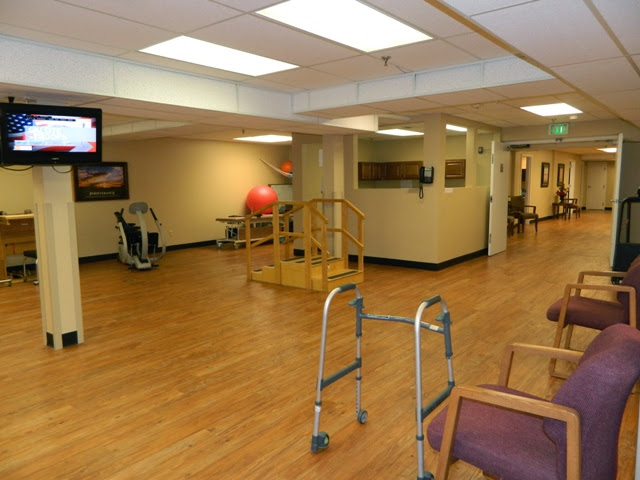
How is Aperion Care Vincennes Staffed?

CMS rates APERION CARE VINCENNES's staffing level at 1 out of 5 stars, which is much below average compared to other nursing homes. Staff turnover is 63%, which is 17 percentage points above the Indiana average of 46%. High turnover can affect care consistency as new staff learn residents' individual needs. RN turnover specifically is 65%, which is notably high. RNs provide skilled clinical oversight, so turnover in this role can affect medical care quality.

What Have Inspectors Found at Aperion Care Vincennes?

State health inspectors documented 69 deficiencies at APERION CARE VINCENNES during 2021 to 2025. These included: 2 that caused actual resident harm, 66 with potential for harm, and 1 minor or isolated issues. Deficiencies causing actual harm indicate documented cases where residents experienced negative health consequences.
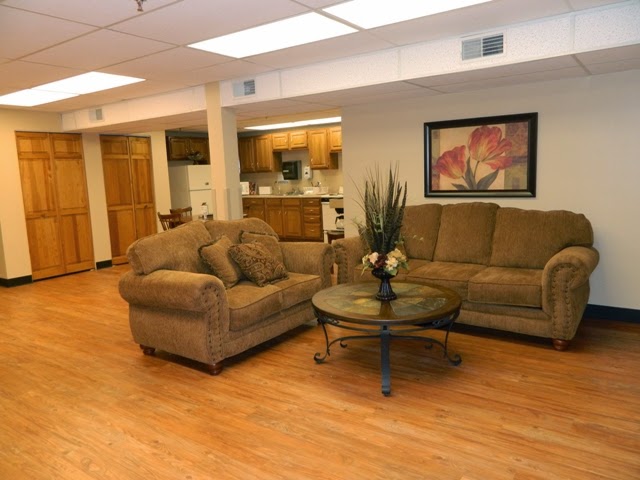
Who Owns and Operates Aperion Care Vincennes?

APERION CARE VINCENNES is owned by a for-profit company. For-profit facilities operate as businesses with obligations to shareholders or private owners. The facility is operated by APERION CARE, a chain that manages multiple nursing homes. With 170 certified beds and approximately 89 residents (about 52% occupancy), it is a mid-sized facility located in VINCENNES, Indiana.
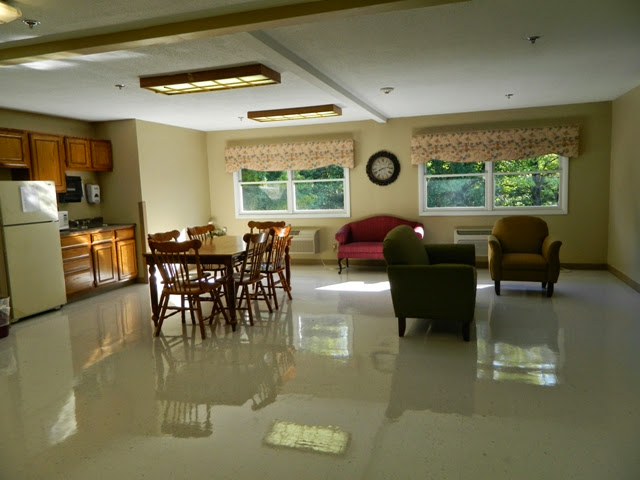
How Does Aperion Care Vincennes Compare to Other Indiana Nursing Homes?

Compared to the 100 nursing homes in Indiana, APERION CARE VINCENNES's overall rating (1 stars) is below the state average of 3.1, staff turnover (63%) is significantly higher than the state average of 46%, and health inspection rating (1 stars) is much below the national benchmark.

What Should Families Ask When Visiting Aperion Care Vincennes?

Based on this facility's data, families visiting should ask: "How do you ensure continuity of care given staff turnover, and what is your staff retention strategy?" "Can you walk me through typical staffing levels on day, evening, and night shifts?" "Can I visit during a mealtime to observe dining assistance and food quality?" "How do you handle medical emergencies, and what is your hospital transfer rate?" These questions are particularly relevant given the facility's high staff turnover rate and the below-average staffing rating.

Is Aperion Care Vincennes Safe?

Based on CMS inspection data, APERION CARE VINCENNES has documented safety concerns. The facility is currently on the Special Focus Facility watch list (a federal program monitoring the lowest-performing 1% of nursing homes nationwide). The facility has a 1-star overall rating and ranks #100 of 100 nursing homes in Indiana. Families considering this facility should ask detailed questions about what corrective actions have been taken since these incidents.

Do Nurses at Aperion Care Vincennes Stick Around?

Staff turnover at APERION CARE VINCENNES is high. At 63%, the facility is 17 percentage points above the Indiana average of 46%. Registered Nurse turnover is particularly concerning at 65%. RNs handle complex medical decisions and coordinate care — frequent RN changes can directly impact care quality. High turnover means new staff may not know residents' individual needs, medications, or preferences. It can also be disorienting for residents, especially those with dementia who rely on familiar faces. Families should ask: What is causing the turnover? What retention programs are in place? How do you ensure care continuity during staff transitions?

Was Aperion Care Vincennes Ever Fined?

APERION CARE VINCENNES has no federal fines on record. CMS issues fines when nursing homes fail to meet care standards or don't correct problems found during inspections. The absence of fines suggests the facility has either maintained compliance or corrected any issues before penalties were assessed. This is a positive indicator, though families should still review recent inspection reports for the full picture.

Is Aperion Care Vincennes on Any Federal Watch List?

APERION CARE VINCENNES is currently an SFF Candidate, meaning CMS has identified it as potentially qualifying for the Special Focus Facility watch list. SFF Candidates have a history of serious deficiencies but haven't yet reached the threshold for full SFF designation. The facility is being monitored more closely — if problems continue, it may be added to the official watch list. Families should ask what the facility is doing to address the issues that led to this status.