GENTLE CARE STRATEGIES
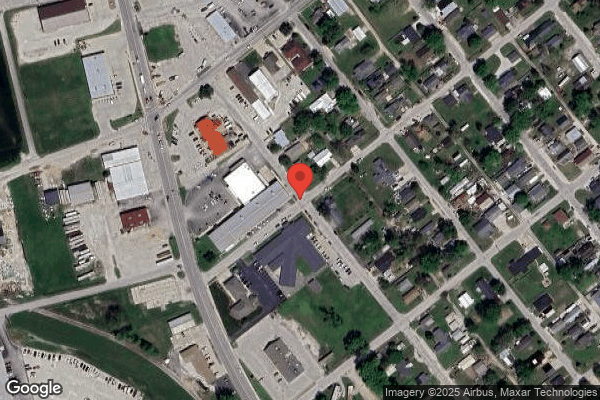

1202 S 16TH ST, VINCENNES, IN 47591 (812) 882-8292
For profit - Limited Liability company 60 Beds Independent Data: November 2025
Trust Grade
80/100
#142 of 505 in IN
Last Inspection: April 2025

Within standard 12-15 month inspection cycle. Federal law requires annual inspections.

Overview

Gentle Care Strategies has a Trust Grade of B+, indicating it is recommended and above average in quality. It ranks #142 out of 505 facilities in Indiana, placing it in the top half, and #2 out of 6 in Knox County, meaning only one other local facility has a better rating. However, the facility is showing a worsening trend, with the number of issues reported increasing from 2 in 2024 to 3 in 2025. Staffing is a notable weakness, with a low rating of 1 out of 5 stars and a turnover of 44%, which is slightly better than the state average but still concerning. On a positive note, the facility has not incurred any fines, suggesting compliance with regulations. There have been some specific concerns noted during inspections, including the lack of a care plan for a resident self-administering eye drops, which could lead to potential issues. Additionally, another incident involved inadequate storage of controlled substances, which poses a safety risk. Overall, while there are strengths in compliance and overall care quality, families should consider the staffing concerns and specific incidents when evaluating this facility.

Trust Score
B+
80/100
In Indiana
#142/505
Top 28%
Safety Record
Low Risk
No red flags
Inspections
Getting Worse
2 → 3 violations
Staff Stability
○ Average
44% turnover. Near Indiana's 48% average. Typical for the industry.
Penalties
✓ Good
No fines on record. Clean compliance history, better than most Indiana facilities.
Skilled Nurses
○ Average
RN staffing data not reported for this facility.
Violations
○ Average
7 deficiencies on record. Average for a facility this size. Mostly minor or procedural issues.
★★★★☆
4.0
Overall Rating
★☆☆☆☆
1.0
Staff Levels
★★★★★
5.0
Care Quality
★★★★☆
4.0
Inspection Score
Stable
2024: 2 issues
2025: 3 issues

The Good

  • 5-Star Quality Measures · Strong clinical quality outcomes
  • Full Sprinkler Coverage · Fire safety systems throughout facility
  • No fines on record
  • Staff turnover below average (44%)

    4 points below Indiana average of 48%

Facility shows strength in quality measures, fire safety.

The Bad

Staff Turnover: 44%

Near Indiana avg (46%)

Typical for the industry

The Ugly 7 deficiencies on record

Apr 2025 3 deficiencies
CONCERN (D)

Potential for Harm - no one hurt, but risky conditions existed

Deficiency F0657 (Tag F0657)

Could have caused harm · This affected 1 resident

**NOTE- TERMS IN BRACKETS HAVE BEEN EDITED TO PROTECT CONFIDENTIALITY** 2. On 4/17/25 at 10:03 A.M., Resident 46's clinical record was reviewed. Diagnoses included, but were not limited to, anxiety an...

Read full inspector narrative →
**NOTE- TERMS IN BRACKETS HAVE BEEN EDITED TO PROTECT CONFIDENTIALITY** 2. On 4/17/25 at 10:03 A.M., Resident 46's clinical record was reviewed. Diagnoses included, but were not limited to, anxiety and depression. The most recent Annual Minimum Data Set (MDS) assessment, dated 2/5/25 indicated Resident 46 did not have a fracture. Resident 46's clinical record lacked current orders related to a fracture. Resident 46's care plans included, but was not limited to the following: The resident has an alteration in musculoskeletal status r/t [related to] Left humerus fracture, revised 3/12/24. 3. On 4/23/25 at 9:54 A.M., Resident 12's clinical record was reviewed. Diagnoses included, but were not limited to, osteoarthritis, anxiety, and depression. The most recent admission MDS assessment, dated 3/19/25, indicated Resident 12 was cognitively intact and was receiving an antipyschotic, antianxiety, antidepressant, diuretic, opioid, and an antiplatelet. Physician's orders included, but were not limited to, the following: Abilify 5 mg, give one 1 tablet by mouth one time a day, ordered 3/13/25, and discontinued 4/10/25 Current Care Plans included, but were not limited to, the following for Resident 12 currently receiving an antipyschotic: resident has a diagnosis of depression and was being treated with an antipsychotic to augment her antidepressant, initiated 3/19/25 I receive psychotropic medications, initiated 3/19/25 The Medication Administration Record (MAR) was reviewed for 4/1/25 through 4/23/25 and indicated the last dose of Abilify given to Resident 12 was 4/10/25. During an interview on 4/24/25 at 10:15 A.M., the MDS Coordinator indicated she was responsible for revising resident care plans. She indicated they were reviewed with MDS assessments and as needed for condition changes of the residents within a few days of changes to remain current for each resident. She indicated Resident 112 finished his antibiotic on 4/16/25 and the care plans should have been resolved. Resident 12 was previously on an antipyschotic that was discontinued and the care plans should have been resolved. Resident 46 no longer had a left humerus fracture and the care plans should have been revised to remove that diagnosis. On 4/24/25 at 10:31 A.M., a current Care Plan Policy, Revised December 2016, was provided by the Administrator and indicated, . Assessments of residents are ongoing and care plans are revised as information about the residents and the residents' condition change . 3.1-35(d)(2)(B) Based on observation, interview, and record review, the facility failed to ensure a resident's care plan was revised for 2 of 5 residents reviewed for unnecessary medications and 1 of 3 reviewed for Activities of Daily Living (ADL) decline. A resident's care plan was not reviewed or revised to remove areas of concern that were no longer relevant to the resident's care, i.e. antibiotic use, fracture care, and antipsychotic use. (Resident 112, Resident 46, Resident 12) Findings include: 1. On 4/23/25 at 11:17 A.M., Resident 112's clinical record was reviewed. Resident 112 was admitted on [DATE]. Diagnoses included, but were not limited to, infection following procedure at surgical site, pulmonary fibrosis, and chronic respiratory failure. The admission Minimum Data Set was in progress and export ready. Current Physician Orders included, but was not limited to, the following: Cipro Oral Tablet 250 MG (milligrams), give 1 tablet by mouth two times a day related to infection following procedure, surgical site until 4/16/25, dated 4/10/25 and completed 4/16/25. A current antibiotic care plan, initiated on 4/11/25, included, but was not limited to, the following interventions: Administer antibiotic medications as ordered by physician. Monitor/document side effects and effectiveness every shift, date Initiated: 04/11/2025 Care plan was not revised/removed after Resident 112 finished the antibiotic on 4/16/25.
CONCERN (D)

Potential for Harm - no one hurt, but risky conditions existed

Deficiency F0761 (Tag F0761)

Could have caused harm · This affected 1 resident

Based on observation, interview and record review, the facility failed to maintain safe and secure storage of medications for 1 of 2 medication carts observed. A medication cup with loose controlled s...

Read full inspector narrative →
Based on observation, interview and record review, the facility failed to maintain safe and secure storage of medications for 1 of 2 medication carts observed. A medication cup with loose controlled substances was observed in a medication cart. (100 hall) (Resident 3, Resident 12, Resident 6) Finding includes: During an observation on 4/23/25 at 10:18 A.M., the medication cart on the 100 hall had 3 clear medication cups that included the following controlled substances: Resident 3--1 tramadol 50 milligram (mg) tablet Resident 12-- 1 Ativan 0.5 mg tablet Resident 6-- 1 hydrocodone-actaminophen 5-325 mg tablet During an interview on 4/16/25 at 10:25 A.M., the Director of Nursing (DON) indicated controlled substances should be stored under a double lock at all times. On 4/24/25 at 10:23 A.M., the Administrator provided a current Controlled Medication Storage policy, revised 1/2024 that indicated, .Controlled medications are stored under double lock . 3.1-25(r)
CONCERN (E)

Potential for Harm - no one hurt, but risky conditions existed

Comprehensive Care Plan (Tag F0656)

Could have caused harm · This affected multiple residents

**NOTE- TERMS IN BRACKETS HAVE BEEN EDITED TO PROTECT CONFIDENTIALITY** 5. On 4/21/25 at 2:12 P.M., Resident 29's clinical record was reviewed. Diagnosis included, but was not limited to, hypertension...

Read full inspector narrative →
**NOTE- TERMS IN BRACKETS HAVE BEEN EDITED TO PROTECT CONFIDENTIALITY** 5. On 4/21/25 at 2:12 P.M., Resident 29's clinical record was reviewed. Diagnosis included, but was not limited to, hypertension. The most recent Quarterly Minimum Data Set (MDS) assessment, dated 3/18/25, indicated Resident 29 had adequate vision and did not have corrective lenses. Physician's Orders included, but was not limited to the following: Refresh Tears Ophthalmic Solution 0.5 % .Instill 2 drop in both eyes every 4 hours as needed for Dry eyes MKAB (may keep at bedside) .start date 4/10/2024 During an interview on 4/22/25 at 1:58 P.M., Licensed Practical Nurse (LPN) 4 indicated Resident 29 self-administered her eye drops. The clinical record lacked a care plan related to Resident 29's self administration of eye drops. During an interview on 4/24/25 at 10:15 A.M., the MDS Coordinator indicated a care plan should be developed if a Resident self administered eye drops, received aspirin, utilized oxygen, and if a Resident utilized the bedside table for their urinal. On 4/24/25 at 10:31 A.M., the Administrator provided a Care Plans, Comprehensive Person--Centered policy, revised 2016, that indicated, .The comprehensive person-centered care plan will: .Describe the services that are to be furnished to attain or maintain the resident's highest practicable physical, mental, and psychosocial well-being .Reflect the resident's expressed wishes regarding care and treatment goals . 3.1-35(a) Based on observation, interview, and record review, the facility failed to develop and implement a comprehensive person-centered care plan for 5 of 18 residents sampled. Two residents were on Aspirin (ASA), a resident was on oxygen, a resident self administered eye drops, and a resident kept a urinal on the beside table but did not have care plans for them. (Resident 36, Resident 50, Resident 112, Resident 54, Resident 29) Findings include: 1. On 4/23/25 at 10:39 A.M., Resident 36's clinical record was reviewed. Diagnoses included, but were not limited to, other frontotemporal neurocognitive disorder, anxiety, depression, and dementia. The most recent Quarterly Minimum Data Set (MDS) assessment, dated 2/12/25, indicated Resident 36's cognition was severely impaired and was taking an antipyschotic, antianxiety, antidepressant, diuretic, opioid, and antiplatelet medication. Current Physician's Orders included, but were not limited to, ASA (antiplatelet) 81 milligrams (mg), give one tablet orally one time a day, ordered 8/4/22 The clinical record lacked a care plan for Resident 36 receiving an antiplatelet medication. 2. On 4/22/25 at 10:32 A.M., Resident 50's clinical record was reviewed. Diagnoses included but were not limited to, vascular Parkinsonism, cognitive communication deficit, delirium due to physiological condition and restlessness and agitation. The most recent Quarterly Minimum Data Set (MDS) assessment, dated 2/6/25, indicated Resident 50 had severe cognitive impairment, needed partial/moderate assistance - helper does less than half the effort- for eating, substantial/maximal assistance - helper does more than half the effort- for toilet use, bed mobility and transfers, and was on hospice. Current Physician Orders included, but was not limited to, the following: Aspirin Oral Capsule 81 MG (Aspirin) Give 1 capsule by mouth one time a day for antiplatelet, dated 10/29/2024 Resident 50's clinical record lacked a care plan for aspirin use. 3. On 4/21/25 at 11:58 A.M., Resident 54 was observed sitting in a chair in his room with his urinal sitting on the bedside cabinet with urine in it. On 4/23/25 at 9:16 A.M., Resident 54 was observed lying in bed, wife at bedside, talking with Social Services, and urinal sitting on bedside table with small amount of urine in it. On 4/23/25 at 9:28 A.M., Resident 54's clinical record was reviewed. He was admitted on [DATE]. Diagnosis included, but was not limited to, hypo-osmolality and hyponatremia. The admission Minimum Data Set was in progress and export ready. Current Physician Orders included, but was not limited to, the following: Enhanced Barrier Precautions every shift for history of Extended-spectrum beta-lactamases (ESBL)(bacteria in the urine), dated 4/6/2025 Nurse's Note from 4/6/2025 at 10:02 P.M. Note Text: 72 hour charting: Resting quietly abed, eyes closed, respirations even and unlabored. Has denied pain or discomfort this shift. Using urinal without difficulty. Assisted with bed mobility per staff. Alert and oriented x 3, able to voice wants and needs, uses call light as needed. Plan of care ongoing. Nurse's Note from 4/7/2025 at 8:40 P.M. Note Text: 72 hour charting: Resting abed. Alert and oriented x 3, pleasant. Denies pain or discomfort. Respirations even and unlabored. Voiding per urinal without difficulty. Urine clear yellow. No s/s (signs/symptoms) distress. Call light in reach. Plan of care ongoing. Resident 54's clinical record lacked a care plan for resident's preference to use a urinal and to set it on the bedside table. 4. On 4/23/25 at 11:17 A.M., Resident 112's clinical record was reviewed. Resident 112 was admitted on [DATE]. Diagnoses included, but were not limited to, infection following procedure at surgical site, pulmonary fibrosis, and chronic respiratory failure. The admission Minimum Data Set was in progress and export ready. Current Physician Orders included, but was not limited to, the following: Oxygen at 2 lpm (liters per minute) via NC (nasal cannula). Monitor oxygen saturations while on continuous oxygen, two times a day related to pulmonary fibrosis and chronic respiratory failure, dated 4/10/2025. Resident 112's clinical record lacked a care plan for oxygen.
Sept 2024 1 deficiency
CONCERN (D) 📢 Someone Reported This

A family member, employee, or ombudsman was alarmed enough to file a formal complaint

Potential for Harm - no one hurt, but risky conditions existed

Accident Prevention (Tag F0689)

Could have caused harm · This affected 1 resident

Based on observation, interview, and record review, the facility failed to ensure adequate supervision and a secured environment was in place to prevent a resident with dementia from exiting the facil...

Read full inspector narrative →
Based on observation, interview, and record review, the facility failed to ensure adequate supervision and a secured environment was in place to prevent a resident with dementia from exiting the facility unsupervised. On 9/21/24, while on 15-minute checks, a resident was noticed to be missing at 5:20 A.M. Staff quickly located the resident outside the Hall 2 emergency exit door where the resident exited the facility and apparently fallen while unsupervised. (Resident C) Finding includes: A review of facility reported incidents on 9/30/24 at 11:15 A.M., included an IDOH (Indiana Department of Health) Reportable Incident form completed by the Facility Administrator, with an incident date of 9/21/24 at 5:30 A.M., indicated that staff was notified that Resident C was missing from her room at approximately 5:20 A.M. Staff went to the Hall 2 exit door and found Resident C sitting on the ground outside of the facility. Resident C was noted to have a small abrasion on her palms with a scant amount of fresh blood around left temple area. Resident was assessed and assisted back into the facility at approximately 5:30 A.M. On 9/30/24 at 11:20 A.M., LPN 4 indicated that Resident C was at risk for wandering and elopement and wore a WanderGaurd bracelet (a device that triggers door alarms and locks monitored doors to prevent the resident from leaving unattended). Resident C was on one-to-one observation at that time due to exit seeking behaviors. During an observation on 9/30/24 at 11:25 A.M. Resident C was sitting in her room with a staff member sitting next to her. The emergency exit door on Hall 2 was observed to have a magnetic alarm attached to it that would sound if the door were opened. During record review on 9/30/24 at 11:30 A.M., Resident C's diagnoses included, but were not limited to vascular dementia with behavioral disturbance, unsteadiness on feet, altered mental status, and auditory hallucinations. Resident C's most recent admission Minimum Data Set (MDS) assessment, dated 9/14/24, indicated the resident had severe cognitive impairment, had no functional impairments to extremities, used a walker for ambulation, could walk 10 feet with supervision of one staff, wandered daily, and that the resident's wandering behavior put the resident at significant risk of getting to a dangerous place (including outside of the facility). Resident C's comprehensive care plan included, but was not limited to: A focus of resident is at risk for elopement due to attempting to exit seek upon admission and wandering at previous facility (initiated 9/14/24) with interventions that included, check function of WanderGaurd every shift, respect resident's right to make decisions, and WanderGaurd placement on resident's wrist at all times. A focus of resident is at risk for wandering and elopement (initiated 9/14/24) with a goal of resident will not leave facility unattended. Resident C's elopement risk evaluation, dated 9/14/23, indicated Resident C had a history of elopement or an attempted elopement while at home and wandered aimlessly. Resident C's physician orders included, but were not limited to, WanderGaurd bracelet with an order date of 9/5/24, and 1:1 supervision to ensure safety with an order date of 9/21/24. Resident C's nurse's progress notes included, but were not limited to the following: On 9/9/24 at 5:55 P.M. - Resident had multiple attempts to exit seek today. WanderGaurd in place and functioning properly. On 9/15/24 at 3:50 P.M. - staff notified nurse that resident had been exit seeking. Thirty (30) minute safety checks changed to 15-minute safety checks. Physician, Administrator, and Direct of Nursing (DON) notified. 9/21/24 at 5:30 A.M. - Incident occurred when resident opened emergency exit door and stepped outside. As resident was going outside, she stepped down and lost balance causing her to scrape body against the brick on the outside of the facility. Resident has abrasions on her arms and on to her face. Resident redirected back inside facility. Administrator, DON, and family notified. A review of the facility's investigation of Resident C's elopement on 9/21/24 included a typed note dated 9/25/24, and signed by RN 6. The note indicated, on 9/21/24 RN 6 was alerted by LPN 9 that at approximately 5:20 A.M., that she needed assistance locating Resident C. LPN 9 indicated that Resident C had been exit-seeking earlier in the night on Hall 2. RN 6 immediately check outside the emergency exit door located on Hall 2 and found Resident C sitting on the ground outside of the facility. Resident C was noted to have a small abrasions on palms and scant amount of fresh blood on left temple area. Resident C was assisted back into the building at approximately 5:30 A.M. LPN 9 indicated that Resident C had been exit-seeking at around 2:00 A.M. but that staff was able to redirect resident back to room and that no administrative staff was notified of the behavior. CNA on hall indicated the last bed check was completed at 5:15 A.M. During an interview on 9/30/24 at 11:45 A.M., the Facility Administrator indicated that Resident C had been on 15 minute safety checks the morning of 9/21/24 and that the 15 minute checks were documented in the Point of Care (POC) charting system. A review of Resident C's 15-minute safety checks on 9/30/24 at 11:50 A.M., indicated the resident had been 15-minute safety checks the morning of 9/21/24. Documented 15-minute checks included the following times: 9/21/24 - 12:01 A.M. 9/21/24 - 1:09 A.M. 9/21/24 - 3:23 A.M. 9/21/24 - 3:29 A.M. 9/21/24 - 3:32 A.M. 9/21/24 - 3:33 A.M. 9/21/24 - 4:23 A.M. (last documented 15-minute check observation of resident before missing at 5:20 A.M.) During an interview on 9/30/24 at 1:10 P.M., the DON indicated after reviewing the incident and interviewing staff who were on duty the morning of 9/21/24, she did not believe the emergency exit door had alarmed as it should have when pushed open by Resident C when she was able to exit the facility unsupervised. It was not clear as to why the alarm did not sound as it was functioning correctly when all doors were checked following Resident C's elopement. Staff had not indicated that the alarm alerted them that Resident C had exited the door, rather LPN 9 realized Resident C was not in her room at 5:20 A.M. The DON also indicated that if LPN 9 had notified other staff of Resident C's exit seeking behavior on 9/21/24 at 2:00 A.M., an intervention of placing the resident on 1:1 observation could have been implemented. The DON also indicated that an additional alarming device was added the the emergency exit door on Hall 2. A review of daily door checks on 9/30/24 at 1:25 P.M., indicated all doors had been check the day prior to Resident C's elopement and all door alarms were functioning correctly. On 9/30/24 at 2:20 P.M., the DON supplied a facility policy titled Elopement/Wander Risk Policy, dated 07/2023. The policy included, .3. Staff members are asked to notify the nurse on duty of any Resident that is suspected of being an elopement risk or found trying to leave the building 5.All fire doors are equipped with an alarming mechanism regardless of wander-guard in place to alarm staff when a resident is attempting to go out the fire doors . This citation relates to Complaint IN00444101. 3.1-45(a)(2)
Mar 2024 1 deficiency
CONCERN (D)

Potential for Harm - no one hurt, but risky conditions existed

Transfer Notice (Tag F0623)

Could have caused harm · This affected 1 resident

Based on interview and record review, the facility failed to ensure the written notification required for a transfer and discharge was provided to the resident's representative for 1 of 1 residents re...

Read full inspector narrative →
Based on interview and record review, the facility failed to ensure the written notification required for a transfer and discharge was provided to the resident's representative for 1 of 1 residents reviewed for hospitalization. (Resident 4) Finding includes: On 3/15/24 at 11:00 a.m., Resident 4's clinical record was reviewed. The diagnosis included, but was not limited to, hepatic encephalopathy. Resident 4's progress notes indicated the resident was sent to the hospital on 1/11/24 and 1/29/24. The clinical record lacked documentation of written notification of the Notice Transfer and Discharge forms having been provided to the resident and the resident representative. During an interview on 3/15/24 at 11:30 a.m., the Director of Nursing (DON) indicated the facility sent the Notice of Transfer and Discharge forms with Resident 4 when going to the hospital but did not provide the forms in writing to the resident's representative. On 3/15/24 at 11:58 a.m., the DON provided the facility policy, Transfer/Discharge Verification Checklist, dated 2/28/19, and indicated this was the policy currently being used by the facility. A review of the policy did not indicate sending a Notice of Transfer and Discharge form with the resident and resident representative when the resident was transferred to the hospital. 3.1-12(a)(6)(A)(ii)
Jun 2022 2 deficiencies
CONCERN (D)

Potential for Harm - no one hurt, but risky conditions existed

Comprehensive Care Plan (Tag F0656)

Could have caused harm · This affected 1 resident

Based on observation, interview, and record review, the facility failed to ensure services were provided in accordance with the written plan of care for 1 of 2 residents reviewed for nutrition and dur...

Read full inspector narrative →
Based on observation, interview, and record review, the facility failed to ensure services were provided in accordance with the written plan of care for 1 of 2 residents reviewed for nutrition and during random observations of a resident on isolation precautions. (Resident 23, Resident 242) Findings include: 1. On 6/6/22 at 10:56 A.M., Resident 242 was observed in a yellow zone precaution room. On 6/6/22 at 11:03 A.M., Resident 242's current orders included, but were not limited to .6/3/22 Admit to facility .INSTITUTE COV-19 [Covid] TRANSMISSION BASED PRECAUTIONS ON ALL ADMITS/READMITS PRN [as needed] . On 6/7/22 at 9:53 A.M., Resident 242 was observed sitting in the common area. At that time, the yellow zone precaution sign was observed on the resident's door. On 6/7/22 at 10:28 A.M., Resident 242 was observed sitting in the dining room. On 6/7/22 at 2:19 P.M., Resident 242 was observed sitting in the common area. At that time, the yellow zone precaution sign was observed on the resident's door. During an interview on 6/7/22 at 2:40 P.M., Registered Nurse (RN) 5 indicated Resident 242 was in the yellow zone isolation precautions due to being newly admitted from another facility. 2. On 6/8/22 at 1:47 P.M., Resident 23's clinical record was reviewed. The most recent annual Minimum Data Set (MDS) assessment, dated 5/1/22, indicated Resident 23 was severely cognitively impaired. Resident 23's current care plan, initiated 4/26/21, indicated I will consume 50%-75% of meals x 3 dly [daily]. On 6/8/22 at 2:45 P.M., Resident 23's meal consumption sheets were reviewed for May to June 2022. The meal consumption sheet indicated .offer replacement for consumptions of 50% or less . Resident 23 consumed less than or equal to 50% of the meal and was not offered a replacement on the following dates: 5/12/22- supper 5/13/22- supper 5/14/22- supper 5/15/22- supper 5/16/22- supper 5/31/22- lunch 6/2/22- supper 6/3/22- supper 6/4/22- supper 6/5/22- supper 6/6/22- supper 6/7/22- supper 6/8/22- supper During an interview on 6/10/22 at 10:48 A.M., Certified Nursing Assistant (CNA) 4 indicated Resident 23 consumes 25-75% of the meals offered. CNA 4 further indicated that Resident 23 is offered an alternate food option. On 6/10/22 at 2:00 P.M., a current Resident Care Plan policy, dated 8/16/11, was provided and indicated .Staff utilize the resident care plan to help provide appropriate care and documentation for each resident . 3.1-35(a)
CONCERN (D)

Potential for Harm - no one hurt, but risky conditions existed

Infection Control (Tag F0880)

Could have caused harm · This affected 1 resident

Based on observation, interview, and record review, the facility failed to ensure infection control practices were maintained to mitigate the spread of COVID-19 during 1 of 1 observations of staff COV...

Read full inspector narrative →
Based on observation, interview, and record review, the facility failed to ensure infection control practices were maintained to mitigate the spread of COVID-19 during 1 of 1 observations of staff COVID-19 testing. Staff were observed performing a COVID-19 test without wearing the required PPE (Personal Protective Equipment) and staff failed to perform hand hygiene. Finding includes: During an observation on 6/7/22 at 2:31 p.m., LPN 1 was observed to perform a COVID-19 test on CNA 2. LPN 1 wore a KN95 mask and gloves for PPE but did not wear a gown or eye protection. LPN 1 performed the COVID-19 test, swabbing both nares of CNA 2. LPN 1 removed gloves following the test, and did not perform hand hygiene. LPN 1 indicated they usually wear a mask and gloves, but at one time they wore a face shield as well. However, they were told to not wear the face shield if the county COVID-19 positivity rate is low. During an interview on 6/7/22 at 3:14 p.m., the DON (Director of Nursing) indicated while routine testing, staff usually does not put on a gown and shield, but that they would if a staff member was symptomatic. During an interview on 6/10/22 at 9:10 A.M., the DON indicated the facility follows the CDC (Centers for Disease Control and Prevention) recommendations for PPE use while testing for COVID-19. CDC guidelines for collecting and handling of clinical specimens for COVID-19 testing, updated 5/18/22, included, Ensure that recommended personal protective equipment (PPE) is worn when collecting specimens. This includes gloves, a gown, eye protection (face shield or goggles), and an N-95 or higher-level respirator . On 6/10/22 at 3:40 P.M., the DON supplied a facility policy titled, Handwashing and Hand Asepsis, dated 2/9/22. The policy included, Specific indications for handwashing . After removing gloves. 3.1-18(b) 3.1-18(l)
Understanding Severity Codes (click to expand)
Life-Threatening (Immediate Jeopardy)
J - Isolated K - Pattern L - Widespread
Actual Harm
G - Isolated H - Pattern I - Widespread
Potential for Harm
D - Isolated E - Pattern F - Widespread
No Harm (Minor)
A - Isolated B - Pattern C - Widespread

Questions to Ask on Your Visit

  • "Can I speak with families of current residents?"
  • "What's your RN coverage like on weekends and overnight?"

Our Honest Assessment

Strengths
  • • Grade B+ (80/100). Above average facility, better than most options in Indiana.
  • • No major safety red flags. No abuse findings, life-threatening violations, or SFF status.
  • • No fines on record. Clean compliance history, better than most Indiana facilities.
  • • 44% turnover. Below Indiana's 48% average. Good staff retention means consistent care.
Concerns
  • • No significant concerns identified. This facility shows no red flags across CMS ratings, staff turnover, or federal penalties.
Bottom line: Generally positive indicators. Standard due diligence and a personal visit recommended.

About This Facility

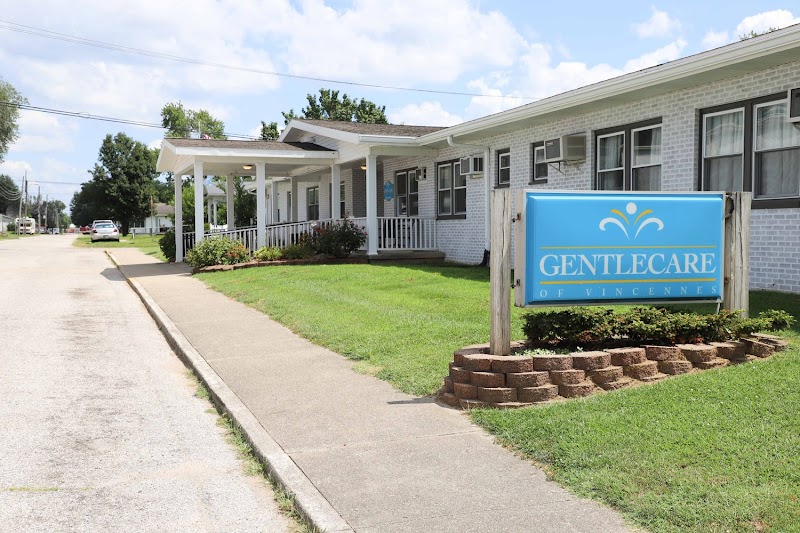
What is Gentle Care Strategies's CMS Rating?

CMS assigns GENTLE CARE STRATEGIES an overall rating of 4 out of 5 stars, which is considered above average nationally. Within Indiana, this rating places the facility higher than 99% of the state's 100 nursing homes. This rating reflects solid performance across the metrics CMS uses to evaluate nursing home quality.
How is Gentle Care Strategies Staffed?

CMS rates GENTLE CARE STRATEGIES's staffing level at 1 out of 5 stars, which is much below average compared to other nursing homes. Staff turnover is 44%, compared to the Indiana average of 46%. This relatively stable workforce can support continuity of care.

What Have Inspectors Found at Gentle Care Strategies?

State health inspectors documented 7 deficiencies at GENTLE CARE STRATEGIES during 2022 to 2025. These included: 7 with potential for harm.
Who Owns and Operates Gentle Care Strategies?

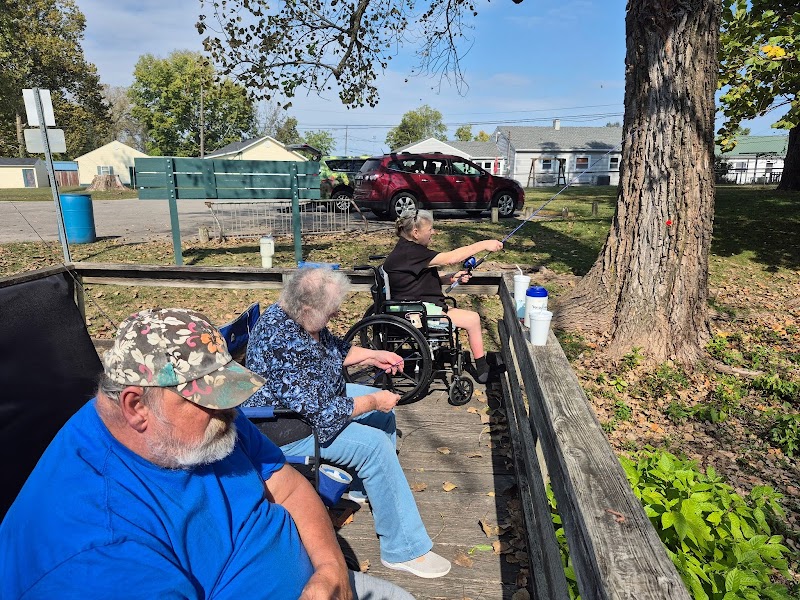
GENTLE CARE STRATEGIES is owned by a for-profit company. For-profit facilities operate as businesses with obligations to shareholders or private owners. The facility operates independently rather than as part of a larger chain. With 60 certified beds and approximately 55 residents (about 92% occupancy), it is a smaller facility located in VINCENNES, Indiana.
How Does Gentle Care Strategies Compare to Other Indiana Nursing Homes?

Compared to the 100 nursing homes in Indiana, GENTLE CARE STRATEGIES's overall rating (4 stars) is above the state average of 3.1, staff turnover (44%) is near the state average of 46%, and health inspection rating (4 stars) is above the national benchmark.

What Should Families Ask When Visiting Gentle Care Strategies?

Based on this facility's data, families visiting should ask: "Can you walk me through typical staffing levels on day, evening, and night shifts?" "Can I visit during a mealtime to observe dining assistance and food quality?" "How do you handle medical emergencies, and what is your hospital transfer rate?" "Can I speak with family members of current residents about their experience?" These questions are particularly relevant given the below-average staffing rating.

Is Gentle Care Strategies Safe?

Based on CMS inspection data, GENTLE CARE STRATEGIES has a clean safety record: no substantiated abuse findings (meaning no confirmed cases of resident harm), no Immediate Jeopardy citations (the most serious violation level indicating risk of serious injury or death), and is not on the Special Focus Facility watch list (a federal program monitoring the lowest-performing 1% of nursing homes). The facility has a 4-star overall rating and ranks #1 of 100 nursing homes in Indiana. While no facility is perfect, families should still ask about staff-to-resident ratios and recent inspection results during their visit.

Do Nurses at Gentle Care Strategies Stick Around?

GENTLE CARE STRATEGIES has a staff turnover rate of 44%, which is about average for Indiana nursing homes (state average: 46%). Moderate turnover is common in nursing homes, but families should still ask about staff tenure and how the facility maintains care continuity when employees leave.

Was Gentle Care Strategies Ever Fined?

GENTLE CARE STRATEGIES has no federal fines on record. CMS issues fines when nursing homes fail to meet care standards or don't correct problems found during inspections. The absence of fines suggests the facility has either maintained compliance or corrected any issues before penalties were assessed. This is a positive indicator, though families should still review recent inspection reports for the full picture.

Is Gentle Care Strategies on Any Federal Watch List?

GENTLE CARE STRATEGIES is not on any federal watch list. The most significant is the Special Focus Facility (SFF) program, which identifies the bottom 1% of nursing homes nationally based on persistent, serious quality problems. Not being on this list means the facility has avoided the pattern of deficiencies that triggers enhanced federal oversight. This is a positive indicator, though families should still review the facility's inspection history directly.