EASTGATE MANOR NURSING AND REHABILITATION
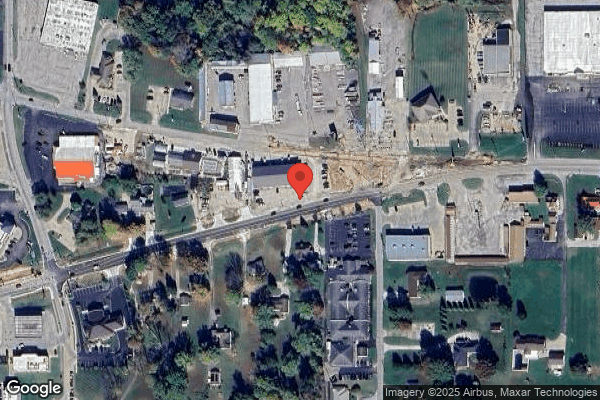
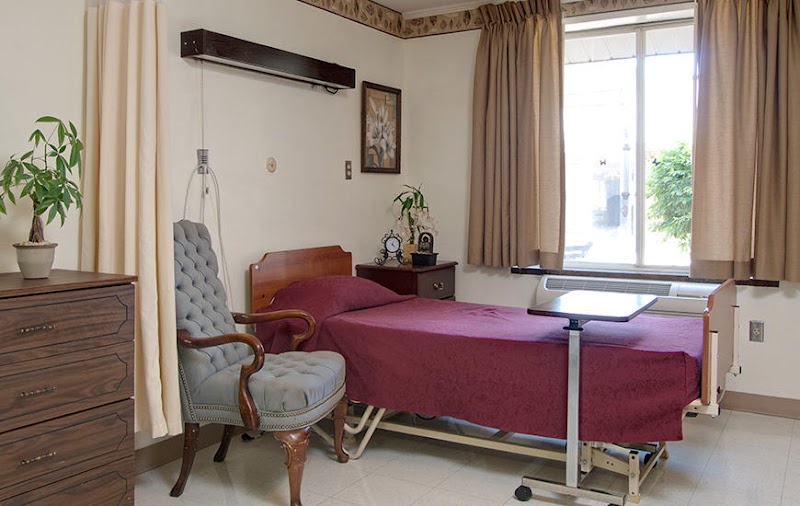
2119 E NATIONAL HWY, WASHINGTON, IN 47501 (812) 254-3301
Non profit - Corporation 62 Beds AMERICAN SENIOR COMMUNITIES Data: November 2025
Trust Grade
90/100
#28 of 505 in IN
Last Inspection: May 2025

Inspected within the last 6 months. Data reflects current conditions.

Overview

Eastgate Manor Nursing and Rehabilitation has received a Trust Grade of A, indicating excellent quality and a high recommendation for families considering this facility. It ranks #28 out of 505 nursing homes in Indiana, placing it in the top half, and holds the top position in Daviess County, suggesting it is the best local option available. The facility is trending positively, having improved from six issues in 2024 to none in 2025, although it still has some areas for improvement. Staffing is rated average with a score of 3 out of 5 and a turnover rate of 48%, which is on par with the state average, while it boasts more registered nurse coverage than 98% of Indiana facilities, indicating strong oversight. However, there have been some concerns: the facility failed to maintain a safe and sanitary environment in several rooms, with issues like damaged walls and non-functional lights, and food storage practices were found lacking, with items improperly stored and exposed to air. Overall, while Eastgate Manor has notable strengths, attention to these concerns is necessary for continued improvement.

Trust Score
A
90/100
In Indiana
#28/505
Top 5%
Safety Record
Low Risk
No red flags
Inspections
Getting Better
6 → 0 violations
Staff Stability
⚠ Watch
48% turnover. Above average. Higher turnover means staff may not know residents' routines.
Penalties
✓ Good
No fines on record. Clean compliance history, better than most Indiana facilities.
Skilled Nurses
✓ Good
Each resident gets 67 minutes of Registered Nurse (RN) attention daily — more than 97% of Indiana nursing homes. RNs are the most trained staff who catch health problems before they become serious.
Violations
○ Average
10 deficiencies on record. Average for a facility this size. Mostly minor or procedural issues.
★★★★★
5.0
Overall Rating
★★★☆☆
3.0
Staff Levels
★★★★★
5.0
Care Quality
★★★★★
5.0
Inspection Score
Stable
2024: 6 issues
2025: 0 issues

The Good

  • 5-Star Quality Measures · Strong clinical quality outcomes
  • Full Sprinkler Coverage · Fire safety systems throughout facility
  • No fines on record

Facility shows strength in quality measures, fire safety.

The Bad

Staff Turnover: 48%

Near Indiana avg (46%)

Higher turnover may affect care consistency

Chain: AMERICAN SENIOR COMMUNITIES

Part of a multi-facility chain

Ask about local staffing decisions and management

The Ugly 10 deficiencies on record

Apr 2024 5 deficiencies
CONCERN (D)

Potential for Harm - no one hurt, but risky conditions existed

Assessment Accuracy (Tag F0641)

Could have caused harm · This affected 1 resident

**NOTE- TERMS IN BRACKETS HAVE BEEN EDITED TO PROTECT CONFIDENTIALITY** Based on observation, interview, and record review, the facility failed to ensure the accuracy of the Minimum Data Set assessmen...

Read full inspector narrative →
**NOTE- TERMS IN BRACKETS HAVE BEEN EDITED TO PROTECT CONFIDENTIALITY** Based on observation, interview, and record review, the facility failed to ensure the accuracy of the Minimum Data Set assessment for 2 of 18 residents reviewed. A urinary catheter and discharge was coded inaccurately. (Resident 52, Resident 54) Findings include: 1. Resident 52's clinical record was reviewed on 4/17/24 at 11:55 a.m. The diagnoses included, but were not limited to, obstructive and reflux uropathy, unspecified, and neuromuscular dysfunction of bladder. Physician orders, dated 4/1/24 through 4/19/24, for Resident 52 indicated . cath [catheter] orders: Foley catheter Size: 18 Fr [french] 10 mL [milliliters] bulb . The start date for the Foley catheter was 3/26/24. Resident 52's admission Minimum Data Set (MDS) assessment, dated 3/31/24, indicated the resident did not have a Foley catheter during the 7 day look back period of 3/25/24 through 3/31/24. 2. Resident 54's clinical record was reviewed on 4/17/24 at 11:56 a.m. The diagnosis included, but was not limited to, sepsis. Nursing Progress Notes, dated 1/6/24 at 9:56 a.m., for Resident 54 indicated, Estimated discharge date : [DATE]. Planned discharge location: home with home care and family support. Nursing Progress Notes, dated 1/17/24 at 9:36 a.m., for Resident 54 indicated, Estimated discharge date : [DATE]. Planned discharge location: home with family support. Nursing Progress Notes, dated 1/24/24 at 12:23 p.m., for Resident 54 indicated, Estimated discharge date : [DATE]. Planned discharge location: home with family support. Resident 54's Discharge MDS assessment, dated 2/5/24, indicated the resident went home to the community and the discharge was not planned. During an interview on 4/18/24 at 11:29 a.m., the Executive Director indicated the MDS's for Resident 52 not having a Foley catheter and for Resident 54's discharge not being planned were coded incorrectly. On 4/19/24 at 12:19 p.m., the Executive Director provided the facility's policy,Resident Assessment (RAI) Medicare MDS Scheduling with a reviewed date of 4/2023, and indicated it was the policy currently being used by the facility. A review of the policy did not indicate ensuring accurate coding of the MDS. 3.1-31(d)
CONCERN (D)

Potential for Harm - no one hurt, but risky conditions existed

Deficiency F0657 (Tag F0657)

Could have caused harm · This affected 1 resident

Based on interview and record review, the facility failed to ensure a care plan meeting was held in conjunction with the Quarterly Minimum Data Set (MDS) assessment for 1 of 2 residents reviewed for c...

Read full inspector narrative →
Based on interview and record review, the facility failed to ensure a care plan meeting was held in conjunction with the Quarterly Minimum Data Set (MDS) assessment for 1 of 2 residents reviewed for care planning. (Resident 49) Findings include: During an interview on 4/16/24 at 11:40 a.m., Resident 49 indicated he and his wife had not been invited to a care plan meeting for a long time and he had not been kept informed of what was going on with his plan of care or when he was going to be able to be discharged back home. Resident 49's clinical record was reviewed on 4/17/24 at 11:00 a.m. The diagnoses included, but were not limited to, incomplete lesion at C5 level of cervical spinal cord and quadriplegia. A review on 4/17/24 at 11:15 a.m., of the Care Conference Summary notes indicated Resident 49 and his wife attended a care conference meeting on 1/3/24. A care plan, initiated on 3/22/24, and current through target date 6/22/2024, for Resident 49 indicated, . PROBLEM: Resident's discharge goal is to return to the community. Home with possible home care . GOAL: Resident will be discharged to return home with family support and possible home care . APPROACH: Resident and resident representative will be encouraged to participate in the discharge planning process . Resident 49's Quarterly MDS assessment was dated 3/20/24. The clinical record lacked documentation of a care plan meeting being held during that time. During an interview on 4/19/24 at 10:54 a.m., the Social Worker indicated Resident 49 was almost a month overdue for his care plan meeting. The meeting should have been held during the time the most recent MDS assessment was completed on 3/20/24. On 4/19/24 at 1:07 p.m., the Executive Director provided the facility's policy,IDT Care Plan Review Guidelines with a reviewed date of 8/2023, and indicated it was the policy currently being used by the facility. A review of the policy did not indicate how often a care plan meeting should be held. 3.1-35(d)(2)(B)
CONCERN (D)

Potential for Harm - no one hurt, but risky conditions existed

Deficiency F0685 (Tag F0685)

Could have caused harm · This affected 1 resident

Based on interview and record review, the facility failed to ensure staff assisted a resident in gaining access to vision services by making appointments for 1 of 1 resident reviewed for ancillary ser...

Read full inspector narrative →
Based on interview and record review, the facility failed to ensure staff assisted a resident in gaining access to vision services by making appointments for 1 of 1 resident reviewed for ancillary services. (Resident 14) Finding includes: During an interview on 4/15/24 at 2:22 p.m., Resident 14 indicated her eyes were getting worse and she thought she needed new glasses. She indicated she had an eye doctor she was supposed to go see, however, she did not know when her next appointment was scheduled. On 4/16/24 at 11:12 a.m., Resident 14's clinical record was reviewed. The diagnoses included, but were not limited to, diabetes type 2 and hypertension. A 2/7/24 Quarterly Minimum Data Set (MDS) assessment indicated the resident was cognitively intact. A 8/29/23 Optometry Doctor (OD) assessment, indicated the patient was diagnosed with diabetic retinopathy (damage to the blood vessels in the tissue at the back of the eye), macular degeneration (loss in the center of the field of vision), pseudophakia (having an artificial lens implanted after the natural eye lens has been removed), dry eye, and presbyopia (when your eyes gradually lose the ability to see things clearly up close). The eye doctor referred the resident to be see by a retinal specialist for diabetic changes in her eyes and reduced vision. A 4/19/21 Request for Service Consent, indicated the resident requested services for eye care. An 11/13/23 Social Services Assessment, indicated the resident needed ancillary referrals for vision. During an interview on 4/19/24 at 12:33 p.m., the Executive Director (ED) indicated the Social Services Director would be responsible for setting up OD referrals after the appointment. During an interview on 4/19/24 at 12:58 p.m., the ED indicated staff talked to the resident about getting seen outside of facility for services and she refused. She indicated there were no notes which indicated the resident refused to be seen related to the OD's referral to the retinal specialist. On 4/19/24 at 1:30 p.m., the ED provided the facility policy, Vision and Hearing Services, revised on January, 2006, and indicated it was the policy currently being used. A review of the policy indicated, . All resident requiring vision . services outside the facility will be assisted with the necessary arrangements . 3.1-39(a)(1)
CONCERN (D)

Potential for Harm - no one hurt, but risky conditions existed

Incontinence Care (Tag F0690)

Could have caused harm · This affected 1 resident

Based on observation, interview, and record review, the facility failed to ensure a urinary drainage bag and tubing attached to a urinary catheter was positioned off the floor for 1 of 1 resident revi...

Read full inspector narrative →
Based on observation, interview, and record review, the facility failed to ensure a urinary drainage bag and tubing attached to a urinary catheter was positioned off the floor for 1 of 1 resident reviewed for urinary catheters. (Resident 52) Finding includes: On 4/15/24 at 10:54 a.m., Resident 52 was observed to be sitting in her wheelchair in her room. The urinary drainage bag was observed to be touching the floor. On 4/15/24 at 3:08 p.m., Resident 52 was observed to be rolling around the hallway in her wheelchair. The urinary drainage bag was observed to be dragging the floor. On 4/17/24 at 11:10 a.m., Resident 52 was observed to be sitting in her wheelchair in her room. The urinary drainage tubing was observed to be been touching the floor. Resident 52's clinical record was reviewed on 4/17/24 at 11:55 a.m. The diagnoses included, but were not limited to, obstructive and reflux uropathy, unspecified, and neuromuscular dysfunction of bladder. Physician orders, dated 4/1/24 through 4/19/24, for Resident 52 indicated . cath [catheter] orders: Foley catheter Size: 18 Fr [french] 10 mL [milliliters] bulb . Nursing Progress Notes, dated 3/31/24, indicated Resident 52 was being treated for a urinary tract infection. A care plan, initiated on 3/26/24, and current through target date 6/26/24, for Resident 52 indicated, . PROBLEM: Resident requires an indwelling urinary catheter . GOAL: Resident will have catheter care managed appropriately as evidenced by not exhibiting signs of urinary tract infection . APPROACH: Do not allow tubing or any part of the drainage system to touch the floor . On 4/18/24 at 11:06 a.m., Resident 52 was observed to be sitting in her wheelchair in her room. The urinary drainage bag and tubing was observed to be touching the floor. On 4/19/24 at 11:36 a.m., Resident 52 was observed to be sitting in her wheelchair in her room. The urinary drainage bag and tubing was observed to be touching the floor. During an interview on 4/19/24 at 11:37 a.m., Certified Nursing Assistant (CNA) 1 indicated the urinary drainage bag and tubing for Resident 52 was currently on the floor and should not be. On 4/19/24 at 12:19 p.m., the Executive Director provided the facility's policy,Nursing with a reviewed date of 6/2023, and indicated it was the policy currently being used by the facility. A review of the policy indicated, . 2. Resident Care Equipment . b. Urinary catheters should have a catheter bag cover over them or a wash basin underneath them as a barrier to prevent catheter bad or tubing from touching the ground . 3.1-41(a)(2)
CONCERN (E)

Potential for Harm - no one hurt, but risky conditions existed

Safe Environment (Tag F0921)

Could have caused harm · This affected multiple residents

**NOTE- TERMS IN BRACKETS HAVE BEEN EDITED TO PROTECT CONFIDENTIALITY** Based on observation and interview, the facility failed to ensure an environment that was safe, sanitary, and comfortable for 6 ...

Read full inspector narrative →
**NOTE- TERMS IN BRACKETS HAVE BEEN EDITED TO PROTECT CONFIDENTIALITY** Based on observation and interview, the facility failed to ensure an environment that was safe, sanitary, and comfortable for 6 of 18 rooms observed. Walls were damaged, lights were not functional, light pull cords were not functional, and privacy curtains were not clean. (room [ROOM NUMBER], room [ROOM NUMBER], room [ROOM NUMBER], room [ROOM NUMBER], room [ROOM NUMBER], room [ROOM NUMBER]) Findings include: 1. On 4/15/24 at 11:31 a.m., room [ROOM NUMBER] was observed. The bathroom walls were observed to be scratched and gouged. 2. On 4/15/24 at 2:06 p.m., room [ROOM NUMBER] was observed. The light closest to the entry door was observed to not work and the privacy curtain was observed to be stained with a dry brown substance. 3. On 4/15/24 at 2:16 p.m., room [ROOM NUMBER] was observed. The bathroom walls were observed to be scratched and gouged. 4. On 4/15/24 at 2:20 p.m., room [ROOM NUMBER] was observed. Two hooks were observed protruding from the wall above the bed and multiple screws and nails were observed protruding from the entry door wall. 5. On 4/16/24 at 2:08 p.m., room [ROOM NUMBER] was observed. The light above the bed was observed to be missing a pull cord. 6. On 4/16/24 at 2:09 p.m., room [ROOM NUMBER] was observed. The pull cord above the bed was observed to be too short to be accessible for the resident. During an interview on 4/19/24 at 12:45 p.m., the Executive Director indicated the wall damage, light pull cords, and privacy curtain were in need of repair and cleaning. 3.1-19(f)
Feb 2024 1 deficiency
CONCERN (E) 📢 Someone Reported This

A family member, employee, or ombudsman was alarmed enough to file a formal complaint

Potential for Harm - no one hurt, but risky conditions existed

Food Safety (Tag F0812)

Could have caused harm · This affected multiple residents

Based on observation, interview, and record review, the facility failed to ensure food was stored and distributed in accordance with professional standards for food service safety during 2 of 2 kitche...

Read full inspector narrative →
Based on observation, interview, and record review, the facility failed to ensure food was stored and distributed in accordance with professional standards for food service safety during 2 of 2 kitchen observations. Food packages were stored on the floor of the walk-in refrigerator and walk-in freezer, and food was open to air in the walk-in freezer. Finding includes: During an observation on 2/28/24 at 10:35 A.M. a walk-in freezer contained a bag of peas that were open to air. A walk-in refrigerator contained a box of chopped celery and a box of whole tomatoes resting directly on the floor. During an observation on 2/29/24 at 9:55 A.M., a walk-in freezer contained a bag of peas that were open to air and a box of meat patties resting directly on the floor. A walk-in refrigerator contained a box of chopped celery and a box of whole tomatoes resting directly on the floor. During an interview on 2/29/24 at 10:00 A.M., [NAME] 2 indicated that stored food containers should be wrapped up or closed tightly to ensure the food is not open to air and that food containers should be stored up off of the floor. On 2/29/24 at 11:35 A.M., the facility administrator supplied a facility policy titled, Food Storage and dated, 10/2017. The policy included, Policy . The Dietary supply storeroom is the center of control by maintaining the quality of products . Procedure . 10. Food is stored a minimum of 6 (inches) above the floor . on clean racks or other clean surfaces . 15. Frozen Foods: .d. Food should be covered or wrapped tightly . This citation relates to Complaint IN00427463. 3.1-21(i)(2) 3.1-21(i)(3)
Jul 2022 4 deficiencies
CONCERN (D)

Potential for Harm - no one hurt, but risky conditions existed

Comprehensive Care Plan (Tag F0656)

Could have caused harm · This affected 1 resident

Based on observation, interview, and record review, the facility failed to implement a comprehensive person-centered care plan for each resident in order to meet medical, nursing, and mental and psych...

Read full inspector narrative →
Based on observation, interview, and record review, the facility failed to implement a comprehensive person-centered care plan for each resident in order to meet medical, nursing, and mental and psychosocial needs that are identified in the comprehensive assessment. Staff did not implement care plan interventions for 1 of 1 residents reviewed for hydration, and 2 of 2 residents reviewed for activities of daily living. (Resident 17, Resident 23, Resident 1) Findings include: 1. On 7/11/22 at 10:50 A.M., Resident 17 was observed lying in bed. A grab bar on the left side of the bed was observed attached and in an upright position. No grab bar was observed on the right side of the bed. A call light was observed lying at the head of the bed above Resident 17's head. Resident 17 was unable to reach the call light when asked to. On 7/12/22 at 1:44 P.M., Resident 17's clinical record was reviewed. Diagnoses included, but were not limited to, depression and Parkinson's disease. The most recent significant change MDS (minimum data set) Assessment, dated 5/10/22 indicated Resident 17 required extensive assistance of 2 (two) staff with bed mobility, and had a severe cognitive impairment. A current risk for falls care plan, last revised 5/17/22, included but was not limited to the following interventions: Grab bar x 2 while in bed (dated 2/26/21), and call light in reach (dated 8/27/20). On 7/13/22 at 9:34 A.M., Resident 17 was observed lying in bed. A grab bar on the left side of the bed was observed attached and in an upright position. No grab bar was observed on the right side of the bed. A call light was observed lying on the floor by the head of the bed. HK (housekeeper) 2 was observed in the room cleaning, left the room with a trash bag, but did not move the call light. CNA (Certified Nurse Aide) 3 was then observed to enter the room with Resident 17's roommate, then left without moving Resident 17's call light. At that time, CNA 3 indicated the call light was supposed to be attached to the bed and within reach of the resident. CNA 3 also indicated the left grab bar on Resident 17's bed was supposed to be in the upright position, but was unsure about a grab bar on the right side of the bed. During an interview on 7/13/22 at 2:51 P.M., the DON (Director of Nursing) indicated the missing grab bar on Resident 17's right side of the bed was noticed by staff, and a work order had been placed to fix it. The issue had been discussed at a morning meeting. A Resident Profile form, dated 4/20/22, was provided with a written note that a work order had been completed for Resident 17's grab bar. 2. On 07/13/22 at 10:15 A.M., Resident 1 was observed resting in bed. The resident's call light was found inside the drawer of the nightstand. On 07/13/22 at 09:04 A.M., Resident 1's clinical record was reviewed. Diagnoses included, but were not limited to, hemiplegia and hemiparesis following cerebral infarction affecting left non-dominant side. The most recent significant change MDS (minimum data set) Assessment, dated 6/23/22 indicated Resident 1 required extensive assistance of 2 (two) staff with bed mobility, and had a severe cognitive impairment. A current risk for falls care plan, last revised 7/5/22, included but was not limited to the following interventions; call light in reach (dated 2/8/21). 3. On 7/11/22 at 11:40 A.M., Resident 23 was observed sitting in a Broda chair (tilting wheelchair) in his room. A call light was observed lying on the floor out of reach of the resident. On 7/12/22 at 11:41 A.M., Resident 23's clinical record was reviewed. Diagnoses included, but were not limited to, dementia, Parkinson's disease, and schizophrenia. The most recent significant change MDS Assessment, dated 6/28/22, indicated Resident 23 required extensive assistance of 2 (two) staff with bed mobility, and had a severe cognitive impairment. A current risk for falls care plan, dated 3/28/19, included but was not limited to the following interventions: Call light in reach (dated 3/28/19). On 7/14/22 at 9:44 A.M., Resident 23 was observed sitting in a Broda chair in his room. A call light was observed hanging off of the bed frame and out of reach of the resident. During an interview on 7/14/22 at 11:34 A.M., RN (Registered Nurse) 35 indicated there was not a specific policy related to care plan interventions, but the facility policy was to implement care plan interventions. RN 35 also indicated staff was supposed to conduct daily rounds at specific times to check and make sure call lights were within reach of the residents. 3.1-35(g)(2)
CONCERN (E)

Potential for Harm - no one hurt, but risky conditions existed

Food Safety (Tag F0812)

Could have caused harm · This affected multiple residents

Based on observation, interview, and record review, the facility failed to ensure food items were properly labeled and not expired. There was food in the freezer open to air. The wall by the oven hood...

Read full inspector narrative →
Based on observation, interview, and record review, the facility failed to ensure food items were properly labeled and not expired. There was food in the freezer open to air. The wall by the oven hood was peeled off, parts of the wall were hanging, brick was exposed, and debris was on the floor under the oven which included parts of the wall during 4 of 4 kitchen observations. Findings include: During the initial tour of the kitchen on 7/11/22 at 10:03 A.M., the following was observed: Dry storage: An open bag of devils food cake mix wrapped in plastic wrap dated 4/17/22 and 4/22/22. An open bag of cheese sauce wrapped in plastic wrap dated 5/21/22, 6/28/22, 7/4/22. A large container with oats dated 6/5/22 and 7/5/22. An open vanilla instant pudding wrapped in plastic wrap dated 11/12/21. An open chocolate pudding dated 12/3/21 and 3/28/22. Plastic wrapped around aluminum foil with white crumbs dispersed throughout dated 10/17/22, 10/25/21, and two other unreadable dates. Refrigerator: A quart of half and half milk with the cap dated 7/2/22 and 7/8/22. Freezer: A clear bag of homestyle chicken tenderloin in a bag sitting in a cardboard box was open to air, dated 7/1/22. The wall on the left of the oven hood was peeling back with parts of the wall hanging, and wall debris was on the floor under the oven. At that time, [NAME] 6 indicated the devils food cake, cheese sauce, vanilla instant pudding, chocolate pudding, and half and half milk was expired and threw the items in the trash can. [NAME] 6 indicated that the label on the oats was incorrect as that container had just been refilled. [NAME] 5 indicated unsure what was in the aluminum foil with the white crumbs dispersed throughout and proceeded to throw the item in the trash can. On 7/14/22 at 9:35 A.M., A clear bag of homestyle chicken tenderloin in a bag sitting in a cardboard box was observed. The bag was open, and the box flaps were closed, but created an opening at the top of the box. On 7/14/22 at 9:37 A.M., 4 (four) red strawberry gelatin packets without individual dates was observed in a box dated 8/14/20. At that time, the dietary manager indicated the packets were expired. During an interview on 7/13/22 at 9:47 A.M., the dietary manager indicated expired foods were supposed to be disposed of every other day, and there was a thorough check every Sunday, but sometimes they missed items. The dietary manager further indicated frozen foods that were open were to be put in a box and closed up the best they could. During an interview on 7/14/22 at 9:40 A.M., the dietary manager indicated all items should have been labeled with the date received, and if the item was open, labeled with an expiration date. Frozen foods were closed up as well as possible and put in a box. At that time, she indicated the wall in the kitchen started peeling back a month and a half ago and maintenance was aware. During an interview on 7/14/22 at 10:56 A.M., Regional maintenance indicated he was not aware that the kitchen wall was peeling off and brick was exposed. At that time, Regional maintenance indicated there was not a specific policy for maintenance, however, staff was supposed to fill out a work order that would notify him via a computer system. A current Food Storage policy, revised 06/21 indicated .Leftover prepared foods are to be stored in covered containers or wrapped securely. The food must clearly be labeled with the name of the product, the date it was prepared, and marked to indicate the date by which the food shall be consumed or discarded .Frozen Foods: .Foods should be covered or wrapped tightly, labeled, and date . 3.1-21(i)(3) 3.1-21(i)(2)
CONCERN (E)

Potential for Harm - no one hurt, but risky conditions existed

Safe Environment (Tag F0921)

Could have caused harm · This affected multiple residents

**NOTE- TERMS IN BRACKETS HAVE BEEN EDITED TO PROTECT CONFIDENTIALITY** Based on observation, interview, and record review, the facility failed to maintain a safe, sanitary, and a homelike environment...

Read full inspector narrative →
**NOTE- TERMS IN BRACKETS HAVE BEEN EDITED TO PROTECT CONFIDENTIALITY** Based on observation, interview, and record review, the facility failed to maintain a safe, sanitary, and a homelike environment in resident spaces in 1 of 4 halls observed. (South hall) Findings include: 1. On 07/12/22 at 10:20 A.M., 2 (two) rolls of toilet paper were uncovered and sitting on top of the toilet tank in the bathroom of room [ROOM NUMBER]. On 07/13/22 at 11:38 A.M., the same was observed. 2. On 7/11/22 at 11:10 A.M., the call light in the bathroom of room [ROOM NUMBER] was detached from the wall and hanging with wires out and the call light was not working. The sink was slow to drain. On 07/13/22 02:49 P.M., the same was observed. 3. On 07/11/22 at 10:51 A.M., there was a used washrag laying on an uncovered dishpan on the floor of the bathroom in the room of 136 observed. 1 (one) roll of toilet paper was uncovered and sitting on top of the toilet tank. A set of uncovered tongs was laying on the floor by the toilet and the sink was slow to drain. On 07/13/22 at 02:18 P.M., 2 (two) rolls of toilet paper were uncovered and sitting on top of the toilet tank. The tongs were still observed uncovered on the floor and the sink was still slow to drain. During an interview with the DON (Director of Nursing) on 7/14/22 at 10:50 A.M., she indicated the tongs were used as a therapy tool at one time. 4. On 07/11/22 at 10:47 A.M., used paper towels were observed on the bathroom floor of room [ROOM NUMBER]. There was an uncovered urinal on the bathroom floor and the bathroom had a strong odor of urine. The sink was slow to drain. The vent on the bathroom ceiling was observed with open drywall around half of the vent cover which was not positioned correctly. It also had a layer of dust on it. [NAME] food debris was observed by the bed with ants around it. On 07/13/22 at 11:35 A.M., the sink was still slow to drain and the vent was not positioned correctly. During an interview on 07/14/22 10:54 A.M., Staff 2 indicated the toilet paper rolls used to come individually covered and now they do not come that way. She indicated they are supposed to put the uncovered rolls of toilet paper in a clean trash bags when carrying them to the resident rooms, then put them on the back of the toilets, uncovered. She also indicated staff was supposed to put uncovered items in the bathroom in trash bags when found. She indicated that they were supposed to look at vents in the bathrooms and clean as needed. During an interview on 07/14/22 at 10:56 A.M., the Regional Maintenance Staff, indicated he was unaware of the sinks draining slow in resident rooms. He indicated the call lights were checked monthly, and the last check was 2 (two) weeks ago. He was unaware of the call light being out of the wall in the bathroom of room [ROOM NUMBER]. On 7/14/22 at 10:56 A.M., a maintenance policy was requested. The Regional Maintenance Staff indicated there was no policy for maintenance but staff used work orders for as needed fixes and a computer system for regular scheduled maintenance tasks. Staff were supposed to fill out a work order when they saw something that needed to be fixed and bring this to maintenance. He indicated the maintenance department had been short staffed recently and he was currently in this building 2 (two) to 3 (three) days a week. 3.1-19(f)
MINOR (C)

Minor Issue - procedural, no safety impact

Staffing Information (Tag F0732)

Minor procedural issue · This affected most or all residents

Based on observation and record review, the facility failed to ensure the daily posted nurse staffing reflected the actual hours worked by staff for 4 of 4 days of daily posted nurse staffing reviewed...

Read full inspector narrative →
Based on observation and record review, the facility failed to ensure the daily posted nurse staffing reflected the actual hours worked by staff for 4 of 4 days of daily posted nurse staffing reviewed. Finding includes: On 7/11/22 at 10:50 A.M., the Posted Nurse Staffing was observed. The Posted Nurse Staffing lacked the actual hours worked. On 7/14/22 at 9:40 A.M., the Posted Nurse Staffing was observed. The Posted Nurse Staffing lacked the actual hours worked. On 7/14/22 at 10:00 A.M., the Nurse scheduler provided the Posted Nurse Staffing for 7/11/22-7/14/22. The Posted Nurse Staffing lacked the actual hours worked. On 7/14/22 at 10:45 A.M., the facility administrator supplied a facility policy titled, Posted Nurse Staffing Data and Retention Requirements, and dated 07/2019. The policy included, 1. The facility must post the following information at the beginning of each shift . d. The total number and actual hours worked by . licensed and unlicensed nursing staff directly responsible for resident care per shift .
Understanding Severity Codes (click to expand)
Life-Threatening (Immediate Jeopardy)
J - Isolated K - Pattern L - Widespread
Actual Harm
G - Isolated H - Pattern I - Widespread
Potential for Harm
D - Isolated E - Pattern F - Widespread
No Harm (Minor)
A - Isolated B - Pattern C - Widespread

Questions to Ask on Your Visit

  • "Can I speak with families of current residents?"
  • "What's your RN coverage like on weekends and overnight?"

Our Honest Assessment

Strengths
  • • Grade A (90/100). Above average facility, better than most options in Indiana.
  • • No major safety red flags. No abuse findings, life-threatening violations, or SFF status.
  • • No fines on record. Clean compliance history, better than most Indiana facilities.
Concerns
  • • No significant concerns identified. This facility shows no red flags across CMS ratings, staff turnover, or federal penalties.
Bottom line: Generally positive indicators. Standard due diligence and a personal visit recommended.

About This Facility

What is Eastgate Manor Nursing And Rehabilitation's CMS Rating?

CMS assigns EASTGATE MANOR NURSING AND REHABILITATION an overall rating of 5 out of 5 stars, which is considered much above average nationally. Within Indiana, this rating places the facility higher than 99% of the state's 100 nursing homes. This rating reflects solid performance across the metrics CMS uses to evaluate nursing home quality.
How is Eastgate Manor Nursing And Rehabilitation Staffed?

CMS rates EASTGATE MANOR NURSING AND REHABILITATION's staffing level at 3 out of 5 stars, which is average compared to other nursing homes. Staff turnover is 48%, compared to the Indiana average of 46%.

What Have Inspectors Found at Eastgate Manor Nursing And Rehabilitation?

State health inspectors documented 10 deficiencies at EASTGATE MANOR NURSING AND REHABILITATION during 2022 to 2024. These included: 9 with potential for harm and 1 minor or isolated issues.
Who Owns and Operates Eastgate Manor Nursing And Rehabilitation?

EASTGATE MANOR NURSING AND REHABILITATION is owned by a non-profit organization. Non-profit facilities reinvest revenue into operations rather than distributing to shareholders. The facility is operated by AMERICAN SENIOR COMMUNITIES, a chain that manages multiple nursing homes. With 62 certified beds and approximately 48 residents (about 77% occupancy), it is a smaller facility located in WASHINGTON, Indiana.
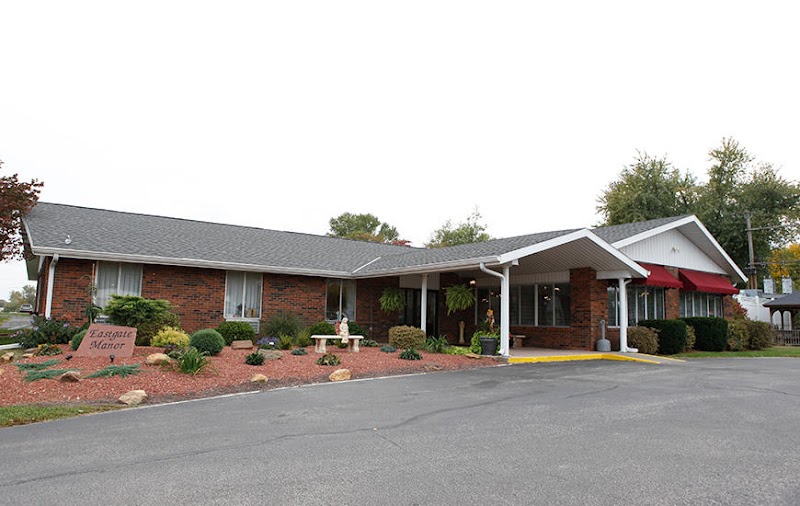
How Does Eastgate Manor Nursing And Rehabilitation Compare to Other Indiana Nursing Homes?

Compared to the 100 nursing homes in Indiana, EASTGATE MANOR NURSING AND REHABILITATION's overall rating (5 stars) is above the state average of 3.1, staff turnover (48%) is near the state average of 46%, and health inspection rating (5 stars) is much above the national benchmark.

What Should Families Ask When Visiting Eastgate Manor Nursing And Rehabilitation?

Based on this facility's data, families visiting should ask: "Can I visit during a mealtime to observe dining assistance and food quality?" "How do you handle medical emergencies, and what is your hospital transfer rate?" "Can I speak with family members of current residents about their experience?"

Is Eastgate Manor Nursing And Rehabilitation Safe?

Based on CMS inspection data, EASTGATE MANOR NURSING AND REHABILITATION has a clean safety record: no substantiated abuse findings (meaning no confirmed cases of resident harm), no Immediate Jeopardy citations (the most serious violation level indicating risk of serious injury or death), and is not on the Special Focus Facility watch list (a federal program monitoring the lowest-performing 1% of nursing homes). The facility has a 5-star overall rating and ranks #1 of 100 nursing homes in Indiana. While no facility is perfect, families should still ask about staff-to-resident ratios and recent inspection results during their visit.

Do Nurses at Eastgate Manor Nursing And Rehabilitation Stick Around?

EASTGATE MANOR NURSING AND REHABILITATION has a staff turnover rate of 48%, which is about average for Indiana nursing homes (state average: 46%). Moderate turnover is common in nursing homes, but families should still ask about staff tenure and how the facility maintains care continuity when employees leave.

Was Eastgate Manor Nursing And Rehabilitation Ever Fined?

EASTGATE MANOR NURSING AND REHABILITATION has no federal fines on record. CMS issues fines when nursing homes fail to meet care standards or don't correct problems found during inspections. The absence of fines suggests the facility has either maintained compliance or corrected any issues before penalties were assessed. This is a positive indicator, though families should still review recent inspection reports for the full picture.

Is Eastgate Manor Nursing And Rehabilitation on Any Federal Watch List?

EASTGATE MANOR NURSING AND REHABILITATION is not on any federal watch list. The most significant is the Special Focus Facility (SFF) program, which identifies the bottom 1% of nursing homes nationally based on persistent, serious quality problems. Not being on this list means the facility has avoided the pattern of deficiencies that triggers enhanced federal oversight. This is a positive indicator, though families should still review the facility's inspection history directly.