HILLSIDE MANOR NURSING HOME
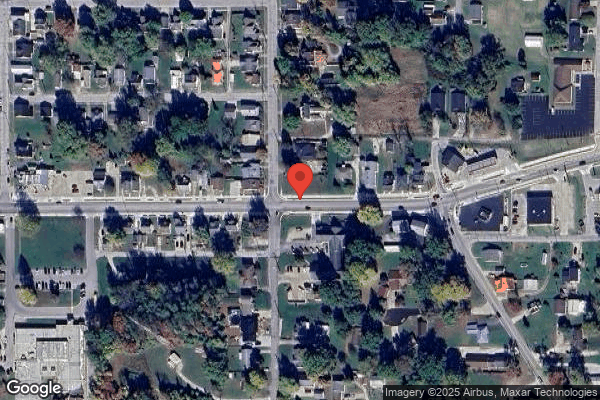

1109 E NATIONAL HIGHWAY, WASHINGTON, IN 47501 (812) 254-7159
For profit - Corporation 48 Beds MAJOR HOSPITAL Data: November 2025 1 Immediate Jeopardy citation
Trust Grade
6/100
#457 of 505 in IN
Last Inspection: September 2024

Within standard 12-15 month inspection cycle. Federal law requires annual inspections.

Overview

Hillside Manor Nursing Home has received a Trust Grade of F, indicating poor performance with significant concerns about care quality and safety. It ranks #457 out of 505 facilities in Indiana, placing it in the bottom half, and #5 out of 5 in Daviess County, meaning there are no better local options. Although the facility is improving, as the number of issues decreased from 20 in 2024 to 4 in 2025, there are still serious concerns, including a critical incident where a resident with a history of elopement was able to leave the property, necessitating police assistance. Staffing is a mixed bag with a below-average 2/5 star rating and a turnover rate of 54%, which is similar to the state average. Additionally, the facility faces concerning fines of $17,290, higher than 94% of Indiana facilities, which points to ongoing compliance problems.

Trust Score
F
6/100
In Indiana
#457/505
Bottom 10%
Safety Record
High Risk
Review needed
Inspections
Getting Better
20 → 4 violations
Staff Stability
⚠ Watch
54% turnover. Above average. Higher turnover means staff may not know residents' routines.
Penalties
○ Average
$17,290 in fines. Higher than 74% of Indiana facilities. Some compliance issues.
Skilled Nurses
○ Average
Each resident gets 31 minutes of Registered Nurse (RN) attention daily — about average for Indiana. RNs are the most trained staff who monitor for health changes.
Violations
⚠ Watch
46 deficiencies on record. Higher than average. Multiple issues found across inspections.
★☆☆☆☆
1.0
Overall Rating
★★☆☆☆
2.0
Staff Levels
★★★★☆
4.0
Care Quality
★☆☆☆☆
1.0
Inspection Score
Stable
2024: 20 issues
2025: 4 issues

The Good

  • 4-Star Quality Measures · Strong clinical quality outcomes
  • Full Sprinkler Coverage · Fire safety systems throughout facility
  • No fines on record

Facility shows strength in quality measures, fire safety.

The Bad

1-Star Overall Rating

Below Indiana average (3.1)

Significant quality concerns identified by CMS

Staff Turnover: 54%

Near Indiana avg (46%)

Higher turnover may affect care consistency

Federal Fines: $17,290

Below median ($33,413)

Minor penalties assessed

Chain: MAJOR HOSPITAL

Part of a multi-facility chain

Ask about local staffing decisions and management

The Ugly 46 deficiencies on record

1 life-threatening
Sept 2025 3 deficiencies 1 IJ
CRITICAL (J) 📢 Someone Reported This

A family member, employee, or ombudsman was alarmed enough to file a formal complaint

Immediate Jeopardy (IJ) - the most serious Medicare violation

Accident Prevention (Tag F0689)

Someone could have died · This affected 1 resident

Based on observation, interview, and record review, the facility failed to ensure adequate supervision was provided to prevent a resident with a history of exit-seeking behavior and elopement from exi...

Read full inspector narrative →
Based on observation, interview, and record review, the facility failed to ensure adequate supervision was provided to prevent a resident with a history of exit-seeking behavior and elopement from exiting the facility and leaving the property for 1 of 1 resident reviewed for elopement. This deficient practice resulted in an elopement that occurred on the evening of August 30, 2025. The resident was located with the assistance of the local police department, approximately 0.6 miles from the nursing facility, hiding behind an air conditioning unit near the intersection of National Highway and State Road 57. This Immediate Jeopardy began on August 30, 2025, when the facility failed to ensure Resident C did not exit the facility property by climbing a gazebo and jumping over a fence that enclosed an outside courtyard. Another resident observed Resident C and notified nursing staff, who notified the local law enforcement. Resident C was located between two buildings, hiding behind an outdoor air conditioning unit. When approached, the Resident ran from the officer. Resident C was apprehended prior to running into traffic on National Highway. The Director of Nursing (DON) was notified of the Immediate Jeopardy on 9/3/25 at 3:55 P.M.(Resident C) Finding includes: During record review on 9/3/25 at 11:00 A.M., Resident C's diagnoses included, but were not limited to, anxiety, depression, unspecified psychosis, schizophrenia, and pedophilia.Resident C's most recent annual MDS (Minimum Data Set) assessment, dated 6/20/25, indicated the resident was rarely to never understood. The resident had moderately impaired cognitive skills related to daily function. The resident required supervision for mobility and transfers. Resident C's care plan included, but was not limited to, Resident at risk for elopement due to history of isolated incident to leave the facility unattended (initiated 4/3/24). Most recent interventions included but were not limited to monitoring for wandering and anxiety (revised 5/13/25). Resident C's most recent Psychiatric-Mental Health Nurse Practitioner (PMHNP) visit notes, dated 5/15/25, indicated Resident C presented with mental health disorders characterized as schizophrenia and depression. The resident had received psych services in a hospital setting since an incarceration in 2001. A general assessment of mental status and alertness indicated the resident was alert and oriented to person, place, and time.Resident C's most recent elopement assessment, dated 6/19/25, indicated the resident had a history of leaving the facility without informing staff and that no personal safety alarms or devices were used as an intervention. Resident C's nurse's progress notes included, but were not limited to:7/22/25 at 1:10 P.M. - Resident C exhibited exit-seeking behaviors and paranoia were noted.7/23/25 at 3:36 P.M. - Staff received orders to send Resident C to the hospital for behavioral evaluation due to a change in behavior. Two Emergency Medical Technicians (EMTs) arrived at the facility to transport the resident. Resident C ran to the courtyard and began to climb over the concrete wall. Staff accompanied Resident C in the facility yard and walked down the street with him. Resident C then walked into a clinic alongside the street and locked himself in a bathroom. The resident eventually calmed down and was transported for evaluation without injury. 7/25/25 at 2:28 P.M. - Resident C was noted to scoot chairs over closer to the wall outside, resident showing exit-seeking behaviors at this time. Staff was monitoring the resident closely. 8/30/25 at 6:45 P.M. - The nurse was alerted by another resident that Resident C had climbed the gazebo in the outside courtyard, jumped over the wall, and run towards the East. At the time of the incident, the nurse was in another resident's room helping the Emergency Medical Service (EMS) transfer another resident. Police were dispatched to locate resident C. A police report, dated 8/30/25, indicated an initial call was received at 6:59 P.M. that Resident C had run away from the facility. At 7:14 P.M., Resident C was seen by a vape store near Highway 57. At 7:25 P.M., Resident C was located by law enforcement behind an air conditioning unit at the vape store. The police report included, I located the male subject hiding behind an AC unit. He was behind the vape store between buildings. The male subject ran, and I gave chase. He was apprehended prior to running into traffic on National (Highway).During an observation on 9/3/25 at 11:30 A.M., two unlocked double doors near a common area and nurses' station led to a walled-off courtyard. A gazebo inside the courtyard was observed being approximately two feet away from a concrete wall. The outside concrete wall was approximately 66 inches tall. During an interview on 9/3/25 at 11:45 A.M., QMA 5 indicated that Resident C had climbed the gazebo and jumped the courtyard wall on 7/23/25 when EMTs arrived at the facility to transport him to a hospital. The resident did the same on 8/30/25 when the EMS arrived for another resident. QMA 5 indicated the resident was frightened by the EMTs. During an interview on 9/3/25 at 11:50 A.M., the Director of Nursing (DON) indicated Resident C had jumped the courtyard wall on 8/30/25 and left the facility property. Resident C had also jumped the courtyard wall on 7/23/25 after being frightened by the EMTS when they arrived at the facility for transport. On 8/30/25, Resident C was away from the facility for approximately one hour. Local law enforcement returned the resident to the facility. Resident C had also left the facility by himself to walk to a fast-food restaurant in June 2025; however, staff were aware of the resident's whereabouts and felt the resident was capable of walking to the restaurant by himself at that time. The resident was at risk for elopement after an isolated incident when the resident attempted to leave the facility property in April 2024. During an interview on 9/4/25 at 12:55 P.M., the DON indicated if a resident at risk for elopement began to show increased exit-seeking behaviors or attempted elopement, their care plan should be updated with new interventions to prevent elopement. During an interview on 9/5/25 at 10:45 A.M., the DON indicated an at-risk for elopement assessment should be completed quarterly and any time a resident exhibits an increase in exit-seeking behavior. On 9/4/25 at 11:45 A.M., the DON supplied a facility policy titled, Wandering and Elopements, dated 03/2019. The policy included, If identified as at risk for wandering, elopement, or other safety issues, the resident's care plan will include strategies and interventions to maintain the resident's safety. Immediate Jeopardy was removed on 9/5/2025 at 11:20 A.M. The deficient practice remained at isolated, no actual harm with potential for more than minimal harm that is not Immediate Jeopardy. The facility implemented a systemic plan that included the following actions: the facility completed audits of clinical records for all residents for all residents at risk for exit-seeking behavior or elopement. Removed the Gazebo from the courtyard, removed a tree in the courtyard, and secured patio furniture. All exit doors were equipped with Wander-guard key pad. In-service training was provided to all staff on the elopement exit seeking policy and on-going daily monitoring of changes in residents' behavior. This citation relates to intakes 2604869 and 2606469. 3.1-45(a)(2)
CONCERN (D) 📢 Someone Reported This

A family member, employee, or ombudsman was alarmed enough to file a formal complaint

Potential for Harm - no one hurt, but risky conditions existed

Pharmacy Services (Tag F0755)

Could have caused harm · This affected 1 resident

Based on interview and record review, the facility failed to ensure adequate pharmaceutical services were available to provide physician prescribed routine medications to 1 of 3 residents reviewed for...

Read full inspector narrative →
Based on interview and record review, the facility failed to ensure adequate pharmaceutical services were available to provide physician prescribed routine medications to 1 of 3 residents reviewed for pharmacy services. Following a change in a resident's routine medications, the facility failed to obtain an ordered routine medication which resulted in multiple missed doses of the medication. (Resident C) Finding includes:During record review on 9/3/25 at 11:00 A.M., Resident C's diagnoses included, but were not limited to, anxiety, depression, unspecified psychosis, schizophrenia, and pedophilia. Resident C's most recent annual MDS (Minimum Data Set) assessment, dated 6/20/25, indicated the resident was rarely to never understood. The resident had moderately impaired cognitive skills related to daily function. The resident received antipsychotic medication routinely. Resident B's physician orders included, but were not limited to, Geodon oral capsule 40 milligrams (MG), give 40 mg by mouth two times a day related to schizophrenia and anxiety (continued 8/13/25). Resident B's Medication Administration Record (MAR) for August 2025 indicated the resident did not receive the prescribed medications Geodon oral capsule 40 MG on 8/22/25 (two doses), 8/26/25 (two doses), 8/27/25 (afternoon dose), 8/28/25 (two doses), and 8/29/25 (afternoon dose).Resident B's nurse's progress notes included but were not limited to:8/22/25 at 9:36 A.M. - Medication unavailable.8/22/25 at 12:50 A.M. - Medication unavailable.8/26/25 at 9:26 A.M. - (Medication) not in stock. 8/26/25 at 1:26 P.M. - (Medication) not in stock.8/27/25 at 2:16 P.M. - (Medication) not available.8/28/25 at 9:07 A.M. - (Medication) not available. 8/28/25 at 12:11 P.M. - (Medication) not available. 8/29/25 at 12:55 P.M. - Medication not available. During an interview on 9/8/25 at 10:05 A.M., LPN 8 indicated that the facility had trouble receiving routine medications from a particular pharmacy due to residents' payor source. LPN 8 indicated if a resident's routine medication is not available, nursing staff should check the facility's emergency drug kit for the medication. If the resident does not receive a routine medication, staff should document the missed dose and notify the physician. During an interview on 9/8/25 at 10:15 A.M., the Director of Nursing (DON), indicated the facility had difficulty obtaining Resident C's ordered Geodon medication from the pharmacy. On 9/8/25 at 11:00 A.M., the DON supplied a facility policy titled, Medication Ordering and Receiving from Pharmacy, dated 05/2014. The policy included, .4. If the medication is not available, calls/faxes (sic) the pharmacy, using the after-hours emergency number(s) if necessary . D. Medications are not borrowed from other residents. The ordered medications is obtained either from the emergency box or from the provider pharmacy .This citation relates to intake 2606469.3.1-25(a)
CONCERN (E) 📢 Someone Reported This

A family member, employee, or ombudsman was alarmed enough to file a formal complaint

Potential for Harm - no one hurt, but risky conditions existed

Safe Environment (Tag F0921)

Could have caused harm · This affected multiple residents

Based on observation, interview, and record review, the facility failed to ensure a safe, sanitary, and homelike environment in 1 of 2 resident shower rooms, 1 of 2 dining rooms, and 1 of 2 halls obse...

Read full inspector narrative →
Based on observation, interview, and record review, the facility failed to ensure a safe, sanitary, and homelike environment in 1 of 2 resident shower rooms, 1 of 2 dining rooms, and 1 of 2 halls observed and clean linens were not covered during transport in resident halls. Overhead air vents contained a build up of dust in and around the vent, a dining room floor was uneven and flooring was raised or warped, and a shared shower room contained multiple broken floor tiles, appeared unclean, and contained a small swarm of gnats and flies near the commode. (North Unit, South Unit, North Unit dining room, and Middle-hall shower room, Resident D)Findings include:1. During an observation on 9/3/25 at 3:25 P.M., the North Unit dining room had a towel draped on the floor under an in-wall air conditioning unit. The flooring between the air conditioning unit and the entrance to the dining room was uneven, warped, and cracked. During an observation on 9/8/25 at 10:10 A.M., the North Unit dining room flooring between the air conditioning unit and the entrance to the dining room was uneven, warped, and cracked. 2. During an observation on 9/3/25 at 3:35 P.M., clean linens were being transported through the South Unit to a linen closet near an exit door. The linens were transported in an open laundry basket on top of a cart on wheels.3. During an interview on 9/4/25 at 3:26 P.M., Resident D indicated the shared shower room in the middle hall that connected the North and South Units required maintenance and the maintenance staff could not keep up with tasks in the facility. During an observation on 9/4/25 at 3:35 P.M., the shared shower room in the middle hall contained three broken tiles near the base of the commode. The base of the commode appeared unclean and there were approximately seven gnats and one fly swarming around the commode. An overhead vent appeared to be rusted and contained a build-up of dust in and around the vent. During an observation on 9/8/25 at 10:08 A.M., the shared shower room in the middle hall contained three broken tiles near the base of the commode. The base of the commode appeared unclean and there were approximately seven gnats and one fly swarming around the commode. An overhead vent appeared to be rusted and contained a build-up of dust in and around the vent. 4. During an observation on 9/8/25 at 10:15 A.M., an overhead vent on the North Unit Hall near an exit door to a facility courtyard contained a build-up of dust in and around the vent. On 9/8/25 at 11:00 A.M., the Director of Nursing (DON) supplied a facility policy titled, Environment and Physical Standards, dated 6/25/25. The policy included, (a) The facility must be: .(4) maintained; to protect the health and safety of residents, personnel, and the public . (f) The facility must provide a safe, functional, sanitary, and comfortable environment for residents, staff, and the public . (g) Personnel shall handle, store, process, and transport linen in a manner that prevents the spread of infection as follows: .(2) Clean linen from a commercial laundry shall be delivered to a designated clean area in a manner that prevents contamination .This citation relates to intake 2606469.3.1-19(a)(4)3.1-19(f)(5)3.1-19(g)(2)
Jun 2025 1 deficiency
CONCERN (E) 📢 Someone Reported This

A family member, employee, or ombudsman was alarmed enough to file a formal complaint

Potential for Harm - no one hurt, but risky conditions existed

Safe Environment (Tag F0921)

Could have caused harm · This affected multiple residents

**NOTE- TERMS IN BRACKETS HAVE BEEN EDITED TO PROTECT CONFIDENTIALITY** Based on observation, interview, and record review, the facility failed to ensure a safe, sanitary, and homelike environment in ...

Read full inspector narrative →
**NOTE- TERMS IN BRACKETS HAVE BEEN EDITED TO PROTECT CONFIDENTIALITY** Based on observation, interview, and record review, the facility failed to ensure a safe, sanitary, and homelike environment in 1 of 2 resident rooms observed for water temperatures and 1 of 2 resident shower rooms observed for water temperatures, for 1 of 2 dining rooms observed for air temperatures and disrepair, and 2 of 4 resident room observed for disrepair. A shared resident restroom's water temperature reached 140 degrees Fahrenheit (F), a shared resident shower room's water temperature reached 140 degrees F, the North Unit Dining room reached 89 degrees F, floors were uneven and wet from a leaking air conditioning (AC) unit, two resident rooms' flooring was in disrepair, and one resident room's ceiling contained water damage. (Resident B, Resident C, Resident D, Resident F, room [ROOM NUMBER], room [ROOM NUMBER], room [ROOM NUMBER], room [ROOM NUMBER],. North Unit dining room, North Unit shower room) Findings includes: 1. During an interview on 6/24/25 at 10:10 A.M. Resident B indicated that the air temperatures had been hot on the North Unit. During an observation on 6/24/25 at 10:35 A.M., the North Unit dining room thermostat was set on cool at a temperature of 68 degrees F and indicated a room temperature of 88 degrees F. During an observation on 6/24/25 at 12:05 P.M., residents were eating lunch in the North Unit dining room. The North Unit dining room thermostat indicated a room temperature of 89 degrees F. During an observation on 6/24/25 at 2:00 P.M., residents were attending a BINGO activity in the North Unit dining room. Resident C and Resident D were observed fanning themselves. The North Unit dining room thermostat indicated a room temperature of 89 degrees F. During an observation and interview on 6/25/25 at 10:00 A.M., the North Unit dining room thermostat indicated a room temperature of 85 degrees F. LPN 4 indicated that the dining room had been getting hot during the recent heat wave and that the temperature in the dining room rose during the day. No fans had been in use to assist in cooling the dining room and LPN 4 indicated being unsure if the facility could use fans in the dining room. During an interview on 6/25/25 at 10:25 A.M., the Maintenance Director indicated an AC unit on the North Unit had froze up and needed Freon added the day prior (6/24/25). The North Unit dining room AC unit was not keeping up with the increased temperatures and that an outside sourced HVAC (Heating, Ventilation, and Air Conditioning) company was scheduled to be at the facility to service the dining room AC unit that day (6/25/25). 2. During an interview on 6/24/25 at 11:10 A.M., Resident F indicated there had been no hot water in his restroom or shower room. During an observation on 6/24/25 at 11:15 A.M., a shared restroom between residents' room [ROOM NUMBER] and room [ROOM NUMBER] sink water temperature read 140 degrees F. On 6/24/25 at 11:35 A.M., a shared shower room across from the North Unit nurse's station had a sink water temperature reading of 140 degrees F. During an interview on 6/24/25 at 11:50 A.M., the Maintenance Director indicated the water temperature levels in resident spaces should not be over 120 degrees F. The Maintenance Director tested the water temperature level in the shared shower room on the North Unit and indicated the water temperature was too hot and that he would turn it down at that time. 3. During an observation on 6/24/25 at 10:10 A.M. room [ROOM NUMBER] contained an air vent and duct hanging from a drop ceiling tile. The ceiling tile appeared to be damaged and contained a water stain. The resident's room floor had a hole in the flooring and a soft spot in front of the resident's recliner. The resident's room closet floor was patched with a piece plywood that had been attached to the top of the flooring. During an observation on 6/24/25 at 10:30 A.M., the flooring just inside the doorway of room [ROOM NUMBER] contained a broken piece of flooring with a piece of the flooring missing. During an observation on 6/24/25 at 10:35 A.M., the North Unit dining room contained an AC unit with a wet towel placed on the 4 under the unit and wet floor sign set up. The flooring under the AC unit appeared to be wavy and uneven and felt soft and boggy when walked over. During an observation and interview on 6/25/25 at 10:25 A.M., the Maintenance Director indicated an AC unit in the attic space above room [ROOM NUMBER] had froze up and leaked into the ceiling tile causing the tile to be stained and caused the vent and duct to fall through the ceiling tile. The Maintenance Director indicated a former resident had damaged the flooring in room [ROOM NUMBER] and the flooring had not been fixed prior to the most recent resident moving into the room. While the Maintenance Director was standing in front of the North Unit dining room AC unit, water seeped up through the cracks of the flooring. The Maintenance Director indicated an outside sourced HVAC company was scheduled to be at the facility that day to look at the AC unit. On 6/25/25 at 10:25 A.M., the Facility Administrator supplied facility policies titled, Homelike Environment (dated 02/2021), Maintenance Service (dated 12/2009), and Water Temperatures, Safety of (dated 12/2009). The Homelike Environment policy indicated, Residents are provided with a safe, clean, comfortable and homelike environment . 2. The facility staff and management maximizes, to the extent possible, the characteristic of the facility that reflect a personalized, homelike setting. These characteristics include: .h. comfortable and safe temperatures (71 degrees F - 81 degrees F) . The Water Temperatures, Safety of policy indicated, Water heater that service resident rooms, bathrooms, common areas, and tub/shower areas shall be set to temperatures of no more than 120 degrees F . The Maintenance Service policy indicated, .2. Functions of maintenance personnel include, but are not limited to: .b. maintaining the building in good repair and free from hazards . d. maintaining the heat/cooling system, plumbing fixtures . This tag relates to complaints IN00462167 and IN00462055. 3.1-19(a)(4) 3.1-19(f)(5) 3.1-19(h) 3.1-19(j) 3.1-19(r)(2)
Sept 2024 18 deficiencies
CONCERN (D)

Potential for Harm - no one hurt, but risky conditions existed

Deficiency F0554 (Tag F0554)

Could have caused harm · This affected 1 resident

Based on observation, interview, and record review, the facility failed to determine that self-administration of medications was clinically appropriate for 1 of 2 residents reviewed with medication in...

Read full inspector narrative →
Based on observation, interview, and record review, the facility failed to determine that self-administration of medications was clinically appropriate for 1 of 2 residents reviewed with medication in their room. A resident had an Albuterol inhaler in her room without an order to keep at the bedside or a self-administer assessment. (Resident 5) Finding includes: On 8/29/24 at 11:40 A.M., an Albuterol inhaler (used for asthma to assist in opening airways) was observed lying on a table next to the recliner in Resident 5's room. At that time, RN 5 indicated the inhaler could be kept at the bedside. On 8/29/24 at 9:08 A.M., Resident 5's clinical records were reviewed. Diagnosis included, but were not limited to chronic obstructive pulmonary disease (COPD), and asthma. The most current Annual MDS (Minimum Data Set) assessment, dated 7/4/24, indicated Resident 5 was cognitively intact. Physician orders included, but were not limited to the following: Albuterol Aerosol HFA (hydrofluoralkane) inhaler, inhale 2 puffs every 4 hours as needed for SOB (shortness of breath)/Asthma, ordered 7/23/24 The physician's order did not indicate to keep the inhaler at the bedside. The clinical record lacked a self-administration assessment. During an interview on 9/4/24 at 12:58 P.M., the Administrator indicated residents with medications in their room have had an assessment done for self-administration of medications. On 9/4/24 at 12:58 P.M., the Administrator provided a Self-Administration of Medications policy, revised February, 2021, which indicated As part of the evaluation comprehensive assessment, the interdisciplinary team assess each resident's cognitive and physical abilities to determine whether self-administrating medications is safe and clinically appropriate for the resident . 3.1-11(a)
CONCERN (D)

Potential for Harm - no one hurt, but risky conditions existed

Deficiency F0657 (Tag F0657)

Could have caused harm · This affected 1 resident

2. On 8/28/24 at 10:54 A.M., Resident 16's clinical record was reviewed. Diagnosis included, but was not limited to, depression. The most recent Quarterly MDS (Minimum Data Set) Assessment, dated 5/29...

Read full inspector narrative →
2. On 8/28/24 at 10:54 A.M., Resident 16's clinical record was reviewed. Diagnosis included, but was not limited to, depression. The most recent Quarterly MDS (Minimum Data Set) Assessment, dated 5/29/24, indicated Resident 16 was cognitively intact. The resident required limited assistance with bed mobility, transfers, and toileting. The MDS also indicated that the resident was taking antidepressants. Current physician orders included, but were not limited to: venlafaxine (antidepressant) 75 MG 1 capsule at bedtime, dated 7/24/24. Resident 16's clincal record lacked a current order for Lexapro (antidepressant). A current antidepressant use care plan, dated 8/23/23, indicated the use of the antidepressant medication Lexapro. Resident 16's clinical record lacked a current care plan for venlafaxine. On 9/3/24 at 3:03 P.M., the DON (Director of Nursing) indicated she did not currently state medications by name in care plans because a resident might have a medication change and she would not have known the care plan needed updating. Based on observation, interview and record review, the facility failed to ensure that the comprehensive care plan was reviewed and revised for 3 of 12 residents reviewed for care plans. A care plan was not revised to include bed rails as a fall intervention, and care plans were not revised after medications were discontinued. (Resident 2, Resident 16, Resident 15) Findings include: 1. On 8/26/24 at 2:10 P.M., Resident 2 was observed lying in bed with his eyes open, a 1/2 bed rail was up in the middle of the mattress, call light was lying on the bed and one side of the bed was against the wall. On 8/28/24 at 1:03 P.M., Resident 2's clinical record was reviewed. Diagnosis included, but were not limited to, unspecified intracranial injury, anxiety, depression, obsessive-compulsive behavior, and diabetes mellitus. The most recent Quarterly MDS (Minimum Data Set) Assessment, dated 5/28/24, indicated a severe cognitive impairment, required extensive assistance of two for bed mobility, transfers, and toilet use and limited assistance of one for eating. Current physician orders included, but were not limited to: 1/2 side rail to right upper side of bed to aide in transfer or safety, undated. A current potential for falls care plan, revised 9/20/23, lacked an intervention for side rails. During an interview on 8/30/24 at 9:33 A.M., LPN (Licensed Practical Nurse) 13 indicated Resident 2 used the bed rail as an enabler to help him roll. During an interview on 9/3/24 at 10:08 A.M., the DON (Director of Nursing) indicated Resident 2 should have a care plan for the side rail on his bed. 3. On 8/28/24 at 1:40 P.M., Resident 15's clinical record was reviewed. Diagnoses included, but were not limited to, depression, chronic pain syndrome, and anxiety. The most recent Quarterly MDS (Minimum Data Set) Assessment, dated 6/25/24, indicated Resident 15 was cognitively intact, totally dependent on 2 staff to assist him for bed mobility, transfers, toileting, and was not taking an antianxiety medication. Current Physician's Orders included, but were not limited to, the following orders: Hydroxyzine (antihistamine) 5 mg (milligrams), give 1 tablet by mouth twice daily, ordered 7/23/24. The resident was on Klonopin (an antianxiety medication) in the past, but it was discontinued 10/12/23. The resident's current care plans included, but were not limited to, an Antianxiety Care Plan, dated 9/19/23. During an interview on 8/30/24 at 3:00 P.M., the DON (Director of Nursing) indicated she was the only staff member that knew how to put resident care plans in the electronic health record. Resident 15's Antianxiety Care Plan was not revised because he was on an anxiety medication but the doctor took him off of it and now had him on Hydroxyzine which is not an antianxiety but that was why he took it. On 9/4/24 at 12:58 P.M., a current Care Plan Policy, dated 5/13/24, was provided by the Administrator and indicated . Each resident's care plan shall be reviewed at least monthly . The Care Planning/Interdisciplinary Team is responsible for maintaining care plans on a current status . 3.1-35(d)(2)(B) 3.1-35(e)
CONCERN (D)

Potential for Harm - no one hurt, but risky conditions existed

Pressure Ulcer Prevention (Tag F0686)

Could have caused harm · This affected 1 resident

Based on observation, interview, and record review, the facility failed to ensure effective services were provided to prevent the development of a facility-acquired stage three pressure injury and mul...

Read full inspector narrative →
Based on observation, interview, and record review, the facility failed to ensure effective services were provided to prevent the development of a facility-acquired stage three pressure injury and multiple stage two pressure injuries for Resident 28, who was admitted to the facility without pressure injuries, and were identified by the facility upon admission to be at risk to develop pressure injuries. (Resident 28) Findings included: On 8/28/24 at 9:35 A.M., Resident 28 indicated that his buttocks was hurting, and had been for 2 or 3 weeks. He indicated he had told staff about it. On 8/30/24 at 10:43 A.M., Resident 28's clinical record was reviewed. Diagnosis included, but were not limited to, cerebral infarction (damage to the brain from lack of blood flow due to a blood clot), anemia, and heart failure. The most recent admission MDS (Minimum Data Set) Assessment, dated 7/1/24, indicated a moderate cognitive impairment. Resident 28 was dependent or required extensive assistance with bed, transfer, and toileting mobility. Resident had an indwelling urinary catheter and was always incontinent of bowel. Resident 28 did not have a pressure ulcer, but was at risk for pressure ulcers or injuries. Current physician orders for Resident 28 included but were not limited to: Apply Medihoney (medical grade honey used to treat wounds) to open area to buttock and coccyx, cover with dressing, change daily and as needed if soiled or dislodged dated 8/17/24. Apply Boudreauxs butt paste 4 oz (ounces) topically to buttocks and scrotum twice daily until healed then as needed, dated 8/17/24. Physician orders also included, but were not limited to: Cleanse area on right and left buttocks with normal saline, apply hydrogel and calcium alginate and cover with optifoam gently border every 3 days and as needed, dated 7/11/24 through 7/29/24. Hydrogel gel apply and cover with optifoam gentle border every 3 days and as needed, dated 7/29/24 through 8/17/24. The order did not indicate where to apply dressing. A current risk for potential/actual impairment to skin integrity care plan, dated 6/24/24, included, but was not limited to, the following interventions: Weekly treatment documentation to include measurement of each area of skin breakdown's width, length, depth, type of tissue and exudate (drainage) and any other notable changes or observations, dated 6/24/24. Resident 28's clinical record lacked care plans that specifically listed actual pressure ulcers. A Braden Scale risk assessment form (pressure ulcer risk assessment) , dated 6/24/24, indicated the resident was at risk for pressure ulcers. Resident 28's clinical record lacked any additional pressure ulcer risk assessments. Resident 28's Medication Administration Record (MAR) for July 2024 indicated treatment to buttocks was not performed on 7/27/24. Resident 28's clinical record lacked record of wound treatments for August 2024. An admission nursing assessment, dated 6/24/24, indicated no open areas on resident's skin. A pressure ulcer record form, dated 8/19/24, indicated the following information: Site A, on coccyx area, first observed on 8/17/24, stage 2 (Stage 2 Pressure Injury: Partial-thickness skin loss with exposed dermis Partial-thickness loss of skin with exposed dermis. The wound bed is viable, pink or red, moist, and may also present as an intact or ruptured serum-filled blister. Adipose (fat) is not visible and deeper tissues are not visible. Granulation tissue, slough and eschar are not present), measured 1cm by 1cm and pink in color. Area had remained a stage 2 on 8/19/24. Site B, on left buttock, first observed 7/11/24, stage 2, measured 0.2cm by 0.2 cm, pink in color. Signed by Licensed Practical Nurse (LPN) 13. Area remained a stage 2 on 8/19/24. Site C, on right buttock, first observed 7/11/24, stage 2, measured 0.2cm by 0.2cm, pink in color Signed by LPN 13. Area remained a stage 2 on 8/19/24. All sites lacked any other pressure ulcer record forms prior to 8/19/24 or after 8/19/24. Weekly skin assessments were as follows with the following information: 8/3 (no year documented) no new skin alterations, treatment continues. 8/10 (no year documented) no new skin alterations. 8/19 (no year documented) no new skin alterations, see skin sheet. Resident 28's clinical record lacked any other weekly skin assessments since admission. On 8/30/24 at 12:50 P.M., DON (Director of Nursing) indicated she was not aware of Resident 28 having a wound or pressure ulcer. On 8/30/24 at 10:40 A.M., CNA 7 and QMA (Qualified Medication Aide) 3 were observed to provide incontinence care for Resident 28. Neither CNA or QMA washed hands or used hand sanitizer prior to putting gloves on to perform care. While CNA and QMA were performing incontinence care, Resident 28 was moaning indicating he was in pain. The resident was turned onto the left side, exposing two areas that were reddened, wet, draining, and missing layers of skin on the left buttock and coccyx area. There was no wound dressing or bandage in place at that time to either area. QMA 3 asked CNA 7 to go get a nurse to do a treatment on the residents' buttock. LPN 13 came to the resident's room with wound care supplies. LPN 13 did not wash hands prior to putting on gloves, then cleansed the areas with normal saline, applied Medihoney and covered the areas with a bordered dressing. When QMA 3 and CNA 7 finished incontinence care there were reddened spots with a layer of skin missing observed on the under side of the scrotum. LPN 13 indicated she was unaware of the open scrotal areas, and would need to measure them the next time they performed incontinence care to fill out a skin assessment sheet. LPN 13 then applied barrier cream to the scrotum. LPN 13, QMA 3, and CNA 7 then took their gloves off and failed to perform hand hygiene post care. On 8/30/24 at 2:06 P.M., CNA 7 indicated that she checked Resident 28 for incontinence at approximately 6:00 A.M. and again to 8:30 A.M. She noticed open areas on scrotum during the 8:30 A.M. check, notified LPN 13 and at that time LPN 13 told her to wait until next time she checked him for incontinence care and to let her know what they looked like (observed at 10:40 A.M.). On 8/30/24 at 2:21 P.M., Licensed Practical Nurse (LPN) 13 indicated that she was not notified or aware of any open areas on scrotum prior to this morning when doing wound care on Resident 28's coccyx, and that the facility protocol when made aware of any wounds would be to notify the doctor and the family of the wound, document assessment of the wound including measurements in skin book and nurses notes, and obtain orders for treatment of wound from the doctor. At that time, LPN 13 indicated she had not made any notifications related to Resident 28's new scrotal areas and it would be closer to 5 P.M. before she would be able to get measurements of Resident 28's wounds and would notify the physician at that time. On 9/3/24 at 10:30 A.M., a pressure ulcer record form dated 8/30/24 was reviewed and indicated 2 new areas first observed on 8/30/24 with the following information: Site A measured 0.3cm by 0.2 cm by 0.2 cm, stage 2, pink in color, treatment initiated. Signed by LPN 13. Record did not indicate where wound was located on the body. Site B first observed on 8/30/24 measured 0.2cm by 0.1 cm by less than 0.2 cm, stage 2, pink in color, treatment initiated. This was signed by LPN 13. Record did not indicate where wound was located on the body. On 9/3/24 at 1:52 P.M., LPN 13 was observed to perform a dressing change for Resident 28. LPN 13 removed a dressing from the coccyx that was dated 9/1/24. CNA 7 attempted to get what she indicated as a brand name of barrier cream off of the resident's scrotum and was unable to remove all of it. Due to the barrier cream, LPN 13 was only able to find one of the two open areas on the scrotum that she measured at 0.5cm (centimeters) by 1cm. LPN 13 indicated that open area would be considered a stage 2 wound. After cleansing and measuring the coccyx wound, LPN 13 indicated that it measured 2.1cm x 3.4 cm and would now be considered a stage 3 wound (Stage 3 Pressure Injury: Full-thickness skin loss Full-thickness loss of skin, in which adipose (fat) is visible in the ulcer and granulation tissue and epibole (rolled wound edges) are often present. Slough and/or eschar may be visible. The depth of tissue damage varies by anatomical location; areas of significant adiposity can develop deep wounds. Undermining and tunneling may occur. Fascia, muscle, tendon, ligament, cartilage and/or bone are not exposed) . LPN 13 then indicated she had found a new stage 2 wound on the bottom of Resident's left buttock. On 9/4/24 at 11:02 A.M., the DON indicated when Resident 28 was admitted he was at risk for pressure ulcers, and she would only do another risk assessment for the resident if there was a significant change in health status or the resident went on hospice. She indicated Resident 28 should have been turned and repositioned, and shower sheets should have indicated any changes in skin condition that the nurse should have been aware of. At that time, the DON provided all shower sheets for Resident 28 that could be found, and all lacked any altered skin condition. The DON indicated when she was made aware of any pressure ulcers on a resident, she updated the resident's record to have an individual care plan for each wound. She indicated she had not been aware of Resident 28 having any new wounds until now. A current nondated pressure ulcer program policy was provided by the Administrator on 9/4/24 at 11:26 A.M. and indicated that upon admission, and at any change of condition and a quarterly, a new comprehensive assessment of the resident's overall risk factors for pressure ulcers including the Braden Scale assessment will be completed. An individual care plan will be developed and implemented to address those residents at risk for pressure ulcers and those with ongoing conditions. Each resident will have their skin assessed during the scheduled shower days by the CNA responsible for their care. Findings will be reported to charge nurse for review. Each week the wound nurse will assess and record measurements on all skin conditions and results will be reviewed. The DON will update the pressure wound log with current measurements each week. A weekly complete body assessment will be completed by the charge nurse at which time all skin alterations will be measured and placed on the appropriate skin sheet. 3.1-40(a)(1) 3.1-40(a)(2)
CONCERN (D)

Potential for Harm - no one hurt, but risky conditions existed

Accident Prevention (Tag F0689)

Could have caused harm · This affected 1 resident

**NOTE- TERMS IN BRACKETS HAVE BEEN EDITED TO PROTECT CONFIDENTIALITY** Based on observation, interview, and record review, the facility failed to ensure each resident receives adequate supervision an...

Read full inspector narrative →
**NOTE- TERMS IN BRACKETS HAVE BEEN EDITED TO PROTECT CONFIDENTIALITY** Based on observation, interview, and record review, the facility failed to ensure each resident receives adequate supervision and assistive devices to prevent accidents for 2 random observations of residents having vapes (electronic cigarette) in their possession. (Resident 15, Resident 24) Findings include: 1. During a random observation on 8/29/24 at 10:17 A.M., 2 vapes (electronic cigarettes) were laying on Resident 15's bedside table while he was laying in his bed. At that time QMA (Qualified Medication Aide) 3 went into his room and back out leaving the vapes in the same place. Then the Dietary Manager brought ice water into the room and did not ask about the vapes. QMA 3 went back into the room and back out without asking the resident to return the vapes to the staff. On 8/28/24 at 1:40 P.M., Resident 15's clinical record was reviewed. Diagnoses included, but were not limited to, depression, chronic pain syndrome, and anxiety. Resident 15 was admitted on [DATE] and was [AGE] years old. The most recent Quarterly MDS (Minimum Data Set) Assessment, dated 6/25/24, indicated Resident 15 was cognitively intact, totally dependent on 2 staff to assist him for bed mobility, transfers, and toileting. Current Physician's Orders included, but were not limited to, the following: Norco (narcotic pain medication) 10/325 mg (milligrams), give 1 tablet by mouth every 4 hours as needed for pain, ordered 7/29/24 A Behavior Care Plan, dated 1/11/24, indicated the resident asks staff to find his vape and when they remind him he can't keep a vape in his possession, he says never mind. The resident's clinical record lacked a plan of care for a history of substance abuse and risk of overdose. A Nurse Practitioner's Behavioral Health Progress Note, dated 8/20/24, indicated Resident 15 had abused multiple substances. During an interview on 8/27/24 at 4:05 P.M., the Administrator indicated Resident 15 has a history of substance abuse and that was how he ended up in his condition. She was not sure what the exact date was but Resident 15 allegedly got a vape from an unknown source with THC (tetrahydrocannabinol-found in cannabis plant that produces a high when smoked) in it. The resident smoked it at the facility and staff noticed a change of condition but did not know why so the Administrator was notified and she told them to do neuro (neurological) checks and contact the doctor. The resident's condition got worse and they sent him out to the hospital. She thought the toxicology report revealed THC but wasn't sure. The Administrator indicated she did not document anything because she could not prove that's what had happened. The clinical record lacked documentation related to the incident. During an interview on 8/28/24 at 10:45 A.M., Resident 15 was not sure on exact date, but admitted he got a vape with THC in it from the local gas station and smoked it in the facility. 2. During a random observation on 8/28/24 at 2:20 P.M., Resident 24 was sitting in his room, in his wheelchair with the door open holding a blue vape. During a random observation on 8/30/24 at 3:45 P.M., Resident 24 was sitting in his room, in his wheelchair with the door open holding a pink vape. On 8/29/24 at 2:51 P.M., Resident 24's clinical record was reviewed. Diagnoses included, but were not limited to, Chronic Obstructive Pulmonary Disease, and tobacco use. The most recent Quarterly MDS Assessment, dated 8/16/24, indicated Resident 24's cognition was moderately impaired and an extensive assist of 2 staff for bed mobility, transfers, and toileting. A current Behavior Care Plan, dated 2/21/24 indicated Resident 24 forgets to turn vaping material back in after smoke times and included, but was not limited to, an intervention to remind resident to turn vaping material back into staff, dated 2/21/24 During an interview on 8/28/24 at 1:24 P.M., an anonymous resident indicated they had voiced to staff people were smoking and vaping in the building especially through the night. They indicated the smoke affected their allergies and the smoke hung thick enough in the air that they go outside in the mornings to get fresh air. During an interview on 8/28/24 at 2:20 P.M., RN (Registered Nurse) 5 indicated they did have a few residents who did not like to give vapes to staff to store. Resident 24 and Resident 15 were both named. While walking past Resident 24's room, RN 5 did not address him about having his vape in his possession. She indicated she didn't know what the policy was for vapes. She was not sure how to know which vapes contained THC, but indicated they were not allowed in the facility. During an interview on 8/30/24 at 3:49 P.M., the DON (Director of Nursing) indicated on 5/8/24, Resident 15 did not go to hospital but he indicated he Had been smoking weed. There was a vape in his room but staff didn't know for a fact that he had been using THC. At that time, she indicated if cigarettes or lighters were found in the room, they would be confiscated from the resident. If vapes were found in the room, they would not take them because it was their right to have them, but they were not supposed to smoke them in the facility, and only at smoke times. During an interview on 9/3/24 at 11:21 A.M., the SSD (Social Services Director) indicated May 2024 behavior documentation would be sitting on floor in SSD office to be filed downstairs. July and August were in a binder in her office, but there was no mention of behaviors from Resident 15 or Resident 24. She indicated vape refusals and drug seeking should be documented in the nurse notes and then staff would notify her by leaving messages about behaviors that happened. These behaviors would be discussed during the next morning meeting and the team would decide if it was a problem that needed monitoring. At that time, the Administrator indicated they were not able to find information related to vapes being combustible and wanted to change their policy for a while but hadn't. On 8/28/24 at 2:17 P.M., a current Smoking Policy, dated October 1, 2021, was provided by the DON and indicated . A smoking evaluation form is not necessary for e-cigarette use or vapes as there is not a risk of burning yourself. Vapes/E-cigarettes shall be used in the designated smoking area and must be kept at the nurses station . 3.1-45(a)(2)
CONCERN (D)

Potential for Harm - no one hurt, but risky conditions existed

Medical Records (Tag F0842)

Could have caused harm · This affected 1 resident

2. On 8/26/24 at 2:10 P.M., Resident 23 was observed sitting in a recliner in his room with multiple bruises on his hands and arm and an undated Band-Aid on his left lower arm. On 8/28/24 at 2:10 P.M...

Read full inspector narrative →
2. On 8/26/24 at 2:10 P.M., Resident 23 was observed sitting in a recliner in his room with multiple bruises on his hands and arm and an undated Band-Aid on his left lower arm. On 8/28/24 at 2:10 P.M., Resident 23's clinical records were reviewed. Diagnosis included, but was not limited to, chronic obstructive pulmonary disease with exacerbation, hypertension, major depressive disorder, and anxiety disorder. The most current Annual MDS (Minimum Data Set) assessment, dated 7/3/24, indicated Resident 23 had moderate cognitive impairment and had no skin issues. The physician orders lacked an order for a dressing to the left lower arm. The nursing notes lacked documentation of why Resident 23 had a Band-Aid on his left lower arm. During an interview on 8/30/24 at 12:07 P.M., QMA (Qualified Medication Aide) 3 indicated she did not know why Resident 2 had a Band-Aid on his left lower arm. She indicated he did bruise easily. During an interview on 8/30/24 at 3:39 P.M., the DON (Director of Nursing) indicated she was not aware of Resident 23 having a Band-Aid on his arm but his skin was very fragile and bruised easily. During an interview on 9/03/24 at 10:09 A.M., the DON indicated dressings should be dated. During an interview on 9/03/24 at 2:23 P.M., LPN (Licensed Practical Nurse) 13 indicated she did not know why Resident 23 had a Band-Aid on his left arm. She looked in the nurse's note and could not find out why he had the Band-Aid on his left arm. She indicated the dressing order should indicate how often the dressing should be changed, and the dressing should have date, time and initials on it. During an interview on 9/3/24 at 2:30 P.M., LPN 13 indicated she removed the Band-Aid on the left arm and there was no indication of a wound. On 9/4/24 at 12:58 P.M., the Administrator provided an undated Job Description for Staff Nurse that was used as a policy for accurate documentation which indicated .Maintains records reflecting patient's conditions, medication and treatments .Maintains accurate and complete records of nursing observations and care . 3.1-50(a)(1) 3.1-50(a)(2) Based on interview, observation, and record review, the facility failed to ensure clinical record documentation was complete and accurate for 1 of 2 residents reviewed for hospitalizations and 1 of 1 residents reviewed for general skin conditions. (Resident 15, Resident 23) Findings include: 1. On 8/28/24 at 1:40 P.M., Resident 15's clinical record was reviewed. Diagnoses included, but were not limited to, depression, chronic pain syndrome, epilepsy, and anxiety. The most recent Quarterly MDS (Minimum Data Set) Assessment, dated 6/25/24, indicated Resident 15 was cognitively intact, totally dependent on 2 staff to assist him for bed mobility, transfers, and toileting. Non dated neuro (neurological) checks were found in the resident's clinical record and indicated he was sent out to the hospital. During an interview on 8/27/24 at 4:05 P.M., the Administrator indicated Resident 15 has a history of substance abuse and that was how he ended up in his condition. She was not sure what the exact date was or why it wasn't indicated on the neurocheck form, but they were ordered because of an episode where the resident allegedly got a vape from an unknown source with THC (tetrahydrocannabinol-found in cannabis plant that produces a high when smoked) in it. The resident smoked it at the facility and staff noticed a change of condition but did not know why so the Administrator was notified and she told them to do neuro checks and contact the doctor. The resident's condition got worse and they sent him out to the hospital. She thought the toxicology report revealed THC but wasn't sure. The administrator indicated she did not document anything because she could not prove that's what had happened. The clinical record lacked documentation related to the incident. During an interview on 8/28/24 at 10:45 A.M., Resident 15 was not sure on exact date, but admitted he got a vape from the local gas station and smoked it. When staff noticed a change in his condition, they did neurochecks and then sent to him to the hospital because he went unconscious. He indicated he got drug tested which confirmed THC and came back to the facility that night. The Administrator was present for the interview and agreed with the resident's statements. At that time, all hospital records and lab results were requested. During an interview on 8/29/24 at 9:40 A.M., the Administrator indicated she was not able to get hospital records and lab results for 5/8/24 because the resident did not go to the hospital that day. She indicated when she got to looking into the clinical record, she remembered that he had a fall around the same time and the neurochecks were from the fall and he ended up being hospitalized from sepsis from 5/13/24. She provided the fall incident report and documentation related to that fall. During an interview on 8/30/24 at 3:49 P.M., the DON (Director of Nursing) indicated on 5/8/24, Resident 15 did not go to hospital but he indicated he Had been smoking weed. There was a vape in his room but staff didn't know for a fact that he had been using THC. She would expect staff to document accurately, but in this instance, they were not sure what happened.
CONCERN (D)

Potential for Harm - no one hurt, but risky conditions existed

Deficiency F0940 (Tag F0940)

Could have caused harm · This affected 1 resident

**NOTE- TERMS IN BRACKETS HAVE BEEN EDITED TO PROTECT CONFIDENTIALITY** Based on interview and record review, the facility failed to develop, implement, and maintain an effective training program for ...

Read full inspector narrative →
**NOTE- TERMS IN BRACKETS HAVE BEEN EDITED TO PROTECT CONFIDENTIALITY** Based on interview and record review, the facility failed to develop, implement, and maintain an effective training program for all new and existing staff based on the needs of the resident population in the facility for 2 of 3 residents reviewed for accidents and 1 of 1 residents reviewed for having a diagnosis of PTSD (Post Traumatic Stress Disorder). (Resident 15, Resident 24) Findings include: 1. During an interview on 8/27/24 at 4:05 P.M., the Administrator indicated Resident 15 had a history of substance abuse. On 8/28/24 at 1:40 P.M., Resident 15's clinical record was reviewed. Diagnoses included, but were not limited to, depression, chronic pain syndrome, and anxiety. Resident 15 was admitted on [DATE] and was [AGE] years old. The most recent Quarterly MDS (Minimum Data Set) Assessment, dated 6/25/24, indicated Resident 15 was cognitively intact, totally dependent on 2 staff to assist him for bed mobility, transfers, and toileting. Current Physician's Orders included, but were not limited to, the following: Norco (narcotic pain medication) 10/325 mg (milligrams), give 1 tablet by mouth every 4 hours as needed for pain, ordered 7/29/24 The resident's clinical record lacked a plan of care for a history of substance abuse and risk of overdose. A Nurse Practitioner's Behavioral Health Progress Note, dated 8/20/24, indicated Resident 15 had abused multiple substances. During an interview on 8/27/24 at 4:05 P.M., the Administrator indicated Resident 15 had a history of vaping at the facility and although it was not confirmed, there was an incident on 5/8/24 when the resident had a change of condition. It was suspected, and the resident admitted he was smoking pot. During an interview on 8/30/24 at 3:46 P.M., LPN (Licensed Practical Nurse) 13 indicated she was not sure where Narcan (medication that can treat narcotic overdose in an emergency) would be kept. LPN 13 called the pharmacy to find out if Narcan was in the EDK (Emergency Drug Kit). Seven minutes later, LPN 13 indicated the Narcan was found in the EDK. She was not sure how it was to be administered but would follow the directions on the box. At that time, she indicated staff had not been in serviced on the use of Narcan, substance abuse, or overdosing. 2. During an interview on 8/26/24 at 2:50 P.M., Resident 24 indicated he had PTSD (Post Traumatic Stress Disorder) and he left the door of his room open so staff did not knock on it because it was a trigger for him. On 8/29/24 at 10:00 A.M., Resident 24's clinical record was reviewed. Diagnoses included, but were not limited to, schizophrenia, major depressive disorder, bipolar disorder, anxiety disorder, personality disorder, and PTSD. Resident 24 was admitted on [DATE]. The most recent Quarterly MDS Assessment, dated 6/10/24, indicated Resident 24 was cognitively intact and had PTSD. A current Mental Health Care Plan, revised on 6/23/20, indicated resident has a history of angry outbursts, delusional thoughts, poor impulse control, and low frustration level. During an interview on 8/30/24 at 3:00 P.M., the DON (Director of Nursing) she was not aware of any in-services offered for staff other then the required dementia in service hours. At that time, she indicated they did have residents with a history of substance abuse and PTSD. If someone had symptoms of an overdose, they could have the physician order bloodwork, but they have Narcan in the emergency drug kit. She was not sure what route the Narcan was to be given. There was no extra training provided for PTSD, risks of overdosing, substance abuse, or administering Narcan, but common nurse knowledge should be used. During an interview on 9/4/24 at 9:34 A.M., the Administrator indicated there was not a policy for what in-services should be given to staff, but the facility would follow the regulations. 3.1-14(k)
CONCERN (E)

Potential for Harm - no one hurt, but risky conditions existed

Deficiency F0553 (Tag F0553)

Could have caused harm · This affected multiple residents

Based on observation, interview, and record review, the facility failed to ensure the residents right to participate in the development and implementation of his or her person-centered plan of care fo...

Read full inspector narrative →
Based on observation, interview, and record review, the facility failed to ensure the residents right to participate in the development and implementation of his or her person-centered plan of care for 10 of 32 residents reviewed for narcotic use. The facility had implemented a facility-wide rule to crush all narcotics for every resident without resident input or obtaining a physician order to do so. (Resident 2, Resident 21, Resident 3, Resident 13, Resident 4, Resident 15, Resident 29, Resident 5, Resident 17, Resident 11) Findings include: On 8/27/24 at 2:40 P.M., Resident 5 complained of pain beyond a level of 10 on a 1-10 pain scale in her knees and back, and indicated no pain medications were currently ordered because she couldn't take it crushed in applesauce so it was discontinued. On 9/4/24 at 11:30 A.M., Resident 5's clinical record was reviewed. Diagnosis included, but was not limited to, pain. A nurse's note dated 2/19/24 at 9:00 P.M. indicated Resident 5 was yelling and screaming at staff due to having to crush her narcotics. Resident indicated she should not be punished because of others. Resident 5 refused her routine narcotics at that time. A nurse's note dated 3/28/24 at 9:39 P.M., indicated Physician 21 was made aware of resident's statement about her routine narcotics, also that she was refusing medication. Physician 21 gave an order to discontinue narcotic medications if she was refusing them. On 8/26/24 at 2:33 P.M., a sign was observed hanging at both nurse's stations that indicated Effective January 9, 2024 All narcotics/controlled medications will be crushed and placed in applesauce prior to administration for ALL RESIDENTS. NO EXCEPTIONS. We will be monitoring this process very closely. Per Medical Director . During an interview on 8/29/24 at 2:14 P.M., RN (Registered Nurse) 5 indicated narcotics were still being crushed because they thought some residents were hoarding the pills in their mouths then trading them with other residents. RN 5 indicated Resident 5 wanted the powder from her crushed narcotics poured into her mouth, but after a while she started refusing them because it tasted so bad and couldn't get the taste out of her mouth. During an interview on 8/3024 at 3:00 P.M., the DON (Director of Nursing) indicated Resident 15 and Resident 4 were drug seekers, and that was why the facility crushed narcotics. She indicated residents were acting like they were taking them in pill form, but were not swallowing them, so an order was obtained from the Medical Director to crush all narcotics. She indicated no one got any scheduled or prn (as needed) narcotics while on LOA (leave of absence) and they also did not release narcotics at discharge. On 9/4/24 at 9:51 A.M., the DON provided a list of residents that saw the Medical Director and a list of residents that saw Physician 21, and indicated those were the only two physicians that had residents at the facility. During an interview on 9/4/24 at 10:07 A.M., the DON indicated Resident 5 was not suspected of hoarding or selling narcotics, and that it was other residents that were suspected. She indicated they spoke with the Medical Director and made it policy that anyone on controlled medications would get them crushed. She was not sure if it was made an actual policy, but that's what was in place. She indicated the Administrator, Medical Director and DON had made the decision. On 9/4/24 at 10:18 A.M., the MAR (Medication Administration Record) for all residents was reviewed with the following information: The Medical Director had three residents on narcotics or controlled substances: Resident 2, Resident 21, and Resident 3. Resident 2 and Resident 21 did not have a current physician order to crush medications. Resident 3 had a current order to crush medications. Physician 21 had seven residents on narcotics or controlled substances: Resident 13, Resident 4, Resident 15, Resident 29, Resident 5, Resident 17, Resident 11. Resident 17 did not have a current order to crush medications. The other six residents had a current order to crush medications if necessary. During an interview on 9/4/24 at 10:30 A.M., the Administrator indicated the concern that initiated crushing narcotics was with residents, not staff. There was a widespread issue with residents. There was no proof of anything, but residents were talking about other residents pocketing/saving pills and either selling them to buy other substances or taking several at the same time. At that time, she indicated the residents had not been aware of the change to crush narcotics prior to it being put into place, and were not happy with it after the fact. During an interview on 9/4/24 at 9:34 A.M., the Administrator indicated they did not have a narcotic administration policy. On 9/4/24 at 10:15 A.M., Administrator provided an undated Resident Rights Policy which indicated You have the right to a dignified existence, self-determination, and communication with and access to the persons and services inside and outside the facility .You have the right to be informed, and participate in, your treatment. This includes the right to: .Participate in the development and implementation of your person-centered plan of care . On 9/4/24 at 2:04 P.M., Administrator provided a note, signed by the Medical Director and Administrator, which indicated It is the policy of Hillside Manor to crush all controlled narcotic medications unless otherwise specified by the manufacturer. Additionally, residents will be evaluated on an individual basis for the need to send controlled medications with them on LOA. Effective: January 1, 2024. 3.1-3(a) 3.1-3(n)(3)
CONCERN (E)

Potential for Harm - no one hurt, but risky conditions existed

Assessment Accuracy (Tag F0641)

Could have caused harm · This affected multiple residents

Based on interview and record review, the facility failed to ensure an accurate Minimum Data Set (MDS) Assessment was completed for 5 of 14 residents reviewed for MDS Assessments. Residents taking ant...

Read full inspector narrative →
Based on interview and record review, the facility failed to ensure an accurate Minimum Data Set (MDS) Assessment was completed for 5 of 14 residents reviewed for MDS Assessments. Residents taking antiplatelet medication, diuretics, and oxygen were not marked as administered. (Resident 16, Resident 15, Resident 7, Resident 25, and Resident 6). Findings included: 1. On 8/28/24 at 10:54 AM, Resident 16's clinical record was reviewed. Resident had diagnoses that included, but was not limited to, COPD (Chronic Obstructive Pulmonary Disease), anemia, and and atrial fibrillation. A Quarterly MDS (Minimum Data Set) Assessment, dated 5/29/24 indicated Resident 16 was cognitively intact. The Resident required limited assistance with bed mobility, transfers, and toileting. The MDS indicated Resident 16 was not taking an antiplatelet and had not been on oxygen. Current physician orders included, but were not limited to, aspirin (an antiplatelet medication) 81 MG (milligrams) 1 tablet 2 times per week, dated 7/24/24. The MAR (medication administration record) for August 2024 included the following order, dated 8/24/23: Oxygen at 2LPM (liters per minute) per nasal cannula to keep oxygen saturation above 90% at bedtime as needed. 2. On 8/30/24 at 10:43 A.M., Resident 28's clinical record was reviewed. Diagnosis included, but were not limited to, cerebral infarction, anemia, and heart failure. The most recent admission MDS Assessment, dated 7/1/24, indicated that the resident was not cognitively intact. Resident was dependent or required extensive assistance with bed, transfer, and toileting mobility. Resident 28's MDS assessment indicated no current use of an antiplatelet medication or diuretic medication. Current physician included, but were not limited to: aspirin 81 MG 1 tablet by mouth daily, dated 7/24/24 furosemide (a diuretic) 20 MG 1 tablet by mouth daily, dated 7/24/24. 3. On 8/27/24 at 10:56 A.M., Resident 25's clinical record was reviewed. Diagnoses included, but were not limited to, schizophrenia, renal insufficiency, and thyroid disorder. The most recent Annual and State Optional MDS (Minimum Data Set) Assessment, dated 6/28/24 indicated Resident 25 was not on an antiplatelet medication. Current Physician Orders included, but were not limited to, one chewable tablet of Aspirin 81mg (milligrams) daily for cardiac prevention, dated 6/19/23. 4. On 8/28/24 at 2:16 P.M., Resident 7's clinical record was reviewed. Diagnoses included, but were not limited to, diabetes mellitus, depression, and cancer. The most recent State Optional and Quarterly MDS Assessment, dated 8/2/24 failed to indicate Resident 7 was not on an antiplatelet medication. Current Physician Orders included, but were not limited to, one tablet of Aspirin 81mg by mouth daily for clot prevention, dated 7/24/24. During an interview on 8/30/24 at 11:48 A.M., the DON (Director of Nursing) indicated she was unaware that Aspirin was an antiplatelet medication. At that time, she indicated the facility used the RAI (Resident Assessment Instrument) manual as their policy. 3.1-31(i)
CONCERN (E)

Potential for Harm - no one hurt, but risky conditions existed

Comprehensive Care Plan (Tag F0656)

Could have caused harm · This affected multiple residents

2 .On 8/28/24 at 10:54 A.M., Resident 16's clinical record was reviewed. Diagnosis included, but were not limited to, COPD (Chronic Obstructive Pulmonary Disease), anemia, and atrial fibrillation. A Q...

Read full inspector narrative →
2 .On 8/28/24 at 10:54 A.M., Resident 16's clinical record was reviewed. Diagnosis included, but were not limited to, COPD (Chronic Obstructive Pulmonary Disease), anemia, and atrial fibrillation. A Quarterly MDS (Minimum Data Set) Assessment, dated 5/29/24, indicated Resident 16 was cognitively intact. The resident required limited assistance bed mobility, transfer, and toileting. Current physician orders included, but were not limited to: aspirin (an antiplatelet) 81MG (milligrams) 1 tablet 2 times per week, dated 7/24/24. Eliquis (an anticoagulant) 5MG 1 tablet twice a day, dated 7/24/24. Furosemide (a diuretic) 20MG 1 tablet daily, dated 7/24/24 spironolactone (a diuretic) 25MG 1 tablet by mouth dated 7/24/24. The MAR (Medication Administration Record) for August 2024 included the following order: Oxygen at 2LPM (liters per minute) per nasal cannula to keep sats above 90% at bedtime as needed, dated 8/24/23. Resident 16's clinical record lacked a care plan for antiplatelet medications. Resident 16's clinical record lacked a care plan for anticoagulant medications. Resident 16's clinical record lacked a care plan for oxygen use. 3. On 8/30/24 at 10:43 A.M., Resident 28's clinical record was reviewed. Diagnosis included, but were not limited to, cerebral infarction, anemia, and heart failure. The most recent admission MDS Assessment, dated 7/1/24, indicated the resident was not cognitively intact. Resident 28 was dependent or required extensive assistance with bed, transfer, and toileting mobility. The MDS indicated that Resident 28 was taking an antidepressant at the time of assessment. Current physician orders included, but were not limited to: aspirin (an antiplatelet) 81 MG 1 tablet by mouth daily, dated 7/24/24. Furosemide (a diuretic) 20 MG 1 tablet by mouth daily, dated 7/24/24. Sertraline (an antidepressant) 25 MG 1 tablet by mouth daily, dated 7/24/24. Resident 28's clinical record lacked a care plan for antiplatelet medications. Resident 28's clinical record lacked a care plan for diuretic medication. Resident 28's clinical record lacked a care plan for antidepressant use. On 9/3/24 at 3:03 PM, the DON (Director of Nursing) indicated that care plans should have been in place for antiplatelets, anticoagulants, diuretics, antidepressants, as well as oxygen use. Based on observation, interview, and record review, the facility failed to develop and implement a comprehensive person-centered care plan for each resident for 6 of 6 residents reviewed for unnecessary medications. Residents on antipyschotic, antidepressant, antianxiety, and diuretic medications and a resident on oxygen did not have care plans developed. (Resident 15, Resident 16, Resident 7, Resident 25, Resident 6, Resident 28) Findings include: 1. During an interview on 8/27/24 at 4:05 P.M., the Administrator indicated Resident 15 had a history of substance abuse and that was how he ended up in his condition. On 8/28/24 at 1:40 P.M., Resident 15's clinical record was reviewed. Diagnoses included, but were not limited to, depression, chronic pain syndrome, and anxiety. The most recent Quarterly MDS (Minimum Data Set) Assessment, dated 6/25/24, indicated Resident 15 was cognitively intact, totally dependent on 2 staff to assist him for bed mobility, transfers, toileting, and was taking opiod and antipyschotic medication. Current Physician's Orders included, but were not limited to, the following: Risperidone (an antipsychotic) 1 mg (milligram), give 1 tablet by mouth twice daily for depression/anxiety, ordered 7/18/23 Norco (a narcotic) 10/325 mg, give 1 tablet by mouth every 4 hours as needed for pain, ordered 7/29/24 The clinical record lacked a plan of care for his history of substance abuse and the resident taking an antipyschotic. During an interview on 8/30/24 at 3:00 P.M., the DON (Director of Nursing) indicated she was the only staff member that knew how to put resident care plans in the electronic health record. Resident 15 had a history of substance abuse. She indicated he was not care planned for it because the staff controls it and he can not break rules. If we have a concern, we might keep in mind who was here in case something happens, but we can not ask our visitors who they are because they have a right to be here. The facility can not violate the resident rights, and if there was a change in behavior or the resident was unresponsive, stoned or looked overmedicated, we would call the doctor. Resident 15 was in a wheelchair so they would have to transport him if he wanted to go outside of the facility. They are aware There are some OTC (over the counter) forms of 'pot', like THC (tetrahydrocannabinol-found in cannabis plant that produces a high when smoked) and CBD (cannabidiol-found in cannabis plant that does not cause a high when smoked) that anyone can buy, but until we have unquestionable probable cause we cannot accuse him of anything. He has the right to do it. All we can do is watch him everyday and watch who the people that he was hanging out with because we know who the high risk people might be. At that time, she indicated she would expect him to have an antipsychotic care plan since he was currently taking one. 4. On 8/28/24 at 2:16 P.M., Resident 7's clinical record was reviewed. Diagnoses included, but was not limited to non-Alzheimer's dementia and depression. The most recent State Optional and Quarterly MDS (Minimum Data Set) Assessment, dated 8/2/24 indicated Resident 7 was on an antidepressant, but lacked documentation of Resident 7 being on an antiplatelet. Current Physician Orders included, but was not limited to: One tablet daily by mouth of escitalopram (antidepressant) for depression, dated 7/24/24. One tablet of Aspirin (antiplatelet) 81mg (milligrams) by mouth daily for clot prevention, dated 7/24/24. Resident 7's clinical record lacked an antidepressant and antiplatelet care plan. 5. On 8/27/24 at 10:56 A.M., Resident 25's clinical record was reviewed. Diagnoses included, but were not limited to, schizophrenia, renal insufficiency, and thyroid disorder. The most recent Annual and State Optional MDS (Minimum Data Set) Assessment, dated 6/28/24 indicated Resident 25 was not on an antiplatelet medication. Current Physician Orders included, but were not limited to, one chewable tablet of Aspirin 81mg (milligrams) daily for cardiac prevention, dated 6/19/23. Resident 25's clinical record lacked an antiplatelet care plan. 6. On 8/28/24 at 11:10 A.M., Resident 6's clinical record was reviewed. Diagnoses included, but were not limited to, type 2 diabetes mellitus and bipolar disorder. The most recent State Optional and Quarterly MDS Assessment, dated 8/9/24, indicated Resident 6 was on an antipsychotic and diuretic medication. Current Physician Orders included, but was not limited to, Seroquel (an antipsychotic) 100 mg one time a day at bedtime by mouth for insomnia, dated 7/25/24, and Lasix (a diuretic) 20 mg daily by mouth, dated 7/25/24. During an interview on 8/29/24 at 1:53 P.M., the DON (Director of Nursing) indicated she updated the care plans quarterly and with the MDS. At that time, she indicated she would expect a care plan to be implemented for each specific medication a resident is administered. On 9/4/24 at 12:58 P.M., a current Care Planning policy, dated 5/2013, was provided and indicated, A comprehensive care plan for each resident is developed . 3.1-35(a)
CONCERN (E)

Potential for Harm - no one hurt, but risky conditions existed

Respiratory Care (Tag F0695)

Could have caused harm · This affected multiple residents

2. On 8/28/24 at 2:30 P.M., Resident 5 was observed sitting in the dark in a recliner with her feet elevated, watching television while on her phone. An oxygen concentrator was sitting against the wal...

Read full inspector narrative →
2. On 8/28/24 at 2:30 P.M., Resident 5 was observed sitting in the dark in a recliner with her feet elevated, watching television while on her phone. An oxygen concentrator was sitting against the wall. There was no filter on the oxygen concentrator and the tubing in a plastic bag was undated. Resident 5 indicated staff brings her new tubing when she needs it, but she hadn't used the tubing in the bag very much yet. On 8/29/24 at 9:08 A.M., Resident 5's clinical records were reviewed. Diagnosis included, but were not limited to chronic obstructive pulmonary disease (COPD), emphysema, and asthma. The most current Annual MDS (Minimum Data Set) assessment, dated 7/8/24, indicated Resident 5 was cognitively intact, required extensive assistance of two for bed mobility, extensive assistance of one for transfers and toilet use, supervision with set up for eating, and oxygen use was marked no. Physician orders included, but were not limited to the following: Check O2 (oxygen) Sats (saturations) Q (every) shift, dated 5/10/20 Oxygen at 2 LPM (Liters Per Minute) per nasal cannula as needed to keep sats above 90%/ SOB (shortness of breath), dated 11/30/23 The physician orders lacked an order to change the oxygen tubing and clean the filter. A care plan for potential for ineffective airway clearance, SOB, and respiratory distress related to diagnosis of COPD, emphysema, and unspecified asthma indicated Resident 5 slept in her recliner per her life choice in order to prevent SOB while lying flat. Revised on: 2/26/20 Interventions included, but were not limited to, the following: Assess and monitor breath sounds and respirations as needed, revised on 5/4/21. Keep head of bed elevated at all times to prevent SOB while lying flat or allow resident to sleep in recliner per life choice, date initiated 2/26/20. O2 at 2 LPM NC (nasal cannula) with CPAP (continuous positive airway pressure) at HS (bedtime) prn (as needed), date initiated on 2/26/20 with revision on 8/29/24. The care plan lacked interventions to change the oxygen tubing and clean the filter. During an interview on 8/29/24 at 10:10 A.M., the DON (Director of Nursing) indicated the facility owns the oxygen machines. During an interview on 8/29/24 at 10:23 A.M., the DON indicated the oxygen tubing is changed by night shift every Sunday. During an interview on 8/29/24 at 11:36 A.M., RN (Registered Nurse) 5 indicated the oxygen tubing was changed weekly on night shift on Sunday, but it was not documented anywhere. The filters were cleaned weekly when the tubing was changed. On 8/29/24 at 11:40 A.M., RN 5 came into Resident 5's room to look at the oxygen machine and indicated there was not a filter on the machine and was not sure if there should be one. During an interview on 8/30/24 at 1:59 P.M., the DON indicated the resident used her oxygen occasionally. She did not know if the concentrator in Resident 5's room had a filter but would ask the maintenance man because she was pretty sure he took care of those. During an interview on 8/30/24 at 2:41 P.M., the DON indicated Resident 5 had a Companion 5 concentrator which had an internal filter that was changed by (name of medical company) once a year. During an interview on 8/30/24 at 2:58 P.M., the DON indicated the oxygen concentrator belonged to Resident 5, since she purchased it herself in January, 2024. The DON was not sure where it was purchased from or if it was new or used. During an interview on 9/3/24 at 11:53 A.M., Resident 5 indicated the oxygen concentrator belonged to the facility. She indicated she did not purchase it but has had it since January. She indicated she knew nothing about the machine and was not aware the filter needed to be checked. During an interview on 9/3/24 at 3:19 P.M., the Administrator indicated the oxygen concentrator in Resident 5's room did not belong to the facility, and Resident 5 purchased things off of the Internet all of the time. The Administrator indicated she would replace that concentrator with one of the facility's concentrators to make sure the filters were taken care of and put Resident 5's concentrator into storage. 3. On 8/26/24 at 2:10 P.M., Resident 23 was observed sitting up in a recliner with his feet on floor, oxygen on at 2 LPM (Liters Per Minute) per nasal cannula, filter on back of oxygen concentrator was covered in a white layer of dust, foam pieces on ears, and no dates on humidification bottle or tubing. On 8/28/29 at 10:19 A.M., Resident 23 was observed sitting up in a recliner with feet elevated, oxygen on at 2 LPM per nasal cannula with undated tubing and filter on oxygen concentrator covered in a white layer of dust. On 8/29/24 at 9:23 A.M., Resident 23 was observed sitting up in a recliner with eyes closed, oxygen on at 2 LPM per nasal cannula with undated tubing and filter on oxygen concentrator remained dust covered. On 9/3/24 at 9:55 A.M., Resident 23 was observed sitting up in a recliner with oxygen on at 2 LPM per nasal cannula with tubing dated 9/2/24 but filter on the back of the oxygen concentrator remained dust covered. On 8/28/24 at 2:10 P.M., Resident 23's clinical records were reviewed. Diagnosis included, but were not limited to chronic obstructive pulmonary disease (COPD) with acute exacerbation. The most current Annual MDS (Minimum Data Set) assessment, dated 7/3/24, indicated Resident 23 had moderate cognitive impairment, required extensive assistance of two for bed mobility, transfers and toilet use, supervision with set up for eating and used oxygen. Physician orders included, but were not limited to, the following: Oxygen at 2 LPM per nasal cannula at all times, dated 12/27/22 The physician orders lacked an order to change the oxygen tubing and clean the filter on the oxygen concentrator. A care plan for at risk for altered respiratory status/difficulty breathing related to COPD, revised on 9/22/23 included, but was not limited to the following interventions: Elevate head of bed to alleviate symptoms of shortness of breath while laying flat in bed, revised 9/22/23. Oxygen as ordered, revised on 1/9/24. The care plan lacked interventions to change the oxygen tubing and clean the filter. During an interview on 8/29/24 at 11:36 A.M., RN 5 indicated indicated the oxygen tubing was changed weekly on night shift on Sunday, but it was not documented anywhere. The filters were cleaned weekly when the tubing was changed. Based on observation, interview, and record review, the facility failed to ensure a resident received necessary respiratory care and services in accordance with professional standards of practice. The facility failed to have an order for oxygen use, follow physician oxygenation orders, date oxygen tubing, and clean the oxygen filters for 4 of 5 residents reviewed for respiratory care. (Resident 5, Resident 23, Resident 14, Resident 6) Finding includes: 1. During an interview and observation on 8/26/24 at 1:47 P.M., Resident 6's oxygen tank was observed with debris on it and the filter was caked with dust. At that time, Resident 6 was in bed and indicated she only used the oxygen at night and the filter had not been cleaned by the facility. During an observation on 8/29/24 at 10:38 A.M., the same was observed. On 8/28/24 at 11:10 A.M., Resident 6's clinical record was reviewed. Current diagnoses included, but were not limited to, asthma and diabetes mellitus. The most recent Quarterly and State Optional MDS (Minimum Data Set) Assessment, dated 8/9/24 indicated Resident 6 had moderate cognitive impairment and was not on oxygen. Resident 6's clinical record lacked a current order for oxygen. A current risk for altered respiratory status care plan, dated 11/9/23 included oxygen as ordered as an intervention. Resident 6's clinical record lacked documentation related to a sleep study. During an interview on 8/28/24 at 11:26 A.M., RN (Registered Nurse) 5 indicated Resident 6 was on oxygen at 2 liters per minute (LPM) at night due to the results of her sleep study. At that time, she indicated staff should notify the provider and the order should be placed in the clinical record. RN 5 indicated she could not find a current order for oxygen. 4. On 8/28/24 at 9:10 A.M., Resident 14 was observed sitting in a recliner with oxygen on via nasal cannula set at 3 lpm (liters per minute). The oxygen concentrator was observed with a filter on the left and right side of the machine, both caked with dust. At that time, Resident 14 indicated she had not observed staff ever cleaning the filters on the concentrator. On 8/28/24 at 10:29 A.M., Resident 14's clinical record was reviewed. Diagnosis included, but were not limited to, heart failure, anxiety, depression, asthma, and Congestive Heart Failure. The most recent Quarterly MDS (Minimum Data Set) Assessment, dated 7/24/24, indicated a mild cognitive impairment and oxygen use while a resident. Resident 14 lacked a current physician order for oxygen. A current Congestive Heart Failure care plan, dated 5/24/23, indicated, but was not limited to, an intervention to administer oxygen as ordered, dated 5/24/23. On 8/28/24 at 10:55 A.M., the Director of Nursing (DON) indicated the facility changed their pharmacy at the beginning of August and Resident 14's July orders had included oxygen. She indicated when the orders had been reconciled from July to August (previous pharmacy to current pharmacy), oxygen orders had not crossed over to the current orders. At that time, Resident 14's physician orders for July were reviewed with the DON, and indicated oxygen at 2 lpm per nasal cannula as needed, dated 11/13/23. She indicated at that time Resident 14 was supposed to have the same oxygen order currently. On 8/28/24 at 11:00 A.M., Registered Nurse (RN) 5 indicated there was no place currently to document oxygen administration, but should be in the Medication Administration Record (MAR). On 8/29/24 at 1:34 P.M., Resident 14 was observed sitting in a recliner with oxygen on via nasal cannula set at 2 lpm. On 8/30/24 at 10:29 A.M., Resident 14 was observed sitting in a recliner with oxygen on via nasal cannula set at 2 lpm. Resident 14 indicated at that time the oxygen has always been set at 3 lpm, and to her knowledge had not been changed from 2 lpm to 3 lpm since she had been there. At that time, Licensed Practical Nurse (LPN) 13 indicated she was unaware of what Resident 14's oxygen setting should be, and after reviewing the chart, indicated it should be set at 2 lpm. LPN 13 also indicated she was unaware of who what responsible for cleaning the filters on oxygen concentrators. A current Respiratory Therapy policy, revised 11/2011, indicated Change the oxygen cannula and tubing every seen (7) days, or as needed . Wash filters from oxygen concentrators every seven days with soap and water. Rinse and squeeze dry. The policy indicated administration of oxygen should be documented in the resident's medical record. 3.1-47(a)(6)
CONCERN (E)

Potential for Harm - no one hurt, but risky conditions existed

Pharmacy Services (Tag F0755)

Could have caused harm · This affected multiple residents

Based on observation, interview and record review, the facility failed to ensure all physician's orders were obtained from the pharmacy for 1 of 6 residents reviewed for medication administration and ...

Read full inspector narrative →
Based on observation, interview and record review, the facility failed to ensure all physician's orders were obtained from the pharmacy for 1 of 6 residents reviewed for medication administration and 3 of 5 residents reviewed for respiratory care. The facility lacked August 2024 physician orders for insulin and oxygen. (Resident 14, Resident 5, Resident 23, Resident 2) Findings include: 1. On 8/28/24 at 1:03 P.M., Resident 2's clinical records were reviewed. Diagnosis, included, but were not limited to unspecified intracranial injury and diabetes mellitus. The most recent Quarterly MDS (Minimum Data Set) Assessment, dated 5/28/24 indicated Resident 2 had a severe cognitive impairment. Resident 2 lacked a current physician order for Tresiba Flextouch 100 u/ml (units/milliliter) 6 u subcu (subcutaneous) once a day. At that time, RN (Registered Nurse) 5 indicated Resident 2 was on insulin daily. On 8/28/24 at 11:30 A.M., the DON (Director of Nursing) provided a copy of the August Blood sugar log which indicated Resident 2 received Tresiba 6 units subcu at bedtime from 8/1/24 through 8/27/24. 2. During the course of the survey, Resident 14, Resident 5, Resident 23's clinical records included oxygen orders for July. August MAR (Medication Administration Record)/ TAR (Treatment Administration Record) printed by the current pharmacy failed to include all previous oxygen related orders. 3. On 8/28/24 at 9:10 A.M., Resident 14 was observed sitting in a recliner with oxygen on via nasal cannula set at 3 lpm (liters per minute). On 8/28/24 at 10:29 A.M., Resident 14's clinical record was reviewed. Diagnosis included, but were not limited to, heart failure, anxiety, depression, asthma, and Congestive Heart Failure. The most recent Quarterly MDS (Minimum Data Set) Assessment, dated 7/24/24, indicated a mild cognitive impairment and oxygen use while a resident. Resident 14 lacked a current physician order for oxygen. On 8/28/24 at 10:55 A.M., the Director of Nursing (DON) indicated the facility changed their pharmacy at the beginning of August and Resident 14's July orders had included oxygen. She indicated when the orders had been reconciled from July to August (previous pharmacy to current pharmacy), oxygen orders had not crossed over to the current orders. At that time, Resident 14's physician orders for July were reviewed with the DON, and indicated oxygen at 2 lpm per nasal cannula as needed, dated 11/13/23. On 8/30/24 at 3:36 P.M., the DON indicated the current pharmacy originally told the facility that they had been given the resident's Treatment Administration Record (TAR) and insulin orders, and the facility had lost them. She indicated she tried at that time to get the current month's missing orders from the pharmacy, and was having a hard time getting them sent. On 8/29/24 at 12:09 P.M., a current non-dated Provider Pharmacy policy was provided and indicated Regular and reliable pharmaceutical service is available to provide residents with prescription and nonprescription medications, services, and related equipment and supplies . The provider pharmacy is responsible for rendering the required service in accordance with local,, state, and federal laws and regulations; facility policies and procedures; community standards of practice; and professional standards of practice . Maintaining a medication profile on each resident that includes all medications dispensed and facility-provided information 3.1-25(b)
CONCERN (E)

Potential for Harm - no one hurt, but risky conditions existed

Deficiency F0761 (Tag F0761)

Could have caused harm · This affected multiple residents

Based on observation, interview and record review, the facility failed to maintain safe and secure storage of medications for 2 of 2 medication carts observed and 1 of 2 medication storage rooms obser...

Read full inspector narrative →
Based on observation, interview and record review, the facility failed to maintain safe and secure storage of medications for 2 of 2 medication carts observed and 1 of 2 medication storage rooms observed. Medications with no open date were observed in the medication carts, and refrigerator temperature logs were not filled out completely in the medication room. (Back Hall Medication Cart, Back Hall Medication Storage Room, Front Hall Medication Cart) Findings include: On 8/26/24 at 1:15 P.M., the following medications were observed during review of the Back Hall Medication Cart with RN 5: Resident 11 Albuterol Sulfate inhaler-no open date Resident 7 Breyna 160-4.5 mcg (microgram) inhaler-no open date Resident 20 Neo/Poly/HC (Neomycin-Polymyxin-Hydrocortisone) otic drops-started on 8/16/24, ended on 8/22/24, still in the drawer Resident 10 ferrous sulfate pill in medication cup with no identification Resident 28 Trelegy Ellipta with an open date of 5/21/24 Resident 28 allergy relief nasal spray-no open date Resident 28 a second Trelegy Ellipta with a tag to discard after 6 weeks-no open date and pen had been used On 8/26/24 at 1:45 P.M., the Back Hall Medication Storage Room was observed to have missing temperatures from the medication refrigerator temperature log. There were no refrigerator temperatures recorded for 8/10/24, 8/11/24, 8/17/24, 8/19/24, 8/24/24, and 8/25/24 for the month of August, 2024. On 8/26/24 at 2:00 P.M., the following medications were observed during review of the Front Hall Medication Cart with QMA (Qualified Medication Aide) 3: Resident 7 Ventolin inhaler- open date of 6/30/23 expiration date of 6/30/24 Resident 22 Polymyxin B TMP (trimethoprim) eye drops- no open date Resident 3 Artificial tears-No open date During an interview on 9/3/24 at 9:00 A.M., the DON (Director of Nursing) indicated multidose medications, like eye drops, inhalers and insulin and insulin pens should have an open date on them. The medication refrigerator should have a temperature logged daily. On 8/30/24 at 9:53 A.M., the Administrator provided a current Medication Storage in the Facility Policy, dated 5/2013 which indicated .K. Medications requiring refrigeration or temperatures between 2 degrees C [Celsius] (36 degrees F [Fahrenheit]) and 8 degrees C (46 degrees F) are kept in a refrigerator with a thermometer to allow temperature monitoring .P. Refrigerator temps [temperatures] will be monitored QD [every day]. At that time the Administrator indicated they did not have a specific policy to put open dates on multidose medications, but it was their policy to put open dates on eye drops, inhalers, insulin pens, and any multidose medication. 3.1-25(j) 3.1-25(m)
CONCERN (E)

Potential for Harm - no one hurt, but risky conditions existed

Food Safety (Tag F0812)

Could have caused harm · This affected multiple residents

Based on observation, interview, and record review, the facility failed to store, prepare, distribute and serve food in accordance with professional standards for 1 of 1 kitchens observed. Staff did n...

Read full inspector narrative →
Based on observation, interview, and record review, the facility failed to store, prepare, distribute and serve food in accordance with professional standards for 1 of 1 kitchens observed. Staff did not wear hairnets that covered all their hair, appropriate footwear was not worn, food was not labeled, the dishwasher was not monitored daily for safe sanitation, staff did not wash hands for appropriate length of time, and scoops were left in containers. (Kitchen) Findings include: 1. On 8/26/24 at 1:00 P.M., the following was observed during a tour of the kitchen: Kitchen on main floor: No soap in the dispenser at the hand washing sink. The Dietary Manager did not have a hairnet on and was wearing Crocs (shoes with holes on the top). When she put a hairnet on, it did not cover the hair at the nape of her neck. Kitchen Staff 1's hairnet covered the crown of her head only, leaving hair out at her temples and nape of the neck. Freezer/refrigerator #8: Opened frozen pancakes, no label Opened frozen waffles, had 6/24 handwritten on them Opened frozen Hashbrowns, no date A brown liquid and light yellow pureed substance in gallon pitchers, not labeled Cart of liquids in gallon pitchers without labels next to refrigerator #8 Totes of cereal under the prepping table labeled [NAME] Krispies, Frosted Flakes, Raisen Bran, and Cheerios but not dated During an interview on 8/26/24 at 1:05 P.M., Kitchen Staff 1 indicated the dishwasher used chemicals but she didn't know of any strips used to test it. She indicated they know when the dishes were sanitized because they were hot when they come out. During an interview on 8/26/24 at 1:06 P.M., the Dietary Manager indicated she started in the kitchen in June 2024 and they were supposed to use test strips to check the dishwasher but she had not been taught how to do it. To her knowledge, the Maintenance Supervisor who used to be the kitchen manager but was transitioning to his new role checked it when he got there in the mornings but there was no log for documentation. At that time, she called the Maintenance Supervisor to ask about the dishwasher and he indicated he had never checked the chemicals in the dishwasher and was not sure what the temperature should be. The Dietary Manager ran the dishwasher through a cycle and the temperature was observed to be 102 degrees F (Fahrenheit) during the wash and 114 degrees F during the rinse cycles. The dial on the machine indicated the temperature should be 120 degrees F minimal. Downstairs: Stagnant water puddle in the doorway of the room with freezers in it First refrigerator/freezer on the left when you entered had frozen waffles, open to air and not labeled The black refrigerator had Boil in bag eggs, not dated and a broken egg with the shell in the door shelf On 8/27/24 at 9:05 A.M., the following was observed in the kitchen: Kitchen on main floor: No soap in the dispenser at the hand washing sink. Dietary Manager was wearing Crocs and her hairnet did not cover the hair at the nape of her neck. Kitchen Staff 1's hairnet covered the crown of her head, leaving hair out at her temples and nape of the neck. The container of brown sugar had an uncovered cup in it Kitchen closet by steps going downstairs: The container of powdered sugar had an uncovered cup in it During an interview on 8/27/24 at 9:12 A.M., the Contracted Supervisor indicated the dishwasher was a low temperature dishwasher and someone should be checking it at least daily to make sure it's working. He indicated the temperature stays around 113 degrees F. He stuck a test strip in the bottom of the dishwasher where water was sitting in tub but it had not been recently cycled and the strip was observed to read 10 ppm (parts per million) of chlorine. The Maintenance Supervisor indicated there was a company that came to check the dishwasher, but he wasn't sure how often or when they were here last. He indicated he did not check the dishwasher for chemicals and the Dietary Manager should know where the logs are kept. Downstairs: The ice maker was in a separate room in the basement. The ice scoop was laying on top of the dusty machine, uncovered. On 8/29/24 at 11:00 A.M., the following was observed in the kitchen: Kitchen: Dietary Manager was wearing Crocs and her hairnet did not cover the hair at the nape of her neck. Kitchen Staff 1's hairnet covered the crown of her head, leaving hair out at her temples and nape of the neck. The container of brown sugar had an uncovered cup in it. Freezer/refrigerator #8: Opened frozen pancakes, no label Opened frozen waffles, had 6/24 handwritten on them Opened frozen Hashbrowns, no date A brown liquid and light yellow pureed substance in gallon pitchers, not labeled Cart of liquids in gallon pitchers without labels next to refrigerator #8 Totes of cereal under the prepping table labeled [NAME] Krispies, Frosted Flakes, Raisen Bran, and Cheerios but not dated During an interview on 8/29/24 at 11:14 A.M., the Contracted Supervisor indicated he turned on the hot water heater booster attached to the dishwasher to get the temperature up to 140 degrees F, but the test strips they had were not working properly to test the chemical sanitation. At that time, he contacted the (Dishwasher Company) technician and after discussion, he indicated the technician thought the jug of sanitizer had gone bad. Downstairs: Stagnant water puddle in the doorway of the room with freezers in it First refrigerator/freezer on the left when you entered had frozen waffles, open to air and not labeled The ice maker was in a separate room in the basement. The ice scoop was laying on top of the dusty machine, uncovered. Kitchen Staff 1 fixed the trash can liner and washed her hands with a 12 second lather with soap and then put gloves on. Dietary Manager washed hands with a 7 second lather with soap and then slid plates around with thumbs on top of plates to be used to serve the lunch on. Kitchen Staff 1 laid a residents cup on a prep table with the straw touching the table. The Dietary Manager used a wash cloth to clean the thermometer probe off while checking the temperatures of the food, leaned on the steam table with right forearm, laid the wash cloth that wiped thermometer probe on same place where arm was, and used the wash cloth to continue wiping the thermometer probe. During an interview on 8/26/24 at 1:20 P.M., the Dietary Manager indicated there should be a label on everything indicating the date they received it, but the labels fall off. She indicated she checked the freezers and refrigerators weekly and quarterly to get rid of anything that was no longer usable. The do not keep leftovers after meals. The resident's got what they wanted and they discarded the rest. During an interview on 8/27/24 at 11:02 A.M., the Administrator indicated the dishwasher was a low temperature dishwasher and the water should be between 100-120 degrees F. The chemicals sanitized the dishes. If chemicals are in the jug then it's working; the machine makes sure it has the correct amount of chemicals . They had a company that came in periodically (last time was 2/21/24) but was on call 24/7 and he changed the chemicals. The staff did not check the amount of chemicals the machine was using. On 8/28/24 at 2:49 P.M. the Administrator provided an email from the company that serviced the dishwasher that indicated . the training we provide to our customers allows them to check their chemical levels and the operating of the machines daily when they use our chemicals . During an interview on 8/30/24 at 12:10 P.M., the (Dishwasher Company) technician was at the facility and indicated the sanitizer probe was not completely in the jug and the chlorine had evaporated. He indicated staff should be using a smaller jug or for sure sealing the jug somehow to keep that from happening and should test the sanitation at least daily first thing of a morning. After replacing the sanitizer, the chlorine was observed at 100 ppm. It needs to be between 50-100 ppm to sanitize dishes properly. During an interview on 9/3/24 at 11:32 A.M., the Administrator indicated hairnets should cover all hair while in the kitchen and Crocs were not appropriate footwear in the kitchen. She indicated they were not aware they needed to check the dishwasher chemicals and keep a log of it to ensure proper sanitation of dishes. The ice maker scoop should be covered with a bag, there should not be scoops in the containers of sugar, and all food should be labeled. On 8/30/24 at 9:40 A.M., a current Dishwashing Machine Use Policy, dated March 2010, was provided by the Administrator and indicated . Dishwashing machine chemical sanitizer concentration .chlorine minimum concentration 50-100 ppm . A supervisor will check the dishwashing machine for proper concentrations of sanitizer solution after filling the dishwashing machine and once a week thereafter. Concentrations will be recorded in a facility log . Corrective action will be taken immediately if sanitizer concentrations are too low . the operator will check temperatures using the machine gauge with each dishwashing machine cycle, and will record the results in a facility approved log. The operator will monitor the gauge frequently during dishwashing machine cycle. Inadequate temperatures will be reported to the supervisor and corrected immediately. The supervisor will check the calibration of the gauge weekly . if hot water temperatures or chemical sanitation concentrations do not meet requirements, cease use of dishwashing machine immediately until temperatures or PPM are adjusted . On 8/30/24 at 9:40 A.M., a current Food Receiving and Storage Policy, dated October 2017, was provided by the Administrator and indicated . Foods shall be received and stored in a manner that complies with safe food handling practices . dry foods that are stored in bins will be removed from original packaging, labeled and dated ['use by' date] . All foods stored in the refrigerator or freezer will be covered, labeled and dated ['use by' date] . On 8/30/24 at 9:40 A.M., a current Hairnet Policy, dated January 19, 2011, was provided by the Administrator and indicated any staff members who enter the kitchen area should have a hairnet in use to prevent the contamination of food or food-contact services. All hair shall be tucked completely under the hairnet at all times . On 8/30/24 at 9:40 A.M., a current non dated Thermometer Sanitation Policy was provided by the Administrator and indicated .staff members in the kitchen shall wipe down the thermometer probe using a single alcohol prep pad between readings of different food items . 3.1-21(i)(2) 3.1-21(i)(3)
CONCERN (E)

Potential for Harm - no one hurt, but risky conditions existed

Infection Control (Tag F0880)

Could have caused harm · This affected multiple residents

4. On 8/30/24 at 2:22 P.M., CNA (Certified Nurse Aide) 7 brought a wheelchair to the common area by Back Hall Nurse's Station to take Resident 2 to his room. CNA/ 7 put a gait belt around Resident 2's...

Read full inspector narrative →
4. On 8/30/24 at 2:22 P.M., CNA (Certified Nurse Aide) 7 brought a wheelchair to the common area by Back Hall Nurse's Station to take Resident 2 to his room. CNA/ 7 put a gait belt around Resident 2's waist and assisted him to stand and pivot to the wheelchair. CNA 7 pushed Resident 2 to his room, removed the gait belt and put on gloves without cleaning hands. CNA 7 removed Resident 2's shirt, which was wet, and removed wet towels from the brief and placed them in a plastic bag. His pants were observed to be wet all across the front. CNA 7 wiped the urostomy stoma site with wet wipes and put them in trash can without changing gloves, put the gait belt around the resident's waist, assisted him to stand from wheelchair and pivot to the bed, removed the gait belt and assisted the resident to lie down. At that time CNA 7 indicated Resident 7 refused to wear an urostomy bag. CNA 7 removed the resident's shoes and placed them in the wheelchair, removed his pants and placed them in a plastic bag, unfastened the brief, wiped the stoma with a wipe and placed the wipe in the trash can, resident rolled to the left side, CNA 7 removed the brief, cleaned the buttocks with a wipe and put in trash can. CNA 7 placed a clean brief under Resident 2 and asked him to turn to the right side, pulled the brief through and fastened it. CNA 7 placed a hospital gown on Resident 2 and indicated he wouldn't allow the gown to be tied. CNA 7 asked Resident 2 to scoot back in bed, put the sheet and comforter over resident, pulled up the bed rail and put the call light in the resident's hand. CNA 7 removed gloves, tied bag of wet clothing, removed trash bag from trash can and put in a new trash bag. CNA 7 carried the bags to the shower room. CNA 7 did not clean hands before starting care, or after removing gloves and did not change gloves during care.5. On 8/27/24 at 10:34 A.M., Housekeeper 35 was observed in the dining room with a cart full of resident's clean clothing. The clothing was not covered. Housekeeper 35 was observed taking the clothing, one at a time, laying them out on a table and on a chair in the corner. Once all the clothes were out of the cart, Housekeeper 35 took several of the clothes by the hangers and took them down the hall into a resident room with the closest clothing items rubbing against her uniform top. Housekeeper 35 then came back to the dining room and obtained more clothing, putting her right hand up with the clothing laying against the back of her uniform top, and held the clothing from her left hand against the front of her uniform top. The clothes were then taken into resident rooms. On 8/28/24 at 2:23 P.M., staff was observed transporting clean laundry in 2 uncovered laundry baskets on a cart up the hallway from the front hall to the back hall. On 8/30/24 at 3:44 P.M., staff was observed holding clean laundry against their shirt, carrying it up the hallway from the front hall to the back hall. On 9/3/24 at 11:42 A.M., staff was observed delivering clean laundry, and a red dress was dragging on the floor going up the hallway from the front hall to the back hall. On 8/27/24 at 10:40 A.M., the Housekeeping Supervisor indicated clean clothing should be covered and carried away from the body, keeping them away from uniform tops when taking them back to resident rooms. At that time, he indicated he was unsure if there was a policy related to linen handling, but staff should not carry them close to the body. 6. During a random observation on 8/26/24 at 2:31 P.M., staff drug ice (from the ice maker downstairs) in a trash bag up the stairs, across the floor of the front dining room, dumped the ice into the cooler on a cart, and proceeded to serve ice water to residents on the front hall from that cooler. 7. On 9/4/24 at 11:08 A.M., CNA (Certified Nurse Aide) 9 and PCA (Personal Care Attendant) 17 were observed provided incontinence care on Resident 184. CNA 9 and PCA 17 entered Resident 184's room and put on gloves. CNA 9 opened the closet door, went through the resident's clean clothing, and closed the closet door. The resident indicated The red pants don't have a string so they don't work. CNA 9 put the pants back into the resident's closet and grabbed another pair of pants. CNA 9 opened the small dresser top drawer to get out wipes and bottom one to get out clean incontinence pad. CNA 9 moved the bedside table out of the way and then removed gloves. CNA 9 put new gloves on without sanitizing hands, used the crank on the bed to raise it, and uncovered the resident. CNA 9 assisted resident to sit on the side of his bed. CNA 9 and PCA 17 removed Resident 184's shirt and jacket. CNA 9 applied deodorant on resident and then helped resident put on his clean shirt and jacket. CNA 9 grabbed resident's shoes and put them on, removed the gait belt from around her waist and put it on the resident, and both CNA 9 and PCA 17 assisted the resident to stand. Both staff pulled the resident's pants and incontinence pad down and assisted the resident to sit back down on the side of the bed. PCA 17 removed the soiled incontinence pad and tossed it into the trash can. CNA 17 took off the resident's shoes and pants, grabbed a wipe from the package on the bedside table, and then asked the resident to lean back so she could wipe his front but the resident was not able to because he said it hurt too much. Resident tried leaning to the side while CNA 9 wiped the crease between his abdomen and left leg, discarded that wipe and grabbed another one. Resident 184 indicated he needed to lay down. CNA 9 grabbed another wipe from the package, laid that wipe on top of the package, and assisted the resident to lay back down touching his clean jacket with her left gloved hand and the resident's right leg with her right gloved hand. CNA 9 took off gloves and did not sanitize her hands before putting gloves back on. She grabbed the wipe from the top of the package, wiped the crease between the resident's abdomen and right leg, folded the wipe and wiped the resident's penis and scrotum. CNA 9 removed her gloves and did not sanitize her hands before putting gloves back on. PCA 17 slid the clean incontinence pad and pants up the resident's legs and put on the resident's shoes, placing her gloved hands on the bottom of the shoes. The resident was assisted up to sit on the side of the bed and to stand with CNA 9 on the resident's right side and PCA 17 on his left. Both staff grabbed the resident's wheelchair to pull it closer and lock the brakes, pulled up the resident's incontinence pad and tried pulling his pants up. The pants did not fit. so they pulled the pants back down and sat the resident down on the side of the bed. CNA 9 took off the resident's shoes, took her gloves off, opened the resident's door and closed it, and went downstairs to look for another pair of pants. PCA 17 opened the closet door, touched the resident's clothes with gloved hands and pulled out the same red pants. The resident again indicated Those don't fit. PCA 17 put the pants back inside the closet. CNA 9 came back into the room carrying clean clothes on hangers. She handed the clothes to PCA 17 to put into the closet. CNA 9 put on gloves without sanitizing hands, put on the resident's pants and shoes, and both staff assisted the resident to stand and sit in the wheelchair. CNA 9 removed the gait belt, opened the dresser drawers looking for a comb but couldn't find one. CNA 9 took the trash bag with the soiled incontinence pad out of the trash can, gave it to PCA 17, ran her fingers through the resident's disheveled hair, opened the door, and proceeded to push Resident 184's wheelchair towards the back hall. CNA 9 washed her hands and grabbed trash from PCA 17. PCA 17 removed her gloves and washed her hands with an 8 second lather. Resident 184's buttocks were not cleaned during incontinence care. During an interview on 9/4/24 at 11:47 A.M., CNA 9 indicated they should use hand sanitizer before putting on gloves and after taking gloves off from doing resident care. During an interview on 9/4/24 at 12:17 P.M., the Infection Preventionist indicated staff were expected to do hand hygiene before gloves were put on and after gloves were removed. The staff should touch items such as closet doors, dresser handles, clean clothes, the bed cranks, and then she would expect gloves to be changed and hands sanitized again before performing incontinence care which should include cleaning the resident's front and back side every time. Gloves should be changed when going from dirty to clean tasks. When staff wash their hands, a 60 second lather with soap was expected. Ice should not be carried in a bag or drug on the floor, resident's clean clothing should be covered, carried away from the staff's clothing, touched with clean hands or gloves, and not drug on the floor. On 9/4/24 at 12:48 P.M., the Administrator indicated there was no policy for EBP, but the facility was to follow CDC guidelines. On 9/4/24 at 12:24 P.M., a current Glove Use policy was provided, revised 9/2010, that indicated hands should be washed prior to putting on gloves and taking them off. On 9/4/24 at 12:22 P.M., the Administrator indicated they do not have a specific policy for offering the resident to wash their hands after going to the bathroom, but it would be their policy to do so. On 9/4/24 at 12:23 P.M., a current Hand Washing Policy, dated 1/2014, was provided by the SSD (Social Services Director), and indicated The facility will provide guidelines and approved supplies to all employees for proper and appropriate hand washing techniques that will aid in the prevention of the transmission of infections . the use of gloves does not replace hand washing . vigorously lather hands with soap and rub them together, creating friction to all surfaces for 20-30 seconds . as an adjunct to routine hand washing, Purell Instant Hand Sanitizer is provided to apply to the hands after proper hand washing and in between proper hand washing . after removing gloves . after using the toilet . On 9/4/24 at 12:27 P.M., a current Perineal (Incontinence) Care Policy, revised February 2018, was provided by the SSD and indicated The purpose of this procedure is to provide cleanliness and comfort to the resident, to prevent infections and skin irritation, and to observe the resident's skin condition . For a male resident: . wash and rinse urethral area using a circular motion, continue to wash the perineal area including the penis, scrotum, and inner thighs . Ask the resident to turn on his side with his upper leg slightly bent if able, wash and rinse the rectal area thoroughly, including the area under the scrotum, the anus, and the buttocks . On 9/4/24 at 12:35 P.M., a current Standard Precautions Policy, revised October 2018, was provided by the Activity Director and indicated . Personnel are trained in the various aspects of standard precautions to ensure appropriate decision-making in various clinical situations . Gloves are changed as necessary, during the care of a resident to prevent cross-contamination from one body site to another (when moving from a 'dirty' site to a 'clean' one) . Gloves are removed promptly after use, before touching non-contaminated items and environmental surfaces, and before going to another resident, after gloves are removed . wash hands immediately to avoid transfer of microorganisms to other residents or environments. 3.1-18(b) 3.1-19(g)(2) 3.1-18(l) 3. During an observation of care on 8/30/24 at 12:30 P.M., Resident 4 was assisted to the communal bathroom on the front hall by CNA (Certified Nurse Aide) 7. CNA 7 handed Resident 4 white tissue after she used the bathroom then CNA 7 assisted her to stand up with the grab bar and CNA 7 pulled up Resident 4's pants. CNA 7 pushed Resident 4 out of the bathroom in her wheelchair and failed to offer Resident 4 to sanitize or wash hands. During an interview on 9/4/24 at 12:10 P.M., LPN (Licensed Practical Nurse) 13 indicated staff should offer residents to sanitize or wash hands if they use the bathroom. Based on observation, record review, and interview, the facility failed to ensure a safe, sanitary and comfortable environment to help prevent the development and transmission of disease and infection. Gloves were not changed between dirty and clean tasks, hands were not sanitized between changing gloves, a resident was not completely cleaned, and staff did not offer a resident the opportunity to wash hands after toileting for 4 of 5 resident observations of incontinence care. Staff did not cover clean clothing when transporting clean clothes to residents, and carried clean clothes against their uniform top when carrying for 2 of 2 observations of linen handling. Residents were not placed on Enhanced Barrier Precautions (EBP) when indicated for 6 of 6 residents with wounds, 2 of 2 residents with urinary catheters, and 1 of 1 residents with a stoma. (Resident 28, Resident 3, Resident 23, Resident 21, Resident 16, Resident 15, Resident 11, Resident 2, Resident 184, Resident 4) Findings include: 1. On 8/30/24 at 12:34 P.M., the Director of Nursing (DON) indicated there were no residents currently on EBP (Enhanced Barrier Precautions). At that time, she provided a list of the following residents with wounds: Resident 28 coccyx and scrotal wounds Resident 3 left inner buttock wound Resident 23 left inner buttock wound Resident 21 left upper thigh wound and right calf wound Resident 16 diabetic wound taken care of by the wound clinic Resident 15 diabetic wound taken care of by the wound clinic On 9/3/24 at 9:54 A.M., the DON indicated Resident 28 and Resident 15 had urinary catheters, and Resident 2 had a stoma. On 9/4/24 at 12:10 P.M., the Infection Preventionist (IP) indicated she did not know what EBP was. 2. On 9/3/24 at 10:30 A.M., Certified Nurse Aide (CNA) 9 and CNA 19 were observed to provide incontinence care for Resident 11. Both CNAs put on gloves prior to touching the resident. Both CNAs assisted to undo the resident's brief, then both wiped her front peri area, leaving 2 of the wipes between her legs. The resident was then assisted to the right side. CNA 19 obtained the wipes that were used, and placed one between the sheet and the resident's back, and the other was placed between the sheet and the resident's thigh. CNA 19 then wiped the resident's backside, with a brown substance observed on the last wipe used. The resident was then assisted to the left side, where CNA 9 then continued to wipe the resident's backside. The first wipe was observed with a substantial amount of fecal matter. CNA 9 obtained a clean wipe and placed the soiled wipe inside of it and handed it to CNA 19. CNA 19 then threw the wipes away, getting some of the fecal matter on her right gloved hand. CNA 19 then touched the resident's back, smearing fecal matter on her back. CNA 9 ran out of wipes, and left the bedside to get more. When CNA 9 left, CNA 19 obtained a clean sheet with the same gloves and covered the resident, getting a small amount of fecal matter on the sheet. After the incontinence care, the same sheet used to cover the resident was left on the resident.
CONCERN (E) 📢 Someone Reported This

A family member, employee, or ombudsman was alarmed enough to file a formal complaint

Potential for Harm - no one hurt, but risky conditions existed

Safe Environment (Tag F0921)

Could have caused harm · This affected multiple residents

**NOTE- TERMS IN BRACKETS HAVE BEEN EDITED TO PROTECT CONFIDENTIALITY** Based on observation, interview, and record review, the facility failed to ensure a safe, sanitary, and homelike environment for...

Read full inspector narrative →
**NOTE- TERMS IN BRACKETS HAVE BEEN EDITED TO PROTECT CONFIDENTIALITY** Based on observation, interview, and record review, the facility failed to ensure a safe, sanitary, and homelike environment for 1 of 1 resident communal restrooms and 3 of 3 shower rooms observed. A three-quarter inch gap was observed on 1 of 2 doors to the courtyard. A random couch was observed to have fabric peeled off of it in 1 of 2 common areas. A brown substance was observed around the bottom of toilets, doors had chips, toilet paper holders were rusted, gnats were on the floor, tile was missing in the shower, spiderwebs were on the ceiling, and grout was soiled. (Front Hall Shower Room, Middle Hall Shower Room, Back Hall Shower Room, Communal Restroom) Findings include: 1. During an observation on 8/28/24 at 10:37 A.M., the communal restroom for residents on the front hall was observed with a brown substance around the bottom of the toilet, the toilet paper holder was rusted, and the door to the restroom had chips on the bottom of it. On 8/30/24 at 11:19 A.M., the same was observed. 2. During an observation on 8/28/24 at 10:38 A.M., the shower room on the front hall was observed with paint chipped off of the sink vanity and a white peeled substance inside of the sink and 4 gnats were on the floor. On 8/30/24 at 11:18 A.M., the same was observed and toilet paper sat in the toilet bowl and was not flushed. 3. During an observation on 8/29/24 at 10:17 A.M., the shower room on the middle hall had a vanity that was bubbling and chipped, tile was cracked by the toilet, a brown substance was around the bottom of the toilet, tile was missing in the shower, the grout was brown in the back of the shower, a brown rusty substance was on the vent in the ceiling, and the hooks on the shower curtain were rusted. On 8/30/24 at 11:16 A.M., the same was observed and a yellow substance was in the toilet and not flushed. 4. During an observation on 8/29/24 at 10:23 A.M., the shower room on the back hall was observed with a scuffed door, the vanity was chipped and scuffed up, the sink had a pink and brown substance in it, a brown substance was around the bottom of the toilet, spiderwebs were throughout the ceiling, there was a rusted substance and dust caked on the vent, the hand rail had a white substance on it, the shower chair had black residue on it, missing grout was observed around the wall in the shower, grout in the shower floor was soiled, multiple pieces of debris on the floor, the soap dispenser was empty, and the sink was dripping. On 8/30/24 at 10:30 A.M., the same was observed. 5. During an observation on 8/29/24 at 10:30 A.M., a couch in the common area on the back hall was observed with rips in the fabric. On 8/30/24 at 11:15 A.M., the same was observed. 6. On 8/27/24 at 10:07 A.M., the door to the courtyard by room [ROOM NUMBER] was observed cracked. The door was measured to be open by 3/4 inch. On 8/27/24 at 11:17 A.M., the Maintenance Supervisor indicated he was unaware that the door to the courtyard by room [ROOM NUMBER] was slightly cracked open, and was not supposed to be. At that time, he attempted to close it and could not, indicating that he would need to work on getting it fixed. On 8/27/24 at 10:40 A.M., the Maintenance Supervisor indicated there was not a policy related to maintenance, but that he did a walk through of the facility daily to look for issues. He indicated he would go to the kitchen and ask residents if they needed anything, and fix issues as they arise. At that time, he indicated he was also the Housekeeping Supervisor, and indicated Housekeeping did not have a policy either related to cleaning the facility. He indicated the Housekeeping staff followed a schedule, hall to hall then room to room. Vents were supposed to be cleaned daily, and all rooms wiped down and all floors mopped daily. Furniture should be wiped down, and worn furniture replaced as needed. He indicated the shower rooms should be cleaned daily as well as all bathrooms. Once a month, the shower rooms were deep cleaned with two staff. Housekeeping tasks were not documented. This Federal tag relates to complaint allegations IN00440429, IN00438183, IN00437376. 3.1-19(e) 3.1-19(f)
CONCERN (E)

Potential for Harm - no one hurt, but risky conditions existed

Deficiency F0925 (Tag F0925)

Could have caused harm · This affected multiple residents

Based on observation and interview, the facility failed to ensure an effective pest control program to keep the facility free of pests and rodents. (Downstairs Dry Storage Room) Finding includes: On 8...

Read full inspector narrative →
Based on observation and interview, the facility failed to ensure an effective pest control program to keep the facility free of pests and rodents. (Downstairs Dry Storage Room) Finding includes: On 8/26/24 at 1:20 P.M., a sticky pad for catching insects and rodents was observed full of insects and a dead mouse in a trap was attached to it downstairs in the dry storage room behind the staff refrigerator. On 8/29/24 at 11:04 A.M., the same was observed. Also, a live mouse was stuck to the sticky pad, and flying insects, some dead and 2 flying, were observed in the other refrigerator in the dry storage room downstairs. The refrigerator door was not closed all the way and had 1 closed gallon jug of coleslaw dressing in it. On 8/28/24 at 11:05 A.M., the contract for pest control company was reviewed and indicated they were to come to the facility monthly (except January when they were to come twice a month) to monitor for spiders, mice, and german cockroaches specifically. At that time, the Administrator indicated they have had issues in the past with mice but have had no recent trouble that she was aware of. The pest control company was there about 2 weeks ago and had no concerns. They are to treat the storage rooms upstairs, on the main floor where residents live, the basement, and outside the building. The staff were to do spot checks throughout the facility as needed. On 8/29/24 at 12:08 P.M., the Administrator was notified of the mice, insects, and refrigerator being open downstairs with flying insects in it. At that time, she indicated she would remove the sticky pad with the mice and bugs on it and call the pest control company to come and inspect the facility. On 8/30/24 at 9:40 A.M., a current Pest Control Policy, dated January 2024, was provided by the Administrator and indicated, (Facility) shall maintain an effective pest control program. (Facility) maintains an on-going pest control program to ensure that the building is kept free of insects and rodents . Maintenance services assist, when appropriate and necessary, in providing pest control services . 3.1-19(f)(4)
CONCERN (F)

Potential for Harm - no one hurt, but risky conditions existed

Deficiency F0838 (Tag F0838)

Could have caused harm · This affected most or all residents

Based on interview and record review, the facility failed to ensure a complete and accurate facility assessment based on the resident population and identification of resources needed to provide the n...

Read full inspector narrative →
Based on interview and record review, the facility failed to ensure a complete and accurate facility assessment based on the resident population and identification of resources needed to provide the necessary care and services required for their residents. Finding includes: On 8/30/24 at 9:50 A.M., the Administrator provided a facility assessment form revised 1/17/24. The form listed facility personnel but lacked a staffing plan to ensure sufficient staff were in the building to meet the needs of the residents, such as number of each staff. The form lacked training topics and competencies specific to the facility, transportation information including use of a facility van, Enhanced Barrier Precautions, resident equipment, use of oxygen therapy, pharmacy information, and the facility's plan for communication related to residents and staff with communication barriers. On 9/4/24 at 10:18 A.M., the Administrator indicated she was unaware that the facility assessment could have specific detailed information about the facility. She indicated a template was used to fill out the current facility assessment, and it was updated annually. At that time, she indicated there was not a facility policy, but that regulation guidelines were followed to fill out the facility assessment.
CONCERN (F)

Potential for Harm - no one hurt, but risky conditions existed

Deficiency F0882 (Tag F0882)

Could have caused harm · This affected most or all residents

Based on interview and record review, the facility failed to ensure designation of a certified Infection Preventionist (IP). The IP had not received specialized training in infection prevention and co...

Read full inspector narrative →
Based on interview and record review, the facility failed to ensure designation of a certified Infection Preventionist (IP). The IP had not received specialized training in infection prevention and control, and did not currently dedicate at least part time to the role of IP for 1 of 1 staff members reviewed for IP. Finding includes: On 9/4/24 at 12:10 P.M. LPN 13 indicated that she was the current IP and responsible for the infection prevention and control program in the facility. She indicated she did not have any specialized training or certification for the role, and was able to dedicate approximately 3-4 hours per week on the infection control program. On 9/4/24 at 12:34 P.M., the facility's Administrator (via the Activity Director) indicated there was no policy or job description for the Infection Preventionist, that someone was just assigned to the role.
Mar 2024 2 deficiencies
CONCERN (D) 📢 Someone Reported This

A family member, employee, or ombudsman was alarmed enough to file a formal complaint

Potential for Harm - no one hurt, but risky conditions existed

Deficiency F0740 (Tag F0740)

Could have caused harm · This affected 1 resident

**NOTE- TERMS IN BRACKETS HAVE BEEN EDITED TO PROTECT CONFIDENTIALITY** Based on observation, interview, and record review, the facility failed to provide sufficient behavioral health care for 1 of 1 ...

Read full inspector narrative →
**NOTE- TERMS IN BRACKETS HAVE BEEN EDITED TO PROTECT CONFIDENTIALITY** Based on observation, interview, and record review, the facility failed to provide sufficient behavioral health care for 1 of 1 residents reviewed for elopement. A resident with documented behaviors was not provided additional monitoring or services during a behavioral episode that resulted in the resident eloping from the facility, unwitnessed. (Resident B) Finding includes: During a review of facility reported incidents on 3/21/24 at 10:45 A.M., an incident dated 2/25/24 at 8:20 P.M., included that Resident B was requesting nursing staff to buy him cigarettes throughout the day. Resident B was upset and demanded to go to the gas station across the street for cigarettes. While staff was down the hall, Resident B went outside into the courtyard and exited the courtyard gate. During record review on 3/21/24 at 12:00 P.M., Resident B's diagnoses included, but were not limited to undifferentiated schizophrenia, acquired absence of right leg below knee, partial traumatic amputation of left midfoot and nicotine dependence, cigarettes. Resident B's most recent MDS (Minimal Data Set) dated 2/16/24, included that the resident had severe cognitive impairment, had not displayed behaviors, used a wheelchair for mobilization, and had one-sided lower extremity impairment. Resident B's care plan included, but was not limited to resident is at risk for behavior problem due to schizophrenia (dated 11/9/23). Care plan interventions for behaviors included, administered medications as ordered and monitor for effectiveness (11/9/23), explain all procedures to the resident before starting and allow the resident to adjust to changes (11/9/23), and mental health referral as needed (11/17/23). Resident B's care plan was not updated following the incident on 2/25/24. Resident B's physician orders included, but were not limited to, Lorazepam 2mg/ml (milligram per milliliter), give 2 mg intramuscularly 3 times a day as needed every 8 hours for agitation (started 1/30/24). The medication was not administered during the month of February. Resident B's progress notes included no documentation of resident behavior on 2/25/24 prior to or following the reported elopement from the facility. No documentation of the elopement on 2/25/24 was found in the resident's notes. A recent behavioral health facility Discharge summary, dated [DATE], included expected plans of Resident B will demonstrate improved impulse control, decreased aggression and improved ability to self-regulate and express emotions in more appropriate ways. During an observation on 3/21/24 at 11:00 A.M., Resident B wheeled himself up and down the front hall from the facility administrator's office to the front nurse's station, repeatedly asking the nurse for cigarettes by putting one finger up. The front hall nurse told Resident B that she already gave him cigarettes. During an interview on 3/21/24 at 11:45 A.M., the DON (Director of Nursing) indicated that Resident B was in his wheelchair and exited the facility courtyard unwitnessed on 2/25/24. He crossed the highway and went to a gas station about half a block away. The gas station then called facility to alert them that the resident was there. The DON indicated Resident B is alert and knows what he is doing. He was mad about the cigarettes. He had not previously attempted to elope and had never been considered exit seeking prior to the incident. During an interview on 3/21/24 at 12:45 P.M., the Facility Administrator indicated that Resident B had thrown a temper tantrum over his cigarettes on 2/25/24. During an interview on 3/21/24 at 12:55 P.M. QMA 6 indicated she had never observed Resident B exit seeking. No residents are allowed to smoke unsupervised, but residents are allowed onto the courtyard and doors from facility are unlocked to courtyard. There is a gate in the courtyard, but it should be kept locked. During an interview on 3/22/24 at 1:50 P.M., the DON indicated that Resident B should have a behavioral tracking log in his record but that the resident did not have one. On 3/22/24 at 11:25 A.M., the DON supplied a facility policy titled, [Facility] Behavior Management Program, dated 02/2015. The policy included, Purpose: To manage, and track inappropriate behaviors that affect a residents' psychosocial well-being. The program will provide specific interventions for staff to manage reduce or eliminate harmful behavior to help ensure all residents safety. Policy: [Facility] will provide a Behavior management Program for the safety, protection and well-being of all residents. Resident in the facility who present behavior issues or potential behavior patterns will be tracked in the program . 10. If a resident behavior put self or others at significant risk immediate action will taking (sic) to ensure the safety and well-being of the resident and others . 3.1-37(a)
CONCERN (D) 📢 Someone Reported This

A family member, employee, or ombudsman was alarmed enough to file a formal complaint

Potential for Harm - no one hurt, but risky conditions existed

Medical Records (Tag F0842)

Could have caused harm · This affected 1 resident

Based on interview and record review, the facility failed to ensure that complete and accurate records were maintained for 2 of 4 resident records reviewed. A resident's record contained no documentat...

Read full inspector narrative →
Based on interview and record review, the facility failed to ensure that complete and accurate records were maintained for 2 of 4 resident records reviewed. A resident's record contained no documentation of an elopement occurrence, nor were the behaviors that reportedly led up to the incident or any monitoring following the elopement documented. A resident's wound treatment orders were not updated in the resident's record and wound treatment documentation was not completed accordingly. (Resident B, Resident C) Findings include: 1. During a review of facility reported incidents on 3/21/24 at 10:45 A.M., an incident dated 2/25/24 at 8:20 P.M., included that Resident B was requesting nursing staff to buy him cigarettes throughout the day. Resident B was upset and demanded to go to the gas station across the street for cigarettes. While staff was down the hall, Resident B went outside into the courtyard and exited the courtyard gate During record review on 3/21/24 at 12:00 P.M., Resident B's diagnoses included, but were not limited to undifferentiated schizophrenia, acquired absence of right leg below knee, partial traumatic amputation of left midfoot and nicotine dependence, cigarettes. Resident B's progress notes included no documentation of resident behavior on 2/25/24 prior to or following the reported elopement from the facility. No documentation of the elopement on 2/25/24 was found in the resident's notes nor was the incident documented in any of the resident's records. 2. During an interview on 3/21/24 at 12:10 P.M., Resident C indicated that nursing staff do not change his wound dressing per the wound care orders. During record review on 3/22/24 at 10:00 A.M., Resident C's diagnoses included, but were not limited to quadriplegia, overactive bladder, neurogenic bowel, and overactive bladder. Resident C's most recent Quarterly MDS (Minimum Data Set), dated 12/28/23, included that the residents cognition was moderately impaired. Resident C's physician orders and treatments for the month of March, 2024 included but was not limited to a treatment order to right hip; apply SurePrep protective wipes to peri- wound skin with wound filler Puracol Plus AG (alginate) plus Collegan, with a secondary dressing of Quick and Allevyn Gentle Border 3 times per week, dated 2/22/24. The treatment administration record for March, 2024 included that the treatment order had been completed on 3/1/24 and 3/8/24. Resident C's wound care center visit notes from 3/7/24 included that the previous dressing order was changed to SurePrep protective wipes to peri-wound skin with a primary dressing of Aquacel Alginate Advantage and a secondary dressing of Quick and Allevyn Gentle Border to be done every other day for 1 week. Wound care center visit notes from 3/14/24 included that the previous weeks dressing order was updated to SurePrep protective wipes to peri-wound skin with wound filler Aquacel extra alginate and a secondary dressing of Allevyn Gentle Border to be done 3 times weekly for 1 week. Wound care center visit notes from 3/21/24 continued the order from 3/14/24. During an interview on 3/22/24 at 1:30 P.M., RN 4 indicated that Resident C's treatment orders should be updated in the resident's record following each treatment order change from the wound care center, and that nursing staff should document the dressing changes in the resident's treatment administration record. During an interview on 3/22/24 at 1:50 P.M., the DON (Director of Nursing) indicated there isn't a specific policy for documentation but that it's part of the nurse's job description and that nursing staff knows the must document in the resident's record. On 3/22/24 at 2:00 P.M., the DON supplied an undated Job Description for Staff Nurses. The job description included, .Performance requirements: Responsible for: . Maintains accurate and complete records of nursing observation and care . 3.1-50(a)(1) 3.1-50(a)(2)
Dec 2023 1 deficiency
CONCERN (E) 📢 Someone Reported This

A family member, employee, or ombudsman was alarmed enough to file a formal complaint

Potential for Harm - no one hurt, but risky conditions existed

Safe Environment (Tag F0921)

Could have caused harm · This affected multiple residents

**NOTE- TERMS IN BRACKETS HAVE BEEN EDITED TO PROTECT CONFIDENTIALITY** Based on observation, interview, and record review, the facility failed to ensure a safe, sanitary, and homelike environment in ...

Read full inspector narrative →
**NOTE- TERMS IN BRACKETS HAVE BEEN EDITED TO PROTECT CONFIDENTIALITY** Based on observation, interview, and record review, the facility failed to ensure a safe, sanitary, and homelike environment in 1 of 2 resident rooms observed for water temperatures and 2 of 2 shared resident shower rooms observed for water temperatures. Resident rooms and restrooms were not cleaned and/or needed repairs for 3 of 6 rooms observed and 1 of 2 shared shower rooms observed. Residents indicated their shared bathrooms are not cleaned daily, flooring was damaged around a commode and plumbing was leaking onto the bathroom floor, a wall cover was loose and exposing a hole used for plumbing, commodes appeared to be unclean, a soap dispenser was dripping soap onto a towel placed on the floor, and a shared shower room had broken tiles, a towel left on the floor, and a wall behind the commode had not been cleaned. (Resident B, Resident C, Resident D, Resident G, Resident F, Resident H, Resident J, room [ROOM NUMBER], room [ROOM NUMBER], room [ROOM NUMBER], room [ROOM NUMBER], room [ROOM NUMBER] B, room [ROOM NUMBER] A) Findings includes: 1. During an interview on 12/14/23 at 10:35 A.M., Resident B indicated they shared a restroom with Resident C. Resident B indicated the water gets hot and that he had concerns for other residents using the shared middle hall shower room due to the shower water temperature being difficult to adjust. On 12/14/23 at 10:40 A.M., the water temperature in Resident B's and Resident C's (room [ROOM NUMBER] and room [ROOM NUMBER]) shared restroom sink was 140 degrees Fahrenheit (F). On 12/14/23 at 10:43 A.M., the water temperate in the shared shower room sink in the middle hall was 140 degrees F. On 12/14/23 at 10:44 A.M., the water temperature in the shared shower room sink on the North end of the building was 140 degrees F. During an interview on 12/14/23 at 10:45 A.M., Maintenance 4 indicated the facility had 3 separate water heaters and that one had been replaced on 12/1/23. Maintenance 4 indicated the new water heater likely needed to be adjusted to lower the water temperatures. Maintenance 4 adjusted the water heater at that time. 2. During an interview on 12/14/23 at 10:35 A.M., Resident B indicated that his shared restroom is not cleaned daily and that the shared shower room on the middle hall often had towels left on the floor, the trash can overflowing, and BM (bowel movement) left in the commode. During an observation on 12/14/23 at 10:40 A.M., Resident B's and Resident C's (room [ROOM NUMBER] and room [ROOM NUMBER]) shared restroom trash can was full and the toilet was stained brown from the top of the water level to the bottom of the commode. During an observation on 12/14/23 at 10:43 A.M., a shared shower room on the middle hall had broken floor tiles in front of the sink and near the commode, the trash can was full, and there was a discolored light brown area on the wall behind the commode. During an observation on 12/14/23 at 2:00 P.M., the shared shower room on the middle hall had a burgundy bath towel on the floor in front of the sink. 3. During an observation on 12/14/23 at 11:00 A.M., Resident D, Resident G, Resident F, and Resident H's shared restroom (room [ROOM NUMBER] and room [ROOM NUMBER]) had a white towel on the floor under a soap dispenser. The towel was full of green soap that was dripping from the dispenser. 4. During an interview on 12/14/23 at 11:15 A.M., Resident J indicated she shared her restroom with the resident next door and that she often has to empty the restroom trash herself as the trash fills up with disposable wipes. Resident J indicated she is sensitive to the odor of the trash. 5. During an interview on 12/14/23 at 11:25 A.M. Resident K indicated that housekeeping comes in her and takes her trash and leaves. Resident K indicated having to ask for her room to be cleaned. During an observation on 12/14/23 at 11:30 A.M., Resident K and Resident L's (room [ROOM NUMBER]A and room [ROOM NUMBER]B) shared restroom had water sitting on the floor behind the commode. The flooring behind the commode had come loose and was discolored from what appeared to be water damage from the sitting water. Water was dripping from the commode plumbing and the plumbing appeared to be bent. A hole in the wall behind the commode where the plumbing ran was exposed. During an interview on 12/15/23 at 11:30 A.M., Housekeeper 6 indicated that she is doing laundry and cleaning rooms. Housekeeper 6 indicated there are no other housekeeping staff currently and that she is unable to come in everyday to clean. On 12/15/23 at 3:20 P.M., the facility administrator supplied a facility policy titled, Water Temperatures, Safety of, dated 12/2009. The policy included, Water heaters that service resident rooms, bathrooms, common areas, and tub/shower areas shall be et to temperatures of no more than 120 (degrees) F . The facility administrator also supplied a Housekeeping Daily Schedule, dated 6/28/23. The schedule included, .4. Remove trash from each room starting at room [ROOM NUMBER] through entire South hall. Assess each room for necessary floor cleaning. (You will deep clean resident room bathrooms at the end of the day unless needed immediately) . 7. Clean middle hall shower room and restroom . 13. Start in the South Hall and clean each restroom listed daily: 23/21, 24/22, 20/19, 18/17, 25/26, 12/12b, and 8/10 . This Federal tag relates to complaint allegations IN00421327, IN00423056, and IN00423266. 3.1-19(f)(5) 3.1-19(r)(1) 3.1-19(r)(2)
Sept 2023 6 deficiencies
CONCERN (D)

Potential for Harm - no one hurt, but risky conditions existed

Deficiency F0554 (Tag F0554)

Could have caused harm · This affected 1 resident

Based on observation, interview, and record review, the facility failed to ensure residents that were self administering medications were assessed for capability to self administer medications for 1 o...

Read full inspector narrative →
Based on observation, interview, and record review, the facility failed to ensure residents that were self administering medications were assessed for capability to self administer medications for 1 of 1 residents observed with medications in their rooms. The facility failed to obtain a Physician's Order to self administer medications. (Resident 18) Findings include: During an observation on 9/18/23 at 11:04 A.M., Resident 18 was observed lying in bed. A medication cup was on her bedside table and had an orange liquid in it. Resident 18 also had 2 nasal spray bottles and a dry mouth bottle on the bedside table. At that time QMA (Qualified Medication Aide) 14 indicated Resident 18 did not have a self administration order and she should have stayed at the bedside while Resident 18 took the liquid protein in the medication cup. During an interview on 9/18/23 at 11:16 A.M., Resident 18 indicated staff always left the medications in her room. During an observation on 9/20/23 at 11:43 A.M., Resident 18 had the following on her bedside table: antifungal powder, chloraseptic spray, two nasal spray bottles, a bag of cough drops, and zinc oxide cream. During an observation on 9/21/23 at 9:51 A.M., Resident 18 had the following on her bedside table: antifungal powder, chloraseptic spray, two nasal spray bottles, a bag of cough drops, and zinc oxide cream. On 9/20/23 at 8:43 A.M., Resident 18's clinical record was reviewed. Diagnoses included, but were not limited to, asthma and COPD (chronic obstructive pulmonary disease). The most recent admission MDS (minimum data set) Assessment, dated 6/14/23, indicated Resident 18 had moderate cognitive impairment. Resident 18's clinical record lacked a self administration of medications assessment. Current Physician's orders included, but were not limited to: Prosource protein liquid, give 30 ML (milliliter) by mouth 2 times a day, dated 6/1/23 Zinc Oxide 20% ointment, apply topically once a day to wound until healed, dated 6/27/23 Resident 18's current orders lacked an order for the following: antifungal powder, chloraseptic spray, nasal spray, cough drops, and an order to self administer medications. Resident 18's clinical record lacked a care plan to self administer medications. During an interview on 9/21/23 at 9:51 A.M., RN (Registered Nurse) 10 indicated Resident 18 should not have had the antifungal cream, nasal spray, cough drops, or the zinc oxide cream in her room and that there should have been an order for those medications. On 9/21/23 at 3:18 P.M., the Activities Director provided an undated Medication Administration--General Guidelines policy that indicated, .Administration .2) Medications are administered in accordance with written orders of the attending physician .4) Medications are administered at the time they are prepared. Medications are not pre-poured .6) The person who prepares the dose for administration is the person who administers the dose . On 9/22/23 at 9:18 A.M., the Administrator provided the Self-Administration of Medications policy, revised February 2021 that indicated, .If it is deemed safe and appropriate for a resident to self-administer medications, this is documented in the medical record and the care plan . 3.1-11(a)
CONCERN (D)

Potential for Harm - no one hurt, but risky conditions existed

Respiratory Care (Tag F0695)

Could have caused harm · This affected 1 resident

Based on observation, interview, and record review, the facility failed to ensure residents received necessary respiratory care and services in accordance with professional standards of practice. The ...

Read full inspector narrative →
Based on observation, interview, and record review, the facility failed to ensure residents received necessary respiratory care and services in accordance with professional standards of practice. The facility failed to obtain a Physician's Order for oxygenation. (Resident 18) Findings include: During an observation on 9/18/23 at 11:13 A.M., Resident 18 was observed lying in bed. Resident 18 had oxygen on at 3.5 LPM (liters per minute) via nasal cannula. During an observation on 9/20/23 at 11:43 A.M., Resident 18 had oxygen on at 3.5 LPM via nasal cannula. During an observation on 9/21/23 at 9:22 A.M., Resident 18 had oxygen on at 3.5 LPM via nasal cannula. On 9/20/23 at 8:43 A.M., Resident 18's clinical record was reviewed. Diagnoses included, but were not limited to, asthma and COPD (chronic obstructive pulmonary disease). The most recent admission MDS (minimum data set) Assessment, dated 6/14/23, indicated Resident 18 had moderate cognitive impairment. The MDS indicated Resident 18 was on oxygen while a resident. Resident 18's current orders lacked an order for oxygen. Care plans included, but were not limited to, .[name of resident] is at risk for altered respiratory status/difficulty breathing r/t [related to] COPD, allergies, revised 9/18/23 . Interventions included, but were not limited to, .OXYGEN as ordered, revised 9/18/23. During an interview on 9/21/23 at 9:38 A.M., RN (Registered Nurse) 10 indicated she was unable to find a current oxygen order for Resident 18 and that there should be a Physician's Order to deliver oxygen to residents. On 9/22/23 at 9:18 A.M., the Administrator provided a current Oxygen Administration policy, revised October 2010, that indicated, .Verify that there is a physician's order for this procedure . 3.1-47(a)(6)
CONCERN (D)

Potential for Harm - no one hurt, but risky conditions existed

Deficiency F0760 (Tag F0760)

Could have caused harm · This affected 1 resident

Based on observation, interview, and record review, the facility failed to ensure residents were free of significant medication errors for 1 of 1 insulin administration. The nurse failed to prime the ...

Read full inspector narrative →
Based on observation, interview, and record review, the facility failed to ensure residents were free of significant medication errors for 1 of 1 insulin administration. The nurse failed to prime the insulin pen before administering insulin to a resident. (Resident 139) Finding includes: On 9/20/23 at 11:50 A.M., RN (Registered Nurse) 10 was observed administering insulin to Resident 139. RN 10 took Resident 139's blood sugar reading and it was 345. RN 10 wiped the tip of the Lispro Kwikpen with an alcohol swab, applied the needle, and dialed the Kwikpen to 10 units without priming the pen. RN 10 put on gloves and administered the insulin into Resident 139's abdomen. On 9/22/23 at 10:06 A.M., Resident 139's clinical record was reviewed. Diagnoses included, but were not limited to, diabetes mellitus type II. The most recent Quarterly MDS (Minimum Data Set) Assessment, dated 9/10/23, indicated Resident 139 was severely cognitively impaired and was an extensive assist of 2 staff for bed mobility, transfer, and toileting. Current Physician's Orders included, but not limited to, the following: Lispro (insulin) 100 units/mL (milliliter), inject subcutaneously per sliding scale 3 times a day before meals BS (blood sugars) less than 150=0 units BS 151-200=3 units BS 201-250=5 units BS 251-300=8 units BS 301-350=10 units BS 351-400=12 units BS less than 60 or greater than 400=call physician A current Nutritional Care Plan, dated 7/18/23, included, but was not limited to, the following intervention: Administer medications as ordered, initiated 7/18/23 During an interview on 9/20/23 at 11:15 A.M., RN 10 indicated she was not aware she should prime an insulin pen before giving insulin. At that time, the DON (Director of Nursing) indicated an insulin pen should be primed every time before use to get the air out of the needle. A current lispro insulin kwikpen package insert from the manufacturer, revised July 2023, indicated . Prime before each injection . Priming your Pen means removing the air from the Needle and Cartridge that may collect during normal use and ensures that the Pen is working correctly . If you do not prime before each injection, you may get too much or too little insulin . 3.1-48(c)(2)
CONCERN (D)

Potential for Harm - no one hurt, but risky conditions existed

Infection Control (Tag F0880)

Could have caused harm · This affected 1 resident

2. During an observation on 9/20/23 at 9:29 A.M., CNA 35 and CNA 28 performed incontinence care on Resident 4. Both CNAs put on gloves. CNA 35 moved the fall matt away from the bed with her foot and p...

Read full inspector narrative →
2. During an observation on 9/20/23 at 9:29 A.M., CNA 35 and CNA 28 performed incontinence care on Resident 4. Both CNAs put on gloves. CNA 35 moved the fall matt away from the bed with her foot and placed a clean trash bag on the bed while CNA 28 pushed the bed away from the wall. CNA 35 was on the right side of the bed and CNA 28 was on the left side of the bed. CNA 28 assisted Resident 4 to his left side and held him there while CNA 35 removed the fitted sheet from the right side of the bed and pushed the sheet and pad under the resident. CNA 35 placed a clean sheet and thick blue cloth pad under the resident. CNA 35 used wipes to clean Resident 4's lower back his right buttock. She placed the used wipes in the trash bag on the bed. CNA 35 assisted Resident 4 to turn to his right side and held him there while CNA 28 pulled the soiled sheet and pad from under the resident and pulled the clean sheet and pad through. CNA 28 used wipes to clean Resident 4's lower back and the left side of his buttocks. She threw the soiled wipes in the trash bag on the bed. CNA 28 assisted Resident 4 to turn to his back, used clean wipes to clean his lower abdomen and the creases between his legs. She threw the used wipes in the trash bag on the bed. CNA 28 used clean wipes to clean his penis and scrotum and threw the used wipes in the trash bag on the bed. CNA 28 did not change gloves after cleaning Resident 4's buttocks and before cleaning his front side. CNA 35 assisted Resident 4 to turn to his right side while CNA 28 placed a pillow behind his back. CNA 28 covered Resident 4 with a sheet and blanket while still wearing the same gloves. CNA 35 removed her gloves, raised the head of the bed, pushed the bed against the wall, and pushed the fall matt next to the bed. CNA 28 placed the soiled sheets and blankets into a plastic bag and tied the bag. CNA 28 removed her gloves, tied the bag with the used wipes and pushed the curtain back. She left the room with both bags. CNA 35 indicated Resident 4 had a blister on his upper right thigh, and that was why they didn't put a brief on the resident so it didn't rub the blister. CNA 35 left the room to go wash her hands. During an interview on 9/20/23 at 10:34 A.M., RN 10 indicated aides should sanitize their hands and put on gloves when doing care, change gloves if a resident was soiled, sanitize hands before putting on clean gloves, and change gloves when going from back of resident to front of resident, especially women, you didn't want to share the germs from back to front. 3. On 9/20/23 at 11:00 A.M., CNA 25 and CNA 28 were observed performing perineal (peri) care on Resident 17. Both CNAs used ABHR (Anti-Bacterial Hand Rub) and then put on gloves. CNA 28 held the privacy curtain while CNA 25 rolled the resident onto her right side, unfastened her incontinence pad, rolled her back onto her back, pulled out 2 wipes, and pulled her pants down and off. CNA 25 wiped Resident 17's peri area from back to front twice then rolled her onto her right side. CNA 28 helped hold the resident while CNA 25 wiped her backside, pulled the incontinence pad out from under resident and disposed of it into a bag. CNA 25 reached into her pocket for new gloves and put them on without sanitizing her hands. She placed the new brief under the resident and then rolled her back onto her back. She pulled the incontinence pad out, fastened the brief and took her gloves off. CNA 25 put new pants on Resident 17 and both CNAs assisted the resident to a sitting position on the side of bed, applied the gait belt, assisted resident to standing position, pulled up her pants and then assisted resident into her wheelchair. CNA 25 took out the ponytail in Resident 17's hair, pulled back her hair, and put the ponytail back in her hair. On 9/20/23 at 9:29 A.M., Resident 17's clinical record was reviewed. Diagnoses included, but were not limited to, diabetes mellitus type II and stroke. The most recent Annual MDS Assessment, dated 7/28/23, indicated Resident 17 had severe cognitive impairment and an extensive assist of 2 staff for bed mobility, toileting, and transfers. During an interview on 9/22/23 at 10:46 A.M., the Administrator indicated she would expect staff to sanitize with ABHR or wash hands between glove changes and after taking gloves off before fixing a resident's hair. At that time, she indicated during peri care on a female resident, staff should be wiping from front to back. A current undated Hand Washing Policy was provided by the Activities Director on 9/21/23 at 3:18 P.M., and indicated . when to wash hands . After prolonged contact with a resident . after removing gloves . hand washing procedures . vigorously lather hand with soap and rub them together, creating friction to all surfaces for 60 seconds under a moderate stream of running water at a comfortable temperature . as an adjunct to routine hand washing, [name of sanitizer]hand sanitizer is provided to apply to the hands after proper hand washing and in between proper hand washing . A current undated Glove Use Policy was provided by the Activities Director on 9/21/23 at 3:18 P.M., and indicated . gloves are to be removed before starting any procedure considered to be a 'clean' task, i.e. touching clean clothing, clean linen, etc . wash hands after removing gloves. GLOVES DO NOT REPLACE Hand Washing . A current undated Perineal Care Policy was provided by the Administrator on 922/23 at 10:47 A.M., and indicated . for a female resident: . wash perineal area, wiping from front to back . 3.1-18(b) 3.1-18(l) Based on observation, interview, and record review, the facility failed to ensure infection control practices were followed for 3 of 3 residents during observation of perineal care. Gloves were not changed between dirty and clean tasks during peri care, staff failed to wash hands or sanitize between dirty and clean tasks. (Resident 4, Resident 17, Resident 35) Findings include: 1. During an observation on 9/21/23 at 9:14 A.M., CNA (Certified Nursing Aide) 25 and CNA 28 provided incontinence care for Resident 35. CNA 24 and CNA 28 donned gloves and then picked up the resident's fall mat and moved it against the wall, removed the blankets, and removed the resident's dirty brief. CNA 28 used two wipes on Resident 35's bottom and removed her gloves. After she donned new gloves, CNA 28 removed the soiled brief from under the resident and placed it in the trashcan. At that time, CNA 28 placed a clean brief under Resident 35 with her dirty gloves. Resident 35 was placed on her back and CNA 28 used a wipe to clean the front of the resident before she changed gloves. CNA 28 failed to remove her dirty gloves before she placed a pillow under Resident 35 at the end of the care that was provided.
CONCERN (E)

Potential for Harm - no one hurt, but risky conditions existed

Assessment Accuracy (Tag F0641)

Could have caused harm · This affected multiple residents

**NOTE- TERMS IN BRACKETS HAVE BEEN EDITED TO PROTECT CONFIDENTIALITY** Based on observation, interview and record review, the facility failed to ensure an accurate Minimum Data Set (MDS) Assessment w...

Read full inspector narrative →
**NOTE- TERMS IN BRACKETS HAVE BEEN EDITED TO PROTECT CONFIDENTIALITY** Based on observation, interview and record review, the facility failed to ensure an accurate Minimum Data Set (MDS) Assessment was completed for 3 of 5 residents reviewed for unnecessary medications and 3 of 7 reviewed during initial record review and 1 of 3 observed during care. Two residents had medications that were not signed off in the MAR (Medication Administration Record) as given for 7 days in the MDS. The MDS for four residents indicated they had a medication being given when one was not ordered. One resident was independent with transfers when the MDS indicated he needed extensive assistance of 2 staff for transfers. (Residents 4, 9, 13, 17, 29, 30, 35, and 39) Findings include: 1. On 9/20/23 at 10:58 A.M., Resident 4's clinical records were reviewed. Diagnoses included, but were not limited to, hypertension, arthritis, right below the knee amputation, and behavioral dementia. He was admitted on [DATE]. The most recent Annual MDS Assessment, dated 7/16/23, indicated Resident 4 had severe cognitive impairment, needed extensive assistance of 2 for transfers and toilet use, extensive assistance of 1 for bed mobility and eating, and physical help with part of activity of 1 for bathing. Medications indicated he received an antipsychotic and an antidepressant for the previous 7 days. The current Physician Orders included, but were not limited to the following: duloxetine 30 mg (milligrams) give 3 capsules once a day at 8 P.M. for right BKA (below the knee amputation)/ chronic pain, dated 5/19/22 olanzapine (Zyprexa) 2.5 mg give 1 tab po (by mouth) qam (every morning) for agitation, dated 5/19/22 Review of the MAR indicated duloxetine Hcl (hydrochloride) 30 mg, 3 capsules once a day at 8 P.M., was not initialed as given on 7/12/23, 7/13/23, 7/14/23, 7/15/23, or 7/16/23 during the look back period from 7/10/23 through 7/16/23. Olanzapine 2.5 mg, 1 qam, was not initialed as given on 7/12/23, 7/13/23, 7/15/23, or 7/16/23 during the look back period from 7/10/23 through 7/16/23. The MAR and Nurse's Notes lacked documentation that the medications were refused or not available. 2. On 9/20/23 at 9:20 A.M., Resident 9's clinical records were reviewed. Diagnoses included, but were not limited to, bipolar disorder, schizophrenia, and PTSD. She was admitted on [DATE]. The most current Annual MDS Assessment, dated 7/13/23, indicated Resident 9 was cognitively intact. The medications indicated she received an antipsychotic, antianxiety, hypnotic, diuretic, and opioid for the 7 previous days. The current Physician Order's included, but were not limited to the following: buspirone 5 mg (milligrams) bid (twice a day), dated 4/13/23 buspirone 10 mg at 1 P.M., dated 4/13/23 hydroxyzine 25 mg 1 hs (at bedtime) anxiety, dated 11/17/22 Belsomra 10 mg 1 hs, dated 4/3/23 oxycodone-acetaminophen 7.5-325 mg 1 bid pain, dated 6/23/23 quetipine (Seroquel) 100 mg 1 bid schizophrenia, dated 4/26/22 xtampza ER 9 mg 1 cap (capsule) bid, dated 8/15/23 Review of the MAR indicated buspirone hcl 5 mg bid was not initialed as given on 7/12/23 at 6 A.M. and buspirone hcl 10 mg was not initialed as given on 7/8/23 at 1 P.M. during the look back period of 7/7/23 through 7/13/23. The MAR and Physician Orders lacked a diuretic. The MAR lacked documentation that the medication was refused or unavailable. During an interview on 9/21/23 at 1:56 P.M., RN 10 indicated on the dates that there was no initial for medication being given, she thought it was a documentation error where it just wasn't signed, but she couldn't say that for sure. If the resident refused, the medication wasn't available, or the resident was out of the facility, the box should be initialed, circled and documented on the back of the MAR the reason the medication was not given. We have had issues with documentation in the past. If the medication was ordered, it should be given. During an interview on 9/21/23 at 2:49 P.M., the Administrator indicated there was no diuretic listed while looking at the July, 2023 MAR. She indicated she thought it was an MDS discrepancy. 5. On 9/22/23 at 9:51 A.M., Resident 13's clinical record was reviewed. Diagnoses included, but were not limited to, dementia and diabetes mellitus type II. The most recent Quarterly MDS Assessment, dated 8/7/23, indicated Resident 13 had severe cognitive impairment, administered an anticoagulant 7 out of 7 days in the look back period, an extensive assist of 1 staff for bed mobility, and an extensive assist of 2 staff for transfers and toileting. Physician's orders reviewed from 8/1/23 to 8/31/23 lacked documentation of an anticoagulant being ordered. The August 2023 MAR (Medication Administration Record) was reviewed and lacked documentation of an anticoagulant being administered. During an interview on 9/21/23 at 10:24 A.M., the Administrator indicated the MDS Assessment was inaccurate and she felt like the aspirin listed on the resident's orders was probably mistakenly labeled as an anticoagulant. 6. On 9/20/23 at 9:29 A.M., Resident 17's clinical record was reviewed. Diagnoses included, but were not limited to, diabetes mellitus type II and stroke. The most recent Annual MDS Assessment, dated 7/28/23, indicated Resident 17 had severe cognitive impairment, administered an anticoagulant 7 out of 7 days in the look back period, and an extensive assist of 2 staff for bed mobility, toileting, and transfers. Physician's orders were reviewed from 7/1/23 to 7/31/23 and lacked documentation of an anticoagulant being ordered. The July 2023 MAR was reviewed and lacked documentation of an anticoagulant being administered. During an interview on 9/21/23 at 10:24 A.M., the Administrator indicated the MDS Assessment was inaccurate and she felt like the aspirin and plavix listed on the resident's orders was probably mistakenly labeled as an anticoagulant. 7. On 9/20/23 at 8:55 A.M., Resident 29 was observed self transferring from his motorized wheelchair into bed. On 9/19/23 at 1:55 P.M., Resident 29's clinical record was reviewed. Diagnoses included, but was not limited to, Brown-sequard syndrome (rare neurological condition which results in weakness or paralysis on one side of the body) and spinal cord injury. The most recent quarterly MDS Assessment, dated 9/2/23, indicated Resident 29 had moderate cognitive impairment, and needed extensive assist of 1 staff for bed mobility, and an extensive assist of 2 staff for transfers and toileting. Current Physician's Orders indicated Resident 29 may participate in activity as tolerated. A current ADL (Activities of Daily Living) Care plan, dated 5/23/23, indicated Resident 29 was an assist as needed/indicated, initiated 9/19/23. During an interview on 9/21/23 at 9:19 A.M., CNA (Certified Nurse Aide) 42 indicated Resident 29 transferred himself. At that time, QMA (Qualified Medication Aide) 14 indicated when he first arrived at the facility, he needed more assistance but staff really didn't help him much anymore. During an interview on 9/21/23 at 10:24 A.M., the Administrator indicated the MDS Assessment was inaccurate and the MDS Assessment should have reflected that Resident 29 was mostly independent. During an interview on 9/21/23 at 10:24 A.M., the Administrator indicated there was not a policy for MDS Assessment accuracy but they use the RAI (Resident Assessment Instrument) Manual. 3.1-31(i) 3. On 9/20/23 at 10:19 A.M., Resident 35's clinical record was reviewed. Diagnosis included, but was not limited to, neurological conditions. The most recent admission MDS, dated [DATE], indicated Resident 35 received an antianxiety and antidepressant medication for the previous 7 days. Resident 35's MAR (medication administration record) for June and July 2023 was reviewed and lacked documentation of an antianxiety medication. Resident 35's MAR for June and July 2023 lacked any documentation related to an antidepressant given. During an interview on 9/22/23 at 10:58 A.M., the Administrator indicated the antianxiety and antidepressant medications were coded in error. 4. On 9/21/23 at 2:38 P.M., Resident 30's clinical record was reviewed. Diagnoses included, but were not limited to, diabetes mellitus and asthma. The most recent quarterly MDS, dated [DATE], indicated Resident 30 had pneumonia. Resident 30's clinical record lacked any information related to pneumonia. During an interview on 9/19/23 at 10:14 A.M., the Administrator indicated pneumonia was marked in error.
MINOR (C)

Minor Issue - procedural, no safety impact

Staffing Data (Tag F0851)

Minor procedural issue · This affected most or all residents

Based on interview and record review, the facility failed to ensure all direct care staffing data was submitted into the Payroll-Based Journal (PBJ) system for the reported period of April 1, 2023 thr...

Read full inspector narrative →
Based on interview and record review, the facility failed to ensure all direct care staffing data was submitted into the Payroll-Based Journal (PBJ) system for the reported period of April 1, 2023 through June 30, 2023. Finding includes: During a review of the facility's PBJ information on 9/21/23 at 10:24 A.M., the facility failed to submit all direct care staffing data and received a 1 star staffing rating for the third reporting quarter of April 1, 2023 through June 30, 2023. During an interview on 9/21/23 at 10:39 A.M., the Administrator indicated they did not submit PBJ information because they didn't think it was mandatory to submit until October 2023. At that time, she indicated the 1 star staffing that also triggered was because they did not report data for quarter 3. During an interview on 9/21/23 at 1:51 P.M., the Administrator indicated they did not have a policy regarding PBJ data submission, but she would follow CMS (Center for Medicaid and Medicare Services) guidelines for submitting data. 3.1-17(a)
Jun 2023 1 deficiency
CONCERN (E) 📢 Someone Reported This

A family member, employee, or ombudsman was alarmed enough to file a formal complaint

Potential for Harm - no one hurt, but risky conditions existed

Safe Environment (Tag F0921)

Could have caused harm · This affected multiple residents

**NOTE- TERMS IN BRACKETS HAVE BEEN EDITED TO PROTECT CONFIDENTIALITY** Based on observation, interview, and record review, the facility failed to ensure a sanitary, homelike environment in 4 of 5 sha...

Read full inspector narrative →
**NOTE- TERMS IN BRACKETS HAVE BEEN EDITED TO PROTECT CONFIDENTIALITY** Based on observation, interview, and record review, the facility failed to ensure a sanitary, homelike environment in 4 of 5 shared resident restrooms observed. Residents indicated their shared bathrooms are not cleaned daily. (Resident B, Resident C, Resident D, Resident G, Resident F, Resident H, Resident M, Resident N, Resident P, Resident R, Resident T, Resident V, Resident Z, room [ROOM NUMBER], room [ROOM NUMBER], room [ROOM NUMBER], room [ROOM NUMBER], room [ROOM NUMBER], room [ROOM NUMBER], room [ROOM NUMBER] B, room [ROOM NUMBER] A) Findings includes: 1. During an interview on 6/27/23 at 10:05 A.M., Resident G indicated they shared a restroom with Resident B, Resident C, and Resident D. Resident G indicated that their restroom is usually dirty, that housekeeping cleans it about every 3 days, that the toilet paper roll holder was loose, and that housekeeping had been in that morning to clean the restroom. During an observation on 6/27/23 at 10:10 A.M., Resident G's restroom (shared between rooms [ROOM NUMBERS]) had an unlabeled and uncovered toothbrush resting above the bathroom sink. The wall behind the toilet and sink had brown splatter marks and what appeared to be smeared toothpaste. A bed pan was being stored behind the commode on the floor and uncovered. 2. During an interview on 6/27/23 at 10:15 A.M., Resident V indicated that three residents (Resident V, Resident M, and Resident Z) use their shared restroom and that it should be cleaned daily, but that it is not cleaned daily. During an observation on 6/27/23 at 10:20 A.M., Resident V's restroom (shared between rooms 12A and 12B) trash can was overflowing with used toilet paper spilling out onto the restroom floor, a hole was exposed behind the commode where plumbing was coming through, multiple urine collection hats were stored on the floor, uncovered, and 3 toothbrushes were resting above the restroom sink, uncovered and unlabeled. 3. During an interview on 6/27/23 at 10:35 A.M., Resident N indicated he shared a restroom with Resident R. Resident N indicated their restroom was cleaned about every other day, enough to keep the smell down. During an observation on 6/27/23 at 10:40 A.M., Resident N's restroom (shared between room [ROOM NUMBER] and room [ROOM NUMBER]) commode had brown colored water stains on the back of the commode and bowl was discolored from white to brown under the water line. 4. During an observation on 6/27/23 at 10:10 A.M., a shared restroom between room [ROOM NUMBER] and 26 (Resident P, Resident F, Resident H, and Resident T) had flooring missing around the commode, urine collection hats were stacked and stored on the floor uncovered, and the toilet paper roll holder was missing. During an interview on 6/27/23 at 10:30 A.M., Housekeeper 2 indicated that she had only been back to work at the facility for two days and did not have a cleaning schedule to go by, but that all resident rooms and restrooms should be cleaned daily. Housekeeper 2 indicated that one housekeeper is scheduled daily to clean all resident rooms, restrooms, dining rooms, and common areas. During an interview on 6/27/23 at 11:30 A.M., the Facility Administrator indicated not having an environment policy or a policy on personal hygiene items, but that they should be covered and labeled, and that nothing should be stored uncovered on the restroom floors. On 6/27/23 at 11:40 A.M , the Facility Administrator supplied an undated, Deep Cleaning Check Off List and a Housekeeper Job Description. The Deep Cleaning Check Off List included, .Remove trash and clutter from floors . Wipe down window trim, bathroom trim, and door trim . The Housekeeper Job Description included, .Assess weekly cleaning schedule, will update periodically . This Federal tag relates to complaint allegation IN00410672. 3.1-19(f)
Jan 2023 1 deficiency
CONCERN (D) 📢 Someone Reported This

A family member, employee, or ombudsman was alarmed enough to file a formal complaint

Potential for Harm - no one hurt, but risky conditions existed

Deficiency F0602 (Tag F0602)

Could have caused harm · This affected 1 resident

Based on interview and record review, the facility failed to ensure residents were free from misappropriation for 2 of 4 residents whose medications were reviewed. A staff member confessed to stealing...

Read full inspector narrative →
Based on interview and record review, the facility failed to ensure residents were free from misappropriation for 2 of 4 residents whose medications were reviewed. A staff member confessed to stealing residents' missing medication. (Resident F, Resident G) Findings includes: During record review on 1/3/23 at 1:00 P.M., a facility reported incident, dated 9/30/22, included that Resident F and Resident G required an early refill for a prescription for the medication gabapentin. Following a facility investigation, LPN 13 stated in writing that they had taken gabapentin from residents. During record review on 1/4/23 at 11:45 A.M., Resident F's diagnoses included, but were not limited to, chronic pain. Resident F's physician orders included, but were not limited to, gabapentin 600 mg (milligrams) (started 6/6/22). During record review on 1/4/23 at 11:30 A.M., Resident G's diagnoses included, but were not limited to; insomnia, fatigue, chronic heart failure, and type II diabetes. Resident G's physician orders included, but were not limited to, gabapentin 600 mg (started 4/26/22). During an interview on 1/4/23 at 12:30 P.M., the Facility Administrator indicated that they were notified of Resident F's and Resident G's medication gabapentin having to be reordered early from the pharmacy. The ADON and LPN 13 had both signed for the medications and both agreed to take a drug screen specific for the drug gabapentin. About a week later they received a phone call from the staff at the facility that LPN 13 was acting erratically while at work and was sent home. The following Monday LPN 13's results from the drug screen came back testing positive and well above the therapeutic level for gabapentin, while LPN 13 did not have a prescription for the drug. After confronting LPN 13, they admitted to taking Resident F and Resident G's gabapentin. On 1/4/23 at 12:45 P.M., the Facility Administrator supplied a copy of a written statement on 10/8/22 signed by LPN 13 that included, . I have taken gabapentin (several) and I admit to taking them, I took them from residents. On 1/4/23 at 12:45 P.M., the Facility Administrator supplied a copy of the facility's code of conduct and indicated it was followed as the facility's policy for misappropriation. The code of conduct was signed by LPN 13 on 4/19/22. The form included, .Violation of any of the following will result in discharge.2. Stealing or destroying any property of the facility, a patient or a visitor . This Federal tag relates to Complaint IN00391757. 3.1-28(a)
Aug 2021 13 deficiencies
CONCERN (D)

Potential for Harm - no one hurt, but risky conditions existed

Transfer Notice (Tag F0623)

Could have caused harm · This affected 1 resident

2. During record review on 8/12/21 at 10:30 A.M., Resident 29's Significant Change MDS (Minimum Data Set) assessment, dated 7/10/21, indicated Resident 29 had severe cognitive impairment. Resident 29'...

Read full inspector narrative →
2. During record review on 8/12/21 at 10:30 A.M., Resident 29's Significant Change MDS (Minimum Data Set) assessment, dated 7/10/21, indicated Resident 29 had severe cognitive impairment. Resident 29's record indicated the resident was admitted to the hospital from the facility on 8/6/21 and returned to the facility on 8/10/21. Resident 29's records did not contain a Notice of Transfer/Discharge given to the resident or a representative at the time of the transfer. A facility policy related to issuing a Notice of Transfer/Discharge was requested but not provided. 3.1-12(a)(6)(A) Based on interview and record review, the facility failed to ensure a notice of transfer or discharge was given to the resident or resident representative for 2 of 2 residents reviewed for hospitalizations. There was no documentation of residents receiving a notice of transfer or discharge form prior to hospitalization. (Resident 21, Resident 29) Findings include: 1. On 8/13/21 at 9:31 A.M., Resident 21's clinical record was reviewed. The admission MDS (Minimum Data Set) assessment, dated 6/8/21, indicated Resident 21 had moderate cognitive impairment. The Progress Notes, indicated Resident 21 was transferred to the hospital on: 8/8/21, 6/5/21, and 6/4/21 The clinical record lacked a Notice of Transfer/Discharge for Resident 21's transfers on 8/8/21, 6/5/21, and 6/4/21. On 8/13/21 at 10:51 A.M., the ADON indicated she was unable to locate a Notice of Transfer/Discharge for Resident 21 for 8/8/21, 6/5/21, and 6/4/21.
CONCERN (D)

Potential for Harm - no one hurt, but risky conditions existed

Deficiency F0625 (Tag F0625)

Could have caused harm · This affected 1 resident

2. During record review on 8/12/21 at 10:30 A.M., Resident 29's Significant Change MDS (Minimum Data Set) assessment, dated 7/10/21, indicated Resident 29 had severe cognitive impairment. Resident 29'...

Read full inspector narrative →
2. During record review on 8/12/21 at 10:30 A.M., Resident 29's Significant Change MDS (Minimum Data Set) assessment, dated 7/10/21, indicated Resident 29 had severe cognitive impairment. Resident 29's record indicated the resident was admitted to the hospital from the facility on 8/6/21 and returned to the facility on 8/10/21. Resident 29's records did not contain a bed hold policy given the resident or a representative at the time of the transfer. On 8/16/21 at 10:30 A.M., the ADON provided the current BED HOLD POLICY, undated. The policy included, but was not limited to: a bed will be held vacant during the resident's temporary absence from the facility for a period of no more than 15 days. 3.1-12(a)(25)(A) Based on interview and record review, the facility failed to ensure a bed hold policy was given to the resident or resident representative for 2 of 2 residents reviewed for hospitalizations. There was no documentation of residents receiving a bed hold policy form prior to or during hospitalization. (Resident 21, Resident 29) Findings include: 1. On 8/13/21 at 9:31 A.M., Resident 21's clinical record was reviewed. The admission MDS (Minimum Data Set) assessment, dated 6/8/21, indicated Resident 21 had moderate cognitive impairment. The Progress Notes, indicated Resident 21 was transferred to the hospital on: 8/8/21, 6/5/21, and 6/4/21 The clinical record lacked a Bed Hold Policy for Resident 21's transfers on 8/8/21, 6/5/21, and 6/4/21. On 8/13/21 at 10:51 A.M., the ADON indicated she was unable to locate a Bed Hold Policy for Resident 21 for 8/8/21, 6/5/21, and 6/4/21
CONCERN (D)

Potential for Harm - no one hurt, but risky conditions existed

Deficiency F0655 (Tag F0655)

Could have caused harm · This affected 1 resident

**NOTE- TERMS IN BRACKETS HAVE BEEN EDITED TO PROTECT CONFIDENTIALITY** Based on interview and record review, the facility failed to ensure a baseline care plan was developed within 48 hours of admiss...

Read full inspector narrative →
**NOTE- TERMS IN BRACKETS HAVE BEEN EDITED TO PROTECT CONFIDENTIALITY** Based on interview and record review, the facility failed to ensure a baseline care plan was developed within 48 hours of admission for 1 of 2 new admissions reviewed. (Resident 89) Finding includes: On 8/12/21 at 12:36 P.M., Resident 89's clinical record was reviewed. Resident 89 was admitted to the facility on [DATE]. Resident 89's diagnoses included, but were not limited to: alcohol abuse, anxiety, depression, insomnia, seizures, and polysubstance abuse. The Interim Care Plan, undated, was blank. On 8/13/21 at 9:29 A.M., the ADON indicated the completion of Resident 89's Interim Care Plan had been missed. On 8/16/21 at 10:30 A.M., the ADON provided the current Interim Care Plans policy, dated 5/2013. The policy included, but was not limited to: An interim plan of care to meet the resident's immediate needs shall be developed for each resident within twenty-four hours of admission. 3.1-30(a)
CONCERN (D)

Potential for Harm - no one hurt, but risky conditions existed

Comprehensive Care Plan (Tag F0656)

Could have caused harm · This affected 1 resident

Based on interview and record review, the facility failed to ensure comprehensive care plans were developed for 1 of 1 residents reviewed for hospice services. (Resident 18) Finding includes: On 8/10/...

Read full inspector narrative →
Based on interview and record review, the facility failed to ensure comprehensive care plans were developed for 1 of 1 residents reviewed for hospice services. (Resident 18) Finding includes: On 8/10/21 at 1:58 P.M., Resident 18 indicated he received hospice services. On 8/12/21 at 9:54 A.M., Resident 18's clinical record was reviewed. Resident 18 was admitted to hospice services's on 7/12/21. The clinical record lacked a plan of care related to Resident 18's hospice services. On 8/13/21 at 2:31 P.M., the ADON indicated she was unable to locate a plan of care for Resident 18's hospice services. On 8/16/21 at 10:30 A.M., the ADON provided the current Care Planning-Interdisciplinary Team policy, dated 5/2013. The policy included, but was not limited to: The Care Planning/Interdisciplinary team is responsible for the periodic review and updating of care plans, when there has ben a significant change in the resident's condition. 3.1-35(a)
CONCERN (D)

Potential for Harm - no one hurt, but risky conditions existed

Deficiency F0692 (Tag F0692)

Could have caused harm · This affected 1 resident

**NOTE- TERMS IN BRACKETS HAVE BEEN EDITED TO PROTECT CONFIDENTIALITY** Based on observation, interview, and record review, the facility failed to prevent a significant weight loss for 1 of 2 resident...

Read full inspector narrative →
**NOTE- TERMS IN BRACKETS HAVE BEEN EDITED TO PROTECT CONFIDENTIALITY** Based on observation, interview, and record review, the facility failed to prevent a significant weight loss for 1 of 2 residents reviewed for weight loss. A resident's significant weight loss was not addressed. (Resident 33) Finding includes: During record review on 8/11/21 at 10:30 A.M., Resident 33's diagnoses included, but were not limited to, aphasia, dysphagia, and history of stroke affecting the right dominant side. Resident 33's most recent Quarterly MDS assessment, dated 7/20/21, indicated the resident weighed 168 lbs (pounds) and required limited assistance with eating. A nutritional assessment dated [DATE] indicated Resident 33 was at a moderate nutritional risk. Resident 33's physician orders included, but was not limited to, regular diet. Resident 33's care plan indicated the resident required assistance with setup when eating. Resident 33's weights from the admission date 3/15/21 to the date the latest Quarterly MDS assessment was completed (7/20/21) were documented as listed: admission weight (March 2021) - 192 lbs April 2021- 172 lbs May 2021 - 175 lbs June 2021 - 169 lbs July 2021 - 168 lbs Resident 33's weight loss was 12.5 % in 5 months. During an observation on 8/13/21 at 2:11 P.M., Resident 33 was assisted to a dining table assisted with meal setup. Resident 33 used the left non-dominant hand to feed herself. During an interview on 8/13/21 at 10:50 A.M., the ADON indicated the facility's dietary manager was supposed to complete a quarterly dietary review in June, but the dietary manager no longer worked for the facility and a review was not completed. On 8/13/21 at 9:50 A.M., the ADON (assistant director of nursing) supplied a facility policy dated, 5/13/13 and titled, Nutrition Risk/Weight Loss. The policy included, It is the policy of [facility] to avoid all unplanned significant weight loss/weight gain . Each resident will have a Nutrition risk Assessment completed by the Dietician upon admission, with any significant change and quarterly thereafter . Significant weight loss will be identified if the resident has a weight loss of or gain of 5 % in one month, 7.5 % in three months or 10 % in six months . All residents will be weighed monthly and weight loss of 3 or weight gain of 3 will be reported to the physician . 3.1-46(a)(1)
CONCERN (D)

Potential for Harm - no one hurt, but risky conditions existed

Deficiency F0805 (Tag F0805)

Could have caused harm · This affected 1 resident

Based on observation, interview, and record review, the facility failed to provide diets to meet a residents individual need for 1 of 1 residents reviewed for specialized diets. A resident was not ser...

Read full inspector narrative →
Based on observation, interview, and record review, the facility failed to provide diets to meet a residents individual need for 1 of 1 residents reviewed for specialized diets. A resident was not served double portion. (Resident 12) Findings include: On 8/11/21 at 10:09 A.M., Resident 12's clinical record was reviewed. Current orders for 8/2021 included the following diet order: Regular diet with mechanical soft meats, thin liquids, and double portions with meals. An RD (Registered Dietician) note, dated 5/17/21, indicated double portions with meals three times a day. A risk for weight loss care plan indicated intervention, but was not limited to, double portions with meals, dated 5/18/21. On 8/16/21 at 10:30 A.M., Resident 12's meal card was reviewed, and did not indicate double portions. On 8/13/21 at 11:35 A.M., Resident 12 was observed to be served a lunch tray in the main dining room. At that time, CNA 7 indicated the plate he was served was a single portion. During an interview on 8/16/21 at 9:50 A.M., [NAME] 4 indicated Resident 12 was supposed to have double portions with all meals. 3.1-21(a)(3)
CONCERN (D)

Potential for Harm - no one hurt, but risky conditions existed

Deficiency F0806 (Tag F0806)

Could have caused harm · This affected 1 resident

Based on observation, interview, and record review, the facility failed to provide meals that accommodate resident's allergies for 1 of 1 residents reviewed for food allergies. (Resident 34) Finding i...

Read full inspector narrative →
Based on observation, interview, and record review, the facility failed to provide meals that accommodate resident's allergies for 1 of 1 residents reviewed for food allergies. (Resident 34) Finding includes: During observation of lunch on 8/13/21 at 12:04 P.M., Resident 34 was observed to be served a tray containing shrimp. When the lid was removed, the resident indicated I can't eat that!, and staff closed the lid and took it to the kitchen, indicating they would get her something else. During an interview on 8/13/21 at 12:18 P.M., Resident 34 indicated she could not eat any food containing fish, and it was on her allergy list. On 8/13/21 at 12:22 P.M., Resident 34's clinical record was reviewed. Allergies included, but were not limited to, fish containing products. A food allergy care plan, last reviewed 7/21/21, indicated intervention, but was not limited to, offer food alternatives to replace foods resident is allergic to. On 8/16/21 at 10:30 A.M., Resident 34's meal card was provided, and did not list allergies. At that time, [NAME] 4 indicated allergies were not listed on meal cards, but they were aware of Resident 34's allergy to fish. A policy related to following diet orders was requested, and not provided. 3.1-21(a)(3)
CONCERN (E)

Potential for Harm - no one hurt, but risky conditions existed

Assessment Accuracy (Tag F0641)

Could have caused harm · This affected multiple residents

2. During record review on 8/16/21 at 12:10 P.M., Resident 23's diagnoses included, but were not limited to: COPD (chronic obstructive pulmonary disease), emphysema, morbid obesity, and sleep apnea. ...

Read full inspector narrative →
2. During record review on 8/16/21 at 12:10 P.M., Resident 23's diagnoses included, but were not limited to: COPD (chronic obstructive pulmonary disease), emphysema, morbid obesity, and sleep apnea. Resident 23's most recent Annual MDS assessment, dated, 6/8/21, indicated the resident did not receive oxygen therapy. Resident 23's physician orders included, but was not limited to, oxygen 2 liters (L) at bedtime (ordered 5/10/20). During an interview on 8/16/21 at 12:10 P.M., Resident 23 indicated she received oxygen therapy at night. An oxygen concentrator was observed next to the resident's recliner. During an interview on 8/16/21 at 1230 P.M., QMA 1 indicated that Resident 23 received oxygen therapy every night. 3. During record review on 8/11/21 at 10:00 A.M., Resident 27's diagnoses included, but were not limited to, PTSD (post traumatic stress disorder) and difficulty sleeping. Resident 27's most recent Quarterly MDS assessment, dated 7/3/21, indicated the resident received a hypnotic medication 7 of the 7 days prior to the assessment. Resident 27's physician orders included, but was not limited to, melatonin at bedtime (ordered 5/17/19). 4. During record review on 8/11/21 at 10:30 A.M., Resident 33's diagnoses included, but were not limited to, aphasia, dysphagia, and history of stroke affecting the right dominant side. Resident 33's most recent Quarterly MDS assessment, dated 7/20/21, indicated the resident had not had a significant weight loss and weighed 168 lbs (pounds). Resident 33's weights from the admission date 3/15/21 to the date the latest quarterly MDS assessment was completed (7/20/21) were documented as listed: admission weight (March 2021) - 192 April 2021 - 172 May 2021 - 175 June 2021 - 169 July 2021 - 168 Resident 33's weight loss was 12.5 % in 5 months. During an interview on 8/13/21 at 9:50 A.M., RN 9 indicated there was not a facility policy for MDS Assessments but that the facility followed the RAI (resident assessment instrument) Manual for entering information into the MDS. 3.1-31(d) Based on observation, interview, and record review, the facility failed to ensure MDS (Minimum Data Set) assessments were accurate for 4 of 13 residents reviewed in the final sample. Medications were coded incorrectly, oxygen therapy was not coded, significant weight loss was not coded. (Resident 31, Resident 23, Resident 27, Resident 33) Findings include: 1. On 8/12/21 at 9:25 A.M., Resident 31's clinical record was reviewed. The most recent MDS (minimum data set) assessment (quarterly), dated 7/13/21, indicated no cognitive impairment. Diagnosis included, but were not limited to, anxiety and depression. The MDS indicated Resident 31 was given an antipsychotic and hypnotic for the 7 days of the look back period prior to the assessment, and had not received an antianxiety medication. The MAR (Medication Administration Record) for July 2021 indicated Resident 31 had received the following medications from 7/7/21 through 7/13/21 (look back period for the MDS Assessment): Klonopin (an antianxiety medication) 0.5 mg (milligram) every day. Melatonin (a hormone/dietary supplement) 10 mg from 7/8/21 through 7/13/21 (did not receive on 7/7/21). Resident 31 did not receive an antipsychotic medication during the look back period. During an interview on 8/13/21 at 9:00 A.M., the ADON (Assistant Director of Nursing) indicated Resident 31's medications were incorrect in the MDS, and the Melatonin was entered as a hypnotic, and the Klonopin was entered as an antipsychotic, instead of an antianxiety medication.
CONCERN (E)

Potential for Harm - no one hurt, but risky conditions existed

Deficiency F0727 (Tag F0727)

Could have caused harm · This affected multiple residents

Based on observation, interview, and record review, the facility failed to ensure 8 consecutive hours of RN (Registered Nurse) services 7 days a week for 5 of 13 days reviewed. Finding includes: On 8/...

Read full inspector narrative →
Based on observation, interview, and record review, the facility failed to ensure 8 consecutive hours of RN (Registered Nurse) services 7 days a week for 5 of 13 days reviewed. Finding includes: On 8/11/21 at 10:05 A.M., LPN 6 was observed to be working the back hall and QMA 1 was observed to be working on the front hall. On 8/10/21 at 2:06 P.M., the schedule of licensed nurses for 8/1/21-8/13/21 was reviewed. The facility lacked 8 hours of RN coverage on 8/3/21, 8/4/21 8/7/21, 8/8/21, and 8/11/21. On 8/13/21 at 2:31 P.M., the ADON indicated the facility did not have 8 hours of RN coverage on those dates. On 8/16/21 at 10:30 A.M., the ADON provided the current regulation as a policy for the requirement of RN services. The regulation included, but was not limited to: Except when waived .the facility must use the services of a registered nurse for at least 8 consecutive hours a day, 7 days a week. 3.1-17(b)(3)
CONCERN (E)

Potential for Harm - no one hurt, but risky conditions existed

Deficiency F0761 (Tag F0761)

Could have caused harm · This affected multiple residents

Based on observation, interview, and record review, the facility failed to ensure proper storage of medications in 2 of 2 medication cart observations. Loose pills and an unlabeled medication were fou...

Read full inspector narrative →
Based on observation, interview, and record review, the facility failed to ensure proper storage of medications in 2 of 2 medication cart observations. Loose pills and an unlabeled medication were found in the medication cart drawers. (front hall cart, back hall cart) Findings include: On 8/13/21 at 9:15 A.M., the back hall medication cart was observed with the following loose pills in the drawers: 2 round white pills with the markings PH020 2 small round white pills, one with the marking 3170, and the other with worn off markings 1 round peach pill with the marking 256 1/2 dark pink pill with no markings 2 oval beige pills with the markings AE A box of gas relief 125 mg (milligram) pills were in a drawer with Resident 19's name written on it with the date 6/17/21 During an interview at that time, LPN 6 indicated Resident 19's family had brought in the gas relief medication for her. She further indicated that the medication cart was cleaned out once a week by another nurse, and was unsure when it was cleaned out last. She indicated when loose pills are found in the cart, they should be disposed of immediately. On 8/13/21 at 9:30 A.M., the front hall medication cart was observed the the following loose pill in the drawer: 1 small round yellow pill with the marking N8 During an interview at that time, QMA 1 indicated the medication cart was thoroughly cleaned out once a week, but staff should go through and clean as needed. On 8/13/21 at 10:25 A.M., a current Disposal of Medications and Medication-Related Supplies policy, dated 5/2013 was provided, but was not related to the disposal of loose pills in the medication carts, or cleaning of the carts. During an interview on 8/13/21 at 10:35 A.M., the ADON (Assistant Director of Nursing) indicated it was the facility's policy to destroy loose pills in the medication carts as they are found. 3.1-25(j) 3.1-25(m)
CONCERN (E)

Potential for Harm - no one hurt, but risky conditions existed

Food Safety (Tag F0812)

Could have caused harm · This affected multiple residents

Based on observation, interview, and record review, the facility failed to ensure food was distributed and stored in accordance with food safety standards to maintain a sanitary environment and preven...

Read full inspector narrative →
Based on observation, interview, and record review, the facility failed to ensure food was distributed and stored in accordance with food safety standards to maintain a sanitary environment and prevent foodborne illness during 2 of 2 kitchen observations and 1 of 1 observations of meal service. Food was stored on the floor, food stored in the refrigerators and freezers was not labeled, dated, and was open to air, outdated food had not been disposed of, food was kept stored next to the hand washing sink during meal service, and staff touched different foods with the same gloved hand during meals service. Findings include: 1. During a kitchen observation on 8/10/21 at 10:50 A.M., the following was observed: 1 bag of potatoes was stored on a pantry floor 2 jugs of milk was stored in a refrigerator, dated 7/21/21 1 jug of milk was dated 7/22/21 1 jug of milk was dated 7/25/21 2 bags of what appeared to be pancakes were frozen with no label and no date 1 bag of what appeared to be French toast was frozen with no label or dates 1 bag of what appeared to be sweet potatoes fries was frozen and open to air with no label or date 1 bag of what appeared to be cake was frozen in a bag with no label or date 2 jars of salsa (1 had been opened) were refrigerated and dated 6/19/20 1 jar of relish was dated 6/20/20 in the refrigerator 1 bag of sliced meat was refrigerated without a label or date 4 bags of what appeared to be breaded shrimp were frozen without a label or date 2 bags of frozen bread sticks were not dated or labeled 3 bags of meat patties (1 open to air) were frozen and not labeled or dated 1 bag of frozen waffles was unlabeled and undated During an interview on 8/10/21 at 10:50 A.M., [NAME] 4 indicated the facility did not have a dietary manager at that time. During an interview on 8/13/21 at 9:45 A.M., [NAME] 4 indicated outdated food should be disposed of and food should be stored up off the floor and should be labeled and dated. 2. On 8/10/21 at 12:03 P.M., lunch was observed to be served on the back hall. Nine of eleven meal trays that were served had a dessert on the tray that was sitting on a small plate uncovered. 3. During a meal service observation on 8/13/21 at 11:45 A.M., the following was observed: Chocolate muffins were sitting on table top next to the hand washing sink, while staff washed hands. Cook 5 picked up a cocktail sauce cup from off the floor while wearing gloves, threw the cocktail sauce cup away, then proceed to plate resident drink cups and place lids on cups with the same gloved hand. Cook 4 used a gloved hand to ensure food stayed in place while plating resident meals, touching breaded shrimp, chocolate cupcakes, and sandwich bread with the same gloved hand. During an interview on 8/16/21 at 10:30 A.M., [NAME] 4 indicated staff should not contact different foods with same gloved hand or same utensil without washing utensil and or hands between contacting the different foods. On 8/16/21 at 10:25 A.M., the ADON (assistant director of nursing supplied an undated facility policy titled, Food Storage. The policy included, It is the policy of [facility] to ensure that food is stored properly and under sanitary conditions . food will be stored six inches off the floor . foods that have been opened or prepared will be place in an enclosed container, dated, and labeled . Expiration dates will be checked on a regular basis and food/fluids which have expired will be discarded . Chemicals shall not be stored near food items. 3.1-21(i)(2) 3.1-21(i)(3)
CONCERN (E)

Potential for Harm - no one hurt, but risky conditions existed

Infection Control (Tag F0880)

Could have caused harm · This affected multiple residents

5. During an observation on 8/11/21 at 9:15 Housekeeper 8 was in a resident hallway with their facemask down below the nose. During an observation on 8/12/21 at 10:30 A.M., Housekeeper 8 was in a res...

Read full inspector narrative →
5. During an observation on 8/11/21 at 9:15 Housekeeper 8 was in a resident hallway with their facemask down below the nose. During an observation on 8/12/21 at 10:30 A.M., Housekeeper 8 was in a resident hallway with their facemask down below their nose. During an observation on 8/13/21 at 9:40 A.M., Housekeeper 8 was in a resident hallway with their facemask down below their nose. During an observation on 8/16/21 at 10:18 A.M., Housekeeper 8 was in a common area in front of the front nurse's station with their facemask down below their mouth. 6. During an observation on 8/12/21 at 9:25 A.M., CNA 2 was observed entering Resident 29's room after donning gloves and a gown. CNA 2 was already wearing a face shield and surgical face mask. Resident 29's door indicated the resident was on contact precautions. During an observation on 8/12/21 at 10:48 A.M., CNA 2 and CNA 3 entered Resident 29's room wearing a faceshield, surgical mask, gown, and gloves. During record review on 8/12/21 at 10:35 A.M., a list of vaccinated residents was reviewed. Resident 29 was listed as unvaccinated for COVID-19. A Patient Consent for COVID-19 Vaccination was signed 1/11/21 that indicated Resident 29 refused to receive the COVID-19 vaccine. During record review on 8/12/21 at 10:30 A.M., Resident 29's medical records indicated the resident was admitted to the hospital from the facility on 8/6/21 and returned to the facility on 8/10/21. A physician's order for Resident 29, dated 8/10/21, included COVID-19 isolation for 10-14 days pending signs or symptoms of infection. During an interview 8/12/21 10:55 A.M., the ADON (assistant director of nursing) indicated Resident 29 was on isolation precautions due to returning from a hospital admission as the facility was implementing standard COVID-19 precautions. The ADON indicated they would change Resident 29's isolation sign to indicated the resident was on droplet precautions so the staff would know to wear an N95 mask when entering the residents' room. On 8/16/21 at 11:00 A.M., the ADON provided a Long-term Care Facilities Guidelines in Response to COVID-19 Vaccination dated, 6/1/21. The guidelines included, .Screening must occur for all who enter the facility; (e.g. visitors, vendors, and staff) for signs and symptoms of COVID-19 (e.g., temperature checks, questions, and about observations of signs and symptoms), and denial of entry of those with signs or symptoms of those who have had close contact with someone with COVID-19 infection in the prior 14 days (regardless of the visitors vaccination status .residents requiring 14-day quarantine could be transferred out of the observation area or from a single to a multi-resident room if they remain afebrile and without symptoms for 14 days after their last exposure (e.g., date of admission) . Screening must occur for all who enter the facility . Face covering or mask (covering mouth and nose) - Continue universal mask use by all staff . An untitled policy for screening procedures, dated 6/1/21, was provided by the ADON on 8/11/21 at 12:50 P.M., and it read as follows: it is the policy to comply with the guidelines set in place by the Indiana State Board of Health regarding Covid-19 screening procedure for staff and visitors. 3.1-18(b)(1) 4. On 8/10/21 at 1:59 P.M., Resident 31 was observed in his room sitting in a wheelchair with a catheter bag between his legs uncovered, and the catheter tubing resting on the footrest behind his shoes. On 8/12/21 at 1:23 P.M., Resident 31 was observed being transferred from the wheelchair to the bed. His catheter tubing was observed resting on the footrest, and when lifted had visible debris on the outside of the tubing. On 8/13/21 at 11:34 P.M., Resident 31 was observed sitting in a wheelchair on the back hall with his catheter tubing resting behind his right shoe on the footrest. During an interview on 8/13/21 at 12:00 P.M., the ADON (Assistant Director of Nursing) indicated catheter tubing should not be lying on a footrest, and indicated Resident 31 had a specialized wheelchair that was difficult for catheter tube placement, but that it should be placed in between the footrests. On 8/13/21 at 9:50 A.M., a current Foley Catheter Care policy (date cut off) was provided and indicated Do not allow the catheter bag to touch the floor . Keep catheter bag covered with a catheter bag cover Based on observation, interview, and record review, the facility failed to ensure infection control measures were implemented for 5 of 6 days of the survey. COVID-19 mitigation interventions were not implemented, Foley catheter tubing was on the floor. (Housekeeper 8, CNA 7, Activity Director, Resident 31, CNA 2, CNA 3, Resident 29) Findings include: 1. During an observation 8/10/21 at 10:40 A.M., a visitor was screened by the Assistant Director of Nursing (ADON) at the nurses' station. The Covid screening station for staff and visitors was located at the nurses' station in the back hallway. Staff and visitors had to walk past 8 resident rooms in which 13 residents resided to reach the Covid screening station located in the back hallway. During an observation on 8/11/21 at 8:55 A.M., a visitor was screened for Covid symptoms at the nurses' station which was located in the back hallway. Resident 20 and Resident 13 were sitting in the lounge by the nurses' station. Resident 20 and Resident 13 were not observed to be wearing a mask. During an observation on 8/11/21 at 11:21 A.M., the ADON was observed screening the Ombudsman for Covid symptoms at the nurses' station which was located in the back hallway. Resident 9 was sitting in the chair located in the lounge area at the back hallway nurses' station. Resident 9 was not observed to be wearing a mask. During an interview on 8/11/21 at 11:15 A.M., the ADON indicated that staff and visitor screening would be relocated to an area where anyone entering the facility would be screened upon entry to the building before any possible contact with residents. 2. On 8/13/21 at 11:54 A.M., CNA 7 was observed to have eye protection that was not flush against her forehead. The eye protection glasses appeared to be vented. 3. On 8/13/21 at 11:54 the Activity Director was observed to have eye protection that was not flush against her forehead. The eye protection glasses appeared to be vented. A sign observed at the entrance to the back hall indicated the county COVID-19 positivity rate was 8.6 percent.
MINOR (C)

Minor Issue - procedural, no safety impact

Staffing Information (Tag F0732)

Minor procedural issue · This affected most or all residents

Based on observation and interview, the facility failed to ensure a Nurse Staffing was posted for 5 of 6 days of the survey. Finding includes: On 8/10/21 at 10:00 A.M., a Posted Nurse Staffing was not...

Read full inspector narrative →
Based on observation and interview, the facility failed to ensure a Nurse Staffing was posted for 5 of 6 days of the survey. Finding includes: On 8/10/21 at 10:00 A.M., a Posted Nurse Staffing was not observed to be posted. On 8/11/21 at 10:00 A.M., a Posted Nurse Staffing was not observed to be posted. On 8/12/21 at 10:00 A.M., a Posted Nurse Staffing was not observed to be posted. On 8/13/21 at 10:00 A.M., a Posted Nurse Staffing was not observed to be posted. On 8/15/21 at 10:21 P.M., a Posted Nurse Staffing was not observed to be posted. On 8/13/21 at 2:31 P.M., the ADON the Posted Nurse Staffing was supposed to be posted across from the Activity Calendar in the middle hall. At that time, the Posted Nurse Staffing was not observed. On 8/16/21 at 10:30 A.M., the ADON provided the current DAILY STAFFING POLICY, undated. The policy included, but was not limited to: It is the policy of Hillside Manor to keep the daily staffing schedule posted at the back hall. This schedule will be visible at all times for all staff to view.
Understanding Severity Codes (click to expand)
Life-Threatening (Immediate Jeopardy)
J - Isolated K - Pattern L - Widespread
Actual Harm
G - Isolated H - Pattern I - Widespread
Potential for Harm
D - Isolated E - Pattern F - Widespread
No Harm (Minor)
A - Isolated B - Pattern C - Widespread

Questions to Ask on Your Visit

  • "What changes have you made since the serious inspection findings?"
  • "Can I speak with families of current residents?"
  • "What's your RN coverage like on weekends and overnight?"

Our Honest Assessment

Strengths
  • • Licensed and certified facility. Meets minimum state requirements.
Concerns
  • • Multiple safety concerns identified: 1 life-threatening violation(s), Special Focus Facility. Review inspection reports carefully.
  • • 46 deficiencies on record, including 1 critical (life-threatening) violation. These warrant careful review before choosing this facility.
  • • $17,290 in fines. Above average for Indiana. Some compliance problems on record.
  • • Grade F (6/100). Below average facility with significant concerns.
Bottom line: This facility is on CMS's Special Focus list for poor performance. Consider alternatives strongly.

About This Facility

What is Hillside Manor's CMS Rating?

CMS assigns HILLSIDE MANOR NURSING HOME an overall rating of 1 out of 5 stars, which is considered much below average nationally. Within Indiana, this rating places the facility higher than 0% of the state's 100 nursing homes. A rating at this level reflects concerns identified through health inspections, staffing assessments, or quality measures that families should carefully consider.

How is Hillside Manor Staffed?

CMS rates HILLSIDE MANOR NURSING HOME's staffing level at 2 out of 5 stars, which is below average compared to other nursing homes. Staff turnover is 54%, compared to the Indiana average of 46%.

What Have Inspectors Found at Hillside Manor?

State health inspectors documented 46 deficiencies at HILLSIDE MANOR NURSING HOME during 2021 to 2025. These included: 1 Immediate Jeopardy (the most serious level, indicating potential for serious harm or death), 43 with potential for harm, and 2 minor or isolated issues. Immediate Jeopardy findings are rare and represent the most serious regulatory concerns. They require immediate corrective action.

Who Owns and Operates Hillside Manor?

HILLSIDE MANOR NURSING HOME is owned by a for-profit company. For-profit facilities operate as businesses with obligations to shareholders or private owners. The facility is operated by MAJOR HOSPITAL, a chain that manages multiple nursing homes. With 48 certified beds and approximately 34 residents (about 71% occupancy), it is a smaller facility located in WASHINGTON, Indiana.

How Does Hillside Manor Compare to Other Indiana Nursing Homes?

Compared to the 100 nursing homes in Indiana, HILLSIDE MANOR NURSING HOME's overall rating (1 stars) is below the state average of 3.1, staff turnover (54%) is near the state average of 46%, and health inspection rating (1 stars) is much below the national benchmark.

What Should Families Ask When Visiting Hillside Manor?

Based on this facility's data, families visiting should ask: "What changes have been made since the serious inspection findings, and how are you preventing similar issues?" "Can you walk me through typical staffing levels on day, evening, and night shifts?" "Can I visit during a mealtime to observe dining assistance and food quality?" "How do you handle medical emergencies, and what is your hospital transfer rate?" These questions are particularly relevant given the facility's Immediate Jeopardy citations and the below-average staffing rating.

Is Hillside Manor Safe?

Based on CMS inspection data, HILLSIDE MANOR NURSING HOME has documented safety concerns. Inspectors have issued 1 Immediate Jeopardy citation (the most serious violation level indicating risk of serious injury or death). The facility is currently on the Special Focus Facility watch list (a federal program monitoring the lowest-performing 1% of nursing homes nationwide). The facility has a 1-star overall rating and ranks #100 of 100 nursing homes in Indiana. Families considering this facility should ask detailed questions about what corrective actions have been taken since these incidents.

Do Nurses at Hillside Manor Stick Around?

HILLSIDE MANOR NURSING HOME has a staff turnover rate of 54%, which is 8 percentage points above the Indiana average of 46%. Moderate turnover is common in nursing homes, but families should still ask about staff tenure and how the facility maintains care continuity when employees leave.

Was Hillside Manor Ever Fined?

HILLSIDE MANOR NURSING HOME has been fined $17,290 across 2 penalty actions. This is below the Indiana average of $33,252. While any fine indicates a compliance issue, fines under $50,000 are relatively common and typically reflect isolated problems that were subsequently corrected. Families should ask what specific issues led to these fines and confirm they've been resolved.

Is Hillside Manor on Any Federal Watch List?

HILLSIDE MANOR NURSING HOME is currently an SFF Candidate, meaning CMS has identified it as potentially qualifying for the Special Focus Facility watch list. SFF Candidates have a history of serious deficiencies but haven't yet reached the threshold for full SFF designation. The facility is being monitored more closely — if problems continue, it may be added to the official watch list. Families should ask what the facility is doing to address the issues that led to this status.