VILLAGES AT OAK RIDGE, THE

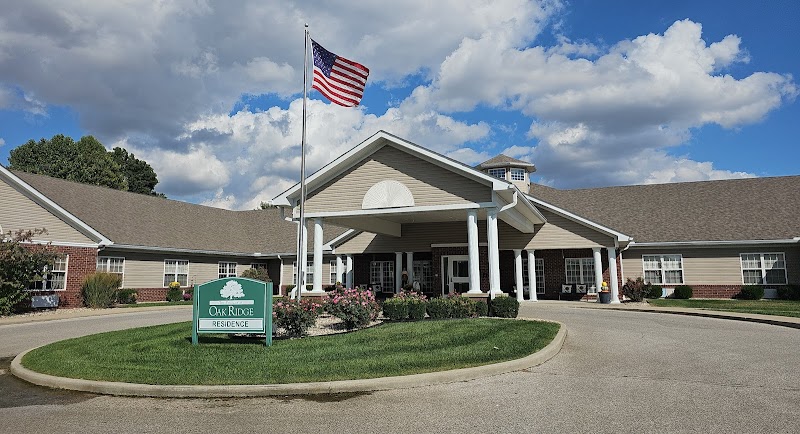
1694 TROY ROAD, WASHINGTON, IN 47501 (812) 254-3800
Government - County 58 Beds TRILOGY HEALTH SERVICES Data: November 2025
Trust Grade
65/100
#300 of 505 in IN
Last Inspection: April 2025

Within standard 12-15 month inspection cycle. Federal law requires annual inspections.

Overview

The Villages at Oak Ridge in Washington, Indiana, has a Trust Grade of C+, indicating that it is slightly above average but not exceptional. Ranking #300 out of 505 facilities in Indiana places it in the bottom half, while its county rank of #3 out of 5 shows that only two local options are better. The facility is improving, with the number of issues decreasing from 7 in 2024 to 6 in 2025. Staffing is rated average with a turnover rate of 53%, which is similar to the state average, but it has good RN coverage, exceeding that of 85% of Indiana facilities. While there are no fines on record, which is a positive sign, there are several concerning incidents reported. For example, the facility failed to ensure proper care to prevent urinary tract infections for residents who are incontinent or have catheters, affecting all four residents reviewed for this issue. Additionally, there were concerns about insufficient nursing staff, leading to missed medical orders and inadequate care. Infection control practices were also lacking, with laundry not being handled properly, risking contamination. Overall, while there are strengths in staffing stability and RN coverage, families should be aware of the care deficiencies highlighted in the inspection findings.

Trust Score
C+
65/100
In Indiana
#300/505
Bottom 41%
Safety Record
Low Risk
No red flags
Inspections
Getting Better
7 → 6 violations
Staff Stability
⚠ Watch
53% turnover. Above average. Higher turnover means staff may not know residents' routines.
Penalties
✓ Good
No fines on record. Clean compliance history, better than most Indiana facilities.
Skilled Nurses
✓ Good
Each resident gets 52 minutes of Registered Nurse (RN) attention daily — more than average for Indiana. RNs are trained to catch health problems early.
Violations
⚠ Watch
15 deficiencies on record. Higher than average. Multiple issues found across inspections.
★★★☆☆
3.0
Overall Rating
★★★☆☆
3.0
Staff Levels
★★☆☆☆
2.0
Care Quality
★★★☆☆
3.0
Inspection Score
Stable
2024: 7 issues
2025: 6 issues

The Good

  • Full Sprinkler Coverage · Fire safety systems throughout facility
  • No fines on record

Facility shows strength in fire safety.

The Bad

3-Star Overall Rating

Near Indiana average (3.1)

Meets federal standards, typical of most facilities

Staff Turnover: 53%

Near Indiana avg (46%)

Higher turnover may affect care consistency

Chain: TRILOGY HEALTH SERVICES

Part of a multi-facility chain

Ask about local staffing decisions and management

The Ugly 15 deficiencies on record

Jul 2025 1 deficiency
CONCERN (D) 📢 Someone Reported This

A family member, employee, or ombudsman was alarmed enough to file a formal complaint

Potential for Harm - no one hurt, but risky conditions existed

Accident Prevention (Tag F0689)

Could have caused harm · This affected 1 resident

Based on observation, interview, and record review, the facility failed to prevent falls for 1 of 3 residents reviewed for accidents. Following multiple falls, a resident care plan interventions were ...

Read full inspector narrative →
Based on observation, interview, and record review, the facility failed to prevent falls for 1 of 3 residents reviewed for accidents. Following multiple falls, a resident care plan interventions were not in place to prevent an additional fall. (Resident C)Findings include: During record review on 2/26/25 at 11:15 A.M., Resident C's diagnoses included, but were not limited to, repeated falls, chronic pain, and depression.Resident C's most recent admission Minimal Data Set (MDS) assessment, dated 5/2/25, indicated the resident had moderate cognitive impairment, used a walker for mobilization, and had one-sided upper extremity impairment. Resident C's physician orders included but were not limited to: call light attendant to bed, check placement and function every shift (started 5/11/25).Resident C's care plan included, but was not limited to, the resident at risk for falls due to falls at home with minor injury, antidepressant medications, altered balance and coordination (started 4/29/25). Fall interventions included but were not limited to; call light attendant to bed, check placement and function every shift (started 5/9/25), call light attendant to recliner in room, check placement and function every shift (started 5/30/25), and staff to ensure resident is in bed or recliner when in room, with call light attendant in place (started 6/16/25). Resident C's progress notes included, but were not limited to:7/3/25 at 2:59 P.M. - Intra-Disciplinary Team (IDT) review of a fall that occurred on 7/3/25 at 4:15 A.M., Resident found on the floor in her room following a fall. The call light attendant was found unplugged from the wall at the time of the fall. The root cause appears to be an unassisted attempt to use the toilet, likely due to the inability to call for help. New interventions include ensuring the call light attendant is properly connected and functioning at all times.During an observation on 7/24/25 at 11:05 A.M., Resident C was sitting up in her wheelchair near the foot of the bed. Resident C's call light was hanging off of the recliner in the room on the opposite side of the bed, and another call light was in the resident's bedside table drawer near the head of the bed, out of reach. LPN 5 entered Resident C's room to administer medications to Resident C's roommate and walked past Resident C to get to the roommate's side of the room. LPN 5 then walked past Resident C as she exited the room. LPN 5 did not offer to assist the resident to her bed or recliner, where the call light attendants were placed, nor did LPN 5 place the resident's call lights in reach. During an interview on 7/24/25 at 11:10 A.M., LPN 5 indicated being unaware if Resident C had a call light attendant in place and indicated not having worked that hall recently. LPN 5 indicated that for residents with call light attendants, staff should check on the residents hourly and ensure the call light attendants are functioning every shift or as they go in and out of resident rooms.On 7/24/25 at 11:57 A.M., the Director of Nursing (DON) supplied a facility policy titled Fall Management Program Guidelines, dated 12/17/24. The policy included, [Company name] strives to maintain a hazard-free environment, mitigate fall risk factors and implement preventative measures . 4. Any orders received from the physician should be noted and carried out . 6. Nursing staff will monitor and document continued resident response and effectiveness of interventions .This citation relates to complaint 1841867.3.1-45(a)(1)
Apr 2025 5 deficiencies
CONCERN (D)

Potential for Harm - no one hurt, but risky conditions existed

ADL Care (Tag F0677)

Could have caused harm · This affected 1 resident

**NOTE- TERMS IN BRACKETS HAVE BEEN EDITED TO PROTECT CONFIDENTIALITY** Based on observation, interview, and record review, the facility failed to ensure residents requiring assistance with Activities...

Read full inspector narrative →
**NOTE- TERMS IN BRACKETS HAVE BEEN EDITED TO PROTECT CONFIDENTIALITY** Based on observation, interview, and record review, the facility failed to ensure residents requiring assistance with Activities of Daily Living (ADLs) received adequate assistance with bathing for 2 of 2 residents reviewed for ADL care. (Resident C, Resident J) Findings Include: 1. During an interview on 3/25/25 at 10:41 A.M., Resident J indicated she received showers once a week. On 4/01/25 at 10:57 A.M., Resident J's clinical record was reviewed. Diagnoses included, but was not limited to anemia, coronary artery disease, and depression. The most recent Quarterly Minimum Data Set (MDS) assessment, dated 2/12/25 indicated Resident J had moderate cognitive impairment and required moderate assistance with bathing. A current care plan, initiated on 6/14/2022, was provided and indicated Resident J required staff assistance to complete ADL tasks completely and safely. Resident J's care plan lacked information on functional status related to bathing. On 4/2/25 at 10:00 A.M., Resident J's shower record from 1/1/25 to 4/2/25 was provided by the interim Director of Nursing (DON). Resident J failed to receive a shower from 1/3/25 to 1/14/25, 2/11/25 to 2/18/25, 2/25/25 to 3/4/25, and 3/18/25 to 3/25/25 with no refusals of care or leave of absence documented for that time period. During an interview on 4/2/25 at 10:14 A.M., Certified Nurse Aide (CNA) 42 indicated Resident J should receive showers on Tuesdays and Fridays. 2. On 3/28/25 at 10:44 A.M., Resident C was observed sitting up in bed and the back of her hair was greasy. At that time she indicated she was not getting baths twice a week. She indicated she had not had a bath since last week and her hair had only been washed four times since her admission on [DATE]. On 3/31/25 at 11:40 A.M., Resident C's clinical records were reviewed. Diagnoses included, but were not limited to, wedge compression fracture of T 9-T 10 vertebra, multiple fractures of ribs on right side, pulmonary embolism, Methicillin resistant Staphylococcus aureas infection, Escherichia coli (E. coli), open wound of anus, open wound of lower back and pelvis, and retention of urine. The current admission Minimum Data Set (MDS) assessment, dated 2/21/25 indicated Resident C was cognitively intact, and was dependent on staff for shower/bath, toilet use, bed mobility, and transfers. Resident C's urinary continence was not rated because she had a catheter. It was very important for her to choose between a tub bath, shower, bed bath, or sponge bath. Resident C's impaired functional status related to decreased mobility care plan, dated 2/21/25, had an intervention which included, but was not limited to, provide assistance as needed with self-care and mobility functional tasks, dated 2/21/25. On 4/1/25 at 9:37 A.M., Resident C's Baths recorded was reviewed: 3/31/25 Complete Bed Bath 3/28/25 Partial Bed Bath 3/18/25 Complete Bed Bath 3/7/25 Other bath 3/2/25 Complete Bed Bath 3/1/25 Complete Bed Bath 2/28/25 Complete Bed Bath 2/27/25 Not recorded 2/19/25 Partial Bed Bath There were no refusals documented. During an interview on 4/1/25 at 2:27 P.M., Certified Nurse Aide (CNA) 42 and CNA 28 indicated residents got a shower two to three times a week depending on their preference. They were put on a schedule and the CNAs followed the schedule for showers. If a resident was unable to go to the shower, they got a bed bath and it followed the shower schedule. The showers were documented on the shower sheet and in Matrix. On 4/2/25 at 10:57 A.M., the Interim Director of Nursing provided a Guideline for Bathing Preference policy, reviewed 12/17/24, which indicated .4. Bathing shall occur at least twice a week unless resident preference states otherwise. This citation relates to Complaint IN00456619. 3.1-38(b)(2)
CONCERN (D)

Potential for Harm - no one hurt, but risky conditions existed

Respiratory Care (Tag F0695)

Could have caused harm · This affected 1 resident

**NOTE- TERMS IN BRACKETS HAVE BEEN EDITED TO PROTECT CONFIDENTIALITY** Based on observation, interview, and record review, the facility failed to provide care consistent with professional standards o...

Read full inspector narrative →
**NOTE- TERMS IN BRACKETS HAVE BEEN EDITED TO PROTECT CONFIDENTIALITY** Based on observation, interview, and record review, the facility failed to provide care consistent with professional standards of practice for 1 of 2 residents reviewed for respiratory care. A resident's order for oxygen supplementation was not followed. (Resident 7) Finding includes: On 3/25/25 at 11:09 A.M., Resident 7 was laying sideways in bed wearing oxygen per nasal cannula with the oxygen concentration machine indicator between 2.5-3 liters per minute (LPM). On 3/28/25 at 9:53 A.M., Resident 7 was sitting in her room in a Broda chair asleep wearing oxygen per nasal cannula. The oxygen concentrator on the portable tank was set on 3 LPM. On 4/2/25 at 10:35 A.M., Resident 7's Broda chair was in the resident's private bathroom and the nasal cannula tubing was hanging over the Broda chair, uncovered. On 3/31/25 at 11:51 A.M., Resident 7's clinical record was reviewed. Diagnoses included, congestive heart failure and chronic obstructive pulmonary disease (COPD). The most recent Discharge Minimum Data Set (MDS), dated [DATE] indicated Resident 7's cognition was moderately impaired and she wore oxygen. Physician's Orders included, but were not limited to, oxygen at 2 LPM per nasal cannula continuously, ordered 11/6/24 and discontinued 3/19/25 Oxygen at 2 LPM per nasal cannula continuously, ordered 3/26/25 A current Shortness of Breath related to COPD Care Plan, initiated 11/3/19 and last reviewed 1/28/25, included, but was not limited to, an intervention to administer oxygen per orders, initiated 11/3/19 Progress notes indicated the resident left the faciity on 3/19/25 at 7:35 A.M. and returned to the facility on 3/20/25 at 2:48 P.M. During an interview on 4/1/25 at 2:23 P.M., Licensed Practical Nurse (LPN) 5 indicated the nurse's were allowed to initiate oxygen as a nursing measure, but they were supposed to get an order for it as soon as possible from the physician. She indicated Resident 7 should be on 2 LPM and had been for a long time. She was unsure why Resident 7's oxygen order was not restarted after she returned from the hospital until 3/26/25. During an interview on 4/2/25 at 11:18 A.M., Certified Nurse Aide (CNA) 23 indicated Resident 7 had been on oxygen as long as she had worked at the facility and she did not believe Resident 7 would be able to adjust the oxygen concentration indicator on the machine. On 4/2/25 at 10:57 A.M., a current Respiratory Equipment Policy, last reviewed 12/16/24, was provided by the Interim Director of Nursing (DON) and indicated, To provide infection control guidelines to help prevent infections associated with respiratory therapy equipment and to prevent transmission of infections to residents . Keep oxygen cannula and tubing used PRN [as needed] in a plastic bag when not in use . On 4/2/25 at 11:44 A.M., a current Oxygen Administration Policy, last reviewed 12/13/24, was provided by the Interim Director of Nursing (DON) and indicated, . verify physician's order for the procedure. In cases of emergency oxygen may be administered as a nursing intervention until a physician order may be obtained . 3.1-47(a)(6)
CONCERN (E) 📢 Someone Reported This

A family member, employee, or ombudsman was alarmed enough to file a formal complaint

Potential for Harm - no one hurt, but risky conditions existed

Incontinence Care (Tag F0690)

Could have caused harm · This affected multiple residents

**NOTE- TERMS IN BRACKETS HAVE BEEN EDITED TO PROTECT CONFIDENTIALITY** Based on observation, interview, and record review, the facility failed to ensure appropriate care and services were provided to...

Read full inspector narrative →
**NOTE- TERMS IN BRACKETS HAVE BEEN EDITED TO PROTECT CONFIDENTIALITY** Based on observation, interview, and record review, the facility failed to ensure appropriate care and services were provided to prevent urinary tract infections for residents with urinary catheters or were incontinent of bladder for 4 of 4 residents reviewed for incontinence/catheter care. (Resident B, Resident E, Resident D, Resident C) Findings include: 1. On 3/31/25 at 9:57 A.M., Resident B's clinical record was reviewed. Resident was admitted [DATE]. Diagnosis included, but were not limited to, dementia and kidney failure. The most recent admission Minimum Data Set (MDS) assessment, dated 3/17/25, indicated a severe cognitive impairment and no behaviors. Resident was dependent on staff for eating, toileting, and bathing. Resident frequently incontinent of bladder, and did not have a urinary catheter at admission. Physician orders included, but were not limited to: May dip urine with signs and symptoms of urinary tract infection (UTI), then may send urine for culture and sensitivity (C&S) if positive for leukocytes, dated 3/13/25. Indwelling urinary catheter size 16 with 10cc (milliliter) balloon, dated 3/19/25. cephalexin (an antibiotic) 250 mg (milligrams) twice a day, started 3/19/25 and completed 3/25/25. The order was signed by the physician on 3/20/25. Resident B had a current bowel and bladder care plan, dated 3/21/25, that indicated use of a urinary catheter. Resident B's progress notes included, but were not limited to, the following: 3/14/25 11:34 A.M. Resident had not voided since leaving the ER the previous day and abdomen was distended. The bedpan was offered multiple times, but resident unable to void. Three attempts were made to straight cath the resident with no output. Resident was able to void once taken to the toilet. 3/16/25 9:21 P.M. Resident indicated she didn't feel very good and was pale in color. Blood pressure 92/62, respirations 20, and oxygen saturation 95% on room air. Resident incontinent of bladder during shift. 3/19/25 9:35 A.M. Resident's abdomen was noted to be hard and distended with tenderness around 7:00 A.M. Resident was sent to the emergency room (ER). 3/19/25 3:21 P.M. Resident arrived back from the ER with a urinary catheter in place and an order for cephalexin (Keflex) 250mg twice daily for 7 days for UTI. 3/20/25 11:13 P.M. Hospital lab contacted facility and stated they would send over the urinalysis and C&S once it was completed. 3/27/25 1:17 A.M. Antibiotic completed 3/25/25 per order. Resident B's clinical record lacked a care plan for UTI from 3/19/25 through 3/25/25. Discharge paperwork from the ER visit on 3/19/25 lacked a C&S result and indicated to start the resident on a 7 day course of Keflex twice a day (14 doses total). Resident B's clinical record lacked a C&S result from the ER visit on 3/19/25, and lacked communication with the physician related to C&S results. On 4/1/25 at 2:04 P.M., Resident B's C&S result was obtained from the hospital and reviewed. The culture report indicated it was resulted 3/21/25 and showed pseudomonas aeruginosa as the bacteria that caused the UTI. The C&S was resulted the day after the physician signed the Keflex order for Resident B. The research article Antibiotic susceptibility patterns of Pseudomonas aeruginosa at a tertiary care hospital in Gujarat, India, dated October 2008, was retrieved on 4/1/25 from the Bioline International website at https://www.bioline.org.br/pdf?ph08065. The article included: The organism [pseudomonas aeruginosa] showed remarkable resistance against cephalosporin group of antibiotics, ranging from 67.86% for ceftazidime to 94.64% for cephalexin [Keflex] Resident B's Medication Administration Record (MAR) from March 2025 indicated Keflex was administered once on 3/19/25 and twice daily for the following six days, totaling 13 doses given. On 4/1/25 at 9:49 A.M., Qualified Medication Aide (QMA) 14 and Physical Therapy Assistant (PTA) 32 were observed to assist Resident B with toileting and catheter care. After assisting the resident to stand (resident had a bowel movement while sitting on the toilet), QMA 14 cleaned the resident's peri area from the back, then cleaned the area from the front. After wiping a brown substance from the vaginal area several times, QMA 14 wiped the catheter tube from the bottom up one time, then wiped more brown substance from the vaginal area. PTA 32 then placed the resident's catheter bag on the bathroom floor before handing it to QMA 14. Without changing gloves or performing hand hygiene, QMA 14 assisted to get Resident B dressed and to the wheelchair. Again without changing gloves or performing hand hygiene, QMA 14 then obtained a graduated cylinder from the bathroom, placed it on the floor by the resident's wheelchair, and emptied the urine from the catheter bag into it. After emptying the urine, QMA removed the gloves and performed hand hygiene. On 4/1/25 at 2:45 P.M., the Infection Preventionist (IP) indicated when a resident returned from the hospital on an antibiotic, management would look through their hospital records and log that information. He indicated the facility would follow any orders placed from the ER physician and either the facility Nurse Practitioner or physician would review the orders. At that time, the Interim Director of Nursing (DON) indicated if the facility physician was ordering an antibiotic, they would be looking at the culture. On 4/2/25 at 11:18 A.M., the IP indicated Resident B should have received a full 14 doses of Keflex after returning from the ER on [DATE]. On 4/2/25 at 11:46 A.M., the Interim DON indicated the C&S result was sent to a primary care, and it was thought that it was sent to a different primary care listed and did not go to the facility physician. 2. On 3/25/25 at 10:41 A.M., Resident E was observed sitting in the recliner in her room with her legs elevated. At that time, the resident indicated she was recovering from being in the hospital for a urinary tract infection (UTI). She indicated she had a tube (suprapubic catheter) that went into her bladder and she wore a bag on the top of her leg during the day and staff would change the leg bag to the other bag that's kept in the bathroom at night. There was a urinary catheter bag observed in the resident's private bathroom, uncovered, hanging on the handrail with a yellow liquid and sediment in the tubing. On 3/31/25 at 2:32 P.M., Resident E was observed sitting in the recliner in her room with her legs elevated and she indicated she was wearing her leg bag. There was a urinary catheter bag with yellow liquid and sediment in the tubing in a bag that was not enclosed laying on her wheelchair observed in her private bathroom. On 4/1/25 at 11:33 A.M., there was a urinary catheter bag observed in a plastic bag tied to the handrail behind the toilet in bathroom but not completely enclosed. The tube has sediment and yellow liquid in it. Resident E was sleeping in a reclined position. She indicated she was wearing her leg bag on top of her leg and she did not remember staff educating her on the increased risk of getting a UTI from the leg bag being above her bladder. On 3/28/25 at 1:19 P.M., Resident E's clinical record was reviewed. Diagnoses included, but are not limited to, heart failure, hematuria (blood in her urine), personal history of UTIs, pyleonephrosis (kidney infection), nephrolithiasis (kidney stones), and obstruction and reflux of urine in the urinary tract. The most recent Quarterly MDS assessment, dated 2/14/25, indicated Resident E was cognitively intact, substantial/maximum assist (staff performs over half the effort) for toileting, showering, transfers, has an indwelling catheter, and had sepsis and UTI in the last 30 days. Current Physician's Orders included, but were not limited to, the following: change catheter bag as needed based on clinical indications such as infection, obstruction, or when the closed system was compromised, ordered 2/9/25 suprapubic catheter (SP) care every shift, clean with normal saline apply neosporin and lidocaine to SP site, and apply new split sponge, ordered 3/28/25 SP catheter size 18 French with 30 cc balloon for obstructive uropathy, ordered 2/11/25 A current SP Catheter Care Plan, initiated 12/19/23 and last reviewed on 3/27/25, included, but was not limited to, the following intervention: maintain a closed system with drainage bag below the resident's bladder and cover with dignity bag, initiated 12/19/23 A Hospital Discharge summary, dated [DATE], indicated Hospital Course: Patient came via EMS [Emergency Medical Services] from [name of facility] due to hematuria from suprapubic catheter. She was found to have septic shock, 2/2 GNR bacteremia [2 of 2 blood cultures growing gram negative rod bacteria-proteus, urinary source] and left hydronephrosis [enlarged kidney] with bilateral nephrolithiasis [kidney stones in both kidneys]. The article, Proteus mirabilis [P. mirabilis] and Urinary Tract Infections, dated 11/5/15, was retrieved on 4/3/25, from the National Library of Medicine website at https://pmc.ncbi.nlm.nih.gov/. The guidance included: Proteus species, including P. mirabilis, are part of the normal flora of the human gastrointestinal tract, along with other bacteria like Escherichia coli and Klebsiella. Infections can also arise from contaminated urinary catheters, which can introduce the bacteria into the urinary tract. Long-term catheterization is a significant risk factor for P. mirabilis UTIs. Proteus mirabilis is capable of causing symptomatic infections of the urinary tract including cystitis and pyelonephritis and is present in cases of asymptomatic bacteriuria, particularly in the elderly and patients with type 2 diabetes. These infections can also cause bacteremia and progress to potentially life-threatening urosepsis. Additionally, P. mirabilis infections can cause the formation of urinary stones (urolithiasis). P. mirabilis is often isolated from the gastrointestinal tract, although whether it is a commensal, a pathogen, or a transient organism, is somewhat controversial. It is thought that the majority of P. mirabilis urinary tract infections result from ascension of bacteria from the gastrointestinal tract while others are due to person-to-person transmission, particularly in healthcare settings. During an interview on 4/1/25 at 10:45 A.M., Licensed Practical Nurse (LPN) 5 indicated only nurse's do catheter dressing care. Certified Nurse Aides (CNAs) could cleanse the area with perineal care or bathing if needed, empty and change the urinary catheter bags, and would notify the nurse if urine was dark, SP site or urine had foul odor, or the resident was not having normal urine output. There were CNAs who did not like connecting and disconnecting the catheter bags so she would do it most of the time when she was working. She had no concerns about the catheter tubing being compromised by urine and sediment sitting in the tube and being able to drain backwards into the bag while the bag was not in use, the end not being capped, or not covering the bag completely in the bathroom while the resident wasn't wearing it. The urologist does not want the facility to change the SP catheter tube. They were allowed to flush it and if that didn't help then they had to call him and he usually sent the resident to the emergency room (ER) and have the SP catheter tubes changed at the hospital. All catheters were secured in place to the resident's leg. Resident E had a history of UTIs and preferred a leg drainage bag placed on top of her leg during the day. Resident E's urologist was aware the resident's preference was to wear the leg bag on top of her leg while she sat in her recliner with her legs elevated during the day. There should be documentation in the record that the urologist was aware of it and that the resident had been educated on the potential increased risk of UTIs wearing it that way. The urinary catheter bags should be kept in an enclosed bag and the end capped. If the tubing or the catheter bag was compromised, they would replace it, otherwise at least every 30 days (usually when she went to the urologist) the staff would change the bag. During an interview on 4/1/25 at 3:44 P.M., the Regional Consultant indicated there was not documentation of Resident E's preference or that she was educated about having the catheter bag below her bladder and knowing the increased risk of UTIs from the way she was wearing it and changing the bags back and forth every morning and night in her clinical record.3. On 3/28/25 at 1:18 P.M., Resident D's clinical record was reviewed. Diagnoses included, but were not limited to, retention of urine, dementia, and Type II diabetes mellitus with hyperglycemia. The most recent admission MDS assessment, dated 2/26/25, indicated Resident D had moderate cognitive impairment, was dependent of staff for shower/bath, toilet use, bed mobility, and transfers and had a catheter. Current Physician orders included, but were not limited to, the following: Foley catheter care every shift Twice A Day, 6:00 A.M. - 6:00 P.M., 6:00 PM - 6:00 A.M., dated 2/27/25 A current Foley Catheter Care Plan, initiated on 2/28/25, included, but was not limited to, the following interventions: Leg strap in place to prevent residents catheter from being pulling out, initiated 2/28/25 Maintain a closed system with urinary bag below the residents bladder and cover, initiated 2/28/25 Provide assist with catheter care and change Foley catheter per physician orders, initiated 2/28/25 Observe for any signs of complication such as UTI, urethral trauma, strictures, bladder calculi or silent hydronephrosis notify my doctor, initiated 2/28/25 Urology Notes from 3/24/24: Insertion Foley catheter, indwelling Procedure note: Patient placed in supine position. 10 cc used to deflate balloon, 30 cc in all. Noticed redness on left thigh and purulent drainage coming from penile area. (name of Nurse Practitioner) notified and came in and placed catheter a 16 Fr (French) coude catheter (size and type of catheter). No resistance met. Catheter looped and secured with stat lock. Had a larger area that catheter eroded meatus and meatus was not in the correct area. Gave report to LPN 38 at (name of facility). Instructed that there was a large place of erosion in penile area. Area needs to be closely watched, patient needs good catheter care, stat lock needs to stay on, and catheter needs to be looped. Assessment and plan: Erosion on urethral meatus as well as yeast infection on thighs and penis Orders: Nursing home may put Neosporin ointment (antibiotic ointment) on tip of penis to alleviate discomfort please keep Foley catheter in stat lock device please retract foreskin and clean glans twice daily, then apply Nystatin ointment twice daily to foreskin and thighs Progress Notes: 3/28/2025 3:07 P.M. Family called and spoke the ED [Executive Director] about concerns over resident's catheter. ED and DHS [Director of Health Services/DON] are conferencing with the family to further address concerns. Family was thinking about taking resident back to the [name of facility] today. Resident was an anticipated discharge for 4/3/25 and the [name of facility] did come in to evaluate resident on 3/27/25 and they did accept resident back. 3/28/2025 3:49 P.M. Medical Director contacted to give orders to discharge resident back to (name of facility). Following a call from (resident's family members) about concerns, and they were insistent that resident discharge today. Orders received, clinical support and DON aware and addressing concerns. Progress notes did not mention any skin issues related to penile area or redness on leg. During an interview on 3/31/25 1:29 P.M., Resident D's family member indicated the catheter had not been taken care of and Resident D had an appointment with urologist on 3/24/25 when abscess on the head of his penis was discovered. During an interview on 4/1/25 at 9:10 A.M., Resident D's family member indicated the Nurse Practitioner) NP at the Urology Office examined him at an appointment on 3/24/25 and made comments about the shape of the catheter. She said it had not been cleaned or properly strapped to his leg and caused damage to his urethra and caused an abscess on his penis under his foreskin. The family member indicated Resident D saw a surgeon on 3/31/25 for the damage and he was in a lot of pain. 4. On 4/1/25 at 10:54 A.M., Resident C was observed lying in bed with head of the bed elevated, Foley catheter draining yellow urine hanging on the side of the bed covered, and wound vac in place to coccyx wound. At that time, she indicated the catheter care was not not done routinely on a daily basis, only if she had an accident or was given a bath. On 3/31/25 at 11:40 A.M., Resident C's clinical records were reviewed. Diagnoses included, but were not limited to, wedge compression fracture of T9-T10 vertebra, multiple fractures of ribs on right side, pulmonary embolism, Methicillin resistant Staphylococcus aureas infection, Escherichia coli (E. coli), open wound of anus, open wound of lower back and pelvis, and retention of urine. The most recent admission MDS assessment, dated 2/21/25 indicated Resident C was cognitively intact, and was dependent on staff for shower/bath, toilet use, bed mobility, and transfers. Resident C's urinary continence was not rated because she had a catheter. Current Physician orders included, but were not limited to, the following: Foley catheter care every shift Twice A Day 6:00 P.M. - 6:00 A.M., 06:00 A.M. - 06:00 P.M., dated 2/19/25 A current Foley Catheter Care Plan, initiated on 3/3/25, included, but was not limited to, the following interventions: Provide assist with catheter care and change Foley catheter per physician orders, initiated 3/3/25 Maintain a closed system with urinary bag below the residents bladder and cover, initiated 3/3/25 Observe tubing and avoid any obstructions, initiated 3/3/25 Observe for any signs of complication such as UTI (urinary tract infection), urethral trauma, strictures, bladder calculi or silent hydronephrosis notify my doctor, initiated 3/3/25 During an interview on 4/2/25 at 9:22 A.M. Resident D indicated she did not get catheter care on evenings or nights the day before. She indicated the only time she got catheter care was when she had an accident and when they gave her a bath. CNAs cleaned the back side and a few CNAs would clean the front, but sometimes she had to ask them to clean the front. During an interview on 4/1/25 at 10:45 A.M., LPN 5 indicated anyone with a catheter was on EBP (Enhanced Barrier Precautions), gown and gloves, when doing care. Catheter care was done with perineal care. All catheters were secured in place to the resident's leg. LPN 5 indicated catheter care was the same whether the resident was male or female. Care was started on inside and worked your way out, then down tube (going away from the insertion site), monitor for foul odor, drainage, amount and color of output. The nurse was notified if anything unusual was found and nurse would assess. If a resident had foreskin, you pulled down the foreskin, wiped, and when done you put the foreskin back up. Nurses and nurse aides had inservices on catheter care and everything to do with it monthly. During an interview on 4/1/25 at 11:11 A.M., CNA 23 indicated catheter care was done three times a day on each shift by the CNAs. During an interview on 4/1/25 at 1:15 P.M., the Interim DON provided the most recent in service given on 3/25/25 and 3/26/25 to nursing staff on suprapubic catheter care, urinary catheter care, and perineal care for incontinence. On 3/25/25 at 11:00 A.M., the Administer provided a current Antibiotic Stewardship Guideline Policy, dated 12/31/22, that indicated New orders for antibiotic usage will be reviewed during the campus Clinical Care Meeting on regular business days including antibiotics on new admissions from the community On 4/1/25 at 1:15 P.M., the Interim DON provided a current Perineal Care for Incontinence policy, dated 12/16/24, that indicated Pay particular attention to infection prevention and control techniques when performing pericare, to prevent introduction of contamination that may lead to a urinary tract infection On 4/1/25 at 1:15 P.M., the Interim Director of Nursing provided a Urinary Catheter Care policy, reviewed 12/16/24, which indicated .14. Ensure the catheter remains secured. A leg strap may be used to reduce friction and movement at the insertion site .15. Be observant of skin irritation .20 .k. Assess the urethral meatus . m. For the male: Use a wipe or washcloth with periwash to cleanse around the meatus. Cleanse the glans using circular strokes from the meatus outward .Return foreskin to normal position. n. Use a clean wipe or washcloth with periwash to cleanse and rinse the catheter from insertion site to approximately four inches outward .Be sure the catheter tubing and drainage bag are kept off the floor . wash and dry hands after performing catheter care On 4/1/25 at 1:15 P.M., a current Suprapubic Catheter Care Policy, last reviewed 12/16/24, was provided by the Interim DON and indicated, . The urinary drainage bag should be held or positioned lower than the bladder to prevent the urine in the tubing and drainage bag from flowing back into the urinary bladder . On 4/1/25 at 1:44 P.M., a current Urinary Leg Bag Catheter Policy, last reviewed 12/16/24, was provided by the Interim DON and indicated, To provide guidelines to decrease the likelihood of nosocomial urinary tract infections associated with the intermittent use of leg drainage bags . Every attempt should be made to maintain a closed urinary drainage system . Leg drainage bags should be used only after careful consideration and after a decision has been made that, the benefits of use of the bag outweigh the potential increased risk of urinary tract infection. The resident should be informed that there is increased risk of infection when the integrity of the closed urinary drainage system is compromised. The regular straight drainage bag should be reconnected only if it appears that the integrity of the system has been maintained. Aseptic technique should be used when handling urinary drainage systems . Keep the drainage bag in a safe place where it will not be mishandled. Continue to keep drainage bag beneath the drainage tubing to prevent contamination . cleaning and storage of urinary bags: rinse drainage bags with cold water. Cleanse with 1:7 vinegar and water or chlorine bleach solution of 1:33 [1 ounce of chlorine bleach to 1 liter of water]. May use a syringe to reach inlet and outlet adequately; open outlet valve and cleanse thoroughly. Completely immerse bag in cleaning solution for approximately 15-20 minutes. Dry and store in a designated manner where it will not be contaminated. This citation relates to Complaint IN00456575 and Complaint IN00456619. 3.1-41(a)(1) 3.1-41(a)(2)
CONCERN (E) 📢 Someone Reported This

A family member, employee, or ombudsman was alarmed enough to file a formal complaint

Potential for Harm - no one hurt, but risky conditions existed

Deficiency F0725 (Tag F0725)

Could have caused harm · This affected multiple residents

Based on observation, interview, and record review, the facility failed to ensure sufficient nursing staff was provided for 7 of 7 days reviewed and 1 of 1 Resident Council meeting. Oxygen orders were...

Read full inspector narrative →
Based on observation, interview, and record review, the facility failed to ensure sufficient nursing staff was provided for 7 of 7 days reviewed and 1 of 1 Resident Council meeting. Oxygen orders were not in place, catheter care was not provided, antibiotics given were not indicated for uti, and showers were not given. (Resident 33, Resident E, Resident B, Resident D, Resident C) Finding includes: 1. During the survey dates of 3/25/25 through 4/2/25, the following interviews were completed. a. The confidential interview indicated it was dependent on the hall assigned and if everyone showed up whether there was enough help or not. She frequently stayed after her shift ended to chart. They indicated it would be better and they could get all tasks done if there were two aides on each hall (100/Locked Dementia Unit, 200/TCU, and 300) or at least a float Certified Nurse Aide (CNA) that would be available as needed. b. The confidential interview indicated they were not able to get a break or get a lunch. They indicated there were a lot of call in's. Staff would try to call others to replace them, but that didn't always happen. c. The confidential interview indicated the 200/TCU and 300 Halls need 2 CNAs. They indicated nurses help some but they need to get their work done too. So aides have to leave their hall and go find someone else. If there weren't enough aides, the residents didn't get what they need or they have to wait too long and that's when accidents happen. They indicated they would come in early or stay late if needed to get tasks done. They felt like there are a couple people that call in during a week's time and sometimes they can get someone to cover and sometimes not. Managers help if they can, but they have their work to get done as well. d. During an interview on 4/2/25 at 10:14 A.M., the Scheduler indicated they have call in's a couple times per week. They try to call other staff and if they can't find someone, the manager on call will step in. Based on the current census, ideally they would have one nurse and one CNA on each hall for every shift. She indicated all their available CNA positions were filled except maybe one opening on night shift. 2. A review of the current Facility Assessment Tool, last updated 1/7/25, was provided by the Executive Director and indicated an average daily census (as of January 2024) was 35 residents with a total licensed skilled bed count of 58 residents available. Based on the resident population and their needs for care and support, six Licensed Practical Nurses (LPNs) and 13 Nurse Aides (CNAs), and two other nursing personnel with administrative duties were needed to ensure the facility had sufficient nursing staff per day. The general approach taken to assess staffing needs were to evaluate acuity, census, and staffing budget to ensure sufficient staff to meet the needs of the residents at any given time. Furthermore, campus leaders met regularly to discuss all clinical needs of each resident and then made staffing adjustments accordingly. 3. A review of the Dementia Disclosure, dated 12/31/24, was provided by the Executive Director and indicated the resident census number on the 100 Hall/Locked Dementia Unit was 14 at that time and required one LPN on day shift and evening shift, one Qualified Medication Aide (QMA) on night shift, one CNA on day shift, evening shift, and night shift. 4. A current resident list of all skilled residents and a list of resident assistance levels needed, were provided by the Interim Director of Nursing (DON) and reviewed, along with confidential staff interviews, indicated the following: a. The 200 Hall had 16 residents. There were three residents totally dependent on staff and one resident was a two person assist of staff. b. The Transitional Care Unit (TCU) had 9 residents, one of them was a two person assist of staff. c. The 300 Hall had 13 residents. Two residents were two person assist of staff, three residents were totally dependent on staff, and one resident was totally dependent on staff to feed her. d. The Locked Dementia Unit had 12 residents. Two residents were two person assist of staff, one resident was totally dependent on staff, and 3 residents required assistance eating. e. Residents needed assistance for showers on the following days: Monday day shift-six, evening shift-four; Tuesday day shift-seven, evening shift-seven, Wednesday day shift-five, evening shift-five; Thursday day shift-five, evening shift-five; Friday day shift-eight, evening shift-six; Saturday day shift-five, evening shift-six; Sunday evening shift-one. 5. Daily Staffing Assignment Sheets as worked from Wednesday, March 19, 2025 to Tuesday, March 25, 2025, were provided by the Executive Director and indicated the following: a. 3/19/25 Resident Census-48 Day Shift (6:00 A.M.-2:00 P.M.): 200 Hall-one Registered Nurse (RN) and one CNA TCU-one LPN and one CNA 300 Hall-one LPN and one CNA Locked Dementia Unit-one LPN, no CNA from 6:00-10:00 A.M., and 1 CNA from 10:00 A.M.-2:00 P.M. Evening Shift (2:00-10:00 PM): 200 Hall-one RN and one CNA TCU-one LPN and one CNA 300 Hall-one LPN from 2:00-6:00 P.M. and one Qualified Medication Aide (QMA) from 6:00-10:00 P.M., one CNA Locked Dementia Unit-one LPN and one CNA Night Shift (10:00 P.M.-6:00 A.M.): 200 Hall-one RN and one CNA TCU-one CNA 300 Hall-one QMA and one CNA Locked Dementia Unit-one CNA b. 3/20/25 Resident Census-48 Day Shift: 200 Hall-one LPN and one CNA from 6:00-11:00 A.M. TCU-one LPN and one CNA 300 Hall-one RN and one CNA Locked Dementia Unit-One LPN and one CNA from 10:00 A.M.-2:00 P.M. Evening Shift: 200 Hall-one LPN from 2:00-6:00 P.M., one RN from 6:00-10:00 P.M., one CNA from 4:00-10:00 P.M. TCU-one CNA 300 Hall-one RN from 2:00-6:00 P.M., one QMA from 6:00-10:00 P.M., and one CNA Locked Dementia Unit-one LPN from 2:00-6:00 P.M. and one CNA Night Shift: 200 Hall-one RN and one CNA TCU-no staff listed 300 Hall-one QMA and one CNA Locked Dementia Unit-one CNA c. 3/21/25 Resident Census-48 Day Shift: 200 Hall-one RN and one CNA TCU-one CNA 300 Hall-one LPN and one CNA Locked Dementia Unit-one LPN and one CNA Evening Shift: 200 Hall-one RN from 2:00-6:00 P.M., one QMA from 6:00-10:00 P.M., and one CNA TCU-one LPN and one CNA from 2:00-6:00 P.M. 300 Hall-one QMA and one CNA Locked Dementia Unit-one QMA and one CNA Night Shift: 200 Hall-one QMA and one CNA TCU-one RN 300 Hall-one LPN and one CNA Locked Dementia Unit-one CNA d. 3/22/25 Resident Census-49 Day Shift: 200 Hall-one RN and one CNA from 6:00-10:00 A.M., one QMA from 10:00 A.M.-2:00 P.M. TCU-no nurse listed, one CNA 300 Hall-one RN and one CNA Locked Dementia Unit-one RN and one CNA Evening Shift: 200 Hall-one RN and one CNA TCU-one QMA and one CNA 300 Hall-one RN from 2:00-6:00 P.M., one QMA from 6:00-10:00 P.M., and one CNA Locked Dementia Unit-one RN from 2:00-6:00 P.M. and one CNA Night Shift: 200 Hall-one RN and one CNA TCU- one CNA 300 Hall-one nurse and one CNA Locked Dementia Unit-one CNA e. 3/23/25 Resident Census-49 Day Shift: 200 Hall-one RN TCU-one CNA from 10:00 A.M.-2:00 P.M. 300 Hall-one RN and one CNA Locked Dementia Unit-one RN and one CNA Evening Shift: 200 Hall-one RN and one CNA TCU-one QMA and one CNA 300 Hall-one RN and one CNA Locked Dementia Unit-one RN from 2:00-6:00 P.M. and one CNA Night Shift: 200 Hall-one RN and one CNA TCU-one CNA 300 Hall-one RN and one CNA and one CNA to float Locked Dementia Unit-one CNA f. 3/24/25 Resident Census-50 Day Shift: 200 Hall-one LPN and one CNA TCU-no staff listed 300 Hall-one LPN and one CNA Locked Dementia Unit-one RN and one CNA Evening Shift: 200 Hall-one RN and one CNA TCU-one CNA 300 Hall-one RN and one CNA Locked Dementia Unit-one QMA Night Shift: 200 Hall-one RN and one CNA TCU-no staff listed 300 Hall-one RN and one CNA Locked Dementia Unit-One CNA g. 3/25/25 Resident Census-50 Day Shift: 200 Hall-1 RN and one CNA from 6:00-11:00 A.M. TCU-one CNA from 10:00 A.M.-2:00 P.M. 300 Hall-one LPN from 2:00-6:00 P.M., one QMA from 6:00-10:00 P.M., and one CNA Locked Dementia Unit-one LPN from 2:00-6:00 P.M. and one CNA Evening Shift: 200 Hall-one RN and one CNA TCU-no staff listed 300 Hall-one QMA and one CNA Locked Dementia Unit-one CNA Night Shift: 200 Hall-one RN and one CNA TCU-no staff listed 300 Hall-one QMA and one CNA Locked Dementia Unit-one CNA 6. Resident Concern Forms (grievances) for the last 3 months were provided by the Executive Director and included the following dates they were submitted: a. 1/2/25, from resident council: Ice water is not getting done on third shift and day shift the past two days. Ice water was not getting passed a lot last week and problem a lot of times on third shift. They leave water outside our rooms and we can't get to it. By the time day shift gets here, it's hot. b. 1/27/25 from a family member: Grooming - not being done on resident and he is staying in bed over the weekends. c. 1/28/25 from resident council: Grooming - showers on second shift . residents do not want at 9-9:30 P.M. TOO LATE. d. 1/28/25 from resident council: Call light/waiting- call lights too long of wait. Aide comes in, turns off light, and never returns. e. 2/12/25 from a resident: Grooming - resident had not received a shower since admission. f. 2/14/25 from a resident: Positioning and safety - resident is supposed to have his leg iced and has not had it done all day. Wife stated she had to do it yesterday because nobody else would. g. 2/14/25 from a resident: Grooming - resident states he has not had a shower since he has been here. Wife is upset as well. h. 2/18/25 from a resident: Call light/waiting - resident very upset, states he asked for his ice bottles for his knee 4 different times to 4 different people. i. 2/25/25 from a family member: Clinical - Feeding tube - wife called this morning very angry due to the fact that she had picked him up this morning and his feeding tube had not been flushed so when she finally looked at his tube at dialysis, there was build up in her words 'concrete was stuck there'. j. 2/26/25 from a family member: Grooming - Can we try to brush her teeth. I know she refuses sometimes but can you still try? k. 3/4/25 from a resident: Grooming - resident stated that she has not had a shower in one week. She did state that she had wanted times changed but that she is very upset that no on has offered to give her one. l. 3/4/25 from a resident: Grooming - resident was suppose to get a shower on Monday night but did not get one. 7. A Resident Council meeting was held on 3/27/25 at 10:00 A.M., and residents voiced the following concerns about staffing: a. Resident only got one shower a week. They would like at least two showers a week. They indicated they told staff, but they told her there was not enough to do that. b. Resident indicated staff was short handed and call lights take awhile to answer, sometimes waits 20 minutes or more. c. Resident indicated they took water pill and waited for staff to put her on the bed pan. She finally had to roll her self off the bed pan because staff did not answer the call light. One aide on the hall is not enough. One of the aides just quit because there was not enough help. 8. The lack of sufficient nursing staff resulted in showers not being completed. Cross Reference F677. 9. The lack of sufficient nursing staff resulted in a resident receiving an antibiotic that was not indicated for treatment of a urinary tract infection. Cross Reference F690. 10. The lack of sufficient nursing staff resulted in residents not receiving proper catheter care. Cross Reference F690. 11. The lack of sufficient nursing staff resulted in oxygen orders not being put in and not being followed. Cross Reference F695. This citation relates to Complaint IN00456575. 3.1-17(a)
CONCERN (E)

Potential for Harm - no one hurt, but risky conditions existed

Infection Control (Tag F0880)

Could have caused harm · This affected multiple residents

**NOTE- TERMS IN BRACKETS HAVE BEEN EDITED TO PROTECT CONFIDENTIALITY** Based on observation, record review, and interview, the facility failed to ensure infection control practices were implemented f...

Read full inspector narrative →
**NOTE- TERMS IN BRACKETS HAVE BEEN EDITED TO PROTECT CONFIDENTIALITY** Based on observation, record review, and interview, the facility failed to ensure infection control practices were implemented for a safe, sanitary and comfortable environment to help prevent the development and transmission of disease and infection for 2 of 2 random observations. (100 Hall, 300 Hall) Findings include: 1. On 4/1/25 at 10:14 A.M., a laundry cart was observed against a wall on the 100 Hall. Clothes were observed on hangers hanging from the top of the cart and folded items observed in the bottom basket. The cart was not covered. Laundry 3 and Laundry 7 were observed wheeling the cart down the hall while the clothes on the hangers were rubbing against the wall, resident doors, and hand sanitizer dispensers. Laundry 3 and Laundry 7 were observed taking the folded items from the basket and hugging them against their uniform tops taking them into the resident rooms. 2. On 4/1/25 at 2:14 P.M., Laundry 7 was observed on the 300 Hall holding resident clothing against her uniform top and entering room [ROOM NUMBER]. Laundry 7 was then observed holding resident clothing in her left arm against her uniform top, obtained clothing that was on hangers from the laundry cart, and bent down, dragging the clothes on the hangers along the floor. She then took the items to room [ROOM NUMBER]. On 4/2/25 at 11:06 A.M., the Infection Preventionist indicated clean clothing should not be against staff uniform shirts, and should be kept away from the body. He further indicated clean clothing should never drag along the floor before taken to a resident's room. On 4/2/25 at 10:57 A.M., the Interim Director of Nursing provided a current Handling Linen policy, dated 12/17/24, that indicated Linens should be carried away from the body to prevent contamination from clothing 3.1-18(b) 3.1-19(g)
Sept 2024 1 deficiency
CONCERN (D) 📢 Someone Reported This

A family member, employee, or ombudsman was alarmed enough to file a formal complaint

Potential for Harm - no one hurt, but risky conditions existed

Incontinence Care (Tag F0690)

Could have caused harm · This affected 1 resident

**NOTE- TERMS IN BRACKETS HAVE BEEN EDITED TO PROTECT CONFIDENTIALITY** Based on observation, interview, and record review, the facility failed to ensure that appropriate treatment and services were ...

Read full inspector narrative →
**NOTE- TERMS IN BRACKETS HAVE BEEN EDITED TO PROTECT CONFIDENTIALITY** Based on observation, interview, and record review, the facility failed to ensure that appropriate treatment and services were provided to prevent UTIs (urinary tract infections) for a resident with a nephrostomy tube (a flexible tube that drains urine from the kidney into a bag outside the body) for 1 of 1 residents reviewed for UTI. A resident's MDS (Minimum Data Set) Assessment was incorrectly coded, the clinical record lacked a resident centered care plan, an antibiotic was ordered for 5 days and given for 6 days, and the resident did not follow up with specialists. (Resident B) Findings include: During an observation on 9/20/24 at 1:50 P.M., Resident B was in bed. At that time, Resident B indicated she had a nephrostomy tube for 2 years and she was in and out of the hospital often due to UTIs. She indicated she occasionally sat in a wet brief until staff came to assist. Resident B indicated the nursing facility would only change the dressing on the nephrostomy tube on shower days or when the dressing fell off. On 9/18/24 at 10:59 A.M., Resident B's clinical record was reviewed. Diagnoses included, but were not limited to, urinary tract infection, anemia, diabetes mellitus, liver transplant, and obstructive uropathy. The most recent Quarterly MDS (Minimum Data Set) Assessment, dated 8/24/24, indicated Resident B was cognitively intact and required an extensive assist of 1 staff member for bed mobility, transfers, and toileting. The MDS Assessment failed to indicate Resident B had a UTI in the last 30 days. The MDS Assessment indicated Resident B had a nephrostomy tube and was occasionally incontinent of bladder and frequently incontinent of bowels. Resident B's clinical record lacked any current orders related to the nephrostomy tube. Resident B's clinical record lacked an order for a follow up Nephrology (doctor who specialized in disorders and treatment of the kidneys) and a nephrostomy tube replacement appointments. Resident B's clinical record lacked any orders related to a follow up Urologist (doctor who specialized in disorders and treatment of the urinary system) appointment. Resident B's current care plans included, but were not limited to, resident required a nephrostomy tube for diagnosis of obstructive uropathy. Interventions included, but were not limited to, observe for signs of complication such as UTI, dated 1/25/23. Resident B's clinical record lacked a care plan and interventions related to prevention of recurrent UTIs. Resident B had the following UTIs since April 2024: UTI# 1. Progress notes on 4/1/24 indicated Resident B started Keflex 500 mg (milligrams) TID (three times a day) for 5 days due to a UTI. The facility failed to discontinue Keflex after 5 days and Resident B received Keflex 500 mg TID for 6 days (4/3/24, 4/4/24, 4/5/24, 4/6/24, 4/7/24, and 4/8/24). Resident B was hospitalized from [DATE] through 4/16/24 for an AKI (acute kidney injury). Discharge instructions included, but were not limited to, follow up with (Urologist's Name) on 5/23/24 at 9:20 A.M. UTI # 2. Progress notes on 5/15/24 indicated Resident B returned from a Nephrologist appointment with orders to start IV (intravenous) Mere (antibiotic) 1g (gram) for 7 days for a UTI. A PICC (peripherally inserted central catheter) line was inserted on 5/16/24 after failed attempts of inserting a peripheral IV. Resident B's clinical record lacked documentation of following up with the urologist on 5/23/24. UTI# 3. Hospital notes on 7/9/24 indicated Resident B was sent to the ED (emergency department) by her Nephrologist with abnormal renal lab values. Resident B's creatinine was 3.55 mg/dL (deciliter) (normal value 0.52-1.04 mg/dL) and BUN (Blood Urea Nitrogen) was 45.0 mg/dL (normal value 7.0-17.0 mg/dL) Progress notes on 7/10/24 indicated Resident B returned from the hospital to the facility that day and was started on IV Merrem two times a day for 5 days due to a UTI. Resident B received one extra dose than ordered by the facility. UTI# 4. Resident B was hospitalized from [DATE] through 8/17/24 due to worsening renal function and a UTI due to a Klebsiella species. Discharge instructions included, but were not limited to, Augmentin (antibiotic) and to follow up with the Nephrologist on 9/4/24. UTI# 5. Progress notes on 8/25/24 indicated Resident B was complaining of pain on 8/24/24 around nephrostomy tube and when the nurse assessed it, it was red and swollen. At 4:00 P.M. on 8/25/24, when that nurse came back on shift, the resident was still complaining of pain and the nephrostomy tube site was swollen, red, hot to touch, and had green drainage. The resident was sent to the ED and admitted . Resident B was hospitalized from [DATE] through 8/26/24 with a primary diagnosis of UTI due to an Enterobactor species. Discharge instructions included, but were not limited to, follow up with the Nephrologist on 9/4/24. UTI# 6. Progress notes on 8/26/24 indicated the Nephrologist followed up on lab work ordered and notified the facility Resident B had a UTI. The Urologist was notified for orders and indicated since the resident missed her last appointment and had not been seen in over a year, they would not give orders. On 8/29/24 the PCP (Primary Care Physician) ordered Ertapenem (antibiotic) 1 daily via PICC line for 10 days and a probiotic for 20 days. Resident B was transferred to the hospital on 8/30/24 due to nausea, vomiting, and abdominal pain and was readmitted to the facility on [DATE]. Discharge instructions included, but were not limited to, Urology referral at discharge. During an interview on 9/20/24 at 10:01 A.M., Clinical Support RN (Registered Nurse) 1 indicated if a resident was scheduled to have an antibiotic for 5 days, they should not receive it for 6 days and staff counted the days incorrectly. All current appointments scheduled should have been in the resident's orders in the electronic charting system. During an interview on 9/20/24 at 10:55 A.M., LPN (Licensed Practical Nurse) 3 indicated Resident B had a nephrostomy tube and the last orders were to flush the nephrostomy and change the dressing daily. At that time, she indicated she did not receive any in-services related to nephrostomy tubes, and Resident B got UTIs often due to sitting in a soiled brief too long. During an interview on 9/20/24 at 12:08 P.M., Clinical Support RN 1 indicated all orders related to the nephrostomy tube were discontinued when Resident B was discharged to the hospital. When she returned on 9/9/24, the facility failed to add the orders back in. At that time, she indicated Resident B did not see the Nephrologist on 9/4/24 due to being in the hospital, and the appointment was not rescheduled. During an interview on 9/20/24 at 12:21 P.M., the MDS Coordinator indicated she was responsible for MDS Assessments and updating care plans. At that time, she indicated Resident B had a UTI in the last 30 days prior to the most recent Quarterly MDS Assessment and it should have been marked that way, the nephrostomy tube care plan should have interventions specific for Resident B, and she would expect a care plan to be implemented related to Resident B's recurrent UTIs. During an interview on 9/20/24 at 3:06 P.M., Clinical Support RN 1 indicated if the discharge summary from the hospital recommended a follow up with a specialist such as a Nephrologist or Urologist, she would expect an order to be put in and an appointment made. On 9/20/24 at 3:36 P.M., a request for a policy that would include following physicians orders was not provided prior to the exit of the survey. On 9/20/24 at 3:40 P.M., Clinical Support RN 1 provided a current Comprehensive Care Plan Guideline policy, dated 5/22/18, that indicated, .Address problems that become ongoing or chronic with a new comprehensive care plan . On 9/20/24 at 3:40 P.M., Clinical Support RN 1 provided a current, undated admission Checklist that indicated the admitting nurse would verify the follow up appointments that needed to be scheduled as well as a second nurse. On 9/20/24 at 3:40 P.M., Clinical Support RN 2 provided a current Urinary Catheter Care policy, reviewed 12/31/23, that indicated, OVERVIEW. To prevent infection of the resident's urinary tract . 3.1-41(a)(2)
Mar 2024 6 deficiencies
CONCERN (D)

Potential for Harm - no one hurt, but risky conditions existed

Resident Rights (Tag F0550)

Could have caused harm · This affected 1 resident

**NOTE- TERMS IN BRACKETS HAVE BEEN EDITED TO PROTECT CONFIDENTIALITY** Based on observation, interview, and record review, the facility failed to ensure each resident was treated with respect and dig...

Read full inspector narrative →
**NOTE- TERMS IN BRACKETS HAVE BEEN EDITED TO PROTECT CONFIDENTIALITY** Based on observation, interview, and record review, the facility failed to ensure each resident was treated with respect and dignity for 1 of 1 resident reviewed for dignity. Resident was being fed at the nurse's station. (Resident 47) Findings include: On 3/19/24 at 9:30 A.M., upon entrance to the facility, CNA 33 was standing at the 300 hall nurse's station feeding Resident 47, who was sitting in a wheelchair. On 3/25/24 at 11:21 A.M., Resident 47's clinical records were reviewed. She was admitted on [DATE]. Diagnosis included, but were not limited to, cerebral palsy, epilepsy, and dysphagia. The most current Significant Change in Condition MDS (Minimum Data Set) Assessment, dated 2/5/24 indicated Resident 47's cognitive status was unable to be assessed, extensive assistance of two was needed for bed mobility, transfers and toilet use, and extensive assistance of one was needed for eating. Physician's orders included, but were not limited to the following: Diet: Fortified Foods (therapeutic), Pureed (Texture), honey-thick (Liquid Consistency) Activia every night, dated 3/20/2024 Activity Level: Hoyer Lift for all Transfers Twice A Day 6:00 A.M. - 6:00 P.M., 6:00 P.M. - 6:00 A.M., dated 12/13/2023 During an interview on 3/26/24 at 2:17 P.M., CNA 25 indicated if a resident needed to be fed, they would be fed in their room or in the private dining room. Residents should not be fed at the nurse's station because that was a dignity issue. On 3/25/24 at 11:53 A.M., the DON (Director of Nursing) provided a Resident Rights Guidelines Policy, revised 5/11/17, which indicated .2. Our residents have a right to .a. Be treated with dignity and respect . 3.1-3(a)
CONCERN (D)

Potential for Harm - no one hurt, but risky conditions existed

Deficiency F0554 (Tag F0554)

Could have caused harm · This affected 1 resident

Based on observation, interview, and record review, the facility failed to ensure assessments were completed for a resident that self administered medications for 2 of 2 random observations. A residen...

Read full inspector narrative →
Based on observation, interview, and record review, the facility failed to ensure assessments were completed for a resident that self administered medications for 2 of 2 random observations. A resident was observed in a room alone with a medication cup containing pills. (Resident 34) Findings include: On 3/19/24 at 10:25 A.M., Resident 34 was observed sitting in her room. Two medication cups were observed stacked together with applesauce in the top one, and a blue capsule in the bottom one. On 3/19/24 at 11:51 A.M., Resident 34's room was observed with Licensed Practical Nurse (LPN) 21. At that time, Resident 34 was in the dining room. To medication cups were observed still stacked together with applesauce in the top one, and the following medications in the bottom one: 1 round white tablet 1 blue capsule 1 round rust colored tablet 1 oval peach tablet with a 5 on one side At that time, LPN 21 indicated the medications were not supposed to be in the room, and were probably Resident 34's morning medications. On 3/19/24 at 12:00 P.M., Resident 34's clinical record was reviewed. Diagnosis included, but were not limited to, respiratory failure and coronary artery disease. The most recent Quarterly MDS (Minimum Data Set) Assessment, dated 2/14/24, indicated no cognitive impairment and no behaviors. Resident 34's clinical record lacked an order to self administer medications. Resident 34's clinical record lacked care plans to self administer medications. A self administration assessment, dated 7/24/23, indicated Resident 34 could self administer Vick's topical, Vick's nasal spray, and Vick's roll on. The assessment lacked the ability to self administer any other medications. On 3/27/24 at 10:00 A.M., Certified Nurse Aide (CAN) 19 indicated Resident 34 required limited assistance of one staff with activities of daily living. On 3/27/24 at 12:20 P.M., a current Self-Administration of Medications policy, dated 12/31/23, was provided and indicated Residents requesting to self- medicate or has self-medication as a part of their plan of care shall be assessed . Results of the assessment will be presented to the physician for evaluation and an order for self-medication 3.1-11(a)
CONCERN (D)

Potential for Harm - no one hurt, but risky conditions existed

Comprehensive Care Plan (Tag F0656)

Could have caused harm · This affected 1 resident

Based on observation, interview and record review, the facility failed to implement the care plan for 2 of 2 residents reviewed for implementation of a care plan. The facility failed to fill the oxyge...

Read full inspector narrative →
Based on observation, interview and record review, the facility failed to implement the care plan for 2 of 2 residents reviewed for implementation of a care plan. The facility failed to fill the oxygen humidification bottle for one resident and failed to give a medication to one resident. (Resident 30, Resident 29) Findings include: 1. On 3/19/24 at 10:59 A.M., Resident 30 was observed lying in bed with her eyes closed. Oxygen (O2) tubing was lying on the floor, the humidification bottle was empty and the oxygen machine was on at 4 l/min (liters per minute). On 3/20/24 at 10:04 A.M., Resident 30's humidification bottle on the oxygen machine was empty. At that time, RN 27 indicated the humidification bottles were changed as needed, usually on the night shift. After she replaced the empty bottle, she indicated she checked the bottles routinely but missed this one. On 3/21/24 at 9:50 A.M., Resident 30's clinical records were reviewed. Diagnosis included, but were not limited to chronic obstructive pulmonary disease, pulmonary fibrosis, and other pulmonary collapse. The most current Quarterly MDS (Minimum Data Set) Assessment, dated 12/28/23, indicated Resident 30 was cognitively intact, needed supervision with bed mobility, transfer and toilet use and used oxygen. Physician's orders included, but were not limited to the following: Order Set O2 (oxygen)- Change oxygen tubing monthly Once A Day on the 1st of the Month 6:00 P.M. - 6:00 A.M., dated 1/14/2023 Order Set O2- Clean external concentrator filter every two weeks. Once A Day on Sun Every 2 Weeks 11:00 P.M. - 6:00 A.M., dated 1/14/2023 Order Set O2- Oxygen @ (at) 2L (liters)-4L per nasal cannula prn (as needed) and Q HS (every bedtime) for shortness of breath Twice A Day 6:00 A.M. - 10:00 A.M., 06:00 P.M. - 10:00 P.M., dated 3/20/2024 Order Set O2- Assess/Observe for s/s (signs and symptoms) of SOB (shortness of breath) while laying flat Special Instructions: Dx (diagnosis): COPD (Chronic Obstructive Pulmonary Disease) Twice A Day 6:00 A.M. - 6:00 P.M., 6:00 P.M. - 6:00 A.M., dated 6/23/2022 Order Set O2- HOB elevated to alleviate/reduce shortness of breath while lying flat Special Instructions: Dx: COPD Twice A Day 6:00 A.M. - 6:00 P.M., 6:00 P.M. - 6:00 A.M., dated 6/23/2022 Order Set O2- Monitor O2 sats (saturations) Q (every) shift Twice A Day 6:00 P.M. - 06:00 A.M., 6:00 A.M. - 6:00 P.M., dated 10/06/2022 Order Set O2- Oxygen @ 2L per nasal cannula NOC (night) and PRN for shortness of breath Twice A Day 6:00 P.M. - 6:00 A.M., 6:00 A.M. - 6:00 P.M., dated 8/30/2023 and discontinued 3/20/2024. Care plans included: Problem: Resident has potential for complications, functional and cognitive status decline related to respiratory disease d/t (due to) COPD and pulmonary fibrosis. Start Date 8/10/2022 Interventions included, but were not limited to: Approach: Respiratory therapy per orders. Start Date 8/10/2022 Approach: Administer oxygen per orders. Start Date 8/10/2022 Problem: Resident has potential for SOB while lying flat r/t (related to) COPD and pulmonary fibrosis. Start Date 8/10/2022 Interventions included, but were not limited to: Approach: Administer oxygen per MD (Medical Doctor) order and as needed. Start Date 8/10/2022 2. On 3/21/24 at 10:44 A.M., Resident 29's clinical record was reviewed. Diagnosis included, but were not limited to, traumatic brain injury. The most recent Significant Change MDS (Minimum Data Set) Assessment, dated 3/12/24, indicated a significant cognitive impairment. Current physician orders included, but were not limited to: lorazepam (an antianxiety medication) concentrate; 2 mg(milligram)/mL(milliliter); 0.25 ml; oral at bedtime, dated 3/16/24. Discontinued physician orders included, but were not limited to: lorazepam 0.125mL (0.25mg) every 8 hours as needed, dated from 3/4/25 through 3/15/24. A current care plan related to receiving antianxiety medication included, but was not limited to, an intervention to administer medication per order, dated 3/8/24. Resident 29's Medication Administration Record (MAR) for 3/2024 indicated lorazepam 0.25mL was not administered on 3/16/24 due to Drug/Item Unavailable, documented by Qualified Medication Aide (QMA) 17 on 3/16/24 at 10:32 P.M. The clinical record lacked progress notes on 3/16/24. On 3/27/24 at 12:20 P.M., a current Care Plan policy was provided, dated 12/31/23, and indicated To ensure appropriateness of services and communication that will meet the resident's needs, severity/stability of conditions, impairment, disability, or disease in accordance with state and federal guidelines . Comprehensive care plans need to remain accurate and current 3.1-35(a)
CONCERN (D)

Potential for Harm - no one hurt, but risky conditions existed

Deficiency F0761 (Tag F0761)

Could have caused harm · This affected 1 resident

Based on observation, interview, and record review, the facility failed to maintain safe and secure storage of medications for 1 of 2 medication carts observed. Loose pills were observed in the medica...

Read full inspector narrative →
Based on observation, interview, and record review, the facility failed to maintain safe and secure storage of medications for 1 of 2 medication carts observed. Loose pills were observed in the medication cart. (300 Hall) Findings include: On 3/26/24 at 10:31 A.M., the 300 Hall medication cart was observed with the following loose pills in the drawers: 1 round yellow pill 1 round white pill marked with HH210 on the pill 2 oblong white tablets marked with L484 on the pill 1 round pink pill marked with L21 on the pill 1 round light yellow pill During an interview on 3/26/24 at 10:37 A.M., QMA (Qualified Medication Aide) 23 indicated all nursing staff was responsible to clean out medication carts every other day and loose pills should be disposed of. During an interview on 3/27/24 at 10:26 A.M., the IP (Infection Preventionist) indicated there should not be loose pills in the med cart. On 3/27/24 at 12:20 P.M., the Administrator provided a Medication Storage in the Facility policy, revised 11/18 that indicated, .contaminated, or deteriorated medications and those in containers that are cracked, soiled, or without secure closures are immediately removed from inventory, disposed of according to procedures for medication disposal . 3.1-25(m)
CONCERN (D)

Potential for Harm - no one hurt, but risky conditions existed

Infection Control (Tag F0880)

Could have caused harm · This affected 1 resident

Based on observation and interview, the facility failed to ensure infection control practices were in place for 1 of 1 residents observed for insulin administration, and 1 of 1 random observation. Sta...

Read full inspector narrative →
Based on observation and interview, the facility failed to ensure infection control practices were in place for 1 of 1 residents observed for insulin administration, and 1 of 1 random observation. Staff handled medications with bare hands prior to administering them to a resident, and staff placed an insulin syringe on the sink and an insulin supply case on a resident's catheter bag prior to administration of insulin. (Resident 107, Resident 43) Findings include: 1. On 3/19/24 at 11:14 A.M., Registered Nurse (RN) 3 was observed to prepare medications for administration. RN 3 removed medication cards from the medication cart, popped the pills into her bare other hand, then placed them into a medication cup. RN 3 was then observed to administer the medications to Resident 107. 2. On 3/25/24 at 10:22 A.M., Qualified Medication Aide (QMA) 5 was observed to administer insulin to Resident 43. QMA 5 entered the room, and placed the insulin supply box on top of the resident's catheter bag which was lying on top of his leg at the foot of the bed. QMA 5 then went into the bathroom, placed the insulin syringe containing the insulin onto the sink, and washed her hands. QMA put on a pair of gloves, picked up the syringe from the back of the sink, and administered the insulin to the resident. On 3/27/24 at 10:26 A.M., the Infection Preventionist (IP) indicated when retrieving medications from the medication cart, staff should put them directly into the medication cup, and not touch them with bare hands. At that time, he indicated if insulin supply containers were brought into the room, they should be placed on the bedside table, and place a paper towel or other protective layer between an insulin syringe and the surface where it was placed. On 3/27/24 at 12:20 P.M., a current medication administration policy, dated 12/31/23, was provided, and indicated staff should not handle medications with bare hands. At that time, a basic infection control policy was requested and not provided. 3.1-18(b)(2)
CONCERN (E)

Potential for Harm - no one hurt, but risky conditions existed

ADL Care (Tag F0677)

Could have caused harm · This affected multiple residents

Based on observation, interview, and record review, the facility failed to ensure Activities of Daily Living (ADLs) were provided for dependent residents for 4 of 4 residents reviewed for ADLs. Reside...

Read full inspector narrative →
Based on observation, interview, and record review, the facility failed to ensure Activities of Daily Living (ADLs) were provided for dependent residents for 4 of 4 residents reviewed for ADLs. Residents did not receive showers at least twice per week. (Resident 15, Resident 107, Resident 51, Resident 44) Findings include: 1. On 3/19/24 at 11:00 A.M., Resident 15 was observed with greasy, unbrushed hair. On 3/21/24 at 10:17 A.M., Resident 15 was observed sitting in the common area with greasy, unbrushed hair. On 3/25/24 at 9:22 A.M., Resident 15 was observed sitting in the common area with unbrushed hair. On 3/21/24 at 11:24 A.M., Resident 15's clinical record was reviewed. Diagnosis included, but were not limited to, dementia. The most recent Quarterly MDS (Minimum Data Set) Assessment, dated 1/12/24, indicated cognitive status unable to be assessed, and no refusals or rejection of care. Resident 15's clinical record lacked care plans and/or current physician orders related to providing assistance for showers or rejection of care. Resident 15's progress notes lacked refusals of showers or rejection of care. Resident 15's clinical record included the following related to bathing from 2/1/24 through 3/21/24: Showers: 2/7/24 2/9/24 2/12/24 2/17/24 2/21/24 2/29/24 3/2/24 3/9/24 3/16/24 3/20/24 Bed Baths: 2/2/24 2/10/24 2/28/24 On 3/21/24 at 11:22 A.M., a shower schedule was provided and indicated Resident 15 received showers on Wednesday and Saturday (day shift). On 3/21/24 at 10:39 A.M., CNA 45 indicated Resident 15 required a total assist of staff for bathing, and did not refuse showers. 2. On 3/19/24 at 11:06 A.M., Resident 107 was observed sitting in her room in a recliner with greasy hair. On 3/21/24 at 1:43 P.M., Resident 107's clinical record was reviewed. admission date was 3/8/24. Diagnosis included, but were not limited to, dementia, anxiety, and depression. The most recent admission MDS Assessment, dated 3/11/24, indicated no cognitive impairment, and no refusals or rejection of care. Resident 107's clinical record lacked care plans and/or current physician orders related to providing assistance for showers or rejection of care. Resident 107's progress notes lacked refusals of showers or rejection of care. Resident 107's clinical record included the following related to bathing from 2/1/24 through 3/21/24: Shower on 3/11/24 other bath On 3/21/24 at 11:22 A.M., a shower schedule was provided that indicated Resident 107 received showers on Tuesday and Fridays (day shift). On 3/21/24 at 10:39 A.M., CNA 45 indicated she was unsure whether Resident 107 was resistant to taking showers, because she had not been working on that hall when the resident needed one. At that time, the Assistant Director of Nursing (ADON) indicated Resident 107 was good about taking showers and did not refuse. 3. On 3/19/24 at 11:03 A.M., Resident 51 was observed lying in bed. A strong body odor was in the room. On 3/21/24 at 2:40 P.M., Resident 51's clinical record was reviewed. admission date was 2/22/24. Diagnosis included, but were not limited to, Alzheimer's disease, anxiety, and depression. The most recent admission MDS Assessment, dated 2/29/24, indicated a severe cognitive impairment, and no refusals or rejection of care. Resident 51's clinical record lacked care plans and/or current physician orders related to providing assistance for showers or rejection of care. Resident 51's progress notes lacked refusals of showers or rejection of care. Resident 51's clinical record included the following related to bathing from 2/1/24 through 3/21/24: Showers: 2/27/24 3/6/24 3/15/24 On 3/21/24 at 11:22 A.M., a shower schedule sheet was provided and did not list Resident 51. On 3/21/24 at 10:39 A.M., CNA 45 indicated Resident 51 was a total assist of staff with bathing, and took two showers per week. 4. On 3/19/24 at 11:00 A.M., Resident 44 was observed with greasy hair. On 3/21/24 at 10:18 A.M., Resident 44 was observed sitting in a chair in the common area with greasy hair. On 3/21/24 at 11:52 A.M., Resident 44's clinical record was reviewed. Diagnosis included, but were not limited to, dementia, anxiety, and depression. The most recent Quarterly MDS Assessment, dated 3/7/24, indicated a severe cognitive impairment, and no refusals or rejection of care. Resident 44's clinical record lacked care plans and/or current physician orders related to providing assistance for showers or rejection of care. Resident 44's progress notes lacked refusals of showers or rejection of care from 2/1/24 through 3/21/24. Resident 44's clinical record included the following related to bathing from 2/1/24 through 3/21/24: Showers: 2/27/24 Bed Baths: 2/1/24 2/23/24 Refusals: 2/6/24 2/13/24 3/19/24 On 3/21/24 at 11:22 A.M., a shower schedule was provided that indicated Resident 44 received showers on Tuesday and Fridays (day shift). On 3/21/24 at 10:39 A.M., CNA 45 indicated Resident 44 would sometimes refuse bathing, and when that happens, staff should attempt again later. She indicated anytime a resident refuses bathing, staff should document the refusal. On 3/25/24 at 2:45 P.M., QMA 39 indicated following a shower, staff were supposed to fill out a skin assessment and give that form to the nurse, then document the bathing in the resident's clinical record. She indicated at that time that Resident 44 required limited assistance of staff for bathing with a lot of cueing. On 3/25/24 at 11:53 A.M., the Director of Nursing (DON) provided a current Nursing ADL Documentation Guidelines policy, dated 12/31/23, that indicated Completion of ADL services will be validated through the use of the CARE ASSIST ADL reports. This will be accomplished by the (DON) or designee. The CARE ASSIST Compliance Report will be reviewed and utilized during the morning stand-up interdisciplinary team meeting to review provision of services . ADL services will be conducted and documented by the CNA each shift at the point of care or as reasonably possible after care. Access the CARE ASSIST Kiosk tap button ADL 3.1-38(a)(3)
Jul 2023 2 deficiencies
CONCERN (D) 📢 Someone Reported This

A family member, employee, or ombudsman was alarmed enough to file a formal complaint

Potential for Harm - no one hurt, but risky conditions existed

Accident Prevention (Tag F0689)

Could have caused harm · This affected 1 resident

Based on observation, interview, and record review, the facility failed to ensure resident environments remained free of accident hazards in 2 of 4 halls observed. A treatment cart and two medication ...

Read full inspector narrative →
Based on observation, interview, and record review, the facility failed to ensure resident environments remained free of accident hazards in 2 of 4 halls observed. A treatment cart and two medication carts were observed unlocked. (Legacy Lane, 200 Hall) Findings include: 1. On 7/18/23 at 9:15 A.M., upon entrance to the facility, two medication carts were observed unlocked sitting by the Work Room across the hall from the nurse's station at the beginning of the 200 Hall. There were no staff observed at that time around the medication carts, and Qualified Nurse Aide (QMA) 3 was observed at the other end of the facility, near the 300 Hall speaking with another staff member. The medication carts were continuously observed until 9:23 A.M. During that time, Resident H was observed to wheel self by the medication carts in a wheelchair, then the Minimum Data Set (MDS) Coordinator was observed to lock the medication cart on the right when walking past it. Several staff members were observed to gather at the nurse's station as Scheduler 5 was interviewed. At the conclusion of the interview at 9:23 A.M., the medication cart on the left was observed locked. 2. During a continuous observation on 7/18/23 from 9:42 A.M. until 10:13 A.M., the health center locked unit (Legacy Lane), a treatment cart at the end of the hall was observed to be unlocked. Several times during the observation, no staff were observed in the hall. Resident J was observed to wander in the hall. At the end of the observation, QMA 7 indicated the treatment cart had been left unlocked by the wound nurse that morning, and usually did not pay attention to that cart, as she did not use it herself. At that time, QMA 7 did not lock the treatment cart. On 7/18/23 at 10:50 A.M., Registered Nurse (RN) 9 indicated staff needed to be locking the treatment carts when not in use. At that time, she indicated the carts were usually left unlocked due to the treatment nurse not being able to locate the nurse or QMA that had the keys on the unit, but were supposed to be locked. At that time, RN 9 went onto the Legacy Lane unit, and the treatment cart was observed still unlocked. The cart included, but was not limited to, the following items: A bottle of Nystatin powder belonging to Resident K A tube of skin protectant cream (no name) with warning label Keep out of reach of children A tube of Voltaren cream (no name) with warning label Keep out of reach of children A tube of Desitin cream belonging to Resident L A tube of hemorrhoid cream belonging to Resident N (RN 9 indicated resident no longer on that unit) A tube of Desitin cream belonging to Resident M (RN 9 indicated resident passed away a couple of days ago) A bottle of Biofreeze (no name) with warning label Keep out of reach of children A tube of Hydrocortisone cream belonging to Resident P A tube of Aspercreme belonging to Resident P A box of diclofenac sodium cream belonging to Resident Q with warning label Keep out of reach of children A bag of heparin lock syringes A tube of wound gel (no name) On 7/19/23 at 9:36 A.M., the Regional Consultant indicated medication and treatment carts should be kept locked. The only exception is if the nurse is within sight of the cart. On 7/19/23 at 10:18 A.M., a current Medication Storage policy, revised 11/18, was provided and indicated Medication rooms, carts, and medication supplies are locked when not attended by persons with authorized access This Federal tag relates to Complaint IN00405855. 3.1-25(m) 3.1-45(a)(1)
CONCERN (D) 📢 Someone Reported This

A family member, employee, or ombudsman was alarmed enough to file a formal complaint

Potential for Harm - no one hurt, but risky conditions existed

Deficiency F0761 (Tag F0761)

Could have caused harm · This affected 1 resident

**NOTE- TERMS IN BRACKETS HAVE BEEN EDITED TO PROTECT CONFIDENTIALITY** Based on observation, interview, and record review, the facility failed to ensure medications were disposed of properly for 1 of...

Read full inspector narrative →
**NOTE- TERMS IN BRACKETS HAVE BEEN EDITED TO PROTECT CONFIDENTIALITY** Based on observation, interview, and record review, the facility failed to ensure medications were disposed of properly for 1 of 1 medication disposal observed. An expired resident's medication was thrown in the trash container in a common area. (Resident M) Finding includes: On [DATE] at 11:02 A.M., Registered Nurse (RN) 9 was observed to obtain a tube of Desitin cream out of a treatment cart on the Legacy Lane locked unit. A label on the tube was observed with Resident M's name. At that time, RN 9 indicated Resident M had passed away a couple of days ago. RN 9 took the tube to the common area where residents were seated around a table, and tossed it in the open top trash container by the nurse's desk. At that time, Qualified Nurse Aide (QMA) 7 was observed to take the tube of Desitin cream out of the trash, and mark out Resident M's name with a black marker before tossing it back into the same trash can. On [DATE] at 9:38 A.M., the Regional Consultant indicated when a resident passed away, any medications not opened should have been sent back to the pharmacy. All other medications (including creams) should have the label taken off and thrown away in an area that was not around residents. She indicated if staff was unsure about how to dispose of medications, they should consult the facility's policy. On [DATE] at 10:18 A.M., a current Disposal of Non-Controlled Drugs policy, revised [DATE], was provided and indicated Medications that have been dropped, removed from the container in error, or otherwise requires disposal may be placed in the sharp's container or through an approved medication disposal method to ensure they are not obtainable to other residents This Federal tag relates to Complaint IN00405855. 3.1-25(o)
Understanding Severity Codes (click to expand)
Life-Threatening (Immediate Jeopardy)
J - Isolated K - Pattern L - Widespread
Actual Harm
G - Isolated H - Pattern I - Widespread
Potential for Harm
D - Isolated E - Pattern F - Widespread
No Harm (Minor)
A - Isolated B - Pattern C - Widespread

Questions to Ask on Your Visit

  • "Can I speak with families of current residents?"
  • "What's your RN coverage like on weekends and overnight?"

Our Honest Assessment

Strengths
  • • No major safety red flags. No abuse findings, life-threatening violations, or SFF status.
  • • No fines on record. Clean compliance history, better than most Indiana facilities.
Concerns
  • • 15 deficiencies on record. Higher than average. Multiple issues found across inspections.
Bottom line: Mixed indicators with Trust Score of 65/100. Visit in person and ask pointed questions.

About This Facility

What is Villages At Oak Ridge, The's CMS Rating?

CMS assigns VILLAGES AT OAK RIDGE, THE an overall rating of 3 out of 5 stars, which is considered average nationally. Within Indiana, this rating places the facility higher than 0% of the state's 100 nursing homes. This mid-range rating indicates the facility meets federal standards but may have areas for improvement.
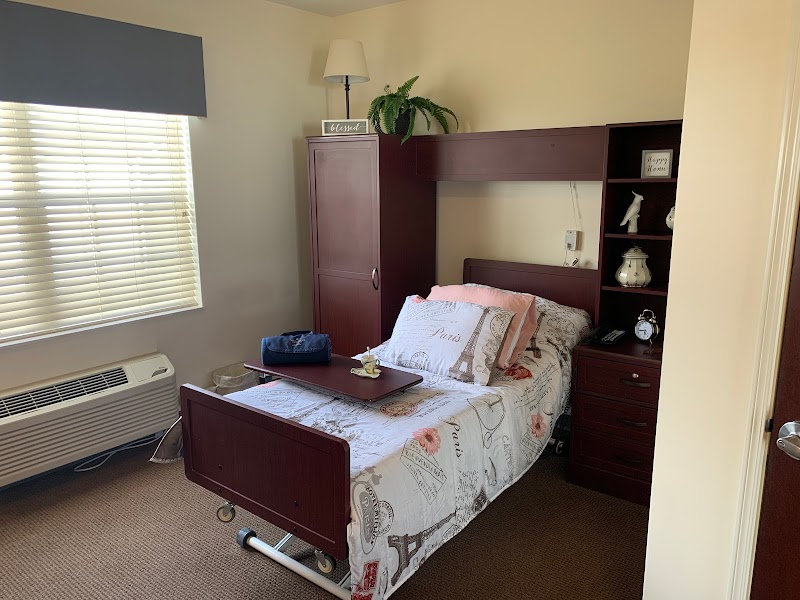
How is Villages At Oak Ridge, The Staffed?

CMS rates VILLAGES AT OAK RIDGE, THE's staffing level at 3 out of 5 stars, which is average compared to other nursing homes. Staff turnover is 53%, compared to the Indiana average of 46%. RN turnover specifically is 64%, which is notably high. RNs provide skilled clinical oversight, so turnover in this role can affect medical care quality.

What Have Inspectors Found at Villages At Oak Ridge, The?

State health inspectors documented 15 deficiencies at VILLAGES AT OAK RIDGE, THE during 2023 to 2025. These included: 15 with potential for harm.

Who Owns and Operates Villages At Oak Ridge, The?

VILLAGES AT OAK RIDGE, THE is owned by a government entity. Government-operated facilities are typically run by state, county, or municipal agencies. The facility is operated by TRILOGY HEALTH SERVICES, a chain that manages multiple nursing homes. With 58 certified beds and approximately 50 residents (about 86% occupancy), it is a smaller facility located in WASHINGTON, Indiana.

How Does Villages At Oak Ridge, The Compare to Other Indiana Nursing Homes?

Compared to the 100 nursing homes in Indiana, VILLAGES AT OAK RIDGE, THE's overall rating (3 stars) is below the state average of 3.1, staff turnover (53%) is near the state average of 46%, and health inspection rating (3 stars) is at the national benchmark.

What Should Families Ask When Visiting Villages At Oak Ridge, The?

Based on this facility's data, families visiting should ask: "Can I visit during a mealtime to observe dining assistance and food quality?" "How do you handle medical emergencies, and what is your hospital transfer rate?" "Can I speak with family members of current residents about their experience?"

Is Villages At Oak Ridge, The Safe?

Based on CMS inspection data, VILLAGES AT OAK RIDGE, THE has a clean safety record: no substantiated abuse findings (meaning no confirmed cases of resident harm), no Immediate Jeopardy citations (the most serious violation level indicating risk of serious injury or death), and is not on the Special Focus Facility watch list (a federal program monitoring the lowest-performing 1% of nursing homes). The facility has a 3-star overall rating and ranks #100 of 100 nursing homes in Indiana. While no facility is perfect, families should still ask about staff-to-resident ratios and recent inspection results during their visit.

Do Nurses at Villages At Oak Ridge, The Stick Around?

VILLAGES AT OAK RIDGE, THE has a staff turnover rate of 53%, which is 7 percentage points above the Indiana average of 46%. Moderate turnover is common in nursing homes, but families should still ask about staff tenure and how the facility maintains care continuity when employees leave.

Was Villages At Oak Ridge, The Ever Fined?

VILLAGES AT OAK RIDGE, THE has no federal fines on record. CMS issues fines when nursing homes fail to meet care standards or don't correct problems found during inspections. The absence of fines suggests the facility has either maintained compliance or corrected any issues before penalties were assessed. This is a positive indicator, though families should still review recent inspection reports for the full picture.

Is Villages At Oak Ridge, The on Any Federal Watch List?

VILLAGES AT OAK RIDGE, THE is not on any federal watch list. The most significant is the Special Focus Facility (SFF) program, which identifies the bottom 1% of nursing homes nationally based on persistent, serious quality problems. Not being on this list means the facility has avoided the pattern of deficiencies that triggers enhanced federal oversight. This is a positive indicator, though families should still review the facility's inspection history directly.