COPPER TRACE HEALTH & LIVING COMMUNITY
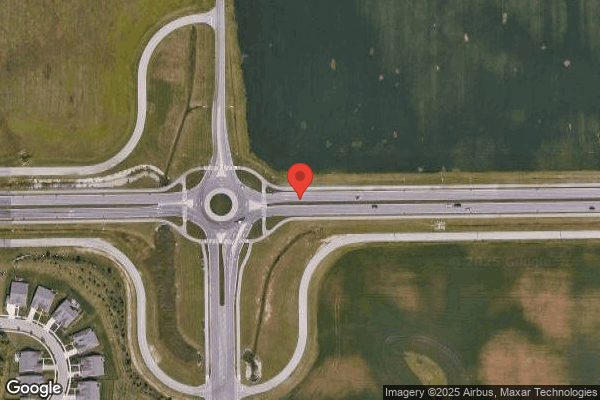

1250 W 146TH STREET, WESTFIELD, IN 46074 (317) 844-5050
Government - County 104 Beds CARDON & ASSOCIATES Data: November 2025
Trust Grade
75/100
#135 of 505 in IN
Last Inspection: January 2025

Within standard 12-15 month inspection cycle. Federal law requires annual inspections.

Overview

Copper Trace Health & Living Community has a Trust Grade of B, indicating it is a good choice-solid but not outstanding. It ranks #135 out of 505 facilities in Indiana, placing it in the top half of the state, and #5 out of 17 in Hamilton County, meaning only four local options are better. Unfortunately, the facility is worsening, with issues increasing from 2 in 2024 to 5 in 2025. Staffing is average, with a turnover rate of 54%, slightly above the state average, and they have good RN coverage, surpassing 79% of Indiana facilities, which is beneficial for resident care. On the downside, specific incidents have raised concerns, such as a resident being transferred without the required gait belt, leading to a painful fracture. Additionally, the kitchen had problems with unlabeled food and expired items, which could pose health risks. However, it is reassuring that the facility has not incurred any fines, suggesting compliance with regulations overall.

Trust Score
B
75/100
In Indiana
#135/505
Top 26%
Safety Record
Low Risk
No red flags
Inspections
Getting Worse
2 → 5 violations
Staff Stability
⚠ Watch
54% turnover. Above average. Higher turnover means staff may not know residents' routines.
Penalties
✓ Good
No fines on record. Clean compliance history, better than most Indiana facilities.
Skilled Nurses
✓ Good
Each resident gets 47 minutes of Registered Nurse (RN) attention daily — more than average for Indiana. RNs are trained to catch health problems early.
Violations
⚠ Watch
16 deficiencies on record. Higher than average. Multiple issues found across inspections.
★★★★☆
4.0
Overall Rating
★★★☆☆
3.0
Staff Levels
★★★★★
5.0
Care Quality
★★★☆☆
3.0
Inspection Score
Stable
2024: 2 issues
2025: 5 issues

The Good

  • 5-Star Quality Measures · Strong clinical quality outcomes
  • Full Sprinkler Coverage · Fire safety systems throughout facility
  • No fines on record

Facility shows strength in quality measures, fire safety.

The Bad

Staff Turnover: 54%

Near Indiana avg (46%)

Higher turnover may affect care consistency

Chain: CARDON & ASSOCIATES

Part of a multi-facility chain

Ask about local staffing decisions and management

The Ugly 16 deficiencies on record

Feb 2025 1 deficiency
CONCERN (D) 📢 Someone Reported This

A family member, employee, or ombudsman was alarmed enough to file a formal complaint

Potential for Harm - no one hurt, but risky conditions existed

Accident Prevention (Tag F0689)

Could have caused harm · This affected 1 resident

Based on interview and record review, the facility failed to ensure a resident was transferred with a gait belt to prevent a fall according to the policy and procedure for 1 of 3 residents reviewed fo...

Read full inspector narrative →
Based on interview and record review, the facility failed to ensure a resident was transferred with a gait belt to prevent a fall according to the policy and procedure for 1 of 3 residents reviewed for accidents. (Resident B) The deficient practice was corrected on 1/16/25, prior to the start of the survey, and was therefore past noncompliance. Findings include: A document titled Indiana State Department of Health Survey Report System, indicated CNA 2 was assisting Resident B to transfer, the resident lost her balance, and the CNA assisted the resident to the floor. The resident complained of pain to her left lower extremity and X-rays were obtained at the facility. The X-ray results indicated Resident B had a left femoral neck fracture. The party responsible for the resident decided to keep her at the facility and not to proceed with surgical intervention. She remained in hospice services. Additional education was provided to CNA 2 on the use of a gait belt and safe transfers. The record for Resident B was reviewed on 2/10/25 at 11:03 a.m. The diagnoses included, but were not limited to, pain, difficulty in walking, attention and concentration deficit, dementia, hypocalcemia, and unsteadiness on feet. A nursing progress note, dated 1/7/25 at 8:10 a.m., indicated RN 3 was alerted by a CNA to come to Resident B's room as the resident had fallen. CNA 2 was getting the resident up for the day from the bed when the resident lost her balance due to bilateral lower extremity weakness and they fell. The resident and CNA 2 were found on the floor by the resident's bed. CNA 2 and the resident denied the resident hit her head. The resident initially did not complain of any pain, however after about an hour she complained of pain to her left lower extremity. The hospice provider was notified. A facility document, titled The Fall Huddle, undated, indicated on 1/7/25 at 8:10 a.m., Resident B had an assisted fall. The CNA was assisting Resident B to get up for the day when she lost her balance due to bilateral lower extremity weakness. CNA 2 was not using a gait belt at the time when the resident had the assisted fall. A nursing progress note, recorded as a late entry on 1/9/25 at 11:46 a.m., indicated Resident B's X-rays results of her pelvis and left hip indicated an impacted and minimally displaced subcapital femoral neck fracture and soft tissue swelling overlayed the fracture. The resident's family wished to not seek treatment at this time. A nursing progress note, dated 1/9/25 at 11:46 a.m., indicated RN 3 spoke with a family member in the resident's room. The family member confirmed again today that the resident would continue with hospice care and comfort medications and would not seek treatment for the impacted and minimally displaced subcapital femoral neck fracture. An Interdisciplinary team (IDT) progress note, dated 1/10/25 at 7:37 a.m., indicated CNA 2 was getting Resident B up for the day from bed on 1/7/25 when the resident lost her balance due to bilateral lower extremity weakness. The resident and CNA 2 were found on the floor by the resident's bed. CNA 2 and the resident denied the resident hit her head. She had incontinent care provided prior to the transfer. The root cause of the fall was the resident's overall decline, and she lost her balance. The intervention initiated by IDT would be to provide two persons transfer with a gait belt. During an interview, on 2/10/25 at 11:20 a.m., the Director of Nursing indicated CNA 2 should have used a gait belt during the transfer. During an interview, on 2/10/25 at 11:37 a.m., CNA 2 indicated she went to get Resident B out of bed for the day. She stood her up, so she could pivot her into the wheelchair. The resident moved one of her legs back, then she fell backwards on top of CNA 2. CNA 2 yelled for help, but no one came, so she got her cell phone and called another CNA to come and help her. She did not place a gait belt on Resident B prior to transferring her and she should have had a gait belt on her. A facility document, titled Using a Gait Belt to Assist with Ambulation, was signed by CNA 2 on 1/16/25, and indicated .Place belt around resident's waist with the buckle in front (on top of resident's clothes) and adjust to a snug fit ensuring that you can get your hands under the belt. Position one hand on the belt at the resident's side and the other hand at the resident's back. 4. Assist the resident to stand on count of three. 5. Allow the resident to gain balance. Ask the resident if dizzy. 6. Stand to side and slightly behind resident while continuing to hold onto belt A current facility policy, titled Procedure #26: Transfer to Wheelchair, undated and provided by the Director of Nursing on 2/10/25 at 11:30 a.m., indicated .Stand in front of resident and apply gait belt around the resident's abdomen. 5. Grasp the gait belt securely on both sides of the resident .11. Align resident's body and position footrests. Remove gait belt The deficient practice was corrected by 1/16/25, after the facility implemented a systemic plan which included CNA 2 was given additional education on transferring a resident while using a gait belt, all nursing staff was all educated on transferring a resident to a wheelchair and using a gait belt, and transfers with a gait belt audits were being completed daily by the Director of Nursing. This citation relates to Complaint IN00450891. 3.1-45(a)(2)
Jan 2025 4 deficiencies
CONCERN (D)

Potential for Harm - no one hurt, but risky conditions existed

Quality of Care (Tag F0684)

Could have caused harm · This affected 1 resident

Based on interview and record review, the facility failed to ensure a blood pressure medication was held according to the physician's ordered hold parameter, to give an ordered antibiotic prior to a d...

Read full inspector narrative →
Based on interview and record review, the facility failed to ensure a blood pressure medication was held according to the physician's ordered hold parameter, to give an ordered antibiotic prior to a dental visit, and to treat an elevated blood sugar with the physician's ordered sliding scale for 3 of 3 residents reviewed for quality of care. (Resident 256, 4 and 52) Finding includes: 1. The clinical record for Resident 256 was reviewed on 1/2/25 at 10:29 a.m. The diagnoses included, but were not limited to, anemia, essential primary hypertension, and memory deficit following other cerebrovascular disease. A physician's order, dated 12/27/24, indicated to give lisinopril (a medication to lower blood pressure) 10 milligrams (mg) tablet once a day, with special instructions to hold the medication for a systolic blood pressure less than 140. A Medication Administration Record (MAR), dated 12/27/24 through 1/7/25, indicated lisinopril 10 mg was not held according to the physician's order on the following dates: a. On 12/28/24, with a systolic blood pressure of 132. b. On 12/31/24, with a systolic blood pressure of 112. c. On 1/1/25, with a systolic blood pressure of 124. d. On 1/5/25, with a systolic blood pressure of 137. e. On 1/6/25, with a systolic blood pressure of 108. f. On 1/7/25, with a systolic blood pressure of 134. The electronic medical record did not include documentation the physician had been notified of the lisinopril administrations when the systolic blood pressure was below the hold parameter of 140. During an interview, on 1/7/25 at 11:55 a.m., RN 7 indicated the staff initials would be in parenthesis on the MAR when the medication had not been given. If there were no parenthesis around the initials, then the medication had been given. During an interview, on 1/7/25 at 3:00 p.m., the Director of Nursing (DON) indicated the lisinopril dose was given on the listed dates against the physician's ordered hold parameter. 2. The clinical record for Resident 4 was reviewed on 1/3/25 at 12:16 a.m. The diagnoses included, but were not limited to, angina pectoris, chronic artery disease, congestive heart disease, hypertension, myasthenia gravis, depression, and anxiety disorder. A physician's order, dated 12/17/24, indicated azithromycin (an antibiotic) 500 mg (milligrams) tablet was to be given prior to dental appointments and cleanings. A progress note, dated 12/17/2024 at 2:02 p.m., indicated the resident was seen by the dental hygienist on 12/17/24. The resident's Medication Administration Record (MAR) indicated the medication was to be given prior to the resident's dental appointment and was not signed off by the nurse. During an interview, on 1/7/25 at 11:53 a.m., the Minimum Data Set (MDS) Coordinator indicated she would need to check why the antibiotic (ATB) was not signed off. The nurse should have signed the medication off on the Medication Administration Record (MAR) when it was given. During an interview, on 1/7/25 at 1:35 p.m., the Clinical Support Nurse indicated the medication was not signed off on the MAR. The nurse should have signed the medication off in the MAR after giving the medication. There was no way to prove the ATB was given prior to going to the appointment. 3. The clinical record for Resident 52 was reviewed on 1/6/25 at 9:48 a.m. The diagnoses included, but were not limited to, type 2 diabetes without complications, type 2 diabetes mellitus with ketoacidosis (high levels of ketones cause the blood to become more acidic) without coma, and dementia. A physician's order, initiated on 7/21/24, indicated to check the resident blood sugar before meals and at bedtime and to notify the physician if the blood sugar was less than 60 or greater than 400. A physician's order, initiated on 7/21/24, indicated to check the resident's blood sugar prn (as needed) for symptoms of hypoglycemia (low blood sugar) or hyperglycemia (high blood sugars) and to notify the physician if the blood sugar was less than 60 or greater than 400. A physician's order, initiated on 7/21/24, indicated if the blood sugar was less than 60 and the resident could swallow, administer 4 ounces of juice or soda and a short acting carbohydrate. Repeat the blood sugar and notify the physician. A physician's order, initiated on 7/21/24, indicated to give Humalog insulin per the following sliding scale: If the blood sugar was 150 to 190, give 3 units. If the blood sugar was 191 to 230, give 6 units. If the blood sugar was 231 to 270, give 9 units. If the blood sugar was 271 to 310, give 12 units. If the blood sugar was 311 to 350, give 15 units. If the blood sugar was greater than 350, call the physician. A physician's order, initiated on 11/13/24, indicated to give Humalog Insulin 8 units daily at 12:00 p.m. The resident had a documented high blood sugar level of 414, on 11/29/24 at 11:08 a.m. The Medication/Treatment (MAR/TAR) record indicated the physician was notified. There was no progress note found to indicate the physician had given additional orders to treat the high blood sugar. The resident was given the scheduled 8 units at 12:00 p.m. Per the MAR/TAR, zero (0) units of the sliding scale were given for the resident's high blood sugar. There were no additional orders found for the treatment of the high blood sugar. The resident's blood sugar level was checked on 11/29/24 at 4:00 p.m., and the residents blood sugar was 453. During an interview, on 1/8/25 at 2:12 p.m., the Clinical Support Nurse indicated the documented 0 units for the sliding scale was most likely an error. At this time, any progress notes and any orders which pertained to holding or giving additional insulin were requested. A nursing progress note, dated 12/12/24 at 8:05 a.m., indicated Resident 52 had a blood sugar result of 50. The resident was given two (2) eight-ounce glasses of orange juice and the blood sugar was rechecked 30 minutes later. There was no documentation to indicate the physician had been notified of the low blood sugar. The blood sugar was not documented on the Medication/Treatment record or under the vital signs. During an interview, on 1/8/25 at 2:33 p.m., RN 8 indicated if a resident was found to have a high or low blood sugar, the staff would notify the physician and follow the orders for the hyper/hypoglycemia protocol. No additional information was provided by the facility. A current facility procedure, titled Obtaining a Fingerstick Glucose Level, dated as last revised in April 2001 and received from the Corporate Support Nurse on 1/8/25 at 2:12 p.m., indicated .Follow facility policies and procedures for appropriate nursing interventions regarding blood sugar results .Report abnormal results promptly to the Attending Physician A current facility policy, titled Medication Administration: General Policies and Procedures, not dated and received from the Administrator on 1/7/25 at 12:15 p.m., indicated .Medications are administered as prescribed in accordance with good nursing principles and practices .All medications are to be administered only as prescribed by a physician .Medication errors .shall be immediately reported to the attending physician, charted in detail in the resident's medical record and described in a full incident report A current facility policy, titled Protocol for Following Physician Orders, dated 4/3/17 and received from the Administrator on 1/6/25 at 10:43 a.m., indicated .All licensed staff will verify and follow the physician orders as written 3.1-37(a)
CONCERN (D)

Potential for Harm - no one hurt, but risky conditions existed

Incontinence Care (Tag F0690)

Could have caused harm · This affected 1 resident

Based on interview and record review, the facility failed to ensure catheter urine output was accurately recorded and to document the removal of a urinary catheter with post-removal bladder scan measu...

Read full inspector narrative →
Based on interview and record review, the facility failed to ensure catheter urine output was accurately recorded and to document the removal of a urinary catheter with post-removal bladder scan measurements for 2 of 2 residents reviewed for urinary catheters. (Resident 258 and 259) Findings include: 1. The clinical record for Resident 258 was reviewed on 1/3/25 at 11:36 a.m. The diagnoses included, but were not limited to, aphasia following cerebral infarction, memory deficit, stage 3 chronic kidney disease, depression, hypotension, neuromuscular dysfunction of bladder, chronic myeloid leukemia, type 1 diabetes mellitus, and Alzheimer's disease. A physician's order, with a start date of 12/23/24, indicated to empty the Foley catheter every shift and to document the output. A current care plan, with a start date of 12/23/24, indicated to accurately document outputs on the flowsheet every shift. A Treatment Administration Record (TAR), dated 12/23/24 through 1/3/24, indicated to empty the Foley catheter every shift and document the output. On 12/23/24, the night shift had no output recorded. On 12/24/24, the day and evening shifts had medium urine outputs recorded. On 12/25/24, the evening shift had medium recorded, and the night shift had large recorded. On 12/26/24, the day and evening shift had large recorded. On 12/27/24, the evening shift had medium recorded. On 12/28/24, the evening shift had medium recorded. On 12/29/24, the evening shift had large recorded. On 12/30/24, the evening shift had medium recorded. On 12/31/24, the day shift had large recorded, and the evening shift had medium recorded. On 1/3/25, the day shift had none recorded, the evening shift had small recorded, and the night shift had small/150ml recorded. During an interview, on 1/7/25 at 12:06 p.m., RN 7 indicated she did not know why the exact urine amount was not documented when the CNAs (certified nursing assistant) were emptying the catheter in a graduated cylinder. They should not have been using small, medium, and large for the urine output amounts. During an interview, on 1/7/25 at 3:00 p.m., the Director of Nursing (DON) indicated if there was an order to document outputs then it should have been the actual amount which was charted. 2. The clinical record for Resident 259 was reviewed on 1/7/25 at 11:32 a.m. The diagnoses included, but were not limited to, urinary tract infection and retention of urine. A care plan, with a start date of 12/19/24, indicated to accurately document intakes and outputs. A care plan, with a start date of 1/1/25, indicated the resident had an indwelling urinary catheter. A nurse practitioner's progress note, dated 12/23/24, indicated the resident had significant post void residuals and urology had placed the Foley catheter while the resident was in the hospital. The plan was to order a voiding trial on Friday, 12/27/24. A physician's order, dated 12/20/24 and discontinued 12/29/24, indicated to obtain the Foley catheter output every shift. A physician's order, dated 12/27/24 and discontinued 12/30/24, indicated to remove the Foley catheter and complete a bladder scan every 8 hours. A TAR, dated 12/20/24 through 1/8/25, indicated to record the Foley catheter output every shift: On 12/21/24, there was no Foley catheter output for the day or evening shifts. On 12/27/24, there was no Foley output for the day or night shift. A note for the night shift indicated not administered due to item not being present. A TAR, dated 12/20/24 through 1/8/25, indicated to remove the Foley catheter and complete a bladder scan every 8 hours. On 12/27/24, no treatment was recorded for the day or evening shift, and small was recorded for the night shift. The comments for no treatment on the day and evening shift were other. On 12/28/24, no treatment was recorded for the night shift with the comment Foley removed. On 12/29/24, no treatment was recorded for the day shift. During an interview, on 1/7/25 at 2:41 p.m., the DON indicated staff should document the amount of urine in milliliters when there was a physician's order to document output. When staff discontinued a catheter, there should be a note in the progress notes. She was unable to find a note regarding the removal of the catheter except for the notes in the MAR which indicated the catheter was not present or had been discontinued. The notes were confusing with some shifts saying the catheter was present after a previous shift appeared to indicate it was discontinued. The DON indicated she thought the catheter was removed some time on 12/27/24. There were missing bladder scan recordings but without knowing exactly when the catheter was removed, she could not determine exactly how many. A current skills validation procedure, titled Measuring and Recording Intake and Output Skills Validations, and received from the DON on 1/7/25 at 3:00 p.m., indicated .Resident's with Foley Catheters are emptied every shift .The bag should be emptied per protocol into either a graduated drainage cup or urinal .After the fluid is gathered, the container should be held at eye level to view the level of the fluid and the amount obtained should be recorded for later documentation into the resident's permanent medical record .Document .source of .output and volumes 3.1-41(a)(2)
CONCERN (D)

Potential for Harm - no one hurt, but risky conditions existed

Respiratory Care (Tag F0695)

Could have caused harm · This affected 1 resident

Based on observation, interview and record review, the facility failed to ensure oxygen equipment was turned on and the physician's orders were followed for 1 of 3 residents reviewed for respiratory c...

Read full inspector narrative →
Based on observation, interview and record review, the facility failed to ensure oxygen equipment was turned on and the physician's orders were followed for 1 of 3 residents reviewed for respiratory care. (Resident 66) Finding includes: During an observation, on 1/2/25 at 11:21 a.m., Resident 66 was sitting in her recliner wearing oxygen tubing. The resident was having a hard time breathing and was not getting supplemental oxygen. The oxygen concentrator (a device used to provide supplemental oxygen therapy) was not turned on. During an observation, on 1/2/25 at 11:23 a.m., LPN 3 entered the room and checked the oxygen concentrator. The nurse turned on the concentrator and left the room to get the vitals machine to check the resident oxygen saturation. The nurse attached the pulse oximeter to the resident's finger and the resident's saturation was 82%. During an observation, on 1/2/25 at 12:51 p.m., Resident 66's door was closed, and a high-pitched whistling noise was heard coming from the resident's room. The oxygen concentrator had a red light on the top of the machine, the humidity bottle was not bubbling, and the concentrator was making a high-pitched sound. The nurse entered the room and indicated the concentrator was not working. The Minimum Data Set (MDS) Coordinator entered the room to assist the nurse. A new concentrator was brought into the room and the resident's oxygen tubing was attached. The nurse turned the oxygen on 2.5 L (liter/min). The nurse took the resident's oxygen saturation, and it was 82%. During an observation, on 1/2/25 at 12:55 p.m., the MDS Coordinator indicated the physician's order was for continuous oxygen at 3L via nasal canula. The oxygen concentrator was switched to 3L. The clinical record for Resident 66 was reviewed on 1/3/25 at 9:24 a.m. The diagnoses included, but were not limited to, chronic obstructive pulmonary disease (COPD), pneumonia, and heart failure. A care plan, dated as revised 12/5/24, indicated the resident was on oxygen therapy. Interventions included, but were not limited to, administer oxygen as ordered and monitor lung sounds. A physician's order, dated 2/20/23 and discontinued on 1/3/25, indicated continuous oxygen at 3L. A physician's order, dated 1/3/25, indicated may titrate oxygen (0-4 liter/min) to maintain oxygen saturation greater than 88%. During an interview, on 1/2/25 at 11:30 a.m., LPN 3 indicated the resident was on 3L and needed the oxygen to assist with her breathing. The resident had returned from a physician's appointment. LPN 3 was not aware of the time she returned or how long the resident was without oxygen. The resident had COPD and needed the oxygen to help her breath. When the concentrator was turned off, the resident was not receiving any supplemental oxygen and the resident's oxygen level was low. During an interview, on 1/2/25 at 12:51 p.m., LPN 3 indicated she could not hear the concentrator making high pitch sounds when sitting at nurses' station. She thought the concentrator had stopped working. During an interview, on 1/2/25 at 12:53 p.m., the MDS Coordinator indicated the oxygen concentrator was set on 2.5L and the machine was increased to the physician ordered amount. A current policy, titled Protocol for Following Physician Orders, dated 4/3/17 and received from the Administrator on 1/6/25 at 10:43 a.m., indicated .All licensed staff will verify and follow the physician orders as written. If for any reason, the physician order cannot be followed, the licensed professional will contact the physician for further instructions .The resident's plan of care will reflect the physicians order and direction for the resident's plan of care .Upon discontinuation of the physician's order, the resident's plan of care will be updated to reflect the new resident orders A current policy, titled Oxygen Administration, dated 3/2004 and received from the Clinical Support Nurse on 1/8/25 at 2:10 p.m., indicated .Verify that there is a physician's order for this procedure. Review the physician's orders or facility protocol for oxygen administration .Assemble the equipment and supplies as needed .Turn on the oxygen. Unless otherwise ordered, start the flow of oxygen at the rate of 2 to 3 liters per minute .Observe the resident upon setup and periodically thereafter to be sure oxygen is being tolerated .Periodically re-check water level in humidifying jar 3.1-47(a)(6)
CONCERN (D)

Potential for Harm - no one hurt, but risky conditions existed

Deficiency F0761 (Tag F0761)

Could have caused harm · This affected 1 resident

Based on observation, interview and record review, the facility failed to ensure insulin was labeled with an open date, to lock a medication cart before staff walked away, and to store antifungal nail...

Read full inspector narrative →
Based on observation, interview and record review, the facility failed to ensure insulin was labeled with an open date, to lock a medication cart before staff walked away, and to store antifungal nail solution separately from eye drops for 2 of 4 medication carts. (Ambassador Square and Heritage Court) Finding includes: 1. During an observation, on 1/7/25 at 7:51 a.m., a Lantus insulin pen was found for Resident 353. The pen had been previously opened and did not have an open date. During an interview, on 1/7/25 at 7:51 a.m., RN 9 indicated the insulin pen had been used prior and did not have an open date. 2. During a random observation, on 1/3/25 at 3:15 p.m., the Ambassador Square unit medication cart 1 was found unlocked. There were two dietary staff in the dining room with a wall obscuring the view of the cart. The nurse was found at the opposite end of the unit. The medication cart could not be observed from her position. During an interview, on 1/3/25 at 3:19 p.m., RN 10 indicated the cart was to be locked before walking away. 3. During an observation of medication storage, on 1/7/25 at 4:27 p.m., Jublia (an antifungal) topical nail solution was found stored with eye drops in the top drawer of medication cart 2 on the Heritage Court unit. During an interview, on 1/7/24 at 4:32 p.m., QMA 2 indicated the items should not have been stored together. A current facility policy, titled MEDICATION LABELING, provided by the Director of Nursing on 1/2/25 at 3:10 p.m., did not address putting open dates on medications. A current facility policy, titled DRUG STORAGE, undated and received from the Corporate Support Nurse on 1/8/25 at 2:16 p.m., indicated .Medication .carts .are locked or attended by persons with authorized access. 3.1-25(k)(6) 3.1-25(m)
Dec 2024 2 deficiencies
CONCERN (D) 📢 Someone Reported This

A family member, employee, or ombudsman was alarmed enough to file a formal complaint

Potential for Harm - no one hurt, but risky conditions existed

Notification of Changes (Tag F0580)

Could have caused harm · This affected 1 resident

Based on interview and record review, the facility failed to ensure staff notified the responsible party/Power of Attorney (POA) of a resident's change in condition timely for 1 of 1 resident reviewed...

Read full inspector narrative →
Based on interview and record review, the facility failed to ensure staff notified the responsible party/Power of Attorney (POA) of a resident's change in condition timely for 1 of 1 resident reviewed for notification. (Resident B) Finding includes: The clinical record for Resident B was reviewed on 12/5/24 at 9:12 a.m. The diagnoses included, but were not limited to, chronic obstructive pulmonary disease (COPD), emphysema, and vascular dementia. A nursing progress note, dated 6/7/24 at 1:57 p.m., indicated the resident had a change in condition to include a bad cough, trouble clearing her throat, and her oxygen saturation was 82 percent. The resident did refuse supplemental oxygen, but did eventually allow the oxygen. The resident needed to be fed, toileted, and was not waking up. The Nurse Practitioner was notified of the change in condition. There was no note to indicate the family had been notified at the time of the change in condition. A nursing progress note, dated 6/7/24 at 4:28 p.m., indicated the family was notified of the new orders. A nursing progress note, dated 6/7/24 at 4:59 p.m., indicated the resident was sent out to the hospital and the family was notified of the transfer. During an interview, on 12/5/24 at 9:38 a.m., the Director of Nursing indicated the family should have been contacted immediately for the change of condition. During a telephone interview, on 12/5/24 at 10:25 a.m., RN 3 indicated the resident had a change of condition on 6/7/24 at 1:57 p.m. The only reason she would not have documented contacting the family about the change in condition was if the Nurse Practitioner or the physician was going to notify the family. RN 3 indicated the facility policy was to notify the physician/nurse practitioner of the change and notify the responsible party/POA. A current facility policy, titled Change in a Resident's Condition or Status, dated as last revised in April 2007 and received from the Director of Nursing on 12/6/24 at 12:30 p.m., indicated .Our facility shall promptly notify the resident, his or her Attending Physician, and representative (sponsor) of changes in the resident's medical/mental condition and/or status This citation relates to Complaint IN00444037. 3.1-5(a)(2)
CONCERN (D) 📢 Someone Reported This

A family member, employee, or ombudsman was alarmed enough to file a formal complaint

Potential for Harm - no one hurt, but risky conditions existed

Deficiency F0602 (Tag F0602)

Could have caused harm · This affected 1 resident

Based on interview and record review, the facility failed to protect a resident from misappropriation of medication for 1 of 3 residents reviewed for misappropriation of property. (Resident C) The def...

Read full inspector narrative →
Based on interview and record review, the facility failed to protect a resident from misappropriation of medication for 1 of 3 residents reviewed for misappropriation of property. (Resident C) The deficient practice was corrected on 11/22/24, prior to the start of the survey, and therefore was past noncompliance. Finding includes: During an interview, on 12/5/24 at 10:12 a.m., the Director of Nursing indicated the facility had not been aware of any missing items for Resident C, until an investigator from the Office of the Attorney General came to the facility to investigate the concern on 11/14/24. The investigator informed the facility during a domestic dispute, the local police entered the home of LPN 7, they saw the medication and reported the finding to the Office of the Attorney General (OAG). The facility found the prescription number was for Trulicity (a medication for diabetes), it belonged to Resident C and was filled by the resident's pharmacy. The facility began their own investigation of the incident and found the nurse had worked on the unit and had provided nursing care to Resident C prior to her termination. The nurse was terminated from employment on 6/16/24 for failure to report to her scheduled shift without notice. The clinical record for Resident C was reviewed on 12/5/24 at 1:38 p.m. The diagnoses included, but were not limited to, type 2 diabetes, dementia, and anxiety disorder. A physician's order for Trulicity injector pen 1.5 milligrams /0.5 milliliters was found in the orders. A current facility policy, titled Abuse, Neglect, and Misappropriation Prohibition and Prevention Policy, dated as last revised on 6/4/19 and received from the Director of Nursing on 12/6/24 at 12:50 p.m., indicated .It is the policy .to provide each resident with an environment that is free from .misappropriation of their property The deficient practice was corrected on 11/22/24 after the facility implemented a systemic plan that included the following actions: the facility investigated the incident involving Resident B, educated the staff on misappropriation of property and documentation in the Medication Administration Record. LPN 7 had been terminated prior to knowledge of the misappropriation of the insulin pen. The facility continued daily audits of medication disposal and medication disposal was to be completed with two (2) nurses. This citation relates to Complaint IN00447334. 3.1-28(a)
Nov 2023 3 deficiencies
CONCERN (D)

Potential for Harm - no one hurt, but risky conditions existed

Incontinence Care (Tag F0690)

Could have caused harm · This affected 1 resident

**NOTE- TERMS IN BRACKETS HAVE BEEN EDITED TO PROTECT CONFIDENTIALITY** Based on observation, interview, and record review the facility failed to ensure infection control practices were followed for 2...

Read full inspector narrative →
**NOTE- TERMS IN BRACKETS HAVE BEEN EDITED TO PROTECT CONFIDENTIALITY** Based on observation, interview, and record review the facility failed to ensure infection control practices were followed for 2 of 3 residents reviewed regarding catheter care (Resident 28, and Resident 32). Findings include: 1) During an observation and interview on 11/1/23 at 1:52 PM, Certified Nurse Aide (CNA) 5 and the Staff Development Coordinator (SDC) entered Resident 28's room with the surveyor. Resident 28's catheter bag was resting directly on the floor. The SDC indicated the bag should not have touched the floor, and normally a container was utilized to provide a barrier between the catheter bag and the floor. Resident 28's record was reviewed on 11/1/23 at 2:31 PM. Diagnoses included urinary tract infection, site unspecified, benign prostatic hyperplasia with lower urinary tract symptoms, and obstructive and reflux uropathy. A review of Resident 28's current annual Minimum Data Set (MDS) dated [DATE] indicated his Basic Interview for Mental Status (BIMS) score was 12 (mild cognitive impairment). The MDS indicated the resident utilized an indwelling catheter. A review of Resident 28's current care plan titled Resident has a suprapubic catheter . indicated the resident had a problem of potential for complications with a goal date of 12/10/23. Interventions included not allowing the tubing or any part of the drainage system to touch the floor. 2) During an observation and interview on 11/1/23 at 9:10 AM Resident 32 indicated he emptied his catheter himself. He pulled down the waistband of his pants, held the catheter with unwashed hands and discussed how he performed the task. He indicated he preferred to use a leg bag all the time and empty the bag himself. Resident 32 indicated he had not received any teaching from facility staff, nor had staff observed him performing the task. Resident 32 indicated he would notify staff if he had pain or leakage around the site but was unable to state any other signs of catheter problems or signs of infection. He indicated the leg bag got full at times during the night, but he did not want to use a bedside drainage bag because it was too cumbersome to manage when getting up to go to the bathroom. He indicated staff did not check on him during the night because they knew he took care of the bag himself. Resident 32's record was reviewed on 11/1/23 at 9:32 AM. Diagnoses included urinary tract infection, unspecified, obstructive and reflux uropathy, and chronic kidney disease. A review of Resident 32's current quarterly MDS indicated his BIMS score was 15 (cognitively intact). The MDS indicated the resident used an indwelling catheter. A review of Resident 32's current care plan titled Resident has an indwelling suprapubic catheter . indicated the resident had a problem of potential for complications with a goal date of 12/15/23. Interventions included educating and involving the resident in the plan of care. In an interview on 11/1/23 at 9:32 M, Licensed Practical Nurse (LPN) 4 indicated a resident performing care tasks such as catheter care should be educated and evaluated every 3 months for the ability to perform the skill properly. LPN 4 indicated staff cleaned the suprapubic site and applied a gauze pad, and Resident 32 performed all other care of his catheter. In an interview on 11/3/23 at 9:25 AM the Director of Nursing indicated teaching and return demonstration of catheter care had not been done for Resident 32. A current policy, undated, provided by the Clinical Specialist on 11/1/23 at 3:00 PM did not address placement of the drainage bag in relation to the floor. The policy did not address resident teaching. No further policies were received from the facility at the time of exit. 3.1-41(a)(2)
CONCERN (D) 📢 Someone Reported This

A family member, employee, or ombudsman was alarmed enough to file a formal complaint

Potential for Harm - no one hurt, but risky conditions existed

Deficiency F0760 (Tag F0760)

Could have caused harm · This affected 1 resident

Based on record review and interview the facility failed to ensure medications were given as ordered for 1 of 3 residents reviewed for prevention of significant medication errors. (Residents F) Findin...

Read full inspector narrative →
Based on record review and interview the facility failed to ensure medications were given as ordered for 1 of 3 residents reviewed for prevention of significant medication errors. (Residents F) Findings include: During an investigation on 11/1/2023 at 3:15 PM, Resident F, was given another resident's medication which resulted in a medication error. The following statements were given by Licensed Practical Nurse 1 (LPN) and Qualified Medication Aide 4 (QMA): QMA 4's statement dated 10/26/2023 indicated on Saturday 10/21/2023, they were assigned to work as a QMA. At 7:00 AM they were asked to step down and work as a Certified Nursing Aide (CNA) due to a call off. Before they handed the keys to LPN 1, QMA 4 gave report. LPN 1 wrote down everything on a report sheet. QMA 4 indicated medications were already given to certain residents, LPN 1 wrote the residents name down. QMA 4 indicated they pre-set 3 other resident's medications and LPN 1 took note and put a check mark symbol next to the rooms. QMA 4 indicated they learned in nursing school was when you don't prep the medications, don't give the medications; and since you did not give the medications, don't sign for them. She further indicated- to be clear all of this could have been prevented by simply trashing the medication or asking QMA 4 to administer the medication they had pre-set. LPN 1 chose not to. QMA 4 indicated by pre-setting the medication, LPN 1 gave the medication to the wrong resident. LPN 1's medication error was caused by LPN 1 not following the 6 rights of medication administration: 1. Right patient. 2. Right medication. 3. Right dose. 4. Right time. 5. Right documentation. Even when QMA 4 pre-set the medication they always made sure to check the medication, the room, and the right resident and re-check the medication before administering the medication. Although they had 2 residents with the same last name, they were both in different rooms not even close to each other.The pre-set was for one of the residents, but not the other. LPN 1's statement dated 10/22/2023, indicated they were scheduled to work as the float nurse. When they started the shift they realized they were short CNAs and would be taking the medication cart from QMA 4. QMA 4 had a few medications set up already in medication cups in the medication boxes. LPN 1 indicated they pulled out and wrote last names on them. LPN 1 was going to pass them first but got pulled away for insulin's and blood sugars, since it was a late start and they were starting to serve breakfast. When LPN 1 was done with that task, they saw Resident F and remembered the medication was ready. LPN 1 gave Resident F the medication. Then Resident F was given breakfast in the dining room. This was approximately 8:00 AM. LPN 1 went to sign out the medications and realized the new admit from the night before had the same last name, and LPN 1 had given Resident F their medications. LPN 1 checked Resident F's allergies and saw they did not have any. LPN 1 went and obtained vital signs and assessed for respiratory status both were with in normal limits. LPN 1 then reported to the Nurse practitioner (NP) who gave an order to send Resident F out to be seen in ER. LPN 1 called transportation while keeping Resident F in their line of sight. Resident F fell asleep, so LPN 1 asked assistance from another nurse. Oxygen was applied. LPN 1 called the NP back and asked if they should administer Narcan. The NP declined and indicated since Resident F did not received any opiods, and Resident F was breathing. Resident F would only arouse to sternal rubs. Resident F was taken to hospital and family notified. A record review of Medication Error Report regarding Resident F dated 10/22/2023 indicated the following: Date and time of error: 10/21/2023 approximately 8:00 AM. Reported by LPN 1. Facility error: wrong medication. Resident outcome: adverse reaction (describe) sent to emergency room via 911 for lethargy. Quality review: Ativan 0.5 milligram (mg). Asipring 81 mg. Risperdal 1 mg. Sertraline 200 mg. Pantorazole 20 mg. tab-a vite 400 micrograms. Notification: NP notified on 10/21/2023 at 8:10 AM. NP response: send resident to emergency room. Responsible party notified at 8:15 AM. Nurse responsible for error: LPN 1. This report did not specify how many tablets of each medication were given to Resident F. A review of the medication actions and side effects that were given to Resident F in the medication error from the Mayo Clinic indicated . Ativan (lorazepam) 0.5 mg: Descriptions: Lorazepam is used to treat anxiety disorders. It is also used for short-term relief of the symptoms of anxiety or anxiety caused by depression. Lorazepam is a benzodiazepine that works in the brain to relieve symptoms of anxiety. Benzodiazepines are central nervous system (CNS) depressants, which are medicines that slow down the nervous system. Side Effects: Along with its needed effects, a medicine may cause some unwanted effects. Although not all of these side effects may occur, if they do occur they may need medical attention. Check with your doctor immediately if any of the following side effects occur: More common Drowsiness, relaxed and calm, and sleepiness. Incidence not known drowsiness, feeling of constant movement of self or surroundings and lethargy . Risperdal (RisperiDONE) 1 mg: Descriptions: Risperidone is used to treat schizophrenia, bipolar disorder, or irritability associated with autistic disorder. This medicine should not be used to treat behavioral problems in older adults who have dementia. Side Effects Along with its needed effects, a medicine may cause some unwanted effects. Although not all of these side effects may occur, if they do occur they may need medical attention. Check with your doctor immediately if any of the following side effects occur. More common, Aggressive behavior, agitation, anxiety changes in vision, including blurred vision, difficulty concentrating, difficulty speaking or swallowing, inability to move the eyes, increase in amount of urine, loss of balance control, mask-like face, memory problems, muscle spasms of the face, neck, and back, problems with urination, restlessness or need to keep moving (severe), shuffling walk skin rash or itching, stiffness or weakness of the arms or legs, tic-like or twitching movements, trembling and shaking of the fingers and hands, trouble sleeping, and twisting body movements . Zoloft (Sertraline) 200 mg: Descriptions: Sertraline is used to treat depression, obsessive-compulsive disorder (OCD), panic disorder, premenstrual dysphoric disorder (PMDD), posttraumatic stress disorder (PTSD), and social anxiety disorder (SAD). Sertraline belongs to a group of medicines known as selective serotonin reuptake inhibitors (SSRIs). It works by increasing the activity of a chemical called serotonin in the brain. Along with its needed effects, a medicine may cause some unwanted effects. Although not all of these side effects may occur, if they do occur they may need medical attention On 11/1/2023 at 3:15 PM, Resident F's record was reviewed. Diagnoses included Parkinson's disease, and contacture of muscle, multiple sites. A facility policy, Medication Administration general polices and procedures, was provided by the Executive Director on 11/1/2023 at 3:23 PM. The policy indicated . Medications re to be pre-poured at the time they are administered .No drugs are to be pre-poured except liquid med's used with a med-card .The label on each medication container shall be read 3 times and compared against the order on the Medication Administration Record: when taking from the shelf or drawer, before pouring, when putting it back onto the shelf or into the drawer .The nurse approved designee is responsible for checking to see that they drug and dosage schedule on the resident's medication administration record matches the label on the drug's container This citation relates to Complaint IN00420683. 3.1-48(c)(2)
CONCERN (E)

Potential for Harm - no one hurt, but risky conditions existed

Food Safety (Tag F0812)

Could have caused harm · This affected multiple residents

Based on observation, record review, and interview, the facility failed to properly label stored food under sanitary conditions related to unlabeled food. 93 of 136 residents residing in the facility ...

Read full inspector narrative →
Based on observation, record review, and interview, the facility failed to properly label stored food under sanitary conditions related to unlabeled food. 93 of 136 residents residing in the facility received food prepared in the kitchen. Findings include: On 10/31/2023 at 9:37 a.m., the full kitchen sanitation tour with the Resource Manage (RM) indicated the following: 1. At 9:38 AM, in the walk-in fridge, the following was observed: There was an open container of cooked potatoes with no cover or date located. A tub of mixed salad with no open date. A tub of lemon pudding with a use by date of 10/28/23. A carton of eggs were observed with one egg cracked opened next to the other un-cracked eggs. The RM took the carton of eggs out and threw them away. RM indicated the opened food should have open dates. 2. At 9:41 AM, in the walk-in freezer, the following was observed: On the top shelf there was a bag of bread sticks with no open date. Inside of a box, there was a package of pepperoni that were opened wide with exposed food and no open date, the RM indicated they should have been sealed. The RM took them out and threw them away. RM indicated they should have open dates. 3. At 9:44 AM, in the single door freezer (reach-in), the following was observed: on the shelf there was a bag of opened carrots with no open date. A bag of opened waffle fries with no open date, a bag of chicken tenders with no open date, a bag of tator tots with no open date. There was a bag of chicken breasts with use by date 10/26/23. The RM took all of the items that had been opened with no date and threw them away. 4. At 9:46 AM, in the single door fridge (reach-in), the fol;lowing was observed: there was a tub of parmigiana cheese with a used date of 10/19/23. The RM took the tub of cheese and indicated it should have a date and will throw it away. An interview on 11/02/23 at 10:39 AM, the assistant Director of Nursing indicated there were 93 residents who eat food prepared in the kitchen. A current facility policy, Food and NON-food storage, was provided by the Regional Dietary Manager on 11/1/2023 at 10:03 AM. The policy indicated . All opened foods are covered to protect from contaminates .Foods that have been removed from their original containers are clearly marked with contents, date that package was opened and wrapped to exclude as much air as possible 3.1-21(i)(1) and (3)
Jul 2023 1 deficiency
CONCERN (D) 📢 Someone Reported This

A family member, employee, or ombudsman was alarmed enough to file a formal complaint

Potential for Harm - no one hurt, but risky conditions existed

Deficiency F0561 (Tag F0561)

Could have caused harm · This affected 1 resident

**NOTE- TERMS IN BRACKETS HAVE BEEN EDITED TO PROTECT CONFIDENTIALITY** Based on interview and record review, the facility failed to ensure a resident and her representative's choice of caregiver was ...

Read full inspector narrative →
**NOTE- TERMS IN BRACKETS HAVE BEEN EDITED TO PROTECT CONFIDENTIALITY** Based on interview and record review, the facility failed to ensure a resident and her representative's choice of caregiver was consistent with her plan of care for 1 of 3 residents reviewed for choices. (Resident B) Finding includes: A document, titled Indiana State Department of Health Survey Report System, undated and provided by the ED (Executive Director) indicated on July 10, 2023, a family member reported a concern with the provision of care given to Resident B by a male caregiver. A sexual trauma examination was completed with no findings. The family sought alternate placement for the resident and the transfer was facilitated on 7/12/23. The record for Resident B was reviewed on 7/21/23 at 12:38 p.m. Diagnoses included, but were not limited to, vascular dementia with mild psychotic disturbance, anxiety disorder, hallucinations, attention and concentration deficit, cerebral infarction, and restlessness and agitation. An email, addressed to the ADON (Assistant Director of Nursing), UM, ED and Hospice Nurse on 6/21/23 at 4:50 p.m., indicated Resident B's daughter spoke to the ADON regarding her mother's fears about the disgraceful man she described and feared was touching her behind her brief. The ADON's intervention was to have only female caregivers for her mother and that was a reasonable intervention for the daughter. The progress notes were reviewed, which included, but were not limited to, the following notes: On 6/21/2023 at 5:13 p.m., the writer had a conversation with the resident's daughter that afternoon regarding her concerns and fears. Resident B indicated men came through her window with three trees they had chopped down, then began making breakfast burritos in her room. They threw her house coat on the floor, indicating to a place on the floor, they scared her and touched her inappropriately. There was no clothing observed on the floor at that time. The window was closed and locked. The daughter indicated she believed the resident was having increased delusions. Adjustments were made to the residents ADL care plan, which her daughter was in agreement with. On 7/11/23 at 10:19 p.m., Resident B's daughter requested she be sent to the ER (Emergency Room) for further examination. Police called EMS (Emergency Medical Services) and gave hospital report. The resident was sent to hospital by ambulance. On 7/11/23 at 9:35 p.m., Resident B arrived back to her room by stretcher and ambulance. She was alert and oriented to self with incoherent speech. On 7/12/23 at 8:31 a.m., Social Services (SS) was notified Resident B's daughter was interested in transferring her to an alternate facility. On 7/12/23 at 8:39 a.m., Resident B was at the dining room table eating. She took a bite of food, then fell asleep and was hard to arouse. The food was removed from her mouth, and she would not take her medications. When the daughter was notified, she indicated her mother had a rough and invasive day the day before and she was probably tired. The nurse agreed and had the CNA lay the resident back in bed to rest. On 7/12/23 at 10:50 a.m., SS spoke with Resident B's daughter regarding scheduling a care plan meeting. The daughter declined the care plan meeting and indicated she wanted to discuss a discharge planning meeting between herself, and SS. SS started the discharge process to the facility of the daughter's choosing. On 7/12/23, a Nurse Practitioner's note indicated Resident B was being seen that day following a recent trip to the ER on [DATE], as requested by her daughter due to an accusation of sexual assault. She returned to the facility on 7/11/23 and was observed to have speech incoherent nests (unintelligible words). She was discharged to another facility on 7/13/23. On 7/12/23 at 4:51 p.m., Resident B was transferred to the alternate facility. Resident B's care plans were reviewed, which included, but were not limited to, the following: The resident had a care plan, which addressed she and her responsible party preferred female caregivers to provide ADL care (dated 6/21/23). The approaches included, but were not limited to, 6/21/23, female caregiver to provide incontinence care with toileting as needed, and 6/21/23, female caregivers to assist/encourage resident in proper transfer bed mobility, toileting/hygiene and eating techniques as needed. The resident had a care plan which addressed the problem she had a history of experiencing past trauma for example, negative interactions with caregivers and history of allegation of abuse at a previous LTC (long term care) facility prior to admitting to this facility (dated 2/14/23). The goal was Resident B would show minimal signs/symptoms of negative psychosocial wellbeing related to experience of past trauma. The resident had a care plan, which addressed the problem she had a history of hallucinations, delusions, and paranoia. She had a history of seeing persons/objects not present, becoming fixated on items, history of exhibiting beliefs that negative life events would occur because she prays, believed someone was speaking negatively about her, persons/little boy was outside her window attempting to harm her and she would exhibit hallucinations and delusions that persons and animals were in front of her and telling her she was able to walk (dated 2/9/23). The resident had a care plan, which addressed the problem she had a diagnosis of anxiety disorder and had a history of symptoms of anxiety, anxiousness, restlessness, excessive worry, and paranoia were her most common symptoms. Resident B's quarterly MDS (Minimum Data Set) assessment, dated 2/7/23, indicated her preference to have her family involved in discussions about her care was very important to her. Her functional status indicated she required extensive assist with two-person physical assist for these ADL's: bed mobility, transfer, and toileting. A current as worked schedule, dated July 9, 2023, indicated LPN 1 and CNA 2 was on the schedule and worked on the 500 unit the night shift of July 9,2023 going into the early morning of July 10, 2023, which was the unit Resident B lived on. During an interview, on 7/21/23 at 11:51 a.m., the Unit Manager for the 500 unit indicated Resident B was not to have any male care givers providing intimate care to her, but a male care giver could be in her room as the second person to help turn and reposition her or get her out of the bed with the Hoyer lift. The no male care giver started back at the end of June when Resident B thought a man with a green face came through her window and touched her inappropriately. As the intervention, the facility told her daughter and her there would be no male caregivers providing care for her, but that meant intimate care, not going in her room to help turn her or get her up with a female caregiver. During an interview, on 7/21/23 at 2:25 p.m., CNA 2 indicated on the nightshift of 7/9/23, he worked on the opposite hallway, which Resident B lived on. Between 3 and 4 a.m., LPN 1 asked him to assist her with Resident B, so he did. The nurse had already given the peri care and all he did was assist the resident with turning, so she could get her bed linens changed. He knew over the past month no men were to be taking care of her, so he did not give her peri care. He did go into that room during the night and assist her roommate to the bathroom, but he did not touch Resident B any of those times. During a phone interview, on 7/24/23 at 12:39 p.m., Resident B's daughter indicated when she talked with the ADON (Assistant Director of Nursing) on 6/21/23, she had told them Resident B's preference for caregivers was female only. She was told by the ADON there would be no male caregivers in her mother's room. She was told after the 7/10/23 incident, by the ED, there had been a male caregiver in the facility, but he had not been in her mother's room, even though there was one scheduled for her unit on the night shift of 7/9/23. She asked why the facility would allow a male caregiver to go into her room even with a female caregiver and place her mother in the position they placed her and placed an innocent male caregiver in the position they placed him in, on the morning of 7/10/23. She had a concern the facility would continue to allow the male caregiver to enter Resident B's room, so she transferred her to an alternate facility even though she knew transferring her might cause her health and cognitive function to decline further. This Federal tag relates to Complaint IN00412733. 3.1-3(t)
Sept 2022 5 deficiencies
CONCERN (D)

Potential for Harm - no one hurt, but risky conditions existed

Assessment Accuracy (Tag F0641)

Could have caused harm · This affected 1 resident

Based on record review and interview, the facility failed to ensure a Minimum Data Set (MDS) assessment was coded correctly to indicate a resident's correct discharge status for 1 of 3 closed records ...

Read full inspector narrative →
Based on record review and interview, the facility failed to ensure a Minimum Data Set (MDS) assessment was coded correctly to indicate a resident's correct discharge status for 1 of 3 closed records reviewed for discharge (Resident 87). Finding includes: On 9/14/22 at 10:06 a.m., Resident 87's closed medical record was reviewed for hospitalization. The progress notes, dated 7/06/22 at 3:15 p.m., indicated Resident 87 had discharged back to her assisted living facility, following a rehabilitation stay, from 6/17/22 to 7/6/22. A review of the discharge MDS assessment, dated 7/6/22, indicated Resident 87 was discharged to an acute hospital and return was not anticipated. During an interview, on 9/14/22 at 10:24 a.m., the Director of Nursing (DON) indicated the MDS assessment was coded wrong. There was no policy, they followed the Resident Assessment Instrument (RAI) manual for coding of the MDS assessments. During a review of CMS's (Centers of Medicare and Medicaid) RAI (Resident Assessment Instrument) Version 3.0 Manual, on 3/26/18, it indicated .Residents should be the primary source of information for resident assessment items . and instructions for discharge information .Review the medical record including the discharge plan and discharge orders for documentation of discharge location 3.1-31(i)
CONCERN (D)

Potential for Harm - no one hurt, but risky conditions existed

Comprehensive Care Plan (Tag F0656)

Could have caused harm · This affected 1 resident

Based on observation, interview and record review, the facility failed to develop person centered care plans for 1 of 20 residents reviewed for care plans (Resident 286). Finding includes: On 9/9/22 ...

Read full inspector narrative →
Based on observation, interview and record review, the facility failed to develop person centered care plans for 1 of 20 residents reviewed for care plans (Resident 286). Finding includes: On 9/9/22 at 10:09 a.m., during a random observation on the Cherished Memories, memory care unit, Resident 286 was observed in a wheel chair with her right arm in a sling. An unidentified staff member was wheeling her in the hall. The resident was alert and calling out Help me help me. On 9/9/22 at 2:22 p.m., the medical record was reviewed for Resident 286. The diagnoses included, but were not limited to, fracture of the upper right humorous (arm), altered mental status and anxiety. Resident 286 had multiple care plans in place. A care plan, dated 9/1/22, indicated Resident experienced bladder incontinence related to _____. The section was blank with no indication. Another care plan, dated 9/1/22, indicated Resident has ____(impaired, moderately impaired, slightly impaired, or severely impaired) vision R/T [related to] ______. The blanks were not completed, choices were offered. A care plan dated 9/1/22, indicated Resident requires ____ assistance with oral hygiene r/t _____. Blanks were not filled in with a response. Another care plan, dated 9/1/22, indicated Resident is at risk for adverse consequences R/T receiving antianxiety medication for treatment of ______(reason for medication). The blank area was not completed with a response. During an interview, on 9/13/22 at 10:48 a.m., the Director of Nursing indicated they used care plan templates and all the information, specific to the resident should have been filled in to make it resident specific. A current policy, titled Care Plans- Comprehensive, dated October 2009 and provided by the Executive Director (ED) on 9/13/22 at 10:25 a.m., indicated .An individualized comprehensive care plan that includes measurable objectives and timetables to meet the resident's medical, nursing, mental and psychosocial needs is developed for each resident 3.1-35(a)
CONCERN (D)

Potential for Harm - no one hurt, but risky conditions existed

Pressure Ulcer Prevention (Tag F0686)

Could have caused harm · This affected 1 resident

Based on observation, interview and record review, the facility failed to monitor and prevent a Stage III pressure ulcer development for 1 of 3 residents reviewed for pressure (Resident 6). Finding i...

Read full inspector narrative →
Based on observation, interview and record review, the facility failed to monitor and prevent a Stage III pressure ulcer development for 1 of 3 residents reviewed for pressure (Resident 6). Finding includes: On 9/12/22 at 10:33 a.m., the medical record was reviewed for Resident 6. The diagnoses included, but were not limited to Stage III pressure ulcer of the left heel, altered mental status, Alzheimer's Disease and edema. A nurse progress note, dated 7/8/22 at 3:15 p.m., indicated Resident 6 was noted to have a Stage 2 pressure ulcer to left heel. The Wound NP (Nurse Practitioner) was in today and new orders were received for betadine soaked gauze with ABD pad and to wrap with kerlix. Change every day and as needed for soilage/dislodgement. Resident did not have any pain in the area and tolerated the assessment/dressing change well. Edema was noted to the BLE (bilateral lower extremities). The daughter was made aware of all of the above. On 7/8/22 at 3:55 p.m., the Wound Document Management Report, included, but was not limited to the following measurements: length - head to toe centimeters 5. Width- side to side 6.5. Fully reabsorbed blister with dry epidermis remaining. On 7/15/22 at 3:59 p.m., length 3 cm, width 5.4 cm, depth 0.1 cm. On 7/22/22 at 4:00 p.m., length 3.8 cm, width 4.5 cm, depth 0.1 cm. Stage III. On 7/29/22 at 5:22 p.m., length 3.5 cm, width 3.8 cm, depth 0.1 cm., necrotic tissue On 8/5/22 at 4:30 p.m., length 3 cm, width 3.8 cm, depth 0.1 cm, Stage III, necrotic tissue On 8/26/22 at 1:43 p.m., length 3.5 cm, width 3.5 cm, depth 0.3 cm, wound healing status- declining A nurse progress note, dated 7/29/22 at 1:31 p.m., indicated the Wound NP (Nurse Practitioner) assessed the resident's left heel. The resident's wound had decreased in size. Measurements were 3.5 cm x 3.8 cm x 0.1 cm. 20% granulation tissue, 80% eschar, light serosanguinous tissue. The resident's swelling remained in the lower leg with pitting edema. The NP ordered venous and arterial dopplers. The resident denied pain. No warmth or tenderness was noted. The daughter was made aware of all of the above. Skin assessment sheets were requested for review. The treatment record for Resident 6, from 6/12/22 through 7/12/22 indicated Weekly head to toe skin inspection to be completed per licensed nurse. If any new areas are noted complete the change of condition event. The document was initialed weekly by nursing staff. There was one skin risk assessment in the observation record since admission, 6/21/22. No other risk assessments, scores were found in the medical record. On 6/21/22 at 2:46 p.m., Skin Risk Assessment, indicated weekly skin risk, unscheduled completed. The assessment did not indicate any skin concerns. All Skin risk/wound care plans were requested. One care plan was provided, dated 7/8/22.Resident has Stage 3 pressure ulcer to L heel. The goal, target date 11/17/22, indicated Pressure ulcer will heel without complications. On 9/12/22 at 11:07 a.m., Resident 6's left heel wound dressing change was observed with Registered Nurse (RN) 8 and the Infection Preventionist (IP). RN 8 indicated Resident 6's wound was facility acquired, after admission. The wound had light exudates, pale thin watery discharge, and approximately 33% granulation tissue. No measurements were taken at that time. The wound appeared about the size of a mandarin orange. During an interview, on 9/13/22 at 10:59 a.m., with the Director of Nursing (DON) and RN 8, they indicated the wound was first identified on 7/8/22 by a certified nurse aid (CNA) who had been providing care to the resident. That was a Friday, the nurse practitioner (NP) was informed and saw it on Monday. It was a blister at that time but opened up within a week. It was identified as a Stage III on 7/15/22. Prior to the wound development, the resident had a heels up device placed at night to keep the heels off the bed. There was no order for it, it was a nursing measure. The device was on the CNA assignment sheet. The use was not documented on the treatment record (TAR) because there was not a doctor's order, it would have had to have an order to generate a place to document on the TAR. She had some edema (swelling) noted in her legs back on 6/20/22 and they had ordered PRN (as needed) Lasix (a diuretic) for 3 days. They had done an echo cardiogram for the edema but it showed no CHF (Congestive Heart Failure). She was an extensive one person assist to turn and reposition. On 7/30/22, they did doppler studies (for blood flow) and did determine there was some arterial stenosis in the LLE (left lower extremity). The resident wore non-skid socks, the edema was a contributing factor. When she would roll around in bed the heels up device was not effective. The nursing staff did not complete a weekly skin assessment form in the observation record unless a problem was identified in the skin assessment. They initialed on the TAR. A current policy, titled Wound Management Policy, dated 2/1/19 and provided by the Executive Director (ED) on 9/13/22 at 10:25 a.m., indicated .each wound will be observed by the wound team to provide oversite of the care plan interventions and ensure that the resident's skin condition is accurately assessed in a timely manner The policy did not discuss any preventative measures. 3.1-40(a)(1)
CONCERN (D)

Potential for Harm - no one hurt, but risky conditions existed

Accident Prevention (Tag F0689)

Could have caused harm · This affected 1 resident

**NOTE- TERMS IN BRACKETS HAVE BEEN EDITED TO PROTECT CONFIDENTIALITY** Based on observation, interview and record review, the facility failed to ensure a resident with a history of falls who required...

Read full inspector narrative →
**NOTE- TERMS IN BRACKETS HAVE BEEN EDITED TO PROTECT CONFIDENTIALITY** Based on observation, interview and record review, the facility failed to ensure a resident with a history of falls who required assistance with activities of daily living (ADLs) received adequate supervision to prevent further accidents. (Resident 146) Finding includes: Resident 146 was observed during the initial tour, 09/07/2022 at 11:42 a.m., to be sitting in a wheelchair with his wife sitting in a chair in his room. The resident's left arm was wrapped with an ace bandage from above his elbow to halfway down his forearm and his arm was in a sling. During an interview, with the resident at this time, he indicated he fell on the sidewalk at his home prior to admission about a week ago and broke his elbow. His wife stated the resident had many previous falls, adding he's been lucky that he didn't hit his head during any of his falls. She indicated this was the most serious of his falls to date. The record for Resident 146 was reviewed on 09/08/2022 at 4:42 p.m. Diagnoses included, but were not limited to, fracture of left humerus, attention and concentration deficit, weakness, unsteadiness on feet, abnormalities of gait and mobility, hypertension, anxiety disorder, osteoarthritis and PTSD (post-traumatic stress disorder). A progress note, by the NP (nurse practitioner), dated 09/02/2022, indicated the resident was admitted to the hospital emergency room following a fall at home on [DATE]. At the time of the fall, he had let his dog out around 2AM and tripped and fell. Resident's wife stated she found him laying outside at 9:30 in the morning .resident is here to rehab to home. The resident was admitted to the hospital and required surgery to repair the fracture and then admitted to the facility. A progress note, dated 09/07/2022 at 4:26 p.m., indicated .Patient yelled out and therapist found resident on floor and alerted staff. Writer found patient sitting on floor in front of wheelchair with phone on floor off the hook. He stated he was trying to get back into chair although foot pedals were present .BP (blood pressure) slightly low at 99/65 .brought to main area for supervision A fall risk assessment, dated 09/01/2022, indicated Resident 143 had lower and upper extremity weakness, was incontinent of bowel and bladder and did not have a history of falls. Resident 146's admission plan of care, dated 09/01/2022, listed a problem of Safety interventions to minimize the risk of falling or sustain injury during the fall. Interventions listed for this problem, included, but were not limited to, .patient education of fall prevention such as using the call light for assistance .staff visit resident to anticipate needs more frequently for the first 4 hours and .resident has appropriate footwear in place to prevent sliding A current facility policy, titled Fall Prevention Policy and Procedure, undated and received on 09/12/2022 at 12:18 p.m., indicated .Accurate documentation of fall risks and falls provides a clinical picture of a resident and is utilized in developing their plan of care .fall risk assessment was to be completed on each new admission 3.1-45(a)
CONCERN (D)

Potential for Harm - no one hurt, but risky conditions existed

Deficiency F0761 (Tag F0761)

Could have caused harm · This affected 1 resident

Based on observation, interview and record review, the facility failed to ensure medications were labeled with an open date and failed to discard a medication in a timely manner after it was opened fo...

Read full inspector narrative →
Based on observation, interview and record review, the facility failed to ensure medications were labeled with an open date and failed to discard a medication in a timely manner after it was opened for 2 of 2 medication refrigerators and 1 of 4 medication carts observed. (600 hall, 700 hall, 500 hall and Medication Cart 1) Findings include: 1. On 9/12/22 at 2:29 p.m., with LPN 10 present, the medication refrigerator on the 600 hall had the following medications without the correct labeling: a. Trulicity (an injectable medication used to treat Diabetes Mellitus) - without an open date. b. Morphine Sulphate (a narcotic used to treat pain) - without an open date. During an interview, at that time, LPN 10 indicated the bottles should have been labeled with an open date. 2. On 9/12/22 at 2:51 p.m., with the UM (unit manager) present, the medication refrigerator on the 700 hall had the following medications without the correct labeling: a. Ativan (a medication used to treat anxiety) - had an open date of 5/26/22. The medication instructions on the bottle indicated to discard 90 days after it was opened. During an interview, at that time, the UM indicated she was not aware the medication should have been discarded. 3. On 9/12/22 at 3:28 p.m., with LPN 11 present, Medication Cart 1, on the 500 hall, had the following medications without the correct labeling: a. Morphine Sulphate - without an open date. b. Albuterol Sulphate (a medication inhaled to make breathing easier) - without a resident name or an open date. During an interview, at that time, LPN 11 indicated the medications should have been labeled with an open date and the resident's name. During an interview, on 9/12/22 at 4:04 p.m., the Corporate Support Nurse indicated the Morphine, Trulicity, and Albuterol Sulphate should have been dated when opened, and the Lorazepam bottle should have been discarded as indicated on the bottle. A current policy, undated, titled Drug Storage, provided by the Executive Director on 09/13/22 at 10:29 a.m., indicated .Medications will be stored at the facility in a manner consistent with Centers for Disease Control recommendations .Discontinued and expired medications should be removed from medication carts, refrigerators .promptly .Insulin and other multi-dose injectable vials or pens must be discarded after 28 days .Insulin and .other multi-dose vial requiring refrigeration need to be dated when opened 3.1-25(m)
Understanding Severity Codes (click to expand)
Life-Threatening (Immediate Jeopardy)
J - Isolated K - Pattern L - Widespread
Actual Harm
G - Isolated H - Pattern I - Widespread
Potential for Harm
D - Isolated E - Pattern F - Widespread
No Harm (Minor)
A - Isolated B - Pattern C - Widespread

Questions to Ask on Your Visit

  • "Can I speak with families of current residents?"
  • "What's your RN coverage like on weekends and overnight?"

Our Honest Assessment

Strengths
  • • No major safety red flags. No abuse findings, life-threatening violations, or SFF status.
  • • No fines on record. Clean compliance history, better than most Indiana facilities.
Concerns
  • • 16 deficiencies on record. Higher than average. Multiple issues found across inspections.
Bottom line: Generally positive indicators. Standard due diligence and a personal visit recommended.

About This Facility

What is Copper Trace Health & Living Community's CMS Rating?

CMS assigns COPPER TRACE HEALTH & LIVING COMMUNITY an overall rating of 4 out of 5 stars, which is considered above average nationally. Within Indiana, this rating places the facility higher than 99% of the state's 100 nursing homes. This rating reflects solid performance across the metrics CMS uses to evaluate nursing home quality.

How is Copper Trace Health & Living Community Staffed?

CMS rates COPPER TRACE HEALTH & LIVING COMMUNITY's staffing level at 3 out of 5 stars, which is average compared to other nursing homes. Staff turnover is 54%, compared to the Indiana average of 46%.

What Have Inspectors Found at Copper Trace Health & Living Community?

State health inspectors documented 16 deficiencies at COPPER TRACE HEALTH & LIVING COMMUNITY during 2022 to 2025. These included: 16 with potential for harm.
Who Owns and Operates Copper Trace Health & Living Community?

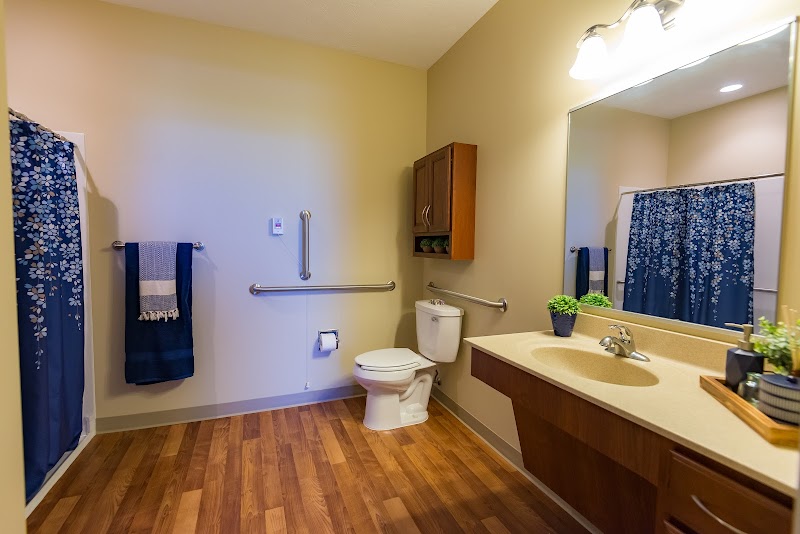
COPPER TRACE HEALTH & LIVING COMMUNITY is owned by a government entity. Government-operated facilities are typically run by state, county, or municipal agencies. The facility is operated by CARDON & ASSOCIATES, a chain that manages multiple nursing homes. With 104 certified beds and approximately 99 residents (about 95% occupancy), it is a mid-sized facility located in WESTFIELD, Indiana.

How Does Copper Trace Health & Living Community Compare to Other Indiana Nursing Homes?

Compared to the 100 nursing homes in Indiana, COPPER TRACE HEALTH & LIVING COMMUNITY's overall rating (4 stars) is above the state average of 3.1, staff turnover (54%) is near the state average of 46%, and health inspection rating (3 stars) is at the national benchmark.

What Should Families Ask When Visiting Copper Trace Health & Living Community?

Based on this facility's data, families visiting should ask: "Can I visit during a mealtime to observe dining assistance and food quality?" "How do you handle medical emergencies, and what is your hospital transfer rate?" "Can I speak with family members of current residents about their experience?"

Is Copper Trace Health & Living Community Safe?

Based on CMS inspection data, COPPER TRACE HEALTH & LIVING COMMUNITY has a clean safety record: no substantiated abuse findings (meaning no confirmed cases of resident harm), no Immediate Jeopardy citations (the most serious violation level indicating risk of serious injury or death), and is not on the Special Focus Facility watch list (a federal program monitoring the lowest-performing 1% of nursing homes). The facility has a 4-star overall rating and ranks #1 of 100 nursing homes in Indiana. While no facility is perfect, families should still ask about staff-to-resident ratios and recent inspection results during their visit.

Do Nurses at Copper Trace Health & Living Community Stick Around?

COPPER TRACE HEALTH & LIVING COMMUNITY has a staff turnover rate of 54%, which is 8 percentage points above the Indiana average of 46%. Moderate turnover is common in nursing homes, but families should still ask about staff tenure and how the facility maintains care continuity when employees leave.

Was Copper Trace Health & Living Community Ever Fined?

COPPER TRACE HEALTH & LIVING COMMUNITY has no federal fines on record. CMS issues fines when nursing homes fail to meet care standards or don't correct problems found during inspections. The absence of fines suggests the facility has either maintained compliance or corrected any issues before penalties were assessed. This is a positive indicator, though families should still review recent inspection reports for the full picture.

Is Copper Trace Health & Living Community on Any Federal Watch List?

COPPER TRACE HEALTH & LIVING COMMUNITY is not on any federal watch list. The most significant is the Special Focus Facility (SFF) program, which identifies the bottom 1% of nursing homes nationally based on persistent, serious quality problems. Not being on this list means the facility has avoided the pattern of deficiencies that triggers enhanced federal oversight. This is a positive indicator, though families should still review the facility's inspection history directly.