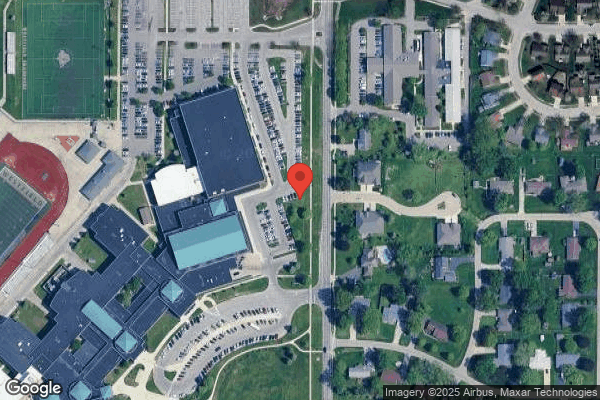
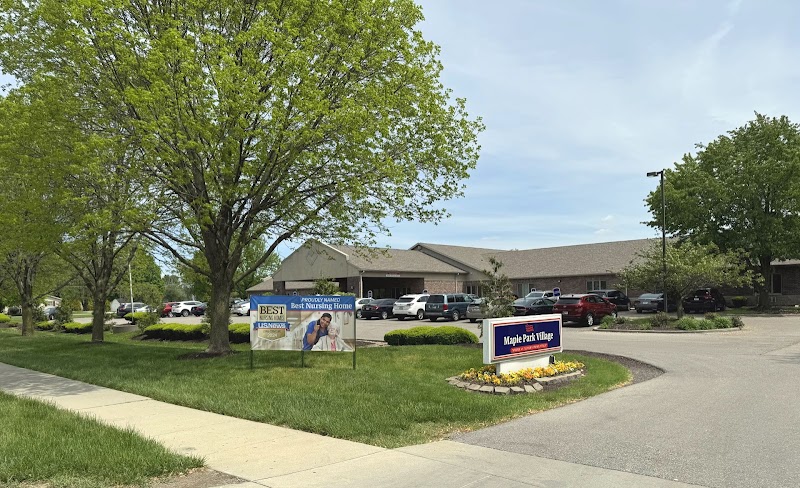

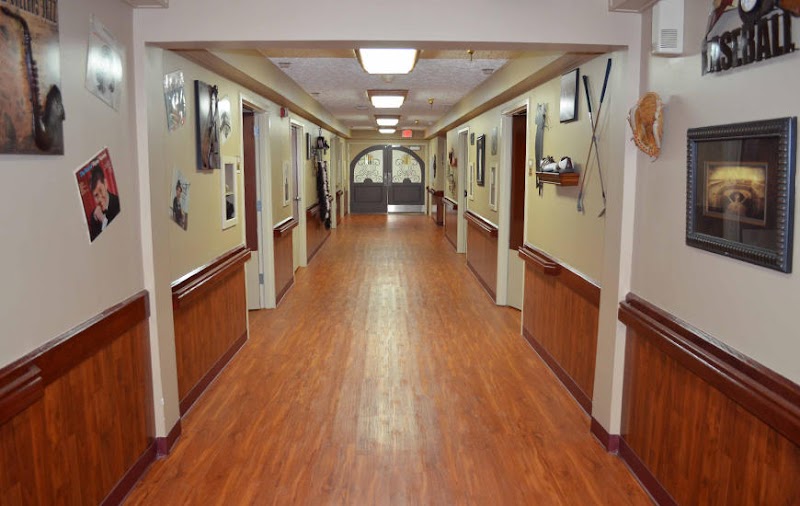
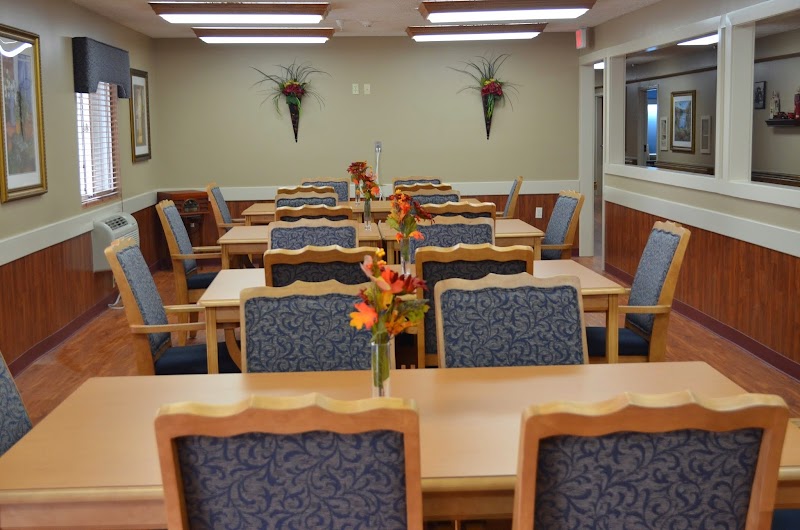
MAPLE PARK VILLAGE

776 N UNION ST, WESTFIELD, IN 46074 (317) 896-2515
Government - County 106 Beds AMERICAN SENIOR COMMUNITIES Data: November 2025
Trust Grade
40/100
#268 of 505 in IN
Last Inspection: October 2024

Within standard 12-15 month inspection cycle. Federal law requires annual inspections.

Overview

Maple Park Village has received a Trust Grade of D, indicating below average care with some concerns. It ranks #268 out of 505 nursing homes in Indiana, placing it in the bottom half of facilities in the state, and #12 out of 17 in Hamilton County, meaning only five local options are worse. While the facility is improving, with the number of issues decreasing from 13 in 2023 to 6 in 2024, it still faces significant challenges with a staffing rating of 2 out of 5 stars and a high turnover rate of 59%, above the state average. On the positive side, there have been no fines recorded, and the RN coverage is average, which is crucial for catching problems that might be missed by less experienced staff. However, there are serious incidents to consider, such as a resident falling out of bed due to inadequate safety measures, resulting in a serious injury, and failures in timely medical care for residents with catheter-related complications, which led to severe health issues.

Trust Score
D
40/100
In Indiana
#268/505
Bottom 47%
Safety Record
High Risk
Review needed
Inspections
Getting Better
13 → 6 violations
Staff Stability
⚠ Watch
59% turnover. Above average. Higher turnover means staff may not know residents' routines.
Penalties
✓ Good
No fines on record. Clean compliance history, better than most Indiana facilities.
Skilled Nurses
○ Average
Each resident gets 38 minutes of Registered Nurse (RN) attention daily — about average for Indiana. RNs are the most trained staff who monitor for health changes.
Violations
⚠ Watch
38 deficiencies on record. Higher than average. Multiple issues found across inspections.
★★★☆☆
3.0
Overall Rating
★★☆☆☆
2.0
Staff Levels
★★★★☆
4.0
Care Quality
★★★☆☆
3.0
Inspection Score
Stable
2023: 13 issues
2024: 6 issues

The Good

  • 4-Star Quality Measures · Strong clinical quality outcomes
  • Full Sprinkler Coverage · Fire safety systems throughout facility
  • No fines on record

Facility shows strength in quality measures, fire safety.

The Bad

3-Star Overall Rating

Near Indiana average (3.1)

Meets federal standards, typical of most facilities

Staff Turnover: 59%

13pts above Indiana avg (46%)

Frequent staff changes - ask about care continuity

Chain: AMERICAN SENIOR COMMUNITIES

Part of a multi-facility chain

Ask about local staffing decisions and management

Staff turnover is elevated (59%)

11 points above Indiana average of 48%

The Ugly 38 deficiencies on record

3 actual harm
Oct 2024 1 deficiency
CONCERN (D) 📢 Someone Reported This

A family member, employee, or ombudsman was alarmed enough to file a formal complaint

Potential for Harm - no one hurt, but risky conditions existed

Tube Feeding (Tag F0693)

Could have caused harm · This affected 1 resident

Based on observation, interview and record review, the facility failed to ensure a resident with continuous feeding through a Jejunostomy tube (J-tube) received the ordered amount of nutrient formula ...

Read full inspector narrative →
Based on observation, interview and record review, the facility failed to ensure a resident with continuous feeding through a Jejunostomy tube (J-tube) received the ordered amount of nutrient formula at the correct rate in the ordered time frame for 1 of 2 residents reviewed for enteral feedings. (Resident B) The deficient practice was corrected on 10/15/24, prior to the start of the survey, and was therefore past noncompliance. Findings include: During an interview, on 10/18/24 at 8:42 a.m., the Executive Director indicated Resident B had received a total of 1000 ml (milliliters) of enteral feeding over a four (4) hour period via her J-tube. During an observation, on 10/18/24 at 1:29 p.m., the feeding pump was assessed. The Director of Nursing, Executive Director, Corporate Support Nurse and Regional [NAME] President of Operations were present. The history was not assessable as the pump had been disconnected from a power source since 10/14/24. The Executive Director indicated they had attempted to access the pump memory but kept receiving an error message. It was noted when the power was restored to the pump it had shown a rate of 400 milliliters per hour (ml/hr.). At that time, the Executive Director indicated that was the factory reset. The pump did not go above 400 ml/hr. The clinical record for Resident B was reviewed on 10/18/24 at 11:13 a.m. The diagnoses included, but were not limited to, multiple sclerosis, quadriplegia, encounter for attention to tracheostomy, and coronary artery disease. A physician's order, dated 7/4/24, indicated to give Osmolyte 1.5 (nutritional formula) at 45 milliliters per hour via J-tube (tube placed through the skin of the abdomen into the midsection of the small intestine). A facility document, untitled and dated 10/13/24, indicated the night shift nurse (LPN 1) had informed the writer (RN 3) the pump was not working. It said system failure. RN 3 checked the pump and confirmed it was not functioning properly. She called tech support, and a technician was to call back. She went and retrieved a new feeding pump, replaced the old pump, and set the flow rate on the new pump to 45 ml/hr for the feeding and 45 ml/hr. for the water flush. She noted she had double checked the rates with the order. She noticed when changing rates, the default rate of infusion was 400 ml/hr. The feeding pump was primed and infusing by 9:00 a.m., on Sunday morning (10/13/24). She was in the facility until 10:00 p.m. on Sunday (10/13/24) and did not hear of any concerns with Resident B or the feeding pump. She had called the company, using the number on the side of the pump, at about 7:00 a.m. that morning and the company returned the call at around 7:30 p.m. that evening. LPN 1 received the call and since the pump was running, he told them they were no longer needed. A facility document, untitled and dated 10/15/24, indicated LPN 1 had gone to Resident B's room at 5:00 a.m., to give medication and change the tube feeding. He turned the pump off, removed the old container, hung the new container, turned the pump on, kept the previous settings, and primed the line. During that time, he checked for placement and residual, administered the resident's medication, and then connected the J-tube to the feeding pump and started the machine. He then left the room to tend to a resident who was attempting to get out of bed. He did return to Resident B; she wanted to see him. He readjusted her in bed, and she began to cough. He suctioned her, offered her a drink of water, and then left the room. He checked on her once more. She informed him she was warm and wanted the sheet off. He did as she requested and left the room. She was not in distress. He then gave report to the oncoming shift and left the facility. Additional information added to the statement indicated the bottle of feeding he removed was dated for the previous day (10/13/24) and when he checked on the resident around 6:20 a.m., that morning the formula was at the top of the bottle, where it would be, if it was infusing at the correct rate. A facility document, dated 10/15/24, indicated Housekeeper 6 entered the room on 10/14/24 at 7:24 a.m., and left a cup if ice water. The resident was sleeping. She did not hear the feeding tube machine alarming. A facility document, untitled and dated 10/15/24, indicated Staff 5 entered Resident B's room on 10/14/24 at 8:59 a.m. She was in the room for less than a minute. Resident B signaled she needed assistance. Staff 5 did not notice if the resident was in distress. She then went and informed RN 2 the resident required assistance. She did not hear the feeding tube alarming. A facility document, untitled and dated 10/15/24, indicated CNA 7 responded to Resident B's call light at 9:00 a.m. The resident requested a drink of water and CNA 7 noticed yellow emesis on her face and gown. She informed Resident B she needed to get the nurse. She informed the nurse she was needed in the resident's room; the resident had emesis on her face and gown and the pump was beeping. The nurse went to the room looked at the pump, took the resident's vital signs and informed the CNA she would be back. Another CNA had reported to the room; and both CNAs cleaned up the resident. A facility document, untitled and dated 10/15/24, indicated CNA 8 was picking up room trays on the hall around 8:30 to 9:00 a.m. She heard Resident B call, so she answered and found the resident had yellow emesis on her gown and the pump was beeping. CNA 8 cleaned the resident's face and informed the nurse. She did observe the nurse to enter the room and followed to see if additional assistance was needed. After the nurse had assessed the resident's vital signs and checked the feeding pump, CNA 8 and another CNA cleaned the resident and changed her gown. A facility document, untitled and undated, indicated RN 2 upon entry to Resident B's room noticed yellow fluid emesis and the feeding pump was completely infused. She turned off the pump and staff provided care for the resident while she notified the provider on call of the current situation. The bottle of feeding formula was dated for that morning by the previous shift. She received new orders. The scheduled medications and as needed medications were given. She suctioned the resident's tracheostomy and noted a small amount of white phlegm. She assessed the vital signs; the resident's heart rate and respirations were increased. She notified the on-call provider and new orders were received. The medication was provided. She noted the resident's spouse was present in the room. A second nurse came to the room to check the resident's condition. There was no improvement, and the residents pulse oximetry indicated her oxygen saturation was down to 58 percent. The second nurse contacted the physician. Physician 4, who was present in the facility, came to the resident's room and placed the artificial manual breathing unit on the tracheostomy and provided breaths until the emergency response team arrived. A hospital document, dated 10/14/24, indicated the resident was seen at 11:38 a.m. She presented to the hospital, via EMS, to be evaluated for shortness of breath and decreased oxygen saturation. EMS reported increased shortness of breath and decreased oxygen saturation after patient received tube feedings. There was concern for aspiration. Upon arrival the patient was hypotensive (low blood pressure), had a Glasgow Coma score of 3 (lowest score) and her oxygen saturation level was about 50 percent. The resident had diffuse cyanosis (blue coloring), did not respond to external stimuli, her pupil response was sluggish, and white frothy sputum was noted at the tracheostomy. During a telephone interview, on 10/18/24 at 8:50 a.m., the county coroner's office staff member indicated the final cause of death report would not be available for 4-6 weeks. They did not know the cause of death and lab reports were pending on fluid in the resident's lungs. She indicated Resident B had about 200 ml of fluid in her belly. During a telephone interview, on 10/18/24 at 11:28 a.m., LPN 1 (the night nurse) indicated he went to the room, around 5:00 a.m., to change the feeding set and administer medications. He hung the new bottle of feeding and set machine to prime the line. He then administered medication with 30 milliliters (ml) flush before and 30 ml flush after. He indicated medications were given via the gastronomy tube (g-tube, a line inserted into the stomach), but the feedings were given via j-tube and the ports are labeled as such. He flushed the j-tube with 60 ml water and connected the j-tube to the pump. The setting was 45 ml/hr for the feeding and he did not change the setting as it was already programmed into the machine. He then left the room. Everything was running fine. He checked on the resident again, that morning, at 6 something. The CNA told him the resident wanted him. The resident wanted to be adjusted in the bed. She was alert and voicing her needs, she was also coughing. LPN 1 suctioned her tracheostomy once, at that time. He indicated coughing was usual for her. Once he finished suctioning her tracheostomy, he left the room. LPN 1 indicated she was breathing ok, all was fine. He did return to the room once more at about 6:15 a.m. He wanted to check if she was still coughing, sometimes she did and she would have mucus come out of her mouth. The pump was fine, it was almost full, it was running fine, and resident was breathing fine. She had no signs of distress. During an interview, on 10/18/24 at 11:51 a.m., RN 2 indicated she passed Resident B's room many times and had peeked in to ensure the resident was okay and had her blow tube for the call light. She had entered the room because the resident had told her she was thirsty and wanted a drink of water. RN 2 indicated Resident B would only take sips, enough to wet her whistle. RN 2 then left the room. She indicated she would administer Resident B's medications last because it did take a little more time, and she did not want to delay the other residents' medication administration. RN 2 indicated she was at the nursing station working when the resident's call light came on. The CNA, while on the way to the room, indicated the pump was beeping. RN 2 responded. The pump was sounding, and the infusion had completed. She immediately turned off the pump because there was air in line. The resident had emesis (vomited) a moderate amount. It was not a lot but enough to be on her chin, chest and tracheostomy dressing. It was yellow in color. The resident never forcefully vomited, it just rolled out of her mouth. She changed the tracheostomy dressing and collar. While the CNA was cleaning up the resident, RN 2 returned to the nursing station and contacted the provided to notify them of the emesis. She had not yet assessed lung sounds; she was going to after she administered a breathing treatment. RN 2 indicated she did administer a breathing treatment and suctioned the tracheostomy. She noted a small amount of white phlegm on the first suction pass and nothing on the second, so she stopped suctioning the resident. She did assess the resident's lung sounds and found them to be diminished. RN 2 indicated this was normal for the resident since her return from the hospital in September (2024). The resident had been on a ventilator for two weeks and returned to the facility on three liters of oxygen through her tracheostomy. The resident had never required oxygen continuously prior to the September hospitalization. They had tried to titrate the oxygen to two liters, but the residents blood oxygen levels would drop so she had to be on three liters. RN 2 indicated she felt like she was going through the same situation she went through in September when the resident's oxygen saturations had dropped, and she had to be sent to the hospital. During a telephone interview, on 10/18/24 at 3:06 p.m., Physician 4 indicated the feeding to the small bowel would continue to slide south (downwards) to the small bowel. There would not be a significant issue with nausea. The worst case a little bit of feeding could slide back to the stomach, but the majority would go to the small bowel. He indicated he felt Resident B had been living at the end of her life for the past 2 years. She had very little reserve from day to day and the facility team cared for her and maintained her life. Recently she had a similar event and went to the hospital. She returned to the facility, and he did see her. He felt she had no reserve. During an interview, on 10/18/24 at 3:35 p.m., the policy for following physician's orders was requested. The Corporate Support Nurse indicated the information would be included in the medication administration policy. It was standard practice to follow physician's orders and to monitor residents throughout the day. A current facility policy, titled General Dose Preparation and Medication Administration, dated as last revised 4/30/24 and received from the Executive Director on 10/18/24 at 3:39 p.m., indicated .Verify each time a medication is administered that is .at the correct rate The deficient practice was corrected by 10/15/24 after the facility implemented a systemic plan that included the following actions: The facility investigated the incident involving Resident B, educated the staff on enteral feeding protocol, use of enteral pumps, and nursing assessments for residents with emesis and enteral feedings. Audits were initiated for other residents receiving enteral feedings to ensure they were getting the correct flow rate and rates were checked hourly. The facility initiated two (2) nurses were to sign a validation for the correct flow rate when a new bottle was initiated. Nursing managers began to audit residents with enteral feeding orders for the correct flow rates and correct formula daily. Enteral nutrition and Enteral pump skill validation tools were completed. This citation relates to Complaint IN00445223. 3.1-44(a)(2)
Oct 2024 4 deficiencies
CONCERN (D)

Potential for Harm - no one hurt, but risky conditions existed

Deficiency F0657 (Tag F0657)

Could have caused harm · This affected 1 resident

Based on interview and record review, the facility failed to conduct care plan meetings at least quarterly for 2 of 2 residents reviewed for care plan conferences/meetings. (Resident 5 and 59) Finding...

Read full inspector narrative →
Based on interview and record review, the facility failed to conduct care plan meetings at least quarterly for 2 of 2 residents reviewed for care plan conferences/meetings. (Resident 5 and 59) Findings include: 1. The clinical record for Resident 5 was reviewed on 10/8/24 at 1:49 p.m. The diagnoses included, but were not limited to, chronic obstructive pulmonary disease with (acute) exacerbation, chronic systolic heart failure, and hypertension. The last documented care plan meeting for Resident 5 was in March 2024. During an interview, on 10/10/24 at 2:34 p.m., the Social Service Director indicated the resident had a care plan in March of this year (2024). The resident should have had one in May and another one in early August. The resident was missing 2 care plan meetings. 2. The clinical record for Resident 59 was reviewed on 10/10/24 at 2:29 p.m. The diagnoses included, but were not limited to, hydronephrosis (a condition where one or both kidneys swell due to a buildup of urine), chronic atrial fibrillation, and acute chronic diastolic heart failure. The last documented care plan meeting for Resident 59 was on 6/5/24. During an interview, on 10/10/24 at 2:30 p.m., the Social Service Director indicated care plan meetings were completed quarterly. Resident 59 was due for a care plan meeting in September 2024 and currently there was not a care plan meeting scheduled. A facility document, titled MDS COORDINATOR, updated 5/2018 and received from the Executive Director on 10/11/24 at 8:30 a.m., indicated .The MDS Coordinator is responsible for the .Interdisciplinary Care planning process .establishes and maintains a cyclical schedule related to the .care planning process ensuring adherence to strict federal timelines .Coordinates interdisciplinary care plan meetings and conferences with Social Services, family members and residents to encourage/facilitate family and/or resident participation A current facility policy, titled IDT Comprehensive Care Plan Policy, dated as last reviewed 8/2023 and received from the Corporate Support Nurse on 10/10/24 at 3:16 p.m., indicated .It is the policy of this facility that each resident will have an interdisciplinary comprehensive person-centered care plan developed and implemented .The care plan review may be conducted face to face, via phone conference, video conference, or through written communication per resident and/or representative preference 3.1-35(d)(2)(B) 3.1-35(e)
CONCERN (D)

Potential for Harm - no one hurt, but risky conditions existed

Quality of Care (Tag F0684)

Could have caused harm · This affected 1 resident

Based on interview and record review, the facility failed to ensure medications were held according to the physician's ordered hold parameters for 2 of 2 residents reviewed for quality of care. (Resid...

Read full inspector narrative →
Based on interview and record review, the facility failed to ensure medications were held according to the physician's ordered hold parameters for 2 of 2 residents reviewed for quality of care. (Resident 36 and 55) Findings include: 1. The clinical record for Resident 36 was reviewed on 10/10/24 at 11:02 p.m. The diagnoses included, but were not limited to, essential hypertension, type 2 diabetes, and hyperlipidemia. A physician's order, with a start date of 1/23/24, indicated to give metoprolol succinate (a blood pressure medication) 100 milligrams (mg) extended-release tablet once a day. Hold for a systolic blood pressure (SBP) less than 110 or heart rate (HR) less than 60. A current care plan, with a start date of 1/30/24, indicated the resident was at risk for ineffective tissue perfusion related to hypertension and to administer medications as ordered. A review of the Medication Administration Record (MAR) indicated metoprolol succinate was administered on the following dates outside of the physician's ordered hold parameters: On 7/1/24, with a systolic blood pressure of 101 and a heart rate of 55. On 7/6/24, with a heart rate of 52. On 7/9/24, with a heart rate of 55. On 7/17/24, with a heart rate of 59. On 7/18/24, with a heart rate of 56. On 7/27/24, with a systolic blood pressure of 103. On 8/2/24, with a heart rate of 56. On 9/1/24, with a heart rate of 57. On 9/12/24, with a heart rate of 57. On 10/4/24, with a heart rate of 57. During an interview, on 10/10/24 at 4:00 p.m., the Director of Nursing (DON) indicated the documentation indicated the medications were administered during those dates and times. 2. The clinical record for Resident 55 was reviewed on 10/9/24 at 11:02 a.m. The diagnoses included, but were not limited to, essential hypertension, type 2 diabetes, and edema. A physician's order, with a start date of 2/15/24, indicated to give metoprolol succinate 50 mg and to hold the medication for a systolic blood pressure of less than 120 or a heart rate of less than 55. A current care plan, with a start date of 2/11/23, indicated the resident was at risk for ineffective tissue perfusion related to hypertension and to administer medications as ordered. A review of the Medication Administration Record (MAR) indicated metoprolol succinate was administered on the following dates outside of the physician's ordered hold parameters: On 7/15/24, with a systolic blood pressure of 116. On 7/16/24, with a systolic blood pressure of 119. On 7/17/24, with a systolic blood pressure of 112. On 7/21/24, with a systolic blood pressure of 117. On 7/22/24, with a systolic blood pressure of 110. On 7/29/24, with a systolic blood pressure of 110. On 7/30/24, with a systolic blood pressure of 110. On 8/6/24, with a systolic blood pressure of 113. On 8/12/24, with a systolic blood pressure of 113. On 8/23/24, with a systolic blood pressure of 114. On 9/1/24, with a systolic blood pressure of 119. On 9/2/24, with a systolic blood pressure of 118. On 9/17/24, with a systolic blood pressure of 115. On 9/27/24, with a systolic blood pressure of 104. During an interview, on 10/10/24 at 4:00 p.m., the DON indicated the documentation indicated the medications were administered during those dates and times. The facility did not provide a policy on following physician's orders. 3.1-37(a)
CONCERN (D)

Potential for Harm - no one hurt, but risky conditions existed

Deficiency F0761 (Tag F0761)

Could have caused harm · This affected 1 resident

Based on observation, interview and record review, the facility failed to ensure unlabeled food was not stored in a medication room refrigerator and medications were stored in the original containers ...

Read full inspector narrative →
Based on observation, interview and record review, the facility failed to ensure unlabeled food was not stored in a medication room refrigerator and medications were stored in the original containers in 1 of 2 medication rooms and 1 of 3 medication carts reviewed for medication storage. (200 hall refrigerator and 300 hall medication cart) Findings include: 1. During an observation and interview, on 10/11/24 at 11:49 a.m., the 200-hall medication room supplement refrigerator had 2 unlabeled cans of Canada Dry and a grocery sack with a to-go container of food in it which was unlabeled. Registered Nurse (RN) 3 indicated she was unsure who the 2 cans of Canada Dry and the food belonged to. They did not have labels on them, and they should have had labels. During an interview, on 10/11/24 at 12:05 p.m., the Director of Nursing (DON) indicated food put in the refrigerator should be labeled.2. During an observation of the Moving Forward South medication cart there were 20 white oval tablets with marking 4H2 (cetirizine) and one round white table found in the bottom drawer. There was no bottle found to match up with the 20 white oval tablets. During an interview, on 10/11/24 at 12:08 p.m., RN 5 indicated it was possible something spilt. During an interview, on 10/11/24 at 12:29 p.m., the Director of Nursing indicated the cart had been cleaned that morning. A current facility policy, titled Safe Food Handling for Your Loved One, undated and received from the Executive Director upon entrance, indicated .When brought into the facility the food must be labeled as Resident Personal Food. This label will need to include resident name, the name of the item being stored (if not already clearly identified), the date the item is brought into the facility and the date the item must be discarded A current facility policy, titled Storage and Expiration Dating of Medications and Biologicals, dated as last revised on 8/1/24 and received from the Executive Director on 10/11/24 at 1:38 p.m., indicated, .Facility should ensure that the medications and biologicals for each resident are stored in the containers in which they were originally received 3.1-25(j)
CONCERN (D)

Potential for Harm - no one hurt, but risky conditions existed

Food Safety (Tag F0812)

Could have caused harm · This affected 1 resident

Based on observation, interview and record review, the facility failed to ensure staff prepared pureed food in a sanitary manner for 1 of 1 staff member observed to puree food. (Cook 6) Finding inclu...

Read full inspector narrative →
Based on observation, interview and record review, the facility failed to ensure staff prepared pureed food in a sanitary manner for 1 of 1 staff member observed to puree food. (Cook 6) Finding includes: During an observation, on 10/8/24 at 10:36 a.m., [NAME] 6 was preparing pureed tuna casserole for lunch. During an observation, on 10/8/24 at 10:44 a.m., while preparing the pureed tuna casserole, [NAME] 6 licked the pureed tuna casserole off the first finger of her right hand. [NAME] 6 then attempted to take the food processor bowl off the base of the appliance to transfer the pureed food into a different container. During an interview, on 10/8/24 at 10:44 a.m., [NAME] 6 indicated she should not have licked the food off her finger and instead, she should have washed her hands. A current facility policy, titled Food Handling, dated 11/15 and received from the Director of Nursing on 10/10/24 at 8:49 a.m., indicated .To provide quality food that is handled in a safe and sanitary manner .All food preparation and serving areas shall be maintained in accordance with state and local sanitation standards, food handling, food preparation, and meal service 3.1-21(i)(3)
Aug 2024 1 deficiency
CONCERN (D) 📢 Someone Reported This

A family member, employee, or ombudsman was alarmed enough to file a formal complaint

Potential for Harm - no one hurt, but risky conditions existed

Pharmacy Services (Tag F0755)

Could have caused harm · This affected 1 resident

Based on observation, interview and record review, the facility failed to ensure a narcotic pain patch was administered at the correct time and new sites were used for the transdermal patch administra...

Read full inspector narrative →
Based on observation, interview and record review, the facility failed to ensure a narcotic pain patch was administered at the correct time and new sites were used for the transdermal patch administration for 1 of 1 resident reviewed (Resident B) and failed to ensure staff were signing the narcotic count sheets for 4 of 6 medication cart narcotic logs reviewed. Findings include: 1. During an interview, on 8/28/24 at 9:55 a.m., Resident B indicated she was experiencing pain and had been provided medication for the pain. The resident allowed observation of her Fentanyl pain patch. It was located on her right upper arm and dated 8/27/24. She indicated the patch was changed every three days. She was not aware of any missed doses of medications, including the narcotic pain patch. The clinical record for Resident B was reviewed on 8/28/24 at 11:29 a.m. The diagnoses included, but were not limited to, fibromyalgia, chronic pain, and polyneuropathy. A physician's order, initiated on 12/30/23 and discontinued on 7/22/24, indicated to administer one Fentanyl patch 50 mcg per hour every 72 hours. The special instructions indicated to rotate sites. The time of administration was 4:00 p.m., (the evening shift). The documentation on the MAR/TAR indicated, on 7/21/24, RN 1 checked off he had removed the old patch and placed a new patch to the resident's left shoulder at 2:12 p.m. The reason provided for the early administration of the medication indicated .Ls There was no other documentation to explain why the medication was administered early. The Controlled Substance Record indicated RN 1 signed out the narcotic patch on 7/21/24 at 3:00 p.m. The nursing schedule was reviewed on 8/29/24 at 2:27 p.m. RN 1 was scheduled and worked the day shift. His hours he worked were documented, on the schedule, as 6:27 a.m. to 3:14 p.m. During an interview, on 8/28/24 at 2:27 p.m., the Executive Director indicated RN 1 was not able to say why he administered the Fentanyl patch early or if anyone witnessed the destruction of the old patch. RN 1 had pulled a patch which was due at 4:00 p.m., he could not recall if he placed the patch on the resident or if the patch had fallen off. He could not say why he pulled the medication early. During an interview, on 8/29/24 at 9:24 a.m., LPN 5 indicated staff were to check medication orders for the dose, resident, and time the medication was due to be administered. They also were to count the narcotics pre and post shift. The staff were to count all narcotic cards, bottles, patches, and medications. Two nurses were required to destroy medications and sign off on the form. 2. During an interview, on 8/29/24 at 9:42 a.m., RN 6 indicated staff were to destroy medications with two nurses and sign off on the (destruction) sheet. The narcotic book should be signed at the beginning and end of every shift after the count. Old medication patches were to be removed and a new one put on with another nurse present, sites should be rotated, and staff should sign off the patch and destroy the old patch with another nurse. During the review of the MAR/TAR for Resident B it was noted a Fentanyl 50 mcg transdermal patch was administered to the resident's left shoulder on 7/18/24, a new patch was administered on 7/21/24 to the resident's left shoulder, and a new patch was administered on 7/25/24 to the resident's left shoulder. A physician's order, initiated on 12/30/23 and discontinued on 7/22/24, indicated to administer one Fentanyl patch 50 mcg per hour every 72 hours. The special instructions indicated to rotate sites. A physician's order, initiated on 7/25/24, indicated to administer one Fentanyl patch 50 mcg per hour every 72 hours. The special instructions indicated to remove the old patch first and rotate sites. 3. During an interview, on 8/29/24 at 9:04 a.m., RN 4 indicated staff were to count all narcotic cards, bottles and patches. Staff needed to sign on/off in the narcotic logbook. Staff were to check for placement of medication patches every shift. Medication destruction needed to be completed with two nurses and both nurses must sign off on the destruction. The narcotic count sheets were reviewed for all units on 8/29/24 in conjunction with the medication pass administration. An untitled document used to count controlled substances, dated August 2024, for the Cottage (memory care) unit indicated the On-coming nurse signature and Off-going nurse signature was found to be missing signatures for the on-coming nurse for 3 of 85 entries and 7 of 85 entries for the off-going nurse. An untitled document used to count controlled substances, dated August 2024, for the Hall 2 North unit indicated the On-coming nurse signature and Off-going nurse signature was found to be missing signatures for the on-coming nurse for 1 of 85 entries and 2 of 85 entries for the off-going nurse. An untitled document used to count controlled substances, dated August 2024, for the Moving Forward North unit indicated the On-coming nurse signature and Off-going nurse signature was found to be missing signatures for the on-coming nurse for 4 of 85 entries and 4 of 85 entries for the off-going nurse. An untitled document used to count controlled substances, dated August 2024, for the Moving Forward South unit indicated the On-coming nurse signature and Off-going nurse signature was found to be missing signatures for the on-coming nurse for 2 of 85 entries and 5 of 85 entries for the off-going nurse. A facility policy, titled General Dose Preparation and Medication Administration, dated as last revised 4/30/24 and received from the Executive Director on 8/29/24 at 1:20 p.m., indicated .Verify each time a medication is administered .at the correct time .Follow .medication administration guidelines .rotating transdermal patch sites A facility policy, titled Inventory of Controlled Substances, dated 2/1/18 and received from the Executive Director on 8/29/24 at 12:35 p.m., indicated .Facility will utilize the Shift change Verification of Controlled Substances form to count all controlled substance for each medication cart in the facility This Federal tag relates to Complaint IN00439443. 3.1-25(b) 3.1-25(e)(3) 3.1-25(s)(8)
Oct 2023 10 deficiencies
CONCERN (D)

Potential for Harm - no one hurt, but risky conditions existed

Assessment Accuracy (Tag F0641)

Could have caused harm · This affected 1 resident

Based on observation, interview and record review, the facility failed to ensure the Minimum Data Set (MDS) assessment included the resident had a wanderguard for 1 of 1 resident reviewed for elopemen...

Read full inspector narrative →
Based on observation, interview and record review, the facility failed to ensure the Minimum Data Set (MDS) assessment included the resident had a wanderguard for 1 of 1 resident reviewed for elopement. (Resident E) Finding includes: During an observation, on 10/5/23 at 3:28 p.m., Resident E had a wanderguard on her right ankle. The record for Resident E was reviewed on 10/10/23 at 10:44 a.m. Diagnoses included, but were not limited to, depression, dementia with mood disturbance, cognitive communication deficit, difficulty in walking, and a history of a traumatic brain injury. An MDS assessment, dated 8/11/23, indicated the resident did not use a wanderguard. During an interview, on 10/10/23 at 2:33 p.m., the MDS Coordinator indicated the resident did not have a physician's order for the wanderguard which was placed on 8/7/23. The only way she found out if the resident had a wanderguard was by reviewing the physician's orders. Since there was no physician's order then she did not code the MDS assessment with the wanderguard. During exit, the facility indicated they used the RAI (Resident Assessment Instrument) manual for instructions to complete MDS assessments. 3.1-31(d)(3)
CONCERN (D)

Potential for Harm - no one hurt, but risky conditions existed

Accident Prevention (Tag F0689)

Could have caused harm · This affected 1 resident

Based on observation, interview and record review, the facility failed to ensure a resident with a wanderguard (an alarm bracelet) had a physician's order, daily assessment for placement and a care pl...

Read full inspector narrative →
Based on observation, interview and record review, the facility failed to ensure a resident with a wanderguard (an alarm bracelet) had a physician's order, daily assessment for placement and a care plan for the alarm for 1 of 1 resident reviewed for elopement. (Resident E) Finding includes: During an observation, on 10/5/23 at 3:28 p.m., Resident E had a wanderguard on her right ankle. During an observation, on 10/10/23 at 2:21 p.m., the resident was in her room watching television and had the door to her room closed. During an observation, on 10/10/23 at 10:54 a.m., the resident was sitting up in a chair in the dining room and listening to music with other residents. The resident had not been observed wandering or trying to leave the locked unit. The record for Resident E was reviewed on 10/10/23 at 10:44 a.m. Diagnoses included, but were not limited to, depression, dementia with mood disturbance, cognitive communication deficit, difficulty in walking, and a history of a traumatic brain injury. A care plan, dated 5/1/23, indicated the resident was at risk for elopement as evidenced by walking up to the exit doors, intrusive wandering into other resident's room, asking for keys to her car and stating she needed to get out the doors to go upstairs. The interventions included, but were not limited to, offer assistance, all facility exits secured, resident resides on a secured unit, and to redirect to activities of interest. The care plan interventions did not include a wanderguard. A physician's order, dated 6/12/23, noted it was clinically indicated for the resident to reside on a secured unit. During an interview, on 10/11/23 at 11:00 a.m., the Minimum Data Set (MDS) Coordinator indicated there was no physician's order for the resident's wanderguard. The wanderguard was placed on 8/7/23. The resident knew the code to the dementia unit. Since there was no physician order, there was no documentation the wanderguard was checked daily for function and placement. A current policy, titled Elopement Prevention and Response Program, revised on 10/20 and received from the Executive Director (ED) on 10/10/23 at 3:58 p.m., indicated .Residents at risk for elopement may utilize a security bracelet [if the facility utilizes an electronic monitoring system and need for device is present on the care plan] per physician's order that will be checked for placement and function no less often than daily. Security bracelets will be placed on residents appropriately and per manufacturer's instructions 3.1-45(a)(1)
CONCERN (D)

Potential for Harm - no one hurt, but risky conditions existed

Incontinence Care (Tag F0690)

Could have caused harm · This affected 1 resident

Based on interview and record review, the facility failed to identify and implement resident specific preventative nursing measures for a resident with multiple repeat urinary tract infections (UTI) f...

Read full inspector narrative →
Based on interview and record review, the facility failed to identify and implement resident specific preventative nursing measures for a resident with multiple repeat urinary tract infections (UTI) for 1 of 3 residents reviewed for UTIs. (Resident F) Finding includes: The record for Resident F was reviewed on 10/10/23 at 3:55 p.m. Diagnoses included, but were not limited to, Alzheimer's disease, chronic kidney disease stage 3, need for assistance with personal care, urinary tract infection, and difficulty in walking. The Surveillance Log indicated the resident had the following UTIs and treatments: 1. October 6-13, 2022, ceftriaxone for a urine culture positive for E coli. 2. October 26-November 11, 2023, amoxicillin for a culture report positive for P. mirabilis (a bacteria which causes UTIs). 3. January 1-7, 2023, Macrobid (an antibiotic for UTIs). There was no culture report. 4. February 15- 20, 2023, cephalexin (an antibiotic) for a urine culture positive for proteus mirabilis. 5. March 24-29, 2023, Augmentin for a urine culture positive for E. Coli (a bacteria found in stool). 6. April 4, 2023, Keflex (an antibiotic) for a UTI with no urine culture results on the log. 7. April 21, 2023, cephalexin for a UTI with no urine culture results on the log. 8. June 16, 2023, cephalexin as preventative for a UTI. 9. July 21-August 5, 2023, Bactrim DS for a UTI with no urine culture results on log. 10. September 26-October 3, 2023, cephalexin for a UTI with a culture report positive for E. Coli. A care plan, dated 7/5/22 and last reviewed/revised on 9/28/23, indicated the resident required assistance with toileting due to incontinence. The goal was the resident would not exhibit adverse effects from incontinence. The interventions included, but were not limited to, assist with clothing, incontinent care as needed, and toilet before rising, before or after meals and at bedtime. The care plan was not updated to include the repeat UTIs or the specific type of peri care to prevent stool from entering the urinary tract. During an interview, on 10/12/23 at 2:06 p.m., the Director of Nursing Services (DNS) indicated the resident's care plans were started and stopped each time the antibiotics for the UTIs were started and stopped. Even though the resident was being seen by a urologist and had repeat UTIs with E. Coli (a bacteria found in stool) there was no care plan for the repeat UTIs, and no care planned interventions for the repeat UTIs. A current policy, titled Infection Prevention System of Surveillance, revised 05/2023 and received from the Executive Director (ED) on 10/5/23 at 2:20 p.m., indicated .To conduct surveillance activities that will identify infections and prevent the spread of infections .SURVEILLANCE COMPONENTS .Investigation . Document/Records .Monitor .Data Analysis .Implementation .Report .MONITOR .Provide ongoing tracking to rule out an infection, the development of new/recurrent infections and/or spread of infections 3.1-41(a)(2)
CONCERN (D)

Potential for Harm - no one hurt, but risky conditions existed

Deficiency F0692 (Tag F0692)

Could have caused harm · This affected 1 resident

Based on observation, interview and record review, the facility failed to identify significant weight changes, implement timely interventions, and notify the provider and family in a timely manner for...

Read full inspector narrative →
Based on observation, interview and record review, the facility failed to identify significant weight changes, implement timely interventions, and notify the provider and family in a timely manner for 2 of 4 residents reviewed for nutrition. (Resident 31 and E) Findings include: 1. The record for Resident 31 was reviewed on 10/12/23 at 12:10 p.m. Diagnoses included, but were not limited to, iron deficiency anemia, chronic obstructive pulmonary disease, dementia, feeding difficulties, and fracture of the right femur. A weight log indicated the following: a. On 9/7/23, the resident's weight was 144 pounds. b. On 10/4/23, the resident's weight was 131 pounds. c. On 10/6/23, the resident's weight was 131 pounds. The resident had a 9.03%- or 13-pound weight loss in 27 days. A progress note, dated 10/06/2023 at 3:15 p.m., indicated an MDS (Minimum Data Set) significant change assessment was initiated for a significant weight loss. The facility did not contact the provider or family after recognizing the significant weight loss. A progress note, dated 10/12/23 at 12:28 p.m., indicated the facility notified the provider and called the family about the significant weight loss on 10/11/23. A progress note, dated 10/12/23 at 1:02 p.m., indicated the facility spoke with the son of the resident and he indicated the resident loved sliced ham, peanut butter sandwiches, ice cream, and cakes. The facility would add ice cream to the dinner tray with a peanut butter sandwich at lunch. During an interview, on 10/12/23 at 1:55 p.m., the DNS (Director of Nursing Services) indicated the provider was not notified until 10/11/23 because the facility reviewed weights on Mondays. The NP (Nurse Practitioner) was notified on 10/11/23. There was a 7-day gap between when the resident had a significant weight loss, and the provider and family were notified. The resident had the weight loss on 10/4/23 and the facility recognized the weight loss on 10/6/23 when an MDS significant change assessment was initiated but did not notify the provider or family until 10/11/23.2. The record for Resident E was reviewed on 10/10/23 at 10:44 a.m. Diagnoses included, but were not limited to, nutritional anemia, dementia with mood disturbance, cognitive communication deficit, need for assistance with personal care, and a history of a traumatic brain injury. A care plan, dated 5/1/23 and last reviewed/revised on 8/18/23, indicated the resident was at a nutritional risk due to the diagnoses of metabolic encephalopathy and protein-calorie malnutrition. The goal indicated the resident would not have a significant weight change. The interventions included, but were not limited to, honor known food preferences, monitor weight, and notify physician/family of significant weight changes. A Registered Dietician (RD) note, dated 5/5/23 at 11:44 a.m., indicated the resident's diagnoses may increase her nutritional risks. The current weight was 142 pounds and the resident's usual body weight was 130-140 pounds. The resident had the following weights: a. On 4/29/23, the weight was 135.8 pounds. b. On 5/16/23, the weight was 145 pounds which was a 6.77% increase in 17 days. c. On 7/6/23, the weight was 152 pounds which was a 11.93% increase in 68 days. d. On 8/4/23, the weight was 157 pounds which was a 15.61% increase in 97 days. e. On 8/14/23, the weight was 160 pounds which was a 17.88% increase in 107 days. f. On 10/4/23, the weight was 168 pounds which was a 23.71% weight increase since the admission weight on 4/29/23. The resident's body mass index (BMI) on 10/4/23 was 27.11. During an interview, on 10/11/23 at 3:26 p.m., the Director of Nursing Services (DNS) indicated the family was notified of the weight gain in August and there were no notifications to the physician or the family prior to August 2023. The computer variance report only triggered for significant weight changes at 30 days, 90 days, and 180 days. If the significant changes happened at other times, the computer would not show the changes. The facility did not recognize the continued weight gain after August. There was no documentation to show if the significant weight gain was desired, the cause of the significant weight gain, or if interventions were needed for the significant weight gain. A current policy, titled Resident Weight Monitoring, reviewed in July 2023 and received from the DNS on 10/11/23 at 11:10 a.m., indicated .Residents who have experienced a significant wight loss or gain of 5% in 30 days .The physician/health care practitioner will be notified of unplanned significant weight loss/gains A current policy, titled Resident Change of Condition Policy, reviewed in November 2018 and received from the DNS on 10/12/23 at 3:37 p.m., indicated .It is the policy of this facility that all changes in resident condition will be communicated to the physician and family/responsible party, and that appropriate, timely, and effective intervention takes place .All symptoms and unusual signs will be documented in the medical record and communicated to the attending physician promptly .The nurse in charge is responsible for notification of physician and family/responsible party prior to the end of assigned shift when a significant change in the resident's condition is noted 3.1-46(a)(1)
CONCERN (D)

Potential for Harm - no one hurt, but risky conditions existed

Respiratory Care (Tag F0695)

Could have caused harm · This affected 1 resident

Based on observation, interview and record review, the facility failed to ensure residents oxygen tubing was dated and replaced for 2 of 3 residents reviewed for respiratory care. (Residents 38 and 76...

Read full inspector narrative →
Based on observation, interview and record review, the facility failed to ensure residents oxygen tubing was dated and replaced for 2 of 3 residents reviewed for respiratory care. (Residents 38 and 76) Findings include: 1. During an observation, on 10/5/23 at 11:52 a.m., Resident 38's oxygen tubing did not have a date on it. The record for Resident 38 was reviewed on 10/10/23 at 10:45 a.m. Diagnoses included, but were not limited to, restrictive lung disease, dyspnea (difficulty breathing), chronic respiratory failure, and obstructive sleep apnea. A physician's order, dated 9/22/23, indicated the resident was on 3 liters of oxygen continuously. A physician's order, dated 9/22/23, indicated to change the oxygen tubing once a day on Sundays. During an interview, on 10/5/23 at 2:48 p.m., RN 9 indicated the oxygen tubing should have been dated. During an interview, on 10/10/23 at 3:53 p.m., the ED (Executive Director) indicated the oxygen tubing for residents should be dated. 2. During an observation, on 10/5/23 at 2:45 p.m., Resident 76's oxygen tubing was dated 8/6/23. The record for Resident 76 was reviewed on 10/10/23 at 9:24 a.m. Diagnoses included, but were not limited to, chronic respiratory failure and cognitive communication deficit. A physician's order, dated 6/9/23, indicated the resident was to wear 3 liters of oxygen continuously. A physician's order, dated 6/8/23, indicated to change the oxygen tubing once a day on Sundays. During an interview, on 10 /5/23 at 2:48 p.m., RN 9 indicated the oxygen tubing should have been changed. A current policy, titled Oxygen Therapy and Devices, received from the ED on 10/10/23 at 11:00 a.m., indicated .Change out weekly and PRN 3.1-47(a)(6)
CONCERN (D)

Potential for Harm - no one hurt, but risky conditions existed

Medication Errors (Tag F0758)

Could have caused harm · This affected 1 resident

Based on record review and interview, the facility failed to ensure symptom monitoring was in place for the use of an antipsychotic medication prescribed and a gradual dose reduction (GDR) was conside...

Read full inspector narrative →
Based on record review and interview, the facility failed to ensure symptom monitoring was in place for the use of an antipsychotic medication prescribed and a gradual dose reduction (GDR) was considered for 1 of 5 residents reviewed for unnecessary medications. (Resident F) Finding includes: The record for Resident F was reviewed on 10/10/23 at 3:55 p.m. Diagnoses included, but were not limited to, dementia with other behavioral disturbance, delusional disorder, major depressive disorder, generalized anxiety disorder, and a cognitive communication deficit. A care plan, dated 2/23/23, indicated the resident was at a risk for adverse side effects related to the use of an antipsychotic. The interventions included, but were not limited to, administer the medication as ordered and observe for effectiveness, the interdisciplinary team (IDT) to review routinely, and to attempt a gradual dose reduction unless contraindicated by the physician. A physician's order, dated 4/10/23, indicated risperidone (an antipsychotic) 0.5 milligram (mg) twice a day for a delusional disorder. The resident had the following documented behaviors: 1. On 5/21/23 at 2:33 p.m., the resident was observed by staff to kneel on the floor and then laid down. 2. On 5/24/23 at 9:58 a.m., the resident was witnessed sitting herself on the floor in her room. 3. On 6/9/23 at 10:57 a.m., the interdisciplinary team met to discuss the resident behavioral expression of the resident laying on the floor. She had intermittent periods of laying on the floor. 4. On 6/27/23 at 2:20 p.m., the resident was walking around in the common area getting up and down out of the chairs and the recliner. The resident was seated in the recliner and scooted forward and slid on the floor. The resident was sitting upright and continued scooting. A Pharmacy Consultation report, dated 7/26/23, indicated the resident had a diagnosis of dementia and received risperidone 0.5 mg twice daily for dementia and related behaviors. Antipsychotics had a boxed warning for the increased risk of mortality in older adults with psychosis related to dementia. Additionally, the antipsychotics were associated with other potentially serious adverse effects including movement disorders, metabolic abnormalities, and orthostatic hypotension. Please consider attempting a gradual dose reduction of risperidone to 0.25 mg twice daily with the end goal of discontinuation. An evaluation of gradual dose reduction of psychotropic medication, dated 8/2/23, indicated the risperidone 0.5 mg supporting diagnosis was delusional disorders. The physician's response included to not reduce the medication since it was clinically contraindicated related to the family was resistant to the dose reduction. The documentation did not include any delusions, for the months of May, June, and July 2023, prior to the GDR being declined on 8/2/23. During an interview, on 10/11/23 at 11:08 a.m., the Dementia Unit Manager (UM) indicated the staff would document delusions in the progress notes or events section of the electronic record if the resident had them. The UM did not remember Resident F having any delusions and she did not mark her as having delusions. During an interview, on 10/11/23 at 12:01 p.m., the Dementia UM indicated the care plan for delusions was stopped in July 2023 and she did not know why it was discontinued. If the resident was not having delusional behaviors, then the care plan would not be kept. During an interview, on 10/12/23 at 10:42 a.m., the Director of Nursing Services (DNS) indicated there was no documentation to show the resident's delusions were monitored after the care plan was discontinued in July 2023. The resident had behaviors when the medication was restarted and not delusions. A current policy, titled Psychotropic Management, revised on 7/22 and received from the Dementia Unit Manager on 10/11/23 at 4:08 p.m., indicated .It is the policy of American Senior Communities to ensure that a resident's psychotropic medication regimen helps promote the resident's highest practicable mental, physical and psychosocial well-being with person centered intervention and assessment. These medications are managed in collaboration with professional services and facility staff to include non-pharmacological interventions, assessment and reduction as applicable .Residents are not given psychotropic drugs unless the medication is necessary to treat a specific condition as diagnoses, and this is documented in the medical record. Each resident receiving psychotropic medication will have an adequate indicate for use and supporting diagnosis for use which is documented in the clinical record .Symptoms and therapeutic goals must be clearly documented prior to initiating or increasing a psychotropic medication .Gradual dose reductions [GDR] and use of non-pharmacological interventions will occur for residents receiving psychotropic medication unless contraindicated by the prescriber with a specific rationale .For antipsychotic medications, diagnoses alone do not necessarily warrant the use [of]these medications. Antipsychotic medications may be indicated if .behavioral symptoms present a danger to the resident or others .expressions or indications of distress that are significant distress to the residents .Non-pharmacological approaches have been attempted, but did not relieve the symptoms which are presenting a danger or significant distress .GDR was attempted but symptoms returned .Prescribers will evaluate the efficacy and risks for psychotropic medications and document their assessment in the medical record .Psychotropic medications may be considered regularly for potential GDR including during monthly pharmacy reviews, during behavioral health services visits, and when the IDT is evaluating behavioral expressions .When considering a GDR, the prescriber will assess the risks/benefits of the reduction. The prescriber may reduce the medication or clinically contradict the GDR based on relevant clinical standards of practice 3.1-48(a)(3) 3.1-48(b)(2)
CONCERN (D)

Potential for Harm - no one hurt, but risky conditions existed

Deficiency F0761 (Tag F0761)

Could have caused harm · This affected 1 resident

Based on observation, interview and record review, the facility failed to label medications with an open date on medications with a shortened expiration date once opened in 1 of 2 medication storage r...

Read full inspector narrative →
Based on observation, interview and record review, the facility failed to label medications with an open date on medications with a shortened expiration date once opened in 1 of 2 medication storage refrigerators and 2 of 3 medication carts (300 Unit, 100 Unit and 300 North Unit). Findings include: 1. During an observation, of 300-unit medication storage room and refrigerator, on 10/5/23 at 12:55 p.m., with LPN 2 in attendance, a bottle of Tuberculin (the testing solution for a Tuberculosis skin test) was found open in the medication storage refrigerator. It did not have an open date. During an interview, on 10/5/23 at 12:55 p.m., LPN 2 indicated it should have been labeled with the open date when it was opened. 2. During an observation, of the 100 Unit Medication Cart, on 10/10/23 at 9:21 a.m., with RN 3 in attendance, an Advair inhaler was found outside the original foil packaging. The inhaler had 56 of 60 doses left. The label on the packaging indicated the medication expired 30 days after opening. There was no open date on the packaging or inhaler. During an interview, on 10/10/23 at 9:21 a.m., RN 3 indicated the inhaler should have been labeled with an open date. 3. During an observation, on 10/10/23 at 9:30 a.m., with LPN 2 in attendance, a Novolin insulin pen was found open in the drawer of the 300 North Hall cart. The pen had approximately 200 units left. There was no open date on the packaging or pen. During an interview, on 10/10/23 at 9:30 a.m., LPN 2 indicated it should have been dated when opened and the insulin pen was good for 28 days after opening. A current facility policy, titled Storage and Expiration Dating of Medications, Biologicals, dated as last revised on 8/7/2023 and received from the Director of Nursing Services on 10/10/23 at 11:32 a.m., indicated .Facility staff should record the date opened on the primary medication container (vial, bottle, inhaler) when the medication has a shortened expiration date once opened 3.1-25(j)
CONCERN (D)

Potential for Harm - no one hurt, but risky conditions existed

Infection Control (Tag F0880)

Could have caused harm · This affected 1 resident

Based on observation, interview and record review, the facility failed to ensure a catheter bag was not touching the ground for 1 of 1 resident reviewed for infection control related to catheters. (Re...

Read full inspector narrative →
Based on observation, interview and record review, the facility failed to ensure a catheter bag was not touching the ground for 1 of 1 resident reviewed for infection control related to catheters. (Resident 14) Finding includes: During an observation, on 10/11/23 at 10:21 a.m., Resident 14 was being seen for wound care. The resident's catheter bag was observed to be touching the ground. During an observation, on 10/11/23 at 10:33 a.m., the bed was lowered back down after wound care was completed and the catheter bag touched the ground again. The basin to protect the catheter bag from touching the floor was underneath the bed towards the head of the bed and not underneath the catheter bag. The record for Resident 14 was reviewed on 10/11/23 at 3:09 p.m. Diagnoses included, but were not limited to, obstructive and reflux uropathy, history of urinary tract infections, and dementia. During an interview, on 10/11/23 at 10:37 a.m., the ADON (Assistant Director of Nursing) indicated the catheter bag should have a basin which the catheter bag sat in to prevent it from touching the ground. During an interview, on 10/12/23 at 11:37, the DNS (Director of Nursing Services) indicated the basin was in place when staff set up the wound care but must have been kicked under the bed before it was observed. The basin was not in place during wound care. A CDC (Centers for Disease Control) guideline, titled GUIDELINES FOR PREVENTING CATHETER-ASSOCIATED URINARY TRACT INFECTIONS 2009, dated 2009 and updated 6/6/2019 indicated .Keep the collecting bag below the level of the bladder at all times. Do not rest the bag on the floor 3.1-18(b)
CONCERN (E)

Potential for Harm - no one hurt, but risky conditions existed

Resident Rights (Tag F0550)

Could have caused harm · This affected multiple residents

Based on observation, interview and record review, the facility failed to ensure residents received non-disposable utensils to eat their meals with for 17 of 17 residents reviewed for dining on the lo...

Read full inspector narrative →
Based on observation, interview and record review, the facility failed to ensure residents received non-disposable utensils to eat their meals with for 17 of 17 residents reviewed for dining on the locked dementia unit. Finding includes: During an observation, on 10/5/23 at 11:34 a.m., the residents were sitting in the dementia dining area. The residents' trays were served by taking food off the tray. Plastic utensils were provided for all residents. During an observation, on 10/5/23 at 12:01 p.m., the residents in the main dining room were being served with non-disposable utensils. During an observation, on 10/11/23 at 11:42 a.m., the residents in the dementia dining room were being served paper napkins and plastic silverware including a spoon, knife, and fork. The staff put the residents' drinks in non-disposable plastic cups. During an interview, on 10/11/23 at 11:52 a.m., CNA 8 indicated a resident owned a restaurant and would take the silverware. CNA 8 indicated the resident might have gone after someone with a fork and everyone got plastic. During an interview, on 10/12/23 at 4:00 p.m., the Dementia Unit Manger and the Director of Nursing Services (DNS) indicated they were only supposed to be using the plasticware for one resident. The resident was care planned for using plastic utensils. The kitchen had sent the non-disposable plastic utensils on the cart for lunch. A Resident Rights policy was not available at the exit conference. 3.1-3(t)
CONCERN (E) 📢 Someone Reported This

A family member, employee, or ombudsman was alarmed enough to file a formal complaint

Potential for Harm - no one hurt, but risky conditions existed

Quality of Care (Tag F0684)

Could have caused harm · This affected multiple residents

Based on interview and record review, the facility failed to give medications within the prescribed time for 6 of 6 residents reviewed for quality of care. (Residents B, C, D, E, F, G) Findings includ...

Read full inspector narrative →
Based on interview and record review, the facility failed to give medications within the prescribed time for 6 of 6 residents reviewed for quality of care. (Residents B, C, D, E, F, G) Findings include: 1. The record for Resident B was reviewed on 10/12/23 at 4:28 p.m. Diagnoses included, but were not limited to, chronic obstructive pulmonary disease, congestive heart failure, hypertension, atrial fibrillation, dementia, unspecified severity with other behavioral disturbance, depressive disorder, and anxiety disorder. A physician's order, dated 11/3/21, indicated clonazepam (for anxiety) 0.5 mg tablet, to give 0.25 mg tablet twice a day related to anxiety. A physician's order, dated 12/2/22, indicated acetaminophen (a pain medication) 500 mg (milligram) tablet, to give 2 tablets three times a day related to chronic pain. A physician's order, dated 6/30/23, indicated simethicone (relieves painful symptoms of too much gas in the stomach) chewable 80 mg to give 2 tablets by mouth daily. The Medication Administration Record (MAR) indicated the following medications were administered late: a. clonazepam 0.5 mg tablet was administered late on 9/5/23. b. acetaminophen 500 mg tablet was administered late on 9/8/23, 9/11/23, 9/22/23, 9/25/23, 10/10/23, 10/11/23 and 10/12/23. c. simethicone chewable 80 mg tablet was administered late on 9/8/23, 9/11/23, 9/22/23, 9/25/23, 10/10/23, 10/11/23 and 10/12/23. During an interview, on 10/5/23 at 2:56 p.m., Resident B indicated medications could be given late depending on what nurses were working and what shift. 2. The record for Resident C was reviewed on 10/12/23 at 4:55 p.m. Diagnoses included, but were not limited to, chronic pulmonary edema, congestive heart failure, and hypertension. A physician's order, dated 10/25/22, indicated acetaminophen 325 mg tablet, to give 1 tablet three times a day related to pain. A physician's order, dated 12/5/22, indicated ferrous sulfate (for anemia) 325 mg tablet, to give 1 tablet by mouth twice a day related to anemia. A physician's order, dated 2/17/23, indicated torsemide (a diuretic) 20 mg tablet, to give 2 tablets twice a day. The MAR indicated the following medications were administered late: a. acetaminophen 325 mg tablet was administered late on 10/9/23, 10/10/23, 10/11/23 and 10/12/23. b. ferrous sulfate 325 mg tablet was administered late on 10/9/23, 10/10/23, 10/11/23 and 10/12/23. c. torsemide 20 mg tablet was administered late on 10/9/23, 10/10/23, 10/11/23, 10/12/23. 3. The record for Resident D was reviewed on 10/12/23 at 5:28 p.m. Diagnoses included, but were not limited to, quadriplegia (paralysis of all four limbs), asthma, and constipation. A physician's order, dated 8/11/23, indicated docusate sodium (a stool softener) 100 mg capsule, to give 1 capsule three times a day. A physician's order, dated 8/11/23, indicated torsemide (a diuretic) 20 mg tablet, to give 2 tablets by mouth daily. A physician's order, dated 8/24/23, indicated Tylenol Extra Strength (for pain) 500 mg tablet, to give 2 tablets three times a day. A physician's order, dated 8/11/23, indicated senna (a laxative) 8.6 mg tablet, to give 2 tablets daily. A physician's order, dated 8/11/23, indicated enoxaparin (an anticoagulant) 40 mg/0.4 milliliter(ml), give 40 mg subcutaneous (injection given just under the skin) daily. A physician's order, dated 9/15/23, indicated hydrocodone-acetaminophen (for pain) 5-325 mg tablet, to give 1 tablet twice a day. The MAR indicated the following medications were administered late: a. docusate sodium 100 mg capsule was administered late on 9/1/23, 9/6/23, 9/13/23, 9/21/23, 9/23/23. b. Tylenol extra strength 500 mg tablet was administered late on 9/1/23, 9/6/23, 9/13/23. c. senna 8.6 mg tablet was administered late on 9/20/23. d. enoxaparin 40 mg subcutaneous was administered late on 9/20/23. e. hydrocodone-acetaminophen 5-325 mg tablet was administered late on 9/15/23 and 9/20/23. 4. The record for Resident E was reviewed on 10/12/23 at 3:22 p.m. Diagnoses included, but were not limited to, Alzheimer's disease, dementia, and pain. A physician's order, dated 4/10/23, indicated acetaminophen 500 mg tablet, to give 2 tablets three times a day related to chronic pain. The MAR indicated the following medication was given late: a. acetaminophen 500 mg tablet was administered late on 9/23/23 and 10/9/23. 5. The record for Resident F was reviewed on 10/12/23 at 3:22 p.m. Diagnoses included, but were not limited to, dementia, pain, hypertension, and Alzheimer's disease. A physician's order, dated 8/19/23, indicated acetaminophen 500 mg tablet, give 1 tablet three times a day related to chronic pain. The MAR indicated the following medication was administered late: a. acetaminophen 500 mg tablet was administered late on 9/6/23 and 9/26/23. 6. The record for Resident G was reviewed on 10/12/23 at 4:00 p.m. Diagnoses included, but were not limited to, chronic obstructive pulmonary disease (COPD), asthma, and G-J tube (allows food to be given directly into the jejunum, bypassing the mouth, throat, and stomach). A physician's order, dated 6/29/23, indicated famotidine (for gastric reflux) 40 mg/5 ml suspension (liquid), give 20 mg daily. A physician's order, dated 9/8/23, indicated guaifenesin (for congestion) 100 mg/5 ml, give 600 mg twice a day related to congestion. A physician's order, dated 9/8/23, indicated magnesium oxide (for gastric reflux) 400 mg tablet give daily. A physician's order, dated 9/8/23, indicated multivitamin with folic acid (a supplement) 400 microgram (mcg) tablet, give 1 tablet daily. The MAR indicated the following medications were administered late: a. famotidine 40 mg/5 ml suspension 20 mg daily was administered late on 9/21/23, 9/22/23, and 9/26/23. b. guaifenesin 100 mg/5 ml, 600 mg twice a day was administered late on 9/30/23. c. magnesium oxide 400 mg tablet daily was administered late on 9/30/23. d. multivitamin with folic acid 400 microgram tablet was administered late on 9/30/23. During an interview, on 10/12/23 at 3:39 p.m., RN 3 indicated sometimes staff would get sidetracked when passing medication and would have to just chart late. During an interview, on 10/12/23 at 3:44 p.m., LPN 7 indicated things came up, you got too busy, or you just did not have time and medications were passed out late. A current policy, titled Medication Pass Procedure, revised 12/2016 and received from the Director of Nursing Services on 10/12/23 at 3:53 p.m., indicated .1. Medication administered within 60 minutes before and/or after time ordered .6. Perform the 5 rights of medication Right Resident, Right Medication, Right Dose, Right Route, Right Time .16. Medication administration will be recorded on the MAR/EMAR or TAR after given This Federal tag relates to Complaint IN00418152. 3.1-37(a)
Sept 2023 1 deficiency 1 Harm
SERIOUS (G) 📢 Someone Reported This

A family member, employee, or ombudsman was alarmed enough to file a formal complaint

Actual Harm - a resident was hurt due to facility failures

Accident Prevention (Tag F0689)

A resident was harmed · This affected 1 resident

Based on interview and record review, the facility failed to protect a resident from injury when the resident was left unattended in a bed which was not in the lowest position, and without a fall mat ...

Read full inspector narrative →
Based on interview and record review, the facility failed to protect a resident from injury when the resident was left unattended in a bed which was not in the lowest position, and without a fall mat on the floor. The resident fell out of bed, sustained a laceration to the left side of the forehead and an acute left femoral neck fracture (a type of hip fracture of the thigh bone, just below the ball of the ball-and-socket hip joint). (Resident B) The facility also failed to ensure staff providing care were using/following the care sheet or electronic record which provides information on safety precautions put in place, resulting in Resident C had to be lowered to the floor, for 2 of 3 residents reviewed for accidents. (Resident B and C) The deficient practice was corrected on 9/12/23, prior to the start of the survey, and was therefore past noncompliance. Findings include: 1. During a phone interview, on 9/19/23 at 10:04 a.m., the Power of Attorney (POA) for Resident B indicated Resident B was dressed and prepped for a full body mechanical lift, which should have had two people to perform. After the resident was dressed, the other staff member should have remained in the room with Resident B. The POA indicated she felt the facility was not following protocol and the resident sustained injury during the lift and indicated she was dropped during a Hoyer [mechanical lift] transfer. She did not see her [the resident] having the strength to roll out of bed. During an interview, on 9/19/23 at 1:02 p.m., Resident 7 (Roommate for Resident B) indicated she was awake when Resident B fell. The CNA came in, got her ready, and put the Hoyer pad under her then left the room to get the lift. She did not know why she did not bring it with her, they usually did, but she heard a thud like a basketball hitting the floor. Another aide who was working on the hall, must have seen her on the floor. She was the one who responded. The record for Resident B was reviewed on 9/19/23 at 11:13 a.m. Diagnoses included, but were not limited to, dementia, unspecified fracture of unspecified femur, and fracture of unspecified part of neck of right femur subsequent encounter for closed fracture with routine healing status after a partial hip replacement procedure. A care plan, with a problem start date of 6/11/17, indicated Resident B was at risk for falls related to, but not limited to, dementia, impulsive and polyneuropathy (simultaneous malfunction of many peripheral nerves throughout the body). The interventions included the bed was to be in the lowest position when the resident was in the bed. A physician's order, with a start date of 4/20/22, and end date of 9/15/23, indicated .Mattress on floor next to bed when in bed .every shift The Medication and Treatment Record was signed off by the nurse, on the day of the fall, to indicate the mattress/mat was present on the floor at the bedside, when the nurse checked Resident B. A Care Sheet (resident care profile), provided by LPN 2 on 9/19/23, at 1:31 p.m., indicated .Bed in lowest position when resident is in the bed A nursing note, dated 9/8/2023 at 7:36 a.m., indicated .CNA called writer et [and] said resident is on the floor. Writer went in et saw resident lying on her left side bleeding from her L [left] forehead. Had 3x.5 cm [centimeter] cut; Pressure applied to stop bleeding. As per aide, resident rolled out of bed as she reached out to get Hoyer lift [full body mechanical lift] to transfer resident A radiology report, dated 9/8/23, indicated Resident B had an acute left femoral neck fracture. An Incident Report to the Indiana State Department of Health, dated 9/8/23, indicated the resident was found on the floor next to the bed. The resident had a laceration to the forehead and was complaining of hip pain. A statement provided by the Executive Director, on 9/20/23 at 11:40 a.m., indicated .I [CNA 1 name] was getting Resident B dressed for the day. After dressing the resident, the lift pad was placed under her, and she was left laying on her back .I believe she tried to get up from the bed when I went to get a spotter/the nurse to help me with the Hoyer lift. When I stepped out and return, she was laying on the floor The statement was unsigned and undated. A statement provided by the Executive Director, on 9/20/23 at 11:40 a.m., indicated Resident B had been witnessed moving in the bed unassisted. The statement was signed by LPN 4 on 9/8/23. A statement provided by the Executive Director, on 9/20/23 at 11:40 a.m., indicated Resident B was witnessed moving by herself in bed and there were times where she had witnessed Resident B sitting up in bed and the resident would attempt to get out of bed herself. She would have her legs out of bed sitting upright as if she was going to stand and try to get up. The statement was signed by Staff 5 on 9/11/23. A statement provided by the Executive Director, on 9/20/23 at 11:40 a.m., indicated Resident B was observed independently moving her body and repositioning herself. The statement was signed by LPN 6 on 9/15/23. During an interview, on 9/19/23 at 1:29 p.m., the Director of Nursing indicated the CNAs could find safety information on their care sheets. They could also pull up the information electronically. During an interview, on 9/19/23 at 2:10 p.m., the Director of Nursing indicated staff were supposed to follow the care plan and the CNA was supposed to follow the care sheet. During a telephone interview, on 9/19/23 at 2:20 p.m., CNA 1 indicated she was getting Resident B up and dressed. She put the full body mechanical lift sling under Resident B after she dressed her. She left the room to get a spotter (second person to assist with the lift transfer) and when she returned Resident B was on the floor. She indicated the bed was not high at all, maybe medium, she left Resident B lying on her back in the bed. She believed the resident tried to get up. She did not have the CNA care/assignment sheet, she did not know they (the facility) had them and she did not know where to find them. It was her first time working the night shift and the front hall. The resident did not have a mat on the floor beside her bed when she entered the room. During an interview, on 9/19/23 at 2:46 p.m., LPN 3 indicated when she responded to the fall for Resident B, the bed was at hip height (her hip height) and indicated the bed was to be in a low position when the resident was in bed. She also indicated the mat was on the floor at the bedside during the shift; she did check it during her shift. A document, titled Employee Communication Form, provided by the Executive Director on 9/20/23 at 11:40 a.m., indicated .Res [resident] was left unattended without fall precautions being put back in place, that resulted with res falling out of bed The document was signed by CNA 1 and the Assistant Director of Nursing on 9/12/23. 2. The record for Resident C was reviewed on 9/19/23 at 12:50 p.m. Diagnoses included, but were not limited to, unspecified dementia with other behavioral disturbance, essential hypertension, and generalized muscle weakness. A care plan, initiated on 12/30/21, indicated the resident required assistance with activities of daily living (ADLs) including transfers. An intervention, initiated on 7/7/22, indicated the resident was to be an assist x 2 with transfers (two people were needed to transfer the resident). A nurses' note, dated 7/5/23 at 10:26 a.m., indicated .Resident being assisted from toilet to wheelchair and started to sit down before in contact with wheelchair. Staff lowered her to floor to prevent injury. Resident assisted off floor and into wheelchair and then bed. No injuries noted. ROM [range of motion] WNL [within normal limits]. Denies pain. Did not hit head On 9/19/23 at 1:29 p.m., a care plan policy and safety intervention policy were requested of the Director of Nursing. During an interview, on 9/19/23 at 2:10 p.m., the Director of Nursing indicated the facility did not have a policy on safety interventions and she provided the care plan policy. During a telephone interview, on 9/19/23 at 2:50 p.m., CNA 7 indicated it was her first day. She was working the other side and she did not have Resident C on her assignment. She heard Resident C yelling for help and thought it was an emergency, so she responded. She was not aware of how the resident transferred and thought she was a limited transfer. She transferred the resident with a gait belt to toilet, she changed the resident on the toilet, and put on socks with the gripper (nonskid). When she went to transfer the resident back to the chair, the resident said she was going to fall. CNA 7 called for another CNA, in the hall, and together they gently lowered the resident to floor and then got the nurse. She indicated she did not have a resident care sheet, it was electronic. During an interview, on 9/20/23 at 8:54 a.m., the Executive Director (ED) indicated the resident care profile were to be carried on the CNA along with a gait belt. CNA care profiles are in a three (3) ring binder at each nursing station. The CNAs knew where to find them, even clinical resource group (corporate as needed pool of employees) are educated in training on where they can be found for all facilities. He and management complete rounds in the morning and check to be sure gait belts and care sheets are with the CNAs. A current policy, titled IDT Comprehensive Care Plan Policy, dated as last reviewed on 8/2023 and received from the Director of Nursing on 9/19/23 at 2:10 p.m., indicated .It is the policy of this facility that each resident will have an interdisciplinary comprehensive person-centered care plan developed and implemented .The care plan must include .resident specific interventions based on the residents needs and preferences to promote the psychosocial well-being. Physician's orders are considered part of the comprehensive plan of care The deficient practice was corrected by 9/12/23 after the facility implemented a systemic plan that included the following actions: The facility investigated the incident involving Resident B, disciplined CNA 1, educated the staff on fall prevention, began audits on safety precautions in place for all residents with fall risks, and ensured Resident B received medical care as well as follow up care and monitoring. This Federal Tag relates to Complaint IN00417153. 3.1-45(a)(2)
Mar 2023 2 deficiencies
CONCERN (D) 📢 Someone Reported This

A family member, employee, or ombudsman was alarmed enough to file a formal complaint

Potential for Harm - no one hurt, but risky conditions existed

Pharmacy Services (Tag F0755)

Could have caused harm · This affected 1 resident

Based on interview and record review, the facility failed to ensure the prescribed medications ordered by a Physician were acquired from the facility pharmacy in a timely manner for 1 of 3 residents r...

Read full inspector narrative →
Based on interview and record review, the facility failed to ensure the prescribed medications ordered by a Physician were acquired from the facility pharmacy in a timely manner for 1 of 3 residents reviewed for pharmaceutical services. (Resident B) Finding includes: The record for Resident B was reviewed on 3/21/23 at 1:51 p.m. Diagnoses included, but were not limited to, benign neoplasm of the brain (extra axial brain mass stem), paroxysmal atrial fibrillation, sick sinus syndrome, orthostatic hypotension, rheumatoid arthritis, pain, and hemiplegia and hemiparesis following other cerebrovascular disease affecting right dominant side. Resident B's Electronic Medication Administration Record was reviewed for the dates of 1/26/23 through 2/19/23. The following prescribed medications were not found to be acquired from the facility pharmacy in a timely manner for Resident B: a. Calcium 600 mg (milligrams) + D3 5 mcg (micrograms) (200 units) (Calcium Carbonate-Vitamin D3) tablet. Administer one tablet by mouth daily from 7:00 a.m. to 11: 00 a.m. 1/26/23, was ordered. 1/27/23 at 10:59 a.m., the medication was not administered due to it was not available. b. Embrel syringe (reduces signs and symptoms such as joint swelling, pain, fatigue, and length of morning stiffness of moderate to severe Rheumatoid Arthritis) 50 mg/ml (milliliter) (1 ml). Administer 50 mg subcutaneously (under the skin) once a week on Fridays from 7:00 a.m. to 11:00 a.m. 1/26/23, was ordered. 1/27/23 at 10:59 a.m., the medication was not administered due to it was not available from the facility pharmacy. 1/31/23, the medication was discontinued on this date. c. Embrel syringe 50 mg/ml. Administer 50 mg subcutaneously once a week on Tuesdays from 7:00 p.m. to 11:00 p.m. 1/31/23, was ordered. 1/31/23 at 6:34 p.m., the medication was not administered due to it was not available from the facility pharmacy. The facility expected the resident's family to provide the medication from home. 2/1/23, the medication was discontinued on this date. d. Entresto (a medication used to treat heart failure, which was a condition where the heart muscle cannot pump blood or fill with blood adequately, so blood backed up and fluid built up in the lungs, which caused shortness of breath) tablet 24-26 mg. Administer one tablet twice a day by mouth from 7:00 a.m. to 11:00 a.m., and 7:00 p.m. to 11:00 p.m. Hold for BP (systolic blood pressure) less than 95. 1/27/23, was ordered. 1/27/23 at 10:59 a.m., the medication was not administered due to it was not available from the facility pharmacy. 1/28/23 at 10:01 a.m., the medication was not administered due to another reason. The family was expected to provide the medication from home that day. 1/28/23 at 11:04 p.m., the medication was not administered due to it was not available from the facility pharmacy. The facility was awaiting the arrival of the medication from the facility pharmacy. 1/29/23 at 10:49 a.m., the medication was not administered due to another reason. The family was expected to provide the medication from home that day. 1/29/23 at 7:36 p.m., the medication was not administered due to it was not available from the facility pharmacy. The facility was awaiting the arrival of the medication from the facility pharmacy. 1/30/23 at 9:09 a.m., the medication was not administered due to it was not available from the facility pharmacy. 1/31/23 at 6:34 p.m., the medication was not administered due to another reason. The family was expected to provide the medication from home that day. e. Methotrexate Sodium tablet (reduces signs and symptoms such as joint swelling, pain, fatigue, and length of morning stiffness of moderate to severe Rheumatoid Arthritis) 2.5 mg tablet. Administer 7.5 mg by mouth daily on Fridays from 7:00 a.m. to 11:00 a.m. 1/26/23, was ordered. 1/27/23 at 10:59 a.m., the medication was not administered due to it was not available from the facility pharmacy. 2/10/23 at 9:39 a.m., the medication was not administered due to it was not available from the facility pharmacy. f. Metoprolol Succinate extended release (a medication used to treat several heart conditions and high blood pressure) 25 mg by mouth daily from 7:00 a.m. to 11:00 a.m. Hold for a SBP less than 95. 1/26/23, was ordered. 1/29/23, the medication was not administered due to another reason. The family was expected to provide the medication from home that day. g. Pantoprazole delayed release tablet (a medication used to treat stomach conditions) 40 mg administered by mouth daily from 7:00 a.m. to 11:00 a.m. 1/26/23, was ordered. 1/28/23, the medication was not administered due to it was not available from the facility pharmacy. The medication was on order from the facility pharmacy. 1/29/23, the medication was not administered due to another reason. The family was expected to provide the medication from home that day. h. Paxil tablet (a medication used to treat depression) 30 mg daily by mouth from 7:00 a.m. to 11:00 a.m. 1/26/23, was ordered. 1/27/23, the medication was not administered due to it was not available from the facility pharmacy. 2/11/23, the medication was not administered due to it was not available from the facility pharmacy. The facility was awaiting the delivery of the medication from the pharmacy. A current document, titled Omnicell Inventory, dated 3/22/23 and provided by the DNS (Director of Nursing Services) on 3/22/23 at 1:33 p.m., indicated the following medications were available from the Omnicell unit (the facility's medication emergency storage unit) during Resident B's stay at the facility: Metoprolol Succinate Extended Release 25 mg tablet and Pantoprazole delayed release tablet 40 mg. The DNS indicated Embrel, Entresto and Methotrexate Sodium were not listed as one of the common medications kept in the Omnicell unit for Emergencies or missing medications. During an interview, on 3/22/23 at 10:40 a.m., the DNS indicated Resident B's Embrel was a special-order medication, which had to be obtained by a specialty pharmacy, so the family was asked to provide the medication from home, since the facility pharmacy was unable to obtain the medication. The facility received a list of the residents' medications prior to them being accepted as a new admission to the facility, so the facility was aware of any special medications a new admission was prescribed. The facility was responsible for ensuring the residents' medications were available to be administered at the time they were due to be given. The medications were delivered by the facility pharmacy, but if a medication was unavailable, at the time of the medication pass, the staff should attempt to obtain it from the Omnicell unit. If the person passing the medication was unable to obtain the medication from the Omnicell unit, then the physician or NP should be notified, and staff should ask for an alternative medication to be given. A current document, titled Providing Pharmacy Products and Services, dated with a revised date of 1/1/13 and provided by the DNS on 3/22/23 at 12:47 p.m., indicated .Procedure: 1. Pharmacy will provide facility with the Facility-Specific information Sheet set forth in (the 'Facility-Specific Information Sheet'), which details how facility staff can contact pharmacy twenty-four (24) hours a day, seven (7) day a week .4. If orders for medications are received from physician/prescriber when pharmacy is closed, facility staff should take the following steps: 4.1 Remind physician/prescriber that pharmacy is closed and that a delay in medication therapy can be prevented by using a medication that is included in facility's Emergency Medication supply as permitted by state regulation. 4.2 If a medication cannot be substituted, ask physician/prescriber if the medication therapy can be initiated the next morning. It it is possible to initiate the medication therapy the next morning, facility staff should document the conversation with the prescriber and include the start time in the order. 4.3 If a medication is considered essential and cannot be substituted or delayed, contact the emergency number provided by pharmacy. The emergency number should either page the on-call pharmacist or contact an answering service. Orders should be received directly from a facility nurse or a licensed physician/prescriber and cannot be faxed, emailed or provided to answering service personnel This Federal tag relates to Complaint IN00403435. 3.1-25(a) 3.1-25(g)(2)
CONCERN (D) 📢 Someone Reported This

A family member, employee, or ombudsman was alarmed enough to file a formal complaint

Potential for Harm - no one hurt, but risky conditions existed

Medical Records (Tag F0842)

Could have caused harm · This affected 1 resident

Based on interview and record review, the facility failed to ensure medications were accurately and completely documented on the Electronic Medication Administration Record (EMAR) for 3 of 3 residents...

Read full inspector narrative →
Based on interview and record review, the facility failed to ensure medications were accurately and completely documented on the Electronic Medication Administration Record (EMAR) for 3 of 3 residents reviewed for accurate and complete documentation. (Residents B, C and D) Findings include: 1. The record for Resident B was reviewed on 3/21/23 at 1:51 p.m. Diagnoses included, but were not limited to, benign neoplasm of the brain (extra axial brain mass stem), paroxysmal atrial fibrillation, sick sinus syndrome, orthostatic hypotension, rheumatoid arthritis, pain, and hemiplegia and hemiparesis following other cerebrovascular disease affecting the right dominant side. a. Resident B's EMAR was reviewed for incomplete documentation for the dates of 1/26/23 through 2/19/23, and the following tasks and medications were found to be incompletely documented: 1/26/23, Diabetic orders: Accucheck four times a day. Notify MD if accucheck was below 70 or greater than 350. 1/27/23 at 12:00 p.m., there was no documentation this task was completed. 1/26/23, Daily Weight for CHF (Congestive Heart Failure). Notify the Medical Doctor of a weight gain of three pounds in one day or a weight gain of five pounds in one week. 2/4/23 from 6:00 a.m. to 11:00 a.m., there was no documentation this task was completed. 2/2/23, Embrel syringe (reduces signs and symptoms such as joint swelling, pain, fatigue, and length of morning stiffness of moderate to severe Rheumatoid Arthritis) 50 mg/ml (milliliter) (1 ml). Administer 50 mg subcutaneously (under the skin) once a week on Wednesdays from 7:00 a.m. to 11:00 a.m. 2/2/23, there was no documentation this medication was given. 2/9/23, Humalog Kwik pen Insulin (a medication used to lower blood sugar) 100 units/ml (millimeters). Administer 2 units subcutaneously three times a day. 2/16/23 at 5:00 p.m., there was no documentation this medication was given. b. Resident B's EMAR was reviewed for inaccurate documentation for the dates of 1/26/23 through 2/19/23, and the following medications were found to be inaccurately documented: 1/27/23, Entresto (a medication used to treat heart failure, which is a condition where the heart muscle cannot pump blood or fill with blood adequately, so blood backed up and fluid built up in the lungs, which caused shortness of breath) tablet 24-26 mg (milligrams). Administer one tablet twice a day by mouth from 7:00 a.m. to 11:00 a.m., and 7:00 p.m. to 11:00 p.m. Hold for BP (systolic blood pressure) less than 95. On 1/27/23 from 7:00 a.m. to 11:00 a.m., documentation indicated this medication was not given due to it was unavailable at that time. On 1/27/23 at 7:00 p.m. to 11:00 p.m., it was documented the medication was not given due to it was on hold for the resident's blood pressure. The resident's record lacked a blood pressure result documented for the resident for this date and time to indicate why the medication was held. On 1/28/23 at 7:00 a.m. to 11:00 a.m., through 1/30/23 7:00 a.m. to 11:00 a.m., documentation indicated this medication was not given due to it was unavailable at the time. On 1/30/23 at 7:00 p.m. to 11:00 p.m., documentation indicated this medication was given at that time. On 1/31/23 at 7:00 a.m. to 11:00 a.m., documentation indicated this medication was given at that time. On 1/31/23 at 7:00 p.m. to 11:00 p.m., documentation indicated this medication was not given due to it was unavailable at that time. A current document, titled Omnicell Inventory, was provided by the DNS on 3/22/23 at 1:33 p.m., and indicated Embrel, Entresto and Methotrexate Sodium was not listed as one of the common medications kept in the Omnicell unit (the facility's medication emergency storage unit) to obtain for Emergency or missing medications. 2. The record for Resident C was reviewed on 3/21/23 at 1:10 p.m. Diagnoses included, but were not limited to, Parkinson's disease, hypertension, generalized anxiety disorder, delusional disorders, chronic pain, ataxic gait, mild cognitive impairment of uncertain or unknown etiology, cognitive communication deficit, unsteadiness on feet, and need for assistance with personal care. Resident C's EMAR was reviewed for incomplete documentation for the dates of 3/1/23 through 3/21/23, and the following medications were found to be incompletely documented: 1/30/23, Omeprazole delayed release capsule (a medication used to treat stomach disorders) 20 mg. Administer 20 mg by mouth once in the morning between 7:00 a.m. to 11:00 a.m. On 3/9/23 at 7:00 a.m. to 11:00 a.m., there was no documentation this medication was given. 1/1/22, Sinemet tablet (a medication used to treat Parkinson's disease) 25-100 mg. Administer 50-200 mg every six hours by mouth. On 3/9/23 at 12:00 a.m., there was no documentation this medication was given. On 3/9/23 at 6:00 a.m., there was no documentation this medication was given. 12/20/18, Tylenol tablet (a non-narcotic pain reliever) 325 mg. Administer 650 mg three times a day by mouth for chronic pain. On 3/1/23 at 8:00 a.m., there was no documentation this medication was given. 3. The record for Resident D was reviewed on 3/21/23 at 2:11 p.m. Diagnoses included, but were not limited to, stable burst fracture of second lumbar vertebra, chronic embolism, and thrombosis of deep veins of unspecified lower extremity, chronic obstructive pulmonary disease, Type II diabetes mellitus, and generalized anxiety disorder. a. Resident D's EMAR was reviewed for incomplete documentation for the dates of 2/1/23 through 2/28/23, and the following medications and tasks were found to be incompletely documented: 2/9/23, Diabetic orders: Accucheck tests twice a day. Notify the Medical Doctor if the accucheck was below 70 or greater than 350. On 2/19/23 at 7:00 a.m., there was no documentation this task was completed. Tresiba Flex Touch U-200 insulin pen (a medication used to lower blood sugar) 200 units/ml (milliliters) (3 ml). Administer 40 units subcutaneously at bedtime for diabetes. On 2/15/23 at 8:00 p.m., there was no documentation this medication was given. b. Resident D's EMAR was reviewed for incomplete documentation for the dates of 3/1/23 through 3/21/23, and the following medications and tasks were found to be incompletely documented: 2/9/23, Diabetic orders: Accucheck tests twice a day. Notify the Medical Doctor if the accucheck was below 70 or greater than 350. On 3/5/23 at 7:00 a.m., there was no documentation this task was completed. On 3/19/23 at 7:00 a.m., there was no documentation this task was completed. On 3/21/23 at 8:00 p.m., there was no documentation this task was completed. 2/9/23, Clonazepam tablet (a medication used to treat anxiety disorders) 0.5 mg. Administer 0.5 mg three times a day by mouth. On 3/19/23 at 8:00 a.m., there was no documentation this medication was given. During an interview, on 3/22/23 at 10:40 a.m., the DNS (Director of Nursing Services) indicated she was not able to say if the medications were given or the task was completed or not. The blank area most likely was incomplete documentation. When asked if she could explain why a medication had been documented as not available for a few shifts, then given the next time it was due, then documented as unavailable the next few times the medication was due, she indicated that was inaccurate documentation. A current policy, titled General Dose Preparation and Medication Administration, with a revised date of 1/1/13 and provided by the DNS on 3/21/23 at 12:10 p.m., indicated .Procedure .6. After medication administration, facility staff should take all measures required by the facility policy and applicable law, including, but not limited to the following: 6.1 Document necessary medication administration/treatment information ( .when medications are given .if medications are refused .) on appropriate forms This Federal tag relates to Complaint IN00403435. 3.1-50(a)(1) 3.1-50(a)(2)
Dec 2022 4 deficiencies
CONCERN (D) 📢 Someone Reported This

A family member, employee, or ombudsman was alarmed enough to file a formal complaint

Potential for Harm - no one hurt, but risky conditions existed

Notification of Changes (Tag F0580)

Could have caused harm · This affected 1 resident

Based on observation, interview and record review, the facility failed to ensure their skin management program was followed for notification to the physician and the resident representative in a timel...

Read full inspector narrative →
Based on observation, interview and record review, the facility failed to ensure their skin management program was followed for notification to the physician and the resident representative in a timely manner for 2 of 3 residents reviewed for notification of physician and resident representative. (Resident C and D) Findings include: 1. During an interview, on 12/14/22 at 1:27 p.m., with the ED (Executive Director) and DNS (Director of Nursing Services) in attendance. The DNS indicated Resident C was burnt by her coffee on 11/23/22 at 3:42 a.m. She had a 12 by 13 cm (centimeter) reddened area to her left buttocks. The resident's primary physician was not notified at the time of the burn. LPN 5 indicated in her progress note the next shift would notify the physician. The Wound Nurse assessed her left buttocks the same day (11/23/22) at 4:22 p.m., observing a 13 by 14.5 cm partial thickness burn which was reddened and starting to blister. The Wound Nurse contacted the physician at that time for wound treatment orders. The record for Resident C was reviewed on 12/14/22 at 2:45 p.m. Diagnoses included, but were not limited to, chronic obstructive pulmonary disease, iron deficiency anemia, osteo arthritis, chronic pain, hereditary and idiopathic neuropathies, and cerebral infarction. An Event Report, dated 11/23/22 at 2:13 a.m., indicated the resident had a bright red 12 by 13 cm burn area to her left buttock, which was red, warm, and hot around the wound area. A progress note, dated 11/23/22 at 6:35 a.m., indicated the next shift nurse would follow up with the NP (Nurse Practitioner). A progress note, dated 11/24/22 at 4:22 p.m., indicated the NP was notified of the burn with wound orders. During an interview, on 12/14/22 at 3:56 p.m., Resident C indicated she was behind the nurse's station the night she was burnt by the coffee. She had gone behind there to show RN 4 how to use the Keurig coffee maker to make her a cup of coffee. It was approximately 2:15 a.m. The nurse had handed her the coffee in her locking coffee mug. As she was trying to exit through the gate at the nurses' station, the handle of her mug got caught on the trim part of the gate door and pulled the lid to her coffee cup off. The hot coffee spilt on the left side of her leg and down under her buttocks. The resident's left buttock wound was observed without a dressing on it as a partial thickness wound (2nd degree burn). There was a small amount of serosanguineous drainage observed on the drawsheet under the resident. The wound color was approximately a 75% reddish color. The wound had a wrinkled appearance with small open areas throughout the wound bed. There was no slough or necrotic tissue present in the wound bed. 2. During an interview, on 12/14/22 at 1:27 p.m., with the ED (Executive Director) and DNS (Director of Nursing Services) in attendance. When asked about Resident D's burn to her left thigh, the DNS indicated after reading Resident D's progress notes from her medical record, on 11/24/22, the resident asked for Chicken Noodle soup. RN 4 reheated the soup. As RN 4 was handing the soup to the resident, Resident D grabbed the soup out of RN 4's hands and the soup spilt on the resident's left thigh. RN 4 immediately lifted the resident's skirt and observed a 4 by 4 cm (centimeter) area of skin discoloration. The DNS indicated at that time; she did not know about the resident being burnt nor if she had a burn wound presently. On 12/14/22 at 1:50 p.m., with the DNS present, Resident D's left mid-thigh area was observed to have an 0.8 by 0.6 cm scarred area (measured by the DNS). At that time, the DNS indicated the area had previously been a blistered 2nd degree burn area, which occurred from the Chicken Noodle soup spilling onto her left thigh. The area was now healed. The record for Resident D was reviewed on 12/14/22 at 3:15 p.m. Diagnoses included, but were not limited to, cognitive communication deficit, moderate protein-calorie malnutrition, dementia with behavioral disturbances, delirium due to dementia, psychotic disorder with delusions, and paranoid personality disorder. A progress note, dated 11/24/22 at 11:18 p.m., indicated the resident had requested Chicken Noodle soup for a snack. RN 4 reheated her a bowl and told the resident the bowl was hot. The resident insisted on sitting the bowl on her lap and grabbed it from the nurse's hands spilling some of the hot soup on the resident's left thigh. The nurse raised the resident's skirt observing a 4 by 4 cm (centimeter) pink skin discoloration on her left thigh. Staff would continue to monitor. Resident D's record lacked any further documentation the physician and the resident's guardian being notified of the burn incident. During an interview, on 12/15/22 at 3:20 p.m., the DNS and ED were in attendance. The DNS indicated the NP (Nurse Practitioner) from the Healogics, who treated the facility wounds, did not assess Resident D's left thigh that day because her burn was healed. There was no physician notification of the burn incident to the resident's left thigh prior to the DNS notifying the resident's primary NP on 12/14/22 at 7:30 p.m. She had not contacted the resident's guardian to inform him of the burn incident as of the date and time of this interview. A current policy, titled Skin Management Program, dated 5/22 and provided by the ED on 12/14/22 at 2:30 p.m., indicated .Definitions .Wound Nurse: The facility will designate license nurse responsible for oversight and coordination of the skin management program. The wound nurse and/or IDT [Interdisciplinary Team] will review, assess and document on any new skin alterations in skin integrity the following business day to determine root cause and implement wound/skin integrity healing interventions and then on a weekly basis .PROCEDURE FOR ALTERATIONS IN SKIN INTEGRITY-PRESSURE AND NON-PRESSURE: 1. Alterations in skin integrity will be reported to the MD/NP, the resident and/or resident representative as well as to the direct care staff. 2. Treatment order will be obtained from MD/NP This Federal tag relates to Complaint IN00396664. 3.1-5(a)(1)
CONCERN (D) 📢 Someone Reported This

A family member, employee, or ombudsman was alarmed enough to file a formal complaint

Potential for Harm - no one hurt, but risky conditions existed

Report Alleged Abuse (Tag F0609)

Could have caused harm · This affected 1 resident

**NOTE- TERMS IN BRACKETS HAVE BEEN EDITED TO PROTECT CONFIDENTIALITY** Based on observation, interview and record review, the facility failed to ensure the Long Term Care Incident Reporting Policy wa...

Read full inspector narrative →
**NOTE- TERMS IN BRACKETS HAVE BEEN EDITED TO PROTECT CONFIDENTIALITY** Based on observation, interview and record review, the facility failed to ensure the Long Term Care Incident Reporting Policy was followed related to reporting incidents for 2 of 3 residents reviewed for mandatory incident reporting (Residents C and D). Findings include: The Medline Plus Medical Encyclopedia, at https://medlineplus.gov, indicated a second-degree burn affected both the outer and inner layer of skin. It caused pain, redness, swelling and blistering. The burn was called a partial-thickness skin disorder (or burn). The National Health Service of the United [NAME], at www.nhs.uk, indicated a burn was caused by dry heat such as an iron or a fire. A scald was caused by something wet (liquid) such as hot water or steam. Burns were assessed by how seriously the skin was damaged and which layers of skin was affected. A second-degree burn was a superficial dermal burn involving the Epidermis (the outer layer of skin) and part of the Dermis (the layer of skin just below the Epidermis, which contained the blood capillaries, nerve endings, sweat glands and hair follicles.) The Dermis was damaged. The skin was pale pink and painful and may become blistered. A third-degree burn was a Deep Dermal or Partial Thickness burn. The Epidermis and Dermis were damaged. The skin turned red and blotchy, may be dry or moist and became swollen and blistered and may or may not be painful. 1. During an interview, on 12/14/22 at 1:27 p.m., with the ED (Executive Director) and DNS (Director of Nursing Services) in attendance. The DNS indicated Resident C was burnt by her coffee on 11/23/22 at 3:42 a.m. She had a 12 by 13 cm (centimeter) reddened area to her left buttocks. The Wound Nurse assessed her left buttocks the same day (11/23/22) at 4:22 p.m., observing a 13 by 14.5 cm partial thickness burn which was reddened and started to blister. The Wound Nurse contacted the physician for wound treatment orders. When asked if the ED reported the resident's burn to the state agency, according to the Federal mandatory reportable guidelines, she indicated she did not, as the resident's burn did not meet the reportable criteria at that time, so she did not to have to report it. The record for Resident C was reviewed on 12/14/22 at 2:45 p.m. Diagnoses included, but were not limited to, chronic obstructive pulmonary disease, iron deficiency anemia, osteo arthritis, chronic pain, hereditary and idiopathic neuropathies, and cerebral infarction. An Event Report, dated 11/23/22 at 2:13 a.m., indicated the resident had a bright red 12 by 13 cm burn area to her left buttock, which was red, warm, and hot around the wound area. A progress note, dated 11/24/22 at 4:22 p.m., indicated the resident had a non-pressure wound. She had a partial thickness burn to the left buttock, which measured 13 by 14.5 cm. The burn area was red, warm to touch and there was blistering noted. The resident was experiencing a mild burning sensation to the area. Treatment applied to the burn area as ordered. On 12/14/22 at 3:56 p.m., the resident's left buttock wound was observed as a partial thickness wound (2nd degree burn) caused from hot coffee. There was a small amount of serosanguineous drainage observed on the drawsheet under where the resident's left buttock area laid. The wound color was approximately a 75% reddish color. The wound had a wrinkled appearance with small open areas throughout the wound bed. There was no slough or necrotic tissue present in the wound bed. 2. During an interview, on 12/14/22 at 1:27 p.m., with the ED (Executive Director) and DNS (Director of Nursing Services) in attendance. When asked about Resident D's burn to her left thigh, the DNS indicated after reading Resident D's progress notes from her medical record, on 11/24/22, the resident asked for Chicken Noodle soup. RN 4 reheated the soup. As RN 4 was handing the soup to the resident, Resident D grabbed the soup out of RN 4's hands and the soup spilt on the resident's left thigh. RN 4 immediately lifted the resident's skirt and observed a 4 by 4 cm (centimeter) area of skin discoloration. The DNS indicated, at that time, she did not know about the resident being burnt nor if she had a burn wound presently. She did not report Resident D's burn to the state agency according to the Federal mandatory reportable guidelines, because she did not know the resident was burnt by the Chicken Noodle soup until this interview. On 12/14/22 at 1:50 p.m., with the DNS present, Resident D's left mid-thigh area was observed to have an 0.8 by 0.6 cm scarred area (measured by the DNS). The DNS indicated the area had previously been a blistered 2nd degree burn area, which occurred from the Chicken Noodle soup spilling onto her left thigh. The area was now healed. The record for Resident D was reviewed on 12/14/22 at 3:15 p.m. Diagnoses included, but were not limited to, cognitive communication deficit, moderate protein-calorie malnutrition, dementia with behavioral disturbances, delirium due to dementia, psychotic disorder with delusions, and paranoid personality disorder. A progress note, dated 11/24/22 at 11:18 p.m., indicated the resident had requested Chicken Noodle soup for a snack. RN 4 reheated her a bowl and told the resident the bowl was hot. The resident insisted on sitting the bowl on her lap and grabbed it from the nurse's hands spilling some of the hot soup on the resident's left thigh. The nurse raised the resident's skirt observing a 4 by 4 cm (centimeter) pink skin discoloration on her left thigh. Staff would continue to monitor. A current policy, titled Long Term Care Incident Reporting Policy, with a revision date of 6/7/22 and provided by the ED on 12/15/22 at 3:28 p.m., indicated I. Comprehensive Care Facilities: A. Federal and State Rules related to incident reporting .Note: 'Alleged violation' in the above regulation is defined as a situation or occurrence (incident) that is observed or reported but has not yet been investigated. a) 42 CFR 483.13 (C)(4) states: The results of all investigations must be reported to the administrator or his designated representative and to other officials in accordance with State law (including to the State survey and certification agency) within 5 working days of the incident and if the alleged violation is verified appropriate corrective action must be taken. (2) State Rules .b) 410IAC 16.2-3.1-13(g) (1) states: immediately informing the division by telephone, followed by written notice within twenty-four (24) hours of unusual occurrences that irreverently threaten the welfare safety, or health of the resident or residents, including, but not limited to, any .(4) Major accidents .Staff failing to identify, assess, monitor, and respond to a resident suffering an acute condition .C. Types of incidents reportable under State rules only 1. OCCURRENCE THAT DIRECTLY THREATENS THE WELFARE, SAFETY, OR HEALTH OF A RESIDENT Examples .burns greater than first degree This Federal tag relates to Complaint IN00396664. 3.1-28(c)
CONCERN (D) 📢 Someone Reported This

A family member, employee, or ombudsman was alarmed enough to file a formal complaint

Potential for Harm - no one hurt, but risky conditions existed

Deficiency F0657 (Tag F0657)

Could have caused harm · This affected 1 resident

Based on observation, interview and record review, the facility failed to ensure a plan of care with interventions to prevent a resident from potentially being burnt in the future while receiving hot ...

Read full inspector narrative →
Based on observation, interview and record review, the facility failed to ensure a plan of care with interventions to prevent a resident from potentially being burnt in the future while receiving hot snacks from staff members was developed for 1 of 3 residents reviewed for care plans. (Resident D) Finding includes: During an interview, on 12/14/22 at 1:27 p.m., with the ED (Executive Director) and DNS (Director of Nursing Services) in attendance. When asked about Resident D's burn to her left thigh the DNS indicated, after reading Resident D's progress notes from her medical record, on 11/24/22, the resident asked for Chicken Noodle soup. RN 4 reheated the soup. As RN 4 was handing the soup to the resident, Resident D grabbed the soup out of RN 4's hands and the soup spilt on the resident's left thigh. RN 4 immediately lifted the resident's skirt and observed a 4 x 4 cm (centimeter) area of skin discoloration. The DNS indicated, at that time, she did not know about the resident being burnt nor if she had a burn wound presently. At that time, the ED indicated she did not know about the resident being burnt or if she had a burn wound presently. The record for Resident D was reviewed on 12/14/22 at 3:15 p.m. Diagnoses included, but were not limited to, cognitive communication deficit, moderate protein-calorie malnutrition, dementia with behavioral disturbances, delirium due to dementia, psychotic disorder with delusions, and paranoid personality disorder. A progress note, dated 11/24/22 at 11:18 p.m., indicated the resident had requested Chicken Noodle soup for a snack. RN 4 reheated her a bowl and told the resident the bowl was hot. The resident insisted on sitting the bowl on her lap and grabbed it from the nurse's hands spilling some of the hot soup on the resident's left thigh. The nurse raised the resident's skirt observing a 4 by 4 cm (centimeter) pink skin discoloration on her left thigh. Staff would continue to monitor. The resident's record lacked a care plan with interventions on how the facility would prevent any potential future burn incidents if the resident would decide to grab another hot bowl/cup of soup and/or liquid from a staff member. During an interview, on 12/15/22 at 3:20 p.m., the DNS and ED indicated the resident did not have a plan of care following the burn incident due to RN 4 did not follow the Skin Management Program and notify the LPN 4 (Wound Nurse) of the left thigh burn area. A current policy, titled Skin Management Program, dated 5/22 and provided by the ED on 12/14/22 at 2:30 p.m., indicated .Definitions .Wound Nurse: The facility will designate license nurse responsible for oversight and coordination of the skin management program. The wound nurse and/or IDT [Interdisciplinary Team] will review, assess and document on any new skin alterations in skin integrity the following business day to determine root cause and implement wound/skin integrity healing interventions and then on a weekly basis .PROCEDURE FOR ALTERATIONS IN SKIN INTEGRITY-PRESSURE AND NON-PRESSURE .6. A plan of care will be initiated to include resident specific risk factors and contributing factors with appropriate interventions implemented This Federal tag relates to Complaint IN00396664. 3.1-35(d)(1)
CONCERN (D) 📢 Someone Reported This

A family member, employee, or ombudsman was alarmed enough to file a formal complaint

Potential for Harm - no one hurt, but risky conditions existed

Accident Prevention (Tag F0689)

Could have caused harm · This affected 1 resident

**NOTE- TERMS IN BRACKETS HAVE BEEN EDITED TO PROTECT CONFIDENTIALITY** Based on observation, interview and record review, the facility failed to ensure their skin management program was followed rega...

Read full inspector narrative →
**NOTE- TERMS IN BRACKETS HAVE BEEN EDITED TO PROTECT CONFIDENTIALITY** Based on observation, interview and record review, the facility failed to ensure their skin management program was followed regarding notification of the wound nurse once a scald burn occurred, assessment and monitoring throughout the healing process of a new scald burn for 1 of 3 residents reviewed for accidents. (Resident D) Finding includes: During an interview, on 12/14/22 at 1:27 p.m., with the ED (Executive Director) and DNS (Director of Nursing Services) in attendance. When asked about Resident D's burn to her left thigh, the DNS indicated after reading Resident D's progress notes from her medical record, on 11/24/22, the resident asked for Chicken Noodle soup. RN 4 reheated the soup. As RN 4 was handing the soup to the resident, she grabbed the soup out of RN 4's hands and the soup spilt on the resident's left thigh. RN 4 immediately lifted the resident's skirt and observed a 4 by 4 cm (centimeter) area of skin discoloration. The DNS was unable to find any further documentation in the resident's record regarding an assessment or monitoring through the healing process of the resident's burn to her left thigh from 11/24/22 to the present date of 12/14/22. The DNS indicated she did not know about the resident being burnt nor if she had a burn wound presently. The ED indicated she did not know about the resident being burnt or if she had a burn wound presently. On 12/14/22 at 1:50 p.m., with the DNS present, Resident D's left mid-thigh area was observed to have an 0.8 by 0.6 cm scarred area (measured by the DNS). At that time, the DNS indicated the area had previously been a blistered 2nd degree burn area, which occurred from the Chicken Noodle soup spilling onto her left thigh. The area was now healed. The Medline Plus Medical Encyclopedia, at https://medlineplus.gov, indicated a second-degree burn affected both the outer and inner layer of skin. It caused pain, redness, swelling, and blistering. The burn was called a partial-thickness skin disorder (or burn). The National Health Service of the United [NAME], at www.nhs.uk, indicated a burn was caused by dry heat such as an iron or a fire. A scald was caused by something wet (liquid) such as hot water or steam. Burns were assessed by how seriously the skin was damaged and which layers of skin was affected. A second-degree burn was a superficial dermal burn involving the Epidermis (the outer layer of skin) and part of the Dermis (the layer of skin just below the Epidermis, which contained the blood capillaries, nerve endings, sweat glands and hair follicles.) The Dermis was damaged. The skin was pale pink and painful and may become blistered. A third-degree burn was a Deep Dermal or Partial Thickness burn. The Epidermis and Dermis were damaged. The skin turned red and blotchy, may be dry or moist and became swollen and blistered and may or may not be painful. The record for Resident D was reviewed on 12/14/22 at 3:15 p.m. Diagnoses included, but were not limited to, cognitive communication deficit, moderate protein-calorie malnutrition, dementia with behavioral disturbances, delirium due to dementia, psychotic disorder with delusions, and paranoid personality disorder. The resident had a care plan, dated 4/6/22, with a problem of she had hearing loss. The long-term goal was she would hear and understand communication dated 3/8/23. The interventions included, but were not limited to, 4/6/22, allow the resident to lip read, 4/6/22, face the resident when speaking to her, 4/6/22, provide with materials for written communication, and 4/6/22, speak clearly and adjust tone as needed. The resident had a care plan with a problem of she exhibited cognitive impairment as related to her BIMS (Brief Interview for Mental Status) score was less than 13, which indicated she was severely cognitively impaired. She had a diagnosis of dementia with behavioral disturbance dated 4/6/22. Long term goal was she would continue to participate in daily decisions as able dated 3/8/22. Interventions included, but were not limited to, 4/6/22, provide the resident with prompts and cues as needed, and 4/6/22, provide the resident with simple instructions and repeat them as needed. The resident had a care plan with a problem of she required assistance with ADL's including, but not limited to, eating due to decreased mobility, dementia with behaviors, delirium, hypertension, kyphosis, and back and leg pain. Long term goal was for the resident to desire to maintain ADL skills to a maximum independence dated 3/8/22. Interventions included, but were no limited to, 3/31/22, assist with eating and drinking as needed. A quarterly MDS (Minimum Data Set) assessment, dated 10/5/22, indicated Resident D's BIMS score was 9, which indicated she was cognitively impaired. The functional status for ADL'S (Activities for Daily Living) indicated she required set-up assistance (help only) and limited assistance (staff provide guided maneuvering of limbs or other non-weight bearing assistance, but the resident was highly involved in the activity) with her meals. A progress note, dated 11/24/22 at 11:18 p.m., indicated the resident had requested Chicken Noodle soup for a snack. RN 4 reheated her a bowl and told the resident the bowl was hot. The resident insisted on sitting the bowl on her lap and grabbed it from the nurse's hands spilling some of the hot soup on the resident's left thigh. The nurse raised the resident's skirt observing a 4 by 4 cm (centimeter) pink skin discoloration on her left thigh. Staff would continue to monitor. Resident D's record lacked any further documentation of assessments other than the 11/24/22 progress note or monitoring of the burnt area to her left thigh. During an interview, on 12/15/22 at 3:20 p.m., with the DNS and ED in attendance, the DNS indicated the NP (Nurse Practitioner) from the Healogics, who treated the facility wounds, did not assess Resident D's left thigh because her burn was healed. RN 4 did not follow the Skin Management Program and notify the LPN 4 (Wound Nurse) of the left thigh burn area. Therefore, there was no assessment or monitoring of the burn area through the healing process completed by the Wound Nurse. A current policy, titled Skin Management Program, dated 5/22 and provided by the ED on 12/14/22 at 2:30 p.m., indicated .Definitions .Wound Nurse: The facility will designate license nurse responsible for oversight and coordination of the skin management program. The wound nurse and/or IDT [Interdisciplinary Team] will review, assess and document on any new skin alterations in skin integrity the following business day to determine root cause and implement wound/skin integrity healing interventions and then on a weekly basis .PROCEDURE FOR ALTERATIONS IN SKIN INTEGRITY-PRESSURE AND NON-PRESSURE: 1. Alterations in skin integrity will be reported to the MD/NP, the resident and/or resident representative as well as to the direct care staff. 2. Treatment order will be obtained from MD/NP .4. All newly identified areas after admission will be documented on the New Skin Event. 5. The wound nurse/designee will be notified of alterations in skin integrity. a) The wound nurse/designee is responsible for communicating to IDT on a weekly basis for pressure and non-pressure wounds. b) The wound nurse/designee will complete further evaluation of the wounds identified and complete the appropriate skin evaluation on the next business day. The 'observed' date indicated on the Wound Management document is the date the wound was assessed, including but not limited to measurements, staging, condition of tissue, and drainage .ii) Wound management entries will be completed for non-ulcers (bruises, skin tear, abrasion, rashes). If no signs of complications or worsening win condition of skin alteration and doesn't meet the guideline for IDT weekly Wound Review the wound management entry can be closed after 72 hours .7. IDT will review residents with alterations in skin integrity weekly, if applicable, based on the IDT initial and Weekly Wound Documentation Policy This Federal tag relates to Complaint IN00396664. 3.1-45(a)(1) 3.1-45(a)(2)
Nov 2022 2 deficiencies
CONCERN (D) 📢 Someone Reported This

A family member, employee, or ombudsman was alarmed enough to file a formal complaint

Potential for Harm - no one hurt, but risky conditions existed

Accident Prevention (Tag F0689)

Could have caused harm · This affected 1 resident

Based on interview and record review, the facility failed to ensure appropriate assistive devices were used to prevent a fall for 1 of 3 residents reviewed for accidents. (Resident C) Finding includes...

Read full inspector narrative →
Based on interview and record review, the facility failed to ensure appropriate assistive devices were used to prevent a fall for 1 of 3 residents reviewed for accidents. (Resident C) Finding includes: The record for Resident C was reviewed on November 18, 2022 at 10:24 a.m. Diagnoses included, but were not limited to, difficulty walking, unsteadiness on feet, and repeated falls. A physician's order, dated 10/05/2022, indicated Resident C was to use a full body mechanical lift with two staff members for transfers. A progress note, dated 10/21/22 at 8:52 p.m., indicated .While assisting resident from the toilet and standing her up .Resident was lowered to the ground after her knees gave out 2 staff members assisted her from the toilet and off the floor .No injuries were noted During an interview, on 11/21/22 at 9:34 a.m., the Director of Nursing (DON) indicated staff should have used the full body mechanical lift to transfer Resident C which was the reason the resident was lowered to floor when she was unable to sustain her weight during a transfer with one staff and no assistive device. The DON indicated staff were to follow physician's orders. A facility policy related to following physician's orders was requested. The policies on physician's orders were provided, by the DON on 11/21/22, but did not cover following physician's orders. During an interview, on 11/21/22 at 11:38 a.m., the DON indicated the facility did not have any other policies addressing transferring residents or following physician's orders, it was basic nursing. This Federal tag relates to Complaint IN00394244. 3.1-45(a)(2)
CONCERN (D) 📢 Someone Reported This

A family member, employee, or ombudsman was alarmed enough to file a formal complaint

Potential for Harm - no one hurt, but risky conditions existed

Deficiency F0692 (Tag F0692)

Could have caused harm · This affected 1 resident

Based on interview and record review, the facility failed to keep accurate fluid intake records for 1 of 1 resident reviewed for a fluid restriction. (Resident C) Finding includes: The record for Resi...

Read full inspector narrative →
Based on interview and record review, the facility failed to keep accurate fluid intake records for 1 of 1 resident reviewed for a fluid restriction. (Resident C) Finding includes: The record for Resident C was reviewed on November 18, 2022 at 10:24 a.m. Diagnoses included, but were not limited to, congestive heart failure, dyspnea (difficulty breathing), and hypertension. A physician's order, dated 10/28/22, indicated Resident C was to be on a fluid restriction of 1.5 liters (a day). A care plan, dated 08/15/22, indicated .Resident is on a fluid restriction .Record intake The Medication and Treatment Administration Record was reviewed. There was not documentation of the fluid intake on the night shift on 11/04, 11/05 and 11/06/22. There were no total fluid intakes tallied for the night shift on 11/04, 11/05 and 11/06/22. During an interview, on 11/21/22 at 10:50 a.m., RN 1 indicated the nurses are responsible for totaling fluid restrictions and documenting the intakes and daily totals in the Medication Administration Record. During an interview, on 11/21/22 at 10:55 a.m., RN 2 indicated all staff were to track fluids when a resident was on a fluid restriction, but a resident did have the right to request extra fluid. They would then need to be educated. The night shift did the final totals for the daily fluid restrictions. During an interview, on 11/21/22 at 12:08 p.m., the Director of Nursing indicated the Medication and Treatment Administration Records should be signed off and documented accurately. A current facility policy, Hydration Management, dated as revised 11/2017 and provided by the Director of Nursing on 11/21/22 at 11:39 a.m., indicated .24 hour fluid totals will .be calculated for those residents on a fluid restriction This Federal tag relates to Complaint IN00394244. 3.1-46(b)
Oct 2022 13 deficiencies 2 Harm
SERIOUS (G)

Actual Harm - a resident was hurt due to facility failures

Incontinence Care (Tag F0690)

A resident was harmed · This affected 1 resident

**NOTE- TERMS IN BRACKETS HAVE BEEN EDITED TO PROTECT CONFIDENTIALITY** Based on observation, interview and record review, the facility failed to ensure a resident received treatment and care in accor...

Read full inspector narrative →
**NOTE- TERMS IN BRACKETS HAVE BEEN EDITED TO PROTECT CONFIDENTIALITY** Based on observation, interview and record review, the facility failed to ensure a resident received treatment and care in accordance with professional standards of practice and to notify the physician with a change of condition for 2 of 2 residents reviewed for catheter care. (Resident 49 and 290) Resident 49 was not provided care to address concerns which developed after a urinary catheter was placed which led to a hospitalization with intravenous antibiotic intervention for the development of sepsis. Findings include: 1. The record for Resident 49 was reviewed on 9/30/22 at 10:55 a.m. Diagnoses included, but were not limited to, sepsis (life-threatening response to infection), paraplegia, chronic respiratory failure, tracheostomy (an opening created at the front of the neck so a tube can be inserted into the windpipe (trachea) to help you breathe), subarachnoid hemorrhage (bleeding in the space between the brain and the surrounding membrane), gastrostomy (opening into the stomach from the abdominal wall) and paraplegia (paralysis of the legs and lower body). The facility document, titled Admit Discharge Report, dated 8/1/22 to 10/31/22, indicated Resident 49 was discharged /transferred to the hospital on 9/10/22. A care plan, dated of 9/16/22, indicated Resident 49 was readmitted to the facility with a UTI (Urinary Tract Infection) and directed staff to report concerns for urinary tract infection such as acute confusion, urgency, frequency, bladder spasms, nocturia, burning, pain/difficulty urinating, nausea, emesis, chills, fever, low back/flank pain, malaise, foul odor, concentrated urine and blood in urine. The care plan further directed staff to: a. Administer antibiotic as ordered. b. Provide assistance for catheter care. c. Change catheter per MD order. d. Keep catheter system a closed system as much as possible. e. Manipulate tubing as little as possible during care. f. Position bag below level of bladder. g. Avoid obstructions in the drainage. h. Store collection bag inside a protective dignity pouch. i. Do not allow tubing or any part of the drainage system to touch the floor. Physician's orders, dated 9/16/22, included, but were not limited to, a. Catheter orders: to change Foley catheter and urinary drainage bag as needed for dislodgement, leakage, or occlusion. b. Catheter orders to change Foley catheter monthly Size: 16 Fr (French) - 10 ml (milliliter) bulb. Once a Day on the 15th of the month. c. Catheter orders for Foley catheter care. Nurse to record output every shift. d. Catheter orders to change catheter bag weekly on Sunday. A hospital Discharge summary, dated [DATE], indicated the resident was treated for sepsis and catheter associated urinary tract infection (occurs when germs (usually bacteria) enter the urinary tract through the urinary catheter and cause infection). The facility document, titled Healthcare Associated Infection Report, dated 8/22, indicated a total of 12 types of infection with an infection rate of 4.5 percent. The facility document, titled Surveillance Log of Resident infections and antibiotic use, indicated, on 9/17/22, Resident 49 was started on Cefepime antibiotic for sepsis and urinary tract infection. The surveillance log indicated Resident 49 had a Healthcare-Associated Infection (HAI). A review of the nurse progress notes, from 9/9/22 at 10:42 p.m., until 9/10/22 at 2:11 p.m., indicated Resident 49 had no urine output, no bladder scan completed and no call to the provider to notify of concerns of no urine output. A nurse progress note, dated 9/10/22 at 2:11 p.m., indicated the resident had no output of urine after a Foley placement. Blood was noticed in Resident 49's catheter tube. The Nurse Practitioner was notified and directed staff to remove Foley and reinsert Foley due to possible swelling. Upon reinsertion of the Foley catheter, blood had begun to flow from penis. The NP directed staff to send Resident 49 to the emergency room for evaluation. A nurse progress note, dated 9/10/22 at 2:43 p.m., indicated Resident 49 was transferred to the hospital. A nurse progress note, dated 9/10/22 at 11:29 p.m., indicated the hospital notified the facility Resident 49 was admitted to the intensive care unit with the diagnosis of sepsis. A nurse progress note, dated 9/10/22 at 6:00 a.m., indicated Resident 49 had 16 Fr/30 cc Foley catheter inserted at the end of 2nd shift on 9/9/22. No output was noted from the resident's Foley catheter at the time of this entry. The progress note indicated a reinsertion was attempted of the Foley catheter with no effective results and staff would continue to monitor. The progress note lacked indication the provider was notified. A nurse progress note, dated 9/16/22 at 5:25 p.m., indicated Resident 49 had returned to the facility after hospitalization at 5:00 p.m. A nurse progress note, dated 9/16/22 at 1:56 a.m., entered at as a late entry on 9/17/22 at 2:03 a.m., indicated Resident 49 was on intravenous antibiotic Cefepime and had a midline placed in the left upper extremity. A nurse progress note, dated 9/23/22, indicated Resident 49 was on intravenous antibiotic for sepsis and urinary tract infection. During an interview, on 10/5/22 at 11:05 a.m., the Assistant Director of Nursing (ADON) indicated Resident 49 was hospitalized from [DATE] to 9/16/22 for the treatment of septic shock caused by urinary catheter related urinary tract infection. Resident 49 had Enterobacter urinary tract infection. The catheter was placed, on 9/9/22, for the treatment of a pressure ulcer. During an interview, on 10/5/22 at 12:15 p.m., the Director of Nursing (DON) indicated Resident 49 had a hospital admission due to bacteremia related to catheter associated infection. The DON and Corporate Regional Director of Clinical Services indicated a nurse made insertion of a catheter attempt twice and left it in place with no urine output. At around 2:00 p.m., a nurse found blood in the catheter tube and notified the Nurse Practitioner (NP). The RN had no documentation of the output of urine after Foley placement and later noticed blood in urine tube of the Foley catheter. When the catheter was originally placed and the staff did not get urine return, the nurse should have notified the provider and completed a bladder scan. The DON and Corporate Regional Director of Clinical Services indicated no documentation was completed until after 2:00 p.m., and the staff should have checked within 6 to 8 hours for urine return. A resident could be at risk each time a catheter was attempted or placed. During an interview, on 10/6/22 at 9:50 a.m., Nurse Practitioner (NP) 22 indicated staff should notify the provider if there was no urine output for an 8-hour shift and complete a bladder scan if available, straight catheterization, or insert a Foley catheter. She was not notified until after 2:00 p.m., with the concern about blood in the catheter tubing and the resident was at risk for hospitalization due to repeat catheterizations and no urine output for more than 16 hours. During an interview, on 10/6/22 at 11:18 a.m. the Infection Preventionist (IP) indicated the facility did have residents who had recurrent UTI's, who had catheters. He had provided education to staff on Hand Hygiene and Peri care, also staff were provided with skills validation regarding catheter insertion and catheter cares. He found no trends related to urinary tract infections within the facility. When Resident 49 was admitted to the hospital or readmitted to the facility, he would review the diagnoses and follow up as indicated related to infections. During the review of the surveillance records, no trends were found for UTI. No formal audits were completed on catheters and infections. At least one resident in the last month developed a UTI with a catheter. Nursing staff were given skills validation for catheter insertion upon hire and nursing assistants are given education on peri care. During an interview, on 10/6/22 at 1:30 p.m., the Executive Director (ED) indicated nursing staff could look on the Electronic Medical Record (EMR) for information on how to perform a procedure. 2. During an observation, on 9/29/22 at 12:03 p.m., Resident 290's catheter was in place and the Foley catheter bag hung on the right side of the wheelchair, at waist level. The urine was dark yellow in color and no dignity bag covered the catheter bag. During an interview, on 9/29/22 at 12:03 p.m., a family member indicated Resident 290 had a catheter placed while in the hospital because he had urinary retention after surgery. Resident 290 had a trial for the catheter removal but required staff to reinsert it because Resident 290 was suffering from significant abdominal pain. She had observed on multiple occasions the catheter bag was hung too high to drain. During an observation, on 9/30/22 at 2:10 p.m., Resident 290's Foley catheter tubing was located under the brace of the right leg with the Foley catheter bag hung on the right side of the recliner chair. The record for Resident 290 was reviewed on 10/3/22 at 8:30 a.m. Diagnoses included, but were not limited to, retention of urine, dementia, right patella fracture, open reduction internal fixation (ORIF) (surgery used to stabilize and heal a broken bone) of right knee and difficulty walking. An admission Minimum Data Set (MDS) assessment, dated 9/28/22, indicated Resident 290 had a severe cognitive impairment, moderately impaired vision, and required a total assist with activities of daily living (ADL's) and mobility. A care area assessment (CAA), dated 09/28/22, indicated Resident 290 triggered for an indwelling catheter related to post-op urinary retention. Resident 290 had a failed trial of a catheter removal and had the catheter reinserted. A care plan, dated 9/25/22, indicated Resident 290 was admitted with an indwelling urinary catheter related to post-op urinary retention and was at risk for infection. The care plan directed staff to use approaches to avoid obstructions in the drainage, change the catheter per MD order and do not allow tubing or any part of the drainage system to touch the floor. The care plan directed staff to keep catheter system a closed system as much as possible and manipulate tubing as little as possible during care. Resident 290's care profile, printed on 9/30/22 at 6:30 a.m., indicated he had a Foley catheter and denuded skin to the groin and penile area. A physician's orders report, dated 10/1/22 to 10/5/22, included, but were not limited to, the following orders: a. On 9/22/22, change Foley catheter monthly, size 16 French (Fr) with 10 ml balloon on the 21st of each month. b. On 9/22/22, change Foley catheter and urinary drainage bag as needed for dislodgement, leakage, or occlusions. c. On 9/22/22, Foley Catheter care, nurse to record output every shift. d. Change Foley catheter drainage bag weekly. A nurse progress note, dated 9/23/22 at 1:07 a.m., indicated Resident 290 had a 16 Fr 10 cc Foley catheter upon admission. A nurse progress note, dated 9/24/22 at 12:43 p.m., indicated Resident 290 had an 18 Fr Foley catheter. A nurse progress note, dated 9/25/22 at 10:39 p.m., indicated Resident 290 had an 18 Fr Foley catheter. A nurse progress note, dated 9/27/22 at 7:28 p.m., indicated Resident 290 did not have urinary output and an 18 Fr Foley catheter was re-anchored. Obtained 600 cc of clear urine. A nurse progress note, dated 9/28/22 at 1:01 p.m., indicated Resident 290's tip of penis was red and swollen and night staff saw him tugging and pulling on the Foley. A nurse progress note, dated 9/28/22 at 4:00 p.m., indicated Resident 290 passed a small amount of urine, complained of abdominal discomfort, irritation of penis and groin. A nurse progress note, dated 9/28/22 at 4:10 p.m., indicated Resident 290 had a new intervention initiated with discontinue of Foley catheter. A nurse progress note, dated 9/28/22 at 7:03 p.m., indicated Resident 290 had abdominal distention and no urine output, an 18 Fr Foley catheter re-anchored. A nurse progress note, dated 9/28/22 at 9:22 p.m., indicated Resident 290 upon assessment at the beginning of the shift was complaining of severe abdomen pain. The abdomen was very distended and hard to touch. Resident 290 indicated he could not urinate. A bladder scan was done and read 800 cc of urine in the bladder. The resident's groin area was very red, swollen and painful to touch. A Foley catheter 18 Fr/10 cc was inserted. Urine return noted of 1200 cc of bloody urine return. The procedure was painful to Resident 290. A Treatment Administration History, dated from 9/22/22 to 10/5/22, indicated Resident 290: a. Had no urine output on 9/26/22, from 10:30 p.m., to 6:30 a.m. b. A small amount of urine output, on 9/27/22, for the shift from 6:30 a.m. to 2:30 p.m. c. On 9/27/22, for 2:30 p.m. to 10:30 p.m., indicated discontinued, and no urine output was documented. d. On 9/28/22 at 10:57 p.m., indicated 600 ml urine output. An acute care visit physician progress note, dated 9/28/22, indicated Resident 290 had a Foley catheter for urinary retention and had periods of pulling and manipulating on the Foley catheter due to his cognitive impairment. The progress note further indicated new orders were given to remove Foley and monitor for urine output. A progress note indicated Resident 290 was scheduled for an appointment with Urology on 9/28/22 and had been rescheduled for 10/5/22. During an interview, on 10/5/22 at 12:34 p.m., the Director of Nursing (DON) indicated Resident 290 had a catheter in place for urinary retention. On 9/27/22 at 10:30 a.m., an order was placed to remove the catheter and reinsert/re-anchor if no urine output. The physician's order did not indicate a time frame for notification of no urine output. She had concerns about the lack of documentation of the removal of Resident 290's catheter and amount of urine output. Resident 290's progress note, on 9/27/22 at 7:28 p.m., indicated the resident had no urine output and a catheter was reinserted with 600 cc of urine returned. During an interview, on 10/5/22 at 1:50 p.m., the Medical Records staff and Director of Nursing (DON) indicated Resident 290 had a conflict with having an orthopedic and urology appointment on the same date and time. Medical Records staff spoke to the Nurse Practitioner, on 9/27/22 at 10:30 a.m., and entered the order for the removal of the catheter and notified the nurse on duty to remove the catheter and monitor urine output. The DON indicated the staff should have used nursing judgement and used a nursing assessment. During an interview, on 10/6/22 at 9:50 a.m., Nurse Practitioner (NP) 22 indicated her expectation for staff would be to notify the provider if there was no urine output after removing a catheter in an eight-hour shift. Staff did not notify her of concerns for no urine output. Her expectation would be for staff to notify the provider, complete a bladder scan if available, attempt a straight catheterization or reinsert a Foley catheter if needed. A current policy, titled Resident Change of Condition Policy, dated as revised 11/18, indicated all changes in resident condition will be communicated to the physician and family, timely and effective intervention takes place. The policy directed staff to communicate any sudden or serious change in condition manifested by a marked change in physical or mental behavior. The policy directed staff to document in the medical record all nursing actions and interventions. A current policy, titled Urinary Catheter Insertion, with a review date of 12/12, directed staff to confirm physician order, including catheter and balloon size. The policy further directed staff to check the catheter and tubing for drainage. The policy lacked indication of monitoring for urinary output and reporting concerns to provider. A current policy, titled Indwelling Urinary Catheter Care, Emptying Drainage Bag, and Catheter Removal, with a review date of 12/12, lacked indication of monitoring for urinary output and reporting concerns to provider. This Federal tag relates to Complaint IN00388366. 3.1-41(a)(2)
SERIOUS (G)

Actual Harm - a resident was hurt due to facility failures

Respiratory Care (Tag F0695)

A resident was harmed · This affected 1 resident

**NOTE- TERMS IN BRACKETS HAVE BEEN EDITED TO PROTECT CONFIDENTIALITY** Based on observation, interview and record review, the facility failed to thoroughly assess and document a resident's change in ...

Read full inspector narrative →
**NOTE- TERMS IN BRACKETS HAVE BEEN EDITED TO PROTECT CONFIDENTIALITY** Based on observation, interview and record review, the facility failed to thoroughly assess and document a resident's change in respiratory status, to notify the physician of signs of respiratory distress and when a BIPAP/CPAP (machine used to help with breathing) was not available for a resident who was at risk for respiratory complications and required a hospitalization (Resident 293), and to ensure the humidification was used and wore correctly, infection control measures were in place by labeling and storing equipment appropriately for tracheostomy care (a tube surgically placed in the throat to assist with receiving air into the lungs) (Resident 49) and failed to obtain a physician's order to provide care and treatment and machine maintenance for a continuous positive pressure (CPAP) machine (Resident 67) for 3 of 4 residents reviewed for respiratory care. Findings include: 1. During an observation and interview, on 9/29/22 at 1:53 p.m., Resident 293's door was closed. The resident was found lying in bed with the head of the bed at a 75 degree angle. The resident's eyes were closed and she was positioned with her hips past the crease in bed, head on the wall, and right leg hanging over the side of the bed. An oxygen concentrator was on at 4 liters per minute (LPM), there was no label on the tubing or the BIPAP/CPAP. She was observed to have abdominal retractions and audible grunting was heard with breathing. Staff were requested to come to the room. The Infection Preventionist (IP) indicated the oxygen concentrator was on at 4 LPM, no label was on the oxygen tubing and the resident was in a poor position. During observation and interview, on 9/29/22 at 03:49 p.m., Resident 293's door was closed, and resident was observed lying in bed with nasal cannula on the bedside table and out of reach of the resident. Oxygen concentrator was set at 1.5 LPM. Resident was attempting to communicate but the words were nonsensical, abdominal retractions were noted. IP verified oxygen concentrator settings and nasal cannula was not on, he indicated Resident 293 must have taken the oxygen off. During an observation, on 9/30/22 at 8:26 a.m., the resident's door was closed and she was observed to be seated at the side of the bed. Her nasal cannula and tubing were on the dirty floor. The oxygen concentrator was set at 2.5 LPM. The resident had a deep moist cough, mouth breathing and bilateral lower extremity edema from her toes to her knees. The resident seemed to be confused and tried to communicate but words were nonsensical. During an observation, on 9/30/22 at 2:36 p.m., the resident was observed lying in bed with head of bed at a 30 degree angle. Her head was positioned on the wall, her hips pass the crease in bed and her legs were dangling over the exit side of bed. The oxygen was set on 2.5 liters via nasal cannula. The BIPAP/CPAP mask and tubing were lying under the bed on the dirty floor. During an observation, on 10/3/22 at 9:32 a.m., Resident 293's door was closed. She was found lying in bed with the head of bed up at an 80 degree angle, her eyes were closed and a loud grunting noise was heard with each breath with expiratory wheeze. The resident had oxygen on via nasal cannula at 2.5 LPM. The oxygen tubing was not labeled. During an observation, on 10/3/22 at 12:33 p.m., with Registered Nurse (RN) 24, Resident 293's door was observed to be shut. She was found to be hallucinating and was nonsensical, moving her arms and legs up and down. The resident was moving her hands up and down and appeared to be sewing her gown. Her BIPAP mask was on the floor, audible wheezes with retractions were observed with an elevated respiratory rate over 30. The nasal cannula was found lying on the bed. The record for Resident 293 was reviewed on 10/4/22 at 8:30 a.m. Diagnoses included, but were not limited to, sepsis, chronic obstructive pulmonary disease (COPD) (lung disease which block airflow and make it difficult to breathe), obstructive sleep apnea and congestive heart failure (CHF) (condition in which the heart doesn't pump blood as well). An admission MDS (Minimum Data Set) assessment, dated 9/29/22, indicated Resident 293 had a moderate cognitive impairment. A Care Area Assessment (CAA), dated 9/29/22, indicated the resident triggered for required total assist with activities of daily living (ADL's) and had diagnoses which could impact ADL's and mobility which included sepsis, COPD and heart failure. A care plan, dated 9/25/22, indicated the resident had a risk for impaired gas exchange related to COPD with shortness of breath while lying flat and obstructive sleep apnea (OSA). The Care Plan directed staff to assess vital signs and lung sounds as needed, BIPAP as ordered, elevate the head of the bed to alleviate shortness of breath while lying flat, monitor oxygen saturations as needed, nebulizer treatments as ordered, observe for nonverbal signs of anxiety such as furrowed brows, pacing, change in mental status, and behaviors, to observe for verbal signs of stress and anxiety, the resident used oxygen at 2 LPM. A resident profile, printed on 9/30/22 at 6:30 a.m., indicated the resident used oxygen at 2 LPM via nasal cannula, but lacked direction for staff to elevate head of bed. A hospital Discharge summary, dated [DATE] at 12:09 p.m., indicated Resident 293 had discharge diagnoses of severe sepsis, OSA treated with BIPAP/CPAP, diabetes, urinary tract infection, atrial fibrillation, and acute kidney injury. The summary indicated for the resident to wear her BIPAP/CPAP at nighttime. A Respiratory Administration History Report, dated 9/23/22 to 10/3/22, indicated Resident 293 was admitted to the facility, on 9/23/22, and orders included, but were not limited to, the following: a. Elevate head while in bed to alleviate shortness of breath while lying flat related to COPD diagnosis. b. A BIPAP. A review of the administration history indicated Resident 293 did not have an available BIPAP to use from 9/24/22 to 9/28/22. c. Oxygen continuously at 2 liters per minute (LPM). On 9/28/22, the history indicated Resident 293 was given oxygen at 4 LPM. d. Oxygen continuously at 4 liters per minute (LPM) per nasal cannula to keep oxygen saturations greater than 90 percent started on 10/3/22. A progress note, on 9/24/22 at 11:38 a.m., indicated a respiratory company was contacted with a new admission, BIPAP order and information given. The facility was waiting for a return call. A nurse progress note, dated 9/27/22 at 10:50 p.m., indicated the resident was not acting as usual, had increased confusion, frequency, urgency, tried to climb out of bed and she became combative. A urine sample was collected. A nurse progress note, dated 9/28/22 at 3:03 p.m., indicated the resident was complaining of shortness of breath and was yelling out incoherent statements. Oxygen saturation (measures the amount of oxygen in the body) were 85 percent (normal oxygen saturation level is between 95% and 100%). Increased oxygen via nasal cannula to 3 liters per minute and oxygen saturations rose to 88%. The staff worked with the resident on remaining calm and saturations were at 94%. The oxygen was decreased to 2 liters per minute (LPM) and oxygen saturations remained at 91 to 92%. A nurse progress note, dated 9/28/22 at 11:59 p.m., indicated the resident was found hanging off the side of the bed and staff lowered the resident to the floor. She was found to have a 2 inch by 2-inch skin tear noted to her right lower extremity. The physician and family were notified and the call light was placed within reach. A progress note, dated 9/28/22 at 12:28 p.m., indicated a respiratory company was contacted regarding BIPAP delivery and was still working on it. A nurse progress note, dated 9/29/22 at 4:17 p.m., indicated the resident had been combative during the shift, refused to wear oxygen or BIPAP mask and the resident remained confused and combative with care. A nurse progress note, dated 10/3/22 at 2:56 p.m., indicated the resident had been confused and combative with staff. The Nurse Practitioner was notified oxygen saturations were 88-91% and new order to utilize oxygen titration and BIPAP/CPAP as needed in addition to the nightly order. A new order of prednisone (oral steroid) was also written. A nurse progress note, dated 10/3/22 at 7:01 p.m., entered as a late entry on 10/4/22 at 2:34 a.m., indicated Resident 293 had trouble responding to verbal stimuli, was wheezing, and used extreme effort to breath. Respirations were short and labored with oxygen saturations 94% on 2 LPM, heart rate was 113. The nurse practitioner was notified and the resident was sent to hospital for evaluation. A Hospital History and Physical Report, dated 10/4/22 at 2:11 a.m., indicated Resident 293 was brought to the Emergency Department by Emergency Medical Services for altered mental status and hypoxia with oxygen saturations at 80 percent. Labs taken revealed a B-type natriuretic peptide BNP (hormone produced by your heart to indicate heart failure) of 800, Lactate of 8, and chest X-ray revealed low long volumes with diffuse opacities concerning for pulmonary edema. Resident 293 was admitted for Respiratory distress. The record review lacked indication the physician was notified Resident 293 did not have her CPAP to wear until 9/28/22, as ordered on 9/23/22, when discharged from the hospital. 2. During an observation and interview, on 9/29/22 at 12:25 p.m., Resident 49 was found lying in his bed with his head facing the wall. The mask of the humidified air was positioned onto the side of his neck. His humidified air, water canister, tubing, mask, yankauer suction tube and suction canister was not labeled. The water canister for the humidified air was empty with water pooled in the tubing. Licensed Practical Nurse (LPN) 25 indicated the mask was not on Resident 49's tracheostomy opening and his equipment was not labeled. During an observation and interview, on 9/29/22 at 12:39 p.m., Nursing Assistant (NA) 26 indicated the resident's humidified air mask was not on Resident 49 and it was the nurse's responsibility to ensure it was in place. During an observation and interview, on 9/29/22 at 2:19 p.m., LPN 25 indicated the resident was poorly positioned with his chin tucked to his chest and humidified air mask on his neck. All equipment should be labeled when opened. During an observation, on 9/30/22 at 10:15 a.m., Resident 49's respiratory equipment which included yankauer suction tube was dated 9/28/22. The humidified water bottle was not dated. The suction canister was not labeled or dated. During an observation, on 10/3/22 at 11:11 a.m., Resident 49's equipment which included suction tubing, water canister and nebulizer tubing was found to be not dated. The yankauer suction tube was dated 9/30/22. The canister for suctioning had roughly 60 cc of green, yellow colored liquid. The resident was lying in bed with his head facing the wall and humidifier air mask positioned on the side of his neck. During an observation and interview, on 10/3/22 at 11:17 a.m., the Director of Nursing (DON) indicated Resident 49's respiratory equipment was undated and not labeled. Her expectation would be for staff to ensure equipment was changed as directed and labeled appropriately. The humidified air was not over the Trach and the nursing staff and the NA could reposition as needed. Agency staff was working last night and could be the reason for items not being taken care of. The record for Resident 49 was reviewed on 9/30/22 at 10:55 a.m. Diagnoses included, but were not limited to, sepsis (life-threatening response to infection), paraplegia, chronic respiratory failure, tracheostomy (an opening created at the front of the neck so a tube can be inserted into the windpipe (trachea) to help you breathe), subarachnoid hemorrhage (bleeding in the space between the brain and the surrounding membrane), gastrostomy (opening into the stomach from the abdominal wall), paraplegia (paralysis of the legs and lower body). A care plan, dated 9/25/22, indicated Resident 49 was readmitted and had a problem with Pseudomonas in his trach. The care plan directed staff to document and notify MD of any abnormal findings, observe for continued or worsening symptoms of trach infection (increased secretion's, increased odor from trach site, increased temp), observe for adverse side effects of antibiotic (GI upset, nausea, diarrhea, rash) and to administer antibiotic as ordered. Physician's orders included, but were not limited to, per standard of practice with sterile water and normal saline assess trach site every shift for redness, swelling, drainage and warmth, change yankauer suction tip, change trach ties and change trach inner cannula (Size 8XLT) During an interview, on 10/3/22 at 12:02 p.m., the Infection Preventionist (IP) indicated Resident 49 had a hospitalization recently related to Tracheitis (bacterial infection of the windpipe). The resident's equipment had dates from the previous week. There was a concern if staff were not changing the equipment which could cause a spread of infections or cause an infection in Resident 49. Nursing staff are responsible for changing equipment. During an interview, on 10/4/22 at 8:20 a.m., Registered Nurse (RN) 14 indicated it was hard to tell whether a resident was raised to a 30-45 degree angle. His legs were elevated, his middle was creased and his head was elevated the same as his feet, more like a 10 degree angle. A thick air loss mattress was used. She had not checked on the resident yet this morning. There were concerns his trach had yellow/green colored dried mucous on the cannula with water pooling in the tube and the filter appeared dirty. All equipment should be labeled. During an interview, on 10/4/22 at 1:35 p.m., the DON indicated nursing staff should be labeling patient equipment items as needed. Resident 49 was to be properly positioned with his humidified air mask positioned over his tracheostomy. Not having the humidified air on could dry up secretions for Resident 49 and he could be at risk for of infection if the resident equipment was not stored, changed and labeled. 3. During the initial tour of the facility, on 9/30/22 at 9:55 a.m., Resident 67's CPAP machine was observed on the bedside table with the nose piece laying on the bedside table surface uncovered and not bagged. During a random observation, on 10/3/22 at 10:34 a.m., Resident 67's CPAP machine was observed on the bedside table. The nose piece was not bagged or covered. The record for Resident 67 was reviewed on 10/3/22 at 10:21 a.m. Diagnoses included, but were not limited to asthma, chronic obstructive pulmonary disease and obstructive sleep apnea. A progress note, dated 10/2/22 at 4:30 p.m. indicated Resident uses Bi-Pap or C-Pap. Resident 67 had no care plans for the use of a CPAP machine. There was no order for a CPAP or any orders for cleaning or maintenance for the machine. There was no documentation of times the CPAP was applied or removed. During an interview, on 9/30/22 at 10:15 a.m., Agency Nurse (AN) 8 indicated she did not know if Resident 67 used a CPAP or not, there was no order in the electronic record. A current policy, titled CPAP Therapy, undated and provided by the Director of Nursing on 10/4/22 at 2:21 p.m., indicated .Procedure: Verify doctor's orders .Cleaning the Machine: gently wash .rinse .air dry .clean and inspect .Filter maintenance .two filters 3.1-47(a)(6)
CONCERN (D)

Potential for Harm - no one hurt, but risky conditions existed

Resident Rights (Tag F0550)

Could have caused harm · This affected 1 resident

2. During an observation, on 10/04/22 at 12:20 p.m., CNA 23 was standing to feed Resident 31 her lunch in the 200 hall dining room. During an interview, on 10/04/22 at 12:29 p.m., CNA 23 indicated the...

Read full inspector narrative →
2. During an observation, on 10/04/22 at 12:20 p.m., CNA 23 was standing to feed Resident 31 her lunch in the 200 hall dining room. During an interview, on 10/04/22 at 12:29 p.m., CNA 23 indicated the expectation was to sit on a chair and she was supposed to sit down when feeding the resident. During an interview, on 10/04/22 at 2:33 p.m., the DON indicated the staff should sit down when feeding the resident. A current policy, titled Resident Rights, dated 11/16 and received from the DON on 10/06/22 at 11:00 a.m., indicated .All staff members recognize the rights of residents at all times and residents assume their responsibilities to enable personal dignity, well being, and proper delivery of care 3.1-3(t) Based on observation and interview, the facility failed to ensure residents were assisted to eat, in the dining room, with dignity, when staff stood over them during the meal. (Resident 20 and 31) Findings include: 1. On 9/29/22 at 12:20 p.m., during a random dining observation, Resident 20 was observed as she sat in a Broda (specialized high-back) chair at the dining table, in the main dining room. On 9/29/22 at 12:25 p.m., Certified Nurse Aid (CNA) 5 was observed as she pushed a rolling stool, with her foot, beside where Resident 20 was seated. The resident's meal tray was served. CNA 5 stood beside the resident and opened the containers and prepped the tray, to assist the resident. CNA 5 then assisted the resident to eat by standing over her placing bites of food in her mouth. At 12:34 p.m., CNA 5 then sat down on the stool and finished assisting the resident with her meal. During an interview, on 10/4/22 at 2:10 p.m., the Administrator (ADM) indicated there were no policies for standing to feed a resident. During an interview, on 10/4/22 at 2:14 p.m., the Director of Nursing (DON) indicated there was no policy or procedure on how to feed a resident. She would probably sit down, but that would be her preference. It was not the policy of the facility to sit down when feeding a resident.
CONCERN (D)

Potential for Harm - no one hurt, but risky conditions existed

Deficiency F0554 (Tag F0554)

Could have caused harm · This affected 1 resident

Based on observation, interview and record review, the facility failed to ensure the IDT (Interdisciplinary Team)determined which medications may be self-administered and failed to ensure a physician'...

Read full inspector narrative →
Based on observation, interview and record review, the facility failed to ensure the IDT (Interdisciplinary Team)determined which medications may be self-administered and failed to ensure a physician's order to use and keep medications at the bedside was obtained for 1 of 1 resident reviewed for self administration. (Resident 57) Finding includes: During an observation, on 09/29/22 at 11:54 a.m., a Pro Air (Albuterol Sulfate) Inhaler was observed at the bedside. During an interview, at that time, Resident 57 indicated he used the inhaler as needed for anxiety. The record for Resident 57 was reviewed on 09/30/22 at 9:56 a.m. Diagnoses included, but were not limited to, acute on chronic diastolic (congestive) heart failure, chronic obstructive pulmonary disease with (acute) exacerbation, and pain. During the record review, on 09/30/22 at 10:31 a.m., there was no assessment for the resident to self-administer an Albuterol Sulfate Inhaler (A medication to treat shortness of breath) and no physician's order for the resident to keep the medication at the bedside. During an observation, on 10/03/22 at 11:30 a.m., an Albuterol Sulfate Inhaler was at the bedside and there was no physician's order at that time. During an interview, on 10/03/22 at 11:38 am., the Unit Manager on 200 hall indicated the resident was allowed to keep and use the rescue Albuterol Inhaler at the bedside as needed for shortness of breath and he usually let the nurse know when he used the inhaler. During an interview, on 10/03/22 at 2:22 p.m., the Director of Nursing (DON) indicated the resident did not have an order to keep and use Albuterol Inhaler at the bedside and the facility did not complete the self-administration paperwork. The expectation was to assess the resident and have the physician's order before the resident could keep and use the medication at the bedside. A current policy, titled 5.3 Storage and Expiration Dating of Medications, Biologicals, dated 07/21/22 and received from the DON on 10/06/22 at 11:00 a.m., indicated .Facility should not administer/Provide bedside medications or biologicals without a Physician/Prescriber order and approval by the interdisciplinary Care Team and Facility administration 3.1-11(a)
CONCERN (D)

Potential for Harm - no one hurt, but risky conditions existed

Comprehensive Care Plan (Tag F0656)

Could have caused harm · This affected 1 resident

Based on observation, interview and record review, the facility failed to ensure residents had current comprehensive person-centered care plans for enhanced barrier precautions (Residents 67 and 82) a...

Read full inspector narrative →
Based on observation, interview and record review, the facility failed to ensure residents had current comprehensive person-centered care plans for enhanced barrier precautions (Residents 67 and 82) and respiratory care for continuous positive pressure (CPAP) treatments (Resident 85) for 3 of 19 residents reviewed for care plans. Findings include: 1. On 9/29/22 at 11:15 a.m., during the initial tour of the facility, Resident 67's room door had a sign for Enhanced Barrier Precautions. There was a cart with personal protective equipment (PPE) observed outside the door. On 9/30/22 at 12:40 p.m., Resident 67's medical record was reviewed. On 8/30/22, a physician's order indicated enhanced barrier precautions. There were no care plans for enhanced barrier precautions. 2. On 9/29/22 at 11:20 a.m., during the initial tour of the facility, Resident 67's room door had a sign for Enhanced Barrier Precautions. There was a cart with personal protective equipment (PPE) observed outside the door. On 9/30/22 at 12:55 p.m., Resident 82's medical record was reviewed. On 8/30/22, a physician's order indicated enhanced barrier precautions. There were no care plans for enhanced barrier precautions. 3. On 9/30/22 at 9:55 a.m., during the initial tour of the facility, Resident 67's CPAP machine was observed on the bedside table with the nose piece laying on the bedside table surface uncovered and not bagged. On 9/30/22 at 1:00 p.m., Resident 67's medical record was reviewed. Resident 67 had no care plans for use of a CPAP machine. During an interview, on 9/30/22 at 10:15 a.m., Agency Nurse (AN) 8 indicated she did not know if Resident 67 had a CPAP or not as there was no order in the electronic record. A current policy, titled Comprehensive Care Plan Policy, dated as revised on 10/19 and received from the Administrator (ADM) on 10/4/22 at 2:10 p.m., indicated .It is the policy of this facility that each resident will have a comprehensive person-centered care plan developed based on comprehensive assessment 3.1-35(a)
CONCERN (D)

Potential for Harm - no one hurt, but risky conditions existed

ADL Care (Tag F0677)

Could have caused harm · This affected 1 resident

Based on observation, interview and record review, the facility failed to provide assistance with activities of daily living (ADL's), related to shaving and nail care, for 1 of 1 resident reviewed for...

Read full inspector narrative →
Based on observation, interview and record review, the facility failed to provide assistance with activities of daily living (ADL's), related to shaving and nail care, for 1 of 1 resident reviewed for activities of daily living care. (Resident 290) Findings include: During an observation and interview, on 9/29/22 at 12:00 p.m., Resident 290's facial hair was observed to be a quarter inch long and white in color from his ear to chin. Resident 290 indicated he preferred he had a smooth face with chin hair. Resident 290's fingernails were observed to be long past the fingertips with brown colored dirt underneath. During an observation, on 9/30/22 at 2:15 p.m., Resident 290's face had not been shaved and his chin, cheeks and neck was noted to be a quarter inch long and white in color. Resident 290's fingernails were long past his fingertips, had an orange staining and were dirty. During an observation and interview, on 10/03/22 at 12:15 p.m., Resident 290 was observed to have long brown colored dirt under his fingernails which extended past his fingertips. Resident 290's family member indicated she shaved the resident on 10/1/22, because Resident 290 preferred to have a clean-shaven face. The record for Resident 290 was reviewed on 10/5/22 at 3:53 p.m. Diagnoses included, but were not limited to, fracture of patella, open reduction internal fixation (ORIF) (a type of surgery used to stabilize and heal a broken bone) of right knee, dementia and needed assistance with personal care. An admission Minimum Data Set (MDS) assessment, dated 9/28/22, indicated Resident 290 had a severe cognitive impairment and had moderately impaired vision. A care area assessment (CAA), dated 09/28/22, indicated Resident 290 required total assistance with ADL's and mobility. Resident 290's record indicated no AM cares were documented on 10/1/22, and no PM cares were documented on 9/27/22 and 9/30/22. A Shower Report, dated 9/24/22, indicated Resident 290 had nail care provided and lacked indication the resident was shaven. A Shower Report, dated 9/28/22, indicated the resident had nail care provided and lacked indication the resident was shaven. During an interview, on 09/29/2022 at 12:25 p.m., Licensed Practical Nurse (LPN) 25 verified Resident 290 had long dirty fingernails, his facial hair and he did not get shaved. During an interview, on 9/29/22 at 1:00 p.m., Certified Nursing Assistant (CNA) 26 verified Resident 290 had not been shaved, his facial hair was long and his fingernails were dirty. CNA 26 indicated staff should provide care as directed as a part of his morning care. A facility policy for ADL's was requested but was not provided. A facility policy on ADL's was requested and was not received. 3.1-38(a)(3)(D) 3.1-38(a)(3)(E)
CONCERN (D)

Potential for Harm - no one hurt, but risky conditions existed

Pressure Ulcer Prevention (Tag F0686)

Could have caused harm · This affected 1 resident

Based on observation, interview and record review, the facility failed to assess, monitor and implement interventions to prevent pressure ulcers from developing for 1 of 1 resident reviewed for pressu...

Read full inspector narrative →
Based on observation, interview and record review, the facility failed to assess, monitor and implement interventions to prevent pressure ulcers from developing for 1 of 1 resident reviewed for pressure ulcers. (Resident 293) Finding includes: During an observation, on 9/29/22 at 2:03 p.m., Resident 293's door was shut and she was observed lying in bed with the head of the bed up at a 75-degree angle. She was observed to be wearing only a hospital gown with her right leg hanging over the edge of the exit side of bed. Her head was resting on the wall with her hips positioned pass the middle crease in the bed and her left foot pressed into the foot board of bed. During an observation, on 9/30/22 at 12:01 p.m., Resident 293's door was shut and she was observed lying flat in the bed wearing only a hospital gown. Both of her legs were found hanging over at the end of the exit side of the bed. No discoloration, scaling, or peeling of Resident 293 bilateral heals or feet was observed. During an observation and interview, on 10/03/22 at 9:48 a.m., with Certified Nursing Assistant (CNA) 15 and Nursing Assistant (NA) 19 Resident 293's bilateral heals were found to be pressed into the foot board with no pillows under the heels. Her heels were boggy to touch, were light red in color and the skin had peeled off both heels. The side of the foot, and the second, third, and forth toes on the left foot had red discoloration. Her right foot first toe was purple in color. Additionally, large pieces of skin were observed lying on at the end of bed under her feet and at the end of bed on the floor. Surveyor prompted CNA 15 to obtain a nurse to assess and evaluate Resident 293's feet. During an observation and interview, on 10/03/22 at 10:08 a.m., Registered Nurse (RN) 24 indicated Resident 293 had skin breakdown and a boggy texture to the skin on both right and left heels and feet. RN 24 indicated Resident 293's feet had been pressing down to the end of the bed and the resident could benefit from Prevalon boots and a visit from the wound nurse. During observation and interview, on 10/03/22 at 10:25 a.m., the Assistant Director of Nursing (ADON) indicated the resident had pink and purple discoloration to heels and toes, skin peeling from the bottom of the feet and a boggy texture of the tissue to both right and left heels. The record for Resident 293 was reviewed on 10/4/22 at 8:30 a.m. Diagnoses included, but were not limited to, sepsis, chronic obstructive pulmonary disease (COPD) (lung disease which block airflow and make it difficult to breathe), congestive heart failure (CHF) (condition in which the heart doesn't pump blood as well), peripheral vascular disease (PVD) (circulatory condition in which narrowed blood vessels reduce blood flow to the limbs), diabetes mellitus and difficulty in walking. An admission (Minimum Data Set) MDS assessment, dated 9/29/22, indicated Resident 293 had a moderate cognitive impairment. A Care Area Assessment (CAA), dated 9/29/22, indicated Resident 293 triggered for pressure ulcer injury and required total assist with bed mobility and incontinence. The CAA indicated Resident 293's skin was intact, and had a pressure relieving mattress, cushion in her wheelchair and staff were to reposition frequently. A care plan, dated 9/25/22, indicated the resident had a risk for further skin breakdown due to the history of limited sensory perception, incontinence, including friction and shearing, due to decreased mobility, sepsis, CHF, hypertension, COPD, PVD, and diabetes. The care plan directed staff to float heels when in bed utilizing pillows, gel overlay to mattress, turn and reposition at least every two hours, pressure reducing redistribution mattress on bed and incontinent care as needed. On 10/3/22, Prevalon boots to bilateral lower extremities when in bed was added. A Functional Assessment observation, dated from 9/23/22 to 9/25/22, indicated Resident 293 was dependent on staff for transfers, putting on footwear and lower body dressing. The Functional Assessment indicated Resident 293 required substantial maximal assistance with lying to sitting on side of bed, sitting to lying position, and to roll left and right. A physician's progress note, dated 9/26/22, indicated Resident 293 had fragile skin, bruises, gait instability, weakness and decreased muscle tone. A resident profile, print date of 9/30/22 at 6:30 a.m., lacked indication staff should offload Resident 293's heals or Resident 293 was at risk for developing pressure sores. A skin observation progress note, dated 9/30/22, indicated Resident 293's skin was warm and dry, with edema noted in bilateral lower extremities. Her bilateral feet were warm, dry with intact skin, with no reddened or discolored areas noted. Pillows were used for positioning, her heels were off loaded, a pressure reducing mattress was on the bed and a cushion was used in a chair. A treatment administration record, indicated on 10/3/22, staff were directed to apply Prevalon boots to bilateral lower extremities when in bed and remove for hygiene and to apply skin prep to bilateral heels every shift. A nurse progress note, dated 10/3/22 at 11:11 a.m., entered as a late entry on 10/4/22 at 11:27 a.m., indicated she was notified Resident 293 had pink boggy heels and upon assessment, her bilateral feet were found to have dry scaling to toes and tops of feet. The progress note indicated there was various toes with purple discoloration to tips, she tended to hang her legs off side of bed. A nurse progress note, dated 10/3/22 at 2:56 p.m., indicated the resident's feet were scaling and an order was placed for boots due to soft heels and redness. A nurse progress note, dated 10/03/22 at 4:29 p.m., entered as a late entry on 10/4/22 at 3:38 p.m., indicated the resident's bilateral heels remained boggy and pink. During an interview, on 10/4/22 at 1:56 p.m., the Director of Nursing (DON) and Corporate Regional Clinical Director indicated Resident 293 was at risk for skin breakdown and staff would find interventions needed to care for the resident on the Resident profile list. If Resident 293's door was opened, it would be easier for staff to observe when she needed to be repositioned and ensure appropriate interventions were used. During an interview, on 10/6/22 at 9:50 a.m., Nurse Practitioner (NP) 22 indicated Resident 293 was at risk for pressure injury related due to her diagnosis of peripheral vascular disease (PVD) and the frequent movement in her legs. NP 22 indicated pressure injury may be avoided for Resident 293 by using interventions to keep her feet off the mattress and away from the foot board of the bed. A current policy, titled Skin Management Program, dated 5/22, indicated the purpose was to promote the prevention of pressure ulcers and injury development. The policy defined avoidable pressure ulcer or injury as the resident developed a pressure ulcer or injury and the facility did not do one or more of the following: evaluate the resident clinical condition and risk factors, define, and implement intervention consistent with resident needs, and monitor and evaluate the impact of the interventions or revise the interventions as appropriate. 3.1-40(a)(1)
CONCERN (D)

Potential for Harm - no one hurt, but risky conditions existed

Accident Prevention (Tag F0689)

Could have caused harm · This affected 1 resident

Based on observation, interview and record review, the facility failed to ensure staff followed fall interventions for 2 of 2 residents reviewed for falls and sustained injuries. (Resident 290 and 293...

Read full inspector narrative →
Based on observation, interview and record review, the facility failed to ensure staff followed fall interventions for 2 of 2 residents reviewed for falls and sustained injuries. (Resident 290 and 293) Findings include: 1. During an observation, on 9/29/22 at 1:56 p.m., Resident 290 was observed seated in his wheelchair with the brakes unlocked and rolling his chair back and forth when he attempted to stand up. His call light was found on the floor next to the head of bed, more than 10 feet away from the resident. During an observation, on 9/30/22 at 2:16 p.m., Resident 290 was observed with his door closed, seated in his recliner wearing his right leg brace. The call light was placed on his bed, more than 10 feet away from the resident. His walker was located behind the recliner on the left side, the wheelchair was located directly behind his recliner, and a blue mattress was placed next to the wall. He attempted to reposition himself in his recliner by pushing off his arm rest. He indicated he did not recall if he had a fall. He had a large lump with bruising covered with an absorbent dressing on the left side of his forehead. A Fall Risk Assessment was completed, on 9/22/22 at 7:33 p.m., and indicated Resident 290 was a high fall risk. A care plan, dated 9/23/22, and revised on 10/3/22 at 9:51 p.m., indicated Resident 290 was at risk for falls due to a history of falls, impaired balance, fracture of right Patella with an open reduction internal fixation, dementia, age, medications and Foley catheter. Staff were directed to keep personal items within reach, therapy to screen quarterly, keep pathways free of clutter, non-skid footwear on when out of bed and call light in reach. An admission Minimum Data Set (MDS) assessment, dated 9/28/22, indicated the resident had severe cognitive impairment, moderately impaired vision, and required extensive assistance of two staff for bed mobility, transfers. He was an extensive assistance with one staff for walking in the room, dressing, toilet use, and was totally dependent on staff for activities of daily living (ADL). A care area assessment (CAA), dated 9/28/22, indicated the resident had triggered for impaired balance. He had sustained a fall with a right patella fracture. Resident 290 had impaired balance with walking and transition, had both short term and long-term memory impaired and was severely impaired with decision making. Resident 290's care profile, printed date of 9/30/22 at 6:30 a.m., indicated the resident was at risk for falls, used a walker or wheelchair and required assistance with one for transfers. A Fall Event report, dated 9/27/22 at 12:58 p.m., indicated Resident 290 had an unwitnessed fall. On 9/26/22, at 8:25 p.m., the resident was found lying on the floor. When assessed by staff, the resident indicated he was trying to get out of bed to go the bathroom. He complained of pain, irritation and burning in the peri area. A nurse progress note, dated 9/26/22 at 8:25 p.m., entered as a late entry on 9/27/22 at 12:58 a.m., indicated Resident 290 was found lying on the floor. The resident reported he had attempted to get out of bed to get to the bathroom to let his pee out. He complained of pain, irritation and burning to peri area. Upon assessment, his penis appeared mildly irritated. The nurse practitioner was notified of the fall and complaints of pain to peri area. New orders were received for urine analysis and culture, complete blood count, basic metabolic panel and encouraged fluids. A nurse progress note, dated 9/30/22 at 5:45 a.m., indicated Resident 290 had an unwitnessed fall and had a hematoma and laceration to left forehead. Staff cleansed the area, and applied steri-streps, completed neuros checks, and an adhesive border bandage was applied. Additionally, found upon assessment the resident had frequent hiccups and nurse practitioner was notified. Resident 290's call light was placed within reach. A nurse progress note, dated 9/30/22 at 10:30 a.m., indicated Resident 290 was found to have an abrasion to his right posterior ankle which occurred during a fall this a.m. The abrasion area measured 0.4 centimeters (cm) by 0.8 cm. A physician's order report, dated 10/1/22 to 10/5/22, included, but were not limited to, the following orders: a. On 9/30/22, Cleanse abrasion to right posterior ankle with normal saline, pat dry, apply xeroform to abrasion and cover with adhesive boarder dressing daily. b. On 9/30/22, Monitor wound on forehead for signs and symptoms of infection or non-healing. Steri-strips to remain in place until they fall off. c. On 9/30/22, a thick blue fall mat. d. On 10/3/22, a low bed. e. On 10/3/22, a touch pad call light. 2. During an observation, on 9/29/22 at 1:30 p.m., Resident 293's door was closed. Upon entering her room, her call light was on the floor near the head of bed, the bed was elevated to waist height, and no non-skid socks were on her feet. She was observed to have a 50 percent blood colored stain to the large white absorbent bandage on her right lower extremity. During an observation, on 9/30/22 at 8:29 a.m., Resident 293's door was closed. Her call light was found lying on the bedside table out of her reach and no non-skid socks were on the resident. During an observation, on 9/30/22 at 2:36 p.m., Resident 293's door was closed, her bed was elevated to waist height, oxygen nasal cannula (device used to deliver supplemental oxygen) was found lying on the floor next to her bed. During an observation, on 10/3/22 at 9:29 a.m., Resident 293's door was closed, her bed was in the low position, and the call light and bed remote was found on the floor near the head of bed. Resident 293 was observed not wearing gripper socks. The record for Resident 293 was reviewed on 10/4/22 at 8:30 a.m. Diagnoses included, but were not limited to, sepsis, chronic obstructive pulmonary disease (COPD) (lung disease which block airflow and make it difficult to breathe), congestive heart failure (CHF) (condition in which the heart doesn't pump blood as well), peripheral vascular disease (PVD) (circulatory condition in which narrowed blood vessels reduce blood flow to the limbs), diabetes mellitus, anxiety, cognitive communication deficit (difficulty with any aspect of communication), and difficulty in walking. An admission MDS (Minimum Data Set) assessment, dated 9/29/22, indicated Resident 293 had a moderate cognitive impairment. A care area assessment (CAA), dated 09/29/22, indicated Resident 293 required total assistance with activities of daily living (ADL's) and mobility. A care plan, with a revised date of 10/3/22 at 9:54 a.m., directed staff to put the bed in the lowest position, place the call light within reach, keep pathways free of clutter, toilet upon awaking, at bedtime, and before and after meals. The care plan directed staff to place nonskid socks on at all times, bilateral positioning rails and therapy to screen quarterly and as needed. Resident 293's care profile, printed date 9/30/22 at 6:30 a.m., indicated the resident was at risk for falls, used a wheelchair, non-skid socks on at all times and required assistance with two for transfers. A nurse progress note, dated 9/24/22 at 11:53 a.m., indicated a skin assessment was completed and Resident 293 had a left forearm skin tear and purple bruise to her right arm. A Fall Risk assessment progress note, dated 9/24/22 at 11:58 a.m., indicated Resident 293 had no history of falls and was assessed to be a high fall risk. A nurse progress note, dated 9/27/22 at 10:50 p.m., indicated the resident was not acting as usual, had increased confusion, frequency, and urgency, tried to climb out of bed and she became combative. A urine sample was collected. A nurse progress note, dated 9/28/22 at 3:03 p.m., indicated the resident had complained of shortness of breath and had yelled out incoherent statements. Her oxygen saturation (which measures the amount of oxygen in the body) was at 85 percent (normal oxygen saturation level is between 95% and 100%). Staff increased oxygen via nasal cannula to 3 liters per minute and oxygen saturations rose to 88%. A nurse progress note, dated 9/28/22 at 11:59 p.m., indicated the resident was found hanging off the side of the bed and staff had lowered the resident to the floor. She was found to have a 2 inch by 2-inch skin tear noted to her right lower extremity. An interdisciplinary team (IDT) progress note, dated 9/29/22 at 9:19 a.m., indicated the resident had a fall on 9/28/22 at 11:51 p.m., and staff heard Resident 293 yelling from her room, her legs were off the bed, and she was observed sliding. A nurse assisted the resident to the floor. She reported to staff she attempted to get out of bed. Resident 293 sustained a skin tear to her right lower extremity. The interventions which were in place at the time of the fall included the call light and personal items would be in reach, her room and pathways free of clutter, and non-skid footwear when out of bed. Interventions put into place after the fall for Resident 293 were gripper socks on at all times and bilateral assist rails. A nurse progress note, dated 9/29/22 at 4:17 p.m., indicated the resident had been confused, combative with care, and refused to wear oxygen or Bipap/Cpap mask during care. An IDT progress note, dated 9/29/22 at 6:50 p.m., indicated the resident had a skin tear to her right lateral lower leg which measured 3.7 centimeters (cm) by 4.5 cm A nurse progress note, dated 10/1/22 at 1:12 p.m., indicated Resident 293 had an unwitnessed fall and was found by a Certified Nursing Assistant (CNA), seated next to the bed on the floor with her back next to bed. An IDT progress note, dated 10/3/22 at 8:45 a.m., indicated the resident had a fall on 10/1/22 at 1:09 p.m., and was found seated on the floor with her back against the bed. A bariatric bed was ordered for an additional intervention. During an interview, on 10/4/22 at 1:40 p.m., with the Director of Nursing (DON) and Corporate Regional Director of Clinical Services indicated their expectation for staff would be to ensure call lights are within reach of the resident. Any facility staff are able to place the call light in reach of a resident. The DON indicated the door to the resident's room should be open unless it would be requested by the resident to be closed. The door may be closed if isolation was required. A review of a facility document, titled All Falls for the facility, dated from 6/30/22 to 9/30/22, indicated the facility had a total of 69 falls, 49 falls were unwitnessed. A current facility policy, titled Fall Management Policy, with a revision date of 8/22, indicated residents residing within the facility would receive adequate supervision and or assistance to prevent injury related to falls. 3.1-45(a)(2)
CONCERN (D)

Potential for Harm - no one hurt, but risky conditions existed

Tube Feeding (Tag F0693)

Could have caused harm · This affected 1 resident

Based on observation, interview and record review, the facility failed to ensure the head of bed (HOB) was properly elevated during an infusion of a Gastrostomy tube (GT) feeding and the syringe and t...

Read full inspector narrative →
Based on observation, interview and record review, the facility failed to ensure the head of bed (HOB) was properly elevated during an infusion of a Gastrostomy tube (GT) feeding and the syringe and tube feeding bag were labeled and dated for 1 of 1 resident reviewed for tube feeding. (Resident 49) Finding includes: During an observation, on 9/29/22 at 10:18 a.m., Resident 49 was observed in his room lying in bed on a low air loss mattress. The foot of the bed and the head of the bed were elevated to less than a 30 degree angle. His upper body was positioned to the right side of the bed with his head off the pillows lying on the mattress. He had a tube feeding being administered during this time. Surveyor prompted staff to reposition Resident 49 and elevate the head of the bed. The formula bag was dated 9/28/22, but had no indication of what was infusing. During an observation, on 9/29/22 at 12:20 p.m., to 12:25 p.m., the power to Resident 49's room went off and on. He was found in his room, lying in bed on a deflated low air mattress. His head was tucked down to his chest with his head resting on the wall. His legs appeared higher than his abdomen. During an observation and interview, on 9/29/22 at 12:35 p.m., to 12:42 p.m., the power in the facility went out at 12:35 p.m., and turned back on within 30 seconds. Resident 49's tube feeding pump, humidified air compressor had shut off and came back on after the power turned back on. His air mattress pump had shut off and the air loss mattress deflated while he was still in bed. At 12:39 p.m., surveyor prompted the Nursing Assistant (NA) 26 to reposition the resident. NA 26 indicated the resident was in a flat position and the syringe used for flushing his G-tube was not dated. The NA requested assistance from Licensed Practical Nurse (LPN) 25. LPN 25 indicated the resident was positioned below a 30 degree angle and the position was not ideal. Surveyor prompted LPN 25 the air loss mattress had deflated, and the pump was not working. LPN 25 reset the low air loss mattress pump and the mattress begun to inflate. During this observation, Resident 49's tube feeding was running. During an observation and interview, on 10/04/22 at 8:20 a.m., Registered Nurse (RN) 14 indicated she had not checked on Resident 49 since she started her shift and the head of his bed was elevated to a 10 degree angle and his feet were elevated the same height as his head. RN 14 indicated the syringe for the tube feeding was not dated and was laid on top of the bed side table not covered. All Resident 49's tube feeding equipment and supplies should be properly labeled and stored. The record for Resident 49 was reviewed. Diagnoses included, but were not limited to, nontraumatic subarachnoid hemorrhage (bleeding in the space between the brain and the surrounding membrane), gastrostomy (opening into the stomach from the abdominal wall), paraplegia (paralysis of the legs and lower body) and dysphagia (swallowing difficulties). A significant change Minimum Data Set (MDS) assessment, dated 9/22/22, indicated the resident received a Gastrotomy tube (GT) - (a medical device used to provide liquid nourishment, fluids, and medications by passing the oral intake) feeding. A Care Area Assessment (CAA), dated 9/22/22, indicated Resident 49 was a risk for altered nutrition status, was a total assist of two staff for bed mobility and transfers and received 100 percent of his calories and 2054 milliliters (ml) or more a day of fluids from tube feedings. A Care Profile, with a printed date of 9/30/22 at 6:30 a.m., directed staff to elevate the head of bed to at least 30 degrees at all times. An Enteral Administration History, dated 9/22, included, but were not limited to, the following: a. Nothing by mouth. b. G-tube size 20-Fr (French) c. Flush G-tube with at least 30 ml of water before and after medication administration. d. Change irrigation set once a day (10:30 p.m. to 6:30 a.m.). e. To check for placement of tube, check residual and hold if residual was greater than 60 ml. f. Elevate head of bed 30-45 degrees at all times. g. Flush tube with 40 ml an hour of water. h. Continuous feeding formula Jevity 1.5 at 60 ml. During an interview, on 10/03/22 at 11:17 a.m., the Director of Nursing (DON) indicated she expected staff to position Resident 49 with the head of the bed elevated to a 30-45 degree angle while the tube feeding was running. She expected staff to ensure equipment and supplies we labeled and when the power went out staff were to reset Resident 49's equipment to ensure everything was working. During an interview, on 10/04/22 at 8:55 a.m., the Speech Language Therapist (SLP) indicated her concerns with poor positioning or positioning the resident less than 30 degrees could put the resident at risk for regurgitation and cause aspiration. When Resident 49 had therapy, he was placed in his chair for positioning and did well. During an interview, on 10/04/22 at 2:23 p.m., the Maintenance Supervisor indicated the community had problems with power outages on 9/29/22. The facility did a scheduled weekly generator check on 10/3/22. When the power went out the diesel generator would kick in, but staff should go around the facility to check equipment to ensure it was working. A current policy, titled Enteral Therapy, with a revised date of 1/16, indicated the licensed nurse with other healthcare team members must carefully monitor the resident's response to the enteral feedings and feeding techniques. The facility policy directed staff to observe closely for any adverse effects to the feeding procedures but lacked direction for positioning of the resident during tube feeding. 3.1-44(a)(2)
CONCERN (D)

Potential for Harm - no one hurt, but risky conditions existed

Unnecessary Medications (Tag F0759)

Could have caused harm · This affected 1 resident

**NOTE- TERMS IN BRACKETS HAVE BEEN EDITED TO PROTECT CONFIDENTIALITY** Based on observation, interview and record review, the facility failed to ensure a medication error rate was less than 5%, by ma...

Read full inspector narrative →
**NOTE- TERMS IN BRACKETS HAVE BEEN EDITED TO PROTECT CONFIDENTIALITY** Based on observation, interview and record review, the facility failed to ensure a medication error rate was less than 5%, by making 6 errors out of 30 attempts with an error rate of 26.67%. (Resident 49 and 294) Findings include: 1. On 9/29/22 at 2:15 p.m., Agency Licensed Practical Nurse (LPN) 25 was observed setting up medications for administration for Resident 49. LPN 25 had four medication cups set up labeled Baclofen (a muscle relaxant), sodium (a supplement), guaifenesin (a cold medicine) and acetaminophen (a pain reliever/fever reducer). All medications were crushed. LPN 25 stopped the resident's feeding, checked for placement and flushed the tube with water. LPN 25 first administered Baclofen and then sodium chloride with water flushes in between each medication. LPN 25 than grabbed the medication cup labeled guaifenesin with a chunky white material in it and indicated it was guaifenesin, proceeded to add water to the crushed medication and administer it in the G-tube when the G-tube became clogged. The medication would not administer. LPN 25 indicated the guaifenesin would not administer and he would not be able to administer the acetaminophen. The record for Resident 49 was reviewed on 9/29/22 at 2:40 p.m. Physician's orders, dated 10/2/22, indicated Resident 49 was to receive by gastric tube (G-tube): a. Baclofen tablet; 10 mg (milligram); Amount to Administer: 10 mg; gastric tube b. Sodium chloride [OTC] tablet; 1 gram; Amount to Administer: 1 gram; gastric tube Other Test: c. Guaifenesin [OTC] liquid; 100 mg/5 ml (milliliter); Amount to Administer: 20 ml; gastric tube d. Acetaminophen [OTC] tablet; 500 mg; Amount to Administer: 1000 mg; gastric tube A nurse progress note, dated 9/29/22, indicated during medication pass the syringe neck became clogged while Tylenol was administered. The nurse was unable to clear the clog and notified the nurse practitioner. 2. On 10/03/22 at 9:03 a.m., Registered Nurse (RN) 24 was observed preparing medications for Resident 294. RN 24 indicated Resident 294 only had one medication available in the medication cart and she would need to go to the emergency kit to pull the other medications. At 10/3/22 at 9:03 a.m., RN 24 was unable to obtain and administer the following medications: a. Miralax (polyethylene glycol 3350) powder, (laxative which provides relief from occasional constipation). b. Venelex ([NAME]/castor oil) (an ointment which is used on the skin to cover wounds). c. Cyanocobalamin (vitamin B-12) tablet (vitamin B - 12 used to treat vitamin B-12 deficiency). d. Fluticasone Propionate nasal spray (used to relieve seasonal and year-round allergic and non-allergic nasal symptoms). e. Dakin's Solution (used to prevent and treat skin and tissue infections). f. Pantoprazole DR 40 mg one tablet was given two hours past scheduled time at 7:00 a.m. The record for Resident 294 was reviewed on 10/3/22 at 2:00 p.m. Physician's orders, dated 10/2/22, indicated: a. Miralax (polyethylene glycol 3350) powder; 17 gram/dose; amt: 17 grams. b. Venelex ([NAME]/castor oil) apply to affected area. c. Cyanocobalamin (vitamin B-12) tablet; 1,000 mcg; amt: 1,000 mcg; oral d. Fluticasone propionate nasal spray e. Dakin's Solution (sodium hypochlorite) solution; 0.125 %; Apply to affected area. f. Pantoprazole DR 40 milligrams (mg) one tablet at 7:00 a.m. Resident 294's Proof of Delivery, dated 9/29/22 to 10/5/22, indicated the following medications were delivered on: a. Dakin's Solution delivered on 10/3/22 at 8:18 p.m. b. Venelex ointment had not been delivered. c. Vitamin B-12 was delivered on 10/3/22 at 8:18 p.m. d. Fluticasone propionate nasal spray had not been delivered. e. Miralax (polyethylene glycol 3350) powder had not been delivered. During an interview, on 10/3/22 at 9:08 a.m., RN 24 indicated Resident 294 was not given Miralax, Venelex, Cyanocobalamin, Fluticasone propionate and Dakin's. Resident 294 had an order for Pantoprazole which was to be given at 7:00 a.m., and had the resident received the medication after breakfast it would have been two hours late. During an interview, on 10/4/22 at 1:05 p.m., the Regional Director of Clinical Services indicated staff should follow the physician's orders as directed. Staff should notify the physician and the pharmacy if medications were not available to administer. During an interview, on 10/4/22 at 1:05 p.m., the Director of Nursing (DON) indicated her expectation for staff would be to administer as directed by physician and by route indicated. She had a concern with a medication which was administered in a G-tube which should not be crushed and then clogged the G-tube. A current policy, titled LTC Facilities Receiving Pharmacy Products and Services from Pharmacy, dated as revised 1/1/22, indicated staff should verify each time a medication administered that it is the correct medication, at the correct dose, at the correct route, at the correct rate, at the correct time for the correct resident, as set forth in the facility's medication administration schedule. 3.1-48(c)(1)
CONCERN (D)

Potential for Harm - no one hurt, but risky conditions existed

Deficiency F0761 (Tag F0761)

Could have caused harm · This affected 1 resident

**NOTE- TERMS IN BRACKETS HAVE BEEN EDITED TO PROTECT CONFIDENTIALITY** Based on observation, interview and record review, the facility failed to ensure insulin, an antibiotic tablet, and 2 of 2 medic...

Read full inspector narrative →
**NOTE- TERMS IN BRACKETS HAVE BEEN EDITED TO PROTECT CONFIDENTIALITY** Based on observation, interview and record review, the facility failed to ensure insulin, an antibiotic tablet, and 2 of 2 medication carts were secured for medication storage. (Hall Two south cart and Moving Forward hall cart) Findings include: 1. During a random continuous observation of a medication cart, on 9/29/22 at 10:00 a.m., the medication cart located at the nurse station near the Hall Two South was found unlocked with no staff around. At 10:15 a.m., Registered Nurse (RN) 20 walked backed to the nurse's station and indicated the medication cart should be locked and secured before walking away. 2. During a random observation of a medication cart, on 10/03/22 at 3:01 p.m., the medication cart was found unlocked located at the nurse station near the Moving Forward Hall with staff seated behind the desk facing away from the medication cart. 3. During a continuous observation, on 10/4/22 at 11:25 a.m., a medication cart located on the Moving Forward Hallway located near room [ROOM NUMBER] had one tablet of Amoxicillin (a medication used to treat infections) lying on top of the cart visible to staff and residents who walked by. At 11:28 a.m., a Nursing Assistant was observed to walk pass the medication cart. At 11:32 a.m., RN 14 indicated one tablet of Amoxicillin was left on top of the medication cart and no medications should be left on top of the medication cart unsecured. 4. During observation and interview of a medication administration of insulin, on 10/4/22 at 11:47 a.m., Licensed Practical Nurse (LPN) 13 placed a diabetic supply box which contained lancets, a meter, a Humalog Kwik Pen insulin and a glargine-insulin pen on top of the medication cart. LPN 13 gathered the supplies to administer the insulin for a resident and left the diabetic supply box on top of the cart. The diabetic supply box contained the glargine-insulin pen. LPN 13 indicated she should not have left the diabetic box unsecured and should have placed it into the medication cart before she walked away. During an interview, on 10/4/22 at 1:13 p.m., the Director of Nursing (DON) indicated medications should be secured in the medication cart and all medication carts should be locked up before staff walk away due to the concern of residents could get in the carts. A current policy, titled Storage and Expiration Dating of Medications, and Biologicals, with a revision date of 7/21/22, indicated the facility should ensure that all medications and biologicals, including treatment items are securely stored in a locked cabinet or cart, or a locked medication cart that is inaccessible by residents and visitors. A current policy, titled General Dose Preparation and Medication Administration, with a revision date of 1/1/22, indicated the staff should not leave medications or chemicals unattended. 3.1-25(m)
CONCERN (D)

Potential for Harm - no one hurt, but risky conditions existed

Safe Environment (Tag F0921)

Could have caused harm · This affected 1 resident

Based on observation, interview and record review, the facility failed to provide a safe, clean, and comfortable interior environment for 1 of 1 resident room. (Resident 293) Findings include: During...

Read full inspector narrative →
Based on observation, interview and record review, the facility failed to provide a safe, clean, and comfortable interior environment for 1 of 1 resident room. (Resident 293) Findings include: During an observation and interview, on 9/29/22 at 1:56 p.m., Resident 293's floor was visibly dirty with two streaks of red blood color stains and a large 12-inch dry black colored stain next to the head of bed to the center of Resident 293's exit side of the bed. Two opened alcohol wipes and crinkled up paper were also found on the floor near the head of bed. The bedside table was visibly soiled with dry brown liquid stains which was sticky to the touch. The garbage can was found to be overflowing and paper garbage was on the floor next to the garbage can. The Infection Preventionist (IP) indicated the floor was dirty and it was the responsibility of housekeeping staff to clean the floor. During an observation, on 09/29/22 at 3:49 p.m., Resident 293's nasal cannula was found lying on the visibly dirty bedside table. On the left side of the bed near the head of the bed, the wall had a two and half inches by three-inch gouge which exposed the white sheet rock. During an observation, on 9/30/22 at 2:36 p.m., the resident's oxygen nasal cannula (device used to deliver supplemental oxygen) was found lying on a brown dried liquid-stained floor next to the bed. During an observation, on 10/3/22 at 9:32 a.m., Resident 293's BIPAP/CPAP (a device which helps with breathing) mask and tubing was found next to the bed, lying on the floor with dry black colored dirt. During an observation and interview, on 10/3/22 at 12:33 p.m., Registered Nurse (RN) 24 indicated the floor was visibly dirty with black colored dirt and multiple pieces of dry skin and the BIPAP mask was found lying on the floor in the dirt. The record for Resident 293 was reviewed. Diagnoses included, but were not limited to, sepsis (overwhelming and life-threatening response to infection), chronic obstructive pulmonary disease (lung diseases that block airflow and make it difficult to breathe), and heart failure (occurs when the heart muscle doesn't pump blood as well). A care area assessment (CAA), completed on 9/29/22, indicated the resident had moderately impaired cognition and required total assistance with activities of daily living (ADL's) and mobility. During an interview, on 10/3/22 at 1:25 p.m., the Director of Housekeeping (DOH) indicated she was the only housekeeper working in the facility because the other housekeeping staff was out ill. Her daily cleaning consisted of common areas of the facility and she tried to deep clean five residents' room each week. It was hard because she was only one person. The staff should send an email to her if a resident's room needed to be cleaned and confirmed she had not received a request to clean Resident 293's room. Staff should pick up the trash off the floor and empty the garbage when it was full as needed. During an interview, on 10/4/22 at 1:28 p.m., the Executive Director indicated staff should try to clean up in the room and pick up the garbage on floor when they see it. The housekeeping department had a housekeeping staff call in sick on a couple days, leaving only one fulltime housekeeper. Her expectation for staff, if you see something on the floor, they should clean it up. The facility housekeeping scheduled, dated 9/22, indicated one staff person worked on 9/29/22 and 9/30/22. A current policy, titled Daily cleaning procedure, with a revised date of 12/21, directed staff to sweep under beds, mop flooring to include under beds, chairs, and equipment. This Federal tag relates to Complaint IN00388366. 3.1-19(f)(5)
CONCERN (E)

Potential for Harm - no one hurt, but risky conditions existed

Food Safety (Tag F0812)

Could have caused harm · This affected multiple residents

Based on observation, interview and record review, the facility failed to ensure drinking cups were free of lime build up, to ensure meals served to residents were covered and protected during transpo...

Read full inspector narrative →
Based on observation, interview and record review, the facility failed to ensure drinking cups were free of lime build up, to ensure meals served to residents were covered and protected during transport from the kitchen, through a common hall, to the dining room and failed to ensure staff assisting residents with meals did not touch the mouth piece of straws with their bare hands when placing them in drinks. These deficient practices had the potential to effect 87 of 87 residents who were served meals from the kitchen. Findings include: 1. During the initial tour of the kitchen, on 9/29/22 at 10:40 a.m., plastic drinking cups were observed stored on tray racks in the kitchen. The inverted cups had a thick coating of white limescale deposits. The cups, which were once clear now seemed opaque. During an interview, on 9/29/22 10:45 a.m., the Kitchen Manager indicated the packaged drink mixes they used (Crystal Lite Strawberry drink and low sugar lemonade mix) caused the build up on the glasses. Both drink mixes were artificially sweetened. Corporate wanted them to use the powdered mixes. They only had certain options they could order. They had tried de-liming the glasses but it was still built up. During an observation of the dishwasher and interview, on 9/29/22 at 10:55 a.m., the digital reading was flashing de-lime. The Kitchen Manager indicated she did not know why the dishwasher flashed de-lime. She couldn't get it to come off of the screen. They de-limed weekly. During an interview, on 10/4/22 at 2:10 p.m., the Administrator (ADM) indicated there were no policies for lime on dishes or de-liming procedures for the dishwasher. The dishwasher was fairly new. 2. During a random dining observation, on 9/29/22 at 12:12 p.m., staff were observed as they served meals to 13 residents in the main dining room. The main common hallway, from the front entrance door to the back of the building, passed between the kitchen and the dining room entrance. The hallway was approximately 10 feet across. Multiple unidentified visitors were observed entering from the front of the building and passing through the hallway to access other areas of the building, during the meal service. Visitors also exited the building by passing through the same hallway. Staff members, not involved in meal service, came and went up and down the hallway, during meal service. During the continuous meal service and dining observation, on 9/29/22 from 12:12 p.m., through 12:45 p.m., meal trays were passed through an opened kitchen window to staff waiting in the common hallway. Drinks and fruit bowls had individual covers on them. The plates were not covered. Staff carried the meal trays across the common hall, weaving through the foot traffic, to serve the residents. During an interview, on 10/4/22 at 2:10 p.m., the Administrator (ADM) indicated there were no policies for transporting food uncovered through the hallway. During an interview, on 10/4/22 at 2:14 p.m., the Director of Nursing indicated there was no policy food could not be transported, to a resident, uncovered. She spoke to corporate who advised her carrying uncovered plates from the kitchen window to the dining room was not a problem. 3. During an interview, on 9/29/22 at 12:43 p.m., Certified Nursing Assistant (CNA) 6 was observed in the main dining room as she served a meal to Resident 67. CNA 6 opened three (3) straws by touching the top (portion which comes in contact with the residents' mouth) with her bare fingers. She placed the straws in Resident 67's milk, water and [NAME] Lite drinks. During an interview, on 9/29/22 at 12:40 p.m., CNA 6 indicated she should not have touched/made contact with the top of the straw which went into the residents mouth. A current policy, titled Meal Service and Distribution, dated as revised on 6/21 and provided by the Administrator (ADM) on 10/3/22 at 2:35 p.m., indicated .Residents are encouraged to eat in the dining rooms .Residents will be assisted in the dining room as needed 3.1-21(i)(3)
Understanding Severity Codes (click to expand)
Life-Threatening (Immediate Jeopardy)
J - Isolated K - Pattern L - Widespread
Actual Harm
G - Isolated H - Pattern I - Widespread
Potential for Harm
D - Isolated E - Pattern F - Widespread
No Harm (Minor)
A - Isolated B - Pattern C - Widespread

Questions to Ask on Your Visit

  • "Why is there high staff turnover? How do you retain staff?"
  • "Can I speak with families of current residents?"
  • "What's your RN coverage like on weekends and overnight?"

Our Honest Assessment

Strengths
  • • No fines on record. Clean compliance history, better than most Indiana facilities.
Concerns
  • • Multiple safety concerns identified: 3 harm violation(s). Review inspection reports carefully.
  • • 38 deficiencies on record, including 3 serious (caused harm) violations. Ask about corrective actions taken.
  • • Grade D (40/100). Below average facility with significant concerns.
  • • 59% turnover. Above average. Higher turnover means staff may not know residents' routines.
Bottom line: Trust Score of 40/100 indicates significant concerns. Thoroughly evaluate alternatives.

About This Facility

What is Maple Park Village's CMS Rating?

CMS assigns MAPLE PARK VILLAGE an overall rating of 3 out of 5 stars, which is considered average nationally. Within Indiana, this rating places the facility higher than 0% of the state's 100 nursing homes. This mid-range rating indicates the facility meets federal standards but may have areas for improvement.

How is Maple Park Village Staffed?

CMS rates MAPLE PARK VILLAGE's staffing level at 2 out of 5 stars, which is below average compared to other nursing homes. Staff turnover is 59%, which is 13 percentage points above the Indiana average of 46%. High turnover can affect care consistency as new staff learn residents' individual needs.

What Have Inspectors Found at Maple Park Village?

State health inspectors documented 38 deficiencies at MAPLE PARK VILLAGE during 2022 to 2024. These included: 3 that caused actual resident harm and 35 with potential for harm. Deficiencies causing actual harm indicate documented cases where residents experienced negative health consequences.

Who Owns and Operates Maple Park Village?

MAPLE PARK VILLAGE is owned by a government entity. Government-operated facilities are typically run by state, county, or municipal agencies. The facility is operated by AMERICAN SENIOR COMMUNITIES, a chain that manages multiple nursing homes. With 106 certified beds and approximately 83 residents (about 78% occupancy), it is a mid-sized facility located in WESTFIELD, Indiana.

How Does Maple Park Village Compare to Other Indiana Nursing Homes?

Compared to the 100 nursing homes in Indiana, MAPLE PARK VILLAGE's overall rating (3 stars) is below the state average of 3.1, staff turnover (59%) is significantly higher than the state average of 46%, and health inspection rating (3 stars) is at the national benchmark.

What Should Families Ask When Visiting Maple Park Village?

Based on this facility's data, families visiting should ask: "How do you ensure continuity of care given staff turnover, and what is your staff retention strategy?" "Can you walk me through typical staffing levels on day, evening, and night shifts?" "Can I visit during a mealtime to observe dining assistance and food quality?" "How do you handle medical emergencies, and what is your hospital transfer rate?" These questions are particularly relevant given the facility's high staff turnover rate and the below-average staffing rating.

Is Maple Park Village Safe?

Based on CMS inspection data, MAPLE PARK VILLAGE has a clean safety record: no substantiated abuse findings (meaning no confirmed cases of resident harm), no Immediate Jeopardy citations (the most serious violation level indicating risk of serious injury or death), and is not on the Special Focus Facility watch list (a federal program monitoring the lowest-performing 1% of nursing homes). The facility has a 3-star overall rating and ranks #100 of 100 nursing homes in Indiana. While no facility is perfect, families should still ask about staff-to-resident ratios and recent inspection results during their visit.

Do Nurses at Maple Park Village Stick Around?

Staff turnover at MAPLE PARK VILLAGE is high. At 59%, the facility is 13 percentage points above the Indiana average of 46%. High turnover means new staff may not know residents' individual needs, medications, or preferences. It can also be disorienting for residents, especially those with dementia who rely on familiar faces. Families should ask: What is causing the turnover? What retention programs are in place? How do you ensure care continuity during staff transitions?

Was Maple Park Village Ever Fined?

MAPLE PARK VILLAGE has no federal fines on record. CMS issues fines when nursing homes fail to meet care standards or don't correct problems found during inspections. The absence of fines suggests the facility has either maintained compliance or corrected any issues before penalties were assessed. This is a positive indicator, though families should still review recent inspection reports for the full picture.

Is Maple Park Village on Any Federal Watch List?

MAPLE PARK VILLAGE is not on any federal watch list. The most significant is the Special Focus Facility (SFF) program, which identifies the bottom 1% of nursing homes nationally based on persistent, serious quality problems. Not being on this list means the facility has avoided the pattern of deficiencies that triggers enhanced federal oversight. This is a positive indicator, though families should still review the facility's inspection history directly.