WELLBROOKE OF WESTFIELD
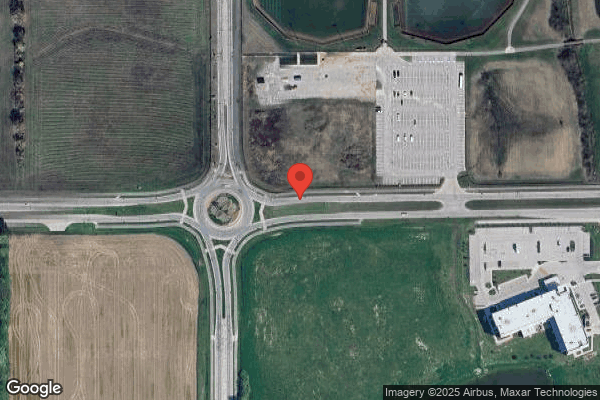

937 E 186TH STREET, WESTFIELD, IN 46074 (317) 804-8044
For profit - Corporation 70 Beds TRILOGY HEALTH SERVICES Data: November 2025
Trust Grade
68/100
#205 of 505 in IN
Last Inspection: April 2025

Within standard 12-15 month inspection cycle. Federal law requires annual inspections.

Overview

Wellbrooke of Westfield has a Trust Grade of C+, indicating that it is slightly above average, but not outstanding. It ranks #205 out of 505 facilities in Indiana, placing it in the top half, and is #8 out of 17 in Hamilton County, meaning there are only a few better local options. The facility is showing improvement, reducing issues from 9 in 2024 to 6 in 2025. Staffing is a concern with a 2/5 rating, reflecting below-average staffing levels, although the turnover rate of 39% is better than the state average of 47%. Additionally, they have incurred fines totaling $9,750, which is higher than 85% of facilities in Indiana, suggesting potential compliance problems. Recent inspections revealed some troubling incidents, such as staff failing to wear masks properly in the kitchen, which could affect food safety for all residents. There was also a serious issue involving a nurse who removed discontinued medications without proper authorization, which poses risks to residents' health and safety. While the facility has strengths, including good quality measures, families should weigh these concerns carefully when considering care options.

Trust Score
C+
68/100
In Indiana
#205/505
Top 40%
Safety Record
Low Risk
No red flags
Inspections
Getting Better
9 → 6 violations
Staff Stability
○ Average
39% turnover. Near Indiana's 48% average. Typical for the industry.
Penalties
⚠ Watch
$9,750 in fines. Higher than 90% of Indiana facilities. Major compliance failures.
Skilled Nurses
○ Average
Each resident gets 32 minutes of Registered Nurse (RN) attention daily — about average for Indiana. RNs are the most trained staff who monitor for health changes.
Violations
⚠ Watch
32 deficiencies on record. Higher than average. Multiple issues found across inspections.
★★★★☆
4.0
Overall Rating
★★☆☆☆
2.0
Staff Levels
★★★★★
5.0
Care Quality
★★★☆☆
3.0
Inspection Score
Stable
2024: 9 issues
2025: 6 issues

The Good

  • 5-Star Quality Measures · Strong clinical quality outcomes
  • Full Sprinkler Coverage · Fire safety systems throughout facility
  • No fines on record
  • Staff turnover below average (39%)

    9 points below Indiana average of 48%

Facility shows strength in quality measures, fire safety.

The Bad

Staff Turnover: 39%

Near Indiana avg (46%)

Typical for the industry

Federal Fines: $9,750

Below median ($33,413)

Minor penalties assessed

Chain: TRILOGY HEALTH SERVICES

Part of a multi-facility chain

Ask about local staffing decisions and management

The Ugly 32 deficiencies on record

Jun 2025 1 deficiency
CONCERN (D) 📢 Someone Reported This

A family member, employee, or ombudsman was alarmed enough to file a formal complaint

Potential for Harm - no one hurt, but risky conditions existed

Deficiency F0583 (Tag F0583)

Could have caused harm · This affected 1 resident

Based on interview and record review, the facility failed to ensure staff did not take and share unauthorized photos of a resident for 2 of 3 residents reviewed for privacy. (Resident B) The deficient...

Read full inspector narrative →
Based on interview and record review, the facility failed to ensure staff did not take and share unauthorized photos of a resident for 2 of 3 residents reviewed for privacy. (Resident B) The deficient practice was corrected on 5/8/25, prior to the start of the survey, and was therefore past noncompliance. Findings include: A Facility Reported Incident (FRI) indicated on 5/7/25, terminated employee Qualified Medication Assistant (QMA) 3 had sent Certified Nursing Assistant (CNA) 2 an unauthorized photo of Resident B and C which had been taken on 4/30/25. 1 The clinical record for Resident B was reviewed on 6/5/25 at 10:15 a.m. The diagnoses included, but were not limited to, anxiety disorder and stage 3 chronic kidney disease. A Brief Interview for Mental Status (BIMS) assessment, dated 4/28/25, indicated Resident B had severe cognitive impairment. 2. The clinical record for Resident C was reviewed on 6/5/25 at 10:20 a.m. The diagnoses included, but were not limited to general anxiety disorder, insomnia, and depression. An assessment, dated 4/11/25, indicated Resident C had severe cognitive impairment. During an interview, on 6/5/25 at 10:15 a.m., the Executive Director (ED) and Clinical Support 5 indicated a former employee took a picture of 2 residents when they were out in the hallway. Resident B was nude, and you could the side of Resident C's face. There were 2 residents in the photo. During an interview, on 6/5/25 at 10:50 a.m., the Assistant Director of Nursing (ADON) indicated staff were not allowed to take pictures of residents. During an interview, 6/5/25 at 10:53 a.m., Registered Nurse (RN) 10 indicated staff were not supposed to be using their phones on the floor and they were not allowed to take pictures of a resident. During an interview, on 6/5/25 at 10:59 a.m., Clinical Support 5 indicated staff were not supposed to be taking pictures of residents with their phones. During an interview, on 6/5/25 at 11:06 a.m., the Executive Director (ED) indicated QMA 3 was not a designated employee to take photos. During an interview, on 6/5/25 at 11:45 a.m., CNA 2 indicated she had woken up in the morning and was sent a text from QMA 3. QMA 3 had sent her Google reviews and a nude picture of Resident B. She then reported the incident to the management. To her knowledge, QMA 3 did not send it to anyone else. Attempts were made to contact QMA 3 but were unsuccessful. A current facility policy, titled Cell Phone, Cameras and Electronic Devices FAQ, dated 3/19/19 and received from Clinical Support 1 on 6/5/25 at 11:00 a.m., indicated .Employees can carry/possess a cell phone during work hours, but the cell phone cannot be used in work areas. Cell phones should also be either turned off or on silent or vibrate mode during working hours .Designated employees may take photos as part of their job duties for business purposes only. The authorized employees are designated by the Executive Director and are usually defined as Department leaders, Life Enrichment Associates, designated social media team members and those with a yellow Photographer name badge .An unauthorized photo of a resident is a violation of the resident's right to privacy and confidentiality The deficient practice was corrected by 5/8/25 after the facility completed education to all staff members and implemented a systemic plan which included staff reeducation on cell phone use and regular audits to ensure compliance. 3.1-3(o) 3.1-3(p)(4) 3.1-3(t)
Apr 2025 5 deficiencies
CONCERN (D)

Potential for Harm - no one hurt, but risky conditions existed

PASARR Coordination (Tag F0644)

Could have caused harm · This affected 1 resident

Based on interview and record review, the facility failed to ensure the pre-admission screening and resident review (PASARR) was completed accurately for 2 of 5 residents reviewed for PASARR. (Residen...

Read full inspector narrative →
Based on interview and record review, the facility failed to ensure the pre-admission screening and resident review (PASARR) was completed accurately for 2 of 5 residents reviewed for PASARR. (Resident 18 and 33) Findings include: 1. The clinical record for Resident 18 was reviewed on 4/23/25 at 8:33 a.m. The diagnoses included, but were not limited to, visual hallucinations, psychosis, and major depressive disorder. The PASARR for Resident 18, dated 3/28/25, did not include all his mental health diagnoses or mental health medications. A physician's order, dated 3/31/25, indicated Resident 18 was to take aripiprazole (an antipsychotic medication). Aripiprazole was not listed on Resident 18's PASARR and the PASARR did not include a mental health diagnosis to adequately justify the need for antipsychotic medication. A physician's order, dated 3/31/25, indicated Resident 18 was to take clonazepam (an anti-anxiety medication). Clonazepam was not listed on Resident 18's PASARR and the PASARR did not include a mental health diagnosis to adequately justify the need for anti-anxiety medication. During an interview, on 4/24/25 at 10:04 a.m., the Director of Nursing (DON) indicated Resident 18's neurologist followed up on all his psychotropic medications which included, but were not limited to, aripiprazole and clonazepam. During an interview, on 4/23/25 at 2:42 p.m., the Social Service Director (SSD) indicated Resident 18's PASARR did not contain all Resident 18's mental health diagnoses or mental health medications and the PASARR needed to be updated. 2. The clinical record for Resident 33 was reviewed on 4/23/25 at 8:38 a.m. The diagnoses included, but were not limited to, insomnia and pain. The PASARR for Resident 33, dated 2/7/25, indicated Resident 33 did not have any mental health diagnoses and did not take any mental health medications. A physician's order, dated 3/18/25, indicated Resident 33 was to take zolpidem (a sedative-hypnotic medication). During an interview, on 4/24/25 at 12:58 p.m., the SSD indicated Resident 33's PASARR did not include any mental health diagnoses or mental health medications. During an interview, on 4/23/25 at 3:10 p.m., the SSD indicated the facility followed the CMS guidelines and did not have a policy related to PASARR. 3.1-16(d)(1)(A) 3.1-16(d)(1)(B)
CONCERN (D)

Potential for Harm - no one hurt, but risky conditions existed

Deficiency F0657 (Tag F0657)

Could have caused harm · This affected 1 resident

2. During an interview, on 4/21/25 at 11:17 a.m., Resident 23 indicated she was not sure when her last care plan meeting was held. The clinical record for Resident 23 was reviewed on 4/25/25 at 9:10 a...

Read full inspector narrative →
2. During an interview, on 4/21/25 at 11:17 a.m., Resident 23 indicated she was not sure when her last care plan meeting was held. The clinical record for Resident 23 was reviewed on 4/25/25 at 9:10 a.m. The diagnoses included, but were not limited to, Alzheimer's disease, dementia without behavioral disturbance, and hypertensive kidney disease. The last documented care plan meeting was 11/7/24. There was no care plan meeting for 2/25 documented in the record. During an interview, on 4/25/25 at 1:09 p.m., the Social Service Director (SSD) indicated there was no documented care plan meeting in February 2025 for Resident 23. 3. During an interview, on 4/21/25 at 10:59 a.m., a family member of Resident 42 indicated they went to a few care planning meetings when Resident 42 had Medicare, but they pay privately now and have not had a meeting recently. The clinical record for Resident 42 was reviewed on 4/24/25 at 2:06 p.m. The diagnoses included, but were not limited to, metabolic encephalopathy (a brain dysfunction caused by underlying metabolic disorders or conditions which disrupt the brain's energy supply or chemical balance), sepsis, and dehydration. The last documented care plan meeting was on 11/4/24. During an interview, on 4/23/25 at 9:53 a.m., the SSD indicated there was no documented care plan meeting in February 2025 for Resident 42. A current facility policy, titled Resident's First Meeting Guidelines, dated as reviewed on 12/17/24 and received from Corporate Support Nurse 3 on 4/25/25 at 2:07 p.m., indicated .Subsequent meetings for non-Medicare residents should be conducted minimally quarterly .Subsequent meetings for Medicare residents should be conducted minimally quarterly A current facility policy, titled Comprehensive Care Plan Guideline, dated as revised on 5/22/18 and received from the MDS Clinical Support on 4/24/25 at 11:35 a.m., indicated .Comprehensive care plans need to remain accurate and current. A. New interventions will be added and updated during or directly following the CCM meeting. B. Newly recognized problems will have a care plan developed and added after CCM meeting 3.1-35(a) 3.1-35(d)(2)(B) Based on interview and record review, the facility failed to ensure there was sufficient documentation to show a behavior care plan was prepared by an interdisciplinary team, which included the participation of the resident and the resident's representative prior to initiation and to ensure care plan meetings were conducted and documented for 3 of 8 residents reviewed for care plans. (Resident 2, 23 and 42) Findings include: 1. The clinical record for Resident 2 was reviewed on 4/23/25 at 10:01 a.m. The diagnoses included, but were not limited to, Alzheimer's disease, depression, and dementia. A quarterly Minimum Data Set (MDS) assessment, dated 2/20/25, indicated the resident was cognitively intact and had no mood or behavior concerns. A care plan, dated 4/18/25, indicated Resident 2 had impaired cognition with a short-term memory impairment and was at risk for confusion, disorientation, an altered mood, and an impaired or reduced safety awareness related to Alzheimer's disease and dementia. A care plan, dated 4/22/25, indicated Resident 2 demonstrated inappropriate behaviors which included making false accusations towards staff and family. The clinical record for Resident 2 did not contain documentation to indicate she made false accusations towards staff or family. During an interview, on 4/23/25 at 11:49 a.m., Licensed Practical Nurse (LPN) 6 indicated Resident 2 did not necessarily make false statements but she did embellish things sometimes. During an interview, on 4/24/25 at 10:32 a.m., Clinical Support 3 indicated care plan revisions were often done during their clinical review or interdisciplinary team (IDT) meetings. During an interview, on 4/25/25 at 10:12 a.m., Clinical Support 3 indicated she would look for documentation for the IDT meeting which was held prior to initiating the care plan. She did not find documentation in the clinical record where the resident made false statements. The facility should document the IDT meetings in the clinical record. During an interview, on 4/25/25 at 11:19 a.m., the Director of Nursing indicated there was no IDT meeting documented.
CONCERN (D)

Potential for Harm - no one hurt, but risky conditions existed

Respiratory Care (Tag F0695)

Could have caused harm · This affected 1 resident

Based on observation, interview and record review, the facility failed to ensure a resident's oxygen concentrator was turned on to deliver oxygen therapy according to the physician's order and failed ...

Read full inspector narrative →
Based on observation, interview and record review, the facility failed to ensure a resident's oxygen concentrator was turned on to deliver oxygen therapy according to the physician's order and failed to obtain a physician's order for the use of oxygen for 2 of 4 residents reviewed for respiratory care. (Resident 15 and 201) Findings include: 1. During an observation, on 4/21/25 at 1:40 p.m., a staff member walked out of Resident 15's room. Upon entering the room, Resident 15 was observed to be wearing a nasal cannula, but the oxygen concentrator was not turned on. During an observation and interview, on 4/21/25 at 1:47 p.m., Resident 15's oxygen concentrator was turned off. Licensed Practical Nurse (LPN) 6 indicated the oxygen was turned off and it should be turned on. The clinical record for Resident 15 was reviewed on 4/22/25 at 2:01 p.m. The diagnoses included, but were not limited to, a history of Covid 19, chronic respiratory failure with hypoxia, and asthma. A care plan, dated 11/11/23, indicated the resident had a potential for shortness of breath while lying flat related to asthma. Interventions included, but were not limited to, administer oxygen per the physician's orders. A physician's order, dated 4/10/25, indicated Resident 15 was to receive oxygen at 3 liters per minute. 2. During an observation, on 4/21/25 at 10:17 a.m., Resident 201 was sitting in her wheelchair in her room. An oxygen concentrator was in the corner of the room and the oxygen tubing was in a bag. During an observation and interview, on 4/22/25 at 8:49 a.m., Resident 201 was sitting in her wheelchair in her room. Her oxygen tube and cannula were lying on her bed, and the oxygen concentrator was on and running. An imprint from the oxygen tubing and nasal cannula was observed on Resident 201's face. Resident 201 indicated she wore oxygen at night while in bed. The clinical record for Resident 201 was reviewed on 4/22/25 at 12:43 p.m. The diagnoses included, but were not limited to, malignant neoplasm of right main bronchus, chronic obstructive pulmonary disease, and pan lobular emphysema. A care plan, dated 4/9/25, indicated Resident 201 had the potential for complications and a functional and cognitive status decline related to her respiratory disease and to administer oxygen per the physician's orders. A physician's order for oxygen was not found in the electronic health record. The resident's hospice binder indicated the hospice RN visited the resident on 4/8/25 and documented the need for oxygen at 2 liters per minute. A physician's order for oxygen was not found in the hospice binder. During an interview, on 4/22/25 at 12:57 p.m., LPN 5 indicated a physician's order for the use of oxygen was not found in the electronic health record. During an interview, on 4/22/25 at 1:04 p.m., the Assistant Director of Nursing (ADON) indicated she was not able to find a physician's order in the electronic health record for the use of oxygen. She observed the oxygen concentrator in Resident 201's room and indicated the concentrator was delivered by the hospice company. She reviewed the hospice binder and was unable to find a written order for the use of oxygen. A current facility policy, titled Guidelines for Medication Orders, dated 12/17/24 and received from the Clinical Support 3 on 4/22/25 at 1:38 p.m., indicated .The purpose of this policy is to: To establish uniform guidelines in the receiving and recording of medication orders .A current list of orders will be maintained in the electronic clinical record of each resident .Oxygen orders .When recording oxygen orders specify .The rate of flow, route and rationale A current facility policy, titled Administration of Oxygen, dated 12/13/24 and received from the Clinical Support 3 on 4/22/25 at 1:38 p.m., indicated .Guidelines to properly Administering Oxygen and any Respiratory procedure .Verify physician's order for the procedure .Turn on the oxygen 3.1-47(a)(6)
CONCERN (D)

Potential for Harm - no one hurt, but risky conditions existed

Pharmacy Services (Tag F0755)

Could have caused harm · This affected 1 resident

Based on observation, interview and record review, the facility failed to ensure a medication was labeled with a resident's name in 1 of 2 medication carts and staff signed the narcotic count log duri...

Read full inspector narrative →
Based on observation, interview and record review, the facility failed to ensure a medication was labeled with a resident's name in 1 of 2 medication carts and staff signed the narcotic count log during shift change in 2 of 2 narcotic books reviewed for medication storage. (boardwalk south and 200 south) Findings include: 1. During an observation and interview, on 4/22/25 at 10:24 a.m., a Lantus (insulin) injectable pen was observed inside the boardwalk south medication cart, and it was not labeled with the name of the resident. LPN 5 indicated there should have been a name on the insulin pen. 2. The boardwalk south medication cart Narcotic Count Sheet for April 2025 indicated there were missing signatures for the oncoming shift: On 4/4/25, for the night shift. On 4/6/25, for the evening shift. On 4/12/25, for the day and evening shift. The sheet was missing signatures for the off going shift: On 4/4/25, for the night shift. On 4/6/25, for the evening shift. On 4/12/25, for the evening and night shift. 3. The 200 south medication cart Narcotic Count Sheet for April 2025, indicated there were missing signatures for the oncoming shift: On 4/1/25, for the evening shift. On 4/4/25, for the night shift. On 4/6/25, for the evening and night shift. The sheet was missing signatures for the off going shift: On 4/1/25, for the night shift. On 4/4/25, for the night shift. On 4/6/25, for the evening and night shift. During an interview, on 4/23/25 at 9:23 a.m., LPN 6 indicated the narcotic count sheet needed to be signed every shift change. A current facility policy, titled Guidelines for Narcotic Count, dated 12/17/24 and received from the Corporate Support Nurse on 4/22/25 at 11:09 a.m., indicated .Each controlled drug shall have a corresponding count sheet to track distribution .The narcotic book shall contain a sheet providing space for the off going and oncoming nursing staff to record their signature indicating the narcotics have been reviewed .Both staff members shall signed that the narcotic count is accurately reconciled A current facility policy, titled MEDICATION ORDERING AND RECEIVING FROM PHARMACY, dated November 2018 and received from the Clinical Support Nurse on 4/23/25 at 12:03 p.m., indicated .Each prescription medication label include .Resident's name 3.1-25(e)(3) 3.1-25(k)(1)
CONCERN (D)

Potential for Harm - no one hurt, but risky conditions existed

Medical Records (Tag F0842)

Could have caused harm · This affected 1 resident

Based on interview and record review, the facility failed to ensure a resident's medical record was complete and accurately documented related to meal intakes for 1 of 1 resident reviewed for document...

Read full inspector narrative →
Based on interview and record review, the facility failed to ensure a resident's medical record was complete and accurately documented related to meal intakes for 1 of 1 resident reviewed for documentation. (Resident 2) Findings include: During an interview, on 4/22/25 at 10:12 a.m., Resident 2 indicated she did not get her lunch meal delivered to her sometimes. The clinical record for Resident 2 was reviewed on 4/23/25 at 10:01 a.m. The diagnoses included, but were not limited to, vitamin deficiency, repeated falls, and muscle weakness. The meal intakes for Resident 2 were reviewed and indicated: On 3/27/25, no lunch intake was documented. On 4/3/25, no lunch intake was documented. On 4/9/25, no lunch intake was documented. On 4/20/25, no lunch intake was documented. On 4/23/25, no lunch intake was documented. During an interview, on 4/24/25 at 11:18 a.m., Licensed Practical Nurse (LPN) 5 indicated meal intakes were charted in the care assist and would pop up in the vitals tab. Meal intakes should be charted before the end of the staff member's shift. If a resident refused a meal, it would be charted as refused. During an interview, on 4/24/25 at 10:32 a.m., the Clinical Support nurse indicated meals were documented in the record under the meal intake tab. She did not see the lunch intakes documented in the record. A current facility policy, titled Guidelines for Meal Service, dated 5/22/20 and received from the Clinical Support on 4/24/25 at 11:35 a.m., indicated .Meal intakes should be recorded in the electronic health record 3.1-50(a)(1) 3.1-50(a)(2)
Apr 2024 9 deficiencies
CONCERN (D)

Potential for Harm - no one hurt, but risky conditions existed

Deficiency F0582 (Tag F0582)

Could have caused harm · This affected 1 resident

Based on interview and record review, the facility failed to ensure the Skilled Nursing Facility Advance Beneficiary Notice of Non-coverage (SNF ABN) options were documented as reviewed with the resid...

Read full inspector narrative →
Based on interview and record review, the facility failed to ensure the Skilled Nursing Facility Advance Beneficiary Notice of Non-coverage (SNF ABN) options were documented as reviewed with the resident in the Electronic Health Record (EHR) and the resident choose correctly for 2 of 3 residents reviewed for beneficiary notices. (Resident 20 and I) Findings include: 1. The SNF ABN notice for Resident 20 indicated, starting on 2/21/24, the resident may have to pay out of pocket for the care listed which may not meet Medicare requirements. The care included skilled nursing, physical therapy, occupational therapy, speech therapy, labs, X-ray, treatments, and extras as needed. The resident was to make an informed decision about their care. The resident chose Option 3 which indicated the resident did not want the care listed and understood she was not responsible for paying for the care. The resident remained in the facility and continued to receive some of the care listed on the SNF ABN notice. 2. The SNF ABN notice for Resident I indicated, starting on 2/3/24, the resident may have to pay out of pocket for the care listed which may not meet Medicare requirements. The care included skilled nursing, physical therapy, occupational therapy, speech therapy, labs, X-ray, treatments, and extras as needed. The resident was to make an informed decision about their care. The resident chose Option 3 which indicated the resident did not want the care listed and understood he was not responsible for paying for the care. The resident remained in the facility and continued to receive some of the care listed on the SNF ABN notice. During an interview, on 4/1/24 at 3:00 p.m., the Social Services Director (SSD) indicated she thought option 3 was if the resident wanted to continue the care although did not want Medicare to be billed. She indicated she guessed she was advising the residents wrong about which option to choose. She did not document the conversations with the residents/representatives about the SNF ABN notice and the options which were explained in the electronic health record. A current policy, titled NOMNC [notice of Medicare non-coverage] Completion SOP [standard operating procedure], dated as reviewed on 10/24/22 and received from the Clinical Support Nurse on 4/2/24 at 3:00 p.m., indicated .To streamline communication for completion of the Notice of Medicare Non-Coverage [NOMNC] and Skilled Nursing Facility Advanced Beneficiary Notice [SNF ABN], this SOP outlines the expectations for completion .When is a campus required to issue an ABN .Only issue when the resident intends to continue services and the campus believes the services may not be covered under Medicare 3.1-4(f)(3)
CONCERN (D)

Potential for Harm - no one hurt, but risky conditions existed

Transfer Notice (Tag F0623)

Could have caused harm · This affected 1 resident

Based on interview and record review, the facility failed to notify the Office of the State Long-Term Care Ombudsman when a resident was hospitalized for 1 of 3 residents reviewed for hospitalization....

Read full inspector narrative →
Based on interview and record review, the facility failed to notify the Office of the State Long-Term Care Ombudsman when a resident was hospitalized for 1 of 3 residents reviewed for hospitalization. (Resident J) Finding includes: The clinical record for Resident J was reviewed on 4/4/24 at 11:35 a.m. The diagnoses included, but were not limited to, a urinary tract infection, urine retention, and obstruction and reflux uropathy (obstruction of urinary flow). A progress note, dated 7/18/23, indicated the resident was sent to the hospital to be evaluated and treated. A progress note, dated 7/30/23, indicated the resident was sent to the hospital to be evaluated and treated. The Electronic Health Record did not include notification to the Office of the State Long-Term Care Ombudsman for Resident J's hospital discharges on 7/18/23 and 7/30/23. During an interview, on 4/2/24 at 4:40 p.m., the Clinical Support Nurse indicated the Ombudsman was not notified of Resident J going out to the hospital on 7/18/23 and 7/30/23. The staff did not know they were required to report to the Ombudsman. They had no documentation to support the facility contacted the Ombudsman and they should for any transfer and discharges. A current policy, titled Ombudsman Notification, dated as revised on 1/15/21 and received from the Clinical Support Nurse on 4/2/24 at 4:16 p.m., indicated .CMS Requirements of Participation, this SOP will detail expectations on communication of facility-initiated transfer or discharges to the State Long-Term Care Ombudsman .Federal regulation requires that the facility sends a copy of the notice of transfer or discharge to a representative of the Office of the State Long-Term Care Ombudsman 3.1-12(a)(6)(A)(iv)
CONCERN (D)

Potential for Harm - no one hurt, but risky conditions existed

Quality of Care (Tag F0684)

Could have caused harm · This affected 1 resident

Based on interview and record review, the facility failed to ensure a physician's order was transcribed correctly to the Medication Administration Record (MAR), to ensure a physician's order was follo...

Read full inspector narrative →
Based on interview and record review, the facility failed to ensure a physician's order was transcribed correctly to the Medication Administration Record (MAR), to ensure a physician's order was followed, and to notify the physician when a physician's order was not followed for 1 of 1 resident reviewed for dialysis (Resident 25) and failed to monitor and document bowel movements for 2 of 5 residents reviewed for bowel and bladder function. (Resident F and G) Findings include: 1. The clinical record for Resident 25 was reviewed on 4/3/24 at 4:19 p.m. The diagnoses included, but were not limited to, kidney disease with heart failure and with stage 5 chronic kidney disease or end stage renal disease, type 2 diabetes mellitus with diabetic chronic kidney disease, and dependence on renal dialysis. A care plan, dated 1/11/24, indicated the resident received diuretic medication related to congestive heart failure (CHF). The approaches included, but were not limited to, administering the medications as ordered by the physician and reporting adverse drug reactions as needed. A care plan, dated 1/22/24, indicated the resident had a potential for weight fluctuations due to receiving dialysis treatments. The goal included maintaining appropriate weights. The approaches included, but were not limited to, obtaining weight as ordered and periodically reviewing renal specific weights. A physician's order, dated 12/9/23, indicated to give furosemide (a diuretic) 40 milligram (mg) daily as needed (prn) for a weight gain of 5 pounds in one week for a diagnosis of acute on chronic diastolic congestive heart failure. A physician's order, dated 12/14/23, indicated to weigh the resident once a month. The vital records form indicated the resident had the following weights: a. On 12/13/23, the weight was 193.8 pounds. b. On 12/18/23, the weight was 213.2 pounds which was a 19.4-pound weight gain in 5 days. c. On 12/27/23, the weight was 194 pounds. d. On 1/3/24, the weight was 202.4 pounds which was an 8.4-pound weight gain in 7 days. e. On 2/9/24, the weight was 189.8 pounds. f. On 2/12/24, the weight was 197.5 pounds which was a 7.7-pound weight gain in 3 days. g. On 3/8/24, the weight was 186.8 pounds. h. On 3/15/24, the weight was 194.2 pounds which was a 7.4-pound weight gain in 7 days. The MAR, dated 12/1/23 through 4/4/24, indicated to give furosemide 40 mg once a day as needed for acute on chronic diastolic congestive heart failure. The MAR did not include for a weight gain of 5 pounds in one week and did not include any resident weights. The MAR, dated December 2023 through April 2024, showed no furosemide as needed had been administered at all since the physician's order had been obtained. During an interview, on 4/4/24 at 12:07 p.m., the Clinical Support Nurse indicated the physician's order should have been clarified, and the resident's weights should have been recorded on the MAR to show if there had been the 5-pound weight gain. The Clinical Support Nurse indicated the facility pharmacy had not noted a discrepancy with this order. The physician was not notified the order had not been followed. 2. The clinical record for Resident F was reviewed on 4/1/24 at 9:00 a.m. The diagnoses included, but were not limited to, Parkinsonism, dementia, and hypothyroidism. A quarterly Minimum Data Set assessment, dated 1/29/24, indicated the resident was moderately impaired cognitively and was frequently incontinent of bowel. A care plan, initiated 2/16/24, indicated the resident had a potential for constipation. Interventions included, but were not limited to, documenting the frequency and character of bowel movements, and to administer medications/enemas/suppository as ordered. A physician's order, initiated on 11/2/23, indicated to give Miralax 17 grams once a day as needed. A physician's order, initiated on 11/19/23, indicated if the resident had no bowel movement within 72 hours the following bowel protocol may be implemented; give 2 tablespoons of Natural Laxative as needed once a day, if no results within 24 hours after the Natural Laxative, then give 30 cc (equal to 30 milliliters) of Milk of Magnesia (MOM) as needed once a day. If no results within approximately 12 hours of the MOM administration, give a Dulcolax suppository as needed once a day. If the results are not satisfactory within 2 hours of the suppository administration give a fleet's enema as needed once a day. The clinical record did not have a recorded bowel movement from 1/1/24 to 1/4/24 (4 days), 1/30/24 to 2/3/24 (5 days), and 2/27/24 to 3/2/24 (5 days). There was no documentation of a bowel assessment in the record or staff had spoken to the resident about his bowel movements. There was no ineffective bowel event or abdominal assessment found in the record. 3. The record for Resident G was reviewed on 4/2/24 at 10:14 a.m. The diagnoses included, but were not limited to, constipation, epigastric pain, and difficulty walking. An annual Minimum Data Set assessment, dated 2/2/24, indicated the resident was moderately cognitively impaired. A care plan, initiated 9/6/20, indicated the resident had the potential for constipation. Interventions included, but were not limited to, documenting frequency and character of bowel movements and to administer medications/enemas/suppositories as ordered. A physician's order, dated 12/9/23, indicated may use bowel protocol as needed. A physician's order, dated 12/9/23, indicated docusate sodium capsule (a laxative) 100 milligrams. Give two times a day as needed for constipation. A physician's order, dated 12/9/23, indicated to give Miralax powder 17 grams daily as needed for constipation. There was no recorded bowel movement found in the record for 2/20/24 to 2/25/24 (6 days), 2/28/24 to 3/2/24 (4 days) and 3/4/24 to 3/11/24 (8 days). There was no documentation of a bowel assessment in the record or staff had spoken to the resident about his bowel movements. During an interview, on 4/1/24 at 3:44 p.m., the Corporate Support Nurse indicated the facility did not have nursing notes, a bowel assessment, or observations noted, and the staff should ask the resident if they had a bowel movement. A current policy, titled Guidelines for Medication Orders, dated as reviewed on 12/31/23 and received from the Clinical Support Nurse on 4/3/24 at 2:34 p.m., indicated .To establish uniform guidelines in the receiving and recording of medication orders .PRN Medication orders .When recording PRN orders specify .The type, route, dosage, frequency, strength and the reason for administration A current policy, titled Physician-Provider Notification Guidelines, dated as reviewed on 12/31/23 and received from the Clinical Support Nurse on 4/4/24 at 4:26 p.m., indicated .To ensure the resident's physician or practitioner .is aware of all diagnostic testing results or change in condition in a timely manner to evaluate condition for need of provision of appropriate interventions for care A current facility policy, titled Bowel Protocol Guidelines, dated as last reviewed on 12/31/24 and received from the Corporate Support Nurse on 4/1/24 at 3:44 p.m., indicated .The Ineffective Bowl Pattern Event should be initiated for any resident not have a BM (bowel movement) with 72 hours .A progress note associated to the Ineffective Bowel Event, should be completed until the resident has a BM .The progress note should include abdominal distention, pain and bowel sounds .Nursing staff shall assess for effectiveness, orders may be written as follows .If no bowel movement within 72 hours, 2 tablespoons (30 cc) of 'Natural Laxative' .if no results within 24 hours, after .give 30 cc of Milk of Magnesia .if no results within approximately 12 hours after MOM administer Dulcolax suppository .If results of suppository are not satisfactory within 2 hours give Fleets enema .Nursing staff will enter bowel movements, in the .system each shift 3.1-37(a)
CONCERN (D)

Potential for Harm - no one hurt, but risky conditions existed

Respiratory Care (Tag F0695)

Could have caused harm · This affected 1 resident

Based on observation, interview, and record review, the facility failed to ensure oxygen was administered according to an active physician's order, failed to administer oxygen at the specified flow ra...

Read full inspector narrative →
Based on observation, interview, and record review, the facility failed to ensure oxygen was administered according to an active physician's order, failed to administer oxygen at the specified flow rate once an order was obtained, and failed to label the oxygen tubing for 1 of 2 residents reviewed for respiratory care. (Resident 307) Finding includes: During an observation, on 3/27/24 at 12:36 p.m., Resident 307 was wearing oxygen at a flow rate of 3 liters and the nasal cannula tubing was not labeled with a date. During an observation, on 3/28/24 at 9:45 a.m., Resident 307 was wearing oxygen at 2.5 liters. During an observation, on 3/29/24 at 10:02 a.m., Resident 307 was wearing oxygen at 2.5 liters. The clinical record for Resident 307 was reviewed on 3/28/24 at 3:45 p.m. The diagnoses included, but were not limited to, acute respiratory failure with hypoxia, pleural effusion, and acute posthemorrhagic anemia. The electronic medical record did not contain orders for oxygen, a flow rate, or nasal cannula and humidity change frequency. A physician's order for 2 liters of oxygen prn (as needed) was started on 3/28/24. A vital signs record, dated 3/25/24 at 6:35 a.m., indicated the oxygen flow rate was at 3 liters. A vital signs record, dated 3/27/24 at 3:16 p.m., indicated the oxygen flow rate was at 3 liters. During an interview, on 3/27/24 at 1:12 p.m., LPN 7 indicated Resident 307 was currently on oxygen. During an interview, on 3/29/24 at 11:23 a.m., the Clinical Support Nurse indicated a physician's order for oxygen administration was required and the tubing was to be labeled with a date. During an interview, on 4/4/24 at 2:09 p.m., RN 3 indicated the nurses were to administer oxygen at the flow rate which was ordered by the physician. A current policy, titled Administration of Oxygen, dated as approved on 5/2018 and received from the Executive Director on 4/2/24 at 3:35 p.m., indicated .Verify physician's order for the procedure .Date the tubing for the date it was initiated .Adjust the oxygen delivery device so that .the proper flow of oxygen is administered 3.1-47(a)(6)
CONCERN (D) 📢 Someone Reported This

A family member, employee, or ombudsman was alarmed enough to file a formal complaint

Potential for Harm - no one hurt, but risky conditions existed

Deficiency F0757 (Tag F0757)

Could have caused harm · This affected 1 resident

Based on interview and record review, the facility failed to ensure a lab was obtained according to the physician's order and prior to giving an antibiotic for 1 of 2 residents reviewed for antibiotic...

Read full inspector narrative →
Based on interview and record review, the facility failed to ensure a lab was obtained according to the physician's order and prior to giving an antibiotic for 1 of 2 residents reviewed for antibiotics. (Resident I) Findings include: The clinical record for Resident I was reviewed on 4/3/24 at 2:56 p.m. The diagnoses included, but were not limited to, right neck femur (thigh bone) fracture, methicillin-resistant staphylococcus aureus (infection usually associated with invasive procedures or devices, such as surgeries) and anxiety disorder. A care plan, dated as revised on 4/1/24, indicated the resident required Intravenous (IV) medication related to an infection. Interventions included, but were not limited to, assessing for complication from the IV site and administering IV medications as ordered. A physician's order, dated 3/14/24 to 3/25/24, indicated vancomycin (an antibiotic) reconstituted solution infusing 1.5 gram by IV daily. A physician's order, dated 3/18/24, indicated to obtain a vancomycin trough (trough levels should be obtained within 30 minutes before the next scheduled dose) lab draw one time. No results for the lab draw ordered on 3/18/24 were in the resident's medical record. A physician's order, dated 3/24/24, indicated to obtain a vancomycin trough lab draw one time. A physician's order, dated 3/26/24 to 4/3/24, indicated vancomycin 750 milligram (ml) intravenous solution every 12 hours. During an interview, on 4/3/24 at 3:20 p.m., the Assistant Director of Nurse Services (ADNS) indicated the vancomycin lab was ordered on 3/18/24. The pharmacy called on 3/21/24, to ask for the results to adjust the resident's medication. The ADNS had no record of the lab results for 3/18/24. The pharmacy told the ADNS to continue the same dosage until the lab results were available. On 3/24/24, the antibiotic dosage was adjusted. The ADNS indicated the nurse either did not put the blood drawn in the correct tub or the lab lost the specimen. During an interview, on 4/3/24 at 12:23 p.m., the Clinical Support Nurse indicated the facility should have obtained the vancomycin level on the resident and they did not. A current policy, titled Ordering Lab Test, not dated and received from the Clinical Support Nurse on 4/3/24 at 12:21 a.m., indicated .Once the specimen has been collected, call [name of lab] Customer Care Team to arrange for transport of your STAT (immediate) specimen(s) to the STAT partner with which we have contracted to you A current policy, titled Antibiotic Stewardship Guideline, dated 11/10/17 and received from the Executive Director at entrance, indicated .Optimize the treatment of infections by ensuring that residents who require an antibiotic, are prescribed the appropriate antibiotic. Reduce the risk of adverse events, including the development of antibiotic-resistant organisms, from unnecessary or inappropriate antibiotic use .Obtain and review laboratory reports for campus trends of resistance. Monitor antibiotic resistance patterns (MRSA) .Pharmacy provider will assist in review of all antibiotic usage for appropriateness 3.1-48(a)(3)
CONCERN (D)

Potential for Harm - no one hurt, but risky conditions existed

Medication Errors (Tag F0758)

Could have caused harm · This affected 1 resident

Based on interview and record review, the facility failed to ensure a correct diagnosis was added to an antipsychotic order and to monitor for psychotic symptoms for 1 of 5 residents reviewed for unne...

Read full inspector narrative →
Based on interview and record review, the facility failed to ensure a correct diagnosis was added to an antipsychotic order and to monitor for psychotic symptoms for 1 of 5 residents reviewed for unnecessary medications. (Resident 10) Finding includes: The clinical record for Resident 10 was reviewed on 4/1/24 at 11:48 a.m. The diagnoses included, but were not limited to, mild cognitive impairment, major depressive disorder, anxiety disorder, and mild intellectual disabilities. A physician's order, dated 12/20/22, indicated to give aripiprazole (an antipsychotic) 10 milligram (mg) once a day for the single episode major depressive disorder. A care plan, dated 12/20/22, indicated the resident received an antipsychotic medication for a major depressive disorder. The approaches included, but were not limited to, administer medications as ordered by the physician, attempt a gradual dose reduction (GDR) in two separate quarters during the first year and yearly unless clinically contraindicated and attempt to give the lowest dose possible. A psychiatry progress note, dated 10/11/23, indicated the resident denied any changes to his mood or perceptual disturbance. The diagnoses and plan included continuing the aripiprazole 10 mg daily for the major depressive disorder, recurrent severe with psychotic symptoms. The resident had a history of psychosis with auditory hallucinations. The physician's orders did not include the psychotic symptoms and auditory hallucinations or the severe, recurrent major depressive disorder. The care plans did not include monitoring the resident for psychosis and auditory hallucinations. During an interview, on 4/4/24 at 10:27 a.m., the Clinical Support Nurse indicated the electronic health record (EHR) did not contain any monitoring for auditory hallucinations. During an interview, on 4/4/24 at 11:04 a.m., the Clinical Support Nurse indicated the Social Services Director (SSD) was not aware of the auditory hallucinations and did not have monitoring in place or a care plan for auditory hallucinations. During an interview, on 4/4/24 at 11:21 a.m., the Clinical Support Nurse indicated the resident's past hospital records indicated depression and did not include major depression, recurrent and severe with psychosis and auditory hallucinations. The psychiatric provider notes were given to the Social Services Director (SSD) and the clinical leadership should have looked at the notes and seen the diagnosis of psychoses and auditory hallucinations. These diagnoses should have been reviewed and added to the electronic health record. The facility pharmacy did not note a discrepancy for the aripiprazole being given for a single episode of major depression. A current policy, titled Psychotropic Medication Usage and Gradual Dose Reductions, dated as reviewed on 12/31/23 and received from the Clinical Support Nurse on 4/4/24 at 11:35 a.m., indicated .To ensure every effort is made for residents receiving psychoactive mediations to obtain the maximum benefit with minimal unwanted side effects through appropriate use, evaluation and monitoring by the interdisciplinary team .Residents shall receive psychotropic medications only if designated medically necessary by the prescriber, with appropriate diagnosis or documentation to support its usage. The medical necessity will be documented in the resident's medical record and the care planning process .Regular monthly review of antipsychotics in CAR [clinically at risk] for continued need, appropriate dosage, side effects, risks and/or benefits will be conducted, to ensure the use of psychopharmacologic medications are therapeutic and remain beneficial to the resident . 3.1-48(a)(3)
CONCERN (D)

Potential for Harm - no one hurt, but risky conditions existed

Deficiency F0839 (Tag F0839)

Could have caused harm · This affected 1 resident

Based on interview and record review, the facility failed to ensure a staff member had a valid nursing license for 1 of 21 nurses reviewed for current licenses. (Registered Nurse 9) Finding includes: ...

Read full inspector narrative →
Based on interview and record review, the facility failed to ensure a staff member had a valid nursing license for 1 of 21 nurses reviewed for current licenses. (Registered Nurse 9) Finding includes: During the staff nurse license review, on 4/3/24 at 10:32 a.m., Registered Nurse (RN) 9 had a RN license for the state of New Mexico. RN 9 did not have a nurse compact license (a license which included multiple states). The RN license for the State of Indiana was pending. RN 9 had worked the following shifts at the facility: a. Night shift in training on 3/10/24. b. Night shift in training on 3/12/24. c. Night shift on 3/15/24. d. Night shift on 3/16/24. e. Night shift on 3/17/24. f. Night shift on 3/18/24. g. Evening shift on 3/20/24. h. Evening shift from 6:00 p.m. until 6:00 a.m., on 3/22/24. i. Evening shift from 6:00 p.m. until 6:00 a.m., on 3/23/24. j. Evening shift from 6:00 p.m. until 6:00 a.m., on 3/24/24. k. Evening shift on 3/26/24. l. Evening shift on 3/27/24. m. Night shift on 3/29/24. n. Night shift on 3/30/24. o. Night shift on 3/31/24. p. Evening shift 4/2/24. During an interview, on 4/3/24 at 10:34 a.m., the Executive Director (ED) indicated she thought RN 9 had a valid Indiana license even though it was not showing on the Indiana Professional Licensing Agency website. During an interview, on 4/3/24 at 3:01 p.m., the Clinical Support Nurse indicated RN 9 had applied for her Indiana RN license in February 2024 and had not received it yet. Someone in the facility's corporate staff had told them RN 9 could work while her Indiana license was pending. A current policy, titled Background Check Screening Policy, dated as last updated June 2023 and received from the Clinical Support Nurse on 4/3/24 at 3:43 p.m., indicated .Professional credential, work history and personal and professional reference checks will be verified prior to an offer being extended 3.1-14(s)
CONCERN (D)

Potential for Harm - no one hurt, but risky conditions existed

Infection Control (Tag F0880)

Could have caused harm · This affected 1 resident

Based on observation, interview and record review, the facility failed to ensure medications were handled in a sanitary manner for 1 of 7 residents observed for medication administration (Resident D) ...

Read full inspector narrative →
Based on observation, interview and record review, the facility failed to ensure medications were handled in a sanitary manner for 1 of 7 residents observed for medication administration (Resident D) and failed to ensure staff transported clean linen/gowns in a manner which prevents contamination for 2 of 3 staff observed transporting linen. (Housekeeper 5 and CNA 4) Findings include: 1. During a medication administration observation, on 4/1/24 at 11:41 a.m., RN 3 was observed to take a clonidine (a blood pressure medication) 0.2 milligrams from the packaging and put it into her hand, then put the medication into the medication cup after she handled it with her bare hand. During an observation and interview, on 4/1/24 at 11:41 a.m., RN 3 indicated she did put the medication in her hand and when informed of the concern with infection control, she indicated well I guess we won't do that again. RN 3 was then observed to carry the medication to Resident D's room for administration. The resident was not in the room. RN 3 then returned to her medication cart, put the resident information on the outside of the cup, placed a second medication cup on top of the pill in the cup, taped the cups together and placed it in the top drawer of her cart. She was not observed to destroy the medication she handled with her hands or retrieve a new pill for the resident. During an interview, on 4/1/24 at 12:02 p.m., the Executive Director indicated staff were not to put medications into their hands or touch the medications with their hands. 2. During a random observation, on 4/1/24 at 10:15 a.m., Housekeeper 5 was observed to transport clean bed linen pressed against her upper left side of her body with the linen in contact with her clothing. Housekeeper 5 was not able to describe the proper way to transport clean linen. She was not observed to replace the linen with clean linen and proceeded to take the linen to the room. 3. During a random observation, on 4/1/24 at 10:22 a.m., CNA 4 was observed carrying clean linen/gown with the items pressed against her shirt. She was not able to explain the proper way to transport linens. A facility policy, titled Specific Medication Administration Procedures, dated as revised on 1/17 and received from the Corporate Support Nurse on 4/1/24 at 2:26 p.m., indicated .administer medications in a safe and effective manner A facility policy, titled Guidelines for Handling Linen, dated as last reviewed 12/31/23 and received from the Corporate Support Nurse on 4/2/24 at 11:25 a.m., indicated .PURPOSE: To provide clean, fresh linen to each resident .To prevent contamination of clean linen .Linens should be carried away from the body to prevent contamination from clothing 3.1-18(b) 3.1-19(g)(2)
MINOR (C)

Minor Issue - procedural, no safety impact

Staffing Information (Tag F0732)

Minor procedural issue · This affected most or all residents

Based on observation, interview and record review, the facility failed to ensure a current nurse staff posting was displayed daily at the beginning of each shift for 1 of 7 days reviewed for nurse sta...

Read full inspector narrative →
Based on observation, interview and record review, the facility failed to ensure a current nurse staff posting was displayed daily at the beginning of each shift for 1 of 7 days reviewed for nurse staff posting. (3/27/24) Finding includes: During an observation, on 3/27/24 at 11:06 a.m., the daily nurse staff posting displayed at the reception desk was dated for 3/25/24. During an interview, on 3/27/24 at 11:08 a.m., the Executive Director (ED) indicated the scheduler was off and the daily staff posting was not updated. The daily staff posting should be displayed daily. A current policy, titled Guidelines for Staff Posting, dated as revised on 5/11/16 and received from the Clinical Support Nurse on 3/28/24 at 11:51 a.m., indicated .To ensure compliance with federal regulations requiring posting on a daily basis for each shift, the number of nursing personnel responsible for providing direct resident care .At the beginning of the day the number and amount of hours of licensed nurses (RN and LPN) and the number and hours of unlicensed nursing personnel, per shift, who provide direct care to residents will be posted .Staffing sheets should be posted in a common area easily visible upon entry to the campus 3.1-17(a)
Nov 2023 2 deficiencies
CONCERN (E) 📢 Someone Reported This

A family member, employee, or ombudsman was alarmed enough to file a formal complaint

Potential for Harm - no one hurt, but risky conditions existed

Deficiency F0602 (Tag F0602)

Could have caused harm · This affected multiple residents

Based on interview and record review, the facility failed to protect residents from misappropriation of property, specifically medications, when a Registered Nurse removed discontinued medications fro...

Read full inspector narrative →
Based on interview and record review, the facility failed to protect residents from misappropriation of property, specifically medications, when a Registered Nurse removed discontinued medications from the facility without consent and ordered medications without the authorization of a licensed medical provider and then removed them from the facility for 5 of 5 residents reviewed for misappropriation of property. (Resident 2, 3, 4, 5, and 6) The deficient practice was corrected on 11/02/23, prior to the start of the survey and was therefore past noncompliance. Findings include: During an interview, on 11/06/23 at 10:10 a.m., the Executive Director indicated RN 2 was an employee with the facility. RN 2 would take medications out of the facility and give them to another party not affiliated with the facility. She indicated the medications were antibiotics and an antifungal. The medications were discontinued except for the Rifampin (an antibiotic) and the Terbinafine (an antifungal). None of the residents involved received any medications they did not have ordered. The Rifampin and Terbinafine were not ordered by the facility Nurse Practitioner or the Physician. RN 2 wrote the scripts and placed the orders early to ensure they made the delivery and then discontinued the medications after she knew they were on the way to the facility. The other antibiotics were discontinued medications which had not been returned to the pharmacy. There were no narcotics involved. 1. The record for Resident 2 was reviewed on 11/09/23 at 12:57 p.m. Diagnoses included, but were not limited to, surgical wound after care, disruption (reopening) of a surgical wound, and bariatric surgery status. A physician's order, dated 6/26/23, indicated to give Bactrim DS (an antibiotic) 800-160 mg (milligram) twice a day. The Medication Administration Record indicated the resident received 18 doses of the medication, refused one dose, and missed two doses because she was in the hospital. During an interview, on 11/09/23 at 12:57 p.m., the Corporate Support Nurse indicated a dose was pulled from the EDK (Emergency Drug Kit) and the resident refused the medication. The resident was off campus in the emergency department on 7/29 to 7/30/23. The wound clinic wrote the order. The medication was filled by the facility pharmacy and the EDK. She was not sure how many pills were taken, and the facility was not completing the medication disposition records at that time. 2. The record for Resident 3 was reviewed on 11/09/23 at 1:02 p.m. Diagnoses included, but were not limited to, malignant neoplasm of the bladder (bladder cancer), sepsis (a severe infection), and bacteremia (bacteria in the blood stream). A physician's order, dated 6/08/23, indicated to give Bactrim DS (an antibiotic) 800-160 milligrams twice a day. The order was discontinued on 6/09/23. A physician's order, dated 6/09/23, indicated to give Bactrim DS 800-160 milligrams twice a day. The order was discontinued on 6/12/23. A physician's order, dated 6/12/23, indicated to give Bactrim DS 800-160 milligrams twice a day. The order was discontinued on 6/15/23. The Medication Administration Record indicated the resident received 13 tablets of the medications. 30 tablets were diverted per the facility's investigation. During an interview, on 11/09/23 at 1:02 p.m., the Corporate Support Nurse indicated the resident's medication was discontinued on 6/12/23. The medications were not returned to the pharmacy for credit. There were three (3) separate orders filled. 3. The record for Resident 4 was reviewed on 11/09/23 at 1:05 p.m. Diagnoses included, but were not limited to, urinary tract infection, chronic kidney disease, and dementia. A physician's order, dated 6/08/23, indicated to give sulfamethoxazole-trimethoprim (an antibiotic) 800-160 mg twice a day. The order was discontinued on 6/13/23 due to the resident discharged from the facility. The Medication Administration Record indicated the resident received 11 doses of the medication. She was prescribed to take it twice a day for five (5) days. During an interview, on 11/09/23 at 1:05 p.m., the Corporate Support Nurse indicated all doses were charted as given on the Medication Administration Record. The resident was reviewed for diversion because the police had provided the prescription number for the medications. She indicated the first dose may have been taken from the Emergency Drug Kit. 4. The record for Resident 5 was reviewed on 11/09/23 at 1:20 p.m. Diagnoses included, but were not limited to, dementia, pleural effusion, and multiple left sided rib fractures. A physician's order, dated 8/13/23, indicated to give terbinafine hydrochloride (an antifungal) 500 mg immediately. This medication was ordered by RN 2 and was not authorized by the resident's physician or nurse practitioner. A physician's order, dated 8/13/23, indicated to give terbinafine hydrochloride 500 mg once a day. Two tablets of terbinafine 250 mg were sent to the facility. The Medication Administration Record indicated no medication was provided to the resident and the medication was discontinued on 8/13/23. During an interview, on 11/09/23 at 1:20 p.m., the Corporate Support Nurse indicated RN 2 ordered the medication in the morning and discontinued the medication late. There was no physician's order for the terbinafine. The pharmacy did send the medication to the facility and the nurse took it before the order was printed on the Medication Administration Record. 5. The record for Resident 6 was reviewed on 11/09/23 at 1:28 p.m. Diagnoses included, but were not limited to, Parkinson's disease, asthma, and cyst of the kidney. A physician's order, dated 7/22/23, indicated to give Rifampin (an antibiotic) 300 mg twice a day. The order was discontinued on 07/22/23. This medication was ordered by RN 2 and was not authorized by the resident's physician or nurse practitioner. A narrative from the Police Department indicated a former staff member, who was terminated from the facility on 6/21/23, was stopped by the police on 8/18/23. He was driving a car registered to RN 2. During the search and seizure of goods from the vehicle, medications identified as belonging to the residents in the facility were found. A facility document, titled Trilogy Health Services, LLC Statement of Witness Form, dated 8/23/23 and received by the Executive Director on 11/06/23 indicated, RN 2 contacted the facility via cell phone and was informed of the arrest of another RN while he was in possession of her car. There were several prescription medications which were traced back to former and current residents in the facility. She was informed as part of the investigation she was suspended from her position. RN 2 initially denied knowledge of how the former employee came into possession of the medications from the facility and indicated she .must have left them in her bag instead of destroying them The order for Rifampin was questioned as the Nurse Practitioner told the facility she did not order the medication. RN 2 then indicated she took the medications, from the campus, with purpose. RN 2 indicated the former staff member needed the medication and had no other way of getting them. He had contacted her in late July and requested she get the medications for him. She indicated she attempted to order the medication online but could not get them due to not having a prescription. Resident 3's Bactrim had been discontinued and not returned to the pharmacy, so she took the medication. Resident 2 also had left over medications, and she took those. Resident 4 had a prescription which had been ordered twice but only delivered to the facility once, she removed them from the facility also. Resident 6 did not have an order for Rifampin, she placed/wrote an order for the medication and then stopped/discontinued the order later in the evening. The medication came in and she removed it from the facility. RN 2 stated she took all the medications, from the facility, over one weeks' time. The facility requested RN 2 provide a statement within an hour, but the facility never received a statement from RN 2. RN 2 was terminated from employment, on 8/29/23, for gross misconduct. During an interview, on 11/08/23 at 9:33 a.m., the Corporate Support Nurse indicated all the residents affected, in the diversion of the medications, were on the skilled unit. She indicated RN 2 ordered or refilled medications early in the morning and when the medications were processed and sent out, she would discontinue the orders. The medications did not show up on the Medication Administration Record (MAR). The residents did not receive any medications they were not ordered to receive. The medications had either been discontinued or the medication course had been completed. The medications, which were left over, were stored in the medication room and the returns had not been sent back to the pharmacy. RN 2 told the facility everything about how she acquired the medications and admitted to the diversion of the drugs. After the incident medication audits were completed, the medication carts were audited, staff was educated on return/disposition of medications, and RN 2 was terminated from employment. During a telephone interview, on 11/09/23 at 3:21 p.m., Nurse Practitioner 3 indicated the Rifampin and Terbinafine medications had not been ordered or authorized to be ordered. Nurses were not authorized to order medications without a licensed provider's authorization. A current facility policy, titled Guidelines for Medication Orders, dated as last reviewed 12/31/2022 and received from the Executive Director on 11/09/23 at 1:34 p.m., indicated .Each resident shall be under the care of a licensed physician authorized to practice medication in the state where care is provided .Physician orders .must be signed and dated in accordance with state regulations A current facility policy, titled Long-Term Care/Abuse and Incident Reporting Policy, dated as effective 12/08/22 and received by the Executive Director on 11/06/23 at 1:10 p.m., indicated .Misappropriation of resident property/exploitation .Missing prescription medications .Misappropriation of resident property: Deliberate misplacement .wrongful temporary or permanent use of a resident's property .without the resident's consent. Includes any medication dispensed in the name of the resident A current facility policy, titled Abuse and Neglect Procedural Guidelines, dated as last reviewed 8/29/19 and received from the Executive Director on 11/06/23 at 1:10 p.m., indicated .Misappropriation of Property-means the deliberate misplacement, exploitation or wrongful, temporary, or permanent use of a resident's belongings .without the resident's consent The deficient practice was corrected by 11/02/23 after the facility terminated Registered Nurse 2, implemented drug disposition procedures, performed disposition audits, medication cart audits, and educated their staff on abuse and misappropriation of property. 3.1-28(a)
CONCERN (E) 📢 Someone Reported This

A family member, employee, or ombudsman was alarmed enough to file a formal complaint

Potential for Harm - no one hurt, but risky conditions existed

Pharmacy Services (Tag F0755)

Could have caused harm · This affected multiple residents

Based on interview and record review, the facility failed to maintain a record of disposition/return of unused and discontinued medications to the pharmacy and failed to ensure a licensed physician or...

Read full inspector narrative →
Based on interview and record review, the facility failed to maintain a record of disposition/return of unused and discontinued medications to the pharmacy and failed to ensure a licensed physician or nurse practitioner authorized or prescribed medications for 5 of 5 residents reviewed for pharmacy services. (Resident 2, 3, 4, 5, and 6) The deficient practice was corrected on 11/02/23, prior to the start of the survey and was therefore past noncompliance. Findings include: During an interview, on 11/06/23 at 10:10 a.m., the Executive Director indicated RN 2 was an employee with the facility. She had worked with another nurse who was terminated prior. RN 2 and the former employee were working together. RN 2 would take the medications out of the facility and give them to the former employee. The medications were antibiotics and an antifungal which had been discontinued and had not been returned to the pharmacy for credit. The medications were discontinued orders except for the Rifampin (an antibiotic) and the Terbinafine (an antifungal). The Rifampin and Terbinafine were not ordered by the facility Nurse Practitioner or the Physician. RN 2 wrote the scripts and placed the orders early to ensure they made the delivery and then discontinued the medications after she knew they were on the way to the facility. None of the residents involved received any medications they did not have ordered. There were no narcotics involved. 1. The record for Resident 2 was reviewed on 11/09/23 at 12:57 p.m. Diagnoses included, but were not limited to, surgical wound after care, disruption (reopening) of a surgical wound, and bariatric surgery status. A physician's order, dated 6/26/23, indicated to give Bactrim DS (an antibiotic) 800-160 mg (milligram) twice a day. The Medication Administration Record indicated the resident received 18 doses of the medication, refused one dose, and missed two doses because she was in the hospital. During an interview, on 11/09/23 at 12:57 p.m., the Corporate Support Nurse indicated a dose was pulled from the EDK (Emergency Drug Kit) and the resident refused the medication. The resident was off campus in the emergency department on 7/29 to 7/30/23. The wound clinic wrote the order. The medication was filled by the facility pharmacy and the EDK. She was not sure how many pills were taken, and the facility was not completing the medication disposition records at that time. 2. The record for Resident 3 was reviewed on 11/09/23 at 1:02 p.m. Diagnoses included, but were not limited to, malignant neoplasm of the bladder (bladder cancer), sepsis (a severe infection), and bacteremia (bacteria in the blood stream). A physician's order, dated 6/08/23, indicated to give Bactrim DS (an antibiotic) 800-160 milligrams twice a day. The order was discontinued on 6/09/23. A physician's order, dated 6/09/23, indicated to give Bactrim DS 800-160 milligrams twice a day. The order was discontinued on 6/12/23. A physician's order, dated 6/12/23, indicated to give Bactrim DS 800-160 milligrams twice a day. The order was discontinued on 6/15/23. The Medication Administration Record indicated the resident received 13 tablets of the medications. 30 tablets were diverted per the facility's investigation. During an interview, on 11/09/23 at 1:02 p.m., the Corporate Support Nurse indicated the resident's medication was discontinued on 6/12/23. The medications were not returned to the pharmacy for credit. There were three (3) separate orders filled. 3. The record for Resident 4 was reviewed on 11/09/23 at 1:05 p.m. Diagnoses included, but were not limited to, urinary tract infection, chronic kidney disease, and dementia. A physician's order, dated 6/08/23, indicated to give sulfamethoxazole-trimethoprim (an antibiotic) 800-160 mg twice a day. The order was discontinued on 6/13/23 due to the resident discharged from the facility. The Medication Administration Record indicated the resident received 11 doses of the medication. She was prescribed to take it twice a day for five (5) days. During an interview, on 11/09/23 at 1:05 p.m., the Corporate Support Nurse indicated all doses were charted as given on the Medication Administration Record. The resident was reviewed for diversion because the police had provided the prescription number for the medications. She indicated the first dose may have been taken from the Emergency Drug Kit. 4. The record for Resident 5 was reviewed on 11/09/23 at 1:20 p.m. Diagnoses included, but were not limited to, dementia, pleural effusion, and multiple left sided rib fractures. A physician's order, dated 8/13/23, indicated to give terbinafine hydrochloride (an antifungal) 500 mg immediately. This medication was ordered by RN 2 and was not authorized by the resident's physician or nurse practitioner. A physician's order, dated 8/13/23, indicated to give terbinafine hydrochloride 500 mg once a day. Two tablets of terbinafine 250 mg were sent to the facility. The Medication Administration Record indicated no medication was provided to the resident and the medication was discontinued on 8/13/23. During an interview, on 11/09/23 at 1:20 p.m., the Corporate Support Nurse indicated RN 2 ordered the medication in the morning and discontinued the medication late. There was no physician's order for the terbinafine. The pharmacy did send the medication to the facility and the nurse took it before the order was printed on the Medication Administration Record. 5. The record for Resident 6 was reviewed on 11/09/23 at 1:28 p.m. Diagnoses included, but were not limited to, Parkinson's disease, asthma, and cyst of the kidney. A physician's order, dated 7/22/23, indicated to give Rifampin (an antibiotic) 300 mg twice a day. The order was discontinued on 07/22/23. This medication was ordered by RN 2 and was not authorized by the resident's physician or nurse practitioner. A narrative from the Police Department indicated a former staff member, who was terminated from the facility on 6/21/23, was stopped by the police on 8/18/23. He was driving a car registered to RN 2. During the search and seizure of goods from the vehicle, medications identified as belonging to the residents in the facility were found. A facility document, titled Trilogy Health Services, LLC Statement of Witness Form, dated 8/23/23 and received by the Executive Director on 11/06/23 indicated, RN 2 contacted the facility via cell phone and was informed of the arrest of another RN while he was in possession of her car. There were several prescription medications which were traced back to former and current residents in the facility. She was informed as part of the investigation she was suspended from her position. RN 2 initially denied knowledge of how the former employee came into possession of the medications from the facility and indicated she .must have left them in her bag instead of destroying them The order for Rifampin was questioned as the Nurse Practitioner told the facility she did not order the medication. RN 2 then indicated she took the medications, from the campus, with purpose. RN 2 indicated the former staff member needed the medication and had no other way of getting them. He had contacted her in late July and requested she get the medications for him. She indicated she attempted to order the medication online but could not get them due to not having a prescription. Resident 3's Bactrim had been discontinued and not returned to the pharmacy, so she took the medication. Resident 2 also had left over medications, and she took those. Resident 4 had a prescription which had been ordered twice but only delivered to the facility once, she removed them from the facility also. Resident 6 did not have an order for Rifampin, she placed/wrote an order for the medication and then stopped/discontinued the order later in the evening. The medication came in and she removed it from the facility. RN 2 stated she took all the medications, from the facility, over one weeks' time. The facility requested RN 2 provide a statement within an hour, but the facility never received a statement from RN 2. RN 2 was terminated from employment on 08/29/23 for gross misconduct. During an interview on 11/08/23 at 9:33 a.m., the Corporate Support Nurse indicated all the residents effected were on the skilled unit. All the residents except for Resident 4 were covered by Medicare Part A insurance. Resident 4 was private pay. The facility paid for all the medication bills including Resident 4, due to the theft by their staff member. She indicated RN 2 ordered or refilled medications early in the morning and when the medications were processed and sent out, she would discontinue the orders. The medications did not show up on the Medication Administration Record (MAR). The residents did not receive any medications they were not ordered to receive. The medications had either been discontinued or the medication course had been completed. The medications, that were left over, were stored in the medication room and the returns had not been sent back to the pharmacy. RN 2 told the facility everything about how she acquired the medications and admitted to the diversion of the drugs. After the incident medication audits were completed, the medication carts were audited, staff was educated on return/disposition of medications, and RN 2 was terminated from employment. During a telephone interview on 11/09/23 at 3:21 p.m., Nurse Practitioner 3 indicated the Rifampin and Terbinafine had not been ordered or authorized to be ordered and nurses are not authorized to order medications without a licensed provider's authorization. A facility job description, titled Registered Nurse (RN), undated and received by the Corporate Support Nurse on 11/09/23 at 1:41 p.m., indicated .Administer and document medication .per the physician's order A current facility policy, titled Guidelines for Medication Orders, dated as last reviewed 12/31/2022 and received from the Executive Director on 11/09/23 at 1:34 p.m., indicated .Each resident shall be under the care of a licensed physician authorized to practice medication in the state where care is provided .Physician orders .must be signed and dated in accordance with state regulations The deficient practice was corrected by 11/02/23 after the facility terminated Registered Nurse 2, implemented drug disposition procedures, performed disposition audits, medication cart audits and educated their staff on abuse and misappropriation of property. 3.1-25(e)(2) 3.1-25(o)
Jan 2023 15 deficiencies
CONCERN (D)

Potential for Harm - no one hurt, but risky conditions existed

Deficiency F0554 (Tag F0554)

Could have caused harm · This affected 1 resident

Based on observation, interview and record review, the facility failed to ensure residents had been assessed for self-administration of medications before leaving medications unattended for 2 of 2 res...

Read full inspector narrative →
Based on observation, interview and record review, the facility failed to ensure residents had been assessed for self-administration of medications before leaving medications unattended for 2 of 2 residents reviewed for self-administration of medication. (Resident 26 and C) Findings include: 1. During an observation, on 01/24/23 at 8:49 a.m., Resident 26 was observed in bed. A medication cup with pills was found on the bedside table. There was no nursing staff present in the room. The record for Resident 26 was reviewed on 01/24/23 at 5:02 p.m. Diagnoses included, but were not limited to, acute kidney failure, unspecified lung disease, and acute and chronic respiratory failure. There was no self-administration of medications assessment, order, or care plan found in the resident's record. During an interview, on 01/24/23 at 8:54 a.m., LPN 1 indicated the medications were not to be left at the bedside, she left the medications on the table. She was returning to check on the resident. 2. The record for Resident C was reviewed on 01/30/23 at 09:53 a.m. Diagnoses included, but were not limited to, spinal stenosis lumbar region, disorder of the urinary system unspecified, and unspecified abdominal pain. A nursing note, dated 12/03/22 at 12:31 a.m., indicated .Resident asked writer to leave meds with her that she will take them in a few. Writer left meds with Resident There was no self-administration of medications assessment, order, or care plan found in the resident's record. During an interview, on 01/25/23 at 10:08 a.m., the Director of Nursing indicated the facility was to do a self-administration of medications assessment, get orders from the physician to self-administer, and update the care plan prior to allowing residents to self-administer their medications. A facility policy, titled Guidelines for Self-Administration of Medications, dated as revised on 05/22/18 and provided by the Corporate Support Nurse on 01/24/23 at 10:37 a.m., indicated .Residents requesting to self-medicate or has self-medication as part of their plan of care shall be assessed .Results of the assessment will be presented to the physician for evaluation and an order for self-medication 3.1-11(a)
CONCERN (D)

Potential for Harm - no one hurt, but risky conditions existed

Free from Abuse/Neglect (Tag F0600)

Could have caused harm · This affected 1 resident

Based on interview and record review, the facility failed to ensure all residents were free from abuse, including but not limited to physical abuse or intimidation for 2 of 2 residents alleging such i...

Read full inspector narrative →
Based on interview and record review, the facility failed to ensure all residents were free from abuse, including but not limited to physical abuse or intimidation for 2 of 2 residents alleging such incidents of abuse. (Resident 17 and 40) Findings include: 1. During the initial tour of the facility, on 01/23/2023 at 10:30 a.m., Resident 17 indicated a staff member had choked her till she almost passed out. She indicated the incident occurred in the resident's bathroom when the staff member was assisting her from the commode to her chair. Prior to the event, there had been an argument and yelling between her and the staff member. The resident was unable to remember what the argument was about but recalled the staff member said to her, I'll show you and proceeded to choke the resident. The resident indicated she had talked with the man in charge and he stated the staff member would no longer care for her. The record for Resident 17 was reviewed on 01/23/2023. Diagnosis included, but were not limited to, fracture of T9-T10 vertebrae, diabetes mellitus, encephalopathy (a brain disease), and depressive disorder. Documentation was lacking in the progress notes of any event. On 01/24/2023 at 3:40 p.m., Resident 17 was interviewed by a different surveyor regarding the allegation. The resident again indicated an aide was transferring her from the commode to her chair and indicated she was choked and almost passed out. During an interview, on 01/24/2023 at 3:56 p.m., the Executive Director (ED) indicated he had been made aware of the allegation by a therapy staff member. The aide indicated her arms slipped upwards towards the resident's throat area and added he did not believe this was abuse. The aide told him she and Resident 17 had yelled at each other but added he didn't know anything about that. The CRCA was reassigned to the 200 unit. Documentation regarding the investigation of the allegation was requested at that time. An Investigation Summary was received from the ED on 01/24/2023 at 3:56 p.m. The summary indicated the alleged incident had occurred on 01/11/2023 and had been reported on 01/11/2023 at 11:45 a.m. The description of the allegation indicated Resident stated staff grabbed her and she felt she was being choked. Notified by therapist The timeline of event indicated Happened during resident transfer from toilet The Critical Factors indicated Staff member stated she was helping her up and grabbed around chest to help transfer Summary of Investigation indicated It was a simple transfer and staff asked to transfer different unit in facility. During an interview, on 01/26/2023 at 10:17 a.m., the Therapy Director indicated a therapy aide reported to her when she arrived at Resident 17's room, she alleged she was choked in the bathroom. The aide immediately placed the resident in a wheelchair and brought her to the therapy room. She immediately reported to the ED, who came to the therapy room to interview the resident privately. The Therapy Director indicated she was aware of an entry in the therapy notations regarding the allegation. The occupational therapy note, dated 1/11/2023, indicated .found in pt (patient) restroom reporting CNA (Certified Nursing Assistant) had physically assaulted her by choking her after an argument between pt and CNA. CNA walked be (sic) the room to get pt for lunch w (with) pt stating 'and this is her' . During an interview with the ED and CSN (Corporate Support Nurse), on 01/26/23 at 2:14 p.m., the ED indicated he didn't feel the allegation was an intentional act of abuse. CNA 23 was assisting the resident from the commode to her chair. He denied having knowledge of an argument or yelling prior to the event. 2. During a room visit with Resident 40, on 01/26/2023 at 4:50 p.m., a resident family member was present and indicated a couple of weeks ago she had received a phone call very early in the morning the resident had fallen from his bed. When she arrived at the facility, the resident told her the night nurse had been very rude and short when she came to the room to help the resident following the fall. The room was in disarray, with the over-the-bed table across the room and not in reach and the bed was pulled out from its original position. The resident told her, following the fall, the over-the-bed table was overturned, and personal items were strewn across the floor. When he asked for these items, RN 18 picked up his phone and threw it at the resident, striking him in the stomach. RN 18 allegedly also threw the tv remote and a full box of Kleenex at the resident. The resident indicated the information the family member relayed was correct and he was not injured, and it was over. The family member also indicated RN 18 would frequently place the resident's remote to his electric bed out of the resident's reach, after telling the resident he had his bed up too high. On 01/26/2023 at 6:40 p.m., an email was received from a family member. The email indicated the following: On the morning of Saturday, January 14th, I received a call from the night shift nurse (RN 18) informing me that my dad had fallen out of bed. She said he was not injured. When I arrived to his room, it was still not back in order. He then told me that (RN 18) was very rude and upset with him. He said, she went bananas on me because I asked her to move my tray back so I could reach my things. She told him she was too busy for that. She proceeded to throw his cell phone hitting him in the stomach. She then threw his TV remote and a box of tissues at his stomach. She stormed out of the room and told him she hoped he didn't need anything else. (His remote had been jarred to the point the TV would not come on until I reset it) I immediately went to the nurses station to report the incident. During an interview, on 01/27/2023 at 9:19 a.m., the ADNS (Assistant Director of Nursing Services) indicated she recalled the family member alleging the night shift staff were not being nice to Resident 40. She was aware of the nurse throwing the resident's phone, the tv remote, and a box of tissues at the resident. Resident 40 was very impatient at night and the resident was very particular regarding the arrangement of his room, such as he wanted the wheelchair a certain way and the over-the-bed table right next to the bed. She investigated the throwing of the items and sent a note to the ED. The response of the ED was to not allow RN 18 to care for Resident 40. The record for Resident 40 was reviewed on 01/25/2023 at 1:26 p.m. Diagnosis included, but were not limited to, pneumonia, bronchitis, chronic pulmonary disease, and emphysema. The resident's MDS (Minimum Data Set) assessment, dated 12/20/2022, indicated the resident had a BIMS (Brief Interview for Mental Status) score of 11 which indicated a minimal cognitive deficit. During an interview, on 01/27/2023 at 2:23 p.m., the DNS (Director of Nursing Services) indicated she was informed of the incident by the ADNS through an email to herself and the ED. All allegations were investigated by the ED, and she followed his instruction regarding any corrective action which needed to be taken. A current policy, titled Abuse and Neglect Procedural Guidelines, dated as last reviewed on 10/24/2022 and received at the time of entrance, indicated .developed and implemented processes, which strive to ensure the preventions and reporting of suspected or alleged resident abuse and neglect .Physical abuse - Includes, but is not limited to hitting, slapping punching, biting and kicking. It also includes controlling behavior through corporal punishment. Corporal punishment, which is physical punishment, is used as a means to correct or control behavior. Corporal punishment includes, but is not limited to .hitting with an object .Reporting/response - Any staff member, resident visitor or resident representative may report known or suspected abuse, neglect, exploitation or misappropriation to local or state agencies .Ensure that all alleged violations involving abuse, exploitation, neglect, or misappropriation of mistreatment immediately, including injuries of unknown source and misappropriation of resident property, are reported immediately, but not later than 2 hours after the allegation is made .or not later than 24 hour if the events that cause the allegation do not involve abuse and do not result in serious bodily injury, to the administrator of the facility and to other officials (including to the State Survey Agency and adult protective services where state law provides for jurisdiction in long-term care facilities) in accordance with state law through established procedures .A written report of the investigation outcome, including resident response and/or condition, final conclusion, final conclusion and actions taken to prevent reoccurrence, will be submitted to the applicable State Agencies within five days 3.1-27(a)(1)
CONCERN (D)

Potential for Harm - no one hurt, but risky conditions existed

Report Alleged Abuse (Tag F0609)

Could have caused harm · This affected 1 resident

Based on interview and record review, the facility failed to ensure alleged violations of abuse were reported to the State Survey Agency as required for 2 of 2 allegations of abuse reviewed for report...

Read full inspector narrative →
Based on interview and record review, the facility failed to ensure alleged violations of abuse were reported to the State Survey Agency as required for 2 of 2 allegations of abuse reviewed for reporting. (Resident 17 and 40) Findings include: 1. During the initial tour of the facility, on 01/23/2023 at 10:30 a.m., Resident 17 indicated a staff member had choked her till she almost passed out. She indicated the incident occurred in the resident's bathroom when the staff member was assisting her from the commode to her chair. Prior to the event, there had been an argument and yelling between her and the staff member. The resident was unable to remember what the argument was about but recalled the staff member said to her, I'll show you and proceeded to choke the resident. The resident indicated she had talked with the man in charge and he stated the staff member would no longer care for her. The record for Resident 17 was reviewed on 01/23/2023. Diagnosis included, but were not limited to, fracture of T9-T10 vertebrae, diabetes mellitus, encephalopathy (a brain disease), and depressive disorder. Documentation was lacking in the progress notes of any event. During an interview, on 01/24/2023 at 3:56 p.m., the Executive Director (ED) indicated he had been made aware of the allegation by a therapy staff member. The aide indicated her arms slipped upwards towards the resident's throat area and added he did not believe this was abuse. The aide told him she and Resident 17 had yelled at each other but added he didn't know anything about that. The CRCA was reassigned to the 200 unit. Documentation regarding the investigation of the allegation was requested at that time. An Investigation Summary was received from the ED on 01/24/2023 at 3:56 p.m. The summary indicated the alleged incident had occurred on 01/11/2023 and had been reported on 01/11/2023 at 11:45 a.m. The description of the allegation indicated Resident stated staff grabbed her and she felt she was being choked. Notified by therapist The timeline of event indicated Happened during resident transfer from toilet The Critical Factors indicated Staff member stated she was helping her up and grabbed around chest to help transfer Summary of Investigation indicated It was a simple transfer and staff asked to transfer different unit in facility. The allegation occurred on 01/11/2023 and was not reported to the State Agency until 1/25/2023. During an interview with the ED and CSN (Corporate Support Nurse), on 01/26/23 at 2:14 p.m., the ED indicated he didn't feel the allegation was an intentional act of abuse. CNA 23 was assisting the resident from the commode to her chair. He denied having knowledge of an argument or yelling prior to the event. 2. During a room visit with Resident 40, on 01/26/2023 at 4:50 p.m., a resident family member was present and indicated a couple of weeks ago she had received a phone call very early in the morning the resident had fallen from his bed. When she arrived at the facility, the resident told her the night nurse had been very rude and short when she came to the room to help the resident following the fall. The room was in disarray, with the over-the-bed table across the room and not in reach and the bed was pulled out from its original position. The resident told her, following the fall, the over-the-bed table was overturned, and personal items were strewn across the floor. When he asked for these items, RN 18 picked up his phone and threw it at the resident, striking him in the stomach. RN 18 allegedly also threw the tv remote and a full box of Kleenex at the resident. The resident indicated the information the family member relayed was correct and he was not injured, and it was over. The family member also indicated RN 18 would frequently place the resident's remote to his electric bed out of the resident's reach, after telling the resident he had his bed up too high. The record for Resident 40 was reviewed on 01/25/2023 at 1:26 p.m. Diagnosis included, but were not limited to, pneumonia, bronchitis, chronic pulmonary disease, and emphysema. The resident's MDS (Minimum Data Set) assessment, dated 12/20/2022, indicated the resident had a BIMS (Brief Interview for Mental Status) score of 11 which indicated a minimal cognitive deficit. During an interview, on 01/27/2023 at 9:19 a.m., the ADNS (Assistant Director of Nursing Services) indicated she recalled the family member alleging the night shift staff were not being nice to Resident 40. She was aware of the nurse throwing the resident's phone, the tv remote, and a box of tissues at the resident. Resident 40 was very impatient at night and the resident was very particular regarding the arrangement of his room, such as he wanted the wheelchair a certain way and the over-the-bed table right next to the bed. She investigated the throwing of the items and sent a note to the ED. The response of the ED was to not allow RN 18 to care for Resident 40. During an interview, on 01/27/2023 at 2:23 p.m., the DNS (Director of Nursing Services) indicated she was informed of the incident by the ADNS through an email to herself and the ED. All allegations were investigated by the ED, and she followed his instruction regarding any corrective action which needed to be taken. The allegation occurred on 01/14/2023 and was not reported to the State Agency until 1/25/2023. A current policy, titled Abuse and Neglect Procedural Guidelines, dated as last reviewed on 10/24/2022 and received at the time of entrance, indicated .developed and implemented processes, which strive to ensure the preventions and reporting of suspected or alleged resident abuse and neglect .Physical abuse - Includes, but is not limited to hitting, slapping punching, biting and kicking. It also includes controlling behavior through corporal punishment. Corporal punishment, which is physical punishment, is used as a means to correct or control behavior. Corporal punishment includes, but is not limited to .hitting with an object .Reporting/response - Any staff member, resident visitor or resident representative may report known or suspected abuse, neglect, exploitation or misappropriation to local or state agencies .Ensure that all alleged violations involving abuse, exploitation, neglect, or misappropriation of mistreatment immediately, including injuries of unknown source and misappropriation of resident property, are reported immediately, but not later than 2 hours after the allegation is made .or not later than 24 hour if the events that cause the allegation do not involve abuse and do not result in serious bodily injury, to the administrator of the facility and to other officials (including to the State Survey Agency and adult protective services where state law provides for jurisdiction in long-term care facilities) in accordance with state law through established procedures .A written report of the investigation outcome, including resident response and/or condition, final conclusion, final conclusion and actions taken to prevent reoccurrence, will be submitted to the applicable State Agencies within five days 3.1-28(c)
CONCERN (D) 📢 Someone Reported This

A family member, employee, or ombudsman was alarmed enough to file a formal complaint

Potential for Harm - no one hurt, but risky conditions existed

ADL Care (Tag F0677)

Could have caused harm · This affected 1 resident

Based on interview and record review, the facility failed to timely provide incontinence care to a dependent resident for 1 of 1 resident reviewed for Activities of Daily Living (ADLs). (Resident C) F...

Read full inspector narrative →
Based on interview and record review, the facility failed to timely provide incontinence care to a dependent resident for 1 of 1 resident reviewed for Activities of Daily Living (ADLs). (Resident C) Finding includes: During an interview, on 01/24/23 at 3:07 p.m., Resident C indicated she had pain around her bladder area and urine was taken for a urinalysis. About 20 minutes ago the nurse came to answer her call light, she informed the nurse she needed her brief changed. The nurse told her the CNA had gone on break. The nurse turned off the resident's call light and exited the room. The nurse did not change the resident. The record for Resident C was reviewed on 01/30/23 at 9:53 a.m. Diagnoses included, but were not limited to, spinal stenosis lumbar region, disorder of the urinary system unspecified, and unspecified abdominal pain. A care plan, initiated on 02/11/18, indicated .Resident experiences episodes of bowel and bladder incontinence The interventions included, but were not limited to, .Observe for signs and symptoms of UTI .Offer and assist with toileting as needed and per resident request .Provide incontinence care as needed A Minimum Data Set assessment, dated 12/3/22, indicated the resident was frequently incontinent and required total dependence from 1 staff member from toileting needs. A nursing note, dated 01/24/23 at 12:14 p.m., indicated the resident had complaints of abdominal pain and was concerned it could be a urinary tract infection. The urine was collected and sent out for a urinalysis along with a culture and sensitivity test (a test to check for a urinary tract infection, the type of bacterial growth, and the antibiotic which could be used to treat the infection). During an interview, on 01/24/23 at 3:14 p.m., LPN 14 indicated he did respond to the call light for Resident C. The resident wanted to be changed, but he did not change her. He did turn off the call light and left the room. During an interview, on 01/24/23 at 3:21 p.m., the Director of Nursing indicated the nurse could assist the resident with changing a brief. A facility job description, titled Licensed Practical Nurse (LPN), provided by the Corporate Support Nurse on 01/24/23 at 3:15 p.m., indicated .Provide direct nursing care A facility policy, titled Guidelines for Answering Call Lights, dated as revised on 05/11/16 and provided by the Director of Nursing on 01/25/23 at 3:00 p.m., indicated Provide the service the resident requested and turn off the call light .If the service is unable to be provided do not turn off the call light until the appropriate staff is available to assist This Federal Tag relates to Complaint IN00394060. 3.1-38(a)(2)(C)
CONCERN (D)

Potential for Harm - no one hurt, but risky conditions existed

Quality of Care (Tag F0684)

Could have caused harm · This affected 1 resident

Based on interview and record review, the facility failed to provide the necessary care and services for a resident who had a change of condition and required hospitalization for 1 of 1 resident revie...

Read full inspector narrative →
Based on interview and record review, the facility failed to provide the necessary care and services for a resident who had a change of condition and required hospitalization for 1 of 1 resident reviewed for quality of care. (Resident 21) Finding includes: The record for Resident 21 was reviewed on 01/23/23 at 2:30 p.m. Diagnoses included, but were not limited to, hemiplegia, cerebral infarction, diabetes, epilepsy, neuropathy, and contracture of the left shoulder, elbow, and hand. A Minimum Data Set (MDS) assessment, dated 07/25/22, indicated the resident was cognitively intact and had impairment on the left side of his upper body and lower body. A care area assessment (CAA), dated 07/25/22, indicated the resident required extensive assist with bed mobility, toileting, dressing, personal hygiene, and maximum assist with bathing and assist with all transfers. A care plan, dated 01/23/18 and updated on 01/24/23, indicated the resident had a potential for cardiovascular distress related to a diagnosis of hypertension and hyperlipidemia. Interventions included, but were not limited to, observe for signs and symptoms of cardiovascular distress and report as needed. An Occupational Therapy progress note, dated 01/17/23, indicated the resident was able to tolerate stretches and strengthening exercises with two-pound weighs for two sets of 20 on his right upper extremity. A Physical Therapy progress note, dated 01/18/23, indicated the resident had new signs and symptoms of having difficulty opening his hand to retrieve a Kleenex and wipe his eye. He demonstrated an absence of right wrist and finger extension. The resident reported he had been dropping things and noticed a tremor in his hand. The progress notes further indicated the Director of Nursing and day shift nurse was notified. A progress note, dated 01/18/23 at 3:10 p.m., indicated therapy notified staff the resident required assistance to feed, and he had difficulty using his right wrist. A progress note, dated 01/18/23 at 10:41 p.m., indicated the resident had trouble using his right hand. A family member was in the facility and called the physician. The physician and family requested the resident be sent out to the hospital. A progress note, dated 01/18/23 at 3:57 p.m., recorded as a late entry on 1/25/23 at 8:01 a.m., indicated the physician gave order to send to the hospital for a neuro evaluation. Paramedics were called and arrived within five minutes. Vitals and assessment completed by paramedics. During an interview, on 01/24/23 at 3:24 p.m., a family member indicated she had concerns when she visited Resident 21 on 01/18/23. She observed the resident, he had weakness, and his right hand was drooping. The facility had not assessed the resident or contacted the physician on the change of condition. During an interview, on 01/24/23 at 4:00 p.m., the physician's office representative indicated the family member contacted office with a concern of a drop in the resident's right hand. During an interview, on 01/25/23 at 11:00 a.m., Physical Therapist (PT) 8 indicated she observed the resident was different than normal. She first found him sleeping in the bathroom in his chair and he had a right-hand droop. She notified the nursing staff just before lunch, on 01/18/23 around 12:15 p.m., of the new change in condition. During an interview, on 01/25/23 at 11:27 a.m., the Director of Health Services (DHS) indicated no assessment had been completed for Resident 21, on 01/18/23, when he had a change of condition. Staff should have completed an assessment immediately when they were notified of the concern with the right wrist drop and it was a change of condition. During an interview, on 01/25/23 at 3:39 p.m., Registered Nurse (RN) 12 indicated she was not aware of a change in condition until shift change report in the afternoon. She was notified by RN 6 who indicated she did not assess the resident but did assist in feeding the resident at mealtime. RN 12 indicated the family member contacted the physician for recommendations and no assessment had been completed by facility staff. A current facility policy, titled Notification of Change of Condition, dated as last reviewed on 12/1/21, indicated .the facility must inform the resident, consult with the physician, and notify the resident's legal representative when a significant change in the resident's physical status . A reason included but not limited to a suspected cardiac or neurological event 3.1-37(a)
CONCERN (D)

Potential for Harm - no one hurt, but risky conditions existed

Pressure Ulcer Prevention (Tag F0686)

Could have caused harm · This affected 1 resident

Based on observation, interview and record review, the facility failed to provide treatment and services to adequately assess for pressure ulcers and to ensure physician's orders were followed for 1 o...

Read full inspector narrative →
Based on observation, interview and record review, the facility failed to provide treatment and services to adequately assess for pressure ulcers and to ensure physician's orders were followed for 1 of 1 resident reviewed for pressure ulcers. (Resident 43) Finding includes: During the initial tour of the facility, on 01/24/2023 at 9:20 a.m., Resident 43 was observed lying in bed, on her back, with a low air loss mattress on the bed. The resident's spouse, who was present in the room at the time of the observation, indicated the mattress was new and was placed on the bed on 01/19/2023. When asked about the resident's skin condition, the spouse indicated the resident had a new wound on her coccyx, adding it took them some time to see the open area due to the location. The area was small, and treatment included packing in the wound. The record for Resident 43 was reviewed on 01/23/2023 at 3:09 p.m. Diagnosis included, but were not limited to, pneumonia, diabetes mellitus, hypertension, Hodgkin's lymphoma, and anorexia. A MDS (Minimum Data Set) assessment, dated 12/02/2022, section M indicated the resident was at risk for pressure ulcer development and had no pressure ulcers at the time of admission. A care plan, dated 12/03/2022, identified a problem of being at risk for skin breakdown related to needing assistance with ADLs (activities of daily living) and was incontinent. Interventions included, but were not limited to, conduct weekly skin assessments, pay particular attention to bony prominences, and to encourage and assist to turn and reposition. A progress note, dated 12/29/2022 at 10:10 a.m., by the wound nurse indicated .Skin Sweep: No skin issues A progress note, dated 01/18/2023 at 12:21 p.m., indicated .Noted pinpoint area on coccyx. Writer notified management of area and opened event. Applied preventative dressing A progress note, dated 01/19/2023 at 2:55 p.m., indicated .presents with newly identified PI (pressure injury) to sacrum at this time. According to self as well as spouse, resident has had PI to area in the past, has healed and re-opened A Wound Management Detail Report, dated 01/19/2023, described the location of the pressure ulcer to be on the resident's coccyx, and it was not present on admission. The wound was measured to be 1.1 cm (centimeters) in length, 1.1 cm wide with a depth of 0.6 cm. Comments included Circular. Able to put cotton applicator 0.6 cm. Shin bridge present at 6 o'clock. Documentation was lacking the stage of the wound on this date. The resident's Treatment Administration Record (TAR) from the time of the resident's admission, on 12/01/2022 through the present, indicated nurse skin assessments were completed on 12/06/2022, 12/08/2022, 12/15/2022, 12/22/2022, 12/29/2022, 01/05/2023, 01/12/2023, 01/19/2023 and 01/27/2023. Old impairment had been coded on the dates of 12/22/2022, 12/29/2022, 01/19/2023 and 01/26/2023. All other dates the resident was coded to have no impairment. During an interview, the CSN (Clinical Support Nurse) indicated she was unaware why the resident was coded to have old impairment on these dates. On 01/24/2023 at 2:07 p.m., the treatment to the area was observed with LPN 10, assisted by the ADNS (Assistant Director of Nursing Services). When the resident was rolled to her left side, a foam border dressing was observed to be securely in place on the resident's coccyx area. The dressing was dated 01/23/2023, with illegible initials. When LPN 10 removed the dressing, there was no packing observed in the resident's wound and none was found in the dressing. When questioned about the missing Iodoform strip, LPN 10 indicated she did not know why there was no packing found in the wound. The wound appeared circular in appearance, clean and without drainage. The wound was measured by LPN 10 to be 0.8 cm by 1.0 cm with a measurable depth of 0.5 cm. LPN 10 packed the wound with an Iodoform strip as ordered by the resident's physician and the wound was covered with a foam border dressing. During an interview, on 01/23/2023 at 3:31 p.m., LPN 10, identified by the DNS (Director of Nursing) as the wound nurse indicated the pressure ulcer was a stage 3 and indicated the wound was discovered at that stage on 01/18/2023. During an interview, on 01/27/2023 at 2:06 p.m., the DNS indicated CRCAs (Certified Resident Care Assistants) were supposed to do skin assessments when bathing the residents and if anything was found, they were responsible to call the nurse for evaluation. She indicated the nurse would then complete the assessment and open an event and notify the wound nurse. A current facility policy, titled Guidelines for Weekly Skin Observation, dated as last reviewed on 03/16/2022 and provided by the CSN on 01/30/2023 at 11:00 a.m., indicated .To monitor the effectiveness of intervention for pressure reductions, identify areas of skin impairment in the early development stage and implement other preventative and/or treatment measures as indicated .A full body observations shall be completed week by the licensed nurse .In addition to the Weekly Observation by the licensed nurse, the nursing assistant shall observe the skin for areas of impairment with bathing and daily dressing and peri care and notify the nurse if an area is identified 3.1-40(a)(1) 3.1-40(a)(2)
CONCERN (D)

Potential for Harm - no one hurt, but risky conditions existed

Deficiency F0688 (Tag F0688)

Could have caused harm · This affected 1 resident

Based on observation, interview and record review, the facility failed to ensure a resident received assistance with mobility who was dependent on staff for ambulation for 1 of 1 resident reviewed for...

Read full inspector narrative →
Based on observation, interview and record review, the facility failed to ensure a resident received assistance with mobility who was dependent on staff for ambulation for 1 of 1 resident reviewed for mobility. (Resident 25) Finding includes: During an observation and interview, on 01/24/23 at 10:36 a.m., Resident 25 was observed seated, in her recliner, in her room. She indicated she was blind but was able to ambulate in her room because she was familiar with the layout. She indicated I need to get out of my room, I feel secluded. She was unable to walk in the hallways alone because she was unable to see obstacles, but the staff were too busy to walk with her. She enjoyed walking to keep up her strength. The record for Resident 25 was reviewed on 01/24/23 at 11:30 a.m. Diagnoses included, but were not limited to, legal blindness, and severe bilateral glaucoma. A visual Care Area Assessment, dated 05/24/22, was triggered due to blindness related to glaucoma. A Minimum Data Set assessment, dated 11/28/22, indicated Resident 25 required the supervision of one staff for all activities of daily living except she was independent to walk in her room. A care plan, dated as updated on 01/25/23, indicated Resident 25 was at risk for falling related to a history of falls, high risk medications, blindness, essential tremor, and chronic pain. Interventions included, but were not limited to, use a rollator to walk long distances, and ambulate with family. The care plan lacked indication staff was to assist the resident with ambulation out of her room, in the hallways, of the facility. During an interview, on 01/25/23 at 9:30 a.m., the Director of Health Services indicated Resident 25 could leave her room by herself with the use of a walking stick. During an interview, on 01/25/23 at 10:42 a.m., the Director of Therapy indicated Resident 25 did not use a vision stick and required staff assistance to walk in the hallways for her safety due to the obstacles. The therapy department recommended Resident 25 have staff assist her to guide the walker due to her vision problems. Resident 25 was able to ambulate 400 feet with only staff assistance for guidance of her walker upon her therapy discharge. A policy was not provided before exit. 3.1-42(a)(2)
CONCERN (D)

Potential for Harm - no one hurt, but risky conditions existed

Respiratory Care (Tag F0695)

Could have caused harm · This affected 1 resident

3. During an observation, on 01/23/23 at 9:27 a.m., Resident 3 was observed seated, in her recliner, in her room. The oxygen concentrator was on, and the nasal cannula was curled up on the resident's ...

Read full inspector narrative →
3. During an observation, on 01/23/23 at 9:27 a.m., Resident 3 was observed seated, in her recliner, in her room. The oxygen concentrator was on, and the nasal cannula was curled up on the resident's bed. No oxygen in use signage was on the door. During an observation, on 01/25/23 at 12:16 p.m., Resident 3 was seated, in her recliner, in her room wearing the nasal cannula with the oxygen concentrator on. No oxygen in use signage was on the door. During an observation, on 01/26/23 at 8:22 a.m., no signage was on the door of Resident 3 to indicate oxygen was in use. The record for Resident 3 was reviewed on 01/23/23 at 2:31 p.m. Diagnoses included, but were not limited to, chronic obstructive pulmonary disease (COPD), chronic kidney disease, sleep apnea, cardiomegaly, and dementia. A care plan, dated 12/23/22, indicated Resident 3 had a potential for shortness of breath while lying flat related to COPD. Interventions included, but were not limited to, administer oxygen per physician's order and as needed. A physician's order, dated 01/4/23, indicated to apply oxygen at 2 liters per minute via nasal cannula as needed for shortness of breath. A physician's progress note, dated 01/17/23 at 7:21 a.m., indicated Resident 3 had been seen for pneumonia and remained on oxygen at 2 liters per minute (LPM). During an interview, on 1/25/23 at 1:35 p.m., the Director of Health Services indicated the use of oxygen for a resident would be identified by a magnet on the door. During an interview, on 01/26/23 at 8:45 a.m., Licensed Practical Nurse (LPN) 10 indicated she was not aware Resident 3 was on oxygen. A facility policy, dated as revised in May 2018 and provided by the Corporate Support Nurse on 01/24/23 at 10:37 a.m., indicated .Place an Oxygen in Use sign on the outside of the room entrance door A facility policy, titled Respiratory Equipment, dated as revised on 05/11/16 and provided by the Corporate Support Nurse on 01/24/23 at 10:37 a.m., indicated .Medication Nebulizers/Continuous Aerosol .Store circuit in plastic bag, marked with date and resident's name, between uses 3.1-47(a)(6) Based on observation, interview and record review, the facility failed to store nebulizer masks/equipment in a sanitary manner and failed to ensure cautionary and safety signs indicating the use of oxygen were posted or 3 of 3 residents reviewed for respiratory care. (Resident 26, 4 and 3) Findings include: 1. During an observation, on 01/23/22 at 8:49 a.m., Resident 26 was observed in bed, the nebulizer mask (a mask used for the delivery of a breathing treatment) was found to be stored on top of the nebulizer machine. The mask was not stored in a bag. The record for Resident 26 was reviewed on 01/24/23 at 5:02 p.m. Diagnoses included, but were not limited to, acute kidney failure, unspecified lung disease, and acute and chronic respiratory failure. A physician's order, dated 09/16/22, indicated to give ipratropium-albuterol (a medication combination used to help control the symptoms of lung diseases, such as asthma, chronic bronchitis, and emphysema) solution for nebulization; 0.5 mg-3 milligrams/3 milliliters every six (6) hours as needed. 2. During an observation, on 01/23/23 at 2:21 p.m., Resident 4's nebulizer mask was found to be stored on top of the nebulizer machine. The mask was not stored in a bag and the tubing had not been labeled with a date it was put into use. The record for Resident 4 was reviewed on 01/24/23 at 10:36 a.m. Diagnoses included, but were not limited to, senile degeneration of the brain, emphysema, and pneumonia. A physician's order, dated 06/04/22, indicated to give ipratropium-albuterol solution for nebulization; 0.5 mg-3 milligrams/3 milliliters every six (6) hours as needed. During an interview, on 01/24/23 at 8:54 a.m., LPN 1 indicated the nebulizer masks were to be washed and air dried, then stored in a bag.
CONCERN (D)

Potential for Harm - no one hurt, but risky conditions existed

Deficiency F0697 (Tag F0697)

Could have caused harm · This affected 1 resident

Based on observations, interview and record review, the facility failed to appropriately assess a resident's pain who received scheduled and as needed narcotic pain medications for 1 of 1 resident rev...

Read full inspector narrative →
Based on observations, interview and record review, the facility failed to appropriately assess a resident's pain who received scheduled and as needed narcotic pain medications for 1 of 1 resident reviewed for pain. (Resident 9) Finding includes: During an observation and interview, on 01/23/23 at 10:57 a.m., Resident 9 was seated in her Broda chair in her room. She was observed to have facial grimacing and moaning. Resident 9 indicated she had pain in her back. The record for Resident 9 was reviewed on 01/26/23 at 11:30 a.m. Diagnoses included, but were not limited to, ventral hernia, diabetic neuropathy, Parkinson's disease, and spinal stenosis. A Minimum Data Set assessment, dated 12/08/22, indicated Resident 9 had moderate cognitive impairment and required extensive assistance from staff for all activities of daily living. A Care Area Assessment, dated 12/08/22, was triggered due to pain and indicated to use routine and as needed medication as ordered. A care plan, dated 10/07/21, indicated Resident 9 was at risk for pain related to ventral hernia. Interventions included, but were not limited to, observe and record verbal and non-verbal signs of pain, reposition as needed, notify the physician of increased pain, administer medications as order and notify the physician for any side effects observed or lack of effectiveness, and attempt non-pharmacological interventions. Physician's orders included, but were not limited to: a. Dated 11/26/21, diclofenac sodium 1% gel. Apply to the right shoulder for pain. b. Dated 12/4/22, acetaminophen suppository 650 milligrams (mg) every four hours as needed for pain. c. Dated 12/4/22, Hydrocodone-acetaminophen tablet 5-325 mg by mouth three times day for pain. d. Dated 12/4/22, Hydrocodone-acetaminophen tablet 5-325 mg by mouth every four hours. e. Dated 12/4/22, morphine concentrate 100 mg/5 milliliters (ml) (20 mg/ml) give 5 mg/0.25 mg every two hours pain and shortness of breath. Resident 9's record lacked indication her pain severity was documented. During an interview, on 01/23/23 at 12:06 a.m., Licensed Practical Nurse (LPN) 1 indicated Resident 9 received scheduled and as needed pain medication to control her pain. During an interview, on 10/25/23 at 10:08 a.m., LPN 10 indicated staff should document a pain assessment once a shift. If a patient received an as needed pain medication staff should document a pain rating and the effectiveness of the medication in the administration record. During an interview, on 01/26/23 at 11:57 a.m., the Corporate Support Nurse (CSN) indicated staff had not been documenting a pain rating or location for the as needed medication. The order did not have the triggers for pain location and rating. Nursing should have been assessing and documenting the pain, location, and effectiveness when the pain medication was given. A current policy indicated each resident's pain induced its origin, location, severity, alleviating and exacerbating factors, current treatment and response would be observed and documented. 3.1-37(a)
CONCERN (D)

Potential for Harm - no one hurt, but risky conditions existed

Deficiency F0700 (Tag F0700)

Could have caused harm · This affected 1 resident

Based on observation, interview and record review, the facility failed to complete a bed rail assessment per an intervention by the Interdisciplinary Team (IDT) for 1 of 1 resident reviewed for accide...

Read full inspector narrative →
Based on observation, interview and record review, the facility failed to complete a bed rail assessment per an intervention by the Interdisciplinary Team (IDT) for 1 of 1 resident reviewed for accident hazards. (Resident 39) Finding includes: During an observation of Resident 39's room, on 01/23/23 at 11:43 a.m., side rails/mobility bars were found on the bed. The record for Resident 39 was reviewed on 01/25/23 at 11:39 a.m. Diagnoses included, but were not limited to, cerebral atherosclerosis, atrial fibrillation, and repeated falls. A nursing note, dated 12/29/22 at 3:30 p.m., indicated the resident was found on the floor. Resident .may have climbed over the side rail after turning the bed on high position A nursing note, dated 12/30/22 at 10:24 a.m., indicated .IDT Note: Resident had another fall on 12/29/22 @ 330pm. Patient had unwitnessed fall. Observed on the bedroom floor. Assessed for injury, none noted. Re-evaluate if bedrail is being used appropriately for bed mobility A care plan indicated the resident was at risk for falling. The interventions included, but were not limited to, re-evaluate if the bedrail was being used appropriately for bed mobility. A bed rail assessment, dated 12/30/22, was found in the record. The assessment was not filled out. During an interview, on 01/27/23 at 9:21 a.m., the Assistant Director of Nursing indicated if the bed rails were to be assessed, then the rails should have been assessed per the IDT note. The assessment should have been completed. A facility policy, titled Guidelines for the Use of Bed Rails, dated 10/09/17 and provided by the Assistant Director of Nursing on 01/27/23 at 10:33 a.m., indicated .the resident is assessed for the use of bed rails .The campus must also assess the resident's risk from using bed rails .An event should be completed within the residents EHR (record) 3.1-45(a)(1)
CONCERN (D)

Potential for Harm - no one hurt, but risky conditions existed

Deficiency F0761 (Tag F0761)

Could have caused harm · This affected 1 resident

**NOTE- TERMS IN BRACKETS HAVE BEEN EDITED TO PROTECT CONFIDENTIALITY** Based on observation, interview and record review, the facility failed to ensure all drugs and biologicals used in the facility ...

Read full inspector narrative →
**NOTE- TERMS IN BRACKETS HAVE BEEN EDITED TO PROTECT CONFIDENTIALITY** Based on observation, interview and record review, the facility failed to ensure all drugs and biologicals used in the facility were stored in accordance with professional standards in 1 of 1 medication cart and 1 of 1 treatment cart reviewed for medication storage. (200 Hall) Findings include: During an observation and interview, on 01/23/23 at 9:12 a.m., to 9:16 a.m., a medication cart located in the 200-unit hallway, 15 feet away from nurses' station was unlocked and unsecured. No staff were observed in the hallway or at the nurse's station. Registered Nurse (RN) 7 exited a resident's room and indicated she went to answer a call light. During an observation and interview, on 01/23/23 at 2:30 p.m., a medication cart was found unlocked and unsecured in the 200 Unit hallway. Licensed Practical Nurse (LPN) 14 exited room [ROOM NUMBER] at 2:35 p.m. LPN 14 indicated he heard Resident 11 yelling for help. He should have secured the medication cart prior to leaving. During an observation, on 01/24/23, from 8:25 a.m., to 8:45 a.m., the followed was observed: At 8:25 a.m., a treatment cart was observed unlocked and unsecured. Four unidentified residents were seated at a table near the nurse's station and a visitor exited room [ROOM NUMBER]. At 8:32 a.m., CNA 13 walked past the treatment cart carrying a breakfast tray for a resident. At 8:33 a.m., RN 12 exited room [ROOM NUMBER] and walked past the treatment cart toward the nurse's station. At 8:34 a.m., an unidentified dietary aide passed the unlocked treatment cart and entered room [ROOM NUMBER]. At 8:36 a.m., CNA 13 walked past the treatment cart carrying a breakfast tray for Resident 226. At 8:37 a.m., CNA 13 walked past the treatment cart carrying a breakfast tray to Resident 13. During an interview, on 1/24/23 at 8:46 a.m., LPN 10 indicated the treatment cart was unlocked and unsecured. She indicated the treatment carts should be locked and secured when not in use. LPN 10 indicated the following biologicals were within the treatment cart: a. A container of Vanicream b. A tube of Diclofenac cream (a nonsteroidal anti-inflammatory drug (NSAID) used to treat mild-to-moderate pain) c. A tube of hydrocortisone cream (a topical used to help relieve redness, itching, swelling, or other discomfort caused by skin conditions) d. A tube of hemorrhoid cream (used for hemorrhoid symptoms) e. A tube of Anti-fungal cream (used to treat fungal skin infections) f. A container of Butt cream (used to provide protective layer on the most sensitive of skin for incontinence rash relief) g. A container of Aquaphor ointment (used to soothes and help protect skin) h. Eucerin cream: a moisturizer to treat or prevent dry, rough, scaly, itchy skin and minor skin irritations i. A tube of lidocaine ointment (used to numb or help with loss of feeling for patients having certain medical conditions) j. A tube of zinc oxide cream (used to treat or prevent minor skin irritations) A facility policy, titled Medication storage in the facility, dated 1/17, indicated medications and biological are stored safely, securely, and properly, following manufactures recommendations of the supplier. 3.1-25(m)
CONCERN (D)

Potential for Harm - no one hurt, but risky conditions existed

Infection Control (Tag F0880)

Could have caused harm · This affected 1 resident

Based on observation, interview and record review, the facility failed to maintain an infection prevention and control program to help prevent the development and transmission of communicable diseases...

Read full inspector narrative →
Based on observation, interview and record review, the facility failed to maintain an infection prevention and control program to help prevent the development and transmission of communicable diseases and infections when the facility failed to ensure staff were wearing face masks correctly in the kitchen and while interacting with residents in the dining room for 2 of 2 staff members observed for infection control practices. (Cook 24 and Speech Therapist 17) Findings include: 1. During an observation of the kitchen with the Dietary Manager, on 01/23/22 beginning at 9:30 a.m., [NAME] 24 was observed working over a bowel of potatoes, which was prepared for all residents, with his face mask below his nose and chin. At that time, the Dietary Manager indicated the mask was to be worn over the nose and mouth. 2. During an observation of the breakfast service, on 01/27/23 at 8:36 a.m., Speech Therapist 17 was observed standing over Resident 104. Resident 104 was eating breakfast and the Speech Therapist was within 2 feet of the resident, her mask was worn under her chin. During an interview, on 01/27/22 at 8:36 a.m., Speech Therapist 17 indicated the resident was hard of hearing and she needed to take her mask down to let the resident read her lips, and masks were to be worn at all times in the facility. During an interview, on 01/27/22 at 8:38 a.m., Resident 104 indicated her oatmeal was cold and the dining staff did get her a new bowl. The resident did not appear to have an issue hearing the conversation when spoken to while using a mask properly covering the nose and mouth. Immediately following the interview, with Resident 104, another staff member was observed to stop and speak with the resident. The staff member was wearing a face mask correctly, over her nose and mouth, and Resident 104 did not appear to have any difficulty hearing the conversation. A facility policy, titled COVID-19 Health Care Staff Vaccination, revised 09/08/22 and provided by the Corporate Support Nurse at 11:00 a.m., indicated .always wear a well-fitting face mask .regardless of whether .providing direct care to a resident 3.1-18(b)
CONCERN (D)

Potential for Harm - no one hurt, but risky conditions existed

Safe Environment (Tag F0921)

Could have caused harm · This affected 1 resident

Based on observation, interview and record review, the facility failed to ensure resident care equipment was kept in a sanitary condition and failed to ensure clean linens were provided for 1 of 1 hal...

Read full inspector narrative →
Based on observation, interview and record review, the facility failed to ensure resident care equipment was kept in a sanitary condition and failed to ensure clean linens were provided for 1 of 1 hallway and 1 of 1 resident randomly observed for environment. (200 Hallway and Resident 22) Finding includes: 1. During an observation, on 01/24/23 at 8:17 a.m., in the 200-unit hallway the resident lift equipment was observed dirty and soiled. Three electric Hoyer lifts were found to be soiled with brown and white colored dry dirt. The Sit to Stand's handles were observed dirty with black and white substance. The footrest had food crumbs and the support strap mesh was frayed. During an interview, on 01/24/23 at 8:26 a.m., Licensed Practical Nurse (LPN) 3 indicated the resident lift transfer equipment was not cleaned and indicated she was unsure when the equipment was last cleaned. The night shift was responsible for cleaning the equipment, but staff should clean equipment if observed dirty. During an interview, on 01/24/23 at 8:50 a.m., LPN 10 indicated the process of when the equipment was to be cleaned was still being worked on. The night shift should clean the equipment, or any staff should be cleaning when it was observed soiled. 2. During an observation, on 01/23/23 at 1:52 p.m., Resident 22 was resting in bed. The pillowcase had brownish red stains to the right side of the resident's head. During an observation, on 01/24/23 at 2:49 p.m., the resident was observed resting in bed. The pillowcase was observed to have brownish red stains to the left of the resident's head. During an observation, on 01/25/23 at 9:56 a.m., the resident was observed resting in bed, the pillowcase had brownish red stains on it. During an interview, on 01/25/23 at 10:03 a.m., CNA 19 indicated the linens were to be changed on shower days and when soiled. A facility policy, titled Standard Precautions, dated as revised on 05/11/16, indicated equipment in the environment likely to have been contaminated with infectious fluids or other potentially infectious matter must be handled in a manner to prevent transmission of infectious agents, example properly clean and disinfect reusable equipment before use on another equipment. A facility policy, titled Guidelines for Handling Linen, dated as revised on 05/11/16 and provided by the Corporate Support Nurse on 01/30/23 at 11:00 a.m., indicated .PURPOSE .To provide clean, fresh linen to each resident 3.1-19(f)(5)
CONCERN (E)

Potential for Harm - no one hurt, but risky conditions existed

Deficiency F0625 (Tag F0625)

Could have caused harm · This affected multiple residents

Based on interview and record review, the facility failed to ensure the bed hold policy was provided to residents who transferred to the hospital or within 24 hours of the transfer to the hospital for...

Read full inspector narrative →
Based on interview and record review, the facility failed to ensure the bed hold policy was provided to residents who transferred to the hospital or within 24 hours of the transfer to the hospital for 4 of 4 residents reviewed for notice of bed hold policy. (Residents 8, 15, 19 and 47) Findings include: 1. The record for Resident 8 was reviewed on 01/23/23 at 10:10 a.m. Diagnoses included, but were not limited to, Parkinson's disease, dementia, and muscle weakness. A nursing note, dated 10/11/22 at 11:18 a.m., indicated Resident 8 was sent to the hospital for right sided weakness. There was no scanned or written documentation in the record to show the bed hold policy was provided to the resident or responsible party. 2. The record for Resident 15 was reviewed on 01/23/23 at 10:04 a.m. Diagnoses included, but were not limited to, hematuria (blood in urine), vascular dementia, and anemia. A nursing note, dated 11/06/22 at 10:29 a.m., indicated the family was notified the resident was to be sent to the hospital. There was no note to indicate the bed hold policy was provided to the resident or responsible party. A nursing note, dated 11/06/22 at 10:42 a.m., indicated the resident was sent out to the hospital. There was no note to indicate the bed hold policy was provided to Resident 15. There was no scanned or written documentation in the record to show the bed hold policy was provided to the resident or responsible party. 3. The record for Resident 19 was reviewed on 01/23/23 at 10:22 a.m. Diagnoses included, but were not limited to, anemia, chest pain, and chronic obstructive pulmonary disease. A nursing note, dated 08/23/22, indicated the resident was sent out to the hospital for a decreased hemoglobin. There was no note to indicate the bed hold policy was provided to the resident or responsible party. A nursing note, dated 11/01/22, indicated the resident was sent out to the hospital for an increased heart rate. There was no note to indicate the bed hold policy was provided to the resident or responsible party. There was no scanned or written documentation in the record to show the bed hold policy was provided to the resident or responsible party. 4. The record for Resident 47 was reviewed on 01/24/23 at 3:48 p.m. Diagnoses included, but were not limited to, hypertensive kidney disease, type 2 diabetes mellitus, and heart block. A nursing note, dated 12/27/22, indicated the resident was sent to the hospital due to unresponsiveness. There was no note to indicate the bed hold policy was provided to the resident or responsible party. There was no scanned or written documentation in the record to show the bed hold policy was provided to the resident or responsible party. During an interview, on 01/26/23 at 9:25 a.m., LPN 1 indicated the bed hold information was in the resident record under Events. During an interview, on 01/26/23 at 9:29 a.m., the Director of Nursing indicated she was not able to find bed holds under the Event tab in the residents' records. The bed hold document was to be provided by the social worker or business office within 24 hours. During an interview, on 01/27/23 at 8:31 a.m., Social Worker 22 indicated the nursing staff provides the bed hold policy when a resident went out to another provider, but if a resident discharged then she provided it, and it was put in the resident documents. During an interview, on 01/27/23 at 8:47 a.m., the Director of Nursing indicated she needed to look up how the bed hold policy worked. During an interview, on 01/27/23 at 9:51 a.m., the Director of Nursing indicated she was unable to find any notes or documents to show the residents had been provided with a bed hold policy. A facility policy, titled Bed Hold Notification, dated as revised on 09/19/2018 and provided by the Director of Nursing on 01/27/23 at 10:10 a.m., indicated .Before transferring a resident to a hospital .the Nursing designee or other designated staff member should provide written information to the resident and a family member or legal representative of the bed hold and admission policies .In cases of emergency transfers, the notice of bed hold policy under the state plan and facility's bed hold policy should be provided to the resident or resident's representative by nursing designee within 24 hours of the transfer. This may be sent with other papers accompanying the resident to the hospital 3.1-12(a)(25)(A) 3.1-12(a)(25)(B)
CONCERN (F)

Potential for Harm - no one hurt, but risky conditions existed

Food Safety (Tag F0812)

Could have caused harm · This affected most or all residents

Based on observation, interview and record review, the facility failed to ensure masks were worn correctly in the kitchen, failed to keep boxes off the floor of the freezer, failed to ensure foods wer...

Read full inspector narrative →
Based on observation, interview and record review, the facility failed to ensure masks were worn correctly in the kitchen, failed to keep boxes off the floor of the freezer, failed to ensure foods were kept closed in the freezer and failed to ensure foods which had been opened were labeled with open dates. This deficient practice had the potential to affect 51 of 51 residents receiving food from the kitchen. Findings include: 1. a. During an observation of the kitchen with the Dietary Manager, on 01/23/22 beginning at 9:30 a.m., [NAME] 24 was observed working over a bowel of potatoes, which was prepared for all residents, with his face mask below his nose and chin. At that time, the Dietary Manager indicated the mask was to be worn over the nose and mouth. b. In the cooler, three (3) boxes were found stored on the floor. The Dietary Manager indicated the boxes should not have been stored on the floor, they were just put there. 2. a. During a follow up visit to the kitchen with the Dietary Manager in attendance, on 01/24/23 at 2:26 p.m., a box of hamburger patties was found in the freezer. The box was not sealed, and the patties were left open to air. b. A rectangular plastic container full of onion rings was found exposed to air due to the lid was resting on top of the container and not sealed. The container was over-filled, and the lid was not secured. c. A 40-ounce bag of onion rings approximately 1/8 full was found open and without an open date. d. A one gallon container of milk was found in the cooler. The container was half full and did not have an open date. At that time, the Dietary manager indicated it should have had an open date on the container. e. A box containing 16 large Italian sausages was found open to air in the freezer. At that time, the Dietary Manager indicated it should not have been left open to air. f. A ten (10) pound box of catfish fillets, approximately 1/8 full was found open to air with ice crystals on the fillets. The Dietary Manager indicated the boxes were supposed to be closed after getting food items out of the boxes. g. A bag of mixed vegetables, 1/4 full, was found to be opened and sealed with plastic wrap. There was no date to indicate when the bag had been originally opened. A facility policy, titled POLICY, dated as approved on 01/02/23 and provided by the Corporate Support Nurse on 01/30/23 at 12:42 p.m., indicated .REFRIGERATED STORAGE .Food is covered, dated and stored loosely to permit air circulation .FROZEN STORAGE .All foods in the freezer are wrapped in moisture proof wrapping or placed in suitable containers, to prevent freezer burn .Items are labeled and dated . The policy did not address storing boxes on the floor of the freezer. A facility policy, titled Food labeling and Dating Policy, dated as revised on 04/26/22 and provided by the Corporate Dietary Manager on 01/24/23 at 3:15 p.m., indicated .Foods in production need both a production date AND a use by date .Foods are considered to be in production when they have been taken out of the original container AND the seal has been broken .All foods must be properly covered (not exposed to air) 3.1-21(i)(3)
Understanding Severity Codes (click to expand)
Life-Threatening (Immediate Jeopardy)
J - Isolated K - Pattern L - Widespread
Actual Harm
G - Isolated H - Pattern I - Widespread
Potential for Harm
D - Isolated E - Pattern F - Widespread
No Harm (Minor)
A - Isolated B - Pattern C - Widespread

Questions to Ask on Your Visit

  • "Can I speak with families of current residents?"
  • "What's your RN coverage like on weekends and overnight?"

Our Honest Assessment

Strengths
  • • No major safety red flags. No abuse findings, life-threatening violations, or SFF status.
  • • 39% turnover. Below Indiana's 48% average. Good staff retention means consistent care.
Concerns
  • • 32 deficiencies on record. Higher than average. Multiple issues found across inspections.
Bottom line: Mixed indicators with Trust Score of 68/100. Visit in person and ask pointed questions.

About This Facility

What is Wellbrooke Of Westfield's CMS Rating?

CMS assigns WELLBROOKE OF WESTFIELD an overall rating of 4 out of 5 stars, which is considered above average nationally. Within Indiana, this rating places the facility higher than 99% of the state's 100 nursing homes. This rating reflects solid performance across the metrics CMS uses to evaluate nursing home quality.

How is Wellbrooke Of Westfield Staffed?

CMS rates WELLBROOKE OF WESTFIELD's staffing level at 2 out of 5 stars, which is below average compared to other nursing homes. Staff turnover is 39%, compared to the Indiana average of 46%. This relatively stable workforce can support continuity of care.

What Have Inspectors Found at Wellbrooke Of Westfield?

State health inspectors documented 32 deficiencies at WELLBROOKE OF WESTFIELD during 2023 to 2025. These included: 31 with potential for harm and 1 minor or isolated issues.

Who Owns and Operates Wellbrooke Of Westfield?

WELLBROOKE OF WESTFIELD is owned by a for-profit company. For-profit facilities operate as businesses with obligations to shareholders or private owners. The facility is operated by TRILOGY HEALTH SERVICES, a chain that manages multiple nursing homes. With 70 certified beds and approximately 49 residents (about 70% occupancy), it is a smaller facility located in WESTFIELD, Indiana.

How Does Wellbrooke Of Westfield Compare to Other Indiana Nursing Homes?

Compared to the 100 nursing homes in Indiana, WELLBROOKE OF WESTFIELD's overall rating (4 stars) is above the state average of 3.1, staff turnover (39%) is near the state average of 46%, and health inspection rating (3 stars) is at the national benchmark.

What Should Families Ask When Visiting Wellbrooke Of Westfield?

Based on this facility's data, families visiting should ask: "Can you walk me through typical staffing levels on day, evening, and night shifts?" "Can I visit during a mealtime to observe dining assistance and food quality?" "How do you handle medical emergencies, and what is your hospital transfer rate?" "Can I speak with family members of current residents about their experience?" These questions are particularly relevant given the below-average staffing rating.

Is Wellbrooke Of Westfield Safe?

Based on CMS inspection data, WELLBROOKE OF WESTFIELD has a clean safety record: no substantiated abuse findings (meaning no confirmed cases of resident harm), no Immediate Jeopardy citations (the most serious violation level indicating risk of serious injury or death), and is not on the Special Focus Facility watch list (a federal program monitoring the lowest-performing 1% of nursing homes). The facility has a 4-star overall rating and ranks #1 of 100 nursing homes in Indiana. While no facility is perfect, families should still ask about staff-to-resident ratios and recent inspection results during their visit.

Do Nurses at Wellbrooke Of Westfield Stick Around?

WELLBROOKE OF WESTFIELD has a staff turnover rate of 39%, which is about average for Indiana nursing homes (state average: 46%). Moderate turnover is common in nursing homes, but families should still ask about staff tenure and how the facility maintains care continuity when employees leave.

Was Wellbrooke Of Westfield Ever Fined?

WELLBROOKE OF WESTFIELD has been fined $9,750 across 1 penalty action. This is below the Indiana average of $33,176. While any fine indicates a compliance issue, fines under $50,000 are relatively common and typically reflect isolated problems that were subsequently corrected. Families should ask what specific issues led to these fines and confirm they've been resolved.

Is Wellbrooke Of Westfield on Any Federal Watch List?

WELLBROOKE OF WESTFIELD is not on any federal watch list. The most significant is the Special Focus Facility (SFF) program, which identifies the bottom 1% of nursing homes nationally based on persistent, serious quality problems. Not being on this list means the facility has avoided the pattern of deficiencies that triggers enhanced federal oversight. This is a positive indicator, though families should still review the facility's inspection history directly.