HAMMOND-WHITING CARE CENTER
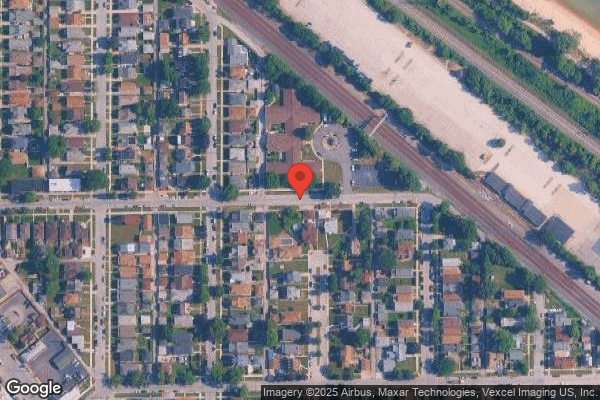
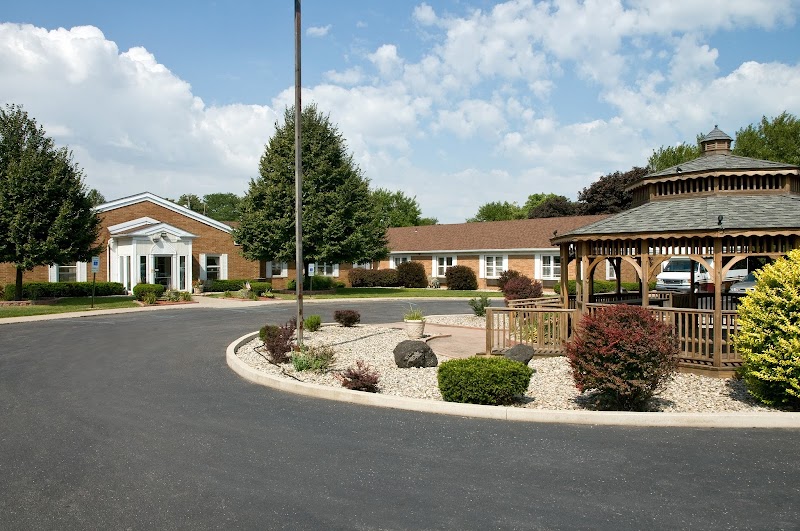
1000 114TH ST, WHITING, IN 46394 (219) 659-2770
Government - County 80 Beds LIFE CARE CENTERS OF AMERICA Data: November 2025
Trust Grade
35/100
#454 of 505 in IN
Last Inspection: October 2024

Within standard 12-15 month inspection cycle. Federal law requires annual inspections.

Overview

Hammond-Whiting Care Center has received a Trust Grade of F, indicating significant concerns about its operations and care quality. It ranks #454 out of 505 facilities in Indiana, placing it in the bottom half of nursing homes in the state, and #14 out of 20 in Lake County, meaning there are only a few options that are better in the area. The facility is improving, with a decrease in issues from 18 in 2024 to 6 in 2025, but it still has a concerning history, including a serious incident where a resident sustained facial injuries from a physical altercation with another resident. Staffing is below average with a rating of 2 out of 5 stars, although turnover is somewhat lower than the state average at 46%. Additionally, while there have been no fines recorded, recent inspections revealed concerns about food sanitation and kitchen cleanliness that could potentially impact resident health.

Trust Score
F
35/100
In Indiana
#454/505
Bottom 11%
Safety Record
Moderate
Needs review
Inspections
Getting Better
18 → 6 violations
Staff Stability
⚠ Watch
46% turnover. Above average. Higher turnover means staff may not know residents' routines.
Penalties
✓ Good
No fines on record. Clean compliance history, better than most Indiana facilities.
Skilled Nurses
○ Average
Each resident gets 31 minutes of Registered Nurse (RN) attention daily — about average for Indiana. RNs are the most trained staff who monitor for health changes.
Violations
⚠ Watch
57 deficiencies on record. Higher than average. Multiple issues found across inspections.
★☆☆☆☆
1.0
Overall Rating
★★☆☆☆
2.0
Staff Levels
★★★★☆
4.0
Care Quality
★☆☆☆☆
1.0
Inspection Score
Stable
2024: 18 issues
2025: 6 issues

The Good

  • 4-Star Quality Measures · Strong clinical quality outcomes
  • Full Sprinkler Coverage · Fire safety systems throughout facility
  • No fines on record

Facility shows strength in quality measures, fire safety.

The Bad

1-Star Overall Rating

Below Indiana average (3.1)

Significant quality concerns identified by CMS

Staff Turnover: 46%

Near Indiana avg (46%)

Higher turnover may affect care consistency

Chain: LIFE CARE CENTERS OF AMERICA

Part of a multi-facility chain

Ask about local staffing decisions and management

The Ugly 57 deficiencies on record

1 actual harm
Sept 2025 3 deficiencies
CONCERN (D) 📢 Someone Reported This

A family member, employee, or ombudsman was alarmed enough to file a formal complaint

Potential for Harm - no one hurt, but risky conditions existed

Deficiency F0552 (Tag F0552)

Could have caused harm · This affected 1 resident

Based on observation, record review and interview, the facility failed to ensure a resident's right to participate in her care related to not being informed on the medication she received during medic...

Read full inspector narrative →
Based on observation, record review and interview, the facility failed to ensure a resident's right to participate in her care related to not being informed on the medication she received during medication pass for 1 of 7 residents observed for medication administration. (Resident E)Finding includes:During medication administration on 9/15/25 at 9:22 a.m., RN 1 prepared the powdered medication Lokelma (given for high potassium level) in water for Resident E. RN 1 handed the resident the medication and the resident was gagging on the mixture and indicated how bad it tasted and did not want to finish it. RN1 instructed to drink the rest of the medication. RN 1 did not educate or inform Resident E what the medication was or why it was important to drink it all.During medication administration on 9/16/25 at 9:28 a.m., LPN 1 prepared the powdered medication Lokelma for Resident E. LPN 1 handed the medication to the resident and did not inform her what the medicine was for. The resident struggled to drink the medication fully and was starting to cry due to the poor taste. LPN 1 added more water to the mixture and instructed her to try and finish the medication drink.During an interview at the time, LPN 1 indicated the resident did not like the way it tasted and would ask for more water.Resident E's record was reviewed on 9/15/25 at 9:28 a.m. Diagnoses included, but were not limited to, high blood pressure, diabetes, and Bell's palsy.The admission Minimum Data Set (MDS) assessment, dated 5/29/25, indicated the resident was moderately impaired for daily decision making.A Physician's Order, dated 8/27/25, indicated to administer 1 packet of Lokelma once a day for high potassium.During an interview on 9/16/25 at 10:11 a.m., the Assistant Director of Nursing (ADON) indicated she would expect the nurses and qualified medication aides to inform the residents what medication they were receiving before they administered the medication.The current and revised Administration of Medications policy, provided by the Nursing Consultant as current on 9/16/25 at 10:09 a.m., indicated staff were responsible for adhering to the 10 rights of medication administration. Which included, . j. Right Education and Information. Provide enough knowledge to the resident of what drug he/she would be taking.This citation relates to Intake 2581285.3.1-3(n)(2)(3)
CONCERN (D) 📢 Someone Reported This

A family member, employee, or ombudsman was alarmed enough to file a formal complaint

Potential for Harm - no one hurt, but risky conditions existed

ADL Care (Tag F0677)

Could have caused harm · This affected 1 resident

Based on observation, record review, and interview, the facility failed to ensure a dependent resident received assistance with ADLs (activities of daily living) related to bathing for 1of 3 residents...

Read full inspector narrative →
Based on observation, record review, and interview, the facility failed to ensure a dependent resident received assistance with ADLs (activities of daily living) related to bathing for 1of 3 residents reviewed for ADLs. (Resident D)Finding includes:On 9/15/25 at 3:33 p.m., Resident D was observed playing bingo. The resident's hair had a greasy appearance.Resident D's record was reviewed on 9/16/25 at 11:05 a.m. The diagnoses included, but were not limited to, heart failure, kidney disease, anxiety, and diabetes.The admission Minimum Data Set (MDS) assessment, dated 7/23/25, indicated the resident was moderately impaired with daily decision. The resident required partial to moderate assistant with toileting.A Care Plan, dated 7/23/25, indicated the resident required assistance with ADLs (activities of daily living) and needed therapy services. Intervention was to assist the resident with ADLs as needed.Showers Sheets indicated the resident had not received a bath/shower on the following dates:8/19/258/20/258/21/258/22/258/23/258/24/258/25/258/26/258/27/25There were no documented refusals for the above dates.During an interview on 9/16/25 at 12:33 p.m., the ADON indicated the resident had a caregiver and she would give her baths when she came. She understood the bath/showers should have been documented.This citation relates to Intake 2581285.3.1-38(2)(a)
CONCERN (D) 📢 Someone Reported This

A family member, employee, or ombudsman was alarmed enough to file a formal complaint

Potential for Harm - no one hurt, but risky conditions existed

Quality of Care (Tag F0684)

Could have caused harm · This affected 1 resident

Based on record review, and interview, the facility failed to administer medications as ordered related to antibiotic and antianxiety medication for 1 of 3 residents reviewed for medication administra...

Read full inspector narrative →
Based on record review, and interview, the facility failed to administer medications as ordered related to antibiotic and antianxiety medication for 1 of 3 residents reviewed for medication administration. (Residents B)Finding includes:Resident B's record was reviewed on 9/15/25 AT 10:15 a.m. The diagnoses included, but were not limited to, paraplegia, osteomyelitis (bone and muscle infection), anxiety, hypertension (high blood pressure), muscle weakness, and ulcerative colitis (inflamed bowel).The admission Minimum Data Set (MDS) assessment, dated 7/14/25, indicated the resident was cognitively intact and received an antibiotic and antianxiety medication.A Physician's Order, dated 7/8/25, indicated to administer alprazolam 1 milligram (MG) my mouth at bedtime for anxiety.A Physician's Order, dated 7/11/25, indicated to administer Vancomycin (antibiotic) 1.25 grams intravenously two times a day for a wound infection related to osteomyelitis.The 7/2025 Medication Administration Record (MAR), indicated the following medications were not signed out as being administered:Vancomycin was not signed out as given on 7/9/2025 for the morning and evening dose.Vancomycin was not signed out as given on 7/10/2025 for the morning and evening dose.Alprazolam was not signed out as given on 7/8, 7/9, 7/10, 7/11, 7/14, 7/15, 7/17 and 7/18/2025.During an interview on 9/25/25 at 1:22 p.m., the Assistant Director of Nursing (ADON) indicated discharge paperwork was sent with the resident to the facility but they did not receive the After Visit Summary (AVS). The vancomycin was not listed on the discharge paperwork, and she had called the hospital twice trying to get the AVS sent over . The next day they were able to reach someone to get wound treatment orders, and they were going to fax the AVS to the facility. They never received the fax, and she understood she should have followed up. The resident had complained to staff that she was supposed to be on antibiotics, and they reached out to the physician at that time. At 1:57 p.m., she indicated she had admitted the resident and should have verified with the doctor the resident's antibiotic orders since she came to the facility with a diagnosis of osteomyelitis and without an AVS. She understood this resulted in a delay in treatment and 4 missed doses of Vancomycin. At 2:52 p.m., the ADON indicated she contacted the pharmacy, and they indicated they were waiting on a prescription for Resident C's alprazolam, and the medication was not filled because they never had a prescription. She indicated she asked nursing if they knew why she did not receive her anxiety medication, and they did not have an answer.This citation relates to Intake 2560578.3.1-37(a)
May 2025 3 deficiencies
CONCERN (D) 📢 Someone Reported This

A family member, employee, or ombudsman was alarmed enough to file a formal complaint

Potential for Harm - no one hurt, but risky conditions existed

Pressure Ulcer Prevention (Tag F0686)

Could have caused harm · This affected 1 resident

Based on observation, record review, and interview, the facility failed to ensure a wound treatment was completed and heels were floated as ordered for 2 of 3 residents reviewed for pressure-related s...

Read full inspector narrative →
Based on observation, record review, and interview, the facility failed to ensure a wound treatment was completed and heels were floated as ordered for 2 of 3 residents reviewed for pressure-related skin conditions. (Residents B and C) Findings include: 1. On 5/5/25 at 11:59 a.m., Resident B was observed lying in bed on her right side. The resident's heels were resting on the bed, not off-loaded, and she had wounds on her left lateral and medial foot. During an interview at the time, the wound nurse indicated the resident did not have an order for off-loading boots but she would call the doctor today to get an order. She indicated the resident's heels were off-loaded the last time she was in the room. The record for Resident B was reviewed on 5/5/25 at 10:48 a.m. Diagnoses included, but were not limited to, dementia, anorexia, tube feeding support, and lymphedema (swelling in arms or legs). The Quarterly Minimum Data Set (MDS) assessment, dated 2/19/25, indicated the resident was cognitively impaired for daily decision making, dependent for all activities of daily living (ADL's) and was at risk for developing a pressure ulcer. A Physician's Order, dated 4/29/25, indicated to off-load heels while in bed as tolerated and confirm every shift. During an interview on 5/6/25 at 2:11 p.m., the Executive Director indicated she understood the concern and had no additional information to provide. 2. On 5/5/25 at 9:37 a.m., Resident C was observed lying in bed awake. The resident's dressing was checked with the wound nurse and there was no dressing in place covering the resident's sacral wound. The wound was pink, the size of a golf ball, and open to air. The resident's heels were lying flat on the bed and were not off-loaded. During an interview at the time, the Wound Nurse indicated she would put a dressing on the wound right away. On 5/5/25 at 10:38 a.m., the resident was observed in bed with 2 blankets covering her, she was lying on her back and crying she was cold. When the blankets were removed to observe the wound treatment, the resident's feet were lying flat on the bed. The Wound Nurse began the wound treatment, the resident's brief was opened and a new pad was placed underneath the resident. Hand hygiene was performed and a new set of gloves was donned. The wound nurse did not have a gown on and she began cutting the collagen dressing package open. She was stopped and asked if the resident was in Enhanced Barrier Precautions (EBP). There was an EBP sign observed on the resident's door. During an interview at the time, the Wound Nurse indicated she had forgotten to put on a gown. The record for Resident C was reviewed on 5/5/25 at 10:01 a.m. The diagnoses included, but were not limited to, hemiplegia (paralysis on one side of the body), dementia, high blood pressure, anxiety, and depression. The Quarterly Minimum Data Set (MDS) assessment, dated 2/21/25, indicated the resident was severely impaired for daily decision making. The resident had impairment on both sides of the lower extremities and used a wheelchair. The resident required partial/moderate assistance for oral hygiene, upper body dressing, and personal hygiene. The resident required substantial/maximum assistance with lower body dressing and shower/ bathing. The resident required dependent care with toileting and putting on footwear. The resident was at risk for pressure ulcers and injuries. A Care Plan, dated 3/5/25, indicated the resident was at risk for unavoidable pressure injury development related to decline of skin integrity. Interventions were to administer treatments as ordered, provide weekly skin checks, assist with turning and repositioning, and educate on causative factors and measures to prevent skin injury. A Physician's Order, dated 4/2/25, indicated to offload heels while in bed as tolerated and confirm every shift. A Physician's Order, dated 5/2/25, indicated to cleanse the Sacrum with normal saline, pat dry, apply collagen to the wound bed, and cover with a dry dressing. The dressing was to be changed every day shift on Monday, Wednesday and Friday and as needed. During an interview on 5/5/25 at 10:31 a.m., the Executive Director indicated she understood Resident C should have had a dressing on her wound and the resident's heels should have been offloaded. No additional information was provided. This citation relates to Complaint IN00458244. 3.1-40
CONCERN (D) 📢 Someone Reported This

A family member, employee, or ombudsman was alarmed enough to file a formal complaint

Potential for Harm - no one hurt, but risky conditions existed

Medical Records (Tag F0842)

Could have caused harm · This affected 1 resident

Based on observation, record review, and interview, the facility failed to maintain clinical records that were complete and accurately documented related to conflicting orders for wound treatments for...

Read full inspector narrative →
Based on observation, record review, and interview, the facility failed to maintain clinical records that were complete and accurately documented related to conflicting orders for wound treatments for 1 of 3 residents reviewed for pressure. (Resident D) Finding includes: On 5/5/25 at 11:01 a.m., Resident D was observed during a wound treatment. During the wound treatment, the wound nurse went to apply aquacell alginate to the wound bed. The current physician's order called for xerofoam to be placed on the wound bed. During an interview at the time, the nurse indicated she had confirmed the orders with the physician and the 12/20/24 order for xerofoam was the correct order to use going forward. She would delete the aquacell treatment order to ensure the correct order was used. The record for Resident D was reviewed on 5/5/25 at 10:55 p.m. Diagnoses included, but were not limited to, anemia (low iron), dysphagia (difficulty swallowing), and high blood pressure. The Quarterly Minimum Data Set (MDS) assessment, dated 1/14/25, indicated Resident D was moderately impaired for daily decision making. The resident required dependent care for toileting, shower/bathing, upper body dressing, and lower body dressing. A Care Plan, dated 4/16/25, indicated the resident had pressure ulcers to the left buttock and right buttock related to dehydration, immobility, anemia, and incontinence. Interventions were to, administer treatments as ordered, place in EBP, and assess wounds weekly. A Physician's Order, dated 12/20/24, indicated to cleanse the right buttock with normal saline/wound cleanser, pat dry with sterile gauze, apply skin prep to the surrounding skin, apply Aquacel AG (alginate) to the wound bed, and secure with dry dressing. Change the dressing every 3 days and as needed (PRN) for soilage/dislodgement. A Physician's Order, dated 2/4/25, indicated to cleanse the right upper buttock with normal saline/wound cleanser, pat dry with sterile gauze, apply skin prep to the peri wound, apply Xerofoam Gauze to the wound bed, and cover with a border gauze dressing. Change the dressing every 3 days and PRN for soilage/dislodgement. The 5/2025 Treatment Administration Record (TAR) indicated both right buttock treatment orders were signed out as being completed. The treatment order from 12/20/24 was signed out as completed on 5/3/25 and 5/5/25. The treatment order from 2/4/25 was signed out as completed on 5/2/25. During an interview on 5/5/25 at 3:00 p.m., the Executive Director indicated she understood the concern and had no further information to provide. 3.1-50(a)(1) 3.1-50(a)(2)
CONCERN (D) 📢 Someone Reported This

A family member, employee, or ombudsman was alarmed enough to file a formal complaint

Potential for Harm - no one hurt, but risky conditions existed

Infection Control (Tag F0880)

Could have caused harm · This affected 1 resident

Based on observation, interview, and record review, the facility failed to ensure correct Personal Protective Equipment (PPE) was used by a staff member (Wound Nurse) when providing care during a woun...

Read full inspector narrative →
Based on observation, interview, and record review, the facility failed to ensure correct Personal Protective Equipment (PPE) was used by a staff member (Wound Nurse) when providing care during a wound treatment for resident who was in Enhanced Barrier Precautions (EBP) for 1 of 3 residents observed for pressure ulcer care. (Resident C) Finding includes: On 5/5/25 at 10:38 a.m., Resident C was observed in bed with 2 blankets covering her. She was lying on her back and crying she was cold. When the blankets were removed to observe the wound treatment, the resident's feet were lying flat on the bed. The Wound Nurse began the wound treatment, the resident's brief was opened and a new pad was placed underneath the resident. Hand hygiene was performed, and a new set of gloves were donned. The wound nurse did not have a gown on, and she began cutting the collagen dressing packet open. She was stopped and asked if the resident was in Enhanced Barrier Precautions. There was an EBP sign observed on the resident's door. During an interview at the time, the Wound Nurse indicated she had forgotten to put on a gown. The record for Resident C was reviewed on 5/5/25 at 10:01 a.m. The diagnoses included, but were not limited to, hemiplegia (paralysis on one side of the body), dementia, high blood pressure, anxiety, and depression. The Quarterly Minimum Data Set (MDS) assessment, dated 2/21/25, indicated the resident was severely impaired for daily decision making. The resident had impairment on both sides of the lower extremities and used a wheelchair. The resident required partial/moderate assistance for oral hygiene, upper body dressing, and personal hygiene. The resident required substantial/maximum assistance with lower body dressing and shower/ bathing. The resident required dependent care with toileting and putting on footwear. The resident was at risk for pressure ulcers and injuries. A Physician's Order, dated 5/2/25, indicated to cleanse the Sacrum with normal saline, pat dry, apply collagen to wound bed, and cover with dry dressing. The dressing was to be changed every day shift on Monday, Wednesday, and Friday and as needed. Current CDC guidance for EBP in nursing homes, dated 7/12/22 and titled Implementation of Personal Protective Equipment (PPE) Use in Nursing Homes to Prevent Spread of Multidrugresistant Organisms (MDROs) indicated the following: . Enhanced Barrier Precautions expand the use of PPE and refer to the use of gown and gloves during high-contact resident care activities that provide opportunities for transfer of MDROs to staff hands and clothing. MDROs may be indirectly transferred from resident-to-resident during these high-contact care activities. Nursing home residents with wounds and indwelling medical devices are at especially high risk of both acquisition of and colonization with MDROs. The use of gown and gloves for high-contact resident care activities is indicated . Examples of high-contact resident care activities requiring gown and glove use for Enhanced Barrier Precautions include: Dressing · Bathing/showering · Transferring · Providing hygiene · Changing linens · Changing briefs or assisting with toileting · Device care or use: central line, urinary catheter, feeding tube, tracheostomy/ventilator · Wound care: any skin opening requiring a dressing During an interview on 5/6/25 at 1:11 p.m., the Infection Prevention (IP) nurse indicated their policy indicated EBP precautions were up to the discretion of the facility and their policy for EBP indicated if the wound could be covered and was not secreting drainage, then it did not need to be in EBP precautions. She understood regulation standards and had no further information to provide. 3.1-18(b)
Oct 2024 16 deficiencies
CONCERN (D)

Potential for Harm - no one hurt, but risky conditions existed

Deficiency F0558 (Tag F0558)

Could have caused harm · This affected 1 resident

Based on observation, record review, and interview, the facility failed to ensure call lights were placed within reach of the resident for 1 of 1 resident reviewed for accommodation of needs. (Residen...

Read full inspector narrative →
Based on observation, record review, and interview, the facility failed to ensure call lights were placed within reach of the resident for 1 of 1 resident reviewed for accommodation of needs. (Resident B) Finding includes: On 10/2/24 at 9:08 a.m., 11:15 a.m., and 12:05 p.m., Resident B was observed in her room in bed. Her eyes were closed and she was positioned on her right side. At 12:29 p.m. and 1:57 p.m., the resident's eyes were open and she remained in bed. The resident's call light was clipped to the call light cord above the head of the resident's bed and was out of reach at all of the above times. During an interview on 10/2/24 at 12:29 p.m., CNA 3 indicated the resident could tell staff if she needed assistance. On 10/3/24 at 8:58 a.m. and 10:35 a.m., the resident was observed in her room in bed. The call light remained out of the resident's reach and clipped to the call light cord. On 10/4/24 at 9:10 a.m., the resident was observed in her room in bed. Again, the call light remained out of reach. The record for Resident B was reviewed on 10/2/24 at 2:46 p.m. Diagnoses included, but were not limited to, hemiplegia/hemiparesis (muscle weakness/muscle paralysis) following a stroke, dementia without behavior disturbance, and history of falling. The 9/27/24 Quarterly Minimum Data Set (MDS) assessment, indicated the resident was cognitively impaired for daily decision making and she was substantial to maximum assist with rolling left to right and bed to chair transfers. A Care Plan, reviewed on 7/10/24, indicated the resident was at risk for falls. Interventions included, but were not limited to, call light within reach. During an interview on 10/4/24 at 9:28 a.m., the Interim Administrator indicated the resident's call light should have been within reach.
CONCERN (D)

Potential for Harm - no one hurt, but risky conditions existed

Deficiency F0657 (Tag F0657)

Could have caused harm · This affected 1 resident

Based on record review and interview, the facility failed to ensure residents' care plans were held and families were invited to attend care plan meetings for 2 of 19 residents whose care plans were r...

Read full inspector narrative →
Based on record review and interview, the facility failed to ensure residents' care plans were held and families were invited to attend care plan meetings for 2 of 19 residents whose care plans were reviewed. (Residents 35 and 37) Finding includes: 1. On 10/1/24 at 3:48 p.m., Resident 35 was observed lying in bed. The resident indicated he did not know about his care plan meetings. The staff told him they would call and talk with his daughter regarding his care plan. Resident 35 indicated the staff never called his daughter or held his care plan meeting. Resident 35's record was reviewed on 10/2/24 at 10:07 a.m. Diagnoses included, but were not limited to, retention of urine, insomnia, chronic obstructive pulmonary disease, heart failure, gout, and type 2 diabetes mellitus. The Quarterly Minimum Data Set (MDS) assessment, dated 7/9/24, indicated the resident was cognitively intact for daily decision making. During an interview on 10/03/24 at 10:19 a.m the Social Service Director indicated she did not have any documentation showing that she attempted to reach out to the resident or the resident's family regarding missed care plan meetings. 2. On 9/30/24 at 3:03 p.m., Resident 37 indicated he had not been invited to his care plan meetings. Resident 37's record was reviewed on 10/02/24 at 11:32 a.m. Diagnosis included, but not limited to, psychotic disturbance, mood disturbance, anxiety, and atherosclerotic heart disease. The Significant Change Minimum Data Set (MDS) assessment, dated 9/20/24, indicated the resident was cognitively impaired. During an interview on 10/03/24 at 10:19 a.m the Social Service Director indicated she did not have any documentation showing that she attempted to reach out to the resident or the resident's family regarding missed care plan meetings. 3.1-35(d)(2)(B)
CONCERN (D)

Potential for Harm - no one hurt, but risky conditions existed

ADL Care (Tag F0677)

Could have caused harm · This affected 1 resident

3. On 9/30/24 at 11:33 a.m., and 3:29 p.m., Resident 27 was observed with facial hair on her chin and above her lip. She indicated at that time the staff had not shaved her recently and she did not wa...

Read full inspector narrative →
3. On 9/30/24 at 11:33 a.m., and 3:29 p.m., Resident 27 was observed with facial hair on her chin and above her lip. She indicated at that time the staff had not shaved her recently and she did not want any facial hair. On 10/2/24 at 10:05 a.m., the resident was observed in the dining hall participating in activities. The resident still had facial hair above her lip and a on her chin. The record for Resident 27 was reviewed on 10/3/24 01:46 p.m. The diagnoses included, but were not limited to, hemiplegia (paralysis on one side of the body), asthma, diabetes, anemia (low iron), hypertension (high blood pressure), and kidney disease. The 5 day Minimum Data Set (MDS) assessment, dated 7/25/24 . indicated the resident was moderately impaired for daily decision making. The resident required set up or clean up assistance for eating, personal hygiene and oral hygiene. The resident required partial/moderate assistance with shower and bathing and upper body dressing. The resident required substantial/maximum assistance with toileting and lower body dressing. A Care Plan, dated 7/25/24 , indicated the resident had hemiplegia/hemiparesis. Interventions were to give medications as ordered and for physical therapy to evaluate and treat. A Care Plan, dated 7/25/24, indicated the resident had impaired visual function related to blindness in the left eye. The resident had scheduled bath days on Mondays and Thursdays. The CNA bath sheet and skin check documents for 9/2024 and 10/2024 indicated the following: On 9/19/24, facial hair was trimmed. On 9/26/24, facial hair was not trimmed or shaved. On 9/30/24, facial hair was not trimmed or shaved. On 10/3/24, there was no shower sheet available. During an interview on 10/3/23 at 3:11 p.m., the Interim Administrator indicated the resident should have been shaved at minimum on a weekly basis. 3.1-38(a)(2)(D) 3.1-38(a)(3)(D) Based on observation, record review, and interview, the facility failed to ensure dependent residents received assistance with activities of daily living (ADL's) related to meal assistance and the removal of facial hair for 2 of 7 residents reviewed for ADL's and for 1 of 2 meal observations. (Residents 28, 29, and 27) Findings include: 1. On 9/30/24 at 12:02 p.m., Resident 28 was seated in her broda chair (a type of wheelchair) in the restorative dining room. She and her tablemate were served their lunch trays at 12:02 p.m. Resident 28's tray was placed in front of her and remained covered. The resident was not assisted with her meal until 12:15 p.m. The record for Resident 28 was reviewed on 10/1/24 at 3:44 p.m. Diagnoses included, but were not limited to, dementia without behavior disturbance, diabetes, and long term use of insulin. The Quarterly Minimum Data Set (MDS) assessment, dated 8/21/24, indicated the resident was cognitively impaired for daily decision making and required supervision or touching assistance with eating. A Care Plan, reviewed on 8/8/24, indicated the resident had an ADL self-care performance deficit related to dementia and arthritis. Interventions included, but were not limited to, the resident required set up supervision to eat. During an interview on 10/4/24 at 9:28 a.m., the Interim Administrator indicated the resident should have been assisted with her meal in a more timely manner. 2. On 9/30/24 at 12:02 p.m., Resident 29 was seated in her wheelchair in the restorative dining room. Her lunch tray was placed in front of her at the time and left covered. Staff did not assist the resident until 12:13 p.m. The record for Resident 29 was reviewed on 10/4/24 at 9:50 a.m. Diagnoses included, but were not limited to, Alzheimer's, dementia, dysphagia (difficulty swallowing), and severe protein calorie malnutrition. The Significant Change Minimum Data Set (MDS) assessment, dated 7/8/24, indicated the resident was cognitively impaired for daily decision making and was dependent on staff for eating. A Care Plan, reviewed on 7/4/24, indicated the resident had an ADL self care performance deficit and required extensive to dependent assistance as needed with ADL's including bed mobility, transfers, toileting, and eating related to dementia with behavioral disorder. Interventions included, but were not limited to, the resident required extensive assistance of 1 staff to eat. During an interview on 10/4/24 at 9:28 a.m., the Interim Administrator indicated the resident should have been assisted with her meal in a more timely manner.
CONCERN (D)

Potential for Harm - no one hurt, but risky conditions existed

Deficiency F0679 (Tag F0679)

Could have caused harm · This affected 1 resident

Based on observation, record review, and interview, the facility failed to provide a personalized activity program for a cognitively impaired and dependent resident related to ongoing stimulation and ...

Read full inspector narrative →
Based on observation, record review, and interview, the facility failed to provide a personalized activity program for a cognitively impaired and dependent resident related to ongoing stimulation and one to one visits for 1 of 1 resident reviewed for activities. (Resident C) Finding includes: On 9/30/24 at 4:18 p.m., Resident C was observed in her room in bed. The resident was awake and attempting to lift her head off of the pillow and her feet off of the mattress. The resident's television was turned off and the privacy curtain was pulled half way between her and her roommate. The resident was confined to her room due to being in isolation. On 10/1/24 at 11:30 a.m. and 4:40 p.m., the resident's television remained off. On 10/2/24 at 2:05 p.m., the resident was again lifting her head and feet off of the mattress and her television was turned off. On 10/3/24 at 9:30 a.m., the resident was fidgeting in bed and her television was turned off. The record for Resident C was reviewed on 10/2/24 at 3:09 p.m. Diagnoses included, but were not limited to, Alzheimer's disease, dementia with agitation, cognitive communication deficit, and delusional disorder. The 2/13/24 Significant Change Minimum Data Set (MDS) assessment, indicated it was somewhat important for the resident to listen to music and participate in her favorite activities. The Quarterly Minimum Data Set (MDS) assessment, dated 9/18/24, indicated the resident had short and long term memory problems and was severely impaired for daily decision making. A Care Plan, dated 8/14/24, indicated the resident was able to accept and/or decline invitations to participate in various activities. The resident benefited from small group activities with support and encouragement depending how she felt. Interventions included, but were not limited to, provide and offer visits with customer care, small talk, small group activities, if possible video chats, redirection, room service, snacks, short stories, suggestions, requests, encouragement, love, and support. A Care Plan, reviewed on 9/20/24, indicated the resident had little or no activity involvement related to disinterest, the resident wished not to participate. Interventions included, but were not limited to, the resident's preferred activity was watching sports, baseball and football. The September 2024 One to One Visit Log, indicated the resident's last one to one visit was on 9/20/24 which consisted of a hand massage. During an interview on 10/4/24 at 4:10 p.m., the Activity Director indicated the resident was currently in isolation. The resident had received sensory stimulation in the past and she liked to watch television. The resident's television should have been turned on and the activity department was down a staff member, so one to one visits weren't being completed as often as she would like. 3.1-33(a)
CONCERN (D)

Potential for Harm - no one hurt, but risky conditions existed

Quality of Care (Tag F0684)

Could have caused harm · This affected 1 resident

3. On 9/30/24 at 11:16 a.m., Resident 219 was observed in her room. She indicated she had to ask for her insulin on 9/29/24 and it was late when it was administered. The record for Resident 219 was r...

Read full inspector narrative →
3. On 9/30/24 at 11:16 a.m., Resident 219 was observed in her room. She indicated she had to ask for her insulin on 9/29/24 and it was late when it was administered. The record for Resident 219 was reviewed on 10/02/24 at 9:07 a.m. The diagnoses included, but were not limited to, hypertension (high blood pressure), depression, back pain, insomnia, diabetes, long term insulin use, and muscle weakness. The 5 day Minimum Data Set (MDS) Assessment, dated 9/12/24. Indicated the resident was moderately impaired for daily decision making. The resident had no impairment of the upper and lower extremities and used a walker. The resident was administered a hypoglycemic medication. A Baseline Care Plan, dated 9/13/24, did not include a diabetes/ insulin care plan. A Physician's order, dated 9/20/24 indicated to administer Insulin Aspart (insulin pen) per sliding scale before meals for diabetes management. A Nurse's Note, dated 9/26/2024, indicated the resident was resting in bed and had no adverse reactions related to insulin administration on 9/22/24. A Nurse's Note, dated 9/25/2024, indicated the resident had no adverse side effects related to previous late medication administration. A Nurse's Note, dated 9/23/2024 at 4:30 p.m., indicated the family and physician were notified of late medication administration. Continue to follow up with all staff on duty to complete education and compliance to insulin dosing. A Nurse's Note, dated 9/23/24 at 4:00 p.m., indicated a follow up with the resident and Social Services Director (SSD). The resident had indicated her insulin was delayed 3 hours on 9/22/24. A Nurse's Note, dated 9/23/24 at 2:53 p.m., indicated a verbal report was received by the physician that Resident 219 did not receive her insulin on time and prior to her dinner meal on 9/22/24. The Medication Administration Record indicated insulin was administered late on 9/29/24 and was given at the following times: On 9/29/24, insulin was scheduled to be given at 7:00 a.m. Insulin was administered at 9:09 a.m. On 9/29/24 insulin was scheduled to be given at 11:00 a.m. Insulin was administered at 1:02 p.m. During an interview on 10/04/24 at 11:38 a.m., the Interim Administrator indicated insulin was not given within the correct medication parameters. 3.1-37(a) 2. On 9/30/24 at 3:39 p.m., Resident 35 was observed with a discoloration on the right wrist. The record for Resident 35 was reviewed on 10/2/24 at 10:07 a.m. Diagnoses included, but were not limited to, retention of urine, insomnia, chronic obstructive pulmonary disease, heart disease and type 2 diabetes mellitus. The Quarterly Minimum Data Set (MDS) assessment, dated 7/9/24, indicated the resident was cognitively intact. A Physician's order, dated 6/18/24, indicated to give Eliquis (a blood thinner) 5 mg oral tablet and to give Plavix (an antiplatlet drug that prevents blood clots), 5 mg oral tablet. A Care Plan, dated 5/20/24, indicated the resident was on anticoagulant therapy of Eliquis and Plavix. Interventions included the following: administer anticoagulant medications as ordered by the physician, monitor for side effects and effectiveness every shift, labs as ordered. and to observe for and report adverse reactions of anticoagulant therapy: blood tinged or red blood in urine, black tarry stools, dark or bright red blood in stools, sudden severe headaches, nausea, vomiting, diarrhea, muscle joint pain, lethargy, bruising , blurred vision, shortness of breath, loss of appetite, sudden changes in mental status, significant or sudden changes in v/s (vital signs). There was no skin assessment indicating a discoloration to the right wrist of Resident 35. During an interview on 10/03/24 at 2:57 p.m., the MDS Coordinator indicated the resident did not have a monitoring order in place for the discoloration to the right wrist. Based on observation, record review, and interview, the facility failed to ensure insulin was administered as ordered and held per insulin parameters for 2 of 5 residents reviewed for unnecessary medications. (Residents 28 and 219) The facility also failed to ensure areas of bruising were assessed and monitored for 1 of 6 residents reviewed for skin conditions non-pressure related. (Resident 35) Findings include: 1. The record for Resident 28 was reviewed on 10/1/24 at 3:44 p.m. Diagnoses included, but were not limited to, dementia without behavior disturbance, diabetes, and long term use of insulin. The Quarterly Minimum Data Set (MDS) assessment, dated 8/21/24, indicated the resident was cognitively impaired for daily decision making and she had received insulin injections during the assessment reference period. A Care Plan, reviewed on 8/8/24, indicated the resident had Diabetes Mellitus. The goal was for the resident to have no complications related to diabetes through the next review date. A Physician's Order, dated 8/13/24, indicated the resident was to receive Lispro insulin, 8 units subcutaneous (injection in the fatty tissue just under the skin) with meals. Hold if the resident's blood sugar was less than 100. The September 2024 Medication Administration Record (MAR), indicated the resident's insulin was not signed out as being administered on the following dates and times: - 8:00 a.m. on 9/12, 9/23, and 9/28/24 -12:00 p.m. on 9/12, 9/16, 9/23, 9/28, and 9/29/24 - 5:00 p.m. on 9/12, 9/13, and 9/20/24 The September 2024 MAR also indicated the resident received the Lispro insulin when her blood sugar was below 100 on 9/6, 9/16, and 9/25/24 at 8:00 a.m. A Physician's Order, dated 5/15/24 and listed as current on the October 2024 Physician's Order Summary (POS), indicated the resident was to receive Glargine insulin, 26 units in the morning. The insulin was to be held if the resident's blood sugar was less than 150. The September 2024 MAR, indicated the Glargine insulin was not signed out as being administered on 9/12, 9/23, and 9/28/24 at 8:00 a.m. During an interview on 10/4/24 at 4:10 p.m., the Interim Administrator indicated the insulin should have been administered as ordered.
CONCERN (D)

Potential for Harm - no one hurt, but risky conditions existed

Pressure Ulcer Prevention (Tag F0686)

Could have caused harm · This affected 1 resident

Based on observation, record review, and interview, the facility failed to ensure the necessary treatment and services were provided to promote healing of pressure ulcers related to the use of pressur...

Read full inspector narrative →
Based on observation, record review, and interview, the facility failed to ensure the necessary treatment and services were provided to promote healing of pressure ulcers related to the use of pressure reducing devices for 1 of 3 residents reviewed for pressure ulcers. (Resident B) Finding includes: On 10/2/24 at 9:08 a.m., 11:15 a.m., 12:05 p.m., 12:29 p.m., and 1:57 p.m., Resident B was observed in her room in bed. Her pressure reducing heel boots were observed in her wheelchair and her feet were not off loaded (positioning the body so that pressure does not rest on top of the wounded area) while she was in bed. On 10/3/24 at 8:58 a.m., the resident was in her room in bed sleeping. The resident was dressed and she was not covered with any blankets. The resident was observed with gauze dressings to both of her feet that were dated 10/2/24. The resident's feet were resting directly on the mattress and her heel boots were in the chair next to the bed. The record for Resident B was reviewed on 10/2/24 at 2:46 p.m. Diagnoses included, but were not limited to, hemiplegia/hemiparesis (muscle weakness/muscle paralysis) following a stroke, dementia without behavior disturbance, and pressure ulcers to the left and right heel. The 9/27/24 Quarterly Minimum Data Set (MDS) assessment, indicated the resident was cognitively impaired for daily decision making and she was substantial to maximum assist with rolling left to right and bed to chair transfers. The resident was also identified as having 3, Stage 4 pressure areas (an area of full thickness skin loss that extends into the bone, muscle, joint, or tendon). A Care Plan, dated 7/15/24, indicated the resident was admitted with pressure areas to the left lateral heel, left medial heel, and right heel. Interventions included, but were not limited to, treatment per order. A Physician's Order, dated 7/10/24, indicated the resident's heels were to be off loaded while in bed as tolerated by the resident. A Physician's Order, dated 9/4/24, indicated the resident was to have Prevalon boots (pressure reducing boots) to the left and right heel every shift as tolerated. The October 2024 Treatment Administration Record (TAR), indicated the heel boots and the off loading had been signed out as being completed on 10/2/24. During an interview on 10/4/24 at 11:00 a.m., the Wound Nurse indicated the resident's heel boots should have been in place when she was in bed or at least her heels off loaded. She indicated the heel boot application and offloading should not have been signed out as being completed if it wasn't done. 3.1-40(a)(2)
CONCERN (D)

Potential for Harm - no one hurt, but risky conditions existed

Respiratory Care (Tag F0695)

Could have caused harm · This affected 1 resident

Based on observation, record review, and interview, the facility failed to ensure oxygen was at the correct flow rate for 1 of 1 resident reviewed for oxygen. (Resident 21) Finding included: On 9/30/2...

Read full inspector narrative →
Based on observation, record review, and interview, the facility failed to ensure oxygen was at the correct flow rate for 1 of 1 resident reviewed for oxygen. (Resident 21) Finding included: On 9/30/24 at 4:16 p.m., Resident 21's oxygen was on via nasal cannula and the flow rate was set under 3 liters. On 10/01/24 at 11:32 a.m., the resident's oxygen flow rate was observed under 3 liters. 10/02/24 9:06 a.m., and 11:03 a.m., the resident was observed asleep in bed. She was wearing oxygen via nasal cannula. The flow rate was at 2.5 liters. The record for Resident 21 was reviewed on 10/02/24 at 9:44 p.m. The diagnoses included, but were not limited to, hemiplegia (paralysis on one side of the body, candidiasis, hyperlipidemia (high cholesterol), anxiety, depression, heart failure, diabetes, and chronic obstructive pulmonary disease (COPD). The Quarterly Minimum Data Set (MDS) assessment, dated 7/2/24, indicated the resident was moderately impaired for daily decision making. The resident had impairment on one side of the lower extremities and used a wheelchair. The resident required oxygen therapy. A Care Plan, dated 4/17/24, indicated the resident used continuous supplemental oxygen at 3 liters via nasal cannula. Interventions were to administer oxygen at 3 liters via nasal cannula and observe for any side effects and effectiveness. A Physician's Order, dated 4/25/24 indicated to administer oxygen via nasal cannula continuously at 3 liters/minute. The Medication Administration Record (MAR), indicated oxygen was signed out as being given at 3 liters every shift on the following dates: 9/30/24, 10/1/24, and 10/2/24. During an interview on 10/03/24 at 10:07 a.m., the Interim Director of Nursing indicated she understood the oxygen concern and had no additional information to provide. 3.1-47(6)
CONCERN (D)

Potential for Harm - no one hurt, but risky conditions existed

Deficiency F0698 (Tag F0698)

Could have caused harm · This affected 1 resident

Based on record review and interview, the facility failed to complete a post dialysis assessment for 1 of 1 resident reviewed for dialysis. (Resident 217) Finding includes: The record for Resident 217...

Read full inspector narrative →
Based on record review and interview, the facility failed to complete a post dialysis assessment for 1 of 1 resident reviewed for dialysis. (Resident 217) Finding includes: The record for Resident 217 was reviewed on 10/03/24 at 3:31 p.m. The diagnoses included, but were not limited to, kidney disease, hemiplegia (paralysis of one side of the body, dependence on renal dialysis, hypertension (high blood pressure), and anemia (low iron). The 5 day Minimum Data Set (MDS) assessment, dated 9/26/24, indicated the resident was severely impaired for daily decision making. The resident had impairment on one side of the lower extremities and used a wheelchair. The resident required dialysis. A Care Plan, dated 9/20/24, indicated the resident received hemodialysis and had an arteriovenous (AV) fistula (a connection made between an artery and a vein for dialysis access). Interventions included, but were not limited to, observe for bleeding at dialysis access site, obtain dry weights from dialysis center, and assess shunt site for bruit and thrill. A Physician's Order, dated 9/20/24, indicated the resident was a dialysis patient and received dialysis on Monday, Wednesday, and Friday at a dialysis center. A Nurse's Note, dated 9/23/2024 at 9:00 a.m., indicated the resident went out to dialysis. A Nurse's Note, dated 9/30/24 at 2:44 p.m., indicated the resident had returned from the dialysis center. The Dialysis Communication binder included communication forms that had information for the facility to fill out prior to the resident going to the dialysis center and upon return from the dialysis center. The information included vital signs, bruit and thrill assessment, medication sent to the dialysis center, medication received prior to dialysis, and other pertinent information (lunch or snack sent with resident, comments, or concerns). The post dialysis form was not filled out on 10/4/24, 9/30/24, and 9/25/24. The 9/23/24 form was not in the binder. A policy titled, Hemodialysis Offsite Policy with reviewed date 9/6/24, indicated .1. Obtain vital signs of resident upon return from dialysis and complete Pre/Post Dialysis Communication Form . During an interview on 10/7/24 at 8:49 a.m., LPN 1 indicated she would check the resident's vital signs and check the bruit/thrill prior to the resident leaving for dialysis. She would then document on the pre/post dialysis communication sheet. During an interview on 10/7/24 at 8:55 a.m., LPN 1 indicated vitals should be checked when the resident returned from the dialysis center and documented in the dialysis binder. During an interview on 10/7/24 at 11:47 p.m., the Nurse Consultant indicated the post dialysis communication sheet was not filled out consistently. 3.1-37(a)
CONCERN (D)

Potential for Harm - no one hurt, but risky conditions existed

Deficiency F0745 (Tag F0745)

Could have caused harm · This affected 1 resident

Based on observation, record review, and interview, the facility failed to provide ongoing psychosocial visits for a resident in indefinite isolation for 1 of 3 residents reviewed for isolation. (Resi...

Read full inspector narrative →
Based on observation, record review, and interview, the facility failed to provide ongoing psychosocial visits for a resident in indefinite isolation for 1 of 3 residents reviewed for isolation. (Resident 21) Finding included: On 9/30/24 at 4:14 p.m., Resident 21 was observed sitting up in bed. She was tearful and indicated she was going crazy in isolation. She was told she had another month in isolation and she could not take it anymore, she wanted out. The record for Resident 21 was reviewed on 10/02/24 at 9:44 p.m. The diagnoses included, but were not limited to, hemiplegia (paralysis on one side of the body, candidiasis, hyperlipidemia (high cholesterol), anxiety, depression, heart failure, diabetes, and chronic obstructive pulmonary disease (COPD). The Quarterly Minimum Data Set (MDS) assessment, dated 7/2/24, indicated the resident was moderately impaired for daily decision making. The resident had impairment on one side of the lower extremities and used a wheelchair. A Care Plan, dated 7/4/24, indicated the resident was at risk for a change in mood behavior due to anxiety. Interventions were to have a psychiatric consult as needed and administer medications as ordered. A Care Plan, dated 7/4/24, indicated he resident was able to verbalize her preferred leisure activities. She liked to attend bingo and some arts and crafts. It was very important for her to listen to music, keep up with the news, and go outside in nice weather. A Care Plan, dated 9/5/24, indicated the resident had Candida auris. Interventions were to administer medications as ordered and the resident would have designated caregivers when applicable. A Physician's order, dated 8/22/24, indicated to place the resident in contact isolation and enhanced barrier precautions every shift related to a wound and Candida auris. A Psychosocial Note, dated 8/28/2024, indicated the resident had been seen by psych services. A Psychosocial Note, dated 9/12/2024 at 11:30 a.m., indicated the interdisciplinary team had met with the resident to discuss overall health and psychosocial well being. A Psychosocial Note, dated 9/19/2024 at 11:30 a.m., indicated social services (SS) notified the resident's family of a room change. SS would continue to provide therapeutic services. During an interview on 10/03/24 at 3:01 p.m., the Interim Administrator indicated the residents were allowed to leave their room but staff would need to clean behind them. The facility was waiting for a visit from the epidemiology team to give them more guidance and educate them on what specific cleaning agents to use. There should have been more psychosocial visits occurring for a resident in prolonged isolation. During an interview on 10/7/24 at 9:47 a.m., the Social Service Director (SSD) indicated she had not been doing psychosocial checks on the residents in prolonged isolation, but she would start to have daily checks. 3.1-34(a)(1)
CONCERN (D) 📢 Someone Reported This

A family member, employee, or ombudsman was alarmed enough to file a formal complaint

Potential for Harm - no one hurt, but risky conditions existed

Medication Errors (Tag F0758)

Could have caused harm · This affected 1 resident

Based on record review and interview, the facility failed to ensure gradual dose reductions (GDR's) of psychotropic medications were implemented for 2 of 5 residents reviewed for unnecessary medicatio...

Read full inspector narrative →
Based on record review and interview, the facility failed to ensure gradual dose reductions (GDR's) of psychotropic medications were implemented for 2 of 5 residents reviewed for unnecessary medications. (Residents B and C) Findings include: 1. The record for Resident B was reviewed on 10/2/24 at 2:46 p.m. Diagnoses included, but were not limited to, hemiplegia/hemiparesis (muscle weakness/muscle paralysis) following a stroke, dementia without behavior disturbance, Alzheimer's disease, and major depressive disorder. The 9/27/24 Quarterly Minimum Data Set (MDS) assessment indicated the resident was cognitively impaired for daily decision making and she had received antipsychotic medications during the assessment reference period. A GDR was attempted on 9/13/24. A Physician's Order, dated 7/10/24 and listed as current on the October 2024 Physician's Order Summary (POS), indicated the resident was to receive Seroquel (an antipsychotic medication) 25 milligrams (mg) at bedtime for restlessness. A GDR Psychiatric Progress Note, dated 9/13/24, indicated the resident's Seroquel was to be decreased to 12.5 mg at bedtime. The September 2024 Medication Administration Record (MAR) indicated the resident received 25 mg of Seroquel 9/14-9/30/24. The October 2024 MAR indicated the resident received 25 mg of Seroquel 10/1-10/4/24. There was no documentation indicating the GDR had been declined by the resident's physician. During an interview on 10/7/24 at 10:00 a.m., the Nurse Consultant indicated the medication had not been GDR'd as ordered. 2. The record for Resident C was reviewed on 10/2/24 at 3:09 p.m. Diagnoses included, but were not limited to, Alzheimer's disease, dementia with agitation, cognitive communication deficit, and delusional disorder. The Quarterly Minimum Data Set (MDS) assessment, dated 9/18/24, indicated the resident had short and long term memory problems and was severely impaired for daily decision making. The resident had received antipsychotic and anti-anxiety medications during the assessment reference period. A gradual dose reduction (GDR) was attempted on 9/13/24. A Physician's Order, dated 3/1/24 and listed as current on the October 2024 Physician's Order Summary (POS), indicated the resident was to receive Ativan (an anti-anxiety medication) 0.5 milligrams (mg) daily for anxiety. A Plan of Care Note, dated 9/17/24 at 11:46 a.m., indicated a GDR was completed for the resident. It was recommended to decrease the resident's Ativan from 0.5 mg daily to 0.25 mg. The resident's behaviors were discussed and the Interdisciplinary Team (IDT) was in agreement. The September 2024 Medication Administration Record (MAR) indicated the resident continued to receive 0.5 mg of Ativan 9/18-9/30/24. The October 2024 MAR indicated the resident received 0.5 mg of Ativan 10/1-10/4/24. There was no documentation indicating the GDR had been declined by the resident's physician. During an interview on 10/7/24 at 10:00 a.m., the Nurse Consultant indicated the medication had not been GDR'd as ordered. The facility policy, titled Psychotropic Medication Management was provided by the Nurse Consultant on 10/7/24 at 2:35 p.m. The policy was identified as being current. The policy indicated, with regard to psychotropic medications, the regulations additionally require implementing GDR and other non-pharmacologic interventions for residents who receive psychotropic medications unless contraindicated. This citation relates to Complaint IN00440581. 3.1-48(a)(2)
CONCERN (D)

Potential for Harm - no one hurt, but risky conditions existed

Infection Control (Tag F0880)

Could have caused harm · This affected 1 resident

Based on observation, record review, and interview, the facility failed to ensure infection control guidelines were in place and implemented, related to improper use of personal protective equipment (...

Read full inspector narrative →
Based on observation, record review, and interview, the facility failed to ensure infection control guidelines were in place and implemented, related to improper use of personal protective equipment (PPE) prior to entering and leaving an isolation room, staff not knowing why a resident was in isolation, and not completing an antiseptic bath as ordered for 1 of 9 residents reviewed for infection control. (Resident 21) Finding includes: On 10/1/24 at 3:34 p.m., the signage on the outside of the resident's door indicated the resident was in contact, enhanced barrier, and droplet precautions. During an interview on 10/1/24 at 3:40 p.m., LPN 3 indicated she was unsure why the resident was in droplet precautions and would have to look it up. On 10/2/24 at 12:43 p.m., family members entered the resident's room and were wearing gloves, gown, mask, face shield, and shoe covers. They indicated they were instructed by staff what PPE to wear before entering the room. On 10/2/24 at 12:47 p.m., QMA 1 was observed donning PPE which included, a mask, gown, gloves, and shoes covers. During an interview on 10/2/24 at 12:49 p.m., QMA 1 indicated she was told to wear a mask and shoe covers on her feet and also preferred to wear them. QMA 1 indicated she was unsure why there was a droplet sign on the door and did not know if the resident was in droplet isolation. During an interview on 10/2/24 at 12:54 p.m., CNA 1 indicated she was unaware why the resident was in droplet isolation. During an interview on 10/2/24 at 12:55 p.m., CNA 2 indicated a droplet sign was on the resident's door due to having shingles. During an interview on 10/2/24 at 1:00 p.m., the MDS Coordinator indicated the droplet sign was wrong and the resident only had contact/EBP precautions for Candida auris. The record for Resident 21 was reviewed on 10/02/24 at 9:44 p.m. The diagnoses included, but were not limited to, hemiplegia (paralysis on one side of the body, candidiasis, hyperlipidemia (high cholesterol), anxiety, depression, heart failure, diabetes, and chronic obstructive pulmonary disease (COPD). The Quarterly Minimum Data Set (MDS) assessment, dated 7/2/24, indicated the resident was moderately impaired for daily decision making. The resident had impairment on one side of the lower extremities and used a wheelchair. A Care Plan, dated 9/5/24, indicated the resident had Candida auris. Interventions were to administer medications as ordered and resident would have designated caregivers when applicable. A Physician's Order, dated 8/22/24, indicated to place the resident in contact and enhanced barrier precautions every shift related to a wound and Candida auris. A Physician's Order, dated 9/6/24, indicated to administer Chlorhexidine Gluconate (antiseptic soap) body wash topically every evening shift for 7 days related to Candida auris. A Physician's note, dated 9/9/2024 at 11:41 a.m., indicated to continue with isolation per protocol, and continue with a short course of hibiclens (antiseptic soap) body wash daily. The Medication Administration Record (MAR) for 9/2024 indicated the Chlorhexidine Gluconate (antiseptic soap) body wash was not signed out on 9/12/24. During an interview on 10/04/24 at 11:38 a.m., the Interim Administrator indicated the Chlorhexidine Gluconate (antiseptic soap) was not administered or signed out as given on 9/12/24. There was no additional information provided. 3.1-18(b)
CONCERN (E)

Potential for Harm - no one hurt, but risky conditions existed

Deficiency F0761 (Tag F0761)

Could have caused harm · This affected multiple residents

Based on observation, record review, and interview, the facility failed to label and store medication appropriately related to storing unlabeled bulk medication for 1 of 2 medication rooms and 1 of 2 ...

Read full inspector narrative →
Based on observation, record review, and interview, the facility failed to label and store medication appropriately related to storing unlabeled bulk medication for 1 of 2 medication rooms and 1 of 2 medication carts observed during medication storage observations. (South medication room and North medication cart) Findings include: 1. On 10/1/24 at 4:58 p.m., the north medication cart was observed with QMA 1. The top drawer had 2 bottles of acetaminophen that were not labeled. During an interview at the time, QMA 1 indicated the acetaminophen bottles were house medications. 2. On 10/1/24 at 3:30 p.m., the south medication room was observed with LPN 2. In the top left cabinets there was a box of benadryl and 2 bottles of acetaminophen with no labels. During an interview on 10/1/24 at 3:29 p.m., LPN 2 indicated the benadryl and acetaminophen were in the cabinet because those were in house medications. During an interview on 10/2/24 at 9:35 a.m., the nurse consultant indicated they should not have house medications and those medications have been removed. 3.1-25(j)
CONCERN (E)

Potential for Harm - no one hurt, but risky conditions existed

Menu Adequacy (Tag F0803)

Could have caused harm · This affected multiple residents

Based on observation, record review, and interview, the facility failed to ensure the menu was followed as written related to pureed diets. This had the potential to affect the 7 residents in the faci...

Read full inspector narrative →
Based on observation, record review, and interview, the facility failed to ensure the menu was followed as written related to pureed diets. This had the potential to affect the 7 residents in the facility who received a pureed diet. Finding includes: On 10/3/24 at 11:05 a.m., [NAME] 1 was observed preparing the pureed lunch meal. The residents who received a pureed diet were receiving pureed ham, peas, mashed potatoes and gravy, and bread. At that time, the [NAME] indicated the residents who received a regular diet were being served beef tips with mushrooms over parsley noodles. On 10/3/24 at 1:45 p.m., the menu for the pureed diets was reviewed. The residents who received a pureed diet were also to be served beef tips with mushrooms over parsley noodles. During an interview on 10/3/24 at 3:30 p.m., the Dietary Food Manager indicated the residents should have been served pureed beef tips rather than ham based on the spreadsheet. She indicated the cook usually made the pureed residents their own special meal. 3.1-20(i)(1)
CONCERN (F)

Potential for Harm - no one hurt, but risky conditions existed

Food Safety (Tag F0812)

Could have caused harm · This affected most or all residents

Based on observation and interview, the facility failed to ensure food was served and prepared under sanitary conditions related to dried food spillage, scoops in bins, and food that was not labeled f...

Read full inspector narrative →
Based on observation and interview, the facility failed to ensure food was served and prepared under sanitary conditions related to dried food spillage, scoops in bins, and food that was not labeled for 1 of 1 kitchens observed. (The Main Kitchen) This had the potential to affect all residents receiving food from the kitchen. Finding includes: During the brief kitchen sanitation tour on 9/30/24 at 9:34 a.m. with the Dietary Food Manager (DFM), the following was observed: a. An accumulation of dried food spillage was on the outside and on the lids of the flour, sugar, and rice bins. b. A plastic scoop was observed inside the flour and rice bins positioned directly on the food. c. A bag of thawed chicken was observed in a plastic bin in the walk in refrigerator. The bag was twisted closed and not dated. During an interview at that time, the DFM indicated the bins would be cleaned and the scoops removed and the chicken would be discarded. 3.1-21(i)(3)
CONCERN (F)

Potential for Harm - no one hurt, but risky conditions existed

Safe Environment (Tag F0921)

Could have caused harm · This affected most or all residents

Based on observation and interview, the facility failed to ensure kitchen areas were maintained in a functional and sanitary manner, related to dirty floor tile, dried food spillage, and an accumulati...

Read full inspector narrative →
Based on observation and interview, the facility failed to ensure kitchen areas were maintained in a functional and sanitary manner, related to dirty floor tile, dried food spillage, and an accumulation of dust on pipes for 1 of 1 kitchen areas. (The Main Kitchen) This had the potential to affect all residents who received food from the kitchen. Findings include: 1. During the brief kitchen sanitation tour on 9/30/24 at 9:34 a.m. with the Dietary Food Manger (DFM), the following was observed: a. The floor tile throughout the kitchen had an accumulation of dirt and debris along the base boards. The tile grout was also discolored and dirty. b. There was an accumulation of dried spillage on top of the dishwasher and on the front of the dishwasher. c. The metal pipes located above the dishwasher had an accumulation of dust. During an interview at that time, the DFM indicated the above was in need of cleaning. 2. During the kitchen sanitation tour on 10/3/24 at 11:15 a.m. with the DFM, the following was observed: a. The white wall located beneath the coffee and juice machines had an accumulation of dried liquid spillage. b. The white PVC pipes located underneath the 3 compartment sink had an accumulation of dried food spillage. During an interview at that time, the DFM indicated the above was in need of cleaning. 3.1-19(f)
MINOR (C)

Minor Issue - procedural, no safety impact

Deficiency F0727 (Tag F0727)

Minor procedural issue · This affected most or all residents

Based on record review and interview, the facility failed to ensure a Registered Nurse (RN) worked 8 consecutive hours in the facility for 1 of 14 days reviewed. This had the potential to affect 67 of...

Read full inspector narrative →
Based on record review and interview, the facility failed to ensure a Registered Nurse (RN) worked 8 consecutive hours in the facility for 1 of 14 days reviewed. This had the potential to affect 67 of 67 residents who resided in the facility. Finding includes: The staffing schedules for 9/16-9/29/24 were reviewed on 10/4/24 at 10:25 a.m. Nursing schedules indicated there was no RN coverage for 9/29/24. During an interview on 10/4/24 at 12:10 p.m., the Interim Administrator indicated they did not have an RN working on 9/29/24. She was aware they should have RN coverage daily. 3.1-17(b)(3)
Jun 2024 2 deficiencies
CONCERN (D) 📢 Someone Reported This

A family member, employee, or ombudsman was alarmed enough to file a formal complaint

Potential for Harm - no one hurt, but risky conditions existed

Quality of Care (Tag F0684)

Could have caused harm · This affected 1 resident

Based on observation, record review, and interview, the facility failed to ensure areas of skin discoloration and scabbing were assessed and monitored for 2 of 3 residents reviewed for skin conditions...

Read full inspector narrative →
Based on observation, record review, and interview, the facility failed to ensure areas of skin discoloration and scabbing were assessed and monitored for 2 of 3 residents reviewed for skin conditions non-pressure related. (Residents D and E) Findings include: 1. On 6/5/24 at 11:07 a.m., Resident D was observed with a reddish/purple discoloration to the top of their right hand. On 6/6/24 at 10:25 a.m., Resident D was observed sitting in a wheelchair in front of the nurses' station. The discoloration remained to the top of the right hand. The record for Resident D was reviewed on 6/6/24 at 9:00 a.m. Diagnoses included, but were not limited to, dementia without behavioral disturbance, psychotic disturbance, mood disturbance, anxiety, and a history of falling. The Medicare 5 day Minimum Data Set (MDS) assessment, dated 4/30/24, indicated the resident was cognitively impaired. A Care Plan, dated 3/16/24, indicated the resident was on anticoagulant (blood thinning) therapy. Interventions included, but were not limited to, observe for and report as needed (PRN) adverse reactions of anticoagulant therapy which included bruising. There was no documentation in the nursing progress notes related to the discoloration to the resident's right hand and there was no physician's order to monitor the area. During an interview on 6/6/24 at 11:47 a.m., the Director of Nursing indicated she was not aware the resident had a bruise on their hand. 2. On 6/5/24 at 2:12 p.m., Resident E was observed sitting in their wheelchair with several reddish/purple bruises to their left and right hands as well as to their left and right arms. A dressing was in place to the left forearm. The dressing was dated 6/5/24. On 6/6/24 at 10:15 a.m., the resident was observed resting in bed. The dressing to the left forearm was removed and a dime-sized purple scab was present. The record for Resident E was reviewed on 6/5/24 at 3:00 p.m. Diagnoses included, but were not limited to, chronic kidney disease and dementia. The Quarterly Minimum Data Set (MDS) assessment, dated 2/6/24, indicated the resident was cognitively intact. A Skin Integrity Assessment, dated 6/3/24, indicated the resident had a skin tear to the left and right lower legs and treatments were ordered to both sites. There was no documentation related to the purple discolorations on Resident E's hands and/or arms. There were no orders to monitor the discoloration to the resident's hands and/or arms. During an interview on 6/6/24 at 11:45 a.m., the Director of Nursing indicated she knew the resident had bruises on their upper extremities and she thought the order to monitor the bruises to the hands and arms were put into the system. A facility policy titled, Skin Integrity and Pressure Ulcer/Injury Prevention and Management provided as current by the Nurse Consultant on 6/6/24 at 2:28 p.m., indicated Provide associates and licensed nurses with procedures to manage skin integrity, prevent pressure ulcer/injury, complete wound assessments/documentation, and provide treatment and care of skin and wounds utilizing professional standards of the NPIAP (National Pressure Injury Advisory Panel) and the WOCN (Wound, Ostomy, Continent Nurses Society). This citation relates to Complaint IN00434673. 3.1-37(a)
CONCERN (D) 📢 Someone Reported This

A family member, employee, or ombudsman was alarmed enough to file a formal complaint

Potential for Harm - no one hurt, but risky conditions existed

Accident Prevention (Tag F0689)

Could have caused harm · This affected 1 resident

Based on observation, record review, and interview, the facility failed to ensure preventative fall measures were in place for a resident who was at risk for falls for 1 of 3 residents reviewed for ac...

Read full inspector narrative →
Based on observation, record review, and interview, the facility failed to ensure preventative fall measures were in place for a resident who was at risk for falls for 1 of 3 residents reviewed for accidents. (Resident B) Finding includes: On 6/5/24 at 11:01 a.m., Resident B was observed in their room in bed. The head of the bed was elevated and the resident was sleeping. The bed was not in a low position. On 6/6/24 at 8:58 a.m., 9:48 a.m., and 10:18 a.m., the resident was observed in bed sleeping. The bed was not in a low position. The record for Resident B was reviewed on 6/5/24 at 2:10 p.m. Diagnoses included, but were not limited to, hemiplegia (paralysis) and hemiparesis (muscle weakness) following a stroke, seizures, and muscle weakness. The Quarterly Minimum Data Set (MDS) assessment, dated 3/14/24, indicated the resident had moderate cognitive impairment and was dependent on staff for bed mobility and transfers. A Care Plan, reviewed on 3/7/24, indicated the resident was at risk for falls due to having had an actual fall. The resident would purposefully put their legs over the bed and put themselves on the floor at times. Interventions included, but were not limited to, keep the bed in a low position. The Fall Risk Evaluation, dated 5/16/24, indicated the resident scored a 12 indicating a risk for falls. During a interview on 6/6/24 at 1:14 p.m., the Director of Nursing (DON) indicated the resident's bed should have been in the low position. At 1:18 p.m., the DON indicated the resident didn't like their bed in the low position and the care plan would be updated. This citation relates to Complaint IN00434673. 3.1-45(a)(2)
Dec 2023 10 deficiencies
CONCERN (D)

Potential for Harm - no one hurt, but risky conditions existed

Notification of Changes (Tag F0580)

Could have caused harm · This affected 1 resident

**NOTE- TERMS IN BRACKETS HAVE BEEN EDITED TO PROTECT CONFIDENTIALITY** Based on record review and interview, the facility failed to promptly notify the resident's family of medication changes for 2 o...

Read full inspector narrative →
**NOTE- TERMS IN BRACKETS HAVE BEEN EDITED TO PROTECT CONFIDENTIALITY** Based on record review and interview, the facility failed to promptly notify the resident's family of medication changes for 2 of 2 residents reviewed for notification of change. (Residents 23 and B) Findings include: 1. During a phone interview with Resident 23's responsible party on 11/27/23 at 1:18 p.m., she indicated she was not always made aware of her brother's medication changes. The record for Resident 23 was reviewed on 11/29/23 at 9:59 a.m. The resident was admitted to the facility on [DATE]. Diagnoses included, but were not limited to, lung, liver and bladder cancer, epilepsy, high blood pressure, and major depressive disorder. The admission Minimum Data Set (MDS) assessment, dated 9/11/23, indicated the resident was not cognitively intact and needed extensive assistance with 1 person physical assist for bed mobility and transfers. In the last 7 days, the resident received an anti-anxiety medication 6 times. A Nurses' Note, dated 11/10/23 at 1:25 a.m., indicated the resident was observed having a seizure that lasted 3 minutes. The Hospice Nurse was notified and indicated someone would be out to assess the resident. A Nurses' Note, dated 11/10/23 at 10:01 a.m., indicated the Hospice Nurse arrived to the facility for the follow up regarding the seizure. She had new Physician's Orders for the resident to start on Keppra 1000 milligrams (mg) and Lamotrigine 200 mg daily (both were medications to treat seizures). A Nurses' Note, dated 11/15/23 at 12:26 p.m., indicated the Hospice Nurse was in the facility and had a new a order for Lorazepam (an anti-anxiety medication) 1 milliliter (ml) at bed time. Physician's Orders, dated 11/10/23, indicated Lamotrigine oral tablet 200 mg, give 1 tablet by mouth two times a day and Keppra oral tablet 1000 mg, give 1 tablet by mouth two times a day. Physician's Orders, dated 11/15/23, indicated Lorazepam intensol oral concentrate 2 mg/ml, give 1 ml by mouth at bedtime for agitation and Lorazepam intensol oral concentrate 2 mg/ml, give 0.5 ml by mouth three times a day for anxiety. There was no documentation the resident's responsible party was notified of the new medication orders. Interview with the Nurse Consultant on 11/30/23 at 11:50 a.m., indicated the resident's family member should have been notified of the change in medications. They had thought hospice was notifying the family, however, they had no documentation to prove they were informing the family. 2. During an interview with Resident B's spouse on 11/28/23 at 9:38 a.m., they indicated the facility was not always calling them when new medications were ordered. The record for Resident B was reviewed on 11/28/23 at 1:25 p.m. Diagnoses included, but were not limited to, metabolic encephalopathy, protein calorie malnutrition, stroke, Atrial Fibrillation (A Fib - irregular heart rhythm), pacemaker, anemia, high blood pressure, and alcohol dependence. The 10/23/23 Medicare 5 day Minimum Data Set (MDS) assessment indicated the resident was not cognitively intact. The resident received an antipsychotic and antiplatelet medication. A Nurses' Note, dated 10/19/23 at 10:29 a.m., indicated the resident's spouse gave verbal consent for the resident to have Quetiapine (an antipsychotic medication) 25 milligrams (mg) at bedtime. The resident's spouse was made aware of the use of the medication and wanted to be notified if there were any adverse reactions from the use of the medication. A Nurses' Note, dated 11/8/23 at 12:52 p.m., indicated a Pharmacy recommendation was received and the Physician accepted the recommendation to GDR (Gradual Dose Reduction) the Quetiapine 25 mg at bed time to 12.5 mg at bed time. Physician's Orders, dated 11/8/23, indicated Quetiapine 25 mg give 0.5 tablet by mouth at bedtime. There was no documentation the resident's spouse had been notified of the reduction. Interview with the Nurse Consultant on 11/30/23 at 3:15 p.m., indicated the resident's family should have been notified of the medication change. 3.1-5(a)(3)
CONCERN (D) 📢 Someone Reported This

A family member, employee, or ombudsman was alarmed enough to file a formal complaint

Potential for Harm - no one hurt, but risky conditions existed

ADL Care (Tag F0677)

Could have caused harm · This affected 1 resident

**NOTE- TERMS IN BRACKETS HAVE BEEN EDITED TO PROTECT CONFIDENTIALITY** Based on observation, record review, and interview, the facility failed to ensure dependent residents received assistance with a...

Read full inspector narrative →
**NOTE- TERMS IN BRACKETS HAVE BEEN EDITED TO PROTECT CONFIDENTIALITY** Based on observation, record review, and interview, the facility failed to ensure dependent residents received assistance with activities of daily living (ADL's) related to shaving and bathing for 2 of 6 residents reviewed for ADL's. (Residents B and C) Findings include: 1. During an interview with Resident B's spouse on 11/28/23 at 9:38 a.m., they indicated they did not think the resident was receiving a shower at least 2 times a week. The record for Resident B was reviewed on 11/28/23 at 1:25 p.m. Diagnoses included, but were not limited to, metabolic encephalopathy, protein calorie malnutrition, stroke, Atrial Fibrillation (A Fib - irregular heart rhythm), pacemaker, anemia, high blood pressure, and alcohol dependence. The 10/23/23 Medicare 5 day Minimum Data Set (MDS) assessment indicated the resident was not cognitively intact. The resident needed some help and partial assistance from another person to complete bathing, dressing, using the toilet, and walking. The Care Plan, revised on 9/22/23, indicated the resident had an ADL self-care performance deficit. The resident received a shower or bed bath 2 times a week from 9/21/23 to 11/26/23 except for the weeks of 10/22, 10/29, and 11/5/23, where only 1 shower was documented as being given. Interview with the Nurse Consultant on 12/1/23 at 9:15 a.m., indicated the resident was to receive at least 2 showers a week. 2. On 11/27/23 at 11:25 a.m., on 11/28/23 at 9:45 a.m., 1:21 p.m., and 2:50 p.m., Resident C was observed with long white facial hair on their cheeks, chin and neck area. The record for Resident C was reviewed on 11/29/23 at 11:56 a.m. The resident was admitted to the facility on [DATE]. Diagnoses included, but were not limited to, fracture of left femur, dementia without behaviors, Parkinson's disease, cellulitis of the right lower limb, dermatitis, history of falling, difficulty walking, and high blood pressure. The 9/30/23 Quarterly Minimum Data Set (MDS) assessment indicated the resident was not cognitively intact and needed extensive assist with 2 person physical assist for bed mobility and transfers. The resident needed extensive assist with 1 person physical assist for personal hygiene. The Care Plan, revised on 11/25/23, indicated the resident had an ADL self-care performance deficit related to dementia. There was no Care Plan indicating the resident refused care. The resident's shower schedule was on Wednesdays and Saturdays. The resident received a bed bath on 11/28/23 and the removal of facial hair was blank. Interview with the Director of Nursing on 11/30/23 at 11:50 a.m., indicated she had no additional information regarding the resident being unshaven. This citation relates to Complaint IN00417083. 3.1-38(a)(2)(A) 3.1-38(a)(3)(D)
CONCERN (D)

Potential for Harm - no one hurt, but risky conditions existed

Deficiency F0685 (Tag F0685)

Could have caused harm · This affected 1 resident

**NOTE- TERMS IN BRACKETS HAVE BEEN EDITED TO PROTECT CONFIDENTIALITY** Based on record review and interview, the facility failed to ensure residents had access to receive services for impaired vision...

Read full inspector narrative →
**NOTE- TERMS IN BRACKETS HAVE BEEN EDITED TO PROTECT CONFIDENTIALITY** Based on record review and interview, the facility failed to ensure residents had access to receive services for impaired vision for 2 of 3 residents reviewed for vision and hearing. (Residents 31 and 18) Findings include: 1. On 11/27/23 at 3:49 p.m., Resident 31 was observed in her room watching television. The resident indicated she wore glasses and she needed new glasses. At that time, the resident also indicated she had asked multiple times to be placed on the list to see an eye doctor. The record for Resident 31 was reviewed on 11/28/23 at 1:59 p.m. The resident was admitted to the facility on [DATE]. Diagnoses included, but were not limited to, anemia, atrial fibrillation (abnormal heart rhythm), heart failure, hypertension (high blood pressure), diabetes, dementia, hemiplegia, anxiety, and depression. The 9/1/23 Annual Minimum Data Set (MDS) assessment, indicated the resident was cognitively intact for daily decision making and had no vision impairment or corrective lens. A Physician's Order, dated 2/2/23, indicated the resident may have Dental, Podiatry, Audiology, and Optometry care as needed. There was no documentation the resident had seen an eye doctor since admission. Interview with the Regional [NAME] President of Operations on 11/29/23 at 3:17 p.m., indicated the resident had not seen the eye doctor since being at the facility and was put on the list today to be seen. Interview with the Social Service Director on 12/1/23 at 12:45 p.m., indicated the resident had not seen the eye doctor since arriving to the facility in 2021. 2. On 11/28/23 at 10:05 a.m. Resident 18 was observed in his room. At that time, the resident indicated he needed cataract surgery. He had complained about it at last month's resident council meeting. The record for Resident 18 was reviewed on 11/28/23 at 2:14 p.m. The resident was admitted to the facility on [DATE]. Diagnoses included, but were not limited to, heart failure, hypertension (high blood pressure), hemiplegia (muscle weakness), asthma, and cellulitis (infection) in the right and left leg. The 9/13/23 Quarterly Minimum Data Set (MDS) assessment, indicated the resident was cognitively intact for daily decision making and had corrective lens. A Physician's Order, dated 7/28/23, indicated the resident may have Dental, Podiatry, Audiology, and Optometry care as needed. There was no Care Plan for impaired vision. There was no documentation the resident had seen an eye doctor since admission. A History and Physical (H&P), dated and signed by the Physician on 7/28/23, indicated the resident had a premature left eye cataract. Interview with the Regional [NAME] President of Operations on 11/29/23 at 3:17 p.m., indicated there were no documents to provide, Resident 18 had not seen the eye doctor, and no appointment was made prior to today. 3.1-39(a)(1)
CONCERN (D)

Potential for Harm - no one hurt, but risky conditions existed

Pressure Ulcer Prevention (Tag F0686)

Could have caused harm · This affected 1 resident

Based on observation, record review, and interview, the facility failed to ensure pressure reducing measures were in use for a resident with a deep tissue injury (DTI) for 1 of 1 resident reviewed for...

Read full inspector narrative →
Based on observation, record review, and interview, the facility failed to ensure pressure reducing measures were in use for a resident with a deep tissue injury (DTI) for 1 of 1 resident reviewed for pressure ulcers. (Resident 2) Finding includes: On 11/28/23 at 3:38 p.m., Resident 2 was observed in her room in bed. No heel protectors were in use at that time. On 11/29/23 at 9:38 a.m. and 11:28 a.m., the resident was observed in her room in bed. The resident had no sock on her right foot and her foot was resting on a pillow. The resident's left foot was resting on the mattress. The record for Resident 2 was reviewed on 11/29/23 at 10:42 a.m. Diagnoses included, but were not limited to, Alzheimer's late onset, dementia with agitation, Atrial Fibrillation (A Fib - irregular heart rhythm), and hemiplegia/hemiparesis (muscle weakness/paralysis) following a stroke. The Significant Change Minimum Data Set (MDS) assessment, dated 10/31/23, indicated the resident was cognitively impaired for daily decision making. The resident also had one deep tissue injury (purple or maroon localized area or discolored intact skin due to damage of underlying soft tissue from pressure and/or shear). The Quarterly MDS assessment, dated 9/30/23, indicated the resident required extensive assist with bed mobility and she was totally dependent on staff for transfers. A Care Plan, dated 10/26/23, indicated the resident had a DTI (deep tissue injury) to her right heel. Interventions included, but were not limited to, heel boots to be applied while in bed. A Physician's Order, dated 9/5/23 and listed as current on the November 2023 Physician's Order Summary, indicated the resident's heels were to be off loaded when in bed. Interview with the Regional [NAME] President of Operations and the Director of Nursing (DON) on 12/1/23 at 1:09 p.m., indicated both heels should have been off loaded while in bed or the heel boots should have been in use. 3.1-40(a)(2)
CONCERN (D)

Potential for Harm - no one hurt, but risky conditions existed

Tube Feeding (Tag F0693)

Could have caused harm · This affected 1 resident

Based on observation, record review, and interview, the facility failed to ensure a tube feeding was infusing at the correct time. The facility also failed to ensure tube feeding placement was checked...

Read full inspector narrative →
Based on observation, record review, and interview, the facility failed to ensure a tube feeding was infusing at the correct time. The facility also failed to ensure tube feeding placement was checked and a water flush was completed prior to administering gastrostomy tube (an opening into the stomach from the abdominal wall for the introduction of food) medications for 2 of 2 residents reviewed for tube feeding. (Residents 19 and 33) Findings include: 1. On 11/27/23 at 12:03 p.m., Resident 19 was observed in the dining room eating lunch. Her tube feeding was not infusing at that time. On 11/28/23 at 10:17 a.m., 1:38 p.m., and 3:19 p.m., the resident was observed in her wheelchair throughout the facility. Her tube feeding was not infusing nor connected to the gastrostomy tube. On 11/29/23 at 10:39 a.m., the resident was being pushed down the hallway by a staff member, her tube feeding was not connected. At 11:28 a.m., she was seated on the side of her bed. Again, the tube feeding was not connected. A tube feeding pump was observed next to the resident's bed. At 12:15 p.m., the resident was in the dining room eating lunch. Her tube feeding was not connected. At 5:00 p.m., the resident was resting on the couch in the lobby. Her tube feeding was not connected. On 11/30/23 at 10:30 a.m. and 1:14 p.m., the resident was observed in the hallway in her wheelchair. Her tube feeding was not connected at those times. The record for Resident 19 was reviewed on 11/28/23 at 2:50 p.m. Diagnoses included, but were not limited to, Atrial Fibrillation (A Fib - irregular heart rhythm), gastrostomy status (an opening into the stomach from the abdominal wall for the introduction of food), anemia, and dementia without behavior disturbance. The Significant Change Minimum Data Set (MDS) assessment, dated 9/7/23, indicated the resident was cognitively impaired for daily decision making and she needed extensive assistance for eating. She also received a tube feeding and a mechanically altered diet. A Physician's Order, dated 11/14/23, indicated the resident was to receive a tube feeding of Jevity 1.2 at 75 milliliters (ml) per hour, times 18 hours via pump. Start at 10:00 a.m. and off at 4:00 a.m. May substitute with Glucerna 1.2. Interview with the Nurse Consultant on 12/1/23 at 8:55 a.m., indicated the Physician discontinued the tube feeding order on 11/30/23 due to the resident was eating an oral diet and gaining weight. 2. On 11/30/23 at 1:24 p.m., QMA 1 was observed preparing a gastrostomy tube (an opening into the stomach from the abdominal wall for the introduction of food) medication for Resident 33. The QMA crushed a 1 milligram (mg) tablet of Lorazepam (an anti-anxiety medication) and proceeded to the resident's room. Upon entering the resident's room, the QMA diluted the Lorazepam with approximately 15 milliliters (ml) of purified water. The resident was seated in her wheelchair at that time. The QMA proceeded to lift the resident's shirt and untie the tubing. The tubing was tied in a loose knot. She then placed the syringe into the port and administered the medication. After she was done giving the medication, she flushed the tube with 15 ml's of water. The QMA did not check for tube placement or flush the tubing prior to giving the medication. Interview with the Nurse Consultant on 12/1/23 at 8:55 a.m., indicated g-tube placement should have been checked prior to giving the medication and the tube flushed prior to giving the Lorazepam. The facility policy titled, Medication Administration via Enteral Access Device [EAD], was provided by the Regional [NAME] President of Operations on 11/30/23 at 4:04 p.m. The policy indicated, avoid administration of feedings, fluids, or medications through the EAD until correct position had been confirmed and prior to administering medication, stop the feeding and flush the tube with at least 15 ml of purified water using a 35 ml or larger syringe. 3.1-44(a)(2)
CONCERN (D)

Potential for Harm - no one hurt, but risky conditions existed

Respiratory Care (Tag F0695)

Could have caused harm · This affected 1 resident

Based on observation, record review, and interview, the facility failed to ensure oxygen was at the correct flow rate for 1 of 2 residents reviewed for oxygen. (Resident 2) Finding includes: On 11/28/...

Read full inspector narrative →
Based on observation, record review, and interview, the facility failed to ensure oxygen was at the correct flow rate for 1 of 2 residents reviewed for oxygen. (Resident 2) Finding includes: On 11/28/23 at 1:42 p.m., Resident 2 was seated in the hall way across from the nurses' station. The resident was wearing oxygen by the way of a nasal cannula. The portable oxygen tank was set at 2 liters. At 3:38 p.m., the resident was in her room in bed sleeping. She was holding the nasal cannula in her hands. On 11/29/23 at 9:38 a.m. and 11:28 a.m., the resident was in her room in bed sleeping. The resident's nasal cannula was not in place and the oxygen concentrator was set at 2 liters. At 12:10 p.m., the oxygen was in use and the concentrator was set at 2 liters. On 11/30/23 at 10:38 a.m., the resident was observed in her room in bed. The resident's oxygen was in use and the oxygen concentrator was set at 2 liters. The record for Resident 2 was reviewed on 11/29/23 at 10:42 a.m. Diagnoses included, but were not limited to, COPD (chronic obstructive pulmonary disease), Alzheimer's late onset, dementia with agitation, Atrial Fibrillation (A Fib - irregular heart rhythm), and hemiplegia/hemiparesis (muscle weakness/paralysis) following a stroke. The Significant Change Minimum Data Set (MDS) assessment, dated 10/31/23, indicated the resident was cognitively impaired for daily decision making and she was receiving oxygen while a resident of the facility. The current Care Plan indicated the resident had altered respiratory status related to COPD and CHF (congestive heart failure). Interventions included, but were not limited to, apply oxygen as ordered. A Physician's Order, dated 3/15/23 and listed as current on the November 2023 Physician's Order Summary, indicated the resident was to receive oxygen at 3 liters continuously per nasal cannula. Interview with the Nurse Consultant on 11/30/23 at 2:44 p.m., indicated the resident's oxygen concentrator should have been set at 3 liters. 3.1-47(a)(6)
CONCERN (D)

Potential for Harm - no one hurt, but risky conditions existed

Deficiency F0698 (Tag F0698)

Could have caused harm · This affected 1 resident

Based on record review and interview, the facility failed to complete a post dialysis assessment for 1 of 1 resident reviewed for dialysis. (Resident 25) Finding includes: Resident 25's record was rev...

Read full inspector narrative →
Based on record review and interview, the facility failed to complete a post dialysis assessment for 1 of 1 resident reviewed for dialysis. (Resident 25) Finding includes: Resident 25's record was reviewed on 11/28/23 at 2:39 p.m. Diagnoses included, but were not limited to, heart failure, hypertension (high blood pressure), end stage renal disease (renal failure), diabetes, malnutrition, and dependent on renal dialysis. The 11/3/23 Quarterly Minimum Data Set (MDS) assessment indicated the resident was cognitively intact for daily decision making. A Care Plan, dated 11/13/23, indicated the resident received hemodialysis related to renal failure and had an arteriovenous (AV) fistula (dialysis access site). Interventions included, but were not limited to, observe for bleeding at dialysis access site, obtain dry weights from dialysis center, assess shunt site for bruit and thrill, and encourage the resident to go for scheduled dialysis appointments on Monday, Wednesday, and Friday each week. A Physician's Order, dated 9/12/23, indicated the resident was a dialysis patient and received dialysis on Monday, Wednesday, and Friday at a dialysis center. The Dialysis Communication binder included communication forms that had information for the facility to fill out prior to the resident going to the dialysis center and upon return from the dialysis center. The information included vital signs, bruit and thrill was assessed, medication sent to dialysis center, medication received prior to dialysis, and other pertinent information (lunch or snack sent with resident, comments, or concerns). The Dialysis Post Communication sheets were not filled out on 10/2/23, 10/20/23, 10/23/23, 10/27/23, 10/30/23, 11/1/23, 11/3/23, 11/6/23, 11/10/23, 11/13/23, 11/15/23, 11/17/23, 11/20/23, and 11/25/23. A facility policy titled, Hemodialysis Offsite Policy, reviewed on 8/23/23 and identified as current, indicated .1. Obtain vital signs of resident upon return from dialysis and complete Pre/Post Dialysis Communication Form . Interview with the Regional [NAME] President of Operations on 11/30/23 at 10:50 a.m., indicated the post dialysis sheet was not being filled out consistently. 3.1-37(a)
CONCERN (D)

Potential for Harm - no one hurt, but risky conditions existed

Dental Services (Tag F0791)

Could have caused harm · This affected 1 resident

**NOTE- TERMS IN BRACKETS HAVE BEEN EDITED TO PROTECT CONFIDENTIALITY** Based on observation, record review, and interview, the facility failed to ensure residents received routine dental services for...

Read full inspector narrative →
**NOTE- TERMS IN BRACKETS HAVE BEEN EDITED TO PROTECT CONFIDENTIALITY** Based on observation, record review, and interview, the facility failed to ensure residents received routine dental services for 1 of 4 residents reviewed for dental services. (Resident 31) Finding includes: On 11/27/23 at 3:50 p.m., Resident 31 was observed sitting up in bed watching television. At that time, the resident indicated she had asked to see the dentist and was told she was put on the list months ago by social services. The record for Resident 31 was reviewed on 11/28/23 at 1:59 p.m. The resident was admitted on [DATE]. Diagnoses included, but were not limited to, anemia, atrial fibrillation (abnormal heart rhythm), heart failure, hypertension (high blood pressure), diabetes, dementia, hemiplegia, anxiety, and depression. The 9/1/23 Annual Minimum Data Set (MDS) assessment, indicated the resident was cognitively intact for daily decision making. A Physician's Order, dated 2/2/23, indicated the resident may have Dental, Podiatry, Audiology, and Optometry care as needed. There was no documentation the resident had seen a dentist since admission. Interview with the Regional [NAME] President of Operations on 11/29/23 at 3:17 p.m., indicated the resident had not seen the dentist since being at the facility and and was put on the list today. Interview with the Social Service Director on 12/1/23 at 12:45 p.m., indicated she couldn't recall the resident requesting to see the dentist. 3.1-24(a)(1)
CONCERN (E)

Potential for Harm - no one hurt, but risky conditions existed

Quality of Care (Tag F0684)

Could have caused harm · This affected multiple residents

**NOTE- TERMS IN BRACKETS HAVE BEEN EDITED TO PROTECT CONFIDENTIALITY** 3. On 11/27/23 at 11:16 a.m., Resident 23 was observed sitting on the side of his bed with a bandaid on his forehead. The recor...

Read full inspector narrative →
**NOTE- TERMS IN BRACKETS HAVE BEEN EDITED TO PROTECT CONFIDENTIALITY** 3. On 11/27/23 at 11:16 a.m., Resident 23 was observed sitting on the side of his bed with a bandaid on his forehead. The record for Resident 23 was reviewed on 11/29/23 at 9:59 a.m. The resident was admitted to the facility on [DATE]. Diagnoses included, but were not limited to, lung, liver and bladder cancer, epilepsy, high blood pressure, and major depressive disorder. The admission Minimum Data Set (MDS) assessment, dated 9/11/23, indicated the resident was not cognitively intact and needed extensive assistance with 1 person physical assist for bed mobility and transfers. In the last 7 days the resident received an anti-anxiety medication 6 times, an antidepressant medication 2 times, and an opioid medication 6 times. The resident had no falls while in the facility and 2 or more prior to admission. The Care Plan, revised on 11/20/23, indicated the resident was at risk for falls. A Nurses' Note, dated 9/22/23 at 11:00 a.m., indicated the Executive Director informed the nurse the resident was laying on the floor in the middle of the hallway. The resident was assessed and no new injuries were noted. There was no fall follow up assessment or documentation after the fall. A Neurological Observation was initiated on 9/22/23 at 1:48 p.m., but not completed. A Nurses' Note, dated 10/31/23 at 2:57 p.m., indicated the resident was observed on the floor in the hallway. They were assessed and had no apparent injuries. There was no fall follow up assessment or documentation after the fall. Nurses' Notes, dated 11/19/23 at 2:25 p.m., indicated the resident was found on the floor in front of the nurses' station. A skin tear was observed to the forehead. A Neurological Observation was initiated on 11/19/23 but not completed to its entirety. There was no fall follow up assessment or documentation after the fall. A Nurses' Note, dated 11/25/23 at 3:55 a.m., indicated the resident was found on the floor by the bed and there was blood noted from the eye brow. The resident was sent to the emergency room for treatment. A Nurses' Note, dated 11/25/23 at 11:39 a.m., indicated the resident would be returning from the hospital. The hospital nurse informed the facility the resident received 4 sutures to the forehead and they should be removed in 10 days. A Neurological Observation was initiated on 11/25/23 at 5:06 a.m., however, it was incomplete. There was no fall follow up or assessment of the sutures after the resident returned from the hospital. Interview with the Nurse Consultant on 11/30/23 at 11:50 a.m., indicated follow up after a fall should be documented every shift for 72 hours. There was no documentation or assessments of the resident's injury and the 4 sutures when he came back with from the hospital on [DATE]. 4. The record for Resident B was reviewed on 11/28/23 at 1:25 p.m. Diagnoses included, but were not limited to, metabolic encephalopathy, protein calorie malnutrition, stroke, Atrial Fibrillation (A Fib - irregular heart rhythm), pacemaker, anemia, high blood pressure, and alcohol dependence. The 10/23/23 Medicare 5 day Minimum Data Set (MDS) assessment, indicated the resident was not cognitively intact. The resident needed some help and partial assistance from another person to complete bathing, dressing, using the toilet, and walking. The resident received an antipsychotic and antiplatelet medication. A Nurses' Note, dated 9/27/23 at 9:00 a.m., indicated the resident started complaining of abdominal pain and was guarding their right side. The Physician and responsible party were made aware, and orders were received to obtain an X-ray of the right side of the abdomen. At 10:09 a.m., the resident started yelling for help and complaining of more pain to the right abdomen. The Physician was made aware and orders were obtained to send the resident to the hospital. The resident was admitted to the hospital with acute cholecystitis (inflamed gallbladder). A Change of Condition Assessment, dated 9/27/23, indicated there were no current vital signs checked at the time of the status change. The vital signs that were documented all had the date of 9/27/23 and the time of 4:14 a.m. A Nurses' Note, dated 11/2/23 at 10:12 a.m., indicated the resident fell and hit their head. A Nurses' Note, dated 11/3/23 at 2:27 a.m., indicated the resident's steri strips were dry and intact. There were no neurological observations after the fall. There was no fall follow up assessment or documentation and there was no documentation the resident was sent out to the hospital after the fall. There was no assessment of the forehead after the fall. Interview with the Nurse Consultant on 11/30/23 at 11:50 a.m., indicated follow up after a fall should be documented every shift for 72 hours. Interview with the Nurse Consultant on 11/30/23 at 3:15 p.m., indicated the resident did not have steri strips on their forehead. The resident was sent out to the emergency room and the laceration was glued. There was no monitoring of the laceration after it happened and there was no documentation of neurological checks or assessment after the fall. 5. On 11/28/23 at 9:45 a.m., fresh blood was observed to the outer sock of Resident C's left foot. The resident was also observed with a large fading yellow and brown bruise to the right side of their face with scabbed abrasions. On 11/28/23 at 1:21 p.m., and 2:50 p.m., the resident was observed in bed. Both of their feet were laying directly on the bed and not suspended or offloaded. The resident did not have socks on either foot, but was observed with geri sleeves to their legs. A white bandage could be seen to the left outer ankle with no date on it. On 11/29/23 at 2:25 p.m., the resident was observed in bed and both of their feet were not offloaded or suspended. At 2:28 p.m., QMA 1 was asked to remove the resident's plain white socks from both feet. At that time, there was a white bandage noted to the left outer ankle with no date and a white bandage noted to the right lower leg with no date on it. Interview with QMA 1 at that time, indicated she was unaware the resident had any open areas. Interview with LPN 1 on 11/29/23 at 2:33 p.m., indicated she was not made aware the resident had any open areas. The record for Resident C was reviewed on 11/29/23 at 11:56 a.m. The resident was admitted to the facility on [DATE]. Diagnoses included, but were not limited to, fracture of the left femur, dementia without behaviors, Parkinson's disease, cellulitis of the right lower limb, dermatitis, history of falling, difficulty walking, and high blood pressure. The 9/30/23 Quarterly Minimum Data Set (MDS) assessment indicated the resident was not cognitively intact and needed extensive assist with 2 person physical assist for bed mobility and transfers. The resident needed extensive assist with 1 person physical assist for personal hygiene and had 2 or more falls with no injury since the last assessment. Physician's Orders, dated 7/10/23, indicated to offload heels while in bed and confirm every shift. There were no orders for any type of treatment for the areas on the ankle and lower leg. There was no documentation in Nursing Progress Notes regarding any type of open area or skin conditions to the ankle or leg. A Weekly Skin Integrity Assessment, dated 11/28/23 at 2:51 p.m., indicated the resident's skin was not intact and there were old issues of a laceration and faded bruising to the face. There was no documentation regarding the left ankle or right lower leg. Interview with LPN 1 on 11/29/23 at 3:03 p.m., indicated she assessed the left ankle and right lower leg open areas. The left outer ankle looked like it was a blister that opened. The area was red and measured 1 centimeter (cm) by 1 cm, and the right lower leg was scabbed and measured 1.3 cm. Interview with the Nurse Consultant on 11/30/23 at 11:50 a.m., indicated the resident scratched their skin and the open areas were a result of scratching. The order for the heels to be offloaded while in bed was going to be changed to add the words as tolerated. There was no treatment order or documentation of the open areas prior to 11/29/23. A Change of Condition Evaluation dated 7/29/23 at 9:22 a.m., indicated the resident had a fall post fractured hip. The resident was sent to the emergency room and had X-rays to determine there were no other fractures or a dislocation. A Neurological Observation was initiated on 7/29/23 at 9:10 a.m., however, they were incomplete and not fully documented. There was no fall follow up or assessment completed. A Nurses' Note, dated 11/14/23 at 7:09 p.m., indicated the resident was observed face down on the floor next to the bed. The resident hit their head and had a laceration to the right eye. The Physician was notified and orders were obtained to send the resident to the hospital. A Nurses' Note, dated 11/15/23 at 1:30 a.m., indicated the resident returned from the hospital. There was no assessment of the resident's injuries. A Nurses' Note, dated 11/17/23 at 11:14 a.m., indicated the bruising and swelling remained to the right eye and the laceration was observed with a glued closure. The above note was the first time the laceration was identified as being a glued closure. There was no other documentation, assessment or monitoring of the glued closure. Interview with the Nurse Consultant on 11/30/23 at 11:50 a.m., indicated follow up after a fall should be documented every shift for 72 hours. There was no documentation or assessment of the resident's injury and glued laceration after the fall on 11/14/23. The revised and current 4/7/22 Fall Management policy, provided by the Regional [NAME] President of Operations indicated the Lippincott procedures for fall management were even if the resident shows no signs of distress or has sustained only minor injuries, increase the frequency of monitoring of blood pressure, pulse, and respirations for the next 72 hours or as directed by your facility Monitor neurologic status, as directed by your facility. Notify the practitioner if you note any changes from baseline. 3.1-37(a) Based on observation, record review, and interview, the facility failed to ensure areas of bruising, scratches, sutures, and glued lacerations were assessed and monitored for 3 of 4 residents reviewed for skin conditions non-pressure related. The facility also failed to ensure neurological checks were completed as well as fall follow-up documentation for 2 of 3 residents reviewed for falls. (Residents 2, 19, 23, B, and C) Findings include: 1. On 11/27/23 at 10:53 a.m., Resident 2 was observed with scattered areas of reddish/purple discoloration to her bilateral forearms. On 11/28/23 at 10:45 a.m., the scattered areas of discoloration remained to the resident's bilateral forearms. On 11/29/23 at 9:38 a.m., the resident was observed in her room in bed. A new area of dark purple bruising was observed on the top of the resident's left hand and wrist area. The record for Resident 2 was reviewed on 11/29/23 at 10:42 a.m. Diagnoses included, but were not limited to, Alzheimer's late onset, dementia with agitation, Atrial Fibrillation (A Fib - irregular heart rhythm), and hemiplegia/hemiparesis (muscle weakness/paralysis) following a stroke. The Significant Change Minimum Data Set (MDS) assessment, dated 10/31/23, indicated the resident was cognitively impaired for daily decision making. The resident had received an antiplatelet medication during the last 7 days of the assessment reference period. The Quarterly MDS assessment, dated 9/30/23, indicated the resident required extensive assist with bed mobility and she was totally dependent on staff for transfers. A Care Plan, dated 3/9/21 and revised on 10/26/23, indicated the resident was at risk for bleeding/injury related to long term use of Aspirin and Plavix (an antiplatelet medication). Physician's Orders, dated 9/5/23, indicated to monitor bruises to the bilateral forearms every shift until healed and monitor for signs and symptoms of bleeding including black tarry stools, bleeding gums, bruising, and nose bleed related to anticoagulant use every shift. Document + if signs and symptoms were present and - if not present. The November 2023 Physician's Order Summary (POS), indicated the resident received Aspirin 81 milligrams (mg) daily and Plavix 75 mg daily. The Weekly Skin Integrity form, dated 11/28/23, indicated no areas of bruising were identified. There was no documentation related to the new areas of discoloration on 11/29/23. The 11/2023 Medication Administration Record (MAR), indicated there were no anticoagulant side effects present for all 3 shifts 11/20 through 11/28/23. Interview with the Nurse Consultant on 11/30/23 at 2:44 p.m., indicated the areas of bruising should have been assessed and monitored. She also indicated a head to toe skin assessment would be completed for the resident. 2. On 11/27/23 at 12:03 p.m., Resident 19 was observed with a fading purple bruise to her left forearm. On 11/30/23 at 10:30 a.m., the resident was observed with a fading purple bruise to her right forearm. The record for Resident 19 was reviewed on 11/28/23 at 2:50 p.m. Diagnoses included, but were not limited to, Atrial Fibrillation (A Fib - irregular heart rhythm), gastrostomy (an opening into the stomach from the abdominal wall for the introduction of food), anemia, and dementia without behavior disturbance. The Significant Change Minimum Data Set (MDS) assessment, dated 9/7/23, indicated the resident was cognitively impaired for daily decision making and she required extensive assist with bed mobility. She was also totally dependent for transfers. The resident had received an anticoagulant (blood thinner) 7 times during the assessment reference period. A Care Plan, dated 9/8/23, indicated the resident had an occlusive DVT (deep vein thrombosis - blood clot) in the left axilla (armpit) area. Interventions included, but were not limited to, observe and report as needed (PRN) any signs and symptoms of DVT complications: pulmonary embolism (sudden onset of chest pain and difficulty breathing (dyspnea)), restlessness, anxiety, cough, palpitations, nausea, vomiting, syncope (fainting), and abnormal bleeding and bruising related to anticogulant use. The November 2023 Physician's Order Summary (POS), indicated the resident received Aspirin 81 milligrams (mg) daily and Eliquis (an anticoagulant) 2.5 mg twice a day. Monitor for signs and symptoms of bleeding including black tarry stools, bleeding gums, bruising, and nose bleed related to anticoagulant use every shift. Document + if signs and symptoms were present and - if not present. The November 2023 Medication Administration Record (MAR) indicated no anticoagulant side effects were present for all 3 shifts 11/20 through 11/28/23. The Weekly Skin Integrity form, dated 11/23/23, indicated the resident's skin was intact. There was no documentation related to the bruising on the forearms. Interview with the Nurse Consultant on 11/30/23 at 2:44 p.m., indicated the resident's bruises should have been assessed and monitored.
CONCERN (E)

Potential for Harm - no one hurt, but risky conditions existed

Safe Environment (Tag F0921)

Could have caused harm · This affected multiple residents

**NOTE- TERMS IN BRACKETS HAVE BEEN EDITED TO PROTECT CONFIDENTIALITY** Based on observation and interview, the facility failed to ensure the residents' environment was clean and in good repair relate...

Read full inspector narrative →
**NOTE- TERMS IN BRACKETS HAVE BEEN EDITED TO PROTECT CONFIDENTIALITY** Based on observation and interview, the facility failed to ensure the residents' environment was clean and in good repair related to marred walls, marred door frames, discolored floors, rusted and missing toilet bolts, dirty and broken floor baseboards, missing pieces from an air conditioner, and wash basins not contained in a multi resident room on 2 of 2 units. (The North and South Units) Findings include: During the Environmental Tour with the Environmental Director on 12/1/23 at 10:18 a.m., the following was observed: 1. South Hall a. room [ROOM NUMBER] - The door frame was observed to be marred and there was adhered dirt behind the base of the door. One resident resided in the room and two residents shared the bathroom. b. room [ROOM NUMBER] - The bathroom walls were observed to be marred and the toilet bolts were missing and rusted. There were two residents who resided in the room and four residents who shared the bathroom. c. room [ROOM NUMBER] - The bathroom walls was observed to be marred, the baseboard near bed one was broken, and the air conditioner was missing pieces. There were two residents residing in the room. 2. North Hall a. room [ROOM NUMBER] - The bathroom door frame was observed to be marred and there was adhered dirt on the floor. Two plastic wash basins were observed on the counter and not contained. There were two residents who resided in the room and four residents who shared the bathroom. b. room [ROOM NUMBER] - The door frame was observed to be marred and chipped. The base board was peeling from the wall in between the two beds. There were two residents who resided in the room and four residents who shared the bathroom. c. room [ROOM NUMBER] - The floor beneath the toilet bowel was observed to be discolored. The door frame was gouged. There were two residents who resided in the room and four residents who shared the bathroom. d. room [ROOM NUMBER] - The bathroom door frame was observed to be marred and missing a baseboard. The walls in the room were marred. There were two residents who resided in the room and four residents who shared the bathroom. e. room [ROOM NUMBER] - The floor beneath the toilet bowel was observed to be discolored. The door frame was gouged. The walls in the room were marred. There were two residents who resided in the room and four residents who shared the bathroom. When interviewed on 12/1/23 at 10:18 a.m., the Environmental Director indicated all of the above were in need of cleaning and/or repair. 3.1-19(f)
Aug 2023 5 deficiencies 1 Harm
SERIOUS (G) 📢 Someone Reported This

A family member, employee, or ombudsman was alarmed enough to file a formal complaint

Actual Harm - a resident was hurt due to facility failures

Free from Abuse/Neglect (Tag F0600)

A resident was harmed · This affected 1 resident

Based on record review and interview, the facility failed to ensure a resident was free from physical abuse, related to a resident to resident altercation which resulted in Resident J being injured wi...

Read full inspector narrative →
Based on record review and interview, the facility failed to ensure a resident was free from physical abuse, related to a resident to resident altercation which resulted in Resident J being injured with bilateral non-displaced nasal bone fractures and a hematoma to the face for 1 of 1 resident to resident altercations reviewed. (Residents J and K) Finding includes: An Indiana Department of Health (IDOH) state reported incident indicated on 6/23/23 at approximately 7:36 p.m., Resident J and Resident K were roommates and an altercation occurred between the two of them in their room. Resident J was found to have bruising and bleeding from the face and Resident K was observed kicking Resident J as he exited the room to seek help. Resident J had been transferred to the emergency room and returned with diagnoses of nondisplaced bilateral nasal bone fractures, right periorbital soft tissue swelling and edema. There was facial bruising and swelling. A Police Report, dated 6/23/23 at 7:47 p.m., indicated Resident K was interviewed and informed the Officer Resident J had fallen asleep while watching TV and was awoken when Resident K turned the TV off. Resident J asked Resident K if he could turn the TV back on and was refused. Resident J grabbed his remote and turned the TV on. Resident K then physically attacked Resident J. Resident K admitted to striking Resident J numerous times in the face with a closed fist. Resident J was then interviewed and reported the same information, and indicated he wanted to press charges against Resident K. The Officer then interviewed staff at the facility, who informed him this was not the first altercation for Resident K, and Resident J had requested a room change earlier in the day due to fearing for his safety. Resident J was interviewed on 8/9/23 at 1:54 p.m. and indicated he had just been lying in bed. Both TV's in the room were on, he had dozed off, and Resident K turned his TV off. When he woke up, he told Resident K he wanted his TV on and when he attempted to turn his TV back on, it turned off Resident K's TV and then Resident K started beating on my face. He had been Resident K's roommate before and had been transferred to another room due to a prior verbal altercation. He had asked to be moved back into this room due to the window view and his belongings were still in the room. He had talked with the Social Service Director on 6/23/23 before the altercation occurred and requested a room change due to Resident K's aggression. He had not been fearful at the time. Resident J's record was reviewed on 8/9/23 at 11:13 a.m. The diagnoses included, but were not limited to, stroke. A Quarterly Minimum Data Set (MDS) assessment, dated 8/4/23, indicated a moderately impaired cognitive status and had no behaviors. A Nurse's Progress Note, dated 6/3/23 at 11:56 a.m. indicated an intrafacility transfer to another room. There was no documentation why the intrafacility transfer occurred. A Nurse's Progress Note, dated 6/8/23 at 2:27 p.m., indicated he was moved back to his original room per his request. A Social Service Progress Note, dated 6/23/23 at 4:41 p.m., indicated the resident came to her office and requested a room change. He indicated the night before his roommate had verbal aggression with the staff. The roommate had not been aggressive toward him. He requested either his roommate be transferred out of the room or he would transfer to a room and requested a bed by the window. Social Service indicated she would need to locate a room for the possible transfer and would follow up to the request. A Nurse's Progress Note, dated 6/23/23 at 8:36 p.m., indicated screaming from the resident's room. Resident J was observed exiting the room with blood on his face and bleeding from the mouth, nose, and right eye. Resident K was behind the resident and kicked his buttocks. The Emergency Management System and Police were notified. An order was received from the Physician for a transfer to the Emergency Room. The family, Administrator, and Director of Nursing was notified. The resident indicated he had been sleeping and his roommate had turned off his TV, when he asked why he turned off his TV, Resident K began to beat him in the face. The Hospital emergency room Notes, dated 6/23/23 at 8:44 p.m., indicated the resident had been assaulted by his roommate. There was facial swelling present. A CT of the facial bones, indicated bilateral nondisplaced nasal bone fractures were present and a large soft tissue hematoma along the right side of the face, which extended from the inferior orbital region to the mandible. There were numerous small soft tissue hematomas. A laceration of the chin was observed. During an interview on 8/9/23 at 1:48 p.m., the Social Service Director indicated he came to her office and said his roommate had been verbally aggressive with the staff and he wanted a new roommate. He requested a bed by a window. He had informed her he was not fearful. She informed him she was the Week-End Manager and would work on the room transfer on the week-end. (6/23/23 was a Friday). She had not spoken to the roommate because he was out of the building with his family. Resident K's record was reviewed on 8/9/23 at 11:40 p.m. The diagnoses included, but were not limited to, dementia. A Quarterly MDS assessment, dated 5/3/23, indicated an intact cognitive status and no behaviors. A Care Plan, dated 5/4/23, indicated a potential for physical aggression. The interventions included, contributing sensory deficits would be assessed and addressed and when agitated, intervene before he escalates. He was to be guided away from the source of the distress, if he was aggressive, staff were to walk away calmly and approach at a later time. A Care Plan, dated 5/4/23, indicated a potential to be verbally aggressive. The interventions include his coping skills and support system would be assessed, he would be assessed for understating of the situation and given time to express feelings, if he becomes agitated, guide away from the source and reapproach. The Point of Care Behavior Tracking, from 5/26/23 to 6/23/23, indicated behaviors of physical aggression, cursing, anger at others, screaming at others, and threatening others occurred on the evening shift on 6/1/23 and 6/3/23. The Nurses' Progress Notes indicated the following: On 5/2/23 at 9:59 p.m., he displayed behaviors toward staff and his roommate. He was cussing at the staff and his roommate and was physically approaching the staff in an aggressive manner. The behaviors were reported to the Shift Manager. On 6/3/23 at 12:10 p.m., verbal aggression towards the roommate. Several attempts of redirection were unsuccessful. He continued to yell at the staff and his roommate. The roommate was transferred to another room. The Physician and Assistant Director of Nursing were made aware. Attempted to notify family and the voicemail was full. On 6/23/23 at 8:59 p.m., was physically aggressive toward roommate and battered the roommate in the face and kicked him in the buttocks. He stated the roommate had hit him first. He became verbally aggressive toward the Nurse when she entered the room. Police were notified. The Physician was notified of the aggression and removal from the facility. Three attempts were made to contact the family. There was no answer and no answering machine. The Supervisor notified the Administrator and Director of Nursing. A facility abuse policy, dated 10/4/22 and revised 7/18/23, received from the Regional Corporate Nurse as current, indicated the facility would ensure that all residents were protected from physical and psychosocial harm. The resident had the right to be free from abuse. 3.1-27(a)(1)
CONCERN (D) 📢 Someone Reported This

A family member, employee, or ombudsman was alarmed enough to file a formal complaint

Potential for Harm - no one hurt, but risky conditions existed

Deficiency F0557 (Tag F0557)

Could have caused harm · This affected 1 resident

Based on observation, record review, and interview, the facility failed to ensure residents were treated with dignity, related to not assisting residents who required assistance with meal intake in a ...

Read full inspector narrative →
Based on observation, record review, and interview, the facility failed to ensure residents were treated with dignity, related to not assisting residents who required assistance with meal intake in a timely manner, for 2 of 8 residents during 1 of 1 meals observed. (Residents C and D) Finding includes: During an observation of the lunch meal on 8/8/23 from 11:40 a.m. through 12:33 p.m. the following was observed: The meals were served to the Resident C and D at 11:40 a.m. At 11:45 a.m., Resident C had her eyes closed and an uncovered tray of food was sitting in front of her. Resident D's meal was uncovered and sitting in front of her, she fed herself one bite of chocolate pudding. At 11:56 a.m., CNA 2 woke Resident C and asked her if she was going to eat. At that time, she was holding a spoon in her hand, though not feeding herself. Resident D has not taken any further bites of her meal. At 11:58 a.m., Resident C continued to hold her spoon and was not feeding herself and Resident D continued to not feed herself. There were five staff members in the dining room and two of the staff were assisting other residents with their meals. At 12:10 p.m., Residents C and D were still not eating. QMA 3 left the resident she was assisting, went to Resident C and D's table and woke Resident C up and she took one bite of food. QMA 3 also woke Resident D and handed her the healthshake and she gave herself a drink of the shake. At 12:14 p.m., QMA 3 encouraged Resident C to eat and she fed herself one bite then stopped feeding herself. Resident D continued to not eat or drink any more for the meal. At 12:15 p.m., QMA 3 stood and gave Resident D a bite of ice cream, she then sat down at the table and assisted both Residents C and D with their meals. At 12:22 p.m., Resident D indicated she was done eating. She consumed 100% of the ice cream, a sip of the health shake and two bites of the chocolate pudding. At 12:33 p.m., with the assistance of QMA 3, Resident C consumed 100% of the health shake, 50% of her mashed potatoes, 75% of the zucchini, 25% of the ground meat and 50% of the pudding. Resident C's record was reviewed on 8/8/23 at 3:01 p.m. The diagnoses included, but were not limited to, Parkinson's disease and dementia. A Quarterly Minimum Data Set (MDS) assessment, dated 7/5/23, indicated a severely impaired cognitive status, required limited assistance of one for eating, and had no significant weight gain or loss. Resident D's record was reviewed on 8/8/23 at 3:41 p.m. The diagnoses included, but were not limited to, dementia. An Annual MDS assessment, dated 5/13/23, indicated a severely impaired cognitive status, required supervision of one staff for eating, and had no significant weight gain or loss. This Federal tag relates to Complaint IN00414236. 3.1-3(t)
CONCERN (D) 📢 Someone Reported This

A family member, employee, or ombudsman was alarmed enough to file a formal complaint

Potential for Harm - no one hurt, but risky conditions existed

Deficiency F0559 (Tag F0559)

Could have caused harm · This affected 1 resident

Based on record review and interview, the facility failed to ensure residents and/or their Responsible Party were notified in writing of an intrafacility transfer, the reason for the transfer, and the...

Read full inspector narrative →
Based on record review and interview, the facility failed to ensure residents and/or their Responsible Party were notified in writing of an intrafacility transfer, the reason for the transfer, and the approval of the transfer/room transferring to, for 3 of 3 residents reviewed for discharge/transfer. (Residents B, E, and F) Findings include: 1. Resident B's record was reviewed on 8/8/23 at 11:12 a.m. The diagnoses included, but were not limited to, end stage renal disease with dialysis, stroke, and vascular dementia. A Quarterly Minimum Data Set (MDS) assessment, dated 7/26/23, indicated an intact cognitive status. There were intrafacility transfers on 7/24/23, 7/31/23, and 8/1/23. A Social Service Progress Note, dated 7/24/23 at 3 p.m., indicated the resident's daughter was notified of the room change. The daughter informed Social Service the resident had never had a roommate and might have a problem with the roommate. There was no documentation of why the resident was moved or if the resident and/or family waived the right to be moved. There was also no documentation why the resident was moved or if the resident and/or family waived the right to be moved on 7/31/23 and 8/1/23. During an interview on 8/9/23 at 8:50 a.m., LPN 1 indicated the resident was temporarily moved due to roommate concerns on 7/31/23 and she had notified the resident's sister. 2. Resident E's record was reviewed on 8/8/23 at 4:47 p.m. The diagnoses included, but were not limited to, end stage renal disease. A Quarterly MDS assessment, dated 6/19/23, indicated a severely impaired cognitive status. Intrafacility transfers occurred on 6/14/23, 7/31/23, and 8/3/23. There was no documentation why the resident was transferred, family/resident notification of the transfer, and if the resident/family waived the right to be transferred. 3. Resident F's record was reviewed on 8/8/23 at 4:42 p.m. The diagnoses included, but were not limited to, diabetes mellitus. A Quarterly MDS assessment, dated 7/11/23, indicated an intact cognitive status. Intrafacility transfers occurred on 6/8/23 and 7/27/23. There was no documentation why the resident was transferred, family/resident notification of the transfer, and if the resident/family waived the right to be transferred. During an interview on 8/8/23 at 2:20 p.m., the Social Service Director indicated no written notices for the intrafacility transfers had been completed. She had been calling the families or talking to the residents, though had not documented the conversations. A facility policy for resident room location, dated 8/18/22 and received from the Corporate Regional Nurse as current, indicated when a resident was being moved, the resident, family and/or representative must be notified in writing of why the move was required. The resident was to be provided the opportunity to see the new location, meet the new roommate, and ask questions about the move. This Federal tag relates to Complaint IN00414236. 3.1-12(a)(15) 3.1-12(a)(16)
CONCERN (D) 📢 Someone Reported This

A family member, employee, or ombudsman was alarmed enough to file a formal complaint

Potential for Harm - no one hurt, but risky conditions existed

Medical Records (Tag F0842)

Could have caused harm · This affected 1 resident

Based on record review and interview, the facility failed to ensure a resident's record was complete and accurate, related to a resident's behavior which resulted in an intrafacility transfer, for 2 o...

Read full inspector narrative →
Based on record review and interview, the facility failed to ensure a resident's record was complete and accurate, related to a resident's behavior which resulted in an intrafacility transfer, for 2 of 9 resident records reviewed. (Residents B and G) Finding includes: Resident B's record was reviewed on 8/8/23 at 11:12 a.m. The diagnoses included, but were not limited to, end stage renal disease with dialysis, stroke, and vascular dementia. An intrafacility transfer to another room occurred on 7/31/23. There was no documentation for the reason of the room transfer. During an interview on 8/8/23 at 2:20 p.m., the Social Service Director indicated on 7/31/23, the resident was transferred to another room by the nurse during the night. She was informed the transfer occurred due to his roommate (Resident G) had come over to his side of the room and had been standing over him when he was in bed. Resident G's record was reviewed on 8/9/23 at 9:58 a.m. The diagnoses included, but were not limited to, Alzheimer's disease. The Nurse's Progress Note, dated 7/31/23 at 2:10 p.m. indicated he had been combative towards staff the first part of the shift and had calmed down as the shift went on. There was no documentation in the record of the resident being observed standing over his roommate while the roommate was in bed or getting into the roommate's items. During an interview on 8/9/23 at 8:50 p.m., LPN 1 indicated on 7/31/23 around 10:30 p.m., she observed Resident G standing over Resident B, who was in bed, and she had made the decision to temporarily move Resident B for his safety. She had not documented the incident, it was at the end of her shift. This Federal tag relates to Complaint IN00414236. 3.1-50(a)(1) 3.1-50(a)(2)
CONCERN (E) 📢 Someone Reported This

A family member, employee, or ombudsman was alarmed enough to file a formal complaint

Potential for Harm - no one hurt, but risky conditions existed

Room Equipment (Tag F0908)

Could have caused harm · This affected multiple residents

Based on record review and interview, the facility failed to ensure resident care equipment was in safe operating condition, related to glucometers (blood sugar testing machine) not calibrated for 1 o...

Read full inspector narrative →
Based on record review and interview, the facility failed to ensure resident care equipment was in safe operating condition, related to glucometers (blood sugar testing machine) not calibrated for 1 of 2 units where 8 residents received glucometer testing. (North Unit) (Residents L, M, N, P, Q, R, S, and T) Finding includes: The Glucometer Calibration/Control Binder for the North Unit was reviewed on 8/8/23 at 3 p.m. There were eight residents who received glucometer testing listed in the binder. Resident L was admitted into the facility on 7/21/23. Resident M was admitted into the facility on 5/23/23. Resident N was admitted into the facility on 8/4/23. Resident P was admitted into the facility on 4/10/23. Resident Q was admitted into the facility on 3/15/23. Resident R was admitted into the facility on 3/19/23. Resident S was admitted into the facility on 7/14/23. Resident T was admitted into the facility on 6/23/23. There was no calibration/control checks on the glucometers in the month of July. The first documentation of the calibration/control testing was completed on 8/8/23. During an interview on 8/8/23 at 2 p.m., LPN 5 indicated each resident had their own glucometer and the calibration/control test was done nightly. The blood glucose quality control check policy, dated 9/22/22, and received from the Regional Corporate Nurse as current, indicated the glucometer was to have the control check completed when using the meter for the first time, when a new vial of test strips are opened, if the meter or test strips do not function properly, if the resident's symptoms were inconsistent with the blood glucose result and if the meter was dropped or damaged. The facility policy was based on the manufacturer's directions. A Professional Resource web-site, www.in.gov/dhs/files/BloodGlucose-Guidance.pdf, reviewed on 8/10/23 at 11:46 a.m., indicated blood glucometers must be routinely tested to ensure they are properly calibrated and returning accurate results. The manufacturer's directions were to be followed. This Federal tag relates to Complaint IN00414236. 3.1-19(bb)
Jun 2023 2 deficiencies
CONCERN (D) 📢 Someone Reported This

A family member, employee, or ombudsman was alarmed enough to file a formal complaint

Potential for Harm - no one hurt, but risky conditions existed

Deficiency F0624 (Tag F0624)

Could have caused harm · This affected 1 resident

**NOTE- TERMS IN BRACKETS HAVE BEEN EDITED TO PROTECT CONFIDENTIALITY** Based on record review and interview, the facility failed to ensure residents' discharges to home were safe and orderly, related...

Read full inspector narrative →
**NOTE- TERMS IN BRACKETS HAVE BEEN EDITED TO PROTECT CONFIDENTIALITY** Based on record review and interview, the facility failed to ensure residents' discharges to home were safe and orderly, related to lack of documented home health information, follow up Physician appointments and wound treatments for 3 of 3 residents reviewed for discharges. (Residents D, E and F) Findings include: 1. The closed record for Resident D was reviewed on 6/20/23 at 11:45 a.m. The resident was admitted to the facility on [DATE] and discharged home on 6/2/23. Diagnoses included, but were not limited to, convulsions, stroke, vascular dementia without behaviors, blindness in the right eye, high blood pressure, muscle weakness, history of falling, and emphysema. The admission Minimum Data Set (MDS), dated [DATE], indicated the resident was moderately impaired for decision making. A Physician's Progress Note, dated 5/17/23 at 11:43 a.m., indicated the resident was admitted to the facility from the hospital after having a seizure at home. The resident had vascular dementia and was noncompliant with his medications. The resident had an unsteady gait and was admitted here for rehab (therapy). The therapy department had conducted another brief interview of mental status on 6/1/23, and deemed the resident with a slightly higher score, but still moderately impaired for decision making. The Discharge Summary/Instructions, dated 6/2/23, indicated the resident would be discharged home and was accompanied by 2 ambulance attendants due to Medicare days being exhausted. The instructions indicated the resident should call the Physician to schedule an appointment, however, there was no phone number or name listed. Home Health for Physical and Occupational therapy as well as a rolling walker and a manual wheelchair were recommended for the resident, however, there was no information as to what company, contact name, or telephone number documented on the discharge instructions. A Nurses' Note, dated 6/2/23 at 4:20 p.m., indicated the emergency medical team arrived to the facility to transport the resident home. The resident had voiced no complaints of pain or distress at that time. The resident was given discharge paperwork, including medication scripts, and all parties were aware of the resident's discharge. Interview with the Social Service Director (SSD) on 6/21/23 at 8:51 a.m., indicated she had spoken to the resident's niece who was listed as the responsible party on 5/30/23. Because the resident was not cognitively intact, she called the niece to inform her of the insurance ending. She informed the niece that a home health agency would be set up for him for in-home services. There was no documentation on the discharge instructions regarding the home health information nor was there any documentation in the resident's clinical record she had spoken to the resident's niece regarding his discharge. Interview with the Director of Nursing (DON) on 6/21/23 at 9:00 a.m., indicated at the time of discharge, they print off all of the resident's medications including any treatments, and medication scripts were faxed to the pharmacy or given to the family before they leave. The discharge instructions lacked information regarding the Physician's name and number and home health information. 2. The closed record for Resident E was reviewed on 6/20/23 at 2:10 p.m. The resident was admitted to the facility on [DATE] and discharged home on 6/11/23. Diagnoses included, protein malnutrition, type 2 diabetes, high blood pressure, cancer, disorientation and stroke. The 5/31/23 admission Minimum Data Set (MDS) assessment indicated the resident was not cognitively intact. The Discharge Summary/Instructions, dated 6/11/23, indicated there was no information for a follow up appointment for Physician care. There was no documentation related to dietary, rehabilitation services, or nursing services. Social Services documented home health services would start on 6/12/23, however, only the name of the home health agency was listed, there was no contact name or phone information. Interview with the Social Service Director (SSD) on 6/21/23 at 8:51 a.m., indicated she had called the resident's daughter on 6/10/23 to ask about home health services. The daughter indicated she would like home health for her father and she had used a specific group before and would like to continue with that one. She sent a referral package to the home health agency, however, they did not get the information regarding the discharge on [DATE], so another referral and phone call was sent out on 6/13/23. There was no documentation on the Discharge Summary/Instruction sheet of any contact information for the home health agency. Interview with the Director of Nursing (DON) on 6/21/23 at 9:00 a.m., indicated at the time of discharge they print off all of the resident's medications including any treatments, and medication scripts were faxed to the pharmacy or given to the family before they leave. The discharge instructions lacked information regarding the Physician's name and number and home health information. Other facility departments should be completing their sections on the discharge instruction summary sheet. 3. The closed record for Resident F was reviewed on 6/20/23 at 1:30 p.m. The resident was admitted to the facility on [DATE] and discharged home on 6/2/23. Diagnoses included, but were not limited to, absence of the right leg above the knee, dementia, high blood pressure, falling, and severe protein calorie malnutrition. The admission Minimum Data Set (MDS), dated [DATE], indicated the resident was not cognitively intact. Physician's Orders, dated 4/27/23 and listed as current on the 6/2023 Order Summary, indicated cleanse right buttocks and sacrum with normal saline, pat dry then apply calcium alginate and cover with dry dressing every day shift for stage 3 pressure ulcers. Physician's Orders, dated 5/9/23 and listed as current on the 6/2023 Order Summary, indicated apply dry dressing to right above the knee amputation one time a day. The Discharge Summary/Instructions, dated 6/2/23, indicated the resident would be discharged home by automobile and with her daughter. Home health services were recommended as well a wheelchair for mobility. There was no information of the home health agency's name or contact number. There was no documentation of the follow up information for the next Physician's visit. There was no documentation of the pressure ulcer treatments or the resident's skin condition upon discharge. Interview with the Social Service Director (SSD) on 6/21/23 at 8:51 a.m., indicated she had spoken to the resident's daughter when she called about the Medicare days ending. She asked the daughter if her mom needed home health and if so which one, the daughter informed her of a home health agency that was used in the past and she would like for them to continue. The SSD sent a referral package to the home health agency. She indicated she did not document any of that information on the discharge instructions. Interview with the Director of Nursing on 6/21/23 at 9:00 a.m., indicated copies of the resident's medications and treatments were made and given to the resident/responsible party at the time of discharge, however, there were no specific instructions regarding the resident's wounds on the discharge summary sheet. This Federal tag relates to Complaint IN00410149. 3.1-12(a)(21)
CONCERN (D) 📢 Someone Reported This

A family member, employee, or ombudsman was alarmed enough to file a formal complaint

Potential for Harm - no one hurt, but risky conditions existed

Medical Records (Tag F0842)

Could have caused harm · This affected 1 resident

Based on record review and interview, the facility failed to ensure clinical records were complete and accurately documented related to a scratch on a resident's nose for 1 of 3 resident's reviewed fo...

Read full inspector narrative →
Based on record review and interview, the facility failed to ensure clinical records were complete and accurately documented related to a scratch on a resident's nose for 1 of 3 resident's reviewed for non-pressure related skin conditions. (Resident C) Finding includes: The closed record for Resident C was reviewed on 6/20/23 at 10:34 a.m. Diagnoses included, but were not limited to, stroke, high blood pressure, diabetes, aphasia, dementia, anxiety, and depression. The Quarterly Minimum Data Set (MDS) assessment, dated 6/7/23, indicated the resident was not cognitively intact. A Nurses' Note, dated 4/12/23 at 10:16 p.m., indicated the resident's mother came into the nursing station and indicated the resident was touched by a male nursing aide inappropriately. The resident was assessed from head to toe, and a small scratch to the right side of the nose was noted. The resident had no other obvious skin issues. There was no other documentation or an assessment of the scratch on the resident's nose in the clinical record. Interview with the Director of Nursing on 6/21/23 at 1:25 p.m. indicated she recalled the scratch to the resident's nose and after it was cleaned, it was a very tiny area. She did not document anything regarding the area in the clinical record. Interview with the Assistant Director of Nursing (ADON) on 6/21/23 at 1:50 p.m., indicated she had assessed the area on the resident's nose and after it was cleaned, there was nothing there. The ADON indicated she did not document her findings in the resident's clinical record. This Federal tag relates to Complaint IN00407586. 3.1-50(a)(1)
Oct 2022 16 deficiencies
CONCERN (D)

Potential for Harm - no one hurt, but risky conditions existed

Resident Rights (Tag F0550)

Could have caused harm · This affected 1 resident

**NOTE- TERMS IN BRACKETS HAVE BEEN EDITED TO PROTECT CONFIDENTIALITY** 2. On 10/19/22 11:10 a.m., 12:00 p.m., and 1:15 p.m., Resident 6 was observed lying in bed. At those times she was dressed in a ...

Read full inspector narrative →
**NOTE- TERMS IN BRACKETS HAVE BEEN EDITED TO PROTECT CONFIDENTIALITY** 2. On 10/19/22 11:10 a.m., 12:00 p.m., and 1:15 p.m., Resident 6 was observed lying in bed. At those times she was dressed in a hospital gown. On 10/20/22 at 8:45 a.m., and 1:10 p.m., the resident was observed lying in bed. At those times she was dressed in a hospital gown. On 10/21/22 at 7:55 a.m., 8:16 a.m., and 9:30 a.m., the resident was observed lying in bed. At those times she was dressed in a hospital gown. On 10/24/22 at 8:50 a.m., 10:47 a.m., and 12:33 p.m., the resident was observed lying in bed. At those times she was dressed in a hospital gown. The record for Resident 6 was reviewed on 10/21/22 at 9:33 a.m. The resident was admitted to the facility on [DATE]. Diagnoses included, but were not limited to, stroke with hemiplegia, heart failure, type 2 diabetes, major depressive disorder, and expressive language disorder. The Quarterly Minimum Data Set (MDS) assessment, dated 7/8/22, indicated the resident was not cognitively intact. She needed extensive assist with a 2 person physical assist for bed mobility and transfers and extensive assist with a 1 person physical assist for eating, dressing, and personal hygiene. The resident had a limitation in range of motion on one side for both upper and lower extremities. She received a mechanically altered diet and therapeutic diet and had 1 stage 3 pressure ulcer. A Care Plan, dated 2/20/22, indicated the resident preferred to sleep in gowns. Interview with LPN 1 on 10/24/22 12:15 p.m., indicated the resident preferred to wear a hospital gown all the time, however, that information was not documented in the clinical record. Interview with the Director of Nursing on 1/24/22 at 12:28 p.m., indicated the resident's preferences should be followed. 3. On 10/19/22 at 10:24 a.m., 12:58 a.m., and 3:20 p.m., Resident 29 was observed lying in bed awake. At those times, she was wearing a hospital gown. On 10/20/22 at 8:40 a.m., 9:25 a.m., and 1:09 p.m., the resident was observed lying in bed. At those times she was wearing a hospital gown. On 10/21/22 at 10:20 a.m., and 1:30 p.m., the resident was observed lying in bed. At those times she was wearing a hospital gown. On 10/24/22 at 8:50 a.m., and 10:50 a.m., the resident was observed lying in bed. At those times she was wearing a hospital gown. The record for Resident 29 was reviewed on 10/24/22 at 10:55 a.m. Diagnoses included, but were not limited to, dementia without behaviors, dysphagia, stroke, anxiety disorder, psychosis, peg tube (a tube inserted directly into the stomach for nutrition) and major depressive disorder. The Quarterly Minimum Data Set (MDS) assessment, dated 8/10/22, indicated the resident was not cognitively intact and was severely impaired for decision making. The resident needed extensive assist with 2 person physical assist for bed mobility and transfers and extensive assist with a 1 person physical assist for dressing. A Care Plan, updated 8/7/22, indicated the resident preferred gowns and pajamas to be removed daily. The interventions included, but were not limited to, help the resident with removal and selection of clothing or gowns as she preferred. Interview with the Director of Nursing on 10/24/22 at 1:30 P.M., indicated she was unaware the resident got out of bed and preferred to be dressed in street clothes. 3.1-3(t) Based on observation, record review, and interview, the facility failed to ensure each resident's dignity was maintained related to a foley catheter bag not being covered with a dignity bag and residents wearing hospital gowns throughout the day while in bed for 3 of 5 residents reviewed for dignity. (Residents F, 6, and 29) Findings include: 1. On 10/19/22 at 12:09 p.m., 1:25 p.m., and 2:40 p.m., Resident F was observed in his room in bed. The resident's foley catheter drainage bag was hanging from the bed frame and urine was visible at that time. The drainage bag was not covered with a dignity bag and the door to the resident's room was open. The drainage bag was visible from the hallway. On 10/20/22 at 1:23 p.m. and 3:37 p.m., the resident was again observed in his room in bed. The foley catheter drainage bag was hanging from the bed frame and not covered with a dignity bag. The door to the resident's room was partially open and the drainage bag was visible from the hallway. The Record for Resident F was reviewed on 10/20/22 at 1:30 p.m. Diagnoses included, but were not limited to, Parkinson's disease, adult failure to thrive, protein calorie malnutrition, and neurogenic bladder. The admission Minimum Data Set (MDS) assessment, dated 10/18/22, indicated the MDS was in progress. The resident was moderately impaired for daily decision making and had an indwelling catheter. Interview with the Director of Nursing on 10/21/22 at 12:40 p.m., indicated the resident was admitted from the hospital with the foley catheter and the drainage bag should be changed or a dignity bag added to the resident's bed.
CONCERN (D)

Potential for Harm - no one hurt, but risky conditions existed

Deficiency F0568 (Tag F0568)

Could have caused harm · This affected 1 resident

Based on record review and interview, the facility failed to ensure quarterly statements were provided for 1 of 1 residents reviewed for personal funds. (Resident 28) Finding includes: Interview with ...

Read full inspector narrative →
Based on record review and interview, the facility failed to ensure quarterly statements were provided for 1 of 1 residents reviewed for personal funds. (Resident 28) Finding includes: Interview with Resident 28 on 10/19/22 at 10:42 a.m., indicated she did not receive quarterly statements for her resident funds account. The personal funds review was completed with the Business Office Manager (BOM) on 10/25/22 at 1:06 p.m. The BOM indicated the facility handled Resident 28's funds. She indicated statements were provided quarterly to the residents or their Responsible Party. Phone interview with the Corporate Business Manager at that time, indicated statements were sent out quarterly and copies of the statements were kept in a binder. She also indicated Social Service staff would go over the statement with the resident and have her sign the statement if she was able. A statement for the resident was dated 4/1/22 - 6/30/22. The statement had not been signed by the resident and there was no documentation in the Social Service progress notes indicating the resident had received a copy of her statement or was told her balance. Interview with the resident on 10/25/22 at 1:25 p.m., indicated sometimes they would tell her how much she had in her account. She could not remember the last time they did and she had not been asked to sign the statements. Interview with the Business Office Manager on 10/25/22 at 1:45 p.m., indicated moving forward she would have Social Service staff make an entry and have the resident sign the statement if able. 3.1-6(g)
CONCERN (D)

Potential for Harm - no one hurt, but risky conditions existed

ADL Care (Tag F0677)

Could have caused harm · This affected 1 resident

2. On 10/20/22 at 1:46 p.m., Resident H was observed with facial hair and long fingernails. On 10/21/22 at 8:34 a.m., the resident was observed sitting in a wheelchair near the nurses' station. His f...

Read full inspector narrative →
2. On 10/20/22 at 1:46 p.m., Resident H was observed with facial hair and long fingernails. On 10/21/22 at 8:34 a.m., the resident was observed sitting in a wheelchair near the nurses' station. His facial hair was still visible, but his fingernails had been trimmed. An interview with LPN 1 and QMA 2 at that time, indicated that sometimes bathing and nail care may depend on the resident's mood, as he could be aggressive at times. The record for Resident H was reviewed on 10/20/22 at 2:00 p.m. Diagnoses included, but were not limited to, non-Alzheimer's dementia, syncope (fainting), history of falls, and general muscle weakness. A Quarterly MDS (Minimum Data Set) assessment, dated 8/9/22, indicated the resident was not cognitively intact and needed extensive 1-2 person assist with personal hygiene. A Care Plan, dated 12/2/21, indicated the resident required assistance with ADL's (Activities of Daily Living) related to dementia and muscular weakness. Approaches included, but were not limited to, extensive assistance by 1-2 staff with bathing/showering as a safety precaution for behaviors and transfers, and check nail length and trim and clean on bath day. A Care Plan, dated 1/12/22, indicated the resident's preferences were to have short nails and no facial hair. Approaches included offering the resident choices of when he would like his nails trimmed and when he would bathe/shower. Interview with the Assistant Director of Nursing on 10/25/22 at 1:00 p.m., indicated personal hygiene was to be done as needed, and not necessarily waiting for shower days. 3. On 10/19/22 at 10:30 a.m., Resident J was observed near the nurses' station in his wheelchair. The resident had a growth of facial hair and long fingernails. On 10/20/22 at 10:24 a.m., the resident was again observed sitting in his wheelchair near the nurses' station. He remained unshaven and his fingernails remained long and dirty. On 10/21/22 at 8:09 a.m., the resident was observed seated in the dining room for breakfast. His facial hair and long fingernails were visible. An interview with CNA 3 at that time, indicated the resident received assistance with bathing when he allowed it, depending on his mood. He preferred the beautician to shave him, but has allowed nursing staff to do if the beautician had not been here for a few days. He doesn't always allow staff to clip his nails and cannot be swayed by attempts to re-direct. The record for Resident J was reviewed on 10/20/22 at 1:00 p.m. Diagnoses included, but were not limited to, Parkinson's, diabetes mellitus, non-Alzheimer's dementia, anxiety, depression, and glaucoma. The Quarterly Minimum Data Set (MDS) assessment, dated 8/23/22, indicated the resident had cognitive impairment and required extensive assistance of 1 or more persons for personal hygiene. A Care Plan dated 1/12/22 and revised 6/8/22, indicated the resident preferred short fingernails and short facial hair. Approaches included offering choices of when he would like to bathe, shave, and get his nails trimmed. Interview with the Assistant Director of Nursing on 10/25/22 at 1:00 p.m., indicated personal hygiene was to be done as needed, and not necessarily waiting for shower days. This Federal tag relates to Complaints IN00388294 and IN00389608. 3.1-38(a)(3)(D) 3.1-38(a)(3)(E) Based on observation, record review, and interview, the facility failed to ensure dependent residents were provided assistance with activities of daily living (ADL's) related to assistance with personal hygiene, oral care, nail care and shaving for 3 of 5 residents reviewed for ADL's. (Residents E, H and J) Findings include: 1. On 10/19/22 at 9:22 a.m., 10:27 a.m., 12:08 p.m., 1:25 p.m., and 2:45 p.m., Resident E was observed in bed lying on his right side. At those times, there was a rolled wash cloth inside the resident's left hand. There was a large amount of dried mucous on his lips and he had a large amount of overgrown facial hair. The resident's hair was greasy. On 10/20/22 at 8:42 a.m., and 1:10 p.m., the resident was observed lying in bed on the right side. At those times, there was a rolled wash cloth inside the resident's left hand. There was a large amount of dried mucous on his lips and he had a large amount of over grown facial hair. The resident's hair was greasy. On 10/20/22 at 1:36 p.m., CNA 1 and Agency CNA 1 were observed providing incontinence care for the resident as well as repositioning him. He was observed lying on his right side with a large amount of dried mucous to his lips. There was also a large amount of facial hair observed on his face. Neither CNA provided oral care or shaved the resident. On 10/21/22 at 7:52 a.m., and 9:31 a.m., the resident was observed lying in bed on the right side. At those times, there was a rolled wash cloth inside the resident's left hand. There was a large amount of dried mucous on his lips and he had a large amount of over grown facial hair. The resident's hair was greasy. On 10/21/22 at 9:56 a.m., CNA 2 was observed preparing to provide morning care for the resident. She placed a warm wash cloth on the resident's lips to remove the dried mucous. The mucous did not come off right away. The CNA then cleaned his left ear with a wash cloth. She removed a large amount of black wax from inside his ear. She was asked to remove the wash cloth from the resident's left hand. At the time of removal of the wash cloth, a large amount of orange/yellow dried debris was observed on the wash cloth. The resident's hand was dry and the skin was flaking off. There was an odor from the resident's hand. At 10:15 a.m., the Director of Nursing (DON) and LPN 1 entered the room. The LPN brought in toothettes and cleaned the resident's mouth. The DON instructed the CNA to do a complete bed bath for the resident. The record for Resident E was reviewed on 10/20/22 at 1:18 p.m. Diagnoses included, but were not limited to, multiple sclerosis, seizures, pressure ulcer left heel, quadriplegia, schizophrenia, abnormal posture, falls, muscle wasting, contractures, neuromuscular bladder, bipolar disorder, peg tube (a tube inserted directly into the stomach for nutrition), major depressive disorder, dysphagia, and moderate intellectual disabilities. The Annual Minimum Data Set (MDS) assessment, dated 9/14/22, indicated the resident was not cognitively intact and needed extensive assist with a 2 person physical assist for bed mobility, transfers, and personal hygiene. The resident was totally dependent on staff for bathing and had range of motion impairment to both sides for both upper and lower extremities. The resident had 1 unstageable pressure ulcer. A Care Plan, updated 9/14/22, indicated the resident preferred have short facial hair and short hair. A Care Plan, updated 9/14/22, indicated the resident had an ADL self-care performance deficit. Interview with the Director of Nursing on 10/24/22 at 2:00 p.m., indicated the resident should have been provided with morning and evening care every day, including oral care The resident should have been bathed from head to toe if provided a complete bed bath.
CONCERN (D)

Potential for Harm - no one hurt, but risky conditions existed

Deficiency F0679 (Tag F0679)

Could have caused harm · This affected 1 resident

**NOTE- TERMS IN BRACKETS HAVE BEEN EDITED TO PROTECT CONFIDENTIALITY** Based on observation, record review, and interview, the facility failed to ensure ongoing activities were in place for cognitive...

Read full inspector narrative →
**NOTE- TERMS IN BRACKETS HAVE BEEN EDITED TO PROTECT CONFIDENTIALITY** Based on observation, record review, and interview, the facility failed to ensure ongoing activities were in place for cognitively dependent residents for 2 of 2 residents reviewed for activities. (Residents 6 and 29) Findings include: 1. On 10/19/22 11:10 a.m., 12:00 p.m., and 1:15 p.m., Resident 6 was observed lying in bed and awake. At those times her roommate's television was turned on a Spanish speaking channel. The resident spoke English. There was no television or radio on near the resident. On 10/20/22 at 8:45 a.m., and 1:10 p.m., the resident was observed lying in bed and awake. At those times her roommate's television was turned on a Spanish speaking channel. There was no television or radio on near the resident. On 10/21/22 at 8:16 a.m., and 9:30 a.m., the resident was observed lying in bed and awake. At those times her roommate's television was turned on a Spanish speaking channel. There was no television or radio on near the resident. On 10/24/22 at 8:50 a.m., 10:47 a.m., and 12:33 p.m., the resident was observed lying in bed and awake. At those times there was no television or radio turned on. The record for Resident 6 was reviewed on 10/21/22 at 9:33 a.m. The resident was admitted to the facility on [DATE]. Diagnoses included, but were not limited to, stroke with hemiplegia, heart failure, type 2 diabetes, major depressive disorder, and expressive language disorder. The Quarterly Minimum Data Set (MDS) assessment, dated 7/8/22, indicated the resident was not cognitively intact. She needed extensive assist with a 2 person physical assist for bed mobility and transfers and extensive assist with a 1 person physical assist for eating, dressing, and personal hygiene. The resident had a limitation in range of motion on one side for both upper and lower extremities. She received a mechanically altered diet and therapeutic diet and had 1 stage 3 pressure ulcer. A Care Plan, dated 2/20/22, indicated the resident had little or no activity involvement related to her wishes to not participate. The interventions included, but were not limited to, the resident preferred the following radio stations: jazz music and the news, religious and the Hallmark channels on television. The resident's preferred activities were watching television, spending time with family, and reading the bible. An Activity Assessment, dated 2/13/22, indicated television, religion, and the radio were very important. Interview with the Director of Nursing on 10/24/22 12:28 p.m. indicated she had tried to turn on the television but the resident has not wanted it on, however, there was no documentation of any refusals in the clinical record. Interview with the Activity Director on 10/25/22 at 9:40 a.m., indicated the resident does receive 1 to 1 visits two times a week. The resident would sometimes let staff turn on the television, but then other days she does not want it on, however, there was no documentation of those refusals and changes in activities preferences in the clinical record. 2. On 10/19/22 10:24 a.m., 12:58 p.m., and 3:20 p.m., Resident 29 was observed lying in bed awake. At those times, there was no radio or television turned on. The resident's roommate's television was on an English speaking channel, however, the privacy curtain was pulled and she could not see the television. The resident primarily spoke Spanish. On 10/20/22 at 8:40 a.m., 9:25 a.m., and 1:09 p.m., the resident was observed lying in bed awake. At those times, there was no radio or television turned on. The resident's roommate's television was on an English speaking channel, however, the privacy curtain was pulled and she could not see the television. On 10/21/22 at 10:20 a.m., and 1:30 p.m., the resident was observed lying in bed awake. At those times, there was no radio or television turned on. The resident's roommate's television was on an English speaking channel, however, the privacy curtain was pulled and she could not see the television. On 10/24/22 at 8:50 a.m., and 10:50 a.m., the resident was observed lying in bed awake. At those times, there was no radio or television turned on. The resident's roommate's television was on an English speaking channel, however, the privacy curtain was pulled and she could not see the television. The record for Resident 29 was reviewed on 10/24/22 at 10:55 a.m. Diagnoses included, but were not limited to, dementia without behaviors, dysphagia, stroke, anxiety disorder, psychosis, peg tube (a tube inserted directly into the stomach for nutrition) and major depressive disorder. The Quarterly Minimum Data Set (MDS) assessment, dated 8/10/22, indicated the resident was not cognitively intact and was severely impaired for decision making. The resident needed extensive assist with 2 person physical assist for bed mobility and transfers and extensive assist with a 1 person physical assist for dressing. A Care Plan, updated 8/10/22, indicated the resident was able to make simple needs/wishes known in Spanish. The resident would be encouraged/included with sensory interaction, visits, and other activities. The interventions included, but were not limited to, encourage the resident to possibly watch spiritual programs on television when available and provide current/available television channels for possible selection of personal interest. The resident had received 1 to 1 room visits two times a week by activity staff for the months of 9/2022 and 10/2022. Interview with the Activity Director on 10/25/22 at 9:40 a.m., indicated she was aware the resident spoke only Spanish. She did receive 1 to 1 room visits 2 times a week and when she was up in the chair, they did take her to activities. She only had 1 other staff member to help out, therefore, it was difficult to ensure the dependent residents had some type of stimulation going on in their rooms while they were awake. The television or radio should have been on a Spanish speaking channel while she was in her room. 3.1-33(a)
CONCERN (D)

Potential for Harm - no one hurt, but risky conditions existed

Quality of Care (Tag F0684)

Could have caused harm · This affected 1 resident

**NOTE- TERMS IN BRACKETS HAVE BEEN EDITED TO PROTECT CONFIDENTIALITY** 3. On 10/19/22 at 2:00 p.m., Resident G was observed on her way to bingo in the dining room. Scabs and redness were noted to the...

Read full inspector narrative →
**NOTE- TERMS IN BRACKETS HAVE BEEN EDITED TO PROTECT CONFIDENTIALITY** 3. On 10/19/22 at 2:00 p.m., Resident G was observed on her way to bingo in the dining room. Scabs and redness were noted to the right lower shin. On 10/21/22 at 12:35 p.m., the resident was observed seated at a table in the dining room. The right lower leg remained red with flaky skin and scabs. On 10/24/22 at 9:52 a.m., the resident was observed in the hallway near her room in her wheelchair. The right ankle was visibly red with dry, flaky skin and scabs. The record for Resident G was reviewed on 10/19/22 at 3:00 p.m. Diagnoses included, but were not limited to, heart failure, diabetes mellitus (DM), non-Alzheimer's dementia, and left heel pressure ulcer. The Annual Minimum Data Set (MDS) assessment, dated 7/20/22, indicated the resident required extensive assistance with bed mobility and transfers. A Care Plan, dated 10/4/22 and revised 10/5/22, indicated the resident was at risk for a break in skin integrity related to diabetes mellitus, muscle weakness, and incontinence. Interventions included, but were not limited to, treatment as ordered and weekly skin checks. There was no order for any treatment to the resident's right lower leg. There was also no assessment of the area. On 10/24/22 at 10:42 a.m., a Weekly Skin assessment, dated 10/24/22, indicated the area to the right lower leg had been addressed. Interview with the Assistant Director of Nursing (ADON) on 10/24/22 at 10:42 a.m., indicated she had spoken with the Physician and new orders were obtained. This Federal tag relates to Complaint IN00386810. 3.1-37(a) 2. The closed record for Resident B was reviewed on 10/24/22 at 8:52 a.m. The resident was admitted to the facility on [DATE] and discharged to the hospital on 7/25/22. Diagnoses included, but were not limited to, end stage renal disease, dependence on renal dialysis, type 2 diabetes, anemia, atrial fibrillation, chronic systolic heart failure, hypertensive heart disease with heart failure, and hyperlipidemia. The admission Minimum Data (MDS) assessment, dated 7/15/22, indicated the resident was cognitively intact. The resident was a limited assist with a 1 person physical assist for eating. The resident had no oral problems, weighed was 249 pounds with no significant weight loss and was on therapeutic diet. A Care Plan, dated 7/22/22, indicated the resident had altered cardiovascular status related to atrial fibrillation, congestive heart failure, and hypertensive heart disease. The approaches were to obtain vital signs and notify the Physician of significant abnormalities. Physician's Orders, dated 7/11/22, indicated hemodialysis on Monday, Wednesday and Friday. Physician's Orders, dated 7/8/22, indicated the following: Losartan 50 milligrams (mg) daily for high blood pressure. Iosorbide Mononitrate 60 mg two times a day for high blood pressure. Hydralazine HCl 100 mg three times a day for high blood pressure. Clonidine HCl 0.2 mg two times a day for high blood pressure. Carvedilol 6.25 mg two times a day for high blood pressure. Amiodarone HCl 200 mg every 12 hours for high blood pressure. The resident's blood pressures were documented as follows: 7/10/22 at 7:43 p.m., 185/105 7/13/22 at 8:23 a.m., 167/100 7/13/22 at 8:23 a.m., 176/100 7/17/22 at 8:51 a.m., 176/111 7/25/22 at 8:50 a.m. and 9:01 a.m., 157/141 Nurses' Notes, dated 7/25/22 at 8:35 p.m., indicated the resident was admitted to the hospital. There was no documentation in the clinical record regarding what was done, if anything, regarding the high blood pressures. Interview with the Director of Nursing (DON) on 10/25/22 at 9:40 a.m., indicated the resident was admitted to the hospital from dialysis on 7/25/22. Interview with the DON on 10/25/22 at 10:20 a.m., indicated nothing was done regarding the high blood pressures because there were no Physician ordered parameters for monitoring the blood pressure. The resident's blood pressure was not within the normal range. The resident was sent to dialysis with the high blood pressure recorded earlier that morning. Based on observation, record review, and interview, the facility failed to ensure treatments were completed as ordered and areas of scabbing were assessed and monitored for 2 of 5 residents reviewed for skin conditions (non-pressure related). The facility also failed to ensure monitoring and treatment was initiated for elevated blood pressures for 1 of 3 residents reviewed for hospitalization. (Residents F, B, and G) Findings include: 1. On 10/19/22 at 10:19 a.m., Resident F was observed with a gauze dressing to his left shin. On 10/21/22 at 8:56 a.m., the resident was observed in his room in bed. The dressing to the resident's left shin was dated 10/19/22. The Record for Resident F was reviewed on 10/20/22 at 1:30 p.m. Diagnoses included, but were not limited to, Parkinson's disease, adult failure to thrive, protein calorie malnutrition, and neurogenic bladder. The admission Minimum Data Set (MDS) assessment, dated 10/18/22, indicated the MDS was in progress. The resident was moderately impaired for daily decision making. A Care Plan, dated 10/11/22, indicated the resident had a break in skin integrity to the coccyx, lower left leg, and lower left leg lateral. Interventions included, but were not limited to, treatment as ordered. A Physician's Order, dated 10/18/22, indicated to cleanse the left lower leg with normal saline, pat dry, and cover abrasion with antibiotic ointment one time a day for 7 days. The October 2022 Treatment Administration Record (TAR), indicated the treatment had not been signed out as being completed on 10/20/22. The Wound Observation Tool, dated 10/18/22, indicated the resident was admitted with the left lower leg abrasion and the area measured 1 centimeter (cm) x 1 cm. Interview with the Director of Nursing on 10/21/22 at 12:43 p.m., indicated the resident's treatment was to be completed daily.
CONCERN (D)

Potential for Harm - no one hurt, but risky conditions existed

Deficiency F0688 (Tag F0688)

Could have caused harm · This affected 1 resident

**NOTE- TERMS IN BRACKETS HAVE BEEN EDITED TO PROTECT CONFIDENTIALITY** 3. On 10/19/22 at 10:00 a.m., Resident 23 was observed in bed, lying on his back, asleep. His left hand was clenched in a fist a...

Read full inspector narrative →
**NOTE- TERMS IN BRACKETS HAVE BEEN EDITED TO PROTECT CONFIDENTIALITY** 3. On 10/19/22 at 10:00 a.m., Resident 23 was observed in bed, lying on his back, asleep. His left hand was clenched in a fist and he had no anticontracture device in place. On 10/19/22 at 12:00 p.m., the resident was observed still in bed, lying on his back, asleep. His left hand was clenched in a fist and he had no anticontracture device in place. On 10/20/22 at 1:22 p.m., the resident was observed near the nurses' station reclined in a geri chair. His left hand was clenched in a fist and he had no anticontracture device in place. On 10/21/22 at 9:58 a.m., QMA 1 uncovered the resident's arms to visualize for any bruising. No bruises were seen, but his left hand was swollen and clenched. QMA 1 indicated the resident kept his left hand clenched in a fist. There was no anticontracture device in place. On 10/24/22 at 9:30 a.m., the resident was observed in bed, lying on his back, there was no anticontracture device in his left hand. The record for Resident 23 was reviewed on 10/19/22 at 11:00 a.m. Diagnoses included, but were not limited to, diabetes mellitus, non-Alzheimer's dementia, psychotic disorder, and seizure disorder. The Quarterly Minimum Data Set (MDS) assessment, dated 7/27/22 indicated the resident was cognitively impaired and required extensive 1-2 person assistance with transfers and mobility. The resident had no impairment in range of motion to the upper extremity and impairment on both sides of the lower extremities. A Care Plan, dated 11/6/19 and revised in October 2022, indicated the resident had a contracture of the left hand and to provide skin care (daily) to keep the hand clean and prevent skin breakdown. The October 2022 Physician's Order Summary (POS), indicated the resident was to wear a finger extender (green carrot) for up to 4 hours per day. There were no progress notes or documentation in the Medication Administration Record (MAR) or the Treatment Administration Record (TAR) for August, September, or October 2022 related to the green carrot being applied. Interview with PTA (Physical Therapy Assistant) 1 on 10/25/22 at 9:14 a.m., indicated Occupational Therapy (OT) provided the carrot. If it was lost, nursing should notify Physical Therapy (PT) or OT to get a new one. Interview with RN 1 on 10/25/22 at 9:18 a.m., indicated she would need to check if the order was still current. A new order stating the same treatment was obtained by RN 1 at that time. 3.1-42(a)(2) Based on observation, record review, and interview, the facility failed to ensure residents with a limited range of motion had splints and/or anticontracture devices applied as ordered by the Physician for 3 of 3 residents reviewed for limited range of motion (ROM). (Residents 6, E and 23) Findings include: 1. On 10/19/22 11:10 a.m., 12:00 p.m., and 1:15 p.m., Resident 6 was observed lying in bed. At those times her right hand was clenched in the shape of a fist. There was no anticontracture device in the hand. On 10/20/22 at 8:45 a.m., and 1:10 p.m., the resident was observed lying in bed. At those times her right hand was clenched in the shape of a fist. There was no anticontracture device in the hand. On 10/21/22 at 7:55 a.m., 8:16 a.m., and 9:30 a.m., the resident was observed lying in bed. At those times her right hand was clenched in the shape of a fist. There was no anticontracture device in the hand. On 10/24/22 at 8:50 a.m., 10:47 a.m., and 12:33 p.m., the resident was observed lying in bed. At those times her right hand was clenched in the shape of a fist. There was no anticontracture device in the hand. The record for Resident 6 was reviewed on 10/21/22 at 9:33 a.m. The resident was admitted to the facility on [DATE]. Diagnoses included, but were not limited to, stroke with hemiplegia, heart failure, type 2 diabetes, major depressive disorder, and expressive language disorder. The Quarterly Minimum Data Set (MDS) assessment, dated 7/8/22, indicated the resident was not cognitively intact. She needed extensive assist with a 2 person physical assist for bed mobility and transfers and extensive assist with a 1 person physical assist for eating, dressing, and personal hygiene. The resident had a limitation in range of motion on one side for both upper and lower extremities. A Care Plan, dated 3/16/22, indicated the resident had hemiplegia due to a stroke affecting the dominant side (right side). Physician's Orders, dated 8/3/22, indicated to don a right hand rolled splint daily. The resident was to wear the right hand rolled splint as tolerated. Staff were to remove the splint for hand hygiene and range of motion and check skin for redness/irritation. The Treatment Administration Record (TAR) and the Medication Administration (MAR) for the months of 9/2022 and 10/2022 lacked documentation of the right hand splint being donned and doffed daily. Interview with LPN 1 on 10/24/22 12:15 p.m., indicated she was unaware the resident had a splint. She had placed a washcloth in her right hand earlier that morning. Interview with the Director of Nursing on 10/24/22 at 2:00 p.m., indicated there was no documentation on the MAR or TAR of donning or doffing the splint. 2. On 10/19/22 at 9:22 a.m., 10:27 a.m., 12:08 p.m., 1:25 p.m., and 2:45 p.m., Resident E was observed in bed lying on his right side. There was a rolled wash cloth inside the resident's left hand. The wash cloth was only 1/4 of the way inside of the hand. On 10/20/22 at 8:42 a.m., 1:10 p.m., and 1:36 p.m., the resident was observed lying in bed on the right side. At those times, there was a rolled wash cloth inside the resident's left hand. The wash cloth was only 1/4 of the way inside the hand. On 10/21/22 at 7:52 a.m., and 9:31 a.m., the resident was observed lying in bed on the right side. At those times, there was a rolled wash cloth inside the resident's left hand. The wash cloth was only 1/4 of the way inside the hand. On 10/21/22 at 9:56 a.m., CNA 2 was observed preparing to provide morning care for the resident. She was asked to remove the wash cloth from the resident's left hand. At the time of removal of the wash cloth, a large amount of orange/yellow dried debris was observed on the wash cloth. The resident's hand was dry and the skin was flaking off. There was an odor from the resident's hand. The CNA cleaned the resident's hand and new rolled wash cloth was placed inside the that covered the entire hand so there was no skin to skin contact. The record for Resident E was reviewed on 10/20/22 at 1:18 p.m. Diagnoses included, but were not limited to, multiple sclerosis, seizures, pressure ulcer left heel, quadriplegia, schizophrenia, abnormal posture, falls, muscle wasting, contractures, neuromuscular bladder, bipolar disorder, peg tube (a tube inserted directly into the stomach for nutrition), major depressive disorder, dysphagia, and moderate intellectual disabilities. The Annual Minimum Data Set (MDS) assessment, dated 9/14/22, indicated the resident was not cognitively intact and needed extensive assist with a 2 person physical assist for bed mobility, transfers, and personal hygiene. The resident was totally dependent on staff for bathing and had range of motion impairment to both sides for both upper and lower extremities. There was no Care Plan for contractures or a limited range of motion. Interview with Director of Nursing on 10/24/22 at 2:00 p.m., indicated the resident was screened by therapy and they indicated a rolled washcloth in the resident's hand was fine. The rolled wash cloth needed to be all the way in the hand.
CONCERN (D)

Potential for Harm - no one hurt, but risky conditions existed

Deficiency F0692 (Tag F0692)

Could have caused harm · This affected 1 resident

**NOTE- TERMS IN BRACKETS HAVE BEEN EDITED TO PROTECT CONFIDENTIALITY** Based on observation, record review, and interview, the facility failed to ensure adaptive equipment were provided as ordered an...

Read full inspector narrative →
**NOTE- TERMS IN BRACKETS HAVE BEEN EDITED TO PROTECT CONFIDENTIALITY** Based on observation, record review, and interview, the facility failed to ensure adaptive equipment were provided as ordered and meal consumption was monitored for a resident with a history of weight loss and/or were a nutritional risk for 1 of 2 residents reviewed for nutrition. (Resident 6) Finding includes: On 10/19/22 11:10 a.m., Resident 6 was observed lying in bed. At that time, her right hand was clenched in the shape of a fist and contracted. The resident was trying to eat jello in the container with a soup spoon. She was observed using her left hand with the spoon and the container kept falling over as she could not use her right hand. There were no staff in the room to help the resident. There was no built up utensils noted or a compartment plate for food. On 10/19/22 at 1:15 p.m., the resident was observed sitting in bed. Her lunch was in front of her which consisted of broth and jello. All the food was in separate containers. The resident was not able to hold any of the bowls with her right hand and was using plastic utensils to eat the food. There was no adaptive equipment observed. No staff were in the room helping the resident. On 10/20/22 at 1:10 p.m. the resident was observed in bed eating lunch. Again she was served a clear liquid diet in separate containers with plastic utensils. No staff were in the room helping the resident. On 10/21/22 at 8:16 a.m., the resident was observed in bed eating breakfast. There were no built up silverware and all the food was in separate containers. On 10/24/22 at 12:33 p.m., the resident was observed in bed eating lunch. A regular mechanically altered diet was served on a plate. She was eating with her left hand with a plastic spoon. The food was not placed in a compartment plate nor did she have the adaptive utensils. The record for Resident 6 was reviewed on 10/21/22 at 9:33 a.m. The resident was admitted to the facility on [DATE]. Diagnoses included, but were not limited to, stroke with hemiplegia, heart failure, type 2 diabetes, major depressive disorder, and expressive language disorder. The Quarterly Minimum Data Set (MDS) assessment, dated 7/8/22, indicated the resident was not cognitively intact. She needed extensive assist with a 2 person physical assist for bed mobility and transfers and extensive assist with a 1 person physical assist for eating, dressing, and personal hygiene. The resident had a limitation in range of motion on one side for both upper and lower extremities. She received a mechanically altered diet and therapeutic diet and had 1 stage 3 pressure ulcer. A Care Plan, dated 10/4/22, indicated the resident had a significant weight loss of 17.1% in the last 180 days. The approaches were to provide assistance with meals as needed. The resident weighed 170 pounds on 6/6/22, 169 pounds on 7/5, 164 pounds on 8/22, 150 pounds on 9/26 and 151 pounds on 10/18/22. Physician's Orders, dated 10/18/22, indicated full liquid diet, regular texture, thin consistency broths, cream soups, jello, apple or cranberry juice due to mild ileus until 10/23/22. Provide a regular diet, mechanically altered texture, thin consistency for after completion of her liquid diet. Physician's Orders, dated 7/11/22, indicated the resident was to have a compartmental plate with all meals, necessary to increase independence in self feeding. Physician's Orders, dated 7/19/22, indicated the resident was to have a left angular built up utensil during all meals, necessary to increase independence in self feeding. A Registered Dietitian's (RD) Progress Note, dated 9/27/22 at 8:26 a.m., indicated the resident had a significant weight loss over the last months. The resident received a mechanically altered diet. Continue to monitor oral intake as tolerated. The meal consumption logs indicated there was no documentation of any meals on 9/27 and 10/15/22. There was no documentation of breakfast and dinner on 9/30/22 and no documentation of dinner on 10/11/22. Interview with LPN 1 on 10/24/22 at 12:33 p.m., indicated the resident's food was not served in the 3 compartment plate, nor did she have the built up silverware as ordered. Interview with the Director of Nursing on 10/24/22 indicated the resident should have had the special utensils and compartment plate with her meals. 3.1-46(a)(1)
CONCERN (D)

Potential for Harm - no one hurt, but risky conditions existed

Tube Feeding (Tag F0693)

Could have caused harm · This affected 1 resident

**NOTE- TERMS IN BRACKETS HAVE BEEN EDITED TO PROTECT CONFIDENTIALITY** Based on observation, record review, and interview, the facility failed to ensure a resident who was dependent on enteral tube f...

Read full inspector narrative →
**NOTE- TERMS IN BRACKETS HAVE BEEN EDITED TO PROTECT CONFIDENTIALITY** Based on observation, record review, and interview, the facility failed to ensure a resident who was dependent on enteral tube feedings received adequate nutrition after readmission and the head of the bed was raised while the feedings were infusing for 1 of 1 residents reviewed for tube feeding. (Resident E) Finding includes: On 10/20/22 at 1:36 p.m., the room door for Resident E was closed. At that time, upon entering the room, there were 2 CNAs standing on each side of the bed preparing to reposition and provide incontinence care for the resident. The head of the bed was completely flat and the enteral tube feeding was infusing at 60 cubic centimeters (cc) per hour. CNA 1 and Agency CNA 1 continued to turn and reposition the resident as well as change the incontinent brief all the while the head of the bed was flat the tube feeding was infusing. Interview with CNA 1 at that time, indicated the enteral feeding was not on hold or turned off while providing care. The nurse usually came in and placed it on hold or turned it off while care was provided. She was questioned as if this was a normal practice of providing care with the head of bed flat and the tube feeding infusing, the CNA indicated it was not. She was aware the resident was not supposed to be lying flat in bed while the tube was infusing. The record for Resident E was reviewed on 10/20/22 at 1:18 p.m. Diagnoses included, but were not limited to, multiple sclerosis, seizures, pressure ulcer left heel, quadriplegia, schizophrenia, abnormal posture, falls, muscle wasting, contractures, neuromuscular bladder, bipolar disorder, peg tube (a tube inserted directly into the stomach for nutrition), major depressive disorder, dysphagia, and moderate intellectual disabilities. The Annual Minimum Data Set (MDS) assessment, dated 9/14/22, indicated the resident was not cognitively intact and needed extensive assist with a 2 person physical assist for bed mobility, transfers, and personal hygiene. The resident was totally dependent on staff for bathing and had range of motion impairment to both sides for both upper and lower extremities. The resident had 1 unstageable pressure ulcer. The resident received greater than 51% of nutrition through enteral feedings. A Care Plan, updated 9/14/22, indicated the resident required a tube feeding related to dysphagia. The approaches were to ensure the head of the bed was elevated to 45 degrees during and 30 minutes after the tube feeding. The resident needed tube feedings and water flushes. The resident was admitted to the hospital on [DATE] and returned back to the facility on 9/2/22 at 6:51 p.m. Physician's Orders, dated 9/2/22 indicated NPO (nothing by mouth). Physician's Orders, dated 9/4/22, indicated flush peg tube with 300 cc of water every 6 hours. Enteral feed order of Jevity 1.5 at 60 cc per hour for peg tube: on at 10:00 a.m. and off at 6:00 a.m. The Medication Administration Record (MAR), for the month of 9/2022, indicated the water flushes were signed out for the first time after readmission on [DATE] at 12:00 a.m., and the enteral tube feeding was signed out for the first time at 10:00 a.m. on 9/5/22. Nurses' Notes, dated 9/3/22 at 10:03 p.m., and 9/4/22 at 1:27 a.m., indicated there was no information or documentation indicating the enteral tube feeding was infusing. Interview with the Director of Nursing on 10/21/22 at 7:55 a.m., indicated the resident was not to be lying flat in bed with the enteral feeding infusing. The CNA should have called the nurse in to turn off or place the tube feeding on hold during ADL care. Interview with the Nurse Consultant on 10/25/22 at 11:30 a.m., indicated she was notified of the incident regarding lack of documentation of the tube feeding flushes and enteral feedings when the resident returned from the hospital. There was no documentation of the enteral feeding being started or turned off or of any water flushes from 9/2-9/4/22. This Federal tag relates to Complaint IN00389608. 3.1-44(a)(2)
CONCERN (D)

Potential for Harm - no one hurt, but risky conditions existed

Respiratory Care (Tag F0695)

Could have caused harm · This affected 1 resident

Based on observation, record review, and interview, the facility failed to ensure oxygen was set at the correct flow rate for 2 of 3 residents reviewed for oxygen. (Residents 38 and 47) Findings inclu...

Read full inspector narrative →
Based on observation, record review, and interview, the facility failed to ensure oxygen was set at the correct flow rate for 2 of 3 residents reviewed for oxygen. (Residents 38 and 47) Findings include: 1. On 10/19/22 at 10:25 a.m., 12:00 p.m., 1:25 p.m., and 3:20 p.m., Resident 38 was observed in her room in bed. The resident was wearing oxygen by the way of a nasal cannula and her concentrator was set at 4 liters. On 10/20/22 at 8:45 a.m., the resident was in her room in bed. The resident was wearing oxygen per a nasal cannula and her oxygen concentrator was set at 4 liters. At 1:14 p.m., the resident remained in bed and her nasal cannula was not in her nares (nostrils). The oxygen concentrator was set at 4 liters. On 10/21/22 at 10:08 a.m., the resident was in her room in bed. The oxygen concentrator was set at 3 1/2 liters and the nasal cannula was not in the resident's nares. The record for Resident 38 was reviewed on 10/24/22 at 10:06 a.m. Diagnoses included, but were not limited to, chronic obstructive pulmonary disease (COPD), congestive heart failure, and delusional disorder. The Quarterly Minimum Data Set (MDS) assessment, dated 9/2/22, indicated the resident was cognitively intact and she received oxygen while a resident of the facility. The resident did not have a Care Plan related to her oxygen use. A Physician's Order, dated 9/14/22, indicated the resident was to receive 2 liters of oxygen per minute continuously per a nasal cannula. Interview with the Director of Nursing on 10/21/22 at 12:43 p.m., indicated the resident's oxygen concentrator should have been set at 2 liters. 2. On 10/19/22 at 10:23 a.m., 1:25 p.m., and 2:40 p.m., Resident 47 was observed in her room in bed. The resident's oxygen concentrator was set at 2 1/2 liters and she was wearing a nasal cannula. On 10/20/22 at 9:40 a.m., 1:14 p.m. and 3:40 p.m., the resident was wearing her nasal cannula and her oxygen concentrator was set at 2 1/2 liters. The Record for Resident 47 was reviewed on 10/20/22 at 2:53 p.m. Diagnoses included, but were not limited to, chronic obstructive pulmonary disease (COPD) and congestive heart failure. The Quarterly Minimum Data Set (MDS) assessment, dated 9/14/22, indicated the resident was cognitively impaired for daily decision making. The resident received oxygen while she was a resident of the facility. A Care Plan, reviewed 9/15/22, indicated the resident had oxygen therapy related to her respiratory status. Interventions included, but were not limited to, oxygen via nasal prongs/mask at 2 liters continuously. A Physician's Order, dated 5/26/22, indicated the resident was to receive oxygen at 2 liters continuously per nasal cannula. Interview with the Director of Nursing on 10/21/22 at 12:43 p.m., indicated the resident's oxygen concentrator should have been set at 2 liters. 3.1-47(a)(6)
CONCERN (D)

Potential for Harm - no one hurt, but risky conditions existed

Pharmacy Services (Tag F0755)

Could have caused harm · This affected 1 resident

**NOTE- TERMS IN BRACKETS HAVE BEEN EDITED TO PROTECT CONFIDENTIALITY** Based on record review and interview, the facility failed to ensure medications were obtained timely from the pharmacy related t...

Read full inspector narrative →
**NOTE- TERMS IN BRACKETS HAVE BEEN EDITED TO PROTECT CONFIDENTIALITY** Based on record review and interview, the facility failed to ensure medications were obtained timely from the pharmacy related to admission medications for 1 of 3 residents reviewed for hospitalization. (Resident D) Finding includes: The Closed Record for Resident D was reviewed on 10/20/22 at 10:17 a.m. Diagnoses included, but were not limited to, aspiration pneumonia, history of stroke, and congestive heart failure. The resident was admitted to the facility on [DATE] at 3:20 p.m. The resident had the following admission orders on 9/30/22 for medications: - Cefuroxime Axetil (an antibiotic) tablet 250 milligrams (mg) every 12 hours for infection. - Doxycycline Hyclate (an antibiotic) 100 mg every 12 hours for infection. - Amiodarone HCl (a heart medication) 200 mg daily. - Atorvastatin Calcium (a cholesterol medication) 20 mg daily at 6:00 p.m. - Carvedilol (a blood pressure medication) 25 mg twice a day. - Docusate Sodium (a stool softener) 100 mg daily. - Ezetimibe (a cholesterol medication) 10 mg daily. - Lasix (a diuretic) 20 mg daily. - Hydralazine (a blood pressure medication) 50 mg three times a day. - Nifedipine ER (a blood pressure medication) 30 mg daily. - Polysaccharide Iron Complex Capsule (an iron supplement) 150 mg daily. - Primidone (a seizure medication) 250 mg three times a day. - Tramadol HCl (a pain medication) 50 mg every 6 hours for pain. The September 2022 Medication Administration Record (MAR), indicated the resident had no medications signed out as being administered on 9/30/22. The October 2022 MAR, indicated the resident did not receive the following medications on 10/1/22: - Amiodarone HCl 200 mg. - Docusate Sodium 100 mg. - Nifedipine ER 30 mg. - Polysaccharide Iron Complex 150 mg. - Primidone 250 mg not received at 6:00 a.m. and 1:00 p.m. - Tramadol 50 mg not received at 6:00 a.m. and 12:00 p.m. A Nurses' Note, dated 10/1/22 at 8:22 a.m., indicated medications that were available from the EDK (emergency drug kit) were crushed and given without difficulty. The medications listed above, were not in the EDK. A Nurses' Note, dated 10/1/22 at 5:10 p.m., indicated the resident was being transported to the emergency room for cough and congestion. The resident was admitted to the hospital and did not return to the facility. Interview with the Director of Nursing on 10/24/22 at 1:30 p.m., indicated if a resident was admitted on the evening shift and if the medications weren't delivered that evening, they should be delivered the next morning, some medications were also available in the EDK kit. This Federal tag relates to Complaint IN00392720. 3.1-25(a)
CONCERN (D)

Potential for Harm - no one hurt, but risky conditions existed

Deficiency F0757 (Tag F0757)

Could have caused harm · This affected 1 resident

**NOTE- TERMS IN BRACKETS HAVE BEEN EDITED TO PROTECT CONFIDENTIALITY** Based on record review, and interview, the facility failed to ensure medications were administered as ordered by the Physician f...

Read full inspector narrative →
**NOTE- TERMS IN BRACKETS HAVE BEEN EDITED TO PROTECT CONFIDENTIALITY** Based on record review, and interview, the facility failed to ensure medications were administered as ordered by the Physician for 1 of 7 residents reviewed for unnecessary medications. (Resident C) Finding includes: The closed record for Resident C was reviewed on 10/20/22 at 9:50 a.m. The resident was admitted on [DATE] and discharged home on 7/30/22. Diagnoses included, but were not limited to, atrial fibrillation, heart disease, polyneuropathy, low back pain, insomnia, and high blood pressure. The admission Minimum Data Set (MDS) assessment, dated 7/19/22, indicated the resident was cognitively intact. In the last 7 days, the resident received an antidepressant medication 7 times, an anticoagulant medication 6 times, an antibiotic medication 5 times, a diuretic medication 6 times and an opioid medication 6 times. A Care Plan, dated 7/22/22, indicated the resident was on pain medication. The approaches were to administer analgesic medications as ordered by the Physician. Physician's Orders, dated 7/13/22, indicated Gabapentin (a medication used to prevent seizures and relieve pain for certain conditions in the nervous system.) 600 milligrams (mg) 1 every 6 hours. Hydrocodone-Acetaminophen Tablet 10-325 mg, give 1 tablet by mouth every 6 hours for pain. The 7/2022 Medication Administration Record (MAR) indicated the Gabapentin and Hydrocodone were to be administered at 12:00 a.m., 6:00 a.m., 12:00 p.m., and 6:00 p.m. The Gabapentin was not signed out as being administered on 7/13 at 12 a.m., and 6 a.m. There was a 9 coded on 7/22, 7/23, and 7/30/22 for 12 a.m. dose. The Hydrocodone was not signed out as being administered on 7/13 at 6 a.m. A 7 was coded on 7/13 for 12 p.m. and 6 p.m. doses. A 7 was coded on 7/14 for the 12 p.m. and 6 p.m. doses and a 10 for the 12 a.m , dose. A 7 was coded for the 12 a.m. and 6 a.m. doses on 7/15/22. A 9 was coded for the 12 a.m. dose on 7/22 and 7/23/22. A 10 was coded for the 12 a.m. and 6 a.m. on 7/29/22 and a 9 was coded for the 12 a.m. on 7/30/22. The legend on the bottom of the MAR indicated a 7 meant hold see progress notes, a 9 meant sleeping, and a 10 meant other see progress notes. Nurses' Notes, dated 7/13/22 at 1:58 p.m., indicated Hydrocodone, medication not available. Nurses' Notes, dated 7/14/22 at 2:10 p.m., indicated this writer spoke with the doctor and was informed the script for the Hydrocodone would be sent out to pharmacy today. Nurses' Notes, dated 7/14/22 at 8:56 p.m., indicated Hydrocodone medication not available. Awaiting arrival from pharmacy. Nurses' Notes, dated 7/15/22 at 7:04 a.m., indicated Hydrocodone medication not available. Nurses' Notes, dated 7/29/22 at 1:44 a.m., and 5:48 a.m., indicated the resident needed a new script from the doctor for the Hydrocodone medication. Interview with the Nurse Consultant on 10/25/22 at 11:30 a.m., indicated the Hydrocodone and the Gabapentin were not signed out as being administered as ordered by the Physician. This Federal tag relates to Complaint IN00388294. 3.1-48(a)
CONCERN (D)

Potential for Harm - no one hurt, but risky conditions existed

Medication Errors (Tag F0758)

Could have caused harm · This affected 1 resident

Based on record review and interview, the facility failed to ensure AIMS (Abnormal Involuntary Movement Scale - a rating scale that was designed to measure involuntary movement side effects known as t...

Read full inspector narrative →
Based on record review and interview, the facility failed to ensure AIMS (Abnormal Involuntary Movement Scale - a rating scale that was designed to measure involuntary movement side effects known as tardive dyskinesia) scales were completed for 2 of 7 residents reviewed for unnecessary medications. (Residents 34 and 38) Findings include: 1. The record for Resident 34 was reviewed on 10/21/22 at 11:04 a.m. Diagnoses included, but were not limited to, neurocognitive disorder with Lewy bodies, dementia with agitation, psychosis, and hallucinations. The Annual Minimum Data Set (MDS) assessment, dated 9/23/22, indicated the resident was cognitively impaired and she received an antipsychotic medication on a routine basis. A Physician's Order, dated 11/19/21, indicated the resident received Zyprexa (an antipsychotic medication) 7.5 milligrams (mg) at bedtime. The order was discontinued on 6/27/22. A Physician's Order, dated 8/12/22, indicated the resident was to receive Zyprexa 2.5 mg at bedtime. The resident had not had an AIMS scale completed while receiving the Zyprexa. Interview with the Nurse Consultant on 10/25/22 at 11:25 a.m., indicated the resident didn't have an AIMS scale completed. She also indicated AIMS scales were to be completed quarterly. 2. The record for Resident 38 was reviewed on 10/24/22 at 10:06 a.m. Diagnoses included, but were not limited to, dementia without behavior disturbance and delusional disorder. The Quarterly Minimum Data Set (MDS) assessment, dated 9/2/22, indicated the resident was cognitively intact and she received an antipsychotic medication on a routine basis. A Physician's Order, dated 8/25/22, indicated the resident received Asenapine Maleate (an antipsychotic medication) 5 milligrams (mg) sublingually twice a day. An AIMS scale was completed on 6/25/22. Interview with the Nurse Consultant on 10/25/22 at 11:15 a.m., indicated the resident's last AIMS scale was completed on 6/25/22 and should be completed quarterly. 3.1-48(a)(3)
CONCERN (D)

Potential for Harm - no one hurt, but risky conditions existed

Unnecessary Medications (Tag F0759)

Could have caused harm · This affected 1 resident

Based on observation, record review, and interview, the facility failed to ensure a medication error rate of less than 5% for 3 of 7 residents observed during medication pass. Three errors were observ...

Read full inspector narrative →
Based on observation, record review, and interview, the facility failed to ensure a medication error rate of less than 5% for 3 of 7 residents observed during medication pass. Three errors were observed during 28 opportunities for errors during medication administration. This resulted in a medication error rate of 10.71%. (Residents G, 40, and 56) Findings include: 1. During an observation of medication pass on 10/19/22 at 9:43 a.m., Agency LPN 1 administered Glipizide (a diabetic medication) a 10 milligram (mg) tablet to Resident G. The medication punch card indicated the medication was to be given 30 minutes before meals. The resident could not recall if she had eaten breakfast at that time. Interview with the LPN on 10/19/22 at 9:54 a.m., indicated the resident had already eaten her breakfast. She did not see the information on the punch card, however, the resident should have received the medication prior to eating breakfast. 2. During an observation of medication pass on 10/19/22 at 10:52 a.m., LPN 3 prepared the insulin Lispro 100 unit/milliliter pen for Resident 40 . She opened the insulin pen, wiped the seal with an alcohol swab, attached the needle, dialed the pen to 4 units, and proceeded to administer the medication to the resident. The LPN did not prime the pen before administration of the insulin. Interview with LPN 3 on 10/19/22 at 11:05 a.m., indicated she did not prime the pen before administering the medication. The facility policy titled, Insulin Pen Administration received on 10/20/22 at 1:21 p.m. from the Infection Preventionist, indicated Procedure .4 .a .i. Dial 2 units by turning the dose selector clockwise. 3. During an observation of medication administration on 10/20/22 at 8:40 a.m., QMA 1 was preparing medications for Resident 56. The resident received Lokelma (a medication used to treat high potassium) 10 grams per packet. The packet was mixed with 6 ounces of water. The label on the box indicated the medication was to be given 2 hours before or 2 hours after other medications. The resident had received 12 other medications at the same time the Lokelma was given. Interview with the QMA at that time, indicated she was not aware of the label on the box and she would have the nurse clarify the order. The Lokelma safety information was reviewed on 10/20/22 at 9:16 a.m. The information indicated, Lokelma could transiently increase gastric pH. In general, oral medications with pH-dependent solubility should be administered at least 2 hours before or 2 hours after Lokelma. Spacing was not needed if it had been determined the concomitant medication did not exhibit pH-dependent solubility. Interview with the Director of Nursing (DON), on 10/20/22 at 9:25 a.m., indicated the insulin pen should have been primed with 2 units prior to administration, and the orders for the other two medications would be clarified and times would be changed on the orders. 3.1-48(c)(1)
CONCERN (E)

Potential for Harm - no one hurt, but risky conditions existed

Pressure Ulcer Prevention (Tag F0686)

Could have caused harm · This affected multiple residents

**NOTE- TERMS IN BRACKETS HAVE BEEN EDITED TO PROTECT CONFIDENTIALITY** 3. On 10/19/22 at 9:22 a.m., 10:27 a.m., 12:08 p.m., 1:25 p.m., and 2:45 p.m., Resident E was observed in bed lying on his right...

Read full inspector narrative →
**NOTE- TERMS IN BRACKETS HAVE BEEN EDITED TO PROTECT CONFIDENTIALITY** 3. On 10/19/22 at 9:22 a.m., 10:27 a.m., 12:08 p.m., 1:25 p.m., and 2:45 p.m., Resident E was observed in bed lying on his right side. At those times, his head was lying directly on a pillow and the right ear was not offloaded. On 10/20/22 at 8:42 a.m., and 1:10 p.m., the resident was observed lying in bed on the right side. At those times, his head was lying directly on a pillow and the right ear was not offloaded. On 10/20/22 at 1:36 p.m., CNA 1 and Agency CNA 1 entered the room to check for incontinence and reposition the resident. The resident was placed on his right side with a pillow under his head. The right ear was not offloaded. CNA 1 removed the heel protectors from his feet and there was a bandage observed on the left heel and dark scabbed area on the bottom of his right foot with the remnants of betadine (an orange solution used for wound care) on the scab. Interview with the CNA 1 at that time, indicated the resident was severely contracted in his legs and neck and he was only able to be repositioned on the right side. On 10/21/22 at 7:52 a.m., and 9:31 a.m., the resident was observed lying in bed on the right side. At those times, his head was lying directly on a pillow and the right ear was not offloaded. On 10/21/22 at 9:56 a.m., CNA 2 was observed preparing to provide morning care for the resident. Interview with CNA 1 at that time, indicated she started her shift at 6:30 a.m. and had not turned or repositioned the resident since she had been there. Interview with the Director of Nursing on 10/21/22 at 10:15 a.m., indicated the ear was to be offloaded to prevent the pressure ulcers. On 10/25/22 at 8:45 a.m., LPN 2 provided wound care for the pressure ulcers. There was a dark scabbed area to the bottom of the resident's right foot, a yellow necrotic area to the left heel and black necrotic deep tissue injury to the left plantar heel which was not open. All of the open areas were measured as follows: right plantar foot 1.5 centimeters (cm) by 1 cm, left heel 2 cm by 4 cm, and left plantar heel 1 cm by 2 cm. The record for Resident E was reviewed on 10/20/22 at 1:18 p.m. Diagnoses included, but were not limited to, multiple sclerosis, seizures, pressure ulcer left heel, quadriplegia, schizophrenia, abnormal posture, falls, muscle wasting, contractures, neuromuscular bladder, bipolar disorder, peg tube (a tube inserted directly into the stomach for nutrition), major depressive disorder, dysphagia, and moderate intellectual disabilities. The Annual Minimum Data Set (MDS) assessment, dated 9/14/22, indicated the resident was not cognitively intact and needed extensive assist with a 2 person physical assist for bed mobility, transfers, and personal hygiene. The resident was totally dependent on staff for bathing and had range of motion impairment to both sides for both upper and lower extremities. The resident had 1 unstageable pressure ulcer. A Care Plan, updated on 10/14/22, indicated the resident was at risk for a break in skin integrity. The approaches were for nursing staff to do frequent rounds to ensure proper positioning and to provide treatments as ordered. A Care Plan, dated 6/10/22, indicated the resident had an abrasion to the right ear. Physician's Orders, dated 9/4/22, indicated to offload right ear every shift. Physician's Orders, dated 10/20/22, indicated left heel plantar: cleanse with normal saline pat dry and apply skin prep daily. Cover right ear with a dry dressing daily. Left medial heel: cleanse with normal saline pat dry and apply calcium alginate and gauze sponge and then wrap with kerlix daily. The Weekly Pressure Ulcer Tracking Report indicated the resident was readmitted with a blistered area to the right plantar foot on 9/2/22. A measurement on 9/6/22 indicated the blister measured 2.5 cm by 1 cm and the treatment was to monitor until resolved. On 9/13/22 the pressure ulcer was 100% dry and black and measured 1.5 cm by 1.0 cm. The treatment was change to betadine. On 9/20/22 the measurements remained the same with the same treatment. On 9/27/22, the pressure ulcer measured 1.5 cm by 1.0 cm and the treatment was change to skin prep. On 10/4 and 10/11/22 the measurements and treatment remained the same and the pressure ulcer was still 100% black. On 10/18/22 the right plantar foot ulcer measured 1 cm by 1 cm and was 100% dry black. The treatment remained the same. There were no Physician's Orders for the Betadine or Skin Prep to be applied to the right plantar foot pressure ulcer. The Weekly Pressure Ulcer Tracking Report indicated the resident acquired a left plantar heel pressure ulcer on 9/20/22 that measured 2 cm by 3 cm and was a dark purple fluid filled blister. The treatment was Nursing to cleanse with normal saline and apply skin prep daily. On 9/27/22 the pressure ulcer measured 1 cm by 2 cm and was now an unstageable black intact eschar. The treatment remained the same. On 10/4 and 10/11/22 the measurements and treatment remained the same as on 9/27/22. On 10/18/22 the pressure sore measured 1 cm by 1 cm and was still 100% black eschar. The treatment of skin prep daily was the same. There was no Physician's Orders for the skin prep to be applied daily to the left plantar heel pressure ulcer until 10/20/22. There were no treatment orders on the Treatment Record or on the Medication Record for the betadine or skin prep to the right plantar foot and the left plantar heel for the month of 9/2022 and up until 10/20/22 for the left heel. Interview with LPN 2 on 10/25/22 at 9:00 a.m., indicated she worked part time at the facility and only came in on Tuesdays to provide wound care and measure all the wounds. The regular shift nurses were to complete the treatments on a daily basis. A treatment was in place for the right plantar foot and the left plantar heel, however, a Physician's Order was never obtained and nothing was ever transcribe onto the treatment record. An order was obtained for the left plantar heel on 10/20/22. Interview with the Director of Nursing on 10/25/22 at 10:10 a.m., indicated the resident was to be turned and repositioned at least every 2 hours. There were no treatments obtained for the pressure ulcers on the right plantar foot and left plantar heel. Interview with the Nurse Consultant on 10/25/22 at 11:30 a.m., indicated the treatments for right plantar foot and left heel pressure ulcers were lacking in the clinical record, but they were on the facility's Weekly Pressure Ulcer Tracking Report. 4. The closed record for Resident C was reviewed on 10/20/22 at 9:50 a.m. The resident was admitted on [DATE] and discharged home on 7/30/22. Diagnoses included, but were not limited to, atrial fibrillation, heart disease, polyneuropathy, low back pain, insomnia, and high blood pressure. The admission Minimum Data Set (MDS) assessment, dated 7/19/22, indicated the resident was cognitively intact. In the last 7 days, the resident received an antidepressant medication 7 times, an anticoagulant medication 6 times, an antibiotic medication 5 times, a diuretic medication 6 times and an opioid medication 6 times. A Care Plan, dated 7/12/22, indicated the resident had an unstageable pressure ulcer to the left heel. The approaches were to provide treatments as ordered. Physician's Orders, dated 7/19/22, indicated cleanse left heel with normal saline, pat dry, then apply manuka honey and cover with dry dressing every night shift. The Treatment Administration Record for the month of 7/2022, indicated the left heel treatment was not signed out as being completed on 7/19, 7/20, 7/23, and 7/26/22. A Wound Observation Tool, dated 7/12/22, indicated the resident was admitted to the facility with pressure ulcer on the left heel. The area was 100% black necrotic tissue that measured 5.5 centimeters (cm) by 6 cm. On 7/19/22 the pressure ulcer measured 5.5 cm by 6 cm and had granulation tissue noted. The treatment was changed at that time. On 7/26/22 the pressure ulcer measured 2 cm by 2 cm and was improving. Interview with the Nurse Consultant on 10/25/22 at 11:30 a.m., indicated the left heel pressure ulcer treatment was not signed out as being completed on the above mentioned days. This Federal tag relates to Complaints IN00388294 and IN00392720. 3.1-40(a)(2) Based on observation, record review, and interview, the facility failed to ensure treatments were completed as ordered and treatment orders were obtained for 4 of 5 residents reviewed for pressure ulcers. (Residents F, D, E, and C) Findings include: 1. On 10/21/22 at 9:50 a.m., Resident F was seated on the side of his bed. Therapy staff were in the room with the resident. The resident's jacket was lifted and the dressing to his right upper back was dated 10/19/22. The Record for Resident F was reviewed on 10/20/22 at 1:30 p.m. Diagnoses included, but were not limited to, Parkinson's disease, adult failure to thrive, protein calorie malnutrition, and neurogenic bladder. The admission Minimum Data Set (MDS) assessment, dated 10/18/22, indicated the MDS was in progress. The resident was moderately impaired for daily decision making. A Care Plan, dated 10/11/22, indicated the resident had a pressure ulcer to his coccyx and he had the potential for pressure ulcer development related to immobility. Interventions included, but were not limited to, administer treatments as ordered. A Physician's Order, dated 10/18/22, indicated the right posterior lower thoracic area was to be cleansed with normal saline, pat dry, then apply Xeroform and cover with a dry dressing every night shift for wound care and as needed (prn). The October 2022 Treatment Administration Record (TAR), indicated the treatment had not been signed out as being completed on 10/20/22. The Braden scale assessment, dated 10/18/22, indicated the resident was at high risk for developing pressure ulcers. The Wound Observation Tool, dated 10/18/22, indicated the resident had an unstageable pressure ulcer to his right posterior lower thoracic area that measured 2 centimeters (cm) x 1.5 cm. Interview with the Director of Nursing on 10/21/22 at 12:43 p.m., indicated the resident's treatment was to be completed daily. 2. The Closed Record for Resident D was reviewed on 10/20/22 at 10:17 a.m. Diagnoses included, but were not limited to, aspiration pneumonia, history of stroke, and congestive heart failure. The resident was admitted to the facility on [DATE]. A Physician's Order, dated 9/30/22, indicated wound care was to evaluate and treat. Nurses' Notes, dated 10/1/22 at 12:20 a.m., indicated the resident was noted with skin impairment to the sacral area and wound care was to treat and evaluate. The Braden Scale assessment, dated 9/30/22, indicated the resident was a high risk for developing pressure ulcers. The Wound Observation Tool, dated 9/30/22, indicated the resident was noted with an open area to the sacrum and wound care was to treat and evaluate. The area was identified as a Stage 3 pressure ulcer that measured 4 centimeters (cm) x 3 cm x 1 cm. 75% slough was present with a moderate amount of sanguineous (bloody drainage). The wound had an odor and the resident had pain related to the wound. The resident had no treatment order for the wound. Interview with the Nurse Consultant on 10/25/22 at 11:30 a.m., indicated a treatment order for the pressure ulcer should have been obtained on admission.
CONCERN (E)

Potential for Harm - no one hurt, but risky conditions existed

Safe Environment (Tag F0921)

Could have caused harm · This affected multiple residents

**NOTE- TERMS IN BRACKETS HAVE BEEN EDITED TO PROTECT CONFIDENTIALITY** Based on observation and interview, the facility failed to ensure the residents' environment was clean and in good repair relate...

Read full inspector narrative →
**NOTE- TERMS IN BRACKETS HAVE BEEN EDITED TO PROTECT CONFIDENTIALITY** Based on observation and interview, the facility failed to ensure the residents' environment was clean and in good repair related to stained floor tiles, marred walls and doors, stained privacy curtains, and urine odors on 2 of 2 units. (The South and North Units) Finding includes: During the Environmental Tour, on 10/25/22 at 9:58 a.m. with the Maintenance Supervisor, the following was observed: 1. South Unit a. A strong stale urine odor was noted in room [ROOM NUMBER]. Two residents resided in the room. Interview with the Maintenance Supervisor at that time, indicated it had been an ongoing issue and he was going to change the resident's mattress. b. The door frames, room walls, and bathroom walls in room [ROOM NUMBER] were scratched and marred. There was a brown substance on the floor next to bed B by the window. The floor register was also marred. One resident resided in the room. On 10/20/22 at 8:50 a.m., a clear plastic cylinder was observed on the back of the toilet, not contained and a yellow wash basin was also observed on the toilet seat. On 10/25/22 at 9:58 a.m., two plastic clear cylinders were observed in the glove compartment of the sharps container located behind the toilet. Three residents shared the bathroom. c. The wall behind bed A in room [ROOM NUMBER] was scratched and marred. Two residents resided in the room. d. The bathroom door frame in room [ROOM NUMBER] was scratched and marred. Four residents shared the bathroom. On 10/20/22 at 9:05 a.m., two wash basins were observed tucked inside one another on the bathroom floor. The wash basins were not contained. The wash basins remained on the floor on 10/25/22 at 10:05 a.m. Four residents shared the bathroom. e. The walls in room [ROOM NUMBER] as well as the bathroom walls and door frame were scratched and marred. Two residents resided in the room and 4 residents shared the bathroom. On 10/20/22 at 9:05 a.m., two wash basins were observed tucked inside one another on the bathroom floor. The wash basins were not contained. 2. North Unit a. The privacy curtain in room [ROOM NUMBER] was stained. Two residents resided in the room. b. The floor tile at the base of the sink in the bathroom of room [ROOM NUMBER] was discolored. One resident used the bathroom. c. The floor tile at the base of the sink in the bathroom of room [ROOM NUMBER] was discolored. One resident used the bathroom. On 10/20/22 at 9:02 a.m., two wash basins were tucked inside one another, a bed pan was placed on top of the wash basins and the bed pan and wash basins were positioned on top of a gray bucket in the bathroom. The bucket was positioned on the floor and the items were not contained. One resident used the bathroom. On 10/25/22 at 10:10 a.m., the items remained in the bathroom. Interview with the Maintenance Supervisor at that time, indicated the above were in need of cleaning and/or repair and the wash basins and bed pans should have been stored properly. Interview with the Nurse Consultant on 10/25/22 at 11:20 a.m., indicated the above items should have been contained and not stored on the floor. The facility policy titled, Keeping a Resident's Room in Order was provided by the Nurse Consultant on 10/25/22 at 12:59 p.m. The policy indicated bedpans and urinals must be covered with a plastic bag and each plastic bag would be marked with the resident's name. This Federal tag relates to Complaint IN00392720. 3.1-19(f)
MINOR (C)

Minor Issue - procedural, no safety impact

Staffing Information (Tag F0732)

Minor procedural issue · This affected most or all residents

Based on observation and interview, the facility failed to post the daily staffing sheet which indicated how many staff were working in the facility and the facility census. This had the potential to ...

Read full inspector narrative →
Based on observation and interview, the facility failed to post the daily staffing sheet which indicated how many staff were working in the facility and the facility census. This had the potential to affect all 57 residents who resided within the facility. Finding includes: On 10/21/22 at 8:16 a.m. and 1:52 p.m., the daily staffing sheet located near the entrance door was dated 10/20/22. On 10/24/22 at 9:02 a.m., the daily staffing sheet was dated 10/20/22. On 10/25/22 at 8:30 a.m. and 1:30 p.m., the daily staffing sheet was dated 10/20/22. Interview with the Director of Nursing on 10/24/22 at 1:30 p.m., indicated the staffing sheets should have been updated daily at the beginning of the day shift.
Understanding Severity Codes (click to expand)
Life-Threatening (Immediate Jeopardy)
J - Isolated K - Pattern L - Widespread
Actual Harm
G - Isolated H - Pattern I - Widespread
Potential for Harm
D - Isolated E - Pattern F - Widespread
No Harm (Minor)
A - Isolated B - Pattern C - Widespread

Questions to Ask on Your Visit

  • "Can I speak with families of current residents?"
  • "What's your RN coverage like on weekends and overnight?"

Our Honest Assessment

Strengths
  • • No fines on record. Clean compliance history, better than most Indiana facilities.
Concerns
  • • 57 deficiencies on record, including 1 serious (caused harm) violation. Ask about corrective actions taken.
  • • Grade F (35/100). Below average facility with significant concerns.
Bottom line: Trust Score of 35/100 indicates significant concerns. Thoroughly evaluate alternatives.

About This Facility

What is Hammond-Whiting's CMS Rating?

CMS assigns HAMMOND-WHITING CARE CENTER an overall rating of 1 out of 5 stars, which is considered much below average nationally. Within Indiana, this rating places the facility higher than 0% of the state's 100 nursing homes. A rating at this level reflects concerns identified through health inspections, staffing assessments, or quality measures that families should carefully consider.

How is Hammond-Whiting Staffed?

CMS rates HAMMOND-WHITING CARE CENTER's staffing level at 2 out of 5 stars, which is below average compared to other nursing homes. Staff turnover is 46%, compared to the Indiana average of 46%. RN turnover specifically is 80%, which is notably high. RNs provide skilled clinical oversight, so turnover in this role can affect medical care quality.

What Have Inspectors Found at Hammond-Whiting?

State health inspectors documented 57 deficiencies at HAMMOND-WHITING CARE CENTER during 2022 to 2025. These included: 1 that caused actual resident harm, 54 with potential for harm, and 2 minor or isolated issues. Deficiencies causing actual harm indicate documented cases where residents experienced negative health consequences.

Who Owns and Operates Hammond-Whiting?

HAMMOND-WHITING CARE CENTER is owned by a government entity. Government-operated facilities are typically run by state, county, or municipal agencies. The facility is operated by LIFE CARE CENTERS OF AMERICA, a chain that manages multiple nursing homes. With 80 certified beds and approximately 68 residents (about 85% occupancy), it is a smaller facility located in WHITING, Indiana.
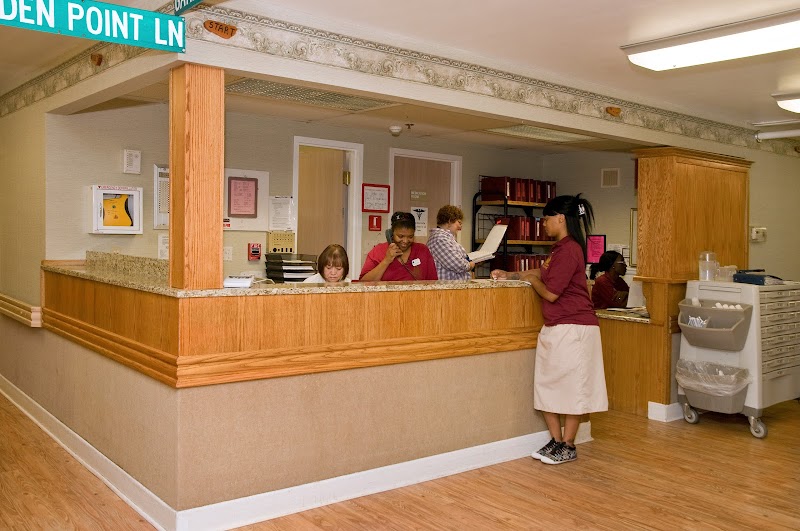
How Does Hammond-Whiting Compare to Other Indiana Nursing Homes?

Compared to the 100 nursing homes in Indiana, HAMMOND-WHITING CARE CENTER's overall rating (1 stars) is below the state average of 3.1, staff turnover (46%) is near the state average of 46%, and health inspection rating (1 stars) is much below the national benchmark.

What Should Families Ask When Visiting Hammond-Whiting?

Based on this facility's data, families visiting should ask: "Can you walk me through typical staffing levels on day, evening, and night shifts?" "Can I visit during a mealtime to observe dining assistance and food quality?" "How do you handle medical emergencies, and what is your hospital transfer rate?" "Can I speak with family members of current residents about their experience?" These questions are particularly relevant given the below-average staffing rating.

Is Hammond-Whiting Safe?

Based on CMS inspection data, HAMMOND-WHITING CARE CENTER has a clean safety record: no substantiated abuse findings (meaning no confirmed cases of resident harm), no Immediate Jeopardy citations (the most serious violation level indicating risk of serious injury or death), and is not on the Special Focus Facility watch list (a federal program monitoring the lowest-performing 1% of nursing homes). The facility has a 1-star overall rating and ranks #100 of 100 nursing homes in Indiana. While no facility is perfect, families should still ask about staff-to-resident ratios and recent inspection results during their visit.

Do Nurses at Hammond-Whiting Stick Around?

HAMMOND-WHITING CARE CENTER has a staff turnover rate of 46%, which is about average for Indiana nursing homes (state average: 46%). Moderate turnover is common in nursing homes, but families should still ask about staff tenure and how the facility maintains care continuity when employees leave.

Was Hammond-Whiting Ever Fined?

HAMMOND-WHITING CARE CENTER has no federal fines on record. CMS issues fines when nursing homes fail to meet care standards or don't correct problems found during inspections. The absence of fines suggests the facility has either maintained compliance or corrected any issues before penalties were assessed. This is a positive indicator, though families should still review recent inspection reports for the full picture.

Is Hammond-Whiting on Any Federal Watch List?

HAMMOND-WHITING CARE CENTER is not on any federal watch list. The most significant is the Special Focus Facility (SFF) program, which identifies the bottom 1% of nursing homes nationally based on persistent, serious quality problems. Not being on this list means the facility has avoided the pattern of deficiencies that triggers enhanced federal oversight. This is a positive indicator, though families should still review the facility's inspection history directly.