HICKORY CREEK AT WINAMAC
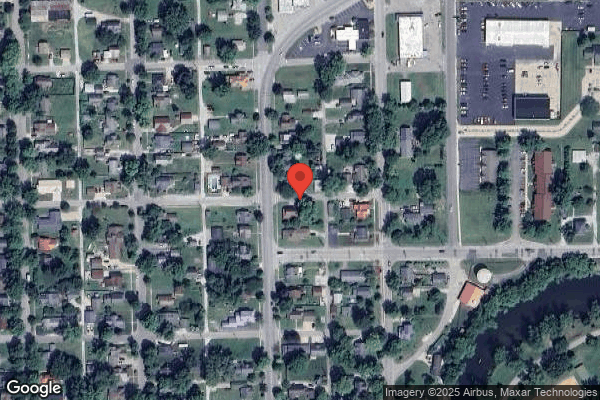

515 E 13TH ST, WINAMAC, IN 46996 (574) 946-6143
For profit - Corporation 36 Beds AMERICAN SENIOR COMMUNITIES Data: November 2025
Trust Grade
85/100
#152 of 505 in IN
Last Inspection: September 2024

Within standard 12-15 month inspection cycle. Federal law requires annual inspections.

Overview

Hickory Creek at Winamac has a Trust Grade of B+, which means it is above average and recommended for families seeking care. It ranks #152 out of 505 facilities in Indiana, placing it in the top half, and it is the best option among the three facilities in Pulaski County. However, the facility is worsening, with issues increasing from three in 2022 to four in 2024. Staffing is a concern, with a below-average rating of 2 out of 5 stars and RN coverage not consistently meeting required hours, potentially affecting all residents. On a positive note, there have been no fines on record, indicating compliance with regulations, but there were specific incidents found, such as improper sanitization of food temperature probes and failure to prepare pureed food to the correct consistency, which could affect residents' dietary needs. Overall, while there are strengths in compliance and quality measures, families should be aware of the staffing issues and recent findings that raise concerns.

Trust Score
B+
85/100
In Indiana
#152/505
Top 30%
Safety Record
Low Risk
No red flags
Inspections
Getting Worse
3 → 4 violations
Staff Stability
✓ Good
22% annual turnover. Excellent stability, 26 points below Indiana's 48% average. Staff who stay learn residents' needs.
Penalties
✓ Good
No fines on record. Clean compliance history, better than most Indiana facilities.
Skilled Nurses
○ Average
Each resident gets 37 minutes of Registered Nurse (RN) attention daily — about average for Indiana. RNs are the most trained staff who monitor for health changes.
Violations
○ Average
7 deficiencies on record. Average for a facility this size. Mostly minor or procedural issues.
★★★★☆
4.0
Overall Rating
★★☆☆☆
2.0
Staff Levels
★★★★★
5.0
Care Quality
★★★☆☆
3.0
Inspection Score
Stable
2022: 3 issues
2024: 4 issues

The Good

  • 5-Star Quality Measures · Strong clinical quality outcomes
  • Low Staff Turnover (22%) · Staff stability means consistent care
  • Full Sprinkler Coverage · Fire safety systems throughout facility
  • No fines on record
  • Staff turnover is low (22%)

    26 points below Indiana average of 48%

Facility shows strength in quality measures, staff retention, fire safety.

The Bad

Chain: AMERICAN SENIOR COMMUNITIES

Part of a multi-facility chain

Ask about local staffing decisions and management

The Ugly 7 deficiencies on record

Sept 2024 4 deficiencies
CONCERN (D)

Potential for Harm - no one hurt, but risky conditions existed

Deficiency F0805 (Tag F0805)

Could have caused harm · This affected 1 resident

**NOTE- TERMS IN BRACKETS HAVE BEEN EDITED TO PROTECT CONFIDENTIALITY** Based on observation, interview, and record review, the facility failed to ensure food was prepared in form to meet individual n...

Read full inspector narrative →
**NOTE- TERMS IN BRACKETS HAVE BEEN EDITED TO PROTECT CONFIDENTIALITY** Based on observation, interview, and record review, the facility failed to ensure food was prepared in form to meet individual needs related to not making pureed food the correct consistency. This had the potential to affect the 2 residents who received a pureed diet. Finding includes: On 9/5/24 at 11:27 a.m., [NAME] 2 was observed preparing pureed food. She indicated she was going to puree 3 servings of [NAME] Dogs (hot dog with a meat sauce). She placed 3 hot dogs with an unmeasured amount of meat sauce into the blender and blended. She poured the mixture out into a container and indicated it was finished. The cook was asked how she was sure if there were no hot dog chunks in the puree. She then proceeded to take a fork and stir up the puree. There were visible chunks of hot dog still observed. The cook then poured the mixture back into the blender and added an unmeasured amount of water to the blender and blended. She poured the mixture back into another container. She stirred the container with a fork and indicated it was smooth. The container was still observed with chunks of hot dogs. The cook was interviewed if she saw the chunks of hot dog. She indicated no and then she stirred the container again and acknowledged there were still chunks of hot dog in the container. She poured the mixture back into the blender again and added an unmeasured amount of water to the blender and blended. She poured the mixture into a container, stirred it around with a fork, and the food was smooth with no chunks. During an interview after the observation, [NAME] 2 indicated they did not have any puree recipes to follow. The staff followed a food and liquid consistency chart. The chart did not say how much or what liquid to use in pureed food. During an interview on 9/5/24 at 12:57 p.m., the Dietary Manager (DM) indicated the cook should have made sure there were no chunks of hot dog in the puree before indicating she was completed with the puree. The facility did not have any puree recipes. The Dietician told them it did not matter what liquid they used to reach the proper consistency. A recipe, titled [NAME] Dog and received as current from the DM, indicated, .Notes: 1. Pureed Level 4: Smooth texture, NO lumps . 3.1-21(a)(3)
CONCERN (D)

Potential for Harm - no one hurt, but risky conditions existed

Infection Control (Tag F0880)

Could have caused harm · This affected 1 resident

Based on observation, interview, and record review, the facility failed to ensure infection control practices and standards were maintained, related to staff touching pills during medication administr...

Read full inspector narrative →
Based on observation, interview, and record review, the facility failed to ensure infection control practices and standards were maintained, related to staff touching pills during medication administration for 1 of 12 residents observed during medication administration. (QMA 1, QMA 2, and Resident 9) Findings include: 1. On 9/4/24 at 11:33 a.m., QMA 1 was observed preparing Resident 9's medications. She popped one tamulosin (medication to improve urination) capsule from the medication card into her hand. She then opened up the capsule with her hands and poured the medication into a cup and administered the medication. During an interview at the time, QMA 1 indicated she normally just opened up the capsules with her hands and did not wear gloves. 2. On 9/5/24 at 12:37 p.m., QMA 2 was observed preparing Resident 9's medications. She popped one tamulosin capsule from the medication card into her hand. She then opened up the capsule with her hands and poured the medication into a cup and administered the medication. During an interview at the time, QMA 2 indicated she normally wore gloves when she opened the medication capsules. During an interview on 9/5/24 at 3:04 p.m., the Assistant Director of Nursing indicated the staff are expected to apply gloves and not to touch pills with their hands. A Skills Competency checklist titled, Medication Administration (Medication Pass Procedure) and received as current from the Director of Nursing, indicated, .5. Medications are opened without contaminating . 3.1-18(b)
CONCERN (F)

Potential for Harm - no one hurt, but risky conditions existed

Deficiency F0727 (Tag F0727)

Could have caused harm · This affected most or all residents

Based on record review and interview, the facility failed to ensure there were 8 hours of consecutive RN (Registered Nurse) coverage for 9 out of 20 days reviewed. This had the potential to affect all...

Read full inspector narrative →
Based on record review and interview, the facility failed to ensure there were 8 hours of consecutive RN (Registered Nurse) coverage for 9 out of 20 days reviewed. This had the potential to affect all 27 residents in the facility. Finding includes: On 9/6/24 at 11:21 a.m., the Nursing Staff Schedules dated 8/18/24 through 9/6/24 were reviewed. There was no RN scheduled for 8/18/24, 8/20/24, 8/21/24, 8/22/24, 8/23/24, 8/27/24, 8/31/24, 9/1/24, and 9/6/24. During an interview on 9/6/24 at 11:49 a.m., the Administrator indicated there was not 8 hours of RN coverage on the above dates. 3.1-17(b)(3)
CONCERN (F)

Potential for Harm - no one hurt, but risky conditions existed

Food Safety (Tag F0812)

Could have caused harm · This affected most or all residents

**NOTE- TERMS IN BRACKETS HAVE BEEN EDITED TO PROTECT CONFIDENTIALITY** 2. On 9/5/24 at 11:58 a.m., [NAME] 2 was observed checking temperatures of the meal being served for lunch. She began by washing...

Read full inspector narrative →
**NOTE- TERMS IN BRACKETS HAVE BEEN EDITED TO PROTECT CONFIDENTIALITY** 2. On 9/5/24 at 11:58 a.m., [NAME] 2 was observed checking temperatures of the meal being served for lunch. She began by washing her hands with soap and water. She wiped the food temperature probe with a sanitation wipe and proceeded to check the temperature of a hot dog. She removed the probe, wiped it with a new sanitation wipe, and checked the temperature of the [NAME] dog sauce. She repeated this process to check the temperature of mashed potatoes, the [NAME] dog puree, green beans, and pureed green beans. [NAME] 2 then checked the temperature of a hamburger, removed the probe, and then placed the probe directly into a soft bite-sized hot dog. She repeated this process for checking the temperatures of french fries, [NAME] dog sauce, and pureed [NAME] dog sauce without sanitizing the temperature probe between uses. During an interview on 9/5/24 at 12:05 p.m., [NAME] 2 indicated she needed to sanitize the temperature probe between each use, and she wanted to wash it. She proceeded to wipe the temperature probe with a cloth located inside of a sanitizer bucket. During an interview on 9/6/24 at 11:36 a.m., the Dietary Manager indicated the temperature probe should have been wiped in between each use and she would provide some in-servicing to her staff. A Policy titled, Proper Use of a Food Thermometer, indicated, Probe Thermometer .Thermometer is cleaned and sanitized before use. Thermometer is inserted, up to the dimple, into the thickest part of the food. Thermometer is left in the food item until the needle has stopped moving .Thermometer wiped with sanitizing wipe and allowed to dry before inserting into the next food item. 3.1-21(i)(3) Based on observation, interview, and record review, the facility failed to ensure a sanitary kitchen related to expired foods, undated and/or unlabeled food, and foods open to air in the refrigerator and freezer. The facility also failed to ensure a cook cleaned a food thermometer probe correctly before checking temperatures of food. This had the potential to affect 27 residents who received meals prepared in the kitchen. Findings include: 1. On 9/3/24 at 10:46 a.m., during the initial kitchen tour with [NAME] 1, the following was observed: a. First refrigerator - There were 3 bags of lettuce. The best by used date was 8/27/24. - There was a sealable bag of chicken [NAME] dated 8/29/24. The use by date was 9/1/24. - There was a sealable bag that was open to air. The bag contained scrambled eggs and was dated 9/1/24. b. First freezer - There was a sealable bag with an unknown meat in the bag. There was no label on the bag that included the contents or when it was frozen. During an interview at the time of the tour, [NAME] 1 indicated she had not worked for the past couple of days and the items should have been labeled or thrown out when they expired. A sheet titled, Labeling and Dating and provided as current from the Dietary Manager, indicated, .The date the product must be consumed or discarded may not exceed the manufacturer's use-by-date .
Aug 2022 3 deficiencies
CONCERN (D)

Potential for Harm - no one hurt, but risky conditions existed

Quality of Care (Tag F0684)

Could have caused harm · This affected 1 resident

**NOTE- TERMS IN BRACKETS HAVE BEEN EDITED TO PROTECT CONFIDENTIALITY** Based on observation, record review, and interview, the facility failed to ensure a Physician's order was in place for a wound t...

Read full inspector narrative →
**NOTE- TERMS IN BRACKETS HAVE BEEN EDITED TO PROTECT CONFIDENTIALITY** Based on observation, record review, and interview, the facility failed to ensure a Physician's order was in place for a wound treatment for 1 of 2 residents reviewed for non-pressure skin issues. (Resident 4) Finding includes: On 8/18/22 at 4:10 p.m., Resident 4's right foot and leg wound treatment was observed with the Director of Nursing (DON) and the Clinical Nurse Specialist (CNS). The resident had wounds on the second and third toes, the top of the right foot, and in the middle of his calf. The DON completed the treatment to the right foot and calf. The toes were wrapped with gauze. The resident's record was reviewed on 8/17/22 at 3:09 p.m. The resident was admitted on [DATE]. Diagnoses included, but was not limited to, dementia and chronic obstructive pulmonary disease. The current Physician's Order indicated the the right foot and lower leg were to be cleansed with wound wash, apply Calazine around wound, cover with an ABD pad (thick dressing pad) and wrap in gauze daily. There was no treatment order for the toes. The Wound Monitoring indicated the resident had abrasions to the right second and third toes and the top of the right foot that were initially found on 7/12/22. The CNS indicated at the time of the wound treatment, they did not have a treatment order for the toes and the Physician would need to be contacted. 3.1-37
CONCERN (D)

Potential for Harm - no one hurt, but risky conditions existed

Pressure Ulcer Prevention (Tag F0686)

Could have caused harm · This affected 1 resident

**NOTE- TERMS IN BRACKETS HAVE BEEN EDITED TO PROTECT CONFIDENTIALITY** Based on observation, record review, and interview, the facility failed to ensure an intervention was in place for the treatment...

Read full inspector narrative →
**NOTE- TERMS IN BRACKETS HAVE BEEN EDITED TO PROTECT CONFIDENTIALITY** Based on observation, record review, and interview, the facility failed to ensure an intervention was in place for the treatment and prevention of a pressure ulcer for 1 of 3 residents reviewed for pressure ulcers. (Resident 27) Finding includes: On 8/17/22 at 12:01 p.m. and 8/18/22 at 2:58 p.m., Resident 27 was observed in his bed. He had a cushion under his knees, and his heels were resting on the mattress. On 8/19/22 at 1:00 p.m., a staff member was talking to the resident while he was in bed. The cushion was on the chair, and his heels were resting on the mattress. At 1:44 p.m., the cushion remained on the chair and the resident's heels were resting on the mattress. The resident's record was reviewed on 8/18/22 at 3:52 p.m. The resident was admitted on [DATE]. Diagnoses included, but were not limited to, dementia and Diabetes Mellitus. The admission Minimum Data Set assessment, dated 7/25/22, indicated the resident had moderate cognitive impairment and required extensive assistance from staff for bed mobility and transfers. The Wound Monitoring log indicated the resident had a stage 2 (partial-thickness skin loss into but no deeper than the dermis, includes intact or ruptured blisters) pressure ulcer to his right heel that was first identified on 7/26/22. A Physician's Order, dated 8/4/22, indicated the resident was to have a Heeleze cushion (to keep the heels off the bed to reduce pressure) at all times when in bed. The Pressure Ulcer Care Plan, dated 7/26/22, included the intervention to have Heeleze cushion in place to offset pressure to heels when in bed. Interview with LPN 1 on 8/19/22 at 1:44 p.m., indicated the resident was to have the cushion at all times when in bed to elevate heels off the mattress. 3.1-40
MINOR (C)

Minor Issue - procedural, no safety impact

Deficiency F0727 (Tag F0727)

Minor procedural issue · This affected most or all residents

Based on record review and interview, the facility failed to ensure there were 8 hours of consecutive RN (Registered Nurse) coverage in the facility for 8 out of 16 days reviewed. This had the potenti...

Read full inspector narrative →
Based on record review and interview, the facility failed to ensure there were 8 hours of consecutive RN (Registered Nurse) coverage in the facility for 8 out of 16 days reviewed. This had the potential to affect all 29 residents residing in the facility. Findings include: On 8/17/22 at 5:11 p.m., the Nursing Staff Schedules, dated 8/2/22 through 8/17/22, were reviewed. There was not an RN scheduled for 8 consecutive hours on 8/2, 8/4, 8/5, 8/8, 8/9, 8/10, 8/13, 8/14 On 5/10/22 at 10:52 a.m., the daily Nursing Staffing Postings, dated 8/2/22 through 8/15/22 were reviewed. There were no RN hours listed for 8/2/22-8/15/22. The Director of Nursing was hired on 8/15/22. Interview with the Executive Director on 8/17/22 at 5:19 p.m., indicated she completed the Nursing Schedules and was not aware that an RN had to have 8 consecutive hours in the facility. The facility had an RN to audit records 6 of the days from 8/4/22-8/14/22. On 8/2 and 8/10, there were 4 consecutive hours for an RN on duty. There was not a policy for RN coverage. 3.1-17(b)(3)
Understanding Severity Codes (click to expand)
Life-Threatening (Immediate Jeopardy)
J - Isolated K - Pattern L - Widespread
Actual Harm
G - Isolated H - Pattern I - Widespread
Potential for Harm
D - Isolated E - Pattern F - Widespread
No Harm (Minor)
A - Isolated B - Pattern C - Widespread

Questions to Ask on Your Visit

  • "Can I speak with families of current residents?"
  • "What's your RN coverage like on weekends and overnight?"

Our Honest Assessment

Strengths
  • • Grade B+ (85/100). Above average facility, better than most options in Indiana.
  • • No major safety red flags. No abuse findings, life-threatening violations, or SFF status.
  • • No fines on record. Clean compliance history, better than most Indiana facilities.
  • • 22% annual turnover. Excellent stability, 26 points below Indiana's 48% average. Staff who stay learn residents' needs.
Concerns
  • • No significant concerns identified. This facility shows no red flags across CMS ratings, staff turnover, or federal penalties.
Bottom line: Generally positive indicators. Standard due diligence and a personal visit recommended.

About This Facility

What is Hickory Creek At Winamac's CMS Rating?

CMS assigns HICKORY CREEK AT WINAMAC an overall rating of 4 out of 5 stars, which is considered above average nationally. Within Indiana, this rating places the facility higher than 99% of the state's 100 nursing homes. This rating reflects solid performance across the metrics CMS uses to evaluate nursing home quality.

How is Hickory Creek At Winamac Staffed?

CMS rates HICKORY CREEK AT WINAMAC's staffing level at 2 out of 5 stars, which is below average compared to other nursing homes. Staff turnover is 22%, compared to the Indiana average of 46%. This relatively stable workforce can support continuity of care.

What Have Inspectors Found at Hickory Creek At Winamac?

State health inspectors documented 7 deficiencies at HICKORY CREEK AT WINAMAC during 2022 to 2024. These included: 6 with potential for harm and 1 minor or isolated issues.

Who Owns and Operates Hickory Creek At Winamac?

HICKORY CREEK AT WINAMAC is owned by a for-profit company. For-profit facilities operate as businesses with obligations to shareholders or private owners. The facility is operated by AMERICAN SENIOR COMMUNITIES, a chain that manages multiple nursing homes. With 36 certified beds and approximately 26 residents (about 72% occupancy), it is a smaller facility located in WINAMAC, Indiana.

How Does Hickory Creek At Winamac Compare to Other Indiana Nursing Homes?

Compared to the 100 nursing homes in Indiana, HICKORY CREEK AT WINAMAC's overall rating (4 stars) is above the state average of 3.1, staff turnover (22%) is significantly lower than the state average of 46%, and health inspection rating (3 stars) is at the national benchmark.

What Should Families Ask When Visiting Hickory Creek At Winamac?

Based on this facility's data, families visiting should ask: "Can you walk me through typical staffing levels on day, evening, and night shifts?" "Can I visit during a mealtime to observe dining assistance and food quality?" "How do you handle medical emergencies, and what is your hospital transfer rate?" "Can I speak with family members of current residents about their experience?" These questions are particularly relevant given the below-average staffing rating.

Is Hickory Creek At Winamac Safe?

Based on CMS inspection data, HICKORY CREEK AT WINAMAC has a clean safety record: no substantiated abuse findings (meaning no confirmed cases of resident harm), no Immediate Jeopardy citations (the most serious violation level indicating risk of serious injury or death), and is not on the Special Focus Facility watch list (a federal program monitoring the lowest-performing 1% of nursing homes). The facility has a 4-star overall rating and ranks #1 of 100 nursing homes in Indiana. While no facility is perfect, families should still ask about staff-to-resident ratios and recent inspection results during their visit.

Do Nurses at Hickory Creek At Winamac Stick Around?

Staff at HICKORY CREEK AT WINAMAC tend to stick around. With a turnover rate of 22%, the facility is 24 percentage points below the Indiana average of 46%. Low turnover is a positive sign. It means caregivers have time to learn each resident's needs, medications, and personal preferences. Consistent staff also notice subtle changes in a resident's condition more quickly.

Was Hickory Creek At Winamac Ever Fined?

HICKORY CREEK AT WINAMAC has no federal fines on record. CMS issues fines when nursing homes fail to meet care standards or don't correct problems found during inspections. The absence of fines suggests the facility has either maintained compliance or corrected any issues before penalties were assessed. This is a positive indicator, though families should still review recent inspection reports for the full picture.

Is Hickory Creek At Winamac on Any Federal Watch List?

HICKORY CREEK AT WINAMAC is not on any federal watch list. The most significant is the Special Focus Facility (SFF) program, which identifies the bottom 1% of nursing homes nationally based on persistent, serious quality problems. Not being on this list means the facility has avoided the pattern of deficiencies that triggers enhanced federal oversight. This is a positive indicator, though families should still review the facility's inspection history directly.