PULASKI HEALTH CARE CENTER
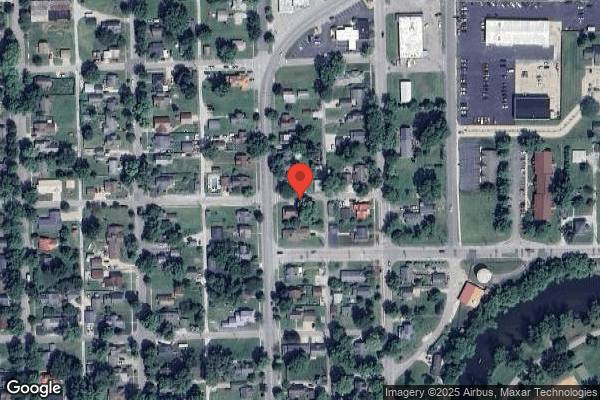
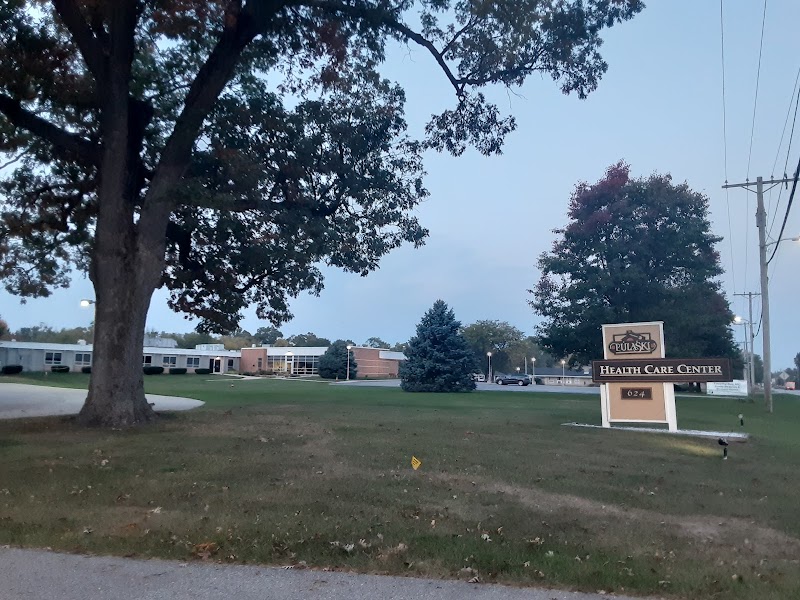
624 E 13TH ST, WINAMAC, IN 46996 (574) 946-3394
Government - County 58 Beds Independent Data: November 2025
Trust Grade
50/100
#377 of 505 in IN
Last Inspection: July 2024

Within standard 12-15 month inspection cycle. Federal law requires annual inspections.

Overview

Pulaski Health Care Center has a Trust Grade of C, which means it is average and sits in the middle of the pack compared to other facilities. It ranks #377 out of 505 nursing homes in Indiana, placing it in the bottom half of the state, and it is #3 out of 3 in Pulaski County, indicating there are only two local options that are better. The facility is showing an improving trend, as the number of identified issues decreased from 5 in 2024 to 4 in 2025. Staffing is rated average with a turnover rate of 55%, which is close to the state average, but the center benefits from more RN coverage than 89% of Indiana facilities, ensuring better monitoring of residents' health needs. On the downside, there were specific concerns noted such as a failure to maintain a sanitary kitchen, with food boxes stored improperly, and incomplete medical records for several residents, which raises potential risks for their well-being.

Trust Score
C
50/100
In Indiana
#377/505
Bottom 26%
Safety Record
Low Risk
No red flags
Inspections
Getting Better
5 → 4 violations
Staff Stability
⚠ Watch
55% turnover. Above average. Higher turnover means staff may not know residents' routines.
Penalties
✓ Good
No fines on record. Clean compliance history, better than most Indiana facilities.
Skilled Nurses
✓ Good
Each resident gets 53 minutes of Registered Nurse (RN) attention daily — more than average for Indiana. RNs are trained to catch health problems early.
Violations
⚠ Watch
21 deficiencies on record. Higher than average. Multiple issues found across inspections.
★★☆☆☆
2.0
Overall Rating
★★★☆☆
3.0
Staff Levels
★☆☆☆☆
1.0
Care Quality
★★★☆☆
3.0
Inspection Score
Stable
2024: 5 issues
2025: 4 issues

The Good

  • Full Sprinkler Coverage · Fire safety systems throughout facility
  • No fines on record

Facility shows strength in fire safety.

The Bad

2-Star Overall Rating

Below Indiana average (3.1)

Below average - review inspection findings carefully

Staff Turnover: 55%

Near Indiana avg (46%)

Higher turnover may affect care consistency

The Ugly 21 deficiencies on record

Aug 2025 2 deficiencies
CONCERN (D) 📢 Someone Reported This

A family member, employee, or ombudsman was alarmed enough to file a formal complaint

Potential for Harm - no one hurt, but risky conditions existed

Quality of Care (Tag F0684)

Could have caused harm · This affected 1 resident

**NOTE- TERMS IN BRACKETS HAVE BEEN EDITED TO PROTECT CONFIDENTIALITY** Based on record review and interview, the facility failed to ensure a speech therapy evaluation was completed as ordered for 1 o...

Read full inspector narrative →
**NOTE- TERMS IN BRACKETS HAVE BEEN EDITED TO PROTECT CONFIDENTIALITY** Based on record review and interview, the facility failed to ensure a speech therapy evaluation was completed as ordered for 1 of 4 residents reviewed for nutrition and also failed to ensure there was documentation and interventions in place for bowel management for 1 of 5 residents reviewed for unnecessary medications. (Residents B and D)Findings include: 1. The closed record for Resident B was reviewed on 8/19/25 at 3:48 p.m. Diagnoses included, but were not limited to, myasthenia gravis, cyclical vomiting syndrome and pervasive developmental disorder. The resident was admitted on [DATE] for a respite stay. The Quarterly Minimum Data Set (MDS) assessment, dated 5/6/25, indicated the resident had severe cognitive deficits and required moderate assistance with eating and substantial assistance with bed mobility and transfers. A Progress Note, dated 4/28/25, indicated the resident had arrived at the facility accompanied by family. The family indicated he was only to drink from a slow flow sippy cut, could not have milk and should have medications crushed and given in applesauce. The Baseline Care Plan, dated 4/28/25, indicated food should be provided in bite size pieces. A Care Plan Summary, dated 4/30/25, indicated the resident needed weighted silverware and a plate guard. A Progress Note, dated 5/2/25, indicated the Physician gave verbal orders to obtain a Speech Therapy evaluation due to special diet recommendations from the family. The record lacked documentation that a Speech Therapy evaluation had been completed. During an interview on 8/20/25 at 4:25 p.m., the Speech Therapist indicated she had never evaluated the resident. During an interview on 8/21/25 at 3:25 p.m., the Administrator indicated she had no information why the evaluation had not been completed, and it may have been entered by error. 2. Resident D's record was reviewed on 8/19/25 at 10:37 a.m. Diagnoses included, but were not limited to, Alzheimer's disease, developmental disorder, cognitive communication deficit, and iron deficiency anemia. The Quarterly Minimum Data Set assessment, dated 7/30/25, indicated the resident was severely cognitively impaired. In the 7-day look-back period, the resident received an antipsychotic, antianxiety, opioid, and hypoglycemic medication. The resident was frequently incontinent of bowel and bladder and required substantial to maximal assistance with toileting hygiene. The August 2025 Physician Order Summary indicated the resident received hydrocodone-acetaminophen 5-325 milligram tablet twice daily and iron tablet 325 milligrams daily. A Care Plan, dated 11/12/24, indicated the resident was at risk for low hemoglobin (protein in red blood cells) and hematocrit (percentage of red blood cells) related to iron deficiency anemia. Interventions included, but were not limited to, administer medications as ordered and monitor effectiveness. A Care Plan, dated 11/12/24, indicated the resident was at risk for pain related to a history of right humerus fracture and chronic pain which the resident received routine pain management to address. Interventions included, but were not limited to, analgesics as ordered and observe for effectiveness of medications. The Output: Bowel Movement documentation was reviewed from 7/1/25 thru 8/19/25. Bowel movements were documented on 7/15/25, 7/19/25, 7/22/25, 7/27/25, 8/2/25, 8/4/25, 8/5/25, 8/8/25, 8/11/25, and 8/17/25. There was no documentation related to acquiring orders for treatment or intervention attempts related to the lack of bowel movements. During an interview on 8/22/25 at 1:00 p.m., the Director of Nursing and Regional Nurse Consultant were notified of the concern and provided no further information. A policy related to bowel protocols and monitoring was requested and was not received. This citation relates to Intake 1759620. 3.1-37(a)
CONCERN (D) 📢 Someone Reported This

A family member, employee, or ombudsman was alarmed enough to file a formal complaint

Potential for Harm - no one hurt, but risky conditions existed

Medical Records (Tag F0842)

Could have caused harm · This affected 1 resident

**NOTE- TERMS IN BRACKETS HAVE BEEN EDITED TO PROTECT CONFIDENTIALITY** Based on record review and interview, the facility failed to ensure medical records were accurate and complete related to incomp...

Read full inspector narrative →
**NOTE- TERMS IN BRACKETS HAVE BEEN EDITED TO PROTECT CONFIDENTIALITY** Based on record review and interview, the facility failed to ensure medical records were accurate and complete related to incomplete meal intakes, snack intakes and fluid intakes for 3 of 13 resident records reviewed. (Residents B, E, and C)Findings include: 1. The closed record for Resident B was reviewed on 8/19/25 at 3:48 p.m. Diagnoses included, but were not limited to, myasthenia gravis, cyclical vomiting syndrome and pervasive developmental disorder. The resident was admitted on [DATE] for a respite stay. The Quarterly Minimum Data Set (MDS) assessment, dated 5/6/25, indicated the resident had severe cognitive deficits and required moderate assistance with eating and substantial assistance with bed mobility and transfers. The Nutrition Care Plan, dated 5/7/25, indicated the resident was at nutritional risk due to dysphagia, feeding problems and vomiting syndrome. Interventions included, but were not limited to, monitor oral intakes. The Task Meal Consumption Logs were documented with percentage of meals eaten. The May 2025 log lacked documentation for the following meals: Breakfast: 5/1, 5/2, 5/5, 5/7, 5/8, 5/9, 5/12, 5/13, 5/15, 5/16, 5/19, 5/20, 5/21, 5/22, 5/23, 5/24, 5/25, 5/27, 5/28, 5/29, 5/30 Lunch: 5/1, 5/2, 5/4, 5/5, 5/6, 5/7, 5/8, 5/9, 5/13, 5/14, 5/15, 5/16, 5/18, 5/19, 5/20, 5/21, 5/22, 5/23, 5/24, 5/25, 5/26, 5/27, 5/28, 5/29, 5/30 Dinner: 5/1, 5/2, 5/3, 5/4, 5/5, 5/7, 5/8, 5/9, 5/10, 5/11, 5/12, 5/13, 5/14, 5/15, 5/17, 5/18, 5/19, 5/20, 5/21, 5/23, 5/24, 5/25, 5/26, 5/27, 5/28, 5/29, 5/30During an interview on 8/21/25 at 3:25 p.m., the Administrator was made aware of the missing documentation, there was no additional information provided. 2. Resident E's record was reviewed on 8/19/25 at 12:08 p.m. Diagnoses included, but were not limited to, diabetes mellitus, dementia and end stage renal disease dependent on dialysis. The Significant Change MDS assessment, dated 6/11/25, indicated the resident was cognitively intact and required set up assistance for eating and toileting. A Physician's Order, dated 7/6/23, indicated the resident was on a 1200 milliliters (ml) daily fluid restriction. Nursing was to provide a total of 480 ml, and dietary was to provide 720 ml divided by 240 ml for breakfast, 240 ml for lunch and 240 ml for dinner. A Dialysis Care Plan, dated 7/19/23, indicated the resident required dialysis related to end stage kidney disease. Interventions included, but were not limited to, monitor fluid intake (fluid restriction) and ensure that resident understands importance of dietary and fluid restrictions. The August 2025 Vitals Report lacked fluid documentation for the following meals: Breakfast: 8/2, 8/3, 8/4, 8/5, 8/6, 8/8, 8/10, 8/11, 8/12, 8/15, 8/17. Lunch: 8/3, 8/4, 8/6, 8/8, 8/9, 8/10, 8/11, 8/15, 8/18, 8/21. Dinner: 8/1, 8/2, 8/3, 8/4, 8/5, 8/6, 8/7, 8/8, 8/9, 8/10, 8/12, 8/14, 8/17, 8/18, 8/20, 8/21. During an interview on 8/21/25 at 3:25 p.m., the Administrator was made aware of the missing documentation, there was no additional information provided. 3. Record review for Resident C was completed on 8/19/25 at 12:33 p.m. Diagnoses included, but were not limited to, Parkinson’s disease, Lewy body dementia, and anxiety. The Quarterly Minimum Data Set (MDS) assessment, dated 6/5/25, indicated the resident was severely cognitively impaired. The resident was dependent on staff for eating and drinking. A Care Plan, dated 3/20/25 and revised 8/18/25, indicated the resident was on a mechanically altered diet texture related to Lewy body dementia. An intervention included to monitor and record intakes. The August 2025 Physician’s Order Summary (POS) indicated orders for the following:-Chart morning snack intake daily-Chart afternoon snack intake daily-Chart evening snack daily at bedtime -Chart breakfast intake daily-Chart lunch intake daily-Chart dinner intake daily The Task Meal Consumption Logs were documented with percentage of snacks and meals eaten. The last 30 days lacked documentation for the following snacks and meals:-Morning snack: 7/22, 7/24, 7/25, 7/27, 7/31, 8/3, 8/4, 8/6, 8/7, 8/8, 8/13, and 8/17/25-Afternoon snack: 7/19, 7/20, 7/22, 7/23, 7/24, 7/26, 7/27, 7/29, 7/30, 8/2, 8/3, 8/4, 8/5, 8/7, 8/8, 8/9, 8/10, 8/12, 8/14, 8/15, 8/16, 8/17, 8/18, and 8/19/25-Evening snack: 8/7/25-Breakfast: 7/22, 7/24, and 8/8/25-Lunch: 7/25, 8/8, and 8/10/25-Dinner: 7/19, 7/20, 7/23, and 8/18/25 During an interview on 8/20/25 at 3:59 p.m., the Director of Nursing (DON) indicated she was unable to provide any documentation the resident's meal consumption logs were completed on the above dates. This citation relates to Intake 1759620. 3.1-50(a)(1)
Feb 2025 2 deficiencies
CONCERN (D) 📢 Someone Reported This

A family member, employee, or ombudsman was alarmed enough to file a formal complaint

Potential for Harm - no one hurt, but risky conditions existed

Pressure Ulcer Prevention (Tag F0686)

Could have caused harm · This affected 1 resident

Based on observation, record review, and interview, the facility failed to ensure a resident with pressure ulcers received the necessary treatment and services to promote healing, related to treatment...

Read full inspector narrative →
Based on observation, record review, and interview, the facility failed to ensure a resident with pressure ulcers received the necessary treatment and services to promote healing, related to treatments not completed as ordered for 1 of 3 residents reviewed for pressure ulcers. (Resident D) Finding includes: During an observation and interview on 2/3/25 at 1:55 p.m., CNA 1 and CNA 2 entered Resident D's room to provide incontinence care. The CNA's assisted the resident to turn onto her left side. Resident D had a urinary catheter and the pad underneath the resident was soiled with urine. The resident indicated her urine would sometimes leak around the catheter. CNA 2 indicated the resident had pressure ulcers on the right and left upper back thigh. The areas on the posterior thighs were observed to be open and not covered with dressings. CNA 2 observed the soiled pad that was being removed and indicated the dressings were not found on the soiled pad. During an observation and interview on 2/3/25 at 2:05 p.m., the Director of Nursing (DON) indicated there were no dressings covering the pressure areas on the bilateral posterior thighs. CNA 2 indicated when she had provided care earlier, she had not paid attention and was unsure if the dressings were on the pressure areas at the time of the earlier care. CNA 2 indicated she was unsure how long the dressings had not been on the open areas. Resident D's record was reviewed on 2/4/25 at 1:30 p.m. The diagnoses included, but were not limited to, transverse myelitis and diabetes mellitus. A Care Plan, dated 10/23/24, indicated a pressure ulcer to the right posterior thigh. The interventions included the treatment and dressing would be completed to the wound as ordered. An Annual Minimum Data Set assessment, dated 11/7/24, indicated an intact cognitive status, was dependent for bed mobility and toileting, had a urinary catheter, was always incontinent of bowel, had one stage two (partial thickness of skin/shallow open ulcer) and one stage three (full thickness tissue loss) pressure ulcer. A Care Plan, dated 11/20/24, indicated a pressure ulcer was present on the the left posterior thigh. The interventions included the treatment and dressing would be completed to the wound as ordered. The Physician's Orders, dated 1/22/25, indicated the right and left posterior thighs were to be cleansed with normal saline, collagen (wound dressing) was to be applied to the wound beds and a bordered gauze was to be applied to cover the wound. The treatments were scheduled every evening at bedtime. This citation relates to Complaints IN00449796 and IN00451233. 3.1-40(a)
CONCERN (D) 📢 Someone Reported This

A family member, employee, or ombudsman was alarmed enough to file a formal complaint

Potential for Harm - no one hurt, but risky conditions existed

Infection Control (Tag F0880)

Could have caused harm · This affected 1 resident

Based on observation, interview, and record review, the facility failed to ensure correct Personal Protective Equipment (PPE) was used by staff members (CNA 1 and CNA 2) when providing care to residen...

Read full inspector narrative →
Based on observation, interview, and record review, the facility failed to ensure correct Personal Protective Equipment (PPE) was used by staff members (CNA 1 and CNA 2) when providing care to residents (Resident G and Resident D) who were in Enhanced Barrier Precautions (EBP), for two random observation for infection control. Finding includes: 1. During an observation and interview on 2/23/25 at 1:45 p.m., CNA 1 and CNA 2 had transferred Resident G from the chair to the bed. A mechanical lift had been utilized. The resident had a urinary catheter. There was a sign on the room door that indicated EBP was to be used. CNA 1 and CNA 2 were observed with gloves on. Gowns were not being worn. CNA 2 indicated gowns were only needed if they were providing urinary catheter care. Resident G's record was reviewed on 2/4/25 at 3:42 p.m. The diagnoses included, but were not limited to, obstructive reflux uropathy. A Physician's Order, dated 8/10/24, indicated EBP was to be implemented for all high contact resident care activities due to the indwelling urinary catheter. A Minimum Data Set assessment, dated 12/10/24, indicated an intact cognitive status, a urinary catheter was present, and there was one stage two (partial thickness) pressure area present. A Care Plan, dated 1/22/25, indicated a pressure area was present on the left ischium and EBP was to be utilized during care. 2. During an observation and interview on 2/3/25 at 1:55 p.m., CNA 1 and CNA 2 entered Resident D's room to provide incontinent care. The CNAs washed their hands and applied gloves. They started to provide care and were stopped. CNA 2 indicated a gown only had to be used if they were providing catheter care or wound care. The CNAs then utilized the PPE indicated for EBP. Resident D's record was reviewed on 2/4/25 at 1:30 p.m. The diagnoses included, but were not limited to, transverse myelitis and diabetes mellitus. A Physician's Order, dated 6/27/24, indicated EBP was to be implemented for all high contact resident care activities due to the indwelling urinary catheter. A Care Plan, dated 10/23/24, indicated a pressure ulcer to the right posterior thigh. The interventions included Enhanced Barrier Precautions were to be used with care. An Annual Minimum Data Set assessment, dated 11/7/24, indicated an intact cognitive status, was dependent for bed mobility and toileting, had a urinary catheter, was always incontinent of bowels, had one stage two (partial thickness of skin/shallow open ulcer) and one stage three (full thickness tissue loss) pressure ulcer present. A Care Plan, dated 11/20/24, indicated a pressure ulcer was present on the the left posterior thigh. The interventions included EBP was to be used with care. During an interview on 2/3/25 at 2:10 p.m. the Director of Nursing (DON) indicated the staff have been educated on the use of EBP. A facility policy, dated 2024, and received from the DON as current, indicated EBP (gowns and gloves) were to be used during high-contact resident care activities, which included dressing, bathing/showering, transferring, hygiene, linen changes, brief changes, bathroom assistance, device care or use (central line, urinary catheter, feeding tube) and wound care. 3.1-18(b)
Aug 2024 1 deficiency
CONCERN (D) 📢 Someone Reported This

A family member, employee, or ombudsman was alarmed enough to file a formal complaint

Potential for Harm - no one hurt, but risky conditions existed

Deficiency F0583 (Tag F0583)

Could have caused harm · This affected 1 resident

Based on observation, interview, and record review, the facility failed to ensure a resident's privacy was respected, related to Terminated Employee 1 using her private cell phone to take a video of a...

Read full inspector narrative →
Based on observation, interview, and record review, the facility failed to ensure a resident's privacy was respected, related to Terminated Employee 1 using her private cell phone to take a video of a resident (Resident C), without the approval of the resident or the resident's representative, for 1 of 1 resident reviewed for privacy. The deficient practice was corrected by 8/1/24, prior to the start of the survey, and was therefore past noncompliance. The facility thoroughly investigated the recording and posting of the video. CNA 1 was terminated. CNA 2 was disciplined. Staff were re-educated on the cell-phone and confidentiality policy of the facility and staff re-signed acknowledgement of the policies. Finding includes: During an interview on 8/20/24 at 9:52 a.m., the Social Service Director indicated she was aware of a CNA who took a picture of Resident C. She indicated Resident C's cognition status varied. During an observation and interview on 8/20/24 at 10:10 a.m., Resident C was lying in bed. He was unsure why he was at the facility and was unsure of the date and the season. He indicated he knew where he used to work, but could not remember more current things. He was unable to remember if a picture/video had been taken of him. During an interview with the Administrator on 8/20/24 at 10:43 a.m., she indicated there was a full investigation of the incident. The CNA who had taken the video had been terminated. CNA 3 had notified her that Terminated CNA 1 had posted a video of the resident. The CNA's at the facility had a group page they could send messages to communicate with each other. The video had not been posted to a social media feed. The video had shown the resident from the shoulders up. It was taken in the bathroom, but someone could not tell it was a bathroom unless they worked at the facility and knew what the bathroom looked like. Terminated Employee 1 had indicated the resident was having a good day and she just thought it was cute. The employee had been suspended immediately and during the investigation, it had been determined CNA 2 had also been in the room while the video was being taken, so she was also suspended and a written warning was given. The video post had been deleted. The resident's responsible party had been notified of the incident. The video was provided by the Administrator on 8/20/24 at 10:05 a.m. The video lasted approximately three seconds and the resident was dressed in a shirt and could be seen from the mid-chest up. There was no sound on the video. During an interview on 8/20/24 at 1:19 p.m., CNA 2 indicated she was in the resident's room and Terminated Employee 1 was in the bathroom with Resident C. Terminated Employee 1 was overheard asking the resident to say something about his past employment. The resident had made a statement. CNA 2 indicated she did not know Terminated Employee 1 was going to send the video to anyone else. During an interview on 8/20/24 at 1:31 p.m., CNA 3 indicated she had seen the video on another CNA's cell phone. The video was posted on a social media messenger page and she was not a member of group. The resident's verbalization on the video was difficult to understand. The Administrator was notified of the video. Resident C's record was reviewed on 8/20/24 at 11:30 a.m. The diagnoses included, but were not limited to, diabetes mellitus and repeated falls. An admission Minimum Data Set assessment, dated 7/24/24, indicated an intact cognition, no behaviors, and maximum assistance was required for toileting, bathing, hygiene, transfers, and wheelchair mobility. A Consent Form, signed and dated by the resident on 7/18/24, indicated he had given permission for the facility to take photographs for the medication book, charts, and wound care documentation as needed. Photos could also be taken during outing activities and he acknowledged the pictures may be used for promotional purposes. Terminated Employee 1 had signed an acknowledgement of receipt of the Employee Handbook which included resident rights and confidentiality on 1/28/16. The Employee Handbook, dated 9/10/2007, indicated all internal information was to be kept strictly confidential and was not to be discussed with any person inside or outside the facility. Terminated Employee 1 had had signed acknowledgement of the facility cell phone policy on 10/18/19. The facility cell phone policy, dated 4/9/2009 and received from the Administrator as current, indicated cell phones were not to be carried on the job. The use of camera phones or other audio or video recording devices was an invasion of the resident's personal privacy and were prohibited from use. The current facility confidentiality statement, received from the Administrator as current on 8/20/24 at 9:57 a.m., indicated the violation of any resident's rights to privacy or confidentiality of health information may result in punitive action and possible immediate dismissal from employment. The employee was not to sent photos/videos or protected health information via un encrypted email or texting. Photographs or videos with any personal mobile device were prohibited. Posting the resident's photo/video or protected health information on any social networking website/platform was prohibited. This citation relates to Complaint IN00440025. 3.1-3(o)
Jul 2024 3 deficiencies
CONCERN (D)

Potential for Harm - no one hurt, but risky conditions existed

Comprehensive Care Plan (Tag F0656)

Could have caused harm · This affected 1 resident

Based on record review and interview, the facility failed to ensure a comprehensive care plan was developed and in place for anticoagulant and antiplatelet medication use for 1 of 18 resident care pla...

Read full inspector narrative →
Based on record review and interview, the facility failed to ensure a comprehensive care plan was developed and in place for anticoagulant and antiplatelet medication use for 1 of 18 resident care plans reviewed. (Resident 7) Finding includes: The record for Resident 7 was reviewed on 7/24/24 at 10:54 a.m. Diagnoses included, but were not limited to, hypertension, congestive heart failure, and venous insufficiency. The admission Minimum Data Set (MDS) assessment, dated 5/13/24, indicated the resident had received an anticoagulant medication in the past seven days. The resident had not received any antiplatelet medications in the past seven days. A Physician's Order, dated 5/7/24, indicated to give aspirin (an antiplatelet medication) 81 milligram tablet daily. A Physician's Order, dated 5/7/24, indicated to give apixaban (an anticoagulant medication) 5 milligrams twice daily. The Medication Administration Record (MAR), dated 7/2024, indicated the resident had received the aspirin and apixaban as ordered. During an interview on 7/25/24 at 4:15 p.m., the Director of Nursing indicated there should have been a care plan in place for anticoagulant and antiplatelet medications, including monitoring for side effects of the medications. 3.1-35(a)
CONCERN (D)

Potential for Harm - no one hurt, but risky conditions existed

Deficiency F0688 (Tag F0688)

Could have caused harm · This affected 1 resident

2. During an interview on 7/22/24 at 1:15 p.m., Resident 12 indicated he usually had a carrot (splinting device for contractures) in his left hand, however he was unable to find it so he was not holdi...

Read full inspector narrative →
2. During an interview on 7/22/24 at 1:15 p.m., Resident 12 indicated he usually had a carrot (splinting device for contractures) in his left hand, however he was unable to find it so he was not holding the carrot at the time. His left hand was noted to be contracted. On 7/23/24 at 11:27 a.m., Resident 12 was observed in a wheelchair at a table in the dining room. His left hand was contracted and there was no carrot or washcloth observed in his hand. On 7/24/24 at 10:57 a.m., Resident 12 was observed in a wheelchair self-propelling in the hallway. His left hand was contracted and there was no carrot or washcloth observed in his hand. On 7/26/24 at 10:17 a.m., Resident 12 was observed in a wheelchair self-propelling in the hallway. His left hand was contracted and there was no carrot or washcloth observed in his hand. He indicated at the time, if a washcloth was used instead of the carrot, the washcloth would occasionally fall out of his hand. Resident 12's record was reviewed on 7/24/24 at 2:40 p.m. Diagnoses included, but were not limited to, hemiplegia (weakness or paralysis of one side of the body) of the left nondominant side and contracture of the left hand, wrist, and elbow. The Annual MDS assessment, dated 7/2/24, indicated the resident was cognitively intact for daily decision making and had impairment and limited range of motion to one side on both the upper and lower extremities. A Physician's Order, dated 10/12/23, indicated the resident wore a carrot, palm protector, or rolled washcloth to the left hand every shift. A Care Plan, dated 7/11/23, indicated the resident had a contracture to the left hand, arm, and foot. Interventions included, but were not limited to, apply carrot to the left hand or rolled wash cloth removing for meals, range of motion, or washing, and allow to refuse and vent feelings. During an interview on 7/24/24 at 2:52 p.m., CNA 1 indicated the resident had a contracture to the left hand and wore some type of splinting device to that hand at all times. During an interview on 7/26/24 at 10:10 a.m., the Director of Nursing indicated sometimes the resident did remove the splinting devices on his own, however that was not care planned at the time and would be added to his care plan. 3.1-42(a)(2) Based on observation, record review, and interview, the facility failed to ensure residents received the necessary treatment to prevent contractures (a fixed shortening or hardening of muscles or tendons) or decreased range of motion, related to passive range of motion not completed as recommended and a splinting device not in place as ordered for 2 of 2 residents reviewed for range of motion (ROM). (Residents 14 and 12) Findings include: 1. On 7/22/24 at 1:59 p.m., Resident 14 was observed in her bed. She indicated she was paralyzed from the waist down. She was afraid of her legs becoming contracted because she was not getting any type of range of motion (ROM) exercises. The resident's record was reviewed on 7/23/24 at 2:42 p.m. Diagnoses included, but were not limited to, acute transverse myelitis disease of the central nervous system, Diabetes Mellitus and chronic pain. The Quarterly Minimum Data Set assessment, dated 6/22/24, indicated the resident was cognitively intact and dependent on staff for toileting and transfers, and required substantial/ maximum assist for bed mobility. The resident received Physical Therapy (PT) services from 3/14/24-5/29/24. The PT Discharge Summary indicated skilled interventions provided were addressing core strength and seated balance, bed mobility, trunk ROM and LE (lower extremities) ROM and training of caregivers with LE ROM program. Discharge recommendations were 24-hour care and home exercise program with upper extremities and lower extremities ROM with assist of CNAs. During an interview on 7/24/24 at 2:20 p.m., QMA 1 indicated some residents received ROM, but Resident 14 did not, she was only on the turning and repositioning program. During an interview on 7/26/24 at 9:00 a.m., PT Aide 1 indicated recommendations for Resident 14 made at discharge were to do ROM to the lower extremities and splinting was not recommended at that time. Recommendations were either made verbally or by communication sheets to nursing staff. During an interview on 7/26/24 at 9:10 a.m., the Director of Nursing indicated ROM should be documented in the Point of Care tasks in the computer and there was nothing documented for Resident 14. During an interview on 7/25/24 at 1:30 p.m., the Administrator indicated the resident would be re-evaluated by PT.
CONCERN (D)

Potential for Harm - no one hurt, but risky conditions existed

Deficiency F0757 (Tag F0757)

Could have caused harm · This affected 1 resident

Based on record review and interview, the facility failed to ensure adequate monitoring was in place for a resident receiving scheduled opioid medication (pain medication) for 1 of 5 residents reviewe...

Read full inspector narrative →
Based on record review and interview, the facility failed to ensure adequate monitoring was in place for a resident receiving scheduled opioid medication (pain medication) for 1 of 5 residents reviewed for unnecessary medications. (Resident 24) Finding includes: Resident 24's record was reviewed on 7/23/24 at 12:21 p.m. Diagnoses included, but were not limited to, fracture of the left femur, dementia, and osteoarthritis. The Significant Change in Status Minimum Data Set (MDS) assessment, dated 6/10/24, indicated the resident was severely cognitively impaired for daily decision making. The resident received scheduled pain medication in the last 5 days and received an opioid medication. A Physician's Order, dated 5/30/24, indicated to give hydrocodone-acetaminophen (an opioid pain medication) 5-325 milligram tablet twice a day. The June 2024 Medication Administration Record indicated the resident received the hydrocodone-acetaminophen tablet as ordered. A Care Plan, dated 5/1/24, indicated the resident was at risk for pain related to osteoarthritis, decreased mobility, and recent left hip fracture with surgical repair. Interventions included, but were not limited to analgesics as ordered and attempt non-pharmacological interventions as needed. There were no orders or a care plan related to opioid side effect monitoring. During an interview on 7/26/24 at 10:10 a.m., the Director of Nursing indicated there should be a care plan or order for side effect monitoring for an opioid medication. She was unable to provide any further information. A Policy titled, Pain - Clinical Protocol, indicated .Monitoring .4. The staff and physician will monitor for adverse effects of pain medications such as gastrointestinal bleeding from nonsteroidal anti-inflammatory drugs (NSAIDs), and anorexia, confusion, lethargy, severe constipation related to opioids. a. The physician will adjust or discontinue medications accordingly, based on effectiveness and side effects . 3.1-48(a)(3)
Jan 2024 1 deficiency
CONCERN (D) 📢 Someone Reported This

A family member, employee, or ombudsman was alarmed enough to file a formal complaint

Potential for Harm - no one hurt, but risky conditions existed

Report Alleged Abuse (Tag F0609)

Could have caused harm · This affected 1 resident

**NOTE- TERMS IN BRACKETS HAVE BEEN EDITED TO PROTECT CONFIDENTIALITY** Based on record review and interview, the facility failed to report an allegation of abuse to the State Agency for 1 or 1 reside...

Read full inspector narrative →
**NOTE- TERMS IN BRACKETS HAVE BEEN EDITED TO PROTECT CONFIDENTIALITY** Based on record review and interview, the facility failed to report an allegation of abuse to the State Agency for 1 or 1 residents reviewed for abuse (Resident B) Finding includes: Resident B's record was reviewed on 1/17/24 at 10:33 a.m. The resident admitted to the facility on [DATE] and discharged on 11/22/23. Diagnoses included, but were not limited to, fracture of the left femur and left fibula. The Discharge Minimum Data Set (MDS) assessment, dated 11/22/23, indicated the resident was moderately impaired for daily decision making. In an email to the facility, dated 1/2/24 at 1:19 p.m., Resident B's family member indicated the resident had complained that a nurse aide was rough with her. She was impatient with the resident while she was in the shower. The resident was evidently not moving fast enough and the aide grabbed her hips and twisted and roughly put her in the shower chair. The resident was in a lot of pain. It happened every time the aide was responsible for showering the resident. A Grievance Form, dated 1/8/24, indicated Resident B's family member emailed the Director of Nursing (DON) regarding her mother's stay at the facility. The resident was receiving skilled therapy and discharged on 11/22/23 with home health care. The issues noted in the email indicated the nurse aide was impatient and moving fast during shower care with no dates noted. The Investigation Timeline indicated the email from Resident B's family member was received on 1/8/24 and the investigation began with reviewing grievances with social services. There were no grievances filed in regards to Resident B. On 1/10/24, the Administrator spoke to all alert and oriented residents currently residing in the facility to ask if they felt safe or had any negative experiences while receiving care in the shower, in their rooms, or at any time in the facility. All residents stated that they felt safe with no concerns. On 1/16/24, the Administrator requested the DON and Unit Manager provide education with nursing personnel in regards to approach and not rushing. During an interview on 1/17/24 at 1:00 p.m., the Administrator indicated that they had received the email from the family member after Resident B had been discharged from the facility. She immediately started an investigation upon receiving the email and did not substantiate the allegations, so she did not report it. She indicated if the resident was still residing in the facility, she would have reported it. The policy, Pulaski Health Care Center Abuse Prohibition Policy, indicated .19. All reports of alleged or suspected or known abuse shall be reported to the Indiana State Department of Health within 2 hours by the Administrator or their designee .20. The administrator must send a follow up investigative report within 5 working days of the reported incident .Reporting requirements: A. Each covered individual shall report to the State Department of Health and local or State law enforcement agencies. B. Timing - any allegations must be reported immediately to the Administrator or their designee and within 2 hours to the State Department of Health and local or state law enforcement agencies (if applicable) . This citation relates to Complaint IN00425189. 3.1-28(c)
Aug 2023 4 deficiencies
CONCERN (D)

Potential for Harm - no one hurt, but risky conditions existed

Quality of Care (Tag F0684)

Could have caused harm · This affected 1 resident

3. Resident 7 was observed in her room on 8/21/23 at 10:18 a.m., there was bruising noted to the right forearm. The resident was unable to indicate how or when she acquired the bruise. On 8/23/23 at ...

Read full inspector narrative →
3. Resident 7 was observed in her room on 8/21/23 at 10:18 a.m., there was bruising noted to the right forearm. The resident was unable to indicate how or when she acquired the bruise. On 8/23/23 at 10:18 a.m., the resident was observed sleeping in her recliner. The right forearm bruise remained and was darker in coloration. The resident's record was reviewed on 8/21/23 at 10:11 a.m. Diagnoses included, but were not limited to, hypertension (high blood pressure), non-Alzheimer's dementia, heart failure, atrial fibrillation (abnormal heart rhythm), arthritis, diabetes mellitus, muscle weakness, chronic obstructive pulmonary disease (COPD), and anemia (low iron). The Annual MDS (Minimum Data Set) assessment, dated 8/2/23, indicated the resident was impaired with decision making, received oxygen therapy, and was at risk for pressure ulcers and injuries. The resident required extensive assistance with one physical assist with bed mobility, transfers, dressing, toileting and personal hygiene. A Care Plan, with a revised date of 8/4/23, indicated the resident was at risk for bleeding and/or bruising related to taking an anticoagulant for atrial fibrillation. Interventions included, but were not limited to, administer medication as ordered, assess environment for needed changes, and provide gentle handling during care to avoid bruises/bleeding. A Physician's Order, dated 7/10/23, indicated to check for unusual bleeding and/or bruising. A Physician's Order, dated 7/26/23, indicated eliquis (blood thinner) 2.5 mg to be administered twice a day. Skin Assessments, completed weekly for July and August 2023, did not notate any right forearm bruise. Interview with the Director of Nursing (DON) on 8/24/23 at 1:48 p.m., indicated there was no documentation on the right forearm bruising. She measured the bruise and started an event note. 3.1-37(a) 2. Resident 42's record was reviewed on 8/23/23 at 3:56 p.m. Diagnoses included, but were not limited to, vascular dementia with anxiety, adult failure to thrive, and cervical disc degeneration. The Significant Change MDS assessment, dated 8/17/23, indicated the resident was moderately cognitively impaired for daily decision making. The resident required extensive assistance for bed mobility, transfer, toilet use, personal hygiene, and dressing. She had a history of falls without injury since admission or prior assessment. A Care Plan, dated 4/13/23, indicated the resident was at risk for falls. Interventions included, but were not limited to, remind and encourage call light use, proper footwear as indicated, observe for safety, and remind to call for assistance with mobility/transfers as needed. A Fall Event, dated 8/4/23 at 11:48 a.m., indicated the resident had an unwitnessed fall. The Physician and the resident representative were notified of the fall. A set of vital signs, including temperature, respirations, heart rate, blood pressure, and oxygen saturation, were obtained at the time of the fall. A Progress Note, dated 8/5/23 at 12:02 a.m., indicated the resident was observed laying on the floor beside her bed with blankets and pillows underneath her. A head to toe assessment was completed with no redness or injuries observed. The resident indicated she was sleeping and rolled out of the bed. The Physician and resident representative were updated and neurochecks were initiated. The record lacked documentation of completed neurochecks following the fall on 8/4/23. Interview with the Director of Nursing on 8/24/23 at 3:30 p.m., indicated the neurochecks should have been completed after an unwitnessed fall, but the staff were unable to locate the documentation. Based on observation, record review, and interview, the facility failed to ensure a resident's protective arm sleeves were applied as ordered by the physician, and discolorations were assessed and monitored for 2 of 3 residents reviewed for non-pressure skin condition. The facility also failed to ensure neurological checks were initiated following a fall for 1 of 2 residents reviewed for falls. (Residents 24, 42, and 7) Findings include: 1. On 8/21/23 at 2:40 p.m., Resident 24 was observed lying in bed in a hospital gown. The resident did not have any protective sleeves on either arm. There were multiple dark purple discolorations observed to both arms. On 8/22/23 at 10:12 a.m., Resident 24 was observed lying in bed in a hospital gown. The resident did not have any protective sleeves on either arm. The dark purple discolorations were still observed. On 8/23/23 at 2:18 p.m., Resident 24 was sitting up in a recliner in her room. The resident was wearing a short sleeve shirt. There were no protective sleeves observed on either arm and the discolorations were still observed. Record review for Resident 24 was completed on 8/23/23 at 2:21 p.m. Diagnoses included, but were not limited to, hypertension, diabetes mellitus, and dementia. The admission Minimum Data Set (MDS) assessment, dated 8/19/23, indicated the resident was cognitively impaired. The resident required an extensive 2+ person assist with dressing. The resident had received an anticoagulant (blood thinning) medication. A Care Plan, dated 5/2/23 and revised 7/14/23, indicated the resident required assistance with ADLs (activities of daily living) due to a decline. An intervention included to observe skin condition with daily care. The August 2023 Physician's Order Summary (POS) indicated the following: - Eliquis (blood thinning medication) 2.5 mg (milligrams) twice a day - Tubi grips (protective sleeves) to both arms as tolerated every shift The August 2023 Treatment Administration Record (TAR) indicated, for the above dates of observation, the Tubi grips were checked off that they were applied. The record lacked any documentation the resident had refused or would not tolerate to wear them on the above dates of observation. Interview with CNA 2 on 8/23/23 at 2:53 p.m., indicated she had never applied Tubi grips on the resident and she was unaware the resident was supposed to wear them. Interview with LPN 1 on 8/23/23 at 2:55 p.m., indicated the resident had recently re-admitted to the facility from a hospital stay. The resident had received multiple discolorations to both her arms and hands while in the hospital due to needle sticks from blood draws and IV's. The resident was supposed to wear the Tubi grips on both her arms. The CNAs were responsible for putting the resident's Tubi grips on. If the resident refused them then they should let the nurse know. She indicated she should not have documented they were on when the resident was not wearing them. Interview with the Director of Nursing (DON) on 8/23/23 at 2:58 p.m., indicated nursing should be documenting if the resident was refusing or not able to tolerate the Tubi grips.
CONCERN (D)

Potential for Harm - no one hurt, but risky conditions existed

Respiratory Care (Tag F0695)

Could have caused harm · This affected 1 resident

Based on observation, record review, and interview, the facility failed to ensure oxygen was being administered at the correct flow rate for 1 of 1 residents reviewed for oxygen. (Resident 7) Finding...

Read full inspector narrative →
Based on observation, record review, and interview, the facility failed to ensure oxygen was being administered at the correct flow rate for 1 of 1 residents reviewed for oxygen. (Resident 7) Finding includes: On 8/21/23 at 10:17 a.m., Resident 7 was observed. The resident was wearing oxygen via a nasal cannula with a flow rate set at 2.5 liters. On 8/23/23 at 10:18 a.m., Resident 7 was observed sleeping in her recliner. The resident was wearing oxygen via a nasal cannula with a flow rate set at 2.5 liters. On 8/23/23 at 11:25 a.m., Resident 7 was observed in her room wearing oxygen via nasal cannula with a flow rate set at 2.5 liters. On 8/23/23 at 3:10 p.m., Resident 7 was observed sitting in her recliner wearing oxygen via nasal cannula with a flow rate set at 2.5 liters. Resident 7's record was reviewed on 8/21/23 at 10:11 a.m. Diagnoses included, but were not limited to, hypertension (high blood pressure), non-Alzheimer's dementia, heart failure, atrial fibrillation (abnormal heart rhythm), arthritis, diabetes mellitus, muscle weakness, chronic obstructive pulmonary disease (COPD), and anemia (low iron). The Annual Minimum Data Set (MDS) assessment, dated 8/2/23, indicated the resident was impaired with decision making, and received oxygen therapy. The resident required extensive assistance with one physical assist with bed mobility, transfers, dressing, toileting and personal hygiene. A Care Plan, with revised date 8/4/23, indicated the resident had COPD. Interventions included, but were not limited to, administer oxygen per the physician's order. A Physician's Order, dated 7/14/23, indicated oxygen at 2 liters per nasal cannula continuous every shift as needed to maintain oxygenation greater than 90%. Interview with LPN 1 on 8/23/23 at 3:12 p.m., indicated the resident should be on 2 liters of oxygen and would go change the oxygen setting now. The Director of Nursing (DON) reviewed and changed the oxygen setting to 2 liters. 3.1-47(a)(6)
CONCERN (D)

Potential for Harm - no one hurt, but risky conditions existed

Deficiency F0757 (Tag F0757)

Could have caused harm · This affected 1 resident

Based on record review and interview, the facility failed to ensure each resident's medication regimen was managed and monitored to promote or maintain the resident's highest practicable mental, physi...

Read full inspector narrative →
Based on record review and interview, the facility failed to ensure each resident's medication regimen was managed and monitored to promote or maintain the resident's highest practicable mental, physical, and psychosocial well-being, related to not monitoring blood pressure and pulse before a blood pressure medication was administered for 1 of 5 residents reviewed for unnecessary medications. (Resident 32) Finding includes: Record review for Resident 32 was completed on 8/22/23 at 3:45 p.m. Diagnoses included, but were not limited to, hypertension, anxiety, depression, edema, and dementia. The Quarterly Minimum Data Set (MDS) assessment, dated 8/11/23, indicated the resident was cognitively intact. A Care Plan, dated 9/21/22, indicated the resident had hypertension and was at risk for cardiac complications. Interventions included to administer medications as ordered and the vital signs were to be checked and monitored. The August 2023 Physician's Order Summary (POS) indicated an order for metoprolol (treats high blood pressure) 50 mg (milligrams) twice a day. Hold the medication if the blood pressure was less than 100 or pulse was less than 55. The August 2023 Medication Administration Record (MAR) indicated the metoprolol was given on the following dates without checking the blood pressure and pulse before administration. Days: 8/1, 8/2, 8/3, and 8/12-8/22/2023 Evenings: 8/1, 8/2, 8/3, 8/4, and 8/11-8/22/2023 Interview with the Director of Nursing on 8/23/23 at 12:14 p.m., indicated the nurses had documented the blood pressure and pulse on some days in the vitals section in the computer. She would fix the order so the vitals section appeared with the medication order on the MAR. 3.1-48(a)(3)
CONCERN (D)

Potential for Harm - no one hurt, but risky conditions existed

Infection Control (Tag F0880)

Could have caused harm · This affected 1 resident

Based on observation, record review, and interview, the facility failed to ensure infection control guidelines were in place and implemented, including those to prevent and/or contain COVID-19, relate...

Read full inspector narrative →
Based on observation, record review, and interview, the facility failed to ensure infection control guidelines were in place and implemented, including those to prevent and/or contain COVID-19, related to staff not using personal protective equipment (PPE) while in a transmission based precautions (TBP) room during a random observation for infection control. (CNA 1) Finding includes: On 8/23/23 at 12:45 p.m., CNA 1 was observed entering a TBP room. There were signs on the door that indicated the resident was on contact and droplet isolation. PPE required was a gown, gloves, N-95 mask and face shield. The CNA entered the room and approached the resident without donning any PPE. The Unit Manager was in the hall and summoned the CNA from the doorway back into the hall. She indicated she needed to have worn PPE in the room. Interview with the CNA at that time, indicated she was aware she should have worn PPE. She began to don PPE at that time. The current document, COVID-19 Emergency Plan, Policies and Procedures, indicated, .Transmission Based Precautions: .2. Use personal protective equipment (PPE) appropriately, including gloves, face shield/ goggles, and a gown .for all interactions that may involve contact with the resident or the resident's environment 3.1-18(b)
Sept 2022 8 deficiencies
CONCERN (D)

Potential for Harm - no one hurt, but risky conditions existed

Deficiency F0552 (Tag F0552)

Could have caused harm · This affected 1 resident

**NOTE- TERMS IN BRACKETS HAVE BEEN EDITED TO PROTECT CONFIDENTIALITY** Based on record review and interview, the facility failed to ensure a resident or their representative was informed of diagnosti...

Read full inspector narrative →
**NOTE- TERMS IN BRACKETS HAVE BEEN EDITED TO PROTECT CONFIDENTIALITY** Based on record review and interview, the facility failed to ensure a resident or their representative was informed of diagnostic results for 1 of 1 residents reviewed for care planning. (Resident 23) Finding includes: The record for Resident 23 was reviewed on 9/21/22 at 1:48 p.m. The resident was admitted on [DATE]. Diagnoses included, but were not limited to, peripheral vascular disease and CVA. The Quarterly Minimum Data Set assessment, dated 8/9/22, indicated the resident was cognitively intact. A Progress Note, dated 8/5/22, indicated the Physician had ordered an arterial Doppler (an ultrasound of the arteries) of both lower extremities. A Progress Note, dated 8/19/22 at 2:53 p.m., indicated the resident's Doppler results had been received and faxed to the Physician. There was no documentation the resident or her representative had been notified of the results. Interview with the resident on 9/19/22 at 4:15 p.m., indicated she had a Doppler done on her legs about a month ago, but had never been informed of the results. Interview with the Infection Prevention Nurse, on 9/22/22 at 11:19 a.m., indicated the resident's representative had been notified of the Doppler results, and did not believe she had been notified of the results previously. 3.1-3(n)(2)
CONCERN (D)

Potential for Harm - no one hurt, but risky conditions existed

Grievances (Tag F0585)

Could have caused harm · This affected 1 resident

Based on record review and interview, the facility failed to ensure a resident's grievance was documented and acted upon for 1 of 1 residents reviewed for grievances. (Resident 23) Finding includes: ...

Read full inspector narrative →
Based on record review and interview, the facility failed to ensure a resident's grievance was documented and acted upon for 1 of 1 residents reviewed for grievances. (Resident 23) Finding includes: On 9/19/22 at 4:12 p.m. during an interview with Resident 23, she indicated her air conditioner didn't work right and her room was too hot. She had complained about it several times. A list of grievances for the past six months did not include any grievance made by the resident regarding the air conditioner. Interview with Maintenance 1, on 9/21/22 at 11:20 a.m., indicated he was aware of the resident's complaint regarding her room being too hot. He indicated she liked her room cool, around 62 degrees, but her air conditioning unit would only go down to around 68 degrees. He had ordered a new air conditioning unit about a month ago, but had put it on the back burner because her room temperature was within normal limits. He later indicated the air conditioner had been received and was in storage. He indicated he had not completed a grievance form and was not aware he should have. The invoice for the air conditioning unit, dated 8/31/22, indicated it was scheduled for delivery on 8/5/22, but the Administrator indicated it had been on backorder. The current policy, Grievance Policy ad Procedure, indicated, .The resident has the right to and the facility must make prompt efforts to resolve grievances the resident may have and, .Grievances will be investigated and documented on a Grievance form by appropriate staff and overseen by the Grievance official and resolved within 10 days
CONCERN (D)

Potential for Harm - no one hurt, but risky conditions existed

Comprehensive Care Plan (Tag F0656)

Could have caused harm · This affected 1 resident

**NOTE- TERMS IN BRACKETS HAVE BEEN EDITED TO PROTECT CONFIDENTIALITY** Based on record review and interview, the facility failed to develop and implement a care plan for an anticoagulant medication f...

Read full inspector narrative →
**NOTE- TERMS IN BRACKETS HAVE BEEN EDITED TO PROTECT CONFIDENTIALITY** Based on record review and interview, the facility failed to develop and implement a care plan for an anticoagulant medication for 1 of 16 resident care plans reviewed. (Resident 33) Finding includes: The record for Resident 33 was reviewed on 9/20/22 at 11:16 a.m. The resident was admitted on [DATE]. Diagnoses included, but were not limited to, artherosclerotic heart disease. The admission Minimum Data Set assessment, dated 9/6/22, indicated the resident received an anticoagulant medication. A Physician's Order, dated 8/30/22, indicated the resident was to take Eliquis (an anticoagulant) 5 milligrams, twice daily. The record lacked a care plan for anticoagulant medications. Interview with the Director of Nursing, on 9/21/22 at 10:57 a.m., indicated there was not a care plan for anticoagulant medications. They were doing an audit on all care plans at that time. 3.1-35(a)
CONCERN (D)

Potential for Harm - no one hurt, but risky conditions existed

ADL Care (Tag F0677)

Could have caused harm · This affected 1 resident

Based on observation, record review, and interview, the facility failed to ensure the necessary care and services were provided to a dependent resident related to unclean and untrimmed fingernails for...

Read full inspector narrative →
Based on observation, record review, and interview, the facility failed to ensure the necessary care and services were provided to a dependent resident related to unclean and untrimmed fingernails for 1 of 4 residents reviewed for activities of daily living. (Resident 22) Finding includes: On 9/19/22 at 10:20 a.m., Resident 22 was observed lying in bed. The resident's fingernails were long with dark debris underneath them. On 9/20/22 at 11:17 a.m., Resident 22 was observed lying in bed. The resident's fingernails were long with dark debris underneath them. On 9/21/22 at 10:53 a.m., Resident 22 was observed lying in bed. The resident's fingernails were long with dark debris underneath them. Record review for Resident 22 was completed on 9/20/22 at 11:34 a.m. Diagnoses included, but were not limited to, hypertension, neurogenic bladder, diabetes mellitus, stroke, and dysphagia. The Quarterly Minimum Data Set (MDS) assessment, dated 8/4/22, indicated the resident was cognitively moderately impaired. The resident required an extensive 2+ person assist for personal hygiene and a total 2+ assist for bathing. The resident had an impairment on both his upper and lower extremities for functional limitation in range of motion. Interview with CNA 1 on 9/21/22 at 10:55 a.m., indicated she was unaware of any times the resident had refused any care. They are supposed to do nail care with bathing or at anytime they do resident care and notice if they are dirty or long. Interview with LPN 1 on 9/21/22 at 11:00 a.m., indicated the resident did not refuse any care or bathing that she was aware of. The aides should be cleaning and clipping the resident's nails. Nail care should be done on bathing days but also should be completed at any time if they are observed to be long or dirty. 3.1-38(a)(3)(E)
CONCERN (D)

Potential for Harm - no one hurt, but risky conditions existed

Pressure Ulcer Prevention (Tag F0686)

Could have caused harm · This affected 1 resident

Based on observation, record review, and interview, the facility failed to ensure a resident with a pressure ulcer received the necessary treatment and services to promote healing, related to inaccura...

Read full inspector narrative →
Based on observation, record review, and interview, the facility failed to ensure a resident with a pressure ulcer received the necessary treatment and services to promote healing, related to inaccurate staging of a pressure ulcer for 1 of 2 residents reviewed for pressure ulcers. (Resident 22) Finding includes: On 9/22/22 at 10:26 a.m., Resident 22's pressure ulcer on his coccyx was observed. The Wound Nurse removed the bandage to his coccyx. The wound area was deep, red and beefy. The Wound Nurse indicated the wound had granulation tissue (tissue that fills in a wound that is healing). She further indicated the area was a healing Stage 2 pressure ulcer. Record review for Resident 22 was completed on 9/20/22 at 11:34 a.m. Diagnoses included, but were not limited to, hypertension, neurogenic bladder, diabetes mellitus, stroke, and dysphagia. The Quarterly Minimum Data Set (MDS) assessment, dated 8/4/22, indicated the resident was cognitively moderately impaired. The resident required an extensive 2+ person assist for bed mobility, dressing, and personal hygiene, and a total 2+ toilet use and bathing. The resident had an impairment on both his upper and lower extremities for functional limitation in range of motion. The resident had a Stage 2 pressure ulcer on admission. A Care Plan, dated 3/9/22 and revised on 8/22/22, indicated the resident was re-admitted from the hospital with multiple pressure wounds to his coccyx and extremities. The center coccyx was unstageable. Wound Management assessments indicated: -3/9/22: unstageable pressure ulcer to coccyx; admitted from hospital with -measured: 8.5 cm (centimeters) x 6.5 cm -depth cannot be measured -unstageable due to slough (dead tissue) and/or eschar (dry, dead tissue) -granulation tissue: 10% -slough tissue: 25% -eschar tissue: 65% -Comments: First observation wound noted to have thick layer of necrotic and slough tissue to wound bed. Edges of wound noted to have clean granulation tissue. Weekly assessments were completed of the coccyx pressure ulcer. Each assessment indicated the wound was unstageable. On 7/6/22, a new area was observed under the existing pressure ulcer. The assessment indicated: -7/6/22: Stage 2 coccyx (new area below larger wound) -measured: 0.7 cm x 0.2 cm -depth could not be measured -Granulation tissue: 100% -Comments: First observation. Small wound opening below larger wound. The last Wound Management assessments of the 2 pressure ulcers of the coccyx completed in the computer were on 7/20/22. After that date the wound assessments were completed on paper. -7/20/22: unstageable coccyx -measured: 2 cm x 1.5 cm, 2.3 cm -exudate: moderate, purulent, with wound odor -undermining present with measurement: 3.8 cm -Granulation tissue: 30% -Slough tissue: 70% -Comments: Wound is decreasing is size. Deeper in depth with more drainage this assessment. 7/13/22: Stage 2 coccyx -measured 0.7 cm x 0.2 cm -depth could not be measured -Granulation tissue: 100% On 7/20/22, The Wound Nurse began documenting the pressure ulcers on paper. The paper was titled the Weekly Pressure Ulcer Tracking Report. Weekly Pressure Ulcer Tracking Report, dates 7/20/22 - 9/21/22, indicated the resident had a Stage 2 pressure ulcer to his coccyx. -7/20/22: Stage 2 coccyx -measured: 2 cm x 1.5 cm x 2.3 cm (same measurements from the computer Wound Management that had it staged as an unstageable -9/21/22: Stage 2 coccyx -measured: 2.3 cm x 1 cm x 0.5 cm -smooth edges; growth in center of wound The resident was seen in the hospital for a consultation on 6/23/22. The consultation was related to the pressure ulcer and placing a colostomy to keep the wound clean and to help it heal. The doctor indicated the resident had a stage 4 pressure ulcer of the sacral region. Interview with the Wound Nurse on 9/21/22 at 2:11 p.m., indicated the resident's pressure ulcer was a Stage 2. She indicated the resident's pressure ulcer did have slough/eschar at one point since he had it. Interview with the Director of Nursing (DON) on 9/21/22 at 3:44 p.m., indicated they went from computer charting to paper charting for the wound in July 2022. The nurse was incorrectly staging the wound. She had put the measurements from the unstageable as the stage 2. Then the next week, they think the unstageable and stage 2 merged together and she was still staging the entire wound as a stage 2. A facility policy titled, Pressure Ulcers/Injuries Overview, and received as current from the Administrator on 9/22/22, indicated, .Staging .Stage 2 Pressure Ulcer: Partial-thickness skin loss with exposed dermis .Granulation tissue, slough and eschar are not present .Unstageable Pressure Ulcer: Obscured full-thickness skin and tissue loss .If the slough or eschar is removed, a Stage 3 or Stage 4 pressure ulcer will be revealed 3.1-40(a)(2)
CONCERN (D)

Potential for Harm - no one hurt, but risky conditions existed

Infection Control (Tag F0880)

Could have caused harm · This affected 1 resident

2. On 9/21/22 at 4:18 p.m., RN 1 was observed preparing medication at the medication cart for Resident 184 who resided in Room E 2. The nurse had prepared the medication and proceeded to go into Room ...

Read full inspector narrative →
2. On 9/21/22 at 4:18 p.m., RN 1 was observed preparing medication at the medication cart for Resident 184 who resided in Room E 2. The nurse had prepared the medication and proceeded to go into Room E 2 to administer the resident's medications. The nurse was only wearing a surgical mask. At that time, a sign on the resident's door indicated Droplet/Contact Isolation. Proper Personal Protective Equipment (PPE): an isolation gown, protective eye wear, a N95 face mask and gloves to both hands before entering. There was also a PPE bin located right outside the door. Interview with RN 1 on 9/21/22 at 4:24 p.m., after leaving the resident's room, indicated the resident was not on precautions and was unsure why there were signs on the door or a PPE bin outside the door. Interview with the Director of Nursing (DON) on 9/21/22 at 4:40 p.m., indicated the resident was on droplet/contact isolation due to being a re-admission to the facility and unvaccinated for COVID-19. The RN should have donned the appropriate PPE before entering the resident's room. An updated and current facility policy titled, COVID-19 Emergency Plan, Policies and Procedures, and received during the entrance conference, indicated, .PERSONAL PROTECTIVE EQUIPMENT (PPE). All employees must take notice of the signage on isolation rooms and follow the required PPE procedures .The PPE to be utilized includes masks, gloves, goggles/shields, gowns, etc 3.1-18(b) Based on observation, interview, and record review, the facility failed to ensure infection control guidelines were in place and implemented, including those to prevent and/or contain COVID-19, related to hand hygiene not completed after contact with a garbage can and the floor during a dressing change, and not wearing the appropriate personal protective equipment (PPE) when entering transmission based precaution (TBP) isolation rooms for 1 of 1 residents in transmission based precautions. (RN 1 and Wound Nurse) Findings include: 1. On 9/21/22 at 3:15 p.m., wound care was observed with RN 1 and the Wound Nurse. The resident was seated in his chair, his legs were extended and resting on his footrests. He had dressings wrapped around both lower legs. RN 1 removed scissors from her pocket and cut off the dressing on the right leg, then cut off the dressing on the left leg and placed the scissors back in her pocket. The Wound Nurse indicated she was going to sit on the floor to see the wounds on the back of his legs better. She had completed hand hygiene and donned gloves. As she sat on the floor, she used her left gloved hand to balance herself on the edge of the garbage can. She then used the same gloved hand and touched the area around the wound on the right leg. The Wound Nurse later went to sit on the floor again. She had donned new gloves, and as she sat down she used her right gloved hand to steady herself on the floor, she then touched the resident's left leg around his wound with the same gloved hand. After the dressings had been changed, RN 1 reached into her pocket and retrieved the scissors to cut the new dressing from the roll. She indicated at that time that she had rinsed off the scissors when she had washed her hands. When the dressings had been completed, RN 1 went in the bathroom to wash her hands. She left the bathroom with the water running and approached the resident. There was a steristrip (a removable dressing for incisions and skin tears) on his his left hand that was loose. She used her bare hand and removed the dressing and threw it away. She then checked another dressing on the back of his left arm that was coming loose, she used her hand to smooth it back in place. She then went back in the bathroom, turned the water off, and exited the room. Interview with the Wound Nurse on 9/21/22 at 3:40 p.m., indicated she should not have touched the garbage can or the floor. Interview with RN 1 on 9/21/22 at 3:40 p.m., indicated she had washed her scissors, but should have cleaned them with an alcohol wipe, but she didn't have any on her. Interview with the Director of Nursing on 9/22/22 at 2:18 p.m., indicated she expected scissors to be cleaned after use with an alcohol wipe or disinfectant wipe. The current policy, Procedure for Handwashing, was received from the Administrator on 9/22/22 at 11:55 a.m., indicated, .When to wash hands (at a minimum) .After touching a resident .after handling contaminated items The current policy, Procedure for General Cleaning and Maintenance of Equipment, indicated .Equipment if first cleaned of surface soil with soap and water or facility disinfectant. Equipment is then decontaminated with and EPA and facility approved disinfectant
CONCERN (E)

Potential for Harm - no one hurt, but risky conditions existed

Food Safety (Tag F0812)

Could have caused harm · This affected multiple residents

Based on observation, record review, and interview, the facility failed to maintain a sanitary kitchen related to boxes of food stored on the floor in dry storage and freezer, boxes stacked to the cei...

Read full inspector narrative →
Based on observation, record review, and interview, the facility failed to maintain a sanitary kitchen related to boxes of food stored on the floor in dry storage and freezer, boxes stacked to the ceiling and around the fan in the freezer and a dirty vent above the food preparation counter. This had the potential to affect 34 residents that received food prepared in the Main Kitchen. Findings include: 1. During the initial kitchen tour with Dietary Aide (DA) 1, on 9/19/22 at 10:15 a.m., the following was observed: - In the dry storage room, there were boxes of applesauce, cups, salt and cherry pie filling sitting directly on the floor. - In the walk in freezer, there were boxes of food items sitting directly on the floor. There were also boxes stacked on shelves to the ceiling and resting next to to the freezer fan. The DA indicated they had received a shipment that morning and had not put items away yet, but they should not be on the floor. 2. During a follow up visit to the kitchen, on 9/23/22 at 10:00 a.m. with [NAME] 1, a blackened, dirty vent was observed above the preparation counter. Interview with the [NAME] at that time, indicated she was not aware when the vent had been cleaned last, and that it was in need of cleaning. The current policy, Food Storage, was received from the Administrator on 9/19/22 at 10:55 a.m., indicated, .11. Food is stored a minimum 6 inches above the floor and 18 inches from the ceiling and, .15 e. All foods will be stored to allow adequate circulation and, .all food will be stored off the floor. 3.1-21(i)(3)
MINOR (C)

Minor Issue - procedural, no safety impact

Staffing Information (Tag F0732)

Minor procedural issue · This affected most or all residents

Based on observation and interview, the facility failed to have completed daily nurse staffing postings for review. This had the potential to affect all 36 residents residing in the facility. Finding ...

Read full inspector narrative →
Based on observation and interview, the facility failed to have completed daily nurse staffing postings for review. This had the potential to affect all 36 residents residing in the facility. Finding includes: On 9/22/22 at 2:36 p.m., the daily nurse staffing posting was posted on a bulletin board by the nurse's station. The sheet included a grid for two days. The top grid was dated Wednesday 9/21 and the bottom grid was dated 9/22. Neither dates had the facility census written on the sheet. The daily nurse staffing sheets for 9/5/22 - 9/22/22 were reviewed on 9/22/22 at 2:50 p.m. The daily facility census was not written on any of the daily sheets. Interview with Resident Services on 9/22/22 at 2:56 p.m., indicated the facility census should have been completed each day on the sheets and was not completed.
Understanding Severity Codes (click to expand)
Life-Threatening (Immediate Jeopardy)
J - Isolated K - Pattern L - Widespread
Actual Harm
G - Isolated H - Pattern I - Widespread
Potential for Harm
D - Isolated E - Pattern F - Widespread
No Harm (Minor)
A - Isolated B - Pattern C - Widespread

Questions to Ask on Your Visit

  • "Can I speak with families of current residents?"
  • "What's your RN coverage like on weekends and overnight?"

Our Honest Assessment

Strengths
  • • No major safety red flags. No abuse findings, life-threatening violations, or SFF status.
  • • No fines on record. Clean compliance history, better than most Indiana facilities.
Concerns
  • • 21 deficiencies on record. Higher than average. Multiple issues found across inspections.
  • • Grade C (50/100). Below average facility with significant concerns.
Bottom line: Mixed indicators with Trust Score of 50/100. Visit in person and ask pointed questions.

About This Facility

What is Pulaski Health's CMS Rating?

CMS assigns PULASKI HEALTH CARE CENTER an overall rating of 2 out of 5 stars, which is considered below average nationally. Within Indiana, this rating places the facility higher than 0% of the state's 100 nursing homes. A rating at this level reflects concerns identified through health inspections, staffing assessments, or quality measures that families should carefully consider.

How is Pulaski Health Staffed?

CMS rates PULASKI HEALTH CARE CENTER's staffing level at 3 out of 5 stars, which is average compared to other nursing homes. Staff turnover is 55%, compared to the Indiana average of 46%. RN turnover specifically is 64%, which is notably high. RNs provide skilled clinical oversight, so turnover in this role can affect medical care quality.

What Have Inspectors Found at Pulaski Health?

State health inspectors documented 21 deficiencies at PULASKI HEALTH CARE CENTER during 2022 to 2025. These included: 20 with potential for harm and 1 minor or isolated issues.

Who Owns and Operates Pulaski Health?

PULASKI HEALTH CARE CENTER is owned by a government entity. Government-operated facilities are typically run by state, county, or municipal agencies. The facility operates independently rather than as part of a larger chain. With 58 certified beds and approximately 46 residents (about 79% occupancy), it is a smaller facility located in WINAMAC, Indiana.

How Does Pulaski Health Compare to Other Indiana Nursing Homes?

Compared to the 100 nursing homes in Indiana, PULASKI HEALTH CARE CENTER's overall rating (2 stars) is below the state average of 3.1, staff turnover (55%) is near the state average of 46%, and health inspection rating (3 stars) is at the national benchmark.

What Should Families Ask When Visiting Pulaski Health?

Based on this facility's data, families visiting should ask: "Can I visit during a mealtime to observe dining assistance and food quality?" "How do you handle medical emergencies, and what is your hospital transfer rate?" "Can I speak with family members of current residents about their experience?"

Is Pulaski Health Safe?

Based on CMS inspection data, PULASKI HEALTH CARE CENTER has a clean safety record: no substantiated abuse findings (meaning no confirmed cases of resident harm), no Immediate Jeopardy citations (the most serious violation level indicating risk of serious injury or death), and is not on the Special Focus Facility watch list (a federal program monitoring the lowest-performing 1% of nursing homes). The facility has a 2-star overall rating and ranks #100 of 100 nursing homes in Indiana. While no facility is perfect, families should still ask about staff-to-resident ratios and recent inspection results during their visit.

Do Nurses at Pulaski Health Stick Around?

PULASKI HEALTH CARE CENTER has a staff turnover rate of 55%, which is 9 percentage points above the Indiana average of 46%. Moderate turnover is common in nursing homes, but families should still ask about staff tenure and how the facility maintains care continuity when employees leave.

Was Pulaski Health Ever Fined?

PULASKI HEALTH CARE CENTER has no federal fines on record. CMS issues fines when nursing homes fail to meet care standards or don't correct problems found during inspections. The absence of fines suggests the facility has either maintained compliance or corrected any issues before penalties were assessed. This is a positive indicator, though families should still review recent inspection reports for the full picture.

Is Pulaski Health on Any Federal Watch List?

PULASKI HEALTH CARE CENTER is not on any federal watch list. The most significant is the Special Focus Facility (SFF) program, which identifies the bottom 1% of nursing homes nationally based on persistent, serious quality problems. Not being on this list means the facility has avoided the pattern of deficiencies that triggers enhanced federal oversight. This is a positive indicator, though families should still review the facility's inspection history directly.