GRACE VILLAGE HEALTH CARE FACILITY
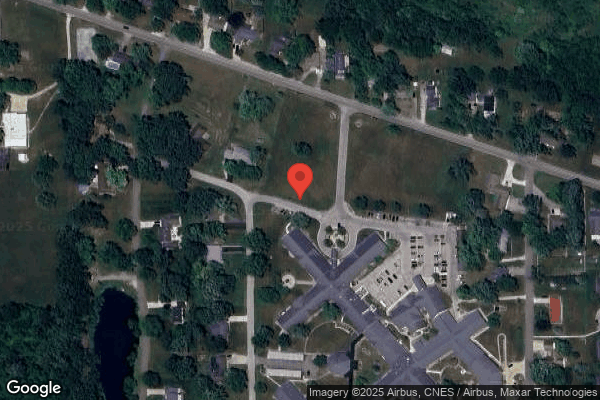
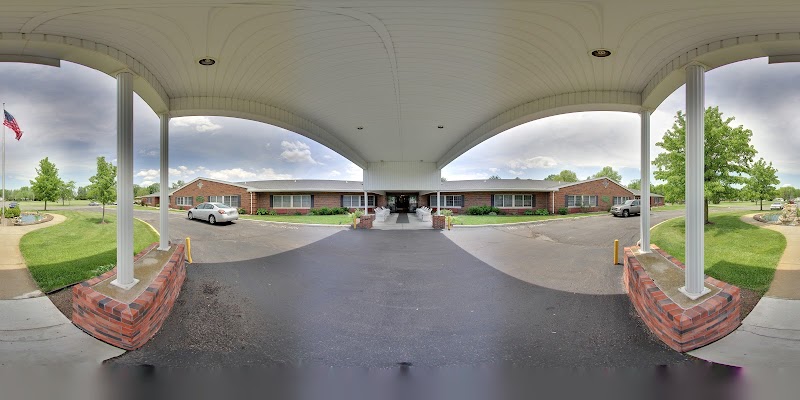
337 GRACE VILLAGE DR, WINONA LAKE, IN 46590 (574) 372-6100
Government - County 71 Beds Independent Data: November 2025
Trust Grade
90/100
#40 of 505 in IN
Last Inspection: March 2025

Within standard 12-15 month inspection cycle. Federal law requires annual inspections.

Overview

Grace Village Health Care Facility in Winona Lake, Indiana has an excellent Trust Grade of A, indicating it is highly recommended for families seeking care. It ranks #40 out of 505 facilities in Indiana, placing it in the top half, and is #1 of 6 in Kosciusko County, meaning it is the best local option. However, the facility's trend is worsening, with the number of issues increasing from 1 in 2024 to 2 in 2025. Staffing is rated 5 out of 5 stars, which is a strength, but the turnover rate is 49%, which is around the state average. Importantly, there have been no fines, suggesting compliance with regulations. On the downside, recent inspections revealed some concerns, such as expired food being stored and inadequate nail care for residents, which raises potential health risks. Additionally, there were concerns about not providing timely toileting assistance for some residents, which could lead to discomfort. Overall, while the facility has many strengths, families should be aware of these issues when considering care for their loved ones.

Trust Score
A
90/100
In Indiana
#40/505
Top 7%
Safety Record
Low Risk
No red flags
Inspections
Getting Worse
1 → 2 violations
Staff Stability
⚠ Watch
49% turnover. Above average. Higher turnover means staff may not know residents' routines.
Penalties
✓ Good
No fines on record. Clean compliance history, better than most Indiana facilities.
Skilled Nurses
○ Average
Each resident gets 40 minutes of Registered Nurse (RN) attention daily — about average for Indiana. RNs are the most trained staff who monitor for health changes.
Violations
○ Average
8 deficiencies on record. Average for a facility this size. Mostly minor or procedural issues.
★★★★★
5.0
Overall Rating
★★★★★
5.0
Staff Levels
★★☆☆☆
2.0
Care Quality
★★★★★
5.0
Inspection Score
Stable
2024: 1 issues
2025: 2 issues

The Good

  • 5-Star Staffing Rating · Excellent nurse staffing levels
  • Full Sprinkler Coverage · Fire safety systems throughout facility
  • No fines on record

Facility shows strength in staffing levels, fire safety.

The Bad

Staff Turnover: 49%

Near Indiana avg (46%)

Higher turnover may affect care consistency

The Ugly 8 deficiencies on record

Mar 2025 2 deficiencies
CONCERN (D)

Potential for Harm - no one hurt, but risky conditions existed

Deficiency F0625 (Tag F0625)

Could have caused harm · This affected 1 resident

**NOTE- TERMS IN BRACKETS HAVE BEEN EDITED TO PROTECT CONFIDENTIALITY** Based on record review and interview, the facility failed to provide a bed hold form for 2 of 4 residents reviewed for hospitali...

Read full inspector narrative →
**NOTE- TERMS IN BRACKETS HAVE BEEN EDITED TO PROTECT CONFIDENTIALITY** Based on record review and interview, the facility failed to provide a bed hold form for 2 of 4 residents reviewed for hospitalization. (Resident 1 & 35) Findings include: 1. During an interview, on 3/19/2025 at 8:43 A.M., Resident 1 indicated he had recently been hospitalized . A record review for Resident 1 was completed on 3/19/2025 at 1:19 P.M. Diagnoses included, but were not limited to: diabetes mellitus type 2, congestive heart failure and acute respiratory failure. A Significant Change Minimum Data Set (MDS) assessment, dated 2/24/2025, indicated Resident 1 had moderate cognitive impairment. A Nursing Progress Note, on 2/12/2025 at 8:36 A.M., indicated Resident 1 was sent to the hospital because an in-house treatment was ineffective and confusion continued. A Physician's Progress Note, on 2/19/2025 at 8:56 A.M., indicated Resident 1 was readmitted to the facility after a hospitalization for an acute kidney injury. During an interview, on 3/20/2025 at 2:14 P.M., the Director of Nursing (DON) indicated a copy of Resident 1's discharge packet was not available. She provided a copy of the bed hold policy, but could not provide proof the bed hold policy was provided to Resident 1 for the hospital discharge on [DATE]. 2. During an interview, on 3/19/2025 at 11:06 A.M., Resident 35 indicated he had recently been hospitalized . A record review for Resident 35 was completed, on 3/19/2025 at 11:06 A.M. Diagnoses included, but were not limited to: diabetes mellitus type 2, intellectual disabilities and anxiety disorder. A Significant Change MDS assessment, dated 2/7/2025, indicated Resident 35 was cognitively intact. A Nursing Progress Note, on 3/15/2025 at 12:29 P.M., indicated Resident 35's brother was called to provide transportation to the hospital for low blood pressure, difficulty walking and lack of eating. A Nursing Progress Note, on 3/15/2025 at 4:53 P.M., indicated Resident 35's brother called the facility and Resident 35 informed the facility that the resident would be staying at the hospital for an observation. During an interview, on 3/20/2025 at 2:14 P.M., the DON indicated a copy of Resident 35's discharge packet was not available. She provided a copy of the bed hold policy, but could not provide proof the bed hold policy was provided to Resident 35 and/or his representative for the hospital discharge on [DATE]. A policy was provided, on 3/24/2025 at 11:59 A.M., by the DON. The policy titled, Transfer/Discharge Policy, indicated, .Once admitted to the facility, residents have the right to remain in the facility. Facility-initiated transfers and discharge, when necessary, must meet specific criteria and require resident/representative notification and orientation, and documentation as specified in this policy .Notice of Transfer or Discharge [Emergent or Therapeutic Leave] .5. Notice of Facility Bed-Hold and Return policies are sent with the resident at the time of transfer 3.1-12(a)(26)
CONCERN (D)

Potential for Harm - no one hurt, but risky conditions existed

Infection Control (Tag F0880)

Could have caused harm · This affected 1 resident

Based on observation and interview, the facility failed to ensure staff providing care for a resident in EBP (enhanced barrier precautions) wore appropriate PPE (Personal Protective Equipment) for 1of...

Read full inspector narrative →
Based on observation and interview, the facility failed to ensure staff providing care for a resident in EBP (enhanced barrier precautions) wore appropriate PPE (Personal Protective Equipment) for 1of 2 residents reviewed for EBP. (Resident 10) Finding includes: During an observation, on 3/20/2025 at 11:51 A.M., along the left side of the door frame going into Resident 10's room was a small 1'' x 2'' white magnet that was attached to the door frame on the left side with letters written in black EBP. Resident 10 had a Foley catheter for urine drainage. CNA's 2 and 4 were observed to enter Resident 10's room to transfer her to her wheelchair with a mechanical lift. The door was opened and both CNAs were observed with no gloves or gowns on. During an interview, on 3/20/2025 at 11:55 A.M., RN 3 indicated the aides were just putting on gloves when she had entered the residents room. RN 3 indicated the aides should have been wearing gloves and a gown when they provided care to Resident 10. On 3/20/2025 at 1:25 P.M., the Director of Nursing provided the policy tilled, Enhanced Barrier Precautions, dated 2/21/2025, and indicated the policy was the one currently used by the facility. The policy indicated .Enhanced barrier precautions (EBP) refer to an infection control intervention designed to reduce transmission of multidrug-resistant organisms that employs targeted gown and gloves use during high contact resident care activities 3.1-18(a)
May 2024 1 deficiency
CONCERN (E)

Potential for Harm - no one hurt, but risky conditions existed

Food Safety (Tag F0812)

Could have caused harm · This affected multiple residents

Based on observation, interview and record review, the facility failed to ensure foods were stored appropriately and not expired and failed to ensure dishes and equipment was clean and in good working...

Read full inspector narrative →
Based on observation, interview and record review, the facility failed to ensure foods were stored appropriately and not expired and failed to ensure dishes and equipment was clean and in good working condition in 1 of 1 kitchens and 1 of 1 kitchenette observed. This deficient practice had the potential to affect 46 of 46 residents who receive meals from the kitchen and/or were served from the kitchenette. Findings include: 1. During an observation of the kitchen on 5/21/2024 at 9:50 A.M., with the Dietary Manager, the following was observed: in the refrigerator: 3 containers of drinks with a used by date of 5/19/2024. 2. During a revisit of the kitchen, on 5/22/2024 at 10:02 A.M.,with the Dietary Manager, the following was observed: 3 mini bowls with dried foods substances on them a dirty scoop a microwave with dried food on the sides and the ceiling of it 2 of 2 refrigerators with cracked seals along the bottom of the 2 top doors. During an interview, on 5/22/2024 at 10:04 A.M., the Dietary Manager indicated the dishes should not be dirty, the microwave should be cleaned and the seals to the refrigerators should be repaired. 3. During an observation of the kitchenette on 5/23/2024 at 10:02 A.M., with Dietary Staff 4, the following was observed: a. Refrigerator: -An opened and undated package of lunch meat not sealed and with a clear liquid coming from the package. -A package of sliced cheese not sealed. -Another package of cheese slices not dated with a liquid substance on it. -An opened stick of butter, with no date and not sealed tightly. -The refrigerator had a broken door on the left side with a hanging plastic part. -A container of pineapple chunks with no date. -A container of parmesan cheese with no date b. Pantry: -Two (2) buns in a bag that was not sealed tightly in the cabinet. During an interview, on 5/22/2024 at 10:10 A.M., Dietary Staff 4 indicated the meat should have be thrown out, the foods should have a date on them, the buns should not be stored in that manner. On 5/23/2024 at 2:51 P.M., the Dietary Manager provided the policy titled. Production, Purchasing, Storage, Food and Supply Storage, dated 1/2024, and indicated the policy was the one currently used by the facility. The policy indicated . Foods past the used by, sell-by, best-by, or enjoy by date should be discarded. Cover, and label and date unused portions and open packages .Unused portions of canned fruits and vegetables must be transferred to clean, approved storage containers .Label the container On 5/23/2024 at 2:53 P.M., the Dietary Manager provided the policy titled, Safety and Equipment Maintenance Equipment Inspection Program, dated 1/2024, and indicated the policy was the one currently used by the facility. The policy indicated .Complete the Equipment Inspection Checklist monthly .Identify repairs needed .Refrigerators: Fans working. Condenser Clean. Seals on door in good repair 3.1-21(i)(3)
Mar 2023 5 deficiencies
CONCERN (D)

Potential for Harm - no one hurt, but risky conditions existed

Comprehensive Care Plan (Tag F0656)

Could have caused harm · This affected 1 resident

Based on record review and interview, the facility failed to have a care plan for an open area for 1 of 3 residents reviewed for skin. (Resident7) Finding includes: During an observation, on 3/23/202...

Read full inspector narrative →
Based on record review and interview, the facility failed to have a care plan for an open area for 1 of 3 residents reviewed for skin. (Resident7) Finding includes: During an observation, on 3/23/2023 at 2:37 P.M., Resident 7 was observed to have a red open area to right side of her nose. A record review was completed, on 3/28/2023 at 3:27 P.M. Resident 7's diagnoses included, but were not limited to: osteoporosis, hypothyroidism, depression, insomnia and bolus pemphigoid. A 5 day MDS (Minimum Data Set) Assessment, dated 6/24/2022, indicated Resident 7 had severe cognitive impairment. Current care plans for Resident 7 lacked a person centered care plan for the skin issue to the residents' nose. During an interview, on 3/29/2023 at 1:30 P.M., LPN 3 indicated the resident should have a care plan for the cancer area to her nose. During an interview, on 3/28/2023 at 1:45 P.M., the Director of Nursing indicated the care plan was not person centered. On 3/29/2023 at 2:32 P.M., the Director of Nursing provided the policy titled, Comprehensive Care Plans, dated 7/6/2022. The policy indicated . f. Resident specific interventions that reflect the resident's needs and preferences . 3.1-35(a)
CONCERN (D)

Potential for Harm - no one hurt, but risky conditions existed

Deficiency F0657 (Tag F0657)

Could have caused harm · This affected 1 resident

Based on observation, interview, and record review, the facility failed to revise care plans for changes in condition for 1 of 23 residents, whose care plans were reviewed. (Residents 44 ) Finding inc...

Read full inspector narrative →
Based on observation, interview, and record review, the facility failed to revise care plans for changes in condition for 1 of 23 residents, whose care plans were reviewed. (Residents 44 ) Finding includes: During an interview, on 3/23/2023 at 2:08 P.M., Resident 44 indicated his left knee was sometimes painful and stiff due to an injury several years ago. A record review, on 3/27/2023 at 9:33 A.M., indicated a Quarterly MDS (Minimum Data Set) Assessment, dated 2/23/2023, included, cognition was intact, Resident 44 required extensive assistance of 1 staff person for bed mobility, dressing, and toileting. He required extensive assistance of 2 staff persons for transfers. He had no falls or other health conditions. Diagnoses for Resident 44 included, but were not limited to: acute kidney failure, other pulmonary embolism, acute deep vein thrombosis, and osteoarthritis. The Physician orders for Resident 44 included, on 2/3/2023 left knee brace as needed for osteoarthritis. Resident 44's care plan dated 2/2/2023 lacked care plan interventions for use of the brace for his left leg. During an interview, on 3/27/2023 at 1:42 P.M., the MDS coordinator indicated that she does most of the care plans but was not aware of the brace for Resident 44. She indicated that it should have been on the care plan. 3.1-35(c)(1)
CONCERN (D)

Potential for Harm - no one hurt, but risky conditions existed

Tube Feeding (Tag F0693)

Could have caused harm · This affected 1 resident

Based on observation, interview and record review, the facility failed to ensure a tube feeding solution was dated when hung, and a water flush bag was changed timely for 1 of 1 residents reviewed for...

Read full inspector narrative →
Based on observation, interview and record review, the facility failed to ensure a tube feeding solution was dated when hung, and a water flush bag was changed timely for 1 of 1 residents reviewed for tube feedings. (Resident 7) Finding includes: During an observation, on 3/29/2023 at 10:56 A.M., Resident 7's feeding bag was undated when it had been hung to administer, no orders of the flow amount were documented on the bag, there were no resident identifiers, the water bag had a sticky label with the date 3/27/2023 with 200 ml (milliter) flush. There was 750 ml of water remaining in the bag. Current physician orders for Resident 7 included: Nestle 1.2 via g-tube at 60 ml and hour continuously. Change feeding bag and water bag when empty- feeding is able to hang up to 49 hours. Flush g-tube with 200 ml every 6 hours. During an interview, on 3/29/2023 at 10:58 A.M., LPN 3 indicated the bags are to be replaced at the same time and water had been added to the bag that was dated 3/27/2023 instead of replacing the bag. On 3/29/2023 at 1:10 P.M., the Director of Nursing provided the policy titled,Care and Treatment of Feeding Tubes, dated 11/28/2022. The policy indicated .1. Feeding tubes will be utilized according to physician orders, which typically include: the kind of feeding and it's caloric value, volume, duration, mechanism of administration, and frequency of flush . The resident's plan of care will address the uses of feeding tube, including strategies to prevent complications On 3/29/2023 at 2:15 P.M., the Director of Nursing provided the policy titled,Flushing a Feeding Tube, dated 10/7/2022. The policy indicated .13. If resident has water flushes that are hung in a feeding bag and programmed by pump, follow manufactures recommendations for changing out bags 3.1-44(a)(1)
CONCERN (D)

Potential for Harm - no one hurt, but risky conditions existed

Food Safety (Tag F0812)

Could have caused harm · This affected 1 resident

Based on observation, interview and record review, the facility failed to ensure food items in the freezer were sealed securely after opening, failed to ensure refrigerators were clean in 1 of 1 kitch...

Read full inspector narrative →
Based on observation, interview and record review, the facility failed to ensure food items in the freezer were sealed securely after opening, failed to ensure refrigerators were clean in 1 of 1 kitchens and 2 of 2 pantries. (main pantry and rehab pantry) Findings include: 1. During an observation with the dietary manager in the main kitchen, on 3/23/2023 at 10:25 A.M., the following was observed: There was a buildup of ice along the left side of the air condenser. Opened bags of cod, breaded shrimp, and diced turkey were not sealed tightly. An opened box of corn with noted freezer burn, was not sealed tightly. The floors were dirty with debris under the racks. During an interview, on 3/23/2023 at 10:29 A.M., the Dietary Manager indicated the ice should be gone, the bags should have been sealed tightly, the floor should be cleaned 2. During an observation of the main pantry, with CNA 2 on 3/29/2023 at 9:43 A.M., the following was observed: the microwave had burnt areas to the inside of the door and on the back edge along the floor of the oven. The refrigerator was dirty inside and along the base and had a black substance along the seal of the front door. A container of ice cream was observed with no name on it. During an interview, on 3/29/2023 at 9:46 A.M., LPN 7 indicated she was aware and would have housekeeping look at the fridge. 3. During an observation of the rehab panty, with QMA 6 the following was observed: the refrigerator had black along the seal of the freezer, a dead fly was lying on a shelf, crumbs and a purple stain were on the base of the refrigerator. On the counter was an opened/undated/unnamed bag of potato chips not sealed completely. On 3/29/2023 at 1:10 P.M., the Director of Nursing provided the policy titled, Food and Supply Storage, dated 1/2023. The policy indicated . All food, non-food items and supplies used in food preparation shall be stored in such a manner as to prevent contamination too maintain the safety and wholesomeness of the food for human consumption .Cover, label and date unused portions and open packages . Frozen Storage. Store bulk materials in NSF approved containers that have tight fitting lids. Label both the bin and the lid. Use food grade plastic bags for food storage .Wrap food tightly to prevent cross contamination On 3/29/2023 at 1:10 P.M., the Director of Nursing provided the policy titled, Unit Pantry Stock, dated 1/2023.Food and Nutrition Services -Label, date and discard outdated items per the food policy .Nursing and/or Food and Nutrition Services Designee -Ensure all items are covered, labeled and dated. Procedures and responsibilities for cleaning and care area must be assigned. The responsible department(s) will maintain equipment temperature and cleaning logs per record retention policy. Cleaning and sanitizing of refrigerator/pantry: Nursing. Defrosting freezer and cleaning and sanitizing ice machine: Plan operation. Cleaning floors and counters , removal of trash, ect.: Housekeeping 3.1-21(3)
CONCERN (E)

Potential for Harm - no one hurt, but risky conditions existed

ADL Care (Tag F0677)

Could have caused harm · This affected multiple residents

**NOTE- TERMS IN BRACKETS HAVE BEEN EDITED TO PROTECT CONFIDENTIALITY** Based on record review, observation and interview, the facility failed to ensure nail care was provided and ensure residents who...

Read full inspector narrative →
**NOTE- TERMS IN BRACKETS HAVE BEEN EDITED TO PROTECT CONFIDENTIALITY** Based on record review, observation and interview, the facility failed to ensure nail care was provided and ensure residents who required staff assistance for toileting were toileted timely to prevent further incontinence for 4 of 20 residents reviewed for ADL (Activities of Daily Living) care. (Resident 19,12, 24 and 29) Finding includes: 1.During a meal observation, on 3/23/2023 at 11:45 A.M., Resident 19 was observed using her fingers to feed herself. During an observation, on 3/23/2023 at 1:53 P.M., Resident 19 was observed with a dark substance under her finger nails. During an observation, on 3/27/2023 at 11:56 A.M., Resident 19 was observed with a dark substance underneath her fingernails. During an interview, on 3/27/2023 at 12:03 P.M., CNA 4 indicated the residents fingernails should have been cleaned. A record review was completed on, 3/27/2023 at 3:00 P.M. Resident 19's diagnoses included, but were not limited to: Alzheimer's disease, chronic kidney disease, heart failure, diabetes, and dementia. A Quarterly MDS (Minimum Data Set) Assessment, dated 3/22/2023, indicated severe cognitive impairment. She had no rejection of care behaviors, required extensive assist of 1 staff for personal hygiene and total assist for bathing. A current care plan, dated 1/8/2022, indicated the resident had impaired functional status and required assistance with ADL's and care related to, Alzheimer's disease,dementia and weakness. Interventions included grooming and hygiene extensive staff assist of 1. Resident 19's nail care documentation dated 3/1/2023 to 3/27/203, indicated the resident received nail care fourteen (14) days out of 26 days from 3/1/2023 to 3/26/2023. On 3/29/2023 at 8:45 A.M., the Director of Nursing provided the policy titled,Nail Care, dated 6/7/2022. The policy indicated . 6. Procedure a. Perform hand hygiene and don gloves. b. Gently clean underneath nails with nail stick if resident is able to tolerate and allows. 2. During an interview, on 3/23/2023 at 2:54 P.M., Resident 12 indicated, I can't hold my pee. A clinical record review was completed on 3/27/2023 at 1:43 P.M. Resident 12's current diagnoses's included, but were not limited to: hypertension, dementia, over active bladder, edema and blind. Current physician orders included: Detral (bladder relaxant) 1 mg (milligram) daily for urinary frequency, and Furosemide (diuretic) 20 mg daily for edema. A Significant Change MDS (Minimum Data Set) Assessment, dated 1/30/2023, indicated Resident 12 was occasionally incontinent of bladder and bowels. She was not on a scheduled toileting program. A Significant Change MDS (Minimum Data Set) Assessment, dated 2/9/2023 indicated the resident had intact cognition. She required extensive assist of 1 staff for bed mobility, transfers, dressing, and toilet use. She was not on a toileting schedule and was frequently incontinent of bladder and bowel. Restorative programs included: walking and dressing/grooming. A current care plan, dated, 2/2/2023, indicated the resident had functional incontinence related to diagnoses of cognitive deficit, over active bladder, frequency of micturition (urinating). She had the potential for adverse effects related to incontinence and use of incontinence products. Interventions included, use of incontinent pads, administer medications per order, ask is she would like to be toileted before meals and bed time, check for incontinence q (every) 2 hours and provide incontinent care. Resident 12's incontinence documentation, dated 3/1/2023 to 3/29/2023, indicated Resident 12 was not checked every 2 hours for incontinence and had numerous incontinent episodes. Resident 12 had been incontinent 14 times at 7:00A.M., 9 times at 7:00 P.M., 7 times at 1:00 A.M., and 5:00 P.M., and lacked the documentation on the daily charting sheets 102 times to show that the checking for incontinence every 2 hours had been completed. During an interview, on 3/29/2023 at 1:43 P.M., the Director of Nursing indicated the resident was not on a scheduled toileting plan and she would evaluate the resident for a toileting program. 3. During an interview, on 3/23/2023 at 2:11 P.M., Resident 24 indicated she has accidents prior to getting to the bathroom. A record review was completed, on 3/27/2023 at 8:52 A.M. Resident 24's diagnoses included, but were not limited to: Huntington's disease, overactive bladder, and diabetes. A Quarterly MDS (Minimum Data Set) Assessment, dated 2/13/2023, indicated the resident required extensive assist of 1 staff for bed mobility, transfers, dressing, and toilet use, was frequently incontinent of bladder and occasionally of bowels. A current care plan, dated 2/14/2022, indicated the resident had functional incontinence issues of bowel and bladder related to disease process, overactive bladder, and UTI's. She had potential for adverse effects related to medication usage and disease process. Interventions included, but were not limited to: Resident uses incontinent products: briefs. Check and change at least every 2 hours, providing incontinence care each episode. A current care plan, dated 3/9/2023, indicated the resident was to be checked and changed every 2 hours. During an interview, on 3/29/2023 at 9:38 A.M.,CNA 2 indicated the resident will turn on the light to go to the bathroom. She will get into her wheel chair and they supervise her in the bathroom. CNA 2 indicated the resident had been wet on occasion and she does not walk her to the bathroom, she had never done that before. During an interview, on 3/28/2023 1:45 P.M., the Director of Nursing indicated the resident was not being checked/toileted per schedule. 4. During an interview, on 3/24/2023 at 9:21 A.M., Resident 29 indicated she had accidents in the mornings. A clinical record review was completed on 3/28/2023 at 9:32 A.M. Resident 29 was admitted on [DATE]. Her diagnoses included, but were not limited to: renal insufficiency, hypertension, anxiety, and heart failure. An admission MDS (Minimum Data Set) Assessment, dated 3/5/2023 indicated Resident 29 had moderate cognitive impairment, required extensive assist of 1 staff for bed mobility, toilet use, transfers, and 2 staff for dressing and was occasionally incontinent of bladder and bowels. A current care plan, dated 2/27/2023, indicated the resident had functional bladder and bowel continence issues related to end of life status, reoccurring urinary tract infections, and disease process. Interventions included, the resident used incontinent products- pull-ups. Staff to assist resident with toileting as needed. Staff to provide peri care after incontinence episodes. Staff to check and change at least every 2 hours and PRN (as needed) to promote skin integrity. The Daily Charting for incontinence checks, dated 3/16/2023 through 3/28/2023, indicated Resident 29 was not checked and or toileted per care plan. Resident had incontinence episodes on: 3/18/23 3 times 3/21/23 2 times, 3/22/23 3 times and 3/26/23 of 4 times. The Daily Charting sheets lacked the documentation 42 times to show that the checking for incontinence every 2 hours had been completed. During an interview,on 3/28/2023 at 1:45 P.M., the Director of Nursing indicated she will evaluate the resident for scheduled toileting to see if it's appropriate. During an interview,on 3/29/2023 at 9:37 A.M.,CNA 2 indicated Resident 29 will turn on her light to go to the bathroom. She will assist her in to the wheelchair and then when she's done she will turn on the light and I will wipe her and assist with getting her pants pulled up. 3.1-38(a)(3)
Understanding Severity Codes (click to expand)
Life-Threatening (Immediate Jeopardy)
J - Isolated K - Pattern L - Widespread
Actual Harm
G - Isolated H - Pattern I - Widespread
Potential for Harm
D - Isolated E - Pattern F - Widespread
No Harm (Minor)
A - Isolated B - Pattern C - Widespread

Questions to Ask on Your Visit

  • "Can I speak with families of current residents?"
  • "What's your RN coverage like on weekends and overnight?"

Our Honest Assessment

Strengths
  • • Grade A (90/100). Above average facility, better than most options in Indiana.
  • • No major safety red flags. No abuse findings, life-threatening violations, or SFF status.
  • • No fines on record. Clean compliance history, better than most Indiana facilities.
Concerns
  • • No significant concerns identified. This facility shows no red flags across CMS ratings, staff turnover, or federal penalties.
Bottom line: Generally positive indicators. Standard due diligence and a personal visit recommended.

About This Facility

What is Grace Village Health Care Facility's CMS Rating?

CMS assigns GRACE VILLAGE HEALTH CARE FACILITY an overall rating of 5 out of 5 stars, which is considered much above average nationally. Within Indiana, this rating places the facility higher than 99% of the state's 100 nursing homes. This rating reflects solid performance across the metrics CMS uses to evaluate nursing home quality.
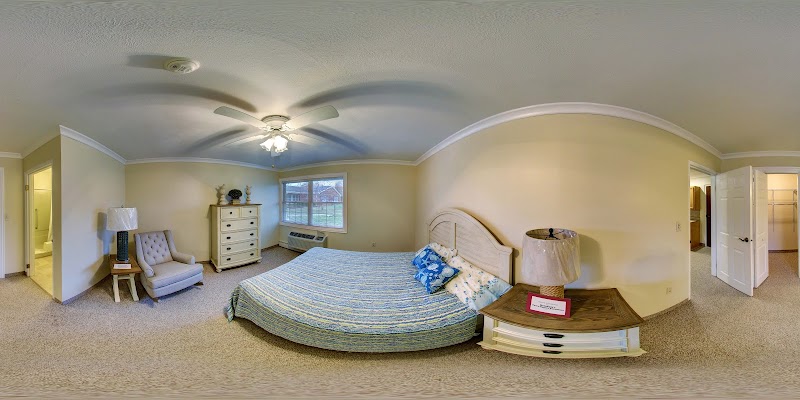
How is Grace Village Health Care Facility Staffed?

CMS rates GRACE VILLAGE HEALTH CARE FACILITY's staffing level at 5 out of 5 stars, which is much above average compared to other nursing homes. Staff turnover is 49%, compared to the Indiana average of 46%.

What Have Inspectors Found at Grace Village Health Care Facility?

State health inspectors documented 8 deficiencies at GRACE VILLAGE HEALTH CARE FACILITY during 2023 to 2025. These included: 8 with potential for harm.
Who Owns and Operates Grace Village Health Care Facility?

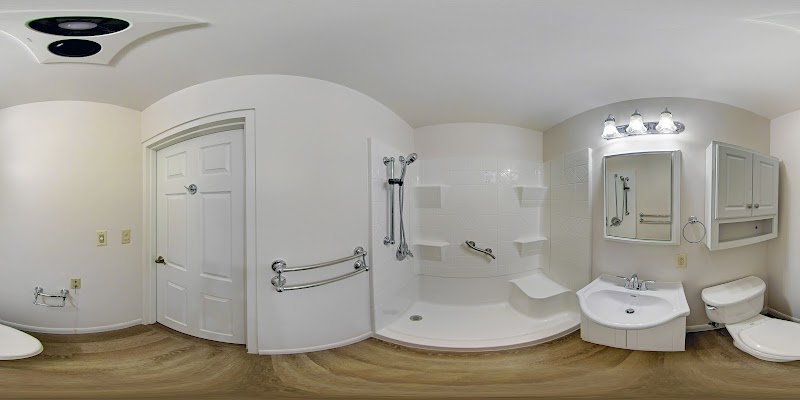
GRACE VILLAGE HEALTH CARE FACILITY is owned by a government entity. Government-operated facilities are typically run by state, county, or municipal agencies. The facility operates independently rather than as part of a larger chain. With 71 certified beds and approximately 51 residents (about 72% occupancy), it is a smaller facility located in WINONA LAKE, Indiana.
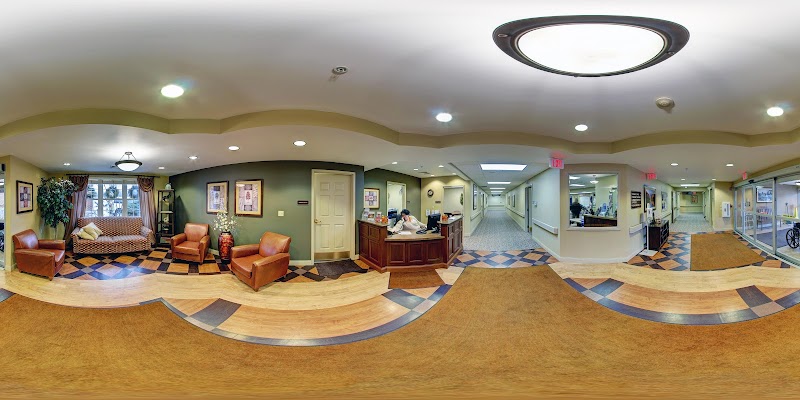
How Does Grace Village Health Care Facility Compare to Other Indiana Nursing Homes?

Compared to the 100 nursing homes in Indiana, GRACE VILLAGE HEALTH CARE FACILITY's overall rating (5 stars) is above the state average of 3.1, staff turnover (49%) is near the state average of 46%, and health inspection rating (5 stars) is much above the national benchmark.

What Should Families Ask When Visiting Grace Village Health Care Facility?

Based on this facility's data, families visiting should ask: "Can I visit during a mealtime to observe dining assistance and food quality?" "How do you handle medical emergencies, and what is your hospital transfer rate?" "Can I speak with family members of current residents about their experience?"

Is Grace Village Health Care Facility Safe?

Based on CMS inspection data, GRACE VILLAGE HEALTH CARE FACILITY has a clean safety record: no substantiated abuse findings (meaning no confirmed cases of resident harm), no Immediate Jeopardy citations (the most serious violation level indicating risk of serious injury or death), and is not on the Special Focus Facility watch list (a federal program monitoring the lowest-performing 1% of nursing homes). The facility has a 5-star overall rating and ranks #1 of 100 nursing homes in Indiana. While no facility is perfect, families should still ask about staff-to-resident ratios and recent inspection results during their visit.

Do Nurses at Grace Village Health Care Facility Stick Around?

GRACE VILLAGE HEALTH CARE FACILITY has a staff turnover rate of 49%, which is about average for Indiana nursing homes (state average: 46%). Moderate turnover is common in nursing homes, but families should still ask about staff tenure and how the facility maintains care continuity when employees leave.

Was Grace Village Health Care Facility Ever Fined?

GRACE VILLAGE HEALTH CARE FACILITY has no federal fines on record. CMS issues fines when nursing homes fail to meet care standards or don't correct problems found during inspections. The absence of fines suggests the facility has either maintained compliance or corrected any issues before penalties were assessed. This is a positive indicator, though families should still review recent inspection reports for the full picture.

Is Grace Village Health Care Facility on Any Federal Watch List?

GRACE VILLAGE HEALTH CARE FACILITY is not on any federal watch list. The most significant is the Special Focus Facility (SFF) program, which identifies the bottom 1% of nursing homes nationally based on persistent, serious quality problems. Not being on this list means the facility has avoided the pattern of deficiencies that triggers enhanced federal oversight. This is a positive indicator, though families should still review the facility's inspection history directly.