Altoona Nursing and Rehabilitation Center
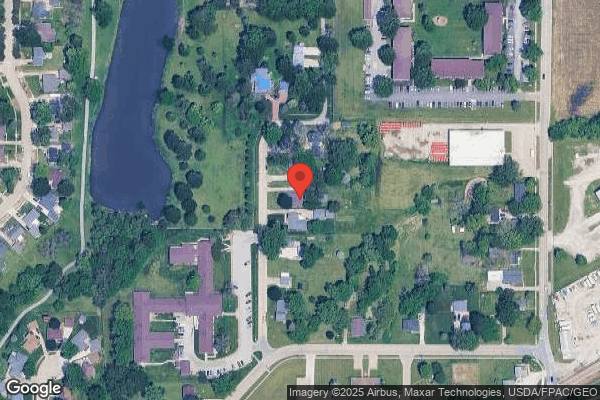
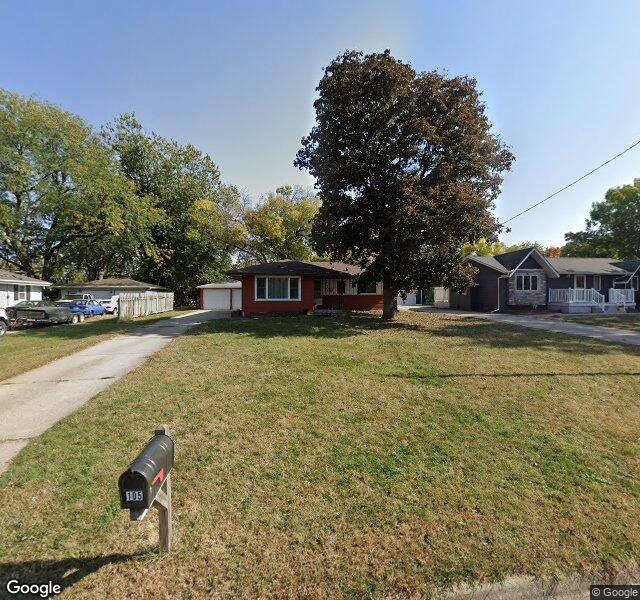
200 Seventh Avenue SW, Altoona, IA 50009 (515) 967-4267
For profit - Limited Liability company 106 Beds CAMPBELL STREET SERVICES Data: November 2025
Trust Grade
38/100
#322 of 392 in IA
Last Inspection: February 2025

Within standard 12-15 month inspection cycle. Federal law requires annual inspections.

Overview

Altoona Nursing and Rehabilitation Center has received a Trust Grade of F, which indicates significant concerns about the quality of care provided. It ranks #322 out of 392 facilities in Iowa, placing it in the bottom half statewide, and #24 out of 29 in Polk County, suggesting limited better options nearby. The facility is improving, having reduced issues from 23 to 12 over the past year. Staffing is rated average, with a 3/5 star rating and a turnover rate of 47%, which is on par with state averages. However, the facility has been fined $15,000, indicating compliance issues, and specific incidents include failing to maintain proper temperature in dining areas and allowing unclean conditions in the kitchen and hallways, which raises concerns about residents' comfort and safety.

Trust Score
F
38/100
In Iowa
#322/392
Bottom 18%
Safety Record
Low Risk
No red flags
Inspections
Getting Better
23 → 12 violations
Staff Stability
⚠ Watch
47% turnover. Above average. Higher turnover means staff may not know residents' routines.
Penalties
✓ Good
$15,000 in fines. Lower than most Iowa facilities. Relatively clean record.
Skilled Nurses
○ Average
Each resident gets 37 minutes of Registered Nurse (RN) attention daily — about average for Iowa. RNs are the most trained staff who monitor for health changes.
Violations
⚠ Watch
56 deficiencies on record. Higher than average. Multiple issues found across inspections.
★☆☆☆☆
1.0
Overall Rating
★★★☆☆
3.0
Staff Levels
★★★☆☆
3.0
Care Quality
★☆☆☆☆
1.0
Inspection Score
Stable
2024: 23 issues
2025: 12 issues

The Good

  • Full Sprinkler Coverage · Fire safety systems throughout facility
  • No fines on record

Facility shows strength in fire safety.

The Bad

1-Star Overall Rating

Below Iowa average (3.0)

Significant quality concerns identified by CMS

Staff Turnover: 47%

Near Iowa avg (46%)

Higher turnover may affect care consistency

Federal Fines: $15,000

Below median ($33,413)

Minor penalties assessed

Chain: CAMPBELL STREET SERVICES

Part of a multi-facility chain

Ask about local staffing decisions and management

The Ugly 56 deficiencies on record

Jun 2025 2 deficiencies
CONCERN (D) 📢 Someone Reported This

A family member, employee, or ombudsman was alarmed enough to file a formal complaint

Potential for Harm - no one hurt, but risky conditions existed

Deficiency F0760 (Tag F0760)

Could have caused harm · This affected 1 resident

Based on clinical record review, medication administration log, staff interview, and facility policy review, the facility failed to prepare or administer medication as prescribed and ordered by the ph...

Read full inspector narrative →
Based on clinical record review, medication administration log, staff interview, and facility policy review, the facility failed to prepare or administer medication as prescribed and ordered by the physician for 2 of 3 residents reviewed (Resident #2, #7). The facility reported a census of 90. Findings include: 1. The Annual Minimum data set (MDS) for Resident #2, dated 05/14/2025, documented her brief interview for mental status (BIMS) score as 15, indicating fully intact cognition. It documented the following relevant diagnoses: anemia (low blood iron), renal insufficiency (kidney failure), and Diabetes Mellitus (Diabetes). Review of the Care Plan for Resident #2, last revised on 05/21/2025, recorded the resident's diabetic status and instructed staff members to give medications as ordered by doctor. It also instructed staff members to monitor the resident for signs of hyperglycemia and hypoglycemia (high and low blood sugar). It instructed staff members to document side effects and effectiveness. Review of the medication and treatment administration records (MAR and TAR), from 01/01/2025 to 06/23/2025 revealed the following: Resident #2 had an order for Insulin Lispro Subcutaneous Solution Cartridge 100 UNIT/ML to be administered three times a day via a sliding scale. Morning, Noon, and Evening. Resident #2 had an order for Lantus Subcutaneous Solution 100 UNIT/ML to be administered twice a day. Morning and Evening. On 05/08/2025 the MAR lacked documentation for Insulin Lispro subcutaneous injection (Insulin Lispro) on the evening administration. On 05/11/2025 the MAR lacked documentation for Insulin Lispro on the evening administration. On 05/15/2025 the MAR lacked documentation for Insulin Lispro on the evening administration. On 05/23/2025 the MAR lacked documentation for Insulin Lispro during the morning and noon administration. On 05/31/2025 the MAR lacked documentation for Insulin Lispro during the evening administration. On 06/10/2025 the MAR lacked documentation for Insulin Lispro during the evening administration. On 05/08/2025 the MAR lacked documentation for Lantus Subcutaneous Solution (Insulin Glargine) during the evening administration. On 05/23/2025 the MAR lacked documentation for Insulin Glargine on the morning administration. On 05/31/2025 the MAR lacked documentation for Insulin Glargine on the evening administration. The missing documentation corresponded to higher blood sugar readings following the missing administration on 05/08/2025, 05/11/2025, 05/15/2025 where the next blood sugar was recorded as 400, and 05/23/2025 where the next recorded blood sugar was 320. In an interview on 06/25/2025 at 08:28 AM with Resident #2, she stated she had missed at least three doses in the last month of her evening insulin. She stated that on numerous other occasions she has had to track down a nurse and remind them she required her insulin. She stated even when she gets her insulin she feels it is given late. She stated when she misses her insulin she feels sick, and mentioned she had been hospitalized for high blood sugar in the distant past. She was unable to identify which nurse failed to give her the insulin, but was able to state it almost always occurs during the evening administration of her medication. 2. The Quarterly MDS for Resident #7, dated 04/24/2025, documented his BIMS as 15, indicating fully intact cognition. It failed to document the resident's diagnoses of glaucoma. Review of Resident #7's Care Plan, last revised on 05/07/2025, warned staff members he had impaired vision due to a diagnosis of glaucoma and macular degeneration. It instructed staff members to administer medication and eye drops as ordered and document decreased visual function. Review of the MAR and TAR for Resident #7 documented the following: Resident #7 was prescribed Latanoprost PF Ophthalmic Solution 0.005 % (Latanoprost) once daily before bed. The Latanoprost was marked as unavailable and not administered on the following dates. 04/26/2025 04/27/2025 04/29/2025 04/30/2025 05/01/2025 05/02/2025 05/03/2025 05/04/2025 05/05/2025 06/06/2025 In an interview on 06/24/2025 at 10:57 AM with Resident #7, he stated the staff had told him his eye drops were unavailable for at least a week in May or April, and during that time his eyes hurt and bothered him. He was unsure why one nurse would find the medication only for the nurse the next day to be unable to find it. In an interview on 06/26/2025 at 11:11 AM with Staff D, Licensed Practical Nurse (LPN), she was able to accurately state the process for providing medications to a resident. She stated she would never assume a medication was given it was not documented as given in the MAR. She stated if she noticed a medication was unavailable or was not documented on she would contact the nurse who marked it or failed to mark it and then speak with management. She was unfamiliar with residents missing eye drops or insulin injections. In an interview on 06/26/2025 at 11:22 AM with Staff F, Registered Nurse (RN), she stated all medication is required to be documented in the MAR, and if the medication was not given or otherwise missed she would contact the physician or provider for further instructions. She stated if a medication is unavailable it is their job to contact the pharmacy and get a medication as soon as possible. In an interview on 06/25/2025 at 12:15 PM with the Director of Nursing (DON) she stated she had been aware of a resident reporting several missing doses of medication. She confirmed the only place staff members document medications is in the MAR. She stated her expectation is for staff members to give medications as ordered. A policy covering the accuracy of medication administration was asked for but unavailable.
CONCERN (E) 📢 Someone Reported This

A family member, employee, or ombudsman was alarmed enough to file a formal complaint

Potential for Harm - no one hurt, but risky conditions existed

Safe Environment (Tag F0584)

Could have caused harm · This affected multiple residents

**NOTE- TERMS IN BRACKETS HAVE BEEN EDITED TO PROTECT CONFIDENTIALITY** Based on observation, resident interviews, staff interviews and policy review, the facility failed to provide comfortable and sa...

Read full inspector narrative →
**NOTE- TERMS IN BRACKETS HAVE BEEN EDITED TO PROTECT CONFIDENTIALITY** Based on observation, resident interviews, staff interviews and policy review, the facility failed to provide comfortable and safe temperature levels in the building for one of two dinning rooms. The facility reported a census of 90 residents. Findings include: During an observation on 6/23/25 at 1:10 PM the back dining room area thermostat read 83 degrees. The dining room was uncomfortably warm, staff in the dining room and residents in the dining room waiting to go outside to smoke had flushed faces and staff had sweat on their faces. There were two fans in the dining area. During an interview 6/23/15 at 1:15 PM Staff A, Licensed Practical Nurse (LPN), stated the air conditioning unit in the dining room kept freezing up and quitting this weekend and it was even hotter in the dining room this weekend, on Sunday. She called the Director of Nursing (DON) on Sunday, they were unable to get someone out to fix it on Sunday, the unit was out all day on Sunday and the temperature in the dining room was in the high 80's. Staff A stated it was very uncomfortable on Sunday in the dining room and continues to be uncomfortable. Staff A stated each resident has their own air conditioning unit in their bedroom, and they can control their room temperature. Staff A stated the residents had the option of eating in their room or staying in the dining room to eat, they had residents eating in the dining room for all three meals yesterday and for breakfast and lunch today. During an interview 6/23/25 at 1:50 PM the DON and Administrator stated the building is [AGE] years old and has boiler heat. The building does not have central air conditioning, each resident room has a window air conditioning unit. The hallways are cooled by the air conditioning units in the resident's rooms. The two dining rooms have a dual unit on the wall which provides heat and air conditioning. The DON stated she received a call this weekend, on Sunday, that the unit in the back dining room was not working. They could not get a company in to look at it until this morning, the unit was frozen. They said the worker had to wait for it to thaw which would take a few hours and they hope to have it working by the end of the day. The DON and Administrator acknowledged the back dining room has not had a working air conditioning unit since Sunday morning. There are fans in the dining room and residents have eaten in the dining room, they also have the option to eat in their rooms. The DON and Administrator acknowledged it was hot in the back dining room. Both stated there had not been another plan in place to cool the dining room while the unit is being repaired and the dining room is still being used. During an interview 6/23/25 at 2:30 PM Staff C, maintenance, stated he received a call on Sunday that the back dining room was hot and the unit did not seem to be working. Staff C came to the facility on Sunday and the air conditioning unit in the back dining room was not working, the unit was frozen. Staff C called a company to come out yesterday but the soonest anyone could come out was today (Monday), they said they would be here first thing in the morning. The company went to the wrong building so Staff C called another company who came out late this morning. The unit was frozen, they have to wait for it to thaw and then they will determine if they need to replace any parts. They will have it working again today. The unit was repaired and working at 4:30 PM on 6/23/25. During an interview 6/24/25 at 8:10 AM Staff B, dietary staff, stated she worked on Sunday, the 22nd of June, and the air conditioning unit was not working in the back dining room. Staff B works in the back dining room. They called maintenance on Sunday, however the air conditioning unit was not fixed until yesterday late afternoon. Staff B felt the temperature in the dining room on Sunday was in the high 80's or low 90's by the end of the day. She said most residents chose to eat dinner in their rooms as the dining room was so hot, however they had residents who ate all three meals in the dining room. They had fans, but it did not cool off the dining room. Staff B stated it had never been this hot in the dining room. During an interview 6/24/25 at 7:39 AM Staff D, LPN, stated the back dining room is so hot, this morning the temperature in the dining room was 81 degrees. Staff D stated my skin was tingly hot yesterday. Staff D stated the back dining room the past few days has been between 81 - 83 degrees and said everyone is hot. Staff D stated they use the airconditioners in resident rooms to cool the facility since the air unit is broken in the dining room. During an interview 6/24/25 at 8:48 AM, the Administrator acknowledged the temperature was too warm in the back dining room on Sunday and during the morning and afternoon yesterday. The Minimum Data Set (MDS) assessment dated [DATE] for Resident #8 documented a Brief Interview for Mental Status (BIMS) score of 15, indicating intact cognition. During an interview/observation 6/24/25 at 9:10 AM Resident #8 stated thank you for getting us air in here, it was hot over this weekend. Resident #8 just had a sheet covering him, no clothes and a small fan blowing onto him. The MDS assessment dated [DATE] for Resident #12 documented a BIMS score of 15, indicating intact cognition. During an interview 6/24/25 at 11:20 AM, Resident #12 stated this past weekend the air conditioning unit in the back dining room where she eats quit working. She said on Sunday it was so hot in the dining room, it felt like it was 500 degrees there. She said she had sweat on her face and her body when she was in the dining room eating on Sunday and for breakfast and lunch on Monday. She ate breakfast, lunch and dinner in the dining room on Sunday and she was so hot she lost her appetite and did not eat all of her food. She had plenty of fluids. She did not stay in the dining room long as she wanted to go back to her room to cool off. The air conditioning unit in her room always works. During an interview 6/24/25 at 2:21 PM, Staff E, Certified Medical Assistant (CMA), stated she worked on Sunday (the 22nd of June) and the air conditioning unit was not working in the back dining room. During lunch on Sunday she took a resident back to their room as it was so hot the resident said they could not eat in the heat and finished her lunch in her room. The resident has Chronic Obstructive Pulmonary Disease (COPD) and was uncomfortable in the dining room. Staff E stated it was so hot on Sunday in the dining room. Review of the facility Quality of Life-Homelike Environment policy, with a revision date of May 2027, documented residents are provided with a safe, clean, comfortable and homelike environment with comfortable and safe temperatures (71°F - 81°F).
Feb 2025 10 deficiencies
CONCERN (D) 📢 Someone Reported This

A family member, employee, or ombudsman was alarmed enough to file a formal complaint

Potential for Harm - no one hurt, but risky conditions existed

Resident Rights (Tag F0550)

Could have caused harm · This affected 1 resident

Based on observation, interviews and policy review, the facility failed to ensure residents' dignity demonstrated by lack of dressing assistance prior to a meal in the main dining room and disregard t...

Read full inspector narrative →
Based on observation, interviews and policy review, the facility failed to ensure residents' dignity demonstrated by lack of dressing assistance prior to a meal in the main dining room and disregard to privacy for 2 of 6 residents reviewed for dignity (Residents #84, #89). The facility reported a census of 94 residents. Findings include: 1. The Quarterly Minimum Data Set (MDS) assessment for Resident #89 dated 2/11/254 documented diagnosis included non-traumatic spinal cord dysfunction and paraplegia. The MDS revealed the resident had required substantial or maximal assistance with upper and lower body dressing. The Brief Interview for Mental Status (BIMS) exam scored 15 out of 15 which indicated intact cognition. The Care Plan focus initiated 1/23/25 for Resident #89 documented, self-care deficit as evidenced by requiring assistance with activities of daily living included dressing. Intervention under category of dressing and undressing, directed one-person assistance. The mobility category documented, does not ambulate, utilizes wheelchair that staff propels. An observation on 2/24/25 at 12:44 PM Resident #89 sitting in the main dining room eating lunch. Resident #89 wore a hospital gown with a blanket on his lap. The hospital gown was open revealing residents' skin on his back. In an interview on 2/24/25 at 12:45 Resident #89 relayed to the Administrator and surveyor when asked if wanted to get dressed prior to the meal, and if staff offered to assist with dressing. Resident #89 responded the staff were too busy and acknowledged staff had not offered to assist with dressing today. On 2/24/25 The Administrator acknowledged a dignity concern related to Resident #89 not having assistance with change of clothing and coming to the dining room not dressed appropriately. Facility policy titled, Dignity revised February 2021 documented, each resident shall be cared for in a manner that promotes and enhances his or her sense of well-being, level of satisfaction with life and feelings of self-worth and self-esteem. Residents are treated with dignity and respect at all times, #5a directed when assisting with care, encourage to dress in clothing that they prefer. 2. The Quarterly MDS for Resident #84, dated 01/28/2025, documented his brief interview for mental status (BIMS) score as 15, which indicated intact cognition. It documented the following diagnoses: Heart failure, Hypertension, renal insufficiency, and revealed the resident had a urinary tract infection no more than 30 days before the MDS was finished. It further documented the resident was dependent upon staff for toileting transfers, toileting and personal hygiene, as well as lower body dressing. The Care Plan for Resident #84, last revised 02/03/2025, documented the resident required two-person assistance for toileting and toileting hygiene. It also documented the resident had impaired vision due to glaucoma and macular degeneration. The Quarterly MDS for Resident #74, dated 12/12/2024, documented the residents BIMS score as 13, indicating intact cognition. It further documented Resident #74 was dependent on staff for all transfers and ambulation. In a direct observation on 02/26/2025 at 11:20 AM, Staff E (CNA), and Staff F (CNA), were providing toileting assistance for Resident #84 at his request. During the observation Staff E and Staff F used a mechanical lift to assist Resident #84 to the rest room, and due to the constrains on the size of the bathroom and the equipment they were unable to close the bathroom door. They pulled the resident's hospital style gown up, without closing the privacy curtain for his roommate (Resident #74), exposing Resident #84's genital area to his roommate. In an interview on 02/27/2025 at 09:30 AM with Resident #74, he stated staff members never pull the curtain when assisting his roommate with toileting. He stated it bothers him, and that he should not have to see it. He stated it bothers him.
CONCERN (D) 📢 Someone Reported This

A family member, employee, or ombudsman was alarmed enough to file a formal complaint

Potential for Harm - no one hurt, but risky conditions existed

Deficiency F0676 (Tag F0676)

Could have caused harm · This affected 1 resident

Based on record review, resident interview, and staff interview, the facility failed to provide rehabilitative services as ordered for 1 of 24 residents reviewed (Resident #84). The facility reported ...

Read full inspector narrative →
Based on record review, resident interview, and staff interview, the facility failed to provide rehabilitative services as ordered for 1 of 24 residents reviewed (Resident #84). The facility reported a census of 94. Findings include: The Quarterly MDS for Resident #84, dated 01/28/2025, documented his brief interview for mental status (BIMS) score as 15, indicating intact cognition. It documented the following diagnoses: Heart failure, Hypertension, renal insufficiency, Cerebrovascular Event (Stroke), Seizure disorder, Malnutrition, Acute respiratory failure, muscle weakness, and difficulty in walking. It further documented the resident was dependent upon staff for transferring, ambulation, and personal cares. The Care Plan for Resident #84, last revised 02/03/2025, documented PT/OT would evaluate and treat as ordered. It did not document a restorative plan. Speech Therapy (ST) Plan of Treatment with start of care date 1/29/25 documented Summary of Daily Skilled Services as follows; Physician's order received. Resident would benefit from further ST services in order to maintain cognitive abilities/progress and work toward discharge to least restrictive environment. Resident in agreement with plan of care and goals. Occupational Therapy Discharge Summary singed 2/13/25 documented recommendations as follows; restorative range of motion program. Physical Therapy Discharge Summary signed 2/13/25 documented recommendations of a restorative program to maintain gains made in therapy and prevent decline. During a review of physical therapy and occupational therapy (PT/OT) records, an order was found to start Resident #84 on restorative services with a start date of 02/13/2025. In an interview on 02/24/2025 at 12:41 PM with Resident #84, he stated he was not getting rehabilitative services. He stated he was told he was moving to a new program approximately two weeks prior to our arrival for survey but no one has spoken to him regarding the new program and the nurses and certified nurses' aides (CNAs) are unaware of what he is talking about. He stated he wants to get stronger so he has a chance of going home, but doesn't feel they are helping him. In an email from the Administrator on 02/26/2025 at 03:51 PM the Administrator stated the facility had no record the facility had been provided with the order from PT/OT services. In an interview on 02/27/2025 at 08:50 AM with the Director of Rehabilitative services, she shared with the surveyors a list of names who had been transitioned to Restorative services. She stated the system by which they provide the order to the Director of Nursing had recently changed, and while previously she signed a sheet documenting the receipt of the restorative order the facility no longer used the same sheets. She documented the date the order had been provided to the facility as 02/13/2025. In an interview on 02/27/2025 at 09:04 AM with the Director of Nursing, she confirmed the facility had recently changed the process by which the receipt of restorative orders was confirmed. She stated she could not find the order to transfer Resident #84 to restorative services in her inbox and confirmed Resident #84 had not received any rehabilitative or restorative services since 02/13/2025. She stated the facility was unaware of whom was at fault for the failure, and stated the facility planned on returning to the previous method by which restorative orders were confirmed to prevent future mistakes. Review of a facility provided policy titled Restorative Nursing Services, last revised in July 2017, states the following: Residents will receive restorative nursing care as needed to help promote optimal safety and independence.
CONCERN (D)

Potential for Harm - no one hurt, but risky conditions existed

Incontinence Care (Tag F0690)

Could have caused harm · This affected 1 resident

**NOTE- TERMS IN BRACKETS HAVE BEEN EDITED TO PROTECT CONFIDENTIALITY** Based on clinical record review, observation, interviews and facility policy the facility failed to provide appropriate interven...

Read full inspector narrative →
**NOTE- TERMS IN BRACKETS HAVE BEEN EDITED TO PROTECT CONFIDENTIALITY** Based on clinical record review, observation, interviews and facility policy the facility failed to provide appropriate intervention with urinary catheter to minimize or prevent complications from the reoccurring urinary tract infections for 1 of 3 residents reviewed for urinary conditions (Residents #195). The facility reported a census of 94 residents. Findings include: The admission Minimum Data Set (MDS) dated [DATE] for Resident #195 relayed resident had an indwelling catheter. Diagnoses included benign prostatic hyperplasia (enlarged prostate), renal insufficiency, septicemia and sepsis unspecified organism. The Care Plan for Resident #195 initiated 2/19/25 documented Resident #195 had the potential for infection related to a history of sepsis, pneumonia, and catheter. Resident #195 has a supra pubic catheter, Goal to be managed appropriately and not exhibit signs of infection. Intervention included to provided catheter care as per the facility policy. In an interview on 2/24/25 12:15 PM with Resident #195 responsible party relayed resident recently hospitalized for pneumonia and urinary tract infection. During an observation on 2/26/25 at 8:50 AM 06/03/24 Resident #195 was in the main dining room for breakfast. Certified Nursing Assistant (CNA) Staff B relayed would take resident back to room and pushed resident in his wheel chair. The catheter tubing dragged on the floor. Surveyor brought the catheter concern to Staff B attention who attempted to adjust the tubing and started to push the wheel chair again and the tubing still touched and dragged the floor. On 2/26/25 at 8:52 AM The Assistant Director of Nurses (ADON), Staff C summoned from nearby office. ADON, Staff C relayed the bag should be hung on the higher bar under the wheel chair and ensured the bag placed higher to lift tubing from the floor. On 2/26/25 at 5:21 the Administrator acknowledged risks of catheter tubing dragging on the floor included infection and sepsis. Facility policy titled Catheter Care, Urinary, revised August 2022 documented purpose to prevent urinary catheter associated complications including urinary tract infections, to be sure the catheter tubing and drainage bag are kept off the floor.
CONCERN (D) 📢 Someone Reported This

A family member, employee, or ombudsman was alarmed enough to file a formal complaint

Potential for Harm - no one hurt, but risky conditions existed

Deficiency F0849 (Tag F0849)

Could have caused harm · This affected 1 resident

Based on record review, staff interview, and facility contract the facility failed to effectively coordinate medication management with hospice services to assist with symptom management in relation t...

Read full inspector narrative →
Based on record review, staff interview, and facility contract the facility failed to effectively coordinate medication management with hospice services to assist with symptom management in relation to resident and Power of Attorney (POA) wishes for 1 of 1 residents reviewed for Hospice (Resident #73). The facility reported a census of 94. Findings include: The Significant Change Minimum Data Set (MDS) assessment, dated 1/14/25, revealed Resident #73 with a Brief Interview for Mental Status score of 14, which indicated intact cognition. Diagnoses include anxiety, depression, encephalopathy (disease in which brain function is affected by a medical condition), history of bariatric surgery, malnutrition, and Non-Alzheimer's dementia. The MDS noted a life expectancy of less than six months with Hospice Care initiated. High risk medications listed on the MDS include antipsychotics, antianxiety, antidepressants, anticonvulsant, diuretic, and opioids. The Care Plan, last review completed 1/20/25, listed Resident #73 as independent with bed mobility, eating, dressing, and mobility. Resident #73 noted as independent with walker for transfers and toileting. The Care Plan reflected Hospice Services for Resident #73. Interventions include observing for non-verbal signs/symptoms of pain and/or discomfort (facial grimacing, moaning or repetitive movements), hospice providing supplies related to resident's terminal diagnosis (medications, equipment), and notify Hospice for changes in medical condition. The Order Summary Report, dated 2/27/25, included the following medications: Acetaminophen (for pain), Dicyclomine (for irritable bowel syndrome), Lorazepam (for anxiety), Morphine (for pain), Seroquel (for anxiety), Venlanfaxine (for depression), and Zofran (for nausea). The Lorazepam and Morphine both ordered as scheduled medications and also for as needed (PRN) use. Upon further review, the order summary for Ativan (Lorazepam) reflected 14 order changes from 1/4/25-2/26/25. The Progress Note dated 1/15/25, completed by the rounding Advanced Practice Registered Nurse (ARNP), noted that Resident #73 is on hospice for worsening Major Depressive Disorder with anxiety and persistent complications of gastric bypass affecting digestion and chronic abdominal pain. Resident #73 and their daughter requested comfort and were advised of the risk vs benefits of increasing medications. Resident #73 and their daughter accepted the risk since choice is for comfort. The Treatment Administration Record (TAR) for the month of February, 2025 directed staff to monitor for significant side effects of antidepressant and antipsychotic medications. Side effects include agitation, decreased appetite, drowsiness, headache, muscle tremor, postural hypotension, sedation. The TAR indicated no significant side effects were documented. The facility's Electronic Health Record (EHR) lacked specific conversations and communication between facility staff and Hospice regarding the management of antipsychotic medication. The electronic health record lacked documentation of facility concerns or assessments regarding the management of antipsychotic medications by Hospice (signs/symptoms of resident being overmedicated). The Hospice program Progress Notes revealed the following: a. On 2/13/25, Staff Q, Hospice RN, spoke with Staff O, APRN, regarding Resident #73's medications. Staff Q agreed with Staff O that the current regimen was effective for the resident's terminal agitation from the previous 2 weeks. Staff Q spoke with the facility Administrator as the Director of Nursing (DON) was not available. The Administrator voiced concerns that Resident #73 was overmedicated, specifically with Lorazepam and Seroquel. Staff Q explained Resident #73 appears to be transitioning. The Administrator voiced concern regarding Center for Medicare and Medicaid Services (CMS) regulations for the facility. When asked why, the Administrator stated the diagnosis is not correct for the indication to take Seroquel. Staff Q learned at this time that the facility ARNPs were no longer able to manage Resident #73's psychiatric medications. The facility had another provider for that. b. On 2/14/25: Staff R, Hospice RN, visited with the facility's DON where medication changes were discussed. Staff R voiced concern for potential terminal restlessness. The DON reported psych medication changes need to go through Staff P, ARNP with Metro Geriatric Psych. c. On 2/14/25, Staff R called the facility and spoke with Staff N, facility ARNP regarding Resident 73's behaviors and increased anxiety. Resident #73 replied No when asked if having any anxiety or pain. Staff N directed facility staff to administer a PRN dose of Morphine for suspected pain contributing to behaviors and comfort. Staff R noted that Resident #73 is not able to accurately report symptoms due to cognition. Staff R then spoke with the DON and Administrator. Staff R asked about PRN Lorazepam order. The DON reported it was discontinued by mistake and had been added back. d. On 2/15/25, Staff S, Hospice RN talked with the Assistant Director of Nursing working. Staff S noted that the PRN Lorazepam had only been administered on 2/14/25 at 3:00 PM and today at 2:20 PM. Staff S noted the facility had not provided a PRN dose of Lorazepam, as requested at approximately 9:30 AM, during Staff S's skilled visit at the facility earlier in the day e. On 2/19/25, Staff T, Hospice RN, received a call from the facility reporting Resident# 73 told the music therapist she wanted to kill herself. Staff T and the DON discussed resident's anxiety and medications. Staff T with multiple calls to Resident #73's daughter and facility. The daughter stated the facility Administrator sent a message (to the daughter) stating they would be happy to increase the Ativan but were waiting for hospice to call. f. On 2/22/25, Staff T received a call from the facility stating Resident #73 is anxious and agitated. Staff T contacted Metro Geriatric Psych and received an order for an increase with Lorazepam from the on-call provider. On 2/24/25, Staff T checked in with the facility Administrator and DON. Resident #73 was reported to be well-managed and no new concerns. Upon further discussion with facility staff, Resident #73 had been out of her room in a wheelchair. g. On 2/24/25, Staff T received a call from the DON and Staff P, APRN for psych service noting concerns of the Lorazepam increase over the weekend. Staff P provided new orders to decrease the Lorazepam. Staff T asked what happens if Resident #73 starts having behaviors. It was advised for hospice to contact a specific facility APRN first and then Staff P. If these two are not available, then contact the Hospice provider. During an interview on 2/26/25 at 11:30 AM, Staff T, Hospice R.N. acknowledged the frequent medication changes Resident #73 had experienced. Staff T noted Hospice staff had been collaborating with Staff O, facility APRN, regarding medication adjustments when Resident #73 admitted into Hospice. During an interview on 2/26/25 at 1:00 PM, the DON believed the Lorazepam changes were increased at larger doses than what was expected. Discussions were held with Hospice RN and facility APRN regarding medication management and not to adjust medications based on resident or family requests. On 2/13/25, the Hospice RN had a conversation with the facility Administrator regarding medication management. The Hospice RN believed Resident #73 with terminal restlessness and Lorazepam dosing was appropriate. The Administrator requested medication review but the Hospice RN did not believe it was needed. The Hospice Provider was contacted. A change in the covering Hospice RN was made (facility believed the previous RN was rude and not collaborating in cares). At this time, the facility elected to have antipsychotic medications ordered by Staff P, APRN from a psych service and not thru the facility APRNs. During an interview on 2/27/25 at 7:55 AM, Staff N explained each facility APRN will coordinate medication management with Hospice, based on unit division. This is done either via face-to-face or phone. Staff N reported facility administration informed them earlier this week that they will be overseeing antipsychotic medication management in collaboration with Staff P. Staff N was unsure why Hospice is not taking the lead as Hospice should be the one doing so. During an interview on 2/27/25 at 8:35 AM, Staff O, APRN explained collaborating with Hospice regarding medication management, including antipsychotics, since Resident #73 was admitted to Hospice. Staff O explained Lorazepam was initiated at .25ml PRN. Upon discussion with Hospice staff, this was increased to scheduled doses for comfort. Lorazepam was initiated .25ml every four hours. Staff O believed Resident #73 was still uncomfortable during this time based on reports from facility staff, family, and Hospice. Lorazepam was increased for a short time to .5ml every four hours. Staff O reported a few weeks ago, unable to remember exact date, they were informed not to adjust Resident #73's antipsychotic medications. Hospice would need to contact Staff P for changes. Staff O does not recall a rationale given for the change in medication management. Interview continued; Staff O continues to provide day to day medical management for Resident #73. Staff O does not believe Resident #73 was over sedated at any time and felt Hospice recommendations for medications were appropriate. Staff O acknowledged the number of falls Resident #73 had experienced this month. Staff O does not believe the antipsychotic medications are the only cause of falls. Resident #73 had not been eating or drinking, resulting in a significant weight loss and weakness. This lack of intake may also be contributing. Staff O notes that increased falls would be a risk for anyone receiving antipsychotic medications. During an interview on 2/27/25 at 9:45 AM, Staff U, Hospice Medical Director, aware of Resident #73 hospice admission and assessed their medical status as terminal. Staff U explained medications assist with comfort and doses may be escalated based on as needed usage along with proportionate dosing. Staff U believes the facility may be more guarded with antipsychotic management. Staff U reported approximately a week before last, the covering Hospice RN notified them of Resident #73's severe behaviors, including hallucinations. It was believed Resident #73 may be transitioning. Lorazepam was increased. Based on information received from Hospice RN, Staff U believes recommended antipsychotic medication changes were appropriate and reasonable. Staff U also suspects the facility's decrease in antipsychotic use was to decrease resident risk rather than maintaining resident comfort. The contract signed between the facility and (name redacted)Hospice, dated 7/25/22, states Hospice shall furnish all care and services related to the Terminal Illness and associated conditions as identified in the Plan of Care in accordance with the following: a. Medical Direction and Patient Management. Hospice shall provide general medical direction to the Facility as necessary to manage and care out the Plan of Care for the Hospice Patient b. Coordination of Services. Hospice shall provide a RN who shall be responsible for the overall coordination of Hospice care with the Facility. c. Drugs and Pharmaceuticals. Hospice shall provide or arrange for the provision of all drugs and pharmaceuticals related to the management of the Terminal Illness which are specified in the Plan of Care.
CONCERN (D)

Potential for Harm - no one hurt, but risky conditions existed

Infection Control (Tag F0880)

Could have caused harm · This affected 1 resident

**NOTE- TERMS IN BRACKETS HAVE BEEN EDITED TO PROTECT CONFIDENTIALITY** Based on record review, observations, staff interview, and policy review, the facility failed to utilize Enhanced Barrier Precau...

Read full inspector narrative →
**NOTE- TERMS IN BRACKETS HAVE BEEN EDITED TO PROTECT CONFIDENTIALITY** Based on record review, observations, staff interview, and policy review, the facility failed to utilize Enhanced Barrier Precautions (EBP's) and infection control practices for 1 of 4 residents sampled on EBP's (Resident #19). The facility also failed to ensure staff followed infection control practices to protect against cross contamination and potential spread of infection for a resident on droplet precautions for 1 of 4 residents on droplet/contact precautions. The facility reported a census of 94 residents. Findings include: The Quarterly Minimum Data Set (MDS) assessment dated [DATE] revealed Resident #19 had diagnoses diabetes, pneumonia and a Stage 3 pressure ulcer on the left heel. The MDS indicated the resident required substantial to maximum assistance for transfers. The Care Plan revised 12/31/24 revealed the resident had impaired skin integrity related to a Stage 3 pressure ulcer to the left heel and required EBP's. The resident also required assistance with Activities of Daily Living (ADL's). The Care Plan directed staff to implement EBP's during high contact care activities, provide treatments as ordered, and provide assistance of one for transfers. The Pocket Care Plan updated 1/30/25 revealed EBP's needed for Resident #19. A list of residents on EBP's hung on the Hall C shower room wall and had a note that gowns were mandatory. Resident #19's name was on the list. Observations revealed the following: a. On 2/24/25 at 2:43 PM, an EBP sign hung on the wall in the resident's room by the bed and dresser. The EBP sign revealed staff must wear a gown and gloves for high-contact care activities including wound care and transfers. b. On 2/25/25 at 2:22 PM, an EBP's sign hung on the wall by the dresser and on the wall by the doorway of the room. A 3-drawer bin sat by the door and had gowns and gloves inside. Staff I, Licensed Practical Nurse (LPN) sanitized her hands and placed wound care and dressing supplies on a barrier on top of the treatment cart. Staff I sanitized her hands, donned a pair of gloves, and removed the gripper sock on the resident's left foot. The left heel had an open area with some redness to the surrounding skin. Staff I changed her gloves and sanitized her hands, then cleansed the left heel wound with wound cleanser and gauze. Staff I changed her gloves, and placed betadine with gauze and an ABD dressing then applied a kerlix dressing over the left heel wound. Staff I removed her gloves and placed the bed in a lower position. Staff I wore an N95 mask and gloves during the procedure, but did not wear a gown. In an interview 2/26/25 at 3:25 PM, Staff L, Assistant Director of Nursing (ADON) reported Resident # 19 had a pressure sore on his left heel. An EBP sign placed by the resident's door and personal protective equipment such as gowns and gloves kept in the craft drawers by the door whenever a resident on EBP's. Staff L confirmed Resident #19 on EBP because he had a wound. Staff L stated she expected a gown and gloves worn by staff whenever staff performed resident cares such as a transfer or wound treatments. In an interview 2/27/25 at 3:02 PM, Staff H, certified nursing assistant, reported she did not understand what EBP's was. The facility's Enhanced Barrier Precautions policy dated 3/25/24 revealed EBP's are utilized to prevent the spread of multi-drug resistant organisms (MDRO's) to residents. Gowns and gloves worn during high-contact resident care activities such as transferring a resident and whenever wound care provided. Signs are posted indicating the resident required EBP's and personal protective equipment available for staff use.
CONCERN (E) 📢 Someone Reported This

A family member, employee, or ombudsman was alarmed enough to file a formal complaint

Potential for Harm - no one hurt, but risky conditions existed

Safe Environment (Tag F0584)

Could have caused harm · This affected multiple residents

**NOTE- TERMS IN BRACKETS HAVE BEEN EDITED TO PROTECT CONFIDENTIALITY** Based on observations, staff interviews, and policy review, the facility failed to provide a comfortable and homelike environmen...

Read full inspector narrative →
**NOTE- TERMS IN BRACKETS HAVE BEEN EDITED TO PROTECT CONFIDENTIALITY** Based on observations, staff interviews, and policy review, the facility failed to provide a comfortable and homelike environment. The facility identified a census of 94 residents. Findings include: 1. Observations revealed the following: a. On 2/24/25 at 1:45 PM, a loud beeping sound audible in the hallway and in a resident's room with the door closed. b. On 2/24/25 at 1:47 PM, Hall A and B had an odor that smelled like urine. A large gray barrel had the lid partially off and garbage inside. Hall C had four wheelchairs, a linen cart, a weight chair, a Broda chair, a mechanical lift and carts with lids lined along the hallway. c. On 2/24/25 at 1:55 PM, a loud beeping sound continued in the ABC hall. d. On 2/24/25 at 2:09 PM, the loud beeping sound continued. e. On 2/24/25 at 2:32 PM, the loud beeping sound subsided. f. On 2/24/25 at 3:02 PM, Hall C had three wheelchairs, a broda chair, a weight chair, a linen cart, a mechanical lift, and a soiled linen cart parked along the handrail in the hallway. g. On 2/24/25 at 3:19 PM, a male resident in a wheelchair sat in Hall A and another male resident in a motorized wheelchair came down the same hall going in the opposite direction in the same hall. Hall A had five wheelchairs, a mechanical lift, two 3-drawer bins with PPE (personal protective equipment) inside, a linen cart, a soiled linen and trash cart with lids were parked along the hall and blocking the handrail so the resident in the wheelchair was unable to use the handrail and maneuver himself down the hall. Staff M, Licensed Practical Nurse (LPN), came and assisted the male resident in the wheelchair in order for the resident in the motorized wheelchair to get by. Resident #12 kept pointing at a wheelchair that was in her way in the hallway because she was not able to propel herself in the wheelchair due to the equipment in the hall. h. On 2/24/25 at 3:30 PM, the [NAME] hall had a high pitched beeping sound. i. On 2/25/25 at 8:00 AM, the ABC hall had a constant high-pitched beeping sound. A light panel at the nurse's station had an A lit up in red and a C lit up in white. Hall A had five wheelchairs, one 4-wheeled walker, two 3-drawer bins with PPE inside, a linen cart, a weight chair, a mechanical lift, and a treatment cart parked along the even numbered side of Hall A. Hall C had a mechanical lift, a wheelchair, a weight chair, a black chair, a soiled linen and trash cart with lids, and a clean linen cart parked along the odd numbered side of the hall. j. On 2/25/25 at 8:15 AM, the panel at the nurse's station continued to have a constant high-pitched beeping sound. The red and white lights labeled C were lit up on the panel. The beeping sound was audible in Halls A, B, and C. At 8:25 AM, the constant high-pitched beeping sound continued at the nurse's station panel. The red and white lights labeled C were lit up on the panel. At 8:40 AM, the constant high-pitched beeping sound continued at the nurse's station panel. At 8:53 AM, the high-pitched beeping sound continued at the nurse's station panel. At 8:57 AM, the beeping sound stopped and no call lights were on in Halls A, B or C. h. On 2/25/25 at 10:52 AM, the [NAME] Hall's soiled linen cart was full and had two bags of soiled linen propping the lid open on the cart. i. On 2/25/25 at 12:53 PM, Hall A had a linen cart, a trash and soiled linen cart, a mechanical lift, four wheelchairs, one 4-wheeled walked, two 3-drawer bins with PPE inside parked in the hallway on the side with even numbered rooms. At the time, a large air mattress was lying on the floor in the hallway. j. On 2/26/25 at 10:54 AM, a gray barrel with lid was parked in the hallway outside room A33. Resident #39 sat in a motorized wheelchair and drove himself down Hall A toward the dining room. The resident stopped the motorized wheelchair and moved the barrel to the handrail then pushed the barrel with the footrests on the wheelchair until he could get past the objects in the hallway. In an interview 2/26/25 at 7:36 AM, Staff K, Housekeeper, reported she cleaned Halls B and C, and sometimes cleaned Hall A when another housekeeper not working the area. Staff K reported the equipment was always parked in the hallway. Staff K confirmed she had observed residents having a hard time getting through the halls due to the amount of equipment kept in it. On 2/26/25 at 3:25 PM in an interview with Staff L, Assistant Director of Nursing (ADON), a continuous beeping sound was heard. The surveyor asked Staff L what the sound was. Staff L reported the beeping sound was a call light. At that time, another alarm sounded. Staff L identified the alarm as a door alarm and then went to check it. Staff L came back and said she could tell the various sounds based on the sound and how loud the sound or the alarm was. Staff L reported the facility used to have call lights that just lit up in the hall by the resident rooms but one day maintenance did something so the call lights would sound/beep. Staff L reported a resident also wandered and set off the exit door alarm. The loud sounds and alarms constantly went off during the day. Staff L thought the alarms and beeping sounds made residents more antsy and the residents had increased behaviors. Staff L reported the loud sounds /alarms were constant all day long. She agreed the lack of sleep could make people more on edge and have less tolerance. Staff L acknowledged they stored lots of equipment in the hallways because they had no storage room for the equipment. She asked staff to fold up the wheelchairs kept in the hallway to give people more room to get through the area. Staff had to move over and stop in the hallway in order to let a resident or others pass by. In an interview 2/27/25 at 10:20 AM, Resident #35 reported the door alarms went off at least eight times during the day. Resident #35 reported the alarm sounded whenever another resident or someone went out the exit door. The alarm also went off at night. Resident #35 reported she just had to get used to the alarms going off but acknowledged it was hard to get much sleep. A Quality of Life-Homelike Environment policy revised 5/2017 revealed a safe, clean, comfortable and homelike environment provided to the residents. The facility staff and management shall maximize, to the extent possible, the characteristics of the facility that reflect a personalized, homelike setting, including comfortable noise levels, an orderly environment, and clean bed linens in good condition. 2. The Quarterly Minimum Data Set (MDS) assessment dated [DATE] Resident #54 included primary diagnoses debility cardiorespiratory condition, additional diagnoses, stroke, anxiety, depression and documented need for assistance with personal care. Resident coded independent with dressing and personal hygiene, is frequently incontinent. Resident #54 had not attempted to walk ten feet due to medical condition or safety concerns, independently transferred wheel chair to bed and toilet. The Brief Interview for Mental Status (BIMS) exam scored 15 out of 15 indicated intact cognition. The Care Plan intervention initiated 4/5/23 relayed Resident #54 had a self-care deficit as evidenced by requiring assistance with activities of daily living (ADLs) impaired balance during transitions, required assistance, incontinence. During an observation on 02/24/25 at 1:33 PM Resident #54 lying on her bed, mattress was dark blue plastic like covering, no sheets or linens of any kind. The bed had strong odor of urine. During an observation on 2/25/25 at 3:00 PM Resident #54 lying on her bed no sheets on the plastic like material that covered mattress. During an observation on 2/26/25 at 3:05 PM Resident #54 lying on bed no covering on the mattress. On 2/26/25 at 3:05 PM Resident #54 relayed housekeeping came in today, had no concerns with that and Certified Nursing Assistant (CNA) staff are supposed to provide linens and they still have not done so or offered help. During an observation on 02/27/25 01:36 PM observed Resident #54 lying on the bed, no covering on the mattress. On 2/27/25 at 1:40 PM met with the Director of Nurses (DON) and the Administrator. The DON relayed Resident #54 has history of incontinence in bed, changed the mattress as a result, relayed linen changes are expected to be done on shower days and as needed, was not aware of concerns regarding resident bedding. The Administrator and DON did not know why resident #54 would not have sheets on the mattress. The DON relayed would visit with Resident #54. On 02/27/25 at 1:46 PM Resident #54 in room, DON visited with Resident #54 who voiced is a little weak. DON queried about the bedding. Resident #54 relayed staff would take care of bedding, did not know when. 3. During an interview on 2/26/24 at 8:40, Registered Nurse (RN) Staff D queried regarding the strong odor of urine odor in the [NAME] hall. RN, Staff D relayed containers of dirty linen and trash is usual and would be taken to another room when the containers were full. Observation on 2/26/25 at 8:40 AM revealed two covered containers of trash and soiled linens about half full. A strong pungent odor throughout the entire west hall. 3. A direct observation on 02/25/2025 at 08:28 AM revealed a loud repetitive alarm sounding in Halls A, B, and C. It sounded from at least the time of initial observation until 08:41 AM when the alarm finally ended. Facility staff identified the alarm as the call light alarm. A direct observation on 02/25/2025 at 09:04 PM revealed The [NAME] Hall room light alarm currently sounding. The alarm could be heard in all six hallways of the building clearly. In an interview on 02/25/2025 at 09:15 PM with Staff W, Registered Nurse (RN), she noted the facility is always this loud. She reported it is sometimes so noisy she has trouble thinking. In an interview on 02/25/2025 at 09:19 PM with Resident #84 he demanded to know what the commotion was outside. He did not notice it was the surveyor stated he just saw someone walking by and wanted to know what was going on. He stated the facility has been extremely loud, with an alarm sounding continuously for some time and what sounded like a party in the hallway. The sounds of the party were identified as the television in the ABC hall dining room, which was currently airing a television show at max volume. The surveyor confirmed the television could be heard clearly down halls A, B, and C. A direct observation of the ABC halls on 02/25/2025 at 09:19 PM revealed an alarm sounding in the C hallway that could be heard clearly in all three hallways. It sounded from 09:19 PM until 09:32 PM when it ended. A direct observation on 02/25/2025 at 09:36 PM revealed an alarm in the North/South/West portion of the building beginning to sound. It could be heard clearing in the A hallway. It sounded until 09:48 PM. A direct observation on 02/25/2025 at 10:23 PM revealed an alarm sounding in the North/South/West portion of the building. It can be clearly heard in all halls. It sounded until 10:37 PM. A direct observation on 02/25/2025 at 10:42 PM revealed the television in the A/B/C portion of the building had finally been turned off and was no longer making sound. In an interview on 02/27/2025 at 09:30 AM with Resident #74, he reported the building is always too loud. It makes it hard to sleep. Alarms go off all day and night. In an interview on 02/27/2025 at 12:06 PM with Staff E, Certified Nurses Aide (CNA) , she noted the facility is always loud. She stated residents have complained to her about trouble sleeping because of the constant loud alarms sounding in the building. She stated it drives her crazy listening to the constant drone of the alarms and loud TVs. She stated she does not feel the residents get any peace and quiet, even at night. In an interview on 02/27/2024 at 12:37 PM with the Director of Nursing (DON), she agreed the building was too loud, and noted the A/B/C halls were the loudest. She stated the volume of the alarm system increased after a recent change to the A/B/C hall alarm system.
CONCERN (E) 📢 Someone Reported This

A family member, employee, or ombudsman was alarmed enough to file a formal complaint

Potential for Harm - no one hurt, but risky conditions existed

ADL Care (Tag F0677)

Could have caused harm · This affected multiple residents

**NOTE- TERMS IN BRACKETS HAVE BEEN EDITED TO PROTECT CONFIDENTIALITY** 2. The Minimum Data Set (MDS) assessment dated [DATE] revealed Resident #12 had diagnoses of non-Alzheimer's dementia, diabetes ...

Read full inspector narrative →
**NOTE- TERMS IN BRACKETS HAVE BEEN EDITED TO PROTECT CONFIDENTIALITY** 2. The Minimum Data Set (MDS) assessment dated [DATE] revealed Resident #12 had diagnoses of non-Alzheimer's dementia, diabetes and bipolar disorder. The MDS indicated the resident had impaired short-term and long-term memory and severely impaired daily decision making skills. The MDS indicated the resident required substantial to maximum assistance for bathing and had dependence on staff for personal hygiene. The Care Plan revised 12/5/24 revealed the resident required assistance with activities of daily living (ADL's). The Care Plan directed staff to provide assistance of one for bathing/showering, encourage bathing twice a week, trim and clean nails on bath days and as necessary and report any changes to the charge nurse. The Care Plan also revealed the resident needed set-up assistance for grooming and hygiene cares. The Care Plan directed staff to encourage cares in the morning, afternoon, and at bedtime, and reapproach and attempt ADL's at a later time if the resident became agitated or combative when staff tried to provide a shower or shaved her. The Pocket Care Plan revealed the resident required assistance of one staff for bathing. The Skin Monitoring: Comprehensive CNA (certified nursing assistant) Shower Review form reviewed 1/1/25 to 2/21/25 revealed the resident last had her face shaved on 1/29/25, last had her nails clipped on 1/29/25, and last had her hair washed on 2/5/25. Only 3 of 9 shower review forms documented 1/2025 and 3 of 6 shower review forms documented for 2/2025. The Task Care Record reviewed 2/1 - 2/25/25 revealed a shower/bath documented on 2/12/25. The Task Care Record lacked documentation about shaving, hair washed or nails clipped. The Progress Notes revealed staff documented the resident would not allow staff to clean and cut her nails on 12/29/24 at 3:23 PM and 2/25/25 at 3:35 PM. The progress notes lacked the resident refused a bath, hair washed, nails cut, or face shaved 2/1/25 - 2/24/25. The Shower Schedule for ABC on Hall C revealed Resident #12 scheduled for a shower on Wednesdays and Saturdays on the 6 AM - 2 PM shift. Observations revealed the following: a. On 2/24/25 at 3:20 PM, Resident #12 sat in a wheelchair in the hallway holding an empty glass in her hand. The resident had at least a 1/4 inch growth of facial hair to her chin and around her mouth. Her fingernails were long and a nail was broken. The resident had brown debris under her right thumb and her hair appeared greasy. b. On 2/25/25 at 2:40 PM, Resident #12 sat in a wheelchair in the hallway. The resident's had dried spillage on her striped pants and shirt from lunch. The resident continued to have white hair growth around her chin and mouth. At 4:45 PM, the resident continued to wear the striped pants and shirt with dried brownish-red spillage. The resident still had white hair growth around her chin and mouth. In an interview on 2/26/25 at 7:45 AM, Staff L, Assistant Director of Nursing (ADON), reported the resident's showers were documented in POC (Point of Care) as well as on paper. On 2/26/25 at 10:20 AM, the Director of Nursing (DON) reported she found some more shower sheets in Staff L's office. The DON provided the additional paper shower sheets to the surveyor to review. In an interview on 2/27/25 at 10:10 AM, Staff L, ADON, reported she expected staff provided the residents a shower as scheduled. The staff filled out a paper shower sheet whenever the resident had a shower. Staff L reported staff marked off if the resident's hair was washed and if the nails were clipped. She expected staff to document if the resident refused a bath and tell the nurse. Staff L stated she expected all residents, including female residents, got shaved twice a week, typically when they had their shower. In an interview 2/27/25 at 10:21 AM, Staff G, CNA, reported the shower schedule listed the resident rooms for each hall and the shift assigned to give the resident a shower. Staff G stated they also had to fill out a (paper) CNA shower sheet whenever a shower completed. The shower sheet had the resident's name on it. A shower also included washing the resident's hair and cutting the resident's nails. The category for nails trimmed was listed on that resident's shower sheet if a resident was supposed to get their nails cut by the CNA. If a resident refused a shower, she asked the resident again, and if the resident still refused a shower, she talked to the nurse. In an interview 2/27/25 at 12:00 PM, the Administrator reported no policy found for grooming or showers. A Supporting Activities of Daily Living policy revised 3/2018 revealed residents will be provided with the care and services to maintain their ability to carry out ADL's, including hygiene, bathing, and grooming. If cognitively impaired resident resisted care, staff will not assume the resident refused or declined care. Staff shall approach the resident in a different way or at a different time, or have another staff member speak with the resident as appropriate. 3. The Minimum Data Set (MDS) assessment dated [DATE] for Resident #58 revealed diagnoses included heart failure, seizure disorder, respiratory failure and bipolar disorder. Resident #58 required partial/moderate assistance with shower/bathing, transfers and sit to stand indicated a helper lifts holds or supports trunk or limbs, provides less than half of efforts. The MDS revealed a Brief Interview for Mental Status (BIMS) score of 13, indicating intact cognition. The Care Plan dated 2/14/25 for Resident #58 relayed has self-care deficit as evidenced by requiring assistance with activities of daily living (ADLs) impaired balance during transitions required assistance walking. Interventions for bathing included one assist, encourage bathing twice a week, inspect skin during showers and alert the charge nurse of any skin issues. Noted history of refusing, prefers sponge bath, continue to reproach, educate, and encourage shower. The Electronic Record, look back to admit on 2/13/25 dated 2/25/25 revealed no showers given. One check mark to indicate on 2/15/25 Resident #58 refused The Progress Notes beginning at admit 2/13/25 did not document Resident #58 had refused bathing and did not document resident was approached, reproached, educated or encouraged to shower. On 2/24/25 at 10:00 AM Resident relayed not sure he had a shower and stated, they don't do much for you here. On 2/25/25 at 5:30 PM the Director of Nurses (DON) relayed showers should be documented in the electronic record and also on a paper record. Explained had a new staff that was supposed to audit this process who had been missing work. 4. The Quarterly Minimum Data Set (MDS) assessment dated [DATE] for Resident #3 revealed diagnoses included Spina Bifida, heart and respiratory failure, neurogenic bladder and seizure disorder. Resident #3 coded for dependent on assistance of two or more with toileting, dressing, personal hygiene and bathing. The MDS revealed a Brief Interview for Mental Status (BIMS) score of 15, indicating intact cognition. The Care Plan initiated 11/16/22 documented Resident #3 has self-care deficits evidenced by requiring assistance with activities of daily living. Interventions for bathing included two people assist, encourage bathing twice weekly, inspect skin and alert changes to the charge nurse. The Electronic Record, bathing/shower task beginning 10/28/24 to 2/25/25 displayed check marks indicated bathing activity. Documentation included: not applicable - (11) eleven times, Refused -(1) one time. Revealed (8)eight showers given in a (4) four-month period. Last shower prior to survey was 2/3/25 per the electronic record. On 2/24/25 at 1:08 PM Resident #3 relayed is supposed to have showers twice a week and there are many excuses from staff, relayed needs several staff to assist out of bed and this is very difficult. Resident #3 relayed it was a few weeks back since had a shower. Based on direct observation, clinical record review, and Resident and staff interview, the facility failed to provide the residents the assistance needed in order to complete their individual activities of daily living for 4 of 4 residents reviewed (Residents #3, #12, #58, and #84). The facility reported a census of 94. Findings include: 1. The Quarterly MDS for Resident #84, dated 01/28/2025, documented his brief interview for mental status (BIMS) score as 15, indicating intact cognition. It documented the following diagnoses: Heart failure, Hypertension, renal insufficiency, Cerebrovascular Event (Stroke), Seizure disorder, Malnutrition, Acute respiratory failure, muscle weakness, and difficulty in walking. It further documented the resident was dependent upon staff for transferring, ambulation, and personal cares. The Care Plan for Resident #84, last revised 02/03/2025, documented the resident required an assist of one person for personal cares and encouragement for oral hygiene. It instructed staff members to check nail length and trim/clean on bath days and as needed. The Care Plan also documented the resident had impaired vision due to glaucoma and macular degeneration. In a direct observation on 02/24/2025 at 12:41 PM, Resident #84's fingernails were noted to be over an inch longer and visibly soiled with dark colored material. In the ensuring interview with Resident #84, he stated he had been requesting staff assisting him in cutting his fingernails for approximately a week. He stated he has trouble seeing his fingernails and can't see well enough to cut them due to his declining vision, but he knew his nails were too long because he had been cutting himself when he scratched. A review of shower/bath sheets documented Resident #84 had his nails last cut during a shower on 01/27/2025, however, this documentation is discrepant from the state of Resident #84's fingernails. Resident #84 stated his nails had not been cut since he admitted to the facility that he could remember; his admission date was noted as 11/28/2024. In an interview on 02/27/2025 at 12:06 PM with Staff E and Staff J (CNAs), they confirmed CNAs and Shower Aides are responsible for trimming nails during showers and as requested by the residents, they noted the only place to document nail care is the shower sheets. They stated they could not remember having cut Resident #84's fingernails recently. In an interview on 02/27/2025 at 12:30 PM with Staff A, Registered Nurse (RN), she confirmed CNAs and bathe aides document nail care on bath/shower sheets. She stated that CNAs are responsible for nail care unless a resident is diabetic, and she confirmed Resident #84 was not diabetic. In an interview on 02/27/2025 at 12:37 PM with the Director of Nursing (DON), she stated CNAs are responsible for trimming a resident's nails as needed and when requested. She confirmed the bathing/shower sheets are the only place to document the cares. She agreed the residents nails had not been trimmed in a considerable amount of time. Review of a facility provided document titled Activities of Daily Living (ADL), Supporting, with a last revised date in March of 2018, documented appropriate care and services will be provided for residents who are unable to carry out ADLs independently, with the consent of the resident in accordance with the plan of care, including appropriate support and assistance with hygiene.
CONCERN (E) 📢 Someone Reported This

A family member, employee, or ombudsman was alarmed enough to file a formal complaint

Potential for Harm - no one hurt, but risky conditions existed

Accident Prevention (Tag F0689)

Could have caused harm · This affected multiple residents

**NOTE- TERMS IN BRACKETS HAVE BEEN EDITED TO PROTECT CONFIDENTIALITY** Based on clinical record review, observations, staff interviews, and policy review, the facility failed to ensure staff appropri...

Read full inspector narrative →
**NOTE- TERMS IN BRACKETS HAVE BEEN EDITED TO PROTECT CONFIDENTIALITY** Based on clinical record review, observations, staff interviews, and policy review, the facility failed to ensure staff appropriately and safely transferred three of five residents observed during transfers (Resident #12, #19 and #84). The facility also failed to ensure cigarettes kept in a secure location for one of two residents reviewed for smoking (Resident#79). The facility also failed to reduce clutter in six of six hallways to create a homelike environment, and to ensure clear hallways for the residents to easily move throughout the facility without obstacles. The facility identified a census of 94 residents. Findings include: 1. The Minimum Data Set (MDS) assessment dated [DATE] revealed Resident #12 had diagnoses of osteoporosis, dementia and bipolar disorder. The MDS documented the resident had 2 or more falls without injury. The MDS indicated the resident had impaired range of motion to bilateral lower extremities, and required substantial to maximum assistance for transfers. The Care Plan revised 12/5/24 revealed the resident had a risk for falls related poor safety awareness and impaired balance. The resident required a safe environment, utilized a wheelchair for mobility, and required the assistance of one for transfers. During observation on 2/25/25 at 9:01 AM, Staff H, certified nursing assistant (CNA) pushed Resident #12 in a wheelchair down Hall B to the small common area across from the ABC nurse's station without foot pedals. The resident's feet moved back and forth on the floor as the resident sat in the wheelchair and Staff H pushed the wheelchair. In an interview 2/26/25 at 3:25 PM, Staff L, Assistant Director of Nursing (ADON) reported she expected wheelchair pedals in place whenever staff pushed residents in a wheelchair. 2. The MDS assessment dated [DATE] revealed Resident #19 had diagnoses of arthritis, osteoporosis, and dementia. The MDS documented the resident required substantial to maximum assistance for transfers. The resident had two or more falls with injury and one fall with injury during the look-back period. The Care Plan revised 2/13/25 revealed Resident #19 had falls related to impaired balance and poor safety awareness. The Care Plan directed staff to cue, orient and supervise the resident, provide assistance of one staff for transfers, park the wheelchair next to the bed when resident in bed, apply brakes on the wheelchair, and ensure the resident wore the appropriate footwear whenever he utilized the wheelchair or ambulated. The Pocket Care Plan for Hall C updated 1/30/25 revealed Resident #19 required assistance of one for transfers. The Pocket Care Plan revealed in capital letters and black bold print: ALWAYS USE YOUR GAIT BELT. Observations revealed the following: a. On 2/24/25 at 2:43 PM, Resident #19 lying in bed with his left leg hanging over the edge of the bed. The resident had a bruise on his left eye and a large purple hematoma and abrasion on the top left side of his head. No wheelchair was parked next to the bed. b. On 2/25/25 at 8:05 AM, the resident lying in bed on his back. The wheelchair was parked across the room. c. On 2/25/25 at 12:57 PM, Staff H, CNA, entered Resident #19's room and assisted the resident to the edge of the bed, then placed her arm under the resident's right arm and assisted the resident from the bed to a wheelchair. The resident held the arms on the wheelchair and was bent over the wheelchair. The resident was shaky and appeared unsteady during the transfer. The resident had socks on his feet but no shoes or gripper socks on. Staff H had a gait belt draped over her left shoulder and across her body but did not apply and use the gait belt when she transferred the resident. Staff H did not lock the brakes on the wheelchair before she transferred the resident. The wheelchair moved backward after the resident sat down in the wheelchair. At 1:01 PM, Staff H left the room. The call light string hung by the wall out of the resident's reach. In an interview on 2/25/25 at 4:51 PM, Staff L, ADON, reported she updated the Pocket Care Plans on the share drive. Pocket Care Plans kept in a folder at the nurse's station for each hall. Staff L confirmed the Pocket Care Plans updated on 2/20/25. She knows she updated the Pocket Care Plan for Hall C on the same date but she didn't change the date on the document. The date on the Pocket Care Plan for Hall C was 1/30/25 but it had current information and should be dated 2/20/25, because she updated Hall C's Pocket Care Plan when the Pocket Care Plans were updated for Hall A and Hall B. In an interview 2/26/25 at 3:25 PM, Staff L, ADON, reported she expected staff to use a gait belt whenever they transferred a resident who required assistance of one or two for transfers. She also expected staff lock the brakes on the wheelchair before a resident transferred. In an interview 2/27/25 at 10:21 AM, Staff G, CNA, reported she looked at the Point of Care (POC) and the paper pocket care plan to know how a resident transferred. Staff G stated a gait belt always used for residents that required the assistance of one or two staff for transfers. A Fall Prevention Program updated 12/23/01 revealed a gait belt should be used for all non-Hoyer staff assisted transfers. 3. The Quarterly MDS assessment dated [DATE] revealed Resident #79 had diagnoses of non-Alzheimer's dementia, lack of coordination, and muscle weakness. The resident had a Brief Interview for Mental Status (BIMS) score of 7, which indicated severely impaired cognition. The Care Plan revised 3/27/24 revealed the resident had impaired thought processes as evidenced by short-term and long-term memory deficit and impaired decisions related to diagnoses of encephalopathy and dementia. The Care Plan revealed the resident preferred to smoke while at the facility. The goal included the resident will smoke with appropriate safety precautions in place. The Care Plan directed staff to observe the resident to make sure the smoking policy is being followed and to insure the safety of self/others, ensure the resident gave cigarettes to the nurse or family after smoking, and do not allow the resident to keep cigarettes or smoking materials in his room. Observations revealed: a. On 2/25/25 at 2:19 PM, two cigarettes sat on top of a dresser in room [ROOM NUMBER]. One of the cigarettes had a burnt off end and over half of the cigarette was gone, and one cigarette had not been smoked. At the time, the resident sat on the bed in the room. Staff I, LPN, stood in the room and provided a treatment to the resident's roommate. At 2:22 PM, Staff I, LPN, bagged up the trash and left the room. At 2:30 PM, the cigarettes remained on top of the dresser in the resident's room. b. On 2/26/25 at 7:23 AM, Resident #79 sat in a wheelchair in the room. Two cigarettes sat on the nightstand by the resident's bed. During an interview on 2/27/25 at 10:21 AM, Staff G, CNA, reported the residents' cigarettes were kept in a locked area. She would let the nurse know if she found cigarettes in a resident's room. In an interview 2/27/25 at 8:45 AM, Staff L, ADON, reported resident cigarettes kept in a locked storage room by the nurse's station. The cigarette packs had the resident's name on it. Staff L reported different staff took the smokers outside at designated smoke times. Staff gave residents a cigarette and used a lighter to light the cigarettes. Resident #79's cigarette pack had a note on it to let staff know they needed to monitor the resident because he sometimes pocketed cigarettes. The Facility's Tobacco Policy revised 9/21/23 revealed the facility shall maintain safe resident cigarette use practices. All employees share in the responsibility of enforcing the policy. Any tobacco use or smoking related privileges and concerns shall be noted on the care plan. Cigarette materials for residents will be secured by the facility when not in use. 4. The Quarterly MDS assessment dated [DATE] revealed Resident #84 had diagnoses of anemia, atrial fibrillation (irregular heartbeat), cerebrovascular accident (CVA (stroke), muscle weakness, and seizure disorder. The MDS indicated the resident had dependence on staff for transfers. The Care Plan revised 12/19/24 revealed Resident #84 had impaired balance during transitions and required assistance with Activities of Daily Living (ADL's). The Care Plan directed staff to use an EZ stand and assistance of two for transfers. During observations on 2/26/25 at 11:38 AM, Staff F, CNA, and Staff G, CNA, placed a sling behind Resident #84 and attached the sling to a stand mechanical lift. Staff F raised the resident up in the stand mechanical lift. Resident #84 stated he felt kind of dizzy after the staff stood him up. Staff G took disposable wipes and cleansed the resident's buttocks area, then Staff F placed a clean brief on the resident. At 11:43 AM, Staff F and Staff G transferred the resident from the bathroom over to the bed. The strap on the stand mechanical lift moved on the left side and the resident yelled out, what was that? Staff lowered the resident onto the bed. Resident #84 said sarcastically I'm ok. I'll live, I think. Staff removed the sling from the lift, then moved the residents legs onto the bed. Staff L, ADON stood in the room and observed staff during the transfer. A Sit to Stand Lift Competency Checklist revealed the following procedural steps: a. Gather equipment. b. Check to ensure harness and loops are in good condition. c. Place the harness wings beneath the underarms of the resident and fasten the buckle securely around the waist. d. Attach the harness to the sit to stand lift. Secure one loop of each wing to the metal hooks at the end of the boom. Use the shortest straps whenever possible and make sure to use the same loop position on both sides. e. Place the resident's feet on the foot support place with the shins against the shin support. f. Position the resident's arms on the outside of the harness and place their hands on the padded handles. g. Raise the resident to the standing position. h. Unlock the stand wheels and move the resident to the desired location. Do not lock the wheels on the lift. Lower the resident onto the bed, chair or toilet. i. Remove the lifting strap. j. Wash hands. Observations revealed the following: a. On 2/24/25 at 1:47 PM, Hall C had four wheelchairs, a linen cart, a weight chair, a Broda chair, a mechanical lift and carts with lids lined along the hallway. b. On 2/24/25 at 3:02 PM, Hall C had three wheelchairs, a Broda chair, a weight chair, a linen cart, a mechanical lift, and a soiled linen cart parked along the handrail in the hallway. c. On 2/24/25 at 3:19 PM, a male resident in a wheelchair sat in Hall A and another male resident in a motorized wheelchair came down the same hall going in the opposite direction in the same hall. Hall A had five wheelchairs, a mechanical lift, two 3-drawer bins with PPE (personal protective equipment) inside, a linen cart, a soiled linen and trash cart with lids were parked along the hall and blocking the handrail so the resident in the wheelchair was unable to use the handrail and maneuver himself down the hall. Staff M, Licensed Practical Nurse, came and assisted the male resident in the wheelchair in order for the resident in the motorized wheelchair to get by. Resident #12 kept pointing at a wheelchair that was in her way in the hallway because she was not able to propel herself in the wheelchair due to the equipment in the hall. d. On 2/25/25 at 8:00 AM, Hall A had five wheelchairs, one 4-wheeled walker, two 3-drawer bins with PPE inside, a linen cart, a weight chair, a mechanical lift, and a treatment cart parked along the even numbered side of Hall A. Hall C had a mechanical lift, a wheelchair, a weight chair, a black chair, a soiled linen and trash cart with lids, and a clean linen cart parked along the odd numbered side of the hall. e. On 2/25/25 at 12:53 PM, Hall A had a linen cart, a trash and soiled linen cart, a mechanical lift, four wheelchairs, one 4-wheeled walked, two 3-drawer bins with PPE inside parked in the hallway on the side with even numbered rooms. At the time, a large air mattress was lying on the floor in the hallway. f. On 2/26/25 at 10:54 AM, a gray barrel with lid was parked in the hallway outside room A33. Resident #39 sat in a motorized wheelchair and drove himself down Hall A toward the dining room. The resident stopped the motorized wheelchair and moved the barrel to the handrail then pushed the barrel with the footrests on the wheelchair until he could get past the objects in the hallway. In an interview 2/26/25 at 7:36 AM, Staff K, Housekeeper, reported she cleaned Halls B and C, and sometimes cleaned Hall A when another housekeeper not working the area. Staff K reported the equipment was always parked in the hallway. Staff K confirmed she had observed residents having a hard time getting through the halls due to the amount of equipment kept in it. On 2/26/25 at 3:25 PM in an interview with Staff L, ADON, acknowledged they stored lots of equipment in the hallways because they had no storage room for the equipment. She asked staff to fold up the wheelchairs kept in the hallway to give people more room to get through the area. Staff had to move over and stop in the hallway in order to let a resident or others pass by. A Quality of Life-Homelike Environment policy revised 5/2017 revealed a safe, clean, comfortable and homelike environment provided to the residents. The facility staff and management shall maximize, to the extent possible, the characteristics of the facility that reflect a personalized, homelike setting, including an orderly environment. 5. The Minimum Data Set (MDS) for Resident #36 dated 2/11/25 revealed resident scored 09 on a Brief Interview for Mental Status (BIMS) exam, indicated moderate cognitive impairment. The MDS revealed the resident had not attempted to walk at least ten feet due to medical condition, safety concerns and used a manual wheelchair. The medical diagnoses included heart disease, kidney disease, hepatitis, dementia, seizure disorder, intellectual disabilities and psychotic disorders. The Care plan completed 7/20/23 for Resident #36 revealed a focus of self-care deficit as evidenced by requiring assistance with activities of daily living, impaired balance during transitions requiring assistance. interventions under mobility documented Resident #36 utilizes wheelchair that he can self propel, staff assist as needed. On 02/24/25 at 12:21 PM observation of resident #36 leaving the dining room with Registered Nurse (RN) Staff A behind the wheel chair, Staff RN pushed the chair several feet to Resident room. Staff A stopped and when resident did move self in the wheel chair Staff A pushed Resident #36 to the room approximated 25 feet to the door way. On 2/24/25 at 12:39 PM RN Staff A relayed Resident #36 will often scream, help and will not stop screaming until is helped, Relayed did push Resident and did not know why he does not have foot pedals on the wheel chair, would check on this. On 2/24/25 at 12:56 PM The Director of Nurses (DON) relayed staff should encourage resident mobility in the wheel chair and would look into having pedals assessable. The administrator present acknowledged the risks when a resident is pushed in a wheelchair without foot pedals. A direct observation on 02/24/2025 at 03:51 PM revealed clutter throughout the facility halls, including mechanical lifts, medication carts, wheelchairs, shower chairs, and other supportive devices. During the observation the A hall became blocked by a medication cart while in use by a nurse, forcing residents to wait before passing through the hall. A direct observation on 02/25/2025 at 09:21 AM revealed Staff Z, Activities Director, pushing Resident #60 in her wheelchair without foot pedals, Resident #60's legs were kicking quickly in an attempt to avoid contact with the pavement while being pushed. A direct observation on 02/25/2025 at 09:36 AM Revealed the North hallway currently impassable as multiple residents attempted to pass through the hallway at the same time. A certified nurses aide intervened at 09:38 AM to provide passage through the hall. A direct observation on 02/26/2025 at 02:00 PM revealed two residents blocking the A hall. One was asleep in her wheelchair and one was positioned in such a way that it made passing through by foot difficult and with the use of a mobility aide impossible. From 02:00 PM until 02:32 PM the hallway remained impassable with three different CNAs seen squeezing through on foot without attempting to clear the blockage. At 02:23 PM a CNA finally intervened, ending the blockage by providing transportation for the sleeping resident into her bedroom. During an observation on 02/25/2025 at 10:56 PM Staff V (CNA), and Staff W (RN), approached the surveyor to report the state of the halls. Staff V noted the halls are extremely cluttered and he has reported this to facility leadership several times without resolution. He noted the halls are often impassable and make his job more difficult. Staff W noted that she agrees with Staff V and that she believes the halls are a hazard to residents. In an interview on 02/27/2025 at 12:06 PM with Staff E (CNA), and Staff F (CNA), they stated there were too many objects in the hallways. Staff E noted that it prevents her from doing her job. She noted she has seen residents, especially those with cognitive impairments, becoming agitated and upset with each other when they can't get through the hallways. Staff F noted the procedure for when a resident is sleeping in the hallway is to gently wake them up and ask them if they would like to take a nap in their bed or a chair, and to assist them out of the hallway. In an interview on 02/27/2025 at 12:37 PM with the Director of Nursing (DON), she noted the halls have been an issue in the past. She mentioned she believed there had been a performance improvement plan (PIP) for the halls. She acknowledged a resident should not have been allowed to sleep in the hallway and block the path. The residents should have been assisted to their destinations and the sleeping resident should have been provided with assistance to her bed or a chair to rest. In an interview on 02/27/2025 at 11:01 AM with the Facility Administrator, she acknowledged the objects blocking the hall was an issue during the last survey, where it was the target of a citation. She noted there had been a PIP to address the issue after the last annual survey but it was closed without resolution.
CONCERN (E) 📢 Someone Reported This

A family member, employee, or ombudsman was alarmed enough to file a formal complaint

Potential for Harm - no one hurt, but risky conditions existed

Deficiency F0725 (Tag F0725)

Could have caused harm · This affected multiple residents

Based on observation, document review, facility assessment, resident and staff interviews, the facility failed to provide sufficient nursing staff to meet the residents' needs safely, in a timely mann...

Read full inspector narrative →
Based on observation, document review, facility assessment, resident and staff interviews, the facility failed to provide sufficient nursing staff to meet the residents' needs safely, in a timely manner and that promotes each resident's rights, physical, mental, and psychosocial well-being. The facility reported a census of 94 residents. Findings include: Observation of breakfast dining on 2/25/25 revealed the following: 8:30 AM, twenty-four residents were sitting in one of the facility's two dining rooms, dietary staff noted to be plating resident's food from a steam table. 8:39 AM, twenty-one of twenty-four residents had been served, three residents sat at an assisted feeding table had not been served their breakfast. 8:42 AM, a Certified Nursing Assistant (CNA) entered the dining room and assisted one male resident with feeding. Staff A, Registered Nurse (RN) assisted the second male resident with feeding. 8:46 AM, the third male resident, sat with his eyes closed, had his food sitting in front of him and not eating. 8:47 AM, Staff L, Assistant Director of Nursing (ADON) entered the dining room, Staff A, RN, pointed at the third male resident, indicating to the ADON the third resident needing assistance. 8:48 AM, Staff A, RN, spoke with the third male resident, asking him about eating. He had an untouched plate of pancakes, scrambled eggs, and a bowl of hot cereal. 8:50 AM, another CNA entered the dining room, offered the third resident beverages to drink, then sat with the resident to assist with feeding. During a confidential resident interview on 2/24/25 at 12:41 PM, Resident stated when he pushes his call light it can take 45 minutes to 2 hours for nursing staff to respond. The Resident had been told by nursing staff that they ' re going to do something or that they're going to get an order for something, but then don't. The Resident feels there is very little follow through from nursing staff and that nurses hold grudges. Nursing staff will come into his room and turn the call light off without addressing his concerns or needs. Resident stated he required transfers with a mechanical lift and this is often done with one person instead of the required two. The Resident verbalized concern of retaliation from nursing staff. Upon entrance of facility on 2/25/25 at 9:15 PM, Staff V, RN, informed surveyor they had come at an excellent time and was planning on quitting because the staffing ratios are insane, by 10:00 PM the only people in the facility's front unit will be her and two CNAs. That is only three people for approximately 46 residents and indicated the ratio will be similar in the facility's second unit, with one nurse and two CNAs for 48 residents. On 2/25/25 at 10:19 PM, a CNA was overheard telling the nurse she wanted out of this place and wants to be done here. The CNA went on to say she feels there are a lot of corners being cut causing the residents to suffer, residents reported they had not been offered showers this week and another resident hadn't been offered a shower in three weeks. The CNA continued by saying the residents don't feel heard and feels that residents are often overlooked because they don't have enough staff most of the time. During an interview on 2/25/25 at 10:56 PM, Staff V, CNA reported at night there are only four CNAs in the building, making it hard to respond to call lights. During an interview on 2/27/25 at 12:06 PM, Staff E, CNA, stated she feels they do not have enough people to do their job, it's hard some days. When DIAL (Department of Inspections, Appeals, and Licensing) is here there are more people but usually there are less. During an interview on 2/27/25 at 12:06 PM, Staff N, CNA, stated that usually they're short staffed and it makes it so hard to do the job. On 2/27/25 at 12:26 PM, Staff X, CNA, stated she felt they did not have enough staff to consistently do their jobs, that the lights and alarms go off for a long time, 30-40 minutes, and CNAs are struggling and just can't keep up. Review of Centers for Medicare and Medicaid Services (CMS) Payroll Based Journal (PBJ) Data Report (a staffing data report that identifies triggered staffing areas of concern) revealed, the facility was triggered for excessively low weekend staffing for July 1, 2024 - September 30, 2024. Review of Facility Assessment, updated on 7/22/24 indicated, on page 29, the staffing plan based on resident population and their needs for care and support the facility's approach to ensure sufficient staff to meet the needs of the residents includes six to eight CNAs scheduled to the unit during the day shift, bath aides work 4, ten hour days to accommodate the resident's bathing, meals, toileting, etc. Additionally one to two Restorative Aides overlaps from the first to the second shift to assist with meals, toileting and other cares. During the evening shift six to eight CNAs are scheduled on the units. The night shift has four CNAs scheduled on the units. Page 35 indicated staffing patterns per unit for a census of 95 residents, two CNAs per hall, total of 8 CNAs for 6:00 AM to 2:00 PM, 8 CNAs for 2:00 PM to 10:00 PM, and 4 CNAs 10:00 PM to 6:00 AM. Review of facility provided daily staffing schedules for the weekends of July 1, 2024 through September 30, 2024 revealed of the two units in the facility, 13 shifts from 6:00 AM to 2:00 PM had 3 or less CNAs available on each unit (less than 1-1.5 CNAs on each hall), 9 shifts from 2:00 PM to 10:00 PM had 3 or less CNAs available on each unit (less than 1-1.5 CNAs on each hall), and on one occurrence, from 10:00 PM to 6:00 AM a unit had 1 CNA (1 CNA for two halls). Review of facility provided daily staffing schedule for the weekends of February 2025 (three weekends) revealed of the two units in the facility, 2 shifts from 6:00 AM to 2:00 PM had 3 or less CNAs available on each unit (less than 1-1.5 CNAs on each hall), 4 shifts from 2:00 PM to 10:00 PM had 3 or less CNAs available on each unit (less than 1-1.5 CNAs on each hall), and on one occurrence, from 10:00 PM to 6:00 AM a unit had 1 CNA (1 CNA for two halls). During an interview on 2/27/25 at 2:10 PM, Staff Y, Scheduling Coordinator, revealed when making the schedules for each unit it is expected to schedule 4-5 CNAs on each unit for the 6:00 AM to 2:00 PM and 2:00 PM to 10:00 PM shifts and 2 CNAs on each unit for the 10:00 PM to 6:00 AM shift. The schedules are made out this way but there are often call-ins and there have been CNAs who have no call no show for their shift. Staff Y, Scheduling Coordinator acknowledged there have been shifts where only 3 CNAs have been on each unit, which happened frequently and he did his best to find coverage for the CNAs that did not make their shift and had covered these shifts many times himself, as he is also a CNA.
CONCERN (E)

Potential for Harm - no one hurt, but risky conditions existed

Deficiency F0865 (Tag F0865)

Could have caused harm · This affected multiple residents

Based on staff interview, review of CMS-2567 reports, and facility policy review, the facility failed to ensure an effective Quality Assurance Performance Improvement (QAPI) process to address previou...

Read full inspector narrative →
Based on staff interview, review of CMS-2567 reports, and facility policy review, the facility failed to ensure an effective Quality Assurance Performance Improvement (QAPI) process to address previously identified quality deficiencies, resulting in multiple repeat deficiencies identified on the facility's current recertification survey. The facility reported a census of 94 residents. Findings include: Review of facility's CMS 2567 from a recertification and complaint surveys on 4/11/24, 2/13/24, 12/29/22, and 3/23/22 revealed the facility received non-harm level citations for infection prevention and control. The facility's Plan Of Correction (POC) for Recertification and Complaint Survey dated 4/11/24, revealed correction date of 5/2/24 for infection prevention and control revealed documentation present at the end of the CMS-2567 form included the following: The Facility reasonably ensures that infection control procedures are followed. This includes the proper usage of gloves for patients during perineal cares to prevent cross contamination. 1. Residents have been receiving proper cares 2. All residents who require assistance with personal cares and all residents who require isolation precautions could be affected. 3. All staff education was completed on 4/30/24 where proper glove usage and infection control practices were discussed. A CNA skills fair slot had been scheduled for May 9th, 14th and 16th 2024 where all CNAs are to have competency sign offs completed for ADL care, glove usage and infection control practices. The QAA committee reviewed this deficiency during its monthly meeting on 4/30/24. 4. The Director of Nursing or designee will complete weekly audits for 8 weeks to ensure that staff are using gloves appropriately and preventing cross contamination. The facility's POC for Complaint survey dated 2/13/24, revealed correction date of 3/11/24 for infection prevention and control revealed documentation present at the end of the CMS-2567 form included the following: The Facility reasonably ensures that infection control procedures are followed. This includes the proper usage of gloves for patients in isolation as well as during perineal cares. 1. Residents have been receiving proper perineal care and are no longer on isolation precautions. 2. All residents who require assistance with personal cares and all residents who require isolation precautions could be affected. 3. An education was conducted with direct care staff on 3/5/24 regarding proper glove usage during perineal cares as well as when a patient is on isolation precautions. Facility peri care audits were initiated on 3/6/24. Gloves, hand hygiene, and cleansing are all specifically addressed in the audit. Educational posters regarding hand hygiene and infection control were placed in common areas around the facility on 3/8/24. 4. The Director of Nursing or designee will complete weekly audits for 8 weeks to ensure that staff are using gloves appropriately and completing hand hygiene as required. The facility's POC for Recertification and Complaint Survey dated 12/29/22, revealed correction date of 2/8/23 for infection prevention and control revealed documentation present at the end of the CMS-2567 form included the following: 1. All facility staff members were re-educated on appropriate Personal Protective Equipment (PPE) usage and compliance. 2. All staff will have completed the 4 educational videos per directed plan of correction by 2/8/23. PPE Lessons, Sparkling Surfaces, Clean Hands, Keep COVID OUT. 3. QA team participated in watching the Telligen Root Cause Analysis Training per directed plan of correction on 2/9/23. 4. QA team will monitor weekly for 4 weeks and then monthly for 3 months and ongoing for compliance. 5. PPE compliance audits will be completed 5 days a week x2 weeks. Weekly x4 weeks. Monthly x3 months and ongoing for compliance thereafter. Results will be forwarded to the QA/QAPI committee for review. The facility's POC for Recertification and Complaint Survey dated 3/23/22, revealed correction date of 4/14/22 for infection prevention and control revealed documentation present at the end of the CMS-2567 form included the following: The Facility has established and maintains an infection prevention and control program designed to provide a safe, sanitary and comfortable environment and to help prevent the development and transmission of communicable diseases and infections. 1. Staff will receive education regarding proper hand hygiene and glove use per facility policy and procedures. 2. Staff education regarding proper hand hygiene and glove use. 3. Audits will be completed weekly x2, twice weekly x2, monthly x2 and then randomly as needed. Results will be forwarded to the QA/QAPI Committee for review. 4. Responsible party: Infection Preventionist/DON/ADON The facility's current Recertification Survey, entrance date 2/24/25, resulted in multiple repeated non-harm level deficient practices for the following areas: Safe/Clean/Comfortable/Homelike Environment, Activities of Daily Living (ADL), ADL Care Provided for Dependent Residents, Free of Accidents Hazards/Supervision/Devices, Sufficient Nursing Staff. On 02/27/25 at 4:24 PM, Facility Administrator revealed the Quality Assurance Committee meets monthly and continues to review concerns. Facility Administrator acknowledged repeat deficiencies and stated the facility created a RN Education position, this RN is responsible for continuing education to staff, providing audits and monitoring, providing orientation for new employees along with other responsibilities to assist and educate staff to maintain resident's safety and satisfaction as well as meeting regulations and compliance. Facility Administrator stated a RN had been hired for this position but is not currently able to meet the criteria of the position and will be looking for a replacement. The facility has also hired a new Environmental Manager and Laundry Manager and they have implemented new procedures. Review of facility provided Quality Assurance Performance Improvement (QAPI), updated 1/2/25 stated the following: The purpose of QAPI in our organization is to develop a culture of proactive leadership that solicits the input from employees in various departments, including contracted professionals, if indicated, as well as those we serve Residents, Resident Representatives, and family members. Further, our purpose includes ongoing development of plans for improvement leading to systematic changes that support exceptional health care to seniors and operating excellence in every aspect of our business. A. The facility Administrator will be responsible for leadership and coordination of QAPI plan. B. Corporate will provide leadership development opportunities regarding the QAPI process and facility wide education will be made available. C. The facility Administrator will monitor and ensure necessary resources (time, equipment, training, etc .) are available and will consult with the regional management team as needed to procure these resources. D. The Director of Nursing, or designee will be responsible for the development and ongoing monitoring of care giver proficiency. 1. Proficiency shall be determined during the orientation process using orientation checklists. 2. Ongoing proficiency shall be determined through the evaluation process and all other processes deemed necessary through the QAPI process.
Aug 2024 4 deficiencies
CONCERN (D) 📢 Someone Reported This

A family member, employee, or ombudsman was alarmed enough to file a formal complaint

Potential for Harm - no one hurt, but risky conditions existed

Deficiency F0688 (Tag F0688)

Could have caused harm · This affected 1 resident

Based on clinical record review, resident interview and staff interview the facility failed to provide restorative exercises according to the resident's individual plan of care for 2 of 3 residents re...

Read full inspector narrative →
Based on clinical record review, resident interview and staff interview the facility failed to provide restorative exercises according to the resident's individual plan of care for 2 of 3 residents reviewed. (Resident #2 and #5) The facility identified a census of 87 residents. Findings include: 1. According to an email 8.6.24 at 9:54 a.m. the Administrator indicated residents on the restorative program should have received their exercises 3-6 times per week. 2. A Significant Change Minimum Data Set (MDS) assessment form dated 5.30.24 indicated Resident # 2 had diagnosis that included a Neurogenic Bladder, Urinary Tract Infections (UTI) and Arthritis. The assessment indicated the resident had a Brief Interview for Mental Status (BIMS) score of 15 out of 15 (cognitively intact) and required staff assistance with most activities of daily living (ADL's). The MDS documented that the resident had three days of occupational and physical therapy with the start date of 5/15/24 to end date 5/28/24. Review of restorative records dated 7.4.24 through 8.1.24 for Resident #2 directed the facility staff to have provided bilateral lower extremities (BLE) exercises times (x) 15 repetitions with a 2 pound (lb) ankle weight and to have stood the resident with a front wheeled walker (FWW) as tolerated. The facility failed to provide the exercises on the following dates: a. Weighted leg lift exercises - 7.5 thru 7.15, 7.18 and 7.20 thru 8.1. b. Standing exercises - 7.5 thru 7.15, 7.18, 7.20 thru 7.28 and 7.31. 3. During an interview 8.1.24 at 2:41 p.m. the Resident#2 confirmed staff failed to provide restorative exercises as set up. Review of restorative records dated 7.3.24 thru 8.1.24 for Resident #5 directed the facility staff to have provided bilateral upper extremity (BUE) exercises x 15 repetitions with a 1 lb dumbbell x 2 sets and BLE marches, hip flexion, abduction and ankle pumps x 15 repetitions x 2 sets as tolerated. The facility failed to provide the exercises on the following dates: a. BUE exercises - 7.3, 7.6 thru 7.12, 7.14 thru 7.15, 7.18, 7.20 thru 7.25 and 7.30 thru 8.1. b. BLE exercises - 7.3, 7.4, 7.6 thru 7.7, 7.9, 7.14 thru 7.15, 7.18, 7.24 thru 7.25, 7.29 thru 7.30 and 8.1.
CONCERN (D) 📢 Someone Reported This

A family member, employee, or ombudsman was alarmed enough to file a formal complaint

Potential for Harm - no one hurt, but risky conditions existed

Accident Prevention (Tag F0689)

Could have caused harm · This affected 1 resident

Based on observation, clinical record review, staff interview and facility policy review the facility failed to ensure staff maintained a safe and secure environment for 1 of 3 residents at an elopeme...

Read full inspector narrative →
Based on observation, clinical record review, staff interview and facility policy review the facility failed to ensure staff maintained a safe and secure environment for 1 of 3 residents at an elopement risk. (Resident #4) The facility identified a census of 87 residents. Findings include: A Quarterly Minimum Data Set (MDS) assessment form dated 6.11.24 indicated Resident #4 had diagnosis that included Hypertension (HTN), Non-Alzheimer's Dementia, Depression and repeated falls. The assessment indicated the resident had a Brief Interview for Mental Status (BIMS) score of 10 out of 15 (moderately impaired cognitive skills) and independent with ambulation. A Care Plan addressed the following Problem areas and Interventions as dated: a. A self-care deficit as evidenced by required staff assistance with activities of daily living (ADL's), impaired balance during transitions and required assistance for ambulation. (revised 3.8.24). 1. One (1) staff assistance with transfers and mobility. (revised 3.8.24) b. At risk for falls related to (r/t) impaired balance, poor safety awareness, neuromuscular/functional impairment and/or the use of medications that may have increased her fall risk r/t a diagnosis of recurrent falls, HTN and Osteoporosis. (revised 3.8.24) 2. The resident required a safe environment with even floors free from spills and/or clutter, adequate lighting and items in personal reach. (revised 3.8.24) c. At risk for injury d/t wandered. (initiated 3.12.24 and revised on 7.10.24 as on 7.4.24 the resident removed her wander guard device). d. Assistance to high traffic areas during ambulation or in wheel chair for assurance of frequent visualization. (imitated 3.12.24) e. Impaired cognitive function and/or thought processes as evidence by short/long term memory deficits, impaired decision making and/or impaired mobility to understand others r/t a diagnosis of Dementia. (revised 3.12.24) An Elopement Assessment form dated 6.11.24 at 4:27 p.m. indicated the resident as at an elopement risk. A Fall Assessment form dated 6.11.24 at 5:27 p.m. indicated the resident as at a fall risk. The facilities Progress Note entries included the following as dated and timed: a. 6.6.24 at 9:52 p.m. - The resident wandered up and down the hallways. b. 6.11.24 12:25 p.m.- Resident was walking in hallway without walker, education provided regarding safety with use of walker c. 6.24.24 at 2:54 p.m. - The resident had been at one of the facilities back doors as her wander guard device set off the door alarm. d. 7.4.24 at 3:08 p.m. - The resident had been found outside of the facility by dietary staff. Resident presented without her walker and wore a blue sweatshirt over a black short sleeved blue blouse, blue stretch pants and black tennis shoes. Her wander guard device had been found in the resident's bedside drawer with the band cut located beside a butter knife. A head to toe assessment had been completed as follows: blood pressure 110/63, pulse, 94, respirations 20, pulse oximetry at 95% at room air, temperature 98.1 degrees Fahrenheit, lung sounds clear to auscultation, grips strong and equal, pupils are equal, round and reactive to light and accommodation (PERRLA) and no complaints of pain. e. 7.18.24 at 4:17 p.m. - Attempted made to exit the building with the smokers but stopped by activities personnel. During an interview 7.31.24 at 9:43 a.m. Staff, E Certified Nursing Assistant (CNA) indicated she arrived to work on 7.4.24 at about 1:45 p.m. and as she disarmed the front door alarm and entered the facility the resident exited from the same door and at the same time. The staff member indicated she had not known what the resident looked like because she lived in the back part of the building and the staff member worked the North part of the building. The staff member stated, basically, they crossed in passing. The staff member indicated the resident ambulated out of the building without the use of a walker and she presented with an appearance of a visitor. The staff member indicated she had not known the resident until Staff F, CNA pulled the resident's picture up on the computer at which time she stated Oh, my God that who had been the person who went outside. The staff member indicated she heard after the event the resident had been a wanderer and moved fast. During an interview 8.1.24 at 2 p.m. Staff J, dietary aide and Staff K, dietary aide indicated as they took the trash outside on 7.4.24 they observed the resident as she walked across the grass in the front of the building by the trees and towards the cars without the use of her walker. The two (2) staff members indicated Staff L, CNA and Staff I, CNA also walked outside just behind them to take out their trash as well when they pointed out the resident to the CNA's who redirected the resident back into the building. Staff J indicated she knew the resident because she always went to the back of the building and gave her drinks. During an interview 7.31.24 at 3:30 p.m. Staff H, Licensed Practical Nurse (LPN) indicated on 7.4.24 she answered the telephone located at the nurse's station as a CNA asked if she knew that one of her residents had been outside. The staff member responded no and went outside as she observed Staff H, CNA and Staff I, CNA as they assisted the resident back into the facility. Staff H indicated the resident took little slow steps as she returned into the facility but showed no appearance of having fallen or tiredness but rather more irritated because she wanted to go see her son. The resident had no appearance of being tired but rather more irritated because she said she was going to see, her son. Staff H had no recollection as to the last time she observed the resident that day because the resident wandered around the facility. When Staff H indicated she found the resident's wander guard device in a drawer in her bedside stand positioned right next to a butter knife. The staff member asked the resident where her walker had been located and the resident indicated she had not used it because she did not wanted people to know she required assistance of the device for ambulation. During an interview 7.31.24 at approximately 12:50 p.m. Staff H indicated she checked the functionality of the resident's wander guard system located on her person on 7.4.24 at 7:30 a.m. as documented on the resident's Treatment Administration Record (TAR) form. An observation 7.31.24 at 10:13 a.m. with the Director of Nursing (DON) revealed the wander guard system around the A hallway South [NAME] (SW) doorway failed to sound when tested and proved non-functional. This door had been located 1 door down from Resident #1. During an interview 7.31.24 at 10:20 a.m., Staff G, maintenance indicated there had been no electricity to the wander guard device located around the door. During an interview 8.1.24 at 10:08 a.m. Staff A, Certified Nursing Assistant (CNA) confirmed she had orientated to which resident's wandered and/or who had been an elopement risk and had not been aware of any elopement books in the facility. During an interview 8.1.24 at 10:11 a.m. Staff B, CNA confirmed she had not been orientated on which residents had been an elopement risk but knew if the door alarms sounded staff had been directed to respond and account for all residents. During an interview 8.1.24 at 10:15 a.m. Staff C, housekeeping indicated if a resident left the facility staff called on their personal cell phones and called the facility if they observed the resident outside but she had been unaware which residents posed an elopement risk. During an interview 8.1.24 at 10:25 p.m. Staff D, Registered Nurse (RN) indicated she had not been educated on the facilities elopement policy on hire, which residents at risk for elopement and who wore a wander guard device. The staff member also confirmed she had no knowledge of where the elopement books had been located. The facilities 2.6.2023 Elopement/Missing Resident policy's Definition of Elopement included the following: The facility defined elopement as an incident in which a resident who had impaired decision-making ability left the facility without the knowledge or supervision of staff.
CONCERN (E) 📢 Someone Reported This

A family member, employee, or ombudsman was alarmed enough to file a formal complaint

Potential for Harm - no one hurt, but risky conditions existed

ADL Care (Tag F0677)

Could have caused harm · This affected multiple residents

Based on observation, clinical record review, staff interview, resident interview, Resident Council Minutes and facility policy review, the facility failed to properly provide perineal cares for rando...

Read full inspector narrative →
Based on observation, clinical record review, staff interview, resident interview, Resident Council Minutes and facility policy review, the facility failed to properly provide perineal cares for random residents and failed to provide baths/showers to residents according to their individual desires and/or needs. (Resident #2) The facility identified a census of 87 residents. Findings include: 1. During an interview 7.31.24 at 9:50 a.m. Staff F, Certified Nursing Assistant (CNA) confirmed there had been times she found residents in bed with their disposable undergarments wet all the way through their bedding completely soiled with sheets that showed signs of dried urine as noted by a dried dark circle around the wet urine which signified the resident had not been changed for a lengthy period of time. During an interview 8.1.24 at 10:43 a.m. Staff M, CNA/Shower aide confirmed she had not been able to shower residents according to their individual schedules due to staffing issues and that many residents complained however she had been unable to give specific names. The staff member also confirmed when she assisted resident's in the morning to get up for their baths and also periodically through the day she found them with dried stool on various body parts and completely soiled with urine through their bedding which consisted of a fitted sheet, turn sheet, washable chux pad and a brief. During an interview 8.5.24 at 1:04 p.m. Staff N, CNA confirmed there had been times she found residents completely soiled through their disposable undergarments and their bedding. The staff member described the bedding with dried urine stains due to a dark ring around the urine. 2. A Significant Change Minimum Data Set (MDS) assessment form dated 5.30.24 indicated Resident # 2 had diagnosis that included a Neurogenic Bladder, Urinary Tract Infections (UTI) and Arthritis. The assessment indicated the resident had a Brief Interview for Mental Status (BIMS) score of 15 out of 15 (cognitively intact) and required staff assistance with most activities of daily living (ADL's). A Care Plan with a Problem area of self-care deficit as evidenced by required assistance with ADL's, impaired balance during transitions and required assistance for ambulation and incontinence. The Interventions included the following: a. One (1) person staff assistance with encouragement of bathing two times a week (BID). According to a facility task form for bathing/showering dated 3.29.24 thru 7.26.24 revealed the facility failed to bath the resident on the following dates: a. 4.2, 4.20 thru 4.21, 4.30, 5.2, 5.19, 6.5 thru 6.6, 6.15 thru 6.19, 6.24, 7.7 and 7.14. During an interview 7.30.24 at 2:47 p.m. the resident confirmed staff failed to bath/shower her as scheduled. The resident indicated there had been times she refused because the shower room had been cold and staff refused to dry her hair as they stated they had no time. The resident also confirmed staff failed to offer her bed/chair baths as an alternative method. Review of the facilities Resident Council Minutes included the following concerns as dated: a. 2.15.24 - The shower aid having been pulled to work on the floor rather than baths/showers. b. 4.11.24 - Complaints of bathroom care on the 2 p.m. until 10 p.m. shifts. 3. A Bath, Shower/Tub policy form revised February 2018 indicated the Purpose of the procedure had been to promote cleanliness, provision of comfort and to have observed the resident's skin condition. Staff had been directed to document the date and time of the bath performed and if a resident refused the bath the policy directed the staff to have documented the reason(s) why and interventions taken. A Bed, Making an Occupied policy revised February 2018 indicated the Purpose of the procedure had been to provide the resident with a clean and comfortable environment with prevention of skin irritation and breakdown. A Perineal Care policy revised February 2018 indicated the Purpose of the procedure had been a means to provide cleanliness and comfort to the resident, preventions of infections and skin irritations and observance of the resident's skin.
CONCERN (E) 📢 Someone Reported This

A family member, employee, or ombudsman was alarmed enough to file a formal complaint

Potential for Harm - no one hurt, but risky conditions existed

Deficiency F0761 (Tag F0761)

Could have caused harm · This affected multiple residents

Based on observation, photos and facility policy review the facility failed to maintain a locked treatment cart on two (2) separate occasions. The facility identified a census of 87 residents: Findin...

Read full inspector narrative →
Based on observation, photos and facility policy review the facility failed to maintain a locked treatment cart on two (2) separate occasions. The facility identified a census of 87 residents: Findings include: An observation 7.30.24 at 4:46 p.m. revealed an unlocked and unattended treatment cart located along the wall outside of room N6. An observation 8.1.24 at 2:32 p.m. revealed an unlocked and unattended treatment cart located along the wall just outside of room A46. The facility had identified 8 residents who wandered. According to an email 8.6.24 at 3:56 p.m. the Administrator confirmed she expected staff to have locked medication and treatment carts when unattended. A Security of a Medication Cart policy not dated indicated the medication carts should have been secured during medication passes. The Policy Interpretation and Implementation included the following: a. The nurse must have secured the medication cart during the medication pass for prevention of an unauthorized entry. b. When it had not been possible to park the medication cart in the doorway, the cart should have been parked in the hallway against the wall as the doors and drawers faced the wall. The cart must remained locked before the nurse entered the resident's room. c. Medication carts remained securely locked at all times when out of the nurse's view.
Apr 2024 12 deficiencies
CONCERN (D) 📢 Someone Reported This

A family member, employee, or ombudsman was alarmed enough to file a formal complaint

Potential for Harm - no one hurt, but risky conditions existed

Notification of Changes (Tag F0580)

Could have caused harm · This affected 1 resident

Based on clinical record review, family interview, staff interview, and the facility policy review, the facility failed to promptly notify resident representative when there was a room change with res...

Read full inspector narrative →
Based on clinical record review, family interview, staff interview, and the facility policy review, the facility failed to promptly notify resident representative when there was a room change with resident health changes for 1 of 1 residents (Residents #242) reviewed. The facility reported a census of 89 residents. Findings include: Review of the Minimum Data Set (MDS) for Resident #242 dated 4/05/2024 documented an admission date of 4/01/2024. The MDS documented the resident had a Brief Interview of Mental Status (BIMS) score of 12, indicating moderate cognitive impairment. The Clinical Record Review of Resident #242 indicated having a family member, daughter, involved in discussions about health status and changes from the date of the admission. During an interview on 4/11/24 at 12:30 PM with Resident #242 daughter, it was revealed that the facility did not notify her of the room change. During an interview on 4/11/24 at 2:30 PM with the Administrator, she confirmed that the facility failed to notify Resident #242 representative prior to a room change. Review of a facility provided policy titled Room Change/Roommate Assignment revised on March 2021 documented: 4. Notification will occur prior a change in room or roommate assignment.
CONCERN (D)

Potential for Harm - no one hurt, but risky conditions existed

Transfer Notice (Tag F0623)

Could have caused harm · This affected 1 resident

Based on clinical record review and staff interview, the facility failed notify the long term care ombudsman for resident transfers to an acute care hospital for 1 of 4 residents reviewed for rehospit...

Read full inspector narrative →
Based on clinical record review and staff interview, the facility failed notify the long term care ombudsman for resident transfers to an acute care hospital for 1 of 4 residents reviewed for rehospitalization (Resident #44). Findings include: The census line of the Electronic Health Record of Resident #44 reflected the resident was on an unpaid hospital leave from 1/3/24 through 1/10/24. The General Progress Note dated 1/3/24 at 5:30 pm reflected the resident was making suicidal statements in a conversation with the Social Worker. The progress note documented the social worker reported this to the Director of Nursing and was instructed to call 911 and the resident was sent to the hospital at approximately 5:30 pm. The admission Assessment note dated 1/10/24 reflected the resident returned to the facility on that date. The Notice of Transfer Form to Long Term Care Ombudsman with an email date of 2/5/24 failed to document resident #44 to be included on the list of residents reported to the Ombudsman to have transferred from the facility in January 2024. On 4/10/24 at 1:53 pm, the Social Services Director stated she runs a report of discharges and transfers for when she ran the report Resident #44 was not included on the report. She stated she could tell by looking at the census line of the resident that it had been revised in March of 2024. She stated there was possibly and incorrect action code which may have been done which could have effected the report. She further stated the business office enters the action code and she could see if it had since been revised. On 4/10/24 at 2:29 pm, the Business Office Manager (BOM) stated the resident's 1/3/24 discharge to the hospital was entered on his census line on 1/4/24. She stated that at times, Point Click Care (PCC, the Electronic Health Record software program) freezes and so then the census line will need updated. She said that if a clinical employee (such as a floor nurse) enters something, she will then go into the system to update it to make sure it was entered correctly. She stated she did not recall that exact discharge, but there may have been an issue with an incorrect entry so she may have deleted and entry and re-entered it the correct way. The BOM clarified she did not believe the census line had changed, but his rate line, which is strictly for billing did change as his reimbursement rate from Medicaid had changed. On 4/10/24 at 4:48 pm, The Social Services Director provided a photocopy of a screenshot showing the census line of Resident #44 was created on 1/22/24 by the BOM and was revised on 3/6/24 by a corporate employee. She stated after these modifications, when the discharge report was ran, Resident #44 showed up on the report. When she ran the report at the time of the ombudsman notification, his name did not show up. She stated this was due to modifications made in the census line portion of the resident Electronic Health Record. On 4/10/24 at 8:56 am via email, the Administrator stated the facility did not have a policy for ombudsman notification. She stated the facility sends the discharge information to the ombudsman on a monthly basis.
CONCERN (D) 📢 Someone Reported This

A family member, employee, or ombudsman was alarmed enough to file a formal complaint

Potential for Harm - no one hurt, but risky conditions existed

Assessment Accuracy (Tag F0641)

Could have caused harm · This affected 1 resident

**NOTE- TERMS IN BRACKETS HAVE BEEN EDITED TO PROTECT CONFIDENTIALITY** 2. The MDS assessment dated [DATE] for R #47 indicated bed rails used daily. The Care Plan dated 3/8/24 lacked documentation pe...

Read full inspector narrative →
**NOTE- TERMS IN BRACKETS HAVE BEEN EDITED TO PROTECT CONFIDENTIALITY** 2. The MDS assessment dated [DATE] for R #47 indicated bed rails used daily. The Care Plan dated 3/8/24 lacked documentation pertaining to the use of bed side rails. The clinical record lacked documentation of a bed side rail assessment. During interview with R #47's son conducted on 04/09/24 at 10:14 AM, the son indicated he was not aware of any bed rails being used for his mother and they had not been discussed with him. He did indicate that his mom was supposed to have a new bed on 04/10/24 at 11:38 AM. Observations of R #47's bedroom on 4/8/24, 4/9/24, and 4/10/24 revealed no bed rails installed on the resident's bed. On 04/10/24 at 11:15 AM, Staff C, MDS Coordinator, indicated bed rails were incorrectly coded on section P of the MDS. Staff C confirmed that Resident # 47 has not had bed rails and she did not have them at the time of survey. Staff C further indicated that another MDS Coordinator who was in training completed the MDS for R #47. Staff C also indicated if R #47 would have had bed rails, a bed rail assessment would have been completed. Staff C corrected section P of the MDS from 2/22/24 for R #47 and said she would let the other coordinator know about the error and correction. Per record review of the MDS on 4/10/24 at 11:48 AM, the surveyor confirmed the MDS was corrected by Staff C at 11:11 AM on 04/10/24 and the MDS no longer indicated that R # 47 needed bed rails daily. Based on clinical record review, observation, and staff interview, the facility failed to accurately code resident MDS (Minimum Data Set) assessments to reflect accurate resident conditions for 2 of 18 sampled residents (Resident #2, #47). Resident #2 inaccurately coded as having no PASRR (Preadmission Screening and Resident Review) level II evaluation and Resident #47 inaccurately coded for the use of bed rail restraint. The facility reported a census of 89 residents. Findings include: 1. The Annual MDS assessment dated [DATE] for Resident #2 documented the resident was not considered by the state level II PASRR process to have serious mental illness and/or intellectual disability or a related condition. The MDS recorded no response under Level II PASRR conditions: Serious Mental Illness, Intellectual Disability, or Other related conditions. The MDS documented active diagnoses that included psychiatric / mood disorders of: anxiety, depression, bipolar depression, psychotic disorder, and schizophrenia. The MDS marked the resident as taking an antipsychotic medication on a routine basis. The Quarterly MDS assessment dated [DATE] coded the use of antipsychotic medication on a routine basis. The Progress Notes dated 6/8/23 at 8:13 PM recorded a note from the Advanced Practice Registered Nurse (APRN). The entry recorded the resident had a prior history of cerebral palsy with schizoaffective disorder. The entry documented the resident took Risperidone (antipsychotic). The Active Physician Order Tab in the Electronic Health Record (EHR) documented active orders for: psychological services on 1/2/24; antipsychotic medication Risperidone on 6/12/23 which remained active as of 3/20/24. Record review conducted on 04/10/24 at 09:53 AM revealed Resident #2's miscellaneous chart information contained a PASRR level II documentation on completed on 3/8/23. The PASRR documented the evaluation and determination as approved with Specialized Services. Observation on 04/10/24 at 11:23 AM revealed Resident # 2 displayed behaviors of screaming and refusing cares. On 04/11/24 at 09:05 AM the Assistant Director of Nursing (ADON) responded that the MDS Coordinator was from corporate so likely not in the building yet that day. The ADON voiced she didn't always see or know when the MDS Coordinator was in the building as they do use several traveling MDS Coordinators. On 04/11/24 at 01:48 PM the DON responded the MDS Coordinator worked remote and in the facility 3 times a week.
CONCERN (D)

Potential for Harm - no one hurt, but risky conditions existed

Deficiency F0657 (Tag F0657)

Could have caused harm · This affected 1 resident

**NOTE- TERMS IN BRACKETS HAVE BEEN EDITED TO PROTECT CONFIDENTIALITY** Based on clinical record review, staff interview, and policy review, the facility failed to update and revise the Care Plan to r...

Read full inspector narrative →
**NOTE- TERMS IN BRACKETS HAVE BEEN EDITED TO PROTECT CONFIDENTIALITY** Based on clinical record review, staff interview, and policy review, the facility failed to update and revise the Care Plan to reflect therapy recommendations of resident restorative activities program for three of three sampled residents in order to maintain a functional range of motion and activities of daily living (Residents #19, #28, and #44). The facility reported a census of 89 residents. Findings include: 1. The Minimum Data Set (MDS) assessment dated [DATE] revealed Resident #19 had diagnoses of congestive heart failure (CHF), chronic kidney disease, and cancer. The MDS revealed Resident #19 independent with bed mobility, toileting and transfers. The MDS indicated the resident not steady but able to stabilize without staff assistance when she moved from a seated to standing position and when transferred between the bed and chair or the wheelchair. The MDS recorded the resident's range of motion (ROM) not impaired. The resident had Occupational Therapy (OT) 12/20/22 to 1/10/23, and Physical Therapy (PT) 1/2/23 to 1/11/23, and restorative nursing program (RNP) for 0 days during the 7 day look-back period. The Annual MDS assessment dated [DATE] revealed the resident independent with bed mobility, toileting, and transfers. The MDS recorded no therapy services and O days RNP during the MDS look-back period. The Care Plan revised on 3/13/24 revealed the resident had a potential for self-care deficit and on hospice services. The Care Plan revealed the resident independent with toileting and transfers, and able to self-propel a wheelchair. The Care Plan directives included PT and OT evaluation and treatment as ordered (added to the care plan on 7/19/23). The Care Plan lacked information regarding RNP. The OT Discharge summary dated [DATE] revealed the resident had diagnoses of influenza, respiratory syncytial virus (RSV), muscle weakness, and needed assistance with personal care. The OT summary documented the resident discharged from OT on 1/10/23. The OT recommendations included a RNP and Range of Motion (ROM) program. The OT discharge summary documented team communication/collaboration as follows; reviewed patient's plan of treatment services with interdisciplinary team members. The PT Discharge summary dated [DATE] revealed the resident able to ambulate safely on a level surface up to 10 feet using a 2- wheeled walker and contact guard assist (CGA). The PT recommendations included a RNP and noted resident prognosis good with consistent staff follow through. The PT Discharge Recommendations included the following; Restorative Program Established/Trained= other restorative program (seated strengthening exercises, omnicycle, gait with front wheeled walker up to patients tolerance. The Restorative Nursing Program (RNP) document dated 1/11/23 revealed a sticky note labeled hospice on top of the document. The RNP included the following: a. Ambulation with FWW (front wheeled walker) as tolerated b. Lower extremity (LE) ankle pumps, seated LE long arc quads, and hip flexion exercises c. Standing LE exercises: plantar, hamstring curls, and marches d. Passive range of motion (PROM) seated reaching and standing reaching. e. Upper extremity (UE) shoulder flexion, abduction, internal/external rotation, elbow flexion/extension, and hand/fingers PROM. On 4/10/24 at 10:45 AM, the Director of Nursing (DON) reported some restorative documentation on computer under tasks, and some restorative activities documented on paper. The facility transitioned from paper to computer several months ago but she was unable to recall the exact month/date of the transition. She entered the residents' restorative activities program into the EHR, and thought she did this around 7/2023. If a resident on a restorative program it would be listed on the Care Plan. At the time, the DON reported Resident #19 on hospice and she didn't think she had restorative. The DON checked Resident #19's EHR and Care Plan and reported no restorative program listed on the resident's care plan. On 4/10/24 at 12:45 PM Staff L, Therapy, confirmed Resident #19 had therapy services and discharged from therapy on 1/10/23 with recommendations for RNP. Staff L reported a restorative exercise program was developed and provided to the DON. In an interview on 4/10/24 at 3:30 PM, the DON provided a list of residents who had restorative activities program but she missed entering those residents into the computer when the facility transitioned from paper to EHR. The DON reported since information not entered staff didn't know to do restorative exercises with the resident. Review of the list revealed Resident #19 listed on the document for a walk to dine program with stand by assistance, BLE (bilateral lower extremity) 2 pound ankle weights seated/reaching and stand/reaching. A Restorative Nursing Services policy revised 7/2017 revealed residents received restorative nursing care to help promote optimal safety and independence. Restorative goals and objectives are resident-centered and outlined in the resident's care plan. 2. The Quarterly MDS dated [DATE] revealed the Resident #28 had diagnoses of stroke, spastic hemiplegia, and chronic pain syndrome. The MDS indicated the resident had impaired ROM bilateral upper extremities and impaired ROM to lower extremities on one side. The MDS documented the resident had dependence on staff for eating, transfers, toileting, and bed mobility. The MDS revealed the resident had no therapy services, and listed 0 days RNP during the MDS look-back period. The Care Plan revised 1/16/24 revealed Resident #28 had a mobility deficit associated with a diagnoses of CVA (stroke) with right sided hemiplegia (paralysis on one side), and upper and lower extremities contractures. The resident required assistance with ADL's, bed mobility, and transfers. The Care Plan directives included PT and OT evaluation and treatment as ordered. The Care Plan lacked information regarding a RNP. During observation on 4/9/24 at 12:53 PM, resident sat in broda chair and had contractures to his hands and legs. On 4/10/24 at 10:25 AM, two white binders labeled Restorative 2022 and 2023 located at the Front nurse's station. The binder had restorative programs for each resident on a RNP. Resident #28 had a RNP dated 7/13/23. The RNP dated 7/13/23 documented restorative activity program as tolerated including reaching activities seated in the wheelchair with stand-by assistance using bean bags and cones up to 15 minutes on the left upper extremity (UE), and shoulder, elbow, and hands/fingers passive range of motion (PROM). The OT Discharge summary dated [DATE] revealed the resident had a diagnoses of cerebral infarction (stroke) and muscle weakness, and required personal care assistance. The OT summary documented the resident discharged from OT services on 7/13/23. The resident required CGA for eating, and PROM for contracture management. The OT recommendations included a RNP for continued strengthening and ROM exercises. Prognosis good with consistent staff follow through. The PT Discharge summary dated [DATE] documented maximum potential achieved and resident referred for RNP. PT recommended RNP with PROM and stretching exercises to decrease stiffness and skin breakdown and decrease further contractures and spasticity. Prognosis good with consistent staff follow through. On 4/10/24 at 10:45 AM, the DON reported some restorative documentation on computer under tasks, and some restorative activities documented on paper. The facility transitioned from paper to computer several months ago but she was unable to recall the exact month/date of the transition. She entered the residents' restorative activities program into the EHR, and thought she did this around 7/2023. If a resident on a restorative program it would be listed on the care plan. At the time, the DON pulled up resident's EHR and checked the care plan. The DON reported no restorative program listed on the resident's care plan or under the tasks. The DON stated currently restorative exercises entered into the computer whenever restorative activities completed. On 4/10/24 at 12:45 PM, Staff L, therapy, reported therapy made recommendations as applicable whenever a resident completed therapy. A restorative exercise program developed and provided to the DON. Staff L confirmed Resident #28 had therapy services and discharged from therapy on 7/13/23 with recommendations for RNP. On 4/10/24 at 3:30 PM, the DON provided a list of residents she missed entering the restorative activities programs into the computer when the facility transitioned from paper to EHR. The DON confirmed no restorative documentation for Resident #28. If a resident on restorative, restorative information would be listed on the care plan. In an interview 4/10/24 at 1:25 PM, Staff M, Social Worker (SW), reported she use to work as the restorative aide but then moved to the SW role. Staff M reported she received recommendations from therapy regarding restorative program for the residents. Staff M reported Resident #28 had contractures for awhile.
CONCERN (D)

Potential for Harm - no one hurt, but risky conditions existed

Deficiency F0658 (Tag F0658)

Could have caused harm · This affected 1 resident

Based on clinical records review, staff interviews and policy review, the facility failed to properly transcribe and implement provider orders for 1 (Resident #18) of 7 residents reviewed for medicati...

Read full inspector narrative →
Based on clinical records review, staff interviews and policy review, the facility failed to properly transcribe and implement provider orders for 1 (Resident #18) of 7 residents reviewed for medication orders. The facility reported a census of 89 residents. Findings include: The MDS of Resident #18 dated 2/21/24 identified a Brief Interview of Mental Status (BIMS) score of 10 which indicated moderate cognitive impairment. The MDS revealed the resident required substantial assistance for bed mobility. The MDS reflected the resident experienced frequent urinary incontinence. The MDS recorded the presence of one Stage 3 pressure ulcer with no pressure ulcers present upon the resident's admission to the facility, and one diabetic foot ulcer. The MDS failed to reveal the presence of of Moisture Associated Skin Damage. The Care Plan of Resident #18 revealed a focus area of self care deficit with a revision date of 10/11/23. The Care Plan noted the resident to have a history of refusing cares or assistance with cares. The Care Plan directed staff the resident required 1 person assistance with bed mobility. The Care Plan reflected Resident #18 to have a diagnosis of diabetes, and being at risk for alteration of skin related to diabetes. The Care Plan reflected a focus area of impaired skin integrity to include Moisture Associated Skin Damage, a Stage 3 pressure ulcer, and a diabetic ulcer to the left toe. A Order Entry dated 3/25/24 documented an order for a wound treatment to the right buttocks of Resident #18. The order failed to reveal a scheduled time for the treatment to be provided. The Medication Administration Record (MAR) and Treatment Administration Record (TAR) for both March and April of 2024 failed to reveal documentation of the order being placed on the MAR or the TAR. The Wound Treatment Plan from the wound specialist Advanced Registered Nurse Practitioner (ARNP) dated 3/22/24 documented Resident#18 was receiving a protein supplement to promote wound healing and that he had a foam cushion in his wheelchair. The note documented the resident spent the majority of his time in his wheelchair and reported his buttocks to be tender at times. The note further documented the wound to be described as Moisture Associated Skin Damage (MASD) measuring 4.5 x 1.1 x 0.1 centimeters (cm) and a current to treatment to cleanse with wound cleanser, apply triad paste topically every shift and as needed. The Wound Treatment Plan from the wound specialist ARNP dated 3/29/24 repeated the same narrative of buttocks being tender at times and spending the majority of the time in the wheelchair. Measurements on this visit were documented as 2.0 cm x 1.5 cm x 0.1 cm, ordering the same treatment to be continued. The Wound Treatment Plan from the wound specialist ARNP dated 4/5/24 documented the resident had a foam cushion in his wheelchair as well as a pillow on top of the cushion, along with continued tenderness to the buttock. The wound measurements were documented as 2.4 x 1.6 x 0.1 cm. Continue the same treatment. On 4/10/24 at 9:47 am, Staff E. Registered Nurse (RN) stated she was not aware of the order for Resident #18 and on the days she had worked, she had not completed the ordered wound treatment on the resident since it had been ordered. On 4/10/24 at 12:26 pm, Staff F, Licensed Practical Nurse, (LPN), Assistance Director of Nursing (ADON) stated the normal procedure for transcribing is a triple check process. The described the triple check process as follows: a. The nurse who receives the order enters the order into the Point Click Care (PCC [the software program for the residents' Electronic Health Record]). b. The next nurse who comes on duty, verifies the order was correctly entered into PCC. c. A third nurse, normally either the Director of Nursing (DON) or the ADON will do a third check. Staff F stated that on business days, herself, the second ADON and the DON meet after morning huddle and verify all orders are transcribed into PCC. She stated she is not aware of what happened with the order. She stated at a quick glance at the order, it appeared to be entered correctly. On 4/10/24 at 3:04 pm the DON stated they look at the orders page to see if the order is there. She stated the normal practice is not to expand the order to look at the scheduled time. She stated the Certified Nurse Aides (CNAs) have a house barrier cream that they regularly use on the resident. She stated when she has rounded with the ARNP wound specialist, she has seen barrier cream in place on the wound. The facility policy Medication Orders, revision date 2014, directed the purpose of the procedure is to establish uniform guidelines in the receiving and recording of medication orders. The policy further directed When recording orders for medication, specify the type, route, dosage, frequency and strength of the medication ordered. The facility failed to direct the scheduling of medications.
CONCERN (D) 📢 Someone Reported This

A family member, employee, or ombudsman was alarmed enough to file a formal complaint

Potential for Harm - no one hurt, but risky conditions existed

Deficiency F0676 (Tag F0676)

Could have caused harm · This affected 1 resident

**NOTE- TERMS IN BRACKETS HAVE BEEN EDITED TO PROTECT CONFIDENTIALITY** 2. The Minimum Data Set (MDS) of Resident #44, dated 1/13/24 identified a Brief Interview of Mental Status (BIMS) score of 15 wh...

Read full inspector narrative →
**NOTE- TERMS IN BRACKETS HAVE BEEN EDITED TO PROTECT CONFIDENTIALITY** 2. The Minimum Data Set (MDS) of Resident #44, dated 1/13/24 identified a Brief Interview of Mental Status (BIMS) score of 15 which indicated cognition intact. The MDS reflected the resident required substantial assistance from staff to dress his upper half of his body, and was fully dependent on staff for dressing the lower half of his body and placing footwear on his body. The MDS documented substantial staff assistance for bed mobility, and full dependence for transfers. The MDS documented diagnoses that included diabetes, stroke with hemiplegia (paralysis of one side of the body), seizure disorder, schizophrenia, anxiety and depression. The Care Plan of Resident #44 documented a Focus Area of a self-care deficit requiring assistance with daily cares. The Care Plan additionally documented a Focus Area of left side hemiplegia due to a prior stroke and noted the resident to be at risk of loss of Range of Motion, contractures, muscle weakness, fatigue and decreased ability to perform Activities of Daily Living. The interventions for the Focus Area included Encourage participation in Restorative nursing program to prevent functional decline. The [NAME] of Resident #44 documented three Restorative Nursing Programs. Active Range of Motion for the right upper extremity, Active Range of Motion for lower extremities and Passive Range of Motion for the upper left extremity. The Task Documentation for the three Restorative Nursing programs documented the following: Active Range of Motion, Right Upper Extremity was last documented as being completed on 1/18/2024. Active Range of Motion, Bilateral Lower Extremities was last documented as being completed on 1/9/2024. Passive Range of Motion, Left Upper Extremity was last documented as being completed on 12/21/2023. On 4/10/24 at 1:19 pm, Staff O, Certified Nurse Aide (CNA) and Restorative Aide (RA) stated the reason she has been charting the Restorative Program as Not Applicable is because the resident is currently in physical therapy. She stated a resident cannot be in both physical therapy and restorative therapy at the same time. She stated she was working the floor as a CNA on that day and not doing Restorative therapy that day. On 4/10/24 at 2:38 pm, the Business Office Manager stated Resident #44 has Medicaid only as a pay source. She stated the Resident was only approved for three therapy visits. His first therapy session was on 3/27/23 and he had one remaining appointment before he was discharged from therapy. On 4/10/24 at 3:17 pm, the Director of Nursing stated they try to not use the Restorative Aides to work the floor. She stated there had been two call ins that day so they needed to pull RA to cover the resident needs. She stated her expectation is for the Restorative Programs to be completed and documented as completed or if applicable, as refused. On 4/11/24 at 8:09 am, the Director of Therapy stated Resident #44 is currently on case load, but has only been on case load for a couple of weeks. She stated prior to this time, he was last on therapy on 11/13/23 and a restorative program was written for him at that time. The facility policy Restorative Nursing Services, revision date July 2017, documented a Policy Statement of Residents will receive restorative nursing care as needed to help promote optimal safety and independence. Based on clinical record review, observation, staff interview, and policy review, the facility failed to provide restorative activities for three of three sampled residents in order to maintain a functional range of motion and prevent a decline in activities of daily living (Residents #19, #28, and #44). The facility reported a census of 89 residents. Findings include: 1. The Significant Minimum Data Set (MDS) assessment dated [DATE] revealed Resident #19 had diagnoses of congestive heart failure (CHF), chronic kidney disease, and cancer. The MDS revealed Resident #19 independent with bed mobility, toileting and transfers. The MDS indicated the resident not steady but able to stabilize without staff assistance when she moved from a seated to standing position and when transferred between the bed and chair or the wheelchair. The MDS recorded the resident's range of motion (ROM) not impaired. The resident had occupational therapy (OT) 12/20/22 to 1/10/23, and physical therapy (PT) 1/2/23 to 1/11/23, and restorative nursing program (RNP) for 0 days during the 7 day look-back period. The Annual MDS assessment dated [DATE] revealed the resident had a brief interview for mental status score of 12, indicating moderately impaired cognition. The MDS revealed the resident independent with bed mobility, toileting, and transfers, and recorded RNP for O days during the MDS look-back period. The Care Plan revised on 3/13/24 revealed the resident had a potential for self-care deficit and on hospice services. The Care Plan revealed the resident independent with toileting and transfers, and able to self-propel a wheelchair. The Care Plan directives included PT and OT evaluation and treatment as ordered (added to the care plan on 7/19/23). The OT Discharge summary dated [DATE] documented the resident had diagnoses of influenza, respiratory syncytial virus (RSV), muscle weakness, and needed assistance with personal care. The OT summary documented the resident discharged from OT on 1/10/23. The resident had 3-/5 bilateral upper extremity strength and fair standing balance during ADL's (activities of daily living). The OT documented RNP established and prognosis good with consistent staff follow through. The OT recommendations included a RNP and ROM program. The PT Discharge summary dated [DATE] revealed the resident was able to ambulate safely on a level surface up to 10 feet using a 2-wheeled walker and contact guard assist (CGA). Bilateral lower extremity strength 3+/5 on 1/2/23 and she had fair standing balance. The resident required CGA for transfers and ambulation on level surfaces. The PT recommendations included a RNP for seated strengthening exercises, omnicycle, and ambulation using a gait belt and front wheeled walker (FWW) as tolerated. Prognosis good with consistent staff follow through. The Restorative Nursing Program (RNP) dated 1/11/23 revealed a sticky note labeled hospice on top of the document. The RNP included the following: a. Ambulation with FWW as tolerated b. Lower extremity (LE) ankle pumps, seated LE long arc quads, and hip flexion exercises c. Standing LE exercises: plantar, hamstring curls, and marches d. Passive range of motion (PROM) seated reaching and standing reaching. e. Upper extremity (UE) shoulder flexion, abduction, internal/external rotation, elbow flexion/extension, and hand/fingers PROM. The documentation survey report dated 3/1 - 4/10/24 revealed no restoration activities regarding ambulation with FWW, LE ankle pumps, standing LE exercises, and upper extremity exercises. The EHR task screen revealed no restorative activity listed. The electronic health record (EHR) and paper chart lacked documentation of Resident #19's RNP exercises performed. On 4/10/24 at 10:20 AM, Staff L, Therapy, reported therapy put together restorative recommendations for the residents and gave the form to the Director of Nursing (DON). The therapy department had a binder with the residents' RNP but the nursing department also had a binder labeled restorative. During observation 4/10/24 at 10:25 AM, 2 white binders labeled Restorative 2022 and Restorative 2023 located at front nurse's station and had the residents' restorative programs inside. On 4/10/24 at 10:45 AM, the DON reported some restorative documentation on the computer under tasks, and some restorative activities documented on paper. The facility transitioned from paper to computer several months ago but she was unable to recall the exact month/date of the transition. She entered the residents' restorative activities program into the EHR, and thought she did this around 7/2023. If a resident on a restorative program it would be listed on the care plan. At the time, the DON reported Resident #19 on hospice and she didn't think she had restorative. The DON checked Resident #19's EHR and care plan and reported no restorative program listed on the resident's care plan or under the tasks. Currently, restorative exercises entered into the computer whenever restorative activities completed. On 4/10/24 at 12:45 PM Staff L, Therapy, reported therapy made recommendations as applicable whenever a resident completed therapy. A restorative exercise program developed and provided to the DON. Staff L confirmed Resident #19 had therapy services and discharged from therapy on 1/10/23 with recommendations for RNP. In an interview 4/10/24 at 1:15 PM, Staff I, Certified Medication Aide (CMA) stated she filled in and helped residents with restorative whenever the restorative aide not working. Staff I stated she was uncertain if Resident #19 had a RNP. Staff I reported a book kept at the nurse's station with the residents' RNP. On 4/10/24 at 1:25 PM Staff M, Social Worker (SW) reported she use to work as the restorative aide but then moved to the SW role. Staff M reported she received recommendations from therapy regarding restorative program for the residents. Staff M stated she didn't recall Resident #19 ever walking. Resident #19 transferred from the wheelchair to the bed or toilet but mostly sat in the wheelchair. In an interview 4/10/24 at 3:30 PM, the DON provided a list of residents who had restorative activities program but she missed entering those residents into the computer when the facility transitioned from paper to EHR. The DON reported since information not entered staff didn't know to do restorative exercises with the resident. Review of the list revealed Resident #19 listed on the document for a walk to dine program with stand by assistance, BLE (bilateral lower extremity) 2 pound ankle weights seated/reaching and stand/reaching. The DON confirmed no restorative documentation for Resident #19. A Restorative Nursing Services policy revised 7/2017 revealed residents received restorative nursing care to help promote optimal safety and independence. 2. The admission MDS assessment dated [DATE] revealed Resident #28 had impaired ROM to the upper and lower extremities on one side. The MDS documented the resident dependent for eating, transfers, toileting, and bed mobility. The Quarterly MDS dated [DATE] revealed the resident had diagnoses of stroke, spastic hemiplegia, and chronic pain syndrome. The MDS indicated the resident had impaired ROM bilateral upper extremities and impaired ROM to lower extremities on one side. The MDS documented the resident had dependence on staff for eating, transfers, toileting, and bed mobility. The MDS revealed the resident had no therapy services, and listed 0 days RNP during the MDS look-back period. The Care Plan revised 1/16/24 revealed Resident #28 had a mobility deficit associated with a diagnoses of CVA (stroke) with right sided hemiplegia (paralysis on one side), and upper and lower extremities contractures. The resident required assistance with ADL's, bed mobility, and transfers. The Care Plan directives included PT and OT evaluation and treatment as ordered. During observation on 4/9/24 at 12:53 PM, resident sat in broda chair. Contractures observed to hands and legs. On 4/10/24 at 10:25 AM, two white binders labeled Restorative 2022 and 2023 located at the Front nurse's station. The binder had restorative programs for each resident on a RNP. Resident #28 had a RNP dated 7/13/23. The OT Discharge summary dated [DATE] revealed the resident had a diagnoses of cerebral infarction (stroke) and muscle weakness, and required personal care assistance. The OT summary documented the resident discharged from OT services on 7/13/23. On 7/13/23, the resident required CGA for eating, and tolerated PROM up to 62 degrees to his right upper extremity. The OT recommendations included a RNP for continued strengthening and ROM exercises for contracture management. Prognosis good with consistent staff follow through. The PT Discharge summary dated [DATE] revealed maximum potential achieved and resident referred for RNP. PT recommended RNP with PROM and stretching exercises to decrease stiffness and skin breakdown and decrease further contractures and spasticity. Prognosis good with consistent staff follow through. The RNP dated 7/13/23 revealed restorative activity program as tolerated including reaching activities seated in the wheelchair with stand-by assistance using bean bags and cones up to 15 minutes on the left UE, and shoulder, elbow, and hands/fingers PROM. The EHR task screen revealed no restorative activity listed. On 4/10/24 at 10:45 AM, the DON reported some restorative documentation on computer under tasks, and some restorative activities documented on paper. The facility transitioned from paper to computer several months ago but she was unable to recall the exact month/date of the transition. She entered the residents' restorative activities program into the EHR, and thought she did this around 7/2023. If a resident on a restorative program it would be listed on the Care Plan. At the time, the DON pulled up resident's EHR and checked the Care Plan. The DON reported no restorative program listed on the resident's Care Plan or under the tasks. The DON stated currently restorative exercises entered into the computer whenever restorative activities completed. On 4/10/24 at 3:30 PM, the DON provided a list of residents she missed entering the restorative activities programs into the computer when the facility transitioned from paper to EHR. Since information not entered staff didn't know to do restorative exercises with resident. Resident #28 not listed on the document. The DON confirmed no restorative documentation for the resident. If a resident on restorative, restorative information would be listed on the care plan. In an interview 4/10/24 at 12:45 PM, Staff L, therapy, reported therapy made recommendations as applicable whenever a resident completed therapy. A restorative exercise program developed and provided to the DON. Staff L confirmed Resident #28 had therapy services and discharged from therapy on 7/13/23 with recommendations for RNP. On 4/10/24 at 1:25 PM, Staff M, SW, reported she use to work as the restorative aide but then moved to the SW role. Staff M reported she received recommendations from therapy regarding restorative program for the residents. Staff M reported Resident #28 had contractures for awhile.
CONCERN (D) 📢 Someone Reported This

A family member, employee, or ombudsman was alarmed enough to file a formal complaint

Potential for Harm - no one hurt, but risky conditions existed

Deficiency F0725 (Tag F0725)

Could have caused harm · This affected 1 resident

**NOTE- TERMS IN BRACKETS HAVE BEEN EDITED TO PROTECT CONFIDENTIALITY** 3. The Quarterly MDS dated [DATE] which revealed Resident #44's toileting status being dependent, as well as being fully inconti...

Read full inspector narrative →
**NOTE- TERMS IN BRACKETS HAVE BEEN EDITED TO PROTECT CONFIDENTIALITY** 3. The Quarterly MDS dated [DATE] which revealed Resident #44's toileting status being dependent, as well as being fully incontinent of bowel and bladder. It also revealed diagnoses of peripheral artery disease and diabetes mellitus. Observation on 04/11/24 at 09:07 AM revealed R#44 in the hallway with visibly soiled clothes and wheel chair cushion. The residents pants were visibly wet down both legs, and smelled strongly of ammonia. In an interview on 04/11/24 at 09:11 AM Staff K stated they doesn't believe the facility has enough staff for them to do their job correctly. They stated resident toileting and personal cares are slow as a result. In an interview on 04/11/24 at 10:45 AM Staff U stated they don't have enough staff for them to do everything their job requires. 2. a. A Resident Council meeting conducted on 04/11/24 at 11:40 AM with approximately 10 residents in attendance. One of the residents in attendance commented that some Certified Nurse Assistant's (CNA) were not good at bathroom care and it depended on who provided care. The resident voiced the residents did not want to get anyone in trouble because the staff were nice people, but they weren't doing a good job. The resident commented he did not want to get an infection because someone else does not know how to do bathroom care the right way. The resident reported the concern occurred mostly on the 2-10 shift. The resident also voiced it always took forever for [NAME] Hallway to get a call light answered and CNAs would say they were on break when call lights aren't getting answered. b. The Quarterly Minimum Data Set (MDS) assessment dated [DATE] for Resident #15 identified a BIMS (Brief Interview for Mental Status) score of 15 which indicated intact cognition. c. On 4/8/24 at 03:15 PM Resident #15 reported it took a half hour for call lights to be answered. Resident #14 stated when the staff did enter to assist her with changing or cares they would shut off her light and leave to get someone to help them but never come back. Resident #15 voiced the staff would forget about her and the longest wait time she had to get changed was 2.5 hours. Resident #15 stated she knew if staff gone longer than 10 minutes she would need to turn her call light back on for help. The resident commented she felt awful when she had accidents. 4. An observation of room W 32 on 4/10/24 at 6:45 AM revealed Staff G, CNA, appeared to be sitting in a chair with eyes closed. The room was occupied by 2 current residents, both resting in bed. A subsequent observation of room W 32 on 4/10/24 at 7:10 AM revealed Staff G, CNA, was in the same position, sitting in a chair with her eyes closed. During a conversion with the Administrator on 04/10/24 at 07:12 AM, after observing Staff G, CNA sitting in the W 32 room, she reported that it was a visitor. The following day, on 4/11/24 at 2:40 PM the Administrator reported it was in fact a staff member, Staff G, CNA, who was in room W32 sitting in a chair and she was no longer employed at the facility after the incident. She stated her expectations of staff was not to be sleeping at work. Based on resident council meeting, clinical record review, observation, and resident and staff interviews, the facility failed to provide sufficient and competent staff to meet resident needs with bathroom cares and answering call lights timely for 1 of 10 group resident interview and 2 of 18 sampled residents (Resident #15, #13, #4, #31). The facility reported a census of 89 residents. Findings include: 1. The Quarterly Minimum Data Set (MDS) assessment dated [DATE] revealed Resident #31 had diagnoses of Lewy Body dementia, diabetes, and pruritis (itching). The MDS recorded the resident had a Brief Interview for Mental Status (BIMS) score of 4,which indicated severely impaired cognition. The MDS documented the resident required substantial to maximal assistance for toileting, dressing, and personal hygiene, and had incontinence. The Care Plan revised 3/6/24 revealed the resident had incontinence and at risk for impaired skin integrity and had rashes/irritations. The staff directives included provide peri-care immediately after incontinence episodes. Observations revealed the following: a. During continuous observation 4/10/24 at 6:42 AM to 7:15 AM, no certified nursing assistants (CNA) seen on the [NAME] hall. b. On 4/10/24 at 7:16 AM, Staff H, CNA, walked down the [NAME] Hall. At 7:19 AM, Staff H, CNA, walked down the [NAME] Hall going the opposite direction. The surveyor asked Staff H if she was the aide on the [NAME] hall. Staff H said yes and kept walking. At 7:20 AM, Staff H, CNA, and Staff I, certified medication aide (CMA) entered Resident #31's room, donned gloves, and stood Resident #31 by her recliner. Staff I ambulated the resident to the bathroom and said it's wet all over when she pulled the resident's pants and brief down. Staff H picked up a pad saturated with what smelled and appeared to be urine from the resident's recliner seat and placed the saturated pad into a plastic bag. The cushion on the recliner also had a large round wet area. At 7:25 AM, Staff H left the room. Staff I said let's take these (pajamas) off, they are soaked. Staff I removed the resident's socks, flannel pajama pants, and saturated brief. Multiple scratches were observed to the resident's bilateral legs and arms. Staff I asked resident if she had been itching her legs. Staff I reported the resident itches a lot. At 7:38 AM, Staff I provided incontinence cares, then ambulated with the resident back to the recliner. During a confidential family interview 4/9/24 at 9:00 AM, a family member reported the facility didn't have enough aides and residents had to wait at least ½ hour for assistance. The evening shift had been the most problematic for staffing. During meals, dietary staff lined up trays then plated several trays at a time, then took the trays to the resident rooms. Often times the food sat on the trays for 20 minutes before staff took the trays of food to the resident rooms. Staff working on the North and South Hall split up the [NAME] hall residents. Whenever residents residing on the [NAME] Hall needed help, staff would say it's not their side of the hall, and refused to answer or assist residents on the opposite side of the hall. On 4/11/24 at 9:00 AM, Staff I, CMA, reported she aimed to staff each shift with at least one CNA on each hall (ABC and NWS halls) during the day and evening shifts, and she tried to cover a shift whenever they had call ins. Sometimes the restorative aide, shower aide or scheduler got pulled and worked the floor in order to cover the staff call ins. Staff I reported whenever she followed the night shift, she had found residents incontinent. Staff I reported she didn't normally work the [NAME] Hall, but confirmed Resident #31 usually incontinent, and wet a lot. In an interview 4/11/24 at 10:45 AM, Staff J, CNA, reported the facility was very short staffed. Staff J reported often times the shower aide was pulled to work as a CNA and then the residents didn't get showers that day. Staff J stated she sometimes found residents incontinent when she did initial rounds on the residents following the night shift. She found a couple of residents saturated (wet) as if the resident had not been changed during the night. Staff J stated some staff don't want to wake residents up and won't check and change the residents. She found those residents wet when she made rounds. On 4/11/24 at 11:45 AM, Staff K, CNA reported staffing not very good at the facility. The facility only staffed one CNA on each hall. Staff K reported the residents on the South Hall often times needed the assistance of two staff. Staff K stated staff not able to get to call lights timely when they had less staff. Residents who normally are not incontinent ended up being incontinent because they had to wait for someone to take them to the bathroom. Staff K stated a number of resident falls when they are understaffed. Residents don't get showers because the shower aid worked the floor as a CNA due to staffing shortages. In an interview 4/11/24 at 12:45 PM, the Director of Nursing (DON) reported the facility determined staffing needs based on PPD (per patient days). The DON reported the bare minimum staffing would be at least three CNA's on the front (N/S/W halls) and three CNA's on the back (A/B/C halls). The DON reported it was tough when they worked with the minimum staffing level. Staff worked as a team to get things done.
CONCERN (D)

Potential for Harm - no one hurt, but risky conditions existed

Dental Services (Tag F0791)

Could have caused harm · This affected 1 resident

**NOTE- TERMS IN BRACKETS HAVE BEEN EDITED TO PROTECT CONFIDENTIALITY** Based on clinical record review, resident interview, and staff interview, the facility failed to ensure a resident who desired t...

Read full inspector narrative →
**NOTE- TERMS IN BRACKETS HAVE BEEN EDITED TO PROTECT CONFIDENTIALITY** Based on clinical record review, resident interview, and staff interview, the facility failed to ensure a resident who desired to receive routine dental care for a cleaning and to assess for possible oral cavities received arrangement of services for 1 of 1 residents reviewed for dental services (Resident #15). The facility reported a census of 89 residents. Findings include: The Quarterly Minimum Data Set (MDS) assessment dated [DATE] for Resident #15 identified a BIMS (Brief Interview for Mental Status) score of 15 which indicated intact cognition. The Significant Change MDS dated [DATE] recorded under the dental section the resident with obvious or likely cavity or broken natural teeth. The Progress Notes dated 9/1/2023 and 12/26/2023 indicated the resident requested dental services with no follow-up documentation contained in progress notes. On initial interview 04/08/24 at 4:10 PM Resident #15 stated she had been on the list to go to the dentist for months. On 04/09/24 at 03:09 PM staff in charge of dental scheduling (Staff T, Certified Medication Aide), indicated Resident #15 refused dental care. Staff T provided an undated document stating resident refused dental care. In a subsequent interview on 04/10/24 at 9:07 AM Resident #15 stated she had not seen a dentist since admission. Resident #15 described that she might have some cavities and rated her mouth pain as a 2 out of 10 (on a scale of zero to ten with ten being the worst pain). Resident #15 reported she had requested several times to see the dentist. At 09:28 AM Resident # 15 stated she was willing to leave the room and described that she was willing to use the mechanical lift, use her wheelchair, and leave the room for dental care. Resident #15 stated she had never been offered dental care and did not refuse dental care. On 4/10/24 at 10:13 AM Social Services Director reported Resident #15 refused dental care in the past as she did not want to leave the room. The Social Services Director later provided information from the Account Manager indicating Resident #15's mother did not sign the application for dental care. The Progress Notes contain no mention of follow up with Resident #15, no alternative treatment, or other mention of dental care services being provided for the resident.
CONCERN (D)

Potential for Harm - no one hurt, but risky conditions existed

Infection Control (Tag F0880)

Could have caused harm · This affected 1 resident

**NOTE- TERMS IN BRACKETS HAVE BEEN EDITED TO PROTECT CONFIDENTIALITY** Based on clinical record review, observation, staff interview, and facility policy review, facility staff failed to follow infec...

Read full inspector narrative →
**NOTE- TERMS IN BRACKETS HAVE BEEN EDITED TO PROTECT CONFIDENTIALITY** Based on clinical record review, observation, staff interview, and facility policy review, facility staff failed to follow infection control practices in order to prevent and control the onset and spread of infection within the facility by not removing soiled gloves and performing hand hygiene for two of two nursing units observed. The facility also failed to disinfect resident care devices when soiled with urine and failed to ensure staff utilized infection control techniques in order to prevent cross contamination for 3 of 4 residents observed during incontinence cares (Resident #2, #31, and #47). The facility reported a census of 89 residents. Findings include: 1. The Quarterly Minimum Data Set (MDS) assessment dated [DATE] revealed Resident #31 had diagnoses of Lewy Body dementia, diabetes, and pruritis (itching). The MDS recorded the resident had a Brief Interview for Mental Status (BIMS) score of 4, indicating severely impaired cognition. The MDS documented the resident required substantial to maximal assistance for toileting, dressing, and personal hygiene, and had incontinence. The Care Plan revised 3/6/24 revealed the resident had incontinence and at risk for impaired skin integrity and had rashes/irritations. The staff directives included provide peri-care immediately after incontinence episodes. During observation on 4/10/24 at 7:20 AM, Staff H, Certified Nursing Assistant (CNA), and Staff I, Certified Medication Aide (CMA), donned gloves and assisted Resident #31 to stand by a recliner. Staff I walked with the resident to the bathroom and reported it's wet all over and the pajamas soaked as she removed the resident's pajamas and brief. Staff I removed the resident's socks, flannel PJ pants, and saturated brief. Staff H picked up a pad saturated with what smelled and appeared to be urine from the resident's recliner seat and placed the saturated pad into a plastic bag. The cushion on the recliner also had a large round wet area. At 7:25 AM, Staff H opened the door with her gloved hand, took the plastic bag to a lidded cart in the [NAME] hallway, removed one glove, then lifted the lid and placed the bag inside. Staff H did not return to Resident #31's room. At 7:43 AM, Staff I assisted the resident to change clothes and provided incontinence cares. Staff I then ambulated the resident back to the recliner. The resident sat down on the cushion in the recliner. Staff did not disinfect the cushion in the recliner. On 4/11/24 at 12:45 PM, the Director of Nursing (DON) reported she expected gloves changed anytime staff touched something dirty and before touched something clean. The DON reported she expected staff used hand sanitizer or washed hands in-between glove changes. A Personal Protective Equipment - Using Gloves policy revised 9/2010 revealed gloves removed and discarded into the waste receptacle inside the room. Hands washed after gloves removed. Gloves don't replace handwashing. A Cleaning and Disinfection of Resident Care Items and Equipment policy revised 9/2022 revealed resident care equipment including durable medical equipment cleaned and disinfected according to current CDC (Center for Diseases) recommendations for disinfection. The Center for Diseases website https://www.cdc.gov/infectioncontrol/guidelines/disinfection/recommendations. html revealed disinfection in healthcare facilities recommendations included the need to ensure noncritical patient-care devices disinfected whenever visibly soiled. 2. a. Observation on 04/10/24 at 11:24 AM revealed Staff G, Certified Nurse Aide (CNA), and Staff D, CNA, entered Resident #47's room to conduct a transfer with a mechanical lift and incontinence care. Without performing hand hygiene, Staff G and Staff D assisted the resident to transfer to the bed with the mechanical lift. Staff D donned gloves and set a pair of gloves and a clean incontinence brief on the end of the bed. Without washing or sanitizing hands, Staff G donned the gloves which Staff D set on the end of the bed. Staff G un-tabbed the soiled incontinence pad, grabbed wet wipes to provide incontinence care, and wiped the front perineal area down the center front to back. Staff G failed to cleanse all areas of the residents body which came into contact with the soiled brief. Staff G transferred the used wipe from one hand to the other, then inserted both contaminated gloved hands into the incontinence wipe package to obtain new wipes. Staff G continued to perform incontinence care on the resident's backside wiping the buttocks front to back up the center of the buttocks only. Observation revealed a slight yellowish-brownish substance on the wet wipes. Staff G removed gloves. Without performing hand hygiene or donning new gloves, Staff G opened the clean brief and tucked it under the resident touching bare buttock. Staff G touched her gait belt with both hands to readjust it around her neck. Staff G then assisted to tab the new brief with the same ungloved, contaminated hands. Staff G and Staff D worked to roll the resident back and forth to pull up the residents pants and place a transfer sling. Staff G continued to connect the transfer sling loops to the transfer machine touching the transfer bar, machine handles, and the remote control. Staff G remade the bed while Staff D removed his gloves but failed to perform hand hygiene after removal. In an interview at the end of provision of cares, Staff G commented when Staff D told her to put on gloves, put on gloves, she was annoyed as she knew what she was doing and when she needed to put on gloves. Staff G then reported she needed to move the mechanical lift back to where it goes. Staff G transported the machine to the end of the hallway and placed it outside of room B52. Staff G failed to sanitize the mechanical lift where her contaminated hands had touched. Staff G then assisted a resident in a wheelchair to the dining room placing her contaminated hands on the wheelchair handle bars. Staff G never performed hand hygiene. b. Observation on 04/11/24 at 08:12 AM revealed Staff T, Certified Medication Aide (CMA), assisted residents in the dining room with meal set up going from table to table providing set up assist and delivering trays. Staff T did not perform hand hygiene prior to grabbing Resident #2's built up silverware spoon when the resident attempted to take a bite. Staff T tapped the contents of the spoon off on a bowl then used pressure against the plate to adjust the position of the spoon. Staff T then set down the spoon and grabbed the resident's fork. Staff T moved the plates and cups then went to the steam table to take food to another resident. Staff T continued in this manner without performing hand hygiene in-between residents when touching their silverware. The facility policy titled Handwashing / Hand Hygiene revised August 2019 included the following documentation: Point 2 - All personnel shall follow the handwashing / hand hygiene procedures to help prevent the spread of infections to other personnel, residents, and visitors. Point 7 - Use an alcohol-based hand rub containing at least 62% alcohol; or, alternatively, soap (antimicrobial or non-antimicrobial) and water for the following situations: b. Before and after direct contact with residents h. Before moving from a contaminated body site to a clean body site during resident care i. After contact with a resident's intact skin k. After handling used dressings, contaminated equipment, etc. m. After removing gloves p. Before and after assisting a resident with meals Point 9 - The use of gloves does not replace hand washing / hand Hygiene. Integration of glove use along with routine hand hygiene is recognized as the best practice for preventing healthcare-associated infections.
CONCERN (D)

Potential for Harm - no one hurt, but risky conditions existed

Deficiency F0883 (Tag F0883)

Could have caused harm · This affected 1 resident

**NOTE- TERMS IN BRACKETS HAVE BEEN EDITED TO PROTECT CONFIDENTIALITY** Based on CDC (Center for Disease Control) recommendations, clinical record review, and staff interview, the facility failed to p...

Read full inspector narrative →
**NOTE- TERMS IN BRACKETS HAVE BEEN EDITED TO PROTECT CONFIDENTIALITY** Based on CDC (Center for Disease Control) recommendations, clinical record review, and staff interview, the facility failed to provide education and administration of pneumococcal immunization for 28 residents identified by the facility eligible to be offered and 2 of 5 residents reviewed for pneumonia vaccine (Resident #18, #47). The facility reported a census of 89 residents. Findings include: The CDC website, https://www.cdc.gov/vaccines/vpd/pneumo/, published 9/21/23 recorded the CDC recommended PCV15 or PCV20 for adults who never received a PCV and are ages 65 years or older. For ages 19 through [AGE] years old with certain risk conditions, if PCV15 was used, it should be followed by a dose of PPSV23. The CDC recommended adults who received an earlier PCV (PCV7 or PCV13) should talk with a vaccine provider. The provider can explain available options to complete the pneumococcal vaccine series. Adults 65 years or older have the option to get PCV20 if they have already received PCV13 (but not PCV15 or PCV20) at any age and PPSV23 at or after the age of [AGE] years old. These adults can talk with a vaccine provider and decide, together, whether to get PCV20. The clinical EHR (Electronic Health Record) recorded the age for Resident #18 as [AGE] years old. The immunization tab of the EHR contained historical documentation of the pneumovax 23 on 1/1/1999. The clinical record lack documentation the resident consented, refused, or received the vaccine Prevnar 20. The clinical EHR recorded the age of Resident #47 as [AGE] years old. The immunization tab of the EHR lacked documentation of Prevnar 20 administration. The progress notes dated 11/7/23 at 4:26 PM for Resident #47 recorded the POA (Power of Attorney) consented for the resident to receive the pneumonia vaccine. The clinical record for Resident #47 lacked documentation of the pneumonia vaccine administration. An email dated 4/1/24 from the corporate Director of Infection Prevention and Staff Development documented a list of residents were audited for Prevnar 20 Pneumococcal Vaccine administration who were eligible to be offered and administered the vaccine. The email recorded some on the list were offered other forms of pneumonia vaccine and refused but the list indicated the facility did not have documentation they had been offered the newest version. The email documented 28 residents were identified that unless they had been offered and refused 20, and it was not documented, they would be 100% eligible. On 04/10/24 at 3:55 PM the Infection Preventionist / Director of Nursing (DON) reported they recently conducted an audit for completion of Prevnar 20 pneumococcal vaccination. The undated Performance Improvement Plan (PIP) documented the biggest difference the plan would make would be that all residents who consented would be up to date on Prevnar 20 pneumococcal vaccine and would have it administered within 14 days. The PIP recorded a target date of 4/1/24. The PIP list of residents included: Resident #18 and documented as Eligible, offer PN20 Resident #47 and documented as Eligible, offer PN20
CONCERN (E) 📢 Someone Reported This

A family member, employee, or ombudsman was alarmed enough to file a formal complaint

Potential for Harm - no one hurt, but risky conditions existed

Safe Environment (Tag F0584)

Could have caused harm · This affected multiple residents

On 04/11/24 at 12:30 PM an observation of room N8 on North Hall revealed 2 hand-size stains on the bathroom door and the door trim of dark brown color. The stains appeared to be smeared across both su...

Read full inspector narrative →
On 04/11/24 at 12:30 PM an observation of room N8 on North Hall revealed 2 hand-size stains on the bathroom door and the door trim of dark brown color. The stains appeared to be smeared across both surfaces. During an interview with Staff V, Housekeeping Aide, on 04/11/24 at 02:01 PM she confirmed room N8 bathroom door and the trim appeared to be soiled with fecal matter on both surfaces. 3. On 4/8/24 at 2:26 pm, it was noted during observation that B hall was extremely cluttered. Laundry carts, wheelchairs, walkers, and mechanical lifts were all stored in the hallway taking up most of the length of the hallway on one side. On 4/8/24 at 2:46 pm, Resident #66 was observed attempting to self propel his wheelchair out of his room. There were two stand up mechanical lifts and a walker to his right side as he exited the room. The wheel of the walker was noted to be obstructing the pathway of the exit of his room. A full body mechanical lift and a wheelchair were to his left. The resident was overhead stating Pretty soon I won't be able to get out of here at all. Based on observations, resident statements, staff interview and facility policy review, the facility failed to contain odors, wipe soiled surfaces and clear cluttered hallways to promote a homelike environment. The facility reported a census of 89 residents. Findings include: Observation on 04/10/24 at 08:55 AM revealed a strong, very pungent ammonia / urine odor from the dirty linens present in A Hallway. Odor first noted outside of room A40. A fan on the wall near the ceiling blew down on the dirty linen and the trash containers which were covered. The urine odor continued to the next room outside of room A42 which also contained a barrel labeled trash only - 33 gallon bin. The strong urine smell continued past room A44 and A46 where the smell dissipated near the nurses station. The linen bin contained a half full clear trash bag lining which was visible as the zipper not zipped up on the outside cloth liner. Soiled bed incontinence pads could be seen within the linen bin. Observation on 04/10/24 at 09:06 AM revealed the presence of a strong, very pungent ammonia smell outside of room W34 which continued up the [NAME] Hallway to room W32. Observation on 04/10/24 at 09:35 AM on A Hallway revealed the strong urine odor remained from room A42 to A44. Observation on 04/10/24 at 09:43 AM on North Hallway revealed the presence of a strong bowel / feces odor from room N6 to N10. A dirty linen / trash cart present outside of room N6. The zipper outside liner not zipped and the linen clear bag observed to be 3/4th full with incontinence pads inside. Observation on 04/11/24 at 08:55 AM revealed the presence of a strong, very pungent ammonia smell outside of room W34 to W32. Observation on 04/11/24 at 08:59 AM revealed the [NAME] Hallway lined from room W31 to the maintenance room / W25 with a mechanical lift machine, 2 wheelchairs, weight scale chair, trash / linen bin, and room tray cart. On the other side of the hallway outside of room W28, the Assistant Director of Nursing (ADON) present with a medication cart. The random observation revealed 5 residents lined up in wheelchairs attempting to get through. The ADON stated to the first resident next to her medication cart he needed to move; no attempts were made by the ADON to move her medication cart instead. Several residents made the comment that they had a traffic jam and others commented they were trying to go smoke but couldn't get through. The facility policy titled Quality of Life - Homelike Environment revised May 2017 included the following documentation: Point 2 - The facility staff and management shall maximize, to the extent possible, the characteristics of the facility that reflect a personalized, homelike setting. These characteristics include: a. Clean, sanitary and orderly environment f. Pleasant, neutral scents Point 3 - The facility staff and management shall minimize, to the extent possible, the characteristics of the facility that reflect a depersonalized, institutional setting. These characteristics include: b. Institutional odors d. Medication carts
CONCERN (F)

Potential for Harm - no one hurt, but risky conditions existed

Food Safety (Tag F0812)

Could have caused harm · This affected most or all residents

**NOTE- TERMS IN BRACKETS HAVE BEEN EDITED TO PROTECT CONFIDENTIALITY** Based on observation, staff interview, facility policy review, and facility maintenance records, the facility failed to maintain...

Read full inspector narrative →
**NOTE- TERMS IN BRACKETS HAVE BEEN EDITED TO PROTECT CONFIDENTIALITY** Based on observation, staff interview, facility policy review, and facility maintenance records, the facility failed to maintain the combination walk-in freezer and refrigerator in a clean and satisfactory condition. The facility reported a census of 89. Findings include: Observation on 04/08/24 at 1:15 PM revealed frost in the freezer had recently melted, formed an icicle, and dripped on an open box of chicken. The icicle that hung in the corner was approximately six inches in length at the time of the initial observation. On 04/11/24 at 09:02 AM Staff R, Dietary Supervisor stated they have been aware of the frost and drip issue for the duration of their employment, about one year. They noted it is the responsibility of kitchen staff and the dietary supervisors to report issues with the freezer to the maintenance supervisor. They reported staff have been instructed not to place items under the areas of the freezer where the dripping occurs. On 04/11/24 at 09:05 AM Staff P, Maintenance Supervisor reported he was not made aware of the frost and drip issue. He notes there had been no service to the freezer in the five months since he was employed by the facility. He did not know when the freezer was last inspected. On 04/11/24 at 10:49 AM Staff Q, Dietary Supervisor stated the frost and drip issue has been around for at least five years based on other staff observations. They noted they are instructed not to store things under the dripping area but have been due to a lack of space in the freezer. Maintenance log review showed the refrigerator and freezer combo had last been serviced on 01/20/23 by the [NAME] Group. The maintenance consisted of the replacement of a new fan blade and fan motor for the walking refrigerator portion of the unit. An undated policy titled Refrigerators and Freezers stated Supervisors will inspect refrigerators and freezers monthly for gasket condition, fan condition, presence of rust, excess condensation, and any other damage or maintenance needs. Necessary repairs will be initiated immediately.
Feb 2024 7 deficiencies
CONCERN (D) 📢 Someone Reported This

A family member, employee, or ombudsman was alarmed enough to file a formal complaint

Potential for Harm - no one hurt, but risky conditions existed

Resident Rights (Tag F0550)

Could have caused harm · This affected 1 resident

Based on observation, staff interview and review of Resident Rights the facility staff failed to treat 2 of 3 residents with dignity and respect while providing resident cares. (Resident #11 and Resid...

Read full inspector narrative →
Based on observation, staff interview and review of Resident Rights the facility staff failed to treat 2 of 3 residents with dignity and respect while providing resident cares. (Resident #11 and Resident #15) The facility identified a census of 94 residents. Findings include: 1. An observation 2.1.24 at 4:48 p.m. revealed Staff H, CNA and Staff I, CNA as they opened the room door of Resident #11 without having knocked and/or announce themselves. They stood at the resident's bedside and looked at the resident who layed in bed with her eyes closed. Staff I left the room as Staff H remained at the Resident's bedside . Staff I returned, left the room door ajar approximately 4 centimeters (cm) as other residents and staff walked past. The staff members proceeded to provide perineal cares which exposed the resident to the staff and residents who walked past her room. 2. An observation 2.2.24 at 11:07 a.m. revealed Resident #15 disrobed from the top up as she sat in her recliner in her room right inside the door visible to all residents, families and staff who walked by and with a housekeeping staff standing in the doorway. No attempt had been made by staff to cover the resident. 3. During an interview 2.2.24 at 11:47 am. Staff K, Registered Nurse (RN) confirmed resident's dignity as not maintained as she had observed a resident with her breasts exposed in the hallway as staff walked right by however she intervened and covered the resident. During an interview 2.2.24 at 12:16 p.m. Staff J, CNA confirmed staff failed to close resident room doors during personal cares which included perineal care which left residents exposed to the public. 4. Review of the facilities Resident Rights form (not dated) included the following: a. The resident's had the right to personal privacy and with included medical treatments and personal cares.
CONCERN (D) 📢 Someone Reported This

A family member, employee, or ombudsman was alarmed enough to file a formal complaint

Potential for Harm - no one hurt, but risky conditions existed

Quality of Care (Tag F0684)

Could have caused harm · This affected 1 resident

Based on observation, clinical record review, staff interview and facility policy review, the facility failed to properly provide care and treatment to a pressure ulcer for 1 of 3 residents reviewed. ...

Read full inspector narrative →
Based on observation, clinical record review, staff interview and facility policy review, the facility failed to properly provide care and treatment to a pressure ulcer for 1 of 3 residents reviewed. (Resident #2) The facility identified a census of 94 residents. Findings include: A Quarterly Minimum Data Set (MDS) assessment form dated 11.16.23 indicated Resident #2 had diagnosis that included Cerebral Palsy, Autistic Disorder, Entercolitis due to Clostridium Difficile (C-Diff) , Seizures and Intellectual Disabilities. The assessment identified the Resident with short and long term memory deficits, severally impaired cognitive skills. The MDS documented the Resident as always incontinent of his bowels and bladder, dependent on staff with toileting hygiene, and at risk for pressure ulcers. A Care Plan identified Interventions/Tasks to have provided treatments as ordered. (dated 6.8.23) A Treatment Administration Record (TAR) form directed the facility staff to have cleansed the resident's wound to his coccyx area with a cleanser of choice followed by an application of a foam boarder dressing to have been changed every 3 days and as needed (PRN). (dated 2.5.24 at 6 A.M.) The treatment had been performed on 2.5.24 with no PRN treatment performed. An observation 2.7.24 at 9:30 a.m. revealed Staff B, Certified Nursing Assistant (CNA) and Staff C, CNA as they provided anterior and posterior perineal cares for the resident however no dressing had been present on the resident's pressure area on his coccyx. During an observation 2.7.24 at 1:30 p.m. observed Staff C and Staff F, CNA as they performed anterior and posterior perineal cares for the resident however no dressing had been present on the resident's pressure area on his coccyx. An observation 2.8.24 at 8:15 a.m. revealed Staff D, CNA and Staff E, CNA as they provided anterior and posterior perineal cares for the resident with Staff G, Registered Nurse (RN) present to have performed the treatment to the resident's pressure area on his coccyx per request. The observation revealed no dressing present on there resident's pressure area on his coccyx. During an interview at the same time, Staff G confirmed no staff had reported no dressing had been in place. A Wound Care policy (revised 11.10) indicated the purpose of the procedure had been a provision of guidelines for the care of wounds for the promotion of healing. The Preparation included the verification of a physician order.
CONCERN (E) 📢 Someone Reported This

A family member, employee, or ombudsman was alarmed enough to file a formal complaint

Potential for Harm - no one hurt, but risky conditions existed

Safe Environment (Tag F0584)

Could have caused harm · This affected multiple residents

Based on observation, staff interview and pictures the facility failed to maintain a clean, safe and homelike environment. The facility identified a census of 94 residents. Findings include: 1. An o...

Read full inspector narrative →
Based on observation, staff interview and pictures the facility failed to maintain a clean, safe and homelike environment. The facility identified a census of 94 residents. Findings include: 1. An observation and photo taken 2.7.24 at 9:12 a.m. revealed two (2) holes on the wall beside the bed of Resident #1 repaired with Spackle however not sanded and/or painted. An observation and photo taken 2.7.24 at 9:13 a.m. revealed the linoleum/laminate flooring in the Resident's room separated and not sanitizable. 2. An observation and photo taken 2.8.24 at 9:13 a.m. revealed 2 holes on the wall beside the bed of Resident #2 repaired with Spackle however not sanded and/or painted. 3. An observation and photo taken 2.8.24 at 9:13 a.m. revealed 2 holes on the wall beside the bed of Resident #3 repaired with Spackle however not sanded and/or painted. An observation 2.13.24 at 12:50 p.m. revealed the same observation as documented above. 4. An observation 2.1.24 at 4:30 p.m. revealed a brown substance with the appearance of stool on the wall beside the bed of Resident #11. A photo taken 2.1.24 at 5:22 P.M. confirmed the brown substance all over the wall. During an interview at the same time the Resident indicated the brown substance had been on the wall since she moved into the room and she wanted it cleaned An observation 2.13.24 at 1:06 p.m. revealed the same brown substance on the resident's wall. According to an email 2.13.24 at 1:28 p.m. the Director of Nursing (DON) indicated the resident moved into that room on 7.20.23.
CONCERN (E) 📢 Someone Reported This

A family member, employee, or ombudsman was alarmed enough to file a formal complaint

Potential for Harm - no one hurt, but risky conditions existed

ADL Care (Tag F0677)

Could have caused harm · This affected multiple residents

Based on observation, clinical record review and facility policy review, the facility failed to properly provide perineal cares for 2 of 3 residents reviewed (Resident #2 and Resident #11) The facilit...

Read full inspector narrative →
Based on observation, clinical record review and facility policy review, the facility failed to properly provide perineal cares for 2 of 3 residents reviewed (Resident #2 and Resident #11) The facility identified a census of 94 residents. Findings include: 1. A Quarterly Minimum Data Set (MDS) assessment form dated 11.16.23 indicated Resident #2 had diagnosis that included Cerebral Palsy, Autistic Disorder, Entercolitis due to Clostridium difficile (C-Diff) , Seizures and Intellectual Disabilities. The assessment identified the Resident with short and long term memory deficits, severally impaired cognitive skills, as always incontinent of his bowels and bladder and as dependent on staff with toileting hygiene. A Care Plan identified the following Problem and Interventions as dated: a. Self-care deficit as evidenced by required assistance with activities of daily living (ADL's), impaired balance during transitions required assistance and incontinence. (revised 8.30.23) 1. The resident had been unable to use the toilet, bed pan or bed side commode. Assistance required with check and changing his brief and provision of perineal care with every incontinent episode. (revised 6.8.23) An observation 2.7.24 at 9:30 a.m. revealed Staff B, Certified Nursing Assistant (CNA) and Staff C, CNA DONN proper Personal Protective Equipment (PPE) which included gloves outside of the resident's room. Staff C confirmed the resident as incontinent of urine. With gloved hands Staff C pulled down resident's brief, cleansed the resident anteriorly, positioned the resident on his left side while she touched his person, bedding and clothing with the same gloved hands and then cleansed the resident posteriorly. With the same gloved hands Staff C assisted Staff B as they pulled up the resident's brief. Staff B stepped away from the area, removed gown and gloves, washed hands and left the room while Staff B dressed the resident's lower extremities as she used the same gloved hands. Following completion of the process Staff C confirmed she failed to change her gloves. An observation 2.8.24 at 8:15 a.m. revealed Staff D, CNA and Staff E, CNA DONN proper PPE outside of the room. Staff D confirmed the resident as incontinent of urine. With gloved hands Staff D pulled down the resident's brief, cleansed the resident's anterior perineal area but failed to cleanse the resident's entire groin area and hips. With the same gloved hands Staff D positioned the resident on his right side cleansed the resident's mid gluteal region but failed to cleanse the resident's buttocks and hips. 2. A Quarterly MDS assessment form dated 12.26.13 indicated Resident #11 had diagnosis that included Multiple Sclerosis (MS) and an overactive bladder . The assessment indicated the resident had a BIMS score of 15 out of 15, dependent on staff with toileting hygiene and always incontinent of her bowels and bladder. A Care Plan identified the following Problem and Interventions as dated: a. Self-care deficit as evidenced by required assistance with ADL's, impaired balance during transitions required assistance and incontinence. (revised 8.4.23) 1. Provision of perineal care and 2 staff assistance with every incontinent episode and PRN. (revised 7.21.23) A Toilet Hygiene ADL form dated 2.1.24 indicated staff provided toileting care/hygiene 2.1.24 at 9:40 a.m. only. An observation 2.1.24 at 4:48 p.m. revealed Staff H, CNA and Staff I, CNA as they opened the room door of Resident #11 without having knocked and/or announce themselves. They stood at the resident' s bedside and looked at the resident who layed in bed with her eyes closed. Staff I left the room as Staff H remained at the Residnt's bedside as her roommate Resident #6 stated, staff had not checked or changed her since 8 a.m. that morning. Staff I returned, left the room door ajar approximately 4 centimeters (cm) as other residents and staff walked past. The staff members gloved their hands and Staff H checked the resident's brief for incontinence. Staff H confirmed the resident as incontinent. With the same gloved hands Staff H cleansed the resident' labia and vaginal area with disposable wipes but failed to cleanse the residents groin or hips. With the same gloved hands the staff member positioned the resident on her right side and Staff I cleansed the residents mid-gluteal region but failed to cleanse the resident's buttocks or hips. The resident remained in bed as the staff members removed the residents soiled sheets, pillow cases, blankets and gown with the same gloved hands. The soiled sheets contained a large dried brown stain around the resident's shoulder and back area. Thru the entire process staff touched the resident, the resident's belongs and clean bedding with the same soiled gloves. During an interview at the same time Staff I confirmed she arrived to work at 2 p.m. and Staff H at 4 p.m. Both confirmed they had not checked or changed the resident until then because Staff I had been the only staff member scheduled on that side of the building since 2 p.m. and she only have done the best she could. During an interview 2.1.24 at 5:05 p.m. the resident's roommate indicated no staff had been in their room to check or change the Resident since 8 a.m. and she had been in her room all day. 3. A Perineal Care policy (revised 2.18) indicated the purpose of the procedure had been the provision of cleanliness and comfort to the resident, prevention of infections and skin irritation and observation of the resident's skin condition. The steps in the procedures included the following: Female: a. Cleanse the perineum as staff moved from the inside outward to the thighs. b. Staff turned the resident and cleansed the rectal area thoroughly and wiped from the base of the labia towards and extending over the buttocks. Male: a. Wash the perineal area starting with the urethra as staff worked outward. b. Staff turned the resident and washed and rinsed the rectal area thoroughly which included the area under the scrotum, the anus and the buttocks.
CONCERN (E) 📢 Someone Reported This

A family member, employee, or ombudsman was alarmed enough to file a formal complaint

Potential for Harm - no one hurt, but risky conditions existed

Deficiency F0725 (Tag F0725)

Could have caused harm · This affected multiple residents

Based on observation, resident interview, staff interview, Resident Council Minutes and facility policy review the facility failed to answer resident call lights within the allotted professional stand...

Read full inspector narrative →
Based on observation, resident interview, staff interview, Resident Council Minutes and facility policy review the facility failed to answer resident call lights within the allotted professional standards of 15 minutes for 2 of 4 residents reviewed. (Resident #3 and Resident #6) The facility identified a census of 94 residents. Findings include: An observation 2.11.24 at 4:28 p.m. revealed the call light on for room B 43 which staff answered at 4:50 p.m. During an interview 2.8.24 at 9:15 a.m. the Resident #3 indicated she waited a long, long time for call lights but there had been nothing that could have been done because any anger would have not solved the problem. During an interview 2.11.24 at 4:10 p.m. Resident #3 indicated on 2.10.24 during the afternoon she timed her call light on for 3 hours as she used the clock on her wall. The Resident stated she finally called her daughter in law and had her call the facility and tell them she required assistance. During an interview 2.1.24 at 4:01 p.m. Resident #6 indicated when she went to the bathroom and placed her call light on for assistance it took staff over 30 minutes to respond and it pissed the h*** (explicit) out of her and caused pain along her left buttocks, hip and thigh due to her sciatica (nerve condition that caused pain to a person's back, gluteal region and legs). During an interview 2.2.24 at 11:47 am. Staff K, Registered Nurse (RN) confirmed staff failed to answer resident call lights within the allotted 15 minutes due to staffing issues. During an interview 2.2.24 at 12:16 p.m. Staff J, CNA confirmed staff as unable to answer resident call lights within the allotted 15 minutes due to staffing issues. The staff member indicated many staff members hide and slept in the break room for over one (1) hour at a time. During an interview 2.11.24 at 4:34 p.m. Staff A, Licensed Practical Nurse (LPN) confirmed staff failed to answer resident call lights in a timely manner especially on the weekends because the staff took long breaks, slept or just failed to respond per their choice. Review of Resident Council Meeting forms revealed residents verbalized a concern with call light wait tmes on 10.11.23. An Answering the Call Light policy (revised 3.21) indicated the Purpose of the procedure had been an ensurance of timely responses to the resident's requests and needs.
CONCERN (E) 📢 Someone Reported This

A family member, employee, or ombudsman was alarmed enough to file a formal complaint

Potential for Harm - no one hurt, but risky conditions existed

Pharmacy Services (Tag F0755)

Could have caused harm · This affected multiple residents

Based on staff interview, record and facility policy review, the facility failed to reconcile narcotic/controlled substance counts at the beginning and ending of every shift for four of four medicatio...

Read full inspector narrative →
Based on staff interview, record and facility policy review, the facility failed to reconcile narcotic/controlled substance counts at the beginning and ending of every shift for four of four medications carts. The facility census was 94 residents. Findings include: 1. Record Review of the Scheduled 2 Narcotic Shift Count for February 2024, revealed that the following dates lacked signature that acknowledged the controlled drug count was correct on: *South Hall Cart on 2/2/24 at the beginning/end of the 2:00 p.m., to 10:00 p.m. shift, and on 2/6/24 the beginning of the 2:00 p.m. shift. *West Hall Cart on 2/3/24 at the beginning/end of the 2:00 p.m. to 10:00 p.m. shift. *AB Hall Cart on 2/6/24 at the beginning/end of the 2:00 p.m. to 10:00 p.m., shift. 2. Record Review of the Scheduled 2 Narcotic Shift Count for January 2024, revealed that the following dates lacked signatures that acknowledged the controlled drug count was correct on: *AB Hall Cart on 1/17/24, 1/23/24, 1/25/24, at the beginning/end of the 2:00 p.m., to 10:00 p.m. shift. *BC Hall Cart on 1/3/24, at the beginning/end of the 2:00 p.m., to 10:00 p.m., shift. 3. Record Review of the Scheduled 2 Narcotic Shift Count for December 2023, revealed that the following dates lacked signatures that acknowledged the controlled drug count was correct on: *AB Hall Cart on 12/8/23 at the end of 10:00 p.m., to 6:00 a.m. shift. Interview on 2/7/24 at 1:00 p.m., The facility Corporate Duality Assurance Nurse confirmed and verified that a narcotic count was not completed prior to coming on and going off the shift with the resident narcotic count sheet, and it is the expectation of the nursing staff to count the narcotics per facility policy and procedure. In an interview on 2/7/24 at 3:00 p.m., The Facility Director of Nursing confirmed and verified that no narcotic count was done prior to keys being exchanged between staff and that it is the expectation of the nurses to follow the facility policy and procedure for counting narcotics before coming on to your shift and prior to leaving your shift. In an interview on 2/6/24 at 1:00 p.m., the facility administrator confirmed and verified that the nurses are expected to count narcotics prior to coming and going off their shifts and it is the expectation of the nurses to follow the facility policy and procedures for counting narcotics. The Controlled Substance Policy statement dated 12/2012, has a policy statement that the facility shall comply with all laws, regulations, and other requirements related to handling, storage, and disposal of documentation of II and other controlled substances. Policy Interpretation and Implementation: 7. The Charge Nurse on duty will maintain the keys to controlled substance containers. The Director of Nursing Services will maintain a set of back-up keys for all medication storage areas including keys to controlled substance containers. 8. Unless otherwise instructed by the Director of Nursing Services, when a resident refuses a non-unit dose medication (or it is not given) or a resident receives partial tables or single dose ampules (or it is not given) the medication shall be destroyed and may not be returned to the container. 9. Nursing staff must count controlled medications at the end of each shift. The nurse coming on duty and the nurse going off duty must make the count together. They must document and report any discrepancies to the Director of Nursing Services.
CONCERN (E) 📢 Someone Reported This

A family member, employee, or ombudsman was alarmed enough to file a formal complaint

Potential for Harm - no one hurt, but risky conditions existed

Infection Control (Tag F0880)

Could have caused harm · This affected multiple residents

Based on observation, staff interview and facility policy review, the facility staff failed to remove soiled gloves during personal cares for 2 of 3 residents reviewed. (Resident #2 and Resident #11) ...

Read full inspector narrative →
Based on observation, staff interview and facility policy review, the facility staff failed to remove soiled gloves during personal cares for 2 of 3 residents reviewed. (Resident #2 and Resident #11) The facility identified a census of 94 residents. Findings include: 1. An observation 2.7.24 at 9:30 a.m. revealed Staff B, Certified Nursing Assistant (CNA) and Staff C, CNA DONN (put on) proper personal protective equipment (PPE) which included gloves since Resident #2 had been diagnosed with Clostridioides Difficile (C-Diff), an infectious disease of the colon) and had been placed on contact precautions. The Staff C confirmed the resident as incontinent of urine. With gloved hands Staff C pulled down resident ' s brief, cleansed the resident anteriorly, positioned the resident on his left side while she touched his person, bedding and clothing with the same gloved hands and then cleansed the resident posteriorly. With the same gloved hands Staff C assisted Staff B as they pulled up the resident's clean brief. Staff B stepped away from the area, removed gown and gloves, washed hands and left the room while Staff B dressed the resident's lower extremities with the same gloved hands. Following completion of the process Staff C confirmed she failed to change her gloves. An observation 2.8.24 at 8:15 a.m. revealed Staff D, CNA and Staff E, CNA DONN proper PPE outside of the resident's room. Staff D confirmed Resident #2 as incontinent of urine. With gloved hands Staff D pulled down the resident's brief, cleansed the resident's anterior perineal area then positioned him on his right side with the same gloved hands and cleansed the resident ' s mid gluteal region, positioned him on his left side, placed a clean brief and continued to touch the resident's person, clothing and bedding. 2. An observation 2.1.24 at 4:48 p.m. revealed Staff H, CNA and Staff I, CNA gloved their hands and Staff H checked the resident's brief for incontinence. Staff H confirmed the resident as incontinent. With the same gloved hands Staff H cleansed the resident 's labia and vaginal area with disposable wipes. With the same gloved hands the staff member positioned the resident on her right side as Staff I cleansed the residents mid-gluteal region. The resident remained in bed as the staff members removed the residents soiled sheets, pillow cases, blankets and gown then replaced them with clean with the same gloved hands. Thru the entire process staff touched the resident, the resident's belongs and clean bedding. 3. During an interview 2.2.24 at 12:16 p.m. Staff J, CNA confirmed staff failed to change gloves during cares and/or failed to utilize gloves at all. 4. According to a Personal Protective Equipment - Gloves policy revised 7.09 directed the facility staff gloves must had been worn when handling blood, body fluids, secretions, excretions, mucous membranes and/or non-intact skin. The Policy Interpretation and Implementation included the statement gloves should have been used only once and discarded.
Nov 2023 5 deficiencies
CONCERN (D) 📢 Someone Reported This

A family member, employee, or ombudsman was alarmed enough to file a formal complaint

Potential for Harm - no one hurt, but risky conditions existed

Resident Rights (Tag F0550)

Could have caused harm · This affected 1 resident

Based on observation, clinical record review, resident interview, staff interview and Resident Council minutes the facility staff failed to treat 2 of 4 residents with dignity and respect during the s...

Read full inspector narrative →
Based on observation, clinical record review, resident interview, staff interview and Resident Council minutes the facility staff failed to treat 2 of 4 residents with dignity and respect during the showering process, (Resident #4 and #5) and failed to provide proper discussions during resident cares. The facility identified a census of 90 residents. Findings include: A Minimum Data Set (MDS) form dated 9/27/23 indicated Resident #4 had diagnosis that included anemia, renal insufficiency, diabetes mellitus (DM) and non-alzheimer's dementia . The assessment indicated the resident had a Brief Interview for Mental Status (BIMS) score of 5 out of 15 (severely impaired cognitive skills) and bathing had not occurred in the look back period for the assessment. (7 days) A Care Plan with a Problem revised 9/29/23 indicated the resident with a self-care deficit as evidenced by required assistance with activities of daily living (ADL's). The interventions included the following: a. Bathing/showering: One person assistance. Encouraged bathing two times a week. (revised 4/28/23) An observation on 11/16/23 at 9:33 a.m. revealed Staff D, Certified Nursing Assistant (CNA) as she propelled the resident into the shower room as another resident waited outside the door in the hallway. Review of a Bathing/Showering ADL form for the resident revealed staff showered her on 11/16/23. A MDS assessment form dated 8/16/23 indicated Resident #5 had diagnosis that included DM and epilepsy. The assessment indicated the resident as dependent on staff with showering. A Care Plan with a Problem revised 5/31/23 indicated the resident with a self-care deficit as evidenced by required assistance with activities of daily living (ADL's). The interventions included the following: a. Bathing/showering: Two person assistance. Encouragement of bathing two times a week. (revised 5/31/23) Review of a Bathing/Showering ADL form for the resident revealed staff showered her on 11/16/23. An observation 11/16/23 at 9:35 a.m. revealed Resident #5 positioned in her wheel chair with her shirt removed and breasts exposed as Resident #4 faced her in the shower room without the privacy curtain pulled. During an interview 11/16/23 at 10 a.m. Staff B, Licensed Practical Nurse (LPN) confirmed staff had 2 residents in the shower room. During an interview on 11/16/23 at 12:41 p.m. Resident #5 confirmed staff showered her with other residents present at times but it had not bothered her. (special note, Resident #4 had been unable to express feelings) During an interview on 11/17/23 at 9:10 a.m. Staff F, RN confirmed this morning she observed a resident in the hallway as she waited for a shower with her butt crack was exposed. The staff member also indicated she observed residents positioned in the hallway as they waited for showers with BM (bowl movement) on the floor under the shower chair which she described as a dignity issue. Review of Resident Council Meeting Minutes included the following entries as dated: a. 7/21/23 - Residents reported CNA's talked about other residents and staff in their rooms.
CONCERN (D) 📢 Someone Reported This

A family member, employee, or ombudsman was alarmed enough to file a formal complaint

Potential for Harm - no one hurt, but risky conditions existed

Safe Environment (Tag F0584)

Could have caused harm · This affected 1 resident

Based on observation, clinical record review, resident interview and staff interview, the facility failed to properly clean and maintain the highest functional capability for an oxygen concentrator fo...

Read full inspector narrative →
Based on observation, clinical record review, resident interview and staff interview, the facility failed to properly clean and maintain the highest functional capability for an oxygen concentrator for one resident reviewed, (Resident #6) The facility identified a census of 90 residents. Findings include: A Minimum Data Set (MDS) assessment form dated 10/24/23 indicated Resident #6 had diagnosis that included cancer, anemia, atrial fibrillation, coronary artery disease, heart failure and respiratory failure. The assessment indicated the resident had a Brief Interview for Mental Status (BIMS) score of 15 out of 15 (cognitively intact), with shortness of breath (SOB) when she laid flat and on oxygen (O2) therapy. A Care Plan with a Problem revised 8/10/23 documented the resident as on continuous oxygen and as at risk for alteration in levels O2 due to chronic obstructive pulmonary disease (COPD), history of smoking and chronic respiratory failure. The approaches included the following: a. Oxygen via nasal canula (NC) as ordered. (initiated 7/25/23) A Medication Administration Record (MAR) dated 11/1/23 thru 11/30/23 indicated the resident on oxygen at three liters a minute per nasal canula every shift for SOB. An observation on 11/16/23 at 1:04 p.m. revealed the resident's oxygen running at 3 L per NC per an oxygen concentrator that contained a build up of dust, dirt and debris on the body of the resident's oxygen concentrator as well as the filters. When the resident observed the debris she stated no wonder her allergies had been so bad. The resident indicated the oxygen service company entered her room with a clip board, wrote something down and always left.
CONCERN (D) 📢 Someone Reported This

A family member, employee, or ombudsman was alarmed enough to file a formal complaint

Potential for Harm - no one hurt, but risky conditions existed

Quality of Care (Tag F0684)

Could have caused harm · This affected 1 resident

Based on observation, clinical record review and facility policy review the facility failed to provide the necessary assessments for 1 of 3 residents reviewed following a fall, (Resident #1) The facil...

Read full inspector narrative →
Based on observation, clinical record review and facility policy review the facility failed to provide the necessary assessments for 1 of 3 residents reviewed following a fall, (Resident #1) The facility identified a census of 90 residents. Findings include: A Minimum Data Set (MDS) assessment form dated 10/8/23 indicated Resident #1 had diagnosis that included aphasia, cerebrovascular accident (CVA) and hemiplegia. The MDS indicated the resident as rarely/never made self understood and/or understood others, short term and long term memory deficits and severely impaired cognitive skills. The assessment indicated the resident suffered from an impairment of both sides of his upper and lower extremities and as dependent on staff with activities of daily living (ADL's). A Care Plan with a Problem area initiated 6/15/23 and revised 11/16/23 indicated the resident at risk for falls related to a diagnosis of hemiplegia which affected his right dominant side. A Progress Notes entry dated 11/14/23 at 10:45 p.m. included the following documentation: a. 11/14/23 at 6:30 p.m. the resident had been left alone in his room positioned in his non reclined wheel chair which allowed the resident to have slide out into a sitting position with no injuries observed. A full assessment had been completed. b. The facility failed to continue assessing the resident after the fall from 11/15/23 thru 11/17/23 with no other documentation present throughout the resident's entire medical record. According to an email 11/29/23 at 2:29 p.m. the Director of Nursing (DON) confirmed the facilities policy and procedure for assessments following a fall as 72 hours. Review of the facilities Falls and Fall Risk, Managing policy revised 3/2018 included the following definition: An unintentional going to a resting position on the ground, floor or other lower level. A fall without injury still resulted in a fall. Review of the facilities Assessing Falls and Their Causes policy revised 3/2018 included the following Steps in the Procedure After a Fall: a. If a resident had just fallen, or found on the floor without a witness to the event evaluate for possible injuries to the head, neck, spine and extremities. b. Obtain and record vital signs as soon as safe. c. Observation for delayed complications of a fall for approximately 48 hours after an observed or suspected fall with documentation in the medical record. d. Documentation of any observed signs or symptoms of pain, swelling, bruising, deformity and/or decreased mobility and any changes in the level of responsiveness/consciousness and overall function.
CONCERN (E) 📢 Someone Reported This

A family member, employee, or ombudsman was alarmed enough to file a formal complaint

Potential for Harm - no one hurt, but risky conditions existed

Deficiency F0658 (Tag F0658)

Could have caused harm · This affected multiple residents

**NOTE- TERMS IN BRACKETS HAVE BEEN EDITED TO PROTECT CONFIDENTIALITY** Based on observation, clinical record review, staff interview and resident interview, the facility failed to follow physician's ...

Read full inspector narrative →
**NOTE- TERMS IN BRACKETS HAVE BEEN EDITED TO PROTECT CONFIDENTIALITY** Based on observation, clinical record review, staff interview and resident interview, the facility failed to follow physician's orders for 2 of 3 residents reviewed, (Resident #6 and Resident #7 ) The facility identified a census of 90 residents. Findings include: 1. A Medication Administration Record (MAR) form for Resident #6 dated 11/1/23 thru 11/30/23 indicated the resident received the following insulin orders from the physician to have been administered as indicated: a. Lispro (short acting insulin) sliding scale insulin for blood sugars between 201-250 administration of 4 units at 8 a.m. for diabetes mellitus (DM) b. Levemir (long acting insulin) Subcutaneous Solution inject 100 units subcutaneous every morning and at bedtime at 8 a.m. and 8 p.m. for DM. During an observation on 11/16/23 at 8:54 a.m. Staff A, Registered Nurse (RN) administered the medications for Resident #6 as follows: a. Mucinix DM one (1) two (2) times a day (BID). The staff member placed the Mucinix directly into her ungloved and unwashed hands and then into the resident's medication cup for administration. b. Spiriva 2 puffs every day (QD) in the AM ordered 9/19/23 at 8 a.m. - Due to no supply the staff member failed to have administered the inhaler. c. Prednisone 10 milligram (mg) three (3) tablets. The staff member placed the Prednisone directly into her ungloved and unwashed hands and then directly into the resident's medication cup for administration. At 9:06 a.m. the staff member entered the resident's room, placed all of the resident's medications contained in a paper cup on her bedside stand, removed the resident's breakfast tray and took it to the dining area. The staff member failed to observe the administration of the medications as she had not been in direct site of the resident at all times. The staff member then returned, drew up the resident's Lispro sliding scale insulin of 6 units based on the sliding scale order and the Levi[DATE] units and injected the insulin into the resident's abdomen at 9:13 a.m. Review of the facilities Medication Administration Audit Report form dated 11/16/23 at 4 p.m. the staff member administered the medications listed above as follows: a. Spiriva at 9 a.m. b. Lispro insulin at 9:07 a.m. (nurse documented prior to administration) c. Levemir insulin at 9:13 a.m. During an interview on 11/16/23 at 1:04 p.m. the resident confirmed staff checked her blood sugar at 6:51 a.m. and it registered 298 according to her continuous blood sugar monitor located on her left chest area that registered the blood glucose and time on her telephone. When she read the results she reported the results to the nurse on duty. The resident confirmed she ate her breakfast and then received her insulin as the surveyor observed. The resident offered, that process had been the way it went at the facility. An email dated 11/29/23 at 4:45 p.m. the Director of Nursing Services (DON) confirmed she would not have checked the resident's blood sugars around the 6 a.m. hour, served breakfast and then administered insulin around the 9 a.m. hour. During an interview on 11/17/23 at 9:10 a.m. Staff F, Licensed Practical Nurse (LPN) confirmed staff failed to consistently follow proper protocol with blood sugar checks, meal service and insulin administration which included herself. The staff member also confirmed Staff C, LPN administered the medications for Resident #1 whole instead of crushed as directed. Review of the website www.cdc.gov indicated short or rapid acting insulin should have been taken at or before mealtimes. 2. An observation on 11/16/23 at 9:45 a.m. revealed Staff B, LPN as she dispensed Senna 8.6 mg 2 pills with her unwashed and ungloved hand from the facility/community bottle and placed the pills in a medication cup for Resident #7 and administered the medications to the resident. 3. During an interview 11/18/23 at 10:27 a.m., Staff C confirmed he administered whole pills to Resident #1 as he had been unaware of the directive to crush medications for the resident. 4. The facilities Administering Medications policy (revised 12/2012) included the following: a. Medications should have been administered in a safe and timely manner and as prescribed. b. Medications should have been administered in accordance with the orders, including the required time frame. The facilities Insulin Administration policy (revised 9/2014) included the following: a. Check blood glucose per physician order or facility protocol. b. Lightly grasp a fold of skin and insert the needle into the skin. c. Depress the plunger and remove the needle after approximately five (5) seconds.
CONCERN (E) 📢 Someone Reported This

A family member, employee, or ombudsman was alarmed enough to file a formal complaint

Potential for Harm - no one hurt, but risky conditions existed

Deficiency F0725 (Tag F0725)

Could have caused harm · This affected multiple residents

Based on observation, resident interview, staff interview, resident council minutes and facility policy review the facility failed to answer resident call lights within the allotted professional stand...

Read full inspector narrative →
Based on observation, resident interview, staff interview, resident council minutes and facility policy review the facility failed to answer resident call lights within the allotted professional standards of 15 minutes, (Resident #5 and #6) The facility identified a census of 90 residents. Findings include: During an interview on 11/16/23 at 12:41 p.m. Resident #5 confirmed she timed her call light as on for up to an hour on the 2 p.m.- 10 p.m. shift as she used the clock on the wall beside her bed which caused frustration. The resident indicated the staff thought it took a 1/2 an hour for her hour of sleep (HS) cares so they failed to answer her call light which she felt had not been true. During an interview on 11/16/23 at 1:04 p.m. Resident #6 described call lights as terrible at the facility and staff walked around like snails. The resident timed her call light on as long as one (1) hour as she used her her cell phone or television. The resident described the call lights as worse on the 2 p.m. till 10 p.m. shift which pissed her off. There had been times she called the nurse's station for assistance due to the failure of the staff to have answered her call light. Review of Resident Council Meeting Minutes included the following entries as dated: a. 10/11/23 - Call light wait time remained lengthy. b. 8/11/23 - Call light response time on A, W and S hallways reported to have been longer than normal. Residents reported observation of staff as they sat in wheel chair in hallways. c. 6/23/23 - Residents reported they had to wait longer for evening cares on the 2 p.m. until 10 p.m. shift with the South hall having been the origin of many of the complaints. Multiple residents reported they had to wait over 1 hour for call lights. Residents reported having observed staff on their telephones without timely response to the call lights. During an interview on 11/17/23 at 9:10 a.m. Staff G, RN confirmed staff as unable to answer resident call lights within 15 minutes partially due to laziness. During an interview on 11/17/23 at 9:50 a.m. Staff H, LPN confirmed staff as unable to answer resident call lights at all times within 15 minutes. During an interview on 11/17/23 at 10:10 a.m. Staff I, Certified Medication Aide (CMA) indicated staff tried their best to have answered resident call lights within 15 minutes which had not always occurred. The facilities policy on Answering the Call Light (revised 3/2021) included the following: a. The purpose of the procedure had been the assurance of timely responses to the resident's requests and needs.
Dec 2022 16 deficiencies
CONCERN (D) 📢 Someone Reported This

A family member, employee, or ombudsman was alarmed enough to file a formal complaint

Potential for Harm - no one hurt, but risky conditions existed

Resident Rights (Tag F0550)

Could have caused harm · This affected 1 resident

Based on resident interviews, observations, facility policy review, and staff interview, the facility failed to treat each resident with respect and dignity and care for each resident in a manner and ...

Read full inspector narrative →
Based on resident interviews, observations, facility policy review, and staff interview, the facility failed to treat each resident with respect and dignity and care for each resident in a manner and in an environment that promotes quality of life, for 2 of 2 residents reviewed (Residents #15 and #74) for dignity. The facility reported a census of 87. Findings include: 1. On 12/18/22 at 1:30 PM upon entrance to Resident #15's room observed a urinary catheter bag without a dignity bag visible from the door. Resident #15 reported being embarrassed because of his exposed urinary catheter due to no dignity bag being used. On 12/18/22 at 1:55 PM observed Staff A, Certified Medication Aide (CMA), empty Resident #15's urinary drainage bag. Prior to exiting Resident #15's room, Staff A did not offer a dignity bag upon completion. On 12/19/22 at 9:40 AM witnessed no dignity bag on Resident #15's urinary catheter drainage bag upon room entry. On 12/19/22 at 2:06 PM watched Staff B, Certified Nurses Aide (CNA), and Staff C, CMA, empty Resident #15's urinary catheter drainage bag and not offer a dignity bag upon completion. 2. On 12/18/22 at 1:30 PM upon entrance to Resident #74's room observed a urinary catheter bag without a dignity bag visible from the door. Resident #15 reported that they desired to have a dignity catheter bag but the observation revealed the urinary catheter bag did not have one. On 12/18/22 at 1:55 PM, observed Staff A empty Resident #74's urinary drainage bag. Prior to exiting Resident #74's room, Staff A did not offer a dignity bag upon completion. On 12/19/22 at 9:40 AM, witnessed that Resident #74 did not have a dignity bag on her catheter drainage bag upon entrance to her room. At the time, noted Resident #74's urinary drainage bag located inside the resident's trash bin. The resident pulled it out and hung it on the outside of the trash bin. Resident #74 stated that the staff hung it there. An observation on 12/19/22 at 2:10 PM revealed Staff B, CNA, empty Resident 74's urinary catheter drainage bag. Prior to exiting Resident #74's room, Staff B failed to offer a dignity bag upon completion. On 12/20/22 at 9:35 AM Staff B, CNA, reported the process for urinary catheter drainage and care to be any licensed staff can provide catheter care and the process is to put on gloves, place paper towel on the ground under the drainage bag, then place a graduated cylinder on the paper towel. Staff B explained to have an assistant hold the drainage bag up and empty the drainage bag into the cylinder. Clean the drain tube port with an alcohol swab, secure it, and clamp it. Staff B said to hang the catheter drainage bag on the side of the recliner, wheelchair, or trash bin. During a follow-up interview on 12/20/22 at 9:35 AM Staff B, CNA reported that they had knowledge of offering a dignity bag as a component of catheter care. The Catheter Care, Urinary Policy revised September 2014 lacked guidance to staff for providing a dignity bag for the urinary catheter.
CONCERN (D) 📢 Someone Reported This

A family member, employee, or ombudsman was alarmed enough to file a formal complaint

Potential for Harm - no one hurt, but risky conditions existed

Deficiency F0558 (Tag F0558)

Could have caused harm · This affected 1 resident

**NOTE- TERMS IN BRACKETS HAVE BEEN EDITED TO PROTECT CONFIDENTIALITY** Based on clinical records review, facility document review, observations, and resident and staff interviews, the facility failed...

Read full inspector narrative →
**NOTE- TERMS IN BRACKETS HAVE BEEN EDITED TO PROTECT CONFIDENTIALITY** Based on clinical records review, facility document review, observations, and resident and staff interviews, the facility failed to coordinate services to ensure resident needs met for 1 of 18 residents (Resident #72) reviewed for accommodation of needs. The facility reported a census of 87 residents. Findings include: 1. The annual Minimum Data Set (MDS) assessment dated [DATE], indicated Resident # 72's cognition intact with a Brief Interview for Mental Status (BIMS) score of 13. The MDS documented the resident had diagnosis of actinic keratosis (rough, scaly patch on the skin). The MDS listed the resident had no skin issues. The care plan revised on 9/21/22 identified Resident #72 had a potential for impaired skin integrity related to medication side effects. The staff directives included to follow facility protocols for treatment of skin. The Physician's Telephone orders revealed the following: a. On 7/15/22, an order for dermatology consult for a lipoma (a fatty tumor below the skin) on her right eyebrow, and wound skin checks monthly of the right upper eyebrow lipoma. b. On 11/4/22, an order for a dermatology referral for evaluation of a lipoma to the resident's right eyebrow. The calendar notebook located at the nurse's station on ABC Hall revealed the following appointments for Resident #72: a. Dermatology appointment on 8/26/22 at 11:45 AM; Resident pick up at 11:00 AM, and needed a ride along. b. Dermatology appointment on 11/23/22 at 9:00 AM; Have resident up at 7:00 AM, and pick up at 8:15 AM. c. ENT (ear, nose, and throat) appointment on 12/20/22 at 1:00 PM, pick up at 12:15 PM. The weekly skin assessments 7/2022 to 12/2022 revealed no skin issues or alterations. Progress Notes revealed the following: a. On 7/15/22 at 1:59 PM, the resident complained of a lump above her right eyebrow. Nurse Practitioner (NP) updated and evaluated. Order received for a dermatology consult related to a lipoma, and monthly skin checks on the resident's right upper eyebrow. Fax sent to dermatology office. b. On 7/18/22 at 3:06 PM, appointment scheduled 8/26/22 at 11:45 AM with dermatologist. Resident needs a staff member to go with her. Resident aware and appointment book updated with new appointment. [NAME] ride arranged to pick resident up on 8/26/22 at 11:00 AM and transport the resident to appointment on 8/26/22. c. On 8/26/22 at 12:12 PM, Staff P, Assistant Director of Nursing (ADON), documented the resident had a dermatologist appointment but appointment canceled and rescheduled per the Director of Nursing (DON). d. A care conference note dated 9/14/22 revealed Resident #72 voiced concern during the care conference she had a growth above her right eyebrow. She had an appointment to get it checked, but the appointment was canceled and needed rescheduled. Staff S, ADON, planned to follow up with nursing staff to ensure the appointment had been rescheduled. e. On 11/16/22 at 3:38 PM, Staff J, Unit Manager, recorded a new order received on the fourth for the resident to see audiology, dermatology, and ENT. Appointments set up and entered into the appointment book. f. On 11/23/22 at 3:57 PM, resident left for dermatology appointment at 8:15 AM and arrived back to facility at 11:10 AM. No new orders received from dermatology. A care conference note dated 12/19/22 lacked documentation of a follow up regarding a growth on the resident's right eyebrow. The progress notes lacked documentation of a reason why Resident #72 didn't go to dermatology appointment in 8/2022. A dermatology visit note dated 11/23/22, revealed Resident #72 evaluated for a suspicious growth on her right eyebrow. The physician documented the lesion had been present for months, was enlarged and moderate in severity, and had no prior treatment. The dermatologist documented the evaluation and treatment of epidermal large cyst located on the right eyebrow deferred at this time and referred the resident to a plastic surgeon due to the size and location of the skin lesion. Observation on 12/18/22 at 2:10 PM, revealed a dime-sized raised, round lump by the resident's right eyebrow. In an interview 12/18/22 at 2:10 PM, Resident #72 reported she had a lump on her right eyebrow that kept getting bigger. The resident report she was worried about the lump and wanted to get it taken care of. The resident reported she had an appointment to see a dermatologist but the appointment got canceled. In an interview 12/21/22 at 1:45 PM, Staff I, Licensed Practical Nurse (LPN), reviewed the calendar book located at the ABC hall nurse's station and reported Resident #72 had dermatology appointments scheduled on 8/26/22 at 11:45 AM and another dermatology appointment on 11/23/22 at 9:00 AM. In an interview 12/21/22 at 3:05 PM, the DON reported she called the dermatology office and the dermatologist's office required the facility to get a release of information from the resident before they were able to obtain the physician's consultation notes from her appointments, and then it could take 2 weeks before they received the progress notes. The DON reported Staff J, ADON, planned to obtain a release of information from the resident for the records, and a pre-surgical consult appointment arranged for 2/8/22. The DON stated the resident only had a dermatology appointment in 11/2022. The DON reported she was not aware of why the dermatology appointment was canceled in 8/2022. On 12/21/22 at 4:10 PM, the DON reported the reason Resident #72 didn't go to dermatology appointment in 8/2022 was because the family canceled the appointment because they couldn't be there. The appointment then got rescheduled. In an interview 12/27/22 at 1:00 PM, Staff O, Registered Nurse, reported she didn't work on the day when Resident #72 was supposed to go to the dermatologist appointment in 8/2022. Staff O reported she had made arrangements for dermatologist appointment and for someone to go with the resident to the appointment. Staff O stated when she returned to work, she found out the resident didn't go to her scheduled dermatology appointment because Staff P, former ADON at that time didn't have a ride-along for the resident. Staff O reported she tried to make another appointment for the resident but it took a long time to get another dermatologist appointment set up. In an interview 12/28/22 at 4:00 PM, Staff K, ADON, reported whenever an order for a physician or other appointment outside the facility, the unit manager or nursing staff processed the order, contacted the physician's office and set up the appointment. Staff K reported it had been a challenge making appointments for the residents because many times they had to leave a message for the physician office or hospital staff, and if no response back, they attempted to call the office again. In addition they had to coordinate transportation to get to / from appointments, and sometimes had to make arrangements for a staff person go with the resident to the appointment.
CONCERN (D)

Potential for Harm - no one hurt, but risky conditions existed

PASARR Coordination (Tag F0644)

Could have caused harm · This affected 1 resident

**NOTE- TERMS IN BRACKETS HAVE BEEN EDITED TO PROTECT CONFIDENTIALITY** 2. On 12/19/22 at 04:00 PM, an interview with the Social Worker indicated no PASRR II had been submitted for Residents #22 and ...

Read full inspector narrative →
**NOTE- TERMS IN BRACKETS HAVE BEEN EDITED TO PROTECT CONFIDENTIALITY** 2. On 12/19/22 at 04:00 PM, an interview with the Social Worker indicated no PASRR II had been submitted for Residents #22 and #33. On 12/21/22 at 7:47 AM, record review of an annual Minimum Data Set (MDS) dated [DATE] for Resident #22 in section A1510 Preadmission Screening and Resident Review (PASRR) indicated the resident is not currently considered by the state level II PASRR process to have a serious mental illness and/or intellectual disability or a related condition. This MDS includes a diagnosis in section I6000 of a diagnosis of schizophrenia. Documentation revealed Resident #22 had received antipsychotic medications during the 7-day lookback period. On 12/21/22 at 07:47 AM, record review of an annual Minimum Data Set (MDS) dated [DATE] for Resident #33 in section A1510 Preadmission Screening and Resident Review (PASRR) indicated the resident is not currently considered by the state level II PASRR process to have a serious mental illness and/or intellectual disability or a related condition. This MDS includes a diagnosis in section I6000 of a diagnosis of schizophrenia. Documentation revealed Resident #22 had received antipsychotic medications during the 7-day lookback period. On 12/21/22 at 3:40 PM, an interview with the Social Worker revealed that staff are to notify the Social Worker of any diagnosis or medication change that warranted a PASRR II. She also stated that a quarterly MDS should catch the criteria. She acknowledged that she sometimes missed it. ON 12/21/22 at 4:00 PM, an interview with the Director of Nursing indicated the facility did not have a policy governing PASRR. Corporate Nurse stated that the Maximus guidelines are used. Based on clinical record review and staff interview, the facility failed to refer two of two sampled residents (Resident #22 & # 44) with a negative Level I result for the Pre-admission Screening and Resident Review (PASRR), who had a possible serious Mental Disorder, Intellectual Disability, or other related condition, to the appropriate state-designated authority for Level II PASRR evaluation and determination. The facility reported a census of 87 residents. Findings include: 1. The annual MDS (minimum data set) assessment dated [DATE] for Resident #44 identified the resident not considered by the state level II PASRR process to have a serious mental illness and/or intellectual disability or a related condition. The MDS documented diagnoses that included anxiety disorder, depression, and psychotic disorder. The assessment documented the resident took antianxiety, antipsychotic, and antidepressant medications 7 of 7 days during the lookback period. The MDS assessment dated [DATE] revealed Resident #44 had diagnoses of anxiety disorder, depression, psychotic disorder, and delusional disorder. Review of electronic health record diagnoses list revealed Resident #44 had diagnoses of major depressive disorder (added 2/6/20), anxiety disorder (added 2/6/20), delusional disorder (added 9/14/18) and dementia (added 3/6/20 and 10/2/22). Review of Resident #44's care plan revised 12/15/22 revealed she had a psychiatry diagnoses of depression, anxiety, and delusional disorder. The care plan identified PASRR as a problem area initiated on 2/24/22, and goal to continue to monitor for change in PASRR condition. The staff directives included to update the PASRR if the resident had a change in mental health status. Review of the clinical record revealed a Level 1 form PASRR dated 6/17/21 revealed diagnoses of major depressive disorder and dementia with behavioral disturbance. The form indicated Resident #44 had a negative level 1 screening outcome indicating no evidence of a PASRR condition or serious behavioral health condition. An updated Level I must be submitted by the nursing facility if the resident had a change in mental health diagnoses or status. The clinical record lacked documentation the facility staff referred Resident #44 for PASRR re-evaluation and determination when she had a change in mental health diagnoses. In an interview 12/20/22 at 10:38 AM, the social worker verified Resident #44's last PASRR completed on 6/17/21. The social worker reported a PASRR re-evaluation requested whenever a resident had a medication change or significant change in mental health diagnosis. In an interview 12/21/22 at 4:20 PM, the Corporate Nurse Consultant reported the facility had no PASRR policy. The Corporate Nurse Consultant stated the facility followed the regulation guidelines for PASRR evaluations.
CONCERN (D) 📢 Someone Reported This

A family member, employee, or ombudsman was alarmed enough to file a formal complaint

Potential for Harm - no one hurt, but risky conditions existed

Deficiency F0658 (Tag F0658)

Could have caused harm · This affected 1 resident

**NOTE- TERMS IN BRACKETS HAVE BEEN EDITED TO PROTECT CONFIDENTIALITY** Based on clinical record review, observation, staff interview, and policy review, the facility failed to ensure placement of a P...

Read full inspector narrative →
**NOTE- TERMS IN BRACKETS HAVE BEEN EDITED TO PROTECT CONFIDENTIALITY** Based on clinical record review, observation, staff interview, and policy review, the facility failed to ensure placement of a PICC line (central line) for two of two observations on residents who had a central line. (Resident #32). The facility reported a census of 87 residents. Findings include: 1. The Minimum Data Set (MDS) assessment dated [DATE] revealed Resident #32 had diagnoses of septicemia, left foot ulcer, and diabetes. The MDS documented the resident had a foot infection and received an antibiotic four of the seven days during the look-back period. The admission record dated 12/20/22 revealed the resident had diagnoses of sepsis, cellulitis, osteomyelitis to the left foot and ankle, and diabetes. The care plan initiated on 12/6/22 revealed the resident had an IV picc line and at risk for medical complications due to use of the picc line device. The staff directives included to observe for signs of infiltration and infection, and administer medication as ordered. The care plan lacked directives for care of the picc line such as checking placement and flushing the picc line catheter routinely. The order summary report dated 12/2022 revealed orders to flush picc line port with saline before and after medication. The order summary lacked orders for checking picc line placement. During observations on 12/19/22 at 12:55 PM, Staff O, Registered Nurse (RN) prepared an IV antibiotic medication for Resident #32. Staff O sanitized her hands and donned a pair of gloves, then took an alcohol swab and cleansed the picc line port by the resident's right upper arm. Staff O attached a syringe and flushed the port with 10 ml normal saline (NS), then connected the IV tubing to the picc line. Staff O unclamped the IV tubing, set the dial attached to the IV tubing at 50, and reported the IV antibiotic would infuse over 1 hour. Staff O removed her gloves and sanitized her hands. During an interview 12/27/22 at 4:00 PM, Staff K, Assistant Director of Nursing confirmed picc line placement checked by pulling the plunger of syringe back and checking for blood return before saline flush or medications administered. An undated policy titled Central Venous and Midline Catheter revealed the purpose to maintain patency of catheter. Use a 10 ml or greater syringe whenever catheter flushed to avoid excessive pressure inside the catheter, use a push-pause or pulsing motion for flushing technique, and aspirate the catheter for blood return to confirm patency prior to administration of medications and solutions. The policy included the following procedural steps whenever the catheter flushed: a. Disinfect access device with alcohol wipe b. Remove air bubbles from syringe c. Connect 10 ml barrel size syringe with saline to catheter d. Aspirate slowly for blood return to ensure patency of catheter e. Slowly administer saline flush using push-pause technique. Leave 0.5 ml of flush in syringe to avoid pushing air into catheter. f. Disconnect syringe from needleless access device. g. Disinfect needleless connection device with alcohol wipe. h. Repeat process on each lumen of catheter. 2. During observation on 12/20/22 at 1:15 PM, Staff BB, Licensed Practical Nurse, prepared IV medication for Resident #32. Staff BB washed her hands and donned a pair of gloves, then attached a 10 ml syringe with saline to the resident's picc line port. Staff BB flushed the picc line with 10 ml saline. Staff BB did not draw the barrel on the syringe back to visualize blood and check placement on either port of the picc line.
CONCERN (D) 📢 Someone Reported This

A family member, employee, or ombudsman was alarmed enough to file a formal complaint

Potential for Harm - no one hurt, but risky conditions existed

Quality of Care (Tag F0684)

Could have caused harm · This affected 1 resident

**NOTE- TERMS IN BRACKETS HAVE BEEN EDITED TO PROTECT CONFIDENTIALITY** Based on observation, record review and interviews, the facility failed to provide interventions for a significant weight gain o...

Read full inspector narrative →
**NOTE- TERMS IN BRACKETS HAVE BEEN EDITED TO PROTECT CONFIDENTIALITY** Based on observation, record review and interviews, the facility failed to provide interventions for a significant weight gain on 1 of 1 residents reviewed. Findings include: Minimum Data Set, dated [DATE] documented a Brief Interview for Mental Status score of 15 out of 15 for Resident 84 which indicated an intact cognition. Diagnoses included congestive heart failure, renal failure and diabetes. Census List revealed admission on [DATE]. Weights and Vital Summary Log Documented the following weights 8/10/22 307 pounds 8/24/22 313 pounds 8/31/22 333.8 pounds 9/1/22 333 pounds 11/22/22 346.2 pounds Facility Progress Notes revealed the following 9/1/22 the Dietician identified a one week weight gain of 20.8 pounds. The note failed to document communication with the provider. 9/8/22 Staff J RN informed Staff M ARNP of 8.5% weight gain in 30 days. The note failed to document an intervention related to weight gain. 9/26/22 Staff L, RN documented low oxygen levels and difficulty breathing for Resident 84. 9/26/22 Staff M ARNP failed to recognize the 20 pound weight gain identified 9/1/22. Hospital Progress Notes dated 11/28/22 Staff N, MD documented a 30 pound weight gain and an unclear dose of diuretics at the facility. Labs documented a NT-proBNP (blood level to monitor congestive hear failure) of 14,579 (a level of 500 is indicative of congestive heart failure). Interviews revealed the following: On 12/18/22 02:34 PM Resident 84's wife stated the resident had been hospitalized [DATE]-[DATE] for cardiogenic shock. She stated he had gained about 30 pounds of fluid and wasn't sure if medication had been messed up. On 12/28/22 10:38 AM the Dietician stated new admissions are weighed weekly for 4 weeks and if stable then monitored monthly. Weights are reported at a weekly meeting held typically on Thursdays. Interventions are discussed for weight loss or gain identified and reported to the nurse practioner by the nursing staff. She recalled reporting the 20 pound weight gain during the meeting held on 9/1/22. On 12/28/22 10:54 AM Staff K, ADON stated she recalled the weight gain and the concern was handled outside of the weekly meeting. Staff K stated she reported the 20 pound weight gain to Staff M ARNP but failed to document that interaction. She was unable to recall details of that interaction. Staff K ADON agreed the weight gain was a concern. A facility document dated November 2018 titled Heart Failure Protocol documented the physician would monitor for fluid imbalance.
CONCERN (D)

Potential for Harm - no one hurt, but risky conditions existed

Incontinence Care (Tag F0690)

Could have caused harm · This affected 1 resident

Based on resident interview, observations, policy review and staff interview, the facility failed to ensure appropriate treatment and services to prevent urinary tract infections for 2 of 2 residents ...

Read full inspector narrative →
Based on resident interview, observations, policy review and staff interview, the facility failed to ensure appropriate treatment and services to prevent urinary tract infections for 2 of 2 residents reviewed (Resident #15 and #74) for dignity. The facility reported a census of 87. Findings Include: On 12/18/22 at 01:55 PM, Staff A emptied Resident #15's urinary catheter drainage bag and hung the bag on a bin with the drain port tube touching the ground. On 12/18/22 at 02:00 PM, Staff A emptied Resident #74's urinary catheter drainage bag and hung the bag on the resident's wheelchair frame with the tubing lying on the ground. On 12/19/22 at 01:30 PM, it was observed that Resident #74's urinary catheter drainage bag was lying inside the resident's trash can and was still being used by resident. On 12/19/22 at 02:06 PM, Staff B and Staff C emptied Resident #15's urinary catheter drainage bag. Staff B placed the bag back on side of basket, swung the lower part of the bag outward allowing the drainage port tube to lay on the floor. On 12/20/22 at 09:35 AM, an interview with Staff B stated that a step in emptying a urinary catheter drainage bag included hanging the drainage bag on either the wheelchair, recliner, or trash bin. Catheter Care, Urinary Policy with revision date of September 2014 - directed staff that catheter tubing and drainage bag are to be kept off of the floor.
CONCERN (D)

Potential for Harm - no one hurt, but risky conditions existed

Respiratory Care (Tag F0695)

Could have caused harm · This affected 1 resident

Based on clinical record review, observation, resident interview, and staff interview, the facility failed to provide necessary respiratory care, failed to ensure humidification water bottle for oxyge...

Read full inspector narrative →
Based on clinical record review, observation, resident interview, and staff interview, the facility failed to provide necessary respiratory care, failed to ensure humidification water bottle for oxygen use contained water, and failed to label and date oxygen equipment to ensure clean, for 1 of 1 residents reviewed for respiratory care (Resident #76). The facility reported a census of 87 residents. Findings include: During an observation on 12/18/22 at 10:50 AM, Resident #76 was receiving oxygen via nasal cannula. Upon observation, the oxygen supply machine was set at 4 liters-per-minute with tubing going from the machine to the humidifying bottle then to the resident. No date was identified on the tubing from the humidifying bottle to Resident #76 but the tubing from the oxygen machine to the humidification bottle was dated 9/1/2022 and contained initials. The Care Plan for Resident#76 identified a problem as Chronic Obstructive Pulmonary Disease with the initiated date of 7/02/21. The Care Plan directed staff as follows: to change the oxygen tubing weekly and date, change humidifier, ensure bag is in place for oxygen tubing. Oxygen settings per physician orders to maintain saturation 4 liters per nasal cannula. On 12/20/2022 at 09:30 AM, record review indicated an order for 4 liters of oxygen through nasal cannula every shift for oxygen. On 12/20/22 10:02 AM, an interview with Staff D, Registered Nurse (RN) indicated that Staff D was not sure about the policy, but stated nursing staff is responsible for changing oxygen & humidification; replaceable humidification; and changing tubing weekly in the PM and the tubing should be labeled and initialed at that time. On 12/20/22 at 09:50 AM, an interview with Staff E, Licence Practical Nurse (LPN) revealed unfamiliarity with the facility policy but stated oxygen tubing and humidification was typically changed weekly in the PM shift. Staff E also stated that nursing is responsible for changing oxygen tubing along with date, time, and initials. On 12/20/22 at 03:05 PM, a policy dated October 2010 states (page 2(12) to check the humidifying jar to ensure there is enough water to bubble as oxygen flows through.
CONCERN (D)

Potential for Harm - no one hurt, but risky conditions existed

Deficiency F0698 (Tag F0698)

Could have caused harm · This affected 1 resident

**NOTE- TERMS IN BRACKETS HAVE BEEN EDITED TO PROTECT CONFIDENTIALITY** Based on clinical record review, staff interview, and policy review, the facility failed to complete nursing assessments and mon...

Read full inspector narrative →
**NOTE- TERMS IN BRACKETS HAVE BEEN EDITED TO PROTECT CONFIDENTIALITY** Based on clinical record review, staff interview, and policy review, the facility failed to complete nursing assessments and monitoring of one of one residents before and after outpatient dialysis treatments (Resident #46). The facility reported a census of 87 residents. Findings include: The admission Minimum Data Set (MDS) assessment dated [DATE] revealed Resident #46 had diagnosis of end stage renal (kidney) disease (ESRD) and had an arteriovenous fistula (a connection made of an artery to a vein and used to provide good blood flow for dialysis). The MDS revealed the resident admitted to the facility on [DATE], and on renal dialysis, The care plan initiated on 7/29/22 and revised 9/22/22, documented the resident had acute kidney failure and ESRD. The care plan revealed the resident received outpatient hemodialysis (treatment to filter wastes and water from the blood) on Mondays, Wednesdays, and Fridays. The care plan directives for staff included observe the access site for signs and symptoms of infection and perform pre and post dialysis assessments. The progress notes dated 11/1/22 to 12/15/22 revealed the resident had dialysis on Mondays, Wednesdays, and Fridays. The progress notes lacked documentation of pre and post dialysis assessments. The Medication Administration Records (MAR) and Treatment Administration Records (TAR) dated 10/1/22 to 12/20/22 revealed pre and post dialysis assessment added to the TAR on 9/28/22. The TAR revealed pre and post dialysis assessments not documented on the following: a. 10/1/22 to 10/31/22 - no pre assessments documented or marked for 6 of 31 days (10/3, 10/5, 10/10, 10/14, 10/21, 10/26/22), and no post dialysis assessment completed for 2 of 31 days (10/7 and 10/21/22). b. 11/1/22 to 11/30/22 - no pre assessments documented or marked for 5 of 30 days (11/9, 11/14, 11/16, 11/23, 11/25/22 , and no post dialysis assessments for 2 of 30 days (11/4 and 11/18/22). c. 12/1/22 to 12/19/2022 -no post assessment documented or marked on 12/2/22. The electronic health record lacked documentation of pre or post dialysis evaluations from 10/1/22 to 12/20/22. The paper medical record revealed dialysis communication and assessment tool for 9/30/22, 10/5/22 (only pre assessment vital signs and weight charted), and 12/9/22. In an interview 12/18/22 at 11:04 AM, Resident #46 reported he went to dialysis three times a week, In an interview 12/21/22 at 10:18 AM, Staff I, Licensed Practical Nurse (LPN) reported whenever a resident went to dialysis, a dialysis communication and assessment tool form filled out and sent with the resident to dialysis. The dialysis facility filled out the form and sent it back with resident the resident sometimes. Staff I reported the pre and post dialysis assessment form kept in the paper chart under the progress note or miscellaneous section. A facility policy titled Care of a Resident with ESRD revised 9/2010 revealed residents with ESRD cared for according to currently recognized standards of care. A Hemodialysis Access Care policy revised 9/2010 revealed the nurse shall document in the resident's medical record every shift location of catheter, if dialysis done during the shift, any part of report from the dialysis nurse post-dialysis, and post-dialysis observations/assessment.
CONCERN (D)

Potential for Harm - no one hurt, but risky conditions existed

Deficiency F0730 (Tag F0730)

Could have caused harm · This affected 1 resident

Based on employee file review and staff interview, the facility failed to complete a performance review of every nurse aide at least every 12 months for 3 of 3 employees reviewed. The facility reporte...

Read full inspector narrative →
Based on employee file review and staff interview, the facility failed to complete a performance review of every nurse aide at least every 12 months for 3 of 3 employees reviewed. The facility reported a census of 87 residents. Findings include: Review of employee file for Staff F, CNA revealed a documented hire date of 5/10/2021. Review of employee file for Staff G, CNA revealed a documented hire date of 12/10/2019. Review of employee file for Staff H, CNA revealed a documented hire date of 6/4/2018. On 12/21/22 at 3:24 pm, the Human Resources Director stated Staff F had yet to receive an employee performance evaluation. She further stated Staff G last had a performance evaluation on 12/4/2020 and Staff H performance evaluation had been due on 6/4/22.
CONCERN (D)

Potential for Harm - no one hurt, but risky conditions existed

Unnecessary Medications (Tag F0759)

Could have caused harm · This affected 1 resident

**NOTE- TERMS IN BRACKETS HAVE BEEN EDITED TO PROTECT CONFIDENTIALITY** Based on observation, clinical record review, staff interview, policy review, and manufacture instructions the facility failed t...

Read full inspector narrative →
**NOTE- TERMS IN BRACKETS HAVE BEEN EDITED TO PROTECT CONFIDENTIALITY** Based on observation, clinical record review, staff interview, policy review, and manufacture instructions the facility failed to be free of medication error rate of less than 5%. During observations of medication administration, the facility staff had 2 errors out of 29 opportunities for error resulting in an error rate of 6.9 % (Resident # 92 and #32). The facility failed to ensure insulin pens were primed prior to administrating the medication for 1 of 2 residents observed for insulin administration (Resident # 92), failed to properly prime IV tubing to avoid air collection in the IV tubing line and wastage of an antibiotic infusion, and failed to set an IV antibiotic infusion at the proper setting in order to administer the medication within an hour for one of two IV medication observations (Resident #32). The facility reported a census of 87 residents. Findings include: 1. The Minimum Data Set (MDS) assessment dated 12/16 22 revealed Resident #92 had diagnoses of diabetes mellitus, and had received insulin injections seven of the seven days during the lookback period. The Order Summary Report dated 12/21/22, included a physician's order for degludec (Tresiba) insulin 35 units subcutaneously for diabetes. During observation on 12/20/22 at 7:09 AM, Staff E, Licensed Practical Nurse (LPN) prepared to administer tresiba insulin for Resident #92. After Staff E attached a needle onto the end of a tresiba insulin flexpen he dialed the flexpen to 35 (units). Staff E administered the insulin to the resident's left lower abdomen, then removed the needle. Staff E did not prime the insulin pen prior to administration. During an interview 12/21/22 at 1:00 PM, the Director of Nursing, (DON) provided medication administration policies. The DON confirmed they had no policy for use of an insulin flexpen. The DON reported they followed manufacturer recommendations and instructions on the use of insulin flexpens. The DON stated insulin pen dialed to 2 and primed before insulin dose administered to a resident. During an interview 12/27/22 at 3:20 PM, Staff V, Pharmacist, reported the insulin flexpen needed primed with 2 units prior to administration of an insulin dose. The tresiba manufacturer instructions revised 7/2022 directed staff to prime the flexpen before each injection to remove air bubbles and check the patency of the needle. To prime the pen, the following procedural steps taken: Pull pen cap off and attach needle to pen. Turn the dose selector knob to 2 units. Hold the pen with the needle pointed up. Tap the top of the pen gently a few times to let any air bubbles rise to the top. Continue to hold the pen with the needle pointed up. Push the dose knob in until the dose counter shows 0. A drop of insulin should appear at the needle tip. Repeat steps until insulin seen at the tip of the needle, up to 6 times. If no insulin drop observed, change the needle and repeat the steps. Select the insulin dose needed. 2. The Minimum Data Set (MDS) assessment dated [DATE] revealed Resident #32 had diagnoses of septicemia, left foot ulcer, and diabetes. The MDS documented the resident had a foot infection and received antibiotic four of the seven days during the look-back period. The admission record dated 12/20/22 revealed the resident had diagnoses of sepsis, cellulitis, osteomyelitis to the left foot and ankle, and diabetes. The care plan initiated on 12/6/22 revealed the resident had venous wounds to his bilateral lower extremities, a diabetic ulcer on his left foot, and an IV PICC line device. The staff directives included to administer the medication as ordered The Order Recap Report dated 12/1 to 12/31/22, included a physician's order for ceftriaxone 2 gm (grams) in 100 milliliters (ml) D5W (dextrose 5% water) to infuse over 30 minutes via intravenously (IV) daily for sepsis started on 11/29/22, and discontinued on 12/19/22. The report also included an order for ceftriaxone 2 gm in 100 ml D5W IV to infuse over one hour daily started on 12/19/22. The electronic health record order screen revealed ceftriaxone 2 gm in 100 ml D5W IV to infuse over one hour daily for sepsis started on 12/19/22 at 1:00 PM, and entered by Staff J, Unit Manager. The Medication Administration Record (MAR) dated 12/2022 revealed ceftriaxone 2 gm in 100 ml D5W IV to infuse over 30 minutes started on 11//29/22 and discontinued on 12/19/22. The MAR also listed ceftriaxone 2 gm in 100 ml D5W to infuse over one hour started on 12/19/22 at 1:00 PM. During observations on 12/19/22 at 12:55 PM, Staff O, Registered Nurse (RN) prepared ceftriaxone 2 gms in a 100 ml bag, attached IV tubing to the bag, and primed the tubing. Staff O hung the IV bag on a pole next to Resident #32's bed. Staff O sanitized her hands and donned a pair of gloves, then took an alcohol swab and cleansed the picc line(peripherally inserted central catheter) port by the resident's right upper arm. Staff O attached a syringe and flushed the port with 10 ml normal saline (NS), then connected the IV tubing to the picc line. Staff O unclamped the IV tubing and set the dial attached to the IV tubing at 50. Staff O reported the IV antibiotic would infuse over 1 hour. Staff O removed her gloves and sanitized her hands. At 1:50 PM, Staff O and Staff M, nurse practitioner (NP) stood in the resident's room. Staff O reported the resident's IV not infusing as fast as she liked, so she called Staff M to check it. Staff M reported she flushed the picc line with NS and had no issues when she flushed the line. Staff M stated an air bubble in the IV tubing, and took a syringe with a needle, inserted the needle into a port on the tubing, and pulled back on the plunger of the syringe to remove the air bubble. Staff M then tipped the IV bag upside down, squeezed the bag to move fluid from the vial attached to the IV bag into the bag of fluid. Staff M continued to report air in the IV tubing and tapped the IV tubing with her finger. Staff M reported she thought the IV tubing defective. Staff O left the room to obtain another IV tubing. At 1:55 PM, Staff M removed the IV tubing from the IV bag and inserted a new IV tubing into the bag. Staff M proceeded to prime the IV tubing but did not clamp the tubing or squeeze the drip chamber to partially fill the chamber with fluid. Staff M continued to snap her finger along the the IV tubing in attempt to move air bubble up the tubing. During this time, less than 50 ml of fluid remained in the IV bag, and the surveyor observed fluid dripping from the IV bag into the IV chamber as Staff M held the end of the IV tubing inside the IV tubing package. The IV was not connected to the picc line during this time. At 2:00 PM, approximately 25 ml fluid remained in the bag. At 2:03 PM, less than 5 ml fluid remained in the bag as Staff M continued to hold the end of the IV tubing in the IV tubing package and attempted to remove small air bubbles in the IV tubing. At 2:06 PM, the IV bag, tubing chamber, and IV tubing had no fluid left. At this time, Staff M reported the IV tubing faulty and she planned to write a letter to the manufacturer. In an interview 12/19/22 at 2:15 PM, Staff M reported she received a call from Staff O Resident #32's IV not infusing, so she came and checked the picc line and IV. Staff M reported she flushed the picc line with 8 ml NS and the picc line flushed without any problems. Staff M stated she then burped the bag and tubing to see if she could get it to go. Staff M confirmed the dial on the IV tubing set at 50 ml, and less than half of fluid in bag when she arrived. The surveyor questioned Staff M about scenario of an IV bag labeled 100 ml, and wanted to infuse over one hour. Staff M responded the dial needed set at 100 ml to infuse over an hour. Staff M reported she had concerns about air bubble in the tubing and attempted to remove the air bubbles. Staff M checked the electronic health record and confirmed ceftriaxone 2 gm to infuse over 1 hour. Staff M reported when she first arrived in resident's room, the IV bag had less than half of fluid left in the bag. Staff M reported approximately 35 ml of IV ceftriaxone not administered to the resident. The IV tubing held approximately 5 ml fluid, and since IV tubing primed for second IV tubing, it would be another 5 ml plus 25 ml that was left in the bag. Staff M reported she planned to notify the physician and advise of the amount of antibiotic administered. During an interview 12/19/22 at 2:12 PM, Staff O reported she noticed Resident #32's IV bag not infusing very fast about 30 minutes after she began the infusion, and became concerned the medication would not be completed in one hour, so she called Staff M to check it. Staff M arrived around 1:45 PM, checked the picc line, then flushed the picc line with NS. Staff O reported they had no issues flushing the picc line. Staff O stated she couldn't understand why the IV not infusing, as it should have infused over an hour. Staff O confirmed the dial on the IV tubing set at 50 ml, and reported the Director of Nursing told her it needed set at 50 ml. During an interview on 12/27/22 at 3:20 PM, Staff V, Pharmacist, reported ceftriaxone mixed in 100 ml bag and infused over one hour. Staff V stated IV rate set at 100 ml if infused 100 ml bag over one hour. During an interview on 12/27/22 at 4:00 PM, the Corporate Nurse Consultant reported the dial on the IV tubing should have been set at 100 to infuse Resident #32's IV antibiotic over 1 hour. An undated policy titled Central Venous and Midline Catheter revealed the purpose to maintain patency of catheter and ensure the entire dose of solution or medications administered into the venous system. Use a 10 ml or greater syringe whenever catheter flushed to avoid excessive pressure inside the catheter, use a push-pause or pulsing motion for flushing technique, and aspirate the catheter for blood return to confirm patency prior to administration of medications and solutions. The policy included the following procedural steps whenever the catheter flushed: a. Disinfect access device with alcohol wipe b. Remove air bubbles from syringe c. Connect 10 ml barrel size syringe with saline to catheter d. Aspirate slowly for blood return to ensure patency of catheter e. Slowly administer saline flush using push-pause technique. Leave 0.5 ml of flush in syringe to avoid pushing air into catheter. f. Disconnect syringe from needleless access device. g. Disinfect needleless connection device with alcohol wipe. h. Repeat process on each lumen of catheter. The manufacturer instructions listed on the Med Stream IV tubing package revealed the following directions for use: a. Prepare IV container b. Remove infusion set from package and close the pinch clamp c. Remove spike cover and insert spike into spike port of IV container d. Hang IV container and squeeze the drip chamber until it is half full e. Set the flow regulator to open position f. Slowly open the pinch clamp to prime the tubing and filter g. Remove the distal male luer cap to purge all air from the IV set, tap the Y Site to ensure that any trapped air bubbles have been removed. h. Close the pinch clamp i. Set the flow regulator to desired rate. j. Connect the male luer to patient's vascular access apparatus. k. Open the pinch clamp fully l. Check the drip rate and adjust the drop rate
CONCERN (D)

Potential for Harm - no one hurt, but risky conditions existed

Deficiency F0760 (Tag F0760)

Could have caused harm · This affected 1 resident

**NOTE- TERMS IN BRACKETS HAVE BEEN EDITED TO PROTECT CONFIDENTIALITY** Based on clinical record review, observation, staff interview and manufacturer's instructions, the facility failed to administer...

Read full inspector narrative →
**NOTE- TERMS IN BRACKETS HAVE BEEN EDITED TO PROTECT CONFIDENTIALITY** Based on clinical record review, observation, staff interview and manufacturer's instructions, the facility failed to administer an insulin flexpen to ensure the proper amount of insulin administered for one of two residents observed who received insulin during medication pass (Resident #92), and failed to properly prime IV tubing to avoid air collection in the IV tubing line, and failed to set an IV antibiotic infusion at the proper setting in order to administer the medication within an hour for one of two IV medication observations (Resident #32) . The facility reported a census of 87 residents. Findings include: 1. The Minimum Data Set (MDS) assessment dated 12/16 22 revealed Resident #92 had diagnoses of diabetes mellitus, and had received insulin injections seven of the seven days during the lookback period. The Order Summary Report dated 12/21/22, included a physician's order for degludec (Tresiba) insulin 35 units subcutaneously for diabetes. The Medication Administration Record dated 12/20/22 revealed tresiba 35 units administered subcutaneously. During observation on 12/20/22 at 7:09 AM, Staff E, Licensed Practical Nurse (LPN) prepared to administer tresiba insulin for Resident #92. After Staff E attached a needle onto the end of a tresiba insulin flexpen he dialed the flexpen to 35 (units). Staff E administered the insulin to the resident's left lower abdomen, then removed the needle. Staff E did not prime the insulin pen prior to administration. During an interview 12/21/22 at 1:00 PM, the Director of Nursing, (DON) provided medication administration policies. The DON confirmed they had no policy for use of an insulin flexpen. The DON reported they followed manufacturer recommendations and instructions on the use of insulin flexpens. The DON stated insulin pen dialed to 2 and primed before insulin dose administered to a resident. During an interview 12/27/22 at 3:20 PM, Staff V, Pharmacist, reported the insulin flexpen needed primed with 2 units prior to administration of an insulin dose. According to the Tresiba Manufacturer instructions revised 7/2022 revealed the following procedural when gave Tresiba flexpen insulin injection: a. Pull Pen cap straight off b. Attach needle to pen c. Prime the Tresiba flextouch pen by turning the dose selector to 2 units d. Hold the pen with the needle pointing up. Tap the top of the pen gently a few times to let any air bubbles rise to the top e. Hold the pen with the needle pointing up. Press and hold in the dose button until the dose counter shows 0. The 0 must line up with the dose pointer. A drop of insulin should be seen at the needle tip. If you do not see a drop of insulin, repeat steps no more than 6 times. If you still do not see a drop of insulin, change the needle and repeat steps. f. Select the insulin dose needed. 2. The Minimum Data Set (MDS) assessment dated [DATE] revealed Resident #32 had diagnoses of septicemia, left foot ulcer, and diabetes. The MDS documented the resident had a foot infection and received antibiotic four of the seven days during the look-back period. The admission record dated 12/20/22 revealed the resident had diagnoses of sepsis, cellulitis, osteomyelitis to the left foot and ankle, and diabetes. The care plan initiated on 12/6/22 revealed the resident had venous wounds to his bilateral lower extremities, a diabetic ulcer on his left foot, and an IV PICC line device. The staff directives included to administer the medication as ordered The Order Recap Report dated 12/1 to 12/31/22, included a physician's order for ceftriaxone 2 gm (grams) in 100 milliliters (ml) D5W (dextrose 5% water) to infuse over 30 minutes via intravenously (IV) daily for sepsis started on 11/29/22, and discontinued on 12/19/22. The report also included an order for ceftriaxone 2 gm in 100 ml D5W IV to infuse over one hour daily started on 12/19/22. The electronic health record order screen revealed ceftriaxone 2 gm in 100 ml D5W IV to infuse over one hour daily for sepsis started on 12/19/22 at 1:00 PM, and entered by Staff J, Unit Manager. The Medication Administration Record (MAR) dated 12/2022 revealed ceftriaxone 2 gm in 100 ml D5W IV to infuse over 30 minutes started on 11//29/22 and discontinued on 12/19/22. The MAR also listed ceftriaxone 2 gm in 100 ml D5W to infuse over one hour started on 12/19/22 at 1:00 PM. During observations on 12/19/22 at 12:55 PM, Staff O, Registered Nurse (RN) prepared ceftriaxone 2 gms in a 100 ml bag, attached IV tubing to the bag, and primed the tubing. Staff O hung the IV bag on a pole next to Resident #32's bed. Staff O sanitized her hands and donned a pair of gloves, then took an alcohol swab and cleansed the picc line(peripherally inserted central catheter) port by the resident's right upper arm. Staff O attached a syringe and flushed the port with 10 ml normal saline (NS), then connected the IV tubing to the picc line. Staff O unclamped the IV tubing and set the dial attached to the IV tubing at 50. Staff O reported the IV antibiotic would infuse over 1 hour. Staff O removed her gloves and sanitized her hands. At 1:50 PM, Staff O and Staff M, nurse practitioner (NP) stood in the resident's room. Staff O reported the resident's IV not infusing as fast as she liked, so she called Staff M to check it. Staff M reported she flushed the PICC line with NS and had no issues when she flushed the line. Staff M stated an air bubble in the IV tubing, and took a syringe with a needle, inserted the needle into a port on the tubing, and pulled back on the plunger of the syringe to remove the air bubble. Staff M then tipped the IV bag upside down, squeezed the bag to move fluid from the vial attached to the IV bag into the bag of fluid. Staff M continued to report air in the IV tubing and tapped the IV tubing with her finger. Staff M reported she thought the IV tubing defective. Staff O left the room to obtain another IV tubing. At 1:55 PM, Staff M removed the IV tubing from the IV bag and inserted a new IV tubing into the bag. Staff M proceeded to prime the IV tubing but did not clamp the tubing or squeeze the drip chamber to partially fill the chamber with fluid. Staff M continued to snap her finger along the the IV tubing in attempt to move air bubble up the tubing. During this time, less than 50 ml of fluid remained in the IV bag, and the surveyor observed fluid dripping from the IV bag into the IV chamber as Staff M held the end of the IV tubing inside the IV tubing package. The IV was not connected to the picc line during this time. At 2:00 PM, approximately 25 ml fluid remained in the bag. At 2:03 PM, less than 5 ml fluid remained in the bag as Staff M continued to hold the end of the IV tubing in the IV tubing package and attempted to remove small air bubbles in the IV tubing. At 2:06 PM, the IV bag, tubing chamber, and IV tubing had no fluid left. At this time, Staff M reported the IV tubing faulty and she planned to write a letter to the manufacturer. In an interview 12/19/22 at 2:15 PM, Staff M reported she received a call from Staff O Resident #32's IV not infusing, so she came and checked the picc line and IV. Staff M reported she flushed the picc line with 8 ml NS and the picc line flushed without any problems. Staff M stated she then burped the bag and tubing to see if she could get it to go. Staff M confirmed the dial on the IV tubing set at 50 ml, and less than half of fluid in bag when she arrived. The surveyor questioned Staff M about scenario of an IV bag labeled 100 ml, and wanted to infuse over one hour. Staff M responded the dial needed set at 100 ml to infuse over an hour. Staff M reported she had concerns about air bubble in the tubing and attempted to remove the air bubbles. Staff M checked the electronic health record and confirmed ceftriaxone 2 gm to infuse over 1 hour. Staff M reported when she first arrived in resident's room, the IV bag had less than half of fluid left in the bag. Staff M reported approximately 35 ml of IV ceftriaxone not administered to the resident. The IV tubing held approximately 5 ml fluid, and since IV tubing primed for second IV tubing, it would be another 5 ml plus 25 ml that was left in the bag. Staff M reported she planned to notify the physician and advise of the amount of antibiotic administered. During an interview 12/19/22 at 2:12 PM, Staff O reported she noticed Resident #32's IV bag not infusing very fast about 30 minutes after she began the infusion, and became concerned the medication would not be completed in one hour, so she called Staff M to check it. Staff M arrived around 1:45 PM, checked the picc line, then flushed the picc line with NS. Staff O reported they had no issues flushing the picc line. Staff O stated she couldn't understand why the IV not infusing, as it should have infused over an hour. Staff O confirmed the dial on the IV tubing set at 50 ml, and reported the Director of Nursing told her it needed set at 50 ml. During an interview on 12/27/22 at 3:20 PM, Staff V, Pharmacist, reported ceftriaxone mixed in 100 ml bag and infused over one hour. Staff V stated IV rate set at 100 ml if infused 100 ml bag over one hour. During an interview on 12/27/22 at 4:00 PM, the Corporate Nurse Consultant reported the dial on the IV tubing should have been set at 100 to infuse Resident #32's IV antibiotic over 1 hour. An undated policy titled Central Venous and Midline Catheter revealed the purpose to maintain patency of catheter and ensure the entire dose of solution or medications administered into the venous system. Use a 10 ml or greater syringe whenever catheter flushed to avoid excessive pressure inside the catheter, use a push-pause or pulsing motion for flushing technique, and aspirate the catheter for blood return to confirm patency prior to administration of medications and solutions. The policy included the following procedural steps whenever the catheter flushed: a. disinfect access device with alcohol wipe b. remove air bubbles from syringe c. connect 10 ml barrel size syringe with saline to catheter d. aspirate slowly for blood return to ensure patency of catheter e. slowly administer saline flush using push-pause technique. Leave 0.5 ml of flush in syringe to avoid pushing air into catheter. f. disconnect syringe from needleless access device. g. disinfect needleless connection device with alcohol wipe. h. repeat process on each lumen of catheter. The manufacturer instructions listed on the Med Stream IV tubing package revealed the following directions for use: a. prepare IV container b. remove infusion set from package and close the pinch clamp c. remove spike cover and insert spike into spike port of IV container d. hang IV container and squeeze the drip chamber until it is half full e. set the flow regulator to open position f. slowly open the pinch clamp to prime the tubing and filter g. remove the distal male luer cap to purge all air from the IV set, tap the Y Site to ensure that any trapped air bubbles have been removed. h. close the pinch clamp i. set the flow regulator to desired rate. j. connect the male luer to patient's vascular access apparatus. k. open the pinch clamp fully l. check the drip rate and adjust the drop rate
CONCERN (D)

Potential for Harm - no one hurt, but risky conditions existed

Deficiency F0947 (Tag F0947)

Could have caused harm · This affected 1 resident

Based on employee file review and staff interview, the facility failed to provide required inservice training for nurse aides to ensure the continuing competance in areas including dementia management...

Read full inspector narrative →
Based on employee file review and staff interview, the facility failed to provide required inservice training for nurse aides to ensure the continuing competance in areas including dementia management and resident abuse prevention training for 3 of 3 employees reviewed. The facility reported a census of 87 residents. Findings include: Review of employee file for Staff F, (Certified Nurses Aide) CNA revealed a documented hire date of 5/10/2021. The employe file failed to document any inservice training or online education completed by Staff F during since her hire date in May of 2021. Review of employee file for Staff G, CNA revealed a documented hire date of 12/10/2019. The employee file documented online education completed 7.5 hours of training for the year 2022 of the required minimum of 12 hours per year. The education transcript documented 1.0 hour of dementia training and 2.0 hours of abuse prevention training. The employee file failed to document any inservice training. Review of employee file for Staff H, CNA revealed a documented hire date of 6/4/2018. The employee file failed to document any inservice training or online education completed by Staff F during 2022, with 4.0 total hours documented for 2021. Of the 4.0 hours, 0.5 hours was for abuse prevention. None of the hours were for dementia training. The facility failed to provide documentation of inservice training to include abuse prevention or dementia training with proof of CNA attendance. On 12/21/22 at 3:24 pm, the Human Resources Director stated the facility had no further record of employee education for the above listed employees. On 12/28/22 in an email timed 11:59 am, Staff K stated the facility has no corportate specific policy regarding employee education but they follow the guidelines for this area.
CONCERN (E) 📢 Someone Reported This

A family member, employee, or ombudsman was alarmed enough to file a formal complaint

Potential for Harm - no one hurt, but risky conditions existed

Deficiency F0761 (Tag F0761)

Could have caused harm · This affected multiple residents

**NOTE- TERMS IN BRACKETS HAVE BEEN EDITED TO PROTECT CONFIDENTIALITY** Based on observation, staff interview, policy review, and Centers for Disease Control (CDC) guidelines, the facility failed to r...

Read full inspector narrative →
**NOTE- TERMS IN BRACKETS HAVE BEEN EDITED TO PROTECT CONFIDENTIALITY** Based on observation, staff interview, policy review, and Centers for Disease Control (CDC) guidelines, the facility failed to remove expired medication from the medication refrigerator in one of two medication storage rooms, and failed to store high dose flu vaccine according to CDC guidelines for 19 of 19 high dose flu vaccines kept in the refrigerator. The facility reports a census of 87 residents. Findings include: 1. Observation of the medication refrigerator in the ABC medication storage room on [DATE] at 1:25 PM with Staff I, Licensed Practical Nurse (LPN), revealed a box labeled shingrix vaccine (for shingles/herpes zoster) for Resident #20. The box had an expiration date of [DATE], and two unopened vials of solution inside. At the time, Staff I reported she didn't know why the shingrix vaccine remained in the refrigerator. During observation on [DATE] at 1:55 PM with Staff I, the medication refrigerator in the ABC medication storage room revealed a box of shingrix vaccine for Resident #20 remained in the refrigerator, and had expired on [DATE]. Staff I stated she didn't know why the vaccine was still in the refrigerator and didn't know if Resident #20 had ever received the medication. During observation of the medication refrigerator in the ABC medication storage room on [DATE] at 4:15 PM with Staff K, Assistant Director of Nursing (ADON), revealed shingrex vaccine for Resident #20 remained in the refrigerator. Staff K confirmed the vaccine had expired a long time ago. The electronic health record for Resident #20 revealed shingles immunization administered on [DATE]. The medication administration record (MAR) revealed Resident #20 received shingrix (zoster vaccine) intramuscularly on [DATE]. Resident #20's MAR's, progress notes, and clinical record lacked documentation of a second dose of shingrix vaccine administered. In an interview [DATE] at 1:25 PM, Staff I, LPN, reported Staff J, Unit Manager, and Staff U, Medication Aide, checked the medication storage rooms for outdates but uncertain how often medications checked for outdates. In an interview on [DATE] at 3:20 PM, Staff V, Pharmacist, reported the shingrix vaccine is a 2-dose series for people 50 and older. The second dose of shingrix needed administered between 2-6 months after the initial dose of shingrix administered. The shingrix cost was $205 for each dose. The CDC guidelines reviewed [DATE] revealed shingrix recommended to prevent shingles and related complications in adults 50 years and older, and for immunocompromised adults 19 years and older. A second dose of shingrix administered within 2-6 months after the first dose. An undated policy titled Storage of Medications revealed all drugs stored in a safe, secure, and orderly manner. Drugs shall be returned to the dispensing pharmacy or destroyed if medication discontinued, outdated, or deteriorated. 2. Observation of the NSW (North, South, West) medication refrigerator in the medication storage room with Staff J, Unit Manager, on [DATE] at 1:45 PM, revealed two boxes of high dose fluzone (flu) vaccine (total of 19 prefilled syringes) stored in the door of the refrigerator. During observation with Staff W, LPN, on [DATE] at 2:40 PM, two boxes of fluzone vaccine continued to be stored in the refrigerator door of the NSW medication refrigerator. On [DATE] at 4:20 PM, the high dose fluzone vaccine remained stored in the refrigerator door. At the time, Staff K, ADON, moved the vaccine to a shelf in the refrigerator. In an interview on [DATE] at 3:20 PM, Staff V, Pharmacist, reported the flu vaccine best stored inside the refrigerator, not in the door of the refrigerator. The CDC guideline titled Storage Best Practices for Refrigerated Vaccines (https://www.cdc.gov/vaccines/hcp/admin/storage/downloads/storage-fridge.pdf) revealed the following: a. Place vaccine in trays or containers for proper air flow. Don't use the top shelf, door shelves, or floor of the refrigerator for vaccine storage. b. Store vaccine containers at least 2 to 3 inches away from refrigerator walls. c. Place water bottles labeled do not drink in crisper bins to help maintain consistent temperature.
CONCERN (E)

Potential for Harm - no one hurt, but risky conditions existed

Deficiency F0836 (Tag F0836)

Could have caused harm · This affected multiple residents

**NOTE- TERMS IN BRACKETS HAVE BEEN EDITED TO PROTECT CONFIDENTIALITY** VA- State Tag THE FOLLOWING DEFICIENCIES RELATE TO THE IOWA ADMINISTRATIVE CODE (IAC) CHAPTER 58. 58.12(135C) Admission, transf...

Read full inspector narrative →
**NOTE- TERMS IN BRACKETS HAVE BEEN EDITED TO PROTECT CONFIDENTIALITY** VA- State Tag THE FOLLOWING DEFICIENCIES RELATE TO THE IOWA ADMINISTRATIVE CODE (IAC) CHAPTER 58. 58.12(135C) Admission, transfer, and discharge. 58.12(1) General admission policies. l. For all residents residing in a health care facility receiving reimbursement through the medical assistance program under Iowa Code chapter 249A on July 1, 2003, and all others subsequently admitted , the facility shall collect and report information regarding the resident's eligibility or potential eligibility for benefits through the Federal Department of Veterans Affairs as requested by the Iowa commission on Veterans Affairs. The facility shall collect and report the information on forms and by the procedures prescribed by the Iowa commissions on veterans affairs. Where appropriate, the facility may also report such information to the Iowa department of human services. In the event that a resident is unable to assist the facility in obtaining the information, the facility shall seek the requested information from the resident's family members or responsible party. For all new admissions, the facility shall collect and report the required information regarding the resident's eligibility or potential eligibility to the Iowa commission on veterans' affairs within 30 days of the resident's admission. For residents residing in the facility as of July 1, 2003, and prior to May 5, 2004, the facility shall collect and report the required information regarding the resident's eligibility or potential eligibility to the Iowa commission on veterans' affairs within 90 days after May 5, 2004. If a resident is eligible for benefits through the federal Department of Affairs or other third-party payor, the facility shall seek reimbursement from such benefits to the maximum extent available before seeking reimbursement from the medical assistance program established under Iowa Code chapter 249A. The provisions of this paragraph shall not apply to the admission of an individual as a resident to a state mental health institute for acute psychiatric care or to the admission of an individual to the Iowa Veterans Home. (II,III) Based on record review and staff interview the facility failed to ensure timely submission of veteran affair (VA) status for 4 of 4 residents reviewed. The facility reported a census of 87. Findings include: A review of the facility Iowa Department of Veteran Affairs Resident Eligibility form received on 12/19/22 failed to reveal the name of Resident (R) #76, R#192, R# 193, and R#194. 1. The admission record indicated Resident #76 admitted on [DATE] The facility failed to produce the The Iowa Department of Veterans Affairs Resident Eligibility form for Resident 76. 2. The admission record indicated Resident #192 admitted on [DATE]. The facility failed to produce the The Iowa Department of Veterans Affairs Resident Eligibility form for Resident 192. 3. The admission record indicated Resident #193 admitted on [DATE]. The facility failed to produce the The Iowa Department of Veterans Affairs Resident Eligibility form for Resident 193. 4. The admission record indicated Resident #194 admitted on [DATE] . The Iowa Department of Veterans Affairs Resident Eligibility form revealed the resident admitted on [DATE] and received on 10/17/21. An interview on 12/27/21 at 10:50 AM, the Business Office Manager (BOM) verified Resident 76, 192, 193,and 194 were not submitted to the Iowa Department of Veteran Affairs within 30 days of admission. In an interview on 12/27/21 at 4:08 11:50 AM the Administrator expected residents that are VA eligible to be submitted into the VA website within 30 days of admission.
CONCERN (E) 📢 Someone Reported This

A family member, employee, or ombudsman was alarmed enough to file a formal complaint

Potential for Harm - no one hurt, but risky conditions existed

Infection Control (Tag F0880)

Could have caused harm · This affected multiple residents

Based on observations, staff interviews and policy review the facility failed to wear personal protective equipment (PPE) to ensure reduced transmission of respiratory illness. Findings include Obser...

Read full inspector narrative →
Based on observations, staff interviews and policy review the facility failed to wear personal protective equipment (PPE) to ensure reduced transmission of respiratory illness. Findings include Observations showed On 12/19/22 at 03:26 PM Staff Q, Certified Nursing Assistance (CNA) with mask lowered below chin which exposed nose and mouth. She assisted a resident with bites of food. On 12/19/22 at 03:31 PM Staff T, CNA sat in south resident hallway with mask below her chin and appeared to be face timing on her cell phone. On 12/19/22 a 03:34 PM Staff R, Registered Nurse (RN) visited with a resident at the nurses station. Staff R, RN wore mask below chin with nose and mouth exposed during interaction. On 12/21/22 at 03:43 PM the Director of Nursing (DON) stated the facility wore PPE when indicated by elevated county Covid positivity rate and if the facility was in outbreak status. She stated she expected PPE to be worn at all times in the facility when indicated and for PPE to be worn correctly which included covering the nose and mouth. DON stated the facility currently is expected to wear PPE due to the high county positivity rate and the new cases of RSV. (Respiratory Syncytial Virus). A facility document dated August 2012 titled Infection Control Guidelines for All Nursing Procedures: documented as follows; - Staff would wear PPE to prevent exposure to infectious material. -Standard Precautions will be used in the care of all residents in all situations regardless of suspected or confirmed presence of infectious disease. Standard Precautions apply to blood, body fluids, secretions, and excretions regardless of whether or not they contain visible blood, non-intact skin, and/or mucous membranes. -Transmission-Based Precautions will be used whenever measures more stringent than Standard Precautions are needed to prevent the spread of infection. -In addition to these general guidelines, refer to procedures for any specific infection control precautions that may be warranted.
MINOR (B)

Minor Issue - procedural, no safety impact

Transfer Notice (Tag F0623)

Minor procedural issue · This affected multiple residents

**NOTE- TERMS IN BRACKETS HAVE BEEN EDITED TO PROTECT CONFIDENTIALITY** Minimum Data Set, dated [DATE] documented a Brief Interview for Mental Status score of 15 out of 15 for Resident 84 which indica...

Read full inspector narrative →
**NOTE- TERMS IN BRACKETS HAVE BEEN EDITED TO PROTECT CONFIDENTIALITY** Minimum Data Set, dated [DATE] documented a Brief Interview for Mental Status score of 15 out of 15 for Resident 84 which indicated an intact cognition. Diagnoses included congestive heart failure, renal failure and diabetes. Census List revealed admission on [DATE] and a hospital discharge 11/23/22. Facility document dated May 2017 titled Notice of Transfer to Long Term care Ombudsman failed to document the hospital discharge for Resident 84 on 11/23/22 An interview on 12/28/22 at 1:30 PM the Corporate Nurse Consultant stated there was no policy for Ombudsman notification, it was expected that the facility followed regulations. Based on clinical record review, facility record review, and staff interview the facility failed to notify the Long Term Care (LTC) Ombudsman of transfer or discharge for 2 of 6 residents reviewed for transfers and discharges (Resident #19 and #84). The facility reported a census of 87 residents. Findings include: 1. Review of the Minimum Data Set (MDS) assessment dated [DATE] revealed Resident #19 readmitted to the facility on [DATE] from the hospital. The electronic health record (EHR) Census List documented Resident #19 had an unpaid hospital leave and transferred out to the hospital ([NAME]) on 10/14/22, and returned to the facility on [DATE]. Review of notice of transfer to the LTC Ombudsman form revealed Resident #19's name not listed on the document to show staff had notified the LTC Ombudsman of the resident's transfer out of the facility 10/26/22. The facility and clinical records lacked documentation of notice to the LTC Ombudsman that Resident #19 when she transferred to the hospital on [DATE] as required by federal regulation. In an interview on 12/28/22 at 10:15 AM, the Corporate Nurse Consultant reported the facility had no policy for ombudsman notification. The Corporate Nurse Consultant stated the facility staff just followed the regulation for LTC Ombudsman notification. In an interview 12/28/22 at 11:45 AM, the Corporate Nurse Consultant reported the social worker (SW) prepared a list of residents who transferred or discharged from the facility and sent the report to the LTC Ombudsman each month. The Corporate Nurse Consultant reported the SW out of facility on vacation this week. The Corporate Nurse Consultant unsure how the SW obtained information but had a request for the SW to call her related to the ombudsman report. In an interview 12/28/22 at 2:40 PM, the Corporate Nurse Consultant reported the SW had not responded back to her yet. The Corporate Nurse Consultant reported she was uncertain how the SW obtained information for the ombudsman notification report each month, but planned to have staff run a discharge report to ensure all residents who had discharged or transferred from the facility had been added to the LTC ombudsman notification list.
Understanding Severity Codes (click to expand)
Life-Threatening (Immediate Jeopardy)
J - Isolated K - Pattern L - Widespread
Actual Harm
G - Isolated H - Pattern I - Widespread
Potential for Harm
D - Isolated E - Pattern F - Widespread
No Harm (Minor)
A - Isolated B - Pattern C - Widespread

Questions to Ask on Your Visit

  • "Can I speak with families of current residents?"
  • "What's your RN coverage like on weekends and overnight?"

Our Honest Assessment

Strengths
  • • No major safety red flags. No abuse findings, life-threatening violations, or SFF status.
Concerns
  • • 56 deficiencies on record. Higher than average. Multiple issues found across inspections.
  • • $15,000 in fines. Above average for Iowa. Some compliance problems on record.
  • • Grade F (38/100). Below average facility with significant concerns.
Bottom line: Trust Score of 38/100 indicates significant concerns. Thoroughly evaluate alternatives.

About This Facility

What is Altoona Nursing And Rehabilitation Center's CMS Rating?

CMS assigns Altoona Nursing and Rehabilitation Center an overall rating of 1 out of 5 stars, which is considered much below average nationally. Within Iowa, this rating places the facility higher than 0% of the state's 100 nursing homes. A rating at this level reflects concerns identified through health inspections, staffing assessments, or quality measures that families should carefully consider.

How is Altoona Nursing And Rehabilitation Center Staffed?

CMS rates Altoona Nursing and Rehabilitation Center's staffing level at 3 out of 5 stars, which is average compared to other nursing homes. Staff turnover is 47%, compared to the Iowa average of 46%.

What Have Inspectors Found at Altoona Nursing And Rehabilitation Center?

State health inspectors documented 56 deficiencies at Altoona Nursing and Rehabilitation Center during 2022 to 2025. These included: 55 with potential for harm and 1 minor or isolated issues. While no single deficiency reached the most serious levels, the total volume warrants attention from prospective families.

Who Owns and Operates Altoona Nursing And Rehabilitation Center?

Altoona Nursing and Rehabilitation Center is owned by a for-profit company. For-profit facilities operate as businesses with obligations to shareholders or private owners. The facility is operated by CAMPBELL STREET SERVICES, a chain that manages multiple nursing homes. With 106 certified beds and approximately 88 residents (about 83% occupancy), it is a mid-sized facility located in Altoona, Iowa.

How Does Altoona Nursing And Rehabilitation Center Compare to Other Iowa Nursing Homes?

Compared to the 100 nursing homes in Iowa, Altoona Nursing and Rehabilitation Center's overall rating (1 stars) is below the state average of 3.0, staff turnover (47%) is near the state average of 46%, and health inspection rating (1 stars) is much below the national benchmark.

What Should Families Ask When Visiting Altoona Nursing And Rehabilitation Center?

Based on this facility's data, families visiting should ask: "Can I visit during a mealtime to observe dining assistance and food quality?" "How do you handle medical emergencies, and what is your hospital transfer rate?" "Can I speak with family members of current residents about their experience?"

Is Altoona Nursing And Rehabilitation Center Safe?

Based on CMS inspection data, Altoona Nursing and Rehabilitation Center has a clean safety record: no substantiated abuse findings (meaning no confirmed cases of resident harm), no Immediate Jeopardy citations (the most serious violation level indicating risk of serious injury or death), and is not on the Special Focus Facility watch list (a federal program monitoring the lowest-performing 1% of nursing homes). The facility has a 1-star overall rating and ranks #100 of 100 nursing homes in Iowa. While no facility is perfect, families should still ask about staff-to-resident ratios and recent inspection results during their visit.

Do Nurses at Altoona Nursing And Rehabilitation Center Stick Around?

Altoona Nursing and Rehabilitation Center has a staff turnover rate of 47%, which is about average for Iowa nursing homes (state average: 46%). Moderate turnover is common in nursing homes, but families should still ask about staff tenure and how the facility maintains care continuity when employees leave.

Was Altoona Nursing And Rehabilitation Center Ever Fined?

Altoona Nursing and Rehabilitation Center has been fined $15,000 across 1 penalty action. This is below the Iowa average of $33,229. While any fine indicates a compliance issue, fines under $50,000 are relatively common and typically reflect isolated problems that were subsequently corrected. Families should ask what specific issues led to these fines and confirm they've been resolved.

Is Altoona Nursing And Rehabilitation Center on Any Federal Watch List?

Altoona Nursing and Rehabilitation Center is not on any federal watch list. The most significant is the Special Focus Facility (SFF) program, which identifies the bottom 1% of nursing homes nationally based on persistent, serious quality problems. Not being on this list means the facility has avoided the pattern of deficiencies that triggers enhanced federal oversight. This is a positive indicator, though families should still review the facility's inspection history directly.