Prairie Vista Village
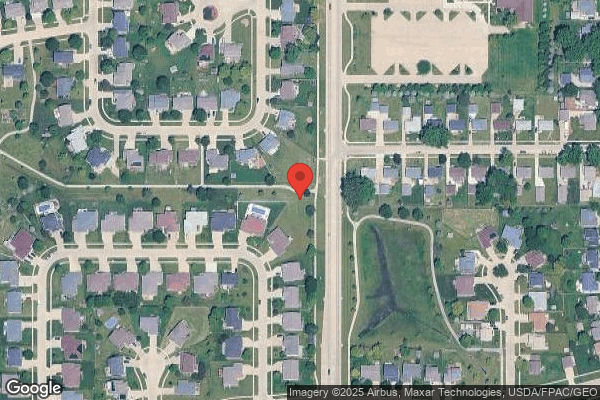

2785 1ST AVENUE S, ALTOONA, IA 50009 (515) 967-8700
For profit - Limited Liability company 46 Beds PIVOTAL HEALTH CARE Data: November 2025
Trust Grade
90/100
#64 of 392 in IA
Last Inspection: May 2025

Inspected within the last 6 months. Data reflects current conditions.

Overview

Prairie Vista Village in Altoona, Iowa, has earned a Trust Grade of A, indicating it is excellent and highly recommended. It ranks #64 out of 392 nursing homes in Iowa, placing it in the top half of facilities statewide, and #6 of 29 in Polk County, which means only five local options are rated higher. The facility is improving, having reduced the number of reported issues from two in 2024 to one in 2025. Staffing is a highlight, with a perfect 5 out of 5 stars and a turnover rate of 38%, which is lower than the state average, suggesting staff are experienced and familiar with residents. However, there are some concerns, including recent findings related to food safety and hygiene practices, such as improper food storage and staff not covering facial hair while preparing meals. Additionally, there was an incident where a resident was not transferred according to their care plan, which could pose a risk of falls. Overall, while there are strengths in staffing and overall ratings, families should be aware of these recent issues.
Trust Score
A
90/100
In Iowa
#64/392
Top 16%
Safety Record
Low Risk
No red flags
Inspections
Getting Better
2 → 1 violations
Staff Stability
○ Average
38% turnover. Near Iowa's 48% average. Typical for the industry.
Penalties
✓ Good
No fines on record. Clean compliance history, better than most Iowa facilities.
Skilled Nurses
✓ Good
Each resident gets 51 minutes of Registered Nurse (RN) attention daily — more than average for Iowa. RNs are trained to catch health problems early.
Violations
✓ Good
Only 5 deficiencies on record. Cleaner than most facilities. Minor issues only.
★★★★★
5.0
Overall Rating
★★★★★
5.0
Staff Levels
★★★★★
5.0
Care Quality
★★★★☆
4.0
Inspection Score
Stable
2024: 2 issues
2025: 1 issues

The Good

  • 5-Star Staffing Rating · Excellent nurse staffing levels
  • 5-Star Quality Measures · Strong clinical quality outcomes
  • Full Sprinkler Coverage · Fire safety systems throughout facility
  • No fines on record
  • Staff turnover below average (38%)

    10 points below Iowa average of 48%

Facility shows strength in staffing levels, quality measures, fire safety.

The Bad

Staff Turnover: 38%

Near Iowa avg (46%)

Typical for the industry

Chain: PIVOTAL HEALTH CARE

Part of a multi-facility chain

Ask about local staffing decisions and management

The Ugly 5 deficiencies on record

May 2025 1 deficiency
CONCERN (E)

Potential for Harm - no one hurt, but risky conditions existed

Food Safety (Tag F0812)

Could have caused harm · This affected multiple residents

Based on observations, policy review, and staff interview the facility failed to serve food under sanitary conditions, in order to reduce the risk of contamination and foodborne illness during one of ...

Read full inspector narrative →
Based on observations, policy review, and staff interview the facility failed to serve food under sanitary conditions, in order to reduce the risk of contamination and foodborne illness during one of one meals observed. Facility staff also failed to cover facial hair (beard) while preparing food. The facility reported a census of 43 residents. Findings include: Observations revealed the following: a. On 5/19/25 at 10 AM, Staff A, [NAME] was in the kitchen shredding pork for the lunch meal, Staff A had facial hair of full beard without any coverage of the beard. b. On 5/21/25 at 11:15 AM, Staff B, [NAME] was in the kitchen preparing food for the lunch meal. Staff B had facial hair of beard without any coverage of the beard. c. On 5/21/25 with lunch service starting at 12 PM, Staff C, Dietary Aide prepared plates of food for the residents, by lifting up the plates from the counter and placed her thumb onto the eating surface of the plate prior to placing food on the plate. Staff C then proceeded to touch door handles, counters, scoops, and slips of paper and then proceeded to serve more plates of food, touching the eating surface of the plates with her thumb. Additionally, Staff C removed 4 bowls from the cupboard, by placing her fingers inside the bowls, and then served soup in the bowls to residents. A facility policy Preventing Foodborne Illness- Employee Hygiene and Sanitary Practices dated October 2018 revealed hair nets or caps and/or beard restraints must be worn to keep hair from contacting exposed food, clean equipment, utensils, and linen, employees must wash hands before coming in contact with any food surfaces, and during food preparation as often as necessary to prevent contamination when changing tasks. On 5/21/25 at 2 PM, the Dietary Manager (DM) stated her expectation for dietary staff to wear covering over their beard when in the kitchen. Additionally, the DM stated expectation for staff to not touch the eating surface of plates and bowls with bare hands when serving food.
May 2024 2 deficiencies
CONCERN (D)

Potential for Harm - no one hurt, but risky conditions existed

Accident Prevention (Tag F0689)

Could have caused harm · This affected 1 resident

**NOTE- TERMS IN BRACKETS HAVE BEEN EDITED TO PROTECT CONFIDENTIALITY** Based on clinical record review, staff interviews, and policy review, the facility staff failed to follow the Care Plan to prope...

Read full inspector narrative →
**NOTE- TERMS IN BRACKETS HAVE BEEN EDITED TO PROTECT CONFIDENTIALITY** Based on clinical record review, staff interviews, and policy review, the facility staff failed to follow the Care Plan to properly transfer a resident as directed in the resident's care plan for 1 of 4 residents sampled for transfers and falls (Resident #22). The facility reported a census of 39 residents. Findings include: The Quarterly Minimum Date Set (MDS) assessment dated [DATE] revealed Resident #22 had diagnoses of orthostatic hypotension, non-Alzheimer's dementia, and tremors. The resident had a Brief Interview for Mental Status score of 4, which indicated severely impaired cognition. The MDS revealed the resident required partial to moderate assistance for transfers. The MDS recorded the resident had no falls. The Quarterly MDS dated [DATE] revealed the resident had a Brief Interview for Mental Status score of 4, indicating severely impaired cognition. The resident required substantial to maximum assistance for transfers. The MDS indicated the resident had a fall without injury since the prior assessment. The Care Plan revised 9/1/22 revealed the resident at risk for major injury related to falls due to weakness and impaired gait and balance. The staff directives included to transfer the resident with assistance of one and a gait belt, and ensure the resident wore proper footwear. The Care Plan revised 2/29/24 revealed staff directives to use an EZ stand lift and assistance of two staff for all transfers except toileting. Use a front wheeled walker and assistance of one staff and a gait belt as tolerated for toileting, and use the EZ stand to toilet PRN (as needed). A Fall Risk assessment dated [DATE] revealed the resident at risk for falls. Incident Reports revealed the following: a. On 1/9/24 at 6:20 AM, resident on floor on his knees and bent at waist with torso and head on his mattress. Certified Nursing Assistant (CNA) stated the resident's legs buckled while she transferred the resident from the bed to his wheelchair. Resident #22 reported the same story. Gait belt not in use. Resident only had socks on, no shoes on. No injuries. Resident assisted into wheelchair by two staff. Education provided to CNA on proper footwear during transfers and to use a gait belt. b. On 3/20/24 at 4:20 PM, CNA stated resident lowered to the floor during a stand pivot transfer (SPT) from the recliner to his wheelchair. The recliner moved during the transfer. Staff did not use the EZ stand lift or two staff for transfer. The Progress Notes revealed the following: a. On 1/9/24 at 6:20 AM, resident on floor on his knees and bent at waist with torso and head on his mattress. CNA stated the resident's legs buckled while she transferred the resident from the bed to his wheelchair. Resident #22 reported the same story. Gait belt not in use. Resident only had socks on, no shoes on. No injuries. Resident assisted into wheelchair by two staff. Education provided to CNA on proper footwear during transfers and to use a gait belt. b. On 3/20/24 at 8:16 PM, called to resident's room at approximately 4:20 PM. The resident sat on floor in front of his recliner. CNA in room at time of the incident. CNA reported the resident slid out of recliner onto the floor. The Physical Therapy (PT) Discharge summary dated [DATE] revealed PT recommended EZ-stand and assistance of two staff for transfers to improve ease of transfers on the resident and staff. Resident able to transfer using grab bars in the bathroom with assistance of one staff as he tolerated. In an interview 5/16/24 at 9:55 AM, the Director of Nursing (DON) reported a fall packet filled out by the nurse whenever a resident had a fall. A risk watch put in place and an intervention added to prevent further falls. The DON completed investigation on how and why the fall occurred. Information shared at staff huddle held daily to go over new information and things the staff needed to know. The DON confirmed Resident #22 had falls. Therapy got involved to help with strengthening and to determine best transfer status. Resident #22 used a SPT for toileting otherwise staff used an EZ stand lift for transfers (to/from bed, chair. wheelchair). The DON checked the resident's Care Plan in the electronic health record and confirmed Resident #22 transfer status changed to using an EZ stand started on 2/24/24. The DON reported a pocket care plan for staff to use kept in a binder at the nurse's station. The MDS nurse updated the pocket care plan. The DON stated she expected staff used a gait belt for all transfers on residents who required assistance of one staff. In an interview 5/16/24 at 9:45 AM, Staff C, CNA, and Certified Medication Aide (CMA) reported she obtained a pocket care plan from the nurse's station and used the pocket care plan to know how a resident transferred. In an interview 5/16/24 at 10:33 AM, Staff D, MDS nurse stated she updated the pocket care plan as soon as she got notification for updates. Staff D stated the EHR care plan updated weekly. She only kept the current pocket care plans. Former pocket care plans not kept. The pocket care plan included information such as how a resident transferred. Resident #22 transfer status changed 2 weeks ago and he now used an EZ stand lift for all transfers, but prior to this time staff used an EZ stand lift PRN. In an interview 5/16/24 at 10:50 AM, the DON reported Staff E was the CNA involved when Resident #22 had a fall on 3/20/24. In an interview 5/16/24 at 10:52 AM, Staff F, CNA, reported she used a pocket care plan to know how a resident transferred. She recalled Resident #22 transferred with assistance of one staff but it depended on the day. A gait belt used if a resident required assistance of one staff. Staff F reported she believed the pocket care plan showed Resident #22 required assistance of one staff. On the day of his fall (1/9/24) she assisted resident and his knees buckled, he went down on his knees by the bed. She called for the nurse. Staff F stated she believed she used a gait belt when she transferred the resident, but the incident happened awhile ago. In an interview 5/16/24 at 11:10 AM, Staff G, Licensed Practical Nurse (LPN) reported Resident #22 had falls. Interventions in place included to ensure his bed in lowest position and a mat on the floor by the bed. Therapy did an evaluation on him. When Resident #22 had a fall (1/9/24) he was not wearing gripper socks or shoes. She gave the CNA education at that time to use a gait belt whenever she transferred the resident and ensure he had proper footwear on. Resident #22 currently used an EZ stand and assistance of two staff for transfers. Previously he required assistance of one staff and use of a gait belt. In an interview 5/16/24 at 11:20 AM, Staff E, CNA, reported she looked at the pocket care plan to know how a resident transferred. The pocket care plan included the number of staff needed for transfers and any equipment needed. Staff E stated Resident #22 used a walker and assistance of two staff. They used an EZ stand PRN. Staff E reported the resident use to walk but he hadn't walked in awhile. On the day when he had a fall and she worked (3/20/24), the resident was a SPT. She placed his wheelchair by him and locked the brakes. She was transferring him from his chair to the wheelchair. His feet started sliding after he stood up. She lowered him to the floor and called for the nurse. He didn't have any injuries. She didn't realize his transfer status had changed. She didn't check the care plan or she would have had two staff assistance during this transfer. Staff E reported she worked agency for 8 months at the facility, then signed on as an employee. She had 1 hour of orientation when she first started working at the facility as agency. When she was hired to work at the facility as an employee she completed paperwork but did not receive any formal training. In an interview 5/16/24 at 12:25 PM, the DON reported they have done audits on falls and if staff are following the care plan as to how they are supposed to transfer a resident. A comprehensive person-centered care plan policy revealed the care plan included measurable objectives and timetables to meet the resident ' s physical, psychosocial and functional needs, and implemented for each resident. Care plans are revised as information about the residents and the residents ' conditions change.
CONCERN (F)

Potential for Harm - no one hurt, but risky conditions existed

Food Safety (Tag F0812)

Could have caused harm · This affected most or all residents

Based on observation, staff interview, and policy review the facility failed to store, prepare, distribute and serve food in accordance with professional standards for food service safety. The facilit...

Read full inspector narrative →
Based on observation, staff interview, and policy review the facility failed to store, prepare, distribute and serve food in accordance with professional standards for food service safety. The facility reported a census of 39. Findings include: 1. Observation of the kitchen on 05/13/24 at 10:01 AM revealed the refrigerator contained the following items; a bag of open to the air, unsealed, undated ham slices sitting in a pool of what appeared to be its own juices. A container of whipping cream that was open to the air, with no label to indicate when it had been opened. A Sealed, unlabeled, undated bag of an unknown food product. Observation on 05/13/24 at 10:09 AM revealed the walk-in freezer contained the following items: Two bags of what appeared to be hamburger patties that lacked labels, dates, and were not sealed. One bag of what appeared to be meat chunks that lacked labels, dates, and was not sealed. One bag of sealed meat products that lacked a label. Observation on 05/14/24 at 12:08 PM of Staff A, dietary aide, preparing and serving food without performing hand hygiene, while wearing gloves, and without using serving utensils or changing gloves. In an interview on 05/15/24 at 10:13 AM with Staff B, who indicated gloves should not be worn during food service, staff should avoid direct contact with a person's food, and staff should perform hand hygiene before and after dining service, and as needed during service. In an interview on 05/15/24 at 03:09 PM the Culinary Director stated her expectations are that staff should wash their hands before service, after service, and if their hands are visibly soiled. Staff should avoid direct contact with food by using serving utensils such as spoons and tongs. Review of policy titled Food Receiving and Storage, revised in 2018, stated All foods stored in the refrigerator or freezer will be covered, labeled, and dated. Opened containers must be dated and sealed or covered during storage. 2. Observations of the breakfast meal service on 5/14/24 revealed the following: At 08:13 AM , Staff A, dietary aide, wore gloves as she checked the temperature of food in the warming table in the Rehab dining room. Staff A opened a cabinet, then picked up serving utensils and scooped food into a bowl and onto a plate. Staff A continued to wear the same gloves as she picked up a donut, then placed the donut on the plate. Staff A then picked up menu slips that dropped off the counter, and placed the menu slips back on the counter. Staff A removed her gloves. At 08:17 AM, Staff A continued to scoop food onto plates, donned a pair of gloves, and reached into a bread sack with her gloved hand and removed a slice of bread. Staff A touched multiple surfaces with her gloved hand including menu slips, plates, and utensils for serving food, as well as touched donuts with the same gloves during meal service. The food was delivered to a residents in the dining room.
Jul 2023 1 deficiency
CONCERN (D) 📢 Someone Reported This

A family member, employee, or ombudsman was alarmed enough to file a formal complaint

Potential for Harm - no one hurt, but risky conditions existed

Infection Control (Tag F0880)

Could have caused harm · This affected 1 resident

**NOTE- TERMS IN BRACKETS HAVE BEEN EDITED TO PROTECT CONFIDENTIALITY** Based on observations, staff interviews, clinical record review and facility policy review the facility failed to follow infecti...

Read full inspector narrative →
**NOTE- TERMS IN BRACKETS HAVE BEEN EDITED TO PROTECT CONFIDENTIALITY** Based on observations, staff interviews, clinical record review and facility policy review the facility failed to follow infection control guidelines for 2 out of 3 residents observed (Resident #3 and Resident #6). Observations revealed that hands were not sanitized or washed and proper technique was not used when performing incontinence/peri cares on Resident #3 and Resident #6. The facility reported a census of 45 residents. Findings include: 1. A Minimum Data Set (MDS) dated [DATE], documented diagnoses for Resident #3 to include non-Alzheimer's dementia and need for help with personal care. The MDS documented the resident required extensive assist of 1 for toilet use. The Care Plan for Resident #3 with a Focus Area dated 2/6/20, directed staff that this resident was at risk for UTI (Urinary Tract Infection) and had a history of UTIs. On 7/27/23 at 1:00 p.m., the Director of Nursing (DON), assisted Resident #3 to ambulate into her room with a gait belt and a 4 wheeled walker. The DON asked the resident if she needed to use the restroom and she stated that she did. When questioned, the DON stated Resident #3 required assistance with using the toilet PRN (as needed). The DON donned gloves then pulled down the resident's pants and adult pull-up briefs. The DON then removed the pad that was in her pull up briefs and discarded it. The DON then put on new gloves, grabbed a new pad, grabbed the wipes, and brought the wipes over to the resident. She then placed the pad in the adult pull-up brief and assisted the resident to stand. The DON used a wipe down each side of her groin, and then one for down the middle, then used a wipe to wipe down between her buttocks, and then one for each side of her buttocks. The DON discarded the wipes as she went then she pulled up this resident's pants, flushed the toilet and threw away the gloves. The DON tightened the resident's gait belt and assisted the resident to ambulate to her recliner and positioned items within resident's reach. The DON put the gait belt around her shoulder and waist and fastened it. The DON then gathered up the garbage, grabbed a new garbage bag and placed it into the trash can. The DON then washed her hands, took off the gait belt, hung it on the wall and left the room. Following the incident, questioned the DON if she should have washed or sanitized her hands. She stated yes she should have. She added that she should have washed or sanitized them after she removed the dirty pad and before she put on new gloves. 2. The MDS dated [DATE], documented diagnoses for Resident #6 included CVA (Cerebrovascular Accident) and disorder of bone density. The MDS documented the resident required extensive assist of 2 staff for toilet use. The Care Plan for Resident #6 with a Focus Area revised on 6/16/22, directed staff that this resident had functional bladder incontinence related to CVA. An intervention dated 6/16/22, directed staff to monitor for signs and symptoms of UTI. On 7/31/23 at 11:15 p.m. observed Resident #6 sitting on the toilet waiting for assistance to get cleaned up after using the toilet. Staff A, Certified Nurse Aide (CNA) washed her hands and applied gloves. Staff A wiped this resident in front peri area, hips and groins, using separate wipes for each swipe. She then assisted the resident to stand with a gait belt and wiped down her backside. Staff A removed the glove she had used to wipe down resident's skin and told the resident she had a large bowel movement. Staff A pulled up the resident's briefs then assisted her to transfer to her wheelchair as she pulled the chair closer. Staff A then removed the other glove, discarded it into the trash and washed her hands. When questioned Staff A if she felt she did peri care correctly she stated that she should have sanitized her hands after she removed her gloves. On 7/31/23 at 1:00 p.m., the Infection Preventionist, Registered Nurse (RN), stated that she knew there had been a couple of issues with the facility's peri care during the survey. She stated that she was planning on doing audits anyway, as the facility had a couple of concerns overall regarding residents having diagnoses of UTIs, so she was planning on scheduling and doing the audits herself. On 7/31/23 at 2:30 p.m. the Administrator acknowledged that there were issues with peri care and infection control. A list provided by the facility of residents diagnosed with UTI's dated from 5/1/23 to 7/31/23, revealed 4 residents were diagnosed with UTI's during the 3 month period. An undated blank Peri-care on Toilet Skills Checklist (peri care audits), revealed the following procedure was to be completed by staff that were being audited: Procedure: Knock on resident's door, address resident by name, introduce yourself, explain procedure and gather supplies- Place barrier (towel) on surface to set supplies on. 1. Wash cloths, peri wash or wipes 2. Small garbage bag ( for soiled clothing/wash cloths) 3. Hand towel 4. Gloves 5. Brief or pull ups if applicable 6. Barrier cream/ointment, if applicable 7. Hand Sanitizer -Provide privacy, wash and dry hands, put on gloves. -Assist resident by toilet and pull down slacks, remove soiled incontinent product if applicable. -Remove gloves, sanitize hands, and re-glove. Make sure gait belt is tucked around resident's waist -Allow resident time to urinate or defecate -Begin your peri-care if was incontinent. (You must stand in front of resident) -Wipe abdomen horizontally, change cloth surface with each swipe, or one wipe, one swipe -Wipe thighs in downward motion and inner thighs, change cloth surface with each swipe, or one wipe, one swipe -Wipe off each side of groin in a downward motion, change cloth surface with each swipe, or one wipe, one swipe -Females: Gently spread the labia and wipe down one side and then the other, wipe front to back. Change cloth surface with each swipe, or one wipe, one swipe -Males: Gently grasp shaft of penis and hold upward. Retract foreskin, if present, and wash head of penis in circular motion moving away from urethral meatus. Wipe shaft of penis in gentle downward motion. Wipe scrotum, cleaning upper portion and then underlying area. Wipe pubis area. Change cloth surface with each swipe, or one wipe, one swipe -Remove gloves, sanitize hands -Reapply gloves -In an upward motion, wipe back of thighs, buttocks, and anus. Change cloth surface with each swipe, or one wipe, one swipe -Remove gloves, sanitize hands -Reapply gloves -Apply barrier cream/ointment to pubis area if applicable. Remove gloves and fasten brief, pull up slacks. -Wash hands -Offer water. Ask if there is anything they need -Place call light within reach -Clean and put equipment away -Report any unusual observations A Handwashing/Hygiene policy revised August 2019, directed staff as follows: The facility considered hand hygiene the primary means to prevent the spread of infections. The Policy documented the following: Policy Interpretation and Implementation 1. All personnel shall be trained and regularly in-serviced on the importance of hand hygiene in preventing the transmission of healthcare-associated infections. 2. All personnel shall follow the handwashing/hand hygiene procedures to help prevent the spread of infections to other personnel, residents, and visitors. 3. Hand hygiene products and supplies (sinks, soap, towels, alcohol-based hand rub, etc.) shall be readily accessible and convenient for staff use to encourage compliance with hand hygiene policies. 4. Triclosan-containing soaps will not be used. 5. Residents, family members and/or visitors will be encouraged to practice hand hygiene through the use of fact sheets, pamphlets and/or other written materials provided at the time of admission and/or posted throughout the facility. 6. Wash hands with soap (antimicrobial or non-antimicrobial) and water for the following situations: When hands are visibly soiled; and After contact with a resident with infectious diarrhea including, but not limited to infections caused by norovirus, salmonella, shigella and C. difficile. 7. Use an alcohol-based hand rub containing at least 62% alcohol; or, alternatively, soap (antimicrobial or non-antimicrobial) and water for the following situations: -Before and after coming on duty; - Before and after direct contact with residents; - Before preparing or handling medications; -Before performing any non-surgical invasive procedures; -Before and after handling an invasive device (e.g., urinary catheters, IV access sites); -Before donning sterile gloves; -Before handling clean or soiled dressings, gauze pads, etc.; -Before moving from a contaminated body site to a clean body site during resident care; -After contact with a resident's intact skin; -After contact with blood or bodily fluids; -After handling used dressings, contaminated equipment, etc.; -After contact with objects (e.g., medical equipment) in the immediate vicinity of the resident; After removing gloves; -Before and after entering isolation precaution settings; -Before and after eating or handling food; -Before and after assisting a resident with meals; and -After personal use of the toilet or conducting your personal hygiene. 8. Hand hygiene is the final step after removing and disposing of personal protective equipment. 9. The use of gloves does not replace hand washing/hand hygiene. Integration of glove use along with routine hand hygiene is recognized as the best practice for preventing healthcare-associated infections. 10. Single-use disposable gloves should be used: Before aseptic procedures; when anticipating contact with blood or body fluids; and when in contact with a resident, or the equipment or environment of a resident, who is on contact precautions. 11. Wearing artificial fingernails is strongly discouraged among staff members with direct resident-care responsibilities, and is prohibited among those caring for severely ill or immunocompromised residents. The Infection Preventionist maintains the right to request the removal of artificial fingernails at any time if he or she determines that they present an unusual infection control risk. Procedure: Equipment and Supplies 1. The following equipment and supplies are necessary for hand hygiene: Alcohol-based hand rub containing at least 62% alcohol; running water; soap (liquid or bar; anti-microbial or non-antimicrobial); paper towels; trash can; lotion; and non-sterile gloves. Washing Hands: 1. Wet hands first with water, then apply an amount of product recommended by the manufacturer to hands. 2. Rub hands together vigorously for at least 15 seconds, covering all surfaces of the hands and fingers. 3. Rinse hands with water and dry thoroughly with a disposable towel. 4. Use towel to turn off the faucet. 5. Avoid using hot water, because repeated exposure to hot water may increase the risk of dermatitis. Using Alcohol-Based Hand Rubs 1. Apply generous amount of product to palm of hand and rub hands together. 2. Cover all surfaces of hands and fingers until hands are dry. 3. Follow manufacturers' directions for volume of product to use. Applying and Removing Gloves 1. Perform hand hygiene before applying non-sterile gloves. 2. When applying, remove one glove from the dispensing box at a time, touching only the top of the cuff. 3. When removing gloves, pinch the glove at the wrist and peel away from the hand, turning the glove inside out. 4. Hold the removed glove in the gloved hand and remove the other glove by rolling it down the hand and folding it into the first glove. 5. Perform hand hygiene.
Feb 2023 1 deficiency
CONCERN (D) 📢 Someone Reported This

A family member, employee, or ombudsman was alarmed enough to file a formal complaint

Potential for Harm - no one hurt, but risky conditions existed

Accident Prevention (Tag F0689)

Could have caused harm · This affected 1 resident

**NOTE- TERMS IN BRACKETS HAVE BEEN EDITED TO PROTECT CONFIDENTIALITY** Based on record review, observation, document review, and staff interview the facility failed to ensure the staff received adequ...

Read full inspector narrative →
**NOTE- TERMS IN BRACKETS HAVE BEEN EDITED TO PROTECT CONFIDENTIALITY** Based on record review, observation, document review, and staff interview the facility failed to ensure the staff received adequate training for the use of assistive devices to prevent accidents for one of four residents reviewed (Resident #20) requiring mechanical lift transfers. The facility reported a census of 40 residents. Findings include: 1. The Minimum Data Set (MDS) for Resident #20 dated 01/13/23 documented a Brief Interview for Mental Status (BIMS) as 12 indicating some cognitive impairment. The MDS documented diagnoses of atrial fibrillation, heart failure, thyroid disorder, arthritis, cerebrovascular accident, and hemiplegia or hemiparesis. The MDS documented admission to the facility on [DATE]. In an interview on 02/13/23 at 01:40 PM, Resident #20, stated she started slipping out of the lift and ended up on the floor. Resident #20 stated she wasn't hurt from the fall but the incident scared her. Resident #20 stated her back hurt from laying on the floor for so long. Resident #20 stated she laid on the floor for a long time about half an hour. Resident #20 stated the staff were rough when turning her to get her back in the sling. Resident #20 stated she is hard to turn on the floor. Resident #20 stated she was not currently in pain. Observation on 02/13/23 at 01:55 PM of the mechanical sit to stand lift, Invacare Reliant 350, utilized to transfer Resident #20 by Staff C and Staff D. During transfer Staff C (CNA) and Staff D (CNA) applied transport sling around back of Resident #20. Transport sling then applied to attachment points on lift. Transport sling applied on outside of lift on the left side of sling by Staff C. Transport sling applied on the inside of the lift on the right side of the sling by Staff D. In an interview on 02/13/23 at 01:56 PM, Staff C, stated transport sling should have been applied on both sides of the lift on the outside of the lift. Staff C stated she did not look at how Staff D applied sling prior to transfer. Staff C stated Staff E trained the proper way to apply sling to lift. In an interview on 02/13/23 at 01:56 PM, Staff D, stated she started less than 6 months ago. Staff D stated the sling was not applied properly. In a review on 02/15/23 at 02:20 PM of manual for Invacare Reliant 350 mechanical lift indication of lift sling application to outside of arms of lift at attachment points when used to transfer individuals. In an interview on 02/13/23 at 12:05 PM, Staff A (DON), stated the pocket care plan contains the type of lift to be utilized and the therapy department decides the size of sling to use on each resident. Staff A stated therapy completes an evaluation on everyone that enters the facility for transfer needs. Staff A said therapy sends communication to nurse, then nurse updates pocket care plan, then Staff G would update care plan. Staff A stated pocket care plans are audited weekly. Staff A stated therapy was notified of need to evaluate Resident #20 after being lowered to the floor. Evaluation was completed by Staff F (Physical Therapy) and it was determined the previous toilet sling was too big and new sling was ordered. Staff A stated Staff E (Physical Therapy) ordered previous toilet sling and Staff F ordered current toilet sling. Staff A stated current sling just arrived a week ago. Staff A stated the expectation is the facility staff to be trained by the therapy department and facility staff to train any agency staff that will utilize the lifts. In an interview on 02/14/23 at 10:40 AM, Staff F, stated when a change in ability to transfer is noted in a resident an order is written to be seen by the therapy department. Staff F stated at that time resident with change in ability to transfer would be evaluated and recommendations are sent to the nursing department. Staff F stated at that time, training for staff that work at the facility would begin. Staff F stated a log has not been kept with staff that have been trained on the new sling but 2 or 3 had been trained. Staff F stated evaluation of Resident #20 was completed and at that time it was determined that the previous sling size was too big. Staff F stated the previous sling was a size large. Staff F stated that is when she spoke with Staff L (Medical Records) about buying a new sling. In an interview on 02/14/23 at 11:20 AM, Staff H (Administrator), stated the expectation of the facility is a log of staff that are trained at the facility is to be kept. Staff H stated it was reported to him that purchase of a new sling that was similar to previous but size medium would be required as the previous sling was too big. In an interview on 02/15/23 at 8:00 AM, Staff A stated document titled Fall Checklist is completed with all falls that occur at the facility. In an interview on 02/15/23 at 2:00 PM, Staff B, ADON stated a document titled Fall Checklist completed for 72 hours after fall. Staff B stated contents of Fall Checklist are entered into progress notes for fall assessment. Staff B stated Fall Checklist is thrown away after all contents are entered and 72 hours are completed. In an interview on 02/15/23 9:30 AM, Staff I (CNA), stated January 10 2023 was the first day she worked at the facility. Staff I stated Staff J (CNA) stated this was a new sling for toileting use only for Resident #20 and instructed Staff I how to apply the sling. Staff I stated sling was applied by Staff J. Staff I stated Resident #20 was taken to the toilet and was going to be transferred to the bed when Resident #20 started slipping down in the sling. Staff I stated both Staff J and Staff I noted Resident #20 buttocks slip down in the sling. Staff I stated the transfer was stopped and Resident #20 was lowered to the floor with the hoyer mechanical lift. Staff I stated Resident #20 did not appear to be in pain. Staff I stated Resident #20 would verbalize if she was in pain. Staff I stated Resident #20 seemed scared. Staff I stated Staff J called on the radio for nurse as soon as Resident #20 was lowered to the floor. Staff I stated the nurse came very quickly may have been just outside of the resident's door when the incident happened. Staff I stated Resident #20 did not hit anything on the way to the floor in the sling. Staff I stated Resident #20 was not on the floor long, maybe 10 minutes. Staff I stated that the nurse completed the assessment of resident #20 on the floor prior to moving to bed. Staff I stated the non-toilet sling was used to transfer Resident #20 to the bed from the floor. In an interview on 02/15/23 at 09:40 AM, Staff J, stated on 01/10/23 Resident #20 was part of Staff J's assignment that day. Staff J stated she was working with Staff I when the incident occurred with Resident #20 being lowered to the floor. Staff J stated this was the first time that she had used this sling. Staff J stated she was trained with demonstration by Staff E who was the head of physical therapy at the time and the person who ordered the toilet sling. Staff J stated both she and Staff I were using the hoyer lift with the toilet sling to transfer Resident #20 that morning to the toilet. Staff J stated Resident #20 transferred to the toilet that morning without difficulties. Staff J stated when transferring Resident #20 to bed from the toilet both Staff I and Staff J noticed Resident #20 buttocks slid down in the sling. Staff J said at that point when Resident #20 slid, Staff J grabbed the abdominal support belt that was around Resident #20 on the sling and supported Resident #20 to the floor with Staff I working the hoyer. Staff J stated Resident #20 did not hit anything on the way to the floor. Staff J stated the nurse completed assessment prior to moving Resident #20 to the bed. Staff J stated Resident #20 remained on the floor for 10 minutes. Staff J stated Resident #20 was transferred to the bed with the regular hoyer sling not the toilet sling. Staff J stated she asked Resident #20 if she was okay or in any pain. Staff J stated Resident #20 said she wasn't in pain but that she was a little scared. Staff J stated Resident #20 was laughing a little and asked if the rest of the staff were okay. Staff J stated Resident #20 said they did not want to use that sling anymore. In an interview on 02/15/23 at 02:37 PM, Staff K (RN), stated on 01/10/23 two Certified Nursing Assistants (CNA) were transferring Resident #20 with the new sling for use on the toilet. Staff K said the two CNA's called for a nurse over the radio and she entered Resident #20's room. Staff K stated she completed fall assessment while Resident #20 remained on the floor. Staff K stated there were no abnormal findings from the assessment. Staff K stated Resident #20 was not in pain. Staff K reported Resident #20 was laughing and making jokes while lying on the floor. Staff K stated Resident #20 was turned and regular sling was applied and the new toilet sling was removed. Staff K stated Resident #20 remained on the floor for no more than 5 minutes. Staff K stated Staff A was notified and at that point Staff K reported Staff A said she would notify the family during the care conference that was going to occur that morning. In a review on 02/15/23 at 04:00 PM, of Physical Therapy / PT Evaluation and Plan of Treatment revealed the following. 1. Document signed by Staff F with entry date 01/11/23, Staff report uncomfortable using hoyer lift with patient and Patient presents with increased difficulty using hoyer sling for toileting. Patient experienced an episode of sliding through a hoyer sling requiring staff to lower the patient to the floor. Therapy referral to determine safest options for transfers. In a review on 02/15/23 at 04:00 PM, the Physical Therapy / Therapy Progress Report revealed the following. 1. Document signed by Staff E with entry date 11/23/22, Patient family is concerned with patient posture is not completely upright with EZ-Stand lift and are requesting trials of Hoyer lift to promote transfers with less joint pain. Progress and response to treatment: Patient is making consistent progress towards reaching ST and LT goals, Maximum improvement is yet to be attained and anticipated improvement is attainable within current POT duration. Family is now requesting trial of a Hoyer lift for transfers. Initial trial completed this date. Patient is unsure of her preference. Will continue trials. In a review on 2/15/23 at 04:00 PM, Physical Therapy / Discharge Summary revealed the following. 1. Document signed by Staff E with Entry date 11/30/22, Trials of Hoyer Lift with toileting sling. Patient prefers continued use of EZ-Stand mechanical lift rather than transition to Hoyer lift. Facility is purchasing another style of toileting sling that is a universal fit and should fit the model of Hoyer lift we have. Nursing will trial the new sling with the patient and proceed with transfers per patient preference after trial of new toileting sling. In a review on 2/15/23 at 04:00 PM, the Physical Therapy Treatment Encounter Note(s) revealed the following. 1. Document signed by Staff F with entry date 01/26/23, Admin plans to order new toileting sling for patient. Updated patient and family on decision to order new sling with everyone in agreement to plan. Will hold therapy until a new sling arrives. 2. Document signed by Staff F with entry date 01/24/23, Trialed putting hoyer sling under patient while patient sitting in recliner as an option for using during toileting. However, as the patient would have to undress prior to using the toilet, the patient would be at an increased risk of skin tears applying and removing sling. Recommending ordering medium dress toileting high sling for the patient. Also discussed with the patient using a commode with the patient refusing use of the commode due to fear of tipping over in it. Patient refused to trial use of the commode with the therapist. Staff updated in findings. 3. Document signed by Staff F with entry date 01/20/23, Located mesh hoyer sling with commode opening for patient. Determine correct size for the patient. Trialed use of hoyer sling with patient transferring from chair to bed, bed to toilet, toilet to bed and bed to chair with A x 2. Patient unable to assist and remains in supine position requiring dependent A x 2 to get into sitting position to get onto toilet and into chair. Patient reports comfort with trial but is ergonomically unsafe for staff to utilize with the patient. Further sling trials required to determine the safest option for the patient. 4. Document signed by Staff F with entry date 01/17/23, Reviewed manual for new sling and found sizing chart to determine most appropriate sling for patient to ensure safety. Measurements taken as follows with patient seated in chair: hip to knee 24 in, shoulder width 17 in, hip to waist 9.5 in, hip to hip 20 in, waist circumference 50 in. Patient most recent weight was 193 lbs. Per sizing guide patients' current size large sling is too big and the patient requires a smaller sling size. Discussed this with Staff L as well as the likely need for a commode to transfer patient. 5. Document signed by Staff E with entry date 11/30/22, Reviewed mechanical lift options and patient prefers the EZ-Stand Mechanical lift option. Patient is willing to trial a different toileting sling for the Hoyer lift if the facility is able to obtain one. Nursing staff is aware. Call out to the patient's son to update. Patient will continue to utilize EZ-Stand Mechanical Lift for now. Nursing will follow up per Hoyer options. PT DC'd this date. 6. Document signed by Staff E with entry date 11/28/22, Reviewed mechanical lift options with patient following last session trial with Hoyer lift with toileting sling. Patient reports the Hoyer sling was too complicated and she prefers the EZ-Stand mechanical lift at that time. Communicated Hoyer lift trial with DON and discussed sling options. Will forward link to optional sling for DON to research. 7. Document signed by Staff E with entry date 11/23/22, Discussed opinions with patient utilizing a Hoyer for toileting. Staff recommends continuation of EZ-Stand. Discussed family plan for patient to try Hoyer with patient. Patient reports she is not sure she will like Hoyer. Patient reported fear of using Hoyer. Reviewed process for Hoyer transfer and demonstrated per online video. Patient agreeable to trial. Worked with CNA for a transfer trial. Difficulty placing the patient far enough back before sitting. Determined with current sling, leg straps should hook onto green loops and head straps should hook onto the farthest away loop to increase sitting support. Patient reports a comfortable transfer, not sure how she will like it on a continual basis. 8. Document signed by Staff E with entry date 11/22/22, Investigation of facility purchase of a toileting sling for our current Hoyer. Sling found in storage. Follow up is required of DON/ADON as to proper sling for Hoyer Brand. Will follow up tomorrow and contact the patient's son and begin trials with the patient, if patient remains agreeable. Discussion this date with the patient regarding sling and process for use for toileting. Patient is agreeable to trial at this time. Review of risk and benefits of Hoyer vs EZ-Stand mechanical lift. 9. Document signed by Staff E with entry date 11/18/22, Patient completed EZ-Stand transfers with no grimacing or VC's of Left shoulder pain until patient questioned her and then patient reported yes, it hurts. Unable to describe type or intensity or location. Discussed options of Hoyer vs EZ-Stand for transfers. Patient reports she does not want to use a Hoyer lift if she has to use a bedpan. Patient's son called during the session and discussed current transfers, patient display and verbalization of pain, and report of not wanting the Hoyer if it includes use of bedpan. Patient's son states the facility administrator explained to him that the facility has a Hoyer and it can be used for bathroom transfers.
Understanding Severity Codes (click to expand)
Life-Threatening (Immediate Jeopardy)
J - Isolated K - Pattern L - Widespread
Actual Harm
G - Isolated H - Pattern I - Widespread
Potential for Harm
D - Isolated E - Pattern F - Widespread
No Harm (Minor)
A - Isolated B - Pattern C - Widespread

Questions to Ask on Your Visit

  • "Can I speak with families of current residents?"
  • "What's your RN coverage like on weekends and overnight?"

Our Honest Assessment

Strengths
  • • Grade A (90/100). Above average facility, better than most options in Iowa.
  • • No major safety red flags. No abuse findings, life-threatening violations, or SFF status.
  • • No fines on record. Clean compliance history, better than most Iowa facilities.
  • • Only 5 deficiencies on record. Cleaner than most facilities. Minor issues only.
Concerns
  • • No significant concerns identified. This facility shows no red flags across CMS ratings, staff turnover, or federal penalties.
Bottom line: Generally positive indicators. Standard due diligence and a personal visit recommended.

About This Facility

What is Prairie Vista Village's CMS Rating?

CMS assigns Prairie Vista Village an overall rating of 5 out of 5 stars, which is considered much above average nationally. Within Iowa, this rating places the facility higher than 99% of the state's 100 nursing homes. This rating reflects solid performance across the metrics CMS uses to evaluate nursing home quality.

How is Prairie Vista Village Staffed?

CMS rates Prairie Vista Village's staffing level at 5 out of 5 stars, which is much above average compared to other nursing homes. Staff turnover is 38%, compared to the Iowa average of 46%. This relatively stable workforce can support continuity of care.

What Have Inspectors Found at Prairie Vista Village?

State health inspectors documented 5 deficiencies at Prairie Vista Village during 2023 to 2025. These included: 5 with potential for harm.

Who Owns and Operates Prairie Vista Village?

Prairie Vista Village is owned by a for-profit company. For-profit facilities operate as businesses with obligations to shareholders or private owners. The facility is operated by PIVOTAL HEALTH CARE, a chain that manages multiple nursing homes. With 46 certified beds and approximately 41 residents (about 89% occupancy), it is a smaller facility located in ALTOONA, Iowa.

How Does Prairie Vista Village Compare to Other Iowa Nursing Homes?

Compared to the 100 nursing homes in Iowa, Prairie Vista Village's overall rating (5 stars) is above the state average of 3.1, staff turnover (38%) is near the state average of 46%, and health inspection rating (4 stars) is above the national benchmark.

What Should Families Ask When Visiting Prairie Vista Village?

Based on this facility's data, families visiting should ask: "Can I visit during a mealtime to observe dining assistance and food quality?" "How do you handle medical emergencies, and what is your hospital transfer rate?" "Can I speak with family members of current residents about their experience?"

Is Prairie Vista Village Safe?

Based on CMS inspection data, Prairie Vista Village has a clean safety record: no substantiated abuse findings (meaning no confirmed cases of resident harm), no Immediate Jeopardy citations (the most serious violation level indicating risk of serious injury or death), and is not on the Special Focus Facility watch list (a federal program monitoring the lowest-performing 1% of nursing homes). The facility has a 5-star overall rating and ranks #1 of 100 nursing homes in Iowa. While no facility is perfect, families should still ask about staff-to-resident ratios and recent inspection results during their visit.

Do Nurses at Prairie Vista Village Stick Around?

Prairie Vista Village has a staff turnover rate of 38%, which is about average for Iowa nursing homes (state average: 46%). Moderate turnover is common in nursing homes, but families should still ask about staff tenure and how the facility maintains care continuity when employees leave.

Was Prairie Vista Village Ever Fined?

Prairie Vista Village has no federal fines on record. CMS issues fines when nursing homes fail to meet care standards or don't correct problems found during inspections. The absence of fines suggests the facility has either maintained compliance or corrected any issues before penalties were assessed. This is a positive indicator, though families should still review recent inspection reports for the full picture.

Is Prairie Vista Village on Any Federal Watch List?

Prairie Vista Village is not on any federal watch list. The most significant is the Special Focus Facility (SFF) program, which identifies the bottom 1% of nursing homes nationally based on persistent, serious quality problems. Not being on this list means the facility has avoided the pattern of deficiencies that triggers enhanced federal oversight. This is a positive indicator, though families should still review the facility's inspection history directly.