Sunny View Care Center
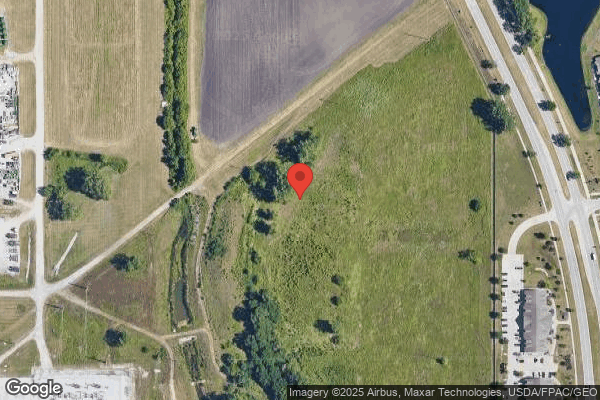
410 N W ASH DRIVE, ANKENY, IA 50023 (515) 964-1101
For profit - Corporation 94 Beds Independent Data: November 2025
Trust Grade
48/100
#304 of 392 in IA
Last Inspection: February 2025

Within standard 12-15 month inspection cycle. Federal law requires annual inspections.

Overview

Sunny View Care Center has a Trust Grade of D, indicating below-average performance with some concerns. They rank #304 out of 392 nursing homes in Iowa, placing them in the bottom half of facilities in the state, and #21 out of 29 in Polk County, suggesting limited local options. While the facility is improving, with a decrease in issues from 19 in 2024 to 11 in 2025, it still faces challenges, including concerning maintenance of patient care equipment, which resulted in delays and unsafe conditions for some residents. Staffing is average with a rating of 3 out of 5 stars, and turnover is at 50%, which is in line with the state average, but there is less RN coverage than 75% of Iowa facilities, potentially impacting resident care. Specific incidents include delays in care due to broken equipment and failure to promptly respond to resident call lights, which raises concerns about timely assistance and safety.
Trust Score
D
48/100
In Iowa
#304/392
Bottom 23%
Safety Record
Low Risk
No red flags
Inspections
Getting Better
19 → 11 violations
Staff Stability
⚠ Watch
50% turnover. Above average. Higher turnover means staff may not know residents' routines.
Penalties
○ Average
$3,250 in fines. Higher than 59% of Iowa facilities. Some compliance issues.
Skilled Nurses
○ Average
Each resident gets 31 minutes of Registered Nurse (RN) attention daily — about average for Iowa. RNs are the most trained staff who monitor for health changes.
Violations
⚠ Watch
38 deficiencies on record. Higher than average. Multiple issues found across inspections.
★★☆☆☆
2.0
Overall Rating
★★★☆☆
3.0
Staff Levels
★★★★☆
4.0
Care Quality
★★☆☆☆
2.0
Inspection Score
Stable
2024: 19 issues
2025: 11 issues

The Good

  • 4-Star Quality Measures · Strong clinical quality outcomes
  • Full Sprinkler Coverage · Fire safety systems throughout facility
  • No fines on record

Facility shows strength in quality measures, fire safety.

The Bad

2-Star Overall Rating

Below Iowa average (3.0)

Below average - review inspection findings carefully

Staff Turnover: 50%

Near Iowa avg (46%)

Higher turnover may affect care consistency

Federal Fines: $3,250

Below median ($33,413)

Minor penalties assessed

The Ugly 38 deficiencies on record

Jul 2025 5 deficiencies
CONCERN (D) 📢 Someone Reported This

A family member, employee, or ombudsman was alarmed enough to file a formal complaint

Potential for Harm - no one hurt, but risky conditions existed

Resident Rights (Tag F0550)

Could have caused harm · This affected 1 resident

**NOTE- TERMS IN BRACKETS HAVE BEEN EDITED TO PROTECT CONFIDENTIALITY** Based on observations, interviews, and record review, the facility failed to ensure dignity was promoted for 2 out of 2 resident...

Read full inspector narrative →
**NOTE- TERMS IN BRACKETS HAVE BEEN EDITED TO PROTECT CONFIDENTIALITY** Based on observations, interviews, and record review, the facility failed to ensure dignity was promoted for 2 out of 2 residents (Resident #1 and Resident #12). The facility had ongoing issues with batteries not staying charged in stand lifts used for daily transferring of residents. Resident #1 waited 30 minutes after staff answered her call light to toilet her related to 2 different batteries not working and the need to go get another stand lift from the other side of the building. A stand lift battery died after staff raised Resident #12 to a standing position and could not lower her due to the lift's battery dying. She remained in the standing position until staff could retrieve another battery. The facility reported a census of 86 residents. Findings include: 1. A Annual Minimum Data Set (MDS) dated [DATE], documented diagnoses for Resident #1 included Multiple Sclerosis (MS), anxiety and depression. A Brief Interview for Mental Status (BIMS) documented a score of 15 out of 15, which indicated intact cognition. This resident was dependent on staff for toilet transfers, sit to stand, and for chair/bed to chair transfers. A Care Plan for Resident #1 had the following interventions: -assist Resident #1 to toilet upon request revised on [DATE]. -Toileting: Assist Resident #1 to the stool with use of sit to stand and 2 assist. She requests to not have staff be in the bathroom when she is toileting. Crack the door open to her bathroom for observation to ensure safety and to maintain her privacy as much as possible. Staff to make sure needed personal supplies are within reach. Wheelchair positioned as she requests. Initiated on [DATE] and revised on [DATE]. -if aides are unable to toilet this resident at a specific time she desires, Resident #1 is to notify administrator or other available management staff member. Corporate nurse if in the facility for an additional intervention. Revised on [DATE]. On [DATE] at 10:59 a.m., Resident #1's call light was on. Staff D, Certified Nurse Aide (CNA), shut off the call light at 11:00 a.m., Staff D stated she was going to get a second person and the lift stand. After Staff D left the room, Resident #1, who was sitting in her wheel chair, stated that there is one thing that she forgot to mention. She stated there are not enough lifts in the facility. She stated that the battery dies a lot on them. She said when they get the stand lift to the room, much of the time the battery dies. She voiced frustration, as she has to wait for staff before she can transfer to the toilet. She said the machines are so old the batteries don't stay charged. On [DATE] at 11:12 a.m., Staff D returned to this resident's room with the stand lift. She stated Staff E, Certified Medication Aide (CMA)/CNA will come in to help. On [DATE] at 11:15 a.m., Staff E came in to the room and asked if Resident #1's legs were too tired from doing the exercise and she said no. On [DATE] at 11:18 a.m., they started to transfer this resident but the battery died. Staff E left the room with the battery. She stated she would be right back. Staff D confirmed the battery had died. She stated they just had charged the battery. On [DATE] at 11:20 a.m., Staff E returned to the room with a different battery. She placed the battery on the EZ stand, washed her hands and grabbed new gloves. The battery did not work. Staff E said We probably are going to have to use the (non-standing lift) . They removed the sling used with the stand lift from behind Resident #1. Staff E stated she could run up to the front end of the building and grab the other stand lift. Staff E stated there were 2 stand lifts in the building. Staff E appeared upset. Resident #1 stated it's not your fault (Staff E). On [DATE] at 11:23, Staff E left and said she would be right back. Resident #1 stated If it would have happened (the lift worked) the first time it would have been a shock, that's the way it works. On [DATE] at 11:29 a.m., Staff E returned with a different stand lift. Resident #1's feet were placed on the stand and sling placed behind her and under her arms. They raised this resident off her wheelchair. Resident holding on to the stand lift handles, and they transferred this resident to the toilet. This resident's adult brief was removed and disposed of while resident was still standing in the lift prior to lowering her to the toilet. The adult brief was saturated and drooped under the weight of its contents. Staff D and Staff E stepped outside of the bathroom into the bedroom to allow privacy for this resident. When asked if this happens often with the battery dying, they both were hesitant to answer, but then said it hadn't happened recently with the battery, but it was happening though. Staff D and E both said they thought it had been fixed. On [DATE] at 3:04 p.m., Staff E stated they have had problems with the batteries off and on for months. The maintenance man fixes it right away when he finds out, but they just keep not working. Staff E stated she felt bad for the residents. She stated for example what happened with Resident #1 today. It's frustrating for them to have to sit in soiled clothing. The residents that are cognizant have been getting frustrated with this ongoing situation. On [DATE] at 2:35 p.m., the Chief Nursing Officer (CNO), Licensed Nursing Home Administrator (LNHA) and the Director of Nursing (DON), acknowledged this concern regarding the battery dying, delaying the resident being able to use the toilet. 2. The Quarterly MDS dated [DATE], documented diagnoses for Resident #12 included Parkinson's, depression, and chronic pain. A BIMS documented a score of 15 out of 15, which indicated intact cognition. This resident was dependent on staff for toilet transfers, sit to stand, and for chair/bed to chair transfers. On [DATE] at 12:55 a.m., This resident verified staff transferred her with the stand lift. When asked if she had any concerns with her transfers, she said staff do a great job. She stated the only problem is the batteries. They will die and the staff have to run and get another battery. She said your kind of standing there on the machine like you are in outer space or something. When asked how that made her feel, Resident #12 stated she doesn't like the feeling when that happens. She stated she didn't know if they don't have enough batteries, or the chargers are not working or what, but it happens a lot. On [DATE] at 2:35 p.m., Nurse consultant, LHNA, and DON, acknowledged this concern regarding the battery dying while resident was in the standing position and with the resident not liking being left in the standing position. On [DATE] at 10:43 a.m., the Director of Operations verified they have had issues with batteries and charges holding on the facility lifts. We have found that staff were not plugging them in to charge. If we need to replace them we do. He stated staff are to charge the batteries overnight and if the batteries do not work then the batteries are pitched and replaced. The Director of Operations acknowledged concerns regarding Resident #1 and Resident #12. The Resident Council minutes dated [DATE], documented that an EZ Stand was out of commission. An undated Right to Dignity policy, directed the following: Policy: This facility will promote care for residents of the facility in a manner and in an environment that maintains and enhances each resident's dignity and respect in full recognition of the elder's individuality. Procedure: Residents will be groomed as they wish including hair care and styled, facial hair shaved/trimmed as the resident wishes, nail care as the resident chooses. Each resident will be encouraged and assisted to dress in his/her own clothing appropriate to the time of day and the individual's preferences. Unless specifically requested by the resident and/or Responsible Party. The resident will always be addressed by the name preferred by the resident and staff will not call the resident by terms such as sweetie, honey, grandma, etc,. without the permission of the resident and/or Responsible Party. If the residents prefer and choose to be called by a term of endearment, the practice will be included in the residents individualized comprehensive plan of care. Each resident will be provided and will be encouraged to attend activities of his/her own choosing. Clothing and personal items will be labeled in a manner that respects the resident dignity by placing all labeling on the inside of shoes and all clothing items. Each resident will be provided with independence and dignity during dining experiences regardless of the amount of assistance the resident requires Bibs (clothing protectors) will be used if the resident desires to have one. Each resident requiring staff assistance or encouragement with eating will be provided with that assistance by staff being seated next to the resident, at eye level, facing the same direction as the resident. Staff assisting any resident with a meal will interact/converse with the resident. Staff members will respect each resident's private space and property at all times Staff will knock on the door and wait for permission to enter when entering the elder's personal space. Staff will close doors and utilize privacy curtains during provision of care. Staff will not move or inspect the personal possessions without permission of the elder. Staff will exhibit respect for each resident. Staff will speak respectfully to each resident. Staff will address the residents by the name of the resident choice. Staff will not label residents i.e., diagnosis, feeder, etc. Staff will not exclude residents from conversations or discussing residents in community settings in which others can overhear private information. Staff will provide dignity to each resident by maintaining the residents' privacy of body including: Keep the resident covered while transporting residents outside the residents room All staff will refrain from any practice which could be considered demeaning to a resident including: Urinary catheter bags uncovered Refusing to comply with a resident's request for toileting assistance during meals Restricting residents from use of common areas open to the public such as lobbies and restrooms unless the residents is restricted related to an infective process or are restricted according to the resident care-planned needs Failure to focus on the resident as individuals when talking with the resident or failure to address the resident as an individual during care and services
CONCERN (D) 📢 Someone Reported This

A family member, employee, or ombudsman was alarmed enough to file a formal complaint

Potential for Harm - no one hurt, but risky conditions existed

Deficiency F0658 (Tag F0658)

Could have caused harm · This affected 1 resident

**NOTE- TERMS IN BRACKETS HAVE BEEN EDITED TO PROTECT CONFIDENTIALITY** Based on observations, interviews, and record review, the facility failed to follow document and/or carry out physician orders f...

Read full inspector narrative →
**NOTE- TERMS IN BRACKETS HAVE BEEN EDITED TO PROTECT CONFIDENTIALITY** Based on observations, interviews, and record review, the facility failed to follow document and/or carry out physician orders for 2 of 16 residents reviewed (Resident #2 and Resident #3). Resident #2 had an order to check her oxygen saturation (POx) once per shift. She had a second PRN (as needed order) to apply oxygen if the oxygen saturation was below 90%. There was no documentation of oxygen application for oxygen saturation below 90%. Resident #3 had an order to check Hgb A1c (a test that measures the average blood sugar) every 6 months. This was not done. The facility reported a census of 86 residents. Findings include: 1. A Quarterly Minimum Data Set (MDS) dated [DATE], documented Resident #2's diagnoses included heart failure and non-Alzheimer's dementia. A Brief Interview for Mental Status (BIMS) documented a score of 4 out of 15, which indicated severely impaired cognition. This resident received oxygen treatment. A Treatment Administration Record (TAR) for June 2025 and printed on 6/25/25 at 3:33 p.m., directed to check spo (oxygen saturation level) every shift for shortness of breath. It documented that on 6/21/25 on the evening shift her oxygen saturation was 89%. It documented that on 6/25/25 on the day shift Resident #2's oxygen saturation was at 89%. Both of these entries were initialed/signed by Staff A, Licensed Practical Nurse (LPN). A Doctor's Order dated 10/6/24, directed to apply oxygen at 2 liters via nasal prongs to keep oxygen saturations above 90% as needed related to heart failure. The June 2025 TAR lacked staff initials documenting the administration of oxygen on 6/21/25 and 6/25/25. On 6/25/25 at 2:00 p.m., it was noted that this resident had not been observed having any oxygen administered up to this point of the survey. The survey was initiated on 6/23/25. On 6/25/25 at 4:00 p.m., Staff A stated on this morning Resident #2's POx was 89% and the CNA put O2 on her. She stated they always do if Resident #2's POx was lower than 90%. When told there wasn't an observation this morning with this resident having oxygen administered via nasal cannula, this LPN stated that's because Resident #2 takes the oxygen off all the time. When this LPN was asked about the order for PRN oxygen on the TAR not being signed, she stated she didn't even know there was an order. This LPN acknowledged the POX readings of 89% on 6/21/25 evening shift and on 6/25/25 day shift were signed by her. Staff A acknowledged that she did not sign for PRN oxygen on 6/21/25 nor did she sign for PRN oxygen for this morning 6/25/25. On 6/25/25 at 4:31 p.m., Staff B, Certified Medication Aide (CMA), stated that Staff A had asked Staff B to check Resident #2's oxygen saturation as Staff A was busy. Staff B stated she went and checked the oxygen saturation with the POx and it was 88%. Staff B stated she then put oxygen on Resident #2. Staff B stated she did not know there was a PRN order for oxygen. She stated they were told to put oxygen on Resident #2 whenever her POx reading was below 90% because her O2 levels fluctuated during the dayshift. Staff B did not know when they were told to do this but a bunch of CMAs and nurses were told to do this for Resident #2. A late entry Progress Note dated 6/25/25 at 9:49 a.m., documented 'Late Entry' Resident was at 89 % on room air, prn oxygen applied. This entry was not in the progress notes prior to the above 2 interviews. The TAR dated 7/1/25 on the day shift, documented Resident #2's oxygen saturation was at 81%. The PRN oxygen was not signed for as being applied. Progress Notes from 6/2/25 to 72/25, revealed that no nursing assessment was documented on 7/1/25 nor on 6/21/25. On 7/2/25 at 10 a.m., the Director of Clinical Services stated that nurses could put oxygen on without doctor's orders per nursing assessment and based on their clinical assessments. She stated that staff should be documenting when PRN oxygen is applied. She and the DON acknowledged that the oxygen saturation was documented at 81% and felt it must have been done in error. The Director of Clinical Services asked if this should be addressed further. 2. The Quarterly MDS Assessment, dated 5/23/25, revealed Resident #3 with a BIMS of 9, indicating moderate cognitive impairment. Diagnoses included diabetes mellitus, hyperlipidemia, hypertension, and non-Alzheimer's dementia. The Order Summary Report, obtained on 6/25/25, included a lab order for a Hemoglobin (Hbg) A1c to be obtained every 6 months on the 10th day related to Type 2 Diabetes. This was initiated on 5/2/22. Review of diabetic medication history revealed the following: a. Glargine insulin was initiated on 5/3/22 and discontinued on 8/2/24 b. Metformin HCl 500mg twice daily was initiated on 5/24/25 c. Glargine insulin 10 units in the morning was initiated on 5/28/25 Review of TARs revealed the following: a. May'24 a Hgb A1c was due on the 10th of the month, Staff documented as complete b. Jun'24-Oct'24 indicated a Hgb A1c was not due in these months c. Nov'24 indicated a Hgb A1c was due on the 10th of the month. No staff documentation identified on the TAR or in Progress Notes if the lab had been drawn or not d. Dec'24-Apr'25 indicated a Hgb A1c was not due in these months e. May'25 indicated a Hgb A1c was due on the 10th of the months. No staff documentation identified on the TAR or in Progress Notes if the lab had been drawn or not Paper health record review documented a Hgb A1c 5.8 on 5/10/24 and 9.1 on 5/21/25, which was obtained during Resident #3's hospitalization. No further Hgb A1c were identified during this timeframe. During an interview on 6/25/25 at 1:45 PM, the Chief Nursing Officer explained the floor nurses would see lab draw orders as they are listed out on the TARs. It would be the Charge Nurse responsibility to ensure the labs were drawn. During an interview on 6/26/25 at 9:15 AM, Staff F, LPN, explained after the provider writes a lab order, the nurse completes the first order check, write the lab in the Lab Order Book, and enter into MARS/TARS. The nursing staff complete the Double and Triple order check to ensure the order is processed. Night shift nursing review the Lab Order book for labs needed on the upcoming day shift. Lab requisitions completed. The day shift obtains the lab and sends out. All nursing staff should see lab orders as they print out on the MAR/TAR and any nurse can address. Staff F obtained the Lab Order book and discussed the book is divided up by months/days. Jun'25 and Jul'25 were in the book but no lab sheets identified for future month/lab needs. Past months lab sheet/request are not kept and ultimately placed in the confidential shred bin. The undated policy Physician Orders for Medications and Treatments stated all medications will be administered as ordered by a health care professional authorized by the state to order medications.
CONCERN (D) 📢 Someone Reported This

A family member, employee, or ombudsman was alarmed enough to file a formal complaint

Potential for Harm - no one hurt, but risky conditions existed

Respiratory Care (Tag F0695)

Could have caused harm · This affected 1 resident

**NOTE- TERMS IN BRACKETS HAVE BEEN EDITED TO PROTECT CONFIDENTIALITY** Based on observations, interviews and record review, the facility failed to ensure doctor's orders for oxygen (O2) were being fo...

Read full inspector narrative →
**NOTE- TERMS IN BRACKETS HAVE BEEN EDITED TO PROTECT CONFIDENTIALITY** Based on observations, interviews and record review, the facility failed to ensure doctor's orders for oxygen (O2) were being followed for 3 out of 3 residents reviewed (Residents #2, #8 and #9. Resident #2 had an order for PRN (as needed) oxygen to be placed when her oxygen saturation was below 90%. Documentation showed she had a least 2 occasions when her oxygen saturation read by a pulse oximeter (Pox) was 89% and oxygen was not documented as being applied. Staff reported not knowing there was an order for PRN oxygen, but they were applying oxygen without clarifying the order. Residents #8 and #9 were observed to have oxygen administered at flow rates that differed from their doctor ordered oxygen flow rates. The facility was not documenting what the liter flow was for oxygen saturation readings on an oxygen order that was to be titrated between 2 and 4 liters(L) per Resident #8's needs. The facility reported a census of 86 residents. Findings include: 1. A Quarterly Minimum Data Set (MDS) dated [DATE], documented Resident #2's diagnoses included heart failure and non-Alzheimer's dementia. A brief Interview for Mental Status (BIMS) documented a score of 4 out of 15, which indicated severely impaired cognition. This resident received oxygen treatment. A Treatment Administration Record (TAR) for June 2025 and printed on 6/25/25 at 3:33 p.m., directed to check pox every shift for shortness of breath. It documented that on 6/21/25 on the evening shift her oxygen saturation was 89%. It documented that on 6/25/25 on the day shift Resident #2's oxygen saturation was at 89%. Both of these entries were initialed/signed by Staff A, Licensed Practical Nurse (LPN). A Doctor's Order dated 10/6/24, directed to apply oxygen at 2 liters via nasal prongs to keep oxygen saturations above 90% as needed related to heart failure. The June 2025 TAR lacked staff initials documenting the administration of oxygen on 6/21/25 and 6/25/25. On 6/25/25 at 2:00 p.m., it was noted that this resident had not been observed having any oxygen administered up to this point of the survey. The survey was initiated on 6/23/25. On 6/25/25 at 4:00 p.m., Staff A stated on this morning Resident #2's POx was 89% and the CNA put O2 on her. She stated they always do if Resident #2's POx was lower than 90%. When told there wasn't an observation this morning with this resident having oxygen administered via nasal cannula, this LPN stated that's because Resident #2 takes the oxygen off all the time. When this LPN was asked about the order for PRN oxygen on the TAR not being signed, she stated she didn't even know there was an order. This LPN acknowledged the POX readings of 89% on 6/21/25 evening shift and on 6/25/25 day shift were signed by her. Staff A acknowledged that she did not sign for PRN oxygen on 6/21/25 nor did she sign for PRN oxygen for this morning 6/25/25. On 6/25/25 at 4:31 p.m., Staff B, Certified Medication Aide (CMA), stated that Staff A had asked Staff B to check Resident #2's oxygen saturation as Staff A was busy. Staff B stated she went and checked the oxygen saturation with the POx and it was 88%. Staff B stated she then put oxygen on Resident #2. Staff B stated she did not know there was a PRN order for oxygen. She stated they were told to put oxygen on Resident #2 whenever her POx reading was below 90% because her O2 levels fluctuated during the dayshift. Staff B did not know when they were told to do this but a bunch of CMAs and nurses were told to do this for Resident #2. On 7/2/25 at 10 a.m., the Director of Clinical Services stated that nurses could put oxygen on without doctor's orders per nursing assessment and based on their clinical assessments. She stated that staff should be documenting when PRN oxygen is applied. 2. A Quarterly MDS dated [DATE], documented Resident #8's diagnoses included cancer, schizophrenia, chronic obstructive pulmonary disease (COPD), and Chronic respiratory failure with hypoxia (low oxygen levels in your body tissues). A BIMS documented a score of 5 out of 15, which indicated this resident's cognition was severely impaired. Resident #2 had shortness of breath or trouble breathing with exertion. This resident received oxygen therapy. A Doctor's Order initiated on 4/9/25, directed that Resident #8 was to have oxygen at 2L per nasal cannula every shift for oxygenation. On 6/23/25 at 2:19 p.m., an oxygen sign was noted hanging outside Resident #8's door. This resident was not wearing oxygen. Staff C, Certified Nurse Aide (CNA), stated that Resident #8 takes his oxygen off all of the time. She stated that he will probably get mad at her because she constantly was putting the oxygen back on him. This CNA went into Resident #8's room and talked with him, he allowed her to put the oxygen via nasal cannula back on him. When Resident #8 was asked if he takes the oxygen tubing off, he stated 'yeah, I really don't like it'. Resident stated that he really didn't like the breathing treatments either but the oxygen (administration) was okay. This resident stated that he liked to keep the oxygen (liter flow) at 2. It was noted at that time the oxygen liter flow was on between 3.5 and 4 liters. After leaving the room, this CNA stated that Resident #8 was going through chemotherapy and had been confused. On 6/23/25 at 3:15 p.m., noted Resident #8's oxygen liter flow was still at 3.5 to 4 liters. Asked the MDS Nurse what oxygen flow liter rate should this resident have oxygen administered. This MDS Nurse looked this up in Resident #8's chart then stated it should be at 2 liters. When told the doctor's order directed that it be at 2 liters, this nurse said okay. This MDS Nurse was then asked if she would verify the liter flow. This nurse went into this resident's room and stated the oxygen flow rate was at 4 liters. She then turned the oxygen rate down to 2 L. This nurse then checked his oxygen saturation and it was at 90%. She asked the resident if he was short of breath and he denied being short of breath. She stated Resident #8 had lung cancer and was being treated for it. On 6/23/25 at 3:30 p.m., the Chief Nursing Officer stated Resident #8 changes the setting (liter flow) on the oxygen concentrator. She added that they put a note on the concentrator to remind him not to change it. She acknowledged the concern. ON 6/24/25 at 10:32 a.m., Resident was lying in bed. Oxygen tubing on the floor. He stated he took it off as he wanted to take a nap. Sign on concentrator reads: (Resident's name) Please do NOT adjust your oxygen! Please ask your nurse for help with any oxygen needs! Your order is for 2-4 liters. Oxygen was at 2 Liters. A Doctor's Order dated 6/23/25, directed that oxygen via nasal cannula 2-4L continuously. May titrate to keep pulse ox above 90%. The previous Doctor's Order for oxygen to be administered at 2L was discontinued on 6/23/25. The June TAR had Resident #8's oxygen titration order on it with signature spaces for Pox readings and a signature box for each shift. There was no place to document the oxygen liter flow. On 6/25/25 at 2:48 p.m., the Chief Nursing Officer stated they got the order for titration of oxygen as Resident #8 changed his oxygen liter flow all the time and they just wanted to make sure they could cover it. She agreed that Resident #8 had confusion and stated she couldn't say for sure if he was turning it up because he felt like he needed more oxygen. When asked about the liter flow not being documented on the TAR, she stated the facility had never done that. She stated she understood why the liter flow should be recorded with the titration of oxygen. The Chief Nursing Officer stated she understood the concern and stated she would get this changed. 3. The 5-day scheduled MDS assessment dated [DATE] revealed Resident #9 with a BIMS score of 12 indicating moderate cognitive impairment. Diagnoses include coronary artery disease, chronic obstructive pulmonary disease with acute exacerbation, heart failure, hemiplegia, and non-Alzheimer's dementia. The Order Summary Report, obtained on 6/24/25, documented Resident #9 with an order for oxygen at 2 liters (L) via nasal cannula; May titrate to keep oxygen saturation levels above 90%. This was initiated on 6/12/25. During an observation and interview on 6/24/25 at 1:05 PM, Resident #9 sat in a wheelchair in the dining room with oxygen. The portable oxygen tank, placed in the back of the wheelchair, was set at 1.5 L. Staff G, CMA/CNA, acknowledged the oxygen was set at 1.5 L and voiced it should be set at 2 L. Staff G increased the oxygen setting to 2 L. During an observation and interview at 6/24/25 at 2:15 PM, Resident #9 was asleep in their recliner with oxygen. The portable oxygen concentrator was located several feet away from the resident. The oxygen was set at 1.5 L. Staff F, LPN, was present in the room, acknowledged the oxygen setting, and voiced it was incorrect. Staff F increased the oxygen setting to 2 L, as per order. Staff F explained the oxygen was at 2 L earlier in the morning and was not aware of the change. Staff F would expect the aides to alert nursing of any breathing or medical concerns which may need a nursing assessment and oxygen adjustment. The undated policy Administration of Oxygen stated the initiation of oxygen therapy will be performed by a licensed nurse. Direct care staff may reapply the nasal cannula and replace distilled water in the humidifier. Oxygen therapy will be administered or supplied on prescription from the resident's primary care physician and will be administered as prescribed with full details recorded in each resident's clinic record.
CONCERN (D) 📢 Someone Reported This

A family member, employee, or ombudsman was alarmed enough to file a formal complaint

Potential for Harm - no one hurt, but risky conditions existed

Medical Records (Tag F0842)

Could have caused harm · This affected 1 resident

**NOTE- TERMS IN BRACKETS HAVE BEEN EDITED TO PROTECT CONFIDENTIALITY** Based on clinical record review, staff interviews and facility policy review, the facility failed to maintain complete and accur...

Read full inspector narrative →
**NOTE- TERMS IN BRACKETS HAVE BEEN EDITED TO PROTECT CONFIDENTIALITY** Based on clinical record review, staff interviews and facility policy review, the facility failed to maintain complete and accurate medical records for 2 of 3 residents reviewed for discharge planning (Resident #15 and Resident #16). The facility reported a census of 86. Findings include: 1. The Quarterly Minimum Data Set (MDS) of Resident #15 dated 4/8/25 recorded a Brief Interview for Mental Status (BIMS) Score of 12, which indicated moderate cognitive impairment. The Care Plan, last reviewed on 4/22/25, failed to reflect a discharge plan for Resident #15. The Care Conference Review Notes dated 1/10/25 recorded the presence of the social services representative at the care conference. The Notes revealed Resident #15's daughter requested a referral to be made to another facility in the resident's home town for the resident to move to. The Care Conference Review Notes dated 4/15/25 recorded the presence of the social services representative at the care conference. The Notes revealed Resident #15's daughter requested a second referral to be made to an additional facility in the same town as the last request. Review of the Progress Notes of the resident, performed on 7/1/25, revealed no progress notes had ever been entered by the facility Social Services Representative since his admission in June of 2024. On 7/1/25 at 2:33 PM, the Social Services Representative stated sometime in mid to late June, she had reached out to an out of town facility to place a referral for transfer per the request of Resident #15's family member. She stated the transfer was denied due to financial issues and she notified the Business Office Manager of this. On 7/1/25 at 2:40 PM, the Social Services Representative stated she had never documented anywhere on Resident #15 since his admission. She stated she does not document when a resident or resident representative requests to transfer out of the facility and unless a big event occurs, she does not document anywhere in the resident's electronic health record (EHR) at all. On 7/1/25 at 3:17 PM, the Social Services Representative supplied emails she had exchanged with Res #15's daughter regarding her request for assistance to transfer the resident to another facility. Three emails in June of 2025 were provided. No communication prior to June was provided. 2. The Annual MDS assessment dated [DATE] revealed Resident #16 with a BIMS score of 11 indicating moderate cognitive impairment. The Care Conference Review Note dated 6/11/25 recorded the presence of the social services representative, the MDS Coordinator, and Resident #16's sister at the Care Conference. The notes revealed a discussion of Resident #16 transferring to a smoking facility. The Social Services Representative would assist the sister in search and paperwork. During an interview on 7/1/25 at 1:35 PM, Resident #16's sister confirmed having conversations with the facility's Social Services Representative since June's care conference regarding a possible change in facility. The last contact occurred 1-2 weeks ago. Review of Progress Notes for Resident #16, performed on 7/1/25, revealed no Progress Note had been entered by the facility Social Services Representative summarizing conversations with the sister regarding updates on a facility transfer. The last Progress Note identified was from 8/19/24 notifying the sister of a room change. During an interview on 7/1/25 at 2:20 PM, the Social Services Representative acknowledged Resident #16's desire to move to a different facility and keeps in touch with the sister. The Social Services Representative stated she typically does not document resident or family interactions in the EHR unless it is something big. During an interview on 7/1/25 at 4:15 PM, the Chief Nursing Officer acknowledged the lack of Social Services Representative EHR documentation. The Chief Nursing Officer noted all resident and family interactions be recorded in the EHR. The undated policy Documentation noted the following under Procedure: As needed to provide care, treatment and services, the clinical record will contain: a. Any advance directive b. Order, renewal of orders, and documentation that resuscitative services are to be withheld or life-sustaining treatment withdrawn c. Any informed consent, when required (Antipsychotic/psychoactive medications; Side rails and other potential restraints; Signed declination of recommended vaccinations) d. Any records of communication with the resident and/or surrogate decision-maker such as telephone calls or email communication e. Any resident-generated information such as choices, habits, and routines f. Referrals or communication made to external or internal care providers and community agencies g. Any physician's summary and final diagnosis when the resident is admitted either from a hospital or from another health care organization h. The discharge plan or the reason for lack of an on-going plan when discharge potential does not exist
CONCERN (E) 📢 Someone Reported This

A family member, employee, or ombudsman was alarmed enough to file a formal complaint

Potential for Harm - no one hurt, but risky conditions existed

Room Equipment (Tag F0908)

Could have caused harm · This affected multiple residents

**NOTE- TERMS IN BRACKETS HAVE BEEN EDITED TO PROTECT CONFIDENTIALITY** Based on observations, interviews, and record review, the facility failed to maintain mechanical and electrical patient care equ...

Read full inspector narrative →
**NOTE- TERMS IN BRACKETS HAVE BEEN EDITED TO PROTECT CONFIDENTIALITY** Based on observations, interviews, and record review, the facility failed to maintain mechanical and electrical patient care equipment in safe operating condition for 5 out of 5 residents reviewed (Residents #1, #7, #10, #11, and #12). Resident's #1 and #12 had care delayed related to batteries not working in stand lifts. Resident #7's bed would raise but not lower (beds in low position are a standard of safety). During separate observations of Residents #10 and #11 it was observed that 1 of the 4 wheels on the mechanical lift used to transfer the residents came off of the ground during the transfer. The facility reported a census of 86 residents. Findings include: 1. The Annual Minimum Data Set (MDS) dated [DATE], documented diagnoses for Resident #1 included multiple sclerosis (MS), anxiety and depression. A Brief Interview for Mental Status (BIMS) documented a score of 15 out of 15, which indicated intact cognition. This resident was dependent on staff for toilet transfers, sit to stand, and for chair/bed to chair transfers. A Care Plan for Resident #1 had the following interventions: -Toileting: Assist Resident #1 to the stool with use of sit to stand (lift) and 2 assist. On [DATE] at 10:59 AM, Resident #1 stated that the battery dies a lot on the lifts. She said when they get the stand lift to the room, much of the time the battery dies. She voiced frustration, as she has to wait for staff before she can transfer to the toilet. She said the machines are so old the batteries don't stay charged. On [DATE] at 11:12 AM , Staff D, Certified Nurse Aide (CNA) returned to this resident's room with the stand lift. She stated Staff E, Certified Medication Aide (CMA)/CNA will come in to help. On [DATE] at 11:18 AM, they started to transfer this resident but the battery died. Staff E left the room with the battery. She stated she would be right back. Staff D confirmed the battery had died. She stated they just had charged the battery. On [DATE] at 11:20 AM, Staff E returned to the room with a different battery. She placed the battery on the EZ stand and the battery did not work. On [DATE] at 11:29 AM, Staff E returned with a different stand lift and transferred this resident to the toilet. On [DATE] at 2:35 PM, the Chief Nursing Officer (CNO), Licensed Nursing Home Administrator (LNHA) and the Director of Nursing (DON), acknowledged this concern regarding the battery dying, delaying the resident being able to use the toilet. 2. The Quarterly MDS dated [DATE], documented diagnoses for Resident #12 included Parkinson's, depression, and chronic pain. A BIMS documented a score of 15 out of 15, which indicated intact cognition. This resident was dependent on staff for toilet transfers, sit to stand, and for chair/bed to chair transfers. On [DATE] at 12:55 PM, this resident verified staff transferred her with the stand lift. When asked if she had any concerns with her transfers, she stated the only problem is the batteries. They will die and the staff have to run and get another battery. She said she has been left standing there on the machine while they go and get another battery. This resident stated she didn't know if they don't have enough batteries, or the chargers are not working or what, but it happens a lot. On [DATE] at 2:35 PM, Nurse consultant, LHNA, and DON, acknowledged this concern regarding the battery dying while resident was in the standing position and with the resident not liking being left in the standing position. On [DATE] at 10:43 AM the Director of Operations verified they have had issues with batteries and charges holding on the facility lifts. We have found that staff were not plugging them in to charge. If we need to replace them we do. He stated staff are to charge the batteries overnight and if the batteries do not work then the batteries are pitched and replaced. The Director of Operations acknowledged concerns regarding Resident #1 and Resident #12. The Resident Council minutes dated [DATE], documented that an EZ Stand was out of commission. 3. The Quarterly MDS assessment dated [DATE] revealed Resident #7 with a BIMS score of 5, indicating severe cognitive impairment with disorganized thinking and difficulty focusing attention. Resident #7 has a cerebrovascular accident (stroke) diagnosis and dependent on staff for chair/bed to chair transfers. The Care Plan with a target date of [DATE] listed Focus Areas related to communication problem and Activities of Daily Living (ADL) self-care performance deficit related to limited mobility and stroke. Interventions include the use of a mechanical lift to/from wheelchair with the assist of 2 staff members and keeping bed in a low position with wheels locked. During on observation on [DATE] at 1:20 PM Staff H, CNA, completed personal cares on Resident #7 in bed, which was in a higher position. Staff H voiced the resident's bed is broken as it does not lower down. Staff H was not sure how long the bed had been broken. During an interview on [DATE] at 10:25 AM Staff G, CNA, acknowledged Resident #7's bed not working properly. Explained the head and foot bed can be adjusted but the up and down function does not. Staff G estimated this has been on-going for a week/week and a half and had been reported. During an interview on [DATE] at 10:35 AM, Staff I, CNA, acknowledged Resident #7's bed not working properly. They explained it had not been working since late last week. During an interview on [DATE] at 10:45 AM, Staff J, CMA (certified medication aide)/CNA, acknowledged Resident #7's bed not working properly as it does not go down to a lower position. They believe it wasn't working over the weekend and unsure how long it has not worked properly. During an interview on [DATE] at 10:50 AM, Staff L, Maintenance, voiced this morning was the first they had received a work order regarding Resident #7's bed not working. They suspect it may be an issue with the remote but will asses the situation. During an interview on [DATE] at 11:30 AM, Staff K, CNA, acknowledged Resident #7's bed not working properly as does not go up/down. They believe the bed was this way when last worked the hallway three days ago. Staff K explained Resident #7 likes her bed in a higher position so she may see the television better. During an interview on [DATE] at 10:05 AM, Staff L acknowledged Resident #7's bed was not working properly as it did not go down to a lower position. The remote was changed out and it is working properly. Staff L explained the bed work order was placed by the Quality Assurance nurse on [DATE]. Staff L along with the LNHA voiced any staff member (aides, housekeeping) can enter a work order electronically through the TELS maintenance program. Routine bed maintenance completed monthly. 4. The Quarterly MDS assessment dated [DATE] revealed Resident #10 with a BIMS score of 5 indicating severe cognitive deficits. Diagnoses include cerebral ischemia (reduced blood flow to the brain) and non-Alzheimer's dementia. Resident #10 dependent on facility staff for chair/bed to chair transfers. The Care Plan with a target date of [DATE] listed a Focus Area related to Activities of Daily Living (ADL) self-care performance deficit due to impaired balanced, limited mobility and chronic pain. Interventions include the use of a mechanical lift to/from wheelchair with the assist of 2 staff members. During an observation on [DATE] at 12:00 PM, Staff I, CNA, and Staff J, CNA, transferred Resident #10 from the bed to a wheelchair utilizing a mechanical lift labeled #4. At the beginning of the transfer, all four wheels of the lift were on the ground. During the transfer, while Resident #10 was in the air, the lift's back-left wheel was seen off the ground approximately 1-2 inches. The other three wheels remained on the ground. The front part of the mechanical lift dipped down during this time. Once Resident #10 was transferred and seated into the wheelchair, the back-left wheel returned to the ground. 5. The Quarterly MDS assessment dated [DATE] revealed Resident #11 with a BIMS score of 13 indicating intact cognition. Diagnoses include coronary artery disease, heart failure, morbid obesity, and peripheral vascular disease. Resident #11 dependent on facility staff for chair/bed to chair transfers. The Care Plan with a target date of [DATE] listed a Focus Area related to Activities of Daily Living (ADL) self-care performance deficit due to weakness, acute on chronic health conditions, debility and cognition. Interventions include the use of a mechanical lift between surfaces with the assist of 2 staff members. During an observation on [DATE] at 11:45 AM, Staff I, CNA, and Staff J, CNA, transferred Resident #11 from the bed to a wheelchair utilizing a mechanical lift labeled #4. At the beginning of the transfer, all four wheels of the lift were on the ground. During the transfer, while Resident #11 was in the air, the lift's back-left wheel was seen off the ground approximately 1-2 inches. The other three wheels remained on the ground. The front part of the mechanical lift dipped down during this time. Once Resident #11 was transferred and seated into the wheelchair, the back-left wheel returned to the ground. During an interview on [DATE] at 11:30 AM, Staff K, CNA, explained the mechanical lift used for the front hallways typically will tilt during transfers. Staff will have to stand on it so it doesn't tip. Staff K stated the lift tips up on the left side. No timeframe provided on how long this had been happening. During an interview on [DATE] at 11:55 AM, Staff I and Staff J both acknowledged the back-left wheel of the mechanical lift coming off the ground. Neither staff could recall how long this had been happening. Staff I voiced it had been called-in. During an interview on [DATE] at 10:05 AM, Staff L, Maintenance explained they were not aware of the left-back wheel lifting up off the ground until yesterday. Staff L examined the mechanical lift, without a resident/not actively in-use, and could not see where the wheel was off the ground. It was further explained that the wheel came up when residents were in the sling, in the air, and being transferred. The facility Work Order #16 was the only Work Order related to mechanical lifts (standing or sitting) identified within the past six months. Work Order #16, created [DATE], was for a Hoyer lift not functioning on North (2). No further details provided. The Work Order was closed out [DATE]. A facility document summarizing Work Orders from [DATE]-[DATE] documented Resident #7's bed not working properly. The entry did not specify the date the Work Order was submitted or closed out. The undated policy Preventative Maintenance and Inspections outlined the following: a. Preventive Maintenance is completed in accordance with the defined procedure. When manufacturer's guidelines are available, Preventive maintenance is completed in accordance with the manufacturer's guidelines b. Record Keeping (1). Documents will be uploaded to the TELS system by the environmental supervisor and/or designee in his/her absence. (2). In the event that maintenance cannot be completed, the reason is noted along with the action plan for completion (3). Records are retained for five (5) years unless a different requirement has been established by state/federal regulations and statutes c. Inspections (1). Inspections verify that all equipment and furnishings are in working order, esthetically pleasant, clean and free from safety hazards (2). Each resident's room will be inspected routinely and through the Guardian Angel Program. Work orders shall be completed and uploaded to TELS. d. A system for work orders is established among all staff, residents, and employees that provides rapid communication regarding equipment problems. The work order system includes documentation of: (1). The problem (2). Date the problem was identified (3). Correction action (servicing, repair or replacement) (4)Completion date e. Work orders are written and uploaded to TELS (The facilities electronic system for environmental services) for the environmental supervisor to complete. The environmental supervisor is responsible for prioritizing work orders which always include safety concerns first. f. The Environmental supervisor will document the completion of work orders into TELS.
Apr 2025 1 deficiency
CONCERN (D) 📢 Someone Reported This

A family member, employee, or ombudsman was alarmed enough to file a formal complaint

Potential for Harm - no one hurt, but risky conditions existed

Pharmacy Services (Tag F0755)

Could have caused harm · This affected 1 resident

**NOTE- TERMS IN BRACKETS HAVE BEEN EDITED TO PROTECT CONFIDENTIALITY** Based on clinical record review, staff interview, and facility policy/procedures the facility failed to clarify a medication whe...

Read full inspector narrative →
**NOTE- TERMS IN BRACKETS HAVE BEEN EDITED TO PROTECT CONFIDENTIALITY** Based on clinical record review, staff interview, and facility policy/procedures the facility failed to clarify a medication when a resident was admitted on [DATE] for which delayed the resident getting the medication as directed until 4/7/25. (Resident #1). The facility reported a census of 82 residents. Finding include: The admission Minimum Data Set (MDS) for Resident #1, with an assessment reference dated 4/7/25, documented diagnoses for which included anemia, hypertension, benign prostate hyperplasia (BPH) and arthritis. The MDS revealed the resident with a Brief Interview for Mental Status (BIMS) score of 15 for which indicated no memory impairments and requiring partial to moderate assistance with Activities of Daily Living (ADL). The MDS documented no mood disorders and able to be understood and understand others. The Plan of Care with an initiated date of 4/4/25, had a focus area of ADL Care-Resident requires assistance with ADL's secondary to lumbar spine fusion procedure. Intervention include: *Toileting: Assist of one staff. Provide good peri-care after each toileting and/or incontinent episode to prevent infection/skin breakdown. (Date Initiated: 04/11/25) *Transfers/Ambulation. My wife will often assist me with ambulation/transfers despite frequent reminders not to do so which places resident at a greater risk for falls. If you see wife transferring/ambulating gently remind her that staff needs to perform these ADL's as to prevent a fall. (Date Initiated: 04/07/25) *Administer medications as ordered. Notify Medical Doctor of possible side effects. example(weight changes, sleep pattern disturbances,headaches, sweating, constipation, diarrhea, confusion, palpitations. (Date Initiated: 04/11/25) *Routine Social Worker visits to address any concerns and address any needs. (Date Initiated: 04/11/25) The Active Outpatient Medication list dated 4/3/25, documented to give Pyridostigmine Bromide (medication to treat muscle spasms) 60 milligrams (mg), Take one tablet by mouth as directed up to four times daily. The Medication and Treatment Record dated 4/1/25-4//30/25, documented to give Pyridostigmine Bromide Oral Tablet 60 MG. Give 1 tablet by mouth every 6 hours as needed for muscle spasms with a start date-04/02/2025 The Progress Notes documented on the following dates and times: *4/3/2025 at 11:40 a.m., Note Text: This order is outside of the recommended dose or frequency. Pyridostigmine Bromide Oral Tablet 60 mg Give 1 tablet by mouth every 6 hours as needed for muscle spasms-The frequency of daily is below the usual frequency of 2 to 8 times per day. *4/4/2025 at 5:32 p.m., Note Text: resident requested a copy of his medications due to he feels he should be taking a medication for my muscles and he can't remember the name. This nurse asked if it was the Pyridostigmine 60 mg. resident order states Pyridostigmine 60 mg take as directed up to four times a day. pharmacy wants clarification as well before sending. put in request to clarify orders. awaiting reply and resident notified as well *4/4/2025 at 5:50 p.m., Note Text: resident continues to hyperfixate on what medications he thinks he should be on and what the doctor ordered. this nurse explained I was clarifying the order and went into resident room and he had medications out that were brought from home. this nurse took medications and put in med room. *4/5/2025 at 9:17 p.m., Note Text: called to resident room for 2nd time to discuss the number of pills given. resident hyper fixates on medication no matter what time it is or what he is given. this nurse administered his hour of sleep medications and also gave two as needed Tylenol for back pain. resident had no questions or concerns at that time and now continues to call nurse down to room to say he didn't get enough. Resident has been told on numerous occasions with his spouse present that we are giving him what the doctor prescribed and he was provided a medication list. Also if he feels its in correct he can speak to the doctor. *4/6/2025 at 9:00 a.m., Note Text: resident continues to hyper fixate on his medications. am medications administered and resident wanted to know what all the medications were, and this nurse gave resident the list of medication and informed him of the stock medications as well. A Physician Communication Form dated 4/4/25, documented, Please clarify order for Pyridostigmine 60 mg, the order states to take up to four times a day and resident states he takes three times a day to help keep his eyes open. Please advise. The Advanced Registered Nurse Practitioner signed and dated 4/7/25, Ok to make Three times a day per his preference/home regimen. Interview on 4/22/25 at 1:13 p.m., the facility Director of Nursing confirmed and verified that the residents medication needed to be clarified upon admit and that the expectation is to make sure any questions in regards to medications needed to be clarified per the policy/procedures. Interview on 4/23/25 at 9:40 a.m., the facility Advanced Registered Nurse Practitioner stated that since the resident wanted the medication to be given three times a day an order would of been given on 4/4/25, and the resident would not of had to go until 4/7/25 to receive the medication. The Physician Orders for Medications and Treatments with no date documented the policy is that all medications will be administered as ordered by a health care professional authorized by the state to order medications. All physician orders will be signed and dated, including the facility standing order. Procedure: *All medications administered to residents in the facility will be ordered by health care professionals who have the authority to order medications under state law. *All orders for medications and treatments will be written, dated and signed by the health professional with authority to write medication and treatments orders. *Verbal orders of medications and treatments may be communicated only to licensed nurses employed by the facility, a registered therapist employed by the facility, a pharmacist, another physician, an advance registered nurse practitioner or a physician assistant. *Once the order is received the nurse will then enter the order into the facilities electronic medical record. It is the expectation that orders will be followed accordingly. *If the prescribing physician has not returned signed order a call will be placed to him/her by the Director of Nursing or assistant director of nursing, *If prescribing physician does not return call and orders are not signed within a respectable time the Medical Director will be notified for order clarification.
Feb 2025 5 deficiencies
CONCERN (D) 📢 Someone Reported This

A family member, employee, or ombudsman was alarmed enough to file a formal complaint

Potential for Harm - no one hurt, but risky conditions existed

Safe Environment (Tag F0584)

Could have caused harm · This affected 1 resident

**NOTE- TERMS IN BRACKETS HAVE BEEN EDITED TO PROTECT CONFIDENTIALITY** Based on observations, staff interview, and facility cleaning procedures, the facility failed to ensure resident rooms were free...

Read full inspector narrative →
**NOTE- TERMS IN BRACKETS HAVE BEEN EDITED TO PROTECT CONFIDENTIALITY** Based on observations, staff interview, and facility cleaning procedures, the facility failed to ensure resident rooms were free of odors to create a home-like environment for 1 of 59 resident rooms (Resident #71). The facility reported a census of 82. Findings include: The Minimum Data Set (MDS) dated [DATE] revealed Resident #71 with a Brief Interview for Mental Status score of 14, which indicated intact cognition. Diagnoses on the MDS include anxiety, cerebrovascular accident (stroke), chronic pain syndrome, depression, diabetes, hemiplegia, non-Alzheimer dementia, Parkinsons, and prostate cancer. The MDS noted Resident #17 utilizes either a walker or wheelchair for mobility. The Care Plan with a completion date of 12/2/24 indicated Resident #71 has had falls with minor injury due to poor balance. Interventions included staff to check urinal frequently and empty if needed to prevent spills. During an observation on 2/10/25 at 11:10 AM, an ammonia odor was present in the hallway from Resident #71's room. During a room observation on 2/10/25 at 2:05 PM, an ammonia odor was detected in Resident #71's room despite the presence of an odor diffuser. The carpet had a spongy, sticky feel when walking around the room, especially near the bed. During an interview on 2/10/25 at 2:05 PM, Resident #71 stated his preference to use a urinal while in bed. Resident #71 prefers the urinal to hang on the trash can next to the bed instead of a bed rail. When on the bed rail, the urinal is typically near the head of the bed. Resident #71 explained they do not wish to be that close to see or smell it. Resident #71 voiced when the urinal is full, there are times when it spills, either when placing it back onto the trash can or when trying to get to the bathroom himself to empty it in the toilet. In an interview on 2/11/25 at 12:35 PM, Staff H, Housekeeping, explained resident rooms are vacuumed and dusted daily. Carpets can be cleaned as needed. In an interview on 2/11/25 at 12:45 PM Staff G, Environmental Supervisor, noted that resident room carpets can be cleaned as needed. Especially after urinary or bowel incontinent events. Staff G acknowledged the frequency to which Resident #71 spills the urinal. There is no extra scheduled carpet cleaning of the room. Environmental Services rely on staff to inform if the room carpet needs cleaning due to odors. In a follow-up interview on 2/13/25 at 1:45 PM, Staff G discussed routine carpet cleaning addressed as part of the resident room's deep cleaning checklist. Staff G voice the goal is to complete 6 deep clean resident rooms per day. At this time, Staff G estimates environmental staff deep cleans only 3 rooms daily. Review of the document Environmental Services Checklist and Goals of Department, dated 2021, indicated each room shall be deep cleaned monthly with 6 rooms are deep cleaned daily. The Deep Clean Checklist outlined staff to extract carpet or use carpet spotter for stains.
CONCERN (D)

Potential for Harm - no one hurt, but risky conditions existed

Deficiency F0658 (Tag F0658)

Could have caused harm · This affected 1 resident

**NOTE- TERMS IN BRACKETS HAVE BEEN EDITED TO PROTECT CONFIDENTIALITY** Based on observation, family and staff interviews, and clinical record review, the facility failed to follow the physician's ord...

Read full inspector narrative →
**NOTE- TERMS IN BRACKETS HAVE BEEN EDITED TO PROTECT CONFIDENTIALITY** Based on observation, family and staff interviews, and clinical record review, the facility failed to follow the physician's orders for 1 of 20 residents (#32). The facility reported a census of 82 residents. Findings include: 1. On 2/10/25 at 3:56 PM, Resident #32's visitor stated the resident missed several doses of Calcium Carbonate (Tums) during the last week of October 2024. She also stated there were several occasions when the resident's Voltaren External gel (topical analgesic used to treat pain and inflammation) was not given until after the prescribed time. On 2/10/25 at 5:29 PM, the resident's relative stated the resident received the Tums to provide calcium for a previously fractured T12 vertebrae. She also stated the Volteran gel was to be applied for the same reason. The Quarterly Minimum Data Set (MDS) dated [DATE] for Resident #32 revealed a Brief Interview for Mental Status (BIMS) score was not obtained because the resident was rarely/never understood. It included diagnoses of Heart Failure, Chronic Kidney Disease (CKD), Diabetes Mellitus (DM), chronic pain, and spinal stenosis (narrowed spinal canal). It also revealed the resident required setup assistance with eating, supervision with oral and personal hygiene, maximal assistance with toileting hygiene and bathing, and was dependent with all other aspects of Activities of Daily Living (ADLs). The Electronic Health Record (EHR) included a physician order dated 2/15/22 for Calcium Carbonate Tablet chewable 500 mg; give two (2) tablet by mouth in the morning for indigestion. The EHR also included a physician order dated 9/27/24 for Voltaren External Gel 1% (Diclofenac Sodium (Topical)); apply to lower back 4 gm topically two (2) times a day for back pain after patch removed at 9 AM and apply at 2 PM. The Medication Administration Record (MAR) dated October 2024 revealed Staff A, Registered Nurse (RN) documented the resident did not receive the Calcium Carbonate on 10/25/24, 10/28/24, 10/29/24, and 10/31/24. The Progress Notes indicated the Calcium Carbonate was given on 10/26/24, 10/27/24, and 10/30/24 but was not on hand on 10/25/24 or 10/31/24. It also indicated the facility was waiting for a delivery on 10/28/24. There was no progress note entry for the resident's Calcium Carbonate omission on 10/29/24. On 2/13/25 at 7:20 AM, Staff B, Licensed Practical Nurse (LPN), stated nurses check other medication carts for stock medications if their cart doesn't have it. She also stated the nurses notify Staff C, Central Supply staff (CS) by text, even on weekends if they run out of a stock medication. She added they also notify the physician and document it in the progress notes. Staff A, RN was not available for an interview. At 2:32 PM, Staff C (CS), stated she was not in the current role in October and didn't have any method to check whether the facility ran out of stock medications at that time. The Care Plan revised 4/05/23 did not include interventions for Calcium Carbonate. On 2/13/25 at 3:20 PM, the Director of Nursing (DON) stated the staff should notify the pharmacy if stock medications are not available. 2. The Electronic Health Record (EHR) included a physician order dated 9/27/24 for Voltaren External Gel 1% (Diclofenac Sodium (Topical)); apply to lower back 4 gm topically two (2) times a day for back pain after patch removed at 9 AM and apply at 2 PM. On 2/12/25 at 7:36 AM, Resident #32 was observed asleep in her bed. The Medication Administration Record (MAR) indicated the resident's pain patch had been removed. At 7:54 AM, Staff D, Certified Nurse Aide (CNA), assisted Resident #32 to the dining room. She also revealed the resident's patch was removed but no topical gel was noted on the resident's back. At 10:01 AM, the Treatment Administration Record (TAR) indicated the resident had not received the Voltaren Topical gel to her back. At 10:06 AM, the resident was observed sleeping in her bed. At 10:33 AM, Staff E, Registered Nurse (RN), stated nurses apply the medicated cream (Voltaren) to the residents. She said the medicated lotion is scheduled at medication pass but if it is scheduled for a specified time, there is a 1-hour window before and after the scheduled time for medication administration. She also stated the Voltaren should be documented on the MAR. She said the process is to check the MAR during medication pass then check the TAR for medications that are timed. At 11:25 AM, Staff E, RN, stated if the resident refuses the medication, it is documented as refused and a subsequent progress note is documented. She also stated the refusal is entered into the communication book for the physician. She stated she had not applied the Voltaren because she was waiting for the resident to get back to her room. The Care Plan directed staff to administer analgesic medications as order by physician. The Administration Record History (ARH) revealed the Voltaren was administered over one (1) hour after the scheduled administration time on 2/04/25, 2/05/25, 2/06/25, 2/10/25, and 2/12/25. On 2/13/25 at 3:20 PM, the Director of Nursing (DON) stated it was unusual for topical medications to be scheduled for specific times but staff should administer medications within 1 hour before of after the scheduled dose. The facility did not have a policy specific to following physician's orders.
CONCERN (D) 📢 Someone Reported This

A family member, employee, or ombudsman was alarmed enough to file a formal complaint

Potential for Harm - no one hurt, but risky conditions existed

Accident Prevention (Tag F0689)

Could have caused harm · This affected 1 resident

**NOTE- TERMS IN BRACKETS HAVE BEEN EDITED TO PROTECT CONFIDENTIALITY** Based on health record review, facility document review, and staff interviews, the facility failed to communicate throughout dep...

Read full inspector narrative →
**NOTE- TERMS IN BRACKETS HAVE BEEN EDITED TO PROTECT CONFIDENTIALITY** Based on health record review, facility document review, and staff interviews, the facility failed to communicate throughout departments current resident staff assistance level for 1 of 5 residents reviewed for nursing supervision (Resident #71). The facility reported a census of 82. Findings include: The Quarterly Minimum Data Set (MDS) dated [DATE] revealed Resident #71 with a Brief Interview for Mental Status score of 14, which indicated intact cognition. Diagnoses on the MDS include anxiety, cerebrovascular accident (stroke), chronic pain syndrome, depression, diabetes, hemiplegia, non-Alzheimer dementia, and Parkinsons. The MDS noted Resident #17 utilizes either a walker or wheelchair for mobility. The MDS revealed Resident #71 is independent with chair/bed-to-chair transfers, toilet transfers, and walk 10 feet. The MDS recorded no falls since prior assessment. The Care Plan with a completion date of 12/2/24 indicated Resident #71 has a self-care performance deficit related to stroke with left-sided weakness. Interventions indicated Resident #71 independent with stand pivot transfers from wheelchair level to/from toilet and bed (initiated on 7/8/24), utilizes a wheelchair for primary mobility inside room (revised on 7/30/24), and independent to perform toileting tasks (revised on 7/15/24). Electronic health record review revealed Resident #71 has experienced 7 falls since the MDS was completed on 11/19/24. Falls occurred on 12/20/24, 12/14/24, 12/15/24, 1/13/25, 1/16/25, 1/23/25, and 2/2/25. Paper chart review revealed the following Activity Level and Recommendations Form from therapy, which was located in the Rehab and Therapy tab: 1. On 5/16/24: Staff assist of 2 for transfers with a hemi-walker 2. On 6/14/24: Changed from a staff assist of 2 to a staff assist of 1 for transfers using a hemi-walker 3. On 7/16/24: Staff walk to dine with wheelchair follow as tolerated No further recommendations from therapy found, paper or electronic, which indicated Resident #71 was changed from an assist of 1 to independent, as outlined on the Care Plan interventions from July'24. Paper chart review revealed a Fall and Safety Management Program form, dated 11/7/24, revealed Resident #71 as independent with transfers and ambulation status. This form was located in the Risk Assessment tab of the chart. The Physical Therapy Evaluation and Plan of Treatment, for the date of service 9/17/24-11/12/24, recommended Resident #71 perform transfers with stand-by staff assistance. The Physical Therapy Discharge Summary, for the date of service 11/27/24-1/10/25, recommended Resident #71 perform transfers with stand-by staff assistance. During an interview on 2/11/25 at 2:00 PM, Staff I, Certified Nursing Assistant, and Staff J, Licensed Practical Nurse, both unable to explain Resident #71's current staff assistance level. Staff J stated this information would be found in the Bio Worksheet Binder. Upon review of the binder, which was last updated on 2/12/25, Resident #71 listed as independent with stand pivot transfers to and from bed to toilet to wheelchair. During an interview on 2/13/25, Staff L, Licensed Practical Nurse, voiced Resident #71 not needing much assistance now as mainly in bed. Staff L believes Resident #71 has been a staff assistance of 1 since October. During an interview on 2/13/25 at 1:00 PM, the MDS Coordinator explained therapy will provide a copy of Activity Level and Recommendations Form. The MDS Coordinator will update the Care Plan and the Bio Worksheet. During an interview on 2/13/25 at 1:30 PM with the Director of Nursing (DON) and the Assistant Director of Nursing (ADON), the DON stated Resident #71's independent status is reflective of their current status. Resident #71 typically does not wait for staff help or will refuse assistance. During an interview on 2/13/25 at 2:00 PM, the Director of Rehab (DOR), did not feel the information on the Bio Worksheet reflected Resident #71's current status given the increase in falls. Upon review of the most recent Physical Therapy notes, the DOR indicated Resident #71 should have staff present during transfers. The DOR could not explain or provide documentation when Resident #71 became independent, as outlined on the Care Plan. The DOR could not explain the inconsistency between the Physical Therapy recommendations for stand-by staff assistance (from September'24 and January '25) and the Risk Assessment stating an independent level of assistance in November'24. The policy Care Plan Development Process, dated 2022, indicated the Care Plan will be reviewed and amended as needed.
CONCERN (D)

Potential for Harm - no one hurt, but risky conditions existed

Respiratory Care (Tag F0695)

Could have caused harm · This affected 1 resident

**NOTE- TERMS IN BRACKETS HAVE BEEN EDITED TO PROTECT CONFIDENTIALITY** Based on observations and resident and staff interviews, the facility failed to provide resident assistance or follow-up with me...

Read full inspector narrative →
**NOTE- TERMS IN BRACKETS HAVE BEEN EDITED TO PROTECT CONFIDENTIALITY** Based on observations and resident and staff interviews, the facility failed to provide resident assistance or follow-up with medical equipment for 1 of 2 residents reviewed for respiratory care (Resident #235). The facility reported a census of 82. Findings include: The admission Minimum Data Set (MDS) dated [DATE] revealed Resident #235 with a Brief Interview for Mental Status score of 15, which indicated intact cognition. Diagnoses on the MDS include anemia, atrial fibrillation, hip fracture, obstruction sleep apnea, and osteoporosis. The facility admission date documented as 1/28/25. The Care Plan revised on 2/11/25, indicated Resident #235 had a self-care performance deficit due to right shoulder fracture and left femur fracture. Interventions include staff assist of 1 with a hemi-walker for transfer inside the room, weight-bearing as tolerated to left lower extremity, and staff assist of 1 to turn and reposition in bed. The Care Plan indicated Resident #235 is a fall risk due to weakness, decreased mobility, fall history, weight-bearing restrictions, and opioid medication use. During a room observation on 2/10/25 at 3:00 PM, a Continuous Positive Airway Pressure (CPAP) machine was sitting in Resident #235's bedside nightstand. During an interview on 2/12/25 at 1:10 PM, Resident #235 explained the CPAP is their own personal equipment. Family brought the machine to the facility shortly after admission. Resident #235 stated they could use the CPAP independently but needed help filling and emptying the water chamber. At least 2 one-gallon jugs of distilled water were seen sitting on the floor behind the bedside nightstand. Resident #235 voiced a desire to wear the CPAP while at the facility. Resident #235 explained asking facility staff for assistance but was told they could not as there is not a current physician order for the CPAP. Since that time, staff had not followed-up with Resident #235 regarding the CPAP nor provided any assistance. During brief interview on 2/12/25 at 9:00 AM, Staff M, Registered Nurse, was not aware of Resident #235's CPAP as this is typically worn at night. Staff M stated they work during the daytime. Staff M could not answer specific questions regarding the CPAP. During an interview on 2/12/25 at 2:30 PM, the Director of Nursing (DON) and the Assistant Director of Nursing (ADON) were not aware of the CPAP machine. Both acknowledged the lack of physician order for the machine. The DON confirmed without a current order, staff unable to assist Resident #235 with the machine. During this time, the ADON placed a call to Staff N, Registered Nurse, via speaker, who typically works the overnight shift. Staff N confirmed the presence of the CPAP machine and observed Resident #235 wearing it at least one time. Staff N stated no assistance was provided and no orders were signed off. During an interview on 2/13/25 at 9:45 AM, Staff O, Registered Nurse, acknowledged the presence of the CPAP machine on the bedside night stand. Staff O unable to recall how may nights they had seen it nor when if was first seen. On 2/12/25 at 2:30 PM, the ADON voiced an expectation for staff to acknowledge the presence of medical equipment and to ensure physician orders are in place. In an email response, the Chief Nursing Officer reported there is not a facility policy addressing resident personal medical equipment.
CONCERN (D)

Potential for Harm - no one hurt, but risky conditions existed

Medication Errors (Tag F0758)

Could have caused harm · This affected 1 resident

**NOTE- TERMS IN BRACKETS HAVE BEEN EDITED TO PROTECT CONFIDENTIALITY** Based on record review, staff interview, and policy review, the facility failed to ensure a yearly psychotropic medication (a me...

Read full inspector narrative →
**NOTE- TERMS IN BRACKETS HAVE BEEN EDITED TO PROTECT CONFIDENTIALITY** Based on record review, staff interview, and policy review, the facility failed to ensure a yearly psychotropic medication (a medication that affects a person's mental state) gradual dose reduction (GDR) was attempted or appropriately declined for 3 of 3 resident (#32, #44, & #66). The facility reported a census of 82. Findings included 1. On 2/11/25 at 11:00 AM, Resident #32 was identified as a resident who received psychotropic medications. The Quarterly Minimum Data Set (MDS) dated [DATE] for Resident #32 revealed a Brief Interview for Mental Status (BIMS) score was not obtained because the resident was rarely/never understood. It included diagnoses of Heart Failure, Chronic Kidney Disease (CKD), Diabetes Mellitus (DM), chronic pain, anxiety, and spinal stenosis (narrowed spinal canal). It also revealed the resident required setup assistance with eating, supervision with oral and personal hygiene, maximal assistance with toileting hygiene and bathing, and was dependent with all other aspects of Activities of Daily Living (ADLs). The Electronic Health Record (EHR) included a physician's three (3) orders for a) Alprazolam 0.5 mg; give 1 tablet by mouth at bedtime for insomnia and give 1 tablet by mouth every 24 hours as needed for anxiety dated 2/14/22; b) Buspirone Hydrochloride (HCL) tablet 15 mg; give 1 tablet by mouth two times a day for anxiety related to anxiety disorder dated 2/14/22; and c) Escitalopram Oxalate (medication use; anxiety, depression, obsessive compulsive disorder) 10 mg tablet; take 1 tablet by mouth every morning dated 11/16/22. The EHR also included an order dated 8/22/22 for Behaviors - monitor for the following: itching, picking at skin, restlessness (agitation), hitting, increase in complaints, biting, kicking, spitting, cussing, racial slurs, elopement, stealing, delusions, hallucinations, psychosis, aggression, refusing care every shift. The Progress Notes included documentation the resident exhibited monitored behaviors on 8/16/24, 11/30/24, and 12/25/24. The Care Plan revised 3/07/22 directed staff to consult with pharmacy and the MD to consider dosage reduction when clinically appropriate at least quarterly. A GDR for alprazolam dated 10/24/24 indicated the clinician documented anxiety as a clinical rationale for continued use. A GDR for Buspirone dated 11/20/24 indicated the clinician documented no change with no included clinical rationale. A GDR for alprazolam dated 2/13/25 indicated the clinician documented no change with no included clinical rationale. No other GDR's were located in the resident's EHR. The Treatment Administration Record (TAR) revealed the resident exhibited behaviors on 8/16/24, 11/30/24, and 12/25/24. No behaviors were documented since 12/25/24. On 2/12/25 at 2:13 PM, Staff E, Registered Nurse (RN) stated target behaviors are documented in Progress Notes if observed. 2. On 2/11/25 at 11:00 AM, Resident #44 was identified as a resident who received psychotropic medications. The Minimum Data Set (MDS) dated [DATE] for Resident #44 revealed a Brief Interview for Mental Status (BIMS) score was documented as 99 which indicated the resident was not able to complete the assessment. It included diagnoses of Non-Alzheimer's dementia, Chronic Kidney Disease (CKD), anxiety, depression, bipolar disorder, and psychotic disorder. It also revealed the resident was dependent with all aspects of Activities of Daily Living (ADLs). The Electronic Health Record (EHR) included a physician's three (3) orders for a) Mirtazapine 7.5 mg tablet; take 3 tablets (22.5 mg) by mouth every night at bedtime for depression dated 10/26/23; b) Risperidone 0.25 mg tablet; give 1 tablet by mouth every morning and every night at bedtime related to bipolar disorder, current episode depressed, severe with psychotic features dated 1/22/24; and c) Sertraline Hydrochloride (HCL) 25 mg; take 1 tablet by mouth every morning dated 4/30/24. (Sertraline HCL can be used to treat depression, and also sometimes, panic attacks, obsessive compulsive disorder, and post-traumatic stress disorder.) The EHR also included an order dated 10/26/22 for Behaviors - monitor for the following: itching, picking at skin, restlessness (agitation), hitting, increase in complaints, biting, kicking, spitting, cussing, racial slurs, elopement, stealing, delusions, hallucinations, psychosis, aggression, refusing care every shift. The Progress Notes included documentation dated 9/01/24 which indicated the resident exhibited monitored behaviors. The Care Plan dated 2/06/24 directed staff to consult with pharmacy and the MD to consider dosage reduction when clinically appropriate at least quarterly. A GDR for Sertraline dated 9/26/24 indicated the clinician documented no change - may increase target symptoms suggest she see <named psyche provider group> for delusional with no included clinical rationale. A GDR for Risperidone dated 2/12/25 indicated the clinician documented do not recommend GDR as she continues to hallucinations, delusions. GDR may exacerbate symptoms. No other GDRs were located in the resident's EHR. The Treatment Administration Record (TAR) revealed the resident had no documented behaviors since 9/01/24. On 2/12/25 at 3:03 PM, Staff F, Licensed Practical Nurse (LPN) stated the TAR is where resident target behaviors are documented if observed. 3. On 2/11/25 at 11:00 AM, Resident #66 was identified as a resident who received psychotropic medications. The Annual Minimum Data Set (MDS) dated [DATE] for Resident #66 revealed a Brief Interview for Mental Status (BIMS) score of 5 out of 15 which indicated severely impaired cognition. It included diagnoses of Parkinson's Disease, Diabetes Mellitus (DM), depression, Post Traumatic Stress Disorder (PTSD), and alcohol dependence. It also revealed the resident was independent with eating, oral and personal hygiene, and required moderate assistance with all other aspects of Activities of Daily Living (ADLs). The Electronic Health Record (EHR) included a Physician's Order for Escitalopram Oxalate oral tablet 5 mg; give 1 tablet by mouth in the morning related to depression for 1 week AND give 2 tablets by mouth in the morning related depression. The EHR did not include a physician order to monitor for behaviors nor a progress note which indicated observed resident-specific behaviors. The Care Plan dated 1/08/24 included antidepressant medication use, but did not provide any directives regarding dose reductions. A GDR for Escitalopram (Lexapro) dated 2/12/25 indicated the clinician documented no GDR per POA request for fear of increase in symptoms. No other GDR's were located in the resident's EHR. On 2/12/25 at 2:01 PM, Staff B, Licensed Practical Nurse (LPN) stated the TAR included to monitor for side effects behaviors noted. She stated she did not see where his target behavior was documented and was not aware of any other place to document these other than the progress notes. On 2/13/25 at 3:20 PM, the Director of Nursing (DON) and the Director of Clinical Services stated the Powers-of-Attorney for Resident #32 and Resident #66 declined to allow the facility to reduce the residents' psychotropic medications. It was not included on the completed GDR's. The facility did not provide a policy specific to Gradual Dose Reductions.
Aug 2024 6 deficiencies
CONCERN (D) 📢 Someone Reported This

A family member, employee, or ombudsman was alarmed enough to file a formal complaint

Potential for Harm - no one hurt, but risky conditions existed

Deficiency F0658 (Tag F0658)

Could have caused harm · This affected 1 resident

**NOTE- TERMS IN BRACKETS HAVE BEEN EDITED TO PROTECT CONFIDENTIALITY** Based on clinical record review, staff interviews and policy review, the facility failed to provide care and services according ...

Read full inspector narrative →
**NOTE- TERMS IN BRACKETS HAVE BEEN EDITED TO PROTECT CONFIDENTIALITY** Based on clinical record review, staff interviews and policy review, the facility failed to provide care and services according to accepted standards of clinical practice for 1 of 1 resident reviewed (Resident #5) for weight monitoring. The facility failed to obtain weights per physician order. The facility reported a census of 82 residents. Findings includes: Resident #5's Minimum Data Set (MDS) dated [DATE] assessment identified a Brief Interview for Mental Status (BIMS) score of 15, which indicated intact cognition. The MDS identified Resident #5 was dependent on staff for bed mobility. The MDS documented Resident #5 did not get out of bed during the assessment period. The MDS revealed Resident #5 had an indwelling catheter and was always incontinent of bowel. Resident #5's MDS included diagnoses of neurogenic bladder (urinary bladder problems due to disease or injury to the central nervous system), septicemia (blood infection), urinary tract infection (UTI) in the last 30 days, quadriplegia (paralysis that affects the limbs and body from the neck down), edema, metabolic encephalopathy (brain dysfunction due to chemical imbalance in the blood), acute respiratory failure with hypoxia (low levels of oxygen in the body tissues), and cellulitis (skin infection) of right lower limb. A Physician order dated 2/28/24 directed staff to obtain a monthly weight in the morning starting on the 1st and ending on the 5th every month. The Care Plan dated 7/25/24 documented Resident #5 had a diagnosis of cardio/pulmonary fluid overload status post hospitalization and required a 2 liter fluid restriction. The Care Plan with a date of 4/13/23 revealed Resident #5 was on diuretic therapy related to edema. The Care Plan lack direction regarding weight monitoring and what to do if Resident #5 refused to be weighed. Resident #5's Weight Summary Record revealed Resident #5 had a weight documented on 8/4/23 of 235.6 lbs (pounds). The next weight recorded was on 3/4/24 of 205.2 lbs. The weight on 3/4/24 was striked out on 7/19/24 by the facility dietician with a strike out reason which indicated incorrect documentation. The next recorded weight was on 7/19/24 of 219.0 lbs and on 8/2/24 230.2 lbs. The March 2024 Treatment Administration Record (TAR) revealed Resident #5's weight was not recorded from 3/1/24 to 3/5/24. The TAR documented a 2 on 3/2 and 3/3 which indicated Resident #5 refused. The Progress Notes lacked documentation regarding attempts to obtain a weight or that Resident #5 had refused to be weighed from 3/1 to 3/5. The Progress Notes lacked documentation Resident #5 was educated on the risk and consequences on 3/2 and 3/3 when he refused to be weighed. The notes lacked documentation the Physician was notified that the weights were not obtained per order. The April 2024 TAR revealed Resident #5's weight was not recorded from 4/1 to 4/5/24. The Progress Notes lacked documentation regarding attempts to obtain a weight or that Resident #5 had refused to be weighed. The notes lacked any documentation that Resident #5 was educated on the risk and consequences of refusing to be weighed. The notes lacked documentation the Physician was notified that the weights were not obtained per order. The May 2024 TAR revealed Resident #5's weight was not recorded from 5/1 to 5/5/24. The Progress Notes lacked documentation regarding attempts to obtain a weight or that Resident #5 had refused to be weighed. The notes lacked any documentation that Resident #5 was educated on the risk and consequences of refusing to be weighed. The notes lacked documentation the Physician was notified that the weights were not obtained per order. The June 2024 TAR revealed Resident #5's weight was not recorded from 6/1 to 6/5/24. The TAR documented a 2 on 6/2 indicating Resident #5 refused and on 6/4 documented a 9 which indicated to see the progress notes. The Progress Notes lacked documentation regarding attempts to obtain a weight or that Resident #5 had refused to be weighed. The notes lacked any documentation that Resident #5 was educated on the risk and consequences of refusing to be weighed. The notes lacked documentation the Physician was notified that the weights were not obtained per order. The July 2024 TAR revealed Resident #5's weight was not recorded from 7/1 to 7/5/24. The Progress Notes lacked documentation regarding attempts to obtain a weight or that Resident #5 had refused to be weighed. The notes lacked any documentation that Resident #5 was educated on the risk and consequences of refusing to be weighed. The notes lacked documentation the Physician was notified that the weights were not obtained per order. A facility form titled Dietary Quarterly Review dated 4/25/24 documented Resident #5 had lost 13.2% in 7 months according to weight records. Resident #5's last weight was obtained in March and his most previous weight was in August. The Dietician recommended obtaining new weight to establish baseline, then continue monthly weights. If weight loss continues, recommend the addition of a nutrition supplement such as a magic cup as this is within the resident's food preferences. A Progress Note on 7/13/24 revealed Resident #5 had a mental status change, with an elevated temperature of 101.4, erratic blood pressure, unable to obtain pulse oximeter, hands very cold. The note documented 911 was called and Resident #5 was transferred to the hospital. A Hospital Discharge summary dated [DATE] documented a chest x-ray impression completed on 7/13/24 revealed cardiomegaly and mild pulmonary edema. A facility form titled Dietary Quarterly Review dated 7/25/24 documented Resident #5 was hospitalized from 7/13 to 7/18 with a diagnosis of urinary tract infection and sepsis. Resident #5 returned from hospital with a 2 liter fluid restriction. The note documented weight on 7/19/24 reflects a 16.6 lb weight loss in the past 11 months since last weight obtained on 8/4/23. The dietician recommended obtaining weekly weights for 4 weeks to establish accurate weight, then continue monthly weights. A Physician Progress Note dated 7/19/24 documented Resident #5 was seen for readmission due to sepsis and encephalopathy from a complicated UTI. Resident #5 was also found to have pulmonary congestion and placed on a 2000 militer fluid restriction. Resident #5 has known diastolic heart failure but TTE (transesophageal echocardiography) showed preserved left ventricular function. The note directed staff to please ensure monthly weights are being obtained and recorded. The July TAR on 7/19/24 recorded Resident #5 weighed 219 lbs. Resident #5's weight summary record on 8/2/24 recorded Resident #5 weighed 230.2 lbs which was a 11 lb weight gain. The clinical record lacked a fluid overload assessment. A Progress note titled Nutrition/Dietary Note dated 8/8/24 documented Resident #5's weight is +11 lbs in 2 weeks. The note questioned the accuracy of the weight and recommended a reweigh. On 8/14/24 at 3:00 PM, the Director of Nursing (DON) reported she had recently taken over the weights from the previous Assistant Director of Nursing. She stated that Resident #5 would refuse to get weighed at times. She stated she would expect the refusals to be documented. On 8/14/24 at 4:32 PM, The DON reported Resident #5 does not get out of bed per his request and refuses to be weighed. The DON reported obtaining weights had been a concern and the facility was becoming more strict as of last week. She stated she would expect the physician order to obtain the weight be followed and if the weights were not able to be obtained the Physician would be notified. An undated facility policy titled Monitoring Weights documented all residents of the facility will be evaluated for weight stabilization for timely identification of weight loss and treatment will be provided when possible and accepted by the resident and/or surrogate decision maker to prevent weight loss unless the resident's physician has indicated a planned weight loss program. If the resident is moribund or refuses treatment, the physician will be made aware of the resident's refusal to have their weight monitored.
CONCERN (D) 📢 Someone Reported This

A family member, employee, or ombudsman was alarmed enough to file a formal complaint

Potential for Harm - no one hurt, but risky conditions existed

ADL Care (Tag F0677)

Could have caused harm · This affected 1 resident

**NOTE- TERMS IN BRACKETS HAVE BEEN EDITED TO PROTECT CONFIDENTIALITY** Based on clinical record review, staff interview and policy review the facility failed to provide bathing assistance for 1 of 4 ...

Read full inspector narrative →
**NOTE- TERMS IN BRACKETS HAVE BEEN EDITED TO PROTECT CONFIDENTIALITY** Based on clinical record review, staff interview and policy review the facility failed to provide bathing assistance for 1 of 4 residents reviewed for bathing (Resident #1). The facility reported a census of 82 residents. Findings include: Resident #1's admission Minimum Data Set (MDS) dated [DATE] assessment identified a Brief Interview for Mental Status (BIMS) score of 10, which indicated moderate cognitive impairment. The MDS identified Resident #1 required substantial/maximal assistance shower or bathing. Resident #1's MDS included diagnoses of cancer, anemia, coronary artery disease (CAD) hypertension (high blood pressure), cirrhosis of the liver, and right humerus fracture. The Progress Note dated 7/16/24 revealed Resident #1 was admitted to the facility from the hospital. The Care Plan with a revised date of 07/18/24 identified Resident #1 required assistance of 1 staff member to provide showering tasks at least twice weekly and as necessary. The facility form titled Shower/Bath for July and August 2024 documented a shower/bath was completed for Resident #2 on 7/26/24, 8/6/24 and 8/9/24. The form documented shower/bath was refused on 7/19, 7/23, and 7/30. According to the documentation Resident #1 had one shower from 7/16 (date of admission) to August 5th. The clinical record lacked documentation of any other attempts to offer or encourage Resident #2 to shower or bathe. On 8/14/24 at 9:40 AM, the Assistant Director of Nursing (ADON) reported the facility was going to provide education to the staff regarding bathing expectations. She stated she would expect staff to re-approach and offer a bath/shower on a different time or day if the resident refused. On 8/14/24 at 3:20 PM, the ADON reported Resident #1 shower/bath days were scheduled on Tuesday and Friday. On 8/14/24 at 10:05 AM, the Director of Nursing (DON) verified she could not locate any other shower or bathing documentation for Resident #1. The DON reported she was providing education to the staff on bathing expectations. She stated she would expect staff to re-approach and reoffer a bath after a resident refused. A facility form title Shift Huddle-5 Minute Meeting dated 8/14/24 documented if a resident refuses a shower, the nurse was to be notified immediately. The nurse was to attempt to get the resident to shower or offer a bed bath. If the resident refuses, the nurse was to document. The resident was to be offered a shower the next day. If the resident continues to refuse, the nurse was to document. An undated facility Policy titled Assisting a resident with a Shower documented all residents residing in the facility will receive care, treatment and services according to the resident individualized care plan. Based on the individual resident's comprehensive assessment, staff will ensure that each resident's abilities in activities of daily living including showering will not diminish unless circumstances of the residents' clinical condition demonstrates that the decline was unavoidable.
CONCERN (D) 📢 Someone Reported This

A family member, employee, or ombudsman was alarmed enough to file a formal complaint

Potential for Harm - no one hurt, but risky conditions existed

Quality of Care (Tag F0684)

Could have caused harm · This affected 1 resident

**NOTE- TERMS IN BRACKETS HAVE BEEN EDITED TO PROTECT CONFIDENTIALITY** Based on clinical record review, staff interviews, and policy review the facility failed to provide interventions necessary for ...

Read full inspector narrative →
**NOTE- TERMS IN BRACKETS HAVE BEEN EDITED TO PROTECT CONFIDENTIALITY** Based on clinical record review, staff interviews, and policy review the facility failed to provide interventions necessary for the care and services, to maintain the residents' highest practical physical well- being for 1 of 6 resident reviewed (Resident #2). The facility failed to complete and document nursing assessments including neurological assessments after a report that a resident had hit his head on a wall. The facility reported a census of 82 residents. Findings include: Resident #2's Minimum Data Set (MDS) dated [DATE] assessment identified a Brief Interview for Mental Status (BIMS) score of 05, indicating severe cognitive impairment. The MDS identified Resident #2 required substantial/maximal assistance with bed mobility, transfers, and toileting. Resident #2 ' s MDS included diagnoses of anemia, coronary artery disease (CAD) hypertension (high blood pressure), renal disease (kidney), diabetes mellitus, non-Alzheimer's dementia, anxiety, and depression. The Care Plan with initiated date of [DATE] revealed Resident #2 required total care in all activities of daily living (ADLs) secondary to decreased mobility related to right hip fracture, chronic pain and dementia. The Care Plan also identified Resident #2 was at risk for falls due to confusion, decreased mobility, deconditioning, psychoactive drug use and unaware of safety needs. The Care Plan directed staff to transfer Resident #2 with two staff members with walker to and from wheelchair per therapy recommendation. The Care Plan documented Resident #2 unable to sit on the toilet due to lack of trunk support. The Certified Nursing Assistant (CNA) Bio Sheet dated [DATE] revealed Resident #2 required assistance of two staff members with a front wheeled walker for transfers. An unsigned/undated Facility Summary Report documented a family member of Resident #2's roommate reported to the Director of Nursing (DON) on [DATE] that she had witnessed care provided to Resident #2 and wanted to make the facility aware. The report revealed on the evening of [DATE] a CNA came in the room and attempted to get Resident #2 from his wheelchair to his bed. The curtain was not closed all the way and the witness could see that the CNA stepped away and left Resident #2 sitting on the bedside to grab something. The witness reported she heard a thud and Resident #2 say, Ouch that hurt. The witness reported that she believed Resident #2 fell backwards and bumped his head on the wall. A handwritten statement (not part of the clinical record) dated for [DATE] signed by the Director of Nursing (DON) documented Resident #2 roommate's wife stopped this Registered Nurse (RN) to speak in regard to concerns she had witnessed with cares given to Resident #2. The witness stated that she had witness a CNA verbally abusing her husband's roommate during cares and she was transferring Resident #2 alone. The witness stated the curtain was not pulled and she heard the staff member telling the resident to sit down and asking the resident why he wasn't listening. CNA got the resident to sit down and she heard a noise against the wall once she walked away from the resident leaving him on the side of the bed. Head to toe assessment complete. No new injury. Resident denies any pain. Head checked. No injury. RN spoke to Resident #2's wife to let her know what was told to the staff. Review of Resident #2's clinical record lacked documentation or assessments regarding the reported incident from [DATE]. The clinical record lacked neurological assessments, follow up neurological assessments and Physician notification that Resident #2 had potentially hit his head on the wall. On [DATE] at 12:15 PM, the DON reported she was working the floor as a charge nurse on [DATE] when Resident #2 roommate's wife (witness) approached her about a concern with Resident #2. The DON stated the witness reported an aide was verbally abusing Resident #2. The witness reported the aide was saying to Resident #2 you need to sit down and why aren't you listening. The DON stated the witness reported the curtain was not fully pulled. The DON stated the witness heard a noise against the wall and thought the noise was because Resident #2 had hit his head. The DON stated she had done a head to toe assessment and checked Resident #2's head. The DON stated she wrote the assessment in her statement and not in the clinical record. The DON reported her biggest concern and focus was on the verbal comments that had been reported. The DON reported she looked at the daily schedule and determined the aide was Staff D. The DON stated she did not recall Staff D, CNA saying anything about Resident #2 hitting his head and she did not recall any conversations with Staff D about transferring Resident #2 by herself. The DON stated she was focused on the way Staff D was talking to Resident #2. On [DATE] at 11:36 AM, Resident #2's wife reported she heard about the incident first from her husband's roommate's wife. She stated her husband's roommate's wife overheard everything. She stated she was told that the aide was not nice and kind of rough. She stated the aide walked away and her husband hit his head on the wall. She stated her husband's roommate's wife told her that her husband said, Ouch when he hit his head. Resident #2's wife reported the aide did not report that her husband had hit his head. She stated the only reason they found out was because the roommate's wife was in the room when it happened. She stated her husband has dementia and what would've happened if he died while he was sleeping. She stated it did not happen but it was very concerning. She stated the staff checked on him but they did not offer or mention anything about x-rays or an magnetic resonance imaging (MRI). On [DATE] at 3:15 PM, the DON reported when a resident was suspected of hitting their head, she would expect the staff to follow the neurological policy and monitor the resident for 72 hours. The DON reported she thought the Physician had been notified of Resident #2 potentially hitting his head. The DON reviewed the 5 days summary and her written statement and acknowledged the statements lacked documentation that the Physician was notified. On [DATE] at 3:39 PM, the facility Advance Registered Nurse Practitioner (ARNP) reported the facility had notified her of an allegation of rough treatment for Resident #2. When asked if she was notified Resident #2 had potentially hit his head, she stated Resident #2 had fallen before and had hit his head so she was not sure if it was this incident or a different one. She stated she had several facilities and would have to look in his chart to see what was reported. She stated the facility reported the allegations of rough treatment, that there were no injuries and that the staff member in question was terminated. A facility policy titled Neurological Assessments dated [DATE] documented each resident to receive, and the facility provides the necessary care and services to attain or maintain the highest practicable physical, mental, and psychological well-being, in accordance with the comprehensive assessment and plan of care. The policy documented neurological assessments to be performed at the following schedule: *every 15 minutes times four * every hour times four *every four hours times six *every eight hours for 72 hours
CONCERN (D) 📢 Someone Reported This

A family member, employee, or ombudsman was alarmed enough to file a formal complaint

Potential for Harm - no one hurt, but risky conditions existed

Accident Prevention (Tag F0689)

Could have caused harm · This affected 1 resident

**NOTE- TERMS IN BRACKETS HAVE BEEN EDITED TO PROTECT CONFIDENTIALITY** Based on clinical record reviews, observations, staff interviews and policy review, the facility failed to provide adequate nurs...

Read full inspector narrative →
**NOTE- TERMS IN BRACKETS HAVE BEEN EDITED TO PROTECT CONFIDENTIALITY** Based on clinical record reviews, observations, staff interviews and policy review, the facility failed to provide adequate nursing supervision to prevent accident and injuries for 1 of 1 residents reviewed (Resident #2). The facility reported a census of 82 residents. Findings include: Resident #2's Minimum Data Set (MDS) dated [DATE] assessment identified a Brief Interview for Mental Status (BIMS) score of 05, indicating severe cognitive impairment. The MDS identified Resident #2 required substantial/maximal assistance with bed mobility, transfers, and toileting. Resident #2 ' s MDS included diagnoses of anemia, coronary artery disease (CAD) hypertension (high blood pressure), renal disease (kidney), diabetes mellitus, non-Alzheimer ' s dementia, anxiety, and depression. The Care Plan with initiated date of 12/5/23 revealed Resident #2 required total care in all activities of daily living (ADLs) secondary to decreased mobility related to right hip fracture, chronic pain and dementia. The care plan also identified Resident #2 was at risk for falls due to confusion, decreased mobility, deconditioning, psychoactive drug use and unaware of safety needs. The care plan directed staff to transfer Resident #2 with two staff members with walker to and from wheelchair per therapy recommendation. The care plan documented Resident #2 unable to sit on the toilet due to lack of trunk support. The Certified Nursing Assistant (CNA) Bio Sheet dated 8/1/24 revealed Resident #2 required assistance of two staff members with a front wheeled walker for transfers. An unsigned/undated Facility Summary Report documented a family member of Resident #2's roommate reported to the Director of Nursing (DON) on 7/6/24 that she had witnessed care provided to Resident #2 and wanted to make the facility aware. The report revealed on the evening of 7/5/24 a CNA came in the room and attempted to get Resident #2 from his wheelchair to his bed. The curtain was not closed all the way and the witness could see that the CNA stepped away and left Resident #2 sitting on the bedside to grab something. The witness reported she heard a thud and Resident #2 say, Ouch that hurt. The witness reported that she believed Resident #2 fell backwards and bumped his head on the wall. A handwritten statement dated for 7/6/24 signed by the Director of Nursing (DON) documented Resident #2 roommate's wife stopped this Registered Nurse (RN) to speak in regard to concerns she had witnessed with cares given to Resident #2. The witness stated that she had witness a CNA was rude to her husband's roommate during care and she was transferring Resident #2 alone. The witness stated the curtain was not pulled and she heard the staff member telling the resident to sit down and asking the resident why he wasn't listening. CNA got the resident to sit down and she heard a noise against the wall once she walked away from the resident leaving him on the side of the bed. Head to toe assessment complete. No new injury. Resident denies any pain. Head checked. No injury. RN spoke to Resident #2's wife to let her know what was told to the staff. Review of Resident #2's clinical record lacked documentation or assessments regarding the reported incident from 7/5/24. On 8/15/24 at 12:40 PM, Staff A, CNA reported Resident #2 required assistance of two staff members with a transfer. Observed Staff A, CNA and Staff B, CNA transfer Resident #2 from the bed to the wheelchair. Staff supported Resident #2's upper back and Staff B supported his legs as the CNAs sat Resident #2 on the side of the bed. The air mattress on the bed was sinking in the middle and Resident #2 was leaning to his right side. Staff A assisted Resident #2 with his balance sitting up while Staff B applied the gait belt. Once the gait belt was on, the CNAs counted to 3 and stood Resident #2 up from the side of the bed. The CNAs provided Resident #2 with cues to move his legs while they pivoted him from the bed to the wheelchair. The CNAs gave verbal cues for Resident #2 to reach back and to sit down in the wheelchair. Staff B applied the wheelchair pedals to the wheelchair. Staff A adjusted the air mattress setting to a firmer setting. On 8/15/24 at 2:43 PM, Resident #2 roommate's wife (witness) reported the evening of the reported incident, she was sitting on her husband's bed and her husband was sitting in the chair. She reported the privacy curtain was closed around the chair and gaped open by the window. She stated she heard the CNA bring Resident #2 back from supper. She stated she listened to the CNA yell at Resident #2, You need to stand up. The witness reported Resident #2 was supposed to have two people to transfer and the CNA was by herself. She stated Resident #2 can not stand on his own and does not have good balance. She reported she heard a loud bang against the wall, she leaned back and looked around the curtain opened by the window and saw Resident #2 leaning back on his right side, half sitting up with his head up against the wall. The witness reported she thought the loud bang was from Resident #2' s head hitting the wall. The Witness stated the next day she came in earlier than normal (around 10-11/before lunch) and two CNAs came into the room. The Witness stated she told the aides what had happened the night before and asked them to feel the back of Resident #2's head. She stated the aides did not feel any bumps. The Witness reported the CNA should not have left Resident #2 sitting alone on the bedside. On 8/15/24 at 3:30 PM, the DON reported she did not fill out an incident report from the reported incident from 7/5/24 as there were no injuries. On 8/19/24 at 11:04 PM, Staff C, CNA reported Resident #2 likes to keep his legs crossed while standing and you have to give him direction. She stated Resident #2 required the assistance of two staff members with transfers. On 8/19/24 at 12:15 PM, the DON reported she was working the floor as a charge nurse on 7/6/24 when Resident #2 roommate's wife (witness) approached her about a concern with Resident #2. The DON stated the witness reported an aide was talking rude to Resident #2. The witness reported the aide was saying to Resident #2 you need to sit down and why aren't you listening. The DON stated the witness reported the curtain was not fully pulled. The DON stated the witness heard a noise against the wall and thought the noise was because Resident #2 had hit his head. The DON stated she had done a head to toe assessment and checked Resident #2 ' s head. The DON stated she wrote the assessment in her statement and not in the clinical record. The DON reported her biggest concern and focus was on the verbal abuse that had been reported. The DON reported she looked at the daily schedule and determined the aide was Staff D. The DON stated she did not recall Staff D, CNA saying anything about Resident #2 hitting his head and she did not recall any conversations with Staff D about transferring Resident #2 by herself. The DON stated she was focused on the way Staff D was talking to Resident #2. On 8/19/24 at 1:02 PM, Staff D, CNA reported after supper she got Resident #2 ready for bed. She stated she took Resident #2 to his room from the dining room. Staff D stated she sat Resident #2 on the side of the bed and laid him down to change him. She reported she did not have the curtain closed all the way. Staff D stated she transferred Resident #2 with a gait belt from the wheelchair to the bed. Staff D reported Resident #2 could stand. She reported everyone else was busy. She stated the girl that was going to help her was helping another resident who was a mechanical lift. She stated the Care Plan (biosheets) stated he could transfer with a gait belt. She stated the Care Plan (biosheets) were never right. She stated the Care Plan was probably changed after. Staff D reported she did not leave Resident #2 sitting on the edge of the bed himself. She stated she laid him down in a safe position before getting supplies that are kept in the room. Staff D reported she did not see or hear Resident #2 hit his head. On 8/19/24 at 3 PM, Staff E, CNA reported she looked at the bio sheets to know how to transfer a resident. She stated the biosheets tell you everything you need to know to take care of a resident. She stated the bio sheets are updated on a regular basis. She reported the biosheets have been accurate and a lot of help. On 8/19/24 at 3:15 PM, the DON reported she expected the CNA's to look at the biosheets for the resident transfer status. She stated the care plans in the clinical record and the biosheets should match. She stated the biosheets are updated whenever there are changes. On 8/19/24 at 3:50 PM, Staff F, CMA reported she has worked at the facility for 3 years. She stated Resident #2 has required assistance of two staff members for transfers the whole time he has been in the facility. She reported she would look at the biosheets to know how to transfer a resident. She stated the biosheets tend to be updated routinely. The undated facility policy titled Accident and Incident Policy documented the facility was committed to providing a safe and secure environment for resident, staff and visitors. The purpose of the policy was to outline procedures and guidelines to prevent accidents and manage hazards effectively within the facility. The primary objective of the policy was to minimize the risks of accidents and hazards, promote the safety and wellbeing of residents, staff and visitors and establish a framework for responding to incidents promptly and efficiently. The policy documented staff member must report accidents, incidents or potential hazards promptly to the staff member's immediate supervisor. The reporting staff member will use the facility's incident report and/or progress notes to document details of the incident including but not limited to date, time, location, individuals involved and detailed description of the incident. The Administrator will designate a team to investigate accidents, incidents and hazards thoroughly and completely to determine causal factors of the event or potential event.
CONCERN (D) 📢 Someone Reported This

A family member, employee, or ombudsman was alarmed enough to file a formal complaint

Potential for Harm - no one hurt, but risky conditions existed

Incontinence Care (Tag F0690)

Could have caused harm · This affected 1 resident

**NOTE- TERMS IN BRACKETS HAVE BEEN EDITED TO PROTECT CONFIDENTIALITY** Based on staff interview, and clinical record review the facility failed to monitor and provide appropriate urinary assessment a...

Read full inspector narrative →
**NOTE- TERMS IN BRACKETS HAVE BEEN EDITED TO PROTECT CONFIDENTIALITY** Based on staff interview, and clinical record review the facility failed to monitor and provide appropriate urinary assessment after a indwelling catheter was removed for 1 of 4 residents reviewed (Resident #4) for catheters. The facility also failed to document accurate urine output and follow a physician order when inserting an indwelling catheter. The facility reported a census of 82 residents. Findings include: Resident #4's Minimum Data Set (MDS) dated [DATE] assessment identified a Brief Interview for Mental Status (BIMS) was not able to be completed. A Staff Assessment for Mental Status indicated Resident #4 had severe cognitive impairment. The MDS identified Resident #4 was dependent on staff for bed mobility, transfers and toileting. The MDS revealed Resident #4 had an indwelling catheter, and was always incontinent of bowel. Resident #4's MDS included diagnoses of down syndrome, anxiety, depression, and non-Alzheimer's dementia. The Care Plan dated 6/27/24 revealed Resident #4 had a urinary catheter related to urine retention. A Progress Note dated 5/29/24 documented a Certified Nursing Assistant (CNA) reported to the nurse around 6 PM that Resident #4 had not voided (urinated) since the morning. The note documented the nurse went to assess Resident #4 and his abdomen was very distended. The on-call Provider was notified and gave a new order to do a straight catheter. The straight catheter was inserted and 750 milliliters (ml) of urine output was received and still draining. The on-call Provider was notified and directed to keep the foley in overnight and notify the facility Provider in the morning. A Progress Note dated 5/30/24 at 3:05 PM documented the Nurse Practitioner was notified of the temporary catheter and gave an order to obtain a UA (urinalysis). A Progress Note dated 5/30/24 at 6:13 PM documented the UA obtained and sent to the lab. A Physician order dated 5/31/24 directed staff to obtain UA with culture and sensitivity for diagnosis of urinary retention and to leave the catheter in for now and change every 30 days. The Pathology Laboratory Report for Resident #5 dated 5/31/24 revealed the urinalysis had no bacteria seen. The facility Nurse Practitioner dated/signed the form on 6/3/24 and wrote an order to discontinue Resident #5's catheter and monitor output. A Progress Note dated 6/3/24 at 1:14 PM documented Resident #4's UA results were reviewed by the Provider. A new order was received to discontinue catheter and monitor output. The note documented the foley was discontinued. Review of the Progress Notes from 6/3/24 to 6/9/23 lacked urinary assessments and documentation Resident #4 was monitored for signs and symptoms of urinary retention after the catheter was discontinued. Resident #4's cognition was severely impaired and he was not able to voice if he was in pain or was not able to urinate. A Progress note dated 6/10/24 at 11:36 AM documented a CNA reported to the nurse that Resident #4 did not have a wet brief all night as reported by the night shift nurse and till now has not urinated. The note documented Resident #4's stomach was slightly distended. Staff attempted to toilet Resident #4 and he only had a bowel movement. The noted documented Resident #4 abdomen soft, non-distended and non tender per resident. A Progress note dated 6/10/24 at 9:40 PM documented a new order received to put a foley catheter in and leave in place if the residual was greater than 200 ml. According to the note, an 18 French Foley catheter was inserted using sterile technique. The progress note lacked documentation regarding how much urine output was received when the catheter was inserted. A Progress note dated 6/17/24 9:01 PM documented Resident #4 was seen by the Provider and a new order was given to change the foley bag and get a UA with culture and sensitivity. A Progress note dated 6/18/24 5:39 PM documented Resident #4 constipation medications were held due to loose stool and emesis during the day. The note also documented Resident #4's urine was dark in color, cloudy, foul smelling and there was not much urine output during both morning and evening shifts. The note documented the Nurse Practitioner notified. A Progress note dated 6/19/24 12:10 PM documented Resident #4 was seen by the Nurse Practitioner at the facility and new orders received to check labs and do an abdominal x-ray. A Progress note dated 6/19/24 at 12:40 PM documented Resident #4 UA results received with no new orders, awaiting culture and sensitivity results. A Progress note dated 6/20/24 at 6:30 PM reported Resident #4 was sent to the hospital due to excessive sweating, chills, multiple emesis, loose stools and output less than 250 ml during the shift. A Progress note dated 6/21/24 at 4:59 AM documented Resident #4 returned from the hospital with a new order for Amoxicillin-Clavulanate (antibiotic) 875 mg one tablet every 12 hours for 7 days for a urinary tract infection. On 8/19/24 at 9:20 AM, the Assistant Director of Nursing (ADON) reported the facility did not have a policy on monitoring urine output/retention after a catheter was discontinued. She stated she thought the Corporate Nurse was working on one. On 8/19/24 at 9:30 AM, Staff K, Registered Nurse (RN) reported after Resident #4's catheter was removed, the staff would monitor urine output by monitoring if Resident #4 was having a wet diaper or not. Staff K stated the facility did not have a bladder scanner so they had to go by the wet diapers. She stated the CNA would report to the nurse and the nurse would document in the progress if Resident #4 did not have a wet diaper. She stated if Resident #4 was having wet diapers after the catheter was removed then she would not document. She stated if Resident #4 was not having a wet diaper then that would be a concern and follow up needed. Staff K acknowledged she reinserted Resident #4's catheter on 6/10/24. Staff K reported the urine return when the catheter was inserted was hundred and something. She stated the urine output was not 200 ml but close to it. She stated she thought the physician order said to leave the catheter in if it was less than 200ml. She stated she chose to leave the catheter in and she had talked to the ARNP at some point in time but does not remember when. She stated she would have put the catheter in right away after the Provider gave the order. She stated sometimes the charting happens later in the shift. On 8/19/24 at 9:45 AM, Staff K reported to the facility's Nurse Practitioner in person that she had inserted Resident #4's catheter on 6/10/24 and left the catheter in even though there was not 200 ml residual per the original order. The facility Nurse Practitioner reported she probably would have instructed the staff to leave the catheter in regardless. The Nurse Practitioner stated she does not feel it changed any outcome. The facility Nurse Practitioner reported the facility had tried to remove the catheter once or twice before and there were concerns with retention. She stated with Resident #4's history and symptoms, she felt the catheter placement was appropriate. On 8/19/24 at 10:04 AM, Staff K, RN reported she reviewed her progress notes for Resident #4 and was trying to remember back. She stated she recalled the urine return was close to 200 ml when she inserted the catheter and the catheter was still draining so that is why she left it in. On 8/19/24 at 12:45 PM, the Director of Nursing (DON) reported she expected the staff to follow the standards of practice when a catheter was removed. She stated she would expect the staff to document and follow up to ensure the resident does not have any urine retention after the catheter was removed. She stated when a catheter was inserted she would expect staff to document an accurate output of immediate return and update the Physician as needed. She reported she would expect the Physician order to be followed. On 8/19/24 at 1:30 PM, the DON reported the facility does not have a specific policy on monitoring urinary output after a catheter was removed.
CONCERN (D) 📢 Someone Reported This

A family member, employee, or ombudsman was alarmed enough to file a formal complaint

Potential for Harm - no one hurt, but risky conditions existed

Infection Control (Tag F0880)

Could have caused harm · This affected 1 resident

**NOTE- TERMS IN BRACKETS HAVE BEEN EDITED TO PROTECT CONFIDENTIALITY** Based on observations, clinical record review, staff interviews, and policy review, the facility failed to provide a safe and sa...

Read full inspector narrative →
**NOTE- TERMS IN BRACKETS HAVE BEEN EDITED TO PROTECT CONFIDENTIALITY** Based on observations, clinical record review, staff interviews, and policy review, the facility failed to provide a safe and sanitary environment to help prevent the development and transmission of communicable diseases and infections for 2 of 4 resident reviewed for catheter care (Resident #5 and #3). The facility reported a census of 82 residents. Findings include: 1. Resident #5's Minimum Data Set (MDS) dated [DATE] assessment identified a Brief Interview for Mental Status (BIMS) score of 15, indicating intact cognition. The MDS identified Resident #5 was dependent on staff for bed mobility. The MDS documented Resident #5 did not get out of bed during the assessment period. The MDS revealed Resident #5 had an indwelling catheter and was always incontinent of bowel. Resident #5's MDS included diagnoses of neurogenic bladder (urinary bladder problems due to disease or injury to the central nervous system), septicemia (blood infection), urinary tract infection (UTI) in the last 30 days, and quadriplegia (paralysis that affects the limbs and body from the neck down). The Care Plan with a target date of 10/19/24 revealed Resident #5 had a Foley catheter related to a neurogenic bladder. The Care Plan directed one staff member to assist with catheter care. The Care Plan revealed Resident #5 will not allow staff to put a dignity bag on his catheter and he preferred to have his catheter bag placed in a wash basin. On 8/14/24 at 8:30 AM observed catheter care with Staff G, Certified Nursing Assistant (CNA) and Staff H, CNA. When entering Resident #5's room, observed the catheter bag lying inside a pink wash basin on the floor. Both CNAs applied gowns and completed hand hygiene prior to entering the room. Staff G and Staff H applied gloves and rolled Resident #5 on his back from his left side. The catheter remained hanging over the edge of the bed while the resident was repositioned on his back. Staff G took several incontinence wipes from the wipe container and laid the incontinence wipes directly on the turning pad (no barrier) in between Resident #5's legs. Staff G took one wipe at a time and completed the peri care in the front. She cleansed around the catheter and down the tubing. Staff G removed her gloves, applied hand sanitizer and applied new gloves. She then applied powder to the peri area. She then removed the gloves, applied hand sanitizer and applied new gloves. Staff H and Staff G then rolled Resident #5 back on his left side and positioned him per his preference. The catheter bag was observed out of the pink basin and was lying directly on the floor. Staff G reported Resident #5 does like the catheter bag hanging from his bed and that he prefers it in the basin or lying on the floor. Staff G reported she thought the catheter bag had come out of the basin during the movement in bed. Staff H reported the resident does not like the catheter to be hung on the side of the bed as he thinks it causes his catheter to kink. A Progress Note on 7/13/24 at 4:30 PM revealed Resident #5 had a mental status change, with an elevated temperature of 101.4, erratic blood pressure, unable to obtain pulse oximeter, hands very cold. The note documented 911 was called and Resident #5 was transferred to the hospital. A Hospital Encounter Note dated 7/13/24 documented Resident #5 was admitted due to sepsis likely secondary to complicated urinary tract infection and right lower extremity cellulitis with associated lactic acidosis in the setting of neurogenic bladder with chronic indwelling catheter. A Progress note on 7/18/24 at 12:00 PM documented Resident #5 returned from the hospital with a diagnosis of UTI and sepsis. Resident #5 on two antibiotics. A Physician Progress Note dated 7/19/24 at 5:49 PM documented Resident #5 was seen for readmission due to sepsis and encephalopathy from a complicated UTI. 2. Resident #3's Quarterly Minimum Data Set (MDS) dated [DATE] assessment identified a Brief Interview for Mental Status (BIMS) score of 6, which indicated severely impaired cognition. The MDS identified Resident #3 required substantial/maximal assistance with bed mobility and was dependent on staff for transfers. The MDS revealed Resident #3 had an indwelling catheter and was always incontinent of bowel. Resident #3's MDS included diagnoses of renal disease (kidney), heart failure (inability for the heart to pump blood), retention of urine, and Alzheimer's disease. The Care Plan with a target date of 8/30/24 revealed Resident #3 had an indwelling catheter related to urinary retention. The Care Plan directed staff to use enhanced barrier precautions per policy related to the Foley catheter. On 8/14/23 at 11:40 AM, observed Enhanced Barrier Precaution sign on Resident #3's door. The sign directed everyone must clean their hands, including before entering and when leaving the room. Providers and staff must also wear gloves and a gown for the following high contact resident care activities that include deceive care/use for indwelling catheters. On 8/14/24 at 11:45 AM, Staff I and Staff J washed their hands when entering the Resident #3's room and applied gloves. Staff I and Staff J did not apply gowns. Observed a bed pad folded up on the bedside table with a clean incontinence brief placed on top of the bed pad along with a package of incontinence wipes. Observed several incontinence wipes had already been taken out of the package and lying directly on top of the wipe container. The CNAs explained to Resident #3 what they were going to do. Staff I and Staff J did not apply gowns prior to starting the catheter care. Staff I handed the incontinent wipes that were sitting on top of the container to Staff J. Staff J used one wipe at a time going front to back and she cleansed down the catheter tubing. After cleansing the front peri area, Staff I and Staff J removed gloves and washed hands. Staff I and Staff J identified they were not wearing gowns and applied the gowns prior to finishing cares with Resident #5. On 8/14/24 at 4:32 PM, the Director of Nursing (DON) reported she would expect staff to use an appropriate barrier for the incontinent wipes and to wear a gown during the entire process. The DON reported the catheter should be monitored and go with the resident during repositioning to ensure the catheter does not get dislodged and is not on the floor. An undated facility policy titled Foley Catheter Care documented it was the policy of the facility that catheter care be provided to all residents with indwelling catheters twice daily and as needed due to soiling with feces or when it is deemed necessary by the nurse. The purpose of catheter care was to prevent the possible urinary tract infections from bacteria spreading from the perineal area and external catheter into the bladder. The policy documented to avoid the catheter tubing from touching the floor as much as possible. An undated facility policy titled Enhanced Barrier Precautions (EBP) documented the facility follows recommendations and guidance from the Centers for Disease Control in order to keep all residents safe from Healthcare Acquired Infections (HAI). Multidrug-resistant organism (MDRO) transmission is common in skilled nursing facilities, contributing to substantial resident morbidity and mortality and increased healthcare costs. On the recommendation and approval of the facility's Infection Preventionist in collaboration with the facility's Medical Director, Enhanced Barrier Precautions (EBP) are implemented as one intervention the facility uses to reduce transmission of resistant organisms that employs targeted Personal Protective Equipment (PPE) use during high contact resident care activities. Standard Precautions continue to apply to the care of all residents, regardless of suspected or confirmed infection or colonization status. The policy documented residents with indwelling medical devices that includes an indwelling catheter, regardless of MDRO colonization status, require EBP for all cares and services.
Jun 2024 5 deficiencies
CONCERN (D) 📢 Someone Reported This

A family member, employee, or ombudsman was alarmed enough to file a formal complaint

Potential for Harm - no one hurt, but risky conditions existed

Comprehensive Care Plan (Tag F0656)

Could have caused harm · This affected 1 resident

**NOTE- TERMS IN BRACKETS HAVE BEEN EDITED TO PROTECT CONFIDENTIALITY** Based on clinical record review, staff interview and facility policy review, the facility failed to maintain a complete and accu...

Read full inspector narrative →
**NOTE- TERMS IN BRACKETS HAVE BEEN EDITED TO PROTECT CONFIDENTIALITY** Based on clinical record review, staff interview and facility policy review, the facility failed to maintain a complete and accurate Care Plan for 1 of 3 resident's reviewed (Resident #2). The facility identified a census of 88 residents. Findings included Resident #2's Minimum Data Set (MDS) assessment dated [DATE] identified Brief Interview for Mental Status (BIMS) score of 8, indicating moderately impaired cognition. Resident #2 required substantial/maximal assistance with toilet use, personal hygiene, and ambulation. The listed Resident #2 as frequently incontinent of bowel and bladder. The MDS included diagnoses of renal insufficiency (inadequate functioning kidneys), polyneuropathy (multiple areas of nerve damage that causes numbness, pain, and tingling), anxiety, and non Alzheimer's dementia. Resident #2's Care Plan failed to address her continence status. An email dated 6/4/24 at 12:30 PM, from the Director of Clinical Services confirmed Resident #2's Care Plan didn't address incontinence. The Care Plan Development Process policy dated 2022 directed each Care Plan needed a summary of the specific goals and care needs for each resident, and an outline of how the care team addressed those needs. The Interdisciplinary Team must develop a comprehensive, individualized plan of care for each resident. The facility should review and revise the Care Plan in accordance with State rules, Federal regulations, and professional standards of nursing care. The Care Plan guides the care and treatment provided to each resident.
CONCERN (D) 📢 Someone Reported This

A family member, employee, or ombudsman was alarmed enough to file a formal complaint

Potential for Harm - no one hurt, but risky conditions existed

Deficiency F0658 (Tag F0658)

Could have caused harm · This affected 1 resident

**NOTE- TERMS IN BRACKETS HAVE BEEN EDITED TO PROTECT CONFIDENTIALITY** Based on observation, clinical record review, resident interview and staff interview, the facility failed to follow physician's ...

Read full inspector narrative →
**NOTE- TERMS IN BRACKETS HAVE BEEN EDITED TO PROTECT CONFIDENTIALITY** Based on observation, clinical record review, resident interview and staff interview, the facility failed to follow physician's orders for 1 of 3 residents reviewed (Resident #13). In addition, the facility failed to properly administer medications according to the nursing standards of practice for 2 of 3 residents (Residents #12 and #11). The facility identified a census of 88 residents. Findings include: 1. Resident #13's Medication Administration Audit Report dated 5/22/24 at 11:16 AM directed the facility staff to administer the following medications at 6 AM. The documentation reflected Staff G, Certified Medication Aide (CMA), administered the medications at 8:48 AM a. Apixaban (blood thinner) oral tablet 5 milligrams (mg) one (1) tablet by mouth (po) two (2) times a day (BID). b. Famotidine (prostate health) oral tablet 20 mg po in the morning (AM). c. Losartan Potassium (blood pressure) oral tablet 25 mg po in the AM. d. Baclofen (muscle relaxer) oral tablet po BID. e. Spironolactone (water pill) oral tablet 25 mg po in the AM. f. Sertraline HCL (Hydrochloride) (antidepressant) 50 mg 2.5 tablets po in the AM. g. Ferrous Sulfate (iron supplement) oral table 325 mg 1 tablet po BID. h. Breo Ellipta Inhalation Aerosol Powder (inhaler) 100 25 micrograms (mcg) 1 puff orally in the AM. i. Calcium 500 + D3 (calcium and vitamin D supplement) oral tablet 500 5 mg mcg 1 tablet po BID. j. Sotalol (heart medication) HCL oral tablet 80 mg 0.5 tablet po BID. k. Bumetanide (water pill) oral tablet 1 mg 1 tablet po BID. l. Folic Acid (supplement) oral tablet 1 mg po in the AM. m. Ipratropium Albuterol Inhalation (inhaler) Solution 0.5 2.5 (3) mg/3 ml (milliliters) three times a day (TID). 2. Resident #12's Minimum Data Set (MDS) assessment dated [DATE] identified a Brief Interview for Mental Status (BIMS) score of 8, indicating moderately impaired cognition. On 5/21/22 at approximately 4:45 PM observed Staff F, Licensed Practical Nurse (LPN), place a medication cup with medications present to the left of Resident #12 as he sat at the table and walked away. Witnessed Resident #12 took his medications approximately 3 minutes later without the nurse present. 3. Resident #11's MDS identified a BIMS score of 14, indicating intact cognition. On 5/21/24 at 12:54 PM Resident #11 confirmed staff leave her medications at bedside unattended. On 6/5/24 at 10:40 AM Staff H, Certified Nursing Assistant (CNA), reported the staff frequently left medications at residents' bedside and/or unattended. On 6/5/24 at 10:54 AM Staff I, CNA, confirmed she witnessed residents left unattended with medications. On 6/5/24 at 11:32 AM Staff J, CNA, explained she saw residents left unattended with medications at the bedside.
CONCERN (D) 📢 Someone Reported This

A family member, employee, or ombudsman was alarmed enough to file a formal complaint

Potential for Harm - no one hurt, but risky conditions existed

Quality of Care (Tag F0684)

Could have caused harm · This affected 1 resident

Based on clinical record review, staff interview and facility policy review, the facility failed to assess and implement interventions for a 1 of 3 residents following a fall (Resident #3). The facili...

Read full inspector narrative →
Based on clinical record review, staff interview and facility policy review, the facility failed to assess and implement interventions for a 1 of 3 residents following a fall (Resident #3). The facility identified a census of 88 residents. Findings include: Resident #3's MDS assessment form dated 4/16/24 identified a BIMS score of 4, indicating severely impaired cognition. Resident #3 required substantial/maximal assistance with toilet hygiene. The assessment listed Resident #3 as always incontinent of bowel and bladder. The MDS included diagnoses of fractures, non Alzheimer's dementia, bell's palsy and weakness. The Progress Note dated 5/13/24 at 10:29 AM indicated Resident #3 sustained an unwitnessed fall without injury in her room at 7:30 AM. Resident #3's clinical record lacked follow-up assessments following the fall on 5/13/24. According to an email dated 6/5/24 at 1:51 PM the Director of Clinical Services confirmed they expected the staff to perform follow-up assessments following a fall for 72-hours.
CONCERN (E) 📢 Someone Reported This

A family member, employee, or ombudsman was alarmed enough to file a formal complaint

Potential for Harm - no one hurt, but risky conditions existed

ADL Care (Tag F0677)

Could have caused harm · This affected multiple residents

**NOTE- TERMS IN BRACKETS HAVE BEEN EDITED TO PROTECT CONFIDENTIALITY** Based on observation, clinical record review, a photograph and facility policy review, the facility failed to properly provide p...

Read full inspector narrative →
**NOTE- TERMS IN BRACKETS HAVE BEEN EDITED TO PROTECT CONFIDENTIALITY** Based on observation, clinical record review, a photograph and facility policy review, the facility failed to properly provide perineal cares for 2 of 3 residents reviewed (Resident #2 and #3 ). The facility identified a census of 88 residents. Findings include: 1. Resident #2's Minimum Data Set (MDS) assessment dated [DATE] identified Brief Interview for Mental Status (BIMS) score of 8, indicating moderately impaired cognition. Resident #2 required substantial/maximal assistance with toilet use, personal hygiene, and ambulation. The listed Resident #2 as frequently incontinent of bowel and bladder. The MDS included diagnoses of renal insufficiency (inadequate functioning kidneys), polyneuropathy (multiple areas of nerve damage that causes numbness, pain, and tingling), anxiety, and non Alzheimer's dementia. The Care Plan Focus revised 6/20/23 indicated Resident #2 had an activities of daily living (ADL) self care performance deficit related to (r/t) weakness, shortness of breath, an unsteady gait, and a cognitive impairment. The Intervention revised 9/22/20 directed she required assistance of one (1) person with ambulation to the bathroom, toilet use, and hygiene at that time. On 5/24/24 at 4:15 AM observed Resident #2 as she called for assistance saying, I peed, I peed, and help, help, behind the closed room door. Upon entry witnessed Resident #2 lying on top of a soiled fitted sheet with the front of her brief picked away and removed. Resident #14, Resident #2's roommate (identified as interviewable by the facility), said Resident #2 called out for assistance for a long time that night/early morning. At 4:36 AM Staff A, Certified Nursing Assistant (CNA), Staff B, Assistant Director of Nursing (ADON) and the Director of Clinical Services entered the resident's room. Both Staff A and Staff B confirmed the resident's fitted sheet as soiled for a long period of time as the area presented as dried urine with a dark ring around the area. On 5/24/24 at approximately 5:15 AM Resident #14 confirmed the staff entered the room at 2 AM, but failed to check and change Resident #2. A photograph taken on 5/24/24 at 4:44 AM revealed an extra-large (bigger than a basketball) partially dried area of urine on Resident #2's sheet. 2. Resident #3's MDS assessment form dated 4/16/24 identified a BIMS score of 4, indicating severely impaired cognition. Resident #3 required substantial/maximal assistance with toilet hygiene. The assessment listed Resident #3 as always incontinent of bowel and bladder. The MDS included diagnoses of fractures, non Alzheimer's dementia, bell's palsy and weakness. The Care Plan identified the following Focus area revised 1/15/24 indicated Resident #3 had an ADL self care performance r/t multiple rib fractures and a lumbar compression fracture from a fall at home. The Intervention dated 1/15/24 directed Resident #3 required assistance from two (2) persons with toilet use and provision of good peri care after each incontinent episode. On 5/23/24 at 11:50 AM witnessed Staff C, CNA, and Staff D, CNA, provide perineal care for Resident #3 positioned in bed. Staff C pulled down her pants and provided anterior (front) peri care. As the staff member cleansed Resident #3, he failed to change the surface area of the cloth. In addition, he wiped back and forth across the entire vaginal area. The staff member then positioned the resident on her left side and performed posterior (back) perineal care in the same manner. Staff D confirmed Resident #3 had incontinence of urine. On 5/24/24 at 4:20 AM watched Staff E, CNA, as she provided perineal care for Resident #3 with Staff A, CNA, present. Resident #3 disassembled her brief and threw the front portion on the floor beside her bed. Staff E cleansed the resident anteriorly. Staff E then positioned the resident on her left side and cleansed the resident's mid gluteal (buttock) region with stool return. Staff A failed to cleanse Resident #3's buttocks and hips. Staff A confirmed Resident #3 had incontinence of urine. The undated Perineal Care Protocol policy directed to provide perineal care to female residents, separate the labia, staff to have cleansed with soapy washcloth/wipe, front to back, on each side of the labia and in the center over the urethra and vaginal opening with a clean area of the washcloth or clean wipe for each stroke.
CONCERN (E) 📢 Someone Reported This

A family member, employee, or ombudsman was alarmed enough to file a formal complaint

Potential for Harm - no one hurt, but risky conditions existed

Deficiency F0725 (Tag F0725)

Could have caused harm · This affected multiple residents

**NOTE- TERMS IN BRACKETS HAVE BEEN EDITED TO PROTECT CONFIDENTIALITY** Based on family interview, resident interview, staff interview, Ombudsman email, Resident Council Minutes, and facility policy r...

Read full inspector narrative →
**NOTE- TERMS IN BRACKETS HAVE BEEN EDITED TO PROTECT CONFIDENTIALITY** Based on family interview, resident interview, staff interview, Ombudsman email, Resident Council Minutes, and facility policy review the facility failed to answer resident call lights within 15 minutes for 2 of 3 residents reviewed (Residents #2 and #5). The facility identified a census of 88 residents. Findings include: 1. Resident #2's Minimum Data Set (MDS) assessment dated [DATE] identified Brief Interview for Mental Status (BIMS) score of 8, indicating moderately impaired cognition. Resident #2 required substantial/maximal assistance with toilet use, personal hygiene, and ambulation. The listed Resident #2 as frequently incontinent of bowel and bladder. The MDS included diagnoses of renal insufficiency (inadequate functioning kidneys), polyneuropathy (multiple areas of nerve damage that causes numbness, pain, and tingling), anxiety, and non Alzheimer's dementia. On 5/22/24 at 12:36 PM Resident #2's family member reported she timed Resident #2's activated call light for 30 45 plus minutes. On a couple occasions, she and/or other family members went to the nurse's station for assistance and found several staff members sitting. 2. Resident #11's MDS identified a BIMS score of 14, indicating intact cognition. On 5/22/24 at 3:13 PM Resident #11 confirmed she timed her activated call light for over 30 minutes which caused her agitation. In addition, the staff told her they didn't have enough help and the facility overworked them. 3. Resident #9's Minimum Data Set (MDS) assessment dated [DATE] identified a BIMS score of 14, indicating intact cognition. 4. According to an email 5/21/24 at 9:38 AM a Long-Term Care Ombudsman indicated she had an open case at the facility related to Resident #5's complaints, including call light response times. On 6/5/24 at 10:40 AM Staff H, Certified Nursing Assistant (CNA), indicated the staff answered resident call lights about 90 % of the time within 15 minutes. The other 10% of the time the staff failed to answer the resident's call lights timely due to staffing issues, individual resident needs, and unexpected circumstances. On 6/5/24 at 10:54 AM Staff I, CNA, confirmed the staff failed to answer resident call lights timely due to staffing and individual resident needs at a given time. On 6/5/24 at 11:32 AM Staff J, CNA, confirmed the staff failed to answer resident call lights timely. The Resident Council Minutes dated 4/2/24 at 2:15 PM indicated a resident verbalized a concern with call light wait times. The undated Resident Call System policy instructed the staff should respond to a bedroom call light within 15 minutes and a bathroom light within 5 minutes.
Mar 2024 8 deficiencies
CONCERN (D) 📢 Someone Reported This

A family member, employee, or ombudsman was alarmed enough to file a formal complaint

Potential for Harm - no one hurt, but risky conditions existed

Notification of Changes (Tag F0580)

Could have caused harm · This affected 1 resident

Based on clinical record review, policy review, and staff interviews, the facility failed to notify residents families of falls for 1 of 3 residents reviewed for falls (Resident #40). The facility rep...

Read full inspector narrative →
Based on clinical record review, policy review, and staff interviews, the facility failed to notify residents families of falls for 1 of 3 residents reviewed for falls (Resident #40). The facility reported a census of 85. Findings include: The Progress Notes for Resident #40 documented the following: On 12/24/23 at 06:40 AM witnessed fall at 04:50 AM standing with her walker in front of the toilet due to resident's knees gave out. Assist with walker to her recliner. Family/Physician notification not done due to resident self aware. In an interview on 03/06/24 at 12:00 PM Staff E stated staff are advised to inform the physician and call the resident's family if the resident has had a fall, even if the fall was unwitnessed or if there was no injury. Only if the resident was their own guardian would they not be required to call. In an interview on 03/06/24 at 12:05 PM, the Assistant Director of Nursing (ADON), stated she expected the resident's responsible party be notified after an incident involving a resident. These notes documented in the electronic health record (EHR) as well as their Risk Management system. The ADON stated families are contacted within 24 hours. In an interview on 03/06/24 at 12:38 PM, the Director of Nursing (DON) stated the expectation is for the responsible party to be notified within 24 hours of an incident such as a fall, and documented in the EHR or a Risk Management note. In a risk management note received from the Administrator on 03/07/2024 at 3:24 PM pertaining to Resident #40's fall on 12/24/2023 reiterated what was documented in the fall progress note dated 12/24/2023. The facility policy titled Resident Safety, provided on 03/07/2024 with no creation date documented the following: Purpose: To ensure all resident accidents and incidents are properly assessed and reviewed. Incident Types: Falls. Procedure: 1. The Nurse Supervisor/Charge Nurse and/or the department director or supervisor shall promptly initiate investigation of the accident or incident. 3. The following data shall be included in the Risk Management Section: h. The date/time the injured person's family was notified and by whom 6. The policy indicates these steps should occur within 24 hours of an incident.
CONCERN (D)

Potential for Harm - no one hurt, but risky conditions existed

Deficiency F0657 (Tag F0657)

Could have caused harm · This affected 1 resident

**NOTE- TERMS IN BRACKETS HAVE BEEN EDITED TO PROTECT CONFIDENTIALITY** Based on clinical record review, staff interviews, and facility policy review the facility failed to update the comprehensive ca...

Read full inspector narrative →
**NOTE- TERMS IN BRACKETS HAVE BEEN EDITED TO PROTECT CONFIDENTIALITY** Based on clinical record review, staff interviews, and facility policy review the facility failed to update the comprehensive care plans when a resident had a change in advanced directives for one of twenty-four residents reviewed (Residents #10). The facility reported a census of 85 residents. Findings include: The significant change minimum data set (MDS) assessment dated [DATE] revealed Resident #10 had diagnoses that included respiratory failure and obstructive sleep apnea. The MDS indicated the resident had shortness of breath with exertion, at rest, and when lying flat. The MDS documented the resident on hospice and had a condition that may result in a life expectancy of less than 6 months. The Care Plan initiated [DATE] revealed the resident desired CPR (cardiopulmonary resuscitation) performed if he was found without a pulse. The Care Plan also revealed the resident on hospice services for end of life care. The Bio sheet dated [DATE] revealed Resident #10's code status as DNR (do not resuscitate). The Order Summary revealed an order for DNR status started on [DATE]. The Iowa Physician's Orders for Scope of Treatment (IPOST) signed by the resident's representative and the physician on [DATE] and indicated a DNR desired if the resident had no pulse and no breathing. In an interview [DATE] at 1:58 PM, the MDS Coordinator stated she completed and updated the MDS assessments and residents' care plans upon admission and quarterly, or whenever there are changes. The MDS nurse reported she obtained information for the care plan from the resident's record and the assessments. The care plan normally included the resident's code status and anything pertinent to take care of resident. In an interview [DATE] at 2:20 PM, Staff K, certified nursing assistant (CNA) reported she used a Bio sheet that showed the resident's code status and if any interventions or things needed done. In an interview [DATE] at 9:55 AM, Staff J, CNA, reported she had memorized the cares a resident needed, but also looked at the Bio sheet for the resident's code status In an interview [DATE] at 11:40 AM, Staff L, Registered Nurse (RN) reported she checked the IPOST in the chart to check a resident's code status. In an interview [DATE] at 12:10 PM, the Director of Nursing (DON) reported resident care plans are updated by the MDS Coordinator. The DON stated Resident #10's care plan should've been updated to reflect the change in code status. A Care Plan Development Process policy dated 2022 revealed a care plan used to provide a summary of specific goals and care needed for each resident, and an outline of how the care team addressed those needs. The care plan guided the care and treatment provided for each resident. The interdisciplinary team developed a comprehensive, individualized plan of care for each resident. The care plan is reviewed and revised in accordance with State and Federal regulations and professional standards of nursing care. A care plan developed at admission and reviewed and amended as needed utilizing information gathered from the resident, family, assessments, and records. The MDS Coordinator ensured each portion of the care plan up-to-date.
CONCERN (D) 📢 Someone Reported This

A family member, employee, or ombudsman was alarmed enough to file a formal complaint

Potential for Harm - no one hurt, but risky conditions existed

Deficiency F0658 (Tag F0658)

Could have caused harm · This affected 1 resident

**NOTE- TERMS IN BRACKETS HAVE BEEN EDITED TO PROTECT CONFIDENTIALITY** 3. The MDS assessment dated [DATE] revealed Resident #74 has diagnoses of frontal temporal neurocognitive disorder, PICK's disea...

Read full inspector narrative →
**NOTE- TERMS IN BRACKETS HAVE BEEN EDITED TO PROTECT CONFIDENTIALITY** 3. The MDS assessment dated [DATE] revealed Resident #74 has diagnoses of frontal temporal neurocognitive disorder, PICK's disease (a form of dementia that affects behavior, personality, and speech), aphasia, and receiving hospice care. The Care Plan dated 2/19/24 revealed Resident #74 is nonverbal, staff must anticipate resident's needs, including the need to be fed meals. The resident had an unavoidable weight loss. Staff directives included to encourage oral fluids and supplements as ordered by the physician. Review of resident #74's physician orders indicated: 6/16/23 new order to start house supplement, 4 ounces three times daily 8/3/23 new order to increase house supplement to 6 ounces three times daily 8/28/23 new order to increase supplement to 8 ounces three times daily 10/2/23 new order to increase supplement to 8 ounces four times daily 11/3/23 new order for warm pack to right hand 5-10 minutes four times daily as needed for pain. These orders reviewed and processed per facilities triple check process, indicating three nurses have entered and/or reviewed the order, confirming transcription to Medication administration record (MAR) and/or treatment administration record (TAR), nursing note documentation, and family notification. Review of resident #74's MAR/TARs indicated: 6/16/23 order was accurately transcribed and documented administration. 8/3/23 order failed to be transcribed to MAR and be administered as ordered. 6/16/23 order had been discontinued. 8/28/23 order was accurately transcribed and administration of the house supplement documented . 10/2/23 order failed to be transcribed to MAR and administered as ordered. 8/28/23 order had been discontinued. 10/10/23-3/10/24 the facility failed to administer the house supplement as ordered. 11/3/23 warm pack order not transcribed to the TAR and not administered as ordered. Review of resident #74's nursing progress notes indicated: 6/16/23 at 8:43 PM supplement order received and family notified. 8/3/23 at 2:34 AM supplement order received, family not notified, MAR updated. 8/30/23 at 12:42 AM received order on 8/28/23, MAR updated, morning shift nurse would notify resident family. 10/2/23 at 2:03 PM increased supplement order received, MAR updated and family notified. 11/3/23 at 2:04 PM order for warm pack had been received, TAR update and family notified. Interview with DON on 03/07/24 at 10:59 AM, revealed the orders had not been processed correctly into the electronic records, confirming the transcription had not been entered to the MAR/TAR. The DON stated she expected nursing staff use the triple checks and process transcribed orders correctly in the electronic record system. Based on clinical record review, staff interviews, and policy review the facility failed to follow professional standards to ensure physician orders were transcribed to alert staff of changes for 3 of 3 residents reviewed (Resident #22, # 10, and #74). The facility reported a census of 85. Findings include: 1. The Minimum Data Set (MDS) dated [DATE] reflected resident admission to the facility, documented the diagnoses to include stroke, heart disease, vascular disease, aphasia and hemiplegia (paralysis). The resident's Brief Interview for Mental Status (BIMS) was scored 99 indicating the resident unable to complete the interview. Nutritional category revealed resident's status for tube feeding. The Care Plan for Resident #22 initiated 1/31/24 documented, the resident requires gastric tube related to dysphagia (difficulty swallowing) and stroke. The Care Plan directed staff to administer medications per physicians' orders. The Medication Administration Record (MAR) for March 2024, directed the following medications to be given daily via PEG tube (refers to a type of gastric tube), goes directly in the stomach: a. Amlodipine, Besylate Oral Tablet, 10 Milligram (mg) 1 tablet via PEG-Tube in the morning b. Atorvastatin Calcium Oral Tablet 40, mg, 1 tablet via PEG-Tube at bedtime c. Doxazosin Mesylate Oral Tablet 2 mg, 1 tablet via PEG-Tube at bedtime d. Lisinopril Oral Tablet 20 mg, 1 tablet via PEG-Tube in the e. Oxybutynin Chloride Oral Tablet 5 mg, 1 tablet via PEG-Tube at bedtime f. Apixaban Oral Tablet 5 mg, via PEG-Tube two times a day g. Acetaminophen Oral Tablet 500 mg, 2 tablets via PEG-Tube three times a day h. Gabapentin Oral Capsule 100 mg, 2 capsules via PEG-Tube three times a day In an interview on 03/05/24 at 2:24 PM Registered Nurse (RN), Staff C relayed medications are no longer given via gastric tube, relayed was told of the change, not certain of when or by whom. Staff C confirmed the MAR not updated to reflect a change to give medication by mouth. Staff RN, C could not find an order in the computer record nor in the resident's chart and voiced she could recall being told to give meds crushed in apple sauce, again not sure who told her. Staff C confirmed medications signed as given by gastric tube but given by mouth. In an interview on 03/05/24 at 2:37 PM, The Director of Nursing (DON) relayed that by looking at the MAR we are giving medications per gastric PEG tube. The DON relayed the expectation is the MAR should be followed, indicated medications should be given per PEG tube. In an interview on 3/6/24 at 3:43 PM, The Assistant Director of Nursing (ADON) voiced there was a change in orders. The ADON emailed a physician's telephone order dated 2/14/24 for Resident #22, The telephone order documented OK to take medications orally signed by the ADON as receiving the order and signed by the Advanced Registered Nurse Practitioner (ARNP). The order not noted, and not transcribed to the MAR. In an interview on 03/07/24 08:20 AM, RN, Staff B, relayed not sure of date resident stopped receiving meditation via tube fed, could not pin point when told to give medications by mouth and assumed the change in medication route was when resident upgraded from NPO (refers to nothing by mouth) to honey thickened liquids and pureed food on 2/14/23. RN, Staff B relayed the procedure to process orders is the same for verbal and for written orders, The nurse would change the MAR, document in nurses note, notify family and then the order goes into the purple book as another check that the third shift would ensure. She relayed when all is verified correct, the order will go in the resident chart. RN, Staff B could not locate an order giving direction to give medication by mouth in the chart nor in the electronic file. RN, Staff B acknowledged the process not followed. In an interview on 03/07/24 at 10:36 AM, The Speech Therapist (ST), Staff D relayed Resident #22 recently admitted from the hospital with gastric tube feeding included orders for speech therapy to evaluated and treat. Relayed on 2/12/24 began a trial of honey thick liquids and pureed food. Relayed trial is just little at a time, only by speech therapists. Relayed on 2/14/23 determined resident demonstrated great progress and an order request was sent to the provider requested upgrade NPO (nothing by mouth) status to honey thick liquids and pureed food. ST, Staff D relayed no order requested for change in medication route yet the physician/provider could give orders usually after consult with speech therapists. Interview on 03/07/24 at 1:20 PM with the facility management staff, included the Administrator, DON, and ADON. They relayed the process to transcribe orders included the nurse gets an order from the provider and transcribed it to the MAR, included order is signed as noted and a double check system with another nurse should be ensured. The management staff acknowledged the order from the nurse practitioner approval for medications to be given orally not noted and should have been entered in the system and updated on the MAR and it was not. Facility policy provided, not dated, titled, Medication Administration, Transcription of Orders. The policy documented, physicians' orders will be signed and dated. Verbal orders will be recorded at the time received by person taking the order. 2. The significant change MDS assessment dated [DATE] revealed Resident #10 had diagnoses of respiratory failure and obstructive sleep apnea. The MDS revealed the resident had shortness of breath and on oxygen (O2). The Care Plan initiated 6/5/23 revealed the resident had oxygen related to chronic respiratory failure. The staff directives included administer O2 continuously at 2 liters (L) per nasal cannula (NC). The Order Summary revealed O2 at 5L via mask for shortness of breath and difficulty breathing, to keep O2 (saturation) above 90 % (percent) started on 11/10/23. A physician's telephone order (on paper) dated 11/9/23 revealed an order for O2 at 2-4 L per NC to keep O2 saturations above 88 %. The Bio sheet (pocket care plan for staff) updated 3/5/24 documented O2 at 2-4 L per NC. Observations revealed the following: a. On 3/5/24 at 7:05 AM, O2 concentrator sat outside the resident's room with O2 tubing under the room door and leading to the resident in bed. O2 setting at 3L via NC. At 8:15 AM, the O2 concentrator remained outside the resident's room with O2 tubing lying on the floor extending from the doorway to the resident in bed. O2 at 3L per NC. b. On 3/7/24 at 7:35 AM, Resident #10 lying in bed on his back and had O2 on via NC. The O2 setting at 2 L. At 8:58 AM, the resident sat in a wheelchair in the common area, and had portable O2 on at 2L per NC. In an interview 3/6/24 at 1:58 PM, the MDS Coordinator reported she completed and updated the MDS assessments and residents' care plans upon admission and quarterly, or whenever there are changes. The MDS nurse reported she obtained information for the care plan from the resident's record and the assessments. The care plan normally included anything pertinent to take care of the resident. In an interview 3/7/24 at 9:55 AM, Staff J, certified nursing assistant (CNA), reported she had memorized the cares a resident needed, but also looked at the Bio sheet. The Bio sheet showed if any equipment needed or if a resident had oxygen and what O2 setting the resident needed. Staff J showed the surveyor the Bio sheet and reported Resident #10's O2 setting at 2-4 L per NC. In an interview 3/7/24 at 11:45 AM, Staff L, Registered Nurse (RN) reported the nurse who took the verbal order from the provider entered the order in the computer. The nurse then noted the order and placed the order in the binder for the provider's signature. The night shift nurse looked at the orders during the night shift and made a copy for the Assistant Director of Nursing (ADON). The ADON then did a triple check of the orders. In an interview 3/7/24 at 12:10 PM, the Director of Nursing (DON) reported she expected staff to follow the doctor's orders. The DON reported the MDS Coordinator updated the resident's care plan. The nurse who received a verbal or telephone order from the provider entered the order in the computer. All orders should be noted by the nurse who received and entered the physician's orders, and again by the night nurse and the ADON for a triple check system. The facility's Physician Orders Transcription policy dated 2023 revealed verbal orders for treatments communicated to the licensed nurse and recorded on the physician's verbal order or telephone form. The original copy of the order sent to the physician to review and sign, and then the signed verbal order placed in the resident's clinical record. The policy lacked direction on entering or noting physician's orders.
CONCERN (D) 📢 Someone Reported This

A family member, employee, or ombudsman was alarmed enough to file a formal complaint

Potential for Harm - no one hurt, but risky conditions existed

ADL Care (Tag F0677)

Could have caused harm · This affected 1 resident

**NOTE- TERMS IN BRACKETS HAVE BEEN EDITED TO PROTECT CONFIDENTIALITY** Based on clinical record review, observation, family interview, staff interview, and policy review, the facility failed to assis...

Read full inspector narrative →
**NOTE- TERMS IN BRACKETS HAVE BEEN EDITED TO PROTECT CONFIDENTIALITY** Based on clinical record review, observation, family interview, staff interview, and policy review, the facility failed to assist a dependent resident with dining assistance when the resident demonstrated an inability to feed themselves for 1 of 3 residents reviewed for feeding assistance. The facility reported a census of 85 residents. Findings include: The Minimum Data Set (MDS) assessment dated [DATE] revealed Resident #74 had diagnoses of frontal temporal neurocognitive disorder, PICK's disease (a form of dementia that affects behavior, personality, and speech), and aphasia (trouble speaking). The MDS assessment indicated the resident on hospice and dependent for all cares. The Care Plan dated 2/19/24 revealed Resident #74 required assistance with ADL's (activities of daily living) and nonverbal. The staff directives included: anticipate the resident's needs including the need to be fed meals by staff, encourage oral fluids and nutrition as tolerated, and allow extra time for feeding. The Care Plan revealed the resident had a downward head position that made feeding difficult, she wore a collar to assist with head positioning, and had to be fed slowly due to sometimes pocketing food in her cheeks. Observations revealed the following: a. On 3/5/24 at 9:08 AM, Resident #74 sat in a wheelchair at the dining table. Staff I, Certified Nursing Assistant (CNA), sat at the table with Resident #74 and 3 other resident's. Occasionally, Staff I offered bites of food to Resident #74. Staff I sat back in the chair with her arms across her chest. Staff I offered Resident #74 two sips of fluid and offered 4 bites of food. Staff then moved Resident #74 to the common tv area. The resident's plate appeared to be untouched, and only 10% of fluids consumed. b. On 3/5/24 at 12:43 PM, staff brought Resident #74 to the dining table. Two CNA's sat at the same table with 3 other residents. At 12:49 PM, Staff G, CNA, left the dining room. Staff I, CNA, remained at the table alone and tried to assist another resident across the table to take a bite of food. Staff I rested her head on her fist and failed to provide any prompting or cues to the four seated residents. The resident sat leaned back in the chair asleep just to the right of Staff I. Staff I did not provide any verbal cues or stimulation to wake the resident or encourage her to eat food. At 12:55 PM, Staff G, returned to the dining table, Staff I offered fluids to Resident #74. Staff then observed sitting back in chairs talking to each other, and did not provide any cues, prompting or stimulation to residents at the dining table. At 1:04 PM, Staff G left the table. At 1:10 PM, Staff I provided 3 more bites of food by spoon to Resident #74, then took one of the other residents out of the dining room, and left Resident #74 unattended at the table. No further feeding attempts were made by staff. c. On 3/6/24 at 9:13 AM, three CNA's assisted residents with breakfast. Each CNA assisted two residents at the same time. One CNA observed slouched in a chair, and offered residents only occasional drinks. At 9:23 AM, a Corporate Nurse arrived to assist in feeding the resident. The CNA observed slouching in a chair, no longer participated in feeding the resident. Interview on 3/5/24 at 10:30 AM, a family member reported on 2/2/24 she arrived at the facility at the end of lunch. There were no nurses or CNA's in the dining room feeding the three seated residents and the residents' plates were still full of food. Kitchen staff came to the table, and she asked if the plate of food was for Resident #74. The kitchen staff responded it was. When she asked who was going to feed the resident, the kitchen staff responded, the resident refused to eat. The kitchen staff then took the plate of food and dumped it. At the time, the family member requested another plate of food and fed the resident. The resident ate almost everything on her plate. The family member stated the resident had never been a picky eater, and she would eat anything and everything as long as someone fed it to her. She stated there had been times she came to the facility during a meal, and staff are quick to tell her she can take over the feeding. The family member said she tried to come as often as she could, but she is unable to come for every meal to feed the resident. A prior visit, she found her mother in her room with her tray on the table, and no staff assisted her with feeding. An interview on 3/6/24 at 4:18 PM, Staff N, CNA, stated she assisted residents with feeding. Staff N stated she felt staff are given enough time to assist with meals, but there is not always enough staff to help. CNA's often had to assist with cares during the meal times as well. The 6 AM-2 PM shift was the hardest to provide feeding assistance because of the increased amount of resident cares needed in the morning and throughout the day. Staff N, stated she had assisted feeding resident #74. She had not experienced a refusal from resident #74, and the resident usually consumed half or more of her meal and always drank all her fluids. The resident is able to hold her drinks independently. Staff N reported she knew when non-verbal residents no longer wanted to eat and finished eating when they didn't open their mouth for food, or the resident turned their head away. Document received by the facility titled communication book for communication to staff, dated on 2/6/24 indicated 4 residents did not get fed. People did not get brought out or came at the wrong meal. The facility's Director of Operations, explained this document is a communication log for the dietary team. Review of facility's Abuse policy dated 2022 states Denial of Critical Care (Neglect): the deprivation of the minimum food, shelter clothing, supervision, physical, or mental health care or other necessary to maintain a dependent adult's life or health, as a result of willful or negligent acts or omissions of a caretaker. The facility lacked a policy for feeding assistance.
CONCERN (D) 📢 Someone Reported This

A family member, employee, or ombudsman was alarmed enough to file a formal complaint

Potential for Harm - no one hurt, but risky conditions existed

Accident Prevention (Tag F0689)

Could have caused harm · This affected 1 resident

**NOTE- TERMS IN BRACKETS HAVE BEEN EDITED TO PROTECT CONFIDENTIALITY** Based on clinical record review, observations, staff interviews, and facility policy review, the facility failed to provide prop...

Read full inspector narrative →
**NOTE- TERMS IN BRACKETS HAVE BEEN EDITED TO PROTECT CONFIDENTIALITY** Based on clinical record review, observations, staff interviews, and facility policy review, the facility failed to provide proper supervision as it relates to a resident at risk for choking in 1 of 4 sampled residents (Resident #40), and failed to ensure a resident's bed left in low position and the equipment in safe operating condition for 1 of 4 residents reviewed for falls (Resident #10). The facility reported a census of 85 residents. Findings include: 1. The Quarterly Minimum Data Set (MDS) assessment of Resident #40 dated, 12/06/2023, identified a Brief Interview of Mental Status (BIMS) score of 14 out of 15 which indicated intact cognition. It noted the need for a mechanically altered diet, but contained no information regarding poor fitting dentures or a diagnosis of dysphagia. The Care Plan for Resident # 40 dated 12/08/2023 noted: 1. Difficulty chewing due to lack of dentition and poor fitting dentures. 2. A diagnosis of dysphagia related to a cerebrovascular event (stroke). 3. A need to be observed for the signs and symptoms of aspiration while eating due to the diagnosis of dysphagia. A direct observation on 03/05/2024 at 12:42 PM of meal services for Resident #40. Resident #40 seen gagging and coughing, which produced a small emesis on three occasions during the observation. The observation lasted until 01:53 PM when Resident # 40's meal tray removed from the room. Very little food consumed. Resident # 40 not observed by staff during the meal service. In an interview on 03/06/2024 at 04:11 PM Staff E, RN, stated that if a resident is a choking risk, someone needs to be in their room frequently to ensure that the resident is not choking or aspirating. Staff E noted that the need for a modified diet and the care plan are what staff use to determine if a resident is at risk of choking or aspirating. In an interview on 03/06/2024 at 04:24 PM Staff P, CNA, stated that the facility recently noted Resident # 40 at risk for choking and aspiration, and staff asked to watch her while she eats. In an interview on 03/07/2024 at 11:48 AM The Director of Nursing (DON) and the Director of Clinical Services stated they expect staff to follow policy and care plans as written. The DON stated if staff note concerns or have issues with the care plan, they should bring it up to nurse management. In an interview on 03/07/2024 at 12:32 PM Staff Q, Registered Dietician, stated that monitoring and observation on the care plan indicated a need to frequently check in with a resident while eating to watch for the signs and symptoms of aspiration or choking. They noted those with a diagnosis of dysphagia are at risk for aspiration and choking. They noted gagging or emesis during a meal would be a reason for an immediate speech therapy evaluation. 2. The significant change MDS assessment dated [DATE] revealed Resident #10 had diagnoses of respiratory failure and low back pain. The MDS revealed the resident had a Brief Interview for Mental Status (BIMS) score of 6, indicating severely impaired cognition. The MDS documented the resident had total dependence on staff for transfers and bed mobility. The MDS documented the resident did not have any falls. The Care Plan revised 6/16/23 revealed the resident had a high risk for falls related to deconditioning, balance problems, psychoactive drug use, and impulsiveness. The Care Plan also noted the resident had an actual fall without injury. The staff directive included place the bed in the lowest position at bedtime was added to the care plan on 9/15/23. The Bio sheet dated 3/5/24 revealed Resident #10 needed the bed in lowest position at night. A Progress Note dated 9/15/23 at 10:43 AM, revealed resident found lying on floor beside the bed in his room this AM. The bed in highest position and soiled. Call light not in reach, and oxygen and CPAP off, and oxygen wrapped around the side rail. No injuries noted. Moves all extremities without difficulty. Resident transferred to the recliner with two CNA's, An Incident Report dated 9/15/23 at 6:05 AM revealed Resident #10 found lying on the floor beside the bed in his room. Oxygen was off, CPAP not on, oxygen wrapped around side rail. Bed in highest position and soiled, and call light not in reach. No injuries noted. Resident transferred to the recliner by two CNA's. Family and nurse practitioner notified. Resident was confused and not sure what happened. Immediate action included attempted to educate CNA. Management notified. During observation on 3/5/24 at 7:39 AM, Resident #10's bed in high position as the resident lie in bed. Staff M, certified medication aide entered the room and started a nebulizer treatment on the resident. At 7:54 AM, Staff M entered the room and discontinued the nebulizer treatment. The resident continued to lie in bed with the bed in a high position. On 3/7/24 at 7:35 AM, Resident #10 lying in bed on his back with the bed in high position. During an interview 3/7/24 at 9:55 AM, Staff J, CNA, reported she used a Bio sheet to know what a resident needed for cares. The back of the Bio sheet had additional detailed information and directives about the care needed for the resident. Staff J reported the nurse let her know if a resident had a fall risk or tried to get up on their own. Staff J reported if a resident had a fall risk she put the bed as low as it could go and ensured the resident had their call light in reach. During an interview 3/11/24 at 2:31 PM, the Director of Nursing (DON) reported she expected the resident's bed placed in low position. The DON stated hospice provided the bed for Resident #10. The bed was broken and staff not able to lower the bed. The DON reported the hospice provider was supposed to bring another bed for the resident. A facility policy titled Resident Safety Accidents and Incidents dated 2023 revealed accidents and incidents shall be investigated promptly by the charge nurse and/or department director. The clinical leadership team reviewed the circumstances and put in interventions in place and updated the care plan and bio sheet following an accident or incident occurrence.
CONCERN (D)

Potential for Harm - no one hurt, but risky conditions existed

Deficiency F0761 (Tag F0761)

Could have caused harm · This affected 1 resident

Based on observation, staff interviews and policy review, the facility failed to ensure the medication cart remained locked in a resident care area when not under staff supervision. The facility repor...

Read full inspector narrative →
Based on observation, staff interviews and policy review, the facility failed to ensure the medication cart remained locked in a resident care area when not under staff supervision. The facility reported a census of 85 residents. Findings include: During an observation 3/05/24 at 2:25 PM, the medication cart in the central hallway next to the staff break room noted to be unlocked with staff not present. Further observations revealed the following: a. 2:25 PM Housekeeper cleaning the dining room floor across from the unlocked medication cart. b. 2:26 PM- a guest walked past the unlocked medication cart. c.2:28 PM- staff member walked into the break room, a housekeeper and guest walked past the unlocked medication cart, and a staff member exited the break room. d. 2:30 PM- 2 staff members exited the break room and walked past the unlocked medication cart. e. 2:31 PM- a guest walked past the unlocked medication cart. f. 2:32 PM- a resident in a wheelchair with a family member walked past the unlocked medication cart. g. 2:33 PM- 3 staff members walked past the unlocked medication cart. h. 2:34 PM- a staff member walked past the unlocked medication cart and entered the break room. i. 2:35 PM- a staff member exited the break room, a guest and 2 staff members walked past the unlocked medication cart. j. 2:36 PM- 2 staff members walked past the unlocked medication cart. k.2:37 PM- 2 staff members walked past the unlocked medication cart. l. 2:38 PM- 3 staff members walked past the unlocked medication cart, 1 staff member walked into the break room and then exited the break room. m. 2:39 PM- 2 staff members walked past the medication cart. n. 2:40 PM- 1 staff member walked into the break room. Review of facility policy titled, Medication Management, dated 2018 revealed the medication cart is to be locked at all times unless in use and within nurse's sight. On 3/5/24 at 2:45 PM, observed the Administrator walking in the central hallway near the unlocked medication cart. The Administrator acknowledged the medication cart should have been locked since it was not supervised by staff. Staff A, Licensed Practical Nurse (LPN) approached the medication cart at that time after being at the nurse's station around the corner and revealed the medication cart should have been locked to keep residents from getting into it. Observation of the inside of the medication cart drawers revealed multiple prescription medications, stock medications, sharps supplies and treatment supplies.
CONCERN (E) 📢 Someone Reported This

A family member, employee, or ombudsman was alarmed enough to file a formal complaint

Potential for Harm - no one hurt, but risky conditions existed

Deficiency F0725 (Tag F0725)

Could have caused harm · This affected multiple residents

**NOTE- TERMS IN BRACKETS HAVE BEEN EDITED TO PROTECT CONFIDENTIALITY** Based on observation, resident and staff interview, and policy review the facility failed to answer call lights in a timely mann...

Read full inspector narrative →
**NOTE- TERMS IN BRACKETS HAVE BEEN EDITED TO PROTECT CONFIDENTIALITY** Based on observation, resident and staff interview, and policy review the facility failed to answer call lights in a timely manner within 15 minutes for one of two nursing units reviewed. The facility reported a census of 85 residents. Findings include: 1. Resident interviews revealed the following: On 3/4/23 at 11:19 AM, Resident #84 reported it took staff 45 minutes to respond to his call light. The resident reported he had a clock on the wall to know the time and how long it took staff. The resident reported he required the assistance of two staff and it took longer to find staff to help. On 3/4/24 at 11:53 AM, Resident #139 reported the facility didn't have enough help. The resident reported he waited 30-40 minutes for staff to come and assist him. The resident stated he didn't want to have an incontinence episode. He has had staff tell him to go in pants but he wasn't brought up that way. The resident reported he fell on 3/3/24 around 9 PM. He had his call light on, he had to go to the bathroom and couldn't wait any longer. He tried to get up and get his walker across the room and he fell. The resident stated he laid on the floor a long time before someone came to help him. On 3/4/24 at 2:12 PM, Resident #40 reported the facility didn't have enough staff, and it took forever to answer her call light. The resident felt staff actively avoided her call light. On 3/5/24 at 9:26 AM, Resident #76 reported she often had to wait a very long time before staff responded to her call light. The resident unable to recall the specific dates or times when it took staff longer than 15 minutes to answer her call light. On 3/5/24 at 1:40 PM, Resident #140 reported she put her call light on 3/5/24 at 9:30 AM but nobody came to help her for 30 minutes. She had to go to the bathroom. The CNA told her staff were tied up with another resident. Two days after she admitted to the facility she put her call light on at 3:00 AM and nobody came to help her until 7:00 AM. She ended up calling her daughter and the daughter called the facility to get someone to help her. 2. During a confidential Resident Council meeting held 3/5/24 starting at 2:50 PM, 3 of 5 interviewable residents reported long call light response times. One resident reported it took 40-60 minutes before staff came and provided assistance. She had to wait for staff to take her to the bathroom. The staff told her they are busy and she can wait. The resident stated call light response times were worse during the day shift. She had a clock on the wall in her room to know how long it took for staff to come. The resident stated she had accidents while she waited for staff. The staff have told her to just go in her brief. Staff also left her call light out of reach sometimes. The staff told her to push the call light when she is done, but then left the call light is out of reach. Another resident reported it depended upon how busy staff were and the amount of time it took to respond to her call light. Another resident reported he had waited up to an hour for assistance. 3. Observations on 3/4/24 revealed the following: a. At 11:40 AM, Resident # 42 sat in a chair in her room. The resident had her call light on. The resident reported she had to go to the bathroom. b. At 11:46 AM, the Director of Clinical Services walked into the resident's room, asked the resident what she wanted, then shut the call light off. The resident reported she had to go to the bathroom. The corporate nurse said she would get the girls to help her, then left the room. c. At 11:59 AM, a CNA walked into the resident's room and assisted the resident. During an interview 3/7/24 at 9:55 AM, Staff J, certified nursing assistant (CNA) reported the facility sometimes only had one CNA assigned on a hall. Some residents needed the assistance of two staff and she had to find someone to help her. Call lights don't get answered on time because she was helping another resident. The resident or family got upset but she was doing the best she could. Staff J reported some nurses not always helpful in answering call lights because they don't think it's their job. She was the only CNA on her hall when a resident fell. She was in another resident's room with another CNA assisting the resident with cares. There were call lights on when she came out of the other resident's room. Resident #139's call light was on but he was on the floor when she got there. The resident needed to go to the bathroom and got up on his own. During an interview 3/11/24 at 2:31 PM, the Director of Nursing (DON) reported she expected call lights answered within 15 minutes. All staff can answer call lights. Families have had concerns about staffing. She talked to staff and let them know they needed to work together and assist outside of their assigned hallway. The DON reported she expected the resident's call light left on until the resident's concern addressed. A facility's undated Nurse Alert System policy revealed an alarm sounded and a light illuminated above the resident's door whenever a call light activated by the resident. All direct care staff, charge nurse and staff shall be responsible for answering call lights. The staff member shall reset the call light after completion of the task and after the needs of the resident addressed and met. The policy did not address the expectation for call light response times. The facility assessment updated 2/2023 revealed the assessment used to determine the resident population and what resources are necessary to care for residents competently during both day-to-day operations and emergencies, as well as ensured each resident provided care that allowed the resident to maintain or attain their highest practicable physical, mental, and psychosocial well-being. 4. The admission MDS dated [DATE] revealed Resident #139 admitted to facility 2/29/24, and had diagnoses of orthostatic hypotension, dementia, Parkinson's disease, and anxiety disorder. The MDS indicated the resident had intact cognition. The MDS documented the resident required supervision for toileting and partial to moderate assistance for transfers. The Morse Fall Scale assessment dated [DATE] revealed the resident a high risk for falling and had a history of falls. The Care Plan initiated on 3/7/24 revealed the resident had a risk for falls related to deconditioning, weakness, impaired mobility, and a history of falls. The staff directives included offer to toilet resident at 9:00 PM, use walker and one staff assistance for transfers and ambulation in room, and ensure call light within reach. An Incident Report dated 3/3/24 at 10:00 PM revealed Resident #139 found on the floor in his room on his right side facing the floor. The incident report recorded the fall occurred at 9:50 PM. The resident said he was going to the bathroom. Based on his diagnosis he could go to the bathroom without assistance. During an interview on 3/4/24 at 11:53 AM, the resident reported the facility didn't have enough help. The resident reported he waited 30-40 minutes for staff to come and assist him. The resident stated he didn't want to have an incontinence episode. He has had staff tell him to go in pants but he wasn't brought up that way. The resident reported he fell on 3/3/24 around 9 PM. He had his call light on. He had to go to the bathroom and couldn't wait any longer so he tried to get up and get his walker across the room but he fell. The resident stated he laid on the floor a long time before someone came to help him.
CONCERN (E) 📢 Someone Reported This

A family member, employee, or ombudsman was alarmed enough to file a formal complaint

Potential for Harm - no one hurt, but risky conditions existed

Infection Control (Tag F0880)

Could have caused harm · This affected multiple residents

Based on observations, policy review, and staff interviews, the facility failed to provide a clean and sanitary environment when they failed to clean shower chairs between residents. The facility also...

Read full inspector narrative →
Based on observations, policy review, and staff interviews, the facility failed to provide a clean and sanitary environment when they failed to clean shower chairs between residents. The facility also failed to create and implement a water control plan to protect the facility from legionella and other water borne illnesses. The facility reported a census of 85 residents. Findings include: 1. A direct observation of a PVC bariatric shower chair on 03/05/2024 at 11:33 AM showed the inner rim of the shower chair seat had a visible smear of brown debride that appeared to be feces. A second surveyor confirmed the smear on the shower chair appeared to be feces. At 11:51 AM, Staff F, Universal worker took the soiled shower chair into Resident # 40's room to prepare her for a shower. A direct observation on 03/05/24 at 12:40 PM of a standard shower chair in use by Staff I for various residents without sanitizing between residents. The standard shower chair was placed in the hallway still visibly wet without being disinfected. A second direct observation of a PVC bariatric shower chair on 03/05/2024 at 04:07 PM with staff G showed the same PVC bariatric shower chair stored in the shower room, still with a visible fecal smear in the same position as earlier in the day. At this time Staff G noted the housekeeping team is responsible for deep cleaning the shower chairs and shower facilities at the end of day. A third direct observation of a PVC bariatric shower chair on 03/06/2024 at 09:20 AM with the facility Administrator showed the shower chair still soiled as noted the day before. At this time the Administrator indicated the Bath Aides and Housekeepers were responsible for cleaning the shower chairs and shower facilities. He indicated this should have been cleaned. A picture was taken at this time. On 03/07/2024 at 08:54 AM Staff H, CNA/Bath Aide, stated shower chairs shared between residents are to be cleaned with bleach wipes. The undated Cleaning and Infection Control Policy provided to the department on 03/07/2024 stated the cleaning duties of non-critical, reusable resident care equipment are shared between the nursing and housekeeping departments. It further stated cleaning includes the removal of foreign materials including organic matter, blood, secretions, excretions, and micro-organisms. 2. In an email dated 03/06/2024 at 08:23 AM from the Facility Administrator revealed the facility did not have a current water management plan, but they were working on development and implementation of a plan. The Administrator stated the facility began to investigate and develop a water management plan after a recent outbreak of Legionella in another facility in the area. In an email dated 03/06/2024 at 09:00 AM the Administrator noted they are currently performing an environmental assessment. This email contained the proposed Legionella Environmental Assessment form. The form not filled out. In an email dated 03/06/2024 at 03:30 PM the Administrator provided the survey team with a partially filled version of the Environmental Assessment provided earlier in the day. It noted the facility currently lacked a water management program. No specific Legionella policy or Water Management plan provided to the Stage Agency by the facility.
Nov 2023 3 deficiencies
CONCERN (D) 📢 Someone Reported This

A family member, employee, or ombudsman was alarmed enough to file a formal complaint

Potential for Harm - no one hurt, but risky conditions existed

Deficiency F0557 (Tag F0557)

Could have caused harm · This affected 1 resident

**NOTE- TERMS IN BRACKETS HAVE BEEN EDITED TO PROTECT CONFIDENTIALITY** Based on observation, clinical record review, staff interview and resident interview, the facility failed to assure resident bel...

Read full inspector narrative →
**NOTE- TERMS IN BRACKETS HAVE BEEN EDITED TO PROTECT CONFIDENTIALITY** Based on observation, clinical record review, staff interview and resident interview, the facility failed to assure resident belongings were returned to one (1) resident and/or family post discharge from the facility (Resident #3). The facility identified a census of 86 residents. Findings include: The Progress Notes for Resident #3 documented the following: On [DATE] at 9:55 p.m. the resident expired at 9:15 p.m., Hospice notifed. On [DATE] at 10:27 p.m. resident expired at 9:15 p.m. with family member present. Hospice notified and body carried to the funeral home. On [DATE] at 12:07 a.m. removed client medications from med cart, resident dentures and glasses sent with resident to funeral home. During an interview on [DATE] at 1:14 p.m. the Administrator confirmed the facility packed up Resident #3's belongings and there had been a missing teddy bear the family wanted placed into the resident's casket. During an interview on [DATE] at 1:25 p.m. Staff D, housekeeping confirmed there had also been fresh flowers present when she cleaned the resident's room following her passing which she had offered to the resident's roommate but due to the roommates refusal she threw the flowers away. Family questioned this staff member as to why she cleaned the resident's room right away and did not give the family a chance to return to the facility to have completed the packing process. The staff member apologized and confirmed she usually waited for family to remove the blowings prior to cleaning. The staff member indicated she offered to purchase the family new flowers but the family refused. During an interview on [DATE] at 1:32 p.m. the Activity Director recalled the teddy bear in the resident's room that had been positioned on top of all the resident's belongings the family had packed the night of the resident's passing. The staff member recalled the family as they questioned her about the bear as they looked through the resident's belongings but failed to locate the bear. During an interview on [DATE] at 12:30 p.m. a family member indicated the resident passed at 9:15 p.m. and as the family waited for the funeral home to show up boxed up some of her personal items. The family described the family as mentally and physically drained from the day so they placed the packed boxes in the closet in the resident's room and left the facility at 12:30 a.m. The next day the family arrived at around 2 p.m. and when they walked into the resident's room it had been completely cleaned. The 2 boxes were in the closet and the other items left out were gone. The family member indicated there had been items taken out of the boxes they had packed the night prior. As staff came out of a meeting the family stopped the Administrator and asked him what happened with all mom ' s stuff. When asked what had been missing the family stated a plant and a teddy bear, described as special. The family member indicated there had been nothing of monetary value rather sentimental but it had been the point of the situation and the facility had not even given the family two (2) hot seconds to pick up their belongings prior to the room cleaning. The family member asked the Administrator the facility policy on room cleaning post death and/or discharge and he stated 72 hours.
CONCERN (D) 📢 Someone Reported This

A family member, employee, or ombudsman was alarmed enough to file a formal complaint

Potential for Harm - no one hurt, but risky conditions existed

Quality of Care (Tag F0684)

Could have caused harm · This affected 1 resident

Based on observation, clinical record review and facility policy review the facility failed to provide the necessary assessments for 1 of 3 residents reviewed with a skin condition and/or a condition ...

Read full inspector narrative →
Based on observation, clinical record review and facility policy review the facility failed to provide the necessary assessments for 1 of 3 residents reviewed with a skin condition and/or a condition change. (Resident #4) The facility identified a census of 86 residents. Findings include: A Minimum Data Set (MDS) assessment form dated 8/11/23 indicated Resident #4 had diagnoses that included septicemia, diabetes mellitus, infection in/on her right hip prosthesis post right hip replacement, muscle weakness, unsteadiness on her feet and difficulty walking. The assessment indicated the resident had a Brief Interview for Mental Status (BIMS) score of 12 out of 15 (moderately impaired cognitive skills), no behaviors or delirium, dependent on two (2) staff with ambulation in her room and required extensive assistance of 2 staff with bed mobility, transfers, toileting and one (1) staff assistance with personal hygiene. The assessment indicated the resident as at a fall risk and with 1 fall without injury since admission or reentry to the facility. A Care Plan with a Focus area initiated 8/9/23 and revised 8/17/23 indicated the resident had been at risk for falls related to deconditioning, gait/balance problems, incontinence, psychoactive drug use, diuretic use, new to the environment, cognitive impairment and chronic health conditions. The approaches included the following as dated: a. The resident experience high anxiety with transfers as she had been lowered to the floor on August 9th when her legs buckled. The resident had previously been assistance of 1 staff member due to anxiety with 2 staff. Does not want to use the bathroom but bedside commode for elimination needs (initiated 8/17/23). An Admit/Readmit Screen form dated 8/7/23 at 12:19 p.m. revealed no bruising and/or deformities of the resident's bilateral feet. A picture taken 8/14/23 revealed extensive purple bruising, redness and swelling to the resident's outer right ankle and left great toe. During an observation and interview on 10/31/23 at 4:30 p.m. the resident confirmed she had been lowered to the floor a few months ago and broke her left great toe. During an interview on 11/1/23 at 11:35 a.m. the resident indicated when she fell her broken toe resulted from when her toe hit the wall. During an interview on 11/1/23 at 10:03 a.m. Staff A, Certified Nursing Assistant stated staff had been told that staff could transfer the resident with 1-2 staff assistance but there had been no cause for concern because there were no falls. The staff member indicated he ambulated the resident to the bathroom and her knee just buckled. She did not hit her legs at all it was a slow lower to the floor. He stated a nurse came in and assessed her on the floor. Her left knee was up and her right knee was on the floor. The resident denied pain at the time and there had been no injury reported. The staff member indicated when the resident had been lowered she had been positioned on her right knee with the left leg bent at the knee. An X-ray report dated 8/16/23 at 8:54 p.m. indicated the resident had been diagnosed with a fracture of the base of the left first proximal phalanx and prominent soft tissue swelling of the dorsal foot. Review of the facilities Skilled Charting forms from 8/7/23 thru 8/16/23 failed to reflect any assessment or intervention of the resident's right ankle and/or left great toe bruising and discoloration. The facilities Skin Assessments policy dated 2023 included the following documentation: Purpose: To have ensured residents received proper assessments of their skin, maintenance of skin integrity and steps taken to ensure proper treatment and follow-up taken for residents with skin impairments. Policy: Each resident received a weekly skin assessment and all impairments noted and addressed by the facility and the resident physician. Skin conditions included but not limited to the following: Bruises Weekly skin assessments included the following; a. Impairments identified: 1. Completed skin observation tool in Point Click Care (PCC). (computer program) 2. Completed weekly wound tool in PCC. 3. Identification of wound on the Treatment Administration Record (TAR) for weekly assessment. 4. Completed incident report either on paper tool or risk management in PCC. 5. Documentation of the assessment in the progress notes in PCC. 6. Updated resident care plan for identification of interventions. On-going assessment of identified wounds included the following: a. Type, size, color, area and date.
CONCERN (E) 📢 Someone Reported This

A family member, employee, or ombudsman was alarmed enough to file a formal complaint

Potential for Harm - no one hurt, but risky conditions existed

ADL Care (Tag F0677)

Could have caused harm · This affected multiple residents

**NOTE- TERMS IN BRACKETS HAVE BEEN EDITED TO PROTECT CONFIDENTIALITY** Based on observations, clinical record review, staff interviews, resident interview and facility policy review, the facility fai...

Read full inspector narrative →
**NOTE- TERMS IN BRACKETS HAVE BEEN EDITED TO PROTECT CONFIDENTIALITY** Based on observations, clinical record review, staff interviews, resident interview and facility policy review, the facility failed to properly provide perineal cares for 1 of 3 residents reviewed (Resident #6), failed to provide oral cares to 3 of 3 residents reviewed (Resident #6, #11, #12), failed to provide dining assistance for 1 of 3 residents reviewed (Resident #9 ) and failed to provide toileting assistance for 1 of 3 residents reviewed. (Resident #5). The facility identified a census of 86 residents. Findings include: 1. A Minimum Data Set assessment dated [DATE] indicated Resident #6 had diagnoses that included aphasia, dementia, frontotemporal neurocognitive disorder and osteoarthritis. The assessment indicated the resident had severely impaired cognitive skills, fluctuating inattention and disorganized thinking, always incontinent of her bowels and bladder and required extensive assistance of two (2) staff with toilet use. An observation on 10/26/23 at time unknown revealed Staff A, Certified Nursing Assistant (CNA), Certified Medication Aide (CMA) and Human Resources (HR), Staff E, CNA and Staff F, CNA as they entered the resident's room. Observed Staff E and Staff F assist the resident to the bathroom. The residents sweat pants were wet posteriorly as noted during the transfer process and a cushion device on seat. The staff pulled down the resident's brief and sweats as the resident sat on the toilet and removed the soiled sweats, shirt and brief. Staff E confirmed the resident as incontinent. Staff replaced a clean brief and clothing, stood the resident as Staff F provided posterior perineal care as she stood behind the resident. Staff failed to provide anterior perineal care. 2. During a tour and interview on 11/1/23 at 10:44 a.m. with Staff C, Registered Nurse (RN) revealed the following: a. Resident 6, confirmed by the staff member required assistance with oral cares and had no toothbrush in her room. b. Resident 11, confirmed by the staff member toothbrush had been dry. The resident confirmed his teeth had not been brushed yet on this date and he would have liked them brushed. confirmed teeth not brushed today and would like them brushed. c. Resident 12, confirmed by the staff member his toothbrush had been dry, not covered nor labeled as expected. During an interview on 11/1/23 at 10:15 a.m. Staff A, CNA stated staff failed to perform oral cares as expected but they tried to do the best they could. During an interview on 11/2/23 at 10:02 a.m. Staff G, RN confirmed she observed staff as they performed oral cares but also had observed resident's mouths that indicated oral cares had not been performed. During an interview on 11/2/23 at 10:32 a.m. Staff H, RN confirmed she observed oral cavities that lacked expected oral care. The facilities Oral Care policy (not dated) included the following: Policy: The facility recognized that adequate oral health increased the quality of life, allowed a resident to chew and swallow food easily , to have been free of pain and to have smiled confidently. 3. A MDS assessment dated [DATE] indicated Resident #9 had diagnoses that included non-Alzheimer's dementia, Parkinson's disease and diabetes mellitus. The assessment indicated the resident had moderately impaired cognitive skills, short and long term memory deficits, fluctuating inattention and disorganized thinking and as dependent on staff with eating. Review of the resident's Care Plan with a Focus area initiated 7/14/23 addressed a potential for alteration in nutrition. The approaches included the following as dated: a. Staff to have assisted the resident with feeding (initiated and revised on 7/14/23). A continual observation on 10/26/23 at 8:50 a.m. revealed one (1) unknown staff member as she sat with Resident #9, fed him 1 bite of food and left the resident at the dining room table. At 9:04 a.m. the resident remained positioned at the dining room table with his eyes closed and with no staff intervention. At 9:09 a.m. an unknown staff member approached resident however he did not arouse to eat but no attempt was made by the staff member. At 9:12 a.m. another unknown staff approached and attempted to arouse the resident as she placed a utensil with food to his mouth but the resident did not arouse or open his mouth. At 9:15 a.m. Staff B, CNA, CMA, Human Resources tried to arouse the resident again with no success. At 9:24 a.m. an unknown staff member approached, the resident aroused him and began to feed him his pancakes which he ate and drank his juice with assistance. At 9:34 a.m. the resident remained eating with the same staff members assistance. At 9:46 a.m. the resident ate 100% of his pancake and cream of wheat and most of his fluids. During an interview on 11/2/23 at 10:02 a.m. Staff G RN indicated she felt there had been enough staff to feed residents however they failed to assist correctly at times. 4. A MDS assessment form dated 9/5/23 indicated Resident #5 had diagnoses that included renal insufficiency, stage 3 chronic kidney disease, diabetes mellitus, muscle weakness and a history of a transient ischemic attack (TIA). The assessment indicated the resident had a Brief Interview of Mental Status score of 15 out of 15, frequently incontinent of her bladder and always incontinent of her bowels and dependent on 2 staff with toilet use. An observation and interview on 10/26/23 at 1:26 p.m. revealed staff entered the resident's room and assisted the resident's roommate. The resident spoke up and stated she needed assistance as well. Upon completion Staff E, CNA spoke with the resident who indicated she wet herself all the way through to her chair. The resident indicated she had asked for assistance prior but staff entered her room and went to her roommate rather than ask her if she required assistance. Noted, foul smell of urine in room especially the side of Resident #5. An observation on 10/26/23 at 2:30 p.m. revealed Staff B, CNA/CMA and Human Resources, Staff E, CNA and Staff F, CNA entered the resident's room as the resident stood per self and refused staff assistance and/or the use of a gait belt assistive device. The resident ambulated to the bathroom per self as she held onto her bedside stand and the walls. When the resident stood a washable chux pad, folded sheet on the resident's left side of her recliner chair and the sheet under the washable chux pad had been soiled/saturated with urine with a dark ring around the urine stains on the washable chux pad and the sheet under the chux pad which signified dried urine. At 2:44 p.m. Staff E and F removed all soiled sheets, pads and the resident's soiled clothing. During an interview at the same time the staff confirmed they removed only one (1) brief while Staff E and the granddaughter, who had also been present confirmed the resident always wore two(2) briefs. During an interview at the same time, Staff B confirmed the dark ring around the soiled linen signified it has been there along time and the foul smell of urine in the room also resulted from those items.
Mar 2023 5 deficiencies
CONCERN (D)

Potential for Harm - no one hurt, but risky conditions existed

Abuse Prevention Policies (Tag F0607)

Could have caused harm · This affected 1 resident

Based on employee file review, facility policy review, and staff interviews, the facility failed to ensure 1 of 5 staff members completed the two hour Dependent Adult Abuse training within 6 months of...

Read full inspector narrative →
Based on employee file review, facility policy review, and staff interviews, the facility failed to ensure 1 of 5 staff members completed the two hour Dependent Adult Abuse training within 6 months of their hire date. The facility reported a census of 81 residents. Findings include: Review of an employee hire list provided by the facility, revealed Staff F, Certified Nursing Assistant (CNA), had a documented hire date of 07/25/2022. Staff F's employee file lacked documentation of Dependent Adult Abuse Mandatory Reporter training. Review of the facility's abuse policy dated 2022 revealed each employee will receive 2 hours of training within six months of employment and every three years thereafter. In an interview on 03/14/2022 at 12:10 PM Administrator reported he expected staff completed Dependent Adult Abuse Training before they worked the floor, or within six months of hire. The Administrator confirmed Staff F had not completed Dependent Adult Abuse Training.
CONCERN (D)

Potential for Harm - no one hurt, but risky conditions existed

Transfer Notice (Tag F0623)

Could have caused harm · This affected 1 resident

**NOTE- TERMS IN BRACKETS HAVE BEEN EDITED TO PROTECT CONFIDENTIALITY** Based on record review and staff interviews the facility failed to notify the Ombudsman of residents transferring to the hospita...

Read full inspector narrative →
**NOTE- TERMS IN BRACKETS HAVE BEEN EDITED TO PROTECT CONFIDENTIALITY** Based on record review and staff interviews the facility failed to notify the Ombudsman of residents transferring to the hospital for 1 of 1 residents reviewed (Resident #83). The facility reported a census of 81 residents. Findings include: Record review of Resident #83 Minimum Data Set (MDS) dated [DATE], documented he discharged from the facility to the hospital. Record review of Resident #83 MDS, dated [DATE], documented he returned to the facility. Record review of a document titled, Notice of Transfer Form to Long Term Care Ombudsman for February 2023, lacked notification of Resident #83 transfer to the hospital. During an interview on 03/15/23 at 10:22 AM, the Administrator revealed the facility does not notify the Ombudsman regarding hospitalizations unless the resident is in the hospital more than 10 days. During an interview on 03/15/23 at 11:37 AM, the Administrator revealed he recently spoke with one of the facilities nurse consultants and the facility should be sending the Ombudsman updates at least monthly of resident transfers to the hospital.
CONCERN (D) 📢 Someone Reported This

A family member, employee, or ombudsman was alarmed enough to file a formal complaint

Potential for Harm - no one hurt, but risky conditions existed

Deficiency F0658 (Tag F0658)

Could have caused harm · This affected 1 resident

**NOTE- TERMS IN BRACKETS HAVE BEEN EDITED TO PROTECT CONFIDENTIALITY** Based on clinical record review, policy review, and staff interview, the facility failed to follow physician's orders for 1 of 1...

Read full inspector narrative →
**NOTE- TERMS IN BRACKETS HAVE BEEN EDITED TO PROTECT CONFIDENTIALITY** Based on clinical record review, policy review, and staff interview, the facility failed to follow physician's orders for 1 of 12 residents reviewed (Resident #37). The facility reported a census of 81 residents. Findings include: The admission Minimum Data Set (MDS) assessment tool dated 02/19/2023 revealed Resident #37 had diagnoses that included hypopituitarism and seizure disorder. The MDS revealed the resident readmitted to the facility on [DATE]. The MDS revealed Resident #37 had no acute change in mental status. The care plan revised 02/19/2023 revealed the resident had a seizure disorder related to a head injury and directed staff to give medications as ordered and to monitor and document for effectiveness and side effects. A communication to the nurse practitioner, dated 02/23/2023, revealed family wished to have labs and urinalysis completed due to a possible change in condition. Resident #37 had increased confusion and lethargy. The Discharge summary dated [DATE] from hospital revealed resident #37 took levothyroxine 137 mcg (thyroid hormone) daily and was last given 02/13/2023 at 6:04 AM. The medication administration record for 02/2023, revealed an order for levothyroxine 137 mcg one tablet daily. The levothyroxine dose was not administered until 02/25/2023. The progress note dated 2/24/2023 revealed the ARNP (Advanced Registered Nurse Practitioner) wrote a new order to add levothyroxine. In an undated policy titled New orders/Triple check system new orders are to be checked following the Triple Check System Form by the next two shifts following the shift that the order was obtained on. A final check will be performed by the Unit Manager. In an interview 03/16/23 at 01:29 PM the Director of Nursing (DON) states the facility has a triple check policy when receiving verbal or written orders. The DON stated the expectation for discharge orders should be triple checked per policy and orders are to be followed as the physician writes them.
CONCERN (E)

Potential for Harm - no one hurt, but risky conditions existed

Infection Control (Tag F0880)

Could have caused harm · This affected multiple residents

**NOTE- TERMS IN BRACKETS HAVE BEEN EDITED TO PROTECT CONFIDENTIALITY** Based on observations, record review, staff interviews, policy review, and manufacturer recommendations, the facility staff fail...

Read full inspector narrative →
**NOTE- TERMS IN BRACKETS HAVE BEEN EDITED TO PROTECT CONFIDENTIALITY** Based on observations, record review, staff interviews, policy review, and manufacturer recommendations, the facility staff failed to follow infection control practices in order to prevent or reduce the risk of spreading infection and disease, failed to place appropriate signage on doors to notify staff, visitors, and vendors of COVID-19 in the facility, and failed to ensure staff changed N95 mask when soiled and sanitized hands according to infection control practices to prevent a potential spread of infection for four of four observations. The facility reported a census of 81 residents. Findings Include: 1. Observations revealed the following: a. On 3/13/23 at 9:30 AM upon entrance to the facility, no signage at the entrance to advise visitors there were positive COVID-19 case(s) at the facility. A sign masks recommended hung on a window by the front door of the facility. A facility staff told the surveyor masks were optional. b. On 3/13/23 at 10:45 AM, a plastic bin with drawers had gowns inside and sat outside room [ROOM NUMBER]. A box of gloves and a bottle of hand sanitizer sat on top of the bin. A large black barrel with a lid (for trash) and another cart with a blue bag inside (for soiled linens) sat by the wall on the same side, next to the plastic bins. A paper with the letter I taped on the door to the resident's room, but no signage regarding the type of isolation or personal protective equipment needed to enter the resident's room. c. On 3/13/23 at 12:30 PM, Staff G, certified nursing assistant (CNA) wore a white isolation gown and N95 mask. Staff G pushed an EZ Stand mechanical lift into room [ROOM NUMBER]. A paper with the letter I was posted on the door to the resident's room. At 12:42 PM, Staff H, CNA, pushed an EZ Stand mechanical lift from room [ROOM NUMBER] into the hallway. Staff H wore a white gown, gloves, and N95 mask. Staff H picked up a can of [NAME] disinfectant spray and sprayed the bar (where sling straps attached to the lift) for under three seconds, then Staff H went back into room [ROOM NUMBER]. At 12:43 PM, Staff G and Staff H exited room [ROOM NUMBER]. Staff G and Staff H removed their gown and placed the gown into a cart with a blue bag located outside the resident's room. One CNA sanitized her hands and neither CNA changed their N95 mask before they entered another resident's room in the same hallway (approximately 40 foot). At 12:47 PM, Staff I, hospice CNA carried a bag of trash as she walked from room [ROOM NUMBER] down the front hallway. Staff I wore a white gown, gloves, and mask. Staff I placed the bag of trash into a cart in the hallway, then removed her gloves, gown, and mask. d. On 3/14/23 at 3:35 PM, Staff J, certified medication aide (CMA) prepared medications (including an antibiotic and Mucinex) for Resident # 11 in room [ROOM NUMBER]. Staff J reported the resident in isolation. Staff J donned a white gown then reported she needed to get a N95 mask. Staff J walked down the hall toward the nurse's station. At 3:37 PM, Staff J returned to room [ROOM NUMBER], donned a N95 mask, goggles, and gloves, then proceeded to enter the resident's room. Resident # 11 sat in a chair in her room and had oxygen on. Staff J administered the medication to the resident. Resident # 11 coughed while Staff J stood within a foot of the resident. At 3:49 PM, Staff J reported the garbage can in the room had no garbage bag. Staff J took the medication cup and spoon, opened the door to the resident's room, and walked into the hallway. Staff J continued to wear her gown, N95 mask, gloves, and goggles, and walked past the plastic bins with drawers filled with gowns. A box of gloves and a box of goggles sat on top of the plastic storage bin. Staff J threw the medication cup and spoon into the black garbage can, then removed and discarded her gloves, gown, and goggles into the trash can. Staff J walked down the front hall to the lobby area (approximately 80 foot), obtained a surgical mask, then walked back toward room [ROOM NUMBER]. Staff J removed her N95 mask, donned a surgical mask, then sanitized her hands. The matrix (CMS form 802) provided by the facility upon entrance on 3/13/23 revealed residents in room [ROOM NUMBER] L (left) and room [ROOM NUMBER] had COVID infection. In an interview 3/15/23 at 2:00 PM, the Director of Nursing (DON) reported the facility had a COVID-19 outbreak since 3/6/23. The DON reported whenever a resident is on Isolation, she expected staff placed a sign on the room regarding the PPE (personal protective equipment) needed before entered the room. The DON reported whenever a resident is in isolation, PPE placed outside the room and carts placed inside the room are for staff to discard PPE after use. The DON reported she expected staff removed PPE prior to leaving the residents room, and changed their mask when they exited the room. Isolation information should be placed on the care plan in the electronic record and the bio sheet for staff to know when a resident on isolation. An Isolation Policy dated 2016 revealed standard precautions and transmission-based precautions designed to prevent the transmission of infectious agents. Transmission-based precautions implemented whenever there is a known or suspected infection. The transmission-based categories included 1. Standard Precautions - a. Hand hygiene performed after contaminated items touched. Hands washed immediately after gloves are removed, between patient contacts, and when otherwise indicated to avoid transfer of microorganisms to other patients or environments. b. Gloves changed between tasks and procedures, and hand hygiene performed whenever gloves removed. c. Gown worn to protect the skin and from splashes or sprays of blood, body fluids, secretions or excretions. Carefully remove a soiled gown as promptly as possible, to avoid contamination of personal clothing, and wash hands. d. Patient Care Equipment: handle used patient care equipment in a manner that prevents contamination of clothing and transfer of microorganisms to one's self, other patients, and the environment. Ensure that reusable equipment is not used for the care of another patient until it has been cleaned and sanitized appropriately. 2. Airborne- (Red Stop Sign) use this type of isolation for residents that are known or suspected to be infected with microorganisms transmitted by the airborne routes, and organisms that can remain suspended in the air and can be widely dispersed by air currents within a room or over a long distance. A mask worn when direct care provided for the resident. 3. Contact (yellow stop sign): gloves donned from isolation kit on door prior to entering the resident's room. A gown worn if substantial contact with the resident, resident items, or environmental surfaces, Gown removed and hands sanitized prior to leaving the room. Gloves removed before leaving the resident area, and hands washed immediately with soap and water or alcohol based sanitizer. [NAME] disinfectant spray directions for use revealed to disinfect, hold can upright 6-8 inches from area to be treated and spray until surface thoroughly wet. Allow to dry without wiping or allow spray to contact treated surface for a minimum of three minutes prior to wiping.
CONCERN (E)

Potential for Harm - no one hurt, but risky conditions existed

Deficiency F0947 (Tag F0947)

Could have caused harm · This affected multiple residents

Based on record review, staff interviews, and facility assessment review the facility failed to ensure 5 of 5 Certified Nurse Aide (CNA) staff completed the facilities provided 12 hours of in person c...

Read full inspector narrative →
Based on record review, staff interviews, and facility assessment review the facility failed to ensure 5 of 5 Certified Nurse Aide (CNA) staff completed the facilities provided 12 hours of in person continuing education offered to them, or complete an alternative method of education that would equal 12 hours of education per year. The facility reported a census of 81 residents. Findings include: Record review of the facilities Nurse Aide Roster, dated 3/10/2023 documented the following hire dates: a. Staff A, CNA, with a hire date of 10/25/21 b. Staff B, CNA, with a hire date of 10/12/21 c. Staff C, CNA, with a hire date of 8/24/21 d. Staff D, CNA, with a hire date of 12/31/20 e. Staff E, CNA, with a hire date of 7/13/14 Record review of untitled attendance log documents, that the facility provided as documentation for their 2022 monthly in-service attendance logs (12 months), revealed the following: a. Staff A, attended 6 of 12 in-services b. Staff B, attended 10 of 12 in-services c. Staff C, attended 11 of 12 in-services d. Staff D, attended 0 of 12 in-services e. Staff E, attended 0 of 12 in-services During an interview on 03/14/23 at 3:52 PM with the Director of Nursing (DON) reported the facility has all staff meetings held monthly and in-services/training is provided during this time. During an interview on 03/15/23 at 2:00 PM with the DON revealed in-service education and competency skill check off only for education. The facility has no on-line education platforms to complete training if unable to attend. During an interview on 03/16/23 at 10:48 AM the Administrator revealed he is not sure of the process the facility completes if CNA's do not attend the in person in-services or how they would go about completing their 12 hours of required training. During an interview 03/16/23 at 11:22 AM with the Administrator, he revealed the facility does not have a process in place to ensure the 12 hours of education are completed.
Understanding Severity Codes (click to expand)
Life-Threatening (Immediate Jeopardy)
J - Isolated K - Pattern L - Widespread
Actual Harm
G - Isolated H - Pattern I - Widespread
Potential for Harm
D - Isolated E - Pattern F - Widespread
No Harm (Minor)
A - Isolated B - Pattern C - Widespread

Questions to Ask on Your Visit

  • "Can I speak with families of current residents?"
  • "What's your RN coverage like on weekends and overnight?"

Our Honest Assessment

Strengths
  • • No major safety red flags. No abuse findings, life-threatening violations, or SFF status.
  • • $3,250 in fines. Lower than most Iowa facilities. Relatively clean record.
Concerns
  • • 38 deficiencies on record. Higher than average. Multiple issues found across inspections.
  • • Grade D (48/100). Below average facility with significant concerns.
Bottom line: Trust Score of 48/100 indicates significant concerns. Thoroughly evaluate alternatives.

About This Facility

What is Sunny View Care Center's CMS Rating?

CMS assigns Sunny View Care Center an overall rating of 2 out of 5 stars, which is considered below average nationally. Within Iowa, this rating places the facility higher than 0% of the state's 100 nursing homes. A rating at this level reflects concerns identified through health inspections, staffing assessments, or quality measures that families should carefully consider.
How is Sunny View Care Center Staffed?
CMS rates Sunny View Care Center's staffing level at 3 out of 5 stars, which is average compared to other nursing homes. Staff turnover is 50%, compared to the Iowa average of 46%.

What Have Inspectors Found at Sunny View Care Center?

State health inspectors documented 38 deficiencies at Sunny View Care Center during 2023 to 2025. These included: 38 with potential for harm.

Who Owns and Operates Sunny View Care Center?

Sunny View Care Center is owned by a for-profit company. For-profit facilities operate as businesses with obligations to shareholders or private owners. The facility operates independently rather than as part of a larger chain. With 94 certified beds and approximately 81 residents (about 86% occupancy), it is a smaller facility located in ANKENY, Iowa.

How Does Sunny View Care Center Compare to Other Iowa Nursing Homes?

Compared to the 100 nursing homes in Iowa, Sunny View Care Center's overall rating (2 stars) is below the state average of 3.0, staff turnover (50%) is near the state average of 46%, and health inspection rating (2 stars) is below the national benchmark.

What Should Families Ask When Visiting Sunny View Care Center?

Based on this facility's data, families visiting should ask: "Can I visit during a mealtime to observe dining assistance and food quality?" "How do you handle medical emergencies, and what is your hospital transfer rate?" "Can I speak with family members of current residents about their experience?"

Is Sunny View Care Center Safe?

Based on CMS inspection data, Sunny View Care Center has a clean safety record: no substantiated abuse findings (meaning no confirmed cases of resident harm), no Immediate Jeopardy citations (the most serious violation level indicating risk of serious injury or death), and is not on the Special Focus Facility watch list (a federal program monitoring the lowest-performing 1% of nursing homes). The facility has a 2-star overall rating and ranks #100 of 100 nursing homes in Iowa. While no facility is perfect, families should still ask about staff-to-resident ratios and recent inspection results during their visit.

Do Nurses at Sunny View Care Center Stick Around?

Sunny View Care Center has a staff turnover rate of 50%, which is about average for Iowa nursing homes (state average: 46%). Moderate turnover is common in nursing homes, but families should still ask about staff tenure and how the facility maintains care continuity when employees leave.

Was Sunny View Care Center Ever Fined?

Sunny View Care Center has been fined $3,250 across 1 penalty action. This is below the Iowa average of $33,111. While any fine indicates a compliance issue, fines under $50,000 are relatively common and typically reflect isolated problems that were subsequently corrected. Families should ask what specific issues led to these fines and confirm they've been resolved.

Is Sunny View Care Center on Any Federal Watch List?

Sunny View Care Center is not on any federal watch list. The most significant is the Special Focus Facility (SFF) program, which identifies the bottom 1% of nursing homes nationally based on persistent, serious quality problems. Not being on this list means the facility has avoided the pattern of deficiencies that triggers enhanced federal oversight. This is a positive indicator, though families should still review the facility's inspection history directly.