The Bridges at Ankeny
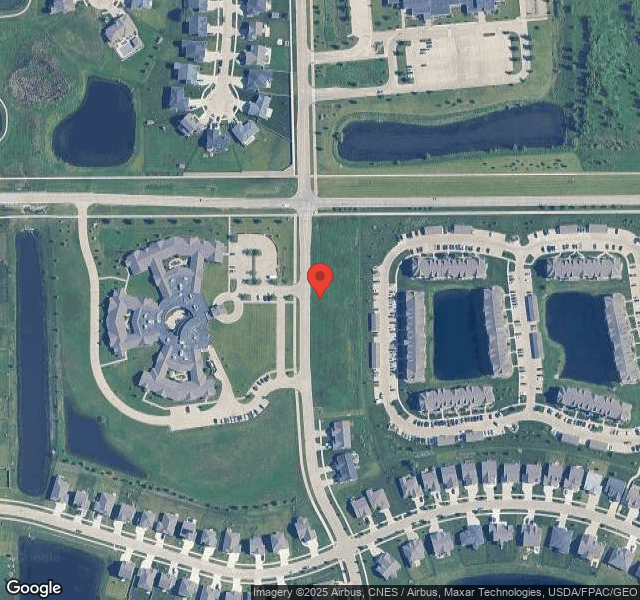
3510 NORTHWEST ABILENE ROAD, ANKENY, IA 50023 (515) 963-9815
For profit - Limited Liability company 100 Beds Independent Data: November 2025
Trust Grade
50/100
#234 of 392 in IA
Last Inspection: February 2025

Within standard 12-15 month inspection cycle. Federal law requires annual inspections.

Overview

The Bridges at Ankeny has a Trust Grade of C, indicating that it is average and falls in the middle of the pack among nursing homes. It ranks #234 out of 392 facilities in Iowa, placing it in the bottom half, and #15 out of 29 in Polk County, meaning there are only a few local options that are better. The facility is improving, as the number of issues decreased from 20 in 2024 to 14 in 2025. Staffing is a strength with a rating of 4 out of 5 stars, although the turnover rate of 58% is concerning, being higher than the state average. Notably, there have been serious concerns, including a failure to properly assist a resident requiring a mechanical lift and issues with timely medication administration for multiple residents, which raises questions about the quality of care.

Trust Score
C
50/100
In Iowa
#234/392
Bottom 41%
Safety Record
Moderate
Needs review
Inspections
Getting Better
20 → 14 violations
Staff Stability
⚠ Watch
58% turnover. Above average. Higher turnover means staff may not know residents' routines.
Penalties
✓ Good
No fines on record. Clean compliance history, better than most Iowa facilities.
Skilled Nurses
✓ Good
Each resident gets 48 minutes of Registered Nurse (RN) attention daily — more than average for Iowa. RNs are trained to catch health problems early.
Violations
⚠ Watch
37 deficiencies on record. Higher than average. Multiple issues found across inspections.
★★★☆☆
3.0
Overall Rating
★★★★☆
4.0
Staff Levels
★★★★★
5.0
Care Quality
★★☆☆☆
2.0
Inspection Score
Stable
2024: 20 issues
2025: 14 issues

The Good

  • 4-Star Staffing Rating · Above-average nurse staffing levels
  • 5-Star Quality Measures · Strong clinical quality outcomes
  • Full Sprinkler Coverage · Fire safety systems throughout facility
  • No fines on record

Facility shows strength in staffing levels, quality measures, fire safety.

The Bad

3-Star Overall Rating

Near Iowa average (3.1)

Meets federal standards, typical of most facilities

Staff Turnover: 58%

11pts above Iowa avg (46%)

Frequent staff changes - ask about care continuity

Staff turnover is elevated (58%)

10 points above Iowa average of 48%

The Ugly 37 deficiencies on record

1 actual harm
May 2025 5 deficiencies
CONCERN (D) 📢 Someone Reported This

A family member, employee, or ombudsman was alarmed enough to file a formal complaint

Potential for Harm - no one hurt, but risky conditions existed

Comprehensive Care Plan (Tag F0656)

Could have caused harm · This affected 1 resident

Based on clinical record review and staff interview the facility failed to maintain a complete and accurate Care Plan for 1 of 3 residents reviewed. (Res #1) The facility identified a census of 84 res...

Read full inspector narrative →
Based on clinical record review and staff interview the facility failed to maintain a complete and accurate Care Plan for 1 of 3 residents reviewed. (Res #1) The facility identified a census of 84 residents. Findings include: On an Encounter Note for Resident #1 dated 3.26.25 the Physician typed an addendum dated 5.14.25 with information that included the following: a. The patient was admitted to the facility under hospice care, with the diagnosis of a malignant neoplasm of the brain and lung. Part of the treatment included oral inhalers for breathing assistance. She was instructed to rinse her mouth after each dose of the inhalers. She refused to rinse her mouth after each inhaler treatment and she unfortunately developed stomatitis (a condition that caused painful swelling and sores inside the mouth.) It had been the Physician's opinion, within a reasonable degree of medical certainty, that the cause of the stomatitis was the patient's refusal of the oral rinses after the inhaler treatment. Review of the resident's Care Plan (not dated) revealed the facility failed to have addressed the stomatitis and the resident's continued refusal to have rinsed her mouth post inhaler usage.
CONCERN (D) 📢 Someone Reported This

A family member, employee, or ombudsman was alarmed enough to file a formal complaint

Potential for Harm - no one hurt, but risky conditions existed

ADL Care (Tag F0677)

Could have caused harm · This affected 1 resident

Based on observation, clinical record review, resident and staff interview and facility policy review, the facility failed to provide proper perineal care for 1 of 3 residents reviewed. (Res #4 ) The ...

Read full inspector narrative →
Based on observation, clinical record review, resident and staff interview and facility policy review, the facility failed to provide proper perineal care for 1 of 3 residents reviewed. (Res #4 ) The facility identified a census of 84 residents. Findings include: According to a Minimum Data Set (MDS) assessment dated 5.8.25 Resident #4 had diagnosis that included Renal Insufficiency, Anxiety, Chronic Respiratory Failure, muscle weakness and required assistance with personal cares. The assessment indicated the resident had a Brief Interview for Mental Status (BIMS) score of 11 out of 15 (moderately impaired cognitive skills) and required substantial/maximum assistance with toileting hygiene. A Care Plan addressed a Problem area and Interventions as stated and dated below: a. Self-care deficit as evidence by required assistance with activities of daily living (ADL's), impaired balance during transitions and required assistance with ambulation. (revised 4.22.25) 1. Assistance of one (1) with a front wheeled walker (FWW) and provision of perineal care with every incontinence episode and as needed (PRN). (revised 4.23.25) An observation 5.8.25 at 9:08 a.m. revealed Staff D, Certified Nursing Assistant (CNA) and Staff G, CNA as they entered the resident's room. The resident requested no male assistance so Staff G went into the resident's bathroom. While positioned in bed Staff D assisted the resident onto her right side, removed bed pan positioned under the residents buttocks (full of urine) and cleansed the resident's mid-gluteal region with one (1) swipe only but failed to cleanse the resident's vaginal area, her buttocks and/or thighs. The staff member removed a brief positioned under the the resident and replaced it with a clean brief. During an interview at the same time Staff D had been asked if the brief presented soiled/wet, the staff member mumbled and ignored the question. Staff G had then been asked if the brief removed from under the resident had been soiled/wet at which time he responded a little wet. Both staff members then repositioned the resident while Staff G noted another pad positioned under the resident appeared soiled/wet so he removed the pad. During another interview at 9:18 a.m. Staff D confirmed she failed to have cleansed the resident's vaginal area and proceeded to pull back clean brief anteriorly, cleansed the resident anteriorly and replaced the same soiled brief. Staff proceed to position the resident for comfort, provided for her current needs and exited the room. During an interview just after all the staff had left the resident's room, the resident indicated last week when she asked for the bed pan an unknown staff member directed her to have peed in her depends which pissed off the resident as she stated, who said things like that, I would have liked to have seen her pee her pants. A Perineal Care policy dated 2.2018 indicated the purpose as follows: The purposes of this procedure included the provision of cleanliness and comfort to the residents, prevention of infections and skin irritation and observance of the resident's skin condition. The Steps in the Procedure for a female resident included the following: a. Wash the perineal area as they wiped front to back. 1. Separation of the labia and to have washed downward from front to back. 2. To have washed the perineum as staff moved from the inside outward to the thighs. 3. Position the resident on her side with the top leg slightly bent, if able. 4. To have washed the rectal area thoroughly from the base of the labia with the extention over the buttocks.
CONCERN (E) 📢 Someone Reported This

A family member, employee, or ombudsman was alarmed enough to file a formal complaint

Potential for Harm - no one hurt, but risky conditions existed

Deficiency F0658 (Tag F0658)

Could have caused harm · This affected multiple residents

Based on observation, record review and staff interview, the facility failed to administer medications according to the Physician's order and in a timely manner for 4 of 4 residents reviewed. (Res #1,...

Read full inspector narrative →
Based on observation, record review and staff interview, the facility failed to administer medications according to the Physician's order and in a timely manner for 4 of 4 residents reviewed. (Res #1, #2, #4 and #8 ) The facility identified a census of 84 residents. Findings include: 1. Review of the facilities Medication Administration Audit Report form dated 5.9.25 at 10:19 a.m. revealed the facility staff failed to administer the following resident medications according to their Physician's orders: Resident #1 - a. Morphine Sulfate (for pain) 20 milligrams (mgs) per milliliter (ml) 0.5 ml by mouth (po) every four (4) hours for pain, air hunger and/or shortness of breath (sob). On 4.15.25 the physician ordered time of admission had been 12 p.m. and 8 p.m. however staff actually administered the medication at 4:46 p.m. and 9:56 p.m. b. Magic mouthwash (thrush) 5 ml po every day (qd). On 4.16.25 the medication had been ordered at 7 a.m. but administered at 12:28 p.m. c. Ativan (anti-anxiety) 0.5 mg tablet po every 4 hours. On 4.16.25 the medication had been ordered at 8 a.m. and 12 p.m. but administered at 12:27 p.m. and 4:57 p.m. Resident #2 - a. Midodrine Hydrochloride (HCL) (orthostatic hypotension (low blood pressure) tablet 10 mgs one (1) tablet po three times a day (tid). On 4.20.25 the medication had been ordered at 12 p.m. but administered at 1:18 p.m. b. Enoxaparin Sodium Injection Solution (aftercare of a femur fracture) 40 mg/0.3 ml one syringe subcutaneously (sq) two times a day (bid). On 4.20.25 the medication had been ordered at 7 p.m. and administered 4.21.25 at 12:09 a.m. c. Acetaminophen 325 mg two tablets po TID. On 4.20.25 the medication had been ordered at 7 p.m. but administered on 4.21.25 at 12:09 a.m. d. Lidocaine External Patch 4 % applied topically to areas of concern bid for pain. On 4.20.25 the medication had been ordered at 7 p.m. but administered on 4.21.25 at 5:39 a.m. Resident #4 - a. Atrovastatin Calcium (cholesterol) 1 tablet po at bedtime (hs) and Sucralfate (recent gastrointestinal bleed) 1 gram tablet four times a day (qid). On 5.6.25 the medication had been ordered at 7 p.m. and administered at 11:10 p.m. Resident #8 - a. Lidocaine External Cream 3% applied to buttocks topically qd. On 5.6.25 the medication had been ordered at 7 a.m. and administered at 11:06 a.m. b. Insulin Glargine injection 25 units sq bid. On 5.6.25 the medication had been at 7 p.m. and administered at 11:02 p.m. 2. An observation 5.8.25 at 10:18 a.m. revealed Staff F, Certified Medication Aide CMA as she passed medications to Resident #8. Review of the Medication Admin Audit Report form dated 5.8.25 at 10:40 p.m. revealed the resident received the following medications ordered for 7 a.m. but administered as documented below: a. Lispro insulin 10 units tid and Glargine Insulin 25 units bid for Hyperglycemia - administered at 9:06 a.m. b. Lidocaine external cream 3 % to buttocks qd, Senna S 8.6-50 mg two tablets po qd for constipation and Ropinirole HCL 0.5 mg tablet po qd for restless leg syndrome - 10:16 a.m. c. Lasix 60 mg po bid for congestive heart failure, Ferrous Sulfate 325 mg qd for anemia, Clopidogrel Bisulfate 75 mg tablet po qd related to Paraxysmal Atrial Fibrillation, Aspirin 81 mg po qd of heart health, Finasteride 5 mg po qd for Benign Prostatic Hyperplasia and Hydrocodone/Acetaminophen 7.5-325 mg po qd for pain - 10:14 a.m. d. Amiodarone HCL 100 mg po qd for paraxysmal atrial fibrillation - 10:13 a.m. i. Clopidogrel Bisulfate 75 mg tablet po qd related to Paraxysmal Atrial Fibrillation, Aspirin 81 mg po qd of heart health Finasteride 5 mg po qd for Benign Prostatic Hyperplasia and Hydrocodone/Acetaminophen 7.5-325 mg po bid for pain - 10:14 a.m. 3. During an email 5.13.25 at 5:46 p.m. the Director of Nursing (DON) confirmed the above documented medications from the Medication Administration Audit Report as administered late. 4. During an interview 5.9.25 at 11:01 a.m. Staff E, CMA indicated she had been aware of a families concern with medication administration times. Staff F, CMA had administered medications late however she had been new to the facility and when Staff E asked her about the medications administered late she confirmed she ran behind the day in question but failed to tell anyone and administered the medications for Resident #2, 20 minutes late on an unknown date in question.
CONCERN (E) 📢 Someone Reported This

A family member, employee, or ombudsman was alarmed enough to file a formal complaint

Potential for Harm - no one hurt, but risky conditions existed

Deficiency F0725 (Tag F0725)

Could have caused harm · This affected multiple residents

Based on observation, a call light audit report, resident, family and staff interview, Resident Council Notes and facility policy review, the facility failed to answer resident call lights in a timely...

Read full inspector narrative →
Based on observation, a call light audit report, resident, family and staff interview, Resident Council Notes and facility policy review, the facility failed to answer resident call lights in a timely manner (within 15 minutes) for 2 of 7 residents reviewed. (Resident #1, #6 ) The facility identified a census of 84 residents. Findings include: 1. An observation 5.8.25 revealed the call monitor located at the nurse's station on the 300 hallway with the following: The call light on for Resident #10 for 16 minutes so far. The time on the monitor itself read 10:13 a.m. on the bottom right hand corner. Now the monitor read the call light on for 17 minutes then staff responded and turned the call light off. A Location Event Report form dated 5.8.25 included the following late call light response times: a. 9:56 a.m. until 10:13 a.m. - 17 minutes. 2. An observation 5.8.25 at 1:33 p.m. revealed the call light monitor at the nurse's station on the 600 hall with a call light on for Resident #9 for 18 minutes which had been turned on at 1:15 p.m. The time on the upper right hand corner of the computer monitor itself read 1:33 p.m. A Location Event Report form dated 5.8.25 included the following late call light response times: a. 1:15 p.m. until 1:33 p.m. - 18 minutes. b. 4:17 a.m. until 4:38 a.m. - 21 minutes. 3. During an interview 5.7.25 at 2:38 p.m. a family member of Resident #1 confirmed family timed the resident's call light on for an average time of 32 minutes as they used a stop watch on their cell phones. The family member indicated one (1) time the family timed the call light on for three (3) hours. 4. During an interview 5.7.25 at 3:53 p.m. a family member for Resident #6 confirmed she timed her call light as on for 1 hour as she used the clock in the room which caused the resident to have felt disappointed so the family provided cares rather than the facility staff. The resident and the family member confirmed the call lights had been an issue since she admitted to the facility plus she fell without injury recently on a date unknown but at approximately 4 a.m. because the facility staff failed to answer her call light timely and she had to go to the bathroom so she stood up on her own and fell. The resident indicated this issue caused feeling of having been sorry, sad, angry and anxious. 5. During an interview 5.9.25 at 9 a.m. Staff A, Licensed Practical Nurse (LPN) confirmed staff as unable to answer resident call lights within 15 minutes due to staffing issues and their inability to meet the needs of all of the individual residents. During an interview 5.9.25 at 9:56 a.m. Staff B, Certified Nursing Assistant (CNA) confirmed staff as unable to answer resident call lights within 15 minutes as she described the staff as to busy and the facility failed to provide enough staff to have met the individual resident needs. 6. Review of the facilities Resident Council Notes revealed the following as dated: a. 1.7.25 - Call lights took to long. Several residents in attendance indicated they waited over 1/2 hour. b. 12.3.24 - Call lights not answered timely. c. 11.5.24 - Residents waited to long for the call lights, especially on the evening shift. 7. During an interview 5.9.25 at 11:15 a.m. the Administrator confirmed he had been aware of continued problems with call lights. 8. An Answering Call Light policy and procedure dated 3.2021 indicated the purpose as the following: The purpose of this procedure included an assurance of timely responses to the residents' requests and needs.
CONCERN (E) 📢 Someone Reported This

A family member, employee, or ombudsman was alarmed enough to file a formal complaint

Potential for Harm - no one hurt, but risky conditions existed

Infection Control (Tag F0880)

Could have caused harm · This affected multiple residents

Based on observation, clinical record review, staff and resident interview and facility policy review, the facility staff failed to follow appropriate infection control practices during an outbreak st...

Read full inspector narrative →
Based on observation, clinical record review, staff and resident interview and facility policy review, the facility staff failed to follow appropriate infection control practices during an outbreak status and when 1 of 3 residents (Resident #4, #5) presented on barrier precautions. The facility identified a census of 84 residents. Findings include: 1. According to a Minimum Data Set (MDS) assessment dated 5.8.25 Resident #4 had diagnosis that included Renal Insufficiency, Anxiety, Chronic Respiratory Failure, muscle weakness and required assistance with personal cares. The assessment indicated the resident had a Brief Interview for Mental Status (BIMS) score of 11 out of 15 (moderately impaired cognitive skills) and required substantial/maximum assistance with toileting hygiene. A Care Plan addressed a Problem area and Interventions as stated and dated below: a. Self-care deficit as evidence by required assistance with activities of daily living (adl's), impaired balance during transitions and required assistance with ambulation. (revised 4.22.25) 1. Assistance of one (1) with a front wheeled walker (FWW) and provision of perineal care with every incontinence and as needed (prn). (revised 4.23.25) b. Required enhanced barrier precautions related to the presence of a pressure area on her left heel. (initiated 4.23.25 and revised 5.13.25) 2. Staff adhered to enhanced barrier precautions related to the presence of a pressure area to the left heel. (initiated 4.23.25 and revised 5.13.25) An observation 5.8.25 at 9:22 a.m. revealed Staff D, Certified Nursing Assistant (CNA) as she dropped her name tag in the middle of the resident's bathroom floor. An observation 5.8.25 at 9:20 a.m. Staff G, CNA went into the resident's bathroom and told Staff D her name tag fell on the floor in the bathroom so Staff D picked up the name tag at 9:22 a.m. and clipped it to her scrubs but failed to sanitize the name tag. According to an email 5.16.25 at 12:58 p.m. the Director of Nursing (DON) indicated in the event as stated above she would have expected the staff member to have sanitized her name tag with a registered disinfectant for the required contact time per manufacturer's instruction or throw it away and have asked for a new one. During an interview 5.8.25 at approximately 9:25 a.m. following staff's provision of perineal cares the resident asked, what had been going on because staff wore gowns during cares and they never wore gowns. The resident described the situation as just crazy. An observation 5.8.25 at 9:40 a.m. revealed Staff H, Certified Medication Aide (CMA) as she entered the resident's room, checked the resident's temperature, dropped the thermometer on the floor in the room, picked up the device and set it on the resident's oxygen concentrator which had been in use and attempted to check the resident's blood pressure with a wrist device but without success. At 9:43 a.m. Staff H left the resident's room with the blood pressure device and thermometer and placed them on top of a medication cart without a barrier and/or sanitization of the devices. During a interview 5.8.25 at 9:48 a.m. Staff H confirmed the above documented observation. An observation at 9:49 a revealed the staff member as she placed the blood pressure machine on her left wrist to have checked it functionality as it failed to register when she attempted to check the resident's blood pressure just prior. The staff member confirmed the device as functional so at 9:52 a.m. she returned to the resident's room and checked the resident's blood pressure which measured 131/71, left the room and again placed the device on top of the medication cart but again failed to have sanitized the device. 2. An observation 5.8.25 at 12:16 p.m. revealed Staff, Registered Nurse (RN) as she entered the resident's room DONNED (put on) in Personal Protective Equipment (PPE) and with med cups which contained medications set up at the medication cart at the nurse's station along with three (3) separate eye drop boxes/containers. The staff member placed the eye drop boxes and medication cups on the resident's bedside stand/table without a barrier. The staff checked for proper gastrostomy tube placement and stomach content's residual, flushed the tube, administered crushed meds diluted in water, followed by liquid meds and flushed the device again. With the same gloved hands the staff member reached into her scrub pockets and removed a sharpie to have dated the items in the resident's room. (i.e .tube feeding bags, tube feeding water bags and etc) At this point, Staff C, RN and the Assistant Director of Nursing (ADON) picked up the resident's call light device/button, positioned on the ground/floor and attached it to his bed but failed to sanitize the device prior. 3. According to an email 5.16.25 at 1 p.m. the DON confirmed the facility had been in outbreak status from 4.9.25 thru 5.7.25. According to an email 5.7.25 at 11:53 a.m. during the facilities outbreak status 4.2025 the facility had 10 residents who tested positive, and seven (7) staff members. During an interview 5.14.25 at 12:48 p.m. Staff C, Registered Nurse (RN) and Assistant Director of Nursing (ADON) confirmed during the time of the outbreak there had been multiple times staff had been redirected related to proper mask placement and especially with the laundry staff . During an interview 5.9.25 at 9:56 a.m. Staff B, CNA confirmed she went into resident rooms without proper PPE when the facility had been in an outbreak status in April 2025. 4. According to an email 5.16.25 at 12:39 p.m. the DON confirmed she expected staff to have placed a barrier when the placed an item down in a resident's room such as eye drops and etc. 5. During an interview 5.9.25 at 11:15 a.m. the Administrator confirmed he had been aware of continued problems with infection control. The facilities Enhanced Barrier Precautions sign included the following directives the providers and staff must have performed: a. Wore gloves and gowns for the following high contact resident care activities: 1. Dressing, bathing, transfers, linen change, personal hygiene, change of brief and/or toileting assistance, device care with items such as catheters, central lines, feeding tube, tracheostomy and etc and wound care. 6. An Infection Prevention and Control Program policy dated 10.1.22 included the following Policy Statement: An infection prevention and control program had been established and maintained for provision of a safe, sanitary and comfortable environment and to have helped in the prevention and development of transmission of communicable diseases and infections. The Prevention of Infection section included the following directives: a. Important facets of infection prevention included: 1. Education of staff for assurance that they adhered to proper techniques and procedures. 2. Implementation of appropriate isolation precautions when necessary. 3. Established general and disease-specific guidelines such as those of the Centers for Disease Control (CDC). The Monitoring Employee Health and Safety section included the following directives: a. Those with potential direct exposure to blood or body fluids had been trained in and equipped to have used appropriate precautions and personal protective equipment. 1. The facility provided personal protective equipment and checked for proper usage.
Feb 2025 9 deficiencies
CONCERN (D) 📢 Someone Reported This

A family member, employee, or ombudsman was alarmed enough to file a formal complaint

Potential for Harm - no one hurt, but risky conditions existed

Deficiency F0657 (Tag F0657)

Could have caused harm · This affected 1 resident

**NOTE- TERMS IN BRACKETS HAVE BEEN EDITED TO PROTECT CONFIDENTIALITY** Based on record review, family and staff interview, the facility failed to involve the resident and/or resident's representative...

Read full inspector narrative →
**NOTE- TERMS IN BRACKETS HAVE BEEN EDITED TO PROTECT CONFIDENTIALITY** Based on record review, family and staff interview, the facility failed to involve the resident and/or resident's representative in care conferences and ensure care conferences held at least quarterly for one of three residents reviewed for care conferences (Resident #63). The facility reported a census of 83 residents. Findings include: The Annual Minimum Data Set (MDS) assessment dated [DATE] revealed Resident #63 had diagnoses of cerebrovascular accident (CVA)(stroke), cancer, and dementia. The MDS revealed the resident admitted to the facility on [DATE]. The MDS indicated the resident had severely impaired decision making skills. The MDS indicated the resident's preferences for the family or significant other to be involved in care discussions The Progress Notes dated 8/28/24 at 10:11 AM revealed a Care Conference was held on 8/28/24. In an interview on 2/17/25 at 1:29 PM, a family member reported only two care conferences held in the past year, and only one care conference held since the new company took ownership. In an interview 2/20/25 at 10:07 AM, the Social Worker (SW) reported she set up the residents' care conferences. The SW reported care conferences held quarterly or more often if the family requested one. She notified the resident's representative via phone to let them know when a care conference would be held. The SW reported care conferences were documented in the electronic health record in the progress note. At the time, the SW confirmed Resident #63's last care conference held in 8/2024. The SW stated she was not sure why Resident #63 had not had a care conference since 8/2024.
CONCERN (D)

Potential for Harm - no one hurt, but risky conditions existed

Deficiency F0658 (Tag F0658)

Could have caused harm · This affected 1 resident

**NOTE- TERMS IN BRACKETS HAVE BEEN EDITED TO PROTECT CONFIDENTIALITY** Based on direct observation, clinical record review, staff interview, and facility policy review, the facility failed to follow ...

Read full inspector narrative →
**NOTE- TERMS IN BRACKETS HAVE BEEN EDITED TO PROTECT CONFIDENTIALITY** Based on direct observation, clinical record review, staff interview, and facility policy review, the facility failed to follow accepted professional standards and practices regarding medication being left in the open. The facility reported a census of 83. Findings include: 1. The Quarterly Minimum Data Set (MDS) for Resident #20, dated 02/06/2025, documented the resident was rarely or never understood. It documented the following relevant diagnoses: Hypertension (high blood pressure), Renal Insufficiency (kidney failure), Hyperlipidemia (high cholesterol), Alzheimer's disease, Non-Alzheimer's dementia, Malnutrition, Anxiety disorder, Depression, and hypokalemia (low potassium). The Care Plan for Resident #20, last revised on 12/03/2024, instructed staff members to administer medication as ordered and to monitor the resident for side effects and effectiveness. The Medication Administration Record (MAR) documented the resident was to receive Potassium Chloride ER 20 milliequivalents, once a day for low potassium. It also documented the resident was to receive a probiotic capsule by mouth once daily in the morning. A direct observation on 02/17/2025 at 10:10 AM revealed a medication cup sitting on a dining room table with two medication tablets in the cup while a dietary staff (Staff S) cleaned. Upon noticing the medication cup, Staff S picked up the medication cup containing the medication and took it to the nurse on duty, Staff K, Licensed Practical Nurse (LPN). She informed Staff K that the medication had been left on the table near Resident #20. Staff K disputed this, stating she had witnessed Resident #20 swallow her meds and that they could not be hers. Staff S countered that Resident #20 was sitting alone and the medications were found next to her plate. Staff K took the medication and walked to the medication cart. She poured a glass of water and began to walk towards Resident #20's room when the surveyor asked if she intended to pass the medication. Staff K stated she did intend to pass the medication, and the surveyor stated she should contact her nurse manager for guidance on how to proceed. Staff K questioned the surveyor as to why she shouldn't pass the medication, and became agitated when she was again instructed to contact her nurse manager before passing unidentified medication to a resident. Staff K returned to the medication cart where she was able to confirm the medication in the cup matched a potassium oral tablet and probiotic pill, both of which were prescribed to Resident #20. Staff K stated the resident must have regurgitated the medication, but the medication in the cup showed no signs of moisture damage as of 10:23 AM. Staff K then took the medication and left the floor. In a conversation on 02/17/2025 at 11:24 AM, Staff K informed the surveyor she had contacted the provider and was informed she should hold the medication and not pass them to the resident. In an interview on 02/19/2025 at 01:04 PM with Staff K, LPN, she insisted the resident must have swallowed the pills and regurgitated them or spit them out at a later date. That she witnessed the resident swallow the medication. She noted she had never had medication brought to her by another staff member before, and she acknowledged she was unsure of the procedure for when that happens. When asked she had attempted to pass the medication to the resident without first verifying what the medications were, she stated she knew at a glance what medications they were. As they were clearly identifiable. She stated the resident struggles to take medication and that she requires close monitoring while giving medication, so she was positive she saw the resident swallow the medication. She did not answer when asked why the medication did not appear to have moisture damage consistent with having been in a mouth. In an interview on 02/19/2025 at 01:51 PM with the Director of Nursing (DON), she stated the expectation was for staff to contact nurse management when pills are discovered untaken to report the medication error. She stated the expectation is for staff to never attempt to pass medication without a positive identification to residents. At this time she presented the cup of medication from the incident on 02/17/2025 and informed the surveyor Staff K had not brought the medication to their attention until approximately 05:00 PM on 02/17/2025. The two medication in the cup still did not appear to have damage consistent with having been regurgitated or in a mouth, the DON agreed with that assessment. Review of a facility provided document titled Administering Medications, with a last revised date of December 2012, instructs staff members to verify a residents identify before administering medication, as well as to verify the medication is the right dose, right medication, and is being administered at the right time. 2. Review of Resident #230's MDS dated [DATE] revealed Resident #230 was admitted to the facility on [DATE] with a BIMS of 14, indicating cognition is intact and diagnoses of atrial fibrillation, heart failure, hypertension, renal insufficiency, depression, asthma, respiratory failure and oxygen dependency. Review of Resident #230's admission assessment dated [DATE] indicated Resident #230 does not want to self-administer medications. Observation on 2/17/25 at 11:36 AM revealed a bottle of Zyrtec (Allergy medication) and a medication cup with two pills, one blue oval tablet with imprinted identification L2X2 and one orange and white oblong capsule with imprinted identification APO 015, sitting on Resident #230 ' s bedside table. During an interview with Resident #230 and Resident's Husband on 2/17/25 at 3:55 PM, Resident #230 and her husband acknowledged the medications still sitting on Resident #230's bedside table. Resident #230's husband stated he had brought the Zyrtec from home and had been notified by facility staff, for safety reasons he is not to bring medications from home. Resident #230 acknowledges the medications sitting at bedside and thought they might be her bedtime meds and was not certain why she had not taken them or how long they had been there. On 2/17/25 medications that were found on Resident #230's bedside table were identified as Diltiazem 180mg and Guaifenesin ER (Mucinex DM) 600mg, via Drugs.com using the medications imprinted identification IDs. Review of Resident #230's Order Summary Report revealed, orders for Mucinex DM 12 hour 30-600 mg tablet, give one tablet by mouth two times daily for congestion. Start date 2/13/25 and discontinued on 2/14/25 at 10:52 PM per provider's order. Diltiazem 180mg Extended Release Capsule, give one capsule by mouth one time a day for hypertension start date 2/12/25. Review of Resident #230's MAR dated February 2025, revealed the following: 1. 2/13/25 Mucinex DM bedtime dose had been administered. 2/14/25 Mucinex DM morning dose had been administered. 2/14/25 Mucinex DM bedtime dose had been administered. 2/14/25 at 10:52 PM Mucinex DM was discontinued. 2. 2/12/25 Diltiazem morning dose had been held due to blood pressure measuring outside of recommended parameters. 2/13/25 Diltiazem morning dose had been administered. 2/14/25 Diltiazem morning dose had been administered. 2/15/25 Diltiazem morning dose had been administered. 2/16/25 Diltiazem morning dose had been administered. 2/17/25 Diltiazem morning dose had been held due to blood pressure measuring outside of recommended parameters. 2/18/25 Resident #230 refused Diltiazem morning dose. 2/19/25 Resident #230 refused Diltiazem morning dose. On 2/17/25 at 4:00 PM, the Facility's Regional Director of Clinical Services was notified of medications sitting on Resident #230's bedside table. During an interview on 2/20/25 at 3:10 PM, the Director of Nursing (DON) revealed she was not aware how long these medications had been sitting at Resident #230 ' s bedside or when they had been administered as the last time the Diltiazem had been administered with the Mucinex was on the morning of 2/14/25 and the Mucinex was discontinued the night of 2/14/25. The DON stated it is expected for the nurses or CMA's (Certified medication Aide) to monitor and watch residents take their medications and not leave medication alone at bedside or anywhere else unattended. Review of facility provided, Administering Medications Policy, Revised December 2012, stated, medications shall be administered in a safe and timely manner and as prescribed.
CONCERN (D) 📢 Someone Reported This

A family member, employee, or ombudsman was alarmed enough to file a formal complaint

Potential for Harm - no one hurt, but risky conditions existed

ADL Care (Tag F0677)

Could have caused harm · This affected 1 resident

**NOTE- TERMS IN BRACKETS HAVE BEEN EDITED TO PROTECT CONFIDENTIALITY** Based on record review, family interview and policy review the facility failed to provide oral hygiene cares as directed in the ...

Read full inspector narrative →
**NOTE- TERMS IN BRACKETS HAVE BEEN EDITED TO PROTECT CONFIDENTIALITY** Based on record review, family interview and policy review the facility failed to provide oral hygiene cares as directed in the care plan for 3 of 3 residents reviewed for oral cares (Resident # 63 and #25). The facility reported a census of 83 residents. Findings include: 1. The Minimum Data Set (MDS) assessment dated [DATE] revealed Resident #63 had diagnoses of cerebrovascular accident (CVA) (stroke), hemiplegia (paralysis on one side of the body), cancer, and non-Alzheimer's dementia. The MDS revealed the resident had impaired memory and severely impaired decision-making skills. The MDS documented the resident dependent for oral hygiene. The MDS assessment under Section L left blank, indicated the resident did not have broken or loosely fitting dentures or mouth pain. The Care Plan revised 2/27/24 revealed the resident had a history of CVA with left sided hemiplegia and required assistance with Activities of Daily Living (ADL's). The resident had her own teeth. The Care Plan directed staff to encourage and provide oral cares in the AM (morning), afternoon and HS (evening), and observe, document and report any signs or symptoms of oral or dental problems. The Occupational Therapy (OT) Discharge Summary signed by OT on 11/15/23 revealed the resident required assistance for all self-cares and needed encouragement to complete oral cares. The resident's prognosis was good with consistent staff follow through. The Documentation Survey Report dated 12/1/24 to 1/31/25 revealed oral hygiene completed: 12/2024: 22 of 31 times on the 6 AM-2 PM (day shift) 9 of 31 times on the 2 PM-10 PM (evening shift) 1/2025: 24 of 31 times on the 6 AM-2 PM shift 3 of 31 days on the 2 PM-10 PM shift The electronic health record (EHR) Task Care Record revealed oral hygiene completed In 2/2025: 7 of 18 times on the 6 AM - 2 PM shift 0 of 18 times on the 2 PM - 10 PM shift In an interview 2/17/25 at 1:25 PM, a family member stated the resident was unable to move her left arm because she had a stroke. The resident required assistance for ADL's. The family member reported sometimes the resident's breath smelt bad as if facility staff had not brushed her teeth. In an interview 2/20/25 at 9:50 AM, Staff E, Certified Nursing Assistant (CNA), reported Resident #63 got combative during cares, but she tried to reapproach the resident and talked the resident through whatever they needed to do. She brushed the resident's teeth usually when she got the resident up or after breakfast. In an interview 2/20/25 at 9:58 AM, Staff F, CNA, reported oral cares done whenever she got the resident up. The CNA's assisted the resident or provided oral cares for the resident. A Supporting Activities of Daily Living policy revised 3/2018 revealed residents provided with cares to maintain their ability to carry out ADL's. Residents unable to carry out ADL's independently will receive the services necessary to maintain good oral hygiene in accordance with the care plan. 2. The Significant Change Minimum Data Set (MDS) assessment dated [DATE] revealed Resident #25 had diagnoses of anxiety disorder, depression, and non-Alzheimer's dementia. The MDS revealed the resident had impaired memory and severely impaired decision-making skills. The MDS documented the resident required partial or moderate assistance for oral hygiene. The MDS assessment under Section L noted the resident had obvious cavities or broken natural teeth. The Care Plan revised 2/05/25 revealed the resident had a history of non-Alzheimer's dementia and required assistance with activities of daily living. The resident had her own teeth. The Care Plan directed staff to encourage and provide oral cares in the AM (morning), afternoon and HS (evening), and observe, document and report any signs or symptoms of oral or dental problems. Review of the Plan of Care response history for oral hygiene, it documented Resident #25 only had documented oral hygiene on: 10/26/2024 12/20/2024 01/03/2025 01/07/2025 01/26/2025 01/31/2025 There was no documentation for the month of February. In an interview on 02/20/2025 at 01:32 PM with Staff P, Certified Nursing Assistant (CNA), she stated it was the CNAs responsibility to document oral hygiene and it was required to be documented every shift, once in the morning and once in the evening. She noted if the resident refused oral cares she should document refused. She stated she was familiar with Resident #25, she required assistance to perform oral care. She stated you should sit with her and encourage her to brush her teeth otherwise she forgets and won't do it. In an interview on 02/20/2025 at 01:22 PM with Staff I, CNA, she stated the CNAs are responsible for documenting all ADLs in the electronic health record (EHR), she stated documentation is required during the morning and afternoon shift. She stated she was familiar with Resident #25, and she requires assistance with oral hygiene. She stated she was unaware of Resident #25 refusing oral hygiene so long as you sat with her and encouraged her. In an interview on 02/20/2025 at 09:35 AM with the Director of Nursing (DON), she stated she was unsure why there were only two documented instances of oral hygiene in the last thirty days for Resident #25. She acknowledged the expectation is for oral hygiene to be documented twice a day for the resident.
CONCERN (D)

Potential for Harm - no one hurt, but risky conditions existed

Deficiency F0688 (Tag F0688)

Could have caused harm · This affected 1 resident

**NOTE- TERMS IN BRACKETS HAVE BEEN EDITED TO PROTECT CONFIDENTIALITY** Based on record review, observations, and family and staff interviews, and policy review the facility failed to carry out therap...

Read full inspector narrative →
**NOTE- TERMS IN BRACKETS HAVE BEEN EDITED TO PROTECT CONFIDENTIALITY** Based on record review, observations, and family and staff interviews, and policy review the facility failed to carry out therapy recommendations and provide restorative exercises for 3 of 4 residents reviewed for restorative services and/or limited range of motion (Resident #36, #54 and #63). The facility reported a census of 83 residents. Findings include: 1. The admission Minimum Data Set (MDS) assessment dated [DATE] revealed Resident #36 had diagnoses of cerebrovascular accident (CVA) (stroke), hemiplegia (paralysis on one side of the body), Alzheimer's Disease, dementia, and weakness. The MDS documented the resident had a Brief Interview for Mental Status (BIMS) score of 8, indicating moderately impaired cognition. The MDS documented Physical Therapy (PT) and Occupational Therapy (OT) services started on 4/4/24 The MDS indicated the resident had impaired Range of Motion (ROM) to the upper and lower extremities on one side. The resident required partial to moderate assistance for eating, substantial to maximum assistance for dressing, and partial to moderate assistance for bed mobility and transfers and toileting. The MDS assessment dated [DATE] revealed the resident had a BIMS score of 0 indicating severely impaired cognition. The MDS documented the resident required substantial to maximum assistance for eating and bed mobility, dependent for toileting hygiene. The MDS documented the resident had PT and OT services again 12/11/24 -1/20/25. The Care Plan revised 10/22/24 revealed Resident #36's had a risk of contractures and a risk for falls due to impaired balance, CVA and dementia. The resident required assistance with Activities Of Daily Living (ADL's) and unable to perform ROM independently. The Care Plan directed staff to provide assistance of one for bed mobility, toileting, transfers and eating, and a refer to PT/OT to evaluate and treat. Notify the charge nurse and therapy of declines in ability to complete Passive Range Of Motion (PROM) tasks or if the resident had complaints of pain during or after performing PROM. The nurse assigned to review the restorative program routinely and addressed progress towards the goals. A Restorative Aide Exercise Prescription dated 6/1/24 revealed the resident's restorative exercise program frequency 3 to 6 times per week. The program included 4 pound (lb) weights to the left upper extremity for 10 repetitions, PROM to the right upper extremity, and ambulate 100-150 feet with a platform walker and assistance of one staff. The Documentation Survey Report revealed restorative exercises performed: 12/2024: 1 of 31 days 1/2025: 2 of 31 days The Restorative Nursing Service Progress Notes revealed the following: On 2/12/25, major cueing needed for Active Range Of Motion (AROM) and PROM. On 2/17/25, resident tolerated sit to stand during toileting. The progress notes lacked the restorative exercises performed. A Electronic Health Record (EHR) Task Care Record dated 2/2025 revealed: Restorative AROM lower extremity exercised completed 5 of 18 days. Restorative AROM upper extremities completed 5 of 18 days Ambulated 100-150 feet using a front wheeled walker with a platform and assistance of one staff one to two times daily documented 3 of 18 days (on 2/1, 2/4, and 2/8/25). In an interview 2/18/25 at 9:15 AM, Staff H, PT, reported the facility had a restorative program but he was unsure who did the restorative exercises with the residents as staffing had been hit and miss for a while. He recommended the surveyor check the schedule to see who was assigned to do the restorative. Staff H reported therapy made recommendations such as a restorative program when a resident discharged from the therapy services as needed. In an interview 2/18/25 at 9:40 AM, Staff I, Certified Medication Aide (CMA) and restorative aide reported she worked with residents for restorative. Staff I reported she had not been able to do the resident's restorative program because the restorative aide had been pulled to work as a CNA on the unit, or pulled to work on the medication cart as a CMA. She had not done restorative with the residents for a couple of weeks due to the facility had been short- handed and the restorative aide got pulled to work other areas. The restorative aide is the first to get pulled when they had a call in or were short staffed. This occurred greater than 80 percent of the time. Staff I confirmed Resident #36, #54, and #63 were on a restorative program. She had seen a decline in some of the residents in their ADL's. When a resident had a decline, they often referred the resident to therapy for an evaluation. She documented restorative activities in POC (Point of Care) but also had a book to log if a resident had refused to do the exercises. In an interview 2/20/25 at 9:58 AM, Staff F, Certifed Nursing Assistant (CNA), reported she had worked at the facility for 2 ½ year. She started working as a restorative aide in the past couple of weeks because she had incurred an injury and required light duty tasks. Staff F reported each hall had a binder with the residents who were on a restorative exercise program and what exercises to do. Staff F reported the restorative activity and number of minutes completed with the resident was documented in the EHR. Staff F reported the facility pulled the restorative aide when they were unable to cover staffing needs. Staff F did not think any residents in the 500 hall had a decline in their ADL's. In an interview 2/20/25 at 12:15 PM, the Director of Nursing (DON) reported there had been several staff call-ins in the past couple of weeks, and they had to pull the restorative aide to work as a CNA or CMA. The DON stated she had not noticed any decline in resident ADL's, but she started a Performance Improvement Plan (PIP) because she had identified a concern for restorative. A Restorative Nursing Services policy revised 7/2017 revealed residents received restorative nursing care to help promote optimal safety and independence. Residents may be started on a Restorative Nursing Program (RNP) during the course of their stay or when discharged from rehabilitative care. Restorative goals are outlined in the resident's care plan. Restorative assisted the resident in development, maintenance, or strengthening physiological and psychological resources and helped to maintain the resident's independence. 2. The Annual MDS assessment dated [DATE] revealed Resident #54 had diagnoses of stroke, hemiplegia, arthritis, and Alzheimer's disease. The resident had impaired ROM to the upper and lower extremity on one side. The MDS documented the resident required set up assistance for eating, dependent for toileting and bathing, and substantial to maximum assistance for bed mobility and transfers. The resident had OT service 2/10/23 - 2/27/23 and PT services starting on 9/12/24. The MDS documented RNP AROM for 1 day during the look-back period. The MDS assessment dated [DATE] revealed the resident dependent for transfers. The MDS recorded RNP AROM and PROM for 0 days during the look-back period. The Care Plan initiated 4/3/24 and revised 1/25/25 revealed the resident had a self-care deficit and required assistance with ADL's. The Care Plan also revealed the resident had a risk for decline in her ability to complete AROM due to decreased strength. The Care Plan directed staff to provide assistance of one person for bed mobility and toileting, and assistance of two and a Hoyer (mechanical device) for transfers. The Care Plan also directed staff to notify the nurse if the resident had any declines in her ability to complete AROM tasks or had complaints of pain during AROM, review the restorative program and progress toward meeting goals routinely, and refer to PT and OT for evaluation and treatment as ordered. The Restorative Exercise Prescription dated 6/1/24 revealed upper extremity theraband exercise for 10 repetitions and AROM to the hip, knees and feet for 10 repetitions to be completed 3 to 6 times per week. The Documentation Survey Report revealed restorative exercised completed: 12/2024 - 1 of 31 days 1/2025 - 2 of 31 days The Restorative Nursing Service Progress Notes document dated 2/2025 was blank. The EHR Task Care Record dated 2/2025 revealed the following: a. Restorative AROM to the left upper extremity using one pound hand held weights including left shoulder flexion, chest press, shoulder abduction, and bicep curl for 15 repetitions completed 2 of 18 days. b. Restorative AROM to the right upper extremities using three pound weights including right shoulder flexion, chest press, shoulder abduction, and bicep curl for 15 repetitions completed 1 of 18 days. c. Restorative AROM using the arm bike was refused by the resident 1 of 18 days, and arm bike AROM completed 0 of 17 days. d. Lower Extremities sitting exercises-using 2.5 pound weight (hip flexion, ankle pumps, hip abduction and adduction, and knee flexion for 10 repetitions completed 2 of 18 days. 3. The Annual MDS assessment dated [DATE] revealed Resident #63 had diagnoses of CVA, hemiplegia, cancer and non-Alzheimer's dementia. The resident had impaired ROM to the upper and lower extremities on one side. The MDS recorded the resident required set up assistance for eating, dependent for bathing, dressing, hygiene, bed mobility and transfers. The MDS documented the resident had no therapy and had RNP for zero days during the look-back period. The MDS assessment dated [DATE] revealed Resident #63 required substantial to maximum assistance for eating. The MDS documented the resident had no therapy and had RNP for zero days during the look-back period. The Care Plan revised 2/27/24 revealed the resident had a history of CVA with left sided hemiplegia and required assistance with ADL's. The Care Plan directed staff to provide assistance of two persons for bed mobility and toileting, and use a Hoyer and assistance of two staff for transfers. The Care Plan also recorded the the resident unable to independently perform ROM and had a risk for developing contractures related to a history of CVA. The resident had a risk for declines in ability to complete AROM. The Care Plan also directed staff to notify the nurse if she had any decline in her ability to complete AROM tasks or had complaints of pain during AROM, and review the restorative program and progress toward meeting goals routinely. A Restorative Aide Exercise Prescription dated 7/1/24 revealed PROM exercises to the upper and lower extremities for 10 repetitions with a frequency 3 to 6 times per week. The Restorative Nursing Service Progress Notes for 2/2025 were blank. The Progress Notes dated 7/1/24 to 2/18/25 revealed: a. On 8/6/24 at 4:35 PM, a Restorative Nursing Program Evaluation note: The resident required a PROM restorative program. Resident required restorative nursing program due to hemiparesis and hemiplegia on the left side. The resident participates in PROM program occasionally. Resident meeting current goal for completion of PROM program. No barriers to progress noted. Will continue current program as written. Care plan has been reviewed. b. On 2/8/25 at 2:43 PM, a Monthly Nursing Assessment revealed the resident required assistance of 1 to 2 (staff) for all ADL's. The PT Discharge Summary signed by the Staff H, PT, revealed a restorative nursing program (RNP) recommended to maintain the resident's current level of performance and prevent decline. A RNP for active range of motion (AROM) and passive range of motion (PROM) instructions completed with the IDT (interdisciplinary team). The OT Discharge Summary signed by OT on 11/15/23 revealed the OT recommended RNP PROM to the LUE and AROM to the RUE with 2 lb resistance band, and peg board and close pin tree manipulations. The resident required assistance for all self-cares. The resident's prognosis good with consistent staff follow through. The Documentation Survey Report revealed PROM restorative exercises to the upper extremity and to all joints on the left upper extremity completed: 12/2024: a total of 2 times in 31 days 1/2025: restorative AROM and PROM a total of 2 times in 31 days. A EHR Task Care Record dated 2/2025 revealed restorative PROM to the upper extremities and lower extremities documented 3 of 18 days, and restorative AROM to the right upper extremity using a theraband for 10 repetitions twice completed 2 of 18 days. In an interview 2/20/25 at 9:50 AM, Staff E, CNA, reported she had worked at the facility one year. Staff E reported she had not seen a decline in Resident #63's ability to do ADL's. The resident got combative with cares, but she tried to reapproach the resident and tried to talk her through whatever they needed to do.
CONCERN (D) 📢 Someone Reported This

A family member, employee, or ombudsman was alarmed enough to file a formal complaint

Potential for Harm - no one hurt, but risky conditions existed

Accident Prevention (Tag F0689)

Could have caused harm · This affected 1 resident

**NOTE- TERMS IN BRACKETS HAVE BEEN EDITED TO PROTECT CONFIDENTIALITY** Based on observations, record review, staff interview, and policy review the facility staff failed to ensure a resident's bed wa...

Read full inspector narrative →
**NOTE- TERMS IN BRACKETS HAVE BEEN EDITED TO PROTECT CONFIDENTIALITY** Based on observations, record review, staff interview, and policy review the facility staff failed to ensure a resident's bed was placed in a low position to ensure the resident's safety for one of five residents reviewed for transfers (Resident #12). The facility reported a census of 83 residents. Findings include: The admission Minimum Data Set (MDS) assessment dated revealed 12/27/24 revealed Resident #12 had diagnoses of dementia, osteoporosis, and anxiety disorder. The MDS recorded the resident had a Brief Interview for Mental Status score of 10, indicating moderately impaired cognition. The MDS indicated the resident dependent on staff for bed mobility and transfers. The Care Plan revised on 12/23/24 revealed the resident had impaired cognitive function and impaired thought processes as evidenced by short and long term memory deficit and impaired decision-making related to diagnosis of dementia. The resident also had a risk of falls related to poor safety awareness, functional impairment, and use of medications that increased the resident's fall risk. The Care Plan directed staff to supervise the resident as needed and provide a safe environment. Observations revealed the on 2/19/25 at 7:20 AM, Resident #12 lying in bed on her back with clothes on and a sling under her. The resident's bed was left in the high position. No staff were observed in the resident's room, the hallway area or at the nurse's station. At 7:46 AM, the resident continued to [NAME] in bed on her back and the bed remained in a high position. No staff observed in the resident's room, hallway area or at the nurse's station. At 7:55 AM, the surveyor requested Staff D, Assistant Director of Nursing (ADON) to check the resident's room with the surveyor. Staff D entered the room with the surveyor. Staff D reported the resident's bed left in a higher position than what she would like to see. At the time, Staff D thought maybe staff got the resident dressed and staff were coming back to get the resident up for breakfast. Staff D took the bed control and lowered the bed toward the floor. The facility's Fall Prevention Program Policy updated 12/23/01 revealed falls were a significant concern and many falls resulted in injury. The fall prevention strategies to promote resident safety and prevent falls included maintaining beds at the lowest position at all times. The policy directed staff not to leave cognitively impaired residents at high risk for falls or had a history of falls in a room by themselves, as the resident may try to transfer themselves.
CONCERN (D) 📢 Someone Reported This

A family member, employee, or ombudsman was alarmed enough to file a formal complaint

Potential for Harm - no one hurt, but risky conditions existed

Incontinence Care (Tag F0690)

Could have caused harm · This affected 1 resident

**NOTE- TERMS IN BRACKETS HAVE BEEN EDITED TO PROTECT CONFIDENTIALITY** Based on record review, observations, staff interview, and policy review the facility failed to provide complete incontinence ca...

Read full inspector narrative →
**NOTE- TERMS IN BRACKETS HAVE BEEN EDITED TO PROTECT CONFIDENTIALITY** Based on record review, observations, staff interview, and policy review the facility failed to provide complete incontinence care for one of four residents observed (Resident #27) for incontinence care. The facility reported a census of 83 residents. Findings include: The Significant Change Minimum Data Set (MDS) assessment dated [DATE] revealed Resident #27 had diagnoses of end stage renal disease, obstructive uropathy (a urinary tract disorder), and diabetes. The MDS indicated the resident had an indwelling catheter and had dependence on staff for toileting. The Care Plan revised 6/12/24 revealed the resident had a suprapubic catheter. The Care Plan directed staff to provide catheter care per facility policy. On 2/18/25 at 2:45 PM, Staff A, Certified Nursing Assistant (CNA) and Staff B, CNA, washed their hands and donned a pair of gloves. Staff A and Staff B transferred Resident #27 from the broda chair to the bed using a mechanical lift. The cushion in the Broda chair was visibly wet. Staff A and Staff B washed their hands. Staff A obtained disposable wipes, a box of gloves, and a clean brief and placed the supplies by the bed. Staff A and Staff B donned a pair of gloves. Staff removed the resident's wet, urine saturated jeans and brief. The suprapubic catheter found disconnected from the leg bag. The leg bag was empty. Staff A removed the leg bag straps around the resident's thigh. Staff A used an alcohol swab and cleansed the end of the suprapubic catheter, then took another alcohol swab and cleansed the leg bag connection, and attached the catheter to the leg bag. Staff A changed her gloves and sanitized her hands. At 3:00 PM, Staff A told the resident she needed to clean him up. Staff A asked the resident to open his legs so she could clean the front. The resident did not respond. At 3:10 PM, the Director of Nursing (DON) entered the room. Staff A donned gloves, took disposable wipes and cleansed the resident's buttocks from front to back. The resident was incontinent of stool. Staff A continued to remove disposable wipes from the package with her soiled gloves, and cleansed between the resident's buttocks. Staff A removed additional wipes, cleansed between the resident's buttocks, folded the disposable wipe, and cleansed the area again. Staff A changed her gloves. Staff rolled the resident onto his right side. Staff B took disposable wipes and cleansed the resident's left outer buttock, then removed his gloves. Staff lowered the bed and placed a call light by the resident. Staff failed to cleanse the resident's groin, penis, scrotum, right hip and thighs. The DON stood in the room and observed staff with the surveyor present. In an interview 2/20/25 at 12:15 PM, the DON confirmed staff did not perform complete incontinence care on Resident #27 when she observed the CNA perform incontinence care on 2/18/24. The DON confirmed Staff A did not cleanse the resident's front, hips or thighs. The facility's Perineal Care policy revised 2/2018 revealed perineal care provided cleanliness to the resident and prevented skin irritation and infections. The procedural steps included the following: 1. Assemble supplies 2. Wash hands and don gloves. 3. For a male resident, wash perineal area starting with the urethra and working outward. If the resident had a catheter, gently wash the juncture of the tubing, rinse and dry the area. Retract the foreskin if resident uncircumcised. Continue to wash the perineal area including the penis, scrotum and inner thighs. Dry the perineum. 4. Position the resident onto the side. 5. Wash the rectal area thoroughly including the area under the scrotum, the anus, and the buttocks. Dry the area. 6. Remove gloves and wash hands.
CONCERN (D) 📢 Someone Reported This

A family member, employee, or ombudsman was alarmed enough to file a formal complaint

Potential for Harm - no one hurt, but risky conditions existed

Medical Records (Tag F0842)

Could have caused harm · This affected 1 resident

**NOTE- TERMS IN BRACKETS HAVE BEEN EDITED TO PROTECT CONFIDENTIALITY** Based on clinical record review, resident and staff interview, and facility document review, the facility records failed to main...

Read full inspector narrative →
**NOTE- TERMS IN BRACKETS HAVE BEEN EDITED TO PROTECT CONFIDENTIALITY** Based on clinical record review, resident and staff interview, and facility document review, the facility records failed to maintain complete and accurate documentation for 1 of 22 residents reviewed (Resident # 23). The facility reported a census of 83. Findings Include: The Annual minimum data set (MDS) for Resident #23, dated 02/06/2025, documented her brief interview for mental status score (BIMS) as 14, indicating intact cognition. In an interview on 02/18/2025 at 01:51 PM with Resident #23, she reported that on 02/12/2025 she was ambulating independently in her room when she slipped and fell over her four wheeled walker. She reported she was assisted to her feet by the Certified Nurses' Assistants (CNAs) and assessed after her fall by one of the nurses. She did not initially report pain, but noted that by 02/15/2025 she was in so much pain that her prescribed pain medication no longer helped. At this point she was convinced to go to the emergency room for assessment. She reports that after assessment in the emergency room and a brief stay in the hospital she was diagnosed with three broken ribs related to the fall. In an interview on 02/18/2025 at 09:11 AM with a Fire Department and responding EMS, they reported they had arrived to the facility on [DATE] to assess a resident who was reporting pain. The resident was alert and oriented, and reported to them she had fallen in the evening on 02/12/2025. She reported she had been helped to her bed by facility staff members. They reported when they questioned facility staff about the fall, the facility staff were unaware the resident had fallen. They reported the facility had no documentation of a fall, and were unsure what could have happened. They also spoke to the residents' daughter who reported she was unaware Resident #23 had fallen until 02/15/25 when the resident reported to her she had fallen. Upon assessment, EMS reported a sizable bruise on Resident #23's ribs, approximately the size of a hand and forearm that stretched towards the residents back. EMS reported the bruise was consistent with a fall and several days of healing in their professional opinion. After assessment they provided transportation to the hospital. In an interview on 02/18/2025 at 11:19 AM with Resident #23's daughter, she reported that Resident #23 reported severe pain that would not respond to medication on 02/15/2025, she was in the facility when EMS arrived to convince her mother to go to the emergency room. She was unaware of a fall prior to her mother telling her on 02/15/2025 that she had fallen earlier in the week. She reported the facility appeared unaware that her mother had fallen, disputing to her Resident #23 fell at all. In an interview on 02/18/2025 at 04:01 PM with Staff J, CNA, he confirmed he did respond to a fall on 02/12/2025 involving Resident #23. He stated he was walking rounds in the unit when he saw sudden movement in the corner of his eye, heard a crash, and heard Resident #23 begin to cry out Help! Help!. He reported he entered her room immediately to find the resident lying next to her four wheeled walker on the floor. She reported to him she was attempting to get pajamas out of her dresser when she slipped and fell, then asked him for assistance in standing up. He informed the resident he needed to get nursing first, and he would be back in a moment to assist her. He informed the nurse on duty at the time of the Incident, Staff K, Licensed Practical Nurse (LPN), of the fall. He reported that with Staff K's assistance he helped Resident #23 back to her bed, and he went on with assisting other residents. He reported he was unaware if a fall assessment was done at this time. Review of facility documentation on 02/17/2025 revealed a late entry record detailing a fall that occurred on 02/12/2025 at 05:46 PM. It documented Resident #23 fell, was assessed by Staff K, and that the physician and Resident #23's family was notified about the fall on 02/12/2025. It recorded her vitals as normal, that she was alert and oriented to person, place, and time, and Resident #23 was not wearing gripper socks. Upon further investigation, the late entry was revealed to have been entered on 02/17/2025 at 02:25 PM by Staff K. Review of facility documentation on 02/17/2025 also revealed a late entry fall assessment, dated 02/12/2025. It documented Resident #23 was attempting to use the restroom at the time of the fall, and also records her vitals. It again documented the family and physician was notified at the time of the fall. In an interview on 02/19/2025 at 01:04 PM with Staff K, LPN, she confirmed that Resident #23 did have a fall the evening of 02/12/2025. She reported the time as being 6:30 PM or later, early in the evening, when a man approached her and let her know that Resident #23 was found lying by her walker and had reported she fell. She stated she responded to the fall and assessed the resident at that time for injury, but the resident stated she wasn't in any pain, she stated she recorded the vitals on a piece of paper, but when asked if the surveyor could see the piece of paper she quickly stated it had been destroyed. She disputed the resident had injured herself in a fall, and stated she Doesn't believe she has broken ribs. When questioned about the late entry, Staff K became dismissive and stated It wasn't my job. She stated because the resident fell after her shift ended .but before the incoming nurse had arrived at the facility .she felt it was not her job to assess the resident or record the fall. It was the job of the PM nurse. When asked why she had entered the fall assessment and fall progress note on 02/27/2025 if it wasn't her job, she stated she had been told by management that it was her responsibility, she then entered the details of the fall. She stated she had not informed anyone else of the fall before leaving the shift, because she was already late getting off work, and it wasn't her responsibility. In an interview on 02/20/2025 at 01:22 PM with Staff I, Certified Medication Aide (CMA), she stated it was the responsibility of the nurse who responds to an incident to assess a resident and to document their assessment. It was the duty of the Certified Nurses Aides (CNAs) to notify the nurse of any incidents like a fall. In an interview on 02/20/2025 at 01:32 PM with Staff P, CNA she stated her role is to inform the nurse of what has happened, she believed it was the nurses responsibility to document things in the electronic health record (EHR). In an interview on 02/20/2025 at 01:39 PM with Staff L, Licensed Practical Nurse (LPN), she confirmed it was the duty of the nurse who responded to an incident to assess and document the incident. She confirmed that all documentation was performed on the EHR, and stated it should be done before your leave your shift. As soon as you get a chance to sit down. In an interview on 02/19/2025 at 01:51 PM with the Director of Nursing (DON), she confirmed it is the responsibility of the nurse who responds to an incident to record the incident and any assessments in the EHR. She stated that if a nurse were to use pen and paper to record vitals, she would expect them to be documented in the EHR as soon as possible and no later than end of shift. Review of the staffing file for Staff K documented she was currently on a final written warning for failure to document things in a timely manner, for failing to complete skin assessments on at least two occasions, and for failure to document a resident's death. Review of a facility provided document titled Charting and Documentation with a last revised date of 07/2017, documented Objective observations, medications administered, treatments or services provided, changes in the resident's condition, events incidents and accidents involving a resident, and progress toward or changes in the care plan are to be documented in the resident medical record.
CONCERN (D)

Potential for Harm - no one hurt, but risky conditions existed

Infection Control (Tag F0880)

Could have caused harm · This affected 1 resident

**NOTE- TERMS IN BRACKETS HAVE BEEN EDITED TO PROTECT CONFIDENTIALITY** Based on record review, observations, staff interview, and policy review the facility failed to ensure staff utilized Enhanced B...

Read full inspector narrative →
**NOTE- TERMS IN BRACKETS HAVE BEEN EDITED TO PROTECT CONFIDENTIALITY** Based on record review, observations, staff interview, and policy review the facility failed to ensure staff utilized Enhanced Barrier Precautions (EBP's) when cares provided for one of six resident sampled on EBP's (Resident #27). The facility reported a census of 83 residents. The Minimum Data Set (MDS) assessment dated [DATE] revealed Resident #27 had diagnoses of end stage renal disease, obstructive uropathy, and diabetes. The MDS indicated the resident had an indwelling catheter. The MDS revealed the resident had dependence on staff for toileting. The Care Plan revised 6/12/24 revealed the resident had a suprapubic catheter. The resident required EBP's related to presence of indwelling suprapubic catheter. The Care Plan directed staff to implement and adhere to EBP's during completion of high contact activities, and hand hygiene prior to and after cares. Observations revealed the following: a. On 2/17/25 at 9:49 AM, an EBP sign hung on the wall in the resident's room and a 3-drawer bin sat on the floor by the doorway with gown, bags, and gloves inside. b. On 2/18/25 at 2:45 PM, Staff A, certified nursing assistant (CNA), and Staff B, CNA, transferred Resident #27 from a Broda chair to a bed. Resident #27 had a suprapubic catheter in place and the catheter had disconnected from the leg bag. Staff A provided catheter care and reconnected the catheter to the leg bag. c. On 2/18/25 at 3:10 PM, Staff A, CNA, donned a pair of gloves, took disposable wipes and cleansed Resident #27's buttocks from front to back. The resident had bladder and bowel incontinence. Staff A continued to remove disposable wipes from the package with her soiled gloves and cleansed between the resident's buttocks until the stool was removed. Staff A changed her gloves. Staff rolled the resident onto his right side. Staff B took disposable wipes and cleansed the resident's left outer buttock, then removed his gloves. Staff A and Staff B did not wear a gown when they transferred the resident from the Broda chair to the bed, or when catheter care performed and incontinence care provided. The Director of Nursing (DON) observed staff with the surveyor in the room. In an interview 2/20/25 at 9:58 AM, Staff F, CNA, reported an EBP sign posted in a resident's room when a resident was on EBP's. Any resident who had a g-tube, open wounds, catheter or an ostomy was placed on EBP's. Staff F reported a gown and gloves required whenever resident cares provided for a resident on EBP's. In an interview 2/20/25 at 11:44 AM, Staff C, Assistant Director of Nursing (ADON), reported EBP's in place for residents with any tubes, such as a catheter. Staff are required to wear a gown and gloves whenever they worked with a resident on EBP's. In an interview 2/20/25 at 12:15 PM, the DON reported she expected staff wear a gown and gloves whenever they took care of a resident on EBP's, including caring for a resident with a catheter. A facility's Enhanced Barrier Precautions policy dated 3/25/24 revealed EBP's are utilized to prevent the spread of Multi-Drug Resistant Organisms (MDRO's) to residents. Gowns and gloves worn during high-contact resident care activities such as transferring a resident, providing hygiene, changing briefs, and care of an indwelling devices such as a urinary catheter. Signs are posted indicating the resident required EBP's and personal protective equipment available to use.
CONCERN (E) 📢 Someone Reported This

A family member, employee, or ombudsman was alarmed enough to file a formal complaint

Potential for Harm - no one hurt, but risky conditions existed

Deficiency F0725 (Tag F0725)

Could have caused harm · This affected multiple residents

**NOTE- TERMS IN BRACKETS HAVE BEEN EDITED TO PROTECT CONFIDENTIALITY** Based on observation, clinical record review, document review, resident, family, and staff interviews, the facility failed to pr...

Read full inspector narrative →
**NOTE- TERMS IN BRACKETS HAVE BEEN EDITED TO PROTECT CONFIDENTIALITY** Based on observation, clinical record review, document review, resident, family, and staff interviews, the facility failed to provide sufficient staff to ensure call lights were answered within a reasonable amount of time (within 15 minutes) to provide needed care and supervision to residents. Family members and residents reported having to wait thirty to sixty minutes for the call light to be answered numerous times during the week. Observation of the call light system revealed the call lights were answered between one to sixty four minutes. The facility reported a census of 83 residents. Findings include: Observations revealed the following: On 2/19/25 at 7:37 AM, the Palatium Care Monitor located at the nurse's station revealed call lights had been on for the following rooms and the amount of time the call light had been on at that time: room [ROOM NUMBER] - 21 minutes room [ROOM NUMBER] - 32 minutes room [ROOM NUMBER] - 24 minutes room [ROOM NUMBER] - 27 minutes On 2/19/25 at 7:45 AM, the Palatium Care monitor located at the nurse's station revealed the following call lights remained on and the amount of time the call light had been activated. room [ROOM NUMBER] - 30 minutes room [ROOM NUMBER] - 35 minutes On 2/19/25 at 9:08 AM, the Palatium Care monitor located at the nurse's station revealed call lights on for the following rooms and the amount of time the call light had been on at that time: room [ROOM NUMBER] - 24 minutes On 2/19/25 at 9:21 AM, room [ROOM NUMBER]'s call light had been activated and on for 37 minutes. On 2/19/25 at 9:27 AM, room [ROOM NUMBER]'s call had been activated for 21 minutes prior to the call light being answered by the Social Worker. On 2/19/25 at 9:27 AM, room [ROOM NUMBER]'s call light had been activated and on for 20 minutes. In an email on 2/19/25 at 10:32 AM, the surveyor requested call light reports from 2/10/25 to 2/20/25. An email received from the Administrator on 2/19/25 at 10:51 AM revealed he could only obtain call light reports that were available for the past 2 days. There had been a switchover with who manages the call light system, and the facility had lost some functionality. The Administrator provided call light reports for the dates he could see. what I can see. The Location Event Reports dated 2/18/25 to 2/20/25 revealed call light response times greater than 15 minutes for the following: room [ROOM NUMBER] - 2/19/25 8:15 AM - 16 minutes 2/19/25 8:40 AM - 21 minutes 2/19/25 10:09 AM - 16 minutes room [ROOM NUMBER] - 2/19/25 7:12 AM - 31 minutes 2/20/25 9:24 AM - 16 minutes room [ROOM NUMBER] - 2/19/25 9:47 AM - 21 minutes room [ROOM NUMBER] - 2/18/25 11:40 AM - 26 minutes 2/18/25 6:41 PM - 25 minutes 2/19/25 9:29 AM - 22 minutes room [ROOM NUMBER] - 2/18/25 9:41 AM - 18 minutes 2/19/25 7:44 AM - 23 minutes room [ROOM NUMBER] 2/19/25 7:05 AM - 39 minutes room [ROOM NUMBER] 2/18/25 5:23 PM - 24 minutes 2/18/25 9:41 PM - 17 minutes 2/19/25 6:43 AM - 21 minutes room [ROOM NUMBER] 2/19/25 7:15 AM - 38 minutes 2/19/25 5:29 PM - 16 minutes room [ROOM NUMBER] 2/19/25 7:10 AM - 44 minutes room [ROOM NUMBER] 2/18/25 5:35 PM - 64 minutes room [ROOM NUMBER] 2/19/25 8:44 AM - 45 minutes 2/19/25 11:21 AM - 29 minutes 2/20/25 5:56 AM - 19 minutes room [ROOM NUMBER] 2/19/25 1:50 AM - 19 minutes 2/19/25 5:24 AM - 30 minutes 2/19/25 6:25 AM - 16 minutes During an observation on 2/17/25 at 11:03 AM, Staff N, CNA, had asked Staff O, LPN what a resident was at the facility for, this resident had been admitted to the facility on [DATE], Staff O, LPN, informed Staff N, CNA she wasn't sure as she hadn't even had a chance to look at the hospital discharge paperwork. During confidential resident and family interviews starting on 2/17/25 at 10:15 AM, seven of ten residents reported concerns there were not enough staff and it took up to an hour for staff to respond and assist the residents after the call light had been activated. Four of four family members reported it took a while for staff to respond to the call light to see what was needed, but then it took another 30-60 minutes for staff to return and provide assistance and address the needs of the resident. A family member voiced concern the facility had trimmed back staff, especially on the weekend. During a confidential family interview on 2/19/25 at 2:40 PM, a family member reported that the resident waited 20 minutes. A Certified Nursing Assistant (CNA) from another hall had come to this unit looking for another CNA to assist in the other hall. This CNA assisted the resident to the restroom. Family member stated she had informed the resident to turn on her call light as soon as she felt any need for assistance or if it had been some time since she had been to the restroom due to the long wait time. The family member also told resident when she was transferred to the restroom, after she is situated to turn on the call light so the CNA would respond by the time she was done using the restroom. During a confidential family interview on 2/19/25 at 3:30 PM, a family member reported that the facility staff have all been really good to their loved one, the staff engage with the residents and care. The family member stated concerns with new ownership trimming back the number of staff and seem to be even shorter on the weekends. In an interview, on 2/18/25 at 10:53 AM, Staff M, CNA, reported picking up multiple shifts due to the amount of call ins and low number of staff working on the floor, many times the CNA that is assigned to be the float for each unit is pulled to other units to pass medications, leaving them short or having to wait long periods of time for two CNAs to be available to assist those who need two people. Staff M, CNA informed the increase of resident admissions has made it harder, the CNAs have not been able to get a full report on the needs for these newly admitted residents due to Nurses not having enough time to fully complete the admission. During an interview, on 2/17/25 at 12:47 PM, Staff O, Licensed Practical Nurse (LPN) reported an increased number of admissions, the previous week in one day a unit had 5 new residents admitted to the facility and today this unit was to expect two more new residents being admitted to the facility. Staff O, LPN stated it is a lot to complete with no help, the CNA's are needing help from the nurses at times as well as the Certified Medication Aide (CMA's). There are multiple things the nurse is responsible for and when having that many admission at once there is not enough support or time in the day to thoroughly complete it all. In an interview, on 2/19/25 at 9:35 AM, Staff E, CNA, reported she was the only CNA on the 300 and 400 hall with 27 residents. Six residents required the assistance of two staff for transfers with a mechanical lift but they also had residents that needed the assistance of 1-2 for pivot transfers. In an interview, on 2/19/25 at 3:35 PM, Staff L, LPN, reported there is never enough staff, CNAs or Nurses, there had been a huge change in staffing with the Facility's change in ownership and management doesn't seem to care. Management Staff are never on the floor to help and the social worker never answers call lights, as they had been this week. There are a lot of two assist residents, which means when both CNAs are caring for a resident, another resident will have to wait. Staff L, LPN, stated the night shift wait times are even worse for residents. During an interview, on 2/20/25 at 12:55 PM, Staff Q, LPN, reported weekends are difficult with staffing. If there is even one call in it gets hard to take care of everything, two nurses are needed for each unit. Staff Q, LPN stated it is too much for one nurse to cover the 500 and 600 hall. When 100-200 halls (Residents on skilled level of care) had a lower census one nurse was enough, but now with the increased admissions it is too much for only one nurse. Staff Q, LPN, reported the census on the 500-600 hall is currently 36 residents that alone can be hard to handle, if there are any incidents or new admissions it is extremely hard for one nurse to complete everything and properly care for the residents. In an interview on 2/20/25 at 1:10 PM, Staff R, CNA, stated they do have staff but when people call in they have to work short. They used to have two nurses for the halls, but don't anymore, the nurses get busy which makes it hard when the nurses help is needed. During an interview on 2/20/25 at 1:22 PM, Staff I, CNA, stated even with full staffing it can be really difficult, the CNA ' s can handle the resident ' s cares but being on time is hard. The 600 hall has a lot of residents that require assistance to two and that can take forty minutes to complete their cares, which makes other residents have to wait for help. The nurses are usually busy, if there is a fall and there is only one nurse for the unit it can take a long time for them to respond. In an interview on 2/20/25 at 1:39 PM, Staff P, CNA, reported there are a lot of residents that need two people to assist them, so when both CNAs are helping one resident other residents may have to wait thirty to forty minutes. Residents have complained to Staff P, CNA and they (residents) think the CNAs don't want to help. It is hard on the CNAs and residents. On 2/20/25 at 3:10 PM, the DON, (Director of Nursing) stated she would expect call lights to be answered within fifteen minutes. Review of The Bridges at [NAME] Facility Assessment, review date September 2024, revealed the following: The facility will have sufficient nursing staff to provide nursing and related services to attain or maintain the highest practicable physical, mental and psychosocial well-being of each resident, as determined by the facility assessment, resident assessments and individualized plan of care. The facility will provide these services by sufficient number of each of the following types of personnel on a 24- hour basis to provide nursing care to all residents in accordance with the resident care plans and state regulations: 1. The facility will designate licensed nurses to serve as a charge nurse/s on each shift 2. The facility will use the services of a registered nurse for at least 8 hours consecutively a day, 7 days a week. 3. The facility will designate a registered nurse to serve as the director of nursing on a full time basis. 4. The facility will designate certified nursing assistance and certified medication assistants for daily cares/services.
Sept 2024 9 deficiencies 1 Harm
SERIOUS (G) 📢 Someone Reported This

A family member, employee, or ombudsman was alarmed enough to file a formal complaint

Actual Harm - a resident was hurt due to facility failures

Accident Prevention (Tag F0689)

A resident was harmed · This affected 1 resident

**NOTE- TERMS IN BRACKETS HAVE BEEN EDITED TO PROTECT CONFIDENTIALITY** 2. The Quarterly Minimum Data Sample (MDS) for Resident #10, dated 06/24/24, which documented relevant diagnoses of heart failur...

Read full inspector narrative →
**NOTE- TERMS IN BRACKETS HAVE BEEN EDITED TO PROTECT CONFIDENTIALITY** 2. The Quarterly Minimum Data Sample (MDS) for Resident #10, dated 06/24/24, which documented relevant diagnoses of heart failure, hypertension, renal failure, and respiratory failure. It documented Resident #10 is fully dependent for transfers, requiring two-person assistance and a mechanical lift device. The Care plan for Resident #10, last revised on 07/18/24, documented the resident requires two-person assistance with use of a mechanical lift device for all transfers. A direct observation on 09/17/24 at 12:20 PM revealed Staff K, Certified Nurses Aide (CNA), and Staff L, CNA, performing a mechanical lift transfer for Resident #10. During the transfer, Staff L failed to engage the stability legs to ensure the safety of the resident during the transfer. Additionally, Staff K failed to notice the stability legs were not engaged during the transfer. Additionally, staff members did not participate in a time-out to ensure safe strap placement for the resident before beginning to transfer. 3. In an interview on 09/18/24 at 11:14 AM with Resident #4, she stated she had previously been dropped out of a Hoyer (mechanical lift). She was unsure how it happened but said that the Hoyer tipped over, she landed on the ground and hit her head. She stated she is now afraid of transfers, as she worries she will be dropped again. Review of Resident #4's MDS, dated [DATE], documented a brief interview for mental status (BIMS) score of 14, which indicated intact cognition. Incident Report dated 8/26/24 at 6:50 PM documented during a Hoyer transfer the right sling strap slipped off the hook and the resident fell to the floor, hitting her head on the floor. Injury type described as follows; bruise on left side back of head. Review of a facility document titled N Fall investigation worksheet, dated 08/26/24, documented Resident #4 experienced a fall while being assisted with a mechanical lift transfer. It further documented she was not experiencing behaviors at the time of the incident, and that training and education had been provided to both CNAs regarding mechanical lift transfers, to make sure proper sling safety is used by conducting time-outs to insure all straps are secure. Progress Note dated 8/28/24 at 9:21 PM documented Resident #4 had complaints of head pain towards the back left of her head, and mid chest pain, ice pack applied and pain medicine given for pain control. In an interview on 09/18/24 at 04:01 PM with the Direct of Nursing (DON), she stated it was her expectation staff members perform a mechanical lift transfer in accordance with the standards of practice. She stated those standards of practice include a time-out to ensure proper strap placement as well as the use of the stability legs if present on mechanical lifts. Review of a facility provided document titled Lifting Machine, Using a Mechanical, last revised July 2017, documented staff members should ensure a mechanical lift is stabilized, as well as double check the placement of straps before a resident is moved away from a bed or chair. Based on clinical record review, observation, resident and staff interview, and policy review the facility failed to ensure staff utilized a gait belt and safely transferred a resident on a weight chair, and failed to appropriately transfer residents using a mechanical lift for 3 of 5 residents reviewed for transfers (Resident #8, #10, and #4). The facility reported a census of 87 residents. 1. The Quarterly Minimum Data Set (MDS) assessment dated [DATE] revealed Resident #8 had diagnosis of diabetes, congestive heart failure, and anemia. The MDS revealed the resident had a Brief Interview for Mental Status (BIMS) of 7, which indicated severely impaired cognition. The MDS documented the resident required substantial to maximum assistance for transfers and toileting. The Care Plan initiated 5/16/24 revealed the resident had a risk for falls related to impaired balance, poor safety awareness, and the use of medications that increased her fall risk. The Care Plan directed staff to encourage the resident to ask for assistance for transfers and ambulation, and provide assistance of one staff for transfers. The Progress Notes revealed the following: a. On 9/8/24 at 9:00 AM, a Certified Nursing Assistant (CNA) called Staff B, Registered Nurse (RN), over the walkie to go to the resident's room immediately. Upon entering the room, resident lying on the floor in front of the toilet face down on her left side with her head on the floor and her feet toward the sink. Blood was running from the right side of her head. Nurse instructed CNA to apply pressure as the nurse notified the Emergency Medical Technicians (EMT's) and the physician. Resident #8 sent to the hospital for treatment. b. On 9/9/24 at 1:07 AM, resident had six sutures placed to right forehead. c. On 9/9/24 at 11:21 AM, resident had limited movement to her right wrist and thumb. New order received from Advanced Registered Nurse Practioner (ARNP) to x-ray area. Tylenol (APAP) administered. Maintenance to fix the weight chair. At 6:35 PM, right wrist x-ray report received. Orders for a brace to the right wrist, and referral to Orthopedic physician. d. On 9/13/24 at 1:43 PM, resident returned from an Orthopedic appointment with a diagnoses of right scaphoid (wrist bone below the base of the thumb) fracture. A cast placed on her right arm/wrist. An incident report dated 9/8/24 at 9:01 AM revealed the CNA called Staff B, RN, to the room. Upon entering the bathroom, resident lying on her right side with her head in front of the toilet and her feet toward the sink. The resident had blood running from the right side of her forehead. Pressure applied to the right forehead as the EMT's, physician, and on-call manager notified. Resident oriented to person, place and situation, and ambulated with assistance of one and an assistive device at the time of the fall. Resident sent to the Emergency Department (ED) for treatment. Injuries included a right hand fracture and a laceration to the top of her scalp. The incident report revealed the environmental factors due to the equipment malfunctioned. The resident was in the weight chair when the leg of the weight chair came off, and she fell to the floor. The incident report revealed the box next to the gait belt on and in use left blank (not marked) on the form under the predisposing situational factors section. The Facility Investigation Summary for Self-Report revealed Resident #8 had a fall with fracture on 9/8/24. The resident had a BIMS of 7, and required the assistance of one for Activities of Daily Living (ADL's), transfers, and toileting. The investigation summary documented on 9/8/24 at approximately 9:00 AM, Resident #8 fell while being weighed on a weight chair in the bathroom with Staff A, CNA. Staff A stated she assisted Resident #8 onto the weight chair when the resident began to fall. The resident hit her forehead and right arm/wrist on the ground. Staff B, RN, evaluated the resident and sent the resident to the ED due to the fall. The resident had a right arm/wrist x-ray and was sent back to the facility. On 9/9/24 at approximately 4:00 PM, the facility received communication the resident had a right wrist fracture. The Medical Director reviewed the incident and determined it was not a major injury. Resident not admitted to a higher level of care and the injury had not changed her functional capacity. Staff A stated she had no indication something was wrong with the weight chair. The chair moved/rolled like normal. Upon review of the weight chair post fall, it was observed that a wheel had dislodged or dislocated from its caster. Other staff stated they had never had issues with the weight chair or noticed anything being off. One staff member mentioned they had put in a work order regarding the accuracy of the scale but had no issues otherwise. The weight chair was repaired by facility maintenance. Maintenance logs and work orders for the weight chair were reviewed. A work order to adjust the weight scale accuracy on the chair was received but no structural concerns were received. The investigation summary's conclusion revealed based on the investigation and interviews the facility believed the root cause to be the weight chair wheel spontaneously dislodged. The staff and facility had no knowledge the weight chair wheel was faulty as the chair had passed routine maintenance inspection. The weight chair wheel was repaired. A Weight Chair Checks documented revealed the weight chair on the 100/200 hall checked on 5/17, 6/14, 7/2, 8/23/24 and had passed inspections. During observation on 9/16/24 at 12:20 PM, Resident # 8 sat in a wheelchair by a counter in the dining room. The resident had a cast on her right arm, a yellowish bruise to the right side of her face, and a sore to her forehead. During an interview 9/17/24 at 12:55 PM, Staff B, RN, reported Resident #8 was modified independent in her room prior to her fall with a fracture. The resident got herself up and dressed, and took herself to the bathroom. The CNA helped put on her [NAME] hose and obtained her weight. The resident had just came back from the hospital a couple days prior to her fall. After she came back from the hospital, she required the assistance of one staff for dressing, toileting, and getting her weight. On the day of the resident's fall, Staff B stated she was on the 100 hall. She got a call to go to Resident #8's room quickly. She was on her way to the resident's room and got another call over the walkie to hurry. She walked into the room and saw the resident lying on the floor in the bathroom. Her head was in front of the toilet and her feet faced toward the sink. She asked what happened. The CNA told her she didn't know what happened but she was getting the resident's weight and the leg came off of the weight chair. She had the CNA apply pressure to the area (on her head). She left the room to get supplies and the Hoyer (mechanical lift). When she returned, she noted blood dripping from the rag. She decided to send the resident to the hospital and called 911. Staff A told her the front right wheel (of the weight chair) was on the floor. The wheel had just popped off and she didn't know why. She had never had any incidents with the weight chair before. Staff B reported the incident happened over a weekend, so she placed a tag on the weight chair and put the chair by the maintenance room. Resident #8 came back from the hospital and had six sutures in her head. They found out later her wrist was broken. During an interview 9/17/24 at 1:35 PM, Staff A, CNA, reported she was unsure what Resident #8's level of function was prior to her fall. Resident #8 had been in the hospital and had a catheter put in. Staff A stated as far as what she was told from (shift) report and what she witnessed, Resident #8 was able to independently move from her bed to the weight chair. She told the resident to wait for her because she had to leave the room to go get something. When she returned to the room, the resident had already moved herself from the bed to the weight chair. She had the wheels locked and the resident had moved herself over onto the weight chair. She unlocked the wheels on the weight chair, and moved her from the side of the bed (where the chair was parked) to the bathroom. As she turned the weight chair into the bathroom, the resident's right side was parallel to the sink and all of a sudden her body went to the left. She fell to the left, and did a 180 onto the floor. Her head ended up by the base of the toilet and her legs were toward the sink. She couldn't catch her in time. She then noticed a wheel on the ground. The wheel had came off of the weight chair. Staff A stated she didn't know if the resident hit her head on the toilet or something else. There was blood coming from her forehead. She did not lose consciousness. Staff A called for help. She asked Staff B if they should even move her. Staff B decided not to move Resident #8 and called the EMT's. Staff A stated she moved the towel she used to apply pressure, and there was a perfectly round hole to her right forehead. Another aide went and got her some more towels to apply to the resident's head wound, and then the EMT's showed up. Staff A stated this was the first time she had any issues with the weight chair. Whenever equipment malfunctioned or needed repaired, a Tag out /Lock out placed and the equipment, and the issue reported to maintenance. The incident happened on a Sunday AM. Maintenance wasn't in the facility at that time that she knew of. Somebody took care of the weight chair and pulled it out of service. In a follow up interview on 9/18/24 at 2:10 PM, Staff A, CNA, reported she did not have a gait belt on the resident on the day she pushed Resident #8 in the weight chair to the bathroom. The wheel came off but she did not see a bolt, a screw, or anything. Just the wheel lying on the floor. Staff A reported she used a pocket care plan to know what cares needed to be done or how a resident transferred. She got a new pocket care plan each day from the area she worked in. She checked the therapy book on how a resident transferred if the information not listed on the pocket care plan. Staff A unsure who updated the pocket care plan since the facility had changes in management. During an interview 9/18/24 at 10:40 AM, the Maintenance Director reported he checked all weight chairs monthly. He used the TELS system to know which equipment needed PM (preventative maintenance). Staff call him or his maintenance assistant when something needed repaired. Staff also could enter a work order into the TELS system. The maintenance director reported he heard a resident had a fall related to the weight chair when he came to work at 6:45 AM the day after the incident. He went down to the unit to get the chair. He checked the weight chair but the weight chair had already been adjusted. Someone had already screwed the wheel back in. A bolt goes up into the wheels but able to loosen the nut/bolt and adjust the chair up or down but the wheel had already been fixed. He didn't think the wheel fell off but it had been screwed down to the lower position. The weight chair had been checked on 7/28/24, and again on 8/23/24, and it passed inspection. The incident happened 1-2 weeks later. He thinks maybe one of the lug nuts on the front wheel was loose. The front left wheel (if sitting in the chair) was what reportedly had came off. During an interview on 9/18/24 at 10:55 AM, Resident #8 sat in a wheelchair in her room and had a cast on her arm. The resident reported she broke her arm when staff pushed her in a chair into the bathroom. The chair tipped, she fell out of the chair, and hit her head on the toilet. She had to have six stitches in her right forehead. The sutures and a dark bruise were visible to her forehead. During an interview on 9/18/24 at 11:10 AM, the Director of Nursing (DON) reported she had worked at the facility for 3 weeks. The DON stated she was notified when Resident #8 had a fall from the weight chair. The front wheel on the weight chair came loose and the chair tipped. The DON stated she didn't see the weight chair. The weight chair was taken off the floor and maintenance fixed it. During an interview 9/18/24 at 2:25 PM Staff C, certified medication aide (CMA), reported Resident #8 independent in her room and required stand by assistance (SBA) prior to her fall/fractured arm. Staff C stated a gait belt used even if a resident a SBA just to be ready. During an interview 9/18/24 at 3:00 PM, Staff D, Assistant Director of Nursing (ADON), reported she expected staff used a gait belt whenever a resident required assistance of one or two staff or used a mechanical lift. A gait belt always used unless the resident was independent. The ADON reported she wasn't at the facility at the time of the incident with Resident #8 but she heard the wheeled popped off of the weight chair. The weight chair was taken out of service and maintenance fixed the weight chair the next day. During an interview 9/18/24 at 3:35 PM, Staff I, CNA, reported she regularly worked the hall where Resident #8 resided and familiar with the resident. Resident #8 used a gait belt and a stand-by assistance of one for ambulation and transfers. Staff I confirmed a gait belt always used whenever a resident required the assistance of one staff. On 9/19/24 at 11:05 AM, the DON reported the facility didn't have a gait belt policy. A Safe Lifting and Movement of Residents policy revised 7/2017 revealed the facility used appropriate techniques and devices to move residents in order to protect the safety and well-being of staff and residents.
CONCERN (D) 📢 Someone Reported This

A family member, employee, or ombudsman was alarmed enough to file a formal complaint

Potential for Harm - no one hurt, but risky conditions existed

Resident Rights (Tag F0550)

Could have caused harm · This affected 1 resident

**NOTE- TERMS IN BRACKETS HAVE BEEN EDITED TO PROTECT CONFIDENTIALITY** Based on clinical record review, observations, staff interview, and policy review the facility failed to provide toileting assis...

Read full inspector narrative →
**NOTE- TERMS IN BRACKETS HAVE BEEN EDITED TO PROTECT CONFIDENTIALITY** Based on clinical record review, observations, staff interview, and policy review the facility failed to provide toileting assistance and care for a resident in an environment that maintained or enhanced dignity for one of ten residents sampled (Residents #7). The facility reported a census of 87 residents. Findings include: The Quarterly Minimum Data Set (MDS) assessment dated [DATE] revealed Resident #7 had diagnoses of liver cirrhosis and cancer. The MDS indicated the resident had dependence on staff for transfers and toileting hygiene. The MDS documented the resident had frequent bowel incontinence. The Care Plan revised 7/18/24 revealed the resident had bowel incontinence and at risk for impaired skin and infection in the periarea. The resident also required assistance with activities of daily living (ADL's) due to incontinence. The Care Plan directed staff to provide assistance of two for toileting and keep the call light within reach for the resident to notify nursing he needed to use the toilet or had an incontinence episode. The Progress Note dated 8/23/24 at 6:10 AM revealed the resident took Lactulose four times daily until four bowel movements produced to reduce ammonia levels. Observations on 9/16/24 at 2:10 PM, Resident #7 told Staff F, Certified Nursing Assistant (CNA), he needed to go to the bathroom. Staff F asked Resident #7 if he had to go number (#) 1 or #2. Resident #7 stated #2. Staff F asked Staff C, Certified Medication Aide (CMA), if he heard that Resident #7 needed to go to the bathroom. Staff C had just arrived to work. Staff C stated he was told he was passing meds (medications) this afternoon. Staff C and Staff F left the area and walked to the nurse's station to check his assignment. At 2:18 PM, staff stood by the 200 hall nurse's station talking. At 2:21 PM, a staff member said thanks, have a good night, and then proceeded to leave the unit. Continuous observation of staff during shift hand off report revealed no mention to the oncoming staff that Resident #7 needed to go to the bathroom. At 2:22 PM, Staff G, CNA, briefly stopped outside Resident #7's doorway, said hello and asked Resident #7 how he was, then walked down the hall to the other residents' rooms to briefly introduce herself and check in on the residents. At 2:30 PM, Resident #7 continued to sit in a wheelchair in his room. During an interview on 9/18/24 at 11:50 AM, Staff D, Assistant Director of Nursing, stated she expected staff to provide assistance to residents for toileting as requested. A Supporting Activities of Daily Living Policy revised 3/2018 documented as follows; Residents will be provided with care, treatment and services as appropriate care and services provided for residents unable to carry out ADL's including assistance with elimination (toileting).
CONCERN (D) 📢 Someone Reported This

A family member, employee, or ombudsman was alarmed enough to file a formal complaint

Potential for Harm - no one hurt, but risky conditions existed

Safe Environment (Tag F0584)

Could have caused harm · This affected 1 resident

Based on direct observation and staff interview, the facility failed to maintain a safe, clean, and homelike environment due to food being left on the floor of the dining hall for multiple days withou...

Read full inspector narrative →
Based on direct observation and staff interview, the facility failed to maintain a safe, clean, and homelike environment due to food being left on the floor of the dining hall for multiple days without having been cleaned. The facility reported a census of 87. Findings include: A direct observation on 09/16/24 at 12:19 PM of the memory care unit dining hall revealed eggs with a dried appearance on the floor and the tables of the dining hall, a garbage can overflowing with trash from previous dining services, as well as smears of jelly and and unidentifiable substance on the floors. These were not cleaned before seating residents in the dining hall and serving them lunch. A second direct observation of the memory care unit dining hall on 09/16/24 at 05:03 PM revealed the eggs and other food items remained on the floor from an earlier meal. The garbage had not been emptied. A third direct observation on 09/17/24 at 12:44 PM revealed the food items still on the floor, easily identified as now dry egg, smears of jelly, and unidentifiable substances remained in the same locations as earlier observations. Only the trash had been emptied. In an interview with a family member on 09/17/24 at 12:46 PM she stated that the room is filthy. She noted it is often unclean in appearance. In an interview on 09/19/24 at 09:11 AM with the Certified Dietary Manager (CDM), she stated it is her expectation staff members are to sweep and clean the dining rooms after every meal, with a deep cleaning and sanitation performed after the evening meal. She feels that dietary aides have ample time to perform their job over the course of the day and there should be no reason it was not done.
CONCERN (D) 📢 Someone Reported This

A family member, employee, or ombudsman was alarmed enough to file a formal complaint

Potential for Harm - no one hurt, but risky conditions existed

Comprehensive Care Plan (Tag F0656)

Could have caused harm · This affected 1 resident

Based on direct observation, family and staff interviews, and facility document review, the facility failed to follow Care Plans for 1 of 18 residents observed (Resident #3). The facility reported a c...

Read full inspector narrative →
Based on direct observation, family and staff interviews, and facility document review, the facility failed to follow Care Plans for 1 of 18 residents observed (Resident #3). The facility reported a census of 87. Findings include: The Quarterly Minimum Data Sample (MDS) for Resident #3, dated 07/19/24, documented relevant diagnoses of cerebral infarction (stroke), anxiety disorder, and non-Alzheimer's Dementia. It further documented a history of falls, and a daily behavior of scratching oneself. The MDS documented the resident had severely impaired cognitive skills for daily decision making. The Care plan, last revised on 08/07/24, documented the need for Geri-Sleeves (protective sleeves for the arms or legs that are designed to protect the resident's skin against skin tears, bruising, and abrasions) as well as fall mats to be placed by the bed while the resident is laying in bed to prevent injury in the event of a fall. The Medication Administration Record (MAR) dated from 09/01/24 to 09/18/24 directed staff as follows; (start date 1/10/24) Geri-Sleeves to both upper extremities on at all times, only to be removed when soiled, during showers, and during skin checks. The MAR was signed on 09/16/24 during both the day and evening shifts. This is discrepant with observations. The MAR was signed on 09/17/24 during the day shift, but was unsigned during the night shift. The MAR documented the following directions with start date 9/12/24 to staff as follows; skin tear to right arm- cleanse with wound cleanser apply vaseline gauze, cover with Telfa and wrap with kling once a day until healed. A direct observation on 09/16/24 at 10:57 AM showed Resident #3 was without fall mats on the floor, and to not be wearing Geri-sleeves to protect his arms. During the observation, Staff M - Certified Nurses Aide (CNA) - entered the residents room and immediately asked where his Geri-sleeves were. She woke the resident up and asked him where his sleeves were, to which the resident replied that he did not know. She asked him if he would like to wear his Geri-sleeves, and after repeating the question several times so Resident #3 could hear it, he agreed to put them on. Staff M notes at this time she is on break, and currently working a different floor, but that she will let the nurse know. A direct observation on 09/17/24 at 01:57 PM revealed Resident #3 was again not wearing Geri-sleeves, and no fall mats were noted on the floor at this time. In an interview with a family member on 09/16/24 at 03:11 PM, the family member stated that he knew Resident #3 is supposed to be wearing protective sleeves, as he often scratches at himself, but that he rarely sees him wearing the sleeves. In an interview on 09/19/24 at 11:54 AM with the Director of Nursing (DON), reported she expects staff to follow the care plan as written. She acknowledged the fall mats were not present on the floor when Resident #3 was moved to another room on 09/17/24, though she did not notice if he was wearing Geri-sleeves at that time. She stated staff members are made aware of changes in the care plan through a post care conference staff meeting, but they are also to follow the walking or pocket care plan. The facility policy titled Assistive Devices and Equipment, last revised in July 2017, did not document the procedure for wearing or placing assistive devices.
CONCERN (D) 📢 Someone Reported This

A family member, employee, or ombudsman was alarmed enough to file a formal complaint

Potential for Harm - no one hurt, but risky conditions existed

Respiratory Care (Tag F0695)

Could have caused harm · This affected 1 resident

**NOTE- TERMS IN BRACKETS HAVE BEEN EDITED TO PROTECT CONFIDENTIALITY** Based on direct observation, clinical record review, and family and staff interviews, the facility failed to administer oxygen a...

Read full inspector narrative →
**NOTE- TERMS IN BRACKETS HAVE BEEN EDITED TO PROTECT CONFIDENTIALITY** Based on direct observation, clinical record review, and family and staff interviews, the facility failed to administer oxygen and other respiratory treatments in accordance with physician orders and resident Care Plans for 1 of 13 residents on oxygen or respiratory therapies (Resident#3). The facility reported a census of 87. Findings include: The Quarterly Minimum Data Sample (MDS) for Resident #3, dated 07/19/24, documented relevant diagnoses of cerebral infarction (stroke), anxiety disorder, and non-Alzheimer's Dementia, congestive heart failure, respiratory failure, cerebral vascular event (stroke), chronic obstructive pulmonary disease (COPD). The MDS documented the resident had experienced shortness of breath when laying flat, and was on oxygen therapy. The Care plan, last revised on 08/07/24, documented the need for continuous oxygen via a nasal cannula. It did not specify what oxygen saturation was within a normal or ideal range for Resident #3. Review of the electronic health record (EHR) documentation for pulse oxygen (O2) saturation from 01/01/24 until 09/17/24 revealed 98 separate occasions in which Resident #3 was assessed for oxygen saturation while currently on room air as opposed to the ordered continuous oxygen titrated from 2-6 liters per minute. The lowest recorded oxygen saturation while on room air was 84%. In a direct observation on 09/17/24 at 12:08 PM, Resident #3 was observed in his room asleep, with oxygen titrated to 4 liters per minute, he was receiving oxygen therapy through an oxygen mask, which was around his neck below his chin at the time of the observation. Resident #3 did not appear in acute distress at this time. In a continuous direct observation on 09/17/24 from 02:00 PM until 02:44 PM, Resident #3 was again observed to not be wearing his oxygen mask. It was down around his neck and his chin was resting on top of it. Resident #3 and the oxygen mask appeared to be in the same position as in the earlier observation. At 02:20 PM Resident #3 began calling for help. Resident #3 called for help five times from 02:20 PM until 02:25 PM before settling back down, staff did not respond. At this time his oxygen was still off. At this time staff were participating in shift change, just two doors away from Resident #3's room, shift change did not include walking rounds. Resident #3 continued without his oxygen mask off until 02:40 PM, at which time a family friend entered his room and immediately reported to nursing staff that Resident #3's oxygen mask was off. In a direct observation on 09/17/24 at 05:20 PM, Resident #3 could be heard loudly calling for help. A family member was assisting Resident #3 in attempting to calm down, reminding him to breathe through his nose. Resident #3 was wearing a nasal cannula at this time, his pulse oxygen levels read as 79%. Review of progress notes from 09/14/24 until 09/19/24 document that Resident #3 was sent to the hospital on [DATE] for respiratory distress. Progress notes document Resident #3's oxygen levels were fluctuating from 90% to 80%. Resident returned from the hospital on [DATE]. In an interview on 09/17/24 at 05:04 PM with a family member, he stated this is not the first time he has seen Resident #3 without his oxygen on. He acknowledged Resident #3 was not wearing oxygen when he entered the room and confirmed he was the individual who told nursing staff his oxygen was off. In an interview on 09/16/24 at 03:11 PM with another family member, he stated that his family member is often without oxygen when they visit him in the facility. He noted resident #3 often calls out for help when his blood oxygen saturation is low, often when he is not wearing his mask. He provided images that showed Resident #3 with an oxygen mask on his forehead. Metadata from the image showed a timestamp of 09/17/24 at 06:12 AM. In an interview on 09/18/24 at 04:01 PM with the Director of Nursing (DON), she stated her expectation is for staff members to assess residents at shift change, as well as more frequently assess a resident who recently returned from the hospital. In a facility provided document titled Oxygen administration, last revised in October of 2010, it documented that a resident should be assessed while receiving oxygen therapy for signs of cyanosis, hypoxia, oxygen toxicity, as well as perform checks on their vital signs.
CONCERN (D) 📢 Someone Reported This

A family member, employee, or ombudsman was alarmed enough to file a formal complaint

Potential for Harm - no one hurt, but risky conditions existed

Deficiency F0800 (Tag F0800)

Could have caused harm · This affected 1 resident

**NOTE- TERMS IN BRACKETS HAVE BEEN EDITED TO PROTECT CONFIDENTIALITY** Based on direct observation, staff interview, and facility document review, the facility failed to serve each resident with a no...

Read full inspector narrative →
**NOTE- TERMS IN BRACKETS HAVE BEEN EDITED TO PROTECT CONFIDENTIALITY** Based on direct observation, staff interview, and facility document review, the facility failed to serve each resident with a nourishing, well-balanced diet that takes into consideration the preferences of the resident for 1 of 18 residents assessed (Resident #6). The facility reported a census of 87. Findings include: A direct observation of the meal service on 09/17/24 at 12:44 PM revealed a slow, chaotic service in which lunch did not begin being served until 01:13 PM. During the service kitchen and nursing staff were seen assisting residents in the dining room, but no assistance was provided to residents who chose to eat in their rooms or were otherwise confined to their beds. Meal service in the dining hall ended at 01:53 PM, at which point the remaining food, including two resident meals, was removed from the floor. A direct observation on 09/17/24 from 2:00 PM until 02:50 PM showed that after lunch service in the dining hall ended, the residents who had not dined with their peers in the dining hall were never offered or served room trays. An interview on 09/17/24 at 2:33 PM with Resident #6 she stated she was never brought a meal. She acknowledged she had refused to get up for lunch but had wanted to eat in her room. She noted she is still hungry. A review of the minimum data sample (MDS) dated [DATE] for Resident #6 documented her brief interview for mental status (BIMS) score as 13, indicating intact cognition. In an interview on 09/19/24 at 9:11 AM with the Certified Dietary Manager (CDM) it was stated nursing staff are required to serve residents who are on a modified diet or who require feeding assistance. She acknowledged the kitchen staff was not informed Resident #6 had requested a meal tray. In an interview on 09/18/24 at 3:26 PM with Staff J, Registered Nurse (RN), she stated it was not uncommon for the kitchen to forget to serve room trays. She acknowledged it was the job of nursing staff to serve and feed residents on modified diets or who require feeding assistance. She stated she has had to remind CNAs in the past that room trays were required for those on modified diets, and has had to request those room trays from the kitchen because they were never sent. In an interview on 09/16/24 at 11:26 AM with Resident #1, she stated she doesn't eat in her room very often because she will not get her room tray at all. As a result, she eats in the dining room now. A review of the annual MDS dated [DATE] for Resident #1 documented BIMS score as 12, indicating moderately impaired cognition. A review of a facility provided document titled Frequency of Meals last revised in June of 2017, documents each resident shall receive at least three meals daily, at times comparable to typical meal times in the community, or in accordance with each resident's needs, preferences, and the plan of care.
CONCERN (D) 📢 Someone Reported This

A family member, employee, or ombudsman was alarmed enough to file a formal complaint

Potential for Harm - no one hurt, but risky conditions existed

Infection Control (Tag F0880)

Could have caused harm · This affected 1 resident

**NOTE- TERMS IN BRACKETS HAVE BEEN EDITED TO PROTECT CONFIDENTIALITY** Based on clinical record review, observation, staff interview, and policy review the facility staff failed to wear gloves and fo...

Read full inspector narrative →
**NOTE- TERMS IN BRACKETS HAVE BEEN EDITED TO PROTECT CONFIDENTIALITY** Based on clinical record review, observation, staff interview, and policy review the facility staff failed to wear gloves and follow Enhanced Barrier Precautions (EBP) and infection control practices for 1 of 10 residents reviewed (Resident #7). The facility reported a census of 87 residents. Findings include: The Quarterly Minimum Data Set (MDS) assessment dated [DATE] revealed Resident #7 had diagnoses of liver cirrhosis, cancer, chronic kidney disease, and neurogenic bladder. The MDS documented the resident had a catheter. The Care Plan revised 9/10/24 revealed Resident #7 had a catheter and on EBP. The resident also had a history of urinary tract infection and sepsis (a life-threatening complication of infection). The Care Plan directed staff to use enhanced barrier precautions during completion of high contact activities. During observation on 9/16/24 at 1:50 PM, Staff F, Certified Nursing Assistant (CNA), donned a gown and a pair of gloves. Staff F obtained supplies and drained the urine contents from Resident #7's catheter bag into a graduate container. After Staff F cleansed the catheter port with alcohol and replaced the port into the holder on the catheter bag, she removed her gloves, then took the graduate with urine into the bathroom, and placed the graduate with urine on a towel on the back of the toilet. Staff F reported 375 milliliters in the graduate. Staff F picked the graduate container up and emptied the urine contents into the toilet. Staff F turned the graduate container upside down and placed it on the towel on the back of the toilet, and washed her hands. Staff D, Assistant Director of Nursing (ADON) stood in the room and observed while the surveyor observed. During an interview on 9/18/24 at 11:50 AM, Staff D, ADON, reported she expected staff wore gloves whenever they worked with or touched body fluids, and she expected staff rinsed the graduate container after the graduate emptied. The facility's Personal Protective Equipment- Gloves policy revised 7/2009 revealed all employees must wear gloves when handled body fluids and whenever the employee's hands could likely come in contact with body fluids. The facility's Enhanced Barrier Precautions policy dated 3/25/24 revealed EBP's are utilized to prevent the spread of multi-drug resistant organisms (MDROs) to residents. EBPs employ gown and glove use during high-contact resident care activities including indwelling device care or use.
CONCERN (E) 📢 Someone Reported This

A family member, employee, or ombudsman was alarmed enough to file a formal complaint

Potential for Harm - no one hurt, but risky conditions existed

Deficiency F0725 (Tag F0725)

Could have caused harm · This affected multiple residents

**NOTE- TERMS IN BRACKETS HAVE BEEN EDITED TO PROTECT CONFIDENTIALITY** 2. In an interview on 09/16/24 at 11:26 AM with Resident #1, she stated she does not feel the facility has enough staff. She not...

Read full inspector narrative →
**NOTE- TERMS IN BRACKETS HAVE BEEN EDITED TO PROTECT CONFIDENTIALITY** 2. In an interview on 09/16/24 at 11:26 AM with Resident #1, she stated she does not feel the facility has enough staff. She notes call light times can be extremely long, and the dining service always takes much longer than posted on the wall. A review of the annual MDS dated [DATE] for Resident #1 documented BIMS score as 12, indicating moderately impaired cognition. In an interview on 09/18/24 at 03:26 PM with Staff J, Registered Nurse (RN), she stated the facility used to have more staff floating between the halls. She felt it was much safer and provided much faster and efficient care to residents when they had more floats. She stated meal times are often the hardest, as most residents require a two person assist to get up for the meal, allowing only one resident to be assisted at a time. This slows an already slow meal service. In an interview on 09/19/24 at 12:18 PM with a Resident's family member, she stated she does not see staff as often as she thought she would. She notes she doesn't feel they have enough staff members to take care of everyone in the unit. She stated the call light times have been above 15 minutes often, and she has personally waited for nearly one hour for assistance for her family member. In an interview on 09/19/24 at 12:35 PM with Staff N, Certified Nurses Aide (CNA), she stated they do not have enough staff to complete all of their tasks. She stated the units always feel short staffed. They often rely on the float worker, but that means residents can wait significant periods of time. In an interview on 09/19/24 at 12:39 PM with Staff O, Certified Medication Aide (CMA), she stated they do not always have enough staff to get the job done. She stated when residents are having behavioral episodes they notice it the most. It makes it impossible to get things done in a timely fashion. She noted she has reported these issues to prior leadership, but does not feel it is getting better. She noted often it is the activities of daily living (ADLs) like bathing, brushing teeth, and other hygiene tasks that don't get done as a result of staffing issues. In an interview on 09/19/24 at 12:43 PM with Staff P, CNA, she stated the facility does not have enough staff to get everything done. She stated she has previously worked short in units that have multiple residents who require a two-person transfer. She has called for help and been told no one is coming, forcing her to be unable to transfer residents who request getting out of bed or help them back in to bed in a timely manner. She felt this was worse on the night shift, though she noted the day shift is often behind. Based on observations, call light event report, resident, family and staff interviews, and policy review, the facility failed to answer call lights in a timely manner within 15 minutes and adequately assess and ensure sufficient staff to meet the residents' needs for 6 of 6 nursing units. The facility reported a census of 87 resident. Findings include: Observations revealed the Palatium Care Alert monitor located on the counter at the nurse's station revealed the following: a. On 9/17/24 at 12:28 PM, room [ROOM NUMBER]'s call light had been on for 20 minutes. b. On 9/17/24 at 12:49 PM, room [ROOM NUMBER]'s call light had been on for 32 minutes, room [ROOM NUMBER]'s call light had been on 18 minutes, and room [ROOM NUMBER]'s call light had been on for 21 minutes. c. On 9/18/24 at 3:31 PM, room [ROOM NUMBER]'s call light had been on for 33 minutes. The Detailed Event Report dated 9/11/24 - 9/16/24 revealed call light response times greater than 15 minutes in a 24-hour period on the following dates: 9/11/24 -50 times 9/12/24 -81 times 9/13/24 -88 times 9/14/24 -95 times 9/15/24 -96 times 9/16/24 -82 times During confidential resident interviews starting on 9/16/24 at 1:30 PM, five of seven interviewable residents reported the facility didn't have enough help. The residents reported they waited 20 to 60 minutes before staff responded and provided assistance. One resident reported it didn't matter what time of day, she waited all hours of the day for staff to help her. Another resident reported she thought the facility needed to provide more staff training so they knew what to do to take care of the residents. During a family interview 9/17/24 at 8:15 AM, a family member reported the facility didn't have enough Certified Nursing Assistants (CNA's), and at times the CNA worked 16-hour shifts back to back. The family member reported some residents needed two staff to do their cares and transfers, but only one CNA assigned to work on a hall. Another family member reported two CNA's took her mother to the bathroom, but didn't come back to take her off the toilet for 45 minutes. The family member reported she pushed the call light for the resident, but staff didn't come back until 45 minutes later. The resident said her bottom hurt from sitting on the toilet so long. A family member reported she tried to call the facility several times but unable to reach staff because staff didn't answer the phone in the evening. She even called another nurse's station but the phone rang and rang. During an interview 9/17/24 at 12:55 PM, Staff B, Registered Nurse (RN), reported they were very short-staffed. Staff B stated only one CNA and one nurse assigned to 15 residents. On 9/17/24 at 1:35 PM, Staff A, CNA, reported some days staff called in and they worked short if no replacement found. Staff A stated sometimes it took longer to get to the residents when they had less staff working, but she didn't think there had been any bad outcomes. The 100 hall and 200 halls had one CNA and one nurse on each hall, and one staff floated between the areas, but the number of staff assigned to work each area depended on the acuity of the residents. Staff had to call someone from another hall to help if a resident needed the assistance of two staff. During an interview 9/18/24 at 11:25 AM, the Staffing Coordinator reported she typically scheduled the following: On the 100-200 Hall: 1 CNA on each hall for the day, evening, and night shifts. Sometimes she scheduled one float on the day and evening shift but it depended upon the census. 2 nurses on the day and evening shifts 2 nurses or 1 nurse and 1 certified medication aide (CMA) on the night shift On the 300- 400 Hall: 1 CNA on each hall with 1 restorative aide (RA) to float on the day shift 1 CNA on each hall on the evening shift 2 nurses on the day and evening shifts. 1 CNA and 1 nurse on the night shift On the 500 -600 Hall: 2 CNA's with 1 RA float on the day and evening shift. 1 CNA and 2 nurses on the evening shift until midnight. 1 CNA and 1 nurse on after midnight The Staffing Coordinator reported she scheduled the same number of staff on the weekend staffing. She also tried to find staff to cover open shifts and the call-ins. The staffing coordinator stated she felt the facility had enough staff but when they had a few call-ins it made it more challenging to cover the schedule. On 9/18/24 at 11:45 AM, the Director of Clinical Services reported the facility used a Primeview program to determine the facility's staffing needs. She checked staffing numbers and they averaged a Per Patient Days (PPD) of 4.0. The PPD on 9/16/24 was 3.8. She felt the facility had appropriate staffing. During an interview on 9/18/24 at 11:55 AM, Staff H, CNA, reported she didn't think the facility had enough staff. They only had one CNA on each hall at night. The facility told them the nurses could help the CNA's but the nurses don't help because they have their own job to do. Staff H reported the facility had cut staff since the new company took over, and sometimes they only had one nurse for 40 residents. During an interview 9/19/24 at 7:29 AM, Staff E, Licensed Practical Nurse (LPN) reported the facility kept cutting staff, and had cut down to one nurse in the 100/200, 300/400, and 500/600 halls at midnight. They only had 1-2 CNA's on 100/200 hall at night. The 100-200 hall is the skilled unit. Staff E reported it wasn't safe, and he/she had concerns for their nursing license. Staff E stated some residents required 2 staff for assistance on the night shift. During an interview 9/19/24 at 11:00 AM, the Executive Director (ED) reported he started to work at the facility on 8/1/24. When he began to work at the facility, residents resided on only four of the six halls but currently had residents residing in six halls . The ED confirmed the facility had a census of 87 residents in-house when the surveyors entered the facility on 9/16/24. The ED reported they aimed for one CNA for 1-10 residents and assigned a float to go between the 100 to 400 halls. Staff were expected to use a walkie to request assistance. There was no hard ratio for the number of nurses to the number of residents. The number of nurses daily: One nurse scheduled to each hall on the 100-200 hall, which was the skilled area. One nurse and one CMA on the 300-400 hall with up to 28 beds. Two nurses or one nurse and one CMA on the 500-600 hall. 6 nurses worked from 6 PM - 12 AM, and 3 nurses worked from 12 AM - 6 AM. The ED reported the number of CNA's scheduled daily: On the Day shift: 10-11 On the evening shift: 9-10 On the night shift: 5-6 The ED reported the call lights were an area for improvement and he was in the process of understanding the systems in place and why, as well as setting the expectations of staff. The facility had more staff than any other buildings he had been in. The facility had a lot of changes and transitions in staff. A number of staff became unhappy with the changes the new company made, and some staff left. Staffing adjustments and reassignments are made based on the residents' acuity level. Answering the Call Light policy revised 3/2021 revealed the facility ensured timely response to the resident's requests and needs. The Facility Assessment updated on 3/2024 revealed the facility assessment updated as indicated and whenever a significant change such as the facility capacity or the services provided. A facility assessment utilized to determine the resources needed to care for the resident population served during day-to-day operations as well as during emergency situations. The facility's assessment included the following: a. Part 1 - Resident Profile - Average census: 45-59 - Average Skilled Care residents per day: 15-25 - Average long-term care residents per day: 60-75 The facility assessment included the acuity of residents and the Activities of Daily Living (ADL) assistance required for residents on the 300-400 and 500-600 halls. The assessment documented 0-5 residents were independent, 15-30 residents required assistance of 1-2 staff, and 5-15 residents were dependent on staff for ADL's on the 300 to 400 and the 500 to 600 halls. The facility assessment lacked information for residents on the 100-200 halls. The assessment revealed the facility will have sufficient nursing staff to provide nursing and related services to attain or maintain the highest practicable physical, mental and psychosocial well-being of each resident, as determined by the facility assessment, resident assessments, and individualized plan of cares. The individual needs of the population in each area drove the staffing decisions by determining the type, ratio and level of staff required to meet the needs of each of the unit's resident populations. b. Part 3 - Facility Resources Needed to Provide Competent Support and Care for the Resident Population each day and during emergencies: -Average census range: 50-66 residents -Total number of staff needed: Registered Nurses / Licensed Practical Nurses: 16-21 Medication Aides / Nursing Assistants: 25-31 An email from the ED on 9/19/24 at 12:17 PM, the ED wrote that he thought the former Administrator made a clerical error on the average census in the Facility Assessment for 3/2034 along with the PPD for staffing the building as of 3/2024. The Daily Census Report showed the average YTD (year-to-date) census at 92.9.
CONCERN (E) 📢 Someone Reported This

A family member, employee, or ombudsman was alarmed enough to file a formal complaint

Potential for Harm - no one hurt, but risky conditions existed

Deficiency F0838 (Tag F0838)

Could have caused harm · This affected multiple residents

Based on facility assessment review, and resident, family, and staff interviews, the facility failed to adequately evaluate their resident population and identify required resources and staffing level...

Read full inspector narrative →
Based on facility assessment review, and resident, family, and staff interviews, the facility failed to adequately evaluate their resident population and identify required resources and staffing levels needed to provide the necessary care and services needed for current residents. The facility reported a census of 87 residents. Findings include: A review of the Facility Assessment updated on 3/2024 revealed the facility assessment updated as indicated and whenever a significant change including facility capacity or the services provided. A facility assessment utilized to determine the resources needed to care for the resident population served during day-to-day operations as well as during emergency situations. The facility's assessment included the following: a. Part 1 - Resident Profile - Average census: 45-59 - Average Skilled Care residents per day: 15-25 - Average long-term care residents per day: 60-75 The facility assessment included the acuity of residents and the ADL (activities of daily living) assistance required for residents on the 300-400 and 500-600 halls. The assessment documented 0-5 residents were independent, 15-30 residents required assistance of 1-2 staff, and 5-15 residents were dependent on staff for ADL's on the 300 to 400 and the 500 to 600 halls. The facility assessment lacked information for residents on the 100-200 halls. b. Part 3 - Facility Resources Needed to Provide Competent Support and Care for the Resident Population each day and during emergencies: -Average census range: 50-66 residents -Total number of staff needed: Registered Nurses / Licensed Practical Nurses: 16-21 Medication Aides / Nursing Assistants: 25-31 The assessment revealed the facility will have sufficient nursing staff to provide nursing and related services to attain or maintain the highest practicable physical, mental and psychosocial well-being of each resident, as determined by the facility assessment, resident assessments, and individualized plan of cares. The individual needs of the population in each area drove the staffing decisions by determining the type, ratio and level of staff required to meet the needs of each of the unit's resident populations. During confidential resident interviews 9/16/24 to 9/18/24, five of seven interviewable residents reported it took staff 20 minutes to 1 hour before staff answered their call light and provided assistance. One resident reported she had to plan ahead and call for assistance to use the bathroom so it didn't become an emergent situation. During family interviews, a family member reported the resident needed two staff for some cares and transfers, but when the facility only had one aide working on the unit it took longer to find someone to help. Another family member reported it took 45 minutes for staff to return and help the resident off the toilet. The facility didn't have enough CNA's (certified nursing assistants) to assist residents with feeding and other ADL's. Families reported meals were often served late. On 9/16/24 at 12:51 PM, a CNA complained to kitchen staff that they needed to find more people, because the CNA was still getting people up for lunch and it was almost 1:00 PM. The CNA told Resident #1 they are always short staffed and don't have enough staff to get everyone up. During an interview 9/19/24 at 11:00 AM, the Executive Director (ED) reported the former Administrator put the Facility Assessment together. The ED reported he started to work at the facility on 8/1/24. When he began to work at the facility, no residents resided on two of the six hallways but now each hall had residents. The ED confirmed the facility had a census of 87 residents in-house when the surveyors entered the facility on 9/16/24, and the census was 91 on 9/19/24. An email from the ED on 9/19/24 at 12:17 PM, the ED wrote that he thought the former Administrator made a clerical error on the average census in the Facility Assessment for 3/2034 along with the PPD for staffing the building as of 3/2024. The Daily Census Report showed the average YTD (year-to-date) census at 92.9.
Apr 2024 9 deficiencies
CONCERN (D)

Potential for Harm - no one hurt, but risky conditions existed

Transfer Requirements (Tag F0622)

Could have caused harm · This affected 1 resident

**NOTE- TERMS IN BRACKETS HAVE BEEN EDITED TO PROTECT CONFIDENTIALITY** Based on clinical record review, staff interview, and policy review, the facility failed to provide discharge and medical inform...

Read full inspector narrative →
**NOTE- TERMS IN BRACKETS HAVE BEEN EDITED TO PROTECT CONFIDENTIALITY** Based on clinical record review, staff interview, and policy review, the facility failed to provide discharge and medical information to the receiving health care institution at the time of discharge for one of four residents reviewed who transferred to the hospital (Resident #76). The facility reported a census of 82 residents. Findings include: 1. Review of the Minimum Data Set (MDS) assessment dated [DATE] revealed Resident #76 readmitted to the facility from the hospital on 2/11/2024. Review of the facility's electronic medical record Census List revealed Resident #76 had transferred to the hospital on 2/11/2024, and re-admitted to the facility on [DATE]. The Progress Note dated 2/11/2024 at 05:00 AM., documented that Resident #76 transported to hospital for placement of G-tube. The clinical record lacked documentation of information sent when the resident transferred to the hospital on 2/11/2024. During an interview 04/03/2024 at 4:17 PM, the Director of Nursing (DON) reported no transfer form completed whenever a resident had transferred or discharged from the facility. The DON reported staff should've provided copies of the face sheet, Medication Administration Record (MAR), Physician Orders for Life-Sustaining Treatment (IPOST), progress Notes/Dr Notes. The DON reported she expected staff call the hospital to give a report of the condition of the resident. The staff did not document sending any of the transfer paperwork with the resident to the Emergency Department (ED), or about calling report to the ED staff on 2/11/2024. The DON stated she expected the nursing staff document a progress note when they had called report to the ED and the documents sent to the facility. In an email on 4/4/2024 at 1:40 PM, the Administrator wrote no policy for resident transfers to the hospital. Copies of the face sheet, MAR, POS (physician's order summary), IPOST, and pertinent labs/tests sent, along with the reason for transfer. A verbal report is given and any information from that report is what would be sent.
CONCERN (D)

Potential for Harm - no one hurt, but risky conditions existed

Transfer Notice (Tag F0623)

Could have caused harm · This affected 1 resident

**NOTE- TERMS IN BRACKETS HAVE BEEN EDITED TO PROTECT CONFIDENTIALITY** Based on record review, staff interview, and policy review the facility failed to notify the Long Term Care (LTC) Ombudsman of a...

Read full inspector narrative →
**NOTE- TERMS IN BRACKETS HAVE BEEN EDITED TO PROTECT CONFIDENTIALITY** Based on record review, staff interview, and policy review the facility failed to notify the Long Term Care (LTC) Ombudsman of a resident transfer as required for 1 of 4 residents reviewed who were transferred from the facility (Residents #76). The facility reported a census of 82 residents. Findings include: The Quarterly7 MDS (Minimum Data Set) assessment dated [DATE] and the Census List for Resident #76 documented that the resident had transferred from the facility on 2/11/2024, and reentered the facility on 2/11/2024. The clinical record lacked documentation of notification to the LTC Ombudsman that Resident #76 had transferred to the hospital as required by federal regulation. During an interview 04/03/2024 at 2:47 PM the Administrator and Administrator's Assistant stated the facility did not report to the Ombudsman whenever residents had an Emergency Department (ED) visit In an email on 04/03/2024 at 01:47 PM, the Administrator wrote no ombudsman policy, they followed the state/federal regulations.
CONCERN (D)

Potential for Harm - no one hurt, but risky conditions existed

PASARR Coordination (Tag F0644)

Could have caused harm · This affected 1 resident

**NOTE- TERMS IN BRACKETS HAVE BEEN EDITED TO PROTECT CONFIDENTIALITY** Based on clinical record review, staff interview, and policy review, the facility failed to develop and update the comprehensive...

Read full inspector narrative →
**NOTE- TERMS IN BRACKETS HAVE BEEN EDITED TO PROTECT CONFIDENTIALITY** Based on clinical record review, staff interview, and policy review, the facility failed to develop and update the comprehensive Care Plan with Preadmission Screening and Resident Review (PASRR) Level II service recommendations for one of one resident reviewed who had a PASRR Level II determination (Residents #19). The facility reported a census of 82 residents. Findings include: The Annual Minimum Data Set (MDS) assessment dated [DATE] revealed Resident #19 admitted to the facility on [DATE] and had diagnoses of non-Alzheimer's dementia, anxiety disorder, depression, and bipolar disorder. The Care Plan revised 2/15/24 revealed the resident had a diagnoses of bipolar disease and at risk for extreme mood swings, agitation, and paranoia. The resident had a PASRR completed and a Level II determined. The Care Plan directed staff to follow any specialized services and specialized rehabilitation services recommended. The Care Plan lacked the PASRR recommended services. The PASRR dated 1/26/24 revealed a Level II outcome. The PASRR included the resident's diagnoses of major depressive disorder, anxiety , Bipolar disorder, traumatic brain injury, and dementia. The PASRR revealed the services and supports required included (but not limited to) ongoing psychiatric medication management by a psychiatrist or psychiatric nurse practitioner, obtaining psychiatric records, rehabilitative services, and community placement supports. In an interview 4/4/24 at 9:59 AM, Staff C, Social Services (SW), reported PASRR's completed by the hospital prior to admission, but the SW's completed PASRR's if a resident came from the community. Staff C reported Resident #19 had a Level II PASRR. Staff C reported she was in the process of making a psychiatric referral. Staff C stated Care Plan included the PASRR information and she normally completed this section on the Care Plan. Staff C stated she was unaware she needed to put PASRR recommendations on the Care Plan. In an interview 4/4/24 at 1:21 PM, the Director of Nursing reported the SW updated the resident's care plan for behaviors and PASRR. In an interview 4/4/24 at 2:47 PM, Staff D, Assistant Director of Nursing (ADON), reported PASRR related information should be on the Care Plan. In an email 4/4/24 at 1:40 PM, the Administrator wrote they didn't have a PASRR policy. A Behavioral Assessment, Intervention, and Monitoring policy revised 3/2019 revealed the [NAME] II PASRR evaluation report used when conducting the resident assessment and care plan development. A Comprehensive Person-Centered Care Plan policy revised 3/2022 revealed Care Plans included measurable objectives and timetables to meet the resident's psychosocial, physical and functional needs. The Care Plan described the services furnished to attain or maintain the resident's highest practicable physical, mental, and psychosocial well-being included any specialized services to be provided as a result of PASRR recommendations and the professional services responsible for each element of care.
CONCERN (D)

Potential for Harm - no one hurt, but risky conditions existed

Comprehensive Care Plan (Tag F0656)

Could have caused harm · This affected 1 resident

**NOTE- TERMS IN BRACKETS HAVE BEEN EDITED TO PROTECT CONFIDENTIALITY** 3. The Quarterly MDS assessment dated [DATE] revealed Resident #76 dependent on care from the staff and had impaired range of mo...

Read full inspector narrative →
**NOTE- TERMS IN BRACKETS HAVE BEEN EDITED TO PROTECT CONFIDENTIALITY** 3. The Quarterly MDS assessment dated [DATE] revealed Resident #76 dependent on care from the staff and had impaired range of motion on one side. The resident's diagnosis included: hemiplegia (paralysis on one side) and hemiparesis (muscle weakness on one side) following a cerebral infarction affecting the left non-dominant side, and seizure. The MDS documented the resident had no restraints. Review of the Care Plan dated 02/27/2024 lacked information pertaining to a scoop mattress. During observation on 04/02/24 at 09:28 AM, Resident #76 lying on a scoop mattress in bed. In an interview on 4/3/24 at 3:20 PM, the DON stated they do not get orders for scoop mattresses as they are normally used for comfort/positioning. They would get an order if it would be used as a restraint. The DON reported the facility is a restraint free facility. In an interview on 04/03/24 at 02:40 PM, the Assistant Director of Nursing (ADON) reported she believed the resident's family highly requested side rails for the resident upon admission. The facility does not allow side rails as they are considered a restraint After consideration, staff was able to offer the scoop mattress and the family accepted. 2. The Minimum Data Set (MDS) dated [DATE] revealed Resident #55 had a Brief Interview for Mental Status (BIMS) of 3, which indicated severe cognitive impairment. The MDS documented the resident had diagnoses of Non-Alzheimer's dementia, impaired mobility due to fracture of left femur, muscle weakness, and difficulty walking. Resident fully dependent for mobility and transfers. The MDS further documented the resident had one fall without injury and one fall with injury since admission on [DATE]. The fall risk assessment dated [DATE], revealed Resident #55 scored 23, which indicated high risk for falls. Review of Resident #55's progress notes indicated the following: Fall on 1/27/24, resident found face down from wheelchair, resulting in a bruise to her forehead. Fall on 3/5/24, found on the floor after falling from wheelchair. Transferred to the ER (Emergency Room) for sutures to laceration on face. Fall on 3/9/24, found on the floor after trying to get out of bed independently. No injuries noted. Review of fall investigation worksheet indicated the following interventions: Fall on 1/27/24, placement of wedge cushion in wheelchair Fall on 3/5/24, wheelchair seat was dropped in the back Fall on 3/9/24, overlay placed on bed The Care Plan dated 1/24/2024 failed to indicate Resident #55 had a fall risk, and documentation of previous falls and the interventions put in place for fall prevention. During an interview on 4/4/24 at 2:47 PM, Staff D, Assistant Director of Nursing (ADON), reported she completed Resident #55's MDS assessments prior to 3/2024. After 3/2024, the facility's MDS assessments were completed by the new company taking over the facility. Staff D reported she got information to complete MDS assessments and care plans from the admission information, daily interdisciplinary team (IDT) meetings, therapy communication, and forms the nurse/ Certified Nurses Aid (CNA) filled out regarding updates. She also got information for Care Plans from the CNA documentation, risk management, Dr progress notes, and from residents and staff. She indicated the Care Plans are updated as frequently as possible but she tried to get updates on the Care Plan within 24 hours after she received the information. She thought Resident #55's falls were listed on the Care Plan, but when the new company took over, things may have gotten changed. After 3/2024, different staff were responsible for entering certain areas, so things were a little confusing as to who was entering what things on the Care Plan. Review of facility's Comprehensive Person-Centered Care Plan Policy, revised March 2022, documented the comprehensive, person-centered Care Plan is developed within seven (7) days of the completion of the required MDS assessment (Admission, Annual or significant Change in Status), and no more than 21 days after admission. Assessments of residents are ongoing and Care Plans are revised as information about the residents and the residents' conditions change. Based on observation, record review, family and staff interview and policy review, the facility failed to develop and implement a comprehensive person-centered care plan for 3 of 18 residents reviewed for care plans (Resident #48, #55 and #76). The facility reported a census of 82 residents. Findings include: 1. The Entry Minimum Data Set (MDS) for Resident #48, with a date of 12/27/23, documents the resident was admitted to the care facility on 12/27/23 from a skilled nursing facility. Review of the electronic health record (EHR) for Resident #48 reveals a progress note on 12/27/23, titled admission summary, documenting the resident admitted to the nursing facility with lower dentures. During an interview 4/2/24 at 10:02 AM, a family member advised there have been times while visiting Resident #48 the resident did not have her dentures in, the resident has a partial lower plate. During an observation 4/2/24 at 12:55 PM, Resident #48 was not wearing her dentures. This was during lunch service. The Care Plan for Resident #48, with an initiation date of 12/27/23 and a revision date of 3/25/24, lacked interventions with regard to dentures and oral care for the resident. During an interview 4/2/24 at 1:00 PM, Staff G, LPN, advised Resident #48 often refuses to wear her dentures and will often remove them if she allows them to be placed. The resident will refuse the paste/adhesive and this causes the dentures to move in her mouth. Staff G advised oral care is completed daily with the resident. During an interview 4/2/24 at 2:18 PM, Staff H, social worker, advised a care conference was held the previous day for Resident #48 where the family mentioned the resident's dentures were bothering her. Staff H acknowledged dentures and oral care were not on the comprehensive care plan for Resident #48 and stated she would expect dentures and oral care to be present in the Care Plan. Review of the facility policy titled Care Plans, Comprehensive Person-Centered, with a revision date of March 2022, documents a comprehensive, person-centered care plan that includes measurable objective and timetables to meet the resident's physical, psychosocial and functional needs is developed and implemented for each resident.
CONCERN (D)

Potential for Harm - no one hurt, but risky conditions existed

Deficiency F0657 (Tag F0657)

Could have caused harm · This affected 1 resident

**NOTE- TERMS IN BRACKETS HAVE BEEN EDITED TO PROTECT CONFIDENTIALITY** Based on record review, staff interview and policy review, the facility failed to review and revise a resident's Care Plan (Resi...

Read full inspector narrative →
**NOTE- TERMS IN BRACKETS HAVE BEEN EDITED TO PROTECT CONFIDENTIALITY** Based on record review, staff interview and policy review, the facility failed to review and revise a resident's Care Plan (Resident #26) to meet the resident's needs for catheter care for 1 of 18 residents reviewed for comprehensive care plans. The facility reported a census of 82 residents. Findings include: The admission Minimum Data Set (MDS) dated [DATE] for Resident #26 documented the resident had a Brief Interview for Mental Status (BIMS) of 8, which indicated moderately impaired cognition. The MDS further documented diagnoses to include medically complex conditions, cancer, heart failure, cirrhosis, septicemia (blood poisoning by bacteria) and urinary tract infection (in the last 30 days). The MDS documented the resident admission date of 2/21/24 from a short-term general hospital. Progress Note BAA-SNF/Covid assessment dated [DATE] at 7:00 PM documented as follows; incontinent of bowel and bladder, pull ups, briefs, urinal used every two hours, and as needed. No urinary catheter noted. BAA-Order Note dated 2/28/24 at 3:41 PM directed staff to insert 16 French 10 milliliter Catheter due to urinary retention. The Care Plan for Resident #26, with an initiation date of 2/22/24 and a revision date of 3/7/24, lacks documentation for interventions, goals or problem with regard to a catheter. The Care Plan documented the resident was an assist of 1 with toileting and did not contain a revision for the catheter insertion. During an interview 4/4/24 at 11:04 AM, Staff D, Licensed Practical Nurse (LPN) and Assistant Director of Nursing (ADON), advised the catheter should have been added to the Care Plan as a revision once the catheter was placed. Staff D stated an expectation that the Care Plan be revised within 24 hours after a catheter is placed. Staff D acknowledged the Care Plan was not revised for the resident and this should have occurred. Review of facility policy titled Care Plan, Comprehensive Person-Centered, with a revision date of March 2022, documents assessments of residents are ongoing and care plans are revised as information about the residents and the residents' conditions change.
CONCERN (D)

Potential for Harm - no one hurt, but risky conditions existed

Unnecessary Medications (Tag F0759)

Could have caused harm · This affected 1 resident

**NOTE- TERMS IN BRACKETS HAVE BEEN EDITED TO PROTECT CONFIDENTIALITY** Based on clinical record review, observation, staff interview, manufacturer instructions, and policy review, the facility failed...

Read full inspector narrative →
**NOTE- TERMS IN BRACKETS HAVE BEEN EDITED TO PROTECT CONFIDENTIALITY** Based on clinical record review, observation, staff interview, manufacturer instructions, and policy review, the facility failed to assure a medication error rate of less than 5%. During observation of medication administration, the facility had 2 errors out of 32 opportunities for error resulting in an error rate of 6.25% (Residents #11). The facility identified a census of 82 residents. Findings include: 1. The Quarterly Minimum Data Set (MDS) assessment dated [DATE] revealed Resident #11 had diagnoses of diabetes. The MDS documented the resident took insulin during the 7-day lookback period. The Medication Administration Record (MAR) for Resident #11 listed Glargine insulin 30 units subcutaneously (SQ) and Humalog (lispro) insulin 2 units SQ administered by Staff B, Licensed Practical Nurse (LPN) on 4/2/24 during the AM for diabetes. During observation on 4/2/24 at 8:20 AM, Staff B, Licensed Practical Nurse (LPN), prepared to administer insulin for Resident #11. Staff B reported Resident #11's blood sugar 249. Staff B dialed the Lantus flexpen to 30 (units), and the Humalog flexpen to 2 (units). Staff B administered the Lantus insulin to the resident's right abdomen, then removed the needle after 2-3 seconds. The flexpen had a liquid solution streaming from the needle after Staff B pulled the needle from the resident's skin. At the time, Resident #11 reported she felt something dripped on her. Staff B told the resident it's ok. Staff B then administered the Humalog insulin to the resident's left abdomen, and removed the needle after 2-3 seconds. Staff B did not check to ensure the dial showed zero, or hold the Lantus flexpen with the needle in the skin for a count of at least 10 seconds after the medication administered, or hold the Humalog flexpen with the needle in the skin for a count of at least 5 seconds. Staff D, Assistant Director of Nursing (ADON), stood in the room and observed the insulin medication administrations with the surveyor. In an interview 4/2/24 at 4:30 PM, Staff D, Assistant Director of Nursing (ADON), reported staff needed to allow several seconds after the insulin pen button pushed and before the insulin pen removed to allow instillation of the insulin medication dose. Staff D stated she was uncertain if the facility had a policy for insulin pen administration. In an interview 4/4/24 at 1:30 PM, the Director of Nursing (DON) reported whenever insulin administered via pen, staff needed to hold the insulin pen for at least 5-6 seconds after the click to ensure the full insulin dose administered. In an interview 4/4/24 at 2:00 PM, the Corporate Nurse reported whenever insulin administered via a pen, she expected the nurse waited at least 5 seconds before the insulin pen removed. The Lantus manufacturer instructions dated 2022 revealed the following procedural steps when gave an insulin injection: a. Turn the dose selector to the number of units needed b. Insert the needle into the skin c. Press the injection button all the way down until the dose counter shows O. Slowly count to 10 before removing the needle from the skin to ensure the full insulin dose administered. The manufacturers insert aslo included the following information; Glargine insulin (onset 1.5 hours max effect in 5 hours). The Humalog manufacturer instructions reviewed 7/2023 revealed the following procedural steps when gave an insulin injection: a. Turn the dose knob to select the number of units. b. Insert the needle into the skin. c. Push the dose knob all of the way in and continue to hold the dose knob in, then slowly count to 5 before the needle removed from the skin. The Humalog insert also included the follsoing infromation; Humalog (onset 15 minutes max effect 1 to 2 hours). A facility policy for Insulin Administration revised 9/2014 revealed: depress the plunger and remove the needle after five seconds whenever insulin injected.
CONCERN (D)

Potential for Harm - no one hurt, but risky conditions existed

Deficiency F0760 (Tag F0760)

Could have caused harm · This affected 1 resident

**NOTE- TERMS IN BRACKETS HAVE BEEN EDITED TO PROTECT CONFIDENTIALITY** Based on clinical record review, observation, staff interview, manufacturer's instructions, and policy review, the facility fail...

Read full inspector narrative →
**NOTE- TERMS IN BRACKETS HAVE BEEN EDITED TO PROTECT CONFIDENTIALITY** Based on clinical record review, observation, staff interview, manufacturer's instructions, and policy review, the facility failed to administer two of two insulin flexpens properly to ensure the proper amount of insulin administered during medication pass (Resident #11). The facility reported a census of 82 residents. Findings include: The Minimum Data Set (MDS) assessment dated [DATE] revealed Resident #11 had diagnoses of diabetes. The MDS documented the resident took insulin during the 7-day lookback period. The Medication Administration Record (MAR) for Resident #11 listed Glargine insulin 30 units subcutaneously (SQ) and Humalog insulin 2 units SQ administered on 4/2/24 during the AM for diabetes by Staff B, Licensed Practical Nurse (LPN). During observation on 4/2/24 at 8:20 AM, Staff B, LPN, prepared to administer insulin for Resident #11. Staff B reported Resident #11's blood sugar 249. Staff B dialed the Lantus flexpen to 30 (units), and the Humalog flexpen to 2 (units). Staff B administered the Lantus insulin to the resident's right abdomen, then removed the needle after 2-3 seconds. The flexpen had a liquid solution streaming from the needle after Staff B pulled the needle from the resident's skin. At the time, Resident #11 reported she felt something dripped on her. Staff B told the resident it's ok. Staff B then administered the Humalog insulin to the resident's left abdomen, and removed the needle after 2-3 seconds. Staff B did not check to ensure the dial showed zero, or hold the Lantus flexpen with the needle in the skin for a count of at least 10 seconds after the medication administered, or hold the Humalog flexpen with the needle in the skin for a count of at least 5 seconds. Staff D, Assistant Director of Nursing (ADON), stood in the room and observed the insulin medication administrations with the surveyor. In an interview 4/2/24 at 4:30 PM, Staff D, ADON, reported staff needed to allow several seconds after the insulin pen button pushed and before the insulin pen removed to allow instillation of the insulin medication dose. Staff D stated she was uncertain if the facility had a policy for insulin pen administration. In an interview 4/4/24 at 1:30 PM, the Director of Nursing (DON) reported whenever insulin administered via pen, staff needed to hold the insulin pen for at least 5-6 seconds after the click to ensure the full insulin dose administered. In an interview 4/4/24 at 2:00 PM, the Corporate Nurse reported whenever insulin administered via a pen, she expected the nurse waited at least 5 seconds before the insulin pen removed. The Lantus manufacturer instructions dated 2022 revealed the following procedural steps when gave an insulin injection: a. Turn the dose selector to the number of units needed b. Insert the needle into the skin c. Press the injection button all the way down until the dose counter shows O. Slowly count to 10 before removing the needle from the skin to ensure the full insulin dose administered. The Humalog manufacturer instructions reviewed 7/2023 revealed the following procedural steps when gave an insulin injection: a. Turn the dose knob to select the number of units. b. Insert the needle into the skin. c. Push the dose knob all of the way in and continue to hold the dose knob in, then slowly count to 5 before the needle removed from the skin. A facility policy for Insulin Administration revised 9/2014 revealed: depress the plunger and remove the needle after five seconds whenever insulin injected.
CONCERN (E)

Potential for Harm - no one hurt, but risky conditions existed

Infection Control (Tag F0880)

Could have caused harm · This affected multiple residents

**NOTE- TERMS IN BRACKETS HAVE BEEN EDITED TO PROTECT CONFIDENTIALITY** 4. The Minimum Data Set (MDS) for Resident #9, dated 3/15/24, documents the resident is always incontinent of urine and frequent...

Read full inspector narrative →
**NOTE- TERMS IN BRACKETS HAVE BEEN EDITED TO PROTECT CONFIDENTIALITY** 4. The Minimum Data Set (MDS) for Resident #9, dated 3/15/24, documents the resident is always incontinent of urine and frequently incontinent of bowel. The MDS further documents diagnoses to include debility, cardiorespiratory conditions, coronary artery disease, heart failure and renal insufficiency. The Care Plan for Resident #9, with an initiation date of 4/2/24, documents under the problem section the resident is incontinent of bowel and bladder and instructs staff under the interventions section to clean peri-area with each incontinence episode. During an observation 4/2/24 at 2:34 PM, Staff J, Certified Nursing Assistant (CNA), began to perform peri care to Resident #9 after an episode of bowel incontinence, with Staff K, Assistant Director of Nursing (ADON), present. Staff J did not wash her hands prior to placing gloves on her hands to begin the peri care, and with a wipe cleaned back to front for the first swipe of peri care. The remaining wipes were performed front to back. The mechanical sling was left under the resident during the entirety of the peri care without a barrier placed between the sling and the resident. During an interview 4/3/24 at 2:50 PM, Staff K, ADON, acknowledged a concern for infection control when Staff J wiped back to front during the peri care of Resident #9, and with the sling being present during the care without a barrier placed. Staff K advised there should have been a barrier between the sling and the skin for infection control. Review of facility policy titled Perineal Care, with a revision date of February 2018, documents under the steps in the procedure section to wash and dry hands thoroughly, put on gloves, and wipe from front to back. Based on record review, observations, staff interview, and policy review, the facility failed to ensure staff followed infection control practices to protect against cross contamination and potential spread of infection. The staff failed to utilize a barrier and disinfect contaminated equipment and surfaces after use for 1 of 6 units observed. The facility staff also failed to remove Personal Protective Equipment (PPE) prior to exit from an enhanced barrier precautions room for 1 of 6 units observed. The facility also failed to provide peri-care in a manner to prevent cross-contamination and infection for 1 of 3 residents observed for peri-care (Resident#11).The facility identified a census of 82 residents. Findings include: 1. The Quarterly Minimum Data Set (MDS) assessment dated [DATE] revealed Resident #11 had a Stage 2 pressure ulcer present. The Care Plan revised 2/28/24 revealed Resident #11 had Stage 2 pressure ulcer to the left buttock and an acute infection. Observations revealed the following: a. On 4/1/24 at 11:26 AM, an Enhanced Barrier Precautions (EBP) sign posted on Resident #11's wall inside her room, and a 3-drawer bin with personal protective equipment (containing gown, gloves) sat on the floor near the door in the resident's room. b. On 4/3/24 at 9:57 AM, Staff A, Certified Nursing Assistant (CNA), donned a yellow isolation gown and gloves prior to assisting Resident #11 to transfer from the wheelchair to the toilet. Staff A provided peri-care after the resident toileted. At 10:07 AM, Staff A transferred the resident from the toilet to a wheelchair using a gait belt after Staff I, Registered Nurse (RN), performed a treatment to the wound on Resident #11's bottom. At 10:15 AM, Staff A removed the gait belt around the resident, rolled the gait belt up, and placed the gait belt in her scrub pant pocket. Staff F, Assistant Director of Nursing (ADON) stood in the room and observed staff with the surveyor while cares performed. During an interview 4/3/24 at 10:25 AM, Staff A, CNA, reported residents who had a wound are placed in EBP. PPE such as gown and gloves worn whenever performed cares and physically touched the resident. During an interview 4/4/24 at 1:20 PM, the Director of Nursing (DON) reported she expected resident care equipment such as a gait belt left in the resident's room and used for that resident whenever a resident is in isolation /EBP. 2. On 4/2/24 at 7:40 AM, Staff B, Licensed Practical Nurse (LPN), placed nasal spray, an inhaler, and eye drop medications/boxes into a plastic basin. Staff B took the plastic bin with the medications inside to Resident #11's room. Staff B placed the plastic bin on the resident's bed. After Staff B administered the medications, she placed the medications back into the medication boxes and then placed them back into the plastic bin. At 7:52 AM, Staff B took the plastic bin and sat it on the medication cart, then placed the eye drop, inhaler, and nasal spray medication boxes back into the medication cart. Staff B then placed the plastic bin on the counter by the nurse's station. Staff B did not disinfect the plastic bin. Staff D, ADON, observed Staff B with the surveyor. During an interview 4/2/24 at 4:30 PM, Staff D, ADON, reported she expected staff used a barrier when placed equipment or supplies on surfaces such as an overbed table or the bed. Staff D reported she expected staff to disinfect the plastic bin after use, using disinfect wipes. 3. On 4/4/24 at 7:16 AM, Staff E, certified medical assistant, walked out of a resident room down the 400 hall and wore a blue isolation gown and gloves. Upon arrival to the medication cart, Staff E removed the gown, rolled the gown into a ball, walked across the hall toward the nurse's station and placed the gown into a trashcan. Staff E removed her gloves, opened the cupboard door, and obtained disinfectant wipes from the cupboard. During an interview 4/4/24 at 1:20 PM, the DON reported she expected staff removed isolation gown and gloves before they left the resident's room. An Enhanced Barrier Precautions Policy dated 3/25/24 revealed EBP's utilized to prevent or reduce the spread of multi-drug resistant organisms (MDROs) to residents. An Isolation-Transmission Based Precautions policy revised 9/2022 revealed isolation gown and gloves removed before leaving the room. Precautions are additional measures that protect staff, visitors, and other residents from becoming infected. When precautions are in effect, non-critical resident care equipment such as a stethoscope, blood pressure monitor or other equipment dedicated to a single resident. If re-use of items is necessary then the equipment is cleaned and disinfected according to current guidelines before used on another resident.
MINOR (B) 📢 Someone Reported This

A family member, employee, or ombudsman was alarmed enough to file a formal complaint

Minor Issue - procedural, no safety impact

Assessment Accuracy (Tag F0641)

Minor procedural issue · This affected multiple residents

**NOTE- TERMS IN BRACKETS HAVE BEEN EDITED TO PROTECT CONFIDENTIALITY** Based on clinical record review, staff interview, and policy review, the facility failed to accurately complete a Minimum Data S...

Read full inspector narrative →
**NOTE- TERMS IN BRACKETS HAVE BEEN EDITED TO PROTECT CONFIDENTIALITY** Based on clinical record review, staff interview, and policy review, the facility failed to accurately complete a Minimum Data Set (MDS) assessment for one of eighteen resident's reviewed in the sample (Residents #19). The facility reported a census of 82 residents. Findings include: The Annual Minimum Data Set (MDS) assessment dated [DATE] revealed Resident #19 admitted to the facility on [DATE] and had diagnoses of non-Alzheimer's dementia, anxiety disorder, depression, and bipolar disorder. The MDS documented the resident not currently considered by the state level II PASRR (pre-admission screening and record review) process to have serious mental illness and/or intellectual disability or a related condition. The Care Plan revised 2/15/24 revealed the resident had a diagnoses of bipolar disease and at risk for extreme mood swings, agitation, and paranoia. The resident had a PASRR completed and a Level II determined. The PASRR dated 1/26/24 revealed a Level II outcome. The PASRR included the resident's diagnoses of major depressive disorder, anxiety , Bipolar disorder, traumatic brain injury, and dementia. In an interview 4/4/24 at 9:59 AM, Staff C, Social Services (SW), reported PASRR's completed by the hospital prior to admission, but the SW's completed PASRR's if a resident came from the community. Staff C reported Resident #19 had a Level II PASRR. Staff C reported she was in the process of making a psychiatric referral. In an interview 4/4/24 at 1:21 PM, the Director of Nursing reported Staff D, Assistant Director of Nursing (ADON), completed the MDS assessment before 3/2024. In an interview 4/4/24 at 2:47 PM, Staff D, ADON, reported she completed the residents MDS assessments prior to 3/2024. Staff D reported she got information to complete MDS assessments and Care Plans from the admission information, AM daily interdisciplinary meetings, therapy communication, and forms the nurse/certified nurses assistants filled out regarding updates. The surveyor reviewed the MDS assessment dated [DATE] for Resident #19 with Staff D. Staff D stated she planned to update and resubmit the updated information to CMS. In an email 4/4/24 at 1:40 PM, the Administrator wrote they didn't have a PASRR policy. A Behavioral Assessment, Intervention, and Monitoring policy revised 3/2019 revealed the [NAME] II PASRR evaluation report used when conducting the resident assessment and care plan development.
Feb 2024 2 deficiencies
CONCERN (D) 📢 Someone Reported This

A family member, employee, or ombudsman was alarmed enough to file a formal complaint

Potential for Harm - no one hurt, but risky conditions existed

Pressure Ulcer Prevention (Tag F0686)

Could have caused harm · This affected 1 resident

**NOTE- TERMS IN BRACKETS HAVE BEEN EDITED TO PROTECT CONFIDENTIALITY** Based on observations, staff interviews, provider interview, clinical record review, and facility policy review the facility fai...

Read full inspector narrative →
**NOTE- TERMS IN BRACKETS HAVE BEEN EDITED TO PROTECT CONFIDENTIALITY** Based on observations, staff interviews, provider interview, clinical record review, and facility policy review the facility failed to provide assessment and intervention to identify pressure ulcer development for 1 of 3 residents reviewed (Resident #4). Resident #4 developed a wound on her coccyx and the nurse who applied the treatment failed to assess the area and identify the pressure ulcer (PU). The facility failed to do a nursing assessment when applying the treatment to the area. The wound on Resident #4's coccyx (tailbone) was determined to be a Stage 2 Pressure Ulcer. The facility's nurses were not staging pressure ulcers and there was confusion regarding who was to identify the areas as pressure and then stage areas if they were pressure. The facility reported a census of 96 residents. Findings include: The MDS (Minimum Data Set) assessment identifies the definition of pressure ulcers: Stage I is an intact skin with non-blanchable redness of a localized area usually over a bony prominence. Darkly pigmented skin may not have a visible blanching; in dark skin tones only it may appear with persistent blue or purple hues. Stage II is partial thickness loss of dermis presenting as a shallow open ulcer with a red or pink wound bed, without slough (dead tissue, usually cream or yellow in color). May also present as an intact or open/ruptured blister. Stage III Full thickness tissue loss. Subcutaneous fat may be visible but bone, tendon or muscle is not exposed. Slough may be present but does not obscure the depth of tissue loss. May include undermining and tunneling. Stage IV is full thickness tissue loss with exposed bone, tendon or muscle. Slough or eschar (dry, black, hard necrotic tissue). may be present on some parts of the wound bed. Often includes undermining and tunneling or eschar. Unstageable Ulcer: inability to see the wound bed. Other staging considerations include: Deep Tissue Pressure Injury (DTPI): Persistent non-blanchable deep red, maroon or purple discoloration. Intact skin with localized area of persistent non-blanchable deep red, maroon, purple discoloration due to damage of underlying soft tissue. This area may be preceded by tissue that is painful, firm, mushy, boggy, warmer or cooler as compared to adjacent tissue. These changes often precede skin color changes and discoloration may appear differently in darkly pigmented skin. This injury results from intense and/or prolonged pressure and shear forces at the bone-muscle interface. A Minimum Data Set, dated [DATE], documented diagnoses for Resident #4 to include cerebral infarction, Stage 2 pressure ulcer of the sacral region, and non-Alzheimer's dementia. The Brief Interview for Mental Status for Resident #4 documented a score of 5 out of 15, which indicated severe cognitive impairment. This resident was dependent on staff for transfers and required maximal assistance for turning from side to side. On 1/29/24 at 1:30 p.m., the Assistant Director of Nursing (ADON), stated the nurses put the wounds in the chart as non-pressure because they (the nurses) couldn't stage them. When asked about being told there were no pressure ulcers in the facility, she stated she wasn't sure how the wound nurse referred to the wounds. This ADON said that she thought they might have been put under [NAME] Ulcers. This ADON stated there is no one else in the facility that had pressure ulcers. On 1/29/24 at approximately 3:30 p.m., the Director of Clinical Services, stated they were doing mock surveys and had identified some concerns and pressure ulcers were one of the concerns they would be looking into. She stated that the ADON had told her the nurses could not stage pressure ulcers. The Director of Clinical Services said she told the ADON that nurses absolutely can stage ulcers. On 1/30/24 at 12:43 p.m., observed Resident #4 in the private dining room in a specialized wheelchair (w/c) sitting upright at that time. Staff waiting for meals to be delivered. Staff A, Certified Nurse Aide (CNA) stated that Resident #4 had a bad bottom. Staff A stated that this resident was to be the last resident staff were to get up and the first resident that staff were to lay back down. This CNA stated that this resident's bottom was not open at all. On 1/30/24 at 12:52 p.m., Staff A stated they have to wait awhile for meals to arrive at the unit. She stated it's frustrating, it's really the only thing that is frustrating here. They want us to have all residents up at 11:30 a.m. and the meals take long to get here. On 1/30/24 at 1:26 p.m., Staff A asked a dietary aide to get another staff person as Resident #4 was asking to be laid down as her bottom was hurting. Staff A stated that Resident #4 just doesn't want to sit up anymore. On 1/30/23 at 1:32 p.m., Staff A stayed in the room after transferring this resident to bed with the assist of another CNA. Staff A stayed in the room to provide peri care (cares to groin and buttock areas). Resident #4 stated that she hurt, her whole pelvis area hurt. Staff A cleaned resident using wipes. Staff A wiped smear of stool and some blood off of resident's buttocks, in between right and left buttock. A pinkish colored cream was in a clear medicine cup on the bed side table. Noted approximately a dime sized open area on this resident's coccyx. Staff A then reached into the medicine cup and smeared the cream over the open area on the coccyx. When asked what the cream was she said she wasn't sure. She said each resident gets whatever cream that they had been assigned to them. When asked about it sitting on the bed side table, she said the nurse did that. Staff A stated actually the residents' bottoms look pretty good here. When told it looked like Resident #4 had an open area, Staff A stated yes Resident #4 did have an open area and stated the area was bleeding too. Staff A stated that was why she wanted to get Resident #4 laid down. A Medication Administration Record/Treatment Administration Record dated January 2024, documented that Dermaseptin (ointment to protect against moisture) was to be applied to sacral area (lower back bone area) two times a day for preventative with a start date of 12/31/2023. On 1/30/24, this record documented that Staff B, Registered Nurse (RN) had applied the Dermaseptin. On 1/30/24 at 3:27 p.m., Staff B stated she had signed that she had applied cream to Resident #4's coccyx this morning. When asked how her coccyx looked, she said it was fine. When asked if it was open she said she really didn't look that closely. When asked about the cream on the bed side table she said she didn't put it there. She said maybe the night shift nurse did. Staff B stated she put the cream on around 9:30 that morning. She stated she just kind of slapped the cream on and really didn't look at the resident's coccyx. When told the area was open and there was some bleeding she stated she really didn't look at it. On 1/30/24 at 3:45 p.m., the Director of Nursing (DON) and the Clinical Director, were told about observations, interviews and concerns of infection control and PU. The DON and Consultant acknowledged concerns and stated they will look into it further. They stated they would look at the wound right away. On 1/30/24 at 4:15 p.m., Staff B stated she assessed Resident #4's buttocks and there was an open area. She stated the area was on the resident's gluteal fold and it appeared to be a PU. She stated she notified the ARNP and the ARNP stated to continue with the same treatment and she would look at it the following day. A Non- Pressure Skin assessment dated [DATE] at 4:26 p.m., documented that Resident #4 had a Pressure Ulcer that she did not stage. She documented that it was on the upper gluteal fold and measured ½ by .3 but did not give what unit of measurement she used. The gluteal fold runs horizontally and is the area that the bottom of the buttocks touches the upper part of the thighs. The coccyx is located at the top of the buttocks where the tailbone is located. A Progress Note dated 1/30/2024 at 4:30 p.m., documented that upon CNA cares, noted a small open area to upper gluteal fold, notified nurse on duty and nurse assessed, area measured 1.2 cm x 0.3 cm, no signs or symptoms of infection noted. The ARNP was notified and said to continue with dermaseptine BID and this resident's son notified as well. This note documented by the ADON. On 1/31/23 at 11:41 a.m., the Nurse Practitioner (ARNP), Wound Nurse, when asked about Resident #4, she stated they had contacted her yesterday that she had opened up again and this ARNP told them to continue with same treatment and she would see the wound today. This ARNP stated she would give an update on her findings after she assessed Resident #4. When asked about shearing versus pressure she stated that's a difficult one. She stated that if it's dry and without redness and just the very first thin layer is removed she will document it as shearing. She stated that the facility feels it's more like an excoriated area than a pressure. She stated that when she was a wound nurse she would document shearing as pressure, then stage the wound. She stated she can call them pressure from here on out. She stated she documents them as shearing and then the facility can determine pressure staging if that's what they determine it to be. She stated about a year ago a surveyor asked if a pressure ulcer was a pressure ulcer or was it from shearing. When told the staff stated they do not stage pressure ulcers that they wait for her to do it, she indicated she was not aware of this. When asked if any resident in the facility was currently documented as shearing, she stated that another resident was and she planned to change it to a pressure ulcer on this day. When asked if the facility told her to document areas as shearing, she stated that nobody told her she was to document the areas as shearing. This ARNP stated she would give an update on her findings after she assessed Resident #4. Following the above interaction, the Director of Clinical Services made aware of the concern regarding a clear process of pressure ulcer identification and staging. The Director of Clinical Services acknowledged the concern and stated they would be working on a solution. On 1/31/24 4:35 p.m., the ARNP stated there was a pinpoint open area to Resident #4's coccyx. She stated she was calling it a pressure because there was redness around it. She stated it will probably heal by tomorrow. This ARNP stated there was no open area on the gluteal fold and did not know why the nurse would have documented the wound as located there. This ARNP sated that Resident #4 was being isolated for COVID 19, so this resident probably wasn't moving around quite as much. A Prevention of Pressure Injuries policy dated as revised in 4/2020, directed staff to: Inspect the skin on a daily basis when performing or assisting with personal care. Identify any signs of developing pressure injuries. Inspect pressure points (sacrum, heels, buttocks, elbows, etc.) Use a barrier product to protect skin from moisture. Monitor regularly for comfort and signs of pressure related injury.
CONCERN (D) 📢 Someone Reported This

A family member, employee, or ombudsman was alarmed enough to file a formal complaint

Potential for Harm - no one hurt, but risky conditions existed

Infection Control (Tag F0880)

Could have caused harm · This affected 1 resident

**NOTE- TERMS IN BRACKETS HAVE BEEN EDITED TO PROTECT CONFIDENTIALITY** Based on staff interviews, observations, clinical record review, and facility policy review the facility failed to provide perin...

Read full inspector narrative →
**NOTE- TERMS IN BRACKETS HAVE BEEN EDITED TO PROTECT CONFIDENTIALITY** Based on staff interviews, observations, clinical record review, and facility policy review the facility failed to provide perineal (peri) care (groin and buttocks care) using accepted infection control practices for 1 out of 2 residents reviewed (Resident #4). An observation revealed that a Certified Nurse Aide provided peri care to Resident #4 without removing gloves between clean and dirty sites and used the same gloves to apply a cream to an open area on Resident #4's coccyx (tailbone). The facility reported a census of 96 residents. Findings include: A Minimum Data Set, dated [DATE], documented diagnoses for Resident #4 to include cerebral infarction, Stage 2 pressure ulcer of the sacral region, and non-Alzheimer's dementia. The Brief Interview for Mental Status for Resident #4 documented a score of 5 out of 15, which indicated severe cognitive impairment. The MDS documented the resident dependent on staff for transfers, required maximal assistance for turning from side to side and dependent on staff for toileting hygiene. The MDS documented the resident had a Urinary Tract Infection (UTI) in the past 30 days. Resident #4's diagnoses page documented she had a diagnosis of neoplasm of the bladder (cancer). Resident #4's Provider Orders documented an antibiotic ordered on the following dates for UTI: 9/25/23 and 11/27/23. On 1/30/23 at 1:32 p.m., Staff A, CNA transferred Resident #4 to bed with the assist of another CNA. Resident #4 stated that she hurt, her whole pelvis area hurt. Staff A cleaned resident using wipes. Staff A wore the same gloves the whole time. Staff A wiped a smear of stool and some blood off of resident's buttocks, in between right and left buttock. She then applied a pinkish cream that was in a clear medicine cup on the bed side table. Staff A threw the used wipes away after wiping buttocks and then used same gloved hands to reach into medicine cup and smear the cream over a dime sized open area on the resident's coccyx. When asked what the cream was, she said she wasn't sure. She said each resident gets whatever cream that has been assigned to them. When asked about it sitting on the bed side table, she said the nurse did that. Staff A acknowledged the open area and said that it was bleeding too. Directly after this observations, Staff A, when asked about infection control, stated she should have removed her gloves and disinfected her hands after providing the peri care, then she should have placed new gloves on prior to applying the cream to the open area. On 1/30/24 at 3:45 p.m., the DON and the Director of Clinical Services, when told about the peri care observation, interview with Staff B and concerns of infection control, UTI's, and pressure ulcer, acknowledged concerns. They stated they would look into it further. A Perineal Care policy/procedure dated 2/2018, directed staff that: The purposes of this procedure are to provide cleanliness and comfort to the resident, to prevent infections and skin irritation, and to observe the resident's skin condition. After the cleaning the area and drying it thoroughly: Discard disposable items into designated containers Remove gloves and discard into designated container Wash and dry your hands thoroughly.
Dec 2022 3 deficiencies
CONCERN (D)

Potential for Harm - no one hurt, but risky conditions existed

Assessment Accuracy (Tag F0641)

Could have caused harm · This affected 1 resident

**NOTE- TERMS IN BRACKETS HAVE BEEN EDITED TO PROTECT CONFIDENTIALITY** 2. Resident #49's MDS dated [DATE] documented the resident had no falls since the last MDS dated [DATE]. The MDS for the reside...

Read full inspector narrative →
**NOTE- TERMS IN BRACKETS HAVE BEEN EDITED TO PROTECT CONFIDENTIALITY** 2. Resident #49's MDS dated [DATE] documented the resident had no falls since the last MDS dated [DATE]. The MDS for the resident dated 10/20/22 documented the resident had no falls since the last MDS dated [DATE]. The care plan for identified the resident had a history of falls related to impaired balance, poor safety awareness, neuromuscular/functional impairment and use of medications that increase the risk for falls. Review of assessments titled Fall Investigation Worksheet with dates of 8/26/22 and 9/28/22 revealed the resident had a fall with no injury on both of these dates. Review of progress note dated 8/26/22 at 9:58 AM revealed documented resident found sitting on her buttocks next to her bed with her legs outstretched in front of her. No injuries noted, no complaints of pain or discomfort. Review of progress note dated 9/28/22 at 7:00 AM documented the resident laying on the floor of her room between her bed and her wheelchair. The resident stated she slid from the bed to the floor on her buttocks and then decided to lay down. No injuries noted, no complaints of pain or discomfort. Review of the RAI revealed the assessment steps for question J 1800 of the MDS - has the resident had any falls since the review period? The review period begins the day following the assessment reference date of the most recent MDS until the assessment reference date of the current MDS. On 12/13/22 at 10:39 AM, the MDS Coordinator stated she reviewed the assessments and looked through risk management to track and capture falls on the MDS. She reported stated she reviews the type of fall for any injury or proper documentation as far as no injury, injury or major injury. 3. The MDS dated [DATE] for Resident #56 documented the resident walked independently both in her room and in the corridor with no set up or physical assistance from staff. Review of CNA documentation for the lookback period of 7/9/22 through 7/15/22 revealed the actual documentation showed 12 instances of activity did not occur and 2 instances of walking with 1 person assist for walking in corridor. The CNA documentation for walking in room revealed charting of 6 instances of activity did not occur, 1 instance of independent, and 7 instances of walking with 1 person assistance. Per the instructions for this section of the MDS, stated directly on the MDS, the coding for this section instructs that when an activity occurs three times at any one given level, code that level. The most recent MDS, dated [DATE] for Section GG0170, question I, walking 10 feet, revealed documentation as Not Applicable. Per the instructions for this section of the MDS, stated directly on the MD, instructs not applicable correlates to the resident did not perform this activity prior to the current illness, exacerbation or injury. On 12/14/22 at 10:17 AM, Staff C, certified nursing assistant (CNA) stated Resident #56 had no significant change with ADL status since 1/2022, in the time she had worked at the facility. Staff C stated the resident often refused ambulation as well as other cares the whole time she had worked with her but it is more frequently now. On 12/14/22 at 10:19 AM, Staff D, CNA stated the resident would normally walk in her room at least once a shift but currently no longer will do that. She also stated the resident was waking independently when she first met her years ago but has not walked independently for a long time. She was unable to recall a specific time period when she stopped walking independently. In the note report for the MDS dated [DATE], the MDS Coordinator wrote resident is able to perform ADLs independently but chooses to wait for staff assistance. Based on clinical record and RAI manual review and staff interview, the facility failed to accurately complete a Minimum Data Set (MDS) assessment for three of seventeen residents reviewed (Residents #64, #49, #56). The facility reported a census of 69 residents. Findings include: 1. A significant change MDS assessment completed on 11/8/22 revealed Resident #64 admitted to the facility on [DATE]. The MDS documented the resident had no falls since admission/readmission to the facility. The care plan initiated 9/22/22 revealed the resident had a history of falls related to impaired balance, poor safety awareness, neuromuscular functional impairment, and use of medications that increased her risk for falls. A fall investigation dated 10/24/22 documented the resident slid out of her wheelchair onto the floor. In an interview 12/13/22 at 2:05 PM, the MDS coordinator, reported she obtained information from the paper chart and electronic health record to complete each resident's MDS. The MDS Coordinator reported falls listed on the MDS. The MDS Coordinator confirmed Resident #64 had a fall, but she marked no falls on the MDS dated [DATE]. The MDS Coordinator planned to edit and resubmit the MDS.
CONCERN (E)

Potential for Harm - no one hurt, but risky conditions existed

Food Safety (Tag F0812)

Could have caused harm · This affected multiple residents

Based on observation of tray preparation in the facility's main kitchen, observation of individual kitchenettes throughout the facility, staff interviews, facility policy review, and review of the Foo...

Read full inspector narrative →
Based on observation of tray preparation in the facility's main kitchen, observation of individual kitchenettes throughout the facility, staff interviews, facility policy review, and review of the Food and Drug Administration (FDA) Food code, the facility failed to store, prepare, and serve food in accordance with professional standards for food service safety. Findings include: 1. During initial kitchen observation on 12/7/22 beginning at 9:14 AM, the walk in freezer had a heavy build up of ice on the fan, the pipes, the ceiling, and the floor with no thermometer found inside the freezer. The digital thermometer on the outside of the freezer showed a temperature of -1 degree. A second observation on 12/12/22 at 11:00 AM, revealed the ice build up remained in the walk in freezer with no thermometer inside. The digital thermometer on the outside of the freezer registered a temperature of -14 degrees. 2. During a continuous observation on 12/12/22 from 11:30 AM to 12:37 PM, Staff E, Dietary Aide prepared the lunch meal and placed all foods in inividual containers in the steam table and used a food thermometer to check the temperature of each individual item. Between each food item, Staff E took the thermometer to the sanitizer bucket and dipped the thermometer in the sanitizing solution. After checking the temperatures of all food items, Staff E washed her hands and gathered plates and plate holders to begin preparing food trays for the residents. Staff E washed her hands, donned single use gloves, placed several plates in the plate holders on the cutting board area of the steam table, placed the resident menu cards by the warming table, and began filling the plates. Staff E proceeded to plate the food, cover the plate with a plate warmer cover, put the menu card and the plate on a tray, and placed the tray in a food warmer. Staff E gave multiple residents a dinner roll as part of the meal by picking up the roll with her gloved hand, without tongs or any other utensil each time she served. During meal service Staff E donned single use gloves multiple times, then touched plates, trays, menu slips, opened and closed doors to the warming units, and touched the dinner rolls with the same gloves. Further observation in the middle of the meal service showed Staff E used tongs to place individual servings of pork on the cutting board area of the steamer table without sanitizing the area first, used a knife to cut the pork into bite size pieces for the residents who had an order for cut meats, then picked up the cut meat up with her gloved hands and placed it on the resident's plates. Afterwords, Staff E santized the cutting board area, removed her gloves, washed her hands, donned clean gloves on and proceeded to finish serving the meal. On 12/14/22 at 1:32 PM, the Dietary Manger stated the ice build up in the freezer began a couple of weeks prior but it is not effecting the temperature or the maintenance of the freezer. She stated she had spoken once to the maintenance team and planned to speak to them a second time. The Dietary Manager further stated there is normally a thermometer in the freezer towards the rear of the freezer. She stated she would locate it or replace it if needed. The Dietary Manger stated the protocol for preparing chopped meat is to take the individual servings out of the pain on the steam table, place it on the cutting board of the steam table and cut it, and put it on the plate. She stated her expectation would be to sanitize the cutting board area first, complete the cut meat, then sanitize it again. She further stated the person preparing the food is to be wearing gloves so the person would use their hands to place the food on the plate. She stated the person would then remove gloves, perform hand hygiene and don new gloves prior to completing meal service. The Dietary Manager stated her expectation for placing ready to eat foods such as bread on a resident's meal plate is either to use tongs or by hand with gloves on. She stated her personal preferance is tongs but either are acceptable. The Dietary Manager stated during the interview the protocol for sanitizing the food thermometer when checking food temperatures is to clean the thermometer between each food item using cleansing wipes. The Dietary Manager revealed the product the facility uses for this is Comark Probe Wipes. Review of an undated document titled Proper Use of Single-Use Gloves directs staff to change disposable gloves between tasks and not wear them continuously. It further directs a glove must be limited to one task only- thus the term Single Use. Once a person dons the glove(s) and leaves the task to opern a refrigerator, oven, boz, bag, etc. the glove(s) are contaminated are are to be removed/replaced before returning to handling the RTE (ready to eat) food item(s). A review of Chapter 3 of the (FDA) Food code revealed: Chapter 3. Section 304.15(a): If used, single-use gloves shall be used for only one task such as working with ready-to-eat food or with raw animal food, used for no other purpose, and discarded when damaged or soiled, or when interruptions occur in the operation. 3. Observation of the 600 Unit Kitchenette on 12/13/22 at 10:40 AM revealed the following: a. The floor, cabinet drawer handle, and cupboard under the juice machine had a dried liquid spillage and sticky substance. b. The Whirlpool refrigerator had the following: 1. A pizza box with pizza inside not dated or labeled 2. A zip lock bag with nuts and berries not labeled or dated The sign on the refrigerator door revealed leftover food must be labeled and dated, and only remain in the refrigerator three days. Observation of the 500 Unit Kitchenette on 12/13/22 at 11:00 AM revealed: a. The Whirlpool refrigerator had an opened container of baked potato soup. The container was labeled for Resident #59, and had an opened date 11/21. b. The Whirlpool freezer had an open package of waffles not labeled or dated. Observation on 12/14/22 at 2:00 PM revealed the 600 kitchenette refrigerator still had unlabeled and undated pizza box with pizza slices inside, and the cabinet drawer handle, cupboard under the juice machine, and the kitchenette floor had a dried, sticky substance. The 500 kitchenette refrigerator still had an opened container of baked potato soup dated 11/21, and the freezer had an opened, undated package of waffles. In an interview 12/13/22 at 2:40 PM, Staff B, dietary aide, reported the unit refrigerators and kitchen areas cleaned by dietary staff, but nursing staff responsible for monitoring and discarding items in the refrigerator such as pizza or resident food and drinks. In an interview 12/13/22 at 2:45 PM, Staff A, Registered Nurse, reported dietary staff responsible for cleaning the unit kitchenette areas and refrigerator/freezer by the unit dining rooms. On 12/14/22 at 1:45 PM, the dietary manager reported the dietary aides cleaned and monitored food stored in the unit kitchenettes and said she had no cleaning schedule or tasks for staff to complete. The dietary manager reported staff needed to label and date items in the refrigerator/freezer when opened, and then discard them after three days if not consumed. In an interview on 12/14/22 at 2:20 PM the Director of Nursing identified dietary staff as responsible for cleaning and handling food stored in the unit kitchenettes. In a document for outside food revealed staff needed to label and date foods or beverages and then discard the items after three days.
MINOR (B)

Minor Issue - procedural, no safety impact

Transfer Notice (Tag F0623)

Minor procedural issue · This affected multiple residents

**NOTE- TERMS IN BRACKETS HAVE BEEN EDITED TO PROTECT CONFIDENTIALITY** 2. Record review revealed Resident #56 transferred from the facility to the hospital on [DATE]. The resident remained in the hos...

Read full inspector narrative →
**NOTE- TERMS IN BRACKETS HAVE BEEN EDITED TO PROTECT CONFIDENTIALITY** 2. Record review revealed Resident #56 transferred from the facility to the hospital on [DATE]. The resident remained in the hospital through 10/31/2022. The Notice of Transfer Form to Long Term Care Ombudsman list failed to contain Resident #56's name. Review of facility policy titled Ombudsman Notification, dated May 2020 directed all discharges will be reported to the long term care ombudsman office by mail, email or fax monthly. Based on record review, staff interview, and policy review the facility failed to notify the Long Term Care Ombudsman of discharge/transfer of residents as required for 2 of 3 residents reviewed who were discharged /transferred from the facility (Residents #39 and #56). The facility reported a census of 69 residents. Findings include: 1. Review of the Minimum Data Set (MDS) assessment tool dated 10/1/22 revealed Resident #39 readmitted to the facility from the hospital on 9/30/22. The electronic health record census list revealed the resident had a hospital leave on 9/27/22, and returned to the facility on 9/30/22. The notice of transfer form to the LTC Ombudsman lacked Resident #39's name on the 9/2022 listing when she transferred to the hospital as required by federal regulation. In an interview 12/13/22 at 1:20 PM, the Business Office Manager (BOM) stated the facility had not notified the LTC Ombudsman when Resident #39 transferred to the hospital because the resident had requested a bedhold, and the resident not discharged from the facility. The BOM stated if a resident discharged from the facility, she added the resident's name on the LTC Ombudsman report and submitted the report to the LTC Ombudsman monthly.
Understanding Severity Codes (click to expand)
Life-Threatening (Immediate Jeopardy)
J - Isolated K - Pattern L - Widespread
Actual Harm
G - Isolated H - Pattern I - Widespread
Potential for Harm
D - Isolated E - Pattern F - Widespread
No Harm (Minor)
A - Isolated B - Pattern C - Widespread

Questions to Ask on Your Visit

  • "Why is there high staff turnover? How do you retain staff?"
  • "Can I speak with families of current residents?"
  • "What's your RN coverage like on weekends and overnight?"

Our Honest Assessment

Strengths
  • • No fines on record. Clean compliance history, better than most Iowa facilities.
Concerns
  • • 37 deficiencies on record, including 1 serious (caused harm) violation. Ask about corrective actions taken.
  • • Grade C (50/100). Below average facility with significant concerns.
  • • 58% turnover. Above average. Higher turnover means staff may not know residents' routines.
Bottom line: Mixed indicators with Trust Score of 50/100. Visit in person and ask pointed questions.

About This Facility

What is The Bridges At Ankeny's CMS Rating?

CMS assigns The Bridges at Ankeny an overall rating of 3 out of 5 stars, which is considered average nationally. Within Iowa, this rating places the facility higher than 0% of the state's 100 nursing homes. This mid-range rating indicates the facility meets federal standards but may have areas for improvement.

How is The Bridges At Ankeny Staffed?

CMS rates The Bridges at Ankeny's staffing level at 4 out of 5 stars, which is above average compared to other nursing homes. Staff turnover is 58%, which is 11 percentage points above the Iowa average of 46%. High turnover can affect care consistency as new staff learn residents' individual needs. RN turnover specifically is 55%, which is notably high. RNs provide skilled clinical oversight, so turnover in this role can affect medical care quality.

What Have Inspectors Found at The Bridges At Ankeny?

State health inspectors documented 37 deficiencies at The Bridges at Ankeny during 2022 to 2025. These included: 1 that caused actual resident harm, 34 with potential for harm, and 2 minor or isolated issues. Deficiencies causing actual harm indicate documented cases where residents experienced negative health consequences.

Who Owns and Operates The Bridges At Ankeny?

The Bridges at Ankeny is owned by a for-profit company. For-profit facilities operate as businesses with obligations to shareholders or private owners. The facility operates independently rather than as part of a larger chain. With 100 certified beds and approximately 89 residents (about 89% occupancy), it is a mid-sized facility located in ANKENY, Iowa.

How Does The Bridges At Ankeny Compare to Other Iowa Nursing Homes?

Compared to the 100 nursing homes in Iowa, The Bridges at Ankeny's overall rating (3 stars) is below the state average of 3.1, staff turnover (58%) is significantly higher than the state average of 46%, and health inspection rating (2 stars) is below the national benchmark.

What Should Families Ask When Visiting The Bridges At Ankeny?

Based on this facility's data, families visiting should ask: "How do you ensure continuity of care given staff turnover, and what is your staff retention strategy?" "Can I visit during a mealtime to observe dining assistance and food quality?" "How do you handle medical emergencies, and what is your hospital transfer rate?" "Can I speak with family members of current residents about their experience?" These questions are particularly relevant given the facility's high staff turnover rate.

Is The Bridges At Ankeny Safe?

Based on CMS inspection data, The Bridges at Ankeny has a clean safety record: no substantiated abuse findings (meaning no confirmed cases of resident harm), no Immediate Jeopardy citations (the most serious violation level indicating risk of serious injury or death), and is not on the Special Focus Facility watch list (a federal program monitoring the lowest-performing 1% of nursing homes). The facility has a 3-star overall rating and ranks #100 of 100 nursing homes in Iowa. While no facility is perfect, families should still ask about staff-to-resident ratios and recent inspection results during their visit.

Do Nurses at The Bridges At Ankeny Stick Around?

Staff turnover at The Bridges at Ankeny is high. At 58%, the facility is 11 percentage points above the Iowa average of 46%. Registered Nurse turnover is particularly concerning at 55%. RNs handle complex medical decisions and coordinate care — frequent RN changes can directly impact care quality. High turnover means new staff may not know residents' individual needs, medications, or preferences. It can also be disorienting for residents, especially those with dementia who rely on familiar faces. Families should ask: What is causing the turnover? What retention programs are in place? How do you ensure care continuity during staff transitions?

Was The Bridges At Ankeny Ever Fined?

The Bridges at Ankeny has no federal fines on record. CMS issues fines when nursing homes fail to meet care standards or don't correct problems found during inspections. The absence of fines suggests the facility has either maintained compliance or corrected any issues before penalties were assessed. This is a positive indicator, though families should still review recent inspection reports for the full picture.

Is The Bridges At Ankeny on Any Federal Watch List?

The Bridges at Ankeny is not on any federal watch list. The most significant is the Special Focus Facility (SFF) program, which identifies the bottom 1% of nursing homes nationally based on persistent, serious quality problems. Not being on this list means the facility has avoided the pattern of deficiencies that triggers enhanced federal oversight. This is a positive indicator, though families should still review the facility's inspection history directly.