

Maple Manor Village

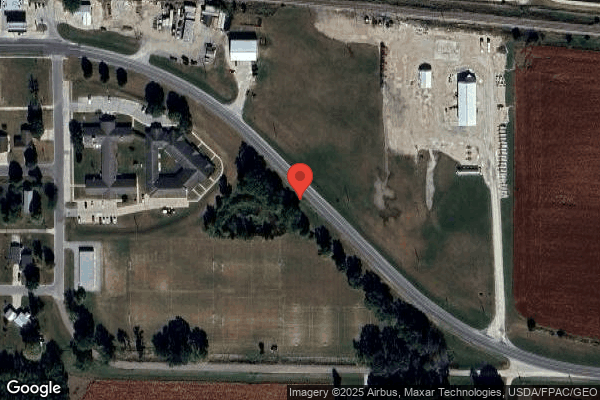
345 Parriott Street, APLINGTON, IA 50604 (319) 347-2309
For profit - Limited Liability company 46 Beds LEGACY HEALTHCARE Data: November 2025
Trust Grade
80/100
#127 of 392 in IA
Last Inspection: February 2025

Within standard 12-15 month inspection cycle. Federal law requires annual inspections.

Overview

Maple Manor Village in Aplington, Iowa, has a Trust Grade of B+, indicating it is above average and recommended for care. It ranks #127 out of 392 facilities in Iowa, placing it in the top half, and is the best option among five in Butler County. However, the facility is experiencing a worsening trend, with issues increasing from 1 in the previous year to 3 this year. Staffing is average, with a 3/5 rating and a turnover rate of 44%, which is on par with the state average. While there are no fines on record, which is positive, there have been concerning incidents, including failures to address behavioral health needs for a resident and not ensuring a resident received necessary dental services. Overall, the facility has strengths in its trust grade and absence of fines, but it also has weaknesses related to care plan implementation and resident services.

Trust Score
B+
80/100
In Iowa
#127/392
Top 32%
Safety Record
Low Risk
No red flags
Inspections
Getting Worse
1 → 3 violations
Staff Stability
○ Average
44% turnover. Near Iowa's 48% average. Typical for the industry.
Penalties
✓ Good
No fines on record. Clean compliance history, better than most Iowa facilities.
Skilled Nurses
○ Average
Each resident gets 34 minutes of Registered Nurse (RN) attention daily — about average for Iowa. RNs are the most trained staff who monitor for health changes.
Violations
✓ Good
Only 4 deficiencies on record. Cleaner than most facilities. Minor issues only.
★★★★☆
4.0
Overall Rating
★★★☆☆
3.0
Staff Levels
★★★★☆
4.0
Care Quality
★★★★☆
4.0
Inspection Score
Stable
2024: 1 issues
2025: 3 issues

The Good

  • 4-Star Quality Measures · Strong clinical quality outcomes
  • Full Sprinkler Coverage · Fire safety systems throughout facility
  • No fines on record
  • Staff turnover below average (44%)

    4 points below Iowa average of 48%

Facility shows strength in quality measures, fire safety.

The Bad

Staff Turnover: 44%

Near Iowa avg (46%)

Typical for the industry

Chain: LEGACY HEALTHCARE

Part of a multi-facility chain

Ask about local staffing decisions and management

The Ugly 4 deficiencies on record

Feb 2025 3 deficiencies
CONCERN (D)

Potential for Harm - no one hurt, but risky conditions existed

Assessment Accuracy (Tag F0641)

Could have caused harm · This affected 1 resident

**NOTE- TERMS IN BRACKETS HAVE BEEN EDITED TO PROTECT CONFIDENTIALITY** Based on record review and staff interviews the facility failed to accurately code the Minimum Data Set (MDS) assessment for 2 o...

Read full inspector narrative →
**NOTE- TERMS IN BRACKETS HAVE BEEN EDITED TO PROTECT CONFIDENTIALITY** Based on record review and staff interviews the facility failed to accurately code the Minimum Data Set (MDS) assessment for 2 of 5 residents reviewed (Resident #8 and #16). The facility documented the residents received insulin during the look back period when they did not. The facility reported a census of 32. Findings include: 1. Resident #8's MDS assessment dated [DATE] included a diagnosis of type 2 diabetes mellitus (a chronic condition where the body does not use insulin effectively or does not produce enough insulin to regulate blood sugar levels). The MDS reflected Resident #8 received one insulin injection during the lookback period. Resident #8's February 2025 Treatment Administration Record (TAR) lacked an order for insulin. The TAR included an order for Ozempic (an injectable medication to treat type 2 diabetes mellitus) 1 milligram (MG) subcutaneous (administered under the skin) solution once per week. 2. Resident #16's MDS assessment dated [DATE] included a diagnosis of type 2 diabetes mellitus. The assessment reflected Resident #16 received one insulin injection during the lookback period. Resident #16's January 2025 TAR lacked an order for insulin. The TAR included an order for Ozempic 1 MG subcutaneous solution once per week. During an interview on 2/19/25 at 10:46 AM, Staff A, Licensed Practical Nurse (LPN), acknowledged Resident #8 and Resident #16 had a diagnosis of type 2 diabetes mellitus. Staff A reported Resident #8 and #16 received ozempic. Staff A acknowledged Ozempic is a diabetic medication and is not classified as insulin. During an interview on 2/19/25 at 10:49 AM Staff B, Registered Nurse (RN)/Assistant Director of Nursing (ADON), with Staff C, RN / MDS Coordinator present, acknowledged the 2 residents most recent MDS documented they received 1 injection during the look back period. Staff B reported Resident #8 and Resident #16 received Ozempic every Friday. Staff B confirmed Ozempic is not an insulin. On 2/19/25 at 4:41 PM the Administrator acknowledged the facility followed the Resident Assessment Instrument (RAI) manual for completion of the MDS.
CONCERN (D)

Potential for Harm - no one hurt, but risky conditions existed

Deficiency F0740 (Tag F0740)

Could have caused harm · This affected 1 resident

**NOTE- TERMS IN BRACKETS HAVE BEEN EDITED TO PROTECT CONFIDENTIALITY** Based on observation, clinical record review, and staff interviews, the facility failed to develop and implement behavioral heal...

Read full inspector narrative →
**NOTE- TERMS IN BRACKETS HAVE BEEN EDITED TO PROTECT CONFIDENTIALITY** Based on observation, clinical record review, and staff interviews, the facility failed to develop and implement behavioral health concerns on the Care Plan for 1 of 1 resident sampled (Resident #2). The facility reported a census of 32 residents. Findings include: Resident #2's Minimum Data Set (MDS) assessment dated [DATE] identified he had short- and long-term memory problems and had severely impaired cognitive skills for daily decision making. He could recall the staff names and faces. The assessment indicated he had inattention continuously present, and it didn't fluctuate. He experienced other behavioral symptoms not directed towards (examples physical symptoms such as hitting or scratching self, pacing, rummaging, public sexual acts, disrobing in public, throwing or smearing food or bodily wastes, or verbal/vocal symptoms like screaming, disruptive sounds) others daily. The MDS included diagnoses of epilepsy (seizure disorder), psychotic disorder (mental health disorder), chronic pain and severe intellectual disabilities. Throughout a continuous observation on 2/17/25 at 1:35PM till 2:10 PM observed Resident #2 sitting in the black recliner in the south common area picking at the hole in the foot rest. Saw Resident #2 pulling foam out and putting it on the floor. The hole size look approximately 4 inches around. During the observation, witnessed 3 other residents also sitting in the day room. Observed the staff walked by several times and the nurses stood around the office right next to the day room as Resident #2 continued to pick and pull foam out. No staff stopped to redirect or try interventions to stop his behavior. Observation on 2/17/25 at 3:53 PM saw Resident #2 sitting in black recliner in the south common area. Resident #2 had his fingers in the opening on the foot rest with cushion material on the floor. During a continuous observation on 2/19/25 at 7:00 AM until 8:08 AM witnessed Resident # 2 sitting in the black recliner in the south common area with his feet flat on the floor. He had his right hand picking at the open area on the foot rest. At the time a housekeeper vacuumed the common area as other numerous staff members passed through the common area without redirecting Resident #2 with his picking behavior. At the time 2 other residents sat in the common area. Resident #2's Care Plan lacked documentation about his picking behavior and/or interventions to prevent it. The Care Plan Focuses with a Goal target date of 4/7/25 a. Directed staff to offer snacks during periods of anxiety or behaviors to assisting with calming Resident #2. b. Indicated Resident #2 enjoyed activities such as games (likes to play catch and throw a ball, stuffed monkey or stuffed bull); independent (enjoys relaxing in recliner in the south-needs assistance with operating the T.V. to turn it on/off and select channels/enjoys [NAME] movies, and sports like football); music (staff to sit resident out for musical activities-likes to sit in the back so can leave easily if wants to/seems to enjoy listening to music in the south lounge); reading (seems to enjoy listening to short stories read to them); van rides (staff to ensure resident has helmet on to promote safety). Resident has diagnosis of severe intellectual disability, and can only communicate by sounds and gestures. c. Documented Resident #2 had an alteration in communication related to impaired cognition form severe intellectually disability and aphasia (inability to speak). They will make facial expressions, noises, and even hit staff to get their attention. i. The Intervention instructed if he became anxious or restless staff are to attempt to provide one-on-one (1:1), diversional activity, take them for a van ride, or walk with him. During an interview on 2/19/25 at 1:05 PM the Director of Nursing (DON) reported the facility didn't do anything to address Resident #2's picking behaviors and making a hole in the footrest while in the recliner. She reported he owned the recliner and he picked at it but the hole has not been as big of a hole as it is at that time. She reported he tried to do it in other recliners as well so the staff brought out his own to the common area. She reported if someone gave him something to hold in his hands he just throws it. She didn't know for sure if Resident #2' s picking is due to not meeting his needs or if it is just a behavior. In an interview on 2/19/25 at 2:29 PM the Administrator reported they didn't have a policy specific to behaviors.
CONCERN (D)

Potential for Harm - no one hurt, but risky conditions existed

Dental Services (Tag F0791)

Could have caused harm · This affected 1 resident

**NOTE- TERMS IN BRACKETS HAVE BEEN EDITED TO PROTECT CONFIDENTIALITY** Based on clinical record review, policy review, resident, and staff interviews, the facility failed to offer or ensure a residen...

Read full inspector narrative →
**NOTE- TERMS IN BRACKETS HAVE BEEN EDITED TO PROTECT CONFIDENTIALITY** Based on clinical record review, policy review, resident, and staff interviews, the facility failed to offer or ensure a resident received dental services for 1 of 1 resident reviewed for dental services (Resident #1). The facility reported a census of 32 residents. Findings include: Resident #1's Minimum Data Set (MDS) assessment dated [DATE] identified a Brief Interview for Mental Status (BIMS) score of 15, indicating intact cognition. The MDS included a diagnoses of dental caries (cavities). The Nutrition Assessment completed 9/2/24 documented both dentures in good condition with no chewing or swallowing issues. The Nutrition Assessment completed 12/9/24 by the Dietitian documented Resident #1 had full upper and lower dentures but they didn't have their lower ones due to them being broken. Resident #1 reported some chewing but no swallowing issues. Resident #1 requested a dental appointment. During an interview on 2/17/25 at 3:55 PM Resident #1 reported the staff dropped his bottom denture when cleaning them and it broke. He reported he still didn't have new ones or the current one repaired yet because staff said they can't get him to a dentist. In an interview on 2/19/25 at 2:25 PM Staff D, Licensed Practical Nurse (LPN), reported Resident #1's bottom dentures are broken but they didn't know for how long. Staff D reported she didn't know if he had an appointment to see a dentist. In an interview on 2/19/25 at 2:28 PM Staff A, LPN, reported she knew about Resident #1's broken bottom denture, but she didn't know how they got broke. She added the facility has tried to get him into a dentist but they didn't take his insurance. Staff A didn't know for sure how long Resident #1's dentures were broken. On 2/19/25 at 2:30 PM the Director of Nursing (DON) reported Resident #1 had 2 sets of bottom dentures but she didn't know if they both fit. She reported she didn't know when or how his denture broke. During an interview on 2/19/25 at 2:35 PM the Administrator reported she didn't know about Resident #1's broken dentures but would look into it. In an interview on 2/19/25 at 3:10 PM the Administrator reported she didn't know before about Resident #1's broken dentures. She reported the Office Manager made calls to dentists but hit road blocks with them not taking his insurance. As of the first of the year Resident #1 had new insurance so they planned to call around to see if a dentist would take his new insurance. She verbalized she called Corporate about his broken dentures to find out if they should pay for them due to the staff dropping them. On 2/20/25 at 9:00 AM the Administrator reported the facility would pay to fit Resident #1's dentures. The facility policy titled Dental Services revised April 2023 instructed if the resident's dentures are damaged, the facility will promptly (within 3 days) refer the resident and if not, they must provide documents showing what the facility did to ensure the resident could still eat and drink while waiting for dental services. In addition, they must indicate the extenuating circumstances that led to the delay. The policy added if the dentures got damaged by staff then the facility is responsible to pay for the dentures.
Apr 2024 1 deficiency
CONCERN (D)

Potential for Harm - no one hurt, but risky conditions existed

Deficiency F0943 (Tag F0943)

Could have caused harm · This affected 1 resident

Based on employee file review, policy review, and staff interview the facility failed to ensure staff completed dependent adult abuse training within 6 months of hire for 1 of 5 employees reviewed. Th...

Read full inspector narrative →
Based on employee file review, policy review, and staff interview the facility failed to ensure staff completed dependent adult abuse training within 6 months of hire for 1 of 5 employees reviewed. The facility reported a census of 27 residents. Findings include: The employee file for Staff A, dietary aide, documented a hire date of 9/1/23. The file contained the Iowa Department of Health and Human Services Dependent Adult Abuse Mandatory Reporter Training certificate dated 4/2/24. The facility policy titled Abuse Prevention, Training and Investigation, last reviewed on 12/30/20 documented new employees that have not previously taken a state approved curriculum on mandatory reporting of dependent adult abuse will complete the required 2 hour training within 6 months of hire. During an interview on 4/2/24 at 2:26 PM, Staff B, Human Resources, confirmed Staff A's hire date was 9/1/23. She acknowledged the 4/1/24 was 7 months post hire and the certificate was dated 4/2/24. During an interview on 4/2/24 at 5:00 PM, Staff A explained he had not worked in any other facility or position that required him to have the training. He explained he was taking the training for the first time that day. During an interview on 4/2/24 at 5:15 PM, the administrator explained she expects the training to be completed within 6 months of hire.
Understanding Severity Codes (click to expand)
Life-Threatening (Immediate Jeopardy)
J - Isolated K - Pattern L - Widespread
Actual Harm
G - Isolated H - Pattern I - Widespread
Potential for Harm
D - Isolated E - Pattern F - Widespread
No Harm (Minor)
A - Isolated B - Pattern C - Widespread

Questions to Ask on Your Visit

  • "Can I speak with families of current residents?"
  • "What's your RN coverage like on weekends and overnight?"

Our Honest Assessment

Strengths
  • • Grade B+ (80/100). Above average facility, better than most options in Iowa.
  • • No major safety red flags. No abuse findings, life-threatening violations, or SFF status.
  • • No fines on record. Clean compliance history, better than most Iowa facilities.
  • • Only 4 deficiencies on record. Cleaner than most facilities. Minor issues only.
Concerns
  • • No significant concerns identified. This facility shows no red flags across CMS ratings, staff turnover, or federal penalties.
Bottom line: Generally positive indicators. Standard due diligence and a personal visit recommended.

About This Facility

What is Maple Manor Village's CMS Rating?

CMS assigns Maple Manor Village an overall rating of 4 out of 5 stars, which is considered above average nationally. Within Iowa, this rating places the facility higher than 99% of the state's 100 nursing homes. This rating reflects solid performance across the metrics CMS uses to evaluate nursing home quality.

How is Maple Manor Village Staffed?

CMS rates Maple Manor Village's staffing level at 3 out of 5 stars, which is average compared to other nursing homes. Staff turnover is 44%, compared to the Iowa average of 46%. This relatively stable workforce can support continuity of care.

What Have Inspectors Found at Maple Manor Village?

State health inspectors documented 4 deficiencies at Maple Manor Village during 2024 to 2025. These included: 4 with potential for harm.

Who Owns and Operates Maple Manor Village?

Maple Manor Village is owned by a for-profit company. For-profit facilities operate as businesses with obligations to shareholders or private owners. The facility is operated by LEGACY HEALTHCARE, a chain that manages multiple nursing homes. With 46 certified beds and approximately 34 residents (about 74% occupancy), it is a smaller facility located in APLINGTON, Iowa.

How Does Maple Manor Village Compare to Other Iowa Nursing Homes?

Compared to the 100 nursing homes in Iowa, Maple Manor Village's overall rating (4 stars) is above the state average of 3.1, staff turnover (44%) is near the state average of 46%, and health inspection rating (4 stars) is above the national benchmark.

What Should Families Ask When Visiting Maple Manor Village?

Based on this facility's data, families visiting should ask: "Can I visit during a mealtime to observe dining assistance and food quality?" "How do you handle medical emergencies, and what is your hospital transfer rate?" "Can I speak with family members of current residents about their experience?"

Is Maple Manor Village Safe?

Based on CMS inspection data, Maple Manor Village has a clean safety record: no substantiated abuse findings (meaning no confirmed cases of resident harm), no Immediate Jeopardy citations (the most serious violation level indicating risk of serious injury or death), and is not on the Special Focus Facility watch list (a federal program monitoring the lowest-performing 1% of nursing homes). The facility has a 4-star overall rating and ranks #1 of 100 nursing homes in Iowa. While no facility is perfect, families should still ask about staff-to-resident ratios and recent inspection results during their visit.

Do Nurses at Maple Manor Village Stick Around?

Maple Manor Village has a staff turnover rate of 44%, which is about average for Iowa nursing homes (state average: 46%). Moderate turnover is common in nursing homes, but families should still ask about staff tenure and how the facility maintains care continuity when employees leave.

Was Maple Manor Village Ever Fined?

Maple Manor Village has no federal fines on record. CMS issues fines when nursing homes fail to meet care standards or don't correct problems found during inspections. The absence of fines suggests the facility has either maintained compliance or corrected any issues before penalties were assessed. This is a positive indicator, though families should still review recent inspection reports for the full picture.

Is Maple Manor Village on Any Federal Watch List?

Maple Manor Village is not on any federal watch list. The most significant is the Special Focus Facility (SFF) program, which identifies the bottom 1% of nursing homes nationally based on persistent, serious quality problems. Not being on this list means the facility has avoided the pattern of deficiencies that triggers enhanced federal oversight. This is a positive indicator, though families should still review the facility's inspection history directly.