Grand Meadows Senior Living & Health Care
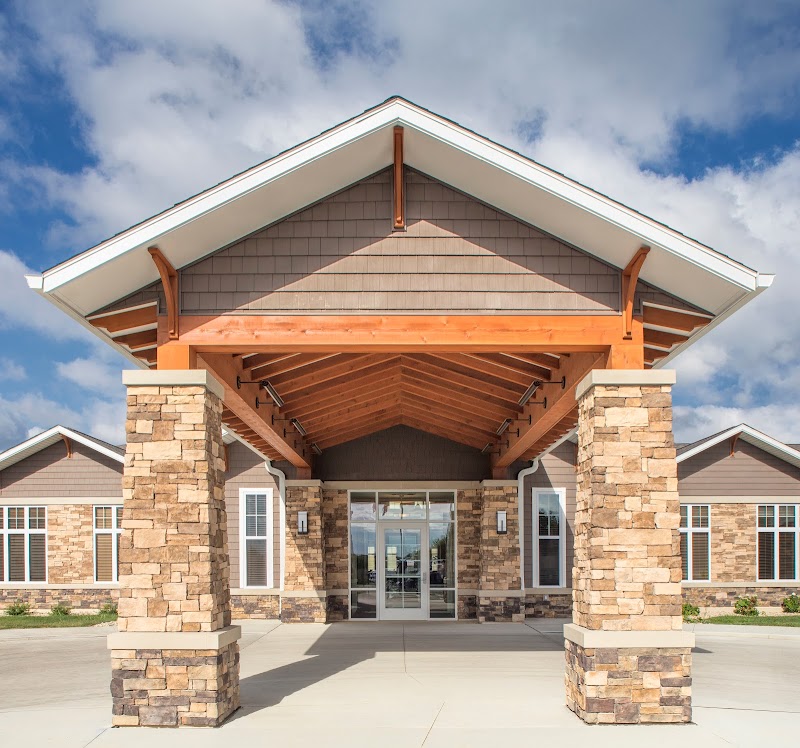
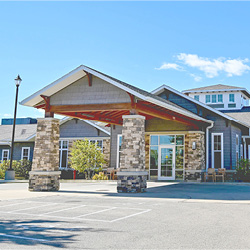
5300 Grand Meadow Drive, Asbury, IA 52002 (563) 588-1413
For profit - Limited Liability company 32 Beds Independent Data: November 2025 1 Immediate Jeopardy citation
Trust Grade
36/100
#272 of 392 in IA
Last Inspection: March 2025

Within standard 12-15 month inspection cycle. Federal law requires annual inspections.

Overview

Grand Meadows Senior Living & Health Care has received a Trust Grade of F, indicating significant concerns about the facility's care and operations. It ranks #272 out of 392 nursing homes in Iowa, placing it in the bottom half, and #10 out of 12 in Dubuque County, suggesting only one local option is worse. While the facility is improving, with issues decreasing from 6 in 2024 to 5 in 2025, it still faces serious challenges. Staffing is a strength, with a 4/5 star rating and 0% turnover, indicating that staff are consistent and likely familiar with residents' needs. However, the facility has incurred $19,698 in fines, which is concerning and indicates repeated compliance problems. Moreover, there have been critical incidents, such as a resident falling and suffering a fractured hip due to inadequate assistance during transfers, and multiple sanitation issues in the kitchen, including expired food and unclean conditions. These findings highlight both strengths and weaknesses at Grand Meadows, making it crucial for families to weigh these factors carefully.
Trust Score
F
36/100
In Iowa
#272/392
Bottom 31%
Safety Record
High Risk
Review needed
Inspections
Getting Better
6 → 5 violations
Staff Stability
○ Average
Turnover data not reported for this facility.
Penalties
⚠ Watch
$19,698 in fines. Higher than 92% of Iowa facilities. Major compliance failures.
Skilled Nurses
✓ Good
Each resident gets 79 minutes of Registered Nurse (RN) attention daily — more than 97% of Iowa nursing homes. RNs are the most trained staff who catch health problems before they become serious.
Violations
⚠ Watch
24 deficiencies on record. Higher than average. Multiple issues found across inspections.
★★☆☆☆
2.0
Overall Rating
★★★★☆
4.0
Staff Levels
★★☆☆☆
2.0
Care Quality
★★☆☆☆
2.0
Inspection Score
Stable
2024: 6 issues
2025: 5 issues

The Good

  • 4-Star Staffing Rating · Above-average nurse staffing levels
  • Full Sprinkler Coverage · Fire safety systems throughout facility
  • No fines on record

Facility shows strength in staffing levels, fire safety.

The Bad

2-Star Overall Rating

Below Iowa average (3.0)

Below average - review inspection findings carefully

Federal Fines: $19,698

Below median ($33,413)

Minor penalties assessed

The Ugly 24 deficiencies on record

1 life-threatening
Jun 2025 1 deficiency
CONCERN (D) 📢 Someone Reported This

A family member, employee, or ombudsman was alarmed enough to file a formal complaint

Potential for Harm - no one hurt, but risky conditions existed

Resident Rights (Tag F0550)

Could have caused harm · This affected 1 resident

Based on observation, clinical record review, resident interview, staff interview, and review of the facilities Resident's Rights form revealed staff failed to treat 1 of 3 residents with dignity and ...

Read full inspector narrative →
Based on observation, clinical record review, resident interview, staff interview, and review of the facilities Resident's Rights form revealed staff failed to treat 1 of 3 residents with dignity and respect during cares as a means to maintain their individual resident rights (Resident #3). Findings include: A Minimum Data Set (MDS) assessment form dated 3.27.25 indicated Resident #3 was admitted to the facility on 3.12.25 with diagnoses that included Chronic Kidney Disease, Osteoarthritis, and Sjorgren Syndrome (autoimmune disease). The assessment indicated the resident had a Brief Interview for Mental Status (BIMS) score of 15 out of 15 (cognitively intact). An interview was conducted 6.11.25 at 12:38 p.m. with the resident and the Administrator present per the resident's suggestion as her story would not have swayed from the truth of what occurred and everyone could have heard about the incident. The resident indicated she had been told by an unknown person to report the incident to the Social Services (SS) designee who went to the resident's room on 3.24.25 first for a routine SS visit/assessment post new admissions to the facility and the 2nd time that day with Staff B, Certified Nursing Assistant (CNA), for completion of a formal grievance form The resident indicated she arrived at the facility a Friday night following a week long hospitalization stay. The resident went to bed but in the middle of the night she felt someone as they pulled her blanket off. The room had been dark so she thought she dreamed the situation and pulled the blankets back up. The situation occurred again so the resident again pulled the blankets up, tucked them under her body and rolled on her side. At that point the covers came all the way down along with her cotton pajama bottoms which were not all the way removed but at this point the resident knew the situation was not a dream. The next thing she knew the nurse pulled her legs apart and tried to take off her panties so the resident held onto them and pulled opposite the staff member which ultimately ended up in the panties having ripped. The resident asked the person that pulled down her blankets what had been going on and the staff member told her a required skin assessment. When the resident asked the staff member the time, she stepped into the bathroom while the motion light lit up and the staff member stated 2:30 a.m. At that point the resident told the staff she had not understood that situation and directed the staff to get the f*&^ (explicit) out of her room. The resident described the encounter as having felt violated and she now knew how a rape victim felt when their perpetrator pulled their cloths off. The resident indicated she just could not understand why the staff failed to announce themselves, turn on the light in the room and/or have tapped on her person as a means to awaken her prior to the removal of the blankets which startled her. The resident indicated after the whole incident she went to the bathroom in her room and took off underwear because she was so scared following the event she accidentally peed her pants. The resident indicated when she informed the SW designee about the situation the SW informed her any further contact by the staff member and the resident would not have been allowed but the next day she came into her room and administered her pills so the situation had not been handled from the facility standpoint. The resident indicated she would have been OK post the incident with the planned no contact however that ended up not to be the case. The resident went on to say, she had been so scared following the event she placed her walker in front of her room door for safety. During an interview 6.11.25 at 1:13 p.m. the SW designee indicated she knew nothing about the torn panties, rather, all she had been told during her grievance investigation were the sheets/blankets had been pulled way back and the resident asked the staff member what hell they were doing. During an interview 6.10.25 at 2:28 p.m. the SS Designee confirmed the resident arrived at the facility on a Friday in March for a skilled stay and apparently the 3rd shift nurse, Staff A, LPN entered her room in the middle of the night and ripped her covers back. When questioned Staff B indicated she attempted to have performed a thorough skin assessment because it had not been completed. The outcome of the situation resulted in Staff A had been given the directive to not work with the resident. During an interview 6.11.25 at 4:11 p.m. Staff B, CNA confirmed she accompanied SW Designee to the resident's room for completion of the grievance form and interview with the resident. Staff B indicated the resident told the SW Designee a nurse on the night shift came into her room around 2-3 a.m. for a skin assessment and ripped off her blankets but the resident never mentioned her undergarments having been exposed however her pajamas were. The resident attempted to pull the blankets back up because of not having been aware of the nurses actions. Staff B failed to recall if the resident stated the staff separated her legs but she said she felt violated because of the way the nurse performed the assessment and at that time she felt unsafe. Review of the resident's Medication Administration Record (MAR) dated 3.1.25 thru 3.31.25 Staff A, Licensed Practical Nurse (LPN) administered medications to the resident after the grievance was issued on 3.24.25, 3.25, 3.30 and 3.31. During an interview 6.11.25 at 2:52 p.m. Staff A, Licensed Practical Nurse (LPN) confirmed she had not recalled the resident and/or the incident and she only found out about the grievance on that day (today). A facility summary of events form dated 6.12.25 included the following: On March 24, 2025, during a routine social service assessment, the resident mentioned to the SS Designee of an alleged interaction that occurred on March 22, 2025. The resident reported to her, while she slept, two (2) staff members, which included a nurse and an aide came into her room without any form of communication or direction and started a skin assessment on the resident. The resident claimed they pulled the sheets off her to look at her skin. She also claimed she asked the staff what they were doing, as she attempted to pull the sheet back over her body. Staff replied they a skin assessment. The resident asked the staff why the assessment could not have been completed earlier or later in the morning and complained the staff ignored her. The resident claimed she directed both staff members out of her room and to have not returned without a knock. When the SS Designee performed her assessment it had been when the resident told her what occurred (was on a Monday). Following the assessment the SS Designee asked the resident how things had been going. The resident stated good after the 1st night. That was when a Grievance Form had been completed. The Resident's [NAME] of Rights signed by the facilities Administrator at the time and the Resident 3.21.25 included the following: a. Each Resident had the right to a dignified existence. b. Each Resident had the right to considerate and respectful care with a reasonable accommodation to their individual needs.
Mar 2025 4 deficiencies
CONCERN (D)

Potential for Harm - no one hurt, but risky conditions existed

Deficiency F0688 (Tag F0688)

Could have caused harm · This affected 1 resident

**NOTE- TERMS IN BRACKETS HAVE BEEN EDITED TO PROTECT CONFIDENTIALITY** Based on observation, record review, staff interview, and policy review the facility failed to provide range of motion services ...

Read full inspector narrative →
**NOTE- TERMS IN BRACKETS HAVE BEEN EDITED TO PROTECT CONFIDENTIALITY** Based on observation, record review, staff interview, and policy review the facility failed to provide range of motion services to improve or maintain functioning in all extremities for 1 out of 1 residents reviewed (Resident #11). The facility reported a census of 29 residents. Findings include: The Minimum Data Set (MDS) dated [DATE] for Resident #11 indicated a Brief Interview for Mental Status (BIMS) score of 15/15 which indicated intact cognition. The MDS documented diagnoses of symptoms and signs involving the musculoskeletal system (include muscle weakness, joint pain, limited range of motion, tremors, and gait disturbance), reduced mobility, and spasmodic torticollis (neck muscles contract involuntarily). It further recorded the resident did not receive active or passive range of motion (ROM) restorative nursing in the prior 7 calendar days. Resident #11's Care Plan initiated of 03/29/24 revealed he had a self care performance deficit due to fatigue and required assistance of 1 staff for bathing, dressing, and personal hygiene. He required the assistance of 2 staff for bed mobility and a standing lift for transfers. A focus area for pain, dated 10/10/24 included an intervention to observe and report a decrease in functional abilities or a decrease in ROM. The Care Plan did not include treatment and services to increase range of motion and/or to prevent further decrease in range of motion. Review of an occupation therapy discharge summary with dates of service from 1/6/25 - 1/30/25 revealed the resident received hands on care focused on bilateral upper extremity strength, safety and independence with functional mobility, transfers, ADL (activities of daily living) completion, activity tolerance, balance, reaching, and cardiopulmonary tolerance. A restorative program was not indicated and a functional maintenance program was discussed regarding cardiopulmonary tolerance activity with the facility exercise bike (brand name removed). Documentation included the resident's wish to return home and improve transfers and ambulation. A review of the physical therapy discharge summary with dates of services from 1/3/25 - 1/30/25 documented improvements in transferring from sitting to standing with the use of a standing lift (brand name removed). Neither a restorative program nor a functional maintenance program was established. On 03/03/25 at 1:11 PM observed the resident in his recliner in his room with his eyes closed. The blinds were drawn and he was listening to the television. During an interview with Resident #11 on 03/04/25 at 8:52 AM again observed his blinds closed and his door was partially closed. He stated he didn't know if he would participate in range of motion with staff but they didn't ask. He didn't like the option of group exercise because he liked to be in his room. On 03/05/25 at 02:40 PM Staff B, Occupational Therapy (OT) indicated the resident participated in therapy in January and returned to baseline. She reported the activities staff encouraged him to participate in group activity and he regularly refused. She stated he had actually been in therapy multiple times, always returned to baseline, then declined again. While meeting with Staff F, MDS Coordinator on 03/06/25 at 09:46 AM, she stated the facility did not have a staff member specifically designated for restorative therapy, confirmed it was not in the resident's Care Plan, and there was no formal program to ensure residents maintained functioning. If there was a concern about decline, they just screened for Part B therapy services. During an interview on 03/06/25 at 10:26 AM Staff A, Physical Therapy (PT) stated the facility did not have a formal restorative program. He stated he offered the resident could come in to use the exercise bike and acknowledged the resident preferred to stay in his room. The facility provided an undated policy titled Restorative Nursing Policy and Procedure that documented it was the policy of the facility to provide restorative nursing which promoted the resident's ability to adapt and adjust to living as independently and safely as possible. Restorative nursing focused on achieving and/or maintaining optimal physical, mental, and psychological function of the resident. The restorative nurse, RNA (restorative nursing assistants), along with the IDT (interdisciplinary team) would determine what programs would be initiated for the residents. Residents would be screened using the restorative assessment in the electronic health record to identify candidates for programs and included resident who required programs to maintain their current level of functioning.
CONCERN (D)

Potential for Harm - no one hurt, but risky conditions existed

Deficiency F0699 (Tag F0699)

Could have caused harm · This affected 1 resident

Based on observation, resident interview, staff interview, and record review the facility failed to provide trauma informed care for 1 of 5 residents reviewed (Resident #15). The resident arrived at t...

Read full inspector narrative →
Based on observation, resident interview, staff interview, and record review the facility failed to provide trauma informed care for 1 of 5 residents reviewed (Resident #15). The resident arrived at the facility on 2/17/25 with diagnoses of PTSD (Post Traumatic Stress Disorder), anxiety, adjustment disorder, and depression and was not assessed for potential triggers that could cause re-traumatization. The facility reported a census of 29 residents. Findings include: The Minimum Data Set (MDS) for Resident #15 documented diagnoses of adjustment disorder with depressed mood, PTSD, depression, and anxiety disorder. The MDS included a Brief Interview for Mental Status (BIMS) score of 11/15 which indicated moderately impaired cognition. Resident #15's Care Plan indicated the resident had current thoughts of suicide, the primary care provider was notified, and the resident was seen by psych. The resident had no active plans as of 2/24/25. Interventions included face to face consults with the primary provider and psych, monitoring and documenting behaviors, and social service visits with the resident. Another focus area documented the resident had depression disease process. Interventions included administering medications and monitoring for side effects, monitor/record/report risk for harm to self, and monitor/record/report risk for harm to others. The Care Plan did not address anxiety, adjustment disorder, or PTSD. The Care Plan did not include mental health triggers, medications, examples of side effects to watch for, behaviors, or non-pharmacological interventions to address these diagnoses. A Progress Note dated 2/21/2025 at 10:34 PM revealed the resident was seen by her provider that day for a psychiatry appointment with new orders to: 1. Continue Duloxetine 90 mg daily. 2. Continue Seroquel 25 mg po at HS (by mouth, at bedtime) for insomnia, nightmares, anxiety, depression, and history of hallucinations. Patient is at risk for decompensation if not continued. 3. Start Buspar 5 mg po daily in AM (by mouth in the morning). Signed and noted. A Progress Note titled Daily Skilled Note dated 3/3/25 at 10:00 PM documented the resident had the following indicators of a mood issue: Yells out at times. The resident had the following behavioral issues: Yells out at times. Additional comments: none. The note did not include the reason the resident was yelling out or how the staff responded to her needs. A Progress Note titled Daily Skilled Note dated 3/4/25 at 11:54 PM documented the resident had the following indicators of a mood issue: Crying at times. Speech inaudible. The resident had the following behavioral issues: crying. Additional comments: none. The note did not include the reason the resident was crying, why her speech was inaudible, or how the staff responded to the crying. On 03/03/25 at 01:37 PM the surveyor observed the resident in her room. She was in her wheelchair, staring ahead. She did not initially respond to the surveyor's knock, then shook her head and looked up. Resident #15 confirmed her PTSD diagnosis and said she thought they (staff) knew about it. She did not want to discuss it further at that time. During a follow up interview on 03/05/25 at 10:19 AM the resident again confirmed her mental health diagnoses. She did not think facility staff had asked about her mental health diagnoses or what caused her to feel anxious. She stated she felt anxious and depressed when she thought about not going home, about wanting to be done with therapy, and about things that happened to her. The resident stated she did not want to hurt herself. She reported changes in her health were hard and made her sad. When asked if she thought her mental health was being managed, she shrugged. An interview with Staff C, Certified Nursing Assistant (CNA) on 03/05/25 at 01:35 PM revealed Resident #15 could get 'really down.' She would walk or stand for some staff and not others, had poor mental health, and did not like being there. During a follow up interview on 03/06/25 at 08:42 AM Staff C stated she was never told about triggers to watch for related to the resident's PTSD and mental health. On 03/06/25 at 09:46 AM Staff F, MDS Coordinator stated it was her fault that the diagnoses, medications, and PTSD triggers did not get into Resident #15's Care Plan. When asked, she stated she didn't see it when the resident came in, and saw the diagnoses later in a doctor's note. At that time she added the information to the diagnoses list but not to the Care Plan. When asked who was responsible for asking a resident about their PTSD triggers, she stated the social worker would ask about that. During an interview with Staff E, Life Enrichment/Social Services on 03/06/25 at 10:14 AM she stated the surveyor should ask the MDS Coordinator who was responsible for asking about mental health triggers, behaviors, and interventions.
CONCERN (D)

Potential for Harm - no one hurt, but risky conditions existed

Medication Errors (Tag F0758)

Could have caused harm · This affected 1 resident

Based on observation, record review, interviews, and policy review the facility failed to ensure psychotropic medications were used only to treat documented conditions for 1 of 5 residents reviewed fo...

Read full inspector narrative →
Based on observation, record review, interviews, and policy review the facility failed to ensure psychotropic medications were used only to treat documented conditions for 1 of 5 residents reviewed for unnecessary medications (Resident #25). The facility did not respond to the pharmacist's request to document resident behaviors or implement non-pharmacological interventions to help reduce anxiety. The facility reported a census of 29 residents. Findings include: The Minimum Data Set (MDS) for Resident #25 dated 01/21/25 included documentation that the resident was unable to complete the Brief Interview for Mental Status (BIMS) due to long and short term memory problems and severely impaired daily decision making. Diagnoses on the MDS included non-Alzheimer's dementia, anxiety disorder, and depression. Resident #25's Care Plan included a focus area dated 10/10/24 indicating she was at risk for falls, wandering, poor decision making, and forgetting her walker due to dementia. A focus area dated 11/25/24 documented the resident had dementia with behavior disturbance. An intervention dated 1/20/25 directed staff to administer Olanzapine as ordered and to monitor/document for side effects and effectiveness. An intervention dated 11/25/24 directed staff to give Buspirone as ordered and to monitor/document side effects and effectiveness. An intervention revised 1/6/25 documented pharmacy review per protocol. A focus area dated 10/10/24 indicated the resident had a mood problem, depression, and anxiety. Staff were directed to monitor/document/report to the doctor as needed ongoing signs and symptoms of depression unaltered by antidepressant medications including but not limited to slowed movement, agitation, disrupted sleep, fatigue, changes in cognition, unrealistic fears, attention seeking, anxiety, and constant reassurance. The resident's Medication Administration Record (MAR) for March documented the resident received Alprazolam .25 MG for anxiety, Escitalopram 10 MG for depression, Mirtazapine 15 MG for depression, Olanzapine 2.5 MG for psychotic disorder, and Buspirone 30 MG for depression. Another order for PRN (as needed) Alprazolam .25 MG for anxiety for 90 days was included. Alprazolam, Escitalopram, and Mirtazapine were not addressed in the Care Plan. Triggers for PRN medications were not addressed in the Care Plan. The MAR included orders to observe for depressive behaviors, anxious behaviors, clinical worsening, suicidality, unusual changes in behavior, and side effects related to antidepressant and antianxiety medications. Staff were directed to document: 'Y' if monitored and none of the above observed. 'N' if monitored and any of the above was observed, select chart code 'Other/ See Nurses Notes' and progress note findings every shift effective 10/1/24. These sections were marked with a check mark and did not follow the directed protocol for monitoring. On 03/03/25 at 12:19 PM observed Resident #25 eating in the dining room. She crossed and uncrossed her legs 6 times in 1 minute, and the right leg over her left knee repeatedly bounced. The resident's arms were folded and shook. She stood up and sat down twice, once walking around her walker to get to the door, about 15 feet. On 03/04/25 at 1:01 PM the resident was seated in the common area of her neighborhood at a table. No staff were in the area. The resident stood up and walked toward her room without her walker. She walked about 30 feet before a CNA saw her and assisted her back to the chair. A progress note titled Consulting Pharmacy Note dated 2/25/2025 at 04:59 PM documented the resident's monthly medication review was completed. The facility was asked to add behavior notes to support the use of psych medications, and to include non-pharmacological methods attempted to help reduce anxiety. Between this note and 3/5/25 the progress notes did not show behavior monitoring or non-pharmacological interventions. Resident #25's electronic health record included a section labeled Tasks. Under heading of Behavior Monitoring 2 there were 0 responses documented over the prior 30 days. During an interview with Staff F, MDS Coordinator on 03/06/25 at 09:46 AM she stated they tried to include behavior monitoring in the care plans as soon as possible so it was included on the point of care (POC) screen the Certified Nursing Assistants (CNAs) saw. She stated all departments could enter information in the care plan. It was typical for nurses to enter orders for behavior monitoring, to chart as a progress note, and potentially include monitoring in the MAR depending on the resident's needs. On 03/06/25 at 10:35 AM the Director of Nursing stated behavior monitoring should be on the POC if triggering from the care plan, and could also be in the progress notes. She reported that all residents need behavior monitoring for instances such as confusion or changes in condition. A facility policy titled Medication Regimen Review revised 6/1/24 documented the consultant pharmacist would conduct reviews and make recommendations based on information made available in the resident's health record. The facility should ensure the pharmacist had access to physician/prescriber progress notes, nursing notes, medication administration records and any other documents which might assist the consultant pharmacist in making a professional judgment as to whether irregularities exist in the medication regimen. The facility should inform the pharmacist of any physical and/or mental conditions of the resident which were likely to affect his/her medication therapy outcome.
CONCERN (E)

Potential for Harm - no one hurt, but risky conditions existed

Food Safety (Tag F0812)

Could have caused harm · This affected multiple residents

Based on observation, kitchen record review, interview, and policy review the facility failed to store food according to professional guidelines and to clean dishes under sanitary conditions during 1 ...

Read full inspector narrative →
Based on observation, kitchen record review, interview, and policy review the facility failed to store food according to professional guidelines and to clean dishes under sanitary conditions during 1 of 2 kitchen observations. Dry storage and the refrigerator contained expired, unlabeled, and undated items. Dishwasher sanitizer logs were not maintained and the sanitizer sink did not register chemical content. The facility reported a census of 29 residents. Findings include: During the initial kitchen observation on 03/03/25 from 09:57 AM to 10:24 AM the surveyor observed the following: a. 16 - 1 pound boxes of baking soda that expired in July 2024 b. sliced cheese wrapped in saran wrap without a label or open date c. opened, undated 5 pound container of cottage cheese d. clear plastic bins of vegetable soup, tomato paste, and pickles covered with saran wrap dated 2/20/25 (11 days prior) e. clear plastic bin of chicken gravy, undated f. dishwasher chemical logs recorded concentration testing until 2/18/25 g. staff tested the dishwasher chemical with a test strip that did not register the chemical h. the sanitizing sinks for bigger items also did not register the sanitizing chemical with a different test strip The facility Certified Dietary Manager (CDM) participated in the observation and tour. She stated she took over the facility kitchen the week before from a contracted provider and was aware there was a lot of work they still had to do. She reported she talked to staff during her initial tour about labeling and dating items. The CDM indicated she expected items in the refrigerator and dry storage to be labeled with a date of receipt and an open date. She preferred lids to saran wrap for freshness, and would generally keep items stored that way 3-5 days, certainly no longer than 7 days. She stated the dishwasher test strip was probably not the right one and they would have to look at that. While reviewing additional paperwork with the surveyor, the CDM was unable to locate additional dishwasher chemical testing documentation. During a subsequent conversation on 03/05/25 at 12:40 PM the CDM reported she had found additional expired items that had to be thrown away. An undated policy titled Dish Machine Operation documented Dining Services staff should check the dials to ensure the wash and rinse cycles were achieving proper temperature, and if a chemical sanitizer was used, check the concentration using the correct test tape for the type of sanitizer in use. An undated policy titled Food Storage (Dry, Refrigerated, and Frozen) documented all food items would be labeled. The label must include the name of the food and the date it should be sold, consumed, or discarded. Food that passed the expiration date should be discarded, and food prepared in the facility should be discarded after 7 days.
Apr 2024 6 deficiencies 1 IJ
CRITICAL (J) 📢 Someone Reported This

A family member, employee, or ombudsman was alarmed enough to file a formal complaint

Immediate Jeopardy (IJ) - the most serious Medicare violation

Accident Prevention (Tag F0689)

Someone could have died · This affected 1 resident

**NOTE- TERMS IN BRACKETS HAVE BEEN EDITED TO PROTECT CONFIDENTIALITY** 2. The MDS for Resident #138 dated 9/26/23 revealed a BIMS score of 10 which indicates moderate cognitive impairment. The MDS in...

Read full inspector narrative →
**NOTE- TERMS IN BRACKETS HAVE BEEN EDITED TO PROTECT CONFIDENTIALITY** 2. The MDS for Resident #138 dated 9/26/23 revealed a BIMS score of 10 which indicates moderate cognitive impairment. The MDS indicated the resident needed substantial assist of staff for transfers and toileting. A incident report dated 9/14/23 at 11:25 PM revealed Resident #138 was found sitting on the floor in front of the bathroom in his room. The walker was near by. Resident was assisted to bed with a mechanical lift and assist of 2 staff. An 8 centimeter by 7 centimeter red area noted to right hip. No external or internal rotation of both lower extremities. The Progress Note dated 9/15/23 at 8:46 AM revealed the resident had increased pain with movement. A physician order was obtained for a portable X ray. The Progress Note dated 9/15/23 7:09 PM revealed the X ray of the right hip showed an irregularity of the cortex of the right hip. The Progress Note dated 9/16/23 at 1:04 AM revealed the nurse spoke with the hospital and Resident #138 was admitted with a fractured right hip. On 04/16/24 at 12:12 PM during an interview with corporate nurse he stated they are unable to locate any investigation or root cause analysis completed after the fall for Resident #138. He stated when the new administrator was hired they found things were not being completed or missing. He stated they spoke to the Director of Nursing at the time of the fall who is also still employed at the facility and she had no recollection of the incident. On 04/18/24 at 2:45 PM Staff G, Registered Nurse (RN) stated Resident #138 got up out of his bed or chair and he fell right before the bathroom in his room. He was toileted before the incident and had been in bed before he got up by himself and fell. On 04/18/24 at 2:53 PM Staff H, RN stated at the time of Resident #138 fall with fracture, I was the Director of Nursing. I am not aware of an investigation or root cause analysis for it. When a fall occurs there should be an investigation and try to determine why the resident fell and then put interventions in place to prevent further falls. I do not recall anything about Resident #138's fall. It would have been the responsibility of the DON. On 04/22/24 at 2:38 PM the current DON stated the responsibility of the investigating for falls would be with the DON but the Administrator has been doing them since he started at the facility. He will be responsible for investigating falls. The facility provided a policy last reviewed 7/18/2017 titled Falls Policy, the policy failed to direct staff to complete an investigation or root cause analysis after a fall. The policy did have a procedure to complete a fall risk assessment within 24 hours of admit, quarterly, and with any significant change and after any fall. Review intrinsic and extrinsic risk factors. Intrinsic risk factors may include: cardiovascular problems, neurological problems, orthopedic problems, psychological and cognitive factors, medications, pain, sleep disorders and incontinence. For extrinsic risk factors, observe how the resident: transfers, ambulates, used the bathroom handrails, and uses assistive devices such as walkers or canes. Based on observations, staff interviews and facility policy review the facility failed to secure and supervise access to 2 out of 2 hot steam table surfaces. This failure resulted in the ability of eight cognitively impaired and independently mobile residents to access the areas that held the steam tables, therefore causing an Immediate Jeopardy to the health, safety, and security of the residents. The State Agency informed the facility of the Immediate Jeopardy (IJ) that began as of February 15, 2024 on April 17, 2024 at 3:10 p.m. Facility staff removed the Immediate Jeopardy on April 17, 2024 through the following actions: a. The meals will be served in the Bistro common dining room. b. All meals will be served in this location until the barriers can be placed between resident care areas and the kitchen serving area where the steam tables are located. c. The two steam tables were disabled from use to prevent any cognitively impaired residents in the units from possibly getting burned. d. The keys that turn the steam tables on have been removed from the households. e. Education to staff will be provided verbally and on paper using [NAME] Manor's protocol for communication which includes email, text, Alerts & Messages in Matrix, and signage. The scope was lowered from J to D at the time of the survey after ensuring the facility implemented their removal plan. The facility also failed to investigate or do a root cause analysis for a fall with injury for 1 out of 3 falls. The facility reported a census of 30 residents. Findings include: 1. The Minimum Data Set (MDS) Assessment for Resident #23 dated 4/6/24, included diagnoses of non-traumatic brain dysfunction, anemia, and depression, The MDS's Brief Interview for Mental Status score of 1 out of 15 indicated severely impaired cognition. The MDS identified her independent with ambulation and transfer with an assistive device. The Care Plan for Resident #23 dated 2/22/24, identified impaired decision making related to dementia. The Care Plan directed she will continue to walk independently with the front wheeled walker. The Certified Nurses Aid (CNA) Resource list undated, identified six residents at risk for elopement. The Registered Nurse Consultant (RNC) provided his Consultant Summary undated, Environmental Rounds failed to identify the hot steam table top hazard or the broken barrier gate to the B wing kitchenette. On 4/15/24 at 11:30 AM, as Staff K, Certified Nurses Aid opened the lids of the steam table, steam filled the air above the steam table. On 4/15/24 at 2:00 PM, Resident #23 opened another resident room door and wandered in. Resident #18 directed her out. On 4/15/24 at 2:30 PM, Resident #23 wandered the halls and the dining room (DR). Staff were not always in the area Resident #23 wandered. Two other residents also wandered in the DR. On 4/16/24 at 10:02 AM, the B wing kitchenette, failed to provide staff in the area and failed to ensure a barrier across the opening to the kitchenette, the lower part of the wall held a bracket that may have held a gate. On 4/16/24 at 10:30 AM, Resident #23 wandered the halls and the DR in the B wing. Staff not always present to supervise in the area she wandered. On 4/16/24 at 10:30 AM, in the B wing kitchenette the surface of the steamtable felt very hot to the touch. The entrance to the kitchenette lacked a barrier gate. On 4/16/24 at 11:23 AM, the Staff J, CNA left the kitchenette area while three residents sat in the DR at the tables. On 4/16/24 at 11:26 AM, Staff M, Licensed Practical Nurse (LPN), walked through the area and passed by 3 residents that sat in the DR. Two residents sat in their wheel chairs and one independently ambulatory resident sat in a DR chair. Staff M went into the hall. On 4/16/24 at 11:32 AM, Staff J, directed Resident #23 and Resident #14 into the DR area to sit for the meal. The Staff J left the area. On 4/16/24 at 11:47 AM Staff M, LPN told the CNA she needed so go chart something, they both left the DR kitchenette area leaving the residents unsupervised. On 04/16/24 at 12:08 PM, the staff opened the lid from the steam table and the steam rolled up from the steam table. On 04/16/24 at 1:09 PM, Resident #23 wandered the hall and walked right by the open kitchen area and talked to a woman at the table, she pulled up the chair and sat down. On 04/16/24 at 1:12 PM, Resident #10 wandered out and around the tables in the B wing. On 4/16/24 at 1:14 PM, the kitchenette failed to have staff in the area. Food remained on and in the steam table. The steam table checked and it felt hot to the touch. On 04/17/24 at 9:11 AM, the steam tables in the B wing were turned on, the tops felt hot to the touch. On 4/17/24 at 9:53 AM, the top of the steam table in the B wing remained hot to the touch. On 4/17/24 at 1:13 PM, the top of the last steam table well remained hot to touch. On 4/17/24 at 1:20 PM, the facility thermometer used to temp the food in the C wing, placed the thermometer on the surface of the steam table lid and it showed a temperature of 160.3 degrees. Facility staff failed to be in the area to supervise residents. On 4/17/24 at 1:40 PM the Environmental Services Director checked the surface temperature of the steam table top in the C wing and confirmed it was 160 degrees. He then went to the B wing and checked the surface temperature of the steam table top, it reflected a temperature of 155 degrees. On 4/17/24 at 8:45 AM, Staff I, CNA reported three residents in the B wing wandered daily. On 4/17/24 at 1:15 PM, Staff K, CNA reported she worked here for 2 years. She revealed the barrier gate to the B wing kitchenette used to be in place because of a resident who used to go into the kitchenette, but after he passed away it broke months ago and the facility removed it. On 4/17/24 at 1:27 PM, Staff H, Registered Nurse (RN) reported the C wing held seven wandering confused residents. She stated they use the barrier gate at times on the day shift. She revealed the nursing department turned the steam tables on in the morning leave them on for the morning and try to turn them off after lunch at some point. On 4/17/24 at 1:40 PM, the Environmental Services Director reported if a staff isn't in the kitchenette, then the barrier gate needed to be in place. He report the gate in B wing broke a few weeks ago and he failed to have the parts to fix it at this time. He confirmed the surface of the steam table tops were too hot to touch and may result in a burn. On 4/22/24 at 02:25 PM, the Environmental Services Director reported he completed a walk though of the units daily and looked for potential hazards. On 4/23/24 at 9:52 AM the Administrator reported that Environmental Services used an online work order system that staff, residents, or families may submit a request. She continued to report at their daily morning meeting a discussion is held for any maintenance needs and follow up on emails/requests over the past day. On 4/23/24 at 12:28 PM, the Administrator reported she noticed the kitchenette barrier gate in B wing failed to work, but later thought the staff fixed it. She reported her expectation is the staff supervised the steam table area while the stream tables were on and hot. She stated she expected the staff kept the gait closed. The Administrator revealed the Environmental Service Director obtained a work order to fix the B wing gait in February. The facility provided a Work Order dated 2/15/24, reported the gate to keep resident out of the kitchen broke. The facility provided an undated list that identified each resident BIMS and mobility status, the list revealed 8 independently mobile cognitively impaired residents. The facility Equipment Safety policy dated 2013, at point #9 directed that equipment should not be left on when unattended. The Foodwarmers Installation & Operation Manual dated 6/2017, revealed at page 5 General Operation Instruction point #1 All food service equipment should be operated by trained personal. #2 Do not allow your customers to come in contact with any surface labeled caution hot. Page 11 included a Warning: Steam can cause serious burns. Always wear some type of protective covering on your hands and arms when removing lids or pans. Lift the lids or pans in a way that will direct escaping steam away from your face.
CONCERN (D) 📢 Someone Reported This

A family member, employee, or ombudsman was alarmed enough to file a formal complaint

Potential for Harm - no one hurt, but risky conditions existed

Free from Abuse/Neglect (Tag F0600)

Could have caused harm · This affected 1 resident

**NOTE- TERMS IN BRACKETS HAVE BEEN EDITED TO PROTECT CONFIDENTIALITY** Based on record review, resident and staff interview and policy review the facility failed to prevent a resident from neglect fo...

Read full inspector narrative →
**NOTE- TERMS IN BRACKETS HAVE BEEN EDITED TO PROTECT CONFIDENTIALITY** Based on record review, resident and staff interview and policy review the facility failed to prevent a resident from neglect for 1 out of 1 residents who reported abuse (Resident #35). The facility reported a census of 30 residents. Findings include: The Minimum Data Set (MDS) dated [DATE] revealed Resident #35 had a Brief Interview Memory Score (BIMS) of 15 which indicated cognitively intact. The MDS indicated he was dependent for toilet transfers and toileting hygiene. The reason for admission was amputation. Resident #35 had blindness of the right eye. On 04/17/24 at 9:28 AM during an interview Resident #35 stated a staff member became frustrated because he needed to use the call light frequently. She told me I was wearing a depend and to use it, then I don't have to come in here every few minutes. The staff member left and when I went to hit the button it was gone. She came back in for some reason and gave me trouble about wanting to use the buzzer and said oh there it is and it was curled up on the end of the table too far away for me to reach. The rest of the night it was gone and I could not find it again. Someone came in first thing in the morning and said why don't you stay in bed for a few extra hours since feeling bad and then it was past breakfast time and I had wet self several times and when they finally came in it was about time for lunch and I was soaked head to toe and could not find the call light. It made me feel like I didn't matter at all. They told me if it happens again you need to call but I had no way to call since I didn't have my call light. He stated it is pretty demeaning for a [AGE] year old man to have to just wet themselves and then lay in it. At the very least she could have left me a urinal. I felt like I was in the way and she didn't want to do her job. Review of the electronic health record Nurse Progress Notes failed to document anything regarding the incident or follow up with the resident. On 04/17/24 at 1:51 PM the Scheduling Coordinator/Recruiter stated Staff L, Licensed Practical (LPN) agency staff worked the last on 4/8/24 and she was made a Do Not Return on 4/9/24. On 04/17/24 at 2:33 PM the Scheduling Coordinator/Recruiter stated that she was told on 4/9/24 to make Staff L a Do Not Return (DNR) due to being rude to other residents and because she took a call light away from a resident. It was the Director of Nursing and the Administrator who told her to make her a DNR. The facility provided a policy titled Dependent Adult Abuse Prevention last updated 7/14/22 which stated abuse is defines as Denial of Critical Care (Neglect): The deprivation of the minimum food, shelter, clothing, supervision, physical or mental health care, or other care necessary to maintain a dependent adult's life or physical or mental health. Neglect is defined as the failure of a facility, it's employees or service providers to provide good and services to a resident necessary to avoid physical harm, mental anguish, or emotional distress. Resident upon resident assaults could result from lack of supervision and therefore a denial of critical care by the facility caretaker staff.
CONCERN (D) 📢 Someone Reported This

A family member, employee, or ombudsman was alarmed enough to file a formal complaint

Potential for Harm - no one hurt, but risky conditions existed

Investigate Abuse (Tag F0610)

Could have caused harm · This affected 1 resident

**NOTE- TERMS IN BRACKETS HAVE BEEN EDITED TO PROTECT CONFIDENTIALITY** Based on observation, record review, resident and staff interviews the facility failed to complete a thorough investigation of a...

Read full inspector narrative →
**NOTE- TERMS IN BRACKETS HAVE BEEN EDITED TO PROTECT CONFIDENTIALITY** Based on observation, record review, resident and staff interviews the facility failed to complete a thorough investigation of allegation of abuse to prevent further abuse. The facility reported a census of 30 residents. Finding include: The Minimum Data Set (MDS) dated [DATE] revealed Resident #35 had a Brief Interview Memory Score (BIMS) of 15 which indicated cognitively intact. The MDS indicated he was dependent for toilet transfers and toileting hygiene. The reason for admission was amputation. Resident #35 had blindness of right eye. On 04/17/24 at 9:28 AM during an interview with Resident #35 he states a staff member became frustrated because he needed to use the call light frequently. She told me I was wearing a depend and to use it, then I don't have to come in here every few minutes. The staff member left and when I went to hit the button it was gone. She came back in for some reason and gave me trouble about wanting to use the buzzer and said oh there it is and it was curled up on the end of the table too far away for me to reach. The rest of the night it was gone and I could not find it again. Someone came in first thing in the morning and said why don't you stay in bed for a few extra hours since feeling bad and then it was past breakfast time and had wet self several times and when they finally came in it was about time for lunch and I was soaked head to toe and could not find the call light. It made me feel like I didn't matter at all. They told me if it happens again you need to call but I had no way to call since I didn't have my call light. He stated it is pretty demeaning for a [AGE] year old man to have to just wet themselves and then lay in it. At the very least she could have left me a urinal. I felt like I was in the way and she didn't want to do her job. Review of the electronic health record Nurse Progress Notes fail to document anything regarding the incident or follow up with the resident. On 04/22/24 at 9:58 AM the Administrator stated when I found out about the incident with Resident #35 I immediately reported it to the staffing agency on 4/9/24 and thought this was all I had to do since it was their employee. I told them Staff L, Licensed Practical Nurse (LPN) would be Do Not Return (DNR). I then thought more about it the next day and contacted management company and was informed I needed to report it to the state agency this was on 4/10/24. I thought it occurred the night before the wife reported it. I received a phone call from the wife on 4/9/24 and this is when I contacted the staffing agency. The only thing I did to report it to the state agency was summarize what the wife informed me had occurred. I did not interview any of the staff or follow up with any sort of investigation. On 4/22/24 at 11:01 AM interview with the Nurse Consultant stated he talked to regional staff and basically I can't give you an excuse of why it was not done I am going to tell you I am looking at things across the board. I know it should have been reported within 2 hours of learning of the incident and then investigated which entails who was working where they were working and what times working. We need to self report to Department of Inspections and Appeals and Licensing (DIAL) then the alleged perpetrator is to be separated from the residents. The facility provided a policy titled Dependent Adult Abuse last updated 7/14/22 it directed the Administrator will report the incident to the Department of Inspections and Appeals (DIA) immediately when notified of incident. The Department of Inspections and Appeals (DIA) must be notified within 2 hours after an allegation of abuse, neglect, exploitation, or mistreatment, including injuries of unknown source and misappropriation of resident property occurs. The Department of Inspections and Appeals (DIA) will be notified within 24 hours if the event that causes the allegation does not involve abuse and does not result in serious bodily injury. After reporting the incident to DIA a comprehensive facility investigation will then be completed within 5 working days of the incident's occurrence. All related documents will be sent to DIA upon request or kept on file for later review by DIA.
CONCERN (D) 📢 Someone Reported This

A family member, employee, or ombudsman was alarmed enough to file a formal complaint

Potential for Harm - no one hurt, but risky conditions existed

Deficiency F0865 (Tag F0865)

Could have caused harm · This affected 1 resident

Based on staff interviews, facility record review, and facility policy review the facility failed to ensure an effective Quality Assurance Performance Improvement (QAPI) process to address previously ...

Read full inspector narrative →
Based on staff interviews, facility record review, and facility policy review the facility failed to ensure an effective Quality Assurance Performance Improvement (QAPI) process to address previously identified quality deficiencies, resulting in repeated deficiencies cited on the current survey and cited in previous surveys. The facility reported a census of 30 residents. Findings include: The Centers for Medicare and Medicaid Services (CMS) 2567 form dated 9/13/22, reflected deficiencies identified for accidents and hazards. The CMS 2567 form dated 2/28/23, reflected deficiencies identified for accidents and hazards. The CMS 2567 form dated 9/14/23, reflected deficiencies identified for accidents and hazards. During the current recertification, complaint, and facility reported incident survey dated 4/23/23, the team identified the same deficiency, Accident and Hazards (F689). On 4/22/24 at 3:19 PM, the Registered Nurse Consultant (RNC) reported he's worked on the accidents and hazards in the building, however he failed to know if the previous team worked on that citation. On 4/23/24 at 12:30 PM, the Administrator reported she monitors and audits the effectiveness of the QAPI process and she confirmed the concern related to the pattern of deficiencies at F689. The facility provided the QAPI Plan dated 12/1/22, that included feedback, data systems, and monitoring that stated the facility will put into place systems to monitor care and utilize data from various sources. It directed it will include tracking, investigating, and monitoring adverse events every time they occur, and actions implemented through the Plan, Do, Study, Act (PDSA) cycle of improvement to prevent recurrence.
CONCERN (E)

Potential for Harm - no one hurt, but risky conditions existed

Garbage Disposal (Tag F0814)

Could have caused harm · This affected multiple residents

Based on observation, policy review, and staff interview the facility failed to keep garbage cans covered near food preparation surfaces to provide a sanitary cooking environment. The facility reporte...

Read full inspector narrative →
Based on observation, policy review, and staff interview the facility failed to keep garbage cans covered near food preparation surfaces to provide a sanitary cooking environment. The facility reported a census of 30 residents. Findings include: During an observation of the kitchen on 4/15/24 at 10:00 AM the trash can next to the meat slicer was found with the lid on the floor and trash in the can. The trash can directly contacting the food preparation counter was also without a lid and trash was present in the can. At 2:18 PM the trash can next to the food preparation counter was uncovered with canned fruit exposed in a bowl next to the trash can. On 4/16/24 at 9:50 AM both trash cans were found without lids. The trash can contacting the food preparation counter had a soiled plastic sheet overflowing out of the can. During an interview on 4/17/24 at 9:16 AM Staff A, Dietary Services Manager explained his expectation is for trash cans to be covered when not in use. During food preparation they can be left open to avoid staff touching lids when working with food, but should otherwise remain covered. He further explained he expected all facility policies to be followed. The policy titled Pest Control directed staff to dispose of garbage quickly and correctly. They are to keep garbage containers clean, in good condition, and tightly covered in all areas (indoor and outdoor). Staff must clean up spills around garbage containers immediately. They must wash, rinse, and sanitize containers regularly.
CONCERN (F) 📢 Someone Reported This

A family member, employee, or ombudsman was alarmed enough to file a formal complaint

Potential for Harm - no one hurt, but risky conditions existed

Food Safety (Tag F0812)

Could have caused harm · This affected most or all residents

**NOTE- TERMS IN BRACKETS HAVE BEEN EDITED TO PROTECT CONFIDENTIALITY** Based on observation, policy review, and staff interview the facility failed to date opened foods, use gloves appropriately for ...

Read full inspector narrative →
**NOTE- TERMS IN BRACKETS HAVE BEEN EDITED TO PROTECT CONFIDENTIALITY** Based on observation, policy review, and staff interview the facility failed to date opened foods, use gloves appropriately for serving meals, keep hands off the drinking surfaces of drinking glasses, keep the ice machine clean, and keep the kitchen and household kitchenettes clean in order to serve meals under sanitary conditions. The facility reported a census of 30 residents. Findings include: During a continuous observation of the kitchen on 4/15/24 from 10:00 AM to 10:28 AM the following was revealed: A. [NAME] streaks running down the lip of the ice chute in the ice machine B. Egg noodles opened and undated C. Mandarin oranges in a Styrofoam cup covered in plastic wrap undated in the refrigerator D. Food matter on the floor by the heating unit and the two-compartment sink near the refrigerator During an observation on 4/15/24 of the [NAME] Household kitchenette at 10:38 AM the following was revealed: A. Food particles in the fridge B. Food splatters and particles in the freezer bins C. Open, undated frozen pancakes D. A moldy calcified water spot on the fridge under the water dispenser E. Orange splatters on the refrigerator door F. Splatters and food particles on the front of the oven G. Crumbs on the stovetop H. Splatters and crumbs inside the oven A follow-up observation of the kitchen on 4/16/24 at 9:50 AM and the kitchenette at 9:58 AM revealed no cleaning or dating of food items had been conducted. During a continuous observation of the noon meal on 4/16/24 from 11:42 AM to 1:29 PM the following was observed: 1. [NAME] Household: A. Staff A, Dietary Services Manager, Staff B, Dietary Aide, and Staff C, Dietary Aide wore gloves and touched utensils, plates, hot well lids, meal tickets, and failed to change gloves before touching buns and plating them. This occurred 9 times affecting 9 residents. B. Water on room trays were transported uncovered. This occurred 3 times affecting 3 residents. C. The handle of a serving scoop was placed in the serving container with the handle directly touching the food. The food was then served to residents. D. A sticky substance coated the floors. 2. [NAME] Household: A. Staff A wore gloves and touched utensils, plates, hot well lids, meal tickets, and failed to change gloves before touching buns and plating them. This occurred 15 times affecting 15 residents. B. Room trays were delivered with water and coffee uncovered. This occurred 4 times affecting 3 residents. C. Staff C transported mandarin oranges to a resident's room uncovered. D. Staff C wore gloves, touched a bread bag, and failed to change gloves before she touched the bread, plated it, and transported it uncovered to a resident's room. E. A sticky substance coated the floors. In an interview on 4/17/24 at 9:16 AM Staff A explained he expected Dietary staff to clean equipment right after use, and the ice machines as indicated on the cleaning schedule. He expected the Dietary Aides to clean it as needed if found dirty between scheduled cleanings. He further explained the kitchen staff must clean counters in between making food and at end of the shift. They must sweep and mop at the end of the night. He reported the cleanliness of kitchenettes are the responsibility of the staff in those areas. Staff A explained he expected staff to put gloves on if touching anything ready-to-eat. They must change gloves between touching food and touching something else as the other item may be contaminated. He clarified as long as staff do not touch anything in between they can use gloves to serve bread products. He noted handles of the scoops should not touch food items. He expected all food to be dated upon receiving it and staff must mark the date food is opened and use it within 7 days. He noted staff must not touch the drinking surfaces of glasses and must cover everything on room trays including the glasses. He expected staff to follow all facility policies. In an interview on 4/17/24 at 9:39 AM Staff D, Registered Nurse verbalized she was told the dietary company only serves for 15 minutes and won't clean the tables or kitchenette. She noted household staff were trying to clean things but were not given a cleaning list or schedule. In an interview on 4/17/24 at 9:46 AM Staff E, Certified Nursing Aide (CNA)/Certified Medication Aide (CMA) reported dietary should be cleaning the counters and sweeping. She explained it often falls on household staff as dietary is not doing it. She denied any instruction from the facility on how to clean or how often. She stated it was getting done whenever they had time. She further verbalized she received no education on serving food or safe handling of foods. During an interview on 4/17/24 at 9:51 AM Staff F, CNA reported household staff are to sweep after meals and third shift is to do a deep clean of the kitchenette. She explained household staff disinfect tables between meals, wipe out the fridge, and clean out the oven as scheduled. During an interview on 4/17/24 at 10:03 AM the DON reported who is responsible for cleaning the kitchenettes depends on the day. Sometimes household staff does it and sometimes the dietary staff do. He expressed it was a team effort between the two of them until ownership of the tasks gets decided. He explained Dietary has their own training on food handling and practices and facility staff take a Food Safety & Sanitation course upon hire. He reported cleaning is not scheduled anywhere it would be charted off on. The undated policy titled Storage directed staff to make sure all goods are dated with receiving date and use-by-date. The undated policy titled Ice Machine Usage instructed staff to clean and sanitize parts of the ice machine considered food contact surfaces according to manufacturer's guidelines. The undated policy titled Policy and Procedure for Activity Handling of Food directed staff to wash their hands and wear gloves or wash hands and use a utensil to pass out food. Clean utensils and proper food handling must be followed. The undated policy titled Cleanliness and Sanitation of the Dining Room instructed staff to handle all dishes, glasses, cups, and flatware by non-food contact surfaces only when assisting with meal service. According to the cleaning schedule, staff are to routinely clean all areas of the dining room, including equipment such as service refrigerators etc. It further explained it is the responsibility of staff from all departments to ensure the dining room is cleaned after meals. The undated policy titled Pest Control directed staff to clean and sanitize the facility thoroughly and regularly. It further directed the Food and Nutrition Services Director to: 1. Supervise daily cleaning routines. 2. Monitor completion of all cleaning tasks daily against master-cleaning schedule. 3. Review and change the master-cleaning schedule every time there is a change in menu, procedures, or equipment.
Sept 2023 2 deficiencies
CONCERN (D) 📢 Someone Reported This

A family member, employee, or ombudsman was alarmed enough to file a formal complaint

Potential for Harm - no one hurt, but risky conditions existed

Quality of Care (Tag F0684)

Could have caused harm · This affected 1 resident

Based on clinical record review and staff interviews, the facility failed to provide appropriate assessment and interventions for one of three residents reviewed. (Resident #1). The facility reported ...

Read full inspector narrative →
Based on clinical record review and staff interviews, the facility failed to provide appropriate assessment and interventions for one of three residents reviewed. (Resident #1). The facility reported a census of 26 residents. Findings include: Resident #1's MDS (Minimum Data Set), an assessment tool, dated 5/16/2023 revealed the resident transferred from one surface to another with extensive assistance of two staff, failed to ambulate, and had a fall history prior to admission. The resident had falls since admission without injury. The MDS reported the resident had diagnoses including other fracture of the right lower extremity, diabetes, renal insufficiency, asthma, cirrhosis of the liver, and chronic obstructive pulmonary disease. Resident #1's Care Plan initiated 5/10/2023 identified the resident had a potential for falls related to a history of falls and dementia. The Care Plan directed staff to assist the resident with pivot transfers, and ensure non weight bearing of the resident's right lower extremity. The Care Plan identified the resident had impaired skin related to a surgical wound and directed staff to assist to reposition self to eliminate pressure and administer a high protein diet, vitamins, and medications. The Care Plan also instructed staff to keep the skin clean and dry to promote healing. The Care Plan identified the resident had an indwelling catheter and had a potential for infection. It instructed staff to maintain a closed drainage system, monitor for symptoms of UTI (urinary tract infection) and report promptly to physician, assess for adequate output, color and odor of urine. On 5/22/2023 the Care Plan added: Administer Bactrim DS (antibiotic) per physician order for UTI. According to the resident's Nurse's Notes, On 5/19/2023 the physician ordered a urinalysis, staff collected the urine, the lab analyzed the urine and the physician ordered Bactrim DS for seven days. According to the lab report, the lab made the urine culture available on 5/21/2023 at 8:31 AM. Staff A, RN electronically signed the report on 5/22/2023 at 8:38 AM. The facility faxed the report to the physician on 5/22/2023 at 8:40 PM. On 5/23/2023 at 2:49 PM the physician responded with a new order to change the antibiotic based on the culture report. The resident received the initial dose of Amoxicillin on the evening shift of 5/23/2023. On 9/13/2023 at 11:00 AM, Staff A, RN reported the facility had an interface with the lab and they receive results electronically. In their computer charting an alert shows up on the screen letting staff know that there are lab results ready to view. At 2:30 PM, Staff A indicated the lab report revealed on 5/22/2023 at 8:38 she viewed the lab. However, she may not have been working the floor, and it is the responsibility of the floor nurse to review and follow up with labs. Resident #1 admitted to the facility with two surgical scars on her lower right extremity, medial (inside) and lateral (outside). The physician's admitting orders included to leave the dressing on, keep it clean, dry, and intact until the clinic visit on 5/25/2023. On 9/13/2023 at 9:30 AM, Staff C, RN revealed on 5/21/2023 the resident's surgical dressing was crusty, hard, and saturated. Staff A indicated the bandages needed changing. The elastic wrap had to be discarded and they ordered a new one. Staff A applied a sterile dressing. The resident's surgical incision and surrounding skin appeared intact without any concerns. Staff A notified the physician and the physician had no new orders. The Nurse's Notes dated 5/24/2023 at 3:52 PM revealed Staff A removed the resident's bandages and observed a right lateral incision had a small 0.2 by 0.1 dehiscence (slitting open of the wound) in the lower part of the incision. Staff A failed to provide the physician the assessment. The Progress Note revealed the incision had clear serosanguineous (yellowish with small amounts of blood) drainage, no redness, no warmth present. Sutures intact and sterile dressing applied. On 9/14/2023 at 11:00 AM, Staff A reported changing the dressing on 5/24/2023 and she would have sent a fax to the physician unless it was concerning, then she would have called. Staff A failed to provide a copy of the fax sent to the physician with the updated assessment.
CONCERN (D) 📢 Someone Reported This

A family member, employee, or ombudsman was alarmed enough to file a formal complaint

Potential for Harm - no one hurt, but risky conditions existed

Accident Prevention (Tag F0689)

Could have caused harm · This affected 1 resident

**NOTE- TERMS IN BRACKETS HAVE BEEN EDITED TO PROTECT CONFIDENTIALITY** Based on observation, clinical record review, and staff interviews, the facility failed to appropriately supervise one of three ...

Read full inspector narrative →
**NOTE- TERMS IN BRACKETS HAVE BEEN EDITED TO PROTECT CONFIDENTIALITY** Based on observation, clinical record review, and staff interviews, the facility failed to appropriately supervise one of three residents to ensure their safety. (Resident #1). The facility reported a census of 26 residents. Findings include: Resident #1's MDS (Minimum Data Set), an assessment tool dated 5/16/2023 revealed the resident transferred from one surface to another with extensive assistance of two staff, failed to ambulate, and had a fall history prior to admission. The resident had falls since admission without injury. The MDS reported the resident had diagnoses including other fracture of the right lower extremity, diabetes, renal insufficiency, asthma, cirrhosis of the liver, and chronic obstructive pulmonary disease. The discharge MDS dated [DATE] revealed the resident had two falls without injury and one with major injury since the prior assessment. Resident #1's Care Plan initiated 5/10/2023 identified the resident had a potential for falls related to a history of falls and dementia. The Care Plan directed staff to assist the resident with pivot transfers, and ensure non weight bearing of the resident's right lower extremity. On 5/22/2023 the Care Plan added instructions for staff to monitor the resident with thirty minute checks and they were not to leave the resident alone in the room unless in bed. Facility incident reports documented the resident had falls on 5/13/2023, 5/18/2023, 5/22/2023, 5/24/2023, and two falls on 5/24/2024. A. 5/13/2023 at 2:45 AM in the resident's room. The resident reached for the remote control and slid out of bed with no injury identified. B. 5/18/2023 at 6:30 PM in the resident's room. Staff heard a crash and found the resident on the floor near the entryway of the room. The resident stated she went to get something off the table. No injury identified. C. 5/22/2023 at 7:15 PM in the dining room. The resident tipped her wheel chair over and landed on her left arm. Range of motion was within normal limits. No injury identified. D. 5/24/2023 at 4:40 AM in the resident's room. Staff found the resident attempting to self transfer out of her bed. Staff was unable to safely help the resident back to bed. Staff lowered the resident to the floor onto buttocks. E. 5/24/2023 at 6:15 PM in the resident's room. Staff A, RN (Registered Nurse), DON (Director of Nursing), witnessed the resident standing in the middle of her room, holding on to the tray table. Staff A stood by the resident and called for help. The resident lost her balance and fell backwards, hitting her head on the bed. The resident suffered a scalp abrasion and Staff A applied pressure. The resident transferred to the ER (Emergency Room). The Emergency Report in included an X-Ray report of the resident's right Tibia and Fibula. The final result dated 5/24/2024 included: 1. No definite acute fracture 2. There may be hardware complications involving both medial as well as lateral hardware. CT Abdomen and Pelvis and Cervical Spine results included: 1. Mildly displaced fracture of the anterior Lumbar 1 vertebral body. 2. Subtle nondisplaced fracture left Cervical 6 lamina. The head CT images revealed no intracranial hemorrhage, mass, or acute infarction. Old bilateral nasal bone fractures and posterior scalp soft tissue laceration. On 9/13/2023 at 11:00 AM, Staff A, RN reported working the floor in [NAME] household on 5/24/2023. At approximately 6:15 PM she went into Resident #1's room to check on her and found her standing in the room, using the tray table for support. Staff A held onto the resident and called for help. The resident yelled at staff to stop yelling and she did not need any help. The resident lost her balance and fell backwards. Staff A reported she could not keep the resident from falling backwards. Staff E, LPN (Licensed Practical Nurse) and Staff F, CNA (Certified Nurse Aide) arrived, assisted Staff A and called for EMS (Emergency Medical Services). Staff A indicated the resident's husband visited the resident that afternoon. She was not aware that he left and did not recall that he told her he was leaving the resident in the room. That day, Staff A had a discussion with the resident's husband about the option of adding a camera monitor in the resident's room. The husband agreed and Staff A planned to order the monitor. Staff A reported the resident sat in her lift chair prior to the fall. The resident transferred to the facility from the hospital where she had an alarmed bed and a monitor, and the hospital never informed the facility. The transferring hospital failed to inform the facility of these interventions; the facility would not have accepted her. The Care Plan revealed staff were to be doing 30 minute visual checks on the resident. Staff A failed to provide documentation that staff were doing the checks. On 9/14/2023 at 1:30 PM, Staff A revealed she educated staff regarding fall interventions including documentation of 30 minute checks.
Feb 2023 11 deficiencies
CONCERN (D)

Potential for Harm - no one hurt, but risky conditions existed

Deficiency F0578 (Tag F0578)

Could have caused harm · This affected 1 resident

**NOTE- TERMS IN BRACKETS HAVE BEEN EDITED TO PROTECT CONFIDENTIALITY** Based on electronic health record review, policy review, resident and staff interviews, the facility failed to ensure accuracy o...

Read full inspector narrative →
**NOTE- TERMS IN BRACKETS HAVE BEEN EDITED TO PROTECT CONFIDENTIALITY** Based on electronic health record review, policy review, resident and staff interviews, the facility failed to ensure accuracy of residents advanced directives for 2 of 4 residents (Resident #7, and Resident #138) sampled. The facility reported a census of 30 residents. Findings include: 1. The Minimum Data Set (MDS) quarterly assessment tool, dated [DATE], listed diagnoses for Resident #7 included: Parkinson's Disease, chronic pulmonary disease, and type 2 diabetes mellitus. The MDS listed the Brief Interview for Mental Status (BIMS) score as 13 out of 15, indicating cognitively intact. A review of the clinical record revealed a physician's order, dated [DATE], for cardiopulmonary resuscitation (CPR) The clinical record included a facility form titled Do Not Resuscitate (DNR) Request signed by the resident and his physician on [DATE]. During an interview on [DATE] at 12:20 PM, Resident #7 stated he would not want CPR administered if he stopped breathing or his heart stopped. During an interview on [DATE] at 12:25 PM, Staff A, Registered Nurse (RN) stated if a resident did not have a pulse or stopped breathing she would check the Code Status list kept in the nurse's office to determine if CPR needs to be administered. Staff A stated she could also check the electronic health record as code status is listed on the banner for each resident. An observation on [DATE] at 12:29 PM revealed Resident #7 code status listed on the Code Status report dated [DATE] as CPR. An observation on [DATE] at 12:30 PM revealed the resident's resuscitate status on the EHR banner stated CPR. During an interview on [DATE] at 12:32 PM, the Director of Nursing (DON) stated it is a concern that a resident states they wish to be DNR, and have a completed, signed DNR request form, has a physician order for CPR, and the Code Status report lists the resident as CPR. The DON stated she would address the discrepancy immediately. The undated facility policy, titled Do Not Resuscitate policy #2 stated if a DNR order is requested by the resident, the physician for the resident will be notified. The physician will be asked to complete the documentation and provide the facility with an approved DNR order. 2. The Minimum Data Set (MDS) quarterly assessment tool, dated [DATE], listed diagnosis for Resident #138 included: type 2 diabetes mellitus, stroke, and chronic kidney disease, stage 4. The MDS listed the Brief Interview for Mental Status) BIMS score as 6 out of 15, indicating severe cognitive impairment. A review of the clinical record revealed a physician's order, dated [DATE], for Do Not Resuscitate (DNR). The resident signed a Durable Power of Attorney (DPOA) designation of agent appointment on [DATE]. The clinical record lacked the completed and approved DNR request form. During an interview on [DATE] at 3:46 PM, the Director of Nursing (DON) stated the DNR request form for the resident can not be found. She stated this would mean it must not have been done. The undated facility policy, titled Do Not Resuscitate policy #4 stated when an agreement has been reached between the resident/family and physician, the attached page (DNR Request form) and order sheet should be filled out by the physician. The policy noted in case of an incompetent resident, consensual agreement must be reached by appropriate family members and the physician.
CONCERN (D)

Potential for Harm - no one hurt, but risky conditions existed

Deficiency F0582 (Tag F0582)

Could have caused harm · This affected 1 resident

Based on record review and staff interview, the facility failed to adequately inform residents of their right to appeal the decision for discontinuation of skilled services for 1 of 3 residents review...

Read full inspector narrative →
Based on record review and staff interview, the facility failed to adequately inform residents of their right to appeal the decision for discontinuation of skilled services for 1 of 3 residents reviewed (Residents #27). The facility reported a census of 30 residents. Findings include: Record review of Resident #27 SNF (Skilled Nursing Facility)Beneficiary Protection Notification Review revealed resident discharged from skilled care on 11/15/22. The notice of medicare technical denial was signed on 12/1/22. The power of attorney checked the box to have medicare billed for final decision on payment. The Notice of Medicare Non Coverage (NOMNC) Centers for Medicare Services (CMS) Form 10123 was also signed on 12/1/22. During an interview on 2/22/23 at 2:15 PM with the Administrator he stated he thinks the social worker is responsible for providing the notice of end of skilled stay to residents or their power of attorneys. He is not sure if Resident #27 appealed the decision or not. Per email on 2/24/23 at 2:04 PM from the Social Worker stated she served the notice, it was more than likely one of the first notices I served since I did start in the middle of October. I did serve the notice 48 hours prior to the discharge date over the phone. I then mailed out the notice. I do apologize that this was not noted in the interdisciplinary notes. Since then I have been trying to get the notices signed in person. The facility provided an undated policy titled SNF Advanced Beneficiary Notice (ABN) and Notice of Medicare Non-coverage (NOMNC) Helpful Hints which directed staff to provide the forms no less than 48 hours prior to discharge. Example: last skilled covered day is May 15th, the forms must be served no later than on May 13th. The policy also directed staff to if the form is not served and signed in person, you must note on the back of the form what occurred.
CONCERN (D)

Potential for Harm - no one hurt, but risky conditions existed

Transfer Notice (Tag F0623)

Could have caused harm · This affected 1 resident

**NOTE- TERMS IN BRACKETS HAVE BEEN EDITED TO PROTECT CONFIDENTIALITY** Based on clinical record review, facility policy review, and staff interviews the facility failed to notify the ombudsman of res...

Read full inspector narrative →
**NOTE- TERMS IN BRACKETS HAVE BEEN EDITED TO PROTECT CONFIDENTIALITY** Based on clinical record review, facility policy review, and staff interviews the facility failed to notify the ombudsman of resident hospitalizations for 2 of 2 residents sampled (Resident #18, and Resident #34). The facility reported a census of 30 residents. Findings include: 1. A clinical record review for Resident #18 revealed a hospitalization occurred on 11/24/23. A nursing progress note dated 11/23/22 documented the resident displayed right sided weakness and difficulty speaking. The physician ordered the resident transfer to the emergency room. A nursing progress note dated 11/28/22 documented the resident returned to the facility on [DATE]. The clinical record lacked documentation of Ombudsman notification of the residents' hospitalization on 11/24/22. During an interview on 2/23/23 at 12:57 PM, the Director of Nursing (DON) stated the facility does have a form for ombudsman notification, but it is not being done. The DON stated she is unable to verify notification for Resident #18 occurred. The DON stated she would expect the ombudsman to be notified of each transfer into and out of the hospital, and this be documented in the EHR. The facility form, dated 6/7/22, titled Voluntary Transfer/Discharge of Resident required the specification of resident, date of transfer/discharge and location of discharge. The form listed the mailing, fax, and email information for the Office of the State of Long-Term Care Ombudsman. The form included a section to identify the staff who sent the form, date, and statement to place a copy in the resident's medical record. 2. Review of the documentation for Resident #34 with an admission date of 12/2/22 revealed they transferred the resident out of the facility to the hospital and admitted for treatment on 12/29/22. No documentation in the resident's electronic health record or in the resident's paper documentation showed that the Long-Term Care Ombudsman had been notified of the unscheduled transfers to the hospital for treatment as required. Review of email sent by the Administrator on 2/22/23 at 3:12 PM states the Ombudsman was not notified of Resident #34 discharge. Review of an email sent by the Social worker on 2/24/23 states regarding the Ombudsman notifications, I have not had to do them since the Social worker at sister facility who was done working here last week was sending in the facilities while I learned my role. The information the the old social worker left for me was that emergency room/ hospitalizations get emailed out on the 5th day of the month for the month prior as well as discharges.
CONCERN (D)

Potential for Harm - no one hurt, but risky conditions existed

Deficiency F0625 (Tag F0625)

Could have caused harm · This affected 1 resident

**NOTE- TERMS IN BRACKETS HAVE BEEN EDITED TO PROTECT CONFIDENTIALITY** Based on clinical record review, policy review, and staff interview, the facility failed to provide the resident or the resident...

Read full inspector narrative →
**NOTE- TERMS IN BRACKETS HAVE BEEN EDITED TO PROTECT CONFIDENTIALITY** Based on clinical record review, policy review, and staff interview, the facility failed to provide the resident or the resident's representative the facility bed-hold policy upon hospital transfer for 1 of 2 residents reviewed for hospitalizations (Resident #18). The facility reported a census of 30 residents. Findings include: A clinical record review for Resident #18 revealed a hospitalization occurred on 11/24/23. A nursing progress note dated 11/23/22 documented the resident displayed right sided weakness and difficulty speaking. The physician ordered the resident transfer to the emergency room. A nursing progress note dated 11/28/22 documented the resident returned to the facility on [DATE] The clinical record lacked documentation of the facility providing the resident or the resident's representative a copy of the bed-hold policy for the hospitalization. During an interview on 2/23/23 at 12:58 PM, the Director of Nursing (DON) stated a bed hold notice for the residents hospitalization could not be found, The DON stated she expects the staff to discuss a bed hold at the time of transfer, and document the notification in the EHR. The facility policy, dated 2/19/20, titled Bed Hold Policy and Procedure, #6 directed staff to include the bed hold document with the transfer packet to the hospital. The transfer packet checklist will be completed by the charge nurse to verify the bed hold document has been included. The charge nurse will ask the resident/family if they wish to hold the bed and document.
CONCERN (D)

Potential for Harm - no one hurt, but risky conditions existed

Deficiency F0658 (Tag F0658)

Could have caused harm · This affected 1 resident

Based on clinical record review, facility policy review, and staff interviews the facility failed to clarify and follow physician orders for treatment of type 2 diabetes mellitus for 1 of 5 residents ...

Read full inspector narrative →
Based on clinical record review, facility policy review, and staff interviews the facility failed to clarify and follow physician orders for treatment of type 2 diabetes mellitus for 1 of 5 residents (Resident #138) sampled. The facility reported a census of 30 residents. Findings include: 1. The Minimum Data Set (MDS) quarterly assessment tool, dated 2/14/23, listed diagnoses for Resident #138 that included: type 2 diabetes mellitus, stroke, and chronic kidney disease, state 4. The MDS listed the Brief Interview for Mental Status(BIMS) score as 6 out of 15, indicating severe cognitive impairment. A review of Resident #138's clinical records revealed a physician order dated, 2/7/23, for Ademelog insulin sliding scale (amount of insulin to be delivered based on blood sugar result) directing staff to administer the insulin three times daily with meals. The order directed staff to implement the hypoglycemic (low blood sugar) protocol for blood sugar readings below 150 mg/dl (milligrams per deciliter). The clinical record lacked a physician's order for hypoglycemia. A review of the February 2023 electronic Medication Administration Record (eMAR) revealed the resident had a blood sugar below 150 mg/dl at 7:00 AM on 2/13/23, 2/14/23, 2/15/23, 2/16/23, 2/18/23, 2/19/23. 2/20/23, 2/21/23, and at 5:00 PM on 2/8/23, 2/9/23, 2/13/23, 2/14/23, 2/14/23. The clinical record lacked documentation of physician notification of the blood sugars below 150 on the above dates. During an interview on 2/22/23 at 2:31 PM, Staff B, Licensed Practical Nurse (LPN) stated if a resident had an insulin sliding scale order to initiate a hypoglycemic protocol for a blood sugar below 150 mg/dl the first thing she would do is clarify the order. Staff B stated a blood sugar of 150 is not considered low and it would be unusual to implement a hypoglycemia protocol. Staff B stated if the order is correct, she would implement the hypoglycemia protocol, inform the prescribing physician, and document in the clinical record. During an interview on 2/23/23 at 1:01 PM, the Director of Nursing (DON) stated she would expect the hypoglycemic protocol to be ordered for all residents who take medications for diabetes mellitus. When asked about the hypoglycemic protocol for Resident #138, the DON stated she would have expected the staff to clarify the order as it is unusual to have the protocol start for a blood sugar below 150 mg/dl. The DON stated the staff should have contacted the provider to clarify the order, and ask for a new order if it is incorrect. The DON stated that anytime a resident has hypoglycemia she would expect the protocol to be followed, provider notified, and the event documented in the clinical record. The facility policy, dated 4/12/20, titled Hypoglycemia Treatment Plan, directed staff to implement Level I hypoglycemia protocol for blood sugars below 70 mg/dl but above 54 mg/dl. The policy also directed staff to notify the provider immediately.
CONCERN (D)

Potential for Harm - no one hurt, but risky conditions existed

Deficiency F0661 (Tag F0661)

Could have caused harm · This affected 1 resident

**NOTE- TERMS IN BRACKETS HAVE BEEN EDITED TO PROTECT CONFIDENTIALITY** Based on record review, staff interviews, and facility policy review the facility failed to document a recapitulation of the res...

Read full inspector narrative →
**NOTE- TERMS IN BRACKETS HAVE BEEN EDITED TO PROTECT CONFIDENTIALITY** Based on record review, staff interviews, and facility policy review the facility failed to document a recapitulation of the resident's stay or a final summary of the resident's status at the time of the discharge for 2 of 2 residents discharged . (Resident #33 and Resident #85). The facility reported a census of 30 residents. Findings include: 1. According to the Minimum Data Set (MDS) assessment dated [DATE] for Resident #33 shown diagnoses include: cancer, coronary artery disease, cerebrovascular accident, non-Alzheimer's and renal insufficiency. The MDS indicated Resident #33 scored a 12 out of 15 on the Brief Interview for Mental Status (BIMS), indicating the resident had moderately impaired cognitive status. The MDS indicated the resident needed limited to extensive assist of 1 staff with transfers, bed mobility, and toileting. Review of the interdisciplinary notes dated 12/11/22 revealed resident discharged home with family. Nurse reviewed medications and sent leftover medications with resident #33. Disposition of medications and belongings documented. Review of Residents #33 electronic health record failed to reveal a recapitulation or a final summary of residents stay as required. 2. According to the MDS assessment dated [DATE] for Resident #85 shown diagnoses include: hypertension, diabetes and arthritis. The MDS indicated Resident #33 scored a 14 out of 15 on the Brief Interview for Mental Status (BIMS), indicating the resident was cognitively intact. The MDS indicated the resident needed limited to extensive assist of 1 staff with transfers, bed mobility and toileting. Review of the interdisciplinary notes dated 2/22/23 revealed resident #85 discharged home with their daughter. The notes failed to document education provided to resident or daughter regarding medications, home services, follow up physician appointments, or labs. The notes failed to document disposition of medications or personal belongings. Review of the electronic health record failed to reveal a recapitulation or final summary of the residents stay. During an interview on 2/23/23 at 8:21 AM the Director of Nursing (DON) stated she would expect the staff to provide the discharge instruction sheet and get orders from the physician on discharge. We do not have a process in place to document their personal belongings or the medication. There is no process for where medications go upon discharge. She stated she is not familiar with the process to do a recapitulation of their stay after they have discharged . I am not aware of any process we have for discharge. During an interview with Staff A, Registered Nurse (RN) on 02/23/23 at 10:54 AM she stated she is not aware to document on personal belongings or medications. I just discharged home with the daughter or whoever they discharge with and where to is what I document. I should probably document the information I provided to them also. The facility provided a policy titled Discharge to a Lower Level of Care dated 5/30/14 the policy directed staff to: 11.)Nursing Staff will document any upcoming appointments for care for the resident and/or family. 12.) Nursing Staff will review orders for discharge, home health, medications and durable medical equipment, and upcoming appointments with the resident and/or family until they are able to voice understanding. Documentation of the education provided at discharge should be made in the resident's chart. 13.) Following the resident's discharge, Nursing Staff will disassemble the resident's chart, maintaining the order of documents. The resident's entire chart will then be given to Social Services and the Director of Nursing. The Social Services and the Director of Nursing will complete the Discharge Summary Form. a. Social Services will document on the form: i. Resident's living arrangements prior to admission ii. Psychosocial assessment iii. Resident's condition on discharge b. Director of Nursing will document on the form: i. Summary of care ii. Patient education iii. Resident's condition on discharge 14.) Both Social Services and the Director of Nursing will sign and date the Discharge Summary Form. The form will be placed on the top of the resident's chart for filing. Resident's chart will be filed in a secure location to maintain the resident's right to privacy and documentation of the resident's stay at facility.
CONCERN (D)

Potential for Harm - no one hurt, but risky conditions existed

Accident Prevention (Tag F0689)

Could have caused harm · This affected 1 resident

Based on observations, clinical record review, and resident and staff interviews, the facility failed to implement an intervention and further revise the care plan after a fall for 1 of 1 residents (R...

Read full inspector narrative →
Based on observations, clinical record review, and resident and staff interviews, the facility failed to implement an intervention and further revise the care plan after a fall for 1 of 1 residents (Resident #1) in the sample. The facility reported a census of 30 residents. Findings include: The Minimum Data Set (MDS) quarterly assessment tool, dated 1/5/23, listed diagnoses for Resident #1 that included: macular degeneration, anxiety disorder, and osteoarthritis. The MDS assessed the resident required limited assistance of one for transfer, and walking out of the room; and supervision of one for walking in the room. The MDS listed the Brief Interview for Mental Status (BIMS) score as 15 out of 15, indicating cognition intact. During an interview on 2/20/23 at 12:30 PM, Resident #1 stated she has fallen out of her recliner several times, and also had a fall in the bathroom. During an observation on 2/22/23 at 12:10pm the resident walked to the dining room using a walker with one staff and gait belt assist, and a second staff walking behind the resident with a wheelchair. The incident report dated 1/13/23 at 12:40 PM, Resident #1 was sitting on the floor with her upper body on the foot of the recliner. No injuries reported. The incident report stated the care plan updated to include 30 minute checks. A review of the Care Plan revealed a lack of a new approach for 30 minute checks. The Care Plan implemented a new approach on 1/13/23 directing staff to ask therapy for a saddle wedge cushion to prevent sliding out of the recliner. An observation on 2/22/23 at 4:20 PM found a lack of a saddle wedge cushion on the residents recliner. During an interview on 2/22/23 at 4:30 PM, Staff C, Certified Nursing Assistant (CNA) started the resident's daughter bought a cushion they move from the recliner to her wheelchair. Staff C stated she has not been informed the resident has a wedge cushion, and has not seen one in her room. During an interview on 2/23/23 at 9:54 AM, Staff D, Occupational Therapy Assistant (OTA) stated a nurse informed her the resident will soon have an order for therapy for a saddle wedge cushion for the recliner. Staff D stated she has not received an order nor has the need for Resident #1 to have an assessment been discussed again. Staff D stated she did go to the residents room to look at the recliner. She stated the recliner had several pillows making the seating area crowded, She stated she informed the staff to limit the pillows in the recliner. The Incident Report dated 1/24/23 at 3:55 AM revealed the resident was found on the floor sitting upright against her recliner. The resident informed the staff, I slid out of my recliner. No injuries reported. A review of the residents care plan revealed the lack of a revision after the 1/24/23 fall. During an interview on 2/23/23 at 1:06 PM, the Director of Nursing (DON) stated the resident should have already had a therapy assessment and appropriate wedge cushion for her recliner. The DON stated she would expect all interventions implemented as soon as possible, and new interventions added to the care plan after each fall in an effort to prevent further falls. The undated facility policy, titled Care Plans, Comprehensive Person- Centered, #13 stated assessments of residents are on-going and care care plans are revised as information about the resident and the residents condition changes.
CONCERN (D)

Potential for Harm - no one hurt, but risky conditions existed

Deficiency F0698 (Tag F0698)

Could have caused harm · This affected 1 resident

**NOTE- TERMS IN BRACKETS HAVE BEEN EDITED TO PROTECT CONFIDENTIALITY** Based on record review, policy review, and staff interview the facility failed to consistently complete nursing assessments and ...

Read full inspector narrative →
**NOTE- TERMS IN BRACKETS HAVE BEEN EDITED TO PROTECT CONFIDENTIALITY** Based on record review, policy review, and staff interview the facility failed to consistently complete nursing assessments and monitoring of a resident before and after the resident went to outpatient dialysis for one of one residents who received dialysis services (Resident #6). The facility reported a census of 30 residents. Findings include: According to the Minimum Data Set (MDS) assessment dated [DATE] for Resident #6 shown diagnoses include: heart failure, hypertension, and renal insufficiency. The MDS indicated the resident was independent with transfers, toilet use, and personal hygiene. The MDS indicated the resident received dialysis. Review of Resident #6 care plan reveals a problem of self care deficit related to dialysis. The approach directed staff that Resident #6 receives dialysis 3 times a week and as needed. The care plan failed to address pre or post dialysis assessments. Review of the electronic health record (EHR) revealed no pre or post dialysis assessments completed for Resident #6 on 1/27/23, 1/30/23, 2/23/23. Review of the pre and post dialysis assessments in the EHR revealed lack of documentation of a post dialysis assessment on 1/25/23, 2/1/23, 2/10/23, 2/17/23. During an interview on 2/23/23 at 10:54 AM Staff E, Registered Nurse (RN) stated we check the fistula and we do a pre dialysis assessment for Resident #6 . It includes almost a head to toe assessment. We do not do an assessment when she comes back from dialysis. We do vitals before she leaves for dialysis and there is a form we send with her to dialysis, it documents her vitals and weight through out the process at dialysis so we do not need to do upon return. During an interview on 02/23/23 at 12:19 PM the Director of Nursing (DON) states the expectation for resident assessments for dialysis is to assess the fistula daily and there is a pre and post dialysis assessment and should be completed every time they have dialysis. They should do vital signs and it would be documented on either the form or in the weights and vital signs in the EHR . The communication is a form and it goes between us and dialysis every day then it is scanned into the electronic health record. The facility provided a policy titled Dialysis reviewed 2/23/23 it directed staff to conduct a pre and post assessment by the nurse taking care of the resident. The nurse will complete the pre and post assessment in the electronic health care record.
CONCERN (D)

Potential for Harm - no one hurt, but risky conditions existed

Infection Control (Tag F0880)

Could have caused harm · This affected 1 resident

Based on observation, policy review, and staff interviews, the facility failed to follow infection control standards with catheter tubing and dignity bag for 1 of 2 residents (Resident #139) in the sa...

Read full inspector narrative →
Based on observation, policy review, and staff interviews, the facility failed to follow infection control standards with catheter tubing and dignity bag for 1 of 2 residents (Resident #139) in the sample. The facility reported a census of 30 residents. Findings include: The Minimum Data Set (MDS) assessment tool, dated 2/13/23, listed diagnoses for Resident #139 that included: benign prostatic hyperplasia (enlarged prostate), fracture of sacrum, and heart failure. The MDS assessed the resident required extensive assistance of two for toilet use, and personal hygiene. The MDS listed the Brief Interview for Mental Status) BIMS score as 11 out of 15, indicating moderately impaired cognition. The Care Plan, dated 2/8/23, listed a problem area of indwelling catheter use with potential for infection. With a goal to be free of a urinary tract infection. During an observation on 2/20/23 at 2:09 PM, the residents' indwelling catheter bag hung from the side of a garbage can in his room, During an observation on 2/21/23 at 8:02 AM, the residents' indwelling catheter tubing, and dignity cover rested on the dining room floor. During an observation on 2/21/23 at 11:44 AM, the residents' catheter tubing, and dignity cover rested on the dining room floor. During an observation on 2/23/23 at 8:20 AM, the residents' catheter tubing, and dignity cover rested on the dining room floor. During an interview on 2/23/23 at 9:00 AM, Staff C, Certified Nursing Assistant (CNA) stated a catheter tubing and dignity cover need to be off the floor at all times. During an interview on 2/23/23 at 12:59 PM, the Director of Nursing (DON) stated a catheter bag needs to be hooked in a position below the resident's bladder. When asked if the catheter tubing and catheter can be hooked on the side of a garage can or resting on the floor, the DON said no. The DON stated the tubing and bag should be off the floor at all times, and should never be hooked on the side of a garage can. The facility policy, revised September 2014, titled Catheter Care, Urinary under the Infection Control section #2.b, directed staff to be sure the catheter tubing and drainage bag are kept off the floor.
CONCERN (E)

Potential for Harm - no one hurt, but risky conditions existed

Deficiency F0865 (Tag F0865)

Could have caused harm · This affected multiple residents

Based on interview and facility policy review, the facility failed to ensure an effective QAPI (Quality Assurance Performance Improvement) process to address previously identified quality deficiencies...

Read full inspector narrative →
Based on interview and facility policy review, the facility failed to ensure an effective QAPI (Quality Assurance Performance Improvement) process to address previously identified quality deficiencies, resulting in multiple repeat deficiencies on the current survey which had been previously identified in 2021. The facility reported a census of 30 residents. Findings include: Review of the Centers for Medicare Services (CMS) 2567 form dated 9/30/21 revealed, in part, deficiencies had been identified with accidents and hazards, dialysis assessments, and infection control. Concerns with the above areas were identified during the facility's current recertification, complaint, and self-reported incident survey completed 2/27/23. Review of the Centers for Medicare Services (CMS) 2567 form dated 9/13/22 revealed, in part, deficiencies had been identified with accidents and hazards. Concerns with the above areas were identified during the facility's current recertification survey completed 2/27/23. During an interview on 02/23/23 at 3:12 PM with the Administrator explained the Quality Assurance (QA) team meets monthly. He acknowledged they do look at past citations and look at plan we have in place. The facility also conducts weekly meetings to discuss falls, skin conditions, etc. They also have a weekly medicare meeting where areas of concern are discussed. The Administrator acknowledged falls were either discussed through QA or the weekly meetings. If staff document they are going to do an intervention they need to follow through re: fall for Resident #1 (cited F689). The facility provided a policy last reviewed 12/1/22 titled Quality Assurance and Performance Improvement Plan (QAPI) which had area of feedback, data systems, and monitoring which stated the facility will put into place systems to monitor care and utilize data from various sources. It states it will also include tracking, investigating, and monitoring adverse events every time they occur, and actions implemented through the Plan, Do, Study, Act (PDSA) cycle of improvement to prevent recurrences.
MINOR (C)

Minor Issue - procedural, no safety impact

Deficiency F0888 (Tag F0888)

Minor procedural issue · This affected most or all residents

Based on vaccination matrix review, facility policy review, and staff interviews, the facility failed to implement a system to ensure the facility COVID vaccination rate is 100%, and monitor the COVID...

Read full inspector narrative →
Based on vaccination matrix review, facility policy review, and staff interviews, the facility failed to implement a system to ensure the facility COVID vaccination rate is 100%, and monitor the COVID vaccination status of contract and agency staff. The facility reported a census of 30 residents. Findings include: Review of the COVID 19 Staff Vaccination Matrix revealed the facility had 37 staff, and documented one of the staff (Staff F) as partially vaccinated. The F888 formula calculated the facility vaccination rate as 97.3%. During an observation on 2/21/23 at 8:02 AM, Staff F, Dietary Aide assisted plating and serving breakfast to residents. The facility provided a list of agency staff, totaling 10 employees. The facility provided a list of contract staff, totaling 15 employees. In response to a request for agency and contract staff COVID vaccination status verification the facility provided copies of eight agency/contract vaccination cards. During an interview on 2/23/23 at 12:44 PM, the Director of Nursing (DON), and Infection Preventionist stated she is unaware if Human Resources (HR) notified Staff F of his need to complete his COVID vaccination series. The DON stated HR did not notify her of the need for Staff F to get his second vaccination. When asked if there is on-going communication with HR about employee vaccination status, the DON stated it is a process we need to improve on. The DON stated HR and the facility Administrator track agency and contract staff vaccination status. During an interview on 2/23/23 at 2:02 PM, the Administrator stated the system for knowing if agency and contract staff COVID vaccination status is not well defined. The Administrator stated agency staff are put on the schedule by the scheduler, and he does not know if HR communicates with the scheduler about COVID vaccination status of the staff. During an interview on 2/23/23 at 2:12, Staff G, scheduler stated when agency staff are started she checks the agency portal for COVID vaccination status, or if there is declination information. Staff G stated she does not check the vaccination status of the new facility or contract staff. Staff G stated she is not sure who completes this check. The facility policy, dated 5/21/21, titled COVID 19 Vaccination Policy and Procedures stated upon hire staff will be provided education and the opportunity to consent/decline the COVID-19 vaccine. Upon consenting to the vaccination, the facility will coordinate administration of the vaccine. Staff immunization consents/declinations and administration information will be maintained in their medical file.
Understanding Severity Codes (click to expand)
Life-Threatening (Immediate Jeopardy)
J - Isolated K - Pattern L - Widespread
Actual Harm
G - Isolated H - Pattern I - Widespread
Potential for Harm
D - Isolated E - Pattern F - Widespread
No Harm (Minor)
A - Isolated B - Pattern C - Widespread

Questions to Ask on Your Visit

  • "What changes have you made since the serious inspection findings?"
  • "Can I speak with families of current residents?"
  • "What's your RN coverage like on weekends and overnight?"

Our Honest Assessment

Strengths
  • • Licensed and certified facility. Meets minimum state requirements.
Concerns
  • • Multiple safety concerns identified: 1 life-threatening violation(s). Review inspection reports carefully.
  • • 24 deficiencies on record, including 1 critical (life-threatening) violation. These warrant careful review before choosing this facility.
  • • $19,698 in fines. Above average for Iowa. Some compliance problems on record.
  • • Grade F (36/100). Below average facility with significant concerns.
Bottom line: Trust Score of 36/100 indicates significant concerns. Thoroughly evaluate alternatives.

About This Facility

What is Grand Meadows Senior Living & Health Care's CMS Rating?

CMS assigns Grand Meadows Senior Living & Health Care an overall rating of 2 out of 5 stars, which is considered below average nationally. Within Iowa, this rating places the facility higher than 0% of the state's 100 nursing homes. A rating at this level reflects concerns identified through health inspections, staffing assessments, or quality measures that families should carefully consider.

How is Grand Meadows Senior Living & Health Care Staffed?
CMS rates Grand Meadows Senior Living & Health Care's staffing level at 4 out of 5 stars, which is above average compared to other nursing homes.

What Have Inspectors Found at Grand Meadows Senior Living & Health Care?

State health inspectors documented 24 deficiencies at Grand Meadows Senior Living & Health Care during 2023 to 2025. These included: 1 Immediate Jeopardy (the most serious level, indicating potential for serious harm or death), 22 with potential for harm, and 1 minor or isolated issues. Immediate Jeopardy findings are rare and represent the most serious regulatory concerns. They require immediate corrective action.

Who Owns and Operates Grand Meadows Senior Living & Health Care?

Grand Meadows Senior Living & Health Care is owned by a for-profit company. For-profit facilities operate as businesses with obligations to shareholders or private owners. The facility operates independently rather than as part of a larger chain. With 32 certified beds and approximately 28 residents (about 88% occupancy), it is a smaller facility located in Asbury, Iowa.

How Does Grand Meadows Senior Living & Health Care Compare to Other Iowa Nursing Homes?

Compared to the 100 nursing homes in Iowa, Grand Meadows Senior Living & Health Care's overall rating (2 stars) is below the state average of 3.0 and health inspection rating (2 stars) is below the national benchmark.

What Should Families Ask When Visiting Grand Meadows Senior Living & Health Care?

Based on this facility's data, families visiting should ask: "What changes have been made since the serious inspection findings, and how are you preventing similar issues?" "Can I visit during a mealtime to observe dining assistance and food quality?" "How do you handle medical emergencies, and what is your hospital transfer rate?" "Can I speak with family members of current residents about their experience?" These questions are particularly relevant given the facility's Immediate Jeopardy citations.

Is Grand Meadows Senior Living & Health Care Safe?

Based on CMS inspection data, Grand Meadows Senior Living & Health Care has documented safety concerns. Inspectors have issued 1 Immediate Jeopardy citation (the most serious violation level indicating risk of serious injury or death). The facility has a 2-star overall rating and ranks #100 of 100 nursing homes in Iowa. Families considering this facility should ask detailed questions about what corrective actions have been taken since these incidents.

Do Nurses at Grand Meadows Senior Living & Health Care Stick Around?

Grand Meadows Senior Living & Health Care has not reported staff turnover data to CMS. Staff turnover matters because consistent caregivers learn residents' individual needs, medications, and preferences. When staff frequently change, this institutional knowledge is lost. Families should ask the facility directly about their staff retention rates and average employee tenure.

Was Grand Meadows Senior Living & Health Care Ever Fined?

Grand Meadows Senior Living & Health Care has been fined $19,698 across 2 penalty actions. This is below the Iowa average of $33,276. While any fine indicates a compliance issue, fines under $50,000 are relatively common and typically reflect isolated problems that were subsequently corrected. Families should ask what specific issues led to these fines and confirm they've been resolved.

Is Grand Meadows Senior Living & Health Care on Any Federal Watch List?

Grand Meadows Senior Living & Health Care is not on any federal watch list. The most significant is the Special Focus Facility (SFF) program, which identifies the bottom 1% of nursing homes nationally based on persistent, serious quality problems. Not being on this list means the facility has avoided the pattern of deficiencies that triggers enhanced federal oversight. This is a positive indicator, though families should still review the facility's inspection history directly.