Mill Valley Care Center
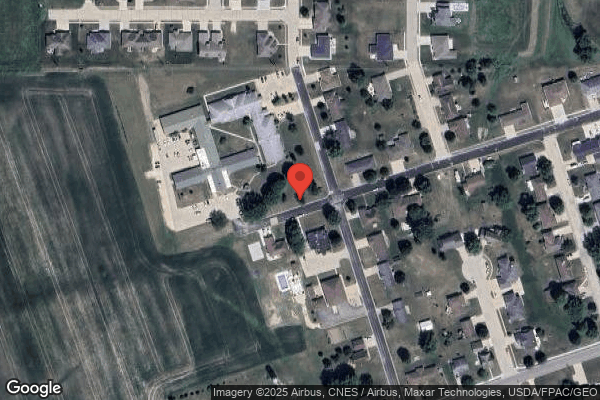
1201 Park Street, Bellevue, IA 52031 (563) 872-5521
For profit - Corporation 46 Beds HEALTHCARE OF IOWA Data: November 2025
Trust Grade
90/100
#51 of 392 in IA
Last Inspection: June 2025

Inspected within the last 6 months. Data reflects current conditions.

Overview

Mill Valley Care Center in Bellevue, Iowa, has received a Trust Grade of A, indicating it is highly recommended and performing excellently compared to other facilities. It ranks #51 out of 392 nursing homes in Iowa, placing it in the top half of the state, and it is the best option among three facilities in Jackson County. The facility's trend is improving, with the number of reported issues decreasing from 2 in 2024 to none in 2025. Staffing is rated 4 out of 5, but with a turnover rate of 51%, which is average for Iowa, meaning staff stability may be a concern. Notably, there were no fines assessed, which is a positive sign. However, some weaknesses were found in the inspector's reports. For example, the facility failed to use proper transfer techniques for a resident, which resulted in an injury. Additionally, there were missed weekly assessments for pressure ulcers in two residents, leading to worsening conditions. Finally, there were concerns about staff using a spoon instead of a napkin to wipe a resident's mouth, indicating potential gaps in proper care practices. Overall, while Mill Valley Care Center has many strengths, families should be aware of these specific issues when considering this facility.

Trust Score
A
90/100
In Iowa
#51/392
Top 13%
Safety Record
Low Risk
No red flags
Inspections
Getting Better
2 → 0 violations
Staff Stability
⚠ Watch
51% turnover. Above average. Higher turnover means staff may not know residents' routines.
Penalties
✓ Good
No fines on record. Clean compliance history, better than most Iowa facilities.
Skilled Nurses
✓ Good
Each resident gets 47 minutes of Registered Nurse (RN) attention daily — more than average for Iowa. RNs are trained to catch health problems early.
Violations
○ Average
10 deficiencies on record. Average for a facility this size. Mostly minor or procedural issues.
★★★★★
5.0
Overall Rating
★★★★☆
4.0
Staff Levels
★★★★☆
4.0
Care Quality
★★★★★
5.0
Inspection Score
Stable
2024: 2 issues
2025: 0 issues

The Good

  • 4-Star Staffing Rating · Above-average nurse staffing levels
  • 4-Star Quality Measures · Strong clinical quality outcomes
  • Full Sprinkler Coverage · Fire safety systems throughout facility
  • No fines on record

Facility shows strength in staffing levels, quality measures, fire safety.

The Bad

Staff Turnover: 51%

Near Iowa avg (46%)

Higher turnover may affect care consistency

Chain: HEALTHCARE OF IOWA

Part of a multi-facility chain

Ask about local staffing decisions and management

The Ugly 10 deficiencies on record

Jul 2024 1 deficiency
CONCERN (D)

Potential for Harm - no one hurt, but risky conditions existed

Accident Prevention (Tag F0689)

Could have caused harm · This affected 1 resident

Based on observation, record review, staff interview, and policy review the facility failed to follow appropriate transfer techniques resulting in injury for 1 of 1 resident reviewed (Resident #184). ...

Read full inspector narrative →
Based on observation, record review, staff interview, and policy review the facility failed to follow appropriate transfer techniques resulting in injury for 1 of 1 resident reviewed (Resident #184). The facility reported a census of 35 residents. Findings include: The Minimum Data Set (MDS) report dated 9/21/23 for Resident #184 documented a Brief Interview for Mental Status score of 6/15 indicating severe cognitive impairment. The MDS further indicated diagnoses including: non-traumatic brain dysfunction, non-Alzheimer's dementia, and arthritis. The Therapy Progress Note dated 10/8/23 reported Resident #184 attempted two stand pivot transfers with two assist but was unable to do it adequately, causing termination of transfer to prevent rolling an ankle. Consultation with nursing and aide staff regarding current level of function was done. The Therapy Communication form dated 10/08/23 and signed by Staff A, Physical Therapist (PT) indicated the resident was an assist of two and total body lift. The Restorative - MDS Communication Log entry dated 10/11/23 signed off by the Restorative Aide and the Director of Nursing (DON) documented Resident #184 was an assist of two with full body lift. The Health Status note dated 10/11/23 at 1:55 PM noted a nurse was called into Resident #184's room by the Certified Nursing Assistant (CNA) for a skin tear to the Lower Left Extremity (LLE). The CNAs stated they were transferring the resident via two assist with a gait belt and walker and the resident's feet got twisted together, causing the skin to tear on the LLE. In an interview on 7/24/24 at 8:02 AM with Staff B, Certified Occupational Therapy Assistant clarified full body lift meant a Hoyer lift. In an interview on 7/24/24 at 8:16 AM Staff C, Speech Therapist explained nurses and CNA's are allowed to provide more assistance with transfers, not less than prescribed. When a transfer level changes, the PT communicates the change with the DON and Restorative Nurse via the communication form. The Restorative Aide then puts a sign in the resident's room with the new transfer level. During an interview on 7/24/24 at 12:24 PM Staff A, PT explained Resident #184 was on her therapy caseload in April as an assist of 1. They picked her back up for right knee pain in the fall and changed her to assist of 2. She had a subluxated patella (partial dislocation) and they got an order for a brace. The resident had a cognitive decline towards the end and therapy wasn't benefiting her. They turned her into a full body lift. Staff A confirmed information is passed through a communication sheet and handed to the Restorative Nurse. The Nurse then gives it to the DON and it is signed off. The DON/Aide updates the sheet in the resident's room. All changes are discussed during the weekly Medicare meeting. The MDS Nurse notes the change on the Care Plan in the Electronic Health Record. In an interview on 7/24/24 at 12:30 PM the MDS Nurse reported she works with the restorative team. She updates the Care Plan after she gets the communication note from therapy. They keep a running sheet between them all to make sure nothing gets missed and they date when it is added to the Care Plan. During an interview on 7/24/24 at 2:04 PM the DON explained there was a lot of change over at the time the resident was transferred incorrectly and that might have played a part in the delay of the information being passed from PT to the team. They also did not have a Restorative Nurse at the time, just the aide, so that too might have impacted the delay. The facility lacked a policy on resident transfers.
Feb 2024 1 deficiency
CONCERN (D) 📢 Someone Reported This

A family member, employee, or ombudsman was alarmed enough to file a formal complaint

Potential for Harm - no one hurt, but risky conditions existed

Quality of Care (Tag F0684)

Could have caused harm · This affected 1 resident

Based on clinical record review, staff interview, and facility policy review, the facility failed to document Weekly Pressure Ulcer Assessments for 2 of 3 residents reviewed with pressure ulcers (Resi...

Read full inspector narrative →
Based on clinical record review, staff interview, and facility policy review, the facility failed to document Weekly Pressure Ulcer Assessments for 2 of 3 residents reviewed with pressure ulcers (Residents #2 and #3). The pressure ulcers for these 2 residents worsened during the missed assessment. The facility reported a census of 34. The Minimum Data Set (MDS) Assessment identifies the definition of pressure ulcers: Stage I is an intact skin with non-blanchable redness of a localized area usually over a bony prominence. Darkly pigmented skin may not have a visible blanching; in dark skin tones only it may appear with persistent blue or purple hues. Stage II is partial thickness loss of dermis presenting as a shallow open ulcer with a red or pink wound bed, without slough (dead tissue, usually cream or yellow in color). May also present as an intact or open/ruptured blister. Stage III Full thickness tissue loss. Subcutaneous fat may be visible but bone, tendon or muscle is not exposed. Slough may be present but does not obscure the depth of tissue loss. May include undermining and tunneling. Stage IV is full thickness tissue loss with exposed bone, tendon or muscle. Slough or eschar (dry, black, hard necrotic tissue). may be present on some parts of the wound bed. Often includes undermining and tunneling or eschar. Unstageable Ulcer: Inability to see the wound bed. Other staging considerations include: Deep Tissue Pressure Injury (DTPI): Persistent non-blanchable deep red, maroon or purple discoloration. Intact skin with localized area of persistent non-blanchable deep red, maroon, purple discoloration due to damage of underlying soft tissue. This area may be preceded by tissue that is painful, firm, mushy, boggy, warmer or cooler as compared to adjacent tissue. These changes often precede skin color changes and discoloration may appear differently in darkly pigmented skin. This injury results from intense and/or prolonged pressure and shear forces at the bone-muscle interface. Findings Include: 1. Review of a Wound/Skin Healing Record dated 11/14/23, documented Resident #2 had a Stage II Pressure Ulcer on her left buttock which measured 0.7 centimeters (cm) x 1.9 cm. Review of a Wound/Skin Healing Record dated 11/28/23, documented Resident #2 had a Stage II Pressure Ulcer on her left buttock which measured 1 cm x 1.8 cm. No noted assessments completed between these 2 dates, showing a 2 week timeframe between assessments. 2. A Wound/Skin Healing Record dated 1/11/24, documented Resident #3 had a Stage II Pressure Ulcer on coccyx which measured 0.5 cm x 0.25 cm. A Wound/Skin Healing Record dated 1/22/24, documented Resident #3 had a Stage II Pressure Ulcer on coccyx which measured 1.5 cm x 1 cm. No noted assessments completed between these dates, showing an 11 day gap between assessments. On 2/7/24 at 3:45 p.m., the Director of Nursing (DON) stated they were unable to find the weekly pressure ulcers requested for Resident #2 and Resident #3. The DON stated she did not know why the assessments were missed and acknowledged the assessments should have been done. A Skin Care: Management of Wounds and Pressure Injuries policy dated 6/20/23, directed staff: a. Wound management involves assessment and proper treatment of wounds to promote healing, minimize pain, and prevent infection. b. Visual assessment with every dressing change. Documented assessment at least weekly.
May 2023 7 deficiencies
CONCERN (D)

Potential for Harm - no one hurt, but risky conditions existed

Resident Rights (Tag F0550)

Could have caused harm · This affected 1 resident

**NOTE- TERMS IN BRACKETS HAVE BEEN EDITED TO PROTECT CONFIDENTIALITY** 2. The MDS Assessment Tool dated 4/10/23, listed diagnoses for Resident #8 that included: severe cognitive disability, dysphagia...

Read full inspector narrative →
**NOTE- TERMS IN BRACKETS HAVE BEEN EDITED TO PROTECT CONFIDENTIALITY** 2. The MDS Assessment Tool dated 4/10/23, listed diagnoses for Resident #8 that included: severe cognitive disability, dysphagia (difficulty swallowing), and muscle weakness. The MDS revealed the resident totally dependent on staff to eat, and complete personal hygiene tasks. The MDS listed the BIMS score as 00 out of 15, indicating severe impaired cognition. During a lunch observation on 5/17/23 at 12:5 5 PM , Staff H, CNA used a spoon to wipe the residents mouth after a bite of food. Staff H repeated this action after the next bite. On 5/17/23 at 12:56 PM, Staff H used a spoon to wipe the residents mouth after a bite of food. Staff H repeated this action after the next bite. During an interview on 5/17/23 at 1:50 PM, Staff G, CNA stated she would use a napkin to wipe a resident's mouth. She stated she has used a spoon before, but does not know if that is correct. During an interview on 5/17/23 at 2:10 PM, Staff E, CNA stated when she assisted Resident #8 to eat she made sure to have napkins. She added she has never used a spoon to wipe a resident's mouth. During an interview on 5/17/23 at 2:45 PM, the DON stated she would expect staff to use a napkin to wipe a resident's mouth when assisting with eating a meal, and it is not acceptable to use a spoon. The policy, dated January 2023, titled Residents' [NAME] of Rights under point A documented the facility must treat each resident with respect and dignity and care for each resident in the manner and in an environment that promotes maintenance or enhancement of his or her quality of life, recognizing each resident's individuality. The facility must protect and promote the rights of the resident. Based on observation, record review, resident and staff interviews, the facility failed to maintain dignity for two of fourteen residents reviewed (Residents #8 and #12). The facility reported a census of 35 residents. Findings Include: 1. The Minimum Data Set (MDS) dated [DATE] identified Resident #12 as cognitively intact with a Brief Interview for Mental Status (BIMS) of 13 out of 15 and had the following diagnoses: Anemia, Hyponatremia and Malnutrition. The MDS identified the resident required extensive staff assistance with most activities of daily living and totally dependent on staff for locomotion on and off the unit and documented the resident as continent of bladder and bowel. In an interview on 5/15/23 at 10:15 AM, as Resident #12 laid in her recliner, she reported some staff will answer her call light right away and some will not. The longest she had to wait to get the light answered was an hour and usually happens at least once a week. She had problems with filling her pants waiting for help to the bathroom, this made her feel terrible. The resident stated it is always the same girl who makes her wait on all different shifts. In an interview on 5/17/23 at 10:10 AM, while Resident #12 rested in her recliner in her room, when asked how staff had responded to her call lights the past few days, she reported she has had to wait as long as 40 minutes. The resident reported this happens when the same staff person works and she chose not to identify. The staff person will come to her room after she turns on the call light, turn it off and says she'll come back. Then she won't come back until after the resident had already wet her pants. The resident commented she did not like that feeling at all. She also reported there are two staff members who will talk on their cellular phones in her room while providing cares. In an interview on 5/17/23 at 11:11 AM, the resident requested to talk to surveyor again. She reported there are two Certified Nursing Assistants (CNA's) who will talk on their cell phones while taking care of her. She had not reported this to anyone about it because she felt it would not do any good. The Care Plan dated 1/17/22 identified the resident with the problem of ability to complete Activities of Daily Living (ADL's) had deteriorated related to impaired mobility, weakness, debility, unsteady gait, chronic pain, and advanced age. The Care Plan updated 2/23/23 and failed to address the issue to answer call lights in a timely manner. A review of the Nurse's Notes documented on 4/19/23, at 6:46 AM, the MDS charted the following: a. Ongoing for unspecified anemia. b. Resident requires one person assist with transfers to and from the restroom. c. Continent of bowel and bladder. Resident uses pull-ups for incontinence supply needs. d. Uses restroom around every 3 to 4 hours. In an interview on 5/17/23 at 1:53 PM, Staff G, CNA reported call lights should be answered within 15 minutes, that staff should address the resident's needs right away. On 5/17/23 at 2:02 PM, Staff E, CNA reported staff should answer call lights within 10 to 15 minutes and address the resident's needs while in the room answering the light. In an interview on 5/17/23 at 2:34 PM, Staff F, Licensed Practical Nurse (LPN) reported staff should answer call lights within 10 minutes. In an interview on 5/17/23 at 3:15 PM, the Director of Nursing (DON) reported any staff member can answer call lights. If the person can not address the resident's needs, they would be expected to let a nursing staff member know. The DON would expect staff to answer call lights within 10 minutes and also reported Resident #12 complained to her about her call lights not being answered in a timely manner. The facility provided an undated Form titled: Resident Rights which documented the following: a. The resident has the right to be treated with respect and dignity including. b. The right to reside and receive services in the facility with reasonable accommodation of resident needs and preferences except when to do so would endanger the health and safety of the resident or other residents.
CONCERN (D)

Potential for Harm - no one hurt, but risky conditions existed

Deficiency F0637 (Tag F0637)

Could have caused harm · This affected 1 resident

**NOTE- TERMS IN BRACKETS HAVE BEEN EDITED TO PROTECT CONFIDENTIALITY** Based on observation, record review and staff interview, the facility failed to complete a significant change MDS (Minimum Data ...

Read full inspector narrative →
**NOTE- TERMS IN BRACKETS HAVE BEEN EDITED TO PROTECT CONFIDENTIALITY** Based on observation, record review and staff interview, the facility failed to complete a significant change MDS (Minimum Data Set) within 14 days after the resident experienced a significant weight loss for one of two residents reviewed (Resident #20). The facility reported a census of 35 residents. Findings Include: 1. The Minimum Data Set (MDS) dated [DATE] identified Resident #20 as cognitively impaired with a Brief Interview for Mental Status (BIMS) score of 8 out of 15 and had the following diagnoses: Atrial Fibrillation (an abnormal heart rhythm), Coronary Artery Disease and Non-Alzheimer's Dementia. The MDS identified the resident required extensive staff assistance with transfers, locomotion on the unit, dressing, toileting, personal hygiene and bathing. Resident #20 totally dependent on staff for locomotion off the unit. The MDS identified the resident with a weight loss of 5% or more in the past month and not on a prescribed weight loss program. A review of the weights documented in the electronic medical record revealed the following: a. On 1/5/2023 at 3:27 PM = 178.8 pounds (lbs) b. On 2/17/2023 at 1:38 PM = 166.0 lbs A review of the Dietitian Progress Notes revealed the following: a. On 1/12/23 10:35 AM - Resident hospitalized [DATE] through 1/5/23 for acute diverticulitis with evidence of perforation and abscess. She returned to facility on a mechanical soft diet (previously on a general diet) Routine snacks offered. Consider nutrition supplement if needed. b. On 2/17/23 2:09 PM, Monthly Weights: February = 166 lbs, January = 178.8 lbs, November = 182 lbs, August = 188 lbs. Triggered for 7.2% weight loss in 1 month, 8.8% weight loss in 3 months, and 11.7% weight loss in 6 months. Noted to have a decrease in food intake last month and nutrition supplement daily (QD) set up for her. Had good intakes of vanilla supplement mixed with milk. Will increase nutrition supplement to three times daily (TID). Will notify the Doctor of significant weight loss and continue to monitor as needed (PRN). c. On 3/10/23 at 11:37 AM, Significant change: Resident has variable intake on the mechanical soft diet with no peas, corn, nuts, or seeds. Her weight is 167.5 lbs, which triggers for 12.1% weight loss in 6 months. Weight History: February = 166 lbs, December = 180 lbs, September = 190.5 lbs. Nutrition supplement QD added in Jan after observing decreased intakes following her hospitalization for diverticulitis and new colostomy. She had significant weight loss in Feb and nutrition supplement increased to TID. Weight stable over 1 month with increase in nutrition supplements. Meds noted; she has Multi-Vitamin supplement in place. No recent labs available. Skin intact. She dines independently in the Main Dining Room (MDR) and is assisted with set up as needed. No chewing or swallowing difficulties with current diet texture. Routine snacks offered. She has good to excellent intake of the nutrition supplement TID. Continue current diet order and interventions. Will notify the Doctor of significant weight loss and continue to monitor PRN. See nutrition assessment. The Significant Weight Loss MDS had not been completed until 20 days after the significant weight loss identified. The Care Plan entry initiated on 3/3/20, documented the resident with variable intake and potential for significant weight change due to pain, weakness, need for texture modified diet. No new interventions had been added to the Care Plan after the Dietitian identified the significant weight loss on 2/17/23 until 3/3/23. On 5/15/23 12:20 PM, Resident #20 now sitting up in wheelchair in the main dining room with continuous oxygen maintained at 3 liters per nasal cannula, per concentrator, respirations even and unlabored. Properly positioned and appears comfortable. Condiments on table, has one cup of coffee and one glass of water in front of her. Waiting to be served lunch. On 5/15/23 12:27 PM, sitting at table with plate of barbecue pork sandwich and mashed potatoes and one dessert bowl of cottage cheese (half eaten) flagged down surveyor and said I'm throwing up again surveyor informed Staff F, Licensed Practical Nurse (LPN) who then pushed the resident out of the main dining room. In an interview on 5/17/23 at 2:34 PM, Staff F, LPN did not know when a Significant Change MDS should be completed after a significant weight loss is identified. In an interview on 5/17/23 at 3:15 PM, the Director of Nursing (DON) did not know when a Significant Change MDS should be completed after a significant weight loss is identified. In an interview on 5/18/23 at 1:15 PM, the Director of Nursing reported the facility did not have a policy on updating MDS forms.
CONCERN (D)

Potential for Harm - no one hurt, but risky conditions existed

Comprehensive Care Plan (Tag F0656)

Could have caused harm · This affected 1 resident

Based on observation, record review and staff interview, the facility failed to develop a Comprehensive Care Plan to address the indwelling catheter the resident had for one of one residents reviewed ...

Read full inspector narrative →
Based on observation, record review and staff interview, the facility failed to develop a Comprehensive Care Plan to address the indwelling catheter the resident had for one of one residents reviewed (Resident #83). The facility reported a census of 35 residents. Findings Include: 1. The resident did not have a completed Minimum Data Set during the survey. The Electronic Medical Record revealed an admission Date of 5/8/23 and identified the following diagnoses for Resident #83: spinal stenosis, benign prostatic hyperplasia (BPH) and overflow incontinence. On 5/9/23 the Care Plan identified the resident with the only problem of involved in activities of choice and did not address the indwelling catheter. The initial observation of the resident on 5/15/23 at 10:25 AM, revealed as the resident sat up in his wheelchair with an indwelling catheter and the catheter bag not placed in a dignity bag and touching the carpeted floor. A review of the Nurse's Notes revealed no documentation of Nurse's admission Assessment Note or any mention of the catheter until 5/16/23. On 5/16/23 at 9:15 AM, a Nurse's Note documented a call placed to Home Health Nurse to find out when the resident's catheter was last changed. In an interview on 5/17/23 at 2:34 PM, Staff F, Licensed Practical Nurse reported the indwelling catheter should have been addressed on the Care Plan. In an interview on 5/17/23 at 3:15 PM, the Director of Nursing (DON) reported she would expect the Care Plan to address the indwelling catheter. A review of the facility policy titled: Comprehensive Care Plan with the last revision date of 7/18/22 had documentation of the following: a. Within 7 days of completion of the comprehensive assessments, all residents should have a computerized Care Plan.
CONCERN (D)

Potential for Harm - no one hurt, but risky conditions existed

Deficiency F0657 (Tag F0657)

Could have caused harm · This affected 1 resident

**NOTE- TERMS IN BRACKETS HAVE BEEN EDITED TO PROTECT CONFIDENTIALITY** Based on clinical record review, staff interviews and policy review, the facility failed to revise a Care Plan with significant ...

Read full inspector narrative →
**NOTE- TERMS IN BRACKETS HAVE BEEN EDITED TO PROTECT CONFIDENTIALITY** Based on clinical record review, staff interviews and policy review, the facility failed to revise a Care Plan with significant weight loss interventions for one of two residents reviewed for Care Plans (Resident #20). The facility reported a census of 35 residents. Findings Include: 1. The Minimum Data Set (MDS) dated [DATE] identified Resident #20 as cognitively impaired with a Brief Interview for Mental Status (BIMS) score of 8 out of 15 and had the following diagnoses: Atrial Fibrillation (an abnormal heart rhythm), coronary artery disease and Non-Alzheimer's Dementia. The MDS identified the resident required extensive staff assistance with transfers, locomotion on the unit, dressing, toileting, personal hygiene and bathing. Resident #20 totally dependent on staff for locomotion off the unit. The MDS identified the resident with a weight loss of 5% or more in the past month and not on a prescribed weight loss program. A review of the weights documented in the electronic medical record revealed the following: a. On 1/5/2023 at 3:27 PM = 178.8 pounds (lbs) b. On 2/17/2023 at 1:38 PM = 166.0 lbs A review of the Dietitian Progress Notes revealed the following: a. On 1/12/23 10:35 AM - Resident hospitalized [DATE] through 1/5/23 for acute diverticulitis with evidence of perforation and abscess. She returned to facility on a mechanical soft diet (previously on a general diet) Routine snacks offered. Consider nutrition supplement if needed. b. On 2/17/23 2:09 PM, Monthly Weights: February = 166 lbs, January = 178.8 lbs, November = 182 lbs, August = 188 lbs. Triggered for 7.2% weight loss in 1 month, 8.8% weight loss in 3 months, and 11.7% weight loss in 6 months. Noted to have a decrease in food intake last month and nutrition supplement daily (QD) set up for her. Had good intakes of vanilla supplement mixed with milk. Will increase nutrition supplement to three times daily (TID). Will notify the Doctor of significant weight loss and continue to monitor as needed (PRN). c. On 3/10/23 at 11:37 AM, Significant change: Resident has variable intake on the mechanical soft diet with no peas, corn, nuts, or seeds. Her weight is 167.5 lbs, which triggers for 12.1% weight loss in 6 months. Weight History: February = 166 lbs, December = 180 lbs, September = 190.5 lbs. Nutrition supplement QD added in Jan after observing decreased intakes following her hospitalization for diverticulitis and new colostomy. She had significant weight loss in Feb and nutrition supplement increased to TID. Weight stable over 1 month with increase in nutrition supplements. Meds noted; she has Multi-Vitamin supplement in place. No recent labs available. Skin intact. She dines independently in the Main Dining Room (MDR) and is assisted with set up as needed. No chewing or swallowing difficulties with current diet texture. Routine snacks offered. She has good to excellent intake of the nutrition supplement TID. Continue current diet order and interventions. Will notify the Doctor of significant weight loss and continue to monitor PRN. See nutrition assessment. The Care Plan entry initiated on 3/3/20, documented the resident with variable intake and potential for significant weight change due to pain, weakness, need for texture modified diet. No new interventions had been added to the Care Plan after the Dietitian identified the significant weight loss on 2/17/23 until 3/3/23. In an interview on 5/17/23 at 2:34 PM, Staff F, Licensed Practical Nurse (LPN) reported the Care Plan should be revised when a significant weight loss is identified. In an interview on 5/17/23 at 3:15 PM, the Director of Nursing (DON) reported she would expect the Care Plan to be revised when a significant weight loss is identified. She would expect Nursing Staff to update the Care Plans. The facility policy titled: Comprehensive Care Plans with the last revision date of 7/18/22 documented the following: a. The Care Plan shall be periodically reviewed and revised by a team of qualified persons after each assessment. b. The Care Plan shall be updated if the resident's medical, nursing, physical, mental, or psychosocial needs or preferences change as a result of an incident of abuse
CONCERN (D)

Potential for Harm - no one hurt, but risky conditions existed

ADL Care (Tag F0677)

Could have caused harm · This affected 1 resident

**NOTE- TERMS IN BRACKETS HAVE BEEN EDITED TO PROTECT CONFIDENTIALITY** Based on observation, record review and staff interview, facility staff failed to provide proper incontinence care in a manner t...

Read full inspector narrative →
**NOTE- TERMS IN BRACKETS HAVE BEEN EDITED TO PROTECT CONFIDENTIALITY** Based on observation, record review and staff interview, facility staff failed to provide proper incontinence care in a manner to prevent potential urinary tract infections for one of one residents reviewed (Resident #2). The facility reported a census of 35 residents. Findings Include: 1. The Minimum Data Set (MDS) dated [DATE] identified Resident #2 as cognitively impaired with a Brief Interview for Mental Status (BIMS) of 0 and had the following diagnoses: Non-traumatic Brain Dysfunction, Unspecified Dementia and Coronary Artery Disease. The MDS identified the resident required extensive staff assist with bed mobility, dressing and personal hygiene and totally dependent on staff for transfers, locomotion on the unit and bathing. The MDS identified the resident as occasionally incontinent of bladder and always incontinent of bowel. During an observation on 5/15/23 of incontinence care for Resident #2 revealed the following: a. At 1:24 PM, Staff E, Certified Nursing Assistant (CNA), used the correct technique, changed surfaces with each wipe then cleansed peri area then both turned resident to her right side. Staff D, CNA held resident up to her side as Staff E, CNA cleansed resident's rectal crease which had a smear of bowel movement (BM). b. At 1:35 PM, Staff D did not change gloves after she cleansed rectal crease and applied barrier ointment to the resident's peri rectal area. c. At 1:43 PM Staff D, donned gloves, emptied basin into sink, (instead of the toilet) In an interview on 5/17/23 at 1:53 PM, Staff G, CNA reported when providing peri cares after a resident had a BM, she would change gloves whenever her gloves got soiled and would empty the basin of water used into the toilet. In an interview on 5/17/23 at 2:02 PM, Staff E, CNA reported when providing peri cares after a resident had a BM, she would change gloves whenever her gloves got soiled and would empty the basin of water used into the toilet. In an interview on 5/18/23 at 12:31 PM, the Director of Nursing (DON) reported she would expect her staff when providing incontinence care after a resident had a BM, to change gloves after they had dealt with the BM and before touching anything clean. She would also expect the CNA's to empty the wash basin into the toilet afterward. A review of the facility policy titled: Incontinence Care dated as effective 10/1/18 documented the following under Procedure: a. Wash hands and don gloves. b. Cleanse all areas of skin that are soiled. c. Remove gloves, wash hands and apply new gloves. d. Apply skin barrier, remove gloves, clean area, make sure resident is comfortable. The policy did not direct staff where to empty the water from the wash basin.
CONCERN (D)

Potential for Harm - no one hurt, but risky conditions existed

Incontinence Care (Tag F0690)

Could have caused harm · This affected 1 resident

Based on observations, record review and staff interviews, the facility staff failed to properly maintain a Foley catheter bag off the floor to prevent potential urinary tract infections for one of on...

Read full inspector narrative →
Based on observations, record review and staff interviews, the facility staff failed to properly maintain a Foley catheter bag off the floor to prevent potential urinary tract infections for one of one residents reviewed with an indwelling catheter (Resident #83). The facility reported a census of 35 residents. Findings Include: 1. Resident #83 did not have a completed Minimum Data Set during the survey. The Electronic Medical Record revealed an admission date of 5/8/23 and had the following diagnoses: spinal stenosis, benign prostatic hyperplasia (BPH) and overflow incontinence. Random observations of the resident revealed the following: a. On 5/15/23 at 10:25 AM, as the resident in a wheelchair in the lobby area near the entrance, the Foley (catheter) bag not properly placed as it touched the carpeted floor. b. On 5/15/23 at 10:39 AM, assessment unchanged, Staff A, Certified Nursing Assistant (CNA) walked by the edge of the main dining room and did not reposition the bag off the floor. c. On 5/15/23 at 10:47 AM, assessment unchanged, Staff B, CNA walked by residents near edge of the main dining room and did not reposition bag off floor. d. On 5/15/23 at 11:15 AM, now sitting up in wheelchair in his room with Foley bag lying on the floor. e. On 5/15/23 at 11:30 AM, assessment unchanged, bag remains on floor. f. On 5/15/23 at 11:48 AM, assessment unchanged, bag remains on floor. g. On 5/15/23 at 12:06 PM, now sitting up in wheelchair at main dining room table with both feet on the floor, Foley bag remains laying on the floor. h. On 5/15/23 at 12:38 PM, the Restorative Nurse stood at the resident's table, talking to resident's wife who is also a resident, the Restorative Nurse did not reposition bag off floor. CNA's at other tables assisted residents to eat and failed to address the catheter bag lying on the floor. i. On 5/15/23 at 12:55 PM, resident able to push himself away from the main dining room table with the Foley bag still on the floor. j. On 5/15/23 at 1:44 PM, resident sitting in wheelchair outside his room, talking on his cell phone. Foley bag remains on the floor. Staff D, CNA and Staff E, CNA walked out of the room next door, neither one adjusted the position of the bag. k. On 5/15/23 at 1:47 PM, Staff C, CNA stood in doorway to the resident's room, did not adjust the bag off the floor, resident then self propelled into the room with bag dragging across the carpeting then the floor in the room. l. On 5/16/23 at 10:40 AM, the resident sitting up in wheelchair in common area by front door, Foley bag in dignity bag below wheelchair seat, however, tubing noted on the floor. m. On 5/16/23 at 11:04 AM, assessment unchanged, tubing remains on the floor n. On /16/23 at 11:08 AM, noted the resident's daughter pushed his wheelchair around to face the TV, tubing remains on the floor. o. On 5/16/23 at 11:33 AM, assessment unchanged, with tubing on the floor. p. On 5/16/23 at 11:35 AM, resident remains in wheelchair and able to self propel to his room with tubing dragging on the floor. In an interview on 5/17/23 at 1:53 PM, Staff G, CNA reported if a resident had an indwelling catheter, she would need to put the bag in the privacy bag and make sure the tubing doesn't get twisted. In an interview on 5/17/23 at 2:02 PM, Staff E, CNA reported if a resident had an indwelling catheter, she would need to make sure tubing is below the bladder that it's not kinked up and place in a privacy bag. The tubing should also be kept off the floor. In an interview on 5/18/23 at 12:31 PM, the Director of Nursing (DON) reported she would expect her staff to ensure residents with indwelling catheters that the bag and tubing were kept below the level of the bladder, ensure the tubing isn't kinked and when out of the room, make sure the bag is in a dignity bag. A review of the facility policy titled: Catheter Care dated as effective 10/1/18 had documentation of the following: Tubing and bag should not touch the floor.
CONCERN (D)

Potential for Harm - no one hurt, but risky conditions existed

Deficiency F0725 (Tag F0725)

Could have caused harm · This affected 1 resident

**NOTE- TERMS IN BRACKETS HAVE BEEN EDITED TO PROTECT CONFIDENTIALITY** Based on observation, record review, resident and staff interview, the facility failed to answer call lights in a timely manner ...

Read full inspector narrative →
**NOTE- TERMS IN BRACKETS HAVE BEEN EDITED TO PROTECT CONFIDENTIALITY** Based on observation, record review, resident and staff interview, the facility failed to answer call lights in a timely manner for two or fourteen residents reviewed. (Residents #4 and #12) The facility reported a census of 35 residents. Findings Include: 1. The Minimum Data Set (MDS) dated [DATE] identified Resident #4 as cognitively impaired with a Brief Interview for Mental Status (BIMS) score of 6 out of 15 and had the following diagnoses: COVID-19, Coronary Artery Disease and Chronic Obstructive Pulmonary Disease. The MDS identified the resident required extensive staff assist with most activities of daily living and totally dependent on staff for locomotion on the unit and bathing. Observations of the resident revealed the following on 5/15/23 at the following times: a. At 3:00 PM, the call light to resident's room on, not flashing. Resident laid in bed lying on back, did not appear to be in distress, bed in high position. Currently no staff in hallway. b. At 3:07 PM, the call light remained on, the Activity Coordinator walked past the room without checking on the resident. c. At 3:09 PM, the call light remained on, the Activity Coordinator walked by the room again without checking on the resident d. At 3:13 PM, male Physical Therapy Staff Member assisted another resident to ambulate past this room, did not check on resident in room [ROOM NUMBER]. Call light remains on. One of the residents in the room yelled out help! e. At 3:14 PM, the Activity Coordinator again walked past the resident's room without checking on the resident. f. At 3:21 PM, Staff G, Certified Nursing Assistant (CNA) in the hallway and assisted another resident to walk into another room then closed the door. The call light to Resident #4's room has now been on for 21 minutes g. At 3:28 PM, Staff C, CNA walked into the room, turned off the call light and checked on the resident who asked for a snack. The call light had been on for 28 minutes. On 6/29/17, the Care Plan identified the resident with the problem of risk for falling (revised 3/28/23) and did not direct staff to answer call lights in a timely manner or address resident's needs if they see the call light on. 2. The MDS dated [DATE] identified Resident #12 as cognitively intact with a BIMS score of 13 out of 15 and with the following diagnoses: Anemia, Hyponatremia and Malnutrition. The MDS identified the resident required extensive staff assistance with most activities of daily living and totally dependent on staff for locomotion on and off the unit and the resident continent of bladder and bowel. In an interview on 5/15/23 at 10:15 AM, as the resident laid in her recliner and reported some staff will answer her call light right away and some will not. The longest she had to wait to get the light answered was an hour and usually happens at least once a week. Resident #12 reported problems with filling her pants waiting for help to the bathroom and this made her feel terrible. It's always the same girl who makes me wait, all different shifts. In an interview on 5/17/23 at 10:10 AM, as the resident rested in her recliner in her room, when asked how staff had responded to her call lights the past few days, she reported she has had to wait as long as 40 minutes. It always happens when one staff person works who she chose not to identify. The unidentified staff will come to her room after she turns on the call light, turn it off and says she'll come back. Then she won't come back until after the resident had already wet her pants and she did not like that feeling at all. In an interview on 5/17/23 at 11:11 AM, the resident requested to talk to Surveyor again. She reported there are two CNAs who will talk on their cell phones while taking care of her. She had not reported this to anyone about it because she felt it would not do any good. On 1/17/22, the Care Plan identified the resident with the problem of ability to complete Activities of Daily Living (ADL's), had deteriorated related to impaired mobility, weakness, debility, unsteady gait, chronic pain, and advanced age. The Care Plan updated on 2/23/23 failed to address the issue to answer call light in a timely manner. A review of the Nurse's Notes had the following documentation: On 4/19/2023 at 6:46 a.m., the MDS charting ongoing for unspecified anemia. Resident requires one person assist with transfers to and from the restroom. Continent of bowel and bladder. Resident uses pull-ups for incontinence supply needs. Uses restroom around every 3 to 4 hours. In an interview on 5/17/23 at 1:53 PM, Staff G, CNA reported call lights should be answered within 15 minutes and staff should address the resident's needs right away. On 5/17/23 at 2:02 PM, Staff E, CNA reported staff should answer call lights within 10 to 15 minutes and address the resident's needs while in the room answering the light. In an interview on 5/17/23 at 2:34 PM, Staff F, Licensed Practical Nurse (LPN) reported staff should answer call lights within 10 minutes. In an interview on 5/17/23 at 3:15 PM, the Director of Nursing (DON) reported any staff member can answer call lights. If the person can not address the resident's needs, they would be expected to let a Nursing Staff Member know. She would expect staff to answer call lights within 10 minutes. The DON reported Resident #12 had complained to her about her call lights not being answered in a timely manner. In an interview on 5/18/23 at 1:15 PM, the DON reported the facility did not have a policy on call lights.
Apr 2023 1 deficiency
CONCERN (D) 📢 Someone Reported This

A family member, employee, or ombudsman was alarmed enough to file a formal complaint

Potential for Harm - no one hurt, but risky conditions existed

Report Alleged Abuse (Tag F0609)

Could have caused harm · This affected 1 resident

**NOTE- TERMS IN BRACKETS HAVE BEEN EDITED TO PROTECT CONFIDENTIALITY** Based on record review, staff interviews and policy review the facility failed to report allegations of alleged abuse in a timel...

Read full inspector narrative →
**NOTE- TERMS IN BRACKETS HAVE BEEN EDITED TO PROTECT CONFIDENTIALITY** Based on record review, staff interviews and policy review the facility failed to report allegations of alleged abuse in a timely manner for 1 of 2 residents reviewed (Resident #3). The facility reported a census of 33 residents. Findings Include: Resident #3's Minimum Data Set (MDS) assessment dated [DATE] listed diagnoses that included: anemia, coronary artery disease, seizure disorder and depression. The MDS reflected Resident #3 as rarely understood, and continuously distracted. The Brief Interview for Mental Status (BIMS) score of 9 out of 15 indicated moderately impaired cognitive status for the resident. The MDS indicated Resident #3 required limited assist of one staff with transfer, toileting and personal hygiene. Review of the 5 day Investigative Summary revealed on 2/12/23 Staff A, Certified Nursing Assistant (CNA) reported to Administration, Staff B, Registered Nurse (RN) roughly pushed Resident #3 back into his wheelchair when he attempted to get up from the chair on 2/3/23. She did not immediately report the abuse to a supervisor due to threats from Staff B, RN. The Psychosocial Progress Note for Resident #3 dated 2/14/23 revealed follow up for a nurse who allegedly roughly shoved resident into his wheelchair and was told to sit down. During an interview on 4/11/23 at 11:01 AM, Staff A, CNA stated she heard Resident #3 scream and then she saw Staff B, RN push Resident #3 back into his wheelchair when he attempted to get up. Staff yelled at Resident #3 and used profanity in an angry voice to make the resident sit back down. Staff A failed to report the incident to a Supervisor at the time of the incident related to threats Staff B, RN made to her. Staff A stated she was not educated to report Abuse when she started to work at the facility. During an interview on 4/12/23 at 9:39 AM with Staff C, CNA stated the facility never directed him to report Abuse but he is aware to report it as soon as you are able. During an interview on 4/13/23 at 2:20 PM, Staff D, RN, Nurse Consultant, reported would expect the facility to do an investigation and suspend the staff. Also staff should report it immediately if they suspect abuse. During an interview on 4/13/23 at 2:35 PM, the Administrator stated she would expect staff to report immediately to the Supervisor and as the Administrator, would like to be informed immediately if staff witness abuse or suspect abuse to a resident. Review of the facility policy dated October 2022 titled Nursing Facility Abuse Prevention, Identification, Investigation, and Reporting Policy directed staff all allegations of Resident abuse, neglect, exploitation, mistreatment, injuries of unknown origin and misappropriation should be reported immediately to the Charge Nurse. The Charge Nurse is responsible for immediately reporting the allegations of abuse to the Administrator, or the designated representative.
Understanding Severity Codes (click to expand)
Life-Threatening (Immediate Jeopardy)
J - Isolated K - Pattern L - Widespread
Actual Harm
G - Isolated H - Pattern I - Widespread
Potential for Harm
D - Isolated E - Pattern F - Widespread
No Harm (Minor)
A - Isolated B - Pattern C - Widespread

Questions to Ask on Your Visit

  • "Can I speak with families of current residents?"
  • "What's your RN coverage like on weekends and overnight?"

Our Honest Assessment

Strengths
  • • Grade A (90/100). Above average facility, better than most options in Iowa.
  • • No major safety red flags. No abuse findings, life-threatening violations, or SFF status.
  • • No fines on record. Clean compliance history, better than most Iowa facilities.
Concerns
  • • No significant concerns identified. This facility shows no red flags across CMS ratings, staff turnover, or federal penalties.
Bottom line: Generally positive indicators. Standard due diligence and a personal visit recommended.

About This Facility

What is Mill Valley Care Center's CMS Rating?

CMS assigns Mill Valley Care Center an overall rating of 5 out of 5 stars, which is considered much above average nationally. Within Iowa, this rating places the facility higher than 99% of the state's 100 nursing homes. This rating reflects solid performance across the metrics CMS uses to evaluate nursing home quality.

How is Mill Valley Care Center Staffed?

CMS rates Mill Valley Care Center's staffing level at 4 out of 5 stars, which is above average compared to other nursing homes. Staff turnover is 51%, compared to the Iowa average of 46%. RN turnover specifically is 58%, which is notably high. RNs provide skilled clinical oversight, so turnover in this role can affect medical care quality.

What Have Inspectors Found at Mill Valley Care Center?

State health inspectors documented 10 deficiencies at Mill Valley Care Center during 2023 to 2024. These included: 10 with potential for harm.

Who Owns and Operates Mill Valley Care Center?

Mill Valley Care Center is owned by a for-profit company. For-profit facilities operate as businesses with obligations to shareholders or private owners. The facility is operated by HEALTHCARE OF IOWA, a chain that manages multiple nursing homes. With 46 certified beds and approximately 42 residents (about 91% occupancy), it is a smaller facility located in Bellevue, Iowa.

How Does Mill Valley Care Center Compare to Other Iowa Nursing Homes?

Compared to the 100 nursing homes in Iowa, Mill Valley Care Center's overall rating (5 stars) is above the state average of 3.1, staff turnover (51%) is near the state average of 46%, and health inspection rating (5 stars) is much above the national benchmark.

What Should Families Ask When Visiting Mill Valley Care Center?

Based on this facility's data, families visiting should ask: "Can I visit during a mealtime to observe dining assistance and food quality?" "How do you handle medical emergencies, and what is your hospital transfer rate?" "Can I speak with family members of current residents about their experience?"

Is Mill Valley Care Center Safe?

Based on CMS inspection data, Mill Valley Care Center has a clean safety record: no substantiated abuse findings (meaning no confirmed cases of resident harm), no Immediate Jeopardy citations (the most serious violation level indicating risk of serious injury or death), and is not on the Special Focus Facility watch list (a federal program monitoring the lowest-performing 1% of nursing homes). The facility has a 5-star overall rating and ranks #1 of 100 nursing homes in Iowa. While no facility is perfect, families should still ask about staff-to-resident ratios and recent inspection results during their visit.

Do Nurses at Mill Valley Care Center Stick Around?

Mill Valley Care Center has a staff turnover rate of 51%, which is about average for Iowa nursing homes (state average: 46%). Moderate turnover is common in nursing homes, but families should still ask about staff tenure and how the facility maintains care continuity when employees leave.

Was Mill Valley Care Center Ever Fined?

Mill Valley Care Center has no federal fines on record. CMS issues fines when nursing homes fail to meet care standards or don't correct problems found during inspections. The absence of fines suggests the facility has either maintained compliance or corrected any issues before penalties were assessed. This is a positive indicator, though families should still review recent inspection reports for the full picture.

Is Mill Valley Care Center on Any Federal Watch List?

Mill Valley Care Center is not on any federal watch list. The most significant is the Special Focus Facility (SFF) program, which identifies the bottom 1% of nursing homes nationally based on persistent, serious quality problems. Not being on this list means the facility has avoided the pattern of deficiencies that triggers enhanced federal oversight. This is a positive indicator, though families should still review the facility's inspection history directly.