Jackson Ridge Healthcare Center
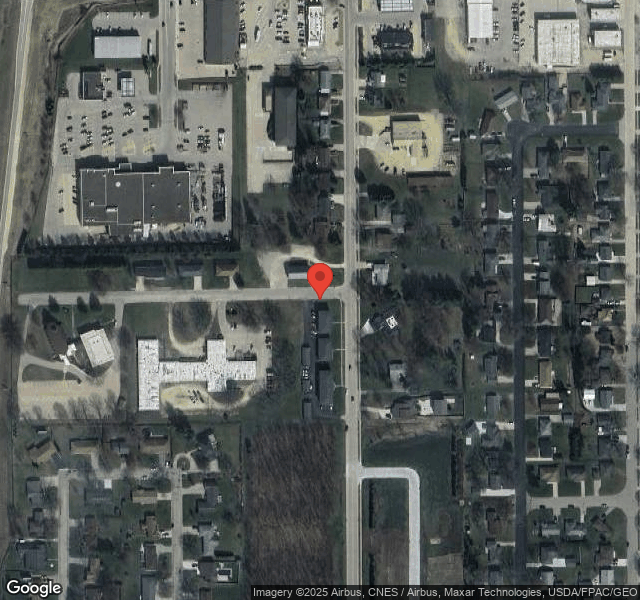
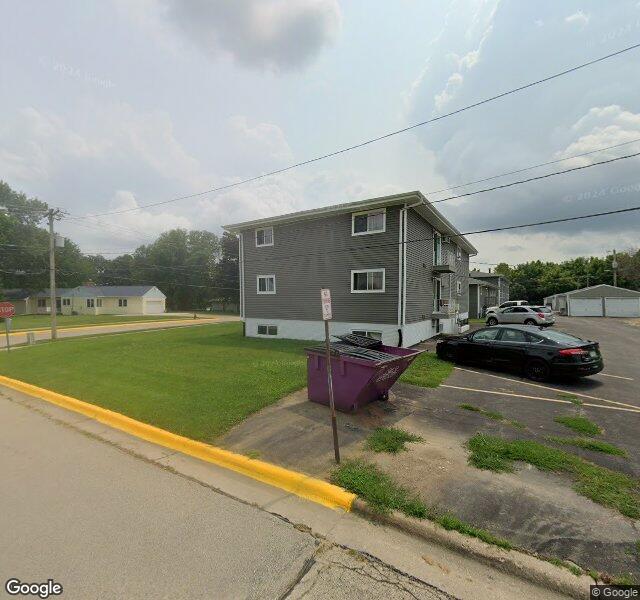
1015 Wesley Drive, Maquoketa, IA 52060 (563) 652-4968
For profit - Limited Liability company 75 Beds SHLOMO HOFFMAN Data: November 2025
Trust Grade
65/100
#202 of 392 in IA
Last Inspection: June 2025

Inspected within the last 6 months. Data reflects current conditions.

Overview

Jackson Ridge Healthcare Center has a Trust Grade of C+, indicating a decent but slightly above-average level of care. It ranks #202 out of 392 nursing homes in Iowa, placing it in the bottom half, but it is #2 out of 3 in Jackson County, meaning only one local option is better. The facility is improving, having reduced its issues from 10 in 2024 to 5 in 2025. Staffing is a strength with a 4 out of 5-star rating and a low turnover of 30%, indicating that staff are stable and familiar with the residents. However, there have been some concerning incidents, such as failing to provide the proper pureed diet for residents and not ensuring that food was stored correctly to minimize the risk of foodborne pathogens. Additionally, the facility has struggled with maintaining an effective quality assurance process, which resulted in repeated deficiencies. While there are strengths, such as good staffing and no fines, these weaknesses highlight areas that need attention for the well-being of the residents.

Trust Score
C+
65/100
In Iowa
#202/392
Bottom 49%
Safety Record
Low Risk
No red flags
Inspections
Getting Better
10 → 5 violations
Staff Stability
○ Average
30% turnover. Near Iowa's 48% average. Typical for the industry.
Penalties
✓ Good
No fines on record. Clean compliance history, better than most Iowa facilities.
Skilled Nurses
○ Average
Each resident gets 33 minutes of Registered Nurse (RN) attention daily — about average for Iowa. RNs are the most trained staff who monitor for health changes.
Violations
⚠ Watch
18 deficiencies on record. Higher than average. Multiple issues found across inspections.
★★★☆☆
3.0
Overall Rating
★★★★☆
4.0
Staff Levels
★★★☆☆
3.0
Care Quality
★★★☆☆
3.0
Inspection Score
Stable
2024: 10 issues
2025: 5 issues

The Good

  • 4-Star Staffing Rating · Above-average nurse staffing levels
  • Full Sprinkler Coverage · Fire safety systems throughout facility
  • No fines on record
  • Staff turnover below average (30%)

    18 points below Iowa average of 48%

Facility shows strength in staffing levels, fire safety.

The Bad

3-Star Overall Rating

Near Iowa average (3.1)

Meets federal standards, typical of most facilities

Staff Turnover: 30%

16pts below Iowa avg (46%)

Typical for the industry

Chain: SHLOMO HOFFMAN

Part of a multi-facility chain

Ask about local staffing decisions and management

The Ugly 18 deficiencies on record

Jun 2025 5 deficiencies
CONCERN (D)

Potential for Harm - no one hurt, but risky conditions existed

Comprehensive Care Plan (Tag F0656)

Could have caused harm · This affected 1 resident

**NOTE- TERMS IN BRACKETS HAVE BEEN EDITED TO PROTECT CONFIDENTIALITY** Based on observation, record review, and staff interviews the facility failed to follow a Care Plan intervention for 1 out of 3 ...

Read full inspector narrative →
**NOTE- TERMS IN BRACKETS HAVE BEEN EDITED TO PROTECT CONFIDENTIALITY** Based on observation, record review, and staff interviews the facility failed to follow a Care Plan intervention for 1 out of 3 residents reviewed with weight loss. (Resident #1) The facility identified a census of 59 residents. Findings include: The Minimum Data Set (MDS) dated [DATE] for Resident #1 indicated a Brief Interview for Mental Status (BIMS) score of 2 which indicates severe cognitive impairment. It further indicated diagnoses including: hypertension, non - Alzheimer's Dementia, and cerebrovascular accident. The MDS indicated Resident #1 required extensive assist from staff for transfers, bathing, dressing, and personal hygiene. Resident #1 was independent with eating. The MDS indicated Resident #1 had a weight loss. On 06/23/25 at 12:28 PM to 1:15 PM during a continuous observation Resident #1 ate her dessert and then got up per self and staff assisted back to her recliner in the main lounge area next to the dining area. The regular lunch had not been served yet. Resident drank a glass of milk per self but did not drink the orange drink in front of her. During the meal service no one offered her a plate of food or assisted her back to the table to eat the main part of the meal. On 06/24/25 at 08:08 AM observed Resident #1 at the table in the main dining room with a water glass and 3 cups with liquids in them drinking them independently. Resident attempted to get up per self and staff assisted her to the recliner in the main lounge area. Dietary started serving food at 8:15 AM no one ever offered her a plate of food or attempted to redirect her back to the table for the breakfast meal or brought a tray to the recliner. Review of the Care Plan revealed an intervention dated 12/14/24 which directed staff Resident #1 is independent with intakes of foods/fluid after set-up from the staff. She likes to eat in the recliner in the main lobby of the facility. Resident #1 needs cueing from the staff as she often refuses meals. On 06/26/25 at 09:57 AM Staff H, Certified Nursing Assistant (CNA) regarding Resident #1 when she walks away she goes over to her recliner and we try to redirect and she refuses but then we will give her the drink in her recliner. Then when the food comes out we try to redirect her back to table. We have not tried to set up a tray at the recliner. At least while I have been working, dietary has never brought out the food and put it on an over-bed table. We know what the Care Plan instructs us to do by the kardex in our charting or on the computer in the electronic health record. If there are changes to the Care Plan there is a binder with communication sheets which entails any changes like their transfers or diets. 06/26/25 10:04 AM Staff D, Registered Nurse (RN) stated Resident #1 has supplements we give her at meal times and we give her snacks throughout the day. When she walks away from the table we do try to redirect her. It's kind of hit and miss and they should redirect her back to the table. She has ate some meals at the recliner, we definitely have tried to get her to eat but she will refuse there also. It's more redirection and attempt to give her what she wants to eat. You can look at the kardex or look at it on the electronic health record for her Care Plan. On 06/26/25 at 10:20 AM the Director of Nursing stated she would expect staff to follow the Care Plan. She states Resident #1 refuses the meals we offer and the staff will offer snacks all day long. The facility provided an untitled policy dated 11/17 which directed responsible staff will be informed of the interventions that are identified in the care plan. They will receive notification initially and when changes are made.
CONCERN (D)

Potential for Harm - no one hurt, but risky conditions existed

Infection Control (Tag F0880)

Could have caused harm · This affected 1 resident

Based on observation, policy review, manufacturer's directions for cleaning and disinfection, and staff interview, the facility failed to properly sanitize a blood glucose meter used for multiple resi...

Read full inspector narrative →
Based on observation, policy review, manufacturer's directions for cleaning and disinfection, and staff interview, the facility failed to properly sanitize a blood glucose meter used for multiple residents (Residents #5, #7, and #21). The facility identified a census of 59 residents. Findings include: Observation of the 6/25/25 morning medication administration revealed the following: On 6/25/25 at 7:20 AM Staff D, Registered Nurse (RN) reported there is one blood glucose machine (Assurance Platinum meter) on each medication cart that is used for multiple residents. She voiced there are two residents that share the machine on the East hallway, Residents #5 and #21. Observation on 6/25/25 at 7:22 AM revealed Staff D entered Resident #5 room to perform a blood glucose check. She placed the blood glucose meter, cotton balls, lancet, and alcohol prep pads at the foot end of Resident #5 unmade bed. After applying gloves, she moved the blood glucose machine, alcohol pads, lancet, and cotton balls to the Resident's bedside table without a clean barrier underneath. Staff D pulled a container of blood glucose strips out of her right uniform pocket, opened and placed a strip in the machine. At 7:26 AM Staff D completed the blood glucose check, walked out to the medication cart and placed the blood glucose meter and bottle of strip on top of the medication cart without a clean barrier or disinfecting the items. Staff D wiped down the blood glucose machine with a Sani Cloth in a back and forth motion on each side of the machine, less than 10 seconds, threw the Sani Cloth in the garbage and placed the meter in the medication cart. Interview completed 6/25/25 at 1:34 PM Staff E, Licensed Practical Nurse (LPN) explained they clean the blood glucose meter after each use. They wipe down the machine with a Sani Wipe, throw away the wipe and let the meter air dry on its own. Staff E first stated she didn't think there was a required time to keep the meter wet, then Staff E went to the medication cart, checked the container, and said it is two minutes. On 6/25/25 at 1:50 PM the Infection Preventionist provided a list documenting Resident #5 utilized the blood glucose meter before meals and at hour of sleep; Resident #21 utilized the blood glucose meter twice a day and Resident #7 utilized the blood glucose meter as needed. A 6/25/26 review of Resident #5, #7, and #21 June 2025 Electronic Treatment Administration Record (ETAR) revealed all the resident's had utilized the blood glucose meter. During an interview on 6/26/25 at 8:04 AM the Infection Preventionist explained she expects the nurses to sanitize the blood glucose meter with a Sani Cloth and let it sit in the Sani Cloth for the required wet time, then air dry the meter on a paper towel. The nurses are all required to place blood glucose supplies on a clean barrier in the resident rooms. The Policy for Care of Multi Use Glucometer (Blood Sugar Meter) and Blood Sugar Sampling directed the nurses to cleanse the machine with a manufacturer recommended wipe product and follow the product specifications for use. The Policy failed to address the use of a clean barrier under supplies when completing a blood glucose check. The Super Sani-Cloth Germicidal Disposable Wipe General Guides for Use documented to use a wipe to remove visible soil prior to disinfecting, unfold a clean wipe and thoroughly wet surface, allow treated surface to remain wet for two minutes, let air dry. The Arkray Technical Brief, Cleaning and Disinfecting the Assure Platinum Blood Glucose Monitoring System (BGMS) documented the meter should be cleaned and disinfected after use on each patient. The Brief directed the Cleaning Procedure is needed to clean dirt, blood and other bodily fluids off the exterior of the meter before performing the disinfecting procedure. The Disinfecting Procedure is needed to prevent the transmission of blood-borne, pathogens. The Brief Cleaning and Disinfecting FAQ included the cleaning and disinfecting cannot be accomplished with one wipe. Each time the cleaning and disinfecting procedure is preformed, two wipes are needed. One wipe to clean the meter and a second wipe to disinfect the meter. The Brief further documented Cleaning and Disinfecting the blood glucose meter is a high priority as meters are at a high risk of becoming contaminated with blood-borne pathogens such as Hepatitis (inflammation of the liver) B Virus, Hepatitis C Virus, and Human Immunodeficiency Virus (HIV, a virus that attacks the body's immune system). Transmission of these viruses from resident to resident has been documented due to contaminated blood glucose devices. According to the Center for Disease Control and Prevention, cleaning and disinfecting the meters between resident use can prevent the transmission of these viruses through indirect contact.
CONCERN (E)

Potential for Harm - no one hurt, but risky conditions existed

Menu Adequacy (Tag F0803)

Could have caused harm · This affected multiple residents

**NOTE- TERMS IN BRACKETS HAVE BEEN EDITED TO PROTECT CONFIDENTIALITY** Based on observation, document review, clinical record review, policy review, and staff interview, the facility failed to serve ...

Read full inspector narrative →
**NOTE- TERMS IN BRACKETS HAVE BEEN EDITED TO PROTECT CONFIDENTIALITY** Based on observation, document review, clinical record review, policy review, and staff interview, the facility failed to serve the Dietician approved menu for 5 of 5 residents receiving a pureed diet. (Residents #1, #8, #19, #43, #46). The facility identified a census of 59 residents. Findings include: An untitled document provided by the facility on 6/23/25 documented Residents #1, #8, #19, #43, and #46 on pureed diets. A 6/24/25 Week Two Dietician approved Menu for Tuesday documented the following puree menu: a. Beef cube pepper steak, 1 serving (4 ounces (Oz.) b. French onion rice, 1 serving (4 Oz) c. Buttered peas, #12 scoop d. Seasonal fresh fruit, 1 serving Observation on 6/24/25 at 10:42 AM Staff A, [NAME] reported the facility had five residents on pureed diets and she planned to puree five servings of each item. Staff A placed five, 4 Oz. servings of peas into the Avamix blender, adding 1 ¼ cups milk to blend the mixture. She poured the mixture into a large measuring cup and reported the total volume as 2.5 cups. Staff A utilized the Pureed Diet Portion Sizes/Scoop Chart and stated the serving size was a #8 scoop. Staff A covered the steam pan with two servings of peas with foil and wrote peas #8 on top. During an observation on 6/24/25 at 10:52 AM Staff A placed 5 servings of beef cube pepper steak into the Avamix blender, added 1 cup milk and blended. She reported the total volume of the mixture as 3.5 cups. Staff A utilized the Pureed Diet Portion Sizes/Scoop Chart and voiced the serving size as #6 slightly heaping (SH) scoop. Staff A covered both steam pans with foil and label one steam pan unit, meat #6 SH and the other pan East, meat #6 SH. Observation on 6/24/25 at 11:04 AM Staff A placed five, #8 (4 Oz.) servings of French onion rice into the Avamix blender, added 1 ½ cups milk for volume and blended. Staff A reported the total volume of the mixture as 4 cups. She utilized the Pureed Diet Portion Sizes/Scoop Chart and verbalized the serving size as two #10 scoops. Staff A covered both steam pans with foil and wrote, unit, rice, #10 x 2 on one pan and East, rice, #10 x 2 on the second steam pan. Observation on 6/24/25 at 11:52 AM revealed Staff A served a #6 scoop of beef cube pepper steak, portion under the rim of the #6 scoop (not heaped) and one #10 scoop of the French onion rice to Residents #8, #19, and #43. At 12:31 PM Staff A served Resident #46 a #6 non-heaped scoop of beef cube pepper steak and one #10 scoop of French onion rice. At 12:33 PM Staff A plated a #6 non-heaped scoop of beef cube pepper steak with bits of blacked, burned pieces on top after scraping the steam pan; placed a half of a #10 scoop of French onion rice with dark blackened pieces on the plate and ¼ of a #8 scoop of peas on Resident #1 plate. The plate was served out to Resident #1. A 6/24/25 review of Resident #1 Minimum Data Set (MDS) assessment dated [DATE] documented Resident #1 with a significant weight loss (5% or more in the last month or loss of 10% or more in last 6 months) and not on a physician prescribed weight loss regimen. The Electronic Healthcare Record (EHR) revealed Resident #1 went from 129 pounds to 102.5 pounds in six months. On 6/24/25 at 12:50 PM Staff A voiced it was 'her bad.' They had run out of pureed food and that happens a lot. The scoops are weird. She further verbalized she hadn't prepared an extra serving and that was the problem. She got nervous and didn't prepare an extra portion today. Interview on 6/24/25 at 3:05 PM Staff B, [NAME] reported there are five residents on puree diets and she always prepares an extra serving and corrects the pureed total volume to a lower measured level so when she uses the chart it will ensure a larger serving size. She doesn't run out of pureed food. She writes down the puree serving sizes in a notebook and places the correct scoop into each steam pan to ensure she serves out the correct serving size. During an interview on 6/24/25 at 3:15 PM the Certified Dietary Manager (CDM) voiced she expects staff to use heaping measurements for each serving during the puree preparation and to prepare an extra serving to ensure there is plenty of pureed food. Interview completed on 6/25/25 at 4:35 PM, the Consulting Dietician explained the facility prepares the exact number of puree diet portions to the number of residents on pureed diets. She expects the dietary staff to put in a little extra food to accommodate for the loss of food when the food is transferred from container to container during the preparation process. If food runs out during the meal, she would expect the staff to prepare another pureed portion of the menu item. The staff are to follow the approved menu as written. The undated Pureed Process Procedure directed to measure the total volume of the food after it is pureed and divide the total volume of the pureed food by the original number of the portions. See the Puree Scoop Chart. The undated Menu Policy lacked direction to the staff to follow and serve the Dietician approved menu.
CONCERN (E)

Potential for Harm - no one hurt, but risky conditions existed

Food Safety (Tag F0812)

Could have caused harm · This affected multiple residents

Based on observation, policy review, and staff interview, the facility failed to minimize the risk of foodborne pathogens by storing dishes wet; failed to cover food during transport, and failed to ma...

Read full inspector narrative →
Based on observation, policy review, and staff interview, the facility failed to minimize the risk of foodborne pathogens by storing dishes wet; failed to cover food during transport, and failed to maintain proper food temperatures. The facility identified a census of 59 residents. Findings include: Observation on 6/24/25 at 11:08 AM revealed Staff C, Dietary Aide (DA) continually taking wet dishes from the dish rack and placing back in storage. Finally, Staff C removed a glass 8-cup measuring cup and two white spatulas from a dish rack on the clean side of the dishwasher. Staff C hung the measuring cup and two spatulas above the preparation table where Staff A, [NAME] prepared the puree food items for the noon meal. The 8-cup measuring cup observed with water droplets all along the top rim of the cup and the two spatulas had water droplets on the backside of the spatulas which hung touching each other on the rack. Observation on 6/24/25 at 12:44 PM Staff B pushed a cart with Resident #10 and #17 room trays out of the kitchen and down the hallway without covering the fruit bowls. Staff C transported the uncovered fruit approximately 45 feet to Resident #10 room and approximately 90 feet to Resident #17 room. During an interview on 6/24/25 at 12:45 PM Staff A reported all food items are to be covered when transporting food down the hallways to resident rooms. Final food temperatures taken 6/24/25 at 12:46 PM at the completion of meal service revealed the following: a. Mechanical soft beef cube pepper steak 133 degrees Fahrenheit (F) b. Pureed French onion rice 110.2 degrees F A palatability test at 12:50 PM revealed the French onion rice tasted warm at best. Interview completed on 6/24/25 at 12:49 PM, Staff A reported they are required to hold hot foods on the steam table at 135 degrees. An interview conducted on 6/24/25 at 3:05 PM Staff B verbalized hot foods are to be held at 135 degrees on the steam table. All food items have to be covered when transported out of the kitchen. They have plate and lid covers of all sizes to cover glasses and bowls. During an interview on 6/24/25 at 3:16 PM the Certified Dietary Manager explained she has trained the staff to ensure equipment is dry before storing to prevent bacteria from growing on dishes/equipment. She expects all food items to be covered when food is transported back to resident rooms. They have lids to cover all food items for transport. Staff are trained to hold hot food at 135 degrees or higher on the steam table. No food shall be served out to residents if less than 135 degrees. Interview completed on 6/25/25 at 4:35 PM the Consulting Dietician explained she had been with the facility for around two years. She audits the kitchen for sanitation, food preparation, and food temperatures. She couldn't recall if the facility had issues with dish storage on the prior survey, but dishes should always be put away once dry. All food is to be covered when being transported out of the kitchen. The undated Room Tray Policy directed all food and drink would be covered for transport and served at the proper temperatures. The undated Food Temperatures Policy directed all hot food must be served to the resident at the temperature of at least 135 degrees at the time of the resident receiving it.
CONCERN (E)

Potential for Harm - no one hurt, but risky conditions existed

Deficiency F0865 (Tag F0865)

Could have caused harm · This affected multiple residents

Based on observation, document review, policy review, and staff interview, the facility failed to ensure an effective Quality Assurance Performance Improvement (QAPI) process to address a previously i...

Read full inspector narrative →
Based on observation, document review, policy review, and staff interview, the facility failed to ensure an effective Quality Assurance Performance Improvement (QAPI) process to address a previously identified quality deficiency, resulting in a repeated deficiency identified on two consecutive recertification surveys within 10 months. The facility reported a census of 59 residents. Findings include: The Center for Medicare and Medicaid (CMS) 2567 Form from the recertification survey dated 7/29/24 - 8/07/24 documented the facility failed to ensure dishes were dry before storing. The facility Plan of Correction (POC) dated 8/08/24 documented a stop and dry sign was created and hung above the clean storage side of the dishwasher. The Registered Dietician or designee would complete weekly audits for sanitation and drying of equipment. An audit would be conducted for 12 weeks and then reviewed by the QAPI committee for compliance. The facility's current survey 6/23/25 to 6/26/25 resulted in deficient practices regarding the storage of wet dishes in the kitchen. Observation on 6/24/25 at 11:08 AM revealed Staff C, Dietary Aide (DA) continually taking wet dishes from the dish rack and placing back in storage. Finally, Staff C removed an 8-cup measuring cup and two white spatulas from a dish rack on the clean side of the dishwasher. Staff C hung the measuring cup and two spatulas above the preparation table where Staff A, [NAME] prepared the puree food items for the noon meal. The 8-cup measuring cup observed with water droplets all along the top rim of the cup and the two spatulas had water droplets on the backside of the spatulas which hung touching on the rack. During an interview on 6/24/25 at 3:16 PM the Certified Dietary Manager explained she has trained the staff to ensure equipment is dry before storing to prevent bacteria from growing on dishes/equipment. A 6/25/25 8:38 AM observation of the kitchen dishwasher revealed no stop and dry sign on the clean side of the dishwasher. Staff F, Dietary Aide reported she thought there had been a stop and dry sign on the clean side of the dishwasher, but it hadn't been there for some time. Interview completed on 6/25/25 at 4:35 PM the Consulting Dietician explained she had been with the facility for around two years. She audits the kitchen for sanitation. She couldn't recall if the facility had issues with dish storage on the prior survey, but dishes should always be put away once dry. During an Interview on 6/26/25 at 10:10 AM the Administrator reported she oversees the QAPI program. She thought the sign reminding to put dishes away when dry was still hanging by the dishwasher on the dirty side of the dishwasher. Observation 6/26/25 at 10:15 AM with the Administrator revealed a Low Temp Dish Machine Guideline Poster hanging on the dirty side of the dishwasher. Under Daily Warewash Procedures the poster directed staff to allow dishes to drain and air dry in small print. Further interview with the Administrator on 6/26/25 at 10:21 AM revealed, the Administrator, Consulting Dietician, and Staff G, Consultant all assist with doing random kitchen audits which included observation for storage of dry dishes. The process had been run through the QAPI program and the random audits continued. They all work on kitchen audits. Staff C is a newer employee within the past three months and was not involved in the prior kitchen survey. On 2/26/25 at 10:52 AM the Administrator provided Huddle Meeting documentation dated 2/27/25 for Staff C. The Huddle Team Meeting Notes, 2/27/25, Topic Machine Dishwashing directed to never overload the dish racks and to air dry all items. The Huddle Team Meeting notes directed to use the Low Temp Dishmachine Guidelines Poster as a resource. The undated QAPI Plan Policy outlined goals are specific, measurable, actionable, relevant and have a timeline for completion. Methods used to monitor care and services include survey results (2567). The Administrator and QAPI team will analyze the information. The QAPI team will be responsible to monitor and ensure that interventions or actions are implemented and effective in making improvements.
Aug 2024 10 deficiencies
CONCERN (D)

Potential for Harm - no one hurt, but risky conditions existed

Notification of Changes (Tag F0580)

Could have caused harm · This affected 1 resident

**NOTE- TERMS IN BRACKETS HAVE BEEN EDITED TO PROTECT CONFIDENTIALITY** Based on observation, record review, family and staff interview, the facility failed to document the physician and family were n...

Read full inspector narrative →
**NOTE- TERMS IN BRACKETS HAVE BEEN EDITED TO PROTECT CONFIDENTIALITY** Based on observation, record review, family and staff interview, the facility failed to document the physician and family were notified of 2 of 2 changes in condition (Residents #23 after a fall with skull fracture and #49 after a significant amount of bloody urine returned after an indwelling catheter was inserted). The facility reported a census of 47 residents. Findings include: 1. The Minimum Data Set (MDS) dated [DATE] identified Resident #23 as cognitively impaired with a BIMS (Brief Interview for Mental Status) of 03 and had the following diagnoses: Coronary Artery Disease, Heart Failure, and Non-Alzheimer's Dementia. The MDS identified Resident #23 was dependent on staff for assistance with oral hygiene and personal hygiene and required substantial/maximal assistance with toileting and dressing. The MDS also identified Resident #23 had 2 falls with no injury and one fall with minor injury. On 11/3/23, the Care Plan identified Resident #23 at risk for falls related to Alzheimer's Disease and psychotropic medication use. Interventions included: a. Bed alarm in place to alert staff to resident movement for safety due to recent cognitive changes resulting in poor safety awareness b. If fall occurs, follow facility fall protocol A review of the Incident Report dated 7/14/24 at 7:00 AM had documentation of the following: Nursing description: Called to room by staff as heard bed alarm going off and witnessed resident fall hitting head on wall on back upper head and landing on left side of hip. Resident Description: I was walking A review of the Nurse's Progress Notes had documentation of the following: 7/14/24 at 7:00 AM Staff heard alarm going off and saw Resident #23 fall, hit his head on wall and landed on his left side. Assessed head to toe. No new skin areas noted. A slightly reddened area 2 cm (centimeters) by 1 cm on the back of his upper head. ROM (range of motion) as usual. Pupils equal and reactive. Denies any pain or discomfort no nausea or vomiting, alert and responsive. Vital signs table Assisted up per Hoyer lift and two staff to standing. The note did not have documentation to show the physician or family had been notified of the fall. 7/14/24 12:01 PM Telephone call to Resident #23's Family Member and she requested Resident #23 be sent to ER (Emergency Room) to be evaluated. Physician called and received a new order received to send to ER to be evaluated. Sent to ER. 7/14/24 4:42 PM Received call from the hospital. Resident #23 will be coming back to facility. No new orders. CT scan showed a fracture of the temple area. In an interview on 7/31/24 at 1:08 PM, Staff I, LPN reported the following: a. When a resident has a fall and hits their head, the nurse should complete a head to toe assessment, do neuro checks, contact the doctor and family, neuro assessments every 15 minutes for 1 hour, every 30 minutes for 1 hour and every 8 hours until 72 hours has passed. b. The doctor and family should be notified before the shift ends. c. Assessments should be charted on the neuro flow sheet, condition report for the doctor and in the progress notes d. When a resident is sent to the ER, the nurse should document vitals, condition, a head to toe assessment, that she contacted the doctor and family, and whoever is on call, call the ambulance, give a report and how they were transported to the ER. e. When Resident #23 fell on 7/14/24, she reported she did not witness the fall. It had been reported to her by Staff H, CMA who said she witnessed the fall. Staff H reported he fell against the wall and hit his head. Staff I assessed Resident #23 and found a little reddened area to the right posterior part of his head. The area was not raised or open and was about 2 centimeters in size. This was the second fall Resident #23 had that day. Staff I was in Unit 1 when the fall occurred. She would usually stay on Unit 1 and a CMA would oversee Unit 2. f. The only fall precaution that she could recall that Resident #23 had was a pad alarm underneath him which goes off when he gets up. In an interview on 8/5/24 at 10:55 AM, Staff G, CNA reported the following: When Resident #23 fell on 7/14/24, she worked on East hall and when she arrived to Unit 2, Resident #23 was on the floor. His alarm was going off and by the time they got there, he was already on the floor. Staff C, CMA was in the room and Staff I, LPN came to assess him. After that fall, they started having a nurse stay back in Unit 2, the men's unit. Before that it was just one nurse between Unit 1 and 2 and that nurse usually stayed on Unit 1. After Resident #23 was supposed to be transferred with assist of one with gait belt and standby assist. Resident #23 did not go to the hospital until later that afternoon around 2:00 PM. The family was upset that he had hit is head and they were not called. 2. The Minimum Data Set (MDS) dated [DATE] identified Resident #49 as severely cognitively impaired without a BIMS score conducted. The MDS also identified Resident #49 had the following diagnoses: Non-Traumatic Brain Dysfunction, Non-Alzheimer's Dementia, and Renal Insufficiency (Kidney Failure). The MDS also identified Resident #49 required partial/moderate assistance with oral hygiene, toileting, dressing, and personal hygiene and required substantial/maximal assistance with showers. The MDS also identified Resident #49 to be incontinent of urine and stool. A review of the Nurse's Progress Notes had documentation of the following: 7/2/24 5:24 AM Resident #49 had 4 moderate amounts of red drainage from penis ranging from red to reddish/brown. Lower abdomen firm and tender to touch, slightly distended. There was no documentation to show the physician was notified. 7/3/24 1:24 AM Foley catheter inserted with an immediate return of 600 cc red drainage. There was no documentation to show the physician was notified. On 4/22/24, the Care Plan identified Resident #49 with the problem of recurrent prostatitis and directed staff to monitor/document for signs and symptoms of Prostatitis: need to urinate often, burning/stinging and/or pain with urination, decreased amount of urine with each urination, rectal pain/pressure, pain low back and/or pelvis, discharge from urethra during BMs (bowel movements). In an interview on 8/5/24 at 3:36 PM, the DON (Director of Nursing) reported the following: a. When a resident has an unwitnessed fall and hits their head, she would expect the nurse to notify the physician and family as soon as possible. b. She would expect them to complete an assessment right away for a baseline and document this in the risk management or nurse's notes. c. The family and physician should have bee notified immediately after Resident #23 fell, she had no explanation as to why there was a 5 hour gap between the fall and the initial call to the family and physician. A review of the Facility Policy titled: Change of Condition Resident Physician dated as last revised 12/23/16 had documentation of the following: a. Between the hours of 8:00 AM and 10:00 PM seven days a week, the attending Physician or Nurse Practitioner shall be notified of all conditions or health status changes. b. Between the hours of 10:00 PM and 8:00 AM, the attending physician or physician on call should be notified of any change in condition, health status or incident that: aa. Resulted in an injury that has the potential for physician intervention bb. Abnormal diagnostic values that fall out of the normal range cc. Acute symptoms, ie: unusual bleeding or other conditions as deemed necessary. A review of the Facility Policy titled: Change in Resident's Condition or Status, dated as last revised February 2021 had documentation of the following: Policy Statement: Our facility promptly notifies the resident, his or her attending physician, and the resident representative of changes in the resident's medical/mental condition and/or status (e.g., changes in level of care, billing/payments, resident rights, etc.). The nurse will notify the resident's attending physician or physician on call when there has been a(an): a. accident or incident involving the resident; b. discovery of injuries of an unknown source; c. adverse reaction to medication; d. significant change in the resident's physical/emotional/mental condition; e. need to alter the resident's medical treatment significantly; f. refusal of treatment or medications two (2) or more consecutive times); g. need to transfer the resident to a hospital/treatment center; h. discharge without proper medical authority; and/or i. specific instruction to notify the physician of changes in the resident's condition. Unless otherwise instructed by the resident, a nurse will notify the resident's representative when: a. the resident is involved in any accident or incident that results in an injury including injuries of an unknown source; b. there is a significant change in the resident's physical, mental, or psychosocial status; c. there is a need to change the resident's room assignment; d. a decision has been made to discharge the resident from the facility; and/or e. it is necessary to transfer the resident to a hospital/treatment center.
CONCERN (D) 📢 Someone Reported This

A family member, employee, or ombudsman was alarmed enough to file a formal complaint

Potential for Harm - no one hurt, but risky conditions existed

Safe Environment (Tag F0584)

Could have caused harm · This affected 1 resident

**NOTE- TERMS IN BRACKETS HAVE BEEN EDITED TO PROTECT CONFIDENTIALITY** Based on observation, record review, and staff interviews, the facility failed to repair a bathroom light in one room (Resident ...

Read full inspector narrative →
**NOTE- TERMS IN BRACKETS HAVE BEEN EDITED TO PROTECT CONFIDENTIALITY** Based on observation, record review, and staff interviews, the facility failed to repair a bathroom light in one room (Resident #23) and door casings to 6 other rooms in Unit 2. The facility reported a census of 47 residents. Findings include: 1. The Minimum Data Set (MDS) dated [DATE] identified Resident #23 as cognitively impaired with a BIMS (Brief Interview for Mental Status) of 03 and had the following diagnoses: Coronary Artery Disease, Heart Failure, and Non-Alzheimer's Dementia. The MDS also identified Resident #23 was dependent on staff for assistance with oral hygiene and personal hygiene and required substantial/maximal assistance with toileting and dressing. The MDS also identified Resident #23 had 2 falls with no injury and one fall with minor injury. In an observation on 7/30/24 6:12 AM, Staff E, CNA and Staff O, CMA/CNA assisted resident to stand in his bathroom. Staff E tried to turn on the light switch, the light would not turn on. Both aides stood in the dark bathroom with the resident as he voided into the toilet. Resident #23 said turn the light on. however, the light still would not turn on. At 6:26 AM after both staff assisted Resident #23 back to his bed they went to the bathroom to wash their hands and the light then lit up. 2. In an observation on 7/30/24 11:06 AM, the door casing to left side of entrance to room [ROOM NUMBER] had a piece approximately 2.5 feet long missing with sharp edges exposed. On 7/31/24 at 8:28 AM, the door casing remains unchanged. 3. During a review of Unit 2 on 8/1/24 at 8:53 AM, observations revealed the following: room [ROOM NUMBER]- 1.5 feet portion missing from the trim with sharp edges exposed. room [ROOM NUMBER]- 3 inch area of rough exposed wood in door casing. room [ROOM NUMBER]- 2 feet portion missing from the casing with sharp edges exposed. room [ROOM NUMBER]- 1 inch gouge noted with sharp edges exposed. room [ROOM NUMBER]- 3 gouges from 1/2 inch to 2 inches wide, with sharp edges exposed. In an interview on 8/5/24 at 10:55 AM, Staff G, CNA reported a. Usually first thing in the morning Resident #23's light doesn't work, but after things get warmed up, they turn on without problems. b. If she sees door casings are missing pieces and have sharp edges, she would write it in the maintenance book. When the maintenance supervisor completes the work orders, he initials them and it stays in the book. In an interview on 8/5/24 at 11:12 AM, Staff E, CNA reported the other day in Resident #23's room was the first time the bathroom light wouldn't work. It has happened in another room. When things like that happen or when we see rough sharp edges around the door frame, the staff are supposed to tell the Maintenance Supervisor about it, fill out a work order and put it in the Maintenance Supervisor's door. In an interview on 8/5/24 at 3:03 PM, the Maintenance Supervisor reported the following: a. He was not made aware of the problems with light bulbs not working in the bathrooms in the residents' rooms. He had not received any work orders to address that issue. b. If staff find problems that he needs to repair, there is a notebook with work orders outside his office door. The other notebook is behind the East nurse's desk. He checks this book every day. After he completes the task, he documents it on the work order on paper. c. He was only made aware of two resident room doors that needed repair. He was waiting on parts to arrive. Some of the staff could not find pieces that were broken off the door. d. He was unsure of how long the door casings were in need of repair. The previous corporation would not allow him to buy anything to repair things. The new corporation is better about allowing him to purchase what he needs. In an interview on 8/5/24 at 3:36 PM, the DON (Director of Nursing) reported the following: a. When staff sees that door casings are broken with sharp edges exposed, she would expect them to write in the maintenance book. There is one on East by med refrigerator and there should be another one in Unit 2. b. The work orders for maintenance are kept in the notebook. c. When the work order is completed, the Maintenance Supervisor will sign each off as they are completed. d. She was not aware that there were lights in Unit 2 that were not working properly. Staff should have completed a work order and put it in the Maintenance Notebook. A review of the policy titled: Work Orders dated as last revised December 2004 had documentation of the following: a. In order to establish a priority of maintenance service, work orders must be filled out and forwarded to the maintenance director. b. It shall be the responsibility of the department directors to fill out and forward such work orders to the maintenance director. c. A supply of work orders is maintained at each nurses' station. d. Work order requests should be placed in the appropriate file basket at the nurses' station. Work orders are picked up daily. e. Emergency requests will be given priority in making necessary repair.
CONCERN (D)

Potential for Harm - no one hurt, but risky conditions existed

Deficiency F0657 (Tag F0657)

Could have caused harm · This affected 1 resident

**NOTE- TERMS IN BRACKETS HAVE BEEN EDITED TO PROTECT CONFIDENTIALITY** Based on record review and staff interviews the facility failed to update a Care Plan to indicate the residents correct transfer...

Read full inspector narrative →
**NOTE- TERMS IN BRACKETS HAVE BEEN EDITED TO PROTECT CONFIDENTIALITY** Based on record review and staff interviews the facility failed to update a Care Plan to indicate the residents correct transfer status for one out of one Care Plan reviewed (Resident #22). The facility identified a census of 47 residents. Findings include: The MDS for Resident #22 dated 6/10/24, listed diagnoses of atrial fibrillation (irregular heartbeat), hypertension (high blood pressure), and diabetes mellitus (DM). The Brief interview for Mental Status (BIMS) reflected a score of 3, severely impaired cognition. The MDS reflected Resident #22 dependent on staff for transfers. Review of the Care Plan with intervention dated 6/4/24 revealed Resident #22 is dependent on 2 staff for Sara lift or Hoyer (mechanical lift) for transfers. The therapy recommendations dated 6/13/24 revealed assist times 2 staff with front wheeled walker. Staff to use assist times 2 with front wheeled walker wheelchair to follow for distance. The notes from weekly medicare meeting minutes dated 6/14/24 reflected to change Resident #22 to assist with two with front wheeled walker wheelchair to follow. The occupational therapy notes dated 8/1/24 revealed discharge recommendations for assist times two with front wheeled walker. On 08/01/24 at 10:13 AM Staff J, Certified Nursing Assistant (CNA) stated staff need to look on the [NAME] and the Care Plan for how much assist to provide with a transfer for residents. She looked at the the [NAME]/Care Plan in the electronic health record (EHR) for Resident #22 and stated it does say Sara lift or Hoyer. She stated this was changed when she completed therapy. On 08/01/24 at 10:19 AM Staff I, Licensed Practical Nurse (LPN) stated when physical or occupational therapy changes transfer status it should be updated on the Care Plan. Staff go to the Care Plan to know what amount of assist to provide a resident for transfers. On 08/01/24 at 10:22 AM the Director of Nursing (DON) stated everything should be updated on the Care Plan. The MDS coordinator should update during the medicare meeting if a residents transfer status changed. She stated if Resident #22 Care Plan says a mechanical lift [NAME] or Hoyer lift that is wrong she has been upgraded to a transfer with one. On 08/01/24 at 10:26 AM Staff K, Occupational Therapy stated Resident #22, she should be a 2 person assist for transfers the communication form was provided to the MDS Coordinator to update the Care Plan. The facility provided an untitled policy with a revision date of 11/17 which directed staff the comprehensive Care Plan will at a minimum identify the following: a. Services that will be furnished to attain or maintain the resident's highest practicable physical, mental, and psychosocial well-being.
CONCERN (D) 📢 Someone Reported This

A family member, employee, or ombudsman was alarmed enough to file a formal complaint

Potential for Harm - no one hurt, but risky conditions existed

ADL Care (Tag F0677)

Could have caused harm · This affected 1 resident

**NOTE- TERMS IN BRACKETS HAVE BEEN EDITED TO PROTECT CONFIDENTIALITY** Based on observation, record review, and staff interview, the facility failed to document 3 of 3 residents had been given shower...

Read full inspector narrative →
**NOTE- TERMS IN BRACKETS HAVE BEEN EDITED TO PROTECT CONFIDENTIALITY** Based on observation, record review, and staff interview, the facility failed to document 3 of 3 residents had been given showers twice a week. (Residents #6, #34, and #38). The facility reported a census of 47 residents. Findings include: 1. The Minimum Data Set (MDS) dated [DATE] identified Resident #6 as severely cognitively impaired with a BIMS (Brief Interview for Mental Status) of 03 and had the following diagnoses: Stroke, Coronary Artery Disease, and Hemiplegia (paralysis of one side of the body). The MDS also identified Resident #6 was dependent on staff for all activities of daily living and had a feeding tube. Observations of Resident #6 include the following: 7/30/24 at 7:08 AM Resident #6 sat up in her wheelchair wearing clean clothing and gripper socks, however, her hair stuck straight up and appeared greasy as if it had not been shampooed for a few days. 7/31/24 at 8:16 AM Resident #6 was asleep in bed without any clothing on, had a [NAME] Strap across her abdomen and covered with a sheet from her lower abdomen to her feet. Her hair stuck straight up and appeared greasy, with a slight odor noted. 7/31/24 at 9:24 AM assessment unchanged A review of Resident #6's shower records for May, June, and July 2024 revealed the following: May 2024 Scheduled Wednesday and Saturday nights No documentation of showers for 7 days from May 2 through 8, June 2024 No documentation of showers for 6 days from June 3 through 8, for 7 days from June 20 through 26 July 2024 No documentation of showers for 7 days from 7 through 13, 6 days from July 21 through 26 On 4/17/23, the Care Plan identified Resident #6 with the problem of having an ADL (activities of daily living) self-care performance deficit related to a stroke and dementia. The Care Plan directed staff to provide assistance with showering 2 times per week and PRN (as needed). If she is being combative with cares, assist of two is recommended to ensure safety. 2. The Minimum Data Set (MDS) dated [DATE] identified Resident #34 as severely cognitively impaired with a BIMS (Brief Interview for Mental Status) score of 03 out of 15. The MDS also identified Resident #34 with the following diagnoses: Non-Traumatic Brain Dysfunction, Alzheimer's Disease, and Atrial Fibrillation. The MDS also identified Resident #34 as dependent on staff for assistance with oral hygiene, required substantial/maximal assistance with toileting, showers, and personal hygiene. A review of Resident #34's shower records for May, June, and July 2024 revealed the following: May 2024 Scheduled Wednesday and Sunday nights No showers documented for 10 days from May 10 through 19, for 4 days from 23 through 26 June 2024 No showers documented for 6 days from June 7 through 12, 6 days from 21 through 26 July 2024 No showers documented for 6 days from July 12 through 17 On 4/7/23, the Care Plan identified Resident #34 with the problem of having an ADL (activities of daily living) self-care performance deficit related to Alzheimer's Disease and Dementia with Behavioral Disturbances. The Care Plan directed staff to provide assistance of one with showers twice a week and PRN. 3. The Minimum Data Set (MDS) dated [DATE] identified Resident #38 as severely cognitively impaired with a BIMS (Brief Interview for Mental Status) of 03 and had the following diagnoses: Non-Traumatic Brain Dysfunction, Non-Alzheimer's Dementia, and COPD (Chronic Obstructive Pulmonary Disease). The MDS also identified Resident #38 required substantial/maximal assistance with personal hygiene, showers, and toileting and required only set up assist with other activities of daily living. A review of Resident #38's shower records for May, June and July 2024 revealed the following: May 2024 Documentation showed showers given for all scheduled days. June 2024 No documentation of showers given for 6 days from June 19 through 24. July 2024 No documentation of showers given for 6 days from July 6 through 11 and for 6 days from July 24 through 29. On 1/12/24, the Care Plan identified Resident #38 with the problem of having an ADL (activities of daily living) self-care performance deficit related to impaired mobility and dementia with behavioral disturbances. The Care Plan directed staff to provide assistance with showering. Assist of two recommended when resistive behaviors are noted. In an interview on 8/5/24 at 3:36 PM, the DON (Director of Nursing) reported the following: a. Thee majority of residents are scheduled to have showers twice a week, there is one resident that wants it daily. b. When the resident refuses, she would expect the aide to re-approach and try again. The CNA will document in the electronic medical record that the resident refused, but they cannot document a narrative note. She would expect the nurse to document the reason why in Progress Notes. A review of the undated facility policy titled: Shower did not direct staff to attempt to provide at least 2 showers a week, the need to report if the resident refuses to shower, despite re-approaching the resident later and the need for the nurse to document why the resident refused and interventions taken.
CONCERN (D) 📢 Someone Reported This

A family member, employee, or ombudsman was alarmed enough to file a formal complaint

Potential for Harm - no one hurt, but risky conditions existed

Accident Prevention (Tag F0689)

Could have caused harm · This affected 1 resident

**NOTE- TERMS IN BRACKETS HAVE BEEN EDITED TO PROTECT CONFIDENTIALITY** 3. The MDS for Resident #22 dated 6/10/24, listed diagnoses of atrial fibrillation (irregular heartbeat), hypertension (high blo...

Read full inspector narrative →
**NOTE- TERMS IN BRACKETS HAVE BEEN EDITED TO PROTECT CONFIDENTIALITY** 3. The MDS for Resident #22 dated 6/10/24, listed diagnoses of atrial fibrillation (irregular heartbeat), hypertension (high blood pressure) and diabetes mellitus (DM). The Brief interview for mental status (BIMS) reflected a score of 3, severely impaired cognition. The MDS reflected Resident #22 dependent on staff for transfers. During an observation on 07/29/24 at 2:04 PM surveyor heard screaming coming from Resident #22 room. The surveyor knocked on the door and entered room, Staff J, Certified Nursing Assistant (CNA) in room completed a transfer of Resident #22 with one person and gait belt. Staff J completed the transfer from residents wheelchair to her recliner. Resident #22 stated that is not the way the transfer is supposed to be completed. Staff J stated she did a pivot transfer with her and she will not be doing that again because it did not go well. Review of the Care Plan with intervention dated 6/4/24 revealed Resident #22 is dependent on 2 staff for Sara lift or Hoyer (mechanical lift) for transfers. The therapy recommendations dated 6/13/24 revealed assist times 2 staff with front wheeled walker. Staff to use assist times 2 with front wheeled walker wheelchair to follow for distance. The notes from weekly medicare meeting minutes dated 6/14/24 reflected to change Resident #22 to assist with two with front wheeled walker wheelchair to follow. The occupational therapy notes dated 8/1/24 revealed discharge recommendations for assist times two with front wheeled walker. On 08/01/24 at 10:13 AM Staff J, Certified Nursing Assistant (CNA) stated staff need to look on the [NAME] and the Care Plan for how much assist to provide with a transfer for residents. She looked at the the [NAME]/Care Plan in the electronic health record (EHR) for Resident #22 and stated it does say Sara lift or Hoyer. She stated this was changed when she completed therapy. On 08/01/24 at 10:19 AM Staff I, Licensed Practical Nurse (LPN) stated when physical or occupational therapy changes transfer status it should be updated on the Care Plan. Staff go to the Care Plan to know what amount of assist to provide a resident for transfers. On 08/01/24 at 10:22 AM the Director of Nursing (DON) stated everything should be updated on the Care Plan. The MDS coordinator should update during the medicare meeting if a residents transfer status changed. She stated if Resident #22's Care Plan says a mechanical lift [NAME] or Hoyer lift that is wrong she has been upgraded to a transfer with one. On 08/01/24 at 10:26 AM Staff K, Occupational Therapy stated Resident #22, she should be a 2 person assist for transfers the communication form was provided to the MDS Coordinator to update the Care Plan. On 08/01/24 at 10:27 AM the DON stated if Resident #22 is a 2 person assist I would expect the staff to be using 2 people to transfer her and a gait belt. They should follow the Care Plan for transfer status. The facility provided an undated policy titled Transfer Techniques which directed staff to obtain help when necessary, or as identified on the care plan/care card. Based on observation, record review, family and staff interview, the facility failed to utilize proper transfer techniques for 1 of 3 residents observed for transfers (Resident #22) and failed to utilize the proper technique to push 2 of 2 residents observed in wheelchairs (Residents #23 and #27). The facility reported a census of 47 residents. Findings include: 1. The Minimum Data Set (MDS) dated [DATE] identified Resident #23 as cognitively impaired with a BIMS (Brief Interview for Mental Status) of 03 out of 15 and had the following diagnoses: Coronary Artery Disease, Heart Failure, and Non-Alzheimer's Dementia. The MDS also identified Resident #23 was dependent on staff for assistance with oral hygiene and personal hygiene and required substantial/maximal assistance with toileting and dressing. The MDS also identified Resident #23 had 2 falls with no injury and one fall with minor injury. On 11/3/23, the Care Plan identified Resident #23 at risk for falls related to Alzheimer's Disease and psychotropic medication use. In an observation of cares on 7/30/24 at 6:17 AM, Staff O, CMA/CNA pushed Resident #23 in his wheelchair without the foot pedals on and his feet skimming the floor from his bathroom to beside his bed.(approximately 15 to 20 feet). 2. The Minimum Data Set (MDS) dated [DATE] identified Resident #27 as moderately cognitively impaired with a BIMS (Brief Interview for Mental Status) of 07 and had the following diagnoses: Non-Traumatic Brain Dysfunction, Atrial Fibrillation (an abnormal heart rhythm), and Coronary Artery Disease. The MDS also identified Resident #27 was dependent on staff for assistance with toileting, showers, dressing, personal hygiene, and transfers. The MDS also identified Resident #27 had a history of one fall without injury. A review of the Care Plan revealed no interventions placed to address the need to place foot pedals on the wheelchair prior to transporting Resident #27. Observations of the staff transporting Resident #27 in his wheelchair revealed the following: 7/30/24 8:10 AM after Staff I, LPN administered insulin in the shower room, she pushed Resident #27 in his wheelchair without foot pedals on and with his feet skimming the floor. Staff I pushed Resident #27 from the shower room to the main dining room (approximately 50 feet). 7/31/24 8:47 AM Staff E, CNA pushed Resident #27 in his wheelchair with his left foot on one foot pedal, and the right foot without foot pedal and skimming the floor. In an interview on 8/5/24 at 3:36 PM, the DON (Director of Nursing) reported the following: Before staff are ready to transport a resident in a wheelchair, she would expect them to make sure there are foot pedals on the wheelchair and that the resident's feet are on the foot pedals.
CONCERN (D) 📢 Someone Reported This

A family member, employee, or ombudsman was alarmed enough to file a formal complaint

Potential for Harm - no one hurt, but risky conditions existed

Pharmacy Services (Tag F0755)

Could have caused harm · This affected 1 resident

**NOTE- TERMS IN BRACKETS HAVE BEEN EDITED TO PROTECT CONFIDENTIALITY** Based on observation, record review, and staff interview, the facility failed to ensure narcotics were properly secured for one ...

Read full inspector narrative →
**NOTE- TERMS IN BRACKETS HAVE BEEN EDITED TO PROTECT CONFIDENTIALITY** Based on observation, record review, and staff interview, the facility failed to ensure narcotics were properly secured for one of two medication carts reviewed and failed to properly dispose of an undated insulin pen for Resident #27. The facility reported a census of 47 residents. Findings include: 1. The Minimum Data Set (MDS) dated [DATE] identified Resident #27 as moderately cognitively impaired with a BIMS (Brief Interview for Mental Status) of 07 and had the following diagnoses: Non-Traumatic Brain Dysfunction, Atrial Fibrillation (an abnormal heart rhythm), and Coronary Artery Disease. The MDS also identified Resident #27 was dependent on staff for assistance with toileting, showers, dressing, personal hygiene, and transfers. The MDS also identified Resident #27 had a history of one fall without injury. In an observation on 7/30/24 7:40 AM, Staff I, LPN removed a Lantus insulin pen from the medication cart and verified the Lantus pen was not dated when opened. Staff I obtained two new pens of Lantus and Humalog. Staff I then left the undated Lantus pen on top of the medication cart in the dining room where multiple residents sat waiting to be served breakfast. No other staff were noted in the dining room when Staff I failed to dispose of the undated Lantus pen before she pushed Resident #27 into the shower room. In an interview on 7/31/24 at 1:08 PM, Staff I, LPN reported the following: When she has an insulin pen that was not dated and replaces it, she would need to throw the undated pen away right away. She admitted she forgot to do that the other day. 2. On 7/30/24 at 4:27 AM, during a review of the medication cart on Unit 1 with Staff N, RN verified the narcotic drawer was not locked. Staff N immediately locked the drawer. In an interview on 8/5/24 at 3:36 PM, the DON (Director of Nursing) reported the following: a. If a nurse realizes one of the insulin pens is not dated and she gets a new one, she would expect the nurse to throw the undated pen away immediately. b. The drawer where narcotics are kept should be locked at all times. A review of the facility policy titled: Medication Storage dated as last revised April 2007 had documentation of the following: Compartments containing drugs and biologicals shall be locked when not in use and trays or carts used to transport such items shall not be left unattended if left open or otherwise potentially available to others.
CONCERN (D) 📢 Someone Reported This

A family member, employee, or ombudsman was alarmed enough to file a formal complaint

Potential for Harm - no one hurt, but risky conditions existed

Infection Control (Tag F0880)

Could have caused harm · This affected 1 resident

Based on observation, resident, family and staff interviews the facility failed to demonstrate proper hand washing technique while preparing and handling food. The facility also failed to utilize prop...

Read full inspector narrative →
Based on observation, resident, family and staff interviews the facility failed to demonstrate proper hand washing technique while preparing and handling food. The facility also failed to utilize proper infection control techniques during an observation of one of two residents during incontinence care. (Resident #46) The facility census was 47. Findings include: 1. During continuous observation of the puree process on 7/30/24 from 11:06 AM to 11:40 AM, Staff A, cook washed her hands 6 times. Each time she would turn on the water, wash her hands, turn off the faucet with her wet left hand and use her right hand to turn the dial on the right side of the paper towel dispenser. When the paper towel was dispensed she would then dry her hands and toss the used paper towel in the trash. Staff A failed to follow facility Hand Washing Technique to shut the water off with a dry paper towel. During an interview on 7/30/24 with Staff B, dietary supervisor hand washing audits are completed. The last audit was completed on 7/11/24. During an interview on 08/01/24 Staff A stated when she washes her hands she turns on the hot water and lets it warm up for about 20 seconds, washes her hands, and had been informed that she is to use a paper towel to shut the faucet off. She stated she previously was not using a paper towel to shut the faucet off. An undated facility policy for Hand Washing Technique revealed that faucets are considered contaminated. When turning off the faucets, use a dry paper towel to prevent re-infecting hands and fixtures. Staff should always wash hands before eating, drinking, or handling food. 2. The Minimum Data Set (MDS) identified Resident #46 as severely cognitively impaired with a BIMS (Brief Interview for Mental Status) of 03 and had the following diagnoses: Non-Traumatic Brain Dysfunction, Benign Prostatic Hyperplasia (a condition which causes the prostate gland to grow), and Non-Alzheimer's Dementia. The MDS also identified Resident #46 was dependent on staff for assistance with oral hygiene, toileting, showers, dressing, personal hygiene, and transfers. The MDS also identified Resident #46 was always incontinent of urine and stool. On 1/12/24, the Care Plan identified Resident #46 with the problem of having an ADL (Activities of Daily Living) self-care performance deficit related to Dementia. The Care Plan directed staff to follow the intervention of encouraging regular toileting to help prevent incontinent episodes. Staff of one to assist with toilet hygiene and incontinence care. The Care Plan did not address the need to empty the washbasins used for incontinence care into the toilet. During an observation of incontinence care on 7/29/24 at 11:52 AM Staff P, CMA and Staff E, CNA held on to each side of the gait belt and assisted Resident #46 to stand in front of the toilet, his pants were noted to be saturated with urine to cover an area of approximately 6 inches wide. Staff E used the correct technique to cleanse his rectal crease after he had been incontinent of a bowel movement, using a washbasin to dip the cloths into. 12:00 PM after cares were completed, Staff E emptied the washbasin into the sink instead of the toilet. In an interview on 8/5/24 at 10:55 AM, Staff G, CNA reported after peri cares, she should empty the basin of water into the toilet. In an interview on 8/5/24 at 11:12 AM, Staff E, CNA reported after she gives peri cares to a resident who was incontinent of stool, she should have emptied the wash basin into the toilet when she gave Resident #46 incontinent cares the other day. In an interview on 8/5/24 at 3:36 PM, the DON (Director of Nursing) reported the following: a. When CNAs are giving peri cares after a resident has a bowel movement, she would expect the CNA to empty out the wash basin into the toilet. b. When a nurse is getting ready to give a capsule medication via the GT, she would expect the nurse to put on gloves before she opens up the medication capsule. A review of the undated facility policy titled: Incontinence Care did not have documentation to instruct staff to empty the wash basin (after providing incontinence care after a BM) into the toilet.
CONCERN (E) 📢 Someone Reported This

A family member, employee, or ombudsman was alarmed enough to file a formal complaint

Potential for Harm - no one hurt, but risky conditions existed

Deficiency F0804 (Tag F0804)

Could have caused harm · This affected multiple residents

**NOTE- TERMS IN BRACKETS HAVE BEEN EDITED TO PROTECT CONFIDENTIALITY** Based on observation, policy review, resident and staff interviews the facility failed to serve foods that was warm and palatabl...

Read full inspector narrative →
**NOTE- TERMS IN BRACKETS HAVE BEEN EDITED TO PROTECT CONFIDENTIALITY** Based on observation, policy review, resident and staff interviews the facility failed to serve foods that was warm and palatable for 1 of 1 meal services observed. The facility reported a census of 47 residents. Findings include: The Minimum Data Set (MDS) assessment dated [DATE] for Resident #32 identified a Brief Interview for Mental Status (BIMS) score of 15, indicating intact cognition. The MDS listed diagnoses of anemia, hypertension, hyperlipidemia, thyroid disorder, and dysphagia. During an interview on 7/29/24 at 10:52 AM Resident #32 reported the food is terrible and is not hot enough when the meal is served. Observation 07/30/24 at 11:35 AM dietary Staff A, cook wheeled the steam table to Unit I/Unit II dining area. Staff A, cook recorded food temperatures held in the warming pans of the steam table. The dietary supervisor and consultant dietitian were approximately 5 feet away from the steam table observing. The food temperatures revealed the following: a. Pureed fried rice - 127 degrees Fahrenheit (F) b. Pureed egg roll - 134 degrees F c. Pureed broccoli - 131 degrees F Staff A, cook proceeded to plate 10 meals for Unit 1. The plated meals were covered and placed on a meal tray rack and delivered to the unit. A sample plate was requested. After the last resident meal tray was served, the consultant dietitian tested the food temperatures of the sample plate with the surveyor. The food temperatures revealed the following: d. Broccoli - 116 degrees F e. Orange Chicken - 132.5 degrees F f. Egg roll - 110 degrees F g. Fried rice - 114.1 degrees F At 12:35 PM the steam table was wheeled back to the kitchen to serve residents in the main dining room. A second sample plate was requested to taste the meal. The dietitian again tested the food temperature with the surveyor. The food temperatures revealed the following: a. Broccoli 125 degrees F and tasted cold. b. Fried rice 110 degrees F and tasted cold. During an interview with Staff A, cook on 07/30/24 at 1:22 PM, revealed that she received training on proper food temperatures for serving and was instructed to not serve foods at improper temperature. During an interview with Staff B, dietary supervisor on 7/30/24 at 2:14 PM, reported training is provided at monthly meetings and the expectations are food will not be served at improper temperatures. Staff B, dietary supervisor stated she tries to monitor the food temperatures daily. A record review of the food temperature logs revealed the following: a. 7/8/24 Breakfast protein puree - 132 degrees F b. 7/8/24 Lunch protein puree - 129 degrees F c. 7/8/24 Lunch vegetable puree - 128 degrees F d. 7/9/24 Breakfast protein mechanical soft - 132 degrees F e. 7/9/24 Breakfast protein puree - 124 degrees F f. 7/17/24 Breakfast protein mechanical soft -132 degrees F g. 7/17/24 Breakfast protein puree - 126 degrees F h. 7/18/24 Breakfast protein puree - 124 degrees F i. 7/22/24 Breakfast protein puree - 132 degrees F j. 7/22/24 Lunch protein puree - 132 degrees F k. 7/22/24 Vegetable puree - 128 degrees F l. 7/23/24 Breakfast protein puree - 128 degrees F m. 7/23/24 Lunch protein regular - 128 degrees F An undated facility policy for General Food Preparation and Handling revealed all meats need to be heated throughout to a minimum temperature of 145 degrees F for fish or beef roasts for 15 seconds; 155 degrees F for ground beef and pork for a minimum of 15 seconds, 165 degrees F for poultry and any leftovers.
CONCERN (E)

Potential for Harm - no one hurt, but risky conditions existed

Food Safety (Tag F0812)

Could have caused harm · This affected multiple residents

Based on observation, policy review, and staff interviews the facility failed to demonstrate proper food handling of utensils when serving, allowing dishes, steam table pans, and storage containers to...

Read full inspector narrative →
Based on observation, policy review, and staff interviews the facility failed to demonstrate proper food handling of utensils when serving, allowing dishes, steam table pans, and storage containers to air dry completely, and storing wet wiping cloths in an approved sanitizing solution. The facility reported a census of 47 residents. Findings include: During initial kitchen observation on 7/29/24 at 10:30 AM, observed Staff A, cook removing items from the clean dish rack and did not allow the items to air dry. An 8-inch plastic plate was stacked in a plastic tub near the steam table and 2 clear plastic storage containers (one approximately 6 inches in diameter and one approximately 8 inches in diameter) were stacked on top of other storage containers while still wet. During observation on 7/30/24 at approximately 11:20 AM, Staff A, cook was in the process of preparing pureed items. Staff A, cook had pureed broccoli and rinsed the equipment and placed in the dish rack and slid the dish rack into the dish machine. Staff A went to the hand washing sink, washed her hands, turned the faucet off with her wet hand, turned the dial to dispense a paper towel, dried her hands with the paper towel and went to a drawer where she pulled out 2 towels. She used one of the dry towels to wipe off the stainless-steel prep table. Staff A tossed the 2 towels on the middle shelf of a stainless-steel cart located behind her to her left when standing at the food prep table. She pulled the robot coupe container, blade, measuring container, and spatula from the clean dish rack and carried them to the prep table. Staff A proceeded to puree 6 egg rolls. While the robot coupe was operating she picked up the used towel from the stainless-steel cart and wiped the robot coupe off while it was running. Towel again placed on the middle shelf of the stainless-steel cart next to the unused towel. Staff A, cook scraped the pureed egg roll into a steam table warming pan, covered it and placed it in the steam table. Staff A rinsed the robot coupe canister, measuring cup, and spatula and placed items in a dish rack for washing in the dishwasher. Staff A picked up the same towels, walked over to the sink and used the spray nozzle to wet the towel down. Staff A returned to the prep table and wiped the table down. The towel was then tossed into a 5-gallon bucket of towels under the sink with the spray nozzle. No sanitizing solution bucket was observed in the area during this time. The dietary supervisor and the consultant dietitian were both present during this observation. During observation on 7/30/24 at 12:48 PM, Staff A, cook had scooped fried rice and tossed the scoop into the steam table pan causing the scoop to land entirely in the pan. The scoop was a gray handled #8 size 4-ounce scoop. The handle of the scoop laid in the fried rice. Staff A grabbed the scoop with her bare hand and continued to plate food up for residents in the main dining room. An undated facility policy for General Food Preparation and Handling revealed that staff are to handle utensils, cups, glasses and dishes in such a way as to avoid touching surfaces with which food or drink will come in contact. During an interview on 08/01/24 08:27 AM with Staff B, dietary supervisor revealed there were sanitation buckets available but the staff member did not have one in her area during the observation on 7/30/24. The expectation is for staff members to use the sanitizing solution and towels when wiping off a food prep area. During an interview on 08/01/24 at 8:37 AM with Staff A reported her process for sanitizing the food prep area are to grab a dry towel, wet it down with the spray nozzle at the sink and use it a couple of times before getting a new towel. She was unaware of the sanitizing solution buckets until recently. During a record review on 08/01/24 at 11:37 AM, the facility Sanitation of Dietary Equipment policy lacked direction in sanitizing the food prep area.
CONCERN (E) 📢 Someone Reported This

A family member, employee, or ombudsman was alarmed enough to file a formal complaint

Potential for Harm - no one hurt, but risky conditions existed

Deficiency F0919 (Tag F0919)

Could have caused harm · This affected multiple residents

**NOTE- TERMS IN BRACKETS HAVE BEEN EDITED TO PROTECT CONFIDENTIALITY** Based on observations, policy review, and staff interview the facility call light system failed to alert staff of call light ini...

Read full inspector narrative →
**NOTE- TERMS IN BRACKETS HAVE BEEN EDITED TO PROTECT CONFIDENTIALITY** Based on observations, policy review, and staff interview the facility call light system failed to alert staff of call light initiated to a central staff work area or directly to a staff member. The facility identified a census of 47 residents. Findings include: On 07/29/24 at 12:36 PM Resident #40 observed in her bathroom, room [ROOM NUMBER], on the toilet by herself, stated she put her call light on but no one came to answer it. The call light has a white and red bulb outside the door to notify the staff the resident had pushed the button. The light outside the room failed to light up even after the surveyor pushed the button in the bathroom. On 07/29/24 at 12:38 PM Staff J, Certified Nursing Assistant (CNA), assisted Resident #40 out of the bathroom she stated the call light is supposed to make a ringing noise at nurses station. This one does not make ringing noise and one other one so we have to make visual checks just for the bathroom due to the call light does not work. On 07/31/24 at 3:37 PM Staff D, Registered Nurse (RN), stated I am primarily in the South Unit (men's unit) so there is no buzzing and we have to watch for them. I am not able to tell you what the East hall has for call lights not all of them buzz. On 07/31/24 at 3:54 PM Staff L, housekeeping supervisor, stated some of them buzz to the nurses station and some of them don't buzz. I don't know why they don't buzz some work and some don't, there are a bunch of boxes on the wall and not sure which ones should be the call lights. The bathroom lights all turn red. She verified room [ROOM NUMBER] bathroom call light does not work. On 07/31/24 at 3:49 PM Staff M, CNA stated the call lights don't all ring to the nurses station or anywhere but they do light up. On 07/31/24 at 3:53 PM Staff G, CNA stated the call lights on East hall only the lower half ring to the nurses station. The rest for East hall do not ring at the nurses station. The South or unit 2 don't ring to central area just light up. There is not a central panel over in the memory care unit that light up. On 07/31/24 at 3:56 PM the Maintenance Supervisor replaced bulb in room [ROOM NUMBER] it worked and then did not, replaced 3 x and it kept burning out. He stated he has a bad batch of bulbs. On 08/01/24 at 12:46 PM Staff L, housekeeping supervisor stated the room that light rings to main nurses station are only rooms 26, 28, 29, 30, 31, 32, & 33 and I am not sure why the sound does not work on any of the rest of them. The South unit has a main panel that lights up but the North unit does not have a panel that lights up or rings to any nurses station. I am not sure when the call lights quit working but they must have at one time because some of them still do work. On 08/01/24 at 1:48 PM the Director of Nursing (DON) stated, I am not aware they were not correctly working I knew a couple did not make noise I was not aware of room [ROOM NUMBER] bathroom not working I would expect staff to let us know as soon as possible if they are not working so we can replace the light. On 08/01/24 at 2:07 PM the Administrator stated the call light system is two bulbs, bathroom and bed side, so they can be pulled both sides East there is a panel that shows the lights outside the door and their is a panel that lights up for the men's unit wing, she confirmed there is no central location for the memory unit and the lower half of the East hall. We looked at the panel and only the one on the lower half of the East hall lit up or alarmed at the nurses station. The facility provided an dated policy titled Call Lights which directed staff to monitor call lights for malfunction and report any problems immediately. Until the necessary repairs are completed, check on resident frequently.
Aug 2023 3 deficiencies
CONCERN (D)

Potential for Harm - no one hurt, but risky conditions existed

Incontinence Care (Tag F0690)

Could have caused harm · This affected 1 resident

**NOTE- TERMS IN BRACKETS HAVE BEEN EDITED TO PROTECT CONFIDENTIALITY** Based on observation, clinical record review, policy review, and staff interview the facility failed to provide appropriate cath...

Read full inspector narrative →
**NOTE- TERMS IN BRACKETS HAVE BEEN EDITED TO PROTECT CONFIDENTIALITY** Based on observation, clinical record review, policy review, and staff interview the facility failed to provide appropriate catheter treatment and services to prevent potential cross contamination that could lead to a urinary tract infection for 1 of 1 residents sampled (Resident #141). The facility identified a census of 40 residents. Findings include: The Minimum Data Set (MDS) assessment dated [DATE] showed a Brief Interview for Mental Status (BIMS) score of 8 indicating moderate cognitive loss. The MDS listed diagnoses of coronary artery disease, heart failure, hypertension, and diabetes mellitus. A Hospital History and Physical/Discharge/Consults Report dated 8/16/23 documented Resident #141 had significant bladder retention and urinary retention. The Impression and Plan noted placement of a Foley catheter with plans to keep the Foley in place for bladder obstruction. The Inpatient Discharge Instructions with a visit date of 8/16/23 documented the reason for admission had been post obstructive renal failure and directed to provide Foley catheter care. The Interim Plan of Care dated 8/21/23 directed the staff that Resident #141 had an indwelling catheter placed. During an observation on 8/21/23 at 10:36 a.m. Resident #141 sat in the room recliner with approximately eight inches of his catheter tubing laying in direct contact with the floor underneath the recliner. On 8/22/23 at 7:05 a.m. Resident #141 sat in his room recliner with a privacy bag covering his Foley catheter bag which lay inside a gray plastic basin. During an observation on 8/22/23 at 3:00 p.m. Resident #141 sat in the recliner in the front lounge with his catheter bag inside a privacy bag laying directly on the floor under the foot rest with approximately 2 inches of the tubing at the top of the privacy bag directly touching the floor. On 8/23/23 at 7:28 a.m. Resident #141 lay in bed with his Foley catheter bag laying inside the gray plastic basin without a catheter bag cover on. Room observation at this time revealed only 1 other gray basin used for personal cares. No other plastic gray basins in the room used for the catheter bag. The gray plastic basin was not dated or marked for catheter use only. During an observation on 8/23/23 at 11:10 a.m. Resident #141 sat in the a recliner in the front lounge with the foot rest partially down. Resident #141 catheter bag lay under the foot rest of the recliner with approximately 6-8 inches of the catheter tubing in direct contact with the floor above the privacy bag cover. On 8/23/23 at 1:35 p.m. Resident #141 sat in the lounge recliner with the foot rest down. Approximately 8 inches of the catheter tubing lay directly on the floor. On 8/23/23 at 1:36 p.m. Staff F, Certified Nursing Assistant (CNA) reported the catheter tubing should not be in contact with the floor. Staff F tried to recline the foot rest of the recliner to properly position the Foley bag and tubing up off the floor, but she couldn't get the foot rest to stay up. She reported she would try to get something figured out. During an interview on 8/23/23 at 2:24 p.m. the Infection Preventionist reported the Foley catheter tubing should not be on the floor. The Director of Nursing (DON) reported they shouldn't be putting the Foley catheter bags in the basins without a cover over the Foley bag to keep the Foley bag clean. The Catheter Care (Indwelling Catheter) Policy, undated, provided by the facility lacked direction to the staff to keep the Foley catheter bag and tubing from contacting the floor to prevent cross contamination and potential urinary tract infection.
CONCERN (E)

Potential for Harm - no one hurt, but risky conditions existed

Deficiency F0801 (Tag F0801)

Could have caused harm · This affected multiple residents

**NOTE- TERMS IN BRACKETS HAVE BEEN EDITED TO PROTECT CONFIDENTIALITY** Based on document review, employee record review, and staff interview the facility failed to employ a full-time Dietician or qua...

Read full inspector narrative →
**NOTE- TERMS IN BRACKETS HAVE BEEN EDITED TO PROTECT CONFIDENTIALITY** Based on document review, employee record review, and staff interview the facility failed to employ a full-time Dietician or qualified dietary manager. The facility identified a census of 40 residents. Findings include: During an interview on 8/21/23 at 10:07 a.m. the Dietary Supervisor reported she had not completed any training towards her certified dietary manager training. She had not gone for training as the facility was to be sold, then the buyer backed out and the facility was looking at closure. She reported they had just talked about getting her enrolled in classes, but that hadn't been done yet. She had been in the Dietary Supervisor role since March of 2023. On 8/22/23 at 1:20 p.m. the Dietary Supervisor reported she had taken some classes on CE solutions but CE solutions is not a nationally recognized training program. During an interview on 8/22/23 at 2:22 p.m. the Administrator reported the Dietary Supervisor had started in the position around the beginning of March 2020. Things were crazy busy with COVID 19. When they lifted the COVID 19 pandemic, they were looking at closing the facility, now they are looking at opening the facility back up. They had CE solution training for food safety, sanitation, and kitchen safety. They are working on getting the Dietary Supervisor signed up for certification classes now that they are reopening the facility. They are trying to get back to normal operations. They were approved by the State for reopening on 4/01/23. A review of the Dietary Supervisor Employee File on 8/23/23 revealed no evidence of food safety training. A [NAME] Specialty Care Change of Position Form dated 4/05/23 showed she applied for the Dietary Supervisor position as of that time. On 8/23/23 the facility provided a Certificate of Completion to certify the Dietary Supervisor had completed a 60 minute course on Understanding the Long-Term Care Survey: Dietary Department on 10/22/21. On 8/23/23 at 1:54 p.m. the Administrator reported she expects the Dietary Supervisor to follow the job description. The Job Description provided by the facility outlined the performance expectations were to comply with all federal, state, and local regulations within the department and follow all policies and procedures for the department On 8/24/23 at 6:19 a.m. the Administrator reported the Dietician is in house every other week and available by email at all times.
CONCERN (E)

Potential for Harm - no one hurt, but risky conditions existed

Food Safety (Tag F0812)

Could have caused harm · This affected multiple residents

**NOTE- TERMS IN BRACKETS HAVE BEEN EDITED TO PROTECT CONFIDENTIALITY** Based on observation, policy review, and staff interview the facility failed to maintain a sanitary kitchen, label food appropri...

Read full inspector narrative →
**NOTE- TERMS IN BRACKETS HAVE BEEN EDITED TO PROTECT CONFIDENTIALITY** Based on observation, policy review, and staff interview the facility failed to maintain a sanitary kitchen, label food appropriately for storage, utilize good food handling/gloving to prevent potential cross contamination of food, failed to serve the Dietician approved menu, and failed to ensure food maintained appropriate temperature to prevent food borne illness. The facility identified a census of 40 residents. Findings include: A review of the 8/01/23 Resident Council Minutes documented one resident stated Friday's supper temperature was cool. During the Initial Pool Interviews on 8/21/23, Resident #30 reported she served as the Resident Council President and there are some issues with food temperatures, but not all the time. 1. During an initial kitchen tour on 8/21/23 at 9:50 a.m. the following observations were made: a. True refrigerator D had a large build up of a black fuzzy substance covering both refrigerator fans blowing down on the stored food. The bottom shelf of the refrigerator had food debris and stuck down cheese present. b. The Frigidaire vegetable freezer had a yellow dried on substance down the outside of the freezer approximately 24 inches long three inches from the freezer handle. c. True freezer C had 1 bag of little smokie sausages undated in a zip lock bag. d. The microwave had a two inch by three inch grease splatter build up on the top of the microwave. e. The F refrigerator had a half block of butter, undated, in a zip lock bag. 2. During an observation on 8/21/23 at 12:00 p.m. Staff A, Cook, served six residents [NAME] sandwiches using her left gloved hand to take two slices of bread from the steam table and place on a plate. She separated the two slices of bread, using her right hand scooped the [NAME] meat mixture onto the bread. Staff A using her left gloved hand placed the other slice of bread on top of the meat mixture and pressed the bread down on top of the sandwich with her left gloved hand. Staff A then held the plate with her left gloved hand and scooped potato salad and peas onto the plate. Staff A continued this same service for 6 residents on unit 2. At 12:09 p.m. the Dietary Supervisor told Staff A to change her left glove. Staff A removed her left glove and disposed of the glove in the trash can. Staff A donned a new glove to her left hand without washing her hands. Staff A went to the plate cart and using her gloved left hand counted down the plates touching every few plates. She then lifted a stack of plates off the rack and transferred to the steam table. Staff A then took two slices of bread from the steam table with her left gloved hand and separated the two slices of bread on the plate using her left gloved hand. Staff A held the plate with her left gloved hand and placed a scoop of the [NAME] meat mixture on one of the slices of bread using a scoop in her right gloved hand. She then picked up the other piece of bread with her left gloved hand and pressed the piece of bread down on top of the sandwich. She then held the plate with her left gloved hand and placed potato salad and peas on the plate and handed the plate out to be served. Staff A served seven residents [NAME] sandwiches that had been touched by a dirty glove that touched multiple surfaces. 3. On 8/21/23 12:15 p.m. Staff B, Cook, pushed a drink cart around the dining room serving residents their glasses of fluids for the lunch meal. Staff B returned to the kitchen serving window and then served Resident #141, #36, and #3 their meals holding the plates by the bottom of the plates and setting the plates down on each resident's tables. Staff B then returned to the kitchen serving window and served Resident #37 her lunch meal. Resident #37 asked Staff B to cut her [NAME] sandwich for her. Staff B picked up a knife with her right gloved hand and held the [NAME] sandwich by the top slice of bread with her right gloved hand to cut the sandwich in half. Resident #3 then asked for her [NAME] sandwich to be cut in half. Staff B placed Resident #37 knife back down on the table and picked up Resident #3 knife and cut her sandwich in half using the same technique touching the sandwich with the right gloved hand that had touched carts, glasses, and other residents utensils. 4. A review of the Week 2 Tuesday Menu showed the following: 1 each barbeque chicken, 1/2 cup buttered noodles, 4 ounce (oz.) wax beans, 1 square turtle cake and 1 piece sourdough bread with margarine. During an observation on 8/22/23 at 11:00 a.m. Staff B placed seven 4 ounce (oz.) servings of buttered noodles into a blender, added milk heated to 169 degrees and blended. Staff B scraped the pureed noodle mixture from the blender into a steam pan, leaving approximately a 1/2 cup serving in the blender. Staff B failed to obtain a temperature of the pureed mixture after preparation. Staff B placed a lid on the steam pan and place the pan directly onto the steam table. Staff B then walked back to the prep table, obtained a 4 ounce spoodle (a cross between a spoon and a ladle) from the rack, touching the scoop end of the spoodle with her bare hands. At 11:13 a.m. Staff B reported she had 9 residents on mechanical soft diets and 2 residents on ground meat so she would prepare 12 servings of ground barbeque chicken. Staff B cut up 6 pieces of barbecue chicken into the blender and ground the chicken. Staff B scraped the ground chicken into a measuring cup. Staff B then cut up another 6 pieces of chicken into the blender and ground the chicken. The ground chicken mixture appeared dry with larger chunks of dried chicken pieces. Staff B scraped the ground chicken into the measuring cup measuring 6 1/2 cups. Staff B using the Pureed Diet Portion Chart pointed to the 6 servings line and 6 1/2 cup line and reported she needed a #6 and a #10 scoop for serving size. Staff B failed to use the correct number of servings to identify the correct portion. The mixture appeared dry with larger pieces of hard dry barbeque chicken edges in the mixture. Staff B scooped the ground chicken out of the measuring cup into a steam pan. At 11:23 a.m. Staff B stated she forgot to add the barbeque sauce and broth. Staff B then added broth and barbeque sauce over the top of the ground chicken in the steam pan and mixed into the mixture. The ground chicken still appeared dry. Staff B failed to check the temperature of the ground chicken mixture before placing on the steam table. Staff B came back to the prep table, opened the drawer and pulled out a #10 and a #6 scoop touching the scoop end of both utensils with her bare hands, then place on the steam table. At 11:27 a.m. Staff B cut up 7 pieces of chicken into the blender, added 1 1/3 cups of broth and 1 cup of barbeque sauce to the blender to blend. At 11:32 Staff B went to the refrigerator and pulled out a plastic container of broth. She placed the broth into a smaller container and placed in the microwave to heat. Staff B placed the broth, heated to 182 degrees, into the blender to mix with the chicken. At 11:35 a.m. Staff B walked from the prep table over to the dishwasher, pulled the lever of the dishwasher to open and pulled a rack of dishes out of the dishwasher. She pulled a measuring cup from the rack and walked back to the prep table. Staff B scraped the pureed chicken mixture into the measuring cup for a volume of 4 cups. Staff B checked the pureed chart for 4 cups and 6 servings and reported she would use a #6 scoop to serve the pureed chicken. Staff B place foil over the top of the steam pan and placed directly into the steam table without checking the temperature of the pureed chicken. Staff B walked back to the steam table, opened the drawer of the steam table and rummaged through the drawer looking for a #6 scoop touching the scoop end of multiple scoops. She then obtained a #6 scoop and held it by the scoop end and the handle to pull out of the drawer and placed it on the steam table. Staff B washed her hands. She used two oven mitts to remove a pan of wax beans from the oven and sat the pan on the prep table. She peeled back the foil from the top of the pan, then opened the table drawer and rummaged through the drawer to find a 4 ounce scoop touching the scoops by the scoop end with her left hand and the handle with her right hand to remove from the drawer. She placed seven 4 oz. servings of wax beans into the blender and pureed the mixture. At 11:46 a.m. Staff B stated the wax bean mixture was a little too thin and she planned to add Thick and Easy Instant Food and Beverage Thickening Powder (Thick-It) to the wax beans. Staff B opened the container of Thick-It, pulled the scoop out of the powder mixture with her bare right hand and placed two scoops into the blender and continued to blend the mixture. Staff B then pulled the scoop out of the Thick-It with her bare right hand again and added two more scoops of Thick-It to the wax bean mixture. Staff B placed the scoop back inside the Thick-It container and placed the lid back on the container. Staff B scooped the wax bean puree mixture from the blender into a measuring cup for a total of 3 cups. Staff B checked the chart and reported she would use a #8 scoop per serving based on 6 servings. Staff B scooped the wax bean puree mixture from the measuring cup to a steam table pan, covered with foil and placed the pan directly into the steam table without obtaining a temperature. Staff B came back to the prep table, opened the drawer and rummage though the drawer, touching multiple scoops with her hands to find a #6 scoop. Staff B pulled the #6 scoop out of the drawer touching the scoop with her left hand and the handle with her right hand. 5. On 8/22/23 at 11:53 a.m. Staff B pulled a pan of barbeque chicken out of the oven. Using tongs, she placed each piece of chicken into a steam pan; covered the chicken with barbeque sauce, then placed foil over the top of the steam pan and placed the pan directly into the steam table without checking the temperature of the barbeque chicken. 6. At 11:55 a.m. Staff B donned a pair of gloves and opened a bag of bread removing 6 slices of bread with her left gloved hand. Staff B held each slice of bread in her left gloved hand while she buttered the bread with a spatula in her right gloved hand. Staff B used her left gloved hand to hold the 6 slices of bread while she cut the bread with a knife in her right hand into triangle halves. Staff B picked up the bread halves with her gloves and placed in a steam pan. Staff B, wearing the same set of gloves, opened a second bag of bread and removed 7 slices of bread from the bag. She held each piece of bread in her left gloved hand and buttered the bread with a spatula in her right hand. She then placed her left gloved hand into the bag of bread and removed 1 more slice of bread and repeated the process above to butter the bread. She placed her left gloved hand over the top of the stack of 8 pieces of bread to steady as she cut the bread into half triangles and placed the bread into the steam table using her gloved hands. At 11:59 a.m. Staff B reached into the bag of bread and removed another 8 slices of bread and repeated the process above. Staff B reached into the bread bag and removed another 6 slices of bread with her left gloved hand and repeated the process above. At 12:03 p.m. Staff C, Cook, walked through the kitchen preparation area behind Staff B to the Dietary Supervisor's office. Staff C observed not wearing a hairnet. At 12:03 Staff B walked from the kitchen to the pantry and obtained a third bag of bread still wearing the same gloves. Staff B opened the bag of bread and removed 6 slices of bread with her left gloved hand and repeated the process above. Staff B, using her gloved, hands place the 6 slices of bread into the steam pan and patted the tops of the bread with her left and right gloved hands. Staff B removed her gloves and washed her hands. 7. At 12:08 p.m. Staff B donned gloves, set up the blender on the base, set up a measuring cup, wax paper, and spatula on the prep table. Staff B using her gloved hands separated 7 slices of bread into smaller pieces into the blender. She added milk to the blender and prepared the pureed bread for a volume of 1 cup pureed bread. She reported she would serve using a #24 scoop. Staff B opened the prep table drawer and touched multiple scoops with her gloved hands. She pulled out a #24 scoop touching the scoop with her left gloved hand and the handle with her right gloved hand. Staff B placed the two pans of bread into the steam table, removed her gloves and washed her hands. 8. On 8/22/23 at 12:19 p.m. Staff B unplugged the steam cart and pushed the steam cart out of the kitchen down the hallway outside of the unit 2 dining room without checking any holding food temperatures on the steam table. At 12:21 p.m. Staff B served out plates to residents on Unit 1 touching Resident #12, #14, #24 and one other random resident's bread with her right gloved hand that had touched multiple other surfaces. 9. At 12:27 p.m. Staff B started plating meals for the Unit 2 dining room. Staff B served out plates to Unit 2 touching the bread with her right gloved hand to resident #10, #31, #18, #7, #5, #25, #34, #1, #2, #20, #27, #28, #33, & #35. At 12:42 p.m. Staff B placed a half #10 scoop (#10 scoop = 3 1/4 oz) of ground chicken for resident #35. Staff B stated, it figures. She reported she was out of ground chicken. Staff B handed the plate out to be served to resident #35 without checking if he wanted any additional protein. Staff B unplugged the steam cart and wheeled the steam cart back up the hallway to the kitchen. 10. On 8/22/23 at 12:43 p.m. Staff B reported she didn't know what to do for the three residents that still needed ground chicken. Staff B using tongs picked through the pieces of barbeque chicken on the steam table and reported she should have enough chicken to prepare 4 servings of ground chicken. Staff B cut up 4 pieces of chicken into the blender and prepared the ground chicken. Staff B grabbed a small blue spatula from the prep table drawer touching by the spatula end with her bare hand. She scraped the ground chicken from the blender directly into the steam pan and placed on the steam table without measuring the volume of the ground chicken or checking the temperature of the chicken prior to serving. 11. At 12:53 p.m. Staff B started the main dining room meal service. Staff B touched Resident #21, #37, #32, #9, #30, #17, & #38 bread with her right gloved hand that had touched multiple surfaces prior to touching the bread. Staff B served resident #4 and #30 a #10 scoop of ground chicken. Staff B took her left dirty glove and wiped out the center of two divided plates, which she plated and served to resident #21 and #36. At 12:59 p.m. Staff B reported she was three servings short of barbeque chicken. She checked with the Dietary Supervisor and reported she would check with the last three residents to see if they could substitute barbeque pork sandwiches for the chicken. At 1:02 p.m. Staff B removed a plastic container of barbeque pork from the refrigerator. She scooped three four oz. servings of barbeque pork into individual bowls and placed the bowls in the microwave to heat. Staff B checked the temperature of the bowls of barbeque pork with one bowl at 162 degrees and the second bowl at 152 degrees. Staff B placed the two bowls to the side to be served. She placed the third bowl that had temped at 113 degrees back in the microwave. Staff B donned gloves and opened a bag of buns. She removed three buns with her left gloved hand and placed each bun on a plate. She opened the buns using her left gloved hand. She placed the barbeque pork from the two bowls onto each bun, used her left gloved hand to place the top bun on the sandwich and pressed in place, placed a 1/2 cup serving of noodles on each plate and the plates were served out to Resident #2 and #8. Staff B failed to serve a 4 oz. serving of wax beans to resident #2 and #8 stating she only had one serving of wax beans left. Staff B failed to offer resident #2 and #8 an alternative vegetable. Staff B temped the last bowl of barbeque pork at 184 degrees. She scooped the pork onto the bun and picked up the top of the bun with her left gloved hand and placed on top of the pork pressing the bread down with her left gloved hand. Staff B placed a 1/2 cup serving of buttered noodles on the plate and a 4 oz. serving of wax beans on the plate and served out to resident #22. 12. Staff B completed the following post meal temperatures: a. Barbeque chicken - no chicken left to check the temperature. b. Buttered noodles - 135.8 degrees. c. Wax beans - none left to check the temperature on. d. Ground chicken 122 degrees. 13. On 8/22/23 at 1:15 p.m. Staff B reported she did not receive any formal training. She stated she had someone show her what she was supposed to do in the kitchen. She doesn't work as a cook as much as she used too. She reported they do not receive any annual training on food safety, just what she had been shown when she received hands on training from the Dietary Supervisor. 14. A second walk thru of the kitchen on 8/22/23 at 1:16 p.m. revealed refrigerator D continued to have a black fuzzy substance over the refrigerator fan, food debris on the bottom shelf of the fridge and a red sticky substance 2 x 4 inches on the bottom shelf of the fridge. The C freezer had a frozen zip-lock bag of little smokie sausages, undated. During an interview on 8/22/23 at 1:25 p.m. the Dietary Supervisor reported she personally trains the cooks in the kitchen. She reported staff should not touch food with their bare hand or gloves that have touched other surfaces. Staff should wash their hands between glove changes. She expects the staff to follow and serve out the approved menu. She stated Staff B used the wrong number of servings and the wrong chart when she figured her serving size of the ground chicken which is why she ran short. She stated Staff B should have measured the second batch of ground chicken so that she could have determined a correct serving size. She expects staff to check the holding temperature of all the food on the steam table prior to meal service. Staff have cleaning lists that they follow and she had several months of signed off cleaning lists. She reported she expected the staff to maintain a clean kitchen. She reported they just got set up for CE solutions for training and obviously the staff need more training. The August/September Deep Cleaning List directed the staff to clean weekly with the Dietary Supervisor checking on Fridays. Staff D, Dietary Aide, assigned to clean the all the refrigerators with the cleaning being signed off on 8/1/23, 8/11/23, and 8/15/23. Staff E, Cook, signed off the deep clean for the steam table for 8/01/23, 8/11/23, and 8/15/23. The August 2023 Daily Cleaning list showed Staff C signed off the daily cleaning of the steam table and steam table wells from 8/13/23 - 8/19/23. The Review of the 7/24/23 - 8/06/23 and 8/14/23 - 8/22/23 Food Temperature Records revealed the dietary staff record food temperatures and identify the cooked food's temperature at the beginning of each meal service. The Dietary Manager will review to ensure appropriate temperatures, if acceptable. If unacceptable, the Dietary Manager will review the problem areas or food types with the cook so that appropriate temperatures are attained. The Facility failed to provide Food Temperature Logs from 8/07/23 to 8/13/23. The Food Temperature Records lacked documentation of steam table holding temperatures. The General Food Preparation and Handling Policy, undated, provided by the facility documented food items shall be prepared to conserve nutritive value, develop and enhance flavor, and be free of bacteria and substances. The Policy Procedure directed the following: 1. The kitchen is to be neat and orderly. 2. The kitchen and equipment are to be clean. 3. Food is received, checked, and stored properly as soon as they are delivered. 4. The Food is kept refrigerated except when being handled. Food is covered, labeled, dated, and stored. 5. Food will be prepared and served with clean tongs, scoops, forks, spoons, spatulas, or other suitable implements so as to avoid manual contact of prepared foods. 6. Silverware is stored in such a manner as to encourage contact with handles only. 7. All meats need to be heated throughout to a minimum temperature of 145 degrees for fish, or beef roasts for at least 15 seconds; 155 degrees for ground beef and pork for a minimum of 15 seconds; 165 degrees for poultry and any leftovers. 8. Leftovers must be dated, labeled, cooled, and stored in a refrigerator. Prior to re-serving leftover foods must be reheated to a minimum internal temperature of 165 degrees for a minimum of 15 seconds. 9. Gloves must be worn whenever touching food that is already prepared to eat. 10. Handle utensils, cups, glasses, and dishes in such a way to avoid touching surfaces with which food or drink will come in contact. Use tongs when serving rolls, bread, pickles, etc. The Puree Process under Step 6 directed the staff to heat or chill the pureed food to a safe serving temperature. The Mechanical Soft Procedure, undated, provided by the facility, lacked documentation under the procedure to heat or chill the mechanical soft food to a safe serving temperature. The Food Temperatures Policy, undated, provided by the facility directed the temperature of the food items will be taken and properly recorded by the cook. The temperatures will be taken twice. Once before the first service and again before the second service. The Procedure directed the following: 1. All hot foods must reach the appropriate cooking temperature and maintain it for 15 seconds, then held in the steam table until service. 2. All hot food must be served to the resident at a temperature of at least 135 degrees at the time the resident receives it. 3. Hot food items may not fall below 135 degrees after cooking unless it is an item which is to be rapidly cooled to below 41 degrees and reheated to 165 degrees prior to serving. 4. Normally hot foods will be 165 degrees or higher, this will ensure serving to the residents at 135 degrees or above. The Hand Washing and Glove Use Policy, undated, directed hand washing and glove use to promote safe and sanitary conditions through the dietary department and must be followed. The Procedure under Gloves directed when gloves are used, hand washing must occur per procedure prior to putting on gloves and whenever gloves are changed. Gloves must be changed as often as hands need to be washed. Gloves may be used for one task only. It is important to remember that gloves can often give a false sense of security and can carry germs the same as hands. The Food Storage Policy, undated, directed food is stored, prepared, and transported at an appropriate temperature and by methods designed to prevent contamination. The Procedure under Refrigeration directed all food should be covered, labeled, and dated.
Understanding Severity Codes (click to expand)
Life-Threatening (Immediate Jeopardy)
J - Isolated K - Pattern L - Widespread
Actual Harm
G - Isolated H - Pattern I - Widespread
Potential for Harm
D - Isolated E - Pattern F - Widespread
No Harm (Minor)
A - Isolated B - Pattern C - Widespread

Questions to Ask on Your Visit

  • "Can I speak with families of current residents?"
  • "What's your RN coverage like on weekends and overnight?"

Our Honest Assessment

Strengths
  • • No major safety red flags. No abuse findings, life-threatening violations, or SFF status.
  • • No fines on record. Clean compliance history, better than most Iowa facilities.
  • • 30% turnover. Below Iowa's 48% average. Good staff retention means consistent care.
Concerns
  • • 18 deficiencies on record. Higher than average. Multiple issues found across inspections.
Bottom line: Mixed indicators with Trust Score of 65/100. Visit in person and ask pointed questions.

About This Facility

What is Jackson Ridge Healthcare Center's CMS Rating?

CMS assigns Jackson Ridge Healthcare Center an overall rating of 3 out of 5 stars, which is considered average nationally. Within Iowa, this rating places the facility higher than 0% of the state's 100 nursing homes. This mid-range rating indicates the facility meets federal standards but may have areas for improvement.

How is Jackson Ridge Healthcare Center Staffed?

CMS rates Jackson Ridge Healthcare Center's staffing level at 4 out of 5 stars, which is above average compared to other nursing homes. Staff turnover is 30%, compared to the Iowa average of 46%. This relatively stable workforce can support continuity of care.

What Have Inspectors Found at Jackson Ridge Healthcare Center?

State health inspectors documented 18 deficiencies at Jackson Ridge Healthcare Center during 2023 to 2025. These included: 18 with potential for harm.

Who Owns and Operates Jackson Ridge Healthcare Center?

Jackson Ridge Healthcare Center is owned by a for-profit company. For-profit facilities operate as businesses with obligations to shareholders or private owners. The facility is operated by SHLOMO HOFFMAN, a chain that manages multiple nursing homes. With 75 certified beds and approximately 53 residents (about 71% occupancy), it is a smaller facility located in Maquoketa, Iowa.

How Does Jackson Ridge Healthcare Center Compare to Other Iowa Nursing Homes?

Compared to the 100 nursing homes in Iowa, Jackson Ridge Healthcare Center's overall rating (3 stars) is below the state average of 3.1, staff turnover (30%) is significantly lower than the state average of 46%, and health inspection rating (3 stars) is at the national benchmark.

What Should Families Ask When Visiting Jackson Ridge Healthcare Center?

Based on this facility's data, families visiting should ask: "Can I visit during a mealtime to observe dining assistance and food quality?" "How do you handle medical emergencies, and what is your hospital transfer rate?" "Can I speak with family members of current residents about their experience?"

Is Jackson Ridge Healthcare Center Safe?

Based on CMS inspection data, Jackson Ridge Healthcare Center has a clean safety record: no substantiated abuse findings (meaning no confirmed cases of resident harm), no Immediate Jeopardy citations (the most serious violation level indicating risk of serious injury or death), and is not on the Special Focus Facility watch list (a federal program monitoring the lowest-performing 1% of nursing homes). The facility has a 3-star overall rating and ranks #100 of 100 nursing homes in Iowa. While no facility is perfect, families should still ask about staff-to-resident ratios and recent inspection results during their visit.

Do Nurses at Jackson Ridge Healthcare Center Stick Around?

Jackson Ridge Healthcare Center has a staff turnover rate of 30%, which is about average for Iowa nursing homes (state average: 46%). Moderate turnover is common in nursing homes, but families should still ask about staff tenure and how the facility maintains care continuity when employees leave.

Was Jackson Ridge Healthcare Center Ever Fined?

Jackson Ridge Healthcare Center has no federal fines on record. CMS issues fines when nursing homes fail to meet care standards or don't correct problems found during inspections. The absence of fines suggests the facility has either maintained compliance or corrected any issues before penalties were assessed. This is a positive indicator, though families should still review recent inspection reports for the full picture.

Is Jackson Ridge Healthcare Center on Any Federal Watch List?

Jackson Ridge Healthcare Center is not on any federal watch list. The most significant is the Special Focus Facility (SFF) program, which identifies the bottom 1% of nursing homes nationally based on persistent, serious quality problems. Not being on this list means the facility has avoided the pattern of deficiencies that triggers enhanced federal oversight. This is a positive indicator, though families should still review the facility's inspection history directly.