Rehabilitation Center of Belmond
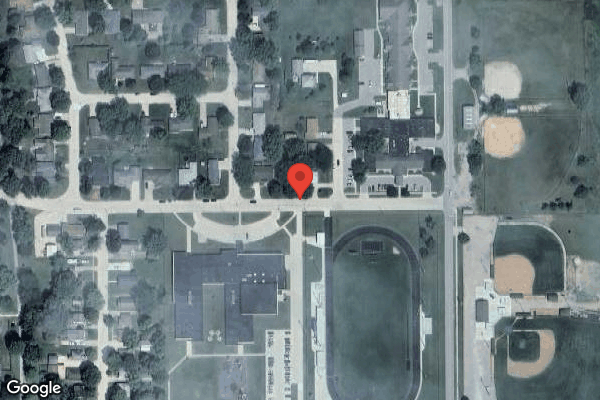
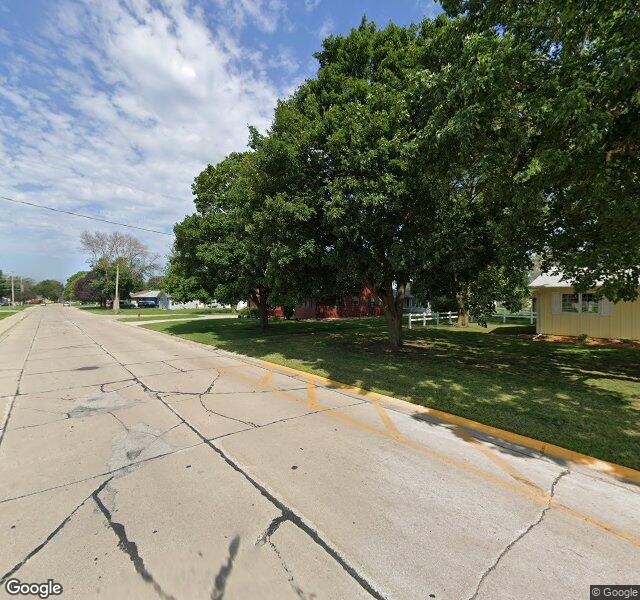
1107 SEVENTH STREET NE, BELMOND, IA 50421 (641) 444-3915
For profit - Limited Liability company 44 Beds LEGACY HEALTHCARE Data: November 2025
Trust Grade
70/100
#223 of 392 in IA
Last Inspection: April 2025

Within standard 12-15 month inspection cycle. Federal law requires annual inspections.

Overview

The Rehabilitation Center of Belmond has a Trust Grade of B, indicating it is a good choice overall, but there is room for improvement. It ranks #223 out of 392 facilities in Iowa, placing it in the bottom half, but it is the top facility out of three in Wright County. Unfortunately, the facility is showing a worsening trend, with reported issues increasing from four in 2024 to five in 2025. Staffing is average with a 3/5 star rating and a turnover rate of 46%, which is close to the state average. While the center has not incurred any fines, which is positive, it has less registered nurse coverage than 90% of Iowa facilities, which raises concerns about the quality of care. Specific incidents include medication errors where residents did not receive their insulin as prescribed and the use of space heaters in resident rooms, which posed safety hazards. Additionally, one resident with a pressure ulcer did not receive the proper treatment for healing. Overall, while the center has some strengths, such as having no fines, there are significant weaknesses that families should consider.
Trust Score
B
70/100
In Iowa
#223/392
Bottom 44%
Safety Record
Low Risk
No red flags
Inspections
Getting Worse
4 → 5 violations
Staff Stability
⚠ Watch
46% turnover. Above average. Higher turnover means staff may not know residents' routines.
Penalties
✓ Good
No fines on record. Clean compliance history, better than most Iowa facilities.
Skilled Nurses
⚠ Watch
Each resident gets only 27 minutes of Registered Nurse (RN) attention daily — below average for Iowa. Fewer RN minutes means fewer trained eyes watching for problems.
Violations
⚠ Watch
11 deficiencies on record. Higher than average. Multiple issues found across inspections.
★★★☆☆
3.0
Overall Rating
★★★☆☆
3.0
Staff Levels
★★★★☆
4.0
Care Quality
★★★☆☆
3.0
Inspection Score
Stable
2024: 4 issues
2025: 5 issues

The Good

  • 4-Star Quality Measures · Strong clinical quality outcomes
  • Full Sprinkler Coverage · Fire safety systems throughout facility
  • No fines on record

Facility shows strength in quality measures, fire safety.

The Bad

3-Star Overall Rating

Near Iowa average (3.1)

Meets federal standards, typical of most facilities

Staff Turnover: 46%

Near Iowa avg (46%)

Higher turnover may affect care consistency

Chain: LEGACY HEALTHCARE

Part of a multi-facility chain

Ask about local staffing decisions and management

The Ugly 11 deficiencies on record

Apr 2025 5 deficiencies
CONCERN (D)

Potential for Harm - no one hurt, but risky conditions existed

Pressure Ulcer Prevention (Tag F0686)

Could have caused harm · This affected 1 resident

**NOTE- TERMS IN BRACKETS HAVE BEEN EDITED TO PROTECT CONFIDENTIALITY** Based on clinical record review, observations, staff interviews, and policy review the facility failed to assure a resident with...

Read full inspector narrative →
**NOTE- TERMS IN BRACKETS HAVE BEEN EDITED TO PROTECT CONFIDENTIALITY** Based on clinical record review, observations, staff interviews, and policy review the facility failed to assure a resident with a pressure ulcer received treatment and services, consistent with professional standards of practice, to promote healing of an unstageable pressure ulcer for 1 of 2 residents reviewed (Resident #24). The facility reported a census of 30 residents. Finding include: The Minimum Data Set (MDS) assessment identifies the following definition of pressure ulcers: Stage I is an intact skin with non blanchable redness of a localized area usually over a bony prominence. Darkly pigmented skin may not have a visible blanching; in dark skin tones only, it may appear with persistent blue or purple hues. Stage II is a partial thickness loss of dermis presenting as a shallow open ulcer with a red or pink wound bed, with slough (dead tissue, usually cream or yellow in color). May also present as an intact or open/ruptured blister. Stage III is full thickness tissue loss. Subcutaneous fat may be visible but bone, tendon or muscle is not exposed. Slough may be present but didn't obscure the depth of tissue loss. May include undermining and tunneling. Stage IV is full thickness tissue loss with exposed bone, tendon or muscle. Slough or eschar (dry, black, hard necrotic tissue) which may be present on some parts of the wound bed. Often includes undermining and tunneling or eschar. Unstageable Ulcer: inability to see the wound. Other staging considerations include: Deep Tissue Pressure Injury (DTPI): Persistent non blanchable deep red, maroon or purple discoloration. Intact skin with localized area of persistent non blanchable deep red, maroon, purple discoloration due to damage of underlying tissue. This area may be preceded by tissue that is painful, firm, mushy, boggy, warmer, or cooler as compared to adjacent skin. These changes often precede skin color changes and discoloration may appear differently in darkly pigmented skin. This injury results from intense and/or prolonged pressure and shear forces at the bone muscle interface. Resident #24's Minimum Data Set (MDS) assessment dated [DATE] identified a Brief Interview for Mental Status (BIMs) score of 15, indicating intact cognition. The MDS listed Resident #24 as independent with bed mobility and transfers. The MDS included diagnoses of coronary artery disease, hypertension (high blood pressure), renal disease (kidney), emphysema, adult failure to thrive, and nonrheumatic aortic valve stenosis (narrowing of aortic valve). The MDS documented Resident #24 didn't have a risk for developing pressure ulcer/injuries and didn't have any unhealed pressure ulcers/injuries. The MDS reflected Resident #24 received hospice care. The Care Plan Focus with a target date of 1/20/25 indicated Resident #24 had a potential for pressure ulcer development related to his disease process. The Care Plan directed the following interventions: Staff to apply lotion to his skin with AM (morning) and HS (bedtime) cares. -Staff to provide him reminders/occasional assistance to turn/reposition approximately every 2 hours, more often as needed or requested. -Pressure reducing device on bed and in the wheelchair. The Health Status Note dated 1/16/25 at 6:20 AM documented the staff found a fluid filled blister on Resident #24's right inner heel. The nurse painted the area with betadine and covered it with gentle border dressing. The clinical record lacked documentation of a completed incident report, that someone notified the Physician of the fluid filled blister, and lacked a new skin intervention to reduce pressure to the right heel. Review of Resident #24 Physician orders lacked a Physician order for the staff to apply betadine and a dressing to the right heel on 1/16/25. A Non Pressure Skin Condition Record dated 1/16/25 documented Resident #24 complained of right heel pain. A fluid filled blister was observed that measured 3.5 cm (centimeters)(length) x 4.5 cm (width) with a scan amount of serous (clear to pale yellow) drainage. The specialty intervention marked on the form was a chair cushion. The section on the form to address treatment to the area documented NA (not applicable). The Health Status Note dated 1/17/25 at 9:45 AM documented Resident #24 had a shower that morning. When the nurse removed the dressing from the right heel they saw a small amount of orangish drainage on the dressing. The note described the top portion of the blister as open. The nurse cleaned the area and applied a border dressing for protection. The note indicated they planned to notify the Primary Care Physician (PCP). The Secure Conversations Note dated 1/18/25 at 10:23 PM reflected the following: a. 1/17/25 at 5:31 AM: The facility notified the provider of Resident #24's blister on their right inner heel. The note asked if they could paint the area with skin prep and cover with a gentle border dressing every other day until healed. b. 1/17/25 at 9:47: The facility reported the blister broke open and had a small amount of orangish drainage on the dressing. c. 1/18/25 at 8:10 AM: The provider responded they could proceed with skin prep and cover with a gentle border dressing every other day until healed. A Non Pressure Skin Condition Record dated 1/22/25 documented the right heel measured 4.5 cm x 7 cm and the wound deteriorated. The specialty intervention marked on the form continued as a chair cushion. The progress note on the form documented they couldn't apply the treatment of skin prep due to the wound being open. The note indicated the facility waited for new recommendations from Hospice. A Hospice Form titled Physician Orders dated 1/22/5 included new orders to clean the area on the right heel with soap and water and apply a Mepilex (foam dressing) to the heel 2 times per week and as needed (PRN). A form titled Comprehensive Patient assessment dated [DATE] completed by the Hospice Wound Nurse/CWON (Certified Wound Ostomy Nurse) documented the following assessment on Resident #24's right heel wound: *Etiology: Pressure *Location: Right Heel *Size (LxWxD cm): 4.5 x 7 x 0 *Stage: Unstageable *Edges: Distinct, outline clearly visible, attached, even with wound base *Wound bed: obscured by necrosis *Granulation: No granulation tissue present *Epithelialization: < 25 % wound covered *Necrotic (dead or dying tissue) tissue type: Loosely adherent (still attached to the wound bed) yellow slough (necrotic tissue that builds up on the top of a wound). *Necrotic tissue amount: 75% to 100% wound covered *Drainage type: serosanguineous (thin, watery, pale red/pink) *Drainage amount: small A form titled Recommended Plan of Treatment with a date of service for 1/24/25 documented the Hospice Wound Nurse/CWON completed a virtual follow up by electronic medical record (EMR) review and photo provided by the Hospice nurse on 1/22/25. The note documented Resident #24 had a new wound to the right heel with current treatment dated 1/22/25 to clean the area with soap and water, dry, and apply a Mepilex, then change 2 times per week and as needed. The form documented new recommendations from the wound nurse: a. Right heel unstageable pressure injury: Cleanse wound, dry, apply small amount of Thera honey to wound bed (yellow slough), cover with Vaseline gauze, abdominal (ABD) pad, and secure with kerlix (stretchy gauze used to wrap around an area of a wound). Change 2 times per week and as needed. b. Offload pressure to bilateral heel by using heel lift boots or pillow. The Wound Nurse signed the treatment recommendations on 1/24/25 and the PCP signed the recommendation orders on 1/27/25. The facility nurse noted the orders on 2/4/25. The time stamp on top of the form indicated the provider faxed the form to the facility on 1/27/25 at 9:42 AM. Resident #24's February 2025 Treatment Administration Records (TAR) reflected the facility didn't implement the new treatment orders signed by the Physician on 1/27/25 until 2/5/25 (10 days after the facility received the orders). In addition, the TAR lacked the order to offload pressure by using heel lift boots or pillows. The Care Plan with a target date of 7/13/25 didn't address offloading the heels using heel lift boots or pillows. In addition, the April 2025 TAR and CNA [NAME] didn't address offloading Resident #24 heels with heel lift boots or pillows. On 4/16/225 at 9:35 AM, observed Staff C, RN (Registered Nurse), complete Resident #24's right heel dressing change and measurements. Staff C sanitized her hands and applied gloves. She removed the old dressing off the right heel and cleaned the heel wound with wound cleanser. Observed the wound bed have yellow stringy/adherent slough. Staff C removed her gloves, sanitized her hands, and put on clean gloves. Staff C measured the heel wound and reported the size as 2 cm (length) x 3.3 cm (width). Staff C reported the wound looked better. Staff C described the wound bed as 75% dark red tissue and 25% slough. She reported the wound margins with maceration (softening or breakdown of skin from moisture) and small amount of a callus (thickening of the skin) to the upper side of the wound. Staff C reported she still classified the wound as unstageable due the amount of slough and being unable to see underneath that. Staff C removed her gloves, sanitized her hands, put on new gloves, applied betadine to the heel wound, let the betadine dry, and then covered the wound with a Mepilex dressing. Staff C removed her gloves, sanitized her hands, and put the heel protector boots back on, the she covered Resident #24 up. On 4/17/25 at 9:00 AM, the DON (Director of Nursing) and the Corporate Nurse reported they expected staff to obtain a physician order when applying a skin treatment. The DON reported they used heel lift boots as a standard intervention when a pressure ulcer develops on a heel. The DON verified the fax number on the top of the form titled Recommended Plan of Treatment was the facility's fax number. The DON acknowledged the time stamp as 1/27/25 at 9:42 AM. On 4/17/25 at 12:07 PM, the DON verified the facility didn't complete an incident report for Resident #24's pressure area. She reported she didn't know why they didn't implement the Physician's order on 1/27/25 until 2/5/25. She said the nurse who noted the order on 2/4/25 didn't know either. The DON and Corporate Nurse reported they expected the staff to implement the treatment order immediately and obtain the supplies. The DON verified she couldn't locate documentation regarding the heel lift boots under tasks ([NAME]), treatment records, or the Care Plan. The DON reported when a resident developed a new pressure ulcer she expected staff to contact the Physician for a treatment order, complete an incident report, notify the family, and put a skin intervention in place. A facility policy titled Pressure Ulcer Risk Assessment and Documentation revised January 2011 directed staff to assess any new pressure ulcer as soon as discovered and document the following in the interdisciplinary notes: a. location, stage, size, depth, drainage, odor, color, surround skin condition, location and extent of any undermining or tunneling/sinus tract and granulation. b. Once the area has been assessed, notify the resident and or responsible party, physician, and DON. Document notification in the interdisciplinary notes. c. Obtain treatment orders from the Physician and record the treatments either on the MAR (Medication Administration Record) or TAR. d. Notify the Dietary Manager and they have the responsibility to initiate dietary interventions. e. Update the Care Plan to reflect new intervention to aid in the healing process. f. Update CNA assignments to include new interventions.
CONCERN (D)

Potential for Harm - no one hurt, but risky conditions existed

Deficiency F0692 (Tag F0692)

Could have caused harm · This affected 1 resident

**NOTE- TERMS IN BRACKETS HAVE BEEN EDITED TO PROTECT CONFIDENTIALITY** Based on observation, record review, staff interview, and policy review the facility failed to assess, provide interventions, or...

Read full inspector narrative →
**NOTE- TERMS IN BRACKETS HAVE BEEN EDITED TO PROTECT CONFIDENTIALITY** Based on observation, record review, staff interview, and policy review the facility failed to assess, provide interventions, or notify the physician, the Registered Dietitian (RD), and the family about a resident with a significant weight loss (over 5% in month) for 1 of 2 residents (Resident #14) reviewed. In 1 months, timeframe, Resident #14 lost greater than 5% of their body weight (considered significant weight loss). The facility failed to notify the RD and physician for interventions to prevent further weight loss. The facility reported a census of 30 residents. Findings include: Resident #14's Minimum Data Set (MDS) assessment dated [DATE], identified a Brief Interview for Mental Status (BIMS) score of 10, indicating moderate cognitive impairment. The MDS included diagnoses of cancer and heart disease. On 4/14/25 at 12:04 PM, observed Resident #14 in the dining room eating lunch. Resident #14's Weight Summary reviewed 4/15/25 identified the following weights: a. 3/9/25: 205.3 pounds (lbs.) b. 4/6/25: 191.4 lbs. The calculated weight loss percentage revealed a weight loss of 6.92% in 1 month (significant considered greater than 5% in 30 days). The Care Plan Focus with target date 7/13/25, documented Resident #14 had a potential/risk for altered nutritional status. The Goal reflected Resident #14 would maintain their weight without significant changes. The Interventions directed the following: a. Monitor weights b. Notify the physician and RD of significant weight changes. Resident #14's clinical record lacked notification to their physician, RD, or their family of their significant weight loss on 4/6/25. Interview on 4/16/25 at 5:37 PM, the Assistant Director of Nursing (ADON), reported the previous weight review procedure as to weigh all residents' Sundays, then the past Director of Nursing (DON) reviewed the weights on Mondays. The RD came to the facility every Thursday. The ADON agreed Resident #8 had a significant weight loss from 3/9/25 - 4/6/25 and didn't know if the RD reviewed Resident #14's weight loss on 4/10/25 when she came to the facility. The ADON added the RD reviewed the residents due for their quarterly and annual MDS. She added the facility didn't have a process in place to ensure the RD reviewed weight losses. The ADON stated the staff should have notified the physician, RD, and family Resident #14's significant weight loss. She expected the staff to notify the physician, RD, and family with any significant weight loss. Interview on 4/17/25 at 9:17 AM, the RD stated she came to the facility every Thursday and completed the dietary assessments for residents due for a quarterly or annual MDS, any significant changes, and residents with any skin issues. The RD stated she pulled a report from the facility's charting system for any significant weight changes, but that the reports are not always accurate. The RD stated the facility let her know if they had any concerns such as residents who didn't eat but the facility didn't report to her any significant weight changes. The RD stated she didn't review Resident #14's weight changes on 4/10/24 while at the facility, and the facility didn't notify her of their significant weight loss. The RD stated it would be nice for the facility to notify her of residents' significant weight loss. The undated facility policy labeled Family and Physician Notification Relating to Accident or Change in Medical Condition instructed the facility to immediately notify the resident's responsible party and physician of a change in the resident's medical condition. The guidelines referenced to determine the urgency of notifying the physician and responsible party of changes in medical condition such as report on next work day of a weight loss of 5% or more within 30 days.
CONCERN (D)

Potential for Harm - no one hurt, but risky conditions existed

Respiratory Care (Tag F0695)

Could have caused harm · This affected 1 resident

**NOTE- TERMS IN BRACKETS HAVE BEEN EDITED TO PROTECT CONFIDENTIALITY** Based on observation, record review, and staff interview the facility failed to ensure each resident received necessary respirat...

Read full inspector narrative →
**NOTE- TERMS IN BRACKETS HAVE BEEN EDITED TO PROTECT CONFIDENTIALITY** Based on observation, record review, and staff interview the facility failed to ensure each resident received necessary respiratory care and services in accordance with professional standards of practice by not changing oxygen (O2) tubing for 1 of 1 resident (Resident #8) reviewed. Facility reported a census of 30 residents. Findings include: A Minimum Data Set (MDS) dated [DATE]for Resident #8, included diagnoses of obstructive sleep apnea (frequent episodes of obstructed breathing while sleeping) and heart failure and received O2. A Brief Interview for Mental Status (BIMS) score of 15 indicated no cognitive impairment. Therapy. Observation on 4/15/25 at 9:50AM, in Resident #8's room was an O2 concentrator (machine that supplies O2) with tubing attached to a bipap machine (medical device that provides airway pressure to assist with maintaining breathing). The tubing supplying O2 from the concentrator to the bipap machine was not dated. Interview on 4/15/25 at 3:38 PM, Resident #8 stated she uses her bipap machine nightly with 2 liters (L) of O2. The resident stated the facility does not change the O2 tubing routinely and she does not know the last time the tubing was changed. Review of Resident #8's Clinical Physician Orders as of 4/16/25 at 11:46 AM, lacked an order to change O2 tubing. Interview on 4/16/25 at 11:39 AM, the Corporate Administrator stated the facility did not have a policy for changing oxygen tubing, that the facility protocol was to change the tubing every Sunday on the 2nd shift. Interview on 4/16/25 at 12:11 PM, the Corporate Administrator confirmed Resident #8 did not have an order to change the O2 tubing and her expectation to have an order and the tubing to be changed weekly.
CONCERN (D)

Potential for Harm - no one hurt, but risky conditions existed

Infection Control (Tag F0880)

Could have caused harm · This affected 1 resident

**NOTE- TERMS IN BRACKETS HAVE BEEN EDITED TO PROTECT CONFIDENTIALITY** Based on clinical record review, staff interviews, CDC (Centers for Disease Control and Prevention) recommendations and policy r...

Read full inspector narrative →
**NOTE- TERMS IN BRACKETS HAVE BEEN EDITED TO PROTECT CONFIDENTIALITY** Based on clinical record review, staff interviews, CDC (Centers for Disease Control and Prevention) recommendations and policy review, the facility failed to provide a safe and sanitary environment to help prevent the development and transmission of communicable diseases and infections for 2 of 2 residents reviewed (Residents #10 and #133). After Resident #133 received Resident #10's insulin via an insulin pen, the facility failed to discard the insulin pens after the cross contamination occurred. The nurse put the insulin pens back into the medication cart after the medication error occurred and the nursing staff continued to use the insulin pens when administering Resident #10's insulin. The facility reported a census of 30 residents. Citation considered past noncompliance as the facility completed the following interventions prior to surveyor entering the building on 4/14/25: a. Staff B, LPN (Licensed Practical Nurse), received verbal education on 1/3/25. b. The facility provided the nurses education on 1/16/23 that insulin pens are single patient use and shouldn't be shared between residents. The nurse should get a new insulin if any cross contamination occurred for the next administration. Findings include: Resident #133's Progress Note titled Incident Report - Medication Event dated 12/15/24 at 12:46 PM revealed the nurse accidentally gave Resident #133 another resident's insulin medication. An untitled facility document provided by the Administrator during the survey documented on 12/15/24, Staff B, LPN, administered Basaglar 17 units and Fiasp 7 units to Resident #133, instead of Resident #10 in error. Staff B discovered the medication error when she gave Resident #10's noon insulin. At that time, she realized she didn't give this resident insulin for his morning dose. Staff B reported she used the same pen of Fiasp to give Resident #10's noon insulin dose. 1. Resident #10's Minimum Data Set (MDS) assessment dated [DATE] identified a Brief Interview for Mental Status (BIMs) score of 5, indicating severe cognitive impairment. The MDS listed Resident #10 as independent with bed mobility and transfers. Resident #10 used a walker for ambulation. The MDS included diagnoses of coronary artery disease (impaired heart blood vessels), hypertension (high blood pressure), renal disease, and type 2 diabetes with hyperglycemia (elevated blood sugar). The MDS documented Resident #10 received insulin injections 7 days and took a hypoglycemic medication during the look back period. Resident #10's Progress Note dated 1/3/25 documented the facility contacted Resident #10's primary care physician and received orders to obtain HBV, HCV, HIV, VDRL labs on 1/6/25 due to cross contamination with insulin pens on 12/15/24. Resident #10's wife gave consent for labs to be drawn. Resident #10's Progress Note dated 1/20/25 documented labs results from 1/6/25, HCV, HBV, HIV and VDRL as non reactive. 2. Resident #133's MDS assessment dated [DATE] identified a BIMs score of 3, indicating severe cognitive impairment. The MDS listed Resident #133 as independent with bed mobility and required partial/moderate assistance with transfers and ambulation. The MDS included diagnoses of hypertension (high blood pressure), renal (kidney) disease, and diabetes mellitus. The MDS documented Resident #133 didn't receive insulin injections and didn't take hypoglycemic medication during the lookback period. Resident #133's Progress Note dated 1/3/25 documented the facility contacted the Medical Director and received orders to obtain HBC (Hepatitis B Virus Core Antigen), HCV (Hepatitis C antibody test), HIV (human immunodeficiency virus), VDRL (screen for syphilis) labs on 1/6/25 due to the medication error that occurred on 12/15/24. Resident #133's daughter gave consent to draw the labs. Resident #133's Progress Note dated 1/20/25 documented labs results from 1/6/25, HCV, HBV, HIV and VDRL as non reactive. A facility form titled One on One Inservice Record dated 1/3/25 documented a verbal review via phone call was completed with Staff B, regarding the following topics: a. 6 rights of medication administration b. Inhaler, eye drops and insulin pens are single patient use c. Discard contaminated medications and obtain new ones for the medication cart. A facility form tilted Staff Development Program Attendance Report dated 1/3/25 for Nurses and CMAs included the following education topics: a. 6 Right of Medication Administration b. Med Error Process c. Insulin Administration d. Inhalers and eye drops. The education form documented all the facility nurses completed the education as of 1/16/25. On 4/16/25 at 12:21 PM, Staff B, verified she was the nurse that made the insulin errors with Resident #10 and Resident #133. Staff B described it as literally a freak accident. She reported being new to the facility, worked as an agency nurse, and not 100% familiar with the residents. Staff B reported she abandoned the 6 rights of medication administration and made a very bad mistake. Staff B reported she gave both insulins from an insulin pen. She said she put brand new needles on the insulin pens before she gave the insulin to Resident #133. She reported after she gave the insulin to Resident #133 she disposed of the needles and put the insulin pens back in the drawer in the medication cart. She reported she used the insulin pens to give Resident #10 insulin that day after she gave Resident #133 the insulin. Staff B reported she received a phone call from the DON (Director of Nursing) and a Pharmacist after the medication error occurred. Staff B reported she couldn't recall what day she received the phone call from the DON and Pharmacist. Staff B reported the Pharmacist told her if that ever happened again that it was in the best interest of the patient to discard the insulin pens even if they used a new needle. Staff B reported she didn't know any better at the time. Staff B reported after the medication error occurred she made her own plan to follow the 6 rights of medication administration and complete extra checks to ensure she gave the right medication to the right resident. The CDC recommendations dated 8/7/24 described insulin pens as a pen shaped injector device that contain a reservoir for insulin or an insulin cartridge. Each pen is designed to be safe for just one patient to use multiple times with a new, fresh needle for injection. Pens must never be used for more than one patient because blood may be present in the pen after use. A CDC brochure dated August 2024 documented although visible to the eye, back flow of blood into the insulin pen can happen during an injection. This created a risk for bloodborne and bacterial pathogen transmission to patients if they used a pen for more than one person, even after changing the needle. The CDC recommended if identified of reuse of a pen, the facility should promptly notify patients and offer appropriate follow up including bloodborne pathogen testing. On 4/16/25 at 3:09 PM, the DON (Director of Nursing) reported she expected insulin pens to be single use and discard an insulin pen if cross contamination occurred. The DON verified the staff continued to use Resident #10 insulin pens after cross contamination until the pens were empty. The DON reported she couldn't determine how many doses the insulin pens had left after the cross contamination occurred as they couldn't determine when the staff opened the insulin pens and started to use them. The DON reported when she learned on 1/3/25 that no one discarded the insulin pens after the cross contamination she sent staff education via text message. A facility policy titled Infection Control Manual Exposure Control Plan revised March 2024 documented if a source patient is determined and the HBV, HCV, and HIV antibody status is unknown, obtain patient consent for blood testing. Inform the source person or legally authorized representative of the incident, and obtain informed consent to test the source's blood, in accordance with applicable state and local laws, to determine the presence of HBV, HCV, or HIV. Testing to determine HBV, HCV, and HIV infection status of the exposure source should be performed as soon as possible after the exposure.
CONCERN (E)

Potential for Harm - no one hurt, but risky conditions existed

Deficiency F0760 (Tag F0760)

Could have caused harm · This affected multiple residents

**NOTE- TERMS IN BRACKETS HAVE BEEN EDITED TO PROTECT CONFIDENTIALITY** Based on clinic record review, staff interviews, and policy review, the facility failed to administer medications per physician ...

Read full inspector narrative →
**NOTE- TERMS IN BRACKETS HAVE BEEN EDITED TO PROTECT CONFIDENTIALITY** Based on clinic record review, staff interviews, and policy review, the facility failed to administer medications per physician orders for 2 out of 2 residents reviewed (Resident #10 and #133) for significant medication errors. Resident #10 didn't receive his insulin medications the morning of 12/15/24. In addition, Resident #10 received short acting insulin with a blood sugar (BS) below 200 mg/dl (milligrams per deciliter) when the physician order directed staff to hold the insulin with a BS below 200 mg/dl. In addition, a nurse gave Resident #133 (a noninsulin treated diabetic) insulin instead of Resident #10 using Resident #10's insulin pen. The facility reported a census of 30 residents. Findings include: 1. Resident #10's Minimum Data Set (MDS) assessment dated [DATE] identified a Brief Interview for Mental Status (BIMs) score of 5, indicating severe cognitive impairment. The MDS listed Resident #10 as independent with bed mobility and transfers. Resident #10 used a walker for ambulation. The MDS included diagnoses of coronary artery disease (impaired heart blood vessels), hypertension (high blood pressure), renal disease, and type 2 diabetes with hyperglycemia (elevated blood sugar). The MDS documented Resident #10 received insulin injections 7 days and took a hypoglycemic medication during the look back period. A Progress Note titled Incident Report - Medication Event dated 12/15/24 at 1:36 PM reflected Resident #10's Basaglar 17 units and Fiasp 7 units didn't receive his morning dose of insulin, due to the nurse gave it to another resident. The note identified Resident #10's BS as 259 and he didn't show any signs or symptoms of hyperglycemia. The facility notified Resident #10's Physician and his wife of the medication error. A Progress Note titled Incident Report - Medication Event dated 12/30/24 at 7:18 PM documented Resident #10 blood sugar as 137 at 4:50 PM and he received 7 units of Fiasp insulin. The note indicated the nurse didn't realize the parameter to hold the insulin with a BS below 200 mg/dl. The note documented the facility notified Resident #10's Physician and his wife of the medication error. An undated facility form titled Medication Administration Times reflected the following schedule: a. AM = 6:00 AM to 10:00 AM b. MM (mid-morning) = 9:00 AM to 12:00 PM c. MA (midafternoon) = 3:00 PM to 5:00 PM Resident #10's December 2024 Blood Glucose/Insulin Administration Record directed staff to administer the following insulin medications: a. Basaglar (long acting insulin) KwikPen 100 unit/ml (milliliters), inject 17 units subcutaneously (SQ) one time a day related to type 2 diabetes mellitus with hyperglycemia. The report reflected signatures indicating administration for the following: i. 12/15/24, the date of Medication Error when Resident #133 received Resident #10's insulin. The record lacked correction of the error. b. Fiasp (short acting insulin) 100 units/ml inject 7 units before meals. Hold if BS is 200 md/dl or below. The report reflected signatures indicating administration for the following: i. 12/15/24 AM: the date of Medication Error when Resident #133 received Resident #10's insulin. The record lacked correction of the error. ii. 12/31/24 MA: BS - 175. Resident #10's January 2025 Blood Glucose/Insulin Administration Records identified the nurse administered Fiasp Insulin 7 units on the following days/times when he had a documented blood sugar below 200 mg/dl: *1/1 - AM - BS = 155 *1/4 - AM - BS = 142 *1/4 - MM - BS = 142 *1/10 - AM - BS = 70 *1/10 - MM - BS = 116 *1/12 - AM - BS = 111 *1/12 - MM - BS = 111 *1/13 - AM - BS = 102 *1/22 - MA - BS = 192 *1/24 - AM - BS = 168 *1/24 - MM - BS = 168 *1/25 - AM - BS = 122 *1/26 - AM - BS = 117 *1/29 - MA - BS = 116 *1/30 - MA - BS = 181 Resident #10's February 2025 Insulin Administration Records identified the nurse administered Fiasp Insulin 7 units on the following days/times when he had a documented blood sugar below 200: *2/1 - AM - BS = 103 *2/1 - MM - BS = 144 *2/2 - MA - BS = 166 *2/6 - MA - BS = 117 *2/9 - MA - BS = 130 *2/10 - AM - BS = 179 *2/10 - MM - BS = 179 *2/10 - MA - BS = 135 *2/14 - MA - BS = 157 *2/17 - MA - BS = 128 *2/19 - MA - BS = 154 *2/22 - AM - BS = 131 *2/23 - AM - BS = 151 *2/23 - MM - BS = 151 *2/26 - MM - BS = 183 *2/28 - MM - BS = 194 Resident #10's clinical record lacked notification of his Physician and/or his wife of the medication errors related to the administration of Fiasp insulin on multiple occasions when he had a blood sugar below 200 mg/dl. On 4/16/25 at 12:04 PM, Staff A, LPN (Licensed Practical Nurse), verified the check mark on the Insulin Administration Record meant the resident received the medication. On 4/16/25 at 4:30 PM, the Corporate Nurse reported the facility notified Resident #10's Physician regarding the administration of the Fiasp insulin with a BS below 200. 2. Resident #133's MDS assessment dated [DATE] identified a BIMs score of 3, indicating severe cognitive impairment. The MDS listed Resident #133 as independent with bed mobility and required partial/moderate assistance with transfers and ambulation. The MDS included diagnoses of hypertension (high blood pressure), renal (kidney) disease, and diabetes mellitus. The MDS documented Resident #133 didn't receive insulin injections and didn't take hypoglycemic medication during the lookback period. A Progress Note titled Incident Report - Medication Event dated 12/15/24 at 12:46 PM reflected the nurse accidentally gave Resident #133 another resident's insulin medication. The note documented Resident #133 received Basaglar insulin 17 units and Fiasp insulin 7 units. According to the note Resident #133 had a BS of 197 at 12:10 PM. The note documented the nurse notified a Physician at 12:15 PM. The Physician gave new orders to check Resident #133's BS every 30 minutes for 4 hours and then every hour until 8:00 PM. The note indicated the facility notified Resident #133's responsible party at 12:20 PM. A Progress Note titled New Order Follow Up Note dated 12/16/24 at 4:34 AM documented the nurse checked Resident #133's BS every 2 hours without signs and symptoms of hypoglycemia (low blood sugar) noted. His BS ranged from 115 130 mg/dl during the shift. An untitled facility document provided by the Administrator during the survey documented on 12/15/24, Staff B, LPN, administered Basaglar 17 units and Fiasp 7 units to Resident #133 in error. The investigation documented Staff B went into the wrong room to administer Resident #10's insulin. Staff B discovered the medication error when they gave Resident #10's noon insulin. At that time, they realized she didn't give this resident insulin for his morning dose. The report documented the Pharmacist came to the facility on 1/3/25 to review the medication incident. The facility spoke with Staff B and she reported as she got ready to give insulin to Resident #10, another nurse gave her a freestyle libre (glucose monitoring system) for Resident #10. Staff B reported she entered Resident #133's room instead. She reported she looked for the glucose sensor on the resident, but she couldn't find it. She thought maybe he removed it. Staff B reported she checked a fingerstick BS and reported he had a result above 200. Staff B reported she didn't question if she had the correct resident or not because he had an elevated blood sugar. She pulled the insulin from the medication cart and put on new needles. Staff B reported she gave the Basaglar and Fiasp doses to Resident #133. Staff B reported she realized she gave the insulin to the wrong resident when she went to give the noon meal insulin. At that time, she called the ER (Emergency Room) Provider to let him know what happened and received orders to check Resident #133's blood sugar every 30 mins until 4:45 PM then every hour until 8:00 PM then every 2 hours until 6:00 AM. Staff B reported she used the same pen of Fiasp to give the noon dose to Resident #10. On 4/16/25 at 12:21 PM, Staff B, verified she was the nurse that made the insulin errors with Resident #10 and Resident #133. Staff B described it as literally a freak accident. She reported being new to the facility, worked as an agency nurse, and not 100% familiar with the residents. Staff B reported another nurse handed her a freestyle libre for Resident #10. She said she walked into Resident #133's room, felt his arm, and couldn't locate the glucose sensor, she thought maybe it fell off. Staff B reported when she checked a fingerstick BS, it had a high result. Staff B reported she abandoned the 6 rights of medication administration and made a very bad mistake. She reported she didn't realize until later when she went to give the noon insulins that she gave the insulin to the wrong resident. She reported she realized the error when she looked at Resident #10's picture on the medication administration record. She said she went down right away to assess Resident #133 and check his blood sugar. She reported she notified the ER Physician and received new orders to check Resident #133's. She said she also called Resident #133's family. She added she assessed Resident #10 since he didn't receive his morning insulin. She reported Resident #133 didn't respond to the insulin he received. Staff B reported she gave both insulins from an insulin pen. She said she put brand new needles on the insulin pens before she gave the insulin to Resident #133. She reported after she gave the insulin to Resident #133 she disposed of the needles and put the insulin pens back in the drawer in the medication cart. She reported she used the insulin pens to give Resident #10 insulin that day after she had given the insulin to Resident #133. Staff B reported she received a phone call from the DON (Director of Nursing) and a Pharmacist after the medication error occurred. Staff B reported she couldn't recall what day she received the phone call from the DON and Pharmacist. Staff B reported the Pharmacist told her if that ever happened again that it was in the best interest of the patient to discard the insulin pens even if they used a new needle. Staff B reported she didn't know any better at the time. Staff B reported after the medication error occurred she made her own plan to follow the 6 rights of medication administration and complete extra checks to ensure she gave the right medication to the right resident. A facility form titled One on One Inservice Record dated 1/3/25 documented Staff B received a verbal review via phone call, regarding the following topics: a. 6 rights of medication administration b. Inhaler, eye drops, and insulin pens are single patient use c. Discard contaminated medications and obtain new ones for the medication cart. On 4/16/25 at 3:09 PM, the DON reported she expected staff to follow physician orders for administering the insulin. A facility policy titled Medication Administration - Medication Pass revised May 2023 defined the purpose of the policy as to safely and accurately prepare and administer medication according to physician order and resident needs. The procedure for medication administration outlined the following steps: a. Open EMAR (electronic medication administration record) to patient record and review physician medication order against medication label b. Read transcribed physician order on EMAR: patient name, medication name, dosage, route and interval ordered c. Remove medication from cart d. Compare EMAR with medication label for accuracy e. Read special medication administration instructions f. Obtain vital signs, if applicable, and record results on EMAR g. Prepare medications for administration h. Administer medication · Knock on door and request entrance · Introduce self, explain medication administration need and provide privacy · Identify patient · Describe name of medication and reason for use to patient and answer any questions if needed · Administer medication according to specific procedures A facility policy titled Medication Error and Medication Discrepancy Report revised July 2005 directed to prepare and administer drugs and biologicals in accordance with physician orders, manufacturer's specifications, and accepted professional standards and principals. The policy indicated the facility had systems designed to minimize medication errors. The policy instructed to conduct an investigation and corrective action after discovery of errors to prevent recurrence. The policy defined a significant medication error as one which, in the charge nurse's professional judgment, causes the resident discomfort or jeopardizes their health and safety, based on the resident's condition, the drug category of the medication involved, and the frequency or duration of the error at the time of discovery. A facility policy titled Physician Orders/Transcription of Orders revised July 2023 documented active orders should be followed and carried out as written/transcribed.
Apr 2024 4 deficiencies
CONCERN (D)

Potential for Harm - no one hurt, but risky conditions existed

PASARR Coordination (Tag F0644)

Could have caused harm · This affected 1 resident

**NOTE- TERMS IN BRACKETS HAVE BEEN EDITED TO PROTECT CONFIDENTIALITY** Based on clinical record review and staff interview, the facility failed to submit a Level 2 Preadmission Screening and Resident...

Read full inspector narrative →
**NOTE- TERMS IN BRACKETS HAVE BEEN EDITED TO PROTECT CONFIDENTIALITY** Based on clinical record review and staff interview, the facility failed to submit a Level 2 Preadmission Screening and Resident Review (PASRR) evaluation for 1 of 1 residents reviewed with a new mental health diagnosis and start of new psychotropic medications (Resident #15). The facility reported a census of 30 residents. Findings include: The Minimum Data Set (MDS), dated [DATE], documented Resident #15 had a Brief Interview for Mental Status (BIMS) of 9 indicating moderately impaired cognition. The MDS revealed Resident #15 had diagnoses of psychotic disorder, adjustment disorder with depressed mood and visual hallucinations. The Care Plan for Resident #15 with a target date of 7/11/24 included a focus area for mood/behavior revealed exhibited visual hallucinations. The Care Plan further documented Resident #15 received psychotropic medications for the hallucinations and depression. The Clinical record revealed Resident #15 had the following diagnoses with effective dates: 1. Adjustment disorder with depressed mood-effective 8/1/23 2. Delusional disorder- effective date 7/31/23 3. Visual hallucinations- effective date 1/26/22 The April 2024 Medication Administration Record (MAR) for Resident #15 directed staff to administer the following medications: a. Sertraline HCL (antidepressant) 25 mg (milligrams) one tablet by mouth in the morning related to adjustment disorder with depressed mood. Start date: 8/2/23 b. Risperdal (antipsychotic) 0.25mg one tablet by mouth two times a day for hallucinations/altered mental status. Start date: 5/5/23 A Level 1 PASRR completed on 4/20/22 documented Resident #15 did not have a major mental illness. The PASRR evaluation documented Resident #15 received Ativan (antianxiety) for anxiety disorder. The clinical record revealed no additional PASRR evaluations after 4/20/22. The Clinical record review revealed Resident #15 did not have a Level 2 PASRR evaluation submitted following the new mental health diagnoses with the addition of new medications. (antidepressant and antipsychotic). On 4/23/24 at 12:45 PM, the Director of Nursing (DON) acknowledged and verified Resident 15's PASRR had not been updated. She stated her expectation for the PASRR was to be updated when there was a new diagnosis or a new classifications of medication. The DON reported the facility did not have a PASRR policy.
CONCERN (D)

Potential for Harm - no one hurt, but risky conditions existed

Deficiency F0658 (Tag F0658)

Could have caused harm · This affected 1 resident

**NOTE- TERMS IN BRACKETS HAVE BEEN EDITED TO PROTECT CONFIDENTIALITY** Based on clinical record review and staff interview, the facility failed to follow a physician's order for 1 of 1 residents revi...

Read full inspector narrative →
**NOTE- TERMS IN BRACKETS HAVE BEEN EDITED TO PROTECT CONFIDENTIALITY** Based on clinical record review and staff interview, the facility failed to follow a physician's order for 1 of 1 residents reviewed receiving diabetic medication (Resident #14). The facility reported a census of 30 residents. Findings Include: The Minimum Data Set (MDS) dated [DATE] documented Resident #14 had a Brief Interview for Mental Status (BIMS) of 4, indicating severe cognitive impairment. The MDS further documented the resident had diagnoses to include medically complex conditions, renal insufficiency, and diabetes mellitus (DM). The Care Plan for Resident #14, with a target date of 6/25/24, documented under the focus section the resident had diabetes mellitus, with interventions to take routine insulin and a weekly injection to help control blood sugars. Review of records for Resident #14 revealed a Progress Note entry on 2/9/24 at 10:26 AM titled Physician Visit note, documented new orders received and noted from physician visit note to increase resident's Ozempic (Diabetic medication) to 1mg (milligram) once a week. Review of Progress Note entry on 2/13/24 at 10:07 PM, titled Orders-Administration Note, Ozempic (0.25 or 0.5 MG/DOSE) Subcutaneous (applied under the skin) Solution Pen-injector 2 MG/3ML, Inject 1 mg subcutaneously (under the skin) one time a day every Tuesday related to TYPE 2 DIABETES MELLITUS WITH HYPERGLYCEMIA Only 0.5mg dosage available in the pen. No other pen available. Review of the Medication Administration Record (MAR) for Resident #14 for the month of February 2024, revealed documentation on 2/13/24 of 0.5 mg of Ozempic administered. Review of Progress Note entry on 2/16/24 at 12:43 PM titled Secure Conversations, with a message sent 2/14/24 at 1:05 PM by Director of Nursing (DON) to Resident #14's physician indicating resident only received 0.5 mg Ozempic last evening as that is all that was available, new pens (Ozempic) have been ordered from pharmacy. During an interview 4/24/24 at 10:45 AM, the Director of Nursing (DON) stated Resident #14 had an order from the physician on the 9th of February of 2024 for 1 mg of Ozempic, to be given once a week every Tuesday. The DON stated Resident #14 was not given the full 1 mg of Ozempic as prescribed on Tuesday, the 13th of February. During an interview 4/24/24 at 2:38 PM, the DON advised Resident #14's order for Ozempic changed on the 9th of February, 2024, to 1 mg every Tuesday. The pharmacy did not receive the order change until the 13th and did not deliver it to the facility until the 15th of February. The DON read the Progress Note of the resident only receiving half of the prescribed dose on the 13th of February when she arrived at work on the morning of the 14th of February. The DON sent a message to the resident's physician on the 14th advising of the resident only receiving half of the prescribed dose of Ozempic. The physician replied back on the 16th of February with no new orders. The DON stated an expectation that the nurse administering the medication reach out to the physician prior to giving the resident the incorrect dosage of the prescribed medication on the 13th of February. The DON acknowledged the physician's orders were not followed. During an interview 4/25/24 at 9:34 AM, the Administrator advised the facility does not have a policy for following physician orders, they follow professional standards and nurses are expected to follow physician orders.
CONCERN (D) 📢 Someone Reported This

A family member, employee, or ombudsman was alarmed enough to file a formal complaint

Potential for Harm - no one hurt, but risky conditions existed

Deficiency F0725 (Tag F0725)

Could have caused harm · This affected 1 resident

**NOTE- TERMS IN BRACKETS HAVE BEEN EDITED TO PROTECT CONFIDENTIALITY** 2. The MDS dated [DATE] documented Resident #19 had a BIMS score of 15, indicating intact cognition. The Census tab in the clin...

Read full inspector narrative →
**NOTE- TERMS IN BRACKETS HAVE BEEN EDITED TO PROTECT CONFIDENTIALITY** 2. The MDS dated [DATE] documented Resident #19 had a BIMS score of 15, indicating intact cognition. The Census tab in the clinical record revealed Resident #19 resided in room [ROOM NUMBER]. During an interview on 4/22/24 at 1:10 PM, Resident #19 reported having to wait for up to a half hour for a response to her call light, stating this has happened more than once and more so on the weekends. Resident #19 stated she used the clock in her room to time the response to call lights. On 4/23/23 at 10:30 AM, the Administrator provided Resident #19's call light report from 3/23/24 to 4/23/24. The Administrator verified the column on the report titled In Room Elapsed Time was the duration the call light was on. Review of Resident #19's call light reports for room [ROOM NUMBER] from 3/23/24 to 4/23/24 revealed the highest room elapsed time was 34 minutes and 21 seconds. The call light report documented Resident #19's call light was on 15 minutes or more on the following dates and times: 3/23 at 10:54 PM = 18 minutes and 5 seconds 3/30 at 10:49 PM = 18 minutes and 59 seconds 4/1 at 8:56 AM = 23 minutes 42 seconds 4/1 at 11:00 AM = 16 minutes and 2 seconds 4/2 at 12:21 PM = 23 minutes and 41 seconds 4/3 at 12:07 PM = 15 minutes and 45 seconds 4/5 at 10:15 AM = 17 minutes and 13 seconds 4/8 at 12:13 PM = 16 minutes and 18 seconds 4/11 at 11:19 AM = 17 minutes and 11 seconds 4/12 at 2:29 PM = 17 minutes and 25 seconds 4/15 at 7:08 AM = 16 minutes and 32 seconds 4/15 at 9:48 AM = 17 minutes and 41 seconds 4/15 at 1:15 PM = 34 minutes and 21 seconds 4/17 at 10:27 AM = 18 minutes and 19 seconds During an interview 4/24/24 at 10:30 AM, Staff B, Certified Nursing Assistant (CNA), stated all staff carry an I-phone that has the call lights on it, it shows which resident has pushed their call light and how long the light has been on, this helps her determine which resident she should go to first. Staff B will look at the call light log on her I-phone to see who has been waiting the longest for a call light response and will go to the resident waiting the longest. Inquired how and when they turn the call light off to show it was responded to, Staff B advised they turn the light off in the room when they go into the resident's room to see why they pulled their call light, and this turns it off on the call light log on the I-phone. Staff B advised they are trained to respond to call lights within 15 minutes and that is their expectation. Based on resident interviews, staff interviews, and facility records review the facility failed to provide sufficient staff to meet the needs of residents who resided in the facility (Residents #4 and #19). The facility reported a census of 30 residents. Findings include: 1. The Minimum Data Set (MDS) for Resident #4 dated 4/3/24 assessment identified a Brief Interview for Mental Status (BIMS) score of 15, indicating intact cognition. The Census tab in the clinical record revealed Resident #4 resided in room [ROOM NUMBER]. On 4/23/23 at 10:30 AM, the Administrator provided Resident #4's call light report from 3/23/24 to 4/23/24. The Administrator verified the column on the report titled In Room Elapsed Time was the duration the call light was on. On 4/23/24 at 1:05 PM, Resident #4 reported her call light can be long at times on all shifts. She stated she tried to be patient with the staff as she knew they were working with other residents. She stated she used the clock on the wall to time the call lights. In a previous interview on 4/22/24 at 1:18 PM, Resident #4 stated she had been incontinent of bowel while waiting for a call light to be answered. Review of Resident #4's call light reports for room [ROOM NUMBER] from 3/23/24 to 4/23/24 revealed the highest room elapsed time was 25 minutes and 4 seconds. The call light report documented Resident #4's call light was on 15 minutes or more on the following dates and times: 3/23 at 7:54 AM= 21 minutes and 27 seconds 3/25 at 5:53 AM= 17 minutes and 26 seconds 3/26 at 1:30 AM= 16 minutes and 13 seconds 3/26 at 8:18 AM = 16 minutes and 35 seconds 3/28 at 7:09 PM= 17 minutes and 26 seconds 4/1 at 8:13 AM= 15 minutes and 29 seconds 4/2 at 8:17 AM= 16 minutes and 2 seconds 4/4 at 7:31 AM= 15 minutes and 58 seconds 4/8 at 7:38 AM= 16 minutes and 49 seconds 4/10 at 3:29 AM= 25 minutes and 4 seconds 4/13 at 8:19 AM= 15 minutes and 32 seconds 4/14 at 11:23 AM= 15 minutes and 35 seconds 4/15 at 1:30 PM= 18 minutes and 29 seconds 4/18 at 8:14 AM= 17 minutes and 37 seconds 4/20 at 8:20 AM= 18 minutes and 57 seconds On 4/24/24 at 10:14 AM, the Director of Nursing (DON) reported her expectation was to answer the call light as soon as possible but within 15 minutes. The DON reported the facility did not have a call light policy. She stated staff learn the call light expectations through their training.
CONCERN (D)

Potential for Harm - no one hurt, but risky conditions existed

Food Safety (Tag F0812)

Could have caused harm · This affected 1 resident

Based on observation, staff interviews and policy review, the facility failed to prepare food under sanitary conditions, in order to reduce the risk of contamination and foodborne illness. The facilit...

Read full inspector narrative →
Based on observation, staff interviews and policy review, the facility failed to prepare food under sanitary conditions, in order to reduce the risk of contamination and foodborne illness. The facility reported a census of 30 residents. Findings include: During an observation on 4/24/24 at 10:50 AM, Staff A, Cook, began the puree process for residents on a pureed diet. Wearing gloves, Staff A tore chicken off the bone and placed on a scale, took the gloves off, did not wash hands, and poured the chicken into the robot coupe (machine used to puree food) container. Using bare hands, Staff A touched the handle on a gallon of milk, the lid on the container, the button on the robot coupe, a drawer handle to get a spatula, a spatula, the robot coupe container, a box of tin foil, a marker from her pocket, and the warming oven. Staff A also touched the table top surface. Without washing or sanitizing hands, Staff A obtained a new container and touched tongs and a spatula to place the second food item to be pureed into the robot coupe container, placing the container onto the robot coupe machine. Staff A touched the inside of the robot coupe container that contained food and the blade that would puree the food that went inside the container. The blade did not slide into the container correctly and Staff A continued to touch the top portion of the blade that would blend the food. Staff A did not wash hands throughout the entire pureeing process. During an interview 4/24/24 at 11:10 AM, Staff A stated washed her hands often, however could not say at what times hands should be washed, stating they are washed throughout the day. Staff A acknowledged touching objects that would come in contact with a resident's food with her hands, without washing or sanitizing her hands. During an interview 4/25/24 at 10:13 AM, the Dietary Manager (DM) stated an expectation for staff to wash hands in the kitchen while handling or preparing food, before and after putting on gloves, after handling raw food, and after handling food or touching a surface or equipment that will come in contact with food. The DM acknowledged Staff A did not wash hands after removing gloves and after touching surfaces and then touching the blade in the robot coupe prior to pureeing food. Review of the facility policy Handwashing, Specific to the Dietary Department, dated 5/16/03, documents hands will be washed with either soap and water or alcohol-based hand rubs before and after using disposable gloves, following any contact with infectious materials, and after completion of a dirty task, prior to beginning a clean task.
Feb 2023 2 deficiencies
CONCERN (D)

Potential for Harm - no one hurt, but risky conditions existed

Deficiency F0658 (Tag F0658)

Could have caused harm · This affected 1 resident

**NOTE- TERMS IN BRACKETS HAVE BEEN EDITED TO PROTECT CONFIDENTIALITY** Based on clinical record review, observation, staff interviews, and manufacturer ' s instructions the facility failed to provide...

Read full inspector narrative →
**NOTE- TERMS IN BRACKETS HAVE BEEN EDITED TO PROTECT CONFIDENTIALITY** Based on clinical record review, observation, staff interviews, and manufacturer ' s instructions the facility failed to provide care and services according to accepted standards of clinical practice for 1 of 2 residents reviewed for administration of an inhaler, (Resident #28). The facility reported a census of 34 residents. Findings include: Resident #28 ' s Minimum Data Set assessment dated [DATE] identified a Brief Interview for Mental Status (BIMS) score of 15, indicating intact cognition. Resident #28 ' s MDS included a diagnosis of asthma. A Physician Order dated 05/16/2022 directed staff to administer Flovent HFA Aerosol 110 MCG inhaler 2 puffs inhaled orally one time a day related to mild intermittent asthma. Review of Resident #28 ' s Electronic Medication Record (EMAR) for February 2023 documented Resident #28 received the Flovent inhaler one time a day. Review of Flovent HFA Instructions for Use (manufacturer ' s instructions) revised August 2021 directed to wait 30 seconds after the administration of the 1st puff and shake the inhaler for 5 seconds before administering the second puff. Observation on 2/8/23 at 8:15 a.m. Staff D, Certified Medication Aide (CMA) administered two puffs of the Flovent inhaler to Resident #28 and did not wait 30 seconds in between each puff. During an interview on 2/8/23 at 8:18 a.m. the CMA reported she waited approximately 5 seconds in between the two puffs. The CMA stated she probably did not wait enough time. The CMA reported she did recall being told how long to wait in between administering the two puffs. The CMA agreed she did not wait 30 seconds in between puffs per the manufacturer ' s instructions. During an interview on 2/8/23 at 10:15 a.m. the Director of Nursing (DON), reported the facility does not have a policy for administration of inhalers. The DON stated the facility follows the manufacturer's instructions. The DON reported the facility does not have any specific education or training for Staff D, CMA regarding administration of inhalers.
CONCERN (E) 📢 Someone Reported This

A family member, employee, or ombudsman was alarmed enough to file a formal complaint

Potential for Harm - no one hurt, but risky conditions existed

Accident Prevention (Tag F0689)

Could have caused harm · This affected multiple residents

**NOTE- TERMS IN BRACKETS HAVE BEEN EDITED TO PROTECT CONFIDENTIALITY** Based on observation, facility record review, staff and resident interviews, the facility failed to ensure resident ' s environm...

Read full inspector narrative →
**NOTE- TERMS IN BRACKETS HAVE BEEN EDITED TO PROTECT CONFIDENTIALITY** Based on observation, facility record review, staff and resident interviews, the facility failed to ensure resident ' s environment remained as free as possible from hazards that had the potential to cause injury for 4 out of 4 residents reviewed, by utilizing space heaters in the resident rooms overnight where they slept, (Residents #19, #11, #4, and #9). The facility reported a census of 34 residents. Findings include: 1. Resident #4's Minimum Data Set (MDS), dated [DATE], indicated a Brief Interview For Mental Status (BIMS) of 10 which indicated moderate cognitive impairment. In an interview during initial tour on 2/6/23 at 11:23 AM, Resident #4, room [ROOM NUMBER], reported that she had recently used a space heater in her room because there was something wrong with the facility boiler. She stated that the heater was removed last night or this morning. 2. Resident #9's MDS dated [DATE], indicated a BIMS of 12 which indicated moderate cognitive impairment. In an interview during initial tour on 2/6/23 at 12:45 PM, Resident #9, room [ROOM NUMBER], reported that she was always cold and the facility staff had brought her in a space heater last week. 3. Resident #11's MDS dated [DATE], indicated a BIMS of 15 which indicated intact cognition. In an interview during initial tour on 2/6/23 at 1:44 PM, Resident #11, room [ROOM NUMBER], reported that he and his roommate (Resident #19) had been using a space heater in their room due to a problem with the facility boiler. 4. Resident #19's MDS dated [DATE] indicated a BIMS of 13 which indicated intact cognition. In an interview during initial tour on 2/6/23 at 1:44 PM, Resident #19, room [ROOM NUMBER], reported that he and his roommate (Resident #11) had been using a space heater in their room due to a problem with the facility boiler. On 2/7/23 at 2:00 PM, 10 electric heaters were observed in a spare room near the conference room. The facility document titled Oil Filled Space Heater Checks dated 1/29 & 1/30/23 and 2/4 & 2/5/23, revealed 15 minute checks for the following areas: Northeast Hall Northwest Hall West Hall room [ROOM NUMBER] room [ROOM NUMBER] room [ROOM NUMBER] The facility failed to complete 15 minute checks on the space heaters while they were being utilized in rooms 24, 25, & 27. In an interview on 2/7/23 at 7:55 AM with Staff C Registered Nurse (RN), regarding boiler issues she stated that yes that some heaters were used, but they did checks every few minutes to be sure nothing caught on fire. She stated she did not know what was going on other than that they were using space heaters. In an interview on 2/7/23 at 7:588 AM, with Staff A, Certified Nursing Assistant (CNA) CNA stated that they were having problems with the boiler and that space heaters were put in the hallways and in resident rooms. She stated she did not know how many residents had heaters in their rooms. In an interview on 2/7/23 at 3:22 PM, with the Administrator, she stated problems with the boiler began Sunday morning 1/29/23, and that staff were sending her pictures of the thermostats which she stated ranged from 71-72 degrees. When she was asked if that was as low as the temperature got, she stated she thought she might have seen one that said 68 degrees. She reported that corporate maintenance came into the facility early on Sunday and stated that they would be back on Monday, the 30th, with the part to fix the boiler. [NAME] stated they continued to have problems with the boiler off and on until Thursday the 2nd of February. She acknowledged that space heaters were put in hallways and residents could come out of their rooms in the gathering area to get warmer if they were cold. She stated 3 heaters were zig-zagged down Northeast and Northwest hallways. When asked if any heaters were placed in resident rooms, she stated she thought a couple of them had them, but didn't know which residents. In an interview on 2/8/23 at 9:10AM, the Administrator stated that she was only aware of 2 residents having space heaters in their rooms and they were only used 1/29/23 and 1/30/23. Administrator was informed that it was said that heaters were removed from resident rooms on the morning of 2/6/23. She stated she was not aware of that and that she would have to talk to Staff B, Maintenance about it. In an interview on 2/8/23 at 9:30 AM, Staff B Maintenance man, stated he was called Sunday morning, 1/29/23 between 1:00 and 2:00 AM by staff letting him know that they were without heat. Corporate maintenance was called and he said he met them early Sunday morning around 8:00 AM. He stated there was a part on the boiler that wouldn't allow it to ignite. He stated all space heaters were picked up and put away on Monday morning 1/30/23. Staff B acknowledged that there had been problems off and on all week but he thought by Thursday, 2/2/23 everything had been fixed and things were running smoothly. He reported that he received a call on Sunday from staff saying that a light in a freezer next to the Assistant Director of Nursing's office was out. He instructed staff to look at the breaker box. He said that a space heater had been plugged in and blew the breaker. Staff B denied being asked if space heaters could be used at that time and stated he did not know if the Administrator was aware. He stated on Monday when he came to work he picked up at least 6 space heaters from resident rooms in the west hallway.
Understanding Severity Codes (click to expand)
Life-Threatening (Immediate Jeopardy)
J - Isolated K - Pattern L - Widespread
Actual Harm
G - Isolated H - Pattern I - Widespread
Potential for Harm
D - Isolated E - Pattern F - Widespread
No Harm (Minor)
A - Isolated B - Pattern C - Widespread

Questions to Ask on Your Visit

  • "Can I speak with families of current residents?"
  • "What's your RN coverage like on weekends and overnight?"

Our Honest Assessment

Strengths
  • • No major safety red flags. No abuse findings, life-threatening violations, or SFF status.
  • • No fines on record. Clean compliance history, better than most Iowa facilities.
Concerns
  • • 11 deficiencies on record. Higher than average. Multiple issues found across inspections.
Bottom line: Mixed indicators with Trust Score of 70/100. Visit in person and ask pointed questions.

About This Facility

What is Rehabilitation Center Of Belmond's CMS Rating?

CMS assigns Rehabilitation Center of Belmond an overall rating of 3 out of 5 stars, which is considered average nationally. Within Iowa, this rating places the facility higher than 0% of the state's 100 nursing homes. This mid-range rating indicates the facility meets federal standards but may have areas for improvement.
How is Rehabilitation Center Of Belmond Staffed?

CMS rates Rehabilitation Center of Belmond's staffing level at 3 out of 5 stars, which is average compared to other nursing homes. Staff turnover is 46%, compared to the Iowa average of 46%.

What Have Inspectors Found at Rehabilitation Center Of Belmond?

State health inspectors documented 11 deficiencies at Rehabilitation Center of Belmond during 2023 to 2025. These included: 11 with potential for harm.
Who Owns and Operates Rehabilitation Center Of Belmond?

Rehabilitation Center of Belmond is owned by a for-profit company. For-profit facilities operate as businesses with obligations to shareholders or private owners. The facility is operated by LEGACY HEALTHCARE, a chain that manages multiple nursing homes. With 44 certified beds and approximately 31 residents (about 70% occupancy), it is a smaller facility located in BELMOND, Iowa.

How Does Rehabilitation Center Of Belmond Compare to Other Iowa Nursing Homes?

Compared to the 100 nursing homes in Iowa, Rehabilitation Center of Belmond's overall rating (3 stars) is below the state average of 3.1, staff turnover (46%) is near the state average of 46%, and health inspection rating (3 stars) is at the national benchmark.

What Should Families Ask When Visiting Rehabilitation Center Of Belmond?

Based on this facility's data, families visiting should ask: "Can I visit during a mealtime to observe dining assistance and food quality?" "How do you handle medical emergencies, and what is your hospital transfer rate?" "Can I speak with family members of current residents about their experience?"

Is Rehabilitation Center Of Belmond Safe?

Based on CMS inspection data, Rehabilitation Center of Belmond has a clean safety record: no substantiated abuse findings (meaning no confirmed cases of resident harm), no Immediate Jeopardy citations (the most serious violation level indicating risk of serious injury or death), and is not on the Special Focus Facility watch list (a federal program monitoring the lowest-performing 1% of nursing homes). The facility has a 3-star overall rating and ranks #100 of 100 nursing homes in Iowa. While no facility is perfect, families should still ask about staff-to-resident ratios and recent inspection results during their visit.

Do Nurses at Rehabilitation Center Of Belmond Stick Around?

Rehabilitation Center of Belmond has a staff turnover rate of 46%, which is about average for Iowa nursing homes (state average: 46%). Moderate turnover is common in nursing homes, but families should still ask about staff tenure and how the facility maintains care continuity when employees leave.

Was Rehabilitation Center Of Belmond Ever Fined?

Rehabilitation Center of Belmond has no federal fines on record. CMS issues fines when nursing homes fail to meet care standards or don't correct problems found during inspections. The absence of fines suggests the facility has either maintained compliance or corrected any issues before penalties were assessed. This is a positive indicator, though families should still review recent inspection reports for the full picture.

Is Rehabilitation Center Of Belmond on Any Federal Watch List?

Rehabilitation Center of Belmond is not on any federal watch list. The most significant is the Special Focus Facility (SFF) program, which identifies the bottom 1% of nursing homes nationally based on persistent, serious quality problems. Not being on this list means the facility has avoided the pattern of deficiencies that triggers enhanced federal oversight. This is a positive indicator, though families should still review the facility's inspection history directly.