The Summit of Bettendorf
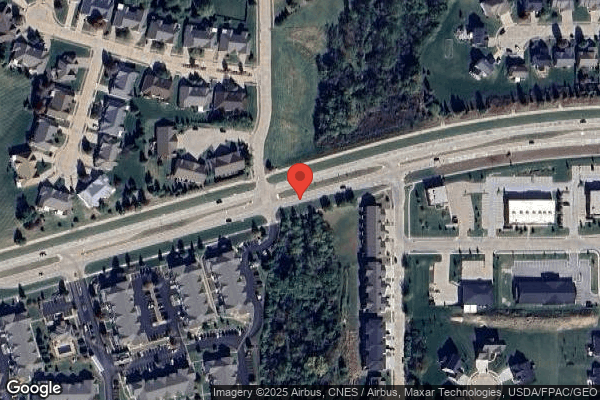

4699 53RD AVENUE, BETTENDORF, IA 52722 (515) 271-6789
For profit - Limited Liability company 39 Beds WESLEYLIFE Data: November 2025 1 Immediate Jeopardy citation
Trust Grade
38/100
#236 of 392 in IA
Last Inspection: February 2025

Within standard 12-15 month inspection cycle. Federal law requires annual inspections.

Overview

The Summit of Bettendorf has a Trust Grade of F, indicating significant concerns and poor performance. Ranking #236 out of 392 facilities in Iowa places it in the bottom half, while being #2 of 11 in Scott County means only one local option is better. The facility is reportedly improving, having reduced its issues from 4 in 2024 to none in 2025. However, staffing is a concern with a turnover rate of 77%, significantly higher than the state average, suggesting instability among caregivers. Additionally, the facility has accrued fines of $26,358, which is higher than 84% of Iowa facilities, raising red flags about compliance. Specific incidents noted include a critical failure to conduct skin assessments for residents with pressure ulcers, leading to serious injuries, and a lack of proper food handling practices in the kitchen. While the overall star rating is average at 3 out of 5, these concerns highlight the need for families to consider both the strengths and weaknesses of this facility carefully.
Trust Score
F
38/100
In Iowa
#236/392
Bottom 40%
Safety Record
High Risk
Review needed
Inspections
Getting Better
4 → 0 violations
Staff Stability
⚠ Watch
77% turnover. Very high, 29 points above average. Constant new faces learning your loved one's needs.
Penalties
⚠ Watch
$26,358 in fines. Higher than 95% of Iowa facilities. Major compliance failures.
Skilled Nurses
✓ Good
Each resident gets 60 minutes of Registered Nurse (RN) attention daily — more than 97% of Iowa nursing homes. RNs are the most trained staff who catch health problems before they become serious.
Violations
⚠ Watch
13 deficiencies on record. Higher than average. Multiple issues found across inspections.
★★★☆☆
3.0
Overall Rating
★★★☆☆
3.0
Staff Levels
★★★☆☆
3.0
Care Quality
★★★☆☆
3.0
Inspection Score
Stable
2024: 4 issues
2025: 0 issues

The Good

  • Full Sprinkler Coverage · Fire safety systems throughout facility
  • No fines on record

Facility shows strength in fire safety.

The Bad

3-Star Overall Rating

Near Iowa average (3.1)

Meets federal standards, typical of most facilities

Staff Turnover: 77%

30pts above Iowa avg (46%)

Frequent staff changes - ask about care continuity

Federal Fines: $26,358

Below median ($33,413)

Moderate penalties - review what triggered them

Chain: WESLEYLIFE

Part of a multi-facility chain

Ask about local staffing decisions and management

Staff turnover is very high (77%)

29 points above Iowa average of 48%

The Ugly 13 deficiencies on record

1 life-threatening
Mar 2024 4 deficiencies 1 IJ
CRITICAL (J) 📢 Someone Reported This

A family member, employee, or ombudsman was alarmed enough to file a formal complaint

Immediate Jeopardy (IJ) - the most serious Medicare violation

Pressure Ulcer Prevention (Tag F0686)

Someone could have died · This affected 1 resident

**NOTE- TERMS IN BRACKETS HAVE BEEN EDITED TO PROTECT CONFIDENTIALITY** Based on clinical record review, staff interviews, family interviews, and policy review the facility failed to complete skin ass...

Read full inspector narrative →
**NOTE- TERMS IN BRACKETS HAVE BEEN EDITED TO PROTECT CONFIDENTIALITY** Based on clinical record review, staff interviews, family interviews, and policy review the facility failed to complete skin assessments and provide treatments per physician's orders for 2 of 4 residents reviewed (Residents #14 and #89) with pressure ulcers. Both residents admitted to the facility with skin concerns and the facility failed to document the skin issues until days after their admission. Due to the lack of assessment and intervention the residents' skin injuries went from mild to serious impairment with exposed fat tissue and/or bone. This resulted in an immediate jeopardy situation. The State Agency informed the facility of the Immediate Jeopardy (IJ) on 3/21/24 at 4:44 PM. The IJ began on 1/25/24. Facility staff removed the Immediate Jeopardy on 3/22/24 at 11:03 AM by completing the following: 3/22/24 a. NP (Nurse Practitioner) reviewed all current areas and treatments for appropriateness of current interventions b. Residents with existing areas present a new assessment with measurements was completed 3/21/24 a. All residents were provided head to toe assessments and documented results via progress note. b. Braden Assessments were completed on all current residents c. Re education was completed to all nurses on the skin protocol policy and use of the standing orders, include notification of any new areas, immediate initiation of skin protocol orders, and risk management. d. All residents care plans were audited an updated for skin integrity areas e. Audited pressure reduction devices in place and /or indicated. The scope lowered from J to D at the time of the survey. Findings include: 1. Resident #14's Minimum Data Set (MDS) assessment dated [DATE] listed an admission date of 1/25/24. The MDS identified a Brief Interview for Mental Status (BIMS) score of 15, indicating intact cognition. Resident #14 required substantial/maximal assistance with positioning. In addition, she required total assistance from staff for transferring from bed to chair to toilet, with receiving showers, and when walking. The MDS included diagnoses of a fracture to the right arm, atrial fibrillation (an abnormal heart rhythm) and diabetes mellitus. The MDS indicated Resident #14 had one Stage 2 pressure ulcer present upon admission. The Clinical admission Form dated 1/25/24 lacked documentation of Resident #14 having a pressure ulcer. The section regarding the skin assessment remained incomplete. The Baseline Care Plan dated 1/25/24 at 7:03 PM failed to identify Resident #14 had a pressure ulcer or any skin conditions. The Physician Assistant's note dated 1/25/24 at 6:49 PM identified Resident #14 had bruising to the left cheek and hand. The note didn't include any assessment of the coccyx area. The Facility Wound and Skin Evaluation forms listed the following information: a. 1/26/24: Coccyx wound measured 13.5 cm (centimeters) long, 0.9 cm wide and no depth b. 1/28/24: Stage 2 pressure ulcer identified to coccyx with an onset date of 1/28/24. The wound measured 5.7 cm long, 0.8 cm wide and no depth of an intact blister with blanching and erythema, no drainage. The Nutrition/Dietary Note dated 1/30/24 at 1:27 PM the Dietitian documented Resident #14 had a stage 2 pressure ulcer with partial thickness skin loss 5.7 cm long and 0.8 cm wide. The Dietitian would contact the physician for a supplement order, as she needed increased protein for healing related to wound as evidenced by stage 2 partial thickness pressure ulcer. The Note lacked documentation of measurements of the pressure ulcer. The Nurses Note dated 2/2/24 at 7:18 PM the on duty Registered Nurse (RN) called another RN to look at Resident #14's coccyx wound. They assessed the area and took pictures of the wound pictures, then cleansed the area. After cleaning, they applied calcium alginate (a form of a wound treatment) and covered it with an Optifoam dressing. Per Resident #14's request, the nurse contacted Resident #14's daughter to update her on the wound status. The note lacked measurements and the appearance of the wound. The Care Plan Focus initiated on 2/2/24 and revised 2/8/24 indicated Resident #14 had a pressure ulcer on her sacrum. In addition, she had a potential for pressure ulcer development related to immobility, incontinence and diabetes mellitus type 2. The Interventions directed the following: a. Administer treatments as ordered and monitor for effectiveness. b. Assess/record/monitor wound healing weekly and PRN (as needed). Measure length, width and depth where possible. Assess and document status of wound perimeter, wound bed and healing progress. Report improvements and declines to the physician. c. Encourage resident to eat and drink all that is offered. d. The resident will have a pressure relief device on the bed and in the chair. On 2/6/24, the Care Plan added the following intervention: Consult with Wound Practitioner as warranted. On 2/8/24, the Care Plan added the following interventions: a. Assess/record/monitor wound healing weekly and PRN(as needed) Measure length, width and depth where possible. Assess and document status of wound perimeter, wound bed and healing progress. Report improvements and declines to the physician. b. Consult with dietician as warrants. c. Obtain ordered labs and report findings to physician d. Resident has low loss air mattress on bed The Nursing Facility Care, Subsequent, Per Day Encounter Note dated 2/6/24 listed the chief complaint as surgical wound to her front chest following the removal of basal cell cancer and an unstageable pressure ulcer to her coccyx/buttocks. Resident #14 had diabetes and lymphedema (swelling caused by a build-up of lymph fluid under the skin). The unstageable pressure ulcer on Resident #14's coccyx measured 5.0 cm by 6.9 cm with a depth of 0.1-1.1 cm. The wound bed appeared pink, with a large amount of drainage with a mild/moderate odor. The wound contained 90% necrotic slough tissue. The provider recommended a second opinion/possible surgical intervention related to the severity of the wound. The provider couldn't debride (remove dead tissue) the wound due its complexity at the bedside. The provider discussed with Resident #14 and her daughter the severity of her wound with the possible outcomes including wound infection, osteomyelitis (bone infection), sepsis (blood infection), and possible death. The provider gave orders for the following: a. Clean with saline, apply moistened Dakin's 0.125% 4x4 gauze to the wound bed and cover with a sacral foam every shift and as needed (PRN). b. Air mattress/chair cushion for pressure relieving support and protein supplement of 30 milliliters (ml) three times a day for nutritional support (house choice/sugar free). The Skin & Wound Evaluation V7.0 dated 2/9/24 at 10:39 PM indicated Resident #14 had an unstageable pressure ulcer due to slough and/or eschar (dead tissue) on her middle sacrum. The form listed the area as new and in-house acquired. The wound measured 7.6 cm area squared, 2.6 cm length, and 3.7 cm wide. The form reflected depth, undermining, and tunneling as not applicable. The assessment reflected the progress of the wound as stable. The remaining documentation of the assessment remained incomplete regarding appearance, exudate, wound bed, surrounding tissue, and the type of treatment. The Encounter Note dated 2/9/24 reflected Resident #14 saw the provider regarding sores on her lower extremities. Resident #14 and her daughter had concerns regarding the wounds on her lower legs. Her daughter thought the staff had Resident #14's compression dressings too tight. In addition, she had a pressure ulcer on her buttocks, she is scheduled to see the wound center on 2/14/24 regarding the ulcer. Resident #14 reported she had blisters on her legs. The Wound Center Progress Notes dated 2/14/24 identified Resident #14 had wounds on her coccyx, left medial foot at base of big toe-bunion area, left medial calf, right posterior thigh, left anterior upper arm. She had sharp and throbbing constant pain that she rated 8 out of 10, indicating moderate to severe pain. When she lies on her back, the pain increases. She described her pain as increased pain to coccyx, but denied pain to her left foot, left calf, right thigh, and left upper arm. The wounds on the left foot, left calf, right posterior thigh and right upper arm started on 2/8/24 and the coccyx wound started on 1/26/24.The wounds on the left foot and left calf started from the lymphedema wraps. The coccyx, left foot, and right posterior thigh are pressure ulcers, while the left upper arm is a skin tear. Resident #14's daughter came with her, she reported the coccyx wound started on 1/26/24 while in the hospital after falling at home, the left foot and calf wounds started on 2/8/24. After her hospitalization, the daughter reported she went to the nursing home, where she wore lymphedema compression. Once the nurses at the nursing home removed the wraps, they discovered a pressure ulcer on the left calf and foot. The facility staff cleaned the wound with Dakin's, packed the wound, and placed an Allevyn dressing over the wound. The left foot and left thigh wounds had Xeroform and Optifoam Gentle Border dressings. The wound assessments revealed the following: a. Wound #1 Coccyx is a Stage 4 pressure injury remained unhealed. The wound measured 3.5 cm x 2.8 cm x 4 cm (length, width, depth) with an area of 9.8 square (sq) cm and a volume of 39.2 cubic cm. Tendon and adipose tissue were exposed, but no eschar, tunneling, or sinus tracts observed. Undermining was noted at 12:00, extending up to 2.5 cm. The wound exhibited moderate tan drainage with mild odor. Resident #14 reported pain of 8/10. The wound margin was rolled, and the attached wound bed showed bright red, spongy granulation covering 1-25%, slough covering 51-75%, and epithelialization covering 1-25%. The periwound (skin around the wound) skin displayed maceration (skin breakdown caused by moisture), ecchymosis (dark purple spot on the skin similar to a bruise), and erythema (abnormal redness of the skin), with normal local pulse, and no signs of infection. The provider debrided the area of 4.9 sq cm. Following the debridement, the wound measured 3.5 cm length x 2.8 cm width x 4 cm depth, with an area of 9.8 sq cm and a volume of 39.2 cubic cm. b. Wound #2 Left, Proximal, Medial Calf is an acute Stage 3 pressure injury remains unhealed. Initial measurements indicate a wound size of 1 cm x 1.5 cm x 0.1 cm (length, width, depth) with an area of 1.5 sq cm and a volume of 0.15 cubic cm. Adipose tissue is exposed. No tunneling, sinus tracts, or undermining are observed. A scant amount of sero-sanguineous drainage is present, with no odor. Resident #14 reported no wound pain. The wound margin is flat and intact. The wound bed shows pink, firm granulation covering 1-25%, slough covering 51-75%, eschar covering 1-25%, and epithelialization covering 1-25%. The wound is deteriorating. Periwound skin exhibits edema and excoriation, appearing dry and scaly. The temperature of the periwound skin is warm, and there are no signs of infection. Local pulse is absent. c. Wound #3 Left, Medial Foot is a chronic Stage 3 pressure ulcer that measured 1.7 cm x 2.3 cm x 0.1 cm (length, width, depth) with an area of 3.91 sq cm and a volume of 0.391 cubic cm. Adipose tissue is exposed. No tunneling, sinus tracts, or undermining are observed. A scant amount of sero-sanguineous drainage is present, with no odor. The wound margin is flat and intact. The wound bed shows bright red, pink, firm granulation covering 1-25%, slough covering 51-75%, and epithelialization covering 1-25%. No eschar is present. The wound is deteriorating. Periwound skin exhibits edema and excoriation, appearing dry and scaly. The temperature of the periwound skin is warm, and there are no signs of infection. Local pulse is absent. The provider debrided 0.782 sq cm of the wound. Following the debridement, the wound measured 1.7 cm length x 2.3 width x 0.1 cm depth, with an area of 3.91 sq cm and a volume of 0.391 cubic cm. d. Wound #4 Right Thigh is a Stage 3 Pressure Injury that measured 2.2 cm x 2.3 cm x 0.7 cm (length, width, depth) with an area of 5.06 sq cm and a volume of 3.542 cubic cm. Adipose tissue was exposed. No tunneling, sinus tracts, or undermining were observed. A small amount of sero-sanguineous drainage was present, with no odor. The wound margin was flat and intact. The wound bed showed bright red, pink, firm granulation covering 1-25%, slough covering 51-75%, and epithelialization covering 1-25%. No eschar was present. Periwound skin exhibited edema and excoriation, appearing dry and scaly. The temperature of the periwound skin was warm, and there were no signs of infection. Local pulse was normal. The Wound Clinic Progress Notes included the following orders: a. Wound #1 Coccyx: Clean the wound and surrounding area gently using a non-harmful solution. Primary dressing: Until a specialized wound vacuum (wound vac) is available, place a soft material called alginate lightly into the wound. Secondary dressing: Cover the wound with a dressing like Mepilex or a similar one until the wound vac is ready. Change dressings three times a week or as needed. If there are issues with the wound vac, turn it off, remove the sponge from the wound, and use a wet-to-dry dressing temporarily. The wound vac provides continuous suction at a specific pressure level. Black foam is placed in the wound bed and positioned where pressure is low. Make sure the tape secures the foam properly on healthy skin. b. Wound #2 Left, Proximal, Medial Calf: Wound Cleansing: Gently clean the wound and the area around it (peri-wound) using a non-cytotoxic agent. Dressings: Primary Dressing (Xeroform): Apply a layer of Xeroform directly over the wound. Xeroform is a type of dressing that helps protect the wound and keep it moist. Secondary Dressing (Mepilex or similar): Place on top of the Xeroform. Changing Dressings: Change the dressings three times per week or as needed. c. Wound #3 Left, Medial Foot: Gently clean the wound and the peri-wound using a non-cytotoxic agent. Dressings: Primary Dressing (Xeroform): Apply a layer of Xeroform directly over the wound. Xeroform is a type of dressing that helps protect the wound and keep it moist. Secondary Dressing (Mepilex or similar): Place on top of the Xeroform. Changing Dressings: Change the dressings three times per week or as needed. d. Wound #4 Right Thigh Gently clean the wound and the area around it (peri-wound) using a non-cytotoxic agent. Dressings: Primary Dressing (Xeroform): Apply a layer of Xeroform directly over the wound. Secondary Dressing (Mepilex or similar): Place on top of the Xeroform. Changing Dressings: Change the dressings three times per week or as needed. The Order Summary Report reviewed on 3/21/24 included an order dated 2/15/24 regarding the coccyx wound. The order instructed, if the facility couldn't get a wound vac reapplied, they needed to gently cleanse wound with a non-cytotoxic agent, lightly tuck alginate into wound, and cover with mepilex dressing or any comparable dressing. The order directed to change the alginate dressing 3 times per week, every 24 hours as needed. If problems occur with wound vac: turn vac off, remove all sponge from wound, and place wet to dry dressing until problem can be addressed. The February 2024 Treatment Administration Record (TAR) lacked the scheduled order for the coccyx wound ordered at the Wound Clinic. The TAR listed the following orders: a. 2/15/24: As needed order with a start date of 2/15/24. - The only documentation listed on the TAR indicated Resident #14's dressing to her coccyx got changed on 2/16/24. b. 2/15/24: Site: Coccyx Negative wound vac therapy 125mmHg continuous suction. Black foam tucked lightly into wound bed and tracked to area of low pressure. Ensure tape is under all black foam on good skin. Change two times weekly, Monday, Thursday, and as needed (PRN). Check every shift for placement and adherence. - Wound documented as completed on 2/15/24, 2/17/24, and 2/18/24 on the night shift. The Skin/Wound Note dated 2/16/24 at 12:37 PM reflected the facility didn't receive all of the wound vac supplies and they didn't have matching in house products. The nurse contacted the wound vac vendor and they said they would look into the concerns. The nurse notified Resident #14, family and the wound care center. Resident #14 had an order for alternative treatment until the wound vac arrived. The Progress Notes lacked documentation that someone completed the alternative treatment to Resident #14's coccyx wound. The Nurses Note dated 2/19/24 at 10:00 AM indicated the facility spoke with the wound vac vendor. They reported they would send out new supplies (foam dressing kits) of the ones not delivered the week before. The facility did the alternative treatment ordered by the wound clinic. The Nurses Note dated 2/20/24 at 1:34 PM documented the nurse spoke to Resident #14 and her family regarding the wound vac. The nurse told them she could apply the wound vac, but because she has a wound clinic appointment the next day, she recommended not doing the dressing. She explained with the stickiness of the adhesive, if she applied the wound vac, Resident #14 would hurt more tomorrow when they changed it at the wound center. They agreed and the nurse placed the alginate dressing instead. The N Adv Skilled Evaluation dated 2/20/24 at 5:09 PM reflected Resident #14 described her pain to her coccyx as a 10 and sharp, cramping, without radiation. The skin section described Resident #14's coccyx wound as a stage 4 pressure ulcer. The wound bed looked Necrotic (dead tissue), with heavy drainage saturated on the dressing with some wound odor. Resident #14 followed the wound clinic's treatment schedule twice a day. The Skin and Wound Evaluation dated 2/20/24 at 1:44 PM indicated Resident #14 had a new in-house acquired stage 4 pressure ulcer to the middle sacrum. The wound measured 7.0 cm sq area, 3.8 cm long, 2.5 cm wide. The assessment listed the depth, undermining, and tunneling as not applicable. The assessment did not include documentation of exudate, wound bed, surrounding tissue, or type of treatment. The Wound Clinic Progress Notes dated 2/21/24 described the coccyx wound as an unhealed chronic Stage 4 Pressure Injury Pressure Ulcer. The wound measured 4.5 cm length x 2.8 cm width x 3.4 cm depth, with an area of 12.6 sq cm and a volume of 42.84 cubic cm. They wound had adipose tissue expose, but didn't have tunneling or sinus tract noted. The assessment determined undermining at 7:00 and ends at 4:00 with a maximum distance of 2.1 cm. The wound had a moderate amount of tan drainage noted with a mild odor. Resident #14 reported a wound pain of level 8/10. The wound margin is rolled and attached. The wound bed contained 1-25%, bright red, spongy, granulation, 26-50% slough, 1-25% eschar, 1-25% epithelialization tissue. The note described the wound as deteriorating. The periwound skin exhibited maceration, ecchymosis and erythema. The temperature of the periwound skin is warm, the periwound didn't exhibit signs or symptoms of infection. Local Pulse is Normal. The Order Summary Report reviewed on 3/27/24 included an order dated 2/22/24 to assess the wound daily even with the wound vac in place. The assessment included drainage (change/color/consistency), volume, adhesion of dressing, and the sponge appearance. In addition, the once a day progress note must have measurements of visible opening, any troubleshooting provided since the last daily assessment, and the appearance of the periwound skin appearance. The Skin & Wound Evaluation V7.0 dated 2/25/24 at 2:33 PM documented Resident #14's middle sacrum stage 4 pressure ulcer measured 4.2 cm length, 3.9 cm width, with the depth, tunneling, and undermining as not applicable. The assessment lacked documentation of the wound bed, exudate, peri wound, surrounding tissue, or the type of treatment order. The Order Summary Report reviewed on 3/27/24 included an order dated 2/28/24 to place alginate to the periwound around the edges to prevent foam from being in contact with intact skin. Negative wound vac therapy 125mmHg continuous suction, with the black foam tucked lightly into the wound bed and tracked to area of low pressure. Ensure tape is under all black foam on good skin. Change two times a week, the wound clinic will change on Wednesday, the facility to send the supplies. On Saturday check every shift for placement and adherence. Check the wound vac for function and adherence every shift. The February 2024 TAR listed the order as needed and didn't include a scheduled treatment. The Nurses Note dated 2/28/24 at 5:38 PM reflected Resident #14 returned from the Wound Clinic with the same order for her coccyx treatment and other wound injuries. The nurse replaced the wound vac dressing within 2 hours of her return to the facility. The note indicated the nurse staff must ensure the wound vac supplies get sent to the Wound Clinic appointments. The N Adv Skilled Evaluation Note dated 2/29/24 at 2:23 PM reflected Resident #14 had a pressure ulcer/ injury to her coccyx (back of the body above buttocks). The nurse described the wound bed as necrotic with heavy (greater than 75%) dressing saturation and odor. The note indicated Resident #14 follows with the wound clinic treatment schedule of twice a day (BID). The nurse staged the pressure ulcer as a stage 4, full thickness skin and tissue loss. Resident #14 had constant pain from the pressure ulcer. The N Adv Skilled Evaluation Note dated 3/1/24 at 11:15 AM indicated the pressure ulcer to Resident #14's coccyx had no change. The wound continued necrotic with heavy dressing saturation and odor. The note indicated Resident #14 follows with the wound clinic treatment schedule of twice a day (BID). The nurse staged the pressure ulcer as a stage 4, full thickness skin and tissue loss. Resident #14 had constant pain from the pressure ulcer. The N Adv Skilled Evaluation Note dated 3/2/24 at 1:47 AM indicated the pressure ulcer to Resident #14's coccyx had no change. The wound continued necrotic with heavy dressing saturation and odor. The note indicated Resident #14 follows with the wound clinic treatment schedule of twice a day (BID). The nurse staged the pressure ulcer as a stage 4, full thickness skin and tissue loss. Resident #14 had constant pain from the pressure ulcer. The Skin & Wound Evaluation V7.0 dated 3/2/24 at 2:38 PM reflected a stage 4 pressure to Resident #14's sacrum, middle. The assessment described the wound as new in-house acquired. The wound clinic staged the pressure wound that measured 16.5 cm area square x 4.6 cm length x 4.4 cm width, with depth, tunneling (wound moved under the skin away from the original wound), and undermining (edges of the wound under the skin are slightly larger than the outside of the wound) listed as not applicable. The wound appeared to have 70% of the wound filled with granulation tissue (new tissue, indicating the wound is healing) with 30% of the wound had slough tissue (a form of necrotic tissue that typically appears as soft, yellow, or white tissue). The wound had redness with inflammation indicating evidence of an infection. The wound had moderate serosanguineous drainage (a type of drainage that appears slightly yellow and pink) with a faint amount of odor. The wound had non-attached edges (edges look curled under). The wound appeared red and fragile. Resident #14 rated her pain 5/10 continuous, indicating moderate amount of pain. The wound progress reflected deteriorating. The Skin & Wound Evaluation V7.0 dated 3/10/24 at 5:14 AM identified Resident #14 had an in house acquired stage 4 pressure ulcer to the sacrum middle. The wound measured 18.6 cm area squared x 6.5 cm length x 4.4 cm with depth, undermining, and tunneling listed as inapplicable. Following the measurements, the assessment remained incomplete. On 3/19/24 at 2:00 PM observed Staff E, Licensed Practical Nurse (LPN), enter Resident #14's room. Staff E reported Resident #14 had a wound to her sacrum, to her chest, and to her foot. She had a wound care clinic appointment scheduled for her sacral wound the next day. Staff O, Registered Nurse (RN) and Staff C, Certification Medication Aide (CMA)/ Certified Nurse Aide (CNA), and Staff M, RN/Clinical Quality Specialist entered the room. Resident #14 stated she wanted to urinate. Rather than placing her on a bedpan, the staff waited for her to urinate into her incontinent brief. As Staff O and Staff C turned the resident to her side, the Tegaderm dressing at the bottom of the wound peeled away near the rectal area. An observation revealed an intact Wound Vac that functioned well at 125 mmgHg (millimeters of mercury) suction. Resident #14 had a smear of bowel movement (BM). The wound lacked signs of an infection to surrounding tissue and had no odor noted. The wound contained exposed tendon and bone, Staff C removed her gloves, washed her hands and donned new gloves before she provided proper incontinence care. Staff E used the correct technique to cleanse the wound to the coccyx, however, did not change the wound dressing, the black sponge and Tegaderm to the Wound Vac. After the staff provided incontinence care, they removed their gloves, used alcohol hand sanitizer and donned new gloves before securing a new incontinent brief in place. The air mattress was in place and inflated properly. Staff E and Staff C placed Resident #14's feet in Prevalon boots and turned her to lay on her left side, placed a wedge pillow behind her back, and another pillow between her knees. The side ensured both ¼ side rails were up with her call light in reach. The Wound Clinic Progress Note dated 3/20/24 indicated on 2/28/24 when Resident #14 went to her appointment, she didn't have her wound supplies as ordered. At this appointment, Resident #14 rated her pain at 9/10, indicating severe pain. The assessment revealed she had a large amount of leakage around the wound vac. She had all of her dressings in place and brought her wound supplies. She continued to have an unhealed stage 4 pressure injury to her coccyx. The wound measured 7.3 cm long, 5 cm wide and 4.7 cm deep. The area measured 35 sq and had a volume of 171.55 cubic cm. The wound had exposed tendon, muscle, bone and adipose (fatty tissue) with a moderate amount of tan drainage noted with a strong odor. The assessment reflected she had pain of 8/10. The note described the wound as deteriorating. The Wound Clinic debrided the wound and removed 18.25 sq cm of devitalized tissue; biofilm, fibrin, and slough. The final measurement of the wound was 7.3 cm in length, 5 cm width, and 4.7 cm deep. The area measure 36.5 sq cm with a volume of 171.55 cm. The Wound Clinic gave orders of Alginate to the peri wound around the edges to prevent foam from being in contact with intact skin. Change dressing two times per week and PRN (as needed). Negative wound vac therapy per nursing home,125 mmHg continuous suction, please use Versatel or Adaptec placed into wound base to protect bone, black sponge. On 3/20/24 at 1:12 PM, the ADON (Assistant Director of Nursing) reported upon review of the skin and wound evaluation form completed on 3/11/24, she verified the documentation didn't identify the wound. She explained the area identified as a wound was to her right groin. She couldn't explain why Resident #14's record didn't have documentation of Resident #13's coccyx wound. In addition, she couldn't explain how the ulcers developed. The ADON described the area to Resident #14's coccyx as a pressure ulcer and verified the admission assessment dated [DATE] didn't have documentation of the date of onset. Upon review of the admission progress notes, the ADON verified Resident #14's admission date as 1/25/24 and the initial progress note dated 1/25/24 at 6:45 PM lacked documentation of Resident #14's pressure ulcer. She added the nurse should have completed a head to toe skin assessment on both progress notes and the admission assessment. If Resident #14 had pressure ulcers on admission, the nurse should have documented the location, measurements, appearance, any drainage, and odor. She felt the wound could have developed due to lack of positioning. The ADON couldn't explain the lack of documentation. She reported the staff should have reassessed the wound and measure it every 7 days. The ADON reported her Care Plan interventions included a low air loss mattress and supplements. On 3/20/24 at 2:28 PM, Staff G, RN, reported when a resident admitted to the facility for the first time, the nurse should complete a head to toe skin assessment on the admission clinical admit form within 2 hours. She explained she started the form, but didn't get to complete the skin admission assessment and passed it on to the next shift. The nurse should document pressure ulcer assessments on the skin and wound evaluation forms every 6 to 7 days. She added Resident #14 went to the wound clinic once a week. She could not explain how the wound developed or if she had it upon admission, she did acknowledge the current wound as a stage 4. The Care Plan interventions included: pressure relieving mattress, protein supplements, paper chux (thin protective barrier) reposition, check and change every 2 hours. The Skin & Wound Evaluation V7.0 dated 3/22/24 at 4:06 PM identified Resident #14 had an in house acquired stage 4 pressure ulcer to the sacrum middle. The wound measured 6.5 cm long, 4.4 cm wide, with depth, tunneling, and undermining listed as not applicable. The goal of care indicated the wound healed slowly or stalled but stable with little to no deterioration. The notes reflected the wound looked more granulated and healthier. The education indicated the facility would continue to twice weekly wound changes. The Incident Report Head to Toe assessment dated [DATE] at 7:02 PM reflected the wound vac dressing didn't include a layer of protection under the black foam bridge to the lower area of pressure causing a suction irritation under the foam. The skin looked bright red. Resident #14 described the area as tender and irritated. The nurse applied the correct dressing. The Safety Measures Implemented section indicated the nurse applied the correct dressing and directed management to provide wound vac dressing change education. On 3/21/24 at 8:15 AM, Staff C, Certified Medication Aide (CMA)/Certified Nurse Aide (CNA) reported Resident #14 admitted to the facility with a pressure ulcer. She couldn't recall the size of the wound. She explained the wound may have opened as she has been incontinent of urine and stool. The staff had to reduce her Colace (a laxative). She had some days the staff found her soaking wet. Staff C thought Resident #14 might benefit from having a catheter. Her she had watery consistency stools and they started a couple of weeks before. The Care Plan interventions included repositioning Resident #14 every 2 hours. Staff C explained Resident #14 repositioned without issue. The staff helped her get in her power chair so there is not so much pressure on her bottom. There is a special mattress that fluctuates the pressure, only use one non fitted sheet and use paper chux. Staff C didn't know how long Resident #14 had the mattress. She had a wound vac that Wound Clinic changed once a week on Wednesdays. On 3/21/24 at 8:22 AM, Staff F, CNA reported Resident #14 had a spot on her bottom when she came in, but it was nowhere as big as it is now. The last time Staff F saw the wound on 3/17/24, she had no redness around the wound, but the tissue looked [NAME] with lots of drainage. She had the wound vac, but couldn't recall the date the wound clinic was placed. Staff F said the wound may have opened due to Resident #14 incontinence of urine and stool. On the first shift, the staff change her every time they reposition her as she would be incontinent of large amounts of urine and stool. Staff F reported she cleaned feces (poop) out of Resident #14's wound. The staff used to put her on the bedpan, but with the wound vac and whe
CONCERN (D)

Potential for Harm - no one hurt, but risky conditions existed

Deficiency F0625 (Tag F0625)

Could have caused harm · This affected 1 resident

**NOTE- TERMS IN BRACKETS HAVE BEEN EDITED TO PROTECT CONFIDENTIALITY** Based on observation, clinical record review, staff interviews and facility policy review the facility failed to provide a Bed H...

Read full inspector narrative →
**NOTE- TERMS IN BRACKETS HAVE BEEN EDITED TO PROTECT CONFIDENTIALITY** Based on observation, clinical record review, staff interviews and facility policy review the facility failed to provide a Bed Hold Notice to 3 out of 3 residents reviewed for hospitalization (Residents #7, #9, and #14). Findings include: 1. Resident #7's Minimum Data Set (MDS) assessment dated [DATE], identified a Brief Interview for Mental Status (BIMS) score of 12, indicating moderately impaired cognition. The MDS included diagnoses of heart failure, urinary tract infection (UTI) and renal (kidney) failure. The MDS Tracking for Resident #7 listed discharges to the hospital occurred on 10/27/23, 12/9/23 and 2/28/24. Resident#7's Progress Note dated 10/27/23, 12/9/23 and 2/28/24 failed to reflect the facility provided the Bed Hold Notice. On 3/20/24 at 2:05 PM, Resident #7 sat at the dining room (DR) table as other residents played a card game. On 3/21/24 at 1:29 PM, the Administrator and Staff B, Registered Nurse Consultant (RNC), confirmed they expected the floor nurses to offer a Bed hold to the resident and/or family when they send a resident to the hospital. Afterwards, they need to communicate that with the Social Services staff. The Administrator confirmed he expected the nurses to document the Bed Hold provided in the progress notes. The Bed Hold Policy dated October 2022 instructed the Skilled Nursing Facility/Nursing Facility (SNF/NF) communities develop and implement policies that address permitting residents to return to the community after a hospitalization or therapeutic leave. Specifically, residents who are hospitalized or on therapeutic leave are allowed to return to the community for skilled nursing or nursing community care or services. 2. Resident #9's Minimum Data Set (MDS) assessment dated [DATE] identified BIMS score of 15, indicating intact cognition. The MDS included diagnoses of pneumonia, renal insufficiency (kidney failure) and osteoporosis (fragile bones). The MDS Tracking reflected Resident #9 transferred to the hospital on 3/13/24. Resident #9's Progress Note dated 3/13/24 failed to include documentation the facility provided the Bed Hold Notice within 24 hours of being transferred to the hospital. Resident #9's Progress Note dated 3/18/24 at 1:50 PM documented he returned from the hospital with a prescription for Augmentin (an antibiotic) to treat a diagnosis of Pneumonia. In an interview on 3/18/24 11:50 AM, Staff C, Certified Nurse Aide (CNA)/ Certified Medication Aide (CMA) reported Resident #9's location as the hospital. In an observation on 3/18/24 at 1:38 PM, Resident #9 sat in a recliner in his room, wearing a neck brace, properly positioned and appeared comfortable. He stated he stayed in the hospital for the past week with a high temperature and a low blood pressure. 3. Resident #14's Minimum Data Set (MDS) assessment dated [DATE] identified a BIMS (Brief Interview for Mental Status) score of 14, indicating intact cognition. The MDS included diagnoses of a fracture to the right arm, atrial fibrillation (an abnormal heart rhythm), and diabetes mellitus. The MDS Tracking for Resident #14 failed to include the hospital transfer on 1/30/24. The progress note dated 1/30/24 at 10:39 AM had documented Resident #14 went to the Emergency Department (ED). The progress note lacked the facility offered a Bed Hold Notice to Resident #14 within 24 hours of being transferred to the hospital. Resident #14's Progress Note dated 2/1/24 at 4:54 PM indicated Resident #14 returned to the facility with a diagnosis of uncontrolled pain related to a fracture to the humerus (a broken bone to the arm). In an observation on 3/18/24 at 11:51 AM, Resident #14 sat in her power chair in the dining room with a wound vac in place and suctioning properly. In addition, Resident #14 had her right arm in a sling elevated on a pillow while wearing Prafo boots (specialized pressure relieving boots) with compression wraps to both legs and feet.
CONCERN (D) 📢 Someone Reported This

A family member, employee, or ombudsman was alarmed enough to file a formal complaint

Potential for Harm - no one hurt, but risky conditions existed

Deficiency F0658 (Tag F0658)

Could have caused harm · This affected 1 resident

**NOTE- TERMS IN BRACKETS HAVE BEEN EDITED TO PROTECT CONFIDENTIALITY** Based on observation, staff interview, and record review, the facility failed to administer insulin as directed by the Physician...

Read full inspector narrative →
**NOTE- TERMS IN BRACKETS HAVE BEEN EDITED TO PROTECT CONFIDENTIALITY** Based on observation, staff interview, and record review, the facility failed to administer insulin as directed by the Physician Order. The nurse failed to prime an insulin pen for 2 of 2 doses for 1 resident observed during medication administration (Resident #25). Findings include: Resident #25's Minimum Data Set (MDS) assessment dated [DATE] identified Brief Interview for Mental Status (BIMS) score of 7, indicating severely impaired cognition. The MDS included diagnoses of cancer, septicemia (blood poisoning by bacteria) and diabetes mellitus. Resident #25 required total dependence from staff with transferring in the bed, out of the bed, and toilet use. The physician order dated 2/24/24 documented, Insulin Lispro (rapid acting insulin) Injection 100 units per ml (milliliter) Inject as per sliding scale before meals: 70 99 = 6 Units; 100 160 = 7 Units; 151 180=8 Units; 181 210=9 units; 211 240=10 Units; 241 270=11 Units; 271 300=12 Units; 301 330=13 Units; 331 360=14 Units; 361 390=15 Units; 391 420=16 Units; 421 450=17 Units; Inject subcutaneously before meals. The physician order dated 2/24/24 listed Insulin Glargine (slow acting insulin) 100 units per ml. Inject 22 units subcutaneously in the morning. During an observation on 3/19/24 at 8:06 AM, Staff D, RN (Registered Nurse), without priming the insulin pen needles, administered Lispro 15 units and Glargine 22 units into Resident #25's abdomen. The Care Plan dated 2/27/24 identified Resident #25 had Diabetes Mellitus and directed the staff to: a. Administer diabetes medication as ordered by doctor. b. Monitor/document for side effects and effectiveness. c. Monitor blood sugar levels as ordered and report to physician as warrants. Resident #25's March 2024 Medication Administration Record (MAR) included the following orders: a. Start date 2/24/24: Insulin Glargine 100 units per milliliter (ml). Inject 22 units subcutaneously in the morning. - signed as given on 3/19/24. b. Start date 2/24/24: Insulin Lispro Injection 100 units per ml. Inject as per sliding scale before meals: 361 390 = 15 Units. Inject subcutaneously before meals. - signed as given on 3/19/24. c. Start date 3/19/24: Insulin Glargine 100 units per ml. Inject 2 units subcutaneously one time only for blood glucose of 526. - signed as given on 3/19/24 at 10:15 AM d. Start date 3/19/24: Insulin Lispro Injection 100 units per ml. Inject 2 units subcutaneously one time only for blood glucose of 526. - signed as given on 3/19/24 at 10:15 AM. The Nurses Note dated 3/19/24 at 9:51 AM indicated Resident #25's Dexcom (continuous glucose monitor) reflected a HIGH reading. When the nurse checked her blood sugar by completing a finger stick, her blood glucose level read 526. The nurse notified the provider who gave orders to give 2 units of Lispro and 2 units of Glargine at that time, then recheck her glucose level in 30 minutes. The Nurses Note dated 3/19/24 at 10:15 AM indicated the nurse administered 2 units of Glargine and 2 units of Lispro as ordered. The nurse reported to the oncoming nurse to recheck her blood glucose level in 30 minutes and notify the provider of the results. The Nurses Note dated 3/19/24 at 10:21 AM reflected the nurse notified Resident #25's family member her condition and blood glucose levels at that time. The progress notes lacked the order to recheck the blood glucose levels at 10:20 AM and 10:45 AM. The Blood Sugar Summary reviewed on 3/28/24 listed the following blood sugars recorded on 3/19/24: a. 8:07 AM - 364 b. 11:17 AM - 334 c. 4:59 PM - 109 In an interview on 3/19/24 at 8:14 AM, Staff D reported she didn't know to prime the insulin pen needles before she administered the insulin. In an interview on 3/20/24 at 10:11 AM, Staff D reported when she gave Resident #25 the insulin on 3/19/24, she found the facility protocol to prime the needle with 2 units. Staff D notified the doctor and family, rechecked Resident #25's blood sugar at 9:51 AM. Her blood sugar measured 526. She called the provider who gave orders to give an extra 2 units of Lispro and 2 units of Glargine. She administered those orders at 10:10 AM. Staff D informed the oncoming nurse, Staff B, Licensed Practical Nurse (LPN), of the order to recheck the blood glucose again at 10:45 AM. Staff D reported this should be charted in the vitals tab in the electronic medical record. Staff D reviewed the Blood Sugar Summary under the vitals tab, then verified Resident #25's record lacked the blood sugar documented for 10:45 AM under the summary or in the Nurse's Progress Notes. In an interview on 3/20/24 at 10:34 AM, Staff B, LPN reported after Staff D gave insulin to Resident #25 on 3/19/24, Staff D reported Staff B needed to recheck the blood sugar at 10:45 AM. She did not remember entering the blood sugar in the Blood Sugar Summary and verified there was no blood sugar documented in the Blood Sugar Summary or progress notes for 10:45 AM. Staff B also reported before she would administer insulin with a pen, she would prime the needle with 2 units. In an interview on 3/28/24 at 11:07 AM, Staff M, RN Clinical Quality Specialist, reported the nurse should follow protocol and prime the needle of the insulin pen with 2 units prior to administration. Immediately after an order is received to administer a medication, the order should be entered into the system. When a resident has orders to recheck the blood sugar in 30 minutes, she expects the nurse to document it in the electronic MAR. The Insulin Pen policy revised July 2016, directed staff prior to administration to: a. Dial a dose of 2 units b. Take off and discard the inner needle cap c. Hold pen with needle pointing up and gently tap the insulin reservoir so any air bubbles rise to the needle d. Press injection button all the way in and count slowly to 6 - A stream of insulin should come through the needle - The dose window will return to zero
MINOR (B)

Minor Issue - procedural, no safety impact

Transfer Notice (Tag F0623)

Minor procedural issue · This affected multiple residents

**NOTE- TERMS IN BRACKETS HAVE BEEN EDITED TO PROTECT CONFIDENTIALITY** Based on observation, clinical record review, staff interview and facility policy review the facility failed to notify the Ombud...

Read full inspector narrative →
**NOTE- TERMS IN BRACKETS HAVE BEEN EDITED TO PROTECT CONFIDENTIALITY** Based on observation, clinical record review, staff interview and facility policy review the facility failed to notify the Ombudsman's office three out of three times one resident went to the hospital (Resident #7). Findings include: Resident #7's Minimum Data Set (MDS) assessment dated [DATE], identified a Brief Interview for Mental Status (BIMS) score of 12, indicating moderately impaired cognition. The MDS included diagnoses of heart failure, urinary tract infection (UTI) and renal (kidney) failure. The MDS Tracking for Resident #7 listed discharges to the hospital occurred on 10/27/23, 12/9/23 and 2/28/24. The Ombudsman Notification list provided by the facility for the months of October 2023, December 2023, and February 2024 failed to reflect Resident #7's discharged to the hospital on [DATE], 12/9/23 and 2/28/24. On 3/21/24 at 1:34 PM, the Administrator reported the Social Service department staff are responsible for the notification to the Ombudsmen of a discharged resident. He confirmed the Social Service department failed to know that needed done for long term residents. The Discharge/Transfer of the Resident policy dated January 2023, directed the staff to complete Notice of Transfer form to Long term Care Ombudsman.
Sept 2023 3 deficiencies
CONCERN (D) 📢 Someone Reported This

A family member, employee, or ombudsman was alarmed enough to file a formal complaint

Potential for Harm - no one hurt, but risky conditions existed

Notification of Changes (Tag F0580)

Could have caused harm · This affected 1 resident

Based on record review and staff interviews, the facility failed to notify the physician of abnormal findings on an X-ray report that indicated treatment was required for the resident's condition, the...

Read full inspector narrative →
Based on record review and staff interviews, the facility failed to notify the physician of abnormal findings on an X-ray report that indicated treatment was required for the resident's condition, the resident's condition declined and required hospitalization within 48 hours of the findings on the report, for 1 of 11 resident records reviewed (Resident #14). Findings Include: The 4/8/23 Minimum Data Set (MDS) Assessment Tool revealed Resident #14 had diagnoses that included diabetes and septicemia, and the resident able to make himself understood and understood others. A Chest X-ray report dated 5/1/23 revealed the resident had right lower lobe pneumonia with effusion (presence of fluid). A physician order dated 5/2/23 directed staff to administer 750 milligrams (mg) of Levaquin (a strong antibiotic) oral daily for 5 days to treat the pneumonia. A Communication with Physician Note transcribed by Staff A, Licensed Practical Nurse (LPN) on 5/18/23 at 3:45 p.m. stated: Resident is wondering if he can get a repeat chest X-ray. When laying down will start coughing again. Was recently treated for pneumonia. A chest X-ray report dated 5/19/23 stated the resident had an infiltrate (pneumonia) in the right lung, and no change compared to the 5/1/23 chest X-ray result. The report was received via facsimile (fax) at the facility on 5/20/23 at 11:34 a.m. A Communication with Physician Note transcribed by Staff A, LPN, on 5/21/23 at 5:46 p.m. stated: Resident would like to be seen by provider. Complains of ongoing left sided low back pain that is not going away. Resident also feeling more tired today and nauseated. A Nursing Progress Note transcribed by Staff B, Registered Nurse (RN) on 5/22/23 at 11:57 a.m., effective 8:13 a.m. stated: Complains of not feeling well this morning. Had 1 episode of emesis, mostly yellow bile. Persistent coughing with wheezing noted post episode. Did have small amount of green sputum. Refused breakfast and morning medications. APAP (Acetaminophen) given for temp of 99.0 with chills. Nurse Practitioner (NP) notified, assessed resident, decision made to send to hospital emergency room (ER) for evaluation and treatment. A Provider Note dated 5/22/23 at 11:30 a.m., transcribed by the NP stated the resident seen for an acute skilled visit. Resident reported nausea and vomiting that started on Saturday (5/20/23). Complained of abdominal pain along with low back and neck pain. Noted to have a moist productive cough. Recently treated for pneumonia 5/1/23, completed antibiotics, repeat chest X-ray on 5/19/23 showed infiltrate in the right lung, unchanged from 5/1/23. Also reported he has not been out of bed because he felt extremely dizzy when he sat up. The resident sent to the hospital ER for further evaluation. The resident's record did not reveal and the facility could not provide evidence that the provider was notified of the 5/19/23 X-ray results. The resident's hospital Emergency Department Physician Progress Note dated 5/22/23 reported the resident required hospitalization for pneumonia, initial treatment with 2 different antibiotics administered intravenously (IV), and elevated white blood cell count of 12.64 (normal range 3.80 to 10.60), indicative of an acute infection. A Nursing Progress Note dated 5/26/23 at 11:07 p.m., transcribed by Staff C, RN, stated: Resident's spouse at the facility to gather the resident's belongings and stated the resident has been diagnosed with a Staph infection of the blood and remains in ICU (Intensive Care Unit) at the hospital. The facility's Change of Condition - Physician Notification policy, dated as last revised 7/2022 directed staff: Prompt communication with the Physician and Nurse Practitioners are essential to the continuity of resident care and well-being. Communication of changes are necessary to determine course of treatment, and listed items that included: 1. Results in an injury that has the potential for physician intervention. 2. Abnormal lab values. 3. Other conditions as deemed necessary. During an interview 9/13/23 at 3:40 p.m., the Director of Nursing (DON) stated she expected nursing staff to notify the physician or on-call provider of abnormal X-ray and laboratory results, and staff should have notified the provider of the resident's chest X-ray results on 5/20/23 when the report was received.
CONCERN (D) 📢 Someone Reported This

A family member, employee, or ombudsman was alarmed enough to file a formal complaint

Potential for Harm - no one hurt, but risky conditions existed

Deficiency F0602 (Tag F0602)

Could have caused harm · This affected 1 resident

Based on clinical record review, staff interviews, and facility policy review, the facility failed to prevent misappropriation of a resident's narcotic analgesic medication, for 1 of 7 resident's revi...

Read full inspector narrative →
Based on clinical record review, staff interviews, and facility policy review, the facility failed to prevent misappropriation of a resident's narcotic analgesic medication, for 1 of 7 resident's reviewed with narcotic medication orders (Resident #11). The facility reported a census of 35 residents. Findings Include: The 4/5/23 Minimum Data Set (MDS) Assessment Tool revealed Resident #11 had diagnoses that included non-Alzheimer's dementia, other fracture, anxiety and acute respiratory failure with hypoxia (low oxygen level in the blood), severe cognitive impairment without symptoms of delirium present, always able to make self understood and understand others, received analgesic medications administered on a scheduled and as needed basis for pain during the 5 days that preceded the assessment. The resident required extensive assistance of at least 1 staff to reposition in bed, transfer to and from bed or chair, ambulation, dressing, toileting, bathing and personal hygiene. A Chronic Pain related to Disease Process problem initiated 4/26/22 on the Nursing Care Plan directed staff to provide interventions that included: a. Administer analgesia as per orders. Give 1/2 hour before treatments or care. (Initiated 4/26/2022) b. Anticipate the resident's need for pain relief and respond immediately to any complaint of pain. (Initiated 4/26/2022) c. Evaluate the effectiveness of pain interventions. Review for compliance, alleviating of symptoms, dosing schedules and resident satisfaction with results, impact on functional ability and impact on cognition. (Initiated 4/26/2022) d. Measure/rate pain on a scale of 1-10, with 10 being the highest. (Initiated 4/26/2022) e. Notify Doctor if current pain regime is not effective. (Initiated 9/08/2022) f. The resident would like to be observed for signs or symptoms of opioid pain medications such as nausea, drowsiness, dizziness, itching, sweating, depression, addiction and tolerance. (Initiated 9/08/2022) An 11/2/22 physician order directed staff to administer 0.5 milliliters (ml)/10 milligram (mg) dosage of Morphine solution, 100 mg per 5 ml concentration, oral every 2 hours as needed for pain or difficulty breathing. Pharmacy records revealed a 30 ml bottle of Morphine, 100 mg per 5 ml concentration, delivered to the facility 11/4/22. The Controlled Drug Record (Inventory Control Sheet) associated with the bottle of Morphine revealed there was 21.5 ml (430 mg) in the bottle on the morning of 4/29/23, the last dose administered to the resident was recorded at 3:15 a.m. on 3/27/23. The record revealed staff had not administered Morphine to the resident on 4/29/23. Information in the facility's self-reported incident, #112656-A, described the nurse assigned to the resident on the 6:00 a.m. to 6:00 p.m. shift on 4/29/23, Staff D, Licensed Practical Nurse (LPN) from a staffing agency, took the resident's Morphine and used it for herself. Staff interviews revealed: a. On 9/7/28 at 10:40 a.m., Staff E, Certified Nursing Assistant (CNA) stated she was assigned to work on 4/29/23 from 6:00 a.m. to 2:30 p.m., on the same unit with Staff D, the nurse assigned to the unit. When she looked for the nurse around 9:30 a.m. she found Resident #11's room door closed and it was not supposed to be, she opened the door, saw the nurse's cart in the room but did not see the nurse, the resident was positioned half in the bed and half on the floor without her oxygen on, heard the sound of running water in the resident's bathroom, the sliding bathroom door was closed except for about an inch, there were no lights on in the bathroom, she opened the door and saw Staff D with a syringe in 1 hand and something in her other hand that she immediately shoved in 1 of her uniform pockets. She asked Staff D what she was doing in the resident's bathroom, as staff were not permitted to use resident bathrooms, Staff D acted startled, nervous, and instructed her to watch the resident as she (Staff D) had to go to the bathroom really bad, ran out of the room and went to the public bathroom located across the hall near the resident's room. Another CNA, Staff F, was located in the hall at the time, Staff E instructed her to stay with the resident as she (Staff E) was going to get the Administrator immediately (Staff G, facility Administrator from 12/14/22 to 5/4/23). Staff E found the Administrator in the area, informed her what she had just witnessed, both went to the hall outside the public bathroom, the Administrator knocked on the door and demanded Staff D come out of the bathroom. When Staff D came out, which wasn't immediately, the Administrator asked her if there was anything in her pockets, Staff D started yelling at the Administrator and called Staff E a liar, the Administrator took Staff D back to the resident's room and she went into the public bathroom, found a vitamin pill bottle in the trash can covered with 2 dry paper towels, the bottle was empty except for some pink liquid droplets, and she immediately took the bottle to the Administrator. b. On 9/6/23 at 11:06 a.m., Staff G, former Administrator, stated she remembered the events of 4/29/23, Staff E was upset and told her she thought Staff D was taking the resident's narcotics, she stood outside public bathroom door, did not hear water running or the toilet flush prior to Staff D exit from the bathroom, she asked Staff D what was in her pockets/to empty her pockets, Staff D selectively removed items from her pockets, was belligerent, aggressive, did not respond as a reasonable person and told the Administrator she had no right or authority to ask her that. The Administrator said she told Staff D she had every right to when she had reason to believe she was in possession of a resident's medications or taking them. Staff E went into the bathroom after Stand D came out, found an empty pill bottle in the trash and gave it to her. The Administrator stated she escorted Staff D out of the building, asked her for the keys, Staff D took them out of her pocket, threw them on the floor and as she did, a small skinny syringe also fell to the floor. The Administrator stated she picked both items up, made note of the vehicle and License Plate of Staff D's car, called the Police and the DON, notified the staffing agency that employed Staff D, and also reported the incident to the Iowa Board of Nursing. The DON came and knew the liquid in the resident's Morphine bottle had been watered down and was not the original color of the medication when she looked at it. c. On 9/6/23 at 1:01 p.m., Staff H, Registered Nurse (RN), former DON until 6/2/23, stated she received a phone call from the Administrator on 4/29/23, informed Staff E reported seeing a nurse with a bottle of Morphine in the resident's bathroom, the nurse had an empty probiotic pill bottle in her hand, the resident was in bed at the time, the nurse was alarmed when the aide saw her and asked what she was doing. The nurse left the Morphine bottle on the counter when she left the room and went to a bathroom. Staff E reported it to the Administrator. When she arrived at the facility approximately 20 minutes after the call, Staff D was already out of the facility, the Administrator and Staff E were at the Nurse's Station area with the Morphine bottle and the probiotic pill bottle, and the police arrived a couple minutes later. The DON looked at the resident's Morphine bottle, the liquid in the bottle was watery light pink colored, did not look like the same color as the Morphine in 4 other resident's Morphine bottles at the facility, there were droplets of dark pink colored liquid in the probiotic pill bottle that was similar to the color of the other resident's Morphine. As of the time of investigation Exit, Staff D could not be reached for an interview. The facility's Dependent Adult Abuse policy, dated as last revised 4/2023 included the following directives: 1. Each resident will be free form abuse. Abuse includes misappropriation of resident property. 2. In the event of suspected dependent adult abuse, when a specific staff member is implicated in the alleged event, the staff member(s) will be removed from the resident care area immediately, interviewed by the supervisor, suspended and may have no contact with the resident until the investigation is completed. 3. Immediate steps should be taken to ensure safety of the residents, before other action is taken. 4. Notify the Administrator and Director of Nursing (DON) immediately, and other officials in accordance with state law.
CONCERN (D) 📢 Someone Reported This

A family member, employee, or ombudsman was alarmed enough to file a formal complaint

Potential for Harm - no one hurt, but risky conditions existed

Deficiency F0658 (Tag F0658)

Could have caused harm · This affected 1 resident

**NOTE- TERMS IN BRACKETS HAVE BEEN EDITED TO PROTECT CONFIDENTIALITY** Based on record review, and staff, pharmacy and resident interviews, the facility failed to order and maintain a supply of narco...

Read full inspector narrative →
**NOTE- TERMS IN BRACKETS HAVE BEEN EDITED TO PROTECT CONFIDENTIALITY** Based on record review, and staff, pharmacy and resident interviews, the facility failed to order and maintain a supply of narcotic analgesic medications that were prescribed by the physician and required to treat a resident's condition, failed to communicate with their pharmacy as required when the medication supply on hand was low, and failed to follow appropriate professional standards of practice related to narcotic medication management. The failure of the facility resulted in the resident's hospitalization for severe pain, after staff exhausted the resident's supply and 13 tablets from the facility's emergency medication system, without any communication with their pharmacy to reorder the medication, for 1 of 7 resident records reviewed for narcotic medication orders (Resident #13). Findings Include: The 12/4/22 Minimum Data Set (MDS) Assessment revealed Resident #13 admitted to the facility 11/30/22 with diagnoses that included arthritis, other instability of left shoulder, and subsequent encounter for dislocation of other internal joint prosthesis, received analgesic medications and non-pharmacological interventions for frequent pain during the 5 days that preceded the assessment, the pain rated at a 9 on a 0 to 10 pain scale, with 10 assigned to the worst pain possible, and the pain impacted the resident's ability to sleep. The resident scored 15 out of 15 points possible on the Brief Interview for Mental Status (BIMS) cognitive assessment on the MDS, that indicated the resident did not have any cognitive deficits. A hospital History and Physical document dated 11/30/22 revealed the resident underwent surgical revision of the shoulder joint prosthetic replacement on 11/14/22, and required Skilled Nursing and Therapy services upon hospital discharge on [DATE]. Physician orders transcribed 12/1/22 directed staff to administer Hydroco/APAP 5-325 milligram (mg) tablet (a combination of Oxycodone, a very strong narcotic analgesic and acetaminophen), 1 tablet oral every 4 hours as needed for pain, or 2 tablet oral every 4 hours as needed for severe pain. The order discontinued on 12/5/22. Physician orders transcribed 12/5/22 directed staff to administer Hydroco/APAP 5-325 mg tablet, 1 tablet oral every 4 hours as needed for pain, *do not exceed 4 Grams APAP in 24 hours*, or give 2 tablets oral every 4 hours as needed for pain *do not exceed 4 Grams APAP in 24 hours*. An acute pain problem related to recent shoulder surgery, initiated 12/4/22 on the Nursing Care Plan, had a goal the resident will verbalize adequate relief of pain or ability to cope with incompletely relieved pain through the review date on 3/5/23, and directed staff to provide interventions that included:. a. Measure/rate pain on a scale of 1-10, with 10 being the highest pain. (Initiated 12/04/2022) b. Non pharmacological interventions include distraction, reposition, elevate extremity, snacks, ice, massage. (Initiated 12/04/2022) c. Notify Doctor if current pain regime is not effective. (Initiated 12/04/2022) d. The resident would like to be observed for signs or symptoms of opioid pain medications such as nausea, drowsiness, dizziness, itching, sweating, depression, addiction and tolerance. (Initiated 12/04/2022) Pharmacy records revealed 30 tablets of Hydroco/APAP 5-325 mg tablets was delivered to the facility on [DATE] at 5:58 p.m. for the resident, dispensed on a blister-pack card that directed staff to reorder the medication when 4 tablets were left. The Controlled Drug Record (Narcotic Inventory Control Sheet) revealed the 1st tablet of the supply was administered at 10:30 p.m. on 12/1/22, then the medication was administered as follows: a. On 12/2/22: - 2 tablets at 5:00 a.m. - 2 tablets at 9:01 a.m. - 1 tablet at 3:30 p.m. - 2 tablets at 8:00 p.m. b. On 12/3/22: - 1 tablet at 5:11 a.m. - 2 tablets at 9:40 a.m. - 2 tablets at 30 p.m. - 2 tablets at 10:30 p.m. c. On 12/4/22: - 2 tablets at 7:15 a.m. - 1 tablet at 11:20 a.m. - 1 tablet at 3:37 p.m. - 1 tablet at 7:30 p.m. - 1 tablet at 11:45 p.m. d. On 12/5/22: - 2 tablets at 3:51 a.m. - 2 tablets at 7:51 a.m. - 2 tablets at 1:00 p.m. administered by Staff I, LPN. - 2 tablets at 5:05 p.m. administered by Staff I, LPN - 1 tablet at 9:45 p.m. administered by Staff I, LPN, and the supply exhausted. Pharmacy Records revealed nursing staff removed Hydroco/APAP 5-325 mg tablets from the facility's Cubex as follows, (an automated medication dispensing unit where the facility's emergency medication supply was stored): a. On 12/5/22: - 1 tablet at 10:08 p.m. b. On 12/6/22: - 1 tablet at 1:26 a.m. - 1 tablet at 1:28 a.m. - 1 tablet at 7:22 a.m. - 1 tablet at 7:23 a.m. - 2 tablets at 12:14 p.m. - 2 tablets at 4:28 p.m. - 2 tablets at 8:08 p.m. c. On 12/7/22: - 2 tablets at 12:14 a.m., there were no more Hydroco/APAP 5-325 tablets in the Cubex. The resident received 13 tablets in a 26 hour time-span between 10:08 p.m. on 12/5/22 and 12:14 a.m. on 12/7/22. Nursing Progress Notes revealed the following entries: a. On 12/7/22 at 6:29 a.m., transcribed by Staff J, Licensed Practical Nurse (LPN) stated: Resident is complaining of extreme pain to left shoulder. Given pain medications every 4 hours. Resident says the pain medication does not help and she is going to the emergency room (ER). This nurse called pharmacy to have medications delivered earlier than scheduled delivery. Call also placed to Nurse Practitioner (NP) on-call, asked for a one time dose of medication and informed her of resident calling 911. Awaiting return call from NP. Resident has called 911 due to her being in pain. Director of Nursing (DON) notified. b. On 12/7/22 at 10:03 a.m., the DON stated: Spoke to resident's family. Situation was explained - at 4:30 a.m. resident called and asked for pain medication (last dose at 12:35 a.m.) pain level 3. Resident's supply was gone and waiting for refill. Medication was to be taken from emergency supply. Nurse needed second verification from another nurse. At 5:00 a.m. second nurse was available to retrieve medication, however it was determined medication was not available in emergency supply. Nurse called the pharmacy to inquire about a stat delivery. Pharmacy explained that the soonest it would be delivered was 9:00 a.m. Nurse went back to the resident's room to tell her what the pharmacy stated. Resident agreed to wait until 9:00 a.m. for the medication. At 06:00 a.m. resident told Certified Nursing Assistant (CNA) that she was calling 911 to get pain medication at the hospital. CNA reported this to the nurse. Nurse contacted on call provider to ask for a one time dose of a different strength of medication or different narcotic (would have been available in the emergency supply) nurse reported this action to the resident, resident refused this option and decided she wanted to go to ER for evaluation due to pain scale rating of 10/10. An Emergency Department (ED) Physician Note dated 12/7/22 at 7:45 a.m., revealed the resident presented by ambulance with worsening left shoulder and elbow pain, unable to get pain medication at the nursing home, last dose of Hydrocodone about 4 hours ago, and admitted to the hospital with an anterior dislocation of the reverse left total shoulder arthroplasty (shoulder dislocation), confirmed by X-ray report. Staff interviews revealed: a. On 9/13/23 at 3:36 p.m., staff at the facility's pharmacy stated facility staff have to notify the pharmacy, either by phone call, facsimile (fax) or computer message, that they want a refill of narcotic medication orders when the medications are ordered administered on an as needed basis, the facility had not made any communication with the pharmacy about the need for a medication refill for the resident until 5:22 a.m. on 12/7/22, when the nurse called and requested an urgent medication refill because the Cubex was out of Hydroco/APAP 5-325 mg tablets. b. On 9/13/23 at 10:46 a.m., Staff H, the facility's former DON, stated she remembered the situation when they didn't have pain medication for the resident, they didn't have an active prescription and utilized emergency medications from the Cubex, she got a call around 4:00 a.m. from Staff J, LPN, the Cubex was out of the medication, the resident rated the pain at a 9 or 10, she directed Staff J to contact the provider and obtain a 1 time order for a different narcotic analgesic that would have been available in the Cubex, as pharmacy was to deliver the resident's medication that morning, and when the nurse offered that option to the resident, the resident had already called 911 and wanted to go to the hospital. Staff were to notify the pharmacy of the need for a refill when there was 5 to 7 pills left, if a medication refill is not available, they had to have a new prescription signed by the doctor, and the pharmacy assisted with that process. During an interview 9/13/23 at 3:40 p.m., the current DON stated she expected nurses to see medication supplies were getting low, assess how often the resident used the medication and request a refill if needed, it is done on the computer and easy for staff to access, and not acceptable for staff not to do anything and exhaust all medication supplies on hand. The pharmacy has recently provided education to the nursing staff on key processes that included narcotic refill requests, how to add narcotic inventory to the Cubex when the supplies are received at the facility, and other pertinent related medication management issues. During an interview 9/12/23 at 3:46 p.m., the resident stated when she was at the facility, staff started telling her she couldn't have her pain medication, or that she could only have 1 pain pill when her doctor ordered she was to have 2 pain pills at a time, then staff told her she didn't have a prescription for the pain pills that she required, she had horrible pain, rated at 10 on a 10 pain scale, found out that the shoulder she'd had surgery on was dislocated and why she was in so much pain when she called the ambulance and went to the hospital.
Jan 2023 6 deficiencies
CONCERN (D)

Potential for Harm - no one hurt, but risky conditions existed

Comprehensive Care Plan (Tag F0656)

Could have caused harm · This affected 1 resident

Based on clinical record review, policy review and staff interviews the facility failed to develop a Comprehensive Care Plan that identified a resident's medical need for assistance with Diabetes Mell...

Read full inspector narrative →
Based on clinical record review, policy review and staff interviews the facility failed to develop a Comprehensive Care Plan that identified a resident's medical need for assistance with Diabetes Mellitus Type 2 for 1 of 16 residents reviewed (Resident #24). The facility reported a census of 30 residents. Findings Include: 1. The Minimum Data Set (MDS) Assessment Tool, dated 1/12/23 listed diagnosis for Resident #24 of Type 2 Diabetes, obstructive uropathy (chronic obstruction that makes passing urine difficult) and colon cancer. The MDS listed the Brief Interview for Mental Status (BIMS) score as 15 out of 15, indicating intact cognition. A review of the Care Plan revealed a lack of person-specific, measurable objectives and time frames to address the residents' needs to manage the diagnosis of Diabetes Mellitus Type 2. During an interview on 1/26/23, The MDS Coordinator stated residents who have a diagnosis of Diabetes Mellitus Type 2 and an order for insulin should have this need addressed on the Care Plan. The Facility Policy dated 12/2021, titled Comprehensive Care Plan Process directed staff to describe services that are to be furnished to attain or maintain the resident's highest practicable physical, mental and psychosocial well-being.
CONCERN (D)

Potential for Harm - no one hurt, but risky conditions existed

Deficiency F0657 (Tag F0657)

Could have caused harm · This affected 1 resident

**NOTE- TERMS IN BRACKETS HAVE BEEN EDITED TO PROTECT CONFIDENTIALITY** Based on observation, clinical record review, facility policy review, and staff interviews the facility failed to update a resid...

Read full inspector narrative →
**NOTE- TERMS IN BRACKETS HAVE BEEN EDITED TO PROTECT CONFIDENTIALITY** Based on observation, clinical record review, facility policy review, and staff interviews the facility failed to update a resident Care Plan after a hospitalization resulted in a new order for oxygen for 1 of 3 residents reviewed (Resident #138). The facility reported a census of 30 residents. Findings Include: 1. The Minimum Data Set (MDS) Assessment Tool dated 1/6/23, listed diagnosis for Resident #138 of Acute respiratory failure, aortic valve stenosis (narrowing of the valve), and heart failure. The MDS assessed the resident required extensive assistance of two staff for bed mobility, transfers and toilet use, also extensive assistance of one staff for dressing and personal hygiene. The MDS listed the Brief Interview for Mental Status (BIMS) score of 10 out of 15, indicating moderate cognitive impairment. During an observation on 1/23/23 at 12:16 PM, Resident #138 sat in a recliner in her room while wearing a nasal cannula delivering oxygen at 2 liters per minute. Record review revealed the resident hospitalized on [DATE] for acute respiratory failure. Record review revealed on 1/5/23 new orders were given for the resident to use 1 to 2 liters of oxygen per minute to keep oxygen saturation (oxygen levels in blood stream) levels above 92%. A review of the resident's Care Plan revealed a lack of person centered, measurable goals directed on the services needed for the residents recent acute respiratory and order for oxygen. During an interview on 1/26/23, the Assistant Director of Nursing (ADON) stated the Care Plan should have been revised to include the recent acute respiratory failure and order for oxygen. The facility policy, dated 12/2021, titled Comprehensive Care Plan Process directed staff to describe services that are to be furnished to attain or maintain the resident's highest practicable physical, mental and psychosocial well-being.
CONCERN (D) 📢 Someone Reported This

A family member, employee, or ombudsman was alarmed enough to file a formal complaint

Potential for Harm - no one hurt, but risky conditions existed

Deficiency F0658 (Tag F0658)

Could have caused harm · This affected 1 resident

**NOTE- TERMS IN BRACKETS HAVE BEEN EDITED TO PROTECT CONFIDENTIALITY** 3. The MDS dated [DATE] revealed Resident #1 received Insulin 7 out of 7 days. The MDS showed Resident #1 had a diagnosis of Dia...

Read full inspector narrative →
**NOTE- TERMS IN BRACKETS HAVE BEEN EDITED TO PROTECT CONFIDENTIALITY** 3. The MDS dated [DATE] revealed Resident #1 received Insulin 7 out of 7 days. The MDS showed Resident #1 had a diagnosis of Diabetes Mellitus. The Care Plan dated 12/9/22 revealed Resident #1 with a diagnosis of Diabetes Mellitus. The interventions included diabetes medications as ordered by the doctor and to monitor and document for side effects and effectiveness. Resident #1 had a Medical Diagnosis of Type I Diabetes Mellitus without complications. The Physician Orders dated 10/7/22 for Resident #1 revealed an order for Novolog Solution 100 unit/ml (milliliter)- Inject 10 Units subcutaneously three times a day with meals (8:00 AM, 12:00 PM, and 5:00 PM). Observation on 1/25/22 at 12:00 PM, revealed Staff F, Registered Nurse (RN) place a new needle on Resident #1 Novolog insulin pen. Staff F did not prime the insulin pen prior to administration. Staff F injected 10 units of Novolog Insulin subcutaneously into Resident #1's abdomen. Based on observations, clinical record review, policy review and staff interviews the facility failed to prime insulin pens prior to administration for 2 of 2 residents reviewed (Resident #1, and Resident # 24), and to follow discharge orders after a hospitalization for 1 of 3 residents reviewed (Resident # 136). The facility reported a census of 30 residents. Findings Include: 1. The Minimum Data Set (MDS) Assessment Tool dated 1/12/23, listed diagnosis for Resident #24 included: Type 2 diabetes, obstructive uropathy (chronic obstruction that makes passing urine difficult) and colon cancer. The MDS listed the Brief Interview for Mental Status (BIMS) score as 15 out of 15, indicating intact cognition. A review of the clinical record revealed Physician Orders for insulin. The orders included: a. Levemir (long acting insulin) injection with flextouch 5 units one time daily. During an observation on 1/25./23 at 11:41 AM, Staff G, Licensed Practical Nurse (LPN) dialed in 5 units of insulin into the insulin pen. Staff A did not prime the pen with 2 units of insulin. During an interview on 1/25/23 at 12:03 PM, Staff G stated she did not prime the pen prior to administering the residents insulin. She stated she only primes insulin pens with the first use. Staff G stated she did not know insulin pens are to be primed with two units prior to each use. During an interview on 1/25/23 at 1:28 PM, the Assistant Director of Nursing (ADON) stated she had been unaware of the need to prime an insulin pen prior to administering the prescribed dosage. Upon request for an insulin use policy, the facility provided an undated document titled, Levemir Injection. The document directed Priming the Levemir flextouch pen by: a. Step 7 directed Nursing Staff to turn the dose selector to select 2 units. b. Step 8 directed Nursing Staff to hold the pen with the needle pointing up, tap the top of the pen gently a few times to let any air bubbles rise to the top. c. Step 9 directed Nursing Staff to hold the pen with the needle pointing up, press and hold in the dose button unit the dose counter shows 0. The 0 must line up with the dose pointer. A drop of insulin should be seen at the needle tip. If a drop of insulin is not seen, repeat steps 7, 8 and 9. 2. The Minimum Data Set (MDS) Assessment Tool dated 11/17/22 listed diagnosis for Resident #136 included: Cerebral infarct (stroke), mononeuropathy of left upper limb (weakness in left arm), and insomnia. The MDS assessed the resident required extensive two staff for bed mobility, dressing and personal hygiene, also total dependence for transfers, and locomotion on the unit and off. The MDS listed the Brief Interview for Mental Status (BIMS) score as out 15 of 15, indicating cognitively intact. On 11/22/22, the resident returned to the facility after a hospitalization. A record review of Hospital Discharge Orders, dated 11/22/22, revealed the following orders: a. On page of 8 of 18, a follow up appointment scheduled with Neurosurgery for 12/5/22 at 10:00 AM. b. On page 11 of 18, the follow up after discharge instructions for specialists stated the patient needed a Head CT without contrast in 2 weeks prior to the follow up appointment with Neurosurgery. A review of the electronic health record failed to find a Head CT without contrast results, and documentation for a follow up appointment with the Neurosurgeon. During an interview on 1/25/23 at 3:00 PM, the MDS Coordinator stated the Neurosurgeon's office stated the patient was a no show for the 12/5/22. The MDS Coordinator also stated no document had been found for a repeat Head CT. The MDS Coordinator stated the follow up CT and Neurosurgeon were missed. The Registered Nurse and Licensed Practical Nurse job descriptions for the facility stated an Essential Job Function and responsibility included: a. Carries out Physician instructions. b. Receives and transcribes instructions on medications and treatments for residents. c. Make necessary recommendations regarding resident care.
CONCERN (D)

Potential for Harm - no one hurt, but risky conditions existed

Infection Control (Tag F0880)

Could have caused harm · This affected 1 resident

**NOTE- TERMS IN BRACKETS HAVE BEEN EDITED TO PROTECT CONFIDENTIALITY** Based on observation, facility policy review and staff interviews, the facility failed to ensure shared medical equipment sanita...

Read full inspector narrative →
**NOTE- TERMS IN BRACKETS HAVE BEEN EDITED TO PROTECT CONFIDENTIALITY** Based on observation, facility policy review and staff interviews, the facility failed to ensure shared medical equipment sanitation between residents for 1 of 1 resident reviewed (Resident #24). The facility reported a census of 30 residents. Finding Include: 1. The Minimum Data Set (MDS) Assessment Tool dated 1/12/23, listed diagnosis for Resident #24 included: Type 2 diabetes, obstructive uropathy (chronic obstruction that makes passing urine difficult) and colon cancer. The MDS listed the Brief Interview for Mental Status (BIMS) score as 15 out of 15, indicating intact cognition. During an observation on 1/25/23 at 11:43 AM, Staff G, Licensed Practical Nurse (LPN) obtained a glucometer for room [ROOM NUMBER], and proceeded to take the blood sugar of Resident #24 (room [ROOM NUMBER]). At 11:46 AM, Staff G, without sanitizing the glucometer, placed the device in the storage case and placed it in the resident's locked medication drawer and placed the glucometer in the storage case. During an interview on 1/25/23 at 12:01 PM, Staff G stated the residents on the Skilled Unit share the glucometer. Staff G stated she sanitizes the glucometer in the morning but does not sanitize it between residents. During an interview on 1/25/23 at 1:30 PM, the Assistant Director of Nursing stated she would expect staff to sanitize a shared glucometer after each use. A facility policy, dated 6/2020, titled Cleaning of the Glucometer, stated it is the policy of the facility that glucometers shared between residents are disinfected after each use. The policy stated it is the responsibility of Nursing Personnel who performed the glucometer test after each test is completed to disinfect the device.
CONCERN (E)

Potential for Harm - no one hurt, but risky conditions existed

Food Safety (Tag F0812)

Could have caused harm · This affected multiple residents

Based on observation, staff interviews, and policy review the facility failed to provide safe food handling when not ensuring food items stored in the refrigerator and freezer were dated and covered w...

Read full inspector narrative →
Based on observation, staff interviews, and policy review the facility failed to provide safe food handling when not ensuring food items stored in the refrigerator and freezer were dated and covered when opened. The facility failed to ensure staff wore hairnets when in the kitchen. The facility reported a census of 30 residents. Findings Include: On 01/23/23 10:08 AM an initial tour of the kitchen was conducted. The following items were observed open and undated in the side by side refrigerator : a. One clear white plastic container with half a head of lettuce and pickles. b. One plate with a lettuce salad. The following item was observed open in the walk in freezer: a. One open box of pie crusts. Observation on 1/23/23 at 10:08 AM. revealed The Director of Food and Beverage walked through the front door of the kitchen to obtain a hairnet and Staff E, [NAME] not wearing a hairnet. Observation on 1/25/23 at 10:58 AM, revealed Staff E not wearing a hairnet. During an interview on 1/25/23 at 1:30 PM, Staff E was asked about the expectation of hairnets and he stated people who have hair needed to wear hairnets. Staff E stated he didn't because his hair was not long enough to have to wear one. Staff E was queried about the dating and covering of foods and Staff E stated food needed covered and dated. During an interview on 1/25/23 at 1:48 PM, The Director of Food and Beverage was asked about the dating and covering of food and he stated all the food needed to be covered, dated, and labeled. The Director of Food and Beverage queried about the expectation of hairnets and he stated hairnets should be worn when prepping and serving foods and beardnets if needed. He stated everyone in the kitchen area wore a hairnet. The Director of Food and Beverage stated if the staff members hair was short, they didn't wear a hairnet. He stated hairnets not available at the front door of the kitchen and staff needed to go through the back doors to acquire a hairnet. During an interview on 1/26/23 at 1:19 PM, the Administrator was queried about the expectation of hairnets in the kitchen area. She stated hairnets needed to be worn unless you had a bald head. The Administrator was asked about food storage and labeling and she stated anything in the refrigerator or freezer needed to be covered and labeled. The Facility Policy titled Hair Net Policy dated 7/22 documented hairnets must be worn when Dioetary Staff served, worked, or were around food and hairnets must be worn prior to entrance of the kitchen area. The Facility Policy titled Food and Beverage Standard Manual documented the food safety expectations under the Labeled Category documented the food product needed: a. Name of item. b. Date and time prepared.
MINOR (C)

Minor Issue - procedural, no safety impact

Deficiency F0888 (Tag F0888)

Minor procedural issue · This affected most or all residents

Based on Vaccination Matrix review, Quality, Safety & Oversight (QSO) Group-23-02 review, staff interview, and facility policy review the facility failed to ensure all vaccinated staff had completed a...

Read full inspector narrative →
Based on Vaccination Matrix review, Quality, Safety & Oversight (QSO) Group-23-02 review, staff interview, and facility policy review the facility failed to ensure all vaccinated staff had completed a primary vaccination series to achieve a vaccination rate of 100% when two of sixty-one staff members had been partially vaccinated (Staff B and Staff D). The facility reported a census of 30 residents. Findings Include: Review of the COVID 19 Staff Vaccination Matrix revealed the facility had sixty-one staff, and documented four of the staff had been partially vaccinated. The facility provided documentation for one of the four staff members (Staff A) which documented the employee had completed a primary vaccination series prior to the survey. Review of the CMS-23-02 ALL dated 10/26/22 documented, CMS (Center for Medicare and Medicaid Services) expects all providers' and suppliers' staff to have received the appropriate number of doses of the primary vaccine series unless exempted as required by law, or delayed as recommended by Center for Disease Control (CDC). Facility staff vaccination rates under 100% constitute noncompliance under the rule. Review of a document titled Team Member Testing, undated, provided by the facility revealed, in part, the following about the four staff identified: a. Staff A, Housekeeper-2 COVID 19 vaccinations. b. Staff B, CNA-1 COVID 19 vaccination. c. Staff C, Housekeeper-1 COVID vaccination d. Staff D, CNA-1 COVID 19 vaccination. The facility later provided information via email on 1/26/23 which explained Staff C had worked in a different section of the campus which had not included the section of the facility surveyed. Review of the vaccination card for Staff B revealed the employee had received one dose of a two dose primary series on 2/25/22. Review of the vaccination card for Staff D revealed the employee had received one dose of a two dose primary series on 1/24/22. The Administrator explained via email on 1/26/23 that both staff had worked on 1/25/23. On 1/26/23 at 2:23 PM, when queried if vaccinated staff should have had the primary vaccination series, the facility's Infection Preventionist acknowledged sure if that had been per the QSO. The Facility Policy titled Team Member Vaccinations (Influenza and COVID 19) Procedure dated 3/22 revealed, in part, the following per the COVID-19 Immunization section: 1. As announced by [Corporation] at the end of August, 2021, all team members, regardless of location, tenure or status, are required as a condition of employment to receive the COVID-19 vaccination. Team members will be required to be fully vaccinated against the COVID virus to be considered in compliance with this requirement.
Understanding Severity Codes (click to expand)
Life-Threatening (Immediate Jeopardy)
J - Isolated K - Pattern L - Widespread
Actual Harm
G - Isolated H - Pattern I - Widespread
Potential for Harm
D - Isolated E - Pattern F - Widespread
No Harm (Minor)
A - Isolated B - Pattern C - Widespread

Questions to Ask on Your Visit

  • "What changes have you made since the serious inspection findings?"
  • "Why is there high staff turnover? How do you retain staff?"
  • "Can I speak with families of current residents?"
  • "What's your RN coverage like on weekends and overnight?"

Our Honest Assessment

Strengths
  • • Licensed and certified facility. Meets minimum state requirements.
Concerns
  • • Multiple safety concerns identified: 1 life-threatening violation(s), $26,358 in fines. Review inspection reports carefully.
  • • 13 deficiencies on record, including 1 critical (life-threatening) violation. These warrant careful review before choosing this facility.
  • • $26,358 in fines. Higher than 94% of Iowa facilities, suggesting repeated compliance issues.
  • • Grade F (38/100). Below average facility with significant concerns.
Bottom line: Trust Score of 38/100 indicates significant concerns. Thoroughly evaluate alternatives.

About This Facility

What is The Summit Of Bettendorf's CMS Rating?

CMS assigns The Summit of Bettendorf an overall rating of 3 out of 5 stars, which is considered average nationally. Within Iowa, this rating places the facility higher than 0% of the state's 100 nursing homes. This mid-range rating indicates the facility meets federal standards but may have areas for improvement.
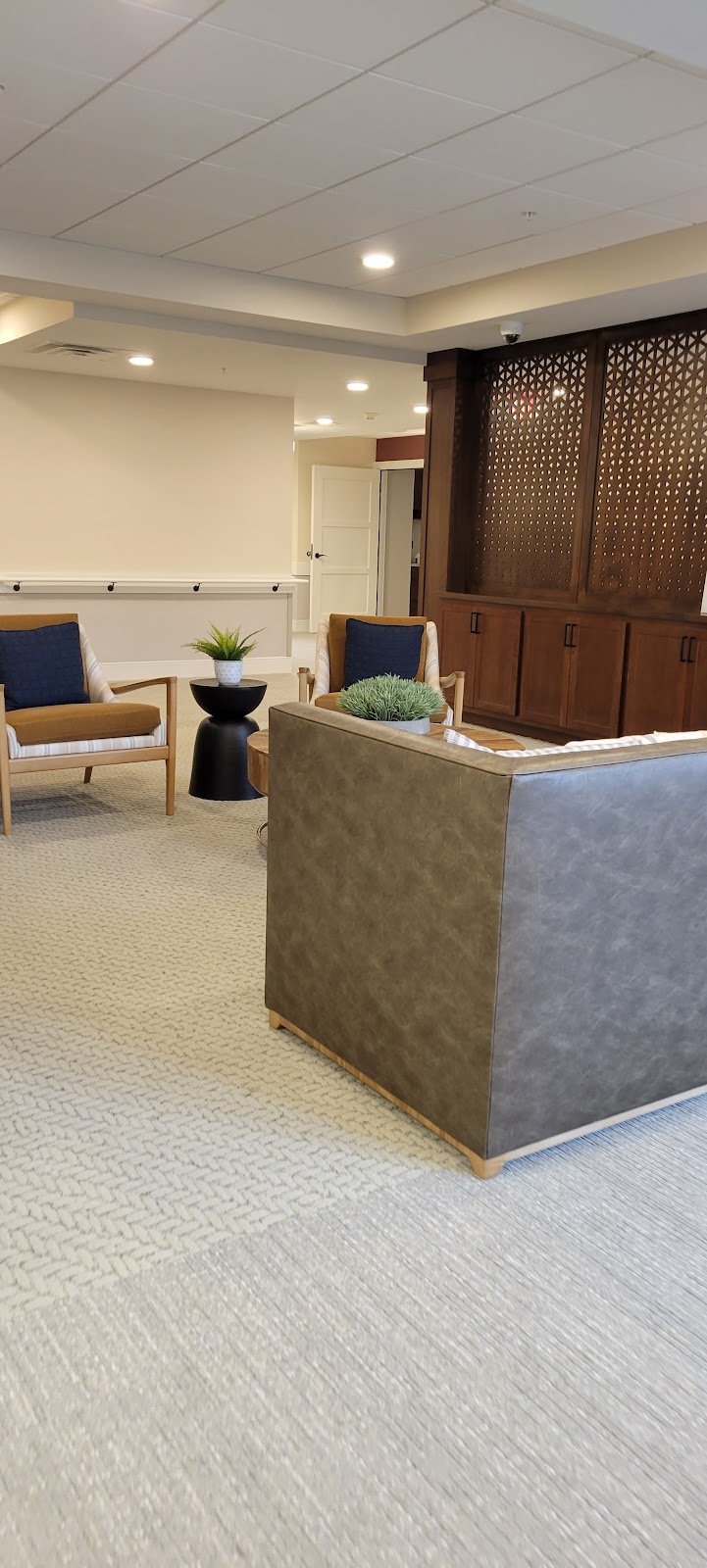
How is The Summit Of Bettendorf Staffed?

CMS rates The Summit of Bettendorf's staffing level at 3 out of 5 stars, which is average compared to other nursing homes. Staff turnover is 77%, which is 30 percentage points above the Iowa average of 46%. High turnover can affect care consistency as new staff learn residents' individual needs. RN turnover specifically is 86%, which is notably high. RNs provide skilled clinical oversight, so turnover in this role can affect medical care quality.

What Have Inspectors Found at The Summit Of Bettendorf?

State health inspectors documented 13 deficiencies at The Summit of Bettendorf during 2023 to 2024. These included: 1 Immediate Jeopardy (the most serious level, indicating potential for serious harm or death), 10 with potential for harm, and 2 minor or isolated issues. Immediate Jeopardy findings are rare and represent the most serious regulatory concerns. They require immediate corrective action.
Who Owns and Operates The Summit Of Bettendorf?

The Summit of Bettendorf is owned by a for-profit company. For-profit facilities operate as businesses with obligations to shareholders or private owners. The facility is operated by WESLEYLIFE, a chain that manages multiple nursing homes. With 39 certified beds and approximately 36 residents (about 92% occupancy), it is a smaller facility located in BETTENDORF, Iowa.

How Does The Summit Of Bettendorf Compare to Other Iowa Nursing Homes?

Compared to the 100 nursing homes in Iowa, The Summit of Bettendorf's overall rating (3 stars) is below the state average of 3.1, staff turnover (77%) is significantly higher than the state average of 46%, and health inspection rating (3 stars) is at the national benchmark.

What Should Families Ask When Visiting The Summit Of Bettendorf?

Based on this facility's data, families visiting should ask: "What changes have been made since the serious inspection findings, and how are you preventing similar issues?" "How do you ensure continuity of care given staff turnover, and what is your staff retention strategy?" "Can I visit during a mealtime to observe dining assistance and food quality?" "How do you handle medical emergencies, and what is your hospital transfer rate?" These questions are particularly relevant given the facility's Immediate Jeopardy citations and the facility's high staff turnover rate.

Is The Summit Of Bettendorf Safe?

Based on CMS inspection data, The Summit of Bettendorf has documented safety concerns. Inspectors have issued 1 Immediate Jeopardy citation (the most serious violation level indicating risk of serious injury or death). The facility has a 3-star overall rating and ranks #100 of 100 nursing homes in Iowa. Families considering this facility should ask detailed questions about what corrective actions have been taken since these incidents.

Do Nurses at The Summit Of Bettendorf Stick Around?

Staff turnover at The Summit of Bettendorf is high. At 77%, the facility is 30 percentage points above the Iowa average of 46%. Registered Nurse turnover is particularly concerning at 86%. RNs handle complex medical decisions and coordinate care — frequent RN changes can directly impact care quality. High turnover means new staff may not know residents' individual needs, medications, or preferences. It can also be disorienting for residents, especially those with dementia who rely on familiar faces. Families should ask: What is causing the turnover? What retention programs are in place? How do you ensure care continuity during staff transitions?

Was The Summit Of Bettendorf Ever Fined?

The Summit of Bettendorf has been fined $26,358 across 1 penalty action. This is below the Iowa average of $33,342. While any fine indicates a compliance issue, fines under $50,000 are relatively common and typically reflect isolated problems that were subsequently corrected. Families should ask what specific issues led to these fines and confirm they've been resolved.

Is The Summit Of Bettendorf on Any Federal Watch List?

The Summit of Bettendorf is not on any federal watch list. The most significant is the Special Focus Facility (SFF) program, which identifies the bottom 1% of nursing homes nationally based on persistent, serious quality problems. Not being on this list means the facility has avoided the pattern of deficiencies that triggers enhanced federal oversight. This is a positive indicator, though families should still review the facility's inspection history directly.