Good Samaritan Society - Davenport
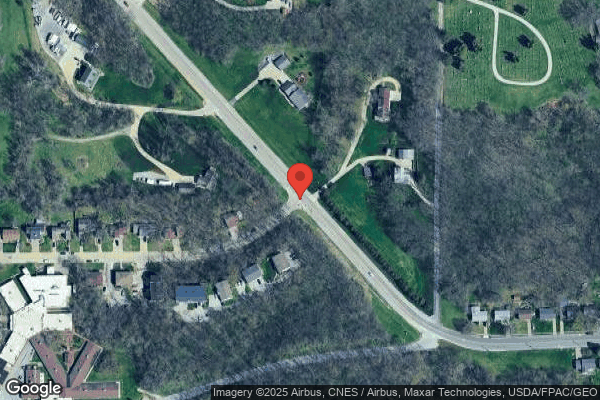
700 Waverly Road, Davenport, IA 52804 (563) 324-1651
Non profit - Church related 119 Beds GOOD SAMARITAN SOCIETY Data: November 2025
Trust Grade
75/100
#111 of 392 in IA
Last Inspection: January 2025

Within standard 12-15 month inspection cycle. Federal law requires annual inspections.

Overview

Good Samaritan Society - Davenport has earned a Trust Grade of B, indicating it is a solid choice for care, falling in the good range of performance. It ranks #111 out of 392 nursing homes in Iowa, placing it in the top half of facilities statewide, and is the top-rated option among 11 homes in Scott County. The facility is improving, with issues decreasing from 10 in 2024 to just 1 in 2025. Staffing is rated average with a turnover rate of 40%, which is below the Iowa average of 44%, suggesting staff retention is decent. Notably, there have been no fines reported, which is a positive sign. However, there are some concerns to consider. Recent inspections revealed that call lights were not answered in a timely manner, with some residents waiting up to an hour for assistance. Additionally, the facility did not consistently provide adequate personal hygiene services, failing to ensure that residents received at least two bathing opportunities per week. Overall, while Good Samaritan Society - Davenport has strengths in its rankings and staffing stability, families should be aware of the issues related to timely care and personal hygiene.
Trust Score
B
75/100
In Iowa
#111/392
Top 28%
Safety Record
Low Risk
No red flags
Inspections
Getting Better
10 → 1 violations
Staff Stability
○ Average
40% turnover. Near Iowa's 48% average. Typical for the industry.
Penalties
✓ Good
No fines on record. Clean compliance history, better than most Iowa facilities.
Skilled Nurses
✓ Good
Each resident gets 43 minutes of Registered Nurse (RN) attention daily — more than average for Iowa. RNs are trained to catch health problems early.
Violations
⚠ Watch
16 deficiencies on record. Higher than average. Multiple issues found across inspections.
★★★★☆
4.0
Overall Rating
★★★☆☆
3.0
Staff Levels
★★★★☆
4.0
Care Quality
★★★★☆
4.0
Inspection Score
Stable
2024: 10 issues
2025: 1 issues

The Good

  • 4-Star Quality Measures · Strong clinical quality outcomes
  • Full Sprinkler Coverage · Fire safety systems throughout facility
  • No fines on record
  • Staff turnover below average (40%)

    8 points below Iowa average of 48%

Facility shows strength in quality measures, fire safety.

The Bad

Staff Turnover: 40%

Near Iowa avg (46%)

Typical for the industry

Chain: GOOD SAMARITAN SOCIETY

Part of a multi-facility chain

Ask about local staffing decisions and management

The Ugly 16 deficiencies on record

Jan 2025 1 deficiency
CONCERN (E)

Potential for Harm - no one hurt, but risky conditions existed

PASARR Coordination (Tag F0644)

Could have caused harm · This affected multiple residents

**NOTE- TERMS IN BRACKETS HAVE BEEN EDITED TO PROTECT CONFIDENTIALITY** Based on clinical record review, policy review and staff interviews the facility failed to accurate mental health diagnoses are ...

Read full inspector narrative →
**NOTE- TERMS IN BRACKETS HAVE BEEN EDITED TO PROTECT CONFIDENTIALITY** Based on clinical record review, policy review and staff interviews the facility failed to accurate mental health diagnoses are indicated on the Preadmission Screening and Resident Review (PASARR) for 2 of 2 residents reviewed (Resident #80 and Resident #84). The facility reported a census of 86 residents. Findings include: 1. The Minimum Data Set (MDS) dated [DATE], documented Resident #80 diagnoses included: bipolar disorder, stroke, hemiplegia (paralysis or weakness on one side) affecting right side, and aphasia (difficulty speaking). The Brief Interview for Mental Status (BIMS) assessment not completed. The electronic health record titled Medical Diagnosis, dated 1/15/25 included the diagnosis of manic episode, unspecified with a diagnosis date of 8/2/24. A review of the PASARR dated 5/29/24 lacked diagnosis of manic episode, unspecified and bipolar disorder. During an interview on 1/15/2025 at 9:28 AM. the Social Worker stated she is responsible for reviewing and completing the resident's PASARR. She explained she is sent a potential resident's PASARR information for review to determine if the facility can meet the resident's needs. If there are new mental health diagnosis or if they are coming from the community she will initiate the PASARR. The Social Worker stated she was not aware Resident #80 had any mental health diagnosis. During an interview on 1/15/2025 at 9:58 AM, the Social Worker stated she had reviewed the resident's documentation as well as the Level I PASARR that was completed prior to admission. The Social Worker stated Resident #80 admitted to the facility with a mental health diagnosis and a new PASARR should have been submitted. During an interview on 01/15/2025 at 11:27 AM, the Director of Nursing (DON) stated the facility should have caught that a Level II PASARR needed to be submitted upon admission or at least by the first care conference. The DON stated she would expect every resident's PASARR to reflect current mental health diagnoses. She stated a PASARR will be submitted for Resident #80. 2. The MDS dated [DATE] for Resident #84 documented a BIMS score of 15 out of of 15 which indicated intact cognition. The MDS listed diagnoses include psychotic disorder. A review of the PASARR, dated 10/16/24, completed for Resident #84 PASARR revealed a diagnosis of anxiety disorder. The PASARR failed to identify the diagnosis of psychotic disorder. During an interview on 1/15/25 at 9:28 AM, the Social Worker stated the diagnosis of Psychotic Disorder should have been on a PASARR from Resident #84's readmission in October 2024. During an interview on 01/15/25 at 11:19 AM, the DON stated the physician orders for Resident # 84 have listed a diagnoses of encephalopathy and delusions & hallucinations and he was on antipyschotic for his hallucinations when he came back from the hospital in October 2024. The DON stated that is when Resident #84 should have the PASARR resubmitted or at the least with his next assessment date. The DON stated staff should submit for new PASARR when there is change in mental health diagnosis. The facility policy revised on 12/30/24, titled Pre-admission Screening and Resident Review indicated the Purpose of the policy is: a. To ensure each resident is screened for a mental disorder (MD) or intellectual disability (ID) prior to admission. b. To ensure that individuals with MD or ID receive the care and services they need in the most appropriate setting. The policy directed staff Before admission to: 3. The admissions coordinator, social services, or designated individual will ensure the PASARR Level I screening has been completed before admission and a copy has been received at the time of admission 4. The Level I screening will be reviewed to determine whether a Level II screening in required. The policy directed staff During the Stay to: 1. If the resident is diagnosed with a mental disorder while in the location, social services, or the designated individual will contact the designated state agency for a Level II screening.
Oct 2024 2 deficiencies
CONCERN (D) 📢 Someone Reported This

A family member, employee, or ombudsman was alarmed enough to file a formal complaint

Potential for Harm - no one hurt, but risky conditions existed

Infection Control (Tag F0880)

Could have caused harm · This affected 1 resident

Based on observation, record review, and staff interviews, the facility failed to follow appropriate Enhanced Barrier Precautions for 1 of 10 residents reviewed for urinary catheter care. The facility...

Read full inspector narrative →
Based on observation, record review, and staff interviews, the facility failed to follow appropriate Enhanced Barrier Precautions for 1 of 10 residents reviewed for urinary catheter care. The facility reported a census of 89 residents. Findings include: The 7/24/24 Minimum Data Set (MDS) Assessment tool revealed Resident #6 scored 10 out of 15 points possible on the Brief Interview for Mental Status (BIMS), indicating a moderate cognitive impairment. The MDS listed diagnoses included: cerebral palsy, obstructive uropathy (blockage of urine flow), and benign prosthetic hyperplasia (enlarged prostate). The MDS assessed the resident required substantial staff assistance for transfers to and from bed and chair, for dressing, bathing and use of the toilet. The assessment revealed a urinary catheter used for elimination. The Care Plan, initiated on 5/16/19 with revision on 1/31/24, included a Focus area to address The resident has an indwelling catheter R/T (related to) urethral strictures (narrowing), DX (diagnosis) Obstructive Uropathy. Interventions included, in part: a. Catheter care: Provide every shift and PRN (as needed). The Care Plan, initiated on 4/4/24 with revision on 5/6/24, included a Focus area to address The resident requires Enhanced Barrier Precautions (EBP) R/T (related to) indwelling catheter. Interventions included, in part: a. [NAME] (put on) gown and gloves when performing high contact care activities including: dressing, bathing, transferring, providing hygiene such as shaving or brushing teeth, changing linens, repositioning, checking and changing, device care and/or use and wound care. b. Doff (take off) gown and gloves inside resident room. Perform hand hygiene. During an observation on 0/17/24 at 1:05 p.m, revealed a sign Resident #6 door indicating Enhanced Barrier Precautions. The sign directed staff to wear gown and gloves when high-contact resident care provided that included catheter care. A three drawer dresser outside of the door contained an adequate supply of disposable gowns, gloves and other Personal Protective Equipment (PPE) required for care. While Resident #6 sat on the toilet, Staff A, Certified Nursing Assistant (CNA) stated she would cleanse the resident's catheter. Staff A, donned gloves and with disposable wipes cleansed around the urinary catheter, and around the tip of the penis. Staff A cleansed away from the insertion point, and used one disposable wipe for one swipe. Staff A completed cleaning the catheter without wearing a gown. During an interview on 10/17/24 at 3:58 p.m., Staff A, CNA, stated she knew she was supposed to wear a gown when she provided the catheter care, she simply forgot to apply it prior to the care. During an interview on 10/17/24 at 1:25 p.m., Staff F, Registered Nurse (RN), Clinical Care Leader stated when resident's have EBP, staff are to wear gown and gloves at a minimum, potentially other PPE depending on the specific care. She stated staff should wear gown and gloves when catheter care provided. During an interview on 10/17/24 at 1:34 p.m., Staff G, RN and Infection Preventionist stated staff were educated on EBP when the standard came out. She stated staff should wear gown and gloves when urinary catheter care provided. Staff G stated the facility was getting more of the isolation door hangers that are applied to the outside of a resident's door and contain the PPE required, phasing out the 3 drawer dressers for isolation PPE, but the supply was on back-order so they continued to use the dressers until they could obtain more of the door hangers. Staff G stated staff would be re-educated on the expectation and they would put monitors in place to ensure staff were compliant with the isolation requirements. The facility policy, dated 4.2.24, titled Standard and Transmission-Based Precautions directed staff: 1. Enhanced Barrier Precautions (EBP) expand the use of Personal Protective Equipment (PPE) beyond situations in which exposure to blood and body fluids is anticipated and refer to the use of gown and gloves during high-contact resident care activities that provide opportunities for transfer of Multi Drug Resistant Organisms (MDRO's) to staff hands and clothing. 2. EBP are needed for residents with with indwelling medical devices (such as central lines, indwelling urinary catheters and feeding tubes). 3. EBP are intended to be used for the duration of a resident's stay. 4. High-contact resident care activities include: transfers, dressing, changing briefs, changing linens, wound care and device care that included urinary catheter, feeding tube and central line. 5. Post clear signage that indicated the type of Precautions and required PPE: gown and gloves. 6. Signage should also clearly indicate the high-contact resident care activities that require the use of gown and gloves. 7. Gowns and gloves should be readily available immediately outside of the resident room. 8. Ensure access to alcohol-based hand rub. 9. Position a trash and laundry receptacle can inside the resident room and near the exit for discarding PPE after removal, prior to exit of the room. 10. Incorporate periodic monitoring and assessment of adherence to determine the need for additional training and education.
CONCERN (E) 📢 Someone Reported This

A family member, employee, or ombudsman was alarmed enough to file a formal complaint

Potential for Harm - no one hurt, but risky conditions existed

Deficiency F0725 (Tag F0725)

Could have caused harm · This affected multiple residents

Based on observation, clinical record review, and resident, resident family member and staff interviews, the facility failed to respond to activated call lights within in 15 minutes for 4 of 6 (Reside...

Read full inspector narrative →
Based on observation, clinical record review, and resident, resident family member and staff interviews, the facility failed to respond to activated call lights within in 15 minutes for 4 of 6 (Resident's #3, #4, #6, and #2) residents reviewed for call lights. The facility reported a census of 89 residents. Findings include: 1. The 8/29/24 Minimum Data Set (MDS) Assessment tool revealed Resident #3 scored 15 out of 15 on the Brief Interview for Mental Status (BIMS), indicating intact cognition. The MDS assessed the resident required substantial staff assistance to reposition in bed, transfer to and from bed or chair, for bathing, dressing and use of the toilet. The assessment revealed Resident #3 frequently incontinent of urine. During an interview on 10/17/24 at 10:36 a.m., Resident #3 stated she used the call light several times a day, completely dependent on staff for assistance when she was in bed, it usually took staff 45 minutes to an hour to answer her call light, rarely 30 minutes or less and she had been incontinent as a result of having to wait that long for staff response to her call light when she had to go to the bathroom. The resident stated it was an ongoing problem, she had discussed it with management staff and there had not been any improvement. 2. The 7/18/24 MDS Assessment tool revealed Resident #4 scored 14 out of 15 on the BIMS, indicating intact cognition. The MDS assessed the resident required substantial staff assistance for transfers to and from bed and chair, for dressing, use of the toilet and bathing. The assessment revealed Resident #4 always incontinent of bowel and frequently incontinent of urine. During an interview on 10/17/24 at 9:54 a.m., Resident #4 stated he was dependent on staff for assistance with care and used his call light several times daily. The resident stated it usually took 20 to 30 minutes for staff to respond to the call light, it was occasionally under 15 minutes, but usually longer and had experienced that nearly daily. The resident stated he used the call light when he needed to go to the bathroom and had been incontinent at least 4 or 5 times when staff didn't respond to the call light timely. 3. The 9/26/24 MDS Assessment tool revealed Resident #5 scored 15 out of 15 points on the BIMS, indicating intact cognition. The MDS assessed the resident required substantial staff assistance to transfer to and from bed and chair, for bathing, dressing use of the toilet. The assessment revealed Resident #5 occasionally incontinent of bowel and frequently incontinent of urine. During an interview on 10/17/24 at 10:25 a.m., Resident #5 stated he was dependent on staff for assistance with transfers, used his call light if he needed to use the bathroom after he was out of bed, or for any assistance when he was in bed, and it usually took 20 minutes for staff to respond to the call light, sometimes longer, it didn't matter what day it was or time of the day, other than they were always busy around the meal times and took longer for staff to respond then. 4. The 9/4/24 MDS Assessment tool revealed Resident #2 scored 15 out of 15 points on the BIMS, indicating intact cognition. The MDS assessed the resident required substantial staff assistance to reposition in bed, transfer to and from bed or chair, for bathing, dressing and use of the toilet. The assessment revealed Resident #2 always incontinent of bowel, and a urinary catheter in place. During an interview on 10/17/24 at 10:01 a.m., Resident #2 stated she used her call light several times a day, dependent on staff for care assistance, and her call light was usually answered in 15 to 20 minutes. There were times when it was longer, up to 25 minutes, and times it was less, around 10 minutes, but usually 15 to 20 minutes and it didn't matter what time of day it was or what day of the week it was. During an interview on 10/16/24 at 5:56 p.m., a family member and responsible party for a resident on Home #2 stated they visited the facility daily. They stated they had observed call lights on for several minutes at a time when staff were in the Nurse's Station area and not engaged in answering the call lights. The family member stated their family member [resident] had been incontinent as a result of the call light not being answered. The responsible party stated they had addressed the matter more than once with the Director of Nursing and the Administrator. The family member stated during a visit on the afternoon of 10/13/24, there were three call lights on in the hallway, including their family members. They stated there were several staff inside the Nurse's Station on their cell phones. The family member stated after 10 minutes they went to get help for the resident. One of the nurses that came out of the Nurse's Station said they couldn't answer the call light because they were on their way home. The family member stated it took 10 more minutes for staff to respond after they specifically asked for assistance for the resident. During an observation on 10/9/24 at 1:51 p.m., a resident call light in the 200 Hall activated. The light illuminated on the wall in the hall outside a resident's room, with no audible signal in the hallway. The electronic call light monitor in the Nurse's Station activated with identification of the resident room, and an audible alert. The Nurse's Station is a room with a door, with a glass window that encases the upper half of the station on 2 walls that face the entry family room area and hallway that lead to the Dining room. The audible sound from the call light monitor device was not heard when in the family room area with the door to the Nurse's Station closed. During an interview on 10/17/24 at 2:56 p.m., Staff B, Certified Nursing Assistant (CNA) stated she thought resident call lights were on for longer than 15 minutes at least 10 times a week, especially if a resident required 2 staff for care and both staff were in the resident's room for the care, there weren't other staff assigned to the hall that looked for activated call lights. During an interview on 10/17/24 at 3:01 p.m., Staff C, CNA stated she thought resident call lights were on for longer than 15 minutes maybe 3 times a week. Staff can't hear that a call light was on unless they were inside the Nurse's Station, the only other way to know a call light was on was to see the call light on by the resident's room, and if they were in another resident's room or not in the hallway they wouldn't know a call light was on until they saw it. During an interview on 10/17/24 at 3:04 p.m., Staff D, Licensed Practical Nursing (LPN) stated she thought resident call lights were on for longer than 15 minutes maybe twice a week, and occurred when the CNA's were on break and when they hadn't communicated about their assigned resident's care needs. During an interview on 10/17/24 at 3:09 p.m., Staff E, Registered Nurse (RN) stated she thought it was rare for a resident's call light to go unanswered for over 15 minutes, and occurred when all the aides were in a resident's room for care, or if 1 of the aides had called off and they were working short. When that happened the nurses had to help out, they had to help check on the residents and answer the call lights. During an interview on 10/17/24 at 2:25 p.m., the Administrator stated she attended the monthly Resident Council meetings and there had not been any concerns raised about call lights at the last 2 Resident Council meetings, and she expected staff to answer activated call lights timely, when they were aware of the resident's call for assistance.
Apr 2024 2 deficiencies
CONCERN (D) 📢 Someone Reported This

A family member, employee, or ombudsman was alarmed enough to file a formal complaint

Potential for Harm - no one hurt, but risky conditions existed

Deficiency F0679 (Tag F0679)

Could have caused harm · This affected 1 resident

**NOTE- TERMS IN BRACKETS HAVE BEEN EDITED TO PROTECT CONFIDENTIALITY** Based on observation, clinical record review and staff interview the facility failed to provide an activities program based on a...

Read full inspector narrative →
**NOTE- TERMS IN BRACKETS HAVE BEEN EDITED TO PROTECT CONFIDENTIALITY** Based on observation, clinical record review and staff interview the facility failed to provide an activities program based on a resident's individual interests for 1 of 2 residents reviewed. (Resident #1) The facility reported census was 87. Findings include: According to the Minimum Data Set (MDS) with an assessment reference date of 3/17/24, Resident #1 had a Brief Interview for Mental Status (BIMS) score of 2, indicating a severely impaired cognitive status. Resident #1 required total dependence to maximal assistance with mobility, transfers, dressing, toilet use and personal hygiene needs. Diagnosis included Non-Alzheimer ' s dementia, cerebrovascular accident (stroke), hemiplegia, peripheral vascular disease and atrial fibrillation. Resident #1 was always incontinent of bladder and frequently incontinent of bowel. According to Resident #1's Plan of Care with focus on maintaining activity interest and interventions which include TV, comedy, non-aggressive shows, jazz,, contemporary, quit or calm music and to provide opportunities to engage in meaningful conversation and activities with others. In an interview on 4/25/24 at 3:20 p.m. Staff F, Activities Supervisor, stated Resident #1 can come to any group activities scheduled, but notes there were no individual activities planned. Clinical record review noted only one documented activity related to watching TV on 4/23/24 since her admission on [DATE].
CONCERN (E) 📢 Someone Reported This

A family member, employee, or ombudsman was alarmed enough to file a formal complaint

Potential for Harm - no one hurt, but risky conditions existed

ADL Care (Tag F0677)

Could have caused harm · This affected multiple residents

Based on observation, clinical record review, bathing records and staff interview, the facility failed to ensure residents are provided adequate personal hygiene services to include at least two bathi...

Read full inspector narrative →
Based on observation, clinical record review, bathing records and staff interview, the facility failed to ensure residents are provided adequate personal hygiene services to include at least two bathing opportunities per week for 4 of 4 residents reviewed and failed to provide incontinency care at a frequency necessary to maintain adequate personal hygiene for a resident unable to carry out the activity independently. (Residents #1, #3, #4. #5) The facility reported census was 87. Findings include: 1. According to the Minimum Data Set (MDS) with an assessment reference date of 3/17/24, Resident #1 had a Brief Interview for Mental Status (BIMS) score of 2, indicating a severely impaired cognitive status. Resident #1 required total dependence to maximal assistance with mobility, transfers, dressing, toilet use and personal hygiene needs. Diagnoses included Non-Alzheimer ' s dementia, cerebrovascular accident (stroke), hemiplegia, peripheral vascular disease and atrial fibrillation. Resident #1 was always incontinent of bladder and frequently incontinent of bowel. According to bathing records, Resident #1 was scheduled for bathing opportunities on Mondays and Thursdays. Bathing records indicate all Monday opportunities since admission, resulted in a shower, however Resident #1 did not receive a shower opportunity 4 of 7 Thursdays (3/14, 3/28, 4/4 and 4/11). During observations on 4/25/24 at 6:51 a.m. Resident #1 was in bed as Staff A and Staff B entered her room to provide care and get her up for the morning. Staff A provided incontinence care appropriately and barrier cream was placed on Resident #1's coccyx wounds and excoriation in her peri area. Resident #1 remained in her broda chair throughout the morning, without any further attempt by staff to provide incontinence care until 12:50 p.m., six hours from the initial time incontinence care was first provided that morning. 2. According to the Minimum Sata set (MDS) with an assessment reference date of 4/18/24, Resident #3 had a Brief Interview for Mental Status (BIMS) score of 14 indicating an intact cognitive status. Resident #3 required maximal to moderate assistance with mobility, transfers, dressing, toilet use and personal hygiene needs. Diagnosis included atrial fibrillation and arthritis. According to bathing records, Resident #3 was scheduled for bathing opportunities on Saturdays and Wednesdays. Bathing records indicate both Wednesday opportunities since admission, resulted in a shower, however Resident #3 did not receive a shower opportunity on either Saturday (4/13, 4/20). 3. According to the Minimum Data Set (MDS) with an assessment reference date of 3/4/24, Resident #4 had a Brief Interview for Mental Status (BIMS) score of 9 indicating a moderately impaired cognitive status. Resident #4 required maximal assistance with mobility, transfers, dressing, toilet use and personal hygiene needs. Diagnosis included congestive heart failure and cancer. According to bathing records, Resident #4 was scheduled for bathing opportunities on Mondays and Thursdays. Bathing records reviewed for April, found all bathing opportunities resulted in a shower except for one (4/8). 4. According to the Minimum Data Set (MDS) with an assessment reference date of 12/8/23, Resident #5 had a Brief Interview for Mental Status (BIMS) score of 10 indicating a minimally impaired cognitive status. Resident #5 required supervision to moderate assistance with mobility, transfers, dressing, toilet use and personal hygiene needs. Diagnosis included renal insufficiency. According to bathing records, Resident #5 was scheduled for bathing opportunities on Tuesdays and Fridays. Bathing records reviewed during her stay in November and December 2023, found three Tuesday opportunities (11/14, 11/21, 11/28) and three Friday opportunities (11/3, 11/17, 11/24) which did not result in a shower.
Mar 2024 6 deficiencies
CONCERN (D) 📢 Someone Reported This

A family member, employee, or ombudsman was alarmed enough to file a formal complaint

Potential for Harm - no one hurt, but risky conditions existed

Report Alleged Abuse (Tag F0609)

Could have caused harm · This affected 1 resident

Based on clinical record review, facility policy and staff interviews the facility failed to report alleged resident abuse within the required two hours time frame for 1 of 1 residents reviewed (Resid...

Read full inspector narrative →
Based on clinical record review, facility policy and staff interviews the facility failed to report alleged resident abuse within the required two hours time frame for 1 of 1 residents reviewed (Resident #46). The facility reported a census of 82 residents. Findings include: The Minimum Data Set (MDS) assessment tool, dated 1/31/24, listed diagnosis for Resident #46 to include dementia, neurogenic bladder (loss of bladder control due to nerve issue), and depression. The MDS listed the resident's Brief Interview for Mental Status (BIMS) score as 00, indicating a severe cognitive impairment. A clinical record review revealed a 1/6/24 Health Status note documenting on 1/5/24 at 2200 (10:00 PM) the resident found sitting on the edge of the bed without clothing and confused. The resident stated someone touched and raped her. During an interview on 3/13/24 at 8:31 AM, the Administrator stated the facility reported the alleged abuse on 1/12/24. The Administrator stated the 1/6/24 Health Status note documenting the alleged abuse was found on 1/12/24. The Administrator stated the facility immediately called 911, and notified the resident's family and physician. The Administrator stated the residents family believed her to be confused and did not want her to be examined in the emergency room. A review of the Facility Self Reports sent to the State Agency revealed a report made on 1/12/24 for Resident #46. A review of the Facility Investigation revealed a staff inservice training completed on 1/12/24. During an interview on 3/14/24 at 11:01 AM, Staff D, Certified Nursing Assistant stated she completes Abuse and Neglect training annually. Staff D stated if a resident made an allegation of assault she would immediately notify a nurse, or administration if a nurse not immediately available. Staff D stated the incident needs to be reported within 30 minutes of discovery. During an interview on 3/14/24 at 11:12 AM, Staff E, Licensed Practical Nurse stated she completes Abuse and Neglect training annually. Staff E stated if she discovered, or a staff informed her of an abuse allegation she would immediately inform the Director of Nursing (DON) or Administration. Staff E stated the incident needs to be reported to the State Agency within two hours of discovery. During an interview on 3/14/24 at 11:24 AM, the DON stated the 1/6/24 Health Status note did not get seen until 1/12/24 due to the type of documentation audit report ran. The DON stated this problem has since been corrected. The DON stated Abuse and Neglect training, including reporting timelines, is completed upon staff hire, annually, and as needed. The DON stated the facility held an Abuse and Neglect training on 1/12/24 after discovery of the allegation. The DON stated she expects staff to immediately inform herself or the Administrator of an abuse allegation. The DON stated the allegation should be reported within two hours of discovery. The facility policy, dated 7/6/2023, titled Abuse and Neglect, The policy directed staff to immediately report alleged or suspected violations involving any mistreatment, neglect, exploitation or abuse including injuries of unknown origin to the Administrator.
CONCERN (D)

Potential for Harm - no one hurt, but risky conditions existed

Transfer Notice (Tag F0623)

Could have caused harm · This affected 1 resident

Based on clinical record review, facility policy and staff interviews the facility failed to notify the Ombudsman of resident transfers to the hospital for 3 of 4 residents reviewed (Resident #46, Res...

Read full inspector narrative →
Based on clinical record review, facility policy and staff interviews the facility failed to notify the Ombudsman of resident transfers to the hospital for 3 of 4 residents reviewed (Resident #46, Resident #52, and Resident #60). The faculty reported a census of 82 residents. Findings include: 1. Clinical record review revealed a hospitalization for Resident #46. A Transfer to Hospital note dated, 11/10/23 at 11:10 PM, revealed the resident transferred to the hospital after a fall. An Admission/readmission note, dated 11/16/23 at 2:27 PM revealed the resident returned to the facility from the hospital. A review of the clinical record lacked documentation of Ombudsman notification for the transfer to and from the hospitalization. 2. A clinical record review revealed a hospitalization for Resident #52. A Transfer to Hospital note dated, 2/15/24 at 1:35 PM, revealed the resident transferred to the hospital after being found unresponsive. An Admission/readmission note, dated 2/19/24 at 6:52 PM, revealed the resident returned to the facility from the hospital. A review of the clinical record lacked documentation of Ombudsman notification for the transfer to and from the hospitalization. 3. A clinical record review revealed a hospitalization for Resident #60. A Transfer to Hospital note, dated 11/28/23 at 2:46 PM, revealed the resident transferred to the hospital due to a respiratory infection. An Admission/readmission note, dated 12/22/23 at 1:35 PM, revealed the resident returned to the facility from the hospital. A review of the clinical record lacked documentation of Ombudsman notification for the transfer to and from the hospitalization. During an interview on 3/13/24 at 3:00 PM, the Administrator stated she completed Ombudsman notifications prior to hiring a Social Services staff, and missed sending the notifications. The Administrator stated the Ombudsman should be notified of all resident transfers. The facility policy, dated 12/6/23, titled Ombudsman lacked staff direction regarding address notification for transfers to and from the hospital.
CONCERN (D)

Potential for Harm - no one hurt, but risky conditions existed

Incontinence Care (Tag F0690)

Could have caused harm · This affected 1 resident

Based on observations, clinical record review, facility policy review and staff interviews the facility failed to position an indwelling catheter bag and tubing in a manner to keep them off the floor ...

Read full inspector narrative →
Based on observations, clinical record review, facility policy review and staff interviews the facility failed to position an indwelling catheter bag and tubing in a manner to keep them off the floor for 3 of 3 residents reviewed (Resident #20, #3, and #46). Findings Include: 1. The Minimum Data Set (MDS) assessment tool, dated 2/7/24, listed diagnosis for Resident #20 to include cerebral palsy, benign prostatic hyperplasia (enlarged prostate), and intellectual disabilities. The MDS listed the resident's Brief Interview for Mental Status (BIMS) score as 13 out of 15, indicating intact cognition. The Care Plan, dated 1/31/24, included a focus area for an indwelling catheter. A review of the clinical record revealed a Physician Order, dated 10/23/23, for monthly catheter change using an indwelling catheter 16 fr (French - related to size) with 10 ml (milliliters) of sterile water and replacing the catheter bag. A continuous observation on 3/11/24 for Resident #20 revealed the following: At 10:53 AM, Resident #20 sat in his wheelchair with the catheter cover bag and tubing resting on the bedroom floor. At 11:02 AM the Director of Nursing (DON) walked past Resident #20 and stopped to look at his catheter. At 11:03 AM, Staff C, Certified Nursing Aid (CNA) asked Resident #20 to wheel himself further into his room, and looked at his catheter. The CNA informed the resident she would come back to change the cover bag and position it off the floor. At 11:18 AM, the Staff C did not return to change the cover bag. At 11:19 AM, Resident #20 self propelled himself to the dining room, with the catheter cover bag and tubing dragging on the floor. 2. The MDS assessment tool, dated 2/7/24, listed diagnosis for Resident #3 to include type 2 diabetes, neurogenic bladder (loss of bladder control due to nerve issue), and anxiety disorder. The MDS listed the resident's BIMS score as 15 out of 15, indicating intact cognition. The Care Plan, dated 1/17/24, included a focus area for an indwelling catheter related to a neurogenic bladder. The plan included an intervention to report unusual observations/conditions to a nurse. During an observation on 3/11/24 at 1:47 PM, while resting in bed, Resident #3's catheter drainage bag and tubing rested on the bedroom floor. During an observation on 3/12/24 at 9:25 AM, while sitting in her wheelchair, the resident's catheter cover bag and tubing rested on the floor. 3. The MDS assessment tool, dated 1/31/24, listed diagnosis for Resident #46 included dementia, neurogenic bladder, and depression. The MDS listed the resident 's BIMS score as 00, indicating a severe cognitive impairment. A Physician Order, dated 2/18/24, revealed an order for an indwelling catheter with a change being completed monthly. During an observation on 3/11/24 at 1:33 PM, while resting in bed, Resident #46 catheter drainage bag and tubing rested on the bedroom floor. A Physician Order, dated 3/12/24, revealed an order to start a post void (completed after removal of the indwelling catheter) bladder scan every 4 hours. During an interview on 3/14/24 at 11:17 AM, the DON stated she expects all catheter drainage bags to be in a cover bag. She stated the bag and tubing need to be placed in a manner so they are off the floor. She stated she would expect staff to readjust any catheter bag and tubing observed resting on the floor. The DON stated she would not expect the catheter bag to be replaced or the tubing cleaned after repositioning. She stated that is not the facility's practice. The facility policy, dated 2/10/23, titled Catheter: Care, Insertion & Removal, Drainage Bags, Irrigation, Specimen directed staff to change catheter cover bags when visibly soiled. And the catheter tubing should never be allowed to touch the floor.
CONCERN (D)

Potential for Harm - no one hurt, but risky conditions existed

Food Safety (Tag F0812)

Could have caused harm · This affected 1 resident

Based on observation, policy review, and staff interview the facility failed to serve meals under sanitary conditions. The facility reported a census of 82 residents. Findings include: During an obser...

Read full inspector narrative →
Based on observation, policy review, and staff interview the facility failed to serve meals under sanitary conditions. The facility reported a census of 82 residents. Findings include: During an observation of the noon meal on 3/11/24 from 11:30 AM to 12:30 PM Staff A, Certified Nursing Assistant (CNA) and Staff B, Licensed Practical Nurse (LPN) served 7 glasses to 4 residents in the Home 2 dining area handling the cups with fingers on the drinking rim surface of the glasses. On 3/13/24 at 12:40 PM, the Culinary Supervisor reported she expected staff to keep their hands off the eating surfaces of dishes. She stated they are expected to use the handles on the cups or the side of the glass. The dietary team is taught the expectations of meal service. The facility policy titled Dining Service Standards- Food and Nutrition Services revised 7/21/23, directed staff to follow procedures for prevention of foodborne illness when serving meals (e.g. never touch ready-to-eat foods with bare hands; never touch the eating surface of utensils and dishware). The facility policy titled General Sanitation-Food and Nutrition revised 3/08/23, directed staff to touch silverware on the handles, plates and bowls on the outside rim, glasses at the base of the cup, and mugs on the handle or base.
MINOR (B)

Minor Issue - procedural, no safety impact

Deficiency F0582 (Tag F0582)

Minor procedural issue · This affected multiple residents

**NOTE- TERMS IN BRACKETS HAVE BEEN EDITED TO PROTECT CONFIDENTIALITY** Based on clinical record review, staff interview, and policy review the facility failed to provide the required Center for Medic...

Read full inspector narrative →
**NOTE- TERMS IN BRACKETS HAVE BEEN EDITED TO PROTECT CONFIDENTIALITY** Based on clinical record review, staff interview, and policy review the facility failed to provide the required Center for Medicare and Medicaid Services (CMS) Skilled Nursing Facility Advanced Beneficiary Notice form (CMS 10055) at the completion of the skilled services for 1 of 3 residents reviewed (Resident #68). The facility reported a census of 82. Findings include: The Minimum Data Set assessment dated [DATE] for Resident #68 documented diagnoses that included: spastic hemiplegia affecting left nondominant side (inability to move the left side of the body), cancer, and Cerebral Palsy (a group of diseases affecting movement of the body). The Brief Interview for Mental Status (BIMS) score was 15/15 indicating no cognitive impairment. Review of Resident #68's record revealed the resident received skilled services in the facility from 9/15/2023 through 10/05/2023. At the completion of skilled services, Resident #68 remained in the facility. The record lacked the notification by the facility of form CMS 10055 as required to indicate the need to pay privately to remain in the facility and options to privately pay for skilled therapies. During an interview on 3/12/24 at 3:24 PM, the Business Office Manager confirmed the facility failed to provide the CMS 10055 form to Resident #68. On 3/13/24 at 10:52 AM the Administrator explained she expected the Business Office to provide the Notice of Medicare Noncoverage and CMS 10055 forms to acknowledge skilled services are ending when nearing completion of skilled therapies. The office must explain the costs to stay and to continue therapy private-pay. The facility policy titled Discharge and Transfer- Rehab/Skilled, Therapy & Rehab revised 1/03/24 instructed staff to notify the resident and representative of the transfer or discharge and the reason for the move in writing. The state-required forms serve as the written notice.
MINOR (C)

Minor Issue - procedural, no safety impact

Deficiency F0868 (Tag F0868)

Minor procedural issue · This affected most or all residents

Based on clinical record review, staff interview, and policy review the facility failed to have the minimum required members of the Quality Assessment and Assurance (QAA) committee present to identify...

Read full inspector narrative →
Based on clinical record review, staff interview, and policy review the facility failed to have the minimum required members of the Quality Assessment and Assurance (QAA) committee present to identify issues for which Quality Assessment and Assurance activities are necessary. The facility reported a census of 82. Findings include: Review of the facility QAA sign in sheets dated 4/17/23 and 9/18/23 revealed the Director of Nursing (DON) failed to attend the quarterly meetings. In an interview on 3/14/24 at 12:30 PM, the Administrator explained that the core members of the QAA Committee included the Medical Director, RN Supervisors, DON, Infection Preventionist, Social Worker, and Dietary. She failed to know the facility lacked DON attendance at two quarterly meetings. Review of the policy titled Quality Assurance and Performance Improvement- QAPI revised 10/09/23 instructed the QAPI Committee to meet quarterly at a minimum. The Committee must consist of the DON, Infection Preventionist, Medical Director, and at least three other members to include the Administrator or other leadership.
Sept 2023 1 deficiency
CONCERN (E) 📢 Someone Reported This

A family member, employee, or ombudsman was alarmed enough to file a formal complaint

Potential for Harm - no one hurt, but risky conditions existed

Deficiency F0554 (Tag F0554)

Could have caused harm · This affected multiple residents

Based on observations, clinical record review, policy review, resident and staff interviews the facility failed to complete self medication assessments, and obtain a physician order to self medicate f...

Read full inspector narrative →
Based on observations, clinical record review, policy review, resident and staff interviews the facility failed to complete self medication assessments, and obtain a physician order to self medicate for 4 of 6 residents in the sample (Resident #11, Resident #10, Resident #5, and Resident #7.) The facility reported a census of 90 residents. Findings include: 1. The Minimum Data Set (MDS) assessment tool, dated 6/7/23, listed diagnoses for Resident #11 that included: Diabetes mellitus; anxiety disorder, and depression disorder. The MDS assessed the resident required extensive assistance of one staff for personal hygiene tasks. The MDS listed the resident's Brief Interview for Mental Status (BIMS) score as 14 out of 15, indicating intact cognition. A review of the clinical record revealed a physician order, dated 3/29/23, for Tums 500 mg chewable 1 tab by mouth daily for heartburn. During an observation on 9/14/23 at 7:36 AM, Staff A, Registered Nurse, administered Resident #11 morning medications. After the resident took the medications, Staff A placed a Tums 500 mg chewable tab in a medication cup and handed the cup to the resident. Staff A stated the resident takes the Tums after she finishes her breakfast. Resident #11 wheeled herself to the dining room and placed the medication cup on the dining room table. During a continuous observation from 7:44 AM to 8:34 AM, Resident #11 ate breakfast in the dining room with two other residents at the table. The Tums tablet sat on the table in a medication cup. The resident placed the Tums in her mouth at 8:34 AM. A record review revealed a lack of a self medication assessment or physician order for Resident #11 to self administer Tums. During a interview on 9/14/23 at 9:59 AM, Staff A stated it is common for Resident #11 to take the Tums to the dining room table and take when she is done with breakfast. Staff A stated the resident does not have a physician's order to self administer her medications. Staff A stated the resident should not be given medications to take later without a nurse present. 2. The Minimum Data Set (MDS) assessment tool, dated 6/1/23, listed diagnoses for Resident #10 that included: Chronic respiratory failure with hypoxia (low blood oxygen level), atrial fibrillation (irregular heart beat), heart failure, and diabetes mellitus. The MDS listed the resident's Brief Interview for Mental Status (BIMS) score as 15 out of 15, indicating intact cognition. During an observation on 9/14/23 at 7:24 AM, Resident #11 stated to Staff B, Licensed Practical Nurse I suppose I need to take my pills now while someone is watching. Staff B agreed to take the medication out of the room and return when the resident received his breakfast tray. The clinical record revealed physician orders for the following medications at 8:00 AM: a. Amiodarone HCL 200 mg (milligrams)1 tab by mouth daily b. Magnesium 400 mg 1 tab by mouth daily c. Metolazone 2.5 mg 1 tab by mouth daily d. Metoprolol 25 mg 1 tab by mouth daily e. Prednisone 1 mg 2 tabs by mouth daily f. Prednisone 5 mg 1 tab by mouth daily g. Vitamin D3 50 mcg (micrograms) 1 tab twice daily h. Apixaban 5 mg 1 tab by mouth daily i. Doxycycline hyclate 100 mg 1 tab by mouth twice daily j. Mucinex ER (extended release) 12 hour 600 mg 1 tab by mouth twice daily k. Potassium chloride crystals ER 10 mEq (milliequivalents) give 40 mEq by mouth twice daily l. Senna-docusate sodium 8.6-50 mg 2 tabs by mouth twice daily m. Torsemide 20 mg 2 tabs by mouth twice daily n. Hydrocodone-Acetaminophen 5-325 mg 1 tab by mouth three times a day o. Zoloft 50 mg 1 tab by mouth daily During an interview on 9/14/23 at 9:29 AM, Resident #11 stated nurses give him his morning medications in a med cup and then leave the room. The resident stated he needs to take the medications while he is eating breakfast to avoid his stomach becoming upset. The resident stated the nurses do not wait in the room while he takes his medications. A record review revealed a lack of a self administration assessment or physician's order for the resident to self administer medication. 3. The Minimum Data Set (MDS) assessment tool, dated 6/1/23, listed diagnoses for Resident #7 that included: Alzheimer's disease, anxiety disorder, and hypertension. The MDS listed the resident's Brief Interview for Mental Status (BIMS) score as 9 out of 15, indicating a moderate cognitive impairment. The clinical record revealed physician orders for the following medications: a. Amlodipine 10 mg 1 tab by mouth daily b. Aricept 5 mg 1 tab by mouth daily c. Escitalopram oxalate 10 mg 1 tab by mouth daily d. Lisinopril 40 mg 1 tab by mouth daily e. Metoprolol tartrate 100 mg 1 tab by mouth twice daily f. Vitamin D3 2000 units 1 tab mouth daily During an interview on 9/14/23 at 8:44 AM, a family member stated they found medications in a medication cup in the residents room on three different occasions, most recently on 9/9/23. The family member stated they have found the medications on the bedside table, and in a drawer of the residents night stand. A review of the clinical record revealed a Health Status note dated 9/9/23 documenting a family member notifying a facility nurse they found pills in the residents room. A record review revealed a lack of a self administration assessment or physician's order for the resident to self administer medication. 4. The Minimum Data Set (MDS) assessment tool, dated 6/1/23, listed diagnoses for Resident #5 that included: Parkinson's disease, fibromyalgia (widespread muscle pain and tenderness), and depression. The MDS listed the resident's Brief Interview for Mental Status (BIMS) score as 15 out of 15, indicating intact cognition. During an interview on 9/13/23 at 10:34 AM, Resident #5 stated there are two nurses who will leave medications on the dinner table for her to take with her meal. The resident stated the nurses do not stay until she takes the medication. She stated these nurses do this because they know her and trust she will take them. A record review revealed a lack of a self administration assessment or physician's order for the resident to self administer medication. During an interview on 9/14/23 at 1:10 PM, the Director of Nursing (DON) stated she is unaware of any residents in the facility who are able to self administer medications. The DON stated if a resident is able to self administer medications they would have a Resident Self Administration Assessment completed in the electronic health record, and a physician's order for each specific medication they can self administer. The DON also stated the resident would have the ability to self administer medications added to their Care Plan, including a plan of where the medications are stored. The DON stated if a resident is not assessed as able to self administer a medication with the required physician's order, she would expect a nurse to stay in the room and observe a resident take and swallow all medications before leaving. A facility policy, dated 10/21/22, titled Resident Self-Administration of Medication listed six steps should be completed before obtaining a physician's order for a resident to self medicate. These steps include: 1. Complete Resident Self Administration Assessment 2. Interdisciplinary team (IDT) determines specific educational needs the resident may require 3. The IDT determines where medications will be stored 4. The IDT determines the location of where the medication will be self administered 5. The IDT determines who will document the medication administration 6. The IDT determination that the resident can safely self administer medications must be documented in the Resident Self Administration of Medication UDA (User-Defined Assessments).
Apr 2023 4 deficiencies
CONCERN (D)

Potential for Harm - no one hurt, but risky conditions existed

Deficiency F0578 (Tag F0578)

Could have caused harm · This affected 1 resident

**NOTE- TERMS IN BRACKETS HAVE BEEN EDITED TO PROTECT CONFIDENTIALITY** Based on record review, observation, staff interviews and facility policy review, the facility failed to address Advance Directi...

Read full inspector narrative →
**NOTE- TERMS IN BRACKETS HAVE BEEN EDITED TO PROTECT CONFIDENTIALITY** Based on record review, observation, staff interviews and facility policy review, the facility failed to address Advance Directives (Legal documents that provide instructions for medical care when a person is unable to communicate their wishes) on admission for 1 of 24 residents reviewed for Advanced Directives (Resident #292). The facility reported a census of 90. Findings include: The Minimum Data Set (MDS) admission assessment dated [DATE] for Resident #292 not completed. The Medical Diagnoses dated [DATE] for Resident #292 were the following: a. COVID-19. b. Chronic Atrial Fibrillation, unspecified. c. Chronic Kidney Disease- Stage 4. d. Transient cerebral ischemic attack, unspecified. The resident admitted to the facility on [DATE]. Record Review on [DATE] at 12:13 PM, Resident #292's Electronic Medical Record (EMR) lacked documentation of the resident's Advanced Directives. The EMR also lacked documentation for an Advance Directive order. During an interview on [DATE] at 2:35 PM, queried Staff C, Licensed Practical Nurse (LPN) where the Advanced Directives were found and she stated here in the binder (binder at the Nurse's Station). Staff C asked if Advanced Directives were addressed on admission and she stated yes, usually. Staff C queried what Resident #292's Advanced Directives were and she stated she usually looked on the Face Sheet of the EMR and the resident's Iowa Physician Orders for Scope of Treatment (IPOST) placed in the binder if they had one on file. Staff C queried if a resident stopped breathing and Advanced Directives couldn't be found what interventions would be done and she stated start Cardiopulmonary Resuscitation (CPR). During an observation on [DATE] at 2:38 PM, Staff C reviewed the EMR for resident #292 and did not locate his Advanced Directives and she reviewed the IPOST binder and did not locate an IPOST for Resident #292. On [DATE] at 2:53 PM, reviewed the entire IPOST binder and an IPOST for Resident #292 not found. During an interview on [DATE] at 1:32 PM, the Interim Director of Nursing (DON) queried where Advanced Directives were located and she stated the IPOST are in the Social Services office and the IPOST should be scanned in and orders entered in the chart. The DON asked the expectation of Advance Directives being addressed and she stated upon admission they got a copy of them and if the resident didn't have one they asked the resident or family member to fill out an IPOST and if they didn't want one filled out, they would have an order for Code Status and when they wouldn't give an answer they would be a Full Code. The DON queried who addressed Advanced Directives and she stated Social Services. She stated if Advanced Directives not addressed the resident would be a Full Code until the Advanced Directives were addressed. The Facility Policy Advance Care Planning for Rehab Services and Long Term Care dated [DATE] revealed the following: a. At the time of admission or readmission, Social Services or designated staff member would inform resident/healthcare decision-maker of the right to consent to or refuse medical treatment and provided copies of this policy and appropriate state statue, regulations, and regulations and information regarding Advanced Directives to resident/families. b. The Social Worker asked the resident/healthcare decision-maker whether he or she had prepared an Advanced Directives such as a Living Will, Durable Power of Attorney for healthcare decisions, guardianship, portable and enduring order form, etc. If Advance Directives had been formulated, a copy would be scanned into the Medical Record.
CONCERN (D)

Potential for Harm - no one hurt, but risky conditions existed

Deficiency F0657 (Tag F0657)

Could have caused harm · This affected 1 resident

Based on clinical record review, resident and staff interviews, the facility failed to include residents in the participation of developing a Care Plan, provide residents with a copy of the Care Plan ...

Read full inspector narrative →
Based on clinical record review, resident and staff interviews, the facility failed to include residents in the participation of developing a Care Plan, provide residents with a copy of the Care Plan developed, nor notify residents or the resident representative of scheduled Care Conference Meetings to discuss the residents' care needs for 1 out of 18 residents reviewed for Care Plans (Resident #81). The facility reported a census of 90 residents. Findings Include: On 4/3/23 a review of Resident #81's hard copy chart shown the resident's Iowa Physician Orders for Scope of Treatment (I-Post) signed by Resident #81 on 1/18/23 and by the resident's provider on 1/20/23 indicating Resident #81 maintained self as the medical decision maker. On 4/3/23 a review of Resident #81 Electronic Medical Record (EMR) Care Plan dated 1/18/23 shown a goal of the resident staying in Long Term Care. On 4/3/23 further review of the EMR shown Resident #81's Minimum Data Set (MDS) Brief Interview for Mental Status (BIMS) completed 2/26/23 with a score of 15 out of 15 indicating the resident cognitively intact. Upon further review of the MDS updated 3/13/23 for sections GG (functional abilities and goals) shown the resident as independent for eating, oral hygiene, toileting hygiene, upper and lower body dressing, putting on and taking off footwear, independence with mobility while in bed, transfer to chair and use of toilet, able to ambulate 150 feet and had made two turns. Resident able to pick up small objects off the floor independently. Showering listed as substantial or maximal assist. On 4/3/23 a review of the Resident #81's EMR Progress Notes failed to document notice of the resident's awareness of a Care Plan Conference. On 4/3/23 during an interview with Resident #81 the subject of showering had been discussed. When asked if help in the shower had been needed the resident had stated no. Resident #81 further stated wanting to take a shower by herself and having privacy. The Resident was asked about Care Plan goals and the resident stated being unaware of a Care Plan Meeting being held or if a meeting had been scheduled. The resident further stated not wanting to stay in Long Term Care and wanting to know about personal finances and moving to a different living situation. Upon further questioning the resident stated ambulating had been independent and motioned to the signs posted within the resident room stating the resident had been independent. On 4/04/23 during an interview with resident #81 at 8:20 AM, the resident was asked again about being invited to a Care Plan Conference and she responded she had not been invited to a Care Plan Meeting, nor having a copy of her Care Plan. On 4/06/23 at 1:34 PM, an interview completed with Staff A, Registered Nurse (RN) who completes Care Plans and MDS Assessments. When Staff A asked how a resident or family representative would be notified of an upcoming Care Plan Conference stated that Staff B, Social Services Coordinator (SSC) will either call the family representative, send a letter or notify the resident. When Staff A asked where the information was located to verify resident and family notified of the meeting, if applicable stated the documentation would be found in the resident's chart within the Progress Notes. When asked if Resident #81 had a Care Conference recently, Staff A reviewed a hard copy schedule and stated there had been a Care Conference on March 2, 2023 and the next scheduled Care Conference would be May 2023. When asked if the EMR shown the notification and outcome of the Care Conference in the Care Plan Notes, Staff A reviewed the EMR notes and stated no. When asked if Resident #81 could have a copy of the Care Plan, Staff A stated yes. Staff A to give Resident #81 a copy of the Care Plan completed 3/2/23. On 4/6/23 during an interview at 1:43 PM with Staff B, SSC, when asked about Resident #81 having a Care Plan Conference and if notified, Staff B reviewed the EMR and stated no documentation found in the record to verify. When Staff B asked if Resident #81 had given permission for a family representative to attend, Staff B stated Resident #81 had a sister who lived out of state, however had went to the resident's medical appointments. Staff B reported the resident's sister wanted to obtain financial Power of Attorney (POA) and had POA for Healthcare. On 4/10/23 further review of the EMR and review of the hard copy I-POST failed to show Resident #81 didn't retain self POA for financial and medical. Further review of the EMR shown no documentation of the 3/2/23 Care Plan Conference.
CONCERN (E)

Potential for Harm - no one hurt, but risky conditions existed

Food Safety (Tag F0812)

Could have caused harm · This affected multiple residents

**NOTE- TERMS IN BRACKETS HAVE BEEN EDITED TO PROTECT CONFIDENTIALITY** Based on kitchen observations and staff interviews, the facility failed to prepare and serve food under sanitary conditions. The...

Read full inspector narrative →
**NOTE- TERMS IN BRACKETS HAVE BEEN EDITED TO PROTECT CONFIDENTIALITY** Based on kitchen observations and staff interviews, the facility failed to prepare and serve food under sanitary conditions. The facility reported a census of 90 residents. Findings Include: The initial kitchen observations for the Main Kitchen on 4/03/23 with the Dietary Manager (DM) at 11:15 AM, revealed contaminated equipment. During the initial kitchen observation the following noted: a. Prior to entering the kitchen a drink dispensing area outside of the main kitchen noted with a refrigerator. A temperature log for the month of April 2023 affixed to the outside of the refrigerator, with 4/1/23 to 4/3/23 blank indicating no refrigerator temperature checks completed those days. b. Once inside the main kitchen the Dietary Manager stated a vendor had been called to look at the sink where resident dishes rinsed prior to being placed within the dishwasher. The DM stated the water sprayer nozzle needed maintenance as the nozzle not turning completely to off. The DM stated the vendor on site in the last week. c. A commercial brand, Star Max Grill noted next to a commercial gas burner range, with visible build-up of black substance on the grate. The grill set on wheeled casters with visible black hair and gray substance on all four casters. d. A Southbend commercial brand six gas burner range with a griddle set next to the grill, noting the gas burners with a build-up of black substance. e. Located behind the aforementioned two pieces of equipment was a divider wall approximately four feet in high and approximately twelve inches wide. The counter top (12-inch wide) had a layer of visible grime with fingerprint marks. f. Behind the divider noted two [NAME] commercial ovens stacked with double vertical opening doors with a buildup of dried grease and grime on the oven glass and the stainless steel above and below the oven glass doors. The substance buildup blocked viewing inside the oven and the oven windows had visible vertical streaks. The back of the ovens contained an exposed vent system and the horizontal vents observed with a gray substance hanging from the vents. g. Adjacent to the kitchen in the separate dry goods storage room noted the four ceiling heating, ventilation, and air conditioning (HVAC) vents approximately three feet by 2 feet in size, with visible gray substance on the vents and the surrounding ceiling. h. The floors throughout the kitchen noted with spotty dried substance and sticky to the bottom of shoes. g. All freezers and refrigerators with April 2023 temperature logs affixed to the front of them however the logs not filled out 4/01/23 to 4/03/23. On 4/04/23 at 9:32 AM, another observation took place in the main kitchen with the following noted: a. The floor in front of the pureed area sticky. b. The Southbend gas burner stove noted with brown dried substance on the front approximately four inches in length. c. Above the Southbend gas burner, pipes noted with a gray substance approximately three inches in length dangling from the pipes. d. All wheeled casters located on the bottom of equipment noted with a dried brown material on the casters and gray substances attached and dangling. On 4/04/23 at 12:00 PM, an initial observation completed of Kitchen #3, with the following noted:. a. A Scotsman Prodigy ice machine located outside of the kitchen, observed the top left side of the ice machine had a horizontal vent area with a gray substance buildup and some substance dangling from the horizontal vent. The top left outside of the gray ice machine with white streaks down the side of the machine. The ice machine had a plastic material shelf above the lid with white buildup and below the lid located on the left side, noted a white substance running down the left side and also the right side of machine noted with white streaks running down the side. The top right side of machine had a gray substance blowing out from the top. b. Located directly across from the Kitchen #3 ice machine, a hand washing sink and counter area observed and in front of the handwashing sink noted small brown ants. The cabinet door below the sink opened and observed evidence of rodent excrement. c. Kitchen #3's commercial brand Traulsen side by side refrigerator with an April 2023 temperature log noted, however no documentation seen on the log. When the right-side door of the refrigerator opened, observed evidence of a dried white substance on the inside wall near a milk area. When the left side door opened observed a pink color dried substance on the inside wall near the back. d. A blank April 2023 temperature log attached to a refrigerator prior to entering Kitchen #3 noted. e. A tabletop Adcraft griddle placed on a stainless-steel table noted on the left side with a buildup of brown and black substance on the outside of it. f. Directly above the serving steam table a minimum of ten ceiling tiles and an HVAC vent contained a heavy visible gray and brown substance, with some of the gray substance floating in the air at times. g. Racks of drinking glasses stacked on a clean glass rack, with white residue of some type on the inside and outside of the glasses. h. The Kitchen #3 Floor sticky and observed back and gray substances in spots. i. Observed a counter to have plastic grocery bags with individual snacks lying on top of them and no dates provided on the outside of the packages. In an interview with the DM on 4/4/23 at 12:30 PM, the question of the clean glass racks appearance discussed. The DM stated each kitchen had a separate water softener and even though the softener had been relatively new there had to be a part ordered for the Kitchen #3 softener. The DM further stated having to check with the facility Maintenance Director to see if the softener part had been ordered. The DM unable to state what the visible residue was when asked. On 4/04/23 at 12:38 PM, the DM shown the small brown ants located in front of the handwashing sink and the inside of the cupboard located below the sink and asked what the substance was. The DM stated the substance appeared to be from mouse droppings, however the DM stated unaware there had been any recently. The DM was asked if the facility maintained an Extermination Service and if a policy in place. The DM stated the Extermination Service provided monthly and could be provided more frequently when needed.
CONCERN (E)

Potential for Harm - no one hurt, but risky conditions existed

Deficiency F0925 (Tag F0925)

Could have caused harm · This affected multiple residents

Based on kitchen observations and staff interviews the facility failed to maintain a clean kitchen free of rodents and other insects. The facility reported a census of 90 residents. Findings Include:...

Read full inspector narrative →
Based on kitchen observations and staff interviews the facility failed to maintain a clean kitchen free of rodents and other insects. The facility reported a census of 90 residents. Findings Include: On 4/04/23 at 12:00 PM, an initial observation of Kitchen #3 completed finding a handwashing sink and counter area. In front of the handwashing sink noted small brown ants. When the cabinet door below the sink opened observed evidence of rodent excrement. On 4/04/23 at 12:38 PM, the Dietary Manager (DM) shown the small brown ants located in front of the handwashing sink and the inside of the cupboard located below the sink and asked what the substance was. The DM stated the substance appeared to be from mouse droppings, however the DM stated unaware there had been any recently. The DM was asked if the facility maintained an Extermination Service and if a policy in place. The DM stated the Extermination Service provided monthly and could be provided more frequently when needed. During an interview on 4/6/23 at 3:00 PM, when asking the Director of Nursing (DON) for a policy on Facility Extermination Maintenance the facility Administrator joined the conversation and asked, have you seen anything else? The Administrator continued, stating the facility had taken care of the squirrel issue by putting plywood in place now. The DON then stated, the mice issue had been a hygiene cleanliness issue as we haven't seen any mice since November 2022 and the Exterminator had come and sprayed for ants the date you saw them. No Extermination policy presented at this time.
Understanding Severity Codes (click to expand)
Life-Threatening (Immediate Jeopardy)
J - Isolated K - Pattern L - Widespread
Actual Harm
G - Isolated H - Pattern I - Widespread
Potential for Harm
D - Isolated E - Pattern F - Widespread
No Harm (Minor)
A - Isolated B - Pattern C - Widespread

Questions to Ask on Your Visit

  • "Can I speak with families of current residents?"
  • "What's your RN coverage like on weekends and overnight?"

Our Honest Assessment

Strengths
  • • No major safety red flags. No abuse findings, life-threatening violations, or SFF status.
  • • No fines on record. Clean compliance history, better than most Iowa facilities.
  • • 40% turnover. Below Iowa's 48% average. Good staff retention means consistent care.
Concerns
  • • 16 deficiencies on record. Higher than average. Multiple issues found across inspections.
Bottom line: Generally positive indicators. Standard due diligence and a personal visit recommended.

About This Facility

What is Good Samaritan Society - Davenport's CMS Rating?

CMS assigns Good Samaritan Society - Davenport an overall rating of 4 out of 5 stars, which is considered above average nationally. Within Iowa, this rating places the facility higher than 99% of the state's 100 nursing homes. This rating reflects solid performance across the metrics CMS uses to evaluate nursing home quality.
How is Good Samaritan Society - Davenport Staffed?

CMS rates Good Samaritan Society - Davenport's staffing level at 3 out of 5 stars, which is average compared to other nursing homes. Staff turnover is 40%, compared to the Iowa average of 46%. This relatively stable workforce can support continuity of care.

What Have Inspectors Found at Good Samaritan Society - Davenport?

State health inspectors documented 16 deficiencies at Good Samaritan Society - Davenport during 2023 to 2025. These included: 14 with potential for harm and 2 minor or isolated issues.

Who Owns and Operates Good Samaritan Society - Davenport?

Good Samaritan Society - Davenport is owned by a non-profit organization. Non-profit facilities reinvest revenue into operations rather than distributing to shareholders. The facility is operated by GOOD SAMARITAN SOCIETY, a chain that manages multiple nursing homes. With 119 certified beds and approximately 93 residents (about 78% occupancy), it is a mid-sized facility located in Davenport, Iowa.

How Does Good Samaritan Society - Davenport Compare to Other Iowa Nursing Homes?

Compared to the 100 nursing homes in Iowa, Good Samaritan Society - Davenport's overall rating (4 stars) is above the state average of 3.1, staff turnover (40%) is near the state average of 46%, and health inspection rating (4 stars) is above the national benchmark.

What Should Families Ask When Visiting Good Samaritan Society - Davenport?

Based on this facility's data, families visiting should ask: "Can I visit during a mealtime to observe dining assistance and food quality?" "How do you handle medical emergencies, and what is your hospital transfer rate?" "Can I speak with family members of current residents about their experience?"

Is Good Samaritan Society - Davenport Safe?

Based on CMS inspection data, Good Samaritan Society - Davenport has a clean safety record: no substantiated abuse findings (meaning no confirmed cases of resident harm), no Immediate Jeopardy citations (the most serious violation level indicating risk of serious injury or death), and is not on the Special Focus Facility watch list (a federal program monitoring the lowest-performing 1% of nursing homes). The facility has a 4-star overall rating and ranks #1 of 100 nursing homes in Iowa. While no facility is perfect, families should still ask about staff-to-resident ratios and recent inspection results during their visit.

Do Nurses at Good Samaritan Society - Davenport Stick Around?

Good Samaritan Society - Davenport has a staff turnover rate of 40%, which is about average for Iowa nursing homes (state average: 46%). Moderate turnover is common in nursing homes, but families should still ask about staff tenure and how the facility maintains care continuity when employees leave.

Was Good Samaritan Society - Davenport Ever Fined?

Good Samaritan Society - Davenport has no federal fines on record. CMS issues fines when nursing homes fail to meet care standards or don't correct problems found during inspections. The absence of fines suggests the facility has either maintained compliance or corrected any issues before penalties were assessed. This is a positive indicator, though families should still review recent inspection reports for the full picture.

Is Good Samaritan Society - Davenport on Any Federal Watch List?

Good Samaritan Society - Davenport is not on any federal watch list. The most significant is the Special Focus Facility (SFF) program, which identifies the bottom 1% of nursing homes nationally based on persistent, serious quality problems. Not being on this list means the facility has avoided the pattern of deficiencies that triggers enhanced federal oversight. This is a positive indicator, though families should still review the facility's inspection history directly.