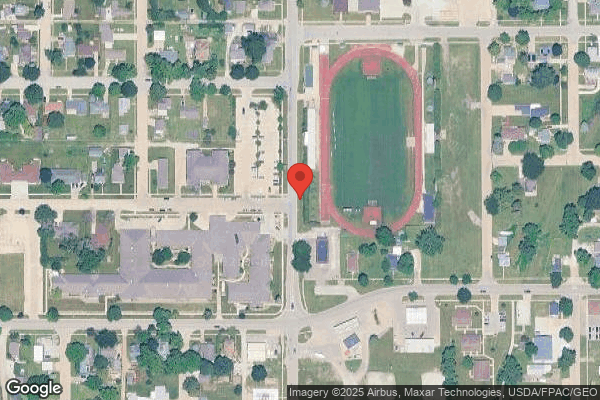
Westhaven Community

112 WEST FOURTH STREET, BOONE, IA 50036 (515) 432-1393
Non profit - Other 100 Beds Independent Data: November 2025 1 Immediate Jeopardy citation
Trust Grade
61/100
#164 of 392 in IA
Last Inspection: April 2025

Within standard 12-15 month inspection cycle. Federal law requires annual inspections.

Overview

Westhaven Community in Boone, Iowa has a Trust Grade of C+, indicating it is slightly above average but not without concerns. It ranks #164 out of 392 facilities in Iowa, placing it in the top half, and #2 out of 4 in Boone County, suggesting only one local option is better. Unfortunately, the facility is currently worsening, with issues increasing from 5 in 2023 to 8 in 2025. Staffing is a strong point, rated 5 out of 5 stars, though turnover is at 49%, which is average for Iowa. However, the facility has faced $7,446 in fines, which is concerning as it reflects ongoing compliance issues. The RN coverage is average, meaning residents receive typical nursing oversight. Specific incidents noted include a failure to re-evaluate a resident's advance directives, which could lead to inconsistent treatment in emergencies, and a lack of proper infection control, as staff did not disinfect equipment or change gloves after resident care, risking cross-contamination. Additionally, the facility did not notify the Long-Term Care Ombudsman about required resident transfers, which raises concerns about communication and oversight. Overall, while Westhaven Community has some strengths, families should be aware of its recent challenges.

Trust Score
C+
61/100
In Iowa
#164/392
Top 41%
Safety Record
High Risk
Review needed
Inspections
Getting Worse
5 → 8 violations
Staff Stability
⚠ Watch
49% turnover. Above average. Higher turnover means staff may not know residents' routines.
Penalties
○ Average
$7,446 in fines. Higher than 70% of Iowa facilities. Some compliance issues.
Skilled Nurses
✓ Good
Each resident gets 45 minutes of Registered Nurse (RN) attention daily — more than average for Iowa. RNs are trained to catch health problems early.
Violations
⚠ Watch
13 deficiencies on record. Higher than average. Multiple issues found across inspections.
★★★★☆
4.0
Overall Rating
★★★★★
5.0
Staff Levels
★★★★☆
4.0
Care Quality
★★★☆☆
3.0
Inspection Score
Stable
2023: 5 issues
2025: 8 issues

The Good

  • 5-Star Staffing Rating · Excellent nurse staffing levels
  • 4-Star Quality Measures · Strong clinical quality outcomes
  • Full Sprinkler Coverage · Fire safety systems throughout facility
  • No fines on record

Facility shows strength in staffing levels, quality measures, fire safety.

The Bad

Staff Turnover: 49%

Near Iowa avg (46%)

Higher turnover may affect care consistency

Federal Fines: $7,446

Below median ($33,413)

Minor penalties assessed

The Ugly 13 deficiencies on record

1 life-threatening
Apr 2025 8 deficiencies
CONCERN (D)

Potential for Harm - no one hurt, but risky conditions existed

Transfer Notice (Tag F0623)

Could have caused harm · This affected 1 resident

**NOTE- TERMS IN BRACKETS HAVE BEEN EDITED TO PROTECT CONFIDENTIALITY** Based on record review and staff interview, the facility failed to notify the Long-Term Care Ombudsman of resident discharge/tra...

Read full inspector narrative →
**NOTE- TERMS IN BRACKETS HAVE BEEN EDITED TO PROTECT CONFIDENTIALITY** Based on record review and staff interview, the facility failed to notify the Long-Term Care Ombudsman of resident discharge/transfers as required for 2 of 2 residents reviewed for hospitalizations (Residents #19 and #47). The facility reported a census of 47. Findings include: 1. The Minimum Data Set (MDS) summary tab of the facility's Electronic Health Record (EHR) for Resident #19 revealed a Discharge Return Anticipated/End of PPS Part A Stay assessments were completed on 2/8/25 and 2/26/25. Entry assessments were completed on 2/14/25 and 3/10/25. Review of Resident#19's Census indicated Resident #19 was hospitalized from [DATE]-[DATE] and 2/26/25-3/10/25. Review of Resident #19's Progress Notes revealed the following: a. On 2/8/25, Resident #19 was transferred to a local hospital due to a decline in medical status. b. On 2/26/25, Resident #19 was directly admitted to a local hospital due to an acute medical condition. Review of facility provided, Admission/Discharge To/From Report, which was emailed to the Long-Term Care Ombudsman on 3/3/25, lacked documentation for Resident #19's discharges to the hospital on 2/8/25 and 2/26/25 as required by federal regulation. 2. Review of Resident #47's MDS revealed a Discharge Return Anticipated assessment was completed on 12/18/24. An Entry assessment was completed on 12/23/24. Review of Resident #47's Census indicated Resident #47 was hospitalized [DATE]-[DATE]. Review of Progress Notes revealed Resident #47 was transferred to a local hospital on [DATE] due to a decline in medical status. Review of the facility provided email to the Long-Term Care Ombudsman on 1/7/25, lacked documentation for Resident #47's discharge to the hospital on [DATE] as required by federal regulation. In an interview on 4/3/24 at 11:00 AM, Staff J, Resident Relations Coordinator, reported the only information provided on the Long-Term Care Ombudsman's monthly reports are facility admissions and discharges. Staff J stated they do not send information when residents are transferred to the hospital. The facility did not provide a policy regarding monthly resident census information to the Long-Term Care Ombudsman.
CONCERN (D)

Potential for Harm - no one hurt, but risky conditions existed

Deficiency F0625 (Tag F0625)

Could have caused harm · This affected 1 resident

**NOTE- TERMS IN BRACKETS HAVE BEEN EDITED TO PROTECT CONFIDENTIALITY** Based on clincal record review, staff interview, and admission agreement review, the facility failed to obtain bed hold confirma...

Read full inspector narrative →
**NOTE- TERMS IN BRACKETS HAVE BEEN EDITED TO PROTECT CONFIDENTIALITY** Based on clincal record review, staff interview, and admission agreement review, the facility failed to obtain bed hold confirmation for 1 of 2 residents reviewed for hospitalization (Resident #19). The facility reported a census of 47. Findings include: Review of Resident #19's Minimum Data Set (MDS) revealed a Discharge Return Anticipated/End of PPS Part A Stay assessments were completed on 2/8/25 and 2/26/25. Resident #19's Census showed Resident #19 was hospitalized from [DATE]-[DATE] and 2/26/25-3/10/25. Review of Progress Notes revealed the following: a. On 2/8/25, Resident #19 was transferred to a local hospital due to a decline in medical status. A copy of the bed hold policy was provided to Resident #19's husband. No further documentation identified which indicated the bed hold was signed or if a verbal consent for a bed hold was obtained from either the resident or their husband. b. On 2/26/25, Resident #19 was directly admitted to a local hospital due to an acute medical condition. No documentation identified that a bed hold consent form was signed or if a verbal consent was obtained from either the resident or their husband. During an interview on 4/3/25 at 11:00 AM, Staff K, Business Office, indicated a blank copy of the facility's bed hold policy is provided to the resident when they are sent to the hospital. Staff K will then attempt to follow-up with the resident or their representative (within 24-hours or the first business day of the week) to obtain bed hold consent, either by a signed bed hold form, verbal, or email. These verifications are kept in the business office files. Staff K acknowledged they do not always get a response regarding bed hold consent from residents or their family. Staff K did not have any further documentation indicating Resident #19 or their family consented to a bed hold for both of the hospitalizations in February. During an interview on 4/3/25 at 1:45 PM, Staff D, Co-Director of Nursing and Staff E, Co-Director of Nursing, acknowledged the challenges of obtaining bed hold consent. Staff D explained a blank copy of the bed hold policy is always sent out with the resident when hospitalized . Staff D voiced nursing staff do not fill out any of the bed hold forms as they do not have the required information to accurately complete them. Review of the Resident admission Agreement, revised 3/31/25, revealed the facility will ask the resident or representative if they wish for a bed hold. Upon request by the resident or representative, the bed will be held and the resident will be billed for the full daily per diem rate for the first ten days.
CONCERN (D)

Potential for Harm - no one hurt, but risky conditions existed

Deficiency F0658 (Tag F0658)

Could have caused harm · This affected 1 resident

**NOTE- TERMS IN BRACKETS HAVE BEEN EDITED TO PROTECT CONFIDENTIALITY** Based on observation, clinical record review, facility policy review, resident and staff interviews, the facility failed to prov...

Read full inspector narrative →
**NOTE- TERMS IN BRACKETS HAVE BEEN EDITED TO PROTECT CONFIDENTIALITY** Based on observation, clinical record review, facility policy review, resident and staff interviews, the facility failed to provide services that met professional standards regarding accurately transcribing physician's orders for 1 (Resident #28) of 16 residents reviewed. The facility reported a census of 47 residents. Findings include: Review of Resident #28's Minimum Data Set (MDS) dated [DATE], revealed Resident #28's admission to the facility on 1/17/2025 with a Brief Interview of Mental Status ( BIMS) score of 13, indicating Resident #28 as cognitively intact. Resident #28's diagnoses include congestive heart failure (CHF), atrial fibrillation, coronary artery disease, renal insufficiency, and peripheral vascular disease. The MDS also indicated Resident #28 on hospice level of care with oxygen therapy. Resident #28 is independent with mobility with the assistance of a walker. Review of Resident #28's admission orders dated 1/17/25 indicated an order for supplemental oxygen 2-4 liters via nasal cannula for comfort. The Care Plan dated 2/5/25 revealed, Resident #28 and his family have chosen to receive hospice services with interventions to administer medications, oxygen and treatments as ordered for comfort. Review of Hospice Interdisciplinary Meeting (IDT) on 2/10/25 indicated an order, with start date 11/8/24, oxygen via nasal cannula, 2 liters per minute as needed for shortness of breath and breathing comfort. Review of the Medication Administration Record (MAR) for January 2025 indicated a hand written oxygen order, with documentation of Resident #28's use of 2-4 liters supplemented oxygen regularly during the evening and overnight shift and intermittently during the day shift. Review of the MAR for February 2025 indicated a hand written oxygen order, with documentation of Resident #28's use of 2-4 liters supplemented oxygen intermittently during the evening and night shift and rarely during day shift. Review of the MAR's for March and April 2025 failed to indicate an oxygen order and documentation of usage. Review of the Physician's Orders Summary for orders dated 1/17/25-3/31/25, signed by the Physician on 3/14/25, failed to indicate Resident #28's as needed oxygen order. Observation on 3/31/25 at 1:19 PM, revealed a portable oxygen concentrator outside of Resident #28's doorway and an oxygen concentrator in Resident #28's room between the bed and recliner with nasal cannula tubing attached. During an interview on 4/2/25 at 2:30 PM, Resident #28 stated he uses his oxygen as needed and will often wear it at 2 liters for a few hours in the evening, after supper and before bed. During an interview on 4/2/25 at 6:15 PM, Staff D, Co- Director of Nursing (DON) and Staff E, Co-DON stated to their knowledge, Resident #28 doesn't use oxygen and doesn't have an oxygen concentrator in his room. On interview on 4/3/25 at 11:58 AM, Staff D, Co-DON acknowledged the oxygen order for Resident #28 was not included on the MAR's for March and April 2025 or the signed Physician's Order Summary as it should have been. Staff D, Co-DON stated the monthly MAR's are made by transcribing the orders from the Physician's Order Summary to the paper format MAR's and Resident #28's oxygen order had not been discontinued, the facility failed to transcribe the orders accurately. Review of facility provided Checklist for new order medication/treatment procedure indicated the following: 1. New order is written on the MAR/TAR, with date, medication/treatment, route, frequency, time, specific instructions, Also added to the next month ' s MAR/TAR if available. 2. Phone order written if needed. 3. Old order discontinued on MAR/TAR 4. Medications pulled from med cart drawer. 5. New orders for follow up on the calendar. 6. Follow up appointments made. 7. Transportation arrangements made and put in calendar. 8. Family and Pharmacy notified. 9. Entry in nurses notes. 10. Order noted with signature, date and time by nurse.
CONCERN (D)

Potential for Harm - no one hurt, but risky conditions existed

Respiratory Care (Tag F0695)

Could have caused harm · This affected 1 resident

**NOTE- TERMS IN BRACKETS HAVE BEEN EDITED TO PROTECT CONFIDENTIALITY** Based on clinical record review, resident and staff interviews, and policy review, the facility failed to provide oxygen therapy...

Read full inspector narrative →
**NOTE- TERMS IN BRACKETS HAVE BEEN EDITED TO PROTECT CONFIDENTIALITY** Based on clinical record review, resident and staff interviews, and policy review, the facility failed to provide oxygen therapy as prescribed by the physician for 1 of 2 residents reviewed for respiratory care (Resident #3). The facility reported a census of 47. Findings include: Review of Resident #3's Minimum Data Set (MDS) assessment dated [DATE] revealed Resident #3's Brief Interview for Mental Status (BIMS) score of 14, indicating intact cognition. Diagnoses include atrial fibrillation, chronic obstructive pulmonary disease, coronary artery disease, and heart failure. The MDS further indicated Resident #3 receiving oxygen therapy. During an observation on 4/2/25 at 10:30 AM, the oxygen setting for Resident #3 was at 3 liters. April 2025 Physician Order sheet for Resident #3 revealed the following order: Oxygen at 2 liters to keep oxygen saturation equal to or greater then 89%. Review of the Medication Administration Review (MAR) sheets revealed the following: a. March 2025 MAR showed staff initials indicating oxygen setting was at 2 liters for the month. No further adjustment or updates to the MAR was identified. b. February 2025 MAR revealed an unknown staff member changed the order for oxygen setting to 3 liters from 2 liters. Staff initialed and wrote in an oxygen setting at 3 liters on 2/1/25 and 2/2/25. No date noted on the MAR to indicate when the order on the MAR was changed. Staff initials for the rest of the month indicated the oxygen setting was at 3 liters. c. January 2025 MAR showed staff initials indicating oxygen setting was at 2 liters. No further adjustments or updates to the MAR was identified. d. December 2024 MAR showed staff initials indicating oxygen setting was at 2 liters. No further adjustments or updates to the MAR was identified. Review of the Oxygen Saturation Summary report in the facility's electronic health record revealed the following: a. During the month of March, oxygen setting documented at 3 liters on 3/16/26 and 3/17/25. b. During the month of February, oxygen setting documented at 3 liters on 2/17/25. c. During the month of December, oxygen setting documented at 3 liters on 12/1/24. Review of the electronic medical record as well as the paper medical record, which include all physician orders, lacked documentation to support the change in the oxygen setting from 2 liters to 3 liters as identified from December 2024 to April 2025. During an interview on 4/2/25 at 12:45 PM, Staff B, Licensed Practical Nurse, could not initially recall Resident #3 current oxygen order and referred to the MAR. When informed of the observation of the oxygen set at 3 liters instead of 2 liters, as ordered, Staff B reported they have typically seen the oxygen set at 3 liters. Staff B could not estimate a time frame on how long the oxygen has been set at 3 liters. Based on their assessment, Resident #3 feels the best at 3 liters. Staff B reported no standing physician orders in place to titrate oxygen settings based on nursing assessments. During an interview 4/2/25 at 2:15 PM, Staff D, Co-Director of Nursing and Staff E, Co-Director of Nursing, both confirmed the facility did not have a protocol or standing orders in place for titrating oxygen settings. Nursing staff would need to contact the physician for any changes. The policy Administration of Oxygen Therapy, revised 10-22, states the oxygen flow rate is set to the prescribed dosage.
CONCERN (D)

Potential for Harm - no one hurt, but risky conditions existed

Unnecessary Medications (Tag F0759)

Could have caused harm · This affected 1 resident

**NOTE- TERMS IN BRACKETS HAVE BEEN EDITED TO PROTECT CONFIDENTIALITY** Based on clinical record review, observations, staff interview, manufacturer recommendations, and policy review the facility fai...

Read full inspector narrative →
**NOTE- TERMS IN BRACKETS HAVE BEEN EDITED TO PROTECT CONFIDENTIALITY** Based on clinical record review, observations, staff interview, manufacturer recommendations, and policy review the facility failed to ensure a medication error rate of less than 5%. During observations of medication administration, the facility had 2 errors out of 25 opportunities for error resulting in an error rate of 8.0 % (Residents #31 and #41). The facility identified a census of 47 residents. Findings include: 1. The Minimum Data Set (MDS) assessment dated [DATE] revealed Resident #31 had diagnoses of diabetes and renal insufficiency. The MDS documented the resident took insulin 7 of 7 days during the look-back period. The Care Plan initiated 2/12/25 revealed the resident had diabetes. The Care Plan directed staff to administer insulin medication as ordered. The Medication Administration Record (MAR) dated 4/1/25 to 4/30/25 for Resident # 31 listed Novolog 8 units subcutaneous (SQ) administered by Staff B, Licensed Practical Nurse (LPN) on 4/2/25 for the mid-day dose. During observation on 4/2/25 at 10:57 AM, Staff B, Licensed Practical Nurse (LPN), prepared to administer Novolog insulin for Resident #31. After Staff B attached a needle on the end of a Novolog insulin flexpen, Staff B dialed the flexpen to 2 (units) to prime the needle, then turned the dial on the pen to 8. At 11:01 AM, Staff B took the Novolog pen, counted 1, 2, 3, inserted the needle into the resident's left lower abdomen, pushed the button on the end of the insulin pen, and removed the needle after one second. During an interview 4/3/25 at 10:20 AM, Staff D, Co-Director of Nursing (DON) reported she was unsure if the facility had a policy for the insulin flexpens. Staff D reported she expected staff to follow the manufacturer instructions for insulin flexpens. On 4/3/25 at 12:50 PM, Staff D confirmed the facility did not have a policy or procedure for insulin flexpen. On 4/3/25 at 3:15 PM, Staff D reported she checked with the pharmacy about the insulin pens. The insulin pens were all different and the amount of time varied on how long the needle should be left in whenever insulin administered via the flexpen. Staff D stated she planned to tell staff the needle needed to be left in place for 10 seconds whenever they used an insulin flexpen to ensure the residents got the proper dose. According to the Novolog Manufacturer instructions revised 2/2023 revealed the following procedural steps for Novolog insulin injection 100 units/ ml flexpen: a. Turn the dose selector to the number of units needed for injection. b. Insert the needle into the skin. c. Press the push button all the way in until the 0 lines up with the pointer. d. Keep the needle in the skin for at least 6 seconds and keep the push button pressed all of the way in until the needle has been pulled out from the skin to ensure the full dose given. 2. The MDS assessment dated [DATE] revealed Resident #41 had diagnoses of diabetes and macular degeneration. The MDS documented the resident took insulin. The Care Plan initiated 2/12/25 revealed the resident had diabetes. Resident #41's MAR dated 4/1/25 to 4/30/25 listed Lispro insulin 100/ml SQ as directed per sliding scale. The MAR listed Lispro insulin 6 units for a blood sugar range of 251-300 was documented on 4/1/25 for the lunch dose. On 4/1/25 at 10:53 AM, Staff A, LPN, checked Resident #41's blood sugar with a blood sugar monitor. Staff A reported the blood sugar reading at 294. At 11:00 AM, Staff A, LPN, prepared an insulin flexpen. Staff A cleansed the end of the insulin pen with alcohol, attached a needle, dialed the pen to 2, and pushed the button on the end of the pen while she held the pen horizontally. Staff A did not remove the needle cap to observe and ensure fluid seen on the end of the needle/pen. Staff A then turned the Lispro insulin dial to 6. Staff A inserted the insulin pen needle into the resident's right lower abdomen, pushed the button on the end of the pen, held the insulin pen in place for 3-4 seconds, then removed the pen. Staff A did not check to ensure the dial showed zero, or hold the flexpen with the needle in the skin for a count of at least 6 seconds after the medication administered. The Lispro Kwikpen manufacturer instructions revised 7/2023 directed staff to prime the pen before each injection to remove air bubbles and check the patency of the needle, and to ensure the resident did not receive too much or too little insulin. The following procedural steps taken to ensure safe and effective usage of the Lispro Kwikpen Injector System: To prime the pen a. Push the capped needle onto the pen and twist the needle on tightly. b. Remove the outer needle cap. c. Turn the dose selector knob to 2 units. d. Hold the pen with the needle pointed up. e. Tap the top of the pen gently a few times to let any air bubbles rise to the top. f. Continue to hold the pen with the needle pointed up. g. Push the dose knob in until the dose counter shows 0. A drop of insulin should appear at the needle tip. Repeat steps until insulin seen at the tip of the needle, up to 6 times. If no insulin drop observed, change the needle and repeat the steps. h. Turn the dose knob to select the number of units needed for injection. i. Insert the needle into the skin. j. Push the dose knob all of the way in and continue to hold the dose know in and slowly count to 5 before removing the needle. A diagram on the same page suggested a 5 second hold to the skin. k. Pull the needle out of the skin. l. Check the number in the dose window. If a 0 seen, the full amount of insulin was received.
CONCERN (D)

Potential for Harm - no one hurt, but risky conditions existed

Deficiency F0760 (Tag F0760)

Could have caused harm · This affected 1 resident

**NOTE- TERMS IN BRACKETS HAVE BEEN EDITED TO PROTECT CONFIDENTIALITY** Based on clinical record review, observation, staff interview and manufacturer's instructions, the facility failed to administer...

Read full inspector narrative →
**NOTE- TERMS IN BRACKETS HAVE BEEN EDITED TO PROTECT CONFIDENTIALITY** Based on clinical record review, observation, staff interview and manufacturer's instructions, the facility failed to administer insulin flexpen to ensure the proper amount of insulin administered for two of two residents observed for insulin administration (Resident #31 and #41). The facility reported a census of 47 residents. Findings include: 1. The Minimum Data Set (MDS) assessment dated [DATE] revealed Resident #31 had diagnoses of diabetes and renal insufficiency. The MDS documented the resident took insulin 7 of 7 days during the look-back period. The Care Plan initiated 2/12/25 revealed the resident had diabetes. The Care Plan directed staff to administer insulin medication as ordered. The Medication Administration Record (MAR) dated 4/1/25 to 4/30/25 for Resident # 31 listed Novolog 8 units subcutaneous (SQ) administered on 4/2/25 for the mid-day dose by Staff B, Licensed Practical Nurse (LPN). During observation on 4/2/25 at 10:57 AM, Staff B, Licensed Practical Nurse (LPN), prepared to administer Novolog insulin for Resident #31. Staff B attached a needle on the end of a Novolog insulin flexpen, turned the dial to 2 (units) to prime the needle, then turned the dial to 8. At 11:01 AM, Staff B took the Novolog pen, counted 1, 2, 3, inserted the needle into the resident's left lower abdomen, pushed the button on the end of the insulin pen, and removed the needle after one second. During an interview 4/3/25 at 10:20 AM, Staff D, Co-Director of Nursing (DON) reported she was unsure if the facility had a policy for the insulin flexpens. Staff D reported she expected staff to follow the manufacturer instructions for insulin flexpens. On 4/3/25 at 12:50 PM, Staff D confirmed they facility did not have a policy or procedure for insulin flexpen. On 4/3/25 at 3:15 PM, Staff D reported she checked with the pharmacy about the insulin pens. The insulin pens were all different and the amount of time varied on how long the needle should be left in whenever insulin administered via the flexpen. Staff D stated she planned to tell staff the needle needed to be left in place for 10 seconds whenever they used an insulin flexpen to ensure the residents got the proper dose. According to the Novolog Manufacturer instructions revised 2/2023 revealed the following procedural steps for Novolog insulin injection 100 units/ ml flexpen: a. Turn the dose selector to the number of units needed for injection. b. Insert the needle into the skin. c. Press the push button all the way in until the 0 lines up with the pointer. d. Keep the needle in the skin for at least 6 seconds and keep the push button pressed all of the way in until the needle has been pulled out from the skin to ensure the full dose given. 2. The MDS assessment dated [DATE] revealed Resident #41 had diagnoses of diabetes and macular degeneration. The MDS documented the resident took insulin. The Care Plan initiated 2/12/25 revealed the resident had diabetes. Resident #41's MAR dated 4/1/25 to 4/30/25 listed Lispro insulin 100/ml SQ as directed per sliding scale. The MAR listed Lispro insulin 6 units for a blood sugar range of 251-300 was documented on 4/1/25 for the lunch dose. On 4/1/25 at 10:53 AM, Staff A, LPN, checked Resident #41's blood sugar with a blood sugar monitor. Staff A reported the blood sugar reading at 294. At 11:00 AM, Staff A, LPN, prepared an insulin flexpen. Staff A cleansed the end of the insulin pen with alcohol, attached a needle, turned the dial on the pen to 2, and pushed the button on the end of the pen as she held the pen horizontally. Staff A did not remove the needle cap to observe and ensure fluid seen on the end of the needle/pen. Staff A then turned the Lispro insulin dial to 6. Staff A inserted the insulin flexpen needle into the resident's right lower abdomen, pushed the button on the end of the pen, held the insulin pen in place for 3-4 seconds, then removed the needle from the administration site. Staff A did not check to ensure the dial showed zero, or hold the flexpen with the needle in the skin for a count of at least 6 seconds after the medication administered. The Lispro Kwikpen manufacturer instructions revised 7/2023 directed staff to prime the pen before each injection to remove air bubbles and check the patency of the needle, and to ensure the resident did not receive too much or too little insulin. The following procedural steps taken to ensure safe and effective usage of the Lispro Kwikpen Injector System: To prime the pen a. Push the capped needle onto the pen and twist the needle on tightly. b. Remove the outer needle cap. c. Turn the dose selector knob to 2 units. d. Hold the pen with the needle pointed up. e. Tap the top of the pen gently a few times to let any air bubbles rise to the top. f. Continue to hold the pen with the needle pointed up. g. Push the dose knob in until the dose counter shows 0. A drop of insulin should appear at the needle tip. Repeat steps until insulin seen at the tip of the needle, up to 6 times. If no insulin drop observed, change the needle and repeat the steps. h. Turn the dose knob to select the number of units needed for injection. i. Insert the needle into the skin. j. Push the dose knob all of the way in and continue to hold the dose know in and slowly count to 5 before removing the needle. A diagram on the same page suggested a 5 second hold to the skin. k. Pull the needle out of the skin. l. Check the number in the dose window. If a 0 seen, the full amount of insulin was received.
CONCERN (D)

Potential for Harm - no one hurt, but risky conditions existed

Deficiency F0761 (Tag F0761)

Could have caused harm · This affected 1 resident

Based on observation, staff interviews, and policy review, the facility failed to safely and securely store resident and staff medications. The facility reported a census of 47. Findings include: Dur...

Read full inspector narrative →
Based on observation, staff interviews, and policy review, the facility failed to safely and securely store resident and staff medications. The facility reported a census of 47. Findings include: During an observation on 3/31/25 at 10:00 AM, several over-the-counter medications were found in an unlocked cupboard in a prep area of the kitchen. The kitchen did not have a secured entrance. Medications included Pepto-Bismol, Ibuprofen, Tylenol, Tylenol Arthritis, Tums, and allergy relief. During an observation on 3/31/25 at 11:25 AM, the 100-hall treatment cart was unlocked. The cart had Biofreeze, Nystop powder, Diclofenac cream, and dressing supplies all with resident names. During an observation on 3/31/25 at 11:25 AM, Albuterol and Budesemide inhalers were seen on Resident #9's bedside table in their room. The inhalers were not labeled with any resident names. During an interview on 3/31/25 at 10:20 AM the Certified Dietary Manager, CDM, acknowledged the unsecured medications. The CDM reported these are for staff use. During an interview on 4/3/25 at 10:30 AM, Staff E, Co-Director of Nursing, reported medications are stored in on the medication cart or in the medication room. Resident inhalers are stored on the medication cart. Staff E believed Resident #9's family may have brought in the unlabeled inhalers. During an interview on 4/3/25 at 1:40 PM, Staff D and Staff E, both Co-Directors of Nursing, indicated the over-the-counter medications in the kitchen should have been, at the very least, locked-up. The undated policy Medication Labeling and Storage stated resident medications are properly labeled (name, room number, medication name, directions for use) and locked in a cart or cabinet. Medications for each resident are kept and stored in their originally received containers. Containers having no labels are to be destroyed in accordance with state and federal laws.
CONCERN (E)

Potential for Harm - no one hurt, but risky conditions existed

Infection Control (Tag F0880)

Could have caused harm · This affected multiple residents

**NOTE- TERMS IN BRACKETS HAVE BEEN EDITED TO PROTECT CONFIDENTIALITY** Based on clinical record review, observations, staff interviews, and policy review, the facility failed to disinfect equipment a...

Read full inspector narrative →
**NOTE- TERMS IN BRACKETS HAVE BEEN EDITED TO PROTECT CONFIDENTIALITY** Based on clinical record review, observations, staff interviews, and policy review, the facility failed to disinfect equipment after resident use and failed to ensure staff changed gloves and sanitized hands in accordance with proper infection control techniques when contaminated to protect against cross contamination and potential infection for 4 of 8 residents observed during medication administration and for 2 of 3 residents observed for cares. The facility reported a census of 47 residents. Findings include: 1. The Minimum Data Set (MDS) assessment dated [DATE] revealed Resident #3 had diagnosis of chronic obstructive pulmonary disease (COPD) and heart failure. The Care Plan initiated 1/16/25 revealed the resident had lung cancer. The Care Plan directed staff to use a spacer whenever inhalers administered. During observation on 4/2/25 at 11:13 AM, Staff B, Licensed Practical Nurse (LPN), attached a Combivent inhaler to a spacer with a mask attached to it. Staff B placed the mask on Resident #3's face covering the resident's nose and mouth. Staff B then administered the inhaler to the resident and had the resident inhale the medication. After Staff B administered the medication and had the resident rinse her mouth with water, Staff B placed the spacer and mask back in the bottom drawer of the medication cart without cleaning or disinfecting the mask. During an interview 4/3/25 at 10:20 AM, Staff D, Co-Director of Nursing (DON) reported she expected staff to rinse the mask used with the inhaler for the resident with water and air dried. An Administration of Metered Dose Inhalers revised 4/2012 revealed to replace the inhaler in a proper storage area. The policy lacked information related to care of the inhaler administration device after the medication administered. A Standard Precautions policy reviewed 6/10/21 revealed resident care equipment disinfected before resident use. 2. During observation on 4/1/25 at 2:40 PM, Staff G, certified nursing assistant (CNA), removed Resident #3's pants and brief. Staff H, CNA, handed disposable wipes to Staff G. Staff G provided pericare to Resident #3. Staff G continued to wear the same gloves after pericare provided and transferred the resident from the bed to the commode. Staff G donned the resident's shoes, then placed a sling under the resident. Staff touched the mechanical lift and the commode, then transferred the resident from the bed to the commode wearing the same gloves. Staff G then removed her gloves and sanitized her hands. Staff bagged up the trash, and placed the soiled clothes and sling into a plastic bag. Staff moved the mechanical lift into the hall/common area but did not disinfect the mechanical lift after use. At 3:05 PM, Staff G and Staff H returned to the resident's room. Staff G and Staff H moved the resident from the commode to the bed. Staff H provided disposable wipes to Staff G. Staff G continued to wear the same gloves and provided pericare to Resident #3. Staff G did not change gloves or sanitize her hands after she transferred the resident and after she performed pericare for the resident. Staff G touched the overhead trapeze and provided the trapeze to the resident to use as she turned side to side in bed. Staff G donned a clean brief on the resident, touched the bed sheets and blankets, the call light, and the bed control, then removed her gloves. At 3:25 PM, staff took the mechanical lift from the resident's room and placed it in a common area. Staff did not disinfect the mechanical lift after use. At 3:30 PM, Staff G, CNA, reported she asked nursing about wipes but did not get a response on where she could obtain the wipes. Staff G placed the used commode back into the bathroom that was shared with another resident. Staff G used a personal care wipe to wipe off the commode. Staff G stated Resident #3 was the only resident who utilized the commode. A Hand Washing Techniques dates 1/28/20 revealed hand washing reduced the spread of potential pathogens on the hands and prevent nosocomial infections. Hands washed before and after resident contact, after contact with body fluids, inanimate objects that are likely to be contaminated and after gloves removed. Hands sanitized with an alcohol-based handrub when persistent antimicrobial activity on the hands is desired or before an invasive procedure performed. Hands much be washed thoroughly with soap and water when visibly soiled. Gloves should be removed and hands washed whenever staff performed hand-contaminating activities. Gloves changed whenever moved from one procedure to another. 3. The MDS assessment dated [DATE] revealed Resident #30 had diagnosis of dementia. The MDS recorded the resident had incontinence and dependent on staff for toileting hygiene and lower body dressing. The Care Plan initiated 1/22/25 revealed the resident had memory loss and urinary infections, and required assistance with cares. The Care Plan directed staff to toilet the resident as needed and provide assistance of one staff for hygiene and dressing. During observation on 4/2/25 at 1:35 PM, Staff I, CNA, provided incontinence care for Resident #30 while he stood by a grab bar in the bathroom. Staff I took disposable wipes and cleansed the resident's buttocks area, then pulled the resident's pants up. Staff I continued to wear the same gloves, bagged up the trash, and walked down the hall to the utility room. Staff I entered a code on the utility room door, turned the knob on the door with her gloved hand, placed the bag of trash in a barrel, placed the lid over the barrel, and then removed one glove. Staff I walked back to the resident's room, closed the bathroom door and activated the alarm by the bathroom door. Staff I walked to the nurse's station across from the resident's room and removed the glove on her other hand. During an interview 4/3/25 at 10:30 AM, Staff E, Co-DON, reported she expected gloves changed whenever going from a dirty task or area to a clean task or area. Staff E reported she expected staff performed hand hygiene and removed gloves and wash hands when visibly contaminated. She also expected staff washed hands after tasks completed such as after resident cares. A Standard Precautions policy reviewed 6/10/21 revealed hands washed after touching body fluids and contaminated items regardless of whether gloves are worn, after gloves removed. Hands washed or hand sanitized between tasks and procedures on the same resident to prevent cross contamination. Gloves changed after contact with material that may contain high concentrations of microorganisms. Resident care equipment disinfected before resident use. 4. During observation on 4/2/25 at 11:01 AM, Staff B, LPN, administered insulin to Resident #31. Staff B recapped the end of the flexpen, then removed the needle from the pen, and disposed of the needle device into a sharps container by the medication cart. During an interview on 4/2/25 at 1:40 PM, Staff F, Registered Nurse (RN), reported the needles used and attached to the insulin flexpens do not automatically retract whenever an injection given. During an interview 4/3/25 at 10:20 AM, Staff D, Co-DON reported staff should never recap needles. On 4/3/25 at 11:15 AM, Staff D and Staff E requested the surveyor to look at the needle devices used on their insulin pens. Staff D explained they used a drop safe needle for insulin injections. The needles were obtained from their supplier. At the time, Staff D had Staff B demonstrate application of the needle device onto an insulin pen and then Staff B administered the insulin into a cotton ball. A bent needle was observed inside the plastic chamber. On 4/3/25 at 12:50 PM, Staff D confirmed they facility did not have a policy or procedure for insulin flexpen use. The facility's Injections Subcutaneous policy revealed using the safety syringe device cover the exposed needle. Dispose of the syringe and needle in the designated container. DO NOT RECAP NEEDLE! According to the Novolog Manufacturer instructions revised 2/2023 revealed do not recap the needle. Recapping can lead to a needle stick injury. Carefully slip the needle into the outer needle cap. Safely remove the needle and throw it away into a sharps disposal container after use. 5. The MDS assessment dated [DATE] revealed Resident #36 had a cardiorespiratory condition. During observation on 4/2/25 at 10:00 AM, Staff B, LPN, pushed a cart with a stethoscope, pulse oximeter machine, and blood pressure cuff on the top shelf, and three boxes of gloves on the middle shelf into Resident #36's room. Staff B placed an albuterol solution into a nebulizer chamber, attached the mask, and connected the tubing to the nebulizer machine. Staff B placed the nebulizer machine on top of the cart that she brought into the resident's room, then administered the nebulizer treatment to the resident. At 10:22 AM, Staff B removed the nebulizer mask from the resident's face then provided a washcloth for the resident to wash her face. Staff B moved the nebulizer machine to a bedside table, then placed the soiled washcloth on top of the cart. At 10:30 AM, Staff B pushed the cart with the soiled washcloth, blood pressure cuff, stethoscope, and pulse oximeter back to the nurse's station. Staff B took the soiled washcloth to the soiled utility room, removed her glove, and sanitized her hands. Staff B then spoke with another staff member by the desk. At 10:35 AM, Staff B wheeled the cart with the medical equipment down the hall and into another resident's room and took the resident's vital signs. Staff B did not clean or disinfect the cart before or after use. During an interview 4/3/25 at 10:20 AM, Staff D, Co-DON reported she expected staff used germicidal wipes to disinfect equipment such as the mechanical lifts and carts. The equipment or surface needed to remain wet for 2 minutes to ensure the equipment or the surface had been properly disinfected. A General Infection Prevention and Control Nursing Policy reviewed 4/25/23 revealed all items for multi-resident use will be disinfected using germicidal wipes after use. 6. On 4/1/25 at 10:53 AM, Staff A, LPN, removed the blood sugar machine from a drawer in Resident #41's room, donned a pair of gloves, and cleaned the machine with an alcohol swab. Staff A took another alcohol swab and cleansed the resident's finger, then took a lancet and poked the resident's finger. Staff A placed a drop of blood on the strip in the blood sugar machine. After Staff A read the blood sugar result, she removed her gloves and disposed of items in the trash. Staff A did not change her gloves or sanitize her hands in-between cleaning the blood sugar machine and performing the blood sugar check. On 4/1/25 at 11:00 AM, Staff A prepared and administered insulin to Resident #41. Staff A recapped the needle, then disposed of the needle in the sharps container on the medication cart. During an interview 4/3/25 at 10:30 AM, Staff E, Co-DON, reported she expected gloves changed whenever going from a dirty task or area to a clean task or area. Staff E reported she expected staff performed hand hygiene and removed gloves and wash hands when visibly contaminated. She also expected staff washed hands after tasks completed such as after resident cares. A Standard Precautions policy reviewed 6/10/21 revealed hands washed after touching body fluids and contaminated items regardless of whether gloves are worn, after gloves removed. Hands washed or hand sanitized between tasks and procedures on the same resident to prevent cross contamination. Gloves changed after contact with material that may contain high concentrations of microorganisms. 7. During observation on 4/2/25 at 3:30 PM, Staff C, RN, donned gloves and administered Debrox Earwax ear drops into Resident #52's ears. Staff C then took latanopost eye drops and instilled a drop into each eye. Staff C did not change gloves or sanitize hands after she administered the ear drops and before she administered the eye drops. During an interview 4/3/25 at 10:30 AM, Staff E, Co-DON, reported she expected staff changed gloves in-between giving medications, including going from one route of medication to another. For example, staff should change gloves after an ear medication administered and before an eye medication administered. A Standard Precautions policy reviewed 6/10/21 revealed hands washed or hand sanitized between tasks and procedures on the same resident to prevent cross contamination. Gloves changed after contact with material that may contain high concentrations of microorganisms.
Mar 2023 5 deficiencies 1 IJ
CRITICAL (J)

Immediate Jeopardy (IJ) - the most serious Medicare violation

Deficiency F0578 (Tag F0578)

Someone could have died · This affected 1 resident

**NOTE- TERMS IN BRACKETS HAVE BEEN EDITED TO PROTECT CONFIDENTIALITY** Based on interviews, review of record and facility policy, the facility failed to re-evaluate and update one resident's (Residen...

Read full inspector narrative →
**NOTE- TERMS IN BRACKETS HAVE BEEN EDITED TO PROTECT CONFIDENTIALITY** Based on interviews, review of record and facility policy, the facility failed to re-evaluate and update one resident's (Resident (R)1) out of two sampled residents for advance directives, code status wishes. The facility's deficient practice increased R1's risk of inconsistent (wishes/desires) code status treatment. On [DATE] at 5:06 PM, the Administrator and the Director of Nursing (DON) were notified of immediate jeopardy (IJ) at F578- Advance Directives. The Immediate Jeopardy began on [DATE] when the team identified the facility failed to re-evaluate one resident's (R1) wishes for her code status. The facility provided an acceptable removal plan for the Immediate Jeopardy at F578 on [DATE] at 7:36 PM. The removal plan included that on [DATE] the Social Services Director (SSD) reviewed code status with R1 and that R1 confirmed that she wanted to remain a Do Not Resuscitate (DNR). On [DATE], the Administrator and DON reviewed code status with R1 and once again R1 confirmed that she wanted to remain a DNR. The facility kept the DNR status in effect for R1, and notified R1 Power of Attorney (POA). The facility planned to review her code status quarterly with R1. The facility will ensure R1 has the opportunity to attend all future care conferences. The facility will review the care conference summary with R1 if they refuse to attend. On [DATE], the facility reviewed code status with all residents and/or representatives. No changes to code status were requested by residents and/or representatives. The facility planned to review code status quarterly with all residents and/or representatives. The facility will ensure all residents and/or representatives have the opportunity to attend all future care conferences. The facility will review and/or distribute care conference summaries to residents and/or representatives who refuse to attend care conferences. On [DATE], the IPOST policy and procedures were updated. On [DATE], the SSD, MDS Coordinator, and Nurse Managers educated the Administrator on Iowa Physician Orders for Scope of Treatment (IPOST) policy and procedures. The survey team verified all elements of the facility's IJ Removal Plan and determined the facility removed the IJ on [DATE] at 9:45 PM and decreased the citation to a D level deficiency. Findings include: Review of the facility policy titled. IPOLST revealed .To ensure that the president's request for life sustaining choice is followed .Capable adults have a right to make their own health care decisions .The IPOST should be reviewed periodically and a new Physician Orders for Life Sustaining Treatment (POLST) form completed when the patient/resident's treatment preference changes . Review of R1's undated admission Record under the front cover of the paper chart revealed an admission date of [DATE] with multiple diagnoses including chronic kidney disease, diabetes, and renal aneurysm. Review of R1's quarterly Minimum Data Set (MDS) with an Assessment Reference Date (ARD) of [DATE], revealed a Brief Interview for Mental Status (BIMS) score of 15 out of 15 indicating intact cognition. Review of R1's IPOST indicated that if she had no pulse and is not breathing she requested to be a DNR. The Medical Director signed the IPOST on [DATE] and R1 signed it on [DATE]. Review of R1's [DATE] ' s Physician's Orders listed her code status as DNR. Review of R1's [DATE] Medication Administration Record (MAR) included a code status of DNR. Review of R1's comprehensive Care Plan revised [DATE] indicated that she did not want to be resuscitated. During an interview on [DATE] at 2:47 PM, R1 stated that she wanted Cardiopulmonary Resuscitation (CPR, chest compressions with air provided to the person) performed by the facility in the event of cardiac (heart stopped) or respiratory event/arrest (inability to breathe). R1 stated if there was hope she could be saved she would like to be. During a second interview on [DATE] at 1:39 PM, R1 stated she wanted the facility to provide CPR in the event of an emergent incident/cardiac or respiratory event. R1 stated the facility did not discuss her code status with her since her admission to the facility in 2020. R1 stated she did not want her code status to be a DNR. R1 stated she did not attend any care plan meetings at the facility and did not know when or what they were. R1 stated the facility did not invite her to attend her care conferences. During an interview on [DATE] at 5:44 PM, the DON 1 confirmed the facility should review the resident's code status or IPOST, four times a year during the care conference with the resident and or family representative. Then update the code status as needed and with any change of condition. During a third interview on [DATE] at 10:26 AM, R1 stated she did not report to anyone she wanted CPR provided for her. R1 stated she probably forgot her code status was DNR on admission to the facility, so she didn't realize she needed to tell anyone her code status needed to be changed. During an interview on [DATE] at 11:33 AM, R1's Family Member (FM)1 stated he knew of R1's DNR code status at the facility. R1's FM stated he had not discussed R1's desires for her advance directive or code status in years. R1's FM1 described R1's mind as sharp, and that she made her own medical decisions. R1's FM1 stated he did not attend her care conferences but thought his sister did at times and did not know if they discussed R1's code status at her care conferences. During an interview on [DATE] at 10:38 AM, SSD verified that R1's Physician signed her IPOLST prior to her admission to the facility and prior to R1 signing the IPOLST herself. The SSD stated that the Medical Director should have signed after R1 signed the document. The SSD verified R1's care conference documentation indicated R1's DNR code status or advance directives were not discussed on [DATE] or [DATE] because R1 did not attend either care conference. The SSD stated he could not recall the last time R1's advance directives or code status was discussed with her. The SSD confirmed he did not discuss R1's code status with R1's family. The SSD confirmed R1's care conference lacked documentation of a discussion. The SSD described R1's code status and advance directives as her decision. The SSD confirmed after review of R1's medical records the facility would not provide CPR in the event she suffered cardiac or respiratory arrest and the facility needed to ensure her code status wishes and desires were up to date and addressed with her. During an interview on [DATE] at 11:27, the MDS Coordinator (MDSC) stated she created the facility's resident's Care Plans, attended the resident's care conferences, and edited the resident's Care Plans. The MDSC stated the facility scheduled resident's care conferences with/for the resident's every 13 weeks or sooner if necessary. The MDSC stated the IDT [interdisciplinary team] addressed all the areas of the resident's care plan at their care conferences. The MDSC stated if the resident or the representative did not attend their care conferences the facility resident's care plans, edits or alternations in the resident's care plan were not discussed with the residents/or family representative. The MDSC verified R1's care conference documents dated 1/23 and 10/22 lacked documentation of a discussion with R1's of her advance directives or code status, indicating her code status did not get discussed with her. The MDSC stated R1 had a BIMS of 15 and was very much with it mentally/cognitively. The MDSC stated R1 made her own medical decisions. The MDSC stated she did not specifically go over R1's choice for her code status yearly. The MDSC confirmed if R1 suffered a cardiac or respiratory arrest the facility would not provide her with CPR because of her documented code status of DNR. The MDSC explained that the resident ' s charts had a red dot on the spine of the resident's paper chart at the desk, indicating a code status as DNR. Observed R1's paper chart with a red dot. The MDSC stated that staff use the red dot on the paper chart as a reference in the event a resident suffered cardiac or respiratory arrest. During an interview on [DATE] at 11:52 AM, Licensed Practical Nurse (LPN)1 reported that the nursing staff had a list with their MARs on the medication cart to reference the resident's code status. LPN1 stated the residents with a code status of DNR had a red dot on the spine of their chart next to their name. LPN1 stated she would not provide CPR for a resident with a DNR code status. LPN1 confirmed R1's code status was a DNR according to her care conference document for [DATE]. LPN1 verified that her MAR code status list indicated R1's code status as DNR. During an interview on [DATE] at 3:45 PM, the Medical Director confirmed he was R1's primary care physician prior to her admission to her facility. The Medical Director stated he did not know how he signed R1's IPOLST prior to her admission to the facility and prior to her signing her IPOST. The Medical Director stated R1 on admission to the facility indicated DNR. The Medical Director stated he did not expect the facility staff to re-evaluate the resident's code status after admission to the facility with the resident. The Medical Director stated he was unsure if the facility had standing orders or policies regarding revaluation of a resident's code status.
CONCERN (D)

Potential for Harm - no one hurt, but risky conditions existed

ADL Care (Tag F0677)

Could have caused harm · This affected 1 resident

Based on observation, interviews, record review and facility policy review, the facility failed to ensure the staff provided personal hygiene assistance to remove her facial hair for one of one reside...

Read full inspector narrative →
Based on observation, interviews, record review and facility policy review, the facility failed to ensure the staff provided personal hygiene assistance to remove her facial hair for one of one resident (Resident (R16) sampled for activities of daily living (ADL). The facility's deficient practice increased R16 risk of negative impact on her self-esteem. Findings include: During an observation on 3/27/23 at 2:00 PM, R16 had multiple white/gray hairs on her chin (less than 10). When questioned about her facial hair, R16 cupped her hand over her chin and stated I must take care of those. During an observation on 3/28/23 at 1:36 PM, R16 had multiple white/gray hairs on her chin and next to the left side of her lip. During an observation on 3/28/23 at 5:07 PM with Certified Nursing Assistant (CNA) 6 while in R16's room CNA6 confirmed R16 had facial hair on her chin and lip. R16 told CNA6 she did not like or want facial hair. CNA6 stated the nursing assistants were responsible for assisting resident's personal hygiene including removal of facial hair. During an interview on 3/28/23 at 5:12 PM, Certified Medical Assistant (CMA)2 stated she was assigned to provide R16 ADL care that day. CMA2 stated R16 had facial hair and the hair should have been removed. CMA 2 stated the nursing assistant staff were responsible for ensuring residents were groomed when they got up from the bed in the mornings including the removal of facial hair. CMA2 verified on R16's Electronic Medical Record (EMR) the previous shift CMA5 documented she provided R16 with personal hygiene (the list included shaving) care that day, but she did not. During an interview on 3/30/23 11:29 AM, Registered Nurse (RN)1 stated she was assigned to R16's care. RN1 stated she was responsible for supervising the CNA staff. RN1 stated that the facility's policy directed the staff to shave women who had facial hair. RN1 stated the CNA and nursing staff were responsible for shaving the residents. RN1 stated she observed that R16 had facial hair at times. RN1 stated R16 should be shaved in the morning as part of her care. RN1 stated shaving residents should occur a couple times a week, daily, or whenever someone noticed they had hair. RN1 stated facial hair on female residents had potential to cause depression because of feeling embarrassed or feeling down on themselves because they cannot take care of themselves. Review of R16's undated admission RECORD under the front cover of the paper chart revealed R16 had an admission date of 7/9/21 with multiple diagnoses including dementia and disorientation. Review of R16's quarterly Minimum Data Set (MDS) with an Assessment Reference Date (ARD) of 2/7/23 revealed a Brief Interview for Mental Status (BIMS) with a score of seven out of 15, indicating severely cognitively impaired. The MDS included a diagnosis of dementia. R16 required one-person physical assistance with her ADLs. Review of R16's comprehensive Care Plan located in a binder provided by the Director of Nursing (DON)1 revealed I need help with my care initiated 11/16/22 and revised on 2/15/23 .personal hygiene .1 person assist ., without specific information regarding shaving. Review of the undated facility's policy titled Shaving The Resident revealed, .To improve the resident's appearance and self-esteem .To remove facial hair .
CONCERN (D) 📢 Someone Reported This

A family member, employee, or ombudsman was alarmed enough to file a formal complaint

Potential for Harm - no one hurt, but risky conditions existed

Accident Prevention (Tag F0689)

Could have caused harm · This affected 1 resident

Based on record review, interview, document review, and policy review, the facility failed to provide adequate assistance and supervision to prevent an accident for one of three sampled residents (Res...

Read full inspector narrative →
Based on record review, interview, document review, and policy review, the facility failed to provide adequate assistance and supervision to prevent an accident for one of three sampled residents (Resident (R)34) reviewed for falls. In addition, the facility failed to conduct a thorough investigation and determined the root cause from the investigation after a resident sustained a fall to prevent further falls for one of three sampled residents (R52). Findings include: 1. Review of the facility's policy titled, Unusual Occurrence dated November 2019 instructed to ensure that each resident receives adequate supervision and assistance devices to prevent accidents as much as possible . Upon admission, assess each resident for falls utilizing the Minimum Data Set (MDS) 3.0 . a fall assessment will be completed .If the resident is at risk for falls, identify causative factors, and put interventions into place to minimize the risk factors .An investigation of cause needs to be completed with each occurrence. Interventions to prevent further incidents, need to be outlined in the plan of care. Review of R52's admission Record listed an admission date of 11/2/22 and included diagnoses of a history of displaced fracture of the right humerus bone, anxiety disorder, osteoarthritis, and muscle weakness. Review of R52's admission Minimum Data Set (MDS) with an Assessment Reference Date (ARD) of 11/8/22 identified a Brief Interview for Mental Status (BIMS) score of 13, indicating intact cognition. The MDS indicated the resident required limited assistance of two plus persons for transfers. The resident only walked in the room once or twice during the assessment period. The resident's locomotion required extensive assistance of one person, toilet use required extensive assistance of two persons. The MDS indicated that Resident #52 could only stabilize with assistance due to an unsteady balance during transfer from seating to standing and from surface-to-surface transfers. The MDS indicated the resident did not display any behaviors during the assessment period. The MDS indicated the primary medical condition category indicated debility (weakness caused by an illness), cardiorespiratory (heart and lung) condition. The MDS indicated no falls or fractures in the six months prior to admission. The MDS indicated the resident received antianxiety medication in the last seven days. Review of R52's admission Morse Fall Scale dated 11/2/22 in the paper chart revealed R52 scored 85. A Morse fall score of 45 or above is considered high risk for falls. The document indicated R52 had previous falls. R52's paper Care Plan dated 11/2/22 included the following interventions: - 11/22/22 Anticipate needs - Clutter free environment - call light in reach - check frequently - Report falls; - Handwritten interventions: * Fall 11-30-22 abrasion right back treatment ordered, report changes as needed, medicate for pain as needed, staff to assist her into recliner and not leave in wheelchair in room; * 12/1/22 advise Physician Assistant Certified (PA-C) if needed; * 12/2/22 Chair alarm recliner and wheelchair; * 1/16/23 Fell that morning, laceration left side of head-keep lift chair remote out of reach. Review of R52's Incident Report dated 11/30/22 provided by the facility indicated that the staff found R52 on the room floor near the bathroom door. Review of the investigative file provided by the facility lacked evidence that the facility assessed the circumstances and possible contributing factors related to the resident's fall. There was no evidence that the facility investigated various environmental factors such as the availability of the call light per the Care Plan as well as other factors such as a resident's footwear and when the resident went to the toilet last. The investigation file did not include a root cause or conclusion as to the cause of R52's fall. R52's Care Plan was updated on 12/1/22 to read assist the resident in the recliner and do not leave her alone in her room in a wheelchair. However, the facility did not provide any evidence to indicate the cause of the fall and that the intervention could prevent future falls in a similar nature. Review of R52's Incident Report revealed that on 1/16/23 the staff responding to an alarm found R52 laying on her left side in front of her lift chair, both of her legs were extended out with her arm under her. The nurse rolled R52 to her back and placed pillows under her head. R52's nose appeared to be bleeding with a small laceration observed to the head. R52 responded slowly to the nurse and raised her left arm by herself. R52 could not follow directions to move any other extremities. R52 ' s blood pressure measured 202/190 (average 120/80). A Certified Nurse Aide reported she took R52 to the bathroom at 5:30 AM. R52 ' s History of Present Illness dated 1/16/23 indicated that she went to the hospital after a fall on the floor. R52 had a head laceration on the left as well as a hematoma close to her left eye. The facility staff reported that the resident could speak, however at the time of the exam, she could not. The documentation listed her general appearance as unresponsive with a coma scale total of 11. The Provider had a discussion with the family and they chose not to do surgery but did wish to have a CT scan (radiological imaging). The CT scan revealed a massive bleed in the subarachnoid subdural (bleeding around the brain) and intraparenchymal bleeds (sudden bleeding in the brain tissue) of the brain. The document listed a diagnosis of subarachnoid hemorrhage after traumatic injury without an open intracranial (within the skull) wound, with prolonged (long time) loss of consciousness (awake and aware), and return to pre-existing level of consciousness. The Major Injury Determination Form signed by the Provider identified that R52 had a major injury following a fall from a chair. The form indicated R52's previous functional ability as an assist of one with a front-wheeled walker and a wheelchair for distance. The Investigation Report signed 1/20/23 indicated that a CNA heard an alarm sound and found R52 on the floor. The CNA alerted the nurse who completed an assessment on R52. The nurse transferred R52 to the hospital where they discovered a bitemporal (both temples) intraparenchymal hemorrhage (life-threatening condition where blood leaks into the brain ' s fluid filled spaces that cushion the brain) with extensive (large) subarachnoid and subdural blood. In addition, R52 had a small amount of intraventricular hemorrhage. The hospital admitted R52. On 1/17/23, R52 passed away at the hospital. During an interview with the MDS Coordinator on 3/30/23 at 6:03 PM, she stated the facility could not provide evidence that the facility completed a full investigation and determine the root cause of the 11/30/22 fall. The MDS Coordinator stated that she updated R52's Care Plan to include putting her in the recliner and not to leave her alone in a wheelchair when in room, because someone left R52 alone in the wheelchair prior to the fall. The MDS Coordinator added that she updated the Care Plan for R52 to have an alarm to her recliner and wheelchair on 12/2/22 after she observed R52 walking unattended in her room. During an interview on 3/30/23 at 7:30 PM, the Director of Nursing (DON) confirmed that the facility provided all of the investigation documentation and had no other information to provide. The DON confirmed that the facility did not have documentation of a thorough investigation into the root cause for R52's falls. During an interview on 3/30/23 at 9:00 AM, the Administrator stated that a root cause analysis should be completed when there is a major occurrence or injury. 2. During an interview on 3/27/23 at 2:40 PM, R34 stated that an agency Certified Nursing Assistant (CNA3) assisted her with a toilet transfer but they would not listen to her instructions which resulted in an injury to her ankle. R34 ' s Face Sheet listed an admission date of 9/5/19 with the diagnoses of hemiplegia (paralysis, or inability to move on one side of the body) and hemiparesis (weakness on half the body) affecting the right non-dominant side. R34's MDS'' with an ARD of 2/14/23 identified a BIMS score of 15, indicating intact cognition. R34 required extensive assistance from two persons for transfers and toilet use. R34's paper Care Plan Problem initiated on 8/24/22 and revised on 2/22/23 with handwriting that indicated that she needed help with her care. The Goal listed that she would like to do what she could. The typed interventions instructed the following: - She had limited mobility on her right side from a prior stroke - Toilet assist: 2 persons assist. - Transfer: 1 person assist with transfers - Assist of 2 to toilet transfer only. Use an assist of 1 staff with the above transfer method and a second aide for dressing/hygiene assistance. Review of R34's Morse Fall Scale dated 2/14/23 and 11/17/22 listed a score of 50, indicating a high risk of falling. The untitled Document dated 1/3/23 indicated that R34 required an assist of one for all mobility transfers except in the bathroom. R34 required the assistance of two staff in the bathroom. The Toileting Plan Pull up/brief listed that R34 needed the assistance of two staff. The Comments identified that R34 had right sided weakness, transfer from the front. R34 needed the assistance of two staff with toilet use. The second staff completes the hygiene and dressing. The Incident Report dated 1/3/23 at 8:00 PM indicated that on 1/3/23 the nurse received a report that R34 complained of discomfort to her left foot following a transfer in the bathroom earlier in the shift. Upon exam at 8 PM, the nurse did not see discoloration or edema. R34 reported it felt better and thought it was ok. The Resident Description listed that CNA3 didn't transfer her the way she preferred, and she bumped her left foot during the transfer. The Immediate Action Taken directed CNA3 to transfer her only with the assistance of two in the bathroom. Additional information identified that CNA3 did not feel comfortable transferring R34 as she requested as she could not do clothing management from the front. Due to this, CNA3 transferred R34 from the side. The Incident Note dated 1/8/23 at 1:20 PM documented the summary of the incident as R34 advised the nurse that morning that she twisted/sprained her left ankle during a transfer earlier in the week. The nurse assessed the ankle and noted some bruising to the bottom of her foot. R34 went to the urgent care clinic for an evaluation with her daughter. Per R34 ' s daughter, the foot had a sprain (stretching or tearing of ligaments) but no fracture (break). R34's Radiology Report dated 1/8/23 identified that she had a three view X-ray of her left ankle due to ankle pain. The findings indicated that R34 Diffuse Osteopenia [low bone density]. No acute fracture of dislocation. Impression: Osteopenia without displaced fracture. CNA3's undated and unsigned statement described the incident with R34 as on January 6, 2023, she assisted a resident to the bathroom. CNA3 wrote that she placed a gait belt around R34 and helped her from her recliner chair to her wheelchair. Once they got to the bathroom, CNA3 had R34 help her with her transfer to the toilet. Once R34 finished using the bathroom, CNA3 helped her from the toilet by asking her to hold on to the bar in the bathroom so that she could wipe her and pull up her underwear. After R34 got cleaned and transferred back to her wheelchair she said she hurt her leg. CNA3 documented that she reported it to the nurse and the nurse went to.check on her. Certified Medical Assistant (CMA)2's Employee ' s Statement Form, dated 1/9/23, described the incident, as while she got people out for supper CNA3 came up to her and explained that R34 did not transfer well on the toilet. CNA3 reported that she had R34 grab onto the bar and transfer on the toilet. That Wednesday, R34 complained of left foot pain. CMA2 told CNA3 that R34 required two persons when using the toilet .After supper R34 told CMA2 what happened and wanted to talk to the nurse. CMA2 let the nurse know about the situation .When she put R34 to bed on 1/3/23 her left foot did not appear red or bruised. During an interview on 3/30/23 at 3:55 PM, CMA4 reported that R34 used the assistance of two persons to use the toilet. During an interview on 3/30/23 at 4:05 PM, CMA2 stated that following the incident, she received education regarding the incident and instructions to utilize a gait belt and two persons assist for toileting R34. During an interview on 3/30/23 at 6:30 PM with DON1 and DON2, both confirmed that the agency staff received education regarding transfers prior to their first shift. The DONs provided a copy of the education packet that they completed with all agency CNAs. DON1 and DON2 confirmed the involvement of CNA3 with the incident with R34. CNA3, has not worked at the facility following the incident. Review of the facility's education packet indicated information regarding two person transfers. The facility's form titled, Overview of questions/procedures that are expected to be known and followed by nursing staff revised November 2011 instructed the following - If I don't have time to read the resident's Care Plan, how do I know how to take care of them? CNA's are to utilize the ADL group sheets which are cheat sheets' to help you take care of the residents. Use of these are Mandatory every day and are passed from shift to shift. The 6a-2p shift shall initiate the ADL group shifts daily - If a resident is listed as being a two-person transfer but I feel like I can transfer them alone is that okay? NO! Care Plan/Activities of Daily Living (ADL) group sheets are to be followed at all times. They must be transferred with the assistance of two . CNA3's Personnel File included that she signed the form titled, Overview of questions/procedures that are expected to be known and followed by nursing staff on 12/30/22. Review of the undated facility's policy titled, Transfer (Standing Pivot Maximum Assist) One or Two Person revealed, Purpose: 1. To allow the resident, who is unable to initiate or sustain movement, to transfer with assistance. 2. To transfer the resident safely from bed to chair, toilet, or tub .Procedure: 1. Review the resident's plan of care and/or nurse aide care instructions .Two Person Transfer 1. Secure transfer belt around resident's waist. 2. CNAs stand facing the resident one on each side .7. Move the resident by having resident pivot feet, and CNAs moving their feet .
CONCERN (D)

Potential for Harm - no one hurt, but risky conditions existed

Deficiency F0757 (Tag F0757)

Could have caused harm · This affected 1 resident

Based on interviews, record review, document review and facility policy review, the facility failed to ensure one resident ((R)1) out of five sampled for unnecessary medications, was not administered ...

Read full inspector narrative →
Based on interviews, record review, document review and facility policy review, the facility failed to ensure one resident ((R)1) out of five sampled for unnecessary medications, was not administered an antibiotic (Erythromycin) eye ointment for an excessive duration of time (over seven days). The facility deficient practice increased R1's risk of complications of antibiotic resistant infections. Findings include: Review of the facility's policy titled Antibiotic Stewardship Accountability dated 06/10/21 revealed .will support the safe use of antibiotics .Consulting Pharmacists will review ATB [antibiotic] usage and make recommendations as needed . Review of manufacturer's instruction document titled erythromycin .ointment . Bausch & Lomb Incorporated located on National Library Of Medicine revealed .Erythromycin ophthalmic ointment is an antibiotic .for the treatment of superficial ocular infections .the use of antimicrobial agents may be associated with the overgrowth of non-susceptible organisms . Review of R1's admission Record undated under the front cover of the paper chart revealed admission date of 8/20/20 with multiple diagnoses including presence of intraocular lens, hypermetropia unspecified eye, astigmatism unspecified eye, and dry eye syndrome without eye infection. Review of R1's quarterly Minimum Data Set (MDS) with an Assessment Reference Date (ARD) of 1/9/23, revealed a Brief Interview for Mental Status (BIMS) with a score of 15 out of 15 indicating she was cognitively intact, had no diagnoses of infection and received antibiotic seven out of seven days. Review of R1's Physician's Orders dated March 2023 under the Physician Orders tab located on the paper medical record revealed, .Erythromycin 5 mg [milligram]/opt [ophthalmic] ointment place one-half inch strip into the lower eye did of both eyes at bedtime . dated 5/21/22. Review of R1's Medication Administration Record (MAR) dated March 2023 provided by the facility revealed, .Erythromycin 5 mg/opt ointment place one-half inch strip into the lower eye did of both eyes at bedtime with staff initials entered 3/1/23-3/22/23, 3/24/23-3/27/23 indicating the medication was administered on those dates. The medication was discontinued on 3/29/23. Review of R1's comprehensive Care Plan provided by the facility revealed no problem, goal or intervention related to eye infection or use of antibiotic ointment for the eyes. During an interview on 3/30/23 at 9:34 AM, R1 stated the facility administered her antibiotic eye ointment for over a year. During an interview on 3/30/23 at 2:53 PM, the Pharmacy Consultant (PC) stated R1 had an order and received her antibiotic eye ointment since 5/21/22 (over the manufacturer's recommended duration of seven days). The PC stated R1 received their antibiotic eye lubricant for an excessive duration, and he did not know why. The PC stated he reviewed R1's medication physician's orders monthly. The PC stated R1 administration of antibiotic eye ointment for the excessive duration of time increased her risk of exposure to germs resistant to the antibiotic. PC stated he did not make a recommendation to R1's provider regarding excessive duration of antibiotic eye ointment and he should have. During an interview on 3/30/23 at 4:39 PM, the Physician Assistant Certified (PAC) stated the recommended duration for prescribing antibiotic eye ointment was seven days. PAC stated she considered any duration over seven days as excessive for R1's antibiotic eye medication. PAC stated ordering and administering R1's antibiotic eye ointment for 10 months was an excessive duration. PAC stated the R1's antibiotic administration for the excessive duration of time increased her risk of antibiotic resistant infection. During an interview on 3/29/23 at 11:18 AM, the Director of Nursing (DON)2 stated they monitor antibiotic use monthly and the physician reviews monthly antibiotic usage. DON2 stated the facility also monitors if they need to make the physician aware of unnecessary antibiotics.
CONCERN (D)

Potential for Harm - no one hurt, but risky conditions existed

Medication Errors (Tag F0758)

Could have caused harm · This affected 1 resident

Based on interview, record review, document review, and review of facility policy, the facility failed to ensure one (Resident (R) 5) out of five sampled residents reviewed for unnecessary medications...

Read full inspector narrative →
Based on interview, record review, document review, and review of facility policy, the facility failed to ensure one (Resident (R) 5) out of five sampled residents reviewed for unnecessary medications was free from unnecessary medication. Antipsychotic medication (Olanzapine) was prescribed without adequate indication and given for reasons such as mood, uncooperative and combative behaviors, and dementia, even though Olanzapine, which has an increased risk of mortality for elderly patients, is not to be used for elderly patients with dementia-related psychosis. The antipsychotic was used for an extended duration without an attempt at a gradual dose reduction (GDR). The facility's deficient practice increased R5's risk of adverse medication consequences. Findings include: Review of facility's policy titled Use Of Antipsychotic Drugs May 2017 revealed .ensure that each resident's drug regimen is free from unnecessary drugs, including antipsychotic drugs .antipsychotic drugs .necessary to treat a specific condition as diagnosed .these conditions .Schizophrenia .Psychosis in the absence of dementia .Antipsychotic drugs .should not be used if the only indication was one or more of the following .Uncooperative .Resident who use antipsychotic drugs will receive a gradual dose reduction .Within the first year .antipsychotic. The facility will attempt a gradual dose reduction (GDR) in two separate quarters (with at least one month between) attempts . Review of the document titled Highlights Of Prescribing Information revealed .Zyprexa (olanzapine) tablet for Oral use .warning: increased mortality in elderly patients with dementia-related psychosis .Elderly patients with dementia-related psychosis treated with antipsychotic drugs are at an increased risk of death. Zyprexa is not approved for the treatment of patients with dementia related psychosis .indications and usage .(olanzapine) is an atypical antipsychotic indicated .treatment of schizophrenia . Review of R5's document titled Discharge to Nursing Home dated 7/25/18 revealed .Discharge To Nursing Home Orders .problems .Dementia without behavioral disturbances .onset date 4/14/17 . Review of R5's undated admission Record under the front cover of the paper chart revealed admission date of 7/25/18 with a diagnosis of dementia without behavioral disturbances, Review of R5's quarterly Minimum Data Set (MDS) with an Assessment Reference Date (ARD) of 1/3/23, revealed a Brief Interview for Mental Status (BIMS) score of eight out of 15 indicating resident had moderate cognitive impairment, a diagnosis of dementia and received antipsychotic seven out of seven days in the assessment period and no gradual dose reduction was attempted. Review of R5's Physician's Orders dated March 2023 under the Physician Orders tab located on her paper medical record revealed .Olanzapine 2.5 mg [milligram] tablet one tablet by mouth in the evening . dated 9/6/22. Review of R5's Medication Administration Record (MAR) dated March 2023 provided by the facility revealed .Olanzapine 2.5 mg tablet one tablet by mouth in the evening . with staff's initials entered for 3/1/23- 3/29/23, indicating that R5 received the medication. Review of R5's document titled Antipsychotic Gradual Dose Reduction tab located on the paper chart revealed the following: a. 11/17/22 .This is the first gradual dosage reduction attempt of olanzapine since .8/12/22 .Recommended Medication and Dose: Olanzapine 1.25 daily .Nursing Comments mood .behavior have improved since the start of the medication. Has returned to more normal for her age, do not recommend any changes . MDSC .Prescribing Provider Response .No . please provide rational . see above stable at this time . signed by the Physician Assistant Certified (PAC). b. 2/23/23 .The last gradual dosage reduction attempt of olanzapine was 2/22 .Recommended Medication and Dose: Olanzapine 2.5 mg every other day in the evening for 7 doses, then discontinue and reevaluate .Nursing Comments .has had improved mood .family request no med changes! No . Pt [patient] stable family request no change . signed by the PAC. c. 3/29/23 .This is the second gradual dose reduction attempt of olanzapine since starting the medication on 8/2/22. The previous gradual dosage reduction attempt of olanzapine was denied on 11/16/22 .Olanzapine 2.5 mg every evening .Recommend Medication Dose: Olanzapine 1.25 mg every .Nursing Comments .Son and daughter are very pleased with improved mood and behaviors since the start of the medicine. They do not want any med changes .Physician Response No-per family request . signed by the PAC on 3/28/23. Review of R5's document titled Pharmacy Consulting Progress Note 3/20/23 revealed Recommendation .gradual dose recommendation (GDR) olanzapine to 1.25 as needed (PRN) . During an interview on 3/30/23 at 11:38 AM, Registered Nurse (RN)1 stated R5 had a diagnosis of dementia. RN1 stated the PAC ordered R5 the medication Olanzapine 2.5 mg every evening due to R5 being uncooperative and combative. RN1 stated R5 had not physically assaulted staff or other residents. RN1 stated she did not know about the black box warning for olanzapine. During an interview on 3/30/23 at 2:14 PM, the Pharmacy Consultant (PC) confirmed R5 had an order and received an antipsychotic (Olanzapine) for her diagnosis of dementia with behaviors. The Pharmacy Consultant stated the facility had not attempted a GDR for R5's Olanzapine since 8/12/22. He stated he asked R5's provider to perform a GDR for her Olanzapine; however, the providers declined to attempt one. The Pharmacy Consultant stated antipsychotic medications, including olanzapine, were not approved, or indicated for use for a dementia diagnosis. The PC confirmed olanzapine manufacturer's black box warning stated that it increased the risk of death for residents with a dementia diagnosis. During an interview on 3/30/23 at 4:11 PM the PAC stated she declined the PC's recommendation to attempt R5's olanzapine GDR recommendation because R5's family did not want any medication changes. The PAC confirmed R5 did not have a diagnosis of schizophrenia and had a diagnosis of dementia. The PAC stated R5's olanzapine manufacture indicated to use it for a schizophrenia diagnosis and did not recommend it for a dementia diagnosis. The PAC stated she did know of the olanzapine black box warning for elderly or residents with dementia. During an interview on 3/30/23 at 7:52 PM, the MDS Coordinator (MDSC) stated R5's got olanzapine medication ordered for dementia, mood, and behaviors and started 8/12/22. The MDSC stated the facility did not attempt R5's GDR because R5's family did not want R5's medications changed.
Understanding Severity Codes (click to expand)
Life-Threatening (Immediate Jeopardy)
J - Isolated K - Pattern L - Widespread
Actual Harm
G - Isolated H - Pattern I - Widespread
Potential for Harm
D - Isolated E - Pattern F - Widespread
No Harm (Minor)
A - Isolated B - Pattern C - Widespread

Questions to Ask on Your Visit

  • "What changes have you made since the serious inspection findings?"
  • "Can I speak with families of current residents?"
  • "What's your RN coverage like on weekends and overnight?"

Our Honest Assessment

Strengths
  • • Licensed and certified facility. Meets minimum state requirements.
Concerns
  • • Multiple safety concerns identified: 1 life-threatening violation(s). Review inspection reports carefully.
  • • 13 deficiencies on record, including 1 critical (life-threatening) violation. These warrant careful review before choosing this facility.
Bottom line: Mixed indicators with Trust Score of 61/100. Visit in person and ask pointed questions.

About This Facility

What is Westhaven Community's CMS Rating?

CMS assigns Westhaven Community an overall rating of 4 out of 5 stars, which is considered above average nationally. Within Iowa, this rating places the facility higher than 99% of the state's 100 nursing homes. This rating reflects solid performance across the metrics CMS uses to evaluate nursing home quality.

How is Westhaven Community Staffed?

CMS rates Westhaven Community's staffing level at 5 out of 5 stars, which is much above average compared to other nursing homes. Staff turnover is 49%, compared to the Iowa average of 46%.

What Have Inspectors Found at Westhaven Community?

State health inspectors documented 13 deficiencies at Westhaven Community during 2023 to 2025. These included: 1 Immediate Jeopardy (the most serious level, indicating potential for serious harm or death) and 12 with potential for harm. Immediate Jeopardy findings are rare and represent the most serious regulatory concerns. They require immediate corrective action.

Who Owns and Operates Westhaven Community?

Westhaven Community is owned by a non-profit organization. Non-profit facilities reinvest revenue into operations rather than distributing to shareholders. The facility operates independently rather than as part of a larger chain. With 100 certified beds and approximately 46 residents (about 46% occupancy), it is a mid-sized facility located in BOONE, Iowa.

How Does Westhaven Community Compare to Other Iowa Nursing Homes?

Compared to the 100 nursing homes in Iowa, Westhaven Community's overall rating (4 stars) is above the state average of 3.1, staff turnover (49%) is near the state average of 46%, and health inspection rating (3 stars) is at the national benchmark.

What Should Families Ask When Visiting Westhaven Community?

Based on this facility's data, families visiting should ask: "What changes have been made since the serious inspection findings, and how are you preventing similar issues?" "Can I visit during a mealtime to observe dining assistance and food quality?" "How do you handle medical emergencies, and what is your hospital transfer rate?" "Can I speak with family members of current residents about their experience?" These questions are particularly relevant given the facility's Immediate Jeopardy citations.

Is Westhaven Community Safe?

Based on CMS inspection data, Westhaven Community has documented safety concerns. Inspectors have issued 1 Immediate Jeopardy citation (the most serious violation level indicating risk of serious injury or death). The facility has a 4-star overall rating and ranks #1 of 100 nursing homes in Iowa. Families considering this facility should ask detailed questions about what corrective actions have been taken since these incidents.

Do Nurses at Westhaven Community Stick Around?

Westhaven Community has a staff turnover rate of 49%, which is about average for Iowa nursing homes (state average: 46%). Moderate turnover is common in nursing homes, but families should still ask about staff tenure and how the facility maintains care continuity when employees leave.

Was Westhaven Community Ever Fined?

Westhaven Community has been fined $7,446 across 1 penalty action. This is below the Iowa average of $33,153. While any fine indicates a compliance issue, fines under $50,000 are relatively common and typically reflect isolated problems that were subsequently corrected. Families should ask what specific issues led to these fines and confirm they've been resolved.

Is Westhaven Community on Any Federal Watch List?

Westhaven Community is not on any federal watch list. The most significant is the Special Focus Facility (SFF) program, which identifies the bottom 1% of nursing homes nationally based on persistent, serious quality problems. Not being on this list means the facility has avoided the pattern of deficiencies that triggers enhanced federal oversight. This is a positive indicator, though families should still review the facility's inspection history directly.