Accura Healthcare of Ogden, LLC
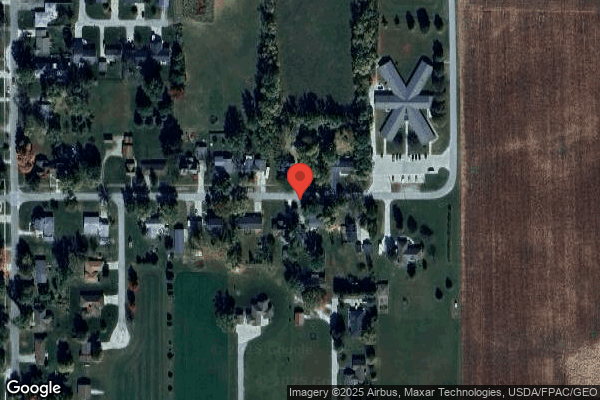
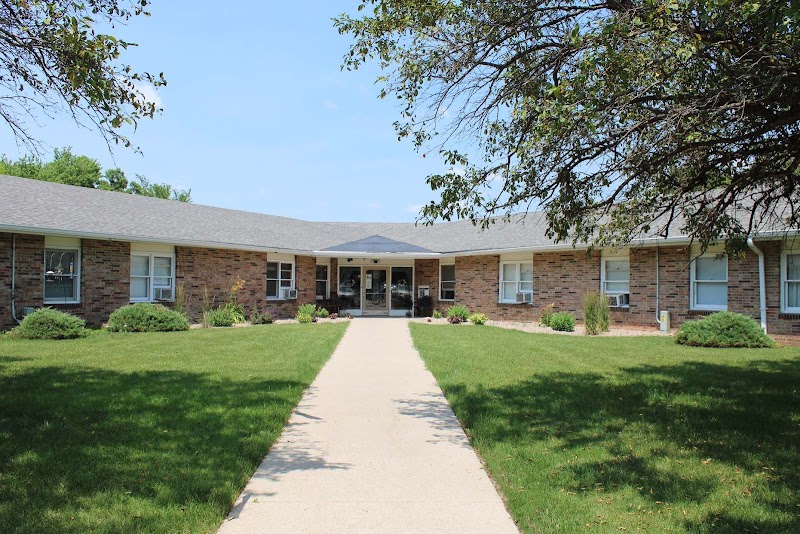
625 East Oak Street, Ogden, IA 50212 (515) 275-2481
For profit - Corporation 46 Beds ACCURA HEALTHCARE Data: November 2025
Trust Grade
75/100
#92 of 392 in IA
Last Inspection: October 2024

Within standard 12-15 month inspection cycle. Federal law requires annual inspections.

Overview

Accura Healthcare of Ogden, LLC has a Trust Grade of B, which indicates a good rating and suggests it is a solid choice for families considering nursing home options. It ranks #92 out of 392 facilities in Iowa, placing it in the top half statewide, and it is the best option among 4 facilities in Boone County. The facility is improving, with issues decreasing from 7 in 2023 to 6 in 2024, and it boasts excellent staffing ratings with a 5/5 score and a turnover rate of 36%, which is below the state average. However, there are concerns, including incidents of improper food handling that risk contamination, such as staff failing to wash hands after cleaning spills and serving food in unsanitary conditions. While the facility has no fines on record and offers strong RN coverage, these food safety issues highlight areas needing attention.
Trust Score
B
75/100
In Iowa
#92/392
Top 23%
Safety Record
Low Risk
No red flags
Inspections
Getting Better
7 → 6 violations
Staff Stability
○ Average
36% turnover. Near Iowa's 48% average. Typical for the industry.
Penalties
✓ Good
No fines on record. Clean compliance history, better than most Iowa facilities.
Skilled Nurses
✓ Good
Each resident gets 70 minutes of Registered Nurse (RN) attention daily — more than 97% of Iowa nursing homes. RNs are the most trained staff who catch health problems before they become serious.
Violations
⚠ Watch
17 deficiencies on record. Higher than average. Multiple issues found across inspections.
★★★★☆
4.0
Overall Rating
★★★★★
5.0
Staff Levels
★★★★☆
4.0
Care Quality
★★★☆☆
3.0
Inspection Score
Stable
2023: 7 issues
2024: 6 issues

The Good

  • 5-Star Staffing Rating · Excellent nurse staffing levels
  • 4-Star Quality Measures · Strong clinical quality outcomes
  • Full Sprinkler Coverage · Fire safety systems throughout facility
  • No fines on record
  • Staff turnover below average (36%)

    12 points below Iowa average of 48%

Facility shows strength in staffing levels, quality measures, fire safety.

The Bad

Staff Turnover: 36%

Near Iowa avg (46%)

Typical for the industry

Chain: ACCURA HEALTHCARE

Part of a multi-facility chain

Ask about local staffing decisions and management

The Ugly 17 deficiencies on record

Oct 2024 6 deficiencies
CONCERN (D) 📢 Someone Reported This

A family member, employee, or ombudsman was alarmed enough to file a formal complaint

Potential for Harm - no one hurt, but risky conditions existed

Notification of Changes (Tag F0580)

Could have caused harm · This affected 1 resident

**NOTE- TERMS IN BRACKETS HAVE BEEN EDITED TO PROTECT CONFIDENTIALITY** Based on observations, clinical record review, and staff interviews, the facility failed to notify the Physician for a resident ...

Read full inspector narrative →
**NOTE- TERMS IN BRACKETS HAVE BEEN EDITED TO PROTECT CONFIDENTIALITY** Based on observations, clinical record review, and staff interviews, the facility failed to notify the Physician for a resident with a 10-pound weight loss in 10 days for 1 (Resident #86) of 1 resident reviewed for weight loss. The facility reported a census of 36 residents. Findings include: The Minimum Data Set summary for Resident #86, dated 10/23/24, documented the resident was admitted [DATE]. Observation on 10/21/24 at 12:10 PM, Resident #86 did not eat any of her lunch and propelled herself out of the dining room. The weights and vitals form for Resident #86, documented the following dates and weights: a. 10/10/24 - 132.4 pounds b. 10/20/24- 121.4 pounds, with a weight loss of 10 pounds in 10 days. A 10 pound weight loss triggers for greater than 7.5 percent loss which is significant. Interview on 10/24/24 at 12:31 PM, the Director of Nursing confirmed the Physician was not notified of the resident's weight loss and expectation the Physician should have been notified.
CONCERN (D)

Potential for Harm - no one hurt, but risky conditions existed

Deficiency F0638 (Tag F0638)

Could have caused harm · This affected 1 resident

Based on clinical record review and staff interview, the facility failed to complete a comprehensive assessment no less than once every three months for 1 of 13 residents reviewed (Residents #18). The...

Read full inspector narrative →
Based on clinical record review and staff interview, the facility failed to complete a comprehensive assessment no less than once every three months for 1 of 13 residents reviewed (Residents #18). The facility reported a census of 36 residents. Findings include: Review of the Resident #18's clinical record revealed the last Minimal Data Set (MDS) assessment was completed on 6/14/24. The next scheduled quarterly comprehensive assessment was due 9/14/24 and as of 10/23/24, the assessment had not been completed and is greater than 25 days overdue. During an interview on 10/24/24 at 10:30 AM, Staff A, MDS coordinator, acknowledged the overdue comprehensive assessment for Resident #18. Staff A unable to provide rationale for the missed assessment.
CONCERN (D)

Potential for Harm - no one hurt, but risky conditions existed

Deficiency F0657 (Tag F0657)

Could have caused harm · This affected 1 resident

Based on observations, clinical record review, and staff interviews, the facility failed to revise and update the resident's care plan for 2 residents (Resident #14 and #22) on a diuretic (medication ...

Read full inspector narrative →
Based on observations, clinical record review, and staff interviews, the facility failed to revise and update the resident's care plan for 2 residents (Resident #14 and #22) on a diuretic (medication to help the body get rid of excess fluid) and a resident (Resident #26) placed on hospice of 12 residents reviewed. The facility reported a census of 36 residents. Findings include: 1. The Minimum Data Set (MDS) for Resident #14, dated 9/21/24, included diagnoses of diabetes and renal (kidney) failure. The MDS further documented the resident was receiving a diuretic medication. Resident #14's Care Plan, revised 10/1/24, lacked an update with a focus and interventions for the diuretic medication and monitoring. 2. The MDS for Resident #22, dated 8/2/24, included diagnoses of heart failure and diabetes. The MDS further documented the resident was receiving a diuretic medication. Resident #22's Care Plan, revised 8/9/24, lacked an update with a focus and interventions for the diuretic medication and monitoring. 3. The MDS for Resident #26, dated 8/14/24, included diagnoses of diabetes and stroke. The MDS further documented the resident was receiving a diuretic medication. The Clinical Census for Resident #26 documented the resident was placed on hospice services 10/15/24. Resident #26's Care Plan, revised 10/19/24, lacked an update with a focus and interventions for hospice care. Interview on 10/24/24 at 1:26 PM, the MDS Coordinator stated expectation for diuretic medication and hospice services to be included on care plan and expectation for care plans to updated. Interview on 10/24/24 at 2:15 PM, the Administrator stated the facility did not have a policy for updating care plans, they follow the standard of practice.
CONCERN (D)

Potential for Harm - no one hurt, but risky conditions existed

Deficiency F0658 (Tag F0658)

Could have caused harm · This affected 1 resident

**NOTE- TERMS IN BRACKETS HAVE BEEN EDITED TO PROTECT CONFIDENTIALITY** Based on clinical record review and staff interview the facility failed to obtain follow-up laboratory (lab) blood work in the t...

Read full inspector narrative →
**NOTE- TERMS IN BRACKETS HAVE BEEN EDITED TO PROTECT CONFIDENTIALITY** Based on clinical record review and staff interview the facility failed to obtain follow-up laboratory (lab) blood work in the time frame as ordered by the Primary Care Provider (PCP) for use of Coumadin, an anticoagulant, for Resident #7. The facility reported a census of 36 residents. Findings include: The Minimal Data Set (MDS) assessment dated [DATE] revealed Resident #7 with a Brief Interview for Status score of 13 indicating intact cognition. Diagnoses on the MDS include atrial fibrillation/other dysrhythmias, heart failure, hypertension, and renal insufficiency/renal failure/or end stage renal disease. Anticoagulant use indicated on the MDS. admission lab blood work for Resident #7 obtained on 8/30/24 revealed a Prothrombin Time (PT) level of 16.5 seconds (reference range 9.9-13.1 seconds) and International Normalized Ratio (INR) result of 1.4 (reference range 0.9-1.2). The PCP ordered follow-up PT and INR to be completed in one week, with a date of 9/6/24. Lab results on 9/6/24 revealed a PT level of 38.0 seconds and an INR of 3.3 both indicated as high levels. The PCP ordered follow-up PT and INR to be completed on Monday, 9/9/24. Lab work was not completed on the date as specified by the PCP, which was 9/9/24. There is no indication in the clinical record that staff notified the PCP of the delayed lab work. Lab results on 9/10/24 revealed a PT level of 60.6 seconds and an INR of 8.3 both indicated as high levels. PCP ordered follow-up PT and INR to be completed on Thursday, 9/12/24. Lab results on 9/12/24 revealed a PT level of 32.4 seconds and an INR of 2.8. PCP ordered follow-up PT and INR to be completed in 7-10 days, with dates of 9/19/24 - 9/22/24. Lab results on 9/18/24 revealed a PT level of 35.3 seconds and an INR of 3.0. PCP ordered follow-up PT and INR to be completed in 2 weeks, with a date of 10/2/24. Lab work was not completed on the date as specified by the PCP, which was 10/2/24. There is no indication in the clinical record that staff notified the PCP of the delayed lab work. Lab results on 10/4/24 revealed a PT level of 53.7 seconds and an INR of 4.7. PCP ordered follow-up PT and INR to be completed on Thursday, 10/10/24 or Friday 10/11/24. Lab work was not completed on the dates as specific by the PCP, which was 10/10/24- 10/11/24. There is no indication in the clinical record that staff notified the PCP of the delayed lab work. Lab results on 10/15/24 revealed at PT level of 30.3 seconds and an INR of 3.6. PCP ordered follow-up PT and INR to be completed in one week, with a date of 10/23/24. During an interview on 10/23/24 at 4:15 PM, the Director of Nursing (DON) reported routine labs obtained on Wednesdays. Given the urgency of PT and INR monitoring, these labs are typically obtained as outlined by the PCP. The DON voiced an expectation for staff to document in the clinical record if a lab draw missed or unsuccessful. The DON stated staff should also notify the PCP. During a follow-up interview on 10/24/24 at 9:00 AM, the DON explained ordered lab draws are hand-written in the lab calendar, which all staff have access to. The night shift staff reviews the calendar daily and will prepare a lab face sheet for the upcoming labs for the next day. Night shift staff will also note the upcoming lab draw on the 24-hour nursing report sheet. In addition, PT/INR results and next lab draw dates are tracked on a separate form titled PT/INR Tracking. Review of the lab calendar with the DON showed staff wrote for a PT and INR on Resident #7 to be obtained on 10/2/24 as well as 10/11/24. The PT/INR Tracking form also noted follow-up labs to be obtained on 10/2/24 and 10/11/24. The DON acknowledged the delay in lab work and unable to provide a rationale for the oversight. The lab draw ordered for 9/9/24 was obtained on 9/10/24. Both the lab calendar and PT/INR Tracking form noted a draw date of 9/10/24.
CONCERN (E) 📢 Someone Reported This

A family member, employee, or ombudsman was alarmed enough to file a formal complaint

Potential for Harm - no one hurt, but risky conditions existed

Food Safety (Tag F0812)

Could have caused harm · This affected multiple residents

Based on observation, policy review, and staff interview, staff failed to serve food under sanitary conditions, in order to reduce the risk of contamination and foodborne illness. The facility reporte...

Read full inspector narrative →
Based on observation, policy review, and staff interview, staff failed to serve food under sanitary conditions, in order to reduce the risk of contamination and foodborne illness. The facility reported a census of 36 residents. Findings include: On 10/23/24 from 11:40 AM - 12:50 PM, during continuous observation of the lunch service, Staff B, [NAME] was preparing food items for the residents' plates and Staff C, [NAME] was preparing drinks. Throughout the meal service, Staff C spilled milk on the floor, put on a glove and cleaned up the milk with a paper towel, removed the glove, did not complete hand hygiene and proceeded to fill the glasses and place the glasses on the residents' trays. Staff C applied a glove and with the same gloved hand opened the refrigerator door, picked up a slice of cheese and placed the slice of cheese on a hamburger that was served to a resident. Staff B washed her hands, applied gloves, and with the gloved hand touched the outside of the butter container, removed the lid and with the same gloved hand touched a slice of bread. Facility policy, Bare Hand Contact with Food and Use of Plastic Gloves dated 2021, documented gloves are just like hands, anytime a contaminated surface is touched, the gloves must be changed, and hands must be washed. If used, single use gloves shall be used for only one task and discarded when interruptions occur in the operation, and hands are to be washed after removing single use gloves. Interview on 10/23/24 at 2:00 PM, the Dietary Manager stated expectation when using gloves to touch any food items, to not touch other items prior to touching the food item. The 2013 Food Code, published by the Food and Drug Administration and considered a standard of practice for the food service industry, includes the following requirements: 1) Single-use gloves are to be used for only one task, such as working with ready-to-eat food and for no other purpose, and discarded when damaged or soiled, or when interruptions occur in the operation, 2) prohibits food employees from bare hand contact with ready-to-eat food (unless washing fruits and vegetables) and requires food employees to wash their hands immediately before engaging in food preparation, including before donning gloves for working with food, in order to prevent cross contamination when changing tasks.
CONCERN (E)

Potential for Harm - no one hurt, but risky conditions existed

Deficiency F0925 (Tag F0925)

Could have caused harm · This affected multiple residents

Based on observations, staff interview, and policy review the facility failed to maintain the kitchen, food preparation and service area free of insects. The facility reported a census of 36 residents...

Read full inspector narrative →
Based on observations, staff interview, and policy review the facility failed to maintain the kitchen, food preparation and service area free of insects. The facility reported a census of 36 residents. Findings include: Observation on 10/21/24 at 10:18 AM, the door to the kitchen from the hallway has a sign posted on the door, for the door to remain closed, and the door was open: several flies observed throughout the kitchen area. The Dietary Manager (DM) acknowledged the flies and stated the door across from the open kitchen door goes to the outside and is used frequently. Continuous observation on 10/23/24 from 11:40 AM - 12:50 PM, the door to the outside of the building, across from the kitchen door, propped open, with staff coming in and out thru the kitchen door, as unloading truck. Meal service conducted and several flies observed throughout the kitchen, landing on plates, bread/butter, food on the plates for residents, utensils being used for service, and also flying around and landing on both dietary aides. Facility policy Pest Control dated 2021, documented appropriate action will be taken to eliminate any reported pest situation in the department. Interview on 10/23/23 at 2:00 PM, the DM stated the kitchen had not been treated for the flies and expectation for flies to not be in the kitchen and not on food and service items.
Jul 2023 7 deficiencies
CONCERN (D) 📢 Someone Reported This

A family member, employee, or ombudsman was alarmed enough to file a formal complaint

Potential for Harm - no one hurt, but risky conditions existed

Notification of Changes (Tag F0580)

Could have caused harm · This affected 1 resident

**NOTE- TERMS IN BRACKETS HAVE BEEN EDITED TO PROTECT CONFIDENTIALITY** Based on clinical record review and staff interviews, the facility failed to notify the Physician when a medication was not avai...

Read full inspector narrative →
**NOTE- TERMS IN BRACKETS HAVE BEEN EDITED TO PROTECT CONFIDENTIALITY** Based on clinical record review and staff interviews, the facility failed to notify the Physician when a medication was not available for 1 of 1 resident reviewed (Resident #137). Findings include: Resident #137's Minimum Data Set (MDS) assessment dated [DATE] identified a completed Staff Assessment for Mental Status, indicating severely impaired cognition. The MDS indicated that Resident #137 required extensive assistance of two persons with transfers and required total dependence of two persons with bed mobility and toilet use. The MDS indicated Resident #137 walking did not occur. Resident #137's MDS included diagnoses of pneumonia, renal insufficiency (poor functioning kidneys), stroke, metabolic encephalopathy (problem in the brain caused by chemical imbalance in the blood), and alcohol dependence with withdrawal delirium (confusion caused by a withdrawal of alcohol). A Physician Order dated 4/18/23 directed staff to administer olanzapine (antipsychotic medication) 10 mg (milligrams) IM (intramuscular injection/shot in the muscle) one time and then start olanzapine 5 mg po (by mouth orally) every HS (hour of sleep) starting on 4/19/23. The April 2023 Medication Administration Record (MAR) included the following orders dated a. Start date 4/18/23; discontinued date 4/19/23: directed the staff to inject olanzapine 10 mg IM one time only for agitation related to alcohol dependence with withdrawal delirium for 2 days. i. On 4/18/23 the olanzapine order on the MAR revealed a blank space without initials representing Resident #137 did not receive the medication. ii. On 4/19/23 the olanzapine IM injection included documentation that indicated Resident #137 received the medication. b. Start date 4/19/23; discontinued date 4/20/23 directed the staff to inject olanzapine 10 mg IM one time only for agitation related to alcohol dependence with withdrawal delirium for 2 days. i. The MAR include documentation of a 9, indicating hold see progress notes. c. Start date: 4/20/23 directed the staff to inject olanzapine 10 mg IM one time only for agitation related to alcohol dependence with withdrawal delirium until 4/20/23 at 11:59 PM. i. The MAR indicated that Resident #137 received their second dose on 4/20/23 at 6:55 PM. d. Start dated 4/19/23; discontinued date 4/21/23: Instructed to give olanzapine oral tablet 5 mg by mouth one time a day for agitation related to alcohol dependence with withdrawal delirium. i. The MAR reflected that Resident #137 received oral olanzapine 5mg on 4/19/23 and 4/20/23. On 7/26/23 at 4:23 PM, the DON verified she could not locate a Physician order to administer olanzapine IM for two days. She explained that the only order she could locate instructed to give the medication one time on 4/18/23. On 7/26/23 at 4:24 PM, the Assistant Director of Nursing (ADON) reported the pharmacy did not have the olanzapine IM available on 4/18/23. The ADON reported they received the medication on 4/19/23. The clinical record lacked documentation that the facility notified the provider of the facility's inability to obtain the olanzapine IM medication on 4/18/23. On 7/27/23 at 10:25 AM the Director of Nursing (DON) reported that she would expect the staff to notify the physician if the facility could not provide a one-time order to receive further direction. On 7/27/23 at 11:26 AM, the DON reported the facility did not have a policy related to Physician notification, as the facility followed the standard of care.
CONCERN (D) 📢 Someone Reported This

A family member, employee, or ombudsman was alarmed enough to file a formal complaint

Potential for Harm - no one hurt, but risky conditions existed

Deficiency F0582 (Tag F0582)

Could have caused harm · This affected 1 resident

**NOTE- TERMS IN BRACKETS HAVE BEEN EDITED TO PROTECT CONFIDENTIALITY** Based on clinical record review, staff interviews and review of Medicare guidelines, the facility failed to provide a notice of ...

Read full inspector narrative →
**NOTE- TERMS IN BRACKETS HAVE BEEN EDITED TO PROTECT CONFIDENTIALITY** Based on clinical record review, staff interviews and review of Medicare guidelines, the facility failed to provide a notice of Medicare Non-coverage 48 hours in advance of services ending for 1 of 3 residents reviewed (Resident #28). In addition, the facility failed to provide the correct Skilled Nursing Facility Advance Beneficiary Notice of Non-Coverage (SNFABN) form for 1 of 1 resident (Resident #28) whose skilled stay ended and continued to reside in the facility. Findings include: 1. Resident #28's Minimum Data Set (MDS) assessment dated [DATE] identified a Brief Interview for Mental Status (BIMs) score of 9, indicating moderately impaired cognition. The MDS indicated that Resident #28 required extensive assistance of two persons with bed mobility, transfers, and toilet use. The MDS indicated that Resident #28 did not walk in the lookback period. Resident #28's MDS included diagnoses of pneumonia, heart failure, hypertension (high blood pressure greater than 130/89), renal (kidney) disease, diabetes mellitus, hemiplegia (paralysis of one side of the body) affecting left side, adult failure to thrive (decline in status due to loss of appetite, loss of weight, and less activity) and tracheostomy (an artificial opening in the throat that allows someone to breath) status. Resident #28's Clinical Census listed an admission date of 3/21/23 for a Medicare Part A Skilled stay. A facility form titled Therapy Discharge Notification dated 4/12/23 indicated Resident #28 was not appropriated for skilled care and would be discharged from therapy services (Physical and Occupational therapy) on 4/14/23. A therapy and facility representative signed the form on 4/12/23. A CMS (Center of Medicare and Medicaid Services) form (10123-NOMNC)(Approved 12/31/11) titled Notice of Medicare Non-Coverage documented that Resident #28 therapy services would end on 4/14/23. Resident #28's wife signed the form on 4/14/23. Resident #28's wife signed the CMS form (CMS-R-131) (Exp. 6/30/23) titled Advance Beneficiary Notice of Non-coverage (ABN) on 4/14/23. On 7/27/23 at 8:16 AM, Staff B, MDS Coordinator, reported being the person responsible for completing the Medicare Notices and SNFABNs. Staff B acknowledged and verified that Resident #28 or Resident #28's wife did not receive the Medicare notice 48 hours prior to services ending. They received the notice when Resident #28's wife signed the form on 4/14/23. Staff B reported she only had the SNFABN #CMS-R131 (exp. 6/30/23) form available to give. On 7/27/23 at 11:26 AM, the Director of Nursing (DON) stated she did not have a facility policy regarding Medicare Notices, as they followed the Medicare guidelines.
CONCERN (D) 📢 Someone Reported This

A family member, employee, or ombudsman was alarmed enough to file a formal complaint

Potential for Harm - no one hurt, but risky conditions existed

Deficiency F0625 (Tag F0625)

Could have caused harm · This affected 1 resident

**NOTE- TERMS IN BRACKETS HAVE BEEN EDITED TO PROTECT CONFIDENTIALITY** Based on clinical record review, staff interviews and facility policy review the facility failed to provide a notice of bed hold...

Read full inspector narrative →
**NOTE- TERMS IN BRACKETS HAVE BEEN EDITED TO PROTECT CONFIDENTIALITY** Based on clinical record review, staff interviews and facility policy review the facility failed to provide a notice of bed hold for 2 of 2 residents reviewed (Resident #28 and #137) for discharge to the hospital. Findings include: 1. Resident #28's Minimum Data Set (MDS) assessment dated [DATE] identified a Brief Interview for Mental Status (BIMs) score of 9, indicating moderately impaired cognition. The MDS indicated that Resident #28 required extensive assistance of two persons with bed mobility, transfers, and toilet use. The MDS indicated that Resident #28 did not walk in the lookback period. Resident #28's MDS included diagnoses of pneumonia, heart failure, hypertension (high blood pressure greater than 130/89), renal (kidney) disease, diabetes mellitus, hemiplegia (paralysis of one side of the body) affecting left side, adult failure to thrive (decline in status due to loss of appetite, loss of weight, and less activity) and tracheostomy (an artificial opening in the throat that allows someone to breath) status. Resident #28's Clinical Census listed an admission date of 3/21/23 for a Medicare Part A Skilled stay. The Health Status Note dated 3/17/23 at 6:10 PM reflected that after Resident #28 transferred to the hospital, the hospital admitted him for weakness and an elevated white blood cell count for intravenous (IV) antibiotics. The clinical record lacked documentation that the facility provided a bed hold notice to Resident #28 and/or Resident #28's Representative upon discharge to the hospital. On 7/27/23 at 12:30 PM, the Director of Nursing (DON) acknowledged and verified the facility did not complete a bed hold for Resident #28. The DON stated she expected the staff to complete a bed hold form upon the resident's discharge to the hospital. 2. Resident #137's Minimum Data Set (MDS) assessment dated [DATE] identified a completed Staff Assessment for Mental Status, indicating severely impaired cognition. The MDS indicated that Resident #137 required extensive assistance of two persons with transfers and required total dependence of two persons with bed mobility and toilet use. The MDS indicated Resident #137 walking did not occur. Resident #137's MDS included diagnoses of pneumonia, renal insufficiency (poor functioning kidneys), stroke, metabolic encephalopathy (problem in the brain caused by chemical imbalance in the blood), and alcohol dependence with withdrawal delirium (confusion caused by a withdrawal of alcohol). Resident #137's Clinical Census listed an admission date of 4/18/23 for a Medicare Part A Skilled stay. A Progress Note dated 4/22/23 at 9:52 AM revealed Resident #137 was transferred to the hospital by ambulance. The note documented Resident #137's oxygen saturation level (oxygen in the blood) was 79% on Oxygen at 3 liters per nasal cannula. The Health Status Note dated 4/22/23 at 1:33 PM reflected that Resident #137 had a large brain bleed and the local hospital planned to transfer him to another hospital due to not having a neurosurgeon available. The clinical record lacked documentation the facility provided a bed hold notice to Resident #137 and/or Resident #137's Representative upon discharge to the hospital. The Notice of Bed Hold Policy and Return policy revised 5/15/23 directed the following: a. A Medicaid resident's bed is held upon transfer for 10 days per month for a hospital stay and 18 days annually for a leave of absence. b. A Medicare skilled resident who is admitted to the hospital may pay to hold the bed at the agreed upon rate pending return to the facility. If the resident or their representative does not wish to hold the bed, the facility should be notified in writing. c. A private pay resident bed will be held upon transfer with the following considerations, the resident or their representative must pay the facility at the private pay bed hold rate or notify the facility in writing if chose not to hold the bed; and if at any time the resident or representative wish to discontinue the bed hold the facility would be notified in writing. d. The facility would readmit a resident whose hospitalization or therapeutic leave exceeds the bed hold period upon the first availability of a bed if the resident required serviced provided by the facility and eligible for nursing facility service. The form included two areas that required initials: i. DO NOT request bed hold ii. Do request bed hold and agree to the terms of payment. Agree to pay bed hold in the amount of [specified amount] per day for [specific name], resident. g. Signature and date of the facility representative, witness, and the resident and/or responsible party. On 7/27/23 at 10:25 AM, the DON verified that the facility did not complete a bed hold for Resident #137. The DON stated she expected the staff to complete a bed hold form upon the resident's discharge to the hospital.
CONCERN (D)

Potential for Harm - no one hurt, but risky conditions existed

Deficiency F0658 (Tag F0658)

Could have caused harm · This affected 1 resident

**NOTE- TERMS IN BRACKETS HAVE BEEN EDITED TO PROTECT CONFIDENTIALITY** Based on clinical record review and staff interviews, the facility failed to have an order to suction a resident with a tracheos...

Read full inspector narrative →
**NOTE- TERMS IN BRACKETS HAVE BEEN EDITED TO PROTECT CONFIDENTIALITY** Based on clinical record review and staff interviews, the facility failed to have an order to suction a resident with a tracheostomy 1 of 1 resident reviewed (Resident #28). Findings includes: Resident #28's Minimum Data Set (MDS) assessment dated [DATE] identified a Brief Interview for Mental Status (BIMs) score of 9, indicating moderately impaired cognition. The MDS indicated that Resident #28 required extensive assistance of two persons with bed mobility, transfers, and toilet use. The MDS indicated that Resident #28 did not walk in the lookback period. Resident #28's MDS included diagnoses of pneumonia, heart failure, hypertension (high blood pressure greater than 130/89), renal (kidney) disease, diabetes mellitus, hemiplegia (paralysis of one side of the body) affecting left side, adult failure to thrive (decline in status due to loss of appetite, loss of weight, and less activity) and tracheostomy (an artificial opening in the throat that allows someone to breath) status. The Care Plan Focus revised 3/31/23 identified that Resident #28 had the potential for respiratory abnormalities related to his tracheostomy site, chronic obstructive pulmonary disease (COPD, long term lung disease that affects breathing), the use of oxygen, and pneumonia. The Intervention dated 3/31/23 listed that Resident #28 had a suction machine from home and directed to suction as needed and per his request. The clinical record lacked a Physician order to suction Resident #28 via the tracheostomy site prior to 7/26/23. Review of the facility competency for tracheostomy training revised on 5/11/21 lacked direction to check the physician order prior to suctioning. On 7/24/23 at 11:30 AM Staff C, Registered Nurse (RN), stated she used the suction machine to suction Resident #28 via the tracheostomy two times in the past. On 7/27/23 at 3:15 PM, the Director of Nursing (DON) verified the facility did not have a physician order to suctioning Resident #28 prior to 7/26/23. The DON said she expected a physician order for suctioning before suctioning the resident. The DON reported that the facility did not have a policy related to suctioning or obtaining physician orders, as it is a standard of practice to obtain a physician order before doing something like that. On 7/27/23 at 3:35 PM, Staff D, Licensed Practical Nurse (LPN), reported that she suctioned Resident #28 multiple times in the past. She usually suctioned Resident #28 about once a shift.
CONCERN (D) 📢 Someone Reported This

A family member, employee, or ombudsman was alarmed enough to file a formal complaint

Potential for Harm - no one hurt, but risky conditions existed

Medication Errors (Tag F0758)

Could have caused harm · This affected 1 resident

**NOTE- TERMS IN BRACKETS HAVE BEEN EDITED TO PROTECT CONFIDENTIALITY** Based on clinical record reviews, staff interviews, and policy review, the facility failed to offer and attempt nonpharmacologic...

Read full inspector narrative →
**NOTE- TERMS IN BRACKETS HAVE BEEN EDITED TO PROTECT CONFIDENTIALITY** Based on clinical record reviews, staff interviews, and policy review, the facility failed to offer and attempt nonpharmacological interventions prior to giving a PRN (as needed) antianxiety medication for 1 of 1 resident reviewed (Resident #137) for unnecessary medications. The facility also failed to complete behavior documentation and offer/attempt nonpharmacological interventions prior to increasing an antipsychotic medication for 1 of 1 resident reviewed (Resident #37). Findings include: 1. Resident #137's Minimum Data Set (MDS) assessment dated [DATE] identified a completed Staff Assessment for Mental Status, indicating severely impaired cognition. The MDS indicated that Resident #137 required extensive assistance of two persons with transfers and required total dependence of two persons with bed mobility and toilet use. The MDS indicated Resident #137 walking did not occur. Resident #137's MDS included diagnoses of pneumonia, renal insufficiency (poor functioning kidneys), stroke, metabolic encephalopathy (problem in the brain caused by chemical imbalance in the blood), and alcohol dependence with withdrawal delirium (confusion caused by a withdrawal of alcohol). Resident #137 received an antianxiety medication for four out of seven days in the lookback period. The Order Details dated 4/18/23 directed staff to administer Xanax (antianxiety medication) 0.5 mg (milligrams) by mouth every 8 hours PRN (as needed) for Anxiety. The Order Details dated 4/19/23 directed staff to increase the Xanax order to 1 mg by mouth every 8 hours as PRN for alcohol-induced anxiety disorder. The April 2023 Medication Administration Record (MAR) included the following orders that Resident #137 received: a. Xanax 0.5 mg on the following dates and times: i. 4/18/23 at 8:15 PM ii. 4/19/23 at 4:12 AM b. Xanax 1 mg on the following days and times: i. 4/19 at 9:15 PM ii. 4/20 at 5:15 AM iii. 4/20 at 9:30 PM iv. 4/21 at 2:07 PM v. 4/21 at 10:10 PM The Order Note dated 4/21/23 at 2:19 PM indicated the staff attempted one to one (1:1) staff intervention, in addition, attempted to offer fluid and foods but Resident #137 declines both. The clinical record lacked additional documentation of attempted non-pharmacological interventions prior to administration the Xanax. On 7/27/23 at 10:50 AM, the Director of Nursing (DON) reported that she expected staff to attempt non-medication interventions prior to giving the PRN Xanax. She expected the documentation to be in the progress notes. The PRN Psychotropic Medication Process policy dated 1/7/22 reflected the objective of the policy was to ensure that each resident's medication regimen was managed to promote or maintain the resident's highest practicable mental, physical and psychosocial well-being. The policy further documented the objective was to ensure utilization of PRN psychotropic medication to assist with stabilizing or improving the resident's outcome, quality of life and functional capacity. The policy directs the staff prior to requesting any psychotropic medication, the nurse will consult with their DON and/or Nurse Leadership for non-pharmacological alternative interventions/approaches and guidance unless it is an emergency and there is an identifiable immediate concern for the safety of the residents and or staff. 2. Resident #37's MDS dated [DATE] assessment identified a Staff Assessment for Mental Status completed, indicating severely impaired cognition. The MDS identified Resident #37 required extensive assistance of two persons with bed mobility, transfers, ambulation, and toilet use. Resident #37's MDS included diagnoses of renal insufficiency, seizure disorder, depression, schizophrenia, and intellectual disability. The Care Plan Focus revised on 6/25/23 indicated that Resident #37 had a risk for adverse effects from taking routine psychotropic medications. The Care Plan Interventions directed the following: a. 6/25/23: Attempt gradual dose reductions (GDR) per physician orders. b. 6/25/23: Observe for effectiveness of the medications. c. Revised 7/20/23: Consult with Psychology and telehealth services as needed. d. 6/25/23: Report significant side effects to the Physician. The Order Details dated for 7/12/23 included an order for Seroquel (antipsychotic medication) 50 mg, give one and half tablets to equal 75 mg twice a day (BID) at morning and lunch related to schizoaffective disorder. A Psych Progress note dated 7/11/23 reflected that the Assistant Director of Nursing (ADON) reported that Resident #37 had more anxiety and would not sit still. He stayed up for a 40 hour stretch with a few cat naps but he appeared very anxious, always on the move, unsteady, and impulsive. The note included the following orders: a. Continue i. Celexa (antidepressant) 30 mg by mouth daily. ii. Quetiapine (antipsychotic) 100 mg once daily in the evening. b. Discontinue quetiapine 50 mg by mouth twice a day. c. Start Seroquel 50 mg tablets, give 1.5 (75 mg) twice a day at breakfast and at noon. The Order Note dated 7/12/23 at 1:39 PM indicated that Resident #37 saw Psych telehealth services and received a new order to increase his morning and noon dose of Seroquel from 50 mg to 75 mg. The clinical record lacked documentation to support the increase in Seroquel (antipsychotic) medication. The clinical record lacked a behavioral task for the certified nursing assistants (CNA) to document observations and the progress notes did not address any recent behaviors or difficulty sleeping. The progress notes lacked any new non-pharmacological interventions or medical causes ruled out prior to the increase in the medication. On 7/25/23 at 3:54 PM, Staff E, CNA, denied completing any behavior charting on Resident #37. On 7/25/23 at 4:00 PM, Staff F, Registered Nurse (RN), reported Resident #37's behaviors usually have to do with restlessness. Staff F stated his restlessness was commonly associated with having to have a bowel movement. Staff F reported the restlessness would subside with bowel interventions. Staff F reported she that she did know that the provider increased Resident #37's Seroquel but did not know why. Psych followed Resident #37 for medication management. Staff F reported that behavior documentation should be documented in the progress notes either with a behavioral note or health encounter note. Staff F reported that prior to the increase of Seroquel, Resident #37 spent most of the time napping in the recliner and would put the blanket on his head. Staff F stated that had been his baseline. Staff F reported she did not notice any increase in sleepiness since the increase in medication. She stated there had been times at night, he had been up but it was not a daily occurrence. She added that when he is up at night it should be documented in the progress notes. On 7/26/23 at 10AM, the DON confirmed that Resident #37 did not a behavior task in his electronic health record and added that there should be. The DON stated since there was not a place for the CNAs to document, the aides would have to tell the nurses so they could document the behavior. The DON reported she was going to add the task to the electronic health record. The Psych ARNP increased the Seroquel most likely based on what the nurse reported to her during the telehealth visit and what they saw. The staff get used to the residents, what they are doing, and don't document the behaviors or interventions like they should. On 7/26/23 at 11:45 AM, the DON verified she could not locate any supportive documentation prior to the increase in Seroquel. She felt the increase was appropriate as it had help reduce Resident #37's restlessness. She expected the staff to complete the behavior documentation. She did understand why the documentation did not completed as it is normal for Resident #37 to have behaviors. She would educate the staff on documentation as having behaviors are not normal. On 7/26/23 at 1:54 PM, the ADON reported she did the telehealth visit with the Psych ARNP. She reported to the Psych ARNP about Resident #37 being up three nights in a row with barely any sleep, having severe agitation, trying to run down the hallway, and trying to jump up from the chair. The ADON stated she witnessed the behaviors when she worked on overnights. On 7/6/23, she last worked an overnight but Resident #37 was okay that night. When she came to work in the morning, the CNA reported that Resident #37 had behaviors. The ADON added that there should be documentation in the medical record but thought with the therapist's note that should be enough. The ADON reported that they did not rule out no medical causes or tried new non-pharmacological interventions before increasing his medication. The ADON added that they can't run a test on someone every time they act up. That is just how Resident #37 was, she felt the medication helped him. Since his increase in medication, she has not received any complaints from the CNAs.
CONCERN (D) 📢 Someone Reported This

A family member, employee, or ombudsman was alarmed enough to file a formal complaint

Potential for Harm - no one hurt, but risky conditions existed

Deficiency F0760 (Tag F0760)

Could have caused harm · This affected 1 resident

**NOTE- TERMS IN BRACKETS HAVE BEEN EDITED TO PROTECT CONFIDENTIALITY** Based on clinical record review, staff interviews, and pharmacy interview, the facility failed to appropriately administer a phy...

Read full inspector narrative →
**NOTE- TERMS IN BRACKETS HAVE BEEN EDITED TO PROTECT CONFIDENTIALITY** Based on clinical record review, staff interviews, and pharmacy interview, the facility failed to appropriately administer a physician order for 1 of 1 resident reviewed (Resident #137). The facility administered olanzapine (antipsychotic medication) IM (intramuscular injection/shot in the muscle) two times when the Physician order directed to administer the injection one time. The facility reported a census of 37. Findings include: Resident #137's Minimum Data Set (MDS) assessment dated [DATE] identified a completed Staff Assessment for Mental Status, indicating severely impaired cognition. The MDS indicated that Resident #137 required extensive assistance of two persons with transfers and required total dependence of two persons with bed mobility and toilet use. The MDS indicated Resident #137 walking did not occur. Resident #137's MDS included diagnoses of pneumonia, renal insufficiency (poor functioning kidneys), stroke, metabolic encephalopathy (problem in the brain caused by chemical imbalance in the blood), and alcohol dependence with withdrawal delirium (confusion caused by a withdrawal of alcohol). Resident #137 received an antianxiety medication for four out of seven days in the lookback period. A Physician Order dated 4/18/23 directed staff to administer olanzapine (antipsychotic medication) 10 mg (milligrams) IM (intramuscular injection/shot in the muscle) one time and then start olanzapine 5 mg po (by mouth orally) every HS (hour of sleep) starting on 4/19/23. The April 2023 Medication Administration Record (MAR) included the following orders dated a. Start date 4/18/23; discontinued date 4/19/23: directed the staff to inject olanzapine 10 mg IM one time only for agitation related to alcohol dependence with withdrawal delirium for 2 days. i. On 4/18/23 the olanzapine order on the MAR revealed a blank space without initials representing Resident #137 did not receive the medication. ii. On 4/19/23 the olanzapine IM injection included documentation that indicated Resident #137 received the medication. b. Start date 4/19/23; discontinued date 4/20/23 directed the staff to inject olanzapine 10 mg IM one time only for agitation related to alcohol dependence with withdrawal delirium for 2 days. i. The MAR include documentation of a 9, indicating hold see progress notes. c. Start date: 4/20/23 directed the staff to inject olanzapine 10 mg IM one time only for agitation related to alcohol dependence with withdrawal delirium until 4/20/23 at 11:59 PM. i. The MAR indicated that Resident #137 received their second dose on 4/20/23 at 6:55 PM. d. Start dated 4/19/23; discontinued date 4/21/23: Instructed to give olanzapine oral tablet 5 mg by mouth one time a day for agitation related to alcohol dependence with withdrawal delirium. i. The MAR reflected that Resident #137 received oral olanzapine 5mg on 4/19/23 and 4/20/23. On 7/26/23 at 4:23 PM, the DON verified she could not locate a Physician order to administer olanzapine IM for two days. She explained that the only order she could locate instructed to give the medication one time on 4/18/23. On 7/26/23 at 4:24 PM, the Assistant Director of Nursing (ADON) reported the pharmacy did not have the olanzapine IM available on 4/18/23. The ADON reported they received the medication on 4/19/23. The clinical record lacked documentation that the facility notified the provider of the facility's inability to obtain the olanzapine IM medication on 4/18/23. On 7/26/23 at 4:25 PM, the pharmacy staff reported that they filled the olanzapine IM medication order for 2 days as directed by the facility's electronic medical record. The pharmacy reported they sent two doses of olanzapine 10 mg IM along with the oral olanzapine. On 7/26/23 at 4:30 PM, the DON verified that the Physician ordered a one-time dose of olanzapine IM on 4/18/23. The DON confirmed that Resident #137 received one dose two days in a row on 4/19/23 and 4/20/23. The DON added that she expected the nurses who double and triple noted the order to catch the error. On 7/27/23 at 10:25 AM the DON reported she would expect the staff to notify the physician of the inability to complete the one-time order to receive further direction. On 7/27/23 at 11:26 AM, the DON reported that the facility did not have a policy regarding medication errors, as the facility follows the standard of care.
CONCERN (E)

Potential for Harm - no one hurt, but risky conditions existed

Food Safety (Tag F0812)

Could have caused harm · This affected multiple residents

Based on observation, policy review, and staff interview, the facility failed to prepare and serve food under sanitary conditions to reduce the risk of contamination and foodborne illness. The facilit...

Read full inspector narrative →
Based on observation, policy review, and staff interview, the facility failed to prepare and serve food under sanitary conditions to reduce the risk of contamination and foodborne illness. The facility reported a census of 37 residents. Findings include: On 7/26/23 at 11:35 AM observed the Dietary Manager (DM), while wearing the same gloves, touch a cutting board, the outside of a bread package, then remove two slices of bread, and place the bread on the cutting board. While wearing the same gloves removed a container of peanut butter from the cupboard, remove the lid, and then remove a bottle of jelly from the refrigerator. The DM removed the gloves, washed their hands, and applied new gloves. Then proceeded to touch the outside of the jelly bottle to squeezed jelly onto the bread and apply peanut butter to the bread while touching the bread with the same gloves. On 7/26/23 during a continuous observation starting at 11:45 AM, Staff A, Dietary Aide (DA), washed her hands, applied gloves, and started serving meal plates. The DA proceeded to wipe sweat from her forehead with her gloved hand, two different times. Without changing her gloves or completing hand hygiene, Staff A proceeded to continue serving the meal plates. As Staff A worked she touched the plates, utensils, paper meal slips, and then with the same gloved hands touched a hot dog bun while placing a hot dog in the bun. Staff A touched a hot dog bun at two different occurrences. Then with the same gloved hands, Staff A cut a hamburger sandwich and touched the top of the bun. The Bare Hand Contact with Food and Use of Plastic Gloves policy dated 2021, directed to use single use gloves for only one task (such as working with ready-to-eat food) and for no other purpose. Discard the gloves when damaged or soiled, or when interruptions occur in the operation. On 7/27/23 at 3:17 PM, the DM stated they expected when handling food with gloves, to not touch other items prior to touching food. The 2013 Food Code, published by the Food and Drug Administration and considered a standard of practice for the food service industry, includes the following requirements: a. Single-use gloves are to be used for only one task, such as working with ready-to-eat food and for no other purpose, and discarded when damaged or soiled, or when interruptions occur in the operation. b. Prohibits food employees from bare hand contact with ready-to-eat food (unless washing fruits and vegetables) c. Requires food employees to wash their hands immediately before engaging in food preparation, including before donning (applying) gloves for working with food, to prevent cross contamination when changing tasks.
May 2022 4 deficiencies
CONCERN (D)

Potential for Harm - no one hurt, but risky conditions existed

Safe Environment (Tag F0584)

Could have caused harm · This affected 1 resident

**NOTE- TERMS IN BRACKETS HAVE BEEN EDITED TO PROTECT CONFIDENTIALITY** Based on observations, clinical record reviews, and staff interviews the facility failed to ensure each resident had a call ligh...

Read full inspector narrative →
**NOTE- TERMS IN BRACKETS HAVE BEEN EDITED TO PROTECT CONFIDENTIALITY** Based on observations, clinical record reviews, and staff interviews the facility failed to ensure each resident had a call light within reach to call for help as needed for 1 of 13 residents reviewed (Resident #29). The facility reported a census of 34. Findings included: Resident #29's Minimum Data Set (MDS) assessment dated [DATE] documented a Brief Interview for Mental Status (BIMS) score of 6, indicating severe cognitive impairment. Resident #29 required an extensive assist of 2 persons for bed mobility, dressing, and personal hygiene. Resident #29 required total assistance of 2 persons for transfers and toilet use. The MDS included diagnoses of non-Alzheimer's dementia, anxiety disorder, bipolar disorder, psychotic disorder and schizophrenia. Resident #29's Care Plan included a Focus area for activities of daily living (ADL) deficit and confusion due to dementia. The care plan included the following interventions A. Assist with dressing B. Need 2 staff for mechanical lift transfer C. Monitor her behavior and redirect as necessary. During an observation on 5/22/22 at 12:47 PM noted that Resident #29's did not have a call light available to use for help. During an interview and observation on 5/22/22 at 12:47 pm with the Director of Nursing (DON) in room [ROOM NUMBER], she acknowledged that Resident #29 could not reach her call light due to it being caught on the bed wheel. The DON had to move the bed to get the call light. She explained would expect the resident to have a call light.
CONCERN (D)

Potential for Harm - no one hurt, but risky conditions existed

Deficiency F0625 (Tag F0625)

Could have caused harm · This affected 1 resident

**NOTE- TERMS IN BRACKETS HAVE BEEN EDITED TO PROTECT CONFIDENTIALITY** Based on clinical record reviews, facility policy review, and staff interviews the facility failed to notify a resident and/or t...

Read full inspector narrative →
**NOTE- TERMS IN BRACKETS HAVE BEEN EDITED TO PROTECT CONFIDENTIALITY** Based on clinical record reviews, facility policy review, and staff interviews the facility failed to notify a resident and/or their responsible party of the bed hold policy for 1 of 2 residents reviewed (Resident #3), that discharged to the hospital. The facility reported a census of 34 residents. Findings include: Resident #3's Minimum Data Set (MDS) assessment dated [DATE], identified a Brief Interview of Mental Status (BIMS) score of 8, indicating moderately impaired cognition. The MDS documented diagnoses of hypertension and renal insufficiency. The Progress notes for Resident #3 revealed: The Health Status Note (HSN) dated 2/16/22 at 12:02 PM revealed Resident #3 with increased lethargy, congestion, and coarse lung sounds. Resident #3's vital signs were as follows, blood pressure 168/76, pulse 60, respirations 19, and oxygen 94 percent (%) on room air. The facility notified the physician who gave an order to transfer Resident #3 to the emergency room (ER). The HSN dated 2/16/22 at 4:37 PM indicated Resident #3 admitted to the hospital. The HSN dated 2/17/22 at 12:48 PM documented that Resident #3 remained hospitalized with a possible return to the facility on 2/18/22. The HSN dated 2/18/22 at 10:10 AM, recorded that Resident #3 returned to the facility from the hospital. The clinical record lacked documentation related to the bed hold policy. The clinical record lacked notifying Resident #3 and/or their responsible party regarding the bed hold when she transferred to the hospital on 2/16/22. The undated Notice of Bed Hold Policy and Return indicated the following: Permitting a resident to return to the facility: a. A Medicaid resident's bed held upon transfer for 10 days per month for a hospital stay and 18 days annually for a leave of absence. b. A Medicare skilled resident's admitted to the hospital may pay bed hold at the agreed upon rate pending return to the facility. If the resident or their representative do not wish to hold the bed, the facility should be notified in writing. c. A Private pay resident's bed would be held upon transfer with the following considerations the resident or their representative must pay the facility at the private pay bed hold rate or notify the facility in writing if chose not to hold the bed; and if at any time the resident or representative wish to discontinue the bed hold the facility would be notified in writing. d. The facility would readmit a resident whose hospitalization or therapeutic leave exceeds the bed hold period upon the first availability of a bed if the resident required the services provided by the facility and eligible for nursing facility services. e. _________DO NOT request bed hold f. _________DO request bed hold and agree to the terms of payment. Agree to pay bed hold in the amount of___________ per day for ____________resident. g. Reason for transfer or discharge: hospital or therapeutic leave h. Location discharged or transferred to i. Signature and date of the facility representative, witness, and the resident and/or responsible party. On 5/23/22 at 11:20 AM, the Assistant Director of Nursing (ADON) reported that she didn't believe Resident #3 had an overnight stay and/or hospitalization in February. The ADON stated Resident #3 transferred to the ER in May due to behaviors and returned the same day. The joint review of Resident #3's progress notes conducted with the ADON, she confirmed Resident #3 went to the ER on [DATE]. The ADON confirmed the no completion of a bed hold. The ADON stated Resident #3 couldn't sign for herself, so the facility staff would have notified her representative. The ADON added that the facility nurses were responsible for the completion of the bed hold. The ADON said the nurse may have tried to contact Resident 3's Representative but couldn't reach them, and failed to pass on to the next shift. The ADON stated expected the bed hold to be completed if a resident went out of the facility overnight. The ADON confirmed that the facility had bed hold forms located at the nurse's station for when a resident transferred to the hospital. On 5/25/22 at 9:10 AM the Director of Nursing (DON) stated the facility nurse should complete the bed hold when a resident transferred to the hospital. The DON stated they expected the bed hold to be completed when Resident #3 transferred to the hospital on 2/16/22.
CONCERN (D)

Potential for Harm - no one hurt, but risky conditions existed

PASARR Coordination (Tag F0644)

Could have caused harm · This affected 1 resident

**NOTE- TERMS IN BRACKETS HAVE BEEN EDITED TO PROTECT CONFIDENTIALITY** Based on observations, clinical record reviews, and staff interviews the facility failed to refer one of one resident (Resident ...

Read full inspector narrative →
**NOTE- TERMS IN BRACKETS HAVE BEEN EDITED TO PROTECT CONFIDENTIALITY** Based on observations, clinical record reviews, and staff interviews the facility failed to refer one of one resident (Resident #4) with a negative Level I result for the Preadmission Screening and Resident Review (PASRR), who later identified with a newly evident or possible serious mental disorder, intellectual disability, or other related condition to the appropriate state-designated authority for Level II PASRR evaluation and determination to ensure the resident received proper placement and services needed (Resident #4). The facility reported a census of 34 residents. Findings Include: Resident #4's Minimum Data Set (MDS) assessment dated [DATE] identified a Brief Interview of Mental Status (BIMS) score of 3, indicating severe cognitive impairment. The MDS identified Resident #4 had hallucinations (perceptual experience in the absence of real external sensory stimuli) and delusions (misconception of beliefs that are firmly held contrary to reality) in the previous seven-day lookback period. The MDS coded Resident #4 had physical behaviors towards others for one to three days in the look back period, verbal behavioral symptoms directed towards others for four to six days in the previous seven-day lookback period. The behaviors identified to significantly interfere with Resident #4's care, with her participation in activities, and social interaction. Resident #4 would intrude on the privacy of others or activity of others. The MDS indicated Resident #4's behaviors significantly disrupted care or the living environment. Resident #4 refused care for four to six days of the previous seven days in the lookback period. The MDS coded Resident #4's behaviors got worse. The MDS included diagnoses of depression, psychotic disorder, and schizophrenia. The MDS coded that Resident #4 received antipsychotic and antidepressant medications for seven out of seven days in the lookback period. The Care Plan Focus area revised 11/9/21, identified Resident #4 as a risk for adverse effects due to the use of antidepressant medications, antipsychotic medications, diagnoses of schizoaffective disorders, and depression. The Care Plan Interventions included: a. Followed by telehealth mental health (5/9/22) b. Observe for side effects of the antipsychotic medication: drowsiness, dizzy, lightheaded, drooling, nausea, weight gain, or tiredness. (Revised 11/9/21) c. Observe for side effects of antidepressant medications: diarrhea, dizziness, drowsiness, dyspepsia, fatigue, insomnia, loose stools, nausea, and anxiety. (Revised 11/9/21) d. Pharmacy review medications (5/21/18) e. Psychiatric consult as needed. (5/21/18) The Care Plan Focus area revised 11/9/21, identified Resident #4 with altered thought process/cognition related to schizoaffective disorder, delusional disorder, depression and a low BIMS score. The Care Plan Interventions included: a. Assess the resident on admission, quarterly, or with significant change to identify decline/further decline in cognitive status. b. Reassure the resident to decrease frustration c. Remind/redirect as needed. d. Therapy as indicated. The Care Plan revised 10/29/20 for Resident #4 identified mood problem due to diagnoses of major depression and a history of false allegations. On 10/2/19 identified Resident #4 with increased hallucinations and on 10/27/20 with a new diagnosis of schizoaffective disorder. The care plan interventions included: a. Encouragement to maintain independence and control. Identified strengths; ask for help when needed, voice needs to staff, and enjoy socializing with others. The resident did not like to be in the main dining room, preferred to stay in room. (4/26/19) b. Need time to talk, encourage to express feelings. (12/17/17) c. Actively listen during interactions (11/9/21) d. Administer medications as ordered and monitor/report side effects (12/17/17) e. Redirect as needed (11/9/21) f. Behavioral health consults as needed (12/17/17) Resident #4's Medical Diagnoses listed in the electronic health record included: a. Schizoaffective disorder dated 10/27/20 b. Delusional disorder dated 5/28/21 c. Major depression 11/2/17 The Notice of Negative Level I Screen Outcome dated 10/24/17, documented the outcome as no Level II Condition-Level I Negative. Rationale: Resident #4 with diagnosis of dementia/neurocognitive disorder and psychotropic medication prescribed. The screen showed resident had signs or symptoms related to mental illness in the last 30 days with an inpatient psychiatric/behavioral evaluation completed 10/20/17. The resident experienced homelessness in the past 30 days. No intellectual disabilities or related conditions reported. Based on the information received, no Level II condition/Level I Negative approval given and a Level II not required. Should there be an exacerbation related to mental illness or a discrepancy in the reported information, a status change should be submitted to Ascend for further evaluation. The facility failed to submit a change in status to Ascend for Resident #4 when newly diagnosed with schizoaffective disorder and psychotic disorder to ensure she received proper placement and services needed. On 5/22/22 at 1:21 PM, revealed Resident #4 well groomed, in recliner with feet elevated, and held a can of soda. Resident #4 stated come on in, you know I've been waiting for you sweetie. The resident talked about blankets, being on the street, she explained she was done and was going to bed. On 5/25/22 at 9:00 AM, the Assistant Director of Nursing (ADON) verified Resident #4's PASRR dated 10/24/17 did not contain the diagnosis of schizophrenia and/or psychotic disorder. The ADON explained that they resubmitted a PASRR status change on 5/24/22.
CONCERN (D)

Potential for Harm - no one hurt, but risky conditions existed

Infection Control (Tag F0880)

Could have caused harm · This affected 1 resident

**NOTE- TERMS IN BRACKETS HAVE BEEN EDITED TO PROTECT CONFIDENTIALITY** Based on observations, record reviews, and staff interviews the facility failed to properly utilize proper infection control pra...

Read full inspector narrative →
**NOTE- TERMS IN BRACKETS HAVE BEEN EDITED TO PROTECT CONFIDENTIALITY** Based on observations, record reviews, and staff interviews the facility failed to properly utilize proper infection control practices related catheters for one of one resident reviewed (Resident #19). The facility reported a census of 34 residents. Findings Include: Resident #19's Minimum Data Set (MDS) assessment dated [DATE], identified a Brief Interview for Mental Status (BIMS) score of 14, indicating intact cognition. The MDS identified Resident #4 required supervision with assist of one person for toilet use and independent for personal hygiene. The MDS identified Resident #4 had an indwelling catheter. The MDS included diagnoses of benign prostatic hyperplasia (BPH), neurogenic bladder, bipolar, and schizophrenia. Resident #19's Care Plan Focus area revised 4/4/22, identified he had a catheter due to BPH, neurogenic bladder, and a recent suprapubic catheter placement. The interventions included: a. To change catheter and catheter bag every month b. Resident #19 choose not to use a dignity bag for his catheter c. Resident #19 choose to empty his own catheter bag at times and tell the staff the amount. Staff educated him on the use of alcohol wipes when emptying his catheter bag. Staff offered Resident #19 a dignity leg drainage bag but he declined. d. Monitor for signs and symptoms of UTI (urinary tract infection): decreased output, odorous urine smell, leakage around the catheter, dark urine, and complaints of discomfort of catheter. e. Catheter care two times a day and as needed On 5/22/22 at 3:11 PM, observed Resident #19 lying in bed with covers in place the catheter drainage bag on the side of the bed. On 5/24/22 at 10:24 AM noticed Resident #19 lying in bed and covered up with his catheter drainage bag lying on the floor beside his bed. On 5/24/22 at 10:38 AM the Director of Nursing (DON) confirmed Resident #19's catheter drainage bag on the floor and reported they would fix immediately. The DON said Resident #4 would place the catheter bag on the floor per Staff A Licensed Practical Nurse (LPN). The DON informed Staff B, Certified Nurse's Aide (CNA), to keep an eye on the catheter bag for Resident #19, to keep the catheter bag off the floor. The DON stated expected to the catheter drainage bag to be kept off the floor. On 5/24/22 at 10:40 AM Staff A, Licensed Practical Nurse (LPN), stated they picked up Resident #19's catheter drainage bag off the floor multiple times the previous day.
Understanding Severity Codes (click to expand)
Life-Threatening (Immediate Jeopardy)
J - Isolated K - Pattern L - Widespread
Actual Harm
G - Isolated H - Pattern I - Widespread
Potential for Harm
D - Isolated E - Pattern F - Widespread
No Harm (Minor)
A - Isolated B - Pattern C - Widespread

Questions to Ask on Your Visit

  • "Can I speak with families of current residents?"
  • "What's your RN coverage like on weekends and overnight?"

Our Honest Assessment

Strengths
  • • No major safety red flags. No abuse findings, life-threatening violations, or SFF status.
  • • No fines on record. Clean compliance history, better than most Iowa facilities.
  • • 36% turnover. Below Iowa's 48% average. Good staff retention means consistent care.
Concerns
  • • 17 deficiencies on record. Higher than average. Multiple issues found across inspections.
Bottom line: Generally positive indicators. Standard due diligence and a personal visit recommended.

About This Facility

What is Accura Healthcare Of Ogden, Llc's CMS Rating?

CMS assigns Accura Healthcare of Ogden, LLC an overall rating of 4 out of 5 stars, which is considered above average nationally. Within Iowa, this rating places the facility higher than 99% of the state's 100 nursing homes. This rating reflects solid performance across the metrics CMS uses to evaluate nursing home quality.
How is Accura Healthcare Of Ogden, Llc Staffed?

CMS rates Accura Healthcare of Ogden, LLC's staffing level at 5 out of 5 stars, which is much above average compared to other nursing homes. Staff turnover is 36%, compared to the Iowa average of 46%. This relatively stable workforce can support continuity of care.

What Have Inspectors Found at Accura Healthcare Of Ogden, Llc?

State health inspectors documented 17 deficiencies at Accura Healthcare of Ogden, LLC during 2022 to 2024. These included: 17 with potential for harm.
Who Owns and Operates Accura Healthcare Of Ogden, Llc?

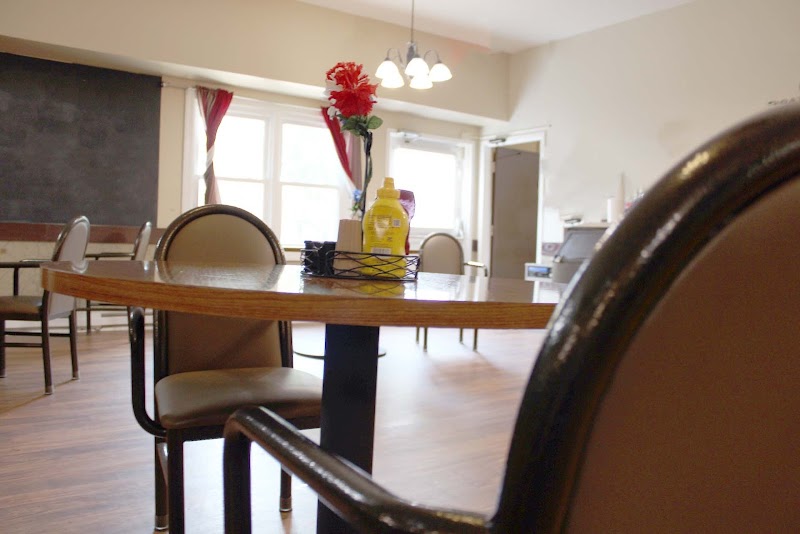
Accura Healthcare of Ogden, LLC is owned by a for-profit company. For-profit facilities operate as businesses with obligations to shareholders or private owners. The facility is operated by ACCURA HEALTHCARE, a chain that manages multiple nursing homes. With 46 certified beds and approximately 40 residents (about 87% occupancy), it is a smaller facility located in Ogden, Iowa.

How Does Accura Healthcare Of Ogden, Llc Compare to Other Iowa Nursing Homes?

Compared to the 100 nursing homes in Iowa, Accura Healthcare of Ogden, LLC's overall rating (4 stars) is above the state average of 3.1, staff turnover (36%) is near the state average of 46%, and health inspection rating (3 stars) is at the national benchmark.

What Should Families Ask When Visiting Accura Healthcare Of Ogden, Llc?

Based on this facility's data, families visiting should ask: "Can I visit during a mealtime to observe dining assistance and food quality?" "How do you handle medical emergencies, and what is your hospital transfer rate?" "Can I speak with family members of current residents about their experience?"

Is Accura Healthcare Of Ogden, Llc Safe?

Based on CMS inspection data, Accura Healthcare of Ogden, LLC has a clean safety record: no substantiated abuse findings (meaning no confirmed cases of resident harm), no Immediate Jeopardy citations (the most serious violation level indicating risk of serious injury or death), and is not on the Special Focus Facility watch list (a federal program monitoring the lowest-performing 1% of nursing homes). The facility has a 4-star overall rating and ranks #1 of 100 nursing homes in Iowa. While no facility is perfect, families should still ask about staff-to-resident ratios and recent inspection results during their visit.

Do Nurses at Accura Healthcare Of Ogden, Llc Stick Around?

Accura Healthcare of Ogden, LLC has a staff turnover rate of 36%, which is about average for Iowa nursing homes (state average: 46%). Moderate turnover is common in nursing homes, but families should still ask about staff tenure and how the facility maintains care continuity when employees leave.

Was Accura Healthcare Of Ogden, Llc Ever Fined?

Accura Healthcare of Ogden, LLC has no federal fines on record. CMS issues fines when nursing homes fail to meet care standards or don't correct problems found during inspections. The absence of fines suggests the facility has either maintained compliance or corrected any issues before penalties were assessed. This is a positive indicator, though families should still review recent inspection reports for the full picture.

Is Accura Healthcare Of Ogden, Llc on Any Federal Watch List?

Accura Healthcare of Ogden, LLC is not on any federal watch list. The most significant is the Special Focus Facility (SFF) program, which identifies the bottom 1% of nursing homes nationally based on persistent, serious quality problems. Not being on this list means the facility has avoided the pattern of deficiencies that triggers enhanced federal oversight. This is a positive indicator, though families should still review the facility's inspection history directly.