Oakview Nursing and Rehabilitation
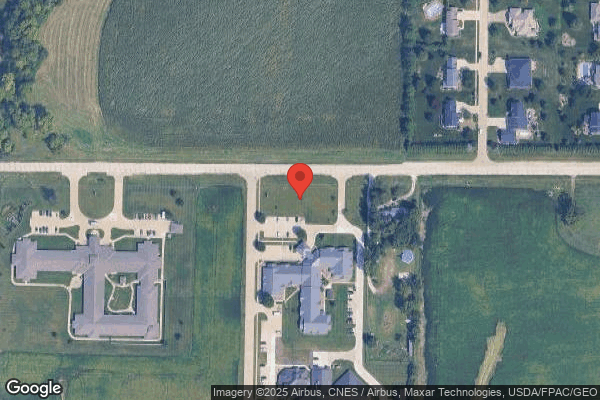
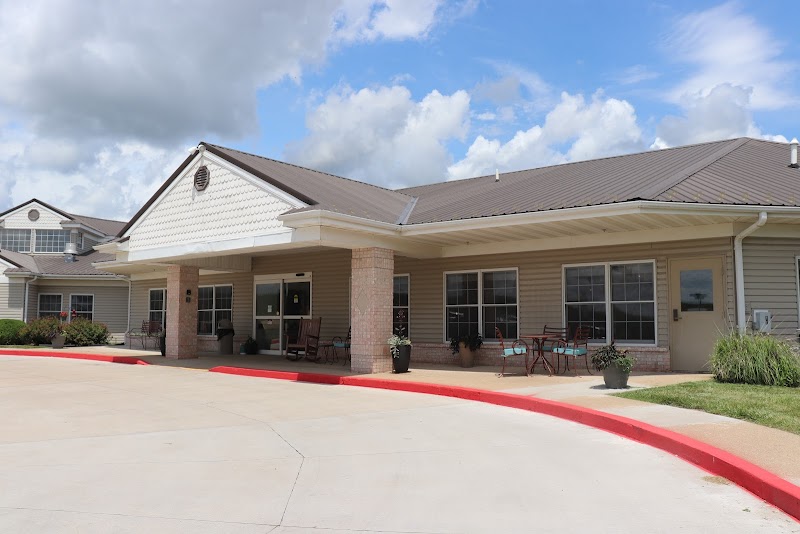
1212 Indian Hills Drive, Burlington, IA 52601 (319) 752-4100
For profit - Corporation 60 Beds Independent Data: November 2025 1 Immediate Jeopardy citation
Trust Grade
53/100
#216 of 392 in IA
Last Inspection: June 2025

Inspected within the last 6 months. Data reflects current conditions.

Overview

Oakview Nursing and Rehabilitation has a Trust Grade of C, which means it is average and falls in the middle of the pack among nursing homes. It ranks #216 out of 392 facilities in Iowa, placing it in the bottom half, but it is #2 out of 3 in Des Moines County, indicating only one local option is better. The facility is improving, with reported issues decreasing from 8 in 2024 to 3 in 2025. Staffing is a strength here with a rating of 4 out of 5 stars, although the turnover rate is 48%, which is about average for the state. On the downside, a critical incident involved a resident's pressure ulcer worsening due to inadequate monitoring, and there were concerns about the facility's water management program, which failed to prevent potential Legionella exposure. Overall, while there are some strengths, families should be aware of the facility's challenges with certain care standards.
Trust Score
C
53/100
In Iowa
#216/392
Bottom 45%
Safety Record
High Risk
Review needed
Inspections
Getting Better
8 → 3 violations
Staff Stability
⚠ Watch
48% turnover. Above average. Higher turnover means staff may not know residents' routines.
Penalties
✓ Good
No fines on record. Clean compliance history, better than most Iowa facilities.
Skilled Nurses
○ Average
Each resident gets 37 minutes of Registered Nurse (RN) attention daily — about average for Iowa. RNs are the most trained staff who monitor for health changes.
Violations
⚠ Watch
17 deficiencies on record. Higher than average. Multiple issues found across inspections.
★★★☆☆
3.0
Overall Rating
★★★★☆
4.0
Staff Levels
★★★☆☆
3.0
Care Quality
★★★☆☆
3.0
Inspection Score
Stable
2024: 8 issues
2025: 3 issues

The Good

  • 4-Star Staffing Rating · Above-average nurse staffing levels
  • Full Sprinkler Coverage · Fire safety systems throughout facility
  • No fines on record

Facility shows strength in staffing levels, fire safety.

The Bad

3-Star Overall Rating

Near Iowa average (3.1)

Meets federal standards, typical of most facilities

Staff Turnover: 48%

Near Iowa avg (46%)

Higher turnover may affect care consistency

The Ugly 17 deficiencies on record

1 life-threatening
Jun 2025 3 deficiencies
CONCERN (D) 📢 Someone Reported This

A family member, employee, or ombudsman was alarmed enough to file a formal complaint

Potential for Harm - no one hurt, but risky conditions existed

Resident Rights (Tag F0550)

Could have caused harm · This affected 1 resident

Based on observation, clinical record review, facility policy review, resident and staff interview, the facility failed to treat 1 of 6 residents (Resident #30) with dignity and respect when staff too...

Read full inspector narrative →
Based on observation, clinical record review, facility policy review, resident and staff interview, the facility failed to treat 1 of 6 residents (Resident #30) with dignity and respect when staff took more than an hour to assist with a transfer request made by a resident who required substantial assistance. The facility reported a census of 49 residents. Findings include: Review of the Minimum Data Set (MDS) assessment, dated 5/20/25, revealed Resident #30 scored a 13 out of 15 on the Brief Interview for Mental Status exam, which indicated intact cognition. The MDS indicated Resident #30 required substantial/maximal assistance with chair/bed to chair transfers. The MDS list of diagnoses included cerebral infarction (stroke). Review of the Care Plan, dated 12/30/24, revealed a Focus area to address Resident at risk for falling r/t (related to) falls prior to admit resulting in a L hip fx (left hip fracture). Interventions included, in part: a. Ax2 c GB and NMSA (assist of 2 with gait belt and non-mechanical standing aid), dated 12/30/24. b. Encourage resident to sit in day room, dated 5/30/25 c, Non-ambulatory, dated 6/13/25. During a continuous observation on 6/18/25 starting at 9:28 AM, Resident #30 seated in her recliner. Staff A, Certified Nursing Assistant (CNA) entered the room to pass water, and Resident #30 asked to be assisted from the recliner to her wheelchair. Staff A stated she would transfer Resident #30 in a little bit. At 9:44 AM, Staff A, CNA observed to have finished the water pass in the pod (the facility set up in pods, Staff A passed water on the pod where Resident #30 resided) and then went to the nurse's desk and spoke with nursing and rehab staff. At 9:48 AM, Staff A observed telling the Director of Nursing and Staff B, RN (Registered Nurse) she was going to help another resident with a puzzle. At 10:25 AM, Staff B, RN observed in Resident #30 room. Resident #30 remarked to Staff B she wanted to get into her wheelchair. Staff B told Resident #30 she would let the CNA know when they came back to the pod. Resident #30 remained in her recliner, with her feet elevated. During an interview on 6/18/25 at 10:29 AM, Resident #30 asked how her day was going and Resident #30 stated not good and nothing was going right. Resident #30 stated she was tired of people not listening to her and she just wanted moved to a different chair. Resident #30 stated it was disgusting and she was tired of being in the same chair and just wanted to get into her wheelchair. Resident #30 stated Staff B, RN was just in her room and she told Staff B she wanted into her wheelchair. Resident #30 stated staff B told her she would let the CNA know. At 6/18/25 at 10:36 AM, Staff A, CNA observed to be on the pod where Resident #30 resided, and then left. Resident #30 observed to be in her recliner. At 10:43 AM, Staff A, CNA returned to the pod and went into Resident #30 room with the non-mechanical lift and told Resident#30 she would get her up in a little bit. During an observation on 6/18/25 at 10:50 AM, Staff A, CNA knocked on Resident #30 door and asked if Resident #30 was ready and Resident #30 asked ready for what. Staff A stated it was about lunch time and asked if Resident #30 needed to use the bathroom. Staff A and another CNA went into the room and closed the door. At 10:54 AM, the door to Resident #30's room opened, and Resident #30 observed sitting in her wheelchair. During an interview on 6/18/25 at 1:20 PM, Staff A, CNA queried on how Resident #30 transferred and Staff A stated Resident #30 required an assist of 2 with the non-mechanical lift. Staff A asked how long a resident should wait to be transferred. Staff A stated it depended on if the non-mechanical lift was being used. Staff A stated they only had one non-mechanical lift for all 3 pods. Staff A asked about this morning and Staff A stated she went over to C pod and grabbed it [non-mechanical lift]. Staff A queried about Resident #30's request to move from her recliner to her wheelchair, and she stated Staff B, RN told her and it only took a couple of minutes to go and get the non-mechanical lift. Staff A queried about when Resident #30 asked Staff A to move during the water pass, and she stated she told Resident #30 in a little bit. Staff A explained Resident #30 had just gotten into her recliner. When asked how long a resident should wait to be assisted with a transfer, Staff A answered 5 or 10 minutes, if that. During an interview on 6/19/25 at 10:53 AM, Staff B, RN stated Resident #30 transfers with an assist of 2 with a non-mechanical lift. When asked if Resident #30 asked to be moved to her wheelchair, Staff B stated yes, just like Resident #30 did today. Staff B stated Resident #30 would stay in her wheelchair all day if Resident #30 could, but Resident #30 needed a position change. Staff B informed Resident #30 requested to be moved during water pass and Staff B stated staff just got Resident #30 in the recliner after breakfast. During an interview on 6/23/25 at 3:39 PM, the DON informed of the observation and the DON stated that was not right and when water pass was completed, Resident #30 should have been moved. The DON stated staff need to give the residents a time frame of when they will come back. The DON asked what if the Resident had just transferred to the recliner 10-15 minutes prior and the DON stated if the resident wanted moved, move them and it was always good to reposition. Review of the facilities Resident's [NAME] of Rights Policy, revised on 12/2023, revealed the following: a. A facility must treat each resident with respect and dignity and care for each resident in a manner and in an environment, that promotes maintenance or enhancement of his or her quality of life, recognizing each resident's individuality. The facility must protect and promote the rights of the resident.
CONCERN (D)

Potential for Harm - no one hurt, but risky conditions existed

Deficiency F0883 (Tag F0883)

Could have caused harm · This affected 1 resident

**NOTE- TERMS IN BRACKETS HAVE BEEN EDITED TO PROTECT CONFIDENTIALITY** Based on clinical record review, facility policy review, resident and staff interview, the facility failed to offer the pneumoco...

Read full inspector narrative →
**NOTE- TERMS IN BRACKETS HAVE BEEN EDITED TO PROTECT CONFIDENTIALITY** Based on clinical record review, facility policy review, resident and staff interview, the facility failed to offer the pneumococcal vaccine to 3 of 5 residents (Residents #23, #36, and #40) reviewed for immunizations. The facility reported a census of 49 residents. Findings include: 1. Review of the Minimum Data Set (MDS) assessment, dated 4/24/25, revealed Resident #23 list of diagnoses included respiratory failure and lung cancer. The Brief Interview for Mental Status (BIMS) score of 13 out of 15 indicated intact cognition. The MDS listed an admission date of 4/8/24, and over the age [AGE]. Review of the Vaccination Consent Form, signed 4/8/24 by Resident #23, documented the resident had never received the Pneumovax (PPSV23) vaccine or any of the pneumococcal conjugate vaccines, Prevnar 13 (PVC13), Prevnar 20 (PVC20), or Vaxneuvance (PVC15). The resident consented to receive the pneumococcal vaccination on 4/8/24. On 6/17/25, review of the clinical record revealed a lack of documentation that Resident #23 had received any form of the pneumococcal vaccine. On 6/18/25 at 2:40 PM, the Administrator sent an email response which identified the resident did not receive the pneumococcal vaccine. During an interview on 6/18/25 at 3:50 PM, the Administrator reported Resident# 23's family member had consented to the vaccine for the resident and staff had not followed through with getting an order for the pneumococcal vaccine. The family member still wanted the vaccine administered when they contacted them today (6/18/25). The Administrator reported facility staff got an order from the resident's physician to administer the vaccine. 2. Review of the MDS assessment, dated 4/15/25, revealed Resident #40 list of diagnoses included of acute and chronic respiratory failure, and chronic obstructive pulmonary disease. The BIMS score of 13 out of 15 indicated intact cognition. The MDS listed an admission date of 10/6/23, and over the age of 65. Review of Resident #40's immunization record revealed the resident had received Prevnar 13 (PVC13), dated 4/24/17 and Pneumovax (PPSV23), dated 8/28/18, and had not received one of the following immunizations 5 years after (since 8/28/23) Pneumovax (PPSV23): PCV15, or PCV20, or PCV21 (pneumococcal conjugate vaccine). Review of the Pneumococcal Immunization Informed Consent form, signed and dated 10/6/23 by Resident #40, documented the reason the resident refused the pneumococcal conjugate was due to already received. The clinical record lacked documentation the resident had received the PCV15, or PCV20, or PCV21 vaccine. The clinical record lacked documentation facility staff had offered the PCV15, or PCV20, or PCV21 vaccine in 2024 or 2025. On 6/18/25 at 6:28 PM, the Administrator sent an email with a signed and dated consent form, dated 6/18/25, for Resident #40 to receive the pneumococcal vaccine. During an interview on 06/19/25 at 8:55 AM, Resident #40 reported she had been offered the pneumococcal vaccine on admission to the facility, but had refused. Resident #40 thought she had been offered the vaccine last year. Resident #40 reported she was offered the pneumococcal vaccine today (6/19/25). 3. Review of the MDS assessment, dated 3/13/25, revealed Resident #36 list of diagnoses included iron deficiency anemia, moderate intellectual disability and history of venous thrombosis and embolism (blood clot). The BIMS score of 2 out of 15 indicated a severe cognitive impairment. The MDS listed an admission date of 7/13/22, and over the age of 65. Review of Resident #36's immunization record revealed the resident had received the Pneumovax (PPSV23) vaccine, dated 8/11/22, and had not received one of the following immunizations: PCV15, or PCV20, or PCV21 (pneumococcal conjugate vaccine) at least 1 year after the last PPSV23 dose. The clinical record lacked documentation facility staff had offered a pneumococcal conjugate vaccine once the resident became eligible on 8/11/23. Review of the Vaccination Consent Forms, signed 9/23/24 by Resident #36's guardian, documented the guardian consented to the resident to receive the Influenza, COVID and Respiratory Syncytial Virus (RSV) vaccinations. The record lacked documentation facility staff offered the resident's guardian the choice of consenting or refusing the pneumococcal conjugate vaccine for the resident. During an interview on 06/18/25 at 12:00 PM, the Director of Nursing (DON) reported she had been in her role as the Infection Preventionist about one year. The DON explained she was responsible for educating and offering residents vaccinations. The DON explained she tracked immunization through the electronic health record and ran a report to identify when residents were due for immunizations. During an interview on 06/19/25 at 8:33 AM, when asked about the knowledge the DON had about the pneumococcal vaccine schedule, she explained she just recently learned how to determine when the pneumococcal vaccines were due. The DON clarified that she just learned the pneumococcal vaccine schedule a couple weeks ago. The DON reported she followed the Center for Disease Control (CDC) chart for determining when residents were due for the pneumococcal vaccine, and used the chart to provide education to residents and their family. The DON explained that she had not had a chance to run the reports in the electronic health record (EHR) to determine who should have been offered the pneumococcal vaccine since learning when the vaccinations should be offered. The DON reported she did not run a report until yesterday (6/18/25) in the EHR on Resident #40 after the surveyor asked about the pneumococcal vaccine. The DON explained that she identified from the EHR report that Resident #40 was due to be offered the pneumococcal conjugate vaccine (PCV15, or PCV20, or PCV21) and obtained the consent from Resident #40 to administer the medication. The DON reported that Resident #36 was also due for the pneumococcal conjugate vaccine, and staff was calling the POA (Power of Attorney) right now to see if POA wants Resident #36 to have it. Review of the policy, titled Pneumococcal Vaccinations, dated 9/12/24, revealed facility staff would assess all persons, upon admission, for receiving a pneumococcal polysaccharide vaccine and/or pneumococcal conjugate vaccine and follow CDC recommendations. Staff would administer PCV15, PCV20, or PCV21 for all adults 65 years or older whether the resident had received PVC13 at any age and PPSV23 at or after the age of 65 years. Per CDC guidelines: if a person previously received both PCV13 and PPSV23, AND PPSV23 was received at age [AGE] years or older, based on shared clinical decision-making, 1 dose of PCV20, or 1 dose of PCV21 administered at least 5 years after the last pneumococcal vaccine dose. If the person previously received only PPSV23: then 1 dose PCV15, or 1 dose PCV20, or 1 dose PCV21, at least 1 year after the last PPSV23 dose.
CONCERN (E)

Potential for Harm - no one hurt, but risky conditions existed

Drug Regimen Review (Tag F0756)

Could have caused harm · This affected multiple residents

**NOTE- TERMS IN BRACKETS HAVE BEEN EDITED TO PROTECT CONFIDENTIALITY** 3. Review of the MDS assessment for Resident #18, dated 4/8/25 revealed the resident scored 12 out of 15 on a BIMS exam, which i...

Read full inspector narrative →
**NOTE- TERMS IN BRACKETS HAVE BEEN EDITED TO PROTECT CONFIDENTIALITY** 3. Review of the MDS assessment for Resident #18, dated 4/8/25 revealed the resident scored 12 out of 15 on a BIMS exam, which indicated moderate impaired cognition. Per the assessment, the resident received antidepressant medication. Review of Resident #18's Care Plan revealed an undated Focus area to address Resident receives psychotropic antidepressant medication related to depression. Undated Interventions included, in part: Review continued need for medication with prescriber, attempt dose reduction as warranted. Review of Resident 18's Clinical Physician Orders for Sertraline (antidepressant) revealed the resident had been on Sertraline 50 milligrams (mg) since 2/24/2024. Review of the the Pharmacy Review Note, dated 9/29/24, revealed the following documentation: MRR - GDR. The clinical record lacked documentation of any other GDR in the last 12 months (6/1/24 to 6/18/25). On 6/18/25 at 3:40 PM, Resident #18's GDR, dated 9/29/24, requested via email from the facility's Administrator. On 6/19/25 at 11:15 AM, in a response via email, the Administrator reported that she was still working on trying to locate the GDR for Resident #18. On 6/19/25 at 12:22 PM, the Administrator emailed a GDR completed by the pharmacist and signed off by the Advanced Registered Nurse Practitioner (ARNP), dated 6/19/25, which indicated a GDR was contraindicated at this time. The facility failed to provide documentation related to the GDR recommendations, dated 9/29/24. Based on observation, interview, and record review, the facility failed to ensure timely Physician follow up to requests for Medication Regimen Review (MRR) and Gradual Dose Reduction (GDR) and failed to ensure rationale provided for declination of GDR for 4 of 5 residents (Resident #17, Resident #18, Resident #26, Resident #40) reviewed for unnecessary medications The facility reported a census of 49 residents. Findings include: 1. Review of the Minimum Data Set (MDS) assessment for Resident #17 dated 5/8/25 revealed the resident scored 5 out of 15 on a Brief Interview for Mental Status (BIMS) exam, which indicated severely impaired cognition. Per the assessment, the resident received antipsychotic, antidepressant, opioid, antiplatelet, and hypoglycemic medications. Review of Resident #17's Physician Order dated 8/23/24 revealed, Seroquel Oral Tablet 25 MG (milligram) with directions to give 1 tablet by mouth at bedtime related to Alzheimer's Disease. Review of Resident #17's Physician Order dated 4/7/22 revealed, Sertraline HCl Tablet 50 MG with directions to give 1 tablet by mouth one time a day related to Alzheimer's Disease. Review of Resident #17's Note to Attending Physician/Prescriber printed 1/31/25 revealed the Pharmacist recommended a GDR for the resident's Seroquel Oral Tablet 25 MG (milligram), an antipsychotic medication, and for Sertraline HCL Oral Tablet 50 MG, an antidepressant medications. Review of the the Pharmacy Review Note dated 1/31/25 at 3:39 PM revealed, MRR - GDR. On 6/18/25 at 12:23 PM, Resident #17's GDR dated 1/31/25 requested via email from the facility's Administrator. On 6/18/25 at 2:17 PM, the Administrator response to the email request explained - for January [1/31/25] we are unable to locate a signed copy. 2. Review of the MDS assessment for Resident #40 dated 3/20/25 revealed the resident scored 15 out of 15 on a BIMS exam, which indicated intact cognition. Per the assessment, the resident received antianxiety, antidepressant, hypnotic, antibiotic, diuretic, opioid, and hypoglycemic medication. Review of Resident #40's Medication Administration Record (MAR) dated September 2024 revealed the resident took the following antidepressant medications: Amitriptyline 25 MG at bedtime started on 10/8/23, Mirtazapine 15 MG at bedtime started on 10/6/23, Trazodone 100 MG at bedtime started on 12/4/23, and Trazodone 25 MG started on 6/14/24. Per the MAR, the resident took the following anxiety medication: Buspirone 30 MG twice a day started on 10/10/23. The MAR further revealed the resident took the following hypnotic medication: Zolpidem Tartrate 5 MG at bedtime. Review of the Pharmacy Review Note dated 9/29/24 at 3:03 PM revealed, MRR - GDR amitriptyline, mirtazapine, buspar, trazodone, zolpidem. The Pharmacy Review Note dated 12/29/24 at 7:47 PM revealed, MRR - GDR - Repeating September GDR request as pharmacy did not receive response. Please verify in paper chart that documentation is present and resend. Patient also has MRSA (Methicillin-resistant Staphylococcus aureus) listed as the dx (diagnosis) for three times weekly azithromycin, please ensure that this is the correct diagnosis and update it. Thanks! On 6/23/25 at 11:12 AM, the facility's Administrator provided GDR recommendations from the Pharmacist dated 9/30/24, 12/31/24, and and 4/1/25. The Administrator explained via email that the GDRs were not addressed. On 6/23/25 at 1:53 PM, the Administrator provided the GDR dated 4/1/25, which revealed a response documented on 6/23/25. 4. Review of the MDS assessment dated [DATE] revealed Resident #26 scored a 15 out of 15 on the BIMS exam, which indicated intact cognition. The MDS indicated resident received antidepressant and antianxiety medications. Review of the electronic health record revealed the following Physician Orders: Clonazepam oral tablet 0.5 mg (milligrams) give 1 tablet by mouth at bedtime every other day started 11/16/23, Trazodone HCl (hydrochloride) oral tablet give 25 mg by mouth at bedtime started 11/16/23, and Sertraline HCl tablet 100 mg- give 1 tablet by mouth one time a day started 5/17/23 The Pharmacy Review Note dated 9/29/24 at 4:25 PM, revealed MMR (Monthly Medication Review)- GDR clonazepam, sertraline, trazodone. The Note to Attending Physician/Prescribed printed on 9/30/24 revealed a GDR for clonazepam oral tablet 0.5 mg, trazodone 25 mg oral tablet, and sertraline 100 mg oral tablet. The facility lacked documentation the provider addressed the GDR recommendation. The Pharmacy Review Note dated 12/29/24 at 4:08 PM, revealed revealed MMR-GDR. The Note to Attending Physician/Prescribed printed on 12/31/24 revealed a GDR for clonazepam oral tablet 0.5 mg, trazodone 25 mg oral tablet, and sertraline 100 mg oral tablet. The facility lacked documentation the provider addressed the GDR recommendation. The Pharmacy Review Note dated 5/29/25 at 11:31 PM, revealed MMR-GDR. The Note to Attending Physician/Prescribed printed on 6/4/25 revealed a GDR for clonazepam oral tablet 0.5 mg. On 6/18/25, the provider checked to maintain current dose without a rationale documented. Per the email from the Administrator on 6/23/25 at 11:04 AM, Resident #26 GDRs were not addressed. During an interview on 6/23/25 at 3:37 PM, the Director of Nursing (DON) queried on the process of the GDRs and the DON stated they reached out to the doctor about them and see if the GDR was needed. The DON asked what the facility did when the GDRs were not addressed and the DON stated they requested again or took them to the Medical Director. The DON queried about the provider not putting a rationale when a GDR declined and the DON stated [name redacted] didn't put the reasoning and there was currently a Performance Improvement Project (PIP) on [name redacted] to do the GDR the right way. The DON confirmed Resident #26 GDRs for September and December were not addressed and the facility was going to have the Nurse Practitioner do them because the Nurse Practitioner was more thorough. Review of the Facility Policy titled Drug Regimen Review, Monthly dated 11/28/17, revealed the following: Upon identifying any irregularity, pharmacist will provide a written report addressing the drug irregularities to the attending provider, the facility medical director, and the director of nursing. Attending provider's response will be documented in the resident's medical record indicating the identified irregularity has been reviewed and what, if any, action has been taken. If no change in medication, attending physician must document rationale in the medical record. Irregularities identified by the pharmacist that require urgent action to protect the resident will be immediately reported to the director of nursing or nurse in charge who will then notify the attending provider. The Facility Use of Psychotropic Medications Policy dated 4/28/25 for the following: a. Residents who use psychotropic drugs shall receive gradual dose reductions, unless clinically contraindicated in an effort to discontinue these drugs.
Jul 2024 6 deficiencies 1 IJ
CRITICAL (J)

Immediate Jeopardy (IJ) - the most serious Medicare violation

Pressure Ulcer Prevention (Tag F0686)

Someone could have died · This affected 1 resident

**NOTE- TERMS IN BRACKETS HAVE BEEN EDITED TO PROTECT CONFIDENTIALITY** Based on clinical record review, staff interviews, and facility policy review, the facility failed to provide monitoring, assess...

Read full inspector narrative →
**NOTE- TERMS IN BRACKETS HAVE BEEN EDITED TO PROTECT CONFIDENTIALITY** Based on clinical record review, staff interviews, and facility policy review, the facility failed to provide monitoring, assessment and intervention services causing a pressure ulcer present on admission to worsen, and the development of new pressure ulcers. Resident #9 admitted on [DATE] with a Stage 2 pressure ulcer present on the right heel. The pressure ulcer deteriorated to a Stage 3 by 7/5/24. The clinical record revealed the resident experienced pain and a referral to the wound clinic. During the first wound clinic appointment on 6/11/24, the right heal pressure ulcer was not assessed or treated. The facility did not follow up with the clinic. On 6/25/24, the wound clinic assessed the right heel as a Stage 3 pressure ulcer with necrotic (dark, dead tissue) tissue and identified a new unstageable pressure area on the left heel, and Stage 3 Pressure ulcers on bilateral buttocks. On 7/5/24, both the right and left heels presented with necrotic tissue. The facility reported a census of 49 residents. The State Agency informed the facility of the Immediate Jeopardy (IJ) on 7/16/24 at 4:15 PM. The IJ began on 5/28/24. Facility staff removed the Immediate Jeopardy on 07/17/24 at 04:28 PM by implementing the following actions: 1. All nursing staff educated by the end of the day on 7/17/24. Education included: policies for pressure ulcer prevention, wound care-infection prevention, skin checks, and physician notification. 2. An audit of all skin assessments and ensured all wound assessments up to date as of 7/16/24. 3. Assistant Director of Nursing (ADON) named as person responsible for re-assessment of wounds weekly. The Director of Nursing (DON) will monitor for compliance. In the absence of the ADON, the DON will re-assess all wounds weekly. 4. A skin assessment will be completed by the admitting nurse on the day of admission. Any wound will be documented on the wound record. Skin will be observed by the bath aides at least weekly per the skin check policy. Any abnormalities will be reported to the charge nurse for assessment. Any new wound identified will be documented on the wound record. 5. Physician/provider will be notified of wounds present on admission, new wounds, and wounds not responding to treatment. Licensed nurse will call the provider if there is no response from the provider within 24 hours. DON and the ADON will monitor documentation to ensure compliance. 6. A copy of the facility's wound assessment will be sent with a resident for any wound clinic appointment. The scope lowered from J to G at the time of the survey. Findings include: The admission Nursing Assessment, dated 5/28/24, revealed Resident #9 right heel noted to have an open area measuring 0.8 centimeters (cm) by 0.8cm. The admission Assessment identified bruises on left hand, left lower leg, right lower leg, an open area on front of right lower leg, and intravenous infiltration site to the right antecubital (area on arm commonly used for IV insertion). Assessment lacked identification of pressure injuries. A Wound and Skin Healing Record, dated 5/28/24, identified a right heel Stage 2 pressure injury, measuring 0.8cm by 0.8cm with 0.1 cm depth. Assessment of the Stage 2 pressure injury revealed the wound bed had normal tissue, no drainage, no odor, no pain present, and surrounding skin had normal appearance. A Braden Assessment (used to identify risk of pressure ulcer development), completed 5/28/24, identified Resident #9 at moderate risk for development of pressure injuries due to occasionally moist skin, very limited mobility, inadequate nutrition, and problem with friction or skin shearing from moderate to maximal assistance required with movement. Additional Braden Assessments, completed on 6/25/24 and 7/05/24, continued to identify Resident #9 at risk for development of pressure injuries. A Nursing Progress Note on 5/28/24 at 3:57 PM, revealed Resident #9 had arrived to facility following a fall at home and left hip fracture that had an incision site with 15 staples in place and covered with foam dressing. Resident #9 noted to have aphasia (difficulty with speech) and right facial drop from past stroke. Nurse indicated skin assessment completed and Primary Care Provider (PCP) notified of skin issues. The Baseline Care Plan, completed on 5/29/24, identified skin break interventions that included pressure reducing mattress and skin/wound treatments to be found on the Medication/Treatment Administration Record. The Baseline Care plan lacked documentation of a pressure ulcer present on admission. A Nursing Progress Note, dated 5/31/24 at 9:27 PM, revealed Resident #9 right heel wound had a clean, dry dressing applied. Note lacked assessment, including measurements of the wound. The Minimum Data Set (MDS) assessment, dated 6/03/24, revealed Resident #9 required substantial to maximal staff assistance to transfer and partial to moderate staff assistance for bed mobility. The diagnoses listed for Resident #9 included: diabetes mellitus, cerebrovascular accident (CVA or Stroke), and heart failure, and an encounter for orthopedic aftercare. The assessment identified Resident #9 had a surgical wound and required a pressure reducing device for chair and bed, surgical wound care, the application of nonsurgical dressings, and ointment or medications applied (other than to feet). The Brief Interview for Mental Status (BIMS) result of 15 out of 15 indicated the resident had intact cognition. The MDS lacked identification of unhealed pressure injuries on admission, and did not identify the resident at risk for pressure ulcers. The Care Plan, revised on 7/03/24, indicated Resident #9 had been at risk for skin breakdown related to fractured hip, previous cerebrovascular accident, weakness, and pain, staff instructed to monitor and report signs of skin breakdown, and complete skin treatments as ordered. The Care Plan lacked identification of pressure injuries or unhealed skin impairments. The Medication Administration Record (MAR), dated May 2024, revealed the following orders: 1. Mepilex wound pad, started 5/29/24, to be placed to left leg topically every evening on Monday, Wednesday, and Friday, related to atherosclerotic heart disease of native coronary artery diagnosis. 2. Mupirocin Ointment 2%, started 5/29/24 and discontinued 6/11/24, to be applied to wound every evening shift on Monday, Wednesday, and Friday, for wound. A review of SNF (Skilled Nursing Facility) Documentation Fracture, from 5/29/24 to 6/18/24, lacked identification, assessment or monitoring of Resident #9's right heel Stage 2 pressure injury. A Nursing Progress Note, dated 6/05/24 at 4:10 AM, revealed Resident #9 called with complaint of pain to right heel, nurse noted an open area on right heel, and determined this area had been documented in the admission assessment. Nurse identified no treatment orders in place for right heel wound, faxed PCP for treatment orders, and floated Resident #9's heels. A Nursing Progress Note, dated 6/07/24 at 4:37 PM, revealed the PCP faxed back for Resident #9 to have a wound care consultation, appointment with Wound Clinic on 6/10/24. The Wound Office/Clinic Note, dated 6/11/24, lacked assessment or documentation of right heel Stage 2 pressure injury. Visit note revealed Resident #9 presented with Stage 3, bilateral pressure Injury to buttocks that measured 10cm by 6cm with 0.1cm depth. Discharge documentation included the following orders: 1. Treatment to buttocks to include an equal mixture of clotrimazole 1% cream, mupirocin 2% ointment, and triad barrier cream to buttocks twice per day. Do not scrub excess cream off, gently wipe away soiled cream and reapply. 2. Keep wounds out of shower water. 3. Reposition every 2 hours and place cushion in every chair. 4. Offer nutritional shake or protein ice cream with meals and at bedtime. A Wound and Skin Healing Record, dated 6/18/24, recorded an assessment of the Stage 2 pressure injury to right heel with measurements of 1.8cm by 2.4cm without depth, and a description of the wound bed as lacking educate (drainage), odor not assessed, wound bed normal, surrounding skin color and tissue normal. Response to treatment assessed as deteriorated. A handwritten note indicated fax sent to Dr. The Wound/Skin Healing Record, dated 6/18/24, revealed a Stage 2 pressure injury noted to left heel that measured 3.8cm by 3.4cm, had small amount of serosanguineous drainage, wound bed and surrounding skin documented as normal tissue. No Provider or family notification documented on healing record. No additional assessments or measurements documented for Stage 2 pressure injury of left heel. A Nursing Progress Note, dated 6/18/24 at 5:35 PM, revealed Resident #9 had an area of skin impairment to left heel that measured 3.8cm by 3.4cm and the right heel measured 1.8cm by 2.2cm. Nurse applied heel protector and faxed PCP with update and request for an order to apply Betadine twice a day to heels. A review of SNF Documentation Fracture from 6/19/24 through 6/26/24, revealed Resident #9 had open areas to right lower extremity and bilateral heels, no assessment of wounds or measurements documented. The Wound/Skin Healing Record, dated 6/19/24, revealed identification of a blood blister to top of right first toe, document lacked wound measurement or assessment of tissue, the surrounding skin, or drainage type. Document indicated Provider and family had been notified of wound on 6/19/24. No additional assessments or measurements documented for blood blister to top of right first toe. A Nursing Progress Note, dated 6/19/24 at 10:57 AM, revealed Resident #9 had new area of skin concern on top of first toe, appeared to be a blood blister, that measured 0.4cm by 0.6cm. Nurse informed PCP that a foam dressing had been applied to area for protection and requested order to change padded dressing daily. A Nursing Progress Note, dated 6/20/24 at 01:42 AM, revealed an order received from PCP for foam border dressing, to be replaced every other day, to top of first toe for two weeks time. A Nursing Progress Note, dated 6/25/24 at 4:56 PM, indicated Resident #9 went to a Wound Clinic appointment and received new orders. The Wound Office/Clinic Note, dated 6/25/24, revealed Resident #9's husband had requested for Provider to inspect resident's feet, and upon removal of socks, Resident #9 noted to have multiple pressure injuries to bilateral feet. Visit Note indicated that the Nursing Facility had been called to obtain further information regarding wounds. Facility informed Wound Clinic they were aware of the right heel ulceration and first noted it on 6/21/24, but were unaware of any ulcerations to Resident #9's left foot. Assessment of Resident #9's right foot, during Wound Clinic visit on 6/25/24, revealed a large, oval shaped ulceration noted to the lateral aspect (side) of the right heel, which measured 1.5cm by 2cm. Right heel wound bed covered with moderately adhered cream colored slough (non-viable) tissue. Wound Clinic performed an excisional (scalpel) debridement of wound. Wound Clinic identified wound as a Stage 3 pressure injury. Assessment of Resident #9's left foot, during Wound Clinic visit on 6/25/24, revealed a large circular shaped ulceration noted to the posterior aspect of left heel, which measured 3.1cm by 3cm with 0.1 cm depth. Left heel wound bed covered with black, dry, eschar (dead) tissue. Wound Clinic identified left heel wound as an unstageable pressure injury. Assessment of Resident #9's buttocks, during Wound Clinic visit on 6/25/24, revealed redness and excoriation over bilateral buttocks with scattered ulcerations and satellite macules (similar to that of yeast infection). Buttocks ulcerations had granulated tissue to wound beds. Wound Clinic identified buttocks wound as Stage 3 pressure injury to bilateral buttocks. The Medication Administration Record (MAR), dated June 2024, revealed the following treatment orders: 1. Mepilex foam border dressing, started 6/20/24, to be applied to right first metatarsal topically one time a day, changed every other day, for 14 days. 2. Foam dressing to right lateral foot boney prominence's, started 6/26/24, to be applied every evening shift, every 3 days, for wound care. 3. Betadine Solution 10%, started on 6/26/24, to be applied to left heel topically every evening shift, every other day, for wound care. 4. Mupirocin 2% ointment and prisma, started on 6/26/24, to be applied to wound bed and covered with foam border every evening shift, changed every other day for wound care. 5. Mupirocin 2% ointment, started on 6/26/24, to be applied to right medial foot and left plantar foot, to be covered with foam border dressing and changed every other day for wound care. In a Nursing Progress Note, dated 6/27/24 at 11:18 PM, revealed dressings to bilateral feet had fallen off, feet were redressed with foam border dressing. Nurse noted left heel had dried brown drainage on old dressing and Resident #9 had reported pain with dressing change. Nurse charted that Resident #9's feet supported in boots and elevated on pillows following wound care, no indication of Provider or family notification. In a Nursing Progress Note, dated 7/05/24 at 10:34 AM, nurse reported Resident #9 had increased pain and cracking sensation in left knee, call placed and message left for Orthopedic Provider with request for any new orders. A Nursing Progress Note, dated 7/05/24 at 1:56 PM, revealed Resident #9 left facility with family to a Wound Clinic appointment. A Nursing Progress Note, dated 7/05/24 at 4:07 PM, revealed the facility had been notified by Wound Clinic that Resident #9 was sent to the Emergency Department (ED) for suspected cellulitis. Note indicated the Wound Clinic reported to facility that Resident #9 had a lot of redness and warmth by right foot wound. A Wound Office/Clinic Note, dated 7/05/24, revealed that upon evaluation, it is noted Resident #9's wounds had deteriorated significantly. Redness noted to right foot and left knee, present for an unknown length of time due to lack of documentation of it from facility. Wound Clinic Provider indicated a concern related to infection of the right foot that required further workup. Wound Clinic Provider discussed transfer to Emergency Department with Resident #9 and family whom stated understanding and agreement to further evaluation. Assessment of Resident #9's right foot, completed by Wound Clinic on 7/5/24, revealed irregularly shaped non-pressure ulceration noted to right medial foot that measured 2cm by 3.1cm with 0.1cm depth, wound bed had yellow slough and macerated (damage from moisture) tissue, copious amounts of seropurulent (containing pus) drainage, malodor, and significant redness, warmth, and edema surrounding wound. The right heel continued to have oval shaped Stage 3 pressure ulceration, that measured, 1.5cm by 2.3cm with 0.1cm depth, covered with cream colored slough tissue, moderate amount of serosanguineous drainage, and maceration of skin surrounding ulcer. Assessment of Resident #9's left foot, completed by Wound Clinic on 7/5/24, revealed a large circular, Stage 3 pressure ulceration, noted to the left heel that measured, 4cm by 3.4cm with 0.1cm depth, wound bed covered with black, dry, eschar tissue. Assessment of Resident #9's buttocks/coccyx area, completed by Wound Clinic on 7/5/24, revealed redness and excoriation noted to the coccyx, that extended to the buttocks, and back of thighs with scattered ulcerations noted on bilateral buttocks, identified as a Stage 3 pressure injury of bilateral buttocks. A Nursing Progress Note, dated 7/05/24 at 5:27 PM, revealed a notification from the Hospital that Resident #9 had been admitted for sepsis related to left knee infection, a right foot infection, and poorly controlled Diabetes Mellitus. The Transfer Assessment, completed by facility on 7/05/24 at 8:14 PM, indicated Resident #9 had discharged to the hospital. Transfer Assessment lacked documentation of pressure injuries or unhealed skin impairments. The Hospital Emergency Department (ED) Note, dated 7/05/24 at 5:02 PM, revealed that Resident #9 had been sent from the Wound Clinic with bilateral foot redness and wounds. Resident #9 presented with left knee pain, small swelling of bilateral foot wounds, and poor control of diabetes. ED noted bilateral heel pressure sores with eschar in which debridement of tissue may be required. Redness and bruising noted over the right first toe, with possibility of cellulitis and indicated Resident #9 would need x-ray of bilateral feet, antibiotics, and possible admission for the same. ED Note revealed that Resident #9 had been given fluids, antibiotics, and insulin intravenously. The ED Note revealed the following assessment/plan: 1. Infection of left knee 2. Right foot infection 3. Poorly controlled type 2 Diabetes Mellitus 4. Sepsis On 7/16/24 at 10:42 AM, Staff C, Registered Nurse (RN) confirmed she completed the admission skin assessment for Resident #9 on 5/28/24. Staff C recalled an open area on Resident #9's right heel on admission, that had been covered with a foam dressing, unable to recall how wound appeared during admission assessment. Staff C informed that Resident #9 had no treatment orders for the open area on right heel, stated she assessed the wound, re-applied foam dressing, and then faxed the Primary Care Provider (PCP) regarding the skin impairments noted in the admission assessment. Staff C unable to recall if PCP responded to fax. Staff C reported that evening shift nurse had been responsible for weekly monitoring and assessment of Resident #9 wounds as well as completion of treatment for Resident #9's heels. Staff C informed she had thought the heels were getting better. Staff C revealed that in Skilled Nursing Facility assessment documentation, open areas would be mentioned if known, but the assessment and measurement documentation would be completed on Wound/Healing Record. Staff C denied having seen Resident #9's feet the week she went to the hospital and denied changes noted in Resident #9's condition. Staff C informed that she would fax PCP with any new wounds observed, denied having called Resident #9's PCP with updates on her wounds. On 7/16/24 at 11:22 AM, Staff D, Licensed Practical Nurse (LPN), confirmed she had completed multiple daily SNF assessments on Resident #9. Staff D stated that open areas or skin issues would be mentioned in the daily assessments, as well as in Nursing Progress Notes. When asked why SNF assessments completed by Staff D had lacked information related to Resident #9's wounds, Staff D revealed she had not known about any of Resident #9's pressure injuries until survey. When asked how nurses would be informed about wounds, Staff D claimed there would be information on the MAR or admission Assessment, in Progress Notes, and through verbal communication with other nurses. Staff D revealed first and second shift nurses each had a list on Tuesdays and Wednesdays which notified the residents due for a weekly skin assessment. Staff D recalled Resident #9 had been non-ambulatory, but worked with therapy on transfers, also stated Resident #9 had poor eating habits and required Provider notification related to blood sugar levels. On 7/16/24 at 11:45 AM, Staff E, Agency Staff Registered Nurse (RN), recalled Resident #9 had a couple pressure injuries located on heels, stated she had competed wound treatment the week prior to hospitalization and remembered that wounds had some drainage, but did not recall any signs of infection. Staff E informed she would know about wounds when treatment orders showed up on the MAR to be completed. Staff E unaware of facility's schedule for weekly skin assessments. On 7/16/24 at 12:02 PM, Staff F, Licensed Practical Nurse (LPN) confirmed she had worked with Resident #9 on 07/05/24. Staff F denied changes in Resident #9's condition when she left for Wound Clinic appointment and stated she had not seen Resident #9's feet that day because dressings and booties had been placed on feet. On 7/16/24 at 2:33 PM, Staff G, Licensed Practical Nurse (LPN), worked overnight shifts and recalled Resident #9 was not very alert or oriented. Staff G stated Resident #9 required repositioning every 2 hours, due to wound on her bottom, did not recall any other wounds present on Resident #9. Staff G did not recall heel protectors worn by Resident #9 overnight. On 7/16/24 at 2:43 PM, Facility Administrator provided a For Your Information (FYI) sheet completed by Staff C, RN, that reported admission skin assessment findings on Resident #9 with an order request for open areas on right heel and shin. A stamp at the top of document indicated that fax had been sent to PCP on 5/28/24. Facility unable to produce additional documentation of confirmation that fax had been sent or Provider response to fax. Administrator denied any follow up documentation related to admission skin assessment fax and revealed the expectation of nurses to call Provider within 24-48 hours if no response is received. On 7/16/24 at 3:00 PM, Staff H, Registered Nurse (RN), revealed she had worked Wednesday evenings during the months of May and June 2024. Staff H stated Resident #9 had wounds to right upper arm and one on her heel. Staff H denied Resident #9 having any wounds on buttocks. Staff H reported Resident #9's right heel had been pretty red and looked sore just before she was hospitalized , Staff H denied notification to Provider. Staff H revealed that skin sheets would be completed on admission and monitored weekly. Staff H revealed that the nurse working when the weekly wound assessments were due would be responsible for completing wound measurements and assessment. Staff H revealed that a wound assessment included measurements, how the wound looked, and if the Provider had been notified. Staff H identified times in which the Provider should be notified about wounds would be on admission, changes in wound conditions such as worsening, abnormal tissue or drainage and stated notification is faxed to Provider or, if needed to addressed that day, to call the Provider's office. On 7/17/24 at 1:00 PM, Staff I, Registered Nurse and MDS Coordinator revealed when residents are admitted , she would review the admission Assessment and Nursing Progress Notes to determine if wounds were present on admission. Staff I revealed wounds and pressure injuries should be included in the Care Plan with indication of wound type and interventions. Staff I confirmed Resident #9's Care Plan lacked identification of pressure injuries or unhealed wounds. The facility provided a document, titled Weekly Skin Measurements, not dated, that revealed Resident #9 had been scheduled for wound measurements every Wednesday evening shift. The facility provided documents, titled Bathing Documentation and Skin Assessment, completed on Resident #9, by Certified Nursing Assistant (CNA) staff on the following dates: a. 5/31/24- Shower given, no skin issues identified. b. 6/04/24- Resident refused. c. 6/07/24- Resident refused. d. 6/14/24- Bed bath given, no skin issues identified. e. 6/18/24- Resident refused. f. 6/21/24- Resident refused. g. 6/25/24- Bed bath given, no skin issues identified. h. 6/28/24- Bed bath given, no skin issues identified. i. 7/02/24- Bed bath given, no skin issues identified. j. 7/05/24- Bed bath given, no skin issues identified. The facility policy titled, Pressure Ulcer Prevention Policy, not dated, revealed the facility shall have a system in place that assures assessments are timely and appropriate; interventions are implemented, monitored, and revised as appropriate; and changes in condition are recognized, evaluated, reported to the resident's attending practitioner and other healthcare professionals as appropriate. The policy informed that the facility shall provide, care, treatment, and services to promote the prevention of pressure ulcer development, promote healing of pressure ulcers that are present, and to prevent the development of additional pressure ulcers. The policy additionally revealed the following procedures nursing staff shall perform: 1. Assess, reassess, and document the ulcer's characteristics weekly. 2. Observe for infection. 3. Follow physician's orders for treatment of the pressure ulcer, including cleansing and dressing. 4. Monitor the healing process. 5. Assess, reassess, and manage the resident's pain. 6. Avoid positioning residents on a pressure ulcer. 7. Continue preventive measures to prevent other pressure ulcers from developing. 8. Observe and change dressings as ordered and needed. The Pressure Ulcer Prevention Policy further instructed that interventions shall be incorporated into the resident's plan of care, evaluated, and revised as the condition of the resident indicates. The facility policy titled, Skin Checks, dated 7/12/18, revealed that bath aides are to observe all resident's skin for abnormalities during each bath or shower, and report abnormalities to the charge nurse. The Skin Check policy instructed for charge nurse to complete an assessment of the skin and document on the appropriate skin assessment form. Policy further instructed charge nurse to notify physician and resident representative of any new or worsening area, obtain a treatment order as needed, and reassess skin impairments weekly. The facility policy titled, Physician Notification, dated 10/10/19, revealed that physician will be notified promptly for a significant change in resident condition which has potential for clinical complication with open skin listed in this category.
CONCERN (D)

Potential for Harm - no one hurt, but risky conditions existed

Comprehensive Care Plan (Tag F0656)

Could have caused harm · This affected 1 resident

Based on clinical record review, staff interview, and facility policy review the facility failed to ensure use of antiplatelet medication and seizures were included on the resident's comprehensive pla...

Read full inspector narrative →
Based on clinical record review, staff interview, and facility policy review the facility failed to ensure use of antiplatelet medication and seizures were included on the resident's comprehensive plan of care for two of thirteen residents reviewed for care plans (Resident #16, Resident #20). The facility reported a census of 49 residents. Findings include: 1. Review of the Minimum Data Set (MDS) assessment for Resident #16 dated 6/20/24 revealed the resident scored 12 out of 15 on a Brief Interview for Mental Status (BIMS) assessment, which indicated moderately impaired cognition. Per this assessment, the resident took antiplatelet medication. The Physician Order dated 6/14/24 revealed, Clopidogrel Bisulfate (generic Plavix, an antiplatelet medication) Oral Tablet 75 MG (milligram) with direction to give 1 tablet by mouth one time a day. The Physician Order dated 6/14/24 revealed, Aspirin EC (enteric coated) Tablet Delayed Release 81 MG with directions to give 1 tablet by mouth one time a day. Review of the resident's Medication Administration Record (MAR) dated June 2024 and July 2024 revealed the resident received both medications on 6/14/24 to 6/30/24, and also on 7/1/24 to 7/11/24. On 7/11/24 at 12:07 PM during an interview with the MDS Coordinator, the MDS Coordinator acknowledged antiplatelet medication should be on the care plan. 2. Review of the MDS assessment for Resident #20 dated 6/15/24 revealed the resident scored 15 out of 15 on a BIMS exam, which indicated intact cognition. Review of the Physician Order dated 6/14/24 revealed, Phenytoin Sodium (generic Dilantin, an antiseizure medication) Extended Capsule 100 MG (milligram) with directions to give 1 capsule by mouth three times a day related to altered mental status. Review of the Office/Clinic Notes by the Advanced Registered Nurse Practitioner (ARNP) dated 6/20/24 revealed, Medications were adjusted in the hospital and Dilantin was added for possible observed seizure activity. Review of the Assessment/Plan section of the note documented the following per the 3.Seizure section: Started on phenytoin 100 mg 3 times daily. She is follow-up with neurology per discharge summary, June 24. Review of the Neurology Note dated 6/25/24 revealed, in part, [Resident #20] is on Dilantin 3 times daily for subclinical seizures mainly for level to be checked to make sure is in a therapeutic range. On 7/10/24 at 10:02 AM, review of the resident's care plan did not address seizures. On 7/11/24 at 12:09 PM, the MDS Coordinator acknowledged seizure disorder/medications for seizures should be on the care plan. Review of the Facility Policy titled Comprehensive Care Plan, dated 8/30/21 revised on 7/18/22, revealed, Care, treatment and services shall be planned to ensure that they are individualized to the resident's needs.
CONCERN (D)

Potential for Harm - no one hurt, but risky conditions existed

Deficiency F0658 (Tag F0658)

Could have caused harm · This affected 1 resident

**NOTE- TERMS IN BRACKETS HAVE BEEN EDITED TO PROTECT CONFIDENTIALITY** Based on clinical record review, policy review, and staff interviews the facility failed to administer medications as directed f...

Read full inspector narrative →
**NOTE- TERMS IN BRACKETS HAVE BEEN EDITED TO PROTECT CONFIDENTIALITY** Based on clinical record review, policy review, and staff interviews the facility failed to administer medications as directed for one of one residents (Resident #254) reviewed. The facility reported a census of 49 residents. Findings Include: The admission Minimum Data Set (MDS) assessment, dated 6/27/2024, list of diagnoses included: hypokalemia (low potassium), paroxysmal atria fibrillation (irregular heartbeat), hypotension, and adult failure to thrive. The MDS listed a Brief Interview for Mental Status (BIMS) score of 9 out of 15, indicating a moderate cognitive impairment. A review of the clinical record revealed Resident #254 admitted to the facility on [DATE] at 3:00 PM. The Physician Order dated 6/21/2024 documented, Metoprolol Tartrate Oral Tablet 50 mg related to Essential (Primary) Hypertension. Give 2 tablet by mouth two times a day. The Physician Order dated 6/21/2024 documented, Levetiracetam Oral Tablet 500 mg related to Alcohol use, unspecified, uncomplicated. Give 1 tablet by mouth two times a day. The Physician Order dated 6/21/2024 documented, Potassium Chloride ER Tablet Extended Release 10 MEQ (milliequivalent). Give 1 tablet via PEG-Tube two times a day related to hypokalemia. The June 2024 Medication Administration Record (MAR) documented on 6/21/24 Resident #254 had not received the prescribed levetiracetam 500 mg, metroprolol tartrate 50 mg, and potassium chloride 10 MEQ. A review of the (EHR) revealed the following Orders-Administration Notes: a. At 12:26 AM Metoprolol Tartrate Oral Tablet 50 MG Give 2 tablet by mouth two times a day .NA (not available) not sent from pharmacy. b. At 12:26 AM levETIRAcetam Oral Tablet 500 MG Give 1 tablet by mouth two times a day .NA not sent with pharmacy c. At 12:27 AM Potassium Chloride ER Tablet Extended Release 10 MEQ Give 1 tablet via PEG-Tube two times a day .NA not sent from pharmacy During an interview on 07/11/24 at 3:40 PM, the Nurse Consultant stated Resident #254 may have admitted to the facility past the cut off time for the day when they pharmacy does not get the medications to the facility. During an interview on 07/11/2024 at 4:10 PM, the Nurse Consultant provided the Packing Slip from the pharmacy documenting all of the prescribed medications were delivered to the facility together. The nurse that omitted the three medications did so in error. The facility policy, revised on 4/1/23, titled Medication Administration revealed the Policy statement included: Medications shall be administered per physician order.
CONCERN (D)

Potential for Harm - no one hurt, but risky conditions existed

Incontinence Care (Tag F0690)

Could have caused harm · This affected 1 resident

Based on observation, staff interview, and clinical record review the facility failed to ensure an antibiotic was initiated timely for treatment of a urinary tract infection (UTI) and failed to ensure...

Read full inspector narrative →
Based on observation, staff interview, and clinical record review the facility failed to ensure an antibiotic was initiated timely for treatment of a urinary tract infection (UTI) and failed to ensure clear process for frequency of urinary catheter change for one of one resident reviewed for catheters (Resident #45). The facility reported a census of 49 residents. Findings include: 1. Review of the Minimum Data Set (MDS) assessment for Resident #45, dated 6/13/24, revealed the resident scored 4 out of 15 on a Brief Interview for Mental Status (BIMS) exam, which indicated severely impaired cognition. Per this assessment the resident had an indwelling catheter and took an antibiotic. Review of the Care Plan for Resident #45, dated 4/11/24, revealed a Focus Area related to the Resident requiring an indwelling urinary catheter due to neurogenic bladder (lack of bladder control.). Interventions, all dated 4/11/24, included: a. Assess for continued need for catheter at least quarterly. b. Keep catheter system a closed system as much as possible. c. Obtain labs as ordered. d. Provide catheter care BID (twice a day) and PRN (as needed) e. Report UTI (acute confusion, urgency, frequency, bladder spasms, nocturia, burning, pain, difficulty urinating, low back/flank pain, malaise, n/v (nausea/vomiting), chills, fever, foul odor, concentrated urine, blood in urine). f. Use a catheter strap. Assure enough slack is left in the catheter between the meatus and the strap. Review of Physician Orders for Resident #45 revealed the following: a. (Order Start date 12/5/23, discontinued 5/21/24): Change catheter drainage bag every 2 weeks; once with entire system change. every day shift every 14 day(s) for infection prevention-catheter care. b. (Order start date 6/11/24, current order): Change catheter drainage bag every 2 weeks; once with entire system change. Every night shift starting on the 15th and ending on the 27th every month for infection prevention-catheter care Review of the clinical record for Resident #45 revealed the resident's catheter changed on the following dates, as documented per clinical record review below: 1/15/24, 1/30/24, 2/4/24, 3/13/24, 3/29/24, 4/18/24, 5/5/24, and 6/28/24. Review of the Health Status Note dated 1/26/24 at 3:58 PM revealed, Sediment noted in tubing of Foley catheter. Sediment is pink tinged and thick. Urine is cloudy and dark in color. Draining as expected. Catheter was last changed on 1/15/2024. Sending this note to Dr. [Name Redacted], PCP (Primary Care Physician) to update on Foley. Handwritten under the note was the following: May we have an order for acetic acid flushes daily? Would you like a UA (urinalysis) collected? Resident is asymptomatic with stable vital signs. The following response written by an ARNP, and dated 1/30/24: order sent (change symbol) Foley [illegible word redacted] insert new Foley send clean urine for UA and C&S (culture and sensitivity) if indicated may need ID (infectious disease) if repeat UTIs. Review of the Physician Order dated 1/30/24 by an ARNP revealed, change Foley catheter. Obtaining urine sample from clean catheter drainage. Send for urinalysis with culture and sensitivity if indicated. Report to PCP abnormal vital signs, fever, or abdominal pain/pelvic pain or bloody urine. Review of the Orders-Administration Note dated 1/30/24 at 10:51 AM revealed, Change catheter and get a Cath ua with C&S w/reflux one time only for possible UTI until 01/30/2024 23:59 changed catheter via sterile technique, also collected a ua sent to [abbreviation for hospital name redacted]. Review of the Health Status Note dated 2/3/24 at 8:28 PM revealed, Res (resident) noted to have pink tinged urine in catheter tubing and bag. Did not change catheter due to irritation. Resident denies pain or discomfort coming from catheter. Will attempt to change catheter tomorrow. Review of the Health Status Note dated 2/4/24 at 7:17 AM revealed, Foley cath changed, 16 FR [16 french - catheter size] inserted times 1 attempt, clear yellow urine returned. Resident tolerated well. Review of the Orders-Administration Note dated 3/12/24 at 1:35 PM revealed, Change catheter drainage bag every 2 weeks; once with entire system change. Every day shift every 14 day(s) for infection prevention-catheter care will replace on 3/13/24 resident didn't want to lay down after lunch. Review of the Orders-Administration Note dated 3/13/24 at 2:04 PM revealed, in part, Changed this catheter and bag via sterile technique. Resident tolerated well. Review of the Communication with Physician Note dated 3/28/24 at 11:48 PM revealed, Res has been having increased confusion, Urine in Catheter bag is dark yellow, cloudy, and has a slight odor, She has been complaining of not feeling well, Staff is currently trying to push fluids. May we have an order for UA (urinalysis) with C&S (culture and sensitivity if needed. Further down on the note, a response of yes was given and signed by an Advanced Registered Nurse Practitioner (ARNP). The Health Status Note dated 3/29/24 at 9:30 PM revealed, The res urine was obtained per her order for UA C&S c (with) reflex. The urine has been delivered to the ER (emergency room) Lab at [name redacted] located nearest the facility. The res also had a catheter and urinary bag change, the catheter was changed to a 16 FR with 10cc (cubic centimeter) inserted. It is patent and the res tolerated well. Review of the Orders-Administration Note dated 4/18/24 at 1:14 PM revealed, in part, changed catheter and bag via sterile technique. Review of the Orders-Administration Note dated 4/23/24 at 11:53 AM revealed, in part, The entire system was change on 4/18/24, next time to change the bag would be two weeks and that would be 5/2/24. Review of the Health Status Note 5/5/24 at 7:13 AM revealed, Due to be changed,Catheter was changed via sterile technique w/16 FR catheter and bag. Review of the clinical record regarding initiation of antibiotics for UTI revealed, in part, the following: The Health Status Note dated 3/29/24 at 9:30 PM revealed, The res urine was obtained per her order for UA C&S c (with) reflex. The urine has been delivered to the ER (emergency room) Lab at [name redacted] located nearest the facility. The Physician Order present in the resident's paper chart electronically signed by an ARNP on 4/2/24 at 12:26 PM revealed, Levofloxacin 500 mg (milligram) PO (per oral) x1 dose on day 1; then decrease dose to 250mg (milligram) PO daily on day 2 through 5. The Physician Order further revealed the following: dose and abx (antibiotics) per C&S results and renal function, 80-90,000 cfu/ml (colony forming unit per milliliter) Pseudomonas aeruginosa, 60-70,000 cfu/ml Enterobacter cloacae complex, 80-90,000 cfu/ml Enterococcus faecalis, and 80-90,000 cfu/ml Lactobacillus species. Review of the resident's Medication Administration Record (MAR) dated 4/4/24 revealed Levofloxacin 500 mg (milligram), an antibiotic medication, administered to the resident on 4/4/24, and 250mg of the medication administered 5/5/4 through 5/8/24. On 7/11/24 at 8:13 AM, Resident #45 observed present in the dining room at the table. Resident #45 seated in a wheelchair at the table, and the resident had catheter tubing to dignity bag under the resident's wheelchair. On 7/11/24 at 12:12 PM, the MDS Coordinator explained would be in their orders, and changed monthly unless the doctor wanted more frequently for a Foley, and then PRN (as needed). During an interview on 7/11/24 at 1:34 PM, the Corporate Nurse explained the facility would use the physician order for frequency of changes, and further explained policy did not address how frequently to change. The Corporate Nurse explained they would have to see order in the resident's chart. When shown the order and queried how frequently the catheter would be changed, the Corporate Nurse acknowledged it was confusing.
CONCERN (D)

Potential for Harm - no one hurt, but risky conditions existed

Pharmacy Services (Tag F0755)

Could have caused harm · This affected 1 resident

Based on clinical record review, staff interview, and facility policy review, the facility failed to ensure medications including a diuretic, antibiotic, and blood pressure medication were available f...

Read full inspector narrative →
Based on clinical record review, staff interview, and facility policy review, the facility failed to ensure medications including a diuretic, antibiotic, and blood pressure medication were available from the pharmacy to administer to a resident for one of three resident reviewed for medication availability (Resident #45). The facility reported a census of 49 residents. Findings include: Review of the Minimum Data Set (MDS) assessment for Resident #45, dated 6/13/24, revealed the resident scored 4 out of 15 on a Brief Interview for Mental Status (BIMS) exam, which indicated severely impaired cognition. Review of Orders-Administration Notes dated 7/1/24 at 8:39 AM revealed the following medications documented as meds not delivered from pharmacy: Furosemide Oral Tablet 20 MG (milligram), a diuretic medication, with directions to give 0.5 tablet one time a day, Lisinopril Oral Tablet 40 MG with directions to give 1 tablet by mouth one time a day, Cephalexin Oral Tablet 250 MG, an antibiotic medication, with directions to give 1 tablet by mouth one time a day for prophylactic, Amlodipine Besylate Oral Tablet 10 MG with directions to give 1 tablet one time a day, and Alendronate Sodium Oral Tablet 10 mg with directions to give 1 tablet by mouth one time a day. Review of the Heatlh Status Note dated 7/1/24 at 11:03 AM revealed, Resident did not have any medications today d/t (due to) not arriving from [Pharmacy Name Redacted] at [Hospital Name Redacted] Call placed to pharmacy spoke with a [name redacted] she said we will send those out today. This note sent to PCP (Primary Care Physician). Review of the resident's Medication Administration Record (MAR) dated July 2024 revealed the resident's medications for 7/1/24 marked with a code of 9, which indicated other/see progress notes. On 7/11/24 at 12:10 PM during an interview with the MDS Coordinator, the MDS Coordinator acknowledged a concern with getting medications promptly for a new admission. On 7/11/24 at 1:35 PM during an interview with the Administrator and the Corporate Nurse, the following was explained: Typically what done was placed call to Resident #45's family or to the pharmacy directly to put in order to resend (medications). Review of the Facility Policy titled Medication Administration, dated 10/10/19 and revised 4/1/23, revealed the following: Medications shall be administered per physician order.
CONCERN (E)

Potential for Harm - no one hurt, but risky conditions existed

Deficiency F0657 (Tag F0657)

Could have caused harm · This affected multiple residents

3. The MDS assessment for Resident #9, dated 6/03/24, lacked identification of unhealed pressure injuries and indicated no risk for the development of pressure injuries. The MDS identified Resident #9...

Read full inspector narrative →
3. The MDS assessment for Resident #9, dated 6/03/24, lacked identification of unhealed pressure injuries and indicated no risk for the development of pressure injuries. The MDS identified Resident #9 had a surgical wound and required a pressure reducing device for chair and bed, surgical wound care, the application of nonsurgical dressings, and ointment or medications applied (other than to feet). The MDS revealed Resident #9 required substantial to maximal staff assistance to transfer and partial to moderate staff assistance for bed mobility. The diagnoses listed for Resident #9 included: diabetes mellitus, cerebrovascular accident (CVA or Stroke), heart failure, and an encounter for orthopedic aftercare. The Care Plan, revised on 7/03/24, indicated Resident #9 at risk for skin breakdown related to fractured hip, previous cerebrovascular accident, weakness, and pain. Interventions included: monitor and report signs of skin breakdown, and complete skin treatments as ordered. The Care Plan lacked identification of pressure injuries or unhealed skin impairments. The admission Nursing Assessment, dated 5/28/24, revealed Resident #9 right heel noted to have an open area that measured 0.8 centimeters (cm) by 0.8 cm. The admission Assessment identified bruises on left hand, left lower leg, right lower leg, an open area on front of right lower leg, and intravenous infiltration site to the right antecubital (common area on arm for IV insertion). Assessment lacked identification of pressure injuries. A document titled, Wound and Skin Healing Record, dated 5/28/24, identified a right heel Stage 2 pressure injury that measured 0.8 cm by 0.8 cm with 0.1 cm depth. The Wound/Skin Healing Record, dated 6/18/24, revealed a Stage 2 pressure injury noted to left heel that measured 3.8 cm by 3.4 cm, had small amount of serosanguineous drainage, wound bed and surrounding skin documented as normal tissue. The Wound/Skin Healing Record, dated 6/19/24, revealed identification of a blood blister to top of right first toe, document lacked wound measurement or assessment of tissue, the surrounding skin, or drainage type. On 7/17/24 at 1:00 PM, Staff I, Registered Nurse and MDS Coordinator revealed when residents are admitted , she would review the admission Assessment and Nursing Progress Notes to determine if wounds were present on admission. Staff I revealed wounds and pressure injuries should be included in the Care Plan with indication of wound type and interventions. Staff I confirmed Resident #9's Care Plan lacked identification of pressure injuries or unhealed wounds. The facility policy titled, Pressure Ulcer Prevention Policy, not dated, revealed that pressure injury interventions shall be incorporated into the resident's plan of care, evaluated, and revised as the condition of the resident indicates. 2. The MDS assessment, dated 5/23/2024, for Resident #29 listed diagnoses included: progressive supranuclear ophthalmoplegia (neurodegenerative disease), adjustment disorder with anxiety, and obsessive-compulsive disorder. The assessment indicated the resident walks independently with a walker. The BIMS score of 11 out of 15 indicating moderately impaired cognition. A Progress Note dated 5/3/2024 at 10:10 PM, revealed Resident (Resident #29) requested to go outside to sit this evening due to increased agitation. Resident ambulated further than anticipated and an LPN staff member escorted the resident back to the building. Resident was educated on the safety risks of ambulating outside without a staff members assistance. Wander guard placed on residents left ankle for safety reasons A review of the clinical record revealed a Physician's Order, dated 5/6/24, for Wanderguard for every shift. The Care Plan, dated 6/14/24, included a Focus Area for wandering. Interventions included: a. Avoid overstimulation. (Noise, crowding, other physically aggressive residents). b. Convey an attitude of acceptance toward the resident. c. Develop a pathway for resident to follow. Keep pathway free from obstacles. d. If resident looks for family/significant other, reassure that others know where to find him/her. e. Maintain a calm environment and approach to the resident. f. Redirect resident from exit doors as needed. g. Wander guard. On 07/08/24 at 10:45 AM Resident #29 was interviewed. Resident #29 shared she likes to go outside but they won't let her go out by herself anymore. Resident indicated she left the building on several occasions but did not leave the property. The resident shared she likes to walk around and used to walk all around on her parent's land. Resident advised she had gotten 4 wander guards off and now she is watched all the time so she doesn't go out different doors. Resident shared the staff keep a close eye on her now. Resident shared she does not feel there is enough staff to take her outside when she wants to go out On 07/10/24 at 09:05 AM The Facility Nurse Consultant was queried. She advised the resident is very mobile and likes to walk around all the time. She had gotten the door code and went outside so she has a wander guard now. Resident has a wander guard on her wrist and one on her walker. The resident has never eloped but has tested the boundaries a bit and it started to make staff uncomfortable so she can't go outside by herself anymore. For awhile she could go out on her own. Activity staff take her outside. On 07/11/24 at 12:22 PM The Administrator was interviewed regarding Resident #29 and wandering concerns. On 5/3/24 Resident #29 was outside with staff and she walked beyond a point the staff member was comfortable with so the staff member brought her back in the building. The Resident did not go off the property and was never out of sight. The wander guard was placed on the resident for safety measures. We have several interventions for her. The Administrator advised the staff member responsible for completing Care Plans is new to that position and when the facility conducted a care plan audit they discovered the wandering concerns and interventions with Resident #29, in error, had not been added to the resident's care plan. Based on clinical record review, staff interview, and facility policy review the facility failed to ensure the Care Plan revisions to indicate; a resident use of prophylactic antibiotics, resident wandering, and the presence of pressure ulcers for 3 of 13 residents reviewed for Care Plans (Resident #29, Resident #45, and Resident #9). The facility reported a census of 49 residents. Findings include: 1. Review of the Minimum Data Set (MDS) assessment for Resident #45, dated 6/13/24, revealed the resident scored 4 out of 15 on a Brief Interview for Mental Status (BIMS) exam, which indicated severely impaired cognition. Per this assessment the resident had an indwelling catheter and took an antibiotic. Review of the Physician Order dated 4/19/24 revealed, cephalexin (an antibiotic) oral tablet 250 MG give 1 tablet by mouth one time a day for prophylactic (medication used to prevent infection.) Review of the Office/Clinic Notes for Resident #45, dated 6/20/24, revealed, a Chronic Foley due to failed void trial and continues on cephalexin 250 mg (milligram) daily for prophylaxis. Review of the Care Plan for Resident #45 did not address use of a prophylactic antibiotic for the resident. On 7/12/24 at 12:09 PM, the MDS Coordinator acknowledged prophylactic antibiotics should be on the care plan. Review of the Facility Policy titled Comprehensive Care Plan, dated 8/30/21 and revised 7/18/22, revealed, the facility shall provide an individualized, interdisciplinary plan of care for all residents that shall be appropriate to the resident's needs, strengths, results of diagnostic testing, limitations and goals.
Jan 2024 2 deficiencies
CONCERN (D) 📢 Someone Reported This

A family member, employee, or ombudsman was alarmed enough to file a formal complaint

Potential for Harm - no one hurt, but risky conditions existed

Incontinence Care (Tag F0690)

Could have caused harm · This affected 1 resident

**NOTE- TERMS IN BRACKETS HAVE BEEN EDITED TO PROTECT CONFIDENTIALITY** Based on observation, interview, and record review, the facility failed to consistently assess, monitor, and document change in ...

Read full inspector narrative →
**NOTE- TERMS IN BRACKETS HAVE BEEN EDITED TO PROTECT CONFIDENTIALITY** Based on observation, interview, and record review, the facility failed to consistently assess, monitor, and document change in condition for a resident's urinary catheter site for one of three residents reviewed for catheters (Resident #1). The facility reported a census of 50 residents. Findings include: 1. The admission Minimum Data Set (MDS) assessment for Resident #1 dated 1/21/24 revealed the resident scored 13 out of 15 on a Brief Interview for Mental Status (BIMS) exam, which indicated intact cognition. The assessment revealed both an indwelling and external catheter had been selected on the assessment for Resident #1, and the resident marked as always incontinent of urine. Review of the Profile section of the electronic health record for Resident #1 revealed the resident admitted to the facility on [DATE], and went to the hospital on 1/21/24. Medical Diagnoses for Resident #1 included metabolic encephalopathy, retention of urine, and enterocolitis due to Colstridium Difficile (C-Diff). The Baseline Care Plan for the admission date 1/15/24 documented the bladder appliance of foley with size 14 french 10 ml (milliliter) balloon. The bowel bladder goal documented, no complications, and the bowel and bladder interventions documented ,Scheduled check and change before/after meals, @ (at) HS, PRN (as needed). The Physician Order dated 1/17/24 at 8:03 PM documented, Foley Catheter French Size: 14fr Balloon: 10mL (milliliters) every day shift every 30 day(s) for catheter care per directions received from Dr. [Name Redacted] 1/17/24; follow-up with urology for further orders. AND as needed for Clogged. The admission Nursing Assessment for Resident #1 dated 1/15/24 at 6:27 PM revealed the resident had a non-distended bladder, had a foley catheter, and did not have pain. The admission Note dated 1/15/24 at 6:23 PM and the admission summary dated [DATE] at 6:27 PM did not address appearance of the resident's urine. Review of SNF (Skilled Nursing Facility) Documentation Observation/Assessment-V 2 forms for Resident #1 revealed the following per the GI (gastointestinal)/Bowel Assessment portion of the form, noted to include the following prompt: GI/Bowel Assessment-bowel sounds, distention, N/V (nausea, vomiting), diarrhea and Urinary Assessment-color, odor, sediment: a. Assessment Date 1/16/24 at 10:41 AM: Narrative: Bowel sounds active, denies nausea/vomiting, diarrhea continues due to positive for C-Diff. The narrative section lacked description of urinary assessment for Resident #1. b. Assessment Date 1/17/24 at 10:24 AM: Narrative: Bowel sounds active x 4. noted soft stool this AM. Urine is a dark yellow. NO N/V or diarrhea. c. Assessment Date: 1/18/24 at 10:53 AM: Narrative: bowel sounds active x 4. no ABD (abdominal) distention. no c/o (complaints of) N/V. Foley cath draining yellow urine. d. The Skilled Visit Note by the Nurse Practitioner (NP) dated 1/19/24 at 9:28 AM documented, in part, 2. Retention of urine Foley catheter in place. On finasteride and terazosin. Foley catheter present with dark thick urine. Assessment Date: 1/19/24 at 1:47 PM: bowel sounds active x 4. No c/o N/V or diarrhea. foley catheter patent draining. The narrative section lacked documentation of the color of the resident's urine, and lacked the presence or absence of odor or sediment per the prompt. e. Assessment Date: 1/20/24 at 1:11 PM: bowel sounds active x4. No c/o N/V or diarrhea. foley catheter patent draining. The narrative section lacked documentation of the color of the resident's urine, and lacked the presence or absence of odor or sediment per the prompt. The Health Status Note dated 1/21/24 at 11:04 AM documented, resident observed with lg (large) amount of pus coming from foley penis red in color no urine in bag unable to change 14fr (french) not available my self and another nurse checked cage called on call nurse 2x and sent text no response text don (Director of Nursing) she responded and awaiting a return call [Family Member] at bedside The Health Status Note dated 1/21/24 at 11:34 AM documented, [NAME] responded and catheters being sent stat today awaiting their arrival The Health Status Note dated 1/21/24 at 12:22 PM documented, arnp (Advanced Registered Nurse Practitioner) [Name Redacted] called back and stated to change foley with 18fr (french) resident [family member] refused want him to go to hospital per [family member's] request not the resident tried to explain to him i can change the foley and he refused ambulance called and told him they are on the way he stated no i am not paying this is on you i stated do you want him to go out or not and he stated yes awaiting their arrival. The Nursing Home to Hospital Transfer Form dated 1/21/24 at 12:01 PM revealed Resident #1 sent to [Hospital Name Redacted] for the following reason: Other-penile discharge, pus in foley cath line. The Transfer Form included the following vital signs: Blood pressure 102/62, Heart Rate 98, Respiration Rate 18, Temperature 98.7, and Oxygen Saturation 97%. The Ambulance Record for Resident #1 dated 1/21/24 documented onset time and last known well as 1/20/24 at 12:00:00, and Chief Complaint revealed, R/O (Rule Out) infection. Signs and symptoms documented, Other skin changes (Primary). The Assessment Time for the resident documented 1/21/24 at 12:45 PM, and documented, in part, the following per the Narrative section: On arrival pt (patient) found aox3 (alert and oriented times three), and in no apparent distress laying semi-Fowler's in a nursing home bed. Staff reports green penile discharge and swelling x 24 hours and they want to r/o a foley site infection. They add no further symptoms and pt himself is complaint free. He is bed confined due to CVA deficits. Assessment finds no other trauma/deficit/distress. Review of the ED (Emergency Department) Note-Physician dated 1/21/24 at 12:57 PM documented the following per Chief Complaint: Patient presents via ambulance from nursing home with c/o (complaints of) green discharge. The History of Present Illness section documented the following: a. Presents with: Infected Foley catheter b. Onset: Unknown, abrupt c. Course/Duration: Worsening The Narrative section documented, in part, [age redacted]-year-old male, presents to the emergency department via EMS (Emergency Medical Services) from [Facility Name] secondary to infection in his urinary catheter. The [Family Member] states that for several days, the patient has had pus coming from the end of his penis and around his catheter. The urine in the catheter bag appears to be a greenish purulent drainage. [Family Member] states the patient has been less responsive that he had previous .[Family Member] had been asked about changing the catheter and they stated they did not have any of the correct size catheter to change to a new urinary catheter. It is unknown if the patient has had any fevers. Patient has continued to feel like he had the urge to urinate although he had a catheter in. His abdomen has appeared to be getting more swollen. The Review of Systems documented the following per the Genitourinary Section: Catheter in place, patient has greenish thick exudate in the catheter bag. There is thick yellowish foul-smelling exudate along the catheter at the penis. The Physical Exam section documented, in part, The skin in the groin and the scrotum appears to be extremely erythemic, denuded and moist with exudate. The GU section documented, GU: The scrotum and penis area appear to be denuded, erythemic, and moist, there is a Foley catheter in place there is a thick yellowish foul-smelling purulent drainage along the side of the Foley catheter and extending onto the skin of the scrotum. The Assessment/Plan section documented the following: 1. Acute Kidney Injury (AKI), 2. Urinary retention, 3. Urinary tract infection in male, 4. Hyperkalemia, 5. Pyelonephritis. The Urinalysis (UA) results dated 1/21/24 at 2:06 PM included in the resident's hospital records noted, in part, the following: UA color: orange abnormal, urine clarity: ex. turbid, Urine hemoglobin (Hgb): 2+ abnormal, Urine protein: 2+ abnormal, Leuk esterase: 3+ abnormal. The UA Microscopic results dated 1/21/24 at 2:06 PM included in the resident's hospital records noted, in part, the following: Urine [NAME] Blood Cells (WBC): (greater than) > 50, Urine Red Blood Cells (RBC): 21-50 Abnormal, Bacteria 4+ Abnormal, and UA Amorphous Sediment 4+ Abnormal. On 1/25/24 at 12:57 PM, review of Task Documentation, specifically a 30 day lookback for Catheter Output, revealed documentation for the following dates: 1/21/24 at 9:46 PM, 1/22/24 at 2:28 AM, and 1/23/24 at 9:59 PM. For all three entries, Resident Not Available was selected. The record lacked documentation of Resident #1's catheter output prior to 1/21/24, and was noted the resident was sent to the hospital prior to the date and time of the three entries for Catheter Output previously mentioned. The SNF Documentation Observation/Assessment-V 2 forms for Resident #1 dated 1/21/24 at 1:48 PM documented, bowel sounds active x4. No c/o (complaints of) N/V or diarrhea. foley intact with mucous in tubing and draining a scant amount of cloudy urine to gravity. On 1/29/24 at approximately 7:50 AM when queried about charting output for residents with a catheter, Staff A, Licensed Practical Nurse (LPN) indicated it would charted, and showed on the electronic health record (EHR) where it would be documented. When queried if documented in anywhere other than tasks, Staff A responded it shouldn't be, and they might write it on their daily sheet if go in and empty it, and when got back and chart at the end of the shift it's right here (EHR). On 1/29/24 at 10:43 AM when queried about charting catheter output, Staff B, Registered Nurse (RN) responded she thought it would be done if the doctor wanted it, and did not know if the aides would do it on their end. On 1/29/24 at 10:53 AM when queried about charting catheter output, Staff C, Certified Nurse Assistant (CNA) explained in the EHR there was a catheter tab in the profile section, and when she logged in and selected her pod and shift up at the top there were different icons to click. When queried if output charted per shift, CNA C responded yes. When queried if catheter care was charted, Staff C, CNA, responded not on the CNA end. When queried about Resident #1, Staff C, CNA, explained she drained it and it was yellow/normal. Staff C queried when this had occurred, and responded very shortly before the resident left the facility, and she could not remember the exact day. Per Staff C, she was assisting the resident with transfer. On 1/29/24 at 10:55 AM, Staff D, Registered Nurse (RN) explained for residents with a catheter, input and output done if the doctor wanted to do so, and it was not done as a facility protocol to her knowledge. Per Staff D, she would communicate to staff if need to know how much output, and this would be reported to her. When queried if catheter care was documented somewhere, Staff D responded, not that I'm aware of. Per Staff D, if the catheter was changed, it would be in the MAR (Medication Administration Record) or TAR (Treatment Administration Record), and only the nurse could document in that. When queried if she, Staff D, RN cared for Resident #1, Staff D responded the resident came in the afternoon, she was off the next day, and then she had the resident for a few days. Per Staff D, the resident's catheter was patent, draining darker yellow, and had some sediment. Per Staff D, it was like that the first day she cared for the resident until the last day she had him. Per Staff D, for all three days it was draining, not a clear yellow and not a super dark. When queried if there was anything with the insertion site, Staff D responded not that I noticed personally. When queried about frequency of catheter care, Staff D responded any time clean the resident up would need to do that also. On 1/29/24 at 11:04 AM, Staff E, CNA acknowledged no current residents with catheter, then mentioned Resident #1 by first name and room number. Staff E explained for output, in the times taken care of him he did not have area to chart in their charting system, and she did not know if the nurses had (place) to chart it in. Staff E explained she did not know if supposed to report to the nurse to chart it, but she knew there was not one in the system to chart. Staff E explained she did not take care of the resident's catheter, and pretty much checked and changed the resident, and had gotten the resident up once. When queried about the resident's skin/catheter area, Staff E explained when she went in to change the resident she reported to the nurse discharge out of the catheter, greenish in color. When queried as to the amount, Staff E explained probably a nickel size around the catheter, described as enough to cover the tip of the penis. When queried as to which day she was referring to, Staff E could not provide the date. When queried if the resident went that day to the hospital, Staff E responded no. When queried if this had occurred on a 6A to 2P shift, Staff E acknowledged yes. On 1/29/24 at 12:17 PM, Staff A, LPN, explained they had cared for Resident #1 once on the resident's second day at the facility. Staff A acknowledged the resident had a catheter, and was having some drainage. Staff A queried as to when this occurred, and explained it was the 16th (1/16/24). Per Staff A, it was very slight, nothing like when he left per Staff A. Staff A further explained from what they remembered it was kind of clear and mucousy. When queried as to the amount, Staff A responded, not much. When queried if she cared for the resident again, Staff A said no. On 1/29/24 at 2:26 PM, Staff F queried about catheter output. Per Staff F, when the catheter emptied out, supposed to say how much was in there. Per Staff F, she would tell the staff that had been at the facility the longest, and Staff F thought it was supposed to be put in the computer. Staff F explained she thought she worked with Resident #1 one time, the resident's first day. Per Staff F, the urine was cloudy and did not look right to her. Staff F reported she knew something was wrong with it by looking at it, and explained it did not look good. Per Staff F, nurses and the Director of Nursing (DON) were present. When queried about catheter care, Staff F explained she thought catheter care was supposed to be done every shift, and explained if she took care of someone with it, she would empty at the end of the night unless it needed to be emptied before that. Staff F explained most of the time it did not need emptied until cares on the person at the end of the shift, and at the end of the shift it was emptied and swabbed with alcohol wipe. When queried about cleaning of the tubing, Staff F explained she did not know about cleaning the tubing, and further explained no one taught her to do that. When queried if she had seen others doing that, Staff F responded she had not seen anyone do it (clean the tubing) . On 1/29/24 at 2:37 PM, Staff G, LPN explained the following about Resident #1: Per Staff G, the resident had a foley catheter. Staff G explained they had been on vacation, and came back Wednesday and Thursday and worked with the resident. Staff G explained the resident's urine as slightly cloudy those days. Staff G explained the resident came up for catheter change one of those days, Staff G went to the DON, and it was explained the resident did not need the catheter changed due to being changed at the hospital on a certain date. Staff G explained she did not change it and pushed fluids on the resident. Per Staff G, the first day she noticed drainage was the day the resident's [Family Member] came in on Sunday, and Staff G sent the resident out on Sunday. Staff G explained it looked mucousy, and could tell looked like some type of infection going on. Staff G explained there was a moderate amount of drainage. Per Staff G, they called the NP (Nurse Practitioner) to see if needed to change the catheter, and let the NP know it looked infected. Staff G explained the facility did not have the size catheter that Resident #1 had, and an order was given for an 18 french. Staff G explained they were not comfortable with the amount of swelling, and the [Family Member] refused the (catheter) replacement. Staff G explained the resident sent to the hospital after talked to the DON and NP. Per Staff G, there was redness in the penis area and inflamed, which Staff G described as not present on Wednesday or Thursday. Staff G described urine as cloudy but not mucous, and further explained she, Staff G, had not seen that presentation the previous days or Saturday. Staff G further explained she noticed when the resident came to the facility that the facility had no 14 catheter (size used by Resident #1), and when she noticed they did not have any she told the DON. Staff G reported at the time the catheters ordered, the resident's catheter did not need to be changed because Resident #1 just had it changed in the hospital. When queried about output, Staff G explained supposed to have been done, and she didn't think he (Resident #1) had one in there. Staff G explained when the [Family Member] started to ask to know how output going, Staff G could not find anything, and there was not a place for output. Staff G explained she thought/assumed the CNAs were charting it and it wasn't anywhere. On 1/29/2 at 3:08 PM, the Director of Nursing (DON) explained output with catheters were done every shift, and the expectation is done every shift. Per the Nurse Consultant, if there was a Physician Order then output would have to be documented. The DON explained the facility did not do Intake and Output (I and O) like a hospital. When queried about catheter output in the tasks section, the Nurse Consultant explained it did not hurt to do that, and would not be absolutely necessary to do that unless there was an order. The Nurse Consultant explained if the doctor wanted it then would put in a Physician Order, and process generally not done. Per the DON, she did not believe anyone had an order, and had to look. On 1/29/24 at 3:21 PM, the DON explained catheter care at least daily, and the Nurse Consultant explained done on AM, PM, and PRN (as needed). When queried if this would be charted, the Nurse Consultant said no, and was part of ADLs (activities of daily living). Per the Nurse Consultant, they did not have a spot to sign out completed peri-care/completed catheter care specifically. On 1/29/24 at 3:44 PM, the Nurse Consultant explained various persons had assigned the task (catheter output) but it ws not necessary to assign it and would not hurt if done. Per the Nurse Consultant, intakes were recorded from dietary, but not output. On 1/30/24 at 10:58 AM, Staff K, CNA explained she had been on Resident #1's hall twice. Staff K explained the first time she worked at the facility she was assigned with Resident #1, later clarified as on 1/18/24, and the second time the resident was already at the hospital. Per Staff K, when she went in the resident's room the resident was sweating. Staff K explained another staff emptied the resident's foley bag and gave the output to the nurse. Per Staff K, she went to see if the other staff needed any help, and did see the catheter area for the resident was a little red at the tip where inserted into catheter, and explained there was some clear irritation going on. On 1/30/24 at 12:10 PM, Staff L, CNA explained they cared for Resident #1 three or four times. When queried if the resident had a catheter, Staff L responded he did. Per Staff L, the first day she took care of Resident #1, one of the previous CNAs from first shift said there was drainage coming out of it which she said was normal for him. Staff L explained later that night, Staff L went in and changed Resident #1, and Staff L described an abundant amount of drainage that was colorful. Per Staff L, it was like a yellow, not a deep yellow, kind of like a tinge of yellow, and it was from under Resident #1's urethra surrounding the catheter. Per Staff L, even when cleaning doing per cares it kept coming out, and a wash cloth was under there because drainage kept coming out so much. Per Staff L, they did tell their nurse on the floor that night he was having drainage, and said got in report this was normal for him. Per Staff L, the next times Staff L cared for the resident, same amount of drainage per Staff L. Staff L explained drainage was around the outside of the tubing coming out of the urethra. When queried further about the drainage, Staff L explained it got on linens because when first went in there had a chux tucked under him so if leaked it was not on Resident #1's skin. Per Staff L, she could see drainage on there and it wasn't a puddle or anything. When queried if the color of drainage changed over observations, Staff L responded it was the same, the color did not change. When queried about the frequency of catheter care, Staff L responded once a shift minimum and at every scene of incontinence. On 1/30/24 at 3:20 PM, observation of storage with the Director of Nursing (DON) revealed size 14 catheter present. On 1/31/24 at 8:27 AM, the DON queried about the process if staff noticed redness or drainage for a foley catheter. The DON explained if it was a CNA, should alert the nurse. When queried what the nurse would do, the DON responded she would have the nurse assess. When queried if redness or drainage would be documented, the DON responded yes. When queried where that would be, the DON responded several places in the chart. Review of the Facility Policy titled, Catheter Care, dated 10/1/18, did not address how staff were to address drainage or redness at a catheter site. The Facility Policy titled, Comprehensive Assessment and Reassessment dated [DATE] documented, The assessment of care or treatment required to meet the needs of the resident shall be ongoing throughout the resident's stay, with the assessment process individualized to meet the needs of the resident population.
CONCERN (E) 📢 Someone Reported This

A family member, employee, or ombudsman was alarmed enough to file a formal complaint

Potential for Harm - no one hurt, but risky conditions existed

Food Safety (Tag F0812)

Could have caused harm · This affected multiple residents

Based on observation, record review, interviews, and the facility policy, the facility failed to document food temperatures and dishwasher temperatures on multiple occasions between October 2023 and J...

Read full inspector narrative →
Based on observation, record review, interviews, and the facility policy, the facility failed to document food temperatures and dishwasher temperatures on multiple occasions between October 2023 and January 2024. Failure to check food and dishwasher temperatures can lead to food borne illness and serving food that are not palpability to the residents if the food and dishwasher did not meet or exceed the required temperatures to prevent illness or infection. The facility reported a census of 50 residents. Findings include: During the initial walk through of the kitchen on 1/25/24 at 8:52 AM, observed the dishwasher and sanitizer log papers attached to the clipboard hung on the wall near the dishwasher. The paperwork revealed many blank areas for the breakfast, lunch, and dinner on multiple occasions. The food temperature log papers hung on a clipboard above the countertop near the food preparation area and the oven also revealed multiple dates/times left blank. The Review of the Dish Machine Temperature and Sanitizer Logs revealed the following dates and times the dish wash temperatures and sanitizer log lacked documentation: a. 10/2/23 at breakfast, lunch, and dinner b. 10/5/23 at lunch and dinner c. 10/6/23 at lunch and dinner d. 10/8/23 at lunch and dinner e. 10/9/23 at dinner f. 10/10/23 at dinner g. 10/11/23 at lunch and dinner h. 10/12/23 at breakfast, lunch, and dinner i. 10/13/23 at breakfast and dinner j. 10/14/23 at breakfast, lunch, and dinner k. 10/15/23 at breakfast, lunch, and dinner l. 10/16/23 at dinner m. 10/17/23 at lunch and dinner n. 10/18/23 at breakfast and dinner o. 10/19/23 at breakfast, lunch, and dinner p. 10/20/23 at lunch and dinner q. 10/21/23 at lunch and dinner r. 10/22/23 at lunch and dinner s. 10/23/23 at lunch and dinner t. 10/2423 through 11/18/23 at breakfast, lunch, and dinner u. 11/19/23 at dinner v. 11/20/23 at breakfast, lunch, and dinner w. 11/21/23 at lunch and dinner x. 11/22/23 through 11/23/23 at breakfast, lunch, and dinner y. 11/24/23 at breakfast and dinner z. 11/25/23 through 11/27/23 at breakfast, lunch, and dinner aa. 11/28/23 at lunch and dinner bb. 11/29/23 at breakfast, lunch, and dinner cc. 11/30/23 at lunch and dinner dd. 12/1/23 at dinner ee. 12/2/23 at lunch and dinner ff. 12/3/23 to 12/30/23 (no paperwork provided for the temperature dishwasher logs/ gg. 1/1/24 at lunch and dinner hh. 1/3/24 at dinner ii. 1/4/24 at dinner jj. 1/6/24 at dinner kk. 1/7/24 at dinner ll. 1/8/24 at breakfast, lunch, and dinner mm. 1/9/24 at dinner nn. 1/10/24 at lunch oo. 1/11/24 at dinner pp. 1/12/24 at dinner qq. 1/13/24 at breakfast, lunch, and dinner The Review of the Daily Temperature Logs sheet for food temperature revealed the following dates the temperatures for food lacked documentation: a. 10/9/23 at lunch and dinner b. 10/12/23 at lunch c. 10/14/23 at breakfast and lunch d .10/15/23 at breakfast and lunch e. 10/17/23 at dinner f. 10/21/23 at dinner g. 10/30/23 at lunch h. 11/3/23 at dinner i. 11/5/23 to 11/12/23- no temperature log sheet provided j. 11/13/23 at dinner k. 11/14/23 at dinner l. 11/15/23 at dinner m. 11/17/23 at breakfast and lunch n. 11/18/23 at dinner o. 11/19/23 at breakfast, lunch, and dinner p. 11/20/23 to 11/25/23 no temperature log sheet provided q. 11/27/23 at lunch and dinner r. 12/1/23 at breakfast and lunch s. 12/3/23 at dinner t. 12/9/23 at breakfast u. 12/11/23 at lunch v. 12/23/23 at dinner w. 12/26/23 at dinner x. 12/30/23 at lunch y. 1/8/24 at dinner z. 1/10/24 at lunch and diner aa. 1/21/24 at dinner bb. 1/23/24 at dinner The Resident Council Meeting Notes dated 10/23/23 revealed the following information: a. recent concerns from the last council meeting b. cold food c. Temperature of the food and fluids: food- cold except for lunch The Resident Council Meeting Notes dated 11/30/23 revealed the following information: a. potatoes not completed cooked in vegetable soup The Resident Council Meeting Notes dated 12/28/23 revealed the following information: a. watery soup, cold food (all meals), and crunchy potatoes b. hot foods not hot. During an interview on 1/25/24 at 1:49 PM, Staff I, Dietary Aide queried on when she conducted food temperatures and she stated they logged them prior to service and she checked them more than once and would put back in the oven if the temperature not high enough. Staff I asked when the dishwasher checked for the temperature and chemical level and she stated she checked as soon as they used it and again after breakfast, lunch. Staff I queried if expectation of the dishwasher log being filled out and she stated they were expected to log it. During an interview on 1/25/24 at 3:16 PM, Staff M, Dietary Aide queried on the expectation of logging food temperatures and she stated that they log the temperatures prior to service. Staff M asked if she noticed the food temperature log not filled out and she stated yes, they had a problem with a night cook not filling it out. Staff M asked if she conducted the dishwasher checks for temperature and chemical levels and she stated she wasn't told who done them and they showed her once where they charted it and then walked away from her. She stated she thought the 10 am to 2 pm staff member conducted the dishwasher checks. Staff M asked if the residents ever complained about the food or the food temperatures and she stated it depended on the person cooking. She stated the residents complained about the raw potatoes in the soup. Staff M stated the cook put the potatoes in the soup too late and didn't check to see if they cooked properly. During an interview on 1/25/24 at 3:45 PM, the Dietary Manager queried on the expectation of staff recording the food temperatures and she stated right before they serve the meal. The Dietary Manager asked the expectation of documenting the dishwasher temperature and the chemical level and she stated they need charted prior to start up in the morning, lunch and supper dishes. The Dietary Manager queried if the staff trained on how to check the dishwasher temperatures and chemical level and she stated yes, all the aides were trained on how to do it. The Dietary Manager asked if she ever received complaints about the food from the residents and she stated no. The Dietary Manager asked if she heard complaints about potatoes not cooked and stated no. She stated one time they served soup and the potatoes not completely cooked but the soup was the correct temperature. During an interview on 1/25/24 at 4:46 PM, the Administrator queried on the expectations for the kitchen staff to document the food temperatures and the dishwasher temps and she stated her expectation was the temperatures be done per the policy and procedure. The Administrator asked if she ever heard complaints from residents for the food being cold and she stated they complained in the resident council and the situation got better and the Dietary Manager spoke to the resident personally and talked with her staff on the expectation for the food temperatures. The Administrator stated the only other food complaint was about watery soup. The Facility Dietary Food Temperature Policy and Procedure dated 4/2017 revealed the following information: a. The cook's responsibility was to make sure the temperature of the food at the proper temperature. b. Temperature taken and recorded for all items at the meals. Temperatures recorded on the temperature log sheet. The Facility Dietary Dishwasher Procedures dated 4/2017 revealed the following information: a. Dish Machine Sanitizer Log 1. To ensure dishes, glasses, and flatware were properly sanitized, a log must be completed by those directly involved in the dishwashing process. Entries must be made for each meal. 2. Post the log in the immediate vicinity of the dishwashing area.
May 2023 6 deficiencies
CONCERN (D)

Potential for Harm - no one hurt, but risky conditions existed

Deficiency F0582 (Tag F0582)

Could have caused harm · This affected 1 resident

Based on interviews and record review, it was determined the facility failed to provide advance beneficiary notices timely for 2 (Resident #26 and Resident #44) of 3 sampled residents reviewed for ben...

Read full inspector narrative →
Based on interviews and record review, it was determined the facility failed to provide advance beneficiary notices timely for 2 (Resident #26 and Resident #44) of 3 sampled residents reviewed for beneficiary notices. Findings included: On 05/04/2023 at 10:59 AM, Nurse Consultant (NC) #1 stated the facility did not have a policy for beneficiary notification. A review of Resident #26's Notice of Medicare Non-Coverage form indicated their last covered day was 11/09/2022. The form further indicated Administrative Assistant (AA) #3 spoke with Resident #26 on 12/05/2022 at 5:45 PM and informed them their last covered day was 11/09/2022. Resident #26 signed the form on 12/05/2022. A review of Resident #44's Notice of Medicare Non-Coverage form indicated their last covered day was 03/31/2023. The form further indicated AA #3 contacted Resident #44's Power of Attorney (POA) on 03/31/2023 at 12:30 PM to inform them the resident's last covered day was 03/31/2023. Resident #44 signed the form on 03/31/2023. During an interview and record review on 05/05/2023 at 8:53 AM, AA #3 indicated she had temporarily completed the beneficiary reviews and was not sure if they were done correctly. AA #3 indicated the Notice of Medicare Non-Coverage should be given 48 hours prior to the end of coverage. AA #3 reviewed Resident #26's and Resident #44's notices and acknowledged they were not issued with a 48-hour notice. During an interview on 05/05/2023 at 4:12 PM, the Director of Nursing indicated she preferred the beneficiary notices be given with a 72-hour notice to ensure the 48-hour requirement was met. During an interview on 05/05/2023 at 5:15 PM, the Administrator indicated her expectation was for beneficiary notices to be provided within the required 48-hour period.
CONCERN (D)

Potential for Harm - no one hurt, but risky conditions existed

Report Alleged Abuse (Tag F0609)

Could have caused harm · This affected 1 resident

Based on interviews, record review, and facility policy review, it was determined the facility failed to ensure staff immediately reported an allegation of abuse when Resident #11 reported they had go...

Read full inspector narrative →
Based on interviews, record review, and facility policy review, it was determined the facility failed to ensure staff immediately reported an allegation of abuse when Resident #11 reported they had gotten into an argument with an unnamed facility staff member. This deficient practice affected 1 (Resident #11) of 1 sampled resident reviewed for abuse/neglect. Findings included: A review of a facility policy titled, Nursing Facility Abuse Prevention, Identification, Investigation and Reporting Policy, dated October 2022, revealed, Reporting: All allegations of Resident abuse, neglect, exploitation, mistreatment, injuries of unknown origin and misappropriation should be reported immediately to the charge nurse. The charge nurse is responsible for immediately reporting the allegations of abuse to the Administrator, or designated representative. A review of Resident #11's admission Record revealed the facility admitted Resident #11 on 03/27/2023 with diagnoses that included essential (primary) hypertension and hypothyroidism. An admission Minimum Data Set (MDS), with an Assessment Reference date (ARD) of 04/03/2023, revealed Resident #11 had a Brief Interview for Mental Status (BIMS) score of 13, which indicated the resident was cognitively intact. The MDS indicated the resident required extensive assistance with bed mobility, transfer, and locomotion on and off the unit. During an interview on 05/02/2023 at 10:30 AM, Resident #11 indicated they were currently happy with their care, but reported there was an incident a few weeks back when they were first admitted to the facility. Resident #11 stated a staff member was rude to them. The resident indicated they were sitting at the dining room table and unable to stretch out their left leg because the resident sitting across the table had their leg stretched out. Resident #11 stated it hurt so bad they almost cried. Resident #11 indicated they told a female staff member (name unknown) that they were in pain due to the inability to stretch their leg out, but the staff member told Resident #11 they would have to sit there and there was nothing that could be done. Resident #11 stated after the incident, they spoke with Physical Therapy Assistant (PTA) #18 and told them what happened and requested to leave the facility. Resident #11 was unsure if anything was ever done. The resident stated there had not been another issue with that staff member. During an interview on 05/04/2023 at 4:04 PM, PTA #18 revealed abuse training was completed annually, and the last one he completed was last spring or fall. PTA #18 stated any concerns should be reported to the Director of Nursing (DON) as soon as possible. PTA #18 recalled that Resident #11 told him the resident got into an argument with staff. PTA #18 admitted it would never be appropriate for staff to argue with any resident and indicated he should have reported the incident when he became aware because, although he did not know what had occurred, he knew something occurred between staff and Resident #11. During an interview on 05/05/2023 at 4:16 PM, the Director of Nursing (DON) revealed abuse training occurred during new hire orientation and annually. The DON stated all allegations should have been reported to her or the Administrator immediately, so they could report to the Iowa Department of Inspections and Appeals (DIA) website within two hours. During an interview on 05/05/2023 at 5:07 PM, the Administrator revealed all allegations should have been reported to the Director of Nursing (DON) and/or the Administrator immediately. The Administrator stated she would have interviewed the resident who made the allegation, the staff, and got family involved to decide if it should have been reported to the Iowa Department of Inspections and Appeals (DIA).
CONCERN (D)

Potential for Harm - no one hurt, but risky conditions existed

Deficiency F0637 (Tag F0637)

Could have caused harm · This affected 1 resident

Based on interviews, record review, and review of the Centers for Medicare & Medicaid Services Long-Term Care Facility Resident Assessment Instrument [RAI] 3.0 User's Manual, the facility failed to en...

Read full inspector narrative →
Based on interviews, record review, and review of the Centers for Medicare & Medicaid Services Long-Term Care Facility Resident Assessment Instrument [RAI] 3.0 User's Manual, the facility failed to ensure that a significant change assessment was completed after a resident who was placed on hospice services for 1 (Resident #33) of 1 sampled resident reviewed for hospice services. Findings included: A review of the Centers for Medicare & Medicaid Services Long-Term Care Facility Resident Assessment Instrument 3.0 User's Manual, dated October 2019, revealed, SCSA [significant change in status assessment] is a comprehensive assessment for a resident that must be completed when the IDT [interdisciplinary team] has determined that a resident meets the significant change guidelines for either major improvement or decline. The RAI manual also indicated, An SCSA is required to be performed when a terminally ill resident enrolls in a hospice program (Medicare-certified or State-licensed hospice provider) or changes hospice providers and remains a resident at the nursing home. The ARD [assessment reference date] must be within 14 days from the effective date of the hospice election. A review of Resident #33's admission Record revealed the facility admitted Resident #33 on 04/18/2022 with diagnoses that included unspecified dementia, essential hypertension, hypothyroidism, bilateral primary osteoarthritis of first carpometacarpal joints (joints in the wrist), and hyperlipidemia (elevated level of fats in the bloodstream). A review of a hospice Facility Notification of Admission revealed a hospice provider admitted Resident #33 for services on 02/20/2023. A review of Resident #33's Comprehensive Care Plans revealed a Care Plan dated as initiated on 04/10/2023 that addressed, Hospice level of care and need for comfort. A review of Resident #33's Minimum Data Set (MDS) assessments revealed no significant change MDS assessment was completed within 14 days after the resident's admission to hospice services. During an interview on 05/04/2023 at 9:02 AM, Minimum Data Set (MDS) Coordinator #4 revealed she had only been in the position for two and a half months and was a floor nurse prior. MDS Coordinator #4 stated she received training one day a week, and sometimes it was one day every two weeks. However, she indicated she could call someone if she had questions. MDS Coordinator #4 stated she was not aware that a significant change assessment needed to be completed when a resident was placed on hospice services. During an interview on 05/05/2023 at 4:53 PM, the Director of Nursing (DON) stated she expected a significant change MDS assessment to be completed after any significant change, and indicated a significant change assessment should have been completed after Resident #33 was placed on hospice services. During an interview on 05/05/2023 at 5:45 PM, the Administrator stated she expected a significant change MDS to be completed after a resident was placed on hospice or if hospice was discontinued.
CONCERN (D)

Potential for Harm - no one hurt, but risky conditions existed

Assessment Accuracy (Tag F0641)

Could have caused harm · This affected 1 resident

Based on interviews and record review, the facility failed to ensure Minimum Data Set (MDS) assessments were accurately completed for 2 (Resident #33 and Resident #47) of 24 sampled residents for whom...

Read full inspector narrative →
Based on interviews and record review, the facility failed to ensure Minimum Data Set (MDS) assessments were accurately completed for 2 (Resident #33 and Resident #47) of 24 sampled residents for whom MDS assessments were reviewed. Specifically, Resident #33's 03/30/2023 annual MDS assessment did not reflect the resident was receiving hospice services, and Resident #47's 04/27/2023 quarterly MDS assessment indicated the resident had a stage two pressure ulcer, when the resident had no current skin breakdown. Findings included: During an interview on 05/05/2023 at 5:04 PM, the Director of Nursing (DON) stated the facility did not have a policy related to MDS accuracy and had no guidance to go by, other than following what their corporate office instructed. 1. A review of Resident #33's admission Record revealed the facility admitted the resident on 04/18/2022 with diagnoses that included unspecified dementia, essential hypertension, hypothyroidism, bilateral primary osteoarthritis of first carpometacarpal joints (joints in the wrist), and hyperlipidemia (elevated levels of fat in the bloodstream). A review of a hospice Facility Notification of Admission revealed Resident #33 was admitted to hospice services on 02/20/2023. A review of Resident #33's Annual Minimum Data Set (MDS), with an Assessment Reference date (ARD) of 03/30/2023, revealed section J1400. Prognosis was coded as no, the resident did not have a life expectancy of less than six months. Section O Special Treatments, Procedures, and Programs was not coded to reflect Resident #33 was receiving hospice services. During an interview on 05/04/2023 at 9:02 AM, Minimum Data Set (MDS) Coordinator #4 revealed she had only been in the position for two and a half months and was a floor nurse prior. MDS Coordinator #4 stated she only received training one day a week, and sometimes only one day every two weeks. However, she stated she could call someone if she had questions. MDS Coordinator #4 stated that when she was completing a resident's MDS assessment, she reviewed their last history and physical (H&P), along with their medication list. MDS Coordinator #4 stated she did not complete Resident #33's 03/30/2023 assessment correctly, because she did not indicate Resident #33 was on hospice and should have. MDS Coordinator #4 indicated she got Resident #33 and another resident confused. During an interview on 05/05/2023 at 4:53 PM, the Director of Nursing (DON) revealed she expected Resident #33's MDS assessment that was completed on 03/30/2023 to have been completed accurately and reflect that the resident was receiving hospice services. During an interview on 05/05/2023 at 5:45 PM, the Administrator revealed she expected all MDS assessments to be completed accurately. 2. A review of Resident #47's admission Record revealed the facility admitted the resident on 10/04/2022 with diagnoses that included stage three chronic kidney disease and hypertension. A review of Resident #47's Order Summary Report revealed no orders for pressure ulcer treatment. A review of Resident #47's comprehensive care plans, initiated on 10/17/2022, revealed the resident was at risk for skin breakdown. There was no indication the resident had any current pressure ulcers or skin breakdown. A review of Resident #47's quarterly Minimum Data Set (MDS), with an Assessment Reference Date (ARD) of 04/27/2023, revealed the resident was at risk for developing pressure ulcers/injuries and had one unhealed stage two pressure ulcer. During an interview on 05/04/2023 at 9:02 AM, Minimum Data Set (MDS) Coordinator #4 stated she had been in the MDS Coordinator position for two and half months. She indicated she had been trained once a week by corporate MDS staff and could call anytime she had a question about completing the residents' MDS assessments. She stated she received a list of all residents with pressure ulcers or skin conditions once a week from the treatment nurse so that she could document on the MDS. She indicated Resident #47 was not on that list, and she had mistakenly coded the resident's MDS inaccurately. During an interview on 05/05/2023 at 4:58 PM, the Director of Nursing (DON) stated she expected a resident's MDS to be accurate and complete. She indicated Resident #47 had not had any pressure ulcers since admission to the facility. She also stated that if the resident was coded to have any pressure ulcers on their MDS, it was wrong. She indicated the treatment nurse gave her a list of all residents who had pressure ulcers, and Resident #47 had not been on that list for a long time. During an interview on 05/05/2023 at 5:45 PM, the Administrator stated she expected MDS assessments to be complete and accurate.
CONCERN (D)

Potential for Harm - no one hurt, but risky conditions existed

Deficiency F0700 (Tag F0700)

Could have caused harm · This affected 1 resident

Based on observation, interviews, record review, and facility policy review, the facility failed to obtain informed consent prior to implementing side rails/bed rails for 1 (Resident #8) of 3 sampled ...

Read full inspector narrative →
Based on observation, interviews, record review, and facility policy review, the facility failed to obtain informed consent prior to implementing side rails/bed rails for 1 (Resident #8) of 3 sampled residents reviewed for side rail use. Findings included: A review of an undated facility policy titled, Siderail Utilization, revealed, The resident or resident's responsible party must be educated thoroughly on the risks and benefits of the utilization of siderails/grab bars on a bed. A consent for the use of siderails/grab bars for any reason must be completed and signed by the resident or the resident's responsible party prior to the use of siderails or grab bars. A review of Resident #8's admission Record revealed the facility admitted the resident on 06/27/2022 with diagnoses that included unspecified dementia, essential hypertension, anxiety disorder, cervicalgia (neck pain), chronic atrial fibrillation (a disorder of the heart characterized by an irregular and often faster heartbeat), unspecified osteoarthritis, myocardial infarction (heart attack), and insomnia. A Quarterly Minimum Data Set (MDS), with an Assessment Reference date (ARD) of 04/20/2023, revealed Resident #8 had a Brief Interview for Mental Status (BIMS) score of 1, indicating severe cognitive impairment. The MDS indicated the resident required limited assistance of one person for bed mobility and extensive assistance of one person for transfers. A review of Resident #8's comprehensive care plans revealed a Care Plan focus statement, dated as initiated 07/07/2022, which indicated the resident was at risk for falling related to dementia, unsteadiness, and limited mobility. An intervention, dated as initiated on 07/07/2022, directed staff that the resident was to use half rails x [times] 2 to assist with bed mobility, repositioning. A review of Resident #8's medical record revealed no evidence an informed consent was signed by the resident's responsible party related to the resident's use of siderails. On 05/02/2023 at 10:19 AM, Resident #8 was observed asleep in a low bed with quarter side rails in place. During an interview on 05/04/2023 at 9:42 AM, Restorative Nurse/Registered Nurse (RN) #19 revealed she was new to the position, and she was not the person who completed Resident #8's initial bed rail safety admission assessment. RN #19 stated she had not completed a full audit of all residents to ensure they all had an informed consent on file but said she knew there should have been informed consent. During an interview on 05/04/2023 at 12:05 PM, Nurse Consultant (NC) #1 stated they had not been able to find any documentation of informed consent for Resident #8's siderails for this admission. During an interview on 05/05/2023 at 5:31 PM, the Administrator revealed she expected there to be documentation of informed consent when a resident had siderails/bed rails in use.
CONCERN (F)

Potential for Harm - no one hurt, but risky conditions existed

Infection Control (Tag F0880)

Could have caused harm · This affected most or all residents

Based on record view, interviews, and facility policy review, the facility failed to implement its water management program to ensure measures were in place to prevent potential growth of Legionella (...

Read full inspector narrative →
Based on record view, interviews, and facility policy review, the facility failed to implement its water management program to ensure measures were in place to prevent potential growth of Legionella (a pathogenic gram-negative bacteria). This had the potential to affect all 54 residents residing in the facility. Findings included: Review of the facility's Water Management Program, dated January 2023, revealed a policy titled, Legionella Prevention Water Management Plan, revised January 2023. This policy indicated, Purpose: To set forth basic responsibilities and outline actions to be taken to protect patient health, safety, and well-being from potential Legionella exposure. Policy: It is recognized that there is a potential for Legionella exposure in health care facilities, Assisted Living with/without Memory Care Support and this facility will have a process developed and implemented to identify and mitigate potential risk factors to enhance the prevention of patient exposure to Legionella while residing in this facility. Procedures: The facility will designate a team called the 'Water Management Team' to write water management programs and procedures and to oversee the implementation of the water risk management plan. The team will consist of at a minimum the facility Administrator, Maintenance Supervisor and the facility Infection Prevention and Control Officer or Infection Preventionist. The Water Management Team will develop a water system flow diagram of the entire building's water system. The map will be utilized to identify potential hazard conditions and high-risk resident care areas. The Water Management Team will systematically evaluate the water flow diagram to identify potential risks such as areas where there is slow or stagnant water. All residential areas within the facility house resident populations that generally have reduce [sic] immunity levels. The Water Management Team will use a risk management approach to identify control locations and limits. Control limits refer to characteristics such as water flow rate, water temperature, disinfectant residual, concentration of pathogen, or any other identified measurements. A member of the Water Management Team, generally the Maintenance Director will monitor control locations and limits routinely. The Water Management Team will evaluate the effectiveness of the plan by reviewing the specific steps of the water management plan whenever anomalies occur. Documentation of ongoing water management plan monitoring of control limits and locations will be added to the Maintenance Supervisor's schedule for at least quarterly monitoring. The Water Management Plan will be reviewed with the entire Water Management Team on an annual basis. During an interview on 05/04/2023 at 3:16 PM, the Maintenance Supervisor indicated he had been the Maintenance Supervisor for the past six and one-half years. He also indicated he had not done anything with the Water Management Program. He stated Risk Management had just recently come to the facility and asked him to identify termination points on the water pipes so they could create a flow chart and policy for the Water Management Program. He indicated the Administrator had the policy, but he had not seen it or done anything with it yet. During an interview on 05/05/2023 at 5:06 PM, the Director of Nursing (DON) stated she was the Infection Preventionist, but she was not aware of the Water Management Program. During an interview on 05/05/2023 PM at 5:40 PM, the Administrator stated she had gone over the Water Management Program with the Maintenance Supervisor and told him she could not find any evidence of this being done prior to her taking over the Administrator position three weeks ago. She indicated that when she went over the Water Management Program with the Maintenance Supervisor, she told him to bring what had been done to the Quality Assurance/Performance Improvement (QAPI) meeting every six months. She indicated she had not asked him to provide her with any logs or evidence of what he had been doing but told him about her expectations regarding the Water Management Program.
Understanding Severity Codes (click to expand)
Life-Threatening (Immediate Jeopardy)
J - Isolated K - Pattern L - Widespread
Actual Harm
G - Isolated H - Pattern I - Widespread
Potential for Harm
D - Isolated E - Pattern F - Widespread
No Harm (Minor)
A - Isolated B - Pattern C - Widespread

Questions to Ask on Your Visit

  • "What changes have you made since the serious inspection findings?"
  • "Can I speak with families of current residents?"
  • "What's your RN coverage like on weekends and overnight?"

Our Honest Assessment

Strengths
  • • No fines on record. Clean compliance history, better than most Iowa facilities.
Concerns
  • • Multiple safety concerns identified: 1 life-threatening violation(s). Review inspection reports carefully.
  • • 17 deficiencies on record, including 1 critical (life-threatening) violation. These warrant careful review before choosing this facility.
  • • Grade C (53/100). Below average facility with significant concerns.
Bottom line: Mixed indicators with Trust Score of 53/100. Visit in person and ask pointed questions.

About This Facility

What is Oakview Nursing And Rehabilitation's CMS Rating?

CMS assigns Oakview Nursing and Rehabilitation an overall rating of 3 out of 5 stars, which is considered average nationally. Within Iowa, this rating places the facility higher than 0% of the state's 100 nursing homes. This mid-range rating indicates the facility meets federal standards but may have areas for improvement.

How is Oakview Nursing And Rehabilitation Staffed?

CMS rates Oakview Nursing and Rehabilitation's staffing level at 4 out of 5 stars, which is above average compared to other nursing homes. Staff turnover is 48%, compared to the Iowa average of 46%.

What Have Inspectors Found at Oakview Nursing And Rehabilitation?

State health inspectors documented 17 deficiencies at Oakview Nursing and Rehabilitation during 2023 to 2025. These included: 1 Immediate Jeopardy (the most serious level, indicating potential for serious harm or death) and 16 with potential for harm. Immediate Jeopardy findings are rare and represent the most serious regulatory concerns. They require immediate corrective action.

Who Owns and Operates Oakview Nursing And Rehabilitation?

Oakview Nursing and Rehabilitation is owned by a for-profit company. For-profit facilities operate as businesses with obligations to shareholders or private owners. The facility operates independently rather than as part of a larger chain. With 60 certified beds and approximately 52 residents (about 87% occupancy), it is a smaller facility located in Burlington, Iowa.

How Does Oakview Nursing And Rehabilitation Compare to Other Iowa Nursing Homes?

Compared to the 100 nursing homes in Iowa, Oakview Nursing and Rehabilitation's overall rating (3 stars) is below the state average of 3.1, staff turnover (48%) is near the state average of 46%, and health inspection rating (3 stars) is at the national benchmark.

What Should Families Ask When Visiting Oakview Nursing And Rehabilitation?

Based on this facility's data, families visiting should ask: "What changes have been made since the serious inspection findings, and how are you preventing similar issues?" "Can I visit during a mealtime to observe dining assistance and food quality?" "How do you handle medical emergencies, and what is your hospital transfer rate?" "Can I speak with family members of current residents about their experience?" These questions are particularly relevant given the facility's Immediate Jeopardy citations.

Is Oakview Nursing And Rehabilitation Safe?

Based on CMS inspection data, Oakview Nursing and Rehabilitation has documented safety concerns. Inspectors have issued 1 Immediate Jeopardy citation (the most serious violation level indicating risk of serious injury or death). The facility has a 3-star overall rating and ranks #100 of 100 nursing homes in Iowa. Families considering this facility should ask detailed questions about what corrective actions have been taken since these incidents.

Do Nurses at Oakview Nursing And Rehabilitation Stick Around?

Oakview Nursing and Rehabilitation has a staff turnover rate of 48%, which is about average for Iowa nursing homes (state average: 46%). Moderate turnover is common in nursing homes, but families should still ask about staff tenure and how the facility maintains care continuity when employees leave.

Was Oakview Nursing And Rehabilitation Ever Fined?

Oakview Nursing and Rehabilitation has no federal fines on record. CMS issues fines when nursing homes fail to meet care standards or don't correct problems found during inspections. The absence of fines suggests the facility has either maintained compliance or corrected any issues before penalties were assessed. This is a positive indicator, though families should still review recent inspection reports for the full picture.

Is Oakview Nursing And Rehabilitation on Any Federal Watch List?

Oakview Nursing and Rehabilitation is not on any federal watch list. The most significant is the Special Focus Facility (SFF) program, which identifies the bottom 1% of nursing homes nationally based on persistent, serious quality problems. Not being on this list means the facility has avoided the pattern of deficiencies that triggers enhanced federal oversight. This is a positive indicator, though families should still review the facility's inspection history directly.