Southeast Iowa Regional Medical - Klein Center
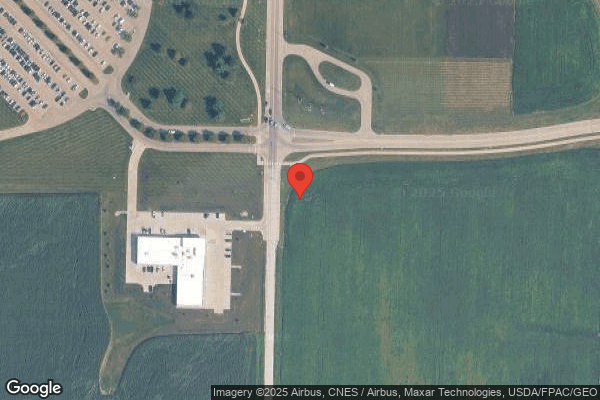
1307 SOUTH GEAR AVENUE, WEST BURLINGTON, IA 52655 (319) 768-1000
Non profit - Other 160 Beds Independent Data: November 2025 1 Immediate Jeopardy citation
Trust Grade
61/100
#229 of 392 in IA
Last Inspection: May 2025

Inspected within the last 6 months. Data reflects current conditions.

Overview

Southeast Iowa Regional Medical - Klein Center has a Trust Grade of C+, indicating it is slightly above average but not exceptional. It ranks #229 out of 392 nursing homes in Iowa, placing it in the bottom half, and #3 out of 3 in Des Moines County, meaning there are no better local options. The facility is experiencing a worsening trend, with issues increasing from 3 in 2024 to 6 in 2025. Staffing is a strong point, with a rating of 5 out of 5 stars and a turnover rate of only 23%, significantly lower than the state average. However, the facility has faced some concerning incidents, including a critical failure to prevent a resident with severe cognitive impairment from exiting the building unsupervised, and issues with food temperature and dietary compliance that could affect residents' health. While the staffing and quality measures are relatively good, the recent increase in deficiencies and specific incidents raises some valid concerns for families considering this nursing home.

Trust Score
C+
61/100
In Iowa
#229/392
Bottom 42%
Safety Record
High Risk
Review needed
Inspections
Getting Worse
3 → 6 violations
Staff Stability
✓ Good
23% annual turnover. Excellent stability, 25 points below Iowa's 48% average. Staff who stay learn residents' needs.
Penalties
✓ Good
$8,021 in fines. Lower than most Iowa facilities. Relatively clean record.
Skilled Nurses
✓ Good
Each resident gets 78 minutes of Registered Nurse (RN) attention daily — more than 97% of Iowa nursing homes. RNs are the most trained staff who catch health problems before they become serious.
Violations
⚠ Watch
12 deficiencies on record. Higher than average. Multiple issues found across inspections.
★★★☆☆
3.0
Overall Rating
★★★★★
5.0
Staff Levels
★★★★☆
4.0
Care Quality
★★☆☆☆
2.0
Inspection Score
Stable
2024: 3 issues
2025: 6 issues

The Good

  • 5-Star Staffing Rating · Excellent nurse staffing levels
  • 4-Star Quality Measures · Strong clinical quality outcomes
  • Low Staff Turnover (23%) · Staff stability means consistent care
  • Full Sprinkler Coverage · Fire safety systems throughout facility
  • No fines on record
  • Staff turnover is low (23%)

    25 points below Iowa average of 48%

Facility shows strength in staffing levels, quality measures, staff retention, fire safety.

The Bad

3-Star Overall Rating

Near Iowa average (3.1)

Meets federal standards, typical of most facilities

Federal Fines: $8,021

Below median ($33,413)

Minor penalties assessed

The Ugly 12 deficiencies on record

1 life-threatening
Jun 2025 1 deficiency
CONCERN (D) 📢 Someone Reported This

A family member, employee, or ombudsman was alarmed enough to file a formal complaint

Potential for Harm - no one hurt, but risky conditions existed

Accident Prevention (Tag F0689)

Could have caused harm · This affected 1 resident

Based on observation,staff interview, and clinical record review, the facility failed to ensure adequate supervision to ensure a resident remained free from elopement for one of three residents review...

Read full inspector narrative →
Based on observation,staff interview, and clinical record review, the facility failed to ensure adequate supervision to ensure a resident remained free from elopement for one of three residents reviewed for supervision/elopement (Resident #1). The resident exited the facility without the knowledge of facility staff on 5/25/25 when the resident left the area where they resided, walked through an unoccupied area of the facility, and exited to outside of the facility. The resident walked around the facility, was seen outside by staff through a window, and was brought back into the facility by staff. The facility reported a census of 115 residents. Findings include: Review of the Minimum Data Set (MDS) assessment for Resident #1 dated 4/23/25 revealed the resident scored 3 out of 15 on a Brief Interview for Mental Status (BIMS) exam, which indicated severely impaired cognition. Per this assessment, wandering occurred 1-3 days. Review of Resident #1's Care Plan revealed the following dated 11/8/24: LTC elopement risk IPOC. Review of the Investigation Report for Resident #1 dated 5/25/25 at 08:15 revealed the following event description: At the beginning of the shift, approximately 0715 the cna (certified nursing assistant) entered the Resident's room. He was seen to be resting in his bed. At approximately 8:15 am the [Area Name Redacted] Nurse alerted the [Area Name Redacted] staff that she had just seen the Resident outside walking on the sidewalk. On [Area Name Redacted] one cna ran to the south door, the nurse ran to the east door. The nurse saw him walking right outside the door. The nurse opened the door and stated, [Resident #1], would you like to come back in now? Nurse held resident's hand to help him back in the building. Hands warm to touch, vital signs within normal limits, no complaints of pain. The Investigative Notes section of the Investigation Report documented, in part, the following: .It is believed that [Resident #1] followed a new dietary worker out the door while staff was preparing to serve breakfast. The Incident Report further revealed the event could likely have been prevented, and further revealed staff education occurred to check surroundings when entering and exiting the building. Review of the Incident Summary submitted 5/25/25 at 1:44 PM revealed, Resident [Resident #1] followed contracted dietary director employee, [Name Redacted], out of memory care, entered a non-occupied wing of [Facility Name Redacted] and exited the building. Resident was seen from interior of building by [Staff A] RN (Registered Nurse) and immediately redirected back into building by [Staff B] RN and into memory care without incident. No injuries. Staff A found entrance doors to unoccupied area alarming, fire exit door stairwell alarming, and exterior door alarming and all were reset. On 6/25/25 at 10:23 AM, Resident #1 observed at the breakfast bar in the area of facility where the resident resided. Resident #1 had a wander alert device bracelet present to the left wrist. On 6/25/25 at 10:32 AM, Staff E, Certified Nursing Assistant (CNA) explained some days the resident did wander, sometimes the resident would walk by the door and push on it, explained the resident was confused, said wanted to go home, and would ask about his truck. Staff E explained she could usually reassure the resident and he would calm down. On 6/25/25 at 11:00 AM, Staff A, RN explained, in part, the following: They looked out the window, and saw the resident outside the little courtyard gate. Staff A explained she alerted people on other unit on the neighborhood, staff went out the end of their hallway door, and Staff A went out the front door and around the building to make sure to catch the resident both ways. Staff A further explained staff opened the end door and brought the resident in. Staff A explained she walked down the hall to see how the resident could have gotten out and alarms were going off in the units that were not occupied, which was how it was determined got out that way. Staff A explained the resident's wander alert device was working. Staff A further explained the alarm was going off to the main doors of unoccupied area, and could hear it. When just past the elevators (in hall), Staff A explained she heard the first doors alarming which was why she continued to go that way. Per Staff A, there had been exit doors alarming. Staff A explained the resident came in without any argument or anything, had shoes, clothes, and hat on, sat down, had a cup of coffee, something to eat, and did not appear to be in distress. Per Staff A, [other nurse] had checked him over to make sure it didn't look like had fallen, and [Resident #1] looked fine. Staff A acknowledged she was the first person to see the resident, knocked on the door (to other unit in the neighborhood-neighborhood comprised of 2 units), explained staff could hear her through the glass, and Staff A said [Resident #1] is right there. Staff A explained she saw the resident on the other side of fence (noted to be beyond the courtyard). On 6/25/25 at 11:30 AM, Staff C, Certified Nursing Assistant (CNA) acknowledged she had worked the day the resident had gotten out of the building. On interview, Staff C was unsure when the resident got off the unit. Staff C explained she was down in another room, and when she walked back up, the nurse from the other side, [Staff A], was like Hey, is [Resident #1] over there? Staff C explained she responded he was down in his room, and Staff A said no, [Resident #1's] outside. Staff C explained Staff B, RN and herself went down different hallways. Staff C queried if when Staff A said resident outside, if she (Staff C) saw him (Resident #1)? Staff C confirmed, and explained resident was walking in front of the courtyard. When queried if the resident was inside or outside of the gates, Staff C responded outside the gates. Staff C explained Staff B grabbed the resident's hand and brought him back in. On 6/25/25 at 11:55 AM, the General Manager for Food Service and Nutrition (contracted employee) explained he had worked the day the resident got out, and explained he had gone into that neighborhood, did rounds, and when left punched the code, opened the door, and did remember someone kind of in that area. The General Manager for Food Service and Nutrition explained he left, didn't look back, and then got a text from a teammate asking if there was someone by the door when he left because there was an elopement. Per the General Manager for Food Service and Nutrition, he came back in and had talked to the nurse. When queried if he could identify the resident in the area if he saw them, the General Manager for Food Service and Nutrition explained it just wasn't what he was looking for, and further explained he just assumed someone had followed him, and because it had happened around that time. On 6/25/25 at 12:08 PM, Staff D, CNA, confirmed she had worked the day the resident exited the building. Per Staff D, she came in to facility and had shift change. Staff D explained she went and grabbed [Resident #1's] laundry, checked on other residents, and brought [Resident #1's] clothes to the laundry room so had clean clothes. Per Staff D, she came back out and waited a little but until turned 7 (AM) when start getting everyone up. Per Staff D, when she looked for the resident's laundry and checked on rooms the resident was there in bed, was awake, and was working on getting dressed. Per Staff D, she came back out, started the resident's laundry, and brought someone out. Staff D explained whoever staff was (on other neighborhood unit) said she found [Resident #1]. When queried if she ever saw [Resident #1] outside, Staff D denied. Staff D was unaware of how long the resident might have been out, was queried if she heard alarms going off during the time, and responded not that she remembered. On 6/25/25 at 1:00 PM, the facility Administrator explained she was alerted of the situation via [facility messaging system] from the Director of Nursing (DON). When queried as to her perspective on why the event had occurred, the Administrator responded when the contracted dietary staff left the resident followed him out the door, and she was not sure if the contracted dietary staff didn't know Resident #1 was a resident, or didn't realize the resident was behind him. The facility's Administrator explained the resident had multiple elopements from other settings prior to being at the facility and did a lot of wandering, which was why the resident lived in memory care. On 6/25/25 at 1:38 PM, Staff B, RN explained the following about the event: Staff B was alerted from a nurse over on the other side that the resident had gotten out. Staff B explained she went one direction, Staff C went another direction, and Staff D stayed to watch the other residents. Staff B explained she was the one who opened the exit door because could see resident walk by. Staff B explained she said, Hey [Resident #1], grabbed the resident's hand, and said, Why don't we come back in? Staff B explained when grabbed the resident's hand was still warm, and resident not out that long because cold out there. Staff B explained when staff were all talking, Staff D said went in there and got resident's laundry at 7/7:15 right after had done report. Staff B further explained she remembered someone had come to the area of the facility where Staff B worked (memory care), and Staff B had not recognized their voice. Per Staff B, she usually knew who came in and out, and she heard a voice in the kitchen. Staff B explained this was uncommon, and she had gone and talked to the dietary staff member about it to see if he knew anything about it. Staff B explained the dietary staff member said that was [a contracted dietary person]. Staff B reported the contracted dietary staff member told her the resident had followed him out. When queried if the resident wandered prior to this incident, Staff B explained the resident did so, and resident would take all the things out of his room and stack them up in front of the door. Per Staff B, facility had gotten resident in a much better place and much better mood. Review of the Facility Policy titled Elopement-Long Term Care dated 1/25 provided the following definition of elopement: Occurrence where a resident leaves a secured area or the building alone unwitnessed by staff or without an authorized individual and meets the criteria for an EWPD (electronic wandering protection device).
May 2025 5 deficiencies
CONCERN (D) 📢 Someone Reported This

A family member, employee, or ombudsman was alarmed enough to file a formal complaint

Potential for Harm - no one hurt, but risky conditions existed

Free from Abuse/Neglect (Tag F0600)

Could have caused harm · This affected 1 resident

Based on clinical record review, policy review, and staff interview, the facility failed to ensure residents were free from verbal abuse for 3 of 4 residents reviewed for abuse (Resident ##63, Residen...

Read full inspector narrative →
Based on clinical record review, policy review, and staff interview, the facility failed to ensure residents were free from verbal abuse for 3 of 4 residents reviewed for abuse (Resident ##63, Resident #87, and Resident #126). The facility reported a census of 114 residents. Findings include: 1. The Minimum Data Set (MDS) assessment tool, dated 3/5/25, listed diagnoses for Resident #87 which included non-Alzheimer's dementia, anxiety disorder, and chronic kidney disease. The MDS listed her cognition as severely impaired. Review of the Care Plan, dated 9/9/24, revealed the resident had cognitive loss and directed staff to allow the resident time to process information and to adjust the tone of voice for her to hear. The facility policy [Facility name redacted] Abuse and Elder Rights Policy and Procedure, revised 7/2021, stated the facility would ensure residents were free from verbal abuse. The facility defined verbal abuse to include oral language that included disparaging and derogatory terms to elders. 2. The MDS assessment tool, dated 3/27/25, listed diagnoses for Resident #126 which included non-traumatic brain dysfunction, irritability and anger, and hypertension (high blood pressure). The MDS listed his Brief Interview for Mental Status (BIMS) score as 3 out of 15, indicating severely impaired cognition. Review of the Care Plan, dated 3/21/25, revealed the resident had behavioral symptoms and directed staff to provide care with a smile, gentle touch, and reassurance. 3. The MDS assessment tool, dated 3/26/25, listed diagnoses for Resident #63 which included non-Alzheimer's dementia, injury of the right shoulder and upper arm, and hypertension. The MDS listed her cognition as severely impaired. Review of the Care Plan, dated 7/15/24, listed psychosocial well-being as a care area and directed staff to provide reassurance and emotional support. An undated staff statement, written by Staff D Certified Nursing Assistant (CNA) stated Resident #126 was concerned about another resident falling. The statement documented Staff F was confronting the resident (#126) and told him not to worry about (the other resident) and to sit your f**** a*** down. Staff D stated Staff F called Resident #126 a b**** and not to worry because she knew how to do her f*** job. She then told the resident to sit the f*** down. During an interview on 4/29/25 at 2:53 p.m. via phone, Staff D, CNA stated Staff F called Resident #87 a b****. She stated she called her this many times. Staff D stated she did not report this until later when there was a situation with Resident #126. Staff D stated Staff F was very vulgar to the residents. She stated she told Resident #126 to shut the f*** up and sit down. She stated Staff F had a filthy mouth She stated she did not report the situation with Staff D until later because she had to work with Staff F regularly. During an interview on 4/29/25 at 4:03 p.m., Staff E, Housekeeper stated Staff F came unhinged and stormed over to the living room. She stated she told a resident to mind his own f***** business and yelled loudly. Staff E stated she was not sure which resident staff F said this too but it was either Resident #125 or Resident #126. She stated this occurred on a Monday and she reported it to the Director of Nursing(DON) immediately after this happened. During an interview on 5/1/25 at 8:33 a.m., the Director of Nursing stated staff should treat residents with respect and dignity and give them the best care they could provide.
CONCERN (D) 📢 Someone Reported This

A family member, employee, or ombudsman was alarmed enough to file a formal complaint

Potential for Harm - no one hurt, but risky conditions existed

Report Alleged Abuse (Tag F0609)

Could have caused harm · This affected 1 resident

Based on clinical record review, policy review, and staff interview, the facility failed to ensure staff reported 3 of 4 incidents of potential verbal abuse to administrative staff in a timely manner ...

Read full inspector narrative →
Based on clinical record review, policy review, and staff interview, the facility failed to ensure staff reported 3 of 4 incidents of potential verbal abuse to administrative staff in a timely manner (Resident #63, Resident #87 and Resident #126). The facility reported a census of 114 residents. Findings include: 1. The Minimum Data Set (MDS) assessment tool, dated 3/5/25, listed diagnoses for Resident #87 which included non-Alzheimer's dementia, anxiety disorder, and chronic kidney disease. The MDS listed her cognition as severely impaired. Review of the Care Plan, dated 9/9/24, revealed the resident had cognitive loss and directed staff to allow the resident time to process information and to adjust the tone of voice for her to hear. 2. The MDS assessment tool, dated 3/27/25, listed diagnoses for Resident #126 which included non-traumatic brain dysfunction, irritability and anger, and hypertension (high blood pressure). The MDS listed his Brief Interview for Mental Status (BIMS) score as 3 out of 15, indicating severely impaired cognition. Review of the Care Plan, dated 3/21/25, revealed the resident had behavioral symptoms and directed staff to provide care with a smile, gentle touch, and reassurance. 3. The MDS assessment tool, dated 3/26/25, listed diagnoses for Resident #63 which included non-Alzheimer's dementia, injury of the right shoulder and upper arm, and hypertension. The MDS listed her cognition as severely impaired. Review of the Care Plan, dated 7/15/24, listed psychosocial well-being as a care area and directed staff to provide reassurance and emotional support. An undated staff statement, written by Staff D Certified Nursing Assistant (CNA) stated Resident #126 was concerned about another resident falling. Staff F, CNA was confronting the resident (#126) and told him not to worry about the other resident and to sit your f**** a*** down. Staff D stated Staff F called Resident #126 a b**** and not to worry because she knew how to do her f*** job. She then told the resident to sit the f*** down. During an interview on 4/29/25 at 2:53 p.m. via phone, Staff D, CNA stated Staff F, CNA called Resident #87 a b****. She stated she called her this many times. Staff D stated she did not report this until later when there was a situation with Resident #126. Staff D stated Staff F was very vulgar to the residents. She stated she told Resident #126 to shut the f*** up and sit down. She stated Staff F had a filthy mouth. Staff D stated about a week prior to the situation with Resident #126, Staff F gave a shower to Resident #63 and the resident stated the water was too hot and Staff F told her she would be quick about it and to shut the f*** up it was not too hot for her. Staff D stated the resident was crying after the shower and sat in her chair and asked why that girl was mean to her. Staff D stated she thought Staff F did not want the resident to go down for lunch because of what happened in the shower. She stated she did not report the incidents with Residents #87 and #63 until later because she had to work with Staff F regularly. During an interview on 4/30/25 at 10:00 a.m., Staff G, Certified Nursing Assistant (CNA) stated Staff F, CNA was kind of aggressive. She stated she called Resident #87 a b***** more than once and this started a couple of months ago. She stated she did not report this but stated she should have. On 5/1/25 at 8:33 a.m., the DON stated staff should treat residents with respect and dignity and give them the best care they could provide. She stated if staff witnessed resident mistreatment, they should remove the staff member. She stated staff should notify management and they would investigate the situation. She stated the facility had 24-48 hours to report the allegation to the State Agency. She stated she believed the situation with Resident #126 occurred on 4/1/25. She stated Staff F worked on 4/3/25. The DON stated she was not aware of any behaviors prior to this. She stated if staff was aware of a staff member calling a resident a name, they should have reported this to her. Review of the facility policy titled [Facility name redacted] Abuse and Elder Rights Policy and Procedure revised 7/2021, revealed a Purpose statement which declared To outline the procedure to proactively seek to keep elders free from abuse and conduct an investigation in the event of suspected abuse. The Procedure section directed staff to, in part: d. Identification: Staff is given information on how and whom to report concerns, such as suspicious bruising, occurrences, patterns, and trends that may constitute abuse, without the fear of reprisal. Any situations identified for potential problems are referred to the Administrator for preventative action.
CONCERN (D) 📢 Someone Reported This

A family member, employee, or ombudsman was alarmed enough to file a formal complaint

Potential for Harm - no one hurt, but risky conditions existed

Investigate Abuse (Tag F0610)

Could have caused harm · This affected 1 resident

Based on clinical record review, policy review, and staff interview, the facility failed to separate residents from an alleged perpetrator of abuse in a timely manner. The facility reported a census o...

Read full inspector narrative →
Based on clinical record review, policy review, and staff interview, the facility failed to separate residents from an alleged perpetrator of abuse in a timely manner. The facility reported a census of 114 residents. Findings include: Review of a Facility Reported Incident, dated 4/4/25 revealed on 4/3/25 the facility Director of Nursing submitted an allegation of potential abuse. Per the report A complaint was made to the DON [name redacted] on 4/1/25 by [name redacted, Staff E, Housekeeping] that CNA [name redacted, Staff F, Certified Nursing Assistant (CNA)] was speaking loudly and disrespectfully to resident [name redacted, Resident #126] while out in the memory care common area. On 4/3/25, [name redacted, RN manager (Registered Nurse) was notified of this complaint to further investigate with other CNAs and nurses that may have been present that day. Upon investigation, a second CNA working with [name redacted, Staff F, CNA] was interviewed, [name redacted, Staff D, CNA]. [Name redacted, Staff D, CNA] stated that [name redacted, Staff F} was very loudly telling resident [name redacted, Resident #126] that she knew how to do her f***** job. [Name redacted, Staff D] asked [name redacted, Staff F] to stop talking to the resident like that. In further interview DON [name redacted] and RN manager [name redacted] learned that [name redacted Staff D, CNA] had witnessed [name redacted, Staff F, CNA] showering a different resident [name redacted, Resident #63] and the resident voiced that the water was too hot (unknown date of occurrence). [Name redacted, Staff F, CNA} stated that it wasn't and continued to give the resident a shower . Review of the Facility Reported Incident further revealed, in part: Corrective Action Description: Immediately notified Administrator [name redacted] and [name redacted]. Action plan is place for meeting with [name redacted, Staff F, CNA] on 4/4/25 at 10:00 AM . On 5/1/25 at 8:33 a.m., the DON stated staff should treat residents with respect and dignity and give them the best care they could provide. She stated if staff witnessed resident mistreatment, they should remove the staff member. She stated staff should notify management and they would investigate the situation. She stated the facility had 24-48 hours to report the allegation to the State Agency. She stated she believed the situation with Resident #126 occurred on 4/1/25. She stated Staff F worked on 4/3/25. The DON stated she was not aware of any behaviors prior to this. She stated if staff was aware of a staff member calling a resident a name, they should have reported this to her. Review of the facility policy titled [Facility name redacted] Abuse and Elder Rights Policy and Procedure revised 7/2021, revealed a Purpose statement which declared To outline the procedure to proactively seek to keep elders free from abuse and conduct an investigation in the event of suspected abuse. The Procedure section directed staff to, in part: e. Protection: The facility will take the necessary precautions and remove caregivers or others from elders until the investigation is complete. Staff are to intervene if they witness abuse and move the elder to a safe place or remove the alleged abuser.
CONCERN (D) 📢 Someone Reported This

A family member, employee, or ombudsman was alarmed enough to file a formal complaint

Potential for Harm - no one hurt, but risky conditions existed

Deficiency F0804 (Tag F0804)

Could have caused harm · This affected 1 resident

**NOTE- TERMS IN BRACKETS HAVE BEEN EDITED TO PROTECT CONFIDENTIALITY** 3. The MDS assessment tool, dated 4/9/25, listed diagnoses for Resident #3 which included hypertension(high blood pressure), obe...

Read full inspector narrative →
**NOTE- TERMS IN BRACKETS HAVE BEEN EDITED TO PROTECT CONFIDENTIALITY** 3. The MDS assessment tool, dated 4/9/25, listed diagnoses for Resident #3 which included hypertension(high blood pressure), obesity, and diabetes. The MDS listed his BIMS score as 15 out of 15, indicating intact cognition. During an interview on 4/29/25 at 10:07 AM., Resident #3 stated the food was cold and gave the example of cold scrambled eggs. The resident stated he was discouraged with the food at the facility. Based on observation, resident interview and staff interview the facility failed to ensure adequate food temperature for prevention of bacterial pathogen growth. The facility reported a census of 116 residents. Findings included: 1. The Minimum Data Set, dated [DATE] identified Resident #52 with Brief Interview for Mental Status score of 15 out of 15 indicated intact cognition. During an interview on 04/28/25 at 03:16 PM Staff #52 relayed food is often cold, at least every other day , fries are always cold. Staff #52 relayed the food has to travel a distance before served. 2. The Minimum Data Set, dated [DATE] identified Resident #113 with Brief Interview for Mental Status score of 15 out of 15 indicated intact cognition. During an interview on 04/28/25 at 04:18 PM, Resident #113 relayed food has not always been hot, portions can be small, not enough left for seconds and had spaghetti and meatballs recently that was not even warm. During a continuous observation of meal service on 4/29/25 starting at 12:04 PM to 12:40 PM revealed Dietary Worker, Staff C obtained temperature of food with food thermometer measured in Fahrenheit (F) before and after food served, observation of food temps outside of United States Department of Agriculture guidelines included: a. Initial temperature of ground meat/bean mixture 133 degrees, end of service 84 degrees. b. Initial hamburger patties temped at 131 degrees, all three were served During an interview on 5/1/25 at 10:03 AM with Kitchen Manager, Staff A relayed dietary staff should alert the kitchen manager for options if temperatures are above 40 degrees for cold and below 135 degrees for food on the steam table. During an interview on 05/01/25 at 10:05 AM, with Dietician, Staff H acknowledged food temperature concerns and relayed felt education was needed. During an interview on 05/01/25 at 12:13 PM, with the contracted company, General Manager, Staff G Relayed retention of staff had been difficult, continuation of staff education was necessary.
CONCERN (E)

Potential for Harm - no one hurt, but risky conditions existed

Menu Adequacy (Tag F0803)

Could have caused harm · This affected multiple residents

Based on observation, policy review and staff interview, the facility failed to follow the menu, and provide pureed portions per dietician recommendations. The facility reported a census of 116 reside...

Read full inspector narrative →
Based on observation, policy review and staff interview, the facility failed to follow the menu, and provide pureed portions per dietician recommendations. The facility reported a census of 116 residents. Findings include: Review of the menu, signed on 3/7/25, by the facility Registered Dietician directed staff prepare and serve the following menu items for the noon meal on 4/29/25: a. Taco casserole prepared for residents on a puree diet. The RD directed a serving two (2) #8 scoops or 7.5 ounces of casserole; and 4 ounces of Spanish, rice apple sauce, and churro stick. b. Fresh grapes served to residents on a regular diet. During an observation of the pureed food preparation for four residents on 4/29/25 at 10:00 AM revealed the following put into a Robo-coup machine by Staff B, Kitchen Chef: a. 6 cups of lettuce, 1-1/2 cups per resident b. 6 cups of meat and beans mixture, 1-1/2 cups per resident c. 4 ounces of salsa, 1 ounce per resident d. 4 ounces of cheese, 1 ounce per resident During the observation, Staff B, Kitchen Chef pureed the food in the machine, added splash of tomato juice, measured the pureed contents which totaled 2-1/4 cups. Staff B looked at the conversion chart and relayed each of the four residents should receive a #8 gray scoop, which equaled 4 ounces. Staff B, then poured a box of rice (in form of an instant powder) into a bowl and added hot water. Staff B did not measure the powered rice or the hot water. After queried on the portion size, Staff B then viewed the instructions on the box that read ¾ cup per serving and mixed 4 servings per instructions. During a continuous observation of meal service on 4/29/25 at 12:17 PM to 12:48 PM, Staff C, Dietary staff prepared resident plates, which resulted in: a. Staff C used a teal scoop (6 ounces) for the rice, and used the green scoop (2-2/3 ounces) for the pureed taco mixture. b. Staff C did not serve fresh grapes for residents on a general diet. After the meal service observation ended at 12:28 PM, Staff C stated the scoop color guide on the wall indicated the scoop sizes to use. Staff C acknowledged she had used a teal scoop (6 ounces) for the rice and used a green scoop (2-2/3 ounces) for the taco meat mixture. Staff C stated she believed the green scoop was the same size as the teal scoop. During an interview on 5/1/25 at 8:45 AM, the Kitchen Manager stated grapes should have been served, and did not know why that did not occur. The Kitchen Manager stated a poster hung in the Galley kitchen that directed scoop sizes was not correct. He stated he is not sure who put up the poster and it should not have been followed, and he would remove it. Staff A stated dietary staff meet for a huddle before meal service when the menu is reviewed and expectation of scoop size is also discussed. He stated the huddle did not occur on 4/29/25, During an interview 05/01/25 at 9:40 AM, the Dietician stated she approved menus and provided some education. The Dietician stated a taco casserole was on the menu, not a taco salad as was prepared for the 4/29/25 noon meal. The Dietician stated the menu was not followed and the scoop sizes used was a concern.
Nov 2024 1 deficiency 1 IJ
CRITICAL (J) 📢 Someone Reported This

A family member, employee, or ombudsman was alarmed enough to file a formal complaint

Immediate Jeopardy (IJ) - the most serious Medicare violation

Accident Prevention (Tag F0689)

Someone could have died · This affected 1 resident

**NOTE- TERMS IN BRACKETS HAVE BEEN EDITED TO PROTECT CONFIDENTIALITY** Based on observation, clinical record review, facility incident and investigation reports, and staff interviews, the facility fa...

Read full inspector narrative →
**NOTE- TERMS IN BRACKETS HAVE BEEN EDITED TO PROTECT CONFIDENTIALITY** Based on observation, clinical record review, facility incident and investigation reports, and staff interviews, the facility failed to ensure a resident with a severe cognitive impairment did not exit the facility without staff knowledge. On 7/26/24, Resident #1 left a group while walking from an activity area to the memory care unit unbeknownst to the staff supervising. Resident #1 walked through the front lobby and exited out an unlocked, unalarmed door to an unsecured courtyard area. The resident walked on the sidewalk to the area between the B and C wings of the building, a location approximately 100 yards from a large pond. A staff member saw the resident from a window, and went outside to assist her back to the building. Resident #1 estimated to be outside, unsupervised for approximately ten minutes for 1 of 1 resident reviewed for elopement (Resident #1). This deficient practice resulted in an Immediate Jeopardy (IJ) to the health and safety of residents who resided at the facility. The State Agency informed the facility of IJ that began as of July 26, 2024 on November 7, 2024 at 2:38 PM. The Facility Staff removed the Immediate Jeopardy on November 13, 2024 through the following actions: a. Exit door where Resident #1 exited is now locked at all times and requires keypad access for egress. Completed on November 8, 2024 by [business name redacted]. b. Memory Care residents have been escorted and supervised by designated employee(s) for all programming outside of the memory care since July 29, 2024 implemented by Administrator. c. All residents of [NAME] Center have been evaluated for elopement risk. Completed November 8, 2024 by unit RN managers under the supervision of the Director of Nursing. d. Residents identified to be at risk for elopement living in a non-secured unit have had an electronic wandering protection device placed and care plans have been updated. Completed November 8, 2024 by unit RN managers under the supervision of the Director of Nursing. e. Residents identified to be at risk for elopement living in a secured unit will have an electronic wandering protection device placed no later than Thursday November 14, 2024 by unit RN manager under the supervision of the Director of Nursing. Care plans were updated on November 8, 2024 by unit manager under the supervision of the Director of Nursing to reflect other interventions initiated. f. Elopement Prevention policy has been developed and approved on November 8, 2024 by the Administrator. g. All staff scheduled today (11/8/24) have been educated on new Elopement Prevention policy, and all other staff will be educated at start of their next scheduled shift. First shift staff education has been completed by unit RN Managers under the supervision of the Director of Nursing; second and third shift staff will be completed at start of shift today (November 8, 2024) by Unit RN managers and RN evening supervisor under the supervision of the Director of Nursing; and all other staff not scheduled today will be completed at start of their next scheduled shift by [NAME] Center staffing specialist, unit RN managers, or evening RN supervisors under the supervision of the Director of Nursing and the Administrator. All staff are required to complete the education prior to starting their next shift effective immediately (11/8/24). The majority of staff education will be completed by 11/11/24. Any remaining staff or PRN staff who have not worked by 11/11/24, will be trained prior to working their first scheduled shift. h. Additional electronic wandering protection devices were ordered through RF Technologies on November 8, 2024, and RF technologies has confirmed delivery for Thursday November 14, 2024. i. Plans in place: 1. Daily checks of resident electronic wandering protection devices to ensure that they are in place and operational are already being completed by nursing staff as of 11/8/2024. Additional residents who receive wandering protection devices will be added to the daily checks as the devices are placed. 2. Weekly door checks - to be completed weekly starting week of November 11, 2024. 3. Elopement drills - to be completed weekly beginning week of 11/11/2024. The Quality Assurance and P Performance Improvement committee will evaluate results and may adjust cadence as appropriate. The scope lowered from a J' to D at the time of the survey after ensuring the facility implemented education and their policy and procedures. The facility reported census was 106. Findings include: The Minimum Data Set (MDS), dated [DATE], revealed Resident #1 scored 7 out of 17 on the had a Brief Interview for Mental Status, indicating a severe cognitive impairment. The MDS identified Resident #1 independent with mobility with the use of a walker, requiring supervision with ambulating more than 50 feet with two turns. The MDS listed diagnoses included non-Alzheimer's dementia, diabetes mellitus, and renal insufficiency. An Elopement Risk tool, dated 6/13/24, identified Resident #1 with a total score of 52. The screening tool indicated an Elopement Risk score of 59 or below indicates a low risk for elopement. The Care Plan included a Plan for LTC (Long Term Care) Falls IPOC (Interdisciplinary Plan of Care) initiated on 2/20/24, and LTC ADL (Activities of Daily Living)- Mobility IPOC. A review of the facility self-report to the State Agency on 7/26/24, Incident Summary revealed [name redacted] is a resident of the [NAME] Memory Care and was attending a group activity in the general common area. At the end of the activity, resident walked out main courtyard doors around south side of the building to the memory care gate. Corrective Action Description: Resident was seen by activity professional, escorted back in the gate to memory care with no further incident. The facility Patient Event: Safety Concern/Safety Event form, date of event 7/26/24 15:00 (3:00 p.m.) revealed, in part: a. Describe Event/Concern: This afternoon during activities in the [NAME] gathering hall, resident exited out of back entrance and started walking around building on the sidewalk. Staff spotted her out of east window and as was able to redirect elder back inside. To prevent this event from occurring again, a wander guard has been placed on her right wrist. b. Could this event have been prevented? Likely could have been prevented c. Describe how the event could have been prevented: Ensuring memory care residents memory care residents at risk for wandering and/or elopement are continuously supervised by trained memory care staff while activities outside of the secured memory care unit. The State Climatologist reported the following weather conditions in [NAME], Iowa on July 26, 2024 at approximately 3:00 p.m.: temperature of 81 degrees F (Fahrenheit), relative humidity 69%, heat index of 85 degrees F, winds out of the ESE (east south east) at 9 mph (miles per hour), with fair conditions and no rainfall reported. During an interview on 11/5/24 at 11:10 a.m. the Administrator stated she was leading an activity group on 7/26/24. Several residents attended, including Resident #1 and at the end of the activity, she was responsible for escorting the memory care residents back to their households. The Administrator stated she did not realize Resident #1 had left their group and veered back into the front lobby area. About ten minutes later Resident #1 was observed through a window, heading East, between the B and C buildings. Resident #1 was immediately escorted back in and found without injury. The Administrator stated there were only two exits Resident #1 could have possibly used to get outside. The front main entrance has two sliding glass doors with a motion detector and a receptionist at the front desk during day hours or a courtyard door at the opposite side of the front lobby which is an unlocked door leading to a courtyard and access to facility grounds. Both exits are unlocked, but have wander guard alarm monitors. The Administrator believed Resident #1 likely used the courtyard door, as it was less visible to the receptionist. During an interview on 11/5/24 at 10:15 a.m., the Activity Director (AD), stated on 7/26/24 there was a group activity in which 15 residents attended, including 5-6 from the memory care halls. The activity was conducted in the main gathering room at the front of the building. It was a Friday, so there was only the AD and the Administrator, who was also the presenter. At the end of the activity around 3:00 p.m., the 5-6 memory care residents exited the room at the southeast door with the Administrator and the others exited the southwest doors and walked towards their halls accompanied by the AD. The AD stated about ten minutes later, as she was walking to her office, she saw Resident #1 walking outside on the sidewalk, between B and C buildings. The AD stated she immediately went outside and escorted Resident #1 back into the building. The AD stated she was not certain what door Resident #1 exited from. During an interview on 11/5/24 at 11:40 a.m., Staff F, Receptionist, stated she was working the day Resident #1 eloped and was at the desk when the 3:00 p.m. activity ended. Staff F stated Resident #1 did not exit through the main entrance doors. During an interview on 11/5/24 at 11:45 a.m., Staff G, Unit Manager, stated she is the Unit Manager on the unit where Resident #1 had resided. Staff G stated Resident #1 was not an elopement risk and never exit seeked while on the unit. Resident #1 usually sat at the dining room table or in her recliner in the living room area. She did not wander or attempt to push doors open. Staff G stated because of her low risk, she was allowed to attend activities off the unit. Residents with high risk for elopement do not attend activities off the unit. Staff G stated instead they have a Recreational Therapist that works with residents and activities on the unit. During an observation on 11/5/24 at 2:00 PM, the facility noted to have an unlocked sliding door facing south at the front entrance. The door is equipped with a motion detector. A receptionist desk, occupied by the receptionist, immediately inside the door and then the lobby area. On the opposite side of the lobby, to the north, is a door to the courtyard. The door found to be unlocked, with a push bar mechanism in place to open. Both the front door and the courtyard doors noted to have a wander guard monitor in place. The courtyard door is not clearly visible from the receptionist desk. Upon walking into the courtyard, there are various concrete sidewalk paths and then a single path that leads around the building. The courtyard area is not secured or the area defined by a fence. North of the courtyard is a grassy area that is well groomed, and leads to a large pond approximately 100 yards away. Access to the pond is open, with no fence or obstruction to entry. Sidewalks lead both east and west around the building. Resident #1 had been discovered on the east side of the building walking on the sidewalk between the B and C wings of the building. During an interview on 11/11/24 at 11:12 a.m., Staff H, Registered Nurse, stated she was responsible for Care Plans and updates. Staff H stated Resident #1 was admitted on [DATE] and determined at risk for falls. Staff H stated Resident #1 had no history of elopement, wandering or exit seeking behavior.
Jun 2024 2 deficiencies
CONCERN (D)

Potential for Harm - no one hurt, but risky conditions existed

Deficiency F0658 (Tag F0658)

Could have caused harm · This affected 1 resident

**NOTE- TERMS IN BRACKETS HAVE BEEN EDITED TO PROTECT CONFIDENTIALITY** 2. The MDS, dated [DATE], revealed Resident #61 had a BIMS score of 10 out of 15, indicative of a moderate cognitive impairment....

Read full inspector narrative →
**NOTE- TERMS IN BRACKETS HAVE BEEN EDITED TO PROTECT CONFIDENTIALITY** 2. The MDS, dated [DATE], revealed Resident #61 had a BIMS score of 10 out of 15, indicative of a moderate cognitive impairment. Diagnoses included bilateral macular degeneration, depression, and anxiety disorder. Medications included an antiplatelet and antidepressant medication. The Care Plan, revised 05/16/24, lacked a focus area and interventions for Resident #61 to self-administer medications. The June 2024 MAR lacked documentation of Resident #61 self administration of medications. On 06/11/24 at 08:06 AM, Staff D, Licensed Practical Nurse (LPN), placed a medication cup that contained various pills and a bottle of eye drops in front of Resident #61. Medications left in front of Resident #61 as Staff D passed medications and drinks to other residents. At 08:27 AM, the medication cup, set in front of Resident #61, continued to contain various pills without direct staff supervision. On 06/13/24 at 08:00 AM, Staff E, Registered Nurse (RN) revealed many residents preferred to take their medications at dining room table after they eat. Staff E stated that neither facility policy or training instructed staff to leave medications with residents at dining room table but was resident preference. Staff E stated residents can refuse to take medications when given, but stated she appreciated the risk of leaving medications at the table. During an interview on 6/13/24 at 9:09 AM, the Interim DON (Director of Nursing) stated she would of expected the nurses to stay with the resident to make sure the medications were taken. She stated the nurse expected to stand by the resident while they take their pills. The Facility Medication Administration Policy dated 9/22 revealed the following information: a. General Considerations 1. Verify that the rights of medication administration have been followed. 2. Accurately record time administered on EHR (Electronic Health Record) medication administration record (MAR). When scheduled time must be changed, the medication is rescheduled, and the reason documented. 3. Self-administration of drugs is permitted only with a physician's order. An assessment will be completed within the EHR. b. Medications may be stored: 1. Elders may keep medications at bedside that have a physician's order and they had been evaluated to be safe in self-administration located in the assessment in the EHR. Based on observation, interview, record review, and the facility policy, the facility failed to ensure nursing staff watched and supervised residents take their medications after issuing in a medication cup for 2 of 7 residents (Resident #7, and Resident #61) reviewed. The failure resulted in a medication being left unattended in common areas within the facility, and a resident not taking her medicaiton for more then 20 minutes after adminstered. The facility reported a census of 101 residents. Findings include: 1. The Minimum Data Set (MDS) assessment, dated 4/17/24, revealed Resident #7 scored a 12 out of 15 on the Brief Interview for Mental Status (BIMS) exam, which indicated moderately impaired cognition. The MDS revealed diagnoses for non-traumatic brain dysfunction, unspecified dementia without behavioral disturbance, and depression. The MDS revealed resident took antianxiety, antidepressant, and opioid medications. The EMR (Electronic Medical Record) Medication Administration Record (MAR) revealed the following medications that were white pills administered on 6/12/24 at 8:21 AM: a. hydrocodone/acetaminophen 5 mg(milligrams)/325 mg- 1 tablet BID (twice daily) b. loratadine 10 mg- 1 tablet daily c. acetaminophen 500 mg- 1 tablet TID (three times a day) d. amiodarone 100 mg - 1 tablet daily e. buspirone 10 mg -1 tablet BID f. calcium-vitamin D (Calcium 600+D)- 1 tablet TID e. citalopram 40 mg -1 tablet daily g. potassium chloride 10 mEq (milliequivalents)-1 tablet daily During an observation 6/12/24 at 8:56 AM, Staff A, Dietary Aide told Staff C, CNA that he found a pill left on the table. Staff C then informed Staff B, RN (Registered Nurse) that Staff A found the pill left on the table and handed Staff B the medication cup with a white pill in it. Staff B then went down the hall towards Resident #7 room and when Staff B returned to the common area, she no longer had the medication cup in her hand. During an interview on 6/12/24 at 10:30 AM, Staff A stated he found a medication cup with a white pill on the table and he gave it to the nurse. Staff A asked if he had found pills on the table before this incident and he stated it happened once or twice before when he cleared off the table and he just told the nurse about it. During an interview on 6/12/24 at 11:05 AM, Staff B, RN stated normally Resident #7 took her pills when she handed them to her. Staff B asked how she knew the pill was Resident #7 and she stated Resident #7 was the only resident who sat at the table where the pill had been found. Staff B stated normally she would of thrown the pill away, but she felt frazzled. Staff B stated Resident #7 not always cognitive [cognitively aware] but she did always count her pills. Staff B asked what the resident's response was when she took her the pill and she stated Resident #7 said oh, and took it. Staff B confirmed the pill in the medication cup was white. During an interview on 6/12/24 at 12:58 PM, Staff B stated she couldn't identify the white pill because the pharmacy sent bags with the barcode and the pill description on them and she already threw them away. During an interview on 6/12/24 at 1:36 PM, Resident #7 stated she took her medications at the breakfast table this morning and one was left in the cup and they brought it to her this morning. She stated the nurse usually brought her medications to her room and left them on her table. She stated sometimes the nurse watched her take her pills and other times they didn't. She stated the nurses knew she took her pills. During an interview on 6/12/24 at 1:55 PM, Staff C, CNA stated Staff A was clearing off the dining room tables and found a medication cup with a pill left in it. Staff C stated Staff A told her about the pill and she took it and gave it to the nurse. Staff C asked if pills left in the medication cups on the table happened often and she stated every now and then and she didn't think the nurses should leave the medications on the table. Staff C queried if that practice happened often and she stated it depended on the nurse and if the resident cognitive [cognitively aware]. Staff C stated this incident happened with Resident #7 before and she didn't know if the resident didn't tip her cup all the up.
CONCERN (E)

Potential for Harm - no one hurt, but risky conditions existed

Deficiency F0804 (Tag F0804)

Could have caused harm · This affected multiple residents

**NOTE- TERMS IN BRACKETS HAVE BEEN EDITED TO PROTECT CONFIDENTIALITY** Based on observations, facility policy review, food temperatures, staff and resident interviews the facility failed to provide f...

Read full inspector narrative →
**NOTE- TERMS IN BRACKETS HAVE BEEN EDITED TO PROTECT CONFIDENTIALITY** Based on observations, facility policy review, food temperatures, staff and resident interviews the facility failed to provide food at a safe temperature in 2 of the 7 households (Heritage House, and Cobblestone House) reviewed, and palatable food at a preferred temperature for 1 of 2 residents (Resident #90) in the sample. The facility reported a census of 101 residents. Findings Include: On 6/10/2024 at 11:35 AM, Food Service/Dietary Manager stated all food items are temped when they come out of the ovens and all individual household kitchens check and log all of the meal items at the point of service. On 6/11/2024 at 12:20 PM, upon arrival on the unit the Food Service/Dietary Manager learned Staff A, dietary staff had started to plate the noon meal. When asked, Staff A stated he had not checked the food temperatures prior to serving the noon meal. Food service was temporarily halted by the Food Service Manager and all food temperatures were checked by the staff for the steam table and the cold service food. The chicken salad was temped three times resulting in a hold temperature of 46 degrees. The mechanical soft chicken temped at 127 degrees. Staff A stated he had not had time to add more water to the steam table. Staff A also stated the chicken salad was brought upstairs to me as a special order item. On 6/11/2024 at 1:10 PM The Food Service Manager stated he would implement additional training for staff. He also stated this was a learning experience for his workers and they would be following procedure. On 6/12/2024 at approximately 3:20 PM, Staff A stated hot food should be held at 135 degrees or higher on the steam table. Cold food should not be above 41 degrees. Staff A reported he should have taken the time to check and log the noon meal temperatures. On 6/12/23 at approximately 4:05 PM, the Administrator stated it is her expectation that all agency policies and procedures would be followed and residents would not be served any food that was not within normal temperature limits. 2. The Minimum Data Set (MDS) assessment dated [DATE] revealed Resident #90 scored a 15 out of 15 on the Brief Interview for Mental Status (BIMS) exam, which indicated intact cognition. The MDS revealed the resident ate independently. During an interview on 6/10/24 at 9:52 AM, Resident #90 stated the food tasted bad yesterday and the vegetable were overcooked. Resident #90 stated she ate in the dining room and a lot of times the food tasted cold and not hot. She stated a lot of times the potatoes were not fully cooked and if they had something like roast beef they couldn't chew it. Resident #90 stated she was not the only resident who felt this way about the food. During an observation on 6/11/24 at 12:45 PM, Resident #90 took a bite of her broccoli and made a face and turned her plate around so the chicken placed in front of her. Resident #90 finished the bite of broccoli but didn't take another bite. During an interview on 6/11/24 at 3:05 PM, Resident #90 stated the broccoli tasted overcooked and just mush. She stated she took one tiny bit and the broccoli tasted water soaked. She stated the chicken was okay, but a little dry. Resident #90 stated when they served chicken noodle soup, the soup was more liquid and not a good tasting broth and the soup only had a few noodles and a bite of chicken in it. She stated since the new company took over the food, the quality of the food had stayed the same and even though they said they tried to make it better. She stated they rarely offered fresh fruit like apples or oranges, and if served bananas they were placed on top of a bowl of pudding. Resident #90 stated she wanted fresh food in her diet. The facility policy titled SEIRMC-WB [NAME] Center Dietary Guidelines dated 7/2022, directed the following: 11. Hot-cooked foods will be held at temperatures above 140 degrees. Food temperatures will be monitored and recorded on logs. 12. Random testing of food temperatures will be done regularly, and logs maintained of all temperature. 16. Steam tables will keep food above 140 degrees and will be maintained in a safe, sanitary condition.
Mar 2023 3 deficiencies
CONCERN (D)

Potential for Harm - no one hurt, but risky conditions existed

Deficiency F0727 (Tag F0727)

Could have caused harm · This affected 1 resident

Based on review of staff time cards and staff interviews, the facility failed to designate a Registered Nurse (RN) to serve as the Director of Nursing (DON) on a full-time basis. The facility reported...

Read full inspector narrative →
Based on review of staff time cards and staff interviews, the facility failed to designate a Registered Nurse (RN) to serve as the Director of Nursing (DON) on a full-time basis. The facility reported a census of 87 residents. Findings: The DON's Timecard Report for the period of 2/1/23-2/17/23 listed 13 days worked from 8:00 a.m.- 4:30 p.m. The report indicated that for eight of those days, the DON worked at a sister facility. On 3/15/23 at 3:26 p.m. the DON reported that she worked at the facility three days per week and worked at a sister facility two days per week. She added that since November 2022, she worked three days per week at the facility. On 3/16/23 at 1:20 p.m. the Administrator explained the DON worked at the sister facility because they were in between full time DONs. She reported that they did not intend for this to be a permanent situation. During email correspondence on 3/16/23 at 1:23 p.m. the DON clarified that she had no additional policies.
CONCERN (D)

Potential for Harm - no one hurt, but risky conditions existed

Infection Control (Tag F0880)

Could have caused harm · This affected 1 resident

**NOTE- TERMS IN BRACKETS HAVE BEEN EDITED TO PROTECT CONFIDENTIALITY** 2. Resident #36's Minimum Data Set (MDS) assessment dated [DATE] included diagnosis of chronic obstructive pulmonary disease (lo...

Read full inspector narrative →
**NOTE- TERMS IN BRACKETS HAVE BEEN EDITED TO PROTECT CONFIDENTIALITY** 2. Resident #36's Minimum Data Set (MDS) assessment dated [DATE] included diagnosis of chronic obstructive pulmonary disease (long-term lung disease that makes breathing difficult), chronic kidney disease stage 4 (poor kidney function), and anxiety disorder. The MDS indicated that Resident #36 required extensive assistance from one person for bed mobility, transfers, and personal hygiene. The MDS identified a Brief Interview Interview for Mental Status (BIMS) score as 9 out of 15, indicating moderately impaired cognition. A wound care provider note, dated 2/21/23, revealed the resident had a stage 3 pressure injury on the left buttock. The electronic health record (EHR) revealed a physician order directing staff to apply Prisma (wound dressing used to promote healing) and mupirocin (antibiotic cream) to the wound bed every Monday, Wednesday, and Friday. On 3/15/23 at 9:04 AM observed Staff A, Registered Nurse (RN), complete wound care for Resident #36. Staff A had placed down a barrier and set supplies on the bathroom sink area prior to the observation. - 9:05 AM, without completing hand hygiene, Staff A opened the foam dressing, and cut it to size. - 9:06 AM, without completing hand hygiene, Staff A donned (applied) gloves, and squeezed the mupirocin cream into a 1 ounce medication cup. Staff A then mixed lidocaine (pain medication) into the cream. - 9:08 AM, Staff A doffed (removed) their gloves, and without completing hand hygiene, pulled two gloves out of his right scrub top pocket and put on the gloves. Staff A then proceeded to open the Prisma dressing and cut it to size. - 9:09 AM, Staff A assisted Resident #36 to stand with the use of a sit to stand device, and removed the previous dressing. Staff A, without completing hand hygiene or changing his gloves, applied wound cleanser to the wound bed and cleaned the area. - 9:10 AM, Staff A doffed the gloves, and without completing hand hygiene, pulled another set of two gloves from his right scrub top pocket. Staff A then put on the gloves. - 9:11 AM, Staff A used a swab to apply the mupirocin/lidocaine cream on the wound bed. Staff A doffed the gloves then applied new gloves from his scrub shirt, without completing hand hygiene. Staff A then applied the dressing. - 9:13 AM, Staff A assisted Resident #36 in getting dressed, and then removed his gloves. Staff A, without completing hand hygiene, cleaned up the area, and packaged up all the supplies. - 9:14 AM, without completing hand hygiene, Staff A took Resident #36's chair to the scale to zero out the weight of the chair prior to weighing them. - 9:15 AM, Staff A pushed Resident #36 in her wheelchair to the scale, and then wheeled her to a seat in the dining area. - 9:16 AM, Staff A used alcohol based hand rub. On 3/15/23 at 2:10 PM, Staff A explained that when doing wound care with Resident #36, the process needs to go quickly as she can be impatient and become verbally upset. Staff A stated he always carries gloves in his pocket as his hands become irritated with the gloves in the box. Staff A stated he does not carry or use alcohol based rub between glove changes, but probably should have. On 3/16/23 at 1:12 PM the DON stated that she expected the staff to wash their hands upon entering the residents room to complete wound care and apply new gloves. The staff should remove the old dressing, remove their gloves, complete hand hygiene, and apply new gloves prior to cleansing the wound. The DON added that she expected the staff to take off their gloves, complete hand hygiene, and apply new gloves prior to applying the dressing. The DON reported that after the staff have completed the wound care they remove their gloves and perform hand hygiene prior to leaving the residents room. The facility policy, dated June 2022, titled Hand Hygiene Guidelines, directed the staff with the following: - Hand hygiene should be frequently performed by all personnel, especially between patient contact, and following glove removal. - Appropriate times to perform hand hygiene with alcohol-based hand rub or soap and water: - Before and after touching the resident or having contact with the residents skin - After contact with body fluids or secretions, mucous membranes, non intact skin or wound dressings. Based on observation, clinical record review, policy review, and staff interview, the facility failed to carry out adequate infection control practices for 1 of 6 residents observed during the medication pass(Resident #30), and failed to carry out adequate hand hygiene for 1 of 2 residents observed during a dressing change(Resident #36). The facility reported a census of 87 residents. Findings: 1. On 3/15/23 at 8:15 a.m. observed Staff B, Registered Nurse(RN), prepared the following medications for Resident #30 - acetaminophen (a non-narcotic pain medication) 325 mg (milligrams) 2 tablets - Certavite (a multivitamin) 0.4 mg 1 tab - Vitamin D 50 mcg (micrograms) 1 tab - liquid oxycodone 100 mg / 5 ml (milliliters) a dose of 0.25 ml. Staff B drew up the liquid oxycodone in a syringe and placed the tip of the syringe directly on the top of the medication cart without a barrier. Staff B then placed the other medication tablets on a napkin on the resident's table and touched the tablets with her bare hands as she indicated to the resident which pills to take. Staff B continued to touch the pills with her bare hands while the resident took her medications. Staff B then administered the oral oxycodone using the syringe. Resident #30's Minimum Data Set (MDS) assessment dated [DATE] included diagnoses of non-Alzheimer's dementia, chronic pain, and senile degeneration of the brain. The MDS identified a Brief Interview for Mental Status (BIMS) score as 9 out of 15, indicating moderately impaired cognition. The facility policy [Facility name redacted] Medication Administration, revised September 2022, directed the staff to utilize standard precautions and gloves while administering medications. On 3/16/23 at 1:08 p.m. the Director of Nursing (DON) said she expected the staff to avoid touching medications with their bare hands and stated the staff should utilize gloves or a spoon. She added that the staff should place an oral syringe on a barrier or in a pill crush sleeve.
CONCERN (E)

Potential for Harm - no one hurt, but risky conditions existed

Deficiency F0836 (Tag F0836)

Could have caused harm · This affected multiple residents

THE FOLLOWING DEFICIENCIES RELATE TO THE IOWA ADMINISTRATIVE CODE (IAC) CHAPTER 58. 58.12(135C) Admission, transfer, and discharge. 58.12(1) General admission policies. l. For all residents residing i...

Read full inspector narrative →
THE FOLLOWING DEFICIENCIES RELATE TO THE IOWA ADMINISTRATIVE CODE (IAC) CHAPTER 58. 58.12(135C) Admission, transfer, and discharge. 58.12(1) General admission policies. l. For all residents residing in a health care facility receiving reimbursement through the medical assistance program under Iowa Code chapter 249A on July 1, 2003, and all others subsequently admitted , the facility shall collect and report information regarding the resident's eligibility or potential eligibility for benefits through the Federal Department of Veterans Affairs as requested by the Iowa commission on Veterans Affairs. The facility shall collect and report the information on forms and by the procedures prescribed by the Iowa commissions on veterans affairs. Where appropriate, the facility may also report such information to the Iowa department of human services. In the event that a resident is unable to assist the facility in obtaining the information, the facility shall seek the requested information from the resident's family members or responsible party. For all new admissions, the facility shall collect and report the required information regarding the resident's eligibility or potential eligibility to the Iowa commission on veterans' affairs within 30 days of the resident's admission. For residents residing in the facility as of July 1, 2003, and prior to May 5, 2004, the facility shall collect and report the required information regarding the resident's eligibility or potential eligibility to the Iowa commission on veterans' affairs within 90 days after May 5, 2004. If a resident is eligible for benefits through the federal Department of Affairs or other third-party payor, the facility shall seek reimbursement from such benefits to the maximum extent available before seeking reimbursement from the medical assistance program established under Iowa Code chapter 249A. The provisions of this paragraph shall not apply to the admission of an individual as a resident to a state mental health institute for acute psychiatric care or to the admission of an individual to the Iowa Veterans Home. (II,III) Based on clinical record review and staff interviews, the facility failed to screen residents to determine a Veteran's eligibility for 47 of 47 Medicaid recipients at the facility. The facility reported a census of 87 residents. Findings Include: The facility lacked a list of current residents screened for Veterans Administration (VA) benefit eligibility. On 3/15/23 at 3:00PM, the Director of Nursing (DON) reported that the facility does not screen for VA eligibility. They did not screen for VA eligibility in the past and there were no concerns noted during previous annual recertification surveys. The facility is connected to the hospital which she believed may be the reason screens are not required. On 3/16/2023 at 8:45AM, the DON, the Administrator and the Social Services Director discussed VA benefit screenings. Forty seven Medicaid recipients resided at the facility on 3/16/23. Zero of 47 residents had been screened for VA eligibility. The Administrator believed that the facility did not have to screen residents for VA benefit eligibility.
Understanding Severity Codes (click to expand)
Life-Threatening (Immediate Jeopardy)
J - Isolated K - Pattern L - Widespread
Actual Harm
G - Isolated H - Pattern I - Widespread
Potential for Harm
D - Isolated E - Pattern F - Widespread
No Harm (Minor)
A - Isolated B - Pattern C - Widespread

Questions to Ask on Your Visit

  • "What changes have you made since the serious inspection findings?"
  • "Can I speak with families of current residents?"
  • "What's your RN coverage like on weekends and overnight?"

Our Honest Assessment

Strengths
  • • 23% annual turnover. Excellent stability, 25 points below Iowa's 48% average. Staff who stay learn residents' needs.
Concerns
  • • Multiple safety concerns identified: 1 life-threatening violation(s). Review inspection reports carefully.
  • • 12 deficiencies on record, including 1 critical (life-threatening) violation. These warrant careful review before choosing this facility.
Bottom line: Mixed indicators with Trust Score of 61/100. Visit in person and ask pointed questions.

About This Facility

What is Southeast Iowa Regional Medical - Klein Center's CMS Rating?

CMS assigns Southeast Iowa Regional Medical - Klein Center an overall rating of 3 out of 5 stars, which is considered average nationally. Within Iowa, this rating places the facility higher than 0% of the state's 100 nursing homes. This mid-range rating indicates the facility meets federal standards but may have areas for improvement.

How is Southeast Iowa Regional Medical - Klein Center Staffed?

CMS rates Southeast Iowa Regional Medical - Klein Center's staffing level at 5 out of 5 stars, which is much above average compared to other nursing homes. Staff turnover is 23%, compared to the Iowa average of 46%. This relatively stable workforce can support continuity of care.

What Have Inspectors Found at Southeast Iowa Regional Medical - Klein Center?

State health inspectors documented 12 deficiencies at Southeast Iowa Regional Medical - Klein Center during 2023 to 2025. These included: 1 Immediate Jeopardy (the most serious level, indicating potential for serious harm or death) and 11 with potential for harm. Immediate Jeopardy findings are rare and represent the most serious regulatory concerns. They require immediate corrective action.

Who Owns and Operates Southeast Iowa Regional Medical - Klein Center?

Southeast Iowa Regional Medical - Klein Center is owned by a non-profit organization. Non-profit facilities reinvest revenue into operations rather than distributing to shareholders. The facility operates independently rather than as part of a larger chain. With 160 certified beds and approximately 127 residents (about 79% occupancy), it is a mid-sized facility located in WEST BURLINGTON, Iowa.

How Does Southeast Iowa Regional Medical - Klein Center Compare to Other Iowa Nursing Homes?

Compared to the 100 nursing homes in Iowa, Southeast Iowa Regional Medical - Klein Center's overall rating (3 stars) is below the state average of 3.1, staff turnover (23%) is significantly lower than the state average of 46%, and health inspection rating (2 stars) is below the national benchmark.

What Should Families Ask When Visiting Southeast Iowa Regional Medical - Klein Center?

Based on this facility's data, families visiting should ask: "What changes have been made since the serious inspection findings, and how are you preventing similar issues?" "Can I visit during a mealtime to observe dining assistance and food quality?" "How do you handle medical emergencies, and what is your hospital transfer rate?" "Can I speak with family members of current residents about their experience?" These questions are particularly relevant given the facility's Immediate Jeopardy citations.

Is Southeast Iowa Regional Medical - Klein Center Safe?

Based on CMS inspection data, Southeast Iowa Regional Medical - Klein Center has documented safety concerns. Inspectors have issued 1 Immediate Jeopardy citation (the most serious violation level indicating risk of serious injury or death). The facility has a 3-star overall rating and ranks #100 of 100 nursing homes in Iowa. Families considering this facility should ask detailed questions about what corrective actions have been taken since these incidents.

Do Nurses at Southeast Iowa Regional Medical - Klein Center Stick Around?

Staff at Southeast Iowa Regional Medical - Klein Center tend to stick around. With a turnover rate of 23%, the facility is 23 percentage points below the Iowa average of 46%. Low turnover is a positive sign. It means caregivers have time to learn each resident's needs, medications, and personal preferences. Consistent staff also notice subtle changes in a resident's condition more quickly. Registered Nurse turnover is also low at 13%, meaning experienced RNs are available to handle complex medical needs.

Was Southeast Iowa Regional Medical - Klein Center Ever Fined?

Southeast Iowa Regional Medical - Klein Center has been fined $8,021 across 1 penalty action. This is below the Iowa average of $33,159. While any fine indicates a compliance issue, fines under $50,000 are relatively common and typically reflect isolated problems that were subsequently corrected. Families should ask what specific issues led to these fines and confirm they've been resolved.

Is Southeast Iowa Regional Medical - Klein Center on Any Federal Watch List?

Southeast Iowa Regional Medical - Klein Center is not on any federal watch list. The most significant is the Special Focus Facility (SFF) program, which identifies the bottom 1% of nursing homes nationally based on persistent, serious quality problems. Not being on this list means the facility has avoided the pattern of deficiencies that triggers enhanced federal oversight. This is a positive indicator, though families should still review the facility's inspection history directly.