Via of Carlisle

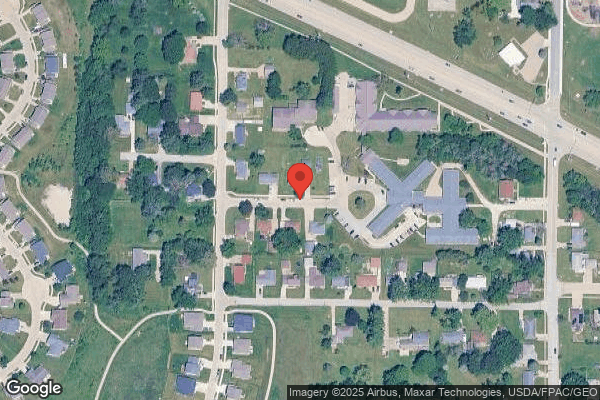
680 Cole Street, Carlisle, IA 50047 (515) 989-0871
For profit - Limited Liability company 80 Beds Independent Data: November 2025 1 Immediate Jeopardy citation
Trust Grade
3/100
#389 of 392 in IA
Last Inspection: July 2025

Inspected within the last 6 months. Data reflects current conditions.

Overview

Via of Carlisle has received a Trust Grade of F, indicating significant concerns about the facility's quality of care. It ranks #389 out of 392 nursing homes in Iowa, placing it in the bottom tier of state facilities, and #6 out of 6 in Warren County, meaning there is no local competition that performs better. The facility's situation is worsening, with reported issues increasing from 10 in 2024 to 19 in 2025. Staffing is a concern as well, with a rating of 1 out of 5 stars and a turnover rate of 46%, which is around the state average. There have been serious incidents, such as a resident being left in a room during a fire hazard, and another resident suffering a femur fracture due to improper transfer methods, alongside three residents developing pressure ulcers due to inadequate care. While the facility has average quality measures, the overall picture suggests families should proceed with caution.

Trust Score
F
3/100
In Iowa
#389/392
Bottom 1%
Safety Record
High Risk
Review needed
Inspections
Getting Worse
10 → 19 violations
Staff Stability
⚠ Watch
46% turnover. Above average. Higher turnover means staff may not know residents' routines.
Penalties
✓ Good
$88,988 in fines. Lower than most Iowa facilities. Relatively clean record.
Skilled Nurses
○ Average
RN staffing data not reported for this facility.
Violations
⚠ Watch
48 deficiencies on record. Higher than average. Multiple issues found across inspections.
★☆☆☆☆
1.0
Overall Rating
★☆☆☆☆
1.0
Staff Levels
★★★☆☆
3.0
Care Quality
★☆☆☆☆
1.0
Inspection Score
Stable
2024: 10 issues
2025: 19 issues

The Good

  • Full Sprinkler Coverage · Fire safety systems throughout facility
  • No fines on record

Facility shows strength in fire safety.

The Bad

1-Star Overall Rating

Below Iowa average (3.0)

Significant quality concerns identified by CMS

Staff Turnover: 46%

Near Iowa avg (46%)

Higher turnover may affect care consistency

Federal Fines: $88,988

Well above median ($33,413)

Moderate penalties - review what triggered them

The Ugly 48 deficiencies on record

1 life-threatening 3 actual harm
Jul 2025 8 deficiencies 1 Harm
SERIOUS (G)

Actual Harm - a resident was hurt due to facility failures

Accident Prevention (Tag F0689)

A resident was harmed · This affected 1 resident

Based on clinical record review, resident and staff interviews, and policy review, the facility failed to perform proper transfer method as outlined in the Care Plan which contributed to a femur fract...

Read full inspector narrative →
Based on clinical record review, resident and staff interviews, and policy review, the facility failed to perform proper transfer method as outlined in the Care Plan which contributed to a femur fracture which resulted in the need for surgical intervention for 1 of 4 residents reviewed for transfers (Resident #45). The facility reported a census of 70. Findings include: The Quarterly Minimum Data Set (MDS) Assessment completed on 6/12/25 revealed Resident #45 with a Brief Interview Mental Status score of 14, which indicated intact cognition. Diagnoses listed on the MDS include paraplegia, anxiety disorder, diabetes, and orthostatic hypotension (low blood pressure). The MDS noted the presence of a urinary catheter and a colostomy. Resident #45 is dependent on staff for chair/bed-to-chair transfers, toilet transfers, and tub/shower transfers. The Care Plan with initiated date of 6/20/24 identified Resident #45 with an Activities of Daily Living self-care performance deficit related to paraplegia, limited mobility, limited range of motion (ROM), and pain. Interventions include the use of a mechanical lift with an assist of 2 staff members for transfers. The Restorative Nursing Program sheet for Resident #45, dated 1/23/25 and created by the attending Physical Therapist, outlined staff assistance of 1-2 for bed mobility and the use of a mechanical lift (Hoyer) for transfers with an assist of 2 staff members. The late entry Progress Note dated 7/8/25, created on 7/17/25, revealed Staff E, Licensed Practical Nurse, was notified by the Restorative Aide (RA) staff that Resident #45 had bumped their foot while RA staff had the resident in the shower chair. Staff E assessed and noted scabbing to both of Resident #45's feet. One toe on the right foot had a scab that had partially been removed and was no longer intact. One of the RAs had cleansed the toe and the scab came off. No open areas noted to toes or injuries to report The Progress Noted dated 7/15/25 at 2:54 PM documented a phone order from the Nurse Practitioner (ARNP) for right hip x-rays.The Progress Noted dated 7/15/25 at 5:34 PM documented x-ray results received and the Primary Care Provider was called. Orders received to send Resident #45 to the emergency room for a broken right femur (thigh bone). The Progress Note/Incident Note dated 7/17/25 at 1:14 PM documented Staff E was alerted by another nurse and RA staff that Resident #45's right leg was bending in a weird spot while performing ROM exercises. Staff E and the Director of Nursing (DON) both assess the resident. It was noted the right knee cap was turned inward when raised and there was a slight bend to the mid-thigh. Staff E called the doctor and a stat portable x-ray order was obtained. The facility document titled Self-Report revealed Staff K, RA, and Staff L, Certified Nurses Aide (CNA), had performed a stand-pivot transfer (way of moving from one surface to another by bearing weight on legs, standing up, turning, and then sitting down on a different surface) with Resident #45 in the shower room on 7/8/25. The DON and Facility Administrator interviewed Staff K who acknowledged the stand-pivot transfer from the wheelchair to the shower bench as Resident #45 had agreed. Staff K noted Resident #45 did not injure their right lower leg and appeared anxious due to left toe bleeding and not liking the shower bench. Staff K reported the stand-pivot transfer was utilized instead of the mechanical lift as they believed as RAs had leeway and could transfer residents during restorative tasks which were not in line with the Care Plan. The Self Report document also noted an interview with Staff L, CNA who acknowledged the completion of the stand-pivot transfer from a wheelchair to the shower bench and then again from the shower bench to a wheelchair. Staff L noted a scab on Resident #45's left toe had reopened further during the transfer. A facility fax received on 7/17/25, the Nurse Practitioner documented the following: Resident #45's x-ray indicated osteoporosis which increases the risk of fractureFractures did not appear spontaneous or pathologic purely due to osteoporosisA mild twisting of joints or other trauma could have resulted in these fracturesOriginal trauma unknown to this Nurse Practitioner The facility document titled Staff Interview Questions were completed by various staff and revealed the following: Staff O, Certified Medication Aide (CMA) reported they had not observed Resident #45 hitting their leg on a mechanical lift (Hoyer) or side table or rolling onto objectsStaff P, CNA, reported they had not observed Resident #45 hitting their leg on a mechanical lift (Hoyer) or side table or rolling onto objectsStaff Q, CNA, reported Resident #45 told them the RAs transferred and scratched her right footStaff R, CNA, reported Resident #45 told them they were hurt during a pivot transfer provided by the RA staffStaff S, CNA, reported they had not observed Resident #45 hitting their leg on a mechanical lift (Hoyer) or side table or rolling onto objectsDuring an interview on 7/28/25 at 11:30 AM, Resident #45 acknowledged the stand-pivot transfer performed on 7/8/25. Resident #45 reported they typically take bed baths but due to an outside appointment that day, agreed to a shower. Resident #45 explained the RA staff used a mechanical lift to transfer them from the bed to a wheelchair. Once in the shower room, Resident #45 placed their arms around the staff's neck while the staff member stood in front of them. Staff picked them up underneath the arms/shoulders and transferred them onto the shower bench. During the transfer, the resident explained one of their hands was on the right-facing arm rest of the shower bench and the other hand was on the back of the shower bench. Resident #45 stated staff had to turn their body (to the left) from the wheelchair to the shower bench. Once seated on the edge of the shower bench, Resident #45 heard one of the two staff members saying the resident's leg and foot was twisted underneath the shower bench. Staff then returned the resident back into the wheelchair. Resident #45 did not know which foot was twisted. Due to paralysis, Resident #45 did not report any pain. The only noticeable difference Resident #45 stated their knees were swollen. This was relayed to nursing staff and socks were ordered.During an interview on 7/28/25 at 1:00 PM, Staff M, CNA, explained they observed both RA staff members pushing Resident #45 into the hallway to the shower room on 7/8/25. Approximately 10 minutes later, Staff M observed the resident and both RA staff returning to the resident's room. Resident #45 was heard yelling and crying. Staff M saw a piece of skin hanging off of Resident #45's right foot and a cut to the left foot. Staff M heard Staff L tell the resident it was already like that, referring to the skin issues on the resident's feet. Staff M asked what had a happened and Resident #45 said They (RA staff) twisted my (f**cking) foot, They picked me up. Resident #45 was transferred to the bed, via a mechanical lift, and a bed bath was provided by Staff K and Staff M. Staff L had already left the room by this time to attend a resident group activity. Approximately 1hour later, Staff M checked on Resident #45 who appeared more calm. The resident voiced being pissed as her feet were twisted under the shower chair when staff was picking-up and transferring. Staff M noted the presence of a urinary catheter and colostomy. These appliances are emptied several times daily. Therefore no specific pericares are provided to Resident #45 on a daily basis. During an interview on 7/29/25 at 1:25 PM, Staff E, LPN acknowledged assessing Resident #45's feet on 7/8/25 after RA staff alerted them that the resident had bumped her foot. This was done after staff had returned the resident back to bed. Staff F noted a scab on the resident's right foot, 3rd or 4th toe, had broken loose. Staff E did not recall seeing any injuries on the resident's left foot. At the time of this assessment, Staff E was not aware of the stand-pivot transfer the RA staff completed earlier. A week later, on 7/15/25, Staff E stated another nurse and the RA for the day altered them to Resident #45's right left. Staff E and the DON both assess the resident and saw the right femur (thigh bone) bend and making weird noises. During an interview on 7/29/25 at 3:20 PM with the DON and the Regional Clinical Specialist, both acknowledged RA staff had completed an improper transfer with Resident #45 as the stand-pivot transfer did not align with the Care Plan. Both indicated completing this type of transfer is not within the RAs scope of practice. Both would expect the RAs to communicate with the therapists (Physical or Occupational) first for further guidance. The DON confirmed staff utilized the shower room on the 200 hallway and verified the shower bench used in the transfer. During an interview on 7/29/25 at 3:55 PM, Staff K, RA reported they had talked to Resident #45 on 7/7/25 about taking a shower the next day instead of a bed bath since the resident had an outside appointment. Staff K indicated they discussed the use of a shower bench and Resident #45 agreed. On 7/8/25, Staff K discussed the above again with the resident who still agreed. Staff K believed they had the authority to work outside a resident's care plan and believed the use of a stand-pivot transfer was safe. After a mechanical lift was used to transfer Resident #45 from the bed to a wheelchair, Staff K and Staff L, CNA wheeled the resident to the shower room.Once in the shower room the wheelchair was angled a short distance from the shower bench. Staff K, RA who was in front of the resident, lifted Resident #45 and placed on the shower bench. Staff K explained Staff L was standing behind the resident and guiding from behind. Staff L indicated Resident #45's left foot was twisted. Staff K did not hear or feel anything. Once on the bench Resident #45 was getting worked up and was transferred back to the wheelchair. The resident was returned to their room where a bed bath was provided. Staff K did not observe anything usual with Resident #45's right leg during this time. On 7 /11/25 while completing Resident #45's restorative exercises, Staff K, RA stated something was different with the resident's right leg. When asked the resident of any issues with the leg, Resident #45 denied and voiced a previous physician told them of a past hip dislocation. No further action was taken by Staff K. During an interview on 7/30/25 at 1:25 PM, Staff N, Physical Therapist Assistant (PTA), noted Resident #45 requiring a mechanical lift as long as they have been at the facility, which is approximately one year. Historically Resident #45 had been on active therapy case load with an attempt to sit at the edge of bed for core strengthening but resident declined the intervention. Staff N stated PTA/RAs unable to make judgement call or work outside a resident's care plan. Updated resident information or changes should go through the supervising therapist. During an interview on 7/30/25 at 3:30 PM Staff L, CNA acknowledged the stand-pivot transfer performed on 7/8/25 performed on Resident #45. Staff L explained this was initiated by Staff K and had no reason to believe this was inappropriate. On the day of the transfer, Staff L noted Staff K, RA had talked to the resident about the shower and use of the shower bench. Just prior to entering the resident's room, Staff L and Staff K discussed the transfer itself. Staff L asked Staff K are you sure and Staff K indicated this had been done before. Staff L and Staff K transferred Resident #45 from the bed to a wheelchair using a mechanical lift. The resident was taken to the shower room. The wheelchair was locked and facing south. The shower bench was facing north. Staff K was facing the resident w/their arms underneath and lifting. Staff L was behind the resident, guiding with use of a gait belt. Staff K picked-up the resident and placed them on the shower bench. Once on the bench, Resident #45 did not like and was transferred back to the wheelchair from the bench utilizing a fireman lift approximately 2 inches performed by Staff K. The resident was then returned to her room. No shower was provided in the shower room. Staff L indicated Resident #45 had one toe that touched the floor tile. The little toe hit the bench leg and a scabbed fell off. Staff L had told Staff K the resident's foot was twisted but it was not twisted at all. Staff L did not indicate which foot hit the bench leg. On 7/15/25, Staff L was completing restorative exercises with Resident #45 when they noticed something wrong with their right leg. Nursing was notified. During an interview on 7/31/25 at 9:15 AM, Staff B, Occupational Therapist (OT), confirmed the RA staff did not discuss the use of a stand-pivot transfer with Resident #45 prior to it occurring. Staff B believed this was an inappropriate transfer and one they would not recommend. Staff B not aware of any direction from previous Director of Rehab services that allowed leeway to RA staff to work outside a resident's Care Plan. Staff B noted the use of a mechanical lift would be a more controlled transfer compared to a stand-pivot transfer. Staff B explained the therapy department has undergone several supervisory changes since March 2025. More recently, an outside contracted agency oversees the department. The OTs and PTA report to this agency while the RAs do not. Staff B was under the impression the RA did not have an immediate supervisor from June 2025 (unclear of a specific June date) until 7/14/25. On this date, the RAs transitioned over to the facility nursing staff. When asked, the facility did not have a policy which outlined RA scope of practice. The policy Comprehensive Care Plans, updated April 2025, stated qualified staff responsible for carrying out interventions specified in the Care Plan will be notified of their roles and responsibilities for carrying out the interventions, initially and when changes are made.
CONCERN (D)

Potential for Harm - no one hurt, but risky conditions existed

Comprehensive Care Plan (Tag F0656)

Could have caused harm · This affected 1 resident

**NOTE- TERMS IN BRACKETS HAVE BEEN EDITED TO PROTECT CONFIDENTIALITY** Based on clinical record review, staff interview, and policy review the facility failed to develop a comprehensive care plan tha...

Read full inspector narrative →
**NOTE- TERMS IN BRACKETS HAVE BEEN EDITED TO PROTECT CONFIDENTIALITY** Based on clinical record review, staff interview, and policy review the facility failed to develop a comprehensive care plan that included focus, goals, or interventions for 2 out 5 residents reviewed (Resident #5, #23). The facility reported a census of 70 residents. Findings include: 1. Review of Resident #5's Quarterly Minimum Data Set (MDS) dated [DATE] documented an admission date to the facility of 9/5/13. The MDS also documented a Brief Interview for Mental Status (BIMS) of 03 which indicated severe cognitive impairment. The MDS listed a diagnosis of Non-Alzheimer's dementia. Review of Resident #5's Electronic Health Record (EHR) document titled Care Plan last review completed date of 6/27/25 revealed no documentation of dementia diagnosis with a focus area, goals, or interventions. 2. Review of Resident #23's Quarterly MDS dated [DATE] documented an admission date to the facility of 6/8/23. The MDS listed active diagnoses of Urinary Tract Infection (UTI) (last 30 days). Review of Resident #23's Electronic Health Record (EHR) document titled Care Plan last reviewed date of 6/27/25 revealed no documentation of UTI diagnosis with a focus area, goals, or interventions. A review of the EHR revealed Resident #23's physician visited on 7/25/25 and documented a history of repeated UTIs as a present illness. The Progress Notes for Resident #23 documented Nurse's note on 6/20/25 physician ordered Cephalexin 500 milligrams by mouth twice a day for 7 days (antibiotic). The Progress Notes for Resident #23 documented a recent history of UTIs on 4/14/25 and 2/25/25 with a course of antibiotics each occurrence. In an interview on 07/31/2025 at 2:06 pm the Director of Nursing (DON) stated her expectations for the Care Plan to be accurate, reflect health conditions and to include diagnosis of dementia for Resident #5 and UTI for Resident #23 and interventions.The facility provided policy titled Comprehensive Care Plans updated April 2025 documented: It is the policy of this facility to develop and implement a comprehensive person-centered care plan for each resident, consistent with resident rights, that includes measurable objectives andtimeframes to meet a resident's medical, nursing, and mental and psychosocial needs and ALL services that are identified in the resident's comprehensive assessment and meet professionalstandards of quality.
CONCERN (D)

Potential for Harm - no one hurt, but risky conditions existed

Quality of Care (Tag F0684)

Could have caused harm · This affected 1 resident

Based on record review, observation, staff interview, and policy review, the facility failed to ensure staff appropriately completed a resident assessment and provide timely intervention for two resid...

Read full inspector narrative →
Based on record review, observation, staff interview, and policy review, the facility failed to ensure staff appropriately completed a resident assessment and provide timely intervention for two residents. One resident with Lower Extremity (LE) wraps for 1 of 1 resident reviewed for edema (Resident #55) and one resident with Chronic Obstructive Pulmonary Disease (COPD) for 1 of 2 residents reviewed for oxygen (Resident #62). The facility reported a census of 70.Findings include:1. The Quarterly Minimum Data Set (MDS) for resident #55, dated 7/24/25, indicated diagnoses of hypertension, diabetes mellitus, and cerebral vascular accident.The Electronic Health Record (EHR) indicated that resident additional diagnoses of chronic peripheral venous insufficiency, localized edema and lymphedema.The EHR indicated and an active order from the primary physician for Lymphedema wraps to be worn 24 hours a day/seven days a week (24/7) and therapy to change starting 4/7/2025. The EHR also indicated that this order was discontinued 7/31/25 with a new order for compression stocking on in the morning and off at bedtime. May use ace wraps until ordered compression stocking arrive.The EHR lacked documentation of wraps being on or off from discharge from therapy 7/11/25 until 7/29/2025. The EHR also lacks notification of therapy about concerns with wraps being off with active order for wraps 24/7.The Care Plan for Resident #55, initiated on 3/25/25, indicated to follow Medical Doctor (MD) orders for compression wraps. It also indicated on 6/27/25 that Resident #55 is Non-Compliant with lymphedema wear as he removes the wraps on his own. The Care Plan lacks interventions and directions for noncompliance.In an observation 07/28/2025 at 2:36 PM, Resident #55 was noted to have bilateral swollen Lower Extremities (LE). There were 2 signs on the wall in the room, on said keep wraps on for 24 hours and to cover them when he gets his showers. The other sign said to please put ted hose on every morning. No wraps or ted hose noted to bilateral lower extremities. Right foot elevated on stool while left leg resting on the floor.In an observation 07/29/2025 at 10:49 AM, Resident #55 was resting in his chair with cover over his head. Had right foot elevated on stool but left remained on the floor. No wraps or [NAME] Hose were on lower extremities.In an observation 07/29/2025 at 3:34 PM, Resident #55 was sitting in his chair with both legs on the ground and no wraps noted to bilateral LE.In an observation 07/31/2025 at 8:08 AM, Resident #55 was sitting in his chair without wraps to bilateral LE.In an interview 07/29/2025 at 1:00 PM, Staff A, Registered Nurse (RN) stated wraps for Resident #55 done by Staff C, Occupational Therapist (OT) 2-3 times weekly. Sometimes she takes off and leaves off for a while but currently supposed to be on 24/7. Not sure of where documentation is kept about putting on wraps. States Resident #55 takes off sometimes. If he does, they put in the hot chart notes and notify therapy. Did not know where ted hose documentation was kept prior to the wraps. Staff A, RN then checked Resident #55 in the dining room noting lack of wraps. Stated he was going to notify therapy and the DON.In an interview 07/29/2025 at1:23 PM, Staff A, RN stated that OT here Tuesdays and Fridays but has not seen her today. Stated the Director of Nursing (DON) was texting Staff B, OT to see when Staff C, OT will be here next. Added that both can do the wraps.In an interview 07/29/2025 at 3:35 PM, Staff A, RN stated he did not here back from OT or the DON.In an interview 07/30/2025 at 1:00 PM, Staff C, OT stated she discharged Resident #55 on 7/11/25 with recommendation for compression socks 24/7 size 4XLg with 10-30 millimeters of mercury (mmHg). Stated she is no longer wrapping his legs. States she was not contacted on 7/29/25 about wraps not being put on but maybe they talked to the manager. Stated that about 2 weeks ago she saw that he was not wearing his socks and she could not find them. Maybe they were in the laundry. Stated when Resident #55 was getting wraps he would take them off until she educated him and then he kept then off until she discharged him. Stated it is her fault as she did not put in a note to the nursing staff. Stated she could order new compression socks but has concerns that the size would be different now. States would probably readmit and wrap for a while again before going back to compression socks. Stated is aware edema is back up.In an interview 07/30/2025 at 2:00 PM, Staff F, Certified Nurses Aid (CNA) stated she is not aware of the wraps and to speak with Staff C, OT. Stated pocket care plan still says lymphedema wraps and she reports to the nurse when they are not on.In an interview 07/30/2025 at 2:23 PM, Staff A, RN stated that after talking with the DON 7/29/25, he took down the sign about ted hose. When questioned about what the DON stated on 7/29/25 Staff A, RN stated the DON stated she is aware that he is noncompliant but would contact therapy. He stated he was not aware that Resident #55 was discharged from therapy with compression socks. Stated that maybe they didn't get a communication about it.In an interview 07/30/2025 at 2:37 PM, with the DON and Staff G, Regional Corporate Nurse, the DON stated that the process for therapy recommendations is that the nurse and the DON receive a communication from therapy and they get orders for the recommendations. Stated she just found out today from therapy that Resident #55 was discharged from therapy. Staff C, OT spoke with her interview. Plans to get recommendations yet today from Staff C, OT and obtain order. Staff G, Regional Corporate Nurse stated that they are working on hiring a Director of Therapy to help with communications between staff and therapy.In an interview 07/31/2025 at 8:45 AM with the DON and Staff G, Regional Corporate Nurse, the DON stated, concerning conversation 7/30/25, that the expectation of CNAs concerning the wraps being off would be for them to report to the charge nurse. The expectation of the nurse would be to report to therapy and to document in the nursing notes. Stated was not notified 7/29/25 about wraps being off by Staff A, RN. Only found out yesterday from Staff C, OT. Stated spoke with Staff A, RN this morning and aware that wraps remain off. Stated she was about to call the doctor to get an order for wraps or compression socks going forward.2. The 5-day scheduled MDS for resident #62, dated 6/3/25, indicated diagnoses of coronary artery disease, anemia, heart failure, pneumonia, and Chronic Obstructive Pulmonary Disease (COPD) with acute exacerbation. The MDS also indicated the resident is not on oxygen.The Care Plan for Resident #62, initiated on 6/9/21, indicated an altered respiratory status related to COPD, anxiety disorder and obesity. It lacked documentation of oxygen use.The EHR indicated and active order for oxygen at 2-4 Liters (L) per Nasal Cannula (NC) that may be titrated to keep oxygen saturations greater than 88 percent dated 5/30/25. It also indicated that this order was discontinued 7/30/25.The Progress Notes indicated that Resident #62 returned from the hospital on 5/30/25 receiving supplement oxygen and referred to the order. On 6/2/25, the Progress Notes also indicated that the oxygen saturation was stable on Room Air (RA). There is no further documentation noted of oxygen use until the order was discontinued on 7/30/25.In the vital signs section of the EHR, oxygen via nasal cannula was on with the oxygen saturation checks on 5/30/25, 5/31/25 and 6/3/25. No further documentation of oxygen use.The EHR lacked respiratory assessment in the progress notes to correspond with the oxygen use on 5/31/25 and 6/3/25.The Electronic Medication Administration Record (EMAR) lacked documentation for oxygen use for 5/30/25, 5/31/25 and 6/3/25.In an observation 07/29/2025 at 9:09 AM, Resident #62 had an oxygen concentrator and oxygen tubing in her room.In an interview 07/29/2025 at 11:03 AM, Resident #62 stated only used oxygen for a short while after getting out of hospital about a month ago. States she does not want it in her room as it takes up too much space. States told a couple nurses about getting rid of it and they told her they would keep it just in case she needs it again. States she thought of moving it into hallway herself but someone might take it and she would be in trouble.In an interview 07/30/2025 at 2:37 PM, with the DON and Staff G, Regional Corporate Nurse, The DON stated that the expectation for oxygen, including as needed oxygen, is for the nurse to document it's use on the EMAR and to do a respiratory assessment. Then she stated she didn't think they had a resident respiratory assessment so it should be in the nurse's notes. Stated it should also be documented on the EMAR. Staff G, Regional Corporate Nurse stated that oxygen was on the care plan and had been resolved but then added that she still does have an active order for as needed oxygen. States they will call the MD and get a discontinue order.An email from the Administrator dated 7/30/25, indicated that there is not an oxygen therapy policy, but physician's orders are followed as well as standards of care.
CONCERN (D)

Potential for Harm - no one hurt, but risky conditions existed

Incontinence Care (Tag F0690)

Could have caused harm · This affected 1 resident

**NOTE- TERMS IN BRACKETS HAVE BEEN EDITED TO PROTECT CONFIDENTIALITY** Based on clinical record review, observation, staff interview, and policy review, the facility failed to ensure staff secured an...

Read full inspector narrative →
**NOTE- TERMS IN BRACKETS HAVE BEEN EDITED TO PROTECT CONFIDENTIALITY** Based on clinical record review, observation, staff interview, and policy review, the facility failed to ensure staff secured and placed a resident's catheter bag below the level of the bladder to minimize the risk of cross-contamination and the risk of acquiring a urinary tract infection for one of two residents observed with a catheter (Residents #1). The facility reported a census of 70 residents.Findings include: The Annual Minimum Data Set (MDS) assessment dated [DATE] revealed Resident #1 had diagnoses of renal (kidney) insufficiency, obstructive uropathy (obstructed urine flow), and diabetes. The MDS indicated the resident had an indwelling catheter. The Care Plan revised 5/21/25 revealed Resident #1 had a suprapubic catheter and at risk for a MDRO (multi-drug resistant organism). The Care Plan directed staff to position the catheter bag and tubing below the level of the bladder. Observations revealed the following: a. On 7/28/25 at 11:30 AM, Resident #1 sat in a wheelchair with a catheter bag lying on the floor under the wheelchair. The catheter bag had yellow urine in the bag. At the time, Resident #1 reported she had a UTI (urinary tract infection) in the past. b. On 7/28/25 at 11:50 AM, Resident #1 hollered out as the surveyor walked by her room. Resident #1 reported she was trying to get to her call light so she could turn it on but she kept running over her catheter with the wheelchair. Resident #1 stated she didn't want to pull the catheter out.c. On 7/29/25 at 10:40 AM, Resident #1 [NAME] in bed on her back. The catheter bag hung on a storage bin near the bed above the level of the resident's bladder. The catheter bag had no urine inside. In an interview 7/31/25 at 10:50 AM, the Director of Nursing reported the urinary catheter should be hung and positioned below the level of the bladder in order for the urine to drain properly. The Facility's Catheter Competency updated 5/11/21 revealed the urine collection bag must be kept below the level of the bladder at all times.
CONCERN (D)

Potential for Harm - no one hurt, but risky conditions existed

Deficiency F0760 (Tag F0760)

Could have caused harm · This affected 1 resident

**NOTE- TERMS IN BRACKETS HAVE BEEN EDITED TO PROTECT CONFIDENTIALITY** Based on clinical record review, observation, staff interview, manufacturer's instructions, and competency review the facility f...

Read full inspector narrative →
**NOTE- TERMS IN BRACKETS HAVE BEEN EDITED TO PROTECT CONFIDENTIALITY** Based on clinical record review, observation, staff interview, manufacturer's instructions, and competency review the facility failed to administer insulin according to the physician's orders and per manufacturer instructions to ensure the proper amount of insulin administered for one of two residents observed who received insulin during medication pass (Resident #1). The facility reported a census of 70 residents. Findings include: The Minimum Data Set (MDS) assessment dated [DATE] revealed Resident #1 had diagnosis of diabetes and diabetic neuropathy (nerve damage caused by diabetes, often affecting the legs and feet due to high blood sugar level). The MDS documented the resident took insulin 7 of 7 days during the look-back period.The Care Plan initiated 5/3/24 revealed Resident #1 at risk for altered blood glucose levels related to diabetes and took insulin. The Care Plan directed staff to administer medications as ordered. The Medication Administration Record for Resident # 1 listed Novolog insulin flexpen 3 units subcutaneously (SQ) administered on 7/29/25 for the mid-morning dose by Staff E, Licensed Practical Nurse (LPN). During observation on 7/29/25 at 11:54 AM, Staff E, LPN, reported she had to use a new insulin pen for Resident #1. Staff E labeled and dated the Novolog insulin flexpen. Staff E attached a needle on the end of the insulin pen and turned the dial on the pen to 2. Staff E held the pen horizontally and pushed the button on the end of the pen. Staff E then turned the dial to 3. Staff E donned a pair of gloves. Staff E then inserted the needle into the resident's left lower abdomen, pushed the button on the end of the insulin flexpen and removed the needle/pen from the injection site within 1-2 seconds. Staff E removed and discarded the needle, then removed her gloves. In a facility's Competency for Insulin Pen Use updated 11/23/21 revealed to prime the insulin pen and waste 2 units prior to each use. Clean the injection site and administer the insulin by pressing injection and slowly counting to 10. According to the Novolog Manufacturer instructions revised 2/2023 revealed the following procedural steps for Novolog insulin injection 100 units/ ml flexpen: a. Attach the needle onto the pen. b. Pull off the outer needle cap. c. Turn the dose selector to 2 units. d. Hold the pen with the needle pointing up. Tap the top of the pen gently a few times to let air bubbles rise to the top. e. Press and hold the dose button in until the dose counter shows 0. A drop of insulin should appear at the needle tip. If not, change the needle and repeat the procedure up to 6 times. It is important to prime the pen before each injection to avoid injecting air and to ensure proper dosing of insulin administered. If you do not prime before each injection, you may get too much or too little insulin. f. Turn the dose selector to the number of units needed for injection. To give the injection: a. Insert the needle into the skin. b. Press the push button all the way in until the dose counter shows 0. c. Keep the needle in the skin for at least 6 seconds and keep the push button pressed all of the way in until the needle has been pulled out from the skin to ensure the full dose given. In an interview 7/31/25 at 10:50 AM, the Director of Nursing (DON) reported the manner of how to utilize an insulin pen. The DON reported attach the needle onto the insulin pen, turn the dial to 2 to prime the needle, then set the dial to the desired dose to administer the insulin. The DON stated the reason the insulin pen needed to be primed was to make sure the full dose got administered.
CONCERN (D) 📢 Someone Reported This

A family member, employee, or ombudsman was alarmed enough to file a formal complaint

Potential for Harm - no one hurt, but risky conditions existed

Staffing Data (Tag F0851)

Could have caused harm · This affected 1 resident

Based on the Center for Medicare and Medicaid Services (CMS) Payroll Based Journal (PBJ) Staffing Data Report (January 1st to March 31st) review, facility staffing reports review, and staff interviews...

Read full inspector narrative →
Based on the Center for Medicare and Medicaid Services (CMS) Payroll Based Journal (PBJ) Staffing Data Report (January 1st to March 31st) review, facility staffing reports review, and staff interviews, the facility failed to submit accurate staff reports for the PBJ Staffing Data Report. The facility reported a census of 70 residents.Findings include:The PBJ Staffing Data Report run date of 724/25 triggered for excessively low weekend staffing for the fiscal year 2nd quarter, January 1st to March 31st, 2025. In an interview with the Administrator on 7/30/25 at 8:30 am she stated the facility was not understaffed on weekends and the PBJ data submission did not include staffing agency staff that worked on weekends. The Regional Director on 7/31/25 at 1:15 pm submitted a PBJ report via email displaying the report showed no concerns. He was advised to call the help line to correct the issue with the CMS's PBJ reporting excessively low weekend staffing for the fiscal year 2nd quarter.
CONCERN (D)

Potential for Harm - no one hurt, but risky conditions existed

Infection Control (Tag F0880)

Could have caused harm · This affected 1 resident

**NOTE- TERMS IN BRACKETS HAVE BEEN EDITED TO PROTECT CONFIDENTIALITY** Based on record review, observation, staff interview, and policy review the facility failed to ensure staff properly disinfected...

Read full inspector narrative →
**NOTE- TERMS IN BRACKETS HAVE BEEN EDITED TO PROTECT CONFIDENTIALITY** Based on record review, observation, staff interview, and policy review the facility failed to ensure staff properly disinfected resident care devices such as a glucometer machine and a stethoscope after resident use for 1 of 2 residents observed for a blood sugar check (Resident #40) and 1 of 2 residents observed for a gastrostomy (g-tube) tube (Resident #7). The facility staff also failed to follow infection control practices in order to prevent and control the onset and spread of infection within the facility by not removing soiled gloves for 1 of 2 units. The facility reported a census of 70 residents.Findings include:1.The Minimum Data Set (MDS) assessment dated [DATE] revealed Resident #7 had diagnoses of pneumonia. The MDS indicated the resident took an antibiotic. The Care Plan revised 2/19/25 revealed the resident had a tube feeding related to swallowing problem and at risk for MDRO related to an indwelling PEG (gastrostomy) (a tube in the stomach) tube. The Care Plan directed staff to use enhanced barrier precautions. During observation on 7/29/25 at 11:05 AM, Staff E, Licensed Practical Nurse (LPN) donned a yellow gown and gloves. Staff E used a stethoscope to check placement of Resident #7's g-tube (gastrostomy). Staff E laid the stethoscope on top of the blanket covering the resident in the bed. Staff E then administered water flushes and medication through the resident's g-tube. At 11:14 AM, Staff E changed her gloves, then picked the stethoscope up off the bed and draped the stethoscope over the back of her neck and against her uniform. Staff E bagged up the trash in the room, opened the door to the room with her gloved hand, and took the bag of trash to a red barrel in the hallway. Staff I, Registered Nurse (RN) stood in the room and observed Staff E with the surveyor in the room. In an interview 7/31/25 at 11:50 AM, the Director of Nursing (DON) reported she expected staff changed gloves whenever they went from a dirty to a clean area and in-between hand hygiene. A facility's Equipment Cleaning/Disinfecting updated 11/13/24 revealed multiple use items cleaned and disinfected between each resident use. 2.During observation on 7/30/25 at 7:28 AM, Staff J, Registered Nurse (RN) checked resident #40's blood sugar. Staff J took an alcohol swab and cleansed the surface of the blood sugar machine for less than 5 seconds, and placed the machine in the top drawer of the medication cart.In an interview 7/31/25 at 10:50 AM, the DON reported the glucometer machine was used on multiple residents. The DON stated she expected staff to disinfect the glucometer machine with the purple disinfectant wipes after each use. A facility's Competency for Cleaning of Glucometers updated 5/11/21 revealed the glucometer disinfected with a sanitizing wipe per the manufacturer's recommended cleaning and drying time. The purple top (Super Sani-cloth) disinfectant wipes revealed the environmental surface or equipment needs to remain wet for 2 minutes for proper disinfection.
CONCERN (E) 📢 Someone Reported This

A family member, employee, or ombudsman was alarmed enough to file a formal complaint

Potential for Harm - no one hurt, but risky conditions existed

Assessment Accuracy (Tag F0641)

Could have caused harm · This affected multiple residents

**NOTE- TERMS IN BRACKETS HAVE BEEN EDITED TO PROTECT CONFIDENTIALITY** Based on clinical record review, staff interview and the Resident Assessment Instrument (RAI) Manual the facility failed to accu...

Read full inspector narrative →
**NOTE- TERMS IN BRACKETS HAVE BEEN EDITED TO PROTECT CONFIDENTIALITY** Based on clinical record review, staff interview and the Resident Assessment Instrument (RAI) Manual the facility failed to accurately complete a Minimum Data Set (MDS) assessment for four of twenty-three residents reviewed (Residents #1, #3, #6 and #32). The facility reported a census of 70 residents. Findings include: 1. The Quarterly Minimum Data Set (MDS) assessment dated [DATE] revealed that Resident #3 had a diagnosis of coronary artery disease. The MDS documented the resident took an anticoagulant. The Electronic Health Record (EHR)revealed that Resident #3 had diagnoses of Aortocoronary bypass graft (heart arteries blocked or narrowed) and old myocardial infarction (heart attack). The Care Plan revised 4/12/24 revealed Resident #3 had a risk of abnormal bleeding related to routine use of hematological agents (drugs used to treat disorders of the blood). The Care Plan directed staff to administer medications as ordered and monitor for side effects. The EHR revealed Clopidogrel Bisulfate (Plavix) (an antiplatelet) 75 MG (milligrams) one time a day for an old myocardial infarction (heart attack) and presence of aortocoronary bypass graft (CABG) started on 1/13/21. The EHR lacked documentation that the resident had taken an anticoagulant medication. 2. The Quarterly MDS assessment dated [DATE] revealed that Resident #6 had a diagnosis of viral hepatitis. The MDS documented that this was an active diagnosis in the last 7 days. The Annual MDS dated [DATE] indicated that Resident #6 had diagnoses of anxiety, depression, bipolar disorder and schizophrenia in the last 7 days. It also indicated that there was not a Level II PASRR (Pre-admission Screening and Record Review) in place. The Electronic Medical Diagnosis List revealed that Resident #6 had a diagnosis of acute hepatitis without hepatic coma dated 1/19/23. It also indicated a Level I PASRR on 5/9/23 with a Level II PASRR approval for nursing level of care. Finally, it indicated a Level I positive indicating no status change and that the previous Level II PASRR findings remains valid. 3. The MDS assessment dated [DATE] revealed Resident #1 had diagnoses of a fracture. The MDS documented the resident took an anticoagulant (AC). The Care Plan revised 4/11/25 revealed Resident #1 had altered cardiovascular (heart and blood vessels) status and had a risk of abnormal bleeding related to routine use of hematological agents. The Care Plan directed staff to administer medications as ordered and monitor for side effects. The Electronic Physician’s Orders revealed Clopidogrel Bisulfate (Plavix) (an antiplatelet) 75 MG once a day for a blood thinner related to hypertension (high blood pressure). The Physician's Orders lacked documentation that the resident had taken an anticoagulant medication. 4. The MDS assessment dated [DATE] revealed Resident #32 had diagnoses of cerebrovascular accident (CVA) (stroke), quadriplegia, coronary artery disease, and viral hepatitis. The MDS documented the resident took an AC. The Care Plan revised 12/16/24 revealed Resident #32 had a risk of abnormal bleeding related to routine use of hematological agents. The Care Plan directed staff to administer medications as ordered and monitor for side effects. The Electronic Physician’s Orders revealed Clopidogrel Bisulfate 75 MG once a day for cerebral infarction (death of brain tissue) started on 11/12/24. the Physician's Orders lacked documentation that the resident took an anti-coagulant. The EHR Medical Diagnoses List revealed the resident had a diagnosis of chronic viral hepatitis C was added on 11/11/24. In an interview on 7/31/25 at 2:20 PM, Staff J, MDS Coordinator, reported she had worked in the MDS role since 12/1/24. She used the RAI Manual to reference how to fill out the resident’s MDS assessment. She did a look-back of 7 days and reviewed the resident's records, looked at the staff’s coding for section GG, and talked to the staff to gather information for completion of MDS assessments. Staff J reported she also used a “cheat sheet” for completion of the MDS. Staff J reported she looked at the order summary to see if a resident received medication such as an AC. Staff J stated that Plavix would be coded as an AC but aspirin would not be coded as an AC because aspirin was an antiplatelet. At the time, Staff J looked up a list of medications and the drug classification and reported Plavix was listed as an antiplatelet. Staff J acknowledged she did not know this. Staff J also responded she did not know the answer to when viral hepatitis would be marked under the diagnoses section. She presumed if the diagnoses was within 3 months, she would mark the viral hepatitis diagnosis under the diagnoses section. Staff J reported she looked at the current PASRR to determine if a resident had a Level II condition. She marked yes in the section about PASRR if the resident’s PASRR had listed a Level II condition. A medication drug classification list revealed Clopidogrel was a antiplatelet. The RAI Manual version 3.0 revealed there are two look-back periods for Section I, diagnosis list. Viral hepatitis would be coded as an active diagnoses if there was a physician-documenteddiagnoses in the last 60 days that had a direct relationship to the resident’s current functional status, medical treatments, nursing monitoring, or risk of death during the 7-day look-back period. Code antiplatelet medication such as clopidogrel if the resident took the medication at any time during the 7-day observation period.
Apr 2025 4 deficiencies
CONCERN (D) 📢 Someone Reported This

A family member, employee, or ombudsman was alarmed enough to file a formal complaint

Potential for Harm - no one hurt, but risky conditions existed

ADL Care (Tag F0677)

Could have caused harm · This affected 1 resident

Based on observation, record review, staff interview, and policy review, the facility failed to provide the necessary services to maintain personal cares of oral hygiene for 1 of 3 residents reviewed ...

Read full inspector narrative →
Based on observation, record review, staff interview, and policy review, the facility failed to provide the necessary services to maintain personal cares of oral hygiene for 1 of 3 residents reviewed (#11). The facility reported a census of 75 residents. Findings include: On 3/31/25 at 1:42 PM, Resident #11 was observed reclined in a Geri chair (large, padded chair for individuals with limited mobility) in the television area. He was breathing through his mouth and his lips were noted to be chapped and peeling. The Quarterly Minimum Data Set (MDS) for Resident #11 dated 2/03/25 indicated a Brief Interview for Mental Status (BIMS) score of 04 out of 15 which indicated severely impaired cognition. It included diagnoses of anemia, seizure disorder, quadriplegia, a Cerebral Vascular Accident (CVA - stroke), and severe protein-calorie malnutrition. It also indicated the resident was dependent with all Activities of Daily Living (ADLs). The MDS documented that the Resident had a feeding tube for nutitional approaches for both total calories, and fluid intake. The Electronic Health Record (EHR) included a physician order dated 2/20/25 for Aquaphor Lip Repair External Stick (Skin Protectants, Misc.), apply to lips topically as needed for dry chapped lips. The Medication Administration Records (MARs) for March and April 2025 indicated the Aquaphor had not been applied to the resident's lips within the previous 30 days. The Care Plan dated 5/20/24 included an intervention for oral hygiene: assist x1 (offer every 2 hours while awake). A Care Conference Note dated 2/19/25 revealed the resident's brother voiced concerns regarding the resident's dry, chapped lips. A Progress Note dated 2/28/25 indicated dry lips improving this shift with no complaints of discomfort. Treatment with Aquaphor lip repair continues. No subsequent progress notes regarding the resident's lip repair or Aquaphor were available. At 2:20 pm, the resident's lips were noted to still be chapped and peeling. At 2:22 PM, the Oral Hygiene task indicated the resident received oral hygiene at 10:18 AM. On 4/03/25 at 10:35 AM, Staff G, Certified Nurse Aide (CNA) stated documentation of the oral hygiene indicates it was performed. She also stated the resident's lips are checked during oral hygiene and staff apply chap stick if needed. She stated she notifies the nurse if his lips are chapped but was not sure if staff notification was required. At 10:41 AM, Staff H, CNA stated CNA's check the resident's lips when oral hygiene is performed. She also stated if the resident's lips are chapped, they tell the nurse per policy. On 4/03/25 at 10:59 AM, Staff A, Licensed Practical Nurse (LPN) stated she was not notified of Resident #11's chapped lips on 3/31/25. She also stated the CNA's usually apply chap stick when his lips are chapped and she applies Aquaphor if needed. On 4/03/25 at 12:15 PM, the Administrator emailed the facility followed standards of care and did not have a policy specific for ADL's. On 4/03/25 at 1:38 PM, the Director of Nursing (DON) stated staff should have notified the nurse to apply Aquaphor to the resident's lips.
CONCERN (D) 📢 Someone Reported This

A family member, employee, or ombudsman was alarmed enough to file a formal complaint

Potential for Harm - no one hurt, but risky conditions existed

Pressure Ulcer Prevention (Tag F0686)

Could have caused harm · This affected 1 resident

Based on observations, clinical record review, staff interview, and policy review, the facility failed to provide treatment and services to prevent the development of a pressure ulcer for 2 of 3 resid...

Read full inspector narrative →
Based on observations, clinical record review, staff interview, and policy review, the facility failed to provide treatment and services to prevent the development of a pressure ulcer for 2 of 3 residents reviewed (#4 & #11). The facility reported a census of 75 residents. Findings include: The Minimum Data Set (MDS) assessment identifies the definition of pressure ulcers: Stage I is intact skin with non-blanchable redness of a localized area usually over a bony prominence. Darkly pigmented skin may not have a visible blanching; in dark skin tones only, it may appear with persistent blue or purple hues. Stage II is partial thickness loss of dermis presenting as a shallow open ulcer with a red or pink wound bed, without slough (dead tissue, usually cream or yellow in color). May also present as an intact or open/ruptured blister. Stage III is full thickness tissue loss. Subcutaneous fat may be visible but bone, tendon, or muscle is not exposed. Slough may be present but does not obscure the depth of tissue loss. May include undermining and tunneling. Stage IV is full thickness tissue loss with exposed bone, tendon, or muscle. Slough or eschar (dry, black, hard, necrotic tissue) may be present on some parts of the wound bed. Often includes undermining and tunneling or eschar. Unstageable Ulcer: inability to see the wound bed. Other staging considerations include: Deep Tissue Pressure Injury (DTPI): Persistent, non-blanchable, deep red, maroon, or purple discoloration. Intact skin with localized area of persistent, non-blanchable, deep red, maroon, purple discoloration due to damage of underlying soft tissue. This area may be preceded by tissue that is painful, firm, mushy, boggy, warmer, or cooler as compared to adjacent tissue. These changes often precede skin color changes and discoloration may appear differently in darkly pigmented skin. This injury results from intense and/or prolonged pressure and shear forces at the bone-muscle junction. 1. On 3/31/25 at 1:42 PM, Resident #11 was observed in a Geri chair (large, padded chair for individuals with limited mobility) in the television area wearing gray socks. He did not have pressure reducing devices on his feet. On 3/31/25 at 1:58 PM, a review of his Electronic Health Record (EHR) revealed a Physician's order dated 3/04/25 for Prevalon boots (cushioned bottom boot that floats the heel to reduce pressure) on at all times, except during transfers. On 3/31/25 at 2:08 PM, the resident's Prevalon boots were observed stored in the top of a large, gray bin in the resident's room. On 3/31/25 at 3:20 PM, the resident was observed still in the Geri chair in the television area without his Prevalon boots. The Minimum Data Set (MDS) for Resident #11 dated 2/03/25 indicated a Brief Interview for Mental Status (BIMS) score of 04 out of 15 which indicated severely impaired cognition. It included diagnoses of anemia, seizure disorder, quadriplegia, a Cerebral Vascular Accident (CVA - stroke), and severe protein-calorie malnutrition. It revealed the resident was at risk of developing a pressure ulcer and had pressure-reducing devices for his bed and chair. It also revealed the resident was dependent with all activities of daily living (ADLs). The Braden Scale (a scale used to predict pressure sore risk) dated 3/20/25 identified the resident was high risk of developing a pressure ulcer. The Treatment Administration Record (TAR) for March 2025 included Prevalon boots on at all times, except during transfers. Every day and night shift. It was initialed by Staff A, Licensed Practical Nurse (LPN). The Care Plan dated 3/04/25 included an intervention for Prevalon boots on at all times, except during transfers. It included the resident refused to be covered with blankets but no other refusals were included in the Care Plan. The Progress Notes did not include documentation the resident refused to wear the Prevalon boots. On 4/01/25 at 10:45 AM, Staff B, Certified Nurse Aide (CNA) stated Resident #11's Bunny Boots (nickname for Prevalon boots) are used to prevent pressure sores on the resident. She stated he was to have them on while in and out of bed. On 4/01/25 at 12:02 PM, Staff A, LPN stated she was not aware the resident's Prevalon boots were not on Resident #11 while he was in the television room on 3/31/25. She also stated no one told her the resident was in pain but added the order did not allow for his boots to be removed due to pain. On 4/01/25 at 12:40 PM, Staff C, Certified Nurse Aide (CNA) stated she transported Resident #11 to the television room on 3/31/25 and forgot to put his boots on his feet once he was in the television area. 2. On 4/01/25 at 12:25 PM, Resident #4 was observed in the dining room in her wheelchair with a partially contracted (shortened or tightened muscle, tendon, or joint that causes limited movement) right leg and no pressure relieving devices on her feet. A review of Resident #4's EHR revealed a Physician's Order dated 3/04/25 for Prevalon boots on at all times, except during transfers. It also included an order dated 3/04/25 to ensure knee wedge is in place due to contractures for skin protection every shift. The Quarterly Minimum Data Set (MDS) for Resident #4 dated 2/03/25 indicated a Brief Interview for Mental Status (BIMS) was not completed due to the resident was rarely/never understood. It included diagnoses of Alzheimer's Disease, seizure disorder, joint contracture, and depression. It revealed the resident was at risk of developing a pressure ulcer, had a Stage 3 sacral pressure ulcer, and had pressure-reducing devices for her bed and chair. It also revealed the resident was dependent with all activities of daily living (ADLs). The Braden Scale (a scale used to predict pressure sore risk) dated 3/28/25 identified the resident was high risk of developing a pressure ulcer. The Treatment Administration Record (TAR) for April 2025 included Prevalon boots on at all times, except during transfers. Every day and night shift. It also included ensure knee wedge is in place due to contractures for skin protection every shift. Every day and night shift for skin protection. Both were initialed by Staff A. The Care Plan dated 4/03/19 directed staff to attempt Prevalon boots while in bed as resident will allow. It also included an intervention dated 3/04/25 that indicated the resident has wedge between knees due to contracture. Resident to use knee wedge as allows. The Progress Notes did not include documentation the resident refused the wedge or Prevalon boots. The Tasks list did not include pressure relieving devices other than a wheelchair cushion for CNAs to document. On 4/01/25 at 12:54 PM - Staff D, CNA and Staff E, CNA assisted Resident #4 back to bed from her wheelchair after lunch. An observation revealed Resident #4 did not have her Pravelon boots or knee wedge in place. Staff E stated she wasn't sure if the resident was to have the boots on just while in bed or if while she's in the wheelchair too. Staff D concurred. At 1:53 PM, Staff E, CNA stated the resident's Prevalon boots were for pressure ulcer prevention. She stated the resident was only to use them in her bed and not in her chair per her care plan. On 4/02/25 at 2:42 pm, the Director of Nursing (DON) stated staff should be using the pressure-ulcer prevention equipment. If they're unsure, they should verify with the nurse and not assume they don't need to be used. A document titled Pressure Injury Prevention Guidelines revised 2/2025 indicated interventions will be implemented in accordance with physician orders, including the type of prevention devices to be used and, for tasks, the frequency for performing them.
CONCERN (D) 📢 Someone Reported This

A family member, employee, or ombudsman was alarmed enough to file a formal complaint

Potential for Harm - no one hurt, but risky conditions existed

Deficiency F0688 (Tag F0688)

Could have caused harm · This affected 1 resident

**NOTE- TERMS IN BRACKETS HAVE BEEN EDITED TO PROTECT CONFIDENTIALITY** Based on observations, clinical record review, staff interview, and policy review, the facility failed to use ordered Durable Me...

Read full inspector narrative →
**NOTE- TERMS IN BRACKETS HAVE BEEN EDITED TO PROTECT CONFIDENTIALITY** Based on observations, clinical record review, staff interview, and policy review, the facility failed to use ordered Durable Medical Equipment (DME) to prevent a further decrease in Range-of-Motion (ROM) for 2 of 3 residents reviewed. (provide treatment and services to prevent the development of a pressure ulcer for 2 of 3 residents reviewed (#4 & #11). The facility reported a census of 75 residents. Findings include: 1. On 3/31/25 at 1:42 PM, Resident #11 was observed in a Geri chair (large, padded chair for individuals with limited mobility) in the television area without any DME. His hands were noted to be limited in range-of-motion. At 1:58 PM, a review of his Electronic Health Record (EHR) revealed a physician's order dated 3/01/25 for resident to wear palm [NAME] (DME used to prevent contractures <shortened or tightened muscle, tendon, or joint that causes limited movement> and protect skin for people with limited ROM) at all times. [NAME] may be removed if resident complains of (c/o) pain. May remove for hygiene and skin checks. It was ordered for day or night shift for contractures. At 3:20 PM, the resident was observed still in the Geri chair in the television area without wearing his DME. The Quarterly Minimum Data Set (MDS) for Resident #11 dated 2/03/25 indicated a Brief Interview for Mental Status (BIMS) score of 04 out of 15 which indicated severely impaired cognition. It included diagnoses of anemia, seizure disorder, quadriplegia, a Cerebral Vascular Accident (CVA - stroke), and severe protein-calorie malnutrition. It also indicated he had bilateral ROM impairment in his upper and lower extremities. It further revealed the resident was dependent with all activities of daily living (ADLs). The Restorative Splint or Brace Task in the facility Electronic Health Record Point of Care computer documentation revealed the resident was provided 5 minutes of splint or brace assistance on 3/13/25, 3/31/25, and 4/01/25. The record lacked any other splint or brace assistance documented within the previous 30 days. The Treatment Administration Record (TAR) for April 2025 included resident to wear palm [NAME] at all times. [NAME] may be removed if resident c/o pain. May remove for hygiene and skin checks. It was ordered for every day and night shift for contracture and was initialed by Staff A, Licensed Practical Nurse (LPN). The Care Plan dated 3/04/25 included palm blaster on at all times. May remove for 2 hours/day. No other palm [NAME] interventions were noted on the resident's Care Plan. On 4/01/25 at 10:45 AM, Staff B, Certified Nurse Aide (CNA) stated Resident #11's bilateral palm [NAME] was used to keep his hands open to prevent contractures. She stated he was to have them on while in and out of bed. On 4/01/25 at 12:02 PM, Staff A, LPN stated she was not aware the palm [NAME] was not on Resident #11 while he was in the television room on 3/31/25. She also stated it could be removed if the resident complained of pain but added no one told her the resident was in pain. She stated pain would be documented in the progress notes. The Progress Notes did not include any documented complaints of pain. On 4/01/25 at 12:40 PM, Staff C, Certified Nurse Aide (CNA) stated she transported Resident #11 to the television room on 3/31/25 and forgot to apply his palm [NAME]. On 4/02/25 at 2:29 PM, Staff F, LPN stated the palm [NAME] for Resident #11 was to prevent his hand from contracting. 2. On 4/01/25 at 12:25 PM, Resident #4's contracted right wrist was observed outside of her blanket while she was in the dining room in her wheelchair. A review of Resident #4's EHR revealed a Physician's Order dated 3/04/25 to ensure bilateral hand splint are on every shift due to contractures. Remove splints for 2 hours/day. Assess skin for any signs or symptoms (s/s) of breakdown prior to placing splints and removing. The Minimum Data Set (MDS) for Resident #4 dated 2/03/25 indicated a Brief Interview for Mental Status (BIMS) was not completed due to the resident was rarely/never understood. It included diagnoses of Alzheimer's Disease, seizure disorder, joint contracture, and depression. It also indicated she had bilateral ROM impairment in her upper and lower extremities. It revealed the resident was dependent with all activities of daily living (ADLs). The Restorative Splint or Brace Task in the facility Electronic Health Record Point of Care computer documentation revealed the resident was provided 5 minutes of splint or brace assistance on 3/06/25 and 10 minutes of splint or brace assistance on 3/05/25, 3/17/25, and 3/25/25. The residents record lacked any other splint or brace assistance documented within the previous 30 days. The Treatment Administration Record (TAR) for April 2025 included ensure bilateral hand splint are on every shift due to contractures. Remove splints for 2 hours/day. Assess skin for any s/s of breakdown prior to placing splints and removing. Every day and night shift for hand splints. It was initialed by Staff A. The Care Plan dated 3/08/24 directed staff to please don BUE (bilateral upper extremity) hand splints for both day and night wear. Doff for 2 hours during day. (AT anytime). The Progress Notes lacked documentation the resident refused the bilateral wrist splints. On 4/01/25 at 12:54 PM, the resident was observed without wearing her bilateral wrist splints. At 12:58 PM, Staff E, CNA stated the resident had her wrist splints on before she was showered at 10:30 AM. The order indicated the resident can have them off for 2 hours/day. The splints were noted to be off for 2 hours and 24 minutes. On 4/02/25 at 2:29 PM, Staff F, LPN stated the hand splint for Resident #4 were to keep space in her palms to prevent further contracture and to protect the skin. A document titled Restorative Program Process indicated the licensed nurse will develop a restorative nursing program with individualized interventions and goals which may include recommendations for strategy and adaptive equipment from therapy. It also indicated the licensed nurse will monitor staff and resident(s) to ensure compliance with the restorative nurse program. On 4/03/25 at 1:35 PM, the Director of Nursing (DON) staff should've applied the splints or checked with the nurse to determine if they were off for a reason.
CONCERN (D) 📢 Someone Reported This

A family member, employee, or ombudsman was alarmed enough to file a formal complaint

Potential for Harm - no one hurt, but risky conditions existed

Infection Control (Tag F0880)

Could have caused harm · This affected 1 resident

**NOTE- TERMS IN BRACKETS HAVE BEEN EDITED TO PROTECT CONFIDENTIALITY** Based on observations, clinical record review, staff interview, and policy review, the facility failed to don appropriate Person...

Read full inspector narrative →
**NOTE- TERMS IN BRACKETS HAVE BEEN EDITED TO PROTECT CONFIDENTIALITY** Based on observations, clinical record review, staff interview, and policy review, the facility failed to don appropriate Personal Protective Equipment (PPE) when providing direct resident care for 2 of 2 residents who were on Enhanced Barrier Precautions (EBP) (#11 & #15). The facility reported a census of 75 residents. Findings include: 1. On 4/01/25 at 7:28 AM, Staff D, Certified Nurse Aide (CNA), Staff E, CNA, and Staff G, CNA entered Resident #15's room without any PPE. An Enhanced Barrier Precaution sign was observed attached to the resident's door in both English and Spanish. The sign indicated staff were to wear gloves and a gown for the following activities: a) Dressing b) bathing/showering c) transferring d) changing linens e) providing hygiene f) changing briefs or assisting with toileting g) device care use: central line, urinary catheter, feeding tube, tracheostomy h) wound care: any skin opening requiring a dressing The Significant Change Minimum Data Set (MDS) dated [DATE] for Resident #15 revealed a Brief Interview for Mental Status (BIMS) score of 12 out of 15 which indicated moderately impaired cognition. It included diagnoses of quadriplegia, seizure disorder, and a left buttock pressure ulcer. It indicated the resident was dependent with all areas of Activities of Daily Living (ADLs). The Electronic Health Record (EHR) included an order dated 2/25/25 for Enhanced Barrier Precautions (EBP). The Care Plan included a focus of the resident is at risk of Multidrug Resistant Organism (MDRO) related to wound and directed Enhanced Barrier Precautions. On 4/01/25 at 11:07 AM, Staff G, CNA stated she believed Resident #15 was on EBP. She stated she was not sure what all it entailed for EBP. She clarified she meant she wasn't sure what she was supposed to put on. She confirmed she received infection control education upon hire and it included isolation precautions. At 11:14 AM, Staff E, CNA stated she didn't know if the EBP was for Resident #15 or her roommate but thought it was for Resident #15. She stated the use of PPE just flew over her head. 2. The Quarterly Minimum Data Set (MDS) for Resident #11 dated 2/03/25 indicated a Brief Interview for Mental Status (BIMS) score of 04 out of 15 which indicated severely impaired cognition. It included diagnoses of anemia, seizure disorder, quadriplegia, a Cerebral Vascular Accident (CVA - stroke), and severe protein-calorie malnutrition. It also indicated he had bilateral ROM impairment in his upper and lower extremities. It further revealed the resident had a feeding tube and was dependent with all activities of daily living (ADLs). The Electronic Health Record (EHR) included an order dated 2/25/25 for Enhanced Barrier Precautions (EBP). The Care Plan dated 10/31/24 included a focus of the resident is at risk of colonization (organism present but not causing signs or symptoms of infection) with MDRO related to Percutaneous Endoscopic Gastrostomy (PEG) tube (tube used for feeding residents who have difficulty swallowing) and directed Enhanced Barrier Precautions. On 4/01/25 at 9:00 AM, Staff G, CNA entered room [ROOM NUMBER] to assist Resident #11 get dressed and changed without donning any PPE. There was an EBP sign attached to the door. At 9:07 AM, Staff G exited the resident's room and put a bag of soiled linen in the soiled linen bin. At 9:10 AM, Staff G stated she didn't know that much about it but wasn't sure if she is supposed to gown when she's just dressing or changing him. She stated there were gloves inside every room. On 4/2/25 at 2:42 PM, the Director of Nursing (DON) stated staff should ask her or double check the EBP sign for determining what is needed when entering the EBP room. A policy titled Enhanced Barrier Precautions updated 5/06/24 defined Enhanced Barrier Precautions as an infection control intervention designed to reduce transmission of multidrug-resistant organisms that employs targeted gown and gloves use during high contact resident care activities. It indicated high-contact resident care activities include: a) Dressing b) Bathing c) Transferring d) Providing hygiene e) Changing linens f) Changing briefs or assisting with toileting g) Device care or use: central lines, urinary catheters, feeding tubes, tracheostomy/ventilator tubes h) Wound care: any skin opening requiring a dressing (excluding shorter-lasting wounds, such as skin breaks or skin tears covered with an adhesive bandage (e.g., Band-Aid®) or similar dressing).
Mar 2025 3 deficiencies 1 Harm
SERIOUS (G) 📢 Someone Reported This

A family member, employee, or ombudsman was alarmed enough to file a formal complaint

Actual Harm - a resident was hurt due to facility failures

Pressure Ulcer Prevention (Tag F0686)

A resident was harmed · This affected 1 resident

Based on observations, clinical record review, policy review, and staff interviews, the facility failed to prevent the development and worsening of a facility acquired pressure ulcer for 3 of 3 reside...

Read full inspector narrative →
Based on observations, clinical record review, policy review, and staff interviews, the facility failed to prevent the development and worsening of a facility acquired pressure ulcer for 3 of 3 residents reviewed with pressure ulcers(Residents #1, #3, and #4). The facility reported a census of 75 residents. Findings include: The MDS (Minimum Data Set) assessment identifies the definition of pressure ulcers: Stage I is an intact skin with non-blanchable redness of a localized area usually over a bony prominence. Darkly pigmented skin may not have a visible blanching; in dark skin tones only it may appear with persistent blue or purple hues. Stage II is partial thickness loss of dermis presenting as a shallow open ulcer with a red or pink wound bed, without slough (dead tissue, usually cream or yellow in color). May also present as an intact or open/ruptured blister. Stage III Full thickness tissue loss. Subcutaneous fat may be visible but bone, tendon or muscle is not exposed. Slough may be present but does not obscure the depth of tissue loss. May include undermining and tunneling. Stage IV is full thickness tissue loss with exposed bone, tendon or muscle. Slough or eschar (dry, black, hard necrotic tissue). may be present on some parts of the wound bed. Often includes undermining and tunneling or eschar. Unstageable Ulcer: inability to see the wound bed. Other staging considerations include: Deep Tissue Pressure Injury (DTPI): Persistent non-blanchable deep red, maroon or purple discoloration. Intact skin with localized area of persistent non-blanchable deep red, maroon, purple discoloration due to damage of underlying soft tissue. This area may be preceded by tissue that is painful, firm, mushy, boggy, warmer or cooler as compared to adjacent tissue. These changes often precede skin color changes and discoloration may appear differently in darkly pigmented skin. This injury results from intense and/or prolonged pressure and shear forces at the bone-muscle interface. 1. The Annual Minimum Data Set (MDS) assessment tool, dated 8/12/24, listed diagnoses for Resident #1 which included Alzheimer's, non-Alzheimer's dementia, and anxiety. The MDS stated the resident required partial to moderate staff assistance for transfers and to roll left and right. The MDS stated the resident was at risk for developing pressure ulcers but had no unhealed pressure ulcers. The MDS listed her cognition as severely impaired. The facility policy Skin Management Protocol, dated 5/16/23, stated the facility would notify the wound nurse of a new skin alteration or skin ulcer and directed staff to follow wound care guidelines or physician orders. A 10/25/24 at 2:21 p.m. Health Status Note documented the resident had a new open area on her gluteal (pertaining to the buttocks) fold which measured 0.5 centimeters (cm) x 0.3 cm x 0.3 cm (length x width x depth) and stated staff sent an assessment to the physician to review and respond. A 10/25/24 Physician Encounter Note did not mention the resident's new skin area and stated the resident had no lesions or ulcers. An 11/1/24 Nurse Practitioner (NP) Encounter Note stated the resident had an open area to the buttocks, not able to visualize this day, and would request the wound NP to follow. An 11/4/24 Order Note stated the wound NP would see the resident for the area to the buttocks. An 11/5/24 Nurse Practitioner (NP) Wound Treatment Plan stated the resident had a new Stage 3 wound on her sacrum (pertaining to the back wall of the pelvis) which measured 3.0 cm x 1.4 cm x 0.2 cm. The plan directed staff to start wound cleanser to the sacrum, cover with foam border dressing, and change 3 times per week and as needed(prn). The plan directed staff to obtain and Equagel cushion (a cushion containing gel used to reduce pressure) or equivalent for her wheelchair. The facility lacked a treatment order prior to 11/5/24. An 11/10/24 Care Plan entry stated the resident had a Stage 3 sacral ulcer and directed staff to carry out treatments as ordered. An 11/19/24 Skin/Wound Note stated the resident continued with an open area to the top of the coccyx. The area had a strong odor with drainage noted. An 11/19/24 NP Wound Treatment Plan stated the resident's wound measured 3.3 cm x 2.0 cm x 0.5 cm and listed the wound status as deteriorated. The plan stated staff noted an odor yesterday. The plan directed staff to discontinue the current treatment and start to cleanse with quarter strength Dakins' (a diluted bleach solution used to treat and prevent infections in wounds) solution, Flagyl (used to treat infections) sprinkles (crushed Flagyl tablets sprinkled on wounds to treat infections and odors into the wound bed), apply calcium alginate (absorbent wound dressings made from alginate, a natural product extracted from seaweed) over the Flagyl, and cover with silicone super absorbent dressing, and change daily and prn. The plan directed staff to place an Equagel cushion or equivalent in her wheelchair. The October and November 2024 Treatment Administration Records (TARS) listed a 10/24/19 order for house barrier to the coccyx for prevention. The TARS lacked an additional treatment carried out from the discovery of the wound on 10/25/24 until 11/19/24. The TARS lacked documentation of implementation of the 11/5/24 order for the foam border dressing and lacked documentation the 11/19/24 order for Dakins', Flagyl, and calcium alginate was completed on 11/20/24 and 11/21/24. The TARS lacked documentation of an Equagel cushion implemented prior to 11/19/24. An 11/19/24 Order Note stated the Flagyl and calcium alginate were unavailable. An 11/20/24 Health Status Note stated the Flagyl and calcium alginate were not available for the treatment at this time and the wound had a mild odor. An 11/21/24 Skin/Wound Note stated the facility waited for the pharmacy to deliver wound supplies. A Care Plan entry, initiated 12/30/24, stated the resident had an Equagel cushion in her wheelchair. On 2/27/25 at 8:51 a.m., the Director of Nursing (DON) stated she was unable to find anything additional regarding treatments for Resident #1 (prior to 11/22/24). She stated the first time the resident saw the wound nurse was 11/5/24. 2. The Quarterly MDS assessment tool, dated 11/11/24, listed diagnoses for Resident #3 which included pressure ulcer to the sacral region, dementia, and depression. The MDS stated the resident was at risk for developing pressure ulcers but had no unhealed pressure ulcers. The MDS listed her BIMS score as 7 out of 15, which indicated severely impaired cognition. An 11/6/24 Care Plan entry stated the resident had a Stage 3 ulcer to the right buttock and directed staff to complete treatments as ordered. A 12/3/24 Wound Treatment Plan stated the resident had a foam cushion in her recliner with a chuck (disposable pad) over it. The plan stated the resident's Stage 3 pressure ulcer of the right buttock was healed and directed staff to obtain a roho (a cushion which is constructed of air filled cells) or Equagel (gel cushion) for her chair and to not utilize a foam cushion or a small pillow. Ulcer Skin Assessments stated the resident had a Stage 3 pressure ulcer to the right buttock, first observed 12/10/24. The assessments included the following measurements: 12/10/24 1.0 x 2.5 x 0.3 12/17/24 0.8 x 2.3 x 0.3 12/24/24 0.7 x 2.2 x 0.3 12/31/24 0.6 x 2.1 x 0.3 1/7/25 0.5 x 2.5 x 0.3 1/14/25 2.5 x 0.8 x 0.3 A 12/13/24 Skin/Wound Note stated the resident had an open area to the right gluteal fold. A 1/21/25 Wound Treatment Plan stated the resident had a completely flat foam cushion in her chair and directed staff to obtain an Equagel cushion for her chair. The plan stated the resident had a new Stage 3 pressure ulcer to the right buttock which measured 1.9 x 0.6 x 0.3. A 2/4/25 Wound Treatment Plan stated the resident had an Equagel in her recliner. On 2/27/25 at 11:00 a.m. Staff F Quality Assurance (QA) Nurse measured a red open wound on the resident's right buttock as 2.0 x 0.5 x 0.3. On 3/3/25 at 8:45 a.m., the DON stated Resident #3 had a gel cushion for a long period of time but thought staff moved it out of her recliner into the wheelchair. She stated the facility discussed getting two cushions. 3. The Quarterly MDS assessment tool, dated 2/3/25, listed diagnoses for Resident #4 which included Stage 3 pressure ulcer of the sacral region, Alzheimer's disease, and depression. The assessment stated the resident was at risk for developing pressure ulcers but had no unhealed pressure ulcers. The MDS listed her cognition as severely impaired. A 2/11/25 Wound Treatment Plan stated the resident had a new Stage 3 pressure ulcer to the left gluteal cleft(referring to a part of the buttocks) which measured 1.9 cm x 2.0 cm x 0.2 cm. The plan directed staff to start cleansing with wound cleanser and cover with a border dressing. The February 2025 TAR listed a 2/18/25 order for the left gluteal fold: cleanse with wound cleanser, cover with foam border dressing, change three times per week and prn. The TAR lacked documentation of a treatment started prior to 2/18/25. A 2/11/25 Care Plan entry stated the resident had a Stage 3 pressure ulcer to the left gluteal cleft. Observation on 2/27/25 at 1:45 p.m. revealed the resident lying on back in bed. On 3/3/25 at 3:43 p.m. via email, the DON stated she did not have any further documentation related to the completion of a dressing between 2/11/25 and 2/18/25. On 2/26/25 at 11:44 a.m., Staff A, wound NP stated usually they implemented some type of dressing to a new open area within 12-24 hours. She stated if the facility discovered a new open area, she assumed they addressed it with someone. On 2/26/25 at 2:29 a.m., the DON stated if they discovered a new open area she would want a treatment started by the next shift. She stated she was not sure about which treatments she was on but would check into it. On 3/3/25 at 8:45 a.m., the DON state she would want the wound NP's recommendations carried out.
CONCERN (D) 📢 Someone Reported This

A family member, employee, or ombudsman was alarmed enough to file a formal complaint

Potential for Harm - no one hurt, but risky conditions existed

Resident Rights (Tag F0550)

Could have caused harm · This affected 1 resident

Based on clinical record review, policy review, and staff interview, the facility failed to ensure staff treated residents with dignity and respect for 3 of 7 residents reviewed for resident rights (R...

Read full inspector narrative →
Based on clinical record review, policy review, and staff interview, the facility failed to ensure staff treated residents with dignity and respect for 3 of 7 residents reviewed for resident rights (Resident #2, #7 and Resident #8). The facility reported a census of 75 residents. Findings include: 1. The Significant Change Minimum Data Set (MDS) assessment tool, dated 12/29/24, listed diagnoses for Resident #2 which included paraplegia (paralysis in the lower portion of the body), anxiety, and depression, and stated the resident was dependent on staff for bathing. The MDS listed her Brief Interview for Mental Status (BIMS) score as 15 out of 15, which indicated intact cognition. A Care Plan entry, dated 12/2/24, stated the resident had a history of a traumatic life event and directed staff to provide a calming environment through country music, pet visits, and TV. An untitled, undated facility investigation stated on 2/16/25, Resident #2 reported that Staff C Certified Nursing Assistant (CNA) accidentally hurt her arm by lifting it too high to wash under her arms and Staff C called her whiny related to the pain. 2. The Quarterly MDS assessment tool, dated 1/13/25, listed diagnoses for Resident #7 which included heart failure, depression, and psychotic disorder. The MDS listed the resident's BIMS score as 9 out of 15, which indicated moderately impaired cognition. Care Plan entries, dated 1/19/19, stated the resident required assistance with activities of daily living such as dressing, showering, and toilet use. 3. The Significant Change Quarterly Minimum Data Set (MDS) assessment tool, dated 2/18/25, listed diagnoses for Resident #8 which included diabetes, Parkinson's (a disease which causes tremors and affected mobility), and anxiety. The MDS stated she required partial to moderate assistance with toilet transfers and toileting hygiene and listed her Brief Interview for Mental Status (BIMS) score as 15 out of 15, which indicated intact cognition. On 3/3/25 at 10:46 a.m., Staff D Certified Nursing Assistance(CNA) stated Resident #8 informed her that she told Staff E CNA she needed to go to the bathroom and Staff E told her to urinate in her brief and she would change her. Staff D stated she wrote a statement and turned it into the Director of Nursing (DON). Staff D stated she did not know exactly when this was but was sometime in 2025. An 8/23/24 Care Plan entry stated the resident required the assistance of 1 staff for transfers The facility policy Promoting/Maintaining Resident Dignity, revised 1/30/24, stated the facility would protect and promote resident rights and treat each resident with respect and dignity. On 2/26/25 at 2:19 p.m., Staff B, Registered Nurse (RN) stated there was a situation where Staff C, CNA called Resident #2 whiny. She stated she didn't witness it but she had the CNA's write out statements regarding this and informed the Director of Nursing (DON). Staff B stated last weekend she had another situation where she heard Staff C tell Resident #7 she was done and she was not helping her any more. Staff B stated she talked to Staff C about this and told her she could not tell a dependent adult she would not help them. Staff B stated as soon as Staff C saw her(Staff B) she went back in and helped the resident. Staff B stated she informed the DON about this. On 3/3/35 at 11:19 a.m. Staff C stated she tried to wash under Resident #2's armpit and when she did this, the resident's demeanor changed and Staff C told her she didn't mean to hurt her and she apologized to the resident. Staff C stated she told the resident she was being whiny. She stated she did not tell Resident #7 she did not want to help them. She stated Resident #7 cursed her and she told her she would reapproach her later. On 3/3/25 at 1:56 p.m., the DON stated she wanted staff to treat residents like their own family members. She stated no one reported anything to her about staff telling them to urinate in their briefs. On 3/3/25 at 2:22 p.m., the Administrator stated she expected staff to treat residents with dignity and respect.
CONCERN (D) 📢 Someone Reported This

A family member, employee, or ombudsman was alarmed enough to file a formal complaint

Potential for Harm - no one hurt, but risky conditions existed

Quality of Care (Tag F0684)

Could have caused harm · This affected 1 resident

Based on clinical record review, policy review, and staff interview, the facility failed to carry out a medication intervention for 1 of 3 residents reviewed for a change in condition (Resident #1). T...

Read full inspector narrative →
Based on clinical record review, policy review, and staff interview, the facility failed to carry out a medication intervention for 1 of 3 residents reviewed for a change in condition (Resident #1). The facility reported a census of 75 residents. Findings includes: The Minimum Data Set (MDS) assessment tool, dated 1/6/25, listed diagnoses for Resident #1 which included hemiplegia (one-sided weakness), diabetes, and anxiety. The MDS listed her cognition as severely impaired. The facility policy Medications Ordering and Receiving from Pharmacy, revised January 2018, did not address how staff should obtain medications needed for new orders. A 4/15/24 Care Plan entry directed staff to administer psychotropic medications as ordered by the physician. The February 2025 Treatment Administration Record (TAR) listed a 2/21/25 6:00 p.m. order for lorazepam(a medication used for anxiety) 2 milligrams (mg)/milliliter (ml) oral concentrate, give 0.25 ml every 6 hours for anxiety/agitation. The 6:00 p.m. dose on 2/21/25 and the 12:00 a.m. dose on 2/22/25 lacked checks to indicate staff administered the medication and referred to the progress notes. A 2/21/25 7:49 p.m. Orders-Administration Note stated the facility awaited pharmacy delivery. A 2/22/25 12:18 a.m. Orders-Administration Note stated NA. A 2/22/25 9:35 a.m. Health Status Note stated the resident's respirations were 36 and appeared labored. The staff was unable to administer lorazepam because the medication did not arrive from the pharmacy and was not available in the emergency kit. The family requested the facility send the resident to the emergency room. A 2/22/25 10:35 a.m. Health Status Note stated the pharmacy delivered the resident's lorazepam at the same time emergency services arrived and the resident received her first dose. On 3/3/25 at 8:12 a.m. via email the Director of Nursing (DON) stated with regard to a pharmacy policy, the facility followed standards of care. On 3/3/25 at 2:43 p.m., the DON stated if the pharmacy did not deliver an ordered medication, she would want the nurses to special order it and call the pharmacy for the estimated time of delivery.
Jan 2025 4 deficiencies
CONCERN (D) 📢 Someone Reported This

A family member, employee, or ombudsman was alarmed enough to file a formal complaint

Potential for Harm - no one hurt, but risky conditions existed

Resident Rights (Tag F0550)

Could have caused harm · This affected 1 resident

Based on resident observations, record review, staff interview, and policy review, the facility failed to treat residents with dignity by failing to provide an alternate method of obtaining toileting ...

Read full inspector narrative →
Based on resident observations, record review, staff interview, and policy review, the facility failed to treat residents with dignity by failing to provide an alternate method of obtaining toileting assistance which resulted in the resident walking to the unit hallway intersection and yelling for help to be changed. Dignity was reviewed for eleven residents, concerns were found for Resident#8. The facility reported a census of 73. Findings include: On 1/14/25 at 7:16 AM, an Environmental Services (EVS) staff member was observed leaving the south hall of the Chronic Confusion Dementing Illness (CCDI) unit. At 7:22 AM, Resident #8 walked to her room doorway and asked to be changed. The resident was instructed to follow her normal method of contacting staff for assistance as the surveyor was not authorized to help. At 7:26 AM, the resident ambulated with her walker to the south hall main corridor intersection and yelled down the hall for someone to change her. At 7:30 AM, another EVS staff member entered the south hall and got the wet floor sign. At 7:32 AM, Staff B, Certified Nursing Aide (CNA) entered the south hall and asked Resident #8 if she wanted to go to breakfast. The resident asked to be changed. The admission Minimum Data Set (MDS) for Resident#8 dated 10/21/24 revealed a Brief Interview for Mental Status (BIMS) score was not performed as the resident was rarely or never understood. It included diagnoses of Chronic Kidney Disease (CKD), paranoid Schizophrenia, and Post-Traumatic Stress Disorder (PTSD). It also indicated the resident required setup assistance for eating, maximal assistance for bathing, and moderate assistance for all other Activities of Daily Living (ADLs). It further indicated she was occasionally incontinent of urine and frequently incontinent of stool. The Resident's Care Plan with revision date of 11/12/24 did not include staff directives for incontinence care. A policy titled Promoting/Maintaining Resident Dignity revised 1/30/24 indicated all staff members are involved in providing care to residents to promote and maintain resident dignity and respect resident rights. It also directed staff to respond to requests for assistance in a timely manner. On 1/15/24 at 9:33 AM, the Director of Nursing (DON) stated if staff aren't currently assisting another resident, they should attend to the resident's request.
CONCERN (E) 📢 Someone Reported This

A family member, employee, or ombudsman was alarmed enough to file a formal complaint

Potential for Harm - no one hurt, but risky conditions existed

Pharmacy Services (Tag F0755)

Could have caused harm · This affected multiple residents

Based on observations, staff interviews, and policy review, the facility failed to properly secure medications from unauthorized access for one of one medication cart observed. The facility reported a...

Read full inspector narrative →
Based on observations, staff interviews, and policy review, the facility failed to properly secure medications from unauthorized access for one of one medication cart observed. The facility reported a census of 73 residents. Findings include: On 1/13/25 at 3:31 PM, an observation revealed an unattended, unlocked medication cart in a resident hall. There were no staff members present. Staff A, Licensed Practical Nurse (LPN), exited a resident's room and came to the medication cart. She locked the medication cart and stated the medication cart should not have been unlocked. A policy titled Medication Storage in the Facility revised 11/2018 indicated medication rooms, carts, and medication supplies are locked when not attended by persons with authorized access. On 1/15/25 at 9:33 AM, the Director of Nursing (DON) stated staff should ensure the medication cart is locked if they are leaving the cart.
CONCERN (E) 📢 Someone Reported This

A family member, employee, or ombudsman was alarmed enough to file a formal complaint

Potential for Harm - no one hurt, but risky conditions existed

Medical Records (Tag F0842)

Could have caused harm · This affected multiple residents

Based on observations and staff interviews, the facility failed to properly protect resident information from unauthorized access for one of one laptop reviewed. The facility reported a census of 73 r...

Read full inspector narrative →
Based on observations and staff interviews, the facility failed to properly protect resident information from unauthorized access for one of one laptop reviewed. The facility reported a census of 73 residents. Findings include: On 1/13/25 at 3:31 PM, an observation revealed an opened laptop with Resident #11's Electronic Health Record (EHR) viewable. There were no staff members present. Staff A, Licensed Practical Nurse (LPN), exited a resident's room and came to the medication cart. She exited the resident's EHR and accessed a screen that displayed 16 residents' EHR information. At 3:33 PM, Resident #10 activated her call light and called out for help. Staff A walked into the resident's room. The laptop was observed opened with 16 residents' EHR information viewable. At 3:37 PM, Staff A returned to the medication cart and stated the EHR information should not be unlocked. On 1/14/25 at 6:48 AM, an observation revealed an opened laptop with Resident #2's EHR viewable. Another staff member locked the drawer. On 1/15/25 at 7:51 AM, the Administrator emailed the facility didn't have a policy regarding securing resident records. She added it was a standard of care. On 1/15/25 at 9:33 AM, the Director of Nursing (DON) stated staff should ensure resident information is not displayed if they are not at the cart.
CONCERN (E) 📢 Someone Reported This

A family member, employee, or ombudsman was alarmed enough to file a formal complaint

Potential for Harm - no one hurt, but risky conditions existed

Infection Control (Tag F0880)

Could have caused harm · This affected multiple residents

**NOTE- TERMS IN BRACKETS HAVE BEEN EDITED TO PROTECT CONFIDENTIALITY** Based on observation, staff interview, and policy review, the facility failed to implement infection control policies to prevent...

Read full inspector narrative →
**NOTE- TERMS IN BRACKETS HAVE BEEN EDITED TO PROTECT CONFIDENTIALITY** Based on observation, staff interview, and policy review, the facility failed to implement infection control policies to prevent cross-contamination. The facility reported a census of 73 residents. Findings include: 1. On 1/13/25 at 1:21 pm, Staff D, Housekeeping Aide (HA) and Staff E, Certified Nurse Aide (CNA) stated purple-top sanitizing wipes (saniwipes) were used to clean Personal Protective Equipment (PPE) goggles for use in Covid+ resident rooms but were not able to locate the wipes. At 1:25 pm, the PPE bin at the north end of hall 200 contained only goggles for eye protection but did not contain any saniwipes for shared equipment. At 1:45 pm, Staff F, Registered Nurse (RN) stated PPE goggles are for individual residents but for multiple staff. He also stated the goggles get cleaned with saniwipes after use. At 1:45 pm, Staff E, CNA and Staff G, CNA used an EZ Stand (mechanical device used for standing assistance) to transfer Resident #2. There were no saniwipes available to clean the EZ Stand. At 1:53 pm, Staff D, HA stated saniwipes were not in residents' rooms. At 1:55 pm, a used earloop mask was observed lying on top of the north 200 hall PPE bin where PPE goggles had been stored. At 2:01 pm, Staff G, CNA exited a Covid+ resident's room, laid her goggles on top of the PPE bin, put the earloop mask on her face, performed hand hygiene (HH) and walked off. At 2:11 pm, Staff G stated the saniwipes were short since Sunday (1/12/25). She stated the saniwipes were not available on hall 200 since she arrived that morning. At 2:20 pm, an observation in the Chronic Confusion Dementing Illness (CCDI) unit revealed the PPE bins outside rooms 217, 406, 410, and 512 had only goggles for PPE eye protection and did not contain saniwipes. The PPE bin outside room [ROOM NUMBER] had face-shields but no saniwipes). At 2:28 pm, Staff H, HA was not able to locate any saniwipes but directed me to Staff I who stated saniwipes were kept in the medication rooms by the nurses. At 2:37 pm, the Administrator and the Regional Director of Operations (RDO) stated the facility changed vendors during the week of 1/06/25 and they obtained supplies from another of the company facilities. He also stated they were getting supplies that week. At 2:54 pm, a white container labeled Spectrum Advanced hand sanitizing wipes was noted on the PPE bin at the north end of hall 200. The container indicated the wipes were for hand sanitizing only, not for cleaning reusable medical equipment. At 3:06 pm, Staff J, Licensed Practical Nurse (LPN) stated the saniwipes in central supply had been used to restock the nurses' carts and the halls. 2. On 1/14/25 at 7:40 am, Staff K, Certified Med Aide (CMA) walked over to a resident's table, picked up the resident's fork with her left hand and stirred the contents of the resident's bowl. She then walked over to another table, picked up the resident's spoon with her left hand and stirred some of the resident's food. She assisted a third resident with his utensils then walked over to a different resident and moved the syrup and utensils on her plate. No hand hygiene was performed throughout the observation. On 1/15/25 at 9:33 am, the Director of Nursing (DON) stated staff should go find the saniwipes and use them on shared equipment. She also stated staff should perform hand hygiene between residents and when moving from touching non-resident items to residents. A policy titled Transmission-Based Precautions updated 5/06/24 indicated if use of common equipment or items is unavoidable, the items should be adequately cleaned and/or disinfected before use for another resident. A policy titled Hand Hygiene updated 7/29/21 directed staff to perform hand hygiene after touching a tenant or the tenant's immediate environment.
Aug 2024 7 deficiencies
CONCERN (D) 📢 Someone Reported This

A family member, employee, or ombudsman was alarmed enough to file a formal complaint

Potential for Harm - no one hurt, but risky conditions existed

Resident Rights (Tag F0550)

Could have caused harm · This affected 1 resident

**NOTE- TERMS IN BRACKETS HAVE BEEN EDITED TO PROTECT CONFIDENTIALITY** Based on document review, observations, resident interview, and staff interview the facility failed to provide dignity by leavin...

Read full inspector narrative →
**NOTE- TERMS IN BRACKETS HAVE BEEN EDITED TO PROTECT CONFIDENTIALITY** Based on document review, observations, resident interview, and staff interview the facility failed to provide dignity by leaving a catheter bag uncovered for 1 of 8 residents reviewed (Resident #2). The facility reported a census of 71 residents. Findings include: Review of Resident #2's Minimum Data Set (MDS) dated [DATE] revealed a Brief Interview of Mental Status (BIMS) score of 11 indicating moderate cognitive impairment. The MDS further revealed diagnosis of paraplegia, and chronic obstructive pulmonary disease. Observation 8/25/24 at 1:42 PM Resident #2's Catheter bag was noted to not have a privacy cover. Interview 8/25/24 at 1:42 PM Resident #2 revealed the facility never puts a cover on the drainage bag. During a follow up observation 8/26/24 at 2:07 PM Resident #2's catheter bag was observed with no dignity cover. During a follow up interview 8/26/24 at 2:10 PM Resident #2 revealed that the urinary drainage bag had a cover, but it went missing a long time ago. Resident #2 further revealed the facility did not put a cover on the drainage bag anymore. Interviews 8/26/24 at 2:14 PM Staff A Certified Nursing Assistant (CNA) and Staff B Certified Medication Aide (CMA) revealed that Urinary drainage bags should have dignity covers. Interview 8/26/24 at 4:44 PM with the Director of Nursing (DON) revealed her expectation would be for dignity bags to be on urinary drainage bags for the residents dignity. Interview 8/28/24 at 8:17 AM with the Administrator revealed that the facility does not have a policy for dignity bags as the facility follows standards of care.
CONCERN (D)

Potential for Harm - no one hurt, but risky conditions existed

Assessment Accuracy (Tag F0641)

Could have caused harm · This affected 1 resident

**NOTE- TERMS IN BRACKETS HAVE BEEN EDITED TO PROTECT CONFIDENTIALITY** 2. Review of Resident #2's MDS dated [DATE] revealed a BIMS score of 11 which indicated moderate cognitive impairment. The MDS f...

Read full inspector narrative →
**NOTE- TERMS IN BRACKETS HAVE BEEN EDITED TO PROTECT CONFIDENTIALITY** 2. Review of Resident #2's MDS dated [DATE] revealed a BIMS score of 11 which indicated moderate cognitive impairment. The MDS further revealed that Resident #2 utilized bed rails daily and is considered a restraint. Review of the Electronic Health Record assessment title, new side rail use assessment, dated 6/7/24 revealed that Resident #2 utilizes bed rails for positioning purposes. During an interview 8/27/24 at 5:05 PM with the Director of Nursing (DON) revealed that Her expectation is for MDS assessments to be completed correctly as well as to be coded correctly. 08/28/24 at 8:19 AM Review of the facility policy for MDS accuracy revealed there is no policy. Administrator revealed that the facility follows the regulations. Based on Medication Administration Record (MAR)- Treatment Administration Record (TAR), resident interview and staff interviews the facility failed to represent an accurate assessment of the resident's status during the observation period of the MDS by not accurately assessing need for restrains and utilization of catheter for 2 of 18 residents reviewed (Resident #2 and #38). The facility reported a census of 71 residents. Finding include: 1. The Minimum Data Set (MDS) dated [DATE] for Resident #38 documented a Brief Interview for Mental Status (BIMS) of 15 indicating no cognitive impairment. On 8/26/24 at 8:11 AM Resident #38 stated he had not had a catheter in about 2 years and had not had a catheter at this facility. Review of Resident #38's MDS dated [DATE] documented indwelling catheter present. Review of Resident #38's MAR-TAR documented no physician's order for catheter. Review of Resident #38's care plan documented no care plan for indwelling catheter. On 8/27/24 at 4:59 PM the DON stated Resident #38 never had a catheter since living at the facility. The DON stated the MDS assessment was incorrect and that was a coding mistake. The DON stated the facility's expectation was that the MDS assessment would be completed accurately and coded correctly.
CONCERN (D)

Potential for Harm - no one hurt, but risky conditions existed

Comprehensive Care Plan (Tag F0656)

Could have caused harm · This affected 1 resident

**NOTE- TERMS IN BRACKETS HAVE BEEN EDITED TO PROTECT CONFIDENTIALITY** Based on electronic record review (EHR), staff interviews, and policy review the facility failed to implement a comprehensive ca...

Read full inspector narrative →
**NOTE- TERMS IN BRACKETS HAVE BEEN EDITED TO PROTECT CONFIDENTIALITY** Based on electronic record review (EHR), staff interviews, and policy review the facility failed to implement a comprehensive care plan when staff left a resident that had a care plan of supervision with meals unsupervised during meals for 1 of 5 residents reviewed (Resident #60). The facility reported a census of 71 residents. Finding include: 1. The Minimum Data Set (MDS) dated [DATE] for Resident #60 documented a Brief Interview for Mental Status (BIMS) of 9 which indicated moderate cognitive impairment. Review of Resident #60's Care Plans documented an intervention that Resident #60 could eat independently in the dining room with supervision, after setup. Observation on 8/25/24 at 1:30 PM of Staff G, Certified Nursing Assistant (CNA) delivered Resident #60's lunch tray into her room, opened the styrofoam tray, removed plastic wrap from drinks, and handed Resident #60 utensils. Staff G left the room and closed Resident #60's door. Resident #60 began to eat her pie. On 8/26/24 at 1:45 PM Staff F, CNA stated she dropped off the Covid trays to the Covid positive residents on 8/26/24 at the lunch meal. Staff F stated she dropped off Resident #60's lunch meal. Staff F stated she knocked on Resident #60's door, donned personal protective equipment (PPE), opened Resident #60's styrofoam tray, handed Resident #60 her silverware and drinks. Staff F stated she doffed PPE and completed hand hygiene. Staff F stated she had not sat with Resident #60 through the meal. Staff F stated she shut the door when exiting the room with Resident #60 in the room. Staff F stated she did not know what Resident #60's level of supervision was during meals. Staff F stated she returned to Resident #60's room about 30 minutes later to retrieve the lunch meal tray. On 8/26/24 at 5:30 PM the Director of Nursing (DON) acknowledged Resident #60 had a Care Plan that documented she could eat independently in the dining room with supervision, after setup. The DON stated the facility's expectation was during isolation Resident #60 should have had supervision during her meals. On 8/28/24 at 10:20 AM the Administrator stated the facility does not have a policy on following care plans that was a standard of care.
CONCERN (D)

Potential for Harm - no one hurt, but risky conditions existed

Tube Feeding (Tag F0693)

Could have caused harm · This affected 1 resident

**NOTE- TERMS IN BRACKETS HAVE BEEN EDITED TO PROTECT CONFIDENTIALITY** Based on observation, staff interview, and policy review the facility failed to implement policies and procedures regarding the ...

Read full inspector narrative →
**NOTE- TERMS IN BRACKETS HAVE BEEN EDITED TO PROTECT CONFIDENTIALITY** Based on observation, staff interview, and policy review the facility failed to implement policies and procedures regarding the technical aspect of feeding tubes by not verifying gastrostomy tube (feeding tube) is functioning properly before beginning a feeding for 1 of 1 residents (Resident #7) reviewed. The facility reported a census of 71 residents. Findings include: Review of Resident #7's Minimum Data Set (MDS) dated [DATE] revealed diagnosis of traumatic brain dysfunction, pneumonia, malnutrition, and artificial openings of the gastrointestinal tract. Review of Resident #7's Electronic Health Record (EHR) page titled, Physician's Orders, revealed a physician order dated 1/30/24 documenting to check placement and residual prior to administering medications via Percutaneous Endoscopic Gastrostomy (PEG) tube. Observation 8/27/24 at 12:24 PM Staff C Licensed Practical Nurse (LPN) proceeded to access Resident #7's PEG tube to administer medications. Staff C then administered a flush and medications without checking placement and obtained no residual. Interview 8/27/24 at 12:45 PM Staff C LPN revealed a residual should have been completed. Interview 8/27/24 at 5:04 PM with the Director of Nursing (DON) revealed that her expectation is for residual checks to be completed as ordered, as well as placement to be checked. Review of a facility policy related to enteral feedings revealed there was no policy to review.
CONCERN (E) 📢 Someone Reported This

A family member, employee, or ombudsman was alarmed enough to file a formal complaint

Potential for Harm - no one hurt, but risky conditions existed

Deficiency F0725 (Tag F0725)

Could have caused harm · This affected multiple residents

**NOTE- TERMS IN BRACKETS HAVE BEEN EDITED TO PROTECT CONFIDENTIALITY** 3. Review of Resident #2's MDS dated [DATE] revealed a BIMS score of 11 which indicated moderate cognitive impairment. The MDS d...

Read full inspector narrative →
**NOTE- TERMS IN BRACKETS HAVE BEEN EDITED TO PROTECT CONFIDENTIALITY** 3. Review of Resident #2's MDS dated [DATE] revealed a BIMS score of 11 which indicated moderate cognitive impairment. The MDS documented the resident had impairment to both lower extremities, and was dependent on staff for toileting hygiene, and dressing for both upper and lower body. Interview 8/25/24 at 1:39 PM with Resident #2 revealed call lights can take forever. Resident #2 further revealed the longest call light time for her was almost 2 hours. 4. Review of Resident #41's MDS dated [DATE] revealed a BIMS score of 15 which indicated intact cognition. The MDS documented the resident used a walker for mobility. Interview 8/26/24 at 7:55 AM with Resident #41 revealed call lights can take over 15 minutes, and often 30 minutes or longer. During continuous observation 8/26/24 from 1:40 PM until 1:59 PM in Hall 200 revealed a call light on during this time observed. A family member of a Resident in this hall revealed this call light had been on for 20 minutes at this time. This family member further revealed that call lights are rarely answered in 15 minutes or less. Based on Electronic Health Records (EHR), resident interview, resident council documentation, and observations the facility failed to provide nursing staff to assure residents safety by not responding to call lights in a timely manner for 4 of 18 residents reviewed (Resident #2, #35, #38, and #41). The facility reported a census of 71 residents. Findings include: 1. The Minimum Data Set (MDS) dated [DATE] for Resident #35 documented a Brief Interview for Mental Status (BIMS) of 15 which indicated no cognitive impairment. The MDS documented the resident required partial/moderate assistance with toileting hygiene. On 8/25/24 at 2:04 PM Resident #35 stated it takes a while for staff to answer her call light. Resident #35 stated she had turned the call light on while in the bathroom and had to wait for longer than a half an hour. Resident #35 stated at that time she just did the best she could and completed the peri care herself and transferred herself back to the wheelchair. 2. The Minimum Data Set (MDS) dated [DATE] for Resident #38 documented a Brief Interview for Mental Status (BIMS) of 15 which indicated no cognitive impairment. On 8/26/24 at 8:13 AM Resident #38 stated it had taken longer than 15 minutes in the last week once or twice for staff to answer his call light. Resident #38 stated it usually takes less than a half hour but longer than 15 minutes for staff to answer his call light. Resident #38 stated he could tell the time with the clock and his phone. On 8/26/24 at 1:12 PM observation of a resident council meeting revealed consistent complaints by all residents attending the council meeting about the lengths of time it took staff to answer their call lights. All residents reporting call lights answering times longer than 15 minutes and up to an hour. On 8/26/24 at 4:38 PM the Director of Nursing (DON) stated one of her jobs as the MDS Coordinator was to complete call light audits. The DON stated she was transferred to the DON and the audits were completed by another nurse. The DON stated that nurses' positions changed so call light audits had not been completed in the last 2 months. The DON stated the facility's expectation was that call lights would be answered in no longer than 15 minutes.
CONCERN (E)

Potential for Harm - no one hurt, but risky conditions existed

Infection Control (Tag F0880)

Could have caused harm · This affected multiple residents

**NOTE- TERMS IN BRACKETS HAVE BEEN EDITED TO PROTECT CONFIDENTIALITY** Based on observation, Staff interview, and infection control policy the facility failed to use universal infection control measu...

Read full inspector narrative →
**NOTE- TERMS IN BRACKETS HAVE BEEN EDITED TO PROTECT CONFIDENTIALITY** Based on observation, Staff interview, and infection control policy the facility failed to use universal infection control measures and Enhanced Barrier Precautions (EBP) during cares for 2 of 3 residents reviewed for infection control (Residents # 2, and #7). The facility further failed to properly wear proper personal protective equipment (PPE) while caring for 2 of 2 Residents reviewed with a positive Covid diagnosis. (Resident #49 and #60) The facility reported a census of 71 residents. Findings include: 1. Review of Resident #2's Minimum Data Set (MDS) dated [DATE] revealed a Brief Interview of Mental Status (BIMS) score of 11 indicating moderate cognitive impairment. The MDS further revealed diagnosis of paraplegia, and chronic obstructive pulmonary disease. Review of Resident#2's Electronic Health Record (EHR) document titled, Physician's orders, revealed a physician order dated 5/29/24 documenting EBP every day and night shift related to risk for Multi-Drug Resistant Organisms (MDRO). Resident#2's Care Plan documented a focus area with initiated date of 8/26/24 as follows; Resident is at risk of MDRO related to catheter and wound, with the intervention for staff to use EBP's. Observation 8/27/24 at 11:24 AM Staff A Certified Nursing Assistant (CNA) completed hand hygiene, and donned gloves. No gown was donned for catheter care. Staff A was observed to not have a gown worn for the entirety of catheter care. 2. Review of Resident #7's Minimum Data Set (MDS) dated [DATE] revealed diagnosis of traumatic brain dysfunction, pneumonia, malnutrition, and artificial openings of the gastrointestinal tract. Review of Resident #7's Electronic Health Record (EHR) page titled, Physician's Orders, revealed a physician order dated 3/29/24 documenting EBP every day and night shift. Observation 8/27/24 at 9:28 AM Staff D Licensed Practical Nurse (LPN) washed hands and donned gloves to place Resident #7's enteral feeding on hold and disconnected the enteral feeding tube. No gown was donned at this time. Staff A CNA and Staff E CNA completed hand hygiene and donned gloves while completing incontinence cares. No gowns were donned by Staff A or Staff E for the entirety of the incontinence cares. Observation 8/27/24 at 12:24 PM Staff C LPN completed hand hygiene and donned gloves to provide enteral medications to Resident #7. No gown was donned for the entirety of the enteral medications. Interview 8/27/24 at 12:45 PM Staff C revealed She should have worn a gown during manipulation of Resident #7's enteral tube. Staff C further revealed her expectation would be for EBP to be completed while incontinence cares, and catheter cares are completed. Interview 8/27/24 at 5:04 PM with the Director of Nursing (DON) revealed that staff should be utilizing gowns as part of the enhanced barrier precautions for residents with caths, and feeding tubes. Review of a facility provided policy titled, Enhanced Barrier Precautions with an updated date of 5/6/24 documented: a. Enhanced barrier precautions should be worn while completing high-contact resident care activities i.e changing briefs, and device care such as enteral (feeding) tubes. Centers for Disease Control and Prevention website titled, Implementation of Personal Protective Equipment (PPE) Use in Nursing Homes to Prevent Spread of Multidrug-resistant Organisms (MDROs), visited 5/28/24 and updated 7/12/22 revealed recent changes included, additional rationale for the use of Enhanced Barrier Precautions (EBP) in nursing homes, including the high prevalence of multidrug-resistant organism (MDRO) colonization among residents in this setting. Expanded residents for whom EBP applies to include any resident with an indwelling medical device or wound (regardless of MDRO colonization or infection status). Expanded MDROs for which EBP applies. Clarified that, in the majority of situations, EBP are to be continued for the duration of a resident's admission. EBP may be indicated (when Contact Precautions do not otherwise apply) for residents with any of the following: Wounds or indwelling medical devices, regardless of MDRO colonization status and Infection or colonization with an MDRO. Effective implementation of EBP requires staff training on the proper use of personal protective equipment (PPE) and the availability of PPE and hand hygiene supplies at the point of care. 3. The Minimum Data Set (MDS) dated [DATE] for Resident #49 documented a Brief Interview for Mental Status (BIMS) of 12 which indicated moderate cognitive impairment. Review of Resident #49's electronic health records revealed Resident #49 tested positive for Covid 19 on 8/21/24 and started isolation in her room. Review of electronic health records revealed Resident #49 resided in room [ROOM NUMBER]. 4. The Minimum Data Set (MDS) dated [DATE] for Resident #60 documented a Brief Interview for Mental Status (BIMS) of 9 which indicated moderate cognitive impairment. Review of Resident #60's electronic health records revealed Resident #60 tested positive for Covid 19 on 8/21/24 and started isolation in her room. Review of electronic health records revealed Resident #60 resided in room [ROOM NUMBER]. Observation on 8/27/24 at 1:00 PM revealed Staff F, Certified Nursing Assistant (CNA) donned gown, gloves, and mask but no eye protection / face shield. Staff F entered room [ROOM NUMBER] Resident #60s room to supervise the lunch meal. Staff F left room [ROOM NUMBER] at 1:05 PM with PPE on walked down the hall to the shower room, entered the shower room, obtained towels from the shower room, entered room [ROOM NUMBER] Resident #49's room, and left the towels. Staff F then left room [ROOM NUMBER] and returned to room [ROOM NUMBER] and remained in the same PPE throughout this process. On 8/27/24 at 3:00 PM the Director of Nursing (DON) stated she would expect eye protection to be worn when required with transmission based precautions. The DON acknowledged that both Resident #49 and Resident #60 were in isolation at that time related to a positive Covid diagnosis.
CONCERN (F)

Potential for Harm - no one hurt, but risky conditions existed

Deficiency F0727 (Tag F0727)

Could have caused harm · This affected most or all residents

Based on document review, and staff interview the facility failed to ensure a Registered Nurse (RN) was in the facility for eight (8) consecutive hours for 9 of 32 days reviewed (July 28th through Aug...

Read full inspector narrative →
Based on document review, and staff interview the facility failed to ensure a Registered Nurse (RN) was in the facility for eight (8) consecutive hours for 9 of 32 days reviewed (July 28th through August 28th 2024). The facility reported a census of 71 residents. Findings include: Review of untitled documents of the facility's daily staffing schedule provided by the facility revealed there was no RN coverage 7/30/24, 7/31/24, 8/5/24, 8/12/24, 8/14/24, and 8/15/24. These documents further revealed there was only 4 hours of RN coverage 8/19/24, 8/20/24, and 8/21/24. During an interview 8/28/24 at 9:02 AM with Staff A Certified Nurse Aide (CNA) revealed that the facility did not have 8 hour RN coverage every day. Staff A further revealed they cannot count management towards the 8 hours RN coverage, and that the facility did not have enough RN coverage for the schedule. During an interview 8/28/24 at 9:06 AM with the Administrator revealed that the facility did not have 8 hour RN coverage for the days reviewed. The administrator further revealed that the facility does not have a policy for RN staffing 8 hours a day, but the facility does follow the regulations.
May 2024 3 deficiencies
CONCERN (D) 📢 Someone Reported This

A family member, employee, or ombudsman was alarmed enough to file a formal complaint

Potential for Harm - no one hurt, but risky conditions existed

Resident Rights (Tag F0550)

Could have caused harm · This affected 1 resident

**NOTE- TERMS IN BRACKETS HAVE BEEN EDITED TO PROTECT CONFIDENTIALITY** Based on observation, clinical record review, staff interview, resident interview, a volunteer ombudsman interview, review of th...

Read full inspector narrative →
**NOTE- TERMS IN BRACKETS HAVE BEEN EDITED TO PROTECT CONFIDENTIALITY** Based on observation, clinical record review, staff interview, resident interview, a volunteer ombudsman interview, review of the facilities Employer Handbook and review of the facilities Residents' [NAME] of Rights the facility failed to treat 1 of 3 residents with dignity and respect while preserving her rights. (Resident #1) The facility identified a census of 65 residents, Findings include: During an interview 5.2.24 at approximately. 3:30 p.m. the facilities Volunteer Ombudsman voiced a concern related to the facilities refusal to allow Resident #1 to have vaped an electronic nicotine device because the facility had allegedly being a non-smoking facility minus 2 residents that were grandfathered in at the time of the policy change. The Ombudsman confirmed staff as able to have smoked. The Ombudsman indicated not to long ago (a few weeks) he drove by the facility around 7:30 p.m. and observed several staff smoking in the designated resident smoking area to the South side of the building. An observation at the same time, confirmed by the Ombudsman revealed 2 staff members as they smoked outside on the North side of the building on facility grounds and not in the resident designated smoking area. A Quarterly Minimum Data Set (MDS) assessment form dated 3.6.24 indicated the Resident with had a Brief Interview for Mental Status (BIMS) score of 15 out of 15 (cognitively intact). During an interview 5.2.24 at 3:33 p.m. the Resident verbalized discontent because staff failed to allow her to vape even though staff did so on a regular basis plus there had been 2 residents who had been grandfathered into what had been the facilities no smoking policy. The Resident verbalized a real preference to vape. The Resident felt what was good for one resident should have been good for everyone. During an interview 5.2.24 at 3:50 p.m. the Director of Nursing (DON), Administrator and the Resident all reviewed the facilities smoking policy and the DON reviewed the Resident's admission Agreement which the resident signed even thou she felt like her rights had been violated. The said agreement identified the facility as a non- smoking campus. The Resident then stated, when she arrived at the facility 2 years ago she was not of sound mind because of having taken Methadone (pain medication) at the time and she felt her ability to have clear though processes had been skewed. During an interview 5.3.24 at 10:40 a.m. the DON indicated the facility planned to allow the Resident to vape outside in the designated area and staff and residents could no longer smoke at the North side of the building rather only the designated area to the South of the building outside the door across from the kitchen. Review of the admission Agreement signed by the Resident 5.11.22 included the following in it's exact wording : [NAME] Care Center for Wellness & Rehab is a Smoke Free Campus To protect and enhance our indoor and outdoor air quality and to contribute to the health and well-being of all employees, Residents, and Visitors of [NAME] Center for Wellness & Rehab (CCCWR) shall be entirely smoke free effective January 1, 2020. Additionally, effective with this same date the use of all tobacco products through pipes, cigars and cigarettes including chewing tobacco, is banned from CCCWR property. Electronic smoking/vaping battery operated devices that can closely resemble cigarettes, commonly referred to as electronic cigarettes, vapes or e-cigarettes, although there are no current laws or regulations banning the use of electronic devices in public places, employers are not required to allow their use in the workplace. Therefore, these are also banned from CCCWR property. Smoking/Vaping, the use of tobacco products, is prohibited in all areas within CCCWR's property lines, without exception. This includes common work areas, conference and meeting rooms, private offices, hallways, break room, stairs, restrooms, employer o wned or leased vehicles, and all other enclosed areas of the facility. This also includes common outdoor areas, parking lots, walkways and all other open-air areas within property lines. Review of the facilities Employee Handbook revised 2.1.13 included the following related to smoking: Smoking had been absolutely prohibited while on duty. During rest periods and lunch periods, however, staff may have smoked in designated areas. Review of the Residents' [NAME] of Rights revised 2.2020 included the following in it's exact wording: L Residents Rights. The resident has a right to a dignified existence, self determination, and communication with and access to persons and services inside and outside the facility, including those specified in this section. (1) A facility must treat each resident with respect and dignity and care for each resident in a manner and in an environment that promotes maintenance or enhancement of his or her quality of life, recognizing each resident's individuality. The facility must protect and promote the rights of the resident. (2) The facility must provide equal access to quality care regardless of diagnosis, severity of condition, or payment source. A facility must establish and maintain identical policies and practices regarding transfer, discharge, and the provision of services under the State plan for all residents regardless of payment source.
CONCERN (D) 📢 Someone Reported This

A family member, employee, or ombudsman was alarmed enough to file a formal complaint

Potential for Harm - no one hurt, but risky conditions existed

Quality of Care (Tag F0684)

Could have caused harm · This affected 1 resident

Based on observation, clinical record review, resident interview, staff interview and review of Resident Council Meeting Minutes the facility failed to follow physician orders for 1 of 3 residents rev...

Read full inspector narrative →
Based on observation, clinical record review, resident interview, staff interview and review of Resident Council Meeting Minutes the facility failed to follow physician orders for 1 of 3 residents reviewed with an acute and chronic illness. (Resident #4) The facility identified a census of 65 residents. Findings include: 1. A Medication Administration Record (MAR) form dated 5.1.24 thru 5.31.24 for Resident #4 directed the facility staff to have administered Lispro insulin (short acting insulin) 3 units subcutaneously (SQ) with meals and to hold if blood sugars registered less than 90 related to Diabetes Mellitus (DM) due to an underlying condition with hyperglycemia. That order had been in addition to a sliding scale of Lispro insulin. (started 3.25.24 at 6 p.m.) The resident's Lispro sliding scale went as follows with a Physician's directive to have been administered with meals. (started 3.20.24 at 6 p.m.) A blood sugar of 0-150 = no units of Lispro insulin 151-200 = 2 units. 201-250 = 4 251-300 = 6 301-350 = 8 351-400 = 10 An observation 5.3.24 at 9:14 a.m. revealed Staff H, Licensed Practical Nurse (LPN) as she administered 3 units of scheduled Lispro insulin along with 2 units of sliding scale Lispro insulin to the resident's left arm as he layed in bed. The staff member confirmed the resident already ate breakfast. According to the MAR on 5.3.24 the routine and sliding scale Lispro had been administered at 9:14 a.m. with a blood sugar of 172 checked at 8 a.m. Review of the resident's meal intake record 5.3.24 revealed Staff E, Certified Nursing Assistant (CNA) documented the resident's meal intake of 75-100% of his breakfast meal at 8:55 a.m. During an interview 5.3.24 at approximately 9:30 a.m. Staff E confirmed the resident ate in the dining room around 7:15 a.m. to 7:30 a.m. and that she documented his actual meal intake at 8:55 a.m. During an interview 5.3.24 at 9:45 a.m. a Nurse Practitioner (NP) indicated the administration of insulin as documented above had not been how she would have administered the insulin and she expected staff to follow Physician orders. 2. Review of Resident Council Meeting Minutes revealed the following concerns as dated: a. 1.31.24 (no time indicated) - Night medications not passed on time. b. 2.29.24 (no time indicated) - Medications not administered on time.
CONCERN (E) 📢 Someone Reported This

A family member, employee, or ombudsman was alarmed enough to file a formal complaint

Potential for Harm - no one hurt, but risky conditions existed

Deficiency F0804 (Tag F0804)

Could have caused harm · This affected multiple residents

Based on observation, record review, staff interview, resident interview, review of Steamtable Temperature logs, review of Resident Council Meeting Minutes and facility policy review the facility fail...

Read full inspector narrative →
Based on observation, record review, staff interview, resident interview, review of Steamtable Temperature logs, review of Resident Council Meeting Minutes and facility policy review the facility failed to maintain hot food served at a temperature greater than 140 degrees during a meal service. The facility identified a census of 65 Findings include: An observation and interview on 5.2.24 at 12:58 p.m. revealed Staff A, [NAME] as she tempted the food at the immediate end of the food service with the results as follows: a. Taco casserole - 135 degrees Fahrenheit (F) b. [NAME] - 137 F c. Mashed potatoes - 120 F. As the staff member took this temp she confirmed the temperature as low because there had been no room on steam table so she positioned the serving pan on top of the table and not around the heating elements. d. Chicken strips - 164 e. Hamburger patty - 151 Staff A reported she had been required to maintain food temps at 140 to 165 degrees F for hot food. Review of the facilities Steamtable Temperatures logs revealed the facility staff failed to check the food temperatures for the following meals as dated: a. 4.14.24, 4.23 and 4.26.24 - Breakfast meals. b. 4.2.24, 4.3, 4.6, 4.7, 4.9, 4.14, 4.18, 4.21, 4.23, 4.26 and 4.30.24 - Lunch meals. c. 4.7.24, 4.9 and 4.18.24 - Supper meals. During an interview 5.2.24 at 1:00 p.m. Staff B, Dietary Manager confirmed staff supposed to check temps before meal service. The staff member reviewed the food temperature logs and confirmed they had not been completed thoroughly per facility policy. During an interview 5.3.24 at 11:15 p.m. Staff B offered to share the previous food temp records prior to his date of hire and stated, they were much worse. During an interview 5.2.24 at 3:33 p.m. Resident #1 confirmed the facility staff served cold food at times. During an interview 5.8.24 at 2:26 p.m. Staff C, Certified Nursing Assistant (CNA) and Certified Medication Aide (CMA) confirmed resident's described their room trays as cold. During an interview 5.8.24 at 2:33 p.m. Staff D, CNA/CMA indicated that sometimes the resident's food trays had been served cold. During an interview 5.8.24 at 2:37 p.m. Staff E, CNA confirmed resident food trays as served cold and the meals in the Cottage dining area. During an interview 5.8.24 at 2:46 p.m. Staff F, CNA/CMA confirmed resident room trays and meals in main dining areas as served cold. Review of Resident Council Meeting Minutes revealed the following concerns as dated: a. 1.31.24 (no time indicated) - Food not hot. b. 2.29.24 (no time indicated) - Food a little cold, to burnt and dry meat. Review of the facilities Food Temperatures policy dated 2021 included the following as stated below: The temperatures of all food items will be taken and properly recorded prior lo service of each meal, Procedure: 1. All hot food items must be cooked to appropriate internal temperatures, held, and served al a temperature of at least 135o F. a. Cooking temperatures must be reached and maintained according to regulations' laws, and standardized recipes while cooking. b. Hot food items may not fall below 135 F after cooking, unless it is an item which is to be rapidly cooled to below 41 F and reheated to at least 165' F (for a minimum of 15 seconds) prior to serving. Caution should be taken to avoid serving food and liquids at temperatures that are too hot to avoid the risk of burns. 3. Temperatures should be taken periodically to assure hot foods stay above '135 F and cold foods stay below 41 F during the holding and plating process and until food leaves the service area.
Aug 2023 1 deficiency
CONCERN (D) 📢 Someone Reported This

A family member, employee, or ombudsman was alarmed enough to file a formal complaint

Potential for Harm - no one hurt, but risky conditions existed

Deficiency F0761 (Tag F0761)

Could have caused harm · This affected 1 resident

**NOTE- TERMS IN BRACKETS HAVE BEEN EDITED TO PROTECT CONFIDENTIALITY** Based on clinical record review, staff interview and facility policy review, the facility failed to properly destroy Resident #6...

Read full inspector narrative →
**NOTE- TERMS IN BRACKETS HAVE BEEN EDITED TO PROTECT CONFIDENTIALITY** Based on clinical record review, staff interview and facility policy review, the facility failed to properly destroy Resident #6's narcotic (pain) medication when the resident was discharge to the hospital on 6/11/2023, and then passed away while at the hospital. The facility identified a census of 67 residents. Findings include: 1. Resident #6' s Minimum Data Set (MDS) dated [DATE], documented an admission date of 12/24/2020 and revealed memory problems with moderately impaired decision making abilities and an opiod (pain medication) was used in the last 7 days of the look back period. Resident was discharged to hospital on 6/11/2023 with return anticipated. Diagnosis include Diabetes Mellitus, Anxiety and Pain. A Physician Order Sheet signed and dated by the Physician on 4/7/2023, documented Tramadol HCL tablet 50 milligrams, give 1 tablet by mouth every 12 hours for pain. A documented titled Controlled Drug/Receipt/Record/Disposition Form dated 5/30/23, identified that 30 Tramadol HCL tablets were delivered to the facility. The documented further revealed one tablet was given every 12 hours as ordered with the amount remaining documented as 12 tablets left in the medication card on 6/11/2023. The Progress Notes dated 6/11/2023 at 7:49 a.m., documented Note Text: Call placed to 911 and update given and notified of need to transport to the hospital. Enroute to facility at this time. The Progress Notes dated 6/11/2023 at 7:53 a.m., documented Note Text: Paramedics arrived. Report given. Copies of Facesheet, Medication/Treatment list, recent labs, given to paramedics. Assisted resident to the gurney with assist times 4 staff and out to ambulance. Res enroute to the hospital. The Progress Notes dated 6/11/2023 at 1:00 p.m., documented Note Text: Call placed to hospital and spoke with the nurse in emergency room department. Resident being admitted to hospital. Diagnosis: Congestive Heart Failure (CHF), Hypoxia. The Progress Notes dated 6/21/2023 at 10:10 a.m., documented Note Text: Received information resident had passed away earlier this morning. Interview on 8/8/23 at 5:30 p.m., Staff A, CNA (Certified Nursing Assistant) confirmed and verified that on 6/14/23 at 4:15 p.m., Staff A was instructed to remove all of Resident #6's medications from the medication cart. Staff A gathered all of the medications and placed them all in a red bin in the nurses medication room, including the resident Tramadol. Staff A confirmed and verified that no count was completed with the Tramadol and that facility policy/procedure is to have 2 nursing staff discard the narcotics in the drug buster in the nurses medication room and sign off the narcotic sheet. This step was not completed. Interview on 8/9/23 at 1:55 p.m., Staff C, CMA, (Certified Medication Aide) and Staff D, CMA, confirmed and verified that the policy/procedure for destroying narcotic medications is to remove the medication from the medication cart, along with the narcotic sheet, and destroy in the drug buster in the medication room with 2 nursing staff. Interview on 8/9/23 at 5:30 p.m., Staff B, LPN (Licensed Practical Nurse) stated the policy/procedure for destroying narcotics is to remove from the narcotic drawer in the medication cart, take to the nurses medication room and destroy in the drug buster with 2 nursing staff. Interview on 8/8/23 at 1:45 p.m., Staff E, (Director of Nursing), Staff F, (Facility Administrator) and Staff G, (Facility Owner) confirmed and verified that the staff failed to follow the facility protocol/policy/procedure for disposing of the narcotics, that the nurse needed to remove the narcotics from the medication cart and destroy with another nurse and dispose of properly through the drug buster. Review of the facility policy title Narcotic Destruction Protocol with no date, documented, Any time we destroy a narcotic medication (resident moves out or the medication is discontinued) the following steps should be taken: *Two nurses will ensure the card count matches the count on the Controlled Drug Receipt Record/Disposition Form *Medications are popped from the card *Medications are placed in Drug Buster solution *Never flush controlled medications *Never place controlled medications in the sharps container *Never throw controlled medications away *If a fentanyl patch is removed from a resident to change to a new patch, this requires 2 nurses signatures at the time of destruction *Patches should also be placed in Drug Buster solution *Two nurses will update the Controlled Drug Receipt Record/Disposition Form to reflect the medication was destroyed *Return the Controlled Drug Receipt Record/Disposition Form to the DON
Jun 2023 10 deficiencies 1 Harm
SERIOUS (G) 📢 Someone Reported This

A family member, employee, or ombudsman was alarmed enough to file a formal complaint

Actual Harm - a resident was hurt due to facility failures

Accident Prevention (Tag F0689)

A resident was harmed · This affected 1 resident

**NOTE- TERMS IN BRACKETS HAVE BEEN EDITED TO PROTECT CONFIDENTIALITY** Based on clinical record review, policy review, and staff interviews, the facility failed to ensure staff were handling laundry ...

Read full inspector narrative →
**NOTE- TERMS IN BRACKETS HAVE BEEN EDITED TO PROTECT CONFIDENTIALITY** Based on clinical record review, policy review, and staff interviews, the facility failed to ensure staff were handling laundry carts in a safe manner and in accordance with facility policy. This failure resulted in a resident (Resident #56) being bumped with the cart, falling and breaking a hip and arm. The facility reported a census of 71 residents. Findings include: Resident #56's Minimum Data Set (MDS) dated [DATE] documented an admission date of 5/9/23. The MDS documented a Brief Interview for Mental Status (BIMS) of 4 indicating severe cognitive impairment. The MDS documented diagnosis included vascular dementia. Review of the Progress Note dated 5/6/23, the nurse was sitting at the nurse's station at 2:05 PM and heard a resident cry out for help. The note documented the nurse found the resident on the floor on her right side. The laundry cart and Staff F, Laundry Aide, next to the resident. The note explained Staff F did not see the resident and bumped her with the laundry cart. After an assessment, staff attempted to assist Resident #56 to stand. The resident buckled and said owe and was immediately laid back down. The resident was transferred to the Emergency Department (ED) at 2:20 PM. The untitled facility form completed on 5/6/23 at 2:42 PM documented the resident was ambulatory without assistance. The Progress Note written on 5/6/23 at 5:17 PM documented the nurse called the ED and was informed the resident had a broken hip and would be admitted to the hospital for repair. The Progress Note written on 5/9/23 at 12:18 PM documented the resident would be returning to the facility on this date via ambulance. The Progress Note written on 5/11/23 at 1:53 PM documented the resident was complaining of pain in her right shoulder with therapy. The Primary Care Provider (PCP) and daughter were made aware of concerns. The Progress Note written on 5/12/23 at 8:17 AM documented mobile x-ray services was in the facility and obtained right shoulder x-rays. The Progress Note written on 5/12/23 at 1:18 PM documented a minimally displaced longitudinal fracture along the lateral margin of the humorous (broken upper arm). The PCP and family were notified. The facility Medical Director completed and signed the Major Injury Determination Form on 5/8/23 at 10:00 AM. He determined the injury sustained was not a major injury. The PCP Progress Note written on 5/12/23 documented the resident as bed bound. The PCP Progress Note written on 6/13/23 documented the resident as wheelchair bound. The facility document Detailed Explanation of Non-Coverage dated 6/8/23 documented the resident had met her max potential and would be discharged from therapy. The undated facility policy titled Laundry Cart and Laundry Barrel Usage Policy directed staff to pull the laundry cart when in resident areas due to the size and shape of the carts. During an interview on 6/14/23 at 1:12 PM Staff F explained she was delivering clothes. She was pushing the laundry cart close to the wall so she could see around it to see any residents in the hall. She explained the hall was clear. Resident #56 came out of a room she was visiting. Staff F did not see her and bumped her with the cart. During an interview on 6/15/23 at 11:05 AM [NAME] President (VP) of Operations explained after the incident the cart was lowered 13 inches. She explained it was lowered as a safeguard to prevent further incidents. She further explained there is a policy that states carts are to be pulled, but the carts were lowered just in case they were being pushed. During an interview on 6/15/23 at 11:05 AM (the same time as the VP of Operations) the Director of Nursing stated after the incident Staff F was suspended for 3 day to allow time for a thorough investigation. She explained that through the investigation process Staff F was not found to be negligent or at fault. When questioned about the policy not being followed she stated There was no intent to cause harm.
CONCERN (D)

Potential for Harm - no one hurt, but risky conditions existed

Deficiency F0582 (Tag F0582)

Could have caused harm · This affected 1 resident

Based on facility record review, staff interview, and policy review, the facility failed to provide one of three sampled residents the required forms for Medicare Liability Notices and Beneficiary App...

Read full inspector narrative →
Based on facility record review, staff interview, and policy review, the facility failed to provide one of three sampled residents the required forms for Medicare Liability Notices and Beneficiary Appeals within 48 hours of when skilled services ending (Resident # 12). The facility reported a census of 71 residents. Findings include: Record review revealed Resident #12's last day of skilled coverage dated 4/8/23. The facility issued a Notice of Medicare Non Coverage (NOMNC) Centers for Medicare Services (CMS) Form #10123 and the Skilled Nursing Facility Advance Beneficiary Notice of Non Coverage (SNFABN) CMS form #10055 on 4/7/23. Facility staff documented a verbal consent from the resident's representative obtained on 4/7/23 for therapy services ended on 4/8/23 but the NOMNC and SNF ABN notice not provided within the required 48 hours. The Progress Notes dated 4/7/23 at 12:53 PM revealed the resident's representative notified regarding skilled services ending on 4/8/23. During an interview on 6/14/23 at 9:55 AM, the Social Worker (SW) reported therapy notified her whenever a resident's skilled services ending. The SW stated she then called the resident's representative and tried to give them at least 2 days (48 hours) notice whenever skilled services ending. The SW reported a verbal consent obtained from the resident's representative if the representative unable to come to the facility to sign the NOMNC and SNF ABN form. The SW stated she documented a Progress Note in the electronic health record whenever she contacted the resident's representative about skilled services ending and advised of an option for appeal. The SW reported she was uncertain why a notice to Resident #12's representative not provided within 48 hours of skilled services ending but thought maybe the representative was out of State. In an email dated 6/15/23 at 12:30 PM, the Administrator reported no policy for ABN's.
CONCERN (D)

Potential for Harm - no one hurt, but risky conditions existed

Comprehensive Care Plan (Tag F0656)

Could have caused harm · This affected 1 resident

**NOTE- TERMS IN BRACKETS HAVE BEEN EDITED TO PROTECT CONFIDENTIALITY** Based on observation, record review, resident and staff interviews, the facility failed to update the care plan for 1 of 2 resid...

Read full inspector narrative →
**NOTE- TERMS IN BRACKETS HAVE BEEN EDITED TO PROTECT CONFIDENTIALITY** Based on observation, record review, resident and staff interviews, the facility failed to update the care plan for 1 of 2 residents reviewed for care plans (Resident #9). The care plan for Resident #9 lacked evidence to support measurable objectives for the implementation of oxygen therapy, monitoring of the pulse ox (measure of oxygen in the blood) and the usage of the Bi-Pap machine. The facility reported a census of 71 residents. Findings include: The Minimum Data Set (MDS) dated [DATE] for Resident #9 revealed the diagnosis of congestive heart failure, asthma, chronic obstructive pulmonary disease and COVID. During an observation on 6/13/23 at 10:50 AM, Resident #9 received oxygen set at 1.5 Liters. During an interview on 6/13/23 at 10:50 AM, Resident #9 stated the nurse started the oxygen 2 to 3 weeks ago and she used the C-pap at night. The Care Plan for Resident #9 failed to address the use of C-Pap (the machine that supplies pressurized air into the lungs), oxygen saturation monitoring,and oxygen therapy (O2). The Care Plan directed staff to assess for chest pain, shortness of breath, cyanosis (a bluish color of the skin), and to monitor, document and report changes in lung sounds. The Progress Notes on 5/31/23 at 4:49 PM for Resident #9 revealed that there were no signs or symptoms of labored breathing and the oxygen saturation was measured at 96% in room air. The Progress Notes on 6/1/23 at 5:50 PM for Resident #9 revealed a follow up on shortness of breath, cough, and rhonchi (coarse crackles) was assessed in both lungs with the oxygen saturation measured at 96% on O2 via nasal cannula. During an interview on 6/13/23 at 4:33 PM, Staff J, Licensed Practical Nurse (LPN), stated she had worked at this facility for 2 years, identified Resident #9 was receiving oxygen therapy and the C-Pap. Staff J stated Resident #9 used the C-Pap at night. Staff J did not know when the oxygen therapy started.
CONCERN (D)

Potential for Harm - no one hurt, but risky conditions existed

Deficiency F0658 (Tag F0658)

Could have caused harm · This affected 1 resident

**NOTE- TERMS IN BRACKETS HAVE BEEN EDITED TO PROTECT CONFIDENTIALITY** Based on observation, record review, resident and staff interviews, the facility failed to obtain a physician order for the use ...

Read full inspector narrative →
**NOTE- TERMS IN BRACKETS HAVE BEEN EDITED TO PROTECT CONFIDENTIALITY** Based on observation, record review, resident and staff interviews, the facility failed to obtain a physician order for the use of oxygen therapy for 1 of 19 resident reviewed for oxygen therapy (Resident #9). The facility reported a census of 71 residents. Findings include: The Minimum Data Set (MDS) dated [DATE] for Resident #9 revealed the diagnosis of congestive heart failure, asthma, chronic obstructive pulmonary disease and COVID. During an observation on 6/13/23 at 10:50 AM, Resident #9 received oxygen set at 1.5 Liters. Physician Orders for Resident #9 failed to support the use of oxygen therapy. The Care Plan for Resident #9 failed to address the use of C-Pap (the machine that supplies pressurized air into the lungs), oxygen saturation monitoring,and oxygen therapy (O2). The Care Plan directed staff to assess for chest pain, shortness of breath, cyanosis (a bluish color of the skin), and to monitor, document and report changes in lung sounds. During an interview on 6/13/23 at 10:50 AM, Resident #9 stated the nurse started the oxygen 2 to 3 weeks ago and she used the C-pap at night. The Progress Notes on 5/31/23 at 4:49 PM for Resident #9 revealed that there were no signs or symptoms of labored breathing and the oxygen saturation was measured at 96% in room air. The Progress Notes on 6/1/23 at 5:50 PM for Resident #9 revealed a follow up on shortness of breath, cough, and Rhonchi (coarse crackles) was assessed in both lungs with the oxygen saturation measured at 96% on O2 via nasal cannula. During an interview on 6/13/23 at 4:33 PM, Staff J, Licensed Practical Nurse (LPN), stated she had worked at this facility for 2 years, identified Resident #9 was receiving oxygen therapy and the C-Pap. Staff J stated Resident #9 used the C-Pap at night. Staff J did not know when the oxygen therapy started. During an interview on 6/13/23 at 4:42 PM, the Director of Nursing (DON) stated her expectation of the nurses was when in doubt, call the physician. The DON stated the nurses documented an initial note for a change on the Hot Chart and then the nurses assess the resident every shift.
CONCERN (D)

Potential for Harm - no one hurt, but risky conditions existed

Deficiency F0697 (Tag F0697)

Could have caused harm · This affected 1 resident

**NOTE- TERMS IN BRACKETS HAVE BEEN EDITED TO PROTECT CONFIDENTIALITY** Based on record review, resident and staff interviews and policy review, the facility failed to provide pain management for 1 of...

Read full inspector narrative →
**NOTE- TERMS IN BRACKETS HAVE BEEN EDITED TO PROTECT CONFIDENTIALITY** Based on record review, resident and staff interviews and policy review, the facility failed to provide pain management for 1 of 2 residents reviewed (Resident #24). The facility reported a census of 71 residents. Findings include: The Minimum Data Set (MDS) dated [DATE] for Resident #24 revealed the diagnosis of stroke, left hemiplegia (paralysis), cocaine, alcohol and nicotine abuse. The Care Plan dated 4/4/23 revealed Resident #24 had her own teeth and directed staff to provide an oral inspection after meals and to report any changes to the nurse. A Health Status Progress Note on 4/3/2023 at 9:37 AM revealed staff had reported Resident #24 experienced facial swelling, facial pain and requested a pain pill. Staff J, LPN documented an assessment of Resident #24 ' s eye, completely swollen shut and complaints of pain in her jaw and tooth. Resident #24 stated her pain was a 6 on a scale of 1-10. The geriatric clinic was notified at 8:10 AM and the nurse received a verbal order to send Resident #24 to the emergency department for an evaluation and treatment for suspected tooth abscess. A Health Status Progress Note on 4/5/2023 at 12:45 AM revealed Resident #24 had left eye redness, swelling and her cheek was swollen with a red hue to the skin . Resident #24 stated yes when asked if she hurts and had a poor appetite at meal time, soft foods and fluids encouraged. The Physician Order dated 4/7/23 for Resident #24 identified a tooth abscess and directed staff to follow up with an outside dentist. A Progress Order note dated 4/7/2023 at 4:52 PM revealed Staff M, Advanced Registered Nurse Practioner (ARNP) provided orders: 1). Tobradex 0.3%/0.1%, give 2 drops in the left eye, 3 times a day for 7 days. 2.) Follow up the outside dentist tooth extraction for tooth abscess. A Health Status Progress Note on 4/9/2023 at 5:14 PM follow up on antibiotic use and tooth abscess revealed Resident #24 experienced face swelling and pain. A Progress Note titled Communication with the Power of Attourney (POA) dated 4/10/2023 at 12:29 PM revealed the facility notified the Power of Attorney of needed dental services and a referral was made. The geriatric clinic Progress Notes dated 4/25/23 revealed a request for Resident #24 to be seen by an outside dentist. The geriatric clinic Progress Notes dated 5/12/23, a routine visit for Resident #24, revealed an assessment of the lips, teeth and gums that identified a tooth abcess. On 6/14/23 the Director of Nursing stated in an e-mail that after looking through the notes and documents associated with Resident #24 ' s chart, it did not appear she has been seen by the dentist, a referral was made to a dental clinic on 4/10/23 requesting services as this resident had previously been removed from those services and since this date, the dentist has not been to the facility. The facility did have a hygienist visit on 5/23/23, Resident #24 was not seen and due to immobility, medicaid insurance, and wheelchair use. Having Resident #24 seen in the facility was really the only option, awaiting the dentist visit. During an interview on 6/15/23 at 10:00 AM, Resident #24 stated her tooth on the top was really painful and shook her head no when asked if the nurse gave her pain medicine. Resident #24 stated I told them, I yelled, they don ' t give it to me. When asked if in pain currently, Resident #24 nodded yes and pointed to her top cheek. Resident #24 stated she was unable to chew on that side. Resident #24 also stated she was experiencing pain in her feet. During an interview on 6/15/23 at 10:57 AM Staff L, Licensed Practical Nurse (LPN) stated Resident #24 was sent to the hospital due to face swelling and pain. Staff L stated, She was in pain, absolutely she was''. Staff L stated I'm going to do what the doctor tells me to do. Staff L stated that Resident #24 refused pain medication. The Progress Notes for Resident #24 lacked documentation of refusals of pain medication at the time of the facial abscess in April 2023. The Medication Administration Record (MAR) dated April 2023 revealed Resident #24 took medication daily and had taken 1 PRN (as needed) pain medication provided on 4/27/23, Resident #24 rated the pain as a 10 on the 0 to 10 pain scale at that time. Policy review for Medication Administration , #7 revealed if a resident refuses medication, staff is to document an R and circle it then initial on the MAR and chart the reason for the refusal. The Administrator stated in an e-mail that the facility does not have a seperate policy for pain management. During an interview on 6/15/23 at 11:51 AM, Staff K LPN, stated the inability to remember Resident #24 ' s absced tooth. Staff K stated if someone complained of pain, she would assess their pain scale and treat it as the order suggested and if there was a high amount of pain, she would report it to the next shift so they can put it on the hot chart. During an interview on 6/15/23 at 10:18 AM, the DON stated the expectation was for the nurses to give the medications that are available or call the physician. During an interview on 6/15/23 at 12:10 PM, The Director of Nursing stated Resident #24 has a dental appointment scheduled on 6/21/23.
CONCERN (D)

Potential for Harm - no one hurt, but risky conditions existed

Unnecessary Medications (Tag F0759)

Could have caused harm · This affected 1 resident

**NOTE- TERMS IN BRACKETS HAVE BEEN EDITED TO PROTECT CONFIDENTIALITY** Based on clinical record review, observations, staff and pharmacy interview, and policy review the facility failed to assure a m...

Read full inspector narrative →
**NOTE- TERMS IN BRACKETS HAVE BEEN EDITED TO PROTECT CONFIDENTIALITY** Based on clinical record review, observations, staff and pharmacy interview, and policy review the facility failed to assure a medication error rate of less than 5%. During observation of medication administration, the facility had 2 errors out of 26 opportunities for error resulting in an error rate of 7.69% (Residents #19 and #28). The facility identified a census of 71 residents Findings include: 1. The Minimum Data Set (MDS) assessment dated [DATE] revealed Resident #19 had diagnoses of chronic obstructive pulmonary disease (COPD) and a history of COVID-19. An Order Summary Report dated 6/13/23 revealed an order for Symbicort 80/4.5 mcg (microgram) per ACT (actuation) inhale 2 puffs twice a day for wheezing. The Medication Administration Record (MAR) dated 6/1/23 to 6/30/23 revealed Symbicort 80/4.5 mcg/ACT inhale 2 puffs twice a day for wheezing started on 9/15/20. During observation on 6/13/23 at 8:38 AM, Staff H, Certified Medication Aide (CMA), checked the Electronic Health Record and obtained a Symbicort inhaler from the medication cart for Resident #19. Staff H told Resident #19 to take a deep breath, placed the inhaler by the resident's lips, and administered symbicort inhaler 1 puff. During an interview on 6/15/23 at 9:13 AM, the Director of Nursing reported she expected staff follow the Dr's order whenever administered medication. An undated Medication Administration Policy and Procedure revealed resident's medications administered per physician orders. Medications verified for right resident, right drug, right dose, right time, and route. The policy included the MAR checked for instructions such as giving medication with or without food and/or fluids. 2. The MDS assessment dated [DATE] revealed Resident #28 had diagnoses of cerebrovascular accident (CVA), arthritis, and osteoporosis. The Order Summary Report dated 6/13/23 revealed Tylenol 8 hour Arthritis Extended Release 650 milligram (mg) for pain and Do Not Crush started on 5/2/23. The Medication Administration Record (MAR) revealed Tylenol 8 hour Arthritis Extended Release 650 mg for pain and the morning dose administered by Staff I on 6/13/23. The MAR revealed do not crush medication. During observation on 6/13/23 at 8:53 AM, Staff I, CMA, prepared medication for Resident #28. Staff I placed Tylenol 650 mg tablet into a bag and crushed the medication, then mixed the medication in pudding, and administered the medication to Resident #28. During an interview on 6/15/23 at 9:13 AM, the Director of Nursing reported she expected staff follow the Dr.'s order whenever administered medication. During an interview on 6/15/23 at 10:30 AM, the pharmacist reported Tylenol Arthritis medication an extended release medication, and not crushed. The pharmacist reported if an extended release medication crushed then it is no longer extended release.
CONCERN (D)

Potential for Harm - no one hurt, but risky conditions existed

Dental Services (Tag F0791)

Could have caused harm · This affected 1 resident

**NOTE- TERMS IN BRACKETS HAVE BEEN EDITED TO PROTECT CONFIDENTIALITY** Based on physician orders, record review and staff interviews, the facility failed to provide follow up dental services for 1 of...

Read full inspector narrative →
**NOTE- TERMS IN BRACKETS HAVE BEEN EDITED TO PROTECT CONFIDENTIALITY** Based on physician orders, record review and staff interviews, the facility failed to provide follow up dental services for 1 of 1 resident (Resident #24). The facility reported a census of 71 residents. Findings include: The Minimum Data Set (MDS) dated [DATE] for Resident #24 revealed the diagnosis of stroke, left hemiplegia (paralysis), cocaine, alcohol and nicotine abuse. The Care Plan dated 4/4/23 revealed Resident #24 had her own teeth and directed staff to provide an oral inspection after meals and to report any changes to the nurse. A Health Status Progress Note on 4/3/2023 at 9:37 AM revealed Resident #24 experienced facial swelling, facial pain and requested a pain pill. Staff J, LPN documented an assessment of Resident #24 ' s eye, which was completely swollen shut and complained of pain in her jaw and tooth. Resident #24 stated her pain was a 6 on a scale of 1-10. A geriatric clinic was notified at 8:10 AM and the nurse received a verbal order to send Resident #24 to the emergency department for an evaluation and treatment for suspected tooth abscess. A Health Status Progress Note on 4/5/2023 at 12:45 AM revealed Resident #24 had left eye redness, swelling and her cheek was swollen with a red hue to the skin . Resident #24 stated yes when asked if she hurts and had a poor appetite at meal time, soft foods and fluids encouraged. The Physician Order dated 4/7/23 for Resident #24 identified a tooth abscess and directed staff to follow up with an outside dentist. A Progress Note titled Communication with the Power of Attourney (POA) dated 4/10/2023 at 12:29 PM revealed the facility notified the Power of Attorney of needed dental services and a referral was made. A geriatric clinic Progress Notes dated 4/25/23 revealed a request for Resident #24 to be seen by an outside dentist. A Health Status Progress Note on 4/9/2023 at 5:14 PM follow up on antibiotic use and tooth abscess revealed Resident #24 experienced face swelling and pain. A Progress Order Note dated 4/7/2023 at 4:52 PM revealed Staff M, Advanced Registered Nurse Practioner (ARNP) provided orders: 1). Tobradex 0.3%/0.1%, give 2 drops in the left eye, 3 times a day for 7 days. 2.) Follow up the outside dentist tooth extraction for tooth abscess. A geriatric clinic Progress Notes dated 5/12/23, a routine visit for Resident #24, revealed an assessment of the lips, teeth and gums that identified a tooth abcess. During an interview on 6/15/23 at 10:00 AM, Resident #24 stated her tooth on the top was really painful and shook her head no when asked if the nurse gave her pain medicine. Resident #24 stated I told them, I yelled, they don ' t give it to me. When asked if in pain currently, Resident #24 nodded yes and pointed to her top cheek. Resident #24 stated she was unable to chew on that side. Resident #24 also stated she was experiencing pain in her feet. On 6/14/23 the Director of Nursing stated in an e-mail that after looking through the notes and documents associated with Resident #24 ' s chart, it did not appear she has been seen by the dentist, a referral was made to dental office on 4/10/23 requesting services as this resident had previously been removed from those services and since this date, the dentist has not been to the facility. The facility did have a hygienist visit on 5/23/23, Resident #24 was not seen and due to immobility, medicaid insurance, and wheelchair use, having her seen in the facility was really the only option, awaiting the dentist visit. During an interview on 6/15/23 at 12:10 PM, The Director of Nursing stated Resident #24 has a dental appointment scheduled on 6/21/23.
CONCERN (D) 📢 Someone Reported This

A family member, employee, or ombudsman was alarmed enough to file a formal complaint

Potential for Harm - no one hurt, but risky conditions existed

Deficiency F0925 (Tag F0925)

Could have caused harm · This affected 1 resident

Based on observations, facility document reviews, staff interviews, and a policy review, the facility failed to provide a clean environment without any infestation of any kind of vermin in the facilit...

Read full inspector narrative →
Based on observations, facility document reviews, staff interviews, and a policy review, the facility failed to provide a clean environment without any infestation of any kind of vermin in the facility. Facility reported a census of 71 residents. Findings include: During an observation on 6/12/23, past vermin evidence was present in the facility common areas and in addition, 1 residential room had a glue board visible in the corner of the room. Pest control logs provided by the facility, dated from 1/16/23 through 5/10/23 revealed multiple services provided by the contracted pest control company for treatments of vermin. Interview and observation with the Administrator and the Maintenance Supervisor on 6/15/23 at 11:00 AM confirmed the physical evidence of vermin infestation present in the facility. The Administrator confirmed pest control vendor will be onsite the following day to provide service for vermin control. The Facility Policy titled Pest Control Policy, undated, documented the facility will establish an Integrated Pest Management program which includes the use of a pest control vendor. Further, the expectation stated if pests or signs of pests are found within the facility, the pest company is to be called right away.
CONCERN (E) 📢 Someone Reported This

A family member, employee, or ombudsman was alarmed enough to file a formal complaint

Potential for Harm - no one hurt, but risky conditions existed

Food Safety (Tag F0812)

Could have caused harm · This affected multiple residents

Based on observation, policy review and staff interview the facility failed to handle drinkware below the drinking surface for 3 of 3 meals observed. The facility reported a census of 71 residents. F...

Read full inspector narrative →
Based on observation, policy review and staff interview the facility failed to handle drinkware below the drinking surface for 3 of 3 meals observed. The facility reported a census of 71 residents. Findings include: During an observation of the noon meal on 6/12/23 beginning at 12:14 PM, Staff A was observed handling 7 resident beverage glasses touching the drinking surface. Staff B was observed handling 7 resident beverage glasses touching the drinking surface. Staff C was observed handling 1 resident beverage glass touching the drinking surface. Staff D was observed handling 3 resident beverage glasses touching the drinking surface. Staff E was observed touching resident beverage glass touching the drinking surface. During an observation of the evening meal on 6/12/23 beginning at 5:11 PM Staff F was observed handling 6 resident beverage glasses touching the drinking surface. During an observation of the morning meal on 6/13/23 beginning at 8:24 AM Staff G was observed handling 4 resident beverage glasses touching the drinking surface. During an interview on 6/13/23 at 1:01 PM the Administrator stated she is responsible for the kitchen. She explained a new dietary manager will be starting on Thursday. During an interview on 6/13/23 at 1:54 PM the Administrator explained she is responsible staffing and policies. She explained she would expect staff to not touch the drinking surface a beverage glass. During an interview on 6/13/23 at 2:56 PM the Administrator stated there is no policy for the proper handling of dishes.
CONCERN (E) 📢 Someone Reported This

A family member, employee, or ombudsman was alarmed enough to file a formal complaint

Potential for Harm - no one hurt, but risky conditions existed

Infection Control (Tag F0880)

Could have caused harm · This affected multiple residents

Based on observation, staff interview, policy review, and manufacturer's instructions the facility failed to disinfect glucometer machines appropriately to prevent infection and blood borne pathogens ...

Read full inspector narrative →
Based on observation, staff interview, policy review, and manufacturer's instructions the facility failed to disinfect glucometer machines appropriately to prevent infection and blood borne pathogens for two of three observations of blood sugar checks. The facility staff also failed to change gloves and sanitize hands when soiled, after glucometer cleansed, after a blood sugar check, and before administered a nebulizer treatment. The facility reported a census of 71 residents. Findings include: Observations revealed the following: During observation on 6/13/23 at 11:25 AM, Staff H, Certified Medication Aide (CMA) obtained supplies from a medication cart, washed her hands, and donned a pair of gloves. Staff H used an alcohol swab and cleansed a blood sugar machine, then placed a blood sugar strip into the blood sugar machine. Staff H took another alcohol swab and cleansed Resident #49's ring finger, used a lancet to poke the resident's finger, and placed a drop of blood on the blood sugar strip inside the machine. After Staff H checked the result of the resident's blood sugar, she removed the strip from the machine, changed her gloves, and then instilled a liquid medication into a nebulizer device, attached a mask to the nebulizer device, and administered the medication to the resident. Staff H did not change gloves or sanitize her hands after she cleansed the glucometer machine, after she performed the blood sugar check, and before she administered the nebulizer treatment. During observation on 6/14/23 at 11:06 AM, Staff H, CMA, used a blood sugar machine to obtain a blood sugar reading on Resident #47. Staff H placed a drop of Resident #47's blood on a blood sugar strip, then cleansed the blood sugar machine with an alcohol swab after use. Staff H removed her gloves and sanitized her hands. At the time, Staff H reported each resident had a blood sugar machine the staff kept inside the medication cart. During an interview 6/15/23 at 8:57 AM the Director of Nursing (DON) and Staff J, designated Infection Control Nurse, reported they expected gloves changed after resident cares, and whenever moved from a dirty area or task to a clean area. The DON stated she expected staff washed hands whenever visibly soiled, otherwise staff used hand sanitizer in-between tasks or after gloves changed. During an interview 6/15/23 at 9:00 AM, Staff J, reported equipment such as glucometers cleansed and disinfected with the purple top PDI disinfectant wipes used. Staff J unsure how long the glucometer surface kept wet but she read the label on the disinfectant wipe bottle to know the amount of time for proper disinfection. Staff J stated the disinfectant wipes kept in the bottom drawer of the medication carts. The label on the sanicloth disinfectant wipes (with purple top) stored in the medication cart revealed surface to remain visibly wet for 2 minutes in order to properly disinfect the surface. A facility's undated Glucometer Cleaning Policy revealed glucometers adequately disinfected between resident use to maintain sufficient infection control standards. Glucometer wiped according to manufacturer instructions, using a wipe specifically designed for patient care equipment such as sani wipes. The glucometer surface must remain visibly wet for a certain number of minutes and allowed to air dry before the next resident use. A facility's Handwashing Policy reviewed 3/2020 revealed handwashing completed after contact with a resident and contact with environmental surfaces in the immediate vicinity of residents, and after glove removal. Handwashing performed for prevention of contagion and to protect residents from nosocomial infections. Handwashing with soap and water is the method of choice. Alcohol base gel or liquid may be supplemented for hand washing, unless hands grossly contaminated or dirty. An undated Medication Administration Policy and Procedure revealed hands washed with soap and water or alcohol gel. The CDC (Center for Disease Control) Infection Prevention during Blood Glucose Monitoring dated 2/6/13 provided by the facility revealed gloves changed and hand hygiene performed between fingerstick procedures, and before clean surfaces touched. Hand hygiene performed immediately after removal of gloves.
Mar 2023 2 deficiencies
CONCERN (D) 📢 Someone Reported This

A family member, employee, or ombudsman was alarmed enough to file a formal complaint

Potential for Harm - no one hurt, but risky conditions existed

Deficiency F0657 (Tag F0657)

Could have caused harm · This affected 1 resident

**NOTE- TERMS IN BRACKETS HAVE BEEN EDITED TO PROTECT CONFIDENTIALITY** Based on interviews, observations, and record review, the facility failed to revise a care plan to reflect the ongoing needs for...

Read full inspector narrative →
**NOTE- TERMS IN BRACKETS HAVE BEEN EDITED TO PROTECT CONFIDENTIALITY** Based on interviews, observations, and record review, the facility failed to revise a care plan to reflect the ongoing needs for 1 out of 3 residents reviewed (Resident #2). Resident #2 obtained a large bruise over her chest related to sliding down in her chair and being hoisted up by staff per the Director of Nursing(DON) and the Administrator. Review of Resident #2's Care Plan revealed an intervention of lowering the back of the wheelchair seat was initiated on 3/4/23. The intervention of a cushion added was documented on 3/28/23. An observation of this resident's wheelchair (w/c) revealed the seat was not lowered or dropped in the back and a w/c cushion was in place. The facility reported a census of 64 residents. Findings include: A Minimum Data Set (MDS) dated [DATE], documented Resident #2's diagnoses included Alzheimer's. The Resident's Brief Interview for Mental Status (BIMS), revealed score of 3 out of 15, which indicated severe cognitive impairment. The resident required extensive assist of 1 for bed mobility and extensive assist of 2 for transfers. A Progress Note dated 3/5/23 at 3:35 a.m., documented the nurse was summoned to Resident #2's room to address a skin concern. Upon assessment, this resident was noted to have a 42 cm (centimeter) by 20 cm bruise to her chest in various stages of healing. The bruise had ill defined borders with the darkest location of the bruise originating from the lower portion of this resident's sternum (bone located in the middle of your chest). No first aid required at this time. The provider and management team were notified and the morning nurse was to notify family/POA (Power of Attorney). A Patient Report for an x-ray done on 3/8/23, documented Resident #2 had 4 different views of her chest x-rayed. The indication for the x-rays was documented as pain, bruising on both sides of her chest, and to rule out fracture. There was not a fracture. On 3/28/23 at 9:10 a.m., Staff C, Certified Medication Aide (CMA) stated, when asked if she had seen Resident #2's bruise, that she had seen it. Staff C stated they had figured or assumed that it was caused by hoisting this resident up in her wheelchair. Staff C stated that where the staff grabbed resident under her arms and around the front of her chest was where the bruising was located. She said they had talked about it the day it was noticed. She stated she doesn't think any staff were asked about the situation. On 3/28/23 at 9:15 a.m., the DON and the Administrator stated they looked into the bruise on Resident #2 after it was noticed. The DON acknowledged it was a large bruise. Both the DON and Administrator stated they have seen staff lift resident up from behind her wheelchair. The Administrator gestured how staff would hoist resident up in a w/c. They would come from behind, put arms under resident's armpits and then around to the front of this resident's chest and would use both arms under Resident #2's armpits to pull her up. They stated the way staff would place their arms to hoist the resident up would line up to where the bruising was on this resident. When asked if that would be an acceptable way to lift/reposition a resident, both the DON and the Administrator indicated it was. They stated that Resident #2 had been sliding down in her wheelchair and staff would hoist her up. The DON and Administrator said they would get the maintenance request for the w/c seat to be lowered and the request for a cushion. A Care Plan printed on 3/29/23, revealed an intervention was initiated on 3/8/23 by the MDS Coordinator, for an incident of bruises found on 3/4/23. The interventions were: drop w/c seat, and ordered X-Rays. A revision initiated on 3/28/23 by the DON, directed staff that an anti-thrust cushion was supplied instead of a drop w/c seat. On 3/28/23 at 2:30 p.m., the Therapy Manager, when asked about the above repositioning technique, stated it was not appropriate. She stated she had not seen staff reposition any residents using the above technique and if she did, she would intervene immediately. She stated the morning of this interview, when Resident #2 was in exercise class, she was assisted to stand with staff. She stated when she was seated back in the wheelchair, she was too far forward and needed to have her hips moved back further. She stated that she observed a restorative aide kneel in front of this resident. The restorative aide placed a hand under each of this resident's buttocks and then guided resident to assist the restorative aide to move the resident's hips back further in the wheelchair. She stated the restorative aide assisted by alternating each of her hands under this resident's buttocks to gently inch the resident back into place. The Therapy Manager stated the resident was asked to help and the Therapy Manager felt the resident did help with about 50% of the scooching back in the wheelchair with the staff's guidance. The Therapy Manager said this scooching method, with a staff's hand under each of the resident's buttocks, either from the front or the back of the wheelchair or a 2 person fireman's lift with staff on each side of a resident and with each staff having 1 hand under a buttock and 1 hand under a knee then lifting and moving a resident back in a wheelchair are the acceptable and safe techniques to assist or reposition a resident to scooch back in a wheelchair. The Therapy Manager stated she did not recall if this resident had a cushion in the wheel chair or if the wheel chair seat had been dropped in the back. After the above interview, the Therapy Manager looked at this resident's wheelchair and stated that the seat was not dropped back in the back, however she acknowledged there was a cushion in the seat of the wheelchair that tapered down in the back. The Therapy Manger stated that it would not have been okay to have both the seat of the wheelchair dropped or lowered in the back and have a cushion on the wheelchair that tapered off in the back. She stated this could have been considered a restraint and she would not allow it. The Therapy Manager stated she remembered a couple of years back they lowered the back of the wheelchair seat down, but thought they had at one point leveled the wheel chair seat. She stated she did not think they had lowered the back of the wheel chair seat again and confirmed with this observation that they had not. In an email sent on 3/29/23 at 11:26 a.m., the DON wrote the interventions and follow up the facility did for Resident #2's bruise was: 1. An incident report was completed on the weekend, 3/4/23, Saturday. 2. Hoyer lift for transfer. 3. Dump the wheelchair seat (lower the back of the seat) to promote less sliding forward. 4. X-rays to check for fracture. 5. She has a BIMS of 3 so is not interview-able. They did discuss in their daily QA (Quality Assurance) and clinical meetings. 6. Ultimately it was decided she would utilize an anti-thrust cushion rather than lowering the back of her wheelchair seat. In an email sent on 3/29/23 at 1:04 p.m., the DON documented the facility did not have a policy or procedure related to care plan revision as it was a Standard of Care. On 3/29/23 at 3:20 p.m., the DON stated that she added the wheelchair cushion to the Care Plan yesterday, but the cushion was already in place on the wheelchair prior to yesterday. She stated they think the seat had been lowered all the way, but the seat had not been dropped to tilt back. She stated the Maintenance staff quit and she had not been able to reach him to find out exactly what he had done. The DON acknowledged the Care Plan was not kept up to date with the right interventions.
CONCERN (D) 📢 Someone Reported This

A family member, employee, or ombudsman was alarmed enough to file a formal complaint

Potential for Harm - no one hurt, but risky conditions existed

Accident Prevention (Tag F0689)

Could have caused harm · This affected 1 resident

**NOTE- TERMS IN BRACKETS HAVE BEEN EDITED TO PROTECT CONFIDENTIALITY** Based on observations, interviews and record review, the facility failed to provide adequate supervision for 1 out of 3 resident...

Read full inspector narrative →
**NOTE- TERMS IN BRACKETS HAVE BEEN EDITED TO PROTECT CONFIDENTIALITY** Based on observations, interviews and record review, the facility failed to provide adequate supervision for 1 out of 3 residents reviewed (Resident #2). Resident #2 was known to be sliding out of her chair. The Director of Nursing (DON) and the Administrator stated that a large bruise across Resident's chest was deduced to be caused from staff hoisting the resident up in her wheelchair as the bruise presented across her chest and under her armpits where the staff would have grabbed this resident. The DON and the administrator both indicated this was a safe lifting/repositioning technique. An interview with the Therapy Manager, revealed that this was not a safe technique for repositioning. The facility reported a census of 64 residents. Findings include: A Minimum Data Set (MDS) dated [DATE], documented Resident #2's diagnoses included Alzheimer's. This resident's Brief Interview for Mental Status (BIMS), revealed score of 3 out of 15, which indicated severe cognitive impairment. The resident required extensive assist of 1 for bed mobility and extensive assist of 2 for transfers. A Progress Note dated 3/5/23 at 3:35 a.m., documented the nurse was summoned to Resident #2's room to address a skin concern. Upon assessment, this resident was noted to have a 42 cm (centimeter) by 20 cm bruise to her chest in various stages of healing. The bruise had ill defined borders with the darkest location of the bruise originating from the lower portion of resident's sternum (bone in the center of the chest). No first aid was required at that time. The provider and management team were notified and the morning nurse was to notify family/POA (Power of Attorney). A Patient Report for an x-ray done on 3/8/23, documented Resident #2 had 4 different views of her chest x-rayed. The indication for the x-rays was documented as pain, bruising on both sides of her chest, and to rule out fracture. There was not a fracture. On 3/27/23 at 12:30 p.m., the resident was in her doorway. Resident #2 was wearing a scooped neck shirt that revealed the upper part of her chest (appropriately), clavicles (collar bones),and tops of shoulders. Opening on her shirt went to both of her shoulders. No bruising was seen at this time. In an interview on 3/27/23 at 2:22 p.m., Resident #2's son and POA, when asked if the facility let him know of changes with his mother, including bruises and skin issues, stated that a few weeks back the facility let him know that his mother had a bruise on her arm. He stated the facility told him they had no idea where it came from because she hadn't fallen. The son stated he felt he knew how she got the bruise. He stated his mother is restless in bed and he was sure she bumped her arm on something when she was sleeping. He stated he did the same thing. On 3/28/23 at 8:01 a.m., Staff A, Certified Nurse Aide (CNA) and Staff B, CNA used a hoyer lift to transfer Resident #2 out of bed. Staff A stated she had done Resident #2's cares earlier that morning. On 3/28/23 at 9:10 a.m., Staff C, Certified Medication Aide (CMA), stated, when asked if she had seen Resident #2's bruise, that she had seen it. Staff C stated they had figured or assumed that it was caused by hoisting this resident up in her wheelchair. Staff C stated that where the staff grabbed resident under her arms and around the front of her chest was where the bruising was located. She said they had talked about it the day it was noticed. She stated she doesn't think any staff were asked about the situation. On 3/28/23 at 9:15 a.m., the DON and the Administrator stated they looked into the bruise on Resident #2 after it was noticed. The DON acknowledged it was a large bruise. Both the DON and Administrator stated they had seen staff lift this resident up from behind her wheelchair. The Administrator gestured how staff would hoist resident up in her wheel chair. They would come from behind, put arms under resident's armpits and then around to the front of this resident's chest and would use both arms under Resident #2's armpits to pull her up. They stated the way staff would place their arms to hoist the resident up would line up to where the bruising was on this resident. When asked if that would be an acceptable way to lift/reposition a resident, both the DON and the Administrator indicated it was. They stated Resident #2 had been sliding down in her wheelchair and staff would hoist her up. They stated they did not interview staff as they assumed the bruise was from the lifting/hoisting Resident #2 up in her wheelchair. They did not do an investigation because they had no reason to think staff had purposely caused injury, they had not received complaints of staff being rough and this resident had not complained about the repositioning. On 3/28/23 at 2:30 p.m., the Therapy Manager, when asked about the above repositioning technique, stated it was not appropriate. She stated she had not seen staff reposition any residents using the above technique and if she did, she would intervene immediately. She stated that morning, when Resident #2 was in exercise class, she was assisted to stand with staff. She stated when she was seated back in the wheelchair, she was too far forward and needed to have her hips moved back further. She stated that she observed a restorative aide kneel in front of this resident. The restorative aide placed a hand under each of this resident's buttocks and then guided resident to assist the restorative aide to move the resident's hips back further in the wheelchair. She stated the restorative aide assisted by alternating each of her hands under this resident's buttocks to gently inch the resident back into place. The Therapy Manager stated the resident was asked to help and the Therapy Manager felt the resident did help with about 50% of the scooching back in the wheelchair with the staff's guidance. The Therapy Manager said this scooching method, with a staff's hand under each of the resident's buttocks, either from the front or the back of the wheelchair or a 2 person fireman's lift with staff on each side of a resident and with each staff having 1 hand under a buttock and 1 hand under a knee or on a gait belt then lifting and moving a resident back in a wheelchair are the acceptable and safe techniques to assist or reposition a resident to scooch back in a wheelchair. In an email sent on 3/29/23 at 11:26 a.m., the DON wrote the interventions and follow up the facility did for Resident #2's bruise were: 1. An incident report was completed on the weekend, 3/4/23, Saturday. 2. Hoyer lift for transfer. 3.Dump the wheelchair seat (lower the back of the seat) to promote less sliding forward. 4. X-rays to check for fracture. 5. She has a BIMS of 3 so is not interview-able. We did discuss in our daily QA (Quality Assurance) and clinical meetings. 6. Ultimately it was decided she would utilize an anti-thrust cushion rather than lowering the back of her wheelchair seat. In an email sent on 3/29/23 at 1:04 p.m., the DON documented that the facility did not have a policy or procedure related to repositioning as it was a Standard of Care.
Dec 2022 6 deficiencies 1 IJ (1 affecting multiple)
CRITICAL (K) 📢 Someone Reported This

A family member, employee, or ombudsman was alarmed enough to file a formal complaint

Immediate Jeopardy (IJ) - the most serious Medicare violation

Accident Prevention (Tag F0689)

Someone could have died · This affected multiple residents

**NOTE- TERMS IN BRACKETS HAVE BEEN EDITED TO PROTECT CONFIDENTIALITY** Based on observation, clinical record and facility policy review, and staff and resident interviews, the facility failed to ensu...

Read full inspector narrative →
**NOTE- TERMS IN BRACKETS HAVE BEEN EDITED TO PROTECT CONFIDENTIALITY** Based on observation, clinical record and facility policy review, and staff and resident interviews, the facility failed to ensure employees followed the fire emergency policy on 12/03/22, when smoke and the smell of melting plastic was discovered in Resident #8's room. Staff determined the smoke and odor emitted from an electrical outlet near the bed in which a wall heater was plugged, but failed to move the resident out of danger. Staff removed the plug from the live outlet while the resident remained in the room. Although the outlet sparked, staff still did not remove Resident #8 from the room or activate the fire alarm system, which potentially exposed additional residents to the hazard. This situation constituted an Immediate Jeopardy to resident health and safety. The facility also failed to provide adequate nursing supervision and assistance devices to prevent accidents for 1 of 5 residents reviewed when staff transferred Resident #2 from the floor to a standing position without a gait belt after a witnessed fall on 8/29/22. The facility reported a census of 59 residents. Findings include: 1. The MDS dated [DATE] documented Resident #8 scored 15 of 15 possible points on the Brief Interview for Mental Status (BIMS) test which indicated the resident experienced intact cognitive abilities. The MDS revealed Resident #8 remained totally dependent on two staff for transfers and 1 staff for locomotion on the unit. The MDS listed diagnoses that included a stroke (cerebrovascular accident, or CVA) with hemiplegia. Observation on 12/5/22 at 2:00 p.m. revealed Resident #8 was in a low bed, with a fall mat located on the floor with the wall heater on and functioning. Resident #8 reported that on 12/3/22, Staff I, CNA had brought her back to her room after breakfast and noticed smoke and an awful smell like burning plastic. The staff person unplugged the heater and then she helped her leave the room because of the smell. Stated staff had used a fan to eliminate the smell. The resident informed that she chose to stay in her room, aware there would not be any heat. Maintenance had been waiting on a part and fixed this morning. Stated she was glad that staff were there with her, commenting that it would have been really bad if this had happened when she was alone because she can't get out of bed or walk on her own. In an interview on 12/5/22 at 3:15 p.m. Staff I, CNA stated on 12/3/22 at approximately 8:30-9:00 a.m. she assisted Resident #8 to return to her room (#321) via wheelchair. Staff I reported that when they entered the room, she smelled something burning and determined that the smell and a small amount of smoke came from the outlet near the resident's bed in which the wall heater was plugged. She said she then immediately unplugged the wall heater and recalled the outlet sparked when she removed the plug while Resident #8 remained in the room, so she assisted the resident to the TV room and alerted Staff J, Licensed Practical Nurse, (LPN). The nurse directed her to unplug all the other heaters in the hall. Staff I confirmed she had not removed the resident from the area, pulled the fire alarm, or dialed 911, but added there have been other problems with outlets in the 300 hall when the outlets weren't working properly. Staff I confirmed that she has participated in fire drills and identified the steps to take: rescue, pull alarm, close door, and confine. In an interview on 12/5/22 at 3:02 p.m. Staff J, LPN revealed on 12/3/22 shortly after breakfast Staff I, CNA informed him that there was smoke and an electrical melting smell in room [ROOM NUMBER]. Staff I further reported that she had unplugged the wall heater and found that the outlet was black and melted. Staff J went to the room and confirmed the black and melted outlet. He could not recall noting any smoke when he got there, only the smell of melting plastic and verified the smoke alarm had not sounded. He reported he then called the Administrator who told him to get in touch with the Maintenance Assistant and gave no further direction. Staff J said he had worked at the facility for a month, and was not aware of the exact protocols to take in the case of an electrical fire, and added he has had problems with some breakers and outlets not working at the end of the 300 hall. In an interview on 12/5/22 at 2:15 p.m. the Maintenance Assistant confirmed the Administrator had texted him on 12/3/22 at 9:30 a.m., and needed him to check the outlet. Staff informed him the outlet was smoking, and the breaker hadn't tripped. The Maintenance Assistant stated he would have expected the breaker to trip which would have cut off the power. He reported he turned off the breaker when he arrived and went to room [ROOM NUMBER], where he had smelled burning plastic. The Maintenance Assistant said he had replaced the outlet and removed the plug for the heater and then demonstrated where he had tripped the breaker at the panel. He also identified the outlet and cord plug he had replaced. Review of digital photos of the outlet and the heater plug revealed an outlet with black at the contact openings. The plastic appeared melted, bubbled, and burnt. In an interview on 12/13/22 at 2:40 p.m. the Administrator confirmed she would expect staff to follow facility policy in the event of a fire. Reviewed the policy and confirmed the first step would be to move the resident away from danger, and then pull the fire alarm or call 911. Monthly fire drills were provided and reviewed. Drills are completed by activating the fire alarm and staff are expected to respond, locate the fire, and carry out fire protocols. The Administrator confirmed that staff are not required during the drill to activate the fire alarm, because the alarm has already been activated to start the drill. The Administrator confirmed that the resident remained in the room when staff unplugged the heater which caused a small spark, and the fire alarm had not been pulled. Review of the Fire Emergency facility policy with no date included the following: Fire alarms are located in strategic places throughout the build. Each facility employee must know how to operate the alarm system. If a fire occurs, take the following steps as quickly as possible: 1. Rescue anyone in immediate danger. If possible, pull the nearest fire alarm. 2. Alert and Activate-pull the fire alarm and alert the charge nurse. The charge nurse will call the Fire Department-911. 3. Confine the fire 4. Extinguish the fire. The facility was notified of the Immediate Jeopardy (IJ) on 12/5/22. The facility provided information to show that the IJ was removed on 12/6/22 when the facility took the following actions: a. Completed fire rounds in the 300 hall every 15 minutes. b. Ensured a professional electrician inspected the electrical outlet and panel in the 300 hall and deemed it safe. c. Provided the following education to all staff: a. F689: Environment Free of Hazards - facility was found to have failed to provide an environment free of hazards related to a fire emergency. Electrical malfunctions such as melted plugs/cords have the potential to result in serious adverse outcomes, including injury and/or death. If you smell, see, or in any way observe areas that are potentially at risk of fire (smoke, melted wires/plugs, sparks, visible burn marks, buzzing or popping sounds, hot to the touch) this is an emergency and should be treated accordingly - follow directions in the Emergency Manual. If you notice ANY concerns regarding fire or electricity you must first intervene to protect any residents in the immediate area - remove the resident from a potentially harmful situation. Once the resident is moved to a safe area, and the Emergency Protocol is initiated, you must then notify the facility Administrator The scope and severity was lowered from a K to an E after the Immediate Jeopardy was removed. 2. The Minimum Data Set (MDS) assessment with a reference date of 8/1/22 for Resident #2 identified severely impaired cognitive skills for decision making. The MDS further revealed the resident required the limited assistance of one staff for transfers, and physical behaviors directed towards others and other behavioral symptoms such as pacing, screaming, and other disruptive behaviors. The MDS identified balance during moving from a seated to a standing position, and surface to surface transfer as not steady, and only able to stabilize with staff assistance. The resident had diagnosis that included Non-Alzheimer's dementia, anxiety, and depression. The MDS reported no previous falls. A witnessed fall report initiated on 8/29/22 at 6:05 p.m. by Staff A, Licensed Practical Nurse (LPN) documented that Resident #2 had sustained a witnessed fall. Staff A's description of the incident included: upon entering the unit Staff E, Certified Nursing Assistant (CNA) informed that the resident had fallen and sustained a skin tear to her elbow. Resident was up and walking in the hallway with a visible skin tear to her elbow. Staff A questioned how resident had gotten off of the floor, Staff E responded that they knew they should have gotten vital signs, but they had just gotten her up. Staff A instructed should never move a fallen resident without the nurse first assessing in case of possible injury. The incident report failed to provide any further information regarding assessment of injury or treatment. In an interview on 12/7/22 at 10:28 p.m. Staff E, Certified Nursing Assistant (CNA), stated that she had witnessed Resident #2 fall. Staff E recalled that she hollered for assistance and Staff H, CNA had responded. Staff E admitted that they had not waited for a nurse to arrive and assess the resident and had assisted her to stand. Staff E responded that they had failed to use a gait belt to assist to stand. Staff E stated that she was aware that she should have waited for the nurse to assess before assisting to stand and should have used a gait belt. In an interview on 11/30/22 at 1:16 p.m. Staff H, CNA confirmed that she had responded to Staff E yelling for help in the hallway. Resident #2 was on the floor when she arrived. Staff H questioned if the fall had been reported, Staff E responded she had not. Staff H stated that she advised needed to wait for the nurse to assess before getting the resident up. Staff H reported that Staff E lifted the resident up under her arms, confirmed a gait belt was not utilized for the transfer. Staff H confirmed that a gait belt was available for use on the unit. In an interview on 11/30/22 at 12:40 p.m., the Director of Nursing stated that she would expect staff to notify the nurse immediately of a fall and not move the resident until the nurse had completed an assessment for injuries and given direction to move resident. Would not have expected to lift resident from the floor without the use of a gait belt. A facility document titled Gait Belt directed the indication for use of a gait belt was any patient whose coordination and balance are unpredictable when transferring and walking.
CONCERN (D) 📢 Someone Reported This

A family member, employee, or ombudsman was alarmed enough to file a formal complaint

Potential for Harm - no one hurt, but risky conditions existed

Quality of Care (Tag F0684)

Could have caused harm · This affected 1 resident

Based on observation, record review, and staff interview, the facility failed to provide adequate assessment and timely intervention for 1 of 6 residents reviewed (Resident #2). On 8/29/22 Resident #2...

Read full inspector narrative →
Based on observation, record review, and staff interview, the facility failed to provide adequate assessment and timely intervention for 1 of 6 residents reviewed (Resident #2). On 8/29/22 Resident #2 had a witnessed fall to the floor. Facility staff failed to assess the resident prior to assisting them to stand. Staff later noted that Resident #2 had pain in her wrist and a bleeding skin tear. The facility reported a census of 59 residents. Findings include: The Minimum Data Set (MDS) assessment with a reference date of 8/1/22 for Resident #2 identified severely impaired cognitive skills for decision making. The MDS further revealed the resident required the limited assistance of one staff for transfers, and physical behaviors directed towards others and other behavioral symptoms such as pacing, screaming, and other disruptive behaviors. The resident had diagnosis that included Non-Alzheimer's dementia, anxiety, and depression. The MDS reported no previous falls. A witnessed fall report initiated on 8/29/22 at 6:05 p.m. by Staff A, Licensed Practical Nurse (LPN) documented that Resident #2 had sustained a witnessed fall. Staff A's description of the incident included: upon entering the unit Staff E, Certified Nursing Assistant (CNA) reported the resident had fallen and sustained a skin tear to her elbow, however Staff A saw the Resident #2 up and walking in the hallway with a visible skin tear to her elbow. Staff A questioned how resident had gotten off of the floor; Staff E responded that they knew they should have gotten vital signs, but they had just gotten her up. Staff A instructed Staff E to never move a fallen resident without the nurse first assessing them in case of possible injury. The incident report failed to provide any further information regarding assessment of injury or treatment. In an interview on 12/7/22 at 10:28 p.m. Staff E, Certified Nursing Assistant (CNA), stated that she had witnessed Resident #2 fall, hollered for assistance, and Staff H CNA had responded. Staff E verified they did not wait for a nurse to arrive and assess the resident, but instead had assisted her to stand. When asked, Staff E responded that they did not use a gait belt to assist the resident to a standing position. Staff E stated she knew that she should have waited for the nurse to assess Resident #2 before assisting her to stand. She added that she also should have used a gait belt. In an interview on 11/30/22 at 1:16 p.m. Staff H, CNA confirmed that she had responded to Staff E yelling for help in the hallway and saw Resident #2 on the floor when she arrived. Staff H questioned if the fall had been reported and Staff E responded no. Staff H stated she advised Staff E to wait for the nurse to assess the resident before assisting the resident to stand. Staff H reported she saw Staff E assist the resident up by reaching under the resident's arms and verified Staff E did not use a gait belt during transfer when she helped the resident to her feet. Staff H confirmed that she would have expected to wait for the nurse to assess and give direction for a resident that had fallen. In an interview on 11/30/22 at 12:40 p.m., the Director of Nursing stated that she would expect staff to notify the nurse immediately of a fall and not move the resident until the nurse had completed an assessment for injuries and then given direction for care.
CONCERN (D) 📢 Someone Reported This

A family member, employee, or ombudsman was alarmed enough to file a formal complaint

Potential for Harm - no one hurt, but risky conditions existed

Deficiency F0839 (Tag F0839)

Could have caused harm · This affected 1 resident

Based on observations, interviews and record review the facility failed to ensure that maintenance staff were adequately oriented and trained to identify and maintain electrical needs of the facility....

Read full inspector narrative →
Based on observations, interviews and record review the facility failed to ensure that maintenance staff were adequately oriented and trained to identify and maintain electrical needs of the facility. The facility reported a census of 63 residents. Findings include: According to a work order receipt from Mr. Electric on 12/2/22, the service provider inspected an outlet in a resident's room that had burnt. The report indicated that a P Tac (Packaged Terminal Air Conditioner) was plugged into the outlet and he believed the burnt receptacle had been caused by a loose connection in the cord cap. An observation of resident's rooms in the 300 hallway on 2/13/23 at 2:45 PM revealed that the outlets in rooms #328 and #324 had darkened plugin slots. The heater/air conditioner units were plugged into the stained electric receptacles. In an interview on 2/15/23 at 10:07, the electrician from Mr. Electric said that he looked at the pictures of the darkened outlets from rooms #328 and #324. He said that the discoloring was a common problem that happens with the use of heating/cooling units over a long period of time. He said that the receptacle tends to overheat with the constant load, the connections can get loose, wear out and causes heat to develop. To mitigate this problem, he recommended that receptacles be replaced with a 20 amp (ampere, base unit of electrical current) receptacle and that the facility establish on-going maintenance program to include the use of thermos scanners to check for heat on a regular basis. He said that he would recommend that all cords and prongs be inspected for damage. He said that anything plugged in for long periods of time is drawing a lot of power and eventually, it could burn them up the receptacles. This could be a fire hazard if not caught soon enough. On 2/15/23 at 1:02 PM the Corporate representative for the facility said that their corporate maintenance staff, Staff N worked at the facility 2-3 times a week and he was responsible for training the other two maintenance staff. She said that they sent Staff N to the annual training provided by the fire Marshall and if there is a job that is out of his expertise, they hire someone else. She said that they are in the planning stages of getting the electrical up to medical grade standards. The facility provided the following documentation of the maintenance staff: a. Maintenance Staff G had 2 hours of training in fire safety and emergency preparedness on 1/30/23. There was no documentation of an orientation program. b. Maintenance staff M had 2 hours of fire safety and emergency preparedness on 1/16/23. There was no documentation of an orientation program. c. Maintenance Staff N did not show any fire safety train in 2022 or 2023. On 2/16/23 at 11:04 AM Staff N said that he had been on vacation in December when the electrician had been in to check the burnt outlet. He did not know of anyone that followed up with the electrician with questions about preventative measures that could prevent further burnt outlets. He said that the report showed that everything was okay so they didn't feel the need to do so. He said that he attended the Fire Marshall annual training in February of 2021. He said that it had been canceled in 2022 and he planned to go the end of February of 2023. The facility did not provide documentation of an orientation program for maintenance staff.
CONCERN (D) 📢 Someone Reported This

A family member, employee, or ombudsman was alarmed enough to file a formal complaint

Potential for Harm - no one hurt, but risky conditions existed

Deficiency F0947 (Tag F0947)

Could have caused harm · This affected 1 resident

Based on personnel file review and staff interview, the facility failed to provide 6 hours of dementia training within 30 days of hire for 2 of 4 certified nursing assistants (CNAs) sampled in a facil...

Read full inspector narrative →
Based on personnel file review and staff interview, the facility failed to provide 6 hours of dementia training within 30 days of hire for 2 of 4 certified nursing assistants (CNAs) sampled in a facility with a CCDI (Chronic Confusion or Dementing Illness) licensed unit. Staff E and Staff H. The facility identified a census of 59. Findings include: 1. The personnel file for Staff E documented a hire date of 2/1/22. The personnel file failed to contain documentation of any provided in-service education. 2. The personnel file for Staff H documented a hire date of 5/25/22. The personnel file contained an electronic transcript which documented 4.25 hours of in-service education with 3 hours of dementia focused training. During interview on 12/13/22 at 11:30 a.m., the Director of Nursing (DON) provided personnel records for Staff E and Staff H. The DON confirmed that she would expect each staff person to have 6 hours of dementia-based training during the first 30 days of employment. Confirmed that both staff had been assigned to work the dementia unit and had not had the required 6 hours of training.
CONCERN (E) 📢 Someone Reported This

A family member, employee, or ombudsman was alarmed enough to file a formal complaint

Potential for Harm - no one hurt, but risky conditions existed

Resident Rights (Tag F0550)

Could have caused harm · This affected multiple residents

Based on observation, clinical record review, and interviews, the facility failed to respect each resident's dignity for 3 of 7 residents reviewed. Staff interviews revealed on 8/29/22 Resident #2 who...

Read full inspector narrative →
Based on observation, clinical record review, and interviews, the facility failed to respect each resident's dignity for 3 of 7 residents reviewed. Staff interviews revealed on 8/29/22 Resident #2 who resides on a CCDI unit was forcefully made to sit in a dining chair by Staff E. Additionally, staff interviews revealed on 6/18/22 Resident #4 attempted to leave the dining room independently and was stopped by Staff A pulling on her oxygen tubing which was on her face. It was further reported that Resident #4 had asked to use the bathroom and staff had failed to respond to her request in a timely manner which resulted in her being visibly saturated with urine while in the dining room with her peers. Staff interviews additionally revealed on 6/18/22 Staff A was loud and used foul language which escalated the behaviors of Resident #7. The facility reported a census of 59 residents. Findings include: 1. The Minimum Data Set (MDS) assessment with a reference date of 8/1/22 for Resident #2 identified severely impaired cognitive skills for decision making. The MDS further revealed the resident required the limited assistance of one staff for transfers. The MDS further identified the resident with physical behaviors directed towards others and other behavioral symptoms such as pacing, screaming, disruptive behaviors. The resident had diagnosis that included Non-Alzheimer's dementia, anxiety, and depression. On 11/30/22 at 4:34 p.m. revealed Resident #2 wandered about the CCDI unit, attempting to enter another resident's room. Resident #2 was redirected by staff, who offered a snack. Resident was able to be redirected back to her room with a calm, unhurried approach. Review of the care plan for Resident #2 revealed a focus area identified on 8/5/22 for elopement risk/wanderer, goes in other resident's room, knocks and bangs on exit doors and windows. Care plan directives to staff include: distract resident from wandering by offering pleasant diversions, structured activities, food, conversation, television, or book. Additionally, the care plan identified a focus area on 8/5/22 potential to be verbal and physically aggressive, swing at staff, pinch, grab. That was revised on 8/30/22: resident aggressive with staff, staff may have been rough with resident when seating her in the dining room. Care plan directives include: assess and anticipate resident needs: food, thirst, toilet use. Give the resident choices. When the resident becomes agitated intervene before the agitation escalates, guide away from source of distress. Engage calmly in conversation, walk away if aggression continues. The directives were updated on 8/30/22 which included: separated from staff member, nursing staff education (abuse and dementia with behaviors). In an interview on 11/30/22 at 2:07 p.m., Staff F, Certified Medication Aide (CMA) reported that on 8/29/22 at approximately 5:45 p.m. she witnessed Staff E, Certified Nursing Assistant (CNA) stand behind Resident #2, with the resident's arm restrained behind her and was forcing her, by using her weight, to sit in a dining chair for the evening meal. Staff F stated that she immediately felt uncomfortable. Resident #2 immediately stood up again and left the dining room. In an interview on 11/30/22 at 12:40 p.m. with the Director of Nursing (DON), Administrator, and Owner, the DON stated they had Staff F and Staff E demonstrate what they had seen or done in the incident with Resident #2. Staff F demonstrated that Staff E had the resident's arm behind her back and was restraining her. Staff E demonstrated that she was facing the resident and as she was forcefully directing the resident away from another resident's food, as the resident resisted, and landed in the chair. The DON stated that Staff E was terminated. In an interview on 12/7/22 at 10:28 a.m. Staff E, CNA stated that she had used her weight in directing Resident #2 to sit in the dining room chair. Responded that Resident #2 was resisting her, was agitated and had pinched her on the arm and refused to let go. Staff E admitted that in hindsight, she could have handled the situation better. Stated she should have tried to distract the resident or re-approach later. 2. The Minimum Data Set (MDS) assessment with a reference date of 6/27/22 for Resident #4 identified intact cognitive skills for decision making. The MDS further revealed the resident required the extensive assistance of one staff for transfers and toilet use. The MDS further identified the resident frequently incontinent of urine. The resident had diagnosis that included COPD (chronic obstructive pulmonary disease), anxiety, and renal failure. Resident passed away on 10/31/22. A random observation on 11/28/22 at 6:00 p.m. revealed that residents were assisted to the bathroom while dining when requested. During an interview on 11/29/22 at 12:03 p.m., Staff C, Certified Nursing Assistant (CNA) stated that on 6/18/22 she had witnessed Staff A, Licensed Practical Nurse (LPN) pull Resident #4 backwards in her wheelchair when she had attempted to go back to her room with the oxygen still attached to the resident's face and the oxygen concentrator. Staff C recalled that Staff A had made a comment to Resident #4 about having a leash like a dog. In an interview on 11/30/22 at 9:59 a.m., Staff B, CNA revealed she had witnessed Staff A, LPN pull Resident #4 backwards in her wheelchair by pulling on her oxygen tubing with enough force that her wheelchair was pulled backwards. Staff B further stated that Staff A made a comment about a dog leash. Staff B responded that she felt it was extremely disrespectful. In an interview on 12/1/22 at 10:30 a.m., Staff D, Dietary Aide (DA) reported on 6/18/22 Resident #4 had completed her evening meal, asked to use the bathroom. and needed to go right away. Staff D reported told Staff A who was sitting at the front desk just adjacent to the dining area. Staff A responded that nursing staff would take care of it. Approximately 25 minutes later, Staff D noticed that the resident was still at the table and had been visibly incontinent with a puddle under her chair. Staff D reported she again approached Staff A who was upset. Staff D witnessed Staff A pulled Resident #4 by her oxygen tubing backwards. Staff D stated that she was very disturbed by the manner in which Staff A had treated the resident. 3. The Minimum Data Set (MDS) assessment with a reference date of 10/25/22 for Resident #7 identified intact cognitive skills for decision making. The MDS further revealed the resident was independent with supervision and had verbal behavioral symptoms that were directed towards others that occurred every 1 to 3 days. The resident had diagnosis that included mild intellectual disabilities and anxiety. Review of the care plan for Resident #7 revealed a focus area identified on 3/4/22 for potential to be verbally aggressive, fixates on others, and easily becomes upset about little things due to cognitive deficits. The care plan directives for staff included: Analyze what de-escalates behavior and document. Assess residents understanding of the situation, allow time for resident to express self and feelings towards the situation. Encourage resident to remove self if feels someone is bothering him, go back to room to calm down. When becomes agitated: intervene before agitation escalates, guide away from source of distress, engage calmly in conversation. If response is aggressive, staff are to walk calmly away and approach later. Progress notes failed to document any behaviors on 6/18/22. Observation on 12/1/22 at 1:30 p.m. Resident #7 participated in therapy. Staff A, LPN approached resident and had a friendly conversation, encouraged resident to complete scheduled exercises. In an interview on 12/1/22 at 1:45 p.m. Resident #7 responded that he has trouble controlling his emotions and become easily frustrated. Recalled a situation where he was unhappy with his meal and got upset with Staff A. He does not recall her swearing or yelling at him. Blames himself for not controlling his emotions. During an interview on 11/29/22 at 12:03 p.m., Staff C, CNA stated that on 6/18/22 she recalled that Resident #7 had been upset and was acting out at the dinner table. Staff C stated she heard Staff A, LPN make a comment about how the citizens of the town would be disappointed if they could see how he was acting now. In an interview on 11/30/22 at 9:59 a.m., Staff B, CNA recalled Resident #7 had been upset and complained to Staff D, DA about his biscuit being cold and couldn't chew it because it was too hard. Staff A intervened and microwaved the biscuit and made a comment to the resident about the community being disappointed in his behavior and called him a dog. In an interview on 12/1/22 at 10:30 a.m., Staff D, DA reported on 6/18/22 Resident #7 had told her that he couldn't eat his biscuit because it was cold and hard. Staff A intervened, was loud, swearing, and yelling at the resident. Staff D stated she was upset and felt he was bullied by the LPN. Staff D reported her concerns to the Director of Nursing (DON). In an interview on 11/30/22 at 11:05 a.m. the Director of Nursing reported that she had been made aware of the allegations on 6/21/22. She had interviewed both Resident #4 and #7 who had no concerns, and reported that the allegations had not occurred. The DON further reported that the facility gave discipline to Staff A because of the interaction with Resident #7 after interviewing staff that were working. Review of a facility document titled Employee Disciplinary Form dated 6/21/22 revealed that Staff A was issued an oral warning citing it was reported on 6/18/22 Staff A had inappropriate interactions with two residents. After investigation it was determined that Staff A had not treated the residents involved with the respect expected of her position. Further documented Staff A becomes overwhelmed and when that has happened her interactions with others (staff, and in this case residents) can be harsh. The DON provided education to all staff regarding abuse, specifically mental and verbal abuse that has the potential to cause the resident to experience humiliation, intimidation, fear, shame, agitation, or degradation.
CONCERN (E) 📢 Someone Reported This

A family member, employee, or ombudsman was alarmed enough to file a formal complaint

Potential for Harm - no one hurt, but risky conditions existed

Safe Environment (Tag F0921)

Could have caused harm · This affected multiple residents

**NOTE- TERMS IN BRACKETS HAVE BEEN EDITED TO PROTECT CONFIDENTIALITY** Based on observation, staff, family and resident interviews, the facility failed to assure 2 of 5 residents resided in a clean, ...

Read full inspector narrative →
**NOTE- TERMS IN BRACKETS HAVE BEEN EDITED TO PROTECT CONFIDENTIALITY** Based on observation, staff, family and resident interviews, the facility failed to assure 2 of 5 residents resided in a clean, sanitary, homelike environment (Residents #3 and #5). The facility reported a census of 59 residents. Findings include: 1. The Minimum Data Set (MDS) assessment with a reference date of 10/13/22 for Resident #5 assessed the resident as cognitively intact. The MDS further revealed the resident required supervision of one staff for transfers. On 11/28/22 at 7:20 p.m. Resident #5 was observed in her room, seated in recliner, call light in reach. Resident #5 stated that her bathroom call light had not worked in a while. Bathroom light activated by surveyor with resident's permission. Hallway indicator light failed to illuminate when call light depressed. No audible call light alarm sound was heard. The Director of Nursing (DON) came to the room and confirmed the bathroom call light not working properly. Administrator replaced the call light cord and indicator light worked. Resident #5 reported when the light not working properly has had to wait for someone to come to her room. Stated she had reported to floor staff, unable to identify staff. Resident stated doesn't use call light often. 2. During an environmental tour on 11/29/22 at 2:00 p.m. with the Maintenance Assistant revealed the window's in room [ROOM NUMBER] and 226 were leaking cold air, rotted wood trim, and foggy and dirty to the point that you couldn't see clearly through. The Maintenance Assistant identified the following windows at the facility that were old and in disrepair, needed replacement: 214, 215, 216, 218, 219, 220, 221, 222, 223, 224, 225, and 226. The toilet in room [ROOM NUMBER] was heard running continuously, the toilet was full of toilet paper, urine, and bowel movement. The Maintenance Assistant attempted to flush but toilet would not flush. The float was adjusted and the toilet did flush. Maintenance reported that he had been unaware that the toilet was not working properly. During observation on 12/8/22 at 12:30 p.m. the Administrator identified the window in room [ROOM NUMBER] had a hole and was cracked. The interior window trim was rotted, and the window was visibly dirty. The window in room [ROOM NUMBER] had a gap that was allowing cold air in the room and was visibly dirty. The window in room [ROOM NUMBER] was identified as fogged and unable to see through. room [ROOM NUMBER] call light hall indicator light had no cover, exposed the wires and the bulbs. The ceiling tile located above the exit door keypad was cracked in half and exposed surface mounted outlets located above the ceiling tiles. Half of the ceiling tile had been moved to uncover the outlets, overlapping the other half of the same ceiling tile. The Administrator reported she was unaware that the ceiling tile was cracked and wasn't aware of a reason that the tiles would be moved to expose the outlets. In an interview on 12/8/22 at 12:40 p.m. Staff K, Certified Nursing Assistant (CNA) reported that the hall call light cover for room [ROOM NUMBER] had been off for approximately 2 weeks to a month. Had been reported to maintenance. The ceiling tile had broken when the staff lifted the ceiling tile repeatedly to get to the outlet above. Responded that the ceiling tile had been cracked for a couple of months, but had not noticed that it had been moved to the side which left the outlets uncovered until today. Staff K explained that the keypad intermittently failed to unlock the door which required staff to unplug and plug in the charger/adapter at the outlet above the ceiling tile. This action would reset the keypad so that when a code was entered the door would unlock. Staff K responded that she was unable to reach the outlet from a position standing on the floor in the hallway. Stated that she would obtain a chair, which she stood on in the hallway to reach the outlet. Staff K approximated that she has had to reset the keypad every couple of months. Stated maintenance was aware of the issue with the keypad. Observation on 12/8/22 at 1:10 p.m. revealed Maintenance Assistant was in process of replacing the call light cover and the ceiling tile. During an interview on 12/8/22 at 2:30 p.m. the Administrator, Owner, and Director of Nursing reported that the keypad and the adapter had been replaced and had been working properly. Their conclusion was that administration had not communicated the repair which resulted in the facility staff resetting when the keypad timed out and wouldn't open the door because they had taken too long rather than attempting to enter the code again and exiting more quickly. Agreed that it was important for staff to be informed when repairs had been made. In an interview on 11/30/22 at 8:20 a.m. a family member reported the environment of care on the dementia unit was poor. Described the windows are rotted, so dirty you can't see through them, and they let cold air in. Toilet in room ran continuously and wouldn't flush consistently so urine and bowel movement would not be flushed. Stated the door to the locked unit doesn't work properly and staff have to stand on a chair to get the door to unlock. Was unsatisfied with the environment family member lived in.
Understanding Severity Codes (click to expand)
Life-Threatening (Immediate Jeopardy)
J - Isolated K - Pattern L - Widespread
Actual Harm
G - Isolated H - Pattern I - Widespread
Potential for Harm
D - Isolated E - Pattern F - Widespread
No Harm (Minor)
A - Isolated B - Pattern C - Widespread

Questions to Ask on Your Visit

  • "What changes have you made since the serious inspection findings?"
  • "Can I speak with families of current residents?"
  • "What's your RN coverage like on weekends and overnight?"

Our Honest Assessment

Strengths
  • • Licensed and certified facility. Meets minimum state requirements.
Concerns
  • • Multiple safety concerns identified: 1 life-threatening violation(s), 3 harm violation(s), $88,988 in fines, Payment denial on record. Review inspection reports carefully.
  • • 48 deficiencies on record, including 1 critical (life-threatening) violation. These warrant careful review before choosing this facility.
  • • $88,988 in fines. Extremely high, among the most fined facilities in Iowa. Major compliance failures.
  • • Grade F (3/100). Below average facility with significant concerns.
Bottom line: Trust Score of 3/100 indicates significant concerns. Thoroughly evaluate alternatives.

About This Facility

What is Via Of Carlisle's CMS Rating?

CMS assigns Via of Carlisle an overall rating of 1 out of 5 stars, which is considered much below average nationally. Within Iowa, this rating places the facility higher than 0% of the state's 100 nursing homes. A rating at this level reflects concerns identified through health inspections, staffing assessments, or quality measures that families should carefully consider.

How is Via Of Carlisle Staffed?

CMS rates Via of Carlisle's staffing level at 1 out of 5 stars, which is much below average compared to other nursing homes. Staff turnover is 46%, compared to the Iowa average of 46%.

What Have Inspectors Found at Via Of Carlisle?

State health inspectors documented 48 deficiencies at Via of Carlisle during 2022 to 2025. These included: 1 Immediate Jeopardy (the most serious level, indicating potential for serious harm or death), 3 that caused actual resident harm, and 44 with potential for harm. Immediate Jeopardy findings are rare and represent the most serious regulatory concerns. They require immediate corrective action.

Who Owns and Operates Via Of Carlisle?

Via of Carlisle is owned by a for-profit company. For-profit facilities operate as businesses with obligations to shareholders or private owners. The facility operates independently rather than as part of a larger chain. With 80 certified beds and approximately 71 residents (about 89% occupancy), it is a smaller facility located in Carlisle, Iowa.

How Does Via Of Carlisle Compare to Other Iowa Nursing Homes?

Compared to the 100 nursing homes in Iowa, Via of Carlisle's overall rating (1 stars) is below the state average of 3.0, staff turnover (46%) is near the state average of 46%, and health inspection rating (1 stars) is much below the national benchmark.

What Should Families Ask When Visiting Via Of Carlisle?

Based on this facility's data, families visiting should ask: "What changes have been made since the serious inspection findings, and how are you preventing similar issues?" "Can you walk me through typical staffing levels on day, evening, and night shifts?" "Can I visit during a mealtime to observe dining assistance and food quality?" "How do you handle medical emergencies, and what is your hospital transfer rate?" These questions are particularly relevant given the facility's Immediate Jeopardy citations and the below-average staffing rating.

Is Via Of Carlisle Safe?

Based on CMS inspection data, Via of Carlisle has documented safety concerns. Inspectors have issued 1 Immediate Jeopardy citation (the most serious violation level indicating risk of serious injury or death). The facility has a 1-star overall rating and ranks #100 of 100 nursing homes in Iowa. Families considering this facility should ask detailed questions about what corrective actions have been taken since these incidents.

Do Nurses at Via Of Carlisle Stick Around?

Via of Carlisle has a staff turnover rate of 46%, which is about average for Iowa nursing homes (state average: 46%). Moderate turnover is common in nursing homes, but families should still ask about staff tenure and how the facility maintains care continuity when employees leave.

Was Via Of Carlisle Ever Fined?

Via of Carlisle has been fined $88,988 across 3 penalty actions. This is above the Iowa average of $33,969. Fines in this range indicate compliance issues significant enough for CMS to impose meaningful financial consequences. Common causes include delayed correction of deficiencies, repeat violations, or care failures affecting resident safety. Families should ask facility leadership what changes have been made since these penalties.

Is Via Of Carlisle on Any Federal Watch List?

Via of Carlisle is not on any federal watch list. The most significant is the Special Focus Facility (SFF) program, which identifies the bottom 1% of nursing homes nationally based on persistent, serious quality problems. Not being on this list means the facility has avoided the pattern of deficiencies that triggers enhanced federal oversight. This is a positive indicator, though families should still review the facility's inspection history directly.