

The Village

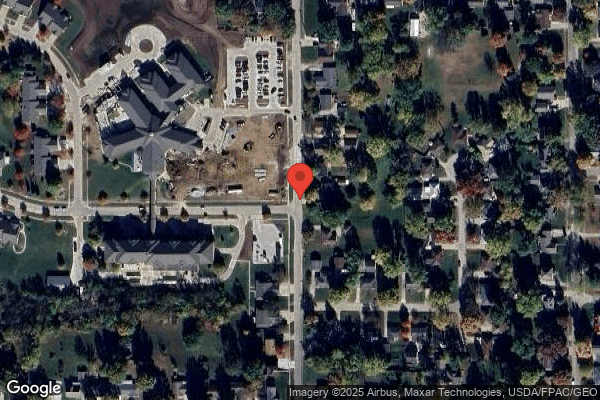
1203 NORTH E STREET, INDIANOLA, IA 50125 (515) 961-7458
Non profit - Corporation 54 Beds WESLEYLIFE Data: November 2025
Trust Grade
75/100
#153 of 392 in IA
Last Inspection: November 2024

Within standard 12-15 month inspection cycle. Federal law requires annual inspections.

Overview

The Village in Indianola, Iowa, has a Trust Grade of B, indicating it is a good choice for families, as it is solidly above average. It ranks #153 out of 392 nursing homes in Iowa, placing it in the top half of facilities statewide, and #2 out of 6 in Warren County, suggesting it is one of the better local options. The facility's trend is stable, with 3 issues reported in both 2023 and 2024, indicating consistent performance over time. Staffing is a highlight here with a perfect 5/5 stars rating, although turnover is at 48%, which is average compared to the state. There have been no fines, which is a positive sign, and RN coverage is average, meaning while there are RNs available, it’s not particularly high compared to other facilities. However, some concerns were noted during inspections. For instance, there was a serious incident where the facility failed to ensure safety measures for a resident at risk of self-harm. Additionally, food was not prepared under sanitary conditions, posing potential health risks to residents. Lastly, infection control practices were not adequately followed for residents with medical devices, indicating areas that need improvement. Overall, while there are strengths in staffing and no fines, the facility must address its safety and sanitation issues.

Trust Score
B
75/100
In Iowa
#153/392
Top 39%
Safety Record
Moderate
Needs review
Inspections
Holding Steady
3 → 3 violations
Staff Stability
⚠ Watch
48% turnover. Above average. Higher turnover means staff may not know residents' routines.
Penalties
✓ Good
No fines on record. Clean compliance history, better than most Iowa facilities.
Skilled Nurses
✓ Good
Each resident gets 42 minutes of Registered Nurse (RN) attention daily — more than average for Iowa. RNs are trained to catch health problems early.
Violations
⚠ Watch
12 deficiencies on record. Higher than average. Multiple issues found across inspections.
★★★★☆
4.0
Overall Rating
★★★★★
5.0
Staff Levels
★★★☆☆
3.0
Care Quality
★★★☆☆
3.0
Inspection Score
Stable
2023: 3 issues
2024: 3 issues

The Good

  • 5-Star Staffing Rating · Excellent nurse staffing levels
  • Full Sprinkler Coverage · Fire safety systems throughout facility
  • No fines on record

Facility shows strength in staffing levels, fire safety.

The Bad

Staff Turnover: 48%

Near Iowa avg (46%)

Higher turnover may affect care consistency

Chain: WESLEYLIFE

Part of a multi-facility chain

Ask about local staffing decisions and management

The Ugly 12 deficiencies on record

1 actual harm
Nov 2024 3 deficiencies 1 Harm
SERIOUS (G) 📢 Someone Reported This

A family member, employee, or ombudsman was alarmed enough to file a formal complaint

Actual Harm - a resident was hurt due to facility failures

Accident Prevention (Tag F0689)

A resident was harmed · This affected 1 resident

**NOTE- TERMS IN BRACKETS HAVE BEEN EDITED TO PROTECT CONFIDENTIALITY** Based on direct observation, staff interview, facility documentation, and facility policy review, the facility failed to impleme...

Read full inspector narrative →
**NOTE- TERMS IN BRACKETS HAVE BEEN EDITED TO PROTECT CONFIDENTIALITY** Based on direct observation, staff interview, facility documentation, and facility policy review, the facility failed to implement measures to ensure safety for each resident identified at risk of injury to themselves for 1 of 4 residents reviewed. The facility reported a census of 49. Findings include: The Quarterly Minimum Data Set (MDS) for Resident#26, dated 10/02/24, documented relevant diagnoses of heart failure, hypertension, history of fractures, Non-Alzheimer's Dementia, seizure disorder, depression, and a history of falling. It documented her brief interview for mental status (BIMS) score as 03, which indicated severely impaired cognition. It further documented a need for a wheelchair or walker for supportive items, and functional ability to walk score of 03, indicating the resident required moderate assistance to walk. The Care plan, last revised on 10/04/24, recorded the resident used a front wheeled walker in her room and a wheelchair for mobility that required longer distances. It documented the resident required an assist of one for ambulation, with the use of a gait belt and front wheeled walker and the resident was an assist of one for wheelchair mobility. It also recorded the resident was an assist of one for transfers. Additionally, it documented fall prevention interventions for Resident #26 included her bed being placed in the standing position, not the low position, to assist the resident in standing from her bed, as well as her wheelchair placed at the foot of her bed to allow her to use it. Review of nursing progress notes dated 08/05/24 revealed Resident #26 fell during the overnight shift at approximately 12:20 am attempting to self-ambulate. She was found by Staff K, Certified Nurse's Aide (CNA), and assessed by Staff L, Registered Nurse (RN). The resident required transportation to the hospital where she was diagnosed with a fractured right wrist. The nursing progress notes do not detail the position of the resident's bed or location of her wheelchair at the time of the incident. Further review of nursing progress notes dated from 07/01/24 until 11/14/24 documented Resident #26 had fallen on at least four documented occasions during the lookback period with the most recent fall having occurred on 10/09/24. Review of hospital discharge records, dated 08/05/24 , confirm Resident #26 sustained a right wrist fracture. During a direct observation on 11/14/24 at 08:32 AM with Staff J, Certified Medication Aide (CMA), Resident #26 was seen sitting in her bed. Her bed was in the low position, as confirmed by Staff J, and her wheelchair was placed in her bathroom behind a closed door. Staff J acknowledged to the surveyor at this time the bed was in the wrong position and that the wheelchair needed to be at the foot of her bed, not in the bathroom. In an interview on 11/14/24 at 09:09 AM with Staff K, CNA he noted he found Resident #26 shortly after midnight on 08/05/24. He was unable to recall what specific care plan interventions the resident had in place to prevent falls, and did not recall the location of her wheelchair at the time of the incident. In an interview on 11/14/24 at 09:50 with Staff L, Registered Nurse she stated she believed the resident was trying to walk to her recliner or the bathroom at the time of the fall. She stated she had been summoned to Resident #26's room shortly after midnight on 08/05/24 by Staff K, who had found her on the floor with an obvious bend in her wrist. She stated she believed the bed was in the low position and the resident's wheelchair was across the room from her bed, placed near the recliner the resident appeared to be attempting to ambulate to. She assessed Resident #26 and found the resident was unable to move the fingers on her right hand, and the resident was complaining of pain in that arm. There was also a clear bend in the arm near her right wrist that led Staff L to believe she had broken her arm. She contacted the Director of Nursing (DON) after having called for an ambulance transport to the emergency room. She could not recall what interventions Resident #26 had in place to prevent falls. In an interview on 11/14/24 at 01:05 PM with Staff I, CNA, she stated she knows the expectation is to follow the documented interventions in the electronic health record (EHR) for all residents. She stated she knows Resident #26 is prone to falling if her care planned interventions aren't followed, and was able to list the care planned interventions from memory. She stated she had seen prior times in the morning when she noted the care planned interventions for Resident #26 had not been followed, though she could not offer exact dates. In an interview on 11/14/24 at 01:14 PM with Staff H, CNA, she was able to accurately state the care planned interventions for Resident #26. She noted Resident #26 is prone to falls and at risk for injury if her care planned interventions are not in place, as she is non-compliant with things like the call lights system, and she has been harmed in the past falling. In an interview on 11/14/24 at 01:32 PM with the Director of Nursing, she stated it was her expectation that staff follow care planned interventions to enhance resident safety. She agreed that not implementing care planned interventions can lead to harm and injury for residents, and she agreed that not following the care planned interventions on the evening of 08/05/24 could have contributed to Resident #26's fracture. In an interview on 11/14/24 at 10:12 AM with the Advanced Registered Nurse Practitioner (ARNP), she stated that while she believes the residents dementia and poor physical condition were the primary factors in the 08/05/24 fracture, she agreed not following care planned interventions could have contributed to her injury. Review of the facility provided document titled CNA Orientation Checklist directs facility staff members to use the [NAME]/Care Plan to guide care for residents identified as at risk for falls.
CONCERN (D)

Potential for Harm - no one hurt, but risky conditions existed

Food Safety (Tag F0812)

Could have caused harm · This affected 1 resident

**NOTE- TERMS IN BRACKETS HAVE BEEN EDITED TO PROTECT CONFIDENTIALITY** Based on observations, staff interview, and policy review, the facility failed to label and store food items in order to maintai...

Read full inspector narrative →
**NOTE- TERMS IN BRACKETS HAVE BEEN EDITED TO PROTECT CONFIDENTIALITY** Based on observations, staff interview, and policy review, the facility failed to label and store food items in order to maintain food quality and reduce the risk of contamination and food-borne illness. The facility reported a census of 49 residents. Findings include: Initial tour of the main kitchen on 11/12/24 at 10:00 AM revealed the following concerns: a. Unidentified meat wrapped in plastic wrap found in the walk-in cooler without a label or date and stored below a sheet pan of uncooked meat loaf and beef patties b. Plastic storage containers located on a top shelf in dry storage found without a label to identify the product or a date to show when transferred from the original packaging c. Packages of used dry pasta, secured with a knot to close, found without a date to indicate when opened d. Plastic storage container of dry pasta found without a label or date e. Plastic storage container of popcorn kernels found without a label or date; Lid to the container not completely secured f. Used container of popcorn oil observed in the plastic storage bin of popcorn kernels In an interview on 11/12/24 at 2:30 PM, the Director of Food and Beverage acknowledged the presence of the unlabeled meat in the walk-in cooler and the unlabeled plastic storage bins of food and dry pasta in dry storage. All food should have been labeled appropriately. The policy Label & Dating Policy last revised 11/2024, outlines bulk items that have been removed from their original packaging will include the following on the label: a. Food item name b. Date made/prepared or opened c. Use by date-reference [NAME] Life ' s Life of Food Storage and Handling policy d. Food handler's initial
CONCERN (E)

Potential for Harm - no one hurt, but risky conditions existed

Infection Control (Tag F0880)

Could have caused harm · This affected multiple residents

**NOTE- TERMS IN BRACKETS HAVE BEEN EDITED TO PROTECT CONFIDENTIALITY** Based on record review, observations, staff interviews, and policy review, the facility failed to implement Enhanced Barrier Pro...

Read full inspector narrative →
**NOTE- TERMS IN BRACKETS HAVE BEEN EDITED TO PROTECT CONFIDENTIALITY** Based on record review, observations, staff interviews, and policy review, the facility failed to implement Enhanced Barrier Protection (EBP) practices for residents with indwelling medical devices and wounds for 4 of 4 residents reviewed (Resident #3, Resident #21, Resident #39, and Resident #109) reviewed for infection control. The facility failed to sanitize a multi-resident use mechanical lift in-between use for 2 of 3 households (Juniper and Magnolia) observed for equipment sanitation. The facility failed to provide infection prevention practices during urinary catheter cares for 1 of 2 residents (Resident #21) observed for catheter cares. The facility reported a census of 49. Findings include: 1. The Quarterly Minimum Data Set (MDS) dated [DATE] revealed Resident #21 had a Brief Interview for Mental Status (BIMS) score of 15 indicating intact cognition. Documented diagnoses include neurogenic bladder, obstructive uropathy, and paraplegia. The MDS indicated the presence of an indwelling catheter. The Care Plan with a targeted date of 1/14/25 revealed Resident #21 with an activities of daily living (ADL) performance deficit with total dependence on staff for use of wheelchair. The resident utilizes a mechanical lift for all transfers and relies on at least one staff member for personal cares. An indwelling catheter is present related to the diagnosis of neuromuscular dysfunction of bladder. The Care Plan lacked directives for staff to use EBP but noted the resident declines use of EBP (initiation date of 4/30/24). During observations on 11/12/24 at 12:05 PM, Staff A, Certified Nursing Assistant (CNA), and Staff B, CNA, both donned on a pair of gloves prior to initiating cares. Staff B proceeded to empty Resident #21's urinary catheter bag. A graduate was placed on the floor without a barrier. Staff B cleansed the catheter port with an alcohol swab and emptied the bag. Due to the Resident #21's shared bathroom being occupied by the roommate, the graduate full of urine could not be emptied at that time. Staff B placed the graduate on the floor next to the bed, without a barrier. No hand hygiene or glove change observed from Staff B when transitioned from catheter cares to pericares. Staff A and Staff B both completed pericares, which included the handling of the urinary catheter. After all resident cares finished, Staff B completed hand hygiene and glove change and emptied the graduate in the toilet. The graduate was placed in a plastic bag for storage without rinsing. Staff A and Staff B completed hand hygiene when exited the room. Neither staff member wore gowns while the catheter was cared for and handled. The resident's room lacked signage to indicate the use of EBP or the required Personal Protective Equipment (PPE). During an interview on 11/13/24 at 3:50 PM, the Director of Nursing (DON) acknowledged the lack of EBP throughout the facility. The DON reported the facility's Medical Director uses an algorithm to determine if a resident needs to be placed on EBP. The resident has to be colonized multi-drug resistant organism (MDRO) or have an infection to meet this criteria. A Resident Choices and Mitigating Risk Assessment completed if a resident does not want staff to utilize EBP. During an interview on 11/14/24 at 09:50 AM, Staff C, CNA explained resident-specific information is available to staff. For those residents with EBP, Staff C reported gown and gloves are to be worn when touching or doing anything with a catheter or if a resident has a wound. Staff C acknowledged training was provided a while ago but have not used gowns. Staff C confirmed the facility has adequate personal protective equipment (PPE) available for staff use. The policy Enhanced Barrier Precaution revised 4/2024 revealed Enhanced Barrier Precautions are a method for reducing the spread of MDROs by using a gown and gloves to prevent contamination of healthcare personnel hands and clothing during the activities that have demonstrated the highest risk for transfer of MDROs to the hands and clothing of healthcare personnel. Enhanced barrier precautions may be used for residents that have any of the following: a. Infection or colonization with an MDRO when Contact Precautions do not otherwise apply b. Wounds and/or indwelling medical devices including: indwelling urinary catheters and chronic wounds including, but are not limited to, pressure ulcers, diabetic foot ulcers, unhealed surgical wounds, and venous stasis ulcers. Enhanced Barrier Precautions includes the use of gown and gloves for the specific residents during high contact care activities including changing a brief or assisting with toileting, direct care of an indwelling device (such as urinary catheter), performing wound care on a direct opening to the body that requires a dressing, changing linen, or providing personal cares. The policy Catheter-Emptying a Urinary Drainage Bag revised 07/2016 directs staff to: a. Place the graduate cylinder in a plastic basin (or on a plastic bag) under the collection bag's drainage port. The graduate cylinder should not touch the floor and the drainage port should not touch the graduate cylinder b. Fill a disposable cup with tap water, then pour into the graduate cylinder to rinse; empty water into toilet and repeat until the graduated cylinder is thoroughly rinsed c. Place paper towels in graduate to soak up any remaining water. 4. The Significant Change Minimum Data Set (MDS) for Resident #3, dated 07/25/24, revealed the resident had a relevant diagnosis of pressure ulcer, hypertension, renal insufficiency, Non-Alzheimer's Dementia, Malnutrition, Anxiety disorder, and depression. It documented a brief interview for mental status (BIMS) score of 05, indicating severe cognitive impairment. The Care Plan for Resident #3, last revised on 11/11/24, documented a stage II medial foot pressure ulcer and advised staff members to administer treatments as directed. It did not document a need for enhanced barrier precautions. In a direct observation on 11/13/24 at 03:38 PM with Staff G, LPN, she applied a barrier treatment to the stage II medial foot pressure ulcer, but did not utilize enhanced barrier precautions. When asked if she believed she was required to use enhanced barrier precautions during wound treatment she indicated she did not believe it was required for Resident #3. In an interview on 11/14/24 at 08:37 AM with the Director of Nursing (DON), she confirmed Resident #3 did require enhanced barrier precautions during wound care. She admitted she had struggled with enhanced barrier precaution and their application. 5. Observations on 11/14/24 revealed the following: 7:55 AM, Staff F, CNA pushed mechanical lift out of a resident ' s room, parking mechanical light in hallway outside of the room then returned to resident ' s room 8:15 AM Staff F, CNA, exited a resident ' s room, crossed the hall, and entered another resident room. Staff C, CNA excited the same resident ' s room pushing the mechanical lift and followed Staff F, CNA into the room. 8:35 AM Staff F, CNA, observed pushing the mechanical lift out of the resident's room and parking the mechanical lift in the hallway of the unit. During an interview on 11/14/24 at 8:43 AM, Staff C, CNA stated the mechanical lifts are cleaned and sanitized when it appears to be dirt. Staff C, CNA thought the mechanical lifts might be cleaned on the overnight shift or during the weekly cleaning, but did not know for sure. During an interview on 11/14/24 at 12:47 PM, DON, stated the mechanical lifts are to be cleaned after each resident's use. Review of facility provided Infection Control Manual: Nursing Weekly Cleaning Tasks, effective date 8/1/2019, stated multiple use items will be cleaned and disinfected between each resident use. Such as: Shower Chairs, Tubs, Bedside Scales, Mechanical Lifts, Commodes, IV or Tube Feedling- Poles/pumps. 2. The MDS assessment dated [DATE] revealed Resident # 39 had diagnoses of obstructive uropathy (a condition in which the flow of urine is blocked). The MDS indicated the resident had an indwelling catheter, and had dependence on staff for toileting hygiene, dressing, bed mobility, and transfers. The Care Plan revised 11/3/24 revealed the resident had an Activities of Daily Living (ADL) self-care deficit related to limited mobility, and had an indwelling catheter. The Care Plan directed staff to provide assistance of one with bed mobility and catheter care, use a mechanical lift and assistance of two for transfers, and provide pericare. Resident #39's electronic health record (EHR) lacked a Resident Choices and Mitigating Risk Assessment. During observations on 11/13/24 at 11:12 AM, Staff C, Certified Nursing Assistant (CNA), and Staff D, CNA, washed hands and donned gloves, then transferred Resident #39 from the broda chair to the bed using a mechanical lift. Staff D took disposable wipes and cleansed the periarea and catheter tubing from the entry site toward the bag. Staff D changed gloves, took disposable wipes and cleansed the buttocks area front to back, then placed a clean brief under the resident. Staff C and Staff D changed gloves. At 11:20 AM, Staff C donned a pair of gloves and emptied the resident's catheter contents into a graduate container. Staff C took an alcohol swab and cleansed the port on the catheter bag. Staff C emptied the graduate into the toilet, took a disposable wipe and wiped the inside of the graduate, then placed the graduate into a plastic bag and placed the graduate inside a cabinet. Staff C removed her gloves and washed her hands. The resident's room had no EBP signage or the required PPE. Staff C and Staff D did not wear a gown when they transferred the resident, when performed pericare, or when handled the catheter and performed catheter care. Observation on 11/14/24 at 9:45 AM revealed a plastic bin with drawers containing Personal Protective Equipment (PPE) (gowns and gloves) observed inside the resident's room. During an interview on 11/14/24 at 9:50 AM, Staff C, CNA, reported she looked at her phone to get information about what cares a resident needed done. Staff C reported staff were supposed to wear a gown and gloves for EBP anytime staff touched or did anything with a catheter or if a resident had a wound. Staff C reported the facility staff provided staff training about EBP's a while ago but they haven't used gowns during encounters with residents who had a catheter or a wound. 3. The Clinical Medical Diagnosis List documented Resident #109 had diagnoses of a diabetic foot ulcer, infection to the right ankle and foot, and urinary retention. The Care Plan initiated on 11/8/24 revealed the resident had a risk for pressure injuries and impaired skin related to diabetes and impaired mobility. The resident had a diabetic ulcer on his right heel. The Care Plan directed staff to follow facility protocols for treatment. The CarePplan also documented the resident had an indwelling catheter related to urinary retention. Resident #109's EHR lacked a Resident Choices and Mitigating Risk Assessment. Progress Notes revealed the following: a. On 11/12/24 at 10:03 AM revealed an order to apply betadine soaked gauze to the resident's right heel twice a day (BID), and administer bactrim DS (antibiotic) BID for seven days. b. On 11/13/24 at 1:10 AM, resident on skilled level of care for a diabetic ulcer to his right foot and receiving bactrim as ordered for a foot wound. Dressing in place to the wound. During observations on 11/13/24 at 9:10 AM, Staff E, Registered Nurse (RN), gathered supplies, placed the supplies on an overbed table, washed her hands and donned a pair of gloves. Staff E removed a soiled dressing over the resident's right foot, changed her gloves and sanitized her hands, then cleansed the right foot wound with wound cleanser and gauze. Staff E changed her gloves, applied a betadine gauze and kerlix dressing to the right lateral foot wound, and removed her gloves. The resident's room had no EBP signage or the required PPE, and Staff E did not wear a gown when she performed the wound care and dressing change. Observation on 11/14/24 at 10:40 AM, revelaed a plastic bin with drawers sat outside the resident's room with PPE inside. During an interview on 11/13/24 at 3:50 PM, the DON reported Resident #109 had a diabetic foot ulcer and Resident #39 had a catheter. The Medical Director used an algorithm to determine if a resident needed to be on EBP. The resident had to have a colonized MDRO or have an infection to meet the criteria. Staff filled out a Resident Choices and Mitigating Risk Assessment if the resident did not want staff to use EBP's.
Nov 2023 3 deficiencies
CONCERN (D)

Potential for Harm - no one hurt, but risky conditions existed

Comprehensive Care Plan (Tag F0656)

Could have caused harm · This affected 1 resident

**NOTE- TERMS IN BRACKETS HAVE BEEN EDITED TO PROTECT CONFIDENTIALITY** Based on observation, record review, and staff interview the facility failed to ensure 1 of 1 residents (Resident #48) with a co...

Read full inspector narrative →
**NOTE- TERMS IN BRACKETS HAVE BEEN EDITED TO PROTECT CONFIDENTIALITY** Based on observation, record review, and staff interview the facility failed to ensure 1 of 1 residents (Resident #48) with a colostomy had a comprehensive care plan in place within 21 days from admission date. The facility reported a census of 51 residents. Findings include: Record review of Resident #48 Minimum Data Set (MDS) dated [DATE] documented an admission to the facility on [DATE]. During an observation on 10/31/23 at 9:09 AM revealed Resident #48 has a colostomy site. Record review of a Progress Note dated 10/20/2023 at 7:15 AM documented Resident #48 colostomy bag had a tear this morning and was assisted to the bathroom and her colostomy bag was changed. Record review of Resident #48 Comprehensive Care Plan on 11/2/23 revealed no Care Plan goals or interventions are in place for her colostomy site. During an interview on 11/02/23 at 9:36 AM with the Director of Nursing (DON) revealed she would expect Resident #48 to have her colostomy care on the comprehensive Care Plan if she has been here for more then 21 days.
CONCERN (D)

Potential for Harm - no one hurt, but risky conditions existed

Deficiency F0660 (Tag F0660)

Could have caused harm · This affected 1 resident

Based on record review and staff interviews the facility failed to complete an Interdisciplinary Recapitulation of Stay assessment for 1 of 1 residents (Resident #50) reviewed for discharges. The faci...

Read full inspector narrative →
Based on record review and staff interviews the facility failed to complete an Interdisciplinary Recapitulation of Stay assessment for 1 of 1 residents (Resident #50) reviewed for discharges. The facility reported a census of 51 residents. Findings include: Record review of Resident #50 Electronic Health Record (EHR) Minimum Data Set (MDS) log revealed she discharged from the facility on 10/16/23 and is not expected to return. During an interview on 11/02/23 at 9:35 AM with the Director of Nursing (DON) revealed she would expect the floor nurse who discharges the resident to open the Interdisciplinary Recapitulation of Stay assessment in the residents EHR on the day they discharge. Record review Resident #50 EHR Assessments revealed the facility initiated an Interdisciplinary Recapitulation of Stay assessment on 11/2/2023.
CONCERN (F)

Potential for Harm - no one hurt, but risky conditions existed

Food Safety (Tag F0812)

Could have caused harm · This affected most or all residents

Based on observation, staff interviews, and document review, the facility failed to store and prepare food in accordance with professional standards for 51 of 51 residents. Resident food had not been ...

Read full inspector narrative →
Based on observation, staff interviews, and document review, the facility failed to store and prepare food in accordance with professional standards for 51 of 51 residents. Resident food had not been prepared under sanitary conditions and with clean sanitary equipment. The facility reported a census of 51 residents. Findings include: On 10/30/23 at 11:00 AM an observation during the initial Primary Kitchen tour revealed the following: A Vulcan grill noted to have a buildup of dark brown substance between grates. Edges and sides of the grill were covered with brownish liquid stuck to the surfaces and accumulated directly underneath the grill tile floor. The tile floor underneath the equipment was covered with layers of debris. Two drains located near the grill and the serving table had visible accumulation of debris. The wall behind the backsplash of the grill was covered with brown substance extending up to the hood vents. Inside the hood vents, a pipe located directly above the grill noted to have several drip size brown color substances accumulated along the bottom of it. Two large round waste bins located near the food preparation stainless steel tables were not covered with lids. Sides of the waste bins displayed various splashes and side handles had accumulated debris inside of them. A second observation on 10/31/23 at 09:05 AM had shown all initially observed on 10/30/23 at 11:00 AM contaminated areas had remained unchanged. On 11/1/23 at 10:00 AM a third observation had shown previously observed contaminated areas had remained unchanged. In addition, it was noted that 4 white plastic serving spatulas stored in a utensil drawer of the preparation table were integrally compromised. In an interview with Staff C on 10/30/23 at 11:00 AM, he acknowledged he did not have a cleaning checklist he followed and stated he was expected to clean his workstation after each shift. He further stated that it's been a while since the floor tiles underneath the equipment were cleaned. In an interview with the Food and Beverage Supervisor on 10/30/23 at 1:35 PM, she stated that staff were responsible for cleaning their workstations after each shift. In an interview with the Administrator on 10/31/23 at 2:30 PM while observing the Primary Kitchen she acknowledged that the Vulcan grill, drains and waste bins handles displayed accumulated debris. She also provided the scheduled cleaning lists the kitchen staff used, and stated that they were only kept for 1 week then disposed of. A review of the facility provided document on 11/02/23 at 09:00 AM, titled Facility Dietary Department, Infection Control Manual, effective 8/1/2019, documented: 1. All equipment must be cleaned and sanitized before use. 2. Keep all work areas, floor and dietary equipment as clean as possible throughout the work day. 3. Clean ranges every day. 4. At least one a month, clean hoods over stoves and dishwashing machines. 5. Wet mop floors every day and as needed.
Jul 2022 6 deficiencies
CONCERN (D)

Potential for Harm - no one hurt, but risky conditions existed

Transfer Notice (Tag F0623)

Could have caused harm · This affected 1 resident

**NOTE- TERMS IN BRACKETS HAVE BEEN EDITED TO PROTECT CONFIDENTIALITY** 2. Review of Resident #25's record revealed a discharge MDS that documented the resident discharged from the facility on 04/15/2...

Read full inspector narrative →
**NOTE- TERMS IN BRACKETS HAVE BEEN EDITED TO PROTECT CONFIDENTIALITY** 2. Review of Resident #25's record revealed a discharge MDS that documented the resident discharged from the facility on 04/15/21 and an entry . An entry MDS documented a readmission to the facility dated 04/18/22. The Census List revealed Resident #25 status as hospital paid leave 04/15/21 and returned to the facility on 04/18/22. The Progress Note dated 04/15/22 at 3:47 p.m. documented the resident left the facility via Emergency Management System (EMS). Progress Note dated 04/18/22 at 2:09 p.m. documented the resident readmitted to the facility. Review of the notice of transfer form to the long term care ombudsman dated 12/1/21 to 12/31/21 and 4/1/22 to 4/30/22, revealed no mention of Resident #14's or #25's hospitalizations. In an interview on 7/12/22 at 1:00 p.m., the Social Worker (SW) verified the facility did not report either resident's (above) hospital transfer to the ombudsman. Based on clinical record review, staff interview, and facility record review, the facility failed to notify the Long-Term Care Ombudsman when a resident transferred to the hospital for 2 of 2 residents reviewed (Residents #14 and #25). The facility reported a census of 50 residents. The Minimum Data Set (MDS) assessment tool dated 12/28/21 for Resident #14 documented the resident readmitted to the facility 12/28/21 from the hospital. The Census List revealed Resident #14's status as hospital paid leave 12/22/21 and returned to the facility on [DATE]. The Progress Note dated 12/22/21 at 6:09 p.m. documented the resident admitted to the facility. The Progress Note dated 12/28/21 at 3:38 p.m. documented the resident readmitted to the facility.
CONCERN (D)

Potential for Harm - no one hurt, but risky conditions existed

Assessment Accuracy (Tag F0641)

Could have caused harm · This affected 1 resident

**NOTE- TERMS IN BRACKETS HAVE BEEN EDITED TO PROTECT CONFIDENTIALITY** Based on clinical record review and staff interview, the facility failed to accurately complete a Minimum Data Set assessment fo...

Read full inspector narrative →
**NOTE- TERMS IN BRACKETS HAVE BEEN EDITED TO PROTECT CONFIDENTIALITY** Based on clinical record review and staff interview, the facility failed to accurately complete a Minimum Data Set assessment for one of seventeen residents reviewed in the sample (Resident #45). The facility reported a census of 50 residents. Findings include: The significant change Minimum Data Set (MDS) assessment dated [DATE] revealed Resident #45 admitted to the facility on [DATE], and had diagnoses of heart failure and diabetes. The MDS revealed the resident had no condition or chronic disease with a life expectancy of less than 6 months, and had no special treatments such as hospice services. The care plan revised on 6/13/22 revealed Resident #45 had a terminal prognosis related to a severe protein calorie malnourishment. The electronic medical record revealed the resident admitted to hospice on 6/1/22. In an interview 7/12/22 at 1:51 PM, the Director of Nursing (DON) reported Resident # 45 recently had a significant change MDS assessment completed when he admitted to hospice services. The DON stated hospice should've been marked on the MDS under the special treatment section, and a yes marked under the section that pertained to if the resident had a life expectancy less than 6 months. The DON stated she wasn't certain why MDS was coded incorrectly.
CONCERN (D)

Potential for Harm - no one hurt, but risky conditions existed

Comprehensive Care Plan (Tag F0656)

Could have caused harm · This affected 1 resident

**NOTE- TERMS IN BRACKETS HAVE BEEN EDITED TO PROTECT CONFIDENTIALITY** Based on observation, record review, resident interviews and policy review, the facility failed to provide comprehensive care pl...

Read full inspector narrative →
**NOTE- TERMS IN BRACKETS HAVE BEEN EDITED TO PROTECT CONFIDENTIALITY** Based on observation, record review, resident interviews and policy review, the facility failed to provide comprehensive care plans for 2 of 17 residents sampled. (Resident #22 and #44). The facility reported a census of 50 residents. Findings include: 1. Resident #22's Minimum Data Set (MDS) assessment dated [DATE] revealed the resident had diagnoses that included end stage renal disease, diabetes, and depression and also received services for dialysis. The MDS documented the resident demonstrated intact cognitive abilities. Review of Resident #22's record revealed it lacked an order for dialysis. The care plan dated 4/18/22 failed to document frequency, transportation, assessments, and other interventions for the management of the resident's dialysis. 2. Resident #44 ' s MDS dated [DATE] revealed diagnoses that included osteoarthritis, insomnia, and polyneuropathy. The MDS documented the resident demonstrated intact cognitive abilities and was independent with bed mobility. Record Review revealed side rail assessments completed on 10/14/21, 1/14/22, 2/21/22, and 5/31/22, included a side rail consent obtained on 7/23/22. The Care plan dated 6/20/22 lacked staff directives regarding Resident #44's side rails. An observation on 07/07/22 at 01:53 PM revealed upper bedrails in the up position on the right side of bed with the left side of bed against the wall. Resident #44 reported he used the siderails to position himself in bed. In a subsequent interview on 7/12/22 at 7:24 a.m., Resident #22 reported he left the facility three times a week for dialysis services. An interview on 7/12/22 at 7:30 a.m., the Director of Nursing (DON) verified Resident #22 left the faciity on Mondays, Wednesdays, and Fridays for dialysis. On 7/12/22 at 10:00 AM Staff F, Certified Nursing Assistant (CNA) stated she was made aware of Resident #22 ' s dialysis schedule in morning report. She reported that sometimes the facility addresses a resident's siderails on the care plan, sometimes not. On 7/12/22 at 10:15 AM, Staff M CNA stated she expected dialysis to be on her task list. She stated she only used siderails with residents if she had noticed siderails up before. In an interview on 7/12/22 at 2:06 PM, Staff H (Registered Nurse) RN, stated she was unaware of any special assessments related to the management of residents that went to dialysis and was also unaware of the details of transportation related to dialysis or where to find the information. She stated she expected the residents' care plans plan to contain dialysis management and side rail information. A policy titled Care Planning dated 12/21 lacked directives on care areas to be included on a comprehensive care plan.
CONCERN (D)

Potential for Harm - no one hurt, but risky conditions existed

Deficiency F0698 (Tag F0698)

Could have caused harm · This affected 1 resident

**NOTE- TERMS IN BRACKETS HAVE BEEN EDITED TO PROTECT CONFIDENTIALITY** Based on record review, review of dialysis policy, and resident and staff interviews, the facility failed ensure staff completed...

Read full inspector narrative →
**NOTE- TERMS IN BRACKETS HAVE BEEN EDITED TO PROTECT CONFIDENTIALITY** Based on record review, review of dialysis policy, and resident and staff interviews, the facility failed ensure staff completed full nursing assessments and monitoring of a resident before and after outpatient dialysis treatments for 1 of 1 resident reviewed for dialysis services. The facility reported a census of 50 residents. Findings included: According to the Minimum Data Set (MDS) dated [DATE], Resident #22's had diagnoses that included end stage renal disease, diabetes, and depression. The MDS revealed the demonstrated intact cognitive abilities and and received dialysis services. The Dialysis Process facility policy dated 7/18 directed the nurse will notify the dialysis center and document pre and post dialysis vitals signs in the medical record. The policy also directed the nurse will document medications, nutritional/fluid management, labs, treatments, and assessments on a pre and post Dialysis Assessment Form. Record Review revealed a pre-assessment form for 4/27/22 and 4/29/22 and a post-assessment form on 5/11/22. The facility lacked pre and post dialysis vital signs, weights, and assessments. The resident's care plan initiated 4/18/22 failed to direct dialysis care for the resident. Active physician orders dated 7/11/22 failed to direct dialysis care. During an interview on 7/12/22 at 7:24 a.m., Resident #22 reported he leaves the facility three times a week for dialysis. During an interview on 7/12/22 at 7:30 a.m., with Director of Nursing revealed Resident #22 leaves the facility Monday Wednesday and Fridays for dialysis. At 3:00 p.m., the Director of Nursing reported she expected staff to take Resident #22's vital signs before he leaves for dialysis and upon his return, and verified the facility lacked documentation to show this occurred with Resident #22 before and after dialysis within the past 30 days.
CONCERN (D)

Potential for Harm - no one hurt, but risky conditions existed

Food Safety (Tag F0812)

Could have caused harm · This affected 1 resident

**NOTE- TERMS IN BRACKETS HAVE BEEN EDITED TO PROTECT CONFIDENTIALITY** 7. An observation of a personal refrigerator in room [ROOM NUMBER] on 07/07/22 at 02:56 PM revealed two large styrofoam cups of ...

Read full inspector narrative →
**NOTE- TERMS IN BRACKETS HAVE BEEN EDITED TO PROTECT CONFIDENTIALITY** 7. An observation of a personal refrigerator in room [ROOM NUMBER] on 07/07/22 at 02:56 PM revealed two large styrofoam cups of milk not labeled or dated, dried milk flakes on the bottom of the refrigerator, and approximately 1 inch of ice build up on the inside and bottom of the freezer section. An observation of the personal refrigerator in room [ROOM NUMBER] on 07/11/22 at 02:42 PM revealed four pieces of fried chicken in a bag, six pieces of fried chicken in a bag not labeled or dated, dried milk flakes on the bottom of the refrigerator, and approximately one inch of ice build up on the inside and bottom of the freezer section. In a policy titled Resident Food Brought in by Family dated 7/2021 documented refrigerated foods must be labeled with the resident's name, room number and date. Food items will be discarded after 72 hours. -- 6. During multiple observations at the Magnolia kitchenette and dining area, dietary staff members were not wearing personal protective equipment (PPE) properly while preparing, handling, and serving food for residents, and working close to residents in the dining room, as follows: A. On 7/7/22 at 9:30 AM, Staff D (Homemaker) was moving around the kitchenette area holding dishes, opening the refrigerator (containing food), and removing table cloths at the dining area, with her nose uncovered by her mask while also working in close proximity (at about 2-3 feet) to 2 residents who were still sitting around one table. B. On 7/7/22 at 11:40 AM, while at the kitchenette checking food temperatures, Staff C's (Homemaker) nose was uncovered by his mask. Staff D's nose was also uncovered while recording the temperatures of the food being tested, which were located about a foot away from her. A continuous observation until 12:10 PM, showed Staff C preparing food with his nose still uncovered and Staff D also remained to have uncovered nose while serving food for the residents at the dining area. By the end of the observation at 12:15 PM, Staff C and Staff D continued with their food-handling activities with masks not covering their noses. C. On 7/11/22 at 12:14 PM, Staff C was at the kitchenette preparing and serving lunch food with mask not covering his nose. D. On 7/12/22 at 9:10 AM, Staff D and Staff E were working at the kitchenette with masks not covering their noses. Staff D was preparing food at the food preparation counter while Staff E was washing dishes at the sink area, thereafter, Staff E went to serve food to residents with the mask not covering her nose. On 7/12/22 at 9:15 AM, Staff G, Registered Nurse (RN) who was also in the dining area, verified that Staff D and Staff E were not wearing their masks properly. Staff G said that masks need to cover the mouth and the nose. Staff G approached the 2 dietary staff members (Staff D and Staff E) and reminded them to cover their masks cover their noses. On 7/12/22 at 1:37 PM, the Dietary Director (DD) stated that in order to prevent the potential spread of infections, and also in relation to COVID-19 protocols, dietary staff members have been educated and required to wear PPE including masks. The DD also stated expectations for dietary staff members to wear PPE/masks properly, such as covering their mouths and noses especially when preparing/handling food for residents. The document titled, DIETARY DEPARTMENT effective 8/1/2019, indicated that the dietary department will work to comply with all infection control standards and regulations concerning personnel requirements, and food preparation, handling and serving. Based on observations, staff interviews, and facility document and policy review, the dietary staff failed to maintain clean and sanitary conditions in the kitchen, failed to label and store food items in order to maintain food quality and reduce the risk of food-borne illness in the main kitchen and in one of two household kitchen units, and a resident's refrigerator for one of three nursing units observed. Facility staff also failed to conceal hair completely in a hairnet to prevent food borne illness. The facility reported a census of 50 residents. Findings include: 1. Initial tour of the main kitchen on 7/6/22 at 2:36 PM revealed the following concerns: a. The Vulcan oven had two large areas of a solidified yellow liquid substance and blackened debris inside. The handle on the oven contained a sticky brown residue/substance. b. The stove back splash revealed a greasy substance and black debris. c. The True freezer had splatters of food on the outside front and lower portion of the freezer. The inside of the freezer revealed an uncovered pie shell, one bag of chicken breasts, one bag of waxed beans, and two bags of ravioli opened but not labeled or dated. The bag of chicken breasts were open to air. d. The red cutting board surface had a white fuzzy surface with a marred appearance. e. Two metal scoops lay on the counter by the pop machine dispenser next to the ice machine. One of the scoops sat on the counter and touched the hoses attached to the pop machine dispenser. f. The microwave had splatters of food and a sticky substance on the door and the glass plate inside the microwave. g. The [NAME] walk-in freezer contained a bag of chicken breasts, a bag of what appeared to be sausage or beef patties, and a bag of cookie dough opened and exposed to air and not labeled or dated when opened. h. The floor of the [NAME] walk-in freezer contained white/yellow crumbs on the floor under the food storage shelves. 2. On 7/6/22 at 3:00 PM, the freezer in the Magnolia household kitchenette had an open and unlabeled bag of french toast, with the food exposed to air. The floor of the freezer revealed a slice of french toast, and a brown and white sticky substance that appeared to be melted ice cream. On 7/7/22 at 2:02 PM, a slice of French toast and spillage that appeared to be melted ice cream and food particles sat on the bottom of the freezer. 3. During observation in the Magnolia household kitchenette on 7/7/22 at 8:41 AM, Staff A, homemaker cook, wore a hairnet over the middle and back of her head with her bangs exposed. Staff A handled food and assisted with meal service during this time. On 7/7/22 at 12:16 PM, in the Magnolia household kitchenette, Staff A wore a hairnet over the middle and back of her head with her hair bangs exposed. 4. During observations on 7/7/22 at 1:20 PM, Staff B, dietary aide, washed dishes and handled plates and utensils in the dishwashing area without wearing a hairnet. 5. Follow-up observations in the main kitchen on 7/7/22 starting at 1:30 PM revealed the following concerns: a. The Vulcan oven continued to have two large areas of solidified grease and black debris inside, and the oven handle had a greasy, brown substance. b. A fan sat on the floor near the food prep counter and the stove. The fan contained large brownish and gray dust particles and blew toward the food prep area. c. The True freezer continued to have an undated a pie crust and bag of ravioli opened to air. The bottom of the freezer revealed spillage and food particles. d. Two metal scoops lay on the counter by the pop dispenser machine next to the ice machine. e. The microwave still contained splatters of food on the glass plate and inside the door. f. The [NAME] walk-in cooler contained an uncovered bag of beef fritters and a pan with what appeared to be beef with a label cooked. The pan of meat was uncovered, not dated, and not labeled with the contents. At the time the Dietary Director (DM) confirmed the contents was a pan of beef and the food needed to be covered. g. The floor in the walk-in freezer had what appeared to be melted ice cream and particles of food/debris on the floor under the food storage shelves. On 7/11/22 at 3:25 PM, observation continued to reveal crumbs and large food particles and what appeared to be melted ice cream on the floor near the walk in freezer doorway. In an interview on 7/7/22 at 1:56 PM, the DM confirmed staff had a cleaning schedule. The DM reported the facility divided cleaning tasks up amongst staff who worked in dietary and household areas and they cleaned whenever staff had time. The staff initialed the cleaning task whenever they completed them. The DM reported the facility did not currently use the Vulcan oven because it did not hold its temperature and took a long time for the food to cook. In an interview 7/11/22 at 3:15 PM, the DM reported they used a cleaning schedule in the main kitchen and in each household. The DM reported he discarded daily cleaning logs after he looked at them and addressed any issues. An undated policy titled Food Storage directed the facility stored food stored in an appropriate manner that correlated to its general storage directions. The infection control manual dated 8/1/19 under section titled Dietary Department revealed the following: a. The dietary department worked to comply with all state, federal, and local infection control standards and regulations concerning food storage, preparation, handling, and equipment sanitization. b. All equipment and work surfaces cleaned and sanitized before and after use. c. All work areas and dietary equipment kept as clean as possible throughout the work day. d. The range cleaned every day. A Hairnet policy dated 10/2019 directed staff to wear hairnets whenever they entered the kitchen or whenever staff worked with or served food or whenever food was present in the household. The policy clarified that the hairnet must cover the entire hair area not just the bun or back of the hair. Review of the Daily Server Cleaning Tasks dated 7/4/22 - 7/10/22 revealed staff last cleaned the cooler and freezer floor on 7/4/22. The cleaning task schedule lacked directives or places to record cleaning of the oven, microwave, or fan. Review of a Homemaker checklist for the Magnolia Household dated 7/9/22 lacked documentation to show staff cleaned the refrigerator freezer. The 2017 Food Code directed staff to wear a hair covering to keep hair from contacting exposed food, clean equipment, and utensils. The 2917 Food Code also directed staff to cover or package food while in cold storage. Ice scoops stored with handles up in an ice bin.
CONCERN (D)

Potential for Harm - no one hurt, but risky conditions existed

Deficiency F0885 (Tag F0885)

Could have caused harm · This affected 1 resident

Based on staff interviews, facility protocl, and clinical record review, the facility failed to inform residents, their representatives, and families of those residing in facilities by 5 p.m. the next...

Read full inspector narrative →
Based on staff interviews, facility protocl, and clinical record review, the facility failed to inform residents, their representatives, and families of those residing in facilities by 5 p.m. the next calendar day following the occurrence of two single confirmed infection of COVID-19 on 6/29/22 and 7/7/22. The facility reported a census of 50 at the time of the investigation. During an interview with the Director of Nursing (DON), on 7/6/22 at 1:39 p.m. revealed it is a team effort to notify residents and families of positive COVID results. DON stated the last positive staff member was on 6/29/22. During an confidential interview with an Power of Attorney (POA) of a resident residing in the facility on 7/7/22 at 10:57 a.m. revealed she had not been notified of a COVID positive staff or residents since 6/15/22. During an interview with DON on 7/11/22 at 10:01 a.m. revealed the residents, families, representatives, were not notified of recent COVID positive staff infections on 6/29/22 or 7/7/22. DON stated all would be notified on 7/11/22. During an interview with Social Worker (SW) on 7/13/22 at 10:40 a.m. revealed an email is sent to the team that assist with notifying families along with directives indicating who will call who on the resident list, the resident list is divided up alphabetically. SW stated an email was received indicating the facility was in outbreak status and lacked directives for family notifications on both 6/29/22 and 7/7/22. SW stated she did not notify family of COVID positive infections on either date. During an interview with Staff K, Activities on 7/13/22 at 11:15 a.m. revealed she was not asked to assist with family notification on either 6/29/22 or 7/7/22. During an interview with Staff L, Director of Health and Wellness on 7/13/22 at 11:20 a.m. revealed the activity staff will assist with family notification if requested. Staff L stated activity staff was not requested on either 6/29/22 or 7/7/22. An undated Mechanisms Used for Reporting COVID-19 to Residents and Families policy directed staff designated to inform families and update facility website. The policy lacked specific details with regard to notification. Facility document titled COVID positive list, undated, revealed Staff I, Speech Therapist (ST) tested COVID positive on 6/29/22 and Staff the J, Maintenance tested COVID positive on 7/7/22. Facility lacked notification documentation to inform residents, their representatives, and families of those residing in the facility by 5 p.m. the next calendar day on 6/29/22 and 7/7/22.
Understanding Severity Codes (click to expand)
Life-Threatening (Immediate Jeopardy)
J - Isolated K - Pattern L - Widespread
Actual Harm
G - Isolated H - Pattern I - Widespread
Potential for Harm
D - Isolated E - Pattern F - Widespread
No Harm (Minor)
A - Isolated B - Pattern C - Widespread

Questions to Ask on Your Visit

  • "Can I speak with families of current residents?"
  • "What's your RN coverage like on weekends and overnight?"

Our Honest Assessment

Strengths
  • • No fines on record. Clean compliance history, better than most Iowa facilities.
Concerns
  • • 12 deficiencies on record, including 1 serious (caused harm) violation. Ask about corrective actions taken.
Bottom line: Generally positive indicators. Standard due diligence and a personal visit recommended.

About This Facility

What is The Village's CMS Rating?

CMS assigns The Village an overall rating of 4 out of 5 stars, which is considered above average nationally. Within Iowa, this rating places the facility higher than 99% of the state's 100 nursing homes. This rating reflects solid performance across the metrics CMS uses to evaluate nursing home quality.

How is The Village Staffed?

CMS rates The Village's staffing level at 5 out of 5 stars, which is much above average compared to other nursing homes. Staff turnover is 48%, compared to the Iowa average of 46%.

What Have Inspectors Found at The Village?

State health inspectors documented 12 deficiencies at The Village during 2022 to 2024. These included: 1 that caused actual resident harm and 11 with potential for harm. Deficiencies causing actual harm indicate documented cases where residents experienced negative health consequences.

Who Owns and Operates The Village?

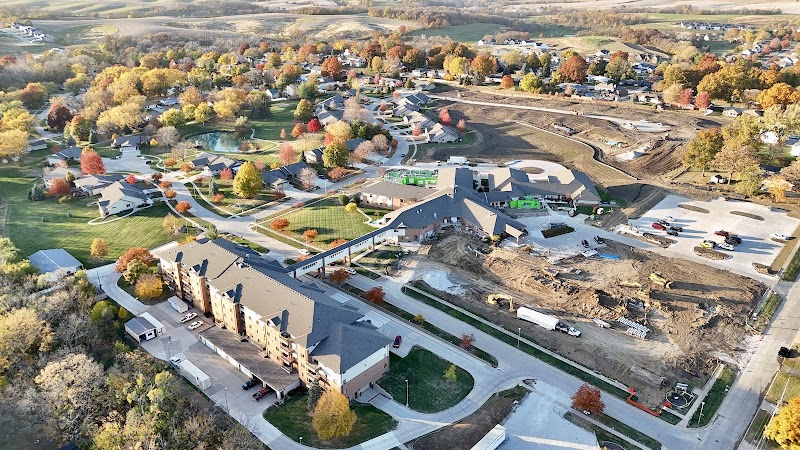
The Village is owned by a non-profit organization. Non-profit facilities reinvest revenue into operations rather than distributing to shareholders. The facility is operated by WESLEYLIFE, a chain that manages multiple nursing homes. With 54 certified beds and approximately 45 residents (about 83% occupancy), it is a smaller facility located in INDIANOLA, Iowa.

How Does The Village Compare to Other Iowa Nursing Homes?

Compared to the 100 nursing homes in Iowa, The Village's overall rating (4 stars) is above the state average of 3.1, staff turnover (48%) is near the state average of 46%, and health inspection rating (3 stars) is at the national benchmark.

What Should Families Ask When Visiting The Village?

Based on this facility's data, families visiting should ask: "Can I visit during a mealtime to observe dining assistance and food quality?" "How do you handle medical emergencies, and what is your hospital transfer rate?" "Can I speak with family members of current residents about their experience?"

Is The Village Safe?

Based on CMS inspection data, The Village has a clean safety record: no substantiated abuse findings (meaning no confirmed cases of resident harm), no Immediate Jeopardy citations (the most serious violation level indicating risk of serious injury or death), and is not on the Special Focus Facility watch list (a federal program monitoring the lowest-performing 1% of nursing homes). The facility has a 4-star overall rating and ranks #1 of 100 nursing homes in Iowa. While no facility is perfect, families should still ask about staff-to-resident ratios and recent inspection results during their visit.

Do Nurses at The Village Stick Around?

The Village has a staff turnover rate of 48%, which is about average for Iowa nursing homes (state average: 46%). Moderate turnover is common in nursing homes, but families should still ask about staff tenure and how the facility maintains care continuity when employees leave.

Was The Village Ever Fined?

The Village has no federal fines on record. CMS issues fines when nursing homes fail to meet care standards or don't correct problems found during inspections. The absence of fines suggests the facility has either maintained compliance or corrected any issues before penalties were assessed. This is a positive indicator, though families should still review recent inspection reports for the full picture.

Is The Village on Any Federal Watch List?

The Village is not on any federal watch list. The most significant is the Special Focus Facility (SFF) program, which identifies the bottom 1% of nursing homes nationally based on persistent, serious quality problems. Not being on this list means the facility has avoided the pattern of deficiencies that triggers enhanced federal oversight. This is a positive indicator, though families should still review the facility's inspection history directly.