Accura Healthcare of Carroll
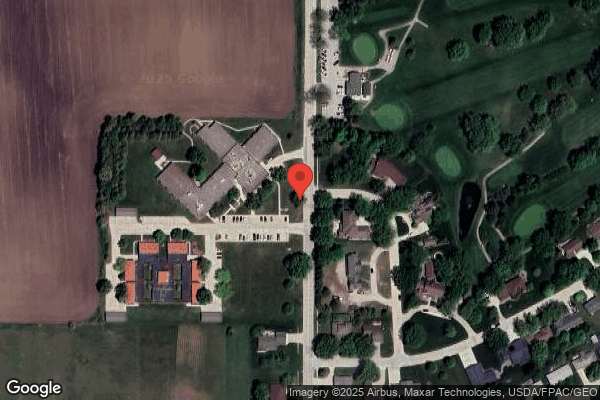
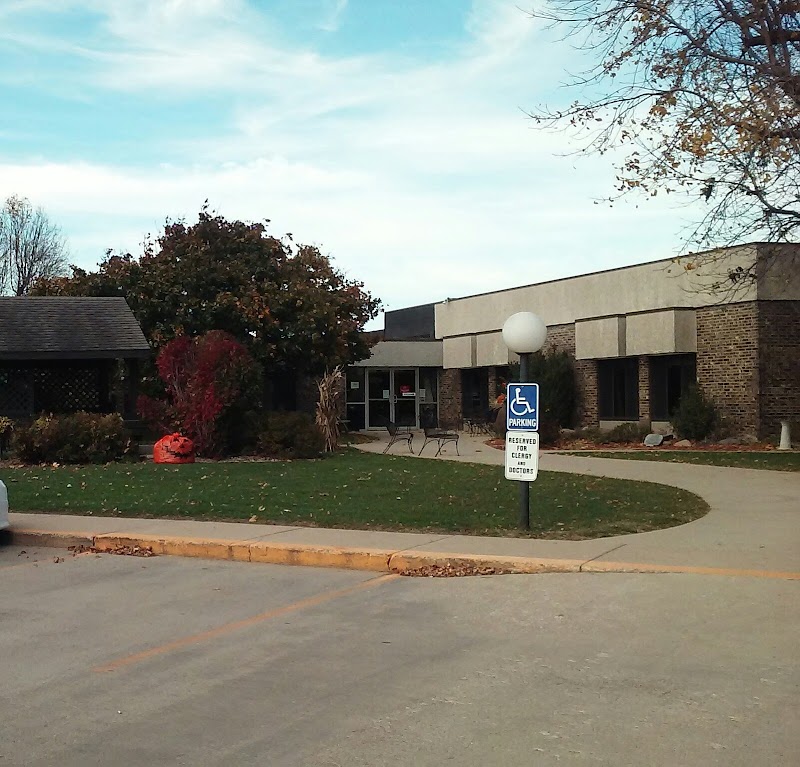
2241 North West Street, Carroll, IA 51401 (712) 792-9284
For profit - Limited Liability company 70 Beds ACCURA HEALTHCARE Data: November 2025
Trust Grade
28/100
#313 of 392 in IA
Last Inspection: March 2025

Within standard 12-15 month inspection cycle. Federal law requires annual inspections.

Overview

Accura Healthcare of Carroll has received a Trust Grade of F, indicating significant concerns about the facility's quality and care. It ranks #313 out of 392 in Iowa, placing it in the bottom half of nursing homes in the state, and #3 out of 4 in Carroll County, meaning only one local option is better. The facility is worsening, with issues doubling from 10 in 2024 to 20 in 2025. While staffing is a strength with a rating of 4 out of 5 stars and a turnover rate of 33%, which is below the state average, the facility has faced serious deficiencies, including a resident developing a Stage III pressure ulcer due to a lack of preventive measures and another experiencing severe weight loss without proper monitoring or intervention. Additionally, there have been concerns regarding the dignity and respect shown to residents, as evidenced by instances of staff being aggressive towards those needing assistance.
Trust Score
F
28/100
In Iowa
#313/392
Bottom 21%
Safety Record
Moderate
Needs review
Inspections
Getting Worse
10 → 20 violations
Staff Stability
○ Average
33% turnover. Near Iowa's 48% average. Typical for the industry.
Penalties
○ Average
$9,750 in fines. Higher than 62% of Iowa facilities. Some compliance issues.
Skilled Nurses
○ Average
Each resident gets 39 minutes of Registered Nurse (RN) attention daily — about average for Iowa. RNs are the most trained staff who monitor for health changes.
Violations
⚠ Watch
43 deficiencies on record. Higher than average. Multiple issues found across inspections.
★☆☆☆☆
1.0
Overall Rating
★★★★☆
4.0
Staff Levels
★★★☆☆
3.0
Care Quality
★☆☆☆☆
1.0
Inspection Score
Stable
2024: 10 issues
2025: 20 issues

The Good

  • 4-Star Staffing Rating · Above-average nurse staffing levels
  • Full Sprinkler Coverage · Fire safety systems throughout facility
  • No fines on record
  • Staff turnover below average (33%)

    15 points below Iowa average of 48%

Facility shows strength in staffing levels, fire safety.

The Bad

1-Star Overall Rating

Below Iowa average (3.0)

Significant quality concerns identified by CMS

Staff Turnover: 33%

13pts below Iowa avg (46%)

Typical for the industry

Federal Fines: $9,750

Below median ($33,413)

Minor penalties assessed

Chain: ACCURA HEALTHCARE

Part of a multi-facility chain

Ask about local staffing decisions and management

The Ugly 43 deficiencies on record

2 actual harm
Jun 2025 6 deficiencies
CONCERN (D) 📢 Someone Reported This

A family member, employee, or ombudsman was alarmed enough to file a formal complaint

Potential for Harm - no one hurt, but risky conditions existed

Deficiency F0605 (Tag F0605)

Could have caused harm · This affected 1 resident

**NOTE- TERMS IN BRACKETS HAVE BEEN EDITED TO PROTECT CONFIDENTIALITY** Based on clinical record review, staff interviews, and policy review, the facility failed to limit PRN (as needed) antipsychotic...

Read full inspector narrative →
**NOTE- TERMS IN BRACKETS HAVE BEEN EDITED TO PROTECT CONFIDENTIALITY** Based on clinical record review, staff interviews, and policy review, the facility failed to limit PRN (as needed) antipsychotic drugs to 14 days, failed to have a Physician evaluate for appropriateness of the medication and provide a clinical rationale prior to the antipsychotic medication usage being extended. In addition the facility failed to obtain a clinical rationale when an antianxiety medication usage was extended and also failed to complete behavioral documentation and offer/attempt nonpharmacological interventions prior to the administration of antianxiety medications for 1 out of 3 residents reviewed (Resident #2) for unnecessary medications. The facility reported a census of 47 residents. Findings include: Resident #2's Minimum Data Set (MDS) assessment dated [DATE] identified a Brief Interview for Mental Status (BIMS) score of 9, indicating moderately impaired cognition. The MDS identified Resident #2 as dependent on staff for bed mobility and chair/bed to chair transfers. Resident #2's MDS included diagnoses of anemia (low blood iron levels), hypertension (high blood pressure), diabetes mellitus, Alzheimer's disease, cerebrovascular accident (stroke), anxiety disorder, depression, respiratory failure and chronic lung disease. The MDS documented Resident #2 had received anti-anxiety medication in the last 7 days. The Care Plan with a target date of 6/25/25 documented Resident #2 was at risk for adverse effects from routine/PRN use of anxiety/antidepressant medications due to diagnosis of depression and dementia with other behavioral disturbances. The Care Plan directed staff to monitor and document for targeted behavior symptoms such as verbal/physical aggression and nonpharmacological interventions such as offering food/fluids, toileting, activities, assessing for pain, calling family, repositioning and providing 1:1. The Care Plan directed to review medication as necessary, observe for effectiveness of the medications and report significant side effects to the Physician. Review of the clinical record revealed Resident #2 was admitted to an inpatient hospital behavioral health unit on 8/15/24 and returned to the facility on 8/20/24. A Physician Order dated 8/25/24 directed staff to administer Haloperidol (Haldol) (antipsychotic medication) 1 mg (milligram) by mouth every 4 hours PRN for behaviors. A Physician Order dated 8/26/24 directed staff to administer Zyprexa 5 mg one tablet every fours as needed for anxiety/irritability and to continue the PRN medication for 6 months related to unpredictable behaviors associated with mental illness. The Pharmacy Consulting Report dated 8/27/25 recommended assessing the PRN antipsychotic, Haloperidol. The form documented federal regulation requires that all PRN antipsychotic medication, regardless of indication be limited to 14 days. If a resident needs a PRN antipsychotic beyond 14 days, the patient has to be assessed and a new order to be written every 14 days. The Physician commented on 8/28/24 to continue the Haloperidol medication for 30 days. The clinical record lacked documentation of a physician assessment and a clinical rationale for the extended usage. The Pharmacy Consulting Report dated 8/27/25 recommended assessing the PRN antipsychotic, Olanzapine (Zyprexa). The form documented federal regulation requires that all PRN antipsychotic medication, regardless of indication be limited to 14 days. If a resident needs a PRN Antipsychotic beyond 14 days, the patient has to be assessed and a new order to be written every 14 days. The Physician documented on 10/23/24 on the consultation report that she ordered the Zyprexa for 6 months and to see rationale in the last refill. Review of August 2024 Medication Administration Record (MAR) revealed Resident #2 received PRN Haloperidol 8 times between 8/25 to 8/31 and PRN Zyprexa 2 times from 8/26 to 8/31. A Physician Order dated 9/10/24 directed staff to administer ativan injection solution (antianxiety medication) 2 mg/ml (milligrams/milliliter) 2 mg intramuscularly (IM) every 12 hours as needed for aggressive behaviors. Review of the clinical record revealed the physician order for PRN ativan IM was active from 9/10 to 1/20/24. The clinical record lacked a physician order and/or clinical rationale for the extended use after 14 days. Review of September 2024 to January 2025 revealed the PRN ativan injection was given 4 times in September, 8 times in October, 1 time in November, and 1 time in December. The Pharmacy Consulting Report dated 9/17/24 recommended reassessing the PRN antipsychotic, Haloperidol due to the Physician response on 8/28/24. The Physician marked agree to limit the antipsychotic medication to 14 days on 9/25/24. Review of September 2024 MAR revealed Resident #2 received PRN Haloperidol 55 times and PRN Zyprexa 15 times. A Physician order dated 10/10/24 directed staff to continue the PRN Haloperidol 1 mg for 30 days. The clinical record lacked a physician assessment or clinical rationale for the extended usage. Review of October 2024 MAR revealed Resident #2 received PRN Haloperidol 41 times and PRN Zyprexa 25 times. A Physician Order dated 11/7/24 directed staff to continue the PRN Haloperidol 1 mg for 30 days. The clinical record lacked a physician assessment or clinical rationale for the extended usage. Review of November 2024 MAR revealed Resident #2 received PRN Haloperidol 17 times and PRN Zyprexa 11 times. The Pharmacy Consulting Report dated 10/23/24 recommended assessing the PRN antipsychotic, Haloperidol 1 mg every 4 hours PRN and Olanzapine (Zyprexa) 5 mg every 4 hour PRN. The form documented federal regulation requires that all PRN antipsychotic medication, regardless of indication be limited to 14 days. If a resident needs a PRN Antipsychotic beyond 14 days, the patient has to be assessed and a new order to be written every 14 days. In addition, the form documented Resident #2 MAR reflected using both medications on most days, sometimes more than one dose per day. The ARNP documented on the form on 12/10/24 to continue Zyprexa 5 mg every 4 hours PRN for agitation for 14 days. The ARNP did not provide a clinical rationale on the extended usage for the Zyprexa and did not address the Haloperidol in the note. A Physician Order dated 12/6/24 directed staff to continue the PRN Haloperidol 1 mg for 30 days. The clinical record lacked a physician assessment or clinical rationale for the extended usage. Review of the clinical record revealed Resident #2 was admitted to Hospice services on 12/24/25 due to Alzheimer's disease. A Physician Order dated 12/24/24 directed staff to continue the PRN Zyprexa 5 mg for 14 days. The clinical record lacked a physician assessment or clinical rationale for the extended usage. Review of the December MAR revealed Resident #2 received PRN Haloperidol 11 times and PRN Zyprexa 9 times. A Physician Order dated 1/6/25 directed staff to continue the PRN Zyprexa 5 mg for 30 days. The clinical record lacked a physician assessment or clinical rationale for the extended usage. Review of January 2025 MAR revealed Resident #2 received PRN Zyprexa 1 time. A Progress Note on 1/20/25 at 11:08 AM revealed Resident #2 had a decline in condition and that he was not verbally communicating with the staff. The note documented the primary care physician was notified of the change in condition. A Progress Note on 1/20/25 at 11:59 AM documented verbal orders were received to discontinue all oral medications and to start morphine concentrate 0.25 ml every 2 hours as needed and ativan intensol 0.25 ml every 2 hours as needed. A Progress Note on 1/23/25 documented new orders to increase ativan intensol to 0.5 ml every hour as needed for restlessness. A Physician Order dated 4/2/25 documented to continue the ativan intensol 0.5 ml every 1 hour as needed for restlessness for 60 days. The clinical record lacked a clinical rationale for the extended usage. The Pharmacy Consulting Report dated 5/27/25 for the PRN ativan intensol documented to continue the PRN medication for 60 days. The clinical record lacked a clinical rationale for the extended usage. Review of June 2025 MAR from 6/1 to 6/22 revealed Resident #2 had received PRN ativan intensol 17 times. The June MAR documented no behaviors observed. Review of the clinical record lacked any behavior documentation or nonpharmacological interventions attempted prior to the administration of the PRN Lorazepam from 6/1 to 6/22. On 6/24/25 at 1:00 PM, the DON reported she expected the staff to document behaviors and nonpharmacological interventions prior to the administration of a PRN psychotropic medication. She said she would expect staff to administer one PRN medication at a time and follow up on the effectiveness of the drug before giving additional medications. She said each drug works differently related to medication efficacy. The DON reported she expected the Physician to document a clinical rationale as to why the PRN psychotropic medications would need to be extended past 14 days. She reported both the PRN antipsychotic medications (Zyprexa and Haldol) should have been limited to 14 days and then reevaluated by the provider. The facility policy titled Use of Psychotropic Medications revised 4/21/25 documented the intent of the policy was to ensure residents only receive psychotropic medications when other nonpharmacological interventions are clinically contraindicated. The policy further documented these medications should only be used to treat the resident's medical symptoms and not used for discipline or staff convenience, which would deem it a chemical restraint. The policy directed non-pharmacological approaches to be attempted, unless clinically contraindicated, to minimize the need for psychotropic medications, use the lowest possible dose, or discontinue the medications. The policy documented psychotropic medication used on a PRN basis must a a diagnosed specific condition and indication for the PRN use documented in the resident's medical record and subject to limitations as noted: a. PRN orders for psychotropic medication, excluding antipsychotic, shall be limited to no more than 14 days, unless the attending physician or prescribing practitioner believes it is appropriate to extend the order beyond 14 days. The medical record should include documentation from the physician or prescriber for the rationale for the extended time period and indicate a specific duration. B. PRN order for antipsychotic medications only, shall be limited to 14 days with no exceptions. If the attending physician or prescribing practitioner believes it is appropriate to write a new order for the PRN antipsychotic, they must first evaluate the resident to determine if the new order for the PRN antipsychotic is appropriate.
CONCERN (D) 📢 Someone Reported This

A family member, employee, or ombudsman was alarmed enough to file a formal complaint

Potential for Harm - no one hurt, but risky conditions existed

Report Alleged Abuse (Tag F0609)

Could have caused harm · This affected 1 resident

Based on facility investigation review, staff interviews and policy review the facility failed to report an allegation of abuse within 2 hours to the Iowa Department of Inspections, Appeals and Licens...

Read full inspector narrative →
Based on facility investigation review, staff interviews and policy review the facility failed to report an allegation of abuse within 2 hours to the Iowa Department of Inspections, Appeals and Licensing (DIAL) for 1 of 3 residents reviewed (Residents #1). The facility reported a census of 47 residents. Findings include: A facility form titled Self Report documented on 6/5/25 at 7:35 AM, Staff A, Certified Nursing Assistant was assisting Resident #1 eating his breakfast. During this time Staff B, Registered Nurse (RN), witnessed Staff A push Resident #1's hands away from his plate as he continued to grab towards it. Staff B stated this occurred multiple times before Staff A quickly wheeled Resident #1 away from the table prior to him completing his meal. The documentation revealed Staff B notified the Administrator regarding the allegations of abuse at approximately 3:30 PM on 6/5/25. Review of the document titled Intake Information revealed the facility contacted the State Agency via phone regarding the allegation of abuse for Resident #1 on 6/5/25 at 4:57 PM and completed the online self report on 6/6/25 at 10:40 AM. On 6/17/25 at 1:15 PM, the Administrator confirmed Staff B did not report the allegations of abuse to the management staff until around 3:30 PM on 6/5/25. On 6/18/25 at 9:37 AM, Staff B reported on 6/5/25 during breakfast she observed Resident #1 reach for his plate of food and saw Staff A push his hands away. She said Resident #1 reached for the plate of food 3-4 more times and Staff A would swat his hands away. She said each time Staff A would get more and more aggressive with pushing his hands away. She said she was getting ready to intervene when she observed Staff A shove Resident #1's wheelchair away from the table and take him out to the common area. Staff B said she told the Director of Nursing (DON) what had happened sometime between noon and 3 PM. She said she did not witness any injury to Resident #1 and thought allegations of abuse had to be reported in 24 hours if there was no observable injury. On 6/18/25 at 2:50 PM, the DON reported she expected staff to report abuse immediately and separate the resident from the alleged abuser. The facility policy titled Nursing Facility Abuse Prevention, Identification, Investigation and Reporting Policy updated 10/19/22 documented all allegations of resident abuse to be reported to the Iowa Department of Inspections and Appeals not later than 2 hours after the allegation was made.
CONCERN (D) 📢 Someone Reported This

A family member, employee, or ombudsman was alarmed enough to file a formal complaint

Potential for Harm - no one hurt, but risky conditions existed

Investigate Abuse (Tag F0610)

Could have caused harm · This affected 1 resident

Based on staff interviews, facility investigation review, time card detail, and policy review the facility failed to separate a staff member from dependent residents accused of alleged abuse that occu...

Read full inspector narrative →
Based on staff interviews, facility investigation review, time card detail, and policy review the facility failed to separate a staff member from dependent residents accused of alleged abuse that occurred on 6/5/25 at 7:30 AM in a timely manner for 1 of 3 resident reviewed for abuse (Resident #1). The staff member continued to worked her shift and left the facility at 4:40 PM. The facility reported a census of 47 residents. Findings include: A facility form titled Self Report documented on 6/5/25 at 7:35 AM, Staff A, Certified Nursing Assistant was assisting Resident #1 eating his breakfast. During this time Staff B, Registered Nurse (RN), witnessed Staff A push Resident #1's hands away from his plate as he continued to grab towards it. Staff B stated this occurred multiple times before Staff A quickly wheeled Resident #1 away from the table prior to him completing his meal. The documentation revealed Staff B notified the Administrator regarding the allegations of abuse at approximately 3:30 PM on 6/5/25. The form further documented on 6/5/25 at 3:35 PM, the Director of Nursing (DON) separated Staff A from the residents and at 3:51 PM Staff A was suspended until further notice. Review of Time Card Report dated 6/5/25 documented Staff A clocked in at 5:42 AM and clocked out at 4:40 PM. On 6/17/25 at 1:15 PM, the Administrator confirmed Staff B did not report the allegations of abuse to the management staff until around 3:30 PM on 6/5/25. The Administrator reported the internal investigation was started and Staff A was suspended at that time. The Administrator verified Staff A had worked with Resident #1 and the other residents throughout the day until she was suspended. On 6/18/25 at 9:37 AM, Staff B reported on 6/5/25 during breakfast she observed Resident #1 reach for his plate of food and saw Staff A push his hands away. She said Resident #1 reached for the plate of food 3-4 more times and Staff A would swat his hands away. She said each time Staff A would get more and more aggressive with pushing his hands away. She said she was getting ready to intervene when she observed Staff A shove Resident #1's wheelchair away from the table and take him out to the common area. When asked if she had done anything when Staff A pushed Resident #1 out of the dining room, she said no because the interaction was over. She said Resident #1 was in the common area and Staff A had walked away from him. When asked if Staff A cared for Resident #1 after the incident, she said she could not attest to that. Staff B said she told the Director Nursing what had happened sometime between Noon and 3 PM. On 6/18/25 at 2:50 PM, the DON reported she expected staff to report abuse immediately and separate the resident from the alleged abuser. The facility policy titled Nursing Facility Abuse Prevention, Identification, Investigation and Reporting Policy updated 10/19/22 documented upon receiving a report of an allegation of resident abuse, neglect, exploitation or mistreatment, the facility shall immediately implement measures to prevent further potential abuse of residents from occurring while the facility investigation was in process. If this involves an allegation of abuse by an employee, this will be accomplished by separating the employee accused of abuse from all residents through the following or a combination of the following: (1) suspending the employee; (2) segregating the employee by moving the employee to an area of the facility where there will be no contact with any residents of the facility; and in rare instances (3) separating the employee accused of abuse from the resident alleged to have been abused, but allowing the employee to care for and have contact with other residents, only if there is a second employee who remains with and accompanies the employee accused of abuse at all times to supervise all contacts and interactions with the residents.
CONCERN (D) 📢 Someone Reported This

A family member, employee, or ombudsman was alarmed enough to file a formal complaint

Potential for Harm - no one hurt, but risky conditions existed

Deficiency F0760 (Tag F0760)

Could have caused harm · This affected 1 resident

**NOTE- TERMS IN BRACKETS HAVE BEEN EDITED TO PROTECT CONFIDENTIALITY** Based on clinic record review, staff interviews, family interview and policy review, the facility failed to administer medicatio...

Read full inspector narrative →
**NOTE- TERMS IN BRACKETS HAVE BEEN EDITED TO PROTECT CONFIDENTIALITY** Based on clinic record review, staff interviews, family interview and policy review, the facility failed to administer medications per physician orders for 1 out of 3 residents reviewed (Resident #3) for significant medication errors. The facility reported a census of 47 residents. Findings include: Resident #3's Minimum Data Set (MDS) dated [DATE] identified a Brief Interview for Mental Status (BIMs) score of 08, indicating moderately impaired cognition. The MDS identified Resident #2 required substantial/maximal assistance with bed mobility and transfers. The MDS included diagnoses of cancer, hypertension (high blood pressure), peripheral vascular disease, chronic obstructive pulmonary disease, malnutrition, depression and chronic pain. The MDS documented Resident #3 had a condition or chronic disease with a life expectancy of less than 6 months and received hospice services while a resident at the facility. The MDS documented Resident #3 had received antidepressant medications during the last 7 days. An Incident Report (IR) titled Medication Error dated 4/15/25 documented Staff D, Licensed Practical Nurse (LPN) inadvertently mixed up hospice residents with the same initials and ordered fluoxetine (antidepressant medication) for Resident #3 when the medication was prescribed for Resident #2. The IR documented Resident #3 started the fluoxetine medication on 4/3/25. The IR documented Resident #3's Advance Registered Nurse Practitioner (ARNP) was updated regarding the medication error and a new order received to discontinue the fluoxetine medication for Resident #3. In addition, Hospice was updated and Resident #3's family regarding the medication error. Review of April 2025 Medication Administration Record (MAR) documented Resident #3 received fluoxetine 10 mg (milligrams) two times a day from 4/3/25 PM to 4/15/25 AM (24 doses of medication). A facility form titled Education Form dated 4/15/25 and signed by Staff D and the Director of Nursing (DON) directed Staff D to read the first and last name for patient identification for the ordering process. A Physician Order dated 12/26/24 directed staff to apply fentanyl patch 12 mcg (micrograms) (opioid pain patch) every three days for pain. Review of the May 2025 MAR revealed the fentanyl patch was not applied on 5/10/25 and documented a 9 which indicated to see progress notes. The MAR documented the fentanyl patch was applied on 5/13/25 at HS (hour of sleep). A Progress Note dated 5/10/25 at 10:04 PM documented Resident #3's fentanyl 12 mcg patch was out of stock and awaiting pharmacy approval from the provider. A verbal Physician Order dated 5/10/25 at 10:09 PM directed to hold the fentanyl patch from 5/10 to 5/17/25 due to awaiting pharmacy delivery and provider approval needed. The order was completed by Staff E, LPN. The physician order was signed by the ARNP on 5/13/25. A Progress Note dated 5/12/25 at 10:12 PM documented Resident #3 out of stock fentanyl patches, awaiting pharmacy to deliver and Provider approval. The progress noted documented ARNP and family had been updated and there were no adverse side effects (ASE) from the new patch not being administered. A Progress Note dated 5/12/25 at 3:30 PM documented Resident #3 did not have a fentanyl patch in place and the patch was out of stock from the pharmacy with no ASE noted. The progress note documented a fax was sent to ARNP to update Resident #3 did not have a patch in place. Review of a form titled Progress Notes dated 5/12/25 revealed Resident #3's ARNP documented on the form on 5/14/25 that the script for the fentanyl patch was sent to the pharmacy on 5/12/25. The ARNP documented the facility can call her in instances like this so the patient did not go without. On 6/18/25 at 4:00 PM, Staff D, LPN acknowledged she had made a medication error for Resident #3. She said the Hospice nurse had written an order for Resident #2 for fluoxetine. She said the hospice nurse was standing in the doorway talking about Resident #3. She said as the Hospice nurse was talking, she opened up her computer and put the physician order for fluoxetine in the computer for Resident #3. She said she walked away to do something and when she returned the order was still there and she thought she entered the order again for Resident #2. She said a few days later she had not received the signed order from the attending Physician for the fluoxetine for Resident #3 so she reached out to Hospice. She said the Hospice nurse reported Resident #3 was not on fluoxetine. She said she went back to review the original order for Resident #2 and saw she wrote on the order that Resident #3's daughter had been updated. She said the fluoxetine was in the medication cart for both Resident #2 and #3 and it should have only been in the cart for Resident #2. She said she went to the DON right away and she directed her what to do. She said she contacted the Physician and Resident #3's daughter. She said Resident #3's daughter was not happy at all. She said Resident #3's daughter could not understand how the medication error could happen. Staff D said she apologized for the mistake. She said the DON sat her down and talked to her. She said the DON told her to slow down, double check and had her sign an education form regarding the medication error. When asked about the process for ordering fentanyl patches, she said usually when there was one patch left, the reorder sticker on the box with the prescription and bar code was sent to the pharmacy. She said the pharmacy lets the facility know if a new script is needed. She said it can be frustrating at times getting scripts. On 6/19/25 at 11:20 AM, Staff E, LPN verified there had been a time she did not have a fentanyl patch to put on Resident #3. She acknowledged she had completed a physician order to hold the fentanyl patch on 5/10/25 due to unavailability. When asked if she had talked to the Physician on 5/10/25 regarding holding the fentanyl patch, she said no. She said Resident #3's daughter was notified and she was not happy but understood there was not a patch available to put on. She said when there were 1-2 patches left the reorder sticker on the box should have been sent to the pharmacy. She said she was not sure if the patches had been reordered or not. On 6/19/25 at 12:00 PM, the DON said she expected the nurses when processing a physician order to read the order, verify it was the right person and then input the order in the computer accurately. She said she expected a 2nd nurse to check, verify and double note the physician order. The DON reported when she became aware of Resident #3's medication error, she reviewed Resident #2 physician orders and saw the fluoxetine order was put in the computer by the Assistant Director of Nursing (ADON) on 4/4/25 and not Staff D. She said Staff D put the order for the fluoxetine in the computer for Resident #3. She said she completed individual education with Staff D on 4/15/25. On 6/19/25 at 12:15 PM, the DON stated not having the fentanyl patch available for Resident #3 was not acceptable. She said her expectation was for the nurses to reorder the fentanyl patches when there was 1 patch left or when the last patch was applied. She said that had always been the facility process. The DON reported the facility had an emergency kit (Ekit) and she thought there were fentanyl patches in the kit. She said if the fentanyl patch were not available in the Ekit then the nurses should have called the pharmacy as they would bring prescriptions out on the same day even on the weekends. She said if a script was needed to refill the patches then she expected the nurses to call the Physician so the script could be sent to the pharmacy. She said the nurses also had the option to contact Hospice for a script. She said Hospice had a Medical Director available. The DON reported the nurses had resources available to obtain the script. When asked about the verbal order on 5/10/25, the DON said she expected the nurse to call the Physician to obtain a verbal order before a verbal order was written to hold the fentanyl patch. She reported the nurse should not have produced the verbal order without talking to the Physician. The DON verified the Ekit did not have fentanyl 12.5 mcg patches available. The DON reported there were fentanyl 25 mcg patched in the Ekit. On 6/19/25 at 1:20 PM, the DON reported she contacted the Pharmacy and the only renewal information they had on file in May 2025 for Resident #3 fentanyl patches was on 5/12/25 from the ARNP. On 6/19/25 at 2:14 PM, Resident #3's daughter reported she had concerns regarding her dad's medications. She said he got the wrong medication for two weeks before the facility figured it out. She said the facility brushed the error under the rug. She said the DON reported she would do extensive training but that did not make her feel better. She said there was also an issue with her dad's fentanyl patch and she thought the Physician had dropped the ball. She said she called the Pharmacy and the Pharmacy reported the Physician had not signed off on the patch. On 6/24/25 at 3:57 PM, the Administrator reported the facility did not have a policy related to medication errors, she said the facility follows the standards of practice.
CONCERN (E) 📢 Someone Reported This

A family member, employee, or ombudsman was alarmed enough to file a formal complaint

Potential for Harm - no one hurt, but risky conditions existed

Resident Rights (Tag F0550)

Could have caused harm · This affected multiple residents

**NOTE- TERMS IN BRACKETS HAVE BEEN EDITED TO PROTECT CONFIDENTIALITY** Based on staff interview, resident interviews, facility documentation and policy review, the facility failed to provide care for...

Read full inspector narrative →
**NOTE- TERMS IN BRACKETS HAVE BEEN EDITED TO PROTECT CONFIDENTIALITY** Based on staff interview, resident interviews, facility documentation and policy review, the facility failed to provide care for 6 out of 15 residents reviewed (Resident #1,#6, #9, #11, #12, #2) in a manner to promote dignity and respect. The facility reported a census of 47 residents. Findings include: 1. Resident #1's Minimum Data Set (MDS) assessment dated [DATE] identified a Staff Assessment for Mental Status indicating severely impaired cognition. The MDS identified Resident #1 was dependent on staff for eating. Resident #1's MDS included diagnoses of Alzheimer's disease, non-Alzheimer's dementia, and anxiety disorder. On 6/18/25 at 9:37 AM, Staff B, Registered Nurse (RN) reported on 6/5/25 during breakfast she observed Resident #1 reached for his plate of food and saw Staff A, Certified Nursing Assistant (CNA) push his hands away. She said Resident #1 reached for the plate of food 3-4 more times and Staff A would swat his hands away. She said each time Staff A would get more and more aggressive with pushing his hands away. She said she was getting ready to intervene when she observed Staff A shove Resident #1's wheelchair away from the table and take him out to the common area. 2. Resident #6's MDS assessment dated [DATE] identified a Brief Interview for Mental Status (BIMS) score of 15, indicating intact cognition. On 6/18/25 at 12:53 PM, Resident #6 reported Staff A, CNA did not have the best bedside manners. She said Staff A would come off like you were bothering her. She said she did not like to ask for help if she thought she was being bothersome. She said the other aides do not make her feel that way. She said you have to have a certain personality when working with people. 3. Resident #9's MDS assessment dated [DATE] identified a BIMS score of 15, indicating intact cognition. A facility form titled Resident Investigation Questionnaire dated 6/6/25 documented Resident #9 reported Staff A, CNA rushed through cares, left the room when she was trying to tell her something and has a bad attitude all the time. The form further documented Resident #9 had to wait long after lunch when Staff A worked to go to the bathroom. On 6/19/25 at 9:00 AM, Resident #9 reported she had a long call light over the weekend and it took forever for the staff to come. She said she thought her call light was on for an hour. She said she can not wait that long to go to the bathroom. She said she had an accident (urinated herself) and it made her feel terrible. 4. Resident #11's MDS assessment dated [DATE] identified a BIMS score of 15, indicating intact cognition. A facility form titled Resident Investigation Questionnaire dated 6/6/25 documented Resident #11 reported Staff A, CNA had a bad attitude and was a little rough. On 6/18/25 at 12:40 PM, Resident #11 said Staff A, CNA was rude/harsh related to the tone of her voice and short tempered. Resident #11 reported Staff A had thrown her pillows and blankets on her, did not give her water when she asked for it, and didn't help her get off the toilet. Resident #11 stated she was left on the toilet for 20 minutes. Resident #11 said she felt her dignity was being ruined because of how Staff A treated her. 5. Resident #12's MDS assessment dated [DATE] identified a BIMS score of 15, indicating intact cognition. A facility form titled Resident Investigation Questionnaire dated 6/6/25 documented Resident #12 reported Staff A, CNA had a negative attitude, was quick with cares, needed to slow down and not rush people. 6. Resident #2's MDS assessment dated [DATE] identified a BIMS score of 9, indicating moderately impaired cognition. On 6/23/25 at 3:22 PM, Hospice RN reported Resident #2 had mentioned concerns with one staff member in the past (Staff C,CNA) but had not mentioned anything in the last month. She said last week somebody had brought Resident #2's lunch tray to his room, did not set the tray up and he spilled some of the food while trying to eat. The Hospice RN reported Resident #2 told her that he was called an asshole because he spilled the food. The Hospice RN said she was not 100% sure which staff member was involved. She said when she left the facility she talked to one of the nurses and asked them to make sure his tray table was over him and set up so he could reach his food. On 6/23/25 at 3:57 PM, the Hospice Social Worker reported she did not feel the staff were willing to go to Resident #2's room to help him quickly. She said the general tone of CNAs when answering Resident #2 was short and rude. She said hospice had made a suggestion of getting Resident #2 up for all meals so he had a change in scenery to help with his mood and depression. She said Staff C, CNA stated the 2 PM-10 PM shift did not have enough staff to get Resident #2 up so he would have to stay in bed unless he requested to get up. The Hospice Social Worker reported she felt Resident #2 and Staff C did not click and she thought it had to do with Staff C's demeanor and attitude. On 6/24/25 at 9:34 AM, Resident #2 reported Staff C and him go back and forth. He reported answering a question regarding Staff C put him in a tough place and that he did not want to have any retaliation from the staff. Resident #2 reported he just wanted to get along with Staff C. He reported a few days ago Staff C had raised her voice to him and he told her to get out of his room. He reported Staff C can get snippy and have an attitude at times. When asked what he meant by snippy, Resident #2 said Staff C had told him that he had pushed his call button too many times and that he did not appreciate that she had to take care of other people. On 6/19/25 at 1:30 PM, [NAME], DON reported she expected the staff to treat residents with dignity and respect. A facility policy titled Promoting/Maintaining Resident Dignity dated 1/30/24 documented it was the practice of the facility to protect and promote resident rights and treat each resident with respect and dignity as well as care for each resident in a manner and in an environment, that maintains or enhances resident's quality of life by recognizing each resident's individuality.
CONCERN (E) 📢 Someone Reported This

A family member, employee, or ombudsman was alarmed enough to file a formal complaint

Potential for Harm - no one hurt, but risky conditions existed

Abuse Prevention Policies (Tag F0607)

Could have caused harm · This affected multiple residents

Based on personnel file reviews, facility policy review and staff interviews, the facility failed to provide dependent adult abuse (DAA) recertification training within 3 years for 1 of 2 employees re...

Read full inspector narrative →
Based on personnel file reviews, facility policy review and staff interviews, the facility failed to provide dependent adult abuse (DAA) recertification training within 3 years for 1 of 2 employees reviewed. The facility identified a census of 47 residents. Findings include: The personnel file for Staff A, Certified Nursing Assistant (CNA) documented a hire date of 5/15/24. Review of the Dependent Adult Abuse Mandatory Reporter Training Certificate documented Staff A completed the 2 hour dependent adult abuse training on 5/8/22. The facility policy titled Nursing Facility Abuse Prevention, Identification, Investigation and Reporting Policy updated 10/19/22 revealed each employee will be required to take a 1 hour recertification training within 3 years of the initial 2 hour training course and every three years thereafter. On 6/17/25 at 11:40 AM, the Administrator reported Staff A did not have an updated DAA certificate. The Administrator stated she was not sure why Staff A had not taken the training. She said the facility had an excel spreadsheet to track the DAA training and Staff A was due for the training in May 2025. On 6/19/25 at 1:30 PM, the Director of Nursing stated she expected staff to complete DAA training prior to the certificate expiring every three years. She said Staff A completed her training on 6/17/25.
Mar 2025 14 deficiencies 2 Harm
SERIOUS (G)

Actual Harm - a resident was hurt due to facility failures

Pressure Ulcer Prevention (Tag F0686)

A resident was harmed · This affected 1 resident

**NOTE- TERMS IN BRACKETS HAVE BEEN EDITED TO PROTECT CONFIDENTIALITY** Based on observation, clinical record review, staff interview and facility policy review, the facility failed to have interventi...

Read full inspector narrative →
**NOTE- TERMS IN BRACKETS HAVE BEEN EDITED TO PROTECT CONFIDENTIALITY** Based on observation, clinical record review, staff interview and facility policy review, the facility failed to have interventions in place to prevent the development of a pressure ulcer for 1 of 4 residents reviewed (Resident #14). This resulted in harm to Resident #14 when she developed a Stage III pressure ulcer. The facility reported a census of 48 residents. Findings include: Determining the Stage of Pressure Injury: Stage 1 Pressure Injury: Non-blanchable erythema of intact skin Intact skin with a localized area of non-blanchable erythema (redness). In darker skin tones, the PI may appear with persistent red, blue, or purple hues. The presence of blanchable erythema or changes in sensation, temperature, or firmness may precede visual changes. Color changes of intact skin may also indicate a deep tissue PI (see below). Stage 2 Pressure Ulcer: Partial-thickness skin loss with exposed dermis Partial-thickness loss of skin with exposed dermis, presenting as a shallow open ulcer. The wound bed is viable, pink or red, moist, and may also present as an intact or open/ruptured blister. Adipose (fat) is not visible and deeper tissues are not visible. Granulation tissue, slough and eschar are not present. This stage should not be used to describe moisture associated skin damage including incontinence associated dermatitis, intertriginous dermatitis (inflammation of skin folds), medical adhesive related skin injury, or traumatic wounds (skin tears, burns, abrasions). Stage 3 Pressure Ulcer: Full-thickness skin loss Full-thickness loss of skin, in which subcutaneous fat may be visible in the ulcer and granulation tissue and epibole (rolled wound edges) are often present. Slough and/or eschar may be visible but does not obscure the depth of tissue loss. The depth of tissue damage varies by anatomical location; areas of significant adiposity can develop deep wounds. Undermining and tunneling may occur. Fascia, muscle, tendon, ligament, cartilage and/or bone are not exposed. If slough or eschar obscures the wound bed, it is an Unstageable PU/PI. Stage 4 Pressure Ulcer: Full-thickness skin and tissue loss Full-thickness skin and tissue loss with exposed or directly palpable fascia, muscle, tendon, ligament, cartilage or bone in the ulcer. Slough and/or eschar may be visible on some parts of the wound bed. Epibole (rolled edges), undermining and/or tunneling often occur. Depth varies by anatomical location. If slough or eschar obscures the wound bed, it is an unstageable PU/PI. Unstageable Pressure Ulcer: Obscured full-thickness skin and tissue loss Full-thickness skin and tissue loss in which the extent of tissue damage within the ulcer cannot be confirmed because the wound bed is obscured by slough or eschar. Stable eschar (i.e. dry, adherent, intact without erythema or fluctuance) should only be removed after careful clinical consideration and consultation with the resident ' s physician, or nurse practitioner, physician assistant, or clinical nurse specialist if allowable under state licensure laws. If the slough or eschar is removed, a Stage 3 or Stage 4 pressure ulcer will be revealed. If the anatomical depth of the tissue damage involved can be determined, then the reclassified stage should be assigned. The pressure ulcer does not have to be completely debrided or free of all slough or eschar for reclassification of stage to occur. Deep Tissue Pressure Injury (DTPI): Persistent non-blanchable deep red, maroon or purple discoloration Intact skin with localized area of persistent non-blanchable deep red, maroon, purple discoloration due to damage of underlying soft tissue. This area may be preceded by tissue that is painful, firm, mushy, boggy, warmer or cooler as compared to adjacent tissue. These changes often precede skin color changes and discoloration may appear differently in darkly pigmented skin. This injury results from intense and/or prolonged pressure and shear forces at the bone-muscle interface. The wound may evolve rapidly to reveal the actual extent of tissue injury, or may resolve without tissue loss. If necrotic tissue, subcutaneous tissue, granulation tissue, fascia, muscle or other underlying structures are visible, this indicates a full thickness pressure ulcer. Once a deep tissue injury opens to an ulcer, reclassify the ulcer into the appropriate stage. Do not use DTPI to describe vascular, traumatic, neuropathic, or dermatologic conditions. The admission Minimum Data Set (MDS) of Resident #14 dated 11/15/24 recorded the resident had no pressure ulcers, but was at risk of the development of pressure ulcers. The MDS coded the resident had a pressure reducing device for the chair, no pressure reducing device for bed. The MDS coded the resident was not on a turning/repositioning program. The MDS coded no nutrition or hydration interventions in place to manage skin problems. The MDS documented diagnoses that included Type 2 diabetes with foot ulcer; peripheral vascular disease, cerebrovascular accident (CVA/Stroke), hemiplegia (paralysis of one side of the body) bipolar disorder. The MDS coded the resident required substantial assistance to roll left to right in bed. The Quarterly MDS of Resident #14 dated 12/15/24 coded the resident dependent on staff for rolling left to right in bed. The MDS coded the resident had no pressure ulcers. The MDS coded the resident to be at risk of pressure ulcer development. The Care Plan of Resident #14 identified a focus area of risk of falls due to hemiplegia (paralysis or weakness on one side of the body) of the resident's left non-dominant side. The Care Plan identified a focus area of being at risk for skin integrity impairment related to Type 2 diabetes. The Care Plan identified a focus area of ADL (Activities of Daily Living), deficit due to hemiplegia of the left side, dated 11/4/24 . The Care Plan failed to document any need for turning/repositioning for the prevention of pressure ulcers. The Care Plan failed to identify what assistance the resident needed for bed mobility. The Skin/Wound note dated 3/2/25 at 12:54 pm identified treatments were completed to wounds on resident's heels (diabetic ulcers). The noted documented education was provided about changing positions frequently and the resident got upset. The note documented a recommendation to get a pressure relieving mattress on the bed. The Skin/Wound note dated 3/2/25 at 4:08 pm documented an open area was identified on the resident's right buttock with purulent drainage. The Ulcer Skin Assessment sheet documented a Stage III pressure ulcer was first observed on 3/2/25 on the right buttock of the resident. Assessments were completed on 3/4/25 and 3/11/25. 3/4/25: 3 x 2 x 0.3 mm. Moderate amount of purulent exudate (thick, opaque fluid). Wound bed red, surrounding skin within normal limits, wound edges macerated, jagged edges. 3/11/25: 3 x 2 0.3 mm. Moderate amount of serosanguinous exudate (fluid containing both serum [clear, watery liquid] and blood). Wound bed red, surrounding skin within normal limits, wound edges macerated, jagged edges. The [NAME], revision date 3/7/25, used by the facility Certified Nurse Aides as a snapshot of resident care, noted Resident #14 to be at risk of pressure ulcers and required frequent repositioning. On 3/12/25 at 9:11 am, the Assistant Director of Nursing (ADON) stated the wound on the resident's buttocks was a pressure ulcer. She stated it developed during a time the resident was primarily in her recliner and not using her bed. She stated the recliner became saturated with urine from her catheter clogging and was removed from the room by the resident's family. Observation of wound care began on 3/12/25 at 9:15 am with Staff G, Licensed Practical Nurse (LPN) and the ADON. Wound care was completed on diabetic ulcers of the resident's heels. After this was completed, Staff G, LPN and the ADON told Resident #14 they needed to reposition her to complete wound care on her buttocks. It was observed it took both staff members to turn Resident #14 onto her right side in the bed which the resident appeared to be resistive to. The ADON assisted the resident to stay on her right side while Staff G opened the resident's incontinent brief. It was noted there was no current dressing in place covering the resident's pressure ulcer. Staff G stated there was a dressing in place on the prior day. The ADON stated the Certified Nurse Aides (CNA) sometimes remove the dressing if the resident was incontinent of bowel. Staff G, after having performed hand hygiene and donning gloves, cleansed the pressure ulcer. She removed her gloves, performed hand hygiene, donned new gloves, and applied triad paste (a paste which helps maintain a moisture wound healing environment) and applied a mepilex (absorbent foam) dressing over the wound. On 3/12/25 at 12:11 pm, Staff H, Certified Nurse Aide (CNA) stated the normal routine for the resident was to provide cares for her in the morning, and clean her if she was incontinent of bowel. She stated the resident ate in her room and received room trays. She stated near the end of the shift, staff emptied her catheter. She stated that was about it and the resident rang her call light if she wanted or needed anything additional. Staff H did not state anything regarding the resident requiring or receiving any repositioning in bed. On 3/12/25 at 2:16 pm, the MDS Coordinator stated Resident #14 has an overlay mattress on her bed for prevention of pressure ulcers. She stated she had asked the CNAs to put this on her bed sometime in the last two weeks or so. On 3/12/25 at 2:19 pm, the MDS Coordinator verified placement of the overlay mattress on the bed. She offered repositioning to Resident #14. The resident declined and remained on her back in bed with the head of bed elevated. Continuous observation of cares revealed the following: On 3/12/25 at 2:20 pm Staff I, CNA provided the resident with fresh ice water. She asked the resident if she needed anything else. No repositioning was completed. On 3/12/25 at 3:09 pm, Staff H and Staff I were observed rounding on residents on the hall Resident #14 resided on. On 3/12/25 at 3:17 pm, Staff H and Staff I knocked on the door of Resident #14 and entered her room, they exited approximately 15-20 seconds later. The State Surveyor entered the room immediately after Staff H and Staff I left the room and observed Resident #14 to still be on her back, in the same position she was in one hour earlier. On 3/12/25 at 5:00 pm, Staff H, CNA was observed to start passing room trays on the hallway. On 3/12/25 at 5:02 pm, the Nurse Consultant was informed of the continuous observation and lack of repositioning provided. She stated residents unable to turn themselves should be repositioned a minimum of every two hours or following any specific physician orders. On 3/12/25 at 5:09 pm, Staff H arrived at the door of Resident #14's room with her evening meal. Staff J, CNA was also nearby. The Nurse Consultant told Staff H and Staff J she was able to assist them in repositioning Resident #14. Upon entering the room, Staff J told Resident #14 it was time to reposition in bed and Resident #14 agreed. Per observation, Resident #14 was dependent on both Staff H and Staff J to be repositioned towards her left side. Staff J provided the resident with her meal and told her she would need to be repositioned again in another 2 hours. Resident #14 was repositioned 2 hours and 50 minutes after continuous observation began. On 3/13/25 at 8:36 am, the ADON stated the resident did have a pressure reducing cushion in her recliner during the time she was spending most of her time in the recliner rather than the bed. She stated the CNA staff should be repositioning every two hours for any resident unable to reposition themselves. The facility policy Skin Management Protocol, updated 5/16/23, failed to document any interventions such as repositioning.
SERIOUS (G)

Actual Harm - a resident was hurt due to facility failures

Deficiency F0692 (Tag F0692)

A resident was harmed · This affected 1 resident

**NOTE- TERMS IN BRACKETS HAVE BEEN EDITED TO PROTECT CONFIDENTIALITY** Based on clinical record review, staff interviews and policy review the facility failed to conduct appropriate weight monitoring...

Read full inspector narrative →
**NOTE- TERMS IN BRACKETS HAVE BEEN EDITED TO PROTECT CONFIDENTIALITY** Based on clinical record review, staff interviews and policy review the facility failed to conduct appropriate weight monitoring, nutritional assessments, interventions and timely Physician/family notifications for 1 of 2 residents reviewed (Resident #13) for weight loss resulting in severe unplanned weight loss. The facility reported a census of 48 residents. Findings include: Resident #13's Minimum Data Set (MDS) assessment dated [DATE] identified a Brief Interview for Mental Status (BIMS) score of 15, indicating intact cognition. The MDS identified Resident #13 was independent with eating and was on a therapeutic diet. The MDS documented Resident #13 did not have a 5% weight loss in the last month or 10 % weight loss in the last 6 months. Resident #13's MDS included diagnoses of anemia, diabetes mellitus, paraplegia (loss or impairment of motor and sensory functions in the lower half of the body), depression, cirrhosis and chronic kidney disease. The MDS identified Resident #13 had a stage 4 pressure ulcer (full thickness tissue loss with exposed bone, tendon or muscle). The Care Plan with target date of 5/13/25 documented Resident #13 had a potential for altered nutrition related to diagnosis of diabetes, depression, Barrett's esophagus, cirrhosis of the liver, paraplegia, chronic kidney disease, body mass index greater than 24.9, pressure area and colostomy. The Care Plan directed staff to obtain weights per facility protocol, record and report any significant changes and encourage good oral intake at meals, especially protein. The Medication Administration Record March 2025 directed staff to administer the following physician orders: -Beneprotein oral powder (protein) 1 scoop one time a day mixed in food or beverage of choice for stage 4 pressure ulcer to left buttocks. -Boost Glucose Control Oral Liquid (nutritional supplement) 8 ounces one time a day for stage 4 pressure ulcer to left buttocks. -Juven oral packet (nutritional supplement) one packet two times a day for wound healing. -Multivitamin one tablet one time a day. -Vitamin C 500 mg (milligrams) one tablet one time a day. The Weight Summary documented the following weights over the past three months and the scale used to obtain the weight: 3/12/2025- 233.9 lbs (pounds)- mechanical lift 3/10/2025- 230.6 lbs- mechanical lift 2/21/2025- 239.0 lbs- mechanical lift 1/7/2025- 274.0 lbs- wheelchair scale 12/27/2024- 272.8 lbs- wheelchair scale 12/26/2024- 270.6 lbs- wheelchair scale 12/25/2024- 270.4 lbs- wheelchair scale 12/24/2024- 268.2 lbs- wheelchair scale 12/22/2024- 271.0 lbs- wheelchair scale 12/9/2024- 273.8 lbs- wheelchair scale Review of the Weight Summary revealed on 1/7/25, Resident #13 weighed 274 lbs and on 2/21/25, weighed 239 pounds which was a -12.77 % weight loss. Review of the Weight Summary revealed on 1/7/25, Resident #13 weighed 274 lbs and on 3/10/25, weighed 230.6 pounds which was a -15.84 % weight loss. Review of the Weight Summary revealed on 1/7/25, Resident #13 weighed 274 lbs and on 3/12/25, weighed 233.9 pounds which was a -14.64 % weight loss. A Progress Note dated 1/13/25 documented Resident #13 had complaints of sores in his mouth and was seen by the facility ARNP (Advance Registered Nurse Practitioner). The note documented that a new order was received for magic mouth wash four times a day for 10 days. A Progress Note dated 1/14/25 documented Resident #13 was lethargic, pasty, vomiting and had excessive loose stools in his colostomy bag. The note documented the following vital signs: blood pressure 88/56, pulse 95, pulse oximetry (oxygen in the blood) 94 % on room air and blood sugar 123. The on call Physician was notified and new orders received to send Resident #13 to the emergency room for fluids and evaluation. A Progress Note dated 1/15/25 documented Resident #13 was admitted to the hospital for dehydration. A Hospital Note dated 1/15/25 documented Resident #13 was admitted to the hospital for nausea, vomiting and norovirus (a highly contagious virus that causes acute gastroenteritis, or inflammation of the stomach and intestines). A Hospital Note dated 1/16/25 documented Resident #13 reported that he can't eat well due to oral thrush (fungal infection) and to continue the nystatin (medication to treat fungal infections) swish and swallow. A Progress Note dated 1/17/25 documented Resident #13 returned to the facility from the hospital. A facility form titled Return admission Assessment on 1/17/25 documented Resident #13 returning diagnosis was recovered from Norovirus. The vital section of the form documented the most recent weight of 274 lbs on 1/7/25. The assessment lacked documentation of a new weight being obtained following the hospitalization. A Progress Note dated 1/18/25 documented Resident #13 complained of weakness, left abdominal pain and decreased appetite. A Progress Note dated 1/22/25 at 11:31 AM documented Resident #13 had 4+ (severe) edema to lower legs. A Progress Note dated 1/22/25 at 11:52 AM documented Resident #13 PCP (Primary Care Physician) was notified of the edema and ordered edema wear on in the morning and off at bed time. A Progress Note dated 1/29/25 documented Resident #13 complained of his mouth bothering him. The note indicated there were no visual areas of concern. The facility ARNP was notified and new orders received for Nystatin Mouth Throat Suspension Swish and Spit, may give 30 ml (milliliters) every 6 hours as needed until bottle is gone or expires on 2/3/25. A Progress Note titled Nutrition/Dietary Note dated 1/31/25 documented RD (Registered Dietician) annual assessment completed. The assessment indicated Resident #13 was on a regular diet with small servings and intakes averaging 50% for most meals with 240-480 ml of fluid per meal. The assessment documented Resident #13 weighed 274 lbs on 1/7/25 and the weight was used to calculate Resident #13 weight trends in the past 30 days, 90 days and 180 days. The note documented Resident #13 weights were not clinically significant. The note indicated that there was some edema noted and that there were no new nutrition recommendations at this time. The Progress Note lacked documentation that the RD requested or recommended a weight be done post hospitalization to ensure the nutrition assessment was accurate. A Progress Note dated 2/24/25 documented a new order was received for lidocaine mouth/throat solution 15 ml every 6 hours as needed for complaints of mouth pain. A Progress Note titled 2/26/25 titled Nutrition/Dietary Note documented Resident #13 showed a weight of 239 lbs on 2/21/25 which was a 35 lb weight loss in 6 weeks. The note documented the RD questioned if the weight was accurate and requested nursing to obtain a reweigh. The note documented Resident #13 continued to have a stage 4 pressure area to the left buttocks which was deteriorating per latest skin assessment and the treatment was ongoing. The note documented Resident #13 received multiple supplements for wound healing: Juven 1 packet twice a day, Boost Glucose Control 8 ounces every day, and beneprotein 1 scoop everyday. The note documented the RD would wait for the reweigh and then would reassess. The note documented staff was to notify the RD of any significant changes or concerns. Review of the clinical record revealed Resident #13 was weighed on 3/10/25, 12 days after the request for a reweigh, and weighed 230.6 lbs which was an additional weight loss of 8.4 lbs. The clinical record lacked documentation that the RD was notified of the reweigh. The clinical record lacked any further dietary assessments, interventions, and Physician/family notifications. The Weight Summary on 3/12/25 documented Resident #13 weighed 233.9 lbs. The weight on 3/12/25 was obtained after the surveyor voiced concerns regarding Resident #13's weight loss. Review of the February meal intakes documented for Resident #13 revealed the intake varied daily and averaged above 50%. On 3/12/25 at 9:38 AM, Resident #13 reported he felt the weight loss was due to his kidney stones and hospitalizations. He said he could not keep anything down when he would try to eat. He said he started not to feel good after Christmas time. He said his appetite and intakes have improved. He reported the staff either weigh him with the mechanical lift or the wheelchair scale. When asked about the weight of 230 lbs, Resident #13 said that was a low weight for him and questioned the accuracy of the weight. He reported he did not feel like he had lost that much weight. On 3/12/25 at 11:30 AM, the Corporate Nurse reported Resident #13 was reweighed with both the mechanical lift and the wheelchair scale and the weight was still in the 230's. The Corporate Nurse acknowledged the concern with the significant weight loss. She reported she would expect staff to obtain a reweigh in a timely manner and for the management staff to be reviewing and auditing the medical record and updating the dietician. She reported she would expect assessment and interventions to be put in place for the weight loss. When asked how often Resident #13 should be weighed, the Corporate Nurse reported she would have to check but would expect the weight to be obtained according to the Physician's order. Review of the clinical record lacked a Physician order regarding how often staff was to obtain a weight for Resident #13. On 3/12/25 at 4:30 PM, the Corporate Nurse reported the facility would follow standards of care and expect monthly weights to be obtained if there was not a physician order. On 3/13/25 at 9:00 AM, the facility RD (Registered Dietician) reported that each week she would run a weight/vital report and any residents triggered with significant changes were assessed. She reported she would discuss any concerns with dietary and nursing as needed and make recommendations. She reported she would fill out a Physician Fax Form with any new recommendations and attach the Physician Fax Form to the weight loss report. She reported she gives the information to nursing to send to the Physician. She reported nursing was responsible for ensuring the fax was returned and recommendations addressed. When asked what the expectations were for weighing residents at the facility, she reported the facility was currently taking a look at the process as weights are all over the board. She reported she would like the weights to be individualized based on the situation, needs and what the provider wants. She reported residents with wounds she would usually recommend weekly weights. She reported Resident #13 was hospitalized in January and when he returned weekly weights were not started/obtained. She verified a weight for Resident #13 was not obtained upon return from the hospital on 1/17/25 and he was not weighed until 2/21/25. She reported on 2/26/25 she had requested a reweigh and she was not sure why the weight was not obtained until 3/10/25. She reported she did not have any notes written down for Resident #13 from the week of 3/3/25. She reported she worked on an assessment for Resident #13 last night and had emailed nursing asking for additional information regarding his fluid retention and what scales were used to obtain the weights. She reported once she got the information she requested from nursing, she would make additional recommendations for supplements. When asked if she felt the weight loss was avoidable or unavoidable, she reported that the question was hard to answer without having all the information and without having the weights to look at after his hospitalization. The RD verified Resident #13 had a very significant weight loss and she was not sure if the weight loss was fluid related or if his intake documented might not be accurate. She reported the facility was trying to figure out what was going on and determining what Resident #13 needs are. On 3/13/25 at 10:10 AM, the Corporate Nurse reported the facility does not have a policy that addressed significant weight loss. She reported the facility would follow standards of practice and follow the regulations which include physician notifications and implementing interventions for weight loss. A facility policy titled Weight and Height Measurement dated 10/25/21 documented Residents are weighed on admission daily for three days, then weekly for three weeks, then monthly unless otherwise ordered by nursing order or the attending physician to monitor the resident's condition. Residents' height is measured on admission. The purpose of the policy was the following: a. To obtain accurate baseline weight and height of each resident. b. To maintain constant control of weight changes. c. To assess the nutrition and hydration status of the resident. d. To identify significant changes in condition. The policy directed staff that if a resident had gained or lost three or more pounds the resident needs to be reweighed with nurse supervision. If the nurse has verified weight change, the nurse must notify the physician and nursing leadership.
CONCERN (D) 📢 Someone Reported This

A family member, employee, or ombudsman was alarmed enough to file a formal complaint

Potential for Harm - no one hurt, but risky conditions existed

Deficiency F0567 (Tag F0567)

Could have caused harm · This affected 1 resident

Based on clinical record review, admission record review, family interview, staff interview and facility policy review the facility failed to provide complete information to residents regarding room r...

Read full inspector narrative →
Based on clinical record review, admission record review, family interview, staff interview and facility policy review the facility failed to provide complete information to residents regarding room rates for 4 of 4 residents (Resident #20, #22 #49 and #104) reviewed. The facility reported a census of 48 residents. Findings include: On 3/11/25 at 9:30 AM, a family member for Resident #20 expressed concerns related to billing. A follow up review of the admission documentation revealed that the admission Agreement (AA) dated March 15, 2023, lacked clarification of daily room and board charges. The AA included a line: The Base Rate shall equal $____ per day. The Base Rate is subject to change as herein provided. The blank had been filled in with SNF (Skilled Nurse Facility). The AA for Resident #49 dated 11/26/24 did not include an amount and the letters MCD were written on the line. The AA dated 10/28/24 for Resident #22 lacked information on the room rate and SNF was hand written on the line. On 3/12/25 at 11:52 AM, the Regional [NAME] President of Operations agreed that the room and board rate should have been written on the line for residents to know the amount. On 3/13/25 at 1:57 PM, the Corporate Nurse acknowledged that the room rate should be included on the admission Agreement. The admission Agreement dated 10/20/23, for Resident #104, showed the base rate of $275. A review of the billing statement showed that the rate had increased on 1/1/24 to $305 per unit. The chart lacked documentation that the resident had been notified of the increased daily rate. According to the Facility admission Agreement. The facility may make changes in the Base Rate and changes in charges for Additional Services which shall be communicated in writing to the Resident or the Resident legal representative of family member at least 30 days prior to the effective date of such change.
CONCERN (D)

Potential for Harm - no one hurt, but risky conditions existed

Notification of Changes (Tag F0580)

Could have caused harm · This affected 1 resident

**NOTE- TERMS IN BRACKETS HAVE BEEN EDITED TO PROTECT CONFIDENTIALITY** Based on clinical record review and staff interviews, the facility failed to complete family notification for 1 of 13 residents ...

Read full inspector narrative →
**NOTE- TERMS IN BRACKETS HAVE BEEN EDITED TO PROTECT CONFIDENTIALITY** Based on clinical record review and staff interviews, the facility failed to complete family notification for 1 of 13 residents reviewed (Resident #35). The facility failed to notify Resident #35's family that an antiviral medication was started due to possible shingles infection. The facility reported a census of 48 residents. Findings include: Resident #35's Minimum Data Set (MDS) assessment dated [DATE] identified a Brief Interview for Mental Status (BIMS) was not completed. A Staff Assessment for Mental Status documented Resident #35 was severely impaired with decision making. Resident #35's MDS included diagnoses of down syndrome and intellectual disabilities. A Progress Note dated 3/4/25 at 9:31 AM documented Resident #35 had 12 intact blisters on his left side and the nurse suspected shingles. The note documented a fax was sent to the Physician. A Progress Note dated 3/4/25 at 6:39 PM documented the facility received a new order to start Valcyclovir (antiviral drug used to treat herpes virus infection including shingles) 1000 MG (milligrams) TID (three times a day) for 7 days for possible shingles. The clinical record lacked documentation Resident #35's family was notified of the new physician order for the antiviral medication and the blister areas related to a possible shingles infection. On 3/12/25 at 8:25 AM, the ADON (Assistant Director of Nursing) verified family was not notified of the blister areas, antiviral medication and diagnosis of possible shingles. She reported she would expect the family to be notified and the notification to be documented in the progress notes. On 3/12/25 at 3:19 PM, the Corporate Nurse reported the facility does not have a policy on family notifications as the facility follows standard of care.
CONCERN (D) 📢 Someone Reported This

A family member, employee, or ombudsman was alarmed enough to file a formal complaint

Potential for Harm - no one hurt, but risky conditions existed

Safe Environment (Tag F0584)

Could have caused harm · This affected 1 resident

Based on observations, family interview, staff interviews and Facility Assessment review, the facility failed to provide a clean, homelike environment for 2 of 3 residents (Resident #20 and #21) revie...

Read full inspector narrative →
Based on observations, family interview, staff interviews and Facility Assessment review, the facility failed to provide a clean, homelike environment for 2 of 3 residents (Resident #20 and #21) reviewed. The facility reported a census of 48 residents. Findings include: On 3/11/25 at 9:30 AM, a family member for Resident #20 expressed concerns about the cleanliness of the facility and that the room for Resident #20 had spider webs in the corners and dirty floors. In an observation on 3/12/25 at 6:55 AM, it was discovered that there were spider webs in the corner behind the recliner chair in Resident #20's room. The bathroom wall behind the toilet was stained and there was black scattered on the tile and floor. The grout in the tile joints around the area of the stains was gone and the floor corners were heavily soiled. In an observation on 3/12/25 at 8:06 AM, it was found that the bathroom for Resident #21 had similar stains, missing grout and soiled floors as the room for Resident #20. The wall behind and below the toilet had a black substance around the tile and on the floor. On 3/13/25 at 9:21 AM, the Housekeeping Manager (HM) said that he would take a look at the bathrooms. He said that staff were expected to report concerns that were maybe maintenance issues by documenting on a work order sheet that was posted on the door of the Maintenance Department. He said he would take a look and see if anyone had reported the concerns. On 3/13/25 at 10:15 AM, the HM checked the maintenance log and acknowledged that the walls in the bathrooms had not been reported. He acknowledged that the concerns behind the toilets should have been addressed. On 3/13/25 at 9:38 AM, the Corporate Nurse said they would've wanted staff to bring these concerns in the bathrooms to the appropriate department head. According to the Facility Assessment, reviewed on 8/7/24, Information About How We Ensure Adequate Supplies and Upkeep; Each department manager would follow procedures for maintaining inventory, assessing the condition of all equipment .[and] preventive maintenance and/or cleaning schedules would be in place.
CONCERN (D)

Potential for Harm - no one hurt, but risky conditions existed

MDS Data Transmission (Tag F0640)

Could have caused harm · This affected 1 resident

Based on clinical record review, staff interview, guidance from the 2024 Resident Assessment Instrument (RAI) Manual, and facility policy review, the facility failed to complete and transmit a Minimum...

Read full inspector narrative →
Based on clinical record review, staff interview, guidance from the 2024 Resident Assessment Instrument (RAI) Manual, and facility policy review, the facility failed to complete and transmit a Minimum Data Set (MDS) Assessment within federal guidelines for 1 of 13 residents (Res. #45) reviewed for MDS Assessments. The facility reported a census of 48 residents. Findings include: The Census Line portion of the Electronic Health Record (EHR) of Resident #45 documented the resident discharged from the facility on 11/8/24. The Discharge Summary Note documented the resident had discharged on 11/18/25 at 9:45 am. The MDS Section of the EHR, reviewed on 3/11/25, failed to reveal a discharge MDS had been set up or completed. On 3/11/25 at 3:14 pm, the MDS Coordinator stated she sets up discharge MDS Assessments on the day of discharge and the social worker also double checks discharges. She stated she was not sure how she had missed completing the assessment. On 3/12/25 at 4:44 pm, the Nurse Consultant stated the facility does not have a policy regarding MDS completion. She stated they follow the RAI guidelines. According to the 2024 RAI, a discharge assessment must be dated for the date of the resident's discharge from the facility and must be completed no later than 14 days following the discharge date .
CONCERN (D)

Potential for Harm - no one hurt, but risky conditions existed

Quality of Care (Tag F0684)

Could have caused harm · This affected 1 resident

**NOTE- TERMS IN BRACKETS HAVE BEEN EDITED TO PROTECT CONFIDENTIALITY** Based on observation, clinical record review, staff interviews and policy review, the facility failed to complete and document a...

Read full inspector narrative →
**NOTE- TERMS IN BRACKETS HAVE BEEN EDITED TO PROTECT CONFIDENTIALITY** Based on observation, clinical record review, staff interviews and policy review, the facility failed to complete and document appropriate assessments and interventions for the necessary care and services, to maintain the residents' highest practical physical well-being for 1 of 3 residents reviewed (Resident #22) with skin impairments. The facility reported a census of 48 residents. Findings include: Resident #22's Minimum Data Set (MDS) assessment dated [DATE] identified a Brief Interview for Mental Status (BIMS) score of 15, indicating intact cognition. The MDS identified Resident #22 required substantial to maximal assistance with bed mobility and transfers. The MDS included diagnosis of hypertension (high blood pressure), diabetes mellitus, septicemia (life threatening blood infection) and cerebral infarction. The MDS revealed Resident #22 had a stage three pressure ulcer and moisture associated skin damage (MASD). The MDS documented skin and ulcer/injury treatments were in place that included a pressure reducing device to chair/bed, pressure ulcer/injury care and application of ointments/medications. The Care Plan with a target date of 5/7/25 revealed Resident #22 had a diagnosis of bullous pemphigoid (rare skin condition causing large, fluid filled blisters) and had actual alteration in skin integrity related to type 2 diabetes, bullous pemphigoid and muscle weakness. The Care Plan directed the following interventions: -Staff to complete treatment as ordered by the Physician. -Staff to monitor skin with cares and to alert the nurse of any red/open area so the Physician could be contacted. -Staff to assess pain and medicate as appropriate. -Staff to assess wounds, obtain measurements and document weekly on the alteration until healed. -Staff to provide a balanced diet to promote healing of the wounds. -Specialty cushion to wheelchair and recliner. -Alternating air mattress to bed. The March Medication Administration Record 2025 directed staff to complete the following skin treatments: -Triamcinolone Acetonide External Cream 0.1 % staff to apply to affected areas one time a day related to bullous pemphigoid- start date 10/29/24 -Cleanse areas to sacrum and right buttock with foaming cleanser and cloth. Apply Vashe and gauze and allow to soak for 3-5 minutes. Apply skin prep to the peri wound and around all open areas. Apply zinc paste to all open areas. Complete treatment three times a day and after stool/urination for pressure ulcer of right buttocks and bullous pemphigoid- start date 12/19/24. A Progress Note titled Nutrition/Dietary Note dated 11/6/24 documented the RD (Registered Dietician) recommended Juven (nutritional supplement) one packet twice a day due the Resident #22 pressure injury. Review of a facility fax form dated 11/6/24 documented the RD recommendations for Juven one packet twice a day due to pressure ulcer. The fax form was returned on 11/15/24 and the ARNP (Advance Registered Nurse Practitioner) did not address the recommendations. Review of the clinical record lacked clarification or follow up with the ARNP regarding the recommendations for the Juven. A Progress Note titled Nutrition/Dietary Note dated 1/27/25 documented Juven one packet twice a day was recommended for wound support and was not in the Physician orders. The note documented the RD was going to follow up with nursing regarding the recommendations for the Juven. The clinical record lacked documentation or follow up from nursing regarding the recommendations. On 3/11/25 at 11:00 AM, observed Staff G, LPN (Licensed Practical Nurse) complete would cares and observed multiple open areas various sizes to the left buttocks/posterior left thigh, open areas to coccyx/sacral region, multiple open areas various sizes to the right buttocks with bloody drainage. Staff G cleansed the areas with wound cleanser/gauze and then applied gauze soaked in vashe to all open areas for 5 minutes. Staff G removed the gauze and then applied skin prep to the peri wounds and allowed it to dry. Staff G then applied zinc ointment to each open area and applied five foam mepilex dressings to the open areas. Review of the March 2025 MAR treatment order for the sacrum and right buttocks did not include directions to treat the left buttocks and posterior left thigh with zinc paste. The treatment order did not direct staff to apply foam mepilex dressings to the open areas. Review of the clinical record lacked documentation of weekly skin assessments and measurements for the left buttocks/posterior thigh and right buttocks. The clinical record lacked documentation on the progress of the skin areas, whether the areas were improving, deteriorating, or not changing and if there were any signs or symptoms of infection. The Hospital Wound Care Clinic notes dated 1/22/25 documented Resident #22 had open areas to her right buttocks, sacral area, and coccyx. The note did not document any skin areas to the left buttock/posterior thigh. On 3/11/25 at 12:30 PM, the ADON (Assistant Director of Nursing) reported Resident #22's open areas to the left buttocks/posterior thigh and right buttocks are caused by bullous pemphigoid and she does not measure or complete weekly skin assessments on those areas. When asked about the treatment order, the ADON said the treatment order was written generically and directed to apply zinc paste to all open areas. On 3/11/25 at 2:00 PM, the Corporate Nurse reported she would expect weekly assessments to be completed for all skin areas and the treatment order be clarified. She reported the mepilex dressings were applied due to drainage from the wounds. On 3/11/25 at 3:45 PM, the ADON reported she did not know when the areas on the left buttocks/posterior left thigh developed as she was not doing weekly skin assessments/skin sheets on those areas. The ADON reported a verbal physician order was received and the treatment order was updated to include the left buttocks/posterior thigh. On 3/12/25 at 8:30 AM, the ADON reported the RD fills out the fax form with dietary recommendations and nursing gives the fax to the Physician. The ADON reported the Physician did not address the Juven on the fax on 11/6 so she assumed the Physician did not want to order it. She reported on 1/27/25 the Juven would have been discussed in the weekly meeting. The ADON verified there had not been any other communication to the Physician regarding the Juven and that it was not started per the dietician recommendations. On 3/12/25 at 10:33 AM received Resident #22 hospital wound clinic notes dated 2/24/25. The wound clinic notes were not in the clinical record and the facility had to obtain the notes from the hospital. The wound clinic notes documented Resident #22 had open areas to the right buttocks, left hip, sacral area and coccyx. The note documented staff had been applying zinc paste to all the open areas three times a day. The note documented the following wound assessments: a. Coccyx- Pressure Injury, stage 3, Length- 2.0 cm (centimeter) x width 1.0 cm and depth 0.8. b. Sacral area: cluster 4 x 6.0 x 0.1 cm; pale pink wound base. c. Right buttocks: cluster of open areas- 6.5 x 5.5 x 0.1 cm (moist, red, peeling similar to the bullous pemphigoid lesions). d. Left Hip: 6.0 x 7.0 clusters of open bullous pemphigoid lesions. The note documented the wounds were stable with current cares and to continue to use zinc paste three times daily to all open areas. Review of the clinical record and February and March 2025 MAR lacked documentation the left hip skin areas were being treated with zinc paste per the hospital wound clinic directions. A facility policy titled Skin Management Protocol updated 5/16/23 documented the following wound notification standards: a. Notify DON (Director of Nursing) and Wound Nurse of new skin alteration or skin ulcer. b. Complete incident report in risk management in the electronic medical record and skin sheet. c. All skin sheets, Non-Ulcer or Ulcer Assessment will be updated weekly by designated Wound Nurse. d. The facility will report to the physician if there is any deterioration or signs of infection if observed. e. If the Skin Ulcer or Non-Ulcer has not made improvement after the first two weeks, the community must notify the resident's physician.
CONCERN (D)

Potential for Harm - no one hurt, but risky conditions existed

Accident Prevention (Tag F0689)

Could have caused harm · This affected 1 resident

**NOTE- TERMS IN BRACKETS HAVE BEEN EDITED TO PROTECT CONFIDENTIALITY** Based on clinical record review, staff interviews, and policy review the facility failed to provide adequate nursing supervision...

Read full inspector narrative →
**NOTE- TERMS IN BRACKETS HAVE BEEN EDITED TO PROTECT CONFIDENTIALITY** Based on clinical record review, staff interviews, and policy review the facility failed to provide adequate nursing supervision to prevent accidents and injuries for 1 of 1 resident reviewed (Resident #22) for falls. The facility failed to complete a root cause analysis (RCA), follow up fall assessments and implement a fall intervention after a fall occurred. The facility reported a census of 48 residents. Findings include: Resident #22's Minimum Data Set (MDS) assessment dated [DATE] identified a Brief Interview for Mental Status (BIMS) score of 15, indicating intact cognition. The MDS identified Resident #22 required substantial to maximal assistance with bed mobility and transfers. The MDS included diagnosis of hypertension (high blood pressure), diabetes mellitus, septicemia (life threatening blood infection) and cerebral infarction. The MDS documented Resident #22 had one fall with no injury since last assessment. The Care Plan with a date initiated 10/28/24 documented Resident #22 was at risk for fall and had an ADL (Activity of daily living) deficit due to diagnosis of urinary tract infection and weakness. The Care Plan directed the following interventions: -Resident #22 independent with stand pivot transfers to and from wheelchair and on and off the toilet. Resident #22 to utilize a call light for assistance with peri care after toileting. Resident #22 may ask for assistance with transferring when feeling weak. -Staff to assess fall risk quarterly and as needed. -Staff to assure Resident #22 has appropriate footwear when up. -Nonskid strips in front of the toilet for safe transferring. -Nonskid strips in front of the recliner for safety. An Incident Report (IR) titled Unusual Event dated 1/16/25 at 6:15 PM documented a CNA (certified nursing assistant) reported she had lowered Resident #22 to the floor during transfer from commode to recliner in the resident's room. The CNA requested assistance to get Resident #22 off the floor. The IR documented Resident #22 reported she got weak when she was trying to get into the recliner. Resident #22 said she started to go down and the CNA was able to lower her to the floor and not let her fall. The IR documented Resident #22 received a 4 cm (centimeter) x 8 cm abrasion to her right posterior upper buttocks from the anti-skid strips on the floor in front of the recliner. The IR lacked documentation of a new fall intervention and lacked root cause analysis . Review of the Progress Notes and vital sign tab in the clinical record lacked documentation/follow up fall assessments and vital signs after the fall occurred on 1/16/25. In addition the Progress Notes lacked documentation of a new fall intervention or RCA. Review of the Care Plan lacked documentation of a new fall intervention after the fall occurred on 1/16/25. On 03/10/25 at 3:08 PM, Resident #22 reported a couple of months ago she went to the floor gently when trying to to turn to sit down on the commode. She said she lifted up her right foot, lost balance and fell backwards. She said Staff L, CNA (certified nursing assistant) was there and helped her sit on the floor. She said Staff A had ahold of her shoulder. When asked if she had a gait belt on, she said she did not remember. She reported some staff members use the gait belt and others don't. She reported she does not call the incident a fall. She said she sat down more gently on the floor then she does when she sat down on the recliner chair. On 3/11/25 at 12:30 PM, the ADON (Assistant Director of Nursing) reported when a fall occurs the nurse completes a risk management form which triggers a change in condition. She stated there was a separate form that Administration was to complete that was not done. She reported she could not locate a formal root cause analysis assessment. She reported that according to the Progress Notes, Resident #22 got weak. On 3/11/25 at 1:07 PM, Staff L, CNA reported Resident #22 was supposed to be independent in her room with pivot transfers but she would ask for help quite often. She said Resident #22 used her call light, reported she felt weak and requested assistance to the commode from the recliner. Staff L reported she went to pivot Resident #22 to the commode, her foot got caught or something happened and she started to fall backwards. She said she grabbed Resident #22's hands and lowered her to the floor. She said Resident #22 sat down on the skid strips on the floor that were in front of her recliner. Staff L reported Resident #22 seemed okay so she went to get help. She said while she was gone Resident #22 got uncomfortable and tried to position herself up against the recliner and scraped her lower back on the skid strips. She said Resident #22 did not have any clothing on from the waist down as she was going to the commode. When asked if she used a gait belt during the transfer, she said she did not recall if she used the belt or not, she said normally she would have. On 3/11/25 at 1:18 PM, Staff M, RN (Registered Nurse) verified she had worked on 1/16/25 when Resident #22 fell. She reported Resident #22 was going from the commode to her recliner, became weak and was lowered to the floor. She said while the aide was getting the nurse, Resident #22 had wiggled her way and got her back up against the recliner to be more comfortable. When asked if Resident #22 was wearing a gait belt when she got to the room, she said she did not recall if a belt was on or not. She said Resident #22 preferred to have the gait belt under her arms/breast area and does not like the belt around her belly. She said Resident #22 got an abrasion/red area on her back due to scooting across the floor on the skid strips. She said the redness/abrasion was the exact width of the skid strip. When asked if she put an intervention in place after the fall, she said she remembered that she was not sure what she was going to do as everything was already in place. She said the commode was next to the recliner and the skid strips were in place in front of the recliner. When asked what the expectations were after a fall occurred, she said vital signs and assessments are to be completed each shift for three days. She reported the assessments should be in the Progress Notes and vitals signs documented in the vitals tab in the electronic medical record. She said if she put an intervention in place it would be documented on the Risk Management Form (IR) and management would review the intervention and add it to the care plan. On 3/11/25 at 2:00 PM, the Corporate Nurse reported Risk Management form (IR) was not coded correctly by the charge nurse so the RCA for the fall was not triggered or completed. The Corporate Nurse verified follow up fall assessments and vitals signs were not completed after the fall. On 3/11/25 at 2:32 PM, the Corporate Nurse reported the facility does not have a policy related to falls and that the facility followed regulations/standard of care. A facility policy titled Risk Management dated 9/27/24 documented all accidents/incidents involving residents would be reported, investigated and reviewed through facilities QAPI (Quality Assurance Performance Improvement) Process to ensure residents receive the highest quality of care. The policy documented the nurse identifying an incident would be responsible for completing the incident report in the electronic medical record including details regarding immediate action taken, assessment at time of incident and intervention initiated (care plan intervention). The policy further documented Administrative staff would review Risk Management Monday through Friday to identify new incidents and ensure interventions were appropriate and care planned.
CONCERN (D)

Potential for Harm - no one hurt, but risky conditions existed

Respiratory Care (Tag F0695)

Could have caused harm · This affected 1 resident

Based on observations, clinical record review, family interview and staff interview, the facility failed to accurately provide physician ordered respiratory services for 3 of 3 residents reviewed (Res...

Read full inspector narrative →
Based on observations, clinical record review, family interview and staff interview, the facility failed to accurately provide physician ordered respiratory services for 3 of 3 residents reviewed (Resident #20, #21, #34). The facility reported a census of 48 residents. Findings include: 1. The Minimum Data Set (MDS) of Resident #20 dated 1/15/25 documented diagnoses which included atrial fibrillation, heart failure, and respiratory failure. The Active Orders Section of the EHR of Resident #20 revealed an order dated 3/29/23 for oxygen at 1-2 liters at all times and CPAP (continuous positive airway pressure) with oxygen at 2 liters when sleeping. On 3/10/25 at 10:47 am, Resident #20 was observed sitting in her recliner, with her oxygen cannula in place in her nares (nostrils). The end of the oxygen cannula was observed lying on the floor, not hooked to her oxygen concentrator. The concentrator was turned on at 2 liters. On 3/11/25 at 9:14 am, a family member of Resident #20 reported having found her oxygen on the floor in the past. He stated she has been sent to out of facility physician appointments with a portable oxygen tank that ran empty before she returned to the facility. He stated he has also seen the hose of her CPAP (continuous positive airway pressure) machine on the floor. The family member said he has brought these issues up in care conferences to the facility staff. The Care Conference Note dated 5/2/24 revealed the family raised concerns of the resident being in the dining room and her portable oxygen tank is in the red (empty or very low) and staff are not aware of it. The Care Conference Note dated 8/1/24 revealed the family had visited the resident and 30-45 minutes into the visit, he realized the resident was wearing her oxygen cannula but the concentrator was not turned on. The Care Conference Note dated 10/24/25 revealed the family stated the oxygen issues had improved at that time. 2. The MDS of Resident #21 dated 12/9/24 documented diagnoses which included atrial fibrillation and pneumonia. The Active Orders of Resident #21 revealed an order for oxygen at 1-2 liters per nasal cannula to keep oxygen saturation above 90%. Observation on 3/10/25 at 10:52 am revealed Resident #21 to be wearing oxygen cannula with the oxygen concentrator set at 3 liters. Observation on 3/11/25 at 10:38 am, Resident #21 remained on 3 liters of oxygen. Observation on 3/11/25 at 3:56 pm, Resident #21 remained on 3 liters of oxygen. Observation on 3/12/25 at 8:51 am, Resident #21 remained on 3 liters of oxygen. On 3/12/25 at 9:47 am, Staff K, Registered Nurse (RN) stated Resident #21 uses his oxygen continuously at 3 liters. She stated his orders were to keep his oxygen saturation above 90%. Review of hospital records dated 3/7/25, when the resident was released from the hospital, revealed his order at hospital discharge was for 2 liters continuously. Review of active orders on 3/12/25 at 7:05 am revealed this order had never been processed by facility staff. On 3/13/25 at 8:31 am, the Assistant Director of Nursing (ADON) stated the provider should have been updated if the resident was unable to maintain oxygen saturation at the ordered level and got new orders. 3. The MDS of Resident #34 dated 2/12/25 documented diagnoses which included coronary artery disease and respiratory failure. The Active Orders Section of the EHR of Resident #34 revealed an order dated 1/4/24 for oxygen at 2 liters continuously. On 3/11/25 at 3:38 pm, Resident #34 was observed self propelling her wheelchair down the hall. She appeared to have a flushed face and to be short of breath. The oxygen tank regulator was set at 2 liters and the indicator registered 0 in the red refill zone. The ADON was notified of this so staff could check on her. The ADON stated the charge nurse is to turn the oxygen on when residents use portable tanks and if the tank is running low, they are to change out the tank. On 3/12/25 at 4:44 pm, the Nurse Consultant stated the facility does not have a policy regarding following or noting physician orders. She stated the facility would follow standards of care.
CONCERN (D)

Potential for Harm - no one hurt, but risky conditions existed

Infection Control (Tag F0880)

Could have caused harm · This affected 1 resident

Based on observation, interview and record review the facility failed to ensure that staff used Enhanced Barrier Precautions (EBP) during resident cares for 1 of 3 residents reviewed. Staff K, Registe...

Read full inspector narrative →
Based on observation, interview and record review the facility failed to ensure that staff used Enhanced Barrier Precautions (EBP) during resident cares for 1 of 3 residents reviewed. Staff K, Registered Nurse (RN) failed to use the recommended Personal Protective Equipment (PPE) while administering tube feedings to Resident #21. The facility reported a census of 48 residents. Findings include: Nursing Notes for Resident #21 showed the following entries: a. On 3/1/25 at 11:38 PM, Resident #21 was transferred to the hospital. b. On 3/7/25 at 1:02 PM, he returned to the facility totally dependent on staff assistance for transfers, toileting and meals. c. On 3/7/25 at 9:07 PM tube feedings initiated. In an observation on 3/11/25 at 6:30 AM, Resident #21 was sitting in his recliner in his room with nasal cannula supplemental oxygen. The resident had some difficulty answering questions as his speech was soft with limited words. Staff K said that the resident had recently returned from the hospital with a feeding tube due to aspiration pneumonia. Staff K prepared the tube feedings and water flushes, administered through a syringe via gravity flow. The nurse donned disposable gloves but failed to apply a gown. On 3/12/25 at 1:00 PM the Assisted Director of Nursing (ADON) said that the nurses had all been educated on EBP and if she did not have gown on during tube feedings, they would need to reeducate. A facility policy titled: Enhanced Barrier Precautions dated 11/13/24, showed that all staff would receive training through Relias (on-line education) on enhanced barrier precautions upon hire and at least annually and were expected to competent with all designated precautions. An order for enhanced barrier precautions would be obtained for residents with any of the following; wound and or indwelling medical devices, (feeding tube).
CONCERN (E)

Potential for Harm - no one hurt, but risky conditions existed

Assessment Accuracy (Tag F0641)

Could have caused harm · This affected multiple residents

**NOTE- TERMS IN BRACKETS HAVE BEEN EDITED TO PROTECT CONFIDENTIALITY** Based on clinical record review, staff interview, and guidance from the 2024 Resident Assessment Instrument (RAI) Manual, the fa...

Read full inspector narrative →
**NOTE- TERMS IN BRACKETS HAVE BEEN EDITED TO PROTECT CONFIDENTIALITY** Based on clinical record review, staff interview, and guidance from the 2024 Resident Assessment Instrument (RAI) Manual, the facility failed to accurately reflect the status of 7 of 13 residents in the Minimum Data Set (MDS) Assessments (Resident #1, #5, #20, #30, #34, #35, #41). The facility reported a census of 48 residents. Findings include: 1. The Pre admission Screening and Resident Review (PASRR) of Resident #1, dated 1/27/23, identified the resident to require PASRR Level II Services. (Considered by the State Level II process to have a serious mental illness and/or intellectual disability or a related condition). The PASRR identified the Resident to have diagnoses of Down Syndrome, major depressive disorder, mild intellectual disability and unspecified neurodevelopmental disorder. The PASRR identified specialized services the facility needed to provide to the resident while remaining in the nursing facility. The MDS of Resident #1, dated 8/6/24, failed to document the resident to be considered by the state level II PASRR process to have a serious mental illness and/or intellectual disability or a related condition. 2. The PASRR of Resident #5, dated 8/13/21, revealed the resident to have a PASRR Level 1 Screen Outcome. Page 2 of the PASRR documented the evaluation had determined the resident to have a PASRR condition, and directed that The facility should mark yes for question A1500 on the Minimum Data Set, Is the resident currently considered by the state level II PASRR process to have serious mental illness and/or intellectual disability or a related condition? Also, your specific PASRR condition(s) should be checked in question A1510, Level II Preadmission Screening and Resident Review (PASRR) Conditions. The MDS of Resident #5, dated 1/15/25, revealed question A1500 was marked No and A1510 was left blank. 3. The Active Orders Section of the EHR of Resident #20 revealed an order dated 3/29/23 for oxygen at 1-2 liters at all times and CPAP (continuous positive airway pressure) dated 3/15/23 with oxygen at 2 liters when sleeping. The MDS of Resident #20 dated 1/15/25 failed to document oxygen usage or CPAP usage. 4. The PASRR of Resident #30, dated 5/21/24, revealed the resident to have a PASRR Level 1 Screen Outcome. Page 2 of the PASRR documented the evaluation had determined the resident to have a PASRR condition, and directed that The facility should mark yes for question A1500 on the Minimum Data Set, Is the resident currently considered by the state level II PASRR process to have serious mental illness and/or intellectual disability or a related condition?. Also, your specific PASRR condition(s) should be checked in question A1510, Level II Preadmission Screening and Resident Review (PASRR) Conditions. The MDS of Resident #30, dated 9/11/24, revealed question A1500 was marked No and A1510 was left blank. 5. The Active Orders Section of the EHR of Resident #34 revealed an order dated 1/4/24 for Oxygen at 2 liters continuously. The MDS of Resident #34 dated 2/12/25, failed to document oxygen usage. 6. The Census Line Section of the Electronic Health Record of Resident #35 revealed he was admitted to the facility on [DATE] on hospice care. The MDS of Resident #35, dated 2/5/25 failed to document he was receiving hospice care. 7. The PASRR of Resident #41, dated 5/21/24, revealed the resident to have a PASRR Level 1 Screen Outcome. Page 2 of the PASRR documented the evaluation had determined the resident to have a PASRR condition, and directed that The facility should mark yes for question A1500 on the Minimum Data Set, Is the resident currently considered by the state level II PASRR process to have serious mental illness and/or intellectual disability or a related condition?. Also, your specific PASRR condition(s) should be checked in question A1510, Level II Preadmission Screening and Resident Review (PASRR) Conditions. The MDS of Resident #41, dated 12/4/24, revealed question A1500 was marked No and A1510 was left blank. On 3/11/25 at 3:14 pm, the MDS Coordinator stated she looks at the PASRR's in the resident EHR. She stated she only looked at Page 1 of the PASRR and didn't read the instructions on Page 2 for documentation on the MDS. On 3/12/25 at 4:44 pm, the Nurse Consultant stated the facility does not have a policy regarding MDS completion. She stated they follow the RAI guidelines. The 2024 RAI Manual, under Steps for Assessment of question A1500, directed: Point 2: Review the Level I PASRR form to determine whether a Level II PASRR was required. Point 3: Review the PASRR report provided by the State if Level II screening was required. In the next section, titled Coding Instructions, the RAI Manual directed: Code 1, yes: if PASRR Level II screening determined that the resident has a serious mental illness and/or ID/DD or related condition, and continue to A1510, Level II Preadmission Screening and Resident Review (PASRR) Conditions. The manual directs for question O0110C1, Oxygen therapy: Code continuous or intermittent oxygen administered via mask, cannula, etc., delivered to a resident to relieve hypoxia in this item. Code oxygen used in Bi-level Positive Airway Pressure/Continuous Positive Airway Pressure (BiPAP/CPAP) here. The manual directs for question O0110K1, Hospice care: Code residents identified as being in a hospice program for terminally ill persons where an array of services is provided for the palliation and management of terminal illness and related conditions. The hospice must be licensed by the state as a hospice provider and/or certified under the Medicare program as a hospice provider.
CONCERN (E)

Potential for Harm - no one hurt, but risky conditions existed

Menu Adequacy (Tag F0803)

Could have caused harm · This affected multiple residents

Based on observation, staff interview, and review of facility menus, the facility failed to follow the posted menu and serve the appropriate portions for 2 of 2 residents who received pureed diets (Re...

Read full inspector narrative →
Based on observation, staff interview, and review of facility menus, the facility failed to follow the posted menu and serve the appropriate portions for 2 of 2 residents who received pureed diets (Res #25 and Res #35), and failed to serve the ordered therapeutic menu for 6 of 6 residents (Res #1, #6, #18, #30, #38, #43) who were ordered to receive mechanical soft diets. The facility reported a census of 48 residents. Findings Include: Posted lunch menu for 3/10/25: 1 Maple Bacon Chicken Sandwich 4 oz French Fries 4 oz Hot Spiced Beets 1 sq Orange Poppyseed Cake 8 oz Milk The menu spreadsheet documented residents with mechanical soft diet orders should receive orange cake with no poppyseeds and residents with puree diet orders should receive pureed orange cake with no poppyseeds. On 3/10/25 at 12:05 pm, Resident #25 and Resident #38 were observed during noon meal service. The Certified Dietary Manager (CDM) served dessert to both residents, and stated to the staff member sitting at the table that Resident #25 was getting pudding instead of cake because poppyseeds cannot safely be pureed. Resident #38, who had an order for a mechanical soft diet, was observed receiving poppyseed cake and eating it. Posted lunch menu for 3/11/25: 8 oz Spaghetti with Meat Sauce 4 oz Seasonal Vegetables 1 slice Garlic Toast 1 square Pumpkin Dessert 8 oz Milk The menu spreadsheet documented residents with mechanical soft diet orders should receive seasonal vegetables, no corn and no peas, soft garlic toast, and residents with puree diet orders should receive one serving of puree garlic toast and pureed seasonal vegetables. Continuous lunch observation began on 3/11/25 at 10:56 am. The Certified Dietary Manager (CDM) began the puree process. She used a 4 oz scoop and obtained 2 scoops of spaghetti with meat sauce and pureed it to the appropriate texture. She transferred the food from the food processor bowl to a steam pan with no measurement. (Posted menu was for 8 ounces of spaghetti with meat sauce) On 3/11/25 at 11:07 am, the CDM picked up 2 slices of garlic toast with tongs, placed them on a plate, and brought them to the puree area. She warmed an unmeasured amount of milk in the microwave. She picked up the garlic bread and tore it into smaller pieces, added milk and pureed the bread to the appropriate texture. She then transferred it to a steam pan with no measurement and placed it and the pureed spaghetti on the steam table. The CDM next obtained a clean food processor bowl and blade and two servings of the pumpkin dessert. She added the dessert and an unmeasured amount of milk to the food processor and pureed to an appropriate texture. She transferred the food to a steam pan with no measurement. She then carried the steam pan to the table and used a two oz scoop and put one serving in one bowl. Using the two ounce scoop, she placed food in the second bowl but the scoop was not full and one serving was visibly smaller than the other. Using a spatula, she scraped the remaining dessert from the steam pan and added it to the second bowl. Staff A, [NAME] was ready to begin meal service on 3/11/25 at 11:24 am. She obtained beginning meal temperatures. She stated the garlic bread had been separated in the steam pan. The more toasted, firmer toast was on the left side and the softer toast was on the right side for the residents who have orders for mechanical soft diets. On 3/11/25 at 11:35 am, Staff A made a plate for Resident #38 who had a mechanical soft diet. A dinner salad with chopped lettuce was being served as the seasonal vegetable and was included on her plate. The State Surveyor asked the CDM if the chopped lettuce was appropriate for a mechanical soft diet. She replied that residents with a mechanical soft diet order should receive shredded lettuce instead. Staff A stated other mechanical soft diet plates had been made but they had received a baked potato and no salad. She verified Resident #30 and Resident #43 had already been served their plates, both having orders for mechanical soft diets. The State Surveyor entered the dining room and verified both Resident #30 and Resident #43 had been served the chopped lettuce salad and not baked potatoes. A staff member notified Staff A that there was nobody available to sit with Resident #38 yet so her plate was set aside and not served. It was remade later in service and a baked potato was served in place of the salad. The two plates for pureed diet residents were observed to receive four ounces of pureed spaghetti and the pureed garlic bread was served with a #12 scoop, which is approximately 2.7 ounces, as well as the pureed dessert. No vegetable was observed. After both plates were served, the steam pan of pureed spaghetti was empty but the steam pan of pureed garlic bread still had puree leftover in the pan. After meal service ended, the CDM was interviewed regarding the puree process. She stated she had never heard of measuring the food after pureeing. She stated she just divided the food up and remarked that she often had puree food left over after serving and that now made sense that adding liquid to the puree would change the volume of the food. The CDM stated on the prior day, 3/10/25, she had not read the spreadsheet and she was not aware she was supposed to make two types of cake. She stated that was the fourth or fifth time of the menu rotation and she had always served the poppyseed cake to the mechanical soft residents and a substitute to the puree diet residents. On 3/11/25 at 1:55 pm, the Registered Dietitian stated she was also unfamiliar with the volume method of pureeing and believed the residents should be served the amount stated on the menu spreadsheet. She stated the residents on mechanical soft diets should not have received poppyseeds or the chopped lettuce. She stated they should have had shredded lettuce.
CONCERN (E)

Potential for Harm - no one hurt, but risky conditions existed

Food Safety (Tag F0812)

Could have caused harm · This affected multiple residents

Based on observation, staff interview, guidance from the 2022 Food & Drug Administration (FDA) Food Code and facility policy review, the facility failed to use proper sanitation and glove use during l...

Read full inspector narrative →
Based on observation, staff interview, guidance from the 2022 Food & Drug Administration (FDA) Food Code and facility policy review, the facility failed to use proper sanitation and glove use during lunch service, and also failed to regularly clean and monitor the internal temperature of a refrigerator designated for resident food items. The facility reported a census of 48 residents. Findings Include: Initial kitchen walk through was initiated on 3/10/25 at 9:36 am. During the kitchen walk through, the Certified Dietary Manager (CDM) was asked about a policy regarding food brought to the facility by resident families/visitors. She stated there is a refrigerator in the employee break room and that is where those foods are stored. She stated the food gets thrown out if not eaten after three days. On 3/11/25 at 10:42 am, observed the break room resident upright refrigerator/freezer and both the refrigerator and freezer were visibly very soiled. No thermometers were observed. No cleaning logs and no temperature logs were observed. On 3/11/25 at 10:50 am, the State Surveyor entered the kitchen to observe lunch service. Staff B, dishwasher, was observed in the kitchen with very short hair, but not wearing a hairnet. The corporate Nurse Consultant, the CDM and Staff A, [NAME] were all in the kitchen and nobody corrected Staff B about wearing a hairnet. The State Surveyor questioned why Staff B was not wearing a hairnet and he was then reminded he needed to wear one. The puree process was observed prior to lunch service beginning. After having pureed the spaghetti, the CDM on 3/11/25 at 11:07 am picked up two slices of garlic toast using tongs. She placed them on a plate and brought them to the puree area. She poured some milk into a glass and warmed it in the microwave and brought it over to the puree area. She washed her hands and donned gloves. She picked up a clean food processor bowl and a set of blades for the food processor. She put the blades in place, and picked up the garlic toast with her gloved hands, tore it into pieces, then poured in some milk. She placed the processor bowl cover on and pureed the garlic toast. She was having difficulty with the blades of the food processor. She removed the lid, and adjusted the blades in place. She added more milk and continued to puree to the appropriate texture. She then transferred the pureed toast to a steam pan. She took the soiled dishes to the dishwasher area. The CDM removed her gloves, washed her hands, and donned new gloves. She obtained two servings of the pumpkin dessert and another glass of milk. With the gloved hands, she set up the food processor with a clean bowl and blades. She added the dessert and milk and pureed to an appropriate texture. She used a spatula to transfer the food to a steam pan. She used her gloved finger to wipe the food off of the spatula and into the steam pan. On 3/11/25 at 11:24 am, Staff A, [NAME] was ready to begin meal service. Staff A had also performed hand hygiene and donned gloves. She picked up a stack of plates, and gathered all the serving utensils required for meal service. Some residents had ordered a substitute item of baked potato for their meals. When making plates that included baked potatoes, Staff A was observed using a set of tongs to place the baked potatoes on the dinner plate. She then used a knife to slice the potato open down the middle, then used her gloved hands to press in the sides of the potato to fluff it before serving to the residents. This was observed multiple times throughout meal service. Staff A, dishwasher, had left the kitchen during meal service. He returned to the kitchen at 11:50 am, again not wearing a hairnet. No other staff members reminded him of the need to wear a hairnet. Meal service was concluded approximately 12:20 pm. At 12.22 pm, the CDM stated she would re-educate Staff A, [NAME] about touching the baked potatoes with her hands. At 12:28 pm, two Certified Nurse Aides were observed walking into the kitchen with no hairnet on to obtain leftover food for their employee meals. The CDM corrected both of them saying they needed to wear hairnets. On 3/11/25 at 1:55 pm, the Registered Dietitian stated her expectation if gloves are used is for them to be changed frequently, and staff should use utensils rather than the gloves when touching food. She also stated all employees need to wear a hairnet regardless of the length of his/her hair. On 3/11/25 at 3:27 pm, the Environmental Services Director stated he believed the nursing staff should be monitoring the temperature of the break room refrigerator. He stated cleaning it was his responsibility but he wasn't sure how long it had been since it had been cleaned. He said he knew it had been quite a while since it was last cleaned. On 3/11/25 at 3:42 pm, the Assistant Director of Nursing stated the nursing staff monitors refrigerator temperatures in resident rooms and in the medication room. She stated she was unaware of who was responsible for monitoring the temperatures in the break room. On 3/12/25 at 7:14 am, the Environmental Services Director stated he had cleaned the break room refrigerator. He stated there were thermometers in both the fridge and freezer areas but they were pushed way to the back and he moved them to the front. Chapter 3 of the 2022 FDA Food Code documented the following: 3-304.15 Gloves, Use Limitation. (A) If used, single-use gloves shall be used for only one task such as working with ready-to-eat food or with raw animal food, used for no other purpose, and discarded when damaged or soiled, or when interruptions occur in the operation. The undated facility policy Employee Sanitary Practices documented the following: Point 1: Wear hair restraints (hairnet, hat, and/or beard restraint) to prevent hair from contacting exposed food. Note: This does not apply to employees who have a totally shaved or bald head; nor does it apply to employees such as counter staff who only serve beverages and wrapped or packaged foods, hostesses, and wait staff if they present a minimal risk of contaminating exposed food, clean equipment, utensils, and linens; and unwrapped single-service and single-use articles. Point 6: Use utensils to handle food, avoiding bare hand contact with food. Disposable gloves are a single use item and should be discarded after each use. Hands must be washed prior to using gloves and after removing gloves.
CONCERN (E)

Potential for Harm - no one hurt, but risky conditions existed

Deficiency F0947 (Tag F0947)

Could have caused harm · This affected multiple residents

Based on staff interview, personnel record review and Facility Assessment review, the facility failed to ensure that Certified Nurse Aides (CNA) completed the required 12 hours of in-service training ...

Read full inspector narrative →
Based on staff interview, personnel record review and Facility Assessment review, the facility failed to ensure that Certified Nurse Aides (CNA) completed the required 12 hours of in-service training annually, for 3 of 3 personnel reviewed. The facility reported a census of 48 residents. Findings include: According to an untitled facility spreadsheet, Staff A, CNA was hired on 10/20/23, Staff B, CNA was hired on 11/12/23, and Staff C, CNA was hired on 12/21/22. When asked to provide documentation of CNA continuing education on 3/12/25 at 10:19 AM, Staff D, Nurse Manager, said the previous Business Manager (BM) was not keeping track of the CNA education needs in Relias, and Staff B hadn't even been signed up for the Relias access. Staff D said that going forward, the new BM would be running a monthly list of required education for CNA in Relias and monitoring/tracking that it was getting completed. The Facility Assessment section titled: Information About Our Staff Training/Education and Competencies, showed that the facilities training program would include an orientation process and ongoing training for all new and existing staff including managers, nursing and other direct care staff. The facility would complete an educational needs assessment and develop a curriculum and training plan based on staff need and resident characteristics.
Dec 2024 1 deficiency
CONCERN (E) 📢 Someone Reported This

A family member, employee, or ombudsman was alarmed enough to file a formal complaint

Potential for Harm - no one hurt, but risky conditions existed

Deficiency F0925 (Tag F0925)

Could have caused harm · This affected multiple residents

**NOTE- TERMS IN BRACKETS HAVE BEEN EDITED TO PROTECT CONFIDENTIALITY** Based on clinical record review, resident interviews, staff interviews and policy review the facility failed to establish a pest...

Read full inspector narrative →
**NOTE- TERMS IN BRACKETS HAVE BEEN EDITED TO PROTECT CONFIDENTIALITY** Based on clinical record review, resident interviews, staff interviews and policy review the facility failed to establish a pest control program and failed to implement measures to eradicate and contain household pests for 2 of 3 residents reviewed. On 12/8/24 staff reported bugs in the room of Resident #1 and #2. The staff did not know what steps to take to mitigate the spread of what was later identified as bed bugs. The facility reported a census of 53 residents. Findings include: 1) According to the Minimum Data Set (MDS) dated [DATE], Resident #1 had a Brief Interview for Mental Status (BIMS) score of 7 (moderate cognitive deficit.) He required substantial assistance with dressing and hygiene, and was totally dependent on staff for transfers and toileting. His diagnosis included heart failure, renal insufficiency, diabetes mellitus and non-Alzheimer's dementia. The Care Plan for Resident #1 last updated on 5/3/24, showed that he was independent with the use of a wheelchair and he had right sided paralysis. On 12/23/24 at 11:30 AM, Resident #1 was in bed on his back. He said that he was moved into a different room because they kept finding bugs in that room. The resident said that the bugs were found on his roommates' side of the room. He passed away, Resident #2, didn't know if this was the only time that bugs were found in the room, he just wanted to know when he could be moved back. 2) According to the MDS dated [DATE], Resident #2 had a BIMS score of 14 (intact cognitive ability.) He was independent with eating, dressing, transfers and toileting. His diagnosis included heart failure, diabetes mellitus, respiratory failure and Chronic Obstructive Pulmonary Disease (COPD). The Care Plan for Resident #2 last revised on 12/11/24, showed that the resident was independent in the facility with the use of a four wheeled walker. He was at risk for skin breakdown due to decreased mobility. The Progress Note dated 12/10/24 at 8:57 PM showed that Resident #2 passed away at the facility that evening. On 12/23/24 at 11:45 AM, Staff A, Housekeeping Supervisor said that on Sunday, 12/8/24 he had been alerted by staff that some bugs were found on the recliner of Resident #2. He said that he took that chair out of the room and outside where it was later destroyed. Resident #2 did not have a bed and preferred to sleep in his recliner. The staff stripped the bedding off of the bed of Resident #1 and washed it, then waited for the pest control providers to come and fumigate. All other items were left in the room and clothing in the room. When asked about policies and procedures, he said they washed the linens with the same process used for biohazard materials, washed twice on hot and dried twice on high heat. Staff A did not know about education provided to staff or any specific policies on steps to take for suspected bed bugs. On 12/23/24 at 9:55 AM, Staff G, Housekeeping, said that she had some training on recommended steps to take with suspected bed bugs at her previous job, but not at this facility. She said that staff were moving items out of the room after the bugs were sited. She saw the bugs on that Sunday and was sure they were bed bugs but when she reported to Staff A, he told her he didn't think they were so there was a delay in taking steps to contain the bugs. She felt that he had dismissed the concerns until later when staff started sending pictures to the Administrator (Admin) and Director of Nursing (DON.) On 12/23/24 at 12:32 PM, the Admin and DON said that they got reports of the bugs on 12/8/24 but no one could confirm they were bed bugs. Pest control was called on 12/9/24 and they came out on 12/10/24 and confirmed they found bugs, but initially didn't say for sure they were bed bugs. The two residents (Resident #1, #2) were showered on 12/10 and they were put in a different room on that date. All of their items were left in the room, (except for the recliner which was destroyed) then the fumigation process began. The DON said that she and two other nurses assessed the residents for skin issues but no one documented it. On 12/23/24 at 1:46 PM, the Admin said that they did not have a bed bug or pest control policy, and they did not have staff education for identification of bed bugs/pests or steps to take when discovered. On 12/23/24 at 3:30 PM, Staff B, Certified Nurse Aide (CNA), said she came into work on 12/8/24 just before 2:00 PM and the day staff told her they saw bugs in the room of Resident #1 and #2, about an hour earlier. Some staff sent pictures to the DON and Admin and they were directed not to take anything in or out of the room. She said that initially, Staff A told the DON that he didn't think they were bed bugs, so there was no direction or instructions on what to do until some staff sent pictures to the DON. Staff weren't given any direction on how to proceed with cares for the residents, and Staff B and Staff D, Licensed Practical Nurse (LPN) found some shoe coverings to use and other Personal Protective Equipment (PPE) to use for the evening. On 12/23/24 at 3:19 PM, Staff C, Registered Nurse (RN), said that she was the nurse on duty in the 200 hallway on 12/8/24. A couple of Aides came and told her about seeing some bugs in the resident's room and she went in the room to look for herself. Initially, she didn't think they looked like bed bugs, but she went to get the other nurse to get her opinion. She said that they were just directed not to take anything in or out of the room. She said that she didn't work again until Tuesday (two days later) and was surprised to find that the residents were still in that room and they hadn't been showered. On 12/24/24, at 9:00 AM, Staff D, LPN said that she worked on Sunday 12/8/24 when a CNA approached her about what she thought to be bed bugs. She said that she saw pictures but did not see the bugs. Staff D notified the DON and put out the PPE outside the resident's room. Staff D said that she assessed both of the residents for bites and did not see any, she said she failed to document those skin assessments. Staff D said that she did not have any experience with bed bugs and did not get any specific education on steps to take when there was suspected outbreak. She said that it would have been helpful to have a specific policy with directions on proper steps to take if/when bugs were discovered. On 12/23/24 at 3:23 PM, Staff E, RN said that she was working when staff found bugs, but she thought the bugs looked too big to be bed bugs. She then went on to finish passing the evening medications. A couple of the Aides were very concerned and took pictures and sent them to the DON. She said that Staff A had gone cleaned the room but she didn't know what else had been done. She said that she would not have done anything differently in dealing with the bugs because no one verified that they were bed bugs. Staff E was not aware of any policy on how to deal with suspected bed bugs. The Service Report from the pest control company dated 12/10/24, showed that the Service Description included; bed bug chemical treatment. In the General Comments column, documentation showed found 1 BB (Bed Bug) and Target Pest; was listed as Bed Bug. On 12/24/24 at 8:43 AM, a representative from the pest control company that serviced the facility on 12/10/24, said that when first sighted, they recommend that the person with suspected bed bugs, be isolated and that all items and people be kept away from others because the bugs could spread very quickly. She said that at the time of referral, they send a list with steps to take, and she provided a copy of that list. On 12/24/24 at 9:50 AM, Staff F, Maintenance Manager, said that on 12/8/24 he got a phone call about the suspected bed bugs and he called the pest control company that afternoon. Staff F said that no one was in the office to take his call so he tried again on Monday morning. He said that he did not receive a list of steps to take from the company. All the resident's items, except the chair, had been left in the room during the fumigation on 12/10 and at that time, the provider was not 100% sure the bugs he saw were bed bugs. Staff F said that he had no prior knowledge or education on dealing with suspected bed bugs and he said that a detailed policy would have been helpful in this case. On 12/24/24 at 8:04 AM, the Administrator said that she found a policy and that we will be educating staff on following that policy related to pest control. A facility policy titled: Bed Bugs Infestation, last updated on 11/13/24, addressed steps to take for treatment of suspected bug bites, but lacked direction to staff on steps to take if/when they suspected bed bugs in the facility. Environmental actions included insecticide spraying and reporting signs of infestation. On 12/24/24 at 11:00 AM, the Admin and the DON acknowledged that the policy they had on bed bugs was very general and really did not direct staff on steps to take if/when they suspected an infestation. They also acknowledged that the staff seemed to be confused about how to handle the situation and they themselves were not sure how to identify bed bugs and proper precautions that should be put into place. A document from the Pest Control company titled: Prepare for Treatment of Bed Bugs showed what to do in preparing your home for treatment: Clean by vacuuming and washing before home inspection. Remove everything from under bath room sink and medicine cabinet. Remove everything from shelves and floors of all closets. Move furniture one foot away from the walls so that the baseboards were accessible for treatment. Remove dresser drawers so that the inside of the dresser could be treated. According to article from WebMD titled: Bedbugs, retrieved from: Bedbugs: How to Identify and Prevent an Infestation on 12/24/24. The following steps should be taken if/when suspected bed bugs were found. a. Wash bedding curtains, and clothing in hot water and dry on highest dryer setting. Put stuffed animals, shoes and other items that can't be washed in dryer and run on high for 30 minutes. b. Use stiff brush to scrub mattress seems to remove bedbugs and eggs before vacuuming. c. Vacuum bed and area around, including windows and molding, put vacuum cleaner bag in plastic bag and place it in the garbage outdoors d. Put a tightly woven zippered cover on mattress and box spring to keep bed bugs from entering or escaping. Bedbugs can live several months without feeding. So keep mattress covered for at least a year e. Repair cracks in plaster and glue down peeing wallpaper, bugs can hide in them. According to the Facility Assessment last reviewed on 7/16/24, staff were trained on policies and procedures consistent with their roles. The facility would evaluate policies on a routine basis.
May 2024 4 deficiencies
CONCERN (D)

Potential for Harm - no one hurt, but risky conditions existed

PASARR Coordination (Tag F0644)

Could have caused harm · This affected 1 resident

**NOTE- TERMS IN BRACKETS HAVE BEEN EDITED TO PROTECT CONFIDENTIALITY** Based on clinical record review and staff interview, the facility failed to refer residents with an initial negative Level I res...

Read full inspector narrative →
**NOTE- TERMS IN BRACKETS HAVE BEEN EDITED TO PROTECT CONFIDENTIALITY** Based on clinical record review and staff interview, the facility failed to refer residents with an initial negative Level I result for the Pre-admission Screening and Resident Review (PASRR), with a newly evident or possible serious mental disorder, intellectual disability, or other related condition, to the appropriate state-designated authority for Level II PASRR evaluation and determination for 1 of 4 residents (Residents #14) reviewed. The facility reported a census of 50 residents. Findings include: Review of Resident #14 ' s Minimum Data Set (MDS) dated [DATE] revealed a Brief Interview for Mental Status (BIMS) score of 6 indicating severe cognitive impairment. The MDS further revealed diagnosis of non-Alzheimer's dementia, depression, and bi-polar disorder. Review of a facility provided document titled, Notice of PASRR Level 1 Screen Outcome, dated 8/11/21 for Resident #14 revealed a diagnosis of major depression. The Level I Outcome: Level I Negative, No Status Change. The Rationale included: no evidence of a PASRR condition of an intellectual/developmental disability or serious behavioral health condition. If a status change occurs, then an updated Level I must be submitted by the nursing facility to report that change. Review of Resident #14's Electronic Health Record (EHR) page titled, Medical Diagnosis, revealed new diagnosis of unspecified dementia with unspecified severity with other behavioral disturbance dated 11/21/23, and bipolar disorder dated 3/3/22. During an interview 5/07/24 at 12:19 PM, Staff C, Social Services, stated another PASRR should have been completed for Resident #14 as there were new diagnoses. Staff C stated her expectation would be for a new PASRR evaluation to be completed after a new diagnosis which could have a potential PASRR status change. During an interview 5/07/24 at 12:23 PM, the Director of Nursing (DON) stated her expectation would be for PASRR's to be completed at the appropriate times. During a follow up interview 5/07/24 12:37 PM, the DON stated the facility does not have a policy for PASRR, and that the facility follows the regulations.
CONCERN (D)

Potential for Harm - no one hurt, but risky conditions existed

Medication Errors (Tag F0758)

Could have caused harm · This affected 1 resident

**NOTE- TERMS IN BRACKETS HAVE BEEN EDITED TO PROTECT CONFIDENTIALITY** Based on clinical record review, staff interviews, and policy review the facility failed to ensure as needed (PRN) orders for ps...

Read full inspector narrative →
**NOTE- TERMS IN BRACKETS HAVE BEEN EDITED TO PROTECT CONFIDENTIALITY** Based on clinical record review, staff interviews, and policy review the facility failed to ensure as needed (PRN) orders for psychotropic medications did not exceed 14 days without physician review for 1 of 5 residents (Resident #52) reviewed. The facility reported a census of 50 residents. Findings include: Review of Resident #52's Minimum Data Set (MDS), dated [DATE], revealed a Brief Interview for Mental Status (BIMS) score of 1out of 15, indicating a severe cognitive impairment. The MDS listed diagnosis of diagnosis of Alzheimer's disease, anxiety, and depression. Review of the Clinical Physician's Orders, revealed an order for lorazepam (anti-anxiety medication) intensol oral concentrate 2 mg/ml (milligrams per milliliter). Give 0.25 ml every 1 hour PRN for anxiety/restlessness/agitation. This order lacked a specified stop date. Review of the Medication Administration Records (MAR) from 3/22/24 through 5/7/24 revealed the PRN order for lorazepam intensol oral concentrate was given 15 times in the month of March 2024, 31 times in the month of April 2024, and 4 times in the month of May 2024. During an interview 5/07/24 at 1:49 PM, the Director of Nursing (DON) stated her expectation would be for PRN psychotropic medications to have a 14 day stop date unless reviewed with the physician. The DON further acknowledged that Resident #52 had a PRN psychotropic with a start date of 3/22/24 and this had not been reviewed. During a follow up interview 5/08/24 at 1:20 PM, the DON stated the facility does not have a policy for reviewing PRN psychotropic medications, and the facility follows the regulations.
CONCERN (E)

Potential for Harm - no one hurt, but risky conditions existed

Food Safety (Tag F0812)

Could have caused harm · This affected multiple residents

Based on observations, staff interviews, and policy reviews the facility failed to store, prepare, serve, and distribute food in accordance with professional standards. The facility reported a census ...

Read full inspector narrative →
Based on observations, staff interviews, and policy reviews the facility failed to store, prepare, serve, and distribute food in accordance with professional standards. The facility reported a census of 50 residents. Findings include: On 5/6/24 at 11:53 AM observed Staff A, Cook/Dietary, serve a portion of the noon meal. Staff A wore gloves and touched the bun wrapper, serving utensils, and the buns while preparing Philly Steak Sandwiches. Continuous observations on 5/7/24 at 11:07 AM identified the Dietary Manager (DM), also the cook during this observation, don/doff gloves with inconsistent hand hygiene. The DM removed gloves and placed them on the serving line, donned new gloves, and continued to serve meals over the dirty gloves. Staff A removed gloves worn while handling meal/dietary need cards, donned new gloves to make a peanut butter and jelly sandwich. With new gloves Staff A opened the bread bag, obtained 2 slices of bread, carried them to the preparation station. Staff continued to prepare the sandwich touching the bread after holding the containers of peanut butter and jelly. Staff A inconsistently changed her gloves throughout the service without hand hygiene. Staff B, Dietary Aide, removed and donned new gloves several times during the meal service without hand hygiene. Staff B entered the kitchen and began the task of preparing for post meal cleanup. Staff B did not wash hands upon entering the kitchen. On 5/7/24 at 12:53 PM the DM indicated that the expectation would be to wash hands upon entering the kitchen, returning from the pantry, and hands should not touch food. On 5/7/24 at 2:19 PM the Administrator stated the expectation for Dietary Staff was for hand washing and/or sanitizing hands between glove changes and hands to be washed upon entry into the kitchen. The Administrator stated education had been provided to the Dietary Staff on infection control measures. Observed resident unit refrigerator on 5/7/25 at 2:50 PM. The refrigerator, located in the staff break room had a label of Resident Refrigerator, The refrigerator did not have a temperature log present. Multiple items in the refrigerator did not have names or opened dates on them including soda pop and water bottles. Other items observed in the refrigerator with old dates on them included a container with label of Deli Sandwiches dated 4/20/24, a pizza box dated 4/12/24, a Lunchable with best by date of 4/24/24, a beverage with a opened date of evening 1/29, 2 containers of coffee creamer with best by dates of 12/20/23, fruit dip with a best by date of 8/20/23, and a crab salad container with a date of 7/26/23. The freezer appeared dirty with a mixture of food items, and various ice packs. A freezer thermometer was not present. During a follow up interview the Administrator stated the Head of Housekeeping/Housekeeping Department completed temperature checks on the resident unit refrigerator and kept logs of such. Housekeeping and nursing monitored items in the refrigerator. The Administrator expected these tasks to be completed frequently. The Administrator later stated there was not a designee for the resident unit refrigerator. The Accura Healthcare policy Dietary Department, updated 5/6/24, revealed the Dietary Department would work to comply with all State, Federal and Local Infection Control Standards and Regulations regarding preparation, handling and serving food. The policy stated to avoid contact with unpackaged foods to always use utensils for serving. The Accura Healthcare policy Hand Hygiene, updated 5/6/24, revealed staff should always complete hand hygiene before and after glove use. The Accura Healthcare policy Food Brought in by Family/Visitor(s), updated January 2023, revealed food items must be labeled with content, date brought into the facility, and resident ' s name. Food items must be sealed in a container with a non-plastic wrap top. All cooked or prepared food would be discarded after 3 days. Food and beverages in their original packaging that are past the manufacturer's expiration date will be discarded.
MINOR (C)

Minor Issue - procedural, no safety impact

Deficiency F0625 (Tag F0625)

Minor procedural issue · This affected most or all residents

**NOTE- TERMS IN BRACKETS HAVE BEEN EDITED TO PROTECT CONFIDENTIALITY** 3. Review of Resident #15's Minimum Data Set (MDS) dated [DATE] revealed a most recent admit date from an acute hospital stay da...

Read full inspector narrative →
**NOTE- TERMS IN BRACKETS HAVE BEEN EDITED TO PROTECT CONFIDENTIALITY** 3. Review of Resident #15's Minimum Data Set (MDS) dated [DATE] revealed a most recent admit date from an acute hospital stay dated 4/5/24. Review of Resident #15's EHR found a Hospital Leave- unpaid period from 4/1/24 to 4/5/24. Supporting documentation for a bed hold was not present in Resident #15's EHR. 4. Review of Resident #43's Minimum Data Set (MDS) dated [DATE] revealed a most recent admit date from an acute hospital stay dated 3/5/24. Review of Resident #43's EHR found a Hospital Leave- Unpaid from 2/2/24 to 3/5/24. Supporting documentation for a bed hold was not present in Resident #43's EHR. During an interview 5/07/24 at 3:12 PM, the Director of Nursing (DON) stated the facility does not have the bed holds for Residents #11,# 15, #43, and #45 hospitalization. The DON said that this is something she thought social services were completing, and they were not. The DON stated her expectation would be for bed holds to be obtained when a resident is sent to the hospital. Review of a facility provided policy titled, Emergency Notice of Transfer/Discharge, dated 5/15/23, included the statement .Even though our Facility expects that you will return to our Facility following your hospitalization, federal regulations require that we provide you with a written notice regarding your transfer to the hospital and your appeal rights. Based on clinical record review, staff interview, and policy review the facility failed to obtain bed hold notifications for 4 of 4 residents (Residents #11, #15, #43, and #45) reviewed. The facility reported a census of 50 residents. Findings include: 1. Review of Resident #11's Electronic Health Record (EHR) census tab revealed an unpaid hospital leave from 11/14/23 through 11/17/23. 2. Review of Resident #45's EHR census tab revealed a discharged hospital stay from 4/26/24 through 5/1/24.
Mar 2024 5 deficiencies
CONCERN (D) 📢 Someone Reported This

A family member, employee, or ombudsman was alarmed enough to file a formal complaint

Potential for Harm - no one hurt, but risky conditions existed

Resident Rights (Tag F0550)

Could have caused harm · This affected 1 resident

**NOTE- TERMS IN BRACKETS HAVE BEEN EDITED TO PROTECT CONFIDENTIALITY** Based on staff interview, resident interview, and facility documentation, the facility failed to provide care to promote dignity...

Read full inspector narrative →
**NOTE- TERMS IN BRACKETS HAVE BEEN EDITED TO PROTECT CONFIDENTIALITY** Based on staff interview, resident interview, and facility documentation, the facility failed to provide care to promote dignity and respect for 1 of 8 residents reviewed (Resident #7). After Resident #7 turned on her call light to use the restroom, she waited so long she became incontinent of urine. Resident #7's felt terrible from becoming incontinent and not having assistance within 15 minutes to help her. Findings include: Resident #7's Minimum Data Set (MDS) assessment dated [DATE] identified a Brief Interview for Mental Status (BIMS) score of 15, indicating intact cognition. Resident #7's MDS included diagnoses of heart failure, hypertension (high blood pressure), renal disease (kidney), diabetes mellitus, depression, and morbid obesity. The MDS identified Resident #7 as occasionally incontinent of urine. A facility form titled Grievance Form 2/26/24 revealed Resident #7's husband reported a concern to Administration related to long call lights, resulting in Resident #7 urinating on herself. The form documented the incident occurred over the weekend of 2/24/24 -2/25/24. The section of the form titled Pertinent Findings documented Resident #7 did have a 25-minute, 34 minute and 38-minute call light. The form listed Resident #7's grievance as confirmed. On 3/12/24 at 1:10 PM, Resident #7 reported things are not good at the facility. A couple of weeks before, she had call light on for over 40 minutes and she peed her pants because she couldn't hold it. With tears in her eyes, Resident #7 said it made her feel terrible. She added the staff sometimes treat her with dignity and respect, but other times they didn't. She explained it depended on the staff's mood. On 3/13/24 at 11:30 AM, the Director of Nursing stated she expected the staff to treat residents with respect and dignity.
CONCERN (D) 📢 Someone Reported This

A family member, employee, or ombudsman was alarmed enough to file a formal complaint

Potential for Harm - no one hurt, but risky conditions existed

Notification of Changes (Tag F0580)

Could have caused harm · This affected 1 resident

**NOTE- TERMS IN BRACKETS HAVE BEEN EDITED TO PROTECT CONFIDENTIALITY** Based on clinical record review and staff interviews, the facility failed to notify the Physician and family when a resident had...

Read full inspector narrative →
**NOTE- TERMS IN BRACKETS HAVE BEEN EDITED TO PROTECT CONFIDENTIALITY** Based on clinical record review and staff interviews, the facility failed to notify the Physician and family when a resident had a change of condition for 1 of 6 residents reviewed (Resident #1). Findings include: Resident #1's Minimum Data Set (MDS) assessment dated [DATE] assessment identified a Brief Interview for Mental Status (BIMS) score was a 2, indicating severe cognitive impairment. Resident #1's MDS included diagnoses of anxiety disorder, anemia, pancreatic cancer, hypertension (high blood pressure), heart failure and kidney disease. The Health Status Note dated 12/2/23 at 1:30 PM reflected when the aides helped Resident #1 up they observed a skin tear to her left outer shin. The nurse cleansed the area, applied steri strips, and covered it with a duoderm (waterproof dressing). Resident #1 couldn't tell the staff how the area occurred. Resident #1 had no complaints of pain or discomfort. The Clinical record lacked notification to the Physician or family regarding Resident #1's skin tear on her left outer shin. On 3/13/24 at 11:30 AM, the Director of Nursing (DON) verified the facility didn't notify Resident #1's Physician and family of her skin tear on her left outer shin. On 3/13/24 at 12:45 PM, the DON reported the facility didn't have a specific policy for Physician and family notification. She added the facility followed standards of practice for reporting a change in condition.
CONCERN (D) 📢 Someone Reported This

A family member, employee, or ombudsman was alarmed enough to file a formal complaint

Potential for Harm - no one hurt, but risky conditions existed

Deficiency F0725 (Tag F0725)

Could have caused harm · This affected 1 resident

**NOTE- TERMS IN BRACKETS HAVE BEEN EDITED TO PROTECT CONFIDENTIALITY** Based on clinical record review, resident interviews, staff interview, and facility record reviews, the facility failed to provi...

Read full inspector narrative →
**NOTE- TERMS IN BRACKETS HAVE BEEN EDITED TO PROTECT CONFIDENTIALITY** Based on clinical record review, resident interviews, staff interview, and facility record reviews, the facility failed to provide sufficient staff to meet the needs of the residents who resided in the facility for 3 of 8 residents reviewed (Residents #6, #7, and #8). Findings include: 1. Resident #7's Minimum Data Set (MDS) assessment dated [DATE] identified a Brief Interview for Mental Status (BIMS) score of 15, indicating intact cognition. The Clinical Census revealed Resident #7 resided in room [ROOM NUMBER]-B. A facility form titled Grievance Form 2/26/24 revealed Resident #7's husband reported a concern to Administration related to long call lights, resulting in Resident #7 urinating on herself. The form documented the incident occurred over the weekend of 2/24/24 -2/25/24. The section of the form titled Pertinent Findings documented Resident #7 did have a 25-minute, 34 minute and 38-minute call light. The form listed Resident #7's grievance as confirmed. On 3/12/24 at 1:10 PM, Resident #7 reported things are not good at the facility. A couple of weeks before, she had call light on for over 40 minutes and she peed her pants because she couldn't hold it. Resident #7 reported she used a clock on the wall in her room to time the call lights. A facility form titled Location Event Report for room [ROOM NUMBER]-B dated 2/11/24 to 3/12/24 revealed the following call light times: 2/26/24 - 7:25 AM to 7:48 AM = 22 minutes 2/26/24 - 12:31 PM to 12:52 PM = 20 minutes 2/26/24 - 5:43 PM to 6:05 PM = 22 minutes 2/27/24 - 2:59 PM to 3:22 PM = 22 minutes 2/27/24 - 5:35 PM to 5:59 PM = 24 minutes 3/2/24 - 7:39 AM to 8:03 AM = 24 minutes 3/3/24 - 6:50 PM to 7:24 PM = 24 minutes 3/6/24 - 7:41 PM to 8:00 PM = 18 minutes 3/7/24 - 9:06 AM to 9:46 AM = 39 minutes 3/7/24 - 7:12 PM to 7:31 PM = 18 minutes 3/9/24 - 9:10 AM to 9:37 AM = 27 minutes 3/9/24 - 6:15 PM to 6:38 PM = 23 minutes 3/9/24 - 7:01 PM to 7:29 PM = 28 minutes 3/10/24 - 9:54 AM to 10:18 AM = 24 minutes 2. Resident #6's Minimum Data Set (MDS) assessment dated [DATE] identified a Brief Interview for Mental Status (BIMS) score of 15, indicating intact cognition. The Clinical Census revealed Resident #6 resided in room [ROOM NUMBER]-B. The Care Conference Note dated 12/21/23 at 11:17 AM documented Resident #6 had concerns with the lack of staff throughout the whole building. The note added Resident #6 struggled with long call lights. On 3/12/24 at 11:15 AM, Resident #6 reported it can take a long time for staff to answer his call lights. He stated sometimes the call lights are over a half hour. The long call lights could happen during all shifts. He stated the past Sunday night he had his call light on over 15 minutes. Resident #6 stated he times the call lights by using his wrist watch. He stated it seemed to him that the facility was short staffed at times. He stated the hallway he lived in was crazy. He stated the residents that live in the hall need special assistance such as a mechanical lift or a stand. A facility form titled Location Event Report for room [ROOM NUMBER]-B dated 2/11/24 to 3/12/24 revealed the following call light times: 2/26/24 - 12:31 PM to 12:47 PM = 16 minutes 3/3/24 - 7:02 PM to 7:22 PM = 19 minutes 3/5/24 - 2:37 PM to 3:05 PM = 28 minutes 3/7/24 - 9:10 PM to 9:43 PM = 32 minutes 3. Resident #8's Minimum Data Set (MDS) assessment dated [DATE] assessment identified a Brief Interview for Mental Status (BIMS) score of 6, indicating severely impaired cognition. The Clinical Census revealed Resident #6 resided in room [ROOM NUMBER]-B. On 3/11/24 at 2:00 PM, Resident #8 reported the staff ran around the facility like their heads are cut off. He reported he had a call light on for 20 minutes or so. He stated he knows because of what the staff told him. A facility form titled Location Event Report for room [ROOM NUMBER]-B dated 2/11/24 to 3/12/24 revealed the following call light times: 2/26/24 - 8:26 AM to 8:44 AM = 17 minutes 2/29/24 - 8:22 AM to 8:39 AM = 16 minutes 3/1/24 - 11:17 AM to 11:44 AM = 27 minutes 3/2/24 - 7:35 AM to 7:54 AM = 18 minutes 3/2/24 - 10:10 AM to 10:36 AM = 25 minutes 3/2/24 - 3:02 PM to 3:25 PM = 23 minutes 3/4/24 - 12:33 AM to 12:54 AM = 21 minutes 3/4/24 - 7:45 AM to 8:06 AM = 21 minutes 3/4/24 - 5:52 PM to 6:16 PM = 23 minutes 3/5/24 - 10:34 AM to 11:02 AM = 28 minutes 3/7/24 - 6:00 PM to 6:16 PM = 16 minutes 3/9/24 - 6:50 AM to 7:18 AM = 28 minutes 3/9/24 - 9:31 AM to 9:52 AM = 21 minutes 3/9/24 - 12:03 PM to 12:43 PM = 40 minutes 3/9/24 - 2:48 PM to 3:10 PM = 22 minutes 3/9/24 - 6:06 PM to 6:43 PM = 37 minutes On 3/13/24 at 6:31AM, the Administrator reported the facility didn't have a call light policy. The Administrator reported the facility followed the standard of practice. On 3/13/24 at 11:30 AM, the Director of Nursing reported she expected the staff to answer the call lights within 15 minutes.
CONCERN (E) 📢 Someone Reported This

A family member, employee, or ombudsman was alarmed enough to file a formal complaint

Potential for Harm - no one hurt, but risky conditions existed

Pharmacy Services (Tag F0755)

Could have caused harm · This affected multiple residents

Based on facility record review, staff interviews, and policy review, the facility failed to implement a system to consistently and accurately reconcile controlled medications. The facility reported a...

Read full inspector narrative →
Based on facility record review, staff interviews, and policy review, the facility failed to implement a system to consistently and accurately reconcile controlled medications. The facility reported a census of 58 residents. Findings include: A facility form titled Monthly Narcotic Count Record labeled Medication Cart 100 indicated the staff who signed the form, acknowledged the transfer of responsibility for the narcotic count and have found the quantity counted of each medication agreed with the quantity stated on the Individual Narcotic Count Record. The record required the Nurse's on signature and the Nurse's off signature for each shift. The review of the count record for Medication Cart 100 lacked staff signatures, indicating the reconciliation of controlled medications for Medication Cart 100 didn't occur on the following shifts: a. February 2024 - 2/1/24 - 2-10 shift on - 2/3/24 - 2-10 shift off - 2/4/24 - 2-10 shift off - 2/8/24 - 2-10 shift on and off - 2/14/24 - 2-10 shift off - 2/21/24 - 2-10 shift on and off - 2/22/24 - 10-6 shift off - 2/28/24 - 6-2 shift on and off b. March 2024: - 3/1/24 - 2-10 shift on and off - 3/2/24 - 2-10 shift on - 3/6/24 - 2-10 shift on and off - 3/12/24 - 2-10 shift on and off A facility form titled Monthly Narcotic Count Record labeled Medication Cart 200 indicated the staff who signed the form, acknowledged the transfer of responsibility for the narcotic count and have found the quantity counted of each medication agreed with the quantity stated on the Individual Narcotic Count Record. The record required the Nurse's on signature and the Nurse's off signature for each shift. The review of the count record for Medication Cart 200 lacked staff signatures, indicating the reconciliation of controlled medications for Medication Cart 200 didn't occur on the following shifts: a. February 2024: - 2/19/24-2-10 shift off - 2/25/24 - 6-2 shift on and off - 2/27/24 - 2-10 shift on and off A facility form titled Monthly Narcotic Count Record labeled Medication Cart 300 indicated the staff who signed the form, acknowledged the transfer of responsibility for the narcotic count and have found the quantity counted of each medication agreed with the quantity stated on the Individual Narcotic Count Record. The record required the Nurse's on signature and the Nurse's off signature for each shift. The review of the count record for Medication Cart 300 lacked staff signatures, indicating the reconciliation of controlled medications for Medication Cart 300 didn't occur on the following shifts: a. February 2024: - 2/10/24 - 10-6 shift on - 2/11/24 - 10-6 shift off b. March 2024: - 3/5/24 - 2-10 shift on and off On 3/13/23 at 2:11 PM, the Director of Nursing reported she expected the oncoming staff member and the staff member leaving to count the narcotic medications together and once completed, sign the form. She verified the narcotic count records had missing signatures for February and March 2024. A facility policy titled Controlled Substance updated on 10/19/22 directed the following: a. Staff to complete a physical inventory of narcotics at each change of shift by two nurses to identify discrepancies and need for reconciliation and accountability. b. To assure controlled drugs are handled, stored, and disposed of properly. c. To assure proper record keeping for controlled drugs. d. The policy directed authorized staff going off duty and coming on duty must count and validate accuracy of narcotic supply for every resident at the change of shift. After the supply is counted and justified, each nurse must record the date and his/her signature verifying that the count was correct.
CONCERN (E) 📢 Someone Reported This

A family member, employee, or ombudsman was alarmed enough to file a formal complaint

Potential for Harm - no one hurt, but risky conditions existed

Deficiency F0761 (Tag F0761)

Could have caused harm · This affected multiple residents

Based on observations, staff interviews and policy review, the facility staff failed to keep medication cart locked while unattended by staff in a resident common area. The facility reported a census ...

Read full inspector narrative →
Based on observations, staff interviews and policy review, the facility staff failed to keep medication cart locked while unattended by staff in a resident common area. The facility reported a census of 58 residents. Findings include: On 3/11/24 at 8:20 AM observed a medication cart unlocked in a resident common area near the 200 hallways without staff presence. Staff A, Licensed Practical Nurse (LPN) returned to the medication cart and locked it during the observation. On 3/13/24 at 1:25 PM, observed a medication cart unlocked in a resident common area near the 200 hallways without staff presence. The Director of Nursing (DON) acknowledged the unlocked medication cart and locked the medication cart herself. She stated she would educate the staff regarding the need to lock the medication cart. On 3/13/24 at 1:52 PM, Staff A verified she left the medication cart unlocked and unattended on 3/11/24 and on 3/13/24. She stated she knows the expectations and the DON talked to her on Monday and again on 3/13/24. Staff A stated a resident needed his blood sugar done right away and she left the cart without locking it. On 3/13/24 at 2:11 PM, the DON reported she seen the medication cart unlocked and unattended by staff three different times this week and had provided education to two different nurses. A facility form titled Education Form dated 3/11/24 documented Staff A received education to lock the medication cart at all times when not attended by licensed personnel. A facility form titled Education Form dated 3/11/24 documented Staff B, LPN, received education to lock the medication cart at all times when not attended by licensed personnel. A facility form titled Employee Corrective Action Form marked as initial counseling dated for 3/14/24 documented Staff A left medication cart unlocked and unattended. The form indicated the facility expected Staff A in the future, she would ensure it is locked. The form directed Staff A to reference the facility policy titled Controlled Substances as well as the State Operations Manual F761. The form documented they verbally educated Staff A, who would sign the form at the next shift. A facility policy titled Controlled Substances updated 10/19/22 documented the lock on the medication cart to be locked at all times.
Aug 2023 6 deficiencies
CONCERN (D) 📢 Someone Reported This

A family member, employee, or ombudsman was alarmed enough to file a formal complaint

Potential for Harm - no one hurt, but risky conditions existed

Notification of Changes (Tag F0580)

Could have caused harm · This affected 1 resident

**NOTE- TERMS IN BRACKETS HAVE BEEN EDITED TO PROTECT CONFIDENTIALITY** Based on observations, clinical record review, resident, and staff interviews the facility failed to notify the physician when a...

Read full inspector narrative →
**NOTE- TERMS IN BRACKETS HAVE BEEN EDITED TO PROTECT CONFIDENTIALITY** Based on observations, clinical record review, resident, and staff interviews the facility failed to notify the physician when a resident had a change in condition for two of three resident reviewed (Residents #9 and #2). Findings include: 1. Resident #9's Minimum Data Set (MDS) assessment dated [DATE] reflected an admission date of 4/19/23. The MDS identified a Brief Interview for Mental Status (BIMS) score of 0, indicating severe cognitive deficit. He required extensive assistance from one person for transfers, walking, and locomotion. In addition, he required supervision with set up assistance for eating. Resident #9 ate a mechanically altered diet. The Care Plan Focus initiated 4/18/23 indicated that Resident #9 had an activities of daily living (ADLs) deficit due to altered mobility and an intellectually disability. The Care Plan Focus initiated 4/18/23 reflected that Resident #9 had the potential for an altered nutritional status due to his diagnoses of Alzheimer's, Down Syndrome (a genetic disorder caused by an extra chromosome), and Cohn's disease (an inflammatory bowel disease), chronic kidney disease - stage 3 (impaired kidney function), colostomy, need for mechanically altered diet, and a poor meal intake at times/refusals The Nutrition Data Collection Tool dated 4/30/23 at 11:02 AM listed that Resident #9 had an average of 471 cubic centimeters (cc) of fluid intake at meals. The usual body weight listed unknown, the assessment used from the hospital notes of 12/5/22 indicated a weight of 111.5 pounds. Resident #9 refused medications and meals. He fed himself with supervision. He had an estimated fluid need of 1645 cc. Resident #9's weight from 4/26/23 reflected a 103.4 pounds. Resident #9 to start mighty shake at meals to increase nutrient intake. The Follow Up Question Report related to Nutrition - Fluids asked how much did the resident drink in milliliters (ml)? The responses from 5/22/23 through 5/26/23 reflected that each day, Resident #9 had between [PHONE NUMBER] mls of fluid daily. Then from 5/26/23 through 6/4/23 included documentation reflected that the most he drank in the timeframe was 770 ml's on 5/30/23. On 6/2/23, the facility only documented that he had 10 ml of fluid. The clinical record lacked documentation that the facility notified the physician that Resident #9 had a decrease intake of fluids. The Order Note dated 6/4/23 at 7:06 AM indicated that the nurse went to see Resident #9 around 6:00 AM. At this time, Resident #9 became increasingly lethargic (severe drowsiness) and he had labored breathing with periods of apnea (no breath) lasting 5-10 seconds. The assessment reflected that he had diminished lung sounds, expiratory wheezes (breath sounds sound like a whistle when exhales). The nurse listed his vital signs as 98.6 temperature, 94-97 heart rate, 91/84 blood pressure (average person blood pressure 120/80), respirations of 11, and 96% oxygen on room air. Resident #9 had a decreased appetite, decreased fluid intake, and as slight decrease in his weight noted with his most recent weight of 93 pounds. Resident #9's clinical record lacked additional vital signs before 6/4/23. On 8/16/23 at 7:00 AM, Staff B, Licensed Practical Nurse (LPN), explained that she tried to take Resident #9's vitals many times but he became so combative and would not allow it. He would drink on his own but needed encouragement. On 8/16/23 at 6:37 AM the Director of Nursing (DON) explained that she expected the staff to contact the doctor when Resident #9's intake decreased. 2. Resident #2's MDS assessment dated [DATE], identified a BIMS score of 15, indicating intact cognition. He required extensive assistance from one person for transfers, dressing, and toilet use. Resident #2 had shortness of breath with exertion (movement) and when lying flat. He used a diuretic (medication remove excess fluid from the body) seven out of seven days in the lookback period. The MDS listed that Resident #2 used oxygen and a non-invasive mechanical ventilator (BiPAP/CPAP - machines usually used to assist in breathing by pushing the oxygen into and sometimes out of the body) during the lookback period. The Care Plan Focus revised 6/29/23 indicated that Resident #2 had chronic obstructive pulmonary disease (long term lung disease that affects breathing), congestive heart failure (poor heart function that can affect breathing) and hypertension (elevated blood pressure). He used a diuretic and oxygen. The Interventions directed the staff the following: a. 6/29/23: Auscultate (listen to) his lung sounds and report any abnormal findings to the provider. b. 5/30/23: Monitor his vital signs and report any abnormal findings to his primary care provider (PCP). On 8/7/23 observed Resident #2 in bed wearing oxygen. He reported that he often had shortness of breath. The After Visit Summary dated 7/20/23 written by his PCP include an order to get daily weights and call if his weight increases more than 4-5 pounds in 24-hours, an increase in shortness of breath, or an increase in oxygen requirement. The vitals tab showed that on 7/25/23 at 1:07 PM the resident's weight was 378 pounds and on 7/26/23 at 9:29 AM, he weighed 383.8 pounds. The clinical record lacked documentation that the facility notified Resident #2's PCP of his weight gain of greater than five pounds. The Care Conference Note dated 7/27/23 at 10:18 AM indicated that Resident #2 continued to struggle to maintain his oxygen and drops with activity. He could only walk about 30-35 feet before his oxygen dropped to the mid 70's (average 90-100%) and it took him about five minutes to recover. The Health Status Note dated 7/27/23 at 10:19 AM reflected that as Resident #2 transferred from his bed to his wheelchair to attend Care Conferences, his oxygen levels dropped to 51% on 6 Liters per nasal canula (L/NC). The nurse decreased his oxygen to 5 L/NC and had him focus on his breathing. After approximately 2-3 minutes his oxygen saturations improved to 82%. The Therapy staff reported that it is taking longer for him to recover than the previous weeks. Resident #2 reported that the humidity did not help his breathing. His oxygen levels showed 86% on 5 L/NC. The Health Status Note dated 7/28/23 at 10:15 PM recorded that Resident #2 complained of a low oxygen level. When the nurse arrived to his room his oxygen saturation read 50% on 5 L/NC. The nurse changes his oxygen to BIPAP with oxygen increasing his saturation to 60%. The documented assessment of his lung indicated that they sounded like crackles (type of sounds indicating inflammation in the lungs). The Health Status Note dated 7/28/23 at 10:25 PM listed that the nurse called 911 due to Resident #2's oxygen saturation of 60% while on his BIPAP with noted crackles in his lungs. The Communication with Family/NOK/POA Note dated 7/29/21 at 2:31 AM reflected that the nurse notified the family/emergency contact by phone that Resident #2 admitted to the hospital. The chart lacked documentation that the doctor had been contacted until 7/28/23. On 8/16/23 at 10:45 AM the DON said she expected the staff to monitor a resident's weight and call the doctor as they ordered.
CONCERN (D) 📢 Someone Reported This

A family member, employee, or ombudsman was alarmed enough to file a formal complaint

Potential for Harm - no one hurt, but risky conditions existed

Deficiency F0602 (Tag F0602)

Could have caused harm · This affected 1 resident

**NOTE- TERMS IN BRACKETS HAVE BEEN EDITED TO PROTECT CONFIDENTIALITY** Based on residents' record review, facility documents review, personnel record review, resident and staff interviews, the facili...

Read full inspector narrative →
**NOTE- TERMS IN BRACKETS HAVE BEEN EDITED TO PROTECT CONFIDENTIALITY** Based on residents' record review, facility documents review, personnel record review, resident and staff interviews, the facility failed implement safeguards to prevent misappropriation of resident funds for 1 of 3 residents reviewed (Resident #10). After Resident #10 discharged from the facility she discovered the bank cashed a check written out to a staff member. Once Resident #10 learned of the cashed check, she reported the concern to the facility. Findings include: The admission Agreement signed by Resident #10 on instructed that the facility could not have complete control over residents' personal effect's and therefore the facility should not be responsible for loss or damage not occasioned by the negligence of the facility. Resident #10's Minimum Data Set (MDS) assessment dated [DATE], identified a Brief Interview of Mental Status (BIMS) score of 15, indicating intact cognition. The Interview for Daily Preferences indicated that Resident #10 felt it is very important for her to care for her personal belongings and things. The Functional Abilities and Goals section listed Resident #10 as independent with her functional cognition. The Care Plan Focus revised 6/13/23 reflected that Resident #10 had an activities of daily living (ADLs) deficit due to generalized weakness. The Intervention revised 6/13/23 directed that Resident #10 worked with Physical Therapy (PT) and Occupational Therapy (OT), make sure she is ready to work with them as scheduled. The Facility's Investigation revealed that Resident #10 admitted to the facility on [DATE] with goals to participate in rehabilitation and to return home. On 6/4/23 she discharged home. On 6/12/23 at 10:30 AM, Resident #10 called the facility and reported that Staff P, Housekeeper, cashed a check of hers on 5/30/23. Resident #10 reported that the check lacked an endorsement and a signature. The Employee Corrective Action Form dated 6/12/23 reflected that on 6/12/23 a previous resident notified the Administrator that Staff P cashed one of her checks while she stayed at the facility. The concluded investigation determined to discharge (fire) Staff P. The Expectations Moving Forward listed that on page 26 of the Employee Resource Guide instructed that employees should not accept personal gifts, gratuities, or services offered by any individual or firm doing business with the company, including residents, patients, tenants, and family members. In these situations, employees should politely decline any gift or gratuity offered for any service performed as part of their employment and notify the Administrator. As of 6/12/23, Staff P would be discharged from employment at the facility. On 8/15/23 at 9:00 AM, the Business Manager explained that she did the initial paperwork when someone got hired, she completed most electronically. She said that sometimes, she would do an initial interview with a potential employee, and then discuss them with the department manager. When Staff P's background check revealed concern on the background check, she had her complete the explanation of the charges. Once the Department Health and Human Services (DHHS) gave the approval, then they hired her. She said that the Administrator, the Director of Nursing, or the specific department head normally completed the reference checks. Due to DHHS providing their approval for Staff P, they did not see any red flags with her. On 8/15/23 at 8:50 AM the Maintenance Manager (MM) said that he managed the housekeeping staff as well as did the maintenance. He interviewed and hired Staff P, while the Business Office Manager took care of most of the other hiring responsibilities. She worked full-time at the facility, cleaning the resident's rooms, including dusting the surfaces, cleaning the bathroom, and mopping the floors. He said that he didn't know of any allegations of theft and he did not have concerns with Staff P at the time he hired her. He did not know if or where any other residents had money or a checkbook. He said that the facility encouraged the residents to keep their money locked up. In addition, the facility encouraged the families to take valuables home. On 8/15/23 at 3:20 PM the Administrator explained that when she interviewed Staff P about the missing money, she admitted to cashing the check, but she denied remembering who gave it to her. Staff P reported that she thought with the amount being so low, it was okay to accept it. She didn't remember the room number or what the person looked like that gave it to her. They advise families not to keep things of value laying around in their rooms. In addition, they do an admission checklist to make sure that items are accounted for upon discharge. She added the department heads had the responsibility to complete references, but they did not have a policy related to checking references. They like to see one to three references contacted. The Administrator reported that she did not know that Resident #10 had a check book in her room. Staff P's personnel file lacked completed reference checks. On 8/16/23 at 8:19 AM Resident #10 reported that someone stole her checkbook out of her purse while she stayed at the facility. She maintained that she did not talk to Staff P and did not even know what she looked like. She said that she had her checkbook in her purse and she kept it close to her, usually in her lap while she was in the chair. The only time she did not have her purse with her was when she went to physical therapy or to the shower, but otherwise, she kept it in her lap in her wheelchair. Her purse also had some cash and rings, but she still had all of that. She questioned why the bank cashed the check when it only had Staff P's name on it without a signature. Resident #10 said that when she admitted to the facility they did not advise her to keep valuables locked up. On 8/15/23 at 2:18 PM Staff P reported that court charged her with theft in the 5th degree for the cashing of the check that she got at the facility. She said that she went into a resident's room one day to clean and the lights were off so she couldn't see who was sitting in the chair. The lady told her here, this is for you and handed her a piece of paper. She didn't know what it was at the time and just put in in her pocket. Later, when she got home she took it out of her pocket and found it was a check for $25 dollars. She maintained that she didn't know that it wasn't right for her to cash it and she used the money to put gas in her car. When she was called in to the office to talk about it, she looked at a picture of Resident #10 and said that wasn't the lady that gave it to her. She reported that the facility did not educate her about not accepting gifts from residents. She said that some residents would give her candy and one resident gave her a hair tie. She denied going through Resident #10's purse.
CONCERN (D) 📢 Someone Reported This

A family member, employee, or ombudsman was alarmed enough to file a formal complaint

Potential for Harm - no one hurt, but risky conditions existed

Deficiency F0658 (Tag F0658)

Could have caused harm · This affected 1 resident

**NOTE- TERMS IN BRACKETS HAVE BEEN EDITED TO PROTECT CONFIDENTIALITY** Based on clinical record review, resident and staff interviews, the facility failed follow the physician's order for one of thre...

Read full inspector narrative →
**NOTE- TERMS IN BRACKETS HAVE BEEN EDITED TO PROTECT CONFIDENTIALITY** Based on clinical record review, resident and staff interviews, the facility failed follow the physician's order for one of three residents reviewed (Resident #2). The facility failed to contact the doctor when Resident #2 had an order to notify the physician when Resident #2 had a weight gain of 4-5 pounds in a 24-hour timeframe. Findings include: Resident #2's Minimum Data Set (MDS) assessment dated [DATE], identified a Brief Interview for Mental Status (BIMS) score of 15, indicating intact cognition. He required extensive assistance from one person for transfers, dressing, and toilet use. Resident #2 had shortness of breath with exertion (movement) and when lying flat. He used a diuretic (medication remove excess fluid from the body) seven out of seven days in the lookback period. The MDS listed that Resident #2 used oxygen and a non-invasive mechanical ventilator (BiPAP/CPAP - machines usually used to assist in breathing by pushing the oxygen into and sometimes out of the body) during the lookback period. The Care Plan Focus revised 6/29/23 indicated that Resident #2 had chronic obstructive pulmonary disease (long term lung disease that affects breathing), congestive heart failure (poor heart function that can affect breathing) and hypertension (elevated blood pressure). He used a diuretic and oxygen. The Interventions directed the staff the following: a. 6/29/23: Auscultate (listen to) his lung sounds and report any abnormal findings to the provider. b. 5/30/23: Monitor his vital signs and report any abnormal findings to his primary care provider (PCP). On 8/7/23 observed Resident #2 in bed wearing oxygen. He reported that he often had shortness of breath. The After Visit Summary dated 7/20/23 written by his PCP include an order to get daily weights and call if his weight increases more than 4-5 pounds in 24-hours, an increase in shortness of breath, or an increase in oxygen requirement. The vitals tab showed that on 7/25/23 at 1:07 PM Resident #9 weighed 378 pounds and on 7/26/23 at 9:29 AM, he weighed 383.8 pounds, indicating a weight gain of 5.8 pounds. The chart lacked documentation that the facility notified the doctor of the 5.8 pound weight gain in less than 24-hours. On 8/16/23 at 10:45 AM the DON said she expected the staff to monitor a resident's weight and call the doctor as they ordered.
CONCERN (D) 📢 Someone Reported This

A family member, employee, or ombudsman was alarmed enough to file a formal complaint

Potential for Harm - no one hurt, but risky conditions existed

Quality of Care (Tag F0684)

Could have caused harm · This affected 1 resident

**NOTE- TERMS IN BRACKETS HAVE BEEN EDITED TO PROTECT CONFIDENTIALITY** Based on clinical record reviews, hospital record reviews, and staff interviews, the facility failed to identify a change in con...

Read full inspector narrative →
**NOTE- TERMS IN BRACKETS HAVE BEEN EDITED TO PROTECT CONFIDENTIALITY** Based on clinical record reviews, hospital record reviews, and staff interviews, the facility failed to identify a change in condition for one of three residents (Resident #9) reviewed for assessment and intervention. When Resident #9 started to decline in his intake, the facility identify the decline until he appeared lethargic and started to have labored breathing. At this time, the nurse sent Resident #9 to the hospital, where they admitted him for pneumonia, dehydration, and elevated sodium levels. Findings include: Resident #9's Minimum Data Set (MDS) assessment dated [DATE] reflected an admission date of 4/19/23. The MDS identified a Brief Interview for Mental Status (BIMS) score of 0, indicating severe cognitive deficit. He required extensive assistance from one person for transfers, walking, and locomotion. In addition, he required supervision with set up assistance for eating. Resident #9 ate a mechanically altered diet. The Care Plan Focus initiated 4/18/23 indicated that Resident #9 had an activities of daily living (ADLs) deficit due to altered mobility and an intellectually disability. The Care Plan Focus initiated 4/18/23 reflected that Resident #9 had the potential for an altered nutritional status due to his diagnoses of Alzheimer's, Down Syndrome (a genetic disorder caused by an extra chromosome), and Cohn's disease (an inflammatory bowel disease), chronic kidney disease - stage 3 (impaired kidney function), colostomy, need for mechanically altered diet, and a poor meal intake at times/refusals. The Interventions directed the following: a. 4/26/23: Resident #9 did not adjust well to his new environment. The staff reached out to the staff at his previous living arrangement to get some ideas that may assist him with having better food/fluid intakes. In the past, Resident #9 preferred drinking from clear cups and red plates/bowls. The staff obtained those things for him. b. 4/18/23: Diet as ordered mechanical soft, ground meat diet. Encourage good oral intake at meals. Monitor for chewing/swallowing issues notes, report concerns. The Nutrition Data Collection Tool dated 4/30/23 at 11:02 AM listed that Resident #9 had an average of 471 cubic centimeters (cc) of fluid intake at meals. The usual body weight listed unknown, the assessment used from the hospital notes of 12/5/22 indicated a weight of 111.5 pounds. Resident #9 refused medications and meals. He fed himself with supervision. He had an estimated fluid need of 1645 cc. Resident #9's weight from 4/26/23 reflected a 103.4 pounds. Resident #9 to start mighty shake at meals to increase nutrient intake. The Follow Up Question Report related to Nutrition - Fluids asked how much did the resident drink in milliliters (ml)? The responses from 5/22/23 through 5/26/23 reflected that each day, Resident #9 had between [PHONE NUMBER] mls of fluid daily. Then from 5/26/23 through 6/4/23 reflected that the most he drank in a 24-hour timeframe was 770 ml's on 5/30/23. On 6/2/23, the facility only documented that he had 10 ml of fluid. The clinical record lacked documentation that the facility notified the physician that Resident #9 had a decreased intake of fluids. The Order Note dated 6/4/23 at 7:06 AM indicated that the nurse went to see Resident #9 around 6:00 AM. At this time, Resident #9 became increasingly lethargic (severe drowsiness) and he had labored breathing with periods of apnea (no breath) lasting 5-10 seconds. The assessment reflected that he had diminished lung sounds, expiratory wheezes (breath sounds sound like a whistle when exhales). The nurse listed his vital signs as 98.6 temperature, 94-97 heart rate, 91/84 blood pressure (average person blood pressure 120/80), respirations of 11, and 96% oxygen on room air. Resident #9 had a decreased appetite, decreased fluid intake, and as slight decrease in his weight noted with his most recent weight of 93 pounds. Resident #9's clinical record lacked additional vital signs before 6/4/23. The ED Course dated 6/4/23 at 7:46 AM reflected that Resident #9 had an apparent increase in confusion and poor oral intake for the last four days. His chest x-ray shows a right lower lobe infiltrate (looks like something is in the lung that should not be there). Resident #9's systolic (top number of the blood pressure or the highest number of the blood pressure usual number of120) pressures in the low 90s even after the 500 cc bolus (Intravenous IV fluids given quickly) of normal saline (salt water). The hospital team indicated that they would give D5 water (water with sugar and no salt) due to his sodium level result of 161, with a pending recheck. The provider indicated that Resident #9 had a free water deficit with his weight of 103 and a desired sodium of 140 as about 3.5 liters (L). The Clinical Impression listed pneumonia (lung infection), dehydration (abnormal water loss from the body) and acute hypernatremia (high sodium level). The provider planned to admit him. The Admit H&P (History and Physical) dated 6/4/23 reflected that upon evaluation the provider found Resident #9 with marked abnormalities in hydration status particularly with electrolytes, kidney function test, elevated white count, and a chest x-ray suggestive pneumonia. The Review of System listed that he appeared to have generalized malaise (tired) and nausea with a decreased intake. Resident #9 had increased respiratory difficulty with occasional respiratory apnea according to the nursing home staff. The Physical Exam listed that he had dry mucous membranes. The Laboratory Results on 6/4/23 revealed the following a. 8:10 AM - [NAME] blood cell count of 14.6 (average 5-10) - Sodium 161 (desired 140) b. 9:37 AM (rechecked levels) - Sodium 161 The admission summary dated [DATE] at 1:26 PM reflected that Resident #9 returned to the facility. He required total assistance from staff for bed mobility, transfers, dressing, meals, and toilet use. On 8/16/23 at 6:00 AM, Staff O, Certified Nurse Aide (CNA), said that Resident #9 had water at his bedside, but he needed encouragement to drink it, as he was usually disoriented early in the morning. On 8/16/23 at 6:30 AM Staff C, CNA, said that Resident #9 would take drinks on his own, but he preferred cranberry juice and chocolate milk. On 8/16/23 at 6:35 AM Staff N, CNA, said that Resident #9 needed encouragement with fluids. On 8/16/23 at 7:00 AM, Staff B, Licensed Practical Nurse (LPN), explained that she tried to take Resident #9's vitals many times but he became so combative and would not allow it. He would drink on his own but needed encouragement. On 8/16/23 at 6:37 AM the Director of Nursing (DON) said that they did not have a specific assessment that they used to determine a risk for dehydration. She expected the staff to contact the doctor when Resident #9's intake decreased.
CONCERN (E) 📢 Someone Reported This

A family member, employee, or ombudsman was alarmed enough to file a formal complaint

Potential for Harm - no one hurt, but risky conditions existed

Safe Environment (Tag F0584)

Could have caused harm · This affected multiple residents

**NOTE- TERMS IN BRACKETS HAVE BEEN EDITED TO PROTECT CONFIDENTIALITY** Based on observations and staff interviews the facility failed to maintain a clean homelike environment. Due to maintenance conc...

Read full inspector narrative →
**NOTE- TERMS IN BRACKETS HAVE BEEN EDITED TO PROTECT CONFIDENTIALITY** Based on observations and staff interviews the facility failed to maintain a clean homelike environment. Due to maintenance concerns, the facility had missing tiles in some hallways. In addition, the facility lacked housekeeping at one time, resulting in dirty floors around toilets in some rooms. The facility reported a census of 43 residents. Findings include: On 8/7/23 at 7:30 AM observed a missing ceiling tile in the 100 and the 200 hallways. On 8/7/23 at 8:15 AM saw the floor around and behind the toilets in rooms [ROOM NUMBERS]. The floor appeared very dirty and grimy with dark stains. On 8/7/23 at 10:00 AM, Resident #3's family member reported that the facility had a bad temperature in the building for a couple of days when the air conditioning went gone out in the 200 hallway. She said that Resident #3 did get a fan to put in the room. On 8/7/23 at 9:17 AM, the Maintenance Manager (MM) explained that they removed the tile out of the ceiling at the end of the 200 hallway due to the air conditioning unit freezing up and it did not run for a couple of days. He said that the roof leaked occasionally in the 100 hall, and that is why that hall had missing ceiling tile. He reported that the facility went without housekeeping staff for a period of time, but they just hired a couple more people. He hoped that they would stay on the job.
CONCERN (E) 📢 Someone Reported This

A family member, employee, or ombudsman was alarmed enough to file a formal complaint

Potential for Harm - no one hurt, but risky conditions existed

Food Safety (Tag F0812)

Could have caused harm · This affected multiple residents

Based on observations, interviews, and policy review the facility failed to implement infection control procedures to prevent the spread of pathogens during food service and in the kitchen area. The f...

Read full inspector narrative →
Based on observations, interviews, and policy review the facility failed to implement infection control procedures to prevent the spread of pathogens during food service and in the kitchen area. The facility reported a census of 43 residents. Findings include: On 8/7/23 at 11:27 AM observed a large floor fan in the doorway of the kitchen blowing across the room from the floor. The fan had dust accumulation on the blades. On the wall another fan hanged rotating and blowing across the room. The fan appeared very dusty and blowing in the direction of food. The ceiling had areas above the food prep table with accumulated dust. On 8/7/23 at 11:45 PM, watched as the Dietary Manager (DM) made Rueben sandwiches while wearing disposable gloves. The DM touched several surfaces with gloved hands and then touched the sandwiches with the same gloves. On 8/7/23 at 1:03 PM, the DM said that maintenance cleaned the ceilings but she never seen it being cleaned. On 8/16/23 at 9:10 AM, the DM acknowledged that she should have changed her gloves after touching surfaces and before touching the bread. She said that she should use tongs or got a clean pair of gloves before touching the food. The Using Gloves policy updated 10/19/22 indicated that single use gloves must be replaced as soon as practical when contaminated.
Mar 2023 6 deficiencies
CONCERN (D) 📢 Someone Reported This

A family member, employee, or ombudsman was alarmed enough to file a formal complaint

Potential for Harm - no one hurt, but risky conditions existed

ADL Care (Tag F0677)

Could have caused harm · This affected 1 resident

**NOTE- TERMS IN BRACKETS HAVE BEEN EDITED TO PROTECT CONFIDENTIALITY** Based on clinical record review, resident interview and staff interview the facility failed to provide bathing assistance twice ...

Read full inspector narrative →
**NOTE- TERMS IN BRACKETS HAVE BEEN EDITED TO PROTECT CONFIDENTIALITY** Based on clinical record review, resident interview and staff interview the facility failed to provide bathing assistance twice weekly and/or per resident preference for 1 of 8 residents reviewed for bathing (Resident #11). The facility reported a census of 40 residents. Finding Included: The Minimum Data Set (MDS) assessment dated [DATE] for Resident #11 documented a Brief Interview for Mental Status (BIMS) score of 15 which indicated cognition intact. The MDS showed Resident #11 required extensive assistance of 1-2 persons for assistance with personal hygiene, transfers and dressing. Resident #11 required physical help in part of the bathing activity of two persons. The MDS Diagnosis showed disease of the spinal cord, venous insufficiency and morbid obesity. In an Interview on 2/27/23 at 1:46 PM, Resident #11 reported the facility failed to provide assistance with baths twice a week. Resident #11 explained that she preferred to be offered a shower twice a week The Care Plan dated 1/30/23 showed Resident #11 required the assistance of two persons for transfers to the shower. The Bathing Performance documentation dated 2/28/23 at 11:37 AM showed from 1/30/23 through 2/28/23 Resident #11 only received a bath on 2/10/23. Records also indicated the resident refused two baths during the 30 day look back period. In an interview on 3/1/23 at 1:47 PM, Resident #11 recalled that she did decline two baths recently. Resident #11 stated she did not get a bath for the first two weeks at the facility. She explained that her husband had to call them. Resident #11 became tearful then said, they don't like taking care of her at the facility. The January 2023 Documentation Survey Report documented from 1/11/23 through 1/31/23 Resident #11 received only three baths in the first 21 days at the facility. In an interview on 3/1/23 at 2:59 PM, the Assistant Director of Nursing (ADON), stated that she expected staff to assistant Resident #11 twice a week with bathing. The ADON explained staff are expected to document when a bath is offered, but refused by the resident. The ADON reported the facility does not have a policy regarding bath schedules.
CONCERN (D) 📢 Someone Reported This

A family member, employee, or ombudsman was alarmed enough to file a formal complaint

Potential for Harm - no one hurt, but risky conditions existed

Deficiency F0692 (Tag F0692)

Could have caused harm · This affected 1 resident

Based on clinical record review and staff interviews, the facility failed to follow-up on a requested order for a nutritional supplement for a resident with weight loss for 1 of 1 residents reviewed (...

Read full inspector narrative →
Based on clinical record review and staff interviews, the facility failed to follow-up on a requested order for a nutritional supplement for a resident with weight loss for 1 of 1 residents reviewed (Resident # 43). The facility reported a census of 40 residents. Findings include: The admission Minimum Data Set (MDS) for Resident #43 dated 1/13/23 documented a Brief Interview for Mental Status (BIMS) of 9, indicating moderately impaired cognition. The MDS included diagnoses of diabetes mellitus, heart failure and renal (kidney) insufficiency. The MDS further documented the resident required set-up assistance with eating. The Care Plan initiated 1/6/23 documented Resident #43 had an alteration in nutrition with weight loss, pressure areas, varied meal intake and refusals with a goal he would not have a significant weight change within the next review period. The Care Plan directed staff to encourage intake at meals, do weights per facility protocol, and report any significant weight changes. Resident #43's Weight Summary included the following weights: a.2/6/2023 - 207.5 pounds (lbs) b.2/3/2023 - 210.0 lbs c.1/20/2023 - 221.0 lbs d.1/8/2023 - 224.0 lbs e.1/7/2023 - 226.5 lbs The Nutrition/Dietary Notes dated 2/2/23 at 3:30 PM documented by the Registered Dietician (RD) indicated a Quarterly Nutrition Assessment done on 1/25. Resident #43 received a regular, small serving diet with 35% average meal intake and 609 cubic centimeter (cc) average fluid intake. Resident #43 could feed himself without chewing or swallowing issues noted. Resident #43 did not have a supplement in place at the time. The RD recommended on 1/23 (per the nutrition assessment) that the facility start 6 ounces (oz) of Ensure Clear. The facility has not received a response from the primary care provider regarding the request. The RD intended to recommend it again. Resident #43 had 1-2 plus (+) edema noted to his bilateral lower extremities (BLE). Resident #43 continued to have a stage 2 area to his left and right buttocks with a stage 1 area to sacrum. He weighed 221 pounds (lbs) on 1/20, a loss of 16.3lb since his admission. The supplement recommended for weight loss prevention also. The RD planned to continue to monitor. The Nutrition/Dietary Note dated 2/13/23 at 3:00 PM documented by the RD labeled WEIGHT WARNING: revealed a weight of 207.5 from 2/6/23, indicating an 8.4% weight loss or 19.0 lbs. Resident #43 had a significant 30 day weight loss. The RD indicated that the weight loss likely occurred due to poor intake and decline despite supplement in place for weight loss prevention and wound healing. Resident #43 discharged to hospital at the time, will re-evaluate if he returns. The RD indicated she knew of the other weight alert on 2/3. Resident #43's February 2023 Medication Administration Record (MAR) revealed an order date of 2/3/23 for an Ensure supplement. During an interview on 3/2/23 at 11:04 AM the RD revealed she made the recommendation for the Ensure to the PCP on 1/23/23 and left it in a folder at the facility for the provider. The RD reported that she didn't realize the provider was on vacation for a week to 10 days. The RD stated she then faxed the recommendation to the provider. During an interview on 3/2/23 at 9:10 AM the Director of Nursing (DON) explained that the recommendation got faxed to the PCP on 1/23/23. The DON added the PCP was on vacation and the other providers did not respond to the recommendation. During an interview on 3/2/23 at 11:05 AM the DON revealed he expected staff to follow-up if the facility did not have a response to a fax from a provider within 24 hours. During an interview 3/2/23 at 11:23 AM the Assistant Director of Nursing (ADON) acknowledged a recommendation for a nutritional supplement had been made 1/23/23 for Resident #43 who had weight loss and that the order did not get implemented until 2/3/23. The ADON revealed she would expect a recommendation for a supplement be faxed to the PCP and the recommendation would be in effect 24-48 hours later. On 3/2/23 at 11:34 AM, the DON revealed the facility did not have a policy specific to obtaining physician orders with weight loss as they follow the standards of care.
CONCERN (E)

Potential for Harm - no one hurt, but risky conditions existed

Deficiency F0578 (Tag F0578)

Could have caused harm · This affected multiple residents

**NOTE- TERMS IN BRACKETS HAVE BEEN EDITED TO PROTECT CONFIDENTIALITY** Based on clinical record review, the Iowa Department of Health and Human Services, and staff interviews the facility failed to i...

Read full inspector narrative →
**NOTE- TERMS IN BRACKETS HAVE BEEN EDITED TO PROTECT CONFIDENTIALITY** Based on clinical record review, the Iowa Department of Health and Human Services, and staff interviews the facility failed to initiate the Iowa Physician Orders for Scope of Treatment (IPOST) or advanced directives for 1 out of 16 residents reviewed (Resident #11). The facility failed to ensure the IPOST information coincided with physician's orders for 1 out of 16 residents reviewed (Resident #30). The facility also failed to complete the IPOST form for 2 out of 16 residents reviewed (Residents #27 and #37). The facility reported a census of 40 residents. Findings included: 1.The Minimum Data Set (MDS) assessment dated [DATE] for Resident #11 documented a Brief Interview for Mental Status (BIMS) score of 15 which indicated cognition intact. Resident #11's electronic and paper chart lacked an IPOST document. The Care Plan last revised [DATE] documented Resident #11 wished to have Cardiopulmonary resuscitation (CPR) if needed. In an interview on [DATE] at 2:04 PM, the Director of Nursing (DON) reported the facility failed to complete the IPOST for Resident #11. The DON explained that he would work to complete a IPOST for Resident #11. In an interview on [DATE] at 3:07 PM, the Assistant Director of Nursing (ADON), reported that the DON obtained Resident # 11 husband's signature on the IPOST yesterday and still needed to obtain the provider's signature. 2. The MDS assessment dated [DATE] for Resident #37 documented a BIMS score of 15 which indicated intact cognition. Resident #37's undated IPOST reviewed on [DATE] at 1:18 PM lacked a physician's signature. The Care Plan last revised [DATE] documented Resident #37 wished to have cardiopulmonary resuscitation (CPR) if needed. In an interview on [DATE] at 3:07 PM, the ADON, reported that she conducted a facility wide audit of IPOST yesterday and acknowledged Resident #37's IPOST still needed to be reviewed, and signed by the physician. The ADON acknowledged the IPOST requirements and stated that she expected staff to initiate, complete and obtain the physician's signature on IPOSTs for all residents. The ADON reported the facility failed to have an IPOST policy. The Iowa Department of Health and Human Services website titled, IPOST Form and Guidance, Description of the IPOST form dated 2023, revealed according to the statute, the IPOST form shall be a uniform form and shall have all of the following characteristics: - Patient's name and date of birth - Signed and dated by the patient or patient's legal representative - Signed and dated by the patient's physician, advanced registered nurse practitioner, or physician assistant - Signed and dated by the facilitator (helper) if the preparation of the form was done by an individual other than the patient's physician, advanced registered nurse practitioner, or physician assistant. 3. The MDS assessment dated [DATE] for Resident #27 documented diagnoses of cancer and heart failure. The MDS revealed a BIMS score of 10, indicating moderately impaired cognition. Resident #27's Physician Orders documented a Do Not Resuscitate (DNR) order effective [DATE]. Resident #27's IPOST dated [DATE] lacked a physician's signature. The form had both DNR and CPR marked for options. 4. The MDS assessment dated [DATE] for Resident #30 documented diagnoses of cancer, heart failure and chronic obstructive pulmonary disease (COPD). The MDS documented a BIMS of 12, indicating moderately impaired cognition. Resident #30's Physician Orders documented a DNR order effective [DATE]. Resident #30's IPOST signed by the physician on [DATE] indicated that Resident #30 requested CPR.
CONCERN (E) 📢 Someone Reported This

A family member, employee, or ombudsman was alarmed enough to file a formal complaint

Potential for Harm - no one hurt, but risky conditions existed

Deficiency F0761 (Tag F0761)

Could have caused harm · This affected multiple residents

2. On 3/1/23 at 6:54 AM observed Staff C, Licensed Practical Nurse (LPN), leave the medication cart unlocked, then entered into Resident #13's room carrying supplies to complete a blood sugar check. T...

Read full inspector narrative →
2. On 3/1/23 at 6:54 AM observed Staff C, Licensed Practical Nurse (LPN), leave the medication cart unlocked, then entered into Resident #13's room carrying supplies to complete a blood sugar check. The medication cart sat unlocked and unattended for approximately 5 minutes. When Staff C returned to the medication cart, and discovered it unlocked she stated, I'm sorry, I left it unlocked. In an interview on 3/1/23 at 3:25 PM, the Assistant Director of Nursing (ADON), acknowledged that she witnessed Staff C, LPN, step away from the medication cart today during medication pass without immediately engaging the lock. The ADON stated, I already talked with her about locking it every time she is going to step away. Based on observation, record review, and staff interviews, the facility staff failed to keep medication carts locked while unattended by staff in resident areas. The facility reported a census of 40 residents. Findings include: 1. Observation on 2/8/23 at 2:16 PM in the resident common area near the 200 hallway revealed an unlocked medication cart without staff presence. One staff member walked past the unlocked medication cart during the observation. At 2:21 PM, Staff A, Registered Nurse (RN) approached the unlocked medication cart after being behind a locked door in the nurse's station and stated she had been away from the unlocked medication cart for about 3 minutes. Staff A acknowledged the medication cart should have been locked. The record review revealed of the facility's residents during the time of the observed unlocked medication cart and unattended by authorized staff, four residents resided in the facility that required a Wanderguard due to wandering behavior, 12 residents were deemed moderately impaired and 8 residents were deemed severely impaired based on their Brief Interview for Mental Status (BIMS) score at the time of the incidents. During an interview 3/1/23 at 9:46 AM the Administrator revealed the facility follows the standard of practice and does not have a written policy regarding locking medication carts. During an interview 3/1/23 at 3:25 PM the Assistant Director of Nursing (ADON) revealed it is an expectation that the medication cart is locked at all times when authorized staff isn't present.
CONCERN (E)

Potential for Harm - no one hurt, but risky conditions existed

Deficiency F0801 (Tag F0801)

Could have caused harm · This affected multiple residents

Based on facility record review and staff interviews, the facility failed to ensure the facility's Dietary Service Manager had the required qualifications in the absence of a full-time dietician. The ...

Read full inspector narrative →
Based on facility record review and staff interviews, the facility failed to ensure the facility's Dietary Service Manager had the required qualifications in the absence of a full-time dietician. The facility reported a census of 40 residents. Findings include: During an interview on 2/28/23 at 11:24 AM the Director of Nursing (DON) revealed the facility did not have a Certified Dietary Manager (CDM) as expected. The DON further revealed they are actively looking for a CDM and one has not been in place for at least 2 years. On 3/1/23 at 9:46 AM the Administrator revealed the facility does not have a policy in place regarding the expectation to have a CDM as they follow standards of practice. During an interview on 3/2/23 at 12:16 PM the DON revealed the Dietician comes to the facility one time a week on Mondays.
CONCERN (E) 📢 Someone Reported This

A family member, employee, or ombudsman was alarmed enough to file a formal complaint

Potential for Harm - no one hurt, but risky conditions existed

Infection Control (Tag F0880)

Could have caused harm · This affected multiple residents

**NOTE- TERMS IN BRACKETS HAVE BEEN EDITED TO PROTECT CONFIDENTIALITY** Based on observation, infection control policy, clinical record review, and staff interview, the facility failed to provide a re...

Read full inspector narrative →
**NOTE- TERMS IN BRACKETS HAVE BEEN EDITED TO PROTECT CONFIDENTIALITY** Based on observation, infection control policy, clinical record review, and staff interview, the facility failed to provide a resident perineal care in a manner that prevented infection for 1 out of 1 residents reviewed (Resident #18). In addition the facility also failed to conduct a blood sugar test in a manner that protected the resident from blood borne pathogens for 1 out of 1 residents reviewed (Resident #29). The facility reported a census of 40 residents. Findings included: 1. The Minimum Data Set (MDS) assessment dated [DATE] for Resident #18 documented the Brief Interview for Mental Status (BIMS) score of 00 which indicated severe cognitive impairment. The MDS showed Resident #18 required extensive assistance of 1-2 persons for assistance with personal hygiene, transfers, toileting and dressing. The MDS Diagnosis showed Alzheimer's Disease, muscle weakness and a need for assistance for personal care. On 2/28/23 at 9:25 AM observed Resident #18 receive incontinence care, Staff D, Certified Nursing Assistant (CNA), performed front perineal cares, removed their gloves then failed to perform hand hygiene before reapplying gloves. Staff D then assisted Resident #18 onto her left hip, cleansed Resident #13's right hip then cleansed the buttock in the incorrect direction by starting from the top of the buttock crease, then wiped down towards the perineum. When finished cleansing the buttock area, Staff D removed their gloves, failed to perform hand hygiene then assisted to reposition Resident #18 on her back, adjusted her linens and pillows then used the bed controls to reposition the bed. Staff E, CNA, then applied gloves, collected a trash bag from the receptacle, tied a knot then collected an additional garbage bag from Staff D, without removing gloves and performing hand hygiene, Staff E opened Resident #18's door, ambulated to the Dirty Utility room door, entered the lock code on the keypad, turned the door handle, then discarded the trash bags and gloves. Staff E did not perform hand hygiene after she removed gloves, then exited the Dirty Utility Room and proceeded down the hall and entered into resident room [ROOM NUMBER]. 2. On 3/1/23 at 07:24 AM watched Staff F, Licensed Practical Nurse (LPN), entered Resident #29's room with supplies for a blood sugar test including a glucometer, medications including two inhalers and topical medication. Staff F placed the items on a table in Resident #29's room. Staff F failed to place a barrier between the blood sugar testing supplies and Resident #29's table. Staff F administered medications to Resident #29. Staff F then applied gloves, cleansed the resident's finger, allowed the solution to dry, then lacented the resident's finger. Staff F then collected a sample of blood using a blood sugar testing strip. Staff F entered the testing strip into the glucometer. Staff F then sat the glucometer on the resident's table without a barrier. After the glucometer measured the blood sugar results Staff F removed the blood sugar strip from the glucometer then discarded the testing strip and her gloves. Staff F failed to perform hand hygiene. Staff F then collected the haler, topical medication and blood sugar testing supplies and placed them on top of the medication cart. Staff F then performed hand hygiene then replaced the inhaler and topical medication into the medication cart without sanitizing the containers. The General Infection Prevention and Control Surveillance last updated 10/19/22 directed to wash their hands after touching blood, body fluids, secretions, and contaminated items, whether or not gloves are worn, after gloves are removed, between resident contact, and any other time necessary, such as between tasks or procedures on the same resident. In an interview on 3/1/22 at 3:22, the Assistant Director of Nursing, (ADON),acknowledged that she witnessed Staff D and Staff E fail to perform incontinence care in a manner that prevented infection and witnessed that Staff D failed to perform hand hygiene during Resident #18's incontinence care. The ADON reported that she educated the staff and planned to repeat education with all staff regarding incontinence care and performing hand hygiene when removing gloves. The ADON reported the facility failed to have a policy for perineal or incontinence care. The ADON stated, the facility follows the standards of practice. The ADON also acknowledged that she witnessed Staff F's failure to place a barrier for the blood sugar testing supplies and witnessed that Staff F failed to perform hand hygiene after removing her gloves following the blood sugar test. The ADON stated, I already educated her. I will be educating everyone after the survey.
Dec 2022 1 deficiency
CONCERN (E) 📢 Someone Reported This

A family member, employee, or ombudsman was alarmed enough to file a formal complaint

Potential for Harm - no one hurt, but risky conditions existed

Deficiency F0725 (Tag F0725)

Could have caused harm · This affected multiple residents

Based on facility policy review, resident call light response reports, resident council notes, resident grievance review, resident, staff and family interviews, the facility failed to ensure staff res...

Read full inspector narrative →
Based on facility policy review, resident call light response reports, resident council notes, resident grievance review, resident, staff and family interviews, the facility failed to ensure staff responded and answered residents' call lights in a timely manner (within 15 minutes) to meet residents' needs. The facility reported a census of 44 residents. Findings include: On 12/20/22 general observations throughout the day revealed a way to see if a resident had activated their call light. Throughout the course of the survey, pagers could be heard sounding. The Resident Council Notes for 2/2/22 documented Resident #11 felt the day shift took a while to answer her call light. The Resident Council Notes for 3/7/22 documented Resident #11 felt her call light was not answered in a timely manner, between 6:00 PM and 8:00 PM especially. The Resident Council Notes for 5/4/22 documented Resident #11 felt like her call light on the evening of 5/3/22 was on for a long time. The Resident Council Notes for 6/7/22 documented two residents who felt like it took a long time for their call lights to be answered on both the evening and day shifts. The Resident Council Notes for 7/6/22 documented a resident who felt that yesterday afternoon about 1:00 PM, he had to wait about 45 minutes before he got any help. The Resident Council Notes for 10/12/22 documented Resident #11 and #13 did not feel like their call lights were answered in a timely fashion (15 minutes or less). Resident #13 mentioned the morning call lights were late. The Resident Council Notes for 11/2/22 documented that the residents felt their call lights take 20 minutes or more to be answered, usually around the time they get in and out of their bed. The Resident Council Notes for 12/7/22 documented residents reported they had to wait a long time, at times, for their call lights to get answered. A Grievance form dated 10/12/22 documented Resident #11 and Resident #13 reported that their call lights did not get answered in a timely fashion. The facility's call light report reviewed from 12/6/22-12/21/22 revealed the response times for Resident #6: -12/9/22 9:03 AM - 12/9/22 9:34 AM 31minutes response time -12/9/22 11:31 AM - 12/9/22 12:11 PM 39 minutes response time -12/9/22 6:06 PM - 12/9/22 6:34 PM 28 minutes response time -12/12/22 11:46 AM - 12/12/22 12:09 PM 23 minutes response time -12/12/22 5:12 PM - 12/12/22 5:34 PM 21 minutes response time -12/12/22 6:35 PM - 12/12/22 6:58 PM 23 minutes response time -12/14/22 11:43 AM - 12/14/22 12:06 PM 22 minutes response time -12/14/22 5:18 PM - 12/14/22 5:43 PM 25 minutes response time -12/16/22 6:31 AM - 12/16/22 7:02 AM 31 minutes response time -12/17/22 11:27 AM - 12/17/22 11:56 AM 29 minutes response time -12/19/22 12:29 PM - 12/19/22 1:08 PM 39 minutes response time -12/21/22 6:57 AM - 12/21/22 7:22 AM 25 minutes response time The facility's call light report reviewed from 12/6/22-12/21/22 revealed the response times for Resident #8: -12/10/22 4:18 PM - 12/10/22 4:58 PM 40 minutes response time -12/16/22 7:31 PM - 12/16/22 8:00 PM 29 minutes response time The facility's call light report reviewed from 12/6/22-12/21/22 revealed the response times for Resident #10: -12/9/22 6:48 AM - 12/9/22 7:28 AM 39 minutes response time -12/18/22 7:24 AM - 12/18/22 7:54 AM 30 minutes response time -12/18/22 9:38 AM - 12/18/22 10:18 AM 40 minutes response time -12/18/22 10:49 AM - 12/18/22 11:10 AM 21 minutes response time -12/19/22 12:20 PM - 12/19/22 12:53 PM 33 minutes response time -12/21/22 7:59 AM - 12/21/22 8:27 AM 28 minutes response time The facility's call light report reviewed from 12/6/22-12/21/22 revealed the response times for Resident #11: -12/10/2022 2:27 PM - 12/10/22 2:50 PM 23 minutes response time -12/11/2022 2:17 PM - 12/10/22 2:40 PM 23 minutes response time -12/13/2022 7:41 AM - 12/13/2022 8:14 AM 32 minutes response time -12/13/2022 12:51 PM - 12/13/2022 1:12 PM 21 minutes response time -12/17/22 7:40 AM - 12/17/22 8:08 AM 28 minutes response time On 12/20/22 at 2:10 PM Resident #9 stated that at times, his call light would be on for a half hour. He reported no accidents while waiting for someone to answer his call light. Observed a cell phone, along with a digital clock and standard clock to the right of his recliner on the wall. On 12/20/22 at 2:22 PM Resident #8 reported it may take up to a half hour for her call light to get answered. She has had many accidents while waiting for her call light to be answered. When asked what time of day this occurs most, she couldn't say specifically but it must be when they are running short of staff. Observed a clock directly in front of her recliner on the wall. On 12/20/22 at 3:07 PM Resident #6 stated he has had to wait up to three hours for his call light to be answered. When asked how long ago this was, he stated about a month ago. On 12/21/22 at 10:45 AM Resident #10 stated she had to wait up to 45 minutes for her call light to be answered. She added she has had accidents in her adult brief or in bed. When asked how that made her feel she stated she feels terrible and gets embarrassed when it would happen. She indicated this is usually the case on the first shift because they are either short staff or just really busy. She did mention it does not happen a lot where she has to wait more than 20 minutes. Observed a cell phone on her bed side table and a clock on the wall across from where she sat in her recliner. On 12/22/22 at 11:49 AM Staff A, Certified Nursing Assistant (CNA), stated she felt like answering call lights in a timely manner could be better. She added they all do the best they can and the call lights do not get left on deliberately. When asked how staff know when a call light is activated she indicated staff carry pagers that will let them know what call light has been activated. She stated the pager will let the staff know what call light has been activated in the entire building. On 12/22/22 at 1:39 PM Resident #1's family reported that when they would visit she would report her call light would be on for hours because they were short staffed or the nurses would not help with answering them. On 12/23/22 at 9:50 AM Staff B, Agency CNA, stated the call lights were heavy and felt they at times get answered in a timely manner. The length of time the call light is activated depends on who is working and how busy they are with other residents. At times staff can get busy or stuck assisting the residents that require more help than others. When asked how they know a resident has activated their call light, he stated they have pagers that will alarm when any light has been activated in the facility. On 12/27/22 at 11:41 AM the Assistant Director of Nursing (ADON) acknowledged call lights were answered in a timely manner most of the time. She added there are times that their response time does go over a bit. The ADON indicated that they have a resident that required two staff due to behaviors and false accusations. They monitor call light response times every day and they review the weekend times on Monday. When asked how staff know when a call light has been activated she stated that the CNAs carry pagers and there is one pager that is activated if a call light has been on for nine minutes. The nurses could also pull an active response log on their computers at any time during their shifts. On 12/27/22 at 12:31 PM the Administrator stated they run a report every day to see what the response times are for the call lights. She believed they were getting answered in a timely manner. When asked when call lights should be answered, she indicated within 15 minutes. She added that when a resident activates their call lights it shows up on pagers that the CNAs carry with them. On 12/28/22 at 11:51 AM the Administrator indicated they expect their employees to answer the call lights within 15 minutes per regulation and the expectation is not contained in a specific policy.
Understanding Severity Codes (click to expand)
Life-Threatening (Immediate Jeopardy)
J - Isolated K - Pattern L - Widespread
Actual Harm
G - Isolated H - Pattern I - Widespread
Potential for Harm
D - Isolated E - Pattern F - Widespread
No Harm (Minor)
A - Isolated B - Pattern C - Widespread

Questions to Ask on Your Visit

  • "Can I speak with families of current residents?"
  • "What's your RN coverage like on weekends and overnight?"

Our Honest Assessment

Strengths
  • • 33% turnover. Below Iowa's 48% average. Good staff retention means consistent care.
Concerns
  • • Multiple safety concerns identified: 2 harm violation(s), Payment denial on record. Review inspection reports carefully.
  • • 43 deficiencies on record, including 2 serious (caused harm) violations. Ask about corrective actions taken.
  • • Grade F (28/100). Below average facility with significant concerns.
Bottom line: Trust Score of 28/100 indicates significant concerns. Thoroughly evaluate alternatives.

About This Facility

What is Accura Healthcare Of Carroll's CMS Rating?

CMS assigns Accura Healthcare of Carroll an overall rating of 1 out of 5 stars, which is considered much below average nationally. Within Iowa, this rating places the facility higher than 0% of the state's 100 nursing homes. A rating at this level reflects concerns identified through health inspections, staffing assessments, or quality measures that families should carefully consider.
How is Accura Healthcare Of Carroll Staffed?

CMS rates Accura Healthcare of Carroll's staffing level at 4 out of 5 stars, which is above average compared to other nursing homes. Staff turnover is 33%, compared to the Iowa average of 46%. This relatively stable workforce can support continuity of care.

What Have Inspectors Found at Accura Healthcare Of Carroll?

State health inspectors documented 43 deficiencies at Accura Healthcare of Carroll during 2022 to 2025. These included: 2 that caused actual resident harm, 40 with potential for harm, and 1 minor or isolated issues. Deficiencies causing actual harm indicate documented cases where residents experienced negative health consequences.
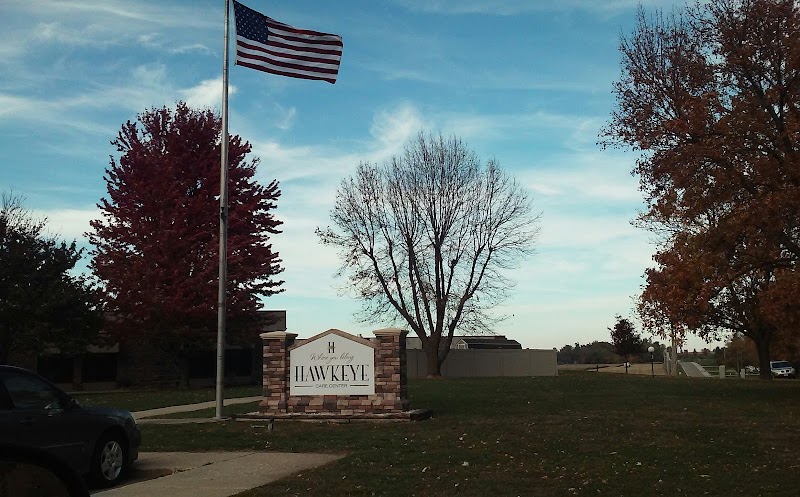
Who Owns and Operates Accura Healthcare Of Carroll?

Accura Healthcare of Carroll is owned by a for-profit company. For-profit facilities operate as businesses with obligations to shareholders or private owners. The facility is operated by ACCURA HEALTHCARE, a chain that manages multiple nursing homes. With 70 certified beds and approximately 47 residents (about 67% occupancy), it is a smaller facility located in Carroll, Iowa.

How Does Accura Healthcare Of Carroll Compare to Other Iowa Nursing Homes?

Compared to the 100 nursing homes in Iowa, Accura Healthcare of Carroll's overall rating (1 stars) is below the state average of 3.0, staff turnover (33%) is significantly lower than the state average of 46%, and health inspection rating (1 stars) is much below the national benchmark.

What Should Families Ask When Visiting Accura Healthcare Of Carroll?

Based on this facility's data, families visiting should ask: "Can I visit during a mealtime to observe dining assistance and food quality?" "How do you handle medical emergencies, and what is your hospital transfer rate?" "Can I speak with family members of current residents about their experience?"

Is Accura Healthcare Of Carroll Safe?

Based on CMS inspection data, Accura Healthcare of Carroll has a clean safety record: no substantiated abuse findings (meaning no confirmed cases of resident harm), no Immediate Jeopardy citations (the most serious violation level indicating risk of serious injury or death), and is not on the Special Focus Facility watch list (a federal program monitoring the lowest-performing 1% of nursing homes). The facility has a 1-star overall rating and ranks #100 of 100 nursing homes in Iowa. While no facility is perfect, families should still ask about staff-to-resident ratios and recent inspection results during their visit.

Do Nurses at Accura Healthcare Of Carroll Stick Around?

Accura Healthcare of Carroll has a staff turnover rate of 33%, which is about average for Iowa nursing homes (state average: 46%). Moderate turnover is common in nursing homes, but families should still ask about staff tenure and how the facility maintains care continuity when employees leave.

Was Accura Healthcare Of Carroll Ever Fined?

Accura Healthcare of Carroll has been fined $9,750 across 1 penalty action. This is below the Iowa average of $33,176. While any fine indicates a compliance issue, fines under $50,000 are relatively common and typically reflect isolated problems that were subsequently corrected. Families should ask what specific issues led to these fines and confirm they've been resolved.

Is Accura Healthcare Of Carroll on Any Federal Watch List?

Accura Healthcare of Carroll is not on any federal watch list. The most significant is the Special Focus Facility (SFF) program, which identifies the bottom 1% of nursing homes nationally based on persistent, serious quality problems. Not being on this list means the facility has avoided the pattern of deficiencies that triggers enhanced federal oversight. This is a positive indicator, though families should still review the facility's inspection history directly.