Regency Park Nursing & Rehab Center of Carroll
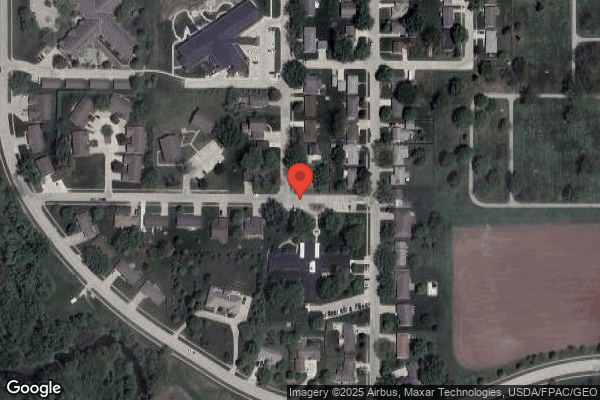
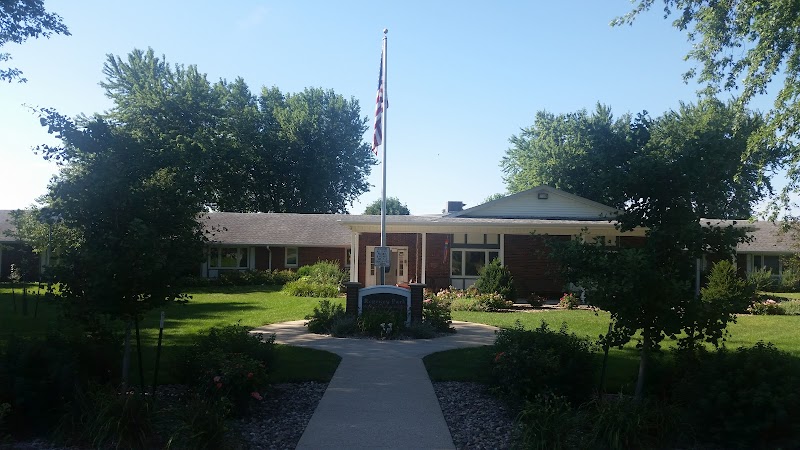
500 EAST VALLEY DRIVE, CARROLL, IA 51401 (712) 792-9281
For profit - Corporation 46 Beds CAMPBELL STREET SERVICES Data: November 2025
Trust Grade
80/100
#65 of 392 in IA
Last Inspection: October 2024

Within standard 12-15 month inspection cycle. Federal law requires annual inspections.

Overview

Regency Park Nursing & Rehab Center of Carroll has a Trust Grade of B+, which means it is above average and recommended for families seeking care. It ranks #65 out of 392 facilities in Iowa, placing it in the top half, and is the best option among the four nursing homes in Carroll County. The facility is improving, having reduced its issues from three in 2024 to one in 2025. Staffing is a strength here, rated 5 out of 5, with a turnover rate of 35%, which is lower than the state average, indicating that staff are experienced and familiar with residents. However, there have been concerning incidents, including a serious failure to obtain timely lab work for a resident, leading to a hospital transfer and subsequent death, and reports of staff sleeping on duty during overnight shifts, which raises questions about resident care quality. Overall, while there are strengths in staffing and overall ratings, families should be aware of these significant concerns.

Trust Score
B+
80/100
In Iowa
#65/392
Top 16%
Safety Record
Moderate
Needs review
Inspections
Getting Better
3 → 1 violations
Staff Stability
○ Average
35% turnover. Near Iowa's 48% average. Typical for the industry.
Penalties
✓ Good
No fines on record. Clean compliance history, better than most Iowa facilities.
Skilled Nurses
○ Average
Each resident gets 35 minutes of Registered Nurse (RN) attention daily — about average for Iowa. RNs are the most trained staff who monitor for health changes.
Violations
⚠ Watch
13 deficiencies on record. Higher than average. Multiple issues found across inspections.
★★★★★
5.0
Overall Rating
★★★★★
5.0
Staff Levels
★★★★★
5.0
Care Quality
★★★★☆
4.0
Inspection Score
Stable
2024: 3 issues
2025: 1 issues

The Good

  • 5-Star Staffing Rating · Excellent nurse staffing levels
  • 5-Star Quality Measures · Strong clinical quality outcomes
  • Full Sprinkler Coverage · Fire safety systems throughout facility
  • No fines on record
  • Staff turnover below average (35%)

    13 points below Iowa average of 48%

Facility shows strength in staffing levels, quality measures, fire safety.

The Bad

Staff Turnover: 35%

11pts below Iowa avg (46%)

Typical for the industry

Chain: CAMPBELL STREET SERVICES

Part of a multi-facility chain

Ask about local staffing decisions and management

The Ugly 13 deficiencies on record

1 actual harm
Aug 2025 1 deficiency
CONCERN (D) 📢 Someone Reported This

A family member, employee, or ombudsman was alarmed enough to file a formal complaint

Potential for Harm - no one hurt, but risky conditions existed

Resident Rights (Tag F0550)

Could have caused harm · This affected 1 resident

Based on clinical record review, staff interviews and personnel file review, the facility failed to provide dignity to 2 of 4 residents (Resident #1, Resident #2) reviewed. The facility failed to prov...

Read full inspector narrative →
Based on clinical record review, staff interviews and personnel file review, the facility failed to provide dignity to 2 of 4 residents (Resident #1, Resident #2) reviewed. The facility failed to provide dignity to the residents as demonstrated by residents stating they felt their care was rough due to the speed in which their care was provided. The facility reported a census of 33 residents. Findings Include: 1. The Minimum Data Set (MDS) for Resident #1, dated 6/1/25, identified a Brief Interview for Mental Status (BIMS) score of 15/15 indicating normal cognition. The resident had diagnoses of atrial fibrillation, heart failure, peripheral vascular disease, diabetes mellitus, anxiety, depression, and other specified disorders of bone, ankle, and foot. The document identified the resident as having a Stage 2 pressure ulcer on buttocks and no moisture associated skin damage (MASD). The resident required substantial/maximal assistance with toilet hygiene, lower body dressing, and partial/moderate assistance with personal hygiene and transfers. The document revealed the resident as being continent of bladder. Resident #1's Care Plan with revisions dated 5/29/25 to 7/1/25 revealed a focus area of impaired skin integrity initiated on 5/29/25 with revisions on 6/10/25, 6/12/25, and 6/17/25 reflecting open areas noted on 6/8/25 to the left and right abdominal folds, left abdominal/groin area, and right groin/peri-area and healed on 6/17/25. Interventions for staff included: administration of treatments as ordered, application of protective ointment to prevent skin breakdown, encourage the resident to avoid scratching, keep hands and body parts from excessive moisture, and keep fingernails short. An additional focus area of self care deficit initiated 6/4/25 and revised on 6/20/25 provided interventions for staff including: assist of 1 staff for bed mobility, personal hygiene hygiene as needed, toileting with peri-care with every incontinent episode and as necessary, and transfers dated 6/4/25. An additional intervention was added 6/8/25 for providing skin care to wash gently and pat dry all skin folds to prevent skin breakdown. The Electronic Medical Record (EMR) Progress Notes entry on 6/8/25 at 7:00 AM revealed Resident #1 had asked Staff A, Certified Nurse Assistant (CNA), for assistance with care as she (the resident) felt wet in her folds. The document revealed the resident asked the staff to stop during care as she was going too fast and it was painful. The document included a statement from the resident indicating Staff A was in too much of a hurry, wanted to get things right now, and if she would slow down it would look much more kind. The entry added that Staff A closed the blinds against the resident's wishes and told the resident she must go to bed at 9:00 PM because that was when everyone goes to bed even though the resident wanted to stay up until 10 or 10:30 PM. 2. The MDS for Resident #2, dated 6/20/25, revealed a BIMS score of 15/15. The resident had diagnoses of atrial fibrillation, diabetes mellitus, Non-Alzheimer's Dementia, and spinal stenosis. The document indicated the resident was dependent for toilet and personal hygiene, and transfers. The resident required substantial/maximal assistance for dressing and movements from lying to from sitting. The document indicated the resident was usually continent of bladder. Resident #2's Care Plan dated 7/28/25 revealed a focus area related to self care deficits with revision on 6/23/25. The interventions for staff included assistance of 1 staff for bed mobility, un/dressing, toileting with peri-care with every incontinent episode, and hygiene tasks. On 8/4/25 at 12:50 PM Resident #2 stated Staff A seemed to rush and hurry, moving her quickly and completing care quickly. The resident stated she did not feel the care was abusive but rather rushing and may occasionally be rough when wiping or applying lotion. Review of (4) Annual Employee Reviews for Staff A found the staff met or exceeded in job expectations, but each year a comment was entered related to the need to slow down with one review specifically indicating the need to slow down when completing care and explain to the resident what was being done.On 8/4/25 at 12:07 PM Staff C, Licensed Practical Nurse (LPN), stated Staff A rushes when completing work. The staff elaborated stating Staff A knows things that need to be done and hurries to get them completed. On 8/4/25 at 12:18 PM Staff D, CNA, stated Staff A was always on the move and rushing to get things done. The staff stated she had heard residents state Staff A would rush through cares, but did not provide specific names. On 8/4/25 at 1:18 PM, Staff B, CNA, stated she had heard various staff swearing while at work. The staff stated the swearing could occur in front of residents and/or residents' families. The staff stated Resident #1 told her Staff A was always in a hurry and felt that her care at times was rough. Staff B stated she did not believe it was intentionally rough, rather the mannerism in which it was completed due to the speed. On 8/4/25 at 1:47 PM Staff E, CNA, stated when working with Staff A, she observed her (Staff A) be in a hurry to complete a task/care to get to the next resident. On 8/4/25 at 2:20 PM Staff F, CNA, stated Staff A would sometimes be in a rush when completing care, which could be construed as rough care when it was not rough but hurried care. On 8/4/25 at 2:30 PM the ADON confirmed Staff A had a history as noted on employee reviews of going fast during work day. The ADON stated although the staff was frequently in a hurry or going fast, she felt the care provided to the residents was good. On 8/4/25 at 2:40 PM Staff A acknowledged she had been told to slow down and that it was in her employee record. On 8/4/25 at 3:45 PM the DON stated she was not aware of the repeated documentation in Staff A's employee record about the need to slow down until she reviewed it. The DON stated although the staff was seen as being in a hurry, her skills as a CNA were good. The DON stated facility training has been provided on abuse training, to stop care if a resident requests, dignity, and provision of care. The DON expected staff to take their time with residents, not rush, and to develop relationships with residents especially when providing care.
Oct 2024 2 deficiencies
CONCERN (D)

Potential for Harm - no one hurt, but risky conditions existed

Infection Control (Tag F0880)

Could have caused harm · This affected 1 resident

**NOTE- TERMS IN BRACKETS HAVE BEEN EDITED TO PROTECT CONFIDENTIALITY** Based on clinical record review, observations, staff interviews, CDC recommendations and policy review, the facility staff faile...

Read full inspector narrative →
**NOTE- TERMS IN BRACKETS HAVE BEEN EDITED TO PROTECT CONFIDENTIALITY** Based on clinical record review, observations, staff interviews, CDC recommendations and policy review, the facility staff failed to follow transmission based precautions for 1 of 1 resident reviewed (Resident #34) The facility reported a census of 29 residents. Findings include: The Minimum Data Set (MDS) assessment had not been completed due to Resident #34 was admitted on [DATE]. Review of facility fax dated 10/25/24 revealed Resident #34 had a productive cough with thick yellow sputum. Lung sounds diminished with rub noted on expiratory in the lower lobe. New orders from the physician included lab work and swab for influenza and Covid. Review of lab slip with a collected date of 10/25/24 revealed Resident #34 tested positive for rhinovirus enterovirus (the most common cause of the common cold). Review of progress notes dated 10/25/24 at 5:26 PM revealed Resident #34 did test positive for rhinovirus enterovirus. Orders from the Physician revealed to monitor vital signs every shift times five days, report difficulty breathing or any new concerns. Resident #34 will be in contact isolation. Review of progress notes dated 10/25/24 at 10:27 PM revealed Resident #34 remains in contact isolation due to testing positive for rhinovirus. Review of progress notes dated 10/26/24 at 5:44 PM revealed Resident #34 has an active infection at this time, to the respiratory system. Resident #34 currently not on antibiotic therapy for the infection Rhinovirus. Contact isolation is being observed with care. Review of progress notes dated 10/27/24 at 3:44 PM revealed Resident #34 has an active infection at this time, to the respiratory system. Resident #34 currently not on antibiotic therapy for the infection Rhinovirus. Contact isolation is being observed with care. Review of facility daily skilled note dated 10/28/24 at 8:11 AM revealed Resident #34's lung sounds were diminished in all fields with a non productive cough. Resident #34 has an active infection at this time. Infection noted to the respiratory system. Resident #34 currently not on antibiotic therapy for an infection. Resident #34 in isolation due to droplet/airborne pathogens. Isolation precautions are for an active infection/disease and droplet/airborne precautions are continued. Observation completed on 10/28/24 at 9:30 AM revealed the DON removing the transmission based precautions from outside Resident #34's room. Observations throughout the day revealed Resident #34's harsh non productive cough coming from her room. Observations observed throughout the day Resident #34 coming out of the room and eating in the lunch area with other residents. Review of facility daily skilled note dated 10/28/24 at 9:48 PM revealed Resident #34's lung sounds were diminished in all fields and a non productive cough noted. Review of facility daily skilled note dated 10/29/24 at 10:38 PM revealed Resident #34 has frequent non productive cough. Review of facility daily skilled note dated 10/30/24 at 11:28 PM revealed Resident #34 has frequent non productive cough. Review of the Centers for Disease Control (lCDC) Infection Control Appendix A revealed that Rhinovirus the type of precautions to be used are Droplet plus Standard precautions until the duration of the illness. Interview on 10/31/24 at 11:15 AM with the DON revealed that Resident #34 was in contact precautions. DON stated that she didn't officially require precautions for a cold, that she was put in precautions to be safe because of her symptoms. DON reported that she was taken out of precautions on 10/28/24 due to the fact that she was under the understanding that her symptoms had improved. DON stated that she follows the CDC recommendations. Interview on 10/31/24 at 12:19 PM with the Physician revealed that she was not contacted when Resident #34 was removed from the precautions. The Physician stated that she would have expected the facility to keep the Resident #34 in precautions until the symptoms have resolved. The facility policy named Infection Prevention and Control Program dated 9/21/21 revealed is a program established and maintained to provide a safe, sanitary, and comfortable environment and to help prevent the development and transmission of communicable diseases and infections. The facility policy named Infection Control Isolation Precautions dated 9/21/21 revealed the purpose is to assure proper precautions are followed as part of infection control guidelines. Standard/Universal precautions are utilities for all residents when there could be potential contact with blood, body fluids, secretions, excretions, non-intact skin, mucous membranes, and contaminated items. This would include gloves, hand washing, and mask/eye protection as indicated. This precaution would be utilized for all Residents for prevention regardless of the presence of organisms. Droplet precautions will be utilized when the resident has an active organism that would be transmitted by droplet such as sneezing, coughing, and talking. This precaution includes gloves, gowns, masks, and goggles prior to entering the room. This may include influenza, pertussis and respiratory syncytial virus (RSV). These residents are on strict isolation.
CONCERN (D)

Potential for Harm - no one hurt, but risky conditions existed

Antibiotic Stewardship (Tag F0881)

Could have caused harm · This affected 1 resident

**NOTE- TERMS IN BRACKETS HAVE BEEN EDITED TO PROTECT CONFIDENTIALITY** Based on facility policy review, staff interviews and clinical record review the facility failed to follow an antibiotic steward...

Read full inspector narrative →
**NOTE- TERMS IN BRACKETS HAVE BEEN EDITED TO PROTECT CONFIDENTIALITY** Based on facility policy review, staff interviews and clinical record review the facility failed to follow an antibiotic stewardship program that included antibiotic use protocols and a system to monitor antibiotic use for 1 resident (Resident #3). The facility failed to follow up on a urine culture. The facility reported a census of 29 residents. Findings include: The Minimum Data Set (MDS) assessment dated [DATE] for Resident #3 documented diagnosis of urinary tract infection, renal insufficiency, diabetes mellitus, and depression. The MDS showed the Brief Interview for Mental Status (BIMS) score of 9, indicating moderately impaired cognition. The MDS indicated that Resident #3 was coded substantial/maximal assistance (helper does more than half the effort) for toileting hygiene and occasionally continent. Review of the Care Plan with a date initiated of 9/6/24 revealed Resident #3 is an assist of one person with transfers, toileting and mobility. Review of facility fax dated 10/11/24 showed Resident #3 stated she has a hard time starting to urinate. Review of facility fax dated 10/12/24 revealed new orders for urinalysis (UA) with culture and sensitivity (C&S) if indicated one time only for burning and urgency with urination. Review of UA results dated 10/12/24 showed the urinalysis lab indicated a urinary tract infection and waiting for culture and sensitivity report. On 10/12/24 the UA results showed the Physician ordered an antibiotic Macrobid 100 milligrams (mg) twice daily for five days. Review of Resident #3's medical record revealed the facility failed to follow up on the culture and sensitivity lab report as of 10/29/24. Review of the culture and sensitivity report revealed the culture grew out Proteus Mirabilis (a bacteria) which showed the antibiotic Macrobid was resistant to the microorganism that grew out. The progress notes lacked documentation that the facility notified the physician the antibiotic was resistant. Interview on 10/30/24 at 3:43 PM with the Assistant Director of Nursing, ADON, reported the lab usually puts a note on the lab result sheet, this will automatically fax the results back to the facility. The ADON reported this note did not get put on the lab result. The ADON verified that the facility should have followed up with the culture and sensitivity report. The ADON verified that she had sent a fax to the physician to report the results of the culture and sensitivity results. Interview on 10/31/24 at 1:19 PM with the Infection Preventionist (IP) stated her expectation would be to follow up on the culture and sensitivity report. The facility policy name Antibiotic Stewardship dated 9/21/21 revealed antibiotics will be prescribed and administered to residents under the guidance of the facility's antibiotic stewardship program. The purpose of our antibiotic stewardship program is to monitor the use of antibiotics in our residents. When a culture and sensitivity is ordered lab results and the current clinical situation will be communicated to the prescriber as soon as available to determine if antibiotic therapy should be started, continued, modified or discontinued.
Aug 2024 1 deficiency 1 Harm
SERIOUS (G) 📢 Someone Reported This

A family member, employee, or ombudsman was alarmed enough to file a formal complaint

Actual Harm - a resident was hurt due to facility failures

Deficiency F0658 (Tag F0658)

A resident was harmed · This affected 1 resident

**NOTE- TERMS IN BRACKETS HAVE BEEN EDITED TO PROTECT CONFIDENTIALITY** Based on clinical record review, staff interviews, hospital record review and policy review the facility failed to provide care ...

Read full inspector narrative →
**NOTE- TERMS IN BRACKETS HAVE BEEN EDITED TO PROTECT CONFIDENTIALITY** Based on clinical record review, staff interviews, hospital record review and policy review the facility failed to provide care and services according to accepted standards of clinical practice for 1 of 4 residents reviewed (Residents #1). The facility failed to obtain a urinalysis (UA) per Physician order in a timely manner which resulted in Resident #1 being transferred to the hospital and dying due to septic shock (bacterial infection that causes low blood pressure and organ failure) and urosepsis (untreated urinary tract infection (UTI) that spreads to the kidneys and causes sepsis). The facility received an order to obtain a UA on 8/12 and did not obtain the UA until 8/16. The facility failed to notify the Physician they were unable to obtain the UA due to Resident #1 being incontinent and did not get an order to obtain the UA via catheter until 8/16. The facility reported a census of 30 residents. Findings include: Resident #1's Minimum Data Set (MDS) assessment dated [DATE] identified a Brief Interview for Mental Status (BIMS) score of 4, indicating severe cognitive impairment. The MDS identified Resident #1 was dependent on staff with bed mobility, transfers including transfers to the toilet and toileting hygiene. The MDS revealed Resident #1 had other behavioral symptoms not directed at others during the 7 day look back period. The MDS indicated Resident #1 was always incontinent of urine and frequently incontinent of bowel. Resident #1's MDS included diagnoses of anemia, hypertension (high blood pressure), coronary artery disease, benign prostatic hyperplasia (BPH) (enlarged prostate), and cerebrovascular accident (CVA)(stroke) with affected left side. The Care Plan with a target date of 10/8/24 revealed Resident #1 was at risk for bladder incontinence and UTI's. The care plan directed staff to monitor for signs and symptoms of a UTI which include: pain, burning, blood tinged urine, cloudiness, no output, deepening of urine color, increased pulse, increased temperature, urinary frequency, foul smelling urine, fever, chills, altered mental status, change in behavior, and change in eating habits. A Progress Note dated 8/5/24 documented Resident #1 fell out of bed and showed signs of agitation and wanted to hit someone. The note indicated a fax was sent to Resident #1's Provider and asked for antianxiety medication to be used as needed. A Progress Note dated 8/6/24 documented Resident #1 Provider declined to start an antianxiety medication due to risk for sedation. A facility fax form dated 8/9/24 sent to the Provider documented the facility asking if there was anything they could give Resident #1 for anxiety, restlessness and agitation. The fax form documented the staff had tried redirection, reassurance, fluids, snacks, activities. The fax documented when Resident #1 gets started and it seems to just escalate. A Progress Note dated 8/10/24 documented Resident #1 was showing signs of increased anxiousness and agitation. A Progress Note dated 8/11/24 at 4:32 AM documented a return fax received and the Provider would see Resident #1 that week. A Progress Note dated 8/11/24 at 9:21 PM documented Resident #1 had been agitated in the dining room, throwing cups, attempting to get out of the wheelchair, throwing a Kleenex box, taking off the rail on the side of the wheelchair. Resident #1 was laid down in bed at 8:00 PM and was trying to climb out of bed at 8:30 PM. Resident #1 was assisted back to the dining room. A Progress Note dated 8/12/24 at 12:43 AM documented a phone call was placed to on-call Provider due to Resident #1 increase in behaviors. The note revealed Resident #1 was yelling in the dining room after 10:00 PM and demanding 911 to be called. Resident #1 was calling the nurse a bitch, idiot, and had no respect for the nurse. The note indicated interventions of redirection, warm blankets, stress ball, and puzzles were not successful. The note documented a new order was received from on-call Provider to give Lorazepam (antianxiety) 0.25 mg (milligrams) one time only and to repeat in 30 minutes if needed. A Progress Note dated 8/12/24 at 10:46 AM documented a late entry for 8/12/24. The note indicated a UA with culture and sensitivity (C&S) if indicated would be obtained at this time due to increased behaviors. Resident #1 daughter was made aware of the new order. A Physician Order dated 8/12/24 at 1:21 PM directed staff to check UA with C&S if indicated and not to discontinue the order until the UA was obtained. A Progress Note dated on 8/12/24 at 10:18 PM documented Resident #1 was very anxious at times and did not follow simple requests for any period of time. A Progress Note dated on 8/13/24 at 10:28 AM documented the Advanced Registered Nurse Practitioner (ARNP) was at the facility and a new order was received to start gabapentin (medication to treat nerve pain) twice a day for hand pain. The note documented the family was asking for an antidepressant to be started. A Progress Note dated 8/13/24 at 1:32 PM documented the facility spoke with ARNP regarding family requesting something for Resident #1 mood. The ARNP suggested starting sertraline 25 mg at bedtime. Resident #1 family made aware of the new order. A Physician Progress Note dated 8/13/24 documented ARNP saw Resident #1 for a 30 day evaluation. The note documented Resident #1 has had shooting pain to his left hand which was his affected side from the stroke. The note documented staff reported Resident #1 has not been drinking a lot of fluids and he had been more anxious over the past week. Staff reported Resident #1 had gotten agitated easily with the staff, which was unusual behavior from when he was first admitted . According to the note, Resident #1 denied feeling anxious. The assessment and plan documented Resident #1 had anxiety and would check a UA to rule out a UTI due to increased agitation and anxiety. Resident #1 denied any symptoms but his behaviors are different from when initially admitted . A Progress Note dated 8/13/24 at 9:40 PM documented Resident #1 had been anxious this evening in the dining room. Resident #1 asked for a pen and paper to write letters which helped him calm down. A Progress Note dated 8/15/24 documented Resident #1 continued to be restless from supper meal and into sleep time. The note documented once Resident #1 got into bed he settled in some but some nights continued to attempt to exit the bed multiple times. A Physician Order dated 8/16/24 at 7:44 AM documented to insert a 16 FR (French)/10 ml(milliliter) catheter with a drainage bag and to remove once a urine specimen was obtained. A Progress Note dated 8/16/24 at 10:43 AM documented a UA obtained and taken to the lab. The note lacked documentation on how the UA was obtained, how Resident #1 tolerated the procedure and what the characteristics of the urine was. A Progress Note dated 8/16/24 at 11:56 AM documented Resident #1 had a shaking temperature of 97.1 degrees. A phone call was placed to the ARNP with a new order to draw labs, complete blood count (CBC) and basic metabolic panel (BMP). Family was made aware of the new order. A Progress Note dated 8/16/24 at 12:28 PM documented blood was drawn and sent to the lab. A Progress Note dated 8/16/24 at 1:29 PM documented Resident #1 was in bed and had an emesis. Resident #1 lung sounds were diminished in all fields and his oxygen saturation was 79%. The note documented oxygen was applied at 2 liters. The ARNP was notified and a new order was received to send Resident #1 to the emergency room (ER). The note indicated 911 was called and ambulance arrived at 1:35 PM to transport Resident #1 to the ER. A Progress Note dated 8/16/24 at 11:11 PM documented Resident #1 daughter reported her dad was going to be admitted to the intensive care unit (ICU). A Progress Note dated 8/16/24 at 5:18 AM documented the facility received a call from the hospital reported Resident #1 had passed away at 4:52 AM. A Progress Note dated 8/19/24 at 7:58 AM documented a late entry for 8/14/24 indicating CNA's (Certified Nursing Assistants) attempted to get a urine specimen on the commode using a hat. The note further documented that afternoon a CNA and the nurse laid Resident #1 down in bed and placed a urinal without success. The note documented the nurse informed next nurse in report of not being able to obtain the UA as Resident #1 was incontinent of urine throughout the day. A Progress Note dated 8/19/24 at 7:35 PM documented a late entry for 8/13/24 6 AM to 6 PM shift indicating CNA's attempted to obtain UA with Resident #1 sitting on the commode and with the urinal, both attempts unsuccessful. The note documented Resident #1 was incontinent when another attempt was made. Resident #1 urine was darker yellow in color with no foul odor. Resident #1 was incontinent large amounts. A Hospital Laboratory Specimen Report for Resident #1 UA collected at the facility on 8/16/24 10:30 AM revealed the following abnormalities: cloudy appearance, 100 mg/dl glucose, small bilirubin, large amounts of blood, trace amounts of protein. 2.0 E.U/dl of urobilinogen, positive nitrates, large amounts of leukocyte esterase, 5-10/hpf RBC (red blood cells) and packed field of WBC (white blood cells). A Hospital ER Documentation on 8/16/24 at 2:00 PM revealed Resident #1 initial vital signs were the following: Temperature 102.6 degrees, Pulse 160 beats/minute, Respirations 36 per minute, Blood pressure 119/60, Pulse oximeter 81% on 15 liters nonrebreather. A Hospital Discharge summary dated [DATE] documented Resident #1 was admitted for treatment of septic shock presumably due to urosepsis. The summary documented the following: Resident #1 urine was growing gram-negative bacilli although his blood cultures were preliminarily positive for gram-positive cocci. He was given aggressive IV fluid resuscitation and broad-spectrum antibiotics but continued to have persistent hypotension (low blood pressure) and organ dysfunction. He had a had a central and arterial line placed and was titrated up on max doses of Levophed (used to treat life threatening low blood pressure) and vasopressin (used to increased blood pressure) with persistent hypotension and tachycardia (increased heart rate). He was requiring heated high flow nasal cannula to maintain oxygen saturations and was minimally responsive. The Provider discussed with family the option of transferring to a higher level of care or continuing aggressive maximal therapy but as he was failing to improve they did not want to see him suffer any longer and elected to pursue comfort care instead. Blood pressure support was removed and Resident #1 passed away within 5 hours, time of death at 4:52 AM. The preliminary cause of death was septic shock. The Certificate of Death for Resident #1 dated 8/20/24 documented the immediate cause of death was septic shock due to or as a consequence of E Coli Urosepsis. Review of Task documentation for behavior monitoring for Resident #1 revealed the following behaviors from 8/9/24 to 8/15/24: 8/9- repeats movement, yelling/screaming 8/10- repeats movement, yelling/screaming, abusive language 8/11- frequent crying, yelling/screaming, abusive language 8/12- repeats movement, yelling/screaming 8/13- yelling/screaming, wandering 8/14- repeats movements, yelling screaming 8/15- repeats movement The August 2024 Medication Administration Record (MAR) directed staff to check UA with C&S if indicated with a start date of 8/12/24. The MAR directed the order not to be discontinued until the UA was obtained. The MAR revealed 9 was documented on 8/12, 8/13, 8/14, and 8/15 indicating the UA was not obtained and to see the progress notes. Review of Progress Notes from 8/12 to 8/15 lacked documentation the UA was obtained or attempted to be obtained. The progress notes lacked documentation the ARNP was notified (after her visit at the facility on 8/13) until 8/16 that the UA had not been obtained. On 8/21/24 at 11:52 AM, Staff A, LPN (Licensed Practical Nurse) reported on the morning of 8/14/24, the aides had tried to get the UA specimen on the commode with a hat and were not successful. She stated that afternoon herself and another CNA laid Resident #1 down in bed and placed a urinal. She stated they could not get any urine and within 30 minutes Resident #1 wanted to get up. She stated Resident #1 had been incontinent during the day. She stated she passed on in report to the night nurse the UA had not been obtained. She stated she did not document the attempts to obtain the UA and the ADON (Assistant Director of Nursing) asked her to do a late entry to take credit for what had been done. Staff A reported the ADON was asking anybody working that week for witness statements. Staff reported she did not notify the Provider that she was not able to obtain the UA. She stated she did not try to do a straight catheter as there was not an order for a catheter and she did not reach out to the Provider requesting an order for a straight catheter. Staff A reported Resident #1 was a little fidgety after the attempt to obtain the UA with the urinal. She reported it was his birthday that day. She stated his sister and a friend came to visit. She stated he did not remember they had left and was looking for them. She stated he was wheeling around in his wheelchair. She stated she tried to give him some dominos to stack up. Staff A reported on 8/16/24, the ADON reported the UA had still not been obtained so she called the ARNP and got an order to insert a retention catheter. She stated the order directed to insert the catheter and leave it in place until the UA was obtained and then remove it. Staff A stated around 10 AM therapy and a CNA attempted one more time to obtain the UA and sat Resident #1 on the commode. She stated it was not successful so they laid him down in bed. Staff A stated she inserted the catheter and got a little bit of urine back but not enough for a specimen. She stated she blew up the balloon. She stated she left and came back 5-10 minutes later and there was no urine. She stated she deflated the balloon and advanced the catheter and then got urine. She stated she took the specimen from the catheter tube and then removed the catheter. She stated the urine did not look too bad. She stated the urine was thick and yellow in color. She reported the urine did not have an odor. Staff A stated Resident #1 did not have a fever that morning during her assessment. She stated Resident #1 did get Tylenol at breakfast for general discomfort. She reported at lunch her and another nurse, Staff B saw Resident #1 was shivering. Staff A reported Resident #1 vitals were okay. She stated Staff B called the Provider and got labs ordered. Staff A reported she took the labs to the hospital and then went on lunch break. Staff A stated after the break, she walked by Resident #1 room. She stated she could smell and observed vomit all over his chest. She stated it appeared some of the vomit came out around the opening around his peg tube. She stated she got help right away and cleaned him up. She stated he also had a large, soft bowel movement at that time. She stated the other nurse, Staff B came down and did a quick assessment. She stated Staff B called for oxygen and then called the ARNP to send him to the ER. She stated Staff B had talked to the daughter earlier that morning. Staff A reported she called for the ambulance and about the same time the ambulance came, the daughter was at the facility. She stated Resident #1 also vomited when the EMT's (emergency medical technicians) were at the facility. Staff A reported she had heard Resident #1 had a fever when the EMT's checked but that is hearsay. On 8/21/24 at 1:14 PM, Staff B, RN (Registered Nurse) reported she was not Resident #1 charge nurse on 8/15. When asked why she had signed off the UA on the MAR with a 9 on 8/15/24, she stated she was trying to help out the other nurse and work together. She reported she knew Staff C did not obtain the UA on the 15th. Staff B stated she knew staff were sitting Resident #1 on the commode and trying to use the urinal. Staff B stated on Friday morning she had gotten Resident #1 vitals and he was acting normal. She stated in between breakfast and lunch time around 11:15 AM Resident #1 started shivering. She stated she called the ARNP due to his change in condition. She stated the ARNP ordered labs, a CBC and BMP. She stated she drew the labs and Staff A took the labs to the hospital. Staff B stated later she was asked to come down to Resident #1 room as he had vomited. She stated his lungs were diminished, oxygen saturation was 79% and could not remember what his temperature was but it was not greater than 99 degrees. She stated she went back to the office to call the ARNP to get an order to send Resident #1 to the ER and to fill out the transfer form. She stated she told a CNA to get the oxygen concentrator. She stated she did not actually see the oxygen applied but thought Staff A and the CNA applied it. Staff B reported on Thursday she was not in charge of obtaining the UA and did not call the ARNP for an order for a straight catheter. When asked what the facility expectation was for notifying the Provider when a UA was ordered and unable to be obtained, Staff B stated she did not know and would need to check the policy. Staff B acknowledged 8/12 to 8/16 was a long time to obtain a UA. Staff B stated Resident #1 was not showing any urinary symptoms. She stated the reason they were trying to get a UA was due to his behaviors. She stated Resident #1 seemed his normal self until Friday afternoon. She stated he did not have a temp, no pain and no urinary symptoms. On 8/21/24 at 2:15 PM, Staff C, RN reported she worked on 8/13/24. She stated Resident #1 was acting no differently during the day time but the night shift reported he was more agitated. She stated on 8/13 she made the CNA's aware that a UA was needed. She stated Resident #1 was incontinent so they tried to put him on the commode and use a urinal to obtain the UA. She stated the 3rd time they tried he was incontinent. She stated she did not notify the Physician that they were unable to get the UA. She stated she passed it on in report the UA was not obtained and it was on the MAR not to discontinue the order until the UA was obtained. When asked what the facility policy was on when to ask for an order for a straight catheter for a resident who is incontinent, she stated she honestly did not know. She said common sense would say 24 hours depending on how urgent it was. She stated Resident #1 did not have a temperature, he was voiding, drinking and there was nothing out of the ordinary. She stated she did not think the straight catheter was necessary at the time. She reported the UA was ordered due to increased agitation at night. She stated Resident #1 when in bed was busy but pretty cooperative and compliant on the day shift. She stated she had not heard much about agitation until right before the UA was ordered. On 8/21/24 at 2:53 PM, the ADON reported she does a lot of monitoring resident's intakes and fluids and working closely with the dietician and the ARNP. She stated she was monitoring Resident #1 intakes due to the gastrostomy tube and the family wanting the tube removed. She stated the tube could not be removed until there were improvements. She stated she sent the ARNP an email asking to increase the water flushes due to decreased fluid intake. She stated Resident #1 hated the thicken liquids. The ADON stated she was not concerned about a UTI. She stated Resident #1 did not complain to her about any urinary symptoms. The ADON stated on the morning of 8/16/24 she obtained an order for the retention catheter. She stated she figured since the UA had not been obtained that something else needed to be done so she got the order. When asked if the facility had a policy on a time frame for obtaining a UA, she stated she would have to look. She stated she learned in nursing school the UA should be obtained in 24 hours. She stated Resident #1 daughter was blowing up her phone Friday night, 8/16 into Saturday, 8/17 about the situation. She reported the family wanted Resident #1 on medications for his delusions. She stated she had seen Staff A in Resident #1 room with UA supplies. She reported she had Staff A make a late entry in the progress notes. She stated she completed her own investigation to figure out why the UA was not completed until Friday, 8/16. She stated she learned several staff members had tried to obtain the UA during the week. She stated Resident #1 was either incontinent, removed the urinal or overshot the commode. She stated she got the order for the UA on the 12th, the Provider was at the facility on the 13th and knew the UA had not been obtained and that the facility was working on obtaining it. She stated on the 16th the catheter was done. She stated her expectations are for staff to obtain the UA within 24 hours, same with lab work. She stated she would expect staff to document the attempts to obtain the UA in the progress notes and if unable to obtain the UA to notify the Physician to get further direction. She stated Resident #1 had no urinary symptoms until 8/16 when Staff B and herself both noticed he was shivering. She stated Resident #1 did not have a fever at the time. She stated labs were drawn and he was sent to ER. She stated Resident #1 daughter had reported to her that she didn't believe he did not have a temperature at the facility as the EMT's reported Resident #1 temperature was 102 degrees. The ADON reported the facility completed education with the nurses on UTI's. On 8/22/24 at 9:32 AM, Staff C, RN stated she worked on 8/15/24 and knew Resident #1 had an order to obtain a UA. She stated she tried multiple times to get the UA when she was giving him his pills, ice water and when the CNA's were taking him to the bathroom. She stated she would ask him if he needed to go and would be in the room when the CNA's were giving him the urinal. She stated Resident #1 was incontinent most of the time. She stated on 8/15 she did not see anything that would indicate Resident #1 was septic. Staff C stated he was at his baseline and had no concerns. She stated she had passed on to other nurses and aides that Resident #1 still needed the UA to be obtained. She stated she did not notify the ARNP and did not think about a straight catheter at the time. She stated she had never done a straight catheter before and would have needed help. She stated she usually would document on the MAR if the UA was obtained or not. She stated she normally does not document the attempts to get the UA in the progress notes. On 8/22/24 at 9:04 AM, the facility ARNP reported the facility had called her on 8/12/24 for a verbal order for the UA. She stated she saw Resident #1 on 8/13 and had a conversation with him. She stated Resident #1 denied any urinary symptoms. She reported she was aware on 8/13 during her visit that the UA had not been obtained. She stated Resident #1 was at his baseline. She stated the family wanted him started on some medications for his anxiety and she wanted to rule out anything acute before starting him on medications. She stated later that day she got a phone call that the family wanted to start medication even though there were no UA results. She reported she got a call on 8/16 the UA had not been obtained and that was when the catheter was ordered. She stated she had briefly looked over the hospital notes. She reported she was not sure if the UA obtained earlier would have made a difference, she stated that was a hard question to answer. She stated Resident #1 had vomited, had a coughing episode and his oxygen had dropped on 8/16. She stated that was partially why he was sent to the hospital. She stated she was concerned with possible aspiration pneumonia. She stated the facility had called her a couple of times that morning to report on Resident #1. She reported prior to that she had been told he was acting normal and had been without a fever. She stated she was getting the UA to rule out anything acute before starting him on new medications. She stated that was common in her practice. She stated when she had seen him on the 13th he denied any burning with urination and he did identify he had been more agitated. The ARNP stated she would like a phone call earlier if the sample was not able to be obtained. She stated if the sample was not obtained after 24 hours she would like to be notified. On 8/22/24 at 11:00 AM, the DON (Director of Nursing) reported the reason the UA was ordered was because of Resident #1 behavior. She stated there was no urgency to obtain the UA as Resident #1 did not meet criteria for the UA and did not have any signs or symptoms of a UTI. She stated his behaviors had improved during the week. She stated if the facility would have called the ARNP during the week she probably would have discontinued the UA because his behaviors had improved and he did not meet the criteria to have a UA completed. The DON reported the expectation to obtain the UA in 24 hours was a new expectation. On 8/26/24 at 10:30 AM, Resident #1 daughter reported her biggest concern was how long it took to obtain the UA (8/12 to 8/16/24). She stated on Friday when the UA was obtained her dad was already having symptoms. She stated through text messages with the ADON and visiting the facility a couple of times during the week, she would ask about the urinalysis and where the facility was at with obtaining it. She stated she was told anytime the staff would catheterize him, they couldn't get any urine and that her dad was incontinent. She stated the facility did not do any blood work all week until he had symptoms on Friday. She stated the ADON told her that her dad had been catheterized two times. She stated she did not know when those times were. She stated she knew her dad was catheterized on Friday as he had a blood clot on his penis in the hospital. She stated she was told he had been catheterized twice so she assumed Friday was the second time. An untitled facility education form dated 8/19/24 directed Nurses to make sure to update the doctor if unable to get a urine or a lab draw within 24 hours. The form also instructed the nurses to review the signs and symptoms of a urine infection and sepsis included on the form. The form also included an attachment of the McGeers criteria checklist for the nurses to review when asking for a UA for a resident. The signs and symptoms of a urine infection and sepsis documented on the education form included: *A strong urge to urinate that doesn't go away *A burning feeling when urinating *Urinating often, and passing small amounts of urine *Urine that looks cloudy *Urine that appears red, bright pink or cola-colored-signs of blood in the urine *Strong-smelling urine *Pelvic pain, in women- especially in the center of the pelvis and around the area of the pubic bone The symptoms of urosepsis documented on the education form included: *pain near the kidneys, on the lower sides of the back *nausea with or without vomiting *extreme fatigue *reduced urine volume or no urine *trouble breathing or rapid breathing *confusion or brain fog *unusual anxiety levels *changes in heart rate, such as palpitations or a rapid heartbeat *weak pulse *high fever or low body temperature *profuse sweating A facility policy titled Culture Tests revised January 2012 documented should the attending Physician order cultures, they shall be obtained and completed as soon as practical. All test results shall be reported to the Physician as soon as the results are obtained.
Aug 2023 3 deficiencies
CONCERN (D)

Potential for Harm - no one hurt, but risky conditions existed

Deficiency F0658 (Tag F0658)

Could have caused harm · This affected 1 resident

**NOTE- TERMS IN BRACKETS HAVE BEEN EDITED TO PROTECT CONFIDENTIALITY** Based on clinical record review, facility policy review, resident and staff interviews, the facility failed to follow a physicia...

Read full inspector narrative →
**NOTE- TERMS IN BRACKETS HAVE BEEN EDITED TO PROTECT CONFIDENTIALITY** Based on clinical record review, facility policy review, resident and staff interviews, the facility failed to follow a physician's order for one of twelve residents reviewed (Resident #1). Findings include: Resident #1's Minimum Data Set assessment (MDS) dated [DATE], identified a Brief Interview for Mental Status score of 15, indicating no cognitive impairment. The MDS included diagnoses of diabetes and heart failure. The MDS listed that Resident #1 received insulin injections daily. On 8/21/23 at 1:02 PM, Resident #1 stated she usually received her insulin injection after she ate and wanted to receive it before she ate because the doctor instructed her to do that at home. Resident #1 explained that she received insulin four times a day. During a follow-up on 8/23/23 at 12:00 PM, Resident #1 stated she finished lunch, but still had not received her before lunch insulin. Resident #1 showed her phone that displayed her blood sugar of 273, (normal blood sugar 70-110) per her continuous glucose monitor that transmits her readings to her phone (sensor worn on the body to monitor blood sugars related to diabetes). Resident#1's August 2023 Medication Administration Record included an order for Humalog (insulin) solutions 100 unit per milliliters (ML). The order directed to inject per sliding scale, if 150-200 = 2 units, 201-250 = 4 units, 251-300 = 6 units, 301-350 = 8 units before meals related to diabetes. On 8/23/23 at 2:01 PM, Staff A, Licensed Practical Nurse, confirmed that she administered Resident #1's scheduled before lunch dose of insulin after she consumed her lunch. On 8/23/23 at 3:08 PM, Resident #1 explained that she received her before lunch insulin after she finished eating lunch. She added that the staff are not consistent, sometimes she gets it before meals and sometimes after meals. The Administering Medications policy revised December 2012 instructed that medications must be administered in accordance with the orders, including any timeframe and within 1 hour of their prescribed time, unless otherwise specified (for example, before and after meal orders). On 8/24/23 at 12:36 PM, the Director of Nursing reported that she expected the staff to follow physician's order.
CONCERN (D)

Potential for Harm - no one hurt, but risky conditions existed

Staffing Information (Tag F0732)

Could have caused harm · This affected 1 resident

Based on observations, facility document review, and staff interview the facility failed to post the daily nurse staffing information with the resident census, the total number of staff, their hours w...

Read full inspector narrative →
Based on observations, facility document review, and staff interview the facility failed to post the daily nurse staffing information with the resident census, the total number of staff, their hours worked, and in a prominent place readily accessible to residents and visitors. Findings include: During random observations on each day of the survey from 8/21/23 - 8/24/23 saw the Daily Nurse Staffing sheet posted on a bulletin board behind the nurses' station. The sheet lacked documentation of the resident census, the total number of staff working, and their hours worked. On 8/24/23 at 1:48 PM, the Director of Nursing denied knowing that the Daily Nurse Staffing sheet needed the total hours. She added that she would have to put up a new bulletin board to make it accessible to the residents and visitors.
CONCERN (D)

Potential for Harm - no one hurt, but risky conditions existed

Medical Records (Tag F0842)

Could have caused harm · This affected 1 resident

**NOTE- TERMS IN BRACKETS HAVE BEEN EDITED TO PROTECT CONFIDENTIALITY** Based on staff interview, record review, and policy review the facility failed to accurately document the administration of a me...

Read full inspector narrative →
**NOTE- TERMS IN BRACKETS HAVE BEEN EDITED TO PROTECT CONFIDENTIALITY** Based on staff interview, record review, and policy review the facility failed to accurately document the administration of a medication for one of twelve residents reviewed (Resident #1). Findings include: Resident #1's Minimum Data Set assessment (MDS) dated [DATE], identified a Brief Interview for Mental Status score of 15, indicating no cognitive impairment. The MDS included diagnoses of diabetes and heart failure. The MDS listed that Resident #1 received insulin injections daily. on 8/23/23 at 12:00 PM, Resident #1 stated she finished lunch, but still had not received her before lunch insulin. Resident #1 showed her phone that displayed her blood sugar of 273, (normal blood sugar 70-110) per her continuous glucose monitor that transmits her readings to her phone (sensor worn on the body to monitor blood sugars related to diabetes). Resident#1's August 2023 Medication Administration Record included the following orders: a. Humalog (insulin) solutions 100 unit per milliliters (ML). The order directed to inject per sliding scale, if 150-200 = 2 units, 201-250 = 4 units, 251-300 = 6 units, 301-350 = 8 units before meals related to diabetes. - Documentation on 8/23/23 indicated that Staff B, Licensed Practical Nurse (LPN) administered 6 units of insulin at 11:36 AM. b. Humalog 5 units three times a day (6 AM, 12 Noon, and 5 PM). - Documentation on 8/23/23 indicated that Staff B gave Resident #1 5 units of insulin at 12:30 PM. On 8/23/23 at 2:01 PM, Staff A, LPN, explained that she gave Resident #1, 11 units of insulin after lunch. Staff A reported that as Staff B left for lunch, she told her that Resident #1 needed 11 units of insulin. On 8/24/23 at 10:30 AM, Staff B reported that she signed off administering Resident #1's insulin on 8/23/23 but did not give the insulin. Staff B explained that she asked Staff A to administer the insulin. Staff B said that she should not sign off medications as administered if not given, the medication should be signed by the staff that gives it. The Documentation of Medication Administration policy revised April 2007, directed that the administration of medication must be documented immediately after (never before) it is given and the documentation must include signature of the person administering the medication. On 8/24/23 at 12:36 PM, the Director of Nursing stated she expected that if the staff did not administer the medication they should not sign it indicating they administered it.
Jul 2023 2 deficiencies
CONCERN (D) 📢 Someone Reported This

A family member, employee, or ombudsman was alarmed enough to file a formal complaint

Potential for Harm - no one hurt, but risky conditions existed

Quality of Care (Tag F0684)

Could have caused harm · This affected 1 resident

**NOTE- TERMS IN BRACKETS HAVE BEEN EDITED TO PROTECT CONFIDENTIALITY** Based on observation, clinical record review, staff interviews and facility policy review the facility failed to assess and inte...

Read full inspector narrative →
**NOTE- TERMS IN BRACKETS HAVE BEEN EDITED TO PROTECT CONFIDENTIALITY** Based on observation, clinical record review, staff interviews and facility policy review the facility failed to assess and intervene when residents had a change in condition for 2 of 3 residents reviewed (Resident #2 and #5). Resident #2 had blood glucose levels out of normal range and staff failed to call the doctor. Resident #5 developed a reddened and irritated area under abdominal folds and staff failed to follow through and apply cream or call the doctor. The facility reported a census of 27 residents. Findings include: 1) According to the Minimum Data Set (MDS) dated [DATE], Resident #2 had a Brief Interview for Mental Status (BIMS) score of 6 out of 15 indicating moderate cognitive deficit. The MDS documented the resident required limited assistance with the help of one staff for transfers, walking, hygiene and toileting needs. Diagnoses included traumatic brain dysfunction, hypertension, diabetes mellitus, and long-term insulin use. The Care Plan updated on 6/7/23 documented Resident #2 has a diagnoses of diabetes mellitus and is at risk for hypo/hyperglycemia. The Care Plan directed staff to monitor/document/report as necessary any signs or symptoms of hyperglycemia: increased thirst and appetite, frequent urination, weight loss, fatigue, dry skin, poor wound healing, muscle cramps, abdominal pain, kussmaul breathing, acetone breath (fruity smell), stupor and/or coma. The Admit Orders revealed an order dated 6/6/23 for Humalog insulin administration according to the Blood Glucose Levels (BGL) and to call the doctor with BGLs above 350 milligram per deciliter of blood (mg/dl). The Medication Administration Record (MAR) documented BGLs for Resident #2 over 350 mg/dl on the following dates: a. 6/22/23 at 7:56 PM, 390 mg/dl b. 6/23/23 at 8:28 PM, 380 mg/dl c. 6/26/23 at 8:12 PM, 367 mg/dl d. 6/27/23 at 8:20 PM, 350 mg/dl e. 6/29/23 at 9:38 PM, 391 mg/dl f. 6/30/23 at 8:30 PM, 377 mg/dl g. 7/2/23 at 9:28 PM, 431 mg/dl h. 7/4/23 at 8:38 PM, 411 mg/dl Review of the Progress Notes dated 6/22/23 to 7/4/23 lacked documentation of a complete assessment of hyperglycemia with interventions to include notifying the doctor. On 7/10/23 at 2:02 PM the Director of Nursing (DON) stated nurses were expected to call the doctor when BGL's were outside parameters. According to the policy titled Blood Glucose Monitoring, if a resident's glucose results was outside physician ordered parameters, staff were to follow physician orders for notification. 2) According to the MDS dated [DATE] Resident #5 had a BIMS score of 14 out of 15 indicating intact cognition. The MDS documented the resident as independent with dressing, hygiene and toileting and required supervision and support of one person for her bath. The MDS documented the resident as frequently incontinent of urine. The MDS listed diagnoses to include heart failure, peripheral vascular disease, and a cerebrovascular accident. The MDS documented the resident is at risk for developing pressure ulcers/injuries with no ulcers, wounds or skin problems. The Care Plan updated on 6/29/23 documented Resident #5 is at risk for impaired skin integrity due to impaired mobility and at risk for incontinence. The Care Plan directed staff to evaluate skin for areas of redness or excoriation, to monitor for moisture and apply a barrier product as needed. It also directed staff to inspect the skin weekly with bathing and to report changes to the nurse. The Weekly Skin assessment dated [DATE] at 8:50 AM noted areas on her lower legs with no other concerns. In an observation on 7/6/23 at 8:40 AM, Certified Nurse Aide (CNA), Staff J, assisted Resident #5 with a shower. The resident washed herself and as Staff J assisted her to wash under her breasts and abdominal fold, it was discovered that she had a reddened area on her left abdomen and upper left thigh. The resident stated that it was painful and Staff J paged for a nurse to come to the shower to assess it. When she did not get a response, she stated that she would let the nurse know and she would follow up later that day to get a cream. She did not put a barrier cream on the inflamed areas. A review of the chart on 7/10/23 revealed no follow up documentation with the nurse, no new skin assessment or documentation that a cream had been applied to the irritated areas of the abdomen and upper thigh. On 7/10/23 at 8:10 AM Resident #5 stated staff would generally put on a cream when the resident would get a shower and that was twice a week. She stated the skin under the abdominal fold and upper thigh was still very irritated and bothered her. According to a facility policy titled Acute Condition Changes dated 2001, direct care staff were trained to recognize changes (such as skin color and condition) and directed to communicate concerns to the nurse. The policy documented the nurse would contact the physician to discuss and evaluate the situation.
CONCERN (E) 📢 Someone Reported This

A family member, employee, or ombudsman was alarmed enough to file a formal complaint

Potential for Harm - no one hurt, but risky conditions existed

Deficiency F0726 (Tag F0726)

Could have caused harm · This affected multiple residents

Based on staff interviews, facility document review and personnel file review the facility failed to provide adequate staff for the overnight shift. Several overnight staff personnel were found to be ...

Read full inspector narrative →
Based on staff interviews, facility document review and personnel file review the facility failed to provide adequate staff for the overnight shift. Several overnight staff personnel were found to be sleeping while on duty. The facility reported a census of 27 residents. Findings include: On 7/5/23 at 12:30 PM Certified Nurse Aide (CNA), Staff I, stated that in November of 2022 she worked several times with CNA Staff F on the overnight shift and Staff F would come to work very confused, out of it and often fell asleep while on duty. Staff I stated she had seen Staff F so confused that she couldn't remember how to use the Hoyer mechanical lift. Staff I stated the Director of Nursing (DON) had been notified about the concerns. She stated Registered Nurse (RN) Staff H had also been found to be sleeping many times while on duty on the overnight shift. On 7/5/23 at 3:20 PM CNA Staff A stated she worked at the facility for about 2 years and always worked the overnight shift. She stated CNA Staff F appeared to be high while at work and she would be walking down the hallways and not know what she's supposed to be doing. She had been found to be sleeping many times. She stated that they sent her home several times when she was in this state. On 7/5/23 at 12:40 PM Registered Nurse (RN) Staff K stated she worked the overnight shift and had some trouble with Staff F falling asleep during her overnight shift. She stated that she was tired all the time. On 7/5/23 at 3:00 PM, CNA, Staff L stated she started working at the facility in September of 2022 and worked the overnight shifts. She stated that Staff F couldn't stay awake. She stated that she would report to the nurse on duty, RN, Staff H, and she observed her also falling asleep. She stated that if she would go to Staff H and tell her that a resident had requested a pain pill or something she would get upset that she had to administer a medication. On 7/6/23 at 10:48 AM, the Administrator stated that they did not have any documentation of disciplinary action toward Staff F. He stated that she had some medication changed and a change in shift times and seemed to be doing better. On 7/6/23 at 3:22 PM CNA Staff F acknowledged that she had a difficult time working the overnight shift and would often fall asleep. She stated that she worked with RN Staff H back in November and December of 2022 who also had some trouble staying awake on the overnight shift. She stated they would try to keep each other awake. According the Terminated Staff facility report last dated 6/4/23 Registered Nurse (RN), Staff H, was hired on 4/17/17 and terminated on 12/16/22 with relocation as termination reason. A review of the disciplinary actions for Staff H, revealed she had a warning for sleeping on the job on 11/24/20 and again on 8/16/22. On 7/6/23 at 1:38 PM the DON stated Staff F worked full time nights in November and December of 2022 and in January went to evenings and nights. She stated that she had a discussion with Staff F about her not keeping up on the night shift and Staff F reported that she was having some medication adjustments. The DON stated that Staff F had asked to get off the night shift because she was having trouble sleeping. On 7/10/23 at 2:02 PM the DON indicated that staff are told they are allowed to nap during their break but not during work hours.
Jun 2022 4 deficiencies
CONCERN (D)

Potential for Harm - no one hurt, but risky conditions existed

Notification of Changes (Tag F0580)

Could have caused harm · This affected 1 resident

**NOTE- TERMS IN BRACKETS HAVE BEEN EDITED TO PROTECT CONFIDENTIALITY** Based on clinical record reviews, facility policy reviews, and staff interviews, the facility failed to notify the residents' pr...

Read full inspector narrative →
**NOTE- TERMS IN BRACKETS HAVE BEEN EDITED TO PROTECT CONFIDENTIALITY** Based on clinical record reviews, facility policy reviews, and staff interviews, the facility failed to notify the residents' primary care provider, the residents' family and/or the responsible party of a change in condition for 1 of 1 (Residents #10) residents reviewed when an unresponsive episode occurred. The facility reported a census of 30 residents. Findings Include: Resident #10 Minimum Data Set (MDS) assessment dated [DATE], identified a Brief Interview for Mental Status (BIMS) score of 1 out of 15, indicating severe cognitive impairment. The MDS coded Resident #10 required extensive assist of one person for bed mobility, ambulation, dressing, and personal hygiene. Resident #10 required extensive assistance of two persons with transfers and toilet use. The MDS included diagnoses of atrial fibrillation, hypertension, orthostatic hypotension, and non-Alzheimer's dementia. The Care Plan Problem revised 6/27/22, identified Resident #10 with an ADL (activities of daily living) self-care deficit due to activity intolerance, history of behaviors, confusion, dementia, fatigue, impaired balance, impaired mental status, and required assistance with ADL's. The care plan included the following interventions revised on 4/26/22: a. Notify physician and family with changes as needed b. Monitor, document, and report as needed any change, any potential for improvement, reasons for self-care deficit, expected course, and declines in function. The Care Plan Problem revised 6/27/22 identified Resident #10 at a risk for dehydration or potential fluid overload related to poor intake, the use of medications, and the side effects of those medications. The care plan interventions included the following revised on 5/18/22: a. Administer medications as ordered. Monitor and document for side effects and effectiveness as needed. b. Monitor vital signs as ordered, per protocol, and record. Notify the physician of significant abnormalities as needed. The Care Plan Problem revised 6/22/22 identified Resident #10 with an autonomic disorder and per family, unresponsive episodes could last up to an hour. Resident #10's family preferred to be notified before he went sent to the emergency room. The Care Plan included the following interventions revised on 5/18/22: a. Administer medications as ordered b. Monitor for signs and symptoms such as blood pressure and responsiveness as needed The Progress Notes for Resident #10 revealed: a. The General Progress Note (GPN) dated 4/10/22 at 10:42 AM documented Resident #10's blood pressure (BP) while sitting at 147/70 and while standing at 121/58. b. The GPN dated 4/10/22 at 12:12 PM, indicated Resident #10 acted per his usual. Resident #10 had assistance of two staff for transfers and ambulation with his walker. c. The GPN dated 4/10/22 at 9:08 PM, recorded that Resident #10 did well that night. He ambulated to and from meals with assist of two staff. Resident #10 denied dizziness and had a blood pressure of 108/72. Resident #10 got encouraged to and did drink fluids while he watched television. Resident #10 appeared to rest comfortably without noted behaviors. No noted adverse effects observed from his medications. d. The GPN dated 4/11/22 at 8:15 AM, documented that Resident #10 went unresponsive for 20 seconds. The CNA (certified nurse aide) stood him up to ambulate him to his room after breakfast when he became unresponsive, and sat in the chair. The unresponsive episode lasted approximately 20 seconds. Resident #10 woke up groggy but alert. Staff assisted Resident #10 to his room. The staff repositioned him with an assist of two staff for the remainder of the day for his safety. Resident #10's BP checked at 72/43 and when checked 30 minutes later his BP noted at 101/72. Staff gave Resident #10 eight ounces of water and he drank it without complications. e.The GPN dated 4/11/22 at 12:06 PM, indicated that Resident #10's primary care provider (PCP) followed up on the Consulting Pharmacist's recommendations. f. The GPN dated 4/13/22 at 12:26 AM, recorded Resident #10 as alert and restless. Resident #10 had no episodes observed of unresponsiveness. Resident #10 expressed no complaints. g. The GPN dated 4/13/22 at 12:36 PM documented that Resident #10 got up and his right eye noted to be blood shot. Resident #10 noted to be unaware of what happened. Resident #10 saw the ARNP (Advanced Registered Nurse Practitioner) at the facility to assess his blood shot eye who gave no new orders. The PCP ordered pedialyte three times a day for his low blood pressure. The Physician's Progress Note dated 4/13/22, the ARNP documented that they saw Resident #10 at the nursing home due to an acute concern. The nursing staff reported a concern of him having low blood that morning. Resident #10's BP registered 63/41 per the blood pressure machine and 70/40 manually (done without a machine). The ARNP documented Resident #10 ate his breakfast and drank fluids. At the time of the visit, Resident #10 rested in his recliner, denied dizziness, lightheadedness, or fatigue. Resident #10 had a history of autonomic dysfunction. The local heart center followed Resident #10 and he used midodrine (used to treat low BP that causes severe dizziness and fainting) and fludrocortisone (used to treat postural hypotension). Resident #10's blood pressure seemed fairly well controlled since admission a few weeks ago until that morning. The nurse reported redness to his right eye. Resident #10 denied eye pain or vision changes. Resident #10's antipsychotic medication got decreased the prior week and within a couple of days, Resident #10 required one to one assistance. The antipsychotic medication dosage got increased and his behavior improved. Vital signs were: BP 100/60, pulse 70, temperature 98.1, respirations 20, weight 168 pounds, and oxygen saturation 93% on room air. The Clinical Record lacked documentation of notification provided to Resident #10's phsyician, family, and/or responsible party of his unresponsive epsiode that occurred on 4/11/22. The Change in a Resident's Condition or Status policy revised May 2017, indicated that the facility would promptly notify the resident, their attending physician, and representative of changes in the resident's medical and/or mental condition and/or status (changes in level of care, billing/payments, and resident rights). 1. The nurse would notify the resident's physician or physician on call when: a. An accident or incident involving the resident b. Discovery of injuries of unknown origin c. Adverse reaction to medication d. Significant change in the resident's physical/emotional/mental condition 2. A significant change of condition is a major decline or improvement in the resident's status that: a. Will not normally resolve itself without interventions by staff b. Impacts more than one area of the resident's health status 3. Prior to notifying the physician, the nurse will make detailed observations and gather relevant and pertinent information for the provider, including the information prompted by the interact communication form 4. Unless otherwise instructed by the resident, a nurse would notify the resident's representative when: a. The resident involved in any accident or incident that resulted in an injury b. Significant change in the resident's physical, mental, or psychosocial status c. A need to change the resident's room assignment d. A decision made to discharge the resident from the facility e. Necessary to transfer the resident to the hospital 5. Expect in medical emergencies, notifications would be make within 24 hours of a change occurring the resident's medical/mental condition or status 6. Regardless of the resident's current mental or physical condition, a nurse or healthcare provider would inform the resident of any changes in medical care or nursing treatments. On 6/28/22 at 10:04 AM, the MDS Coordinator stated that when a fall or incident occurred, including skin issues, interventions were placed on the paper documented Care Plan and the computer care plan got updated at a later time. The MDS Coordinator explained that the incident got placed on the paper Care Plan due to the difficulty of keeping the electronic Care Plans up to date. The MDS stated attempted to get all care plans updated in the computer. The MDS Coordinator confirmed provided Resident #10's complete care plan, included the paper care plan located in the binder. On 6/28/22 at 11:37 AM, Staff A, Registered Nurse (RN), confirmed she worked on 4/11/22 when Resident #10 had his unresponsive episode in the dining room. Staff A reported that she maybe forgot to chart the notification to the family and physician. Staff A said she believed the resident's PCP came to the facility on 4/11/22. Staff A explained that she would have notified the PCP at that time. Staff A reported that the chart contained the ARNP's progress notes related to his visit. On 6/28/22 at 2:40 PM during a review with the Director of Nursing (DON) of Resident #10's unresponsive episode on 4/11/22, she said she would look into notification to the physician and family. On 6/29/22 at 12:00 PM, the DON added that upon Resident #10's admission to the facility the family said that he had unresponsive episodes, a history of emergency room (ER) visits related to his unresponsive episodes, and history of physician visits for the autonomic disorder. The DON explained that the family did not want Resident #10 to go to the ER. The DON reported that the family explained Resident #10's unresponsive episodes were normal and they could last up to an hour. The DON explained that his family did not want Resident #10 sent out or jostled around at the time of an unresponsive episode. The DON stated Resident 10's unresponsive episodes on 4/11/22, were not a change of condition, and they did not last very long as they were only 20 seconds. On 6/29/22 at 12:02 PM, the MDS Coordinator confirmed that the electronic Care Plan didn't have his autonomic disorder and his history of unresponsive episodes, however, she believed the paper Care Plan included them. The MDS Coordinator explained that she didn't think she provided all of Resident #10's Care Plan when requested on 6/28/22. The MDS Coordinator added that she provided additional Care Plan templates on 6/28/22, but she did not think that included the Care Plan template related to his autonomic disorder. On 6/29/22 at 5:05 PM, the MDS Coordinator stated she located additional pieces of the paper care plan for Resident #10 under a fellow resident's name in the binder. The MDS Coordinator reported that Resident #10's paper Care Plan addressed his problems of autonomic disorder and episodes of unresponsiveness.
CONCERN (D)

Potential for Harm - no one hurt, but risky conditions existed

Quality of Care (Tag F0684)

Could have caused harm · This affected 1 resident

**NOTE- TERMS IN BRACKETS HAVE BEEN EDITED TO PROTECT CONFIDENTIALITY** Based on clinical record reviews, facility policy review, and staff interviews the facility failed to complete an assessment and...

Read full inspector narrative →
**NOTE- TERMS IN BRACKETS HAVE BEEN EDITED TO PROTECT CONFIDENTIALITY** Based on clinical record reviews, facility policy review, and staff interviews the facility failed to complete an assessment and implement interventions for 1 of 1 residents reviewed (Resident #19) with constipation. Resident #19 had no bowel movement documented for 8 days, the facility failed to assess her for constipation and implement interventions as appropriate. Based on observations, clinical record reviews, and staff interviews the facility failed to evaluate, document, and monitor the use of a seat belt for one of one resident reviewed (Resident #18) for safety. The facility reported a census of 30 residents. Findings Include: 1. Resident #19's Minimum Data Set (MDS) assessment dated [DATE], indicated a Brief Interview for Mental Status (BIMS) score of 14, indicated no cognitive impairment. The MDS documented that she required limited physical assist of one person for bed mobility, transfers, dressing, toilet use, and personal hygiene. The MDS documented Resident #19 as always continent of bowel and bladder. The MDS indicated that Resident #19 had no constipation. The MDS included diagnoses of pancreatic cancer and diabetes. The MDS coded Resident #10 received as needed (PRN) pain medication in the 5 day lookback period due to occasional pain with a score 3 out of 10. The MDS recorded Resident #19 received opioid medications one of seven days in the lookback period. The Care Plan Focus revised date 6/18/22, identified Resident #19 used prescribed medications with a black box warning. The Care Plan included interventions initiated on 6/19/22 to administer medications as ordered, monitor for signs and symptoms of adverse effects, and alert the physician as needed of abnormal findings. The Care Plan Focus revised 6/19/22, identified Resident #19 had a risk for pain due to her cancer diagnosis. The Care Plan included an intervention to monitor then document any side effects from the pain medication and report to the physician. The intervention directed to observe for: a. Constipation b. New onset or increased agitation c. Restlessness d. Confusion e. Hallucinations f. Nausea g. Vomiting h. Dizziness i. Falls The Care Plan revised 6/20/22, identified Resident #19 as at risk for incontinence of bowel and bladder due to activity intolerance, impaired mobility, inability to communicate needs, poor fluid intake, and poor toileting habits. The Care Plan included the following interventions initiated on 5/17/22: a. Monitor and document intake and output per facility policy b. Notify the physician and family of changes as needed The Care Plan lacked direction related to Resident #19 or her family's plan concerning the lack of bowel movements and the use of laxatives. Review of Progress Notes a. The General Progress Note (GPN) dated 6/11/22 at 10:08 AM, documented that Resident #19's color remained jaundice and she complained of generalized aches but refused pain medication. Resident #19 expressed the wish to go to sleep and not wake up. Resident #19 had a poor appetite and but denied nausea. b. The GPN dated 6/12/22 at 8:02 AM labeled as a late entry documented as created on 6/28/22 at 4:07 PM indicated that Resident #19 got offered as needed laxatives for her bowels but denied the desire to take them. Resident #19 received as needed morphine (narcotic) and ativan (antianxiety) at breakfast. Resident #19 had a poor appetite with decreased mobility. c. The GPN dated 6/13/22 at 12:36 PM identified Resident #19 with increased lethargy and shortness of breath. During the bed bath process the resident respirations increased to 28 beats per minute with the use of the accessory muscles and grimacing. Resident #19 received her as needed morphine and ativan with good results. Resident #19's respirations decreased and she rested quietly. Resident #19 appeared alert but drowsy with jaundiced skin and yellow sclera of her eyes. Resident #19 continued with comfort cares and hospice level of care. d. The GPN dated 6/13/22 at 3:33 PM recorded that Resident #19 requested to be offered snacks throughout the day in place of her meals, due to being too weak and tired to eat at times. The nurse discussed the change with the family and they agreed with her choices. e. The GPN dated 6/15/22 at 3:03 PM, documented that the Advanced Registered Nurse Practitioner (ARNP) saw Resident #19 at the facility. The ARNP reviewed Resident 19's pain but she did not want pain medication scheduled. f. The GPN dated 6/18/22 at 2:25 PM documented that Resident #19 requested morphine for comfort. Resident #19 ate a couple of bites for breakfast and refused her lunch. g. The GPN dated 6/20/22 at 11:55 AM, recorded that the ARNP came to the facility and gave orders to discontinue all oral medications except for the Ativan and morphine. Resident #19 continued to request that the Ativan and morphine not be schedule. Resident #19 denied pain and appeared to rest comfortably. Gave Resident #19 miralax (laxative) as hasn't had a bowel movement in eight days. Received an order for a suppository (laxative) to be given as needed. Notified her family of the new order. The hospice nurse reported hearing bowel sounds. The nurse planned to continue to monitor and offer support. Resident #19's facility document titled Point of Care (POC) Response History, Bowel Elimination for the last 30 days, printed on 6/27/22 lacked documentation related to bowel movements from 6/12/22 through 6/21/22. The facility Daily Staff Sheets dated 6/13/22 - 6/20/22, identified Resident #19 with Bowel Movement (BM) concerns. Reviewed for Resident #19 and revealed: a. On 6/13/22, not identified for BM concern b. On 6/14/22, refused laxative c. On 6/16/22, listed 4 day, no intervention d. On 6/17/22, listed day 5, no intervention e. On 6/18/22, day 5, no intervention f. On 6/20/22, day 8 and refused laxative g. On 6/23/22, no BM and refused laxative The Medication Administration Record (MAR) for Resident #19, dated June 2022, revealed the following orders lacked documentation of administration and/or refusal of the following medications: a. Colace 100 milligrams (mg) 1 capsule by mouth every 12 hours as needed for constipation, start date of 5/17/22. Not b. Dulcolax Suppository rectally daily as needed for constipation, start date of 6/20/22. c. Miralax powder 17 grams (GM)/scoop ½ - 1 scoop mixed with 8 ounces of fluids every 12 hours as needed for constipation, start date 5/17/22. The MAR for Resident #19, dated June 2022, revealed an order for Morphine Sulfate Solution (narcotic, side effect constipation) 100mg/5ml (milliliters) 0.25 ml every 2 hours as needed for pain, start date 5/17/22. Resident #19 received the morphine at least daily from 6/12 - 6/21/22 with the exception of 6/16/22, none administered. The Hospice Visit notes for Resident #19 from 6/13 - 6/20/22 revealed: a. On 6/13/22 at 9:00 AM, Gastrointestinal: normal bowel sounds all four quadrants. Last BM 6/12/22. Usual bowel habits: every other day. Type of bowel management regimen: see MAR. b. On 6/17/22 at 8:11 AM, Gastrointestinal system assessed: yes. Indicate gastrointestinal assessment findings, mark all that apply: bowel sounds, last BM, frequency. c. On 6/18/22 at 8:27 AM, Gastrointestinal system assessed: yes. Indicate gastrointestinal assessment findings, mark all that apply: bowel sounds, last BM, and frequency. d. On 6/19/22 at 12:30 PM, Gastrointestinal system assessed, yes. Indicate gastrointestinal assessment findings, mark all that apply: bowel sounds, last BM, and frequency. e. On 6/20/22 at 8:50 PM, Indicate gastrointestinal assessment findings: bowel sounds, cachexia (wasting), and constipation. Normal bowel sounds in all four quadrants. Does the resident use laxatives, yes. Indicate the frequency and type of laxative use: see MAR. Last BM: 6/12/22. Usual bowel habits: every other day. Narrative: bowel sounds active x 4 quadrants, non-distended; the facility nurse reported no BM x 8 days, but very little intake. The ARNP stated would order to give a suppository today. The facility document titled Laxative and Suppository Administration undated, stated: a. On the 2nd day the resident without a BM, a laxative of the physician choice would be administered on the 2-10 shift b. If the resident without a bowel movement by 6 AM the following day, a suppository would be administered to assist with the evacuation of the stool c. In the event the resident did not have an order for one or both of these and 2 days passed since a bowel movement the physician would be notified for orders to assist with the evacuation On 6/28/22 at 2:40 PM, jointly reviewed with the Director of Nursing (DON) Resident #19 without a BM for 8 days and no documented assessment, no documentation the resident offered or given as needed laxatives. The DON stated would review the information and follow-up. On 6/29/22 at 12:03 PM, the DON stated would like to review the hospice notes for assessments. The DON provided the daily staff documentation sheets for BM concerns and interventions. The DON stated Resident #19, offered and refused laxatives on 6/14/22 and 6/20/22. When questioned about expectations, the DON stated still looking for the facility bowel protocol. On 6/29/22 at 2:37 PM, jointly reviewed the hospice visit notes dated 6/13-6/20/22 with the DON. The DON confirmed the hospice notes stated bowel sounds, did not identify the last BM and/or interventions provided. The DON provided an undated bowel protocol, and stated the facility had followed for a long time. 2. Resident #18's Minimum Data Set (MDS) assessment dated [DATE], included diagnoses of Alzheimer's disease, seizure disorder, and Angelman syndrome (genetic disorder causing delayed development and intellectual disability). The MDS identified Resident #18 as unable to speak, rarely/never able to make herself understood, or rarely understands others. The MDS documented a Brief Interview for Mental Status as Resident #18 rarely or never understood. The MDS recorded the staff assessment as severly impaired cognitive skills for daily decision making. The MDS documented Resident #18 required extensive assistance of two persons for bed mobility, transfers, walking, toilet use, and personal hygiene. The MDS lacked documentation of a physical restraint of a chair that prevented the resident from rising. On 6/27/22 at 8:50 AM, observed Resident #18 ambulating in the hallway with assist of two staff. On 6/29/22 at 12:12 PM, witnessed Resident #18 in the dining room, sitting in a wheelchair with a seat belt fastened around her waist. On 6/29/22 at 12:45 PM, Staff B, Certified Nurse's Aide (CNA), and Staff D, CNA, said Resident #18 wore a seatbelt whenever she sat in her wheel chair. Staff B and Staff D explained that Resident #10 got repositioned every two hours, and the staff walked her during the morning to release her seatbelt, as has to be released every 2 hours. Staff B stated Resident #18 had a seat belt since she admitted to the facility. Staff B reported that the staff did not complete documentation related to applying or removing her seatbelt but thought that it should be on Resident #10's Care Plan. On 6/29/22 at 12:47 PM, the MDS Coordinator stated Resident #10 had a seatbelt since she came in as her mother requested one. The MDS Coordinator confirmed the Care Plan lacked documentation related to Resident #18's seat belt.The MDS Coordinator acknowledged that the staff did not document when applying or removing Resident #18's seat belt because they never considered the seat belt as a restraint. On 6/29/22 at 2:31 PM, the MDS Coordinator reported that Resident #18's old Care Plan contained information about her seatbelt, but she didn't know why the seat belt never carried over to the new Care Plan. Resident #18's electronic health record lacked documentation of a physician's order for a seat belt, a consent for a seat belt, and documentation of the seat belt on the MDS or own her Care Plan. During an interview on 6/29/22 at 3:23 PM, the Director of Nursing (DON) explained that she did not feel the seat belt was a restraint as the resident couldn't walk. The DON confirmed that Resident #18 could walk with staff but would fall without the staff. The DON stated that Resident #18 would fall without the seat belt and thought the seat belt was only considered a restraint if resident was able to walk and restricted resident from walking.
CONCERN (D)

Potential for Harm - no one hurt, but risky conditions existed

Medical Records (Tag F0842)

Could have caused harm · This affected 1 resident

**NOTE- TERMS IN BRACKETS HAVE BEEN EDITED TO PROTECT CONFIDENTIALITY** Based on clinical record reviews and staff interviews the facility failed to have complete and accurate documentation in the cli...

Read full inspector narrative →
**NOTE- TERMS IN BRACKETS HAVE BEEN EDITED TO PROTECT CONFIDENTIALITY** Based on clinical record reviews and staff interviews the facility failed to have complete and accurate documentation in the clinical record for 2 of 12 residents reviewed (Resident #19 & #33). The clinical record lacked documentation regarding the residents until questioned about the resident's situation. The facility reported a census of 30 residents. Findings include: 1. Resident #19's Minimum Data Set (MDS) assessment dated [DATE], indentified a Brief Interview for Mental Status (BIMS) score of 14, indicating no cognitive impairment. The MDS listed diagnosis of pancreatic cancer and diabetes. The Point of Care Response History reviewed on 6/27/22 at 1:07 PM for the days of 5/17/22 until 6/27/22 documented that Resident #19 had a medium bowel movement on 6/12/22 and large bowel movement on 6/21/22. The documentation for the dates of 6/13/22 until 6/20/22 indicated that Resident #19 had no bowel movement. Review of Resident #19's Progress Notes on 6/26/22 at 1:05 PM, lacked documentation related to an assessment due to Resident #19's eight days with a recorded bowel movement. On 6/20/22 at 11:55 AM, the General Progress Note indicated that the Advanced Registered Nurse Practitioner (ARNP) came to the facility and gave orders to discontinue all oral medications except Ativan (antianxiety) and morphine (opioid). Resident #19 continued to request to not have the morphine and Ativan scheduled. Resident #19 denied pain and appeared to rest comfortable. Due to Resident #19 not having a bowel movement in 8 days and the nurse gave miralax (laxative). Received an order for a suppository (laxative) to be given as needed. Notified her family of the new order. The hospice nurse reported hearing bowel sounds. The nurse planned to continue to monitor and offer support. On 6/28/22 at 2:40 PM, during a joint review with the Director of Nursing (DON) determined Resident #19 didn't have a BM for eight days, the clinical record lacked a documentation of an assessment, lacked documentation that Resident #19 got offered and or received as needed laxatives. The DON stated she would review the information and follow-up. The follow-up review of Resident #19's Progress notes on 6/29/22 at 9:50 AM, revealed a late entry created by the MDS Coordinator on 6/28/22 at 4:07 PM effective for the date of 6/12/22 at 8:02 AM. The General Progress Notes late entry documented that Resident #19 got offered an as needed laxative for her bowels. Resident #19 denied the desire to take a laxative. As needed morphine and ativan given at breakfast. Resident #19 noted to have a poor appetite with decreased mobility. On 6/29/22 at 12:14 PM, the MDS Coordinator confirmed that she made a late entry for Resident #19 on 6/28/22 for 6/12/22. The MDS Coordinator said she worked the floor on 6/12/22, and she did not regularly work the floor so she felt like a fish out of water. The MDS Coordinator recalled that she offered Resident #19 a laxative on 6/12/22 and she refused. The MDS Coordinator recalled that she gave Resident #19 morphine that morning and asked her if she needed a laxative. The MDS Coordinator stated that it did not matter with the current investigation, as Resident #19 had a BM on 6/12/22. 2. Resident #33's MDS assessment dated [DATE], recorded a BIMS score of 15, indicating no cognitive impairment. The MDS listed diagnosis of atrial fibrillation and congestive heart failure. Review of the Progress Notes for Resident #33 on 6/28/22 at 1:25 PM, revealed: a. On 5/2/22 at 12:16 AM, the General Progress Note documented that Resident #33 felt anxious and that her Oxygen didn't function appropriately. Resident #33 requested to call 911 and a transfer to the hospital. Resident #33's Oxygen saturations ranged between 91 percent (%) and 92% (90%-100% average Oxygen saturation) each time oxygen checked. Resident #33 got upset that the facility staff would not do what she wanted. Resident #33 assisted to the restroom and voided. Resident #33 wouldn't stand to return to her recliner. Resident #33 pivot transferred to her wheelchair and returned to her recliner. The staff obtained a fan for Resident #33. Resident #33 called her son and wanted him to tell the facility staff to take her to the hospital. Resident #33 needed something for anxiety as she did not sleep well at night. b. On 5/2/22 at 12:24 AM, the General Progress Note recorded the completion of Resident #33's antibiotic. Resident #33 had no cough heard, however, she became short of breath easily. Resident #33 had a long night. c. On 5/2/22 at 10:08 AM, the General Progress Note documented a temperature of 95.6, a pulse of 51, respirations (breaths) of 18, blood pressure of 117/71, and oxygen saturation 97% on 3 liters of oxygen. Resident #33 transferred with the full-body mechanical lift due to not being able to stand. Resident #33 went to the dining room in her wheelchair and consumed 100% of her meal. When Resident #33's son visited, the nurse gave an update. The Advanced Registered Nurse Practitioner (ARNP) visited later in the day. The ARNP noted increased edema and weakness. The ARNP gave an order to transfer Resident #33 to the local emergency room. The family updated on Resident #33's transfer. d. On 5/2/22 at 11:16 AM, the Transfer to Hospital Summary, noted to see the previous note. Resident #33 used her accessory muscles to breath, complained of shortness of breath, and voice sounded gurgled. Resident #33 had diminished lung sounds, observed anxious, with 3 plus (+) pitting edema to her legs and feet. The facility nurse called a report to the local emergency room (ER) nurse. e. On 5/2/22 at 1:25 PM, the Social Service Note recorded Resident #33 got admitted to the local hospital. On 6/28/22 at 2:40 PM, the DON explained that she would look into why Resident #33 did not get transfer to the hospital during the night of 5/2/22, as she requested. On 6/28/22 at 3:54 PM, the DON reported that she spoke with the night nurse that worked on 5/2/22. The nurse stated that the resident, the son, and the nurse decided together that nothing else could have been done at the hospital. They all agreed that Resident #33 would remain at the facility and watch. The DON indicated that she informed the nurse that the incident should have been documented. The DON stated the nurse would document a late entry regarding that conversation/information. Follow-up review of Resident #33's Progress Notes on 6/29/22 at 8:30 AM, revealed a late entry created on 6/29/22 at 4:37 AM for an effective date of 5/2/22 at 1:08 AM, the General Progress Notes, late entry documented that Resident #33 appeared anxious in her recliner. Resident #33 felt her oxygen didn't work right and felt she couldn't breathe correctly. Attempted to cool her with a cloth, a fan, and repositioning. The Oxygen condenser worked and Resident #33's oxygen saturation not bad. Resident #33 remained anxious, the nurse called her son while in the her room. Resident #33 noted to be unhappy and remained concerned. Resident #33 talked to her son and after the conversation, appeared a little better. The nurse spoke to the son together with Resident #33 and they all felt she would be okay to stay at the facility before she wanted to call 911. Resident #33's son felt it would be okay to stay and follow-up in the morning. Resident #33 seemed okay with staying at the facility after visiting with her son on the phone. On 6/29/22 at 12:15 PM, the DON confirmed that the night nurse made a late entry for Resident #33 on 5/2/22. The DON said she believed what the night nurse documented to be factual. The DON explained that when she called the night nurse and asked why Resident #33didn't get sent to the hospital on 5/2/22, when requested; the night nurse did not hesitate. The night nurse instantly gave the information of what had occurred during the night of 5/2/22 without hesitation. The Iowa Administration Code (IAC) dated 2/24/21 CHAPTER 6 labeled Nursing Practice For Registered Nurses / Licensed Practical Nurses documented the following: a. 655-6.2(152) Standards of nursing practice for registered nurses. 6.2(1) A registered nurse shall recognize and understand the legal boundaries for practicing nursing within the scope of nursing practice. The scope of practice of the registered nurse is determined by the nurse ' s education, experience, and competency and the rules governing nursing. The scope of practice of the registered nurse shall not include those practices requiring the knowledge and education of an Advanced Registered Nurse Practitioner. 6.2(3) The registered nurse shall utilize the nursing process by: l. Documenting nursing care accurately, thoroughly, and in a timely manner b. 655-6.3(152) Standards of nursing practice for licensed practical nurses. 6.3(1) The licensed practical nurse shall recognize and understand the legal boundariesfor practicing nursing within the scope of nursing practice. The scope of practice of the licensed practical nurse is determined by the nurse ' s education, experience, and competency and the rules governing nursing. 6.3(3) The licensed practical nurse, practicing under the supervision of a registered nurse, advanced registered nurse practitioner (ARNP), or licensed physician, consistent with the accepted and prevailing practices and practice setting, may participate in the nursing process by: h. Documenting nursing care accurately, thoroughly, and in a timely manner.
CONCERN (D)

Potential for Harm - no one hurt, but risky conditions existed

Infection Control (Tag F0880)

Could have caused harm · This affected 1 resident

**NOTE- TERMS IN BRACKETS HAVE BEEN EDITED TO PROTECT CONFIDENTIALITY** Based on observations, staff interviews, and policy review the facility failed to ensure that the staff used appropriate infecti...

Read full inspector narrative →
**NOTE- TERMS IN BRACKETS HAVE BEEN EDITED TO PROTECT CONFIDENTIALITY** Based on observations, staff interviews, and policy review the facility failed to ensure that the staff used appropriate infection control standards of practice to protect from potential infection by placing used peri wipes on a resident's bedding and not properly sanitizing products between use for 1 of 3 residents reviewed (Resident #28) for incontinence care. The facility reported a census of 30 residents. Findings include: Resident #28's Minimum Data Set (MDS) assessment dated [DATE], documented him as always incontinent of bowel. Resident #28 required extensive assistance of two staff with toilet use. The MDS documented Resident #28 had an indwelling urinary catheter. Resident #28's MDS identified a Brief Interview for Mental Status (BIMS) score of 12, indicating mild cognitive impairment for decision-making. Resident #28's diagnoses included On 6/27/22 at 1:15 PM, watched Staff B, Certified Nurse's Aide (CNA) and Staff C, CNA wash their hands and apply gloves. With Resident #28 lying in bed, Staff B cleaned his urinary catheter, front perineal area, rolled him to his right side to clean his left hip and buttock. With Resident #28 rolled to his left side, Staff B removed her gloves, sanitized her hands, applied new gloves, and placed the bottle of hand sanitizer on the bottom sheet of Resident #28's bed. Staff B cleaned bowel movement from Resident #28's buttocks, placed the wipes in his soiled brief, rolled up the brief, and placed it in the trash can. Staff B wiped his buttock two more times, placed both dirty wet wipes on the chux pad left under resident, she applied new attends, removed the wipes from the chux with her gloves and threw away the wipes. Without cleaning the bottle, Staff B placed the bottle of hand sanitizer in her own pocket. On 6/27/22 at 1:20 PM, Staff B stated the bottle of hand sanitizer used in Resident #28's room was in her pocket, it is the bottle she keeps in her pocket to use throughout the facility for the day. On 6/29/22 at 2:00 PM, the Director of Nursing explained that she expected the staff to not place their sanitizer bottle in a resident's bed, put it in their pocket, and use it for other residents. The DON added that she expected the staff to change the chux if dirty wet wipes got placed on the chux.
Understanding Severity Codes (click to expand)
Life-Threatening (Immediate Jeopardy)
J - Isolated K - Pattern L - Widespread
Actual Harm
G - Isolated H - Pattern I - Widespread
Potential for Harm
D - Isolated E - Pattern F - Widespread
No Harm (Minor)
A - Isolated B - Pattern C - Widespread

Questions to Ask on Your Visit

  • "Can I speak with families of current residents?"
  • "What's your RN coverage like on weekends and overnight?"

Our Honest Assessment

Strengths
  • • Grade B+ (80/100). Above average facility, better than most options in Iowa.
  • • No fines on record. Clean compliance history, better than most Iowa facilities.
  • • 35% turnover. Below Iowa's 48% average. Good staff retention means consistent care.
Concerns
  • • 13 deficiencies on record, including 1 serious (caused harm) violation. Ask about corrective actions taken.
Bottom line: Generally positive indicators. Standard due diligence and a personal visit recommended.

About This Facility

What is Regency Park Nursing & Rehab Center Of Carroll's CMS Rating?

CMS assigns Regency Park Nursing & Rehab Center of Carroll an overall rating of 5 out of 5 stars, which is considered much above average nationally. Within Iowa, this rating places the facility higher than 99% of the state's 100 nursing homes. This rating reflects solid performance across the metrics CMS uses to evaluate nursing home quality.

How is Regency Park Nursing & Rehab Center Of Carroll Staffed?

CMS rates Regency Park Nursing & Rehab Center of Carroll's staffing level at 5 out of 5 stars, which is much above average compared to other nursing homes. Staff turnover is 35%, compared to the Iowa average of 46%. This relatively stable workforce can support continuity of care.

What Have Inspectors Found at Regency Park Nursing & Rehab Center Of Carroll?

State health inspectors documented 13 deficiencies at Regency Park Nursing & Rehab Center of Carroll during 2022 to 2025. These included: 1 that caused actual resident harm and 12 with potential for harm. Deficiencies causing actual harm indicate documented cases where residents experienced negative health consequences.

Who Owns and Operates Regency Park Nursing & Rehab Center Of Carroll?

Regency Park Nursing & Rehab Center of Carroll is owned by a for-profit company. For-profit facilities operate as businesses with obligations to shareholders or private owners. The facility is operated by CAMPBELL STREET SERVICES, a chain that manages multiple nursing homes. With 46 certified beds and approximately 27 residents (about 59% occupancy), it is a smaller facility located in CARROLL, Iowa.

How Does Regency Park Nursing & Rehab Center Of Carroll Compare to Other Iowa Nursing Homes?

Compared to the 100 nursing homes in Iowa, Regency Park Nursing & Rehab Center of Carroll's overall rating (5 stars) is above the state average of 3.1, staff turnover (35%) is significantly lower than the state average of 46%, and health inspection rating (4 stars) is above the national benchmark.

What Should Families Ask When Visiting Regency Park Nursing & Rehab Center Of Carroll?

Based on this facility's data, families visiting should ask: "Can I visit during a mealtime to observe dining assistance and food quality?" "How do you handle medical emergencies, and what is your hospital transfer rate?" "Can I speak with family members of current residents about their experience?"

Is Regency Park Nursing & Rehab Center Of Carroll Safe?

Based on CMS inspection data, Regency Park Nursing & Rehab Center of Carroll has a clean safety record: no substantiated abuse findings (meaning no confirmed cases of resident harm), no Immediate Jeopardy citations (the most serious violation level indicating risk of serious injury or death), and is not on the Special Focus Facility watch list (a federal program monitoring the lowest-performing 1% of nursing homes). The facility has a 5-star overall rating and ranks #1 of 100 nursing homes in Iowa. While no facility is perfect, families should still ask about staff-to-resident ratios and recent inspection results during their visit.

Do Nurses at Regency Park Nursing & Rehab Center Of Carroll Stick Around?

Regency Park Nursing & Rehab Center of Carroll has a staff turnover rate of 35%, which is about average for Iowa nursing homes (state average: 46%). Moderate turnover is common in nursing homes, but families should still ask about staff tenure and how the facility maintains care continuity when employees leave.

Was Regency Park Nursing & Rehab Center Of Carroll Ever Fined?

Regency Park Nursing & Rehab Center of Carroll has no federal fines on record. CMS issues fines when nursing homes fail to meet care standards or don't correct problems found during inspections. The absence of fines suggests the facility has either maintained compliance or corrected any issues before penalties were assessed. This is a positive indicator, though families should still review recent inspection reports for the full picture.

Is Regency Park Nursing & Rehab Center Of Carroll on Any Federal Watch List?

Regency Park Nursing & Rehab Center of Carroll is not on any federal watch list. The most significant is the Special Focus Facility (SFF) program, which identifies the bottom 1% of nursing homes nationally based on persistent, serious quality problems. Not being on this list means the facility has avoided the pattern of deficiencies that triggers enhanced federal oversight. This is a positive indicator, though families should still review the facility's inspection history directly.