The Suites at Western Home Communities
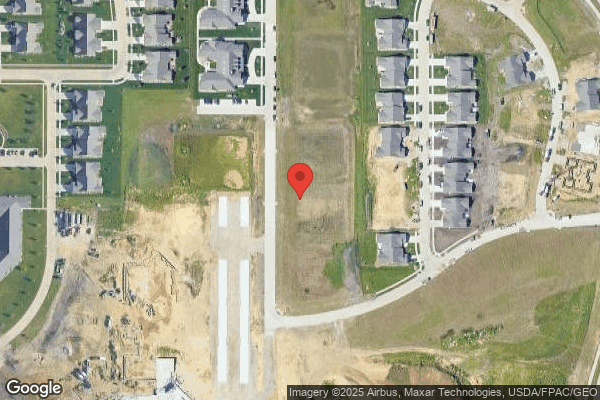
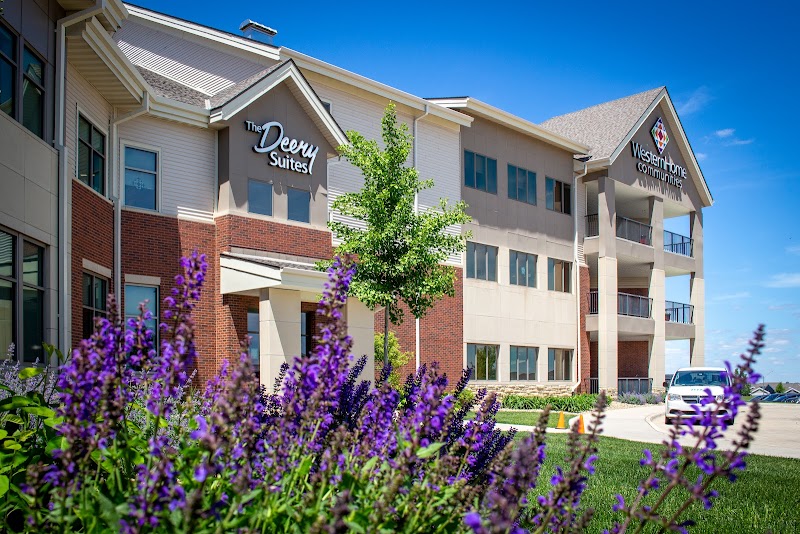
5301 CARAWAY LANE, CEDAR FALLS, IA 50613 (319) 277-2141
Non profit - Corporation 72 Beds Independent Data: November 2025
Trust Grade
70/100
#152 of 392 in IA
Last Inspection: February 2025

Within standard 12-15 month inspection cycle. Federal law requires annual inspections.

Overview

The Suites at Western Home Communities has received a Trust Grade of B, indicating it is a good choice for families looking for a nursing home, although there is room for improvement. Ranking #152 out of 392 facilities in Iowa places it in the top half of the state, while its county rank of #3 out of 12 indicates only two local options are better. The facility is improving, with issues decreasing from seven in 2024 to three in 2025. Staffing is a strength, earning a top rating of 5 out of 5 stars, and turnover is lower than the state average at 38%. However, the facility has faced some concerning incidents, such as a serious issue where a resident received another resident's medication, leading to hospitalization, and several concerns about food safety and meal service practices. Overall, while there are notable strengths, families should be aware of the facility’s weaknesses and recent incidents.

Trust Score
B
70/100
In Iowa
#152/392
Top 38%
Safety Record
Moderate
Needs review
Inspections
Getting Better
7 → 3 violations
Staff Stability
○ Average
38% turnover. Near Iowa's 48% average. Typical for the industry.
Penalties
✓ Good
No fines on record. Clean compliance history, better than most Iowa facilities.
Skilled Nurses
✓ Good
Each resident gets 50 minutes of Registered Nurse (RN) attention daily — more than average for Iowa. RNs are trained to catch health problems early.
Violations
⚠ Watch
16 deficiencies on record. Higher than average. Multiple issues found across inspections.
★★★★☆
4.0
Overall Rating
★★★★★
5.0
Staff Levels
★★★★☆
4.0
Care Quality
★★★☆☆
3.0
Inspection Score
Stable
2024: 7 issues
2025: 3 issues

The Good

  • 5-Star Staffing Rating · Excellent nurse staffing levels
  • 4-Star Quality Measures · Strong clinical quality outcomes
  • Full Sprinkler Coverage · Fire safety systems throughout facility
  • No fines on record
  • Staff turnover below average (38%)

    10 points below Iowa average of 48%

Facility shows strength in staffing levels, quality measures, fire safety.

The Bad

Staff Turnover: 38%

Near Iowa avg (46%)

Typical for the industry

The Ugly 16 deficiencies on record

1 actual harm
Feb 2025 3 deficiencies
CONCERN (D)

Potential for Harm - no one hurt, but risky conditions existed

Deficiency F0637 (Tag F0637)

Could have caused harm · This affected 1 resident

**NOTE- TERMS IN BRACKETS HAVE BEEN EDITED TO PROTECT CONFIDENTIALITY** Based on observation, clinical record review, the Centers for Medicare and Medicaid Services (CMS) Long Term Care (LTC) Facility...

Read full inspector narrative →
**NOTE- TERMS IN BRACKETS HAVE BEEN EDITED TO PROTECT CONFIDENTIALITY** Based on observation, clinical record review, the Centers for Medicare and Medicaid Services (CMS) Long Term Care (LTC) Facility Resident Assessment Instrument (RAI) 3.0 User's Manual, and staff interview, the facility failed to complete a Significant Change Status Assessment (SCSA) Minimum Data Set (MDS) Assessment within 14 days of hospice election for 2 of 2 residents reviewed on hospice services (Residents #45 and #4). The facility reported a census of 71 residents. Findings include: 1. A Progress Note dated 5/30/24 at 5:02 PM documented Resident #45 admitted to hospice care services. A Hospice Benefit Election Statement signed by Resident #45's family member documented the start of service date as 5/30/24. The Care Plan Focus revised 6/14/24 reflected Resident #45 started hospice care on 5/30/24. The SCSA MDS assessment dated [DATE] documented Resident #45 with long/short term memory impairment and moderately impaired (required cues) decision making ability. The MDS listed diagnoses of metabolic encephalopathy (a condition where the brain does not function properly due to an imbalance in metabolic processes), hypertension (high blood pressure), thyroid disorder, Alzheimer's Disease, dementia, stroke, malnutrition (inadequate intake of nutrients), anxiety and respiratory failure. The MDS documented Resident #45 had less than six months to live, but lacked documentation Resident #45 received hospice care services. The MDS 3.0 Summary page in Resident #45 Electronic Healthcare Record (EHR) showed the SCSA MDS with a completion date on 6/19/24 (twenty days after the hospice election date). MDS Section Z, Signatures of Persons Completing the MDS showed Staff A, Social Services, Staff B, Quality of Life Services/MDS Coordinator, and Staff C, Quality of Life Services, completed the MDS sections between 6/18/24 and 6/19/24 with Staff B signing section Z0500 verifying the assessment as complete on 6/19/24. During an interview on 2/5/25 at 12:04 PM the Director of Nursing (DON) reported the facility out sourced the MDS assessments. A Licensed Practical Nurse (LPN) filled out the MDS information, then the MDS Coordinator reviewed the MDS. She didn't know the MDS and trusted the staff who work on the MDS to accurately code the assessment. She reported they had a time when the MDS Coordinator was out sick and their service provider had a different person completing the MDS. They did note problems with MDS accuracy during that time. The DON verified the facility followed the RAI for coding the MDS. During an interview on 2/5/25 at 2:33 PM the Staff B reported she attended the morning meetings, reviewed the progress notes, physician orders to pick up when residents admit to hospice care, and emails from the Household Coordinators. Staff B reviewed section Z of Resident #45's MDS and stated only the Dietician completed the MDS timely. All other disciplines that signed in section Z completed the MDS after day 14. She voiced they completed the SCSA MDS for hospice care late. She reported they followed the RAI manual for completing the MDS. The LTC RAI 3.0 User's Manual Version 1.19.1 October 2024 documented the RAI process had multiple regulatory requirements. The Federal regulations at 42 CFR (Code of Federal Regulations) 483.20 (b)(1)(xviii), (g), and (h) required the assessment accurately reflect the resident's status. The RAI manual specified the SCSA MDS completion date is 14 days from the determination that a significant change in resident status occurred (determination date plus 14 calendar days). 2. Resident #4's SCSA MDS assessment dated [DATE] indicated they received hospice level of care while a resident of the facility and within the last 14 days. Staff B signed the MDS as the RN Assessment Coordinator verifying the completion of the assessment on 1/22/25. A Physician's Order Sheet and Progress Notes dated 1/2/25 for Resident #4 listed a referral for hospice services. A Progress Note dated 1/3/25 at 9:34 AM documented hospice would be meeting with Resident #4 and his/her spouse on 1/3/25 at 1:00 PM. A Progress Note dated 1/3/25 at 2:27 PM reflected Resident #4 admitted to hospice services that day. During an interview on 2/5/25 at 2:15 PM Staff B explained they discussed changes in resident services and conditions at the morning meetings. She added she reviewed the Progress Notes in the electronic health record, checking for changes in the resident payor source, and through direct communication with the facility staff. Staff B reported when a resident elected hospice services the facility followed the RAI Manual by completing a significant change MDS by day 14 from their election of hospice services. Staff B verified the facility completed Resident #4's MDS 6 days late on 1/22/25. A review of the hospice clinical record revealed the following: * Iowa Department of Human Services Election of Medicaid Hospice Benefit dated 1/3/25 signed by Resident #4's spouse. * Resident #4's spouse signed the Hospice admission Contract on 1/3/25. * Resident #4's Hospice Election Statement signed by Resident #4's spouse with a hospice representative documented hospice services began on 1/3/25. * The Aide Care Plan Report documented the start of care date as 1/3/25. * The Client Medication Report documented the admission date as 1/3/25.
CONCERN (D)

Potential for Harm - no one hurt, but risky conditions existed

Assessment Accuracy (Tag F0641)

Could have caused harm · This affected 1 resident

**NOTE- TERMS IN BRACKETS HAVE BEEN EDITED TO PROTECT CONFIDENTIALITY** Based on observation, clinical record review, document review, the Centers for Medicare and Medicaid Services (CMS) Long Term Ca...

Read full inspector narrative →
**NOTE- TERMS IN BRACKETS HAVE BEEN EDITED TO PROTECT CONFIDENTIALITY** Based on observation, clinical record review, document review, the Centers for Medicare and Medicaid Services (CMS) Long Term Care (LTC) Facility Resident Assessment Instrument (RAI) 3.0 User's Manual, and staff interview the facility failed to ensure the Minimum Data Set (MDS) Assessment accurately reflected the care status of 4 out of 5 residents reviewed (Residents #33, #45, #53, and #70). The MDS failed to accurately reflect Resident #33's fall with major injury, Resident #45 received hospice services, Resident #53's use of restraints, and Resident #70 discharged home and not to the hospital. The facility identified a censes of 71 residents. Findings include: 1. The Incident Note dated 9/5/24 at 3:30 PM documented by Staff F, Licensed Practical Nurse (LPN), indicated they heard Resident #33 calling out for help and she entered her apartment. Resident #33 laid on the bathroom floor with her hand placed under her buttocks, wearing gripper socks, and her walker next to her. Resident #33 walked to the bathroom without assistance and went to leave the bathroom to go to her chair. Staff F completed an assessment. Resident #33 described her buttocks as sore but denied pain elsewhere. The Health Status Note dated 9/7/24 at 3:00 PM written by Staff D, Registered Nurse (RN), reflected she heard Resident #33 scream, help, help, come over here to Resident #33's room. Resident #33 laid on the floor beside her bed with three blankets wrapped around her feet. Resident #33 laid tangled up on her right hip and right shoulder. Her head and face laid on top of her wheelchair foot pedal. Resident #33 verbalized her hip and arm both hit the ground at the same time and added her hip hurt with a 10/10 pain level (10 being the worst pain). The facility visited the Provider, who directed them to send Resident #33 to the emergency department (ED). A Hospital X-Ray dated 9/7/24 at 9:02 PM reflected Resident #33 had osteopenia (a condition in which bone density is lower than normal but not low enough to be diagnosed as osteoporosis. It is a precursor to osteoporosis, which is a more severe form of bone loss) and a mildly displaced fracture of the right pubic (lower front part of the hip) bone. The Health Status Note dated 9/7/24 at 10:15 PM documented by Staff E, RN, indicated they received a follow up call from the ED nurse at the hospital. They reported Resident #33 fractured their pubic bone and the ED physician recommended physical and occupational therapy services. Resident #33 would return via ambulance to the facility within the hour. A Major Injury Determination Form signed by the Provider on 9/7/24 documented Resident #33 had an unwitnessed fall on 9/7/24 at 5:00 PM and received a pelvic fracture. The Provider documented after reviewing the circumstances, injury and prognosis, the Provider believed the injury sustained was not a major injury and, to the best of their knowledge, barring any complications, believed the patient (resident) would return to his/her previous functional status. Resident #33's MDS assessment dated [DATE] documented Resident #33 had two or more falls since the last assessment without injuries. The MDS lacked Resident #33's fall with injury which included the pelvic fracture. During an observation on 2/3/25 at 2:22 PM Resident #33 sat in her room chair after lunch with the wheeled walker by the chair. Resident #33 didn't exhibit any signs of pain or discomfort. On 2/4/25 at 12:45 PM observed Resident #33 sitting in the wheelchair at the dining room table eating lunch independently. Resident #33 wore gripper socks and appeared comfortable. During an interview on 2/5/25 at 12:04 PM the Director of Nursing (DON) reported the facility out sourced the MDS assessments. A Licensed Practical Nurse (LPN) filled out the MDS information, then the MDS Coordinator reviewed the MDS. She didn't know the MDS and trusted the staff who work on the MDS to accurately code the assessment. She reported they had a time when the MDS Coordinator was out sick and their service provider had a different person completing the MDS. They did note problems with MDS accuracy during that time. The DON verified the facility followed the RAI for coding the MDS. During an interview on 2/5/25 at 2:41 PM Staff B, Quality of Life Services/MDS Coordinator, reported they have an LPN that coded the MDS and then she checked the MDS over. She reviewed Resident #33's MDS and reported the MDS had two falls with no injuries coded because Resident #33's Physician documented the pelvic fracture as not a major injury. Staff B verbalized she is from out of state and wasn't familiar with Iowa regulations. She voiced being confused and didn't realize the difference between federal regulations and state regulations. She reported they just run across that with another resident and would have to double back and check some other MDS assessments. She voiced when a discipline signed off a section of the MDS they attested the information they entered is correct. She reported they need to follow the RAI for accurate coding of the MDS. She acknowledged the coding of Resident #33 MDS as inaccurate. The LTC RAI 3.0 User's Manual Version 1.19.1 October 2024 documented the RAI process had multiple regulatory requirements. Federal regulations at 42 CFR (Code of Federal Regulations) 483.20 (b)(1)(xviii), (g), and (h) required the assessment accurately reflect the resident's status. The manual directed to document the number of falls with major injury (bone fractures, joint dislocations, closed head injuries with altered consciousness, and subdural hematoma) since the admission, reentry or prior assessment, whichever is most recent. 2. A Progress Note dated 5/30/24 at 5:02 PM documented Resident #45 admitted to hospice care services. A Hospice Benefit Election Statement signed by Resident #45's family member documented the start of service date as 5/30/24. The Care Plan Focus revised 6/14/24 reflected Resident #45 started hospice care on 5/30/24. The Significant Change in Status Assessment (SCSA) MDS assessment dated [DATE] documented Resident #45 had less than six months to live, but lacked documentation Resident #45 received hospice care services. The MDS assessment dated [DATE] documented Resident #45 received hospice services, but lacked documentation that Resident #45 had less than six months to live. During an interview on 2/5/25 at 2:33 PM the MDS Coordinator reported she attended the morning meetings, reviewed the progress notes, physician orders to pick up on when residents are admitted to hospice care, and emails from the Household Coordinators. The MDS Coordinator verbalized someone miscoded Resident #45's MDS and the quarterly MDS didn't pick up hospice care. Hospice care has to be picked up through a significant change MDS. She acknowledged someone didn't code hospice on the 6/5/24 SCSA MDS. The LTC RAI 3.0 User's Manual Version 1.19.1 October 2024 directed to code residents identified as being in a hospice program for terminally ill persons where an array of services are provided for the palliation, management of terminal illness, and related conditions. The RAI manual specified an SCSA MDS is required to be performed when a terminally ill resident enrolled in a hospice program. 3. Resident #53's MDS assessment dated [DATE] identified a Brief Interview for Mental Status (BIMS) score of 4, indicating severe cognitive loss. Resident #53 required assistance with activities of daily living (ADLs). The MDS included a diagnosis of Alzheimer's disease. The MDS documented Resident #53 used a trunk restraint (any manual method/device that restricted a resident's access to their own body or freedom of movement) less than daily. An Order Review History Report Signed by the Provider on 1/8/25 lacked a physician order for the use of a restraint. On 2/3/25 at 3:06 PM observed Resident #53 lying in bed on her left side, without restraints, resting with her eyes closed. On 2/4/25 at 8:33 AM observed Resident #53 seated in the wheelchair, without restraints, in the main dining room for breakfast. Resident #53 made not attempts to get out of the wheelchair. On 2/4/25 at 1:15 PM witnessed Resident #53 lying in bed on her side, without restraints, resting with her eyes closed. Resident #53's Care Plan lacked documentation they used a restraint. A review completed on 2/4/25 of the February 2025 Task List Report lacked documentation of Resident #53 using a restraint. During an interview on 2/4/25 at 1:18 PM Staff G, Certified Medication Manager (CMA), reported the facility didn't use any type of restraints in general. She stated Resident #53 never used any restraints. Interview on 2/4/25 at 1:20 PM Staff H, Certified Nursing Assistant (CNA), reported to her knowledge Resident #53 never used any restraints. During an interview on 2/4/25 at 1:27 PM Staff J, Registered Nurse (RN), reported Resident #53 never used any physical restraints. During an interview on 2/5/25 at 12:04 PM the DON reported the facility didn't use restraints and Resident #53 never used restraints. She reported someone must have miscoded the MDS. During an interview on 2/5/25 at 2:33 PM Staff B reported she guessed the restraint got coded as a clerical error from clicking through the MDS Assessment too fast. She couldn't find any reason why Resident #53 had a restraint coded. The MDS Coordinator voiced the MDS didn't accurately reflect Resident #53's status and needed corrected. 4. Resident #70's MDS assessment dated [DATE] identified a BIMS score of 6, indicating a severe cognitive loss. The MDS listed Resident #70 had inattention (easily distractible or having difficulty keeping track of what was said) and disorganized thinking. Resident #70 exhibited delusions (misconceptions or beliefs that are firmly held, contrary to reality) and wandering for 1 3 days per week. Resident #70 required supervision/touch assistance to partial/moderate assistance with activities of daily living (ADL's). The MDS listed diagnoses of non Alzheimer's dementia, atrial fibrillation (abnormal heart rhythm), coronary heart disease (impaired vessels in the heart), heart failure (inadequate pumping of the blood resulting in a backup of fluid into the body), end stage renal disease (impaired kidney function), and respiratory failure (impaired breathing). The MDS documented Resident #70 received Physical Therapy (PT) services and planned to discharge back to the community. The Health Status Note dated 11/11/24 at 1:34 PM documented Resident #70 discharged to home with family. The facility provided Resident #70's wife with discharge instructions, education, a copy of the medication list, and physician appointments. The Social Services Note dated 11/17/24 at 4:59 PM indicated Resident #70 discharged with arranged 24/7 caregiving and hospice care to independent living with his Care Plan goals met. A 11/11/24 Recapitulation of Stay/Discharge Summary documented Resident #70 discharged to home/assisted living. A review of the progress notes from 9/28/24 to 11/11/24 lacked documentation of any hospitalizations. On 2/6/25 at 9:10 AM the Administrator verified Resident #70 didn't have any hospitalizations from 9/28/24 to 11/11/24. A November 2024 Notice of Transfer Form to the Long-Term Care Ombudsman documented Resident #70 discharged to a private home/apartment with home health services on 11/11/24. Resident #70's MDS Nursing Home discharge date d 11/11/24 MDS identified they discharged to a short term general hospital (acute care hospital). The MDS inaccurately documented Resident #70's discharge location. During an interview on 2/6/25 at 9:12 AM the Administrator reviewed the MDS Discharge record and reported it must be a clerical error. They set up a meeting with the MDS vendor to address the MDS issues from the survey. She voiced Resident #70 discharged back to independent living on hospice care services as he planned on admission.
CONCERN (D)

Potential for Harm - no one hurt, but risky conditions existed

Deficiency F0658 (Tag F0658)

Could have caused harm · This affected 1 resident

**NOTE- TERMS IN BRACKETS HAVE BEEN EDITED TO PROTECT CONFIDENTIALITY** Based on observation, clinical record review, and staff interview the facility failed to follow a physician order to place washc...

Read full inspector narrative →
**NOTE- TERMS IN BRACKETS HAVE BEEN EDITED TO PROTECT CONFIDENTIALITY** Based on observation, clinical record review, and staff interview the facility failed to follow a physician order to place washcloths in the hands of 1 of 1 resident reviewed for range of motion (ROM) (Resident #45). The facility identified a census of 71 residents. Findings include: Resident #45's Minimum Data Set (MDS) assessment dated [DATE] listed Resident #45 as rarely/never understood with long- and short-term memory impairment. Resident #45 had an upper extremity (shoulder, elbow, wrist, hand) functional impairment on both sides. The MDS reflected Resident #45 depended upon staff for activities of daily living (ADLs). The MDS included diagnoses of metabolic encephalopathy (a change in how your brain works due to an underlying condition. It can cause confusion, memory loss and loss of consciousness. You may make a full recovery if you receive a diagnosis and treatment quickly, but permanent brain damage is possible), stroke, Alzheimer's dementia and non Alzheimer's dementia. The MDS documented Resident #45 didn't receive scheduled or as needed (PRN) pain medication during the assessment period. Resident #45 received hospice care services. A Hospice Comprehensive Assessment and Care Plan Update Report listed a Hospice Physician Order dated 10/9/24 for the facility staff to wash hands with soap and water daily. Then pat (hands) dry and placed rolled washcloths, slowly release fingers to wrap around the cloth. The Care Plan Focus revised 12/10/24 indicate Resident #45 had an ADL self-care performance deficit related to limited physical mobility. The Intervention dated 10/20/23 directed to place the pink palm protector on the left hand during the day and remove for meals. Apply the blue palm protector to the right hand during the day and remove for meals. The Care Plan lacked revision related to the physician order to apply rolled washcloths from 10/9/24. A Hospice Comprehensive Assessment and Care Plan Update report with a start date of 12/4/24, reflected the hospice staff reviewed with the facility during their skilled nursing visit about Resident #45 having contractures to both hands and washcloths in place to bilateral hands. Hospice Residential Communication Forms from September 2024 to January 2025 for the hospice nurse visits and home health aide visits lacked documentation of any pain to the hands from the use of washcloths. An Order Summary Report Signed by the Provider on 1/6/25 documented a physician order dated 10/10/24 to wash hands with soap and water, dry daily, roll washcloths and place in hands daily, keep intact through the day, gently separate the finger two times a day. Review of the February 2025 Electronic Treatment Administration Record (ETAR) reflected a physician order to wash hands with soap and water, dry daily, roll washcloths and place in hands daily, keep intact through the day, gently separate the fingers signed off as completed morning and hour of sleep by the nursing staff from 2/3/25 2/5/25. On 2/4/25 at 8:25 AM observed Resident #45 lying in bed supine (on her back) with her arms across her chest, fists clenched, with no rolled washcloths in the palms of her hands. A review of the February 2025 Task Record on 2/4/25 at 8:27 AM revealed the following: a. Resident to wear blue palm protectors both hands during the day between meals; b. Wash hands with soap and water, dry daily, roll washcloths and place in hands daily. The Task Record lacked an update to place washcloths in the palm per the 10/9/24 physician order. On 2/4/25 at 1:01 PM Resident #45 sat in her room in a Broda wheelchair. Observed her with her arms across her chest without washcloths in her clenched fists. On 2/4/25 at 1:07 PM witnessed Staff G, Certified Medication Aide (CMA), and Staff I, Registered Nurse (RN), perform a full mechanical body lift from the Broda wheelchair to the oversized bed. Staff G and Staff I performed peri care, repositioned Resident #45, covered her, performed their own hand hygiene, and left the room. Neither staff member placed washcloths in Resident #45's palms. On 2/5/25 at 7:28 AM saw Resident #45 sitting in the Broda wheelchair at the dining room table for breakfast. Resident #45 sat with her arms crossed across her chest with her fists tightly clenched without washcloths in the palms of her hands. During an interview on 2/4/25 at 1:16 PM Staff G, reported Resident #45 is pretty flexible in her palms and can open her palms. She didn't have pain when she opened her hands. On 2/4/25 at 1:20 PM Staff H, Certified Nursing Assistant (CNA), reported Resident #45 had blue hand splints that she is supposed to wear between meals, but when she tried to put them in, she cried and moaned with pain. On 2/4/25 at 1:24 PM Staff I reported hospice took the blue palm splints away and recommended to use the washcloths because Resident #45 had pain in her hands. The washcloths just help so they can get her hands open better. During an interview on 2/5/25 at 12:27 PM the Director of Nursing (DON) reported if the nurses signed it off on the ETAR then they should complete the physician order. If the resident doesn't need the treatment, then the nurses should notify the physician or contact hospice to get the orders changed. She expected if the nurses sign the physician order, they completed the physician order. The Physician/Extender Policy, reviewed December 2024 directed the following: a. Orders not followed (medications held, refusals, etc.) require notification to the Primary Care Provider (PCP) within approximately 24 hours and need documented in the electronic healthcare record (EHR). b. Orders questioned by the nurse or pharmacist or difficult to read need clarified with the PCP or on call provider and documented in the EHR. The Policy lacked direction to the nursing staff to not sign physician orders if not completed.
Feb 2024 7 deficiencies
CONCERN (D)

Potential for Harm - no one hurt, but risky conditions existed

Deficiency F0657 (Tag F0657)

Could have caused harm · This affected 1 resident

**NOTE- TERMS IN BRACKETS HAVE BEEN EDITED TO PROTECT CONFIDENTIALITY** 2. The MDS assessment dated [DATE] for Resident #3 documented a BIMS Score of 3/15 indicating severe cognitive impairment. The M...

Read full inspector narrative →
**NOTE- TERMS IN BRACKETS HAVE BEEN EDITED TO PROTECT CONFIDENTIALITY** 2. The MDS assessment dated [DATE] for Resident #3 documented a BIMS Score of 3/15 indicating severe cognitive impairment. The MDS documented diagnoses including spastic hemiplegia affecting right dominant side (involuntary muscle spasms), personal history of transient ischemic attach (TIA) (stroke), overactive bladder, need for assistance with personal cares, generalized muscle weakness, unsteadiness on feet, and difficulty walking. The MDS identified the resident required an assist of one staff with a gait belt for toileting. The Resident's Care Plan, revised 2/12/24, identified Resident #3 remained at risk of falling and included interventions to provide education to staff regarding prior fall interventions, ensure a safe environment, keep the bathroom door closed when the resident is in the room, check the anti-slip strips in bathroom every shift for stability, ensure appropriate footwear is worn, non-skid socks or shoes when transferring, ambulating, or mobilizing in the wheelchair, provide an assist of one staff with a gait belt for transfers and toileting, assist resident into her pajamas/nighttime clothing after supper per the resident's preference, and assist with toileting every two hours when awake. A 2/27/24 review of the Physician Orders dated 11/22/23 directed the staff to toilet the resident twice per shift and encourage frequent toileting. A 2/27/24 review of the January Documentation Survey Report V2 revealed the following interventions: a. The resident is to be assisted into her pajamas after supper per her preferences. (Initiated 2/22/23). b. Staff are to assist with cares after supper and assist the resident to the common area or recliner in her room. Encourage her not to be up in the wheelchair in the room by herself after the supper meal. (Initiated 7/16/23). c. Utilize transfer assist of 2 staff with a gait belt and stand pivot transfer (SPT) after 5 PM; One assist with gait belt SPT for all other times (undated). A 2/27/24 review of the Incident Note dated 10/29/23 at 8:00 PM revealed the Resident fell trying to get her pajamas as she was fully dressed. She obtained a bruise to her forehead and to her left second finger. The Incident Note dated 2/10/24 at 7:20 PM detailed the Resident on the bathroom floor to the right of the toilet by her wheelchair. The lights and television were on and the resident was fully dressed. The resident was assessed for injuries and then changed into her pajamas. The Incident Note dated 2/20/24 at 11:56 AM revealed the resident on the floor lying in front of her toilet. The resident was last toileted at 9:30 AM. During an ongoing observation on 2/28/24 from 9:06 AM until 10:59 AM when family took the resident to lunch no toileting of the resident was observed. The resident was not immediately toileted upon return at 1:18 PM. During an interview on 2/28/24 at 2:21 PM Staff L, CNA reported going room to room the night of the 2/10/24 incident to make sure everyone was in bed. She did not see the resident at first and found the resident on the floor by the toilet, her wheelchair beside her. The resident was still dressed in her daytime clothes and not prepared for bed. During an interview on 2/28/24 at 2:34 PM Staff M, CNA explained toileting expectations for residents depend on if the resident is incontinent or continent. If incontinent, they are taken every two hours; if continent, they call when needed. Staff check with the previous shift upon arrival when residents were last toileted. The staff try to toilet residents before and after meals and before bed. That is just standard practice for continent versus incontinent residents. During an interview on 2/28/24 at 2:37 PM Staff R, CNA voiced the residents are to be toileted every two hours. That is what is typically done and if a resident asks before that, the staff take them. They are usually taken around the same time every shift- right when staff arrive, sometime between then and dinner, right before dinner, and before bed. During an interview on 2/28/24 at 2:44 PM Staff G, LPN confirmed her expectation is for residents to be toileted at least every two hours. There are residents who need to go directly before and after meals so they do not self-transfer. These residents have an intervention in the task list which the CNA's have access to on their IPOD. Based on observation, clinical record review, policy review, and staff interview, the facility failed to implement care planned interventions for toileting and to prevent falls for 2 of 20 sampled residents (#3 and #19). The facility identified a census of 61 residents. Findings include: 1. Resident #19's Minimum Data Set (MDS) assessment dated [DATE] showed Resident #19 with a long/short term memory impairment and severely impaired daily decision-making ability. The MDS documented Resident #19 as dependent upon staff for toileting hygiene (the ability to maintain perineal hygiene, adjust clothes before and after voiding or having a bowel movement). The MDS documented Resident #19 as always incontinent of urine and frequently incontinent of bowel. The MDS listed diagnoses of unspecified dementia, end stage renal disease, and muscle weakness. The Care Plan, revised 1/25/24, documented a focus problem of bladder incontinence and directed the staff to: a. Encourage/assist to void at least routinely and more often as needed or requested. b. Use disposable briefs. Change routinely and as needed. (Date revised 6/16/20). c. Check Resident for incontinence routinely and as needed. Wash, rinse and dry the perineum. Change clothing as needed after incontinence episodes. (Date initiated: 06/16/2020). A 2/27/24 review of the Point Click Care (PCC) Task Record under Bladder Continence directed the staff every shift to prompt and assist with toileting cares routinely, use pull up briefs and do not ask, simply state, It's time to . (go to the toilet). Observation on 2/27/24 at 8:30 AM revealed Resident #19 brought into the dining room per wheelchair by Staff D Licensed Practical Nurse (LPN) and set up for breakfast with a bedside table. While under continued observation on 2/27/24 at 9:58 AM Staff O, Certified Nursing Assistant (CNA) assisted Resident #19 via wheelchair directly from the dining area to the lounge area. Staff O and Staff P, CNA utilized a gait belt and a four wheeled walker (FWW) to pivot transfer the Resident from the wheelchair to the couch. Staff O and Staff P failed to offer Resident #19 toileting or to check if Resident #19 needed incontinence management provided. On 2/27/24 at 11:59 AM Staff O assisted Resident #19 from the couch to the dining room, positioned in front of a bedside table and assisted to get ready for lunch. Staff O did not offer toileting or check to see if Resident #19 needed incontinence management. During an observation on 2/27/24 at 1:35 PM Staff O assisted Resident # 19 back to her room via wheelchair. At 1:39 PM Staff O assisted Resident #19 to walk from the wheelchair to the bathroom for toileting. Staff H, CNA, removed a urine-soaked brief from Resident #19 and placed in the trash can. Staff H assisted Staff O to provide peri-care and apply a new adult brief. Staff O using a gait belt walked Resident #19 from the bathroom back to the wheelchair, then assisted the resident back out to the couch in the front lounge area. On 2/27/24 at 1:18 PM Staff H voiced they always take care of Resident #19 in the afternoon before they leave their shift. On 2/27/24 at 1:54 PM Staff O reported they did not take Resident # 19 back to her room to toilet her after breakfast. They had just brought her from the dining room to the couch. During an observation on 2/28/24 at 8:29 Staff D brought Resident #19 out to the dining room and positioned her wheelchair up to a bedside table for breakfast. On 2/28/24 at 9:37 AM Resident #19 observed eating her breakfast in the [NAME] Suites 2 (DS2) dining room. Continuous observation on 2/28/24 at 9:54 AM revealed Staff D assisted Resident #19 from the dining room to her room via the wheelchair. Staff D performed a wound treatment for the Resident. After the wound treatment, Staff D pushed Resident #19 out into the hallway in the wheelchair. Staff D failed to offer Resident #19 toileting or check the resident for incontinence management. On 2/28/24 at 10:14 AM Staff F assisted Resident #19 in the wheelchair from the hallway outside her room door up to the lounge. During an observation on 2/28/24 at 10:28 AM Staff H assisted Resident #19 to pivot transfer using a gait belt from the wheelchair to the couch without offering Resident #19 toileting. Observation on 2/28/24 at 11:05 AM revealed Resident #19 sitting on the lounge couch. On 2/28/24 at approximately 11:50 Staff assisted Resident #19 from the lounge couch to the dining room table for lunch without offering toileting. On 2/28/24 at 1:19 PM Staff H and Staff F assisted Resident #19 from the dining room to her room to provide toileting assistance. At 1:27 PM Staff H and Staff F utilized a gait belt and assisted Resident #19 from the wheelchair to sit on the couch in the lounge. A 2/28/24 review of the February 2024 Documentation Survey Report V2 under the intervention Bladder Continence- staff to prompt and assist with toileting and cares routinely- do not ask, simply state It's time to documented the following: a. 12/27/24 toileting provided as 12:42 PM documented by Staff O. b. 12/28/24 toileting provided at 9:14 AM documented by Staff H. On 2/28/24 at 2:58 PM The DS2 Nurse Mentor explained residents are to be toileted every two hours or before and after meals. That is a given. Residents that are cognitively impaired should be toileted at least every 2 hours. The toileting is communicated through the task list and through the care plan. The CNA's have access to both on their IPODS. A lot of the task record is linked into the care plan. She voiced some of it is just basic knowledge that resident are toileted every two hours. CNA's learn every two-hour toileting in the CNA class. She would not expect the residents to go over 2 hours for toileting. During an interview on 2/28/24 03:49 PM the DON reported the residents should be offered toileting when they first get up, before and after meals, bedtime and as needed. The Care Plan interventions are linked to the task list so the aides can see on the IPOD when the resident's need to be toileted. She expects the staff to provide the resident in the morning, before and after meals, bedtime, and as needed per the Care Plan. Staff should be following the Care Plans. During an interview on 2/29/24 at 7:57 AM Staff H explained the 2/28/24 documentation of toileting at 9:14 AM reflected the toileting provided when she got Resident #19 up between 8-8:30 AM in the morning. She had not taken Resident #19 to the bathroom at 9:14 AM. She reported they are not always able to document the actual time they take residents to the bathroom so they document when they can. The Toileting Incontinent Residents Policy, revised 11/2023, provided by the facility, documented a purpose to enable the resident to remain as continent of urine as much as possible, avoid urinary tract infection, improve resident self-esteem, and to maintain dignity. The Policy Procedure directed the following: 1. Establish a toileting routine according to the resident's habits and address in the plan of care. 2. Attempt to toilet the resident before and after meals, upon rising from rest and before bed or according to the service/care plans. The Comprehensive Care Plan Policy, revised 12/2023, provided by the facility documented the Comprehensive Care Plan would reflect current standards of practice and with periodic reassessments the Care Plan would be reviewed and revised according to resident needs. The Policy lacked direction on how the Care Plans would be communicated to staff or direction on how staff would implement the Care Plan interventions.
CONCERN (D)

Potential for Harm - no one hurt, but risky conditions existed

Deficiency F0658 (Tag F0658)

Could have caused harm · This affected 1 resident

**NOTE- TERMS IN BRACKETS HAVE BEEN EDITED TO PROTECT CONFIDENTIALITY** Based on observation, clinical record review, policy review, and staff interview the facility failed to follow standards of prac...

Read full inspector narrative →
**NOTE- TERMS IN BRACKETS HAVE BEEN EDITED TO PROTECT CONFIDENTIALITY** Based on observation, clinical record review, policy review, and staff interview the facility failed to follow standards of practice when staff failed to observe residents swallowed their medication per facility policy, per physician orders, and standard of practice for 2 of 2 sampled residents (#13 and #39). The facility identified a census of 61 residents. Findings include: Resident #13's Minimum Data Set (MDS) assessment dated [DATE] showed a Brief Interview for Mental Status (BIMS) score of 11/15 indicating mild cognitive impairment. The MDS documented Resident #13 independent with eating with a diagnosis of metabolic encephalopathy (metabolic encephalopathies comprise a series of neurological disorders not caused by primary structural abnormalities; rather, they result from systemic illness, such as diabetes, liver disease, renal failure, and heart failure). The Care Plan revised 2/19/24 lacked documentation Resident #13 could self-administer his own medications. A Review of the 2/28/24 Physician Order Summary lacked documentation Resident #13 had a physician order to self-administer his own medications. A Review of the Point Click Care Assessments on 2/28/24 at 11:30 AM lacked documentation of a medication self-administration assessment. Observation on 2/28/24 at 11:54 PM revealed a red oval pill laying on the floor under a dining room table in the [NAME] Suites floor 2 (DS2) dining room. During an interview on 2/28/24 at 11:55 Staff D, LPN reported the pill found on the floor belonged to Resident #13. She stated it is for his eyes. Staff D voiced he doesn't like to have the nurses observe him take his pills, so they give him his pills in a cup, set the cup down on the table, then just try to watch him from behind to see if he takes his pills. Staff D verbalized she didn't think Resident #13 had been assessed to self-administer his own medications. She voiced she didn't know residents could be assessed to take their own medications. Interview on 2/28/24 at 12:45 PM with Staff J, Registered Nurse (RN), reported she typically does observe the resident take their medications. She doesn't personally stand right in the resident's face but does stay in the vicinity and watches them. Staff J voiced she would never leave a resident unattended with medications. The Residents always have to be in the line of vision. Medications are also not left in resident rooms. Some of the residents may have it in their orders that they have to be watched and mouth checked afterwards to make sure they are swallowing their medications. On 2/28/24 at 12:46 PM Staff K, LPN explained she would watch the residents take their medication(s). That is what they do. Staff K responded she hoped observing resident take their medications was the standard of practice and further explained no one here currently could self-administer their medications. On 02/28/24 at 3:02 PM the [NAME] Suites Nurse Mentor explained nurses are to stay with the resident and observe the resident has taken their medications. She doesn't recall that any residents are Care Planned for medication self-administration. She expects the nurse to stay and watch residents take their medications. She reported Resident #13 did not have a self-medication administration assessment. During an interview on 2/28/24 at 3:55 PM the Director of Nursing (DON) reported it is a safety issue. Residents have to be assessed and Care Planned to be able to administer the medications themselves. She expects the nurses will observe the medication administration per the facility policy unless the resident is able to take their own medication, meaning the resident has been assessed and Care Planned to self-administer their medications. The Medication Administration Policy, revised November 2023, provided by the facility outlined the following: a. Medications shall be administered in a safe and timely manner, and as prescribed. Only persons licensed or permitted by this State to prepare, administer, and document the administration of medications may do so. No resident shall be allowed to keep in his/her possession any medications unless the attending physician has certified in writing on the resident's medical record that the resident is mentally and physically capable of doing so. A resident who has been certified in writing by the physician as capable of taking his/her own medications, may retain these medications in their room, but locked storage must be provided. The Oral Medication Administration Policy, revised November 2023, provided by the facility directed the following: a. Administer the medication. Before leaving the resident, check to be sure they have swallowed the medication. Do not leave the medication in the resident's room or by the resident's plate. 2. Resident #39's MDS assessment dated [DATE] showed a BIMS score of 13/15 indicating intact cognition. The MDS documented Resident #39 utilized a wheelchair and had an upper extremity impairment on one side of the body. The MDS listed diagnoses of cerebral palsy (a congenital disorder of movement, muscle tone, or posture. Cerebral palsy is due to abnormal brain development, often before birth. Symptoms include exaggerated reflexes, floppy or rigid limbs, and involuntary motions), anxiety, schizophrenia (a disorder that affects a person's ability to think, feel, and behave clearly), cancer, and need for continuous supervision. The Care Plan revised 1/25/24 lacked interventions Resident #39 could self-administer her own medications. The Resident's 2/09/24 Physician Office Visit Note with the most current list of physician orders, lacked documentation of a self-medication administration physician order. Observation on 2/28/24 at 9:53 AM revealed Resident #39 sitting at the dining room table with 7 pills (three blue oblong capsules, one circular peach pill, two white pills and a half white pill) laying on a napkin to the left of the Resident's breakfast plate. No nurse or certified medication aide (CMA) were noted in the area. At 9:58 AM Staff D, LPN came out of the office and reported she was heading down to another resident's room to do a treatment. Staff D proceeded down the hallway with the cart leaving no nurse or CMA supervising Resident #39 to take her medications. On 2/28/24 at 10:14 AM Staff D walked from the front hallway back up to the dining room for less than 1 minute then left the dining room. Resident #39 continued to eat her breakfast with her medications laid out on a napkin to the left side of her plate. No nurse or CMA observed in the area at that time. A Review of Resident #39's Point Click Care Assessments on 2/28/24 at 11:30 AM lacked documentation of a medication self-administration assessment. On 2/28/24 at 11:55 AM Staff D verbalized Resident #39 doesn't like to have anyone watch her take her medications, so they set up her medication on her napkin for her to take by herself. During an interview on 2/28/24 at 3:02 PM the [NAME] Suites Nurse Mentor explained the nurses are to stay with the resident and observe the resident has taken their medication(s). She doesn't recall that any residents are Care Planned for medication self-administration. She expects the nurse to stay and watch residents take their medications. She reported Resident #39 did not have self-medication administration assessment.
CONCERN (D)

Potential for Harm - no one hurt, but risky conditions existed

Deficiency F0688 (Tag F0688)

Could have caused harm · This affected 1 resident

**NOTE- TERMS IN BRACKETS HAVE BEEN EDITED TO PROTECT CONFIDENTIALITY** Based on observation, clinical record review, policy review, and staff interview, the facility failed to ensure resident with li...

Read full inspector narrative →
**NOTE- TERMS IN BRACKETS HAVE BEEN EDITED TO PROTECT CONFIDENTIALITY** Based on observation, clinical record review, policy review, and staff interview, the facility failed to ensure resident with limited range of motion (ROM) received restorative exercises as planned for 1 of 1 resident sampled (Resident #32). The facility reported a census of 61 residents. Findings include: Resident #32's Minimum Data Set (MDS) assessment dated [DATE] showed a Brief Interview for Mental Status (BIMS) score of 8/15 indicating a mild cognitive impairment. The MDS detailed the Resident had a lower body impairment on both sides of the body and a diagnosis of muscle weakness and Parkinsonism (Parkinsonism is a term used to describe a collection of movement symptoms associated with several conditions - including Parkinson's disease (PD). These symptoms include slow movements along with stiffness, walking and balance issues and/or tremors). The MDS documented Resident #32 received 54 minutes of physical therapy one time in the seven-day look-back period. The Care Plan revised 1/08/24 directed staff to perform the restorative nursing program (RNP) as tolerated to maintain independence in mobility and in activities of daily living (ADL's). During an interview on 2/27/24 at 12:40 PM the Administrator reported Resident #32 currently worked with physical therapy. The Administrator provided the following RNP's for Resident #32: 1. Restorative Nursing Program dated 11/16/23: provide active range of motion (AROM) on the Omnicycle one time per week for 10 minutes and provide toilet transfers before and after meals with minimal assistance and verbal cues to decrease fall risk. The RNP documented a goal to maintain upper extremity strength, safe transfer and perform the program 3-5 times per week. 2. RNP dated 5/26/23: perform AROM on Nu-Step level 0-4 for 5-15 minutes and walking 1-5 trials, using the gait belt with front wheeled walker (FWW) followed by the wheelchair. Perform the activity at least one day per week. The RNP documented a goal to maintain motility and strength. On 2/27/24 at 12:40 PM the Administrator provided Resident #32's Restorative Nursing Progress Notes for January and February 2024 which included the following information: 1. On 1/10/24 at 10:44 Staff Q, CNA documented Resident #32 is working with Physical Therapy (PT) and has an ambulation program and a Nu-Step program. Resident #32 has made significant improvement in the month of December compared to the previous month. Resident #32 can tolerate 15 minutes per session. 2. On 1/13/24 at 5:43 PM the Director of Nursing (DON) documented a review of the RNP and to continue the program. 3. On 2/09/24 at 10:22 AM Staff Q documented Resident #32 is working with PT. The Resident has an ambulation program and Nu-Step program. Resident #32 has made significant improvements in the month of December compared to the previous month. Resident #32 tolerates 15 minutes per session. 4. On 2/10/24 at 6:09 PM the DON documented to continue Resident #32's RNP. During an observation on 2/27/24 at 2:00 PM Staff Q applied a gait belt around Resident #32's waist and assisted the Resident to pivot transfer to the wheelchair. Staff Q cued Resident #32 to propel his wheelchair down to his room. Once in the room, Staff Q offered to walk the Resident to the bathroom. Resident #32 refused stating he didn't need to use the bathroom. At 2:07 PM Staff Q assisted Resident #32 to pivot transfer to the Nu-Step. Staff Q set the Nu-Step to level 1-7 and Resident #32 started the RNP. Resident #32 completed 15 minutes of exercise on the Nu-Step without difficulty. On 2/27/24 at 2:12 PM Staff Q reported Resident #32 performs the exercise program three to five times per week. Staff Q verbalized he documents the completion of the RNP in Point Click Care (PCC, electronic medical records system). A 2/28/24 review of the January 2024 Survey Documentation Report V2 detailed the following information: 1. Nursing Rehab: Nu-Step level 0.4 for 5-15 minutes completed on January 9, 16, 22, 25, and 30 for 15 minutes each session. 2. Nursing Rehabilitation: walking, use gait belt and FWW, 1-5 trials with wheelchair to follow as resident tolerates with rest breaks as needed. The RNP was documented as completed on January 16th only. A 2/28/24 review of the February 2024 Survey Documentation Report V2 documented the following information: 1. Nursing Rehab: Nu-Step level 0.4 for 5-15 minutes completed on February 1, 6, 17, 22, 27 for 15 minutes each session. 2. Nursing Rehabilitation: walking, use gait belt and FWW, 1-5 trials with wheelchair to follow as resident tolerates with rest breaks as needed was not listed on the Report. The February 2024 RNP Progress Notes lacked documentation the program had been revised by a nurse to discontinue the walking trial. 3. Nursing Rehabilitation: toilet transfer before/after meals with minimal assistance and verbal cues to decrease fall risk lacked documentation of completion from 1/2/24 to 2/28/24. During an interview on 2/28/24 at 9:24 AM the Physical Therapist Personnel reported she works with Resident #32 one time a week for strengthening with ambulation. Therapy had been working with Resident #32 one time a week on Part B therapy since 4/10/23. She reported sometimes the RNP's are stopped and sometimes the RNP's continue when they work with residents. It depends on the individual resident. A review of the Physician Orders on 2/28/24 at 9:26 AM lacked documentation Resident #32's RNP had been placed on hold. On 2/28/24 at 9:47 AM the [NAME] Suites 2 and 3 (DS2/DS3) Nurse Mentor reported the family requested Physical Therapy continue working with Resident #32. Resident #32 gets restorative nursing in conjunction with the weekly physical therapy. Resident #32 prefers the Nu-Step over the Omnicycle. She thought his program was getting done 3-5 times per week. The program is documented in the Point of Care (POC) charting and completed by Staff Q. She voiced she monitors the RNP's in conjunction with the Household Coordinator and the DON. The DON writes a Restorative Progress Note monthly. On 2/28/24 at 10:54 AM Staff Q reported what is written in the restorative programs for frequency is the goal that he shoots for. He stated there are times he can't get around to all residents to get their restorative programs completed or he gets pulled to the floor and isn't working in restorative. There also was a time when Resident #32 wasn't himself and he couldn't complete his RNP, but that was probably a few months ago. Staff Q further explained he works five days a week Monday through Friday 10 AM to 6 PM and covers RNP's on DS2 and [NAME] Suites 3 (DS3). There are around 30 residents on restorative programs with most being planned three to five times per week. A 2/28/24 interview with the DS2/DS3 Nurse Mentor at 2:53 PM revealed Staff Q had not notified her that Resident #32's RNP was not getting completed. If the family is in visiting, he may not have done the program. She reviewed the February 2024 V2 documentation and stated Staff Q should document if the program was refused and the record did not reflect the resident had refused the RNP. During an interview on 2/28/24 at 3:41 PM the DON voiced she expects the restorative program to be completed as written for 3-5x per week. She talked to Staff Q and he doesn't always get the time to do the programs. Staff Q had not been reporting in that he hadn't been able to get the RNP's completed. The Restorative Dressing, Grooming, Toileting, and Range of Motion Policy, revised 10/2023, provided by the facility directed the following: 1. CNA's will follow the treatment programs as recommended by therapy, unless changes are made by the nurse. 2. Any difficulties a resident is experiencing, will be reported to the nurse or the therapy department.
CONCERN (D)

Potential for Harm - no one hurt, but risky conditions existed

Respiratory Care (Tag F0695)

Could have caused harm · This affected 1 resident

**NOTE- TERMS IN BRACKETS HAVE BEEN EDITED TO PROTECT CONFIDENTIALITY** Based on observation, policy review, and staff interviews the facility failed to keep resident respiratory equipment in sanitary...

Read full inspector narrative →
**NOTE- TERMS IN BRACKETS HAVE BEEN EDITED TO PROTECT CONFIDENTIALITY** Based on observation, policy review, and staff interviews the facility failed to keep resident respiratory equipment in sanitary condition for 1 of 1 residents reviewed (Resident #5). The facility reported a census of 61 residents. Findings include: The Minimum Data Set (MDS) assessment dated [DATE] for Resident #5 documented a Brief Interview for Mental Status of 14/15 indicating no cognitive impairment. The MDS documented diagnoses including: cancer, heart failure, pneumonia, chronic obstructive pulmonary disease, and respiratory failure. The Resident's Care Plan, revised 1/23/24, detailed Resident #5 required the use of oxygen due to heart failure and contained an intervention to provide oxygen therapy via nasal canula/mask. Physician Orders dated 1/23/24 instructed the resident to be on oxygen at 3 liters continuous and for the tubing to be changed and dated weekly. During observations on 2/26/24 at 10:45 AM and on 2/29/24 at 8:28 AM the filter on the resident's oxygen concentrator was found to be matted with heavy, gray, dust and debris. During an interview on 2/26/24 at 2:52 PM the Resident reported the Certified Nursing Assistant's (CNA's) maintain his oxygen machine and equipment. During an interview on 2/28/24 at 9:47 Staff C, CNA reported the nurse is in charge of maintaining the residents' oxygen tubing and supplies. During an interview on 2/28/24 at 10:27 AM Staff D, Licensed Practical Nurse (LPN) reported the Durable Medical Equipment (DME) provider likely takes care of the oxygen filter but she was unsure. During an interview on 2/28/24 at 12:12 PM Staff E, Registered Nurse (RN), Nurse Mentor reported the facility contracts with a DME provider for the oxygen machines. They are responsible for cleaning the filters. She explained the machines get sent back when the resident is done using them and then get cleaned. The facility does not have a log of when they come to clean the filters if the resident keeps the concentrator long-term. During an interview on 2/28/24 at 12:30 PM a representative of the the DME provider explained they are responsible for cleaning the filter on the oxygen concentrator but it is the facility's responsibility to let the DME provider know if the filter is dirty and the concentrator needs to be replaced for cleaning. She further explained the facility is in contact with the DME provider weekly when they discuss if a resident is done with a machine, or if one needs to be replaced, etc. During an interview on 2/29/24 at 8:30 AM the Director of Nursing (DON) reported the staff are to clean the tubing and nasal canula weekly, and the concentrators are to be cared for by DME provider. She explained the DME provider is responsible for coming to the facility to service concentrators weekly and confirmed the facility does not keep a log of this. During an interview on 2/29/24 at 8:45 AM the Administrator verbalized she spoke to corporate and the DME provider is in charge of servicing the machines only. She and the DON both acknowledged visualizing the dirty filter on the resident's concentrator. During an interview on 2/29/24 at 9:06 AM the DON reported she contacted the DME provider and they will come weekly for machine maintenance. The facility will be responsible for cleaning the filter and are now putting systems in place for this. The Oxygen Administration Policy, revised 12/2023, under step 7 of the Procedure directed the staff to check and change the oxygen equipment, masks, tubing and canula weekly and as needed. The Policy lacked direction to the staff on cleaning the oxygen concentrator filter.
CONCERN (D)

Potential for Harm - no one hurt, but risky conditions existed

Deficiency F0725 (Tag F0725)

Could have caused harm · This affected 1 resident

**NOTE- TERMS IN BRACKETS HAVE BEEN EDITED TO PROTECT CONFIDENTIALITY** 2. The MDS assessment dated [DATE] for Resident #5 documented a BIMS Score of 14/15 indicating no cognitive impairment. The MDS ...

Read full inspector narrative →
**NOTE- TERMS IN BRACKETS HAVE BEEN EDITED TO PROTECT CONFIDENTIALITY** 2. The MDS assessment dated [DATE] for Resident #5 documented a BIMS Score of 14/15 indicating no cognitive impairment. The MDS documented diagnoses including: cancer, heart failure, pneumonia, chronic obstructive pulmonary disease, arthritis, and respiratory failure. The Resident's Care Plan, revised 1/23/24, contained interventions including: a. Change the residents position every 2 hours to facilitate lung secretion movement and drainage, b. The Resident is dependent on assistance of 1 staff for dressing, personal hygiene, and toileting; c. The Resident requires assistance of 1-2 staff for transferring between the wheelchair and the recliner; d. The Resident is dependent upon 1-2 staff for locomotion using a walker; e. The Resident needs prompt response to requests for assistance when using his call light. During an interview on 2/26/24 at 2:52 PM Resident #5 stated at the shortest, he has waited five minutes, at the longest he has waited over an hour and 40 minutes for a call light to be answered. When he asked why, staff reply there is some emergency or other situation. He voiced there is at least one shift short of staff on one of the three floors each day, and he has lived on all three floors. During an interview on 2/27/24 at 2:44 PM Staff I, CNA reported there are quite a few residents needing two-assist. She noted she tries to explain if she's running late some residents take more time than others. She explained it depends on when residents want to take showers as well. Often residents want them after supper and that is harder. It can be 20-25 minutes to answer a light when one person is on the floor due to an aide giving residents baths. A review of the Call Light Response Report showed the following response times for Resident #5: a. 2/24/24 7:46:28 AM- 8:11:48 AM = 25 minutes 20 seconds. b. 2/25/24 8:12:02 AM- 8:30:10 AM = 18 minutes 08 seconds. c. 2/25/24 5:59:53 PM- 6:27:42 PM = 27 minutes 49 seconds. d. 2/26/24 6:33:53 PM- 6:55:44 PM = 21 minutes 51 seconds. e. 2/26/24 7:08:32 PM- 7:33:38 PM = 25 minutes 06 seconds. Based on clinical record review, document review, policy review, resident and staff interview, the facility failed to answer call lights within 15 minutes for 2 of 3 residents reviewed (Resident #5 and #44). The facility identified a census of 61 residents. Findings include: 1. Resident #44's Minimum Data Set (MDS) assessment dated [DATE] showed a Brief Interview for Mental Status (BIMS) score of 11/15 indicating mild cognitive impairment. The MDS documented Resident #44 as dependent upon staff for toileting hygiene (the ability to maintain perineal hygiene, adjust clothes before and after voiding or having a bowel movement); dependent upon staff for lower body dressing (the ability to dress and undress below the waist, including fasteners; does not include footwear) and required substantial to maximal assist with toilet transfers (the ability to get on and off a toilet or commode). The MDS listed diagnoses of Dystonia (a disorder that causes the muscles to contract involuntarily), Parkinsonism (unspecified), arthritis, cancer, and stroke. The MDS specified Resident #44 as frequently incontinent of bowel (the resident was incontinent of bowel more than once, but had at least one continent bowel movement. This includes incontinence of any amount of stool day or night), and bladder (the resident was incontinent of urine seven or more episodes but had at least one episode of being continent. This includes incontinence of any amount of urine, daytime and nighttime.). The Activities of Daily Living (ADL), Self-Care Performance Deficit Care Plan, revised 2/13/23 documented a deficit related to the Resident's Parkinson's Disease, impaired mobility, scoliosis and directed the staff to provide substantial assistance for toileting. On 2/26/24 at approximately 11:30 AM Resident #44 reported call lights were an issue. He verbalized he had issues with getting his call light answered at night and after meals. On 2/27/24 at 9:52 AM the Administrator reported the staff get notifications sent to the IPOD through a call light app. The app sends out call light alerts at 5, 10, and 15 minutes. There are also overage alerts that go off. The Household Coordinators get notification of call light escalations on the phone and through email alerts. They review the call light data, monitoring each shift for call light times and overages weekly, then put plans in place to address. The Administrator voiced she would like to say it never happens, but on occasion call lights do go over 15 minutes. The Administrator further voiced they are at 5% - 10% over the 15-minute call light response time. During interview on 2/27/24 at 10:51 AM the Administrator reported per their facility policy, they are only allowed to keep 72 hours-worth of call light reports. The [NAME] Suites (DS) (floors 2 and 3) CNA's get call lights alerts on their cell phones at 2, 5, 10, 15, 20, and 25-minute intervals. There is also 30, 45, and a 60-minute alerts that go out through the app. The [NAME] Managers are notified of the call light alerts via email or text at 15, 25, 30, 45, and 60-minute intervals. The managers all get emails to their phones. The weekend on-call person also gets the alerts on their phone. There is always a Nurse Manager and a Household Coordinator that cover all the households on weekends. On 2/27/24 at 11:55 PM Staff D, Licensed Practical Nurse (LPN) verbalized they tend to work short about once a week. The normal staffing on DS2 is two aides that come in at 6 AM and one aide that comes in a half shift at 7 AM. If they are down in census, then only two aides are staffed coming in at 6 AM. She stated they normally have two aides that come in at 6:00 AM, but if there are call in's and only 1 aide comes in at 6:00 AM or both aides come in at 7:00 AM then, she wouldn't lie, the call lights are a problem. The call lights go into escalation at 25 minutes and to be honest that happens quite often. On 2/28/24 at 9:43 AM Staff C, Certified Nursing Assistance (CNA) reported they get a different alert on the call light app at 25 minutes that alerts them a resident's call light has not been answered. He stated they do get a lot of 25-minute alerts for unanswered call lights. He explained the management reviews the use of the call lights weekly, then will post a percentage on a whiteboard and tell them, let's just get this percentage rate down this week. Staff F CNA nodded her head in agreement with the information that Staff C provided. During an interview on 2/28/24 at 11:26 AM Resident #44 reported the call lights are especially bad after meals. He reported he has waited well over 30 minutes for assistance to the toilet and it has caused him to be incontinent more than once. A 2/28/24 review of the facility provide Call Light Response Report documented the following call light dates and response times for Resident #44: a. 2/24/24 6:16 AM - 6:51 AM, 34 minutes, 39 seconds. b. 2/24/24 7:19 PM - 7:41 PM, 22 minutes, 4 seconds. c. 2/24/24 8:59 PM - 9:26 PM, 26 minutes, 11 seconds. d. 2/25/24 8:21 AM - 8:42 AM, 20 minutes, 14 seconds. e. 2/25/24 4:22 PM - 4:40 PM, 17 minutes, 36 seconds. f. 2/26/24 6:21 PM - 6:46 PM , 25 minutes, 25 seconds. g. 2/26/24 8:41 PM - 9:04 PM, 23 minutes, 10 seconds. On 2/28/24 at 2:48 PM Staff G, LPN reported the staff try to answer the call lights within 5-10 minutes. If she gets an alert that a call light continues to be on after 25 minutes, she will check to be sure the call light just didn't get turned off or check to see why the staff haven't answered the call lights. Sometimes they are tied up in another resident's room or giving a shower. Staff G verbalized she will pitch in and assist with answering lights as well. Staff G voiced she did not know the regulatory requirement for how long staff have to answer a call light. On 2/28/24 at 3:05 PM the DS2 Nurse Mentor reported she expects call light to be answered as soon as possible, but within 15 minutes. The facility has an ELPAS (wireless call light) system, so if they receive an escalation notice over a certain amount of time, 15 minutes, then they get an email and text notifying them the call light has gone over. If they are at the facility and not in a meeting or care conference, then they try to follow up and see why the call lights has not been answered. Sometimes the staff just forget to clear the call lights. During an interview on 2/28/24 at 4:01 PM the Director of Nursing reported she expects the call lights to be answered within 15 minutes or less if possible. The Call Light Response Policy, revised December 2023, provided by the facility specified the following: 1. Staff members are notified of call lights or resident needs in one of the following ways: a. Lights above door or call light box at nurse's station, or, b. Via handheld electronic device. 2. Call lights should be responded to within 15 minutes.
CONCERN (E)

Potential for Harm - no one hurt, but risky conditions existed

Deficiency F0805 (Tag F0805)

Could have caused harm · This affected multiple residents

Based on observation, policy review, and staff interview the facility failed to serve meals in a therapeutic form necessary to meet residents' needs. The facility reported a census of 61 residents. Fi...

Read full inspector narrative →
Based on observation, policy review, and staff interview the facility failed to serve meals in a therapeutic form necessary to meet residents' needs. The facility reported a census of 61 residents. Findings include: 1. The Minimum Data Set (MDS) Assessment for Resident #59 dated 12/22/23 documented a Brief Interview for Mental Status (BIMS) score of 15/15 indicating no cognitive impairment. The MDS documented diagnoses including: stroke, traumatic brain dysfunction (occurs as a result of a severe injury to the head with immediate or delayed symptoms which may include confusion, blurry vision, and concentration difficulty), traumatic spinal cord dysfunction (a spinal cord injury which may cause a loss of strength, sensation, and function below the site of the injury), and progressive neurological conditions (continued decline in functioning). The Resident's Care Plan, revised 10/06/23, contained interventions including: staff to follow Speech Therapy (ST) progress and recommendations; the resident is to have their diet as (physician) ordered; all foods to be cut into small bites or finger foods as appropriate; and staff to assist with meals if family/hospice not present. Review of the Registered Dietician (RD) note dated 11/16/23 at 3:10 PM detailed the resident's foods need to be cut up into bite size pieces and per family he cannot eat rice. A review of the ST note dated 9/21/23 at 2:06 PM documented the resident must have easy to chew foods. 2. The MDS for Resident #32 dated 01/23/24 documented a BIMS of 8/15 indicating moderate cognitive impairment. The MDS documented diagnoses including: non-traumatic brain dysfunction; Non-Alzheimer Dementia; Parkinsonism (Parkinsonism is a term used to describe a collection of movement symptoms associated with several conditions - including Parkinson's disease (PD). These symptoms include slow movements along with stiffness, walking and balance issues and/or tremor.; and dysphagia (difficulty swallowing). The Resident's Care Plan, revised 1/22/24, indicated the need for a texture altered diet and interventions included providing the diet as (physician) ordered. Review of the Resident's January 2024 Treatment Administration Record (TAR) showed a task for staff to ensure a cup of soup is offered at the noon and PM meals. A review of the RD note dated 1/04/24 at 6:16 AM revealed the Resident was ordered on a regular diet/mechanical soft/thin consistency per the physician. The Kitchen was notified at that time. Review of the ST discharge note dated 1/25/24 at 7:40 AM revealed orders for the Resident to have a minced and moist diet with mechanical soft, ground consistency and consistent staff support. 3. The MDS for Resident #19 dated 3/09/23 documented a BIMS score of 3/15 indicating severe cognitive impairment. The MDS documented diagnoses including: non-traumatic brain dysfunction, Non-Alzheimer's Dementia, and degenerative disease of the nervous system. The Resident's Care Plan, revised 2/08/24, contained interventions requiring staff to provide the diet as (physician) ordered. Physician Orders dated 2/23/24 directed staff to provide the resident with a mechanical soft meat diet. The Dietician approved lunch menu for 2/27/24 included the following items: a. Beef & Broccoli b. [NAME] c. Egg Roll d. Mandarin Oranges e. Milk During the noon meal on 2/27/24 the meal tickets were as follows: 1. Resident #59 Diet: Regular - cut all foods into small bites, finger foods as appropriate; use plates that provide contrast with the food colors of the meal. 2. Resident #32 Diet: Regular - mechanical soft, offer cup of soup at every meal. 3. Resident #19 Diet: Regular - mechanical soft. During an observation of the noon meal from 11:45 AM to 12:55 PM Staff A, Certified Nursing Aide (CNA) and Staff B, Household Coordinator were observed serving Resident #59 rice, and serving his food in sizes larger than a small bite. No other staff in the dining room were observed assisting the resident to cut up his food. Staff A and Staff B were also observed serving Resident #32 a whole egg roll and no cup of soup was offered. No other staff were observed assisting the resident to cut up his food. Staff A and Staff B were observed serving Resident #19 a whole egg roll and no other staff were observed assisting the resident to cut up her food. During an interview on 2/28/24 at 9:32 AM, Staff A explained GND means ground and CHP means chopped on the meal ticket. She further explained staff try to cut up the foods they can at the table to preserve dignity for the residents. She reported staff are to read the meal slips prior to serving the food to make sure there were no changes made prior to serving the residents. During an interview on 2/28/24 at 10:52 AM the RD explained GND stands for ground and CHP stands for chopped on the meal ticket. She expects staff to read and follow the whole meal ticket, including the instructions, likes and dislikes, and adaptive equipment. If staff forget something, they are to fix it as soon as it is recognized as incorrect. The staff should follow all facility food policies. The Policy Therapeutic Diets, revised 12/2023 documented a licensed dietitian shall be responsible for writing and approving the therapeutic menu and extensions. Personnel responsible for planning, preparing, and serving therapeutic diets will receive instructions on those diets from the certified dietary manager or at times from the registered/licensed dietitian.
CONCERN (E)

Potential for Harm - no one hurt, but risky conditions existed

Food Safety (Tag F0812)

Could have caused harm · This affected multiple residents

Based on observation, policy review, and staff interview the facility failed to serve meals under sanitary conditions and at safe temperatures to prevent food-borne illness. The facility reported a ce...

Read full inspector narrative →
Based on observation, policy review, and staff interview the facility failed to serve meals under sanitary conditions and at safe temperatures to prevent food-borne illness. The facility reported a census of 61 residents. Findings include: During an observation of the noon meal on 2/27/24 from 11:45 AM to 12:55 PM Staff A, Certified Nursing Aide (CNA) observed setting the serving scoops face down on the counter top without a barrier. Staff A then placed the scoops into the food that was served out to multiple residents. Staff A placed a blender lid face down directly onto the counter top and then used the blender to grind food for two residents before serving them. Staff A placed the serving tongs directly on the dirty stovetop surface multiple times, then used the tongs to plate egg rolls for multiple residents. Pre-meal temperatures taken at 12:05 PM revealed the ground beef and broccoli heated to 120.7 degrees Fahrenheit (F) prior to meal service without a reheat to 165 degrees performed. Staff A plated the ground beef and broccoli and served it out at the noon meal to multiple residents. Post-meal temperatures taken at 12:49 PM revealed the following foods did not maintain the appropriate internal holding temperature of 135° F: a. Beef: 128.0° F b. Broccoli: 131.5° F During an interview on 2/28/24 at 10:52 AM the Registered Dietician explained staff are expected to keep all serving utensils on a clean barrier or surface, preferably a plate. They are to make sure all food temperatures match the safe temperatures in the food menu logs provided in each kitchenette, and are to follow the facility policies on safe handling and temperatures. A review of the Policy Sanitary Food Serving, reviewed 12/2023 revealed staff are to keep work surfaces clean and the work area well organized. The work surfaces must be cleaned and sanitized after each task is completed. Staff are to use only clean utensils in preparing, cooking, and serving food. A review of the Policy Food Temperatures/Food Safety, reviewed 12/2023 revealed cooks are to take temperatures before food is served to ensure foods have been maintained below 41° F and above 135° F. If foods are not at the proper temperature, the food is to be reheated to 165° F for 15 seconds or cooled to the proper temperature. The temperatures should be taken periodically to assure hot foods stay above 135° F and cold foods stay below 41°F during the holding and plating process and until food leaves the service area. The receiving, storage, and final cook temperatures are indicated on all recipes.
Jul 2023 2 deficiencies
CONCERN (D) 📢 Someone Reported This

A family member, employee, or ombudsman was alarmed enough to file a formal complaint

Potential for Harm - no one hurt, but risky conditions existed

Free from Abuse/Neglect (Tag F0600)

Could have caused harm · This affected 1 resident

**NOTE- TERMS IN BRACKETS HAVE BEEN EDITED TO PROTECT CONFIDENTIALITY** Based on clinical record review, facility investigation, facility policy/procedures, and staff interviews the facility failed to...

Read full inspector narrative →
**NOTE- TERMS IN BRACKETS HAVE BEEN EDITED TO PROTECT CONFIDENTIALITY** Based on clinical record review, facility investigation, facility policy/procedures, and staff interviews the facility failed to provide a supportive and safe environment for 1 of 4 Residents reviewed (Resident #4). On 4/17/23, the facility staff learned of a Certified Nurse Aide (CNA) raising their voice with verbal aggression and told Resident #4 to Stop acting like a child. After learning of this allegation of abuse, the facility staff told the CNA not to help Resident #4, but allowed them to work with other residents. The facility identified a census of 72 residents. Findings include: The Minimum Data Set (MDS) assessment dated [DATE], documented Resident #4 with short and long term memory problems and moderately impaired daily decision making abilities with physical and verbal behavior symptoms directed towards others. The MDS also documented the resident as required extensive assistance of two staff with all activities of daily living and diagnoses which included Cerebrovascular Accident, non-Alzheimer's dementia, Parkinson disease, anxiety, depression, psychotic disorder and neurocognitive disorder with Lewy bodies. The Plan of Care with an initiated date 10/27/21, documented Resident #4 becomes agitated and can become aggressive with staff. Periods of combative and verbally aggressive and negative, often daily. Threatens staff to break their neck. Socially inappropriate-yells out at common areas. Periods of frightening other residents as residents have stated fear. Periods of crying. Anxious and restless. Periods of quick changes in mood to aggressive. Behaviors escalate in evening hours. Interventions include: *Do not rush, allow for response. *Encourage support systems. *Inform nurse of any verbal or nonverbal signs of anxiety. *Offer snacks: ice cream, coffee, pop; to provide comfort. *Provide blanket, increased layers when requested to provide comfort. *Reduce stimulation; take to formal dining room or apartment as needed, when agitated. *Stop cares, assure safety, reapproach. The Incident Report dated 4/17/23 at 7:00 p.m., Staff A and Staff C, CNA (certified nursing assistant) reported at approximately 2:00 p.m., on 4/18/23 that the previous evening at approximately 7:00 p.m., that Staff B, verbally abused a resident stating he was like a child, and advanced into residents face raising voice. The Progress Notes dated 4/18/23 at 4:00 p.m., documented Staff A and Staff C reported at approximately 2:00 p.m., on 4/18/23, that the previous evening at approximately 7:00 p.m., Staff B repeated a residents verbal aggression back to the resident loudly in the face of Resident #4 that he needed to stop acting like a child. Review of the Employee Punch Report dated 7/6/23 at 11:56 a.m., revealed Staff B worked on 4/17/23 from 1:59 p.m., to 10:11 p.m. In an interview on 7/5/23 at 11:00 a.m., Staff A, CNA(certified nursing assistant) stated she assisted Staff B, CNA do two person assist transfers but failed to have Staff B in her line of vision the entire shift. In an interview on 7/5/23 at 11:21 a.m., Staff B, confirmed and verified that she assisted other resident after the incident with Resident #4, and stayed to work the entire shift. In an interview 7/6/23 at 11:00 a.m., the facility director of nursing, confirmed and verified that the staff failed to separate Staff B from the rest of the residents and that the expectation of the staff are to follow the facility policy and procedure for allegations of abuse and to notify the appropriate personnel to start the investigation. The Abuse Prevention, Identification, Investigation and Reporting Policy dated 3/2002, documented all residents have the right to be free from abuse, neglect, misappropriation of resident property, and any physical or chemical restraints. The policy further documented that resident must not be subjected to abuse by anyone, including, but not limited to facility staff, other residents, consultants or volunteers, staff of other agencies serving the resident. The policy went on to state that upon receiving a report of an allegation of abuse, the facility shall immediately implement measures to prevent further potential abuse of residents from occurring while the facility investigation is in process. If this involves an allegation of abuse by an employee, this will be accomplished by separating the employee accused of abuse from all residents through the following or a combination of the following: (1) suspend the employee (2) segregating the employee by moving the employee to an area of the facility were there will be no contact with any residents of the facility. (3)separating the employee accused of abuse from the resident alleged to have been abused, but allowing the employee to care for and have contact with other residents, only if there is a second employee who remains with and accompanies the employee accused at all times to supervise all contacts and interaction with the residents.
CONCERN (D) 📢 Someone Reported This

A family member, employee, or ombudsman was alarmed enough to file a formal complaint

Potential for Harm - no one hurt, but risky conditions existed

Report Alleged Abuse (Tag F0609)

Could have caused harm · This affected 1 resident

**NOTE- TERMS IN BRACKETS HAVE BEEN EDITED TO PROTECT CONFIDENTIALITY** Based on record review, staff interview, and review of policy and procedures, the facility failed to ensure all alleged violatio...

Read full inspector narrative →
**NOTE- TERMS IN BRACKETS HAVE BEEN EDITED TO PROTECT CONFIDENTIALITY** Based on record review, staff interview, and review of policy and procedures, the facility failed to ensure all alleged violations involving mistreatment, neglect, or abuse of a resident and/or residents are reported immediately to management staff per facility policy and to the Iowa Department of Inspection and Appeals for 1 of 4 Residents reviewed (Resident #4). The facility reported a census of 72 residents. Findings include: The Minimum Data Set (MDS) assessment dated [DATE], documented Resident #4 with short and long term memory problems and moderately impaired daily decision making abilities with physical and verbal behavior symptoms directed towards others. The MDS also documented the resident as required extensive assistance of two staff with all activities of daily living and diagnoses which included Cerebrovascular Accident, non-Alzheimer's dementia, Parkinson disease, anxiety, depression, psychotic disorder, and neurocognitive disorder with Lewy bodies. The Plan of Care with an initiated date 10/27/21, documented Resident #4 becomes agitated and can become aggressive with staff. Periods of combative and verbally aggressive and negative, often daily. Threatens staff to break their neck. Socially inappropriate-yells out at common areas. Periods of frightening other residents as residents have stated fear. Periods of crying. Anxious and restless. Periods of quick changes in mood to aggressive. Behaviors escalate in evening hours. Interventions include: *Do not rush, allow for response. *Encourage support systems. *Inform nurse of any verbal or nonverbal signs of anxiety. *Offer snacks: ice cream, coffee, pop; to provide comfort. *Provide blanket, increased layers when requested to provide comfort. *Reduce stimulation; take to formal dining room or apartment as needed, when agitated. *Stop cares, assure safety, reapproach. The Incident Report dated 4/17/23 at 7:00 p.m., Staff A and Staff C, CNA (certified nursing assistant) reported at approximately 2:00 p.m., on 4/18/23 that the previous evening at approximately 7:00 p.m., Staff B verbally abused a resident stating he was like a child, and advanced into residents face raising their voice. The Progress Notes dated 4/18/23 at 4:00 p.m., documented Staff A and Staff C reported at approximately 2:00 p.m., on 4/18/23, that the previous evening at approximately 7:00 p.m., Staff B repeated a residents verbal aggression back to the resident loudly in the face of Resident #4 that he needed to stop acting like a child. In an interview on 7/5/23 at 11:00 a.m., Staff A, CNA(certified nursing assistant) stated she assisted Staff B, CNA do two person assist transfers but failed to have Staff B in her line of vision the entire shift. In an interview on 7/5/23 at 1:00 p.m., Staff B, confirmed and verified that she told the resident to stop acting like a child and raised her voice loudly. In an interview on 7/6/23 at 11:11 a.m., the facility administrator confirmed and verified that they failed to report the incident with in the 2 hour time frame that the facility policy and procedure stated. The Abuse Prevention, Identification, Investigation and Reporting Policy with a revise date 12/2/2022, documented Reporting: *All allegations of Resident abuse, neglect, exploitation, mistreatment, injuries of unknown origin or misappropriation should be reported immediately to the charge nurse. The charge nurse is responsible for immediately reporting allegations of abuse to the administrator, or designated representative. *All allegations of resident abuse shall be reported to the Iowa Department of Inspections and Appeals not later than two (2) hours after the allegation is made.
Feb 2023 4 deficiencies 1 Harm
SERIOUS (G) 📢 Someone Reported This

A family member, employee, or ombudsman was alarmed enough to file a formal complaint

Actual Harm - a resident was hurt due to facility failures

Deficiency F0658 (Tag F0658)

A resident was harmed · This affected 1 resident

Based on facility incident review, clinical record review, personnel file review, facility policy review and staff interview the facility failed to ensure competent, trained staff was passing medicati...

Read full inspector narrative →
Based on facility incident review, clinical record review, personnel file review, facility policy review and staff interview the facility failed to ensure competent, trained staff was passing medications to residents on the second floor of the facility. The facility reported a census of 16 residents on the second floor at the time of the occurrence. This failure resulted in harm to the resident when he had low blood pressure and a low heart rate requiring hospitalization (Resident #129). Finding include: Facility Incident report completed on 1/13/22 at 5:39 PM documented Resident #129 appeared to receive another resident's medication. The Incident Report did not state what medications the resident received. The resident's primary care physician (PCP) was notified and ordered blood pressure(B/P), heart rate (HR) and oxygen saturation (O2 sat) to be taken every 30 minutes. The Certified Medication Aide (CMA) was removed from the floor and replaced with another CMA. The resident's wife and daughter were notified as well as the Director of Nursing (DON) and Staff D, Registered Nurse (RN), Nurse Mentor was notified. A Progress Note written 1/13/22 at 5:00 PM by Staff E, RN, Nurse Mentor documented Resident #129 appeared to have received another resident's medications. Vital signs were obtained and the PCP and wife were notified, DON and Staff D updated. The vitals graphic documented Resident #129 HR was 55 and B/P was 118/60 at 5:00 PM. A Progress Note written on 1/13/22 at 5:15 PM documented Staff E updated Staff F (RN) to continue monitoring every 30 minutes and document HR and B/P in graphics. The vitals graphic documented the resident's HR was 52 and B/P was 136/64 at 5:19 PM. The vitals graphic documented the resident's HR was 49 and B/P was 120/62 at 5:26 PM. A Progress Note written on 1/13/22 at 5:29 PM documented Resident #129 was sitting in the dining room, alert and oriented per usual and monitoring was continued. The vitals graphic documented the resident's HR was 48 and B/P was 120/58 at 5:58 PM. The vitals graphic documented the resident's HR was 48 and B/P was 120/60 at 6:28 PM. The vitals graphic documented the resident's HR was 48 and B/P was 80/41 at 7:08 PM. The vitals graphic documented the resident's HR was 38 and B/P was 112/54 at 7:21 PM. A Progress Note written on 1/13/22 at 7:45 PM documented Resident #129's vital signs were reviewed with his PCP (HR 38, O2 sat 89%). The resident was responding appropriately. The PCP stated to continue to monitor and if resident became symptomatic to send to the Emergency Department (ED). The vitals graphic documented the resident's HR was 32 and B/P was 116/58 at 8:05 PM. A Progress Note written 1/13/22 at 11:11 PM documented the resident was sent to the ED at 8:30 PM for bradycardia (low heart rate) and lethargy. Staff E and the DON were on site and aware. Hospital record review Medical Decision-Making Progress Note documented at 11:20 PM the resident had been sleeping and his HR drops to 38 when he is asleep. The resident was able to be woken up with no complaints and his HR went up to 55. Hospital Record review Assessment/Plan documented diagnoses of bradycardia and accidental or inadvertent drug ingestion. A Progress Note created on 1/15/22 at 9:34 PM documented the resident returned to the facility at 1:00 PM. During an interview on 2/8/23 at 9:55 AM Staff H, CMA, explained she got called up to second floor to help. She explained she went into the medication room and Staff I, CMA, was going through medications that were already popped and there was another CMA there. She asked the 2 CMA's to trade places, one to work as a CNA. She explained she was not in a position of authority, she was just trying to help out by making that suggestion. During an interview on 2/8/23 at 10:13 AM Staff D, RN, stated she remember both of them (Staff F and Staff I) in the medication room, with the Medication Administration Record (MAR) up, medications were prepped on the counter. She explained that prepping medications ahead of time is definitely not best practice and she believes that could have been the root cause or one of the major contributing factors to the medication error. During an interview on 2/8/23 at 10:36 AM Staff I, CMA, explained she was transitioning from 3rd shift to 2nd. She came to work at the facility as a CNA and when they found out she was a CMA, they put her on the floor. She stated she was working with a nurse (couldn't remember her name) that was covering 2 floors. The nurse popped the medications for her and stacked them and told her to give them, so that is what she did and gave a resident the wrong ones. She stated she had never passed medications in this facility before. She was working for Helping Hands Agency. She explained she did not receive any training or competency checklist from the agency. She explained she was not provided any training or competency checklist from the facility. She stated she was not provided with the medication administration policy prior to the incident. She stated it is not common practice to pop medications ahead of time. During an interview on 2/8/23 at 12:58 PM Staff F, RN, explained she was working that night and there was a call in as she was not scheduled to work 2 floors but she was. She had a med aide on each floor. She went through the Medication Administration Record (MAR) quickly with Staff I and told her who needed blood sugars. Staff F asked Staff I if she had any questions and she didn't. Staff F explained about an hour later she heard that the error had occurred. Staff F stated there was not a medication cart at that time and she pulled the MAR up and popped medications for 1 resident at a time. She stated she got a few medications ready ahead of time. She stated she didn't know how many but some ready for her to start her shift. She stated it was a common practice to take a cup and write the initials and room number on it and put the medications in it. She stated it was not common practice to pop all medications ahead of time. She stated the medication administration policy is to administer medications as soon as you prepare them. During an interview on 2/8/23 at 3:24 PM the Director of Nursing (DON) explained she would expect the nurse to give what she prepared. She explained she would not expect medication to be prepared ahead of time for later in the shift. She explained the facility now has medication carts and they have done extensive education and audits. During an interview on 2/8/23 at 3:35 PM Staff E, RN, stated she found out medications were administered to the wrong resident. She explained she notified the DON and instructed the nurse to call the doctor and get vitals. She then tried to figure out what medications the resident received. During an interview on 2/8/23 at 4:05 PM, Staff J, Licensed Practical Nurse (LPN) explained she has worked at the facility for about a year. She stated she was instructed during her orientation to get medication ready for 2 residents at a time and administer them and then get 2 more. She stated she didn't do more than 2 at a time. She explained she learned from other staff and from the education provided by the facility that was not the correct way to administer medications. She now does one at a time. During an interview on 2/10/23 at 11:58 AM the PCP explained she was on call the night of the medication error and was notified of the event. She explained the resident's hospitalization was definitely a result of the medication error. She further explained the resident was seen by cardiology and nephrology while in the hospital. The resident was given, among other treatments, medication to counteract the medications he was given in error. Review of Western Home Communities Agency Orientation Checklist lacks documentation of being provided CMA Responsibilities and Limitation Policy being provided to Staff I. The facility policy titled Medication Administration dated 4/19 lacked direction to staff to only prepare 1 resident's medication at a time or to prepare and immediately administer the medication to the resident.
CONCERN (D)

Potential for Harm - no one hurt, but risky conditions existed

Infection Control (Tag F0880)

Could have caused harm · This affected 1 resident

2. The Minimum Data Set (MDS) for Resident #60 dated 12/9/22 assessment identified a Brief Interview for Mental Status (BIMS) score of 12, indicating moderate cognitive impairment. The MDS identified ...

Read full inspector narrative →
2. The Minimum Data Set (MDS) for Resident #60 dated 12/9/22 assessment identified a Brief Interview for Mental Status (BIMS) score of 12, indicating moderate cognitive impairment. The MDS identified Resident #60 required extensive assistance of one person with all activities of daily living (ADL) other than eating. The MDS indicated Resident #60 had an indwelling catheter. Resident #60's MDS included diagnoses of urinary retention, obstructive uropathy, and chronic kidney disease. The care plan with a revised date of 10/25/23 identified Resident #60 required an indwelling Foley catheter and directed staff to provide device care. A physician order dated 10/24/22 documented Resident #60's indwelling Foley catheter care to be provided every shift. Facility documentation reveals resident has a history of a urinary tract infection with the most recent episode in January 2023. On 2/06/23 at 2:34 PM, Resident #60's catheter bag was observed placed on the side of the recliner touching the floor without a dignity bag. An interview with a family member revealed that staff hangs the catheter bag from the recliner or from the garbage can. On 02/08/23 10:41 AM, Staff N, Certified Nurse Aide (CNA) and Staff O, CNA assisted Resident #60 with repositioning in resident's bed. Staff N and Staff O performed hand hygiene. Staff O leaned forward to instruct Resident #60 on which position to turn and Staff O's gloved hands touched his protective gown and then placed both hands on the resident to assist with turning the resident on his left side for Staff N to remove the chux (absorbent pad) from under the resident. Staff O helped the resident reposition to the right side to remove undergarment. Staff N and Staff O repositioned the resident on his back with the bed in the lowest position. Staff O opened a package of cleaning wipes used for catheter care and pulled one wipe out and handed it to Staff N. Staff N wiped the resident's left inner thigh once then threw the wipe in the trash. Staff O handed Staff N another wipe and Staff N wiped the resident's right thigh once and threw the wipe in the trash. Staff O and Staff N continued this process while performing catheter care including cleaning the resident's meatus (opening of the penis). Staff O grabbed the bed control device and raised the resident's bed and the catheter bag raised off of the floor. Staff N removed the gloves, performed hand hygiene and put on new gloves. Staff O placed a clean chux under the resident. While Staff N was repositioning the resident to put on his undergarment, Staff O lifted the catheter bag out of the dignity bag and placed the catheter bag on the resident's bed. Staff N lifted the catheter bag and tubing and the urine in the tubing was observed flowing back toward the resident. Staff N and Staff O dressed the resident, replaced the catheter into the dignity bag, and assisted the resident back to the recliner. After making the resident comfortable in the recliner, Staff N removed the trash bag from the garbage can and placed it into the biohazard bag. Staff O tidied the resident's bed. Both staff members removed the protective gowns and gloves and performed hand hygiene with soap and water. In an interview on 02/08/23 at 11:14 AM, the Staff P (RN) stated the expectation for catheter care was hand hygiene should be performed as needed and between dirty to clean tasks and upon exiting the room and the catheter care policy should be followed. Staff O stated in an interview on 2/08/23 at 1:30 PM that catheter care hand hygiene should be performed upon entering and exiting a resident's room. Staff O stated gloves should be changed when they become dirty. Staff O defined dirty as coming in contact with any bodily fluids. Staff O was unable to provide any other examples of when gloves should be changed. Staff O denied performing any task that warranted changing gloves during catheter care. On 2/08/23 at 1:35 PM, Staff N confirmed that all of the wipes used to perform catheter care was received from Staff O handing them to her. A facility policy titled Catheter Care effective date April 2019 stated the purpose of the policy was to prevent infection and reduce irritation. The policy directed staff to cleanse the catheter tubing and perineum (area between the anus and scrotum) with soap and water as well as the catheter insertion site then rinse with warm water. A facility policy titled Disposable Gloves effective April 2019 stated gloves shall be changed between residents and between clean and dirty procedures. A facility policy titled Hand Hygiene Techniques effective April 2019 stated Before and after direct resident contact as a situation that requires hand hygiene. Based on observation, clinical record review, policy review, Center for Disease Control and Prevention (CDC) guidelines and staff interview the facility failed to change to a new N95 mask, disinfect the face shield, and perform hand hygiene when exiting a COVID 19 isolation room to prevent the potential spread of infection for 1 of 2 residents (Resident #1) positive with COVID 19 on transmission-based precautions and performed catheter care with contaminated gloves for 1 of 2 residents (Resident #60) receiving catheter care. The facility identified a census of 74 residents. Findings include: 1. The Minimum Data Set (MDS) Assessment for Resident #1 dated 1/20/23 showed a Brief Interview for Mental Status (BIMS) score of 15 indicating intact cognition. The Resident required extensive assistance with bed mobility, transfer, dressing, toilet use, and personal hygiene. The MDS listed active diagnoses of acute kidney failure, heart failure, hypertension, diabetes mellitus, hyperkalemia, malnutrition, hip fracture, other fracture and respiratory failure. A COVID Test Result 2.0 documented Resident #1 with a positive COVID 19 antigen test on 1/29/23 at 10:15 a.m. An Order Progress note dated 1/29/23 at 11:58 a.m. documented Resident #1's Power of Attorney (POA) was notified of the positive COVID 19 test and a new order for Paxlovid (antiviral medication). The Order Progress note further documented Resident #1 had been tired the last few days with a cough and runny nose. A Health Status Note dated 1/30/23 at 1:57 a.m. documented Resident #1 on isolation precautions and had a dry non-productive cough. A Resident Roster provided to the surveyors as part of entrance on 2/06/23 highlighted Resident #1's name as being COVID positive and in isolation. During an observation on 2/06/23 at approximately 11:00 a.m. Resident #1's room door observed to be fully open to the room. Resident #1 sat in her recliner watching television. A three-tier plastic isolation bin sat outside the doorway with hand sanitizer and a box of gloves on top of the plastic bin. The room door and plastic bin lacked any signage that directed the staff if the resident required special precautions or use of personal protective equipment (PPE). During an observation on 2/06/23 at 2:50 p.m. Staff A, Certified Nursing Assistant (C.N.A.) removed an isolation gown and gloves as she came out of Resident #1's room. Staff A failed to remove the NIOSH (National Institute for Occupational Safety and Health (NIOSH) N95 mask (an N95 means the mask has been rated to filter at least 95 percent of airborne particles it encounters ) she had been wearing in the room and failed to remove and sanitize the face shield that she had been wearing in the room. Staff A took a cart of water mugs from outside Resident #1's room to the kitchenette, then went back out to the general floor on the first-floor household. During an observation on 2/06/23 at 4:08 p.m. Staff A already wearing an N95 mask and face shield donned a isolation gown, gloves, and shoe covers to enter into Resident #1's room. She reported she planned to assist Resident #1 with toilet use so she had applied the shoe covers. Staff A failed to perform hand hygiene prior to donning the PPE. During an observation on 2/06/23 at 4:27 p.m. Staff A opened the door on Resident #1's room to exit the room. She removed her gown and gloves at the doorway and disposed of in them in the biohazard bin in the room. She exited Resident #1's room without changing her N95 mask; failed to disinfect the face shield she had worn in the room and failed to perform hand hygiene. During an observation on 2/06/23 at 4:50 p.m. Resident #1 exhibited a coarse moist cough three times during the initial pool interview with the surveyor. During an observation on 2/07/23 at approximately 9:20 a.m. Resident #1's door to her room observed to be open approximately 2-3 inches. Resident #1 exhibited a coarse moist cough as the surveyor walked by the room door. On 2/07/23 at 12:35 p.m. Resident #1's room door observed to be open approximately 3 inches. Staff B, Certified Nursing Assistant (C.N.A.) knocked on the Resident's door to ask her if she was done with her lunch tray. Staff B already wearing an N95 mask and face shield, donned an isolation gown and gloves to enter into the Resident's room. Resident #1's room door observed to be open approximately 3 inches. During an observation on 02/07/23 at 1:06 p.m. Staff B opened Resident #1's door, removed her isolation gown and gloves at the open doorway and disposed of them in the biohazard bin set up at the room entrance. Staff B came out of the room and sanitized her hands, then scraped the resident's leftover food into a bucket and continued down the hallway toward the kitchen pushing a cart. Staff B failed to remove her N95 mask or sanitize the face shield she wore into Resident #1's room. Staff B then came out of the kitchen and proceeded down the hallway entering into Resident #70's room. During an observation and interview on 2/08/23 at 8:40 a.m. Staff C, Registered Nurse (RN) wore an N95 mask and face shield. She completed hand hygiene, donned a surgical mask over her N95 mask, pulled her face shield back over her mask, donned an isolation gown and gloves to enter into Resident #1's room to complete a wound treatment. Upon exiting the room Staff C doffed her isolation gown and gloves rolling into a ball and disposing into the biohazard bin. She disposed of the surgical mask in the biohazard bin in the room. Staff C exited the room and took a 70% alcohol hand sanitizer wipe and cleansed each side of the face shield with a wipe, then went across the hallway to the spa to throw the hand sanitizer wipe in the garbage and washed her hands. During an interview on 2/08/23 at 1:36 p.m. Staff B reported she had received training in donning and doffing PPE. She reported when entering a COVID positive isolation room she would already have her N95 mask and face shield on from being on the floor (in the household). She would put on an isolation gown and gloves then enter the room. She would remove the gown and gloves before exiting the room and dispose of in the biohazard. Once outside the room, she would change out her N95 mask and cleanse the face shield with alcohol until it dries. During an interview on 2/08/23 at 1:41 p.m. Staff C, reported when a resident is on isolation for COVID 19 there is a three-tier isolation bin with PPE outside the room door. The isolation bin has gowns, gloves, hand sanitizer, sanitizing wipes and face shields set up. Staff are already required to wear an N95 mask and face shield on the household. They would additionally put on an isolation gown and gloves to enter the room. She stated she would also put a surgical mask over the N95 mask before going in the room. When coming out of the room, staff should take off the gown and gloves while still in the room by rolling them off, then remove the surgical mask that is worn over the N95 and dispose of in the biohazard bin. Once outside of the room staff are to disinfect the face shield with the alcohol wipes to sanitize. She usually waits five minutes to ensure the face shield is sanitized. Staff should change out the N95 mask if they did not put a surgical mask over the top and should sanitize the face shield. During an interview on 2/08/23 at 2:26 p.m. the DON reported when the staff come out of an isolation room, they are required to change out the N95 mask and disinfect the face shields because they don't want them wearing the same PPE into the next room. Staff are to disinfect the shields with the 70% alcohol. The house hold coordinator and nurse mentor are to do PPE audits. She asked them to do at least one PPE audit with the last outbreak. She expected them to follow the infection precautions. During an observation on 2/08/23 at 3:35 p.m. Resident #1's room had a hand-written sign hanging on the right side of the doorframe directing staff to change the N95 mask and sanitize the face shield when exiting the room. The plastic isolation bin had a container of Micro Kill one minute germicidal wipes on top of the cart and two laminated signs laying on top of the bin. The first sign directed the staff to use an N95 mask covered with a surgical mask, face shield, gloves, gown, shoe covers and a hair cover to enter the isolation room. The second sign from the CDC directed the staff the Resident required contact precautions. Everyone must: clean their hands, including before entering and when leaving the room. Provide and staff must also: put on gloves before room entry. Discard gloves before room exit. Put on a gown before room entry. Discard the gown before room exit. Do not wear the same gown and gloves for the care of more than one person. Use dedicated or disposable equipment. Clean and disinfect reusable equipment before use on another person. During an interview on 2/08/23 at 3:37 p.m. the DON reported they had just put up the sign on the doorway and the sign directing what PPE to wear in the room on the isolation bin after they had talked with the surveyor. The Infection Prevention and Control Program Policy, dated April 2019, provided by the facility documented the nursing facility will establish and maintain an infection prevention and control program designed to provide a safe, sanitary and comfortable environment and to help prevent the development and transmission of communicable diseases and infections. The Policy defined under Procedures evidence-based standards, consensus, and transmission-based precautions will be followed to prevent the spread of infections. The Infection Control Program Surveillance System Policy, revised 7/2021, provided by the facility directed to conduct process surveillance to determine whether the facility minimizes exposure to a potential source of infection, uses appropriate hand hygiene prior to and after all procedures, uses personal protective equipment when indicated, and ensure that reusable equipment is appropriately cleaned, disinfected or reprocessed. The Coronavirus-COVID 19 Plan Policy, dated 3/5/20, provided by the facility under procedure for hand hygiene and cleaning directed the following: 1. Use alcohol-based hand rub or soap and water, washing for at least 20 seconds. 2. Use Food and Drug Administration (FDA) approved alcohol-based hand sanitizer 60-95% alcohol will be available in resident rooms and other resident care and common areas. 3. Equipment will be disinfected between each resident use. The Policy directed under Universal use of PPE for Healthcare Professionals, in areas where the community transmission is high: 1. Eye protection (goggles, face shield or safety panels in eye glasses which cover the front and sides of the eye) will be worn for all resident encounters and areas where residents frequent. 2. Surgical mask for all resident encounters and areas where residents frequent. When used solely for source control, masks and eyewear could be used for an entire shift unless they become soiled, damaged or hard to breathe through. a. While providing care for residents on droplet precautions, they should be removed and discarded after the patient care encounter and a new one should be donned. b. Eyewear will be sanitized between rooms.
CONCERN (E)

Potential for Harm - no one hurt, but risky conditions existed

Food Safety (Tag F0812)

Could have caused harm · This affected multiple residents

**NOTE- TERMS IN BRACKETS HAVE BEEN EDITED TO PROTECT CONFIDENTIALITY** Based on observations, staff interviews, and facility policy review, the facility failed to maintain sanitary practices by impro...

Read full inspector narrative →
**NOTE- TERMS IN BRACKETS HAVE BEEN EDITED TO PROTECT CONFIDENTIALITY** Based on observations, staff interviews, and facility policy review, the facility failed to maintain sanitary practices by improperly storing, preparing, and serving food. The facility reported a census of 74 residents. Findings include: During an initial observation of the second-floor kitchen on 2/06/23 at 9:55 AM, the following findings were identified. The front kitchen cabinets contained three loaves of undated bread that were tied in a knot and an open, undated carton of apple cider vinegar. The General Electric (GE) refrigerator in the front kitchen area had an open, undated tub of ice cream in the freezer compartment. The [NAME] freezer located in the rear kitchen area had an open, undated package of dough. During an initial observation of the third-floor kitchen on 2/06/23 at 10:27 AM, the following findings were identified. Access to the hand washing sink was partially obstructed by sanitizing buckets. The silverware drawer contained dirty spoons and knives. The microwave had dried, brown food stains under the rotating dish and on the rear interior wall. The GE refrigerator had an open, undated, and unlabeled Ziploc bag of yellow items and a bag of unlabeled meat in the freezer compartment. The [NAME] freezer located in the rear kitchen area had an open, undated box of apple turnover dough. Staff G, a Certified Nursing Aide (CNA), used her foot to close the bottom freezer door on the GE refrigerator and did not clean the area afterward. During an initial observation of the third-floor kitchen on 2/06/23 at 11:30 AM, the following findings were identified. The cabinets had two containers of unidentified and undated cereal and an open, undated bottle of syrup. The GE refrigerator had an open, undated bottle of ketchup in the refrigerator door compartment and an open, undated carton of rainbow sherbet and a bag of unlabeled meat in the freezer compartment. There was dried, brown liquid in the bottom refrigerator drawer. At 11:59 AM, Staff L (Hospitality Coordinator) was observed cutting dessert into servable sections and reusing the knife that was placed on the island counter. The blade came in contact with the counter where menus and dishes had been previously placed. She gloved both hands and used her left hand to secure the dessert pan and her right hand and a spatula to get each piece of cake. She used the same gloved, left hand thumb to push each piece of cake off of the spatula as she was placing it onto the residents' dessert plate. On 2/06/23 at 12:53 PM, Staff G was observed wearing a hairnet that covered only the portion of her hair that was in a bun. At 1:03 PM, Staff G delivered a resident room tray with the dessert uncovered during transport. At 1:05 PM, Staff L returned a resident's refused room tray to the kitchen. Staff G took the lid off of that resident's plate and placed it on another resident's plate to serve. Staff L put on gloves, opened a bag of dinner rolls and pulled one out and placed it on a resident's tray. She took the remaining carton of rolls out of the plastic packaging and carried the rolls into the dining area and then down the resident hall to offer one to each resident. At 1:17 PM, Staff M was observed entering the kitchen and dish washing area with a hair net not covering her pony-tail. A subsequent observation in the third-floor kitchen on 2/07/23 at 7:40 AM revealed an undated, unlabeled, translucent cup of dark brown liquid with initials on the top shelf in the GE refrigerator. The cabinet contained one open, undated loaf of bread. The other two loaves had been dated 2/6/23. During an observation on 2/08/23 at 12:22 PM of Staff G, preparing, temperature checking and serving food, she used a serving scoop with a thumb release to scoop mashed potatoes from oven pan and put them on a plate and put the scoop back in the pan of mashed potatoes without wearing gloves. The serving scoop thumb release came in contact with the food in the pan and the side of the pan she used to remove excess food from scoop when serving. On 2/08/23 at 12:41 PM, Staff G was observed preparing a grilled cheese sandwich. She gloved both hands, pressed a button to adjust the burner temperature on the stovetop, then picked up two slices of cheese and put them on the bread in the frying pan without changing gloves or performing hand hygiene. At 12:50 PM, she removed the gloves, scraped off a resident's plate of remaining food into the trash and placed the plate and silverware into a bin of water and returned to the stove and finished cooking the sandwich without performing hand hygiene. She grabbed a plate and her thumb came in contact with the inside rim. She used a spatula and placed the sandwich on the plate on an area where her ungloved thumb contacted. During an interview on 2/06/23 at 9:55 AM, Staff K (CNA) verbalized that bread comes daily but she forgot to mark the date on it. During an interview on 2/06/23 at 10:27 AM with Staff G, she stated that she was not really trained in the kitchen and wings it. In an interview on 2/07/23 at 8:42 AM, the Temporary Hospitality Lead stated the food service and handling expectation was that food should be dated, labeled with identification, and placed in a container with a lid. All staff were expected to wear a hair net at all times while in any parts of the kitchen area and hand washing in the sink should be performed with every glove change and between dirty and clean dish handling. A Storage policy revised 12/2022 indicates that foods held in a refrigerator or other storage area shall be appropriately covered, labeled, and dated. A Restrictions in Entering and Use of Dining Services Department policy revised 12/2022 indicates hair nets must be worn at all times by anyone entering the kitchen. A Food Production and Service policy revised 12/2022 indicates all food is prepared following proper sanitary practices including adequate temperatures, good hygiene, infection control, and protection from contamination. A Sanitary Food Serving policy revised 12/2022 states to keep fingers and hands out of food as much as possible. Use spoons, forks, tongs, or other appropriate utensils. Wear disposable gloves for handling food that will not be further cooked before serving, following proper hand washing procedures.
MINOR (B)

Minor Issue - procedural, no safety impact

MDS Data Transmission (Tag F0640)

Minor procedural issue · This affected multiple residents

**NOTE- TERMS IN BRACKETS HAVE BEEN EDITED TO PROTECT CONFIDENTIALITY** Based on record review, policy review, and staff interview the facility failed to submit a required Minimum Date Set assessment ...

Read full inspector narrative →
**NOTE- TERMS IN BRACKETS HAVE BEEN EDITED TO PROTECT CONFIDENTIALITY** Based on record review, policy review, and staff interview the facility failed to submit a required Minimum Date Set assessment in a timely manner for 1 of 22 residents reviewed (Resident #19). The facility reported a census of 74 residents. Findings include: A Review of the Electronic Health Record (EHR) Census showed Resident #19 admitted to the facility on [DATE] and discharged on 9/09/22. A review of the EHR Minimum Data Set (MDS) assessment records on 2/07/23 at 4:08 p.m. with the MDS Coordinator revealed Resident #19's completed 9/09/22 Discharge Return Not Anticipated Record in the EHR had not been batched for submission to the Center for Medicare and Medicaid (CMS) Quality Improvement and Evaluation System (QIES) Assessment and Submission and Processing (ASAP) system. The Discharge Return Not Anticipated Record had a completion date of 9/14/22 by the MDS Coordinator. During an interview on 2/07/23 at 4:09 p.m. the MDS Coordinator reported that he batches and submits MDS records to the QIES ASAP System almost every day to every other day. The record just got missed. He stated they do not have a policy for submitting MDS to the QIES ASAP system. The facility follows the Resident Assessment Instrument (RAI) manual. The Center for Medicare and Medicaid Services Long-Term Care Facility Resident Assessment Instrument (RAI) 3.0 User's Manual Version 1.17.1 October 2019, Chapter 2, page 2-17 directs a Discharge Return Not Anticipated Assessment is to be submitted within 14 calendar days after the MDS completion date.
Understanding Severity Codes (click to expand)
Life-Threatening (Immediate Jeopardy)
J - Isolated K - Pattern L - Widespread
Actual Harm
G - Isolated H - Pattern I - Widespread
Potential for Harm
D - Isolated E - Pattern F - Widespread
No Harm (Minor)
A - Isolated B - Pattern C - Widespread

Questions to Ask on Your Visit

  • "Can I speak with families of current residents?"
  • "What's your RN coverage like on weekends and overnight?"

Our Honest Assessment

Strengths
  • • No fines on record. Clean compliance history, better than most Iowa facilities.
  • • 38% turnover. Below Iowa's 48% average. Good staff retention means consistent care.
Concerns
  • • 16 deficiencies on record, including 1 serious (caused harm) violation. Ask about corrective actions taken.
Bottom line: Mixed indicators with Trust Score of 70/100. Visit in person and ask pointed questions.

About This Facility

What is The Suites At Western Home Communities's CMS Rating?

CMS assigns The Suites at Western Home Communities an overall rating of 4 out of 5 stars, which is considered above average nationally. Within Iowa, this rating places the facility higher than 99% of the state's 100 nursing homes. This rating reflects solid performance across the metrics CMS uses to evaluate nursing home quality.

How is The Suites At Western Home Communities Staffed?

CMS rates The Suites at Western Home Communities's staffing level at 5 out of 5 stars, which is much above average compared to other nursing homes. Staff turnover is 38%, compared to the Iowa average of 46%. This relatively stable workforce can support continuity of care.

What Have Inspectors Found at The Suites At Western Home Communities?

State health inspectors documented 16 deficiencies at The Suites at Western Home Communities during 2023 to 2025. These included: 1 that caused actual resident harm, 14 with potential for harm, and 1 minor or isolated issues. Deficiencies causing actual harm indicate documented cases where residents experienced negative health consequences.

Who Owns and Operates The Suites At Western Home Communities?

The Suites at Western Home Communities is owned by a non-profit organization. Non-profit facilities reinvest revenue into operations rather than distributing to shareholders. The facility operates independently rather than as part of a larger chain. With 72 certified beds and approximately 68 residents (about 94% occupancy), it is a smaller facility located in CEDAR FALLS, Iowa.

How Does The Suites At Western Home Communities Compare to Other Iowa Nursing Homes?

Compared to the 100 nursing homes in Iowa, The Suites at Western Home Communities's overall rating (4 stars) is above the state average of 3.1, staff turnover (38%) is near the state average of 46%, and health inspection rating (3 stars) is at the national benchmark.

What Should Families Ask When Visiting The Suites At Western Home Communities?

Based on this facility's data, families visiting should ask: "Can I visit during a mealtime to observe dining assistance and food quality?" "How do you handle medical emergencies, and what is your hospital transfer rate?" "Can I speak with family members of current residents about their experience?"

Is The Suites At Western Home Communities Safe?

Based on CMS inspection data, The Suites at Western Home Communities has a clean safety record: no substantiated abuse findings (meaning no confirmed cases of resident harm), no Immediate Jeopardy citations (the most serious violation level indicating risk of serious injury or death), and is not on the Special Focus Facility watch list (a federal program monitoring the lowest-performing 1% of nursing homes). The facility has a 4-star overall rating and ranks #1 of 100 nursing homes in Iowa. While no facility is perfect, families should still ask about staff-to-resident ratios and recent inspection results during their visit.

Do Nurses at The Suites At Western Home Communities Stick Around?

The Suites at Western Home Communities has a staff turnover rate of 38%, which is about average for Iowa nursing homes (state average: 46%). Moderate turnover is common in nursing homes, but families should still ask about staff tenure and how the facility maintains care continuity when employees leave.

Was The Suites At Western Home Communities Ever Fined?

The Suites at Western Home Communities has no federal fines on record. CMS issues fines when nursing homes fail to meet care standards or don't correct problems found during inspections. The absence of fines suggests the facility has either maintained compliance or corrected any issues before penalties were assessed. This is a positive indicator, though families should still review recent inspection reports for the full picture.

Is The Suites At Western Home Communities on Any Federal Watch List?

The Suites at Western Home Communities is not on any federal watch list. The most significant is the Special Focus Facility (SFF) program, which identifies the bottom 1% of nursing homes nationally based on persistent, serious quality problems. Not being on this list means the facility has avoided the pattern of deficiencies that triggers enhanced federal oversight. This is a positive indicator, though families should still review the facility's inspection history directly.