Friendship Village Retirement
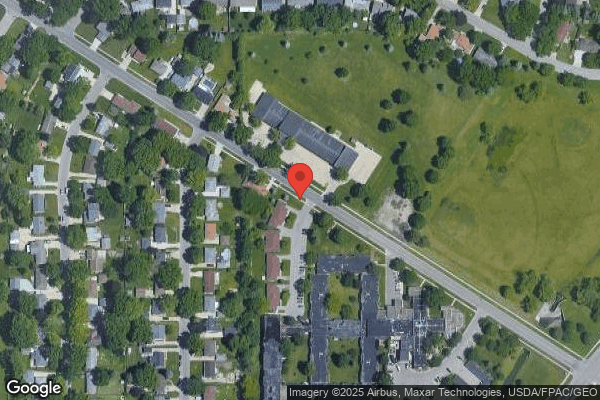
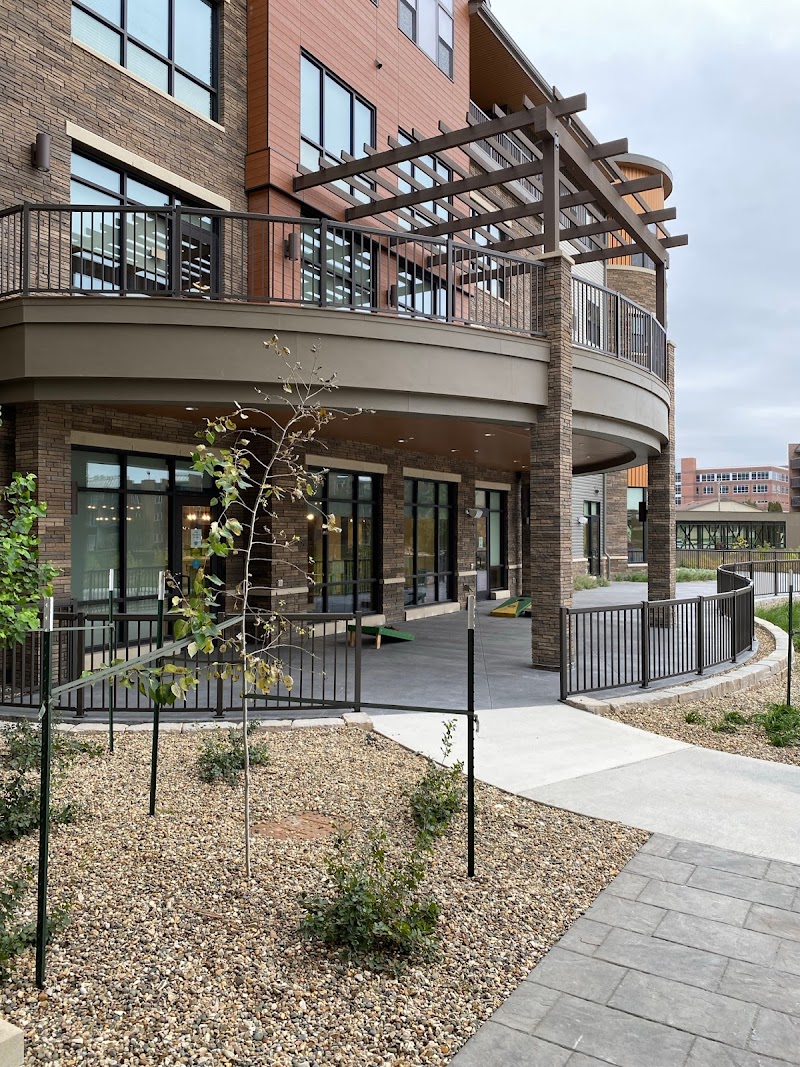
600 Park Lane, Waterloo, IA 50702 (319) 291-8100
Non profit - Corporation 72 Beds Independent Data: November 2025 1 Immediate Jeopardy citation
Trust Grade
63/100
#110 of 392 in IA
Last Inspection: October 2024

Within standard 12-15 month inspection cycle. Federal law requires annual inspections.

Overview

Friendship Village Retirement in Waterloo, Iowa holds a Trust Grade of C+, indicating it is slightly above average but not without its issues. Ranked #110 out of 392 facilities in Iowa, it falls within the top half, and is #2 out of 12 in Black Hawk County, meaning only one nearby option is rated higher. However, the facility is experiencing a worsening trend, with the number of reported issues increasing from 3 in 2023 to 4 in 2024. Staffing is a strong point, with a perfect 5/5 rating and a turnover rate of 34%, which is significantly lower than the state average. Despite having no fines, which is a positive indicator, the facility has concerning RN coverage, being lower than 83% of Iowa facilities; this could mean residents may not receive as much oversight from registered nurses. Specific incidents highlight both strengths and weaknesses: a resident was injured in a fall due to inadequate supervision, while another resident did not receive the required assistance for safe transfers, indicating serious gaps in care. Overall, while there are commendable aspects of staffing, the facility does have critical areas that need improvement.

Trust Score
C+
63/100
In Iowa
#110/392
Top 28%
Safety Record
High Risk
Review needed
Inspections
Getting Worse
3 → 4 violations
Staff Stability
○ Average
34% turnover. Near Iowa's 48% average. Typical for the industry.
Penalties
✓ Good
No fines on record. Clean compliance history, better than most Iowa facilities.
Skilled Nurses
✓ Good
Each resident gets 42 minutes of Registered Nurse (RN) attention daily — more than average for Iowa. RNs are trained to catch health problems early.
Violations
⚠ Watch
12 deficiencies on record. Higher than average. Multiple issues found across inspections.
★★★★☆
4.0
Overall Rating
★★★★★
5.0
Staff Levels
★☆☆☆☆
1.0
Care Quality
★★★★☆
4.0
Inspection Score
Stable
2023: 3 issues
2024: 4 issues

The Good

  • 5-Star Staffing Rating · Excellent nurse staffing levels
  • Full Sprinkler Coverage · Fire safety systems throughout facility
  • No fines on record
  • Staff turnover below average (34%)

    14 points below Iowa average of 48%

Facility shows strength in staffing levels, fire safety.

The Bad

Staff Turnover: 34%

12pts below Iowa avg (46%)

Typical for the industry

The Ugly 12 deficiencies on record

1 life-threatening 1 actual harm
Oct 2024 2 deficiencies
CONCERN (D)

Potential for Harm - no one hurt, but risky conditions existed

PASARR Coordination (Tag F0644)

Could have caused harm · This affected 1 resident

**NOTE- TERMS IN BRACKETS HAVE BEEN EDITED TO PROTECT CONFIDENTIALITY** Based on clinical record review, document review and staff interview, the facility failed to complete a new level 1 Preadmission...

Read full inspector narrative →
**NOTE- TERMS IN BRACKETS HAVE BEEN EDITED TO PROTECT CONFIDENTIALITY** Based on clinical record review, document review and staff interview, the facility failed to complete a new level 1 Preadmission Screening and Resident Review (PASRR) screening for 1 of 1 resident's sampled (Resident #19). The facility identified a census of 66 residents. Findings include: Resident #19's Electronic admission Record listed an admission date of 8/28/23. Resident #19's PASRR screening dated 8/28/23 documented the following: a. Diagnoses - no mental health diagnoses is known or suspected and no dementia/neurocognitive disorders. b. Behaviors and Symptoms - no known mental health behaviors which affected interpersonal interactions; no known mental health symptoms affecting the individual's ability to think through or complete tasks which she/he should be physically capable of completing; no known recent or current mental health symptoms. c. Services and Other Indicators - no, individual has not received mental health services now or in the past. d. Mental Health Medications - no medications listed. The PASRR documented no level two required as of 8/28/23. The Care Plan Category dated 9/14/23 reflected Resident #19 had a Behavioral Problem. The Care Plan indicated Resident #19 had a risk for behavioral disturbance related to signs and symptoms of anxiety, calling out for help, needing additional staff presence, support, and delusions. At times may display aggressive behavior toward others. A family member reported attention seeking behaviors. The Care Plan directed the following: a. 9/14/23: Staff to provide orientation to Resident #19 during times of confusion, anxiety, and delusional thinking b. 9/14/23: Attempt reality orientation during times of delusions. c. 10/16/23: Aggressive behavior toward another resident. Staff provide one to one supervision as needed. The Care Plan Category dated 9/29/23 identified Resident #19 received high risk antipsychotic medication related to behaviors with delusions. The Care Plan directed the following dated 9/29/23: a. Administer the medication per the physician order b. Monitor for medication side effects. c. Perform an abnormal involuntary movement scale (AIMS, a test to monitor for side effects of long-term use of antipsychotic medications) assessment every 3-6 months; d. Monitor for desired effect of the medication e. Provide gradual dose reductions per the pharmacy recommendations. The Care Plan Category dated 10/11/23 outlined Resident #19 received high risk antianxiety medications. The Intervention directed to monitor the use of the medication. Resident #19's Minimum Data Set (MDS) assessment dated [DATE] identified a Brief Interview for Mental Status (BIMS) score of 14, indicating intact cognition. The MDS indicated Resident #19 had other behaviors not directed toward others (examples physical symptoms such as hitting or scratching self, pacing, rummaging, public sexual acts, disrobing, throwing food or bodily waste, or verbal/vocal symptoms like screaming, disruptive sounds) occurring 1-3 days per week. The MDS included a diagnosis of hypertension (high blood pressure). Resident #19 used antipsychotic, antianxiety and antidepressant medications during the lookback period. Resident #19's MDS assessment dated [DATE] identified a BIMS score of 5, indicating a severely cognitively impaired. The MDS lacked documentation of signs of delirium or behaviors. The MDS included diagnoses of hypertension and psychotic disorder. The MDS indicated Resident #19 received antipsychotic medication during the lookback period. The Quarterly MDS assessment dated [DATE] showed a BIMS score of 10 indicating a moderate cognitive loss. The MDS indicated Resident #19 did not exhibit signs of delirium, mood or behavioral symptoms. The MDS included diagnoses of stroke, hypertension, and psychotic disorder. Resident #19 used antipsychotic medication during the lookback period. A 4/3/24 Neuropsychiatry Progress Note documented Resident #19's visit due to a chief complaint of a primary diagnosis of mood disorder, anxiety, and psychosis in the elderly. Resident #19 had a behavior disturbance and used a medication order for Risperidone 1 MG tablet by mouth twice a day and Trazodone 25 milligrams (MG) by mouth nightly. An 8/5/24 Nurse Practitioner Note documented Resident #19 had diagnoses of dementia and being a poor historian. Further clinical record review showed Resident #19 didn't receive their diagnosis of dementia until the 8/5/24 visit. A 10/7/24 review of Resident #19's clinical record revealed the following physician orders since admission: a. 9/15/23: Physician Order request for psychiatric consult due to increased confusion, hallucinations, and anxiety. b. 9/22/23: signed Physician Order for Haldol (antipsychotic medication) 2.5 MG by mouth one time only. c. Pharmacist Recommendation to Prescriber 9/22/23 for clinical rationale to continue as needed lorazepam (antianxiety) 0.5 MG written effectively treats anxiety. d. 10/6/23: signed Physician Order for Trazodone (antidepressant medication) 25 MG by mouth every hour of sleep (HS or bedtime). e. 10/11/23: Physician Order to increase Risperidone (antipsychotic medication, brand name Risperdal) 0.5 MG by mouth twice a day for a diagnosis of mood disorder. f. 10/25/23: signed Physician Order for Risperdal (antipsychotic medication) 1 MG by mouth twice a day. f. 10/25/23: Physician Order Sheet and Progress Note with documentation of new diagnosis for psychosis in the elderly with behavioral disturbance. A 10/9/24 Physician Visit Note documented the reason for visit as diagnoses of mood disorder (primary), anxiety, and psychosis in the elderly with behavioral disturbance. The Note listed a current physician order for Risperdal 1 MG by mouth two times a day. The Note included the diagnoses of anxiety and psychosis in the elderly with behavioral disturbance as a current diagnosis since 9/15/23 and the diagnosis of mood disorder current since 10/11/23. During an interview on 10/9/24 at 10:20 AM the Social Worker, reported she would re-screen the PASRR if the resident had an in-patient psychiatric hospital stay, which they didn't have any, or if the resident received a new psychiatric diagnosis. On 10/9/24 at 1:16 PM the Social Worker verbalized she updated the PASRR assessment that day and had a pending review at the time. She reviewed the 4/3/24 Psychiatric Visit note highlighting the chief complaint as seeing Resident #19 for mood disorder, anxiety, and psychosis in the elderly with behavioral disturbance. She verbalized agreement someone should have updated the PASRR in September/October 2023 when they started seeing Psychiatry. During an interview on 10/9/24 at 2:55 PM the Administrator and Director of Nursing both verbalized they expected the staff to follow the facility policy. In addition, they expected the staff to re-screen a resident to be re-screened for PASRR when a new psychiatric diagnosis is written. The PASRR Policy and Procedure, dated August 2023, directed if a resident experienced a new mental illness diagnosis, the PASRR will be updated.
MINOR (B)

Minor Issue - procedural, no safety impact

Assessment Accuracy (Tag F0641)

Minor procedural issue · This affected multiple residents

**NOTE- TERMS IN BRACKETS HAVE BEEN EDITED TO PROTECT CONFIDENTIALITY** Based on record review and staff interview the facility failed to accurately code 1 of 16 residents Minimum Data Set (MDS) accur...

Read full inspector narrative →
**NOTE- TERMS IN BRACKETS HAVE BEEN EDITED TO PROTECT CONFIDENTIALITY** Based on record review and staff interview the facility failed to accurately code 1 of 16 residents Minimum Data Set (MDS) accurately (Resident #59). The facility reported a census of 66 residents. Findings include: Record review of Resident #59 MDS dated [DATE] documented she had a fall with major injury (bone fractures, joint dislocation, closed head injury with altered consciousness, and subdural hematoma) while living at the facility. On 10/9/2024 at 11:36 AM the Administrator reported the facility coded Resident #59's fall with major injury in error and they would fix it. Record review of Resident #59's MDS dated [DATE] with an attestation date of 10/9/24 listed the reason for modification as an item coding error.
Jul 2024 2 deficiencies 1 Harm
SERIOUS (G) 📢 Someone Reported This

A family member, employee, or ombudsman was alarmed enough to file a formal complaint

Actual Harm - a resident was hurt due to facility failures

Accident Prevention (Tag F0689)

A resident was harmed · This affected 1 resident

**NOTE- TERMS IN BRACKETS HAVE BEEN EDITED TO PROTECT CONFIDENTIALITY** Based on clinical record review, observations, staff, resident, and family interviews the facility failed to provide adequate su...

Read full inspector narrative →
**NOTE- TERMS IN BRACKETS HAVE BEEN EDITED TO PROTECT CONFIDENTIALITY** Based on clinical record review, observations, staff, resident, and family interviews the facility failed to provide adequate supervision for 1 of 3 residents reviewed with falls (Resident #1). On 1/25/24, Resident #1 fell while receiving assistance from a Certified Nurse Aide (CNA). As the CNA assisted Resident #1 she failed to apply a gait belt. The fall resulted in a hip fracture to Resident #1's right hip that required surgical repair. The facility reported a census of 63. Findings include: Resident #1's Minimum Data Set (MDS) assessment dated [DATE], identified a staff assessment for mental status. The assessment reflected Resident #1 had an ok short-term memory and could make independent decisions. Resident #1 required partial to moderate assistance with walking 10 - 150 feet. She used a wheelchair for mobility. The MDS included diagnoses of stroke, hemiplegia (complete paralysis on one side of the body), major depressive disorder, edema, and reduced mobility. The Care Plan Problem dated 1/18/24 reflected Resident #1 had a potential for injury related to a stroke with right sided residual (long lasting) weakness and a history of falls. The Interventions directed the following: a. 8/12/23: Use proper footwear with any stand, pivot, transfer and a gait belt. b. 1/25/24: Informed the staff Resident #1 experienced a fall and went to the emergency room for evaluation with right hip pain. The new fall intervention indicated the staff received education that all residents who require assistance from 1 staff for transfers or ambulation must have on a gait belt. Review of an interdisciplinary note dated 1/25/24 reflected Resident #1 experienced a fall at approximately 9:05 PM. Staff A, Licensed Practical Nurse (LPN), reported being outside Resident #1's room when she heard a loud crash and a scream coming from there. Staff A entered the room and found Resident #1 on her right side in front of her chair. She screamed, My hip, my hip hurts. The nursed assessed her for injuries, and called the physician for an order to transfer her to a local hospital for evaluation. The note indicated the nurse asked Staff B what occurred. Staff B, Certified Nurse Aide (CNA) stated as they walked Resident #1 to bed with her walker, the walker caught on the tray table, causing her to trip, and fall. The local hospital's History and Physical dated 1/25/24 indicated Resident #1 arrived at the emergency room after she fell on her right side, resulting in excruciating right hip pain. The physician ordered x rays revealing a femoral neck fracture. The surgical consult team recommended admitted Resident #1 for surgical correction. The Assessment and Plan listed Resident #1 had a right hip fracture. The X-Ray Results dated 1/25/24 at 10:28 PM reflected Resident #1 had an impacted fracture of the right femoral neck. The Gait Belt Policy and Procedure dated May 2023 indicated the staff must use a gait belt at all times when transferring and/or walking residents that are not independent. All direct care workers receive a gait belt upon employment. They should place the gait belt around the resident's waistline when transferring or walking them. Ensure the gait belt is secure and but not creating discomfort. Staff need to grasp the sides of the gait belt during pivot transfers or grasp the back of the belt while ambulating the resident. Failure to use a gait belt may result in disciplinary action up to and including termination. The Investigation Summary of the Self-Report dated 1/26/24 identified Resident #1 had a fall with an injury, resulting in a transfer to a local emergency room. The conclusion of the investigation summary indicated the CNA assisting Resident #1 when she fell, failed to use a gait belt while transferring her. On 7/16/24 at 9:02 AM Staff A, Licensed Practical Nurse (LPN), reported she worked the evening shift on 1/25/24 when Resident #1 experienced a fall in her room. Staff A explained she responded to a crashing noise followed by screaming. Upon entering Resident #1's room she found her on the floor laying on her right side. Staff A assessed Resident #1 and sent her to a local emergency room. Staff A indicated when she entered Resident #1's room and saw her on the floor she didn't have a gait belt on. Staff A interviewed Staff B, CNA, who assisted Resident #1 in her room, Staff B stated she forgot to put a gait belt on Resident #1 prior to walking her. On 7/16/24 at 7:20 AM Staff D, Registered Nurse (RN)/Assistant Director of Nursing (ADON) stated through her investigation of Resident #1's fall, they determined Staff B failed to use a gait belt when assisting Resident #1 with walking in her room. Staff D stated they did extensive re education with Staff B on the proper use of a gait belt. Staff D stated the aide would have known how to transfer Resident as each aide received an aide sheet at beginning of each shift. The aide sheet informs the staff how each resident transfer, the use of assistance devices, and personal hygiene needs. Review of the personal file for Staff B identified a hire date of 1/3/24. She began her facility training on 1/8/24 and completed on 1/14/24. The file contained a form titled Use of the Gait Belt, which directed the aide they must use a gait belt at all times when transferring or walking a resident. Staff B signed the policy on 1/13/24, indicating she read the policy and understood her responsibility in the use of a gait belt. The Corrective Action Plan dated 1/26/24 indicated the facility reviewed and educated Staff B on the Gait Belt/Transfer Policy. The facility provided additional information on when to use a gait belt. The facility corrected the deficiency by implementing the following: a. The untitled form dated 1/26/24 reflected all facility staff read and understood the Gait Belt Policy & Procedure. b. The facility completed a Skills Fair on 3/19/24 that included education on the proper use of gait belts.
CONCERN (D) 📢 Someone Reported This

A family member, employee, or ombudsman was alarmed enough to file a formal complaint

Potential for Harm - no one hurt, but risky conditions existed

Deficiency F0919 (Tag F0919)

Could have caused harm · This affected 1 resident

**NOTE- TERMS IN BRACKETS HAVE BEEN EDITED TO PROTECT CONFIDENTIALITY** Based on clinical record review, observations, staff, and resident interviews the facility failed to ensure their call light sys...

Read full inspector narrative →
**NOTE- TERMS IN BRACKETS HAVE BEEN EDITED TO PROTECT CONFIDENTIALITY** Based on clinical record review, observations, staff, and resident interviews the facility failed to ensure their call light system properly functioned for 2 of 4 resident neighborhoods observed (Community and Excellence) affecting 3 of 63 resident rooms (room [ROOM NUMBER], 4001 and 4010). The facility reported a census of 63. Findings include: On 7/15/24 at 11:45 AM observed Resident #3's family member attempt to activate the residents paddle call light in room [ROOM NUMBER] on the Community Neighborhood. Staff E, Certified Nurse Aide (CNA), present in the room at the time stated the call light didn't activate and come across her pager. The family member pushed the call light several times in attempts to summon staff but the light remained off. On 7/15/24 at 12:23 PM - 1:00 PM an observational tour with Staff F, Maintenance, revealed 2 call lights on the Community Neighborhood failed to work properly, room [ROOM NUMBER] and room [ROOM NUMBER]. Staff F stated nursing is responsible for the call light audits and will notify the Maintenance Department when there are malfunctioning call lights. He stated they have had occasional problems with the call lights and have had to reset/repair them. On 7/15/24 at 1:02 PM, Staff G, Administrator, stated the nursing staff completed call light audits on the remaining 3 neighborhoods that day and found 1 malfunctioning call light in room [ROOM NUMBER]. Staff G reported they asked the maintenance staff to fix the call lights. On 7/15/24, Staff H, Licensed Practical Nurse (LPN), denied knowing of any current malfunctioning call lights but stated they had issues in the past. Staff H reported she didn't get Resident #3's call light page at 11:45 AM that day. Staff H stated the only way to shut off the call lights after staff respond is to physically go into the resident's room and push the reset button. They can't shut them off any other way. On 7/15/24 at 1:30 PM Staff H explained she didn't get the page from room [ROOM NUMBER] at 11:45 AM that day. Staff H added it seemed like the call light system malfunctioned, the staff gave the residents either bells or air horns to use until the completion of the call light system repair. She stated they fixed the system until the next time it malfunctions. Staff H indicated the staff put in a work order to Maintenance each time the call lights malfunction. Review of the Smart Call Resident Call Light System policy and procedure dated 1/5/23 revealed the Smart Call system is a wireless call light system that utilized pagers carried by nursing personnel each shift. Its the goal of the nursing department to answer resident's call lights, when activated, within 15 minutes.
Aug 2023 3 deficiencies
CONCERN (D)

Potential for Harm - no one hurt, but risky conditions existed

Free from Abuse/Neglect (Tag F0600)

Could have caused harm · This affected 1 resident

**NOTE- TERMS IN BRACKETS HAVE BEEN EDITED TO PROTECT CONFIDENTIALITY** Based on clinical record review, staff interviews, and policy review, the facility failed to ensure residents remained free from...

Read full inspector narrative →
**NOTE- TERMS IN BRACKETS HAVE BEEN EDITED TO PROTECT CONFIDENTIALITY** Based on clinical record review, staff interviews, and policy review, the facility failed to ensure residents remained free from abuse for 1 of 1 residents reviewed for abuse (Resident #35). The facility reported a census of 68 residents. Findings include: On 8/10/23 at 8:30 AM the Administer and Director of Nursing (DON) reported the facility just reported to the Department of Inspections and Appeals (DIA) allegations of abuse to a resident early this morning which was reported to the Assistant Director of Nursing (ADON) at 7:25 AM and the Administrator and and DON were in the process of investigating the incident. Resident #35's Minimum Data Set (MDS) dated [DATE] documented a Brief Interview for Mental Status (BIMS) was not conducted because the resident is rarely understood, indicating severe cognitive impairment. The MDS documented the resident needed extensive assistance of one person with bed mobility, transfer, walking, and dressing. The MDS further documented the resident was total dependent of one person with toilet use, was frequently incontinent and had diagnoses including non-traumatic brain dysfunction, Alzheimer's disease, and diabetes. Resident #35's Care Plan, initiated 5/26/23 recorded Resident #35 had cognitive loss, altered thought process related to history of stroke, and Alzheimer's dementia. The resident had self-care deficits, impaired mobility, and needed staff assist for activities of daily living. The Care Plan further documented the Resident had limited understanding and needed directives and cuing for daily decision making. On 8/10/23 at 11:05 AM, attempted to interview resident and resident was non-interviewable. An interview on 8/10/23 at 11:10 AM with Staff F, Certified Nurses Aide (CNA) reported around 5:55 AM on 8/10/23, Staff G, CNA and Staff F, CNA were walking past the Resident #35's room for report. Staff G, CNA reported to Staff F that early in the morning Resident #35 had hit Staff G, CNA and Staff G, CNA hit Resident #35 back. Staff F, CNA verbalized the nurse was off the floor getting report and another resident had to use the restroom so she reported it to the ADON at around 7:15 AM, Staff G, CNA then left the floor prior to Staff F, CNA going into the other resident's room. The facility's untitled, unsigned investigation report dated 8/10/23 reported the facility became aware of a situation with Staff G, CNA hitting Resident #35. Staff G, CNA is no longer in the building. The investigation included statements from Staff F, CNA who got the report of the situation, one staff member who worked with Staff G, CNA on overnight shift who was not aware of the situation, and a screenshot of a text message from Staff G, CNA to the DON. The text message documented Resident #35 smacked Staff G, CNA on the arm and Staff G, CNA responded involuntarily and popped the top of Resident #35's right hand. The facility investigative report documented Resident #35 was not able to be interviewed due to cognitive status, the Provider and Resident #35' s family was notified of the incident. A physical assessment was completed with no new injuries noted. Staff G, CNA was suspended immediately and the [NAME] police department was notified. Review of facility policy titled, Abuse Prohibition Policy & Procedure, dated March 2023 documented the following: Physical abuse includes, but is not limited to, hitting, slapping, pinching, and kicking. It also includes corporal punishment when used to correct or control behavior, including but not limited to, pinching, spanking, slapping of hands, flicking, or hitting with an object. The risk for abuse may increase when a resident exhibits a behavior(s) that may provoke a reaction by staff, residents, or others, such as: a. Verbally aggressive behavior, such as screaming, cursing, bossing around/demanding, insulting to race or ethnic group, intimidating; b. Physically aggressive behavior, such as hitting, kicking, grabbing, scratching, pushing/shoving, biting, spitting, threatening gestures, throwing objects; c. Sexually aggressive behavior such as saying sexual things, inappropriate touching/grabbing; d. Taking, touching, or rummaging through other's property; e. Wandering into other's rooms/space; and f. Resistive to care and services.
CONCERN (E) 📢 Someone Reported This

A family member, employee, or ombudsman was alarmed enough to file a formal complaint

Potential for Harm - no one hurt, but risky conditions existed

Menu Adequacy (Tag F0803)

Could have caused harm · This affected multiple residents

Based on observation, policy review, and staff interview, the facility failed to follow the menu and substitute menu item that wasn't available in the Community household. The facility reported a cens...

Read full inspector narrative →
Based on observation, policy review, and staff interview, the facility failed to follow the menu and substitute menu item that wasn't available in the Community household. The facility reported a census of 68 residents. Findings include: Review of the lunch menu for the Community household dated 8/9/23 revealed broccoli almond salad was to be served. Observation 8/9/23 at 12:02 PM revealed two separate containers of broccoli almond salad with temperatures obtained by the Certified Dietary Manager (CDM) of 50.5 degrees and 43.7 degrees and cottage cheese with a temperature of 42.4 degrees prior to serving. The CDM stated the items were not going to make the appropriate temperatures of 41 degrees or below prior to being served. The CDM then removed the items from the serving kitchen. Following distribution of the main lunch menu 8/9/23 at 12:36 PM, Staff D, Cook, reported she had spoken to the CDM and the plan was not to serve the broccoli almond salad as documented on the menu or the cottage cheese as it was too late and for staff to go ahead and serve the raspberry cake dessert. Review of the undated facility policy titled, Menu Changes, documented the following: a. Product on menu is unavailable, or for special events communication between cook and Certified Dietary Manager will take place b. Certified Dietary Manager is alerted and will contact Registered Dietician with substitute for approval. c. Replacement recipe with correct modifications will be provided to the cook d. In the event that the Registered Dietician is unavailable, the CDM will decide on a similar replacement and communicate with Registered Dietician to inform of this change. e. In the event a food item is not available, the CDM will provide an appropriate substitution During an interview 8/10/23 at 8:56 AM, the CDM acknowledged she did not follow the menu or substitute the broccoli almond salad as expected.
CONCERN (E) 📢 Someone Reported This

A family member, employee, or ombudsman was alarmed enough to file a formal complaint

Potential for Harm - no one hurt, but risky conditions existed

Food Safety (Tag F0812)

Could have caused harm · This affected multiple residents

3. On 8/9/23 at 11:45 AM, observed a carton of skim milk located in the refrigerator on the second floor Family Plaza kitchen that had expired by two days, expired on 8/7/23. Staff E indicated the mil...

Read full inspector narrative →
3. On 8/9/23 at 11:45 AM, observed a carton of skim milk located in the refrigerator on the second floor Family Plaza kitchen that had expired by two days, expired on 8/7/23. Staff E indicated the milk was ready to serve to residents for lunch. On 8/9/23 at 12:25 PM, requested a temperature check of salad dressing served for lunch. The temperature of the salad dressing was 45 degrees. Requested a temperature check of cottage cheese left on the serving cart served for lunch. The temperature of the cottage cheese was 49 degrees. Requested a temperature check of cold broccoli salad left on the serving cart served for lunch. The temperature of the broccoli salad was 55 degrees. On 8/9/23 at 12:30 PM, Staff E acknowledged the cold food temperature should be 41 degrees or colder. Staff E indicated the intent to return the salad dressing, cottage cheese, and broccoli salad to the refrigerator for use the following day. Based on observation, staff interviews, and policy review the facility failed to maintain adequate kitchen sanitation: failed to label and date food items; failed to store food in a sanitary manner; failed to maintain adequate temperature of the milk and cold items during meal service to reduce the risk of food-borne illnesses. The facility reported a census of 68 residents. Findings include: 1. An observation on 8/7/23 at 10:04 a.m. of the main food kitchen on the second floor noted moldy fruit in the walk-in cooler. A box of opened shredded lettuce and a box of shredded cheese along with 5 other boxes noted on the floor in the center of the cooler. The freezer noted to have 6 boxes of frozen food stored on the floor in the middle of the walkway. The dry storage area noted to have 4 boxes on the floor. An interview with the Certified Dietary Manager (CDM) on 8/7/23 at 10:06 a.m. reported that the facility just received a shipment of food and staff was still putting the truck away. She verbalized that the food is rotated first in first out. The walk-in cooler and dry storage cooler noted having food particles, crumbs, and sticky spots on both floors. An observation on 8/7/23 at 10:31 a.m. in the kitchen on the first floor Excellence wing noted Jello made in a container not labeled or dated. CDM informed the dietary staff the items needed to be labeled in the refrigerator. An observation on 8/9/23 at 11:10 a.m. in the kitchen on the first floor Excellence wing noted to have a prepared salad in the refrigerator not labeled or dated. In the refrigerator noted an expired milk with the expiration date of 8/7/23. An observation on 8/9/23 at 11:15 a.m. in the kitchen on the first floor Progressive wing noted the milk in the ice cart to be served for lunch with the expiration date of 8/7/23. An observation on 8/9/23 at 11:30 a.m. of the main kitchen on the second floor revealed the floors in the walk-in cooler and dry storage areas noted to have more food particles, crumbs, and sticky spots on the floors worse than noted on 8/7/23. The walk-in cooler noted to have the same boxes on the floor in the center of the walkway. The freezer noted to have the 6 boxes of frozen food stored on the floor in the middle of the walkway. The walk-in cooler noted to have milk past the expiration date of 8/7/23. Dry storage area is noted to have 4 boxes of dry food stored on the floor next to the shelves. During an interview on 8/9/23 at 1:10 p.m. the CDM verbalized she knew of the concerns with cold food not temping at proper temperatures, expired milk, and the moldy fruit in the walk-in cooler. She verbalized that they have looked into the possibility of contracting a milk company who supplies the milk and rotates the stock. She verbalized the need to further educate her staff on proper food temperatures and what to do if they don't meet the right temperature. The Food Storage Policy directed staff to store all dry food 6 inches off the floor. All items will be removed from original boxes and placed in appropriate storage. Food items will be rotated, first in first out. All staff will keep the kitchen clean and organized. The Food-borne Illness Prevention Policy directed staff for cold foods to be kept in a holding by way of an ice bath, temperatures to be 40 degrees Fahrenheit (F) or below and food above 40 degrees F will be thrown away. 2. On 8/9/23 at 8:10 AM observed a half gallon of milk on the counter of the first floor, Progressive household kitchen, milk observed to be used for filling resident glasses during the breakfast service. The milk was used and placed back on the counter throughout the breakfast meal. On 8/9/23 at 8:37 AM observed Dietary Management Staff A and Dietary Management Staff B entered the kitchen during meal preparation, conversed message to staff in the kitchen. The staff entered the kitchen during meal preparation and serving, they did not wear hairnets. On 8/9/23 at 8:50 AM observed Staff C put the half gallon of milk into the refrigerator, requested the temperature of the milk. Staff C poured a glass of milk for temperature check and tempted the milk in the glass. The temperature of the milk was fifty-seven (57) degrees. On 8/9/23 at 9:25 AM Staff A relayed the expectation regarding milk is that the milk be kept in the refrigerator. Staff A relayed when a glass is poured, the milk container is put back in the refrigerator. Staff A acknowledged the expectation is hair nets should be worn when entering the kitchen area. On 8/9/23 at 10:10 AM Staff B acknowledged the milk temperature was not cold enough Staff B acknowledged hair nets should be worn in the kitchen. On 8/10/23 at 8:00 AM Staff A and Staff B revealed policy pertaining to dining room employees, policy titled, Policy on Uniforms and Personal Sanitation dated 8/9/2023 documented the uniform consisted of hairnet to restrain hair and bangs.
May 2022 5 deficiencies 1 IJ (1 affecting multiple)
CRITICAL (K)

Immediate Jeopardy (IJ) - the most serious Medicare violation

Accident Prevention (Tag F0689)

Someone could have died · This affected multiple residents

**NOTE- TERMS IN BRACKETS HAVE BEEN EDITED TO PROTECT CONFIDENTIALITY** 4. Resident #41's Minimum Data Set (MDS) dated [DATE], listed diagnosis of Anemia, Hypertension and Non-Alzheimer's Dementia. Th...

Read full inspector narrative →
**NOTE- TERMS IN BRACKETS HAVE BEEN EDITED TO PROTECT CONFIDENTIALITY** 4. Resident #41's Minimum Data Set (MDS) dated [DATE], listed diagnosis of Anemia, Hypertension and Non-Alzheimer's Dementia. The MDS listed a BIMS score of 00, indicating severe cognitive impairment. The MDS revealed Resident #41's self-performance as total dependence of 2 people for transfers. Through the lookback period, Resident #41 didn't walk in their room or in the corridor. The Care Plan problem dated [DATE] documented that Resident #41 was at risk of injury from a fall related to impaired mobility, advanced dementia, history of hemorrhagic stroke, and dependent on staff for ADLs. The problem included the intervention dated [DATE] to direct staff to provide assist of two with Hoyer (mechanical lift) for all transfers. Resident #41's Vital Statistics dated [DATE] documented a weight of 119.6 pounds. The Sling and Harness Guide dated 8/21 indicated a sizing guide for most slings indicated a person weighing between 75 to 125 pounds should use a small sling (red in color) during a mechanical lift transfer. The Sling and Harness Guide included the sizing guide as the following - X-small 49-75 pounds white - Small 75-125 lbs. red - Medium 125- 175 lbs. yellow - Large 174 - 250 lbs. green - X-Large 250 - 400 lbs. blue - XX Large 400-600 lbs. orange The Interdisciplinary Note dated [DATE] recorded that a C.N.A. transferred Resident #41 by herself with Hoyer. One of the straps was not strapped correctly, Resident #41 slid out of the Hoyer and hit her head. Resident #41 received an abrasion of one centimeter (cm) long from her fall, on the back of her head. During an observation on [DATE] at 8:33 AM Resident # 41 transferred from her bed to a wheelchair with a mechanical lift by Staff E, C.N.A., and Staff F, Registered Nurse (RN). The sling under Resident #41 had gray loops on the top and pink on the bottom with purple binding. The label on the sling was worn, faded, illegible, and fraying. Both staffs stated they should always use two staff members to transfer a resident with a Hoyer lift. During an observation on [DATE] at 1:40 PM Staff S, C.N.A., and Staff E, provided Resident #41 with total assist in a transfer from her wheelchair to her bed in the mechanical lift. The staff put Gray loops on top and pink loops on the bottom for the straps to complete the transfer. The binding to the sling was purple. During an observation on [DATE] at 4:30 PM Resident #41 sat in a wheelchair in the dining area with a mechanical lift sling beneath her with a green binding on the edges of a blue sling. During an interview on [DATE] at 1:40 PM Staff E said they decided which sling to use by the residents' weight and Resident # 41 should use a medium sling. Staff E reported that she knew the size of the sling to be a medium just by the size of it. During an interview on [DATE] at 1:40 PM Staff S stated the staff got trained on the mechanical lifts in the unit they worked but the lifts were all very similar. Staff S didn't know for sure how to determine what size sling the resident should use. Staff S reported that the slings were in the residents' room and additional slings were stored in the utility closets. During an interview on [DATE] at 2:03 PM Staff E stated she thought they used a shower sling when they transferred Resident #41 for the surveyor to observe. The tag on the sling faded making it difficult to know the information for that sling. Staff E explained that the slings could be interchanged with the different mechanical lifts in the building. During an interview on [DATE] at 10:31 AM Staff V, LPN, remarked that she did recall the incident when Resident #41 fell out of the Hoyer. Staff Y, Temporary Nurse Aide (TNA), came out of Resident #41's room and got her right after the incident happened. Resident #41 was on the floor and the mechanical lift was in the up position with one of the straps not hooked to the Hoyer. The facility policy indicated that two people were to assist for all mechanical lifts. The staff should never use a mechanical lift alone and they should always have someone with them for the transfer. Staff V remarked that she believed the check off list contained that information for training new employees. The slings could be used for different Hoyer's, but Staff V didn't know for sure if they were interchangeable. Staff V explained that it depended on what they were doing with the resident, such as helping to use the toilet or transferring from their bed to wheelchair. The facility had some slings that criss crossed under the legs and some full body slings. The slings that didn't criss cross the staff used them for going to the bathroom. It depends on how many hooks there were on the lift. The facility had Hoyer's with six hooks and some with 4 hooks. Staff V denied remembering which type of Hoyer the TNA used at the time of the fall. During an interview on [DATE] at 11:00 AM Staff W, RN, reported being the DON at the time of Resident #41's fall from the mechanical lift on [DATE]. Staff W explained that the facility policy required the use of two people for transfers with the mechanical lift. The new staff received training at the time of hire of six days of orientation. The new staff then do one-on-one (1:1) training with how to transfer a resident. After completing the training, they need to sign off the orientation checklist. The employee's documentation of education should be in the employee file. The new C.N.A. were shown by another C.N.A. or a nurse on how to use gait belt, a Hoyer lift, and a standing mechanical lift (EZ stand). The hoyers didn't have much of a difference, the facility purchased enough slings to have one for each resident, the facility should have adequate equipment. The facility did disciplinary action and education right on the spot at the time of the fall for Resident #41. During an interview on [DATE] at 11:05 AM Staff X, RN, recalled that on [DATE] CNA came to get the nurse for Resident #41 she was visibly upset so she went with the CNA and the nurse. We walked in the resident room and the resident was on the floor and the Hoyer was up in the air and the sling was half attached to the mechanical lift. Resident had some blood from her head. The training is provided on orientation for mechanical lift. I am pretty sure they go over the sizes but can look at the packet to see what it covers. There should always be 2 assists with mechanical lift. There are like 3 sizes of slings and it is based on the resident. They cannot use the slings from neighborhood to neighborhood. During an interview on [DATE] at 12:06 PM Staff T, RN, added that the facility had a TNA which was a C.N.A. in training, she was transferring the resident by herself, and she did not ask anyone else for help. Resident #41 was very shaken up when she entered the room after the fall. The mechanical lift was in the highest spot with one strap of the sling disconnected from the Hoyer. Generally, therapy helped to assess which sling to use for the resident. Each resident had their own sling in their room. The C.N.A.'s just knew what sling to use, and the Resident's Care Plan should have which sling to use. The slings didn't have a label to tell the staff which one to use. Staff T reported that she received training when she got hired on how to use the mechanical lifts. The Administration staff just provided a review on how to correctly put the loops on the hooks on the Hoyer, how to correctly position the Hoyer, and then maneuver the resident. Staff T reported that they didn't go through the different types or sizes of the slings. The Nurse Manager or the DON trained Staff T regarding the use of the mechanical lifts. The facility had a policy that there should always be two staff when completing a mechanical lift transfer. Staff T explained that the slings were typically right in the rooms and if someone needed to go get one, they could go to the central supply. Staff T remarked that there was no way they could label them for the different residents. During an interview on [DATE] at 1:37 PM Staff D, C.N.A. said that she worked at the facility for two to three weeks. Staff D commented that for orientation the education or training she received in the resident rooms included observation while the staff did the transfers with the mechanical lifts. The staff would tell Staff D the little key things about the transfer. Staff D added the she didn't know for sure about the different slings or the different sizes of slings for the different residents. Staff D expressed that she just made sure that the sling fit by comparing it to the other one used by the resident. Staff D reported that there had to be a way to size them but she didn't know for sure what it is. Staff D explained that the other staff didn't show her that yet. Staff D reported she completed her orientation. Staff D add that she filled out a checklist and then her trainer would initial it. From there she signed it and took it to the scheduler or the DON. The mechanical lifts should always have two staff in the room when using the lift to transfer a resident. During an interview on [DATE] at 3:36 PM the DON stated the weight guide in the user manual determined the size of the sling. The staff determined which sling to use from the size of the resident by their weight and which color sling should be used with a mechanical lift. It should be on their CNA care sheet what size and color sling the resident should use for a transfer. The CNA should reference the care cards in the charting office. The Orientation Checklist included training for the mechanical lift and their mentor should sign off on it after completion of their training. The employee file should have the completed training checklist. The DON explained that she would expect the staff to have the orientation checklist on the use of a Hoyer before working on the floor with the residents. The DON expected the staff to use a mechanical lift to have two staff and use the right sling based on the right size for the resident. Staff Y employee file lacked training documentation related to the education on how to use the mechanical lift. Staff Y's employee file revealed a disciplinary action dated [DATE] titled First Warning - Written with nature of the violation listed as an improper transfer of a resident. The summary of conversation stated: must use an assist of two staff for all mechanical lift transfers. May not change transfer status for the ease of the employee. May not ever transfer a mechanical lift independently. The Owner's Manual for the Hoyer lift dated 2017 on Page 5 indicated the following information a. Untrained operators could cause injury or be injured. b. Permit only trained personnel to operate the lift. c. Improper operation could cause injury. Operate the lift only as described in the manual. d. Visibly inspect the sling before each use to ensure the sling was the correct type, size, and design to handle lifting. e. Ensure the sling was not damage, torn worn, discolored, or past its useful life; that the slings straps were correctly attached to the spreader bar. f. Page 17 recorded important in all capital letters with red ink that the wrong sling size could allow patients to fall out. Refer to the separate sling user guide for selecting, attaching, and using lift with slings. The Limited Lift Program Skills Checklist - Hoyer/Porta Lift dated [DATE] directed staff to identify the correct lift and/or sling for the resident. The undated EZ stand and Mechanical Lift Policy directed staff to provide all resident care in a safe, appropriate, and timely manner in accordance with the individual resident's care plan 5. Resident #16's MDS dated [DATE], listed a diagnoses of non-traumatic brain dysfunction and dementia. The MDS reflected a BIMS score of 4, indicating severe cognitive impairment. The MDS documented total dependence on 2 people for transfers. The Care Plan for Resident # 16 dated [DATE], read to use an assist of 2 for all Hoyer transfers. Resident # 16's Vital Stats dated [DATE], reflected a weight of 205.2 pounds on [DATE]. The undated Care Card, directed that Resident #16 required an assist of two staff and a Hoyer lift for transfers. On [DATE] at 7:38 AM, Staff C, and Staff D, utilized the EZ Way Smart Lift with the black edged sling to assist Resident #16 into his Broda chair. On [DATE] at 2:00 PM, the EZ full body lift sling sat in Resident #16's Broda chair, the tag on the sling appeared worn, faded, and illegible. On [DATE] at 7:25 AM, Resident # 16 sat up in the Broda chair with a blue full body sling with yellow edges under him. The EZ Way Smart Lift Operator's Instructions revised on [DATE] on the size chart on page 20, directed: For the weight range of 190-320 pounds, use the large burgundy sling. For the weight range of 280 to 420 pounds, use the X-large green sling. For the weight range of 400-600 pounds, use the XX-Large black sling. The State Agency informed the facility of the Immediate Jeopardy (IJ) on [DATE] at 9:59 AM. The facility staff removed the Immediate Jeopardy on [DATE] through the following actions: a. The facility removed the IJ by identifying what size sling should be assigned to each resident that used a Hoyer transfer according to the sizing information provided by the manufacture. The C.N.A care sheets were updated with the sling color. b. The staff removed the Tollos Hoyer lift from service and all slings that went with it. The staff would only use the EZ way Hoyer's and slings. Additional EZway slings arrived on [DATE] and distributed to the correct resident. c. The orientation skills checklist for training staff on proper Hoyer transfers had been updated. On [DATE] all staff in the building received education on the lift transfer procedures. d. Each new hire would review the Hoyer checklist and demonstrate competency in transferring with a Hoyer before starting on the floor. The Nurse Managers would perform audits on the slings and the lift transfer procedures twice per week on each resident that used a Hoyer transfer with a random employee for 90 days. The scope lowered from K to E at the time of the survey after ensuring the facility implemented education, their policy, and procedure. Based on observations, clinical record reviews, and staff interviews, the facility failed to provide adequate nursing supervision for five of five residents reviewed (Resident #103, #25, #2, #41, and #16) to prevent a fall with injury. Resident #103 fell on [DATE], he had a severely impaired cognition level. No staff observed Resident #103's fall and took his word that he didn't hit his head. That night Resident #103 continued to complain of a headache all night. On [DATE], Resident #103 fell again documentation determined a skin tear to his right elbow with a bump on his head. At that time Resident #103 refused to go to the Emergency Room. On [DATE], his temperature went up and Resident #103 noted to have increased confusion. The family received notice and Resident #103 transferred to the emergency room on [DATE]. The Computed Technology (CT) Scan on [DATE] showed a large subdural hematoma. On [DATE], after Resident #103's unwitnessed fall, Resident #103 expired the hospital. During an appointment to the dentist, Resident #25 left in the facility van drove by a facility staff member. In the ride, Resident #25's wheelchair fell over sideways with her in it. An ambulance was called and the resident transported to the emergency room (ER). At the Emergency Room, radiology reports indicated a small brain bleed with a fractured (broken) clavicle (collar bone). Through additional clinical reviews, Resident #2 noted to have a history with falls and required staff assistance with transfer. On [DATE], Resident #2 noted to be on her bathroom floor complaining of pain to her fingers, left hip pain, and shortness of breath. After transferring to the hospital by ambulance, Resident #2 admitted to the hospital with diagnoses of multiple fractures to ribs on left side, a left pinky fracture, and a UTI (urinary tract infection). When Resident #2 discharged from the hospital and returned to the facility, she had an additional diagnosis of a left pneumothorax (deflated or collapsed lung). The continued investigation determined that the facility failed to provide a safe transfer with a mechanical full-body lift for two out of two residents reviewed (Resident #16 and #41). Resident #16 got transferred by a temporary nurse aide (TNA) with a full-body mechanical lift without assistance from additional staff. During the transfer, Resident #16 fell from the full-body mechanical lift and hit her head causing an abrasion. During observations of Resident #41 and #16 determined incorrect usage of the appropriately sized sling (fabric material used to lift people up with the mechanical full-body lift. This failure resulted in Immediate Jeopardy to the health, safety, and security of the resident. The facility reported a census of 49 residents. Findings included: 1. Resident #103's Minimum Data Set (MDS) assessment dated [DATE] identified a Brief Interview for Mental Status (BIMS) score of 3, indicating severe cognitive impairment. Resident #103's MDS included diagnoses of cancer, high blood pressure, and reduced mobility. In addition, the MDS identified Resident #103 required limited assistance of one person with bed mobility, transfers, walk in room, walk in corridor, locomotion on unit, locomotion off unit, dressing, personal hygiene, and toilet use. Documentation showed Resident #103 frequently incontinent of urine and occasionally incontinent with bowel movements (BM). The Incident Note dated [DATE] at 3:30 AM indicated that a certified nurse aide (C.N.A.) found Resident #103 sitting on his bottom in front of his bed. Resident #103 reported that he took himself to the toilet to have a bowel movement (BM). Resident #103's description said he took himself to the bathroom and fell onto his bottom upon getting back into his bed. No injury or discomfort to the body. Physician notified by fax. The staff's action at the time of the incident included assessment of range and body for injury. Vital signs assessed, interviewed Resident #103, and assisted him back to bed. The door left open as an intervention to visualize the resident. The Interdisciplinary Notes dated [DATE] at 5:59 AM indicated that during the 10:00 PM until 6:00 AM shift, Resident #103 got up to the restroom by himself. The Interdisciplinary Notes dated [DATE] at 11:24 AM documented the staff provided nightly reminders to not get up to the bathroom by himself but he frequently did. Resident #103 noted to have stiff movements and refused suggestions to try Tylenol. The staff noticed an increase in urination for him. The Incident Note dated [DATE] at 12:15 AM indicated that the C.N.A. noted Resident #103's call light on. Once the C.N.A. answered the call light, they observed Resident #103 on the floor leaning against the door. Resident #103 denied knowing how he fell. The nurse noted two abrasions to his left occipital and a skin tear to his right elbow with no edges to approximate. Two staff members assisted Resident #103 into a standing position and walked him with a gait belt to the bathroom. Upon notifying the physician, the nurse received an order to start a neurological assessment (neuro) and the nurse requested a urinalysis (UA). The provider told the nurse to call Resident #103's provider in the morning and schedule and appointment. Resident #103 reported his age and explained he didn't feel the hospital could help him. The nurse notified the provider that he refused to be seen in the ER. Resident #103 received counseling multiple times to not get up alone but he couldn't repeat or voice understanding. Resident #103 did bump his head and had a 2 CM pink abrasion to his left upper occipital area. Resident #103 refused the suggestion to go to the ER replying that nope he didn't need to go there. The Interdisciplinary Notes dated [DATE] at 1:36 AM documented that Resident #103 had a skin tear observed to his right elbow measuring 1.5 centimeters (CM) by (x) 1 CM. Resident #103 did bump his head and had a 2 CM pink abrasion to his left upper occipital area. A mid left occipital abrasion noted measuring 1 CM x 1 CM. Resident #103 denied pain and refused to transfer to the emergency room (ER), replying that he didn't need to go there. The Interdisciplinary Notes dated [DATE] at 1:43 AM recorded that Resident #103's call light alerted the C.N.A. at 12:15 AM. As the C.N.A. entered the room, they noted Resident #103 on the floor leaning against the door. Active range of motion to the upper and lower extremities completed with a neuro sheet started. Resident #103 showed weakness but could walk after he got his bearings. At the time Resident #103 noted to be incontinent with urine. A skin tear observed to his right elbow measuring 1.5 CM x 1 CM. The nurse observed two areas to his left occipital, one 2 CM abrasion and one is a superficial slit to his left occipital. The nurse noted some bruising beginning around the sites. A UA completed due to recent increase in urination and the urgency to get up alone. Resident #103 only complained of pain to his right hand to his finger tip. The nurse attempted to call his Power of Attorney (POA) but got a computer-generated response that the caller wasn't accepting calls at that time. The Interdisciplinary Notes dated [DATE] at 3:16 AM recorded that Resident #103 continued to have increased incontinence and confusion. He needed assistance of one to two to walk into the bathroom. His temperature measured at 99 degrees. The Interdisciplinary Notes dated [DATE] at 7:17 AM documented that Resident #103 continued to have confusion, weakness, and increased incontinence. Breath sounds noted to be increased with increased congestion at the time. Resident #103 noted to not be able to answer questions correctly. After calling the provider, received an order to transfer him to the ER to evaluate and treat. After the nurse attempted to call the POA without a response, they called the brother to give an update. The Emergency Documentation dated [DATE] at 7:58 AM documented that Resident #103's blood pressure increased while in the ER. The ER staff gave 4 of morphine (pain medicine) and 10 of labetalol (blood pressure medicine), which successfully controlled his blood pressure. As a preventive for seizure, Resident #103 received Keppra. Resident #103's POA understood the diagnosis and his terminal status. The POA agreed to the plan for a hospice consult. The Diagnostic Results dated [DATE] at 9:52 AM indicated an impression of an acute subdural hemorrhages left supratentorial compartment. The left lateral subdural hemorrhage was large. There was an associated mass effect and midline shift. The Interdisciplinary Notes dated [DATE] at 2:58 PM indicated that Resident #3's POA notified the facility that he was admitted to the hospital. The History and Physical report dated [DATE] documented that Resident #103 fell on [DATE]. The hospital didn't have a report of the description of that fall. Since that fall, Resident #103 had worsening confusion. His POA explained that he normally could speak and knew his name, location, and year. At the time in the ER, Resident #103 would not answer any questions. The facility nursing staff noted cloudy urine two days ago and contacted his provider but had not heard anything back. At the nursing home, Resident #103's blood Oxygen (O2) saturation (sat) measured at 85 percent (%), but he didn't receive any O2. At the time of the evaluation in the ER, his O2 sat measured 97%. The ER nurses reported that they required the full strength of two staff to get him from the chair to his bed. The nursing home staff reported that he could ambulate with an assist of one person with his walker. Per his medication list, Resident #103 only took a baby Aspirin. Every time the staff attempted to touch, even gently, Resident #103 he moaned very loudly as in pain. The Assessment/Plan section indicated Resident #103 had a subdural hematoma, acute (buildup of blood on the surface of the brain). The Physician discussed the plan with the POA and decided on comfort measures due to Resident #103's terminal prognosis. The Neurosurgeon didn't think Resident #103 was a good candidate for surgical intervention. The Interdisciplinary Notes dated [DATE] at 8:27 AM recorded that Resident #103 passed away at 6:45 AM at the hospital. Resident #103's Care Plan identified an undated problem that he had a potential for injury related to a history of falls prior to admission, impaired mobility, often walked without a walker, even after education to use the walker with staff, use of a front wheeled walker and a history of dementia. The Care Plan lacked direction to the staff to make frequent rounds on Resident #103 or to ensure the door to his room stayed open. The [DATE] MAR (Medication Administration Record) revealed an order to give two tablets of Tylenol 325 MG (milligrams) every 4 hours as needed. The MAR only included one dose administered on [DATE] at 4:30 AM. The MAR contained no additional documentation after [DATE] of Resident #103 receiving Tylenol after his fall on [DATE]. On [DATE] at 8:56 AM, Staff BB, Licensed Practical Nurse (LPN), reported that Resident #103 rarely used his call light and often got up by himself. Resident #103 would say that he would do what he wanted, when he wanted. Staff BB explained that the staff should checked on him at least once every one to two hours. She explained that he transferred with an assist of one staff member and his walker. Staff BB reported that he had a history of falls and received education to keep his door open but often would not. When he fell on [DATE], the aide found him sitting on the floor with his back leaning on the door going into his room, He had some bleeding on the back of his head on the right occipital area. He had an abrasion with a little of bleeding, but he did not have a hematoma. She thought the abrasion was 2 cm x 2.5 cm. She informed the resident that he should go the hospital for x-rays as he had a bump on his head. He refused as he felt he was too old and did not have to go. On [DATE] at 11:28 AM, Staff O, C.N.A., reported that the staff should done rounds on Resident #103 every two hours. Staff O explained that he required assistance of one staff member with a walker and a gait belt. She reported that she thought that was his first fall that night. Staff O added that he did have fall interventions on his care plan that included use of the call light, which the resident never used but threw on the floor, and to keep paths clear for him. Staff O commented that they put gripper socks on him, kept the walker beside him, and kept the door open. The night he fell on [DATE], she heard him screaming. Upon getting to his room, she couldn't open his door as he leaned against it. Staff BB helped her open the door and they found him sitting on the floor. Resident #103 had blood on the door and a little on the floor, as he bled from the back of his head. Staff O thought he was trying to close the door and lost his balance. Staff BB and Staff O helped him back to bed with a gait belt. Staff BB checked his vital signs, checked his legs, and arms to make sure they could bend. He appeared to be in a lot of pain. After that he kept complaining about a headache. Staff O remembered that he kept refusing to go to the hospital. He kept saying he was [AGE] years old and didn't feel like he needed to go. Staff O recalled remembering him yelling and screaming that he was in a lot of pain afterward. Staff BB did not work the day he went to the hospital. On [DATE] at 1:24 PM Staff N, C.N.A, Certified Medication Aide (CMA), and restorative aide (RA), reported that the staff were to check on residents every two hours, and more frequently if the resident had a history of falls. She could not recall if the resident had a history of falls or what the Care Plan said regarding how he transferred. On [DATE] at 3:25 PM, the DON (Director of Nursing) reported the she didn't work when Resident #103 fell and she did not know what type of interventions he had on his care plan before the fall. On [DATE] at 3:57 PM, the Administrator reported Resident #103 had constantly tried to get up to go to the bathroom in the middle of the night. The Administrator explained that they had the physician check him for a UTI (urinary tract infection). They tried to keep his door open, but he did not always like that, so he would get up and shut it. The undated facility policy titled: Fall Reduction Protocol documented the following: a. All falls will be discussed weekly during the Rehab Team meeting on Thursdays. b. The Care Plan Coordinator/Quality Assurance representative will summarize the falls that occurred the previous week. c. Current interventions will be initiated as deemed necessary by the Rehab Team. d. If a restraint is needed, least restrictive devices are considered first. e. Fall education is also provided at the mandatory CNA and nurse's meetings along with being addressed in the daily huddle meetings as needed. 2. Resident #25's MDS dated [DATE] identified a BIMS score of 00, indicating severe cognitive impairment. The MDS included diagnoses of anxiety disorder, atrial fibrillation (A-Fib, an abnormal heart rhythm), and high blood pressure. The MDS indicated that Resident #25 required total dependence of one person with locomotion on and off the unit. Resident #25 used a walker and a wheelchair for mobility devices. The Care Plan problem dated [DATE] indicated that Resident #25 had a self-care deficit related to an incontinence, vertigo, and she required staff assistance with all activities of daily living (ADLs). The Care Plan lacked documentation regarding safety outside of the facility while in a vehicle. The Interdisciplinary Note dated [DATE] at 4:59 PM documented that at 11:00 AM, Staff A, Nurse Manager, received a call regarding an incident with Resident #25 in the wheelchair van going to her dentist appointment. The van hit a curb causing Resident #25's wheelchair became loose in the straps and she tipped over. The driver call an ambulance and Staff A went to Resident #25 to assess her. Resident #25 went to the hospital following the incident. At 4:30 PM the hospital called to report that the x-rays showed a small brain bleed. Resident #25 admitted to the hospital for observation and a neurological follow-up. The Interdisciplinary Notes dated [DATE] at 8:39 AM labeled as a late entry for [DATE] documented by Staff A, Nurse Manager, received a phone call regarding an incident with Resident #25. Staff A went to Resident #25 at the dentist's office in the wheelchair van. Upon arriving to the wheelchair van, Staff A observed Resident #25 sitting in the wheelchair. Staff H, Wheelchair Van Driver, stood at the front of the bus. The van contained pieces of the wheelchair broken on the floor. Staff A observed Resident #25's wheelchair not buckled with the safety straps. Staff H reported that he secured all the straps before leaving the facility. The ambulance crew reported that the wheelchair tipped to its side with Resident #25 laying on her right side. Assessment of Resident #25 determined impaired range of motion (ROM) to her right side and that she wouldn't lift her arm. Staff A explained that Resident #25's baseline ROM to her arms due to a history of arthritis to both shoulders. Staff A checked Resident #25's ROM. Reside[TRUNCATED]
CONCERN (D)

Potential for Harm - no one hurt, but risky conditions existed

Deficiency F0657 (Tag F0657)

Could have caused harm · This affected 1 resident

**NOTE- TERMS IN BRACKETS HAVE BEEN EDITED TO PROTECT CONFIDENTIALITY** Based on observations, interviews, and clinical record reviews, the facility failed to update Care Plans for 3 of 6 residents re...

Read full inspector narrative →
**NOTE- TERMS IN BRACKETS HAVE BEEN EDITED TO PROTECT CONFIDENTIALITY** Based on observations, interviews, and clinical record reviews, the facility failed to update Care Plans for 3 of 6 residents reviewed (Resident #2, #5, and #10) for unnecessary medication. The facility reported a census of 49 residents. Findings included: 1. Resident #5's Minimum Data Set (MDS) assessment dated [DATE], listed diagnoses of diabetes mellitus and depression. The MDS listed the Brief Interview for Mental Status (BIMS) with a score of 15 (intact cognition). The MDS reflected Resident #5 received an anticoagulant (AC) and diuretic medication for seven of the previous seven days over the look backperiod. Resident #5 received an opioid medication three of seven days during the lookback period. On 4/26/22 at 2:07 PM, observed Resident #5 resting in bed with her head of bed up. The Care Plan dated 3/25/22, failed to address the use of the following medications: an anticoagulant (AC), an anti-anxiety (AA), diuretic, and opioid medication use. Resident #5's April 2022 Medication Administration Record (MAR) included the following orders: a. Xarelto (AC) 15 milligrams (mg) daily, and Lasix (diuretic) 40 mg two times a day. b. Hydrocodone (opioid) 5 mg/acetaminophen 325 mg every 6 hours as needed (PRN). i. Resident #5 received 17 doses in April 2022. c. Diazepam (AA) 2 mg three times a day PRN. i. Used 21 doses of the diazepam. 2. Resident #10's MDS assement dated 4/6/22, included diagnoses of a non-traumatic brain dysfunction and coronary artery disease (CAD). The MDS reflected Resident #10 with a BIMS of 15, (intact cognition). Resident #10 took an AC for seven out of seven days in the lookback period. On 4/27/22 at 3:38 PM, observed Resident #10 sit in her recliner chair. Resident #10's Care Plan dated 4/18/22, failed to address the use of an AC medication, and what the staff were expected to monitor. Resident #10's April 2022 MAR documented an order for rivaroxaban (AC) 15 mg daily. On 5/3/22 at 12:02 PM, the MDS/Care Plan Coordinator, stated she used the Care Area Assessments (CAA's) to determine what she addressed in the Care Plan. She said, she tried to include the high risk medications like psychotropic medications, and diuretic medication with the risk of falls. She confirmed, she failed to include AC medications on the Care Plan. On 5/3/22 at 1:35 PM, the Director of Nursing (DON) reported she expected, AC and opioids addressed on the Care Plan. 2. Resident #2's MDS dated [DATE] identified a BIMS score of 7, indicating severe impaired cognition. The MDS included diagnoses of heart failure, diabetes, and anxiety disorder. It also identified Resident #2 required extensive assistance of two people with bed mobility, transfers, walk in room, walk in corridor, locomotion on unit, locomotion off unit, dressing, personal hygiene, and toilet use. The MDS indicated Resident #2 as occasionally incontinent of urine and bowel. Resident #2 used an anticoagulant for seven out of seven days in the lookback period. The Care Plan problem lacked information related to the use of an anticoagulant until 5/3/22. The Care Plan before 5/3/22 lacked directives regarding the use of Coumadin (a blood thinner), potential side effects to observe for, and report to the nurse. The observations of Resident #2 on 4/26/22, 4/27/22 and 4/28/22 revealed no evidence of bleeding or bruising. The March 30, 2022 to April 26, 2022 MAR included the following orders a. 3/30/22 TO 4/26/22 Coumadin 6 mg on Tuesday and Friday with Coumadin 4 mg on Wednesday, Thursday, Saturday, Sunday, and Monday. b. 4/26/22 to 4/27/22 Coumadin 7 mg one time only. c. 4/27/22 to 4/28/22 Coumadin 5 mg one time only. d. 4/28/22 to 4/29/22 Coumadin 6 mg one time only. d. 4/29/22 to 5/2/22 Coumadin 6 mg on Tuesdays and Fridays with Coumadin 4 mg on Saturday, Sunday, Monday, Wednesday and Thursday. The facility policy titled: Baseline Care Plan dated 10/17 documented that the baseline care plan would be updated as needed.
CONCERN (D)

Potential for Harm - no one hurt, but risky conditions existed

Deficiency F0658 (Tag F0658)

Could have caused harm · This affected 1 resident

**NOTE- TERMS IN BRACKETS HAVE BEEN EDITED TO PROTECT CONFIDENTIALITY** Based on observations, record reviews and staff interviews the facility failed to ensure proper administration of insulin for 1 ...

Read full inspector narrative →
**NOTE- TERMS IN BRACKETS HAVE BEEN EDITED TO PROTECT CONFIDENTIALITY** Based on observations, record reviews and staff interviews the facility failed to ensure proper administration of insulin for 1 out of 1 resident (Resident #52) observed to receive insulin. The facility reported a census of 49 residents. Findings include: Resident #52's Minimum Data Set (MDS) assessment dated [DATE], included diagnoses of hypertension, diabetes and Alzheimer's disease. The MDS listed a Brief Interview for Mental Status (BIMS) score of 00, indicating severe cognitive impairment. The MDS indicated that Resident #52 required limited assistance of two people for transfers. Resident #52 MDS recorded that he received insulin injections for seven out of seven days in the lookback period. During an observation on [DATE] at 12:35 PM Staff T, Registered Nurse (RN), drew up 3 units of Novolog insulin from a vial dated as opened on [DATE]. The vial included a discard date of [DATE] for Resident #52. Staff T committed to administering the 3 units of the Novolog Insulin subcutaneously to Resident #52, until asked by the surveyor to go back and check the Novolog insulin vial. Staff T looked at the Novolog insulin vial, confirming the medication was outdated and it needed to be disposed. Staff T obtained a new vial of Novolog insulin and administered the dosage from the new vial. Staff T reported being unsure of the policy regarding the expiration of opened insulin. Resident #52's [DATE] Medication Administration Record (MAR) included an order to inject Humalog Insulin 3 unit subcutaneously three times a day at lunch, supper, and bedtime. The MAR documentation showed 3 units of Humalog Insulin administered on [DATE], and 26th. During an interview on [DATE] at 1:28 PM Staff U, RN/Unit Manager, reported that the policy didn't reflect when insulin should be discarded but according to the pharmacy, Humalog should be discarded 28 days after opening the insulin vial. During an interview on [DATE] at 3:45 PM the Director of Nursing (DON) explained that she expected staff to check expiration dates on medication and not to administer the medication if expired. The DON added that insulin should be labeled with an open date and a discard date. The undated policy labeled Recommended Expiration Dates from Pharmacy directed the staff to refer to the insulin expiration date form. The insulin expiration date form indicated that Humalog insulin expired 28 days after opening. The Insulin Administration Policy and Procedure - Insulin pen use and vials dated [DATE], directed staff to inspect vials with each use for proper color, clarity of insulin, and date opened to check for expiration. Page 8 of the package insert for Novolog insulin revised 3/21 directed the user to discard opened vials of insulin after 28 days even if they still had insulin in them.
CONCERN (E)

Potential for Harm - no one hurt, but risky conditions existed

Deficiency F0865 (Tag F0865)

Could have caused harm · This affected multiple residents

Based on staff interviews, clinical record reviews, and facility policy review, the facility failed to ensure an effective Quality Assurance Performance Improvement (QAPI) process to address previousl...

Read full inspector narrative →
Based on staff interviews, clinical record reviews, and facility policy review, the facility failed to ensure an effective Quality Assurance Performance Improvement (QAPI) process to address previously identified quality deficiencies, resulting in an identified repeated concern during the current survey. The facility reported a census of 49 residents. Findings included: 1. The Facility's Self-Reported Incident dated 10/21/21, identified a fall in the facilities van. 2. Resident #41's Progress Notes dated 12/20/21, identified a fall from a full body lift. On 5/4/22 at 10:47 AM, the Administrator reported that the facility failed to address the fall (incidents) in the QAPI/ Quality Assurance and Assessment (QAA) process. The Quality Assurance (QA) Meeting Summary dated 12/9/22 and 4/14/22, failed to address falls. The QAPI Plan dated 6/14/21, a. Keep the systems functioning satisfactory and consistently including maintaining current standards of practice. b. To prevent deviations from appropriate care practices. c. To determine and identify any issues and concerns with systems in the facility. d. To correct any inappropriate care processes.
CONCERN (E)

Potential for Harm - no one hurt, but risky conditions existed

Infection Control (Tag F0880)

Could have caused harm · This affected multiple residents

**NOTE- TERMS IN BRACKETS HAVE BEEN EDITED TO PROTECT CONFIDENTIALITY** Based on observations, clinical record reviews, and staff interviews, the facility failed to ensure staff wore a face mask appro...

Read full inspector narrative →
**NOTE- TERMS IN BRACKETS HAVE BEEN EDITED TO PROTECT CONFIDENTIALITY** Based on observations, clinical record reviews, and staff interviews, the facility failed to ensure staff wore a face mask appropriately and eye protection during a time of substantial community transmission rate while serving food to Resident's #16, #29, #30, #33, #253, and #51. In addition the staff failed to ensure Resident #2 washed her hands after using the toilet. The facility identified a census of 49 residents. Findings include: 1. During screening on 4/27/22 at 7:40 a.m. Staff A, Nurse Manager, reported she could not remember the community transmission rate, but as of Monday (4/25/22) the staff received direction to wear a medical mask and eye protection. During a meal observation on 4/27/22 at 12:08 p.m., Staff B, Hospitality Coordinator, wore regular glasses with his medical face mask a half inch below his nose. Staff B prepared a plate of food and delivered it to Resident # 29, at table 2. Staff B returned to the kitchen, prepared another plate, and delivered the plate of food to Resident #253, at table 1 while continuing to wear his medical face mask below his nose and glasses without side eye protection. During an observation on 4/27/22 at 12:20 p.m. the Infection Preventionist sat in a chair supervising the dining room. Staff B wore regular glasses with his medical face mask below his nose removed a tray of ice cream from the freezer and delivered it to Resident # 30, sitting at table 3, Resident #253 at table 1, Resident # 33 sitting at table 5. After delivering the ice cream, Staff B went to table 4 to see if Resident #16 and #51 wanted ice cream. At 12:24 p.m. Staff B stated he needed to get a Magic Cup for a resident and left the 1A kitchenette. He returned at 12:26 p.m. wearing regular eye glasses with his medical face mask up over his nose. At 12:29 p.m. Staff B's medical face mask fell down below his nose, without fixing his medical face mask, he went out to deliver the supplement to the resident in the 1A dining room. The Infection Preventionist came to the kitchenette area and directed Staff B that he needed to put on his goggles. Staff B stated he took his goggles off, because the goggles were making his head hurt. At 12:30 p.m. Staff B went to find his goggles. He returned to the 1A kitchenette at 12:32 p.m. still wearing his mask below his nose and regular eye glasses. He stated he could not find his goggles and he had been all over the facility earlier that day. The Infection Preventionist directed him to go get a new pair of goggles. Staff B returned to the kitchenette at 12:35 p.m. wearing his medical mask over his nose with goggles covering his glasses. During an interview on 4/27/22 at 12:53 p.m. Staff B reported that he received direction by another staff member that morning he needed to wear eye protection in addition to his medical face mask. Staff B reported he had training on how to wear personal protective equipment (PPE). During an interview on 4/27/22 at 2:44 p.m. the Infection Preventionist reported a face mask and goggles were required to be worn that week. She reported she tried to signal to Staff B to pull up his face mask but he hadn't been looking at her. She stated she noted part way through the meal that he didn't have his eye protection on. During an interview on 4/27/22 at 2:45 p.m., the Director of Nursing (DON) reported eye protection and face masks were required to be worn at work when the community transmission rate was substantial to high. She expected the employee should have worn the medical mask correctly and worn goggles. She stated all the staff had training related to the correct use of PPE. A review of the infection control on 4/27/22 at 2:50 p.m. revealed the facility lacked documentation of an annual review of the infection control policies. During an interview on 4/27/22 at 2:57 p.m. the DON reported the facility did not have documentation of an annual infection control policy review. The DON expressed the community transmission rate as of 4/25/22 was 50.3%, indicating substantial. During an Interview on 4/27/22 at 2:58 p.m. in the presence of the Administrator, the Infection Preventionist reported when she had taken over the infection control, she didn't know of the requirement that the infection policies had to be reviewed annually. The Infection Control COVID-19 Policy, updated 3/1/22, provided by the facility documented COVID 19 spread in three main ways: 1. Breathing in air when close to an infected person who is exhaling small droplets and particles that contain the virus. 2. Having these small droplets and particles that contain virus land on the eyes, nose, mouth, especially splashes and sprays like a cough or sneeze. 3. Touching eyes, nose, or mouth with hands that have the virus on them. Spread is possible before people show symptoms. The virus that causes COVID-19 seems to be spreading easily and sustainably in the community in all area of the world. Given the congregate nature and residents served, nursing home populations are at the highest risk of being affected by COVID-19, and if infected, are at increased risk of serious illness. The Policy outlined PPE are protective items or garments worn to protect the body or clothing from hazards that can cause injury and to protect residents from cross-transmission. This includes but is not limited to gloves, gowns, goggles, facemasks, or respirators. The Policy, under Source Control outlined as use of respirators, well-fitting facemasks to cover a person's mouth and nose to prevent spread of respiratory secretions when they are breathing, talking sneezing, or coughing. The Routine Infection Prevention and Control Practices During the COVID-19 Pandemic Policy dated 3/1/22 directed the use of source control, including the use of a well-fitting facemask or respirator will be expected at all times unless criteria is met that is later identified in this policy. The Policy directed health care personnel (HCP) will utilize source control at all times when the community transmission level are substantial to high, according to the Center for Disease Control and Prevention (CDC). HCP are expected to place source control on whenever in an area where they could encounter a resident, such as the hallway. The Policy further directed eye protection use in areas with substantial to high community transmission, all HCP will utilize eye protection during all resident care encounters. Eye protection may be used for extended periods of time, such as an entire shift. Eye protection consists of devices that cover the front and sides of the eyes to reduce the risks of splashes or sprays entering a person's eyes. Prescription eyewear is not considered adequate eye protection. The CDC Facemask Do's and Don'ts for Health Care Workers, retrieved from https://www.cdc.gov/coronavirus/2019-ncov/downloads/hcp/fs-facemask-dos-donts.pdf, directs to not wear a facemask under your nose or mouth. 2. Resident #2's MDS dated [DATE] identified a BIMS score of 7, indicating severe impaired cognition. The MDS included diagnoses of heart failure, diabetes, and anxiety disorder. It also identified Resident #2 required extensive assistance of two people with bed mobility, transfers, walk in room, walk in corridor, locomotion on unit, locomotion off unit, dressing, personal hygiene, and toilet use. The MDS indicated Resident #2 as occasionally incontinent of urine and bowel. Resident #2's Care Plan dated 3/25/22 identified a problem of a self-care deficit related to cognitive impairment related to Alzheimer's. Resident #2 could do some ADLs (activities of daily living) with cues and staff assist. It did not direct staff to provide hand hygiene to the resident after toileting. During an observation on 4/27/22 at 9:03 AM , Staff G, Certified Nurse Aide (CNA), assisted Resident #2 to the bathroom. After Resident #2 had a bowel movement (BM), she stood up and began to wipe herself before Staff G could assist her. After Staff G used the proper technique to cleanse Resident #2's rectal crease, she assisted her to sit in the wheelchair and proceeded to transfer her to sit in the recliner. Staff G failed to perform or offer hand hygiene to Resident #2 before leaving the resident's room. Interviews with the staff revealed the following: On 5/3/22 at 11:41 AM Staff J, CNA, reported when she helped a resident to the toilet and the resident did their own perineal care after a BM, before she could help, she would make sure that she cleaned the resident's peri-area and the resident's hands. On 5/3/22 at 11:54 AM, Staff I, Temporary Nurse Aide (TNA), reported when she took a resident to the bathroom, if they had a BM and they wiped themselves before Staff J could help, Staff I reported that she would make sure she cleaned the resident's peri-area and the resident's hands. On 5/3/22 at 1:32 PM, the DON (Director of Nursing) reported she expected that when a staff member help a resident to the toilet, then the resident had a BM, and she wiped herself before Staff J could help, the DON reported she would make sure she cleaned the resident's peri-area and the resident's hands.
Understanding Severity Codes (click to expand)
Life-Threatening (Immediate Jeopardy)
J - Isolated K - Pattern L - Widespread
Actual Harm
G - Isolated H - Pattern I - Widespread
Potential for Harm
D - Isolated E - Pattern F - Widespread
No Harm (Minor)
A - Isolated B - Pattern C - Widespread

Questions to Ask on Your Visit

  • "What changes have you made since the serious inspection findings?"
  • "Can I speak with families of current residents?"
  • "What's your RN coverage like on weekends and overnight?"

Our Honest Assessment

Strengths
  • • No fines on record. Clean compliance history, better than most Iowa facilities.
  • • 34% turnover. Below Iowa's 48% average. Good staff retention means consistent care.
Concerns
  • • Multiple safety concerns identified: 1 life-threatening violation(s), 1 harm violation(s). Review inspection reports carefully.
  • • 12 deficiencies on record, including 1 critical (life-threatening) violation. These warrant careful review before choosing this facility.
Bottom line: Mixed indicators with Trust Score of 63/100. Visit in person and ask pointed questions.

About This Facility

What is Friendship Village Retirement's CMS Rating?

CMS assigns Friendship Village Retirement an overall rating of 4 out of 5 stars, which is considered above average nationally. Within Iowa, this rating places the facility higher than 99% of the state's 100 nursing homes. This rating reflects solid performance across the metrics CMS uses to evaluate nursing home quality.

How is Friendship Village Retirement Staffed?
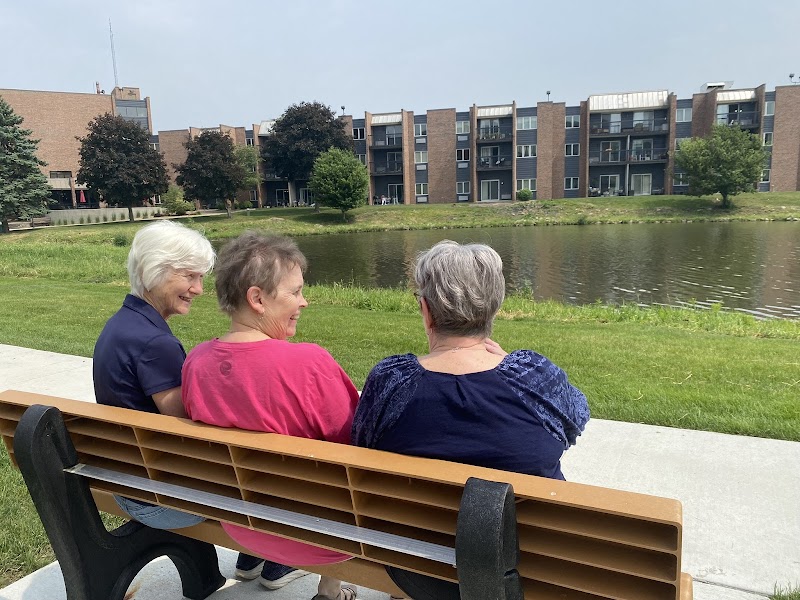
CMS rates Friendship Village Retirement's staffing level at 5 out of 5 stars, which is much above average compared to other nursing homes. Staff turnover is 34%, compared to the Iowa average of 46%. This relatively stable workforce can support continuity of care.

What Have Inspectors Found at Friendship Village Retirement?

State health inspectors documented 12 deficiencies at Friendship Village Retirement during 2022 to 2024. These included: 1 Immediate Jeopardy (the most serious level, indicating potential for serious harm or death), 1 that caused actual resident harm, 9 with potential for harm, and 1 minor or isolated issues. Immediate Jeopardy findings are rare and represent the most serious regulatory concerns. They require immediate corrective action.

Who Owns and Operates Friendship Village Retirement?

Friendship Village Retirement is owned by a non-profit organization. Non-profit facilities reinvest revenue into operations rather than distributing to shareholders. The facility operates independently rather than as part of a larger chain. With 72 certified beds and approximately 67 residents (about 93% occupancy), it is a smaller facility located in Waterloo, Iowa.

How Does Friendship Village Retirement Compare to Other Iowa Nursing Homes?

Compared to the 100 nursing homes in Iowa, Friendship Village Retirement's overall rating (4 stars) is above the state average of 3.1, staff turnover (34%) is significantly lower than the state average of 46%, and health inspection rating (4 stars) is above the national benchmark.

What Should Families Ask When Visiting Friendship Village Retirement?

Based on this facility's data, families visiting should ask: "What changes have been made since the serious inspection findings, and how are you preventing similar issues?" "Can I visit during a mealtime to observe dining assistance and food quality?" "How do you handle medical emergencies, and what is your hospital transfer rate?" "Can I speak with family members of current residents about their experience?" These questions are particularly relevant given the facility's Immediate Jeopardy citations.

Is Friendship Village Retirement Safe?

Based on CMS inspection data, Friendship Village Retirement has documented safety concerns. Inspectors have issued 1 Immediate Jeopardy citation (the most serious violation level indicating risk of serious injury or death). The facility has a 4-star overall rating and ranks #1 of 100 nursing homes in Iowa. Families considering this facility should ask detailed questions about what corrective actions have been taken since these incidents.

Do Nurses at Friendship Village Retirement Stick Around?

Friendship Village Retirement has a staff turnover rate of 34%, which is about average for Iowa nursing homes (state average: 46%). Moderate turnover is common in nursing homes, but families should still ask about staff tenure and how the facility maintains care continuity when employees leave.

Was Friendship Village Retirement Ever Fined?

Friendship Village Retirement has no federal fines on record. CMS issues fines when nursing homes fail to meet care standards or don't correct problems found during inspections. The absence of fines suggests the facility has either maintained compliance or corrected any issues before penalties were assessed. This is a positive indicator, though families should still review recent inspection reports for the full picture.

Is Friendship Village Retirement on Any Federal Watch List?

Friendship Village Retirement is not on any federal watch list. The most significant is the Special Focus Facility (SFF) program, which identifies the bottom 1% of nursing homes nationally based on persistent, serious quality problems. Not being on this list means the facility has avoided the pattern of deficiencies that triggers enhanced federal oversight. This is a positive indicator, though families should still review the facility's inspection history directly.