Chautauqua Guest Home #2
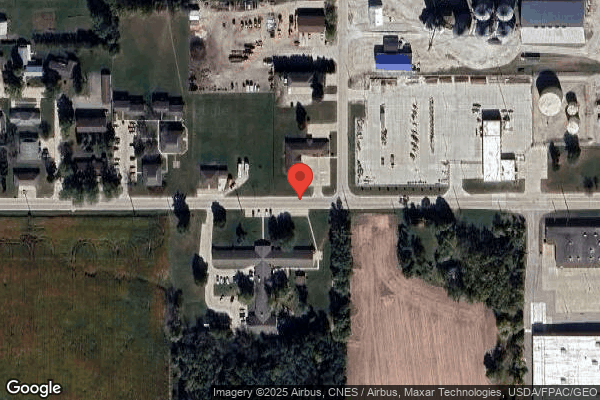
602 Eleventh Street, Charles City, IA 50616 (641) 228-2353
For profit - Corporation 53 Beds Independent Data: November 2025
Trust Grade
78/100
#101 of 392 in IA
Last Inspection: September 2024

Within standard 12-15 month inspection cycle. Federal law requires annual inspections.

Overview

Chautauqua Guest Home #2 has a Trust Grade of B, indicating it is a good option for families seeking care, sitting in the top half of Iowa facilities at #101 out of 392. However, it ranks last in Floyd County at #3 of 3, suggesting limited local alternatives. The facility's performance trend is stable, with one reported issue in both 2024 and 2025, and it has a commendable staffing turnover rate of 27%, which is significantly lower than the state average of 44%. While there have been no fines, indicating compliance with regulations, the facility has faced serious concerns, including failing to provide timely pain medication to a resident after a fall, which resulted in a hip fracture, and not ensuring proper financial safeguards for residents' personal accounts. Overall, while there are strengths in staffing and compliance, families should be aware of the identified issues that need attention.

Trust Score
B
78/100
In Iowa
#101/392
Top 25%
Safety Record
Moderate
Needs review
Inspections
Holding Steady
1 → 1 violations
Staff Stability
✓ Good
27% annual turnover. Excellent stability, 21 points below Iowa's 48% average. Staff who stay learn residents' needs.
Penalties
✓ Good
No fines on record. Clean compliance history, better than most Iowa facilities.
Skilled Nurses
✓ Good
Each resident gets 49 minutes of Registered Nurse (RN) attention daily — more than average for Iowa. RNs are trained to catch health problems early.
Violations
✓ Good
Only 5 deficiencies on record. Cleaner than most facilities. Minor issues only.
★★★★☆
4.0
Overall Rating
★★★★☆
4.0
Staff Levels
★★★★☆
4.0
Care Quality
★★★★☆
4.0
Inspection Score
Stable
2024: 1 issues
2025: 1 issues

The Good

  • 4-Star Staffing Rating · Above-average nurse staffing levels
  • 4-Star Quality Measures · Strong clinical quality outcomes
  • Low Staff Turnover (27%) · Staff stability means consistent care
  • Full Sprinkler Coverage · Fire safety systems throughout facility
  • No fines on record
  • Staff turnover is low (27%)

    21 points below Iowa average of 48%

Facility shows strength in staffing levels, quality measures, staff retention, fire safety.

The Bad

No Significant Concerns Identified

This facility shows no red flags. Among Iowa's 100 nursing homes, only 1% achieve this.

The Ugly 5 deficiencies on record

1 actual harm
Sept 2025 1 deficiency 1 Harm
SERIOUS (G) 📢 Someone Reported This

A family member, employee, or ombudsman was alarmed enough to file a formal complaint

Actual Harm - a resident was hurt due to facility failures

Deficiency F0697 (Tag F0697)

A resident was harmed · This affected 1 resident

**NOTE- TERMS IN BRACKETS HAVE BEEN EDITED TO PROTECT CONFIDENTIALITY** Based on record review, staff interviews, and policy review the facility failed to provide or offer as needed (PRN) pain medicat...

Read full inspector narrative →
**NOTE- TERMS IN BRACKETS HAVE BEEN EDITED TO PROTECT CONFIDENTIALITY** Based on record review, staff interviews, and policy review the facility failed to provide or offer as needed (PRN) pain medication in a timely manner, non-medication pain relief, and/or notify the resident's physician of new onset and increased pain for 1 of 3 residents reviewed for pain after a fall (Resident #14). Despite Resident #14 reporting increased amounts of pain to her leg, the facility failed to provide her with additional medication or request the physician review her medication orders. The facility learned Resident #14's pain occurred due to a fracture of the femoral neck (hip fracture). The facility reported a census of 38 residents. Findings include:Resident #14's Minimum Data Set (MDS) assessment dated [DATE] identified a Brief Interview for Mental Status (BIMS) score of 9, indicating moderate cognitive impairment. Resident #14 required substantial/maximal assistance (helper does more than half the effort) with transferring and walking up to 10 feet. In addition, the MDS listed Resident #14 as dependent (helper does all of the effort or, the assistance of 2 or more helpers is required for the resident to complete the activity) with rolling left to right in bed. The MDS also documented diagnoses of hemiplegia (paralysis or weakness that only affects half of the body), diabetes mellitus, anxiety, depression, non-Alzheimer's dementia, and encounter for palliative care (a type of care between nursing home care and hospice level of care). The Fall Progress Note dated 9/13/25 at 9:40 AM, documented the staff heard Resident #14's chair alarm sounding and upon entering her room, the staff found her lying on the floor on her right side screaming my leg and back hurts, while touching her left thigh. The nurse assessed her range of motion (ROM) within normal limits and took her vital signs. The assessment didn't identify any injuries to her left leg or back. The nurse gave Resident #14, as needed (PRN) acetaminophen.The Fall Follow Up Progress Note dated 9/13/25 at 3:10 PM, documented Resident #14 refused to walk and she stated my leg is broken. The nurse assessed passive ROM to Resident #14's left leg. The assessment reflected ROM within normal limits, with her skin intact with no swelling and no bruising noted.The Fall Follow-Up Progress Note dated 9/14/25 at 5:50 AM, documented Resident #14 screamed on and off throughout the night. She complained of pain to her left leg and back. During routine cares was observed holding her left leg and refuses to give pain level and continues to say, It hurts me. Documentation also revealed Resident #14 left leg has been a chronic issue for a while now and will notify her Physician if she can go over for x-rays for her left leg.The Fall Follow Up Progress Note dated 9/14/25 at 1:11 PM, documented the staff obtained Resident #14 vital signs and she had no pain to her right extremities and had full ROM. The staff reported Resident #14 described her left leg as tender. The staff gave her PRN acetaminophen. The staff observed Resident #14 lifting up her legs and bending both knees while in her recliner chair. The staff didn't note any injuries.Resident #14's September 2025 Medication Administration Record (MAR) listed the following orders:8/27/25: Acetaminophen oral tablet 500 milligrams (mg). Give 2-tablets by mouth one time a day in the evening related to pain in leg, unspecified.7/30/24: Tramadol oral tablet 50 mg. Give 50 mg by mouth two times a day for leg pain.5/31/23: Acetaminophen oral tablet 325 mg. Give 2-tablets by mouth every 6 hours as needed for pain and/or fever PRN. Resident #14 received the medication at the following times:9/13/25 at 10:10 am - 4 pain level (0 equals '=' no pain, 10 = the worst pain ever)9/14/25 at 11:46 am - 2 pain levelThe MAR reflected Resident #14 only received the PRN acetaminophen once before her fall on 9/13/25.The Physician Contact Progress Note dated 9/15/25 at 9:00 AM, documented Resident #14's Advanced Register Nurse Practitioner (ARNP) came to the facility that morning. The staff updated them on Resident #14's pain from her fall lessened but they would contact her if they didn't see improvement.The Family Contact Progress Note dated 9/15/25 at 11:24 AM, documented Resident #14's Daughter visited with her on 9/14/25. Resident #14 didn't wish to go out of the building and/or have an x-ray at that time.The Progress Note dated 9/15/25 at 6:10 PM, documented Resident #14 had a lot of pain during supper despite receiving her scheduled pain medications Tramadol and Tylenol 30-minutes before getting her up for supper. In addition, she refused to eat and begged the staff to lay her in bed, and refused to have a bath. She displayed facial grimacing (an involuntary facial movement that involves twisting or contorting the face, often in a way that appears painful or disgusted). The nurse took her vital signs and discovered an elevated blood pressure of 142/88 (typical 120/80). The staff assisted Resident #14 to lay down early to bed and re-positioned her for comfort with the head of the bed elevated.The Progress Note dated 9/16/25 at 2:35 AM, documented the staff heard Resident #14's floor alarm sounding as a pillow fell on the floor and set it off. The nurse obtained vital signs and noted her blood pressure elevated at 142/87. The nurse assessed Resident #14's lungs and heard crackles (abnormal breath sounds that sound like popping, crackling, or bubbling) in her bottom right lung. Resident #14 complained of pain to her left hip and left foot. The nurse observed her left foot internally rotated with 1+ pitting edema (indicates a mild degree of swelling) and her left hip with non-pitting edema (a type of swelling that didn't leave a dent when pressure is applied to the affected area). The nurse didn't observe bruising or redness to her left hip or thigh. The nurse noted her left elbow had a faint bruise and abrasion (a superficial wound caused by the skin rubbing or scraping against a rough surface, leading to the wearing away of the outer skin layers). The staff checked her blood sugar and the machine read 570 (normal for non-diabetic 70-110 and normal for diabetic 2 hours after a meal less than 180) as her blood sugar ran high on 9/15/25 and she received extra insulin then. The staff conducted a COVID test and received a negative result.The Progress Note dated 9/16/25 at 5:54 AM, documented Resident #14 had the following events on 9/16/25:a. 3:35 AM: Blood sugar reevaluated twice (x2) with both readings of HI (above 600). Resident #14 reported she wanted to have her hip looked at the hospital.b. 3:40 AM: The nurse updated Resident #14's ARNP. The ARNP gave an order to send to the local emergency room (ER).c. 3:42 AM: Resident #14 family notified she would be evaluated in the ER.d. 3:45 AM: The nurse notified the ambulance services.e. 4:10 AM: The nurse gave report to the ambulance services when they arrived about Resident #14.f. 4:15 AM: Resident #14 left the facility.The ER Physician Documentation Report dated 9/16/25 documented at 4:32 AM, reflected Resident #14 went to the ER and received 6 milligrams (mg) of Morphine (pain medication) by an Intramuscular Injection (IM). Her vital signs reflected an oxygen saturation (O2) of 84% on room air (normal is above 90% on room air). The staff applied oxygen at 3 Liters (L) and her O2 went up to 96%. She had a blood sugar level of 721. The hospital admitted her inpatient with diagnoses of pleural effusion (condition where excess fluid accumulates in the space between the lungs and the chest wall), left hip fracture, acute kidney failure, and congestive heart failure (CHF).The current Care Plan Focus related to pain control dated 9/17/25 documented Resident #14 had the following interventions dated 5/31/23:a. Anticipate Resident #14's need for pain relief and respond immediately to any complaints of pain.b. Evaluate the effectiveness of pain interventions. Review for compliance, alleviating of symptoms, dosing schedules and resident satisfaction with results, impact on functional ability and impact on cognition.c. Monitor and document for side effects of pain medication. Observe for constipation; new onset or increased agitation, restlessness, confusion, hallucinations (seeing or hearing something not really there), dysphoria; nausea; vomiting; dizziness and falls. Report occurrences to the physician.d. Monitor/record/report to Nurse any s/sx of non-verbal pain: Changes in breathing (noisy, deep/shallow, labored, fast/slow); Vocalizations (grunting, moans, yelling out, silence); Mood/behavior (changes, more irritable, restless, aggressive, squirmy, constant motion); Eyes (wide open/narrow slits/shut, glazed, tearing, no focus); Face (sad, crying, worried, scared, clenched teeth, grimacing) Body (tense, rigid, rocking, curled up, thrashing).e. Monitor/record/report to Nurse Resident #14's complaints of pain or requests for pain treatment.f. Monitor, record, and report to the nurse a loss of appetite, refusal to eat, and/or weight loss.g. Notify physician if interventions are unsuccessful or if current complaint is a significant change from Resident #14's past experience of pain.h. Observe and report changes in usual routine, sleep patterns, decrease in functional abilities, decrease ROM, withdrawal, or resistance to care.i. Report to the nurse any change in usual activity attendance patterns or refusal to attend activities related to signs, symptoms, complaints of pain, or discomfort.During an interview on 9/18/25 at 8:58 AM Staff G, Licensed Practical Nurse (LPN), reported she worked with Resident #14 after she fell on 9/13/25 and every night shift leading up to her going to the hospital on 9/16/25. She kept saying she had pain in her left leg and the Nurses had the impression her family didn't want her sent out. She explained Resident #14 never really told anyone if something was wrong, but you could see it in her face.During an interview on 9/18/25 at 11:03 AM with Staff E, Register Nurse (RN), revealed she worked on 9/13/25 when Resident #14 fell. Staff E said Resident #14's chair alarm went off and when she entered the room, she found her screaming on the floor. Resident #14 laid on her right side touching her left leg, she told the staff her leg and back hurt, but she denied hitting her head. Staff E reported her assessment showed everything normal. When the staff put her in the recliner, she had facial grimacing, so Staff E gave her an as needed (PRN) acetaminophen. On 9/14/25, Staff E worked with Resident #14 from 2:00 PM to 6:00 PM, they started using the full-body mechanical lift as she still had pain. Staff E reported the staff talked about having her physician see her and get an x-ray on 9/15/25. On 9/15/25 they continued to use the full-body mechanical lift. Resident #14 was quiet, but she still had left leg weakness and refused to take a bath.During an interview on 9/18/25 at 10:57 AM Staff D, Certified Nurse Aide (CNA), explained she worked with Resident #14 on the night of 9/13/25 into 9/14/25 after she fell and had a lot of pain. Staff D reported she told the nurse who worked that night, and she told her Resident #14 normally had a lot of pain.During an interview on 9/18/25 at 11:49 AM the Director of Nursing (DON) stated she didn't see Resident #14 from 9/13/25 to 9/16/25. She did speak with Resident #14's doctor and daughter regarding her pain on 9/15/25. They told her they planned to have Resident #14 remain at the facility unless she requested to go to the ER.During an interview on 9/18/25 at 12:00 PM Staff F, RN, said she arrived to work on 9/15/25 at 8:00 PM. She reported being the nurse for Resident #14 and the nurse leaving reported Resident #14 had high blood sugars, so Resident #14 received extra insulin. The nurse told Staff F, Resident #14 complained her hips hurt and she didn't eat supper. She stated Resident #14 slept and she checked everything on her. Around 2:30 AM when Resident #14's floor alarm went off, Staff F decided to check her vital signs. Resident #14 had a blood sugar of 570. Resident #14 only complained of pain when the staff moved her leg.In an e-mail correspondence on 9/18/25 at 12:28 PM the Administrator indicated the facility's follow-up request to the physician for pain control determined Staff E cared for Resident #14 on the evening shift of 9/15/25, she charted Resident #14 had pain and facial grimacing. She reported she didn't contact the provider because after they assisted Resident #14 to bed and repositioned her for comfort, she was comfortable and slept until the end of her shift (10:00 PM). In addition, Staff F sent Resident #14 to the ER. Staff F reported she didn't contact the provider at the beginning of her shift because she slept comfortably until about 2:30 AM. At that time her alarm went off because a pillow fell and triggered the alarm. Staff F explained she noted congestion and began an assessment for respiratory status. Her full assessment triggered her to contact the provider and Resident #14 agreed to go to the ER for evaluation.During an interview on 9/18/25 at 1:02 PM the Administrator explained if a resident complained of pain, typically the nurse would try PRN pain medicine and alternative interventions such as massage, a change in environment, and change in position. If none of the interventions worked, then the facility should notify the doctor.The undated Incident Reports policy instructed the following:a. When an incident occurred, the staff would notify the charge nurse, complete an appropriate assessment of the resident and document their findings. The nurse would then notify the attending physician and family. Notification can be in person, by telephone, through fax, and/or envelope delivery. The Charge Nurse would initiate the incident report and complete it as described on the form. When the nurse completed the form, they must turn it in to the nurse manager.b. At any time, professional nurses may analyze and initiate nursing interventions that could prevent a recurrence of the incident. The nurse manager will formally complete this analysis and document any necessary actions prior to turning the completed form into administration. This includes the provision of first aid and documenting actions completed.The undated Pain Protocol Policy directed the facility to ensure any residents with pain receive proactive care to alleviate or minimize pain through the collaborative efforts of the interdisciplinary health care team including the attending physician. The policy listed the following:a. Pain indicators i. Verbalization of pain ii. Increase in agitation iii. Thrashing type behaviors/restlessness iv. Combativeness v. Change in level of consciousness/lethargyb. Non-medicinal methods of relieving pain i. Application of hot/cold ii. Massage therapy iii. Relaxation exercises, guided breathing iv. Social services counseling v. Isolation/stimulation vi. Light/Dark vii. Oxygen therapy viii. Reposition, body supports, immobilizations ix. Physical Therapy interventions
Mar 2022 4 deficiencies
CONCERN (D)

Potential for Harm - no one hurt, but risky conditions existed

Resident Rights (Tag F0550)

Could have caused harm · This affected 1 resident

Based on observation and staff interviews the facility failed to talk with residents for whom they are providing assistance rather than conducting social conversations with other staff. A facility sta...

Read full inspector narrative →
Based on observation and staff interviews the facility failed to talk with residents for whom they are providing assistance rather than conducting social conversations with other staff. A facility staff member also failed to speak with residents politely, respectfully, and communicate personal information in a way that maintains confidentiality for 2 of 3 meals observed. The facility reported a census of 41 residents. Findings include 1. During an observation on 3/14/22 at 11:58 AM, Staff D, Certified Nurses Aide (CNA), while assisting Resident #25 with their meal service, remarked that the food was not lasagna and laughed. Staff D then commented it's supposed to be a brownie or cookie or something and laughed again. During an observation at 3/14/22 at 12:01 PM Staff D while assisting Resident #25 got up and walked out of the dining room with no one to replace her. Staff D returned at 12:03 PM and stated in a loud voice that Resident #25 looks tired today like they were off in a daze and laughed. During an observation on 3/14/22 at 12:08 PM Staff D while assisting Resident #25 in a loud voice yelled over to another resident's table, do you even know what your talking about and laughed. She then returned to helping Resident #25 to eat, then in a loud voice stated, did you fall asleep mid conversation and laughed. During an observation on 3/14/22 at 12:17 PM Staff D in a loud, almost yelling, voice, vocalized, does it have no flavor without salt and laughed. Staff D then continued to repeat the same statement two (2) more times and continued to laugh. During observations on 3/14/22 during the noon meal service, other facility staff were present and no interventions were implemented for Staff D's behavior. 2. During an observation on 3/15/22 at 12:04 PM of Staff D while assisting Resident #4 with meal service, observed her ask Resident #4 if the food was good. When Resident #4 replied, no, Staff D laughed and failed to offer intervention or alternative to Resident #4. During an observation on 3/15/22 at 12:11 PM Staff D told another coworker present in the dining room about her days off coming up and a birthday party. During observations on 3/15/22 during the noon meal service, the other facility staff failed to implement interventions behaviors for Staff D while present during the observations of Staff D. During an interview on 3/17/22 at 12:35 PM the Administrator and Director of Nursing (DON) revealed they were aware of Staff D's inappropriate comments at times. They expressed that they would not expect inappropriate comments to be made to residents. They revealed that the dining service environment should be focused on the residents eating their meals.
CONCERN (D)

Potential for Harm - no one hurt, but risky conditions existed

Deficiency F0567 (Tag F0567)

Could have caused harm · This affected 1 resident

Based on resident's record review and staff interviews the facility failed to keep 3 of 3 residents reviewed (Resident #6, #34, and #91) personal funds in an interest bearing account for funds that ex...

Read full inspector narrative →
Based on resident's record review and staff interviews the facility failed to keep 3 of 3 residents reviewed (Resident #6, #34, and #91) personal funds in an interest bearing account for funds that exceeded one hundred dollars ($100). The facility reported a census of 41 residents. Findings include: The record review of an untitled document dated 3/14/22 provided by the facility revealed that the facility managed 21 resident account funds. The form documented 8 of the 21 accounts received interest, however 3 of the accounts that exceeded the $100 amount were not receiving interest. During an interview on 3/16/22 at 2:08 PM Staff E explained that she was not aware that the three (3) accounts over $100 needed to receive interest. During an interview on 3/17/22 at 12:22 PM Staff E expressed that she was opening a savings account for the residents whose accounts exceeded $100 dollars. During an interview on 3/17/22 at 12:46 PM the Administrator said they were going to open savings accounts for any resident's account over $100 dollars. The undated Resident Trust Fund Evening and Weekend Fund Availability lacked policies or procedures on when a resident's personal funds account would receive interest. The undated Authorization Form for Personal Fund Allowed provided to residents by the facility lacked information related to interest bearing accounts for the resident trust.
CONCERN (D)

Potential for Harm - no one hurt, but risky conditions existed

Deficiency F0658 (Tag F0658)

Could have caused harm · This affected 1 resident

**NOTE- TERMS IN BRACKETS HAVE BEEN EDITED TO PROTECT CONFIDENTIALITY** 2. Resident #17's Minimum Data Set (MDS) assessment dated [DATE] documented a Brief Interview for Mental Status (BIMS) score of ...

Read full inspector narrative →
**NOTE- TERMS IN BRACKETS HAVE BEEN EDITED TO PROTECT CONFIDENTIALITY** 2. Resident #17's Minimum Data Set (MDS) assessment dated [DATE] documented a Brief Interview for Mental Status (BIMS) score of 12, indicating moderate cognitive impairment. The MDS documented Resident #17 independent with eating. Resident #17's diagnoses included Parkinson's Disease and Non-Alzheimer's Dementia. The Care Plan revised 12/14/21 documented Resident #17 had a diagnosis of dementia. As of 12/6/21 directed the staff to give medications as ordered. Monitor/document for side effects and effectiveness. The Care Plan also documented that the resident received anti-Parkinson therapy related to Parkinson's Disease and directed the nursing staff to administer anti-Parkinson's medications as ordered by the physician, revised 12/6/21. The Medication Review Report, signed by the attending physician on 2/28/22 documented the diagnosis of Parkinson's Disease with a physician's order for the following medication: a. Two orders for Carbidopa-Levodopa Tablet 25-100 Milligram (MG). Give 3 tablets by mouth once a day related to Parkinson's Disease. Start Date 12/13/21. b. Three orders for Carbidopa-Levadopa Tablet 25-100 MG. Give 4 tablets by mouth once a day related to Parkinson's Disease. Start Date 12/13/21. A Consultation Note from the Department of Neurology, dated 3/1/22, documented Resident #17 had noticed being slower in the morning and more fatigued. Resident #17 reported that it took about 4-5 hours to start moving well. The Consultation Note documented a new plan to up-titrate (adjust dosage by adding medication slowly) his medication as follows: A. Increase the 6:00 a.m. dose to 3.5 tablets for 3 days, if tolerated increase to 4 tablets in the morning. B. After 3 days of this if he tolerates the dosage change, increase the 11:00 p.m. dose to 3.5 tablets. C. After 3 more days increase 11:00 p.m. dose to 4 tablets if tolerated. If he tolerates this titration his final dos would be: a. 6:00 a.m. 4 tablets b. 10:00 a.m. 4 tablets c. 2:00 p.m. 3 tablets d. 7:00 p.m. 4 tablets e. 11:00 p.m. 4 tablets. The Consultation Note, dated 3/1/22, did not the name of the medication, route or dose of the medication to be administered. The March 2022 Medication Administration Record (MAR) listed a physician order for Carbidopa-Levodopa Tablet 25-100 MG. Give 4 tablet by mouth one time a day related to Parkinson's Disease scheduled for 10:30 a.m The MAR documented on 3/14/22 at 10:30 a.m. the dose administered to the resident by Staff A, Registered Nurse. During an observation on 3/14/21 at 11:02 a.m. the resident sat in the recliner in his room with 4 circular yellow pills laid out on a napkin. He proceeded to place each pill into a small plastic cup of applesauce. Resident #17 then put the spoon in his mouth and took the pills. Resident #17 remained in his room without any facility licensed nurse present to observe the medication administration. Resident #7's Spouse stated that he took the medication for his Parkinson's Disease and he doesn't always remember well. During an interview on 3/14/22 at 4:00 p.m., Resident #17 stated he preferred to take his medication on his own. He asks the nurses to leave his medication so that he can take in applesauce himself. He administered his medications at home prior to coming to the facility and wanted to continue to be able to do this at the facility. He stated it upsets him that not all of the nurses will leave his medications at the bedside. He reported the nurses know he likes to have his medication left for him to take on his own. During an interview on 3/16/22 at 2:11 p.m. Staff A, Staff B, Certified Medication Aide, (CMA), and Staff C, CMA, all stated they were to supervise medications being taken by the residents. Staff A stated if a resident wants to take their own medications it would have to be assessed and care planned. She stated the DON would take care of the assessment and then it would be care planned and communicated to the nurses and CMA's. During an interview on 3/16/22 at 2:06 PM the Director of Nursing (DON) revealed that she expected the nurses to stay with a resident while they were swallowing their pills. The DON explained that the nurse must be present until the pills are gone. She reported that she wished Resident #17 would have told her because they have an option for self medication - the Occupational Therapist (OT) completes an evaluation and gets an physician's order and then OT completes the routine reviews if safe to continue as well. She reported none of the staff nurses had informed her they had been leaving the resident's medications for him to take without supervision. During a follow-up interview on 3/16/22 at 3:25 p.m. the DON reported that none of the nurses came to her to inform her Resident #17 wanted his medication left at the bedside to take on his own. She stated she would have expected the nurses to report it to her if the resident wanted medication left at the bedside of they couldn't follow the policy to supervise the taking of medications. On 3/17/21 at approximately 8:25 a.m. after the review of the Consultation Note dated 3/1/22, the DON stated technically the Consultation Note didn't contain a complete medication order and it should have been clarified. The undated, Medication Administration Policy provided by the facility documented the Purpose was that the facility accepted the following types of medication orders to meet quality and professional standards. The Procedure listed under titrating orders explained that the dose was adjusted in response to the resident's status. The required elements of a complete medication order include: the name of the medication, dose, route, and indication for use. If a written or faxed order is incomplete, illegible, or unclear, the nurse will contact the prescriber to clarify. Part D. Medication Administration, General Principles documented the following: A. At the facility, medications were administered independently by professional nurses including Registered Nurses and Licensed Practical Nurses. Certified Medication Aides may also administer medications under the supervision of a professional nurse via routes that they have proved proficient in. B. Before administration, the individual administering the medication would visually inspect the medication for particulates, discoloration, or other loss of integrity. C. Before administration, the individual administering the medication verifies that the medication matches the order, the label, that it wasn't expired, or was contraindicated. D. Before administration, the individual administering the medication verifies that the medication was administered at the proper time, in the prescribed dose, and by the correct route. E. Before administration if any irregularities were noted, these were discussed with the physician and/or professional nurses involved with the resident's care for resolution. F. Before administration of a new medication, the resident and/or family was informed of any potential clinically significant adverse side effects or other concerns regarding the medication. The Medication Administration Policy regarding Self-Administration of Medication recored that the facility would allow residents to self-administer medications when requested by the resident and then ordered by the attending physician. The Procedure documented the following: 1. When a resident receives an order to self-administer medications, the Occupational Therapist, (OT), would be notified. The OT will then screen the resident. Mental status will be evaluated and documented as part of this screen. 2. If the OT believes that self-administration of medication was appropriate, the physician will be contacted for an order for therapy evaluation treatment. 3. When the order is received by the therapist, an individualized self-administration plan will be formulated as a component of the therapy treatment. 4. The therapist will assure that medication education was provided to the residents and involve family regarding the medication name, type, and reasons for use. They also instruct on the process of how to administer the medications, time, frequency, route, and dose. Instructions also cover anticipated actions and potential side effects as well as monitoring the effects of the medication. The therapist will also observe and monitor the resident to assure that medication administration is correctly completed and documented by the resident. 5. The therapist will also assure that medications are safely stored to prevent tampering by other residents. 6. At the end of therapy, the therapist will submit the individualized plan to the interdisciplinary team for inclusion in the resident's plan of care. 7. Compliance with the plan will be evaluated by the team. The Medication Administration Policy Checklist for dispensing medication documented the med pass was complicated and had the potential to produce most medication errors. A widely published checklist of ten rights focused on the important steps to administer medications to residents under effective and safe circumstances. When followed in a medication pass, the guidelines could minimize errors and assure the medications were able to provide the desired results. Those guidelines were: 1. Right Medication - The nurse should be sure the medication to be administered is that ordered by the physician and appropriate to the resident's medical condition. 2. Right Dosage - The nurse should assure that the dosage ordered was appropriate to the resident, their physical, and their medical condition. 3. Right Patient - New patients, patients with similar names, and new employees could lead to the wrong person getting the medications of another patient. To prevent this, a photo, armband, and/or self identification by the resident were necessary each time medication was dispensed. 4. Right Manner and Route - Crushing pills to be hidden in food should not be done with delayed absorption medication and someone vomiting may need oral medication administered in another approved form and/or route. 5. Right Time - Keeping medication at the same level in the body may require adhering to a right schedule of dispensation. 6. Right Documentation - An accurate record of the medication taken by the resident was important so the dispensing nurse could complete the necessary record keeping before moving on to the next resident. 7. Right Assessment - An immediate condition, such as blood pressure, may be determined if a medication decreased blood pressure was to be given without harm to the resident. 8. Right Education - The patient should know why they were getting the medication and effects they should expect, the food, or the beverages they should avoid or encourage, and how to report any undesirable effects. 9. Right Evaluation - The resident should be observed to assess the outcome of the medication. Is the drug having the positive effect expected? 10. Right to Refuse Medication - The right to refuse medication should be respected with the nurse determining why the refusal and inform the physician and care planning team of the refusal for medication adjustments that would address the medical concern. The Long Term Care Center's Pharmacy Services and Procedure Manual, revised 1/19, provided by the facility documented a new order should include: 1. Date of order 2. Resident name 3. Identification number 4. date of birth 5. Medication name, strength, dosage, time or frequency, and route of administration; 6. Physician's/prescriber's name; and 7. Pertinent ancillary instructions 8. Reason for use 9. Stop order date, as appropriate 10. Administration parameters Based on observation, staff interviews and policy review the facility failed to ensure nursing staff followed professional standards of practice during medication administration for 2 of 6 residents reviewed (Resident #30 and #17). A facility nurse failed to verify if giving the correct pain medication for Resident #30 when observations and interviews revealed she was not present during the dispensing of the medication to ensure she gave the right drug. A facility nurse also failed to follow standards of practice for supervising medication administration when the nurse left a resident unattended to take his medications. The facility reported a census of 41 residents. Findings include: 1. During an observation on 3/16/22 at 11:32 AM of Resident #30's medication administration revealed the following: A. Staff C, Certified Medication Aide (CMA), observed Staff F, Licensed Practical Nurse (LPN), dispense and verify the following order: Norco Tablet 5-325 MG (HYDROcodone-Acetaminophen) 1 tablet, give by mouth, three times a day while Staff C observed. B. Staff F then preceded to sign it off on Resident #30 Individual Narcotic Record. C. Staff C then left stating she will give the pain medication to give to Resident #30 and did not sign #30 Individual Narcotic Record. During an interview on 3/16/22 at 11:33 AM Staff F declared that the staff come and get narcotic medication for Resident #30 when they need it. Staff F added that the staff who administer the medication to Resident #30 do not cosign the narcotic record book to show it was in their possession. Staff F then revealed that she didn't verify or observe if the narcotic medication is given to Resident #30. During an observation on 3/16/22 at 11:33 AM of Resident #30's Individual Narcotic Record revealed only Staff F's initials. Resident #30's Medication Administration Record (MAR) for 3/16/22, documented the noon dose of their Norco Tablet 5-325 MG (HYDROcodone-Acetaminophen) 1 tablet, give by mouth, three times a day order, revealed Staff A, Registered Nurse (RN), signed the medication off as given. However, Staff A was not present during the observation of the medication set up and did not sign off on the narcotic record that she was in possession of the narcotic. During an interview on 3/16/22 at 2:08 PM Staff A, Registered Nurse (RN), reported being busy with another resident that day, so they had Staff C go up front to get Resident #30's noon narcotic medication. She stated she and Staff C stood together as she gave the medication to the Resident #30. She then signed on the MAR that she had administered the medication. She commented that she couldn't verify if the medication was correct as she didn't see the MAR or the pill card before giving the medication. During an interview on 3/16/22 at 2:03 PM Staff C, reported that she asked the nurse to get the resident's narcotic medication out of lock up. Staff C looked at the MAR and the medication card to confirm that the nurse was giving her the correct medication. Staff C then took the medication down to the unit, opened the MAR to review the order to administer the medication herself or gives it to the nurse to administer. During an interview on 3/16/22 at 2:40 PM the Director of Nursing (DON) revealed she has not instructed staff to cosign the narcotic record book when taking the narcotic medication out to administer to Resident #30. The DON explained that as of the time of the interview, they implemented that after being made aware. The DON commented that she would expected Staff C to administer Resident #30's narcotic pain medication since she was present when the medication was dispensed and able to verify it is the correct medication instead of Staff A who was not present.
CONCERN (E)

Potential for Harm - no one hurt, but risky conditions existed

Deficiency F0570 (Tag F0570)

Could have caused harm · This affected multiple residents

Based on resident record reviews, staff interviews, and policy review, the facility failed to ensure all resident's personal fund accounts, including savings accounts, that the facility manages had a ...

Read full inspector narrative →
Based on resident record reviews, staff interviews, and policy review, the facility failed to ensure all resident's personal fund accounts, including savings accounts, that the facility manages had a surety bond in place to cover the total amount. The facility reported a census of 41 residents. Findings include: The untitled document dated 3/14/22 provided by the facility documented that the facility managed 21 residents' personal fund's accounts. The 21 accounts combined equaled $9,327.09, of the 21 accounts 8 of the accounts also had money in their own individual savings account and total money in the savings accounts equaled $8,052.00 of the $9,327.09. The record review of a billing notice renewal period of 5/16/21 to 5/16/22 revealed a resident fund bond covering $3,000, which is less than 9,327.09. During an interview on 3/17/22 at 12:25 PM Staff E revealed that she was not aware the money in the savings account needed to be covered by the surety bond. She explained the surety bond does cover everything, but not in the savings account. During an interview on 3/17/22 at 12:40 PM the Administrator revealed that she was not aware that the money in the savings account needed to be covered by the surety bond and had discussed this with Staff E. The record review of the undated facilities polices for resident fund accounts lacked policies or procedures regarding the surety bond for resident funds.
Understanding Severity Codes (click to expand)
Life-Threatening (Immediate Jeopardy)
J - Isolated K - Pattern L - Widespread
Actual Harm
G - Isolated H - Pattern I - Widespread
Potential for Harm
D - Isolated E - Pattern F - Widespread
No Harm (Minor)
A - Isolated B - Pattern C - Widespread

Questions to Ask on Your Visit

  • "Can I speak with families of current residents?"
  • "What's your RN coverage like on weekends and overnight?"

Our Honest Assessment

Strengths
  • • No fines on record. Clean compliance history, better than most Iowa facilities.
  • • 27% annual turnover. Excellent stability, 21 points below Iowa's 48% average. Staff who stay learn residents' needs.
Concerns
  • • 5 deficiencies on record, including 1 serious (caused harm) violation. Ask about corrective actions taken.
Bottom line: Generally positive indicators. Standard due diligence and a personal visit recommended.

About This Facility

What is Chautauqua Guest Home #2's CMS Rating?

CMS assigns Chautauqua Guest Home #2 an overall rating of 4 out of 5 stars, which is considered above average nationally. Within Iowa, this rating places the facility higher than 99% of the state's 100 nursing homes. This rating reflects solid performance across the metrics CMS uses to evaluate nursing home quality.

How is Chautauqua Guest Home #2 Staffed?

CMS rates Chautauqua Guest Home #2's staffing level at 4 out of 5 stars, which is above average compared to other nursing homes. Staff turnover is 27%, compared to the Iowa average of 46%. This relatively stable workforce can support continuity of care.

What Have Inspectors Found at Chautauqua Guest Home #2?

State health inspectors documented 5 deficiencies at Chautauqua Guest Home #2 during 2022 to 2025. These included: 1 that caused actual resident harm and 4 with potential for harm. Deficiencies causing actual harm indicate documented cases where residents experienced negative health consequences.

Who Owns and Operates Chautauqua Guest Home #2?

Chautauqua Guest Home #2 is owned by a for-profit company. For-profit facilities operate as businesses with obligations to shareholders or private owners. The facility operates independently rather than as part of a larger chain. With 53 certified beds and approximately 42 residents (about 79% occupancy), it is a smaller facility located in Charles City, Iowa.

How Does Chautauqua Guest Home #2 Compare to Other Iowa Nursing Homes?

Compared to the 100 nursing homes in Iowa, Chautauqua Guest Home #2's overall rating (4 stars) is above the state average of 3.1, staff turnover (27%) is significantly lower than the state average of 46%, and health inspection rating (4 stars) is above the national benchmark.

What Should Families Ask When Visiting Chautauqua Guest Home #2?

Based on this facility's data, families visiting should ask: "Can I visit during a mealtime to observe dining assistance and food quality?" "How do you handle medical emergencies, and what is your hospital transfer rate?" "Can I speak with family members of current residents about their experience?"

Is Chautauqua Guest Home #2 Safe?

Based on CMS inspection data, Chautauqua Guest Home #2 has a clean safety record: no substantiated abuse findings (meaning no confirmed cases of resident harm), no Immediate Jeopardy citations (the most serious violation level indicating risk of serious injury or death), and is not on the Special Focus Facility watch list (a federal program monitoring the lowest-performing 1% of nursing homes). The facility has a 4-star overall rating and ranks #1 of 100 nursing homes in Iowa. While no facility is perfect, families should still ask about staff-to-resident ratios and recent inspection results during their visit.

Do Nurses at Chautauqua Guest Home #2 Stick Around?

Staff at Chautauqua Guest Home #2 tend to stick around. With a turnover rate of 27%, the facility is 19 percentage points below the Iowa average of 46%. Low turnover is a positive sign. It means caregivers have time to learn each resident's needs, medications, and personal preferences. Consistent staff also notice subtle changes in a resident's condition more quickly. Registered Nurse turnover is also low at 22%, meaning experienced RNs are available to handle complex medical needs.

Was Chautauqua Guest Home #2 Ever Fined?

Chautauqua Guest Home #2 has no federal fines on record. CMS issues fines when nursing homes fail to meet care standards or don't correct problems found during inspections. The absence of fines suggests the facility has either maintained compliance or corrected any issues before penalties were assessed. This is a positive indicator, though families should still review recent inspection reports for the full picture.

Is Chautauqua Guest Home #2 on Any Federal Watch List?

Chautauqua Guest Home #2 is not on any federal watch list. The most significant is the Special Focus Facility (SFF) program, which identifies the bottom 1% of nursing homes nationally based on persistent, serious quality problems. Not being on this list means the facility has avoided the pattern of deficiencies that triggers enhanced federal oversight. This is a positive indicator, though families should still review the facility's inspection history directly.