Chautauqua Guest Home #3
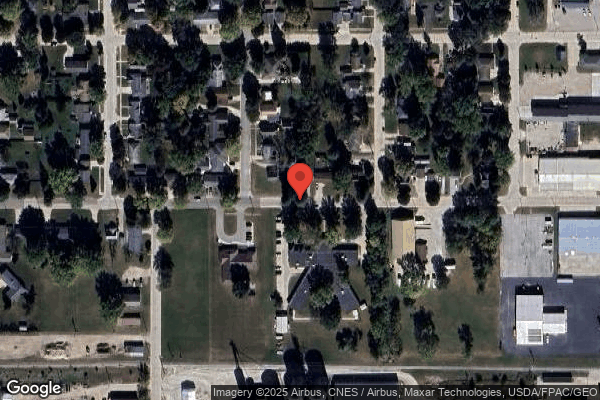
302 Ninth Street, Charles City, IA 50616 (641) 228-5351
For profit - Corporation 57 Beds Independent Data: November 2025
Trust Grade
90/100
#10 of 392 in IA
Last Inspection: July 2025

Inspected within the last 6 months. Data reflects current conditions.

Overview

Chautauqua Guest Home #3 has received an impressive Trust Grade of A, indicating it is excellent and highly recommended for care. It ranks #10 out of 392 nursing homes in Iowa, placing it in the top tier of facilities in the state, and #1 out of 3 in Floyd County, meaning it stands out as the best local option. The facility's performance trend is stable, with the same number of issues reported in both 2024 and 2025. Staffing is rated 4 out of 5 stars, with a turnover rate of 38%, which is better than the state average, suggesting that staff are experienced and familiar with the residents. Notably, there have been no fines reported, which is a good sign of compliance. However, there are some weaknesses to consider. Recent inspections revealed concerns about hand hygiene practices during meal service, as one staff member failed to change gloves after handling potentially contaminated items, which could pose a risk for infection. Additionally, there were incidents where residents were not treated with the dignity they deserve, particularly noted during personal care for residents with cognitive impairments. While the facility excels in many areas, prospective families should weigh these concerns alongside its strengths when making a decision.

Trust Score
A
90/100
In Iowa
#10/392
Top 2%
Safety Record
Low Risk
No red flags
Inspections
Holding Steady
2 → 2 violations
Staff Stability
○ Average
38% turnover. Near Iowa's 48% average. Typical for the industry.
Penalties
✓ Good
No fines on record. Clean compliance history, better than most Iowa facilities.
Skilled Nurses
✓ Good
Each resident gets 43 minutes of Registered Nurse (RN) attention daily — more than average for Iowa. RNs are trained to catch health problems early.
Violations
○ Average
6 deficiencies on record. Average for a facility this size. Mostly minor or procedural issues.
★★★★★
5.0
Overall Rating
★★★★☆
4.0
Staff Levels
★★★★★
5.0
Care Quality
★★★★☆
4.0
Inspection Score
Stable
2024: 2 issues
2025: 2 issues

The Good

  • 4-Star Staffing Rating · Above-average nurse staffing levels
  • 5-Star Quality Measures · Strong clinical quality outcomes
  • Full Sprinkler Coverage · Fire safety systems throughout facility
  • No fines on record
  • Staff turnover below average (38%)

    10 points below Iowa average of 48%

Facility shows strength in staffing levels, quality measures, fire safety.

The Bad

Staff Turnover: 38%

Near Iowa avg (46%)

Typical for the industry

The Ugly 6 deficiencies on record

Jul 2025 1 deficiency
CONCERN (D)

Potential for Harm - no one hurt, but risky conditions existed

Resident Rights (Tag F0550)

Could have caused harm · This affected 1 resident

**NOTE- TERMS IN BRACKETS HAVE BEEN EDITED TO PROTECT CONFIDENTIALITY** Based on clinical record review, review of staff training records, facility policies, observation and staff interviews, the faci...

Read full inspector narrative →
**NOTE- TERMS IN BRACKETS HAVE BEEN EDITED TO PROTECT CONFIDENTIALITY** Based on clinical record review, review of staff training records, facility policies, observation and staff interviews, the facility failed to ensure residents are treated with dignity and respect for 1 of 1 resident (Resident #13) reviewed. The facility reported a census of 42 residents.Findings include:Resident #13's Minimum Data Set (MDS) assessment dated [DATE] identified a Brief Interview for Mental Status (BIMS) score of 99, indicating the inability to conduct the resident interview. The MDS documented Resident #13 ate independently. The MDS included diagnoses of Alzheimer's disease, non-traumatic brain dysfunction (brain damage that occurs due to internal factors, rather than external trauma), and depression.The Medication Review Report dated and signed by the Advanced Registered Nurse Practitioner (ARNP) on 4/15/25, listed Resident #13's diet as a general diet, regular texture, regular consistency, small portions and mechanical soft consistency as needed. Observation on 7/2/25 12:16 PM revealed Resident #13 sat at the second table away from the nurses' station. Resident #13 had her back towards the wall with the nurses' station located to her right with 2 medication carts between the nurses' station and the dining area. Staff B, Certified Nursing Assistant (CNA), sat to the left of Resident 13. The table had 2 other residents there. Resident #13 ate by herself with a spoon in her right hand and lowered her right hand below table height when Staff A, CNA/Certified Medication Aide (CMA), approached the table and forcibly pulled the spoon out of Resident 13's right hand. Staff A pulled up on the handle of the spoon raising Resident 13's hand above the table. Resident #13 had her hand clenched tightly to the handle of the spoon before letting go of the spoon. Resident #13 didn't grimace, make any expression, or speak during this interaction. Staff A used the spoon to cut Resident #13's chocolate cake into pieces. Staff A scooped up a piece of cake up and handed the spoon back to Resident #13. Resident #13 continued to eat independently. Staff A made no comment to Resident #13 or to Staff B prior to pulling the spoon from her hand. Staff A returned to the medication cart located closest to the front entrance after returning the spoon to Resident #13. In an interview on 7/2/25 at12:19 PM, Staff A acknowledged they pulled the spoon away from Resident #13. Staff A verbalized she didn't explain to Resident #13 what she planned to do. Staff A admitted she shouldn't have pulled the spoon from her hand. Staff A commented if you cut her food and give her a bite, she will finish eating. Staff A reported Resident #13 didn't have other silverware provided as she had a known history of placing silverware up her sleeves. In an interview on 7/2/25 at 12:22 PM, Staff B witnessed Staff A pull the spoon from Resident #13's right hand. Staff B reported Staff A didn't verbalized anything prior to pulling the spoon away. Staff B reported it shouldn't have happened and revealed Resident #13 ate at her own pace. In an interview on 7/2/25 at 12:32 PM, the Administrator, Registered Nurse (RN)/ Bachelor of Science in Nursing (BSN), verbalized they allowed Resident #13 the time to eat independently. The Administrator described Resident #13 as a slow eater. The Administrator acknowledged staff members shouldn't pull the silverware away from a resident.Resident #13's July 2025 Documentation Survey Report related to eating listed on 7/2/25 at 12:27 PM Resident #13 completed the activity by themselves with no assistance from a helper. The Documentation Survey Report revealed staff documented Resident #13 ate 0-25% of the meal and drank 0-25% of fluids. Staff training records revealed the following:Staff A completed Dependent Adult Abuse Mandatory Reporter Training on 3/1/24.Staff B completed Dependent Adult Abuse Mandatory Reporter Training on 1/24/23.The facility's undated Resident' [NAME] of Rights stated the following:A. Residents Rights - The resident has a right to a dignified existence, self-determination, and communication with and access to persons and services inside and outside the facility, including those specified in this section.(1) A facility must treat each resident with respect and dignity and care for each resident in a manner in an environment that promotes maintenance or enhancement of his or her quality of life, recognizing each resident's individuality. The facility must protect and promote the rights of the resident.The undated Nursing Facility Abuse Prevention, Identification, Investigation and Reporting Policy documented the following:All residents have the right to be free from abuse, neglect, misappropriation of resident property, exploitation, corporal punishment, involuntary seclusion, and any physical or chemical restraint not required to treat the resident's medical symptoms. This includes prohibiting nursing facility staff from taking part in acts that result in person degradation, including taking or using photographs or recording in any manner that would demean or humiliate a resident, and prohibits using any type of equipment (e.g., cameras, smart phones, and other electronic devices) to take, keep or distribute photographs and/or recordings on social media or through multimedia messages. Resident must not be subjected to abuse by anyone, including, but not limited to, facility staff, other residents, consultants or volunteers, staff of other agencies serving the resident, family members or legal guardians, friends or other individuals.
Mar 2025 1 deficiency
CONCERN (D) 📢 Someone Reported This

A family member, employee, or ombudsman was alarmed enough to file a formal complaint

Potential for Harm - no one hurt, but risky conditions existed

Resident Rights (Tag F0550)

Could have caused harm · This affected 1 resident

**NOTE- TERMS IN BRACKETS HAVE BEEN EDITED TO PROTECT CONFIDENTIALITY** Based on clinical record review, staff interview and review of the Resident Right the facility staff failed to treat one (1) res...

Read full inspector narrative →
**NOTE- TERMS IN BRACKETS HAVE BEEN EDITED TO PROTECT CONFIDENTIALITY** Based on clinical record review, staff interview and review of the Resident Right the facility staff failed to treat one (1) resident of 1 resident with dignity and respect while providing personal cares (Resident #3). The facility reported a census of 44 residents. Findings include: Resident #3's Minimum Data Set (MDS) assessment dated [DATE] identified a Brief Interview for Mental Status (BIMS) score of 3, indicating severely impaired cognitive status. On 3/7/25 at 12:09 PM observed Staff A, Certified Nursing Assistant (CNA), Staff B, CNA, and Staff C, Registered Nurse (RN), as Staff A and Staff B provided perineal cares and changed Resident #3's clothes. After completing care for Resident #3, he requested to stay in bed so the staff members positioned him for comfort and covered him, with his sweat pants positioned around his ankles and his disposable undergarment around his knees. Both CNA's indicated they completed his care and left the room along with Staff C. All 3 staff returned to the room after a request, Staff C confirmed the disposable undergarment and sweat pants positioned as documented above and agreed with the dignity issue. On 3/7/25 at 12:30 PM witnessed Staff A and Staff B as they returned to Resident #3's room and pulled up his disposable undergarment and sweat pants while they apologized several times. Review of the facilities Residents' [NAME] of Rights dated December 2016 directed the staff that each resident had the right to a dignified existence.
Jan 2024 2 deficiencies
CONCERN (E)

Potential for Harm - no one hurt, but risky conditions existed

Food Safety (Tag F0812)

Could have caused harm · This affected multiple residents

**NOTE- TERMS IN BRACKETS HAVE BEEN EDITED TO PROTECT CONFIDENTIALITY** Based on observations, staff interviews, and facility policy review, the facility failed to practice proper hand hygiene during ...

Read full inspector narrative →
**NOTE- TERMS IN BRACKETS HAVE BEEN EDITED TO PROTECT CONFIDENTIALITY** Based on observations, staff interviews, and facility policy review, the facility failed to practice proper hand hygiene during the lunch meal service and the facility failed to cover food when delivering room trays for 5 of 5 residents (Resident #2, #15, #26, #29, #34). The facility reported a census of 39 residents. Findings include: An observed on 1/16/24 at 11:30 AM, Staff B, Dietary [NAME] put on clean gloves prior to start serving. Throughout serving she touched the microwave door and buttons on the microwave. Then without changing her gloves or performing hand hygiene proceeded to serve a meal and touch the buttered bread with the dirty gloves and place on the resident's the plate. She then adjusted her mask with her gloved hands. Then without changing her gloves or performing hand hygiene grabbed another plate, dished food, and used her gloved hand to grab garlic bread and place it on the plate. During an observation on 1/16/24 11:40 AM Staff B, Dietary [NAME] continued to serve the noon meal with the same gloves on. She proceeded to get lunch meat from the refrigerator and touched the roast beef lunch meat with the dirty gloves, grabbed bread out of the bag and made a sandwich for a resident. Then without changing her gloves or performing hand hygiene she put a bowl of soup in the microwave and heated it up. She then took the soup out of the microwave wiped the over spill with a rag and with the same gloved hands proceeded to serve a plate of food. She took a buttered bread slice out of the bag and put it on the plate and served the plate. She then took off her gloves and took a dirty dish to the wash room and then wash her hands. During an interview on 1/16/24 12:29 PM the Dietary Manager reported she expects staff to change gloves between surfaces. A review of the facility Dietary Food Handling Policy, undated, directed staff must wash their hands prior to handling any food surfaces. The policy lacked direction for staff for glove use in the kitchen and when to change them. 2. On 1/16/24 at 11:39 AM the following observations were observed as Staff A, Cook, delivered room trays to resident rooms: a. Staff A pushed a dietary cart of food trays from the kitchen approximately 75 feet into the Gold [NAME] hallway to Resident #15's room. Staff A delivered Resident #15's room tray with uncovered orange Jell-O on the meal tray. b. At 11:40 AM Staff A pushed the cart approximately 10-15 feet further to Resident #2's room and delivered a tray with an uncovered dessert bar. c. At 11:44 AM Staff A pushed the cart out of Gold [NAME] hallway approximately 80 feet into the Cardinal Hallway to Resident #34's room to deliver a lunch tray with an uncovered dessert bar. d. At 11:45 AM Staff A pushed the cart approximately 20 feet down the hallway to Resident #26's room and delivered a lunch tray with uncovered orange Jell-O. e. At 11:48 AM Staff A pushed the cart out of the Cardinal Hallway back to the Gold [NAME] hallway, approximately 100 feet to Resident #29's room and delivered a lunch tray with uncovered Jell-O. During an interview on 1/16/24 at 12:28 PM the Dietary Manager reported she expects all food that goes out on the room trays to be covered. Infection control is huge. The Resident Tray Delivery System Policy, undated, under Procedure directed plate covers will be used over hot foods and bread will be wrapped or placed under plate covers. The Policy lacked direction to cover all food items for transport out of the kitchen/dining room.
MINOR (B)

Minor Issue - procedural, no safety impact

Deficiency F0637 (Tag F0637)

Minor procedural issue · This affected multiple residents

Based on clinical record review, policy review, and staff interview the facility failed to complete a significant change Minimum Data Set (MDS) assessment within 14 days of status change for 2 of 2 re...

Read full inspector narrative →
Based on clinical record review, policy review, and staff interview the facility failed to complete a significant change Minimum Data Set (MDS) assessment within 14 days of status change for 2 of 2 residents reviewed for hospice care (Residents #31 & #39). The facility reported a census of 39. Findings include: The MDS for Resident # 31 showed a significant change assessment completed on 11/15/2023. The Physician Orders noted Resident #31 was admitted to St. Croix Hospice services on 10/26/2023. A Progress Note for Resident # 31 written on 10/26/2023 at 10:18 AM documented a hospice start date of 10/26/2023. The Hospice admission Consent form, Medicare Hospice Benefit Election form, and the Election of Medicaid Hospice Benefit form were signed and dated on 10/26/2023. The Long-Term Care Facility Resident Assessment Instrument (RAI) 3.0 User's Manual, version 1.18.11 dated October 1, 2023 stated that the MDS assessment must be completed no later than 14 calendar days after there has been a determination of a significant change in the resident's status. It is noted that hospice enrollment qualifies as a significant change. During an interview on 01/17/2024 at 1:53 PM the MDS Coordinator explained that she was unaware that the MDS needed to be completed within 14 days of hospice admission. She also explained that the facility follows the RAI Manual in lieu of a separate facility MDS policy. During an interview on 01/17/24 at 2:04 PM the DON expressed that she expects timely completion of all MDS assessments. 2. Resident #39 MDS with an assessment reference date (ARD) 12/27/23 documented Resident #39 was receiving hospice level of care. The MDS Coordinator signed the MDS, Section Z0500 (Registered Nurse (RN) Completion Date) 1/03/24. A Progress Note dated 12/13/23 at 11:41 AM documented Resident #39's legal representative had already requested hospice care. A Telephone Physician Order dated 12/13/23 at 5:30 PM documented Resident #39 appropriate for hospice care services. A Progress Note dated 12/13/23 at 5:32 PM detailed a fax had been received from the Provider documenting Resident #39 as hospice appropriate. A Hospice Physician Order Sheet documented to admit to hospice services on 12/14/23. The Hospice admission Contract and the Hospice Benefit Election Statement detailed Resident #39's Legal Representative signed Resident #39 into hospice care on 12/14/23. A Hospice Certification and Plan of Care signed by the hospice Attending Physician documented a current benefit period from 12/14/23 to 3/12/24. The facility set the ARD within 14 days of the identification of resident significant change, but failed to complete the MDS within 14 days of the identification of the significant change(12/14/23) per the RAI manual, Chapter 2.
Sept 2023 2 deficiencies
CONCERN (D) 📢 Someone Reported This

A family member, employee, or ombudsman was alarmed enough to file a formal complaint

Potential for Harm - no one hurt, but risky conditions existed

Resident Rights (Tag F0550)

Could have caused harm · This affected 1 resident

**NOTE- TERMS IN BRACKETS HAVE BEEN EDITED TO PROTECT CONFIDENTIALITY** Based on observation, clinical record review, policy review, resident and staff interviews, the facility failed to respect resid...

Read full inspector narrative →
**NOTE- TERMS IN BRACKETS HAVE BEEN EDITED TO PROTECT CONFIDENTIALITY** Based on observation, clinical record review, policy review, resident and staff interviews, the facility failed to respect resident rights for 3 of 7 residents reviewed for Dignity/Rights (Residents #1, #2, and #10). Staff failed to treat Resident #1 in a kind and consider manner by yelling at the resident and taking the resident to their room against their wishes. Staff failed to utilize a clean commode for toileting Resident #2 and failed to repeat peri-care after Resident #10 laid on a dirty mattress. The facility identified a census of 39 residents. Findings include: 1. Resident #1 Minimum Data Set (MDS) assessment dated [DATE] showed a Brief Interview for Mental Status (BIMS) score of 14 indicating intact cognition. The Resident was independent in transfer and locomotion (how resident moves to and returns from off-unit locations (e.g., areas set aside for dining, activities, or treatments). If facility has only one floor, how resident moves to and from distant areas on the floor) in a wheelchair. The MDS listed diagnoses of paranoid schizophrenia, Alzheimer's Disease, Parkinson's Disease, anxiety, depression, and psychotic disorder. The MDS identified the Resident utilized antipsychotic, antianxiety, and antidepressant medications 7 days a week and exhibited hallucinations (perceptual experiences in the absence of real external sensory stimuli) and delusions (misconceptions or beliefs that are firmly held, contrary to reality). The Care Plan revised 11/18/22 documented Resident #1 with a behavior problem (yelling out disruptive/verbal abusive) related to hallucinations, a diagnosis of Alzheimer's Disease, generalized anxiety disorder, paranoid schizophrenia, and schizoaffective disorder. The Care Plan directed the staff in the following: a. Explain all procedures to resident before starting and allow her time to adjust to changes. b. Intervene as necessary to protect the rights and safety of others. c. Approach/speak in a calm manner. d. Divert the Resident's attention. e. Remove the Resident from situation and take to an alternate location as needed. f. Caregivers to provided opportunity for positive interaction. A Facility Self-Report documented an incident occurred on 5/25/23 at 9:40 PM. The Incident Summary detailed Staff F, Licensed Practical Nurse (LPN) was at the medication cart preparing medications when Resident #1 approached her and began yelling at her regarding her dentures not being taken care of. Staff G CNA was at the nurses station and said she had already done Resident #1 dentures. The Resident had been going on about her dentures since 7-8 PM and obsessing regarding her dentures despite two staff members taking care of them that night. Resident #1 yelled at Staff G that she was lazy and did not do her dentures; she was a liar. Staff G yelled back at Resident #1 that she had done her dentures and that Resident #1 was lying. Resident #1 proceeded into the dining room and continued to yell. Staff G told Resident #1 she needed to go back to her room. Resident #1 said no and continued to yell in the dining room. Staff G escorted Resident #1 back to her room via wheelchair with Staff F. Staff G and Resident #1 continued to argue back and forth. Staff F told Staff G to knock it off. Staff F directed Staff G to go home. The Report further detailed Staff G had been suspended. An Employee Warning Record for Staff G documented an incident occurred on 5/25/23 at 9:41 PM The Company Remarks noted Staff G yelled very loudly at Resident #1. Staff G got mad at Resident #1 because the Resident called her a liar. Staff G was asked several times by Staff F to quit yelling at Resident #1 and ignored Staff F direction. Staff G then told Resident #1 she had to go back to her room and pushed the Resident to her room in the wheelchair. Resident #1 screamed she didn't want to go. Staff G held onto Resident #1's door and Staff G kept trying to shut the Resident's room door. Staff G ignored Staff F when she told her to stop it. The Employee Warning Record detailed Staff G would be suspended pending an investigation. An undated Written Statement by Staff F detailed Staff G told Resident #1 to go back to her room and the resident stated no and continued to yell in the dining room. Staff G escorted Resident #1 back to her room with the nurse present. Staff G and Resident #1 continued to argue. Staff F intervened and told Staff G to stop and go home. The Statement documented Staff G left, clocked out of the facility at 9:50 PM. Staff F documented in her Statement there had been no physical contact, no profanity used, and Staff G did not call Resident #1 any names. No threats were made by Staff G toward Resident #1. A 5/26/23 Statement written by Staff G documented Staff G yelled back at Resident #1, I did clean your dentures. The Resident continued to yell. Staff G documented in her Statement she escorted Resident #1 back to her room. Resident #1 did not want to stay in her room and continued to yell. The nurse intervened and took over the situation. Staff G documented she never touched Resident #1 and knew she should not have yelled back at Resident #1. During an interview on 9/19/23 at 1:50 PM Resident #1 reported she doesn't feel very good with that aide around. She stated she is telling the truth. She was sitting at the top of the hallway talking to Staff F about how everyone is against her and running her down. She just wanted Staff F to tell Staff G to be nice to her. She was just sitting in her wheelchair when Staff G came took her back to her room and closed her door. She asked Staff G to open the door and she said no. She had a right to have her door open. She then reported Staff G choked her with her hands around her throat for a long time and slapped her. Staff F came down and told Staff G to quit that. Resident #1 denied she was talking about her dentures and said the incident had nothing to do with dentures. She voiced one other time she was sitting in the hallway and Staff G asked if she could go by her and then thanked her for letting her go by. Resident #1 reported it was just like she is trying to make up for something. Resident #1 reported she only tells the truth and verbalized being upset that others involved in the incident had to be interviewed. Resident #1 reported you only need to hear what I tell you, no one else. During an interview on 9/19/23 at 4:22 PM Staff F reported Resident #1 and Staff G were arguing up at the nurses station. Resident #1 kept yelling at Staff G that she didn't clean her dentures. When Resident #1 wants her dentures cleaned, she wants them done right now. Staff G reported she had already cleaned Resident #1's dentures. Resident #1 yelled at Staff G she was a liar and Staff G yelled back at the resident she was a liar. Both were calling each other liars. Staff F reported she felt it was a dignity issue when Staff G took the resident back to her room as Resident #1 clearly stated she didn't want to go to her room. Staff G shouldn't have closed the door on Resident #1 as she had the right to have her door open. She followed them down the hallway to the resident's room and intervened right away and told Staff G to knock it off. Once Resident #1's door was opened Resident #1 started yelling at Staff G calling her a liar again. Staff F had Staff G clock out and leave the facility to avoid further escalation. Staff F reported having eyes on both Resident #1 and Staff G the entire time. There was never any physical contact between them and Staff G never entered Resident #1's room. Staff F reported she did write up Staff G for primarily yelling at the Resident. She reported the incident to the Director of Nursing (DON). On 9/20/23 at 11:49 AM Staff H CNA reported she had been sitting at the nurses' station when Resident #1 came up and stated yelling at the nurse. Staff G walked over to the Resident and directed her back to her room. Staff H went back to her hallway to finish cares. Staff H verbalized she was in room [ROOM NUMBER] or 23 and heard Resident #1 and Staff G yelling back and forth at each other. When she came into the Resident's hallway, Staff F and Staff G were standing outside of Resident #1 doorway. Resident #1 had a hold of her door like she was trying to shut the staff out of her room. On 9/20/23 at 1:45 PM Staff I CNA/Certified Medication Aide (CMA) verbalized if a resident voices they do not want to go to their room and the staff take them anyway, that is very disrespectful to the resident and shouldn't happen. On 9/20/23 at 2:44 PM Staff J CNA reported Resident #1 would comment that Staff G had been in her room, but it was other aides. She did occasionally get staff mixed up. Resident #1 had accused her of being staff G a few times. Regarding 5/25/23 around 9:00 - 9:15 PM Resident #1 came up the hallway and started yelling at the nurse. Staff G sat at the nurses' station and heard her name and started yelling at the Resident. She couldn't remember the exact words but Staff G was upset and yelling. She recalled telling Staff G to lower her voice. She later saw Staff G leave the facility. She didn't recall exactly what was being yelled. During an interview on 9/20/23 at 3:01 PM Staff F reported Resident #1 voiced she didn't want to go back to her room and Staff G just wheeled her back to her room pretty quickly. The whole reason she wrote Staff G up was for yelling back and forth at Resident #1. The Resident had yelled she didn't want to go back to her room. She felt Staff G should have just left Resident #1 alone to calm down. Staff F expressed she felt Resident #1 resident rights had been violated when she took her back to her room, shut the door and Staff G had her hand on the door knob. It was only a few seconds and the resident did pull the door open. On 9/20/23 at 3:59 PM Staff G reported on 5/25/23 Resident #1 had been really agitated. She reported Resident #1 looked at her and stated you don't do shit around here. She stepped in to try to calm the Resident down. She assisted the Resident back to her room. Staff G reported she did recall that Resident #1 said she didn't want to go back to her room. Staff G she likes taking care of people and is not that kind of person. Staff G explained she can do small things for the Resident at the nurses station, but she does not do any cares for her in her room anymore. During an interview on 9/21/23 at 11:59 PM the Administrator with the DON present reported Staff G had been disrespectful toward Resident #1. Staff G should not have yelled back at Resident #1. Her reactions were poor and she made poor choices that night. Staff G had definitely been disrespectful of the Resident's rights and dignity. The Administrator reported she expected the staff to follow resident rights and treat all residents with dignity and respect. The Resident's [NAME] of Rights dated 12/16 provided by the facility in Section A Residents Rights directed a facility must treat each resident with respect and dignity and care for each resident in a manner and in an environment that promotes maintenance or enhancement of his or her quality of life, recognizing each resident's individuality. The facility must protect and promote the rights of residents. Under Section E Respect and Dignity the Policy directed the resident has a right to be treated with respect and dignity including (3) the right to reside and receive services in the facility with reasonable accommodation of resident needs and preferences except when doing so would endanger the health and safety of the resident or other residents. 2. Resident #2's MDS dated [DATE] showed a BIMS score of 15 indicating intact cognition. The resident required extensive assistance of two staff for transfers, dressing, toilet use, and personal hygiene. The MDS identified Resident #2 as frequently incontinent of bladder and occasionally incontinent of bowel. The MDS listed diagnoses of Alzheimer's Disease with early onset, coronary artery disease (CAD), hypertension, depression, and age-related macular degeneration of the left eye (an eye disease that can blur your central vision). The Care Plan with a revised date of 4/11/23 documented Resident #2 has bladder incontinence related to limited mobility, unspecified urinary incontinence, and a cognitive deficit. The Care Plan directed the staff to offer toileting as needed before and after meals and activities to promote appropriate bowel and bladder emptying. During an observation on 9/18/23 at 12:43 PM Staff A CNA pushed a commode chair down the hallway toward Resident #2's room. The commode bucket visible under the chair had an approximate one inch brown substance with the appearance of bowel movement stuck down along the top rim of the pan and in four ¾ inch scattered areas on the outside left side of the commode pan. Staff A stated Resident #2 wanted to use the commode. She stated she needed to go check to see if she could get her partner to help her. At 12:46 PM Staff A and Staff B CNA knocked on the door and asked permission to enter the resident's room with the commode. Staff B pulled the curtains to provide privacy to the resident for toilet use. Staff A and Staff B assisted Resident #2 to transfer to the commode, completed peri-care, and assisted to transfer the resident to the bed. At the end of Resident #2 care a check of the bottom of the commode chair was completed and revealed a dried brown stuck down substance splattered under the toilet seat of the chair that ran down the outer left-hand side of the toilet seat in addition to the brown substance on the commode bucket. Staff B reported the commodes are to be cleaned after each resident use. In an interview on 9/18/23 at 1:03 PM Staff B reported the commodes are to be cleaned after each resident use and disinfected with Oxivir. She reported the commode should not have been used for resident care. On 9/20/23 at 10:37 AM Staff C, CNA reported the commodes are to be cleaned after each use with the Oxivir. A dirty commode should not be used to toilet a resident. She reported that would not be treating a resident with dignity. On 9/20/23 at 11:00 AM Staff D, Registered Nurse (RN)/Assistant Director of Nursing (ADON) stated she expects the commodes to be disinfected with the Oxivir. The commodes are also scheduled to be deep cleaned at night. They are working on revising that cleaning schedule so that the staff sign their name and can be accountable if something is missed. They just started working on that revision recently. She reported using a dirty commode is not appropriate for the resident's dignity. She wouldn't want to use a dirty toilet herself. During an interview on 9/20/23 at 2:05 PM the Director of Nursing (DON) reported the commodes are to cleaned and disinfected with Oxivir after every resident use. A dirty commode should not be used for resident care. Resident's should absolutely be treated with dignity. 3. The MDS assessment dated [DATE] detailed Resident #10 with long/short term memory impairment and modified independence (difficulty in new situations only) in daily decision making. The Resident required extensive assistance with bed mobility, dressing, toilet use, and personal hygiene. The MDS detailed the Resident as continent of bladder and frequently incontinent of bowel. The MDS listed diagnoses of Non-Alzheimer's Dementia and hip fracture. The Care Plan revised 8/28/23 specified a focus problem of bladder incontinence related to dementia and benign prostatic hyperplasia (BPH, enlarge prostate). The Care Plan directed the staff to assist as needed towards cleaning peri-area with each incontinence episode. The Care Plan also detailed Resident #10 had a communication problem and directed the staff to anticipate and meet the resident's needs. During an observation on 9/19/23 at 9:39 a.m. Staff E, CNA cleansed the Resident's frontal peri-area using her right gloved hand. She then touched Resident #10 with the right gloved hand on his left outer hip and assisted him onto his right side. At 9:41 a.m. Staff E removed the Resident's dirty brief by breaking the side panel of the brief from underneath the resident. The brief was visibly soaked with urine and a large amount of brownish red wound drainage. Once positioned to his right side, observation further revealed a large circular area approximately 18 inches long by 18 inches wide of a dried yellow discoloration of the bed chux pad which continued with an approximate 10 inch long by 6 inch wide dried yellow discoloration onto the fitted mattress sheet. It had the appearance of dried urine. Staff E cleansed the buttock crease and removed her gloves. At 9:55 a.m. Staff D assisted the Resident to roll from his right side to his back and Staff E rolled the dirty fitted bottom sheet and chux pad out from under Resident #10. Resident #10 lay half on his back on the dirty mattress as Staff D performed his wound dressing change to his right hip. After the completion of the wound dressing change, Staff E assisted Resident #10 to dress his lower body while still laying on the dirty mattress. On 9/20/23 at 10:37 AM Staff C verbalized if a resident has dried urine on the bed linens that go to the mattress they should let housekeeping know or the aides should disinfect the mattress with Oxivir or the resident should be positioned on a clean chux over the dirty mattress before peri-cares are provided. The resident should have had peri-cares re-done after placing a clean chux over the mattress. She reported that would not be treating a resident with dignity. On 9/20/23 at 11:05 AM Staff D explained Resident #10 mattress should have been sanitized prior to peri-care or the staff should have placed a clean chux pad placed over the mattress before completing peri-cares and dressing the resident. She reported the staff had not treated the resident with dignity by letting him lay on the dirty mattress. During an interview on 9/20/23 at 4:30 PM the Director of Nursing (DON) reported the staff should have put a clean barrier underneath Resident #10 and then completed peri-care again before dressing the resident's lower body or should have sanitized the mattress and then completed cares. She reported it wasn't dignified for the staff to let the resident lay on the dirty mattress after peri-care and continue to dress the resident.
CONCERN (D) 📢 Someone Reported This

A family member, employee, or ombudsman was alarmed enough to file a formal complaint

Potential for Harm - no one hurt, but risky conditions existed

Infection Control (Tag F0880)

Could have caused harm · This affected 1 resident

**NOTE- TERMS IN BRACKETS HAVE BEEN EDITED TO PROTECT CONFIDENTIALITY** Based on observation, clinical record review, policy review, Center for Disease Control and Prevention (CDC) disinfection guidel...

Read full inspector narrative →
**NOTE- TERMS IN BRACKETS HAVE BEEN EDITED TO PROTECT CONFIDENTIALITY** Based on observation, clinical record review, policy review, Center for Disease Control and Prevention (CDC) disinfection guidelines, and staff interviews, the facility failed to sanitize a commode used to toilet Resident #2 and failed to prevent potential cross contamination and potential for urinary tract infection when Resident #6 Foley Catheter bag came in contact with the floor for 2 of 5 residents sampled for infection control. The facility reported a census of 39 residents. Findings include: 1. Resident #2's MDS assessment dated [DATE] showed a BIMS score of 15 indicating intact cognition. The resident required extensive assistance of two staff for transfers, dressing, toilet use, and personal hygiene. The MDS identified Resident #2 as frequently incontinent of bladder and occasionally incontinent of bowel. The MDS listed diagnoses of Alzheimer's Disease with early onset, coronary artery disease (CAD), hypertension, depression, and age-related macular degeneration of the left eye (an eye disease that can blur your central vision). The Care Plan with a revised date of 4/11/23 documented Resident #2 has bladder incontinence related to limited mobility, unspecified urinary incontinence, and a cognitive deficit. The Care Plan directed the staff to offer toilet use as needed before and after meals and activities to promote appropriate bowel and bladder emptying. During an observation on 9/18/23 at 12:43 PM Staff A, CNA pushed a commode chair down the hallway toward Resident #2's room. The commode bucket visible under the chair had an approximate one inch brown substance with the appearance of bowel movement stuck down along the top rim of the pan and in four ¾ inch scattered areas on the outside left side of the commode pan. Staff A stated Resident #2 wanted to use the commode. At 12:46 PM Staff A and Staff B provided toileting cares to Resident #2 utilizing the dirty commode. At the end of Resident #2's care a check of the bottom of the commode chair was completed and revealed a dried brown stuck down substance splattered under the toilet seat of the chair that ran down the outer left-hand side of the toilet seat in addition to the brown substance on the commode bucket. Staff B reported the commodes are to be cleaned after each resident use. In an interview on 9/18/23 at 1:03 PM Staff B reported the commodes are to be cleaned after each resident use and disinfected with Oxivir. She reported the commode should not have been used for resident care. On 9/20/23 at 10:37 AM Staff C, CNA reported the commodes are to be cleaned after each use with the Oxivir. A dirty commode should not be used to toilet a resident. On 9/20/23 at 11:00 AM Staff D Registered Nurse (RN)/Assistant Director of Nursing (ADON) stated she expects the commodes to be disinfected with the Oxivir. The commodes are also scheduled to be deep cleaned at night. They are working on revising that cleaning schedule so that the staff sign their name and can be accountable if something is missed. They just started working on that revision recently. She reported using a dirty commode is not appropriate. She wouldn't want to use a dirty toilet herself. During an interview on 9/20/23 at 2:05 PM the Director of Nursing (DON) reported the commodes are to be cleaned and disinfected with Oxivir after every resident use. There is a schedule of when the commodes are to be cleaned at night. They are working on a schedule where CNA's would be assigned to deep clean the commodes weekly. There really hasn't been anything in place up to this point. They have been starting to work on this. They had pulled the list earlier this week as an issue was identified they were just placing a X on a calendar and then not signing who had actually cleaned it. It is a work in progress. She reported she did not have any documentation that she could show for commode cleaning or when the commode had last been cleaned. A dirty commode should not be used for resident care. The Sanitizing Reusable Equipment by Nursing Staff Policy, undated, provided by the facility documented sanitizing is the most commonly used method for cleaning reusable items for the residents or for cleaning equipment that is used by different residents. Items used by different residents must be sanitized after each use. 2. Resident #6's MDS assessment dated [DATE] showed a BIMS score of 15 indicating intact cognition. The Resident required extensive assistance with dressing, toilet use, and personal hygiene. The MDS identified Resident #6 utilized an indwelling urinary catheter and included diagnoses of Parkinson's Disease, cancer, heart failure, end stage renal disease, and obstructive uropathy (occurs when urine cannot drain properly through the urinary tract). The Care Plan revised 4/20/23 documented Resident #6 had an indwelling urinary catheter and directed the staff to position the catheter bag and tubing below the level of the bladder and away from the entrance room door, monitor for signs and symptoms of urinary tract infection (UTI): pain, burning, blood tinged urine, no output, deepening of urine color, increased pulse, increased temperature, urinary frequency, foul smelling urine, fever, chills, altered mental status, change in behavior, change in eating patterns, and to monitor for pain/discomfort due to the catheter placement. During an observation on 9/19/23 at 1:26 PM Resident #6 sat in his recliner with his Foley catheter bag attached to the garbage can with the bottom of the Foley catheter bag resting directly on the floor. The Foley drained yellow urine into a half full catheter bag. On 9/19/23 at 1:31 PM Staff A, CNA performed hand hygiene, applied gloves, laid two paper towels down on the floor, placed a plastic graduate on the paper towels and proceeded to pick up the Foley catheter bag from the side of the trash can and drain into the graduate. Staff A attached the hook of the Foley catheter bag back on to the side of the garbage can leaving the bottom of the catheter bag in direct contact with the floor. Before leaving the room, Staff A pushed the bedside table toward the resident with the wheel of the bedside table rolling over the bottom 1 inch of the catheter bag on the floor. During an interview on 9/19/23 at 1:37 PM Resident #10 reported he has not had any issues with bladder infections and he didn't want to have any bladder infections. On 9/20/23 at 10:37 AM Staff C stated the catheter bags should not be on the floor as that could place the resident at a risk of infection. On 9/20/23 at 11:08 AM Staff D explained the Foley catheter bags are to be covered by the black privacy bags up off the floor. It increases the risk of urinary tract infection if the catheter bags are on the floor. During an interview on 9/20/23 at 2:13 PM the DON reported they have a policy regarding care of the catheter bags. She expects the staff to keep the catheter bags from coming into contact with the floor.
Understanding Severity Codes (click to expand)
Life-Threatening (Immediate Jeopardy)
J - Isolated K - Pattern L - Widespread
Actual Harm
G - Isolated H - Pattern I - Widespread
Potential for Harm
D - Isolated E - Pattern F - Widespread
No Harm (Minor)
A - Isolated B - Pattern C - Widespread

Questions to Ask on Your Visit

  • "Can I speak with families of current residents?"
  • "What's your RN coverage like on weekends and overnight?"

Our Honest Assessment

Strengths
  • • Grade A (90/100). Above average facility, better than most options in Iowa.
  • • No major safety red flags. No abuse findings, life-threatening violations, or SFF status.
  • • No fines on record. Clean compliance history, better than most Iowa facilities.
  • • 38% turnover. Below Iowa's 48% average. Good staff retention means consistent care.
Concerns
  • • No significant concerns identified. This facility shows no red flags across CMS ratings, staff turnover, or federal penalties.
Bottom line: Generally positive indicators. Standard due diligence and a personal visit recommended.

About This Facility

What is Chautauqua Guest Home #3's CMS Rating?

CMS assigns Chautauqua Guest Home #3 an overall rating of 5 out of 5 stars, which is considered much above average nationally. Within Iowa, this rating places the facility higher than 99% of the state's 100 nursing homes. This rating reflects solid performance across the metrics CMS uses to evaluate nursing home quality.

How is Chautauqua Guest Home #3 Staffed?

CMS rates Chautauqua Guest Home #3's staffing level at 4 out of 5 stars, which is above average compared to other nursing homes. Staff turnover is 38%, compared to the Iowa average of 46%. This relatively stable workforce can support continuity of care.

What Have Inspectors Found at Chautauqua Guest Home #3?

State health inspectors documented 6 deficiencies at Chautauqua Guest Home #3 during 2023 to 2025. These included: 5 with potential for harm and 1 minor or isolated issues.

Who Owns and Operates Chautauqua Guest Home #3?

Chautauqua Guest Home #3 is owned by a for-profit company. For-profit facilities operate as businesses with obligations to shareholders or private owners. The facility operates independently rather than as part of a larger chain. With 57 certified beds and approximately 41 residents (about 72% occupancy), it is a smaller facility located in Charles City, Iowa.

How Does Chautauqua Guest Home #3 Compare to Other Iowa Nursing Homes?

Compared to the 100 nursing homes in Iowa, Chautauqua Guest Home #3's overall rating (5 stars) is above the state average of 3.1, staff turnover (38%) is near the state average of 46%, and health inspection rating (4 stars) is above the national benchmark.

What Should Families Ask When Visiting Chautauqua Guest Home #3?

Based on this facility's data, families visiting should ask: "Can I visit during a mealtime to observe dining assistance and food quality?" "How do you handle medical emergencies, and what is your hospital transfer rate?" "Can I speak with family members of current residents about their experience?"

Is Chautauqua Guest Home #3 Safe?

Based on CMS inspection data, Chautauqua Guest Home #3 has a clean safety record: no substantiated abuse findings (meaning no confirmed cases of resident harm), no Immediate Jeopardy citations (the most serious violation level indicating risk of serious injury or death), and is not on the Special Focus Facility watch list (a federal program monitoring the lowest-performing 1% of nursing homes). The facility has a 5-star overall rating and ranks #1 of 100 nursing homes in Iowa. While no facility is perfect, families should still ask about staff-to-resident ratios and recent inspection results during their visit.

Do Nurses at Chautauqua Guest Home #3 Stick Around?

Chautauqua Guest Home #3 has a staff turnover rate of 38%, which is about average for Iowa nursing homes (state average: 46%). Moderate turnover is common in nursing homes, but families should still ask about staff tenure and how the facility maintains care continuity when employees leave.

Was Chautauqua Guest Home #3 Ever Fined?

Chautauqua Guest Home #3 has no federal fines on record. CMS issues fines when nursing homes fail to meet care standards or don't correct problems found during inspections. The absence of fines suggests the facility has either maintained compliance or corrected any issues before penalties were assessed. This is a positive indicator, though families should still review recent inspection reports for the full picture.

Is Chautauqua Guest Home #3 on Any Federal Watch List?

Chautauqua Guest Home #3 is not on any federal watch list. The most significant is the Special Focus Facility (SFF) program, which identifies the bottom 1% of nursing homes nationally based on persistent, serious quality problems. Not being on this list means the facility has avoided the pattern of deficiencies that triggers enhanced federal oversight. This is a positive indicator, though families should still review the facility's inspection history directly.