Clarence Nursing Home
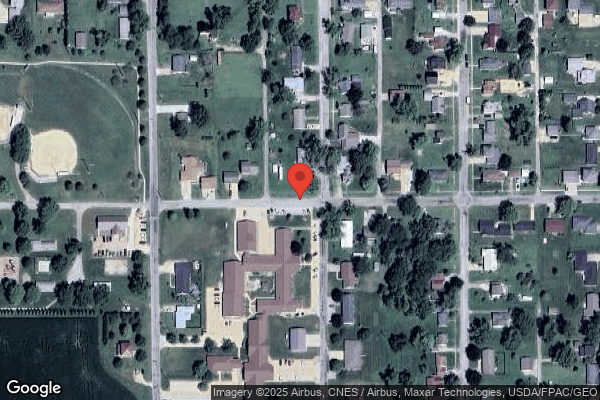
402 2nd Avenue, Clarence, IA 52216 (563) 452-3262
For profit - Corporation 46 Beds Independent Data: November 2025
Trust Grade
93/100
#12 of 392 in IA
Last Inspection: July 2025

Inspected within the last 6 months. Data reflects current conditions.

Overview

Clarence Nursing Home in Clarence, Iowa has received an excellent Trust Grade of A, indicating a high level of quality and care. Ranked #12 out of 392 facilities in Iowa, they are in the top half, and also hold the top position out of 4 in Cedar County. The facility is showing improvement, decreasing issues from 6 in 2024 to just 1 in 2025, which is a positive trend. Staffing is a strength, with a 4/5 star rating and a turnover rate of 28%, significantly lower than the state average of 44%, meaning staff are well-established and familiar with the residents. However, there have been some concerns noted, including the absence of the required Infection Preventionist at important meetings and failure to follow physician orders for insulin administration, which could affect resident health and safety. Despite these issues, the absence of fines and a strong overall rating suggest that the facility is committed to providing good care while addressing any shortcomings.

Trust Score
A
93/100
In Iowa
#12/392
Top 3%
Safety Record
Low Risk
No red flags
Inspections
Getting Better
6 → 1 violations
Staff Stability
✓ Good
28% annual turnover. Excellent stability, 20 points below Iowa's 48% average. Staff who stay learn residents' needs.
Penalties
✓ Good
No fines on record. Clean compliance history, better than most Iowa facilities.
Skilled Nurses
○ Average
Each resident gets 34 minutes of Registered Nurse (RN) attention daily — about average for Iowa. RNs are the most trained staff who monitor for health changes.
Violations
○ Average
7 deficiencies on record. Average for a facility this size. Mostly minor or procedural issues.
★★★★★
5.0
Overall Rating
★★★★☆
4.0
Staff Levels
★★★★★
5.0
Care Quality
★★★★☆
4.0
Inspection Score
Stable
2024: 6 issues
2025: 1 issues

The Good

  • 4-Star Staffing Rating · Above-average nurse staffing levels
  • 5-Star Quality Measures · Strong clinical quality outcomes
  • Low Staff Turnover (28%) · Staff stability means consistent care
  • Full Sprinkler Coverage · Fire safety systems throughout facility
  • No fines on record
  • Staff turnover is low (28%)

    20 points below Iowa average of 48%

Facility shows strength in staffing levels, quality measures, staff retention, fire safety.

The Bad

No Significant Concerns Identified

This facility shows no red flags. Among Iowa's 100 nursing homes, only 1% achieve this.

The Ugly 7 deficiencies on record

Jul 2025 1 deficiency
CONCERN (D)

Potential for Harm - no one hurt, but risky conditions existed

Assessment Accuracy (Tag F0641)

Could have caused harm · This affected 1 resident

**NOTE- TERMS IN BRACKETS HAVE BEEN EDITED TO PROTECT CONFIDENTIALITY** Based on clinical record review, facility policy review, and staff interviews, the facility failed to complete and sign admissio...

Read full inspector narrative →
**NOTE- TERMS IN BRACKETS HAVE BEEN EDITED TO PROTECT CONFIDENTIALITY** Based on clinical record review, facility policy review, and staff interviews, the facility failed to complete and sign admission, quarterly, and discharge resident assessments within the required time frames for 3 of 3 residents reviewed (Residents #27, #42, and #197). The facility reported a census of 42 residents.Findings include:1. Review of the Admission/Medicare - 5 Day Minimum Data Set (MDS) for Resident #197 dated 6/24/25 revealed an admission date of 6/17/25. Section Z, Assessment Administration, indicated all sections of the MDS were signed except Sections GG and V.The MDS section of the resident's electronic health record documented the Admission/Medicare - 5 Day assessment was in progress. A red box titled Complete MDS listed a date of 6/30/25. A yellow box titled Sign indicated 98 items were unsigned. A grey box titled Care Plan Decisions listed a complete by date of 7/7/25.During an interview on 7/9/25 at 9:34 AM, the MDS Coordinator confirmed she was responsible for completing and submitting MDS data. She stated she would have to look at the Resident Assessment Instrument (RAI) Manual to determine due dates for admission and discharge MDS. She stated she had always gone 14 days from the Care Plan date for submission and acknowledged the Complete MDS date in the red box was past due. She stated she still needed to complete Section GG.2. Review of the Discharge, Return Not Anticipated MDS for Resident #27 dated 6/20/25 revealed an admission date of 5/28/25 and a discharge date of 6/20/25. Section Z included signed sections C, D, and E by the social worker.The MDS section of the resident's electronic health record documented the Discharge MDS was in progress. Sections A, B, GG, H, I, J, K, M, N, O, P, and Q were in red or yellow and listed as In Progress. A red box titled Complete MDS had a complete by date of 7/4/25. A yellow box titled Sign listed 284 items as unsigned. During the interview on 7/9/25 at 9:34 AM, the MDS Coordinator confirmed the red box in Resident #27 electronic record meant the completion was past the expected date. An email from the Administrator on 7/9/25 at 9:59 AM communicated the facility did not have an MDS policy and included a document titled Scheduling MDS Assessments as the closest thing the facility had. Review of the Scheduling MDS Assessment document revealed, in part:2. OBRA (Omnibus Budget Reconciliation Act) Assessments: to be completed on ALL residents in the facility. A. admission assessment: This is a comprehensive item set (assessment), including CAAS (Care Area Assessments). To be completed by day 14 of the stay.3. PPS (Prospective Payment System) (Medicare) assessments- particularly important that these assessments are completed on time, or facility is at risk of receiving the default Medicare rate for days unaccounted for. A. Medicare 5-day: To be completed by day 8 of the stay (5 days plus three grace days). May be combined with an admission or significant change in status assessment.D. PPS discharge assessment: Required to prove that Medicare part A services have ceased. To be completed with an ARD (Assessment Reference Date) on the last day the resident receives Medicare Part A services. 3. Review of the Clinical-MDS list of assessments, dated 7/9/25, revealed a Quarterly MDS for Resident #42 dated 6/12/25. The Clinical-MDS list indicated a status of In Progress. Review of the MDS revealed sections A, B, GG, H, I, J, K, L, M, N, O, P, Q were not completed in the required timeframe. The MDS Summary screen undated, showed 222 errors on the MDS dated [DATE].During an interview on 7/09/25 at 11:30 AM, the MDS nurse confirmed the MDS for Resident # 42 is late.During an interview on 7/09/25 at 11:32 PM, the Director of Nursing (DON) reported the facility kept the MDS Coordinator busy. Review of the RAI Manual, dated October 2023, page 2-17 revealed in part: a. admission Assessment due no later than the 14th calendar day of the resident's admission (admission date plus 13 calendar days).b. Discharge Assessments-return not anticipated must be completed no later than the discharge date plus 14 days.
Aug 2024 2 deficiencies
CONCERN (D)

Potential for Harm - no one hurt, but risky conditions existed

Infection Control (Tag F0880)

Could have caused harm · This affected 1 resident

Based on observation, policy review and staff interview the facility failed to wear appropriate Personal Protective Equipment (PPE) to follow Enhanced Barrier Precautions (EBP) while administering a t...

Read full inspector narrative →
Based on observation, policy review and staff interview the facility failed to wear appropriate Personal Protective Equipment (PPE) to follow Enhanced Barrier Precautions (EBP) while administering a tube feeding for 1 of 1 residents (Resident #38) reviewed for EBP. The facility reported a census of 45 residents. Findings include: Physician's orders for Resident #38 include an order dated 6/28/24 for Jevity 1.2 calorie/fiber oral liquid, give 300 milliliters (ml) via g tube. The Care Plan intervention dated 8/19/24 for Resident #38 directed staff to use EBP with high contact care. The undated facility policy titled Enhanced Barrier Precautions directed staff to use gown and gloves as the minimum level of PPE for high contact activities. The policy defines feeding tube as a high contact activity. During an observation on 8/21/24 at 12:57 PM Staff A, Licensed Practical Nurse (LPN) entered Resident #38's room to administer her tube feeding. Staff A performed hand hygiene and applied gloves. She failed to don a gown. She administered the tube feeding and water flushes through the tube. During a interview on 8/21/24 at 1:07 PM Staff A approached the surveyor and explained she forgot to don a gown while administering the tube feeding. During an interview on 8/21/24 at 1:46 PM the Director of Nursing (DON) explained she would expect gown and gloves to be worn and they (the staff) all know that.
CONCERN (E)

Potential for Harm - no one hurt, but risky conditions existed

Deficiency F0868 (Tag F0868)

Could have caused harm · This affected multiple residents

Based on staff interviews, facility record review and facility policy review the facility failed to have the required Infection Preventionist (IP) at 2 of 2 Quality Assessment and Assurance/Quality As...

Read full inspector narrative →
Based on staff interviews, facility record review and facility policy review the facility failed to have the required Infection Preventionist (IP) at 2 of 2 Quality Assessment and Assurance/Quality Assurance and Performance Improvement (QAPI) meetings. The facility reported a census of 45 residents. Findings included: The QAPI sign-in sheet dated 3/21/24 and 6/6/24 failed to reflect the signature of the Infection Preventionist. The sign-in sheet reflected Staff A, Licensed Practical Nurse, Facilitator of the QAPI. The facility provided a QAPI Members list undated, that identified Staff A as the QAPI Coordinator and included the Infection Preventionist name which was not listed on the QAPI sign-in sheet as referenced above. On 8/22/24 at 11:10 AM, Staff A, reported the IP is required at the QAA/QAPI meetings On 8/22/24 12:30 PM, Staff A and the Director of Nursing (DON) reported the QAA and QAPI meeting are the same meeting. The facility provided a policy titled QAPI Plan Guidelines dated 5/21/18, included direction under Guidelines for Governance and Leadership that the CEO has responsibility and is accountable to the Board of Directors for ensuring that QAPI is implemented throughout our organization. QAPI will contain the following resources: The administrator will be responsible for QAPI and designating assignments. The administrator will educate or assign a designee to provide training. The QAPI committee will provide adequate resources for the PIP. The QAPI committee will assess the plan to provide the resources. Staff will be utilized in the development and execution of our QAPI process. Through training and evaluation we will monitor their proficiency. QAPI Leadership: The QAPI committee will be comprised of Department Heads and volunteers from direct care staff, our facility Medical Director and a member from the Board of Directors. The QAPI committee will meet monthly with the Medical Director quarterly.
Jan 2024 4 deficiencies
CONCERN (D)

Potential for Harm - no one hurt, but risky conditions existed

Report Alleged Abuse (Tag F0609)

Could have caused harm · This affected 1 resident

Based on clinical record review, observations, staff interviews and facility policy review the facility failed to report injuries of unknown origin to the State Agency (SA) for 1 out of 1 residents re...

Read full inspector narrative →
Based on clinical record review, observations, staff interviews and facility policy review the facility failed to report injuries of unknown origin to the State Agency (SA) for 1 out of 1 residents reviewed (Resident #10). The facility reported a census of 46 residents. Findings Include: The Minimum Data Set (MDS) Assessment for Resident # 10 dated 12/9/23, listed diagnoses of Alzheimer's disease, and hypertension. The MDS identified Resident #10 with short and long-term memory problems and severely impaired daily decision-making skills. The MDS reflected Resident #10 dependent on staff for transfers, positioning, dressing, eating and personal hygiene. The Care Plan for Resident #10 dated 6/20/23, directed stop & watch, report any changes in my skin when helping with my cares, discoloration, redness, swelling, open areas, drainage, odor, pain/tenderness, and so on. The Care Plan continued, notify provider with changes or concerns. The Care Plan reflected Resident #10 required a full body lift to transfer to and from her wheelchair. On 1/02/24 at 11:00 AM, Resident #10's right exterior side of her eye appeared purple in color approximately the size of a quarter. On 1/03/24 at 11:02 AM, Staff A, Certified Nurses Aid (CNA) reported she noticed Resident #10's bruised eye on Monday 1/1/24. The right eye exterior side looked purple in color. Staff A, said she thought someone poked her with her glasses. On 1/03/24 at 11:04 AM, the Director of Nursing (DON) reported the Incident Reports (IR) are in Electronic Health Records (EHR). On 1/03/24 at 11:07 AM, the Director of Nursing (DON) confirmed she failed to see an Incident Report (IR) for Resident #10's bruised eye. The DON stated she noticed the bruise this morning with dry crusty substance at the corner of her eye and thought the resident may have rubbed or scratched at her eye. On 1/03/24 at 11:11 AM, the DON reported the nurse told her over the weekend the CNA's reported they bumped her eye/face with the arm of the full body lift. On 1/04/24 at 9:36 AM, Staff B, Licensed Practical Nurse (LPN) reported Staff D, CNA told her about the bruise on Friday 12/29/23. Staff B revealed she assumed the injury resulted from staff bumping her with a full body lift arm. On 1/04/24 at 9:40 AM, Staff E, CNA stated she first saw the red bruise on 12/30/23 on the day shift. She indicated the nurse knew about it. On 1/04/24 at 10:16 AM, Staff C, CNA stated she failed to see a bruise on Resident #10 on Friday when she worked the day shift. She reported she noticed the bruise on Monday 1/1/24. On 1/04/24 at 11:20 AM, the DON reported she's confident the injury on Resident #10's eye developed from her rubbing it. The DON reported she knew of the eye bruise on 1/2/24. The DON reported, Staff B told her the CNA told her the cause resulted from when the full body lift bumped Resident #10. The DON denied she completed an investigation into eye injury. When questioned if she's expected to report and investigate all the small bumps and bruises that are found on the resident, she let out an exasperated sigh. The facility provided a policy titled Abuse Prevention, Identification, Investigation and Reporting policy dated 4/1/2017, directed under Identification, Investigation and Reporting: At point #12 Injuries of unknown Source An injury should be classified as an Injury of Unknown Source when both of the following conditions are met: a. The source of the injury was not observed by any person or the source of the injury could not be explained by the resident; and, b. The injury is suspicious because of the extent of the injury or location of the injury (e.g., the injury is located in an area not generally vulnerable to trauma) or the number of injuries observed at one particular point in time or the incidence of injuries over time. Reporting: All allegation of resident abuse, neglect, exploitation, mistreatment, injuries ok unknown origin and misappropriation should be reported to immediately to the chare nurse. The Charge Nurse is responsible for immediately reporting the allegations of abuse to the Administrator, or designated representative. All allegation of Resident Abuse shall be reported to the State Agency not later than 2 hours after the allegation is made, if the events that cause the allegation results in serious bodily injury, or not later than twenty-four (24) hours if the events that cause the allegation involve neglect, mistreatment, injuries of unknown origin and misappropriation, but do not result in serious bodily injury.
CONCERN (D)

Potential for Harm - no one hurt, but risky conditions existed

Investigate Abuse (Tag F0610)

Could have caused harm · This affected 1 resident

Based on clinical record review, observations, staff interviews, and facility policy review the facility failed to investigate injuries of unknown origin for 1 out of 1 residents reviewed (Resident #1...

Read full inspector narrative →
Based on clinical record review, observations, staff interviews, and facility policy review the facility failed to investigate injuries of unknown origin for 1 out of 1 residents reviewed (Resident #10). The facility reported a census of 46 residents. Findings Include: The Minimum Data Set (MDS) Assessment for Resident #10 dated 12/9/23, listed diagnoses of Alzheimer's disease, and hypertension. The MDS identified Resident #10's short and long-term memory problems and severely impaired daily decision-making skills. The MDS reflected Resident #10 dependent on staff for transfers, positioning, dressing, eating and personal hygiene. The Care Plan for Resident #10 dated 6/20/23, directed stop & watch, report any changes in my skin when helping with my cares, discoloration, redness, swelling, open areas, drainage, odor, pain/tenderness, and so on. The Care Plan continued, notify provider with changes or concerns. The Care Plan reflected Resident #10 required a full body lift to transfer to and from her wheelchair. On 1/02/24 at 11:00 AM, Resident #10's right exterior side of her eye appeared purple in color approximately the size of a quarter. On 1/03/24 at 11:02 AM, Staff A, Certified Nurses Aid (CNA), reported she noticed Resident #10's bruised eye on Monday 1/1/24. The right eye exterior side looked purple in color. Staff A, said she thought someone poked her with her glasses. On 1/03/24 at 11:07 AM, the Director of Nursing (DON), stated she noticed the bruise this morning with dry crusty substance at the corner of her eye and thought the resident may have rubbed or scratched at her eye. On 1/03/24 at 11:11 AM, the DON reported a nurse told her over the weekend the CNA's reported they bumped her eye/face with the arm of the full body lift. On 1/04/24 at 9:36 AM, Staff B, Licensed Practical Nurse (LPN) reported Staff D, CNA told her about the bruise on Friday 12/29/23. Staff B revealed she assumed the injury resulted from staff bumping her with a full body lift arm. On 01/04/24 at 10:16 AM, Staff C, CNA stated she failed to see a bruise on Resident #10 Friday when she worked day shift. She reported she noticed the bruise on Monday 1/1/24. On 1/04/24 at 11:20 AM, the DON reported she's confident the injury on Resident #10's eye developed from her rubbing it. The DON confirmed, Staff B told her the CNA told her the cause resulted from the full body lift bumped Resident #10. The DON denied she completed an investigation into eye injury. The DON confirmed the facility failed to complete an Incident Report (IR) for the bruise. The DON stated she failed to obtain statements from staff and failed to have an investigation documented related to the development of the bruise. When the DON questioned if she's expected to investigate all the small bumps and bruises that are found on the resident, she let out an exasperated sigh. The facility provided a policy titled Abuse Prevention, Identification, Investigation and Reporting policy dated 4/1/2017, directed under Identification, Investigation and Reporting: At point #12 Injuries of unknown Source An injury should be classified as an Injury of Unknown Source when both of the following conditions are met: a. The source of the injury was not observed by any person or the source of the injury could not be explained by the resident; and, b. The injury is suspicious because of the extent of the injury or location of the injury (e.g., the injury is located in an area not generally vulnerable to trauma) or the number of injuries observed at one particular point in time or the incidence of injuries over time. Investigation: Should an incident or suspected incident of Resident abuse (as defined above) be reported or observed the Administrator or his /her designee will designate a member of management to investigate the alleged incident the Administrator or designee will complete documentation of the allegation of resident abuse and collect any supporting documents relative to the incident: a. Review documentation in resident record (including review of the assessment if resident injury). b, Assess the resident for injury if the allegation involves physical or sexual abuse; c. Provide proper notification to primary care provider, responsible party, etc; d. Attempt to obtain witness statements (oral, and/or written) from all known witnesses. f. If there is physical evidence that can be preserved, attempt to do so, and maintain in a safe location to minimize risk of evidence being tampered with. Following the investigation, the Administrator or designated agent will be responsible for forwarding the results of the investigation to the State Agency (SA). This written report shall be forwarded to the SA within five days of the initial report.
CONCERN (D)

Potential for Harm - no one hurt, but risky conditions existed

Assessment Accuracy (Tag F0641)

Could have caused harm · This affected 1 resident

**NOTE- TERMS IN BRACKETS HAVE BEEN EDITED TO PROTECT CONFIDENTIALITY** Based on clinical record review, observations, staff and resident interviews, the facility failed to accurately complete residen...

Read full inspector narrative →
**NOTE- TERMS IN BRACKETS HAVE BEEN EDITED TO PROTECT CONFIDENTIALITY** Based on clinical record review, observations, staff and resident interviews, the facility failed to accurately complete resident assessments in the Minimum Data Set (MDS) for 1 of 12 residents reviewed (Resident #42). The facility reported a census of 46 residents. Findings Include: An admission assessment dated [DATE] indicated the resident experienced shortness of breath with exertion and required the use of a continuous positive airway pressure device (CPAP) at night for obstructive sleep apnea. An MDS titled Admission/Medicare - 5 Day dated 11/15/23, documented diagnoses of atrial fibrillation, orthostatic hypotension, and sleep apnea. The MDS identified the resident required partial assistance with self care from another person to complete any activities. The MDS failed to include the use of a CPAP. An MDS titled End of PPS Part A Stay dated 11/30/23 failed to include the use of a CPAP. A Care Plan printed 1/3/24 failed to include the use of a CPAP. The Medication Administration records for November 2023 indicated the resident used the CPAP daily. On 1/04/24 at 9:48 AM observed the resident rested in their recliner with both feet up. They did not have the CPAP on. An interview with the resident confirmed they used their CPAP daily at bed time, and staff put it on for them because it is easier. An interview on 1/3/24 at 3:18 PM, the Director of Nursing (DON) indicated the MDS Coordinator completed the Care Plan and MDS documentation for this facility. She wanted to talk to them before determining if the CPAP should be on the Care Plan and MDS. At 3:41 PM the DON confirmed that the CPAP was not on the Care Plan and was added. An interview on 1/4/24 at 10:37 AM, the MDS Coordinator revealed the resident's MDS required a correction to reflect the CPAP. On 1/4/23 at 11:45 AM, the Administrator stated the facility lacked a policy that included comprehensive assessments.
CONCERN (E)

Potential for Harm - no one hurt, but risky conditions existed

Deficiency F0658 (Tag F0658)

Could have caused harm · This affected multiple residents

Based on clinical record review, observations, staff interviews, and facility document review, the facility failed to follow Physician's Orders for insulin administration (Resident #29). The facility ...

Read full inspector narrative →
Based on clinical record review, observations, staff interviews, and facility document review, the facility failed to follow Physician's Orders for insulin administration (Resident #29). The facility further failed to follow sanitary practice when staff placed medication directly into ungloved hands then into the residents' mouths (Resident #19, #25, #33, #36) for 5 of 5 medication administrations observed. Findings Include: 1. The Minimum Data Set (MDS), for Resident #29, dated 12/07/23, revealed a Brief Interview for Mental Status (BIMS), score of 11 out of 15, indicative of moderate cognitive impairment. Diagnoses included: Diabetes Mellitus, Type 2, with long-term and current use of insulin, and non-Alzheimer's dementia. Resident #29 required insulin injections all 7 days of the MDS reference period. The Care Plan, revised on 6/19/23, revealed a focus area for the diagnosis of Diabetes Mellitus with an intervention that indicated Resident #29 required insulin to help regulate blood sugars and instructed to refer to medication record. The Administration Record (MAR), dated January 2024, revealed an order for Novolog (Insulin Aspart) Injection Solution 100 Unit/milliliter with instruction to inject 10 Units before meals, scheduled to be given at the following times: 7:30 AM, 11:00 AM, and 4:00 PM. Review of Resident #29's health record lacked a Progress Note or documentation of insulin given after breakfast instead of before meals as ordered. On 1/03/24 at 8:32 AM, Staff A, Licensed Practical Nurse (LPN), entered Resident #29's room upon resident's return from breakfast and administered 10 units of Novolog insulin. On 1/04/24 at 12:40 PM, Staff A reported they typically would give Resident #29's morning insulin between 7:00 AM and 8:00 AM. Staff A stated Resident #29 had gone to breakfast before insulin had been administered during observation on 1/03/24. On 1/04/24 at 12:47 PM, Director of Nursing (DON), informed the expectation of documentation in the health record when insulin is given outside of Physician's Orders and stated medication scheduled at a certain time should be administered between an hour before and an hour after the scheduled time. The facility document titled, Charge Nurse Orientation Checklist, signed by both Staff A on 7/19/23 and Director of Nursing, included initials that indicated Staff A orientation covered the following topics: Correction insulin schedules, Insulin storage, administration, and documentation. 2. The Medication Administration Record (MAR), dated January 2024, revealed Resident #19 with orders for Aspirin 81 milligrams (mg) once per day and Tylenol 500 mg twice per day. On 1/02/24 at 2:50 PM, Staff B, Registered Nurse (RN) applied hand sanitizer and prepared Resident #19's medications, pills popped out of packaged medication card directly into Staff B's bare hand and then dropped into a medication cup, Staff B then applied gloves, took one pill out of medication cup and placed directly into Resident #19's mouth, the second pill given by mouth via medication cup. Staff B then removed gloves and applied hand sanitizer. 3. The Medication Administration Record (MAR), dated January 2024, revealed Resident #25 had an order for Tylenol 500 mg twice per day. On 1/02/24 at 2:40 PM, Staff B applied hand sanitizer and prepared Resident #25's evening medications, pill popped out of packaged medication card directly into Staff B's bare hand and then dropped into a medication cup. Staff B then applied gloves, took one pill out of medication cup and placed directly into Resident #25's mouth. Following medication administration, Staff B removed gloves and applied hand sanitizer. 4. The Medication Administration Record (MAR), dated January 2024, revealed Resident #33 had orders for Eliquis 5 mg twice per day, Metoprolol 100 mg twice per day, and Senna Plus-Docusate 8.6-50 mg daily. On 1/03/24 at 2:40 PM, Staff B applied hand sanitizer and prepared Resident #33 medications, pills popped out of packaged medication card directly into Staff B's bare hand and then dropped into a medication cup, Resident #33 given the pills by mouth. Staff B then applied hand sanitizer. 5. The Medication Administration Record (MAR), dated January 2024, revealed Resident #36 had orders for Tylenol 500 milligrams (mg), 2 tablets, twice per day and Hydrocodone-Tylenol (Lortab) 5-325 mg half tablet three times a day. On 1/02/24 at 2:33 PM, Staff B, Registered Nurse (RN) prepared Resident #36's evening medications, pills had been popped out of a packaged medication card directly into Staff B's bare hand and then dropped into a medication cup, Resident #19 given the pills by mouth. Staff B then applied hand sanitizer. On 1/03/24 at 8:40 AM, Staff A reported medications should not be placed in ungloved hands at any time during medication preparation or administration. On 1/04/23 at 11:40 AM, Facility Administrator notified the facility lacked policy related to medication administration. On 1/04/24 at 12:47 PM, Director of Nursing (DON), indicated a gloved hand must be used to directly handle medications. A facility document, titled Charge Nurse Job Description, signed and dated by Staff B on 4/26/22 revealed the Nurse duty and responsibility to administer medications and treatments ordered by the care provider with proper technique.
Understanding Severity Codes (click to expand)
Life-Threatening (Immediate Jeopardy)
J - Isolated K - Pattern L - Widespread
Actual Harm
G - Isolated H - Pattern I - Widespread
Potential for Harm
D - Isolated E - Pattern F - Widespread
No Harm (Minor)
A - Isolated B - Pattern C - Widespread

Questions to Ask on Your Visit

  • "Can I speak with families of current residents?"
  • "What's your RN coverage like on weekends and overnight?"

Our Honest Assessment

Strengths
  • • Grade A (93/100). Above average facility, better than most options in Iowa.
  • • No major safety red flags. No abuse findings, life-threatening violations, or SFF status.
  • • No fines on record. Clean compliance history, better than most Iowa facilities.
  • • 28% annual turnover. Excellent stability, 20 points below Iowa's 48% average. Staff who stay learn residents' needs.
Concerns
  • • No significant concerns identified. This facility shows no red flags across CMS ratings, staff turnover, or federal penalties.
Bottom line: Generally positive indicators. Standard due diligence and a personal visit recommended.

About This Facility

What is Clarence Nursing Home's CMS Rating?

CMS assigns Clarence Nursing Home an overall rating of 5 out of 5 stars, which is considered much above average nationally. Within Iowa, this rating places the facility higher than 99% of the state's 100 nursing homes. This rating reflects solid performance across the metrics CMS uses to evaluate nursing home quality.

How is Clarence Nursing Home Staffed?

CMS rates Clarence Nursing Home's staffing level at 4 out of 5 stars, which is above average compared to other nursing homes. Staff turnover is 28%, compared to the Iowa average of 46%. This relatively stable workforce can support continuity of care.

What Have Inspectors Found at Clarence Nursing Home?

State health inspectors documented 7 deficiencies at Clarence Nursing Home during 2024 to 2025. These included: 7 with potential for harm.

Who Owns and Operates Clarence Nursing Home?

Clarence Nursing Home is owned by a for-profit company. For-profit facilities operate as businesses with obligations to shareholders or private owners. The facility operates independently rather than as part of a larger chain. With 46 certified beds and approximately 43 residents (about 93% occupancy), it is a smaller facility located in Clarence, Iowa.

How Does Clarence Nursing Home Compare to Other Iowa Nursing Homes?

Compared to the 100 nursing homes in Iowa, Clarence Nursing Home's overall rating (5 stars) is above the state average of 3.1, staff turnover (28%) is significantly lower than the state average of 46%, and health inspection rating (4 stars) is above the national benchmark.

What Should Families Ask When Visiting Clarence Nursing Home?

Based on this facility's data, families visiting should ask: "Can I visit during a mealtime to observe dining assistance and food quality?" "How do you handle medical emergencies, and what is your hospital transfer rate?" "Can I speak with family members of current residents about their experience?"

Is Clarence Nursing Home Safe?

Based on CMS inspection data, Clarence Nursing Home has a clean safety record: no substantiated abuse findings (meaning no confirmed cases of resident harm), no Immediate Jeopardy citations (the most serious violation level indicating risk of serious injury or death), and is not on the Special Focus Facility watch list (a federal program monitoring the lowest-performing 1% of nursing homes). The facility has a 5-star overall rating and ranks #1 of 100 nursing homes in Iowa. While no facility is perfect, families should still ask about staff-to-resident ratios and recent inspection results during their visit.

Do Nurses at Clarence Nursing Home Stick Around?

Staff at Clarence Nursing Home tend to stick around. With a turnover rate of 28%, the facility is 18 percentage points below the Iowa average of 46%. Low turnover is a positive sign. It means caregivers have time to learn each resident's needs, medications, and personal preferences. Consistent staff also notice subtle changes in a resident's condition more quickly.

Was Clarence Nursing Home Ever Fined?

Clarence Nursing Home has no federal fines on record. CMS issues fines when nursing homes fail to meet care standards or don't correct problems found during inspections. The absence of fines suggests the facility has either maintained compliance or corrected any issues before penalties were assessed. This is a positive indicator, though families should still review recent inspection reports for the full picture.

Is Clarence Nursing Home on Any Federal Watch List?

Clarence Nursing Home is not on any federal watch list. The most significant is the Special Focus Facility (SFF) program, which identifies the bottom 1% of nursing homes nationally based on persistent, serious quality problems. Not being on this list means the facility has avoided the pattern of deficiencies that triggers enhanced federal oversight. This is a positive indicator, though families should still review the facility's inspection history directly.