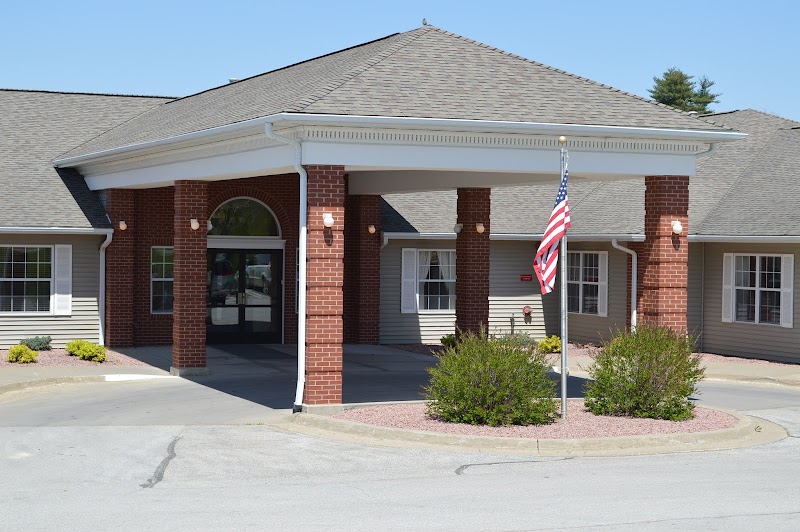
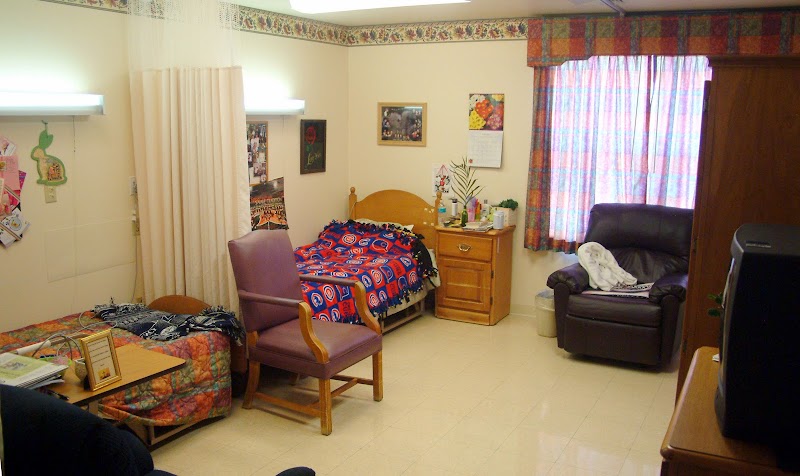
Crestview Specialty Care

451 West Orange Street, West Branch, IA 52358 (319) 643-2551
Non profit - Corporation 65 Beds CARE INITIATIVES Data: November 2025 2 Immediate Jeopardy citations
Trust Grade
6/100
#263 of 392 in IA
Last Inspection: November 2024

Within standard 12-15 month inspection cycle. Federal law requires annual inspections.

Overview

Crestview Specialty Care has received a Trust Grade of F, indicating significant concerns about the facility's quality and care. Ranked #263 out of 392 facilities in Iowa, they are in the bottom half of all state facilities and last in Cedar County, suggesting that families may want to consider other options. The facility's trend is worsening, with issues increasing from 8 in 2023 to 11 in 2024, pointing to a decline in quality oversight. Although staffing is rated 3 out of 5, the turnover rate is concerning at 70%, significantly higher than the state average, indicating instability in care. Critical incidents include a failure to prevent potential abuse involving a resident and an unknown male, as well as inadequate supervision leading to a recurrence of pressure ulcers for another resident, highlighting serious safety and care deficiencies.

Trust Score
F
6/100
In Iowa
#263/392
Bottom 33%
Safety Record
High Risk
Review needed
Inspections
Getting Worse
8 → 11 violations
Staff Stability
⚠ Watch
70% turnover. Above average. Higher turnover means staff may not know residents' routines.
Penalties
✓ Good
$44,272 in fines. Lower than most Iowa facilities. Relatively clean record.
Skilled Nurses
✓ Good
Each resident gets 54 minutes of Registered Nurse (RN) attention daily — more than average for Iowa. RNs are trained to catch health problems early.
Violations
⚠ Watch
20 deficiencies on record. Higher than average. Multiple issues found across inspections.
★★☆☆☆
2.0
Overall Rating
★★★☆☆
3.0
Staff Levels
★★☆☆☆
2.0
Care Quality
★★☆☆☆
2.0
Inspection Score
Stable
2023: 8 issues
2024: 11 issues

The Good

  • Full Sprinkler Coverage · Fire safety systems throughout facility
  • No fines on record

Facility shows strength in fire safety.

The Bad

2-Star Overall Rating

Below Iowa average (3.0)

Below average - review inspection findings carefully

Staff Turnover: 70%

24pts above Iowa avg (46%)

Frequent staff changes - ask about care continuity

Federal Fines: $44,272

Above median ($33,413)

Moderate penalties - review what triggered them

Chain: CARE INITIATIVES

Part of a multi-facility chain

Ask about local staffing decisions and management

Staff turnover is elevated (70%)

22 points above Iowa average of 48%

The Ugly 20 deficiencies on record

2 life-threatening 3 actual harm
Nov 2024 5 deficiencies 1 Harm
SERIOUS (G)

Actual Harm - a resident was hurt due to facility failures

Pressure Ulcer Prevention (Tag F0686)

A resident was harmed · This affected 1 resident

**NOTE- TERMS IN BRACKETS HAVE BEEN EDITED TO PROTECT CONFIDENTIALITY** Based on observation, clinical record review, policy review and staff interview the facility failed to prevent the recurrence of...

Read full inspector narrative →
**NOTE- TERMS IN BRACKETS HAVE BEEN EDITED TO PROTECT CONFIDENTIALITY** Based on observation, clinical record review, policy review and staff interview the facility failed to prevent the recurrence of a pressure ulcer for 1 of 2 residents reviewed (Resident #27). The facility reported a census of 54 residents. Findings include: The State Operations Manual Appendix PP -Guidance to Surveyors for Long Term Care Facilities, revised 8/08/24, provided the following information on the staging of pressure ulcers: Stage 1 Pressure Injury: Non-blanchable erythema of intact skin Intact skin with a localized area of non-blanchable erythema (redness). In darker skin tones, the PI may appear with persistent red, blue, or purple hues. The presence of blanchable erythema or changes in sensation, temperature, or firmness may precede visual changes. Color changes of intact skin may also indicate a deep tissue pressure injury. Stage 2 Pressure Ulcer: Partial-thickness skin loss with exposed dermis (middle layer of skin) Partial-thickness loss of skin with exposed dermis, presenting as a shallow open ulcer. The wound bed is viable, pink or red, moist, and may also present as an intact or open/ruptured blister. Adipose (fat) is not visible and deeper tissues are not visible. Granulation tissue, slough and eschar are not present. This stage should not be used to describe moisture associated skin damage including incontinence associated dermatitis, intertriginous dermatitis (inflammation of skin folds), medical adhesive related skin injury, or traumatic wounds (skin tears, burns, abrasions). Stage 3 Pressure Ulcer: Full-thickness skin loss Full-thickness loss of skin, in which subcutaneous fat (soft fat that is located just beneath the skin and can be pinched) may be visible in the ulcer and granulation tissue (new tissue, sign of healing) and epibole (curled or rolled wound edges) are often present. Slough (yellowish/white material in a wound bed) and/or eschar (dead tissue, dark in color) may be visible but does not obscure the depth of tissue loss. The depth of tissue damage varies by anatomical location; areas of significant adiposity can develop deep wounds. Undermining and tunneling may occur. Fascia, muscle, tendon, ligament, cartilage and/or bone are not exposed. If slough or eschar obscures the wound bed, it is an Unstageable PU/PI. Stage 4 Pressure Ulcer: Full-thickness skin and tissue loss Full-thickness skin and tissue loss with exposed or directly palpable fascia, muscle, tendon, ligament, cartilage or bone in the ulcer. Slough and/or eschar may be visible on some parts of the wound bed. Epibole, undermining and/or tunneling often occur. Depth varies by anatomical location. If slough or eschar obscures the wound bed, it is an unstageable PU/PI. Unstageable Pressure Ulcer: Obscured full-thickness skin and tissue loss Full-thickness skin and tissue loss in which the extent of tissue damage within the ulcer cannot be confirmed because the wound bed is obscured by slough or eschar. Stable eschar (i.e. dry, adherent, intact without erythema or fluctuance) should only be removed after careful clinical consideration and consultation with the resident's physician, or nurse practitioner, physician assistant, or clinical nurse specialist if allowable under state licensure laws. If the slough or eschar is removed, a Stage 3 or Stage 4 pressure ulcer will be revealed. If the anatomical depth of the tissue damage involved can be determined, then the reclassified stage should be assigned. The pressure ulcer does not have to be completely debrided or free of all slough or eschar for reclassification of stage to occur. Other staging considerations include: Deep Tissue Pressure Injury (DTPI): Persistent non-blanchable deep red, maroon or purple discoloration Intact skin with localized area of persistent non-blanchable deep red, maroon, purple discoloration due to damage of underlying soft tissue. This area may be preceded by tissue that is painful, firm, mushy, boggy, warmer or cooler as compared to adjacent tissue. These changes often precede skin color changes and discoloration may appear differently in darkly pigmented skin. This injury results from intense and/or prolonged pressure and shear forces at the bone-muscle interface. The wound may evolve rapidly to reveal the actual extent of tissue injury, or may resolve without tissue loss. If necrotic tissue, subcutaneous tissue, granulation tissue, fascia, muscle or other underlying structures are visible, this indicates a full thickness pressure ulcer. Once a deep tissue injury opens to an ulcer, reclassify the ulcer into the appropriate stage. Do not use DTPI to describe vascular, traumatic, neuropathic, or dermatologic conditions. The Minimum Data Set (MDS) assessment dated [DATE], for Resident #27 revealed a Brief Interview for Mental Status (BIMS) score of 99 out of 15, which indicated a severe cognitive impairment. The MDS list of diagnoses included non-traumatic brain dysfunction, non-Alzheimer's dementia, and bullous pemphigoid (an autoimmune disorder causing raised blisters on the skin). The MDS indicated Resident #27 as dependent on staff for dressing her lower body and putting on/taking off footwear. The Braden Scale for Predicting Pressure Sores Risk assessment dated [DATE], resulted in a score of 14 out of 18. Per the document scoring key, a score of 13 to 14 indicated a moderate risk for a pressure injury. The Braden Scale assessment dated [DATE], resulted in a score of 10 out of 18. A score of 10-12, per the scoring key, indicated a high risk of pressure injuries. The Care Plan, initiated on 10/21/24, included a Focus area to address I have impairment to my skin. The Interventions, in part, included; Bilateral prafo (Protective Relief Ankle Foot Orthosis (medical device, such as brace or splint) boots to feet, initiated on 8/30/24. on Resident #27's feet. The Visual/Beside [NAME] Report (name of a documentation system) as of 11/21/24, Dressing section directed the use of Bilateral prafo boots to feet. The Wound Evaluation & Management Summary Note, from the wound provider for Resident #24, dated 9/23/24, revealed Stage 4 pressure wound to the left heal (resolved on 9/23/24). Recommendations: Off-Load wound; reposition per facility protocol; Recommend no shoes. Please use non-skid socks. The Physician Progress Note dated 10/24/24, documented Wound, Date identified: 10/14/24; Location: L (left) heel; Type of wound: Pressure; Measurement/Size: 3.24 x 1.87 x 2.11 (measured in centimeters). Plan: Pressure injury to left heel, stage 2. Previous stage 4 ulcer in this site. It had resolved 9/23/24. New stage 2 in this area. Skin prep twice daily. Apply Profo boots while in wheelchair and in bed. Signed [name redacted] FNP (Family Nurse Practitioner) on [DATE] at 2:49 PM. The Physician Progress Note dated 10/31/24, History of Present Illness: She presents to be seen for L heel wound. She recently was treated for a stage 4 ulcer on this heel that had been resolved 9/23 [2024] but another one has begun. It appears she is getting wounds from pressure in her wheelchair and/or bed. Today it was evaluated and has decompensated. The note documented, in part; Location: L heel Type of wound: pressure ulcer; Measurement/Size: 2.34x1.72x1.74 (measured in centimeters); Progress: Worsening. Plan: Pressure injury to deep tissue of left heel. Apply skin prep to L heel wound twice daily. Use Profo boots at all times (in and out of bed). Signed [name redacted] on [DATE] at 12:54 PM. A review of Physician Orders revealed an order dated 11/4/24 for Heel protectors to bilateral heels at all times. The Wound Evaluation dated 11/19/24, completed by conducted Staff A, Licensed Practical Nurse (LPN) documented the wound measured 1.97 cm x 1.07cm x 2.31cm. During an observation on 11/19/24 at 12:27 PM, Resident #27 sat in her wheelchair, while eating lunch with assistance from staff. The resident wore a tennis shoe on her right foot. The left foot unable to be visualized as covered with a blanket. During an interview on 11/19/24 at 11:42 AM, Staff A, LPN explained when she went in the resident's room this morning to check the wound she took off a tennis shoe on the resident's left foot as she felt it was too tight and probably exacerbating the problem. Staff A stated the left heel was clear new skin back in September and now was back to measuring as a wound. She felt it just kept coming back. During an interview on 11/19/24 at 1:44 PM, Staff B, Certified Nursing Assistant (CNA) explained she got Resident #27 up for the morning. She made sure the peri area was clean and then put the resident's pants on and transferred her to the wheelchair. She then put both tennis shoes on the resident. She noted she was a bit confused about the shoes as she had heard different things as to when the resident was supposed to wear them. She knew Resident #27 always wore the protective boots at night but wasn't sure about when she was in the wheelchair. She admitted to forgetting to put on another piece of protective equipment as well. During an interview on 11/19/24 at 2:11 PM, the Family Nurse Practitioner (FNP) explained she expected the resident to wear Prafo boots on both feet at all times. She noted the resident was usually in her socks as she doesn't walk. The FNP expressed the recurrence of the pressure ulcer could have been prevented. It The left heel was fully healed in September. She could not say for certain that wearing shoes would cause it to come back; more than anything when the resident not having anything on her feet to protect them was when it comes back. However, it was fully healed and recurred. During an interview on 11/21/24 at 10:04 AM, the Director of Nursing (DON) explained Resident #27 is supposed to wear bilateral heel protectors at all times. She acknowledged she was not aware staff had placed tennis shoes on the resident. She recognized the first pressure ulcer had healed, and they were currently in the process of healing the recurrent one. A facility policy, revised October 2020, titled Wound Care, 10/2010 Purpose statement declared The purpose of this procedure is to provide guidelines for the care of wounds to promote healing. The Preparation section instructed staff, in part to; a. Verify there is a physician's order b. Review the resident's care plan to assess for any special needs of the resident.
CONCERN (D)

Potential for Harm - no one hurt, but risky conditions existed

Transfer Notice (Tag F0623)

Could have caused harm · This affected 1 resident

Based on clinical record review, facility notification documents, and staff interviews the facility failed to notify the Office of the State Long-Term Ombudsman (OSLTO) of two separate resident transf...

Read full inspector narrative →
Based on clinical record review, facility notification documents, and staff interviews the facility failed to notify the Office of the State Long-Term Ombudsman (OSLTO) of two separate resident transfers to the hospital for 1 of 3 residents reviewed for hospitalizations (Resident #2). The facility reported a census of 54 residents. Findings include: The Minimum Data Set (MDS) for Resident #2 dated 4/30/24 documented the resident had a Brief Interview for Mental Status ) of 13 of 15 which indicated intact cognition. The MDS list of diagnoses included cancer, schizophrenia, and excoriation (skin picking) disorder. The Care Plan initiated 4/25/24, revealed the resident had Focus areas to address impaired cognitive function, risk for skin and soft tissue infection, required mental health support for anti-depressants, anti-anxiety medications, and anti-psychotics, and had diabetic ulcers on 8 fingers. Clinical record review revealed Resident #2 transferred to the hospital on the following dates: 05/20/24, 06/03/24, 08/29/24, and 10/30/24 The facility provided Notice of Transfer Forms for May, June, August, and October 2024. The Notice did not included Resident #2 for the May and June transfers to the hospital. During an interview on 11/21/24 at 09:26 AM, the Administrator stated the facility social worker was responsible for submitting all discharges monthly to the OSLTO. When asked how it was decided if a transfer to the hospital should be submitted, the Administrator stated it depended on if the transfer was overnight. She acknowledged one of the missing transfers included a same day return and the other was a 5 day hospital visit. During an interview on 11/21/24 at 12:21 PM, the Social Services Director stated she reviewed the electronic health record every morning she was in the building for discharges. When asked how she decided if a resident's transfer should be included on the ombudsman report, she stated she did not include them if they returned the same day.
CONCERN (E)

Potential for Harm - no one hurt, but risky conditions existed

Deficiency F0725 (Tag F0725)

Could have caused harm · This affected multiple residents

**NOTE- TERMS IN BRACKETS HAVE BEEN EDITED TO PROTECT CONFIDENTIALITY** Based on observations, resident and staff interviews, and facility policy review the facility failed to respond to call lights w...

Read full inspector narrative →
**NOTE- TERMS IN BRACKETS HAVE BEEN EDITED TO PROTECT CONFIDENTIALITY** Based on observations, resident and staff interviews, and facility policy review the facility failed to respond to call lights within 15 minutes for 4 of 4 residents reviewed (Res #6, #12, #50, #204) and the facility failed to staff according to the Facility Assessment for seven out of eleven days reviewed. The facility reported a census of 54 residents. Findings include: 1. The Minimum Data Set (MDS) assessment dated [DATE], included a Brief Interview for Mental Status (BIMS) for Resident #12. The BIMS resulted in a score of 14 out of 15 which indicated intact cognition. The MDS list of diagnoses included amputation, non-Alzheimer's dementia, and stroke. The MDS indicated the resident as dependent on staff to roll left and right, sit to lying, lying to sitting on side of the bed, chair/bed-to-chair transfer, and transfer to toilet toileting needs. During a continuous observation on 11/19/24 starting at 12:50 PM, Resident #12's turned on his call light. Staff A, Licensed Practical Nurse (LPN) turned off the call light and administered his insulin. Personal cares were not provided at that time. The resident called out he needed to go to the bathroom after the LPN left. Staff B, Certified Nursing Aide (CNA) arrived at 1:08 PM to toilet the resident. 2. The MDS dated [DATE], for Resident #204 documented a BIMS score of 15 out of 15 which indicated intact cognition. The MDS list of diagnoses included normal pressure hydrocephalus (fluid on the brain), morbid obesity, and adult failure to thrive. The MDS revealed the resident had not attempted a chair/bed-to chair transfer, or toilet transfer due to a medical condition or safety concerns. The MDS indicated the resident as always incontinent of bladder and bowel. During a continuous observation on 11/20/14 starting at 9:12 AM, Resident #204 turned on her call light. Staff C, LPN checked in with resident at 9:25 AM, turned off the light, and stated she would send helpers down. At 9:27 AM, Staff D, Certified Medication Aide (CMA) administered medications to the resident and did not assist her with personal cares. During an interview at 9:34 AM, Resident #204 stated she continued to wait for assistance. The Activities Coordinator turned the light back on at 9:43 AM for assistance. Two CNA's arrived to assist Resident #204 at 9:45 AM. During an interview on 11/19/24 at 11:17 AM, a resident family member stated the facility does not have enough staff on second shift-they often have only one CNA on each hall and that isn't good for residents who are a 2 assist. Friday, Saturday, and Sunday residents have to eat in their rooms for dinner because they do not have enough staff to transfer them all to the dining room. The family member stated this occurs randomly on average 3-4 nights per month. During an interview with 11/20/24 10:12 AM, Staff E, CNA explained the expectation was for staff to answer call lights in two minutes or less. They turn off the light and can leave and return if the resident needs the staff to get something like water. With personal cares staff are supposed to do that right then and there. If someone needs assist of two she would turn off the call light, get another helper, and come right back to assist. CMA's are allowed to assist if someone has been waiting. During an interview on 11/20/24 at 10:17 AM, Staff F, CNA explained she was told there was a 5, 7, and 15-minute window to answer the call light. Staff F stated the facility being short on staff a lot of time it's not really possible. It can take up to 20-25 minutes before they get to the residents. She felt really bad about it but with being short staffed there's nothing they can do. This happens mainly on the weekend. She thought it was ok for other staff turn the light off and let CNA's know right away that they are needed, but if they are short staffed they will forget to go to the room. They leave the light on in that case. CMA's can help with cares as well if they are at a point to stop. During an interview on 11/20/24 at 10:26 AM, the Director of Nursing (DON) explained she expected call lights to be answered in 15 minutes or less as per state regulations. Staff should not turn off the light and not come back. They need to take care of the call light the first time they are in there. CMA's are able to help. They need to prioritize as they do have that two-hour window to pass medications. 3. The MDS for Resident #6 dated 10/18/24, documented the resident had a BIMS score of 14 out of 15 which indicated intact cognition. The MDS list of diagnoses included atrial fibrillation (irregular heart beat), hallucinations, and diabetes mellitus. The Care Plan, Date Initiated 10/11/2023, included a Focus area to address I am at risk for falls. I do not wait for assistance to transfer. Interventions included, in part; Continue to educate me I am not independent with tranfers, initiated on 7/8/24; Encourage me to use my call light for assistance, initiated on 10/11/23; and I have a sign on my walker reminding me to call for assistance, initiated on 12/6/23. During an interview on 11/18/24 at 11:13 AM, Resident #6 stated the facility could work on answering call lights faster. He reported it took at least 20-30 minutes for lights to be answered. When asked how often that happened, he stated at least every other day and that it happened on all shifts. 4. The MDS for Resident #50 dated 10/10/24, documented the resident had a BIMS score of 14 of 15 which indicated intact cognition. The MDS list of diagnoses included atrial fibrillation, metabolic encephalopathy (chemical imbalance in the blood that affects the brain), and cellulitis (skin infection). The MDS assessed Resident #50 dependent on staff for chair/bed-to-chair transfer, transfer to the toilet, and for personal hygiene. The Care Plan, Date Initiated: 10/21/24 included a Focus area to address I am at risk for falls. Interventions included, in part; Encourage me to use my call light for assistance, initiated on 10/21/24. During an observation on 11/18/24 at 1:15 PM, Resident #50 sat in his wheelchair at the entrance to his room. He shared it took a long time for call lights to be answered here. When asked how long, he stated 20 minutes or more. He reported he knows this because of observation and because the staff tells him. The facility policy, revised March 2021, titled Answering the Call Light, Purpose statement declared The purpose of this procedure is to ensure timely responses to the resident's requests and needs. Steps in the Procedure direct staff to: 1. Identify yourself and politely respond to the resident by his/her name . a. If the resident needs assistance, indicate the approximate time it will take for you to respond. b. If the resident's requires requires another staff member, notify the individual c. If you are uncertain as to whether or not a request can be fulfilled or if you cannot fulfill the resident's request, ask the nurse supervisor for assistance. 2. If assistance is needed when you enter the room, summon help by using the call signal. The policy did not specify a time frame in which calls should be answered. 5. A review of the Daily Staffing Plan in the Facility assessment dated [DATE], identified the need for: a. Two licensed nurses on day, evening & night shift. b. Two medication aids on days c. Six CNAs on the day shift d. Four CNAs on the 2 shift e. Three CNAs on the night shift. The Nursing Daily Assignment sheet dated 10/26/24 (Saturday), listed two nurses, one CMA, and four CNA's for the 0600 -1400 (6:00 AM -2:00 PM) shift. The Nursing Daily Assignment sheet dated 10/27/24 (Sunday), listed two nurses, and three CNA's for the 0600-1400 shift. The Nursing Daily Assignment sheet dated 11/2/24 (Saturday), listed two nurses, two medication Aids and four CNA's for the 0600-1400 shift. The Nursing Daily Assignment sheet dated 11/3/24 (Sunday), listed two nurses and five CNA's for the 0600-1400 shift. The Assignment sheet for the 1200-2200 (2:00 PM to 10:00 PM) shift listed two nurses, one CMA, and two CNA's. The Nursing Daily Assignment sheet dated 11/10/24 (Sunday), listed two nurses, one CMA and four CNA's for the 0600-1400 shift. The Nursing Daily Assignment sheet dated 11/16/24 (Saturday) listed two nurses, one CMA, and five CNA's for the 0600 - 1400 shift. The Nursing Daily Assignment sheets dated 11/20/24 (Wednesday), listed two nurses two CMA's, and 5 CNA's with one CNA on orientation for the 0600 -1400 shift. During an interview on 11/20/24 at 1:41 PM, the DON reported the Assistant Director of Nursing (ADON) completed the schedule. During an interview on 11/21/24 at 9:23 AM, the DON reported the call light system is old and they are unable to produce call light records or logs. The DON and the ADON reported the staffing of 6 CNAs on the day shift each CNA has about 8- 10 residents for each CNA to care for. The DON reported at times she will find the CNA sitting at the nurses' station, when asked what they are doing they tell her they are charting. The DON reported the CNAs will complain that they need more help. She reported they have the number of resident here, some of the resident can do almost everything independently and just need 5 minutes of help each a few times a day. She stated some residents need a little more care and some need a lot of care. She said the CNA job is busy and they should be able to get things done. During an interview on 11/21/24 at 10:28 AM, Staff I, Registered Nurse (RN) reported the facility has good and bad days with staffing. During an interview on 11/21/24 at 1:10 PM, the DON and the ADON reported they struggled with the weekend schedule to get it covered. The DON stated they do the best they can to get it covered and come in themselves to work. They both acknowledged that resident have complained of waiting to long for help. The ADON reported she added her self and the DON to the assignment sheets when they work the floor.
CONCERN (E)

Potential for Harm - no one hurt, but risky conditions existed

Food Safety (Tag F0812)

Could have caused harm · This affected multiple residents

Based on observations, facility policy review and staff interviews the facility failed to use hand hygiene during a noon meal service in an attempt to prevent cross contamination of food. The facility...

Read full inspector narrative →
Based on observations, facility policy review and staff interviews the facility failed to use hand hygiene during a noon meal service in an attempt to prevent cross contamination of food. The facility reported a census of 54 residents. Findings include: The following observations occurred during the noon meal service on 11/19/24, starting at 11:46 AM: a. At 12:04 PM, Staff H, [NAME] after taking a pan of food out of the oven, wiped his right hand on the side of his shirt. b. At 12:05 PM, Staff G, [NAME] touched with her left hand while she walked into the dining room. Staff G then pushed a plate service cart into the kitchen. Without washing her hands, Staff G returned to the serving line. While Staff G stirred a mixture of lettuce and cheese, a portion of the mixture spilled out. Staff G caught the spilled mixture with her bare left hand and put it back in to the pan used for preparation. c. At 12:11 PM, Staff G put a serving ladle down, and wiped her left hand on her left knee. She then touched a cart, and without washing her hands returned to plating food. During the service, Staff G picked up resident meal request slips, waded them up and threw them into the garbage. Staff G then put on one glove, picked up a bowl and put in near other dirty items. Staff G took off the glove, and without washing her hands resumed plating and serving food. d. At 12:17 PM, both Staff G and Staff H left the serving area to go to the dining room. Both pushed carts back into the room. Staff G picked up a paper from the floor and put it on the cart. She did not wash her hands. Staff H wiped his fingers on the right side of his shirt and went back to the serving line without washing his hands. During an interview on 11/19/24 at 12:45 PM, the Certified Dietary Manager (CDM) stated she expected staff to wash their hands before they started serving and if they got anything on their hands. When asked about movements through the kitchen and dining room, she stated they should wash them no matter where they move. During an interview on 11/20/24 at 2:55 PM, the CDM confirmed handwashing had been covered in orientation, and infection control covered in on-going training. She stated she had already spoken with the staff and felt they were nervous during the meal service. A facility policy, revised on 3/9/2020, titled Handwashing, Policy statement declared Hands shall be washed in accordance with established procedures in order to prevent contagion and to protect residents from infections. The Procedure, step #2 Hands will be washed directed staff, in part to wash hands when: g. After hand contact with unclean equipment and work surfaces, soiled clothing, and rags. l. Leaving and returning to the kitchen/prep area. m. Anytime a task is changed.
CONCERN (E)

Potential for Harm - no one hurt, but risky conditions existed

Deficiency F0882 (Tag F0882)

Could have caused harm · This affected multiple residents

Based on facility policy review, and staff interviews the facility failed to have an Infection Preventionist who completed specialized training in infection prevention and control. The facility report...

Read full inspector narrative →
Based on facility policy review, and staff interviews the facility failed to have an Infection Preventionist who completed specialized training in infection prevention and control. The facility reported a census of 54 residents. Findings include: During an interview on 11/19/24 at 12:45 PM, the Director of Nursing (DON) and Regional Nurse Consulted stated the facility does not currently have a certified Infection Preventionist (IP). The DON stated the Assistant DON is currently taking the required classes and hopes to be done with the course by the end of the week. During an interview on 11/20/24 at 12:54 PM the DON suggested the IP interview should perhaps be conducted with the regional personnel as she is not certified and new to the position. In a follow-up with the Regional Director of Operations, she stated she was not a nurse and would have to collaborate with the Regional Nurse Consultant and the DON to decide who would be best to completed the interview as no IP is currently on staff. The facility policy, revised September 2017, titled Surveillance for Infections, Policy Statement declared The Infection Preventionist will conduct ongoing surveillance for Healthcare-Acquired Infections (HAIs) and other epidemiologically significant infections that have substantial impact on potential resident outcomes and that may require transmission-based precautions and other preventative interventions.
Sept 2024 2 deficiencies 1 Harm
SERIOUS (G) 📢 Someone Reported This

A family member, employee, or ombudsman was alarmed enough to file a formal complaint

Actual Harm - a resident was hurt due to facility failures

Deficiency F0658 (Tag F0658)

A resident was harmed · This affected 1 resident

**NOTE- TERMS IN BRACKETS HAVE BEEN EDITED TO PROTECT CONFIDENTIALITY** Based on clinical record review, staff interviews, and facility policy review, the facility failed to administer medication as t...

Read full inspector narrative →
**NOTE- TERMS IN BRACKETS HAVE BEEN EDITED TO PROTECT CONFIDENTIALITY** Based on clinical record review, staff interviews, and facility policy review, the facility failed to administer medication as the physician ordered for one of three residents reviewed. (Resident #2). Findings include: The MDS (Minimum Data Set) dated 6/25/2024 revealed Resident #2 had no cognitive impairment. The MDS dated [DATE] revealed the resident had mild cognitive impairment. The MDS reported the resident had diagnoses including acute congestive heart failure, chronic kidney disease stage III, atrial fibrillation, and pneumonia. The resident's Care Plan revealed the resident had altered respiratory status and used oxygen, initiated 6/19/2024. The Care Plan directed staff to administer medication/puffers as ordered. Monitor for effectiveness and side effects. Monitor for signs and symptoms of respiratory distress and report to physician as needed: increased respirations; decreased pulse oximetry; increased heart rate (tachycardia); restlessness; diaphoresis; headaches; lethargy; confusion; empty (coughing up blood); cough; pleuritic pain (pain in the chest with inhale or exhale); accessory muscle usage; skin color changes to blue/gray. Resident #2 admitted to the ED (emergency department) on 7/29/2024 with shortness of breath. The ED noted indicated he had Acute hypoxic (low oxygen levels) respiratory failure. He discharged back to the facility on 7/30/2024 with the following new physician orders: albuterol sulfate 90 mcg (micrograms), 2 puffs inhalation every 6 hours as needed; Prednisone 60 mg (milligrams) oral daily; Tiotropium bromide (Spiriva Respimat) 2.5 mcg, 2 puffs inhalation daily. The resident also received an order for furosemide (diuretic) 40 mg oral daily, 40 mg oral every morning, for a total of 80 mg (your normal dose is 40, this is in addition for 5 days only). The resident's Progress Notes included: Effective Date: 07/29/2024 12:18 New order to send resident out to University of Iowa ED to be evaluated due to a change in condition including abnormal vital signs and edema. 7/30/2024 - late entry: Staff D at 12:00 - Resident returned from the hospital with new orders to start Albuterol, prednisone, Spiriva Respimat. Not Notified. 8/1/2024 - Nurse Practitioner. Resident has not received new medications from 7/30/2024: prednisone, albuterol nebulizer, Spiriva, increased furosemide. Very dysgenic (SOB), lethargic and without breathing treatments and prednisone since readmission. This 80 y.o. male was seen today in follow up of his recent hospitalization. He was sent out on 7/29 for decreased oxygenation, decreased BP, increased work of breathing,worsening edema. He had adjustments to his furosemide over the past week without any improvement. He returned to the branch the next day with new orders for albuterol nebs, Spiriva, prednisone and increased furosemide. Today, nursing reports his new orders have not been entered into computer and he hasn't been getting the prednisone or breathing treatments since readmission. He is very dyspneic, lethargic and his oxygen saturations are low to mid 80's. He will be sent back out as he is at maximum 5 L per NC of O2 and oxygen sats still low at 84%. Plan: COPD (Chronic Obstructive Pulmonary Disease) exacerbation: Was given Duonebs with improvement in the ED; Orders for albuterol, Spiriva and prednisone burst ordered upon discharge from the ED. Has not had since coming back, which could account for the worsening of his exacerbation. Discharge back to hospital. On 8/6/2024 the resident re-admitted to the facility. On 8/10/2024 the resident discharged from the facility and returned to the hospital with decreased oxygen saturation levels and increased lethargy. The resident passed away at the hospital on 8/11/2024. The Medication Error Incident Report dated 8/1/2024 prepared by Staff D, former DON (Director of Nursing) included: Resident was sent to the hospital for SOB and exacerbation of COPD. Resident was sent back with new medications. Medication was not entered into the eMAR (electronic Medication Administration Record) by the staff nurse. Resident is unable to recall events. The medication error was found by the regional nurse, and the physician was notified. The charge nurse and DON were educated. The Summary of alleged incident included: Date of incident: 8/1/2024. Date of investigation: 8/2/2024. Resident returned from the hospital for new medication orders to start. These orders were not put into the system and resident did not receive his medications. Resident was sent back to the hospital and that is when it was realized that he never received his new medications from his last hospital visit. Root Cause Analysis: New orders were not put into PCC (Point Click Care) upon resident's readmission back to the facility from the hospital. Conclusion: Patient was re-hospitalized . The facility Past Non-Compliance Checklist included: Plan of Correction: Education provided to nursing staff, charge nurse responsible to complete on any admission or transfer in from the hospital followed by double noting by two nurses. The EMS (Emergency Medical Services) report dated 8/1/02024 at 3:14 p.m. included: Arrived with patient upright in bed, complained of SOB (shortness of breath) that started early this morning. Lungs are coarse bilaterally, oxygen on at 5 liters via nasal canula, normally the patient is on 3 liters. Oxygen saturation levels running at about 88% since SOB started this morning. Patient states care center has been giving him puffs but won't let him use nebulizer. Feels fluid buildup in his legs has increased since he has been back at care center. Patient requested to have nebulizer treatment. Nebulizer Albuterol 2.5 mixed with Ipratropium 0.5 mg. given. Patient reports feeling better with initial dose but still SOB. Nebulizer given times two, transported to hospital. The hospital Discharge summary dated [DATE] included: Reason for admission: Shortness of Breath (Started today. Given his inhaler at care center. 85% for EMS. Given nebulizer by EMS. Now 90 % on 3 L (liters). Normally uses 3 L at Crestview. ) Hospital Course - In short, this is a [AGE] year-old male who presents to the hospital with acute on chronic respiratory failure secondary to restrictive lung disease/interstitial lung disease and sleep apnea. Patient was started on prednisone, oxygen supplementation and breathing treatments. Patient also was started on IV (intravenous) Lasix (diuretic). This did improve patient's respiratory status that he is now at baseline. He is now ready to be discharged back to his skilled nursing facility with a Medrol Dosepak (steroid). Family also requested that we stop his anticoagulant as he is a risk factor for falls. This has been accommodated. Patient stable to be discharged . Principal Diagnosis (definitive condition responsible for the admission): Acute hypoxic on chronic hypercapnic (too much carbon dioxide in your blood), respiratory failure (HCC). The Death Certificate filed 8/21/2024 included: Time of death: 8/11/2024 at 4:25 a.m. Immediate cause of death: Acute on chronic hypoxic and hypercapnic respiratory failure. On 9/4/2024 at 8:30 a.m., Staff F, physician reported the resident missed medications and that resulted in him returning to the hospital, but it did not result in his death. On 8/10/2024 when the resident returned to the hospital in ICU (Intensive Care Unit), he made the decision to withdraw cares. He had acute and chronic respiratory failure but they probably could have brought him around. His primary diagnosis of pulmonary arterial hypertension (a type of high blood pressure that affects arteries in the lungs and in the heart) combined with heart failure and lung disease caused him to have real problems. Since it was his choice to withdraw treatment, we cannot say it was his demise. On 9/4/2024 at approximately 9:00 a.m., Staff D (former DON) reported working as the director of nursing from April until August 21, 2024. When Resident #2 returned from the hospital on 7/30/2024, Staff E, agency nurse gave the re-admission papers to Staff D. Staff E failed to put the new orders in the system. Staff D placed the admission papers in her office and exited the building due to feeling ill. On 7/30/2024, Staff A texted Staff D and informed her the resident's new orders had not been entered into the system. Staff D instructed her to call the hospital and physician to get the resident's records. On 8/1/2024, the corporate regional nurse caught the error and questioned Staff D, and indicated the resident had to return to the hospital. The facility had to file a self report with the state. On 8/16/2024 Staff D received a written warning that included: Resident admitted with new orders that were not placed in resident's orders creating a significant medication error. The ADON (Assistant Director of Nursing) reached out to you for guidance. She was told to reach out to the hospital for a copy of orders that were in your office which could have been accessed more timely, which would have been in the best interest of the resident. This instance resulted in a self report. On 9/4/2024 at 9:30 a.m., Staff E, RN (Registered Nurse) reported he worked for an agency. On 7/30/2024 Resident #2 returned from the hospital around noon. Staff E assisted the paramedics transfer the resident to his bed. Staff E handed the resident's admission paperwork to Staff D and Staff D said thank you. The resident arrived during a busy time and Staff E had no time to enter the medication orders into the system. Staff E indicated it was Staff D's responsibility to handle the admission. On 9/3/2023 at 2 p.m., Staff A, ADON reported working on 7/30/2024. Around 7:30 p.m. Staff A noticed the resident had a couple of new medications delivered. Another nurse, Staff G reported the resident had not been re-admitted into the system. Staff A notified Staff D that the resident had been admitted with no orders. Staff D revealed the orders were locked in her office, and that afternoon she had to leave work as she was feeling ill. Staff A called the hospital but they were unable to provide the orders as the resident's records had been sent to medical records. The resident failed to receive the new medications. The facility policy Administering Medications revised April 2019 included: Policy Statement: Medications are administered in a safe and timely manner, and as prescribed. Policy Interpretation and Implementation 1. Only persons licensed or permitted by this state to prepare, administer and document the administration of medications may do so. 2. The Director of Nursing Services supervises and directs all personnel who administer medications and/or have related functions. 3. Staffing schedules are arranged to ensure that medications are administered without unnecessary interruptions. 4. Medications are administered in accordance with prescriber orders, including any required time frame. 5. Medication administration times are determined by resident need and benefit, not staff convenience. Factors that are considered include: a. Enhancing optimal therapeutic effect of the medication; b. Preventing potential medication or food interactions; and c. Honoring resident choices and preferences, consistent with his or her care plan. 6. Medications errors are documented, reported, and reviewed by the QAPI (Quality Assurance and Performance Improvement) committee to inform process changes and or the need for additional staff training. 7. Medications are administered within one (1) hour of their prescribed time, unless otherwise specified (for example, before and after meal orders). 8. If a dosage is believed to be inappropriate or excessive for a resident, or a medication has been identified as having potential adverse consequences for the resident or is suspected of being associated with adverse consequences, the person preparing or administering the medication will contact the prescriber, the resident's Attending Physician or the facility's Medical Director to discuss the concerns. 9. The individual administering medications verifies the resident's identity before giving the resident his/her medications. Methods of identifying the resident include: a. Checking photograph attached to medical record; and b. If necessary, verifying resident identification with other facility personnel. 10. The individual administering the medication checks the label THREE (3) times to verify the right resident, right medication, right dosage, right time and right method (route) of administration before giving the medication.
CONCERN (D) 📢 Someone Reported This

A family member, employee, or ombudsman was alarmed enough to file a formal complaint

Potential for Harm - no one hurt, but risky conditions existed

Deficiency F0557 (Tag F0557)

Could have caused harm · This affected 1 resident

Based on observation and resident and staff interviews, the facility failed to respect personal property and possessions when they searched the resident's room without consent for one of three residen...

Read full inspector narrative →
Based on observation and resident and staff interviews, the facility failed to respect personal property and possessions when they searched the resident's room without consent for one of three residents reviewed. (Resident #3). The facility reported a census of 54 residents. Findings include: The MDS (Minimum Data Set) assessment tool dated 6/14/2024 revealed Resident #3 had no cognitive impairment, transferred from one surface to another independently, used a wheel chair for mobility and had diagnoses including post-polio syndrome, rheumatoid arthritis, and paraplegia. On 9/4/2024 at 1:00 p.m., the resident self transferred from the commode to the nearby bed and sat upright with the support of pillows. The resident described a situation where staff searched her room without her consent while she was not present. Staff left her belongings unorganized and she could tell someone had gone through them. Staff told the resident they were looking for her roommate's television remote, and they failed to find it. On 9/3/2024 at 1:40 p.m., Staff A, ADON (Assistant Director of Nursing) reported the resident reported staff went through her belongings. Her roommate's remote was missing, the resident had a physician's appointment and staff went through her things without her knowledge. Staff were educated after the incident and told the resident had to know and give permission for them to search belongings. On 9/3/2024 at 10:50 a.m. and 1:30 p.m., Staff B, DON (Director of Nursing) reported she instructed staff not to go through resident's belongings without their knowledge. The resident's roommate had things come up missing like the remote and staff searched the resident's side of the room. When Staff B learned of it, she educated staff. The facility's Resident Rights policy revised December 2016 included: Resident Rights Policy Statement Employees shall treat all residents with kindness, respect, and dignity. Policy Interpretation and Implementation 1. Federal and state laws guarantee certain basic rights to all residents of this facility. These rights include the resident's right to: a. a dignified existence. b. be treated with respect, kindness, and dignity. c. be free from abuse, neglect, misappropriation of property, and exploitation.
May 2024 1 deficiency 1 Harm
SERIOUS (G) 📢 Someone Reported This

A family member, employee, or ombudsman was alarmed enough to file a formal complaint

Actual Harm - a resident was hurt due to facility failures

Quality of Care (Tag F0684)

A resident was harmed · This affected 1 resident

**NOTE- TERMS IN BRACKETS HAVE BEEN EDITED TO PROTECT CONFIDENTIALITY** 3. The Minimum Data Set (MDS), dated [DATE], revealed a Brief Interview for Mental Status (BIMS) score of 13 out of 15 indicatin...

Read full inspector narrative →
**NOTE- TERMS IN BRACKETS HAVE BEEN EDITED TO PROTECT CONFIDENTIALITY** 3. The Minimum Data Set (MDS), dated [DATE], revealed a Brief Interview for Mental Status (BIMS) score of 13 out of 15 indicating intact cognition. Resident #11 received insulin injections on 7 days of the reference period. Diagnoses included Diabetes Mellitus, cancer, and liver transplant status. MDS indicated a life expectancy of less than 6 months with hospice services. The Care Plan, revised on 4/25/24, lacked focused area for insulin administration, blood sugar monitoring, or signs and symptoms of high or low blood sugars for Resident #11's diagnosis of Diabetes Mellitus. The Medication Administration Record (MAR) and Treatment Administration Record (TAR), dated April 2024, lacked scheduled insulin order in place between the dates of 04/24/24 and 04/27/24 and lacked scheduled blood sugar checks between the dates of 04/24/24 and 04/29/24. The April 2024 MAR and TAR included the following orders: -Lantus (insulin glargine) solution 100 units per milliliter(ml). Inject 4 units subcutaneously two times a day related to Type 1 Diabetes Mellitus with Diabetic Chronic Kidney Disease. Started on 04/09/24 and discontinued on 04/24/24. -Lantus (insulin glargine) solution 100 units/ml. Inject 4 units subcutaneously one time a day for Diabetes. Started on 04/27/24 and discontinued on 04/29/24. -Novolog (insulin aspart) Solution subcutaneous injection with meals related to Type 1 Diabetes Mellitus with Diabetic Chronic Kidney Disease following blood sugar sliding scale: if blood sugar between 150-199 give 1 unit, 200-249= 2 units, 250-299= 3 units, 300-349= 4 units, 350-399= 5 units. Blood sugar greater than 400, notify the provider. Started on 04/09/24, discontinued on 04/24/24, and restarted on 04/26/24. -Blood sugar checks before meals related to Type 1 Diabetes Mellitus with Diabetic Chronic Kidney Disease. Started on 04/10/24 and discontinued on 04/24/24. -Blood sugar checks once a week every Monday related Type 1 Diabetes Mellitus with Diabetic Chronic Kidney Disease. Held between the dates of 04/26/24 through 04/29/24 and revealed a start date for 04/29/24. Review of the Nursing Progress Notes between the dates of: 04/24/24 through 04/27/24 revealed the following entries: 1. On 04/24/24 at 04:32 AM, Resident #11 observed to be pale, clammy, and difficult to arouse. Blood sugar recorded as 37. Hospice notified, facility received verbal orders to administer Glucagon 1 milligram(mg) per vial, discontinue the evening dose of Lantus (insulin glargine), discontinue the sliding scale Novolog (insulin aspart), and perform blood sugar check once per week. Nursing documented administration of Glucagon 1 mg at 04:40 AM. 2. On 04/24/24 at 05:28 AM: Nursing documentation for follow up blood sugar of 78. 3. On 04/24/24 at 09:45 AM: Note indicated Resident #11's insulin and blood sugar checks had been discontinued the previous day and reported no noted symptoms of hypoglycemia (low blood sugar). 4. On 04/26/24 at 05:48 PM: A change in condition assessment completed for altered mental status and other change in condition. Assessment revealed an altered level of consciousness, more assistance with activities of daily living required, general weakness, and decreased mobility. Change of condition assessment also informed there had been a change in medications. 5. On 04/26/24 at 05:48 PM: Family notification of Resident #11's condition change with documentation that the family had been upset about discontinued insulin and blood sugar checks. Facility also notified Hospice of Resident #11 condition change and blood sugar reading message of HIGH (HI). Orders received from Hospice for an as needed Novolog (insulin aspart) solution, following previous sliding scale order and Lantus (insulin glargine), 4 units in the morning. Nurse documented 5 units of Novolog given following as needed sliding scale order. 6. On 04/26/24 at 06:09 PM: Blood sugar continued to read as HIGH (HI), Hospice notified. 7. On 04/26/24 at 06:10 PM: Resident #11 lethargic with pale, clammy skin, and fruity smelling breath. Facility notified family and discussed the insulin changes that occurred on 04/24/24, family stated they thought Resident #11 would continue to receive a morning dose of insulin and blood sugars would be checked if a change in condition occurred. Hospice provider notified and advised that the morning dose of Lantus (insulin glargine) is to continue. Blood sugar continued to read HIGH (HI) after the 5 units of Novolog (insulin aspart) administered. Facility received verbal order to immediately transport Resident #11 to the Hospital for possible Diabetic Ketoacidosis. 8. On 04/27/24 at 02:00 AM: The Hospital informed facility that Resident #11 would be admitted for Diabetic Ketoacidosis. The Incident Report, dated 04/24/24, completed by Director of Nursing (DON), revealed that during review it is noted that order received was to discontinue the evening dose of Lantus (insulin glargine) but both morning and evening doses were discontinued. Resident #11 sent to the emergency room as an immediate action taken. Additionally the DON contacted Nurse who took orders on 04/24/24 and provided education. The facility self-reported incident to the Department of Inspections, Appeals, and Licensing. A statement, signed and dated 04/30/24 by Staff A, Licensed Practical Nurse (LPN), revealed orders received from Hospice provider to discontinue evening dose of Lantus (insulin glargine), discontinue sliding scale insulin, and check blood sugar once per week. Staff A informed that Resident #11's blood sugar rechecked and read a higher result that was within normal limits. The facility provided document, titled Past Non-Compliance Checklist, dated 04/27/24, revealed the following corrective actions taken for the resident (Resident #11) affected by incident: Past non-compliance completed to include diabetic management, hospice orders, review of the shift to shift report, review of the 24 hour report, and review of the order listing report. All telephone orders must be printed off for a second nurse to validate the accuracy of new orders daily Monitoring of compliance during morning clinical meetings. Ongoing monitoring of compliance with Quality Assurance and Performance Improvement (QAPI). Based on staff interview, clinical record review, and facility document review, the facility failed to accurately assess resident conditions and implement appropriate interventions in a timely manner for 2 of 9 residents reviewed for accurate assessment. The facility failed to adequately assess and document a resident's worsening gastrointestinal illness symptoms that included stomach ache, abdominal tenderness and emesis that occurred over a 4 day period, failed to notify the medical provider of that resident's symptoms and seek treatment orders for 4 days, the resident required emergent medical treatment in the hospital emergency room (ER) and died within 6 hours of ER admission (Resident #10), failed to accurately assess and document a resident's worsening edema (swelling caused by fluid retention) and inability to urinate for 2 days that required hospitalization (Resident #8), and failed to correctly transcribe a physician's order for insulin for 1 of 3 residents reviewed (Resident #11) for following physician's orders. That failure resulted in missed insulin doses and the resident's hospitalization for Diabetic Ketoacidosis. The facility reported a census of 61 residents. Findings include: 1. The admission MDS assessment dated [DATE] revealed Resident #10 had diagnoses that included traumatic brain injury, left sided hemiplegia (paralysis on 1 side of the body), diabetes, gastroesophageal reflux, anxiety and bipolar depression, scored 9 out of 15 points possible on the Brief Interview for Mental Status (BIMS) cognitive assessment, that indicated moderate cognitive impairment, without symptoms of delirium present. The resident had clear speech, no hearing deficits, sometimes was able to make himself understood and sometimes was able to understand others, and able to ambulate and toilet himself independently. The resident had a Power of Attorney (POA) for decision making and responsible for directing the resident's care as needed. Physician orders directed staff to administer the following medications: Tums Chewable 500 mg tablets, 2 tablets oral every 4 hours as needed for stomach upset (start date of 2/9/24). Metformin (an antidiabetic medication) 1000 mg administered oral daily (start date of 2/9/24). Jardiance (an antidiabetic medication) 10 mg administered oral daily (start date of 2/9/24). A Focus area for Diabetes initiated 2/12/24 on the resident's Nursing Care Plan directed staff: a. Diabetes medication as ordered by doctor. Monitor for and document side effects and effectiveness. Date Initiated: 2/12/24 b. Encourage resident to practice good general health practices: lose weight if overweight, stop smoking, compliance with dietary restrictions, compliance with treatment regimen, adequate sleep and exercise, good hygiene and oral care. Date Initiated: 2/12/24 c. Fasting Serum Blood Sugar as ordered by doctor. Date Initiated: 2/12/24 The facility's Change of Condition policy, dated as last reviewed in February, 2021, directed staff: 1. Promptly notify the resident or their responsible party, and attending physician of changes in the resident's physical or mental condition or status. 2. Notify the physician when there is a significant change in the resident's condition. Significant change described as a major decline or improvement in the resident's status that: a. will not normally resolve itself without intervention by staff or by implementing standard disease-related clinical interventions (is not self-limiting); b. impacts more than one area of the resident's health status; c. requires interdisciplinary review and/or revision to the care plan; and d. ultimately is based on the judgment of the clinical staff and the guidelines outlined in the Resident Assessment Instrument. Nursing Progress Notes revealed the following entries: 3/14/24 at 9:22 p.m. Staff F, RN, stated: Resident complained of stomach ache this shift. Sprite given to him he then requested Tylenol. Tylenol provided resident refused to eat dinner, then continued to sit in his room and pull call light excessively each time staff went in room it was for miscellaneous things not related to stomach ache. This nurse assessed resident, abdomen soft non tender non distended bowel sounds active in all quadrants resident stated last bowel movement (BM) was this morning. This nurse asked resident to describe stomach ache resident stated he was nauseous. This nurse educated resident about eating an actual meal and reduce his soda and cookie intake. Resident verbalized understanding and within a few minutes later resident pulled call light for soda and oatmeal cream pie. Resident continued to pull call light every couple minutes this nurse asked resident if he wanted to be sent to the hospital resident declined. Resident continues to pull call light excessively. 3/15/24 at 3:56 a.m. Staff G, RN, stated: Resident has been consistently pulling call light back to back within seconds or minutes of each other throughout this shift for miscellaneous things, blanket adjustments, for snacks, help adjusting the pillow, complains of stomach ache - vital signs stable, temperature 97.8, oxygen via nasal canula with saturation of 92%, respirations 18, pulse 92 regular, blood pressure 133/79, bowel sounds active in 4 quadrants, resident reports last BM 3/14 in AM, resident reports passing flatus, abdomen nondistended, soft, resident reports tenderness in center of quadrants with palpation - no mass felt. resident educated on better food choices as resident historically drinks several sodas a day back to back and eating junk snacks throughout the day as well. The residents clinical record lacked documentation of resident's condition on 3/16/24. 3/17/24 at 9:45 a.m. Staff H, LPN, stated: Staff reported resident has been vomiting all weekend and hasn't been eating. Resident is pale with dark circles around his eyes. Vitals were taken and recorded and are within normal limits. Resident reported no discomfort, chest pain or shortness of breath. Resident did not eat breakfast today. Lungs clear upon auscultation. Last BM was 3/16/24 and was large in size. Spoke with Nurse Practitioner at 9:45 a.m , orders for Zofran 8 mg every 8 hours as needed for vomiting and a CBC (complete blood count) with differential and CMP (comprehensive medical provide) laboratory tests ordered for 3/18/24. Resident to be sent to the hospital if keeps vomiting and not taking fluids for dehydration. 3/17/24 at 10:59 a.m., Staff H, LPN stated: Staff reported to this nurse resident was becoming confused and had complaints of shortness of breath. Oxygen saturation was 95% room air and resident had complaints of shortness of breath, called Nurse Practitioner at 10:28 a.m., asked if resident could be sent out , the Nurse Practitioner approved the order, called non-emergent transport at 10:50 a.m., ambulance arrived at 11:09 a.m. The ER Physician Progress Note dated 3/17/24 described upon their arrival at the facility, the ambulance staff found resident in acute hypoxic respiratory failure that required 6 liters of oxygen per minute, hypotensive (low blood pressure) with systolic pressure (the higher of the 2 numbers recorded for blood pressure results) of 80. The resident was cool to touch and ambulance crew unable to palpate pulses. Norepinephrine (a sympathomimetic drug used to treat critically low blood pressure) administered intravenously (IV) started, the staff unable to obtain a blood pressure after the medication started, and 250 milliliters of IV fluid administered prior to the resident's arrival in the ER. Once in the ER, the resident continued with acute respiratory failure symptoms, required aggressive treatment that included intubation (large tube inserted through the mouth, placed into the lungs and used for mechanical ventilation), a large amount of vomitus occurred during the procedure, another tube then inserted through the nose and into the stomach, attached to suction with immediate returns of 3 liters (approximately 1 gallon) of dark brown liquid (symptom of a bowel obstruction), bowel obstruction confirmed by a CT (computed topography) scan of the stomach and aspiration pneumonia (occurred during intubation with vomitus) confirmed by CT scan of chest. The resident's oxygen saturation level did not increase above the low 70 percent range (normal 97 to 100 percent) despite aggressive efforts, several medications were administered without success to improve the resident's blood pressure, the resident treated unsuccessfully with cardiopulmonary resuscitation (CPR) for circulatory and respiratory failure, and acute respiratory distress syndrome (ARDS), small bowel obstruction, acute kidney injury from dehydration and acute pancreatitis diagnosed at the time of the resident's death on 3/17/24. Staff interviews revealed: 4/24/24 at 2:39 p.m., Staff L, RN, stated she worked the evening shift on 3/14/24 (2 p.m. to 10 p.m.), at first the resident asked for a Coke, she told him he had just had 3, then the resident said he had a stomach ache, she told him the Coke wouldn't help, it was getting close to supper time, he'd just ate 6 oatmeal cream pie cookies. She told him to eat a regular meal at supper, the resident had ate 1 or 2 bites of supper and asked again for a Coke, then asked for another oatmeal cream pie cookie. The resident went to bed shortly after that, put the call light on and wanted Tylenol for a stomach ache, located by his navel. The resident denied nausea, she assessed his abdomen, it was soft, he reported his last BM 2 days earlier, rated the pain at a 1 on a 0 to 10 pain scale, with 10 assigned to the worst pain, she didn't want to give him Tylenol because he hadn't really ate anything for supper. She asked him if he wanted to be sent out (sent to the ER) the resident didn't want to go, and she documented he refused to be sent out. She did not notify his POA about his condition, or consult with his Physician or Nurse Practitioner. When she checked on him later in the shift he said he felt better. 4/24/24 at 5:17 p.m., Staff M, RN, stated she worked the night shift (10 p.m. to 6 a.m.) starting on 3/14/24. the resident had complained of a stomach ache, nothing serious, he is known to eat a lot of junk food and soda, he didn't complain of nausea and didn't throw up on that shift. She then worked a double shift starting at 6 a.m. on 3/16/24, to 10 p.m. that day, staff reported the resident had an emesis on the day shift, she didn't know if the resident had ate any meals that day or his food intake, and didn't believe the resident had any symptoms that required further assessment or intervention. 4/24/24 at 5:08 p.m., Staff K, RN, stated she worked from 6 p.m. on 3/15/24 to 6 a.m. on 3/16/24, and again at 6 p.m. on 3/16/24 to 6 a.m. the following morning, she checked on the resident on rounds a few times, he was asleep most of the night, used the call light a couple of times and wanted the aides (Certified Nursing Assistant's or CNA's). 4/25/24 at 11:40 a.m., Staff I, CNA, stated she worked the day shift on 3/16/24, around 6:30 a.m., the resident had thrown up, she got him cleaned up, told the nurse, Staff M, RN. The resident went to breakfast, then napped. The resident ate lunch, and wasn't aware of any more emesis on 3/16/24. When she worked the day shift on 3/17/24, they said in report that he didn't feel good and the resident didn't seem like himself. He'd thrown up before breakfast that morning but was still talking, she told the nurse, Staff H, LPN, to look at him. 4/24/24 at 7:39 p.m., Staff H, LPN, stated she worked the day shift (6 a.m. to 2 p.m.) on 3/17/24, there wasn't any information related to anything abnormal about Resident #10 passed along in the nurse to nurse shift report that morning, and Staff I, Certified Nursing Assistant's (CNA), told her to look at him, he'd been vomiting for 2 days. The resident was seated in the [NAME] hall common area, he was extremely pale, area around his eyes looked black, the resident said he'd been vomiting. Staff informed her he had only been eating oatmeal cream pie cookies and pop, and not eating food. She took his vital signs, they were normal, and as she assessed the resident he vomited a moderate amount of dark brown liquid. The resident didn't complain of pain at the time, she kept an eye on him, he didn't look right, she called the Nurse Practitioner who gave orders for Zofran, lab work orders for the following day, and to sent him out if he couldn't keep food and fluid down. Within a short time, less than 20 minutes, he looked worse, she called the Nurse Practitioner again and obtained an order to send the resident to the hospital ER. She contacted and informed the DON, Staff J, and the DON told her she was upset about this because she had directed other nursing staff to notify the Nurse Practitioner of the resident's symptoms and obtain orders. After she called for an ambulance and within the time it took to print the paperwork for his transfer, the resident's condition had worsened and he was struggling to breathe. The ambulance staff arrived around the same time and they said he looks terrible. 4/25/24 at 11:58 a.m. Staff J, RN and current DON, stated she was in the facility on 3/14/24 and had directed Staff L, RN, to notify the Nurse Practitioner of the resident's condition that day, and expected nursing staff to assess resident's when they had changes in condition, notify the Physicians or Nurse Practitioners and responsible resident party's as appropriate, seek treatment orders when needed, and also notify her of resident condition changes. 2. The Minimum Data Set (MDS) assessment dated [DATE] revealed Resident #8 admitted to the facility on [DATE] with diagnoses that included congestive heart failure, peripheral vascular disease, hypertension (high blood pressure), diabetes and renal insufficiency and bilateral leg amputations below the knee. The Nursing admission Assessment form completed 2/16/24 revealed the resident had edema (swelling of the body caused by retained fluid), without further description of location or amount, and continent of urine. The Hospital Discharge summary dated [DATE] revealed the resident recently hospitalized for hematuria (blood in the urine) that required transfusion with 2 units of blood, a high grade urothelial cancer (involving the urethra) suspected, currently hospitalized for diarrhea with abdominal cramps, and to discharge to a nursing home with medication orders that included: 1. Amiodorone (an anti-arrhythmic heart medication) 200 milligrams (mg) administered oral daily. 2. Torsamide (a diuretic medication) 20 mg administered oral daily. 3. Spironolactone (a diuretic medication) 12.5 mg administered oral daily. 4. Metoprolol Succinate (an anti-hypertension medication) Extended Release (ER) 25 mg administered oral daily. 5. Trospium Chloride (an antispasmodic medication for the bladder) 20 mg administered oral daily. Pharmacy records revealed revealed: The identified medications were delivered to the facility on 2/15/24. On 2/18/24 the pharmacy delivered the same medications to the facility again. The February, 2024 Medication Administration Record (MAR) revealed the resident did not receive the Amiodorone until 2/17/24, and did not receive the other identified medications until 2/18/24. During an interview on 4/24/24 at 2:11 p.m., the facility's Corporate Nurse stated the pharmacy had used the resident's Hospital Discharge Summary for a medication list, sent those medications to the facility on 2/15/24 with documented delivery, and staff should have been able to administer those medications on 2/16/24. The problem was the former Director of Nursing (Staff B, RN) admitted the resident on 2/15/24 but didn't complete the admission assessment or enter the medication orders in the computer until 2/16/24, that should have been completed the day before and the nursing staff would have had the directives for administration on the resident's Medication Administration Record if the process was completed when it should have been. The Corporate Nurse stated nursing staff should accurately and adequately document abnormal resident assessments, and the nursing staff that couldn't find the resident's medication should have checked in the Medication Room, if not there she could have asked the other nurse on duty for assistance, or contacted a manager on call, and most of the resident's ordered medications were in the facility's Emergency Medication Kit and she could have administered medications from that supply if she could not locate the medications, there was no reasonable excuse for the nurse not to administer the resident's medications that day. The admission Assessment documents completed 2/16/24 at 11:26 a.m. by Staff B, Registered Nurse (RN) and the former Director of Nursing (DON) described the resident had edema (swelling caused by fluid retention), without description of the amount or location, the resident continent of urine, without further description of deficits or difficulties, and the resident did not have any pain. An Activity of Daily Living (ADL) Assistance problem initiated 2/16/24 on the Nursing Care Plan directed staff: Toileting - 2 staff assist required, urinal at bedside. Transfer - 2 staff assist required, with Hoyer mechanical lift. The ER Physician Progress Note dated 2/16/24 revealed the resident presented due to inability to urinate caused by retraction of the glans penis into the shaft, treated for a urinary tract infection and urine outflow obstruction due to glans penis inversion and exacerbation of chronic kidney disease, the resident able to retract and manipulate the penis foreskin to aid with urination, and instructed to do that to allow urine to exit and prevent backflow into the foreskin. A follow-up urology appointment was scheduled for 2/26/24 and a follow-up cardiology appointment was scheduled for 2/29/24, and prescription given for Amiodorone 200 mg administered oral daily. Nursing Progress Notes revealed the following entries: A Nursing Progress Note dated 2/16/24 at 2:30 p.m. transcribed by Staff B, RN stated: Received a phone call from resident's family member stating that resident was requesting to go back to the hospital due to his increased discomfort and bladder pain. Resident transferred to the hospital emergency room (ER) via ambulance. (No documentation of assessment transcribed by the nurse). 2/18/24 at 9:34 a.m. Staff D, LPN, documented: Attempted to call pharmacy to receive medications for resident due to medications not in medication cart. On call pharmacist resistant on sending medications and questioned nurse where medications went. Contacted DON, informed her of situation, she stated she would contact the on call pharmacist. DON called this nurse back and stated the pharmacy is sending resident's medications this morning. A physician order dated 2/21/24 directed staff to elevate the resident's scrotum with a rolled towel due to edema. The resident's clinical record lacked any documentation of assessments of the resident's edema, pain, or difficulty with urination, until the following Nursing Progress Note entry: 2/22/24 at 2:15 a.m. Staff E, RN, documented: Resident assisted to commode around 1:30 a.m. Only able to urinate very small amount, less than 25 milliliters (approximately 5 teaspoons) of thick, cloudy, yellow fluid. Complains of pain to abdominal area rated at 10 out of 10 on pain scale, and that it is more swollen than previous days. Painful upon palpation. This nurse attempted to pull foreskin back, but it is too swollen. Resident reports he can barely eat or drink because he is too uncomfortable and wants to be seen at hospital. Notified on-call provider, order to send to ER, 911 called for transport. An ER to Hospital admission Physician Progress Note dated 2/22/24 described the resident presented after unable to urinate for 2 days, treatment required included urinary catheterization by a Urologist physician, and the resident hospitalized with diagnoses that included urinary retention with suspected bladder malignancy, urinary tract infection, acute kidney injury and acute on chronic systolic heart failure.
Feb 2024 3 deficiencies
CONCERN (D)

Potential for Harm - no one hurt, but risky conditions existed

ADL Care (Tag F0677)

Could have caused harm · This affected 1 resident

Based on clinical record review, observations, staff interviews and facility policy review, the facility staff failed to provide proper cares after toileting residents for 1 of 6 residents reviewed fo...

Read full inspector narrative →
Based on clinical record review, observations, staff interviews and facility policy review, the facility staff failed to provide proper cares after toileting residents for 1 of 6 residents reviewed for personal cares (Resident #104). The facility reported a census of 58 residents. Findings Include: During the survey, Resident #104 noted without a completed Minimum Data Set (MDS) Assessment. A review of Resident #104's Electronic Medical Record (EMR) revealed the following diagnoses: Congestive Heart Failure, Stage 3 Pressure Ulcer of the right buttock and Metabolic Encephalopathy. On 1/25/24, the Care Plan identified Resident #104 with the problem of needs assistance with activities of daily living and required staff assist of one for personal hygiene and toileting. The Care plan failed to direct staff on use of the proper technique to provide proper perineal care after toileting. During an observation of wound care on 1/30/24 at 12:00 PM , Resident #104 stood in the shower room with Staff A, Certified Nursing Assistant (CNA) and Staff H, CNA holding each side of the gait belt around Resident #104's waist. An observation of the left gluteal fold revealed an open area with a scant amount of serosanguinous drainage and surrounding skin without signs of infection. Observations of Resident #104 being toileted on 1/31/24, revealed the following: a. At 9:24 AM, Staff B, Registered Nurse (RN) and Staff C, CNA assisted Resident #104 to stand after he had a bowel movement (BM) while on the toilet. Staff C used a washboard motion to cleanse Resident #104's rectal crease with a wet washcloth and did not change surfaces of cloth with each wipe. Resident #104 had a pressure ulcer to his left gluteal fold. Both assisted Resident #104 to sit down as he requested as he became short of breath. b. At 9:27 AM, both Staff B and Staff C, assisted Resident #104 to stand again, pulled up his incontinent brief and pants and assisted him to sit in his wheelchair. In an interview on 1/31/24 at 10:07 AM, Staff A, CNA reported after she toileted a resident that had a BM, she would cleanse the rectal crease with a washcloth using a front to back technique and change surfaces of the cloth with each wipe. In an interview on 1/31/24 at 10:14 AM, Staff B, RN reported after she toileted a resident that had a BM, she would use one disposable wipe per swipe front to back and if she used a washcloth, she would change surfaces of the cloth with each wipe then rinse and dry. In an interview on 1/31/24 at 10:26 AM, Staff C, CNA reported after she toileted a resident that had a BM, she would clean off the BM with a disposable wipe first. Then she would cleanse from front to back with a wet cloth and change surfaces of the cloth with each wipe. In an interview on 1/31/24 at 10:38 AM, the Interim Director of Nursing (DON) reported after toileting a resident that had a BM, she would expect the Nursing Staff to use disposable wipes to clean front to back, one wipe per swipe and after if needed to, could use a warm washcloth, changing surfaces of cloth with each wipe. A review of the Facility Policy titled: Perineal Care dated as last revised February 2018 documented the following: a. Use a new washcloth and apply soap or skin cleansing agent or use cleansing wipes and cleanse the rectal area thoroughly, including the area under the scrotum, the anus, and buttocks. Dry the area thoroughly. The policy did not direct staff on the proper technique to wipe front to back and change surfaces of the cloth with each wipe.
CONCERN (D)

Potential for Harm - no one hurt, but risky conditions existed

Incontinence Care (Tag F0690)

Could have caused harm · This affected 1 resident

**NOTE- TERMS IN BRACKETS HAVE BEEN EDITED TO PROTECT CONFIDENTIALITY** Based on observations, clinical record review, staff interviews, and facility policy review, the facility failed to follow prope...

Read full inspector narrative →
**NOTE- TERMS IN BRACKETS HAVE BEEN EDITED TO PROTECT CONFIDENTIALITY** Based on observations, clinical record review, staff interviews, and facility policy review, the facility failed to follow proper infection prevention policies regarding indwelling catheters for one of four residents reviewed (Resident #49). The facility reported a census of 58 residents. Findings Include: 1. The Minimum Data Set (MDS) dated [DATE] identified Resident #49 as cognitively intact with a Brief Interview for Mental Status (BIMS) score of 13 out of 15 and had the following diagnoses: Orthopedic Aftercare, Atrial Fibrillation (an abnormal heart rhythm) and Fracture of the left femur. The MDS documented Resident #49 was dependent on staff for most activities of daily living. A review of a urine culture report dated as reported 12/19/23 identified Resident #49 with the following organisms Citrobacter Amalonaticus (a bacteria that can cause urinary tract infections) and Enterococcus Faecalis (a normal bacteria found in the intestines). On 12/19/23 the Care Plan identified Resident #49 with the problem of having an indwelling catheter however, did not direct staff to keep the Foley bag off the floor. Observations of Resident #49 revealed the following on 1/30/24 at the following times: a. At 1:57 PM, resting in bed with the Foley catheter bag with a dignity flap lying on the floor (side without the flap touching the floor) Currently no staff in hallway to pick up the bag off the floor. b. At 2:07 PM, the Foley bag remains on floor. Staff F, Certified Nursing Assistant (CNA) walked by room without checking on bag. c. At 2:12 PM Staff F, CNA walked by the room without picking up the Foley bag off the floor. d. At 2:33 PM As the Foley bag remained on floor. Staff G, CNA walked into Resident 49's room with fresh pitcher of water and asked resident if she wanted to have a snack and walked out of the room without picking up Foley bag off the floor. Staff F also walked in the room to offer the resident water and did not pick up the Foley bag off the floor. e. At 2:39 PM, Foley bag remained on the floor. f. At 2:49 PM, Foley bag remained on the floor. g. At 2:52 PM Staff E, Licensed Practical Nurse (LPN), walked into Resident #49's room, took her vitals, left the room without picking bag up off the floor, walked down the end of the hall and turned around and walked past the resident's room again without picking up the Foley bag off the floor. h. At 3:04 PM, The Foley bag remained on the floor i. At 3:50 PM, The Foley bag remained on the floor. In an interview on 1/31/24 at 10:14 AM, Staff B, Registered Nurse (RN) reported if a resident had an indwelling catheter, staff should make sure the bag or the tubing should never touch the floor. In an interview on 1/31/24 at 10:26 AM, Staff C, Certified Medication Aide (CMA)/CNA reported if a resident had an indwelling catheter, staff should make sure the bag or the tubing never touch the floor. In an interview on 1/31/24 at 10:29 AM, Staff D, CNA reported if a resident had an indwelling catheter, staff should make sure the bag or tubing is not on the floor. In an interview on 1/31/24 at 10:38 AM, the Interim DON reported she would expect the staff to ensure that if a resident had an indwelling catheter to keep the bag and tubing off the floor. A review of the Facility Policy titled: Catheter Care: Urinary dated as last revised September 2014, documented the following: a. Infection Control: Be sure the catheter tubing and drainage bag are kept off the floor.
CONCERN (E)

Potential for Harm - no one hurt, but risky conditions existed

Safe Environment (Tag F0584)

Could have caused harm · This affected multiple residents

Based on observations, resident and staff interviews, and facility policy review the facility failed to maintain a clean and safe environment as evidenced by broken glass in a picture frame and an unk...

Read full inspector narrative →
Based on observations, resident and staff interviews, and facility policy review the facility failed to maintain a clean and safe environment as evidenced by broken glass in a picture frame and an unknown substance on a surface in the dining room. The facility reported a census of 58 residents. Findings Include: 1. On 1/29/24 at 10:32 AM, an observation of the dining room revealed a dresser with 3 milky white areas that contained yellowish pea sized raised areas. The white areas were 3 inches by 2 inches, 1 inch by 1.5 inches, and and 1.5 inches by .5 inches in size in addition to rings of milky white substance the shape of a round container. A small area of white spots lay 3-4 inches from the ring. The raised sections appeared bumpy and fuzzy. At 2:19 PM some of the substance had been removed from the surface, including the raised areas. An area 1.5 inches by .75 inches remained. Clean clothing protectors were stacked 5-6 inches to the side of the substance. On 1/31/24 at 9:57 AM an observation of the same dresser revealed portions of the two areas with the milky white substance remained in addition to two new areas of white spots. An interview with Staff B, Registered Nurse (RN) on 1/31/24 at 10:17 AM, revealed she was unable to identify the substance. She stated it looked like it had been wet and needed to be cleaned. An interview with the Administrator on 2/1/24 at 9:30 AM, revealed she was aware of the substance on the dresser. She stated Housekeeping Staff thought it was just water rings. She acknowledged there was still a milky white substance present and stated she would have Housekeeping go over it again. Facility policy titled General Guidelines & Safety Procedures dated March 2013 documented difficult to clean areas are to be kept clean and staff should report any hazardous conditions to their supervisor. 2. On 1/29/24 at 12:59 PM, an observation in the hall leading from the 200 rooms to the building entrance revealed a cracked picture glass. Tape covered a small section of the cracked glass. On 1/30/24 at 8:34 AM, the picture still hung on the wall. On 01/31/24 at 11:22 AM, the picture with cracked glass remained on the wall. The cracks measured at 15.5 inches and 21 inches and joined at the bottom middle section of the glass in the shape of a triangle. Some of the damage was covered by tape, other areas were rough and sharp to the touch. An interview with the Administrator 2/1/24 at 9:27 AM, revealed she was aware of the cracked glass. She stated another staff had noticed it and placed tape over the crack to prevent it from breaking further. She stated she and another staff tried to take it off of the wall but could not get it to come down. She contacted the Maintenance Supervisor at that time. Facility policy titled General Guidelines & Safety Procedures dated March 2013 documented staff should report hazardous conditions to their supervisor. 3. On 2/1/24 at 10:54 AM, Resident #6 (Noted with a Brief Interview for Mental Status (BIMS) score of 15 out of 15, dated 12/15/23, indicating intact cognition) stated she was concerned about damage to the vent next to her roommates bed that had not been repaired. She explained Housekeeping was there today and emptied the trash but did not mop the bathroom or the room floor. She reported telling staff about the vent earlier in the week. An observation on 2/1/24 at 10:59 AM, revealed the vent cover was bent and bowed, hanging sideways on the wall, with bits of plaster, plaster dust, and a dirty sock on the floor. On 2/1/24 at 11:05 AM, the Director of Nursing (DON) stated staff had not made her aware of the vent or cleaning concerns in the resident's room. At 11:50 AM on 2/1/24, the Administrator confirmed that the Maintenance Supervisor needed to fix the vent. She stated staff were expected to fill out a Maintenance Request Form that was located at the Nurse's Station. They had a carbon copy to maintain a paper trail. The Administrator said staff needed education and re-education regarding reporting maintenance needs because there was not a request submitted for this repair.
Nov 2023 4 deficiencies
CONCERN (D) 📢 Someone Reported This

A family member, employee, or ombudsman was alarmed enough to file a formal complaint

Potential for Harm - no one hurt, but risky conditions existed

Notification of Changes (Tag F0580)

Could have caused harm · This affected 1 resident

Based on clinical record review, staff and physician interviews, and facility policy review, the facility failed to notify the physician of a change in wound characteristics for 1 of 5 residents revie...

Read full inspector narrative →
Based on clinical record review, staff and physician interviews, and facility policy review, the facility failed to notify the physician of a change in wound characteristics for 1 of 5 residents reviewed for a change in condition(Resident #14). The facility reported a census of 55 residents. Findings Include: The Minimum Data Set (MDS) Assessment Tool, dated 10/29/23, listed diagnoses for Resident #14 which included heart failure, diabetes, and osteomyelitis(inflammation of the bone). The MDS documented the resident required partial/moderate assistance for toileting, showering, upper body dressing, rolling left and right, sitting to lying, sitting to standing, transferring, bathing, and walking, and substantial/maximal assistance with lower body dressing, putting on and taking off footwear, and lying to sitting. The MDS listed the resident's Brief Interview for Mental Status (BIMS) score as 15 out of 15, indicating intact cognition. A 10/27/23 Hospital Discharge Summary documented the resident admitted to the hospital for left heel osteomyelitis (bone infection) with a 1.5-2 centimeter (cm) ulceration after washout and debridement (a procedure which removed damaged tissue from a wound). Orthopedic surgery was consulted but did not recommend surgical intervention. The note stated the resident discharged on oral and IV antibiotics and directed to follow up with Infectious Disease (ID) Clinic in 1-2 weeks. A 10/27/23 Nurses Note stated the resident admitted to the facility with a diabetic ulcer to the foot. A 10/27/23 Wound Evaluation stated the resident had a diabetic wound to the left heel which measured 1.72 cm x 1.59 cm x 0.2 cm (length x width x depth). The evaluation described the wounds as having redness and maceration(occurred when skin was in contact with moisture and may feel soft, wet, or soggy to the touch) but did not describe the wound as having dark areas. A 10/30/23 Encounter Note written by Staff H, Advanced Registered Nurse Practitioner (ARNP) stated the resident had a non-pressure chronic ulcer of the left heel with wound treatment in place. The note stated the treatment included skin prep to the fragile macerated area. The note stated the resident wanted his wound looked at as he was worried about the progression. The note stated they would complete a more thorough exam on the wound this Friday (11/3/23). A 10/31/23 11:55 a.m. Nurses Note, charted as a late entry on 11/2/23 at 1:52 p.m. by Staff I, Registered Nurse(RN), stated the resident's dressing changed per orders and slough from macerated area fell off. The skin underneath was pink with some dark areas noted. The note stated NP informed and to look at it with next visit. A 10/31/23 Nurses Note, charted as a late entry on 11/2/23 at 1:45 p.m. by the Assistant Director of Nursing(ADON), stated there were noted changes since admission to the wound on the left heel and the macerated skin sloughed off. The facility lacked documentation of provider notification of the change in the wound as noted in the 10/31/23 Nurses Note. An 11/2/23 Hospital admission and History and Physical Note stated the resident presented as a direct admission from the ID Clinic after found to have worsening left heel osteomyelitis. The note stated the resident had a large, 2 cm ulceration of the left heel with skin breakdown and a foul smell. An 11/2/23 1:42 p.m. Nurses Note stated per a call to the Infectious Disease, the resident was admitted due to the infection of the foot wound. An 11/2/23 Hospital Consult Note stated the resident's heel wound had a new area of eschar (a dry, dark scab or falling away of dead skin) and probed to the bone. The note stated the resident's wound had progressed in the last few weeks and he required a below the knee amputation (BKA). On 11/7/23 at approximately 1:45 p.m., Staff B, ADON stated she completed the admission Skin Assessment and the heel had a macerated area and when she wrapped it there was a very fragile piece of skin which she knew was going to come off. Underneath the skin, there were some spots which were black and had a deep red color in some areas. She stated the next time she saw it, a nurse asked her to come and see it to see if there was a difference. She stated there were blotchy black spots but those were there upon her initial assessment, visible under the layer of skin which subsequently fell off. She stated there was a change to the wound but it could have been part of the healing process. She stated she was not sure who notified the ARNP of this change. On 11/7/23 at 2:07 p.m., Staff I stated the first time she changed the resident's dressing (10/31/23), the skin of the heel had sloughed off and because she had not seen it before, she requested Staff B, ADON to look at it because she did not know what was normal for the resident. She stated where the skin fell off, there was a darker area. She stated she looked at the picture though of the wound taken on 10/27/23 when the layer of skin was still intact and stated the dark areas were visible through the skin in that picture. She stated she saw the wound again on the next day and the Nurse Practitioner was going to return to see it. On 11/7/23 at 3:55 p.m., Staff I described the skin under the area where the skin fell off as not black but pretty close to black. She stated she did not call the physician and would not have necessarily called because she could see a darker area under the skin in the 10/27/23 picture and it was evident the skin would fall off. On 11/8/23 at 8:34 a.m. (via phone), Staff C, Physician stated the fact that the macerated skin sloughed off did not surprise him, however, he would always want to be informed because it would now be a change in condition and a different looking wound. On 11/8/23 at 10:59 a.m., the Director of Nursing(DON) stated she called both of the Nurse Practitioners and neither stated they were notified of the findings of the wound on 10/31/23. The DON stated that she was not sure she would have notified them herself because she did not feel it was a significant change. The facility policy Acute Condition Changes revised September 2017, directed physicians would help identify and manage causes of acute changes of condition and stated the nursing staff would contact the physician based on the urgency of the situation.
CONCERN (D) 📢 Someone Reported This

A family member, employee, or ombudsman was alarmed enough to file a formal complaint

Potential for Harm - no one hurt, but risky conditions existed

Quality of Care (Tag F0684)

Could have caused harm · This affected 1 resident

**NOTE- TERMS IN BRACKETS HAVE BEEN EDITED TO PROTECT CONFIDENTIALITY** Based on clinical record review, facility policy review, and staff interviews, the facility failed to assess and intervene after...

Read full inspector narrative →
**NOTE- TERMS IN BRACKETS HAVE BEEN EDITED TO PROTECT CONFIDENTIALITY** Based on clinical record review, facility policy review, and staff interviews, the facility failed to assess and intervene after a change in condition for 1 of 4 residents reviewed for a change in condition (Resident #1). The facility reported a census of 55 residents. Findings Include: 1. The Minimum Data Set (MDS) Assessment Tool, dated 10/3/23, listed diagnoses for Resident #1 which included Parkinsonism (a disorder of the central nervous system that affected movement and often caused tremors), malnutrition, and balanitis (inflammation of the penis). The MDS documented the resident required partial/moderate assistance for eating and oral hygiene and substantial/maximal assistance for toileting, showering, upper body dressing, lower body dressing, putting on/taking off footwear, personal hygiene, rolling left and right, sitting to lying, lying to sitting, and sitting to standing. The MDS identified the resident with an indwelling catheter and listed the resident's Brief Interview for Mental Status (BIMS) score as 13 out of 15, indicating intact cognition and stated the resident admitted to the facility on [DATE]. The facility policy Change in a Resident's Condition or Status, revised February 2021, stated nurses would record information relative to changes in the resident's medical condition or status. A 9/6/23 Hospital Internal Medicine Provider Note stated the resident admitted with an obstructed bladder catheter complicated by a urinary tract infection (UTI). The 9/28/23 Admission/readmission Evaluation, which included the Initial Care Plan, stated the resident had a urinary catheter. The Care Plan did not direct staff to carry out the intervention of monitoring, documenting, and reporting signs of a UTI such as no output, deepening of the urine color, and increased temperature. A 10/7/23 Summary for Providers Note stated the resident had a temperature of 100.3 degrees Fahrenheit, rhonchi(low pitched sounds, indicative of secretions[fluids] in the airways) over all lung fields, and perspiration. The note listed an order for a chest x-ray and a nebulizer (a machine which distributed medication via inhalation). The resident's Temperature Summary included the following temperatures: a. On 10/7/23 at 7:31 a.m. = 100.3 degrees Fahrenheit. b. On 10/7/23 at 11:27 a.m. = 97.6 degrees Fahrenheit. The facility lacked documentation of subsequent vital signs obtained or assessments carried out between 10/7/23 and a 10/10/23 Family Nurse Practitioner (FNP) Progress Note. The facility also lacked documentation of urinary output or urine characteristics during this time frame. A 10/10/23 12:03 p.m., a FNP Progress Note stated the resident presented for follow up on his cough and chest x-ray. The resident denied cough or shortness of breath. A 10/10/23 4:40 p.m. Nurses Note stated the resident left earlier for an appointment with the wound clinic. The hospital physician inquired regarding the color of the resident's urine and stated it was black at this time. The note stated facility staff emptied the resident's catheter and at that time it was amber colored. The physician stated the resident had a UTI would admit to the hospital. A 10/11/23 Hospital Consultation Record stated the resident admitted to the hospital on [DATE] and an evaluation showed a white blood cell count of 15.4/thousands per cubit milliliter (K/uL) ( normal range = 4.5-10.8), and a UTI. A 10/12/23 Care Plan entry directed staff to monitor, document, and report signs and symptoms of urinary tract infection which included no output, deepening of the urine color, and increased temperature. The Care Plan lacked prior direction for staff to monitor for signs of a UTI. On 10/25/23 at 10:13 a.m., the Director of Nursing (DON) stated it was not the facility's overall policy to measure output so she could not locate this for Resident #1. On 10/25/23 at 11:19 a.m. the DON stated the resident was on the hot chart so she would think they would document assessments after the order for the chest x-ray. On 10/25/23 at 3:35 p.m., Staff D Administrator stated staff should document assessments with regard to a change in condition.
CONCERN (D) 📢 Someone Reported This

A family member, employee, or ombudsman was alarmed enough to file a formal complaint

Potential for Harm - no one hurt, but risky conditions existed

Pressure Ulcer Prevention (Tag F0686)

Could have caused harm · This affected 1 resident

**NOTE- TERMS IN BRACKETS HAVE BEEN EDITED TO PROTECT CONFIDENTIALITY** Based on clinical record review, facility policy review, and staff, Physician and Nurse Practioner interviews, the facility fail...

Read full inspector narrative →
**NOTE- TERMS IN BRACKETS HAVE BEEN EDITED TO PROTECT CONFIDENTIALITY** Based on clinical record review, facility policy review, and staff, Physician and Nurse Practioner interviews, the facility failed to ensure timely provider notification of a skin anomaly and the timely initiation of a treatment for 1 of 3 residents reviewed for pressure ulcers (Resident #1). The facility reported a census of 55 residents. Findings Include: The Minimum Data Set (MDS) assessment identifies the definition of pressure ulcers: Stage I is an intact skin with non-blanchable redness of a localized area usually over a bony prominence. Darkly pigmented skin may not have a visible blanching; in dark skin tones only it may appear with persistent blue or purple hues. Stage II is partial thickness loss of dermis presenting as a shallow open ulcer with a red or pink wound bed, without slough (dead tissue, usually cream or yellow in color). May also present as an intact or open/ruptured blister. Stage III Full thickness tissue loss. Subcutaneous fat may be visible but bone, tendon or muscle is not exposed. Slough may be present but does not obscure the depth of tissue loss. May include undermining and tunneling. Stage IV is full thickness tissue loss with exposed bone, tendon or muscle. Slough or eschar (dry, black, hard necrotic tissue). may be present on some parts of the wound bed. Often includes undermining and tunneling or eschar. Unstageable Ulcer: inability to see the wound bed. Other staging considerations include: Deep Tissue Pressure Injury (DTPI): Persistent non-blanchable deep red, maroon or purple discoloration. Intact skin with localized area of persistent non-blanchable deep red, maroon, purple discoloration due to damage of underlying soft tissue. This area may be preceded by tissue that is painful, firm, mushy, boggy, warmer or cooler as compared to adjacent tissue. These changes often precede skin color changes and discoloration may appear differently in darkly pigmented skin. This injury results from intense and/or prolonged pressure and shear forces at the bone-muscle interface. The MDS Assessment Tool, dated 10/3/23, listed diagnoses for Resident #1 which included Parkinsonism (a disorder of the central nervous system that affected movement and often caused tremors), malnutrition, and balanitis(inflammation of the penis). The MDS documented the resident required partial/moderate assistance for eating and oral hygiene and substantial/maximal assistance for toileting, showering, upper body dressing, lower body dressing, putting on/taking off footwear, personal hygiene, rolling left and right, sitting to lying, lying to sitting, and sitting to standing. The MDS identified the resident had an indwelling catheter and had 1 Stage 2 pressure ulcer which was present upon admission/entry and Moisture Associated Damage (MASD). The MDS listed the resident's Brief Interview for Mental Status (BIMS) score as 13 out of 15, indicating intact cognition and stated the resident admitted to the facility on [DATE]. A 9/27/23 Wound Evaluation stated the resident had MASD on the penis which measured 1.04 centimeters (cm) x 0.51 cm. The accompanying photo showed a slit like opening below the resident's urethral meatus (opening to the urinary tract at the end of the penis) under the resident's urinary catheter tubing. The 9/28/23 Admission/readmission Evaluation, which included the Initial Care Plan, stated the resident with a urinary catheter and would remain free from catheter related trauma through the review date and directed staff to complete catheter care every shift. The Care Plan stated the resident had MASD to the groin. The Care Plan did not include further details regarding the resident's penile skin concern. A 10/12/23 Care Plan entry directed staff to monitor, document, and report signs and symptoms of urinary tract infection (UTI) which included no output, deepening of the urine color, and increased temperature. The Care Plan did not include direction for staff regarding ways to prevent catheter trauma. A 10/4/23 Wound Evaluation stated the resident had MASD on the penis which measured 1.01 cm x 0.94 cm. The accompanying photo showed a slit-like opening below the resident's urethral meatus under the resident's urinary catheter tubing. 9/28/23, 10/2/23, and 10/10/23, the Family Nurse Practitioner (FNP) Encounter Notes did not address the resident's penile skin damage. The September and October 2023 Treatment Administration Records (TARs) lacked documentation of a treatment initiated to the area prior to 10/4/23. A 10/4/23 order directed staff to apply a small amount of Triad Paste(provided a moist wound environment and protected surrounding skin from excess drainage) to the slit of the penis every day and evening shift. A 10/11/23 Nurses Note stated the resident admitted into the hospital with the diagnosis of UTI. A 10/11/23 Hospital History and Physical stated the resident presented to the emergency room (ER) yesterday with penile erosion from the catheter. The document stated penile erosions occurred due to excessive tension or pressure on a catheter and proper catheter care could prevent progression of this. The facility policy Wound Care, revised October 2010, described guidelines for the care of wounds to promote healing and directed staff to report information in accordance with the facility policy and professional standards of practice. On 10/25/23 at 10:13 a.m. the Director of Nursing (DON) stated it was common to have a split in the penis and she would not necessarily want staff to inquire about a treatment because the resident was not the first male to have that issue with chronic catheter use. She stated she would look to see if the physician knew about the issue. On 10/25/23 at 10:23 a.m., Staff B, Interim Assistant DON stated when the resident admitted to the facility there was no order for a dressing/treatment to the penis skin damage. She stated the resident's wife was present on admission and told the staff to be careful of the area on the penis. On 10/25/23 at approximately 11:30 a.m., Staff C, Physician agreed he would want to know about inflammation on the penis so he could consider a treatment. On 10/30/23 at 10:03 a.m.(via phone), Staff A, Family Nurse Practitioner (FNP) stated she found out about the resident's penile erosion around the time she ordered the Triad paste. She stated she would like to know about areas like that upon admission if they were present.
CONCERN (D) 📢 Someone Reported This

A family member, employee, or ombudsman was alarmed enough to file a formal complaint

Potential for Harm - no one hurt, but risky conditions existed

Accident Prevention (Tag F0689)

Could have caused harm · This affected 1 resident

Based on clinical record review, facility policy review, staff and resident interviews, the facility failed to ensure a resident's safety while utilizing rehabilitation equipment for 1 of 6 residents ...

Read full inspector narrative →
Based on clinical record review, facility policy review, staff and resident interviews, the facility failed to ensure a resident's safety while utilizing rehabilitation equipment for 1 of 6 residents reviewed for supervision (Resident #6). The facility reported a census of 55 residents. Findings Include: The 7/24/23 Minimum Data Set (MDS) Assessment Tool, dated 7/24/23, listed diagnoses for Resident #6 which included muscle weakness, difficulty walking, and cancer. The MDS documented the resident required extensive assistance of 2 staff for bed mobility, transfers, dressing, toilet use, and personal hygiene, and listed the resident's Brief Interview for Mental Status (BIMS) score as 7 out of 15, indicating severely impaired cognition. A 7/21/23 Care Plan entry identified the resident at risk for falls and stated the resident required a safe environment without clutter. An 8/23/23 statement written by the Business Office Manager (BOM) stated around 10:30 a.m. on 8/23/23 Resident #13's husband approached her and stated Resident #6 was in the therapy room hollering and highly upset and was hooked up to the pedal machine and no one was with her for the last 20-30 minutes. The BOM went to the therapy room to check on the resident and she was there with Resident #13 and her feet were Velcroed to the machine's foot pedals and the wheelchair was strapped with a belt to the machine. The BOM unhooked the resident and took her to the Nursing Station. On 10/24/23 at 2:53 p.m. (via phone), Staff E, Certified Occupational Therapy Assistant (COTA) stated she was conducting a therapy session with Resident #6 utilizing the Omni bike (a type of stationary bike). She stated Staff F former Director of Rehab asked her to go and see another resident. She told Resident #6 she would be right back and thought she would be gone a couple of minutes but she ended up being gone 40 minutes. She stated she could not remember if she was hooked up to the bike but she stated she locked her wheelchair before she left. She stated after seeing the other resident, she observed Resident #6 at the Nursing Station and staff informed her the resident was upset. She stated after the incident, they implemented the policy to not leave residents unattended in the therapy room. On 10/25/23 at 9:14 a.m., Staff F stated that staff should not leave residents in the bike anchors unattended. She stated she believed that the situation with Staff E was just an honest mistake. On 10/25/23 at 9:52 a.m., the BOM stated Resident #13's husband approached her and stated that Resident #6 was in the therapy room and was distressed and needed assistance. She stated she went to the therapy room and the resident's feet were strapped into the foot straps and the underside of the wheelchair was secured with a thin strap. She stated she unhooked the resident from the bike. On 10/25/23 at 10:02 a.m., Staff G, Certified Nursing Assistant (CNA) stated she saw Resident #6 when the BOM brought her out of the therapy room. Staff G stated the resident was freaking out and she (Staff G) sat with her for a half an hour to comfort her. On 10/25/23 at 10:23 a.m., Staff B, interim Assistant Director of Nursing (ADON) stated she saw Resident #6 after the BOM brought her out of the therapy room and she was distraught. On 10/25/23 at 1:38 p.m., Resident #13 stated she entered the therapy room (on the day of the incident with Resident #6) and no therapists were present. She stated Resident #6 had her feet strapped into the bike and was confused. She stated Resident #6 was agitated and mad. She stated her husband had to walk around and attempt to find someone to help and after the 3rd time, he talked to the BOM and she arrived to assist. The facility policy Safety and Supervision of Residents, revised July 2017, stated resident safety and supervision and assistance to prevent accidents were facility-wide priorities. The policy stated resident supervision was a core component of the systems approach to safety. On 10/25/23 at 3:35 p.m., the Administrator stated her expectation was for staff to not leave residents unattended in the Therapy Room. She stated residents should always be supervised.
Apr 2023 4 deficiencies 2 IJ
CRITICAL (J) 📢 Someone Reported This

A family member, employee, or ombudsman was alarmed enough to file a formal complaint

Immediate Jeopardy (IJ) - the most serious Medicare violation

Free from Abuse/Neglect (Tag F0600)

Someone could have died · This affected 1 resident

**NOTE- TERMS IN BRACKETS HAVE BEEN EDITED TO PROTECT CONFIDENTIALITY** Based on clinical record review, staff interviews, and facility investigation review, the facility ailed to ensure staff protect...

Read full inspector narrative →
**NOTE- TERMS IN BRACKETS HAVE BEEN EDITED TO PROTECT CONFIDENTIALITY** Based on clinical record review, staff interviews, and facility investigation review, the facility ailed to ensure staff protected and prevented potential abuse for 1 of 61 residents (Resident #5). The staff failed to identify an unknown male who entered the facility, spent an unknown amount of time with Resident #5, who was cognitively impaired, transferred the resident twice without assistance, then staff found the unknown male shirtless with his pants around his ankles, lying in bed with the resident; the resident observed to be crying. ). This failure resulted in possible distress for the resident, therefore causing an Immediate Jeopardy (IJ) to the health, safety, and security of the resident. On April 13, 2023 at 10:30 AM, the State Survey Agency informed the facility the staff's failure to identify and prevent the stranger from accessing Resident #5 created an Immediate Jeopardy situation, which began on April 5, 2023. The facility staff removed the immediacy on April 5, 2023, when the facility staff implemented the following Corrective Actions: a. The facility staff locked the doors to the facility. b. Placed a visitor sign-in book near the entrance to the facility. c. Educated the staff on the interventions. d. Educated the staff on how to handle visitors the staff do not recognize. e. Educated the residents and their families on the new process which required the visitors to sign-in when they visit a resident. The facility staff's actions lowered the scope and severity from a J to a D at the time of the survey, after the State Survey Agency staff verified the facility staff had implemented the education and additional corrective actions. The facility staff identified a census of 61 residents, including 26 cognitively impaired residents. Findings Include: 1. Resident #5 admitted to the facility on [DATE] according to the admission Record. The Minimum Data Set (MDS), dated [DATE], identified Resident #5 with severe cognitive impairment, required extensive assistance from 2 staff to transfer from 1 surface to another, failed to ambulate, severely impaired vision, and moderate difficulty with the ability to hear. The MDS documented the resident with diagnoses including dementia and left hip pain. The Care Plan identified Resident #5 was a fall risk and directed staff to provide a low bed and remove the recliner from the room. Resident #5 transferred from 1 surface to another with the use of a mechanical Hoyer lift and 2 staff. The Care Plan indicated the resident had concerns including hard of hearing and legally blind and it directed staff to approach calmly. The Order Summary Report revealed the resident had physician orders including Trazodone 25 mg twice a day for dementia and anxiety. Review of Resident #5's Progress Notes, dated 4/5/2023 at 2:55 p.m., entitled Incident, Accident, Unusual Occurrence authored by Staff A, Director of Nursing (DON) documented, staff found visitor in room with resident. The Visitor had himself exposed; and the visitor was escorted out of the room to the front lobby. Resident was fully dressed, not in distress at this time and with normal behavior/affect. No complaint of pain or discomfort. Head to toe assessment completed without concern. Nephew notified, he declined further assessment at this time. Nurse Practitioner notified. The local Police Department's Call for Service Record, dated 4/5/2023 at 2:53 p.m. revealed an officer was dispatched to the facility at 2:54 p.m. for a possible assault. The front door of the facility was unlocked and open to the public. Facility staff reported that they found the unknown male in the resident's bed under the covers, lying with the resident, and the unknown male's pants pulled down. When facility staff made contact with the unknown male, it appeared the male was pushing the resident's hands away from the unknown male's crotch under the covers. At no time did staff visualize the male's genitals. A physical assessment found no findings that the resident had been assaulted. The resident was found to be wearing clothing and underwear at the time the male and the resident were found in bed. The facility Administrators did not want the male to return to the facility. The male claimed he was taken in by the resident (housed) 20 years ago and learned from a friend that the resident was at the facility. The male stated he entered the facility, found the resident eating lunch and contacted her. He wheeled her to her room where they were both in bed, and he got more comfortable by opening his belt and sliding his pants down in bed. He said there were no sexual acts between him and the resident. He said he would not return to the property. The Service Record documented the unknown male was sent to the Hospital for a court ordered in-patient psychiatric evaluation. The Facility Investigation included the following timeline: a. On 4/5/2023 at 10:30 a.m., a Certified Nursing Assistant (CNA) noted a male visitor in facility walking around, appearing to look for someone. b. At 11:00 a.m., CNA noted male pushing Resident #5 in her wheelchair. Male noted calling resident Mom. c. At 11:10 a.m., CNA approached by male, by the lunch room, where he asked where resident's room was. CNA told him where her room was and he said thank you. d. At 11:45 a.m., other resident informed that the male was her brother and he had just gotten off work. e. At 12:00 noon, CNA noted resident at her table at lunch, and male was not with her. f. At 12:30 - 12:45 p.m., CNA noted male entering the facility again and observed walking up East hall. CNA pointed him to [NAME] hall. g. At 1:00 p.m. and after, male noted pushing resident in her wheelchair throughout the facility. Also seen standing next to the resident in her wheelchair in the common area. h. At 2:50 p.m., CNA's found male in resident's bed without clothing on. Immediately got DON and when entered room noted resident with head at foot of bed, still with clothing on and jumpsuit unzipped half way in back. Staff immediately got male out of resident's bed and escorted to the front lobby. Police were called. Male stated he was a distant cousin of resident. Police arrived and detained male. Facility was later notified the male admitted to Psychiatric Unit at a local Hospital. Assessment of resident completed and no issues noted. No signs of distress noted, with normal behaviors and affect noted. i. At 3:00 p.m., the resident's Nephew notified. He stated he was not aware of who the male visitor is, and never heard of him. Declined sending resident to the emergency room (ER) for an assessment when asked. The Facility's Interventions implemented included: a. Male visitor detained by police. b. Visitor Sign In log initiated. c. Communication sent to all responsible parties/residents. d. Doors locked so visitors must be left in. e. Education provided to staff on: Visitor Sign In log, and monitoring and communication of suspicious behaviors of visitors to management staff. The Facility's Conclusion: Incident with unknown male visitor being found unclothed in resident's bed is confirmed. No signs or symptoms of physical or sexual abuse noted. No changes in mood and affect noted after incident. Facility took all precautions necessary to mitigate another similar incident of this type. During an interview on 4/11/2023 at 9:50 a.m., Staff A, DON indicated on 4/5/2023, around lunch time, she was in her office and Staff J, CNA came to her and said there was a man sitting in the East common area and he looked a little dirty. Staff A thought maybe he was a family member. Staff J left and the male went to [NAME] hall. Staff J returned and said he was a family member. After lunch he was seen pushing Resident #5 around in her wheelchair. Around 2:40 p.m., Staff K, CNA and Staff L, CNA came to her office and said something was weird. They observed the resident's head at the foot of the bed and they heard a man say they were just cuddling. They observed him in bed next to her, she was on her right side, facing him. He was covered with a blanket and she was fully dressed. Staff A and Staff D, Registered Nurse (RN) went to the resident's room and observed the same. Staff A asked what was going on and the male said I am just trying to help her sleep. Staff A asked him why he had no clothes on and he said he did have clothes on. Staff A said having pants around your ankles in not having clothes on. Staff D left to notify the Administrator and call the Police. The male told Staff A he was a distant cousin of the resident and he had picked her up and got her into bed. The resident has partial blindness and said nothing, but was tearful. As the Administrator entered, the male sat up at the side of the bed and pulled up his pants under the blanket. Staff escorted the male to the front lobby and informed him he was to stay until police arrived. The Police arrived, notified the Sheriff and they questioned the unknown male and the resident. The resident had no recall of the events when questioned by the facility staff. The nephew revealed he had never heard of the man and the resident only had 3 relatives. Police found the male had an involuntary court mental health committal, due to an earlier incident at a public library. Police also said they picked the unknown male up that same day and dropped him off at a nearby trailer park. Staff D performed a head to toe assessment with no concerns. Police took the male to a local hospital for psychiatric commitment and evaluation. Staff were educated, doors were locked between second and third shifts, and a visitor log was initiated. On 4/7/2023, the facility added a door bell at the front entrance for visitors to ring and doors were locked 24/7. The resident's roommate, Resident #9 said the male tried to put Resident #5 into Resident #9's bed first, and Resident #9 informed the unknown male that Resident #5's bed was on the other side. No staff reported observations of the male approaching other residents. During an interview on 4/11/2023 at 1:50 p.m., Staff J, CNA reported that on 4/5/2023 she worked from 6 AM - 2 PM on East hall. She observed a strange appearing man with dirt on his face and clothing. He appeared to be homeless and sat down in a chair closer to the Nurse's Station after lunch, as if he was waiting for someone. He did not say anything and Staff J did not ask him anything. Staff J felt uncomfortable, so she went and told Staff A, DON when the unknown male got up and started walking. He sat down on a chair near the Nurse's Station, near a female resident, but the resident's back was towards Staff J. Staff A came out of her office, looked over towards the Nurse's Station, and said the unknown male must have been someone's family member. About 30 minutes later, Staff J saw the unknown male walk Resident #5, in her wheel chair, down the East hall heading towards the Dining Room. He did not say anything, but the resident said help me, which she does a lot, so Staff J did not think anything of it. Staff J assumed the unknown male was her family member, and told Staff A he must have been [Resident #5's] family member. Staff J was not involved in anything after that. The next day, Staff J received education about knowing who is in the building. Before, in order to get in a visitor had to push a button and it stopped the alarm from going off. Now a visitor had to ring the doorbell. The staff also require visitors to sign in, ask who the visitor was, and who the visitor was at the facility to see. On 4/11/2023 at 2:05 p.m., Staff M, CNA reported working for an outside staffing agency, and worked at the facility for 1 month on the day shift. On 4/5/2025, Staff M worked on the [NAME] hall. Close to lunch time, Staff M observed the male sitting on the sofa in the TV area on [NAME] hall, watching TV with the residents. Staff M thought the male was someone's family member. Staff M never saw him after that, did not talk to him, just got a glimpse of him. Staff M stated staff received education to include that even if they know someone, they should always ask the visitor to sign the Visitor Log, ask who the visitor was here to visit, and how they were related. On 4/11/2023 at 2:12 p.m., Staff G, CNA revealed that on 4/5/2023 she worked on East Hall. Staff G saw the man when he was pushing Resident #5 in her wheelchair down East hall, shortly after lunch. He did not say anything and appeared dirty. The resident was quiet. The facility is now locked 24 hours a day. If someone comes to the facility, the staff have to ask the visitor to sign in with their phone number and who they are here to see. On 4/11/2023 at 2:15 p.m., Staff N, RN reported she worked for a Staffing Agency for 13 months, and worked at facility for 15 years. On April 5th, she worked on both halls along with two Med Aides. She was charting in the break room around 12:45 p.m., when she saw the man walk past her doorway towards East Hall. He was alone. She was in Staff A's room, charting and staff came to her office and reported there was a man in Resident #5's bed, before 3 p.m. Staff N did not notice any changes in the resident's behavior. Staff N stated staff received education including now, the facility locked the doors, everyone rings the door bell, and visitors sign in. On 4/11/2023 at 2:28 p.m., Staff O, CNA reported working on 4/5/2023. The first she saw the gentleman, she was in the dining room, around lunch time. He was walking from East Hall to [NAME] Hall and did not say anything. Staff O thought it looked odd; he kept walking like he knew where he was going. He did not go up to any residents. The next time I saw him, he was pushing Resident #5 in her wheel chair going across the Dining Room again. He said nothing and she kept saying her name. The Dining Room was mostly empty by that time. Staff O stated did not see him or the resident again and Staff O left at 2 p.m. On 4/11/2023 at 2:40 p.m., Staff L, CNA revealed on April 5th, 2023, she worked on the [NAME] Hall, Resident #5's hall from 6 a.m. - 6 p.m. Around lunch time Staff L observed the male visitor and assumed he was here to see a family member. She did not expect anything like what occurred, to happen. Three staff worked on [NAME] that day, and if Resident #5 was not out in the day room, she would have assumed somebody already assisted her to bed. Second shift begins at 2 p.m., and staff pass water and check on the residents. Staff K, CNA observed Resident #5 in bed and summoned Staff L to the room. Staff K and Staff L ran to get Staff A, DON and Staff C, Administrator. The curtains on the resident's side of the room were closed, the male had a blanket over him, his pants were all the way down, and he had no shirt on. Staff L peaked through the curtain, the male, talking in a low voice was difficult to understand. After the man was out and the Police were here, Staff L, Staff K and Staff D went in to check on the resident. She was just lying there, she had a one-piece, full body jumpsuit on that zipped up the back. The jumpsuit was half way unzipped in the back but her shoulders were still covered. She was crying. Staff D assessed the resident, she had no skin issues or anything out of the ordinary. Her brief was still on. I stripped the bed right away and sent it to laundry. I did not see anything on the sheets. The resident has never mentioned the incident. They had a Staff Meeting that day and were informed of what happened. They were instructed if they see anyone out of the ordinary in the building to question them, and ask what is the relation to the person they want to see. Doors are currently locked with door bell, and they added a Visitors Sign-In Book. On 4/11/2023 at 3:00 p.m., Staff K, CNA reported working on April 5th, 2023 from 2 - 10 p.m. on [NAME] Hall. Staff K walked into Resident #5's room around 2:30 p.m. as Staff K passed water. The curtain was drawn and Resident #5's wheel chair was empty. The staff do not normally pull the resident's curtain as she is a fall risk. The resident's head was at the foot of the bed, and Staff K said what the heck. A male said we are just cuddling. At first, Staff K just saw his face and then Staff K noticed he did not have a shirt on and he was covered waist down with her blanket. The resident was fully dressed and lay facing him. His back was against the wall and she was on the room side of the bed. The resident said nothing. Staff K left the room and saw Staff L, and said did you see that? she said what? Staff K reported she saw a man without clothes in bed with the resident. They ran to Staff A and Staff C. Staff D also arrived. Staff K heard Staff A ask the male who he was and how he knew the resident. Staff K told the male he was inappropriate and needed to get out of the bed. As he walked out, he zipped up his jacked and said I will get out of the way. Staff A said no, you will stay until the Police come. Staff C stood at the front door until the Police arrived. The Police interviewed Staff K. That afternoon, Staff A passed around a photo of the man, told everyone what happened, and if they saw him they were to alert Staff K immediately. The doors were locked and they added a Visitors Sign-In Log. On 4/11/2023 at 3:10 p.m., Staff D, RN, MDS Coordinator, revealed that on 4/5/2023, she observed the male visitor seated next to Resident #5 in the [NAME] Lounge after lunch. The next time she saw the unknown male, Staff A had asked Staff D to go with Staff A, because a CNA reported seeing a man lying in bed next to Resident #5. Staff D went and saw the man lying in bed with the resident. He was laying closer to the wall and they were facing each other. He did not have a shirt on and his pants were down around his ankles. Staff A began asking questions and Staff D went to get the Administrator and called 911. Staff A and Staff C walked the male visitor down to the front lobby area. Staff D assessed the resident and assisted the aides in doing incontinence cares. Staff D did not see any marks, abrasions or bruising, Resident #5 was fully dressed, and Resident #5's clothing was intact. The zipper down the back of Resident #5's jumpsuit was partially unzipped; however, her shoulders were covered. The resident had cognitive deficits and she baseline repeatedly calls out and cannot remember. Staff D did not observe the resident crying, but Resident #5 resisted cares. Staff D did not observe the linens, did not notice any wet spots, and nothing appeared to be out of place. The aide stripped the bed and sent it to laundry. Staff D spoke to Resident #5's roommate (Resident #9) who said Resident #9 had been out of the room and when Resident #9 returned, Resident #9 saw Resident #9 and the unknown male in Resident #9's bed. Resident #9 told the unknown male that was Resident #9's bed, so the unknown male picked Resident #5 up and carried Resident #5 to the other bed. When Staff A asked the unknown male who he was, he said he was a distant nephew. Later, the unknown male said the resident had taken him in 20 - 25 years ago, so they were not blood related. The resident's nephew (and responsible party for Resident #5) had never heard of the unknown male. Following the incident, the staff notified families that someone entered the facility posing as a family member. The staff locked the doors, added a Sign-In Log asking who the visitor was here to visit, and what their relationship was to the resident. Staff are to follow the visitor to be sure the staff knows where they are going and the person knows who they are. Prior to the incident, the main door was not locked, but a visitor had to press a button to release an alarm. The door was locked at night around 9:30 p.m. The staff ordered a door bell with a longer range, so it reaches the back Dining Room. The phone number is also posted outside the front door. The administration educated staff with a Stand-Up Meetings for every shift following the incident. The staff had photos of the individual posted and they educated staff they were to call the Police if anyone saw the unknown male near the building. On April 11, 2023 at 3:45 p.m., Staff P, Licensed Practical Nurse (LPN)/Agency Nurse, reported she worked on 4/5/2023 from 1:30 - 9:30 p.m. on the [NAME] Wing. She was in a resident's room and then saw Staff A tell a man near Resident #5's room to stay until the Police came. A CNA said there had been a strange man in the building. Later, they had a Staff Huddle where Administration explained the incident and passed around a photo of the man. Staff P saw the Police arrive and interview the CNA who witnessed the incident. Resident #5 was anxious after the event. Resident #5 would normally cry out, but Resident #5's crying out after the incident was not normal for Resident #5. Resident #5 refused medication but, did eventually take her pills. Staff P gave the resident an anxiety medication before Resident #5 went to bed. The CNA's did not report anything out of the ordinary. After the incident, visitors have to sign in and out and the doors were locked. Anyone wishing to enter has to ring a doorbell. On 4/12/2023 at 11:45 a.m., Staff C, Administrator, reported that on 4/5/2023 around lunch time, a man entered the facility. Visitors only had to push a button near the front door and enter. The male visited Resident #5 and no other residents. Staff discovered the unknown male in Resident #5's room. When Staff C entered the room, Staff C observed the male sitting at one end of the bed. The unknown male had no shoes and wore pants with a belt and a shirt. The unknown male said he was getting ready to take a nap. Staff D called 911 and Police arrived 5-10 minutes later. Staff saw no signs of semen. Staff C interviewed residents and staff. Staff K and Staff L were the first 2 staff to witness the incident and reported it immediately. They implemented a rapid response to determine the next thing to do. Staff A followed up with the resident's family and they declined to send her to the emergency room for further evaluation. The facility staff instituted a Visitor's Log and reviewed the situation with all staff, expectations and what action would be taken. Doors were locked on second and third shift. On 4/12/2023 at 12:30 p.m., Staff A also reported on 4/5/2023, when she stepped out of her office the unknown male sat at the lounge near the [NAME] Nurse's Station, with his back towards her. Staff A voiced that the unknown male must be a resident's family member and Staff J responded yes, the other Aides said he was a resident's family member. Staff A did not know if anyone actually asked the unknown male what his relationship was to any residents. Staff D, RN said Resident #5's hands were under the blanket, and the unknown male was pushing Resident #5's hands away. Staff A saw Resident #5's hands under the blanket, but did not know where they were. Staff A did not see the male's genitals. When he scooted towards the end of the bed, he had the blanket over himself and then he stood and zipped his pants. The resident was quiet during this time. Staff K, CNA saw the man around 2:45 p.m. and the Police arrived around 3:00 PM. Staff D interviewed all of the alert and oriented residents. The male visitor told Staff A he was Resident #5's distant cousin. On April 13 at 7:50 a.m., Staff E, CNA reported working on 4/5/2023. Around 11:00 - 11:30 a.m., Staff E sat at the Nurse's Station charting and observed the male visitor walk by. He did not say anything and appeared as though he knew where he was going, which is why Staff E did not say anything to him. Around noon, Staff E observed the unknown male walking alone, as he circled between East and [NAME] Halls. Around 1:30 p.m., the unknown male pushed Resident #5 in her wheelchair from East to [NAME] Halls. The resident said her normal help me. Staff E observed the male visitor in the resident's room while Staff K went to get Staff A. The curtains were closed, both the resident and the male visitor's heads were at the foot of bed, and were covered by blankets. The resident had her clothes on. She did not sound distressed, with the resident just stating her name. Staff E did not observe any behavior changes after the incident and she did not see the resident crying. On April 17 at 9:45 a.m., Staff R, Medication Aide reported that she worked on 4/5/2023 and saw the male visitor 3 times. The first time, when Staff R passed medications in the Dining Room, near the end of the meal. The unknown male came from the [NAME] Hall looking as though he was looking for someone. About 15 minutes later, he walked by with Resident #5. The unknown male said nothing to anyone, and the resident said where are you? The third time, Staff R sat at the Nurse's Station and the unknown male was being walked out by Staff A. On April 17 at 12:09 p.m., Staff Q, CNA reported working on 4/5/2023. During lunch Staff Q came to the Shower Room to check her schedule on [NAME] hall. Staff Q had pushed Resident #5 to the lounge after lunch and noted the male visitor was standing next to the resident and Resident #5 had her arm around the unknown male's waist. Staff Q did not hear them say anything and Staff Q told the unknown male that he could sit down on the chair to talk to Resident #5. Staff Q never saw them after that, and Staff Q went home at 2:00 p.m. The next time Staff Q worked, she received education regarding the Visitor's Log, what to do if they observe a suspicious person, and Staff Q reported another in-service was presented to review everything. On 4/17/2023 at 12:40 p.m., Staff F, CNA reported working on the East Hall on 4/5/2023. Staff F saw the male visitor walking over from the East Hall to the [NAME] Hall before lunch, between 10:30 a.m. and 11:00 a.m. The next time Staff F saw the unknown male, he was pushing Resident #5 around in the wheel chair, before lunch. The male visitor never entered the lunch room. He pushed Resident #5 around the facility. The resident ate in her typical spot. Around 11:30 a.m., the unknown male asked Staff F where the resident's room was, as he was pushing the resident at that time. Staff F told the unknown male down the hall, to the left and her name should be on the door. The next time Staff F saw the unknown male was after lunch. From 11:30 a.m. until the resident came to the dining room to eat, Staff F did not know what happened. The resident sat at the table around noon. Around 1 p.m., Staff F saw the unknown male standing by the front door. He looked a little confused and Staff F told him remember, I told you, her room is down the other way. Staff F did not see the unknown male again until the Police arrived. After the incident, the staff had a meeting and were told what they needed to do the next time there was an unknown visitor. People enter the building, and staff trust they are there to see their family or friends. The unknown male looked like he could have been Resident #5's son; he seemed about the right age. After the incident, the facility implemented a Visitor Log, locked doors, and installed a door bell. Staff need to ask anyone who enters the building, who they are there to see and how they are related. The man looked like he was trying to find someone, and the next thing Staff F knew, the unknown male was pushing Resident #5. Staff F assumed Resident #5 was who the unknown male was looking for. Review of the Facility Abuse, Neglect, Exploitation and Misappropriation Prevention Program dated April, 2021 included: a. Policy Statement: Residents have the right to be free from abuse, neglect, misappropriation of resident property and exploitation. This includes but is not limited to freedom from corporal punishment, involuntary seclusion, verbal, mental, sexual or physical abuse, and physical or chemical restraint not required to treat the resident's symptoms. b. Policy Interpretation and Implementation: The resident Abuse, Neglect and Exploitation Prevention Program consists of a facility-wide commitment and resource allocation to support the following objectives: Under point #1. Protect residents from abuse, neglect, exploitation or misappropriation of property by anyone including, but not necessarily limited to the following: a. Facility Staff; b. Other residents; c. Consultants; d. Volunteers; e. Staff from other Agencies; f. Family members; g. Legal representatives; h. Friends; i. visitors; and/or j. any other individual. Under point #2. Develop and implement policies and protocols to prevent and identify: a. Abuse or mistreatment of residents; b. Neglect of Residents.
CRITICAL (J) 📢 Someone Reported This

A family member, employee, or ombudsman was alarmed enough to file a formal complaint

Immediate Jeopardy (IJ) - the most serious Medicare violation

Accident Prevention (Tag F0689)

Someone could have died · This affected 1 resident

**NOTE- TERMS IN BRACKETS HAVE BEEN EDITED TO PROTECT CONFIDENTIALITY** Based on clinical record review, staff interviews, and facility investigation review, the facility failed to ensure staff provid...

Read full inspector narrative →
**NOTE- TERMS IN BRACKETS HAVE BEEN EDITED TO PROTECT CONFIDENTIALITY** Based on clinical record review, staff interviews, and facility investigation review, the facility failed to ensure staff provided adequate nursing supervision for 2 of 3 residents reviewed for accidents and hazards (Resident #5 and #1). The staff failed to identify an unknown male who entered the facility, spent an unknown amount of time with Resident #5, who was cognitively impaired , transferred the resident twice without assistance, then staff found the unknown male shirtless with his pants around his ankles, lying in bed with the resident; the resident observed to be crying. ). This failure resulted in possible distress for the resident, therefore causing an Immediate Jeopardy (IJ) to the health, safety, and security of the resident. On April 13, 2023 at 10:30 AM, the State Survey Agency informed the facility the staff's failure to identify and prevent the stranger from accessing Resident #5 created an Immediate Jeopardy situation, which began on April 5, 2023. The facility removed the immediacy on April 5, 2023, when the facility staff implemented the following Corrective Actions: a. The facility staff locked the doors to the facility. b. Placed a visitor sign-in book near the entrance to the facility. c. Educated the staff on the interventions. d. Educated the staff on how to handle visitors the staff do not recognize. e. Educated the residents and their families on the new process which required the visitors to sign-in when they visit a resident. The facility also failed to provide adequate supervision for a resident with a history of falls who sustained a fall from a wheelchair (Resident #1). The facility's actions lowered the scope and severity from a J to a D at the time of the survey, after the State Survey Agency staff verified the facility staff had implemented the education and additional corrective actions. The facility staff identified a census of 61 residents. Findings Include: 1. Resident #5 admitted to the facility on [DATE] according to the admission Record. The Minimum Data Set (MDS), dated [DATE], identified Resident #5 with severe cognitive impairment, required extensive assistance from 2 staff to transfer from 1 surface to another, failed to ambulate, severely impaired vision, and moderate difficulty with the ability to hear. The MDS documented the resident with diagnoses including dementia and left hip pain. The Care Plan identified Resident #5 was a fall risk and directed staff to provide a low bed and remove the recliner from the room. Resident #5 transferred from 1 surface to another with the use of a mechanical Hoyer lift and 2 staff. The Care Plan indicated the resident had concerns including hard of hearing and legally blind and it directed staff to approach calmly. The Order Summary Report revealed the resident had physician orders including Trazodone 25 mg twice a day for dementia and anxiety. Review of Resident #5's Progress Notes, dated 4/5/2023 at 2:55 p.m., entitled Incident, Accident, Unusual Occurrence authored by Staff A, Director of Nursing (DON) documented, staff found visitor in room with resident. The Visitor had himself exposed; and the visitor was escorted out of the room to the front lobby. Resident was fully dressed, not in distress at this time and with normal behavior/affect. No complaint of pain or discomfort. Head to toe assessment completed without concern. Nephew notified, he declined further assessment at this time. Nurse Practitioner notified. The local Police Department's Call for Service Record, dated 4/5/2023 at 2:53 p.m. revealed an officer was dispatched to the facility at 2:54 p.m. for a possible assault. The front door of the facility was unlocked and open to the public. Facility staff reported that they found the unknown male in the resident's bed under the covers, lying with the resident, and the unknown male's pants pulled down. When facility staff made contact with the unknown male, it appeared the male was pushing the resident's hands away from the unknown male's crotch under the covers. At no time did staff visualize the male's genitals. A physical assessment found no findings that the resident had been assaulted. The resident was found to be wearing clothing and underwear at the time the male and the resident were found in bed. The facility Administrators did not want the male to return to the facility. The male claimed he was taken in by the resident (housed) 20 years ago and learned from a friend that the resident was at the facility. The male stated he entered the facility, found the resident eating lunch and contacted her. He wheeled her to her room where they were both in bed, and he got more comfortable by opening his belt and sliding his pants down in bed. He said there were no sexual acts between him and the resident. He said he would not return to the property. During the Police Department staff's investigation of the incident, the police department staff discovered that the unknown male had an outstanding court order for an involuntary mental health commitment, and the police department staff arranged for the unknown male to go to a hospital for inpatient psychiatric evaluation. The Facility Investigation included the following timeline: a. On 4/5/2023 at 10:30 a.m., a Certified Nursing Assistant (CNA) noted a male visitor in facility walking around, appearing to look for someone. b. At 11:00 a.m., CNA noted male pushing Resident #5 in her wheelchair. Male noted calling resident Mom. c. At 11:10 a.m., CNA approached by male, by the lunch room, where he asked where resident's room was. CNA told him where her room was and he said thank you. d. At 11:45 a.m., other resident informed that the male was her brother and he had just gotten off work. e. At 12:00 noon, CNA noted resident at her table at lunch, and male was not with her. f. At 12:30 - 12:45 p.m., CNA noted male entering the facility again and observed walking up East hall. CNA pointed him to [NAME] hall. g. At 1:00 p.m. and after, male noted pushing resident in her wheelchair throughout the facility. Also seen standing next to the resident in her wheelchair in the common area. h. At 2:50 p.m., CNA's found male in resident's bed without clothing on. Immediately got DON and when entered room noted resident with head at foot of bed, still with clothing on and jumpsuit unzipped half way in back. Staff immediately got male out of resident's bed and escorted to the front lobby. Police were called. Male stated he was a distant cousin of resident. Police arrived and detained male. Facility was later notified the male admitted to Psychiatric Unit at a local Hospital. Assessment of resident completed and no issues noted. No signs of distress noted, with normal behaviors and affect noted. i. At 3:00 p.m., the resident's Nephew notified. He stated he was not aware of who the male visitor is, and never heard of him. Declined sending resident to the emergency room (ER) for an assessment when asked. Interventions implemented included: a. Male visitor detained by police. b. Visitor Sign In log initiated. c. Communication sent to all responsible parties/residents. d. Doors locked so visitors must be left in. e. Education provided to staff on: Visitor Sign In log, and monitoring and communication of suspicious behaviors of visitors to management staff. Conclusion: Incident with unknown male visitor being found unclothed in resident's bed is confirmed. No signs or symptoms of physical or sexual abuse noted. No changes in mood and affect noted after incident. Facility took all precautions necessary to mitigate another similar incident of this type. During an interview on 4/11/2023 at 9:50 a.m., Staff A, DON indicated on 4/5/2023, around lunch time, she was in her office and Staff J, CNA came to her and said there was a man sitting in the East common area and he looked a little dirty. Staff A thought maybe he was a family member. Staff J left and the male went to [NAME] hall. Staff J returned and said he was a family member. After lunch he was seen pushing Resident #5 around in her wheelchair. Around 2:40 p.m., Staff K, CNA and Staff L, CNA came to her office and said something was weird. They observed the resident's head at the foot of the bed and they heard a man say they were just cuddling. They observed him in bed next to her, she was on her right side, facing him. He was covered with a blanket and she was fully dressed. Staff A and Staff D, Registered Nurse (RN) went to the resident's room and observed the same. Staff A asked what was going on and the male said I am just trying to help her sleep. Staff A asked him why he had no clothes on and he said he did have clothes on. Staff A said having pants around your ankles in not having clothes on. Staff D left to notify the Administrator and call the Police. The male told Staff A he was a distant cousin of the resident and he had picked her up and got her into bed. The resident has partial blindness and said nothing, but was tearful. As the Administrator entered, the male sat up at the side of the bed and pulled up his pants under the blanket. Staff escorted the male to the front lobby and informed him he was to stay until police arrived. The Police arrived, notified the Sheriff and they questioned the unknown male and the resident. The resident had no recall of the events when questioned by the facility staff. The nephew revealed he had never heard of the man and the resident only had 3 relatives. Police found the male had an involuntary court mental health committal, due to an earlier incident at a public library. Police also said they picked the unknown male up that same day and dropped him off at a nearby trailer park. Staff D performed a head to toe assessment with no concerns. Police took the male to a local hospital for psychiatric commitment and evaluation. Staff were educated, doors were locked between second and third shifts, and a visitor log was initiated. On 4/7/2023, the facility added a door bell at the front entrance for visitors to ring and doors were locked 24/7. The resident's roommate, Resident #9 said the male tried to put Resident #5 into Resident #9's bed first, and Resident #9 informed the unknown male that Resident #5's bed was on the other side. No staff reported observations of the male approaching other residents. During an interview on 4/11/2023 at 1:50 p.m., Staff J, CNA reported that on 4/5/2023 she worked from 6 AM - 2 PM on East hall. She observed a strange appearing man with dirt on his face and clothing. He appeared to be homeless and sat down in a chair closer to the Nurse's Station after lunch, as if he was waiting for someone. He did not say anything and Staff J did not ask him anything. Staff J felt uncomfortable, so she went and told Staff A, DON when the unknown male got up and started walking. He sat down on a chair near the Nurse's Station, near a female resident, but the resident's back was towards Staff J. Staff A came out of her office, looked over towards the Nurse's Station, and said the unknown male must have been someone's family member. About 30 minutes later, Staff J saw the unknown male walk Resident #5, in her wheel chair, down the East hall heading towards the Dining Room. He did not say anything, but the resident said help me, which she does a lot, so Staff J did not think anything of it. Staff J assumed the unknown male was her family member, and told Staff A he must have been [Resident #5's] family member. Staff J was not involved in anything after that. The next day, Staff J received education about knowing who is in the building. Before, in order to get in a visitor had to push a button and it stopped the alarm from going off. Now a visitor had to ring the doorbell. The staff also require visitors to sign in, ask who the visitor was, and who the visitor was at the facility to see. On 4/11/2023 at 2:05 p.m., Staff M, CNA reported working for an outside staffing agency, and worked at the facility for 1 month on the day shift. On 4/5/2025, Staff M worked on the [NAME] hall. Close to lunch time, Staff M observed the male sitting on the sofa in the TV area on [NAME] hall, watching TV with the residents. Staff M thought the male was someone's family member. Staff M never saw him after that, did not talk to him, just got a glimpse of him. Staff M stated staff received education to include that even if they know someone, they should always ask the visitor to sign the Visitor Log, ask who the visitor was here to visit, and how they were related. On 4/11/2023 at 2:12 p.m., Staff G, CNA revealed that on 4/5/2023 she worked on East Hall. Staff G saw the man when he was pushing Resident #5 in her wheelchair down East hall, shortly after lunch. He did not say anything and appeared dirty. The resident was quiet. The facility is now locked 24 hours a day. If someone comes to the facility, the staff have to ask the visitor to sign in with their phone number and who they are here to see. On 4/11/2023 at 2:15 p.m., Staff N, RN reported she worked for a Staffing Agency for 13 months, and worked at facility for 15 years. On April 5th, she worked on both halls along with two Med Aides. She was charting in the break room around 12:45 p.m., when she saw the man walk past her doorway towards East Hall. He was alone. She was in Staff A's room, charting and staff came to her office and reported there was a man in Resident #5's bed, before 3 p.m. Staff N did not notice any changes in the resident's behavior. Staff N stated staff received education including now, the facility locked the doors, everyone rings the door bell, and visitors sign in. On 4/11/2023 at 2:28 p.m., Staff O, CNA reported working on 4/5/2023. The first she saw the gentleman, she was in the dining room, around lunch time. He was walking from East Hall to [NAME] Hall and did not say anything. Staff O thought it looked odd; he kept walking like he knew where he was going. He did not go up to any residents. The next time I saw him, he was pushing Resident #5 in her wheel chair going across the Dining Room again. He said nothing and she kept saying her name. The Dining Room was mostly empty by that time. Staff O stated did not see him or the resident again and Staff O left at 2 p.m. On 4/11/2023 at 2:40 p.m., Staff L, CNA revealed on April 5th, 2023, she worked on the [NAME] Hall, Resident #5's hall from 6 a.m. - 6 p.m. Around lunch time Staff L observed the male visitor and assumed he was here to see a family member. She did not expect anything like what occurred, to happen. Three staff worked on [NAME] that day, and if Resident #5 was not out in the day room, she would have assumed somebody already assisted her to bed. Second shift begins at 2 p.m., and staff pass water and check on the residents. Staff K, CNA observed Resident #5 in bed and summoned Staff L to the room. Staff K and Staff L ran to get Staff A, DON and Staff C, Administrator. The curtains on the resident's side of the room were closed, the male had a blanket over him, his pants were all the way down, and he had no shirt on. Staff L peaked through the curtain, the male, talking in a low voice was difficult to understand. After the man was out and the Police were here, Staff L, Staff K and Staff D went in to check on the resident. She was just lying there, she had a one-piece, full body jumpsuit on that zipped up the back. The jumpsuit was half way unzipped in the back but her shoulders were still covered. She was crying. Staff D assessed the resident, she had no skin issues or anything out of the ordinary. Her brief was still on. I stripped the bed right away and sent it to laundry. I did not see anything on the sheets. The resident has never mentioned the incident. They had a Staff Meeting that day and were informed of what happened. They were instructed if they see anyone out of the ordinary in the building to question them, and ask what is the relation to the person they want to see. Doors are currently locked with door bell, and they added a Visitors Sign-In Book. On 4/11/2023 at 3:00 p.m., Staff K, CNA reported working on April 5th, 2023 from 2 - 10 p.m. on [NAME] Hall. Staff K walked into Resident #5's room around 2:30 p.m. as Staff K passed water. The curtain was drawn and Resident #5's wheel chair was empty. The staff do not normally pull the resident's curtain as she is a fall risk. The resident's head was at the foot of the bed, and Staff K said what the heck. A male said we are just cuddling. At first, Staff K just saw his face and then Staff K noticed he did not have a shirt on and he was covered waist down with her blanket. The resident was fully dressed and lay facing him. His back was against the wall and she was on the room side of the bed. The resident said nothing. Staff K left the room and saw Staff L, and said did you see that? she said what? Staff K reported she saw a man without clothes in bed with the resident. They ran to Staff A and Staff C. Staff D also arrived. Staff K heard Staff A ask the male who he was and how he knew the resident. Staff K told the male he was inappropriate and needed to get out of the bed. As he walked out, he zipped up his jacked and said I will get out of the way. Staff A said no, you will stay until the Police come. Staff C stood at the front door until the Police arrived. The Police interviewed Staff K. That afternoon, Staff A passed around a photo of the man, told everyone what happened, and if they saw him they were to alert Staff K immediately. The doors were locked and they added a Visitors Sign-In Log. On 4/11/2023 at 3:10 p.m., Staff D, RN, MDS Coordinator, revealed that on 4/5/2023, she observed the male visitor seated next to Resident #5 in the [NAME] Lounge after lunch. The next time she saw the unknown male, Staff A had asked Staff D to go with Staff A, because a CNA reported seeing a man lying in bed next to Resident #5. Staff D went and saw the man lying in bed with the resident. He was laying closer to the wall and they were facing each other. He did not have a shirt on and his pants were down around his ankles. Staff A began asking questions and Staff D went to get the Administrator and called 911. Staff A and Staff C walked the male visitor down to the front lobby area. Staff D assessed the resident and assisted the aides in doing incontinence cares. Staff D did not see any marks, abrasions or bruising, Resident #5 was fully dressed, and Resident #5's clothing was intact. The zipper down the back of Resident #5's jumpsuit was partially unzipped, however her shoulders were covered. The resident had cognitive deficits and she baseline repeatedly calls out and cannot remember. Staff D did not observe the resident crying, but Resident #5 resisted cares. Staff D did not observe the linens, did not notice any wet spots, and nothing appeared to be out of place. The aide stripped the bed and sent it to laundry. Staff D spoke to Resident #5's roommate (Resident #9) who said Resident #9 had been out of the room and when Resident #9 returned, Resident #9 saw Resident #9 and the unknown male in Resident #9's bed. Resident #9 told the unknown male that was Resident #9's bed, so the unknown male picked Resident #5 up and carried Resident #5 to the other bed. When Staff A asked the unknown male who he was, he said he was a distant nephew. Later, the unknown male said the resident had taken him in 20 - 25 years ago, so they were not blood related. The resident's nephew (and responsible party for Resident #5) had never heard of the unknown male. Following the incident, the staff notified families that someone entered the facility posing as a family member. The staff locked the doors, added a Sign-In Log asking who the visitor was here to visit, and what their relationship was to the resident. Staff are to follow the visitor to be sure the staff knows where they are going and the person knows who they are. Prior to the incident, the main door was not locked, but a visitor had to press a button to release an alarm. The door was locked at night around 9:30 p.m. The staff ordered a door bell with a longer range, so it reaches the back Dining Room. The phone number is also posted outside the front door. The administration educated staff with a Stand-Up Meetings for every shift following the incident. The staff had photos of the individual posted and they educated staff they were to call the Police if anyone saw the unknown male near the building. On April 11, 2023 at 3:45 p.m., Staff P, Licensed Practical Nurse (LPN)/Agency Nurse, reported she worked on 4/5/2023 from 1:30 - 9:30 p.m. on the [NAME] Wing. She was in a resident's room and then saw Staff A tell a man near Resident #5's room to stay until the Police came. A CNA said there had been a strange man in the building. Later, they had a Staff Huddle where Administration explained the incident and passed around a photo of the man. Staff P saw the Police arrive and interview the CNA who witnessed the incident. Resident #5 was anxious after the event. Resident #5 would normally cry out, but Resident #5's crying out after the incident was not normal for Resident #5. Resident #5 refused medication but, did eventually take her pills. Staff P gave the resident an anxiety medication before Resident #5 went to bed. The CNA's did not report anything out of the ordinary. After the incident, visitors have to sign in and out and the doors were locked. Anyone wishing to enter has to ring a doorbell. On 4/12/2023 at 11:45 a.m., Staff C, Administrator, reported that on 4/5/2023 around lunch time, a man entered the facility. Visitors only had to push a button near the front door and enter. The male visited Resident #5 and no other residents. Staff discovered the unknown male in Resident #5's room. When Staff C entered the room, Staff C observed the male sitting at one end of the bed. The unknown male had no shoes and wore pants with a belt and a shirt. The unknown male said he was getting ready to take a nap. Staff D called 911 and Police arrived 5-10 minutes later. Staff saw no signs of semen. Staff C interviewed residents and staff. Staff K and Staff L were the first 2 staff to witness the incident and reported it immediately. They implemented a rapid response to determine the next thing to do. Staff A followed up with the resident's family and they declined to send her to the emergency room for further evaluation. The facility staff instituted a Visitor's Log and reviewed the situation with all staff, expectations and what action would be taken. Doors were locked on second and third shift. On 4/12/2023 at 12:30 p.m., Staff A also reported on 4/5/2023, when she stepped out of her office and saw the male, the unknown male sat at the lounge near the [NAME] Nurse's Station, with his back towards Staff A. The unknown male was sitting with his back to Staff A. Staff A said that the unknown male must be a resident's family member. Staff J indicated that Staff J believed the unknown male was a resident's family member, because the other CNA's told Staff J that the unknown male was a resident's family member. Staff A did not know if anyone actually asked the unknown male what was his relationship to any residents. Staff D, RN said Resident #5's hands were under the blanket, and the unknown male was pushing Resident #5's hands away. Staff A saw Resident #5's hands under the blanket, but did not know where they were. Staff A did not see the male's genitals. When he scooted towards the end of the bed, he had the blanket over himself and then he stood and zipped his pants. The resident was quiet during this time. Staff K, CNA saw the man around 2:45 p.m. and the Police arrived around 3:00 PM. Staff D interviewed all of the alert and oriented residents. The male visitor told Staff A he was Resident #5's distant cousin. On April 13 at 7:50 a.m., Staff E, CNA reported working on 4/5/2023. Around 11:00 - 11:30 a.m., Staff E sat at the Nurse's Station charting and observed the male visitor walk by. He did not say anything and appeared as though he knew where he was going, which is why Staff E did not say anything to him. Around noon, Staff E observed the unknown male walking alone, as he circled between East and [NAME] Halls. Around 1:30 p.m., the unknown male pushed Resident #5 in her wheelchair from East to [NAME] Halls. The resident said her normal help me. Staff E observed the male visitor in the resident's room while Staff K went to get Staff A. The curtains were closed, both the resident and the male visitor's heads were at the foot of bed, and were covered by blankets. The resident had her clothes on. She did not sound distressed, with the resident just stating her name. Staff E did not observe any behavior changes after the incident and she did not see the resident crying. On April 17 at 9:45 a.m., Staff R, Medication Aide reported that she worked on 4/5/2023 and saw the male visitor 3 times. The first time, when Staff R passed medications in the Dining Room, near the end of the meal. The unknown male came from the [NAME] Hall looking as though he was looking for someone. About 15 minutes later, he walked by with Resident #5. The unknown male said nothing to anyone, and the resident said where are you? The third time, Staff R sat at the Nurse's Station and the unknown male was being walked out by Staff A. On April 17 at 12:09 p.m., Staff Q, CNA reported working on 4/5/2023. During lunch Staff Q came to the Shower Room to check her schedule on [NAME] hall. Staff Q had pushed Resident #5 to the lounge after lunch and noted the male visitor was standing next to the resident and Resident #5 had her arm around the unknown male's waist. Staff Q did not hear them say anything and Staff Q told the unknown male that he could sit down on the chair to talk to Resident #5. Staff Q never saw them after that, and Staff Q went home at 2:00 p.m. The next time Staff Q worked, she received education regarding the Visitor's Log, what to do if they observe a suspicious person, and Staff Q reported another in-service was presented to review everything. On 4/17/2023 at 12:40 p.m., Staff F, CNA reported working on the East Hall on 4/5/2023. Staff F saw the male visitor walking over from the East Hall to the [NAME] Hall before lunch, between 10:30 a.m. and 11:00 a.m. The next time Staff F saw the unknown male, he was pushing Resident #5 around in the wheel chair, before lunch. The male visitor never entered the lunch room. He pushed Resident #5 around the facility. The resident ate in her typical spot. Around 11:30 a.m., the unknown male asked Staff F where the resident's room was, as he was pushing the resident at that time. Staff F told the unknown male down the hall, to the left and her name should be on the door. The next time Staff F saw the unknown male was after lunch. From 11:30 a.m. until the resident came to the dining room to eat, Staff F did not know what happened. The resident sat at the table around noon. Around 1 p.m., Staff F saw the unknown male standing by the front door. He looked a little confused and Staff F told him remember, I told you, her room is down the other way. Staff F did not see the unknown male again until the Police arrived. After the incident, the staff had a meeting and were told what they needed to do the next time there was an unknown visitor. People enter the building, and staff trust they are there to see their family or friends. The unknown male looked like he could have been Resident #5's son; he seemed about the right age. After the incident, the facility implemented a Visitor Log, locked doors, and installed a door bell. Staff need to ask anyone who enters the building, who they are there to see and how they are related. The man looked like he was trying to find someone, and the next thing Staff F knew, the unknown male was pushing Resident #5. Staff F assumed Resident #5 was who the unknown male was looking for. Review of the Facility Abuse, Neglect, Exploitation and Misappropriation Prevention Program dated April, 2021 included: a. Policy Statement: Residents have the right to be free from abuse, neglect, misappropriation of resident property and exploitation. This includes but is not limited to freedom from corporal punishment, involuntary seclusion, verbal, mental, sexual or physical abuse, and physical or chemical restraint not required to treat the resident's symptoms. b. Policy Interpretation and Implementation: The resident Abuse, Neglect and Exploitation Prevention Program consists of a facility-wide commitment and resource allocation to support the following objectives: Under point #1. Protect residents from abuse, neglect, exploitation or misappropriation of property by anyone including, but not necessarily limited to the following: a. Facility Staff; b. Other residents; c. Consultants; d. Volunteers; e. Staff from other Agencies; f. Family members; g. Legal representatives; h. Friends; i. visitors; and/or j. any other individual. Under point #2. Develop and implement policies and protocols to prevent and identify: a. Abuse or mistreatment of residents; b. Neglect of Residents. 2. Resident #1 admitted to the facility on [DATE], discharged to the hospital on 1/3/2023, and was re-admitted to the facility on [DATE] with Hospice Services. The resident discharged to a Hospice Facility on 1/20/2023. The MDS, dated [DATE], revealed the resident was identified with severe cognitive impairment, required extensive assistance of staff to transfer from one surface to another and had 1 fall since admission or prior assessment, with no injury; and 2 falls with injury, not major. The resident had diagnoses including Parkinson's disease, diabetes and repeated falls. Resident #1's Care Plan identified the resident with a fall risk. The Care Plan directed staff to anticipate needs, place a body pillow in bed, place concave mattress on bed, and follow fall protocol if Resident #1 fell. On 10/22/2022, the Care Plan added: please do not leave me in my wheelchair unattended in my room for my safety, and therapy evaluation request for positioning while in wheelchair. On 1/3/2023, the Care Plan added: please leave me in bed for safety unless staff present. The resident's Progress Notes included the following entries on falls: a. On 10/11/2022 at 2:15 p.m., staff found the resident on the floor next to his bed. Neurological examination within normal limits. b. On 10/18/2022 at 1:30 p.m., staff found the resident on the floor in his room near the dresser, with no injury. c. On 10/28/2022 at 8:00 a.m., resident fell after he leaned forward in his wheelchair in the dining room, with no injury. d. On 1/3/2023 at 1:15 p.m., Staff D, Registered Nurse (RN) observed the resident lying face down on floor with legs under wheelchair, and foot pedals on. The resident received a laceration to his head, skin tear left hand, abrasion right knee. Placed in isolation room for COVID positive. Staff states the resident was in the wheelchair, in preparation for noon meal. Sent to emergency room (ER) for evaluation of head injury. The Incident Report, dated 1/3/2023 at 1:30 p.m., included the nurse was called to Resident #1's room by the CNA. The resident had been sitting in his wheel chair waiting for lunch, but was found lying face down on the floor with his legs underneath his wheel chair. Foot pedals were still on the wheelchair. Staff turned him over and noted abrasions to the left side of his head and a moderate amount of bleeding. Resident placed in isolation room today due to a positive COVID test. Resident assessed and able to move all extremities and does not show signs of pain, except the resident called out when the staff rolled the resident over. No internal or external rotation to extremities. Pupils assessed, equal, reactive, and round. Vitals taken and neurological checks initiated. Abrasions cleansed. Assisted resident back to bed with body pillow in place, call light in reach and bed lowered to the floor. Medical Doctor (MD), wife and Director of Nursing (DON) notified. The Hospital Note revealed that the resident presented to the hospital after being found on the ground at the Nursing Ho[TRUNCATED]
CONCERN (D) 📢 Someone Reported This

A family member, employee, or ombudsman was alarmed enough to file a formal complaint

Potential for Harm - no one hurt, but risky conditions existed

Deficiency F0676 (Tag F0676)

Could have caused harm · This affected 1 resident

**NOTE- TERMS IN BRACKETS HAVE BEEN EDITED TO PROTECT CONFIDENTIALITY** Based on clinical record review, staff and resident interviews and facility policy review, the facility failed to provide 2 bath...

Read full inspector narrative →
**NOTE- TERMS IN BRACKETS HAVE BEEN EDITED TO PROTECT CONFIDENTIALITY** Based on clinical record review, staff and resident interviews and facility policy review, the facility failed to provide 2 baths a week for 2 of 5 residents reviewed for baths. ( Residents #3 and #8). The facility reported a census of 61 residents. Findings Include: 1. According to the MDS dated [DATE], Resident #3 identified with the diagnosis of dementia. The resident's BIMS score of 6 out of 15 indicated severe cognitive impairment. The resident documented required extensive assistance for transfers and for the bathing activity. The resident's Care Plan dated 11/23/2022 directed staff to provide assistance with activities of daily living including bathing. Staff were to provide a bath/shower two times a week and as needed. Review of the February, 2023 bath documentation revealed staff failed to provide a bath for 1 of 8 opportunities. The March, 2023 bath documentation revealed staff failed to provide a bath for 3 of 9 opportunities. The resident admitted to the hospital from [DATE] - 27, 2023. 2. According to the MDS dated [DATE], Resident #8 identified with no cognitive impairment, required staff assistance for dressing and transfers. The MDS documented the resident with diagnoses including paraplegia and post polio syndrome. The resident's Care Plan directed staff to offer assistance as needed and identified with a risk for skin breakdown due to paraplegia related to post polio syndrome. The Care Plan directed staff to keep skin dry and clean. The resident's bath records indicated the resident had no bath on 3/20/2023, and therefore no bath from 3/16 - 3/23/2023. On April 17, 2023 at 9:30 AM, Resident #8 reported when she admitted to the facility, she was told she could take a shower whenever she wanted, and has never refused a bath. The resident reported she would like to take a daily shower, but has not been able to. On April 12, 2023 at 2:15 PM, Staff E, Certified Nurse Aide (CNA) revealed the facility schedules a Bath Aide when there is enough staff. If no Bath Aide is scheduled, baths are not given. The Bath Aide attempts to make up the baths the next day. Staff E reported Resident #8 has complained about not receiving a whirlpool bath. Review of the facility Bath, Shower/Tub policy dated February, 2018 included the following: a. Purpose: The purposes of this procedure are to promote cleanliness, provide comfort to the resident and to observe the condition of the resident's skin. b. Reporting: 1. Notify the supervisor if the resident refuses the shower/tub bath. 2. Notify the physician of any skin areas that may need to be treated. 3. Report any other information in accordance with facility policy and professional standards of practice.
CONCERN (E) 📢 Someone Reported This

A family member, employee, or ombudsman was alarmed enough to file a formal complaint

Potential for Harm - no one hurt, but risky conditions existed

Deficiency F0883 (Tag F0883)

Could have caused harm · This affected multiple residents

**NOTE- TERMS IN BRACKETS HAVE BEEN EDITED TO PROTECT CONFIDENTIALITY** Based on clinical record review, staff interviews and facility policy review, the facility failed to administer the Influenza an...

Read full inspector narrative →
**NOTE- TERMS IN BRACKETS HAVE BEEN EDITED TO PROTECT CONFIDENTIALITY** Based on clinical record review, staff interviews and facility policy review, the facility failed to administer the Influenza and/or Pneumococcal vaccines according to the facility policy for 4 of 61 residents reviewed. (Resident #5, #10, #11, and #12). The facility reported a census of 61 residents. Findings Include: 1. Resident #5 admitted to the facility on [DATE]. The resident's Responsibility Party signed the consent for Influenza and Pneumonia vaccines on 2/8/2023. A review of the resident's Immunization Record revealed the resident had Tuberculosis (TB) vaccine administered on 2/7/2023 and 2/14/2023. The record failed to reveal and other immunizations administered. On 4/18/2023 at approximately 10:40 AM, Staff B, RN (Registered Nurse), verified the resident only received the TB immunization. On 4/18/2023 at 10:48 AM, Staff B reported the facility contacted the resident's responsible party and he consented to the vaccines. The facility contacted the Pharmacist in charge of administering the Pneumococcal and COVID-19 vaccines. The facility received the consent upon the resident's admission, but it slipped through the crack. Staff D, RN administered the Influenza vaccine on 4/18/2023. On 4/19/2023 at 8:23 AM, Staff A, RN reported Resident #5 received the Pneumococcal vaccine on 4/18/2023 from the Pharmacist. The resident admitted with COVID-19, and therefore did not qualify for the vaccine. 2. Resident #10 admitted to the facility on [DATE] and signed the consent for the Influenza vaccine on 3/13/2023. A review of the resident's clinical record failed to reveal the resident received the vaccine. Staff D administered the Influenza vaccine on 4/18/2023. 3. Resident #11 admitted to the facility on [DATE] and signed the consent for the Influenza vaccine on 3/6/2023. A review of the resident's clinical record failed to reveal the resident received the vaccine. Staff D administered the Influenza vaccine on 4/18/2023. 4. Resident #12 admitted to the facility on [DATE] and signed the consent for Pneumococcal vaccine on 3/8/2023. On 4/19/2023 at 8:20 AM, Staff D reported the Pharmacist came to the facility on 4/18/2023 and administered the Pneumococcal vaccine to Resident #12. Staff D indicated the facility staff administers TB and Influenza vaccines, and the Pharmacist administers the rest. On 4/18/2023 at 1:07 PM, Staff B, RN indicated Staff A, Director of Nursing (DON) tracked resident's vaccination status. Staff B also reported the Influenza Vaccine should be given within five days and the Pneumococcal Vaccine should be given within 30 days of admission. Review of the facility Influenza Vaccine Policy Statement dated October 2019 included: a. Between October 1st and March 31st each year, the Influenza Vaccine shall be offered to residents and employees, unless the vaccine is medically contraindicated or the resident or employee has already been immunized. b. Employees hired or residents admitted between October 1st and March 31st shall be offered the vaccine within five (5) working days of the employee 's job assignment or the resident 's admission to the facility. c. Employees will be offered the Influenza Vaccine at no charge, at a location onsite. d. Prior to the vaccination, the resident (or resident's legal representative) or employee will be provided information and education regarding the benefits and potential side effects of the Influenza Vaccine. Provision of such education shall be documented in the resident's/employee's medical record. e. A resident's refusal of the vaccine shall be documented on the Informed Consent for Influenza Vaccine and placed in the resident's medical record. The facility Pneumococcal Vaccine Policy Statement dated October 2019 included: a. Prior to or upon admission, residents will be assessed for eligibility to receive the Pneumococcal Vaccine series, and when indicated, will be offered the vaccine series within thirty days of admission to the facility unless medically contraindicated or the resident has already been vaccinated. b. Assessments of Pneumococcal Vaccination status will be conducted within five working days of the resident's admission if not conducted prior to admission.
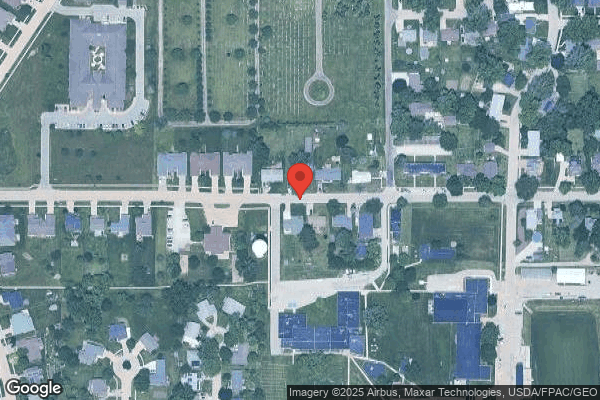
Oct 2022 1 deficiency
CONCERN (D)

Potential for Harm - no one hurt, but risky conditions existed

Comprehensive Care Plan (Tag F0656)

Could have caused harm · This affected 1 resident

**NOTE- TERMS IN BRACKETS HAVE BEEN EDITED TO PROTECT CONFIDENTIALITY** Based on record review and staff interview, the facility failed to develop a Care Plan related to oxygen therapy for one of one ...

Read full inspector narrative →
**NOTE- TERMS IN BRACKETS HAVE BEEN EDITED TO PROTECT CONFIDENTIALITY** Based on record review and staff interview, the facility failed to develop a Care Plan related to oxygen therapy for one of one residents reviewed for respiratory services (Resident #10). This had the potential for the resident to not have oxygen levels maintained. The facility reported a census of 61 residents. Findings Include: Review of the electronic Face Sheet located under the Profile tab of the Electronic Medical Record (EMR) revealed Resident #10 admitted to the facility on [DATE]. Review of the resident's diagnoses located in the EMR under the Diagnosis tab revealed diagnoses including, obstructive sleep apnea and weakness. Review of the Quarterly Minimum Data Set (MDS) with an Assessment Reference Date (ARD) of 08/12/22 and located under the MDS tab in the resident's EMR revealed the Brief Interview for Mental Status (BIMS) score was a 15 out of 15 indicating the resident cognitively intact and received oxygen. Review of Resident #10's Physician's Orders located in the Orders tab of the EMR revealed an order for oxygen as needed (PRN) at 3 liters (L) per nasal cannula if oxygen saturation is below 90%, every 8 hours PRN to keep oxygen saturation above 90% and oxygen continuously at 3 L per nasal cannula at HS: every night shift for sleep apnea. Continued review of the resident's EMR revealed the facility failed to develop a Care Plan for the resident's use of oxygen. During an interview on 10/11/22 at 2:38 PM, the Director of Nursing (DON) confirmed Resident #10 did not have a Care Plan developed for oxygen therapy. She stated the resident receives oxygen therapy and the Care Plan has been since updated. On 10/11/22 at 3:22 PM, the MDS Coordinator confirmed Resident #10 should be Care Planned for receiving oxygen. She stated she has been trying to go through and update resident's Care Plans, but she just hadn't gotten to Resident #10's Care Plan yet.
Understanding Severity Codes (click to expand)
Life-Threatening (Immediate Jeopardy)
J - Isolated K - Pattern L - Widespread
Actual Harm
G - Isolated H - Pattern I - Widespread
Potential for Harm
D - Isolated E - Pattern F - Widespread
No Harm (Minor)
A - Isolated B - Pattern C - Widespread

Questions to Ask on Your Visit

  • "What changes have you made since the serious inspection findings?"
  • "Why is there high staff turnover? How do you retain staff?"
  • "Can I speak with families of current residents?"
  • "What's your RN coverage like on weekends and overnight?"

Our Honest Assessment

Strengths
  • • Licensed and certified facility. Meets minimum state requirements.
Concerns
  • • Multiple safety concerns identified: 2 life-threatening violation(s), 3 harm violation(s), $44,272 in fines. Review inspection reports carefully.
  • • 20 deficiencies on record, including 2 critical (life-threatening) violations. These warrant careful review before choosing this facility.
  • • $44,272 in fines. Higher than 94% of Iowa facilities, suggesting repeated compliance issues.
  • • Grade F (6/100). Below average facility with significant concerns.
Bottom line: Trust Score of 6/100 indicates significant concerns. Thoroughly evaluate alternatives.

About This Facility

What is Crestview Specialty Care's CMS Rating?

CMS assigns Crestview Specialty Care an overall rating of 2 out of 5 stars, which is considered below average nationally. Within Iowa, this rating places the facility higher than 0% of the state's 100 nursing homes. A rating at this level reflects concerns identified through health inspections, staffing assessments, or quality measures that families should carefully consider.

How is Crestview Specialty Care Staffed?

CMS rates Crestview Specialty Care's staffing level at 3 out of 5 stars, which is average compared to other nursing homes. Staff turnover is 70%, which is 24 percentage points above the Iowa average of 46%. High turnover can affect care consistency as new staff learn residents' individual needs. RN turnover specifically is 85%, which is notably high. RNs provide skilled clinical oversight, so turnover in this role can affect medical care quality.

What Have Inspectors Found at Crestview Specialty Care?

State health inspectors documented 20 deficiencies at Crestview Specialty Care during 2022 to 2024. These included: 2 Immediate Jeopardy (the most serious level, indicating potential for serious harm or death), 3 that caused actual resident harm, and 15 with potential for harm. Immediate Jeopardy findings are rare and represent the most serious regulatory concerns. They require immediate corrective action.

Who Owns and Operates Crestview Specialty Care?

Crestview Specialty Care is owned by a non-profit organization. Non-profit facilities reinvest revenue into operations rather than distributing to shareholders. The facility is operated by CARE INITIATIVES, a chain that manages multiple nursing homes. With 65 certified beds and approximately 45 residents (about 69% occupancy), it is a smaller facility located in West Branch, Iowa.

How Does Crestview Specialty Care Compare to Other Iowa Nursing Homes?

Compared to the 100 nursing homes in Iowa, Crestview Specialty Care's overall rating (2 stars) is below the state average of 3.0, staff turnover (70%) is significantly higher than the state average of 46%, and health inspection rating (2 stars) is below the national benchmark.

What Should Families Ask When Visiting Crestview Specialty Care?

Based on this facility's data, families visiting should ask: "What changes have been made since the serious inspection findings, and how are you preventing similar issues?" "How do you ensure continuity of care given staff turnover, and what is your staff retention strategy?" "Can I visit during a mealtime to observe dining assistance and food quality?" "How do you handle medical emergencies, and what is your hospital transfer rate?" These questions are particularly relevant given the facility's Immediate Jeopardy citations and the facility's high staff turnover rate.

Is Crestview Specialty Care Safe?

Based on CMS inspection data, Crestview Specialty Care has documented safety concerns. Inspectors have issued 2 Immediate Jeopardy citations (the most serious violation level indicating risk of serious injury or death). The facility has a 2-star overall rating and ranks #100 of 100 nursing homes in Iowa. Families considering this facility should ask detailed questions about what corrective actions have been taken since these incidents.

Do Nurses at Crestview Specialty Care Stick Around?

Staff turnover at Crestview Specialty Care is high. At 70%, the facility is 24 percentage points above the Iowa average of 46%. Registered Nurse turnover is particularly concerning at 85%. RNs handle complex medical decisions and coordinate care — frequent RN changes can directly impact care quality. High turnover means new staff may not know residents' individual needs, medications, or preferences. It can also be disorienting for residents, especially those with dementia who rely on familiar faces. Families should ask: What is causing the turnover? What retention programs are in place? How do you ensure care continuity during staff transitions?

Was Crestview Specialty Care Ever Fined?

Crestview Specialty Care has been fined $44,272 across 3 penalty actions. The Iowa average is $33,522. While any fine indicates a compliance issue, fines under $50,000 are relatively common and typically reflect isolated problems that were subsequently corrected. Families should ask what specific issues led to these fines and confirm they've been resolved.

Is Crestview Specialty Care on Any Federal Watch List?

Crestview Specialty Care is not on any federal watch list. The most significant is the Special Focus Facility (SFF) program, which identifies the bottom 1% of nursing homes nationally based on persistent, serious quality problems. Not being on this list means the facility has avoided the pattern of deficiencies that triggers enhanced federal oversight. This is a positive indicator, though families should still review the facility's inspection history directly.