Azria Health Clarinda
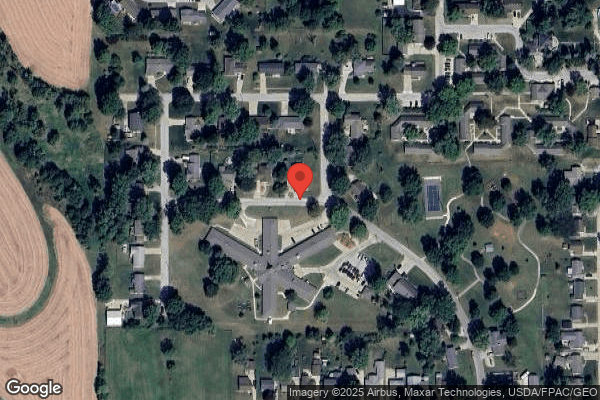
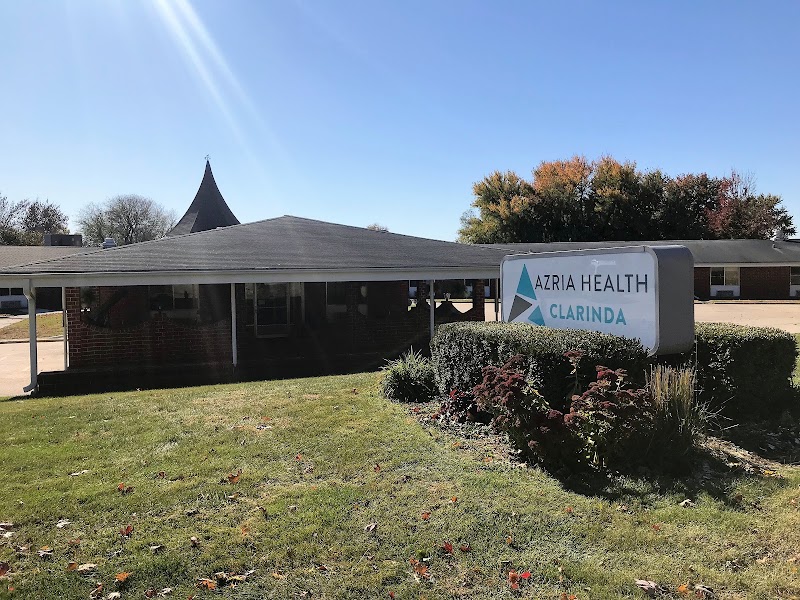
600 Manor Drive, Clarinda, IA 51632 (712) 542-5161
For profit - Limited Liability company 70 Beds AZRIA HEALTH Data: November 2025 1 Immediate Jeopardy citation
Trust Grade
41/100
#250 of 392 in IA
Last Inspection: May 2025

Inspected within the last 6 months. Data reflects current conditions.

Overview

Azria Health Clarinda has a Trust Grade of D, indicating it is below average with some concerning issues. It ranks #250 out of 392 nursing facilities in Iowa, placing it in the bottom half of state options, but it is the best choice in Page County with only one other facility available. The facility is showing an improving trend, reducing its reported issues from 9 in 2024 to 2 in 2025. Staffing is a relative strength with a rating of 4 out of 5 stars and a turnover rate of 41%, which is below the state average, suggesting that staff members are familiar with the residents. However, there are notable concerns, such as a critical finding where a nurse failed to assess a resident who showed a significant change in condition, and other incidents where proper assessments and reporting protocols were not followed, indicating potential gaps in care. Overall, while there are strengths in staffing, there are serious deficiencies that families should consider when evaluating this facility.
Trust Score
D
41/100
In Iowa
#250/392
Bottom 37%
Safety Record
High Risk
Review needed
Inspections
Getting Better
9 → 2 violations
Staff Stability
○ Average
41% turnover. Near Iowa's 48% average. Typical for the industry.
Penalties
✓ Good
$16,448 in fines. Lower than most Iowa facilities. Relatively clean record.
Skilled Nurses
○ Average
Each resident gets 35 minutes of Registered Nurse (RN) attention daily — about average for Iowa. RNs are the most trained staff who monitor for health changes.
Violations
⚠ Watch
14 deficiencies on record. Higher than average. Multiple issues found across inspections.
★★☆☆☆
2.0
Overall Rating
★★★★☆
4.0
Staff Levels
★☆☆☆☆
1.0
Care Quality
★★★☆☆
3.0
Inspection Score
Stable
2024: 9 issues
2025: 2 issues

The Good

  • 4-Star Staffing Rating · Above-average nurse staffing levels
  • Full Sprinkler Coverage · Fire safety systems throughout facility
  • No fines on record
  • Staff turnover below average (41%)

    7 points below Iowa average of 48%

Facility shows strength in staffing levels, fire safety.

The Bad

2-Star Overall Rating

Below Iowa average (3.0)

Below average - review inspection findings carefully

Staff Turnover: 41%

Near Iowa avg (46%)

Typical for the industry

Federal Fines: $16,448

Below median ($33,413)

Minor penalties assessed

Chain: AZRIA HEALTH

Part of a multi-facility chain

Ask about local staffing decisions and management

The Ugly 14 deficiencies on record

1 life-threatening
Aug 2025 1 deficiency
CONCERN (D) 📢 Someone Reported This

A family member, employee, or ombudsman was alarmed enough to file a formal complaint

Potential for Harm - no one hurt, but risky conditions existed

Report Alleged Abuse (Tag F0609)

Could have caused harm · This affected 1 resident

Based on clinical record review, facility investigation review, staff interviews and policy review the facility failed to report a reportable event to the appropriate facility staff members after the ...

Read full inspector narrative →
Based on clinical record review, facility investigation review, staff interviews and policy review the facility failed to report a reportable event to the appropriate facility staff members after the alleged event took place. Which lead to the facility failing to report to the State Agency within 2 hours of the alleged event. The facility reported a census of 52 residents.Findings include:According to the Annual Minimum Data Set (MDS) assessment tool, with a reference date of 5/8/2025, Resident #1 had a Brief Interview of Mental Status (BIMS) score of 2. A BIMS score of 2 suggested severe cognitive impairment. The MDS documented she experienced hallucinations, delusions, displayed physical and verbal behavioral symptoms for 1-3 days during the 7-day review period. Resident #1 did not exhibit rejection of evaluation or care and did not wander. Resident #1 utilized a wheelchair for mobility and was always incontinent of urine and bowel. She was dependent of staff for eating, oral hygiene, toileting hygiene, shower/bathing, personal hygiene, toilet transfers. The MDS indicated Resident #1 received the following medications during the 7-day review period: antianxiety, antidepressant, and an opioid. The following diagnoses were listed for Resident #1: stroke, coronary artery disease, thyroid disease, Alzheimer's disease, anxiety, glaucoma, insomnia, and cellulitis.The Care Plan focus area with an initiation date of 5/20/2024 documented she was dependent on staff for meeting emotional, intellectual, physical, spiritual and social needs related to physical limitations.A second Care Plan focus area with an initiation date of 5/22/2024 documented Resident #1 had an Activities of Daily Living (ADL) self-care performance deficit related to stroke, anxiety, macular degeneration. The Care Plan documented she did not ambulate, utilized a wheelchair for locomotion, and was dependent on staff for mobility. She was dependent on staff to make significant position changes while in bed; she required the assistance of tow staff with bed mobility. She was also totally dependent on two staff for toilet hygiene and incontinence management. The Care Plan directed staff to check and change her in the morning, before and after meals, before bed and as needed. Resident #1 did not use the toilet, she was incontinent. Staff are to encourage the resident to participate to the fullest extent possible with each interaction.A third Care Plan focus area with an initiation date of 5/28/2024 documented Resident #1 had impaired cognitive function/dementia or impaired thought processes related to short term memory loss.A fourth Care Plan focus area with an initiation date of 6/10/2024 and revision date of 6/9/2025 documented Resident #1 had alteration in her mood and behaviors as evidenced by yelling out to staff, disrobing, confusion (not knowing where she is) and worried/anxious feelings related to stroke and anxiety, cursing, grabbing, hitting and spitting at staff during cares. On 6/3/2025 resident made a comment about wanting someone to shoot her. Resident was sent to the emergency room (ER) to make sure she was not a danger to herself. She was sent back after being evaluated and determined she was not a danger to herself. Staff were directed to provide an opportunity for positive interaction, attention and to stop and talk with her as they pass by her. Staff were also encouraged to provide redirection to resident when using foul language. Staff are to use a clam approach, tell her what is being done prior to providing cares. If the resident is punching and hitting staff during cares, staff are to monitor for agitation and if save, step back to allow her to calm down. The nurse is to be updated to assess her if she's in pain and give an as needed (PRN) pain medication. Staff are encouraged to talk through what is bothering the resident. Staff are to introduce themselves, speak slowly and clearly so that the resident understands staff when providing cares/speaking with resident.A fifth Care Plan focus area with an initiation date of 5/12/2025 documented Resident #1 had delirium or an acute confusion episode related to acute disease process, dementia. Staff are to redirect and provide gentle reality orientation as required.The facility investigative file contained the following summary:On 7/9/2025 at approximately 4:30 PM the Director of Nursing (DON) was notified by the Assistant Director of Nursing (ADON) that on 7/6/2025 Staff A Certified Nursing Assistant (CNA) witnessed Staff B CNA forcefully grab Resident #1's arm and push it down then stated stop hitting me while completing cares on Resident #1. Staff A stated she immediately reported the incident to Staff C Registered Nurse (RN), the charge nurse. The facility was unable to review the incident with the resident due to a BIMS score of 2. The DON notified the Administrator after the incident was reported to her on 7/9/2025. Staff B was immediately suspended pending the investigation. During the investigation, initially it was reported the incident happened on 7/6/2025. Follow up with Staff A, she stated it did not happen on 7/6/2025 it happened on 7/2/2025. Facility staff were all educated on what abuse is, the different kinds of abuse and how to properly report abuse.The facility investigative file included the following statement from Staff A:On Sunday 7/6/2025 we were laying Resident #1 down after dinner. She was being combative and attempting to hit us. While doing so, Staff B grabbed her arm, forced it down and said stop hitting me b*tch. I finished cares and went to report it to my charge nurse, Staff C.On 8/5/2025 at 12:09 PM Staff A stated on Wednesday, July 2nd her and Staff B completed cares on Resident #1. The resident was being very combative but barely hits when she does. Staff A was on the right side of the resident and Staff B was on the left side of the resident. Resident #1 was doing her normal stuff by calling them fat and telling them to get out of her room. Resident #1 swung at Staff B and Staff B grabbed her left forearm/wrist and said don't hit me b*tch. After cares were completed, they left the room and she told Staff B that as not acceptable, we should not be acting like that; Staff B just rolled her eyes. Staff A reported this incident to her charge nurse, Staff C. Staff A stated she had not heard anything about the incident for a few days so she went the ADON and DON about what had happened. They both told her neither of them knew about the incident. She stated her statement does say the 6th but it happened on the 2nd. She indicated since this took place they facility has educated staff on what types of abuse, how to report it and who to report it to.On 8/5/2025 at 2:20 PM Staff C stated Staff A reported to her another aide, Staff B had called Resident #1 a name because she was trying to hit her. Staff A reported that aide stopped the resident from hitting her by holding her arm then called her a b*tch. The other aide was Staff B. It happened about 7:00 PM, after dinner as they were assisting residents. Staff C stated Staff A came up to her said she has had it and went to break. When she returned from her break, that's when Staff C stated Staff A reported the incident to her. She stated it was about 7:30 PM because Staff A usually took her break after dinner. When asked what she did after this alleged incident was reported to her, she indicated she was dealing with another conflict and asked Staff A to report her concerns to the Administrator and through she did, but apparently, she did not. When asked why she did not tell the Administrator herself, she stated she went and took care of a different situation, honestly it slipped her mind and did not doing anything about it. After this incident Staff C stated they facility provided education to all staff on the policies and procedures if this kind of incident should happen again, who to call with abuse concerns and what abuse it.On 8/5/2025 at 2:34 PM the ADON stated Staff A came to her office on the 7th and stated she needed to talk to her about something. Staff A said her and Staff B were in Resident #1's room assisting her with cares when Staff B called the resident a b*tch. The ADON questioned if she reported this and why was this the first time she was hearing this. Staff A told her after she left Resident #1's room that day she reported this to her charge nurse, Staff C. They went to the DON with the information. The ADON stated they should have called her, the DON and/or the Administrator so they were not hearing it after the fact.On 8/5/2025 at 2:59 PM the DON stated the alleged event took place on Wednesday the 2nd. The dates got mixed up during the investigation process. The incident was reported to Staff C on the same day of the incident, the 2nd. When they spoke to Staff A she reported Staff C told her to go tell someone, but Staff A indicated you are the charge nurse, I am supposed to report these things to you. They later found out Staff A reported alleged incident to Staff C after she went on break; because Staff A was upset she needed to take a break. When she spoke to Staff C, she indicated she told Staff A she needed to tell someone. The DON informed her that someone was you, you are the charge nurse. Staff C was to make sure the resident was safe then contact the DON or the Administrator. The DON added, as a charge nurse, this is part of her job. Staff C was educated on proper reporting procedures.The facility provided a document titled Identifying Types of Abuse, with a revision date of September 2022. The policy statement included: as part of the abuse prevention strategy, volunteers, employees, and contractors hired by this facility are expected to be able to identify the different types of abuse that may occur against residents.The facility also provided a document titled Abuse, Neglect, Exploitation and Misappropriation-reporting and investigating with a revision date of September 2022. The policy statement included all reports of resident abuse (including injuries of unknown origin), neglect, exploitation, or theft/misappropriation of resident property are reported to local, state, and federal agencies (as required by current regulations) and thoroughly investigated by facility management. Findings of all investigations are documented and reported.Reporting Allegations to the Administrator and Authorities:1. If resident abuse, neglect, exploitation, misappropriation of resident property or injury of unknown source is suspected, the suspicion must be reported immediately to the Administrator and to other officials according to state laws.2. The Administrator or the individual making the allegations immediately reports his or her suspicion to the following persons or agencies:a) The state licensing/certification agency responsible for surveying/licensing the facility3. Immediately is defined as:a) Within two hours of an allegation involving abuse or result in serious bodily injury; orb) Within 24 hours of an allegation that does not involve abuse or result in serious bodily injury.
Jan 2025 1 deficiency
CONCERN (D) 📢 Someone Reported This

A family member, employee, or ombudsman was alarmed enough to file a formal complaint

Potential for Harm - no one hurt, but risky conditions existed

Quality of Care (Tag F0684)

Could have caused harm · This affected 1 resident

Based on clinical document review, staff interviews, provider interview and policy review the facility failed to provide appropriate assessments, implementation of the bowel managment plan and physici...

Read full inspector narrative →
Based on clinical document review, staff interviews, provider interview and policy review the facility failed to provide appropriate assessments, implementation of the bowel managment plan and physician notification for 1 of 3 Residents (Resident #1) reviewed. The facility reported a census of 61 residents. Findings include: Review of the Minimum Data Set (MDS) for Resident #1 dated 10/9/24 revealed Resident #1 had severely impaired cognitive skills. The MDS further revealed diagnosis of traumatic brain injury, profound intellectual disabilities, and slow transit constipation. Review of the Electronic Health Record (EHR) page titled, Physician's orders revealed orders for Sennosides oral tablet (Laxative) 8.6mg give 1 tablet by mouth at bedtime for constipation (hold if having loose stools), Miralax oral packet (Laxative) 17 grams give 17 grams by mouth one time a day for constipation (hold if having loose stool), Linzess oral capsule 72mcg (gastrointestinal agent) give 1 capsule by mouth one time a day for bowel function (Give 30 minutes before breakfast), Fiber oral tablet (Laxative) give 2 tablets by mouth one time a day for constipation (hold if having loose stools). This page further revealed the following as necessary (PRN) orders Fleet Enema (Laxative) insert 1 dose rectally every 24 hours as needed for constipation, Biscaodyl laxative rectal suppository (Laxative) 10mg insert 1 suppository rectally every 24 hours as needed for constipation, prune juice 4-8 ounces to promote bowel movement every 24 hours as needed for constipation, Milk of Magnesia suspension 400mg/5ml (Laxative) give 30ml by mouth every 24 hours as needed for constipation. Review of a document titled Monthly Bowel Tracker provided by the facility dated December 2024 revealed that Resident #1 did not have a bowel movement from 12/1/24 through the morning shift of 12/9/24. Review of the Medication Administration Record (MAR) dated 12-1-24 through 12-31-24 revealed that suppositories were given 12/5/24, and 12/9/24 and were ineffective. No other PRN medications were given during this time to help promote bowel movement. Interview on 1/6/25 at 2:38 PM with Staff A Licensed Practical Nurse (LPN) revealed that nightshift nurses are to run a bowel movement list every night and identify if someone needs medication. Staff A then revealed nightshift nurses will make a list of residents needing the medication and pass it on to day shift for MOM and so forth. Staff A then revealed that nightwatch generally gives the suppositories. Staff A then revealed nursing should be reporting to the physician if medications given to promote bowel movement are not effective. Staff A then revealed she was unsure on the facility policy, but if medications are being given, and not effective then they need to be followed up with the physician. Interview on 1/7/25 at 10:00 AM with Staff B LPN revealed she would check the bowel movement book, and if a resident had not had a bowel movement in 3 days she would give a suppository if they had an order. Staff B then revealed that a new bowel protocol took effect about two weeks ago. Staff B then revealed the bowel protocol was changed to get all staff on the same page and run reports. Staff B then elaborated revealing nightshift nurses run a report and make out a list of residents needing to have a bowel movement. Staff B then revealed that if residents are day 3 without a bowel movement then an assessment should be completed, and the physician should be called. Staff B revealed she has listened to the abdomen of residents, and can't recall charting a bowel assessment. Staff B further revealed she had seen residents get to day five without having a bowel movement. Staff B further revealed that by day four of a resident not having a bowel movement she would reach out to the physician, but by then she stated she would have given the prn suppository if they had an order for it. Staff B then revealed that she would document notification to the physician if it was completed in the EHR. Interview on 1/7/25 at 10:20 AM with Staff C Director of Nursing (DON) revealed that the bowel movement protocol was changed after she had found a discrepancy with a resident not having bowel movements. Staff C then revealed that she noticed on a report that Resident #1 hadn't had a bowel movement. Staff C then revealed she was also notified by an outside worker via email that Resident #1 hadn't had a bowel movement in quite awhile. Staff C then confirmed that eight days to not have a bowel movement was way too long. Staff C then revealed that it was in the norm for Resident #1 to go for 4 or 5 days without a bowel movement, and then have a very large bowel movement. Staff C further revealed that the bowel movement protocol is Day 2 give Prune juice/or Miralax, Day 3 give milk of magnesia, Day 4 give a suppository with an assessment, Day 5 a fleet enema is to be given and to call the physician, and complete an assessment. Interview on 1/7/25 at 11:05 AM with the Physician, Staff D, revealed he is unsure of the bowel protocol at the facility, but does know that the facility has one. The Physician confirmed that Resident #1 had a lot of medical issues such as rectocele, slow transit constipation, intellectual disabilities, and was non-verbal. The Physician then confirmed that Resident #1 had not had a BM for almost 9 days, and he was not notified of this, but the facility could have notified the other on-call physician. He further revealed that there would definitely be a potential for harm after 8 days with no bowel movement but he did not think this had anything to do with the resident passing away. Interview on 1/7/25 at 11:30 AM Staff E Assistant Director of Nursing (ADON) revealed that the bowel protocol was changed on the 20th of December. Staff E then revealed that Resident #1 had not had a bowel movement for several days at the beginning of December, it was identified to them by Resident #1's Social Worker. Staff E revealed her expectation would be for the bowel protocol to be followed, and for the physician to be notified when residents have not had a bowel movement. Staff E further revealed her expectation for assessments to be completed per the bowel protocol as well. Review of a facility policy titled, Bowel Disorders Clinical Protocol, with a revised date of September 2017 revealed: 1. The nurse shall assess and document/report the following: a.Vital signs; b. Quantitative and qualitative description of diarrhea (how many episodes in what period of time, amount, consistency, etc.); c. Change in mental status or level of consciousness; d. Presence of fecal impaction; e. Signs of dehydration (altered level of consciousness, lethargy, dizziness, recent change in mental status, dry mucous membranes, decreased urine output); f. Abdominal assessment; g. Digital rectal examination; h. Onset, duration, frequency, severity of signs and symptoms; i. All current medications; j. All active diagnoses; and k. Recent labs.
Jun 2024 4 deficiencies
CONCERN (D)

Potential for Harm - no one hurt, but risky conditions existed

Deficiency F0657 (Tag F0657)

Could have caused harm · This affected 1 resident

Based on electronic health record (EHR) review, resident interview, staff interviews and facility policy review the facility failed to provide an opportunity for a comprehensive care plan to be review...

Read full inspector narrative →
Based on electronic health record (EHR) review, resident interview, staff interviews and facility policy review the facility failed to provide an opportunity for a comprehensive care plan to be reviewed and revised by an interdisciplinary team composed of a resident and/or resident representative to allow developing the care plan and making decisions about his or her care to 1 of 5 residents reviewed (Resident #6). The facility reported a census of 66 residents. Finding include: The Minimum Data Set (MDS) assessment for Resident #5 dated 5/13/24 documented a Brief Interview for Mental Status (BIMS) score of 14 indicating no cognitive impairment. On 6/10/24 at 1:25 PM Resident #5 stated she had not been to a care plan meeting. Resident #5 stated her Power Of Attorney had not been invited either. Review of EHR titled, AZH Multidisciplinary Care Conference V1.0 revealed the last care conference was completed 2/8/24. On 6/11/24 at 11:51 AM Staff I stated normally she was on top of care conferences meetings, but had doubled the census at the facility in the last month. Staff I stated she spoke with the MDS coordinator about how to get caught back up and they had developed a plan. Staff I stated care conferences should be completed at least quarterly every 90 days with resident and/or resident representatives allowed to participate. Staff I stated Resident #5 was due for a care conference. Staff I stated Resident #5's care conference should have been completed in May but was not. On 6/11/24 at 12:22 PM the DON stated the facility's expectation was care conferences would have been completed with the resident and/or resident representative every 90 days. Review of Policy titled, Care Planning - Interdisciplinary Team revised 3/22 documented that comprehensive, person-centered care plans are based on resident assessments and developed by an interdisciplinary team. The IDT was to include but was not limited to the resident and/or the resident's representative.
CONCERN (D)

Potential for Harm - no one hurt, but risky conditions existed

Deficiency F0676 (Tag F0676)

Could have caused harm · This affected 1 resident

**NOTE- TERMS IN BRACKETS HAVE BEEN EDITED TO PROTECT CONFIDENTIALITY** Based on clinical record review, observation, staff interviews, and policy review, the facility failed to maintain Activities of...

Read full inspector narrative →
**NOTE- TERMS IN BRACKETS HAVE BEEN EDITED TO PROTECT CONFIDENTIALITY** Based on clinical record review, observation, staff interviews, and policy review, the facility failed to maintain Activities of Daily Living (ADLs) by failing to provide restorative aid for 1 of 1 resident reviewed (#46). The facility reported a census of 66 residents. Findings include: The 5-day Medicare Minimum Data Set (MDS) assessment dated [DATE] indicated the resident had a Brief Interview for Mental Status (BIMS) score of 0 out of 15 which indicated severely impaired cognition. It revealed the resident required supervision or touching assistance with eating; moderate assistance with oral hygiene, toileting hygiene, and upper body dressing; and maximal assistance with bathing, lower body dressing, and putting on and removing footwear. The quarterly MDS assessment dated [DATE] indicated the resident still had a BIMS score of 0 out of 15. It revealed the resident required supervision or touching assistance with eating; maximal assistance with lower body dressing; and was dependent with all other aspects of ADLs. On 6/11/24 at 12:56 PM, Resident #46 observed having difficulty eating lunch in the dining room. The Electronic Health Record (EHR) included a restorative therapy progress note that revealed the resident not able to participate in restorative therapy due to a lack of available staff to help him ambulate. On 6/12/24 at 9:36 AM, Staff A, Certified Nursing Assistant (CNA) stated the resident required a second staff member to assist with ambulation by following the resident with a wheelchair. She stated Staff B, CNA used to assist but hasn't been available due to a change in residents' shower schedules. She stated resident restorative therapy is documented in the resident's EHR. A document titled Restorative list indicated the resident was to be walked to the dining room for one (1) meal. On 6/12/24 at 9:49 AM, Staff C, Physical Therapy Assistant (PTA) stated the resident discharged from Occupational Therapy on 4/01/24 and from Physical Therapy (PT) on 4/02/24. A document titled Therapy to Nursing Restorative Nursing Program Communication dated 4/02/24 directed staff to ambulate the resident 60 - 90 feet. Staff C stated staff was to ambulate the resident to the dining room for one (1) meal every day. On 6/12/24 at 10:02 AM, Staff D, CNA stated resident walking would be documented under 150 feet walking task in the EHR. The Review of the 150-feet walking task list indicated the resident was ambulated 11 times since 4/03/24 and 3 times between 5/01/24 and 5/31/24. On 6/12/24 at 10:51 AM, the Director of Nursing (DON) stated the resident would sometimes refuse to allow anyone to ambulate him. She also stated if the resident had been ambulated, it would appear in the response section of the 150-feet walking task report. She stated a not applicable response indicated the task was not done. A policy titled Restorative Nursing Services revised 7/2017 revealed residents would receive restorative nursing care as needed to help promote optimal safety and independence. It indicated residents may be started on a restorative nursing program upon admission, during the course of stay or when discharged from rehabilitative care and included restorative goals and objectives are individualized and resident-centered, and are outlined in the resident's plan of care. On 6/13/23 at 7:32 AM, the DON stated the staff should have documented the resident's refusal to participate in restorative therapy.
CONCERN (D)

Potential for Harm - no one hurt, but risky conditions existed

Pharmacy Services (Tag F0755)

Could have caused harm · This affected 1 resident

**NOTE- TERMS IN BRACKETS HAVE BEEN EDITED TO PROTECT CONFIDENTIALITY** Based on clinical record review, resident interview, staff interviews, and policy review, the facility failed to document an adm...

Read full inspector narrative →
**NOTE- TERMS IN BRACKETS HAVE BEEN EDITED TO PROTECT CONFIDENTIALITY** Based on clinical record review, resident interview, staff interviews, and policy review, the facility failed to document an administered medication into the resident's medical record for 1 of 1 resident reviewed (Resident # 53). The facility reported a census of 66 residents. Findings include: The quarterly Minimum Data Set (MDS) assessment dated [DATE] indicated the resident had a Brief Interview for Mental Status (BIMS) score of 15 out of 15 which indicated completely intact cognition. It included diagnoses of Diabetes Mellitus, hypertension, anxiety, and depression. It also indicated the resident had not vomited during the 7-day look-back period. On 6/10/24 at 3:12 PM, Resident #53 stated she was sent to the hospital on 4/15/24 due to a Urinary Tract Infection (UTI) and Clostridium Difficile (C-Diff) infection. The Electronic Health Record (EHR) Progress Notes dated 4/15/24 at 11:43 PM revealed the resident complained of nausea at 6:00 PM and had emesis at 7:00 PM. It also revealed the resident was sent to the Emergency Department (ED). The Care Plan included a history of Gastroesophageal Reflux Disease (GERD). The EHR included orders for the resident to take one (1) 4 milligram (mg) Ondansetron tablet by mouth every six (6) hours as needed for nausea. On 6/12/24 at 8:03 AM, Staff G, Licensed Practical Nurse (LPN) stated she was told during shift report the resident complained of not feeling well all day and the resident already received medication for nausea. On 6/12/24 at 8:22 AM, Staff H, Registered Nurse (RN) stated she didn't remember the resident complaining during her shift. She stated as-needed (PRN) medications are usually documented on the Medication Administration Record (MAR) accompanied by a progress note that would include attempted, non-pharmacological interventions. The MAR lacked documented administration of Ondansetron medication on 4/15/24. The hospital medical record indicated the resident admitted she received Zofran at 7:00 PM. A document titled Administering Medications revised 4/2019 directed staff to initial the resident's MAR on the appropriate line after giving each medication and before administering the next ones. On 6/13/24 at 7:32 AM, the DON stated Staff G contacted her and stated that she gave the resident Zofran shortly after 6:00 PM when the resident complained of nausea. The DON stated the staff should have documented the medication administration.
CONCERN (D)

Potential for Harm - no one hurt, but risky conditions existed

Infection Control (Tag F0880)

Could have caused harm · This affected 1 resident

**NOTE- TERMS IN BRACKETS HAVE BEEN EDITED TO PROTECT CONFIDENTIALITY** Based on clinical record review, resident interview, observation, staff interview, and policy review the facility failed to impl...

Read full inspector narrative →
**NOTE- TERMS IN BRACKETS HAVE BEEN EDITED TO PROTECT CONFIDENTIALITY** Based on clinical record review, resident interview, observation, staff interview, and policy review the facility failed to implement appropriate infection control practices to prevent cross contamination by failing to perform hand hygiene during resident care. The facility reported a census of 66 residents. Findings include: The quarterly Minimum Data Set (MDS) assessment dated [DATE] indicated the resident had a Brief Interview for Mental Status (BIMS) score of 15 out of 15 which indicated completely intact cognition. It included diagnoses of Diabetes Mellitus, anxiety, depression, and the need for assistance with personal care. It also revealed the resident required set-up assistance with eating; moderate assistance with oral hygiene; maximal assistance with upper body dressing and personal hygiene; and was dependent with toileting hygiene, bathing, lower body dressing, and putting on and removing footwear. The Care Plan initiated 5/16/24 revealed the resident was dependent on two staff assistance with toileting. It also directed staff to provide pericare after each incontinent episode and observe enhanced barrier precautions for infection control. On 6/10/24 at 3:12 PM, Resident #53 stated she was sent to the hospital on 4/15/24 due to a Urinary Tract Infection (UTI) and Clostridium Difficile (C-Diff) infection. On 6/12/24 at 10:45 AM, Staff E, Certified Nurse Aide (CNA) and Staff F, CNA performed incontinence care for Resident #53. An observation of the incontinence care revealed the resident was sitting on the bedside commode with her pants and disposable brief pulled down to her mid-thigh level and a blanket covered her lower abdomen and mid-thighs. Staff E, CNA already had gloves on and removed the blanket and repositioned the resident's pants and briefs. Staff F, CNA raised the resident with an E-Z stand transfer device. Staff E, CNA took a hygiene wipe and wiped the resident from behind and used a front-to-back method to perform urinary incontinence care. No hand hygiene was performed while she performed the resident's incontinence care. A policy titled Standard Precautions revised 10/2022 indicated hand hygiene refers to handwashing with soap (anti-microbial or non-antimicrobial) or the use of alcohol-based hand rub (ABHR), which does not require access to water and directed staff to perform hand-hygiene after contact with items in the resident's room. It also indicated gloves are changed as necessary, during the care of a resident to prevent cross-contamination from one body site to another. On 6/13/24 at 7:32 AM, the Director of Nursing (DON) stated the staff should not have touched anything else after gloving their hands.
Mar 2024 2 deficiencies
CONCERN (D) 📢 Someone Reported This

A family member, employee, or ombudsman was alarmed enough to file a formal complaint

Potential for Harm - no one hurt, but risky conditions existed

Resident Rights (Tag F0550)

Could have caused harm · This affected 1 resident

Based on clinical record review, observation, staff interviews, facility investigative file review, and policy review the facility failed to treat 1 of 3 residents with dignity and respect (Resident #...

Read full inspector narrative →
Based on clinical record review, observation, staff interviews, facility investigative file review, and policy review the facility failed to treat 1 of 3 residents with dignity and respect (Resident #1). The facility reported a census 36 residents. Findings include: The admission Minimum Data Set (MDS) assessment tool with a reference date of 1/25/24 documented Resident #1 had a Brief Interview of Mental Status (BIMS) score of 13. A BIMS score of 13 suggested no cognitive impairment. The MDS documented he did not refuse care during the review period and had the following diagnoses: atrial fibrillation, heart failure, fracture of first lumbar vertebra, malignant neoplasm of kidney and a stroke. The Care Plan focus area with an initiated date of 1/18/24 documented Resident #1 had increased risks for actual/potential limitation(s) in his ability to perform his activities of daily living (ADLs) and had impaired balance. The Care Plan documented he required assistance of two staff with a walker and gait belt. During an observation on 3/1/24 at 12:00 PM observed Resident #1 in his wheelchair in his room. The bedside table placed in front of him and the resident eating his lunch. The Progress Notes documented the following: a) On 2/2/24 at 3:04 PM facility attempted to contact Power of Attorney (POA) multiple times since this morning regarding an allegation. b) On 2/2/24 at 3:58 PM Resident #1's wife called the facility back and spoke to the Administrator regarding the incident this morning. The facility provided the following summary: a) On 2/2/24 at appropriately 8:20 AM Resident #1 asked Staff C Certified Nursing (CNA) if she had heard the nurse this morning and did not understand why she was acting that way. Staff C told the resident she did hear that they were speaking loud but did not hear the conversation. Staff A then immediately reported this information to the Administrator and the Social Worker then interviewed Resident #1. b) Per interview with Resident #1 he stated the nurse Staff A Licensed Practical Nurse (LPN) and Staff B CNA came in his room this morning before breakfast (approximately 6:45 AM) and the nurse told him he had to go to the dining room. He told the nurse he did not want to go to the dining room and the nurse told him he had to go anyway, that his wife said he had to go. The nurse and the CNA then picked him up from under his arms and threw him in his wheelchair without his permission, then took him to the dining room. c) On 2/2/24 Resident #1's POA was notified. During the phone call with the Administrator, she stated she hoped what she told Staff A to do did not cause the incident. She stated she told Staff A that she wanted Resident #1 to go to all meals and if he says no he needs to go anyway. She felt that with him going to all meals, it will help him get stronger and enable him to return to home sooner. At this time, the Administrator educated the POA regarding resident rights and let her know the facility will do everything they could to encourage and provide education for Resident #1 to come to meals. Resident #1 does have the right to refuse and the facility will honor his wishes. The POA voiced that she understood. d) Per interview with Staff A, she reported that Staff B came and told her that Resident #1 did not want to go to the dining room. She then went to Resident #1's room with Staff B and told the resident per his wife, he had to go to the all meals regardless of what he says. The resident again said he did not want to go to the dining room. Staff A and Staff B then assisted him under his arms and transferred him to his wheelchair from the recliner. e) Per interview with Staff B, she reported that she was in with Resident #1 and he stated he did not want to go to the dining room. She then went and notified Staff A that he did not want to go to the dining room. Staff A then told Staff B that he has to go to the dining room and asked Staff B to come help her assist him to his wheelchair. They both went to Resident #1's room and the nurse told him that his wife wanted him to come home so he had to go to the dining room. The nurse then put the foot stool down on his recliner and put her arm under the resident's right arm. Staff A was adamant that the resident transfer to the wheelchair so Staff B went to assist with the transfer and she knew the resident was an assist of two staff, if she did not help the resident would fall. Staff B put her arm under his left arm and they both stood the resident up but he sat back down in his recliner. They stood him up again and pivot transferred him from his recliner to wheelchair with the wheelchair right next to his recliner. On 3/1/24 at 9:26 AM observed resident lying in his bed. When asked if anyone had ever been mean or unkind to him, he stated no. Resident #1 could not recall if staff had ever made him get up and go to the dining room when he did not want to. He fell asleep during the interview, the interview concluded at that time. On 3/1/24 at 10:22 AM Staff C stated Staff B told her she had asked Resident #1 if he wanted to go to the dining room for breakfast and he stated he did not. Staff C told her to go talk to Staff A to see what to do. Staff C continued to assist other residents to the dining, as she walked passed Resident #1's room she heard an argument and raised voices. She carried on with what she was doing because there was a nurse and CNA in there. After she took another resident to the dining room, she informed the Administrator that she heard an argument and loud voices coming from Resident #1's room while Staff A and Staff B were in his room. She was not sure what was said but it sounded like Staff A because she was normally loud. She added she did not know if the resident could not hear Staff A talking or if she was trying to encourage him to go the dining room. After this happened, Resident #1 had his call light on, her and Staff D went in to assist him to the restroom. While they were assisting him Resident #1 stated he did not know who that lady was or why she had to be that way. Staff C asked if he wanted to talk to the Administrator or Director of Nursing (DON) and he did, so she went and got the Administrator. Staff C stated it's not her job to make someone leave their room. She had heard Staff A act this way with other residents but was unsure if she was trying to encourage them to go or if she was doing it because she's the nurse and she made the residents go to the dining room anyway. Staff A had mentioned before she likes to see all the residents while they eat so they don't choke on their food. On 3/1/24 at 10:32 AM Staff D stated after breakfast Resident #1 needed to go to the bathroom. He looked at her and Staff C and asked if there was something wrong with her and wanted to talk to someone. When asked who, she assumed Staff A, she was the only one on that hall at that time. Staff C got the Administrator for him. When asked if Resident #1 would normally refuse to get up for meals, she stated he would, he was not a morning person. Staff A was big on everyone going to the dining room for their meals so she could supervise them while they ate and how much they ate. When asked if it was appropriate to force a resident to go to the dining room for a meal when they do not want to, she stated no. On 3/1/24 at 12:32 PM the Administrator stated Staff C came to her about an incident. She had the Social Worker and Regional Nurse Consultant complete the interviews. They did end up terminating Staff A's employment because she did not follow the facility's resident rights policy when Resident #1 did not want to go to breakfast. She added it was the choice of Resident #1 on what he wants to do. On 3/1/24 at 12:55 PM the Social Worker stated she talked with Resident #1 about the incident after Staff C reported he was upset. He explained he did not want to go down to the dining room for breakfast. The nurse told him he had to go down there, that his wife wanted him to go, he needed to go and he made him go down to the dining room for breakfast. She told the Administrator and the nurse consultant what had happened and they started their investigation. The Social Worked indicated it was his right to go to the dining room for breakfast or refuse. She stated if that was the case, staff are to encourage the resident to get up and go down for meal but they are not to be forced. On 3/1/24 at 2:29 PM Staff B stated Resident #1 was in his recliner and when asked if he wanted to go to breakfast he stated no. When she told Staff A that he did not want to go down to the dining room for breakfast she told Staff B no, he has to go down. Staff B told Staff A again, he did not want to go down. Staff A started to go in to his room when she told Staff B she needed to help her transfer him. She followed Staff A in there and she stated you have to go down to the dining room, your wife wants you to, then they started to argue. When asked what was said, she could not recall but knew he clearly did not want to go. Staff A told him again that his wife wants him to go and wants him home so you have to go to the dining room. Staff A then linked arms with Resident #1 and asked if Staff B was going to help. Staff B stated she only helped because she did not want him to fall. Staff B linked arms with him and they assisted him to stand but he sat back down in the recliner. Staff B indicated she unlinked her arm from the resident's arm and Staff A stated ok we are going to do this again. Staff B linked her arm with the resident's arm, stood the resident up to pivot transfer him to his wheelchair. She indicated they transferred him as safely as they could, then she took him down to the dining room. As she took him to the dining room, Staff B stated she apologized to Resident #1 because what they did was stupid. When asked if the resident said anything while they tried to transfer him, he called them a bunch of idiots. When asked why she did not speak up for the resident before they transferred him she stated because had she done that, it would have made the situation with Staff A ten times worse. Staff A has an attitude that it is her way or the highway. On 3/1/24 at 2:47 PM Staff A stated Staff B indicated Resident #1 did not want to go to breakfast. His wife had asked Staff A to make sure he got up and did not stay in his room, so he could get stronger; she was consistent on pushing him to get better. She told Resident #1 his wife wanted him to go to the dining room, he had fallen and she was worried about him being along in his room. She went to get him into his wheelchair anyway and he told her again he did not want to go to breakfast. Staff B assisted with the transfer to his wheelchair and took him to breakfast. When asked if it was his right to refuse breakfast and or getting up for the day, she stated it is to a certain point but Staff A indicated she did not want him left alone since he was on neurological checks due to a recent fall. He had no safety awareness, he would just get up on his own and attempt to go. From a safety stand point, she wanted him to go to breakfast where staff could supervisor him. Staff A acknowledged she is kind of pushy but not in a mean manner. The facility's Resident Rights Policy stated employees shall treat all residents with kindness, respect and dignity. 1. Federal and state laws guarantee certain basic rights to all residents of this facility. These rights include the resident's right to: a) a dignified existence, b) be treated with respect, kindness and dignity, c) exercise his or her rights as a resident of the facility, d) be supported by the facility in exercising his or her rights. 4. Orientation and in-service training programs are conducted quarterly to assist our employees in understanding our residents' rights.
CONCERN (D) 📢 Someone Reported This

A family member, employee, or ombudsman was alarmed enough to file a formal complaint

Potential for Harm - no one hurt, but risky conditions existed

Comprehensive Care Plan (Tag F0656)

Could have caused harm · This affected 1 resident

Based on clinical record review, staff interviews and policy review the facility failed to follow 1 of 5 resident's (Resident #1) care plan during transfers. The facility reported a census of 36 resid...

Read full inspector narrative →
Based on clinical record review, staff interviews and policy review the facility failed to follow 1 of 5 resident's (Resident #1) care plan during transfers. The facility reported a census of 36 residents. Findings include: The admission Minimum Data Set (MDS) assessment tool with a reference date of 1/25/24 documented Resident #1 had a Brief Interview of Mental Status (BIMS) score of 13. A BIMS score of 13 suggested no cognitive impairment. The MDS documented he did not refuse care during the review period and had the following diagnoses: atrial fibrillation, heart failure, fracture of first lumbar vertebra, malignant neoplasm of kidney and a stroke. The Care Plan focus area with an initiated date of 1/18/24 documented Resident #1 had increased risks for actual/potential limitation(s) in his ability to perform his activities of daily living (ADLs) and had impaired balance. The Care Plan documented he required assistance of two staff with a walker and gait belt. On 3/1/24 at 2:29 PM Staff B Certified Nursing Assistant (CNA) stated on 2/2/24 her and Staff A Licensed Practical Nurse (LPN) each stood on Resident #1's sides, linked their arms under his, stood him and assisted with a pivot transfer from his recliner to his wheelchair. When asked how Resident #1 usually transferred, she stated with two staff, walker and a gait belt. When asked if they had a gait belt during this transfer, she stated they did not. She added Staff A did not grab one when she went in to his room to transfer him but there should have been one in his room for them use. On 3/1/24 at 2:47 PM Staff A stated when her and Staff B transferred Resident #1 on 2/2/24 from his recliner to his wheelchair they did not use a gait belt. She acknowledged it was their mistake to not use the gait belt but they were rushing. She added things just happen when you are working and the hall he lived on was busy. On 3/1/24 at 12:44 PM the Regional Nurse Consultant stated they completed education to staff because they did not use the gait belt when they transferred Resident #1. The facility's Care Plans, Comprehensive Person-Centered policy with a revision date of March 2022 documented a comprehensive, person-centered care plan that includes measurable objectives and timetables to meet the resident's physical, psychosocial and functional needs is developed and implemented for each resident. 8. Services provided for or arranged by the facility and outlined in the comprehensive care plan are: a. provided by qualified persons.
Jan 2024 3 deficiencies 1 IJ
CRITICAL (J) 📢 Someone Reported This

A family member, employee, or ombudsman was alarmed enough to file a formal complaint

Immediate Jeopardy (IJ) - the most serious Medicare violation

Quality of Care (Tag F0684)

Someone could have died · This affected 1 resident

**NOTE- TERMS IN BRACKETS HAVE BEEN EDITED TO PROTECT CONFIDENTIALITY** Based on clinical record review, facility records, hospital records, staff, family, and physician interviews, and facility polic...

Read full inspector narrative →
**NOTE- TERMS IN BRACKETS HAVE BEEN EDITED TO PROTECT CONFIDENTIALITY** Based on clinical record review, facility records, hospital records, staff, family, and physician interviews, and facility policy review the facility failed to have a nurse assess 1 of 3 residents (Resident #1) after two Certified Nursing Assistants (CNA) reported the resident had experienced a change in condition. On [DATE] two CNAs reported to the nurse at about 6:30PM-7:00 PM they noted her oxygen saturation was 63% on room air, blood pressure (BP) was 79/39, they rechecked it and it was 88/68. When the nurse on duty was notified she told the CNAs to put oxygen on her via oxygen concentrator at 2 liters (L). The CNAs rechecked Resident #1's oxygen saturation 20 minutes later and it was 92% but the resident seemed confused, not very aware and appeared to be in pain. The CNAs reported their concerns to the nurse again but she did not seem worried or concerned. The CNAs checked on Resident #1 around 8:00 PM-8:30 PM and her oxygen saturation went back down to 72%. The nurse told them to turn her oxygen up to 3L. They did that and reported the resident's vitals never got better than that for the rest of their shift. When the overnight nurse came on shift at 10:00 PM, the CNAs reported their concerns about Resident #1 and that she needed to go to the hospital. The oncoming nurse agreed and the resident was sent to the emergency room (ER) at approximately 10:30 PM, 4 hours after staff first reported her change in condition. The resident passed away on [DATE] at the hospital with a cause of death documented as congestive heart failure. This resulted in an Immediate Jeopardy (IJ) to residents' health and safety. The State Agency informed the facility of the IJ that began as of [DATE] on [DATE] at 12:09 PM. The immediacy was removed on [DATE] at 5:03 PM when the facility submitted an acceptable removal plan. The facility's removal plan documented the following actions: 1. Resident was discharged on [DATE]. 2. Will educate nurses in regards to assessments and interventions. 3. Will educated CNAs to report to another nurse in the facility or notify on call nurse if they feel the resident's change in condition is not appropriately addressed. 4. Facility will review progress notes in order to identify change in condition and implemented interventions were appropriate. 5. Director of Nursing (DON)/Designee will review any change in condition 3 days per week for one month then weekly for one month. The scope lowered from a J to a D at the time of the survey after ensuring the facility implemented education and their policy and procedures. The facility reported a census of 39 residents. Findings include: The annual Minimum Data Set (MDS) with a reference date of [DATE] documented Resident #1 required extensive assistance of one staff for bed mobility, transfers, locomotion on and off the unit, dressing, and personal hygiene. She also required limited assistance of one staff for walking in her room and in the facility while using a walker or wheelchair. The quarterly MDS with a reference date of [DATE] documented Resident #1 had a Brief Interview of Mental Status (BIMS) score of 13. A BIMS score of 13 out of 15 suggested no cognitive impairment. The following diagnoses were documented for Resident #1: hypertensive heart failure, coronary artery disease, anxiety, depression, history of falling, urine retention, and thrombocytopenia. The Care Plan focus area with an initiation date of [DATE] documented Resident #1 was on an anti-coagulant therapy to manage her diagnosis of atrial fibrillation. Staff were encouraged to observe, document, report as needed (PRN) any adverse reactions of anticoagulant therapy: blood tinged or red blood in urine, black tarry stools, dark or bright red blood in stools, sudden severe headaches, nausea, vomiting, diarrhea, muscle joint pain, lethargy, bruising, blurred vision, shortness of breath, loss of appetite, sudden changes in mental status, significant or sudden changes in vital signs. The Progress Notes documented the following for Resident #1: -On [DATE] at 10:12 PM follow-up from a fall today. This nurse checked on her after receiving report at 10:00 PM. Resident #1 would moan when she was asked questions, would not open her eyes. This nurse noticed increased edema in her feet and hands. Vital signs as follows: temperature 97.7 F, pulse 50-53 beats per minute (BMP), respirations 20, blood pressure (BP) 90/40 and oxygen saturation 94% on 3L of oxygen. Oxygen saturation would go back down in low 70's when they would take off the oxygen. The nurse on call was notified at 10:15 PM and the resident was sent to the ER to be evaluated and treated. Resident #1 left the facility by ambulance at 10:30 PM. Her family was notified and would like updates when received. This progress note was documented by Staff A Licensed Practical Nurse (LPN). -On [DATE] at 4:11 AM this nurse called to get an update on Resident #1. The hospital staff stated her head scans were clear, was admitted for respiratory acidosis and is currently on BiPAP (machine to provide different air pressure levels for inhalation and exhalation). Review of Resident #1's [DATE] Treatment Administration Record (TAR) revealed she had an as needed (PRN) oxygen order at 2 liters via nasal cannula for signs and symptoms of hypoxia with a start date of [DATE]. The Clinical Report from the ER on [DATE] documented the following: -On [DATE] at 10:34 PM Resident #1 arrived to the ER by ambulance. She fell earlier today, on warfarin (blood thinner) and start noted she was having altered mental status, hypoxia (low oxygen), low blood pressure. Resident obtunded (diminished responsiveness to stimuli) since this afternoon. She required oxygen, normally does not require it and not responsive to questions. Her son reported he saw her around 1:00 PM and was able to verbalize about the fall and what happened. Tonight, she is unable to verbalize what happened. -Physical exam: she is obtunded, appears uncomfortable, pale, dehydrated and appears elderly. Respiratory distress, decreased breath sounds, wheezing is present. -Clinical impression: acute mental status change with lethargy, respiratory acidosis, hypercapnia (carbon dioxide build up in bloodstream), hypoxia, and fall. -Resident was admitted to the medical/surgical unit. The History and Physical with a date of service of [DATE] documented the following: -Past medical history of chronic heart failure, atrial fibrillation, anticoagulated use, presenting with altered mental status and hypoxia from the nursing home after a fall. The nursing home stated that she fell today and did not do neurological checks on the resident. The night nurse noticed that she was not acting right. The family would like a do not resuscitate (DNR) do not intubate (DNI) status, no transferring, would like fluids but no lines or tubes. Resident does not use oxygen a home. -Physical exam: mild wheezing on the left side, +4 pitting edema to extremities -Assessment/Plan: acute hypoxic respiratory failure. Resident has been on 10L high flow oxygen with current oxygen saturation of 99%, on diuretics and does have +4 pitting edema so this likely chronic heart failure exacerbation. Review of the Certificate of Death with a date filed of [DATE] documented Resident #1 expired on [DATE] at 8:12 PM with an immediate cause of death documented as congestive heart failure. Review of the nurse communication reports revealed no report found for [DATE] from Staff B Licensed Practical Nurse (LPN). Staff A LPN documented on [DATE] at 2:15 AM Resident #1 sent to the ER at 10:30 PM due to low blood pressure, pulse, oxygen saturation, and unresponsive. Resident did have a fall earlier in the day. The resident admitted for respiratory acidosis and x-ray pending to check for chronic heart failure. On [DATE] at 8:24 PM Staff A documented resident passed away. Review of clinical and facility records revealed the facility could not locate the CNA assignment sheet and vitals sheets for [DATE]. On [DATE] at 11:29 AM Staff D CNA stated she worked the evening shift on [DATE] with Resident #1. She stated they were doing vital signs on her every 2 hours because of a fall that occurred earlier in the shift. At about 6:30 PM-7:00 PM she noted her oxygen saturation was 63%, blood pressure was 79/39 and when she checked it again it was 88/68. She stated when she told Staff B Licensed Practical Nurse (LPN) about the resident's vitals, the nurse told her to put oxygen on at 2L. Roughly 20-30 minutes later Staff D rechecked the resident's oxygen saturation and it went up to 92%. Staff D stated while attempting to talk to the resident to see how she was doing, she was confused, not aware and complained of being in pain. She stated she used the Hoyer lift with Staff C to get her to bed. Staff D again told Staff B her concerns but she did not seem worried or concerned, and just said ok. Staff D stated her and the other aide continued to check on her more frequently, and that was their own choice to do that. At about 8:00 PM-8:30 PM the residents oxygen saturation was at 72% and when they told Staff B, she told them to turn her oxygen up to 3L. The residents vital signs did not get better nor did they get worse. When the overnight nurse came in, Staff D pulled her aside, told her what was going on and that she needed to go to the hospital. Staff A told her she would send her out right away. Staff A sent the resident to the hospital 4 hours after they let Staff B know of her decline. On [DATE] at 12:17 PM Resident #1's emergency contact #1 stated when he visited with his mom that afternoon she was fine. She was sitting in her chair and talked about her fall. The staff came to get her for lunch and he said his goodbyes. He added that was the last time he talked to her. On [DATE] at 2:46 PM Staff B denied being told any concerns about Resident #1 from the CNAs that evening. When asked if anyone reported Resident #1's BP being low on [DATE], she said no. When asked if anyone reported her oxygen saturations being low she said no, then said maybe they did. She stated staff had put the resident in bed that night and her saturation was low so she told them to put her as needed (PRN) order of oxygen on. Staff B indicated about 20 minutes after she advised staff to put her oxygen on she went to check on the resident and her levels were about 94%. Staff B stated the resident passed away at the hospital that night and she was not sure why. At 10:00 PM she told the oncoming nurse, Staff A, she should send the resident to the hospital but was sent out about 1:00 AM because she was unconscious. On [DATE] at 4:01 PM Staff C CNA stated she came in to work at 6:00 PM on [DATE] and when she went in to Resident #1's room she was not her normal self. Staff C stated Resident #1 usually would call Staff C by her name, talk about her kids but she could not tell her own name or Staff C's name and it was just not normal conversation. At about 6:30 PM-6:45 PM Staff C stated the resident's oxygen saturation was alarming, not sure on the number but remembered it was less than 90% as she sat in her wheelchair. Resident #1 did not have oxygen on at that time but when they told Staff B about her oxygen saturation she told her to put it on, so they did. Staff C stated roughly 45 minutes later she went back in to Resident #1's room and her oxygen saturation was a bit better, not good and was still alarming. The resident continued to not be herself. She wanted to lay in bed when normally she would want to talk about her day, ask to change the television and eat a snack. She stated she used the Hoyer lift with Staff D to put the resident in bed so it would be easier to check on her. She was very tired and out of it. About an hour after they put her oxygen supplement on they checked her again; she was not responding, they would say her name, she would say huh and not answer. They continued to check on her until the overnight nurse came on at 10:00 PM and sent the resident to the ER. When they told Staff B about their concerns, she indicated she assessed her and she was fine. Her and the other CNA were assisting other residents so she was unsure if Staff B actually went in to assess Resident #1. Staff B reported she was fine and awake but when her and Staff D went back in the resident's room she was still not responding. She felt Staff B could have done more. Staff C stated she documented her vitals on her CNA assignment sheet that they give to the DON to have on file. On [DATE] at 7:02 PM Staff A stated she worked on [DATE] from 6:00 PM until 6:00 AM on [DATE]. She stated she was working in the building the day Resident #1 had a decline. She was working on the other side of the building from 6:00 PM-10:00 PM and at 10:00 PM she went to get report from Staff B so she could go home. Staff B stated the resident had fallen earlier in the day was lying in bed and was out of it. Staff B stated earlier in the shift her blood pressure and pulse bottomed out and her oxygen was really low. Staff B reported the resident was now on oxygen because her oxygen saturation dropped to 60% after supper and was doing fine. After Staff A completed report she went straight to Resident #1's room to do an assessment. The resident would not open her eyes or wake up, just moaned, her oxygen saturation was 93-94% and her blood pressure was 90/40. The evening shift CNAs also reported to her the resident's blood pressure and oxygen was low. As soon as she heard that information in report she knew the resident was not ok and that is why she went down to her room right away. Resident #1 was sent to the ER on 10:30 PM. Staff A stated based on what information was given to her during report and what the CNAs reported to her, the resident should have been sent out sooner. On [DATE] at 10:30 AM the Director of Nursing (DON) stated Staff A called her on the night of [DATE] and informed her she was sending the resident to the ER. When asked what was going on Staff A told her the resident had edema in her feet, her oxygen saturations were low and she wanted to send her for evaluation. The next day the DON called to get an update and the hospital informed her the resident was on BiPAP, and waiting for family to arrive. She learned later that Resident #1 had passed away. When asked if she spoke to the CNAs that worked the evening she stated she only spoke to Staff A. The DON was informed of what the CNAs had observed from 6:00 PM until 10:00 PM on [DATE] and she denied being aware of the events that took place. She indicated it was normal for Resident #1 to have edema to her feet. The DON was informed the CNAs felt Staff B did not do enough for the resident, she stated if the resident had a decline a total assessment should have been completed. The DON stated the physician should have been notified and they would go from there but she was not aware the resident had experienced a change in condition at that time. The DON felt their facility had open lines of communication and has had staff members text her with issues. The DON stated Staff B never said anything to her and she was unsure how to dispute the concerns if she did not know what was going on. She denied receiving information about Resident #1's low oxygen, low pulse and low blood pressure. She acknowledged there would have been another nurse in the building at that time that the CNAs could have reported their concerns to. The DON was notified of the missing CNA assignment and vital sheet from [DATE]. She was unsure why that particular sheet was missing. On [DATE] at 1:47 PM when asked the Medical Director if a resident experienced confusion and disorientation if that would require a call to the physician, he stated that would be a significant change in condition that would require a call to the physician. The facility's Change in a Resident's Condition or Status Policy with revised date of February 2021 documented the following policy statement: out facility promptly notifies the resident, his or her attending physician, and the resident representative of changes in the resident's medical/mental condition and/or status. The nurse will notify the resident's attending physician on call when there has been a(an): a. Accident or incident involving the resident d. Significant change in the resident's physical/emotional/mental condition Prior to notifying the physician or healthcare provider, the nurse will make detailed observations and gather relevant and pertinent information for the provider. Except in medical emergencies, notifications will be made with in twenty-four (24) hours of a change occurring in the resident's medical/mental condition or status.
CONCERN (D) 📢 Someone Reported This

A family member, employee, or ombudsman was alarmed enough to file a formal complaint

Potential for Harm - no one hurt, but risky conditions existed

Notification of Changes (Tag F0580)

Could have caused harm · This affected 1 resident

Based on clinical record review, staff interviews, family interview, physician interview, and facility policy review the facility failed to notify 1 of 3 resident's (Resident #2) family member of a fa...

Read full inspector narrative →
Based on clinical record review, staff interviews, family interview, physician interview, and facility policy review the facility failed to notify 1 of 3 resident's (Resident #2) family member of a fall. The facility also failed to notify 1 of 3 resident's (Resident #2) physician when Resident #2 fell and experienced 5 out of 10 pain to her shoulder. The facility reported a census of 39 residents. Findings include: 1. The quarterly Minimum Data Set (MDS) with a reference date of 8/16/23 documented Resident #2 required limited assistance of one person for dressing, toilet use and supervision with set up help only for transfers. The quarterly MDS with a reference date of 11/16/23 documented Resident #2 had a Brief Interview of Mental Status (MDS) score of 9. A BIMS score of 9 out of 15 suggested mild cognitive impairment. The MDS documented she utilized a walker and wheelchair. The following diagnoses were listed for Resident #2: myasthenia gravis without exacerbation, renal failure, stroke, dementia, anxiety, depression, and insomnia. The Care Plan focus area with an initiation date of 5/12/23 documented Resident #2 had increased risk for actual/potential limitation in her ability to perform her activities of daily living (ADLs) due to confusion and impaired balance. The care plan documented she required assistance of one staff for toileting, assistance of two staff with a walker and gait belt for ambulation and transfers. The Care Plan focus area with an initiation date of 5/12/23 documented Resident #2 had an actual fall with no injury due to poor balance and unsteady gait. Interventions documented two staff to assist her with transfers and ambulation, with a walker and gait belt and staff not to leave her unattended in the bathroom. The following Progress Note documented on 12/30/23 at 2:23 PM: staff assisted Resident #2 back to her recliner from the bathroom, when she lost balance and fell. Resident did have a gait belt on, active range of motion completed without difficulty. She did complain of left shoulder pain, no temperature change, color change or other signs and symptoms of a fracture noted. Tylenol and ice pack applied for discomfort. Family updated. The facility Incident Report dated 12/30/23 on 2:11 PM documented the resident lost her balance and fell while returning from using the bathroom; she fell after breakfast at 8:18 AM. Resident #2 had a pain rating of 5 out of 10 at her right shoulder (front). Staff E Licensed Practical Nurse (LPN) documented she notified the resident's physician, Power of Attorney (POA) on 12/30/23 at 2:22 PM and a family member on 12/31/23 at 1:39 PM. On 1/3/24 at 12:42 PM Resident #2's POA stated on the day her mother fell the facility did not contact her until 7:19 PM that evening. Resident #2's other daughter, whom is not an emergency contact, called the facility about 9:00 AM that morning to let them know she would be picking up the resident for a family visit. The nurse on the phone stated she was just getting ready to call her about the resident's fall and that she had some shoulder pain with no injuries observed. The facility called the POA at 7:19 PM to let her know they were sending her to the emergency room to get x-rays of her arms because the resident could not move them. On 1/4/24 at 10:21 AM Resident #2's daughter stated she called on a Saturday morning about 9:00 AM to let staff know she would be picking up the resident for their family Christmas and lunch about 11:30 AM-12:30 PM. The nurse she spoke to stated she was about to call her to let her know the resident fell that morning. The daughter stated she is not on the contact list and was not her POA. On 1/4/24 at 10:30 AM the physician's nurse stated the fall took place on a Saturday so she would need to see who was on call that day. During a follow-up phone call at 2:20 PM the nurse stated she was able to speak with the on-call doctor from that day. He told her after looking through his phone he got a call after midnight on 12/30/23 that lasted 30 seconds. He was unable to recall the nature of the call but did remember seeing the resident when she went to the ER. On 1/4/23 at 1:09 PM Staff E stated there was a call at the nurse's station and it was Resident #2's family letting them know they were going to take her out for a family Christmas around 11:30 AM. While she had the family member on the phone she let them know she had fallen, complained of shoulder pain but no signs and symptoms of an injury, just had the pain. Staff E stated she thought she was talking to the resident's POA, she could not remember the name of Resident #2's POA. The resident was given Tylenol for discomfort, even after that was given she was still complaining of pain so she had staff put an ice pack on the area. Staff E stated since the resident did not have a major injury she put in a facsimile (fax) to the resident's physician. When asked if the resident had a pain rating of 5, as documented, should the physician have been called Staff E acknowledged he should have been called. She should have called her physician to let them know. On 1/9/24 at 2:08 PM the Director of Nursing (DON) stated when notified of Resident #2's fall, the nurse told her she goofed up when the family called to tell them they were taking the resident out for a family outing. The nurse reported she told that family member of the fall and learned it was not the POA. The DON acknowledged the nurse should have called the physician when the resident reported pain of 5 out of 10 after her fall. The facility's Assessing Falls and Their Causes policy with a revision date of March 2018 documented the purpose of this procedure are to provide guidelines for assessing a resident after a fall and to assist staff in identifying the causes of the fall. Staff are to notify the resident's attending physician and family in an appropriate time frame. When a fall results in a significant injury or condition change, notify the practitioner immediately by phone. When a fall does not result in a significant injury or change in condition, notify the practitioner routinely (by fax or phone). Staff are to notify the following individuals when a resident falls: a. The resident's family. b. The attending physician.
CONCERN (D) 📢 Someone Reported This

A family member, employee, or ombudsman was alarmed enough to file a formal complaint

Potential for Harm - no one hurt, but risky conditions existed

Deficiency F0726 (Tag F0726)

Could have caused harm · This affected 1 resident

Based on clinical record review, staff and physician interviews the facility failed to ensure competent staff members increased 1 of 3 resident's (Resident #1) supplemental oxygen as directed by the n...

Read full inspector narrative →
Based on clinical record review, staff and physician interviews the facility failed to ensure competent staff members increased 1 of 3 resident's (Resident #1) supplemental oxygen as directed by the nurse. The facility reported a census of 39 residents. Findings include: The annual Minimum Data Set (MDS) with a reference date of 4/6/23 documented Resident #1 required extensive assistance of one staff for bed mobility, transfers, locomotion on and off the unit, dressing, and personal hygiene. She also required limited assistance of one staff for walking in her room and in the facility while using a walker or wheelchair. The quarterly MDS with a reference date of 10/12/23 documented Resident #1 had a Brief Interview of Mental Status (BIMS) score of 13. A BIMS score of 13 out of 15 suggested no cognitive impairment. The following diagnoses were documented for Resident #1: hypertensive heart failure, coronary artery disease, anxiety, depression, history of falling, urine retention, and thrombocytopenia. The Care Plan focus area with an initiation date of 6/13/22 documented Resident #1 was on an anti-coagulant therapy to manage her diagnosis of atrial fibrillation. Staff were encouraged to observe, document, report as needed (PRN) any adverse reactions of anticoagulant therapy: blood tinged or red blood in urine, black tarry stools, dark or bright red blood in stools, sudden severe headaches, nausea, vomiting, diarrhea, muscle joint pain, lethargy, bruising, blurred vision, shortness of breath, loss of appetite, sudden changes in mental status, significant or sudden changes in vital signs. Review of Resident #1's November 2023 Treatment Administration Record (TAR) revealed she had an as needed (PRN) oxygen order at 2 liters via nasal cannula for signs and symptoms of hypoxia with a start date of 6/3/22. The following Progress Note was documented for Resident #1: -On 11/27/23 at 10:12 PM follow-up from a fall today. This nurse checked on her after receiving report at 10:00 PM. Resident #1 would moan when she was asked questions, would not open her eyes. This nurse noticed increased edema in her feet and hands. Vital signs as follows: temperature 97.7 F, pulse 50-53 beats per minute (BMP), respirations 20, blood pressure (BP) 90/40 and oxygen saturation 94% on 3L of oxygen. Oxygen saturation would go back down in low 70's when they would take off the oxygen. The nurse on call was notified at 10:15 PM and the resident was sent to the ER to be evaluated and treated. Resident #1 left the facility by ambulance at 10:30 PM. Her family was notified and would like updates when received. This progress note was documented by Staff A Licensed Practical Nurse (LPN). On 1/2/24 at 11:29 AM Staff D CNA stated she worked the evening shift on 11/27/23 with Resident #1. She stated they were doing vital signs on her every 2 hours because of a fall that occurred earlier in the shift. At about 6:30 PM-7:00 PM she noted her oxygen saturation was 63%, blood pressure was 79/39 and when she checked it again it was 88/68. When she told Staff B Licensed Practical Nurse (LPN) about the resident's vitals, she told her to put her oxygen on at 2L. Roughly 20-30 minutes later Staff D rechecked the resident's oxygen saturation and it went up to 92%. While attempting to talk to the resident to see how she was doing, she was confused, not aware and complained of being in pain. Her and Staff C used the hoyer lift to get her to bed. Staff D again told Staff B her concerns but she did not seem worried or concerned, just said ok. Staff D stated her and the other aide continued to check on her more frequently, that was their own choice to do that. At about 8:00 PM-8:30 PM her oxygen saturation was at 72% and when they told Staff B, she told them to turn her oxygen up to 3L. Staff D stated she was unsure if it was within her scope of practice to change the oxygen level on the resident's concentrator if there was no order. On 1/2/24 at 2:46 PM Staff B was asked if anyone reported her oxygen saturations being low she said no, then said maybe they did. Staff had put the resident in bed that night and her saturation was low so she told them to put her as needed (PRN) order of oxygen on. When asked if CNAs are allowed to adjust a resident's oxygen level higher than what is ordered she stated no. On 1/2/24 at 4:01 PM Staff C CNA stated she came in to work at 6:00 PM on 11/27/23. When she went in to Resident #1's room she was not her normal self because usually Resident #1 would call Staff C by her name, and talk about her kids but she could not tell her own name or Staff C's name; just not normal conversation. At about 6:30 PM-6:45 PM Staff C stated the resident's oxygen saturation was alarming, not sure on the number but remembered it was less than 90% as she sat in her wheelchair. Resident #1 did not have oxygen on at that time but when they told Staff B about her oxygen saturation she told her to put it on, so they did. On 1/2/24 at 7:02 PM Staff A stated she does not let the CNAs adjust the oxygen levels on a concentrator while a resident is utilizing it. She also stated she would not allow the CNAs to adjust the oxygen level higher than what is ordered. On 1/4/24 at 1:09 PM Staff E LPN stated CNAs cannot apply a resident's as needed (PRN) oxygen. She added oxygen is like a medication, they can change out the oxygen tank but they can't bump the level up to 3 liters if the order reads for 2 liters. On 1/9/24 at 1:47 PM when asked the Medical Director if a CNA was able to increase a resident's supplement oxygen level or if a nurse was to do that, he stated he believed that was a nurse's doing. On 1/9/24 at 2:08 PM the Director of Nursing (DON) stated she thought it would be the nurse's responsibility for the nurse to increase a resident's supplemental oxygen.
Mar 2023 3 deficiencies
CONCERN (D)

Potential for Harm - no one hurt, but risky conditions existed

Deficiency F0655 (Tag F0655)

Could have caused harm · This affected 1 resident

Based on observation, interviews, record review, and facility policy review, the facility failed to develop a baseline care plan related to smoking for 1 (Resident #198) of 3 residents reviewed for ac...

Read full inspector narrative →
Based on observation, interviews, record review, and facility policy review, the facility failed to develop a baseline care plan related to smoking for 1 (Resident #198) of 3 residents reviewed for accidents. Findings included: A review of the facility policy [Facility Name] Care Plans, Comprehensive Person-Centered, revised March 2022, revealed, A comprehensive, person-centered care plan that includes measurable objectives and timetables to meet the resident's physical, psychosocial and functional needs is developed and implemented for each resident. Review of Resident #198's admission Record revealed the facility admitted Resident #198 with diagnoses that included acute respiratory failure, chronic obstructive pulmonary disease (COPD), and nicotine dependence disorder. A review of Resident #198's Smoking and Safety Evaluation, dated 03/21/2023 revealed the resident used tobacco products and smoked cigarettes, was not on a smoking cessation plan, and was not interested in quitting smoking. The evaluation revealed the resident was a safe smoker, knew how to safely dispose of their tobacco products in the proper receptacle, and agreed to the smoking rules of the facility. The facility deemed the resident able to smoke safely with a safe smoking service/care plan and the use of a smoking apron. A review of Resident #198's care plan, revealed there was no documented evidence the facility developed a safe smoking care plan with measurable goals, objectives, and interventions to address Resident #198's current use of tobacco products. During an interview on 03/28/2023 at 8:53 AM, Resident #198 stated the nurse did a safe smoking assessment when they admitted to the facility and informed the resident where and when they could smoke. Resident #198 stated they wore a smoking apron while smoking and a staff member was always close by. Resident #198 stated their smokes were kept at the nurse's station. The surveyor observed Resident #198 request a cigarette and lighter and a staff member accompanied the resident outside for a smoke break. On 03/28/2023 at 9:03 AM, Resident #198 was observed in the designated smoking area with two staff members present. The resident wore a smoking apron and staff provided assistance for the resident when requested. During an interview with the Social Service Director (SSD) on 03/29/2023 at 2:35 PM, she stated care plans covered everything about the resident and were completed by her, Registered Nurse (RN) #1, the Minimum Data Set (MDS) Coordinator, and the Dietary Manager. The SSD stated care plan objectives were added in the admission care plan meeting. According to the SSD, smoking should be covered in the care plan; however, she was unable to find a care plan that addressed smoking for Resident #198. The SSD stated she was not sure why it was missing because the resident had a safe smoking evaluation completed within 24 hours of admission to the facility. During an interview on 03/29/2023 at 2:43 PM, RN #1 stated a resident's care plan was initiated upon admission and included the resident's daily living needs, fall risk, safety measures, and care objectives for the certified nursing assistants. RN #1 stated smoking also should be included on the resident's care plan. Per RN #1, she completed Resident #198's admission and completed the resident's safe smoking assessment. RN #1 stated she could not find a smoking care plan for Resident #198 and had overlooked updating the resident's baseline care plan for smoking. During an interview with the MDS Coordinator on 03/29/2023 at 3:02 PM, she stated RN # 1 completed the resident's baseline care plan upon admission to the facility and worked with the SSD and Dietary Manager to create the care plan. The MDS Coordinator stated a safe smoking evaluation would be completed for residents who wished to smoke and would be included in the communication notes which she reviewed and used to develop the care plan. The MDS Coordinator explained that she reviewed the resident's medical record and communication notes to develop a care plan, but missed the notes about the resident smoking. During an interview on 03/28/2023 at 3:27 PM, the Director of Nursing (DON) stated development of the resident's care plan started upon admission and was ongoing through the resident's stay. The DON stated smoking should be added to the resident's care plan right away. Per the DON, Resident #198's desire to smoke was communicated to all departments and should have been added to the resident's care plan. During an interview with the Administrator on 03/28/2023 at 3:44 PM, she stated she expected to be able to read the resident's care plan and know who the resident was. She stated smoking should be added to a resident's care plan as soon as the facility knew the resident smoked. According to the Administrator, Resident #198 admitted to the facility during the evening hours and the resident's safe smoking evaluation was completed the following morning. The Administrator stated Resident #198's desire to smoke was communicated to all departments and should have been added to the resident's care plan.
CONCERN (D)

Potential for Harm - no one hurt, but risky conditions existed

Comprehensive Care Plan (Tag F0656)

Could have caused harm · This affected 1 resident

**NOTE- TERMS IN BRACKETS HAVE BEEN EDITED TO PROTECT CONFIDENTIALITY** Based on record review, interviews, and facility policy review, the facility failed to develop a comprehensive care plan for the...

Read full inspector narrative →
**NOTE- TERMS IN BRACKETS HAVE BEEN EDITED TO PROTECT CONFIDENTIALITY** Based on record review, interviews, and facility policy review, the facility failed to develop a comprehensive care plan for the care and treatment of an indwelling urinary catheter for 1 (Resident #98) of 2 residents reviewed for indwelling urinary catheters. Findings included: A review of the facility policy [Facility Name] Care Plans, Comprehensive Person-Centered, revised March 2022, indicated, A comprehensive, person-centered care plan that includes measurable objectives and timetables to meet the resident's physical, psychosocial and functional needs is developed and implemented for each resident. The policy indicated, 7. The comprehensive, person-centered care plan: a. includes measurable objectives and timeframes; b. describes the services that are to be furnished to attain or maintain the resident's highest practicable physical, mental, and psychosocial well-being, including: (1) services that would otherwise be provided for the above, but are not provided due to the resident exercising his or her rights, including the right to refuse treatment; (2) any specialized services to be provided as a result of PASARR [Preadmission Screening and Resident Review] recommendations; and (3) which professional services are responsible for each element of care; c. includes the resident's stated goals upon admission and desired outcomes; d. builds on the resident's strengths; and c. reflects currently recognized standards of practice for problem areas and conditions. A review of the admission Record revealed the facility admitted Resident #98 with diagnoses that included urinary tract infection, retention of urine, and benign prostatic hypertrophy (BPH) with lower urinary tract symptoms. A review of the admission Minimum Data Set (MDS) dated [DATE] indicated Resident #98 had a Brief Interview for Mental Status (BIMS) score of 6, which indicated the resident had severe cognitive impairment. The MDS indicated Resident #98 required limited assistance with toilet use and had an indwelling catheter. A review of Resident #98's care plan initiated 03/10/2023, revealed the resident had limitations in their ability to perform activities of daily living. The care plan interventions indicated the resident had an indwelling urinary catheter in place. There care plan did not include measurable objectives or the care and treatment of the resident's indwelling urinary catheter. In an interview on 03/29/2023 at 9:58 AM, Licensed Practical Nurse #2 (LPN) stated the MDS Coordinator was responsible for care planning the indwelling urinary catheter for Resident #98. LPN #2 reviewed Resident #98's care plan and stated she did not see the resident's catheter stated as a problem on the care plan with interventions to change, provide care, or prevent infections. During an interview on 03/29/2023 at 11:41 AM, the Director of Nursing stated the MDS nurse was responsible for care planning the catheter. In an interview on 03/30/2023 at 8:38 AM, the MDS Coordinator stated she typically care planned indwelling urinary catheters for residents. The MDS Coordinator added that she could not say why Resident #98's catheter had not been addressed on the resident's care plan. During an interview on 03/30/2023 at 9:20 AM, the Administrator stated she expected the care plan to reflect the resident and it should be clear enough to guide the direct care staff on how to care for the residents.
CONCERN (D)

Potential for Harm - no one hurt, but risky conditions existed

Pressure Ulcer Prevention (Tag F0686)

Could have caused harm · This affected 1 resident

**NOTE- TERMS IN BRACKETS HAVE BEEN EDITED TO PROTECT CONFIDENTIALITY** Based on observations, interviews, and review of the facility policy, the facility failed to obtain a physician's order and prov...

Read full inspector narrative →
**NOTE- TERMS IN BRACKETS HAVE BEEN EDITED TO PROTECT CONFIDENTIALITY** Based on observations, interviews, and review of the facility policy, the facility failed to obtain a physician's order and provide treatment to pressure ulcers for 1 (Resident #25) of 2 residents reviewed for pressure ulcer/injury. Findings included: The facility's policy titled, [Facility Name] Pressure Ulcers/Skin Breakdown - Clinical Protocol, revised April 2018 indicated, 2. In addition, the nurse shall describe and document/report the following: a. Full assessment of pressure sore including location, stage, length, width and depth, presence of exudates or necrotic tissue; b. Pain assessment as needed; c. Resident's mobility status; d. Current treatments including support surfaces; and e. All active diagnoses. The facility's policy, titled [Facility Name] Wound Care revised October 2010, indicated the facility should 1. Verify that there is a physician's order for this procedure. The policy specified, The following information may be recorded in the resident's medical record: 1. The type of wound care given. The date and time the wound care was given. The position in which the resident was placed. The name and title of the individual performing the wound care. Any changes in the resident's condition. All assessment data obtained when inspecting the wound. How the resident tolerated the procedure. Any problems or complaints made by the resident related to the procedure. If the resident refused the treatment and the reason(s) why. The signature and title of the person recording the data. A review of the admission Record revealed the facility admitted Resident #25 with diagnoses that included fracture of the right humerus (large bone in the arm), malnutrition, osteoarthritis, and bladder cancer. A review of Resident #25's Weekly Skin Check dated 01/16/2023, indicated the resident had a right elbow abrasion that measured 1.7 centimeters (cm) length by (x) 1.6 cm width and bruising to the right shoulder and right elbow. A review of Resident #25's care plan initiated 01/18/2023, revealed the resident had limitations with activities of daily living due to limited range of motion, trauma, and pain in their right arm/shoulder due to a right arm fracture. The care plan interventions indicated the resident had a sling/brace to their right arm/shoulder that was to always remain on and the staff could remove the sling/brace during bathing, dressing, and skin assessments. A review of the admission Minimum Data Set (MDS), dated [DATE], revealed Resident #25 had a Brief Interview for Mental Status (BIMS) score of 15, which indicated the resident was cognitively intact. The MDS indicated the resident required extensive assistance with bed mobility, transfers, dressing, toilet use, and personal hygiene and was totally dependent on staff for bathing. Per the MDS, Resident #25 was at risk of developing pressure ulcers/injuries, had moisture associated skin damage, but no unhealed pressure ulcers/injuries. A review of Resident #25's Skin Alteration Evaluation dated 02/15/2023 indicated on 02/13/2023, Resident #25 was identified to have a stage III right upper and lower elbow pressure ulcer. The upper elbow pressure ulcer measured 1 cm length x 1 cm width. The lower elbow pressure ulcer measured 2 cm length x 2 cm width. The evaluation revealed, Stage III pressure related ulcers noted to left elbow, originally reported on 2-13-2023. Upper area is moist with intact covering of thick, yellow slough. Edges are dark pink with moderate amount of serous drainage noted. Surrounding tissue is pink and intact without excessive warmth or streaking noted. No odor noted or reported. Lower area is moist with intact covering of thick, yellow slough. Copious amount of serosanguinous drainage noted. Surrounding tissue is pink and intact without excessive warmth or streaking noted. No odor noted or reported. The evaluation further revealed the areas were gently cleaned and a protective dressing applied. Review of Resident #25's Skin Alteration Evaluation dated 02/25/2023, indicated the resident had a right heel pressure ulcer that measured 2.1 cm length x 1.4 cm width with non-blanchable erythema. Per the evaluation, there was no stage identified for the right heel pressure ulcer. The staff documented a chemical debriding agent, and a padded dressing was applied, and the staff notified the primary care physician for orders. A review of Resident #25's Treatment Administration Record (TAR) for February 2023 revealed collagen and a silicon padded dressing was applied to the resident's right elbow every three days from 02/17/2023 to 02/23/2023. The TAR indicated a chemical debriding agent, fluff and a padded dressing was applied to the resident's right elbow on 02/24/2023 - 02/27/2023. Per the TAR, a chemical debriding agent was applied and secured with a silicone bordered form dressing to the resident's right elbow on 02/28/2023. A review of Resident #25's TAR for March 2023 revealed a chemical debriding agent was applied to the resident's right heel on 03/02/2023 - 03/27/2023 and to the right elbow twice a day 03/01/2023 - 03/27/2023. During an observation on 03/29/2023 at 9:25 AM, the Assistant Director of Nursing (ADON)/Treatment Nurse provided wound care for Resident #25 and no concerns were identified. Per the ADON/Treatment Nurse, the resident's right upper elbow pressure ulcer measured 0.3 cm length x 0.2 cm width; the right heal wound measured 0.8 cm length x 0.6 cm width x 0.2 cm depth, and the right lower elbow wound had healed. During an interview on 03/29/2023 at 9:49 AM, Certified Nursing Assistant (CNA) #3 stated she removed Resident #25's splint/brace for bathing and dressing and stated when in bed, the resident's heels were propped up and pillows were used for positioning. CNA #3 added when the resident sat in a recliner, the resident's heels hung over the end of the recliner's footrest. In an interview on 03/29/2023 at 10:13 AM, Licensed Practical Nurse (LPN) #2 stated on admission Resident #25 had an abrasion on their right elbow. LPN #2 added the resident's right elbow continued to receive pressure due to Resident #25 leaning to their right side. She stated since admission, pillows were used to help position the resident. LPN #2 stated the facility had standing orders for treating abrasions, which included the use of a topical antibiotic ointment (TAO) and a band-aid. She stated any treatment provided to a resident's wound would be captured on the resident's TAR. LPN #2 stated the initial treatment for a wound was expected to start the day the wound was identified. LPN #2 stated Resident #25 had been in the facility about a week when she saw the abrasion and initiated the treatment of TAO and a band-aid. LPN #2 stated the treatment should have started when the abrasion was first seen, the treatment order should have been added to the TAR, and nurses should have signed the treatment when completed. She reviewed the January 2023 TAR and acknowledged she did not see a treatment for the skin abrasion. LPN #2 stated she was the nurse that discovered the wound on Resident #25's right heel and described the area as a stage II pressure ulcer. Per LPN #2, she started a treatment of a chemical debriding agent and fluffed gauze with a padded dressing, but did not write the order on the TAR until the physician responded on 03/02/2023. The Director of Nursing (DON) was interviewed on 03/29/2023 at 11:53 AM. The DON stated she expected all skin alterations to include abrasions, skin tears, and pressure ulcers to be reported to the physician and treatment started immediately. The DON confirmed the resident was found to have an abrasion on 01/16/2023. The DON reviewed the resident's February 2023 TAR and stated it was unacceptable to wait days before a treatment began. In a telephone interview on 03/29/2023 at 1:25 PM, the Medical Director stated he had assessed Resident #25 on 02/23/2023 and ordered a chemical debriding agent to be used on the resident's wounds. During a telephone interview on 03/29/2023 at 1:41 PM, LPN #4 stated she was the nurse that completed the resident's weekly skin check on 02/13/2023 and identified an open area on Resident #25's right elbow. LPN #4 stated at the time the area was discovered, it was approximately one inch from the pointed part of the elbow, was about pea sized, and looked like an abrasion. The LPN stated she notified the Assistant Director of Nursing (ADON) and thought the ADON had assessed the area and started treatment the same day. LPN #4 stated the ADON would have been responsible for entering a treatment order and documenting the completion of the treatment. The ADON/Treatment Nurse was interviewed on 03/29/2023 at 2:41 PM. The ADON confirmed Resident #25 was admitted with an abrasion on their right elbow. She stated if an abrasion was dry, no treatment was needed. If an abrasion was moist, standing orders would be used as a treatment. The ADON added that weekly skin alteration evaluations were not completed for abrasions. The ADON stated if other treatment orders were received, the person who received the order would enter the order on the resident's TAR. The ADON stated she recalled LPN #4 reported the area to Resident #25's right elbow on 02/13/2023 to her. The ADON stated she assessed the area on 02/13/2023, but did not document her assessment because she thought the nurse who found the wound had documented an assessment. The ADON stated she started a treatment of collagen and a padded, silicone bordered dressing on Resident #25's right elbow but was unable to answer why she had not documented the treatment. The ADON stated she found out she had been staging wounds incorrectly on 03/29/2023 from the regional nurse consultant and now she knew if a wound was covered with slough, the wound was unstageable, not stage III. Furthermore, the ADON reviewed the February TAR for Resident #25 and stated she could not answer why she had waited two days after the wound was identified to obtain a treatment order from the physician. She confirmed no treatment was provided for the resident's right elbow wounds until 02/17/2023, four days after the wounds were identified. The ADON reviewed the February 2023 and March 2023 TARs and acknowledged there was no documentation that treatment was provided to the resident's right heel until 03/02/2023, five days after the wound was identified. The ADON had no explanation for the lack of treatment. In an interview on 03/30/2023 at 9:23 AM, the Administrator stated she expected pressure ulcers to be identified early, notification given to the physician and resident representative, and the treatment started as soon as possible. During an interview on 03/30/2023 at 10:20 AM, CNA #5 stated when she bathed Resident #25, the resident's sling was removed from the resident's right arm. In a follow-up interview with the DON on 03/30/2023 at 10:40 AM, she stated staff nurses only described wounds and did not stage wounds. The DON stated on 02/15/2023, the ADON applied a dressing to the resident's elbow, but did not document the provision of the treatment in the resident's medical record. In an interview with Resident #25 on 03/30/2023 at 10:55 AM, the resident confirmed staff removed the sling (splint/brace) on the right arm for baths and showers. Resident #25 stated pillows had been used since admission to elevate their heels off the bed. The resident did not know the reason for the development of the pressure ulcer to their right heel. The surveyor observed a sling in place on Resident #25's right elbow that rested on a soft, foam surface. The resident's heels were off-loaded on a pillow.
Understanding Severity Codes (click to expand)
Life-Threatening (Immediate Jeopardy)
J - Isolated K - Pattern L - Widespread
Actual Harm
G - Isolated H - Pattern I - Widespread
Potential for Harm
D - Isolated E - Pattern F - Widespread
No Harm (Minor)
A - Isolated B - Pattern C - Widespread

Questions to Ask on Your Visit

  • "What changes have you made since the serious inspection findings?"
  • "Can I speak with families of current residents?"
  • "What's your RN coverage like on weekends and overnight?"

Our Honest Assessment

Strengths
  • • 41% turnover. Below Iowa's 48% average. Good staff retention means consistent care.
Concerns
  • • Multiple safety concerns identified: 1 life-threatening violation(s). Review inspection reports carefully.
  • • 14 deficiencies on record, including 1 critical (life-threatening) violation. These warrant careful review before choosing this facility.
  • • $16,448 in fines. Above average for Iowa. Some compliance problems on record.
  • • Grade D (41/100). Below average facility with significant concerns.
Bottom line: Trust Score of 41/100 indicates significant concerns. Thoroughly evaluate alternatives.

About This Facility

What is Azria Health Clarinda's CMS Rating?

CMS assigns Azria Health Clarinda an overall rating of 2 out of 5 stars, which is considered below average nationally. Within Iowa, this rating places the facility higher than 0% of the state's 100 nursing homes. A rating at this level reflects concerns identified through health inspections, staffing assessments, or quality measures that families should carefully consider.
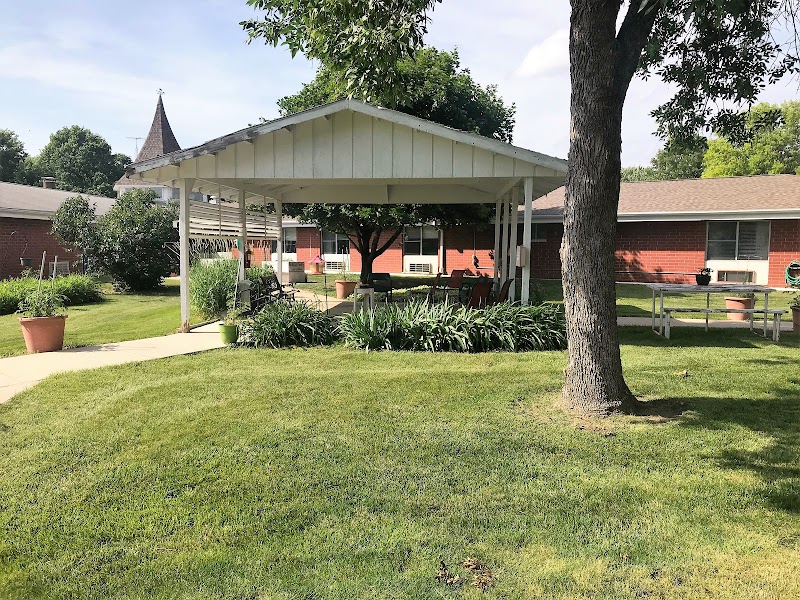
How is Azria Health Clarinda Staffed?
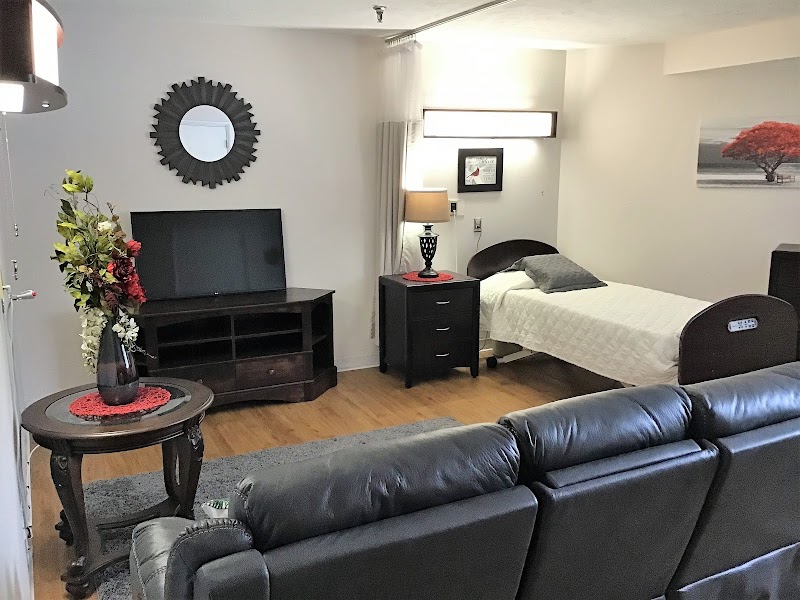
CMS rates Azria Health Clarinda's staffing level at 4 out of 5 stars, which is above average compared to other nursing homes. Staff turnover is 41%, compared to the Iowa average of 46%. This relatively stable workforce can support continuity of care. RN turnover specifically is 60%, which is notably high. RNs provide skilled clinical oversight, so turnover in this role can affect medical care quality.

What Have Inspectors Found at Azria Health Clarinda?

State health inspectors documented 14 deficiencies at Azria Health Clarinda during 2023 to 2025. These included: 1 Immediate Jeopardy (the most serious level, indicating potential for serious harm or death) and 13 with potential for harm. Immediate Jeopardy findings are rare and represent the most serious regulatory concerns. They require immediate corrective action.

Who Owns and Operates Azria Health Clarinda?

Azria Health Clarinda is owned by a for-profit company. For-profit facilities operate as businesses with obligations to shareholders or private owners. The facility is operated by AZRIA HEALTH, a chain that manages multiple nursing homes. With 70 certified beds and approximately 59 residents (about 84% occupancy), it is a smaller facility located in Clarinda, Iowa.

How Does Azria Health Clarinda Compare to Other Iowa Nursing Homes?

Compared to the 100 nursing homes in Iowa, Azria Health Clarinda's overall rating (2 stars) is below the state average of 3.0, staff turnover (41%) is near the state average of 46%, and health inspection rating (3 stars) is at the national benchmark.

What Should Families Ask When Visiting Azria Health Clarinda?

Based on this facility's data, families visiting should ask: "What changes have been made since the serious inspection findings, and how are you preventing similar issues?" "Can I visit during a mealtime to observe dining assistance and food quality?" "How do you handle medical emergencies, and what is your hospital transfer rate?" "Can I speak with family members of current residents about their experience?" These questions are particularly relevant given the facility's Immediate Jeopardy citations.

Is Azria Health Clarinda Safe?

Based on CMS inspection data, Azria Health Clarinda has documented safety concerns. Inspectors have issued 1 Immediate Jeopardy citation (the most serious violation level indicating risk of serious injury or death). The facility has a 2-star overall rating and ranks #100 of 100 nursing homes in Iowa. Families considering this facility should ask detailed questions about what corrective actions have been taken since these incidents.

Do Nurses at Azria Health Clarinda Stick Around?

Azria Health Clarinda has a staff turnover rate of 41%, which is about average for Iowa nursing homes (state average: 46%). Moderate turnover is common in nursing homes, but families should still ask about staff tenure and how the facility maintains care continuity when employees leave.

Was Azria Health Clarinda Ever Fined?

Azria Health Clarinda has been fined $16,448 across 1 penalty action. This is below the Iowa average of $33,243. While any fine indicates a compliance issue, fines under $50,000 are relatively common and typically reflect isolated problems that were subsequently corrected. Families should ask what specific issues led to these fines and confirm they've been resolved.

Is Azria Health Clarinda on Any Federal Watch List?

Azria Health Clarinda is not on any federal watch list. The most significant is the Special Focus Facility (SFF) program, which identifies the bottom 1% of nursing homes nationally based on persistent, serious quality problems. Not being on this list means the facility has avoided the pattern of deficiencies that triggers enhanced federal oversight. This is a positive indicator, though families should still review the facility's inspection history directly.