Clarksville Skilled Nursing & Rehab Center
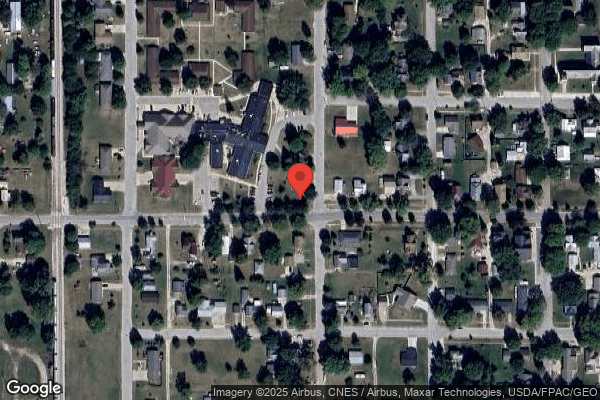
115 North Hilton St, Clarksville, IA 50619 (319) 278-4900
For profit - Corporation 42 Beds Independent Data: November 2025
Trust Grade
65/100
#177 of 392 in IA
Last Inspection: April 2025

Within standard 12-15 month inspection cycle. Federal law requires annual inspections.

Overview

Clarksville Skilled Nursing & Rehab Center has a Trust Grade of C+, indicating that it is slightly above average but not exceptional. It ranks #177 out of 392 facilities in Iowa, placing it in the top half, and #2 out of 5 in Butler County, suggesting it is one of the better local options. However, the facility is experiencing a worsening trend, with issues increasing from 2 in 2024 to 7 in 2025. Staffing is a strength, rated 4 out of 5 stars, with a turnover rate of 42%, which is slightly below the state average, indicating that staff generally remain in their positions. Notably, the facility has $0 in fines, which is a positive sign, but recent inspection findings revealed serious concerns, including failing to follow doctor's orders for dietary restrictions, resulting in choking incidents, and not notifying families about significant changes in residents' conditions. While there are strengths in staffing and no fines, families should be aware of the recent increase in issues and specific incidents that raise concerns about care quality.

Trust Score
C+
65/100
In Iowa
#177/392
Top 45%
Safety Record
Moderate
Needs review
Inspections
Getting Worse
2 → 7 violations
Staff Stability
○ Average
42% turnover. Near Iowa's 48% average. Typical for the industry.
Penalties
✓ Good
No fines on record. Clean compliance history, better than most Iowa facilities.
Skilled Nurses
○ Average
Each resident gets 34 minutes of Registered Nurse (RN) attention daily — about average for Iowa. RNs are the most trained staff who monitor for health changes.
Violations
○ Average
10 deficiencies on record. Average for a facility this size. Mostly minor or procedural issues.
★★★☆☆
3.0
Overall Rating
★★★★☆
4.0
Staff Levels
★★★★☆
4.0
Care Quality
★★★☆☆
3.0
Inspection Score
Stable
2024: 2 issues
2025: 7 issues

The Good

  • 4-Star Staffing Rating · Above-average nurse staffing levels
  • 4-Star Quality Measures · Strong clinical quality outcomes
  • Full Sprinkler Coverage · Fire safety systems throughout facility
  • No fines on record
  • Staff turnover below average (42%)

    6 points below Iowa average of 48%

Facility shows strength in staffing levels, quality measures, fire safety.

The Bad

3-Star Overall Rating

Near Iowa average (3.1)

Meets federal standards, typical of most facilities

Staff Turnover: 42%

Near Iowa avg (46%)

Typical for the industry

The Ugly 10 deficiencies on record

1 actual harm
Jul 2025 2 deficiencies 1 Harm
SERIOUS (G) 📢 Someone Reported This

A family member, employee, or ombudsman was alarmed enough to file a formal complaint

Actual Harm - a resident was hurt due to facility failures

Deficiency F0805 (Tag F0805)

A resident was harmed · This affected 1 resident

**NOTE- TERMS IN BRACKETS HAVE BEEN EDITED TO PROTECT CONFIDENTIALITY** Based on observations, interviews, and record review, the facility failed to follow Doctor's Orders for 2 out of 3 residents rev...

Read full inspector narrative →
**NOTE- TERMS IN BRACKETS HAVE BEEN EDITED TO PROTECT CONFIDENTIALITY** Based on observations, interviews, and record review, the facility failed to follow Doctor's Orders for 2 out of 3 residents reviewed (Resident #2 and Resident #3). Resident #2 had an order for a mechanical soft diet with ground meat. Resident #2 received cut up sausage links instead of ground up sausage for breakfast. Resident #2 had a coughing/choking spell and five days later they admitted to the hospital with aspiration pneumonia. Resident #3 had an order for cut up meat. The kitchen staff prepared to serve Resident #3 a cheeseburger without cutting the meat cut up, as ordered by the Doctor. The facility reported a census of 34 residents.Findings include:1. Resident #2's Minimum Date Sheet (MDS) assessment dated [DATE], identified a Brief Interview for Mental Status (BIMS), score of 7, indicating severely impaired cognition. Resident #2 ate independently. The MDS included a diagnosis of heart failure. The MDS reflected Resident #2 had a mechanically altered diet (required change in texture of food or liquids). The Care Plan Problem reviewed 7/7/25 indicated Resident #2 had difficulty chewing and swallowing related to dysphagia (swallowing difficulties), having 2 teeth pulled, and unable to wear his lower denture. The Care Plan included the following approaches:a. 3/25/25: Mechanical soft diet with ground meats. b. 6/26/25: Nectar thickened liquids. A Progress Note authored by Staff A, Licensed Practical Nurse (LPN), dated 6/12/25 at 8:55 AM, documented Staff A in the dining room giving a resident their medication at approximately 7:55 AM and overheard a kitchen aide ask Resident #2 if he was okay. Staff A turned and noted he had a red face, he couldn't speak, he didn't make the universal choking signal with his hands but attempted to cough up food. Resident #2 had some air exchange and continued to attempt to cough. He had a small emesis (vomit) of undigested food and liquid into the garbage at table. The staff assisted Resident #2 back to his room. While in his room, noted redness left his face, and he became pale. Once in his room Resident #2 had a more effective cough and had a moderate emesis of undigested food and liquid. He continued to cough and threw up 2 cut chunks of sausage. Resident #2 spit up phlegm but could talk to the nurse and to the Assistant Director of Nursing (ADON) with clear and appropriate speech. No staff intervention beyond forward positioning and patting on his back to promote coughing required. Resident #2 stated that never happened before and reported being fine. The nurse obtained the following vital signs (VS):a. Blood Pressure (BP) 170/72 (Measuring standard 120/80)b. Temperature (T) 97.1 Fahrenheit (F) (Measuring standard 98.6)c. Oxygen saturation (PO2) 96% on room air (RA) (Measuring standard greater than 90%)d. Pulse (P) 64 (Measuring standard 60 - 100)e. Respirations (R) 18 (Measuring standard 12 - 20)Resident #2 told the nurse as he winked, they are reason his blood pressure is up. The assessment revealed lung sounds (LS) with course crackles (short popping noises in the lungs) and wheezes (high pitched lung sounds) throughout all anterior (front) et posterior (back) lung fields. The nurse provided him with an as needed (PRN) nebulizer (delivers medicine through a mist to the lungs) was given at this time. At 8:15 AM, this writer returned to resident's room following the nebulizer treatment et noted resident had some audible wheezes (could hear without a stethoscope), LS assessed and noted no course crackles, but he did have occasional expiratory (breathe out) wheezes to posterior bases (bottom of the lungs). His VS measured the following:a. BP 132/62,b. P 55c. R 18d. T 97.5 F e. PO2 94% RA. At 8:25 AM, the nurse placed a telephone call (TC) to the Primary Care Provider (PCP)'s office, spoke with receptionist and reported they needed to speak with the PCP's nurse. The receptionist transferred the facility nurse to the PCP nurse's voicemail. The facility nurse left a message regarding the incident that morning and Resident #2's condition since the incident. The nurse asked about a new order from the PCP for emergency room (ER) evaluation or STAT (without delay) portable x-ray. The nurse requested a TC back as soon as possible. The facility expected the PCP for rounds that afternoon. At 8:50 AM, the nurse made a TC to Resident #2's son and updated him on the incident that morning and his condition since. The nurse reported she waited for a TC back from PCP and they expected the PCP to come to the facility for rounds that afternoon. He asked how Resident #2 did the previous night and noted he didn't have notes in the nurses' notes. He reported his brother got a phone call from Resident #2 and told him This is the end. The nurse reported Resident #2 didn't make any no statements like that that morning, and other than the incident he appeared in a pleasant mood. The nurse reported she would continue to assess Resident #2 and notify his son of any new orders from the PCP or if he had any change in condition. He verbalized understanding and satisfaction with the plan of care.A Progress Note dated 6/17/25 at 6:44 PM, documented that at 5:10 PM a CNA called the nurse into Resident #2's room, due to him being pale with respirations of 22. The note described Resident #2 as hard to wake and with audible (heard without a stethoscope) wheezes. The nurse's assessment revealed Resident #2's lungs as very coarse throughout. At 5:17 PM, the nurse called Resident #2's son who gave the okay to send his father to the ER. At 5:29 PM, the nurse got an order from the Doctor to send Resident #2 to the ER. At 5:45 PM, the transportation specialist arrived to take Resident #2 to the ER. The nurse notified the son, who said he would meet them there. At 5:50 PM, called ER to give nurse to nurse report.An ED General/Miscellaneous Note dated 6/17/25 at 6:20 PM, reflected Resident #2's chief complaint as shortness of breath. Resident #2 didn't provide much information personally. The facility reported he choked. The note included a diagnosis of aspiration pneumonia. An impression from a Radiology final report interpretation for a 1 view chest x-ray dated 6/17/25 at 6:22 PM, Resident #2 had pneumonia in his medial (middle) left lung base and directed to follow up to ensure clearing. The findings included patchy opacities (white patches on x-ray) of the medial left lung base.The Progress Note dated 6/17/25 at 8:35 PM, reflected the nurse called the ER. The hospital staff reported they planned to admit Resident #2 for a few days with antibiotics due to pneumonia. The nurse called and notified the DON.The Progress Note dated 6/19/25 at 10:27 AM, the nurse received a call from the hospital. They reported the Speech Therapist would evaluate Resident #2 that day, and he would likely discharge the next day. The Progress Note dated 6/20/25 at 10:44 AM, the nurse received a call from the hospital's Social Worker (SW). They reported Resident #2 would stay another night due to increase in BNP (blood test that indicates heart failure when elevated), and he had a swallow study that day at 1 PM. The Progress Note dated 6/22/25 at 10:29 AM, indicated the facility nurse spoke to the hospital Registered Nurse (RN) about an update on Resident #2. They wanted to watch Resident #2's lab work for another night. They planned to discharge Resident #2 back to the facility for skilled care the next day. The Progress Note dated 6/23/25 at 10:23 AM, identified the nurse received a call from the hospital's SW. Resident #2 had blood in his stool and they would keep another day for monitoring.The Progress Note dated 6/24/25 at 10:00 AM, reflected the nurse received a call from a hospital RN with report. Resident #2 had a nectar thickened, mechanical soft diet. He had an order to use the incentive spirometry (technique used using a handheld device to improve lung function during recovery from lung illness) usage 2500 (level reached by the resident). He had crackles in his left lower base. They obtained his weight and took him to lunch. Resident #2 had a new order for nectar thick liquids. He returned to the facility on a skilled care level for aspiration pneumonia (a bacterial infection in your lungs caused by inhaling something other than air) and exacerbation (worsening) of CHF (Congestive Heart Failure). He would work with PT/OT/ST (Physical Therapy/Occupational Therapy/Speech Therapy). The nurse notified the staff to monitor and record his output every shift, do daily weights, and give him thickened liquids. On 7/7/25 at 3:40 PM, a pleasant Resident #2 stated he remembered the morning he started coughing. He reported he had a sausage that morning, but he didn't feel the pieces were too big. He thought it was just a weird coughing episode. He acknowledged he went to the hospital a few days later and was treated for pneumonia. On 7/7/25 at 3:02 PM, Staff B, Cook, stated that morning went by pretty quickly as they were a little behind on passing out drinks. Staff B stood by the steam table, and she noticed Resident #2 turning red. Staff B saw Staff A get up out of her chair and went to Resident #2. Staff B directed to grab a garbage, and then Resident #2 threw up some. Staff A saw the pieces of sausage that were on his plate which he didn't eat and weren't very ground up. Staff B reported Staff C as the cook that day. Staff B stated she usually didn't give the residents on mechanical soft diets hot dogs or sausages as they don't grind up very well, in her opinion. They asked Staff B to write a statement, so she didn't talk with Staff C right away. They had the steam table out in the dining room by the bird cage with Staff C and Staff B both serving food. Staff B stated she didn't remember giving Resident #2 his food as she focused on passing out the drinks because the residents started coming out to the dining room and They didn't have their drinks yet. Resident #2 had the rest of the food almost gone off of his plate and everything else on that plate would have fit in with his diet. Staff C got quiet after that incident that day and she didn't really talk to Staff B after that. Staff B stated everyone in the kitchen knows Resident #2 is on a mechanically soft diet with ground meats. Staff C had served him ground meat before this happened, so Staff B knew that Staff C knew (Resident #2's diet) too. When asked what size the chunks of sausage were, she showed a distance between her thumb and index finger. When asked if the pieces of sausage she saw were appropriate sized for ground meat, she said no. It appeared that the size she indicated as about the size of a star on a small decorative flag on the table. She nodded and said that the star was about the right size. The star measured on the ruler application on a cell phone, as 0.56 centimeters (cm). On 7/8/25 at 10:57 AM, Staff A stated that morning their floor nurse called in, so between Staff A and the ADON they covered the floor. Staff A gave medications to another resident who sat in the dining room. Staff A thought Staff B stated Resident #2 was coughing. Staff A stated Resident #2 did have an ineffective cough and had a small emesis. Staff A pushed Resident #2 down to his room in his wheelchair where he proceeded to have another emesis and continued coughing. He brought up 2 pieces of sausage. When asked if the sausage pieces were ground Staff A said no. Staff A stated she didn't see what he had on his plate in the dining room. They served sausage links that morning. She only saw the pieces of sausage he vomited. Staff A described it as the full diameter of the link; she indicated with her thumb and index finger (approximately 1 1/2 cm) but the width of the sausage piece as maybe the width of the white stripe on the flag. The white stripe on the flag measured 0.58 cm. Staff A added the ADON came in the room as well. Staff A described Resident #2's color as red during the coughing episode and then became pale after that, but then his color returned. He did have some audible wheezing, but had clear speech and he acted normal. Staff A and the ADON discussed the diet compared to the piece of sausage Staff A saw. Staff A didn't know if the ADON looked at the sausage at that time. They looked into Resident #2's diet order. Staff A stated the pieces of sausage she saw Resident #2 cough up were too big for his mechanical soft diet with ground meat. The ADON went to talk with the cook and Staff A called the PCP and Resident #2's family. On 7/8/25 at 11:13 AM, the ADON, Licensed Practical Nurse (LPN), stated Staff A asked her over the walkie talkie to go to Resident #2's room. When she got there Resident #2 had pretty much coughed everything up. The ADON said Resident #2 could talk but had his face a little flushed. This ADON stated she didn't see the sausage. She did see some phlegm come up, but she didn't see the sausage. The ADON stated talked with Staff C but didn't remember Staff C's response. The ADON reported she knew Staff C said Resident #1 had sausage that morning but couldn't remember if Staff C said it was ground or not. On 7/8/25 at 11:30 AM, lunch service began, observed the CDM stood next to the steam table, and Staff C plated the food. Staff C served Resident #2 first with a loose meat hamburger on a bun with cheese, 4 cheesy tater tots, and a small bowl of salad. The CDM described the lettuce as shredded and tater tots soft because they had cheese in them, making them appropriate for a mechanical soft diet. On 7/8/25 at 12:09 PM, the Certified Dietary Manager (CDM), stated she worked at the facility since 2013. She worked as a cook for the majority of her time and then became the Dietary Manager about 3 years ago. The CDM stated she arrived at the facility a few minutes after it happened. She stated her shift started at 8:00 AM. She stated right when she got in to work, they told her what happened. The CDM stated she didn't see the food left on Resident #2's plate. Another staff member told her Staff C threw it away. The CDM stated that when she asked Staff C about it, they didn't remember throwing his food away. When the CDM asked Staff C if she ground up the sausage, the cook said she finely chopped the sausage. The CDM found out she didn't grind any meat that morning for the breakfast buffet. The CDM said only 1 other resident at that time had a diet order for ground meat and that resident didn't like breakfast meats.On 7/8/25 at 12:45 PM, Staff C stated she didn't have any ground sausage on the breakfast buffet that morning, and Resident #2 wanted bacon. She stated she wouldn't serve Resident #2 bacon, so Staff C took a piece of sausage link and cut it up into fine pieces. Staff C stated she normally ground the sausage. They had their kitchen closed due to construction, so she would have had to run all the way down to the other end of the building to get him ground sausage. Staff C stated at that time they only had 1 resident had a diet order for ground meat. When asked if the facility had another resident with a mechanical soft diet with ground meats, Staff C said yes but that resident didn't like breakfast meats. Staff C stated she wouldn't give the resident any meat that morning, but then he asked for bacon, and she told him no bacon. When told the reported size of the sausage noted on his plate and what he vomited measured the full diameter of the sausage link and about 1/2 a cm thick. Staff C reported no way the sausage could measure that big of pieces. Staff C stated she normally cut the sausage links in half-length wise and then chopped it up so it couldn't have been the whole diameter of the link. Staff C stated the residents don't submit a breakfast menu as breakfast is always a buffet, so the resident wouldn't have choose which items they wanted like they do with lunch and supper. When asked why she didn't grind up some sausage for the buffet, Staff C stated that she guessed she didn't think about grinding up one portion of sausage that morning. Adding she forgot, otherwise she would have ground some. She then stated Resident #2 did like breakfast meats. She added Resident #2 had ground sausage for breakfast on the day of the interview. Staff C stated she heard Resident #2 ended up getting pneumonia. On 7/8/25 at 1:49 PM, The Registered Dietitian Consultant stated she knew of Resident #2 receiving cut up sausage links instead of ground sausage. When asked if it was okay to cut the sausage up instead, she stated that she would instruct staff to grind the meat even if staff stated they cut it into small pieces. She stated the staff should have ground the sausage. A Speech Therapy Treatment Encounter Note dated 7/8/25, documented Resident #2 had a diet order for a mechanically soft diet with nectar thick liquids. The note reflected therapy saw Resident #2 for ongoing dysphagia (difficulty in swallowing) intervention to promote safe swallow function. The Therapist saw Resident #2 in the dining room during the noon meal. Resident #2 tolerated the mechanical soft textures (shredded lettuce salad, ground meat cheeseburger, and cheesy tots) demonstrating adequate mastication (chewing), timely oral transit, timely swallow trigger, and no clinical signs/symptoms in 100% of trials. Speech Therapy recommended Resident #2 completed a follow-up video swallow study to assess any change in their swallowing function, specifically with liquids. Per the video swallow report from their hospital stay, Resident #2 previously had silent aspiration with thin liquids. The Therapist recommended to continue per their plan of care.On 7/9/25 at 9:57 AM, the Medical Director reported Resident #2 had an elevated BNP level, abnormal for their age. They explained Resident #2 likely had some left heart strain and they felt Resident #2 had some heart failure happening. They treated Resident #2 for both pneumonia and CHF (Congestive Heart Failure), as they happened at the same time. The Medical Director stated he thought the report the nurse gave the hospital colored the diagnosis of aspiration in the ER notes regarding a choking episode earlier in the week. He stated a 2-view x-ray of Resident #2's chest would be better to diagnosis them instead of the 1-view. 2. Resident #3's MDS assessment dated [DATE], identified a BIMS score of 99, indicating they rarely or never understood. The MDS indicated Resident #3 had severely impaired cognition for decision-making. The MDS listed Resident #3 as independent for eating. The MDS included a diagnosis of dysphagia.The Care Plan Problem start date 6/8/23 regarding Resident #3's nutritional status indicated they had difficulty swallowing as evidenced based on a diagnosis of dysphagia and their admission on a mechanically altered diet. The Approach dated 2/7/25, directed staff that Speech Therapy upgraded their diet from mechanical soft to general with cut meat. The approach included Resident #3 may need cueing to chew well, offer ground meat if he didn't eat the general cut meat. A goal with a long-term target date of 8/31/25, documented they would tolerate their diet without signs or symptoms of aspiration. A Speech Therapy Treatment Encounter Note dated 2/27/25, documented Therapy saw Resident #3for ongoing dysphagia intervention to promote safe swallow function and diet tolerance. They saw Resident #3 in the dining room and presented them with a regular texture snack. Resident #3 demonstrated adequate mastication (chewing), timely oral transit, timely swallow trigger, and no clinical signs/symptoms of aspiration in all trials, consuming entire packet (of shortbread cookies) without difficulty. Patient tolerated thin liquids without signs or symptoms aspiration. Speech Therapy to discharge on regular diet with cut up meats and thin liquids.The facility provided an untitled list with residents' names and diets dated 7/8/25. The observation used the list during lunch service observation. On 7/8/25 at 11:30 AM, lunch service began, observed the CDM stood next to the steam table, and Staff C plated the food. At 11:35 AM, the staff served the third resident, Resident #3. Staff C prepared a plate with a hamburger patty on a bun with cheese, tater tots, a small lettuce salad, and handed it to the CDM to deliver to Resident #3. The CDM turned to hand it to staff to take it to Resident #3. When asked if he needed his meat cut up, the CDM said yes, when asked if they planned to serve him the whole sandwich (without the meat being cut up), the CDM said yes. The CDM handed the plate back to Staff C and the CDM stated Resident #3 needed to have his meat cut up and directed Staff C to cut up the hamburger patty. At 11:48 PM, Staff C served a whole hamburger to another resident, the CDM stopped her and reminded her the resident needed their meat cut up. The CDM reminded the [NAME] again when she tried to serve a full hamburger on a bun to another resident with an order for cut up meat. The CDM stated all of the resident at that table have an order for cut up meat. She repeated this as the cook prepared another resident's hamburger.At 12:02 PM, the CDM whispered to Staff C. Staff C cut up another resident's hamburger. At 12:05 PM, the CDM whispered to Staff C again. Staff C cut up another resident's hamburger. The Resident Diet Order List included 9 residents with direction to cut meat. Of these 9 residents, 6 of them received hamburgers (not the alternative of chef salad). The CDM had to remind Staff C to cut the meat for all 6 of the residents served hamburgers with cut meat direction on the diet sheet. On 7/8/25 at 12:09 PM, the CDM confirmed Staff C wasn't going to cut up any of the hamburgers that day. After the first one, she needed to remind her for each resident who required cut up meat. She reported it as frustrating, as the cooks have all of the residents' names and their orders right there to look at, so they know what to serve. On 7/8/25 at 12:45 PM, Staff C stated because they had hamburger that day for lunch, she didn't think she had to cut it up. Staff C stated if it were a pork chop, Swiss steak, chicken, turkey, roast beef, pork loin, or anything like that she would have cut the meat. Staff C added she cut everybody's meat. Staff C stated nobody ever told her she needed to cut up hamburger, she stated she never knew that. On 7/8/25 at 1:49 PM, when asked about the meal that day that Staff C didn't cut up the cheeseburgers for residents with orders to cut up meat as written on the diet sheet, the Registered Dietitian Consultant responded it depended on if they needed the cut meat for a set up assist or if Speech Therapy recommended, they needed all meat cut up. The Registered Dietitian received a list of the residents observed that day that Staff C gave a whole hamburger with instruction to cut up meat on the diet list provided by the CDM. She stated she would look over the residents and call back. The list included Resident #3. On 7/8/25 at 2:14 PM, the Registered Dietitian stated she viewed the notes. She reported the list included Resident #3 as the only resident with a ST recommendation. She explained they needed to cut up Resident #3's meats due to swallowing difficulties/dysphagia. The Dietitian reported the other residents on the list, had orders as they needed set up assistance as they have difficulty cutting their food. She stated they should have cut up Resident #3's hamburger. On 7/8/25 at 4:15 PM, the Director of Nursing and the Administrator acknowledged the concern with Resident #2 receiving the wrong diet, choking, and required going to the hospital a few days later. They acknowledged the concern of Resident #3 planned to be served a hamburger patty not cut up. They stated they understood the Registered Dietitian stated Resident #2 should have received ground sausage, not cut up sausage, and someone should have cut up Resident #3's hamburger cut up per his diet order as he had swallowing difficulties/dysphagia. They acknowledged the CDM did give the plate back to Staff C after being questioned if the meat needed to be cut up and acknowledged the CDM admitted they were going to serve Resident #3 the whole hamburger without cutting it up. An undated Dietary Services policy directed the facility provide residents nutrition within the diets as ordered by their physician. The policy instructed to plan and follow menus to meet the nutritional needs of residents according to their physicians' orders. In addition, provide diets as directed by the consultant dietician.
CONCERN (D) 📢 Someone Reported This

A family member, employee, or ombudsman was alarmed enough to file a formal complaint

Potential for Harm - no one hurt, but risky conditions existed

Notification of Changes (Tag F0580)

Could have caused harm · This affected 1 resident

**NOTE- TERMS IN BRACKETS HAVE BEEN EDITED TO PROTECT CONFIDENTIALITY** Based on interviews, observations, record and policy review, after the facility identified a change in a resident's condition, t...

Read full inspector narrative →
**NOTE- TERMS IN BRACKETS HAVE BEEN EDITED TO PROTECT CONFIDENTIALITY** Based on interviews, observations, record and policy review, after the facility identified a change in a resident's condition, the facility failed to notify a resident's family or responsible party for 1 of 3 residents reviewed (Resident #1). After staff heard the door alarm sound, they found Resident #1 attempted to exit the building, opened a door and was outside on the sidewalk. The facility didn't notify Resident #3's wife of the incident until days later. The facility reported a census of 34 residents.Findings include: Resident #1's Minimum Data Set, dated [DATE], identified a Brief Interview for Mental Status documented a score of 11 out of 15, indicating moderately impaired cognition. Resident #1 used a wheelchair for mobility. The MDS included diagnoses of unspecified dementia and depression.A Doctor's Order dated 5/28/25, directed to apply a wander management device to the right side of Resident #1's wheelchair every day, evening, and night shift. A Care Plan Problem dated 5/28/25, documented Resident #1 had a risk for elopement. The approaches directed the staff the following:a. Check battery life on wander-management device every week.b. Check location of wander-management each shift.c. A wander-management device applied to the right side of his wheelchair. A Progress Note dated 5/17/25 at 5:42 AM recorded as a late entry on 5/18/25 at 5:42 AM, authored by Staff E, Registered Nurse (RN). After the employee door alarm sounded, a Certified Nurse Aide (CNA) went to investigate and found Resident #1 pushed open the door. When the CNA asked Resident #1 what he was doing, he replied I'm trying to get out of here. The CNA returned Resident #1 to the 200-hallway. A Progress Note dated 5/28/25 at 12:30 PM, documented the staff applied a wander management device to Resident #1's wheelchair. A Progress Note dated 5/28/25 at 2:41 PM, documented the staff notified the Primary Care Provider of Resident #1's wander management and potential elopement. In the Internal Investigation Notes, the Director of Nursing (DON), documented on 5/19/25 she received report from Staff E. Staff E reported Resident #1 pushed open the door to the employee entrance. The DON asked Staff E if they put on wander device on Resident #1. Staff E replied no, because he didn't exit the building. On 5/27/25 another nurse reported to the DON they found Resident #1 outside on 5/17/25. The DON started an internal investigation and notified the Administrator. On 5/25/25 at 12:00 PM, the DON notified Resident #1's Spouse in person of the incident. On 7/7/25 at 3:55 PM, when asked if he remembered going out a door in the building, Resident #1 responded he didn't actually live at the facility. He encouraged to ask his roommate, (the guy over there and pointed at the curtain), as he actually lived at the facility. Resident #1 responded pleasant as he sat in his recliner in his room. On 7/8/25 at 10:43 AM, witnessed Resident #1's spouse sitting on his bed in his room. Resident #1 sat in his wheelchair using an electric razor to shave. The wife stated she really didn't believe Resident #1 opened the door. She acknowledged he had memory issues but said that just isn't something he would do. She said the facility didn't have video or anything showing him trying to go out the door. She said she felt he is absolutely safe, and she had no concerns about his safety. She stated they put a wander device on him after they said he tried to go out the door. She pointed to the wander device on his wheelchair. He never tried anything like that before, she said, so's why it's so hard to believe it. She stated she didn't get notified until days after the incident happened.On 7/8/25 at 3:14 PM, Staff D, CNA, stated when she came into work the night of the incident and when everybody finished up after supper. She started her shift at 6 PM. At that time, she saw Resident #1 and he wheeled himself back to his room using his hands and his feet to propel himself in the wheelchair. At that time, the door alarm went off and it sounded the same as a call light. The door alarms didn't go off very often at all. Staff D stated she didn't see it come across her pager, as she assisted another resident transfer to a chair. Then when she walked to the nurses' station to see the computer panel, it showed the employee door alarmed and 6 minutes passed since the alarm went off. At the time, Staff D asked other staff member through her walkie talkie if anyone went out the door or checked the door. Staff D thought one person may have answered it, but added they were with another resident. Staff D went to the employee door immediately after and found Resident #1 with the right rear wheel of his wheelchair propping the door open. Staff D stated he had his left front wheel off of the sidewalk. The sky was still light outside it without rain or anything. It was probably close to the temperature inside, probably around 70 degrees. Staff D stated after she wheeled him back, probably a minute or two later, Staff E came out and she told her what happened. Staff E only asked Staff D what Resident #1 said. When Staff D him where he was going, he replied he was going home. Staff D didn't believe Staff E asked any further questions. Staff D remembered telling Staff E about Resident #1 being outside. Staff E really didn't ask Staff D any other questions. Staff D remembered being really worried about him being stuck on the lip of the sidewalk and pretty sure she told Staff E about it. On 7/8/25 at 3:42 PM, the Director of Nursing (DON), stated she found out about the incident a week or two after it happened. The DON stated Staff D told another nurse about the incident. The DON stated Staff E didn't know Resident #1 went outside. The DON reported she expected Staff E to ask Staff D to make sure she heard correctly. Staff E viewed the incident as he didn't go outside as he just kind of pushed the door open. The DON stated Resident #1 never showed any exit seeking behaviors. The DON described Resident #1 as non-ambulatory when he admitted to the facility because of a fracture. She added he didn't show any exit seeking behaviors since the incident. On 7/9/25 at 10:58 AM, Staff E stated she apparently misheard over the walkie he attempted to get out but didn't. Staff E thought he was in the process of trying to get out. Staff E stated she should have done more. Staff E said she didn't know he actually got the door open or got completely outside at all. Staff E thought he attempted to get out. Staff E reported Resident #1 attempting to get out a door as new to him. Staff E stated she didn't tell his wife, and she should have. Staff E clarified she meant calling the wife as what she should have done more. Staff E stated they didn't really talk much about it after it happened that night due to the chaos of the night. On 7/9/25 at 11:50 AM, the DON acknowledged the concern regarding Resident #1's exit seeking behavior being new and the facility should have notified the family the day the incident occurred. An undated Change in Condition policy directed the following:Purpose: To monitor and report changes of residents' conditions.The facility will make every effort to inform the resident, consult with the resident's physician, and notify consistent with his or her authority, the resident representative when they need to alter treatment significantly, discontinue an existing form of treatment due to adverse consequences, or to commence a new form of treatment.An undated Missing Resident/Tenant Information report directed staff to identify the next of kin and relationship, their address, and their telephone number.
Apr 2025 5 deficiencies
CONCERN (D) 📢 Someone Reported This

A family member, employee, or ombudsman was alarmed enough to file a formal complaint

Potential for Harm - no one hurt, but risky conditions existed

Assessment Accuracy (Tag F0641)

Could have caused harm · This affected 1 resident

**NOTE- TERMS IN BRACKETS HAVE BEEN EDITED TO PROTECT CONFIDENTIALITY** Based on record review, staff interviews and Resident Assessment Instrument (RAI) Manual the facility failed to accurately docum...

Read full inspector narrative →
**NOTE- TERMS IN BRACKETS HAVE BEEN EDITED TO PROTECT CONFIDENTIALITY** Based on record review, staff interviews and Resident Assessment Instrument (RAI) Manual the facility failed to accurately document and submit accurate resident Minimum Data Set (MDS) assessments for 2 of 12 residents reviewed (Resident #15 and Resident #18). The facility reported a census of 35 Residents. Findings include: 1. Resident #15's Minimum Data Set (MDS) assessment dated [DATE] documented a Brief Interview of Mental Status (BIMS) score of 15, indicating intact cognition. The MDS included diagnoses of hypertension (high blood pressure), diabetes, and anemia (low blood iron). The MDS lacked documentation of Resident #15's new diagnosis of atrial fibrillation (abnormal heart rate that affects breathing and clotting of the blood) and lacked documentation that she received an anticoagulant during the lookback period. Resident #15's Hospital Discharge summary dated [DATE] documented the principal problem for the hospitalization as atrial fibrillation. In addition, the summary included an order for Eliquis (an anticoagulant medication used to thin the blood to prevent blood clots) to give twice daily. Resident #15's February and March 2025's Medication Administration Record (MAR) reflected they received Eliquis during the seven-day lookback period. During an interview on 4/2/25, the Director of Nursing (DON) reported she reviews the order sheets to determine what medications residents take to code on the MDS. She reported the MDS should have Eliquis coded. She reported the facility didn't have a policy for MDS the facility followed the RAI Manual. The RAI Manual instructed to coded diagnoses in the last 60 days from sources which included hospital discharge summaries. The RAI Manual instructed to code any high-risk medications received during the 7 day lookback period. The RAI listed an anticoagulant as a high-risk medication. 2. Resident #18's MDS assessment dated [DATE] documented a BIMS score of 15, indicating intact cognition. The MDS included diagnoses of hypertension, hemiplegia (the inability to move one-side of the body or severe weakness on one-side of the body) and Rheumatoid arthritis (a long-term connective tissue disorder that affects movement and comfort). The MDS reflected Resident #18 used bed rails as a restraint (any manual method, physical, or mechanical device, material or equipment attached or adjacent to the resident's body that the individual cannot remove easily which restricts freedom of movement or normal access to one's body). The Care Plan Problem revised 1/29/25 documented Resident #18 couldn't complete bed mobility by herself. The Interventions directed she had bilateral short side rails to the upper half of her bed. She used them to assist with repositioning side to side, and when staff provide care. During an interview on 4/2/25 at 11:20 AM, the DON reported they're not to code side rails on the MDS as a restraint for Resident #18. She added it happened in error. The RAI Manual documented to evaluate whether the resident can easily and voluntarily remove any manual method or physical or mechanical device, material, or equipment attached or adjacent to their body. If the resident cannot easily and voluntarily do this, continue with the assessment to determine whether or not the manual method or physical or mechanical device, material or equipment restrict freedom of movement or restrict the resident's access to their own body. If it does then to code as a restraint.
CONCERN (D) 📢 Someone Reported This

A family member, employee, or ombudsman was alarmed enough to file a formal complaint

Potential for Harm - no one hurt, but risky conditions existed

Deficiency F0710 (Tag F0710)

Could have caused harm · This affected 1 resident

**NOTE- TERMS IN BRACKETS HAVE BEEN EDITED TO PROTECT CONFIDENTIALITY** Based on record review, policy review, and staff interviews, the facility failed to follow physician orders. In addition, the fa...

Read full inspector narrative →
**NOTE- TERMS IN BRACKETS HAVE BEEN EDITED TO PROTECT CONFIDENTIALITY** Based on record review, policy review, and staff interviews, the facility failed to follow physician orders. In addition, the facility failed to notify the physician of medication error for 1 of 1 residents reviewed (Resident #36). The facility reported a census of 35 residents. Findings include: Resident #36's Minimum Data Set (MDS) assessment dated [DATE] identified him with severe impaired cognitive skills for daily decision making. The MDS reflected he had a short- and long-term memory problem. The MDS included diagnoses of cancer, dementia, anxiety, and depression. The MDS listed Resident #36 received hospice level of care. Resident #36's Hospice admission Orders dated 3/5/25, directed to discontinue the following medications: gabapentin (anticonvulsant and nerve pain medication) and Seroquel (antipsychotic medication). Resident #36's March 2025 Medication Administration record included documentation that reflected he received the following medications: a. Start date 3/7/25 - open ended (indicating no end date): Gabapentin tablet 600 milligrams (MG). Give 1 tablet at bedtime. - Staff documented giving him this medication on 3/7/25 and 3/8/25. b. Start date 3/7/25 - open ended: quetiapine (Seroquel) tablet 25 MG. Give 1 tablet twice a day. - Staff documented giving him this medication in the evening of 3/7/25, and both shifts for 3/8/25 and 3/9/25. The clinical record lacked documentation of communication with the physician on error in giving Seroquel and Gabapentin. During an interview on 4/2/25 at 2:15 PM, the Director of Nursing (DON) reported the Assistant Director of Nursing put the orders in and a second nurse verified the orders. The facility sent the provider the orders to review. The DON reported the staff didn't notice until after Resident #36 discharged from the facility the medication discrepancy when they reviewed his chart. She reported no one notified the physician of the error since Resident #36 no longer resided in the building. During an interview on 4/2/25 at 2:40 PM the Physician reported he didn't know of Resident #36's medication errors. He reported he didn't see the patient at the facility and so he didn't know when he signed the orders on 3/11/25 that the facility put the wrong transcription in the system. He reported Resident #36 recently took the medications so it wouldn't have harm concerns since he used it for a long period of time. The undated facility policy titled Physician Order Transcription Policy and Procedure Sample for Skilled Nursing Facility directed the facility to accurately document physician orders into the electronic medical records system. The undated facility policy titled Medication Errors directed staff to notify the physician or health care practitioner as soon as possible. Staff are to document actions taken in the medical record.
CONCERN (D) 📢 Someone Reported This

A family member, employee, or ombudsman was alarmed enough to file a formal complaint

Potential for Harm - no one hurt, but risky conditions existed

Pharmacy Services (Tag F0755)

Could have caused harm · This affected 1 resident

**NOTE- TERMS IN BRACKETS HAVE BEEN EDITED TO PROTECT CONFIDENTIALITY** Based on record review, policy review and staff interviews, the facility pharmacist failed to provide pharmaceutical services to...

Read full inspector narrative →
**NOTE- TERMS IN BRACKETS HAVE BEEN EDITED TO PROTECT CONFIDENTIALITY** Based on record review, policy review and staff interviews, the facility pharmacist failed to provide pharmaceutical services to meet each resident needs by dispensing discontinued medications for 1 of 1 resident reviewed (Resident #36). The facility reported a census of 35 residents. Findings include: Resident #36's Minimum Data Set (MDS) assessment dated [DATE] identified him with severe impaired cognitive skills for daily decision making. The MDS reflected he had a short- and long-term memory problem. The MDS included diagnoses of cancer, dementia, anxiety, and depression. The MDS listed Resident #36 received hospice level of care. Resident #36's Hospice admission Orders dated 3/5/25, directed to discontinue the following medications: gabapentin (anticonvulsant and nerve pain medication) and Seroquel (antipsychotic medication). The Pharmacy Facility Delivery Log reflected the pharmacy delivered on 3/6/25 Gabapentin and Seroquel for Resident #19. During an interview on 4/2/25 at 3:00 PM, the facility Pharmacist reported the pharmacy has access to the facility's electronic health record (facilities system for electronic charting). The Pharmacist reported he cross referenced the hospice admission orders to the electronic health record and noted the admission orders didn't have an order to continue the Seroquel and gabapentin. The Pharmacist reported he thought they were new orders again since Resident #36 had recently been on them prior to coming to the facility with review of his prior records from the hospital. He reported to not delay Resident #36 receiving his medications so he filled and sent them to the facility. The undated facility policy titled Ordering and Receiving Medications instructed prior to filling any medications, the pharmacist reviews the order and clarified any concerns with the attending physician prior to dispensing.
CONCERN (D) 📢 Someone Reported This

A family member, employee, or ombudsman was alarmed enough to file a formal complaint

Potential for Harm - no one hurt, but risky conditions existed

Deficiency F0760 (Tag F0760)

Could have caused harm · This affected 1 resident

**NOTE- TERMS IN BRACKETS HAVE BEEN EDITED TO PROTECT CONFIDENTIALITY** Based on record review, policy review and staff interviews, the facility failed to prevent significant medication error for 1 of...

Read full inspector narrative →
**NOTE- TERMS IN BRACKETS HAVE BEEN EDITED TO PROTECT CONFIDENTIALITY** Based on record review, policy review and staff interviews, the facility failed to prevent significant medication error for 1 of 1 residents reviewed (Resident #36). The facility reported a census of 35 residents. Findings include: Resident #36's Minimum Data Set (MDS) assessment dated [DATE] identified him with severe impaired cognitive skills for daily decision making. The MDS reflected he had a short- and long-term memory problem. The MDS included diagnoses of cancer, dementia, anxiety, and depression. The MDS listed Resident #36 received hospice level of care. Resident #36's Hospice admission Orders dated 3/5/25, directed to discontinue the following medications: gabapentin (anticonvulsant and nerve pain medication) and Seroquel (antipsychotic medication). Resident #36's March 2025 Medication Administration record included documentation that reflected he received the following medications: a. Start date 3/7/25 - open ended (indicating no end date): Gabapentin tablet 600 milligrams (MG). Give 1 tablet at bedtime. - Staff documented giving him this medication on 3/7/25 and 3/8/25. b. Start date 3/7/25 - open ended: quetiapine (Seroquel) tablet 25 MG. Give 1 tablet twice a day. - Staff documented giving him this medication in the evening of 3/7/25, and both shifts for 3/8/25 and 3/9/25. During an interview on 4/2/25 at 2:00 PM, the Hospice Nurse reported Resident #36's family called her due to Resident #36 sitting slumped over and very sleepy when they came in the evening on 3/9/25. She reported asking the nurse to review the medication list with her. At that time, they noted the facility gave Resident #36's Seroquel and gabapentin. The Hospice nurse questioned the facility nurse about the discontinued medications but the nurse didn't know a medication error occurred or knew of any concerns of a medication error. Review of the progress notes for Resident #36 lacked documentation of medication errors, an assessment at the time, or any notifications completed after they identified the error. During an interview on 4/2/25 at 2:15 PM, the Director of Nursing (DON) reported the Assistant Director of Nursing put in the orders and a second nurse verified the orders. The facility sent the provider the orders to review. The DON reported the staff didn't notice the medication discrepancy until after Resident #36 discharged from the facility they review his clinical record. The undated facility policy titled Physician Order Transcription Policy and Procedure Sample for Skilled Nursing Facility directed the facility is to accurately document physician orders into the electronic medical records system. The undated facility policy titled Medication Errors directed to document actions taken in the medical record.
CONCERN (D)

Potential for Harm - no one hurt, but risky conditions existed

Food Safety (Tag F0812)

Could have caused harm · This affected 1 resident

Based on observation, record review and staff interview the facility failed to utilize proper food handling to prevent potential cross contamination of food to prevent food borne illness for 1 meal se...

Read full inspector narrative →
Based on observation, record review and staff interview the facility failed to utilize proper food handling to prevent potential cross contamination of food to prevent food borne illness for 1 meal service observed. The facility reported of census 35 residents. Findings include: The menu for Tuesday, 4/1/25 consisted of the following: a. Chicken dumpling Soup with a buttered croissant b. Pork chop, au gratin potato, creamed peas c. Apple cranberry crunch, peaches and milk. During an observation of the meal service on 4/1/25 at 11:48 AM, Staff A, Dietary Cook, used tongs to place a buttered croissant on a plate. Then used a ladle to place soup into a bowl. They placed the bowl of soup on the plate with the buttered croissant. Staff A used tongs to place four saltine crackers on the plate to the right of the soup bowl. Staff A used her right ungloved hand to place a soup spoon on the plate to the right of the soup bowl on the saltine crackers. Staff A adjusted the soup spoon and saltine crackers with her bare ungloved right hand touching the saltine crackers. At 11:50 AM, Staff A used tongs to place a buttered croissant on a plate. Staff A used a ladle to place soup into a soup bowl and placed the bowl on the plate with the buttered croissant. Staff A, Dietary [NAME] used tongs to remove saltine crackers from a plastic container and placed them to the right of the soup bowl. Staff A, Dietary [NAME] held the tongs in her right ungloved hand and used her ungloved left hand to lift two saltine crackers off the plate. Staff A placed her ungloved middle finger and index finger of her left hand on the edges of the saltine crackers. Staff A grasped the saltine crackers with her left hand and placed them in the plastic tub of ready to eat saltine crackers. During an interview on 4/1/25 at 11:57 AM Staff A acknowledged she touched the saltine crackers with her bare hands and placed them back into the plastic container that held the ready to serve saltine crackers. During an interview on 4/1/25 at 11:59 AM Staff B, Dietary Manager, acknowledged she observed two occasions when Staff A touched the saltine crackers with her bare hands. Staff B reported Staff A should have used tongs to handle the saltine crackers and should have thrown out the saltine cracker instead of placing them back in the plastic container of ready to eat saltine crackers. The undated facility policy titled Food Handling Policy instructed staff to always use a clean, appropriate serving utensil to serve food never use your hand. If hands must be used (i.e. for sandwiches, cookies, etc.), wear clean, disposable gloves.
Apr 2024 2 deficiencies
CONCERN (D) 📢 Someone Reported This

A family member, employee, or ombudsman was alarmed enough to file a formal complaint

Potential for Harm - no one hurt, but risky conditions existed

Deficiency F0657 (Tag F0657)

Could have caused harm · This affected 1 resident

Based on observations, interviews, and record review, the facility failed to revise and update care plans for 3 out of 16 residents reviewed (Residents #8, #13, and #30). Resident #8's care plan did n...

Read full inspector narrative →
Based on observations, interviews, and record review, the facility failed to revise and update care plans for 3 out of 16 residents reviewed (Residents #8, #13, and #30). Resident #8's care plan did not address that she had actual pressure ulcers. Resident #13's care plan did not address that she was on a diuretic medication. Resident #30's care plan did not address that she was on an antipsychotic medication. The facility reported a census of 35 residents. Findings include: 1. A Wound Management Detail Report, documented that Resident #8 had a pressure ulcer on her right ankle. It documented that the wound was identified on 2/13/24 and it documented that the wound had not been healed on 4/5/24. This management report documented that Resident #8 had a pressure ulcer on her right buttock. It documented that the wound was identified on 1/29/24. It documented that the wound was not healed on 4/5/24. A Care Plan Problem dated 1/29/24, documented that Resident #8 was at risk for pressure ulcers. The goal was Resident #8's skin would remain intact within the next 90 days. On 04/10/24 at 10:00 AM, the Licensed Nursing Home Administrator (LNHA) acknowledged that the Care Plan addressed potential pressure ulcers and did not address that this resident actually had a pressure ulcer. 2. A doctor's order dated 10/27/23, documented that Resident #13 received nursemaid (a diuretic medication) 20 mg (milligrams) orally once a day. Review of this resident's Care Plan revealed that diuretic medication was not addressed. 3. A doctor's order dated 2/20/24, documented that Resident #30 received Seroquel (an antipsychotic medication), 25 mg (milligrams) orally twice a day. Review of resident's Care Plan revealed that antipsychotic medication was not addressed. 4/9/24 at 4:10 PM, the LNHA stated they did not address antipsychotic in Resident #30's Care Plan. She stated they are going through all of the Care Plans to be sure all medications are addressed. She stated they did not address the diuretic on Resident #13's Care Plan either. She stated so far those are the only 2 residents that they have found whom didn't have medications addressed. An undated Comprehensive Care Plan Policy directed staff that revision of Care Plan: should be based on the assessment and review of the current care plan, revise the care plan as needed to reflect any changes in the resident's health status or care needs. The revised care plan should include specific goals and interventions to address the resident's physical, emotional, and social needs.
MINOR (B) 📢 Someone Reported This

A family member, employee, or ombudsman was alarmed enough to file a formal complaint

Minor Issue - procedural, no safety impact

Deficiency F0625 (Tag F0625)

Minor procedural issue · This affected multiple residents

**NOTE- TERMS IN BRACKETS HAVE BEEN EDITED TO PROTECT CONFIDENTIALITY** Based on interview and record review, the facility failed to issue a bed hold notice to 1 of 1 residents reviewed for hospitaliz...

Read full inspector narrative →
**NOTE- TERMS IN BRACKETS HAVE BEEN EDITED TO PROTECT CONFIDENTIALITY** Based on interview and record review, the facility failed to issue a bed hold notice to 1 of 1 residents reviewed for hospitalizations (Resident #13). The facility was unable to provide documentation that a notice of a bed hold policy was given to Resident #13 and/or her representative for 3 separate hospital stays. The facility reported a census of 35 residents. Findings include: A Resident Census for Resident #13 documented that this resident had been hospitalized on [DATE] to 5/26/23, 5/28/23 to 5/31/23 and 9/1/23 to 9/7/23. The facility was not able to provide documentation that a notice of bed hold policy was given for these hospitalizations. An email sent to the Licensed Home Administrator on 4/11/24 at 11:51 a.m., requested verification that the facility did not have bed hold policy for the above hospitalizations for Resident #13. Requested the Bed Hold Policy be sent via email if the facility did not have the documentation for the bed hold policy on those dates. The Licensed Home Administrator on 4/11/24 at 11:57 a.m., returned the email with the Bed Hold Policy. The facility did not have the documentation to support that the bed hold policy was given on the above dates. An undated Notice of Bed-Hold policy, directed that the notice of bed-hold policy would be given to ensure that resident or resident's representative is aware of the facility's bed-hold and reserve bed payment policy the initial discussion and disclosure of this policy is discussed with the resident and/or resident's representative upon admission. A description of this policy is located within the admission agreement.
Jan 2023 1 deficiency
CONCERN (E)

Potential for Harm - no one hurt, but risky conditions existed

Food Safety (Tag F0812)

Could have caused harm · This affected multiple residents

**NOTE- TERMS IN BRACKETS HAVE BEEN EDITED TO PROTECT CONFIDENTIALITY** Based on observation, policy review and staff interview the facility failed to measure total volume of prepared pureed food to d...

Read full inspector narrative →
**NOTE- TERMS IN BRACKETS HAVE BEEN EDITED TO PROTECT CONFIDENTIALITY** Based on observation, policy review and staff interview the facility failed to measure total volume of prepared pureed food to determine an appropriate serving size for 2 of 2 residents (Resident #3 and #16), failed to perform temperature check on food served to Resident #18 and #25, failed to properly reheat food to 165 degrees Fahrenheit (F) that was served out to 1 of 2 resident (Resident #16) and failed to prevent bare hands from coming into contact with food. The facility identified a census of 29 residents. Finding include: During an interview on 12/29/22 at 10:26 a.m. Staff A, Dietary Cook, reported they had two residents on pureed diets and she would be preparing three servings of puree for each menu item. A Fall/Winter 2021-2022 Week 3 Dinner general pureed menu: a. Chicken Kiev 4 ounces b. 1 cookie, pureed A Diet List provided to the facility on [DATE] showed Resident #3 and #16 on general diet, pureed texture with nectar thickened liquids. During an observation on 12/29/22 at 10:27 a.m. Staff A using tongs placed three 4-ounce (oz.) servings of Chicken Kiev into the Extreme mixer. Staff A added broth to the Extreme mixer, placed top on the mixer and started to blend. At 10:29 a.m. Staff A opened a bag of bread reaching in to remove two slices of bread with her bare hands, laying the two slices of bread on top of the employee dinner sign up list. The Dinner Sign Up list had multiple different writings and signatures on the sheet with a half inch by half inch faint orange stain on the lower right hand side of the paper. Staff A then picked up the two slices of bread with her bare hands and placed in the mixer with the chicken and started to blend the bread into the chicken mixture. Staff A scraped down the chicken mixture from inside the blender and using a 4 oz. scoop placed two servings into two separate bowls. The remaining amount of the mixture was scooped up with the scoop and placed in a third bowl. All three bowls were moved to the steam table. Staff A failed to measure the total volume of the puree mixture to obtain a correct serving size. During an observation on 12/29/22 at 10:42 a.m. Staff A, placed three cookies and approximately 2-3 oz. of reduced fat milk into the Extreme mixer and proceeded to blend. Staff A scraped the mixture from the inside of the blender and emptied the contents into a measuring cup. Staff A failed to actually measure any volume of the mixture and proceeded using a 2 oz. scoop separated the mixture into three small plastic cups without checking chart for total volume of mixture and number of servings. During an observation on 12/29/22 at 11:25 a.m. three serving bowls of pureed Chicken Kiev temped by Staff A, Cook, revealed a temperature of 121 degrees Fahrenheit (F), 122 degrees and 140 degrees. All three bowls of the pureed Chicken Kiev were placed back in the steam pan on the steam table. During an interview on 11/29/22 at 11:28 a.m. Staff A reported she would re-warm the pureed Chicken Kiev as she placed the three bowls of Chicken Kiev in the microwave. At 11:30 a.m. Staff A performed a temperature check on the three dishes of Chicken Kiev after reheating with the following temperatures 151 degrees, 162 degrees and 165 degrees. The two bowls of Chicken Kiev that failed to be brought up to 165 degrees were placed back in the steam pan on the steam table on the left side of the steam pan. Staff A failed to properly reheat the two bowls of Chicken Kiev that were below 165 degrees. During an observation on 12/29/22 at 11:29 a.m. Staff A failed to perform a temperature check on soup she removed from the microwave and set up on a room tray to be delivered to Resident #18. During an observation on 12/29/22 at 11:44 a.m. Staff A removed a bowl of regular cut up chicken from the steam table and served out to Resident #25 without performing a temperature on the chicken to ascertain a safe food temperature prior to serving. During an observation on 12/29/22 at 11:47 a.m. Staff A served Resident #16 the bowl of Chicken Kiev sitting on top of another bowl of Chicken Kiev on the left side of the steam table that had failed to temp at 165 degrees or higher after re-heat. During an observation on 12/29/22 at 11:54 a.m. Staff A checked a post meal temperature on the small bowl of pureed Chicken Kiev that had been put back into the left side bottom of the steam pan that had temped at 162 degrees after re-heat. The bowl of Chicken Kiev had improperly reached serving temperature from the steam table at 167.5 degrees. During an observation on 12/29/22 at 12:10 p.m. Resident #3 had eaten all of her pureed Chicken Kiev that had been served to her. Resident #16's bowl of pureed Chicken Kiev had one spoonful out of the bowl. During an interview on 12/29/22 at 12:15 p.m. the Dietary Manager stated she expected staff to use gloves to handle ready to eat foods. Food should not be touched with bare hands. All food is to be temped to assure proper temperature before food is served out to residents. She reported Staff A had been taught the volume method for preparing pureed food and had been audited. She should have measured the pureed volume for each pureed food item and then used the chart to find the correct serving size. She stated she expects all reheated food items to be above 165 degrees to be served out or the food item should not be served out. She stated she had observed the pureed Chicken Kiev had not been reheated to the appropriate temperature prior to serving. During an interview on 12/29/22 at 1:03 p.m. the Consulting Dietician reported she would expect all food to be temped to ensure a safe food temperature prior to serving. She would have expected the pureed Chicken Kiev to be reheated to 165 degrees prior to being served out for safe food temperature. She teaches the puree volume method. The Consulting Dietician reported unless there is a pureed standardized recipe for the Chicken Kiev she would expect the staff to use the puree volume method to get a correct serving size. She reported staff should not touch food with bare hands. During an interview on 12/29/22 at 1:08 p.m. the Dietary Manager reported the Chicken Kiev comes frozen from their supplier ready to cook. The kitchen did not have a pureed standardized menu for that food item. A Pureed Technique Policy, undated, provided by the facility directed the following: 1. Review menu for the food items that need to be pureed. Follow the menu exactly as planned. 2. Correct number of portions plus 1-3 are added into the blender. 3. Liquids of nutritive value are added when pureeing: meat broth, gravy, milk, sauces, juice. No water. 4. If bread and butter are on the menu these may be added to the entree for the day or half in the meat and half in the vegetable. Do not forget the butter/margarine if this is on the menu. 5. Puree food to an applesauce or smooth pudding consistency. 6. Pureed food is scraped from the blender or Robo Coupe into a measuring device to determine total volume. 7. Volume is divided by the total number of potions (including extra servings). 8. A chart is also available for assistance. If a portion is between scoop sizes, use the scoop of larger volume. 9. It is recommended to puree no more than 15 servings at a time. 10. Pureed food is placed into a serving pan and the temperature is taken. 11. Hot pureed food is reheated to 165 degrees or greater if the temperature dropped below 140 degrees. The Food Preparation and Service Policy, undated, provided by the facility listed a procedure that included food would be served at acceptable temperatures, assuring safety and quality. Hot foods would be served hot. The Policy further directed food would be placed on the steam table to maintain acceptable temperatures during the meal service and resident requiring assistance would be assisted with the meal while the food is at an appropriate temperature. A Reheating Food chart, undated, provided by the facility directed a temperature of 165 degrees (F) for leftovers and re-heating of food and holding of hot foods at 135 degrees or above. The Monitoring, Recording and Beverage Temperatures procedure, undated, provided by the facility documented the [NAME] will monitor food temperatures during the process of preparing and cooking meals by the use of steam/steam table thermometer. The [NAME] will check and record food temperatures before the service of each meal. All perishable or potentially hazardous food shall be cooked to recommended temperatures and held at a safe food temperature of 41 degrees Fahrenheit or below, or 135 degrees Fahrenheit or above. If the temperature is not within the appropriate temperature range, the food item is not to be served. The When to Wear Gloves Policy, undated, provided by the facility directed gloves must be worn when handling ready to eat foods. The 2017 Food Code specified the following: 1. Temperature control for safety-food that is cooked to a temperature and for a time received hot shall be at a temperature of 135 degrees (F) or above; 2. Except when washing fruits and vegetables, food employees may not contact exposed, ready to eat food with their bare hands and shall use suitable utensils such as deli tissues, spatulas, tongs, single-use gloves or dispensing equipment. 3. Food employees shall minimize bare hand and arm contact with exposed food that is not in ready to eat form. 4. Temperature control for safety food reheated in a microwave oven for hot holding shall be reheated to that all parts of the food reach a temperature of at least 165 degrees (F) for 15 seconds. 5. Temperature control for safety food reheated in a microwave oven for hot holding shall be reheated so that all parts of the food reach a temperature of at least 165 degrees Fahrenheit and the food is rotated or stirred, covered, and allowed to stand covered for 2 minutes after reheating.
Understanding Severity Codes (click to expand)
Life-Threatening (Immediate Jeopardy)
J - Isolated K - Pattern L - Widespread
Actual Harm
G - Isolated H - Pattern I - Widespread
Potential for Harm
D - Isolated E - Pattern F - Widespread
No Harm (Minor)
A - Isolated B - Pattern C - Widespread

Questions to Ask on Your Visit

  • "Can I speak with families of current residents?"
  • "What's your RN coverage like on weekends and overnight?"

Our Honest Assessment

Strengths
  • • No fines on record. Clean compliance history, better than most Iowa facilities.
  • • 42% turnover. Below Iowa's 48% average. Good staff retention means consistent care.
Concerns
  • • 10 deficiencies on record, including 1 serious (caused harm) violation. Ask about corrective actions taken.
Bottom line: Mixed indicators with Trust Score of 65/100. Visit in person and ask pointed questions.

About This Facility

What is Clarksville Skilled Nursing & Rehab Center's CMS Rating?

CMS assigns Clarksville Skilled Nursing & Rehab Center an overall rating of 3 out of 5 stars, which is considered average nationally. Within Iowa, this rating places the facility higher than 0% of the state's 100 nursing homes. This mid-range rating indicates the facility meets federal standards but may have areas for improvement.

How is Clarksville Skilled Nursing & Rehab Center Staffed?

CMS rates Clarksville Skilled Nursing & Rehab Center's staffing level at 4 out of 5 stars, which is above average compared to other nursing homes. Staff turnover is 42%, compared to the Iowa average of 46%. This relatively stable workforce can support continuity of care.

What Have Inspectors Found at Clarksville Skilled Nursing & Rehab Center?

State health inspectors documented 10 deficiencies at Clarksville Skilled Nursing & Rehab Center during 2023 to 2025. These included: 1 that caused actual resident harm, 8 with potential for harm, and 1 minor or isolated issues. Deficiencies causing actual harm indicate documented cases where residents experienced negative health consequences.

Who Owns and Operates Clarksville Skilled Nursing & Rehab Center?

Clarksville Skilled Nursing & Rehab Center is owned by a for-profit company. For-profit facilities operate as businesses with obligations to shareholders or private owners. The facility operates independently rather than as part of a larger chain. With 42 certified beds and approximately 33 residents (about 79% occupancy), it is a smaller facility located in Clarksville, Iowa.

How Does Clarksville Skilled Nursing & Rehab Center Compare to Other Iowa Nursing Homes?

Compared to the 100 nursing homes in Iowa, Clarksville Skilled Nursing & Rehab Center's overall rating (3 stars) is below the state average of 3.1, staff turnover (42%) is near the state average of 46%, and health inspection rating (3 stars) is at the national benchmark.

What Should Families Ask When Visiting Clarksville Skilled Nursing & Rehab Center?

Based on this facility's data, families visiting should ask: "Can I visit during a mealtime to observe dining assistance and food quality?" "How do you handle medical emergencies, and what is your hospital transfer rate?" "Can I speak with family members of current residents about their experience?"

Is Clarksville Skilled Nursing & Rehab Center Safe?

Based on CMS inspection data, Clarksville Skilled Nursing & Rehab Center has a clean safety record: no substantiated abuse findings (meaning no confirmed cases of resident harm), no Immediate Jeopardy citations (the most serious violation level indicating risk of serious injury or death), and is not on the Special Focus Facility watch list (a federal program monitoring the lowest-performing 1% of nursing homes). The facility has a 3-star overall rating and ranks #100 of 100 nursing homes in Iowa. While no facility is perfect, families should still ask about staff-to-resident ratios and recent inspection results during their visit.

Do Nurses at Clarksville Skilled Nursing & Rehab Center Stick Around?

Clarksville Skilled Nursing & Rehab Center has a staff turnover rate of 42%, which is about average for Iowa nursing homes (state average: 46%). Moderate turnover is common in nursing homes, but families should still ask about staff tenure and how the facility maintains care continuity when employees leave.

Was Clarksville Skilled Nursing & Rehab Center Ever Fined?

Clarksville Skilled Nursing & Rehab Center has no federal fines on record. CMS issues fines when nursing homes fail to meet care standards or don't correct problems found during inspections. The absence of fines suggests the facility has either maintained compliance or corrected any issues before penalties were assessed. This is a positive indicator, though families should still review recent inspection reports for the full picture.

Is Clarksville Skilled Nursing & Rehab Center on Any Federal Watch List?

Clarksville Skilled Nursing & Rehab Center is not on any federal watch list. The most significant is the Special Focus Facility (SFF) program, which identifies the bottom 1% of nursing homes nationally based on persistent, serious quality problems. Not being on this list means the facility has avoided the pattern of deficiencies that triggers enhanced federal oversight. This is a positive indicator, though families should still review the facility's inspection history directly.