Bethany Lutheran Home
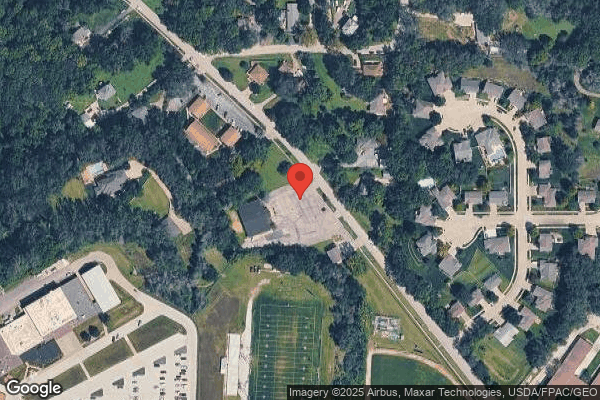
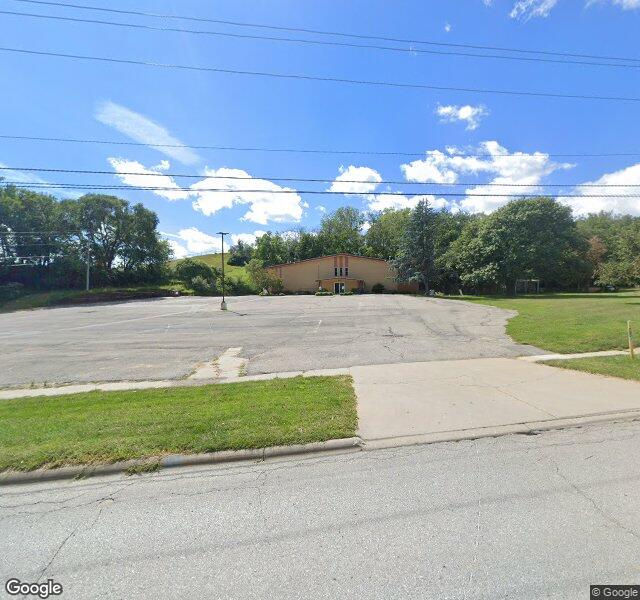
Seven Elliott Street, Council Bluffs, IA 51503 (712) 328-9500
Non profit - Church related 121 Beds Independent Data: November 2025 2 Immediate Jeopardy citations
Trust Grade
0/100
#332 of 392 in IA
Last Inspection: October 2024

Within standard 12-15 month inspection cycle. Federal law requires annual inspections.

Overview

Bethany Lutheran Home has received a Trust Grade of F, indicating significant concerns about the quality of care provided. Ranking #332 out of 392 nursing homes in Iowa places it in the bottom half of facilities statewide, and #4 out of 7 in Pottawattamie County means there are only three better options nearby. While the facility is showing an improving trend, dropping from 12 issues in 2024 to 6 in 2025, there are still serious problems, including critical incidents where a resident became unresponsive after not receiving appropriate medication and another resident missing essential diabetes medications for days. Staffing is a relative strength with a 4/5 star rating, though the turnover rate of 49% is concerning and indicates some instability among staff. Additionally, the facility has incurred $30,326 in fines, which is average but still raises questions about compliance with care standards.

Trust Score
F
0/100
In Iowa
#332/392
Bottom 16%
Safety Record
High Risk
Review needed
Inspections
Getting Better
12 → 6 violations
Staff Stability
⚠ Watch
49% turnover. Above average. Higher turnover means staff may not know residents' routines.
Penalties
○ Average
$30,326 in fines. Higher than 74% of Iowa facilities. Some compliance issues.
Skilled Nurses
⚠ Watch
Each resident gets only 22 minutes of Registered Nurse (RN) attention daily — below average for Iowa. Fewer RN minutes means fewer trained eyes watching for problems.
Violations
⚠ Watch
49 deficiencies on record. Higher than average. Multiple issues found across inspections.
★☆☆☆☆
1.0
Overall Rating
★★★★☆
4.0
Staff Levels
★★★☆☆
3.0
Care Quality
★☆☆☆☆
1.0
Inspection Score
Stable
2024: 12 issues
2025: 6 issues

The Good

  • 4-Star Staffing Rating · Above-average nurse staffing levels
  • Full Sprinkler Coverage · Fire safety systems throughout facility
  • No fines on record

Facility shows strength in staffing levels, fire safety.

The Bad

1-Star Overall Rating

Below Iowa average (3.0)

Significant quality concerns identified by CMS

Staff Turnover: 49%

Near Iowa avg (46%)

Higher turnover may affect care consistency

Federal Fines: $30,326

Below median ($33,413)

Moderate penalties - review what triggered them

The Ugly 49 deficiencies on record

2 life-threatening 3 actual harm
May 2025 2 deficiencies 1 Harm
SERIOUS (G) 📢 Someone Reported This

A family member, employee, or ombudsman was alarmed enough to file a formal complaint

Actual Harm - a resident was hurt due to facility failures

Deficiency F0658 (Tag F0658)

A resident was harmed · This affected 1 resident

Based on clinical record review, facility policy review, staff interviews, and the provider interview, the facility failed to ensure the orders of 1 of 3 residents (Resident #2) were implemented after...

Read full inspector narrative →
Based on clinical record review, facility policy review, staff interviews, and the provider interview, the facility failed to ensure the orders of 1 of 3 residents (Resident #2) were implemented after a 30-day review was completed by the ordering Nurse Practitioner. Resident #2 was ordered morphine sulfate (opioid used to treat severe pain) 15 milligrams (mg) twice a day (BID) for pain. The order was a durational order to be reviewed every 30 days by the Nurse Practitioner for continued use. During the Nurse Practitioner's visit with the resident on 3/20/2025 she noted to continue with the scheduled and as needed (PRN) orders for morphine. The Nurse Practitioner documented on 3/31/2025 that staff notified the provider the resident had not received her scheduled morphine since the March 18, 2025. Facility phoning pharmacy to see what occurred. Morphine was an active order on the Medication Administration Record (MAR). She ordered to give a dose now and order for one additional dose to be given to bridge until scheduled dose arrives. During the time Resident #2 was without her scheduled morphine she experienced withdrawal symptoms and was sent to the emergency room (ER) for evaluation. The facility reported a census of 88 residents. Findings include: According to Resident #2's Quarterly Minimum Data Set (MDS) assessment tool with a reference date of 3/7/2025, she had a Brief Interview of Mental Status (BIMS) score of 3. A BIMS score of 3 suggested severe cognitive impairment. The MDS documented she received an antidepressant and an opioid 7 days of the 7 day review period. The MDS listed the following diagnoses: dementia, anxiety, depression, and restless leg syndrome. The Care Plan Focus Area with an initiation date of 8/15/2024 documented Resident #2 had chronic pain related to her diagnosis of osteoarthritis. The Care Plan encouraged staff to administer medications as ordered, monitor for signs and symptoms of narcotic overdose and report to the physician, and notify the physician if interventions are unsuccessful or if current complaint is a significant change from past experience with pain. Record review revealed an Order Summary Report for Resident #2 dated 3/6/2025, listed morphine sulfate (opioid used to treat severe pain) tablet 15 mg, 1 tablet BID for 30 days. A start date of 2/18/2025 was listed and an end date of 3/19/2025 was listed. The Order Summary Report was signed by the resident's physician on 3/19/2025. Record review revealed the following encounter notes completed by Staff H A Registered Nurse Practitioner (ARNP): a) 3/20/2025: continue morphine scheduled and PRN. b) 3/24/2025: Resident #2 was seen today after she had an emergency room visit for hypertension, vomiting and diarrhea. Diarrhea is still present however nausea has resolved. Spoke with the resident's daughter regarding aggressive bowel regimen resident is currently on and whether we should hold this with current diarrhea. She would like this not to be adjusted as she fears it may result in constipation. She does not appear to be in any distress or pain denies any current pain. Since returning from the ER, is currently on 2 liters (L) of oxygen (O2) via nasal cannula. Staff report diarrhea and no falls reported. Continue morphine scheduled and as needed. c) 3/31/2025: staff notified provider that the patient had not received her scheduled morphine since the 18th. Facility phoning pharmacy to see what occurred. Morphine is still on the Medication Administration Record (MAR) as active. Will give a dose x1 now and order for one additional dose to be given to bridge until scheduled dose arrives. Spoke with daughter regarding issue and plan moving forward. Hospice consult today. Review of Resident #2's March 2025 Medication Administration Record (MAR) revealed the following orders: a) morphine sulfate 15 mg, 1 tablet BID for 30 days, with a start date of 2/18/2025. The order was signed out as last given on 3/19/2025 at 7:00 PM. b) morphine sulfate 15 mg, 1 tablet BID for 30 days, with a start date of 3/31/2025 at 7:00 PM and end date of 4/2/2025 at 1:29 PM. The resident went 11 days without her scheduled BID morphine. Record Review revealed the following Progress Notes for Resident #2: a) 3/22/2025 at 9:52 AM at around 8:20 AM, staff reported to this nurse that resident has been, continuously vomiting and having diarrhea all morning and that it is bile. At 8:24 AM assessed the resident: blood pressure 229/97 (via right arm lying) pulse was 87 beats per minutes, respirations were 20 breaths per minutes, temperature 97.6, oxygen saturation was 92% on room air, unable to assess pain verbally with a number, but she does respond with, yes, when asked if she is in pain. Nonverbal signs of pain are present such as withdrawing extremities with movement, grimacing, moaning, generalized trembling, etc. Overall resident's color does not appear normal, she is red in the face and chest area and warm to touch. Trembling is consistent. Lung sounds are abnormal also upon auscultation. She is unable to respond with more than one word answers. This nurse did give report to emergency room nurse via telephone as well. Will get update from hospital at a later time. b) 3/22/2025 at 4:04 PM, Resident #2 returned from emergency room at 2:30 PM with no new orders. Resident received Zofran (antinausea), morphine, Lisinopril (treat high blood pressure), and contrast dye for a CT scan during her visit. Residents' daughter is aware and came to visit her mother when she returned. Resident's vitals taken upon arrival: temperature 97.8, respirations 18, oxygen saturations 95% on room air, blood pressure 135/69, and pulse 85. c) 3/24/2025 at 2:38 PM, referral sent to hospice. d) 3/29/2025 at 6:05 PM daughter reported that Resident #2 was unable to swallow liquids or solids at lunch today. That the resident said hungry but once her mouth opened food would tumble out. Great seems at peace at this time with this process. Made clear that she is not interested in a feeding tube and hospice is the way to go. e) 3/30/2025 at 2:23 PM unable to swallow medications today. Resident does open up mouth but is not swallowing. Did eat bites of food today only. Did have loose stool today. f) 4/1/2025 at 10:43 AM this nurse went into resident's room. Resident flaccid and lethargic. Blood pressure was 87/58 P 89 respirations shallow, oxygen saturations 62% on room air; 3 liters (L) of oxygen via nasal cannula applied. Blood pressure rechecked 120/75, oxygen saturations 100%. g) 4/1/2025 at 7:44 PM Resident #2 is non-verbal, arouses to verbal stimuli. She has mottling to bilateral hands, knees and feet. h) 4/2/2025 at 5:36 AM this nurse called to the resident's rooms, staff reported she has stopped breathing. Cessation of respirations, pulse and blood pressure at 2:27 AM. The Death Certificate dated 4/8/25 documented Resident #2's date of death as 4/2/25. The immediate cause of death documented as advanced dementia. Other significant conditions documented as one episode of opioid withdrawal that occurred and resolved more than one week prior to death. Likely physiological stress during that occurrence. On 5/29/2025 at 10:31 AM the Assistant Director of Nursing (ADON) was asked what happened when Resident #2 did not receive her morphine for 11 days, she stated the new order was not written on 3/20/2025 when Staff H rounded, which meant there was not a script at the pharmacy to fill. The order was just in her notes. Since then, they have put in place for staff to review orders with the physician's after they round to review and put the orders in place. She acknowledged the nurses should have noticed the order was not in place anymore. She added at that time they had a lot of different nurses working different halls, so the continuity of nurses was not there. When asked what should have happened after Staff H rounded that day, she stated the order should have been written for Resident #2's morphine and sent to the pharmacy. The notes that were written that day should have been glanced at and read through for additional orders. The ADON was not aware of the resident not receiving her morphine until hospice caught it during their evaluation. On 5/29/2025 at 11:35 AM the Director of Nursing (DON) stated her understanding on what happened with Resident #2's morphine order was it was a durational order that did not flag the pharmacy to send an e-script to be refilled like they do for the other narcotics. When they asked the pharmacy to investigate they determined the order was written for 30 days but they did not see an order for it to be refilled. Resident #2 had been on morphine for so long, someone should have noticed it was not ordered. When hospice came in for an evaluation, they noticed the order was not on her MAR. They got ahold of Staff H for a new order. The DON acknowledged Resident #2 did experience opioid withdrawal. On 5/29/2025 at 1:55 PM Staff H, the ARNP, stated normally the pharmacy would send a renewal request when medications are ordered for a duration. She was unaware the order had been stopped because when she looked at the MAR it was still an active order, so she never got a renewal request. She was unsure why the medication was stopped, she should have been active but they never got a refill from the pharmacy. When she was made aware of Resident #2 not receiving her scheduled morphine, she ordered for the dose to start that same day. The facility provided a policy titled Physician Visits, Medical Orders, Delegations of Tasks; with an effective date of 7/1/2021. The policy indicated all residents admitted to this facility must be under the direct supervision of a primary care provider. Only those primary care providers who are currently licensed by the state to practice medicine shall be allowed to do so. Medical orders shall be renewed and updated as applicable or needed. The policy stated members of the interdisciplinary team shall provide care, services, and treatment according to the most recent medical orders and according to laws, regulations and standards of practice.
CONCERN (D) 📢 Someone Reported This

A family member, employee, or ombudsman was alarmed enough to file a formal complaint

Potential for Harm - no one hurt, but risky conditions existed

Accident Prevention (Tag F0689)

Could have caused harm · This affected 1 resident

Based on clinical record view, observation, staff and resident interviews, and facility policy review the facility failed to transfer 1 of 4 residents (Resident #3) in a way that would prevent an acci...

Read full inspector narrative →
Based on clinical record view, observation, staff and resident interviews, and facility policy review the facility failed to transfer 1 of 4 residents (Resident #3) in a way that would prevent an accident. The facility reported a census of 88 residents. Findings include: According to the admission Minimum Data Set (MDS) assessment tool with a reference date of 4/11/2025 documented Resident #3 had a Brief Interview of Mental Status (BIMS) score of 15. A BIMS score of 15 suggested no cognitive impairment. The MDS documented she utilized a walker for mobility and had an impairment on one side of her upper extremity. Resident #3 required supervision or touching assistance to go from a sitting to lying position, lying to sitting position and partial/moderate assistance to go from a sitting to standing position, chair/bed to chair transfer and toileting transfer. The MDS documented the following diagnoses for Resident #3: urinary tract infection (UTI), atrial fibrillation, depression, and toxic encephalopathy. The Care Plan Focus Area with an initiation date of 4/14/2025 documented Resident #3 was at risk for falling related to (what is causing the falls, what did you identify in your CAA documentation as contributing factors). The Care Plan documented a fall on 4/14/2025: her knee gave out during assistance with one staff. Resident #3's transfer status changed to the assistance of two staff with a gait belt. The Progress Notes for Resident #3 documented the following: On 4/30/2025 at 9:50 AM Resident #3 complained of her fourth toe on her left foot being hit; toe is red with a small bruise in the toenail. On 4/30/25 at 10:15 AM resident complaining of pain in her left 4th toe. Range of motion within normal limits for all toes. The 1st to 3rd toes were purplish in color which appeared from decreased circulation and resident's legs being dependent. 4th toe reddened with dark purple bruising noted to nail bed and 5th toe normal skin tone. Provider and family notified of resident's toe being bumped. On 5/27/2025 at 2:31 PM Resident #3 stated a staff member trained her with the mechanical lift alone. She was later told that staff are not to use those lifts alone, they needed to use two people. She was unsure if the staff member stepped on her toe, rolled the bedside table on it or what happened but her toe was hurting after the transfer that day. She indicated her toenail on that toe was still black. Observed her fourth toenail on her left foot to be black at the base and the tip of the nail was natural in color. She denied pain during the interview. On 5/27/2025 at 3:01 PM the Assistant Director of Nursing (ADON) stated Resident #3 was an assistance of two staff, pivot transfer or the use of two staff and a mechanical lift. On 5/27/2025 at 3:13 PM the Administrator stated the care sheet in Resident #3's room stated she was an assistance of one staff for transfers when it should have been updated to the use of two staff for transfers. Staff have since been educated on the use care plans, and they have implemented cheat sheets that are printed every morning and updated every day. On 5/27/2025 at 3:23 PM Staff A CNA stated she attempted to assist Resident #3 to her recliner but the resident had issues with standing up. She went to look for help but could not find another staff member. She got Resident #3 hooked up to use the mechanical lift but again could not find another staff to assist her. She unhooked the resident from the lift, placed it on the bathroom, stood Resident #3 up and assisted her to her recliner. Staff A stated she used the gait belt and walker when she assisted Resident #3 to her recliner. At the time the care sheet that was in her room stated she was an assistance of one staff with a gait belt and walker. When asked what her care plan stated her assistance level was at that time, Staff A stated she was not sure what it said in the computer. She stated she used the care sheet that was in her room for transfer assistance information. Staff A indicated she found out later she was an assistance of two staff with a gait belt and walker. On 5/29/2025 at 10:26 AM Staff B Certified Nursing Assistant (CNA), Staff C CNA and Staff D Certified Medication Aide) assisted Resident #3 from her wheelchair to the bathroom with an EZ stand (mechanical lift). On 5/29/2025 at 11:35 AM the Director of Nursing (DON) stated they do not have the care sheets in the resident's rooms anymore. When they were using them the Wound Care/Restorative Nurse was responsible for updating them. The have replaced the care sheets with a cheat sheet that gets updated daily as changes are reported through the therapy department. These sheets will tell the staff members how residents transfer, if they have a restorative program and if they are a priority lay down. When the CNAs come in for their shifts, they get a fresh copy for their shift. After their shift, they are to throw them away, not pass them off on to the next shift since they do change. The facility provided a policy titled Lift and Transfer Training with an effective ate of 11/17/18. The policy indicated all nursing staff shall be oriented to facility lifting and transferring techniques upon hire and on an ongoing basis. The facility provided a policy titled Comprehensive Care Plan with a revised date of 7/18/2022. The policy stated care, treatment and services shall be planned to ensure that they are individualized to the resident's needs. This facility shall provide an individualized, interdisciplinary plan of care for all residents that shall be appropriate to the resident's needs, strengths, results of diagnostic testing, limitations and goals
Mar 2025 4 deficiencies
CONCERN (D) 📢 Someone Reported This

A family member, employee, or ombudsman was alarmed enough to file a formal complaint

Potential for Harm - no one hurt, but risky conditions existed

Resident Rights (Tag F0550)

Could have caused harm · This affected 1 resident

**NOTE- TERMS IN BRACKETS HAVE BEEN EDITED TO PROTECT CONFIDENTIALITY** Based on clinical record review, facility investigation file review, staff and resident interviews, and facility policy review t...

Read full inspector narrative →
**NOTE- TERMS IN BRACKETS HAVE BEEN EDITED TO PROTECT CONFIDENTIALITY** Based on clinical record review, facility investigation file review, staff and resident interviews, and facility policy review the facility failed to treat 1 of 3 resident (Resident #3) with dignity during medication administration. The facility reported a census of 86 residents. Findings include: According to the admission Minimum Data Set (MDS) assessment tool with a reference date of 1/16/2025 documented Resident #3 had a Brief Interview of Mental Status (MDS) score of 15. A BIMS score of 15 suggested no cognitive impairment. The MDS documented she refused care for 1-3 days of the 7-day review period. The following diagnoses were listed for the resident: chronic respiratory failure, atrial fibrillation, heart failure, and urine retention. The Care Plan Focus area with an initiation date of 1/15/2025 documented Resident #3 refused care such as medications at times. Staff were instructed to encourage the resident to take her medications as prescribed by her physician. Staff are to notify the physician/hospice provider. The following Progress Notes documented: a) On 2/9/2025 at 8:39 AM resident up to the nurse's station via walker, very confused. Resident denies any other complaints but pain, refused all medications this morning. No redirections are effective. Resident refused breakfast three times. b) On 2/9/2025 at 8:49 AM this nurse and other resident at the nurse's station discussing another matter with back turned to Resident #3. Resident #3 began yelling at this nurse and picked up a [NAME] cup; threw and hit this nurse's chair. Aide coming up hall stated what the heck is going on. Resident then picked up another [NAME] cup and began swinging it around, hitting this nurse in the outside of the left knee. This nurse assisted with sitting resident in a wheelchair and returning to her room. Continued being verbally abusive, accusing aide of killing babies. No redirection effective, medications given, provided safe distance reassurances, and call placed to Hospice. c) On 2/9/2025 at 9:06 AM Resident #3 continues to show agitation and yelling in room. Floor in room covered with water, seen pouring cups of fluid onto floor and into window sill in room. Noted water running in bathroom. Staff removing all objects except bed, recliner and oxygen from room to prevent injury to herself. Floor cleaned and resident is safe in wheelchair. Staff checking every few minutes. Review of the facility's investigative file revealed the following handwritten statements: a) Staff E Registered Nurse (RN) wrote: On 2/9/2025 at approximately 8:30 AM while this nurse was at the nurse's station documenting, Resident #3 approached the nurse's station, propelling her walker with her left hand as right hand was casted. This nurse greeted the resident and Staff B Certified Medication Aide. Offered a chair for the resident to sit in. Resident #3 refused as Staff E sat near the resident and offered a chair two times in the next 10 minutes. Staff B approached the resident and offered the resident an available meal tray and a chair to sit in; but she refused. Resident #3 spoke briefly to another resident discussing her broken arm and the resident stated yes it hurts. Staff E turned to continue charting while continuing to visit occasionally with Resident #3. At approximately 8:40 AM-8:42 AM Staff B approached the resident with a menu and offered to help chose the next day's meal. The resident refused and stated I don't want breakfast or lunch. The resident then took the menu from Staff B and threw it on the floor. Staff B left the area while Staff E remained in the area. At approximately 8:45 AM another resident approached the nurse's station to ask Staff E for a favor. Staff E turned to face that resident and began to discuss her need, taking notes. Immediately an object hit the back of Staff E's chair and she felt moisture. When she looked on the floor it was a [NAME] cup and the other resident stated oh my god, Resident #3 just threw that at us. Staff E stood up and at that time Staff F Certified Nursing Assistant (CNA) approached the nurse's station and stated what the heck happened. Resident #3 grabbed a second [NAME] cup and began swinging it, hitting Staff E on the left lateral knee. The cup was taken away and the resident continued to flail her casted arm at staff. This nurse approached the resident from behind, placed her arms under her upper arms and helped the resident upright without using her hands, just supporting arms and had Staff F placed in a wheelchair behind the resident and she sat down. This nurse instructed Staff F to take the resident to her room to prevent any further injury to property or others. This nurse obtained her as needed (PRN) Ativan and Morphine from the medication aide and returned to the resident's room. Resident #3 continued to kick and flail at staff. This nurse told the resident she was giving her medication to calm her down. Staff F held her head with her right palm on her forehead. This nurse inserted the medication syringes into her left cheek and administered. Staff E then instructed the CNAs that she was going to call the manager on duty and hospice. b) On 2/9/2025 Staff F wrote she was returning residents from the dining room back to their rooms. She passed Resident #3 by the nurse's station, she was to talking to the nurse, Staff E. Staff F passed with different residents twice on her back to the dining room and she saw Resident #3 pick up a [NAME] mug and threw it into the nurse's station where Staff E and another resident were sitting. Staff F said whoa whoa and picked up the [NAME] cup. Staff E stood up and went towards Resident #3 as she picked up another [NAME] mug winging it around and swung it into Staff E's knee. Staff E braced the resident and told Staff F to grab a wheelchair near by so Staff E could sit her down. Staff E asked her to take the resident to her room and she did. Staff E stood there not sure what to do once in her room. Resident #3 was yelling and stated I killed babies and T*** has camera in here watching. Staff E came in with 2 medications and said she had medication to help her calm down and be safe. Staff E took the medication in the syringes, held Resident #3's hands to her chest and told her to brace the resident's head for safety. Staff F used her arms to cradle the residents head while Staff E administered two medications. Staff E kept telling Resident #3 that it was her job to keep her safe. c) On 2/9/2025 Staff B was one of Resident #3's aides. After room trays had arrived some time after 8:30 AM. She stood at the nurse's station speaking with Resident #3 about breakfast and her menu. She asked why the resident did not want to eat breakfast and if she wanted to fill out her menu for tomorrow. She said no and then threw her menu on the floor. Staff B picked it up and told her that we would try later. Staff B then went to the dining room to grab other residents. When she arrived back to the hall, she came up on Resident #3's room where her things were in the hallway and Staff E stated she had been trying to flood her room and was throwing things. Staff B went to get a bath blanket and when she returned she saw Staff F behind the resident and Staff E in front of the resident. Staff F held the resident's head and Staff E just removed a medication syringe away from her. d) Staff C Certified Medication Aide (CMA) wrote on 2/9/2025 she was in the dining room during breakfast passing morning medications when Staff E approached her and said she needed morphine and Ativan for Resident #3. She needed it because she had thrown a [NAME] cup at her while she was talking to another resident. Staff C said she drew up the morphine in the syringe but Staff C did not have another one for the Ativan. Staff E took the bottle with her and returned it when she was done. Staff C asked Staff E if she was able to get Resident #3 to take her medications and Staff E stated she did not give her a choice. e) Staff A CNA wrote on 2/9/2025 while passing room trays, Staff E walked down the hall mad. Stated that Resident #3 was mad, throwing staff's cups at her and another resident. When Staff A was done passing trays she went down to check on Resident #3. When she walked in Staff F was holding Resident #3's head while Staff F was pulling out the medication syringe from her mouth. At that point her and Staff B got her calmed down. Resident #3 told them she can not have morphine due to her hallucinating. On 3/6/2025 at 3:37 PM observed Resident #3 lying in bed, sits up when greeted. When asked how staff were with her, she stated good. She added there was one nurse that got fired because she gave her morphine when she did not want it. She told her she did not want the medication because it made her hallucinate. It was in a liquid form not a pill like she thought it would have been. She denied anyone holding her head or hands during that time. When asked what nurse this was, she was unable to remember her name but knew she was no longer working at the facility. On 3/5/2025 at 11:25 AM Staff C stated on the morning of 2/9/2025 Resident #3 had refused that morning and she reported that to the nurse, the nurse attempted as well. This was normal for her to refuse medications. When Resident #3 first got to the facility she refused her medications and thought the hospital harmed her. Staff C went up to the dining room to work on her medication pass. After 8:00 AM Staff E came up to her at the medications cart stating she needed morphine (treatment pain) and Ativan (antianxiety) because Resident #3 was throwing [NAME] cups. Staff C drew up the morphine but she did not have enough syringes for the Ativan. Staff E took the bottle with her to administer the medication. Staff C stated she signed out the orders but was not present when they were given. When Staff E brought the medication back up to the medication cart, Staff C asked her if Resident #3 took the medications. Staff E stated she did not give her a choice, but that's all she said. Staff C was asked how Staff E sounded when she said she did not give Resident #3 a choice, she said it sounded awful; just in the wording. Staff C stated she knows they are not to force residents to take their medications, it's their right to not take them. On 3/6/2025 at 1:57 PM Staff F stated she had never worked with Resident #3 prior to 2/9/2025. She was assisting residents to their room after breakfast. Resident #3 was at the nurse's station, picked up a [NAME] cup; started to swing it then threw it in the middle of the nurse's station with another resident and staff member present. Resident #3 picked up a second [NAME] cup, swings it then threw it. It hit Staff E's leg. Staff E asked her to get a wheelchair and they assisted her to the wheelchair. Resident #3 said you killed your babies, random stuff. Once in the wheelchair, Staff E asked her to take her to her room as she yelled and threw her arms around. Staff F stayed with her until Staff E returned and she had two white boxes. Staff E told her to hold her head and a million things ran threw her mind and she knew she was not supposed to touch a resident on the other hand the nurse kept saying it's for her safety, it's for her safety. Staff F was torn because she has never been in the situation before. Staff F cradled Resident #3, her arms were not tight nor were they restricting. Staff F stated she did not know Staff E was going to force medications in Resident #3; she just kept saying it was for her safety. When asked if Resident #3 was given the choice to refuse the medications she sated there was no choice; she kept telling her its to keep you and everyone else safe. She added she felt like Resident #3's rights were stripped from her by not having a choice. On 3/5/2025 at 2:25 PM Staff B stated on 2/9/2025 she walked up to the nurse's station, after breakfast. She asked Resident #3 to fill out her menu and she threw it on the ground. She thought she was joking but Resident #3 was irritated at that point. Staff B went back to the dining room to assist other residents back from breakfast. As she walked down the hall, she noticed the furniture was out of Resident #3's room and she was throwing water on the floor. Staff B went to get blankets and towels to help clean up the water. When she walked around the corner she saw Resident #3 sitting in her wheelchair in her room as Staff F CNA stood behind the resident, holding the resident's head as she was thrashing around in her wheelchair. Staff E was standing in front of Resident #3 and was seen removing a medication syringe from the resident's mouth. Staff B stated she assumed it was Ativan. On 3/5/2025 at 2:39 PM Staff A stated on 2/9/2025 she was assisting with room trays. Staff A stated Staff E walked down the hall mad because Resident #3 threw a [NAME] cup at her. After she finished with room trays, Staff B asked her to go check on Resident #3 with her. Staff A stated Resident #3 was sitting in her room, irate. She walked away then went back in and saw Staff F had her hands on the resident's head and Staff E removed a medication syringe from the resident's mouth. Staff E was asked what she gave her, she indicated it was a pain medication and a medication to calm her down. Staff E and Staff F left the room. Staff B went in the room and was able to calm Resident #3 down. On 3/6/2025 at 12:11 PM the Administrator stated their investigation concluded Staff E did not allow Resident #3 the right to refuse the medications. Resident #3 had the right to refuse any of the medications. She believed Staff E should have contacted the resident's physician about what was going on. The Administrator added even in Staff E's statement she said she did not give her the option to not take the medications. On 3/6/2025 at 12:59 PM the Director of Nursing (DON) stated after they interviewed staff and got their statements, the nurse administered medications to Resident #3 that she did not want. She added if the staff would have stepped back and let Resident #3 decompress in a safe area it probably could have been avoided. Resident #3 needed space and time to calm down, to deescalate. On 3/6/2025 at 2:21 PM the Assistant Director of Nursing (ADON) stated during their interview with Staff E, she acknowledged Resident #3 tried to refused the medication. When asked why Staff E did not honor her wishes, she told them she felt Resident #3 was in pain and she was agitated. She was dumping water on the floor and threw a [NAME] cup at her. The ADON stated Staff E should have removed herself from the situation and brought someone else in. On 3/6/2025 at 3:02 PM Staff E stated immediately: I am not denying anything, I medicated Resident #3. She added she did not give her time to consent and she supported the fact that she was trying to keep Resident #3, other residents and herself safe. That morning she refused her medications when the CMA attempted to administer them. Staff E then attempted to administer her medications and she again refused. After breakfast Staff E was sitting at the nurse's station and Resident #3 came up to the desk, pushing her walker with her good hand. She was visiting with a resident that lived across the hall from her; they were having a pleasant conversation. Staff E asked the resident if she wanted a chair so she did not fall and she said no. Staff B then approached Resident #3 again to see if she wanted a chair because she was concerned about her falling. She declined the wheelchair offer. Resident #3 continued to talk with the other resident; they talked about her injured arm, how she injured it and if it hurt. Resident #3 was very oriented. They visited for about five minutes. Staff B came back down informed Resident #3 they have a breakfast tray for her and she could sit in a chair out at the desk to eat, allowing her to continue to visit with the resident. Resident #3 said no, I am not eating, it's probably poisoned. Staff B went on with another task. Staff E was charting and Resident #3 was talking with her, when another resident came down the hall and asked Staff E for a favor. She needed to leave a note for the medical supply nurse. Just as she started to write on the note pad, a [NAME] cup hit Staff E chair; in direct line of the other resident. Staff E stood up and Staff F walked down, asked what the heck happened. The resident said Resident #3 threw the [NAME] cup at us. Staff E stated let's get a wheelchair just as Resident #3 threw another [NAME] cup, that ended up hitting Staff E. Staff E assisted Resident #3 into a wheelchair and asked Staff F to take her to her room because she knows she has some medications she can have. Staff E went to Staff C and asked her to draw up morphine and Ativan. When Staff E got to Resident #3's room Staff F was behind the resident as she was throwing things off the dresser, pulled all her blankets on the floor. Staff F added at one-point Resident #3 was going crazy. The resident was pouring water in to the furnace that was on the wall and plugged in to an electrical outlet. Staff E felt Resident #3 was putting herself in danger so she asked Staff F to hold her head while she gave the resident her medications. Staff F had her right palm on the resident's forehead, not in a forceful manner. Staff E told the resident what she was doing, why she was doing it and that she was sorry it had to be done. She told Resident #3 she needed to calm down. Staff E and Staff F stayed in the room until she calmed down. Staff F left the room and called her charge nurse, called hospice and asked for them to come visit. Hospice told her to continue with the Ativan until her behaviors improved. Staff E was asked if Resident #3 was given the option to refuse the medications she gave, she indicated not at that point. She added she had thought about this repeatedly and it's the same when giving someone an as needed (PRN) Intramuscular (IM) injection when they are combative. Staff E stated she used the tools she had to stop the situations: had thrown a [NAME] cup in the direction of another resident, was pouring water into her furnace, and had turned on the water in her room allowing it to continuously run. She was trying to stop a million things and had the tools to do so. The facility provided a policy titled: Facility Responsibilities with a revised date of 3/1/2017. It documented it is the policy of this facility to uphold and comply with the facility responsibilities. The facility must ensure that staff members are educated on the rights of the residents and the responsibilities of a facility to properly care for it's residents. 1. Resident Rights. The resident has a right to a dignified existence, self-determination, and communication and access to person and services inside and outside the facility. a) The facility must treat each resident with respect and dignity, and care for each resident in a manner and environment that promotes maintenance or enhancement of his or her quality of life, recognizing each resident's individually. b) The facility must protect and promote the rights of the resident. 2. Exercise of Rights. The resident has the right to exercise his or her rights as a resident of the facility and as a citizen or resident of the United States.
CONCERN (D) 📢 Someone Reported This

A family member, employee, or ombudsman was alarmed enough to file a formal complaint

Potential for Harm - no one hurt, but risky conditions existed

Report Alleged Abuse (Tag F0609)

Could have caused harm · This affected 1 resident

**NOTE- TERMS IN BRACKETS HAVE BEEN EDITED TO PROTECT CONFIDENTIALITY** Based on clinical record review, facility investigation file review, staff and resident interviews, and facility policy review t...

Read full inspector narrative →
**NOTE- TERMS IN BRACKETS HAVE BEEN EDITED TO PROTECT CONFIDENTIALITY** Based on clinical record review, facility investigation file review, staff and resident interviews, and facility policy review the facility failed to report an allegation of abuse involving Resident #3 within 2 hours of the allegation. The facility reported a census of 86 residents. Findings include: According to the admission Minimum Data Set (MDS) assessment tool with a reference date of 1/16/2025 documented Resident #3 had a Brief Interview of Mental Status (MDS) score of 15. A BIMS score of 15 suggested no cognitive impairment. The MDS documented she refused care for 1-3 days of the 7-day review period. The following diagnoses were listed for the resident: chronic respiratory failure, atrial fibrillation, heart failure, and urine retention. The Care Plan Focus area with an initiation date of 1/15/2025 documented Resident #3 refused care such as medications at times. Staff were instructed to encourage the resident to take her medications as prescribed by her physician. Staff are to notify the physician/hospice provider. The following Progress Notes documented: a) On 2/9/2025 at 8:39 AM resident up to the nurse's station via walker, very confused. Resident denies any other complaints but pain, refused all medications this morning. No redirections are effective. Resident refused breakfast three times. b) On 2/9/2025 at 8:49 AM this nurse and other resident at the nurse's station discussing another matter with back turned to Resident #3. Resident #3 began yelling at this nurse and picked up a [NAME] cup; threw and hit this nurse's chair. Aide coming up hall stated what the heck is going on. Resident then picked up another [NAME] cup and began swinging it around, hitting this nurse in the outside of the left knee. This nurse assisted with sitting resident in a wheelchair and returning to room. Continued being verbally abusive, accusing aid of killing babies. No redirection effective, medications given, provided safe distance reassurances, and call placed to Hospice. c) On 2/9/2025 at 9:06 AM Resident #3 continues to show agitation and yelling in room. Floor in room covered with water, seen pouring cups of fluid onto floor and into window sill in room. Noted water running in bathroom. Staff removing all objects except bed, recliner and oxygen from room to prevent injury to herself. Floor cleaned and resident is safe in wheelchair. Staff checking every few minutes. Review of the facility's investigative file revealed the following handwritten statements: a) Staff E Registered Nurse (RN) wrote: On 2/9/2025 at approximately 8:30 AM while this nurse was at the nurse's station documenting, Resident #3 approached the nurse's station, propelling her walker with her left hand as right hand was casted. This nurse greeted the resident and Staff B Certified Medication Aide. Offered a chair for the resident to sit in. Resident #3 refused as Staff E sat near the resident and offered a chair two times in the next 10 minutes. Staff B approached the resident and offered the resident an available meal tray and a chair to sit in; but she refused. Resident #3 spoke briefly to another resident discussing her broken arm and the resident stated yes it hurts. Staff E turned to continue charting while continuing to visit occasionally with Resident #3. At approximately 8:40 AM-8:42 AM Staff B approached the resident with a menu and offered to help chose the next day's meal. The resident refused and stated I don't want breakfast or lunch. The resident then took the menu from Staff B and threw it on the floor. Staff B left the area while Staff E remained in the area. At approximately 8:45 AM another resident approached the nurse's station to ask Staff E for a favor. Staff E turned to face that resident and began to discuss her need, taking notes. Immediately an object hit the back of Staff E's chair and she felt moisture. When she looked on the floor it was a [NAME] cup and the other resident stated oh my god, Resident #3 just threw that at us. Staff E stood up and at that time Staff F Certified Nursing Assistant (CNA) approached the nurse's station and stated what the heck happened. Resident #3 grabbed a second [NAME] cup and began swinging it, hitting Staff E on the left lateral knee. The cup was taken away and the resident continued to flail her casted arm at staff. This nurse approached the resident from behind, placed her arms under her upper arms and helped the resident upright without using her hands, just supporting arms and had Staff F placed in a wheelchair behind the resident and she sat down. This nurse instructed Staff F to take the resident to her room to prevent any further injury to property or others. This nurse obtained her as needed (PRN) Ativan and Morphine from the medication aide and returned to the resident's room. Resident #3 continued to kick and flail at staff. This nurse told the resident she was giving her medication to calm her down. Staff F held her head with her right palm on her forehead. This nurse inserted the medication syringes into her left cheek and administered. Staff E then instructed the CNAs that she was going to call the manager on duty and hospice. b) On 2/9/2025 Staff F wrote she was returning residents from the dining room back to their rooms. She passed Resident #3 by the nurse's station, she was to talking to the nurse, Staff E. Staff F passed with different residents twice on her back to the dining room and she saw Resident #3 pick up a [NAME] mug and threw it into the nurse's station where Staff E and another resident were sitting. Staff F said whoa whoa and picked up the [NAME] cup. Staff E stood up and went towards Resident #3 as she picked up another [NAME] mug winging it around and swung it into Staff E's knee. Staff E braced the resident and told Staff F to grab a wheelchair near by so Staff E could sit her down. Staff E asked her to take the resident to her room and she did. Staff E stood there not sure what to do once in her room. Resident #3 was yelling and stated I killed babies and T*** has camera in here watching. Staff E came in with 2 medications and said she had medication to help her calm down and be safe. Staff E took the medication in the syringes, held Resident #3's hands to her chest and told her to brace the resident's head for safety. Staff F used her arms to cradle the residents head while Staff E administered two medications. Staff E kept telling Resident #3 that it was her job to keep her safe. c) On 2/9/2025 Staff B was one of Resident #3's aides. After room trays had arrived sometime after 8:30 AM. She stood at the nurse's station speaking with Resident #3 about breakfast and her menu. She asked why the resident did not want to eat breakfast and if she wanted to fill out her menu for tomorrow. She said no and then threw her menu on the floor. Staff B picked it up and told her that we would try later. Staff B then went to the dining room to grab other residents. When she arrived back to the hall, she came up on Resident #3's room where her things were in the hallway and Staff E stated she had been trying to flood her room and was throwing things. Staff B went to get a bath blanket and when she returned she saw Staff F behind the resident and Staff E in front of the resident. Staff F held the resident's head and Staff E just removed a medication syringe away from her. d) Staff C Certified Medication Aide (CMA) wrote on 2/9/2025 she was in the dining room during breakfast passing morning medications when Staff E approached her and said she needed morphine and Ativan for Resident #3. She needed it because she had thrown a [NAME] cup at her while she was talking to another resident. Staff C said she drew up the morphine in the syringe but Staff C did not have another one for the Ativan. Staff E took the bottle with her and returned it when she was done. Staff C asked Staff E if she was able to get Resident #3 to take her medications and Staff E stated she did not give her a choice. e) Staff A CNA wrote on 2/9/2025 while passing room trays, Staff E walked down the hall mad. Stated that Resident #3 was mad, throwing staff's cups at her and another resident. When Staff A was done passing trays she went down to check on Resident #3. When she walked in Staff F was holding Resident #3's head while Staff F was pulling out the medication syringe from her mouth. At that point her and Staff B got her calmed down. Resident #3 told them she can not have morphine due to her hallucinating. On 3/6/2025 at 3:37 PM Resident #3 was lying in bed, sits up when greeted. When asked how staff were with her, she stated good. She added there was one nurse that got fired because she gave her morphine when she did not want it. She told her she did not want the medication because it made her hallucinate. It was in a liquid form not a pill like she thought it would have been. She denied anyone holding her head or hands during that time. When asked what nurse this was, she was unable to remember her name but knew she was no longer working at the facility. On 3/5/2025 at 11:25 AM Staff C stated on the morning of 2/9/2025 Resident #3 had refused meds that morning and she reported that to the nurse, the nurse attempted as well. This was normal for her to refuse medications. When Resident #3 first got to the facility she refused her medications and thought the hospital harmed her. Staff C went up to the dining room to work on her medication pass. After 8:00 AM Staff E came up to her at the medications cart stating she needed morphine (treatment pain) and Ativan (antianxiety) because Resident #3 was throwing [NAME] cups. Staff C drew up the morphine but she did not have enough syringes for the Ativan. Staff E took the bottle with her to administer the medication. Staff C stated she signed out the orders but was not present when they were given. When Staff E brought the medication back up to the medication cart, Staff C asked her if Resident #3 took the medications. Staff E stated she did not give her a choice but that's all she said. Staff C was asked how Staff E sounded when she said she did not give Resident #3 a choice, she said it sounded awful; just in the wording. Staff C stated she knows they are not to force residents to take their medications, it's their right to not take them. On 3/6/2025 at 11:41 AM Staff D RN stated a couple of CNAs told her about an incident between a nurse and another CNA the day prior. Staff D stated she was working that day. The CNAs told her when they walked in they saw a CNA holding Resident #3's head and a nurse was removing syringes from the resident's mouth while in her room. When asked who reported this to her, she stated Staff A and Staff B. She told her Staff E was administering the medications and Staff F was the one holding Resident #3's head. After she was told this information, she told her boss as soon as she got to work. She was asked to write a statement and had the CNAs write theirs. On 3/6/2025 at 1:57 PM Staff F stated she had never worked with Resident #3 prior to 2/9/2025. She was assisting residents to their room after breakfast. Resident #3 was at the nurse's station, picked up a [NAME] cup; started to swing it then threw it in the middle of the nurse's station with another resident and staff member present. Resident #3 picked up a second [NAME] cup, swings it then threw it. It hit Staff E's leg. Staff E asked her to get a wheelchair and they assisted her to the wheelchair. Resident #3 said you killed your babies, random stuff. Once in the wheelchair, Staff E asked her to take her to her room as she yelled and threw her arms around. Staff F stayed with her until Staff E returned and she had two white boxes. Staff E told her to hold her head and a million things ran threw her mind and she knew she was not supposed to touch a resident on the other hand the nurse kept saying it's for her safety, it's for her safety. Staff F was torn because she has never been in the situation before. Staff F cradled Resident #3, her arms were not tight nor were they restricting. Staff F stated she did not know Staff E was going to force medications in Resident #3; she just kept saying it was for her safety. When asked if Resident #3 was given the choice to refuse the medications she sated there was no choice; she kept telling her it's to keep you and everyone else safe. She added she felt like Resident #3's rights were stripped from her by not having a choice. After this took place she went to her charge nurse and was told to write a statement. On 3/5/2025 at 2:25 PM Staff B stated on 2/9/2025 she walked up to the nurse's station, after breakfast. She asked Resident #3 to fill out her menu and she threw it on the ground. She thought she was joking but Resident #3 was irritated at that point. Staff B went back to the dining room to assist other residents back from breakfast. As she walked down the hall, she noticed the furniture was out of Resident #3's room and she was throwing water on the floor. Staff B went to get blankets and towels to help clean up the water. When she walked around the corner she saw Resident #3 sitting in her wheelchair in her room as Staff F CNA stood behind the resident, holding the resident's head as she was thrashing around in her wheelchair. Staff E was standing in front of Resident #3 and was seen removing a medication syringe from the resident's mouth. Staff B stated she assumed it was Ativan. When asked how Staff F was holding the resident's head, she sated she caught the tail end of it but she was holding her head at the resident's temples. The resident was still able to trash around. She was not sure if the medications were given or not. When Staff B was asked if she reported what she saw to anyone, she acknowledged she did not. On 3/5/2025 at 2:39 PM Staff A stated on 2/9/2025 she was assisting with room trays. Staff A stated Staff E walked down the all mad because Resident #3 threw a [NAME] cup at her. After she finished with room trays, Staff B asked her to go check on Resident #3 with her. Staff A stated Resident #3 was sitting in her room, irate. She walked away then went back in and saw Staff F had her hands on the resident's head and Staff E removed a medication syringe from the resident's mouth. Staff E was asked what she gave her, she indicated it was a pain medication and a medication to calm her down. Staff E and Staff F left the room. Staff B went in the room and was able to calm Resident #3 down. When asked if she reported this to staff, she stated she reported it to the on-call manager as soon as she came upstairs. She came upstairs after Staff E called her that same day. On 3/6/2025 at 12:11 PM the Administrator stated their investigation concluded Staff E did not allow Resident #3 the right to refuse the medications. Resident #3 had the right to refuse any of the medications. She believed Staff E should have contacted the resident's physician about what was going on. The Administrator added even in Staff E's statement she said she did not give her the option to not take the medications. The Administrator stated the incident took place on 2/9/2025 and management was informed on 2/10/2025. Staff were educated on reporting if they feel something is not right. There also educated on reporting allegations of abuse, misconduct or if something is questionable. She advised if they have to question anything to call her, they have her cell phone number. On 3/6/2025 at 3:02 PM Staff E stated immediately: I am not denying anything, I medicated Resident #3. She added she did not give her time to consent and she supported the fact that she was trying to keep Resident #3, other residents and herself safe. That morning she refused her medications when the CMA attempted to administer them. Staff E then attempted to administer her medications and she again refused. After breakfast Staff E was sitting at the nurse's station and Resident #3 came up to the desk, pushing her walker with her good hand. She was visiting with a resident that lived across the hall from her; they were having a pleasant conversation. Staff E asked the resident if she wanted a chair so she did not fall and she said no. Staff B then approached Resident #3 again to see if she wanted a chair because she was concerned about her falling. She declined the wheelchair offer. Resident #3 continued to talk with the other resident; they talked about her injured arm, how she injured it and if it hurt. Resident #3 was very oriented. They visited for about five minutes. Staff B came back down informed Resident #3 they have a breakfast tray for her and she could sit in a chair out at the desk to eat, allowing her to continue to visit with the resident. Resident #3 said no, I am not eating, it's probably poisoned. Staff B went on with another task. Staff E was charting and Resident #3 was talking with her, when another resident came down the hall and asked Staff E for a favor. She needed to leave a note for the medical supply nurse. Just as she started to write on the note pad, a [NAME] cup hit Staff E chair; in direct line of the other resident. Staff E stood up and Staff F walked down, asked what the heck happened. The resident said Resident #3 threw the [NAME] cup at us. Staff E stated let's get a wheelchair just as Resident #3 threw another [NAME] cup, that ended up hitting Staff E. Staff E assisted Resident #3 in to a wheelchair and asked Staff F to take her to her room because she knows she has some medications she can have. Staff E went to the Staff C and asked her to draw up morphine and Ativan. When Staff E got to Resident #3's room Staff F was behind the resident as she was throwing things off the dresser, pulled all her blankets on the floor. Staff F added at one-point Resident #3 was going crazy. The resident was pouring water in to the furnace that was on the wall and plugged in to an electrical outlet. Staff E felt Resident #3 was putting herself in danger so she asked Staff F to hold her head while she gave the resident her medications. Staff F had her right palm on the resident's forehead, not in a forceful manner. Staff E told the resident what she was doing, why she was doing it and that she was sorry it had to be done. She told Resident #3 she needed to calm down. Staff E and Staff F stayed in the room until she calmed down. Staff F left the room and called her charge nurse, called hospice and asked for them to come visit. Hospice told her to continue with the Ativan until her behaviors improved. Staff E was asked if Resident #3 was given the option to refuse the medications she gave, she indicated not at that point. She added she had thought about this repeatedly and it's the same when giving someone an as needed (PRN) Intramuscular (IM) injection when they are combative. Staff E stated she used the tools she had to stop the situations: had thrown a [NAME] cup in the direction of another resident, was pouring water in to her furnace, and had turned on the water in her room allowing it to continuously run. She was trying to stop a million things and had the tools to do so. The facility provided a document titled Nursing Facility Abuse, Prevention, Identification, Investigation and Reporting Policy. The policy documented all residents have the right to be free from abuse, neglect, misappropriation of resident property, exploitation, corporal punishment, involuntary seclusion, and any physical or chemical restraint not required to treat the resident's medical symptoms. This includes prohibiting nursing facility staff from taking part in acts that result in person degradation, including the taking or using photographs or recordings in any manner that would demean or humiliate a resident, and prohibits using any type of equipment (e.g., cameras, smart phones, and other electronic devices) to take, keep, or distribute photographs and/or recordings on social media or through multimedia messages. Residents must not be subjected to abuse by anyone, including, but not limited to, facility staff, other residents, consultants or volunteers, staff of other agencies serving the resident, family members or legal guardians, friends, or other individuals. It shall be the policy of this facility to implement written procedures that prohibit abuse, neglect, exploitation, and misappropriation of resident property. These procedures shall include the screening and training of employees, protection of residents and the prevention, identification, investigation, and timely reporting of abuse, neglect, mistreatment, and misappropriation of property, without fear of recrimination or intimidation. Reporting: All allegations of Resident abuse, neglect, exploitation, mistreatment, injuries of unknown origin and misappropriation should be reported immediately to the charge nurse. The charge nurse is responsible for immediately reporting the allegations of abuse to the Administrator, or designated representative. All allegations of Resident abuse shall be reported to the Iowa Department of Inspections and Appeals not later than two (2) hours after the allegation is made.
CONCERN (D) 📢 Someone Reported This

A family member, employee, or ombudsman was alarmed enough to file a formal complaint

Potential for Harm - no one hurt, but risky conditions existed

Deficiency F0657 (Tag F0657)

Could have caused harm · This affected 1 resident

**NOTE- TERMS IN BRACKETS HAVE BEEN EDITED TO PROTECT CONFIDENTIALITY** Based on observations, staff interviews, clinical record review, and policy review the facility failed to review and revise the ...

Read full inspector narrative →
**NOTE- TERMS IN BRACKETS HAVE BEEN EDITED TO PROTECT CONFIDENTIALITY** Based on observations, staff interviews, clinical record review, and policy review the facility failed to review and revise the Care Plans for 2 of 7 residents reviewed (Resident #5 and Resident #6). The facility failed to revise the interventions for a resident who sustained falls and a resident who had a significant change. The facility reported a census of 86 residents. Findings include: 1. According to the Minimum Data Set (MDS) assessment dated [DATE] Resident #5 scored 5/15 on the Brief Interview for Mental Status (BIMS) score indicating severe cognitive impairment. The document revealed diagnoses of heart failure, benign prostatic hyperplasia, and urinary tract infection (UTI) in the last 30 days. The document revealed the resident had an indwelling catheter and was always incontinent of bowel. The MDS indicated the resident received hospice care services. Observed on 3/7/2025 at 11:30 AM Resident #5 asleep in bed, catheter bag at foot of bed on the right side with a dignity bag over it, and the call light with reach. Observed on 3/11/25 at 1:30 PM the resident lying in bed semi-alert with the head of the bed and knees elevated with foot protectors in place. The catheter bag was on the right side of the foot of the bed and the call light was within reach. Continuous observation on 3/12/25 at 7:40 AM Staff G, Certified Nursing Assistant (CNA) completing a bed bath with Resident #5. Staff G wore personal protective equipment (PPE). Staff A, CNA, and Staff H, CNA knocked and entered the room to ask if they could be of assistance. Staff A and Staff H offered to complete catheter care for Staff G. Staff A and Staff H completed hand hygiene and donned PPE. While Staff A was preparing for catheter care, Staff G and Staff H repositioned Resident #5 in bed. Staff A placed a barrier on the floor and the graduated cylinder on the barrier. Staff H completed the emptying of the catheter with Staff A providing the alcohol wipes. Staff H and Staff A completed the task with removal of the cylinder, and bagging the linens. Staff H and Staff A completed hand hygiene and removed bagged trash and linens from the room. Staff G remained in the room and completed the clean up from the bed bath. The resident had no complaints of pain during the observation, and no signs of redness or skin irritability. Resident #5's Care Plan, dated 3/3/25, revealed the resident received hospice care (initiated 2/25/25). A focus area identified the resident's ability to complete activities of daily living (ADLs) initiated 2/18/25 with interventions of physical therapy/occupational therapy for strengthening/endurance (2/18/25), and to report further deterioration in status to the physician (2/18/25). The Care Plan failed to identify the resident's transfer status, and positioning needs. The document failed to have revisions regarding the need for therapy services and reporting deterioration to the physician. The Care Plan failed to identify the resident had a catheter. The Electronic Medical Record (EMR) Progress Notes revealed on 2/23/25 Resident #5 was admitted to the hospital with a UTI with hematuria. An entry dated 2/25/25 revealed the resident was readmitted to the facility from the hospital and was meeting with hospice. A Progress Note dated 2/26/25 revealed the resident had a Foley catheter in place and was patent. An entry dated 3/3/25 revealed the resident required a Significant Change Assessment as the resident was no longer on skilled services and was on hospice care. On 3/6/25 at 1:16 PM the Director of Nursing (DON) stated Resident #5 was in the hospital with a deep vein thrombosis. The DON reported she was not sure if the resident had any compromised skin on his buttocks. The DON indicated she thought the resident was compliant with care. On 3/6/25 at 2:36 PM the Assistant Director of Nursing (ADON) stated the resident had a fall prior to coming to the facility and had bruising to his face and arms. The ADON reported Resident #5 had an excoriation in the brief area. The ADON stated the resident was pleasant, cooperative, and had not voiced any concerns with being at the facility. On 3/12/25 at 9:15 AM Resident #5 stated he had no concerns with his care. The resident stated he appreciated the staff; the staff were doing a very good job and were always pleasant. Resident #5 stated he had no concerns with his care. On 3/12/25 at 12:30 PM Staff A stated the resident had a 5 day stretch of bed rest and that had ended on 3/10/25. Staff stated they tried to get Resident #5 up earlier this week and the resident has significant complaints of pain and asked to go back to bed. Staff reported they ask the resident if he wanted to get up and he declined. The staff stated the resident requires the use of a dependent mechanical non-weight bearing lift for all transfers. Staff A stated the resident will feed himself when positioned upright in bed. On 3/12/25 at 12:55 PM the DON stated the staff responsible for Care Plans was not in the building and was a full time student. The staff stated Resident #5 should have positioning and transfer interventions on the Care Plan. The DON reported there was a Care Sign in each resident's room on their closet door for an at a glance reference for staff reference. Review of Resident #5's Care Sign on his closet door with the DON revealed transfers with assistance of 2 with a front wheeled walker. The DON acknowledged it was incorrect and corrected it to Hoyer (dependent mechanical non-weight bearing lift) for transfers. 2. According to the MDS assessment dated [DATE] Resident #6 scored 15/15 on the BIMS indicating normal cognition. The document revealed diagnoses of Non-Alzheimer's Dementia and a wedge compression fracture of the thoracic vertebrae. The document revealed the resident was frequently incontinent of bowel and bladder. The MDS indicated the resident required substantial assistance for rolling and sitting to/from lying positions. The document revealed sit to/from stand and transfers required partial moderate assistance. The document revealed that it was unsafe for Resident #6 to ambulate 10 feet. Observed on 3/6/2025 at 11:23 AM the resident in recliner asleep with a sling under him, call light within reach, gripper socks on, and a wheelchair (w/c) at the foot of his bed, not within reach. Observed at 1:46 PM the resident asleep in his recliner, sling under him, and call light within reach. Observed on 3/7/2025 at 11:37 AM the resident asleep in his recliner, feet elevated, pillow under his legs, sling behind him, and the call light within reach. Observed on 3/11/25 at 1:45 PM Resident #6 sleeping in a recliner with his lower extremities elevated on a pillow and gripper socks on. The resident had a call light within reach. The resident was seated on a pressure relief cushion and a dependent lift sling. Continuous observation on 3/12/25 at 6:50 AM with Staff I, CNA, and Staff K, CNA, providing care to Resident #6. Staff I and K knocked, entered the resident's room, asked the resident if he was ready to get up, and the resident agreed. The staff proceeded to go into the bathroom, completed hand hygiene, and donned PPE. Observed the resident positioned in bed in the low position and a sign posted reminding the resident to use a call light for assistance. Staff K assisted the resident with rolling and positioning in bed while Staff I completed peri care. Staff K completed peri care with technique of maintaining separate dirty and clean hands. Staff K noted Resident #6's bandage on the buttock had been dislodged and required nursing assistance to change. Staff J, Licensed Practical Nurse (LPN), knocked, entered the room, completed hand hygiene, and donned PPE. Staff J completed wound care with good technique. Staff J completed hand hygiene, donned new gloves, and assisted the staff with positioning and rolling the resident for donning a new brief and pants. Staff I and Staff K proceeded to place a dependent mechanical lift sling in place and prepared to transfer Resident #6 to his recliner. The staff positioned the resident in the recliner on a pressure relief cushion with his legs elevated, a pillow under his legs, and the call light within reach. The staff completed hand hygiene, and removed the trash and dirty linens. Observed on 3/12/25 at 11:25 AM Resident #6 seated on the recliner with legs elevated, pressure relief cushion present, gripper socks on, and the call light within reach. CNA K was exiting the room with the dependent mechanical lift. Observed on 3/12/25 at 12:35 PM CNA K feeding the resident while positioned in bed in the lowered position with head of bed elevated. Observed on 3/12/25 at 12:43 PM Resident #6 was resting in a lowered bed, pressure relief cushion on the recliner, and no Dycem (non-slip material) present on the recliner. Resident #6's Care Plan dated 2/10/25 revealed a focus area identifying the resident as having a risk for injury from falls dated 12/18/24. The interventions for staff included non-skid socks when shoes were not on (1/4/25), anti-rollbacks to w/c (1/27/25), keep walker within reach (2/3/25), Dycem on recliner with a sign reminding the resident to use a call light (12/18/24), restorative nursing walking program 3 times/day with assistance of 1 with w/c to follow (1/27/25), and transfers with assistance of 1 with front wheeled walker (FWW) (initiated 12/18/24 and revised 1/24/25). The Care Plan failed to identify the change in transfer techniques, the use of a pressure relief cushion on the recliner, the bed in a lowered position, and enhanced barrier precautions. The EMR Progress Notes reviewed from 2/6/25 to 3/7/25 revealed entries of the resident self transferring in his bedroom and bathroom, waking up in the night and sitting on the edge of his bed, and falling with and without injury. A Progress Note dated 2/28/25 revealed the resident sustained an unwitnessed fall in his bedroom, transferred to the hospital, and admitted with a right hip fracture. On 3/11/25 at 3:05 PM Resident #6 stated he fell when he was getting up to go shave as his spouse was wanting to go shopping. The resident remained in the mindset that he had been at home when the fall occurred. The resident was seated on a pressure relief cushion on the recliner with his legs elevated and on a pillow, gripper socks on, dependent mechanical lift sling present, and call light within reach. On 3/12/25 at 7:10 AM Staff I stated Resident #6 had previously resided in another part of the building and had provided care to the resident. The staff stated the resident required frequent walk byes as the resident had a strong history of getting up without assistance and was a high fall risk. On 3/12/25 at 10:55 AM Staff J stated a fall intervention for Resident #6 included moving the resident to a room close to the nurses station (the current room is across from the nurses station). The staff stated the resident moved to this room on 2/4/25. The staff stated when the resident was in the previous room the bed was put in the low position as a fall intervention. On 3/12/25 at 11:25 AM Staff K stated fall interventions for the resident included putting a pillow under legs to prevent sliding forward in the recliner, and the bed lowered when the resident is in it. The staff stated they could not speak to interventions when the resident used the wheelchair as the resident does not use the wheelchair that often. On 3/12/25 at 12:47 PM the DON stated the staff responsible for Care Plans was not in the building and is a full time student. The staff stated Resident #6 should have Dycem under the cushion on the recliner as it was still a fall intervention. The DON acknowledged the pressure relief cushion should be on the Care Plan if it was not. The staff reported the pillow under the legs was used as a positioning aid to prevent skin breakdown due to the resident's risk for compromised skin. The DON reported the bed being lowered was not a fall intervention for the resident. The DON stated the transfers on the Care Plan should be the same as what the resident is doing. The staff reported there was a Care Sign in each resident's room on their closet door for an at a glance reference for staff reference. Review of the Care Sign in Resident #6's room with the DON revealed interventions including the use of a Hoyer lift, keep walker in reach, non ambulatory, and Dycem on recliner. The DON discontinued the reference to keep the walker within reach of the resident. The DON acknowledged the bed was in a low position and there was no Dycem present on the recliner. The DON stated the facility had been completing Care Plan Audits, but needed to do more as there were still areas to improve as things were being missed. The DON also indicated staff education needed to be completed on positioning aids. On 3/12/25 at 3:20 PM Staff L, CNA, stated she worked the overnight shift and had not witnessed the resident attempt to get out of bed in the middle of the night. Staff L reported the resident would wake up at night, but would then go back to sleep. The staff stated the resident would have complaints of pain when rolling and repositioning in bed. Staff L stated she saw Resident #6 seated on the edge of the bed on 2/28/25 around 5:30 AM, and assisted him with dressing, transferred him with a gait belt and walker to his recliner, and provided him with the call light. The staff stated she had not witnessed the resident attempt to sit on the edge of the bed since returning from the hospital with a fractured hip. On 3/12/25 at 1:45 PM the Administrator expected that the Care Plans were updated to match the resident needs. The Administrator stated the facility had been working on processes to ensure the Care Plans were updated, but admitted there was still work to be done The facility policy, Comprehensive Care Plan, revised 7/18/22 revealed the Care Plan shall be appropriate to the resident's needs, strengths, limitations, and goals. The policy disclosed there should have regular reviewing and revising of the plan for care, treatment and services.
CONCERN (D) 📢 Someone Reported This

A family member, employee, or ombudsman was alarmed enough to file a formal complaint

Potential for Harm - no one hurt, but risky conditions existed

Deficiency F0658 (Tag F0658)

Could have caused harm · This affected 1 resident

**NOTE- TERMS IN BRACKETS HAVE BEEN EDITED TO PROTECT CONFIDENTIALITY** Based on clinical record review, facility investigation file review, staff interviews and facility policy review the facility fa...

Read full inspector narrative →
**NOTE- TERMS IN BRACKETS HAVE BEEN EDITED TO PROTECT CONFIDENTIALITY** Based on clinical record review, facility investigation file review, staff interviews and facility policy review the facility failed to use professional standards while administering Resident #3's medications. The facility reported a census of 86 residents. Findings include: According to the admission Minimum Data Set (MDS) assessment tool with a reference date of 1/16/2025 documented Resident #3 had a Brief Interview of Mental Status (BIMS) score of 15. A BIMS score of 15 suggested no cognitive impairment. The MDS documented she refused care for 1-3 days of the 7-day review period. The following diagnoses were listed for the resident: chronic respiratory failure, atrial fibrillation, heart failure, and urine retention. The Care Plan Focus area with an initiation date of 1/15/2025 documented Resident #3 refused care such as medications at times. Staff were instructed to encourage the resident to take her medications as prescribed by her physician. Staff are to notify the physician/hospice provider. The following Progress Notes documented: a) On 2/9/2025 at 8:39 AM resident up to the nurse's station via walker, very confused. Resident denies any other complaints but pain, refused all medications this morning. No redirections are effective. Resident refused breakfast three times. b) On 2/9/2025 at 8:49 AM this nurse and other resident at the nurse's station discussing another matter with back turned to Resident #3. Resident #3 began yelling at this nurse and picked up a [NAME] cup; threw and hit this nurse's chair. Aide coming up hall stated what the heck is going on. Resident then picked up another [NAME] cup and began swinging it around, hitting this nurse in the outside of the left knee. This nurse assisted with sitting resident in a wheelchair and returning to room. Continued being verbally abusive, accusing aide of killing babies. No redirection effective, medications given, provided safe distance reassurances, and call placed to Hospice. c) On 2/9/2025 at 9:06 AM Resident #3 continues to show agitation and yelling in room. Floor in room covered with water, seen pouring cups of fluid onto floor and into window sill in room. Noted water running in bathroom. Staff removing all objects except bed, recliner and oxygen from room to prevent injury to herself. Floor cleaned and resident is safe in wheelchair. Staff checking every few minutes. Review of Resident #3's March 2025 Medication Administration Record (MAR) revealed the following orders: a) Ativan (antianxiety) constitute 2 milligrams(mg)/milliliters(mL), give 0.75 mL sublingually as needed (PRN) for anxiety with a start date of 1/16/2025 and end date of 2/9/2025. The order was signed out as being given by Staff C Certified Medication Aide (CMA) on 2/9/2025 at 8:49 AM. b) Morphine (treatment of pain) solution 20 mg/mL, give 0.75 mL sublingually every 1-hour PRN for moderate to severe pain, with a start date of 2/8/2025 and end date of 2/10/2025. The order was signed out as being given by Staff C on 2/9/2025 at 8:49 AM. On 3/5/2025 at 11:25 AM Staff C stated on the morning of 2/9/2025 Resident #3 had refused meds that morning and she reported that to the nurse, the nurse attempted as well. This was normal for her to refuse medications. When Resident #3 first got to the facility she refused her medications and thought the hospital harmed her. Staff C went up to the dining room to work on her medication pass. After 8:00 AM Staff E came up her at the medications cart stating she needed morphine (treatment pain) and Ativan (antianxiety) because Resident #3 was throwing [NAME] cups. Staff C drew up the morphine but she did not have enough syringes for the Ativan. Staff E took the bottle with her to administer the medication. Staff C stated she signed out the orders but was not present when they were given. When Staff E brought the medication back up to the medication cart, Staff C asked her if Resident #3 took the medications. Staff E stated she did not give her a choice but that's all she said. On 3/6/2025 at 12:59 PM the Director of Nursing (DON) stated Staff C acknowledged she drew up the morphine, gave Staff E the box that had the Ativan medication in it, signed out the medication but did not administer them. Staff E administered the medications. The DON stated she spoke to Staff C about this and educated her on it after she acknowledged she was not supposed to do that. The DON stated Staff C should have let Staff E draw up the medications, sign them out and administer them or Staff C should have drawn them up, sign them out and administer them. On 3/6/2025 at 3:02 PM Staff E stated immediately: I am not denying anything, I medicated Resident #3. Resident #3 had behaviors that morning and told another resident she was in pain. Staff E went to Staff C and asked her to draw up morphine and Ativan. When Staff E got Resident #3's room Staff F was behind the resident as she was throwing things off the dresser, pulled all her blankets on the floor. Staff F added at one-point Resident #3 was going crazy. The resident was pouring water in to the furnace that was on the wall and plugged in to an electrical outlet. Staff E felt Resident #3 was putting herself in danger so she asked Staff F to hold her head while she gave the resident her medications. Staff F had her right palm on the resident's forehead, not in a forceful manner. Staff E told the resident what she was doing, why she was doing it and that she was sorry it had to be done. She told Resident #3 she needed to calm down. Staff E and Staff F stayed in the room until she calmed down. Staff E acknowledged Staff C drew up the morphine in the dining room and Staff E drew up the Ativan in Resident #3's room. Staff C signed out the medications as being given. The facility provided a document titled Medication Administration with a revision date of 6/30/2023. The policy read that medications shall be stored in a locked medication cart and/or medication room. Medications shall be administered per physician order. Procedure: -open medication cart, -remove medication, check labels with MAR, -dispense medications, -return medications to cart, close and lock the medication cart, -identify the resident. Administer the medication. Assure resident has taken the medication. Sign medication on the MAR, -Whenever medications are administered on an as needed (PRN) basis, the staff administering the dose is responsible for documenting the administration. CMA's must check with the licensed nurse prior to administering a PRN medication. The nurse will be responsible for assessing the need and effectiveness of the PRN medication.
Oct 2024 8 deficiencies
CONCERN (D)

Potential for Harm - no one hurt, but risky conditions existed

Transfer Notice (Tag F0623)

Could have caused harm · This affected 1 resident

Based on clinical record review and staff interviews the facility to notify the Long-Term Care (LTC) Ombudsman of a transfer to the hospital for 1 of 6 residents reviewed (Resident #26). The facility ...

Read full inspector narrative →
Based on clinical record review and staff interviews the facility to notify the Long-Term Care (LTC) Ombudsman of a transfer to the hospital for 1 of 6 residents reviewed (Resident #26). The facility reported a census of 85 residents. Findings include: Resident #26's Clinical Census reflected she had an unpaid hospital leave from 6/2/24 - 6/10/24. Review of the facility document, Notice of Transfer Form to LTC Ombudsman, for the month of Jun 2024 lacked notice of Resident #26's hospitalization. During an interview on 10/29/24 at 2:25 PM the Director of Nursing (DON) stated Social Services typically handled the bed holds and notification to the LTC Ombudsman. She added the document would be in the chart. During an interview on 10/30/24 at 10:55 AM the Social Services Director stated Resident #26 didn't have a signed bed hold or notification to the LTC Ombudsman when she admitted to the hospital. During an interview on 10/30/24 at 11:00 AM the Administrator acknowledged the facility didn't do a bed hold or notify the LTC Ombudsman for Resident #26's hospitalization starting on 6/2/24.
CONCERN (D)

Potential for Harm - no one hurt, but risky conditions existed

Deficiency F0625 (Tag F0625)

Could have caused harm · This affected 1 resident

Based on record review, staff interviews, and policy review the facility failed to offer the resident, the Resident's Representative, and/or the Power of Attorney (POA) of a bed hold for 1 of 6 reside...

Read full inspector narrative →
Based on record review, staff interviews, and policy review the facility failed to offer the resident, the Resident's Representative, and/or the Power of Attorney (POA) of a bed hold for 1 of 6 residents reviewed (Resident #26). The facility reported a census of 85 residents. Findings include: Resident #26's Clinical Census reflected she had an unpaid hospital leave from 6/2/24 - 6/10/24. Resident #26's electronic and paper clinical record lacked a bed hold for the hospitalization from 6/2/24 - 6/10/24. During an interview on 10/29/24 at 2:25 PM the Director of Nursing (DON) stated Social Services typically handled the bed holds and notification to the LTC Ombudsman. She added the document would be in the chart. During an interview on 10/30/24 at 10:55 AM the Social Services Director stated Resident #26 didn't have a signed bed hold or notification to the LTC Ombudsman when she admitted to the hospital. During an interview on 10/30/24 at 11:00 AM the Administrator acknowledged the facility didn't do a bed hold or notify the LTC Ombudsman for Resident #26's hospitalization starting on 6/2/24. The facility document, Bed Hold Policy, dated 3/9/19 instructed when a resident transferred to a hospital or goes on therapeutic leave, the facility will provide the Bed Hold Notice form to the resident or the resident's representative.
CONCERN (D)

Potential for Harm - no one hurt, but risky conditions existed

PASARR Coordination (Tag F0644)

Could have caused harm · This affected 1 resident

**NOTE- TERMS IN BRACKETS HAVE BEEN EDITED TO PROTECT CONFIDENTIALITY** 2. Resident #36's MDS assessment dated [DATE] identified a Staff Assessment for Mental Status indicating they had moderately imp...

Read full inspector narrative →
**NOTE- TERMS IN BRACKETS HAVE BEEN EDITED TO PROTECT CONFIDENTIALITY** 2. Resident #36's MDS assessment dated [DATE] identified a Staff Assessment for Mental Status indicating they had moderately impaired cognitive skills for daily decision making. The MDS included diagnoses of anxiety disorder, psychotic disorder, and Parkinsonism. The Preadmission Screening and Resident Review (PASRR) Level I Screen Outcome, dated 11/6/20 listed a summary of findings as Resident #36 didn't show evidence of a serious mental illness or an intellectual or developmental disability(IDD) that required PASRR intervention. The document provided Resident #36 had a current diagnosis of anxiety disorder and received fluoxetine (antidepressant) 20 milligrams (mg) per (/) day. The document instructed to submit a new screen if changes occur or new information refutes the findings. Resident #36's Medical Diagnoses included the following diagnoses: a. 10/1/23: Parkinson's Disease. b. 10/1/22: unspecified dementia, unspecified severity, with other behavioral disturbance. c. 7/4/21: Unspecified psychosis not due to a substance or known physiological condition d. 11/10/20: Anxiety disorder The medical diagnosis of unspecified psychosis not due to a substance or known physiological condition occurred during Resident #36's stay in the facility. The Physician 60 Day Recertification dated 7/6/21 included an order for quetiapine (Seroquel, antipsychotic) 25 mg at bedtime with an original date of 5/6/21. The Physician 60 Day Recertification dated 11/8/21 revealed a diagnosis of unspecified psychosis not due to a substance or known physiological condition. The document included the following medication orders: a. Fluoxetine Cap 40 mg for anxiety disorder (indications for use behavior management) b. Quetiapine Tab 25 mg three times a day for unspecified dementia with behavioral disturbance (indications for use: psych management). The Mental Health Clinic Note dated 10/10/21 reflected Resident #36 started psychiatric services due concerns with behavioral issues including depression, anxiety, nutrition, confusion, resistance to care, and irritability. The document indicated the provider prescribed her psychiatric medications of Prozac (antidepressant) 40 mg daily and Seroquel (antipsychotic) 25 mg three times a day. The treatment plan instructed to follow-up in plus or minus (+/-) 4 weeks or as clinically indicated. The Mental Health Authorization signed by Resident #36's Power of Attorney (POA) on 10/20/23 indicated Resident #36 would receive mental health services. During a continuous interview on 10/29/24 at 2:30 PM the Director of Nursing (DON) stated verified Resident #36's most recent PASRR as the 11/6/20 date. The DON acknowledged the addition on 7/4/21 of the diagnosis of unspecified psychosis not due to a substance or known physiological condition should had a new PASRR completed to reflect the additional diagnosis. The Social Services Director confirmed Resident #36 didn't have a newer PASRR than the facility provided document dated 11/6/20. In interviews on 10/30/24 at 10:50 AM and 11:55 AM the Administrator stated the facility submitted a new PASRR for Resident #36. They acknowledged Resident #36's clinical record included the diagnosis of unspecified psychosis not due to a substance or known physiological condition on 7/4/21. Resident #36 didn't have a new PASRR completed at that time. The facility didn't have a PASRR policy but stated they followed the Federal regulations. Based on clinical record review and staff interview, the facility failed to refer 2 residents with a negative Level I result for the Preadmission Screening and Resident Review (PASRR), who later identified with a newly evident or possible serious mental disorder, intellectual disability, or other related condition, to the appropriate state designated authority for a Level II PASRR evaluation and determination for 2 out of 2 residents reviewed (Residents #16 and #36) for PASRR requirements. The facility reported a census of 85 residents. Finding include: 1. Resident #16's Minimum Data Set (MDS) assessment dated [DATE] identified a Brief Interview for Mental Status (BIMS) score of 4, indicating severely impaired cognition. The MDS included a diagnosis of schizophrenia. The Level 1 Form Pre admission Screening and Resident Review dated 8/20/20 lacked a diagnosis of schizophrenia under the diagnosis of major mental illness portion of the screening. The Doctor's Orders and Progress Notes dated 8/12/20 listed a diagnosis of schizophrenia with delusions. On 10/29/24 at 3:03 PM the Administrator stated she expected when they submitted the PASRR it included the diagnosis of schizophrenia at that time. The Administrator stated they should have caught the diagnosis of schizophrenia since 2020 when diagnosed. On 10/30/24 at 2:00 PM the Administrator reported the facility didn't have a policy for related to PASRR. The Administrator added they followed the Federal regulations.
CONCERN (D)

Potential for Harm - no one hurt, but risky conditions existed

Deficiency F0744 (Tag F0744)

Could have caused harm · This affected 1 resident

**NOTE- TERMS IN BRACKETS HAVE BEEN EDITED TO PROTECT CONFIDENTIALITY** Based on clinical record review and staff interview the facility failed to address dementia care for 1 out of 3 residents review...

Read full inspector narrative →
**NOTE- TERMS IN BRACKETS HAVE BEEN EDITED TO PROTECT CONFIDENTIALITY** Based on clinical record review and staff interview the facility failed to address dementia care for 1 out of 3 residents reviewed (Resident #1). The facility reported a census of 85 residents. Findings include: Resident #1's Minimum Data Set (MDS) assessment dated [DATE] identified a Brief Interview for Mental Status (BIMS) score of 5, indicating severely impaired cognition. The MDS included diagnoses of non Alzheimer's dementia, stroke, seizure disorder (epilepsy), dementia mild, without behavioral, psychotic or mood disturbance, and anxiety. Resident #1's Care Plan revised 10/21/24 lacked information regarding dementia care. The Comprehensive Care Plan policy revised 7/18/22 instructed care, treatment and services shall be planned to ensure they are individualized to the resident's needs. The facility shall provide an individualized, interdisciplinary plan of care for all residents that shall be appropriate to the resident's needs, strengths, results of diagnostic testing, limitations and goals. Results of the assessment shall be used to develop, review, and revise the resident's comprehensive plan of care. A comprehensive Care Plan for each resident shall be developed that includes measurable objectives and timetables to meet a resident's medical, nursing, and mental and psychosocial needs that are identified in the comprehensive assessment. The Care Plan shall describe the following: The services that are to be furnished to attain or maintain the resident's highest practicable physical, mental, and psychosocial well being as required. In an interview on 10/29/24 at 01:43 PM, the Director of Nursing (DON) reported the facility should have addressed Resident #1's dementia on the Care Plan.
CONCERN (D)

Potential for Harm - no one hurt, but risky conditions existed

Infection Control (Tag F0880)

Could have caused harm · This affected 1 resident

**NOTE- TERMS IN BRACKETS HAVE BEEN EDITED TO PROTECT CONFIDENTIALITY** Based on observation, facility policy review, and staff interview the facility failed to provide appropriate infection preventio...

Read full inspector narrative →
**NOTE- TERMS IN BRACKETS HAVE BEEN EDITED TO PROTECT CONFIDENTIALITY** Based on observation, facility policy review, and staff interview the facility failed to provide appropriate infection prevention practices when administering medications, providing personal care, catheter care, and wound care for 3 of 4 residents reviewed (Residents #1, #22 and #58). The facility reported a census of 85 residents. Findings include: 1. Resident #22's MDS assessment dated [DATE] identified a Brief Interview for Mental Status (BIMS) score of 15, indicating no cognitive impairment. Resident #22's October 2024 Medication Administration Records (MAR) included physicians' orders for acetaminophen (pain medication), calcium (nutritional supplement), aspirin (used either for pain or blood clot prevention), multi vitamin (nutritional supplement), docusate sodium (stool softener), and vitamin D3 (nutritional supplement). On 10/30/24 at 8:03 AM witnessed Staff I, Registered Nurse (RN), removing the following medications for Resident #22: acetaminophen, calcium, aspirin, multi vitamin, docusate sodium, and vitamin D. He poured the medication from the stock bottles into his bare hands, and then placed the medications into the medication cup. Staff I then took medication to Resident #22, where he self-administered medications with sips of water. On 10/30/24 at 11:34 AM the Director of Nursing (DON) stated they would like to see the nurse pour the medications into the cap of the stock medication and then into the medication cup. The DON reported they expected medication poured into the cap of the stock medication or directly into the medication cup. The Medication Administration policy dated 6/30/23 instructed to wash hands with soap and water prior to beginning the medication pass. Ethanol / Alcohol (ETOH) waterless sanitizer is acceptable between residents and when dispensing medication into a medication cup. 2. Resident #58's Minimum Data Set (MDS) dated [DATE] identified a BIMS score of 15, indicating no cognitive impairment. The MDS reflected Resident #58 used a urinary indwelling catheter. On 10/30/24 at 6:23 AM observed Staff J, Certified Nursing Assistant (CNA), complete Resident #58's catheter care with the DON watching. Staff J knocked on the door, entered the room, completed hand hygiene and applied gloves. Staff J placed a barrier placed on the ground. Staff J cleansed the tip of the catheter with an alcohol wipe. Staff J applied a leg bag to the catheter tip. Without changing gloves or completing hand hygiene, Staff J completed peri cares for Resident #58. Staff J removed their gloves and applied new gloves. Staff J cleansed the catheter tubing with alcohol wipe. Staff J removed gloves, pulled up brief to resident #58's knees, applied a new glove to the right hand and pulled up Resident #58's brief the rest of the way. Staff J emptied Resident #58's catheter bag. Staff J applied a glove to the left hand, removed garbage, removed linen, left Resident #58's room. When Staff J entered the hallway, they disposed of the linen and garbage bags in a room across the hall, then they removed their gloves before completing hygiene. On 10/30/24 at 11:23 AM the DON reported the concerns she witnessed during the catheter cares as, no enhanced barrier precautions observed and Staff J didn't wear a gown. The DON acknowledged Staff J changed their gloves several times during the process and didn't do hand hygiene. The DON stated Staff J should have washed her hands prior to leaving Resident #58's room. The Transmission Based Precaution policy revised 6/5/24 directed to wear gowns whenever it is anticipated that clothing will have direct contact with the resident, potentially contaminated environmental surfaces, or equipment in close proximity to the resident. Gowns shall be donned upon entry into the room and removed with hand hygiene performed before leaving the resident care environment. The Hand Hygiene - Centers for Disease Control and Prevention (CDC) guidelines instructed healthcare personnel shall perform hand hygiene in accordance with the CDC recommendations. Healthcare personnel should use an alcohol based hand rub or wash with soap and water for the following clinical indications: a. Immediately before touching a patient b. Before performing an aseptic task (e.g., placing an indwelling device) or handling invasive medical devices c. Before moving from work on a soiled body site to a clean body site on the same patient d. After touching a patient or the patient's immediate environment e. After contact with blood, body fluids, or contaminated surfaces f. Immediately after glove removal. The CDC website titled, Implementation of Personal Protective Equipment (PPE) Use in Nursing Homes to Prevent Spread of Multidrug resistant Organisms (MDROs), updated 7/12/22 indicated recent changes included, additional rationale for the use of Enhanced Barrier Precautions (EBP) in nursing homes, including the high prevalence of multidrug resistant organism (MDRO) colonization among residents in this setting. Expanded residents for whom EBP applies to include any resident with an indwelling medical device or wound (regardless of MDRO colonization or infection status). Expanded MDROs for which EBP applies. Clarified that, in the majority of situations, EBP are to be continued for the duration of a resident's admission. EBP may be indicated (when contact precautions do not otherwise apply) for residents with any of the following: Wounds or indwelling medical devices, regardless of MDRO colonization status and Infection or colonization with an MDRO. Effective implementation of EBP requires staff training on the proper use of personal protective equipment (PPE) and the availability of PPE and hand hygiene supplies at the point of care. 3. Resident #1's Minimum Data Set (MDS) assessment dated [DATE] identified a Brief Interview for Mental Status (BIMS) score of 5, indicating severely impaired cognition. The MDS included diagnoses of non Alzheimer's dementia, stroke, and seizure disorder (epilepsy). Resident #1's Skin and Wound Evaluation form dated 10/29/24 at 11:18 AM indicated they had a new Stage II partial thickness pressure ulcer with skin loss and exposed dermis to the coccyx area. On 10/30/24 at 9:06 AM witnessed Staff E, Licensed Practical Nurse (LPN), fail to perform hand hygiene, then apply gloves, unfasten Resident #1's brief, roll her on her side, remove the dressing to her coccyx area, open a skin prep packet, apply the skin prep around the pressure ulcer, discard the dressing then doff (remove) and discard their gloves. Without completing hand hygiene, Staff E opened the new dressing, obtained a marker from her pocket, labeled the dressing with the date then returned the marker back to her pocket. After removing her gloves, Staff E failed to perform hand hygiene, donned new gloves, applied a dressing to the coccyx area, assisted Resident #1 to roll on her back, fastened the brief, arranged blankets to cover her, and placed the call light on her lap. Staff E doffed and discarded gloves. Upon exiting the room, when inquired if Resident #1 should be on transmission-based precautions, Staff E replied, I don't think so. When reviewing the enhanced barrier precaution sign outside the resident's room Staff E stated, she should have worn a gown, sorry. When asked if they received enhanced barrier precaution education during orientation, Staff E responded, yes. In an interview on 10/29/24 at 1:43 PM, the DON explained staff should perform hand hygiene in between glove changes. The DON added they should use enhanced barrier precaution when changing a dressing on a wound with open skin.
CONCERN (E)

Potential for Harm - no one hurt, but risky conditions existed

Deficiency F0725 (Tag F0725)

Could have caused harm · This affected multiple residents

**NOTE- TERMS IN BRACKETS HAVE BEEN EDITED TO PROTECT CONFIDENTIALITY** 3. Resident #289's MDS assessment dated [DATE] listed as in progress reflected an admission date as 10/24/24. The completed port...

Read full inspector narrative →
**NOTE- TERMS IN BRACKETS HAVE BEEN EDITED TO PROTECT CONFIDENTIALITY** 3. Resident #289's MDS assessment dated [DATE] listed as in progress reflected an admission date as 10/24/24. The completed portion identified a BIMS score of 13, indicating no cognitive impairment. Resident #289 required substantial/maximal assistance for toileting hygiene, bathing, or lower body dressing. In addition, Resident #289 required substantial/maximal assistance for sit to stand movements, and toilet/bed/chair transfers. The MDS portion related to medical diagnosis remained incomplete. Resident #289 Medical Diagnoses included a diagnosis of unspecified fracture of the upper end of the left humerus (upper arm). On 10/28/24 at 11:50 AM Resident #289 reported it sometimes took a long time, over 15 minutes, for the staff to answer call lights. The resident stated it happened a couple of times since coming into the facility the previous week. Resident #289's Baseline Care Plan, dated 10/24/24, indicated they required 1 assist for transfers, continent of bowel, and bladder. Resident #289's Call Light Log during the one week look back period of 10/24/24 through 10/29/24 reflected the following times greater than 15 minutes: a. On 10/26/24 at 12:31 PM the call light response time took over 19 minutes. b. On 10/27/24 at 6:07 PM the call light response time took over 21 minutes 4. Resident #10's MDS assessment dated [DATE] identified a BIMS of 15, indicating no cognitive impairment. The MDS listed Resident #10 as dependent or required partial assistance for toileting hygiene, bathing, and lower body dressing. In addition, Resident #10 required partial or moderate assistance for sit to stand movements, chair, bed, and toilet transfers. The MDS included diagnoses of end stage renal (kidney) disease, muscle weakness, and pulmonary hypertension (a type of high blood pressure that affected the lungs and the right side of the heart). The Care Plan Focus revised 3/13/23 indicated Resident #10 had a risk for injury from falls related to a diagnosis of end stage renal disease. The Interventions revised 10/7/24 directed to transfer with full body lift with 2-person assist. On 10/28/24 at 12:43 PM observed Resident #10 seated in a wheelchair with the call light attached to a lamp behind them, out of their reach. Resident #10 stated she didn't have a way to contact staff, and wanted to get out of her wheelchair into her recliner. Resident #10 reported the staff take a while to answer her call light. Observed an unidentified CNA walk past her room without looking in at Resident #10. At 12:55 PM witnessed the Activities Director enter Resident #10's room to deliver mail, and heard her ask for the call light as she wanted to get into her recliner and had no way to get help. The Activity Director gave Resident #10 her call light and went to get CNA assistance. Resident #10's Call Light log during the three weeks look back period of 10/7/24 through 10/28/24 reflected call light response times greater than 15 minutes: a. On 10/8/24 at 7:25 AM the call light response time took over 28 minutes. b. On 10/8/24 at 10:53 AM the call light response time took over 46 minutes. c. On 10/8/24 at 11:25 AM the call light response time took over 27 minutes. d. On 10/8/24 at 12:04 PM the call light response time took over 17 minutes. e. On 10/8/24 at 1:38 PM the call light response time took over 26 minutes. f. On 10/10/24 at 5:58 AM the call light response time took over 25 minutes. g. On 10/10/24 at 6:50 AM the call light response time took over 24 minutes. h. On 10/10/24 at 11:20 AM the call light response time took over 26 minutes. i. On 10/10/24 at 1:22 PM the call light response time took over 20 minutes. j. On 10/12/24 at 3:59 AM the call light response time took over 28 minutes. k. On 10/12/24 at 7:16 PM the call light response time took over 27 minutes. l. On 10/12/24 at 6:41 PM the call light response time took over 31 minutes. m. On 10/13/24 at 7:59 PM the call light response time took over 19 minutes. n. On 10/14/24 at 11:15 PM the call light response time took over 28 minutes. o. On 10/21/24 at 4:36 PM the call light response time took over 20 minutes. p. On 10/22/24 at 4:52 PM the call light response time took over 19 minutes. q. On 10/22/24 at 5:47 PM the call light response time took over 59 minutes. r. On 10/26/24 at 10:11 AM the call light response time took over 22 minutes. s. On 10/28/24 at 6:04 PM the call light response time took over 18 minutes. t. On 10/6/24 at 8:36 AM the call light response time took over 17 minutes. On 10/30/24 at 10:30 AM, Staff F, CNA, stated call lights might run longer than 15 minutes when residents are having behaviors or cares that require longer times. Staff F added one hall had several residents with behaviors which take increased time. On 10/30/24 at 10:35 AM, Staff G, CNA, stated call lights may be longer when residents turn their call light back on immediately after staff answer their call light, and they have to wait while staff attend to other resident(s) who had been waiting. Staff stated some residents have behaviors which may cause a staff member to remain in a room to meet the resident needs, leading to call lights for other residents to run long. On 10/29/24 at 2:30 PM the Director of Nursing (DON) stated they expected the staff to answer call lights within 15 minutes. The DON stated the facility completed morning reviews of call lights, and then asks staff about the reason for the extended call light response times. The DON reported the facility started trialing the use of walkie talkies to enhance communication. Based on video review, electronic health record (EHR) review, document review, resident, and staff interviews the facility failed to provide nursing staff to assure residents safety by not responding to call lights in a timely manner for 4 of 24 resident reviewed (Residents #10, #22, #54 and #289). The facility reported a census of 85 residents. Findings include: 1. Resident #54's Minimum Data Set (MDS) assessment dated [DATE] identified a Brief Interview for Mental Status (BIMS) score of 15, indicating no cognitive impairment. The MDS listed Resident #54 as frequently incontinent of urine and of bowel. On 10/28/24 at 11:55 AM Resident #54 stated one day last week on 10/20/24, 10/21/24, or 10/22/24 it took until 8:00 AM before they answered her call light. Resident #54 reported she wanted to get up, use the restroom, and go to breakfast that day. Resident #54 explained the facility had call-ins that day. Resident #54 added it could take up to an hour for them to answer the call light, and has in the last 2 weeks. The Alarm Response Report for dates 9/29/24 10/29/24 reflected call lights with response times longer than 15 minutes as: a. 9/29/24 call light turned on at 6:36 AM and cleared at 7:09 AM for a total of 33 minutes. b. 9/30/24 call light turned on at 6:35 AM and cleared at 7:09 AM for a total of 34 minutes. c. 10/1/24 call light turned on at 6:55 AM and cleared at 7:12 AM for a total of 16 minutes. d. 10/4/24 call light turned on at 6:35 AM and cleared at 6:52 AM for a total of 17 minutes. e. 10/6/24 call light turned on at 6:33 AM and cleared at 7:04 AM for a total of 31 minutes. f. 10/8/24 call light turned on at 6:23 AM and cleared at 7:10 AM for a total of 47 minutes. g. 10/8/24 call light turned on at 9:53 AM and cleared at 10:18 AM for a total of 24 minutes. h. 10/10/24 call light turned on at 3:04 PM and cleared at 3:26 AM for a total of 22 minutes. i. 10/12/24 call light turned on at 9:54 AM and cleared at 10:12 AM for a total of 17 minutes. j. 10/13/24 call light turned on at 6:26 PM and cleared at 6:44 PM for a total of 18 minutes. k. 10/18/24 call light turned on at 9:54 AM and cleared at 10:11 AM for a total of 16 minutes. l. 10/19/24 call light turned on at 6:22 AM and cleared at 7:08 AM for a total of 45 minutes. m. 10/20/24 call light turned on at 6:24 AM and cleared at 7:10 AM for a total of 46 minutes. n. 10/22/24 call light turned on at 6:23 AM and cleared at 7:06 AM for a total of 42 minutes. o. 10/26/24 call light turned on at 6:25 AM and cleared at 6:53 AM for a total of 27 minutes. p. 10/27/24 call light turned on at 6:36 AM and cleared at 6:54 AM for a total of 18 minutes. q. 10/28/24 call light turned on at 6:25 AM and cleared at 6:43 AM for a total of 18 minutes. On 10/29/24 at 2:27 PM Staff D, Certified Nursing Assistant (CNA), explained the facility had a chime that alerted the staff when a resident turned on a call light. Staff D stated they had a screen hanging from the ceiling that showed what room turned on the call light. Staff D stated sometimes it took longer than 15 minutes to answer the call lights. Staff D stated it frequently took longer on Sunrise hall because they have more 2-person lifts. Staff D stated any response longer than 10 minutes is too long. Staff D stated she thought the facility's expected call light response times as between 10- and 15-minutes. On 10/29/24 at 2:54 PM the Administrator acknowledged the call light concern. The Administrator stated the staff sometimes forgot to shut off the call light. The Administrator stated the management had monitored the call light length. The Administrator acknowledged call lights lasted longer than 15 minutes. The Administrator stated call light response should be 15 minutes or less. On 10/30/24 at 2:00 PM the Administrator stated the facility didn't have a policy for call light response. The Administrator stated the facility followed federal regulations. 2. Resident #22's MDS assessment dated [DATE] identified a BIMS score of 15, indicating no cognitive impairment. The MDS listed Resident #22 as dependent or required partial assistance for toileting hygiene, bathing, and lower body dressing. In addition, Resident #22 required supervision or touching assistance for personal hygiene. The MDS included diagnoses of polio (a viral infection that can lead to partial or full paralysis), lack of coordination, muscle weakness, abnormalities of gait and mobility. In an interview on 10/28/24 at 12:34 PM, Resident #22 reported it took staff 45 minutes to answer his call light that morning. Resident #22 stated, they didn't have enough help. Resident #22 explained it took staff 20 to 30 minutes to answer the call light. Resident #22 added, he urinated in his chair because it took so long. It pissed him off when he had to urinate in his own chair. The Care Plan Focus revised 2/13/22 indicated Resident #22 had a risk for injury from falls related to diagnoses of post-polio syndrome, psychotropic medications, and impaired mobility. The Interventions instructed Resident #22 had a sign in his room as a reminder to use his call light. Resident #22's Call Light log for dates from 10/7/24 through 10/28/24 reflected response times greater than 15 minutes: a. On 10/7/24 at 9:56 AM the call light response time took over 29 minutes. b. On 10/10/24 at 6:24 PM the call light response time took over 17 minutes c. On 10/11/24 at 11:38 PM the call light response time took over 23 minutes. d. On 10/12/24 at 8:49 AM the call light response time took over 19 minutes. e. On 10/17/24 at 9:01 AM the call light response time took over 18 minutes. f. On 10/16/24 at 7:36 AM the call light response time took over 20 minutes. g. On 10/28/24 at 7:26 AM the call light response time took over 42 minutes. In an interview on 10/28/24 at 1:54 PM, Staff A, Registered Nurse (RN), reported the facility answered the call lights after 15 minutes when a shift didn't have enough staff. Staff A reported the facility had 2 to 3 times a week they didn't have enough staff. In an interview on 10/28/24 at 2:15 PM, Staff B, CNA, reported they didn't answer the call lights within 15 minutes when they had a shift short staffed. Staff B stated, when they are short staffed they can't answer all the call lights within 15 minutes, especially around meal times. In an interview on 10/28/24 at 2:22 PM, Staff C, CNA, said when they are short staffed they can't answer the call lights within 15 minutes, or properly toilet residents every two to three hours. They have to rush routine cares and staff get burned out.
CONCERN (E)

Potential for Harm - no one hurt, but risky conditions existed

Deficiency F0727 (Tag F0727)

Could have caused harm · This affected multiple residents

Based on the facility staff report and interviews the facility failed to provide Registered Nurse (RN) coverage for at least 8 consecutive hours a day for 7 days a week. The facility census was 85. Fi...

Read full inspector narrative →
Based on the facility staff report and interviews the facility failed to provide Registered Nurse (RN) coverage for at least 8 consecutive hours a day for 7 days a week. The facility census was 85. Findings include: The September 2024 and October 2024 Nurse Schedule reflected the scheduled RN called to quit on 9/21/22, then walked out on 9/22/24. The document didn't include any other scheduled RNs on those dates. In an interview on 10/30/24 at 2:15 PM the Staff Coordinator stated on 9/21/24 and 9/22/24 she didn't have the on call phone, but knew about the situation. The Staff Coordinator stated the scheduled RN called in sick on 9/21/24 after being at work less than 30 minutes. On 9/22/24 the RN walked into the facility, looked at the schedule, and walked out. The Staff Coordinator stated they didn't fill the position with a RN for the empty shifts. The Staff Coordinator reported during the weekends they had limited RNs on the schedule/available, during the work week the acting DON may cover the RN position if necessary. In an interview on 10/30/24 at 2:25 PM the Administrator with the Nurse Consultant present acknowledged they didn't have RN coverage on 9/21/24 and 9/22/24. The Administrator stated the scheduled RN called in on 9/21/24 and walked in 9/22/24, looked at the schedule, and walked out. The Administrator said she didn't know about the call in on 9/21/24, but knew on 9/22/24 of the staff walking out. The Administrator stated the facility followed regulations for staffing.
CONCERN (E)

Potential for Harm - no one hurt, but risky conditions existed

Food Safety (Tag F0812)

Could have caused harm · This affected multiple residents

Based on observation, staff interview, and facility policy review the facility failed to prepare, serve and distribute food in accordance with professional standards. The facility reported a census of...

Read full inspector narrative →
Based on observation, staff interview, and facility policy review the facility failed to prepare, serve and distribute food in accordance with professional standards. The facility reported a census of 85 residents. Findings include: During an observation on 10/28/24 at 9:55 AM Staff H, Cook, completed modification of the entree to mechanical soft consistency. Staff H obtained cooked turkey measured prior to the modification. Without performing hand hygiene, Staff H donned (applied) a glove to the right hand. They said they would use the gloved hand for placement of the turkey in the processor while the left hand would run the food processor. Staff H picked up the turkey with the gloved hand and placed it in the food processor. Staff H then placed their gloved hand over top of the processor, while the left hand managed the controls of the processor. Staff H used the non gloved hand to pour the contents into the measuring cup while the gloved hand used a scraper and moved the contents into the measuring cup. Once completed with the scraper Staff H used their gloved hand to compact the turkey in the measuring cup to obtain the correct measurement. They poured the turkey into a warming pan. Staff H proceeded to repeat the process for the mechanical soft turkey for the second dining room. Staff H picked up the turkey from the premeasured container for processing with the gloved hand and placed it in the processor. Staff H continued to use the gloved hand to cover the processor, use a scraper and compacted the food in the measuring cup. When completed Staff H removed the glove and threw it away. Without completing hand hygiene, they covered the food and placed it in the steam oven. On 10/28/24 at 11:28 AM observed Staff H prepare the noon meal including temperatures and preparation of buttered bread. Staff H removed food items from the steam oven for distribution to the kitchenette and main steam table. Observed Staff H on 3 of 8 instances of stabbing the thermometer through the aluminum foil covering creating large holes in the top. For the remaining 5 instances Staff H uncovered the food for temperatures and then recovered the food. During the preparation of buttered bread, Staff H, donned a single glove on the left hand, opened the package of bread, obtained a slice of bread, used the ungloved hand to apply butter to the slice of bread while the gloved hand held the bread, and then used the gloved hand to place the bread on a serving tray. Staff H repeated the process several times using the gloved hand to touch the bread wrapper and bread. Observed serving tongs beside the bread. Staff H did not wash their hands prior to glove application, but did wash after they removed their glove. In an interview on 10/30/24 at 10:45 AM the Dining Services Manager stated staff shouldn't touch other items when using a gloved hand for food management. The Dining Services Manager explained using tongs would be the best option for touching food items. The Dining Services Manager stated staff should complete hand hygiene immediately after removing gloves. The Dietary Policies and Procedures related to Use of Gloves dated April 2017 instructed to use gloves only for a single task and discard them when interruption occurs in the operation. The Hand Hygiene CDC Guidelines facility document, updated 1/27/22 directed to complete hand hygiene immediately after glove removal.
Aug 2024 2 deficiencies 1 Harm
SERIOUS (G) 📢 Someone Reported This

A family member, employee, or ombudsman was alarmed enough to file a formal complaint

Actual Harm - a resident was hurt due to facility failures

Accident Prevention (Tag F0689)

A resident was harmed · This affected 1 resident

Based on clinical record review, facility investigative file review, staff interviews and facility policy review the facility failed to prevent 1 of 3 residents (Resident #1) from sustaining an injury...

Read full inspector narrative →
Based on clinical record review, facility investigative file review, staff interviews and facility policy review the facility failed to prevent 1 of 3 residents (Resident #1) from sustaining an injury while assisting them with positioning in their bed. Resident #1's care plan documented she required the assistance of two staff with repositioning in bed. On 7/20/24 Resident #1 wanted to be repositioned in bed. Staff A Certified Nursing Assistant (CNA assisted Resident #1 by herself with repositioning in bed when she rolled out of bed and landed on the floor. Resident #1 complained of pain to her hip, left arm and indicated she did hit her head. Resident #1 was taken to the emergency room (ER) and found to have a closed displaced fracture of her left femoral neck that required surgical repair on 7/22/24. The resident returned to the facility on 7/24/24. The facility reported a census of 84 residents. Findings Include: According to the quarterly Minimum Data Set (MDS) assessment tool with a reference date of 6/11/24 documented Resident #1 had a Brief Interview of Mental Status (BIMS) score of 14. A BIMS score of 14 suggested no cognitive impairment. The MDS documented she was frequently incontinent of bowel and had no falls since her admission/entry, reentry or prior assessment. The MDS listed the following diagnosis: spina bifida, seizure disorder, anxiety, opioid use, insomnia, and chronic pain syndrome. The Care Plan focus area with an initiation date of 6/13/2023 documented Resident #1 was at risk for decline in her activities of daily living (ADLs) related to her diagnoses of spina bifida and seizures. The care plan documented the following intervention with a revision date of 7/15/2024, the resident required total assistance of two staff to reposition in bed. The resident had bilateral grab bars to assist with repositioning. The Progress Notes documented the following: a) On 7/20/24 at 1:21 AM resident had turned on her call light and wanted help from the Certified Nursing Assistant (CNA) to roll to the other side. Resident tolled to right side and was too close to the edge of the bed, air mattress in place and rolled off the bed landing on the floor. b) On 7/24/24 at 5:05 PM resident returned from hospital stay at approximately 11:00 AM. Resident required two-person assistance with a mechanical lift. Her incision site was covered with dressing post op with orders to leave dressing intact until follow up with Orthopedics on 8/7/24. Review of a document titled Hospital Discharge Summary with a date of service of 7/23/24 documented a primary discharge diagnosis of closed displaced fracture of the left femoral neck. The resident had surgery to repair the fracture on 7/22/24 with the plan to return back to the facility. Review of the facility's investigative file included the following: a) On 7/22/24 Staff A Certified Nursing Assistant (CNA) stated Resident #1 had her call light on. She went into her room and the resident had requested that she be moved to her right side. Resident #1 grabbed the grab bar on her bed and Staff A assisted with rolling the resident to her right side. Resident #1's slipped off the grab bar and started to fall to the floor. Staff A went to grab for Resident #1 but was unable to stop her from falling. Staff A called for assistance from other CNA's and nurses on the floor. Resident #1 was complaining of pain, so they did not move her. Staff A placed a pillow under her head and stayed with her until the ambulance crew arrived and transported her to the hospital. b) Staff documented on the Fall Scene Investigation Report that assistance per care plan was being provided. c) Staff documented the root cause of the fall as the resident being too close to the edge of the air mattress when trying to roll over. The initial intervention put in place to prevent future falls was to ensure staff pull Resident #1 over before rolling to one side. d) Investigation determined that Resident #1 had an air mattress on her bed that may have shifted during repositioning, as well as her hand slipping from the grab bar. The bed had brakes engaged and both grab bars were in position. On 8/12/24 at 2:06 PM the Director of Nursing (DON) stated Resident #1 had always been able to use the grab bars to assist with repositioning. At the time of the fall, she got too close to the edge of the bed, with her momentum she just kept rolling and fell. The aide that was with her at that time could not get to her quick enough to help. The DON acknowledged there was just one staff assisting her with repositioning at that time. She acknowledged the care plan at that time stated to reposition with two staff assistance and Staff A should have had another staff member with her. Some staff say the resident can assist by using the grab bars but the care plan does state to use two staff with repositioning. She stated they initiated education to all staff on two persons assist, lifting and moving residents in bed. The education went to all CNAs and nurses. On 8/9/24 at 11:15 AM Staff C Certified Medication Aide (CMA) stated while she assisted Resident #1 with positioning in bed, she would have another staff member present. Staff C stated Resident #1 can roll to each side by herself but it's hard to assist her by yourself. Resident #1 will try to assist by using the grab bars but she can't hold on to them for that long because she has limited strength. On 8/9/24 at 1:48 PM Staff B CNA stated prior to Resident #1's fall she would have another staff member in the room to assist with repositioning her. Staff B indicated that was her own preference so she would not hurt Resident #1. On 8/12/24 at 12:07 PM Staff D CMA indicated she would assist Resident #1 with repositioning with another staff member present. She indicated Resident #1 is heavier, having that second person makes it easier to reposition her in bed. She indicated the resident can use the grab bars but was unsure why someone would reposition her in bed alone. On 8/12/24 at 2:59 PM Staff A stated she had assisted Resident #1 with repositioning the night she fell out of bed. She stated she assisted the resident by herself because at that time she was an assistance of one. Staff A stated she did not know anything about being an assistance of two staff for repositioning. When Staff A was informed of the care plan stating at the time of the fall, the resident required the assistance of two staff for repositioning, she stated she did not know that otherwise she would not have gone in there alone to help her. The facility provided a policy titled Comprehensive Care Plan with a revision date of 7/18/2022. The policy documented the facility shall provide an individualized, interdisciplinary plan of care for all residents that shall be appropriate to the resident's needs, strengths, results of diagnostic testing, limitations and goals. The facility provided a policy titled ADL Services with an effective date of 6/28/17. The policy documented residents shall receive assistance with ADL's every shift, as appropriate.
CONCERN (D) 📢 Someone Reported This

A family member, employee, or ombudsman was alarmed enough to file a formal complaint

Potential for Harm - no one hurt, but risky conditions existed

Comprehensive Care Plan (Tag F0656)

Could have caused harm · This affected 1 resident

Based on clinical record review, staff interviews and facility policy review the facility failed to follow 1 of 3 resident's (Resident #1) care plan while repositioning her in bed. The facility report...

Read full inspector narrative →
Based on clinical record review, staff interviews and facility policy review the facility failed to follow 1 of 3 resident's (Resident #1) care plan while repositioning her in bed. The facility reported a census of 84 residents. Findings include: According to the quarterly Minimum Data Set (MDS) assessment tool with a reference date of 6/11/24 documented Resident #1 had a Brief Interview of Mental Status (BIMS) score of 14. A BIMS score of 14 suggested no cognitive impairment. The MDS documented she was frequently incontinent of bowel and had no falls since her admission/entry, reentry or prior assessment. The MDS listed the following diagnosis: spina bifida, seizure disorder, anxiety, opioid use, insomnia, and chronic pain syndrome. The Care Plan focus area with an initiation date of 6/13/2023 documented Resident #1 was at risk for decline in her activities of daily living (ADLs) related to her diagnoses of spina bifida and seizures. The care plan documented the following intervention with a revision date of 7/15/2024, the resident required total assistance of two staff to reposition in bed. The resident had bilateral grab bars to assist with repositioning. A Progress Note documented on 7/20/24 at 1:21 AM resident had turned on her call light and wanted help from the Certified Nursing Assistant (CNA) to roll to the other side. Resident rolled to right side and was too close to the edge of the bed, air mattress in place and rolled off the bed landing on the floor. On 8/12/24 at 2:06 PM the Director of Nursing (DON) stated some staff say the resident can assist by using the grab bars but the care plan does state to use two staff with repositioning. She stated Staff A should have had another staff member with her when repositioning Resident #1. On 8/12/24 at 2:59 PM Staff A stated she had assisted Resident #1 with repositioning the night she fell out of bed. She stated she assisted the resident by herself because at that time she was an assistance of one. Staff A stated she did not know anything about being an assistance of two staff for repositioning. When Staff A was informed of the care plan stating at the time of the fall, the resident required the assistance of two staff for repositioning, she stated she did not know that otherwise she would not have gone in there alone to help her. The facility provided a policy titled Comprehensive Care Plan with a revision date of 7/18/2022. The policy documented the facility shall provide an individualized, interdisciplinary plan of care for all residents that shall be appropriate to the resident's needs, strengths, results of diagnostic testing, limitations and goals.
May 2024 2 deficiencies
CONCERN (D) 📢 Someone Reported This

A family member, employee, or ombudsman was alarmed enough to file a formal complaint

Potential for Harm - no one hurt, but risky conditions existed

Accident Prevention (Tag F0689)

Could have caused harm · This affected 1 resident

**NOTE- TERMS IN BRACKETS HAVE BEEN EDITED TO PROTECT CONFIDENTIALITY** Based on observations, clinical record review, resident interviews, staff interviews, facility investigative file review and fac...

Read full inspector narrative →
**NOTE- TERMS IN BRACKETS HAVE BEEN EDITED TO PROTECT CONFIDENTIALITY** Based on observations, clinical record review, resident interviews, staff interviews, facility investigative file review and facility policy review, the facility failed to transfer 2 of 3 residents (Resident #5 and #6) in a manner to prevent any accidents and hazards. Staff transferred Resident #5 using a mechanical lift and one staff member. Staff also attempted to transfer Resident #6 with one staff instead of two. The facility reported a census of 85 residents. Findings include: 1. According to the annual MDS assessment tool with a reference date of [DATE], Resident #5 had a BIMS score of 13. A BIMS score of 14 suggested no cognitive impairment. The MDS documented he used a wheelchair. The MDS listed the following diagnoses: chronic lymphocytic leukemia of b-cell, cancer, hyperlipidemia, thyroid disorder, sepsis, and sleep apnea. The Care Plan focus area with an initiation date of [DATE] documented the resident at risk for ADL decline due to his diagnoses of leukemia and heart disease. The care plan documented him frequently incontinent of bladder, wears briefs and a catheter at night. The care plan documented staff to assist with transfers on and off the toilet with a mechanical lift, perform peri-care and clothing management. On [DATE] at 10:03 AM Resident #5 stated Staff C, Certified Nursing Assistant (CNA) would assist him to the bathroom with a mechanical lift. He added when he would do this his hands would hit the metal frame of the bathroom entrance. When asked if Staff C had another staff member with him during the transfers with the mechanical lift, he stated it was just Staff C. Since hitting his hands on the door frame, they now make sure two people are in here assisting Resident #5 while in the mechanical lift. On [DATE] at 1:22 PM the Director of Nursing (DON) stated she interviewed Resident #5 and he was upset by what had happened. He indicated Staff E had him in the mechanical lift and it stopped working so she put him back in the recliner. When she interviewed Staff E she provided that he was getting him out of the recliner with the mechanical lift. The DON asked Staff E if she had another staff member in the room with her, she denied having someone with her. It is the facility's policy to have two staff members present when using a mechanical lift. When she told Staff E this, she stated yea I know. Staff E stated she went to get him up and the lift stopped moving. The DON clarified that Staff E was moving Resident #5 in the lift and Staff E stated yes, she had him in the mechanical lift, transferring him from the recliner to the bathroom. While she was assisting him, the mechanical lift stopped working, it stopped lifting him up. Staff E asked Resident #5 if he wanted to continue to the bathroom or go back to his recliner and he wanted to go back to his recliner. On [DATE] at 2:36 PM Staff D stated te Administrator asked her to go help Resident #5 to the bathroom because another staff member had refused to help him. Resident #5 was thankful when she walked in to help him and told her the other CNA had him in the mechanical lift, it died and she told him to piss himself. Staff D indicated they used the same lift that Staff E had allegedly used and it worked just fine. She assumed it was the same one because it was right outside Resident #5's room. When her and Staff F assisted Resident #5 to the restroom his brief was dry, he just had a bowel smear. Staff D indicated they are to have two staff members while using a mechanical lift with a resident. On [DATE] at 12:39 PM Staff F CNA stated when he and Staff D CNA went in to assist Resident #5 with the mechanical lift, he stated Staff E used the lift on him but the battery died so she had to put him back in the recliner. It was only Staff E that had attempted to assist Resident #5. On [DATE] at 2:42 PM Staff C stated when he would use a mechanical lift for transfers, if he could not find help he would do the lift by himself. He added he did not feel right making the resident wait awhile or them sitting in their own urine and stool while waiting for help. He would complete the transfers by himself. When asked how often this happened, he stated not a lot but 50% of the time people are busy or they can't be found. It's just easier to do the transfer himself. He did acknowledge that he always tried to find someone before using the lifts. Staff C did acknowledge that he would transfer Resident #5 by himself because at times he is in pain and he does not like that for Resident #5. If he can't find help, he would do the lift by himself. When asked if there were times during those transfers that Resident #5 would hit his hands on the door frames, he indicated this does not happen a lot and when it happens its when he is backing the resident back out of the bathroom. It's usually a graze and he would always ask if he was ok and he would always say yes, he was. On [DATE] at 10:10 AM the Administrator stated it was reported to her that Resident #5 had scabbed areas on the tops of his hands. As she spoke to Staff C he informed her that he would use the mechanical lift by himself when assisting Resident #5 with transfers. They immediately suspended Staff C because he was not following the policy to have two staff present for the use of mechanical lifts. Staff C previously went through lift training and competency skills fair that included the use of mechanical lifts. Staff C has had a lot of education in the short time he worked at the facility and he was not getting it. On [DATE] at 11:13 AM Staff E stated Resident #5 has pressed his call light, when she went in there he stated he needed to use the bathroom. The batteries in the mechanical lifts there are not good or always dead. She put a new battery in a mechanical lift prior to going into Resident #5's room. She went in to get him up with the lift and the lift stopped working in the middle of the transfer. He wanted to be put back in the recliner because his arm hurt. She told him she would put him back in the recliner but he stated he needed to go to the bathroom. When the lift stopped working, Resident #5 was not standing up all the way but far enough that she could put him on the toilet. As she was attempting to move him in the lift to the bathroom Resident #5 started to say no no no and wanted to go back to his recliner. The chair was not low enough for him to clear the seat while in the lift. Staff E stated she had to shove him back in to the recliner, then came to the back and pulled him to the back of the recliner. She told him she would need to find some help and another lift. She also told him he had a brief on and may need to go to the restroom in it if she can't find help fast enough. Staff E acknowledged it was just her assisting Resident #5 with the mechanical lift. 2. According to the quarterly MDS assessment tool with a reference date of [DATE], Resident #6 had a BIMS score of 15. A BIMS score of 15 suggested no cognitive impairment. The MDS documented the resident utilized a wheelchair. The following diagnoses were listed for Resident #6: dementia, cancer, renal failure, stroke, seizure disorder and depression. The Care Plan focus area with an initiation date of [DATE] documented Resident #6 at risk for ADL decline related to her diagnoses of dementia, seizures, and chronic obstructive pulmonary disease (COPD). The care plan documented she transferred with assistance of two staff with a walker. On [DATE] at 9:13 AM the resident indicated staff were great with her with the exception of a couple staff members but they have since disappeared, they fired one of the girls the other night. When asked what happened she stated she wanted to go to the bathroom. The staff member stepped out of the room and came back with a mechanical lift. Resident #6 told the female staff member that she did not need the mechanical lift because she used a walker and wheelchair. The staff member said no, you can't, that she saw her last week and could not walk. Resident #6 stated she could walk short distances but that staff member insisted that she could not walk. The resident asked her to leave but she would not. Resident #6 stated she yelled, that's when two staff members came in the room and asked that female staff member to leave the room. She left but she came back in the room and followed them to the bathroom. The two other staff members staff with her the whole time. When asked how this made her feel she stated it solidified in her mind that there was a problem and she was helpless and worthless. She could not remember the staff members name that would not help her because that was the first time she saw her. It made her mad when that staff member told her she could not use her legs. Observed a sign on the wall to the right of her bed that stated transfers with 2 for stand pivot transfer. When asked how long that sign had been there she stated before this all happened. On [DATE] at 1:43 PM the Director of Nursing (DON) stated Staff C was very young and this was his first CNA job. They had provided a lot of education about lift trainings what can and can't be done. He was also educated many times on not running Resident #5's into the door frames. When asked if the DON knew why he was using the lifts alone, she stated she had no idea, he knew it was wrong because of all the education they provided him. She believed he could not find staff to help him. On [DATE] at 2:21 PM Staff G CNA stated when using a mechanical lift to help transfer a resident, they are to have two staff members present. She stated Resident #6 transfers with a gait belt and walker. On [DATE] at 11:13 AM Staff E stated she had not worked with Resident #6 for about a week and when she wanted assistance going to the bathroom she brought in a mechanical lift. Resident #6 told her she did not use the lift and Staff E told her it was fine. Staff E stated Resident #6 wanted to transfer with a walker but her feet don't work unless there are two people there to assist her. Staff E stated no one told her that. But the last time Staff E assisted Resident #6, she would not use her legs to help with the transfer and they almost fell. She mentioned this to Resident #6 and she should not have because Resident #6 got mad at her and wanted her out of her room. Staff E acknowledged she saw the sign on the wall that stated the resident required two person assist with a gait belt, it has been there about a month. She added that she never saw anyone transfer the resident this way and she had always transferred the resident by herself. She denied raising her fist at her or acting in a degrading manner. On [DATE] at 12:50 PM the Assistant Director of Nursing (ADON) stated she was a staff member from 2008-2021 and it was always the policy to have two staff when using the mechanical lifts. She was gone from the facility for two years but since she has returned it remains the facility policy. The facility provided a packet titled Lifting and Transferring Orientation Guide for Nurses and CNA's dated [DATE]. All nursing staff must be oriented to facility lifting and transferring techniques upon hire. This orientation must take place before resident care is given utilizing these techniques. Use of any mechanical lift requires at least two staff members. Staff cannot make the decision to reduce the amount of assistance identified on the care plan without the nurse assessing and adjusting the resident's care plan.
CONCERN (E) 📢 Someone Reported This

A family member, employee, or ombudsman was alarmed enough to file a formal complaint

Potential for Harm - no one hurt, but risky conditions existed

Resident Rights (Tag F0550)

Could have caused harm · This affected multiple residents

**NOTE- TERMS IN BRACKETS HAVE BEEN EDITED TO PROTECT CONFIDENTIALITY** Based on observations, clinical record review, staff interviews, resident interviews, facility investigative files and facility ...

Read full inspector narrative →
**NOTE- TERMS IN BRACKETS HAVE BEEN EDITED TO PROTECT CONFIDENTIALITY** Based on observations, clinical record review, staff interviews, resident interviews, facility investigative files and facility policy review the facility failed to treat 5 of 5 residents (Resident #2, #5, #6, #7, and #8) with dignity and respect. The facility reported a census 85 residents. Findings include: 1. According to the quarterly Minimum Data Set (MDS) assessment tool with a reference date of [DATE], Resident #2 had a Brief Interview of Mental Status (BIMS) score of 14. A BIMS score of 14 suggested no cognitive impairment. The MDS documented the following diagnoses: cancer, anemia, dementia, and depression. The Care Plan focus area with an initiation date of [DATE] documented he is at risk for decline with his activities of daily living (ADLs) related to dementia, cancer and osteoporosis. The care plan documented he required assistance with washing his back, feet and legs during baths. Review of a statement dated [DATE], completed by the Director of Nursing (DON), revealed she documented she interviewed Resident #2 and he stated Staff A came into his room and asked if he wanted to have a shower. Resident #2 stated yes and staff said to him to get undressed and she would take him to the shower room. Resident #2 stated Staff A took him to the shower room in his underwear. When asked if anything was put over him, the resident stated no. On [DATE] at 9:51 AM Resident #2 indicated he usually gets himself ready and dressed. He denied being in the hallway with staff in his underwear on his way to the shower room. When asked if it has always been this way this year, he could not recall. On [DATE] at 1:13 PM the DON stated that as she was walking down the hall Resident #5 stated he wanted to talk to her about his roommate Resident #2. He was upset on how Resident #2 was treated while getting ready for a shower by Staff A, he was not kind to him. This prompted her to go talk to Resident #2. Resident #2 stated Staff A told him to get undressed for his shower, so he did, then he sat in the shower chair. When asked if he had clothes on, the resident stated he did not have pants on as Staff A took him out in the hall to the shower room. The DON explained to him that should not happen and will never happen again. The resident told the DON he is from the military and had no issues with it but she told him others may have been bothered by it. On [DATE] at 9:53 AM a call placed to Staff A with no answer and his voicemail had not been set up. A text message sent to return the call. At the conclusion of the investigation, Staff A had not returned the call. 2. According to the annual MDS assessment tool with a reference date of [DATE], Resident #5 had a BIMS score of 13. A BIMS score of 14 suggested no cognitive impairment. The MDS documented he used a wheelchair. The MDS listed the following diagnoses: chronic lymphocytic leukemia of b-cell, cancer, hyperlipidemia, thyroid disorder, sepsis, and sleep apnea. The Care Plan focus area with an initiation date of [DATE] documented he is at risk for ADL decline due to his diagnoses of leukemia and heart disease. The care plan documented he is frequently incontinent of bladder, wore briefs and a catheter at night. The care plan documented staff are to assist with transfers on and off the toilet with a mechanical lift, perform peri-care and clothing management. On [DATE] at 1:49 PM Resident #5 stated there was an incident yesterday that surprised him because nothing like that has happened here. Resident #5 stated he needed to go to the restroom so he used his call light. A person showed up and asked what he needed and he told her he needed to use the restroom. He told her he needed the mechanical lift and she told him he could not use it even though he has been using it for a year, so he was unsure why he couldn't. She just told him he can't use it. He was sitting in his recliner when she used both of her hands to shove him back in to the chair, he told her you can't do that. She then slammed his door as she walked out of his room. He had never seen this staff member before. He told her he would just pee in his pants if she does not help him. The staff member told him, that's just tough because I am not helping you, so he went to the bathroom in his pants a couple of times. The person that runs the facility walked by, she popped in and told her he needed to use the bathroom. She told him she would get some help. His lunch arrived and the interview was concluded until a later time. On [DATE] at 10:03 AM during a follow up interview Resident #5 stated after that CNA left the room two other staff members came in and assisted him to the bathroom without issues. He stated he was upset that day when he urinated himself. Observed a sign on the resident's wall next to his bed that stated he used a mechanical lift for transfers. On [DATE] at 1:22 PM the Director of Nursing (DON) stated she interviewed Resident #5 and he was upset by what had happened. He indicated Staff E had him in the mechanical lift and it stopped working so she put him back in the recliner. When she interviewed Staff E she provided that he was getting him out of the recliner with the mechanical lift. The DON asked Staff E if she had another staff member in the room with her, she denied having someone with her. It is the facility's policy to have two staff members present when using a mechanical lift. When she told Staff E this, she stated yea I know. Staff E stated she went to get him up and the lift stopped moving. The DON clarified that Staff E was moving Resident #5 in the lift and Staff E stated yes, she had him in the mechanical lift, transferring him from the recliner to the bathroom. While she was assisting him, the mechanical lift stopped working, it stopped lifting him up. Staff E asked Resident #5 if he wanted to continue to the bathroom or go back to his recliner. He wanted to go back to his recliner but still needed to go to the bathroom. She gave him options: he could go to the bathroom or could sit in the recliner and pee. On [DATE] at 2:36 PM Staff D stated the Administrator asked her to go help Resident #5 to go to the bathroom because another staff member had refused to help him. Resident #5 was thankful when she walked in to help him and told her the other CNA had him in the mechanical lift, it died and she told him to piss himself. Staff D indicated they used the same lift that Staff E had allegedly used and it worked just fine. She assumed it was the same one because it was right outside Resident #5's room. When her and Staff F assisted Resident #5 to the restroom his brief was dry, he just had a bowel smear. Resident #5 stated he was flabbergasted by what happened and kept saying I can't believe that happened. On [DATE] at 12:39 PM Staff F stated there was a girl in with Resident #5, Staff E she did not work but an hour that day. He remembered he was an agency staff member. He went in with Staff D CNA to assist Resident #5 because another staff member went in to help him with a mechanical list. The mechanical lift battery died, she allegedly put him back in the recliner and told him to pee in his adult brief because she could not find help. When he and Staff D went in with the mechanical lift, it worked just fine. Staff F stated he would not doubt if Staff E told Resident #5 to pee in his brief, she had such an attitude and that it was only him and Staff E in the room. Resident #5 told Staff F that some girl was rude to him. When asked what happens when a mechanical lift's battery is low, he stated it will say to swap the battery but could still be used. On [DATE] at 10:10 AM the Administrator stated Resident #5 told her that Staff E told him to piss himself and that's what he told his Power of Attorney (POA). Staff E was dismissed from the facility and put on their Do Not Return list and they notified her staffing agency. On [DATE] at 11:13 AM Staff E stated Resident #5 has pressed his call light, when she went in there he stated he needed to use the bathroom. The batteries in the mechanical lifts there are not good or always dead. She put a new battery in a mechanical lift prior to going into Resident #5's room. She went in to get him up with the lift and the lift stopped working in the middle of the transfer. He wanted to be put back in the recliner because his arm hurt. She told him she would put him back in the recliner but he stated he needed to go to the bathroom. When the lift stopped working, Resident #5 was not standing up all the way but far enough that she could put him on the toilet. As she was attempting to move him in the lift to the bathroom Resident #5 started to say no no no and wanted to go back to his recliner. The chair was not low enough for him to clear the seat while in the lift. Staff E stated she had to shove him back in to the recliner, then came to the back and pulled him to the back of the recliner. She told him she would need to find some help and another lift. She also told him he had a brief on and may need to go to the restroom in it if she can't find help fast enough. 3. According to the quarterly MDS assessment tool with a reference date of [DATE], Resident #6 had a BIMS score of 15. A BIMS score of 15 suggested no cognitive impairment. The MDS documented the resident utilized a wheelchair. The following diagnoses were listed for Resident #6: dementia, cancer, renal failure, stroke, seizure disorder and depression. The Care Plan focus area with an initiation date of [DATE] documented Resident #6 was a risk for ADL decline related to her diagnoses of dementia, seizures, and chronic obstructive pulmonary disease (COPD). The care plan documented she transferred with assistance of two staff with a walker. On [DATE] at 9:13 AM the resident indicated staff were great with her with the exception of a couple staff members but they have since disappeared, they fired one of the girls the other night. When asked what happened she stated she wanted to go to the bathroom. The staff member stepped out of the room and came back with a mechanical lift. Resident #6 told the female staff member that she did not need the mechanical lift because she used a walker and wheelchair. The staff member said no, you can't, that she saw her last week and could not walk. Resident #6 stated she could walk short distances but that staff member insisted that she could not walk. The resident asked her to leave but she would not. Resident #6 stated she yelled, that's when two staff members came in the room and asked that female staff member to leave the room. She left but she came back in the room and followed them to the bathroom. The two other staff members were with her the whole time. When asked how this made her feel she stated it solidified in her mind that there was a problem and she was helpless and worthless. She could not remember the staff members name that would not help her because that was the first time she saw her. It made her mad when that staff member told her she could not use her legs. Observed a sign on the wall to the right of her bed that stated transfers with 2 for stand pivot transfer. When asked how long that sign had been there she stated before this all happened. On [DATE] at 2:40 PM Staff D CNA stated while assisting Resident #5 in his room, she heard screaming coming from Resident #6's room. When she entered the room Resident #6's recliner had been lifted all the way up to the standing position. Staff E CNA was telling Resident #6 that she could not walk, that her legs did not work. Resident #6 said get this b*tch out of my room. Staff D told Staff E to leave the room as Resident #6 was shaking and bawling. Staff E kept on saying you can't use your legs to Resident #6. Staff D told Staff E again to leave the room and she did. Staff D noticed Resident #6 had a gait belt on. Staff D and Staff F CNA assisted Resident #6 to the bathroom with her gait belt. They were trying to calm her down and kept apologizing. Once Resident #6 was back in her recliner she had settled down. On [DATE] at 12:46 PM Staff F stated he and Staff D were assisting Resident #5 in his room when he could hear Resident #6 and Staff E. Staff E told Resident #6 the last time she worked at the facility she was not walking. Resident #6 tried to tell Staff E 4 to 5 times that she can walk, she had had therapy and was currently walking. Staff E told her no. Staff #6 started to yell and that's when Staff F went in to see what was going on. When he arrived Staff E was standing beside the recliner that Resident #6 was sitting in, arguing with the resident. The resident had a gait belt on and it looked like Staff E was going to stand pivot her to the wheelchair but she wanted to walk. Staff F stated he wanted to help deescalate the situation because Resident #6 was pretty upset. Staff E was just rude to her sort of antagonizing her, just kept saying you are not walking. Him and Staff D were able to calm Resident #6 down after Staff E left the room. On [DATE] at 11:13 AM Staff E stated she had not worked with Resident #6 for about a week. So when she wanted assistance going go the bathroom she brought in a mechanical lift. Resident #6 told her she did not use the lift and Staff E told her it was fine. Staff E stated Resident #6 wanted to transfer with a walker but her feet don't work unless there are two people there to assist her. Staff E stated no one told her that, but the last time Staff E assisted Resident #6, she would not use her legs to help with the transfer and they almost fell. She mentioned this to Resident #6 and she should not have because Resident #6 got mad at her and wanted her out of her room. Staff E acknowledged she saw the sign on the wall that stated the resident required two person assist with a gait belt, it has been there about a month. She added that she never saw anyone transfer the resident this way and she had always transferred the resident by herself. She denied raising her fist at her or acting in a degrading manner. 4. According to the admission MDS assessment tool with a reference date of [DATE], Resident #7 had a BIMS score of 14. A BIMS score of 14 suggested no cognitive impairment. The MDS documented she utilized a walker and required partial/moderate assistance with shower/bathing herself. The MDS documented the following diagnoses for Resident #7: pulmonary hypertension, heart failure, renal failure, dementia, and depression. The Care Plan focus area with an initiation date of [DATE] documented she was at risk for activities of daily living (ADLS) decliner related to her diagnoses of vascular dementia and history of a stroke. The care plan documented Resident #7 required limited assistance with dressing her upper body and more assistance with dressing her lower body. On [DATE] at 1:40 PM Resident #7 stated she had already talked to staff about how things are going here. She agreed to answer a few more questions. She indicated staff don't always cover her up all the way when coming from the shower room to her room after a shower. When asked how often this happened she asked why must she talk about this again. Review of a statement dated [DATE], completed by the DON she documented she went to the floor to investigate what was happening with the residents. She witnessed Staff A Agency Certified Nursing Assistant (CNA) pushing Resident #7 down the hall with her shirt on and did not have her pants on. The bottom half of her body exposed. She stopped the aide and explained that the resident needed to have a bath blanket to cover her and that residents cannot be exposed in this fashion. On [DATE] at 1:13 PM the DON stated she was working on another investigation when she noticed Resident #7 being pushed down the hall in her wheelchair by Staff A with only a shirt on and no pants on. Resident #7 oblivious as to what was going on. The DON took over and told the resident, lets get you in your room. She assisted her to her room, and another CNA got a bath blanket. 5. According to the quarterly MDS assessment tool with a reference date of [DATE], Resident #8 had a BIMS score of 3. A BIMS score of 3 suggested severe cognitive impairment. The following diagnoses were listed for Resident #8: encephalopathy, neurogenic bladder, diabetes mellitus, and dementia. The Care Plan focus area with an initiation date of [DATE] documented Resident #8 at risk for decline with her ADL's because of her dementia. The care plan documented she required assist of staff with dressing both upper and lower body. On [DATE] at 3:20 PM observed Resident #8 sitting in a shower chair with a blanket wrapped around her but left her upper thighs and lower legs exposed as staff assisted a resident in their wheelchair by Resident #8. Staff B CNA stood behind Resident #8 and attempted to pull the blanket down to further cover the resident. The blanket not long enough to completely cover Resident #8 as she sat in the shower chair in the hall by the shower room on the first floor. At 3:23 PM Staff B pushed the resident it the shower chair to her room. At 3:24 PM Staff B push Resident #8 out of her room and in to the shower room, with her upper thighs and lower legs still uncovered. On [DATE] at 12:50 PM the Assistant Director of Nursing (ADON) stated there is ongoing education with staff on covering up the residents during transfers to and from the shower room. Staff are now being told that if the resident is able to, take them to the shower room fully dressed, then undress them in the shower room. After their shower/bath dress them, then bring them out. If the residents are unable to do this then they need to be completely wrapped in a bath blanket; from their shoulders to their feet. The need to make sure no skin is showing. The facility provided two different documents titled: Prompt Sheet for Shower and Prompt Sheet for Whirlpool Bath last revised date [DATE]. The documents instructed staff to assist the resident out of the shower and cover with towels or bath blanket to keep the resident warm. The facility provided an undated document titled Residents' Rights. All residents have the right to equal access to quality care regardless of diagnosis, severity of condition, or payment source. You have the right to be treated with respect and dignity. You have the right to the reasonable accommodation of your needs so long as it doesn't endanger the health or safety of you or other residents.
Nov 2023 2 deficiencies 1 IJ
CRITICAL (J) 📢 Someone Reported This

A family member, employee, or ombudsman was alarmed enough to file a formal complaint

Immediate Jeopardy (IJ) - the most serious Medicare violation

Quality of Care (Tag F0684)

Someone could have died · This affected 1 resident

**NOTE- TERMS IN BRACKETS HAVE BEEN EDITED TO PROTECT CONFIDENTIALITY** Based on clinical record review, staff interviews, transportation driver interview, clinic staff interview, family interviews, f...

Read full inspector narrative →
**NOTE- TERMS IN BRACKETS HAVE BEEN EDITED TO PROTECT CONFIDENTIALITY** Based on clinical record review, staff interviews, transportation driver interview, clinic staff interview, family interviews, facility document review and facility policy the facility failed to ensure a resident received treatment and care in accordance with professional standards of practice. A nurse failed to complete an assessment and intervene with a significant change. The resident was unresponsive prior to leaving for an appointment, after Oxycodone a schedule 2 opiate (narcotic) was given. At the clinic appointment the resident was found to be unresponsive with a blood pressure of 62/38 and a faint pulse. Narcan, an opiate antagonist was given. Primary diagnosis at appointment was unresponsiveness. Resident #1 was transferred to the emergency room from the clinic via ambulance. Vitals signs from that morning at the facility indicated a blood pressure of 96/63, pulse of 58 and an oxygen saturation of 90% on room air for 1 of 5 residents reviewed (Resident #1). The State Agency informed the facility of the Immediate Jeopardy (IJ) that began as of October 20, 2023 on November 1st, 2023 at 3:50 P.M. The Facility Staff removed the Immediate Jeopardy on November 1, 2023 through the following actions: a. On 11/1/23, the Director of Nursing and Assistant Director of Nursing began re-education of nurses on facility policies for Comprehensive Assessment and Reassessment and Physician Notification of Change in Condition. All licensed nurses not scheduled will be educated via phone by the end of the day on 11/1/23 by the Director of Nursing or the Assistant Director of Nursing. Any nurses on leave, as needed (PRN) status, or agency will receive this education prior to their next scheduled shift. These policies will be reviewed with new nurses upon hire by the Director of Nursing or their designee. b. On 11/1/23, the Director of Nursing and Assistant Director reviewed the Interact Change in Condition: When to report to the MD/NP/PA with all nurses. All licensed nurses not scheduled will be educated via phone by the end of the day on 11/1/23 by the Director of Nursing or the Assistant Director of Nursing. Any nurses on leave, as needed (PRN) status, or agency will receive this education prior to their next scheduled shift. These policies will be reviewed with new nurses upon hire by the Director of Nursing or their designee. c. The Interact document is available at each nurses' station for reference. d. All corrections were completed on 11/1/23. e. The immediacy of the IJ was removed on 11/1/23. The scope was J at the time of the survey after ensuring the facility implemented education and their policy and procedures the scope was lowered to a D. The facility reported a census of 90 residents. Findings Include: The Minimum Data Set (MDS) dated [DATE] revealed Resident #1 could not complete the Brief Interview of Mental Status becasue he is rarely/never understood and is severely impaired for cognitive skills. The MDS documented the resident had inattention but did not have an altered level of consciousness. The MDS also revealed a diagnosis of nondisplaced fracture of base of neck of right femur, and subsequent encounter for closed fracture with routine healing. The Medication Administration Record (MAR) dated October 2023 documented Resident #1 had an order for Oxycodone 5milligrams (mg) 1 tablet by mouth every 4 hours as needed. The MAR documented the resident received the Oxycodone on 10/19/23 at 12:30 PM and 2:25 PM and on 10/20/23 at 7:23 AM. The O2 Saturation Summary for Resident #1 documented the following: On 10/18/23 at 10:36 AM value of 98%. On 10/20/23 at 11:20 AM value of 90%. The Blood Pressure Summary for Resident #1 documented the following: On 10/18/23 at 10:36 AM 109/61. On 10/20/23 at 11:18 AM 96/63. The Pulse Summary for Resident #1 documented the following: On 10/18/23 at 10:36 AM 76 beats per minute. On 10/20/23 at 11:19 AM 58 beats per minute. The Progress Notes for Resident #1 documented the following: On 10/19/23 at 10:58 PM resident alert. Denies pain at this time. Good appetite. Compliant with medications. BP 121/78, and P 83. On 10/20/23 at 9:32 AM Resident #1 was up and in a wheelchair. Medication and PRN Oxycodone given per therapy request. Resident #1 worked well with therapy and returned to his room. Resident #1 was fed breakfast by his wife. Wife stated Resident #1 appears dopey at this time and stated he was awfully agitated when she left last night. Resident #1 had possible poor night sleep due to agitation. Resident #1 has a doctor's appointment at 11:00 AM. On 10/20/23 at 12:06 PM a nurse from clinic appointment called and stated Resident #1 was unresponsive in the waiting room at the clinic, A sternal rub was not effective, VS: BP 68/32 HR 36, narcan was administered at 11:13 AM, Resident #1 observed to still be unresponsive, squad called and Resident #1 was transported to the hospital for evaluation/treatment. Staff B called Resident #1's wife who answered and stated yes she was with Resident #1 at the hospital. Staff B documented Staff A stated Resident #1 received Oxycodone 5mg at 7:23 AM prior to Resident #1's morning therapy session, Resident #1's vital signs were last collected at 9:00 AM prior to Resident #1 leaving for appointment, and at that time Resident #1's blood pressure was 96/63 and pulse was 58. The Occupational Therapy Treatment Notes dated 10/20/23 at 10:27 AM documented the resident was wide awake and alert, willing to participate with therapy. The resident performed self cares including self feeding task utilizing regular utensils, double handed cups with lid and spout. Resident able to start self feeding with mod assist of therapist placing utensils in resident hand with food on end of fork then reaching up to mouth. Review of the document titled Appointment Details dated 10/20/23 revealed a primary diagnosis of unresponsiveness. The reason for the visit detailed the clinic reached out to Resident #1's facility to discuss patient arrival status. The DON was not available so clinic staff spoke with the ADON. The document detailed that Resident #1 should never have been brought to the clinic due to his vitals. The ADON was going to follow up with the clinical team at the facility and will reach out if has any additional questions. During an interview on 11/1/23 at 8:00 AM Resident #1's wife stated she arrived at the facility shortly after 10:00 AM on 10/20/23. She stated Resident #1 was unconscious in the wheelchair when she arrived, and she picked up his head to see if he would respond. The wife stated she let go of his head and it immediately dropped down to his chest. Resident #1's wife stated he did not respond to the stimulus. She stated Staff A, nurse, was sitting at the nurses station outside of Resident #1's room so she told Staff A that Resident #1 was out. The wife stated she asked Staff A what was going on with Resident #1. The wife stated Staff A never got up and never did anything with Resident #1. The wife stated Staff A told her she just gave him an Oxycodone. She stated Staff A told her Resident #1 was restless the night before. The wife stated during the van ride to the clinic appointment Resident #1 did not wake up at all and that worried her a lot. The wife stated when she and Resident #1 got to the clinic she was really worried because Resident #1's blood pressure and pulse were low. The wife stated that the staff at the clinic administered Narcan. Resident #1's wife stated Resident #1 was going to see a PA at the clinic. The wife stated that Resident #1 spent 5 days in the hospital and then moved to another facility on October 24, 2023. The wife stated Resident #1 had never been on Oxycodone prior to his admission to the facility. She stated her husband was treated at the emergency room initially for a drug overdose. The wife stated the ER doctor told her that Resident #1 had suffered from what the doctor called poly-drug use, a combination of different drugs that can result in overdoses. On 11/1/23 at 11:41AM Staff D, aide, stated she remembered Resident #1. Staff D stated she got Resident #1 up on the morning of 10/20/23. Staff D stated that day was the first time she had ever worked with Resident #1. Staff D stated Resident #1 was not out of it or unresponsive when getting him up in the morning. Staff D stated Staff A helped to transfer Resident #1 into the wheelchair. Staff D stated the therapist fed him breakfast after she got Resident #1 up for the day. Staff D stated the therapist wanted to see how much he could do on his own during the meal. Staff D stated after breakfast she did not see Resident #1 until his wife came. Staff D stated Resident #1's wife spoke to Staff A about his medications because the wife stated Resident #1 seemed out of it. Staff D stated Staff A informed her that physical therapy wanted him to have Oxycodone. Staff D stated Resident #1's wife never spoke to her personally. Staff D stated she was sitting at the nurses station during the conversation between Staff A and Resident #1's wife. Staff D stated Resident #1 looked like he was sleeping when he was leaving to go to the clinic appointment. Staff D stated she did not take Resident #1's vitals and never saw Staff A take his vitals. Staff D stated she did not remember the nurse following the wife to the room for an assessment. Staff D stated when she saw Resident #1 leave he was sleeping and was not responding as he was earlier in the day. Staff D stated Resident #1's wife was at the nurses station talking to Staff A. Staff D stated Resident #1's wife informed Staff A that her husband seemed out of it and unresponsive and asked if he had too much pain medication. On 11/1/23 at 12:07 pm Staff A, nurse, stated she remembered Resident #1 and believed he had been admitted that week. Staff A stated 10/20/23 was the first time she had laid eyes on resident #1. Staff A stated Resident #1's wife was at the facility and fed him breakfast. Staff A stated the wife informed her the resident was groggy and she stated it was possible he had a poor night sleep. Staff A stated after the wife mentioned he was groggy, the wife did not appear to be that concerned so Staff A did not assess Resident #1. Staff A stated earlier in the week, therapy informed Staff B that the Oxycodone had snowed Resident #1. Staff A stated Resident #1 did not appear in pain at the time of the Oxycodone administration and that she only gave the medication per therapy request. Staff A stated she would give medication for pain per recommendation from therapy. Staff A stated she obtained a blood pressure on Resident #1 prior to medication administration but did not complete the rest of the vitals until after therapy saw Resident #1. Staff A stated sedation is a normal side effect of pain medication administration. Staff A stated she never looked at Resident #1 prior to him leaving for his appointment. Staff A stated she never completed vitals or an assessment when his wife stated Resident #1 was groggy. Staff A stated the wife never expressed a serious concern about Resident #1 prior to leaving just that he was groggy. Staff A stated she did not remember if Resident #1 had parameters for blood pressures or his pulse. Staff A stated she only took care of Resident #1 a total of 4 or 5 hours. Staff A stated the facility did not have baseline parameters for vitals. On 11/1/23 at 1:37 pm the Physician Assistant (PA) stated she had never seen the patient prior to his appointment on 10/20/23. She stated the clinic nurse went to the waiting room for Resident #1 and noticed Resident #1 was unresponsive. The PA stated the resident's blood pressure was 62/38 and his pulse was 36 and faint. The PA stated the wife stated Resident #1 was given pain medication at the facility prior to therapy. The PA stated at that time Narcan was given. The PA stated the clinic called 911 because Resident #1's vials never recovered. The PA stated initially after the Narcan was given there was a slight increase in pulse but never recovered to baseline. The PA stated Resident #1 required a transfer to the emergency room to prevent further decrease in vital signs or a continued crash further leading to possible death. On 11/1/23 at 3:20 PM the DON stated the facility's expectation was that if there is a change in condition or unresponsiveness in a resident that an assessment would be completed immediately. The DON stated with the change in condition the physician would be notified. The DON stated the nurse should complete an assessment with 3 interventions prior to the medication intervention and the rating of the pain will be documented. The DON stated the 3 interventions are not documented on the computer. The DON stated the use of non narcotic pain medication would be administered prior to any narcotic. The DON stated any none medication option would be tried prior to administering any medication. The DON stated the facility's expectation is that vitals such as a blood pressure of 88/60, a pulse over 100, or a pulse in low 60's or any 50's would warrant an assessment. The DON stated if unusual vitals were obtained the nurse should complete an assessment. On 11/2/23 at 1:35 PM Resident #1's wife stated she did not feed Resident #1 breakfast on 10/20/23. She stated she did not get to the facility until 10:00 AM on 10/20/23. The wife stated she asked Staff A what was going on with Resident #1 because he was not responding as himself. The wife stated she told Staff A that Resident #1 was out of it and Staff A responded by saying she gave him Oxycodone and that would be the reason he was acting that way. The wife stated Staff A did not get up and did not assess Resident #1 or to take his vitals. The resident's wife stated Staff A did nothing at all. The wife stated her and Resident #1 left for the appointment shortly after with medivac. The wife stated that she rode in the medivac van to the appointment with Resident #1 and stated she also rode in the ambulance from the appointment at the clinic to the emergency room after 911 was called. The wife stated she called her daughter and son and their children came to the emergency room and took her to her car at the facility. On 11/2/23 at 1:40 pm the Police Detective (PO) stated Resident #1's wife went to the facility prior to an appointment on 10/20/23 and found Resident #1 slumped over in his wheelchair. The PO stated Staff A, nurse, stated she had given Resident #1 Oxycodone. He stated Resident #1's wife stated that both of them rode to the appointment in a transport van. He stated Resident #1's wife stated from there Resident #1 was transported via 911 ambulance to the ER. The PO stated that the documents that he had from Resident #1's wife stated that he had a possible overdose. The PO stated he had not made it to the facility as of 11/2/23. On 11/2/23 at 2:15 PM Staff F, the van driver, stated he vaguely recalled transporting Resident #1 to the appointment at the clinic on 10/20/23. Staff F stated he spoke to another driver and stated the resident was talking like he may have been confused. Staff F stated he did not remember if the wife rode with him or not. Staff F stated the resident seemed very confused and thought that he may have needed an escort from the facility as well because of the way Resident #1 was acting. Staff F stated that Resident #1 seemed very tired and his responses were weird and the words were not matching up. Staff F said he was driving and did not know if that was part of his diagnosis or not. Staff F stated more than likely he pushed the resident to the van very rarely do they allow anyone else push the resident out but he does not remember for sure. The facility Interact form for Change in Condition updated June 2018 documented to report to the doctor with an immediate notification any symptom, sign or apparent discomfort that is acute or sudden in onset, and a marked change or unrelieved. Review of undated document effective 5/10/17 titled, Comprehensive Assessment and Reassessment revealed that the assessment of the care or treatment required to meet the needs of the resident shall be ongoing throughout the resident's facility stay, with the assessment process individualized to meet the needs of the resident population.
CONCERN (D) 📢 Someone Reported This

A family member, employee, or ombudsman was alarmed enough to file a formal complaint

Potential for Harm - no one hurt, but risky conditions existed

Deficiency F0658 (Tag F0658)

Could have caused harm · This affected 1 resident

**NOTE- TERMS IN BRACKETS HAVE BEEN EDITED TO PROTECT CONFIDENTIALITY** Based on electronic health records review, facility policy review, and staff interview the facility failed to provide a professi...

Read full inspector narrative →
**NOTE- TERMS IN BRACKETS HAVE BEEN EDITED TO PROTECT CONFIDENTIALITY** Based on electronic health records review, facility policy review, and staff interview the facility failed to provide a professional standard of quality by not following physician orders for 1 of 5 residents reviewed (Resident #1). The facility reported a census of 90 residents. Finding include: The Minimum Data Set (MDS) dated [DATE] revealed Resident #1 had a Brief Interview of Mental Status documented as the resident is rarely/never understood. The MDS also revealed a diagnosis of nondisplaced fracture of base of neck of right femur, and subsequent encounter for closed fracture with routine healing. Review of Resident #1's Medication Administration Record (MAR) revealed an order for Oxycodone tablet 5 mg take 1 tablet by mouth every 4 hours as needed with a max daily amount of 30 mg. The MAR revealed an Oxycodone 5 mg tablet was given on October 19 at 12:30 PM and again at 2:25 PM. Review of facility policy revised 4/1/23 titled Medication Administration revealed the following: -Staff to remove medication with labels facing the nurse. -Check labels to MAR. -Verify resident, drug, strength, dose, route, and hours of administration with the MAR. On 11/1/23 at 3:20 PM the DON stated the facility's expectation is that physicians orders would be followed when medications are administered.
Aug 2023 14 deficiencies 1 Harm
SERIOUS (G) 📢 Someone Reported This

A family member, employee, or ombudsman was alarmed enough to file a formal complaint

Actual Harm - a resident was hurt due to facility failures

Respiratory Care (Tag F0695)

A resident was harmed · This affected 1 resident

**NOTE- TERMS IN BRACKETS HAVE BEEN EDITED TO PROTECT CONFIDENTIALITY** Based on clinical record review, facility policy review, physician interviews and staff interviews the facility failed to provid...

Read full inspector narrative →
**NOTE- TERMS IN BRACKETS HAVE BEEN EDITED TO PROTECT CONFIDENTIALITY** Based on clinical record review, facility policy review, physician interviews and staff interviews the facility failed to provide respiratory care and services by sending a resident to an appointment without oxygen when oxygen was required to 1 of 1 residents reviewed (Resident #192). The facility reported a census of 87 residents. Finding include: The Minimum Data Set (MDS) dated [DATE] for Resident #192 documented a Brief Interview of Mental Status (BIMS) of 9 out of 15 indicating moderate cognitive impairment. The MDS documented the resident required extensive assist of one person for bed mobility, transfers, dressing, toileting and hygiene, and was not ambulatory in the last 7 day look back period. The MDS documented diagnosis of acute and chronic respiratory failure with hypoxia aneurysm of the heart, paroxysmal atrial fibrillation and pulmonary hypertension. The MDS documented the resident had shortness of breath with exertion and received oxygen therapy. The Care Plan for Resident #192 dated 3/9/23 documented she is at risk for complications related to respiratory failure. The care plan directed staff to monitor for signs and symptoms of shortness of breath and to administer oxygen as ordered. The Medication Administration Record for the resident dated June 2023 revealed an order for oxygen 1-4 liters (L) as needed to keep oxygen saturation above 90%. The Progress Notes for Resident #192 documented the following: On 6/19/23 at 2:56 PM the resident has been exhibiting hypoxic signs and symptoms throughout the shift. Resident has been refusing transfer to the emergency room (ER) until 1:15 PM when spoke to family and requested transfer. Vitals 122/68, 124, 24, O2 fluctuating between 56-75 percent on 5 liters. Squad arrived and transferred resident out at 1:49 PM. On 6/19/23 at 5:50 PM the resident came back from the ER at 4:00 PM. They did not find anything wrong and the daughter said the ER doctor told her they needed to quit sending her for unnecessary reasons. On 6/20/23 at 11:24 AM the resident was directly admitted to the hospital from her pulmonology appointment with a diagnosis of hypoxia. On 8/15/23 at 5:13 PM The hospital Pulmonologist, stated on 6/20/23 Resident #192 was seen at the pulmonary office with decreased 02 saturation and at that point the resident was sent to the hospital emergency room for admissions. The Pulmonologist stated Resident #192 was seen by a Nurse Practitioner (NP) in the clinic. The Pulmonologist stated when the resident was seen in the clinic her oxygen tank was empty and her oxygen saturation was 60%. He stated the oxygen tank was changed and Resident #192's oxygen saturation improved to 80% on 5 L. The Pulmonologist stated oxygen was then increased to 8 L and oxygen saturations improved to 84% - 85%. On 8/16/23 at 9:50 AM the Nurse Practitioner (NP), stated on 6/20/23 Resident #192 was seen at the pulmonary office with decreased 02 saturation. The NP stated at that point the resident was sent to the hospital emergency room for admissions. The NP stated Resident #192's oxygen saturation was 60%, they changed the tank and the resident's oxygen saturation improved to 80% on 5 L. The NP stated oxygen was then increased to 8 L and oxygen saturations improved to 84% - 85%. The NP stated Resident #192 was gray, dusty, and slumped over. The NP stated the oxygen tank was empty and Resident #192 was supposed to be on 2 L. On 8/17/23 at 11:30 AM the Director of Nursing (DON) stated oxygen should be turned on by anyone who can administer it, either a medication nurse or CMA. The DON stated if the facility knows the resident is going to be out for a while or to a doctor's appointment the facility will send another tank with the family or staff. The DON stated staff attend doctors appointments only when a resident requires escort. The DON stated residents that require escorts have low BIMS or no family members living in the area. The DON stated it is the facility's responsibility to ensure enough 02 is sent with the resident. On 8/17/23 at 12:22 PM Staff Z, Registered Nurse, stated Resident #192 was unresponsive on 6/19/23 and was sent to the hospital emergency room (ER). She stated the hospital sent her back to the facility saying there was nothing they could do. Staff Z stated on 6/20/23 when the resident went to the Pulmonology appointment the Certified Medication Aide (CMA) applied the oxygen prior to leaving. Staff Z stated she did not look at the oxygen tank prior to being sent off campus. Staff Z stated that CMA got a new oxygen tank prior to leaving for appointment. Staff Z stated oxygen tanks are kept on the sunrise wing. Staff Z stated frequently empty tanks are found in the full tanks with black tank nozzle cover in place at this facility. On 8/17/23 at 4:53 PM Staff CC stated she had worked at the facility almost 2 years. Staff CC stated she had picked up an empty oxygen tank from the oxygen tank holder on the full tank side. Staff CC stated the empty oxygen tank had a black cap in place just like when an oxygen tank is unused. Staff CC stated this has occurred in the last month and several times throughout time at the facility. Review of policy titled Oxygen Administration By Cylinder dated 10/10/19 provided by the Administrator revealed that oxygen shall be administered per physicians order for treatment of hypoxemia or hypoxia. Staff must firmly attach a pressure regulator (gauge) to the cylinder. Attach the flowmeter to the regulator. Using the wrench, open the tank by turning the gas outlet net counterclockwise. Open all the way with slow, even pressure. Attach tubing to the flowmeter/humidifier. Turn on oxygen to assure proper liters/minute supply. Turn off oxygen after a satisfactory test. Review of map revealed distance between facility and hospital to be 0.9 miles that is estimated to take about 3 minutes to drive distance.
CONCERN (D) 📢 Someone Reported This

A family member, employee, or ombudsman was alarmed enough to file a formal complaint

Potential for Harm - no one hurt, but risky conditions existed

Resident Rights (Tag F0550)

Could have caused harm · This affected 1 resident

**NOTE- TERMS IN BRACKETS HAVE BEEN EDITED TO PROTECT CONFIDENTIALITY** Based on observation, clinical record review, resident interviews and staff interviews the facility failed to provide privacy du...

Read full inspector narrative →
**NOTE- TERMS IN BRACKETS HAVE BEEN EDITED TO PROTECT CONFIDENTIALITY** Based on observation, clinical record review, resident interviews and staff interviews the facility failed to provide privacy during personal cares to 1 of 3 residents reviewed (Resident #10). The facility reported a census of 87 residents. Finding include: The Minimum Data Set (MDS) dated [DATE] for Resident #10 documented a Brief Interview of Mental Status (BIMS) of 14 out of 15 indicating no cognitive impairment. The MDS documented the resident required extensive assist of two persons for transfers and toileting and extensive assist of one person for dressing. The MDS documented diagnoses to include mixed incontinence. On 8/16/23 at 9:18 AM during an observation of Resident #10's transfer from bed to wheelchair, Staff O Certified Nurse Aide (CNA) and Staff P CNA completed the Hoyer lift transfer and changed the resident's shirt without pulling the curtain for privacy. The resident was facing the window during cares. On 8/16/23 at 9:44 AM Resident #10 stated CNA's frequently did not close the curtain when they changed her clothing. Resident #10 stated it used to bother her when the curtains were not drawn when she was dressed but she was now [AGE] years old and lived at this facility for a while and was used to it. On 8/16/23 at 10:19 AM Staff O stated the windows were normally closed at that time in the morning from previous shifts. Staff O stated he did not notice the window was open. Staff O stated the window was usually drawn before Resident #10's clothes were changed. On 8/16/23 at 1:28 PM Staff P stated normally the windows are closed prior to getting the resident up for the day to provide personal care. She stated to close the curtains had slipped her mind that morning in Resident #10's room. On 8/16/23 at 11:11 AM the Director of Nursing (DON) stated privacy was key. The DON stated the facility's expectation was that curtains would be drawn during personal care and dressing. The DON stated the facility's expectation was privacy would be provided during all personal care. On 8/21/23 at 9:00 AM the Administrator revealed the facility had no policy on providing privacy with personal care.
CONCERN (D) 📢 Someone Reported This

A family member, employee, or ombudsman was alarmed enough to file a formal complaint

Potential for Harm - no one hurt, but risky conditions existed

Grievances (Tag F0585)

Could have caused harm · This affected 1 resident

**NOTE- TERMS IN BRACKETS HAVE BEEN EDITED TO PROTECT CONFIDENTIALITY** Based on resident interview, staff interviews and document review the facility failed to ensure grievances were reported and fol...

Read full inspector narrative →
**NOTE- TERMS IN BRACKETS HAVE BEEN EDITED TO PROTECT CONFIDENTIALITY** Based on resident interview, staff interviews and document review the facility failed to ensure grievances were reported and followed through for 1 of 1 residents reviewed (Resident #195). Resident #195 reported to Staff T that a wallet was missing and no investigation was completed. The facility reported a census of 87 residents. Findings include: The Minimum Data Set (MDS) dated [DATE] for Resident #195 documented a Brief Interview of Mental Status (BIMS) of 15 out of 15 indicating no cognitive impairment. On 8/14/23 at 2:47 PM Resident #195 stated she had a wallet that was missing 8 or 9 months ago. Resident #195 stated she left the wallet on the arm of the chair. Resident #195 stated this occurred when she was in another room when she was contagious. Resident #195 stated she told the social worker about the missing wallet, waited about 3 weeks and the facility had not ever replaced it. On 8/17/23 at 8:23 AM Staff T stated Resident #195 was missing a denim wallet for a little over a week. Staff T stated Resident #195 had been missing the wallet since she came back from hospital. Staff T stated Resident #195 stated the wallet could possibly have fallen between chair and table. Staff T stated she didn't look for the wallet that day because she was really busy but looked for it the next day. Staff T stated she did not tell any supervisor because the supervisor was not here the day the resident reported it missing. Staff T stated Resident #195 told someone else as well but didn't know who. Staff T stated normally she would tell the supervisor, Director of Nursing (DON), or someone in management but had not this time. Staff T stated she does not know who to notify when personal items are missing but could ask her supervisor. On 8/17/23 at 8:37 AM Staff U, the housekeeping and laundry supervisor, stated missing items are reported to her during morning meetings or when paged to the front desk from residents family members. Staff U stated she would look for the missing item in the resident's room and then would look in adjoining rooms. Staff U stated items would be looked for on a daily basis and if the item was not found in a couple days and the resident wanted the item replaced a lost item form would be filled out. Staff U stated at that time she would fill out the lost item form and submit the form to the front office for replacement / reimbursement. Staff U stated Resident #195 had recently returned from the hospital and she had picked up the resident's room while at the hospital. Staff U stated it was the residents / resident's families request that her laundry not be washed at the facility so the family was in charge of washing Resident #195's clothes. Staff U stated she personally picked up the clothes and accidentally washed them. Staff U stated Resident #195 had a pair of black pants missing from that incident and they had been missing for a week. Staff U stated all the items were new and unmarked. Staff U stated Resident #195 had not reported a billfold or wallet missing and it is the facility's expectation staff and residents report missing items immediately. Staff U stated Resident #195's pants and wallet have not been reported on missing item form from her department. On 8/17/23 at 9:48 AM Staff V, the Social Worker, stated it was not always the residents request to fill out a grievance when items are missing but it is offered. Staff V stated the only grievance filled out for Resident #195 was from September of 2022 and it was not for a missing wallet. Staff V stated when there is missing property an investigation would be completed within 48 hours. Staff V stated if a social worker or any staff are made aware they are to help the residents fill out grievances. Staff V stated she would also get in touch with housekeeping because once housekeeping was notified of a missing item the facility's expectation was a social worker would be immediately notified. Staff V stated facility's expectation was that the missing item would be followed up with by one of the social workers within 48 hours. On 8/17/23 at 9:26 AM the Administrator stated if a grievance is filled out she would have looked at it and had taken care of it as soon as possible. The Administrator stated a grievance should be filled out immediately when an item is reported missing. The Administrator stated resolution for missing property should happen within 3 days depending on if missing items were reported on the weekend. The Administrator stated she had not heard a wallet was missing and a grievance should have been filled out. Review of document titled Articles of Agreement revised 3/9/18 provided by the Administrator revealed as the facility is unable to exercise complete control over resident's personal effects, the facility shall not be responsible for loss or damage to the resident's personal effects.
CONCERN (D)

Potential for Harm - no one hurt, but risky conditions existed

Deficiency F0625 (Tag F0625)

Could have caused harm · This affected 1 resident

**NOTE- TERMS IN BRACKETS HAVE BEEN EDITED TO PROTECT CONFIDENTIALITY** 2. The MDS for Resident #1 dated 5/30/23 documented a BIMS of 5 out of 15 indicating severe cognitive impairment. The MDS furthe...

Read full inspector narrative →
**NOTE- TERMS IN BRACKETS HAVE BEEN EDITED TO PROTECT CONFIDENTIALITY** 2. The MDS for Resident #1 dated 5/30/23 documented a BIMS of 5 out of 15 indicating severe cognitive impairment. The MDS further revealed diagnoses of nondisplaced fracture of greater trochanter of the right femur. The MDS revealed the resident was hospitalized on [DATE]. Interview on 8/17/23 at 1:11 PM with the DON revealed there was no bed hold completed for this hospitalization in May 2023. The DON further revealed her expectation would be to have a bed hold signed for each hospitalization. 3. The MDS for Resident #52 dated 7/26/23 documented a BIMS of 14 out of 15 indicating intact cognition. The MDS further revealed diagnosis of discitis, congestive heart failure, need for assistance with personal care, and cellulitis of right lower limb. The MDS revealed the resident was hospitalized on [DATE]. Interview on 8/17/23 at 1:11 PM with the DON revealed there was no bed hold completed for this hospitalization in July 2023. The DON further revealed her expectation would be to have a bed hold signed for each hospitalization. Based on clinical record review, facility policy review, and staff interview, the facility failed to obtain a bed hold within 24 hours of a hospitalization for 3 of 5 residents reviewed (Resident #1,#52, and #65). The facility reported a census of 87 residents. Findings include: 1. The Minimum Data Set (MDS) dated [DATE] for Resident #65 revealed a Brief Interview of Mental Status (BIMS) score of 15 out of 15 which indicated intact cognition. The MDS revealed the resident had diagnoses of pneumonia, urinary tract infection (UTI), asthma (COPD, chronic obstructive pulmonary disease) or chronic lung disease, and calculus of gallbladder with acute cholecystitis without obstruction (gallbladder inflammation cause of gallbladder stones). Review of the MDS's revealed the resident was hospitalized on : a. 6/3/23 b. 6/19/23 c. 6/30/23 In an interview on 8/16/23 at 12:16 PM, the Administrator reported that she feels that the bed hold form signed by the resident at admission covers whether or not they want their bed held when they go to the hospital, it's hard to get a bed hold each time they go to the hospital if they are too out of it at the time of transfer to the hospital and that the resident did not have a bed hold for any of his hospitalizations that occurred in June 2023. In an interview on 8/17/23 at 10:00 AM, the Director of Nursing (DON) reported that the nursing department obtains bed holds when residents are transferred from the hospital, should a resident not be able to give bed hold consent, verbal consent is obtained from family if they are not on site or signed consent if family is on site. The DON reported that bed holds should be obtained each time a resident is transferred to the hospital. The Bed Hold Notification Form revised 8/14/17 revealed all residents, when absent from the facility, will be asked whether the bed is to be held. A signed response is required.
CONCERN (D) 📢 Someone Reported This

A family member, employee, or ombudsman was alarmed enough to file a formal complaint

Potential for Harm - no one hurt, but risky conditions existed

Comprehensive Care Plan (Tag F0656)

Could have caused harm · This affected 1 resident

**NOTE- TERMS IN BRACKETS HAVE BEEN EDITED TO PROTECT CONFIDENTIALITY** 3. The MDS dated [DATE] for Resident #23 documented a BIMS of 15 out of 15 indicating no cognitive impairment. The MDS documente...

Read full inspector narrative →
**NOTE- TERMS IN BRACKETS HAVE BEEN EDITED TO PROTECT CONFIDENTIALITY** 3. The MDS dated [DATE] for Resident #23 documented a BIMS of 15 out of 15 indicating no cognitive impairment. The MDS documented the resident had diagnoses to include peripheral vascular disease. The MDS documented the resident had received as needed (PRN) pain medication, and had pain frequently rated at a 9 out of 10. The MDS documented the resident had a pressure ulcer / injury, a scar over bony prominence, or a non-removable dressing/device and had one or more unhealed pressure ulcers/injuries. The MDS further revealed Resident #23 had received an opioid 7 out of the last 7 days during review. The Care Plan for Resident #23 documented she is at risk for skin breakdown with pressure ulcers and deep tissue injury. The Care Plan lacked any documentation of pain and lacked interventions for pain. On 8/15/23 at 7:56 AM Resident #23 stated she had horrible pain in wounds on her feet. Resident #23 stated when she asked for pain medication the nurse said it is not time yet and is too early. On 8/17/23 at 10:57 AM an observation of Resident #23's feet revealed 3 wounds on her right foot during wound care. On 8/17/23 at 10:57 AM Resident #23 stated both feet hurt during the dressing change. Resident #23 stated her pain level was an 8 out of 10 with 10 being the most severe. Resident #23 stated she still had to wait an hour before she could have another pain medication. Review of the MAR dated August 2023 for Resident #23 revealed an order for Tramadol 50 mg take one tablet by mouth every 6 hours for pain. Review of policy titled Comprehensive Care Plan revised 7/18/22 provided by the Administrator revealed the plan of care shall be individualized, based on the diagnosis, resident assessment, and personal goals of the resident and his or her family. The planning of care, treatment and services shall include documenting pain assessment and management. On 8/21/23 at 9:00 AM Staff W Licensed Practical Nurse (LPN) / MDS Coordinator / Infection Preventionist stated there are not currently any care plans for Resident #23 related to pain or opioid use. Staff W stated Resident #23 had never had a care plan related to pain or opioid use during time at the facility but should have a care plan with support for pain and opioid use. On 8/21/23 at 9:26 AM the DON stated the facility's expectation is that a care plan with supports would have been created related to pain for Resident #23. Based on observations, clinical record review, facility policy review, manufacturer instructions, resident interview, and staff interview, the facility failed to implement the care plan, develop a comprehensive care plan related to pain and to develop a care plan for a resident with an infection for 3 of 18 residents reviewed (Resident #23, #52 and #72). The facility reported a census of 87 residents. Findings include: 1. The Minimum Data Set (MDS) dated [DATE] for Resident #72 revealed a Brief Interview of Mental Status (BIMS) score of 15 out of 15 indicating intact cognition. The MDS revealed the resident had diagnoses of hereditary and idiopathic neuropathy (nerve damage that can cause weakness, numbness and pain, usually in the hands and feet), hip pain, and low back pain. The MDS revealed the resident required extensive assistance of 2 persons with transfers and toileting. Observation on 8/14/23 at 1:20 PM of Staff C, Certified Nurse Assistant (CNA), use an EZ Stand to transfer the resident from her recliner to the toilet. In an interview on 8/14/23 at 1:20 PM, the resident reported that sometimes she is transferred with the assistance of one staff person with the EZ Stand and two staff are not always present with EZ Stand transfers. The Care Plan intervention with an initiated date 1/19/23 directed staff to use an EZ stand lift for all transfers at this time. The Care Plan lacks direction on level of staff assistance with use of the lift. The EZ Way Smart Stand Operator's Instructions revised 8/10/15 revealed the lift was designed to be operated safely by 1 caregiver. However, depending on the situation, facility policy, and the patient's condition, 2 caregivers may be necessary. The EZ Lift Stand facility policy dated 2/28/11 revealed the use of the EZ Lift requires 2 staff members (CNA's or nurses). In an interview on 8/17/23 at 9:57 AM, when asked if care plans should be complete and followed, the Director of Nursing (DON) shook her head in a manner to indicate agreement with the question. The Comprehensive Care Plan policy revised 7/18/22 revealed: a. Care, treatment and services shall be planned to ensure that they are individualized to the resident's needs. b. The care plan shall describe the following: The services that are to be furnished to attain or maintain the resident's highest practicable physical, mental, and psychosocial well-being as required. 2. The annual MDS assessment dated [DATE] revealed Resident #52 had diagnoses of septicemia, diabetes, and right lower limb cellulitis. The MDS revealed the resident readmitted to the facility from the hospital on 6/2/23. The MDS documented the resident received antibiotics 6 of 7 days during the look-back period and received IV medication. Resident #52's Care Plan revised 6/26/23 revealed the resident at risk for COVID-19 related to multiple comorbidities. The goal included the resident will remain free of COVID-19 infection through the review target date 10/24/23. The Care Plan lacked information about the resident's current infection of septicemia and cellulitis, PICC line monitoring, care and use, and intravenous (IV) antibiotic use and monitoring. The hospital Discharge Documents dated 7/19/23 revealed an order for ceftriaxone (an antibiotic) 2 grams IV every 24 hours for discitis (inflammation and infection between the vertebra disc space). The Physician's Orders dated 7/5/23 revealed an order for the PICC line dressing change every 5 days. The Medication Administration Record (MAR) dated 8/2023 revealed ceftriaxone 2 gms IV push over 5 minutes for diagnoses of discitis started 7/19/23. The Progress Notes revealed the following: a. On 6/11/23 at 9:27 PM, resident returned from the hospital. b. On 6/13/23 at 12:44 AM, resident continues on IV antibiotics for sepsis. Midline (PICC) flushed easily. c. On 8/16/23 at 3:31 PM, resident continues on IV antibiotics for discitis. PICC line site to right arm without redness or edema. During observation on 8/16/23 at 2:33 PM, Staff F, Registered Nurse (RN), checked the PICC line in Resident #52's right upper arm. Staff F attached a syringe and flushed the blue port with normal saline, administered ceftriaxone 2 grams IV push slowly over 5 minutes, then flushed the PICC line with normal saline. The facility's Comprehensive Care Plan policy revised 7/18/22 revealed each resident shall have a comprehensive care plan developed that includes measurable objectives and timetables to meet a resident's medical, nursing, and mental and psychosocial needs that are identified in the comprehensive assessment. The care plan shall describe the services that are to be furnished to attain or maintain the resident's highest practicable physical, mental, and psychosocial well-being, the frequency of care, services, and treatment, and individualized based on the resident's diagnosis, resident assessment, and personal goals of the resident and his/her family. In an interview on 8/17/23 at 8:35 AM, the MDS Coordinator reported she developed and revised resident care plans when she completed a resident's MDS assessment and also reviewed and updated the care plan at least quarterly. The MDS Coordinator reported she checked the resident's medical record, history and physical, medications, and talked with staff to get information for completion of MDS and care plans. The MDS Coordinator reported she added interventions to the care plan whenever the resident had a change in transfer status or had a fall. The MDS Coordinator reported she would expect if a resident had an infection, a PICC line, or IV antibiotics on the care plan. The MDS Coordinator reported she thought the PICC line and IV medication information listed on Resident #52's care plan. The MDS Coordinator checked Resident #52's care plan and confirmed the PICC line and IV medication not listed on the resident's care plan. The MDS Coordinator reported the PICC line information and information about discitis infection was on the care plan at one time but the information was removed and not added when she returned from the hospital.
CONCERN (D) 📢 Someone Reported This

A family member, employee, or ombudsman was alarmed enough to file a formal complaint

Potential for Harm - no one hurt, but risky conditions existed

Deficiency F0658 (Tag F0658)

Could have caused harm · This affected 1 resident

**NOTE- TERMS IN BRACKETS HAVE BEEN EDITED TO PROTECT CONFIDENTIALITY** Based on clinical record review and staff interview, the facility failed to adhere to professional standards of quality for asse...

Read full inspector narrative →
**NOTE- TERMS IN BRACKETS HAVE BEEN EDITED TO PROTECT CONFIDENTIALITY** Based on clinical record review and staff interview, the facility failed to adhere to professional standards of quality for assessing and diagnosing a resident with a new order for an antipsychotic medication for 1 of 1 resident reviewed (#39). The facility identified a census of 87 residents. Findings include: On 8/15/23 1:05 PM, Resident #39's Electronic Health Record (EHR) included diagnoses of depression and anxiety but no other mental health diagnoses nor behavioral conditions that affected the resident's interpersonal interactions. On 5/1/23, a new diagnosis of Schizophrenia was added to the resident's EHR. The resident's transfer order details dated 5/19/22 revealed the resident did not have a Schizophrenia diagnosis nor a prescribed antipsychotic medication. A faxed response document dated 3/18/23 included a schizophrenia diagnosis and an antipsychotic medication order from the physician. The Progress Notes revealed the resident had two episodes of agitation; one in late March 2023 and another in early April 2023. A document titled SBAR Physician Communication and Order Form (Situation, Background, Assessment, Recommendation (SBAR) is a form used to electronically communicate information to health care providers) dated 4/9/23 included a physician response order that increased the resident's antipsychotic medication. The progress notes also verified the staff received the order. A document titled Physician Orders dated 5/03/23 revealed a signed physician summary that included a new schizophrenia diagnosis and an antipsychotic medication order. The resident History and Physical (H&P) dated 4/26/21 included current diagnoses of anxiety and depression but not a schizophrenia diagnosis or prescribed antipsychotic medications. On 8/15/23 01:56 PM , a review of the quarterly Minimum Data Set (MDS) dated [DATE] indicated the resident did not have a psychotic nor schizophrenia diagnosis. It also revealed the resident had a Brief Interview for Mental Status (BIMS) score of 13 out of 15, indicating intact cognition. On 08/17/23 at 8:35 AM, a review of Resident #39's written chart revealed no documentation of a physician assessment related to the schizophrenia diagnosis nor the antipsychotic medication order. On 08/17/23 at 11:37 AM, the Director of Nursing (DON) stated the most recent resident assessment by the physician was 1/23/23. She also stated newly ordered antipsychotic medications were typically started on an as needed (PRN) basis. On 8/17/23 at 1:10 PM, the DON stated there was no other documentation of resident assessments available dated after 1/23/23. She also stated that another mental health service visited residents but all available documentation was downloaded into the residents' EHR.
CONCERN (D) 📢 Someone Reported This

A family member, employee, or ombudsman was alarmed enough to file a formal complaint

Potential for Harm - no one hurt, but risky conditions existed

Quality of Care (Tag F0684)

Could have caused harm · This affected 1 resident

**NOTE- TERMS IN BRACKETS HAVE BEEN EDITED TO PROTECT CONFIDENTIALITY** Based on observation, and clinical record review the facility failed to provide proper positioning in a wheelchair of appropriat...

Read full inspector narrative →
**NOTE- TERMS IN BRACKETS HAVE BEEN EDITED TO PROTECT CONFIDENTIALITY** Based on observation, and clinical record review the facility failed to provide proper positioning in a wheelchair of appropriate size for 1 of 1 resident reviewed (#53). The facility reported a census of 87. Findings include: Resident #53's admission Minimum Data Set (MDS) dated [DATE] included diagnoses of dementia without behavioral disturbances, hip fractures, other fractures and repeated falls. It also revealed the resident's Brief Interview for Mental Status (BIMS) score was not obtained due to the resident's severely limited cognitive function. The MDS documented the resident required extensive, two-person assistance with mobility, and transfers and was not ambulatory. The MDS documented the resident's balance with transfers as not steady and only able to stabilize with staff assistance. The MDS documented the resident had impaired range of motion on one side of her lower extremity and used a wheelchair. On 8/14/23 at 3:10 PM, observed Resident #53 at the nurses' station in a wheelchair, tilted back, with her legs dangling. Staff B, Licensed Practical Nurse (LPN) stated the resident was placed at the nurses' station because she had frequent falls in her room and it was used for positioning. On 8/15/23 at 8:38 AM, observed Resident #53 at the breakfast table in her wheelchair with the adjustable foot pedals in place but the ball of the resident's feet barely touched the pads. The Progress Notes for the resident documented the following: On 7/23/23 at 12:45 AM the resident hitting at staff and resisting taking medication. Continually trying to get out of bed with increased agitation. Staff assisted resident to wheelchair to sit near nurses' station for safety purposes. On 8/1/23 at 2:43 AM the resident noted to slide out of the wheelchair onto her buttocks on the floor in front of the wheelchair pedals. Resident sitting at nurse station at the time due to increased restlessness. On 8/15/23 at 2:46 PM, the resident was observed sitting across from the nurses' station in her wheelchair and tilted back. Her feet were not able to come into complete contact with the wheelchair pedals and her legs were dangling from the wheelchair. On 8/15/23 at 4:00 PM, Staff A stated that Resident #38's wheelchair was tilted back because the resident tried to get out of the wheelchair when it is positioned upright. The Care Plan indicated the resident was a risk for injury related to psychotropic medication use. It directed staff to use the wheelchair for mobility.
CONCERN (D) 📢 Someone Reported This

A family member, employee, or ombudsman was alarmed enough to file a formal complaint

Potential for Harm - no one hurt, but risky conditions existed

Pressure Ulcer Prevention (Tag F0686)

Could have caused harm · This affected 1 resident

**NOTE- TERMS IN BRACKETS HAVE BEEN EDITED TO PROTECT CONFIDENTIALITY** Based on clinical record review, and staff interviews, the facility failed to provide necessary treatment to prevent developing ...

Read full inspector narrative →
**NOTE- TERMS IN BRACKETS HAVE BEEN EDITED TO PROTECT CONFIDENTIALITY** Based on clinical record review, and staff interviews, the facility failed to provide necessary treatment to prevent developing avoidable pressure ulcers for 1 of 2 resident reviewed (Resident #25). The facility reported a census of 87. Findings include: The Minimum Data Set (MDS) dated [DATE] revealed the resident had a Brief Interview for Mental Status (BIMS) score of 03 out of 15, indicating severely impaired cognition. The MDS documented the resident dependent on two persons for transfers and required extensive assist of two persons for bed mobility, dressing, toileting and hygiene. The MDS documented the resident had frequent urine incontinence and always incontinent of bowel. The MDS included diagnoses of atrial fibrillation, hypertension, diabetes, hip fracture, other fracture, dementia and seizure disorder. The MDS documented the resident had a weight loss of 5 percent or more in the last month or loss of 10 percent or more in the last six months. The MDS also revealed the resident had no pressure ulcers within the seven day look-back period but was at risk of developing pressure ulcers. The Care Plan dated 5/04/22 for Resident #25 documented she was at risk for skin breakdown related to impaired mobility and incontinence. The care plan directed staff to encourage/assist the resident to reposition frequently. The Braden Scale for predicting pressure sore risk revealed a score of 14, indicating the resident was a moderate risk for developing pressure ulcers. The Progress Notes for Resident #25 documented the following: On 2/27/23 at 1:58 PM the resident admitted to the facility from the hospital. Bottom red but no open areas noted. On 3/15/23 at 2:22 PM the resident has a pressure ulcer wound on inner right buttock. Fax to physician for request of treatment. On 4/25/23 at 12:47 PM sore noted to coccyx during shower today. On 4/25/23 at 4:51 PM left inner buttock pressure injury stage 2, pink wound bed 1x1.3, cleaned and cream applied. Family and doctor notified. On 4/25/23 at 4:52 PM Stage 2 pressure area was found to the left inner buttock over the ischial tuberosities. The area measured 1cm x 1.93cm. The wound bed was pink and moist. The surrounding area was pink but blanchable. The Power of Attorney (POA) was notified and a fax was sent to the Primary Care Physician (PCP) requesting hydrocolloid dressing to be applied and changed as needed (PRN) for soiling/dislodgment until healed (u/h) and checked for placement every shift. On 5/16/23 at 10:22 AM nutrition note documented stage 2 on left buttock closed. On 7/26/23 at 2:32 PM the re-admission note documented the resident is able to stand and pivot with two assist. Review of the residents' Point of Care (POC) response history dated 4/15/23 to 7/14/23 revealed multiple periods of the resident not being routinely turned every two hours. The Skin Condition Record dated 7/28/23 documented bilateral buttocks and gluteal folds red and irritated. On 8/17/23 at 10:45 AM, the Director of Nursing stated staff should reposition residents every two hours if the resident wasn't able to fully reposition themselves. No policy for repositioning of residents was provided by the facility when asked.
CONCERN (D) 📢 Someone Reported This

A family member, employee, or ombudsman was alarmed enough to file a formal complaint

Potential for Harm - no one hurt, but risky conditions existed

Accident Prevention (Tag F0689)

Could have caused harm · This affected 1 resident

**NOTE- TERMS IN BRACKETS HAVE BEEN EDITED TO PROTECT CONFIDENTIALITY** Based on clinical record review, observations, resident interview, family interview, staff interviews, and facility policy revie...

Read full inspector narrative →
**NOTE- TERMS IN BRACKETS HAVE BEEN EDITED TO PROTECT CONFIDENTIALITY** Based on clinical record review, observations, resident interview, family interview, staff interviews, and facility policy review the facility failed to prevent unsupervised falls and failed to provide transfers with appropriate number of staff for 3 of 3 (Resident #1, #9, and #72) residents reviewed. The facility reported a census of 87 residents. Findings include: 1. The Minimum Data Set (MDS) dated [DATE] revealed a Brief Interview for Mental Status (BIMS) of 11 out of 15 indicating moderately impaired cognition. The MDS further reveals diagnosis of type 2 diabetes, mild cognitive impairment, acquired absence of unspecified leg below the knee. The Incident Report dated 6/17/22 revealed Resident #9 was observed laying in the grass in the courtyard. Resident #9 stated that nobody was at the desk so she let herself out of the facility into the courtyard. The report further revealed that Resident #9 had got her wheelchair caught in the mud and tipped out of her wheelchair. The Progress Notes for the resident documented the following: On 6/17/22 at 4:31 PM the resident observed laying in the grass in the courtyard. The resident informed the staff no one was at the desk so she let herself outside. No visible injury. On 6/20/22 at 4:11 PM follow up fall analysis completed. Resident to be supervised at all times while outside. On 6/23/22 at 4:25 PM the facility had attempted to inform Resident #9's Power of Attorney (POA) that nursing staff were now keeping her cigarettes locked in the narcotics box. Observation on 8/15/23 at 3:45 PM revealed exit doors to enter the courtyard required keypad access. This observation further revealed that no key code access was needed to enter back into the facility from the courtyard. Interview on 8/15/23 at 9:49 AM with Resident #9 revealed that she smokes, but not as much as she used to. Interview on 8/17/23 at 8:23 AM with Resident #9's POA revealed that she had not seen Resident #9 outside by herself before at the facility. The POA revealed that Resident # 9 is to be supervised when smoking. The POA further revealed she brings one carton of cigarettes to the facility at a time and it is delivered to the nurses station for keeping. The POA indicated that staff are to return cigarettes to the nurses stations when Resident # 9 is completed with smoking. The POA stated she doesn't know how Resident # 9 got out to smoke without supervision, as Resident #9 never knew the code to the doors. The POA stated that Resident # 9 and herself would always have to get staff to open the door for them to access the courtyard. The POA further revealed she could not remember a door handle being broken. Interview on 8/15/23 at 3:05 PM with Staff L Certified Nurses Aide (CNA) revealed that Resident # 9 rarely smokes anymore. If Resident # 9 does go to smoke it is around supper and usually her family is here and goes out with her. Staff L further revealed that Resident # 9 did go out of the building last year and that the door was open to the courtyard and Resident #9 rolled out of the door and tipped the wheelchair she was in. No injuries were noted when Staff L saw Resident # 9. Staff L further indicated cigarettes are kept on the nurses cart in a container and given to Resident # 9 when requested. Upon return from smoking cigarettes are to be collected when Resident # 9 comes inside and placed back into the med cart. Interview on 8/15/23 at 3:00 PM with the Administrator revealed she did not turn this incident into the State Agency because the courtyard is secured. The Administrator further revealed there is nowhere to go in the courtyard. Interview on 8/15/23 at 4:27 PM with Staff L revealed doors to the courtyard are locked on the inside and need a code put in to enter the courtyard from the facility. Staff L further revealed there were 2 or 3 agency staff on that side of the building and had let Resident # 9 out of the door to the courtyard and did not go with her. Staff L indicated staff that know Resident # 9 will sit with her per the facility policy. Staff L further revealed that Resident #9 ' s family was buying her cigarettes and this caused issues with Resident #9 smoking in her bedroom and not returning her cigarettes to the nursing station. Staff L indicated that family of Resident #9 now brings cigarettes to the nurses station for keeping. Interview on 8/16/23 at 8:09 AM with Staff M CNA revealed that she had not seen anyone out lately by themselves, as awhile back a resident fell outside in the courtyard and now it is required a staff member be with the resident who is smoking. Staff M further revealed the number for the code to get out to the courtyard was posted above the door behind the nurses station by the courtyard, and that the resident (Resident #9) who fell, could read and punched in the code to the access pad. This code is no longer posted above this door. Interview on 8/16/23 at 8:18 AM with Staff N CNA revealed that residents must ask for their cigarettes from the nurse, and that they must be accompanied by staff when smoking outside. Staff N further revealed that this is a safety concern and that is why staff sit with the resident. Staff N revealed she had not heard of anyone getting out by themselves. Interview on 8/16/23 at 8:29 AM with Staff Q revealed cigarettes are stored at the nurses station and residents must ask for the cigarettes and be accompanied outside with staff when smoking. Staff Q further revealed that she had not heard of anyone getting out to smoke by themselves. Interview on 8/16/23 at 8:37 AM with Staff F Registered Nurse (RN) revealed she is agency staff and knows that cigarettes are kept at the nurses cart and residents must ask for the cigarettes, and be accompanied by staff when going to smoke and that aprons must be worn. Staff F further revealed that she wasn't aware of anyone getting out by themselves. Interview on 8/16/23 at 11:10 AM with the Director of Nursing (DON) revealed her expectations were for supervision with all residents regardless of cognition while smoking. The DON further revealed her expectations were for residents with cognitive impairment leaving the facility should be supervised by staff even in the courtyard. DON revealed BIMS scores of less than 13 should be supervised in the courtyard per her expectations. Interview on 8/16/23 at 3:41 PM with Staff R revealed that the facility had not had a broken door alarm or door in the last year. Staff R further revealed he had not had to call an outside company to come fix any issues with the door systems. Staff R also revealed he had not had to order any parts for doors or alarms in the past year. Staff R further revealed he had not had to repair any door to the courtyard, but can't find the receipt for the touchpad he replaced related to a resident getting out previously. Staff R does not remember why this was changed as the previous keypad was working, but the old keys were very hard to push. Interview on 8/16/23 at 3:44 PM with the Administrator revealed the door was broken and she was told right away and maintenance had fixed the door that day on 6/17/22. The Administrator further revealed there is no receipt for the door being fixed, but knows maintenance went and fixed it. The Administrator revealed she didn't know anything about the codes being above the door and taken down after the incident. Interview on 8/16/23 at 3:58 PM the Administrator revealed the facility could not find an investigation that was completed by the facility. The Administrator is not sure how Resident # 9 got out for sure without the investigation reports. The Administrator further revealed that the incident happened when the previous DON was here. Interview on 8/17/23 at 9:50 AM with Staff J revealed Resident # 9 was determined to have been let out by an agency staff and that protocol was not followed with Resident # 9 being supervised with smoking. Staff J further revealed she does not recall any door being broken. Staff J further revealed she does not recall a code being above the door, but does not think that Resident #9 could have pushed the code to get out. Staff J further revealed that Resident # 9 was found by the South East corner in the courtyard, and would have had to have been let out by an agency nurse. Staff J revealed she does not recall helping with any investigation. Staff J revealed she remembered it was determined that an agency staff had let Resident #9 out to smoke. Interview on 8/17/23 at 11:37 AM with Staff S revealed that a risk management in the clinical record would have been completed. Staff S further revealed Resident #9 should have been escorted and supervised to smoke. Staff S revealed she could not recall any broken door handles and if they were there would have been something in the maintenance log. Staff S further revealed she could not remember codes to doors being above the doors to exit to the courtyard. Staff S revealed she could not remember how Resident #9 got out to smoke, but recalls she was found laying the grass by the Southeast door by the nurses station where residents who smoke were let out. Review of facility policy titled, Smoking, dated November 2012 instructed the following: Facility staff are allowed to assist residents out to smoke. Family members/visitors may assist residents they are visiting. Confused residents or residents with poor hand dexterity, poor vision, or tremors must be supervised when they are smoking. 3. The MDS dated [DATE] for Resident #72 revealed a BIMS of 15 out of 15 which indicated intact cognition. The MDS revealed the resident had diagnoses of hereditary and idiopathic neuropathy (nerve damage that can cause weakness, numbness and pain, usually in the hands and feet), hip pain, and low back pain. The MDS revealed the resident required extensive assistance of 2 persons with transfers and toileting. Observation on 8/14/23 at 1:20 PM of Staff C, Certified Nurse Assistant (CNA), observed use of an EZ Stand to transfer the resident from her recliner to the toilet. In an interview on 8/14/23 at 1:20 PM, the resident reported that sometimes she is transferred with the assistance of 1 staff person and the EZ Stand, that 2 staff are not always present with EZ Stand transfers. The Care Plan intervention with an initiated date 1/19/23 revealed EZ stand lift for all transfers at this time. The EZ Way Smart Stand Operator's Instructions revised revealed the EZ Way smart Stand was designed to be operated safely by 1 caregiver. However, depending on the situation, facility policy, and the patient's condition, 2 caregivers may be necessary. The EZ Lift Stand policy dated 2/28/11 revealed the use of the EZ Lift requires 2 staff members (CNA's or nurses). In an interview on 8/17/23 at 9:57 AM, when asked how many staff should assist with an EZ Stand transfer, the Director of Nursing (DON) held up 2 fingers. 2. The MDS assessment dated [DATE] revealed Resident #1 had diagnoses of dementia. The MDS documented the resident required extensive assistance of one person for bed mobility, transfers, and toileting, and limited assistance of one person for ambulation. The MDS revealed the resident had a BIMS score of 9, indicating cognition moderately impaired. The MDS revealed the resident wandered 1-3 days, and had two or more falls without injury during the look-back period. The MDS assessment dated [DATE] revealed the resident had a right greater trochanter (hip) fracture. The MDS revealed the resident required extensive assistance of one person for bed mobility, transfers, and toileting, and ambulation did not occur during the look-back period. The MDS documented the resident had one fall without injury since readmission from the hospital 5/25/23. The Care Plan revised 6/19/23 revealed Resident #1 had impaired short term and poor decision-making abilities. The resident also had a risk for falls related to impaired balance, psychotropic medication use, incontinence, and dementia. The staff directives included: a. Ensure I have gripper socks or shoes on at all times. Initiated: 6/28/19; Revised 3/4/22 b. Anti-roll back added to wheelchair for safety related to attempting to stand/transfer without assistance. Initiated: 7/21/22. c, Ensure dycem in place under cushion in wheelchair (fall 12/14/22). Initiated: 12/29/22 d. Ensure bed is at appropriate height while in bed (fall 4/10/23). Initiated 4/24/23 e. Offer preferred activities such as puzzle book and cards (fall on 5/16/23) Initiated: 5/16/23; Revised 6/27/23 f. Keep personal items and frequently used items within reach. Resident likes to have remote, call light, and water nearby. Revised 5/17/23 g. Do not leave resident unattended in wheelchair in room. Initiated: 5/26/23 h. Transfer with assistance of one and FWW (front wheeled walker) Initiated: 6/1/23 i. Keep walker at bedside when resident in bed (fall 6/20/23) Initiated: 6/21/23 j. A basket of resident's preferred activities available at the nurse's station: puzzle books, cards for solitaire, etc. Offer activities when resident is restless or tearful. Initiated: 6/27/23 k. Encourage to transfer from her wheelchair to a regular chair in the dining room for meals. (Fall on 6/27/23) Initiated: 6/27/23 l. Scoop mattress added to the bed. Initiated: 6/27/23 m. Falls unavoidable related to resident's advanced dementia. Initiated: 7/7/23 n. Sit outside door at night. Initiated: 7/14/23 The Morse Fall Scale assessments dated 1/28/23, 5/16/23, 6/27/23, and 7/12/23 revealed the resident had a high risk for falls. A hospital After Visit Summary for the resident's hospitalization 5/22 - 5/25/23 revealed Resident #1 had a diagnosis of a closed right hip fracture. The physician's History and Physical dated 5/22/23 revealed Resident #1 presented to the ED (Emergency Department) on 5/22/23 from a care facility after the resident had a fall. The resident complained of pain to her right leg and hip with movement. An x-ray of the right hip revealed a suspected fracture. The resident also had a history of right hip surgery 3/2022. Incident Reports revealed the following: a. On 1/27/23 at 6:33 PM, resident calling out for help. Found resident sitting on the floor in her room against the wall next to her bedside table. Resident complained of her back being sore. Resident was just observed in her closet taking down all her clothes before she fell. Resident assessed and assisted up by two staff. Resident incontinent and assisted to the bathroom. Neurological (neuro) checks started. b. On 2/15/23 at 5:50 PM, resident found on floor by the CNA (certified nursing assistant). Resident lying on her back, slightly tipped to right side with right leg straight and left leg bent at the knee with foot resting on the ground. Feet were towards her closet and head was pointed towards the bathroom door. The resident had gripper socks on. Her walker was approximately a foot from her feet and wheelchair was to the right of the walker. Resident reported she was trying to grab some clothes and fell. Unknown if resident was using walker at the time of the fall. A physical assessment completed and revealed no new bruising. Resident able to actively and passively move both legs and arms within normal range. c. On 3/3/23 at 9:45 PM, nurse heard resident knocking on a door. Resident found on the floor behind the door. Resident moves all extremities and hand grasps are equal. Resident denied pain. No injuries noted. Neuros started per facility policy. Resident fell when she was walking back from the bathroom without her walker. Resident assisted to bed. d.On 3/17/23 at 7:48 PM, CNAs alerted nurse the resident stood up from her wheelchair clearing out her armoire and fell onto the floor. CNA witnessed the resident fall. No injury noted. Resident able to stand up and walk to the toilet with assistance of two staff. Resident had bladder incontinence. CNA's assisted resident with evening cares and assisted her back to bed. The resident's room was well lit, the floor was free of debris and dry, but resident wore regular (nongripper) socks and no shoes. Intervention included resident should wear shoes while out of bed and gripper socks at all times. e. On 4/4/23 at 4:03 PM, resident found on floor lying on her right side with a body pillow between her legs. Gripper socks on. Resident doesn't know what happened. She thought she rolled out of bed and does not know how long she has been on the floor. Denied hitting head. Resident assessed for bleeding. Resident complained her back was sore. Range of motion within normal limits. Resident assisted off the floor into bed by staff and a gait belt. Neuro checks initiated. Resident confused to place and time and always trying to go home. Had wander guard in place to her left arm. f. On 4/10/23 at 6:20 AM, resident observed lying on the floor next to her bed. Hematoma noted over right eye. Resident complained of pain to her right leg. g. On 5/16/23 at 9:45 PM, staff heard resident calling for help. Resident found on floor sitting on her buttocks in front of her wheelchair with all her clothes and blankets on her bed. Resident stated she lost her balance and fell. Range of motion within normal limits. Resident denied hitting her head. No lumps or bumps palpated. Resident assisted to stand and transfer into her wheelchair. Neuro assessment started. h. On 5/22/23 at 4:00 PM, a CNA observed resident self-transfer to the bathroom and fall to the floor before the CNA could get to the resident. Resident transferred to the ED for evaluation and treatment. Resident admitted to the hospital for fractured right hip. i. On 6/11/23 at 6:36 PM, resident lying on the floor on her right side in front of the closet. The resident stated she was trying to help the babies Are the babies ok? Resident assessed and complained of right arm, shoulder, and elbow pain. Unable to straighten right arm. Small skin tear to right hand. Pillow placed under head for comfort. Moves bilateral legs without pain. Physician contacted and resident sent to the ED for evaluation and x-rays. j. On 6/18/23 at 7:10 AM, the housekeeper noticed resident trying to get out of bed alone. CNA proceeded to go into the resident's room and noticed the resident had skin tears and blood in her hair. Nurse observed two skin tears on the resident's left anterior forearm. The small skin tear measured 0.6 centimeters (cm) x 1.5 cm and the other skin tear located inferior measured 0.8 cm x 6 cm. Steri-strips applied. Laceration to occipital area measured 2.3 cm x 0.2 cm. Physician, family, and Director of Nursing (DON) notified. k. On 6/20/23 at 7:15 PM, staff heard resident yelling help. Resident found lying on her back outside of the bathroom. Wheelchair was unlocked. It appeared the resident lost her balance and fell. Assessment performed, then hoyer lift used to transfer resident into bed. No visual injuries noted. Assistant DON and hospice contacted. Neuro checks initiated. l. On 6/26/23 at 8:00 PM, resident observed sitting on wheelchair pedals with the wheelchair next to the bed. Resident assisted off of the wheel chair pedals using gait belt and two staff. Resident had no complaints of pain. Range of motion within normal limits. m. On 6/27/23 at 5:45 PM, resident lying on the floor in the hallway beside the green garden lounge. Resident found lying on her right side in front of her wheelchair. Gripper socks on. Resident unable to say what she was trying to do but said she had just left the dining room after supper. Resident assessed. Range of motion within normal limits, and able to move all extremities. Resident stated her right shoulder and finger were sore. No visual deformities noted. Resident assisted into a wheelchair with 4 assist. Neuro checks initiated. Resident placed at nurse's station after fall, and doing a puzzle. Hospice notified. n. On 7/11/23 at approximately 5:20 AM, staff heard resident calling help from her room. Two CNA's entered the resident's room and found the resident sitting upright in front of her recliner with her walker in front of her. The resident stated I slid out of my chair. CNA's reported resident confused and her urine had a foul odor. Assessment done. No apparent injury. Resident transferred from the floor and assisted to the toilet. Resident then transferred into bed and had her call light within reach. Resident redirected to use the call light for assistance for transfers and toileting. Resident last seen at approximately 5:00 AM sitting in her recliner and had walker and call light within reach. Resident alert and oriented to person and place. During an interview on 8/16/23 at 1:50 PM, Staff H, agency CNA reported she had worked at the facility since 6/2023. Staff H reported Resident #1 very confused and wandered frequently. Staff H reported she tried to keep the resident busy with puzzles and crosswords, and would [NAME] the resident down in bed after she had her medications and became a little drowsy. Staff H reported Resident #1 got agitated when she wanted to go home and staff wouldn't let her go. Staff H reported she had worked when Resident #1 had a fall. She helped resident [NAME] down in bed around 9:00 PM. The resident got up by herself, used the walker next to her bed, and stood by her closet, put her clothes on the floor in a pile, and tripped over the pile of clothes. After that, she started to put Resident #1 to bed later, when she is more tired. If the resident lying in bed and still awake, she stayed outside the resident's room and waited until she fell asleep. Staff H reported Resident #1 tried to get up and self-transfer often. The resident didn't use her call light. During an interview on 8/16/23 at 2:55 PM, Staff I, Licensed Practical Nurse (LPN), reported Resident #1 tried to get up and walk around but forgets she can't walk on her own. The resident has broken both hips. Staff I reported a box with puzzles and activities kept by the nurse's station for the resident, and resident placed by the nurse's station so staff could keep an eye on her. Staff I reported the resident was in her room packing her things when she fell. Staff frequently unpacked the resident's belonging and let the resident know her family was coming to see her. Staff kept her wheelchair and walker by her bed in case she tried to get up on her own she had a device to take with her. Staff I reported signs posted in the room in the past but she didn't think the resident read them. Staff I stated she tried to do checks on Resident #1 more frequently. Staff I reported after Resident #1 fell and fractured her hip a couple of months ago, staff brought her to the nurse's station and had activities for her to do. The resident has had less falls since that time. In an interview on 8/17/23 at 9:55 AM, Staff J, former DON, reported she had worked at the facility from 5/2022 to 1/2023. Staff J reported a fall assessment completed and documented on residents at admission, quarterly, and whenever a resident had a fall. Staff J reported intervention added to the care plan after a resident had a fall. Staff J reported the interdisciplinary team talked about a resident's fall at their stand-up meetings and QAPI but never wrote anything on paper about how a fall occurred. No root cause analysis completed or documented on resident falls. Staff J acknowledged Resident #1 had several falls during her time at the facility. She observed the resident's behaviors. The resident often would pack her things. She worked with the resident's family to limit the number of clothes in her closet. In an interview on 8/17/23 at 11:15 AM, the DON reported she had worked at the facility since 7/2023. The DON stated all residents assessed for fall risk upon admission, quarterly, and whenever a resident had a fall. The nurse on the unit completed the Morse Fall assessment to determine a resident's fall risk, as well as a fall risk (acuity) assessment. The DON reported she also expected staff document in the progress note or MDS assessment when a resident had a fall. At the time, the DON checked Resident #1's electronic health record per the surveyor's request. The fall risk (acuity) assessment was retired. The DON confirmed Resident #1's last fall risk acuity assessment completed on 6/29/2020. The DON reported no root cause analysis done or documented to determine why the resident's falls had occurred. The facility's Fall Prevention policy revised 7/26/16 revealed fall prevention implemented to decrease the number of resident falls. A fall risk assessment completed on admission, quarterly, significant change, and after any fall. A resident evaluated for appropriate interventions if deemed at high risk for falls. A root cause analysis completed at the time of a resident's fall to determine what happened, why it happened, and determine what can be done to prevent a fall event from happening again.
CONCERN (D) 📢 Someone Reported This

A family member, employee, or ombudsman was alarmed enough to file a formal complaint

Potential for Harm - no one hurt, but risky conditions existed

Incontinence Care (Tag F0690)

Could have caused harm · This affected 1 resident

**NOTE- TERMS IN BRACKETS HAVE BEEN EDITED TO PROTECT CONFIDENTIALITY** 2. The MDS dated [DATE] for Resident #10 documented a Brief Interview of Mental Status (BIMS) of 14 out of 15 indicating no cogn...

Read full inspector narrative →
**NOTE- TERMS IN BRACKETS HAVE BEEN EDITED TO PROTECT CONFIDENTIALITY** 2. The MDS dated [DATE] for Resident #10 documented a Brief Interview of Mental Status (BIMS) of 14 out of 15 indicating no cognitive impairment. The MDS documented the resident required extensive assist of two persons for transfers and toileting. The MDS documented diagnosis of mixed incontinence. On 8/16/23 at 9:18 AM during an observation of Resident #10 transferred from bed to wheelchair. Staff O Certified Nurse Aide (CNA) and Staff P CNA completed Hoyer lift transfer of Resident #10 from bed to wheelchair. Transfer completed without incident. On 8/16/23 at 9:25 AM Staff P stated Resident #10 was getting up for the day. Staff P stated Resident #10 would not be laid down until after lunch for incontinence cares. Staff P stated lunch served around 12:30 PM. On 08/16/23 at 10:00 AM observation of Resident #10 sitting in a wheelchair at a tray table watching T.V. in the same position. On 8/16/23 at 11:00 AM observation of Resident #10 sitting in a wheelchair at a tray table watching TV in the same position. On 8/16/23 at 12:00 PM observation of Resident #10 sitting in a wheelchair at a tray table watching TV in the same position. On 8/16/23 at 1:00 PM observation of Resident #10 sitting in a wheelchair at a tray table watching TV in the same position. On 8/16/23 at 12:58 PM Lunch was dropped off in Resident #10's room. On 8/16/23 at 11:00 AM Resident #10 stated staff have not been in the room to check for incontinence or reposition her since she was gotten up this morning. On 8/16/23 at 12:53 PM Resident #10 stated staff have not been in the room to check for incontinence or reposition her since she was gotten up this morning. Resident #10 stated she wished the staff would check on her more often. Resident #10 stated the staff do not have enough time to check on her every 2 hours. Resident #10 stated the staff are too busy. Resident #10 stated she may have been incontinent of urine but did not think she had a bowel movement yet but she might soon. During an observation on 8/16/23 at 1:38 PM 2 CNA's Staff P and Staff X transferred Resident #10 from wheelchair to bed. A Hoyer mechanical lift used to transfer Resident #10 to bed. Brief noted to have urine Resident #10 had been incontinent. On 8/16/23 at 1:54 PM Staff P stated staff just have to make sure the resident is comfortable. Staff P stated the residents may stay in their wheelchairs as long as the residents would like. Staff P stated she moved Resident #10's leg this morning but did not reposition or complete incontinence cares. Staff P stated staff only did incontinence care on residents every 4 hours or twice a shift. Staff P stated she had not repositioned or completed incontinence cares on Resident #10 since getting out of bed this morning. On 8/16/23 at 1:59 PM Staff O stated residents should be repositioned every 2 hours. Staff O said residents should have incontinence care completed at least when repositioned every 2 hours and if the resident stated they were incontinent. 08/16/23 02:02 PM Staff Y stated residents should be repositioned every 2 hours. Staff Y said residents should have incontinence care completed at least when repositioned every 2 hours and if the resident stated they were incontinent. Staff Y stated she did move Resident #10's hips over at one point while in the wheelchair. Staff Y stated she did not give resident #10 the option to lay down at that time because Resident #10 had just got out of bed for the morning. On 8/17/23 at 11:30 AM the DON stated facility's expectation is that all residents need to be repositioned every 2 hours and incontinence cares need to be provided every 2 hours at a minimum. The DON stated if a resident had bladder or bowel incontinence and requested care, the care needed to be completed. DON stated if a CNA noticed a resident had been incontinent of bowel or bladder, care should also be provided. Based on observations, clinical record review, resident interviews and staff interviews the facility failed to ensure a resident was not catheterized unless clinically necessary, failed to receive appropriate care to prevent urinary tract infections (UTI) when has a catheter and failed to provide incontinence care for 2 of 2 residents reviewed for catheters and incontinence (Resident #76 and #10). The facility reported a census of 87 residents. Findings include: 1. The admission Minimum Data Set (MDS) assessment dated [DATE] revealed Resident #76 had no catheter and had bowel and bladder incontinence. The MDS assessment dated [DATE] revealed the resident had diagnoses of overactive bladder and had an indwelling catheter. The quarterly MDS assessment dated [DATE] revealed the resident had diagnoses of urinary tract infection (UTI) in the past 30 days and an overactive bladder. The MDS documented the resident had an indwelling catheter. The Care Plan initiated 3/21/23 revealed the resident had an indwelling catheter and had frequent bowel incontinence. The staff directives included assist with transfers on and off the toilet, and provide catheter care every shift and as needed. The Progress Notes revealed the resident readmitted to the facility from the hospital on 3/21/23. On 3/23/23 at 9:40 PM, resident had a catheter and on antibiotic therapy for treatment of a UTI. The admission assessment dated [DATE] revealed the resident had bowel / bladder continence. The admission assessment dated [DATE] revealed the resident had a foley catheter in place for retention. A bowel/bladder retraining potential assessment dated [DATE] revealed the resident not on a toileting program to manage continence. The resident had one episode of bowel incontinence, and had an indwelling catheter for retention. The resident usually aware of toileting needs but the resident cannot retrain with foley catheter in place. Catheter cares performed every shift. The bowel bladder retraining potential assessment dated [DATE] revealed the resident had an indwelling foley catheter. The Physician's Orders dated 7/5/23 revealed an order for catheter care every shift. During observation on 8/16/23 at 12:38 PM, Staff K, certified nursing assistant (CNA), emptied the resident's catheter per facility protocol. During an interviews 8/16/23 at 2:55 PM, Staff I, Licensed Practical Nurse reported Resident #76 had an indwelling catheter for awhile for neurogenic bladder. During an interview 8/17/23 at 8:35 AM, the MDS Coordinator reported she was unsure why Resident #76 had a catheter. The resident had a catheter when she came back from the hospital. The MDS Coordinator reported she had a list of residents with catheter but no diagnoses, and she planned to contact the physician to obtain a diagnosis and reason for the catheter. During an interview 8/17/23 at 9:00 AM, Resident #76 reported she was not sure why she had a catheter or how long she had the catheter. During an interview 8/17/23 at 11:15 AM, the Director of Nursing (DON) reported she had worked at the facility since 7/2023. Resident #76 came back from the hospital with a catheter, and had diagnoses of an overactive bladder. The DON reported she needed to look into why the resident had a catheter placed and a proper diagnoses for the catheter. In a follow up interview 8/17/23 at 1:10 PM, the DON reported Resident #76 had catheter placed on 3/16/23 at the hospital but no diagnoses found for the catheter.
CONCERN (D) 📢 Someone Reported This

A family member, employee, or ombudsman was alarmed enough to file a formal complaint

Potential for Harm - no one hurt, but risky conditions existed

Deficiency F0698 (Tag F0698)

Could have caused harm · This affected 1 resident

**NOTE- TERMS IN BRACKETS HAVE BEEN EDITED TO PROTECT CONFIDENTIALITY** Based on clinical record review, facility policy review and staff interviews the facility failed to provide dialysis services co...

Read full inspector narrative →
**NOTE- TERMS IN BRACKETS HAVE BEEN EDITED TO PROTECT CONFIDENTIALITY** Based on clinical record review, facility policy review and staff interviews the facility failed to provide dialysis services consistent with professional standards by not completing a post dialysis assessment to 1 of 1 residents reviewed (Resident #84). The facility reported a census of 87 residents. Finding include: The Minimum Data Set (MDS) dated [DATE] for Resident #84 documented a Brief Interview of Mental Status (BIMS) of 8 out of 15 indicating no cognitive impairment. The MDS documented diagnosis of hypertensive heart and chronic kidney disease without heart failure with stage 5 chronic kidney disease or end stage renal disease, type 2 diabetes mellitus with other diabetic kidney complications, and end stage renal disease. The Care Plan for Resident #84 dated 8/1/23 documented the resident is at risk for complications of renal failure and required dialysis treatments. The care plan directed staff to monitor the access site for signs and symptoms of infection and bleeding, and to observe for edema, warmth, color of extremities shortness of breath and vitals. To notify the physician of any abnormality. Review of Electronic Health Record (EHR) for resident #84 revealed an order to check vital signs after dialysis. Notify the physician if complications occur. Document progress note in EHR. Review of document titled Dialysis Communication Records for Resident #84 revealed return from dialysis portion incomplete on 8/14/23, 8/9/23, 7/28/23. Review of document titled Dialysis Communication Records for the resident revealed bruit / thrill check documentation incomplete on 8/14/23, 8/11/23, 8/9/23, 8/4/23, 7/28/23, 7/26/23, 7/21/23, and 7/19/23. Review of policy titled Dialysis Care dated 2/2/23 provided by the Administrator revealed nursing shall assess and document vital signs, including blood pressure in the arm where the access site is not located, weights if ordered and communicate the information including the resident's status with the dialysis facility prior to and post dialysis. Nursing shall provide direct visual monitoring of the access site before and after dialysis. On 8/15/23 at 3:43 PM Staff DD stated the post dialysis is documented in the assessment portion of EHR. Staff DD stated she had never had to fill out the dialysis communication records paper at any other facility. Staff DD stated she only fills out the vitals portion and never documents the bruit / Thrill. Staff DD stated the document titled Dialysis communication record completed 8/14/23 was completed by herself. Staff DD stated she did not fill out the complete upon return from the dialysis portion of the document. Staff DD stated the facility never stated or trained her to complete the form titled Dialysis communication record. On 8/15/23 at 4:16 PM DON stated the facility's expectation is that documentation is completed in EHR and on the paper document titled Dialysis Communication Record. The DON stated the facility currently has no order to assess bruit or thrill on the electronic health record. The DON stated the facility's expectation was the bruit and thrill assessment would have been on the EHR.
CONCERN (D) 📢 Someone Reported This

A family member, employee, or ombudsman was alarmed enough to file a formal complaint

Potential for Harm - no one hurt, but risky conditions existed

Deficiency F0760 (Tag F0760)

Could have caused harm · This affected 1 resident

**NOTE- TERMS IN BRACKETS HAVE BEEN EDITED TO PROTECT CONFIDENTIALITY** 3. The MDS dated [DATE] for Resident #191 revealed a BIMS of 13out of 15 indicating intact cognition. The MDS further revealed d...

Read full inspector narrative →
**NOTE- TERMS IN BRACKETS HAVE BEEN EDITED TO PROTECT CONFIDENTIALITY** 3. The MDS dated [DATE] for Resident #191 revealed a BIMS of 13out of 15 indicating intact cognition. The MDS further revealed diagnosis of diabetes mellitus, hemiplegia affecting left nondominant side, and pulmonary fibrosis. Review of the MAR dated July 2023 revealed an order for PEG-3350/KCL SOL/Sodium drink 2L of solution by mouth beginning at 4 PM. The MAR further revealed an order for PEG-3350/KCL SOL/Sodium finish drinking the remaining 2L by mouth at 8PM. The MAR revealed both orders had been signed off as completed by Staff G. Interview 8/16/2023 at 6:10 PM with Resident #191's family member stated solution was still sitting on the nightstand when she entered the facility and Resident #191 was still drinking the solution on the way to the appointment on 7/28/2023. Observation 8/16/2023 at 6:22 PM of image sent by Resident #191's family revealed left over PEG-3350/KCL SOL/Sodium from a picture taken 7/28/2023. This image revealed approximately 1 quarter of the solution remaining in a gallon container. Interview 8/17/2023 at 2:58 PM with Staff G Registered Nurse (RN) revealed she gave all the bowel prep to Resident #191 on 7/27/2023 and was pouring the drink for Resident #191. Staff G further revealed that it was all given to her knowledge. Interview 8/17/2023 at 3:19 PM with the Director of Nursing (DON) revealed that her expectation is for bowel prep to be completed before the procedure is completed and that meds are signed off after completion. Based on observations, resident interview, staff interviews and facility policy review the facility failed to ensure the residents were free of significant medication errors to 3 of 3 residents reviewed (Resident #10, Resident #62, and Resident #191). The facility reported a census of 87 residents. Findings include: 1. The Minimum Data Set (MDS) dated [DATE] for Resident #10 documented a Brief Interview of Mental Status (BIMS) of 14 out of 15 indicating no cognitive impairment. The MDS documented diagnosis of acute and chronic respiratory failure with hypoxia. The MDS documented the resident had shortness of breath with exertion and was on oxygen therapy. During an observation on 8/14/23 at 2:26 PM observed a nebulizer machine with fluid still in the medication receptacle in Resident #10's room. The resident stated sometimes the nurse rinses the mask out and sometimes they do not. Resident #10 stated nurses just leave the mask on while sitting up in the wheelchair or when laying in bed and will come back later and remove the mask. The Medication Administration Record (MAR) dated August 2023 documented an order for Albuterol 0.083 % inhale one vial per nebulizer four times daily. 2. The MDS dated [DATE] for Resident #62 documented a BIMS of 15 out of 15 indicating no cognitive impairment. The MDS documented diagnosis of chronic obstructive pulmonary disease. The MAR dated August 2023 for Resident #62 documented an order for Ipratropium-Albuterol 0.5 milligrams (mg) - 3 mg/ml (milliliter) inhale one vial per nebulizer four times daily. On 8/16/23 at 10:30 PM Resident #62 stated nurses leave breathing treatments in his nebulizer at night for him to turn on and shut off on his own. Resident #62 stated he must have forgotten to turn the nebulizer on last night 8/15/23. Resident #62 stated the medication was still in the nebulizer machine that morning. Resident #62 stated nurses frequently leave his medication in the nebulizer because the nurses bring the medication in during dinner and he is not ready to complete the treatment. On 8/16/23 10:25 AM Staff Z stated Resident #62's respiratory treatment was also full this morning and unwashed when she entered Resident #62's room. Staff Z stated she frequently finds nebulizer's in this condition at this facility. On 8/17/23 at 3:21 PM Staff A stated she worked Sunday PM shift on sunrise. Staff A stated she administered the breathing treatments to both Resident #10 and Resident #62. Staff A stated she turns the machine on, returns 15 - 20 minutes later and shuts the machine off. Staff A stated she did not know of any procedures to complete after medication is administered. Staff A stated when she administered the medication 8/13/23 there was already medication in the nebulizer from the previous shift. Staff A stated she did not know what the procedure was to follow if medication is found. Staff A stated she let the machine run for the normal time about 15 or 20 minutes and then shut off the machine and left the rest of the medication. On 8/21/23 at 10:45 AM Staff EE stated the breathing treatment was left in Resident #62's room for the resident to turn on and complete later 8/15/23 on the pm shift. Staff EE stated that he knows he should not have left the medication and should have returned to assure Resident #62 completed the breathing treatment. Staff EE stated that Resident #62 frequently requests medication to be left when he is eating his dinner. Staff EE stated that he should not have left the medication in the room. Review of policy titled Medication Administration dated 11/20/17 provided by the Administrator revealed medications are administered in accordance with written orders of the attending physician or physician extender. Medications are administered at the time they are prepared. Medications are not pre-poured. On 8/16/23 at 11:13 AM the DON stated the facility's expectation that medication was given and if it was refused would empty clean and documented. The DON stated facility's expectation is that after medication is given nebulizer mask and container was rinsed.
CONCERN (D)

Potential for Harm - no one hurt, but risky conditions existed

Infection Control (Tag F0880)

Could have caused harm · This affected 1 resident

**NOTE- TERMS IN BRACKETS HAVE BEEN EDITED TO PROTECT CONFIDENTIALITY** 2. The MDS dated [DATE] for Resident #10 documented a BIMS of 14 out of 15 indicating no cognitive impairment. The MDS documente...

Read full inspector narrative →
**NOTE- TERMS IN BRACKETS HAVE BEEN EDITED TO PROTECT CONFIDENTIALITY** 2. The MDS dated [DATE] for Resident #10 documented a BIMS of 14 out of 15 indicating no cognitive impairment. The MDS documented diagnosis of mixed incontinence. The MDS documented the resident required extensive assist of two persons for bed mobility, transfers and toileting and extensive assist of one person for hygiene. During an observation on 8/16/23 at 1:38 PM observed CNA's Staff P and Staff X transfer Resident #10 from wheelchair to bed. At that time hand hygiene was not completed upon entering the room by Staff P. Staff P applied gloves and a Hoyer mechanical lift used to transfer Resident #10 to bed. Once in bed Staff P rolled the lift cloth under Resident #10 and removed the lift cloth. Resident #10's pants were removed and the brief was removed at that time by staff P. Brief noted to have urine, Resident #10 was incontinent. Gloves were removed by Staff X and the Hoyer lift was removed from the room. Hand hygiene was completed by Staff X before returning to personal care and gloves were applied. Staff P performed perineal care, no glove change or hand hygiene completed. Staff X and Staff P turned Resident #10 to the right side, cleansed and rinsed the buttock changed gloves but no hand hygiene completed. Staff P applied a clean brief, pulled up the pants, removed gloves and completed hand hygiene. Staff P placed the call light on the bed next to Resident #10, left the room and returned to the nursing station. Review of a policy titled Perineal Care (Peri-Care) with review date 1/23/20 provided by the Administrator revealed the policy explanation and guidelines are explain procedure, provide privacy, wash hands, apply gloves, remove gloves wash/sanitize hands and reapply gloves anytime going from dirty to clean, remove gloves, hand then sanitized, put new gloves on before touching new brief, and when procedure is complete remove gloves then wash hands. On 8/17/23 at 11:30 AM the DON stated hand hygiene should be completed every time glove changes were completed, during any personal cares, or any care with a resident. The DON stated hand hygiene should also be completed before and after all interactions with residents that could lead to soiled or contaminated hands. Based on observation, clinical record review, Centers for Disease Control and Prevention (CDC), facility policy review, and staff interview the facility failed to perform hand hygiene during toileting and/or incontinence care for 2 of 8 residents reviewed (Resident #72 and #10). The facility reported a census of 87 residents. Findings include: 1. The Minimum Data Set (MDS) dated [DATE] for Resident #72 revealed a Brief Interview of Mental Status Score (BIMS) of 15 out of 15 which indicated intact cognition. The MDS revealed the resident had diagnoses of hereditary and idiopathic neuropathy (nerve damage that can cause weakness, numbness and pain, usually in the hands and feet), hip pain, and low back pain. The MDS revealed the resident required extensive assistance of 2 persons with transfers and toileting. Observation on 8/14/23 at 1:20 PM of Staff C, Certified Nurse Assistant (CNA), did not perform hand hygiene prior to putting on gloves, Staff C then pulled down the resident's slacks and disposable brief and cleaned the resident's perineal area after the resident urinated. While wearing the same gloves, Staff C applied barrier cream to the resident's buttocks. Staff C removed her gloves, did not perform hand hygiene, pulled up the resident's disposable brief and slacks, and then transferred the resident to her recliner using an EZ Stand. Staff C then pushed the EZ Stand out of the resident's room to complete the procedure. The Care Plan Intervention initiated on 1/19/23 directed: -Continent of bladder, continent of bowel. -Wears briefs. -Staff to assist with transfers on/off toilet, perform peri-care and clothing management. The CDC Hand Hygiene Guidance last reviewed 1/30/20 revealed: a. Healthcare personnel should use an alcohol-based hand rub or wash with soap and water for the following clinical indications: 1. Immediately before touching a patient. 2. Before moving from work on a soiled body site to a clean body site on the same patient. 3. After touching a patient or the patient ' s immediate environment. 4. After contact with blood, body fluids, or contaminated surfaces. 5. Immediately after glove removal. b. Healthcare facilities should: Require healthcare personnel to perform hand hygiene in accordance with Centers for Disease Control and Prevention (CDC) recommendations. In an interview on 8/17/23 9:57 AM, when asked what the protocol expectation was for hand hygiene and glove use during toileting, the Director of Nursing (DON) responded by listing each time point hand hygiene and glove changes should occur including before resident contact, when moving from clean to unclean areas, after contact with the resident, and after gloves are removed.
CONCERN (E) 📢 Someone Reported This

A family member, employee, or ombudsman was alarmed enough to file a formal complaint

Potential for Harm - no one hurt, but risky conditions existed

Deficiency F0725 (Tag F0725)

Could have caused harm · This affected multiple residents

**NOTE- TERMS IN BRACKETS HAVE BEEN EDITED TO PROTECT CONFIDENTIALITY** 3. The MDS dated [DATE] for Resident #10 documented a BIMS of 14 out of 15 indicating no cognitive impairment. The MDS documente...

Read full inspector narrative →
**NOTE- TERMS IN BRACKETS HAVE BEEN EDITED TO PROTECT CONFIDENTIALITY** 3. The MDS dated [DATE] for Resident #10 documented a BIMS of 14 out of 15 indicating no cognitive impairment. The MDS documented diagnosis of mixed incontinence. On 8/14/23 at 2:33 PM Resident #10 stated she can read the clock. Resident #10 stated it is 230PM. Resident #10 stated frequently in the last month it has taken the CNA's longer than 15 minutes to answer the call light and that sometimes it takes 30 minutes. Review of document titled Alarm Response report for Resident #10 revealed call light logs longer than 15 minutes as follows: On 8/10/23 at 1:32 to 2:00 PM - 28 minutes On 8/10/23 at 9:01 to 9:29 PM - 27 minutes On 8/11/23 at 8:02 to 8:30 PM - 27 minutes On 8/12/23 at 7:15 to 7:47 PM - 31 minutes On 8/13/23 at 6:37 to 8:05 AM - 1 hour and 28 minutes 4. The MDS dated [DATE] for Resident #195 documented a BIMS of 15 out of 15 indicating no cognitive impairment. The MDS documented diagnosis of nondisplaced transverse fracture of shaft of right fibula, subsequent encounter for closed fracture with routine healing and acute and chronic respiratory failure, unspecified whether with hypoxia or hypercapnia. On 8/14/23 at 2:50 PM Resident #195 stated at times it takes longer than 15 minutes to answer her call light. Resident #195 stated all the really good certified nurses assistants left. Review of document titled Alarm Response report revealed call light logs longer than 15 minutes for Resident #195 as follows: On 8/11/23 at 10:53 to 11:25 AM - 32 minutes 8/13/23 at 1:47 to 2:16 AM - 29 minutes Review of a policy titled Call Light Answering dated 9/19/08 provided by the Administrator revealed that the purpose of the policy was to meet the resident's needs and requests within an appropriate time frame. Call lights will be answered within 15 minutes. On 8/21/23 at 10:51 AM the DON stated the facility's expectation is that call lights are answered in 15 or less minutes. Based on clinical record review, facility record review, facility policy review, resident interview, and staff interview, the facility failed to answer call lights in a timely manner for 4 of 18 residents reviewed (Residents #50, #72, #10, and #195). The facility reported a census of 87 residents. Findings include: 1. The Minimum Data Set (MDS) dated [DATE] for Resident #50 revealed a Brief Interview of Mental Status (BIMS) of 15 out of 15 which indicated intact cognition. The MDS revealed the resident had chronic kidney disease stage 3 and need for assistance with personal care. The MDS revealed the resident required extensive assistance of 2 staff with transfers and toileting; and required a pressure reducing device for chair and bed. In an interview on 8/14/23 at 4:28 PM, Resident #50 reported that 2 weeks ago, she was left sitting on the toilet for 50 minutes, she sat so long her bottom hurt since she had a pressure ulcer on her bottom at the time. The Care Plan intervention initiated 4/5/22 revealed: -Continent of bowel, occasionally incontinent of bladder. -Does wear briefs. 2 Staff to assist with transfers on/off toilet, peri-care and clothing management. -Monitor for s/s of skin breakdown and report to MD (medical doctor). The Skin/Wound Note on 7/16/23 at 12:39 PM revealed: Resident has one open area to the right of the buttock and one open area to the left of the buttock as well as skin flaking off on the left buttock. No drainage observed at this time but areas are moist. Both areas measure 1 cm (centimeter) x 1 cm. Barrier cream applied. Resident stated that it stings. SBAR (situation, background, assessment, and recommendation) sent out to notify PCP (primary care physician) for further orders. The Wound/Skin Record revealed: a. 8/1/23 the pressure ulcers were very superficial. b. 8/7/23 the pressure ulcers were closed. The Alarm Response Report revealed the resident's call light was not answered within 15 minutes or less: a. 8/16/23 from 6:32 AM to 7:48 AM, 1 hour, 15 minutes. b. 8/15/23 from 11:17 AM to 11:43 AM, 26 minutes. c. 8/14/23 from 5:37 PM to 5:55 PM, 18 minutes. d. 8/14/23 from 6:41 AM to 7:03 AM, 21 minutes. e. 8/11/23 from 10:53 AM to 11:26 AM, 33 minutes. f. 8/1023 from 6:20 AM to 7:13 AM, 53 minutes. g. 8/9/23 from 6:31 AM to 8:24 AM, 1 hour, 53 minutes. The Call Light Answering policy dated 9/19/08 revealed: a. Purpose: The purpose of this policy is to meet the resident's needs and requests within an appropriate time frame. It is the only mechanism at the resident's bedside whereby residents are able to alert nursing personnel to their needs. b. Call lights will be answered within 15 minutes. c. To make resident feel secure that his/her needs will be met. In an interview on 08/17/23 09:55 AM, the Director of Nursing (DON) reported that call light response time should be 15 minutes or less. 2. The MDS dated [DATE] for Resident #72 revealed a BIMS of 15 out of 15 which indicated intact cognition. The MDS revealed the resident had diagnoses of hereditary and idiopathic neuropathy (nerve damage that can cause weakness, numbness and pain, usually in the hands and feet), hip pain, and low back pain. The MDS revealed the resident required the extensive assistance of 2 persons with transfers and toileting. In an interview on 8/14/23 at 2:15 PM, Resident #72 reported that 2 evenings ago, at 8:00 PM. she asked a Certified Nurse Assistant (CNA) for assistance to go to bed. The resident reported that she was told she had to wait until other residents were put to bed first. While the resident was waiting in her room, she saw 3 different CNAs working in her area of the facility. At 10:00 PM, she had yet to receive the assistance to go to bed and wheeled her wheelchair to the nurse's station with staff there visiting. The resident reported that when she had issues getting her call light answered in a timely manner before, her daughter talked to the DON and the issue was resolved for a while. The resident reported that it made her feel stupid and dumb to have to wait 2 hours to get to use the toilet and go to bed. The Care Plan intervention initiated 1/19/23 revealed: -Continent of bladder, continent of bowel. -Wears briefs. -Staff to assist with transfers on/off toilet, perform peri-care and clothing management. The Alarm Response Report revealed the resident's call light was not answered within 15 minutes or less on 8/9/23. The resident's call light was on from 1:00 PM to 1:20 PM for a total of 20 minutes. The Call Light Answering policy dated 9/19/08 revealed: a. Purpose: The purpose of this policy is to meet the resident's needs and requests within an appropriate time frame. It is the only mechanism at the resident's bedside whereby residents are able to alert nursing personnel to their needs. b. Call lights will be answered within 15 minutes. c. To make resident feel secure that his/her needs will be met. In an interview on 08/17/23 09:55 AM, the DON reported that call light response time should be 15 minutes or less.
Mar 2023 6 deficiencies
CONCERN (D) 📢 Someone Reported This

A family member, employee, or ombudsman was alarmed enough to file a formal complaint

Potential for Harm - no one hurt, but risky conditions existed

Resident Rights (Tag F0550)

Could have caused harm · This affected 1 resident

**NOTE- TERMS IN BRACKETS HAVE BEEN EDITED TO PROTECT CONFIDENTIALITY** Based on observations, record review, facility investigative file review, resident and staff interviews, and facility policy rev...

Read full inspector narrative →
**NOTE- TERMS IN BRACKETS HAVE BEEN EDITED TO PROTECT CONFIDENTIALITY** Based on observations, record review, facility investigative file review, resident and staff interviews, and facility policy review the facility failed to allow 3 of 4 residents (Resident #3, #4 and #16) the right to be treated with dignity and respect. The facility reported a census of 85 residents. Findings include: 1. The Minimum Data Set (MDS) dated [DATE] for Resident #3 documented a Brief Interview of Mental Status (BIMS) score of 15. A BIMS score of 15 suggested no cognitive impairment. The MDS documented she required extensive assistance of two staff for bed mobility, toilet use, personal care and extensive assistance of one staff for locomotion and dressing. The MDS documented the following diagnoses that included: stroke, coronary artery disease, diabetes mellitus, anxiety, bipolar, lung disease and respiratory failure. The care plan focus area dated 4/3/22 identified Resident #3 at risk for decline in Activities of Daily Living (ADL) function related to her history of a stroke with left sided weakness. The care plan indicated she was frequently incontinent of both bowel and bladder, she wore a brief and staff are encouraged to assist her with transfers off and on the toilet, peri-care, and clothing management. She required assistance of two staff to be repositioned in bed. The facility's investigative file included the following summary: - Resident #3 reported to Staff G Social Worker and stated she was scared of Staff A an overnight Certified Nursing Assistant (CNA). She stated a few weeks that Staff A was constantly telling her you can do more for yourself, you need to do better. After that Staff A would answer her call lights and tell her she was not helping her, she will find someone else to help her because Resident #3 would try to get her in trouble with management. Resident #3 stated recently Staff A would help her but would not speak with her at all; she's scared and felt Staff A could hurt her. - The Director of Nursing (DON) spoke with Resident #3 regarding the allegations. Resident #3 stated the following: when asked about her reporting that Staff A stated you can do more for your, you need to do better. The resident stated Staff A told her that the resident tells everyone she has a mouth. She added Staff A does not speak with her and stated she is a good CNA but needs an attitude change. She stated she felt like she would be the one to bring in a weapon to kill someone. - The DON spoke with Staff A on the phone and she stated: she has several residents downstairs that have behaviors. She speaks to them like adults and attempts to redirect the behaviors. She stated she has never threatened anyone, she is honest and tells them she is there help with cares. Staff A was suspended pending the investigation. On 2/23/23 at 1:14 PM Resident #3 was asked if staff have ever been mean or unkind to her, she stated there was an incident but that staff member has been reported and it was taken care of; she no longer works here. The resident stated Staff A told her she would not help her if she turned her call light on because she had to take care of other residents. The resident indicates she used to be a CNA herself and was worried if she said that to her, who else is she not helping. She did not feel safe when Staff A was working. 2. The Minimum Data Set (MDS) dated [DATE] for Resident #4 documented a BIMS score of 15. A BIMS score of 15 suggested no cognitive impairment. The MDS documented she required extensive assistance of two staff for bed mobility, transfers, toilet use and utilized a wheelchair for mobility. The MDS documented the following diagnoses that included: stroke, atrial fibrillation, anxiety, depression, post traumatic stress disorder (PTSD), adjustment insomnia, and constipation. The care plan focus area dated 2/7/22 identified Resident #4 at risk for decline in her ADL function related to her history of a stroke with hemiplegia, and depression. The care plan encouraged staff to assist with repositioning in to her chair and she preferred to sleep in her recliner. Observation on 2/23/23 at 1:07 PM revealed Resident #4 did not have a bed in her room. A recliner sat in the middle of her room. The facility's investigative file included the following summary: - During Resident #4's care conference she reported to the Social Worker that she had her bed removed from her room last week or the week before because Staff A made her sleep in her bed when she wanted to sleep in her recliner. Resident #4 stated last night they were trying to collect a urine sample and she had difficulty urinating in the hat that was placed in the toilet. Staff A yelled at her, made a scene, and said she did not have a choice to be catheterized because she made them remove her bed. Staff A put her in her recliner for the night at 6:30 PM last night even though Resident #4 told Staff A she was not ready. The resident felt Staff A retaliated against her since got her way. - The DON spoke with Resident #4 on 2/4/23 about the allegations. The resident stated Staff A put her to bed, in her recliner, at 6:30 PM on 1/31/23 to get her out of the situation. The resident stated Staff A was dealing with another resident and she made the resident feel worthless because she was unable to urinate in a hat on the toilet for a urine sample. The resident stated Staff A said she was wasting hours of their time. Resident #4 stated she was told by Staff A prior to the bed removal that you will sleep in the bed whether you like it or not, with no explanation as to why she wanted her in her bed. The DON asked if she ever heard Staff A speak this way to anyone else, she stated not that she could recall. The resident stated she felt that Staff A had retaliated against her due to the vents and that she did not feel comfortable having Staff A care for her. - The DON spoke with Staff A on 2/1/23 on the phone and she stated: she has several residents downstairs that have behaviors. She speaks to them like adults and attempts to direct the behaviors. She stated she has never threatened anyone, she is honest and tells them she is there to help them with cares. Staff A was suspended pending the investigation. - The DON and Administrator called Staff A on 2/6/23. She was angry and threatened to call the state to tell them about other staff that are still working and shouldn't be. Staff A inquired who the complaints were from and the Administrator informed her they could not tell her the names of the residents. Staff A became even more angry and said it was her right to know who made the allegations. She was terminated due to the complaints being found and the residents being scared for their lives. On 2/23/23 at 12:49 PM Staff G stated Resident #4 reported to her that Staff A would not let her sleep in her recliner as she liked to. Staff G talked with nursing staff to verify her sleeping in the recliner. She then spoke with the on-shift nurses to report to the overnight, the shift that Staff A worked, Resident #4 could sleep in her recliner if she wanted, it was her choice. At one point they put a sign in the resident's rooms so staff knew she could sleep in her recliner. The next day she followed up with the resident and she reported they still put her to bed, Staff A did. That day the removed her bed from her room so staff would quit putting her to bed. At one time the staff were to get a urine sample for Resident #4 by using a urine collection hat in the toilet. Staff A told her they have to get the urine sample this way because she did not have a bed laid down in for staff to use a straight catheter for the sample. Staff G added Staff A made it seem like it was her fault. That night Resident #4 reported Staff A put her to bed at 6:30 PM when she wanted to be in her recliner. The resident felt Staff A was upset with her for having her bed removed from the room, was why she put her in her recliner early and not let her stay up in her wheelchair longer. On 2/21/23 at 11:37 AM Staff A stated Resident #4 refused to go to the bathroom and would hold her urine for 4 hours. Staff A stated she was sitting with another resident that recently had a fall when Resident #4 came to the nurse's station to go to the bathroom. She got another staff to sit with the resident while she took Resident #4 to the bathroom but she refused to go. She told the resident she has another resident that is a fall risk that I am with and you have to use the bathroom every 5 minutes. She would always refuse to actually go once in the bathroom. If she needed to go to the bathroom, Staff A would have to go get help because she with the fall risk resident. She added another CNA came in late and was not pulling her weight so it was all on Staff A; watching her fall risk, doing rounds, then Resident #4's behaviors kicked in and needed to go to the bathroom. She was working with staff that would not help at all. On 2/23/23 at 1:07 PM Resident #4 confirmed that she preferred to sleep in her recliner because it is more comfortable for her. When asked if a staff member had ever forced her to sleep in bed, she stated there was one staff member that did. She indicated Staff A, an overnight staff member made her sleep in her bed. She added that staff member does not work in the facility anymore. When asked why Staff A made her sleep in her bed, she stated Staff A told her it was because it was more convenient for staff for her to be in bed. She added one night Staff A put in her recliner for the night at 6:30 PM when she preferred to be it in at 7:30 PM. Staff A told her there was a situation about the resident not using the bathroom so Staff A put her in the recliner to get out of the situation. Resident #4 spoke with the facility staff about this because Staff A made her feel like she did not have any rights. She felt like Staff A just told her what to do when she wanted to; basically, acting like she ran the show. She added she gets along with all staff and feels safe now that Staff A is not working at the facility anymore. She did not feel safe when Staff A worked at the facility on her hall. On 3/1/23 at 9:12 AM Resident #13 was asked if staff respected her rights as a resident, she stated the traveling staff members are only here for the money. They don't care about us residents and had terrible attitudes. If you ask them for more water they act like you are putting out by asking. Resident #14 stated the traveling staff are only here for the check, they just don't give a darn. When they come in to their room, they have a look at you like what do you need now, like they don't want to be bothered by them almost like it's not their job to help. When asked how this made her feel she stated it pisses her off. On 3/1/23 at 10:54 the DON stated when she spoke with Resident #3 she was scared of Staff A. Resident #3 told her Staff A would be someone that would walk in and hurt people/shoot someone. The DON stated Staff A is good, does her job but has heard she can be mouthy and has an attitude. Resident #3 indicated she was scared of Staff A and that was why she was terminated. The DON stated she got an email from Staff G that Resident #4 reported Staff A was mean to her. Resident #4 sleeps in her recliner and has been since the DON has worked at the facility. They took her bed out of her room because she did not use it and the resident felt Staff A had retailed against her because of that. Resident #4 told her Staff A was upset with her because she could not get a urine sample by using a hat in the toilet. The DON could not remember the exact verbiage, but Staff A said if you would cooperate, could lay in bed to get the sample. So, Staff A put her in her recliner earlier than the resident wanted to be done with her for the evening. Resident #4 told her she felted threatened and retailed against since the bed was removed from her room. The DON stated residents should be treated with the utmost respect, she had high expectations for that. On 3/3/23 at 9:15 AM Staff M Certified Medication Aide (CMA) stated residents should be treated like family, this is their home and should be treated with the utmost respect. On 3/3/23 at 9:40 AM Resident #16 stated 3 days ago a kitchen staff came in to her room to get her menu for the day but it was not in her room because a CNA already picked it up. The kitchen staff member yelled at her, yelling she did not have time for this and she was too busy. The staff member was yelling loudly, why are these young people so mean these days? When asked what the staff member's name was, she indicated she could not remember who it was. On 3/3/23 at 10:07 AM Staff N Licensed Practical Nurse (LPN) stated residents should be treated with dignity and respect. On 3/8/23 at 11:11 AM the Administrator stated they terminated Staff A because she was not respecting the rights of our residents. The facility's Know Your Rights Under Federal Nursing Home Regulations indicated residents have the right to exercise their rights as a resident of the facility without fear of interference, coercion, discrimination or reprisal. As a resident they have the right to be treated with respect and dignity.
CONCERN (D) 📢 Someone Reported This

A family member, employee, or ombudsman was alarmed enough to file a formal complaint

Potential for Harm - no one hurt, but risky conditions existed

Abuse Prevention Policies (Tag F0607)

Could have caused harm · This affected 1 resident

Based on facility investigative file review, staff interviews and facility policy review the facility failed to implement their abuse policy when investigating an allegation of abuse for 1 of 3 (Resid...

Read full inspector narrative →
Based on facility investigative file review, staff interviews and facility policy review the facility failed to implement their abuse policy when investigating an allegation of abuse for 1 of 3 (Resident #2) residents revealed. The facility failed to interview all witnesses involved in an allegation of abuse. The facility reported a census of 85 residents. Findings include: The facility's investigative file included the following hand-written statements: - On 1/14/23 Staff C Certified Nursing Assistant (CNA) wrote she was in the shower room giving another resident as shower. While in the shower room, she could hear Resident #2 crying. When her and the other resident walked out of the shower room, she saw the nurse holding on to Resident #2's arm. The other resident was asking Staff C was ok. On her statement she wrote the following names Staff D CNA and Staff E's first name. Staff C's statement was signed by her. - On 1/14/23 Staff D CNA Resident #2 was sitting behind the nurse's station and told her she was hungry. So, she found an unopened pudding and gave it to her to eat. Staff D went down the hall to use the restroom. While she was washing her hands, she heard screaming. She came out of the bathroom and saw a kitchen worker (Staff E) come from the other hall. She asked him who was screaming and he told her who it was and that the nurse was there. Staff D's statement was signed by her. - On 1/14/23 Staff B Registered Nurse (RN) signed and dated his statement of the events. The investigative file lacked statements from the resident that was with Staff C in the shower room and the Staff E. On 2/21/23 at 12:55 PM Staff C stated she was in the shower room with Resident #15 and heard another resident crying. Resident #15 asked why the resident was crying. When she and Resident #15 left the shower room, she saw Staff B holding Resident #2's left arm. When asked if Resident #15 was in the area to see Resident #2, Staff B stated she was in the area with her because they had just left the shower room and her room was across the hall. On 2/21/23 at 1:10 PM Staff D stated she got Resident #2 some pudding because she was sitting at the nurse's station and stated she was hungry. Staff D went to the restroom, when she came out she heard screaming. She asked the kitchen guy, Staff E what is that. He told her Staff B had Resident #2. On 2/22/23 at 10:33 AM Staff E Dietary Aide was asked if anyone asked questions or get a statement about the incident between Resident #2 and Staff B, he stated not that he could recall. On 2/22/23 at 1:38 PM Staff H previous Director of Nursing (DON) was part of the investigation for an alleged allegation of abuse that involved Staff B and Resident #2. When asked if they spoke to Staff E she indicated she did not talk to him and was not sure if the new DON did. When asked if they spoke to Resident #15 she stated she did not talk to her but her room was close to Resident #2's room. On 3/1/23 at 10:54 AM the DON was asked if she interviewed Staff E, she stated she did not think so, she did not remember his name coming up. She also did not speak with Resident #15 when asked if she was included in the investigation. The facility's Nursing Facility Abuse Prevention, Identification, Investigation and Reporting Policy dated October 2022 indicated these procedures shall include the screening and training of employees, protection of residents and the prevention, identification, investigation, and timely reporting of abuse, neglect, mistreatment, and misappropriation of property without fear of recrimination or intimidation. The policy indicated the Administrator or designee will complete documentation of the allegation of resident abuse and collect any supporting documents relative to the alleged incident: attempt to obtain witness statement (oral and/or written) for all known witnesses.
CONCERN (D) 📢 Someone Reported This

A family member, employee, or ombudsman was alarmed enough to file a formal complaint

Potential for Harm - no one hurt, but risky conditions existed

Investigate Abuse (Tag F0610)

Could have caused harm · This affected 1 resident

Based on record review, facility investigative file review, staff interviews and facility policy review the facility failed to complete a thorough investigation by not interviewing all witnesses invol...

Read full inspector narrative →
Based on record review, facility investigative file review, staff interviews and facility policy review the facility failed to complete a thorough investigation by not interviewing all witnesses involved in an allegation of abuse for 1 of 3 (Resident #2) residents revealed. The facility reported a census of 85 residents. Findings include: The facility's investigative file included the following hand-written statements: - On 1/14/23 Staff C Certified Nursing Assistant (CNA) wrote she was in the shower room giving another resident as shower. While in the shower room, she could hear Resident #2 crying. When her and the other resident walked out of the shower room, she saw the nurse holding on to Resident #2's arm. The other resident was asking Staff C was ok. On her statement she wrote the following names Staff D CNA and Staff E's first name. Staff C's statement was signed by her. - On 1/14/23 Staff D CNA Resident #2 was sitting behind the nurse's station and told her she was hungry. So, she found an unopened pudding and gave it to her to eat. Staff D went down the hall to use the restroom. While she was washing her hands, she heard screaming. She came out of the bathroom and saw a kitchen worker (Staff E) come from the other hall. She asked him who was screaming and he told her who it was and that the nurse was there. Staff D's statement was signed by her. - On 1/14/23 Staff B Registered Nurse (RN) signed and dated his statement of the events. The investigative file lacked statements from the resident that was with Staff C in the shower room and the Staff E. On 2/21/23 at 12:55 PM Staff C stated she was in the shower room with Resident #15 and heard another resident crying. Resident #15 asked why the resident was crying. When her and Resident #15 left the shower room, she saw Staff B holding on to Resident #2's left arm. When asked if Resident #15 was in the area to see Resident #2 and Staff B she stated she was in the area with her because they had just left the shower room and her room was across the hall. On 2/21/23 at 1:10 PM Staff D stated she got Resident #2 some pudding because she was sitting at the nurse's station and stated she was hungry. Staff D went to the restroom, when she came out she heard screaming. She asked the kitchen guy, Staff E what is that. He told her Staff B had Resident #2. On 2/22/23 at 10:33 AM Staff E Dietary Aide was asked if anyone asked questions or get a statement about the incident between Resident #2 and Staff B, he stated not that he could recall. On 2/22/23 at 1:38 PM Staff H previous Director of Nursing (DON) was part of the investigation for an alleged allegation of abuse that involved Staff B and Resident #2. When asked if they spoke to Staff E she indicated she did not talk to him and was not sure if the new DON did. When asked if they spoke to Resident #15 she stated she did not talk to her but her room was close to Resident #2's room. On 3/1/23 at 10:54 AM the DON was asked if she interviewed Staff E, she stated she did not think so, she did not remember his name coming up. She also did not speak with Resident #15 when asked if she was included in the investigation. On 3/8/23 at 11:11 AM the Administrator stated the previous DON investigated this and should have interviewed all witnesses. The facility's Nursing Facility Abuse Prevention, Identification, Investigation and Reporting Policy dated October 2022 indicated these procedures shall include the screening and training of employees, protection of residents and the prevention, identification, investigation, and timely reporting of abuse, neglect, mistreatment, and misappropriation of property without fear of recrimination or intimidation. The policy indicated the Administrator or designee will complete documentation of the allegation of resident abuse and collect any supporting documents relative to the alleged incident: attempt to obtain witness statement (oral and/or written) for all known witnesses.
CONCERN (D) 📢 Someone Reported This

A family member, employee, or ombudsman was alarmed enough to file a formal complaint

Potential for Harm - no one hurt, but risky conditions existed

ADL Care (Tag F0677)

Could have caused harm · This affected 1 resident

Based on observations, record review, resident, staff and family interviews, facility policy review the facility failed to provide oral care for 2 of 3 (Resident #8 and #10) residents reviewed. The fa...

Read full inspector narrative →
Based on observations, record review, resident, staff and family interviews, facility policy review the facility failed to provide oral care for 2 of 3 (Resident #8 and #10) residents reviewed. The facility reported a census of 85 residents. Findings include: 1. According to the 1/6/23 Minimum Data Set (MDS) Resident #8 had a Brief Interview of Mental Status (BIMS) score of 14. A BIMS score suggested no cognitive impairment. The MDS indicated she required extensive assistance of one staff for toilet use and personal hygiene. The MDS listed the following diagnoses for Resident #8: respiratory failure, atrial fibrillation, renal failure, stroke, dementia, anxiety, and depression. The care plan focus area dated 4/7/22 identified Resident #8 at risk for decline in her activities of daily living (ADLS) related to her diagnoses of stroke and diabetes mellitus. The care plan encouraged staff to assist her with combing her hair, performing personal hygiene and staff are to assist with oral care as needed. On 2/28/23 at 2:00 PM Resident #8 was asked if staff assist with brushing her teeth, she stated they are to help but they have not been brushing her teeth. 2. According to the 1/24/23 MDS Resident #10 had a BIMS score of 9. A BIMS score of 9 suggested mild cognitive impairment. The MDS indicated she required extensive assistance of one staff for dressing, eating, toilet use and personal hygiene. The MDS listed the following diagnoses: dementia, anxiety and depression. The care plan focus area dated 8/4/22 identified Resident #10 had ADL self-care deficit related to impaired mobility and weakness. The pocket care plan dated 3/1/23 encouraged staff to brush her teeth twice daily. The progress note dated 2/15/23 at 10:14 PM documented resident came back from an appointment. The nurse's comments included: resident does not need any teeth removed. The physician's notes included: please make sure you are brushing the resident's teeth both morning and night. The nurse added this for her treatment plan. The resident's February 2023 Treatment Administration Record (TAR) included the following order: brush her teeth per doctor's orders, please brush her teeth both morning and night. The order had a start date of 2/15/23. The order was not signed to indicate completion completed on 2/18/23 6:00 PM-10:00 PM and 2/24/23 6:00 PM-10:00 PM. Review of Resident #10's bath record as of 3/2/23 revealed she received a bath on 2/28/23 on 1:59 PM. Observations on 2/28/23 at 11:45 AM revealed Resident #10's tooth brush on the counter behind her bathroom sink faucet. The white bristles were a light brown/tan color with one area of the tooth brush that was darker brown. With gloves on, touched the bristles, they were hard and dry. The tooth brush was moved so the head of the tooth brush faced in the direction of her toilet (to the right). On 3/1/23 at 8:05 AM Resident #10's tooth brush remained in the same position it was left in on 2/28/23. The head of the tooth brush faced in the direction of the toilet (to the right), stains still present on the bristles. With gloves on, touched the bristles and they remained rock hard and dry. At 11:30 AM the resident was assisted to the main dining room. At 11:41 AM her tooth brush remained in the same position it was in at 8:05 AM, gloves applied, bristles remained rock hard and dry. At 12:30 PM her tooth brush was wet. Review of Resident #10's February 2023 Treatment Administrator Record (TAR) revealed the following order with a start date of 2/21/23: Per doctor's orders please brush resident's teeth both morning and night. The order was not signed out as being completed on 2/18/23 and 2/24/23 from 6:00 PM-10:00 PM. On 2/28/23 at 1:53 PM Resident #10 was sitting in her wheelchair in her room. When surveyor introduced to her, she read the surveyor's name badge without difficulties. She was asked if her teeth were brushed today, she stated no. On 3/1/23 at 12:45 PM the resident again read the surveyor's name badge without difficulties. She was asked if she had a bath today, she stated no, she had one yesterday. On 3/1/23 at 10:54 AM the Director of Nursing (DON) stated residents should have their teeth brushed 2-3 times a day. On 3/1/23 at 12:20 PM Staff K Certified Nursing Assistant (CNA) was asked who was taking care of Resident #10. She stated all of us. She added she changed her and got her dressed for the day. When asked if she brushed the resident's teeth that morning, she stated she did not and thought maybe Staff J CNA did. On 3/1/23 at 12:28 PM Staff J stated she did when asked if she took care of Resident #10 today. When asked if she brushed her teeth she stated she swabbed her mouth with mouthwash after her bath today. On 3/1/23 at 2:25 PM Resident #10's family indicated the dentist had to send an order back for her teeth to be brushed twice a day because the nurse told her they can't make an order for it to be done, they just assume staff do it. So when she went to the dentist for a different dental issue, they wrote the order to have her teeth brushed twice a day. When she visits, the resident's tooth brush is always dry. On 3/3/23 at 9:15 AM Staff M Certified Medication Aide (CMA) was asked if a resident had an order for oral care twice a day (BID) would the use of a swab and mouth wash be sufficient? She stated no, a toothbrush and toothpaste should be used unless the resident would not allow it then using a swab and mouthwash would be the last resort for oral care. Staff M stated if an order was not signed on the TAR it could mean the order was not done. On 3/3/23 at 10:07 AM Staff N Licensed Practical Nurse (LPN) stated she would prefer staff to use a toothbrush and toothpaste over a swab and mouthwash for oral care. Staff N stated if an order was not signed out on the TAR she would assume the order was not done. She added if, it was not done then a progress note should be entered as to why it was not done. The facility's Oral Hygiene procedure's, with a revision date of 5/25/17, purpose was to provide cleanliness of the mouth and teeth of residents. The procedure guided staff on how to brush resident's teeth: - Pour small amount of tepid water from cup over the toothbrush - Put a small mount of toothpaste on toothbrush or use glycerine and lemon swabs for special mouth care - Use downward motion for upper teeth and upward motion for lower teeth - Brush molars with back and forth motion - Brush gums, tongue, and roof of mouth gently - Rinse mouth with tepid water and have resident expectorate mouth liquid into basin. - Rinse toothbrush with tepid water - Record any unusual observations on nurse's notes
CONCERN (D) 📢 Someone Reported This

A family member, employee, or ombudsman was alarmed enough to file a formal complaint

Potential for Harm - no one hurt, but risky conditions existed

Quality of Care (Tag F0684)

Could have caused harm · This affected 1 resident

**NOTE- TERMS IN BRACKETS HAVE BEEN EDITED TO PROTECT CONFIDENTIALITY** Based on record review, staff interviews and facility policy review the facility failed to complete assessments for 3 of 3 resid...

Read full inspector narrative →
**NOTE- TERMS IN BRACKETS HAVE BEEN EDITED TO PROTECT CONFIDENTIALITY** Based on record review, staff interviews and facility policy review the facility failed to complete assessments for 3 of 3 residents (Resident #1, #6 and #7) when they had COVID-19. The facility reported a census of 85 residents. Findings include: 1. According to the 1/31/23 Minimum Data Set (MDS) Resident #1 had a Brief Interview of Mental Status (BIMS) score of 15. A BIMS of 15 suggested no cognitive impairment. The MDS documented she required extensive assistance of two staff for bed mobility, transfers, dressing and toilet use. The MDS listed the following diagnoses for Resident #1: diabetes mellitus, coronary artery disease, gout and sleep apnea. The care plan with a focus area dated 11/30/21 indicated she was at risk for COVID-19 complications related to positive test results. Staff were encouraged to follow droplet precautions, monitor for signs and symptoms of COVID-19, encourage Resident #1 to perform good hand hygiene as she would allow and update her physician of any changes as needed. The facility listed titled COVID Line Listing documented Resident #1 tested positive for COVID-19 on 1/30/2023 and experienced shortness of breath and low oxygen saturations of 84% as symptoms. The following progress notes were the only notes documented in Resident #1's electric health record (EHR) while she had COVID-19: - 1/30/23 at 5:09 PM: resident tested positive for COVID-19 via [NAME] rapid swab, resident aware, isolating to her room, and her physician was notified. - 2/1/23 at 1:05 PM resident's oxygen saturation was at 84%, oxygen via nasal cannula was applied. - 2/4/23 at 4:44 AM resident wanted to be transferred to her bed from her chair around 1:00 AM. The Certified Nursing Assistant (CAN) attempted to use a sit to stand without success. The resident was unable to stand with the sit to stand and agreed to use the Hoyer lift to be transferred. - 2/4/23 at 6:58 AM resident was sitting on the side of the bed trying to get up. Staff laid her back down to get her up with the Hoyer and she started to gasp for air. The nurse ran down and she had blue lips, was not breathing. Chest compression were started, oxygen applied as he was a full code then 911 was called. The resident's EHR, under the assignment tab, contained no COVID 19 Monitoring assessments. The January 2023 Treatment Administration Record (TAR) included the following orders: - Generalized COVID Monitoring: 1. Does the resident have a cough or shortness of breath? 2. Or at least two of the following: fever, reported shaking with chills, headache, new loss of taste or smell, diarrhea, chills, muscle pain, sore throat or vomiting? 3. Document vitals. If answered yes to any symptoms document a progress notes. - Check resident's oxygen one time per night shift, with a start day of 6/21/2022. The February 2023 TAR included the following orders: - Generalized COVID Monitoring: 1. Does the resident have a cough or shortness of breath? 2. Or at least two of the following: fever, reported shaking with chills, headache, new loss of taste or smell, diarrhea, chills, muscle pain, sore throat or vomiting? 3. Document vitals. If answered yes to any symptoms document a progress notes. - Check resident's oxygen one time per night shift, with a start day of 6/21/2022 The February 2023 TAR lacked documentation of vitals and whether or not the resident had experienced symptoms on 2/1/23. The TAR also lacked specific Positive COVID-19 assessments to be completed while she was COVID-19 positive. The EHR lacked documentation of Positive COVID-19 assessments for Resident #1. 2. According to the 1/3/23 MDS Resident #6 had a BIMS score of 15. A BIMS score of 15 suggested no cognitive impairment. The MDS documented she required limited assistance of one staff for bed mobility, dressing and supervision with setup help only for transfers, eating toilet use, and personal hygiene. The MDS listed the following diagnoses for Resident #6: Chronic Obstructive Pulmonary Disease (COPD), anemia, coronary artery disease (CAD), renal failure, diabetes mellitus, anxiety, depression and alcohol dependence. The care plan with a focus area date 5/27/2022 indicated Resident #6 was at risk for COVID-19 related to multiple comorbidities. Staff were encouraged to monitor for difficulty breathing on exertion and are not to push her beyond endurance. The care plan directed staff to monitor/document/report any signs and symptoms of respiratory infections: fever, chills, increase in sputum, chest pain, increased difficulty breathing, increased coughing and wheezing. Staff were to monitor for signs and symptoms of shortness of breath, cough, weight gain, edema, wheezing, and to notify the resident's doctor. Staff are to complete routine monitoring of COVID-19 per facility protocol. The facility listed titled COVID Line Listing documented #6 tested positive for COVID-19 on 2/9/23 and experienced shortness of breath and low oxygen saturations as symptoms. The following progress notes were the only progress notes documented in Resident #6's EHR while she had COVID-19: - 2/9/23 at 2:44 PM: Resident #6 tested positive for COVID-19 at the hospital prior to her return to the facility. - 2/11/23 at 5:48 AM: Resident #6 remained on 72-hour monitoring post readmission. Residents remains in isolation for COVID-19 positive results at the hospital. Resident sleeps in her recliner with her CPAP (continuous positive airway pressure) on and slept quietly during the shift. - 2/11/23 at 8:37 PM: 72-hour monitoring: resident has been complaining about shortness of breath when ambulating to the restroom. Staff administered scheduled nebulizer treatments and that seemed to help. The nurse informed the resident about her as needed breathing treatment order that can be used if shortness of breath occurs. - 2/12/23 at 8:43 PM: blood pressure this shift was 163/77, she complained of generalized pain, took her schedule pain medication, oxygen on 4 liters (L) with no shortness of breath noted, breathing treatments completed. - 2/12/23 at 9:22 PM: Resident #6 became short of breath, oxygen on 4 L with oxygen saturations of 88%. Resident #6 complained of not being able to breath and she turned her oxygen up to 6 L. She requested 911 to be called because she wants to go back to the hospital. 911 was called and she was sent to the emergency room to be evaluated and treated. - 2/13/23 at 2:17 AM: resident returned to the facility at 1:55 AM. Continued to be on 4 L of oxygen via nasal cannula and tolerated it well. She complained of no shortness of breath and no respiratory distress noted at this time; lung sounds are clear and diminished throughout, vital signs within normal limits for resident. - 2/15/23 at 4:05 PM: Resident complained of shortness of breath and given a breathing treatment. - 2/16/23 at 9:45 AM: Resident continues on COVID-19 monitoring. She does complain of shortness of breath at times but is well managed by breathing treatments. - 2/17/23 2:49 AM: Resident continues to be monitored related to being COVID-19 positive. Resident presented with no respiratory distress with 4 L of oxygen per nasal cannula as ordered. Lungs are clear and diminished throughout following a breathing treatment and vital signs are within normal limits. The resident's EHR, under the assessment tab, contained one COVID 19 Monitoring assessment dated [DATE]. The February 2023 TAR included the following order: -COVID-19 Positive Monitoring: complete skilled charting in the EHR for positive resident. Monitor and document each shift: signs and symptoms, lung sounds, respiratory status, vitals, changes in appetite, activities of daily living (ADLS), droplet precautions, and interventions/treatments used. Staff are to notify the physician and family of any acute changes. The order had a start date of 2/9/23 and stop date of 2/22/23. The February 2023 TAR lacked documentation that an assessment had be completed on 2/11/23-12/13/23 and 2/15/23 from 6:01 AM-1:59 PM and on 2/18/23 at 2:00 PM-9:59 PM. The EHR lacked COVID-19 Positive Monitoring charting for each shift from 2/9/23-2/22/23. 3. According to the 1/3/23 MDS Resident #7 had severely impaired cognitive skills for daily decision making. The MDS indicated she required extensive assistance of two staff for bed mobility, toilet use and total dependence of two staff for transfers. The MDS listed the following diagnoses for Resident #7: dementia, depression, insomnia, and edema. The care plan focus area dated 11/17/2020 identified Resident #7 was at risk for COVID-19 complications related to multiple comorbidities and a positive test result. Staff were to monitor for signs and symptoms or worsening of COVID-19 per facility protocol. The facility listed titled COVID Line Listing documented #7 tested positive for COVID-19 on 12/6/2022 and experienced fatigue and diminished lung sounds. The following progress notes were the only progress notes documented in Resident #7's EHR while she had COVID-19: - 12/6/22 9:43 AM: family was notified of positive COVID-19 test. - 12/8/22 12:29 PM: resident had been sleepy this shift. She remains on the COVID unit, lung sounds diminished with no signs and symptoms of shortness of breath. The resident's EHR, under the assignment tab, contained no COVID 19 Monitoring assessments. The December 2022 TAR included the following order: -Generalized COVID Signs and Symptoms: 1. Does the resident have a cough or new shortness of breath 2. Or at least two of the following: fever, repeated shaking with chills, headache, new loss of taste or smell, diarrhea, chills, muscle pain, sore throat or vomiting 3. Vitals, if yes document in her EHR, with a start date of 5/19/22. The December 2022 TAR lacked documentation of vitals and whether or not the resident had experienced symptoms on 12/8/22, 12/8/22, 12/10/22, 12/15/22, and 12/17/22 6:01 PM-11:59 PM . The TAR also lacked specific Positive COVID-19 assessments to be completed while she was COVID-19 positive. The EHR lacked documentation of Positive COVID-19 assessments for Resident #7. On 3/1/23 at 10:54 AM the Director of Nursing (DON) stated COVID-19 positive resident should get assessed every day but she liked them to be assessed every shift. She added she was unsure what the previous DON had set it place for frequency of the assessments. The assessments for COVID-19 positive assessments should include lung sounds, oxygen saturations and if they are utilizing oxygen. She was unsure what was completely on this assessment. Staff are then to put in a progress note if they are requiring oxygen, any orders from the doctor pertaining to their assessment findings. She added these assessments are charted either on the TAR or in their EHR. She indicated those would be the only two places they could document their assessments. When asked what the difference was between the generalized COVID signs and symptoms documentation and COVID positive monitoring she stated they implemented the generalized COVID signs and symptoms documentation every day to assessment for any signs and symptoms of COVID-19. The COVID positive monitoring was pertaining to residents with COVID. Staff M stated if an order was not signed on the TAR it could mean the order was not done. On 3/3/23 at 10:07 AM Staff N Licensed Practical Nurse (LPN) stated COVID positive residents should have assessments completed every shift and should include lung sounds, vitals, if they have a cough, their isolation status and personal protection equipment usage. Staff N stated if an order was not signed out on the TAR she would assume the order was not done. She added if, it was not done then a progress note should be entered as to why it was not done.
CONCERN (D) 📢 Someone Reported This

A family member, employee, or ombudsman was alarmed enough to file a formal complaint

Potential for Harm - no one hurt, but risky conditions existed

Pressure Ulcer Prevention (Tag F0686)

Could have caused harm · This affected 1 resident

Based on observations, clinical record review, staff interviews, and facility policy review the facility failed to ensure staff included wound measurements when assessing 2 of 3 residents' pressure ul...

Read full inspector narrative →
Based on observations, clinical record review, staff interviews, and facility policy review the facility failed to ensure staff included wound measurements when assessing 2 of 3 residents' pressure ulcers (Resident #10 and #13) . The facility also failed to follow hospice orders for 1 of 3 residents reviewed when caring for her pressure ulcer (Resident #10). The facility reported a census of 85 residents. Findings include: 1. According to the 1/24/23 Minimum Data Set (MDS) Resident #10 had a Brief Interview of Mental Status (BIMS) of 9. A BIMS score of 9 suggested mild cognitive impairment. The MDS indicated she required extensive assistance of two staff for bed mobility, transfers and extensive assistance of one staff for dressing, eating, toilet use, and personal hygiene. The MDS documented she had no pressure ulcers/pressure injuries but was at risk for developing them. The MDS listed the following diagnoses: dementia, anxiety, and depression. The care plan with a focus area dated 3/24/22 identified Resident #10 was at risk for skin breakdown related to impaired mobility and incontinence. The care plan instructed staff to encourage or assist the resident with repositioning frequently. Staff were to observe her skin and any wounds for changes such as redness, tenderness, foul drainage, or heat and to notify her physician. Skin checks are to be completed per facility protocol. The pocket care plan dated 3/1/23 for Resident #10 instructed staff to remove her foot rests while she is sitting in her room. Observations on 2/28/23 at 9:44 AM, 11:37 AM, 1:53 PM and 3:31 PM revealed Resident #10 sat in her tilt space wheelchair in her room wearing both blue heel protectors with her foot pedals on her wheelchair in place. Resident sat straight up in her tilt space wheelchair with no socks on. On 3/1/23 at 8:05 AM, 11:30 AM, and 12:50 PM she sat straight up in her tilt space wheelchair wearing both blue heel protectors on, foot pedals in place, and socks on both feet. At 12:50 PM Staff L Licensed Practical Nurse (LPN) removed the blue heel protector and sock on Resident #10's right foot. He measured the blister on her right heel: 4 centimeters (cm) in diameter with 3.5 cm being that longest point of the blister. He stated the skin tissue is unstageable because eschar is present. Area surround the blister appeared light brown with betadine with dark circular tissue on her right heel. On 3/3/23 at 9:12 AM, staff assisted Resident #10 to her room from the dining room following breakfast. Resident sat in her tilt space wheelchair, socks and blue heel protectors on both feet. At 10:30 AM, she sat tilted back in her wheelchair while in her room wearing socks and blue heel protectors on both feet. A progress note dated 2/20/23 at 5:38 PM documented staff found a blister on Resident #10's right heel, purple in color. The wound care nurse is aware, pending orders from the hospice wound care nurse. Review of Resident #10's hospice notes obtained from their office contained the following: - A Client Coordination Note Report dated 2/20/22 resident resides at the nursing home. Sitting up in tilt in space wheelchair in the chapel upon arrival. c/o moderate pain to right heel, blister noted. Obtained a photo of the right heel. This nurse will reach out to corporate wound nurse for orders. 3+ BLE edema. - 2/20/23 at 2:58 PM order description- cleanse right heel wound with normal saline, apply betadine BID. - A Client Coordination Note Report dated 2/21/23 nurse spoke with resident's daughter to provide update on right heel along with providing wound care orders to nurse April at the facility. Understanding voiced. Nurse also received a message from corporate wound nurse regarding her assessment of pictures of the wound. She will assess the wound and provide wound care orders. - A Client Coordination Note Report dated 2/23/23 resident sitting up in tilt in space w/c in dining room upon arrival. After lunch, resident assisted to bed and her BLE are offloaded on pillows, BLE wrapped with ace bandage per order, staff applied betadine to right heel prior to nurse's arrival per wound orders. - 2/27/23 at 10:19 AM order description-right heel: paint wound with betadine twice daily, leave open to air. - 2/27/23 at 6:53 PM order description-float BLE at all times, wrap right foot during shower to prevent moisture. Review of Resident #10's February 2023 Treatment Administration Record (TAR) contained the following order with a start date of 2/21/23: betadine paint the resident's right heel twice a day (BID), float heels while in bed, heel protectors have been ordered. The order was not signed as completed at 8:00 PM on 2/22/23-2/25/23 and 8:00 AM on 2/28/23. The resident's EHR contained two skin assessments under the assessments tab: - Skin Observation Tool dated 2/24/23: had eschar tissue to inner right ankle, unstageable, no measurements documented. No documentation related to the blister found on her right heel. - Skin Observation Tool dated 3/3/23: right heel pressure area, unstable, no measurements documented. The tool documented she had one unstageable pressure ulcer/pressure injury due to non-removable dressing. The assessments tab failed to include an initial assessment of the blister on Resident #10's heel once discovered on 2/20/23. The assessment completed on 3/3/23 also failed to include measurements of the pressure area on her right heel. Review of the Wound Record Report obtained from the hospice office documented the following wound details: - 2/20/23 at 3:48 PM baseline: Suspected Deep Tissue Injury (SDTI) measured 4 cm x 2.8 cm x 0.5 cm with a surface area of 11.2 cm, photos were taken, with normal skin color surrounding the wound, no swelling or edema, resident had pain with wound care or at the wound site. On 3/1/23 at 2:55 PM Resident #10's family stated the hospice nurse had left order for the resident to not have boots (heel protectors) on at all, her heel is to be open to air. They were ordering a new boot but have yet to receive it at the facility. Hospice did not order the heel protectors the facility had those. The family member indicated she called the facility today to see what had been done for the blistered area on her heel and the nurse she spoke to could not find the instructions or orders, other than the Betadine order. 2. According to Resident #13's 1/17/23 MDS she had a BIMS score of 15. A BIMS score of 15 suggest no cognitive impairment. The MDS indicated she required supervision with setup help only for bed mobility, transfers, toilet use and personal hygiene. The MDS indicated she was at risk for the development of a pressure ulcer or pressure injury, had one or more pressure ulcer or pressure injury at stage 2. The MDS listed the following diagnoses for Resident #13: respiratory failure, anemia, heart failure, orthostatic hypertension, renal failure, and neurogenic bladder. The care plan focus area dated 4/20/2022 indicated Resident #13 was at risk for skin breakdown related to impaired mobility and moisture. Staff were instructed to observe her skin and any wounds for changes such as redness, tenderness, foul drainage and heat. Staff are to complete skin checks per facility protocol. Observation on 3/8/23 at 2:51 PM with Staff L revealed the resident has a small stage 2 pressure ulcer to her left buttock; area is open, wound bed is pink. She also has a dark purple/dark red spot to her right buttock. Staff L stated the area on her right buttock would probably be considered stage 1. The EHR contained the following skin observation tool assessments under the assessment tab: -2/8/23 at 9:04 AM: right and left buttock, pressure at stage II; groin reddened area. No measurements documented for these areas. - 2/14/23 at 5:28 PM: groin moisture associated skin damage, stage II. No measurements documented for this area. -2/15/23 at 1:48 PM: right and left gluteal folds, pressure at staff II. Groin pressure at stage II. No measurements documented for these areas. -2/25/23 at 12:46 PM: left pressure area stage II and right pressure area stage I. No measurements documented for these areas. -3/1/23 at 13:24 PM: left and right buttock pressure areas at stage II. No measures documented for these areas. -3/6/23 at 7:10 PM: documented resident does have one or more unhealed pressure ulcers/injuries, one of which is a stage I. The assessment does not include the location of the pressure ulcers/injuries, measurements or description. The Progress Notes dated 3/1/23 at 6:19 PM documented Resident #13 was sent to the emergency room to be elevated and treated for shortness of breath, hypoxic, slurred words. On 3/6/23 at 6:44 PM resident due to return to the facility at 1:30 PM on antibiotics. On 3/1/23 at 10:54 AM the Director of Nursing (DON) was asked if a new skin issue is found on a resident, where are staff to chart this she stated they utilize a new skin assessment tool in their EHR and some staff will send out an email that they resident has a new wound. She added the assessment should include measurements, if there is edema and the location of the wound. These assignments should be done weekly. On 3/1/23 at 12:02 PM the MDS Coordinator was asked if there was an initial assessment completed for Resident #10 when it was found on 2/20/23. She indicated she did not see one, just the progress note. On 3/3/23 at 9:00 AM spoke with Resident #10's hospice nurse, when asked what the order meant by leave area open to air. She stated she is to wear no socks, shoes, or heel protectors. She stated the facility must have told staff to remove her foot pedals while in her wheelchair and it would be beneficial to have them on to help elevate her feet. She added there seemed to be a communication issue once orders are put in place and communicating them to other staff members. When she came to visit on 3/2/23 she noted the resident had her socks and heel protectors on and her feet were not floated like they were supposed to be while up in her wheelchair. The nurse removed the resident's socks, heel protector and floated her feet. When asked how she floated the resident's feet as she sat in the wheelchair, she stated the resident had a tilt space wheelchair, so she tilted her back. Then she put a cushion on her right leg with a pillow down by her ankle so her foot was floating, heel not touching anything. When asked her opinion on how the wound was looking, she stated she did notice the wound measurements were improving, it's getting better. On 3/3/23 at 10:07 AM Staff N Licensed Practical Nurse (LPN) stated a skin assessment should be completed if a new blister was found on a resident's heel. She added a whole assessment should be completed to include wound measurements, document any finding such as scaly skin, tenderness, redness, or pain. She would then let the doctor and family know of her findings. When asked if this applied to a hospice resident, she stated it would. Staff N indicated weekly skin assessments include measures whether the wound is new or old. She stated measurements should always be taken to help document any changes in the wound. Staff N stated if an order was not signed out on the TAR she would assume the order was not done. She added if, it was not done then a progress note should be entered as to why it was not done. On 3/8/23 at 10:23 AM overheard the DON on speaker phone with Staff L about completing the skin assessments and not to leave anything spaces blank. Staff L was then asked where to find hospice orders for the resident because when the hospice nurse was spoken to last week she indicated she was not to have socks or the heel protectors on. Then today, the resident has the heel protectors and socks on. He stated that has been an uphill battle with communicating to every. Her POA wants her to have socks on because her feet get cold. Her POA also wants her to have the heel protectors on. Physical Therapy is in there now to see about getting her a Prevalon boot that she would benefit from. He stated when there are new orders from hospice, they go in the paper chart. The facility's Pressure Ulcer Prevention Program with an effective date of 6/7/17. It documented pressure ulcers are usually located over a bony prominence, such as the sacrum, heel, the greater trochanter, ischial tuberosity, fibular head, scapula and ankle. The policy reads the facility shall have a system in place that assures assessments are timely and appropriate; interventions are implemented, monitored and revised as appropriate. Monitoring of pressure ulcer shall include weekly assessments shall be documented: - Date - Location of ulcer and staging - Size (perpendicular measurement of the greatest extent of length and width of ulceration - Depth of the pressure ulcer wound - Presence, location and extent of any undermining or tunneling/sinus tract - Presence of exudates: o Type o Color o Odor o Amount o Pain o Wound bed - Description of wound edges and surrounding tissue: o Rolled edges o Redness o Hardness/induration o Maceration o Description of the healing of the pressure ulcer
Dec 2022 3 deficiencies 1 IJ
CRITICAL (J) 📢 Someone Reported This

A family member, employee, or ombudsman was alarmed enough to file a formal complaint

Immediate Jeopardy (IJ) - the most serious Medicare violation

Deficiency F0760 (Tag F0760)

Someone could have died · This affected 1 resident

**NOTE- TERMS IN BRACKETS HAVE BEEN EDITED TO PROTECT CONFIDENTIALITY** Based on observation, record review, and staff interviews, the facility failed to ensure residents did not experience significan...

Read full inspector narrative →
**NOTE- TERMS IN BRACKETS HAVE BEEN EDITED TO PROTECT CONFIDENTIALITY** Based on observation, record review, and staff interviews, the facility failed to ensure residents did not experience significant medication errors for 1 of 4 residents reviewed (Resident #2). On 11/1/22, a recently admitted (10/24/22) Resident #2 went to a doctor's appointment at a clinic where labs were drawn. The physician identified the facility failed to administer the resident's insulin and 2 oral diabetic medications (meds) that the physician written upon the resident's admission to the facility. The physician notified the facility of their oversight, and they gave Resident #2 one of the ordered medications from the Emergency Box. But, they ultimately did not administer all 3 of Resident #2's omitted meds until 11/3/22. To keep this from occurring again, the facility educated staff and decided the Director of Nursing (DON) would audit all new admission orders going forward. On 11/19/22, the facility found they had failed to obtain Resident #2's laboratory (lab) test for PT/INR (to check the resident's bloody clotting time and ability after taking routine, scheduled blood thinning medication) as ordered for 11/7/22. When they drew the lab on 11/19/22, they found the resident's reading elevated, informed the physician, and obtained new orders. The facility implemented a new system at that time that educated and directed staff to enter lab orders on the treatment sheet so they would be seen more easily. However, after the Iowa Department of Inspections and Appeals' representative surveyor entered the facility for an investigation of 3 complaints, she identified that the facility had also failed to administer 3 additional scheduled admission medications to Resident #2 (which included a glaucoma eye drop) as ordered by the physician on 10/24/22. The surveyor informed the Director of Nursing of this on 11/30/22. These findings constitute an Immediate Jeopardy to resident health and safety. The facility identified a census of 92 current residents. Findings include: According to the Minimum Data Set assessment tool dated 10/30/22, Resident #2 had diagnoses that included urinary tract infection, diabetes mellitus, multiple myeloma, heart failure, and celiac disease. The MDS identified the resident had a Brief Interview for Mental Status exam score of 14, which indicated the resident experienced intact cognition. The MDS documented the resident required extensive staff assistance with bed mobility, transfers, dressing and toilet use. The care plan dated 11/7/22 directed staff to administer medications as ordered, monitor for adverse side effects, and obtain blood sugar checks as needed for symptoms. Review of the Hospital Discharge Orders dated 10/24/22 revealed staff did not note the orders as required and included the following orders: a. Glimepiride 4 mg (milligrams) 2 times a day (diabetic medication) b. Guaifenesin 400 mg 2 times a day c. Insulin degludec (tresiba flextouch 200 units/ml (milliliter) 34 units at bedtime subcutaneous injection (diabetic medication) d. latanoprost ophthalmic 0.005% solution 1 drop both eyes at bedtime (glaucoma) e. loperamide 2 mg as needed for loose stools not to exceed 4 tablet per day (diarrhea medication) f. losartan 50 mg daily (antihypertensive) g. Melatonin 3 mg at bedtime (sleep aide) h. metformin 500 mg 2 times a day (diabetic medication) i. ocular lubricant 1 drop 2 times a day as needed for dry eyes (eye lubricant) j. omega-3 1000 mg daily (supplement) k. polyethylene glycol 17 grams daily as needed for constipation (laxative) Review of the Medication Administration Record (MAR), dated October 2022, revealed staff failed to administer the medications listed above to Resident #2 at the beginning of her stay (specifics documented below). Review of the Physician's order dated 11/1/22, revealed a clarification order to restart Glimeperide 4 mg BID, Losartan 50 mg daily, Tresiba 34 units daily and metformin 500 mg 2 times a day. The order directed staff that Resident #2 required all medications listed on the hospital discharge orders (from admission on [DATE]), which also included a diabetic diet with a fluid restriction of 1.25 liters daily. The order also directed staff to administer low dose sliding scale insulin with meals, change warfarin to 4 mg daily, and recheck PT/INR (prothrombin time test to measure how long it takes for a clot to form in a blood sample) on Monday (11/7/22); call with results. The order contained another lab request for a BMP (basil metabolic panel) and directed staff to obtain it on Thursday (11/3/22) and call with results. Facility staff did not note the order until 11/6/22. A Progress Note dated 11/1/22 at 1:40 AM, documented the notified the facility by phone that a BMP drawn by staff at the doctor's office during an appointment identified Resident #1 had a critical glucose of 457. A Progress Note, dated 11/3/22 at 12:34 PM, documented Resident #2's blood sugar measured over 500 and staff reported the elevated blood sugar result to the physician's office. The physician's office staff questioned why the facility had not started the resident's insulin or began to obtain blood sugar readings when the resident admitted to the facility on [DATE]. Review of the medication administration record, dated November 2022, revealed staff administered the following medications on the following dates: a. Glimepiride 4 mg twice daily starting 11/2/22. b. Losartan 50 mg starting 11/3/22. Staff had documented medication not available on 11/2/22. c. Metformin 500 mg starting 11/3/22. Staff had documented medication not available on 11/2/22. d. Tresiba (an insulin product) flex injection 100 units, inject 34 unit subcutaneous daily starting 11/3/22. e. Coumadin 2.5 mg daily NOT administered on 11/30/22. The MAR failed to include documentation regarding the following medications: Guaifenesin, latanoprost ophthalmic, loperamide, Melatonin, ocular lubricant, omega-3, polyethylene glycol. The BMP lab dated 11/3/22 revealed the resident had a blood glucose level of 451. Review of Physician's orders from 11/19/22 to 12/1/22 revealed: - An order dated 11/19/22, documented staff notified the physician of PT/INR results of 56/4.7 and identified Resident #2's current Coumadin dose as 4 mg daily. New orders directed staff to hold Coumadin on 11/19 and 11/20/22, recheck PT/INR on 11/21/22, and call the results to the physician. - An order dated 11/23/22, documented Resident #2's PT as 25.3 with an INR of 2.1. New orders directed staff to administer 3 mg Coumadin daily and recheck PT/INR in 1 week. - An order dated 11/25/22, identified Resident #2's PT measured 15.7, INR 1.3. New orders included administer Coumadin 5 mg daily and recheck PT/INR on 11/27/22. - An order dated 11/29/22, revealed the resident's INR measured 1.5 and directed staff to give Coumadin 5 mg daily and recheck PT/INR on 11/29/22. - An order dated 11/30/22, revealed Resident #2's PT measured 36 with INR of 3. New orders included give Coumadin 2.5 mg today, then return to Coumadin 5 mg daily and recheck the INR on Monday (12/5/22). - An order dated 12/1/22, revealed staff failed to administer the Coumadin 2.5. mg ordered on 11/30/22 - Resident #2's INR at 2.5. - An order dated 12/1/22, revealed facility staff had requested a clarification order for the following medications: Guaifenesin, latanoprost ophthalmic, loperamide, Melatonin, ocular lubricant, omega-3, and polyethylene glycol. During an interview on 11/30/22 at 11:38 AM the Director of Nursing stated when residents are admitted from the hospital, nurses are to fax the physician orders from the hospital to the pharmacy. Pharmacy then enters the orders into the MAR. Nurses can utilize the hospital orders until the doctor looks at the written list sent from the facility and signs the orders. The Nurse has to go over the flagged medications and also have to put in a diagnoses for each medication. They should be using the hospital orders to look at the medications on the MAR and if they don't match, they should reach out to the pharmacy to ensure they are received and also reach out to Primary Care Provider. Ideally, staff should write noted on the hospital order and the date reviewed. The DON verified Resident #2 did not have the ordered PT/INR lab draw on 11/7/22, but they did draw the lab on 11/19/22. She stated she was not sure why that occurred or how it was identified, but the facility implemented new order sheets for Coumadin and PT/INR for staff to use to ensure accuracy. She commented the facility utilized a lot of agency staff and they may not complete the process as instructed. She stated the PT/INR testing orders are now placed on the treatment administration record for staff to utilize. During an interview on 12/1/22 at 8:02 AM, the Physician stated he looked at Resident #2's medication orders during her visit as she had a high glucose level: she had not been getting her insulin. He continued that the hospital discharge orders had included insulin, so he wrote orders on 11/1/22 when the resident visited that directed facility staff to give all the medications ordered on the discharge form from the hospital, which included insulin orders. He verified he had written the orders again and the resident still didn't get the insulin. He recalled the facility subsequently called to notify him that Resident #2's blood sugar was over 500 on 11/3/22 and she still had not been receiving the insulin. The Physician reported that Resident #2 did not feel well, but he believed she did not have an outcome of harm due to the lack of insulin, although there was certainly a potential for harm. The Physician said he expected all medications to be administered by facility staff as ordered on discharge from the hospital, including the glaucoma eye drops. Review of the facility policy titled Transcribing Physician Orders, dated 5/6/16, directed staff to do the following: a. Obtain order, verbal, transfer form written for Fax, transcribe order onto a telephone order. If order is signed please put in the signature of physician box, order already signed via fax or transfer sheet, Notify pharmacy of new orders by faxing all orders over to them, all orders that are put in the E-MAR by the pharmacy will have a flag by them, this order needs to then be checked to be correct and then if correct, click on approve. Nurse is to check if medication is in for the right patient, right dose, right time, right route and right medication. Review of the undated facility policy titled Admission/Readmission, directed staff to call the Medical Doctor as soon as possible for the following: OK to follow hospital discharge orders, clarifications for blood glucose/insulin checks, Coumadin clarifications. A second nurse will need to review the admission paperwork and sign on the last page. A copy of the admission orders needs to be made and placed under physician's orders tab in the chart, original goes to the front office for Physician signature. If a resident is on Coumadin, make sure a red Coumadin flow sheet is made. Resident must have a next PT/INR check date specified, If none call the Medical Doctor. The facility was notified of the Immediate Jeopardy on 12/1/22. The IJ was removed on 12/1/22 and lowered from a scope and severity of level J to a D level when the facility took the following actions: 1. The facility re-educated staff regarding following physician orders and the systems in place including agency staff. Going forward agency will also receive information regarding the facility expectations regarding following physician orders. 2. The DON or ADON will audit all new admission orders going forward within 24 hours of admission for the next 12 weeks and will report results weekly to the QA committee who will review and make adjustments as needed and this will also be reviewed in our monthly QAPI meeting. The report will be sent to the facility medical director weekly for the next 12 weeks. 3. The facility implemented a new system that directed staff to put lab orders on the treatment sheet and educated staff regarding the same. 4. A copy of all physician orders will be placed in the DON and ADON box for their review. 5. INR lab draws entered into QMAR for date required and will include a results tab. 6. Nurse management will audit INR and Warfarin orders for the next 12 weeks and will report findings to the QA committee weekly who will then review and make adjustments as needed and this will also be reviewed in our monthly QAPI meeting. The results will be sent weekly to the facility medical director for the next 12 weeks.
CONCERN (D) 📢 Someone Reported This

A family member, employee, or ombudsman was alarmed enough to file a formal complaint

Potential for Harm - no one hurt, but risky conditions existed

Comprehensive Care Plan (Tag F0656)

Could have caused harm · This affected 1 resident

**NOTE- TERMS IN BRACKETS HAVE BEEN EDITED TO PROTECT CONFIDENTIALITY** Based on clinical and facility record review and staff interviews, the facility failed to obtain vital signs daily in accordance...

Read full inspector narrative →
**NOTE- TERMS IN BRACKETS HAVE BEEN EDITED TO PROTECT CONFIDENTIALITY** Based on clinical and facility record review and staff interviews, the facility failed to obtain vital signs daily in accordance with the resident's care plan for 1 of 3 residents reviewed (Resident #1). The facility reported a census of 92 residents. Findings include: According to the Minimum Data Set (MDS) assessment tool dated 11/23/22, Resident #1 admitted to the facility on [DATE] for a Medicare Part A stay. The MDS documented she scored 15 out of 15 possible points on the Brief Interview of Mental Status (BIMS) test, which meant she demonstrated intact cognition. The MDS documented she required extensive assist of two staff for bed mobility, transfers, dressing, and toilet use, and did not walk. The MDS also documented she had diagnoses that included anemia, coronary artery disease, hypertension, renal insufficiency, hyponatremia, hyperkalemia, thyroid disorder, arthritis, hip fracture, anxiety disorder, depression, respiratory failure, peripheral neuropathy and pain in her left ankle and joints of her left foot. The MDS revealed she took anticoagulants, diuretics, and opioids, and required oxygen therapy and dialysis services. The Care Plan dated 11/30/22 documented Resident #1 as at risk for complications of renal failure requiring dialysis treatment. The care plan directed staff to obtain vital signs daily. Review of Resident #1's Vitals Summary Reports and Progress Notes from 11/17/22 to 12/5/22 revealed a lack of documentation to related to daily vital signs. The facility failed to ensure staff obtained vital signs daily as directed by the resident's care plan. On 12/7/22 at 3:10 PM the Director of Nursing stated the facility transported Resident #1 out to dialysis three times per week to the local dialysis center. She stated an assessment is expected to be completed before and after each dialysis appointment and documented in the nurse's notes (an assessment would include vital signs).
CONCERN (D) 📢 Someone Reported This

A family member, employee, or ombudsman was alarmed enough to file a formal complaint

Potential for Harm - no one hurt, but risky conditions existed

Deficiency F0698 (Tag F0698)

Could have caused harm · This affected 1 resident

**NOTE- TERMS IN BRACKETS HAVE BEEN EDITED TO PROTECT CONFIDENTIALITY** Based on clinical record review, facility record review and staff interviews the facility failed to complete pre and post-dialys...

Read full inspector narrative →
**NOTE- TERMS IN BRACKETS HAVE BEEN EDITED TO PROTECT CONFIDENTIALITY** Based on clinical record review, facility record review and staff interviews the facility failed to complete pre and post-dialysis assessments as required for 1 of 3 residents reviewed (Resident #1). The facility reported a census of 92 residents. Findings include: According to the Minimum Data Set (MDS) assessment tool dated 11/23/22, Resident #1 admitted to the facility on [DATE] for a Medicare Part A stay. The MDS documented she scored 15 out of 15 possible points on the Brief Interview of Mental Status (BIMS) test, which meant she demonstrated intact cognition. The MDS documented she required extensive assist of two staff for bed mobility, transfers, dressing, and toilet use, and did not walk. The MDS also documented she had diagnoses that included anemia, coronary artery disease, hypertension, renal insufficiency, hyponatremia, hyperkalemia, thyroid disorder, arthritis, hip fracture, anxiety disorder, depression, respiratory failure, peripheral neuropathy and pain in her left ankle and joints of her left foot. The MDS revealed she took anticoagulants, diuretics, and opioids, and required oxygen therapy and dialysis services. The Care Plan dated 11/30/22 documented Resident #1 as at risk for complications of renal failure requiring dialysis treatment. The care plan directed staff to obtain vital signs daily and observe for edema, warmth, color of extremities, and shortness of breath. Review of Resident #1's Progress Notes from 11/17/22 to 12/5/22 revealed on 11/17/22 at 3:21 PM, the resident admitted to the facility with a diagnosis of end stage renal disease (ESRD) and had hemodialysis scheduled on Monday, Wednesday and Friday. The Progress Notes failed to contain documentation related to dialysis visits and required assessments before and after dialysis. On 12/7/22 at 3:10 PM the Director of Nursing reported the facility transported Resident #1 to the local dialysis center three times per week for dialysis services. She added she expected staff to complete an assessment before and after each dialysis appointment and document it in the nurse's notes.
Jun 2022 6 deficiencies
CONCERN (D)

Potential for Harm - no one hurt, but risky conditions existed

Comprehensive Care Plan (Tag F0656)

Could have caused harm · This affected 1 resident

**NOTE- TERMS IN BRACKETS HAVE BEEN EDITED TO PROTECT CONFIDENTIALITY** Based on observation, interview, record review, and review of facility policy, the facility failed to develop a care plan for on...

Read full inspector narrative →
**NOTE- TERMS IN BRACKETS HAVE BEEN EDITED TO PROTECT CONFIDENTIALITY** Based on observation, interview, record review, and review of facility policy, the facility failed to develop a care plan for one of one resident (Resident (R) 59) reviewed for side rails in a total sample of 19 residents. This deficient practice had the potential for side rails to go unmonitored for continued use. The facility identified a census of 78 residents. Findings include: 1. Review of R59's undated Resident admission Record, located in the electronic medical record (EMR) under the Profile tab, indicated R59 was admitted to the facility on [DATE] with diagnoses of cerebrovascular accident (CVA), muscle weakness, and difficulty in walking. According to the Minimum Data Set Assessment (MDS), with an Assessment Reference Date (ARD) of 05/10/22, R59 had a Brief Interview for Mental Status (BIMS) of seven out of 15, which indicated the resident was moderately cognitively impaired. This MDS assessment indicated R59 required extensive assistance from two or more staff members for transfers in and out of bed. During observations on 06/06/22 at 10:40 PM, 06/07/22 at 10:40 AM, and 06/08/22 at 2:40 PM, R59 lay in bed with ½ side rails on the upper portion of the bed in the raised position. Review of the Care Plan tab in the EMR revealed R59's comprehensive care plan dated 05/17/22, did not include the use of the side rails. During an interview on 03/04/22 at 2:00 PM the Director of Nursing (DON) stated she expected staff to address side rails on the care plan when used. Review of the facility's policy and procedure Baseline Care Plan Policy, dated 10/23/17, indicated .The care plan will reflect the resident's stated goals and objectives and include interventions that address his/her current needs .
CONCERN (D)

Potential for Harm - no one hurt, but risky conditions existed

Deficiency F0700 (Tag F0700)

Could have caused harm · This affected 1 resident

**NOTE- TERMS IN BRACKETS HAVE BEEN EDITED TO PROTECT CONFIDENTIALITY** Based on observations, interviews, policy review, and record review, the facility failed to obtain signed consents and physician...

Read full inspector narrative →
**NOTE- TERMS IN BRACKETS HAVE BEEN EDITED TO PROTECT CONFIDENTIALITY** Based on observations, interviews, policy review, and record review, the facility failed to obtain signed consents and physician orders for the use of side rails for one (Resident (R) 59) of one resident reviewed for side rails in a total sample of 19 residents. The facility identified a census of 78 residents. Findings include: 1. Review of R59's undated Resident admission Record, located in the electronic medical record (EMR) under the Profile tab, indicated R59 admitted to the facility on [DATE] with diagnoses of cerebrovascular accident (CVA), muscle weakness, and difficulty in walking. According to the Minimum Data Set Assessment (MDS), dated 05/10/22, R59 had a Brief Interview for Mental Status (BIMS) of 7 of 15 possible points which indicated the resident displayed moderately impaired cognitive abilities. The MDS indicated R59 required extensive assistance from two or more staff members for transfers in and out of bed. Review of R59's Physician's Orders, dated June 2022 and located in the EMR under the Orders tab, revealed no order for the use of the side rails. Review of R59's Assessment tab in the EMR revealed an admission assessment for the use of side rails completed on 11/09/21 and identified R59's son gave verbal consent. Further review of the Assessment tab revealed no signed consents from R59's son who was the Power of Attorney (POA). During observations on 06/06/22 at 10:40 PM, 06/07/22 at 10:40 AM, and 06/08/22 at 2:40 PM, R59 lay in bed with ½ side rails on the upper portion of the bed in the raised position. During an interview on 06/09/22 at 10:00 AM, the Director of Nursing (DON) stated floor nurses are responsible for completing initial side rail assessments and obtaining consents and physician orders for side rail use. During an interview on 06/09/22 at 12:00 PM, the Administrator stated they expected staff to obtain a physician's order and procure consents from either the resident or their responsible party prior to utilizing siderails on a resident's bed. Review of the facility's policy titled, Bed Rail Use Policy, dated on 10/10/17 revealed, . review the risk and benefits with the resident and representative . and .obtain informed consent . and .Obtain physician order for medical symptom assessed for need for bed rail use.
CONCERN (D)

Potential for Harm - no one hurt, but risky conditions existed

Deficiency F0909 (Tag F0909)

Could have caused harm · This affected 1 resident

**NOTE- TERMS IN BRACKETS HAVE BEEN EDITED TO PROTECT CONFIDENTIALITY** Based on observations, record review, policy review, and interviews, the facility failed to conduct regular inspections of all b...

Read full inspector narrative →
**NOTE- TERMS IN BRACKETS HAVE BEEN EDITED TO PROTECT CONFIDENTIALITY** Based on observations, record review, policy review, and interviews, the facility failed to conduct regular inspections of all bed frames, mattresses, and bed rails, if any, as part of a regular maintenance program to identify areas of possible entrapment 1 of 1 resident reviewed for accident hazards (Resident (R) 59). The facility identified a census of 78 residents. Findings include: Review of R59's undated Resident admission Record, located in the electronic medical record (EMR) under the Profile tab, indicated R59 admitted to the facility on [DATE] with diagnoses of cerebrovascular accident (CVA), muscle weakness, and difficulty in walking. According to the Minimum Data Set Assessment (MDS), assessment tool with an Assessment Reference Date (ARD) of 05/10/22, R59 had a Brief Interview for Mental Status (BIMS) test score of seven out of 15, which indicated the resident was moderately cognitively impaired. During observations on 06/06/22 at 10:40 PM, 06/07/22 at 10:40 AM, and 06/08/22 at 2:40 PM, R59 lay in bed with ½ side rails on the upper portion of the bed in the raised position. During an interview on 06/08/22 at 3:50 PM, with the Administrator and Maintenance Director (MD), the MD stated he does not currently have any documentation regarding bed rail inspections. The MD stated the only documentation was the .yellow service tags . that were initialed each month; however, the tags do not indicate what was inspected. The MD indicated at one point the maintenance department was responsible for the annual assessment with the bed and side rails, however he stated within the past year a previous Director of Nursing (DON) took that away from the maintenance department and stated the nursing department would be doing it. The Administrator stated they were unable to locate any documentation from the previous DON and stated .I believe that the previous DON threw away the documentation when she left . During an interview on 06/09/22 at 10:00 AM, the current DON stated the maintenance department would be the responsible department for inspecting beds, side rails and use of any equipment related to beds. The nursing department would be the responsible department for the resident assessment related to appropriate use of the side rails. Review of the facility's policy titled, Bed Rail Use Policy, dated on 10/10/17 revealed, .When installing or maintaining bedrails, the Maintenance department staff will follow the manufacturer's recommendations and specifications . The MD was unable to locate any specific manufacturer's recommendations, however stated beds should be assessed at least annually.
CONCERN (E)

Potential for Harm - no one hurt, but risky conditions existed

Deficiency F0578 (Tag F0578)

Could have caused harm · This affected multiple residents

**NOTE- TERMS IN BRACKETS HAVE BEEN EDITED TO PROTECT CONFIDENTIALITY** Based on interview, record review, and policy review, the facility failed to determine whether residents had an advanced directi...

Read full inspector narrative →
**NOTE- TERMS IN BRACKETS HAVE BEEN EDITED TO PROTECT CONFIDENTIALITY** Based on interview, record review, and policy review, the facility failed to determine whether residents had an advanced directive for six of seven residents reviewed for advanced directives (Resident (R) 1, R14, R23, R25, R58, and R69). The facility identified a census of 78 residents. Findings include: 1. Review of R1's undated admission Record located in R1's electronic medical record (EMR) under the Profile tab revealed R1 admitted to the facility on [DATE]. Further of R1's EMR revealed no documentation that pertained to or showed that R1 had an Advanced Directive. 2. Review of R14's undated admission Record, located in R14's EMR under the Profile tab revealed R14 admitted to the facility on [DATE]. Additional review of R14's EMR failed to show any documentation that indicated R14 had an Advanced Directive. 3. Review of R23's undated admission Record, located in R23's EMR under the Profile tab revealed R23 admitted to the facility on [DATE]. Review of R23's EMR failed to reveal any documentation to indicate that R23 had an Advanced Directive. 4. Review of R25's undated admission Record, located in R173's EMR under the Profile tab revealed R25 admitted to the facility on [DATE]. Closer review of R25's EMR revealed it failed to contain any documentation to identify that R25 had an Advanced Directive. 5. Review of R58's undated admission Record, located in R58's EMR under the Profile tab revealed R58 admitted to the facility on [DATE]. Review of R58's EMR failed to identify any documentation or mention related to an Advanced Directive to detail the resident's wishes in that regard. 6. Review of R69's undated admission Record, located in R69's EMR under the Profile tab revealed R69 admitted to the facility on [DATE]. Additional review of R69's EMR failed to reveal any documentation that showed R69 had an Advanced Directive. Review of the Iowa Physician Orders for Scope of Treatment (IPOST) form revealed it was a physician's order used to indicate whether an individual was a full code or do not resuscitate (DNR). Section D of the IPOST .Medical Decision Making. directed the individual completing the form to indicate the individual directing the care's choices and the .Rationale for these orders. from what document or source the Medical Decision Making was derived. An interview with the Director of Social Services (DSS) on 06/08/22 at 12:41 PM, revealed the facility used the IPOST (Iowa Physician Orders for Scope of Treatment) as their advanced directive form and the DSS was not aware the IPOST was not an advanced directive. When showed a form written on facility letterhead that provided the resident or responsible party information on advance directives and offered the chance to create an advance directive, she stated a former Director of Nursing (DON) made them remove the letterhead form from the admission Packet and substitute the IPOST form. An interview with the Administrator on 06/08/22 at 1:00 PM revealed the facility utilized the state IPOST form for advance directives. She confirmed, we don't have any documentation of the advance directives for R1, R14, R23, R25, R58, and R69. She stated they did not have a policy for offering advanced directives to residents.
CONCERN (E)

Potential for Harm - no one hurt, but risky conditions existed

Deficiency F0582 (Tag F0582)

Could have caused harm · This affected multiple residents

**NOTE- TERMS IN BRACKETS HAVE BEEN EDITED TO PROTECT CONFIDENTIALITY** Based on interview and record review the facility failed to complete the Centers for Medicaid and Medicare Services (CMS) Form C...

Read full inspector narrative →
**NOTE- TERMS IN BRACKETS HAVE BEEN EDITED TO PROTECT CONFIDENTIALITY** Based on interview and record review the facility failed to complete the Centers for Medicaid and Medicare Services (CMS) Form CMS-10055 Skilled Nursing Facility Advanced Beneficiary Notice (SNFABN) with adequate information for two of three residents (Resident (R)18 and R47) reviewed for Advance Beneficiary Notices when their Medicare Part A services were ending and three of three residents (R18, R47, and R121) issued the Form CMS-10123 Notice of Medicare Non-Coverage (NOMNC) with changes to the form that were not allowed. This failure could result in a resident or their responsible party not being aware of the reason services were ending or of the options to continue to receive the services. The facility identified a census of 78 residents. Findings include: 1. Resident 18's admission Record located in the Profile tab of the electronic medical record (EMR) revealed he was admitted from the hospital on [DATE] for skilled therapy services. Review of Resident 18's SNFABN provided by the facility revealed his Medicare Part A Therapy services last covered day (LCD) was 01/18/22. The SNFABN indicated Skilled Nursing Services would no longer be covered, in the section titled, Reason Medicare May Not Pay: with the explanation No longer meeting requirements of daily skilled services. The facility did not provide an acceptable explanation of why Medicare might not pay for continued skilled services. He was also issued a NOMNC Form CMS-10123 on which the facility changed the name of the form to Notice of Medicare Provider Non-Coverage, failed to identify the Medicare Part A services that were ending, removed spaces from between the last four bullet points on page one (1), increased the font size of the heading on the form, and pushed .See page 2 of this notice for more information. to the second page. 2. Resident 47's admission Record located in the Profile tab of the EMR revealed he was re-admitted from the hospital on [DATE] for skilled therapy services. Review of Resident 47's SNFABN provided by the facility revealed his Medicare Part A Therapy services last covered day (LCD) was 03/01/22. The SNFABN indicated Skilled Nursing Services would no longer be covered, in the section titled, Reason Medicare May Not Pay: with the explanation No longer meeting requirements of daily skilled services. The facility did not provide an acceptable explanation of why Medicare might not pay for continued skilled services. He was also issued a NOMNC Form CMS-10123 on which the facility changed the name of the form to Notice of Medicare Provider Non-Coverage, failed to identify the Medicare Part A services that were ending, removed spaces from between the last four bullet points on page one (1), increased the font size of the heading on the form, and pushed .See page 2 of this notice for more information. to the second page. 3. Review of Resident 121's admission Record located in the Profile tab of the EMR revealed he was initially admitted on [DATE] to the facility. Review of Resident 121's SNFABN revealed he began a Medicare Part A stay on 11/20/21 and his LCD was 05/05/22. The SNFABN stated, . Beginning on [blank], you may have to pay out of pocket for this care if you do not have other insurance that may cover these costs. The facility left the blank empty where a date should have been inserted. The SNFABN further indicated Skilled Nursing Services would no longer be covered, in the section titled, Reason Medicare May Not Pay: with the explanation No longer requiring daily skilled therapies. The facility had not provided an acceptable explanation of why Medicare might not pay for continued skilled services. He was also issued a NOMNC Form CMS-10123 on which the facility changed the name of the form to Notice of Medicare Provider Non-Coverage, failed to identify the Medicare Part A services that were ending, removed spaces from between the last four bullet points on page one (1), increased the font size of the heading on the form, and pushed .See page 2 of this notice for more information. to the second page. Review of the . Form Instructions Skilled Nursing Facility Advanced Beneficiary Notice of Non-coverage (SNFABN) Form CMS-10055 (2018) . revealed in the section titled, Reason Medicare May Not Pay revealed, The SNF must give the applicable Medicare coverage guideline(s) and a brief explanation of why the beneficiary's medical needs or condition do not meet Medicare coverage guidelines. The reason must be sufficient and specific enough to enable the beneficiary to understand why Medicare may deny payment . Review of the .Form Instructions for the Notice if Medicare Non-Coverage (NOMNC) CMS-10123. revealed . A Medicare provider . must deliver a completed copy of the Notice of Medicare Non-Coverage (NOMNC) to beneficiaries/enrollees receiving covered skilled nursing, home health (including psychiatric home health), comprehensive outpatient rehabilitation facility, and hospice services. The NOMNC must remain two pages. The notice can be two sides of one page or one side of two separate pages, [sic] but must not be condensed to one page. Providers may include their business logo and contact information on the top of the NOMNC. Text may not be moved from page 1 to page 2 to accommodate large logos, address headers, etc. The name, address and telephone number of the provider that delivers the notice must appear above the title of the form . Interview on 06/09/22 at 11:14 AM with the Director of Social Services (DSS) revealed they were told to change the forms by a former DON and Administrator. The DSS was not aware the forms could not be changed. Interview on 06/09/22 at 11:46 AM with the Administrator revealed the facility did not have a policy or procedure for completing the NOMNCs and SNFABNs. She stated they use the instructions provided by CMS on their website. She stated they just need to use the ones from the CMS website.
CONCERN (F)

Potential for Harm - no one hurt, but risky conditions existed

Deficiency F0882 (Tag F0882)

Could have caused harm · This affected most or all residents

Based on interview and facility policy review, the facility failed to ensure a designated individual was responsible for the infection control program and was certified as an Infection Preventionist (...

Read full inspector narrative →
Based on interview and facility policy review, the facility failed to ensure a designated individual was responsible for the infection control program and was certified as an Infection Preventionist (IP). This failure has the potential to affect all 78 current residents. Findings include: During an interview with the Director of Nursing (DON) and Administrator on 06/07/22 at 11:03 AM, the DON stated that the facility doesn't have a designated IP at this time. She stated that before she became the DON, the previous DON was the IP and that her last day of work was 03/30/22. The DON also stated that the facility's three Unit Managers (UM) are responsible for completing the monthly line listings for the antibiotic stewardship, but none of them have an IP certificate. Review of the facility's policy titled Bethany Lutheran Home Policy: Infection Prevention and Control Program, dated January 8, 2020 indicated, . 1. The designated Infection Preventionist serves as a consultant to our staff on infectious disease, resident room placement, implementing of isolation precautions, staff and resident exposures, surveillance, and epidemiological investigations of exposures of infectious disease .
Understanding Severity Codes (click to expand)
Life-Threatening (Immediate Jeopardy)
J - Isolated K - Pattern L - Widespread
Actual Harm
G - Isolated H - Pattern I - Widespread
Potential for Harm
D - Isolated E - Pattern F - Widespread
No Harm (Minor)
A - Isolated B - Pattern C - Widespread

Questions to Ask on Your Visit

  • "What changes have you made since the serious inspection findings?"
  • "Can I speak with families of current residents?"
  • "What's your RN coverage like on weekends and overnight?"

Our Honest Assessment

Strengths
  • • Licensed and certified facility. Meets minimum state requirements.
Concerns
  • • Multiple safety concerns identified: 2 life-threatening violation(s), 3 harm violation(s), $30,326 in fines. Review inspection reports carefully.
  • • 49 deficiencies on record, including 2 critical (life-threatening) violations. These warrant careful review before choosing this facility.
  • • $30,326 in fines. Higher than 94% of Iowa facilities, suggesting repeated compliance issues.
  • • Grade F (0/100). Below average facility with significant concerns.
Bottom line: Trust Score of 0/100 indicates significant concerns. Thoroughly evaluate alternatives.

About This Facility

What is Bethany Lutheran Home's CMS Rating?

CMS assigns Bethany Lutheran Home an overall rating of 1 out of 5 stars, which is considered much below average nationally. Within Iowa, this rating places the facility higher than 0% of the state's 100 nursing homes. A rating at this level reflects concerns identified through health inspections, staffing assessments, or quality measures that families should carefully consider.

How is Bethany Lutheran Home Staffed?

CMS rates Bethany Lutheran Home's staffing level at 4 out of 5 stars, which is above average compared to other nursing homes. Staff turnover is 49%, compared to the Iowa average of 46%. RN turnover specifically is 60%, which is notably high. RNs provide skilled clinical oversight, so turnover in this role can affect medical care quality.

What Have Inspectors Found at Bethany Lutheran Home?

State health inspectors documented 49 deficiencies at Bethany Lutheran Home during 2022 to 2025. These included: 2 Immediate Jeopardy (the most serious level, indicating potential for serious harm or death), 3 that caused actual resident harm, and 44 with potential for harm. Immediate Jeopardy findings are rare and represent the most serious regulatory concerns. They require immediate corrective action.

Who Owns and Operates Bethany Lutheran Home?

Bethany Lutheran Home is owned by a non-profit organization. Non-profit facilities reinvest revenue into operations rather than distributing to shareholders. The facility operates independently rather than as part of a larger chain. With 121 certified beds and approximately 88 residents (about 73% occupancy), it is a mid-sized facility located in Council Bluffs, Iowa.

How Does Bethany Lutheran Home Compare to Other Iowa Nursing Homes?

Compared to the 100 nursing homes in Iowa, Bethany Lutheran Home's overall rating (1 stars) is below the state average of 3.0, staff turnover (49%) is near the state average of 46%, and health inspection rating (1 stars) is much below the national benchmark.

What Should Families Ask When Visiting Bethany Lutheran Home?

Based on this facility's data, families visiting should ask: "What changes have been made since the serious inspection findings, and how are you preventing similar issues?" "Can I visit during a mealtime to observe dining assistance and food quality?" "How do you handle medical emergencies, and what is your hospital transfer rate?" "Can I speak with family members of current residents about their experience?" These questions are particularly relevant given the facility's Immediate Jeopardy citations.

Is Bethany Lutheran Home Safe?

Based on CMS inspection data, Bethany Lutheran Home has documented safety concerns. Inspectors have issued 2 Immediate Jeopardy citations (the most serious violation level indicating risk of serious injury or death). The facility has a 1-star overall rating and ranks #100 of 100 nursing homes in Iowa. Families considering this facility should ask detailed questions about what corrective actions have been taken since these incidents.

Do Nurses at Bethany Lutheran Home Stick Around?

Bethany Lutheran Home has a staff turnover rate of 49%, which is about average for Iowa nursing homes (state average: 46%). Moderate turnover is common in nursing homes, but families should still ask about staff tenure and how the facility maintains care continuity when employees leave.

Was Bethany Lutheran Home Ever Fined?

Bethany Lutheran Home has been fined $30,326 across 2 penalty actions. This is below the Iowa average of $33,382. While any fine indicates a compliance issue, fines under $50,000 are relatively common and typically reflect isolated problems that were subsequently corrected. Families should ask what specific issues led to these fines and confirm they've been resolved.

Is Bethany Lutheran Home on Any Federal Watch List?

Bethany Lutheran Home is not on any federal watch list. The most significant is the Special Focus Facility (SFF) program, which identifies the bottom 1% of nursing homes nationally based on persistent, serious quality problems. Not being on this list means the facility has avoided the pattern of deficiencies that triggers enhanced federal oversight. This is a positive indicator, though families should still review the facility's inspection history directly.