Midlands Living Center L L C
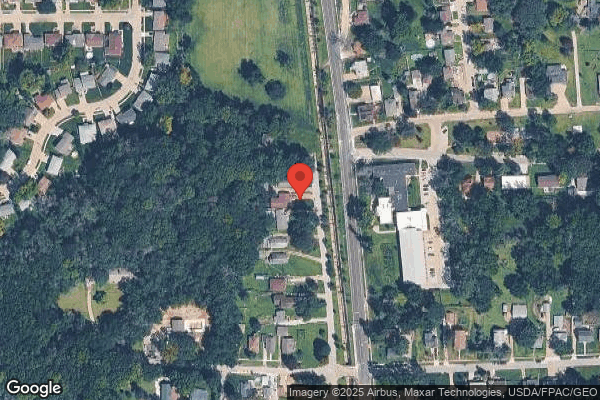
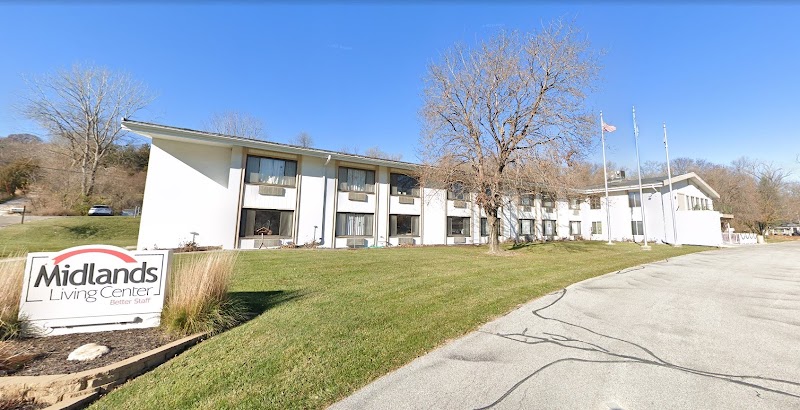
2452 North Broadway, Council Bluffs, IA 51503 (712) 323-7135
For profit - Limited Liability company 94 Beds Independent Data: November 2025
Trust Grade
65/100
#211 of 392 in IA
Last Inspection: January 2025

Within standard 12-15 month inspection cycle. Federal law requires annual inspections.

Overview

Midlands Living Center L L C has a Trust Grade of C+, which means it is considered decent and slightly above average for nursing homes. It ranks #211 out of 392 in Iowa, placing it in the bottom half of facilities statewide, but it is the top-rated option among seven facilities in Pottawattamie County. Unfortunately, the facility is experiencing a worsening trend, with issues increasing from 1 in 2024 to 6 in 2025. Staffing is a strength, with a low turnover rate of 0%, indicating that caregivers are consistent and familiar with the residents' needs. While there have been no fines, which is a positive sign, the facility has faced concerning incidents, such as failing to provide proper dependent adult abuse training for a staff member and not isolating COVID-19 positive residents from those who were negative, potentially putting residents at risk. Additionally, there was a failure to maintain appropriate infection control practices for a resident with a catheter. Overall, while there are strengths in staffing and no fines, potential issues in training and infection control practices should be carefully considered by families.
Trust Score
C+
65/100
In Iowa
#211/392
Bottom 47%
Safety Record
Low Risk
No red flags
Inspections
Getting Worse
1 → 6 violations
Staff Stability
○ Average
Turnover data not reported for this facility.
Penalties
✓ Good
No fines on record. Clean compliance history, better than most Iowa facilities.
Skilled Nurses
✓ Good
Each resident gets 43 minutes of Registered Nurse (RN) attention daily — more than average for Iowa. RNs are trained to catch health problems early.
Violations
⚠ Watch
14 deficiencies on record. Higher than average. Multiple issues found across inspections.
★★★☆☆
3.0
Overall Rating
★★★☆☆
3.0
Staff Levels
★★★★☆
4.0
Care Quality
★★★☆☆
3.0
Inspection Score
Stable
2024: 1 issues
2025: 6 issues

The Good

  • 4-Star Quality Measures · Strong clinical quality outcomes
  • Full Sprinkler Coverage · Fire safety systems throughout facility
  • No fines on record

Facility shows strength in quality measures, fire safety.

The Bad

3-Star Overall Rating

Near Iowa average (3.1)

Meets federal standards, typical of most facilities

The Ugly 14 deficiencies on record

Apr 2025 1 deficiency
CONCERN (D) 📢 Someone Reported This

A family member, employee, or ombudsman was alarmed enough to file a formal complaint

Potential for Harm - no one hurt, but risky conditions existed

Infection Control (Tag F0880)

Could have caused harm · This affected 1 resident

Based on observations, staff interview and facility policy review, the facility failed to maintain appropriate infection control practices for one of four residents reviewed (Resident #6). The facilit...

Read full inspector narrative →
Based on observations, staff interview and facility policy review, the facility failed to maintain appropriate infection control practices for one of four residents reviewed (Resident #6). The facility reported a census of 68 residents. Findings include: The Minimum Data Set (MDS) of Resident #6, dated 1/30/25 identified a Brief Interview for Mental Status (BIMS) score of 15, which indicated cognition intact. The MDS recorded the presence of an indwelling catheter. The MDS documented diagnoses which included paraplegia (paralysis of the legs and lower body) and neurogenic bladder (a condition where a person's bladder control is impaired due to damage or dysfunction of the nerves that control bladder function). The Care Plan of Resident #6 identified a Focus Area of Catheter for neuromuscular dysfunction, revision date 6/28/23. The Treatment Administration Record (TAR) for April of 2025 for Resident #16 documented an order which read - Suprapubic cath site: cleanse area, pat dry. Apply split gauze. Every day shift for cath care and as needed for soiling. The TAR revealed documentation of having been performed by the nurse on duty on 4/23/25. Observation of catheter cares began on 4/23/25 at 1:44 pm. Staff A, Certified Nurse Aide (CNA) performed catheter cares and the emptying of the catheter downdrain bag with the Assistant Director of Nursing (ADON) in the room for observation. The resident's room had a sign for Enhanced Barrier Precautions with a bin of Personal Protective Equipment (PPE) outside of the room. Staff A donned an isolation gown prior to entering the room. Upon entering the room, with no hand hygiene observed, Staff A placed gloves on his hands. He obtained an alcohol swab and lowered the blankets and raised the shirt of Resident #6 to expose the stoma of the supra pubic catheter (a tube inserted into the bladder through a small incision in the abdomen). The stoma was covered with a split piece of clean, unsoiled gauze. Staff A stated he was not supposed to change the gauze, and moved the gauze, keeping it on the catheter tubing, to cleanse the tubing from the stoma downwards with the alcohol swab. The ADON instructed Staff A to remove the gauze. He replied he didn't think he was supposed to and was again told by the ADON to remove the gauze. The ADON was requested to only observe and not offer coaching by the State Surveyor. Staff A removed the gauze and disposed of it. He then continued to cleanse the tubing with an alcohol swab. The ADON instructed Staff A to place a new dressing on the tubing. He stated he had never done that before. Resident #6 stated the gauze was kept in the top drawer of the night table. Staff A, still wearing the same gloves, opened the top drawer of the night table and obtained a new package of gauze. When opening the gauze, Staff A dropped the package onto the floor. He picked the package up with his gloved hand and continued to open the package. The ADON instructed Staff A he needed to throw the package away and obtain a new one. Staff A did not immediately dispose of the gauze package. The ADON repeated to Staff A he needed to throw the gauze away and start over because it had been on the floor. The ADON was again asked to refrain from coaching and only observe. Staff A disposed of the soiled package, still wearing the same gloves, again opened the top drawer and obtained a new package of gauze. He stated the gauze had not fallen on the floor, it was still in the package and that was why he didn't think it needed to be thrown away. After opening the package, Staff A placed the new split gauze over the tubing. Staff A then opened the cabinet under the sink, still wearing the same gloves. He obtained a graduated cylinder and placed it directly onto the floor near the urinary drain bag. He obtained a new alcohol swab, swabbed the drain, emptied the urine into the graduated cylinder and swabbed the drain again before replacing the drain. He replaced the urine bag on the under rails of the bed. Staff A picked up the cylinder and walked to the restroom. He emptied the cylinder into the toilet. He then returned to the sink, obtained a disposable cup, placed water in the cup to rinse the cylinder, and dumped the rinse water also into the toilet. He disposed of the cup in the garbage and replaced the cylinder under the sink. Staff A then removed his gloves and disposed of them, removed his gown and placed it in the bin for gowns, and then washed his hands. On 4/23/25 at 1:55 pm, the ADON stated she would have preferred Staff A washed or sanitized his hands at the beginning of procedure, and again in between clean and dirty. She stated Staff A should not have attempted to use the gauze after it was dropped on the floor and that she intervened due to resident safety/infection control. She stated Staff A should have started fresh and washed his hands and obtained clean gloves at that time. The facility policy titled Enhanced Barrier Precautions, review date 5/6/24 documented the following: Enhanced Barrier Precautions (EBP) are an infection control intervention designed to reduce transmission of multidrug-resistant organisms (MDROs) in nursing homes. EBP involve gown and glove use during high-contact resident care activities for residents known to be colonized or infected with a MDRO as well as those at increased risk of MDRO acquisition (e.g., residents with chronic wounds, not yet healed surgical incisions, or indwelling medical devices). CDC-targeted MDROs include the following: Indwelling medical devices: examples include central lines, urinary catheters, feeding tubes, and tracheotomies. A peripheral intravenous line that is not a central line is not considered an indwelling medical device for the purpose of EBP. Hand hygiene: Hand hygiene should be performed before and after putting on and taking off PPE, and after contact with blood, body fluids, or other potentially infectious materials. The facility document Catheter Care Audit dated 2023 documented the following: 1. Greet the resident and introduce yourself. Perform hand hygiene. 2. Explain procedure, provide privacy 3. Gather supplies. Set 3 bags on the bed (clean, soiled, trash) 4. Apply water and Tena (no rinse) to separate warm washcloths in clean bag. 5. Apply gloves. 6. Position and undress resident/remove brief 7. For Supra Pubic - may use alcohol wipe for cleaning SP catheter 8. (N/A for supra pubic catheters) 9. Remove gloves and perform hand hygiene 10. Apply new gloves 11. Redress the resident/secure a brief 12. Keep drainage bag below level of the catheter 13. Secure catheter with device or strap and secure bag 14. Position patient for comfort and safety. Cover the resident. 15. Remove gloves and perform hand hygiene. (procedure provided does not include emptying of catheter)
Jan 2025 5 deficiencies
CONCERN (D) 📢 Someone Reported This

A family member, employee, or ombudsman was alarmed enough to file a formal complaint

Potential for Harm - no one hurt, but risky conditions existed

Comprehensive Care Plan (Tag F0656)

Could have caused harm · This affected 1 resident

**NOTE- TERMS IN BRACKETS HAVE BEEN EDITED TO PROTECT CONFIDENTIALITY** 3. According to the MDS dated [DATE], Resident #40 was admitted on [DATE] with a BIMS score of 13 (moderate cognitive deficit.) ...

Read full inspector narrative →
**NOTE- TERMS IN BRACKETS HAVE BEEN EDITED TO PROTECT CONFIDENTIALITY** 3. According to the MDS dated [DATE], Resident #40 was admitted on [DATE] with a BIMS score of 13 (moderate cognitive deficit.) The resident had an indwelling catheter and diagnosis that included heart failure, hypertension, renal insufficiency and obstructive uropathy. In an observation on 1/12/25 at 2:39 PM, outside the room for Resident #40 was a supply of Personal Protective Equipment and a sign that indicated to staff to use EBP when providing care. The Care Plan for Resident #40, updated on 7/8/24, showed that Resident #40 had self-care deficits related to weakness. He was incontinent of bowel and had a Foley urinary catheter for urinary retention. The Care Plan lacked reference to EBP related to catheter use. Based on clinical record review, observation and staff interviews the facility failed to develop a comprehensive care plan related to the need for Enhanced Barrier Precautions (EBP) for 3 of 5 residents reviewed (Resident #29, #39 and #40). The facility reported a census of 63 residents. Finding include: 1. The Minimum Data Set (MDS) dated [DATE] documented Resident #39 entered the facility on 1/25/23. The MDS also documented a Brief Interview for Mental Status (BIMS) score of 8 indicating moderate cognitive impairment. The MDS revealed diagnoses retention of urine. The MDS revealed use of catheter. Review of Resident #39's Care Plan dated 1/26/23 revealed no focus, goals or interventions related to the need for EBP. Review of Resident #39's Medication Administration Record (MAR) documented a physician's order to change foley catheter 20Fr 10cc monthly. 2. Review of Resident #29's MDS dated [DATE] revealed diagnosis of benign prostatic hyperplasia (a noncancerous condition that causes the prostate to enlarge), renal insufficiency, neurogenic bladder (a condition that affects bladder control due to nerve damage in the brain), and stroke. The MDS further revealed that Resident #29 relies on the utilization of an indwelling catheter. Review of Resident #29's Electronic Healthcare Record (EHR) page titled, Physician's Orders revealed an order for an 18fr suprapubic catheter to be changed on the 11th of each month with no late night or weekend changes with an order date of 2/22/24. Review of Resident #29's Care Plan revealed no Comprehensive Care Plan for Enhanced Barrier Precautions (EBP) related to the utilization of a supra pubic catheter. Interview on 1/14/25 at 9:54 AM with Staff C MDS Coordinator revealed she completed care plans at the facility and that her expectation would be for EBP to be on care plans. Interview on 1/14/25 at 11:17 AM with the Director of Nursing (DON) revealed her expectation would be for EBP to be on care plans. Interview on 1/14/25 at 11:41 AM with the Administrator revealed the facility does not have a care plan policy, the expectation is for the facility to follow the State Operations Manual (SOM) and Code of Federal Regulations (CFR).
CONCERN (D)

Potential for Harm - no one hurt, but risky conditions existed

Deficiency F0657 (Tag F0657)

Could have caused harm · This affected 1 resident

**NOTE- TERMS IN BRACKETS HAVE BEEN EDITED TO PROTECT CONFIDENTIALITY** Based on observation, staff interview and clinical record review the facility failed to update care plans for 2 of 17 residents....

Read full inspector narrative →
**NOTE- TERMS IN BRACKETS HAVE BEEN EDITED TO PROTECT CONFIDENTIALITY** Based on observation, staff interview and clinical record review the facility failed to update care plans for 2 of 17 residents. Resident #22 had edema, and Resident #12 was receiving antidepressant medications. These concerns were not addressed on the care plans. The facility reported a census of 63 residents. Findings include; 1) According to the Minimum Data Set (MDS) dated [DATE], Resident #22 was admitted to the facility on [DATE] and had a Brief Interview for Mental Status (BIMS) score of 15 (intact cognitive ability.) The resident was independent with eating, toileting, dressing and ambulating. His diagnosis included heart failure, conduct disorder, adjustment disorder and edema. On 1/12/25 at 1:48 PM, Resident #22 was in his recliner in his room. The resident was wearing shorts and gripper socks. His lower extremities were tightly wrapped with blue elastic bandages half way up the calves. The legs were edematous and the resident said the treatments were completed about every-other day. A review of the record showed an order dated 12/2/24 at 2:45 PM, for Bilateral Lower Extremity (BLE) daily treatments, to cover areas with heavy drainage with ABD (absorbent pads used for large wounds) secure with gauze and tape. An order dated 5/22/24 at 7:30 PM, to remove TED hose (stockings used to prevent swelling) every night related to edema. The Care Plan updated on 7/5/24, showed that Resident #22 was at risk for skin breakdown. He had self-care performance deficit related to intellectual disability. The Care Plan lacked information or goals related to edema and/or subsequent skin issues. 2) According to the MDS dated [DATE], Resident #12 was admitted to the facility on [DATE], she had a BIMS score of 3 (severe cognitive deficit.) The resident was totally dependent on staff for eating, toileting and dressing. Diagnosis for Resident #12 included non-traumatic brain dysfunction, thyroid disorder, Alzheimer's' Disease, and depression. The Medication Administration Record (MAR) for January showed an order for sertraline 25 milligrams (mg) dated 11/2/24, used for depression. Also included on the MAR was an order for Lorazepam 2mg/ml as needed for anxiety related to Alzheimer's Disease. The Care Plan for Resident #12, updated on 10/23/24 showed that she had self-care deficit related to Alzheimer's Disease and impaired mobility. She was dependent on others for meeting emotional, intellectual, physical, and social needs related to cognitive deficits. The Care Plan lacked focus area or interventions related to antidepressant and antianxiety medication use. On 1/14/25 at 12:35 PM, Staff C, Care Plan and MDS nurse, acknowledged the medication use for Resident #12 should be on the Care Plan, and that Resident #22 had significant edema with subsequent skin breakdown that also should be included on the Care Plan. On 1/17/25 at 7:01 AM, the Director of Nursing said that the facility did not have a policy on establishing a care plan or updating the care plans.
CONCERN (D) 📢 Someone Reported This

A family member, employee, or ombudsman was alarmed enough to file a formal complaint

Potential for Harm - no one hurt, but risky conditions existed

Deficiency F0658 (Tag F0658)

Could have caused harm · This affected 1 resident

**NOTE- TERMS IN BRACKETS HAVE BEEN EDITED TO PROTECT CONFIDENTIALITY** Based on observation, resident interview, staff interviews and clinical record review the facility failed to follow physician's ...

Read full inspector narrative →
**NOTE- TERMS IN BRACKETS HAVE BEEN EDITED TO PROTECT CONFIDENTIALITY** Based on observation, resident interview, staff interviews and clinical record review the facility failed to follow physician's orders for 3 of 17 residents. Residents #160 and #55 had orders directing staff to hold a medication when the Blood Pressures (BP) were outside of parameters. The medications were administered outside the established parameters. Resident #39 had an order for respiratory treatments via nebulizer three times per day and the facility failed to provide them as ordered by the physician. The facility reported a census of 63 residents. Findings include: 1. According to the Minimum Data Set (MDS) dated [DATE], Resident #160 had a Brief Interview for Mental Status (BIMS) score of 7 (severe cognitive deficit.) The resident was totally dependent on staff for toileting, dressing, and bed to chair transfers. Diagnosis included; atrial fibrillation, coronary artery disease, heart failure, orthostatic hypotension and multiple fractured ribs. The Care Plan initiated on 10/9/24, showed that Resident #160 was at risk for falls related to orthostatic hypotension (low blood pressure) spinal stenosis and multiple fractures. He had the potential for complications related to congestive heart failure, staff were to administer medications as ordered and monitor vitals. A review of the clinical record revealed an order dated 10/16/24, for metoprolol 25 milligrams (mg) take one-half tab by mouth daily. Hold for systolic (top number) BP less than 100. The Medication Administration Record (MAR) revealed the metoprolol was administered on the following dates: a. 11/23/24 with a BP: 73/50 b. 11/22/24 with a BP: 98/63 c. 11/17/24 with a BP: 98/56 An order dated 10/16/24, included; midodrine 5 mg (for hypotension) one tab three times daily hold for systolic BP of more than 120. The MAR revealed medication was given when the BP was outside the parameters on the following dates: a. 12/7/24 with a BP: 129/55 b. 12/8/24 with a BP: 128/59 c. 12/20/24 with a BP: 127/65 d. 12/30/24 with a BP: 121/52 e. 1/5/25 with a BP: 124/52 f. 1/6/25 with a BP: 130/72 2. According to the MDS dated [DATE], Resident #55 was admitted on [DATE] with a BIMS score of 14 (intact cognitive ability.) The resident was independent with sit to stand, toilet transfers, eating and dressing. She had diagnosis that included heart failure, hypertension (high blood pressure) and anxiety. The Care Plan for Resident #55, last updated on 1/6/25, showed that she was at nutritional risk due to decrease in food intake, and staff were to monitor weights. She had impaired mobility with lymphedema in bilateral legs due congestive heart failure and she was admitted to hospice care due to decline in health. The resident was on diuretic therapy, staff were to administer medications as ordered by the physician and to monitor for adverse reactions to diuretic therapy such as hypotension and fatigue. On 1/12/25 at 10:43 AM, Resident #55 was sitting in the recliner and said that she hadn't been going out of her room for meals because it was getting too difficult for her to get up and walk. The resident's feet and legs were extremely swollen. The resident said that she had struggled with edema for a long time. A review of the record revealed a signed doctors order dated 12/23/24, with parameters for blood pressure and weights. Staff were to hold atenolol (hypertensive medication) and furosemide (diuretic to help get rid of extra water) with a systolic BP less than 90 or less than 60 diastolic (bottom number). Daily weights and notify doctor with a weight gain of 3 pounds in 1 day or 5 pounds in a week. The MAR revealed the following blood pressures out of parameters and the furosemide and atenolol were administered: a. 12/16/24 at 5:53 AM, BP 102/56 b. 12/28/24 at 3:20 PM, BP 126/55 c. 12/31/24 at 10:54 AM, BP 90/48 d. 1/1/25 at 4:23 PM, BP 131/58 e. 1/6/25 at 3:15 PM, BP 97/53 f. 1/7/25 at 4:03 PM, BP 87/50 The chart lacked weight documentation on 12/27, 12/28, 12/30, and 12/31/24. On 1/15/25 at 8:38 AM, Staff F Registered Nurse (RN) said that the parameter orders for Resident #160 were confusing and it was difficult to know when to give the hypertension and/or hypotensive medications. Sometimes they would end up giving both of the medications and that seemed counterproductive. On 1/15/25 at 8:58 AM, Staff E, RN, said she would retake a blood pressure if she got a reading with less than 100 systolic and less than 40 diastolic. On 1/15/25 at 9:26 AM, Staff G, LPN said that Resident #16 would have some low BP readings. She said she would retake a BP if it was lower than 100/50. She acknowledged that the two medications with the parameters was very confusing. On 1/14/25 at 12:43 PM, the Director of Nursing (DON) acknowledged that some of the doctor's orders were confusing and staff usually called for clarification. On 1/17/25 at 7:01 AM, the DON said that the facility did not have a policy on monitoring blood pressures. 3. The MDS dated [DATE] documented Resident #39 entered the facility on 1/25/23. The MDS also documented a BIMS of 8 indicating moderate cognitive impairment. The MDS revealed diagnoses of asthma. On 1/12/25 at 12:22 AM an observation of clear liquid in a nebulizer machine next to Resident #39's bed. On 1/12/25 at 12:23 PM Resident #39 stated Staff H, Licensed Practical Nurse (LPN) told her that she did not need her breathing treatment this afternoon. Resident #39 stated she did not have her breathing treatment this morning either. Review of Resident #39's MAR documented a physician's order for ipratropium / albuterol solution to inhale 1 vial via nebulizer three times a day. On 1/12/25 at 12:35 PM Staff H stated she worked 201 - 212-2 on the morning of 1/12/25. Staff H stated she did not work on that floor very often. Staff H acknowledged Resident #39 was in room [ROOM NUMBER] bed 2. Staff H stated she had been in that room on 1/12/25. Staff H acknowledged Resident #39 had a nebulizer treatment that morning but did not give Resident #39 the treatment at noon because Resident #39 did not want the treatment. Staff H stated when she gave a breathing treatment she would take the medication down to the resident's room, put the medication into the nebulizer machine, apply the mask to the resident's face, return about 10 minutes later and remove the mask. Staff H stated she then would take the mask apart, use a wet paper towel to wipe the mask out and turn the pieces of the nebulizer upright so the nebulizer equipment can dry. Staff H stated she gave Resident #39 the breathing treatment that morning and when she returned to the room the machine was not on and the mask was lying inside the machine itself. Staff H stated she did not clean the mask out at that time. Staff H stated she did set it upright in the machine's stand. Staff H stated the room was dark this morning. Staff H stated there was no medication in the machine when she entered the room. Staff H acknowledged medication present in the nebulizer mask reservoir at that time. Staff H stated she forgot to come back in 10 minutes that morning. Staff J reported it was 20 - 30 minutes later when she returned to Resident #39's room. Staff H stated she did not physically look at the nebulizer at that time or take it off Resident #39's face. Staff H stated Resident #39 must not have completed the treatment. On 1/12/25 at 2:30 PM the DON stated her expectation was the medication would have been administered per physician's orders and if the resident refused, documented as a refusal. On 1/15/25 at 8:29 AM the Administrator stated the facility had no policies or procedures on following physician's orders or medication administration. The Administrator stated the facility's expectation was to follow professional standards.
CONCERN (D)

Potential for Harm - no one hurt, but risky conditions existed

Accident Prevention (Tag F0689)

Could have caused harm · This affected 1 resident

**NOTE- TERMS IN BRACKETS HAVE BEEN EDITED TO PROTECT CONFIDENTIALITY** Based on observation, interview and clinical record review the facility failed to provide safe transfer techniques for 1 of 3 re...

Read full inspector narrative →
**NOTE- TERMS IN BRACKETS HAVE BEEN EDITED TO PROTECT CONFIDENTIALITY** Based on observation, interview and clinical record review the facility failed to provide safe transfer techniques for 1 of 3 residents reviewed. Staff D, Certified Nurse Aide (CNA) was observed to assist Resident #44 with ambulation without the use of a gait belt. The facility reported a census of 63 residents. Findings include: According to the Minimum Data Set (MDS) dated [DATE], Resident #44 had a Brief Interview for Metal Status (BIMS) score of 15 (cognitive ability) She was independent with transfers, toilet, and sit to stand. After a decline in status, a follow up BIMS assessment was conducted on 12/24/24 at 10:28 AM, and the resident scored 10 (moderate cognitive deficit.) The Care Plan last revised on 11/1/24, showed that Resident #44 required substantial assist for transfers, and supervision/touch assistance for ambulation using a front wheel walker. She was on an anti-anxiety medication, staff were to monitor for side effects such as drowsiness, clumsiness, and slow reflexes. According to an Incident Report dated 12/10/24 at 2:23 PM, Resident #44 had an unwitnessed fall in her room. She was found lying on her right side, with no injuries. The resident was confused, had impaired memory and she was ambulating without assistance. A Fall Risk Evaluation dated 12/10/24 at 2:35 PM, showed that Resident #44 was at high risk for falls related to diseases that included: hypotension, vertigo, Parkinson's Disease, seizures, osteoporosis, and delirium. She had balance problems while walking. The Nursing Progress Notes included the following documentation: a. On 12/5/24 at 12:16 PM, the resident had decrease in intake, was down 10 pounds and had increased confusion. b. On 12/12/24 at 6:05 PM, the resident was ambulated to and from the bathroom and to and from dining room with gait belt and one assist. c. On 12/21/24 at 2:18 AM, the resident had a harsh nonproductive cough with wheezes. d. On 12/28/24 at 11:45 AM, the resident had an increased level of confusion and productive cough. e. On 1/8/25 at 7:55 PM, the resident was very confused, agitated, refused cares and dinner. On 1/12/25 at 11:56 AM, Resident #12 ambulated to the dining room with a front wheeled walker. Staff D, Certified Nurse Aide (CNA) walked behind the resident and held onto the elastic on the back of her pants. The resident was not wearing a gait belt. On 1/14/25 at 12:38 PM, the Director of Nursing (DON) said that Resident #12 was independent in her room and used a walker on her own. She acknowledged that the resident was experiencing some increased weakness and if a staff member had the need to hold onto the resident, the CNA should have used a gait belt and not held onto her pants. On 1/17/25 at 7:01 AM, the DON indicated that the facility did not have policies on gait belt use or on safe transferring techniques.
CONCERN (D)

Potential for Harm - no one hurt, but risky conditions existed

Infection Control (Tag F0880)

Could have caused harm · This affected 1 resident

**NOTE- TERMS IN BRACKETS HAVE BEEN EDITED TO PROTECT CONFIDENTIALITY** Based on clinical record review, observation, staff interviews, and facility policy review the facility failed to use Enhanced B...

Read full inspector narrative →
**NOTE- TERMS IN BRACKETS HAVE BEEN EDITED TO PROTECT CONFIDENTIALITY** Based on clinical record review, observation, staff interviews, and facility policy review the facility failed to use Enhanced Barrier Precautions (EBP) during catheter care for 1 of 3 residents reviewed for infection control (Resident #29). The facility reported a census of 63 residents. Findings include: Review of Resident #29's Minimum Data Set (MDS) dated [DATE] revealed diagnosis of benign prostatic hyperplasia (a noncancerous condition that causes the prostate to enlarge), renal insufficiency, neurogenic bladder (a condition that affects bladder control due to nerve damage in the brain), and stroke. The MDS further revealed that Resident #29 relies on the utilization of an indwelling catheter. Review of Resident #29's Physician's Orders revealed an order for an 18fr suprapubic catheter to be changed on the 11th of each month with no late night or weekend changes with an order date of 2/22/24. Continuous observation 1/13/25 at 12:37 PM Staff A Certified Nurses Aide (CNA), and Staff B CNA completed hand hygiene and repositioned Resident #29 into bed while utilizing a mechanical lift. Staff A, and Staff B then completed peri cares, and drained Resident #29's suprapubic catheter with no Enhanced Barrier Precautions (EBP). Interview 1/13/25 at 12:53 PM with Staff A revealed that she had been trained on Personal Protective Equipment (PPE) for EBP, and just did not wear them as she forgot to don gowns. Staff then revealed that she just keeps forgetting to apply PPE for residents with EBP. Interview 1/13/24 at 3:15 PM with the Director of Nursing (DON) revealed her expectation is for staff to wear EBP while providing care for residents with catheters. Review of a facility provided policy titled, Enhanced Barrier Precautions Policy with a review date of 5/6/24 revealed: EBP are indicated for residents with any of the following: Wounds and/or indwelling medical devices even if the resident is not known to be infected or colonized with an MDRO. Centers for Disease Control and Prevention website titled, Implementation of Personal Protective Equipment (PPE) Use in Nursing Homes to Prevent Spread of Multidrug-resistant Organisms (MDROs), visited 1/14/25 and updated 7/12/22 revealed recent changes included, additional rationale for the use of Enhanced Barrier Precautions (EBP) in nursing homes, including the high prevalence of multidrug-resistant organism (MDRO) colonization among residents in this setting. Expanded residents for whom EBP applies to include any resident with an indwelling medical device or wound (regardless of MDRO colonization or infection status). Expanded MDROs for which EBP applies. Clarified that, in the majority of situations, EBP are to be continued for the duration of a resident's admission. EBP may be indicated (when Contact Precautions do not otherwise apply) for residents with any of the following: Wounds or indwelling medical devices, regardless of MDRO colonization status and Infection or colonization with an MDRO. Effective implementation of EBP requires staff training on the proper use of personal protective equipment (PPE) and the availability of PPE and hand hygiene supplies at the point of care.
Sept 2024 1 deficiency
CONCERN (D) 📢 Someone Reported This

A family member, employee, or ombudsman was alarmed enough to file a formal complaint

Potential for Harm - no one hurt, but risky conditions existed

Resident Rights (Tag F0550)

Could have caused harm · This affected 1 resident

**NOTE- TERMS IN BRACKETS HAVE BEEN EDITED TO PROTECT CONFIDENTIALITY** Based on observations, record review, facility investigative file review, staff interviews and policy review the facility failed...

Read full inspector narrative →
**NOTE- TERMS IN BRACKETS HAVE BEEN EDITED TO PROTECT CONFIDENTIALITY** Based on observations, record review, facility investigative file review, staff interviews and policy review the facility failed to ensure 1 of 3 residents (Resident #2) was treated with dignity. The facility reported a census of 72 residents. Findings include: According to the admission Minimum Data Set (MDS) assessment tool with a reference date of 8/12/24 Resident #2 had a Brief Interview of Mental Status Score (BIMS) of 5. A BIMS score of 5 indicated mild cognitive impairment. The MDS indicated she did not display any physical, verbal or other symptoms during the review period. The MDS documented she had the following diagnoses: femur fracture, anemia, hyponatremia, thyroid disorder, hip fracture, and heart failure. The Care Plan focus area with an initiation date of 8/6/24 documented Resident #2 had Activities of Daily Living (ADLs) self-care performance deficit related to impaired mobility and pain. The facility investigation included the following summary and staff statement: -On 9/18/24 at approximately 4:00 PM the Director of Nursing (DON) was made aware of a Snapchat story that was sent from one of the facility's staff members to another facility staff member involving a resident by Staff B Assisted Living Facility DON. The Snapchat was captured on 9/17/24 in the evening and contained a video of Staff A Nurse Aide in Training (NAT) talking to a resident in the hallway. The resident's face was colored out so she could not be identified but we recognized her voice as Resident #2. Resident #2 was heard asking for help and Staff A replied I would be willing to help you, but you haven't listened to me once this entire night. I can't help you if you're not going to listen to me. The facility's Assistant Director of Nursing was in the building at the time of the incident and had overheard the interaction. She intervened and pulled Staff A into an office and provided education on appropriate interaction with residents. The ADON was unaware that Staff A was recording or snapchatting. -Review of the facility cameras at the approximate time of the incident, revealed Resident #2 along with other residents sitting across from the nurse's station with Staff A sitting next to one of the residents. Staff A could be heard telling Resident #2, I would be willing to help you, but you haven't listened to me once this entire night. I can't help you if you're not going to listen to me. -Resident #2 was admitted to the facility on [DATE] and currently awaiting physician's diagnosis for dementia. She does ask repetitive questions, has short- and long-term care memory deficits. -The ADON emailed the following statement to the DON on 9/19/24 at 2:12 PM: On the evening of 9/17/24 she was walking past the nurse's desk at approximately 6:32 PM when she heard Staff A speaking to Resident #2 at the desk. She was speaking to Resident #2, who has dementia, in a condescending, and she felt disrespectful manner. The resident was at the desk and wanted to go back to her room. Staff A stated to Resident #2 you are not listening to me, so you have to stay here now, I have to sit with you now, I quit. Resident #2 was asking for help, Staff A responded no I caaaaaan't do this for you, I would be willing to do this for you but you haven't listened to me once this entire night, so I can't help you if you are not going to listen to me. The ADON overheard the conversation and pulled Staff A into an office and discussed with her that Resident #2 has dementia, she cannot help that she cannot remember from one minute to the next. The ADON explained to Staff A that when we take care of dementia residents, we see if we can address their needs- food, water, do they need to use the toilet. If those needs are met then we try to distract them (as demonstrated to her). Resident #2 is an artist, ask her to tell you about her artwork, ask about her life, have her tell you about her family. But we don't ever treat or speak to them as if they are children that we are babysitting. She told Staff A she needs to be respectful and if having a difficulty, ask the floor nurse for assistance. Staff A responded to her, I have tried, I have tried all of that-she doesn't listen. The conversation was ended and Staff A agreed that she understood that she needs to approach and speak to the resident differently. On 9/27/24 at 10:54 AM the DON played the Snapchat video that was posted by Staff A. The resident's face and body were colored out with pink, no other residents visible in video. The video played the following audio conversation: Resident #2 said I need you to do this for me. Staff A stated I caaaaaaan't do this for you. Resident #2 I will come back. Resident #2 asked can you help me. Staff A stated I would be willing to help you but you haven't listened to me once this entire night. I can't help you if you're not going to listen to me. Resident #2 mumbled something that was not audible. On 9/27/24 at 10:40 AM the DON played the camera footage of where Resident #2 and Staff A was sitting at the time of the Snapchat recording. At 9/17/24 at 6:23 PM Staff A sat down next to a resident that was sitting in the commons area across from the nurse's station. Resident #2 was next to that resident. Three other residents were present, the television was on, other staff members walked by randomly as they went to the halls on either side of this area. Resident #2 asked what she should do and asked Staff A to call her daughter. Staff A stated she tired but her daughter was busy. Resident #2 stated I have to call her before bed, Staff A told her she was not able to do that for her. Then told her you are not listening you have to sit here with me. At 6:31 PM Staff A took her cell phone out of her pocket. Resident #2 said something that was not audible, then Staff A stated I can't. Resident #2 said I need you to (then unable to hear what was said). Staff A said I would be willing to help you but you have not listened to me once this entire night. At 6:32/6:33 PM the ADON walked up the hall from the main entrance area and removed Staff A from the area. At 6:34 PM Resident #2 left the area in the direction of her room. In the 10 minutes of watching the video the resident sat in her wheelchair, not attempting to leave the area, nor was she combative, disruptive or engaging with other residents. Resident sat in her wheelchair, repeating words, not yelling or shouting. Multiple staff members walked through that area throughout the 10 minutes of the video observed, including the ADON. On 9/29/24 at 1:15 PM an attempt was made to contact Staff B. There was no answer on the cell phone number provided by the facility. A voicemail was left and a text message was sent to return the call at her convenience. At the conclusion of the investigation, a return call was not received. On 9/29/24 at 1:28 PM Staff A stated her mom is on the call too because she is a minor. Staff A stated while her trainer was in the bathroom the ADON came and told her what to do with Resident #2 such as helping her with something. Staff A stated she did not know how to deal with dementia residents and she was stressing out. The ADON told her not to talk with residents the way she was talking with Resident #2. The ADON educated her to ask questions of the resident but Resident #2 kept saying stuff over and over and she did not know how to talk with residents like that. Staff A indicated she did not feel like she was talking to Resident #2 in a disrespectful or rude way. She was just telling the resident she could not help her and that she did not know what to do for her. When asked what Resident #2 was saying and doing she stated she kept moving from her chair, trying to leave the building, just moving around. Resident #2 was saying she needed to go to this, I need to go do this. Staff A told her you can't do that, I can't help you. When asked why she told Resident #2 she could not help her if she was not going to listen to her, Staff A stated because she did not know what to say, no one had taught her what to say to dementia residents. She was not, not trying to help, she was upset and confused at that time. Staff A indicated she wanted to help Resident #2 but did not have someone there with her to help. She wanted Staff A to call her daughter but her daughter was already there that day, obviously she did not remember that. Staff A indicated she did not refuse to call her daughter, but she did not have access to certain things like phone numbers. Staff A indicated other staff members had walked by during this time but could not remember while they were. When asked why Staff A recorded a Snapchat video of Resident #2, she stated the resident was trying to move away, kept saying things and moving. So, she pulled out her phone to show her mom. She was stressed out from the ADON telling her what to do, she wanted to record what was going on to show her boss and mom. Staff A stated the Snapchat was sent to a small group of friends. She acknowledged it was wrong and should not have done that. At the time she did not know it was wrong but now she see's that it is wrong. On 9/30/24 at 10:46 AM the ADON stated she was here late that day. She was walking to the nurse's station area where Resident #2 and Staff A were sitting. She heard Staff A speaking with Resident #2, not sure what was said but she was kind of talking down to her, like she was babysitting a kid. She was speaking in a demeaning manner, not respectful. So, she asked her to come with her so she could speak with her. She pulled her in to the DON's office and let her know we don't speak to residents like that. If you are not able to redirect the resident, get a nurse to help with that. Told her to talk with Resident #2 about art, she was an artist before. When her and Staff B were done, the ADON went to see if Resident #2 needed anything and to ask about her art work. She pleasantly spoke of her art. During the remaining time at the facility that evening she did not hear any further interaction that was questionable. On 9/30/24 at 2:24 PM Staff C CNA stated she trained Staff A on the day the Snapchat story was posted. It was her first night working with her. Other CNA's had reported to her that Staff A liked to be on her phone a lot. She had it out in the dining room while Staff C was assisting a resident with their meal. She asked her to put it away then sat next to Staff C. Staff C then assisted a resident with her meal by asking the resident to open their mouth, then made an airplane noise and said the food is coming in. Staff C told her to stop that it was disrespectful and that the resident was not a baby. Staff C stated it was just a joke and did not make any further comments to that resident during that time. Staff C went to the restroom and when she returned she had noticed the ADON was on the first floor talking with Staff A. Staff C noticed Staff A was worked up and asked what was going on. She indicated the ADON told her she needed to stay with Resident #2 but Staff C indicated that resident's aide was right there and they needed to continue to assist their residents down the hall. Staff C stated 3-4 days later she had heard Staff A posted the Snapchat video on the day she was training her. Staff C denied having to educate Staff A any further that evening. On 9/30/24 at 2:56 PM the DON stated Staff B notified her, via text message, that a staff member of DON's recorded something on Snapchat and posted it. The video was sent to the Administrator, reported the incident to the State Agency, and suspended Staff A because of how she was speaking to Resident #2 and because she had recorded the interaction. Based on the surveillance video and Snapchat video they decided to terminate Staff A's employment. When asked to describe how Staff A was speaking to Resident #2 the DON stated she was not sure if she was intentionally being abusive but really thinks it was because she was young, frustrated and did not know how to interact with a demented resident. She was unsure if she understood dementia even though she had training or this profession is not her cup of tea. When asked how Staff A's tone was with Resident #2 in the video, the DON stated borderline demeaning. The Administrator provided a document titled Residents' [NAME] of Right that their staff are to follow. The document contained the following information: 1. Residents' Rights 1) The resident has a right to a dignified existence, self-determination, and communication with and access to persons and services inside and outside the facility, including those specified below: a) A facility must treat each resident with respect and dignity and care for each resident in a manner and in an environment that promotes maintenance or enhancement of his or her quality of life, recognizing each resident's individuality. The facility must protect and promote the rights of the resident. 5. Respect and Dignity 1) The resident has a right to be treated with respect and dignity.
Dec 2023 4 deficiencies
CONCERN (D)

Potential for Harm - no one hurt, but risky conditions existed

PASARR Coordination (Tag F0644)

Could have caused harm · This affected 1 resident

**NOTE- TERMS IN BRACKETS HAVE BEEN EDITED TO PROTECT CONFIDENTIALITY** Based on clinical record review, staff interview, and policy review the facility failed to refer a resident to Preadmission Scre...

Read full inspector narrative →
**NOTE- TERMS IN BRACKETS HAVE BEEN EDITED TO PROTECT CONFIDENTIALITY** Based on clinical record review, staff interview, and policy review the facility failed to refer a resident to Preadmission Screening and Resident Review (PASRR) who was later identified to have a new diagnosis of delusional disorders for 1 of 3 residents reviewed (Resident #1). The facility reported a census of 69. Findings include: Review of Resident #1's Minimum Data Set (MDS) dated [DATE] revealed diagnoses to include anxiety, depression, and psychotic disorder. Review of the Electronic Health Record (EHR) tab labeled Medical Diagnosis revealed a diagnosis of delusional disorders dated 9/15/22. Review of the Order Summary Report signed and dated 10/4/23 revealed active diagnosis of delusional disorders, major depressive disorder and generalized anxiety disorder. Review of Resident #1's PASRR completed 3/2/20 lacked the active diagnosis of delusional disorder. During an interview 12/20/23 at 9:30 AM with Staff D revealed that the last PASRR was completed in 2020, and that her expectation would be that a new PASRR would be completed after a new diagnosis. Staff D further revealed it is hard to stay current if no one notified her of a new diagnosis. During an interview on 12/20/23 at 10:01 AM with Staff B and Staff C revealed there is no policy for PASRR and the facility just follows the standards for the PASRR procedure.
CONCERN (D)

Potential for Harm - no one hurt, but risky conditions existed

Deficiency F0657 (Tag F0657)

Could have caused harm · This affected 1 resident

**NOTE- TERMS IN BRACKETS HAVE BEEN EDITED TO PROTECT CONFIDENTIALITY** Based on clinical record review and staff interview the facility failed to revise and update care plans to include side effects ...

Read full inspector narrative →
**NOTE- TERMS IN BRACKETS HAVE BEEN EDITED TO PROTECT CONFIDENTIALITY** Based on clinical record review and staff interview the facility failed to revise and update care plans to include side effects to watch for with anticoagulant medication usage in 1 out of 17 sampled residents reviewed for comprehensive care plans (Resident #7). The facility reported a census of 69 residents. Findings include: The Minimum Data Set (MDS) assessment dated [DATE] for Resident #7 documented diagnoses of hypertension and atrial fibrillation (irregular rapid heart rate). The MDS showed a Brief Interview for Mental Status (BIMS) score of 12 out of 15 indicating moderate cognitive impairment. Review of the December 2023 Medication Administration Record (MAR) revealed the following orders: Eliquis (anticoagulant medication) twice daily with a start date of 5/4/21. Review of the MDS dated [DATE] revealed anticoagulant medication is currently being taken. Review of the Medication Review Report signed 10/4/23 revealed the following orders: Eliquis twice daily with a start date of 4/28/21. Review of the Care Plan with a revision date of 10/9/23 lacked information regarding the side effects to watch for with anticoagulant medication. The facility reported they do not have a policy regarding care plan revision and the facility follows the Health Care Association guidelines. Interview on 12/20/23 at 10:53 a.m., with the Administrator revealed the care plan lacked side effects to watch for with anticoagulant medications and they should be listed on the care plan.
CONCERN (D)

Potential for Harm - no one hurt, but risky conditions existed

Infection Control (Tag F0880)

Could have caused harm · This affected 1 resident

**NOTE- TERMS IN BRACKETS HAVE BEEN EDITED TO PROTECT CONFIDENTIALITY** Based on observation, document review, and staff interview the facility failed to provide appropriate infection prevention pract...

Read full inspector narrative →
**NOTE- TERMS IN BRACKETS HAVE BEEN EDITED TO PROTECT CONFIDENTIALITY** Based on observation, document review, and staff interview the facility failed to provide appropriate infection prevention practices when completing blood glucose monitoring and disposing of a used needle. The facility reported a census of 69 residents. Findings include: The MDS dated [DATE] documented Resident #4 had a Brief Interview for Mental Status (BIMS) of 15 out of 15 indicating no cognitive impairment. The MDS documented a diagnosis of type 2 diabetes mellitus with diabetic neuropathy. Review of Physician Orders for Resident #4 revealed an order for Ozempic 0.5mg to be injected every Wednesday. On 12/20/23 at 7:26 AM observed Staff E apply gloves and walk from a medication cart, down hall, and into Resident #4's room. Staff E exited Resident #4's room returned to the medication cart and obtained keys from Staff F. Staff E Obtained Ozempic from medication room refrigerator and returned to Resident #4's room. Staff E cleaned the area on Resident #4's right index finger with an alcohol wipe. Staff E used his gloved left hand to pull his mask over his nose. Staff E held Resident #4's right index finger with left hand and lanced Resident #4's right index finger. Staff E used a cotton ball to wipe blood away from finger and then obtained Resident #4's blood sugar. Staff E opened the box for Ozempic and removed disposable needle tips from the box. Disposable needle tip applied by Staff E to the Ozempic pen without cleansing the rubber septum. Staff E primed the Ozempic pen with 3 clicks, cleansed the area on the right abdomen and injected 0.5mg of Ozempic. Staff E then left Resident #4's room with syringe uncapped with syringe exposed walking down the hall to the medication cart at the nurses station. When walking down the hall Staff E walked past one resident and one staff member. Staff E then removed the tip of the syringe, disposed of the tip in a sharps container and sanitized the blood glucose monitor. Staff E then removed his gloves, returned the blood glucose monitor to the drawer and locked the medication cart. Staff E returned the Ozempic to the refrigerator and walked down the hall to a staff member's office and completed no hand hygiene. On 12/20/23 at 2:58 PM the Director of Nursing (DON) stated the facility's expectation was that retractable needle tips would have been utilized for the administration of Ozempic. The DON stated the facility's expectation was that the rubber septum on the Ozempic would have been cleansed with an alcohol wipe. The DON stated the facility's expectation was that hand hygiene would have been completed prior to and after the blood glucose monitor check, administration of Ozempic and all resident cares. On 12/21/23 at 9:55 AM the Administrator stated the computer training courses provided training for sharps disposal and hand hygiene. The Administrator stated the facility did not have a policy for hand hygiene or sharps disposal. On 12 21/23 at 9:58 Staff G, Assistant Director of Nursing (ADON) and Infection Preventionist (IP) stated the facility's expectation was that hand hygiene would be completed between clean and dirty procedures and during any cross contamination. Staff G stated the facility's expectation was that hand hygiene would be completed before and after all resident cares or medication administration as well.
CONCERN (E)

Potential for Harm - no one hurt, but risky conditions existed

Deficiency F0943 (Tag F0943)

Could have caused harm · This affected multiple residents

Based on personnel file review, facility policy review and staff interview the facility failed to provide dependent adult abuse training within 6 months of hire for 1 of 5 employees reviewed (Staff A)...

Read full inspector narrative →
Based on personnel file review, facility policy review and staff interview the facility failed to provide dependent adult abuse training within 6 months of hire for 1 of 5 employees reviewed (Staff A). The facility identified a census of 69 residents. Findings include: Review of the Employee List revealed Staff A, Dietary Aide, had a hire date of 2/11/23 and termination date of 11/27/23. Review of Staff A, personal file revealed a Dependent Adult Abuse Mandatory Reporter Recertification Training certificate dated 9/1/23 for a total of 1 hour training hour and lacked the 2 hour Dependent Adult Abuse training. The facility reported they do not have a policy regarding Dependent Adult Abuse Training but the facility follows the regulations. During an interview on 10/04/23 at 02:52 p.m., with the Administrator revealed Staff A did not complete the 2 hour Dependent Adult Abuse training and only did the recertification training. The facility has changed the onboarding process to avoid the recertification from occurring again.
Oct 2022 3 deficiencies
CONCERN (D)

Potential for Harm - no one hurt, but risky conditions existed

Grievances (Tag F0585)

Could have caused harm · This affected 1 resident

**NOTE- TERMS IN BRACKETS HAVE BEEN EDITED TO PROTECT CONFIDENTIALITY** Based on clinical record review, and resident and staff interviews, the facility failed to establish a grievance policy to prote...

Read full inspector narrative →
**NOTE- TERMS IN BRACKETS HAVE BEEN EDITED TO PROTECT CONFIDENTIALITY** Based on clinical record review, and resident and staff interviews, the facility failed to establish a grievance policy to protect residents' rights. Additionally, the facility failed to ensure a resident's verbalized grievance regarding call light response time was reported to management and documented as a grievance, failed to ensure prompt efforts to resolve the grievance, and failed to follow up with the resident to determine if the grievance had been resolved to their satisfaction for 1 (Resident #18) of 1 sampled resident reviewed for grievances. The facility identified a census of 76 current residents. Findings include: During an interview with the Administrator on 10/06/2022 at 2:05 PM, he stated the facility did not have a policy on grievances. He stated staff were educated on resident grievances as needed. Review of an admission Minimum Data Set (MDS) assessment dated [DATE] revealed the facility admitted Resident #18 on 07/19/2022 with diagnoses that included pulmonary fibrosis (scarring of the lungs which causes difficulty breathing), palliative care (specialized medical care for individuals living with a serious illness; care focuses on providing symptom relief, comfort, and improvement of the quality of life), dependence on oxygen, asthma, and coronary artery disease. The MDS indicated the resident scored 15 on a Brief Interview for Mental Status test, indicating the resident was cognitively intact. According to the MDS, Resident #18 required limited assistance for bed mobility, transfer, walking in the room, locomotion, toilet use, and personal hygiene. Review of a care plan, dated as initiated 07/19/2022, revealed Resident #18 had an activities of daily living (ADL) self-care performance deficit, received Hospice services for end of life care, was at risk for falls and pain, and had little or no group activity involvement related to becoming short of breath. During an interview on 10/03/2022 at 1:58 PM, Resident #18 stated that on 09/26/2022, he needed assistance and turned on the call light. Resident #18 stated it took 23 minutes for someone to respond. The resident stated last night, he again turned the call light on for assistance, and it took 40 minutes for staff to respond. During an interview on 10/05/2022 at 9:21 AM, Staff G Certified Nursing Assistant (CNA) stated she was familiar with Resident #18. Staff G acknowledged that Resident #18 had complained about staff not answering the call light timely. Staff G stated the last complaint she knew of was a few weeks ago. Staff G stated when she received complaints, she tried to reassure the resident and shared the information with the other CNAs. She stated she explained to Resident #18 that the call bells were answered as quickly as possible. The staff member stated the facility policy was that staff had five minutes to answer the call lights and she agreed no resident should have to wait 40 minutes for the call light to be answered. Staff G stated Resident #18 was alert, oriented to person, place, and time, and was reliable in the information shared. Staff G stated she did not complete grievance reports for call bell issues and instead would tell a nurse or supervisor. During an interview on 10/06/2022 at 1:34 PM, Staff C, Licensed Practical Nurse (LPN) stated when a resident had a grievance, a grievance form was completed. The grievance forms could be found at the nurse's stations. After completion of the form, the form was given to the Social Worker (SW). If the SW was not available, then the grievance would be given to the Assistant Director of Nursing (ADON) or the DON. Staff C added that grievances were completed for call light response times, disagreements between roommates, food issues, or care issues. Staff C indicated CNAs also completed grievance forms as needed. Staff C stated she had not worked with Resident #18. During an interview on 10/06/2022 at 1:50 PM, Staff B, Certified Medication Aide (CMA) stated a grievance occurred when a CNA refused to do things the way the resident wanted. If she was aware of a grievance, she would let the head nurse know and follow the chain of command. Staff B stated she did not know where to find grievance forms. Staff B stated Resident #18 had complained about staff not answering his call light and when this happened, she would try to find the staff assigned. If the call light was not answered, she would answer the call light herself. Staff B stated she had told the ADON and DON about Resident #18's call bell complaints and had been told to just make sure the call bell was answered and to do what Resident #18 wanted. During an interview on 10/05/2022 at 10:43 AM, the DON stated she did not write grievances about call light concerns and just fixed the concern. If a staff member received a grievance about call bell response time, the expectation would be to let the DON, ADON, or Administrator know. During a follow-up interview on 10/06/2022 at 11:07 AM, the DON stated she would have liked to have known about Resident #18's complaint regarding call bell response times. She acknowledged there were no grievances for Resident #18's call bell problem but stated if a grievance was written 'for every little thing' then the staff would not have time to provide care. During an interview on 10/06/2022 at 11:09 AM, the Administrator stated 'serious grievances' were given to the SW for follow-up. He described serious grievances as anything to do with loud noise, roommate issues, money, or missing items. He stated any of those concerns were investigated.
CONCERN (D)

Potential for Harm - no one hurt, but risky conditions existed

Accident Prevention (Tag F0689)

Could have caused harm · This affected 1 resident

**NOTE- TERMS IN BRACKETS HAVE BEEN EDITED TO PROTECT CONFIDENTIALITY** Based on observations, interviews, and record review, the facility failed to provide supervision to prevent potential accidents ...

Read full inspector narrative →
**NOTE- TERMS IN BRACKETS HAVE BEEN EDITED TO PROTECT CONFIDENTIALITY** Based on observations, interviews, and record review, the facility failed to provide supervision to prevent potential accidents for 2 (Resident #23 and Resident #71) of 4 sampled residents reviewed for accidents. Resident #71 was assessed as at risk for elopement and falls but staff assisted her outside via wheelchair and left her unsupervised with other residents, after which the resident released the wheelchair brake and rolled down an incline toward concrete stairs. Staff did not inform administration of the details of the incident so that interventions could be developed to prevent a potential recurrence. Additionally, a staff member witnessed Resident #23 pushing/tilting back in a wheelchair with the brakes engaged and did not inform the charge nurse or management so that interventions could be developed to prevent potential falls. The facility identified a census of 76 residents. Findings include: During an interview with the Administrator on 10/06/2022 at 2:05 PM, he stated the facility did not have a policy on fall prevention. 1. Review of a quarterly Minimum Data Set (MDS) assessment dated [DATE] revealed Resident #71 had diagnoses including Alzheimer's disease, difficulty walking, and a personal history of a healed traumatic fracture. The MDS identified the resident had a Brief Interview for Mental Status (BIMS) score of 3, which indicated severe cognitive impairment. The assessment recorded she required the assistance of one with bed mobility and transfers, did not walk, and was independent with locomotion on and off the unit via wheelchair. Review of a care plan, dated as revised 11/07/2019, revealed Resident #71 as at risk for falls related to impaired mobility and impaired cognitive function with poor safety awareness and a history of falls. Interventions included utilizing appropriate footwear when ambulating or mobilizing in the wheelchair, anticipating and meeting the resident's needs, and encouraging the resident to use the call light as needed. The resident's Elopement Risk Screen dated 06/21/2022 indicated Resident #71 was at risk for elopement due to impaired decision making and safety awareness. The risk screen documented Resident #71 had not many attempts to exit the building, did not currently wander and had no anger at her current placement, delirium, or disorientation. The resident's care plan did not address the potential for elopement. During a telephone interview on 10/05/2022 at 12:31 PM, Resident #71's friend from outside the facility recalled an incident occurred in July 2022. The friend could not recall the date, but knew the incident occurred in the evening, before 5:00 PM. The friend stated Resident #71 sat outside the front door with two other residents. No staff were supervising the residents. The friend stated that when the resident saw them, Resident #71 released the wheelchair brakes and started rolling forward toward cement stairs. The friend reported having fallen while trying to prevent Resident #71 from rolling to the stairs. The resident's friend further reported crying and yelling for help but stated no staff came. According to Resident #71's friend, the resident's wheelchair hit some pebbles, which caused the wheel to turn, and the resident and the wheelchair stopped in a grassy area to the left of the steps. The friend stated Resident #71 was so close to the steps, they could have touched the handrail. Resident #71's friend reported having discussed the incident and concerns about a potential recurrence if Resident #71 was left outside without staff supervision but could not identify which staff member was involved in the discussion. An observation of the area in front of the building occurred immediately after the phone call with Resident #71's friend. Upon exiting the front door, the cement area/patio had a slight slope. There were five cement steps with a width of approximately three feet and a rise of approximately six inches per step. Handrails were present on both sides of the steps. The grassy area, as described by the resident's friend, was two to three feet from the top step. During an interview on 10/05/2022 at 9:41 AM, Certified Nursing Assistant (CNA) Staff G stated she had heard about an incident involving Resident #71, in which the resident's friend from the community fell while pushing Resident #71 in a wheelchair. Staff G did not recall when the incident occurred. Staff G indicated residents who were not confused were able to sit outside alone. She stated Resident #71 was allowed to go outside independently, but at times a family member sat with the resident. The CNA added Resident #71 was confused at times but did not wander. Staff G added the resident was able to walk independently and able to independently propel the wheelchair. During an interview on 10/05/2022 at 10:36 AM, the Director of Nursing (DON) stated residents were allowed to go outside independently, depending on cognitive ability and elopement risk. She added Resident #71 met that criteria and was allowed to go outside independently. The DON stated there was no written policy, but residents had to be cognitively intact and not a wander risk to go outside alone. The DON stated she thought she recalled hearing something about Resident #71's friend falling but had no further information about the incident. During an interview on 10/05/2022 at 11:48 AM, Assistant Director of Nursing (ADON) Staff A stated she was called at home on the evening of the incident involving Resident #71's friend in July 2022. She stated Registered Nurse (RN) Staff J had called her to tell her about an incident with Resident #71's friend. Staff J reported Resident #71 had been outside with other residents. Resident #71 saw their friend coming up the front walk, got excited, and started pushing toward the friend and lost control of the wheelchair. The friend tried to grab the wheelchair to keep Resident #71 from going down the sidewalk and fell. The ADON stated for residents to go outside independently, they had to be cognitively intact with no history of elopement. She added that Resident #71 had been assessed to go outside independently. The ADON stated there was no formal assessment to determine if a resident could go out independently, but the elopement risk assessment and the BIMS were considered in making the decision. The ADON stated Resident #71 could walk and independently navigate in the wheelchair. The ADON and surveyor reviewed the BIMS score from the MDS dated [DATE] and found the resident was severely cognitively impaired with a BIMS score of 3. The ADON stated the resident was not an elopement risk and that this was why she was allowed outside. The Elopement Risk Screen dated 06/21/2022 was reviewed with the ADON. The ADON stated the resident was not outside alone but was with other residents, but acknowledged the other residents were not responsible for supervision. The DON stated she was surprised at the resident's elopement risk score. During an interview on 10/05/2022 at 3:30 PM, Staff J, RN could not recall the date of the incident involving Resident #71's friend but acknowledged she was the nurse assigned to Resident #71 that evening. Staff J stated Resident #71 tried to open the door without entering the code to go outside that evening. Staff J stated she heard the alarm go off and helped Resident #71 outside, placed the resident on the left side of the front door, and locked the wheelchair brakes. The nurse stated Resident #71 had no exit-seeking behaviors and she just wanted to be outside with Resident #40 and another resident who was now discharged . Staff J stated she kept peeking outside and Resident #71 seemed fine. Staff J stated that Licensed Practical Nurse (LPN) Staff K came into the building and reported that Resident #71's friend had fallen. Staff J stated she had not gone outside to assess the situation, and Staff K brought Resident #71 inside. Staff J stated Resident #71's friend reported the resident had unlocked the wheelchair brakes and started to roll down the incline, but did not report that Resident #71 had almost rolled down the steps. During a telephone interview on 10/06/2022 at 9:39 AM, Staff K stated she had not provided care to Resident #71 so she was not familiar with the resident's cognitive capabilities. Staff K stated she had been in the front lounge area when she heard someone yelling. Staff K went outside to see what was happening, and saw Resident #71's friend with one knee on the ground and one hand on the front of the building. The friend told Staff K that Resident #71's wheelchair brakes were unlocked, and the resident was scooting down the sidewalk toward the steps quicker than the friend could walk. The friend reported s/he fell while trying to stop Resident #71 from going near the steps. Staff K stated when she arrived outside, Resident #71 had stopped closer to the steps than the building but added the incident had been so long ago, she could not remember the exact distance. Staff K stated she came back into the facility and told the nurse she worked with what had happened, including that Resident #71 rolled down the walkway toward the stairs. Staff K could not remember which nurse she had worked with on the evening of the incident. During an interview on 10/06/2022, the DON and Administrator both stated they had not received the full story of the incident involving Resident #71 and the resident's friend. They stated their impression was that Resident #71's friend had taken the resident out and fell when trying to bring her back in. The DON and the Administrator stated they were unaware Resident #71 rolled down the incline toward the concrete steps. They added they would like to have known the entire story so interventions could have been placed to avoid incidents for Resident #71 or any other resident. The DON stated that while Resident #71 had been assessed as at risk for wandering, she had no history of exit-seeking. The DON and Administrator agreed if they had known the details of the incident, Resident #71 would not have been allowed to go outside without supervision. 2. Review of a significant change in status MDS assessment, dated 08/02/2022, revealed Resident #23 had severely impaired cognitive skills for daily decision making per a staff assessment of mental status and experienced hallucinations and delusions. The MDS indicated she wandered during one to three days during the seven-day assessment period. According to the MDS, the resident's behavioral symptoms had worsened since the previous assessment. Resident #23 required the assistance of one with transfers and locomotion and fell once without injury since the prior assessment. The assessment documented the resident's active diagnoses included dementia with behaviors, spondylosis (degenerative changes in the spine), hypotension (low blood pressure), anxiety, depression, abnormal posture, and abnormalities of gait. The resident's care plan, revised 03/10/2022, recorded Resident #23 as at risk for falls related to impaired safety awareness and psychotropic drug use. Interventions included: - Anti-slip socks at bedtime, initiated 10/09/2018. - Anti-slip strips on floor in front of toilet. - Assist with toileting after meals. - Bed in low position. Review of the resident's Progress Note dated 05/27/2022 at 8:27 PM, revealed a certified nursing assistant (CNA) went into the common area/lounge and found Resident #23 on the floor in front of the wheelchair. Assessment noted no injury to the resident. The Progress Note dated 07/03/2022 at 10:51 AM recorded a nurse sat with Resident #23 due to the resident attempting to get up from the wheelchair. The nurse walked away to answer a call light and, upon returning, saw Resident #23 on the floor. Another resident witnessed the fall and stated Resident #23's head hit the wall. A small bump was noted above the resident's right ear per the note. Review of a care plan revision, dated 07/03/2022, revealed a new intervention added to provide an activity or a stuffed animal when Resident #23 had increased restlessness. Review of a Progress Note dated 07/21/2022 at 8:30 PM revealed a CNA called for the nurse in the hallway. The nurse entered Resident #23's room, and Resident #23 was on the floor laughing and mumbling. The resident's wheelchair sat next to the recliner and it appeared the resident had slid onto the floor, sitting upright. No injuries were noted. Review of a care plan revision, dated 07/22/2022, revealed a new intervention added to place Dycem (non-slip material) to the resident's wheelchair cushion to prevent sliding. Review of the resident's Fall Risk Screens dated 07/11/2022 and 08/02/2022 revealed Resident #23 as at high risk for falls due to always being disoriented, having one to two falls in the past three months, being incontinent, having poor vision, not being able to balance, medication effects, and predisposing diseases. A Progress Note dated 09/19/2022 at 11:00 PM documented a CNA found Resident #23 sitting upright on the floor next to the bed. No injuries were noted. The note indicated the resident was profoundly confused and often wandered. Review of a care plan revision, dated 09/20/2022, revealed the resident's bed should be in a low position when in use. Review of a Progress Note dated 10/03/2022 by Licensed Practical Nurse (LPN) Staff C, revealed Resident #23 was attempting to stand up from the wheelchair during breakfast. Staff C documented she had tried to remove the wheelchair pedals to keep the resident from tripping. Observation on 10/03/2022 at 11:48 AM revealed Resident #23 sat in a wheelchair at a dining table. The resident's wheelchair was locked, and the resident pushed back with her feet, causing the wheelchair to tilt backwards. The surveyor called Dietary Manager (DM) Staff H over to intervene. A few moments later, Resident #23 again tried to push back from the table, and the wheelchair tilted backward. Nurse Assistant (NA)-in-training Staff I knelt beside the resident and placed her hand on the wheelchair. During an interview on 10/05/2022 at 9:32 AM, Staff G, CNA stated Resident #23 had fallen in the past, but she was unable to remember any recent falls. Staff G added the resident could walk with assistance, and stated staff would walk with the resident when she was restless. Staff G stated other interventions used for Resident #23 included activity blankets, reading the paper, transferring the resident to the recliner, and a low bed. During an interview on 10/05/2022 at 9:57 AM, Staff I confirmed she had been in the dining room during lunch on 09/26/2022 and saw that Resident #23's wheelchair brakes were locked. Staff I saw that the resident pushing back but she did not see the wheelchair tilting backward. Staff I added that although she did not see the wheelchair tilting during lunch on 09/26/2022, she had observed the resident's wheelchair tilting backward before. Staff I stated she had not reported this to anyone. She acknowledged that without her intervention, the wheelchair could have turned over. During an interview on 10/05/2022 at 10:52 AM, the DON stated if a staff member observed a resident who had a history of falls in a situation that had a high probability of leading to a fall, that staff member should intervene and then report to a nurse so interventions could be placed. The surveyor described the 10/03/2022 observations to the DON, who stated if staff had not intervened, the resident could have tipped over in the wheelchair. During an interview on 10/06/2022 at 8:19 AM, Staff H, DM stated she remembered being called to the dining table on Monday, 10/03/2022, and remembered the resident was pushing on the table. Staff H stated she could tell Resident #23's wheelchair was locked, and the resident pushed backwards but when she arrived at the table, the wheelchair was on the floor, not tilted. Staff H indicated the situation could have been dangerous and had she not intervened, Resident #23 could have flipped over. Staff H stated she had reported the incident to NA-in training Staff I. On 10/06/2022 at 11:17 AM, the DON informed the surveyors that she had placed anti-tippers on Resident #23's wheelchair.
CONCERN (E)

Potential for Harm - no one hurt, but risky conditions existed

Infection Control (Tag F0880)

Could have caused harm · This affected multiple residents

Based on observations, interviews, facility document review, and review of publications from the Centers for Disease Control (CDC) and Iowa Healthcare Association (IHCA), it was determined that the fa...

Read full inspector narrative →
Based on observations, interviews, facility document review, and review of publications from the Centers for Disease Control (CDC) and Iowa Healthcare Association (IHCA), it was determined that the facility failed to move 3 (Residents #15, #38, and #71) of 11 positive COVID-19 residents out of a semi-private room to a private room after testing positive for COVID-19. The three COVID-19 positive residents were left to cohort with their COVID-19 negative roommates (Residents #17, #31, and #36). Failing to isolate the COVID-19 positive residents in a private room had the potential to increase the chances of COVID-19 negative residents to convert to a positive status. The facility identified a census of 76 current residents. Findings include: The survey recertification and complaint survey began on 10/03/2022. At the time the survey began, the Administrator reported there were no COVID-19 positive residents and no residents on transmission-based precautions. A review of the CDC COVID-19 Data Tracker website, located at covid.cdc.gov, indicated that Pottawattamie County (the county in which the facility was located), as of 10/03/2022, was in a substantial community transmission level area. During the infection control interviews on 10/05/2022, the Administrator presented an undated, unsigned letter with no title that indicated It is the policy of Midlands Living Center to regularly review updated CDC, IHCA and American Healthcare Association (AHCA) recommendations. Programs put in place following changes in recommended guidance are reviewed, discussed, and implemented by the Midlands Living Center Control and Prevention team which meets minimum weekly. The IHCA Member Clinical Guidance Summary, with a date of 09/29/2022, indicated on page 4 that CMS (Centers for Medicare Services) and CDC recommend the application of the Core Principles of COVID-19 Infection Prevention as noted below: Effective cohorting of residents (e.g., separate areas dedicated to COVID-19 care). On page 14, the document directed that Patient Placement, Residents with confirmed SARS-COV2 [COVID-19] infection should be placed in a single person room. The door should be kept closed (if safe to do so). Ideally, the resident should have a dedicated bathroom. and If cohorting, only residents with the same respiratory pathogen should be house in the same room. The CDC publication, Interim Infection Prevention and Control Recommendations for Healthcare Personnel during the Coronavirus Disease 2019 (COVID-19) Pandemic, revised 09/23/2022, documented Patient Placement Place a patient with suspected or confirmed SARS-CoV-2 infection in a single-person room. The door should be kept closed (if safe to do so). Ideally, the patient should have a dedicated bathroom. If cohorting, only patients with the same respiratory pathogen should be housed in the same room. On 10/06/2022, the Administrator presented a list to the surveyors that indicated as of 10/06/2022 at 9:00 AM, 11 residents and one staff member had tested positive for COVID-19. All but one of the residents that tested positive lived on the 200 Hall. Observation on 10/06/2022 at 9:15 AM, revealed a section of 200 hall with multiple COVID-19 positive residents and with the fire doors closed. No signage was present on the fire doors indicating there were COVID-19 positive residents or the personal protective equipment (PPE) that should be worn. Further into the unit, a sign on the door indicated the residents in the room were on isolation and the PPE that should be worn. The Administrator and DON were interviewed on 10/06/2022 at 10:00 AM. The Director of Nursing (DON) stated the roommates of the COVID-19 positive residents were not on isolation. When asked where the roommates of the COVID-19 positive were located, the Administrator and DON confirmed the residents that tested negative remained in the same room with those roommates that had tested positive. The DON stated the residents that tested negative were on isolation due to having exposure but were not on quarantine and could leave the building for appointments if the residents wore masks. The DON added there was not one policy to encompass all of infection control, but the facility followed recommendations from the CDC and the IHCA. Observation on 10/06/2022 at 12:30 PM revealed Resident #15, who tested COVID-19 positive, cohorted with Resident #17, who had tested negative. Resident #38, who tested positive, had cohorted with Resident #36, who had tested COVID-19 negative. Resident #71 had tested positive and was cohorted with Resident #31, who had tested COVID-19 negative. During additional interview on 10/06/2022, the Administrator stated the danger of keeping COVID-19 negative residents and COVID-19 positive residents together would be the negative resident would contract COVID-19. The DON acknowledged the negatively tested residents could catch COVID-19 but added that the negative residents had already been exposed. The DON stated and the Administrator agreed that in the past when they had tried to separate COVID-19 residents from their negative roommates, it increased the incidence of COVID-19 in the building. The Administrator stated there were no plans to separate the COVID-19 positive residents from the COVID-19 negative residents.
Understanding Severity Codes (click to expand)
Life-Threatening (Immediate Jeopardy)
J - Isolated K - Pattern L - Widespread
Actual Harm
G - Isolated H - Pattern I - Widespread
Potential for Harm
D - Isolated E - Pattern F - Widespread
No Harm (Minor)
A - Isolated B - Pattern C - Widespread

Questions to Ask on Your Visit

  • "Can I speak with families of current residents?"
  • "What's your RN coverage like on weekends and overnight?"

Our Honest Assessment

Strengths
  • • No major safety red flags. No abuse findings, life-threatening violations, or SFF status.
  • • No fines on record. Clean compliance history, better than most Iowa facilities.
Concerns
  • • 14 deficiencies on record. Higher than average. Multiple issues found across inspections.
Bottom line: Mixed indicators with Trust Score of 65/100. Visit in person and ask pointed questions.

About This Facility

What is Midlands Living Center L L C's CMS Rating?

CMS assigns Midlands Living Center L L C an overall rating of 3 out of 5 stars, which is considered average nationally. Within Iowa, this rating places the facility higher than 0% of the state's 100 nursing homes. This mid-range rating indicates the facility meets federal standards but may have areas for improvement.
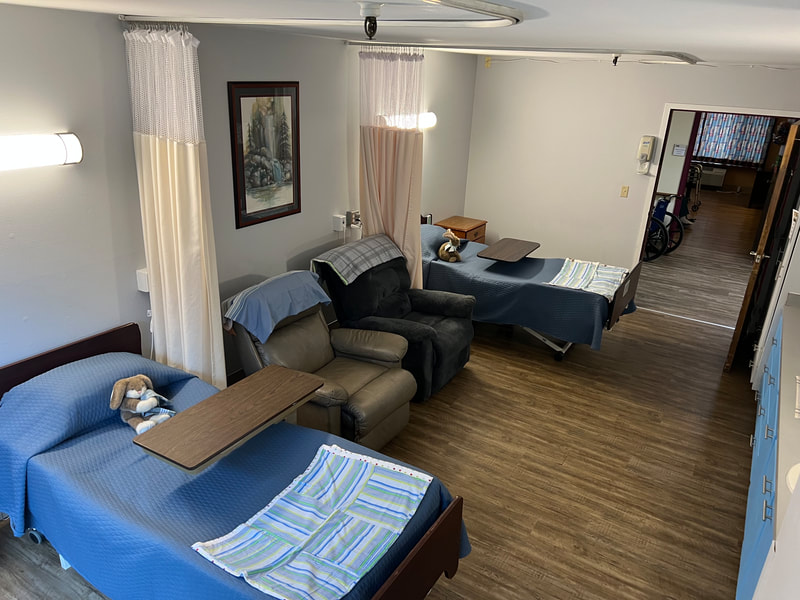
How is Midlands Living Center L L C Staffed?
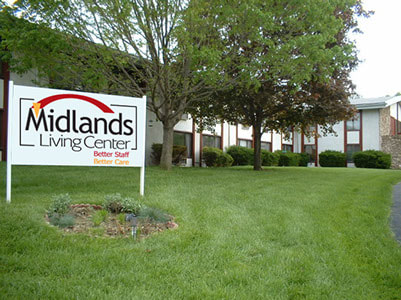
CMS rates Midlands Living Center L L C's staffing level at 3 out of 5 stars, which is average compared to other nursing homes.

What Have Inspectors Found at Midlands Living Center L L C?

State health inspectors documented 14 deficiencies at Midlands Living Center L L C during 2022 to 2025. These included: 14 with potential for harm.

Who Owns and Operates Midlands Living Center L L C?

Midlands Living Center L L C is owned by a for-profit company. For-profit facilities operate as businesses with obligations to shareholders or private owners. The facility operates independently rather than as part of a larger chain. With 94 certified beds and approximately 69 residents (about 73% occupancy), it is a smaller facility located in Council Bluffs, Iowa.

How Does Midlands Living Center L L C Compare to Other Iowa Nursing Homes?

Compared to the 100 nursing homes in Iowa, Midlands Living Center L L C's overall rating (3 stars) is below the state average of 3.1 and health inspection rating (3 stars) is at the national benchmark.

What Should Families Ask When Visiting Midlands Living Center L L C?

Based on this facility's data, families visiting should ask: "Can I visit during a mealtime to observe dining assistance and food quality?" "How do you handle medical emergencies, and what is your hospital transfer rate?" "Can I speak with family members of current residents about their experience?"

Is Midlands Living Center L L C Safe?

Based on CMS inspection data, Midlands Living Center L L C has a clean safety record: no substantiated abuse findings (meaning no confirmed cases of resident harm), no Immediate Jeopardy citations (the most serious violation level indicating risk of serious injury or death), and is not on the Special Focus Facility watch list (a federal program monitoring the lowest-performing 1% of nursing homes). The facility has a 3-star overall rating and ranks #100 of 100 nursing homes in Iowa. While no facility is perfect, families should still ask about staff-to-resident ratios and recent inspection results during their visit.

Do Nurses at Midlands Living Center L L C Stick Around?

Midlands Living Center L L C has not reported staff turnover data to CMS. Staff turnover matters because consistent caregivers learn residents' individual needs, medications, and preferences. When staff frequently change, this institutional knowledge is lost. Families should ask the facility directly about their staff retention rates and average employee tenure.

Was Midlands Living Center L L C Ever Fined?

Midlands Living Center L L C has no federal fines on record. CMS issues fines when nursing homes fail to meet care standards or don't correct problems found during inspections. The absence of fines suggests the facility has either maintained compliance or corrected any issues before penalties were assessed. This is a positive indicator, though families should still review recent inspection reports for the full picture.

Is Midlands Living Center L L C on Any Federal Watch List?

Midlands Living Center L L C is not on any federal watch list. The most significant is the Special Focus Facility (SFF) program, which identifies the bottom 1% of nursing homes nationally based on persistent, serious quality problems. Not being on this list means the facility has avoided the pattern of deficiencies that triggers enhanced federal oversight. This is a positive indicator, though families should still review the facility's inspection history directly.