Chapters Living of Council Bluffs
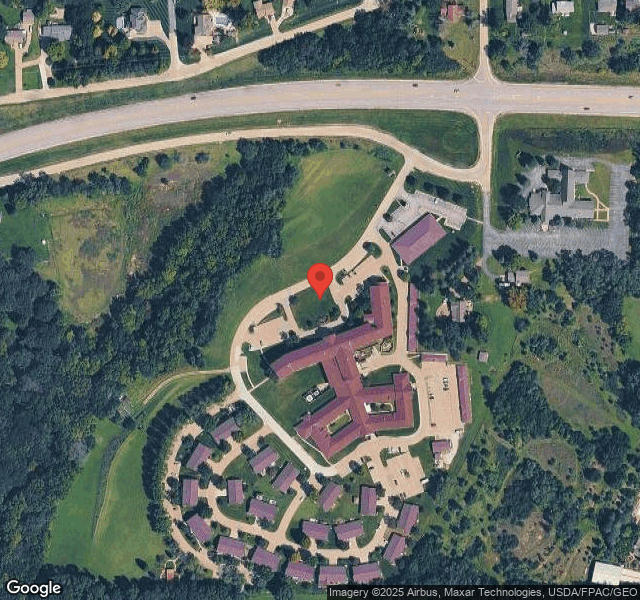
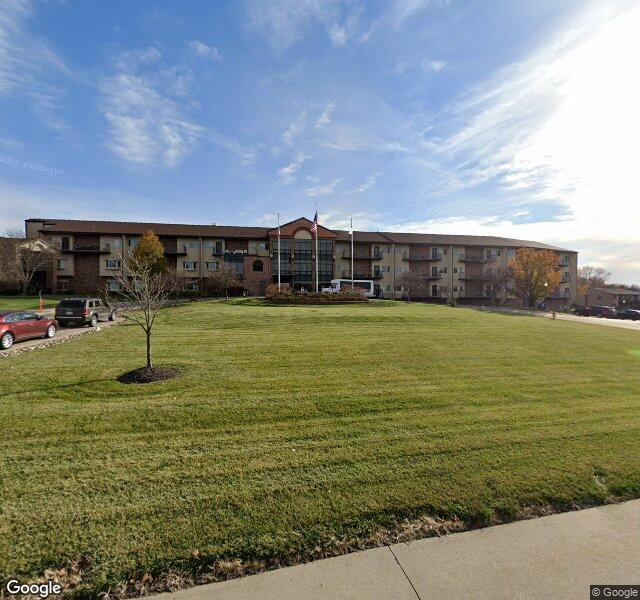
3000 Risen Son Blvd, Council Bluffs, IA 51503 (712) 366-9655
Non profit - Corporation 102 Beds Independent Data: November 2025 1 Immediate Jeopardy citation
Trust Grade
13/100
#336 of 392 in IA
Last Inspection: January 2025

Within standard 12-15 month inspection cycle. Federal law requires annual inspections.

Overview

Chapters Living of Council Bluffs has received a Trust Grade of F, indicating significant concerns about the quality of care provided. Ranked #336 out of 392 nursing homes in Iowa, it falls into the bottom half of facilities statewide and is #5 out of 7 in Pottawattamie County, meaning there are only two better options locally. The facility is worsening, with issues increasing from 3 in 2024 to 19 in 2025. Staffing is particularly concerning, with a rating of 1 out of 5 stars and a turnover rate of 85%, far above the Iowa average of 44%. The facility does have good RN coverage, being better than 99% of Iowa homes, which is a positive aspect, but there have been serious incidents including a resident leaving the facility unnoticed and failure to properly assess residents after falls, highlighting critical weaknesses in supervision and care.

Trust Score
F
13/100
In Iowa
#336/392
Bottom 15%
Safety Record
High Risk
Review needed
Inspections
Getting Worse
3 → 19 violations
Staff Stability
⚠ Watch
85% turnover. Very high, 37 points above average. Constant new faces learning your loved one's needs.
Penalties
✓ Good
No fines on record. Clean compliance history, better than most Iowa facilities.
Skilled Nurses
⚠ Watch
Each resident gets only 0 minutes of Registered Nurse (RN) attention daily — below average for Iowa. Fewer RN minutes means fewer trained eyes watching for problems.
Violations
⚠ Watch
35 deficiencies on record. Higher than average. Multiple issues found across inspections.
★☆☆☆☆
1.0
Overall Rating
★☆☆☆☆
1.0
Staff Levels
★★☆☆☆
2.0
Care Quality
★★☆☆☆
2.0
Inspection Score
Stable
2024: 3 issues
2025: 19 issues

The Good

  • Full Sprinkler Coverage · Fire safety systems throughout facility
  • No fines on record

Facility shows strength in fire safety.

The Bad

1-Star Overall Rating

Below Iowa average (3.0)

Significant quality concerns identified by CMS

Staff Turnover: 85%

39pts above Iowa avg (46%)

Frequent staff changes - ask about care continuity

Staff turnover is very high (85%)

37 points above Iowa average of 48%

The Ugly 35 deficiencies on record

1 life-threatening 1 actual harm
Jun 2025 11 deficiencies
CONCERN (D) 📢 Someone Reported This

A family member, employee, or ombudsman was alarmed enough to file a formal complaint

Potential for Harm - no one hurt, but risky conditions existed

Safe Environment (Tag F0584)

Could have caused harm · This affected 1 resident

**NOTE- TERMS IN BRACKETS HAVE BEEN EDITED TO PROTECT CONFIDENTIALITY** Based on observations, family and staff interviews, the facility failed to maintain a clean environment for residents. The facil...

Read full inspector narrative →
**NOTE- TERMS IN BRACKETS HAVE BEEN EDITED TO PROTECT CONFIDENTIALITY** Based on observations, family and staff interviews, the facility failed to maintain a clean environment for residents. The facility reported a census of 26 residents. Findings include: Observations on 6/3/2025 at 10:30 AM the area between the set of exit doors by room [ROOM NUMBER], revealed multiple dead June bugs on the floor. Continued observations on 6/4/2025, 6/5/2025, and 6/10/2025 revealed the area to still have multiple dead June bugs on the floor. On 6/4/2025 at 10:15 AM a family member of Resident #4, stated housekeeping has not been in her room since she has been admitted . One family member stated she has been picking up the debris on the floor in her mother's room and bathroom. On 6/4/25 at 10:45 AM the Director of Nursing was made aware of Resident #4's concern about the lack of cleaning to her room. On 6/5/2025 during a follow-up interview with Resident #4 and her family, they were informed the DON was made aware of their housekeeping concerns. The family indicated housekeeping still had not been in the room. The family pointed out white debris by the resident's recliner and observed a white spot on the floor under a set of chairs across from the resident's bed. In the bathroom the toilet had a textured, brown stain at the toilet bowl down to the base of the toilet. At 12:51 PM the DON was made aware of the condition of the toilet, and the room remaining to need housekeeping's attention. During a follow up observation at 1:40 PM Resident #4's was still in need of housekeeping's attention. The floor continued to contain white debris by her recliner and the white spot remained present under the set of chairs across from the resident's bed. On 6/10/2025 at 1:09 PM the Skilled Unit Manager/Assistant Director of Nursing stated housekeeping is to clean resident's rooms and bathrooms every day. She added they usually have two housekeepers in the building but at times they will work with one housekeeper. She denied receiving concerns from residents about the cleanliness of their rooms and bathrooms.
CONCERN (D) 📢 Someone Reported This

A family member, employee, or ombudsman was alarmed enough to file a formal complaint

Potential for Harm - no one hurt, but risky conditions existed

Report Alleged Abuse (Tag F0609)

Could have caused harm · This affected 1 resident

Based on record review, facility investigative file review, staff and family interviews the facility failed to report to the State Agency, when Resident #3 reported staff were rude to her and threw he...

Read full inspector narrative →
Based on record review, facility investigative file review, staff and family interviews the facility failed to report to the State Agency, when Resident #3 reported staff were rude to her and threw her call light out of reach. The investigation included three resident reviews. The facility reported a census of 26 residents. Findings include: According to an admission Minimum Data Set (MDS) reference tool with an assessment date of 3/14/2025 Resident #3 had a Brief Interview of Mental Status score of 15. A BIMS score of 15 suggested no cognitive impairment. The MDS documented Resident #3 required substantial/maximal assistance of staff for toileting hygiene and was dependent on staff for transfers to the toilet. The MDS indicated she was occasionally incontinent of urine and frequently incontinent of bowel. The following diagnoses were listed for Resident #3: stroke, atrial fibrillation, coronary artery disease, heart failure, thyroid disorder, and sleep apnea. The Care Plan focus area with an initiation date of 3/10/2025 documented Resident #3 needed assistance with Activities of Daily Living (ADLs). Resident #3 required the assistance of 1 staff for bed mobility and the assistance of two staff for toilet transfers. The Director of Nursing (DON) provided a folder with the following report: -On 4/9/2025 the DON was asked to speak with Resident #3 regarding a complaint that she had regarding a night shift Certified Nursing Assistant (CNA). She went and spoke with the resident; her son was present. When asked what happened, Resident #3 stated Staff F came in to her room during the night to take her off the bedpan. In doing so she spilled the bedpan on the bed. Resident #3 went on to say that she asked Staff F if she spilled the bedpan and she stated she did not, but had wet washcloths lying there. Resident #3 stated Staff F was rude to her and stated she was on her call light too much, then tossed the call light over the chair. The resident stated Staff F left the room but did come back to change her sheets, and put the call light back on the bed at that time. Resident #3 requested that Staff F not be allowed back in her room. Resident #3 denied wanting to put in a formal complaint or grievance, she stated she just did not want Staff F in her room. The DON reassured Resident #3 that Staff F would not be allowed to be in her room, and if Staff F was working the nurse on duty would be the one to come and assist her with her needs. Resident #3 was happy with this. -The DON messaged Staff F and asked her to call. She had a phone conversation with Staff F regarding resident rights, expectations of care, and communication with residents. Staff F stated that yes she did move the call light but it was to change the sheets. The DON educated her that even though she left the room to gather more supplies that the resident is to always have the call light within reach; she stated she understood. When asked about the spilled the bedpan, Staff F stated she had wet washcloths lying on the bed. She was educated about infection control, the proper way of handling bedding and cleansing cloths are to be in a bag or barrier in place. Staff F stated she understood. She was also educated on communication with residents as well as the expectations of providing care to them. She stated she understood and she believed it was a misunderstanding between her and Resident #3. Staff F was education that it is the staff's job to ensure that the residents are being provided the proper care and that she would need to remain out of Resident #3's room. The nurse will go provide the necessary care. Staff F stated she understood. Staff G, Previous Administrator was informed of the incident; she was in agreement with the education provided to Staff F and asked her to remain out of the room allowing nurses to provide cares. -On 5/9/2025 the DON went and spoke with Resident #3 regarding her concerns a month ago about Staff F. The resident stated everything has been going well, that staff have been doing a good job. She had no concerns at this time and has been happy with the cares she is being provided here. There have been no further complaints regarding Staff F from any residents regarding cares. On 6/4/2025 at 12:35 PM the DON was asked if there were any concerns reported to her about Staff F. She indicated there was one concern from Resident #3. She completed an investigation and found that there was a miscommunication between Staff F and Resident #3. Staff F acknowledged she put Resident #3's call light out of reach but not purposely or intentional. She followed up with Resident #3; she was happy with the response and had no further complaints. On 6/4/2025 at 1:26 PM Resident #3's Son (emergency contact #1) stated his mom had a stroke and was admitted to the facility for rehabilitation services. She told him she had to go to the bathroom and Staff F assisted her on to the bedpan. When she removed the bedpan, Resident #3 reported, Staff F dumped the bedpan on the bed. When she questioned Staff F about it, she told Resident #3 that it was her imagination and it was nothing. His mom told him her bed was wet and she told Staff F this as well. His mom reported Staff F took her call light away that night; through it over the chair in her room. Staff F then went on to say she was crazy and was not wet. A nurse came in and took care of her the rest of the night. His mom had requested that Staff F no longer take care of her. His mom reported to him that Staff F was rude to her and told her she was on her call light too much. On 6/4/2025 at 1:39 PM Staff G, Previous Administrator stated she remembered the DON had written Staff F up, or investigated her not too long before she left the facility. She was unsure exactly what it was about. The investigation summary as read to her and reported the DON did not inform her about the entirety of the situation. She indicated Resident #3's son was here every day, would bring her in lunch and dinner. When asked if this should have been reported, she stated she would have reported this to the State Agency had she known the entire story. On 6/5/2025 at 10:19 AM during a follow-up interview, the DON was asked if this should have been reported to the State Agency. She stated Staff G was the Abuse Coordinator at that time. The DON was informed that Staff G indicated she was not made fully aware of the situation and she would have reported the allegation had she known. The DON stated that is disheartening because she was aware of the concerns from Resident #3. On 6/10/2025 at 1:09 PM the Skilled Unit Manager/Assistant Director of Nursing (ADON) stated she was not aware this alleged incident was not reported to the State Agency, she was not involved in the investigation and assumed they had reported it. She added since the new company has taken over, Corporate has been directing them to report everything. She acknowledged this should have been reported. At 3:25 PM she indicated she was unable to get into the program the previous owners used to obtain policies. She went through the binders they have and could not find a policy the facility would follow in regards to the concerns identified during the survey. On 6/10/2025 at 3:58 PM corporate staff were asked to provide policies they would be implementing at the facility since taking over the facility. A list of policies was sent to the corporate staff at 5:00 PM. As of 6/13/2025, corporate staff had not emailed the requested policies.
CONCERN (D) 📢 Someone Reported This

A family member, employee, or ombudsman was alarmed enough to file a formal complaint

Potential for Harm - no one hurt, but risky conditions existed

Investigate Abuse (Tag F0610)

Could have caused harm · This affected 1 resident

**NOTE- TERMS IN BRACKETS HAVE BEEN EDITED TO PROTECT CONFIDENTIALITY** Based on record review, facility investigative file review, staff and family interviews the facility failed to thoroughly invest...

Read full inspector narrative →
**NOTE- TERMS IN BRACKETS HAVE BEEN EDITED TO PROTECT CONFIDENTIALITY** Based on record review, facility investigative file review, staff and family interviews the facility failed to thoroughly investigate when Resident #3 reported staff was rude to her and removed her call light out of reach. The facility also failed to complete a thorough investigation when Resident #4 reported staff were mean to her. Three residents were reviewed related to this investigation. The facility reported a census of 26 residents. Findings include: 1. According to an admission Minimum Data Set (MDS) reference tool with an assessment date of 3/14/2025 Resident #3 had a Brief Interview of Mental Status score of 15. A BIMS score of 15 suggested no cognitive impairment. The MDS documented Resident #3 required substantial/maximal assistance of staff for toileting hygiene and was dependent on staff for transfers to the toilet. The MDS indicated she was occasionally incontinent of urine and frequently incontinent of bowel. The following diagnoses were listed for Resident #3: stroke, atrial fibrillation, coronary artery disease, heart failure, thyroid disorder, and sleep apnea. The Care Plan focus area with an initiation date of 3/10/2025 documented Resident #3 needed assistance with Activities of Daily Living (ADLs). Resident #3 required the assistance of 1 staff for bed mobility and the assistance of two staff for toilet transfers. The Director of Nursing (DON) provided a folder with the following report: -On 4/9/2025 the DON was asked to speak with Resident #3 regarding a complaint that she had regarding a night shift Certified Nursing Assistant (CNA). She went and spoke with the resident; her song was present. When asked what happened, Resident #3 stated Staff F came in to her room during the night to take her off the bedpan. In doing so she spilled the bedpan on the bed. Resident #3 went on to say that she asked Staff F, CNA if she spilled the bedpan and Staff F said she did not, but had wet washcloths lying there. Resident #3 stated Staff F was rude to her and stated she was on her call light too much, then tossed the call light over the chair. The resident stated Staff F left the room but did come back to change her sheets, and placed the call light back on the bed at that time. Resident #3 requested that Staff F not be allowed back in her room. Resident #3 denied wanting to put in a formal complaint or grievance, she stated no she just did not want Staff F in her room. The DON reassured Resident #3 that Staff F would not be allowed to be in her room and if Staff F was working the nurse on duty would be the one to come and assist her with her needs. Resident #3 was happy with this. -The DON messaged Staff F and asked her to call. She had a phone conversation with Staff F regarding resident rights, expectations of care, and communication with residents. Staff F stated that yes she did move the call light but it was to change the sheets. The DON educated her that even though she left the room to gather more supplies that the resident is to always have the call light within reach; she stated she understood. When asked about spilled the bedpan, Staff F stated she had wet washcloths lying on the bed. She was educated about infection control, the proper way of handling bedding and cleansing cloths are to be in a bag or barrier in place. Staff F stated she understood. She was also educated on communication with residents as well as the expectations of providing care to them. She stated she understood and she believed it was a misunderstanding between her and Resident #3. Staff F was education that it is the staff's job to ensure that the residents are being provided the proper care and that she would need to remain out of Resident #3's room. The nurse will go provide the necessary care. Staff F stated she understood. Staff G, the Previous Administrator was informed of the incident; she was in agreement with the education provided to Staff F and asked her to remain out of the room allowing nurses to provide cares. -On 5/9/2025 the DON went and spoke with Resident #3 regarding her concerns a month ago with Staff F. The resident stated everything has been going well, that staff have been doing a good job. She had no concerns at this time and has been happy with the cares she is being provided here. There have been no further complaints regarding Staff F from any residents regarding cares. The investigative file lacked resident interviews, interviews of staff members that cared for the resident after the alleged incident, and adequate follow up interview with Resident #3 after the allegation was made. On 6/4/2025 at 12:35 PM the DON was asked if there were any concerns reported to her about Staff F. She indicated there was one concern from Resident #3. She completed an investigation and found that there was a miscommunication between Staff F and Resident #3. Staff F acknowledged she put Resident #3's call light out of reach but not purposely or intentional. She followed up with Resident #3; she was happy with the response and had no further complaints. On 6/4/2025 at 1:26 PM Resident #3's Son (emergency contact #1) stated his mom had a stroke and was admitted to the facility for rehabilitation services. She told him she had to go to the bathroom and Staff F assisted her on to the bedpan. When she removed the bedpan, Resident #3 reported, Staff F dumped the bedpan on the bed. When she questioned Staff F about it, she told Resident #3 that it was her imagination and it was nothing. His mom told him her bed was wet and she told Staff F this as well. His mom reported Staff F took her call light away that night; through it over the chair in her room. Staff F then went on to say she was crazy and was not wet. A nurse came in and took care of her the rest of the night. His mom had requested that Staff F no longer take care of her. His mom reported to him that Staff F was rude to her and told her she was on her call light too much. On 6/5/2025 at 10:23 PM Staff I Previous Scheduler/Certified Medication Aide (CMA) stated when she went in to give Resident #3 her medication that morning of the alleged incident, the resident was acting off and that's when she reported to her the CNA the worked overnights did not need to be in her room anymore. She was very upset but this was not the first time it had happened with Staff F. Staff I went to the DON and Staff G about what Resident #3 had said. Resident #3 reported to the DON that Staff F told her to stop using her call light, she was not the only person she was taking care of, then moved her call light. The DON told Staff I that Staff F was not allowed to be in Resident #3's room and that's all she was told and that's all that happened. No one asked her to make a statement. On 6/5/2025 at 12:57 PM Staff H CNA stated it was not just Resident #3 that had issues with Staff F. There have been issues with Resident #3 and cognitively impairment residents. The nurse's on duty have been made aware. Resident #3 told her Staff F took her call light away. She does not see Resident #3 just saying something like that. The resident told her she was on the bedpan and it dumped in her bed. When she told Staff F about this, she told her it was nothing but Resident #3 was sure it was wet from her urine. Staff F told her she was not going to change her bed, because she was just on her call light at 5:30 AM and Staff F gets off at 6:00 AM. Staff F is good when other staff are around but does not do her job when no one is around. Staff H indicated no one has talked to her about these concerns. On 6/5/2025 at 2:58 PM Staff F, CNA stated the night in question she was working with a nurse that would not help her. They were in the middle of sending someone out to the hospital, Resident #3 had her call light on, wanted to be changed, she put her on the bedpan and left the room. Resident #3 used her call again, she assisted with taking her off the bed pan, and changed her bedding. As she was about to go to another room to assist with transferring a resident to the stretcher, Resident #3 used her call light again, she went and said she will be with her as she was in the middle of sending someone out to the hospital or something like that. That's when Resident #3 threw water at her. It was reported Resident #3 told the DON she hid the resident's call light. The resident stated her pad was wet, it wasn't so she changed it anyway's. Staff F stated she always pinned Resident #3's call light to her blanket. She indicated she got a text from the DON on 4/9/2025 asking about what happened. She could not remember what was said. The summary provided by the DON was read to her and she stated she moved the call light while she was assisting the resident with using the bedpan, but gave it back to her after that. When asked why the resident's bed was wet, she stated it was from the wipes, not wet from urine like the resident thought it was. She was not asked to write a statement but was asked to not go in Resident #3's room. 2. The Kardex Report for Resident #4 documented the resident had been admitted to the facility on [DATE]. The Care Plan focus area with an initiation date of 5/30/2025 documented Resident #4 required the assistance of two staff and gait belt for a stand pivot transfer. The facility provided the following report, completed by the DON, dated 5/31/2025: -At 2:00 PM the DON was asked to speak with Resident #4's children/family regarding some statements that their mother had made. In talking with them they informed me that she stated that she didn't sleep very well and had stated that the night shift staff were not very nice to her per Resident #4. They went on to say that they apologized to all the staff for their mothers' statements and being difficult to take care of since she was admitted yesterday on the 30th. They asked me questions about her medications that she was prescribed from the hospital and the Urinary Tract Infection that she had if that could be a possible reason she is acting this way or having behaviors. I did explain to them that yes sometimes in the elderly a Urinary Tract Infection can at times make them act out of their normal cognitive baseline. They also asked about her narcotic pain medications and if there was something different that she could take because they believe that all she received in the hospital was Tylenol. I did reassure them that yes, I would reach out to either the physician or her Nurse Practitioner (NP) and ask them to please review her medications and advise any changes. They were all appreciative of that. Resident #4's family continued to say that she is very opinionated and can be extremely difficult to deal with, that she has not believed things that they have been telling her and has been acting out of her normal. They again apologized for their mother stating things such as the staff were mean to her because they fully believe that it never happened. I asked them why they don't believe it happened, they stated that it's because she just wants to go home and doesn't want to be in rehab so she is coming up with all kinds of reasons to leave. She has made numerous statements that she was leaving and going to walk home to her son's house. They stated that they have explained it to her numerous times why she needs to be in rehab after her fall and broken arm so that she can get strong again, get back to her normal once she is able to go home. They had said their mother has argued with them all the way about leaving. I did let them know that we would place a wander guard on their mother for safety and that I would have two staff members present at all times when caring for their mother; they agreed and were happy with this. -The DON went into Resident #4's room along with her 4 children and asked how she was doing. She stated well, not very well. I asked her why she wasn't doing very well and she stated that she was leaving and going home and getting the hell out of here. I asked her how her night went and she stated that she hasn't been sleeping well, she thought she was going to be able to go home and they brought her here. I reassured her that she was here for therapy, to get strong again so that when she returns home she will be at her previous functioning and be able to take care of herself again. Her daughter then stated that she said the same thing to her mother but her mother refuses to acknowledge any of this. Resident #4 then looked at her daughter and stated that her daughter was ridiculous. I asked her why her night was so bad and she said that the people out in the hallway are up past their bedtimes and they refused to go to bed. I educated her that those people are staff members and that when they are here they do not go to bed, that they are here to take care of all the residents throughout the night. She stated well that black man came in here, changed my pants and they were mean to me, I was scared for my life. I asked her how they were mean to her and she couldn't give me a reason. I asked her how she felt scared for her life, she shrugged her shoulders and shook her head then looked over at her daughter. I then educated Resident #4 that I do not have a black man that works here on nights and she shrugged her shoulders at me. She then stated, Well it doesn't matter because I'm going home even if I have to walk home. Then her daughter stated well mom that's the only way you're going home because all of us are not taking you because the doctor has to ok you to go home safely. The resident sat there and shook her head. I reassured the family that I would investigate things, I would reach out to the doctor or nurse practitioner regarding her medications, and they were thankful for that. -The DON reached out to Resident #4's provider and asked her to please review her medications, in addition to the concerns that were brought forward. Changes were made to her medications, changed her antibiotic as well as discontinuing her Oxycodone and continued with her Tylenol. Family is aware of the medications changes and were thankful that they were made. Resident #4 has been having paranoia about her medications and believing that the staff have been poisoning her. The nursing staff have started to take the medications from the pharmacy into her room and popping them out in front of her so that she can see that they are coming directly from the pharmacy and this has been successful for her to take her medications. -The DON, reached out to Staff J Certified Nursing Assistant (CNA) and spoke with her about her care that she provided the night of the 30th when Resident #4 was admitted , asked her how the night went. Staff J stated that the night went well and she didn't have any issues with her. She went on to say that she assisted her to get ready for bed and to the restroom and that the resident was kind throughout the process of getting ready for bed. I asked her if there were any issues or complaints from Resident #4 throughout the night and she stated that no she didn't have any issues. I asked her if the resident had any complaints of pain or discomfort or behaviors and she stated no, everything had been good and she didn't have any problems. -On Sunday June 1st, 2025, I <name redacted> RN DON, received a phone call from Resident #4's son stating that in talking to his mother again that she is adamant that a black male came into her room that night and was talking with the black male's mother. I again reassured him that I do not have any black males working the floor and he stated that he knows that it wasn't true but he just wanted me to know. I thanked him for his call. -The facilities findings were determined that no abuse had taken place, and the facility will continue to follow physician orders and update care plan as necessary. The report lacked other resident interviews, staff interviews that cared for the resident after the alleged incident and a follow up interview with Resident #4. The following Progress Notes were documented in Resident #4's record: a) On 5/31/2025 at 6:23 AM: Resident was not cooperative with staff. She was incontinent of bowel bladder and kicked staff as they provided care. Resident is on fall charting and during rounds resident was attempting to get of bed. When nurse asked what she wanted to do at 3:00 AM she just screamed at staff. Staff got her up, once she was up she began to yell she wanted to get back in bed. Resident will not keep sling on right upper extremity, she was not easily directed. b) On 5/31/2025 at 1:50 PM: at 8:20 AM Resident #4's family notified this morning about fall and resident's noncompliance with medications, going in and out of other resident's room; requiring 1:1. She was refusing to eat breakfast and/or take in fluids. Family states resident has never been like this before. Family was made aware that with a urinary tract infection (UTI) and new environment that may be the cause. Her family arrived at 9:30 AM and made this writer aware that resident is stating that a big black man came in her room during the night, ripped her brief off and was really rough with her. The family was informed that there was not a male CNA that took care of her and that the UTI may be causing confusion; family was understanding. The family requested to call the DON and report this themselves, DON notified. The DON spoke to her family and had a planned meeting at 2:00 PM per the family. Resident #4 sat with family most of the morning trying to give medications that she would not take from staff. Resident stated she didn't trust us. Family was unable to give her medications that was in the medication cup already. Although resident did agree to take some of her medications while watching family pop medications out of bubble packs. Family stated they were leaving and would be back at two to have a meeting with the DON about the above concerns. They wanted the resident laid down and family didn't want her to be bothered while they were gone. Resident #4 rested with eyes closed after being laid down, no attempts to get out of bed. On 6/4/2025 at 10:15 AM Resident #4 sat in a wheelchair in her room with three family members present. Resident #4 stated the first night she was in the building she was all alone. She was in bed, in the process of getting ready. One man in the facility. There were 3-4 young staff at night. The 1st time they came in there was a man with the girls. They went and got the head of the department. They took her up to the room by the office outside of her room (she is located close to the nurse's station where there's a room for staff to chart in). They did things that she was afraid of. When asked what happened she stated one staff member really upset her. That staff member came in said you are wet, took her clothes off then left. The staff got new clothes. There was a black lady in the room too, she looked at her as this staff member pulled her clothes off but she did not do anything. It's like what that staff was doing did not bother her. The person that took her clothes off and redressed her was a black man that wore street clothes. Family says no one at the facility wore a name badge so they don't know who they are. She indicated she had a cell phone in her drawer in the night stand. When she got scared she told the slim, black male she was going to call her daughter. The male took her phone and said she could not have it. They took it away until the next day. She is discharging from the facility because she does not feel safe here. The family stated they want her to feel safe, which is why they want to move her. They are hoping this will calm her behaviors while she goes through therapy. On 6/4/2025 at 3:30 PM Staff J, CNA stated the first night of Resident #4's stay she was very confused and focused on going home. She was very adamant about going home and not following safety concerns. Staff J denied being rough with Resident #4 during her interaction with her. Staff J stated the resident thought she was a man, she kept calling her a man or he (her voice did sound like a man's voice). Resident #4 would say she did not want him taking care of her. When she went in to Resident #4's room her bed was soaked and she needed to be changed, she became combative. Staff J had asked the nurse to come in; Staff K, Licensed Practical Nurse (LPN). Through distraction they were about to get the resident cleaned up and changed. After she was cleaned up, she would not stay still; she kept trying to get up so they brought her out to the sitting area by the nurse's station. Before Staff J left for the morning, she assisted Resident #4 back to bed, gave report and left. During a follow up interview on 6/5/2025 at 2:03 PM Staff J stated Resident #4 would not keep the sling on her arm that night. When she let the resident know her brief had stool in it, she started kicking, saying no no. The nurse heard her yelling and she came in. When asked what was going on with the cell phone at the nurse's station, Staff J stated the resident was going to call 911, so she removed it from her room and brought it to the nurse's station. On 6/5/2025 at 1:18 PM Staff K, LPN stated the first night of Resident #4's stay she indicated she heard Resident #4 yelling in her room. When asked what she was yelling, Staff K stated the resident was just yelling. She went down the hall to see what was going on. She asked Resident #4 what was wrong and she continued to yelling and saying ow. Resident #4 then stated you are hurting me in which Staff K informed the resident that she needed changed because she had poop on her. Her brief was opened and could see the stool. She let Resident #4 know that no one is trying to hurt her, you just need changed. Staff K stayed with the resident while Staff J went to get supplies to assist the resident. Once Staff J, CNA returned, Staff K left the room so cares could be completed. Resident #4 fell shortly after Staff J got her cleaned up. She kept trying to stand up on her own so they put her in her wheelchair and brought her to the nurse's station/TV area. When asked about a cell phone that night, she stated she saw one at the nurse's station on the desk. Staff J said something about someone calling 911. Staff K told her that's fine, let them come. On 6/4/2025 at 1:39 PM Staff G Previous Administrator stated she would have interviewed 5 residents about the concerns being investigated, their safety and if they had any concerns at all. She would have had the staff members sign and date their statements, then the Administrator would have signed and dated the statements as well. When abuse is questioned, a thorough investigation is to be completed. On 6/10/2025 at 3:25 PM the Skilled Unit Manager/Assistant Director of Nursing (ADON) indicated she was unable to get in to the program the previous owners used to obtain policies. She went through the binders they had and could not find a policy the facility would follow in regards to investigating abuse allegations. On 6/10/2025 at 3:58 PM corporate staff were asked to provide policies they would be implementing at the facility since taking over the facility. A list of policies was sent to the corporate staff at 5:00 PM. As of 6/13/2025, corporate staff had not emailed the requested policies.
CONCERN (D) 📢 Someone Reported This

A family member, employee, or ombudsman was alarmed enough to file a formal complaint

Potential for Harm - no one hurt, but risky conditions existed

Comprehensive Care Plan (Tag F0656)

Could have caused harm · This affected 1 resident

**NOTE- TERMS IN BRACKETS HAVE BEEN EDITED TO PROTECT CONFIDENTIALITY** Based on observations, record review, resident and staff interview the facility failed to complete a comprehensive Care Plan for...

Read full inspector narrative →
**NOTE- TERMS IN BRACKETS HAVE BEEN EDITED TO PROTECT CONFIDENTIALITY** Based on observations, record review, resident and staff interview the facility failed to complete a comprehensive Care Plan for 2 of 7 residents (Residents #5 and #9) after their admission. The facility reported a census of 26 residents. Findings include 1. According the 5-day Minimum Data Set (MDS) assessment tool with a reference date of 4/15/2025 documented Resident #5 had a BIMS score of 14. A BIMS score of 14 suggested no cognitive impairment. The MDS documented she was admitted to the facility on [DATE]. The MDS documented she was at risk for developing pressure ulcers/pressure injuries and had 3 unhealed stage 4 pressure ulcers, present upon admission. The following treatments were listed for Resident #5: pressure reducing device for chair and bed, and pressure ulcer/injury care. The MDS listed the following diagnoses for Resident #5: pressure ulcer of sacral region stage 4, anemia, renal failure, stroke, sepsis, atrial fibrillation, pressure ulcer of right and left buttock stage 4, adult failure to thrive. The Care Plan focus area with an initiation date of 4/9/2025 documented the resident had a pressure injury (specify: type and location) related to with no further information. The Care Plan lacked the type and location of the pressure ulcer. On 6/10/2025 at 11:37 AM Resident #5 stated she had a pressure ulcer on her right heel and her bottom. 2. According the admission MDS assessment tool with a reference date of 5/12/2025 documented Resident #9 had a BIMS score of 7. A BIMS score of 7 suggested mild cognitive impairment. The MDS documented he was admitted to the facility on [DATE]. Resident #9 was at risk for developing pressure ulcers and had 1 stage 2 pressure ulcer present upon admission. The following treatments were listed for Resident #9: utilized a pressure reducing device for his chair and bed, applications of ointments/medications other than to his feet, and was not on a turning and repositioning program. The Care Plan focus area with an initiation date of 5/7/2025 documented the resident had a pressure injury (specify: type and location) relate to, with no further information. The Care Plan lacked the type and location of the pressure ulcer. The following interventions were listed on the Care Plan: a) Initiation date of 5/7/2025 administer treatments as ordered, maintain clean and dry skin, monitor nutritional status, weekly skin checks b) Initiation date of 5/8/2025 enhanced barrier precautions (EBP) related to wounds: EBP sign outside resident's room. Gown and glove for high contract resident care activities. Face shield should be used for any tasks that have a high potential of splash or spray. The Care Plan lacked interventions to prevent new pressure ulcers from developing. Review of skin assessments revealed the following assessments: a) On 5/15/2025 stage 2 pressure ulcer to Resident #5's left gluteus was acquired in house. Treatments were listed as cushion and nutrition/dietary supplements. b)On 5/15/2025 stage 2 pressure ulcer to Resident #5's right gluteus was acquired in house. Treatments were listed as frequent position changes, supplement as ordered, and cushion provided. On 6/4/2025 at 10:10 AM Resident #9 stated he is able to move himself in bed, staff are the ones that do his treatments to his sores. On 6/10/2025 at 9:52 AM Staff N Certified Nursing Assistant (CNA) stated that she will look at a resident's Care Plan when caring for residents with pressure ulcers. She stated if a resident had a pressure ulcer she would make sure they are turned every 2 hours and the resident is kept clean and dry. When asked if they had care sheets to use, she denied having that option. On 6/10/2025 at 9:54 AM Staff M, Licensed Practical Nurse (LPN) was asked what interventions are in place for Resident #5 to prevent the development of new pressure ulcers. Staff M stated repositioning, treatments, supplements, encouraging him to get out of bed and she believed he had a cushion in his chair. She will look on the Care Plans of individualized interventions. On 6/10/2025 at 11:49 AM Staff O, CNA stated interventions used to help prevent Resident #5 from developing a pressure ulcer or the worsening of a pressure ulcer she would reposition him, ensure he is up for meals. She added he is compliant with these things. She will go to the charting system to look in resident's Care Plans for interventions. On 6/10/2025 at 1:09 PM the Skilled Unit Manager/Assistant Director of Nursing was asked what kind of information should be on the Care Plan if a resident had a pressure ulcer. She indicated the fact the resident had one and interventions. She indicated the MDS Coordinator/Infection Preventionist updates the Care Plans, but if something comes up anyone can update them. If a resident is admitted with a pressure ulcer the Care Plan should include that they have it, the monitoring of it, the use of enhanced barrier precautions, treatment and location of the pressure ulcer. On 6/10/2025 at 1:52 PM the MDS Coordinator/Infection Preventionist stated anyone can work on the Care Plans. The baseline Care Plan is developed then they build off of that. When asked what information should be on a Care Plan for a resident that has/had a pressure ulcer she stated nutritional interventions, keeping the resident off the area, monitoring and assessments, and treatments. On 6/10/2025 at 3:25 PM the Skilled Unit Manager/Assistant Director of Nursing (ADON) indicated she was unable to get in to the program the previous owners used to obtain policies. She went through the binders they have and could not find a policy the facility would follow in regards to comprehensive Care Plans. On 6/10/2025 at 3:58 PM corporate staff were asked to provide policies they would be implementing at the facility since taking over the facility. A list of policies was sent to the corporate staff at 5:00 PM. As of 6/13/2025, corporate staff had not emailed the requested policies.
CONCERN (D) 📢 Someone Reported This

A family member, employee, or ombudsman was alarmed enough to file a formal complaint

Potential for Harm - no one hurt, but risky conditions existed

Deficiency F0657 (Tag F0657)

Could have caused harm · This affected 1 resident

**NOTE- TERMS IN BRACKETS HAVE BEEN EDITED TO PROTECT CONFIDENTIALITY** Based on observations, record review, resident and staff interview the facility failed to update 3 of 3 resident's Care Plans (R...

Read full inspector narrative →
**NOTE- TERMS IN BRACKETS HAVE BEEN EDITED TO PROTECT CONFIDENTIALITY** Based on observations, record review, resident and staff interview the facility failed to update 3 of 3 resident's Care Plans (Resident #1, #9 and #10) after they experienced a fall. The facility also failed to update 1 of 3 resident's (Resident #9) Care Plan when he developed a new pressure ulcer. The facility reported a census of 26 residents. Findings include: 1. According to the admission Minimum Data Set (MDS) assessment tool with a reference date of 12/22/2024 Resident #1 had a Brief Interview of Mental Status (BIMS) score of 2. A BIMS score of 2 suggested severe cognitive impairment. Resident #1 utilized a walker and wheelchair for mobility. He required partial/moderate assistance for sitting to lying, lying to sitting, sitting to standing, chair/bed to chair transfer, and toilet transfer. The MDS documented he had a fall in the last month prior to admission/entry, in the last 2-6 months prior to admission/entry, and had a fall since admission/entry with no injuries. The Care Plan focus area with an initiation date of 12/16/2024 documented Resident #1 was at risk for falls. Resident had a fall on 2/10/2025 staff were instructed to monitor for decline in Activities of Daily Living (ADLs). The following Progress Notes were documented: a) 2/9/2025 at 11:37 AM around 10:00 AM the resident was heard falling in his room. The aide was around the corner and came in, saw him on his knees by the bathroom door. He said he fell after going to the bathroom and landed on his knees. b) 2/9/2025 at 5:00 PM staff answered resident's bathroom light, found resident on the floor in front of the toilet. c) 2/10/2025 at 9:30 AM resident was noted to be sitting on the floor in front of his wheelchair. 2. According to the admission MDS assessment tool with a reference date of 5/12/2025 documented Resident #9 had a BIMS score of 7. A BIMS score of 7 suggested mild cognitive impairment. The MDS documented he was admitted to the facility on [DATE]. Resident #9 was at risk for developing pressure ulcers and had 1 stage 2 pressure ulcer present upon admission. The following treatments were listed for Resident #9: utilized a pressure reducing device for his chair and bed, applications of ointments/medications other than to his feet, and was not on a turning and repositioning program. The following diagnoses were listed for Resident #9: stroke, cancer, atrial fibrillation, coronary artery disease, septicemia, urinary tract infection, diabetes mellitus, weakness, fall on same level. The Care Plan focus area with an initiation date of 5/7/2025 documented the resident had a pressure injury (specify: type and location) relate to, with no further information. The Care Plan lacked the type and location of the pressure ulcer. The following interventions were listed on the Care Plan: a) Initiation date of 5/7/2025 administer treatments as ordered, maintain clean and dry skin, monitor nutritional status, weekly skin checks b) Initiation date of 5/8/2025 enhanced barrier precautions (EBP) related to wounds: EBP sign outside resident's room. Gown and glove for high contract resident care activities. Face shield should be used for any tasks that have a high potential of splash or spray. The Care Plan lacked interventions to prevent new pressure ulcers from developing. Review of skin assessments revealed the following assessments: a) On 5/15/2025 stage 2 pressure ulcer to Resident #5's left gluteus was acquired in house. Treatments were listed as cushion and nutrition/dietary supplements. b) On 5/15/2025 stage 2 pressure ulcer to Resident #5's right gluteus was acquired in house. Treatments were listed as frequent position changes, supplement as ordered, and cushion provided. On 6/4/2025 at 10:10 AM Resident #9 stated he is able to move himself in bed, staff are the ones that do his treatments to his sores. Observation on 6/4/2025 at 10:10 AM revealed Resident #9 lying in bed watching television. A fall mat was folded up resting against the wall across from the foot of the resident's bed. A walker was resting by the door of the room, close to the bathroom, across the room from the bed. On 6/5/2025 at 8:58 AM resident lying in bed sleeping, fall mat placed on the floor to the right of his bed. The Care Plan focus area with an initiation date of 5/7/2025, documented the resident was at risk for falls. The Care Plan listed the following interventions with an initiation date of 5/7/2025: a) Keep needed items, water, etc within reach b) Maintain a clear pathway in the room, free of obstacles The following Progress Notes were documented for Resident #9: a) On 5/20/2025 at 7:00 AM: at 5:15 AM resident was observed sitting on the floor, beside his bed with his back against the bed. Resident was unable to state what happened, b)On 6/5/2025 at 1:15 AM the CNA found resident sitting on the floor by the doorway to his room. Resident stated he had gotten up to go to the restroom and fell on the way back from the restroom. It appears he slid out of bed then scooted himself to the doorway. Resident encouraged to use his call light if he needs anything and not get up without staff assistance, bed is in lowest position with the safety mat by his bed. 3. According to the quarterly MDS assessment tool with a reference date of 5/9/2025, Resident #10 had a BIMS score of 3. A BIMS score of 3 suggested severe cognitive impairment. The MDS documented she required partial/moderate assistance for lying to sitting on the side of her bed, sitting to standing, chair/bed, to chair transfer, and toileting transfer. Resident #10 had two or more falls since her admission/entry, one fall resulted in an injury. The following diagnoses were listed for Resident #10: Alzheimer's Disease, diabetes mellitus, hip fracture, anxiety, depression, and muscle weakness. The Care Plan focus area with an initiation date of 2/7/2025 documented she was at risk for falls. The Care Plan focus area had interventions that were last revised on 5/6/2025 with the following interventions: fall on 5/6/2025 neurological checks per facility protocol and consider increasing activities during waking hours. The following progress notes were documented: a) On 5/1/2025 at 5:22 PM this nurse was notified Resident #10 had a witnessed fall in the common area. Resident attempted to stand up and walk form her wheelchair. b) On 5/12/2025 at 4:27 PM Resident #10 was in the commons area by the nurse's station when she attempted to stand up out of her wheelchair and fell backwards hitting her head on the floor. Resident#10 was lethargic and started to mumble words. Resident was sent to the hospital for evaluation. c) On 5/20/2025 at 7:38 PM Resident #10 seen sitting on the floor, alert and oriented to self. No injuries. On 6/10/2025 at 9:52 AM Staff N Certified Nursing Assistant (CNA) stated that she will look at a resident's Care Plan when caring for residents with pressure ulcers. She stated if a resident had a pressure ulcer she would make sure they are turned every 2 hours and the resident is kept clean and dry. If a resident is at risk for fall she will make frequent rounds and put eyes on the resident. When asked if they had care sheets to use, she denied having that option. On 6/10/2025 at 9:54 AM Staff M Licensed Practical Nurse (LPN) was asked what interventions are in place for Resident #5 to prevent the development of new pressure ulcers. Staff M stated repositioning, treatments, supplements, encouraging him to get out of bed and she believed he had a cushion in his chair. She will look on the care plans of individualized interventions for residents with pressure ulcers and if they are at risk for falls. On 6/10/2025 at 11:49 AM Staff O CNA stated interventions used to help prevent Resident #5 from developing a pressure ulcer or the worsening of a pressure ulcer she would reposition him, ensure he is up for meals. She added he is compliant with these things. She will go to the charting system to look in resident's Care Plans for interventions, this included interventions for residents at risk for falls. On 6/10/2025 at 1:09 PM the Skilled Unit Manager/Assistant Director of Nursing was asked what kind of information should be on the Care Plan if a resident has a pressure ulcer. She indicated the fact the resident has one and interventions. She indicated the MDS Coordinator/Infection Preventionist updates the call lights but if something comes up anyone can update them. If a resident is admitted with a pressure ulcer the care plan should include that they have it, the monitoring of it, the use of enhanced barrier precautions, treatment and location of the pressure ulcer. When asked what kind of information should be on the care plan if a resident was at risk for falls, she stated the fact they are a fall risk, possible triggers for the falls and interventions that are put in place. When asked how soon the care plan should be updated she stated immediately so the CNAs can implement them. After a fall happens the call plan could include keeping them in line of sight, not left unattended in their wheelchair. She added it just depends on what the situation was when the time happened. They can put a reminder sign up to use the call light or their walker when needed to ambulate. On 6/10/2025 at 1:52 PM the MDS Coordinator/Infection Preventionist stated anyone can work on the care plans. The baseline care plan is developed then they build off of that. When asked what information should be on a care plan for a resident that has/had a pressure ulcer she stated nutritional interventions, keeping the resident off the area, monitoring and assessments, and treatments. On 6/10/2025 at 3:25 PM the Skilled Unit Manager/Assistant Director of Nursing (ADON) indicated she was unable to get in to the program the previous owners used to obtain policies. She went through the binders they have and could not find a policy the facility would follow in regards to care plan revision. On 6/10/2025 at 3:58 PM corporate staff were asked to provide policies they would be implementing at the facility since taking over the facility. A list of policies was sent to the corporate staff at 5:00 PM. As of 6/13/2025, corporate staff had not emailed the requested policies.
CONCERN (D) 📢 Someone Reported This

A family member, employee, or ombudsman was alarmed enough to file a formal complaint

Potential for Harm - no one hurt, but risky conditions existed

Pressure Ulcer Prevention (Tag F0686)

Could have caused harm · This affected 1 resident

Based on record review, resident and staff interviews the facility failed to ensure 2 of 3 resident's (Resident #2 and #5) treatment orders were signed out as being completed. The facility reported a ...

Read full inspector narrative →
Based on record review, resident and staff interviews the facility failed to ensure 2 of 3 resident's (Resident #2 and #5) treatment orders were signed out as being completed. The facility reported a census of 26 residents. Findings include: 1. According to the Significant Change Minimum Data Set (MDS) assessment tool with a reference date of 2/25/2025 Resident #2 had a Brief Interview of Mental Status (BIMS) score of 8. A BIMS score of 8 suggested no mild cognitive impairment. The MDS documented he was at risk for developing pressure ulcers/pressure injuries and had one unhealed stage 1 pressure ulcer/pressure injury. The MDS documented the following treatments: pressure reducing device for his chair and bed, and applications of ointments/medications other than to his feet. The MDS listed the following diagnoses for Resident #5: stroke, renal insufficiency, depression and obesity. The Care Plan focus area with an initiation date of 2/11/2025 documented Resident #2 had a pressure injury to his right and left lateral malleolus related to immobility. The care plan directed staff to administer medications and treatments and ordered. Review of Resident #2's February 2025 Treatment Administration Record (TAR) revealed the following orders were not signed out as being completed: a) Apply dressing to right lateral malleolus daily until healed was not signed out as being completed on 2/25/2025, b) Apply skin prep to left lateral malleolus twice a day (BID) until healed was not signed out as being completed on 2/12/2025 AM shift, 2/18/2025 AM shift, and 2/19/2025 AM shift, c) Apply skin prep to right lateral malleolus twice a day (BID) until healed was not signed out as being completed on 2/12/2025 AM shift, 2/18/2025 AM shift, and 2/19/2025 AM shift, d) Calmoseptine external ointment, apply to buttocks topically BID was not signed out as being completed on 2/12/2025 AM shift, 2/18/2025 AM shift, and 2/19/2025 AM shift, e) Evaluate left lateral malleolus stage 1 pressure ulcer for complications including symptoms of infection was not signed out as being completed on 2/12/2025 AM shift, 2/18/2025 AM shift, and 2/19/2025 AM shift, f) Evaluate right lateral malleolus stage 1 pressure ulcer for complications including symptoms of infection was not signed out as being completed on 2/12/2025 AM shift, 2/18/2025 AM shift, and 2/19/2025 AM shift, Review of Resident #2's March 2025 TAR revealed the following orders were not signed out as being completed: a) Cleanse left outer arm skin tear with wound cleanser, pat dry and apply band-aid daily and as needed (PRN) until healed was not signed out as being completed on 3/3/2025, 3/5/2025, 3/12/2025, b) Cleanse stage 1 PU to right lateral malleolus with wound cleanser, pat dry and apply foam dressing daily until healed was not signed out as being completed on 3/3/2025, 3/5/2025, 3/12/2025, c) Apply skin prep to left lateral malleolus twice a day (BID) until healed was not signed out as being completed on 3/3/2025 AM shift, 3/5/2025 AM shift, 3/12/2025 AM shift, d) Calmoseptine external ointment, apply to buttocks topically BID was not signed out as being completed on 3/3/2025 AM shift, 3/5/2025 AM shift, 3/12/2025 AM shift, e) Evaluate left lateral malleolus stage 1 pressure ulcer for complications including symptoms of infection was not signed out as being completed on 3/3/2025 AM shift, 3/5/2025 AM shift, 3/12/2025 AM shift, f) Evaluate left outer arm skin tear for complications including symptoms of infection was not signed out as being completed on 3/3/2025 AM shift, 3/5/2025 AM shift, 3/12/2025 AM shift, g) Evaluate right lateral malleolus stage 1 pressure ulcer for complications including symptoms of infection was not signed out as being completed on 3/3/2025 AM shift, 3/5/2025 AM shift, 3/12/2025 AM shift, h) House barrier cream to protect skin every shift was not signed out as being completed on 3/3/2025 AM shift, 3/5/2025 AM shift, 3/12/2025 AM shift. 2. According the 5-day MDS assessment tool with a reference date of 4/15/2025 Resident #5 had a BIMS score of 14. A BIMS score of 14 suggested no cognitive impairment. The MDS documented she was at risk for developing pressure ulcers/pressure injuries and had 3 unhealed stage 4 pressure ulcers. The following treatments were listed for Resident #5: pressure reducing device for chair and bed, and pressure ulcer/injury care. The Care Plan focus area with an initiation date of 4/9/2025 documented the resident had a pressure injury and directed staff to administer medications as ordered, and administer treatments as ordered. Review of Resident #5's April 2025 TAR revealed the following orders not signed out as being completed: a) Evaluate stage 4 sacral wound/peri-wound for complications including symptoms of infection was not signed out as being completed on 4/16/2025 on the AM shift, 4/21/2025 on the AM shift, 4/22/2025 on the AM shift, 4/24/2025 on the AM shift, 4/28/2025 on the AM shift, and 4/29/2025 on the AM shift, b) Evaluate stage 4 left buttocks wound/peri-wound for complications including symptoms of infection was not signed out as being completed on 4/16/2025 on the AM shift, 4/21/2025 on the AM shift, 4/22/2025 on the AM shift, 4/24/2025 on the AM shift, 4/28/2025 on the AM shift, and 4/29/2025 on the AM shift, c) Evaluate stage 4 right buttocks wound/peri-wound for complications including symptoms of infection was not signed out as being completed on 4/16/2025 on the AM shift, 4/21/2025 on the AM shift, 4/22/2025 on the AM shift, 4/24/2025 on the AM shift, 4/28/2025 on the AM shift, and 4/29/2025 on the AM shift, d) Left buttocks stage 4 pressure ulcer: cleanse with wound cleanser, apply Xerofoam to wound base, cover with ABD pad, secure with tape. Change daily and PRN was no signed out as being completed on 4/21/2025 on the AM shift, 4/22/2025 on the AM shift, 4/24/2025 on the AM shift, 4/28/2025 on the AM shift, and 4/29/2025 on the AM shift, e) Left buttocks stage 4 pressure ulcer cleanse with wound cleanser, apply triad to wound edges, apply 2 layer Xerofoam to wound base, cover with ABD pad, secure with tape, change daily and PRN not signed out as being completed on 4/14/2025 and 4/18/2025, f) Right upper (inner) arm puncture wound-cleanse daily with wound cleanser and leave open to air was not signed out as being completed on 4/16/2025, g) Right buttocks stage 4 pressure ulcer, cleanse with wound cleanser, apply triad to wound edges, apply 2 layer Xerofoam to wound base, cover with ABD pad, secure with tape, change daily and PRN not signed out as being completed on 4/11/2025, h) Right buttocks stage 4 pressure ulcer cleanse with wound cleanser, apply triad to wound edges apply prisma and xeroform to wound base cover with ABD pad, secure with tape change daily and PRN not signed out as being completed on 4/14/2025, 4/16/2025, and 4/18/2025, i) Right buttocks stage 4 pressure ulcer cleanse with wound cleanser, apply prisma and Xerofoam to wound base cover with ABD pad, secure with tape change daily and PRN not signed out as being completed on 4/21/2025, 4/22/2025, 4/24/2025, 4/28/2025, and 4/29/2025, j) Sacral stage 4 pressure ulcer cleanse with wound cleanser, apply Santyl and adaptic to wound base apply black foam apply wound vacuum 125 mm/hg continuous suction change 2 times weekly and prn dysfunction in the morning every Tuesday and Friday not signed out as being completed on 4/18/2025 (Friday). Review of Resident #5's May 2025 TAR revealed the following orders as not being signed out as completed: a) Evaluate stage 4 sacral wound/peri-wound for complications including symptoms of infection was not signed out as being completed on: 5/5/2025, 5/8/2025, b) Evaluate stage 4 left buttocks wound/peri-wound for complications including symptoms of infection was not signed out as being completed on: 5/5/2025, 5/8/2025, c) Evaluate stage 4 right buttocks wound/peri-wound for complications including symptoms of infection was not signed out as being completed: 5/5/2025, 5/8/2025, d) Left buttocks stage 4 pressure ulcer: cleanse with wound cleanser, apply Xerofoam to wound base, cover with ABD pad, secure with tape. Change daily and PRN was no signed out as being completed on 5/5/2025, 5/8/2025, e) Per Wound Care Clinic: hold wound vac to sacrum until next wound care appointment. Apply Santyl, gauze, ABD, skin friendly tape daily and PRN to sacrum in the morning for wound care was not signed out as being completed on 5/5/2025, 5/8/2025, f) Right buttocks stage 4 pressure ulcer cleanse with wound cleanser, apply triad to wound edges apply prisma and Xerofoam to wound base cover with ABD pad, secure with tape change daily and PRN not signed out as being completed on 5/5/2025, 5/8/2025. On 6/10/2025 at 11:37 AM Resident #5 stated she had a pressure ulcer on her right heel and her bottom. She added they do the dressings and treatments every day. On 6/4/2025 at 11:20 AM Staff M Licensed Practical Nurse (LPN) stated if an order is not signed out on a resident's TAR it was not done. On 6/10/2025 at 1:09 PM the Skilled Unit Manager/Assistant Director of Nursing (ADON) stated when staff complete a treatment order staff should sign out the order. When asked what it meant if the order was not signed out she stated the staff member either did not sign it out or it was not completed. On 6/10/2025 at 3:25 PM the Skilled Unit Manager/Assistant Director of Nursing (ADON) indicated she was unable to get in to the program the previous owners used to obtain policies. She went through the binders they have and could not find a policy the facility would follow in regards to treatment orders and the administration process. On 6/10/2025 at 3:58 PM corporate staff were asked to provide policies they would be implementing at the facility since taking over the facility. A list of policies was sent to the corporate staff at 5:00 PM. As of 6/13/2025, corporate staff had not emailed the requested policies.
CONCERN (D) 📢 Someone Reported This

A family member, employee, or ombudsman was alarmed enough to file a formal complaint

Potential for Harm - no one hurt, but risky conditions existed

Deficiency F0725 (Tag F0725)

Could have caused harm · This affected 1 resident

Based on resident council notes, facility assessment review, resident and staff interview the facility failed to provide sufficient staff for safe transfers and assisting residents timely when needed....

Read full inspector narrative →
Based on resident council notes, facility assessment review, resident and staff interview the facility failed to provide sufficient staff for safe transfers and assisting residents timely when needed. The facility reported a census of 26 residents. Findings include: Review of April 2025 Resident Council Notes revealed a resident indicated it would be nice if they could have more Certified Nursing Assistants (CNAs) on the overnight shift. Review of the facility assessment dated 7/2023 through 6/2024 documented 1 Licensed Practical Nurse (LPN)/Registered Nurse (RN) to 15 residents ratio on the day shift, 1 LPN to 30 residents on the overnight shift, 1 Certified Nursing Assistant (CNA) to 10 residents ratio on the day and evening shifts, and 1 CNA to 15 residents ration on the overnight shift. If the census is 30 or above, 1 Certified Medication Aide (CMA) works day shift, 8 hours. On 6/4/2025 at 10:00 AM Resident #7 stated staffing can be iffy at times. She reported she has had to weight for 40 minutes for help. She has been fighting a Urinary Tract Infection (UTI) and can't hold her bladder that long. When staff come in to see what she needs, she's had an accident they get aggravated, others will come in a change her without issues. When asked how this made her feel she stated humiliated. When asked what shift this usually happened on, she stated it varied on all shifts. On 6/5/2025 at 12:57 PM Staff L CNA stated they would run with two CNAs on the morning and evening shift, then one on the overnight shift. They have one resident that is the assistance of two staff on the skilled side but a lot of residents on the long term side are the assistance of two staff. She acknowledged the use of a mechanical lift has been used with just one staff member because of staffing. She indicated she has used the lift by herself because it's hard to do repositions with only two staff. On 6/5/2025 at 2:56 PM Staff F CNA stated she worked at the facility full time until May then she went as needed (PRN) because she was always on the floor by herself with a nurse. She indicated when it was just her and another nurse call lights would take a while because she was with another resident. On 6/10/2025 at 3:25 PM the Skilled Unit Manager/Assistant Director of Nursing (ADON) indicated she was unable to get in to the program the previous owners used to obtain policies. She went through the binders they have and could not find a policy the facility would follow in regards to call light response time and the use of a mechanical lift. On 6/10/2025 at 3:58 PM corporate staff were asked to provide policies they would be implementing at the facility since taking over the facility. A list of policies was sent to the corporate staff at 5:00 PM. As of 6/13/2025, corporate staff had not emailed the requested policies.
CONCERN (D) 📢 Someone Reported This

A family member, employee, or ombudsman was alarmed enough to file a formal complaint

Potential for Harm - no one hurt, but risky conditions existed

Medical Records (Tag F0842)

Could have caused harm · This affected 1 resident

Based on record view, resident and staff interviews the facility failed to ensure 3 of 10 resident's (Resident #7, #8, and #10) records were complete and accurate. The facility reported a census of 26...

Read full inspector narrative →
Based on record view, resident and staff interviews the facility failed to ensure 3 of 10 resident's (Resident #7, #8, and #10) records were complete and accurate. The facility reported a census of 26 residents. Findings include: 1. According to the 5-day Minimum Data Set (MDS) assessment tool with a reference date of 5/16/2025, Resident #7 had a Brief Interview of Mental Status (BIMS) score of 10. A BIMS score of 10 suggested no cognitive impairment. The MDS documented she was dependent on staff to shower or bathe self. The following diagnoses were listed for Resident #7: urinary tract infection (UTI), hypertension, anxiety, depression, and obesity. The Care Plan focus area with an initiation date of 5/12/2025 documented Resident #7 required assistance with Activities of Daily Living (ADLs). The care plan documented she required the assistance of one staff for bathing and tub/shower transfers. Record review of Resident #7's bathing record, revealed only two showers were documented as being completed in the last 30 days. A shower was documented as being given on 5/24/2025 and 5/27/2025. The record lacked documentation to reflect Resident #7's showers twice a week. On 6/4/2025 at 10:00 AM Resident #7 stated she received a bath or shower twice a week since she has been in the facility. She had no issues with not receiving a bath or shower. 2. According to the 5-day MDS assessment tool with a reference date of 5/7/2025, Resident #8 had a BIMS score of 7. A BIMS score of 7 suggested Resident #8 had mild cognitive impairment. The MDS documented she required substantial/maximal assistance with shower/bathing herself. The MDS documented the following diagnoses for Resident #8: UTI, septicemia, morbid obesity, and dysphagia. The Care Plan focus area with an initiation date of 5/1/2025 documented she required assistance with ADLs. Record review of Resident #8's bathing record, revealed only two showers were documented as being completed in the last 30 days. A shower was documented as being given on 5/24/2025 and 5/28/2025. A shower was documented as refused on 5/27/2025. The record lacked documentation to reflect Resident #8's showers twice a week. On 6/4/2025 at 10:07 AM Resident #8 stated she receives a shower on Tuesdays and Sundays unless she does not feel well. She had no concerns with no receiving a bath/shower regularly. 3. According to the quarterly MDS assessment tool with a reference date of 5/9/2025 documented Resident #10 had a BIMS score of 3. A BIMS score of 3 suggested she had severe cognitive impairment. The MDS documented she had utilized a walker and wheelchair for mobility. Resident #10 required partial/moderate assistance for lying to sitting on the side of her bed, sitting to standing, chair/bed to chair transfer and toilet transfers. The MDS listed the following diagnoses: Alzheimer's Disease, diabetes mellitus, hip fracture, anxiety, depression, and muscle weakness. The Care Plan focus area with an initiation date of 2/7/2025 documented Resident #10 was at risk for falls. Record review revealed the following progress notes: a) On 5/1/2025 at 5:22 PM nurse was summoned to the common area because the resident had a witnessed fall. Resident #10 attempted to stand up and walk from her walker. b) On 5/12/2025 at 4:27 PM Resident #10 was in the commons area by the nurse's station when she attempted to stand up out of her wheelchair. She fell backwards hitting her head on the floor. Neurological checks were started, resident was lethargic and started to mumble words. Resident was sent to the emergency room for evaluation. On 6/6/2025 at 12:43 PM the Director of Nursing (DON) provided incident reports for Resident #10. Incident reports for the falls on 5/1/2025 and 5/12/2025 were not provided. On 6/10/2025 at 1:09 PM the Skilled Unit Manager/Assistant Director of Nursing (ADON) stated staff have been good about giving resident's their baths but not good about documenting it. She indicated some staff can't get in to the resident's chart to document or do not have access to their charting system. When asked who completes the incident reports after a fall, she stated at one time they had incident reports that no one had access to. They would do a post incident evaluation, do the report by hand, then the Director of Nursing (DON) would do the incident report in the charting system. Since the company change over they will be doing the incident reports in the charting system. On 6/10/2025 at 3:25 PM the Skilled Unit Manager/Assistant Director of Nursing (ADON) indicated she was unable to get in to the program the previous owners used to obtain policies. She went through the binders they have and could not find a policy the facility would follow in regards to documentation of baths and incident reports. On 6/10/2025 at 3:58 PM corporate staff were asked to provide policies they would be implementing at the facility since taking over the facility. A list of policies was sent to the corporate staff at 5:00 PM. As of 6/13/2025, corporate staff had not emailed the requested policies.
CONCERN (E) 📢 Someone Reported This

A family member, employee, or ombudsman was alarmed enough to file a formal complaint

Potential for Harm - no one hurt, but risky conditions existed

Quality of Care (Tag F0684)

Could have caused harm · This affected multiple residents

**NOTE- TERMS IN BRACKETS HAVE BEEN EDITED TO PROTECT CONFIDENTIALITY** Based on observations, record review, resident and staff interview, and facility policy review the facility failed to provide th...

Read full inspector narrative →
**NOTE- TERMS IN BRACKETS HAVE BEEN EDITED TO PROTECT CONFIDENTIALITY** Based on observations, record review, resident and staff interview, and facility policy review the facility failed to provide the appropriate interventions to prevent falls for 2 or 3 residents (Resident #1, #9, and #10). The facility also failed to complete neurological assessments after 2 of 4 residents (Resident #4 and #10) after they experienced an unwitnessed fall. The facility reported a census of 26 residents. Findings include: 1. According to the admission Minimum Data Set (MDS) assessment tool with a reference date of 12/22/2024 Resident #1 had a Brief Interview of Mental Status (BIMS) score of 2. A BIMS score of 2 suggested severe cognitive impairment. Resident #1 utilized a walker and wheelchair for mobility. He required partial/moderate assistance for sitting to lying, lying to sitting, sitting to standing, chair/bed to chair transfer, and toilet transfer. The MDS documented he had a fall in the last month prior to admission/entry, in the last 2-6 months prior to admission/entry, and has had a fall since admission/entry with no injuries. The Care Plan focus area with an initiation date of 12/16/2024 documented Resident #1 was at risk for falls. Resident had a fall on 2/10/2025 staff were instructed to monitor for decline in Activities of Daily Living (ADLs). The following progress notes were documented: a) on 2/9/2025 at 11:37 AM around 10:00 AM the resident was heard falling in his room. The aide was around the corner and came in, saw him on his knees by the bathroom door. He said he fell after going to the bathroom and landed on his knees. b) on 2/9/2025 at 5:00 PM staff answered resident's bathroom light, found resident on the floor in front of the toilet. c) on 2/10/2025 at 9:30 AM resident was noted to be sitting on the floor in front of his wheelchair. The Care Plan lacked interventions after Resident #1 had falls on 2/9/2025 and 2/10/2025. 2. Resident #4 was admitted to the facility on [DATE]. Record review revealed the following progress notes: a)On 5/30/2025 at 8:39 PM resident heard yelling from help in her room, resident was on the floor supine just beside her recliner, b) On 6/6/2025 at 6:50 AM notified by staff that resident was yelling and was on the floor. Record review revealed a document titled Neurological Assessment Flow Sheet. On 5/31/2025 at 6:20 AM, 6:35 AM, 6:50 AM, 7:05 AM, 7:35 AM, 8:05 AM, 8:35 AM level of consciousness, pupil response, motor functions, and pain response was not documented as being assessed. On 5/31/2025 at 9:05 AM, 10:05 AM, 11:05 AM, 1:05 PM vitals were not documented as being obtained, level of consciousness, pupil response, motor functions, and pain response was not documented as being assessed. On 6/1/2025 at 7:05 PM , 6/2/2025 at 5:05 PM, 6/3/2025 at 1:05 PM and 7:05 PM vitals were not documented as being obtained, level of consciousness, pupil response, motor functions, and pain response was not documented as being assessed. 6/6/2025 at 1:35 PM and 3:35 PM vitals were not documented as being obtained, level of consciousness, pupil response, motor functions, and pain response was not documented as being assessed. 3. According to the admission MDS assessment tool with a reference date of 5/12/2025 documented Resident #9 had a BIMS score of 7. A BIMS score of 7 suggested mild cognitive impairment. The MDS documented he was admitted to the facility on [DATE]. Resident #9 was at risk for developing pressure ulcers and had 1 stage 2 pressure ulcer present upon admission. The following treatments were listed for Resident #9: utilized a pressure reducing device for his chair and bed, applications of ointments/medications other than to his feet, and was not on a turning and repositioning program. The following diagnoses were listed for Resident #9: stroke, cancer, atrial fibrillation, coronary artery disease, septicemia, urinary tract infection, diabetes mellitus, weakness, fall on same level. Observation on 6/4/2025 at 10:10 AM revealed Resident #9 lying in bed watching television. A fall mat was folded up resting against the wall across from the foot of the resident's bed. A walker was resting by the door of the room, close to the bathroom, across the room from the bed. On 6/5/2025 at 8:58 AM resident lying in bed sleeping, fall mat placed on the floor to the right of his bed. The Care Plan focus area with an initiation date of 5/7/2025, documented the resident was at risk for falls. The care plan listed the following interventions with an initiation date of 5/7/2025: a) Keep needed items, water, etc within reach b) Maintain a clear pathway in the room, free of obstacles The following progress notes were documented for Resident #9: a) 5/20/2025 at 7:00 AM: at 5:15 AM resident was observed sitting on the floor, beside his bed with his back against the bed. Resident was unable to state what happened, b) 6/5/2025 at 1:15 AM the CNA found resident sitting on the floor by the doorway to his room. Resident stated he had gotten up to go to the restroom and fell on the way back from the restroom. It appears he slid out of bed then scooted himself to the doorway. Resident encouraged to use his call light if he needs anything and not get up without staff assistance, bed is in lowest position with safety mat by his bed. 4. According to the quarterly MDS assessment tool with a reference date of 5/9/2025, Resident #10 had a BIMS score of 3. A BIMS score of 3 suggested severe cognitive impairment. The MDS documented she required partial/moderate assistance for lying to sitting on the side of her bed, sitting to standing, chair/bed, to chair transfer, and toileting transfer. Resident #10 had two or more falls since her admission/entry, one fall resulted in an injury. The following diagnoses were listed for Resident #10: Alzheimer's Disease, diabetes mellitus, hip fracture, anxiety, depression, and muscle weakness. The Care Plan focus area with an initiation date of 2/7/2025 documented she was at risk for falls. The Care Plan focus area had interventions that were last revised on 5/6/2025 with the following interventions: fall on 5/6/2025 neurological checks per facility protocol and consider increasing activities during waking hours. The facility provided incident reports for Resident #10's unwitnessed falls on: 2/10/2025 at 10:30 PM, 2/15/2025 at 2:35 PM, 3/4/2025 at 6:55 PM. The following Progress Notes were documented: a) On 5/12/2025 at 4:27 PM Resident #10 was in the commons area by the nurse's station when she attempted to stand up out of her wheelchair and fell backwards hitting her head on the floor. Resident was lethargic and started to mumble words. Resident was sent to the hospital for evaluation. b) On 5/20/2025 at 7:38 PM Resident #10 seen sitting on the floor, alert and oriented to self. No injuries. Record review revealed a document titled Neurological Assessment Flow Sheet. On 2/12/2025 at 7:15 AM, 11:15 AM vitals were not documented as being obtained and 2/13/2025 at 7:15 AM vitals were not documented as being obtained, level of consciousness, pupil response, motor functions, and pain response was not assessed. On 2/18/2025 at 7:30 AM and 11:30 AM vitals were not documented as being obtained, level of consciousness, pupil response, motor functions, and pain response was not assessed. On 3/5/2025 at 7:35 AM, 9:35 AM, 11:35 AM, 1:35 PM vitals were not documented as being obtained, level of consciousness, pupil response, motor functions, and pain response was not assessed. On 5/9/2025 at 8:30 AM vitals were not documented as being obtained, level of consciousness, pupil response, motor functions, and pain response was not documented as being assessed. On 5/12/2025 at 7:00 PM, 8:00 PM, 9:00 PM vitals were not documented as being obtained, level of consciousness, pupil response, motor functions, and pain response was not assessed. At 11:00 PM pupil response, motor functions, pain response not documented as being assessed. On 5/13/2025 at 3:00 AM vitals were not documented as being obtained, level of consciousness, pupil response, motor functions, and pain response was not documented as being assessed. On 6/4/2025 at 11:20 AM Staff M Licensed Practical Nurse (LPN) stated if a resident has a witnessed fall and they do not hit their head, neurological checks are not required. If a resident has an unwitnessed fall not able to tell if they hit their head or not, neurological checks are started. Neurological checks are completed every 15 minutes x 4 times, every 1-hour x 4 hours, every 2 hours x 8 times, and every 4 hours x 72 hours. She indicated this includes obtaining vital signs and completing the flowsheet that is started after a resident falls. During a follow up interview on 6/10/2025 at 9:54 AM Staff M stated she will look on the care plans of individualized interventions for residents with pressure ulcers and if they are at risk for falls. On 6/10/2025 at 9:52 AM Staff N Certified Nursing Assistant (CNA) stated that she will look at a resident's care plan when caring for residents with pressure ulcers. She stated if a resident had a pressure ulcer she would make sure they are turned every 2 hours and the resident is kept clean and dry. If a resident is at risk for fall she will make frequent rounds and put eyes on the resident. When asked if they had care sheets to use, she denied having that option. On 6/10/2025 at 11:49 AM Staff O CNA stated she will go to the charting system to look in resident's care plans for interventions, this included interventions for residents at risk for falls. On 6/10/2025 at 1:09 PM the Skilled Unit Manager/Assistant Director of Nursing indicated the MDS Coordinator/Infection Preventionist updates the call plans but if something comes up anyone can update them. When asked what kind of information should be on the care plan if a resident was at risk for falls, she stated the fact they are a fall risk, possible triggers for the falls and interventions that are put in place. When asked how soon the care plan should be updated she stated immediately so the CNAs can implement them. After a fall happens the call plan could include keeping them in line of sight, not left unattended in their wheelchair. She added it just depends on what the situation was when the time happened. They can put a reminder sign up to use the call light or their walker when needed to ambulate. She stated while completing the neurological checks after an unwitnessed fall staff are to check the resident's vital signs, mental status and grips. After the fall, an initial head to toe is to be completed. On 6/10/2025 at 1:52 PM the MDS Coordinator/Infection Preventionist stated anyone can work on the care plans. The baseline care plan is developed then they build off of that. On 6/10/2025 at 3:25 PM the Skilled Unit Manager/Assistant Director of Nursing (ADON) indicated she was unable to get in to the program the previous owners used to obtain policies. She went through the binders they have and could not find a policy the facility would follow in regards fall interventions after a fall is sustained. On 6/10/2025 at 3:58 PM corporate staff were asked to provide policies they would be implementing at the facility since taking over the facility. A list of policies was sent to the corporate staff at 5:00 PM. As of 6/13/2025, corporate staff had not emailed the requested policies. The facility provided a documented titled Neurological Assessment with an revision date of 12/7/2011, indicated it is the policy of the facility that neurological assessments will be performed by a licensed nurse when resident status warrants such as an unwitnessed fall. Neurological assessments should be performed as follows for a 72 hour period, unless otherwise ordered by the attending physician: every 15 minutes x 4, every 1 x 4, every 2 hours x 8 and every 4 hours until 72 hour period complete.
CONCERN (E) 📢 Someone Reported This

A family member, employee, or ombudsman was alarmed enough to file a formal complaint

Potential for Harm - no one hurt, but risky conditions existed

Deficiency F0838 (Tag F0838)

Could have caused harm · This affected multiple residents

Based on review of the facility's assessment and staff interview the facility failed to update the Facility Assessment. The facility reported a census of 26 residents. Findings include: On 6/5/2025 a...

Read full inspector narrative →
Based on review of the facility's assessment and staff interview the facility failed to update the Facility Assessment. The facility reported a census of 26 residents. Findings include: On 6/5/2025 at 12:48 PM the Administrator provided the Facility Assessment. The document was dated 7/2023 through 6/2024 with the previous facility name attached to it. On 6/10/2025 at 2:08 PM the CEO currently working as the Administrator stated the Executive Director or Administrator usually updates the Facility Assessment. He indicated they could not find and updated assessment and they have not updated once since they took over in February. On 6/10/2025 at 3:25 PM the Skilled Unit Manager/Assistant Director of Nursing (ADON) indicated she was unable to get in to the program the previous owners used to obtain policies. She went through the binders they have and could not find a policy the facility would follow in regards to the Facility Assistant. On 6/10/2025 at 3:58 PM corporate staff were asked to provide policies they would be implementing at the facility since taking over the facility. A list of policies was sent to the corporate staff at 5:00 PM. As of 6/13/2025, corporate staff had not emailed the requested policies.
CONCERN (E) 📢 Someone Reported This

A family member, employee, or ombudsman was alarmed enough to file a formal complaint

Potential for Harm - no one hurt, but risky conditions existed

Deficiency F0882 (Tag F0882)

Could have caused harm · This affected multiple residents

Based on document reviews, staff interviews, and policy review the facility failed to employ a qualified person to serve as the Infection Preventionist (IP) for the facility. The facility reported a c...

Read full inspector narrative →
Based on document reviews, staff interviews, and policy review the facility failed to employ a qualified person to serve as the Infection Preventionist (IP) for the facility. The facility reported a census of 26 residents. Findings include: The facility provided a document from their previous owners, titled Infection Preventionist that documented the facility will employ one or more individuals with responsibility for implementing the facility's infection prevention and control program. The facility will designate a qualified individual as Infection Preventionist (IP) whose primary role is to coordinate and be actively accountable for the facility's infection prevention and control program and antibiotic stewardship program. The facility will ensure the IP works at least part-time at the facility, is adequately qualified and completed a specialized training in infection prevention and control through accredited continuing education. On 6/5/2025 at 11:50 PM the Minimum Data Set (MDS) Coordinator stated she is the facility's IP. When asked if she is certified she stated she is going through the training and has gone through some of the modules. She started these in April. The Director of Nursing (DON) is going through them as well so she has someone to bounce ideas off of. She indicated someone from Corporate helps with the IP responsibilities and handles the resident infection tracking and trending. On 6/5/2025 at 12:51 PM the DON stated the MDS Coordinator is the IP and finishing up her classes. She herself is taking the course too so she can bounce ideas off of her. She was unsure of any prior training the MDS Coordinator may have had for the IP role. When asked how was responsible for the antibiotic stewardship program she stated the MDS Coordinator. On 6/5/2025 at 1:40 PM in the MDS Coordinator's office the facility's antibiotic stewardship binder sat on a chair. When reviewed the binder with her, it was noted it had not been completed for 2025. The MDS Coordinator stated the previous IP did not keep up with it prior to her leaving the facility. On 6/10/2025 at 1:09 PM the Skilled Unit Manager/Assistant Director of Nursing (ADON) stated the MDS Coordinator is their IP. When asked if she was certified, she indicated she knew she had don't some modules. She added the Corporate Nurse has been to the facility since the new company took over, she last visited about 2-3 weeks ago and was always available by phone if they need anything. On 6/10/2025 at 3:58 PM corporate staff were asked to provide policies they would be implementing at the facility since taking over the facility. A list of policies was sent to the corporate staff at 5:00 PM. As of 6/13/2025, corporate staff had not emailed the requested policies.
Jan 2025 8 deficiencies
CONCERN (D) 📢 Someone Reported This

A family member, employee, or ombudsman was alarmed enough to file a formal complaint

Potential for Harm - no one hurt, but risky conditions existed

Resident Rights (Tag F0550)

Could have caused harm · This affected 1 resident

**NOTE- TERMS IN BRACKETS HAVE BEEN EDITED TO PROTECT CONFIDENTIALITY** Based on electronic health record review (EHR), resident interviews, staff interviews and policy review the facility failed to p...

Read full inspector narrative →
**NOTE- TERMS IN BRACKETS HAVE BEEN EDITED TO PROTECT CONFIDENTIALITY** Based on electronic health record review (EHR), resident interviews, staff interviews and policy review the facility failed to provide dignity and respect during personal cares to 2 of 22 residents reviewed (Resident #8 and #175). The facility reported a census of 22 residents. Finding include: 1. The Minimum Data Set (MDS) dated [DATE] for Resident #8 documented a Brief Interview of Mental Status (BIMS) score of 12 indicating moderate cognitive impairment. On 1/8/25 at 9:30 AM Staff G Certified Nurse Assistant (CNA) stated residents at the facility had told her about negative statements and care that Staff H had given. Staff G stated Resident #8 told her a couple days ago she was having a hard time standing up off the toilet. Staff G stated Resident #8 told her Staff H said she could not sit here and babysit you guys. Staff G stated Resident #8 was talking about the incident in the dining room. Staff G stated another resident that sat at the dining room table stated they could hear Staff H telling her that in Resident #8's room as well. Staff G stated Resident #8 sat with Resident #175. Staff G stated she told Staff I, Licensed Practical Nurse (LPN), the nurse that was working that morning. Staff G stated she did not know if it was passed on further from Staff I. On 1/9/25 at 10:01 AM Staff I, LPN stated she had not had any staff report that another staff treated a resident undignified. Staff I stated if the staff reported that a staff was treating a resident without dignity she would report it to a nurse manager or the administrator. 2. The MDS dated [DATE] for Resident #175 documented a BIMS of 15 indicating no cognitive impairment. On 1/6/25 at 3:08 PM Resident #175 stated Staff H, CNA told her if she went to the bathroom before she went to bed she would not have to go now. Resident #175 stated Staff H told her to hurry up when in the bathroom. Resident #175 stated when she was talked to like that it made her sad and hurt her feelings. Resident #175 stated that she wanted to tell Staff H that her income is paying Staff H's wages and it is not Resident #175 fault she was at the facility because she wouldn't have been there if she didn't have to. Resident #175 stated Staff H doesn't treat her with enough dignity. Resident #175 stated Staff H was mean and short when talking to Resident #175. Resident #175 stated she was not reluctant to talk to Staff H when she completed care but did. Resident #175 stated she did not feel abused but felt like Staff H could treat her with a little more dignity. Resident #175 stated she did not inform any staff at the facility. On 1/9/25 at 7:41 AM the Administrator stated she was not aware of the incident with Resident #8 and the incident had not been reported to her. The Administrator stated if the report was passed on to the nurse by a CNA the expectation was the incident would be passed on to the management team. The Administrator stated Resident #175 had not voiced any concerns with the care or treatment by staff. The Administrator stated the facility's expectation was the residents at the facility would be provided dignity and respect from all employees. The Administrator stated the incident would be investigated. On 1/9/25 at 7:50 AM Staff J, Registered Nurse (RN)/Nurse Manager stated she was not aware of the incident with Resident #8 and Staff H and the incident had not been reported to her. Staff J stated usually if a staff makes a negative comment the management is made aware of the incident. Staff J stated if the incident was reported to her it would have been investigated and passed on to the DON and/or the Administrator. On 1/9/25 at 8:48 AM the DON stated she was not aware of the incident with Resident #8 and Staff H and it had not been reported to her. The DON stated usually if a staff makes a negative comment the management is made aware of the incident. The DON stated if the nurse was informed the nurse should have taken the incident to some sort of management team. The DON stated Resident #175 had not voiced any concerns with the care or treatment by staff. On 1/9/25 at 8:55 AM Resident #8 stated she did not remember names well. Resident #8 stated some staff are short with her about the need to have them clean her up after going to the bathroom. Resident #8 stated some staff have told her that they had been in the room [ROOM NUMBER] or 4 times already. Resident #8 stated Staff H had been short with her a couple of times, once or twice when she was not able to get up off the toilet on her own. Resident #8 stated she did not feel abused. Resident #8 stated most of the time staff are really good to her. Resident #8 stated staff were short with her at times and felt during those times she felt like the staff should have provided her with more dignity. On 1/09/25 at 9:12 AM Staff B, LPN/Infection Preventionist (IP) nurse manager/Staff Development Coordinator stated the chain of command for a CNA to report was to report to the nurse, then the nurse should report it to the nurse manager and then the nurse manager would report that to the DON. Staff B stated she was not aware of an incident between Resident #8 and Staff H and the incident had not been reported to her. Staff B stated usually if a staff makes a negative comment the management is made aware of the incident. Staff B stated if a nurse was notified the nurse should have taken any concerns to some sort of management team. Review of policy dated 10/21/22 documented abuse, neglect and exploitation of residents and misappropriation of resident property is prohibited. Such allegations will be investigated.
CONCERN (D)

Potential for Harm - no one hurt, but risky conditions existed

Assessment Accuracy (Tag F0641)

Could have caused harm · This affected 1 resident

**NOTE- TERMS IN BRACKETS HAVE BEEN EDITED TO PROTECT CONFIDENTIALITY** Based on Electronic Health Records (EHR) review, and staff interviews the facility failed to represent an accurate assessment of...

Read full inspector narrative →
**NOTE- TERMS IN BRACKETS HAVE BEEN EDITED TO PROTECT CONFIDENTIALITY** Based on Electronic Health Records (EHR) review, and staff interviews the facility failed to represent an accurate assessment of the resident's status during the observation period of the Minimum Data Set (MDS) by not accurately assessing the use of insulin for 1 of 10 residents reviewed (Resident #15). The facility reported a census of 22 residents. Finding include: The MDS dated [DATE] for Resident #15 documented a Brief Interview for Mental Status (BIMS) score of 00 indicating severe cognitive impairment. Review of Resident #15's Medication Administration Record (MAR) revealed a physician's order for Trulicity Subcutaneous Solution (glucagon like peptide) to inject 0.5mL subcutaneous in the morning every Monday. The MAR did not include an order for insulin. Review of Resident #15's MDS dated [DATE] documented insulin injections were given once in the last 7 days. Resident #15's MDS also documented orders for insulin were changed by the physician once during the last 7 days or since admission/entry or reentry if less than 7 days. On 1/07/25 at 12:26 PM Staff D Registered Nurse (RN)/MDS coordinator stated Resident #15 received insulin on Mondays. Staff D stated Resident #15 received Trulicity in the morning every Monday. Staff D stated Trulicity was an insulin. On 1/7/25 at 1:00 PM the DON acknowledged Resident #15 was on Trulicity and was not on insulin. The DON acknowledged Resident #15's MDS dated [DATE] was coded incorrectly and reflected Resident #15 was on insulin. The DON stated the facility's expectation was that the MDS would be accurate. On 1/7/25 at 4:38 PM the Administrator stated the facility's expectation was that the MDS would be accurate for each resident. On 1/9/25 at 1:54 PM the Administrator stated the facility did not have a policy on accuracy of MDS. The Administrator stated the facility followed the RAI.
CONCERN (D) 📢 Someone Reported This

A family member, employee, or ombudsman was alarmed enough to file a formal complaint

Potential for Harm - no one hurt, but risky conditions existed

Deficiency F0658 (Tag F0658)

Could have caused harm · This affected 1 resident

**NOTE- TERMS IN BRACKETS HAVE BEEN EDITED TO PROTECT CONFIDENTIALITY** Based on clinical record review, staff interviews and policy review the facility failed to follow professional standards of qual...

Read full inspector narrative →
**NOTE- TERMS IN BRACKETS HAVE BEEN EDITED TO PROTECT CONFIDENTIALITY** Based on clinical record review, staff interviews and policy review the facility failed to follow professional standards of quality for 2 of 4 residents reviewed. Resident #172 had a low blood glucose reading, staff failed to document the reading and failed to follow up with a second check. Resident #9 had low blood pressure readings and staff failed to establish parameters to determine when to hold his hypertension medication. The facility reported a census of 22 residents. Findings include: 1) According to the Minimum Data Set (MDS) dated [DATE], Resident #172 had a Brief Interview for Mental Status score of 14 (intact cognitive ability). She was totally dependent on staff for toileting hygiene, showers, and partial assistance with sit to stand and transfers. She was on pain medications, the MDS showed that she was not assessed for frequency or intensity. A Baseline Care Plan Summary, dated 12/3/24, showed that Resident #172 was admitted for skilled care after a hospitalization for extradural and subdural abscess drainage and sepsis with intravenous antibiotics. She had diagnosis that included: diabetes mellitus, neuropathy and osteomyelitis. Nursing was to manage vital signs, pain, blood sugars, cardiac and respiratory status and antibiotic for epidural abscess. According to the Medication Administration Record (MAR) Resident #172 had an order dated 12/2/24 at 5:16 PM, for Humalog insulin 8 units in the morning for diabetes. The MAR showed that the medication was held that morning with a note see nurse notes. The Progress Note dated 12/5/24 at 8:10 AM showed that the morning insulin was not given because the blood sugar reading was too low, OJ (orange juice) given. The chart lacked documentation of what that number was or that there was a follow up blood glucose check. The Progress Note showed that at 10:04 AM on 12/5/24, the resident was given pain medication, and at 12:00 PM the resident left the facility Against Medical Advice (AMA). On 1/8/24 at 12:40 PM, Staff B, Licensed Practical Nurse (LPN) said that she remembered that the insulin for Resident #172 had been held on the day that she was discharged but she didn't remember exactly what the number was. She said that it would have been documented. Staff B said that the Certified Medication Aide (CMA) that was working that day would have been the one that took it and followed up. Staff B looked at the resident's chart and verified that this information was missing. On 1/9/25 at 10:00 AM, the Director of Nursing (DON) said if a resident had a low blood sugar reading, staff should have checked it again, documented, given the resident some glucose and then followed up with another check in 15 minutes. A facility policy titled: Hypoglycemia (low blood glucose) last reviewed on 9/28/2011 showed that hypoglycemia should be treated promptly, with fast acting carbohydrates, then repeat finger stick in 15 minutes after the first item was given. Repeat the accu-check every 15 minutes times one hour. If the blood sugar remained less than 70mg/dl (milligrams per deciliter) the physician must be called. 2) According to the MDS dated [DATE], Resident #9 had a BIMS score of 15 (intact cognitive ability). He was totally dependent on staff for toileting hygiene, and required some assistance with sit to standing, transfers and walking. His diagnosis included heart failure, orthostatic hypotension, hypertension and atrial fibrillation. The Care Plan reviewed on 12/8/24, showed that Resident #9 had diabetes mellitus and was at risk for falls. Staff were to increase assistance if the resident appeared weak. The resident was on analgesic medication related to chronic pain and anti-anxiety medication related to anxiety, staff were to monitor for effectiveness and side effects. The Care Plan lacked a focus area for hypertension or monitoring for side effects of hypertensive medication. According to the American Medical Association New BP (Blood Pressure) guidelines, published [DATE] retrieved on 1/9/25 at 12:23 PM from: New BP guideline: 5 things physicians should know | American Medical Association, Normal BP systolic (top number) less than 120 and diastolic (bottom number) less than 80. Elevated 120-129 and less than 80 The following blood pressures were documented in the Vitals Tab and the MAR showed that hypertension medication was given to Resident #9 without having taken a follow up BP: a. 12/7/24; 98/53 b. 12/11/24; 94/34 c. 12/20/24; 98/45 d. 12/21/24; 98/38 e. 12/25/24; 99/41 f. 12/30/24; 92/31 g. 1/1/25; 114/50 h. 1/3/25; 118/59 i. 1/4/25; 112/57 j. 1/5/25; 117/47 k. 1/6/25; 114/53 l. 1/7/25; 120/48 m. 1/8/25; 111/53 On 1/07/25 at 8:03 AM, Staff C, Certified Medication Aide (CMA) said that there would be parameters entered in the computer to hold the medication for abnormal blood pressures, and that the blood pressure machine would alert them if it was extremely low. She said that if the blood pressure was less than 90/40 she would notify the nurse. On 1/7/25 at 8:20 AM, Staff D, Registered Nurse (RN) said that she would want to be notified if/when a blood pressure was below 90/50. Staff D said that Resident #9 frequently had low blood pressures but did not have parameters set to hold the hypertension medication. On 1/8/24 at 12:40 PM, Staff B agreed that 38 was a low diastolic number. She was not aware of specific facility policy on BP parameters and when to hold the medication, they just use nursing judgement. On 1/08/25 at 1:22 PM, the Medical Director said that he uses standard parameters to hold the hypertension medication if the systolic number was less than 100 and the diastolic was less than 60. On 1/9/25 at 10:00 AM, the DON agreed that Resident #9 has had some very low blood pressures and some of the nurses would hold the medication while others would go ahead and give it without parameters established. She said that when the BP medication was changed for Resident #9, there were parameters established, but it didn't get transferred over onto the MAR. On 1/09/25 at 12:16 PM, the Administrator said they did not have a policy on BP parameters and they follow professional standards.
CONCERN (D) 📢 Someone Reported This

A family member, employee, or ombudsman was alarmed enough to file a formal complaint

Potential for Harm - no one hurt, but risky conditions existed

Deficiency F0660 (Tag F0660)

Could have caused harm · This affected 1 resident

**NOTE- TERMS IN BRACKETS HAVE BEEN EDITED TO PROTECT CONFIDENTIALITY** Based on interviews with facility staff and healthcare services, policy and record review the facility failed to ensure that fol...

Read full inspector narrative →
**NOTE- TERMS IN BRACKETS HAVE BEEN EDITED TO PROTECT CONFIDENTIALITY** Based on interviews with facility staff and healthcare services, policy and record review the facility failed to ensure that follow up services and appointments were established before discharge for 1 of 3 residents reviewed. Resident #173 was discharged to a hotel without securing home health services or follow up appointments with the doctor. The facility reported a census of 22 residents. Findings include: According to the Minimum Data Set (MDS) dated [DATE] Resident #173 had a Brief Interview for Mental Status (BIMS) score of 15 (intact cognitive ability). He required partial assistance with showers or bath, supervision or touch assistance with toileting hygiene, dressing and applying footwear and transfers. The diagnosis for Resident #173 included orthostatic hypotension, type 2 diabetes mellitus and chronic kidney disease. The admission Note dated 12/3/24 at 12:32 PM, showed that Resident #173 was admitted to the facility for Physical Therapy and Occupational Therapy (PT/OT), and orthostatic hypotension (low blood pressure). He did not have any personal items upon admission. He was in need for assistance with planning regular task, such as shopping or remembering to take his medications. The Social Services (SS) Note dated 12/3/24 at 2:26 PM, showed that the discharge plan would be for the resident to return home with Home Health services. The Nursing Note dated 12/11/24 at 4:04 PM, showed that Resident #173 had 2+ to 3+ edema (severity of edema is graded on a scale of 1 to 4 based on how deep the pits are and how long they last after you press the swollen area. The grade of 3+ is deep pitting) to the Bilateral Lower extremities. The orders tab showed that the resident had an order for Ace wraps (elastic bandage used to control swelling) to his feet and legs daily for edema. The Discharge Plan (DP), dated 12/16/24 at 8:33 AM, Section A showed that Resident #173 had met goals and the physician agreed that his needs could be safely met in a lower health setting. Section B of the DP indicated that the resident used a walker for ambulation and the resident stated that he felt scared and nervous about the discharge. Section C titled: Community Services, included the name and phone number of the Primary Care Physician (PCP) and Home Health (HH) service. Section E; Follow up Appointments, lacked documentation of appointments arranged by the facility. On 1/6/25 at 12:33 PM, the PCP for Resident #173 said that the resident had contacted her office on 12/27/24 and said that he had been locked out of his house so he couldn't get the supplies that he needed to manage his diabetes. He told her that he was discharged from the nursing home to a hotel and he was concerned because his legs and feet were very swollen. He didn't know what to do and he had been waiting for her office to call him for an appointment. Resident #173 said that he didn't have the compression devices for his legs and he was having trouble programming the pump for his diabetes management. The PC followed up and called the facility to get his discharge paperwork, but as of 1/6/25, it hadn't been sent to her office. On 1/6/25 at 12:40PM, the cell phone number for Resident #173 was not in service. On 1/07/25 at 2:12 PM, the Social Worker (SW) said that Resident #173 had been locked out of his mom's home, where he had been living before his admission to the hospital. She said that he did not have any other family support and he wasn't appropriate for a homeless shelter so she arranged for him to go to a hotel. She said that a homeless shelter would not have accepted him because of his health needs related to his edema and diabetes. The SW said that she tried to call the resident after discharge to follow up, but he did not answer the call. SW said that she called the PCP office to get him an appointment but she was told that they couldn't set up an appointment because they didn't accept his insurance. She said that she didn't have an alternative for a doctor appointment for him. The SW said that she had called three different home health agencies and two out of the three would not take his insurance so she arranged for the third (HH3) to provide services. She thought that they would have made contact with the resident at this point and were working with him. On 1/7/24 at 2:21 PM, a representative with HH3 said that she had just gotten a phone call from SW this morning. She said that the facility had sent a referral to them back in December, but they were not able to accept him at that time. The SW told her today that HH service had been set up with another agency but they dropped the ball so she was wondering if HH3 could accept the resident. The representative told her that they could work with Resident #173 and they did accept his insurance, but it would take some time to do the paper work before they could actually go out to see him. Back in December, they had only received a face sheet. On 1/7/24 at 2:31 PM, a representative at the clinic of the PCP checked and verified that they did accept the insurance for Resident #173. She could not find any notation that the facility had tried to arrange for a follow up appointment for the resident at discharge. She said that there was a note that Resident #173 had called the clinic yesterday to let them know that he was out of the hospital now. And he wanted to set up an appointment. On 1/9/24 at 10:00 AM, the Director of Nursing (DON) said that she had gotten the medication list to the pharmacy for Resident #173 on the day that he was discharged and a friend of the resident picked them up at the pharmacy. She said that she was only involved in that portion of the discharge and the SW would have taken care of the follow up appointments and services for the residents. On 1/09/25 at 11:02 AM, the Administrator said that it was her understanding that HH had been set up for Resident #173 before he was discharged . She thought that there was probably just a misunderstanding with the appointment with the PCP. The Discharge plan/Recapitulation of Stay dated 12/16/24 at 8:33 AM, showed that after documents had been signed and dated, staff were to make a copy and fax copy to resident's community physician, Home Care referral. A facility policy titled: Discharge Summary and Plan of Care, revised on 2/13/17, showed that appropriate discharge planning and communication of necessary information would be provided to the continuing care provider. A post discharge plan of care would be developed with the resident and representative, which would assist the resident to adjust to his new living environment. The plan would indicate where the individual planned to reside and any follow up care and post discharge medical and non-medical services.
CONCERN (D) 📢 Someone Reported This

A family member, employee, or ombudsman was alarmed enough to file a formal complaint

Potential for Harm - no one hurt, but risky conditions existed

Quality of Care (Tag F0684)

Could have caused harm · This affected 1 resident

**NOTE- TERMS IN BRACKETS HAVE BEEN EDITED TO PROTECT CONFIDENTIALITY** Based on staff interviews, clinical record review and policy review the facility failed to assess pain and failed to complete vi...

Read full inspector narrative →
**NOTE- TERMS IN BRACKETS HAVE BEEN EDITED TO PROTECT CONFIDENTIALITY** Based on staff interviews, clinical record review and policy review the facility failed to assess pain and failed to complete vitals and complete a comprehensive assessment prior to transfer out for 1 of 4 residents reviewed. Resident #171 experienced severe pain related to a fracture and staff failed to assess pain levels, administer pain medication and notify the physician per the plan of care. The facility reported a census of 22 residents. Findings include: The Minimum Data Set (MDS) dated [DATE] for Resident #171 documented a Brief Interview of Mental Status (BIMS) score of 15 indicating no cognitive impairment. The MDS documented the resident received scheduled and PRN (as needed) pain medications and experienced pain frequently. The MDS documented the resident limited participation in therapy and day to day activities frequently. She rated her pain at an 8 on a scale of 0-10 with 10 being the worse. The MDS listed diagnosis of lumbar vertebrae fractures and other multiple trauma, and arthritis. The Care Plan for Resident #171 documented the resident is on analgesic medication therapy for pain and has pain in her back and legs. The Care Plan documented a goal the resident will verbalize adequate pain control. The Care Plan directed staff as follows: -Administer pain medications as ordered. -Monitor effectiveness of medication. -Ask the resident what non-medication pain relief methods have helped in the past and attempt to utilize these strategies. -Notify physician if pain management interventions are unsuccessful. Review of Resident #171's Medication Administration Record (MAR) for November 2024 documented the following physician's order for pain: -Lidocaine external patch 4% apply to the back in the morning and at bedtime for pain. -Meloxicam 15mg 1 tablet by mouth in the morning for arthritis. -Acetaminophen 500mg give 2 tablets by mouth 3 times a day for pain at 8am, 2pm and 8pm. -Tylenol 325mg give 2 tablets by mouth every 4 hours as needed for pain or fever. -Cyclobenzaprine Hcl 10mg give 1 tablet by mouth every 8 hours as needed for muscle spasms. -Oxycodone 5mg give 1 tablet by mouth every 24 hours as needed. The MAR for November 2024 revealed the following tapering dose of Oxycodone for Resident #171: -Oxycodone 10 mg every 4 hours 11/5/24 to 11/12/24 then to, -Oxycodone 5 mg every 6 hours as needed for pain 11/12/24 to 11/14/24 then to, -Oxycodone 5 mg every 24 hours as needed for pain for 3 days 11/14/24 to 11/17/24. The MAR revealed the resident took Oxycodone 2-3 times per day through 11/13/24 and then utilized it once a day through 11/16/24. She rated her pain at an 8 with the last dose and it was documented as effective at 7:41 PM. Oxycodone was not utilized on 11/17/24 despite having an order for it. The MAR for November 2024 revealed the resident received Tylenol 650mg on 11/18/24 and it was documented as effective at 4:15 AM but lacked a rating of pain. The resident did not receive any PRN pain medication on 11/17/24. The MAR revealed the resident received Cyclobenzaprine 10mg one tablet on 11/18/24 and it was documented as effective at 4::15 AM but lacked a rating of pain. Review of Resident #171's EHR documented no assessment on 11/18/24 completed by Staff I Licensed Practical Nurse (LPN) for pain. The Progress Notes for Resident #171's documented the following: -On 11/5/24 at 3:58 PM the resident admitted from the hospital following lumbar surgery. She rated her pain at 9 on a scale of 0-10 with 10 being the worst. -On 11/14/24 at 11:54 AM returned from appointment with physician with new orders to decrease frequency of oxycodone to 1 tablet as bedtime PRN. -The Progress Notes revealed several entries daily to include the resident receiving pain medication several times per day from admission thru 11/16/24 at 8:14 PM. -On 11/17/24 at 11:10 AM the record revealed a skilled note documented. The resident pain assessed at a 0 but the note documented the resident alert and confused. Not able to make needs known. Tolerating medications appropriately. Resident screaming out in pain throughout day but was managed through pharmacological techniques. -The Progress Notes lacked any other documentation on 11/17/24 including a lack of pain assessments, and a lack of vitals. -On 11/18/24 the Progress Notes revealed the resident received Tylenol and Cyclobenzaprine at 4:15 AM for right hip pain. The note lacked a rating of pain or any other assessment. -On 11/18/24 at 9:38 AM per request of doctor since pain is not under control being sent to the emergency department. The husband and son at facility and agreed. The InterAct Hospital Transfer Form dated 11/18/24 documented a pain scale level of 9 at 6:43 AM. On 1/7/25 at 3:10 PM Staff I, Licensed Practical Nurse (LPN) stated she contacted the doctor and he stated if Resident #171's family wanted her transferred to the ER then she should be sent. On 1/7/25 at 4:16 PM the DON stated Resident #171 was sent to the ER on [DATE] related to uncontrollable pain. The DON stated Resident #171 was complaining of pain and the staff were changing Resident #171 when the family arrived at the facility. The DON stated she did not speak to the family she thought it was the Administrator or Staff J. The DON stated she was not present and could not speak to what occurred. On 1/7/25 at 4:33 PM Staff J Registered Nurse (RN) stated Resident #171 was sent to the ER for uncontrolled pain. On 1/8/25 at 9:30 AM Staff G Certified Nurse Assistant (CNA) stated she was familiar with Resident #171. Staff G stated she cared for Resident #171 while she was at the facility and cared for her on 11/18/24. The aide stated getting Resident #171 out of bed and assisting getting legs off the side of the bed would cause her pain. Staff G stated she reported the pain to the nurse when Resident #171 was in pain. Staff G stated the nurse would complete an assessment and pain medication would be administered. Staff G stated Resident #171's was better after pain medication was given. Staff G stated Resident #171 was sent out 11/18/24 related to the pain. Staff G stated Resident #171 had complaints of pain first thing in the morning on 11/18/24. Staff G stated 11/18/24 Resident #171 was very confused and was tearing her briefs off. Staff G stated she tried to get Resident #171 up and she was screaming so she laid her back down. Staff G stated Resident #171 continued to pull her briefs off and changed her sheets 2 or 3 times. On 1/9/25 at 8:35 AM the DON acknowledged no assessment was completed related to the Resident #171's pain on 11/18/24. The DON stated she would have called the doctor prior or given her as needed (PRN) medication. The DON stated she would have expected an assessment to have been completed on Resident #171 related to the reported pain. The DON stated on the transfer document in the EHR that pain was documented at a 9. The DON stated the pain level of 9 was determined 6:43 on 11/18/24. The DON stated her expectation was a PRN pain medication would have been given or a physician would have been called when staff and therapy were unable to get Resident 171 out of bed that morning. On 1/9/25 at 10:01 AM Staff I, LPN stated she did not recall if she completed an assessment. Staff I stated the standard was to obtain vitals and a morning assessment each morning. Staff I stated she believed it was passed on to her that Resident #171 was in pain by the CNA and the therapy department. Staff I stated if she remembered right Resident #171 was in pain in some moments and at times was not. Staff I stated she was not sure if Resident #171 was having actual pain this day or it was a behavior. Staff I stated she was at the facility at 6:00 AM and received a nursing report until 6:30 AM. Staff I stated both the therapy department and the CNA reported at the same time that Resident #171 had pain. Staff I stated she walked by and asked Resident #171 if she was in pain and Resident #171 said she felt fine. Staff I stated she remembered Staff G reporting to her again that Resident #171 was in pain or wanted out of the facility after Resident #171 said she felt fine. Staff I stated she was not told prior to entering the room that Resident #171 was in pain. Staff I stated she would have assessed immediately if she was told. Staff I stated she tried to complete an assessment and Resident #171 was not allowing her to complete the assessment. Staff I stated earlier she had helped Staff G move Resident #171 up in bed and asked her if that caused pain. Staff I stated Resident #171 said no it did not cause any pain. Staff I stated she did not remember if she offered Resident #171 a PRN pain medication. Staff I stated if she had the time and opportunity she would have charted the assessment. Staff I stated she did not remember if she completed an assessment on Resident #171 that day or not. Review of the policy revised 6/19/19 titled, Pain Management documented the purpose is to accomplish an effective pain assessment and management program; providing residents the means to receive necessary comfort. Physician involvement is to notify the physician with new onset, worsening intensity and absence of effective pain and/or side effect interventions. Nursing responsibilities are when pain is identified, the nurse will implement the resident plan of care appropriate management using pharmacological and/or non-pharmacological interventions.
CONCERN (D) 📢 Someone Reported This

A family member, employee, or ombudsman was alarmed enough to file a formal complaint

Potential for Harm - no one hurt, but risky conditions existed

Infection Control (Tag F0880)

Could have caused harm · This affected 1 resident

**NOTE- TERMS IN BRACKETS HAVE BEEN EDITED TO PROTECT CONFIDENTIALITY** Based on clinical record review, observations, policy review, and staff interviews the facility failed to provide appropriate in...

Read full inspector narrative →
**NOTE- TERMS IN BRACKETS HAVE BEEN EDITED TO PROTECT CONFIDENTIALITY** Based on clinical record review, observations, policy review, and staff interviews the facility failed to provide appropriate infection prevention practices when providing personal care and providing catheter care to a resident that was on Enhanced Barrier Precautions (EBP) for 2 of 3 residents reviewed (Resident #2 and #180). The facility reported a census of 22 residents. Findings include: 1. The Minimum Data Set (MDS) dated [DATE] for Resident #2 documented a Brief Interview for Mental Status (BIMS) score of 00 indicating severe cognitive impairment. The MDS documented the utilization of an indwelling catheter. Review of Resident #2's Medication Administration Record revealed a physician's order to change 16 FR 10cc monthly and change drainage bag at bedtime every 30 days for infection control. Review of Resident #2's MDS dated [DATE] documented utilization of indwelling catheter. On 1/7/25 at 10:09 AM Staff K, Certified Nurse Assistant (CNA) entered Resident #2's room applied gown, rolled sleeves up on gown, completed hand hygiene and applied gloves. Staff K completed catheter care on Resident #2. Staff K removed the gown, removed gloves and completed hand hygiene. Staff K stated anytime she completed catheter care a gown must be worn with gloves. On 1/7/25 at 1:51 PM the Director of Nursing (DON) stated the facility's expectation was the gown would have been worn with the sleeves down over the wrist during catheter cares On 1/7/25 at 1:00 PM the Administrator stated the facility's expectation was the sleeve of the gown would be down over the wrist during catheter care. Review of undated procedure titled, Sequence for putting on Personal Protective Equipment (PPE) Gown should fully cover torso from neck to knees, arms to end of wrists, and wrap around the back. Fasten the back of neck and waist. Centers for Disease Control and Prevention website titled, Implementation of Personal Protective Equipment (PPE) Use in Nursing Homes to Prevent Spread of Multidrug-resistant Organisms (MDROs), visited 7/11/24 and updated 7/12/22 revealed recent changes included, additional rationale for the use of Enhanced Barrier Precautions (EBP) in nursing homes, including the high prevalence of multidrug-resistant organism (MDRO) colonization among residents in this setting. Expanded residents for whom EBP applies to include any resident with an indwelling medical device or wound (regardless of MDRO colonization or infection status). Expanded MDROs for which EBP applies. Clarified that, in the majority of situations, EBP are to be continued for the duration of a resident's admission. EBP may be indicated (when Contact Precautions do not otherwise apply) for residents with any of the following: Wounds or indwelling medical devices, regardless of MDRO colonization status and Infection or colonization with an MDRO. Effective implementation of EBP requires staff training on the proper use of personal protective equipment (PPE) and the availability of PPE and hand hygiene supplies at the point of care. 2. The MDS dated for completion 1/10/25 for Resident #180 documented a BIMS score of 10 indicating moderate cognitive impairment. Review or Resident 180's Care Plan documented Resident #180 had an infection of the lungs and to use droplet precautions developed 1/5/25. Review of Resident #180's Progress Notes documented by Staff M, Licensed Practical Nurse (LPN) on 1-5-24 revealed reason for admission to hospital Positive for influenza A with infection present during admission to the facility. On 1/6/25 at 3:03 PM observation of drawers outside of Resident #180's room revealed no eye protection and no signs documenting contact precautions. On 1/6/25 at 3:43 PM Staff L, Registered Nurse (RN) stated Resident #180 was in contact and droplet precautions. The RN stated does not use N95. On 1/7/25 at 12:41 PM Staff B, Licensed Practical Nurse LPN IP / Long term care manager and Staff Development Coordinator stated Resident #180 should have been in droplet and contact precautions. Staff B stated staff are notified of the need to wear Personal Protective Equipment (PPE) by drawers and signs outside the door of the resident's room. Staff B stated staff should have had face shields or goggles for droplet precautions when entering Resident #180 ' s room. Staff B stated the charge nurse should have hung the signs and obtained the appropriate PPE for staff to wear. On 1/7/25 at 1:55 PM the DON stated Staff B determined when Resident #180 would come out of precautions. The DON stated Resident #180 was on droplet and contact precautions. The DON stated a mask, gloves, gown and eye wear should have been worn when in Resident #180's room. On 1/7/25 at 2:10 PM Staff L, Registered Nurse (RN) stated she cared for Resident #180 on 1/6/25. Staff L stated Resident #180 was on droplet precautions on 1/6/25. Staff L stated she spoke to Staff J about Resident #180 1/6/25 and was told Resident #180 was in isolation. Staff L stated she did not wear a face shield, only wore a mask, gloves and a gown during interactions with Resident #180 on 1/6/25. Staff L stated Resident #180 continued to have s/s of infection on 1/8/25. Staff L stated Resident #180 had an occasional cough present when she entered the room. Staff L acknowledged there was no signage on the door revealing isolation precautions. Staff L stated with a resident on droplet precautions eye protection should have been worn. On 1/7/25 at 2:30 PM Staff C, Certified Medication Assistant (CMA) acknowledged she cared for Resident #180 on 1/6/25. Staff C stated on 1/6/25 Resident #180 was in contact precautions. Staff C acknowledged she was supposed to wear gloves, facemask and gown because Resident #180 had the drawers outside of her room. Staff C stated she was told in the report Resident 180 was in isolation. Staff C stated it was not reported to her that Resident #180 was in droplet precautions. Staff C stated she did not wear eye protection when caring for Resident #180 on 1/7/25. Staff C stated there was not eye protection available in the drawer outside of Resident #180's room. Review of Droplet Precautions sign documented everyone must make sure their eyes, nose, mouth are fully covered before entering the room and to remove face protection before room exit.
CONCERN (E)

Potential for Harm - no one hurt, but risky conditions existed

Food Safety (Tag F0812)

Could have caused harm · This affected multiple residents

Based on observation, interview and policy review, the facility failed to ensure that proper infection control measured were used during food service. While preparing the lunch meal Staff F applied di...

Read full inspector narrative →
Based on observation, interview and policy review, the facility failed to ensure that proper infection control measured were used during food service. While preparing the lunch meal Staff F applied disposable gloves, then touched several surfaces before touching food. The facility reported a census of 22 residents. Findings include: On 1/7/24 at 11:15 AM Staff F, Culinary Supervisor (CS), prepared some grilled cheese sandwiches. He donned disposable gloves, grabbed the bag of bread, touched the counter, then reached into the bag and grabbed a piece of bread. He held the bread with the same gloved hand, buttered it with the other and placed it on the grill. He repeated the process two more times to make 3 sandwiches. Staff F then used the same gloved hand, reached into a container of sliced cheese, grabbed 6 slices of cheese, placed two slices on each piece of bread. He then buttered three more pieces of bread with the same gloved hands put the bread on top. On 1/08/25 at 6:27 AM, The Dietary Manager (DM) said that staff were taught not to use gloves unless they absolutely needed because they became too comfortable with the gloves on and tended to touch surfaces before touching food. According to the facility policy titled: Proper Hand Washing Procedure and Proper Use of Gloves dated 2016, gloves were to be changed any time hand washing would be required. This included when the gloves became contaminated by touching the face, hair, uniform, or other non-food contact surface, such as door handles and equipment.
CONCERN (E)

Potential for Harm - no one hurt, but risky conditions existed

Deficiency F0943 (Tag F0943)

Could have caused harm · This affected multiple residents

**NOTE- TERMS IN BRACKETS HAVE BEEN EDITED TO PROTECT CONFIDENTIALITY** Based on personnel file review, staff interview, and policy review the facility failed to ensure that all staff completed the re...

Read full inspector narrative →
**NOTE- TERMS IN BRACKETS HAVE BEEN EDITED TO PROTECT CONFIDENTIALITY** Based on personnel file review, staff interview, and policy review the facility failed to ensure that all staff completed the required Dependent Adult Mandatory Reporter Training for 1 of 5 staff reviewed. The facility reported a census of 22 residents. Findings include: A review of the personal file for Staff E, Certified Nurse Aide (CNA), reveled that as of [DATE], Staff E last completed the Dependent Adult Mandatory Reporter (DAMR) training, on [DATE]. The certificate indicated that after 3 years, the training should have been renewed. The file included a certification for DAMR training dated [DATE]. On [DATE] at 3:22 PM The Administrator acknowledged that when the personal file was requested by the survey team on [DATE], they discovered that Staff E had an expired DAMR training certificate. Staff E then completed the training. Going forward, they plan to have the business office establish a spreadsheet to monitor trainings so they can notify staff when an expiration date would be coming up. According to the facility policy titled: Abuse Prevention and Response Protocol Policy reviewed on [DATE], associates would receive training during orientation and through periodic educational sessions. Training would include how to recognize signs of burnout, frustration and stress that may lead to abuse. What constitutes abuse, neglect and misappropriation of resident property.
Jan 2024 3 deficiencies
CONCERN (D) 📢 Someone Reported This

A family member, employee, or ombudsman was alarmed enough to file a formal complaint

Potential for Harm - no one hurt, but risky conditions existed

Free from Abuse/Neglect (Tag F0600)

Could have caused harm · This affected 1 resident

**NOTE- TERMS IN BRACKETS HAVE BEEN EDITED TO PROTECT CONFIDENTIALITY** Based on observations, interviews, and record reviews, the facility failed to appropriately implement interventions to protect 1...

Read full inspector narrative →
**NOTE- TERMS IN BRACKETS HAVE BEEN EDITED TO PROTECT CONFIDENTIALITY** Based on observations, interviews, and record reviews, the facility failed to appropriately implement interventions to protect 1 out of 2 female residents from possible sexual abuse. The facility further failed to appropriately implement interventions to protect 1 out of 1 male residents from possible physical abuse by Resident #182. The facility reported a census of 25 residents. Findings include: The Minimum Data Set (MDS) assessment dated [DATE] for Resident #182 documented diagnoses of Alzheimer's Disease, asthma, and renal insufficiency. The MDS showed the Brief Interview for Mental Status (BIMS) score of 3, indicating severe cognitive impairment. Review of Progress Notes revealed the following: a. 4/22/23 at 4:21 a.m., staff to visually observe resident that not attempting to touch, inappropriately touch other resident's every 4 hours, sleeping. b. 4/23/23 at 3:18 p.m., patient keeps looking for an exit. When staff assist with keeping patient in facility patient becomes combative and physically abusive. Review of the clinical record lacked documentation of the incident dated 4/29/23 and 5/12/23. Review of the facility provided investigation dated 4/29/23 revealed Resident #182 wheeled down a residential hallway in the facility and placed his hands on Resident #183's chest. Review of the facility provided investigation dated 5/12/23 revealed Resident #182 struck Resident #184 on the right bicep area with a clipboard. Review of the Care Plan revealed the following: a. Encourage resident and position resident away from female residents if increased anxiety or agitation noted with an initiated date of 4/21/23. b. Resident 1:1 when out of bed with an initiated date of 4/29/23 c. Immediate direct 1:1 applied at all times out of bed. Resident to be within arm reach of staff at all times out of bed with an initiated date of 5/12/23. Interview on 01/09/24 at 11:13 a.m., with Staff D, Registered Nurse (RN) revealed Resident #182 was a very confused individual and he would make sexual comments and be aggressive to staff. Staff D further revealed she did not recall Resident #182 hitting any other resident or Resident #184 or being sexually inappropriate with any other resident. When asked if Resident #184 was ever hit with a clipboard Staff D revealed it could have happened as Resident # 182 liked to write things down and carry a clipboard. Staff D revealed she has not worked at the facility in a long time. Review of Staff D's employee file revealed a coaching form dated 5/12/23 explanation for reason for discussion reviewed when completed one to one must be within distance to intervene with resident. Resident is not to touch any other resident. Interview on 01/09/24 at 11:45 a.m., Staff F, Certified Nursing Assistant (CNA) revealed she did not witness Resident #182 touch the chest of Resident #183, but Resident #182 was made a 1:1 where staff had to be within 10 feet of Resident #182 for awhile and then was changed to a more close and constant. Interview on 01/09/24 at 11:53 a.m., Staff G, CNA revealed she was working the night of 4/29/23 but did not witness Resident #182 touch the chest of Resident #183. Staff G revealed she did recall Resident #182 was placed on a 1:1 but could not recall all the details of the 1:1. Staff G further revealed she had seen Resident #182 grab for other residents, but not in a sexual way. Interview on 01/09/24 at 11:59 a.m., Staff H, CNA revealed she was unaware Resident #182 had touched the chest of Resident #183. Staff H recalled Resident #182 was aggressive, but knew Resident #182 couldn't help it related to his diagnosis and Resident #182 was a 1:1 for a long time, but could not recall how long. Review of a facility provided policy titled Prevention of Abuse, Neglect, and Exploitation with an effective date 10/21/22 revealed it is the policy of the facility to provide protections for the health, wealth, and rights of each resident by developing and implementing written policy and procedures that prohibit and prevent abuse. Interview on 01/10/24 at 09:26 a.m., the Director of Nursing revealed her expectation is for adequate supervision of residents needing it, to protect residents from aggression from other residents, and to have statements from witnesses and staff if an incident occurs. Interview on 01/10/24 at 09:36 a.m., with the Executive Director revealed her expectation is for the facility to prevent and protect residents from abuse whether it be resident to resident or staff to resident.
CONCERN (D) 📢 Someone Reported This

A family member, employee, or ombudsman was alarmed enough to file a formal complaint

Potential for Harm - no one hurt, but risky conditions existed

Investigate Abuse (Tag F0610)

Could have caused harm · This affected 1 resident

**NOTE- TERMS IN BRACKETS HAVE BEEN EDITED TO PROTECT CONFIDENTIALITY** Based on observation, staff interview, and policy review the facility failed to complete a thorough investigation for possible a...

Read full inspector narrative →
**NOTE- TERMS IN BRACKETS HAVE BEEN EDITED TO PROTECT CONFIDENTIALITY** Based on observation, staff interview, and policy review the facility failed to complete a thorough investigation for possible abuse by not interviewing all the witnesses for 2 of 3 incidents reviewed against 2 residents (Resident #183 and #184). The facility reported a census of 25 residents. Findings include: 1. The Minimum Data Set (MDS) dated [DATE] revealed Resident #183 had a Brief Interview for Mental Status (BIMS) score of 00 indicating severe cognitive impairment. The MDS documented diagnoses of Non-Alzheimer's Dementia, seizure disorder, anxiety disorder, and pulmonary hypertension. Review of the facility provided investigation dated 4/29/23 revealed Resident #182 wheeled down a residential hallway in the facility and placed his hands on Resident #183's chest. This investigation further revealed there were no statements from any witnesses for the incident dated 4/29/23. Review of the clinical record lacked documentation of the incident dated 4/29/23. 2. The MDS dated [DATE] revealed Resident #184 had a Brief Interview for Mental Status (BIMS) of 99 indicating that Resident #184 was unable to complete the interview. The MDS documented diagnoses of non-Alzheimer's Dementia, anxiety disorder, and depression. Review of the facility provided investigation dated 5/12/23 revealed Resident #182 struck Resident #184 on the right bicep area with a clipboard. This investigation further revealed there were no statements from any witnesses for the incident dated 5/12/23. Review of the clinical record lacked documentation of the incident dated 5/12/23. Review of the facility provided policy titled Prevention of Abuse, Neglect, and Exploitation with an effective date 10/21/22 revealed the facility is to identify and interview all involved persons including the alleged victim, alleged perpetrator, witnesses, and others who might have the knowledge of all allegations and provided complete and thorough documentation of the investigation. Interview on 01/10/24 at 09:26 AM the Director of Nursing (DON) revealed she had not found any of the statements for the facility investigations into Residents #183 and #184. The DON further revealed her expectation is for adequate supervision of residents needing it, to protect residents from aggression from other residents, and to have statements from all witnesses and staff if an incident occurs. 01/10/24 09:36 AM interview with the Executive Director (ED) revealed her expectation is for the facility to prevent and protect residents from abuse whether it be resident to resident or staff to resident. The ED further revealed her expectation is for proper investigations to be completed when looking into incidents involving abuse or neglect.
CONCERN (D)

Potential for Harm - no one hurt, but risky conditions existed

Deficiency F0688 (Tag F0688)

Could have caused harm · This affected 1 resident

**NOTE- TERMS IN BRACKETS HAVE BEEN EDITED TO PROTECT CONFIDENTIALITY** Based on document review, policy review, and staff interview the facility failed to provide treatment or services to a resident ...

Read full inspector narrative →
**NOTE- TERMS IN BRACKETS HAVE BEEN EDITED TO PROTECT CONFIDENTIALITY** Based on document review, policy review, and staff interview the facility failed to provide treatment or services to a resident that had decreased range of motion to prevent further decrease in range of motion for 1 of 12 residents reviewed (Resident #22). The facility reported a census of 25 residents. Findings include: The MDS dated [DATE] documented Resident #22 had a Brief Interview for Mental Status (BIMS) score of 8 indicating moderate cognitive impairment. The MDS documented a diagnosis of non-traumatic intracerebral hemorrhage in the hemisphere, subcortical. On 1/7/24 at 3:33 PM Resident #22 stated he only had only one treatment with any sort of therapy. Resident #22 stated no other treatments had been completed. Resident #22 stated he would like to have more therapy. Resident #22 stated he did not know who to tell he wanted more. Review of Resident #22's electronic health record (EHR) revealed no documentation of restorative programs in Progress Notes or in the task portion. On 1/9/24 at 4:21 PM Staff A stated she had Resident #22 on the skilled side when he entered the facility from the hospital. Staff A stated Resident #22 received rehab with PT, OT, and speech services. Staff A stated Resident #22 entered the facility on 11/16/23 and was discharged from physical therapy on 12/15/23. Staff A stated physical therapy was not completing therapy with Resident #22 currently. Staff A stated physical therapy services were waiting on Part B insurance for Resident #22 to cover the physical therapy. Staff A stated there was no one at the facility doing any physical therapy, occupational therapy, or restorative services that work for the facility. Staff A stated there is no restorative program at the facility. Staff A stated Resident #22 was showing good progress but was unable to continue related to insurance issues. Review of document titled, PT - Therapist Progress and Discharge summary dated [DATE] revealed Resident #22 exhibited excellent progress in physical therapy (PT) increasing gait to 150 feet at best. Resident #22 has potential for further progress, but insurance denied. Review of a policy titled, Restorative Nursing Program Policy dated 9/1/22 revealed the restorative nurse in collaboration with the interdisciplinary team, will assure the ongoing review, evaluation, and decision making regarding the restorative services needed to maintain or improve resident's abilities in accordance with the resident's comprehensive assessment, goals, and preferences. On 1/9/24 at 4:35 PM the Director of Nursing (DON) stated the business office spoke to Resident #22's daughter about insurance coverage or need for Medicare part B to continue physical therapy. The DON stated Resident #22's daughter was out of town and did not want the paperwork mailed. The DON stated the facility had no formal restorative programs at that time. The DON stated Resident #22 had a potential need for restorative or that Medicare part B would have been picked up right away. The DON stated compliance with therapy would be a barrier for Resident #22.
Jan 2023 1 deficiency 1 IJ
CRITICAL (J) 📢 Someone Reported This

A family member, employee, or ombudsman was alarmed enough to file a formal complaint

Immediate Jeopardy (IJ) - the most serious Medicare violation

Accident Prevention (Tag F0689)

Someone could have died · This affected 1 resident

Based on observations, clinical and facility record review, and staff and Climatologist interviews, the facility failed to provide adequate nursing supervision and assistive devices to mitigate a resi...

Read full inspector narrative →
Based on observations, clinical and facility record review, and staff and Climatologist interviews, the facility failed to provide adequate nursing supervision and assistive devices to mitigate a resident's risk for elopement (when a cognitively impaired resident leaves the facility without staff awareness or permission) for 1 of 2 residents reviewed (Resident #2). On 12/1/22, sometime between 1:30 and 1:40 PM, Resident #2 exited the building wearing a long sleeve shirt, long pants, and gripper socks (no shoes). The resident demonstrated severe cognitive impairment with a history of wandering and prior elopement attempts. Staff reported the exit doors did not alarm and they were not aware Resident #2 had left the building until a staff member observed the resident standing outside an exit. Although the resident wore a wanderguard bracelet, she had successfully exited through a push-activated emergency exit door that did not alarm. The staff immediately escorted the resident back inside with no injury noted. The temperature was 46 Fahrenheit (F) with a 38 degree wind chill and no precipitation. This failure put the resident at risk of harm or severe injury due to cold weather, no shoes or coat, and a history of falls. The facility was notified on 1/19/23 that Resident #2's elopement on 12/01/22 was considered an Immediate Jeopardy (IJ) situation. However, the facility provided sufficient evidence to show that they had removed the IJ situation later that day (12/1/22) by re-educating staff regarding door alarms and elopement, ordering a lock box for the door deactivation key, limiting key access to 1 management staff person per day until the box arrived, and implementing more frequent door alarm audits. Since the facility corrected the IJ prior to the Department's survey entrance, this incident was considered an IJ past non-compliance incident. Thus, the facility was found in substantial compliance at the conclusion of the investigation. The facility reported a census of 28 residents at the time of the survey. Findings include: The Minimum Data Set (MDS) assessment tool dated 10/14/22, documented Resident #2 did not speak and was rarely/never understood. The MDS documented the resident displayed severely impaired cognitive skills for daily decision making, exhibited physical behaviors and engaged in wandering. The MDS revealed she required extensive assist of 1 staff for dressing, toilet use and personal hygiene, minimum assist of one staff for bed mobility and transfers, required supervision of one person when walking. The MDS identified she had diagnoses that included peripheral vascular disease, dementia, diaphragmatic hernia, and pulmonary hypertension. The MDS also identified she experienced 1 fall since the last MDS assessment and a wander/elopement alarm used daily. The Care Plan dated 11/15/21 documented Resident #2 showed a self-care deficit related to confusion and dementia. The Care Plan documented Resident #2 transferred and walked with her walker independently but forgot her walker at times. The Care Plan directed staff to provide cues if the resident did not use her walker. The care plan dated 11/17/21 documented the resident as at risk for falls and elopement due to wandering, with an actual elopement which occurred on 12/1/22. The care plan directs staff to provide the following interventions: -Check wanderguard battery function and placement every shift and as needed (PRN) and redirect the resident when wandering or exit seeking. -Distract the resident from wandering by offering pleasant diversions, structured activities, food, conversation, television and/or book. -Monitor for fatigue and weight loss. -Offer food or snacks. -Offer to take to a scheduled or planned activity. The Elopement Prevention facility policy dated 2/19/21 included the following information: Key Term: Elopement occurs when a resident leaves the premises or a safe area without authorization and/or any unnecessary supervision to do so. Procedure: - Door locks or alarms will not be considered a replacement for necessary supervision and associates must be vigilant in responding to alarms in a timely manner. - All associates will ensure that exit alarms are responded to immediately. - If for any reason door alarms must be turned off, the associates will continually monitor the door(s) until the door alarm is fully functioning again. - If door alarms, an investigation is needed to determine who triggered the door alarm, at what time, and for what reason. An Elopement Risk Assessment form dated 10/8/22 documented Resident #2 as at high risk for elopement. Observation on 1/17/23 at 12:55 PM revealed doors GP16 and GP24 alarms activated. Both doors' alarms sounded and alerted staff. Further observation revealed a small black box on the wall next to door GP24 with a keypad on it. The Director of Nursing (DON) identified it as the lockbox they purchased after the 12/1/22 elopement to house the key to re-alarm the doors. She stated if a resident exits the building and sets off the door alarms, the nurse needs a key to reset them by calling the on-call manager to obtain the code to open the box and use the key to reset the door alarm. She added that the door code is then reset and nobody has the key except select management personnel. Observation on 1/17/23 at 1:10 PM revealed the facility sat approximately 50 yards from country side with many steep hills and a busy highway with a 55 mile per hour speed limit to the north, approximately 100 yards away. On 1/18/23 at 12:38 PM the DON stated the resident exited the facility on the day shift 12/1/22 right after lunch. She stated the door did not alarm so staff did not know she left until Staff B in maintenance saw her outside; he escorted the resident into the building and alerted staff. The DON reported she interviewed all staff and found that an aide had cared for her right before that, so the resident was not out for very long. She stated she checked all the door alarms and they were all sounding except for door GP24 - the hall where Resident #2 resides. She stated during her investigation she determined the last time the doors had been activated was the day before on 11/30/22 when a resident tried to get out. She added Staff A was the nurse on duty and she told her she re-activated the door alarms. The DON speculated Staff A did not activate them and that is how Resident #2 exited undetected on 12/1/22. She stated when the doors are opened they have to be re-set with a key. The facility purchased a lockbox for the key and placed it on the wall next to door GP24 - the door where the residents that wander reside. The DON reported when the doors are activated, the door alarm will now sound until they are reactivated. She said the nurse has to call the manager on-call and they will give them the code to open the lock box and reset the door alarm. She stated the managers are to stay on the phone and listen for a double chirp and that sound means the door is reset. She added management then resets the lockbox code. On 1/18/23 at 1:56 PM the Staff B stated on 12/1/22 at around 1:40 PM he was walking up Grace Point (GP) hall and when he got halfway up the hall he noticed Resident #2 outside door 16 with her walker and yelled for the nurse for help. He said he then got his keys out to deactivate the door and noticed the door was not alarmed so he held it open for the nurse to bring the resident in. He stated she was not injured as far as he could tell, just confused and that she came in without any problems. He continued that he checked the other doors and door 24 was not activated either, which meant anyone could have pushed the bar and walked out of the facility. He stated he does not know why the doors were not alarmed because both of them are to be alarmed at all times, and someone would have had to use a key to turn off the door alarms. He reported when you hear a quick couple of beeps, you know the door is reset. Staff B added that prior to this time, med aides and charge nurses were the only ones to have a key prior to this. After the elopement, the facility purchased a locked key box and it has solved the problem. The key is now only kept in the lockbox, and once the doors are activated the alarm will sound until the nurse calls, gets the code for the lockbox, and resets the doors. On 1/18/23 at 2:26 PM the aide, Staff C, stated after lunch on 12/1/22 she assisted Resident #2 to the bathroom, changed her brief and put her to bed. She stated four to five minutes later the resident was found outside the opposite door 16. The aide stated no alarms were sounding and usually they will hear alarms if a resident tries to go outside or gets outside. She stated the doors weren't alarmed and the last she knew management was trying to find out who didn't lock them last. The aide stated the resident is a frequent wanderer and sets the door alarms off daily or sometimes twice a day. She stated Resident #25 also wanders, lives on that hall, and set off the alarms. In an interview, the State Climatologist reported that, on 12/1/22 at 1:40 PM in Council Bluffs, Iowa, the temperature was 46 degrees with relative humidity at 25 percent and no precipitation, with a south wind at 21 miles per hour gusting to 31 miles per hour, and a 38 degree wind chill. The Facility Investigation documented the resident wore a long sleeve shirt, long pants, and gripper socks at the times of the elopement. Observation on 1/19/23 at 2:10 PM revealed Resident #2 resting in the living room with her walker in front of her, wander guard on her left ankle, wearing gripper socks. On 1/23/23 at 2:40 PM, the Staff A stated she does not remember whether or not the doors were activated on 11/30/22 as it was a while ago. She stated if that is what she told the DON, then that is what happened. Staff A reported before the new lock box arrived, they had to keep re-arming the doors a lot because the facility had residents that approached the doors and pushed on them when they wandered. They would set off the alarms when they pushed on them, then would normally just walk away and not try to exit through the door. Staff A said she did not work the day Resident #2 exited, but heard about it when she returned. She reported the key to unlock or lock and reset the door used to be kept at the nurse's station or in the medication cart, but now is located in the lock box on the wall. If a resident activated the door alarm, staff had to call a supervisor to get the code to open the box and reset the door. She stated the supervisor stays on the phone and when they hear two quick beeps, the alarm resets and the light turns green. Staff A reported the supervisor will then change the code needed to open the box.
Nov 2022 12 deficiencies 1 Harm
SERIOUS (G) 📢 Someone Reported This

A family member, employee, or ombudsman was alarmed enough to file a formal complaint

Actual Harm - a resident was hurt due to facility failures

Accident Prevention (Tag F0689)

A resident was harmed · This affected 1 resident

**NOTE- TERMS IN BRACKETS HAVE BEEN EDITED TO PROTECT CONFIDENTIALITY** 3. Minimum Data Set, dated [DATE] documented a Brief Interview for Mental Status 5 out of 15 for Resident 12. A BIMS of 5 indica...

Read full inspector narrative →
**NOTE- TERMS IN BRACKETS HAVE BEEN EDITED TO PROTECT CONFIDENTIALITY** 3. Minimum Data Set, dated [DATE] documented a Brief Interview for Mental Status 5 out of 15 for Resident 12. A BIMS of 5 indicated a significant cognitive impairment. Diagnoses documented dementia, osteoporosis, tibia fracture and urge incontinence. Alarms documented a wander guard. Care plan dated 9/1/22 documented a risk for falls. Interventions included call light within in reach and right lower extremity brace must be on when up. Interventions included snacks between meals, activities, Record review revealed the following: Orders dated 9/6/22 directed the use of a hinge knee brace. Progress Notes revealed the following Resident 12's admission to the facility for a right tibia fracture on 8/2/22. Prior falls dated 8/6/22 (x2) 8/23/22, 10/4/22 and 10/10/22. 10/4/22 documented a urine test was performed to rule out a urinary tract infection after a fall. 10/7/22 started on Bactrim for a urinary tract infection pending culture and sensitivity. 10/9/22 Resident 12 was last visualized 2:20 AM and was found on the floor at 2:35 AM with right lower extremity shortened and rotated outward. 10/10/22 transferred to hospital after a fall and admitted for right hip fracture. Hospital documentation dated 10/24/22 documented comfort measures. Interviews revealed On 10/19/22 10:32 AM Staff G, CNA stated that Resident 12 had a broken right leg and wore a brace on that leg. On 10/19/22 at 11:51 AM Staff E, CNA stated she was headed to break and saw Resident 12 in the fish room, in a chair and her wheelchair was next to her. She was unable to report if Resident 12 was wearing her leg brace. She reported she knew Resident 12 was a fall risk. She was told that [NAME] was restless because she wanted to go outdoors. She was unable to confirm a time of the observation but stated she typically took breaks between 2:30 and 3:30 and when she came back from break she was told Resident 12 had been sent out after a fall. She confirmed there were no other staff or residents around and the resident wore a wander guard but did not have access to a call light in the fish room. On 10/19/22 at 11:24 AM Staff F PTA stated resident was ordered to wear hinge brace at the time of the fall. She stated a hinge brace would offer support to a weakened leg and may assist in preventing a fall. Based on documents review, interviews, and observation, the facility failed to ensure development and implementation of interventions based on corresponding assessment data in order to prevent fall incidents, and minimize complications resulting from falls for 3 of 5 (#3, #9, #12) residents reviewed for accidents. The facility reported a census of 47 residents at the time of the survey. Findings include: 1. Resident # 3's electronic medical records showed an admission date of 2/9/22 after hospitalization related to right femur fracture. The records also showed that Resident # 3 had 2 incidents of fall since admission, as follows: Fall on 4/15/22 at 1:15 PM. On 10/20/22 at 9:38 AM, when followed up regarding her wound treatments, Resident # 3 replied, They keep saying it's getting better, I don't know. I want to be able to walk again but I had a bad fall. Resident # 3 said she called for help to use the bathroom and a staff came in to help. Resident # 3 said not knowing what happened but that she was just on the floor with my foot behind the toilet. Resident # 3 said, They did nothing! Resident # 3 further said they did not send her to the hospital after the fall, that X-ray was called in here and found out I had broken bone in my leg. Resident # 4 also said after that she had more pain and then the wound to her right heel. The clinical/medical records show details of Resident # 3's fall on 4/15/22 as follows: A. The documents that indicated Resident # 3's status and need for physical assistance during transfers prior to the fall, include the following: i) Resident # 3's admission Minimum Data Set (MDS) assessment dated [DATE], showed a Brief Interview for Mental Status (BIMS) score of 15, which indicated intact cognition. The MDS showed Resident # 3's active diagnoses including diabetes mellitus, depression, and fractures. The MDS also indicated Resident # 3 required physical assistance of 2 persons for transfers, dressing, and toilet use. ii) Resident # 3's care plan, which was downloaded from facility's electronic medical records system on 10/19/22, showed the care plan initiation date as 2/17/22, indicating the required assistance for Resident # 3's Activities of Daily Living (ADL) as 2-person physical assistance for dressing, personal hygiene, transfers, and toilet use. iii) The PT [Physical Therapy] - Therapist Progress & Updated Plan of Care dated 3/29/22, showed assessments on 3/3/22 (prior level) and on 3/29/22 (current level) related to Toilet transfer showed, Not attempted due to medical condition or safety concerns. However, that on the same day (3/29/22) that the current level assessment for toilet transfer was not attempted, the corresponding STG (short term goal) for Toilet transfer was upgraded, as noted, The [Resident # 3] is able to safely complete STS [sit to stand] transfers requiring min [minimum] assist [25% assist] verbal, tactile and visual instructions/cues. The document further noted that Resident # 3 required continued training in transfers to improve safety in SPT [stand pivot transfer]and STS [sit to stand]. iv) The OT [Occupational Therapy] Daily Treatment Note showed Resident # 3's level of tolerance for standing, need for maximum assistance for transfer and the use of transfer devices, on the following dates: - On 3/28/22, Resident # 3 went for an ortho appt [orthopedic appointment] where physician discontinued immobilizer on RLE (right lower extremity) and weight bearing status to WBAT (weight bearing as tolerated). The notes indicated maximum assist for STS [sit to stand] and for static standing balance at FWW [four-wheel-walker] and tolerating stand for approx [approximately] 30 seconds x 3 trials with SPT [stand pivot transfer] with max [maximum] assist on third trial. The notes also indicated that Resident # 3 had well tolerated the use of standing frame when tried. The notes further indicated upgrade of transfer status in PCC (point click care) and communicated with Staff Q, Certified Nurse Assistant (CNA). - On 3/29/22, Resident # 3 participated in group therapy. The specific focus for Resident # 3's treatment noted, Deficits in standing tolerance, UE [upper body] strength, and functional endurance in order to improve independence with functional sit to stand, and ADL pivot transfers. v) The OT - Therapist Progress & Updated Plan of Care dated 3/29/22, showed updated short term goal related to toilet transfer for Resident # 3 to safely transfer to toilet/commode with minimal assistance (25%). The document noted upgraded challenges to STS performance, standing tolerance, SPT (stand pivot transfer) including toilet transfer with increase in WBAT (weight bearing as tolerated) status, and staff education to use standing frame for all functional transfers with Resident # 3. The document indicated staff education as written, Staff educated in increase in RLE WB [right lower extremity weight bearing] status and upgrade from Hoyer lift to use of standing frame for all functional transfers. The document also noted, Patient continues to have deficits in standing tolerance, transfer performance, UB [upper body] strength, and functional activity tolerance which limit to safely perform functional transfers . and the document further noted, Due to safety reasons, the patient requires continued use of standing lift with facility staff to minimize fall risk during transfers at this time. vi) Resident # 3's electronic medical records showed that on 3/29/22, Resident # 3's care plan was revised as noted, The resident requires sit/stand lift for all transfers. In addition, the care plan showed revisions related to Resident # 3's ADL that indicated 1-2 persons physical assistance for dressing and personal hygiene. The records further showed that the care plan initiated on 2/9/22 (prior to the fall) and through the next care plan 5/23/22 (after the fall), Resident # 3's required need for 2 staff/persons assistance for toileting remained in place. vii) Resident # 3's 5-day Medicare MDS assessment dated [DATE] and signed on 4/6/22 (the most recent MDS assessment immediately preceding the fall), indicated need for physical assistance of 2 persons for transfers, dressing, and toilet use. viii) The Skilled Notes from 3/30/22 through 4/14/22 at 9:15 PM (prior to fall), showed 16 inconsistent skilled nursing notes entered for Resident # 3 regarding assistance for toileting and transfers, where 10 of 16 indicated that Resident # 3 required 2-person assistance and use of mechanical device for transfers, 2 out 16 indicated 1 staff assistance for ADLs and transfers, and 4 of 16 did not indicate transfers and assistance needed for ADL, as follows: - On 3/30/22 at 3:30 PM - 2 person assist with sit to stand lift. - On 3/30/22 at 9:28 PM - 2 person assist with sit to stand lift - On 4/2/22 at 3:14 PM - transfers sit to stand and assist of 1 - On 4/3/22 at 3:44 PM - using sit to stand for transfers - On 4/4/22 at 3:44 PM - assist of 2, and use of sit to stand mechanical lift for transfers - On 4/6/22 at 11:44 AM - no notes about transfers; - On 4/7/22 at 11:44 AM - no notes about transfers; - On 4/8/22 at 11:44 AM - no notes about transfers; - On 4/9/22 at 11:44 AM - no notes about transfers; - On 4/10/22 at 3:15 PM - Resident [#3] requires assist of one [1] with ADLs. Requires sit-to-stand mechanical lift with all transfers. The document further noted, Education with resident on using mechanical lift with nursing staff, and standing with FWW and gaitbelt with therapy only at this time, until determined safe. Understanding demonstrated by reiteration. - On 4/11/22 at 2:15 PM - Requires sit-to-stand mechanical lift with all transfers. - On 4/12/22 at 9:15 AM - Requires sit-to-stand mechanical lift with all transfers. - On 4/13/22 at 9:15 AM - 1 assist with adls and transfers. - On 4/13/22 at 9:15 PM - Transfers with hoyer lift. requires assist with ADLs. - On 4/14/22 at 9:15 AM - Transfers with hoyer lift, requires assist with ADLs. - On 4/14/22 at 9:15 PM - Transfers with hoyer lift, requires assist with ADLs. ix) The PT - Therapist Progress & Discharge Summary dated 4/14/22, showed an assessment of current level that indicated when therapy ended on 4/14/22, toilet transfer was not attempted due to Resident # 3's medical condition or safety concerns. The document noted Resident # 3's current level for transfers from sit to stand as Substantial/maximal assistance where helper does more than half the effort. The document also noted that physical therapy goals including standing balance, strength, and transfers were not met on 4/14/22 because of unexpected therapy discharge. The document further showed discharge plans and instructions indicating Resident # 3's need for ongoing therapy as noted, Remain in LTC [Long Term Care] and continue therapy services under Medicare part B[.] x) The OT - Therapist Progress & Discharge Summary dated 4/14/22, showed that STGs (short term goals) related to activity tolerance for standing and toilet transfers were not met (STGs noted in v above). The document also noted, [Resident # 3] was progressing with OT POC [plan of care] steadily but slowly progressing towards all goals. However, [Resident # 3 was discharged ] from skills OT services prior to all goals met due to Insurance cut and lost appeal this date. The discharge plans and instructions noted, Recommend continued OT services as able to continue functional progression for maximal safe level of independence in ADLs. B. The documents revealed Resident # 3's call for assistance, and fall during toilet transfer by 1 person that resulted to increased discomfort/pain, include the following: i) The call light log indicated that on 4/15/22, Resident # 3's call light was on from 1:05 PM and off at 1:32 PM for a total response time of 27 minutes. ii) The progress notes on 4/15/22 showed Staff P's entry that read, Approximately 1315 [1:15 PM] this nurse was asked by resident to get help to go to the bathroom. This nurse used gaitbelt and had resident stand. Wheelchair was locked. Resident's legs became week and started lowering. This nurse lowered resident to the floor. iii) The progress notes showed Resident # 3's complaints of right leg pain and received as needed (PRN) pain medication or Tramadol Hydrochloride (HCl) tablet 50 milligram (MG) 0.5-1 tablet on 4/15/22 at 10:22 PM, 4/17/22 at 1:05 AM and Resident # 3 was quoted as saying, My right leg is really hurting. and on 4/17/22 at 11:03 PM. iv) The Medication Administration Record (MAR) for the month of 4/22, indicated Resident # 3 had increased discomfort after the fall starting on 4/15/22, where her PRN pain medication (Tramadol) and PRN medication for muscle spasms (Tizanidine) were administered at a more frequent interval than the preceding days, as follows: - On 4/13/22 - no PRN pain medications - On 4/14/22 - no PRN pain medications - On 4/15/22 at 10:22 PM, Tramadol 50 milligrams (mg) on - On 4/17/22 at 01:05 AM and at 11:03 PM - Tramadol 50 mg; - On 4/18/22 at 11:32 PM - Tramadol 50 mg and Tizanidine 2 mg; - On 4/19/22 at 07:48 PM - Tramadol 50 mg; - On 4/20/22 at 05:16 AM - Tramadol 50 mg; at 09:53 PM - Tramadol 50 mg and Tizanidine 2 mg; - On 4/21/22 at 3:03 PM - Tramadol 25 mg; at 10:25 PM - Tramadol 50 mg and Tizanidine 2 mg; - On 4/22/22 at 05:36 AM - Tramadol 50 mg; at 01:13 PM - Tramadol 25 mg; at 6:24 PM - Tizanidine 2 mg; - On 4/22/22 starting at 10:00 PM - Tramadol 50 mg and was then scheduled every 8 hours thereafter. C. The documents revealed facility's actions following Resident # 3's fall (4/15/22), including: i) The MAR dated 4/22 and medication administration notes in the progress notes, showed staff members have been giving Resident # 3's PRN medications in attempt to relieve Resident # 3's right leg pain; ii) The progress notes entered on 4/20/22 at 10:06 AM, showed that on 4/18/22 (3 days post fall), the Nurse Practitioner (NP) visited and Resident # 3 reported no complaints of pain to NP related to fall, and no edema on bilateral legs. The NP noted, Fall without injury and the plan was to continue with medications and treatments. iii) The Order Summary Report showed orders for Physical Therapy and Occupational Therapy to evaluate and treat starting on 4/21/22. iv) Therapy documents showed Resident # 3 started assessment for therapy services on 4/21/22, still with complaints of right leg pain, as noted: - The Occupational Therapy Plan of Care dated 4/21/22, showed Resident # 3 reported pain of 8/10 in right anterior knee. - The Physical Therapy Plan of Care dated 4/21/22, noted, [Resident # 3] reports right [NAME] [lower extremity] pain, nursing aware and [Resident # 3] received Tylenol. v) The progress notes indicated Resident # 3's complaints of pain, and then discovery of fractured tibia and fibula on right leg, as noted: - On 4/21/22 at 5:48 PM, showed that Resident # 3 complained of right front lower leg pain, where pain medications had been given throughout the day with some relief. The notes indicated that Resident # 3's complaints had been reported to the NP, and that the NP to see tomorrow on rounds and to continue pain medications as needed. - On 4/21/22 at 11:22 PM, Resident # 3 complained of right lower leg pain and leg is swollen and bruised. Pain medication was given and an x-ray ordered due to increased pain and swelling. - On 4/22/22 at 5:49 AM, showed, Resident [#3] continues to complain regarding her right leg. Pain pill given at this time. Ordered x-ray last night stat [as soon as possible] and at this time they still haven't shown up to perform the xray. - On 4/22/22 at 8:45 AM, the x-ray results on Resident # 3's right lower extremity showed tibula/fibula fracture. Resident # 3 was sent to the emergency room (ER) for evaluation and treatment. - On 4/22/22 at 6:35 PM, Resident # 3 returned from the hospital with orders for non-weight bearing and to follow up with physician for orders. D. The documents confirmed Resident # 3's statement regarding more pain and pressure ulcer development on right heel following the fall, as follows: i) The progress notes on 5/6/2022, indicated Resident # 3's continued pain on right leg with increased anxiety, and new orders for Xanax 0.5 milligrams (mg) 2X a day for anti-anxiety and Norco 5/325 mg every 8 hours as needed for breakthrough pain. ii) The progress notes indicated the presence of pressure ulcer on right heel on 6/13/22, with treatment order noted, xeroform gauze to open area R heel, cover with optifoam, change [every] 3 days or PRN Betadine to intact skin on r heel and cover with optifoam every 72 hours for pressure area [right] heel iii) The care plan identified a pressure wound on Resident # 3's right heel was identified on 6/27/22. Staff interviews related to the fall on 4/15/22, are as follows: On 10/26/22 at 10:59 AM, the Nurse Practitioner (NP) said that on 4/14/22, staff reported to her about Resident # 3's fall when staff lowered her to the floor, and that assessments did not show injury nor pain, and no concerns reported. The NP said she does not know or review residents' transfer status and how many staff needed to assist, and that she will go by what staff members report. The NP further said that Resident # 3 was so inconsistent with what she was saying regarding her pain because when she (NP) personally went to ask, Resident # 3 reported no pain but then I get a call that she is in pain. The NP said she would go by her own assessment because it was difficult to know with Resident # 3's inconsistencies and the NP added, Of course there is pain after a fall, it could be anything, could be a residual discomfort, musculoskeletal twisting. The NP verified ordering x-ray on 4/22/22, the 7th day after the fall when Resident # 3's pain was not being relieved and there was swelling. On 10/26/22 at 12:40 PM,the Director of Nursing (DON) and Administrator verbalized their understanding that on 3/29/22, Resident # 3's requirement for transfer of sit to stand lift meant assist of 1-2 staff members and can be with the use of a gait belt. The Administrator said that based on therapy recommendations, Resident # 3 can be assisted for transfers by 1 staff person using a gait belt and that was what happened when a nurse (that DON identified Staff P, a nurse manager) lowered Resident # 3 to the floor during transfer. The Administrator said that Staff P correctly followed the care plan. The DON said that Resident # 3 was discharged from therapy on 4/14/22 and the fall happened on 4/15/22, and so there was no time to revise the care plan but also reiterated that Staff P followed the care plan of sit/stand lift by using a gait belt by herself to assist Resident # 3. On 10/28/22 at 5:23 PM, Staff L, Physical Therapist (PT) verified having previously worked with residents at the facility. Staff L explained that if functional deficits that have not been attempted during the assessment period, such as toilet transfer, it was because of safety concerns for the patient. Staff L also clarified that a standing lift and a standing frame are machines (devices) used for patient transfers. Staff L said that a stand lift or EZ stand is used by nursing to transfer patients from one seated surface to another and a standing frame is used by therapy. Staff L said that for these to be used, it would not be safe even for one therapist to use because there needs another person to put a sling safely under the patient's armpits. Staff L further clarified that a stand lift or EZ stand is not the same as assist of one person using a gait belt to help a patient stand. Staff L said that recommendations of upgrading assistance when therapy goals were not met at discharge is case by case basis, that is why there is need for re-evaluation at discharge for whatever is safer for the patient. Staff L also stated assumption that if she noted a recommendation for a patient to remain in LTC (long term care) and continue services, it is because the patient needs more therapy. Staff P, the former nurse manager who lowered Resident # 3 to the floor did not return 3 attempted calls for interview on different days and time, despite voice messages left on phone. 2. Resident # 9's Quarterly MDS assessment dated [DATE], listed Resident # 3's active diagnoses including dementia, psychotic disturbance, mood disturbance, and anxiety disorder. The MDS indicated that Resident # 9 is on hospice level of care. Resident # 9's care plan directed staff to provide the extensive assistance of 2 staff members for transfers. The care plan indicated moderate risk for falls related to impaired mobility, and the care plan also showed multiple revisions indicating frequent falls. On 10/20/22 at 8:59 AM, Staff T, CNA while facing Resident # 9 in her wheelchair said, Give me a hug so I put you to bed. Staff T then hugged Resident # 9 and pivot-transferred her from wheelchair to bed. At 9:20 AM, the DON entered Resident # 9's room and surveyor asked Staff T to review the transfer process she just completed for Resident 9, Staff T then verbalized that she hugged Resident # 9 and transferred her to bed. Staff T acknowledged that she did not use a gait belt during the transfer. The DON said that Resident # 9 is a 2-person assist with the use of gait belt. The DON acknowledged that all care givers follow residents' care plans. The facility's policy titled, Fall Prevention, dated 10/18/2013, provides that it is the policy of Christian Horizons to provide each resident with an appropriate assessment and interventions to prevent falls and to minimize complications if a fall occurs. The policy provides, Residents are identified as at risk for falls, clinically appropriate interventions will be put into place to reduce the risk for falls and/or to prevent recurrence of falls. The facility's Resident Assessment (RAI) of MDS policy, dated 10/1/19, provides that the facility will use the most current version of RAI to conduct assessment of each resident's needs. The policy indicated use of the results of the assessment to develop, review, and revise the resident's comprehensive care plans. The facility's policy titled, Comprehensive Care Plans, dated 5/18/17, provides, It is the policy of this facility to develop and implement a comprehensive person-centered care plan for each resident, consistent with resident rights, that includes measurable objectives and timeframes to meet a resident's medical, nursing, and mental and psychosocial needs that are identified in the resident's comprehensive assessment. The policy also indicated that a person-centered care means to focus on the resident as the locus of control and support the resident in making their own choices and having control over their daily lives. The policy provides that the care planning process will include a review of the resident ' s strengths and needs, and will incorporate the resident's personal and cultural preferences in developing goals of care. The policy further provides that the comprehensive care plan will be developed within 7 days after the completion date of the comprehensive MDS assessment.
CONCERN (D)

Potential for Harm - no one hurt, but risky conditions existed

Deficiency F0558 (Tag F0558)

Could have caused harm · This affected 1 resident

**NOTE- TERMS IN BRACKETS HAVE BEEN EDITED TO PROTECT CONFIDENTIALITY** Based on observation, clinical record review and interviews, the facility failed to consistently offer means to notify staff of ...

Read full inspector narrative →
**NOTE- TERMS IN BRACKETS HAVE BEEN EDITED TO PROTECT CONFIDENTIALITY** Based on observation, clinical record review and interviews, the facility failed to consistently offer means to notify staff of personal needs for 2 of 16 current residents (#2 and #21) reviewed. The facility reported a census of 47. Findings include: 1. The Minimum Data Set (MDS) assessment dated [DATE] documented Resident #2 had a Brief Interview for Mental Status (BIMS) score of 0 of 15, indicating severe cognitive impairment. The resident's diagnoses included dementia, seizure disorder and restlessness. The MDS documented she transferred and walked in her room with the assistance of one with the use of a walker. A Fall Risk Assessment Tool 10/8/22 revealed the resident was at high risk for falling. Observation on 10/17/22 at 3:14 PM revealed the resident's call light attached to curtain in room and not within her reach; her walker sat at the bedside On 10/18/22 at 1:10 PM, observation revealed Resident #2's call light hung on the wall, not within reach. The resident's walker had been placed across the room near the entry doorway. On 10/19/22 at 8:20 AM, observation revealed the resident's call light hung on wall, not within reach. Her walker sat across the room near the entry door. During interview on 10/25/22 at 11:20 AM Staff H, CMA (Certified Medication Aide) stated best practice is to answer a call light within one minute. She stated if she could not tend to the needs immediately, she would have left the call light on after visualizing the safety of a resident so the resident wouldn't be forgotten. She reported call light should be placed within reach of the resident prior to exiting the resident room. She reported she left doors open for those that were unable to understand the usage of the call light system. On 10/25/22 at 11:28 AM Staff I, CNA (Certified Nursing Assistant) stated that call lights should be answered within five to seven minutes and management liked lights to be answered before 10 minutes. She reported the call light should be left within reach for all residents even if they were confused. During interview on 10/25/22 at 11:43 AM Staff J, LPN (Licensed Practical Nurse) stated she expected call lights to be answered before five minutes and reported fifteen minutes was the guideline. She reported all the staff are supposed to carry handsets to assist with call light notification. On 10/25/22 at 11:56 AM the Director of Nursing (DON) stated she expected call lights to be placed within reach and answered within five minutes. 2. The MDS assessment dated [DATE] recorded that Resident #21 had a BIMS score of 8 which indicated moderately impaired cognition. The resident needed the extensive assistance of 1 person with bed mobility, transfers, and toilet use. The resident had a diagnosis of overactive bladder. Observation on 10/18/22 at 8:48 AM and on 10/19/22 at 1:44 PM revealed Resident #21 in his room and seated in the recliner across from the television (TV). A sign was posted under his TV that directed the resident to call for assistance and to use his call light. The resident's call light was attached to the bed and out of reach of the resident. The Fall Risk Assessment Tool dated 8/20/22 recorded Resident #21 as at a high risk for falling. The facility's Call Light System policy with a revision date of 12/20/11 directed staff to assure the call light is within easy reach of the resident. In an interview on 10/25/22 at 11:03 AM, the DON reported that she would expect call lights to be within the reach of residents, she had checked to see if the resident's call light would reach across the room and it barely reached his recliner. The DON planned to look into getting a longer cord so that the call light could reach from the resident's bed to his recliner.
CONCERN (D)

Potential for Harm - no one hurt, but risky conditions existed

Deficiency F0561 (Tag F0561)

Could have caused harm · This affected 1 resident

**NOTE- TERMS IN BRACKETS HAVE BEEN EDITED TO PROTECT CONFIDENTIALITY** Based on clinical record review, resident interviews, staff interviews, and facility record review, the facility failed to allow...

Read full inspector narrative →
**NOTE- TERMS IN BRACKETS HAVE BEEN EDITED TO PROTECT CONFIDENTIALITY** Based on clinical record review, resident interviews, staff interviews, and facility record review, the facility failed to allow meal food choices for 2 of 2 residents sampled(37 and 38). The facility reported a census of 47. Findings include: 1. Resident #37's Minimum Data Set (MDS) assessment dated [DATE] documented a Brief Interview for Mental Status (BIMS) score of 15 out of 15, indicating intact memory and cognition. The resident's diagnoses included hip fracture, diabetes and hypertension. The resident ate independently and required the assistance of two staff with transfers and toilet use. The resident's Care Plan dated 10/12/22 documented a potential nutritional problem due to fracture and special diet. Interviews with Resident # 37 revealed the following: On 10/17/22 at 3:59 PM he reported not being given choices for meals. On 10/25/22 at 10:44 AM he reported he continues to not receive menus to choose meals. He stated he does receive something on his tray with his name on it, but has only received menus once or twice since admission. He stated it would be nice to know what to expect for meals. 2. The MDS assessment dated [DATE] documented Resident #38 with a BIMS score of 14 out of 15, which indicated intact memory and cognition. The resident's diagnoses included radius fracture, anxiety, and hypertension. Resident #38 ate with setup only. The resident's Care plan dated 10/12/22 documented a nutritional risk with a goal of no significant weight loss, initiated 9/22/22. Interviews with Resident #38 revealed the following: On 10/17/22 at 2:49 PM, she stated she was not given menu choices for meals. On 10/18/22 at 1:13 PM, the resident reported she had no menu or items to select from and had had been offered a menu once since admission. On 10/19/22 at 8:15 AM, she reported she had not been given a menu to select her food items. She would just wait to see what showed up. Interview on 10/25/22 at 11:20 AM with Staff H, Certified Medication Aide (CMA) revealed meal selection is sometimes completed weekly. Otherwise it is competed in the dining room during meals. She was unsure of how room meal selections were completed. On 10/25/22 at 11:28 AM Staff I, Certified Nurses Aide (CNA) reported meal choices are selected with staff assistance for those in the dining room during meals. She could not confirm how choices for meals were made by residents who did not come to the dining area for meals On 10/25/22 at 11:56 AM the Director of Nursing (DON) stated residents should have a choice on dining room and menu items for meals. She reported her expectation was that menus were completed by the residents and obtained by the CNAs to submit to the kitchen by 2:00 PM for the following day to allow the kitchen time for preparation. An undated facility document titled Application for Residency, section Skilled Nursing Facility admission agreement Exhibit B Iowa Resident Rights page 25, documented that residents have the right to make personal choices, such as what to wear, when to sleep or how to spend their free time, reasonable accommodation of their needs and preferences.
CONCERN (D)

Potential for Harm - no one hurt, but risky conditions existed

Safe Environment (Tag F0584)

Could have caused harm · This affected 1 resident

**NOTE- TERMS IN BRACKETS HAVE BEEN EDITED TO PROTECT CONFIDENTIALITY** Based on clinical record review, observation, and resident and staff interviews the facility failed to provide a clean and homel...

Read full inspector narrative →
**NOTE- TERMS IN BRACKETS HAVE BEEN EDITED TO PROTECT CONFIDENTIALITY** Based on clinical record review, observation, and resident and staff interviews the facility failed to provide a clean and homelike environment for one of 16 current residents reviewed. The facility reported a census of 47. Findings include: The Minimum Data Set (MDS) assessment dated [DATE] documented Resident #253 had a Brief Interview for Mental Status score of 13 out of 15, which indicated intact memory and cognition. The resident's diagnoses included diabetes, renal failure and anxiety. An observation on 10/18/22 at 3:25 PM of Resident #253's room revealed 3/4 full trash in the restroom, multiple pieces of toilet paper on the floor around the toilet and small wad of toilet paper on the floor near the toilet, and multiple small pieces of toilet paper near the wall. Resident 253 reported she hasn't seen a housekeeper in a week. She also stated there was a piece of food on the floor for 3 days until her husband picked it up. An observation on 10/19/22 at 8:03 AM revealed small pieces of toilet paper on the floor in the restroom. The room floor showed small pieces of paper debris and cracker debris on the floor near the window. The resident stated that beggars can't be choosers, I am just glad someone finally took the trash out of my bathroom Staff interviews revealed the following: On 10/25/22 at 11:20 AM Staff H, CMA (Certified Medication Aide) reported housekeeping staff cleaned each resident room daily. On 10/25/22 at 11:28 AM Staff I, CNA (Certified Nursing Assistant) stated that housekeeping cleaned each resident room daily. On 10/25/22 at 11:43 AM Staff J LPN (Licensed Practical Nurse) stated housekeeping went in and cleaned each room daily. On 10/25/22 at 11:56 AM, the Director of Nursing stated she was unsure of the exact schedule for deep cleaning and housekeeping, however it was her expectation that rooms were taken care of daily. On 10/25/22 a 12:27 PM the Environmental Services Director stated each resident room was to be cleaned daily. It was her expectation that rooms were cleaned and a seven point checklist was used to ensure a cleaning was completed. An undated facility document labeled Basic Cleaning provided by the Environmental Services Director directed trash removal and floors to be swept.
CONCERN (D)

Potential for Harm - no one hurt, but risky conditions existed

Deficiency F0625 (Tag F0625)

Could have caused harm · This affected 1 resident

Based on clinical record, facility policy review, and staff interview, the facility failed to issue a bed hold notification to a resident's representative when the resident admitted to a higher level ...

Read full inspector narrative →
Based on clinical record, facility policy review, and staff interview, the facility failed to issue a bed hold notification to a resident's representative when the resident admitted to a higher level of care for 1 of 2 residents reviewed (Resident #35). The facility reported a census of 47 residents. Findings include: The Nursing Note dated 7/29/22 at 7:12 PM documented that orders were received to transfer Resident #35 to the emergency room (ER) and that the resident's daughter was notified via phone call. The Nursing Note on 8/01/22 at 3:08 PM recorded that Resident #35's representative was called to inform her that the resident had a room change (planned prior to the resident's hospitalization). The note revealed the resident had surgery. The note did not include any documentation of a bed hold notice/placement. The Clinical Record lacked documentation of a bed hold notification. The Iowa Bed Hold policy with a revision date of 7/23/08 directed that a bed hold is an agreement between the Community and you (the resident) to keep your bed available while you are in the hospital or on therapeutic leave. If you are transferred to the hospital or take a therapeutic leave, you will receive this form and will be asked to notify us of your intent to return or be discharged from the Community. In an Electronic Mail (email) communication on 10/19/22 at 10:50 AM, the facility Administrator reported that a bed hold notice was not given to the resident's representative.
CONCERN (D)

Potential for Harm - no one hurt, but risky conditions existed

Comprehensive Care Plan (Tag F0656)

Could have caused harm · This affected 1 resident

**NOTE- TERMS IN BRACKETS HAVE BEEN EDITED TO PROTECT CONFIDENTIALITY** Based on clinical record review, facility policy review and staff interview, the facility failed to develop a comprehensive care...

Read full inspector narrative →
**NOTE- TERMS IN BRACKETS HAVE BEEN EDITED TO PROTECT CONFIDENTIALITY** Based on clinical record review, facility policy review and staff interview, the facility failed to develop a comprehensive care plan that included interventions for diuretic therapy for one resident reviewed (#18). The facility identified a census of 47 residents. Findings include: The Minimum Data Set, dated [DATE] revealed Resident #18 had a Brief Interview of Mental Status (BIMS) score of 15 which indicated intact cognition. The same MDS revealed the resident had diagnoses of hypertension (high blood pressure) and morbid (severe) obesity due to excess calories. The Physician Order Summary dated 10/03/22 signed by a physician contained an order for furosemide 20 milligrams (mg) daily related to morbid (severe) obesity due to excess calories. The Care Plan with an initiated date of 09/25/20 revealed a focus area that the resident is on diuretic therapy related to edema along with an intervention to monitor for interactions/adverse consequences/side effects. The resident's care plan did not include specific side effects to monitor the resident for while on diuretic therapy. The Comprehensive Care Plan policy with a revision date of 05/18/17 directed to develop and implement a comprehensive person-centered care plan for each resident, consistent with resident rights, that includes measurable objectives and timeframes to meet a resident ' s medical, nursing, and mental and psychosocial needs that are identified in the resident ' s comprehensive assessment. In an interview on 10/26/22 at 1:57 PM, the Director of Nursing (DON) reported that she would expect specific side effects to be listed in the resident's care plan for high risk medications including diuretics.
CONCERN (D) 📢 Someone Reported This

A family member, employee, or ombudsman was alarmed enough to file a formal complaint

Potential for Harm - no one hurt, but risky conditions existed

Quality of Care (Tag F0684)

Could have caused harm · This affected 1 resident

**NOTE- TERMS IN BRACKETS HAVE BEEN EDITED TO PROTECT CONFIDENTIALITY** Based on clinical record review, staff interview and facility policy review, facility staff failed to perform neurological asses...

Read full inspector narrative →
**NOTE- TERMS IN BRACKETS HAVE BEEN EDITED TO PROTECT CONFIDENTIALITY** Based on clinical record review, staff interview and facility policy review, facility staff failed to perform neurological assessments following a fall for 1 of 16 current residents reviewed (Resident #21). The facility reported a census of 47 residents. Finding include: The Minimum Data Set (MDS) assessment dated [DATE] documented Resident #21 had a Brief Interview of Mental Status Score (BIMS) of 8 which indicated moderately impaired memory and cognition. The assessment recorded diagnoses that included coronary artery disease, high blood pressure and an overactive bladder. Resident #21 required the assistance of one with transfers and toilet use and experienced frequent bladder incontinence. The Incident Report dated 10/07/22 at 3:27 PM documented Resident #21 had an unwitnessed fall in his bathroom. Assessment revealed no injuries at the time and the resident denied hitting his head. Review of the resident's progress notes and assessment information contained within his clinical record revealed staff did not conduct neurological checks following his unwitnessed fall. The facility's Fall Prevention policy with a revision date of 10/18/13 directed that neurological checks will be done per protocol on any resident who has had an unwitnessed fall or has hit his/her head and documented in the clinical record. During interview on 10/25/22 at 11:02 AM, the Director of Nursing (DON) reported that there were no neurological assessments in the resident's clinical record for his fall on 10/07/22. The DON stated that facility policy would be to initiate neurological assessments with unwitnessed falls.
CONCERN (D)

Potential for Harm - no one hurt, but risky conditions existed

Pressure Ulcer Prevention (Tag F0686)

Could have caused harm · This affected 1 resident

**NOTE- TERMS IN BRACKETS HAVE BEEN EDITED TO PROTECT CONFIDENTIALITY** Based on clinical record review, observations, resident and staff interviews, and facility policy review, the facility failed to...

Read full inspector narrative →
**NOTE- TERMS IN BRACKETS HAVE BEEN EDITED TO PROTECT CONFIDENTIALITY** Based on clinical record review, observations, resident and staff interviews, and facility policy review, the facility failed to ensure treatments to prevent pressure ulcers for 1 of 3 residents (Resident # 31) in the sample reviewed for pressure ulcers. The facility reported a census of 47 residents at the time of the survey. Findings include: Resident # 31's Annual Minimum Data Set (MDS) assessment dated [DATE], listed Resident # 31's active diagnoses included ESRD (end-stage renal disease), diabetes mellitus, cellulitis of left lower limb, osteomyelitis, and pressure ulcer of left heel. The assessment documented he had a Brief Interview for Mental Status (BIMS) score of 14, which indicated intact memory and cognition. Physicians Orders for a wound treatment on Resident # 31's heel directed staff to apply Betadine, cover with Xerofoam, wrap with gauze, and then ace bandage daily for wound healing. The orders indicated directions for staff to change the dressing daily until the wound is healed, and apply soft boot. The orders also directed staff to evaluate left heel wound/peri-wound for complications including symptoms of infection. On 10/18/22 at 1:32 PM, Resident # 31 reported that about 6 weeks ago, he was hospitalized related to wound infection on his heel. Resident # 31 said he had been to the wound clinic for the heel wound but stopped. Facility staff members took over taking care of it now. Resident # 31 also said that staff members had not done the treatment as of this time but would eventually. On 10/18/22 at 2:09 PM, during observation for treatment of Resident # 31's let heel pressure wound, Staff U, Licensed Practical Nurse (LPN) removed the old dressing and showed that it was dated 10/15/22 (3 days prior). The date on the old dressing was verified by Staff V, Nurse Manager, present during the observation. When asked for the frequency of Resident # 31's wound treatment, Staff U and Staff V said they were not sure but they would find out. Resident # 31's care plan identified an unstageable pressure injury on left heel. The care plan also identified Resident # 31's high potential for further development of pressure injuries. The goal as noted in the care plan included no signs of infection. The care plan directed staff to administer medications and treatments as ordered. The facility's policy titled, Wound Management, dated 1/14/14, provides, It is the policy of Christian Horizons to facilitate resident independence, promote resident comfort, and preserve resident dignity through an effective wound management program. The policy directed staff to treat wounds according to physician's orders.
CONCERN (D)

Potential for Harm - no one hurt, but risky conditions existed

Deficiency F0725 (Tag F0725)

Could have caused harm · This affected 1 resident

**NOTE- TERMS IN BRACKETS HAVE BEEN EDITED TO PROTECT CONFIDENTIALITY** Based on clinical record review, resident, family and staff interviews, observations and facility policy review, facility staff ...

Read full inspector narrative →
**NOTE- TERMS IN BRACKETS HAVE BEEN EDITED TO PROTECT CONFIDENTIALITY** Based on clinical record review, resident, family and staff interviews, observations and facility policy review, facility staff failed to respond to call lights and resident needs in a timely manner for 3 of 16 current residents reviewed (Residents #33 and #37). The facility reported a census of 47. Findings include: 1. The Minimum Data Set (MDS) assessment dated [DATE] documented a Brief Interview for Mental Status (BIMS) score of 14 out of 15 for Resident #33 (13 - 15 indicates intact memory and cognition). The resident's diagnoses included hemiplegia (weakness on one side of the body), dysphasia (difficulty swallowing), cerebrovascular accident (stroke) and anxiety. The resident required setup assistance for eating, the assistance of two with transfers and toilet use and the assistance of one for personal hygiene and dressing. The assessment documented Resident #33 experienced frequent incontinence of both bowel and bladder. During an interview on 10/17/22 at 3:33 PM, Resident #33 reported the call light take sometimes an hour to be answered by staff. She reported had gotten a little upset because she had to let it go in my pants because they take too long On 10/19/22 at 11:15 AM, Resident #33's daughter stated she came to visit on 10/17/22 between 9:30 AM and noon. She stated Resident #33 put on her call light and 20 minutes later, staff answered the light. Staff stated they needed to go get help for a Hoyer (a total lift) transfer, came back 10 minutes later and her parent became incontinent during the wait time. 2. Resident #37's MDS assessment of 9/27/22 documented a BIMS score of 15. The resident's diagnoses included hip fracture, diabetes and high blood pressure. The assessment documented he required the assistance of 2 staff with bed mobility, transfers dressing, toilet use and personal hygiene. The resident required an indwelling urinary catheter. On 10/17/22 at 3:59 PM, Resident #37 stated that call lights are hit and miss. He voiced frustration over an extended time up in a chair after requesting assistance to bed. Resident #37 stated he called for assistance approximately 5:00 PM after dinner and finally got to bed after 9:30 PM. He stated he waited an extended amount of time for assistance and staff would report to his room and tell him they would go gt help and then never return. He became so frustrated and tired he ended up using his cell phone to call the facility nurses station to get someone to finally come help him to bed. During interview on 10/25/22 at 11:56 AM the Director of Nursing (DON) stated they expected call lights to be answered within five minutes. Review of the Call Report Incident List dated 10/12/22-10/18/22 revealed 106 entries related to wait times exceeding fifteen minutes. The facility's Call Light System policy revised on 12/20/11 instructed in part to respond promptly when the call light is activated, turn off the call light, respond to the resident's need or request and assure the call light was within easy reach of the resident.
CONCERN (D)

Potential for Harm - no one hurt, but risky conditions existed

Deficiency F0761 (Tag F0761)

Could have caused harm · This affected 1 resident

Based on facility document review, observations, and staff interview, the facility failed to discard expired medications available for resident use and to ensure separation of clean from dirty items s...

Read full inspector narrative →
Based on facility document review, observations, and staff interview, the facility failed to discard expired medications available for resident use and to ensure separation of clean from dirty items such as miscellaneous supplies from medications and Covid-19 POC (point of care) test solution. The facility reported a census of 47 residents at the time of the survey. Findings include: On 10/19/22 at 12:16 PM, observation of Medication Room - B with Staff D, Licensed Practical Nurse (LPN), revealed the following concerns: 1. A vial of influenza vaccine that was opened but not dated and lying on the countertop by the sink; 2. A vial of COVID-19 Ag (antigen) solution that was opened and not dated, and 4 loperamide tablets were in the drawer together with otoscopes, batteries, and paper manuals; 3. Vials of Lorazepam (Intensol) 2 mg/ml, opened but not dated, and stored in the refrigerator for the following residents: Resident # 9 three (3) vials and Resident # 25 one (1) vial; 4. A vial of Lorazepam (Intensol) 2 mg/ml for Resident # 46 that expired on 5/22. On 10/19/22 at 12:40 PM, observation of Medication Room - GP with Staff D, revealed vials of Lorazepam (Intensol) 2 mg/ml, opened but not dated, and stored in the refrigerator for Resident # 13 one (1) vial, and Resident # 5 one (1) vial. On 10/19/22 at 12:44 PM, Staff D acknowledged the importance of labeling medications when opening and disposal of expired medications. Staff D stated that the COVID-19 Ag solution is being used for POC testing and should be in the testing room and not in the medication room. The manufacturer's information for Lorazepam Oral Concentrate 2 mg/ml directed to discard the medication 90 days from opening. The facility's document titled, Storage of Medications in the Facility, dated 12/1/14, provided in part that Medications and biologicals are stored safely, securely, and properly, following manufacturer's recommendations or those of the supplier. The document also provided the medication storage guidelines included: 1. Certain medications or package types, such as multiple dose injectable vials, once opened, require an expiration date shorter than the manufacturer's expiration date to insure medication purity and potency. 2. When the original seal of a manufacturer's container or vial is initially broken, the container or vial will be dated. 3. The nurse shall place a date opened sticker on the medication and enter the date opened and the new date of expiration date. 4. No expired medication will be administered to a resident. 5. All expired medications will be removed from the active supply and destroyed in the facility, regardless of amount remaining. 6. Outdated, contaminated or those without secure closures are immediately removed from inventory, disposed of according to procedures for medication disposal. 7. Medication storage areas are kept clean, and free of clutter. 8. Refrigerated medications are kept in closed and labeled containers.
CONCERN (D)

Potential for Harm - no one hurt, but risky conditions existed

Safe Environment (Tag F0921)

Could have caused harm · This affected 1 resident

**NOTE- TERMS IN BRACKETS HAVE BEEN EDITED TO PROTECT CONFIDENTIALITY** Based on observations and staff interviews, the facility did not ensure a safe environment following observation of a nurse thro...

Read full inspector narrative →
**NOTE- TERMS IN BRACKETS HAVE BEEN EDITED TO PROTECT CONFIDENTIALITY** Based on observations and staff interviews, the facility did not ensure a safe environment following observation of a nurse throwing glucometer needles/lancets into trash bins during blood glucose checking. The facility reported a census of 47 residents at the time of the survey. Findings include: During observation on 10/19/22 at 11:29 AM, Staff S, Registered Nurse (RN) prepared supplies needed for a resident glucose check at the [NAME] Way medication cart (med cart). Staff S took out 5 glucometer needles/lancets from the med cart drawer and placed them on top of the cart. After a minute, Staff S took 3 of the 5 glucometer needles/lancets and threw them in the trash container attached to the med cart. Staff S then entered Resident #19's room and used a glucometer needle/lancet to check his blood sugar level. Thereafter, Staff S removed her gloves and wrapped the used glucometer needle/lancet with it and threw it in Resident # 19's trash bin. During interviews on 10/19/22 at 11:34 AM, Staff S denied throwing needles in the trash containers. However, when asked to check the identified trash containers, Staff D, Licensed Practical Nurse (LPN) who was also present during the observations verified that there were needles in the trash containers as earlier observed. On 10/26/22 at 12:40 PM, the Director of Nursing (DON) acknowledged that needles should be disposed in the sharps container.
CONCERN (E)

Potential for Harm - no one hurt, but risky conditions existed

Food Safety (Tag F0812)

Could have caused harm · This affected multiple residents

Based on observations, facility policy review, and staff interview, the facility failed to store items inverted, to cover food during transport from the kitchen, and to perform hand hygiene when indic...

Read full inspector narrative →
Based on observations, facility policy review, and staff interview, the facility failed to store items inverted, to cover food during transport from the kitchen, and to perform hand hygiene when indicated. The facility reported a census of 47 residents. Findings include: Observations on 10/17/22 at 12:53 PM and 10/18/22 at 11:15 AM revealed the following: 1. Forks in a silverware holder with the fork tines open to air. 2. Mixing bowls nested and stored right side up. 3. Rack of plates, bowls, plate covers stored with serving side up. Observation on 10/18/22 at 12:24 PM of Staff A, Dining Services Aide, revealed he took uncovered desserts, an uncovered bowl of cold cereal, and 3 uncovered plates of food out of kitchen, into a hallway and then into the dining room. Observation on 10/18/22 at 12:41 PM of the Dietary Manager (DM) pick up items from the kitchen floor while wearing gloves. She took her gloves off and did not perform hand hygiene. The DM then touched plate covers to the serving line, placed plate covers on the storage rack, and moved a piece of equipment used to transport room trays. She then put on gloves. Observation on 10/19/22 at 8:26 AM revealed Staff A took two uncovered breakfast food trays from the kitchen into the dining area. The facility's Storing Utensils, Tableware, and Equipment policy dated 2016 directed staff to store flatware and utensils with handles up so employees can pick them up without touching food contact surfaces. The facility's Proper Hand Washing Procedure and Proper Use of Gloves policy dated 2016 directed staff that hands are washed before donning gloves and after removing gloves. In an interview on 10/19/22 at 12:53 PM, Staff B, Registered Dietician (RD), and Staff C, Registered Dietician(RD), reported they would expect dishes and silverware to be stored inverted and food to be covered when taken out of the kitchen to be served to residents. In an interview on 10/19/22 at 01:07 PM, Staff D, Licensed Practical Nurse (LPN) and facility Infection Preventionist reported that hand hygiene is expected to take place after gloves are removed facility wide.
Understanding Severity Codes (click to expand)
Life-Threatening (Immediate Jeopardy)
J - Isolated K - Pattern L - Widespread
Actual Harm
G - Isolated H - Pattern I - Widespread
Potential for Harm
D - Isolated E - Pattern F - Widespread
No Harm (Minor)
A - Isolated B - Pattern C - Widespread

Questions to Ask on Your Visit

  • "What changes have you made since the serious inspection findings?"
  • "Why is there high staff turnover? How do you retain staff?"
  • "Can I speak with families of current residents?"
  • "What's your RN coverage like on weekends and overnight?"

Our Honest Assessment

Strengths
  • • No fines on record. Clean compliance history, better than most Iowa facilities.
Concerns
  • • Multiple safety concerns identified: 1 life-threatening violation(s), 1 harm violation(s). Review inspection reports carefully.
  • • 35 deficiencies on record, including 1 critical (life-threatening) violation. These warrant careful review before choosing this facility.
  • • Grade F (13/100). Below average facility with significant concerns.
  • • 85% turnover. Very high, 37 points above average. Constant new faces learning your loved one's needs.
Bottom line: Trust Score of 13/100 indicates significant concerns. Thoroughly evaluate alternatives.

About This Facility

What is Chapters Living Of Council Bluffs's CMS Rating?

CMS assigns Chapters Living of Council Bluffs an overall rating of 1 out of 5 stars, which is considered much below average nationally. Within Iowa, this rating places the facility higher than 0% of the state's 100 nursing homes. A rating at this level reflects concerns identified through health inspections, staffing assessments, or quality measures that families should carefully consider.

How is Chapters Living Of Council Bluffs Staffed?

CMS rates Chapters Living of Council Bluffs's staffing level at 1 out of 5 stars, which is much below average compared to other nursing homes. Staff turnover is 85%, which is 39 percentage points above the Iowa average of 46%. High turnover can affect care consistency as new staff learn residents' individual needs. RN turnover specifically is 62%, which is notably high. RNs provide skilled clinical oversight, so turnover in this role can affect medical care quality.

What Have Inspectors Found at Chapters Living Of Council Bluffs?

State health inspectors documented 35 deficiencies at Chapters Living of Council Bluffs during 2022 to 2025. These included: 1 Immediate Jeopardy (the most serious level, indicating potential for serious harm or death), 1 that caused actual resident harm, and 33 with potential for harm. Immediate Jeopardy findings are rare and represent the most serious regulatory concerns. They require immediate corrective action.

Who Owns and Operates Chapters Living Of Council Bluffs?

Chapters Living of Council Bluffs is owned by a non-profit organization. Non-profit facilities reinvest revenue into operations rather than distributing to shareholders. The facility operates independently rather than as part of a larger chain. With 102 certified beds and approximately 25 residents (about 25% occupancy), it is a mid-sized facility located in Council Bluffs, Iowa.

How Does Chapters Living Of Council Bluffs Compare to Other Iowa Nursing Homes?

Compared to the 100 nursing homes in Iowa, Chapters Living of Council Bluffs's overall rating (1 stars) is below the state average of 3.0, staff turnover (85%) is significantly higher than the state average of 46%, and health inspection rating (2 stars) is below the national benchmark.

What Should Families Ask When Visiting Chapters Living Of Council Bluffs?

Based on this facility's data, families visiting should ask: "What changes have been made since the serious inspection findings, and how are you preventing similar issues?" "How do you ensure continuity of care given staff turnover, and what is your staff retention strategy?" "Can you walk me through typical staffing levels on day, evening, and night shifts?" "Can I visit during a mealtime to observe dining assistance and food quality?" These questions are particularly relevant given the facility's Immediate Jeopardy citations, the facility's high staff turnover rate, and the below-average staffing rating.

Is Chapters Living Of Council Bluffs Safe?

Based on CMS inspection data, Chapters Living of Council Bluffs has documented safety concerns. Inspectors have issued 1 Immediate Jeopardy citation (the most serious violation level indicating risk of serious injury or death). The facility has a 1-star overall rating and ranks #100 of 100 nursing homes in Iowa. Families considering this facility should ask detailed questions about what corrective actions have been taken since these incidents.

Do Nurses at Chapters Living Of Council Bluffs Stick Around?

Staff turnover at Chapters Living of Council Bluffs is high. At 85%, the facility is 39 percentage points above the Iowa average of 46%. Registered Nurse turnover is particularly concerning at 62%. RNs handle complex medical decisions and coordinate care — frequent RN changes can directly impact care quality. High turnover means new staff may not know residents' individual needs, medications, or preferences. It can also be disorienting for residents, especially those with dementia who rely on familiar faces. Families should ask: What is causing the turnover? What retention programs are in place? How do you ensure care continuity during staff transitions?

Was Chapters Living Of Council Bluffs Ever Fined?

Chapters Living of Council Bluffs has no federal fines on record. CMS issues fines when nursing homes fail to meet care standards or don't correct problems found during inspections. The absence of fines suggests the facility has either maintained compliance or corrected any issues before penalties were assessed. This is a positive indicator, though families should still review recent inspection reports for the full picture.

Is Chapters Living Of Council Bluffs on Any Federal Watch List?

Chapters Living of Council Bluffs is not on any federal watch list. The most significant is the Special Focus Facility (SFF) program, which identifies the bottom 1% of nursing homes nationally based on persistent, serious quality problems. Not being on this list means the facility has avoided the pattern of deficiencies that triggers enhanced federal oversight. This is a positive indicator, though families should still review the facility's inspection history directly.