North Crest Living Center
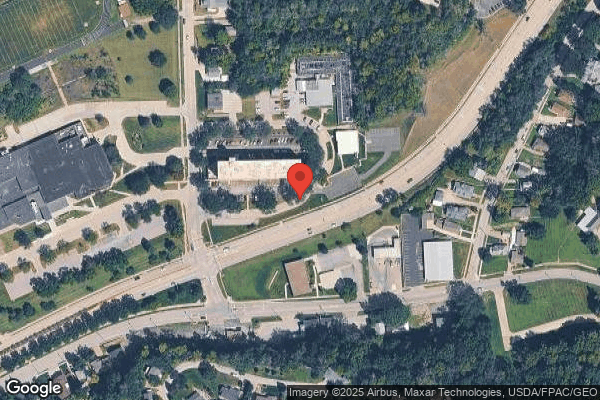
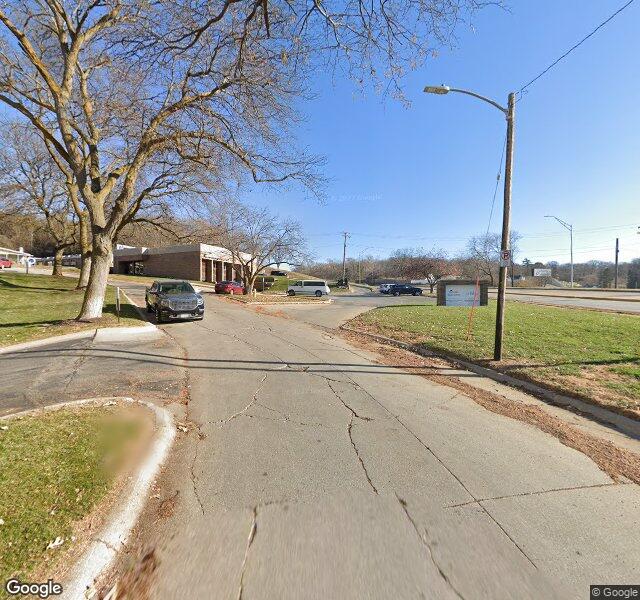
34 Northcrest Drive, Council Bluffs, IA 51503 (712) 328-2333
For profit - Limited Liability company 62 Beds Independent Data: November 2025
Trust Grade
35/100
#364 of 392 in IA
Last Inspection: July 2025

Inspected within the last 6 months. Data reflects current conditions.

Overview

North Crest Living Center has received a Trust Grade of F, indicating significant concerns about the quality of care provided. With a state rank of #364 out of 392 facilities in Iowa, they sit in the bottom half of all nursing homes, and #6 out of 7 in Pottawattamie County, suggesting limited local options for better care. The facility is currently worsening, with the number of issues increasing from 15 in 2024 to 17 in 2025. Staffing is rated average with a 3/5 star rating, but a high turnover rate of 57% is concerning, as it exceeds the state average of 44%. While the facility has not incurred any fines, which is a positive sign, several specific incidents raise alarms. For example, staff failed to follow infection control practices by not wearing appropriate protective gear while sorting laundry, and there have been reports of residents waiting over 15 minutes for staff to respond to their call lights, indicating potential safety issues. Overall, while there are some strengths, such as no fines, the numerous concerns and negative trends suggest that families should approach this facility with caution.

Trust Score
F
35/100
In Iowa
#364/392
Bottom 8%
Safety Record
Low Risk
No red flags
Inspections
Getting Worse
15 → 17 violations
Staff Stability
⚠ Watch
57% turnover. Above average. Higher turnover means staff may not know residents' routines.
Penalties
✓ Good
No fines on record. Clean compliance history, better than most Iowa facilities.
Skilled Nurses
○ Average
Each resident gets 33 minutes of Registered Nurse (RN) attention daily — about average for Iowa. RNs are the most trained staff who monitor for health changes.
Violations
⚠ Watch
34 deficiencies on record. Higher than average. Multiple issues found across inspections.
★☆☆☆☆
1.0
Overall Rating
★★★☆☆
3.0
Staff Levels
★★☆☆☆
2.0
Care Quality
★☆☆☆☆
1.0
Inspection Score
Stable
2024: 15 issues
2025: 17 issues

The Good

  • Full Sprinkler Coverage · Fire safety systems throughout facility
  • No fines on record

Facility shows strength in fire safety.

The Bad

1-Star Overall Rating

Below Iowa average (3.0)

Significant quality concerns identified by CMS

Staff Turnover: 57%

10pts above Iowa avg (46%)

Frequent staff changes - ask about care continuity

Staff turnover is elevated (57%)

9 points above Iowa average of 48%

The Ugly 34 deficiencies on record

Aug 2025 3 deficiencies
CONCERN (D) 📢 Someone Reported This

A family member, employee, or ombudsman was alarmed enough to file a formal complaint

Potential for Harm - no one hurt, but risky conditions existed

Notification of Changes (Tag F0580)

Could have caused harm · This affected 1 resident

**NOTE- TERMS IN BRACKETS HAVE BEEN EDITED TO PROTECT CONFIDENTIALITY** Based on Electronic Health Records (EHR) review, document review, Medication Administration Record - Treatment Administration Re...

Read full inspector narrative →
**NOTE- TERMS IN BRACKETS HAVE BEEN EDITED TO PROTECT CONFIDENTIALITY** Based on Electronic Health Records (EHR) review, document review, Medication Administration Record - Treatment Administration Record (MAR-TAR), staff interview and policy review the facility failed to notify the primary care physician with the resident's lab results from a Urine Analysis (UA) for 1 of 3 residents (Residents #1) reviewed. The facility reported a census of 57 residents.Findings include: The Minimum Data Set (MDS) dated [DATE] documented Resident #1 had a Brief Interview for Mental Status (BIMS) score of 9 indicating moderate cognitive impairment. The MDS documented utilization of indwelling catheter.Review of Resident #1's EHR titled, Orders documented a physician's order started 8/11/25 to change indwelling catheter with 22 French on the 11th of the month. EHR titled, Orders also documented a physician's order to obtain UA and send out one time only for 1 day dated 6/6/25.Review of Resident #1's EHR titled, Orders documented a physician's order started 7/29/25 to change indwelling catheter with 22 French as needed related to obstructive and reflux uropathy.Review of Resident #1's EHR titled, Progress Report documented on 8/6/25 at 7:08 AM a new order to obtain and send out UA d/t aggressive behaviors with orders added to EHR. EHR titled, Progress Report documented on 8/6/25 at 9:38 PM UA was obtained and taken to the lab at that time.Review of Resident #1's document with fax date of 8/7/25 titled, Urinalysis Results documented bacteria 4+, red blood cells 51-100 with reference range of 0-2, white blood cells 3-5 with reference range of 0-2, urine appearance of turbid with reference range of clear, ph urine greater than or equal to 9 with reference range of 5-8, leukocyte esterase urine large with reference range of negative, protein 300 with reference range of negative, ketones trace with reference range of negative and blood in urine moderate with reference range of negative. UA also documented a culture to follow. Review of UA documented no review from nursing staff and no physician notification.Review of Resident #1's document with fax date of 8/9/25 titled, Bacteria Culture Results documented Preliminary report of greater than 100,00 CFU/mL proteus mirabilis and greater than 100,00 CFU/mL gram negative rod with antibiotic susceptibility. Review of Bacteria Culture Results documented no review from nursing staff and no physician notification.Review of Resident #1's EHR titled, Progress Notes documented no reception of faxes on 8/7/25 or 8/9/25. Further review of EHR titled, Progress Notes documented no notification to Resident #1's physician of either fax results.Review of Resident #1's EHR titled, Progress Notes documented on 8/18/25 Staff B, Medical Doctor (MD) / Primary Care Physician for Resident #1 was notified of Resident #1's hospitalization with admission to the hospital for acute respiratory failure related to sepsis secondary to urinary tract infection.On 8/26/25 at 8:47 AM Staff A, Registered Nurse (RN) acknowledged she was the charge nurse on 8/7/25. Staff A stated once the lab results are sent back to the facility the charge nurse would receive the lab results. Staff A explained when there was a nurse for the memory hall and a nurse working the park hall it was the facility's expectation that the charge nurse would take care of lab results faxed to the facility. Staff A stated the lab results were sent back through the fax machine but now it is her understanding it is sent through an email. Staff A acknowledged she was still figuring out the processes at the facility. Staff A stated everything that she received and processed she signed when she processes them. Staff A stated she had not received the faxed UA for Resident #1 on 8/7/25. On 8/26/25 at 9:00 AM Staff B, MD stated the main cause of hospitalization for Resident #1 was due to respiratory failure due to aspiration and does not believe knowledge of the lab or starting antibiotics would have prevented the hospitalization. Staff B, MD explained the results of the UA and Bacteria Culture Results should have been sent to him, that was a professional standard. Review of the email dated 8/22/25 from Staff C, Medical Records Staff to the DON documented Staff C understood she was a part of the fail safe for lab results processing. Results with no signatures get printed out and given to the nurses.On 8/26/25 at 8:31 AM the Director of Nursing (DON) acknowledged she could not find when the lab results were sent to the physician once received by the facility from the lab. The DON stated as the results come back from the lab the results should be sent off to the doctor for review. The DON stated she had noticed the missed physician notification on 8/22/25 and started educating the nurses at the facility about physician notification and handling of lab results. The DON stated she had updated the nurses on the follow up portions for the lab results to the physician. The DON explained it was a situation that warranted a mass audit to be sure nothing was missed in the process. Review of policy updated 9/24 titled, Physician Order Guideline documented it was the policy of the facility to secure physician orders for care and services for residents as required by state and federal law. Physician orders will be dated and signed according to state and federal guidelines. Unclear or incomplete written orders will be reviewed with the physician. Any order clarification will be documented on the physician's telephone order form. Faxed orders will be accepted under the following conditions: the physician signs and retains the original copy of the faxed order and the physician provides the original copy, if requested.Review of document updated 8/22/25 titled, Labs documented when lab results are received the receiving nurse was to send to the physician and update the awaiting physician section.
CONCERN (D) 📢 Someone Reported This

A family member, employee, or ombudsman was alarmed enough to file a formal complaint

Potential for Harm - no one hurt, but risky conditions existed

Incontinence Care (Tag F0690)

Could have caused harm · This affected 1 resident

**NOTE- TERMS IN BRACKETS HAVE BEEN EDITED TO PROTECT CONFIDENTIALITY** Based on Electronic Health Record (EHR) review, Medication Administration Record - Treatment Administration Record (MAR-TAR) rev...

Read full inspector narrative →
**NOTE- TERMS IN BRACKETS HAVE BEEN EDITED TO PROTECT CONFIDENTIALITY** Based on Electronic Health Record (EHR) review, Medication Administration Record - Treatment Administration Record (MAR-TAR) review, policy review and staff interviews the facility failed to provide appropriate interventions for the urinary catheter to provide appropriate services to prevent urinary tract infections to 1 of 3 residents reviewed (Resident #1). The facility reported a census of 57 residents.Findings include:The Minimum Data Set (MDS) dated [DATE] documented Resident #1 had a Brief Interview for Mental Status (BIMS) of 9 indicating moderate cognitive impairment. The MDS documented utilization of an indwelling catheter.Review of Resident #1's EHR titled, Orders documented a physician's order dated 7/29/25 to flush the indwelling catheter as needed for clogging / dysfunction as needed with 30-60mL sterile water.Review of Resident #1's MAR-TAR documented a physician's order with a start date of 7/29/25 to flush the indwelling catheter as needed for clogging / dysfunction with 30-60mL sterile water. Review of Resident #1's MAR-TAR documented no utilization of the as needed catheter flush for the month of August.Review of Resident #1's EHR titled, Progress Notes documented no utilization of the as needed catheter flush for the month of August.Review of Residents #1's EHR titled, Task B&B-Catheter Care from 8/6/25 through 8/17/25 documented Resident #1's output each shift of less than or equal to 100mL on 8/6/25 at 8:36 PM of 100mL, 8/9/25 at 7:58 AM of 100mL, 8/10/25 9:59 PM of 50mL, 8/11/25 at 7:59 PM of 100mL, 8/14/25 at 8:47 PM of 0cc, 8/16/25 at 8:42 PM of 0cc, 8/17/25 at 5:32 AM of 0cc and 8/17/25 at 8:48 PM of 0cc.Review of Resident #1's EHR titled, Progress Notes documented on 8/18/25 Staff B, Medical Doctor (MD) / Primary Care Physician for Resident #1 was notified of Resident #1's hospitalization with admission to the hospital for acute respiratory failure related to sepsis secondary to urinary tract infection.On 8/26/25 at 2:45 PM Staff D, Physician's Assistant (PA) for Resident #1's Urologist stated if Resident #1 had 100mL or less per 8 hour shift the expectation was a catheter flush and if needed a catheter change would have been completed. Staff D stated if the catheter was leaking and wet briefs were noticed a flush should have been completed. Staff D explained that less than 100mL or no output could indicate the catheter was clogged or there was some dysfunction. On 8/26/25 at 1:58 PM Staff E, Registered Nurse (RN) stated if Resident #1 had bladder spasms or the urine was coming out of the penis, if there was discoloration, sediment or with decrease in output an as needed flush should be completed . Staff E stated if Resident #1 had 0mL output from his catheter; she would utilize the PRN flush. Staff E stated if 100mL was a decrease for Resident #1 she would flush his catheter. On 8/26/25 at 2:16 PM Staff F, Licensed Practical Nurse (LPN) acknowledged she had worked with Resident #1. Staff F stated she would use the as needed flush if Resident #1 had only 100mL and Resident #1 usually had 200mL. Staff F stated if there was decrease in output or there was no output she would utilize the as needed catheter flush. Staff F stated if there was no output for a shift Resident #1 would require a flush. Staff F acknowledged 100mL would also require a flush. Staff F explained if the as needed flush order was utilized it would be signed off in the MAR-TAR and a Progress Note would be entered. On 8/26/25 at 3:12 PM Staff G, LPN explained if she worked a shift and Resident #1 had no output she would have utilized the as needed flush order. Staff G stated if there is 100mL on days and 50mL on the pm shift Resident #1 would require a flush. Staff G explained the catheter should have been flushed when 100mL or less per shift. On 8/26/25 at 11:51 AM the DON stated the Certified Nursing Assistant (CNA) should be letting the nurse know with little to no output from any resident. The DON explained the flushing should be utilized at the nurses discretion. The DON acknowledged if the output was 50cc then the nurse should have investigated the output further. She stated she felt like the concern was a documentation issue. The DON stated if there was a decrease in output the nurse should have been notified. The DON acknowledged no output from Resident #1's catheter could indicate dysfunction or the catheter was clogged.Review of policy updated 10/24 titled, Catheters documented the policy was to provide guidance in the preventive measures for controlling common infections for residents with a urinary catheter as part of the overall infection control policy. The facility was committed to providing a safe and healthy environment for residents and to minimize or prevent the spread of infection. Catheters are to be changed per orders.
CONCERN (D) 📢 Someone Reported This

A family member, employee, or ombudsman was alarmed enough to file a formal complaint

Potential for Harm - no one hurt, but risky conditions existed

Infection Control (Tag F0880)

Could have caused harm · This affected 1 resident

**NOTE- TERMS IN BRACKETS HAVE BEEN EDITED TO PROTECT CONFIDENTIALITY** Based on observation, policy review, and staff interview the facility failed to provide appropriate infection prevention practic...

Read full inspector narrative →
**NOTE- TERMS IN BRACKETS HAVE BEEN EDITED TO PROTECT CONFIDENTIALITY** Based on observation, policy review, and staff interview the facility failed to provide appropriate infection prevention practices when providing care to a resident with a catheter, that was on Enhanced Barrier Precautions (EBP) for 1 of 3 reviewed (Resident #3). The facility reported a census of 57 residents.Findings include:The Minimum Data Set (MDS) dated [DATE] documented Resident #3 had a Brief Interview for Mental Status (BIMS) score of 15 indicating no cognitive impairment. The MDS documented utilization of an indwelling catheter.Review of Resident #3's EHR titled, Orders documented a physician's order started 8/4/25 to change indwelling catheter with 16 French monthly and as needed. Review of Resident #1's EHR titled, Orders documented a physician's order started 7/29/25 to change indwelling catheter with 16 French monthly and as needed. Observation on 8/25/25 at 3:10 PM of catheter care completed on Resident #3 by Staff H, Certified Nursing Assistant (CNA) and Staff I, CNA with EBP signage posted in Resident #3's room revealed Staff H present in the room with Resident #3 sitting on the commode. Staff H left the room and asked another staff member to help with peri care. Staff H returned to Resident #3's room with Staff I. Staff H and Staff I applied gloves, neither staff completed hand hygiene or applied a gown, Staff H utilized a gait belt to assist Resident #3 with standing, Staff I obtained wipes, Staff I removed peri wipes from the bag, cleansed catheter and penis while standing behind Resident #3, cleansed buttocks with 2 peri wipes, pulled Resident #3's brief up, pulled Resident #3's pants up, Staff H assisted Resident #3 with transfer to the wheelchair, Staff H removed gloves, Staff H completed hand hygiene, Staff I removed gloves, Staff I gathered trash in trash bag, Staff I removed the trash bag, Staff I exited Resident #3's room, Staff I walked down the hall to the soiled utility room, Staff I opened the door, placed garbage in the trash barrel and Staff I completed hand hygiene in the hall outside the soiled utility room. On 8/25/25 at 3:30 PM Staff H stated he was not required to wear a gown when Resident #3 was on the commode. Staff H stated when he was not working directly with the bodily fluids the gown would not be expected. Staff H acknowledged that other CNA was not wearing the gown at the time of catheter care and peri care. Staff H explained Resident #3 was having a BM there is no expectation for gown application. Staff H stated with Enhanced Barrier Precautions (EBP) he was supposed to gown and glove for catheter and peri cares but not required when Resident #3 was having a bowel movement. On 8/25/25 at 3:56 PM Staff I, stated the only time she would apply a gown was when she emptied Resident #3's catheter. On 8/25/25 at 4:05 PM the DON stated the facility's expectation was that gowns would be worn by the staff that transferred the resident and the staff completing care on the resident. On 8/26/25 at 2:16 PM Staff F, Licensed Practical Nurse (LPN) stated when there was any care provided to a resident with catheters the staff are required to wear a gown, gloves and complete hand hygiene before and after application of gloves or resident contact. On 8/26/25 at 4:17 PM the DON stated hand hygiene should be completed prior to resident care, after resident care, before applying gloves and after removal of gloves. The DON stated the staff should have worn gowns with the resident cares on Resident #3. Review of policy updated 11/24 titled, Enhanced Barrier Precautions (EBP) documented EBP was used to prevent the spread of Multi-Drug Resistant Organisms (MDRO) to residents. EBP precautions apply when a resident is not known to be infected or is known to be infected with a CDC-targeted MDRO and has a wound or indwelling medical device. Indwelling medical devices include urinary catheters.Review of policy updated 8/24 titled, Hand Hygiene documented hand hygiene will be completed before anticipated contact with resident, after contact with a resident, after contact with blood, body fluids, visibly contaminated surfaces, after contact with objects in the residents room, after removing Personal Protective Equipment (PPE).
Jul 2025 14 deficiencies
CONCERN (D)

Potential for Harm - no one hurt, but risky conditions existed

Deficiency F0582 (Tag F0582)

Could have caused harm · This affected 1 resident

**NOTE- TERMS IN BRACKETS HAVE BEEN EDITED TO PROTECT CONFIDENTIALITY** Based on record review, staff interview and policy review, the facility failed to inform residents of their options and costs wh...

Read full inspector narrative →
**NOTE- TERMS IN BRACKETS HAVE BEEN EDITED TO PROTECT CONFIDENTIALITY** Based on record review, staff interview and policy review, the facility failed to inform residents of their options and costs when services were no longer covered by Medicare Part A for 3 of 3 residents reviewed (Resident #50, #43 and #5). The facility reported a census of 61 residents. Findings include:1) According to the Minimum Data Set (MDS) dated [DATE], Resident #50 had a Brief Interview for Mental Status (BIMS) score of 15 (intact cognitive ability). The resident was totally dependent on staff for dressing, toileting, and hygiene. The Care Plan for Resident #50, last updated on 6/13/25, showed that staff would provide a restorative program 3-6 times a week due to parkinsonism. The diagnoses include intestinal obstruction, history of falling, anxiety disorder, and osteoporosis. The census tab in the electronic record indicated that Medicare Part A services ended on 4/10/25 for Resident #50, and on 6/12/25 the resident was private pay. A Beneficiary Protection Notification Review (BPNR) for Resident #50 showed that Form CMS (Centers for Medicare/Medicare Services) -10055 was not provided to the resident and lacked an explanation. 2) The MDS dated [DATE], showed that Resident #43 had a BIMS score of 12 (moderate cognitive deficit). The resident was totally dependent on staff for sit to stand and toilet transfers.The Care Plan updated on 5/21/25, showed the resident needed help with Activities of Daily Living (ADL) and planned to go home after working with Physical Therapy and Occupational Therapy (PT/OT). The diagnoses included chronic kidney disease, Type 2 diabetes mellitus and a history of urinary tract infections. According to the census tab in the electronic chart, Resident #43 had Medicare Part A coverage on 6/10/25 and private pay on 7/22/25. The BPNR indicated the last day of Medicare Part A for Resident #43 was 7/21/25 and the CMS-1055 Form was not provided to the resident. 3) According to the MDS dated [DATE], Resident #5 had a BIMS score of 9 (moderate cognitive deficit). He was totally dependent on staff for hygiene, toileting, dressing and transfers. The Care Plan revised on 3/14/25, showed the resident wanted to return home and he would participate in the restorative program due to muscle weakness. The census tab in the electronic chart showed Resident #43 had Medicare Part A services beginning 12/26/24, and was private pay on 2/13/25.A review of the BPNR documentation showed that Medicare Part A services ended on 2/12/25 and the resident was provided Form CMS-10055 to review the options. The chart lacked a 10055 form for Resident #5. On 7/23/2025 at 10:00 AM, the Social Worker (SW) said that she was fairly new to the position, and was not familiar with the CMS form 10055. She looked through the binder left behind by the previous SW and did not see any copies of the form. She did an internet search for the form, reviewed the questions and options presented to residents, and agreed that residents needed to know about the daily amount that would be expected if they chose to pay private and that they had the right to appeal. According to the undated, facility policy titled: Form Instructions, Advance Beneficiary Notice of Non-coverage (ABN); notifiers must complete the column under Blank (F) to ensure the beneficiary had all available information to make an informed decision about whether or not to obtain potentially non-covered services. The beneficiary or his or her representative must choose only one of three options listed in Blank (G). The beneficiary or representative must sign the notice to indicate that he or she had received the notice and understood its contents.
CONCERN (D)

Potential for Harm - no one hurt, but risky conditions existed

Safe Environment (Tag F0584)

Could have caused harm · This affected 1 resident

**NOTE- TERMS IN BRACKETS HAVE BEEN EDITED TO PROTECT CONFIDENTIALITY** Based on Electronic Health Records (EHR) review, observations, resident interview, and staff interview the facility failed to pr...

Read full inspector narrative →
**NOTE- TERMS IN BRACKETS HAVE BEEN EDITED TO PROTECT CONFIDENTIALITY** Based on Electronic Health Records (EHR) review, observations, resident interview, and staff interview the facility failed to provide the residents with a comfortable / clean homelike environment. Resident rooms found with various debris on the floor and application of bed linen not completed in a timely manner for 3 of 24 residents reviewed (Resident #15, #22 and #24). The facility reported a census of 61 residents. Findings include: 1. The Minimum Data Set (MDS) dated [DATE] for Resident #22 documented a Brief Interview of Mental Status (BIMS) score of 15 indicating no cognitive impairment. An observation on 7/21/25 at 11:52 AM of room [ROOM NUMBER]-B revealed a pile of sheets in the center of the bed. No sheets present in place on the bed. Review of document dated 7/24/25 titled, All Resident List documented Resident #22 resided in room [ROOM NUMBER] bed B. On 7/21/25 at 11:52 AM Resident #22 stated he got himself ready that morning. Resident #22 stated the staff usually get him ready but they did not that morning. Resident #22 stated he was not sure why the staff did not help him that morning but he can be impatient. Resident #22 stated the staff never came in to make the bed. Resident #22 stated he likes to lay down after breakfast but he was not able to that morning. Resident #22 stated the staff got his roommate up and made his bed but did not help him. Resident #22 stated he was very irritated. On 7/21/25 at 4:49 PM Staff F, Certified Nurse Assistant, (CNA) stated if the bed is due to be stripped that day then she strips the bed when she gets the resident up. Staff F explained then housekeeping will sanitize the bed and she would make the bed after breakfast. Staff F stated if the bed was not due to be stripped then she would make the bed when she got the resident up for the day. Staff F stated she did not have enough bottom sheets the morning of 7/21/25 so she did not make the beds in rooms 206, 216 first bed and 219-B until about 2:00 PM. On 7/21/25 4:55 PM Staff G, Certified Nurse Assistant (CNA) stated that morning (7/21/25) the facility did not have any bottom sheet available. Staff G stated laundry was behind that morning. Staff G stated housekeeping was normally in the building about 7am. Staff F stated room [ROOM NUMBER], 216 and 219 were the beds that did not have sheets that were not bed strips that morning. Staff G stated room [ROOM NUMBER]’s bed was made about 1:00 PM. Staff G stated the bottom sheets were not available until after 1:00 PM. Staff G stated laundry was made aware the CNA’s needed bottom sheets to make beds. On 7/23/25 at 12:26 PM Staff H, Laundry Assistant, Housekeeping Assistant, and Maintenance Employee acknowledged he worked in laundry on the morning of 7/21/25. Staff H stated he came into work at 7:00 AM that day. Staff H stated he typically came into work and took all the carts out of the laundry room, looked at the clothing covered barrels and put them into the washing machine. Staff H stated he then goes around collecting dirty linen and washing the linen. Staff H stated he did that routine twice a day, the second time between 10:00 AM and 10:30 AM. Staff H stated on 7/21/25 he asked the Director of Nursing (DON) if he should put more bottom sheets out for the staff. Staff H stated he washed the bottom sheets in the second load of that day and put the sheets out. Staff H stated the sheets were put out with the linen before lunch after 10:00 am. Staff H stated no one told him the residents did not have bottom sheets for their beds or asked him to wash bottom sheets. Staff H stated he noticed the amount of linen had been getting low that was why he asked to put the bottom sheets out. Staff H stated if he would have known the residents were out of bottom sheets and the staff needed bottom sheets to make beds he could have had the linen out about 9:30 AM or 10:00 AM. Staff H stated the staff do not run out of linen frequently but the last couple weeks the linen had been running low. On 7/23/25 at 12:37 PM the Administrator stated he heard on the morning of 7/21/25 that there was a process problem. The Administrator stated he needed to research the situation more. The Administrator stated he did not know if bottom sheets were left in the dryer or washer. The Administrator stated he placed a linen order today. The Administrator stated the facility was not out of linen. The Administrator stated nobody told him on 7/23/25 that there were no bottom sheets. The Administrator stated maybe on Sunday the laundry was not washed the way it should have been. The Administrator stated there was a lack of communication from staff and that was where the breakdown occurred. The Administrator stated the facility had enough linen. The Administrator stated he would expect the staff would have notified laundry or the Administrator there were no bottom sheets. The Administrator acknowledged the linen should have been on the bed prior to lunch. 2. Observation on 7/21/2025 at 10:25 AM, showed Resident #24’s floor with small, ripped pieces of paper, an unmade bed, and two pairs of shoes within the walking area. Resident #24 reported his shoes are never put away and the bed is unmade. The observation also showed the roommate's bed remained not made and four pieces of used Kleenex on the floor. Resident #24 reported the floor of the room is dirty five days a week. A follow up observation on 7/21/25 at 1:11 PM, showed Resident #24’s room to be in the same condition. 3. Observation on 7/21/25 at 1:11 PM, showed Resident #15’s room with 10 pieces of flattened cotton scattered on the floor. A follow up observation on 7/21/25 at 1:12 PM, showed Resident #15’s room to be in the same condition. An additional follow up observation on 7/22/25 at 9:22 AM, showed approximately 6 pieces of flattened cotton remained on the floor. A policy request for a homelike environment, routine housekeeping in rooms or application of bed linen was requested but not presented by the Administration.
CONCERN (D)

Potential for Harm - no one hurt, but risky conditions existed

Deficiency F0605 (Tag F0605)

Could have caused harm · This affected 1 resident

**NOTE- TERMS IN BRACKETS HAVE BEEN EDITED TO PROTECT CONFIDENTIALITY** Based on clinical record review and staff interview the facility failed to identify non-pharmacological interventions and target...

Read full inspector narrative →
**NOTE- TERMS IN BRACKETS HAVE BEEN EDITED TO PROTECT CONFIDENTIALITY** Based on clinical record review and staff interview the facility failed to identify non-pharmacological interventions and targeted behaviors on the care plan related to high risk medications in 3 out of 5 sampled residents reviewed (Resident #2, #13 and #37). The facility reported a census of 61 residents. Findings include: 1.The Minimum Data Set (MDS) assessment dated [DATE] for Resident #13 documented diagnoses of anxiety, dementia and Chronic Obstructive Pulmonary Disease (COPD). The MDS showed the Brief Interview for Mental Status (BIMS) score of 3, which indicated severe cognitive impairment. The Clinical Physician Orders for Resident #13 showed the following orders:a. Morphine (opioid medication) every two as needed for pain or shortness of breath with a start date of 3/25/25.b. Lorazepam (antipsychotic medication) every four hours for restlessness/anxiety as needed with a start date of 5/29/25. The Care Plan identified Resident #13 was prescribed high risk medications for anxiety and pain. The Care Plan lacked non-pharmacological interventions to use prior to opioid medication usage and non-pharmacological interventions and targeted behaviors with antipsychotic medications. The July Medication Administration Record for Resident #13 showed Lorazepam administration occurred on the following dates:a. 7/7/25 at 11:02 PMb. 7/12/25 at 7:27 PM and at 11:30 PMc. 7/15/25 at 10:54 PM In an interview on 7/24/25 at 9:28 AM, Staff N, Registered Nurse (RN) reported that she would expect to find direction regarding non-pharmacological interventions to use prior to opioid medication usage and non-pharmacological interventions and targeted behaviors with antipsychotic medications. In an interview on 7/24/25 at 10:01 AM, the Director of Nursing, (DON) reported the care plan should include non-pharmacological interventions to use prior to opioid medication usage and non-pharmacological interventions and targeted behaviors with antipsychotic medications. The DON reported the facility usually placed the information on the Medication Administration Record and now planned to also include the same information on the care plans. 2. The MDS for Resident #2 dated 4/18/25 documented a BIMS score of 10/15 indicating moderate cognitive impairment. The MDS included diagnoses of Non-Alzheimer’s Dementia, traumatic brain disorder (TBI), anxiety disorder, depression, and psychotic disorder. The document identified no concerns with mood or behaviors during the reporting period. The MDS identified Resident #2 took antipsychotic and antidepressant medications during the last 7 days of the assessment period. The electronic medical record (EMR) Medical Diagnoses printed 7/24/25 identified additional diagnoses of unspecified mood disorder, obsessive compulsive disorder (OCD), unspecified disorder of adult personality and behavior, delusional disorders, other specified mental disorders due to known physiological condition and personality change due to known physiological condition. Review of Resident #2’s 7/25 Medication Administration Record (MAR)-Treatment Administration Record (TAR) identified the resident was prescribed a. Risperidone 1 mg 1 tablet twice daily (BID) for unspecified mood (affective disorder) b. Sertraline 100 mg 2 tablets daily (QD) for depression c. Lorazepam 2mg/ml .25 ml every 4 hours as needed for anxiety The Physician Orders identified staff to monitor every shift for target behaviors: (refusal of cares, yelling out, physical aggression toward self/others, Spontaneous crying, False Beliefs, Wandering, and/or self-isolating. Document Interventions. 0-Not Present 1-Redirection 2-Music Therapy/Room Temp Adjustment. 3-1:1 4-Physical Touch/Repositioning 5-Offer Snack/Fluids 6-Remove resident from environment, date started 4/24/24. The facility failed to identify resident specific target behaviors for monitoring. Resident #2’s Care Plan dated 7/15/25 contained a Focus of medications considered high risk with interventions for staff including adverse reactions to psychotropic medications, adverse reactions to antidepressant medications, and adverse reactions to antianxiety medications. A focus of not keeping all diagnoses or medications initiated 2/3/25, had a goal of wanting the medical record to be part of the Care Plan. Interventions for staff included letting the physician know if they can do something to help, refer to medication list and warnings in the chart, and to see the medical chart if something is missing in this part of the chart dated 2/3/25. A focus of down in the dumps started 2/3/25 with a goal of wanting to be as happy as possible revised 7/15/25 revealed an Intervention of letting family and doctor know if it seems like mood is more down in the dumps created on 2/3/25. The Care Plan failed to identify target behaviors related to the use of psychotropic medications and non-pharmacological interventions. The Care Plan failed to have focus areas with goals and interventions related to psychiatric diagnosis. 3. The MDS for Resident #37 dated 6/25/25 identified a BIMS score of 3/15 indicating severe cognitive impairment. The MDS included diagnoses of Alzheimer’s, Non-Alzheimer’s Dementia, anxiety, and depression. The document identified mood feelings of feeling down, depressed, or hopeless in 2-6 days in the last 2 weeks of the reporting period. The MDS identified Resident #37 took antipsychotic, antianxiety and antidepressant medications during the last 7 days of the assessment period. Review of Resident #37’s 7/25 MAR-TAR identified the resident was prescribed: a. Donepezil 10 mg 1 tab QD for mood disorder b. Lorazepam 2 mg/ml .5 ml BID for anxiety disorder c. Olanzapine 10 mg 1 tab BID for major depressive disorder d. Sertraline 100 mg 2 tabs QD for mood disorder e. Lorazepam 2 mg/ml .75 ml every 2 hours as needed (PRN) for anxiety The Physician Orders identified staff to monitor every shift for target behaviors: (refusal of cares, yelling out, physical aggression toward self/others, Spontaneous crying, False Beliefs, Wandering, and/or self-isolating. Document Interventions. 0-Not Present 1-Redirection 2-Music Therapy/Room Temp Adjustment. 3-1:1 4-Physical Touch/Repositioning 5-Offer Snack/Fluids 6-Remove resident from environment, date started 10/14/24. The Physician Orders did not identify target behaviors related to the medications prescribed. Resident #37’s Care Plan dated 7/1/25 identified a focus of getting anxious dated 10/14/24 with a goal to be as happy as possible revised 7/1/25. The interventions for staff included to call family when anxious and to notify family and doctor if more down in the dumps/anxious dated 10/14/24. A focus of medications considered high risk dated 10/17/24 had a goal of no significant negative outcomes secondary to these medications with revision on 7/1/25. The interventions for staff included monitor/document/report PRN adverse reactions to psychotropic, antidepressant and antianxiety medications. A focus of not keeping all diagnoses or medications dated 10/17/24 with a goal of current medical record to be considered part of the Care Plan revised on 7/1/25 had interventions of notification to physician to let them know how they can help, medication list and warnings were in the chart, refer to other areas of the medical chart if there was something missing in this part of the chart. The Care Plan failed to identify the target behaviors related to the use of antipsychotic medications and depression. The document failed to identify person centered target behaviors related to anxiety. On 7/23/25 at 12:35 PM the MDS Coordinator stated a Care Plan Focus containing a down in the dumps statement would have different meanings for different residents depending on what they were going through. The staff stated the Care Plan Focus of not keeping all diagnoses or medications provided interventions for staff to refer to the medical chart for further information on behaviors for residents. The MDS coordinator acknowledged those focus areas and interventions neither provided individualization for each resident nor specifics related to use of antipsychotic medications and individualized target behaviors for either resident. On 7/23/25 at 2:08 PM the DON stated Care Plans should contain individualized behaviors for residents. The DON concurred generic statements of down in the dumps did not provide individualization for residents. On 7/24/25 at 10:50 AM the Administrator concurred general statements regarding behaviors did not identify specific behaviors related to antipsychotic, antidepressant or antianxiety medications for each resident. The facility’s policy, Goals and Objectives, Care Plans, undated, revealed Care Plan goals/objectives were resident oriented, behaviorally stated and measurable. It was noted that goals/objectives were entered on the resident’s Care Plan so all disciplines had access to the information and could report on whether the desired outcomes were being achieved. The facility did not provide a policy related to psychotropic medications.
CONCERN (D)

Potential for Harm - no one hurt, but risky conditions existed

Deficiency F0628 (Tag F0628)

Could have caused harm · This affected 1 resident

**NOTE- TERMS IN BRACKETS HAVE BEEN EDITED TO PROTECT CONFIDENTIALITY** Based on Electronic Health Record (EHR) review, staff interview, and facility policy, the facility failed to ensure bed hold not...

Read full inspector narrative →
**NOTE- TERMS IN BRACKETS HAVE BEEN EDITED TO PROTECT CONFIDENTIALITY** Based on Electronic Health Record (EHR) review, staff interview, and facility policy, the facility failed to ensure bed hold notice was sent to the resident and or the resident's responsible person when the resident transferred out of the facility for 1 of 1 residents reviewed (Residents #60). The facility reported a census of 61 residents. Findings include:1. The Minimum Data Set (MDS) dated [DATE] for Resident #60 documented a Brief Interview of Mental Status (BIMS) score of 14 indicating no cognitive impairment. Review of Resident #60's EHR documented no bed hold Review of Resident #60's EHR dated 5/14/25 at 9:27 PM titled, Progress Notes documented Resident #60 was transferred to the hospital with shortness of breath and chest pain with pain to the jaw and neck. Progress Note documented Resident #60 could not speak related to discomfort and Resident #60 requested to be transferred to the hospital. Resident #60's EHR titled, Progress Notes documented the resident remained at the hospital 5/15/25 or 5/16/25. On 7/24/25 at 11:10 AM the DON acknowledged the bed hold form was not completed for Resident #60. The DON stated after Resident #60 was sent to the hospital she had noticed there was no documentation of the bed hold in the progress note assessment related to Resident #60's hospital transfer. The DON explained when she questioned the social worker if the bed hold was completed she was told the bed hold was completed. The DON stated she had determined at the time later the bed hold form was not completed at all. The DON explained her expectation was that the bed hold would have been completed or the resident's representative would have been notified and the bed hold would have been completed over the phone. The DON acknowledged she could not find documentation that the bed hold was completed.On 7/24/25 at 11:15 AM the Administrator stated the facility's expectation was the bed hold would have been completed per the federal regulation and the facility's policy. The Administrator acknowledged that was not completed appropriately during Resident #60's transfer to the hospital on 5/14/25. The Administrator acknowledged Resident #60 was insured by managed Medicare coverage.Review of undated policy titled, Bed Hold Policy documented Medicare insurance did not offer bed hold coverage. Therefore, Medicare, Managed Medicare, and Private Pay residents may choose to hold the room, at the current room and board rates, until the resident's return to the facility. Resident/Resident's Representative must verify that they wish to have their bed held, within 24 hours of being admitted to the hospital, or their bed will be relinquished. Verification of bed-hold must be made prior to the start of a Resident's vacation or therapeutic leave from the facility.
CONCERN (D)

Potential for Harm - no one hurt, but risky conditions existed

Deficiency F0658 (Tag F0658)

Could have caused harm · This affected 1 resident

**NOTE- TERMS IN BRACKETS HAVE BEEN EDITED TO PROTECT CONFIDENTIALITY** Based on observation, resident interview, staff interviews, record review and policy review the facility failed to obtain and fo...

Read full inspector narrative →
**NOTE- TERMS IN BRACKETS HAVE BEEN EDITED TO PROTECT CONFIDENTIALITY** Based on observation, resident interview, staff interviews, record review and policy review the facility failed to obtain and follow physicians' orders for 2 of 21 of residents (Resident #36 and #6). Staff chose to hold insulin for Resident #36 without obtaining doctor-specified parameters on when to hold the insulin and failed to notify the doctor when the insulin hadn't been given. Resident #6 had an indwelling urinary catheter, staff failed to obtain an order for the device. The facility reported a census of 61 residents. Findings include: 1) According to the Minimum Data Set (MDS) dated [DATE], Resident #36 had a Brief Interview for Mental Status (BIMS) score of 14 (intact cognitive ability). He was independent with hygiene, toileting, dressing, transferring and walking. His diagnoses included: diabetes mellitus, renal insufficiency, schizophrenia, anxiety disorder and adult failure to thrive. The Care Plan updated on 5/1/25, showed that Resident #36 needed a therapeutic diet related to diagnosis of diabetes mellitus. Staff were to monitor blood sugars as ordered. The Care Plan lacked directive for insulin use. The orders tab in the electronic chart showed that Resident #36 had an order dated 3/24/25 at 7:30 AM, for a fast-acting insulin to be give three times a day, before his meals. In an observation on 7/22/25 at 9:01 AM, Staff B Licensed Practical Nurse (LPN) prepared 5 units of fast acting insulin, and brought it to the resident in his room. Resident #36 was in bed and said that he had completed his breakfast, and the kitchen staff had already picked up the tray. A review of the Medication Administration Record (MAR) for June and July, showed that on the following dates, the fast acting insulin was not given to Resident #36: June 9th, 12th, 15th, 17th, 18th, 23rd, 24th, 27th, and 30th. July 5th, 8th, 13th, 15th, 18th, 21st, and 23rd. The Nursing Progress Notes lacked documentation that the physician had been notified the insulin had been held on these dates. A review of the Blood Sugar Summary for Resident #36 revealed that from June 1 – July 22, the readings did not go below 81 milligrams per deciliter (normal range being 70-100 mg/dL.) On 7/23/25 at 9:32 AM, Staff C, Registered Nurse (RN) said that she chose not to give Resident #36 his short acting insulin that morning because his blood sugar was low. She said she used her nursing judgement to decide that the blood sugar was too low. Staff C acknowledged that there were no doctor-ordered blood glucose parameters established, but she agreed that it would be helpful. She did not know how other nurses determined or decided when to hold the insulin. On 7/23/2025 at 9:19 AM Staff B, Licensed Practical Nurse (LPN) said that Resident #36 tended to have low blood glucose in the mornings, and he was getting Glucerna but the doctor hadn’t established any parameters on when to hold his insulin. On 7/22/2025 at 3:30 PM, the Nurse Practitioner (NP) acknowledged that there weren’t blood sugar parameters established for Resident #36, and she wasn’t aware of how often the insulin was being held. On 7/23/2025 at 10:50 AM, the Director of Nursing (DON) agreed that they should have asked the doctor for directives on when to hold the short acting insulin. She said that the nurses should have called to let the doctor know when the medication was being held. 2) The MDS assessment dated [DATE] for Resident #6 documented reentry into the facility on 7/17/25 from a short term hospital stay. In an interview on 7/23/2025 at 9:36 AM, Resident #6 reported the catheter was inserted at the hospital because she had surgery for a right foot fracture related to a fall. The resident reported the hospital kept the catheter inserted because she was non-weight bearing. The Medical Diagnosis report for Resident #6 included urinary retention. The Progress Note dated 7/17/25 at 3:39 PM showed the facility received report from the hospital that Resident #6 would return with a foley catheter placed. The Progress Note dated 7/19/25 at 2:06 PM for Resident #6 showed the catheter to be patent and draining yellow urine. The Clinical Physician Orders for Resident #6 failed to show orders related to a foley catheter. The Physician Orders policy last revised on January 2024 identified the following: It is the policy of this facility to secure physician orders for care and services for residents as required by state and federal law. Physician orders will be dated and signed according to state and federal guidelines. PROCEDURE- Physician orders will include the medication and/or treatment and a correlating medical diagnosis or reason. Medication orders will include: Name of drug Route Dosage Frequency Diagnosis Stop date (i.e., antibiotics) if appropriate Unclear or incomplete written orders will be reviewed with the physician. Any order clarification will be documented on the Physician’s Telephone Order form. Faxed orders will be accepted under the following conditions: Physician signs and retains the original copy of the faxed order. Physician provides the original copy, if requested. It is not necessary for the physician to re-sign the facsimile order unless required by State law. The original may be sent to the facility at a later time and substituted for the facsimile copy. With order changes, discontinue the current order prior to initiating the new order. Inform resident/responsible party and/or family member of changes in physician orders. Communicate orders to the pharmacy, as applicable. On 7/24/25 at 11:38 AM the DON stated Resident #6 does now have an order for a catheter. The DON acknowledged the facility did not have an order in place prior to surveyors entrance at the facility. On 7/24/25 at 11:19 AM the Administrator acknowledged the facility did not have things in place for Resident #6. The Administrator reported the orders and diagnosis should not take that long. The Administrator stated the orders for all the residents should be entered at this time. The Administrator stated the facility does not have routine orders and needs to have routine orders especially for catheters.
CONCERN (D)

Potential for Harm - no one hurt, but risky conditions existed

Respiratory Care (Tag F0695)

Could have caused harm · This affected 1 resident

Based on observations, electronic medical record (EMR) reviews, staff interviews, and policy review, the facility failed to provide respiratory care and services in accordance with professional standa...

Read full inspector narrative →
Based on observations, electronic medical record (EMR) reviews, staff interviews, and policy review, the facility failed to provide respiratory care and services in accordance with professional standards of practice for 1 of 1 residents reviewed, requiring the use of oxygen (Resident #47). The facility reported a census of 61 residents. Findings include: The Minimum Data Set (MDS) for Resident #47 dated 7/17/25 identified a Brief Interview for Mental Status (BIMS) score of 12/15 indicating moderate cognitive impairment. The MDS documented diagnoses that included: heart failure, hypertension, anxiety disorder, obstructive sleep apnea, and pulmonary hypertension. The document provided the resident utilized oxygen upon admission and while a resident, and that oxygen was continuous on admission.Resident #32's Care Plan dated 7/23/25 identified a focus area of oxygen therapy related to ineffective gas exchange. Interventions for staff included oxygen at 3-5 liters (L). The 7/25 Medication Administration Record (MAR)-Treatment Administration Order (TAR) did not provide orders or instructions for changing oxygen tubing. On 7/21/25 at 10:23 AM Resident #47 stated she utilized oxygen at 3L since 2018.Observed on 7/21/25 at 10:23 AM the resident with a nasal cannula and undated oxygen tubing.Observed on 7/22/25 at 2:40 PM the resident's concentrator outside of the bathroom set at 3L with undated oxygen tubing.Observed on 7/23/25 at 1:00 PM Resident #47's oxygen tubing was undated. On 7/23/25 at 2:40 PM the Director of Nursing (DON) stated that oxygen tubing was changed on Monday nights as part of the Nigh Shift responsibilities. The DON stated upon further document review there should have been an order for oxygen tubing change. Review of Resident #47's MAR-TAR the DON acknowledged there was no order for tubing replacement. On 7/24/25 at 10:50 AM the Administrator expected there should be a way to audit the changing of oxygen tubing. On 7/24/25 at 12:46 PM the Administrator revealed the facility did not have an oxygen tubing policy, but rather they followed manufacturer recommendations. The Administrator indicated nasal cannulas be changed every 2 weeks and supply tubing every month, and the facility expectation is it be changed every week currently.
CONCERN (D)

Potential for Harm - no one hurt, but risky conditions existed

Deficiency F0744 (Tag F0744)

Could have caused harm · This affected 1 resident

Based on observations, staff interviews, Electronic Medical Record (EMR) review, and policy review, the facility failed to provide appropriate treatment and services to meet a resident's highest pract...

Read full inspector narrative →
Based on observations, staff interviews, Electronic Medical Record (EMR) review, and policy review, the facility failed to provide appropriate treatment and services to meet a resident's highest practicable physical, mental, and psychosocial well-being for a resident diagnosed with dementia for 1 of 1 residents reviewed (Resident #37). The facility had a census of 61. Findings include:The Minimum Data Set (MDS) for Resident #37 dated 6/25/25 identified a BIMS score of 3/15 indicating severe cognitive impairment. The MDS included diagnoses of Alzheimer's, Non-Alzheimer's Dementia, anxiety, and depression. The document identified mood feelings of feeling down, depressed, or hopeless in 2-6 days in the last 2 weeks of the reporting period. The MDS identified Resident #37 took antipsychotic, antianxiety and antidepressant medications during the last 7 days of the assessment period.The 7/25 Medication/Treatment Administration Record (MAR-TAR) identified an order dated 10/14/24 for nursing to monitor every shift for target behaviors: (refusal of cares, yelling out, physical aggression toward self/others, Spontaneous crying, False Beliefs, Wandering, and/or self-isolating. Document Interventions. 0-Not Present 1-Redirection 2-Music Therapy/Room Temp Adjustment. 3-1:1 4-Physical Touch/Repositioning 5-Offer Snack/Fluids 6-Remove resident from environment.The Physician's Order failed to be individualized to Resident #37's diagnosis of dementia and behaviors associated with the diagnosis.Resident #37's Care Plan dated 7/1/25 identified a focus dated 10/14/24 of the resident being a social butterfly with the goal to remind/invite the resident to activities revised on 7/1/25. Interventions for this focus included providing assistance during the activities, inviting the resident to the activities, and activities the resident enjoyed. A 7/1/25 revised focus revealed the resident did not do very well on the memory test due to being forgetful with a goal of the resident making as many decisions as possible with the family helping revised 7/1/25. Interventions dated 10/17/24 for the focus included notification to the Power of Attorney (POA) with updates/need for important decisions to be made and the resident requires reminders sometimes. The Care Plan failed to identify Resident #37's specific diagnosis of dementia and specific interventions related to that diagnosis. The Care Plan failed to provide revisions to reflect the change in the resident's abilities to participate and complete tasks, techniques for staff to intervene with the resident, and goals that were measurable. The EMR review of activities completed during the previous 30 days found the following:a.) Group Activities - the resident attended 2/15 opportunities offered, and refused 13/15 opportunities offered.b.) One to Once Activities - 0 activities documented.c.) Independent Activity - 0 activities documented.On 7/21/25 from 9:45 AM - 11:30 AM observed Resident #37 awake and seated at the nurses station in a tilt and space wheelchair without any activities.On 7/22/25 at 9:54 AM observed Resident #37 sleeping at the nurses station.On 7/22/25 at 10:50 AM observed Resident #37 sleeping during a group activity. On 7/22/25 at 2:38 PM observed Resident #37 seated at the nurse's station, awake and without an activity while a group activity was happening. On 7/23/25 at 9:33 AM Staff D, Certified Nurses Assistant (CNA), stated Resident #37 tends to get out of her wheelchair (w/c) so the staff will place her at the nurses station for closer monitoring. The staff stated sometimes they will give the resident an activity to do. Staff D stated the resident will do a sewing activity or an interactive activity with lights and colors, but some activities were broken. Staff D stated she has asked the resident to select all objects of a color and the resident could complete. On 7/23/25 at 9:45 AM Staff B, Licensed Practical Nurse (LPN), stated residents who were at higher fall risk may sit around the nurses station for heightened awareness. The staff stated some residents will engage with each other, watch people, or do activities. The staff stated activities were kept at the nurses station in cubbies for staff to provide to the residents. Staff B stated when a resident was observed to be sleeping they would ask staff to take the residents back to their rooms to lie down. On 7/23/25 at 9:50 AM the Director of Nursing (DON) stated high fall risk residents may be placed at the nurses station for increased safety awareness as there were more staff in that area. The staff stated the residents will engage with each other and if they were noted to be sleeping they should go back to their rooms to lie down. The DON acknowledged that residents should be offered activities and some residents like to watch people. On 7/23/25 at 12:35 PM the MDS Coordinator stated there was not a specific focus on the Care Plan related to the diagnosis of dementia. The staff stated there might be a cognition focus with interventions including whether a resident could participate, acknowledging all residents can participate at some level, and how to assist the resident to participate. The MDS Coordinator stated a goal could be wanting to make her own decision or having family help make that decision, and the intervention would be reminding the staff the resident can tell staff what they want or need. When asked about Resident #37 sitting at the nurses station with other residents, the staff responded it depended on the resident and what they liked to do. The MDS Coordinator stated some individuals liked to sit and watch, others completed activities and the activities were kept in cubbies at the nurses station. The staff acknowledged Resident #37's Care Plan did not have specifics related to her diagnosis of dementia, activities that reflected her preferences, and staff guidelines to address the resident's current level of functioning. The MDS Coordinator acknowledged if something was not on the Care Plan staff, especially Agency Staff, would not know what to do with residents or where to find activities. On 7/23/25 at 2:08 PM the DON stated residents with a diagnosis of dementia may not have a specific Care Plan Focus related to the diagnosis, measurable goals, and the interventions for staff to use to engage with the resident at their current level of functioning. On 7/24/25 at 12:05 PM the Activity Director stated Resident #37 participated in group activities or individualized activities. The staff stated the resident liked to come to parties and get manicures in a group or individualized activities. The staff stated the resident used to come out and participate more in games prior to the progression of the disease. The Activity Director stated the documentation for attendance or participation would be in the EMR.On 7/24/25 at 10:45 AM the Administrator expected all residents to be engaged in activities to the best of their ability. The Administrator stated Resident #37 had a gradual decline over the past several months. The facility's policy, Dementia Clinical Protocol - undated, revealed the interdisciplinary team (IDT) would identify a resident-centered Care Plan to maximize remaining function and quality of life. The document provided the IDT would identify and document the resident's condition and level of support needed for care planning and review changing needs as they arise. The policy provided the IDT would adjust interventions and the overall plan on the individuals' responses to interventions, progression of dementia, development of new medical conditions or other relevant factors.
CONCERN (D)

Potential for Harm - no one hurt, but risky conditions existed

Deficiency F0883 (Tag F0883)

Could have caused harm · This affected 1 resident

**NOTE- TERMS IN BRACKETS HAVE BEEN EDITED TO PROTECT CONFIDENTIALITY** Based on clinical record review, staff interview, and policy review the facility failed to ensure that staff obtained signed con...

Read full inspector narrative →
**NOTE- TERMS IN BRACKETS HAVE BEEN EDITED TO PROTECT CONFIDENTIALITY** Based on clinical record review, staff interview, and policy review the facility failed to ensure that staff obtained signed consents and were educated on the influenza immunization before it was administered. The facility reported a census of 61 residents.Findings include:1) According to the Minimum Data Set (MDS) dated [DATE], Resident #11 had a Brief Interview for Mental Status (BIMS) score of 15 (intact cognitive ability). His diagnoses included arthritis, non-Alzheimer's Dementia, anxiety disorder and cerebrovascular disease. The Care Plan for Resident #11, updated on 11/12/24, showed that her immune system had aged and staff were to encourage the resident to follow current guidelines for influenza and pneumonia vaccines. The tab titled: Vaccines, showed that Resident #11 received the Influenza vaccine on 10/3/24. The chart lacked a consent and documentation that education had been provided. 2) The MDS dated [DATE], indicated that Resident #7 had a BIMS score of 13 (moderate cognitive deficits). She was totally dependent on staff for hygiene, dressing, toileting and transferring. The Care Plan updated on 3/26/25, showed that she had a compromised immune system, the resident would be encouraged to meet the current guideline for influenza vaccines. The tab titled: Vaccines, showed that Resident #7 had the Influenza vaccine on 10/7/24. The chart lacked a consent and documentation that education had been provided. 3) The MDS dated [DATE] for Resident #14 showed that she had a BIMS score of 15 (intact cognitive ability). She was independent with toileting, dressing, hygiene, transfers and walking. The Care Plan updated on 10/1/24 showed that the resident was on supplemental oxygen therapy related to Congestive Heart Failure (CHF). The tab titled: Vaccines, showed that Resident #14 received the Influenza vaccine on 10/8/24. The chart lacked a signed consent or documentation that education had been provided. On 7/23/25 at 10:50 AM, the Director of Nursing (DON) said that she recognized that immunization processes needed improvement and she was working on a Performance Improvement Plan (PIP). Immunizations would be addressed in the IDT meetings and they would give consent and education at that time for the upcoming influenza season. She said that they were electronically signed but she didn't have documentation that education was provided. The Administrator said that with verbal consent, he would like to see that there were 2 witnesses and he preferred that there was actually signatures not just verbal. The DON came back later after looking through notes and found that the plan she had for the care plan meetings was not being followed through with and the residents were not always given education. She pointed to the PIP they have established related to federal tag 880 concerns and they have immunizations listed, however, consents and educations were not specifically noted on the PIP but she said she would get to it as she would be going through the immunization needs. I asked for a policy on signed vs. verbal consents. they were going to look. According to the facility policy titled: Influenza Vaccine; dated 6/2024, prior to the vaccination, the resident or resident's legal representative, would be provided information and education regarding the benefits and potential side effects of the influenzas' vaccine. Provision of such education would be documented in the resident's medical record.
CONCERN (D)

Potential for Harm - no one hurt, but risky conditions existed

Deficiency F0887 (Tag F0887)

Could have caused harm · This affected 1 resident

**NOTE- TERMS IN BRACKETS HAVE BEEN EDITED TO PROTECT CONFIDENTIALITY** Based on staff interview, clinical record review and policy review the facility failed to ensure that staff obtained signed cons...

Read full inspector narrative →
**NOTE- TERMS IN BRACKETS HAVE BEEN EDITED TO PROTECT CONFIDENTIALITY** Based on staff interview, clinical record review and policy review the facility failed to ensure that staff obtained signed consents and were educated on the COVID-19 immunization before it was administered. The facility reported a census of 61 residents.Findings include:1) According to the Minimum Data Set (MDS) dated [DATE], Resident #11 had a Brief Interview for Mental Status (BIMS) score of 15 (intact cognitive ability). His diagnoses included arthritis, non-Alzheimer's Dementia, anxiety disorder and cerebrovascular disease. The Care Plan for Resident #11, updated on 11/12/24, showed that her immune system had aged and staff were to encourage the resident to follow current guidelines for COVID-19 vaccines. The tab titled: Vaccines, showed that Resident #11 received the COVID-19 vaccine on 10/3/24. The chart lacked a consent and documentation that education had been provided. 2) The MDS dated [DATE], indicated that Resident #7 had a BIMS score of 13 (moderate cognitive deficits). She was totally dependent on staff for hygiene, dressing, toileting and transferring. The Care Plan updated on 3/26/25, showed that she had a compromised immune system, the resident would be encouraged to meet the current guideline for COVID-19 vaccines. The tab titled: Vaccines, showed that Resident #7 had the COVID-19 vaccine on 11/4/24. The chart lacked a consent and documentation that education had been provided. 3) The MDS, dated [DATE] for Resident #14, showed that she had a BIMS score of 15 (intact cognitive ability). She was independent with toileting, dressing, hygiene, transfers and walking. The Care Plan updated on 10/1/24 showed that the resident was on supplemental oxygen therapy related to Congestive Heart Failure (CHF). The tab titled: Vaccines, showed that Resident #14 received the COVID-19 vaccine on 11/4/24. The chart lacked a signed consent or documentation that education had been provided. On 7/23/25 at 10:50 AM, the Director of Nursing (DON) said that she recognized that immunization processes needed improvement and she was working on a Performance Improvement Plan (PIP). The plan lacked specifics related to immunizations, but it would be addressed, and planning would take place during the Interdisciplinary Team (IDT) meetings in July. She thought that the residents could give consent and would be provided education at that time for the upcoming influenza season. The DON said that consents were electronically signed but she didn't have documentation that education was provided and did not include a second witness for verbal consents. The Administrator said that with verbal consent, he would like to see that there were 2 witnesses and he preferred that there were actual signatures not just verbal. According to the facility policy titled: Utilization of Vaccinations, last revised on 1/2024; Consent for the COVID vaccine would be acquired from the resident and physician. The Immunization Informed Consent Record included an attestation that the resident received relevant vaccine information that provided current Center for Disease Control (CDC) information about vaccines and that the resident elected to receive the vaccine. The benefits and potential side effects had been explained and the resident understood the information. A signed and dated copy of the form would be placed in the resident's permanent medical record.
CONCERN (E)

Potential for Harm - no one hurt, but risky conditions existed

Comprehensive Care Plan (Tag F0656)

Could have caused harm · This affected multiple residents

**NOTE- TERMS IN BRACKETS HAVE BEEN EDITED TO PROTECT CONFIDENTIALITY** Based on Electronic Health Record (EHR) review, document review, policy review and staff interviews the facility failed to provi...

Read full inspector narrative →
**NOTE- TERMS IN BRACKETS HAVE BEEN EDITED TO PROTECT CONFIDENTIALITY** Based on Electronic Health Record (EHR) review, document review, policy review and staff interviews the facility failed to provide a comprehensive care plan that included goals or interventions for residents with a catheter, depression and anxiety for 6 of 10 residents reviewed (Resident #1, #3 and #5, #6, #7 and #34). The facility reported a census of 61 residents. Finding include: 1. The Minimum Data Set (MDS) dated [DATE] for Resident #1 documented a Brief Interview for Mental Status (BIMS) score of 8 indicating moderate cognitive impairment. Review of Resident #1's MDS dated [DATE] documented utilization of an indwelling catheter. Review of Resident #1's EHR titled, Care Plan revealed no focus, goal or intervention developed for utilization of a catheter. 2. The MDS dated [DATE] for Resident #3 documented a BIMS of 15 indicating no cognitive impairment. Review of Resident #3's MDS dated [DATE] documented utilization of an indwelling catheter. Review of Resident #3’s EHR titled, Care Plan revealed no focus, goal or intervention developed for utilization of a catheter. 3. The MDS dated [DATE] for Resident #5 documented a BIMS of 9 indicating moderate cognitive impairment. Review of Resident #5's MDS dated [DATE] documented utilization of an indwelling catheter. Review of Resident #5’s EHR titled, Care Plan revealed no focus, goal or intervention developed for utilization of a catheter. On 7/24/25 at 11:38 AM the DON acknowledged all of the residents at the facility that utilized catheters did not have care plans with a focus, goal or interventions related to the use of a catheter at that time. The DON stated her expectation was that a care plan would have been developed with a focus, goal and interventions related to the use of a catheter. On 7/24/25 at 11:19 AM the Administrator acknowledged the facility did not have things in place for Resident #6. The Administrator stated the care plans for the residents with catheters could have been entered today and the facility had written the PIP (performance improvement plan) with a target completion date of 7/25/24. Review of an undated policy titled, Goals and Objectives, Care Plans documented Care plan goals and objectives are defined as the desired outcome for a specific resident problem. Care plan goals and objectives are derived from information contained in the resident’s comprehensive assessment and : are resident oriented, are behaviorally stated, are measurable and contain timetables to meet the resident’s needs in accordance with the comprehensive assessment. Goals and objectives are entered on the resident’s care plan so that all disciplines have access to such information and are able to report whether or not the desired outcomes are being achieved. 4. The MDS assessment dated [DATE] for Resident #6 documented reentry into the facility on 7/17/25 from a short term hospital stay. In an interview on 7/23/25 at 9:36 AM, Resident #6 reported the catheter was inserted at the hospital because she had surgery for a right foot fracture related to a fall. The resident reported the hospital kept the catheter inserted because she was non-weight bearing. The Medical Diagnosis report for Resident #6 included diagnoses of a closed fracture of the lower end right tibia and urinary retention. The Hospital Discharge Instructions for Resident #6 dated 7/14/25 showed diagnoses of a major ankle injury and closed fracture of distal end of the right fibula and tibia. The Progress Note dated 7/17/25 at 3:39 PM showed the facility received report from the hospital that Resident #6 had a right ankle fracture with right lower leg wrapped, foley catheter placed and the resident’s activity level would be two person assist and non-weight bearing to right side. The Care Plan for Resident #6 failed to show an updated activity level of non-weight bearing to the right side, a presence of a catheter, or information regarding the fracture of the right tibia and fibula. On 7/24/25 at 11:38 AM the DON acknowledged all of the residents at the facility that utilized catheters did not have care plans with a focus, goal or interventions related to the use of a catheter. The DON stated her expectation was that a care plan would have been developed with a focus, goal and interventions related to the use of a catheter. The DON stated Resident #6 does now have an order for a catheter. The DON acknowledged the facility did not have an order in place prior to surveyors entrance at the facility. On 7/24/25 at 11:19 AM the Administrator acknowledged the facility did not have things in place for Resident #6. The Administrator reported the orders and diagnosis should not take that long. The Administrator acknowledged the Resident #6 did not have a care plan related to catheter with interventions. The Administrator stated the care plans for the resident with catheters could be entered today. 5. The MDS for Resident #7 dated 6/20/25 identified a Brief Interview for Mental Status (BIMS) score of 13/15 indicating normal cognition. The MDS included diagnoses of anxiety, and depression. The document identified no areas of behavior or mood during the reporting period. The MDS identified Resident #7 took antianxiety and antidepressant medications during the last 7 days of the assessment period. Review of Resident #7’s MAR-TAR dated 7/25 identified the resident was prescribed: Alprazolam .25 mg three times a day (TID) for anxiety written 7/21/25. Bupropion XL 150 mg extended release (ER) daily (QD) written 9/12/23 and revised 12/17/24. The Physician Orders provided to monitor every shift for target behaviors: (refusal of cares, yelling out, physical aggression toward self/others, Spontaneous crying, False Beliefs, Wandering, and/or self-isolating. Document Interventions. 0-Not Present 1-Redirection 2-Music Therapy/Room Temp Adjustment. 3-1:1 4-Physical Touch/Repositioning 5-Offer Snack/Fluids 6-Remove resident from environment written 12/6/23. The Physician Order for documentation of target behaviors was not individualized to the resident. Review of EMR Progress Notes 1/1/25 to 7/24/25 revealed entries for provision of Alprazolam .25 mg as needed up TID for resident complaints of anxiety. The entries did not provide description of anxiety signs or symptoms. The facility provided document, Psychiatric Note dated 5/20/25, revealed Resident #7 received Individual Psychotherapy due to a mental health diagnosis of generalized anxiety disorder. The document disclosed the resident presented with symptoms of anxiety, fatigue, goal-directed activity decreased, sleep decreased and socially isolating. Resident #7's Care Plan dated 6/25/25 revealed a focus of inability to keep all diagnoses or medications initiated on 9/16/24. The interventions for staff included to notify the doctor of what they can do to help, medications and warnings were located in the chart, and to look at other areas of the medical chart if something was missing. An additional focus identified high risk medications dated 9/30/24 had staff interventions of identification of adverse reactions to antianxiety and antidepressant medications. The Care Plan failed to identify target behaviors related to the use of antianxiety medications and antidepression medications. The document further failed to identify non-pharmacological interventions related to the use of the medications. 6. The MDS for Resident #34 dated 5/22/25 identified a BIMS score of 10/15 indicating moderate cognitive impairment. The MDS included a diagnosis of non-Alzheimer’s Dementia. The document identified no signs/symptoms of mood, but identified wandering 1-3 days during the reporting period. The MDS identified Resident #34 took antidepressant medication during the last 7 days of the assessment period. The EMR Medical Diagnoses revealed a diagnosis of insomnia dated 6/3/25. Review of Resident #34’s MAR-TAR 7/25 identified the following orders: Trazodone 100 mg for insomnia dated 4/18/25. Duloxetine 30 mg for unspecified dementia dated 1/17/25. An order for recording the number of hours slept related to unspecified dementia contained data from 2 hours to 8+ hours. An order was provided to monitor every shift for target behaviors: (refusal of cares, yelling out, physical aggression toward self/others, Spontaneous crying, False Beliefs, Wandering, and/or self-isolating. Document Interventions. 0-Not Present 1-Redirection 2-Music Therapy/Room Temp Adjustment. 3-1:1 4-Physical Touch/Repositioning 5-Offer Snack/Fluids 6-Remove resident from environment written 10/15/24. The Physician Order of monitoring of target behaviors was not resident specific. A facility document, Pharmacy Note to Attending Physician/Prescriber dated 2/26/25, revealed the use of Trazodone for insomnia and Duloxetine for depression could be seen as duplicative therapy as both medications were classified as antidepressants. The document contained statements that Trazodone was a dual purpose medication utilized for treatment of insomnia and the provider indicated the use of both antidepressants outweighed the risks. Resident #34’s Care Plan revealed a focus for medications identified as high risk dated 11/18/24. Staff interventions revealed side effects of antidepressant medication included insomnia dated 11/18/24. A focus of down in the dumps dated 11/18/24 revealed an intervention for staff to let family and doctor know if the resident’s mood was more down in the dumps dated 11/18/24. A focus of inability to keep all diagnoses or medications dated 11/18/24. The interventions for staff included to notify the doctor of what they can do to help, medications and warnings were located in the chart, and to look at other areas of the medical chart if something was missing. The Care Plan failed to identify the use of medications classified as antidepressants for uses other than depression and resident specific behaviors related to them, and resident specific behaviors related to being down in the dumps. On 7/23/25 at 12:35 PM the MDS Coordinator stated the Care Plan Focus of down in the dumps was dependent upon the resident and what they were going through. The staff recognized the focus area related to not keeping all diagnoses or medications and interventions to refer to medical charts, let the doctor know what they can do to help, medication lists/warnings were in chart, and refer to other areas of the medical chart if something was missing in this area of the chart was not personalized to an individual resident as it was on multiple residents’ charts. The staff stated with the Focus and intervention it directed people to look in the chart for identified behaviors which could be located in the Depression Screening if the resident had one. The staff acknowledged she could not easily identify anxiety or depression behaviors for either of the residents. On 7/23/25 at 2:08 PM the Director of Nursing (DON) stated a Care Plan Focus of down in the dumps could be an identified area of concern but expected the Interventions identify the specific signs/symptoms or target behaviors for depression and/or anxiety. The DON concurred if behaviors were identified in the EMR in assessments they should be identified in the Care Plan. On 7/24/25 at 10:50 AM the Administrator concurred general statements regarding behaviors (example down in the dumps) did not identify specific behaviors related to an individual. The facility’s policy, Goals and Objectives, Care Plans, undated, revealed Care Plan goals/objectives were resident oriented, behaviorally stated and measurable. It was noted that goals/objectives were entered on the resident’s Care Plan so all disciplines had access to the information and could report on whether the desired outcomes were being achieved.
CONCERN (E)

Potential for Harm - no one hurt, but risky conditions existed

Deficiency F0804 (Tag F0804)

Could have caused harm · This affected multiple residents

**NOTE- TERMS IN BRACKETS HAVE BEEN EDITED TO PROTECT CONFIDENTIALITY** Based on observations, resident interviews, staff interviews, document and policy review the facility failed to provide food at ...

Read full inspector narrative →
**NOTE- TERMS IN BRACKETS HAVE BEEN EDITED TO PROTECT CONFIDENTIALITY** Based on observations, resident interviews, staff interviews, document and policy review the facility failed to provide food at an appetizing temperature to 4 of 24 residents reviewed (Resident #1, #11, #20 and #27). The facility reported a census of 61 residents.Findings include: 1. The Minimum Data Set (MDS) dated [DATE] for Resident #11 documented a Brief Interview of Mental Status (BIMS) score of 15 indicating no cognitive impairment. On 7/21/25 at 10:57 AM Resident #11 stated she ate all of her meals in her room. Resident #11 explained that at least twice a week the food is brought to her room cold. Resident #11 stated the staff leave before she eats and she does not turn the light on to have them reheat the food. Resident #11 stated no specific meal is cold but all have been. Resident #11 stated the meals have been brought to her room cold a couple times in the last week. 2. The MDS dated [DATE] for Resident #20 documented a BIMS of 9 indicating moderate cognitive impairment. On 7/21/2025 at 10:44 AM Resident #20 stated the food was brought to his room cold about twice a week. Resident #20 stated he ate all of his meals in his room. On 7/21/25 at 12:22 PM an observation of the lunch meal service revealed room trays were being plated with the last lid applied at 12:24 PM. Request for sample tray with tray placed in place of the first tray that was put on the delivery cart. Sample tray taken to the kitchen just after the first room tray was delivered to resident. The temperature from the food on the sample tray checked by Staff I, [NAME] was; ham 105 degrees, cauliflower 124.5 degrees and sweet potato fries 109.6 degrees. Staff J, Certified Dietary Manager (CDM) present when temperatures of the test tray was obtained. On 7/21/25 at 12:31 PM Staff J, CDM acknowledged the food temperatures were less than she expected. Staff J stated the room trays are usually hotter than today’s service. Staff J explained she felt the food delivered to the residents rooms should be above 130 degrees. On 7/22/25 at 2:01 PM Staff K, Registered Dietitian (RD) stated the point of service food needs to be 140 degrees delivered to the resident. On 7/22/25 at 3:27 PM the Administrator stated he did not believe there was an exact temperature for the food to get to the resident in their rooms with room trays. The Administrator stated palatability is different for each resident. The Administrator stated he did not think Staff K had given the correct answer for point of service temperatures. The Administrator stated he did not know how to fix an issue that he was unaware of. The Administrator stated he had not heard any of the residents complain about the food temperatures at the facility. Review of document titled, FDA Food Code 2022 documented Time – maximum up to 4 hours (B) If time without temperature control is used as the public health control up to a maximum of 4 hours: (1) Except as specified in (B)(2), the FOOD shall have an initial temperature of 5°C (41ºF) or less when removed from cold holding temperature control, or 57°C (135°F) or greater when removed from hot holding temperature control. Review of a policy dated 12/4/24 titled, Resident Nutrition Services provided by the Administrator documented to minimize the risk of foodborne illness, the time that potentially hazardous foods remain in the “danger zone” (41 to 135) will be kept to a minimum. Foods that are left without a source of heat (for hot foods) or refrigeration (for cold foods) longer than 2 hours will be discarded. 3. The MDS dated [DATE] for Resident #27 documented a BIMS of 12 which indicated moderate cognitive impairment. The MDS identified Resident #27 understood and expressed ideas and wants. The Care Plan for Resident #27 indicated a regular diet. On 7/21/25 at 11:44 AM Resident #27 reported the meat is often tough, dry, cold and hard to chew. The resident stated, I just don't eat it. When asked how often this occurred per week the resident replied, all the time. The resident reported the vegetables are not hot, half cooked, cold and rubbery. The resident consumes meals in her room. 4. The MDS dated [DATE] for Resident #1 revealed a BIMS score of 8/15 indicating moderate cognitive impairment. The MDS included diagnoses of benign prostatic hyperplasia, renal insufficiency/failure/end stage renal disease, neurogenic bladder, cerebrovascular accident (CVA), transient ischemic attack (TIA), or stroke. The document revealed the resident ate with supervision or touching assistance. The resident’s Care Plan dated 7/2/25 identified an activities of daily living (ADL) focus dated 4/18/25 and the interventions for staff did not indicate staff needed to assist the resident. On 7/21/25 at 12:10 PM Resident #1 stated that sometimes the food is cold when he gets it. The resident stated he may eat in his room. The resident stated he had a Reuban sandwich that was “cold like the icebox”, and did not have sauerkraut or Thousand Island dressing. On 7/24/25 at 10:55 AM the Administrator acknowledged he had heard a concern during the survey process of complaints of food temperatures. The Administrator stated that palatable for residents was subjective, and that he had not had any complaints regarding food temperatures from residents or from Resident Council.
CONCERN (E)

Potential for Harm - no one hurt, but risky conditions existed

Antibiotic Stewardship (Tag F0881)

Could have caused harm · This affected multiple residents

Based on staff interview, record review and policy review the facility failed to ensure they followed through with antibiotic stewardship practices. The facility reported a census of 61 residents. Fin...

Read full inspector narrative →
Based on staff interview, record review and policy review the facility failed to ensure they followed through with antibiotic stewardship practices. The facility reported a census of 61 residents. Findings include:On 7/24/25 at 8:15 AM, the Director of Nursing (DON) explained that she took over the responsibilities as Infection Preventionist (IP) early in June as she discovered that the previous IP was not completing the tasks as directed. She displayed a spreadsheet that she recently developed to use for antibiotic tracking. The spreadsheet lacked any resident information. When asked how any residents were on an antibiotic, she looked through the electronic chart and said there was just one resident. She was not aware of any tools that the nurses were using, such as the McGeer (criteria for infection surveillance) that could help them determine the resident's need for antibiotics. According to the Department of Health and Human Services Centers for Medicare and Medicaid Services Resident Matrix, provided at the start of the recertification, the facility had 6 residents that were on antibiotics at the time of survey. According to the facility policy titled: Infection Prevention and Control Program revised on 1/2024, the designated IP served as a consultant to the staff on infectious diseases, resident room placement implementing of isolation precautions, staff and resident exposures, surveillance and epidemiological investigations of exposure of infectious diseases. The intent of the regulation was to ensure that the facility developed and implemented protocols to optimize the treatment of infections by ensuring that residents who require an antibiotic are prescribed the appropriate antibiotic. The facility would develop promote and implement a facility wide system to monitor the use of antibiotics.
CONCERN (F)

Potential for Harm - no one hurt, but risky conditions existed

Deficiency F0865 (Tag F0865)

Could have caused harm · This affected most or all residents

Based on document review, staff interviews, and facility plan review the facility failed to demonstrate good faith attempts to correct quality deficiencies based on issues that were identified with re...

Read full inspector narrative →
Based on document review, staff interviews, and facility plan review the facility failed to demonstrate good faith attempts to correct quality deficiencies based on issues that were identified with repeat deficiencies in 3 areas and corrections developed in a Performance Improvement Plan (PIP) that remained incomplete in a reasonable time frame. The facility reported a census of 61 residents. Findings include:Review of document titled, Provider History Report documented previous recertification survey on 9/18/24 with deficiencies F0625 notice of bed hold policy before/upon transfer with a correction date of 10/19/24, F0656 Develop/implement Comprehensive care plan with correction date of 10/19/24, and F0658 services provided meet professional standards with correction date of 10/19/24.Review of document dated 7/7/25 titled, Performance Improvement Plan (PIP) documented an objective and goal to meet and maintain compliance with F880. Also documented actions steps to ensure noted catheters have appropriate orders and care plans with a target completion date of 7/25/25.On 7/24/25 at 11:38 AM the DON acknowledged all of the residents at the facility that utilized catheters did not have care plans with a focus, goal or interventions related to the use of the catheter. The DON stated her expectation was that a care plan would have been developed with a focus, goal and interventions related to the use of a catheter. The DON acknowledged the facility did not have an order in place for one of the residents prior to surveyors entrance at the facility.On 7/24/25 at 11:19 AM the Administrator explained the PIP about federal regulation tag 880 was a result of a mock survey and received the results of the survey on 7/18/25. The Administrator acknowledged the orders for the catheter that had not been entered prior to the survey team entrance on 7/21/25 should not have taken that long to enter. The Administrator stated the target date can be changed and extended if the PIP did not meet the goal date. The Administrator stated the facility does not have routine orders and needs to have routine orders especially for catheters. The Administrator acknowledged the resident that he reviewed did not have a care plan related to catheter with focus, goals and interventions documented. The Administrator stated the care plans for the resident with catheters could be entered by the day's end and the facility had written the PIP for a target completion date of 7/25/24. The Administrator stated he felt he was going to receive a regulatory violation related to repeat deficiencies for QAPI.Review of the document dated 3/19/25 titled, Quality Assurance and Performance Improvement Program documented North Crest Living Center Quality Assurance and Performance Improvement Committee abides by guiding principles that included setting goals for performance and measured progress towards those goals. With goals that included striving for a deficiency free survey and monthly meetings with review of correction compliance for plans of correction.
CONCERN (F)

Potential for Harm - no one hurt, but risky conditions existed

Infection Control (Tag F0880)

Could have caused harm · This affected most or all residents

**NOTE- TERMS IN BRACKETS HAVE BEEN EDITED TO PROTECT CONFIDENTIALITY** Based on observation, interview and record review the facility failed to follow infection control standards of practice. Laundry...

Read full inspector narrative →
**NOTE- TERMS IN BRACKETS HAVE BEEN EDITED TO PROTECT CONFIDENTIALITY** Based on observation, interview and record review the facility failed to follow infection control standards of practice. Laundry staff failed to wear Personal Protective Equipment (PPE) while sorting laundry, and the facility failed to ensure that they had consistent implementation of the responsibilities of the Infection Preventionist (IP). The facility reported a census of 61 residents. Findings include:On 7/24/25 at 6:48 AM, observed Staff L, Environmental Aide in the laundry room sorting dirty laundry items without a gown or gloves. She quickly went to get a gown but was unsure how to put it on. She first put it on backwards, with the ties in the front, then she took it off and put it on the correct way with the ties in the back. She went back to sorting the laundry but failed to apply disposable gloves. On 7/24/25 at 8:15 AM, the Director of Nursing (DON) explained that she was taking over the responsibilities as Infection Preventionist as they discovered that the Assistant Director of Nursing (ADON) was not completing the required tasks and was terminated. She said that she found residents that should have been on Enhanced Barrier Precautions (EBP) did not have signage at the doors or appropriate PPE. Some had signage that didn't need to be on EBP. The DON maps of infections for April and May but none for June or July. According to the facility policy titled: Infection Prevention and Control Program revised on 1/2024. The designated Infection Preventionist (IP) serves as a consultant to our staff on infectious diseases, resident room placement implementing of isolation precautions, staff and resident exposures, surveillance and epidemiological investigations of exposure of infectious diseases. The intent of the regulation was to ensure that the facility develops and implements protocols to optimize the treatment of infections by ensuring that residents who require an antibiotic. Laundry and direct care staff shall handle, store, process, and transport linens so as to prevent spread of infection. The Facility assessment dated [DATE] showed that the Services Provided included infection prevention and control. Identification and containment of infections, prevent of infections, Antibiotic stewardship and isolation precautions.
Sept 2024 10 deficiencies
CONCERN (D)

Potential for Harm - no one hurt, but risky conditions existed

Deficiency F0578 (Tag F0578)

Could have caused harm · This affected 1 resident

**NOTE- TERMS IN BRACKETS HAVE BEEN EDITED TO PROTECT CONFIDENTIALITY** Based on clinical record review, staff interviews and policy review, the facility failed to obtain complete resident records to ...

Read full inspector narrative →
**NOTE- TERMS IN BRACKETS HAVE BEEN EDITED TO PROTECT CONFIDENTIALITY** Based on clinical record review, staff interviews and policy review, the facility failed to obtain complete resident records to honor the resident wishes as stated on the Iowa Physician Order for Scope and Treatment. The facility failed to obtain a physician order for DNR for 1 of 14 residents (Resident #32) reviewed. The facility reported a census of 56 residents. Findings include: According to the documents, Code Status Form and and the Iowa Physician Orders for Scope of Treatment (IPOST), signed by Resident #32 on [DATE] and physician on [DATE], the resident indicated a do not resuscitate (DNR) with limited interventions, no artificial nutrition by tube, and transfer to the hospital. Review of Resident #32's Clinical Physician Orders in the electronic medical records, signed physician orders for 7/24 and 8/24, the facility failed to obtain a signed order for a DNR status. On [DATE] at 8:30 AM Staff A, Social Worker, confirmed Resident #32 had a DNR status and there was not a physician order in the electronic medical record. On [DATE] at 9:25 AM the Administrator stated orders for a DNR status should be reflected in the medical record. Review of the facility provided document, CPR Guideline, undated, revealed the facility will provide or withhold cardiopulmonary resuscitation (CPR) based on the resident wishes and physician orders. The document further revealed DNR orders will be obtained following state specific guidelines and regulations.
CONCERN (D) 📢 Someone Reported This

A family member, employee, or ombudsman was alarmed enough to file a formal complaint

Potential for Harm - no one hurt, but risky conditions existed

Notification of Changes (Tag F0580)

Could have caused harm · This affected 1 resident

**NOTE- TERMS IN BRACKETS HAVE BEEN EDITED TO PROTECT CONFIDENTIALITY** Based on clinical record review, policy review, and staff interviews, the facility failed to notify the physician immediately af...

Read full inspector narrative →
**NOTE- TERMS IN BRACKETS HAVE BEEN EDITED TO PROTECT CONFIDENTIALITY** Based on clinical record review, policy review, and staff interviews, the facility failed to notify the physician immediately after a sudden change in the resident's condition, and failed to notify the physician immediately after transferring a resident to the emergency department (ED) with chest pain and shortness of breath for of 1 of 16 resident reviewed (Resident #28). The facility reported a census of 56 residents. Findings include: The Minimum Data Set (MDS) dated [DATE] for Resident #28 revealed diagnoses of heart failure, pulmonary hypertension, respiratory failure and stroke. The same MDS documented a Brief Interview for Mental Status (BIMS) score of 14, which indicated no cognitive impairment. In an interview on 9/16/24 at 10:34 AM, Resident #28 reported on 6/16/24 she transferred to the ED for a cough, sharp chest pain and shortness of breath. The Progress Note dated 6/16/2024 at 2:46 PM documented Resident #28 called the nurse into the room with complaints of sharp chest pain, shortness of breath, and indigestion. The resident rated her chest pain at 7 on a scale of 0-10. The facility sent Resident #28 to ED for further assessment. The facility then contacted the resident's family. The Progress Note failed to show the facility notified the PCP. The Physician Notification fax dated 6/16/24 lacked a time the facility sent the fax to the Primary Care Physician (PCP). The fax reported Resident #28 transferred to the ED for shortness of breath, sharp chest pain and indigestion. The PCP's response dated 6/17/24 documented, I was on call and received no call about this. Who gave the order to send her out? In an interview on 9/18/24 at 2:11 PM, the PCP reported the facility failed to immediately notify her of the resident's condition or that the resident transferred to the ED. The PCP stated, I expect a call before they send a resident to the ED, but if they can't because of the emergency situation, then I should be called immediately afterwards. The Notification of Changes policy dated 2017 identified it is the policy of this facility that changes in a resident's condition or treatment are immediately shared with the resident and or the resident's representative, according to their authority, and reported to the attending physician or delegate hereafter designated as a physician. In an interview on 9/19/24 at 10:56 AM, the Director of Nursing (DON) reported the facility notified the PCP of Resident #28's change in condition and transfer to ED via fax and acknowledged the fax was sent back to the facility on 6/17/24. The DON stated, we notified her. That's all I'm going to say. When asked if Resident #28 went to the ED by ambulance, the DON reported all transfers to ED are done by ambulance. When asked if she expected staff to notify the physician before or immediately after a resident was sent to the ER, the DON stated, our emergency was over, we sent her out. When asked if the DON was concerned staff failed to notify the PCP immediately after Resident #28 left the facility, the DON reported she sent a text message to the nurse with education.
CONCERN (D)

Potential for Harm - no one hurt, but risky conditions existed

Deficiency F0582 (Tag F0582)

Could have caused harm · This affected 1 resident

Based on clinical document review, staff interview, and policy review the facility failed to notify a resident 48 hours in advance when the end of a medicare part A stay or when all of part B therapie...

Read full inspector narrative →
Based on clinical document review, staff interview, and policy review the facility failed to notify a resident 48 hours in advance when the end of a medicare part A stay or when all of part B therapies were ending to 1 of 3 residents (Resident #146) reviewed. The facility reported a census of 56 residents. Findings include: Review of Resident #146's Advanced Beneficiary Notice (ABN) revealed there was no ABN to review. Interview 9/18/24 at 2:34 PM with the Administrator revealed that he could not provide a ABN form for Resident #164, as the facility could not locate a copy of the form. The Administrator further revealed that ABN's should be given with proper notice to the resident. Follow up interview 9/19/24 at 10:41 AM with the Administrator revealed the facility does not have a policy, but does follow the federal regulations.
CONCERN (D) 📢 Someone Reported This

A family member, employee, or ombudsman was alarmed enough to file a formal complaint

Potential for Harm - no one hurt, but risky conditions existed

Deficiency F0625 (Tag F0625)

Could have caused harm · This affected 1 resident

**NOTE- TERMS IN BRACKETS HAVE BEEN EDITED TO PROTECT CONFIDENTIALITY** 2. Review of Resident #60's Minimum Data Set (MDS) dated [DATE] revealed a most recent admit date from an acute hospital stay da...

Read full inspector narrative →
**NOTE- TERMS IN BRACKETS HAVE BEEN EDITED TO PROTECT CONFIDENTIALITY** 2. Review of Resident #60's Minimum Data Set (MDS) dated [DATE] revealed a most recent admit date from an acute hospital stay dated 9/7/24. Review of Resident #60's Electronic Health Record (EHR) revealed hospitalization for Resident #60 from 8/31/24 through 9/3/24. On 9/18/24 at 12:55 PM the Administrator acknowledged the facility did not have a signed bed hold for the resident for the hospitalization. The Administrator stated the facility has had difficulties with obtaining bed hold documentation with weekend hospitalizations. Interview 9/18/24 at 2:25 PM with the Administrator revealed that his expectation is for bed hold notifications to be completed. Follow up interview 9/19/24 with the Administrator revealed the facility does not have a policy for bed hold notifications, but the facility does follow the regulations. Based on clinical record review, staff interview, and policy review the facility failed to obtain bed hold notifications for 2 of 3 residents (Resident #1, #60) reviewed. The facility reported a census of 56 residents. Findings include: 1. Review of Resident #1's Electronic Health Record (EHR) page title progress notes revealed an entry dated 9/14/24 at 10:22 AM documenting that Resident #1 was sent to the emergency room for treatment of a laceration to the forehead after a fall. Review of bed hold notification for Residents #1 revealed there was no bed hold form to review.
CONCERN (D)

Potential for Harm - no one hurt, but risky conditions existed

MDS Data Transmission (Tag F0640)

Could have caused harm · This affected 1 resident

Based on electronic health record review (EHR) and staff interviews the facility failed to submit a comprehensive Minimum Data Set (MDS) as directed by the Centers for Medicaid and Medicare Services (...

Read full inspector narrative →
Based on electronic health record review (EHR) and staff interviews the facility failed to submit a comprehensive Minimum Data Set (MDS) as directed by the Centers for Medicaid and Medicare Services (CMS) Resident Assessment Instrument (RAI) Version 3.0 Manual assessment within the required timeframe for 1 out of 16 residents reviewed (Residents #216 ) reviewed. The facility census was 56. Findings include: The review of Resident #216's MDS assessment data indicated assessments dated 8/26/24 Entry, 8/29/24 Medicare - 5 Day, and 9/5/24 Entry lacked transmission dates and acceptance. MDS document 9/5/24 indicated the most recent admission date of 9/5/24. The review of the assessment data did not include a Discharge with Return Anticipated Assessment. On 9/18/24 at 12:45 PM Staff B, MDS Coordinator, acknowledged she was still fairly new in the position and was not sure if everything had to be submitted. The staff stated if the MDS page indicated completion of an assessment, that indicated the assessment was done, and if it indicated accepted that meant the assessment had been completed and submitted to CMS for review. On 9/18/24 at 10:15 AM and 1:25 PM the Administrator indicated knowledge of the MDS submission had an effect on facility reimbursement, but did not have specific knowledge of MDS procedures regarding submission of assessments. The Administrator indicated the facility followed the RAI manual for requirements of MDS documents.
CONCERN (D)

Potential for Harm - no one hurt, but risky conditions existed

Assessment Accuracy (Tag F0641)

Could have caused harm · This affected 1 resident

**NOTE- TERMS IN BRACKETS HAVE BEEN EDITED TO PROTECT CONFIDENTIALITY** Based on clinical record review, staff interview, and policy review the facility failed to represent an accurate picture of the ...

Read full inspector narrative →
**NOTE- TERMS IN BRACKETS HAVE BEEN EDITED TO PROTECT CONFIDENTIALITY** Based on clinical record review, staff interview, and policy review the facility failed to represent an accurate picture of the resident's status during the observation period of the Minimum Data Set (MDS) by not accurately recording medication use for 2 of 5 residents reviewed (Residents #7, and #31). The facility reported a census of 56 residents. Findings include: 1. Review of Resident #7's MDS dated [DATE] revealed diagnosis of cancer, and stroke. The MDS further revealed Resident #7 received anticoagulant medications 7 out of the 7 days during the look back period. Review of Resident #7's Electronic Health Record (EHR) page titled Physician's Orders revealed that Resident #7 did not have any order for anticoagulant medications. 2. Review of Resident #31's MDS dated [DATE] revealed diagnosis of traumatic brain dysfunction, non-Alzheimer's dementia, anxiety disorder, and psychotic disorder. The MDS further revealed Resident #31 received hypnotic medication, and antianxiety medications 7 out of the 7 days during the look back period. Review of Resident #31's EHR page titled Physician's Orders revealed that Resident #31 did not have any order for hypnotic medication or antianxiety medication. Interview 9/17/24 at 1:55 PM with Staff B MDS confirmed that anticoagulants were marked on Resident #7's MDS, and that hypnotics and antianxiety medications were on Resident #31's MDS. Staff B further confirmed that these were medications that Resident #7 and Resident #31 were not taking. Staff B then revealed that she would expect the MDS to be accurate. Interview 9/17/24 at 2:12 PM with the Director of Nursing (DON) revealed that her expectations were for accurate MDS assessments to be completed. Interview 9/19/24 at 10:43 AM with the Administrator revealed that the facility does not have a policy for accurate MDS assessments, and that the facility follows the state Resident Assessment Instrument (RAI) manual.
CONCERN (D)

Potential for Harm - no one hurt, but risky conditions existed

Comprehensive Care Plan (Tag F0656)

Could have caused harm · This affected 1 resident

**NOTE- TERMS IN BRACKETS HAVE BEEN EDITED TO PROTECT CONFIDENTIALITY** Based on clinical document review, staff interview, and policy review the facility failed to provide a comprehensive care plan r...

Read full inspector narrative →
**NOTE- TERMS IN BRACKETS HAVE BEEN EDITED TO PROTECT CONFIDENTIALITY** Based on clinical document review, staff interview, and policy review the facility failed to provide a comprehensive care plan related to high risk medications for residents with an order for anticoagulants for 2 of 5 residents (Residents #17, and #31) reviewed. The facility reported a census of 56 residents. Findings include: 1. Review of Resident #17's Minimum Data Set (MDS) dated [DATE] revealed anticoagulant medication usage for 7 of the 7 day look back period. Review of Resident #17's Electronic Health Record (EHR) page titled Physician's orders revealed an order for Eliquis 5mg tab take 1 tablet by mouth twice daily. Review of Resident #17's Care Plan with a review date of 8/23/24 revealed no documentation of anticoagulant medication use or interventions to direct staff on bleeding and/or bruising. 2. Review of Resident #31's MDS dated [DATE] revealed anticoagulant medication usage for 7 of the 7 day look back period. Review of Resident #31's EHR page titled Physician's orders revealed an order for Eliquis 5mg tab take 1 tab twice daily. Review of Resident #31's Care Plan with a review date of 5/16/24 revealed no documentation of anticoagulant medication use or interventions to direct staff on bleeding and/or bruising. Interview 9/17/24 at 1:55 PM with Staff B Care Plan Coordinator confirmed that Eliquis was not on Resident #17's or Resident #31's Care Plan. Staff B then revealed she thought staff would be able to look at the meds in the EHR orders page, and didn't know Eliquis should be on the care plan. Staff B further revealed that she would expect Care Plans to be accurate in the information. Interview 9/17/24 at 2:12 PM with the Director of Nursing (DON) revealed that her expectation is for accurate and personalized care plans. Interview 9/19/24 at 10:43 AM with the Administrator revealed the facility did not have a policy for accurate and personalized care plans. The Administrator further revealed the facility follows the regulations.
CONCERN (D) 📢 Someone Reported This

A family member, employee, or ombudsman was alarmed enough to file a formal complaint

Potential for Harm - no one hurt, but risky conditions existed

Deficiency F0658 (Tag F0658)

Could have caused harm · This affected 1 resident

**NOTE- TERMS IN BRACKETS HAVE BEEN EDITED TO PROTECT CONFIDENTIALITY** Based on clinical record review and staff interviews the facility failed to provide professional standards of care by not obtain...

Read full inspector narrative →
**NOTE- TERMS IN BRACKETS HAVE BEEN EDITED TO PROTECT CONFIDENTIALITY** Based on clinical record review and staff interviews the facility failed to provide professional standards of care by not obtaining daily weights per physician orders for 1 of 16 residents reviewed (Resident #56). The facility reported a census of 56 residents. Findings include: The Minimum Data Set (MDS) assessment dated [DATE] for Resident #56 revealed diagnoses of atrial fibrillation, coronary artery disease, heart failure, and renal insufficiency. The same MDS documented a Brief Interview for Mental Status (BIMS) score of 12, which indicated moderate cognitive impairment. Review of Resident #56's Care Plan revealed the resident at risk for weight variations related to history of diuretic use. Diagnosis of heart failure and elevated cardiac labs. Review of Resident #56's written Physician Orders dated 7/25/24 revealed an order for daily weights. Review of Resident #56's written Physician Orders dated 7/30/24 revealed an order for daily weights. The Weight and Vital Report for Resident #56 showed the facility failed to obtain daily weights on the following dates: a. 7/25/24 b. 7/29/24 c. 7/30/24 d. 7/31/24 e. 8/1/24 f. 8/2/24 g. 8/3/24 h. 8/4/24 i. 8/5/24 j. 8/6/24 k. 8/7/24 l. 8/8/24 m. 8/9/24 n. 8/10/24 o. 8/11/24 p. 8/12/24 q. 8/13/24 The undated Physician Order Guideline policy identified it is the policy of this facility to secure physician orders for care and services for residents as required by state and federal law. Unclear or incomplete written orders will be reviewed with the physician. Any order clarification will be documented on the Physician's Telephone Order form. With order changes, discontinue the current order prior to initiating the new order. In an interview on 9/19/24 at 10:56 AM, the Director of Nursing (DON) reported she doesn't know what happened and daily weights should have been obtained daily.
CONCERN (F)

Potential for Harm - no one hurt, but risky conditions existed

Deficiency F0725 (Tag F0725)

Could have caused harm · This affected most or all residents

**NOTE- TERMS IN BRACKETS HAVE BEEN EDITED TO PROTECT CONFIDENTIALITY** Based on staffing reviews, interviews, and Facility Assessment review the facility failed to provide adequate nursing staff to a...

Read full inspector narrative →
**NOTE- TERMS IN BRACKETS HAVE BEEN EDITED TO PROTECT CONFIDENTIALITY** Based on staffing reviews, interviews, and Facility Assessment review the facility failed to provide adequate nursing staff to assure residents safety and well-being. The facility reported a census of 56 residents. Findings include: The Minimum Data Set (MDS) assessment for Resident #7 dated 7/23/24 identified a Brief Interview for Mental Status (BIMS) score of 15 which indicated normal cognition. Resident #7 on 9/16/24 at 1:09 PM stated call lights can take longer than 15 minutes to answer. The resident stated he would watch the clock to determine the length of time for answering. Staff C, Certified Nursing Assistant (CNA), on 9/18/24 at 1:05 PM stated working on the weekends was more difficult as there were less staff. Staff C stated due to the lower staffing on the weekends, and occasionally during the week, the staff could not answer the call lights as efficiently and resident cares could be affected. Review of Quarter 3 2024 (April, May, June) Scheduled Hours and Per Patient Date (PPD) data revealed the following weekday to weekend comparison: April: Week of 4/1 weekday average 3.29, weekend average 2.69 Week of 4/8 weekday average 3.53, weekend average 3.07 Week of 4/15 weekday average 3.25, weekend average 2.87 Week of 4/22 weekday average 3.25, weekend average 2.74 Week of 4/29 weekday average 3.08, weekend average 2.44 May: Week of 5/6 weekday average 3.15, weekend average 2.92 Week of 5/13 weekday average 3.06, weekend average 2.65 Week of 5/20 weekday average 2.87, weekend 2.91 Week of 5/27 weekday average 3.1, weekend average 3.09 June: Week of 6/3 weekday average 3.44, weekend average 3.3 Week of 6/10 weekday average 3.21, weekend average 2.52 Week of 6/17 weekday average 3.03, weekend average 2.83 Week of 6/24 weekday average 3.21, weekend average 2.48 On 9/19/24 at 8:45 AM Staff D, Scheduler, stated the data for staffing hours and PPD was correct. The staff stated during the weekdays there were 2 staff scheduled as bath aides and restorative aides, and on the weekends 1 staff as bath aide and 1 staff as restorative aide. On 9/19/24 at 9:35 AM the Administrator and Director of Nursing (DON) concurred the weekend hours reported and PPD would accurately reflect 1 less bath aide and 1 less restorative aide on the weekends as compared to the weekday schedule. The DON and the Administrator stated the Facility Assessment was updated on 4/29/24. The Facility assessment dated [DATE] revealed the budgeted goal is a PPD of 3.
CONCERN (F)

Potential for Harm - no one hurt, but risky conditions existed

Infection Control (Tag F0880)

Could have caused harm · This affected most or all residents

**NOTE- TERMS IN BRACKETS HAVE BEEN EDITED TO PROTECT CONFIDENTIALITY** Based on observation, resident interview, staff interview, and policy review the facility failed to follow standard precautions ...

Read full inspector narrative →
**NOTE- TERMS IN BRACKETS HAVE BEEN EDITED TO PROTECT CONFIDENTIALITY** Based on observation, resident interview, staff interview, and policy review the facility failed to follow standard precautions while separating laundry, and following enhanced barrier precautions (EBP). The facility further failed to establish a facility wide written infection prevention control policy. The facility reported a census of 56 residents. Findings include: 1. Observation 9/17/24 at 11:17 AM Staff E revealed laundry is being separated without gloves and gowns. Staff E further revealed that laundry is separated, and then hand sanitizer is utilized. Gloves were noted around the corner from the washing machines on a shelf at this time. During this observation it was also noted there were no gowns in the laundry room. Interview 9/17/24 at 11:21 AM Staff E revealed that staff should be wearing gloves and gowns while separating laundry with the positive Covid-19 cases in the building. Interview 9/17/24 at 11:40 AM with the Director of Nursing (DON) revealed that gloves should be worn when separating laundry, but as far as when Covid is in the building she would have to read the regulations if gowns should be worn. The DON further revealed that Covid positive rooms should have laundry separated into different bags. Interview 9/17/24 at 12:05 PM with the Administrator revealed that laundry personnel should be wearing gloves when separating laundry. When asked if gowns should be worn while separating laundry with Covid positive residents in the facility the Administrator revealed he believed that all the laundry should be able to be washed together as the water temp is a higher temperature. The Administrator revealed he would have to read the regulations. Interview 9/18/24 at 12:44 PM Staff F Certified Nurse Aide (CNA) revealed that staff had been trained on EBP like Covid. Staff E further revealed that she knew of EBP with residents with Covid. Staff E revealed she would have to ask about EBP with other residents. Interview 9/18/24 at 12:46 PM Staff G CNA revealed she wears EBP for residents with Covid-19. Staff G further revealed residents with EBP would have gowns, and gloves outside of the resident rooms. Staff G then revealed that she is unaware of anyone else in the facility who would be on EBP at this time other than the Covid residents. Follow up interview 9/18/24 at 12:50 PM with Staff F revealed if a resident was on EBP it would be noted in the resident's care plan. Staff F then revealed wearing a gown as a staff depended on who was completing the cares. Interview 9/18/24 at 12:57 PM with the Infection Preventionist (IP) revealed her expectation would be for laundry personnel to separate laundry with gloves and gowns on. The IP further revealed that residents with catheters and wounds would have EBP in the care plans, and would have EBP supplies in the residents' room. The IP then revealed her expectations that staff would be trained on EBP. Interview 9/18/24 at 1:26 PM with the DON revealed her expectation is for staff to be educated and follow EBP for residents who require EBP. Follow up interview 9/18/24 at 1:58 PM with the Administrator revealed his expectations are for an infection control policy to be created. The Administrator further revealed his expectation for EBP to be followed. 2. Review of Resident #49's Minimum Data Set (MDS) dated [DATE] revealed a Brief Interview for Mental Status (BIMS) score of 15 indicating intact cognition. The MDS further revealed Resident #49 utilizes an indwelling catheter. Interview 9/19/24 at 7:25 AM with Resident #49 revealed staff do not wear gowns when providing catheter care. Resident #49 further revealed the staff just wear their normal clothing. Review of Resident #49's Care Plan with a revision date of 9/9/24 revealed no information regarding an indwelling foley catheter or EBP. Review of a Physician's Order with printed date of 7/16/24 revealed an order for insertion of a Foley catheter until Resident #49's appointment with an outside urology clinic. Review of another Physician's Order with a date of 7/22/24 revealed an order to leave the indwelling catheter in place and follow up in 3 weeks. Observation 9/19/24 at 8:05 AM Staff H CNA completed hand hygiene and donned gloves to drain Resident #49's Foley catheter drainage bag. No gown was observed during the procedure. Interview 9/19/24 8:10 AM with Staff H revealed that there was no education on EBP. Staff H further revealed that she was not aware she was supposed to be wearing a gown when draining catheters or providing catheter cares. Follow up interview 9/19/24 at 11:10 AM with the DON revealed that the facility does not have an infection control policy that is reviewed annually. The DON further revealed her expectation would be for the facility to have a facility wide Infection prevention and control policy that is reviewed annually. Centers for Disease Control and Prevention website titled, Implementation of Personal Protective Equipment (PPE) Use in Nursing Homes to Prevent Spread of Multidrug-resistant Organisms (MDROs), visited 9/19/24 and updated 7/12/22 revealed recent changes included, additional rationale for the use of Enhanced Barrier Precautions (EBP) in nursing homes, including the high prevalence of multidrug-resistant organism (MDRO) colonization among residents in this setting. Expanded residents for whom EBP applies to include any resident with an indwelling medical device or wound (regardless of MDRO colonization or infection status). Expanded MDROs for which EBP applies. Clarified that, in the majority of situations, EBP are to be continued for the duration of a resident's admission. EBP may be indicated (when Contact Precautions do not otherwise apply) for residents with any of the following: Wounds or indwelling medical devices, regardless of MDRO colonization status and Infection or colonization with an MDRO. Effective implementation of EBP requires staff training on the proper use of personal protective equipment (PPE) and the availability of PPE and hand hygiene supplies at the point of care.
Aug 2024 3 deficiencies
CONCERN (D) 📢 Someone Reported This

A family member, employee, or ombudsman was alarmed enough to file a formal complaint

Potential for Harm - no one hurt, but risky conditions existed

Deficiency F0725 (Tag F0725)

Could have caused harm · This affected 1 resident

**NOTE- TERMS IN BRACKETS HAVE BEEN EDITED TO PROTECT CONFIDENTIALITY** Based on resident interview, family interview, clinical record review, facility document review and staff interviews, the facili...

Read full inspector narrative →
**NOTE- TERMS IN BRACKETS HAVE BEEN EDITED TO PROTECT CONFIDENTIALITY** Based on resident interview, family interview, clinical record review, facility document review and staff interviews, the facility failed to provide nursing staff to meet the needs of the residents by not responding to call lights in a timely manner for 2 of 3 residents (Resident #1 and Resident #2) reviewed. The facility reported a census of 54. Findings include: 1. The Minimum Data Set (MDS) assessment of Resident #1 dated 7/5/24 reflected the Brief Interview for Mental Status (BIMS) score of 9/15, indicating moderate cognitive impairment. The resident required extensive assistance for bed mobility/transfers, dressing, hygiene, and toileting. The resident used a walker and wheelchair. Resident #1 had an indwelling catheter and had occasional bowel incontinence. On 8/5/24 at 1:40 PM a family member indicated the resident would have call lights that could range from 25-35 minutes in length before being answered. The family member stated a staff member said on one occurrence it had taken a while to answer the call light due to several other falls that had just occurred. The family member stated the worst time for call lights was during meals as there were no staff left on the hall to answer the call lights. The family member stated it did not matter which meal. The family member stated the resident had been transferred to a different facility. Review of a facility provided document titled, Past Calls, for room [ROOM NUMBER] (Resident #1 room) dates 7/1/24 - 7/31/24 revealed 41 instances where responses were longer than 15 minutes. 2. The MDS assessment of Resident #2 dated 7/16/24 reflected a BIMS score of 12/15, indicating moderate cognitive impairment. The MDS indicated the resident was dependent for dressing, toileting hygiene, and footwear. Resident #2 required partial moderate assistance for sit to stands, toilet transfers, chair to bed to chair transfers, and walking 10 '. The resident utilized a walker and wheelchair. On 8/2/24 at 3:00 PM the resident stated it sometimes takes staff a while to answer the call light, and therefore will take herself to the bathroom. On 8/2/24 Staff A, Certified Nursing Assistant, stated call lights should be answered within 15 minutes if at all possible. The staff carry devices that alert them to the call lights. Review of a facility provided document titled, Past Calls, for room [ROOM NUMBER] (Resident #2 room) dates 7/1/24-7/31/24 revealed 18 instances where responses were longer than 15 minutes. On 8/2/24 at 5:05 PM the Director of Nursing (DON) stated on 7/4/24 Resident #1 had a few call light reports for over 15 minutes but the staff were responding to the resident's needs as a family member was present and had lots of questions. The DON stated the staff may have forgotten to turn the call light off when entering the room. The DON revealed that it is her expectation overall that call lights be answered in 15 minutes or less. The DON stated there may be times that the expectation may not be met such as during meals. The staff stated any call light over 15 minutes will be sent to her for review. The facility document titled Call Light Protocol, no date, revealed all staff members who see or hear an activated call light are responsible for responding. The document indicated the first step of the process for responding to the call light is to turn the signal off in the resident's room.
CONCERN (D) 📢 Someone Reported This

A family member, employee, or ombudsman was alarmed enough to file a formal complaint

Potential for Harm - no one hurt, but risky conditions existed

Infection Control (Tag F0880)

Could have caused harm · This affected 1 resident

Based on observation, clinical record review, staff interviews, and facility policy review, the facility staff failed to maintain infection control practices by failed to wash hands during personal ca...

Read full inspector narrative →
Based on observation, clinical record review, staff interviews, and facility policy review, the facility staff failed to maintain infection control practices by failed to wash hands during personal care for 1 of 2 residents reviewed (Resident #3). The facility reported a census of 54 residents. Findings include: The Minimum Data Set (MDS) assessment of Resident #3 dated 6/11/24 reflected the Brief Interview for Mental Status (BIMS) score of 3, indicating severe cognitive impairment. The resident was dependent on staff for toileting hygiene and clothing management. The resident was always incontinent of bladder and bowel. The Care Plan provided staff with interventions for toileting, bed mobility, hygiene and transfers. Resident #3 required 1-2 staff for toileting, bed mobility, and hygiene. Transfers were completed with the use of 2 staff and a full body lift (Hoyer Lift). Continuous observation on 8/2/24 at 12:12 PM revealed Staff B, Certified Nursing Assistant (CNA), and Staff C, CNA, complete personal hygiene and transfer with Resident #3. Upon entry into Resident #3's bedroom Staff B and Staff C completed hand washing in the sink and proceeded to gather supplies for personal/peri hygiene. The staff determined who was managing the clean and the dirty aspects of care. The clean supplies (gloves, wipes) were placed in a clean bag for placement on the bed. A separate bag was obtained for the dirty. Staff B removed the fall mat and re-washed her hands. Gloves were donned by Staff B and Staff C. Staff B provided Staff C with wipes and gloves as needed. Staff C doffed the brief and began front peri care. Gloves were changed numerous times throughout the peri care process by Staff B. With each glove change completed by Staff C there was no hand hygiene completed. After completing the final step of completing peri cares, the dirty bag was closed, tied and placed to the side. Staff B and Staff C removed gloves and completed hand washing. The resident's blanket fell to the floor. Staff B donned gloves, picked up the blanket, placed it in a bag, tied shut and removed her gloves. Staff B and Staff C completed a dependent lift with the use of Hoyer Lift. Staff B managed the mechanics of the lift, while Staff C spotted Resident #3 and positioned in the tilt in space wheelchair. Staff B washed her hands and donned gloves, and Staff C donned gloves without hand hygiene. Staff proceeded to remove the resident's top and perform hygiene. Staff B provided the clean bag and Staff C completed personal care. On 8/2/24 at 12:50 PM Staff B stated that hand hygiene should be completed between each glove change and that hand sanitizer may be used for hand hygiene between glove changes. On 8/2/24 at 3:50 PM the Director of Nursing (DON) stated if a single staff member were completing personal care and needing to contain a large mess, hand hygiene between glove changes may not occur. However the DON recognized the standard of care is to perform hand hygiene between glove changes. The facility policy, Handwashing Protocol no date, revealed an alcohol-based hand rub containing at least 62% alcohol or soap and water should be used before and after direct contact with residents, before moving from a contaminated body site to a clean body site during resident care, and before and after removing non-sterile gloves.
CONCERN (E) 📢 Someone Reported This

A family member, employee, or ombudsman was alarmed enough to file a formal complaint

Potential for Harm - no one hurt, but risky conditions existed

Accident Prevention (Tag F0689)

Could have caused harm · This affected multiple residents

**NOTE- TERMS IN BRACKETS HAVE BEEN EDITED TO PROTECT CONFIDENTIALITY** Based on observations, clinical record review, facility document review and staff interviews, the facility failed to ensure impl...

Read full inspector narrative →
**NOTE- TERMS IN BRACKETS HAVE BEEN EDITED TO PROTECT CONFIDENTIALITY** Based on observations, clinical record review, facility document review and staff interviews, the facility failed to ensure implemented interventions to reduce hazards and protect residents were followed for 3 of 3 residents (#1, #2 #3) reviewed. The facility reported a census of 54 residents. Findings include: 1. The Minimum Data Set (MDS) assessment of Resident #1 dated 7/5/24 reflected the Brief Interview for Mental Status (BIMS) score of 9/15, indicating moderate cognitive impairment. The resident required extensive assistance for bed mobility/transfers, dressing, hygiene, and toileting. The resident used a walker and wheelchair. Resident #1 hand an indwelling catheter and had occasional bowel incontinence. Resident #1's Care Plan revealed an intervention dated 7/1/24 directing staff the resident transferred with assistance of 2 staff with a gait belt and walker. Fall interventions for staff to use dated 7/1/24 the resident required the call light within reach, use the call light and prompt response for all requests for assistance, check on resident frequently throughout the shift, and call light education provided was added on 7/30/24. On 8/2/24 at 2:11 PM Staff D, Certified Nursing Assistant, stated she had transferred the resident to the bedside commode for toileting. When Resident #1 indicated she was finished, Staff D said she transferred the resident back to bed, covered her up, and attached her call light to her garment. The staff stated the resident asked her to go talk to the nurse and request pain medication. Staff D stated she did as the resident requested and returned to her room in less than 5 minutes with the nurse's response, when she saw the resident standing up at the edge of her bed, lose her balance, and fall to the floor. The staff stated the resident still had her call light attached to her. The nurse completed an assessment on the floor, and staff assisted to get the resident up. Staff D stated Resident #1 refused to go to the hospital. On 8/5/24 at 1:40 PM a family member reported the resident had sustained a femur fracture, and had surgery. The family member stated the family chose to move the resident to another facility. Review of a facility provided document titled, Past Calls, for room [ROOM NUMBER] dates 7/1/24 - 7/31/24 revealed 41 instances where responses were longer than 15 minutes. The document revealed at the date of the fall Resident #1 did not have any call lights greater than 14 minutes. 2. The MDS assessment of Resident #2 dated 7/16/24 revealed a BIMS score of 12/15 indicating moderate cognitive impairment. The document revealed the resident was dependent on staff for dressing, toilet hygiene, and footwear. The resident required partial to moderate assistance for transitions for sit to/from stands, toilet transfers and walking 10 feet. The resident was frequently incontinent of bladder. The resident had a history of 2 or more falls with no injury and 1 fall with injury during the past reporting period. Resident #2's Care Plan revealed an intervention for staff to provide assistance of 1 with a gait belt and hemi-walker dated 10/28/23. The resident also required assistance of 1 for toileting. The resident had fall interventions that included prompt response to all requests for assistance dated 10/24/23. Review of a facility provided document titled, Past Calls, for room [ROOM NUMBER] dates 7/1/24-7/31/24 revealed 18 instances where responses were longer than 15 minutes. On 8/2/24 at 9:41 AM Resident #2's bathroom call light was on and the resident was observed at 9:44 AM to walk out of the bathroom using a front wheeled walker. On 8/2/24 at 1:41 PM Staff E assisted Resident # 2 to the bathroom using a front wheeled walker without a gait belt. At 1:49 PM Staff E assisted the resident from the bathroom to the wheelchair in the resident's bedroom using a front wheeled walker and no gait belt. At 1:45 PM on 8/2/24 Staff E stated she did not typically work on this hallway. The staff stated she was told the resident was supervision/assist of 1. At 2:20 PM on 8/2/24 Staff A stated Resident #2 is not able to walk alone and needs assistance. The staff stated the resident required assistance due to instability. Staff A stated Resident #2 required the use of a gait belt even though the resident did not like it. 3. Resident #3's MDS assessment dated [DATE] revealed a BIMS of 3 out of 15 indicating severe cognitive impairment. The resident was dependent for all mobility. The document further revealed the resident had 2 or more falls with no injury, 2 or more falls with injury and 2 or more falls with major injury during the reporting period. Resident #3's Care Plan revealed fall interventions dated 4/16/24 for bolsters for a low air loss mattress for border identification, 5/18/24 decreased stimuli while sleeping, turn the TV off, anticipate and meet the resident needs, check on frequently throughout all shifts, ensure call light is within reach. An intervention dated 4/16/24 indicated it was OK for the resident to sleep on a mat beside bed per family and hospice. The Progress Notes documented the following: On 5/18/24 at 2:25 AM Resident #3 was found sitting on the floor mat beside the bed. On 4/16/24 at 2:38 AM found lying on the fall mat with a pillow and blanket. The bed was noted in the lowest position. On 3/27/24 at 2:45 AM the resident was found lying on her left side facing wall and bed. On 3/26/24 at 6:18 AM the resident was found on the floor. On 8/2/24 at 12:00 PM observed Resident #3 sleeping in a low bed with a low air loss mattress, no bolster and fall mat beside the bed. The television was on. On 8/2/24 at 12:15 PM observed Staff B and Staff C prepare to complete personal cares for Resident #3. Staff B removed the fall mat and there was no removal of bolsters. The television was on when the staff woke up the resident. On 8/2/24 at 3:35 PM the Director of Nursing (DON), stated if a resident has frequent falls the DON and the nurse on duty will review the fall and possibly develop an immediate intervention. If the fall is unwitnessed the immediate intervention will be to complete neuro checks. The DON stated the Infection Control/Wounds Nurse will complete the fall review and will coordinate with the DON and the MDS Coordinator. The DON stated once the review is completed, the MDS Coordinator will update the Care Plan with the necessary interventions. The DON stated the Care Plans required revisions and updates to reflect needs of the residents. The staff indicated if someone is standby assistance staff should walk beside the resident. If the resident is identified as 1 assist a gait belt should be on the person. Review of facility provided document 2567 Education Compliance dated 7-23-24 provided the process of what staff were to do if a fall were to occur. The facility document, Fall Protocol dated 3/4/20, revealed the process for management of the resident post fall. The document included physical assessment with initiation of neuro checks, notification of the primary care physician, responsible party. A Fall Assessment document is completed in the Risk Management tab of the electronic medical record. The facility document, Call Light Protocol no date, revealed all staff members who see or hear an activated call light are responsible for responding. The document indicated the first step of the process for responding to the call light is to turn the signal off in the resident ' s room. The facility did not have a protocol for transfers.
Mar 2024 2 deficiencies
CONCERN (D) 📢 Someone Reported This

A family member, employee, or ombudsman was alarmed enough to file a formal complaint

Potential for Harm - no one hurt, but risky conditions existed

Notification of Changes (Tag F0580)

Could have caused harm · This affected 1 resident

Based on clinical record review, staff interviews, family interviews and facility policy the facility failed to notify 2 of 3 resident's (Resident #1 and #2) family when they sustained a fall. The fac...

Read full inspector narrative →
Based on clinical record review, staff interviews, family interviews and facility policy the facility failed to notify 2 of 3 resident's (Resident #1 and #2) family when they sustained a fall. The facility reported a census of 53 residents. Findings include: 1) The annual Minimum Data Set (MDS) assessment tool with a reference date of 6/26/23, documented Resident #1 had a Brief Interview of Mental Status (MDS) score of 15. A BIMS score of 15 suggested no cognitive impairment. The MDS documented he required limited assistance of one staff for bed mobility, transfers, locomotion on the unit, dressing and personal hygiene. The MDS documented the following diagnoses: chronic obstructive pulmonary disease (COPD), anemia, obstructive uropathy, malnutrition, depression and urine retention. The care plan focus area with an initiated date of 8/8/2023 documented the resident at increased risk for falls because of his limited mobility. On 8/3/2023 the care plan directed staff to use his wheelchair while assisting him to the bathroom. The following Progress Note documented: a) On 8/3/23 at 5:38 AM Resident #1 assisted back to his bed from the toilet with a Certified Nursing Assistant (CNA), when he started to lose his balance. The resident lowered to the floor by the CNA. The nurse assisted the CNA to stand up to walk him back to his bed. He sustained a skin tear to his right anterior wrist with tinge bloody discharge. The area cleansed and steri-strip applied. A facsimile (fax) sent to his primary care provider. Review of an Incident Report dated 8/3/23 at 5:18 AM documented a fall that took place in his room with another staff present. At the end of the report it documented his primary care provider as notified. The report did not list his family as notified. On 3/26/24 at 12:42 PM Resident #1's daughter, the #2 emergency contact, stated the facility did not notify her of his fall in August 2023. She stated they did not notify her sister either. When they would ask the facility staff about this they just blew them off. On 3/27/24 at 2:13 PM Resident #1's daughter, the #1 emergency contact, stated she was not aware of her dad's fall on 8/3/23. She added her sister went to visit him a couple days after that and when she had asked some questions about some bruising on his arms, they told her it could be from when staff lowered him to the floor a couple days ago. When her sister questioned why they were not notified of these, management told them their staff must have been too busy. 2) According to the admission MDS assessment tool with a reference date of 1/5/24 documented Resident #2 had a BIMS score of 3. A BIMS score of 3 suggested severe cognitive impairment. The MDS documented she required substantial assistance with toileting hygiene, shower, sitting to standing, and transfers. The care plan focus area with an initiated date of 1/9/2024 documented the resident at increased risk for falls because of muscle weakness, decreased endurance, poor safety awareness and impulse control due to dementia. On 1/17/2024 staff encouraged to assist Resident #2 to use the restroom on all rounds overnight. The following Progress Note documented: a) On 1/17/24 at 2:45 AM at approximately 2:15 AM the nurse heard a noise coming from Resident #2's room. Upon entering the room, resident noted to be sitting in the closet with her pull up brief down around her ankles and urine all over the floor and closet. The nurse assessed for injuries, with none noted. Resident #2 assisted off the floor to a standing position, gait steady with no complaints of pain or discomfort. Review of the Incident Report dated 1/17/24 at 2:37 AM documented the fall not witnessed by staff. Staff assessed her for injuries, and none noted. The incident report documented Resident #2's primary care provider as notified on 1/17/2024. The report did not list her family as being notified of the unwitnessed fall. On 3/27/24 at 10:24 AM Resident #2's niece, emergency contact #1, denied being notified when Resident #2 sustained a fall on 1/17/24. On 3/27/24 at 10:08 AM Staff Licensed Practical Nurse (LPN) stated the nurse is responsible for notifying the family when a resident has a fall. If the fall takes place on the over night shift, they will pass this along to the day time nurse so they can notify them. In an email correspondence with the Director of Nursing (DON) on 3/27/24 at 12:52 PM when asked to help locate family notifications of falls for Resident #1 and #2, she indicated she is not able to locate the documentation. On 3/27/24 at 2:50 PM the DON indicated they use a falls checklist/protocol they have been using as a progress tracker that includes family notification. During a follow up interview on 3/28/24 at 11:20 AM, she stated when a resident falls it is the nurse's responsibility to call the family of the fall. If it happens on the overnight shift, that nurse can wait until the end of their shift to call the family. If the resident sustained an injury that would require them to be sent to the hospital, the nurse would need to notify the family right then of what happened and the need to go to hospital. The facility provided a document titled Fall Investigation Checklist that listed the responsible party for the resident as being notified of the fall.
CONCERN (D) 📢 Someone Reported This

A family member, employee, or ombudsman was alarmed enough to file a formal complaint

Potential for Harm - no one hurt, but risky conditions existed

Quality of Care (Tag F0684)

Could have caused harm · This affected 1 resident

Based on clinical record review and staff interviews the facility failed to complete an assessment prior to hospitalization and upon return fromt the hospital for 1 of 3 residents (Resident #5) review...

Read full inspector narrative →
Based on clinical record review and staff interviews the facility failed to complete an assessment prior to hospitalization and upon return fromt the hospital for 1 of 3 residents (Resident #5) reviewed. The facility reported a census 53 residents. Findings included: The admission Minimum Data Set (MDS) assessment tool with a reference date of 3/1/24 documented Resident #5 had a Brief Interview Mental Status (BIMS) score of 15. A BIMS score of 15 suggested no cognitive impairment. The MDS documented the following diagnoses: stroke, atrial fibrillation, heart failure, renal failure, pneumonia, thyroid disease, depression, obesity, and fibromyalgia. The following Progress Notes documented: a) On 3/12/24 at 11:45 AM respiratory wheezing to bilateral lungs, a nebulizer treatment given as ordered with some improvement in lung sounds. Resident #5's physician notified and received an order for a chest x-ray, to be done stat (as soon as possible). b) On 3/13/24 at 1:02 AM Resident #5 remains on monitoring due to upper respiratory infection. Resident has harsh, loose cough, oxygen saturations at 94% with 3 liters (L) of oxygen per nasal cannula. c) On 3/13/24 at 5:44 PM resident sent out to the hospital this morning. d) On 3/13/24 at 11:02 PM call placed to the hospital and the resident admitted for pneumonia. e) On 3/19/24 at 1:08 AM she remains on readmission charting and is being monitored due to being on an antibiotic for an upper respiratory infection. The Progress Notes lacked an assessment documented prior to her going to the hospital on 3/13/24 and upon her return on 3/19/24. On 3/27/24 at 10:08 AM Staff A Licensed Practical Nurse (LPN) stated a full assessment should be completed prior to a resident going to the hospital. She acknowledged another full assessment should be completed once a resident returns from the hospital. The assessment will show whether or not the resident needs to go to the hospital, the call to the physician, an order to be sent out, call to the family and when they were sent out. When asked where this is charted, she stated in the resident's progress notes. In an email correspondence with the Director of Nursing (DON) on 3/27/24 at 12:52 PM when asked to help locate pre and post hospital assessments for Resident #5 she indicated the facility has a performance improvement project in progress that is set to be reviewed and finalized in regards to the readmission/admission process on 3/29/24. On 3/27/24 at 2:24 PM the DON stated Resident #5's assessment was completed before transferring to the hospital. She stated herself and the nurse on duty that day had both been in the room and assessed her. At one point she was on the phone with the nurse practitioner (NP) while in the room with the resident. She had asked the nurse to notify the family and document. She understands the documentation piece is lacking, but the assessment was completed prior to her going to hospital. The DON indicated she can't speak on the return assessment but one should have been completed. She indicated they do not have an assessment policy that specifies when to assess but the standard procedure would be to complete when a change of condition is suspected.
Jun 2023 2 deficiencies
CONCERN (D)

Potential for Harm - no one hurt, but risky conditions existed

Deficiency F0637 (Tag F0637)

Could have caused harm · This affected 1 resident

**NOTE- TERMS IN BRACKETS HAVE BEEN EDITED TO PROTECT CONFIDENTIALITY** Based on clinical record review and staff interviews the facility failed to complete and submit a comprehensive assessment relat...

Read full inspector narrative →
**NOTE- TERMS IN BRACKETS HAVE BEEN EDITED TO PROTECT CONFIDENTIALITY** Based on clinical record review and staff interviews the facility failed to complete and submit a comprehensive assessment related to a significant change for 1 of 5 residents reviewed (Resident #29). The facility reported a census of 57 residents. Findings include: The quarterly Minimum Data Set (MDS) dated [DATE] for Resident #29 documented a Brief Interview of Mental Status (BIMS) of 10 out of 15 possible points indicating moderate cognitive impairment. The MDS documented the resident required supervision with transfers, walking, locomotion and toileting and was independent with eating. The hospital Discharge Instructions dated 3/15/23 revealed diagnoses to include closed intertrochanter fracture of left hip. The Instructions documented orders for Resident #29 to return to a skilled level of care and receive physical and occupational therapy. The 5-day scheduled MDS assessment dated [DATE] for Resident #29 documented a BIMS of 15 out of 15 possible points indicating no cognitive impairment. The MDS revealed a diagnosis of displaced intertrochanter left femur fracture. The MDS documented the resident required total dependence for transfers, and locomotion and walking in the room and corridor did not occur. The MDS documented the resident required extensive assist with toileting and supervision with eating. The Care Plan dated 5/21/23 for Resident #29 revealed on 3/15/2023 the resident fell in the middle of the night (approximately 1:45 am), was up by themselves, per the care plan. Resident #29 was admitted to the hospital; the care plan will be reviewed and updated upon return to the facility. The Care Plan dated 3/20/23 documented a return from the hospital: Care plan updated. The resident will use assistance of 2 for transfers and work with therapies under Skilled Nursing Facility (SNF) Level of Care (LOC). Review of MDS history on 6/7/23 revealed no entry of a significant change MDS entered after fracture. On 6/07/23 at 9:28 AM the MDS coordinator stated a significant change MDS should have probably been completed and entered. The MDS coordinator stated she would change and update it now. On 6/07/23 at 10:24 AM the Director of Nursing (DON) stated the need for a comprehensive assessment related to a significant change would depend on the resident's activities of daily living (ADL) scores. The DON stated she would have asked the MDS coordinator if a significant change is required. The DON stated she knew that 2 or more areas need to change to meet the criteria of significant change.
CONCERN (E) 📢 Someone Reported This

A family member, employee, or ombudsman was alarmed enough to file a formal complaint

Potential for Harm - no one hurt, but risky conditions existed

Infection Control (Tag F0880)

Could have caused harm · This affected multiple residents

Based on observations, clinical record review, staff interviews and policy review the facility failed to complete routine hand hygiene and failed to use a sanitized oral syringe for medication adminis...

Read full inspector narrative →
Based on observations, clinical record review, staff interviews and policy review the facility failed to complete routine hand hygiene and failed to use a sanitized oral syringe for medication administration for 1 out of 1 residents reviewed (Resident #9). The facility also failed to complete hand hygiene after administration of eye drops for 5 of 5 residents reviewed (Resident #14, #41, #22, and #17). The facility reported a census of 57 residents. Findings include: On 6/7/23 at 9:29 AM observations revealed the following: a. Staff B, Certified Medical Assistant (CMA), prepared to administer liquid Morphine to Resident #9 by retrieving an oral syringe from the Morphine storage box. Staff B then placed the oral syringe directly on top of the medication cart without placing the oral syringe on top of a sanitized area to prevent the possible spread of infection. Staff B opened the bottle of liquid Morphine, placed the unsanitized oral syringe down into the liquid medication, and withdrew 0.5 ML of liquid Morphine. Staff B entered Resident #9's room, administered the Morphine, then exited the room without performing hand hygiene. Staff B then opened the medication cart and returned the box of liquid Morphine. b. Staff B then retrieved Refresh Tears 0.5% eye drops and Deep Sea Nasal spray 0.65% from the medication cart for Resident #14. Staff B next locked the medication cart, retrieved Ciclopirox 8% solution from the wound cart then entered Resident #14's room. Staff B placed the eye drops, nasal spray and Ciclopirox on the resident's table. Staff B failed to perform hand hygiene, applied gloves then administered medications to Resident #14. After that Staff B removed gloves, failed to perform hand hygiene, then picked up the bottles of medication from the table and sat them on the dresser. Staff B performed hand hygiene, picked up the bottles and returned the bottles to the drawers of the medication cart without sanitizing the bottles. The June 2023 Medication Administration Record (MAR) for Resident #9 showed Morphine 0.5 milliters (ML) administered on 6/7/23. The June 2023 MAR for Resident #14 showed Refresh Tears 0.5% eye drops, Deep Sea Nasal spray 0.65% and Ciclopirox 8% solution administered on 6/7/23. On 6/7/23 at 11:42 AM observations revealed the following: a. Staff B, CMA, entered into Resident #41's room with Refresh Plus Ophthalmic eye drops. Staff B placed the eye drops on the resident's table, failed to perform hand hygiene then applied gloves. Staff B then administered eye drops, placed the eye drop medication bottle on the table, removed gloves then failed to perform hand hygiene. Staff B retrieved the eye drops then placed the bottle on the medication cart to perform hand hygiene. Staff B placed the eye drops back in the medication without sanitizing the bottle. The June 2023 Medication Administration Record for Resident #41 showed Refresh Plus Ophthalmic eye drops administered on 6/7/23. On 6/7/23 at 11:47 AM observations revealed the following: a. Staff B, CMA, entered into Resident #22's room with Artificial Tears 1.4% eye drops. Staff B placed the eye drops on the resident's table, failed to perform hand hygiene then applied gloves. Staff B then administered eye drops, placed the eye drop medication bottle on the table, removed gloves then failed to perform hand hygiene. Staff B retrieved the eye drops then placed the bottle on the medication cart to perform hand hygiene. Staff B placed the eye drops back in the medication without sanitizing the bottle. The June 2023 Medication Administration Record for Resident #22 showed Artificial Tears 1.4% eye drops administered on 6/7/23. On 6/7/23 at 11:50 AM observations revealed the following: a. Staff B, CMA, entered into Resident #17's room with Artificial Tears 0.2-0.2-1% eye drops. Staff B placed the eye drops on the resident's table, failed to perform hand hygiene then applied gloves. Staff B then administered eye drops, placed the eye drop medication bottle on the table, removed gloves then failed to perform hand hygiene. Staff B retrieved the eye drops then placed a bottle on the medication cart to perform hand hygiene. Staff placed the eye drops back in the medication without sanitizing the bottle. The June 2023 Medication Administration Record for Resident #17 showed Artificial Tears 0.2-0.2-1% eye drops administered on 6/7/23. The Handwashing and Hand Hygiene policy revised August 2019 identified to use an alcohol based hand rub containing at least 62% alcohol; or, alternatively, soap antimicrobial or non- antimicrobial and water for the following situations: before and after direct contact with residents and before preparing or handling medications. In an interview on 6/7/23 at 3:11 PM, the Director of Nursing (DON) reported that she expected staff to perform hand hygiene before and after using gloves, handling medications and administering medications.
Understanding Severity Codes (click to expand)
Life-Threatening (Immediate Jeopardy)
J - Isolated K - Pattern L - Widespread
Actual Harm
G - Isolated H - Pattern I - Widespread
Potential for Harm
D - Isolated E - Pattern F - Widespread
No Harm (Minor)
A - Isolated B - Pattern C - Widespread

Questions to Ask on Your Visit

  • "Why is there high staff turnover? How do you retain staff?"
  • "Can I speak with families of current residents?"
  • "What's your RN coverage like on weekends and overnight?"

Our Honest Assessment

Strengths
  • • No major safety red flags. No abuse findings, life-threatening violations, or SFF status.
  • • No fines on record. Clean compliance history, better than most Iowa facilities.
Concerns
  • • 34 deficiencies on record. Higher than average. Multiple issues found across inspections.
  • • Grade F (35/100). Below average facility with significant concerns.
  • • 57% turnover. Above average. Higher turnover means staff may not know residents' routines.
Bottom line: Trust Score of 35/100 indicates significant concerns. Thoroughly evaluate alternatives.

About This Facility

What is North Crest Living Center's CMS Rating?

CMS assigns North Crest Living Center an overall rating of 1 out of 5 stars, which is considered much below average nationally. Within Iowa, this rating places the facility higher than 0% of the state's 100 nursing homes. A rating at this level reflects concerns identified through health inspections, staffing assessments, or quality measures that families should carefully consider.

How is North Crest Living Center Staffed?

CMS rates North Crest Living Center's staffing level at 3 out of 5 stars, which is average compared to other nursing homes. Staff turnover is 57%, which is 10 percentage points above the Iowa average of 46%. High turnover can affect care consistency as new staff learn residents' individual needs.

What Have Inspectors Found at North Crest Living Center?

State health inspectors documented 34 deficiencies at North Crest Living Center during 2023 to 2025. These included: 34 with potential for harm.

Who Owns and Operates North Crest Living Center?

North Crest Living Center is owned by a for-profit company. For-profit facilities operate as businesses with obligations to shareholders or private owners. The facility operates independently rather than as part of a larger chain. With 62 certified beds and approximately 57 residents (about 92% occupancy), it is a smaller facility located in Council Bluffs, Iowa.

How Does North Crest Living Center Compare to Other Iowa Nursing Homes?

Compared to the 100 nursing homes in Iowa, North Crest Living Center's overall rating (1 stars) is below the state average of 3.0, staff turnover (57%) is significantly higher than the state average of 46%, and health inspection rating (1 stars) is much below the national benchmark.

What Should Families Ask When Visiting North Crest Living Center?

Based on this facility's data, families visiting should ask: "How do you ensure continuity of care given staff turnover, and what is your staff retention strategy?" "Can I visit during a mealtime to observe dining assistance and food quality?" "How do you handle medical emergencies, and what is your hospital transfer rate?" "Can I speak with family members of current residents about their experience?" These questions are particularly relevant given the facility's high staff turnover rate.

Is North Crest Living Center Safe?

Based on CMS inspection data, North Crest Living Center has a clean safety record: no substantiated abuse findings (meaning no confirmed cases of resident harm), no Immediate Jeopardy citations (the most serious violation level indicating risk of serious injury or death), and is not on the Special Focus Facility watch list (a federal program monitoring the lowest-performing 1% of nursing homes). The facility has a 1-star overall rating and ranks #100 of 100 nursing homes in Iowa. While no facility is perfect, families should still ask about staff-to-resident ratios and recent inspection results during their visit.

Do Nurses at North Crest Living Center Stick Around?

Staff turnover at North Crest Living Center is high. At 57%, the facility is 10 percentage points above the Iowa average of 46%. High turnover means new staff may not know residents' individual needs, medications, or preferences. It can also be disorienting for residents, especially those with dementia who rely on familiar faces. Families should ask: What is causing the turnover? What retention programs are in place? How do you ensure care continuity during staff transitions?

Was North Crest Living Center Ever Fined?

North Crest Living Center has no federal fines on record. CMS issues fines when nursing homes fail to meet care standards or don't correct problems found during inspections. The absence of fines suggests the facility has either maintained compliance or corrected any issues before penalties were assessed. This is a positive indicator, though families should still review recent inspection reports for the full picture.

Is North Crest Living Center on Any Federal Watch List?

North Crest Living Center is not on any federal watch list. The most significant is the Special Focus Facility (SFF) program, which identifies the bottom 1% of nursing homes nationally based on persistent, serious quality problems. Not being on this list means the facility has avoided the pattern of deficiencies that triggers enhanced federal oversight. This is a positive indicator, though families should still review the facility's inspection history directly.