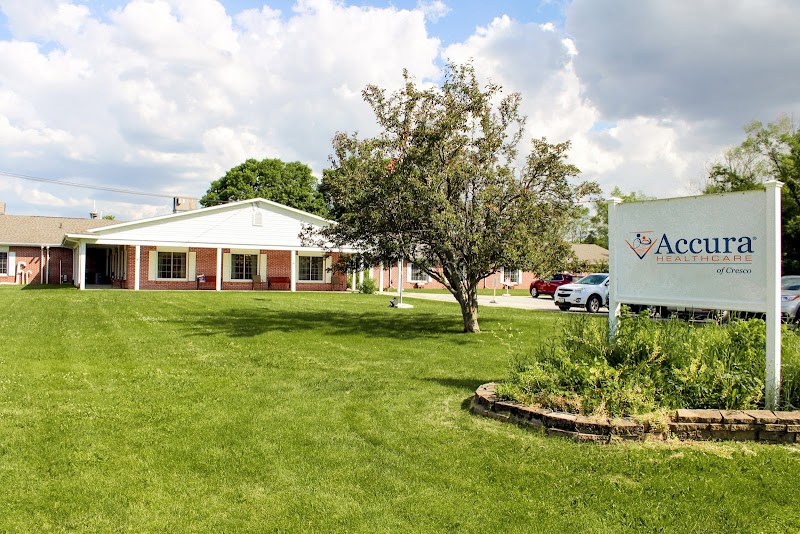
Accura Healthcare of Cresco
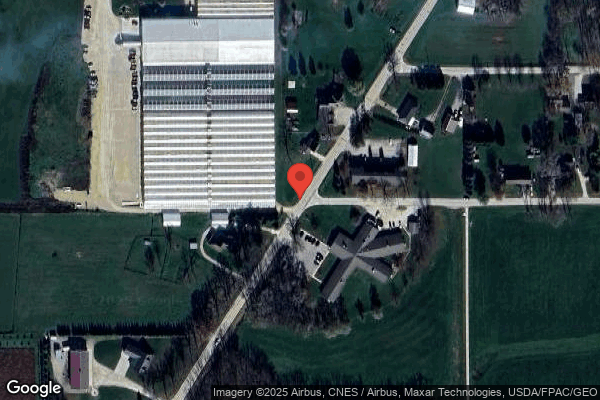
701 Vernon Road SW, Cresco, IA 52136 (563) 547-3580
For profit - Limited Liability company 46 Beds ACCURA HEALTHCARE Data: November 2025
Trust Grade
35/100
#314 of 392 in IA
Last Inspection: January 2025

Within standard 12-15 month inspection cycle. Federal law requires annual inspections.

Overview

Accura Healthcare of Cresco has a Trust Grade of F, which indicates significant concerns about the quality of care provided. Ranking #314 out of 392 facilities in Iowa places it in the bottom half, and #3 out of 3 in Howard County means there are no better local options available. The facility's trend shows improvement, with the number of issues decreasing from 22 in 2024 to 13 in 2025. However, staffing is a weakness, receiving a poor rating with a turnover rate of 47%, which is near the state average. While the facility has not incurred any fines, there are serious concerns, such as a resident falling down the basement steps due to inadequate safety precautions and failures in providing required RN coverage on multiple days. Additionally, one employee did not receive the necessary training on dependent adult abuse, highlighting potential gaps in staff readiness.
Trust Score
F
35/100
In Iowa
#314/392
Bottom 20%
Safety Record
Moderate
Needs review
Inspections
Getting Better
22 → 13 violations
Staff Stability
⚠ Watch
47% turnover. Above average. Higher turnover means staff may not know residents' routines.
Penalties
✓ Good
No fines on record. Clean compliance history, better than most Iowa facilities.
Skilled Nurses
✓ Good
Each resident gets 56 minutes of Registered Nurse (RN) attention daily — more than average for Iowa. RNs are trained to catch health problems early.
Violations
⚠ Watch
42 deficiencies on record. Higher than average. Multiple issues found across inspections.
★☆☆☆☆
1.0
Overall Rating
★☆☆☆☆
1.0
Staff Levels
★☆☆☆☆
1.0
Care Quality
★☆☆☆☆
1.0
Inspection Score
Stable
2024: 22 issues
2025: 13 issues

The Good

  • Full Sprinkler Coverage · Fire safety systems throughout facility
  • No fines on record

Facility shows strength in fire safety.

The Bad

1-Star Overall Rating

Below Iowa average (3.0)

Significant quality concerns identified by CMS

Staff Turnover: 47%

Near Iowa avg (46%)

Higher turnover may affect care consistency

Chain: ACCURA HEALTHCARE

Part of a multi-facility chain

Ask about local staffing decisions and management

The Ugly 42 deficiencies on record

1 actual harm
May 2025 6 deficiencies 1 Harm
SERIOUS (G) 📢 Someone Reported This

A family member, employee, or ombudsman was alarmed enough to file a formal complaint

Actual Harm - a resident was hurt due to facility failures

Accident Prevention (Tag F0689)

A resident was harmed · This affected 1 resident

**NOTE- TERMS IN BRACKETS HAVE BEEN EDITED TO PROTECT CONFIDENTIALITY** Based on observation, clinical record review, and staff interviews the facility failed to ensure residents were safe from accide...

Read full inspector narrative →
**NOTE- TERMS IN BRACKETS HAVE BEEN EDITED TO PROTECT CONFIDENTIALITY** Based on observation, clinical record review, and staff interviews the facility failed to ensure residents were safe from accidents and hazards for 1 of 3 residents reviewed (Resident #1). Resident #1 with history of elopement risks and history of wandering went through a key coded door and fell down the basement steps resulting in a hematoma to the face and right forearm, an abrasion and bruise to the left hand. The facility reported a census of 29 residents. Findings include: The Minimum Data Set (MDS) assessment dated [DATE] documented Resident #1 had a Brief Interview for Mental Status score (BIMS) of 6 indicating severe cognitive impairment. The MDS documented he required supervision or touching assistance (helper provides verbal cues and/or touching/steadying and/or contact guard assistance as resident completes activity) for sit to stand and ambulation. The MDS further documents he has diagnoses of dementia, disorientation, weakness, and hypertension. The Care Plan for Resident #1 documented he was at risk for elopement/wander due to dementia and directed staff to assess for fall risk and distract the resident from wandering by offering pleasant diversions, structured activities, food, conversion, television and books. The Care Plan further documented he was at risk for fall due to unsteady and unbalanced gait. The Care Plan directed staff to encourage him to utilize the busy box when he is anxious. Review of Resident #1's Incident Report on 5/10/25 at 4:25 PM documented the resident was sitting in the dining room visiting with staff when last observed by the nurse prior to going missing. Staff had looked for the resident and at 4:53 PM the resident was found at the bottom of the basement steps by staff. The resident went into a key code locked door that led to the basement with his wheelchair and fell down the stairs. The Incident Report documented he had injuries of a hematoma to the face and right forearm, an abrasion and bruise to left hand. He was sent to the emergency room for further evaluation. Resident #1's Progress Note on 5/11/25 documented the resident returned to the facility with no broken bones and no new injuries noted. During a confidential interview staff reported concerns that Resident #1 cracked the code to the basement door and fell down the basement stairs. Staff reported Resident #1 now has a black eye. He had gone missing and the police were called and staff then found him after some time in the basement. During an observation on 5/13/25 noted the door to the basement has a key code lock and the Administrator opened the door which opened to 13 steps leading to the basement. The key code had a deadbolt latch on the back side of the key code to the door that can be turned and if it is turned the key code would not be needed to open the door. The keys still light up when putting the code in when the deadbolt is turned but the door is unlocked. During an interview on 5/13/25 at 1:25 PM the Dietary Manager reported she was visiting with Resident #1 in the dining room between 4-4:20 PM and went back into the kitchen to finish supper after she redirected him to the area by the nurses station. She reported she heard staff calling due to Resident #1 was missing. She then was told to go look outside and she did. She then came back in to recheck in the kitchen and then decided to check the basement. She reported she didn't think to look in the basement prior because the door had been closed and locked. She then went to the door, pushed in the code and opened it. She reported Resident #1 was at the bottom step sitting and his wheelchair was halfway up the stairs. She reported she yelled for staff at this time. She reported when she reached him he had blood on his head and hand. She reported he was alert and talking to her. She reported he was saying something about checking the furnace. She said the other staff and the nurse came at the time and she returned to the kitchen. During an interview on 5/13/25 at 2:12 PM Staff E, Register Nurse (RN) reported she had asked if anyone had seen Resident #1 and Staff B, Licensed Practical Nurse, had reported she had seen him in the dining room talking to the dietary staff around 4:00 PM. She reported staff had started looking for him and they didn't find him so staff began looking outside for him and she called 911. She reports Staff B during that time called the Director of Nursing (DON) . When the police arrived she reported Staff B went to talk to the officer. Staff E reported around 4:50 PM she heard screams from staff by the basement door and she went to investigate. She reported at the time she did not know the door led to the basement. She was not aware the facility had a basement. She reported Resident #1 had blood on his head and hand. Staff E reported she immediately started to assess him. She reported the resident said something about checking the furnace. Staff called 911. Resident #1 was sent to the emergency room for further evaluation. She reported she had never seen the door open nor anyone go into that door. During an interview on 5/13/25 2:35 PM the DON reported the door is normally locked and there is a code to get into it. She reports she is not sure how he could have got in and went down the basement. She reported Staff B, LPN had notified her Resident #1 was missing and then notified her of finding him in the basement after falling down the stairs. She reported then the facility immediately began an investigation. During an interview on 5/13/25 at 3:25 PM the Administrator reports that Resident #1 must have put the code in right to get the door open and fell down the basement stairs. During an interview on 5/14/25 at 12:00 PM the Maintenance man reported he was called in after Resident #1's fall to assess the door. He reported the lock was working properly and the door shut automatically and locked upon shutting. He reported he had assessed all the doors in the facility on 5/8/25 and all doors were locked and working properly. He reported he is not aware of any time the basement door has ever been unlocked. He reported very few staff use the basement and the few that do use the key pad to open the door.
CONCERN (D) 📢 Someone Reported This

A family member, employee, or ombudsman was alarmed enough to file a formal complaint

Potential for Harm - no one hurt, but risky conditions existed

Notification of Changes (Tag F0580)

Could have caused harm · This affected 1 resident

**NOTE- TERMS IN BRACKETS HAVE BEEN EDITED TO PROTECT CONFIDENTIALITY** Based on Clinical Record Review, Facility Policy Review, and Staff interviews the facility failed to notify family and the physi...

Read full inspector narrative →
**NOTE- TERMS IN BRACKETS HAVE BEEN EDITED TO PROTECT CONFIDENTIALITY** Based on Clinical Record Review, Facility Policy Review, and Staff interviews the facility failed to notify family and the physician of resident to resident abuse for 1 of 1 resident reviewed (Resident #6 who was kicked by Resident #5). The facility reported a census of 29 residents. Findings include: 1. Resident #5 Minimum Data Set (MDS) assessment dated [DATE] documented a BIMS score of 6, indicating severe cognitive impairment. The MDS documented during the look back period the resident had both physical and verbal behavior symptoms directed toward others that occurred 1 to 3 days. The MDS further documented the resident behaviors of wandering that occurred 1 to 3 days. The MDS included diagnoses of hypertension, diabetes, and depression. Review of Resident #5 Progress Notes documented on these dates and times the following behaviors: 2/15/25 Resident #5 was kicking Resident #6 in the face. Nurse reported to Resident #5 that she has observed this behavior before. The nurse informed Resident #5 that his actions are assault. Review of the Progress Notes for Resident #5 lacked communication to the physician and family of the incident. During an interview on 5/14/25 at 3:15 PM the Administrator reported the family should have been made aware of the incident on 2/15/25. The facility Risk Management Policy updated 9/27/24 directed staff as follows for completing of incident reports: Resident to Resident Incident report to be completed. Actions: Agencies/People notified (Emergency Department (ED), Director of Nursing (DON), physician, family and law enforcement as appropriate) and a Progress Note to be in the resident's chart. 2. Resident #6 Minimum Data Set (MDS) assessment dated [DATE] documented the resident had severe cognitive impairment. During the look back period the resident had no behaviors noted. The MDS documented the resident has diagnoses of Alzheimer's disease, Down Syndrome, and moderate intellectual disabilities. The MDS documented the resident is on hospice care. Review of Resident #6's Progress Notes lacked documentation of the family and physician being notified of Resident #5 kicking him in the face.
CONCERN (D) 📢 Someone Reported This

A family member, employee, or ombudsman was alarmed enough to file a formal complaint

Potential for Harm - no one hurt, but risky conditions existed

Free from Abuse/Neglect (Tag F0600)

Could have caused harm · This affected 1 resident

**NOTE- TERMS IN BRACKETS HAVE BEEN EDITED TO PROTECT CONFIDENTIALITY** Based on clinical record review, staff interviews, and policy review, the facility failed to ensure staff protected and prevent ...

Read full inspector narrative →
**NOTE- TERMS IN BRACKETS HAVE BEEN EDITED TO PROTECT CONFIDENTIALITY** Based on clinical record review, staff interviews, and policy review, the facility failed to ensure staff protected and prevent resident to resident abuse for 1 of 1 resident reviewed (Resident # 6), when Resident #5 kicked Resident #6 in the face on 2/15/25 and the kicked Resident #6 in the legs on 4/11/25. The facility reported a census of 29 residents. Findings include: 1. Resident #5 Minimum Data Set (MDS) assessment dated [DATE] documented a BIMS score of 6, indicating severe cognitive impairment. The MDS documented during the look back period the resident had both physical and verbal behavior symptoms directed toward others that occurred 1 to 3 days. The MDS further documented the resident behaviors of wandering that occurred 1 to 3 days. The MDS included diagnoses of hypertension, diabetes, and depression. Review of Resident #5 Progress Notes documented on these dates and times the following behaviors: 1/19/25 Resident #5 attempted to kick at Resident #6 and the staff noticed he kept staring at the resident when the staff was watching him. 2/9/25 Resident #5 ramming into Resident #6 in a recliner with his wheelchair. 2/13/25 Resident #5 was short tempered with staff during cares 2/15/25 Resident #5 was kicking Resident #6 in the face. Nurse reported to Resident #5 that she has observed this behavior before. The nurse informed Resident #5 that his actions are assault. 2/20/25 Resident staring at Resident #6 and watching staff to see if he is being observed. 3/20/25 Resident #5 running into staff 's shins with the wheelchair during med pass. 3/23/25 Resident #5 swearing, calling Resident #6 a dummy and hitting with a stuffed toy. Later in the shift calling staff names and threatening to hit staff. 3/26/25 Resident #5 cussing at staff and throwing a cup of water behind him. 3/28/25 Resident #5 was verbally aggressive towards staff. Later in the shift was combative with staff both physically and verbally. 3/31/25 Resident #5 was verbally and physically aggressive towards staff. 4/2/25 Resident #5 hit the staff in the stomach and told them to shut up. Later attempted to go into another resident's room and was aggressive with staff during redirection. 4/8/25 Resident #5 kicked another resident in the legs. 4/11/25 Resident #5 in Resident #6's room kicking him. 4/17/25 Resident #5 attempted to kick staff and was verbally aggressive toward staff. 5/4/25 Resident #5 told staff he wants to shoot them with a small pistol. 5/6/25 Resident #5 attempting to hit staff as they walk by. Review of Resident #5's Care Plan lacked interventions for staff and residents when the resident would be verbally or physically abusive until 4/11/25 when focused area and interventions were added for the residents behaviors. The Facility Investigation dated 4/11/25 reflected Staff B, License Practical Nurse (LPN) she observed Resident #5 kicking Resident #6. It documented at the time of the incident the facility was following the Care Plan for Resident #5. No injuries note when Staff B assessed Resident #6. During an interview on 5/14/25 at 11:40 AM Staff B, LPN reported Resident #5 had gone into Resident #6's room while he was sleeping and was kicking him in the legs and was beginning to wheel over the mat on the floor towards him more when she walked into the room. She reported Resident #5 had blocked the door with the bed and had to move it to get to him. She reported that Resident #5 has sought out to get Resident #6 in the past and is not sure why Resident #5 is out to get him. During an interview on 5/13/25 at 1:20 PM Staff C, Certified Nurses Aide (CNA) reported she was here the night of the incident but was not in the room when Staff B found Resident #5. She reports Resident #5 is always trying to get Resident #6. She reports Resident #5 calls Resident #6 a baby. During an interview on 5/13/25 at 2:05 PM Staff E, Agency Registered Nurse (RN) reported that during a recent storm staff had residents by the nurses station due to bad weather and Resident #5 kept trying to get to Resident #6. She reported Resident #5 kept seeking Resident #6 out and they had to frequently move Resident #5 to keep him away. During an interview on 5/13/24 at 3:15 PM the Administrator reported staff are to report resident to resident abuse and it should be reported to the Department of Inspections, Appeals, and Licensing. She reported she was not aware of any other incidents between Resident #5 and #6 except the one on 4/11/25. She reported she has been aware that Resident #5 seeks out Resident #6 and staff should be aware of what to do. She reported if she would have been aware of the incident an investigation would have been done and interventions in place. She reported family and physician should have been notified of the incident. During an interview on 5/13/25 at 3:40 PM the Director of Nursing and Administrator (DON) reported there was nothing in place for Resident #5's behaviors prior to the incident on 4/11/25. The DON reported staff should have made them aware of the other incidents between Resident #5 and #6. The Nursing Facility Abuse Prevention, Identification, Investigation and Reporting Policy updated 10/19/22 directed staff as follows: Policy Statement: All Residents have the right to be free from abuse, neglect, misappropriation of resident property, exploitation, corporal punishment, involuntary seclusion, and any physical or chemical restraint not required to treat the resident's medical symptoms. This includes prohibiting nursing facility staff from taking acts that result in person degradation, including the taking or using photographs or recordings in any manner that would demean or humiliate a resident, and prohibits using any type of equipment (e.g., cameras, smart phones, and other electronic devices) to take, keep, or distribute photographs and/or recordings on social media or through multimedia messages. Residents must not be subjected to abuse by anyone, including, but not limited to, facility staff, other residents, consultants or volunteers, staff of other agencies serving the resident, family members or legal guardians, friends, or other individuals. of other agencies serving the resident, family members or legal guardians, friends or other individuals. -Physical abuse includes, but is not limited to hitting, slapping, pinching, and kicking. It also includes corporal punishment when used to correct or control behavior, including but not limited to, pinching, spanking, slapping hands, flicking, or hitting with an object. - Resident-to-resident physical contact that occurs, which includes but is not limited to where residents are hit, slapped, pinched or kicked and results in physical harm, pain or mental anguish is considered resident-to-resident abuse. Resident-to-resident sexual harassment, sexual coercion, or sexual assault is also considered abuse. The facility will presume that instances of abuse caused physical harm, or pain or mental anguish in residents with cognitive and/or physical impairments which may result in a resident unable to communicate physical harm, pain or mental anguish, in the absence of evidence to the contrary. An example would be a resident slapping another resident who is physically or cognitively impaired, even though the resident who was slapped showed no reaction (e.g., yelp or grimace), it is presumed the resident experienced pain. Residents must not be subjected to abuse by anyone, including, but not limited to, facility staff, other residents, consultants or volunteers, staff of other agencies serving the resident, family members or legal guardians, friends, or other individuals. 2. Resident #6 Minimum Data Set (MDS) assessment dated [DATE] documented the resident had severe cognitive impairment. During the look back period the resident had no behaviors noted. The MDS documented the resident has diagnoses of Alzheimer's disease, Down Syndrome, and moderate intellectual disabilities. The MDS documented the resident is on hospice care.
CONCERN (D) 📢 Someone Reported This

A family member, employee, or ombudsman was alarmed enough to file a formal complaint

Potential for Harm - no one hurt, but risky conditions existed

Report Alleged Abuse (Tag F0609)

Could have caused harm · This affected 1 resident

Based on Clinical Record Review, Facility Policy Review, and Staff interviews the facility failed to report allegations of abuse to the Iowa Department of Inspections, Appeals, and Licensing (DIAL) fo...

Read full inspector narrative →
Based on Clinical Record Review, Facility Policy Review, and Staff interviews the facility failed to report allegations of abuse to the Iowa Department of Inspections, Appeals, and Licensing (DIAL) for 1 of 1 resident reviewed (Resident #6 who was kicked by Resident #5). The facility reported a census of 29 residents. Findings include: Review of the facility report list to DIAL lacked documentation of reporting resident to resident abuse on 2/15/25. Review of Resident #5's Progress Notes documented he had kicked Resident #6 in the face in the dining room in which the dietary staff had witnessed the abuse. During an interview on 5/13/24 at 3:15 PM the Administrator reported staff are to report resident to resident abuse and it should be reported to the Department of Inspections, Appeals, and Licensing. The Nursing Facility Abuse Prevention, Identification, Investigation and Reporting Policy updated 10/19/22 directed staff as follows: All allegations of Resident neglect, exploitation, mistreatment, injuries of unknown origin and misappropriation shall be reported to the Iowa Department of Inspections and Appeals, not later than two (2) hours after the allegation is made, if the events that cause the allegation result in serious bodily injury, or not later than twenty-four (24) hours if the events that cause the allegation involve neglect, exploitation, mistreatment, injuries of unknown origin and misappropriation, but do not result in serious bodily injury.
CONCERN (D) 📢 Someone Reported This

A family member, employee, or ombudsman was alarmed enough to file a formal complaint

Potential for Harm - no one hurt, but risky conditions existed

Investigate Abuse (Tag F0610)

Could have caused harm · This affected 1 resident

**NOTE- TERMS IN BRACKETS HAVE BEEN EDITED TO PROTECT CONFIDENTIALITY** Based on Clinical Record Review, Facility Policy Review, and Staff interviews the facility failed to investigate and put interve...

Read full inspector narrative →
**NOTE- TERMS IN BRACKETS HAVE BEEN EDITED TO PROTECT CONFIDENTIALITY** Based on Clinical Record Review, Facility Policy Review, and Staff interviews the facility failed to investigate and put interventions in place for resident to resident abuse for 1 of 1 resident reviewed (Resident #6 who was kicked by Resident #5). The facility reported a census of 29 residents. Findings include: 1. Resident #5 Minimum Data Set (MDS) assessment dated [DATE] documented a BIMS score of 6, indicating severe cognitive impairment. The MDS documented during the look back period the resident had both physical and verbal behavior symptoms directed toward others that occurred 1 to 3 days. The MDS further documented the resident behaviors of wandering that occurred 1 to 3 days. The MDS included diagnoses of hypertension, diabetes, and depression. Review of Resident #5 Progress Notes documented on these dates and times the following behaviors: 1/19/25 Resident #5 attempted to kick at Resident #6 and the staff noticed he kept staring at the resident when the staff was watching him. 2/9/25 Resident #5 ramming into Resident #6 in a recliner with his wheelchair. 2/13/25 Resident #5 was short tempered with staff during cares. 2/15/25 Resident #5 was kicking Resident #6 in the face. Nurse reported to Resident #5 that she has observed this behavior before. The nurse informed Resident #5 that his actions are assault. 2/20/25 Resident staring at Resident #6 and watching staff to see if he is being observed. 3/20/25 Resident #5 running into staff's shins with the wheelchair during med pass. 3/23/25 Resident #5 swearing, calling Resident #6 a dummy and hitting with a stuffed toy. Later in the shift calling staff names and threatening to hit staff. 3/26/25 Resident #5 cussing at staff and throwing a cup of water behind him. 3/28/25 Resident #5 was verbally aggressive towards staff. Later in the shift was combative with staff both physically and verbally. 3/31/25 Resident #5 was verbally and physically aggressive towards staff. 4/2/25 Resident #5 hit the staff in the stomach and told them to shut up. Later attempted to go into another resident's room and was aggressive with staff during redirection. 4/8/25 Resident #5 kicked another resident in the legs. 4/11/25 Resident #5 in Resident #6's room kicking him. 4/17/25 Resident #5 attempted to kick staff and was verbally aggressive toward staff. 5/4/25 Resident #5 told staff he wants to shoot them with a small pistol. 5/6/25 Resident #5 attempting to hit staff as they walk by. Review of Resident #5's Care Plan lacked interventions for staff and residents when the resident would be verbally or physically abusive until 4/11/25 when focused area and interventions were added for the residents behaviors. During an interview on 5/13/24 at 3:15 PM the Administrator if she would have been made aware of the resident to resident abuse on 2/15/25 she would have investigated it. During an interview on 5/13/25 at 3:40 PM the Director of Nursing and Administrator (DON) reported there was nothing in place for Resident #5's behaviors prior to the incident on 4/11/25. The DON reported staff should have made them aware of the other incidents between Residents #5 and #6. The Nursing Facility Abuse Prevention, Identification, Investigation and Reporting Policy updated 10/19/22 directed staff as follows: Should an incident or suspected incident of Resident abuse be reported or observed, the administrator or his/her designee will designate a member of management to investigate the alleged incident.
CONCERN (E) 📢 Someone Reported This

A family member, employee, or ombudsman was alarmed enough to file a formal complaint

Potential for Harm - no one hurt, but risky conditions existed

Deficiency F0943 (Tag F0943)

Could have caused harm · This affected multiple residents

Based on personnel file reviews, facility policy review, and staff interview, the facility failed to provide dependent adult abuse training within 6 months of hire for 1 of 5 employees reviewed (Staff...

Read full inspector narrative →
Based on personnel file reviews, facility policy review, and staff interview, the facility failed to provide dependent adult abuse training within 6 months of hire for 1 of 5 employees reviewed (Staff A). The facility identified a census of 29 residents. Findings include: The personnel file for Staff A, Dietary Manager documented a hired date of 1/20/23. Staff A's personnel file lacked documentation of Dependent Adult Abuse required training. Review of a facility policy titled: Dependent Adult Abuse Awareness and Training Policy, with a revision date of 12/30/20 revealed each employee shall be required to take a 1 hour recertification training within 3 years of the initial 2 hour training and every three years thereafter. On 5/14/25 at 4:20 PM,the Administrator acknowledged and verified Staff A's dependent adult abuse is not in her employee file. She reported Staff A said she took it back in 2023 but cannot find proof of it.
Jan 2025 7 deficiencies
CONCERN (D)

Potential for Harm - no one hurt, but risky conditions existed

Comprehensive Care Plan (Tag F0656)

Could have caused harm · This affected 1 resident

Based on record review, staff interview, and policy review the facility failed to comprehensively asses and implement pressure ulcer interventions for 1 of 2 residents reviewed for pressure ulcers (Re...

Read full inspector narrative →
Based on record review, staff interview, and policy review the facility failed to comprehensively asses and implement pressure ulcer interventions for 1 of 2 residents reviewed for pressure ulcers (Resident #6). The facility also failed to ensure 1 of 1 residents with a diagnosis of Herpes Simplex Virus (HSV) had a comprehensive Care Plan in place with interventions and monitoring (Resident #24). The facility also failed to ensure 1 of 5 residents reviewed for use of medications including anti-anxiety, anti-depressant, and anti-psychotic adverse reactions and target behaviors to monitor for were comprehensively assessed and on the Care Plan (Resident#24). The facility reported a census of 27 residents. Findings include: 1. Record review of Resident #6 After Visit Summary dated 12/5/24 documented she was seen for her Pressure ulcer of the sacral region, Stage 4 (the most severe stage of a pressure sore, characterized by full thickness tissue loss that exposes underlying structures like bone, tendon, or muscle, often with significant damage to surrounding tissue and a high risk of infection) and disorder of skin graft. Record review of Resident #6 current Care Plan on 1/7/2024 lacked resident specific interventions put in place for her Pressure Ulcer. 2. Record review of Resident #24 most recent Order Summary Report signed by her Doctor on 11/5/2024 documented she was on the following psychotropic medications (medications that affects how the brain works and causes changes in mood, awareness, thoughts, feelings, or behavior): a. Anti-psychotic medication (Seroquel 50 milligrams (mg) at bedtime) b. Anti-anxiety medication (Lorazepam 0.5 mg twice a day) c. Anti-depressant medication (Escitalopram 10 mg daily) Record review of Resident #24 current Care Plan on 1/7/24 lacked documentation of adverse reactions to monitor for and interventions or goals for use of anti-psychotic, anti-anxiety, and anti-depressant medications she was on. 3. Record review of Resident #24 admission Orders, completed by Staff C, Advance Registered Nurse Practitioner (ARNP) dated 4/29/2024 documented she had HSV and takes prophylactic Valtrex daily (an anti-viral drug that can treat herpes virus infections, including shingles, cold sores, and genital herpes. This medication does not cure herpes, but may prevent herpes sores or blisters). Record review of Resident #24 current Care Plan on 1/7/24 lacked documentation she currently had HSV and interventions needed. The Care plan also lacked she took an anti-viral medication and possible adverse reactions and what to monitor for. During an interview on 1/9/2025 at 12:04 PM the Director of Nursing (DON) revealed she would expect Resident #6 pressure ulcer to have interventions for treatment needs and prophylactic measures they have in place to prevent further pressure ulcers from occurring. She also revealed she would expect all of Resident #24 psychotropic medications be monitored for adverse reactions and relevant interventions put in place, and she would have expected Resident #24 Care Plan had interventions and monitoring related to her HSV since she was admitted to the facility. Review of the facilities policy, Person Centered Care Plan, last revised 1/2024 instructed the following relevant to the concerns identified: Mood: a. Target behaviors if applicable b. Non-pharmacological interventions c. Psychoactive medication class if applicable along with appropriate diagnosis /indication for use d. Side effect monitoring e. Mental health referral if applicable Disease Diagnosis and Health Conditions: a. All current acute and chronic clinical conditions for which they are receiving medication, treatment and/or care, which may include but is not limited to: Diabetes, COPD, Heart Disease, Post Op Treatment that have a direct affect current status/ability.
CONCERN (D)

Potential for Harm - no one hurt, but risky conditions existed

Quality of Care (Tag F0684)

Could have caused harm · This affected 1 resident

Based on record review, staff interviews, and policy review the facility failed to ensure 1 of 3 residents reviewed for positive Severe Acute Respiratory Syndrome Coronavirus 2 (SARS-CoV-2) received d...

Read full inspector narrative →
Based on record review, staff interviews, and policy review the facility failed to ensure 1 of 3 residents reviewed for positive Severe Acute Respiratory Syndrome Coronavirus 2 (SARS-CoV-2) received daily nursing assessment (Resident #80). The facility reported a census of 27 residents. Finding include: Record review of a Progress Note dated 1/6/2025 at 3:14 PM documented Resident #80 was on isolation due to being SARS-CoV-2 positive. Record review of Resident #80 Progress Note on 1/7/25 at 5:04 PM documented resident continued on isolation for SARS-CoV-2 positive and continued to be very weak and needed assistance of one (1) with all cares, and Hospice brought in a wheelchair today for her to use. Record review of Resident #80 Progress Notes on 1/9/25 at 11:19 AM revealed no assessment had been documented or completed by the facility since 1/7/25. Record review of Resident #80 Weights and Vitals on 1/9/25 in her Electronic Health Record (EHR) lacked documentation the facility assessed her on 1/8/25 as no vitals were recorded. Record review of Resident #80 Assessments on 1/9/25 in her EHR lacked documentation the facility assessed her on 1/8/25 as no assessments were completed. During an interview on 1/9/25 at 12:04 PM the Director of Nursing (DON) revealed she would expect a SARS-CoV-2 positive resident to receive routine assessments at least every 12 hours, and would include a full head to toe assessment of the resident and should be documented in the Progress Notes or Assessments of their EHR. Record review of the facilities Agreement for Medical Director Services completed on 11/4/24 with the Medical Director and the Facility instructed the following: Services. The parties agree that Medical Director shall be responsible for the overall coordination of medical care at Facility. Services shall include, but are not necessarily limited to the following: a. Assist in the development of policies and procedures, including a complete annual review of policies and procedures, and assist with the implementation of such policies and procedures. b. Surveillance of the health status of Facility's residents, acting as consultant to the Administrator and/or Director of Nursing with issues of concern. c. Evaluate the appropriateness and adequacy of health professional and support staff services. d. Serve as liaison with attending physicians, Facility, and residents. e. Serve on Facility committees as requested, including Quality Assessment and Assurance, and will assist Administrator in implementing committee recommendations and plans of action.
CONCERN (D)

Potential for Harm - no one hurt, but risky conditions existed

Deficiency F0698 (Tag F0698)

Could have caused harm · This affected 1 resident

Based on record review, resident interview, and staff interviews the facility failed to obtain a complete dialysis assessment pre or post for 1 of 2 residents reviewed on dialysis (Resident #16). The ...

Read full inspector narrative →
Based on record review, resident interview, and staff interviews the facility failed to obtain a complete dialysis assessment pre or post for 1 of 2 residents reviewed on dialysis (Resident #16). The facility reported a census of 27 residents. Findings include: The Minimum Data Set (MDS) assessment for Resident #16 dated 10/24/24 identified a Brief Interview for Mental Status (BIMS) score of 15 indicating cognitively intact. The MDS further documented the resident received dialysis. The MDS included diagnoses of heart failure, hypertension, and renal insufficiency. Resident #16 received a therapeutic diet. The MDS listed that Resident #16 received dialysis while a resident at the facility during the look-back period. The Care Plan with a target date of 4/13/24 included the following Focuses: a. Resident #16 needs dialysis for renal failure. The Care plan directed staff of the following interventions: Resident #16 receives dialysis Monday, Wednesday, Friday. Monitor VITAL SIGNS and enter in pre and post dialysis assessment on dialysis days. Notify MD of significant abnormalities. Assess for bleeding at the access site, especially the first 4 hours after dialysis. Monitor/document/report PRN any signs or symptoms of infection to access site: Redness, Swelling, warmth or drainage. Monitor/document/report for signs or symptoms of renal insufficiency: changes in level of consciousness, changes in skin turgor, oral mucosa, changes in heart and lung sounds. Review of Resident #16's Electronic Health Record (EHR) lacked completed pre and post-dialysis assessments for the past 90 days: 11/11/24, 12/06/24, 12/16/24, 1/1/25, & 1/3/25. The EHR lacked just the pre-dialysis assessments for the past 90 days: 11/18/24, 11/22/24, 12/26/24, & 1/06/25. The EHR lacked just the post-dialysis assessment for the past 90 days: 12/02/24, 12/04/24, 12/09/24, 12/23/24, & 12/28/24. During an interview on 1/07/24 at 1:35 PM Staff A, Licensed Practical Nurse reported nurses are to be doing pre and post dialysis assessments on dialysis days in Point Click Care (PCC) (PCC is the EHR for the residents) under the assessment tab for the two dialysis residents in the building. On 1/07/24 at 2:55 PM, the Director of Nursing (DON) reported the nurses are required to complete a pre and post dialysis assessment under the assessment tab in PCC on days when Resident #16 has dialysis. During an interview on 1/07/24 at 3:13 PM, the DON reported if there are no assessments for pre or post dialysis in PCC then it was not completed by staff. On 1/07/24 at 4:09 PM, the DON reported the facility does not have a dialysis policy.
CONCERN (D)

Potential for Harm - no one hurt, but risky conditions existed

Deficiency F0757 (Tag F0757)

Could have caused harm · This affected 1 resident

Based on record review, staff interview, and policy review the facility failed to ensure 1 of 1 residents receiving anti-viral medications had proper routine monitoring and diagnoses attached for use ...

Read full inspector narrative →
Based on record review, staff interview, and policy review the facility failed to ensure 1 of 1 residents receiving anti-viral medications had proper routine monitoring and diagnoses attached for use of the medication (Resident #24). The facility reported a census of 27 residents. Findings include: Record review of Resident #24 admission Orders, completed by Staff C, Advance Registered Nurse Practitioner (ARNP) dated 4/29/2024 documented she had a diagnoses of Herpes Simplex Virus (HSV) and took prophylactic valacyclovir daily (an anti-viral drug that can treat herpes virus infections, including shingles, cold sores, and genital herpes. This medication does not cure herpes, but may prevent herpes sores or blisters). Record review of Resident #24 current diagnoses in her Electronic Health Record (EHR) on 1/9/2025 lacked the diagnoses of HSV. Record review of Resident #24 Order Summary Report dated 11/4/2024 documented she had been on valacyclovir for anti-viral since 4/29/24 however did not give diagnosis for why she was on it. Record review of Resident #24 Progress Notes from 4/29/24 to 1/9/2025 lacked review by the facilities Pharmacist and request for rationale for valacyclovir medication usage. Record review of Resident #24 current Care Plan on 1/7/24 lacked documentation she currently has HSV and interventions needed. The Care plan also lacked she took an anti-viral medication and possible adverse reactions and what to monitor. During an interview on 1/9/2025 at 12:04 PM the Director of Nursing (DON) revealed she would expect pharmacy to review and ensure proper diagnoses are in place for all medications. Record review of the facilities Agreement for Medical Director Services completed on 11/4/24 with the Medical Director and the Facility instructed the following: Services. The parties agree that Medical Director shall be responsible for the overall coordination of medical care at Facility. Services shall include, but are not necessarily limited to the following: a. Assist in the development of policies and procedures, including a complete annual review of policies and procedures, and assist with the implementation of such policies and procedures. b. Surveillance of the health status of Facility's residents, acting as consultant to the Administrator and/or Director of Nursing with issues of concern. c. Evaluate the appropriateness and adequacy of health professional and support staff services. d. Serve as liaison with attending physicians, Facility, and residents. e. Serve on Facility committees as requested, including Quality Assessment and Assurance, and will assist Administrator in implementing committee recommendations and plans of action.
CONCERN (E)

Potential for Harm - no one hurt, but risky conditions existed

Abuse Prevention Policies (Tag F0607)

Could have caused harm · This affected multiple residents

Based on record review, staff interview, and policy review the facility failed to complete a background check for 1 of 6 current employees reviewed (Staff B, Certified Nurse Aide (CNA). The facility r...

Read full inspector narrative →
Based on record review, staff interview, and policy review the facility failed to complete a background check for 1 of 6 current employees reviewed (Staff B, Certified Nurse Aide (CNA). The facility reported a census of 27 residents. Finding include: On 1/8/25 at 1:14 PM a request for background checks prior to employment for Staff B and five (5) other employees was provided to the Director of Nursing (DON). Record review of Staff B Single Contact License & Background Check, documented it was completed on 1/8/25 at 1:52 PM. During an interview on 1/8/25 at 3:22 PM with the Business Office Manager revealed she could not find a background check for Staff B when asked for it today. She then informed she always runs a background check prior to an employee being hired, so she was not sure what happened or if it was misplaced. She also informed she had a new employee checklist in place and completing the background check is on it. Record review of Staff B, Pay Summaries (times cards) for the below dated pay periods since hired at the facility, revealed the following number of hours she worked at the facility prior to her background check being completed on 1/8/25: 8/4/24 to 8/17/24 - 24.9 hours 8/18/24 to 8/31/24 - 33.5 hours 9/1/24 to 9/14/24 - 10.4 hours 9/15/24 to 9/28/24 - 4.1 hours 10/27/24 to 11/9/24 - 5.1 hours Record review of the facility policy, Nursing Facility Abuse Prevention, Identification, Investigation and Reporting Policy dated 10/19/22 instructed the facility complete the following: Employee Screening: The facility shall screen all potential employees for a history of abuse, neglect, exploitation, misappropriation of property, or mistreatment of Residents. The facility will not employ or otherwise engage individuals who: (i) Have been found guilty of resident abuse, neglect, exploitation, misappropriation of property, or mistreatment by a court of law; (ii) Have had a finding entered into the State nurse aide registry concerning resident abuse, neglect, exploitation, mistreatment of residents or misappropriation of their property; or (iii) Have a disciplinary action in effect against his or her professional license by a state licensure body as a result of a finding of abuse, neglect, exploitation, mistreatment of residents or misappropriation of resident property. This will be accomplished through the following (including maintaining documentation of such results): a) The facility will conduct an Iowa criminal record check and dependent adult/child abuse registry check on all prospective employees and other individuals engaged to provide services to residents, prior to hire, in the manner prescribed under 481 Iowa Administrative Code §58.11(3). The facility will conduct a criminal record check and dependent adult/child abuse registry check on all current employees and other individuals engaged to provide services to residents who have criminal convictions or founded abuse determinations after hire, or where the facility received credible information that an employee has had a criminal conviction or a founded abuse determination subsequent to hire. See Iowa Code §135C.33(7).
CONCERN (E)

Potential for Harm - no one hurt, but risky conditions existed

Food Safety (Tag F0812)

Could have caused harm · This affected multiple residents

Based on observation, staff interview, and policy review the facility failed to ensure the facilities kitchen stove top was free from excessive black burnt on buildup, the floor tiles were intact thro...

Read full inspector narrative →
Based on observation, staff interview, and policy review the facility failed to ensure the facilities kitchen stove top was free from excessive black burnt on buildup, the floor tiles were intact through out and not missing, and the dining room carpet was free of large stains. The facility reported a census of 27 residents. Findings include: During an observation on 1/6/25 at 12:20 PM in the facilities Dining Room revealed multiple stains on the carpet through the room with the largest stain identified next to lower cabinets in the common areas with what appeared to be multiple splatter type stains that combined to make a larger stain measuring approximately 10 feet by 3 feet in a much darker color than the surrounding carpet. During an observation on 1/8/25 at 11:59 AM revealed the stove cook top with burners had a large area of a black discoloration going up the back of the stainless steel part of the stove. The floor also revealed to have multiple tiles that were missing sections and a black discoloration between tiles. Record review of a document titled, 7 Minute Facility Inspection, revealed the next inspection of the facilities carpet to be completed on 1/18/25. During an interview on 1/9/25 at 12:17 PM the Director of Nursing (DON) revealed the facilities carpet had been discussed on being replaced at Quality Assurance (QA) meetings due to the Infection Control aspect and stains, however there was not a plan in place that she was aware of.
MINOR (B)

Minor Issue - procedural, no safety impact

Deficiency F0625 (Tag F0625)

Minor procedural issue · This affected multiple residents

**NOTE- TERMS IN BRACKETS HAVE BEEN EDITED TO PROTECT CONFIDENTIALITY** Based on record review, staff interview, and policy review the facility failed to provide notice of bed-hold policy and return p...

Read full inspector narrative →
**NOTE- TERMS IN BRACKETS HAVE BEEN EDITED TO PROTECT CONFIDENTIALITY** Based on record review, staff interview, and policy review the facility failed to provide notice of bed-hold policy and return prior to 3 of 3 hospitalizations reviewed (Residents #15 and #16). The facility reported a census of 27 residents. Findings include: 1. Record review of Resident #15 Census in his Electronic Health Record (EHR) on 1/9/25 documented he discharged to the hospital on [DATE] and returned to the facility on [DATE]. Record review of Resident #15 Progress Notes lacked documentation he or his Power of Attorney (POA) were notified of the facilities Bed Hold Policy. 2. Record review of Resident #16 Census in her EHR on 1/9/25 documented she discharged from the facility and went to the hospital on [DATE] to 11/14/24 and again from 11/18/24 to 11/20/24. Record review of Resident #16 Progress Notes lacked documentation her POA or herself were notified of the facilities Bed Hold Policy. During an interview on 1/9/25 at 12:04 PM the Director of Nursing (DON) stated she was unable to locate documentation of a Bed Hold notice for Resident #15 or #16 hospitalizations in the past 3 months. She then stated when a resident was transferred acutely the nurse on duty is to complete a packet for the resident that includes the Bed Hold, the nurse is then supposed to return the form to her. Record review of the facilities Acute Care Transfer Checklist documented: Complete Emergency notice of Transfer/Discharge and Notice of Bed Hold Policy and Return (one form).
Jun 2024 9 deficiencies
CONCERN (D) 📢 Someone Reported This

A family member, employee, or ombudsman was alarmed enough to file a formal complaint

Potential for Harm - no one hurt, but risky conditions existed

Report Alleged Abuse (Tag F0609)

Could have caused harm · This affected 1 resident

Based on clinical record review, staff interview, and review of policy and procedures, the facility failed to ensure all alleged violations involving financial exploitation of a resident and/or reside...

Read full inspector narrative →
Based on clinical record review, staff interview, and review of policy and procedures, the facility failed to ensure all alleged violations involving financial exploitation of a resident and/or residents are reported immediately to management staff per facility policy and to the Iowa Department of Inspections, Appeals, and Licensing for 1 of 6 residents reviewed (Resident #4). The facility reported a census of 27 residents. Findings include: During an interview 6.11.24 at 3:31 p.m. Staff E, Licensed Practical Nurse (LPN) indicated narcotics and muscle relaxers as recently missing and reported to the Administrator however she swept the alleged incidents under the rug. During an interview 6.12.24 at 9:15 a.m. Staff G, Registered Nurse (RN) confirmed she had not taken any concerns to the corporate level because the Administrator told staff they could not call corporate and if it got back to the Administrator the staff member feared retaliation. During an interview 6.7.24 at 9:45 a.m. the Administrator indicated the facility staff failed to report the alleged drug diversion on 5.25.24 to her directly rather a note had been left under her office door which she had not received until 5.28.24 when she arrived at work. The Administrator confirmed Staff C, LPN had been suspended pending the investigation. According to an email 6.19.24 at 12:42 p.m. the Regional Clinical Quality Specialist had only been informed of discrepancies with Flexeril (muscle relaxer) but no other narcotic and/or medications stored in the facilities narcotic lock boxes. According to an email dated 6.19.24 at 4:03 p.m. the Regional Clinical Quality Specialist confirmed she would have expected the Administrator to have reported the missing and/or unaccounted for narcotics to DIAL, per regulation as well as the Clinical Quality Team as stated below in the policy and procedure. A Controlled Substances policy updated 10.19.22 included the following Purposes: a. A completed physical inventory of narcotics at each change of shift by two (2) nurses to have identified discrepancies and need for reconciliation and accountability. b. Assurance controlled drugs had been handled, stored and disposed of properly. c. Assurance of proper record keeping for controlled drugs. The Procedure included the following: a. Controlled substances had only been available to nurses, pharmacists and medical personnel designated by the Accura Health Care Community. b. One (1) authorized person had been responsible for narcotics utilization every shift. Going off duty and coming on duty authorized persons must have counted and validated accuracy of narcotics supplied for every resident at the change of every shift. c. Narcotic keys reconciled at the same time. d. After staff counted and justified the supply each nurse must have recorded the dated and his/her signature that verified the count as correct. e. If the count presented as inaccurate, the authorized person going off duty remained on duty until the count had been reconciled or the nursing supervisor approved leaving the Accura Healthcare Community. Discrepancies found at any time, change of shift or other should have been reported immediately to the Director of Nursing (DON). The Director then initiated an investigation to determine the cause of the inaccuracy and called the pharmacist for assistance per Accura Healthcare Community Protocol. Any missing narcotic medication must have been reported to the Resource Center's Clinical Quality Team.
CONCERN (D) 📢 Someone Reported This

A family member, employee, or ombudsman was alarmed enough to file a formal complaint

Potential for Harm - no one hurt, but risky conditions existed

Deficiency F0657 (Tag F0657)

Could have caused harm · This affected 1 resident

Based on clinical record review, staff interview, and facility policy review, the facility failed to maintain a complete and accurate Care Plan for 1 of 3 resident's reviewed (Resident #1). The facili...

Read full inspector narrative →
Based on clinical record review, staff interview, and facility policy review, the facility failed to maintain a complete and accurate Care Plan for 1 of 3 resident's reviewed (Resident #1). The facility identified a census of 27 residents. Findings include: A Care Plan for Resident #1 revealed the following Focus areas and Interventions as dated: a. An activities of daily living (ADL's) deficit due to (d/t) shortness of breath (SOB) as a result of a diagnosis of Chronic Obstructive Pulmonary Disease (COPD) and incontinence. (initiated 8.16.22) 1. I required assistance of one (1) a walker and gait belt. (initiated 8.16.22) A Rehab Communication form dated 5.28.24 directed the facility staff the mobility status of Resident #1 changed to modified independence with a front wheeled walker (FWW) when in the facility however not outdoors. During an interview 6.18.24 at 1:15 p.m. Staff F, Certified Nursing Assistant (CNA) confirmed resident Care Plans as not accurate. A Comprehensive Care Plans policy revised 1.30.24 included the following: It had been the policy of the facility have developed and implemented a comprehensive person-center care plan for each resident, consistent with resident rights that included measurable objectives and timeframe's to have met a resident's medical, nursing, mental and psychosocial needs identified on the comprehensive assessment. The Policy Explanation and Compliance Guidelines included the following: a. The care plan would have been updated in a timely manner for assurance that the services furnished represented the resident's highest practicable physical, mental, and psychosocial well-being.
CONCERN (D) 📢 Someone Reported This

A family member, employee, or ombudsman was alarmed enough to file a formal complaint

Potential for Harm - no one hurt, but risky conditions existed

Quality of Care (Tag F0684)

Could have caused harm · This affected 1 resident

Based on clinical record review, staff interview, and facility policy review, the facility failed to provide an assessment and interventions for 2 of 3 residents with pressure areas (Resident #2 and #...

Read full inspector narrative →
Based on clinical record review, staff interview, and facility policy review, the facility failed to provide an assessment and interventions for 2 of 3 residents with pressure areas (Resident #2 and #3) and the facility failed to to follow physician's orders for 1 of 3 residents reviewed (Resident #3). The facility identified a census of 27 residents. Findings include: 1. Review of the facilities Progress Notes for Resident #2 revealed an entry date of 5.22.24 that staff assessed and documented the resident with an increase in drainage to her right hip and buttocks pressure area on 5.21.24. On 5.21.24 the facility failed to assess the resident's increase in drainage to the same ulcer area. The facility continued to fail to assess the area on 5.23, 5.24, 5.26 and 5.27.2024. 2. Review of the facilities Progress Notes for Resident #3 revealed the facility staff failed to assess the resident's pressure area on her left heel from 4.24.24 until 5.7.24. During an interview 6.11.24 at 2:30 p.m. a Corporate Representative confirmed the facility staff failed to assess the pressure area on the left heel of Resident #3 from 4.24.24 thru 5.6.24. 3. During an interview 6.11.24 at 10:53 a.m. the Administrator and Director of Nursing (DON) confirmed the facility currently failed to have a system in place to draw resident labs per Physician order. During an interview 6.11.24 10:05 a.m. Staff D, LPN indicated most of the resident's lab orders are in the computer however she had no knowledge as to how to retrieve them. The staff member indicated the facility utilized a lab calendar and book but it had not been up to date. 4. Medication Administration Audit Report form dated 6.21.24 at 12:34 p.m. included the following Physician ordered medications to have been administered at 7 p.m. for Resident #3. On 6.11.24 Staff H, LPN actually administered the medications at 9:43 p.m.: a. Pregabalin capsule 100 milligrams (mg's) by mouth (PO) one time a day (QD) for repeated anxiety episodes. b. Rosuvastatin Calcium tablet 10 mg PO QD for high cholesterol c. Quetiapine Fumarate tablet 100 mg 2 tablets PO QD for sleep During an interview 6.11.24 at 4 p.m. Resident # 3 indicated last night staff failed to administer her medications prescribed for around 8:30 p.m. until 10:30 p.m. The Resident described herself as damn mad about the situation because she could not sleep at night if her pills had not been administered per Physician's order due to her neuropathy. During an interview 6.12.24 at 2:57 p.m. Staff I, Certified Nursing Assistant (CNA) confirmed the resident had not received her medications on 6.11.24 as prescribed. She reported the resident's concern to Staff H who said Ok, Ok, oh my God she had been 2-3 hours behind in her medication administration. A Medication Administration Policy form revised 1.30.24 included the following: Medications administered by licensed nurses or other staff who had been legally authorized to do so in the state and as ordered by the Physician and in accordance with professional standards of practice. The Policy Explanation and Compliance Guidelines included the following: a. Administration of medications within 60 minutes prior to or after scheduled time unless otherwise ordered by a Physician.
CONCERN (E) 📢 Someone Reported This

A family member, employee, or ombudsman was alarmed enough to file a formal complaint

Potential for Harm - no one hurt, but risky conditions existed

Accident Prevention (Tag F0689)

Could have caused harm · This affected multiple residents

**NOTE- TERMS IN BRACKETS HAVE BEEN EDITED TO PROTECT CONFIDENTIALITY** Based on observation, clinical record review, resident interview, staff interview, and photos the facility failed to ensure staf...

Read full inspector narrative →
**NOTE- TERMS IN BRACKETS HAVE BEEN EDITED TO PROTECT CONFIDENTIALITY** Based on observation, clinical record review, resident interview, staff interview, and photos the facility failed to ensure staff maintained a safe and secure environment for 1 of 3 residents reviewed (Resident #1), and failed to lock medication carts when unattended giving cognitively impaired resident access to the contents. The facility identified a census of 27 residents. Findings include: 1. A Minimum Data Set (MDS) assessment form dated 5.22.24 indicated Resident #1 had diagnoses that included Schizophrenia, Bi-Polar, Depression, Coronary Artery Disease (CAD), Diabetes Mellitus (DM), Arthritis, shortness of breath (SOB), tobacco use and Respiratory Failure. The assessment indicated the Resident had a Brief Interview for Mental Status (BIMS) score of 11 out of 15 (moderately impaired cognitive skills), utilized a walker or wheel chair for mobility, required partial to moderate staff assistance for ambulation up to 10 feet, unable to ambulate 50-150 feet and independent with his wheel chair. A Care Plan revealed the following Focus areas and Interventions as dated: a. An activities of daily living (ADL) deficit due to (d/t) SOB secondary to Chronic Obstructive Pulmonary Disease (COPD) and incontinence. (initiated 8.16.22) 1. I require assistance of one (1) a walker and a gait belt assistive device. (initiated 8.16.22) 2. I use a walker and wheel chair for mobility. (initiated 8.16.22) b. I smoke. (revised 3.7.24) c. Limited physical mobility d/t a previous injury to his legs. (revised 3.10.23) d. Behavior problems which included stolen cigarettes from staff, verbal outbursts of cursing/swearing, obtained cigarettes and extra smoke breaks and inappropriate verbalization with female staff. (revised 3.6.23) e. I may have tried to exit seek and wander d/t poor cognition at times related to his behavior and health diagnosis. f. At risk for falls. (revised 3.10.23) A Risk Assessment Elopement form dated 5.22.24 at 8:30 p.m. indicated the resident as at high risk for elopement. A Fall Risk Assessment form dated 5.22.24 at 8:30 p.m. indicated the Resident as at moderate risk for falls. Review of the Resident's Progress Notes revealed the following entries as dated: a. 5.13.24 at 12:43 a.m. - Staff A, Registered Nurse (RN) documented the door alarm had sounded, staff responded and noted the resident positioned in a wheel chair on a grassy area in the secured court yard. The Resident refused to return into the facility so the staff left him outside and returned into the facility which had been previously approved by the Administrator. The staff looked at a camera monitor (which had no capacity to record coverage) after a few minutes and noted the resident as not in sight. The Certified Nursing Assistant (CNA) went to check on the resident and found his unoccupied wheel chair on the cement side walk with no resident present. The RN and CNA walked the court yard area. The RN checked the side garage door and found the door unlocked, used her pocket light and noted the Resident positioned on a riding lawn [NAME] in the garage. The Resident told the RN there had been something propped up against the door but it gave away so the resident walked right into the garage. The staff member successfully redirected the Resident back into the facility at that time. b. 5.16.24 at 12:00 a.m. - Staff A, RN documented the Resident had been exit seeking earlier in her shift. As herself and a CNA completed cares on another resident she went to check on Resident #1 again and noted he had not been by the the exit door to the court yard. The nurse took out her pocket flashlight and walked the perimeter of the fenced area (courtyard) and found the resident's empty wheel chair by the locked side garage door accessible from the courtyard area. The staff member followed the facilities Elopement Policy and returned inside and called the Administrator who directed her to call the Director of Maintenance who gave her the code to the overhead garage door located outside of the courtyard area. The staff member went to this door and noted the resident's wheel chair as no longer positioned outside the side garage door. The nurse then returned to the North door which accessed the courtyard area from the inside of the building and found the resident as he sat in a wheel chair. The staff member returned the resident into the facility at approximately 11:20 p.m. c. 5.30.24 at 2:49 a.m. - Staff had just started shift change report when the front door alarm sounded. A Licensed Practical Nurse (LPN) ran to the door and observed the resident as he sat outside the exterior door positioned in a wheel chair. Staff returned the resident into the facility. During an interview 6.11.24 at 3:31 p.m. Staff E, LPN confirmed residents as allowed to have entered the facilities courtyard area unattended even at night when dark. The staff member knew this Resident had broke into the side garage door accessible from the gated court yard area because Staff A reported to her she found him seated on a lawn [NAME] positioned in the middle of the garage. Staff A reported to her the door alarm sounded which lead into the courtyard so staff responded. The staff members performed a head count and noted the Resident as unaccounted for for 5-10 minutes. During an interview 6.12.24 at 9:56 a.m. Staff A indicated the Resident actually left the courtyard area 2 times on the night shift. One night she heard the door alarm as it sounded and responded. The staff member went out in court yard and performed a visual sweep but could not find any resident. The staff member then followed the side walk and found the Resident in the garage as he sat on a riding lawn [NAME]. The staff member confirmed it had been dark enough outside that it inhibited someone from getting around. The staff member confirmed both herself and the only CNA in the building went out of the building as they searched for the resident which left the rest of the residents unattended. When the resident had been found he exhibited no outward appearance that he had fallen as his clothes had not been dirty and he had no signs of injury. According to an Event Report concerning the facilities garage door dated 5.24.24 included the following documentation as dated from the Maintenance Director: a. 5/11/24 - The side door to the garage was noted to be in disrepair. The latching presented unreliable. The Maintenance Director used a board under the knob to temporarily secure until the proper repairs occurred b. 5/14/24 - Staff reported to the Maintenance Director, Staff A, left a resident outside to smoke and upon her return the resident had not been in sight. The staff member expressed finding the resident in the garage as he sat on the riding [NAME]. c. 5/15/24 - A new latch set and door repair plate had been installed and the door secured. d. 5/15/24 at 11:11 p.m. - The Maintenance Director received a telephone call at which Staff A requested the code for the main garage door who expressed that she had brought a resident outside to smoke. When she returned, she could not find him and suspected him to have been in the garage, but she could not open the side garage door she suspected the resident to have used to enter the area. The staff member then reported she found the resident in the fenced courtyard and not in the garage. e. 5/24/24 - Staff A called the Maintenance Director and expressed that she had completed a perimeter check of the courtyard and found the side garage door opened. The Maintenance Director expressed to the staff member that she must have hit it pretty hard and intentional excessive force on a door would have made it open. The Maintenance Director returned to the facility and found the door jam broken. The Director secured the door with a 2x4 across the door and construction screws until a new door could be installed. During an interview 6.11.24 at 11:40 a.m. the Maintenance Director confirmed, with the Administrator present, the switch to the flood light outside and above the side garage door which would have lit up the court yard area as non functional and turned to the off position. According to an email 6.19.24 at 12:42 p.m. the Regional Clinical Quality Specialist confirmed the Administrator failed to notify the corporate office related to the malfunctioning garage access door from the courtyard area and the nonfunctional flood lights. 2. A Progress Note entry dated 4.12.24 at 8:30 p.m. included the following entry by Staff B, Licensed Practical Nurse (LPN): This writer had left the med cart to get dressing supplies, thought she hit the lock button on the way but must not have. When she attempted to get the cigarettes for Resident #1 out of the med cart they were already gone. The Resident accessed the unlocked medication cart and took them and himself outside for a smoke. Then at 9 o'clock, his scheduled smoke break the Resident became upset and swore at this writer because she wouldn't take him out again. The Resident set off the door alarm, as he stated he planned to leave. The Resident sat outside for about 10 minutes then returned to his room. An observation 6.7.24 at 12:05 p.m. revealed the South medication cart as unlocked and unattended positioned parallel to the South wall in the dining room. An observation 6.12.4 at approximately 2 p.m. revealed an unlocked unattended medication cart positioned along the South portion of the nurse's station with residents in the general area. During an email 6.18.24 at 11:33 a.m. the Director of Nursing (DON) identified 6 residents cognitively impaired who wandered.
CONCERN (E) 📢 Someone Reported This

A family member, employee, or ombudsman was alarmed enough to file a formal complaint

Potential for Harm - no one hurt, but risky conditions existed

Deficiency F0725 (Tag F0725)

Could have caused harm · This affected multiple residents

Based on resident interview, staff interview, Resident Council Minutes, and facility policy review the facility failed to answer resident call lights within the allotted professional standard of 15 mi...

Read full inspector narrative →
Based on resident interview, staff interview, Resident Council Minutes, and facility policy review the facility failed to answer resident call lights within the allotted professional standard of 15 minutes for 1 of 3 residents reviewed (Resident #3) and failed to provide restorative exercises according to the resident's individual plan of care for 1 of 3 residents reviewed (Resident #3). The facility identified a census of 27 residents. Findings include: 1. During an interview 6.12.24 at 4 p.m. Resident #3 described the facility as a shit show. The Resident indicated yesterday she waited for 45 minutes in the morning for someone to answer her call light and she finally called the nurse's station for assistance and had been told staff were busy getting residents up for breakfast and with assistance in the dining room. The Resident indicated as she waited for staff assistance for so long it made her feel unwanted and like no one knew or cared she lived at the facility. During an interview 6.11.24 10:05 a.m. Staff D, Licensed Practical Nurse (LPN) indicated call lights as not always answered within 15 minutes due to staffing issues. During an interview 6.11.24 at 3:31 p.m. Staff E, LPN confirmed staff failed to answer resident call lights within 15 minutes at all times but it all depended on the amount of staff and the facility failed to consistently provide enough staff to have met the individual needs of the residents. Review of the facilities Resident Council minutes revealed concerns with the facility staffs failure to answer resident call lights timely on 5.2.24 at 1:30 p.m. and 6.6.24 at 10:15 a.m. 2. During an interview Resident #3, identified as interviewable by the facility, indicated she received no therapy services as arranged. During an interview 6.11.24 at 1:30 p.m. the Administrator and the Regional Clinical Quality Specialist confirmed the facility failed to maintain an active restorative program. During an interview 6.11.24 10:05 a.m. Staff D, Licensed Practical Nurse (LPN) indicated the facility failed to provide the residents a restorative program due to low staffing. During an interview 6.11.24 3:31 p.m. Staff E, LPN confirmed staff failed to provide the residents with their individual restorative programs as set up. During an interview 6.18.24 at 1:15 p.m. Staff F, Certified Nursing Assistant (CNA) confirmed she had been hired as a restorative aide but had been pulled to the floor as a CNA due to low census and staffing issues. The same staff member confirmed the facility staff as unable to answer resident call lights within 15 minutes due to staffing levels. The staff member confirmed residents who required staff assistance got up independently because staff had been unable to answer resident call lights timely however she had been unaware of any falls or a serious type injury as a result During an interview 6.18.24 at 12 p.m. the Director of Rehabilitation Services confirmed when they discharged residents from therapy services their department wrote up a restorative program as appropriate and expected the facility staff to have followed through accordingly. The Director confirmed the restorative aide failed to follow the programs as she had been pulled to work the floor frequently.
CONCERN (E) 📢 Someone Reported This

A family member, employee, or ombudsman was alarmed enough to file a formal complaint

Potential for Harm - no one hurt, but risky conditions existed

Deficiency F0761 (Tag F0761)

Could have caused harm · This affected multiple residents

Based on observation, clinical record review, staff interview, and facility policy review, the facility failed to properly count, store, and secure the safety and accessibility of resident narcotic me...

Read full inspector narrative →
Based on observation, clinical record review, staff interview, and facility policy review, the facility failed to properly count, store, and secure the safety and accessibility of resident narcotic medications. The facility identified a census of 27 residents. Findings include: 1. Review of a Controlled Drug Administration Record form not dated indicated Resident #6 received a supply of Baclofen 5 milligrams to have been administered one (1) by mouth (PO) at bedtime (HS). On a date unknown at 7:23 p.m. 1 Baclofen pill had been administered which left 2 pills remaining with no nurse's signature to validate who administered the medications. 2. Controlled Drug Count Record forms revealed staff failed to sign the form to validate narcotics had been counted on the dates and shifts as follows: a. June 1, 2024 on the North cart for the 10 p.m. to 6 a.m. shift had not been signed by the nurse who went off duty. b. May 1st a medication cart not identified, the nurse coming on shift failed to sign on the 10 p.m. to 6 a.m. shift. c. May 6th and 7th, on the same medication cart not identified, the nurse going off shift failed to sign on 6 a.m. to 2 p.m. shift. d. May 17th, 24th, and 30th on the same unidentified medication cart the nurse going off the 10 p.m. to 6 a.m. shift failed to sign. e. May 31st on the same cart as above the nurse coming on the 2 p.m. - 10 p.m. shift failed to sign. f. May 23rd and 31st on the same cart as above the nurse going off the 2 p.m. - 10 p.m. shift failed to sign. 3. During an interview 6.11.24 at 3:31 p.m. Staff E, LPN confirmed muscle relaxers and narcotics as recently missing however the situation had been swept under the rug. 4. During an interview 6.11.24 at 10:05 a.m. Staff D, Licensed Practical Nurse (LPN) indicated she failed to count narcotics when she handed her keys over to another nurse if she went uptown during her mealtime break. Additionally, this staff member confirmed the Assistant Director of Nursing (ADON) had her own keys to the medication room, medication cart, and the narcotic drawer in the medication cart and she accessed all three (3) areas at her own discretion. The ADON told this staff member quite frequently after she returned from break that such and such resident requested a pain pill so she accessed the medication cart and narcotic drawer and administered the medication. During an interview 6.11.24 at 3:31 p.m. Staff E, LPN confirmed the nurse who went off shift counted the narcotics and/or all medications stored in the narcotic drawer and the nurse who came on shift reviewed the actual count on the narcotic sheets. This staff member indicated she always made sure the process had been completed when she worked. The staff member indicated there had been times the ADON worked alone and signed narcotics and other medications stored in the narcotic drawer off on the Controlled Drug sheets so they appeared accurate when counted but failed do document administration of the same drugs on the MARS so they appeared inaccurate. This staff member observed the ADON access her assigned medication cart and asked what she had been doing. The ADON just coughed, shut the medication cart and locked it. During an interview 6.12.24 at 9:15 a.m. Staff G, RN stated she observed the ADON as she attempted to access her assigned medication cart and intervened. 5. During an interview 6.13.24 at 11:16 a.m. the ADON confirmed she carried the spare keys to medication cart, narcotic box located inside the medication cart, and the medication room. When the staff member had not been on duty she left the keys in her locked office According to an email dated 6.13.24 at 12:41 p.m. the Administrator confirmed the spare key to the door of the Assistant Director of Nursing's office as on the key ring of the charge nurses. The ADON indicated she felt the biggest reason for any medication errors occurred had been because multiple nurses had access to the medication carts. During an interview 6.7.24 at 2:43 p.m. the Administrator confirmed she currently had the spare keys to the North and South medication carts and narcotic boxes located in those carts. Prior to the alleged diversion Staff C had them in her possession. 6. A Progress Note entry dated 4.12.24 at 8:30 p.m. included the following entry by Staff B, Licensed Practical Nurse (LPN): This writer had left the med cart to get dressing supplies, thought she hit the lock button on the way but must not have. When she attempted to get the cigarettes for Resident #1 out of the med cart they were already gone. The Resident accessed the unlocked medication cart and took them and himself outside for a smoke. Then at 9 o'clock, his scheduled smoke break, the Resident became upset and swore at this writer because she wouldn't take him out again. The Resident set off the door alarm, as he stated he planned to leave. The Resident sat outside for about 10 minutes then returned to his room. 7. A Controlled Substances policy updated 10.19.22 included the following Purposes: a. A completed physical inventory of narcotics at each change of shift by two (2) nurses to have identified discrepancies and need for reconciliation and accountability. b. Assurance controlled drugs had been handled, stored and disposed of properly. c. Assurance of proper record keeping for controlled drugs. The Procedure included the following: a. Controlled substances had only been available to nurses, pharmacists and medical personnel designated by the Accura Health Care Community. b. One (1) authorized person had been responsible for narcotics utilization every shift. Going off duty and coming on duty authorized persons must have counted and validated accuracy of narcotics supplied for every resident at the change of every shift. c. Narcotic keys reconciled at the same time. d. After staff counted and justified the supply each nurse must have recorded the dated and his/her signature that verified the count as correct. e. If the count presented as inaccurate, the authorized person going off duty remained on duty until the count had been reconciled or the nursing supervisor approved leaving the Accura Healthcare Community. Discrepancies found at any time, change of shift or other should have been reported immediately to the Director of Nursing (DON). The Director then initiated an investigation to determine the cause of the inaccuracy and called the pharmacist for assistance per Accura Healthcare Community Protocol. Any missing narcotic medication must have been reported to the Resource Center's Clinical Quality Team.
CONCERN (E) 📢 Someone Reported This

A family member, employee, or ombudsman was alarmed enough to file a formal complaint

Potential for Harm - no one hurt, but risky conditions existed

Administration (Tag F0835)

Could have caused harm · This affected multiple residents

Based on observation, professional record review, and staff interview, at the time of the investigation, the facility failed to ensure sufficient supplies to meet the treatment needs of 2 residents (R...

Read full inspector narrative →
Based on observation, professional record review, and staff interview, at the time of the investigation, the facility failed to ensure sufficient supplies to meet the treatment needs of 2 residents (Resident #2 and # 3) and failed to provide a policy and procedure book readily accessible to staff to reference as needed. The facility identified a census of 27 residents. Findings include: 1. During an interview 6.11.24 10:05 a.m. Staff D, Licensed Practical Nurse (LPN) confirmed the facility failed to provide the necessary treatment supplies for various residents. Review of a Treatment Administration Record (TAR) form dated 6.1.24 thru 6.31.24 indicated Resident #2 had a treatment order that directed the facility staff to have cleansed the Resident's right hip and buttock wound with wound cleanser, followed by an application of Silversorb external gel, covered with collagen powder and an ABD pad every day (QD). The facility staff failed to perform the complete treatment to the Resident's stage IV pressure area on her right hip and gluteal region due to no supply of Silversorb on 6.8.24 and 6.9.24. Review of a TAR form dated 6.1.24 thru 6.31.24 indicated Resident #3 had a treatment order that directed the facility staff to have cleansed the Residents right medial 3rd toe with normal saline, paint area with Betadine and left open to air. The facility staff failed to perform the treatment on 6.7.24 and 6.9.24 due to no supply of treatment items. 2. During an interview 6.11.24 at 3:31 p.m. Staff E, LPN confirmed there had been no policy/procedure book accessible to staff. During an interview 6.12.24 at 9:15 a.m. Staff G, RN stated she had begged and begged for a policy/procedure book for reference and the Administrator kept handing her an employee handbook as the Administrator indicated to the staff member that there had been no policy and procedure book available. According to an email 6.19.24 at 11:06 a.m. the Administrator indicated when a facility staff requested a policy she went to the P drive on a computer and retrieved the policy for the staff member. According to an email 6.19.24 at 4:31 p.m. the Administrator confirmed she had been aware the facility failed to allow direct facility staff access to the P drive. According to an email 6.19.24 at 4:53 p.m. the Administrator indicated approximately 3 weeks ago she found out the facility failed to allow the direct facility staff access to the P drive and that had been why the Assistant Director of Nursing had been working on the organization of a policy and procedure book. According to an email 6.19.24 at 4:31 p.m. the Regional Clinical Quality Specialist indicated she became aware the facility failed to allow nurse's access to the P drive on their nurse's computers and the Director of Nursing printed and provided a copy for the facility staff.
CONCERN (E) 📢 Someone Reported This

A family member, employee, or ombudsman was alarmed enough to file a formal complaint

Potential for Harm - no one hurt, but risky conditions existed

Safe Environment (Tag F0921)

Could have caused harm · This affected multiple residents

**NOTE- TERMS IN BRACKETS HAVE BEEN EDITED TO PROTECT CONFIDENTIALITY** Based on observation, photo review, resident interview, and staff interview the facility failed to maintain a safe and secure en...

Read full inspector narrative →
**NOTE- TERMS IN BRACKETS HAVE BEEN EDITED TO PROTECT CONFIDENTIALITY** Based on observation, photo review, resident interview, and staff interview the facility failed to maintain a safe and secure environment for all residents. The facility identified a census of 27 residents. Findings include: 1. A Minimum Data Set (MDS) assessment form dated 5.22.24 indicated Resident #1 had diagnoses that included Schizophrenia, Bi-Polar, Depression, Coronary Artery Disease (CAD) , Diabetes Mellitus (DM), Arthritis, shortness of breath (SOB), tobacco use and Respiratory Failure. The assessment indicated the Resident had a Brief Interview for Mental Status (BIMS) score of 11 out of 15 (moderately impaired cognitive skills), utilized a walker or wheel chair for mobility, required partial to moderate staff assistance for ambulation up to 10 feet, unable to ambulate 50-150 feet and independent with his wheel chair. A Care Plan revealed the following Focus areas and Interventions as dated: a. An activities of daily living (ADL) deficit due to (d/t) SOB (Shortness of Breath) secondary to Chronic Obstructive Pulmonary Disease (COPD) and incontinence. (initiated 8.16.22) 1. I require assistance of one (1) a walker and a gait belt assistive device. (initiated 8.16.22) 2. I use a walker and wheel chair for mobility. (initiated 8.16.22) b. I smoke. (revised 3.7.24) c. Limited physical mobility d/t a previous injury to his legs. (revised 3.10.23) d. Behavior problems which included stolen cigarettes from staff, verbal outbursts of cursing/swearing, obtained cigarettes and extra smoke breaks, and inappropriate verbalization with female staff. (revised 3.6.23) e. I may have tried to exit seek and wander d/t poor cognition at times related to his behavior and health diagnosis. f. At risk for falls. (revised 3.10.23) A Risk Assessment Elopement form dated 5.22.24 at 8:30 p.m. indicated the resident as at high risk for elopement. A Fall Risk Assessment form dated 5.22.24 at 8:30 p.m. indicated the Resident as at moderate risk for falls. Review of the Resident's Progress Notes revealed the following entries as dated: a. 5.13.24 at 12:43 a.m. - Staff A, Registered Nurse (RN) documented the door alarm had sounded, staff responded and noted the resident positioned in a wheel chair on a grassy area in the secured court yard. The Resident refused to return into the facility so the staff left him outside and returned into the facility which had been previously approved by the Administrator. The staff looked at a camera monitor (which had no capacity to record coverage) after a few minutes and noted the resident as not in sight. The Certified Nursing Assistant (CNA) went to check on the resident and found his unoccupied wheel chair on the cement side walk with no resident present. The RN and CNA walked the court yard area. The RN checked the side garage door and found the door unlocked, used her pocket light and noted the Resident positioned on a riding lawn [NAME] in the garage. The Resident told the RN there had been something propped up against the door but it gave away so the resident walked right into the garage. The staff member successfully redirected the Resident back into the facility at that time. b. 5.16.24 at 12:00 a.m. - Staff A, RN documented the Resident had been exit seeking earlier in her shift. As herself and a CNA completed cares on another resident she went to check on Resident #1 again and noted he had not been by the the exit door to the court yard. The nurse took out her pocket flashlight and walked the perimeter of the fenced area (courtyard) and found the resident's empty wheel chair by the locked side garage door accessible from the courtyard area. The staff member followed the facilities Elopement Policy and returned inside and called the Administrator who directed her to call the Director of Maintenance who gave her the code to the overhead garage door located outside of the courtyard area. The staff member went to this door and noted the resident's wheel chair as no longer positioned outside the side garage door. The nurse then returned to the North door which accessed the courtyard area from the inside of the building and found the resident as he sat in a wheel chair. The staff member returned the resident into the facility at approximately 11:20 p.m. c. 5.30.24 at 2:49 a.m. - Staff had just started shift change report when the front door alarm sounded. A Licensed Practical Nurse (LPN) ran to the door and observed the resident as he sat outside the exterior door positioned in a wheel chair. Staff returned the resident into the facility. During an interview 6.11.24 at 3:31 p.m. Staff E, LPN confirmed residents as allowed to have entered the facilities courtyard area unattended even at night when dark. The staff member knew this Resident had broke into the side garage door accessible from the gated court yard area because Staff A reported to her she found him seated on a lawn [NAME] positioned in the middle of the garage. Staff A reported to her the door alarm sounded which lead into the courtyard so staff responded. The staff members performed a head count and noted the Resident as unaccounted for for 5-10 minutes. During an interview 6.12.24 at 9:56 a.m. Staff A indicated the Resident actually left the courtyard area 2 times on the night shift. One night she heard the door alarm as it sounded and responded. The staff member went out in court yard and performed a visual sweep but could not find any resident. The staff member then followed the side walk and found the Resident in the garage as he sat on a riding lawn [NAME]. The staff member confirmed it had been dark enough outside that it inhibited someone from getting around. The staff member confirmed both herself and the only CNA in the building went out of the building as they searched for the resident which left the rest of the residents unattended. When the resident had been found he exhibited no outward appearance that he had fallen as his clothes had not been dirty and he had no signs of injury. According to an Event Report concerning the facilities garage door dated 5.24.24 included the following documentation as dated from the Maintenance Director: a. 5/11/24 - The side door to the garage was noted to be in disrepair. The latching presented unreliable. The Maintenance Director used a board under the knob to temporarily secure until the proper repairs occurred b. 5/14/24 - Staff reported to the Maintenance Director, Staff A, left a resident outside to smoke and upon her return the resident had not been in sight. The staff member expressed finding the resident in the garage as he sat on the riding [NAME]. c. 5/15/24 - A new latch set and door repair plate had been installed and the door secured. d. 5/15/24 at 11:11 p.m. - The Maintenance Director received a telephone call at which Staff A requested the code for the main garage door who expressed that she had brought a resident outside to smoke. When she returned, she could not find him and suspected him to have been in the garage, but she could not open the side garage door she suspected the resident to have used to enter the area. The staff member then reported she found the resident in the fenced courtyard and not in the garage. e. 5/24/24 - Staff A called the Maintenance Director and expressed that she had completed a perimeter check of the courtyard and found the side garage door opened. The Maintenance Director expressed to the staff member that she must have hit it pretty hard and intentional excessive force on a door would have made it open. The Maintenance Director returned to the facility and found the door jam broken. The Director secured the door with a 2x4 across the door and construction screws until a new door could have been installed. During an interview 6.11.24 at 11:40 a.m. the Maintenance Director confirmed, with the Administrator present, the switch to the flood light outside and above the side garage door which would have lit up the court yard area as non functional and turned to the off position. According to an email 6.19.24 at 12:42 p.m. the Regional Clinical Quality Specialist confirmed the Administrator failed to notify the corporate office related to the malfunctioning garage access door from the courtyard area and the nonfunctional flood lights. 2. During an email 6.18.24 at 11:33 a.m. the Director of Nursing (DON) identified 6 residents cognitively impaired who wandered.
CONCERN (F) 📢 Someone Reported This

A family member, employee, or ombudsman was alarmed enough to file a formal complaint

Potential for Harm - no one hurt, but risky conditions existed

Deficiency F0727 (Tag F0727)

Could have caused harm · This affected most or all residents

Based on time card review and staff interviews the facility failed to provide a Registered Nurse (RN) in the facility for eight (8) consecutive hours per day as required by Federal Regulations. The fa...

Read full inspector narrative →
Based on time card review and staff interviews the facility failed to provide a Registered Nurse (RN) in the facility for eight (8) consecutive hours per day as required by Federal Regulations. The facility identified a census of 27 residents. Findings include: Review of all Registered Nurse (RN) Timesheets from 5.26.24 thru 6.6.24 revealed the facility failed to staff an RN on the following dates: 5.27.24 and 6.4 thru 6.6.24. During an interview 6.7.24 at 3:15 p.m. the Administrator confirmed the facility failed to provide 8 hours of RN coverage every day.
Mar 2024 1 deficiency
CONCERN (D) 📢 Someone Reported This

A family member, employee, or ombudsman was alarmed enough to file a formal complaint

Potential for Harm - no one hurt, but risky conditions existed

Accident Prevention (Tag F0689)

Could have caused harm · This affected 1 resident

Based on observation, clinical record review and staff email/interview, the facility failed to ensure staff maintained a safe and secure environment to prevent a fall for 1 of 3 reviewed (Resident #10...

Read full inspector narrative →
Based on observation, clinical record review and staff email/interview, the facility failed to ensure staff maintained a safe and secure environment to prevent a fall for 1 of 3 reviewed (Resident #10). The facility identified a census of 26 residents. Findings include: A Minimum Data Set (MDS) assessment form dated 2.11.24 indicated Resident #10 with diagnoses that included Non-Alzheimer's Dementia, Anemia, and Meniere's Disease. The assessment indicated the resident had a Brief Interview for Mental Status (BIMS) score of 6 out f 14 (severely impaired cognitive skills), functional limitations of both his upper and lower extremities, used a walker and a mechanical lift devices with mobility, dependent on staff with bed/chair transfers, and non-ambulatory. A Care Plan included the following Focus areas with corresponding interventions as dated: a. Activities of Daily Living (ADL) deficit due to weakness. (initiated 3.8.21) 1. I used a wheel chair for mobility. (initiated 6.28.23) 2. I used mechanical lift device and assistance of 2 staff members with transfers. (initiated 11.10.21) b. At risk for falls. (initiated 12.30.22 and updated 3.7.24) 1. Resident self propelled to and from his room in his wheel chair for meals and activities. Staff directed to retrieve foot pedal before any assistance with the wheel chair and adjustments around corners if hung up. (initiated 3.5.24 and updated 3.8.24) A Fall Risk Assessment form dated 3.5.24 indicated the resident was at a moderate risk for falls. A Progress Note entry dated 3.5.24 at 10:56 a.m. included the following: Resident self-propelled to breakfast in his wheel chair . Staff A, Certified Nursing Assistant (CNA) assisted the resident around a corner without the use of foot pedals as the resident's foot caught under the chair and he went to his knees on the floor then landed on his right side. No injuries sustained as a result of the fall. The staff member had been educated on the proper usage of foot pedals when staff propelled him in his wheel chair. In an email dated 3.29.24 at 2:25 p.m. the facilities Executive Director confirmed staff should have utilized foot rests as they assisted the Resident in his wheel chair around the corner.
Feb 2024 12 deficiencies
CONCERN (D) 📢 Someone Reported This

A family member, employee, or ombudsman was alarmed enough to file a formal complaint

Potential for Harm - no one hurt, but risky conditions existed

Resident Rights (Tag F0550)

Could have caused harm · This affected 1 resident

**NOTE- TERMS IN BRACKETS HAVE BEEN EDITED TO PROTECT CONFIDENTIALITY** Based on observation, clinical record review, document review, resident and staff interview, the facility failed to respect the ...

Read full inspector narrative →
**NOTE- TERMS IN BRACKETS HAVE BEEN EDITED TO PROTECT CONFIDENTIALITY** Based on observation, clinical record review, document review, resident and staff interview, the facility failed to respect the resident's right and dignity to have a bath in the evening for 1 of 7 residents reviewed (Resident #26). The facility reported a census of 34 residents. Findings include: Resident #26 Minimum Data Set (MDS) assessment dated [DATE] showed a Brief Interview for Mental Status (BIMS) score of 15 indicating intact cognition. The Resident had an upper body impairment on one side. The Resident required substantial to maximal assistance (a helper does more than half the effort. The helper lifts or holds the trunk or limbs and provides more than half the effort with showering/bathing). The MDS listed diagnoses of coronary artery disease, heart failure, end stage renal disease, and morbid (severe) obesity. The MDS documented the presence of venous and arterial ulcers and issues with moisture associated skin damage. The Activities of Daily Living (ADL) Care Plan dated 12/26/23 and the December 2023 Documentation Survey Report V2 lacked documentation of Resident #26's preference for an evening bath. A Progress Note dated 12/08/2023 at 6:19 PM documented the MDS Coordinator spoke with Resident #26 on 12/06/23 regarding his baths. At that time Resident #26 stated he preferred a shower late at night as he didn't want other residents to see him. The MDS Coordinator informed Resident #26 a bath aid was not available at such short notice and informed Resident #26 they could provide a shower early in the morning before other residents were up and moving in the hallway. The MDS Coordinator further informed Resident #26 that would give her time to arrange for a late evening shower if he preferred. Resident #26 agreed with the plan to an early morning shower at that time. A Progress Note dated 12/08/23 at 6:40 PM written by the MDS Coordinator documented she visited with Resident #26 in regards to his shower experience. Resident #26 was pleased with his morning shower and agreed to move forward with one shower a week, before 6 AM as long as no other residents were up. The MDS Coordinator asked the bath aid to visit with the resident and choose a day that would meet his needs. On 2/12/24 at 10:32 AM Resident #26 explained he prefers an evening shower but they give it to him on the day shift. He is not sure if the facility had really tried to give evening showers. He reported he initially didn't have a problem getting a daytime bath, but he prefers to have an evening bath as that matches up to when he was at home and took his baths in the evening. He further reported he sees the staffing in the evenings and knows they do not have the staffing so he feels guilted into having to take his shower on the day shift. Resident #26 sat in his wheelchair wearing a t-shirt and a lap blanket over his legs. During an interview on 2/12/24 at 2:40 PM Staff J Certified Nursing Assistant (CNA) reported she had been hired as a restorative aide, but due to short staffing she kept getting pulled to the bath aide position. She worked the day shift. Staff J reported to the charge nurses that Resident #26 started to request his bath in the evening again and she was told she had to do his bath on the day shift because they didn't have the time to bathe him on the evening shift. She doesn't recall which nurse she reported to, but they were aware of it. She had completed some of Resident #26's baths in December 2023. On 2/13/24 at 4:05 PM Resident #26 verbalized he didn't get his shower this morning as he just didn't feel good. He stated they informed him he would get a shower tonight to get it made up. He only requests one shower a week. Resident #26 requested to check with him tomorrow to see if he gets his shower in the evening as planned. Resident #26 sat on the side of the bed wearing a t-shirt and a blanket over his legs. On 2/14/24 at 8:00 AM Resident #26 lay in bed resting. During an interview on 2/14/24 at 3:43 PM Resident #26 reported he did not receive his evening bath as promised on 2/13/24. He reported he just didn't feel good yesterday and could not take his bath in the morning. He reported he really prefers to have his bath in the evening. He is not a morning person and it just doesn't work for him. He reported he had not had a bath since last Tuesday (2/06/24). He reported he is okay with one shower a week but he wants an evening shower. The facility had asked him if he would take a shower in the daytime and he had agreed to it, but it just hasn't worked. He thought they were still working on getting an evening bath set up for him. He has told several staff members that he wants his bath in the evening since that time, but doesn't feel they have tried to accommodate it. He hadn't voiced it to the management directly, but he had told several aides and he had requested his bath in the evening several times since he initially agreed to the daytime bath, so he feels they did know of his request. A review of the undated, updated Bath Schedule on 2/15/24 showed Resident #26 scheduled for baths on Tuesdays and Fridays. The Bath Schedule made no reference to the preference for the time of the bath. The Bath Schedule lacked documentation Resident #26's bath had been added to the bath schedule for 2/14/24 to make up his bath. A 2/15/24 review of Resident #26 Shower Skin Check Sheets revealed the following: a. 1/23/24 bath given on first shift (6 AM - 2:30 PM). b. 2/06/24 bath given on first shift. On 2/19/24 at 8:35 AM Staff G, CMA reported just last week she received in report that Resident #26 wanted his bath on Thursday evening. He had not wanted his shower during the day shift. She stated he has made it well known to the aides that he wants his baths in the evening the past few weeks. She reported she had not reported it into management, but it had been passed through shift to shift reports that he wanted his baths in the evening. She reported several aides had commented they do not have the staff to be able to give him a bath in the evening. She reported she believes management is aware he is still requesting to have his baths in the evening. During an interview on 2/19/24 at 11:50 AM the DON reported it had been left on the bath aide to ensure resident baths were completed. Now the expectation is if the bath aide doesn't get the baths done, then it will fall to the other CNAs to get the remaining baths completed. They are planning to provide education on the bath documentation as well. If a bath is refused, staff are to re-approach the resident a second time, then report the refusal to the nurse to see if the nurse can encourage the resident to take their bath. If the resident continues to refuse the bath, staff are to add the resident's name to the next day's bath list to try to make up the bath. She expects resident baths will be done to the resident's preference. If it is something the resident wants, they should be doing it. The Facility Resident [NAME] of Rights specified the following: 1. A facility must treat each resident with respect and dignity and care for each resident in a manner and in an environment that promotes maintenance or enhancement of his or her quality of life, recognizing each resident's individuality. The facility must protect and promote the rights of a resident. 2. The right to participate in establishing the expected goals and outcomes of care, the type, amount, frequency and duration of care and any other factors related to the effectiveness of the plan of care. 3. The Resident has a right to be treated with dignity and respect including the right to reside and receive services in the facility with reasonable accommodation of resident needs and preferences except when to do so would endanger the health and safety of the resident or other residents. 4. The Resident has the right to and the facility must promote and facilitate resident self-determination through support of resident choice, including but limited to the following: a. The resident has a right to choose activities, schedules (including sleeping and waking times), health care and providers of health care services consistent with his or her interests, assessments, plan of care and other applicable provisions. b. The Resident has the right to make choices about aspects of his or her life in the facility that are significant to the resident.
CONCERN (D)

Potential for Harm - no one hurt, but risky conditions existed

Deficiency F0578 (Tag F0578)

Could have caused harm · This affected 1 resident

**NOTE- TERMS IN BRACKETS HAVE BEEN EDITED TO PROTECT CONFIDENTIALITY** Based on clinical record review, staff interview, and policy review, the facility failed to document an accurate code status for...

Read full inspector narrative →
**NOTE- TERMS IN BRACKETS HAVE BEEN EDITED TO PROTECT CONFIDENTIALITY** Based on clinical record review, staff interview, and policy review, the facility failed to document an accurate code status for 1 of 1 residents reviewed for advanced directives (Resident #20). The facility reported a census of 34 residents. Findings include: The quarterly Minimum Data Set (MDS) assessment dated [DATE], documented Resident #20 had a Brief Interview for Mental Status (BIMS) score of 15 indicating no cognitive loss. The resident had diagnoses of heart failure, non-Alzheimer's dementia, anxiety, depression, chronic kidney disease, type 2 diabetes, and atrial fibrillation. The Care Plan with the admission Date of [DATE] had a focus area for Advanced Directives with a goal for the Advanced Directives to be followed per the resident request and interventions that included: respect my end of life choices. The Iowa Physician Orders for Scope of Treatment (IPOST) indicated the resident desired to be cardiopulmonary resuscitated (CPR) status in the event his heart stopped beating, on [DATE] was authorized by the Power of Attorney (POA) but had not been acknowledged by the physician as of [DATE] (6 days). During an interview on [DATE] at 3:10 PM, Resident #20 reported he is a full code and wants CPR. A review of the Resident #20's Electronic Health Record (EHR) census tab on [DATE] at 9:58 AM, documented the resident admitted on [DATE] and a code status of Do Not Resuscitate (DNR) which conflicted with resident wishes and the IPOST form. During an interview on [DATE], the Director of Nursing (DON) reported the doctor had not signed the IPOST yet but will when the doctor comes for rounds and the EHR should have been changed to CPR to reflect the wishes of the POA and resident. During an interview on [DATE] at 4:30 PM, the MDS coordinator reported the EHR had not been updated to reflect CPR status due to waiting for the IPOST to be signed by the doctor. She verbalized she didn't know if the CPR status could be changed without the physician signing the IPOST or not. She further stated she thought the DNR was still in place until the IPOST is signed even though the POA and resident requested a CPR status. During an interview on [DATE] at 2:00 PM, the Administrator reported she expects staff to update the code status right away with resident and POA wishes for code status change.
CONCERN (D) 📢 Someone Reported This

A family member, employee, or ombudsman was alarmed enough to file a formal complaint

Potential for Harm - no one hurt, but risky conditions existed

Deficiency F0657 (Tag F0657)

Could have caused harm · This affected 1 resident

**NOTE- TERMS IN BRACKETS HAVE BEEN EDITED TO PROTECT CONFIDENTIALITY** 4. The MDS dated [DATE] for Resident #10 documented a BIMS score of 13 indicating no cognitive impairment. The MDS documented di...

Read full inspector narrative →
**NOTE- TERMS IN BRACKETS HAVE BEEN EDITED TO PROTECT CONFIDENTIALITY** 4. The MDS dated [DATE] for Resident #10 documented a BIMS score of 13 indicating no cognitive impairment. The MDS documented diagnoses including Depression, Chronic Obstructive Pulmonary Disease, and Arthritis. The MDS further documented the resident was a smoker. The Physicians Order dated 3/04/2022 directed the staff that Resident #10 could smoke as needed. During an interview on 2/12/24 at 02:35 PM Resident #10 verbalized she liked to smoke three times a day. Resident #10's Smoking assessment dated [DATE] at 11:30 AM documented the resident needed supervision and one-on-one assistance for smoking, staff to keep smoking supplies for the resident, staff to light cigarettes for the resident, and a Plan of Care to be in place. A review of Resident #10's Comprehensive Care Plan dated 6/23/2022 and the current Comprehensive Care Plan updated 12/23/23 lacked smoking interventions. 3. The MDS assessment for Resident #4 dated 12/07/23 documented a BIMS score of 10 indicating moderately impaired cognition. The MDS documented the resident had diagnoses of hypertension, hemiplegia to right side, aphasia following cerebral infarction, seizure disorder, and depression. The MDS further documented the resident received an anticoagulant during the 7 day look back. Review of the December 2023, January 2024, and February 2024 Medication Administration Records for Resident #4 documented the resident received coumadin daily. Review of the Care Plan revised 12/07/23 lacked documentation related to the use of anticoagulant medication (coumadin) and the potential complications to watch for with it's use. During an interview on 2/19/24 9:50 AM, the MDS coordinator reported the anticoagulant must have been missed on the Care Plan. 2. The weight record for Resident #1 documented a weight decline from 151 pounds (lbs) on 11/9/23 to 132 lbs on 2/2/24, for a 12.58% weight loss in 3 months. The Nutritional Data Collection Tool dated 11/8/23 documented a recommendation of 4 oz of nutritional supplement with meals due to poor intakes. The Nutritional Data Collection Tool dated 1/17/24 documented no recommendations due to improved intakes. The tool also documented a significant 6.2% weight loss in 1 month. A Progress Note written on 2/8/24 at 3:32 PM documented a significant weight loss of 12.6% in 3 months. The dietician documented trying chocolate milk, ice cream, or a supplement to prevent further weight loss. The Care Plan lacked interventions of a supplement, chocolate milk, ice cream, or any other measures to prevent further weight loss. Based on observation, clinical record review, policy review, and staff interview, the facility failed to revise the resident Care Plan for 4 of 15 residents reviewed (Resident #1, #4, #8, and #10). The facility identified a census of 34 residents. Finding include: 1. Resident #8's Minimum Data Set (MDS) assessment dated [DATE] showed a Brief Interview for Mental Status (BIMS) Score of 12 indicating mildly impaired cognition. The MDS documented Resident #8 with upper and lower body functional impairment on both sides of the body and frequently incontinent of bowel and bladder. The MDS further documented Resident #8 as dependent upon staff for toileting cares. The MDS listed diagnoses of heart failure and stroke. The Care Plan revised 11/22/19 documented Resident #8 with an Activities of Daily Living (ADL) deficit documenting Resident #8 as incontinent of bowel and bladder. The Resident wore incontinent briefs throughout the day and night. The Care Plan further directed the staff to utilize a Hoyer lift with two assistance to transfer the resident to the commode. On 2/15/24 at 10:18 AM the Administrator reported the facility follows state guidelines and does not have a Care Plan policy. During an observation on 2/12/24 at 2:13 PM Staff A, Certified Nursing Assistant (CNA) and Staff B, CNA assisted Resident #8 via Hoyer lift from the wheelchair to his bed for incontinence care. Staff A washed their hands, provided privacy, gloved and proceeded with performing peri-cares assisted by Staff B. Resident #8 requested to get back up into his wheelchair after peri-cares were completed. During an observation on 2/13/24 at 1:17 PM Staff C, CNA and Staff D, Licensed Practical Nurse (LPN) assisted Resident #8 via Hoyer lift from the high back wheelchair to bed. Staff C and Staff D performed hand hygiene and proceeded to provide peri-cares and place a new adult brief on Resident #8. Staff C and Staff D then assisted Resident #8 back to his wheelchair by Hoyer lift transfer. During an interview on 2/13/24 at 1:38 PM the Director of Nursing (DON) reported she had assisted Resident #8 on the commode but it had been a while. Resident #8 had some decline and she felt it was an issue with the Care Plan not getting revised. Resident #8 had not utilized a Hoyer transfer to the commode in some time. On 2/13/24 at 1:41 PM Staff C reported she had never utilized a Hoyer lift to transfer Resident #8 to the commode. On 2/19/24 at 7:52 AM the MDS Coordinator reported there had been no process in place for updating Care Plans. They had started a process back in September 2023, then that got nixed. She stated they are just now starting a resident information sheet that is to be updated daily by nurses and CNA's, then she comes in and updates the sheet first thing in the morning. They have a Regional Consultant coming to help her work on a process for updating Care Plans, but up to now, there hasn't been a process in place. The Care Plans have not been updated. During an interview on 2/19/24 at 11:48 AM the DON reported they are working out the details today on a system for recommendations and Physician Orders to go to both her and the MDS Coordinator so they can update the Care Plans. She is also looking at updates in the electronic medical record. It is a major issue. There was no processes in place and the MDS Coordinator was not updating the Care Plans. Information has gotten lost between the floor nurses and the management staff. The nurses are now to send copies on everything to the MDS Coordinator and the DON so that they can follow-up and update the Care Plans. She reported the Care Plans should be updated with resident changes.
CONCERN (D)

Potential for Harm - no one hurt, but risky conditions existed

Deficiency F0658 (Tag F0658)

Could have caused harm · This affected 1 resident

**NOTE- TERMS IN BRACKETS HAVE BEEN EDITED TO PROTECT CONFIDENTIALITY** 3. The MDS dated [DATE] for Resident #16 documented a BIMS score of 15 indicating no cognitive impairment. The MDS documented di...

Read full inspector narrative →
**NOTE- TERMS IN BRACKETS HAVE BEEN EDITED TO PROTECT CONFIDENTIALITY** 3. The MDS dated [DATE] for Resident #16 documented a BIMS score of 15 indicating no cognitive impairment. The MDS documented diagnoses including Neurogenic Bladder, Urinary Tract Infection (UTI), Retention of Urine- Unspecified, Unspecified Urinary Incontinence, and Pressure Ulcer of Sacral Region, Stage 4. Resident #16's Care Plan documented interventions including completion of treatment as ordered by the resident's physician. The Care Plan also documented interventions including assistance with catheter care BID (twice per day) and PRN (as needed), changing of the catheter every month and PRN as the physician directed, and following the Catheter-Associated Urinary Tract Infections (CAUTI) protocol for UTI. Resident #16's Electronic Health Record order review directed staff to clean and dress the resident's hip and buttock wound daily. The orders also included barrier cream around the wound and right hip for preventative care daily. Physician orders for catheter care included change the catheter every four weeks, change the drainage bag and strap on the catheter every 14 days, cleanse the suprapubic catheter site with soap and water and apply split gauze daily, and flush the catheter with 60cc (mL) normal saline or sterile water twice daily. The Treatment Administration Record (TAR) for Resident #16 showed the barrier cream was not applied as ordered from the date of onset 10/04/23. The TAR lacked documentation of applications on the following dates: 10/25, 11/1, 12/11, 12/18, 12/20, 12/26, 12/31, 1/8-11, 1/16-17, 1/19, 1/23, 1/31, 2/6-7, 2/10, 2/13, 2/16, 2/19. The TAR lacked documentation of cleansing and treatment of the hip and buttock as ordered on the following dates in the last eleven months: 4/10, 4/15, 4/24, 4/29, 5/6, 5/8, 6/17, 6/26, 7/9, 8/9, 8/30, 9/15, 9/26, 10/25, 10/30, 11/1, 12/11, 12/18, 12/20, 12/25-26, 12/31, 1/8-11, 1/16-17, 1/23, 1/26, 1/31, 2/6-7, 2/11, 2/13, 2/19. Resident #16's TAR further lacked documentation of the catheter cleansed daily as ordered on the following dates: 4/10, 4/15, 4/21, 4/24, 4/29, 5/6, 5/8, 6/17, 6/26, 7/9, 8/9, 8/30, 9/15, 9/26, 10/25, 10/30, 11/1, 12/4, 12/11, 12/18, 12/20, 12/25-26, 12/31, 1/8-11, 1/16-17, 1/23, 1/26, 1/31, 2/6-7, 2/11, 2/13, 2/16, 2/19. The TAR further showed Resident #16's TAR lacked documentation of catheter flush as ordered on the following dates: 4/10, 4/21, 4/24, 4/29, 5/6, 5/8, 6/17, 6/26, 7/9, 8/9 (two times), 8/15, 8/16, 8/17, 8/23, 8/27, 8/30, 9/8, 9/15, 9/18, 9/26, 10/21, 10/25, 10/26, 10/30, 11/1, 11/6, 11/13, 11/14, 12/4, 12/5, 12/6, 12/7, 12/11, 12/13, 12/15, 12/18, 12/20, 12/21, 12/25, 12/26, 12/27, 12/31, 1/3, 1/8 (two times), 1/9, 1/10, 1/11, 1/12, 1/13, 1/16, 1/17 (two times), 1/19, 1/23, 1/26 (two times), 1/31, 2/6, 2/7, 2/10, 2/11, 2/13, 2/16, 2/19 (two times). During an observation on 2/13/24 at 1:35 PM Resident #16 was observed in her wheelchair with her catheter bag hooked onto her arm rest, hanging at the level of her waist. This was observed again on 2/14/24 at 3:40 PM and 2/19/24 at 1:38 PM. Per the Center for Disease Control and Prevention's Guideline for Prevention of Catheter-Associated Urinary Tract Infections (2009) Section III.B.2 staff are to keep the collecting bag below the level of the bladder at all times. During an interview on 2/19/24 at 2:27 PM, Staff D, LPN reported the missed documentation on the TAR means that the activity was either not signed off as completed or not completed by staff. During an interview on 2/19/24 at 1:44 PM the DON verbalized she expects catheter bags to be below the resident's waist to allow for gravity to drain the bag. She expects the floor nurse to provide the wound care and flushing the Resident #16's catheter line as ordered by the physician. She reported if the dressing is soiled, it will be changed and the frequency would start again as of the date it was changed. 2. Physician Order dated 12/14/22 for Resident #184 directed staff to change his urinary drainage bag and leg strap every 14 days. The Physician Order dated 8/17/23 directed staff to change the Foley catheter every 30 days. The Treatment Administration Record (TAR) for March 2023 documented the drainage bag was changed on the 14th and 15th of the month. The TAR for April 2023 documented the drainage bag was changed on the 14th and 15th of the month. The TAR for May 2023 documented the drainage bag was changed on the 14th and 15th of the month. The TAR for June 2023 documented the drainage bag was changed on the 14th and 15th of the month. The TAR for July 2023 documented the drainage bag was changed on the 14th and 15th of the month. The TAR for August 2023 documented the drainage bag was changed on the 14th and 15th of the month. The TAR for September 2023 documented the drainage bag was changed on the 14th and 15th of the month. The TAR for October 2023 documented the drainage bag was changed on the 14th and 15th of the month. The TAR further documented the resident refused to have his catheter changed on the 16th. There was no Progress Note or other indication of when the catheter was actually changed. The TAR for November 2023 documented the drainage bag was changed on the 14th and 15th of the month. The TAR further documented the catheter was not changed on the 15th with a notation to see Progress Notes. There was no Progress Note written on that day related to the catheter. During an interview on 2/19/24 at 2:48 PM the Director of Nursing (DON) stated she would expect the catheter bag to be changed as ordered, every 14 days, not on the 14th and 15th of each month. She stated she would expect the catheter to be changed as ordered, every 30 days Based on clinical record review, document review, policy review, and staff interview, the facility failed to follow physician orders regarding laboratory orders, urinary catheter management, and wound care for 3 of 15 residents reviewed (Resident #7, #16 and #184). The facility identified a census of 34 residents. Finding include: 1. Resident #7 Minimum Data Set (MDS) assessment dated [DATE] showed a Brief Interview for Mental Status (BIMS) score of 14 indicating intact cognition. The MDS listed a diagnosis of diabetes mellitus (DM) with Resident #7 receiving insulin 7 days per week and oral hypoglycemic medications. The Physician Order Summary signed by the Provider on 1/10/24 included the following orders: a. Draw a Hemoglobin (Hgb) A1C (a simple laboratory test used to monitor the average blood sugar over a three month period) every 3 months one time a day every 90 day(s) for diabetes mellitus. b. Perform blood sugar checks four times a day. c. Administer Glipizide Oral Tablet (oral diabetic medication) 5 milligrams (mg) give 1 tablet by mouth one time a day related to type 2 DM with other specified complications. d. Administer Insulin Glargine Subcutaneous (SQ) Solution 100 units (U) per milliliter (ML) inject 30 units SQ in the morning related to type 2 DM with other specified complications. e. Administer Insulin Lispro SQ Solution Cartridge 100 U/ML inject 10 U SQ as needed for blood sugar greater than 500 related to type 2 DM with other specified complications. f. Administer Metformin Hydrochloride Oral Tablet (oral diabetic medication) 500 mg give 1000 mg by mouth two times daily. A review of Resident #7's clinical record on 2/13/24 revealed a Hgb A1C dated 9/09/23 with a lab result of 6.0. The Clinical Record lacked documentation of a December 2023 Hgb A1C lab result. During an interview on 2/14/24 at 8:43 AM the DON reported Resident #7 did not have a Hgb A1C lab drawn in December 2023. She had talked with the clinic nurse and the clinic nurse stated the last Hgb A1C lab draw level was 6.0 and the order had been changed to drawn the lab every six months. The DON reviewed the Physician Order Summary Report signed by the Provider 1/10/24 and confirmed the physician order had been renewed for a Hgb A1C lab to be drawn every 90 days. The DON verbalized she had been running off the Physician Order Sheets and sending the orders over to the physician to sign. She reported the physician should check the resident orders as he is signing the orders. At 8:44 AM the DON reported she had been just printing off the Physician Orders and sending the orders to be signed. No one at the facility reviewed the physician orders to ensure accuracy prior to the Provider signing the orders, but the nurses should have been doing that. On 2/15/24 at 1:45 PM Staff D, Licensed Practical Nurse (LPN) reported when the Physician Order Sheets come in, the nurses check over the orders in the computer, note the orders, and then file the orders in the resident charts. She reported when physician orders come in, they stamp the order with a special stamp that reminds them to ensure they note all required areas for the order. The physician orders goes to a first and second clip board so there is a double check process, then to a third clipboard for a triple check prior to being filed in the resident's chart. Staff D reported when a new lab order comes in, a copy of the lab order is put in the front of the lab book after it is noted. The date of the lab draw is physically written on the physician order. When she comes on shift in the morning, she checks the physician orders in the lab book to see what labs needs to be drawn. Once the labs are drawn, a lab tracking form is filled out with the resident's name and the lab draw information. The lab draw form has an area to indicate if there are new physician orders given after the lab draw results are back. During an interview on 2/19/24 at 11:44 AM the DON explained physician orders come to the charge nurses. The charge nurses are responsible for entering medication and wound physician orders into the Point Click Care (PCC)computer system (electronic medical records system). Physician orders regarding labs go into the lab book. The charge nurses check the lab book everyday to check when labs need to be drawn. The monthly physician order renewals had not been getting completed correctly. She had been trained by a prior nurse and had not been trained on the correct procedure. When the physician order renewals were returned, if there were no new written orders on the sheet, the orders were filed in the chart. The routine physician order sheets were never noted and triple checked. She talked to the corporate management and going forward all physician orders will go through a triple check process, including the physician order renewals. The DON reported the facility did not have a policy regarding physician orders. The facility followed standards of practice.
CONCERN (D) 📢 Someone Reported This

A family member, employee, or ombudsman was alarmed enough to file a formal complaint

Potential for Harm - no one hurt, but risky conditions existed

ADL Care (Tag F0677)

Could have caused harm · This affected 1 resident

**NOTE- TERMS IN BRACKETS HAVE BEEN EDITED TO PROTECT CONFIDENTIALITY** Based on clinical record review, bath sheet review, policy review, resident and staff interviews, the facility failed to provide...

Read full inspector narrative →
**NOTE- TERMS IN BRACKETS HAVE BEEN EDITED TO PROTECT CONFIDENTIALITY** Based on clinical record review, bath sheet review, policy review, resident and staff interviews, the facility failed to provide baths to residents per the resident's desired frequency (Residents #8, #10, #21) for 3 of 7 residents reviewed. The facility reported a census of 34. Findings include: 1. Resident #10's admission Checklist documented an admission date of 10/15/20. The Minimum Data Set (MDS) dated [DATE] for Resident #10 documented a Brief Interview for Mental Status (BIMS) score of 13 indicating no cognitive impairment. The MDS documented diagnoses including unsteadiness on Feet, Muscle Weakness (Generalized), and Arthritis. The MDS further indicated the resident needed partial/moderate physical assistance for bathing. Resident #10's Care Plan documented intervention of the resident's preference for two baths per week. Review of the undated Bath Process policy documented every resident is to receive a bath or shower per their personal preference and all cares are to be documented on the bath sheet and handed to the nurse. The nurse is to sign and date the sheet after addressing any skin issues and then place the sheet in the bath book. If a resident refuses a bath they are to be re-approached. If they refuse again a nurse is to be notified and they are to re-offer the bath. Refusals are to be documented both on the bath sheet and a progress note. The resident is to be offered a bath on the next day as well. The Director of Nursing (DON) is to be notified after all baths have been provided for the day and the manager is to be told of any refusals. Review of the facility's Bath Book sheets for the previous three months showed Resident #10 was to receive baths on Mondays and Thursdays. The Bath Book lacked bath sheets completed for the resident the weeks of 12/11, 12/18, 12/25, 12/31, or 1/21. The resident received only one bath the weeks of 1/7 and 1/15. During an interview on 2/12/24 at 2:36 PM, Resident #10 reported she only gets a bath once per week and would like a bath twice per week. She explained she does not ask for this as she is afraid it would keep another resident from getting their weekly bath. She further explained if there was enough staff, she would definitely ask for the additional bath. During an interview with Staff K and Staff L, Certified Nursing Aides (CNAs) on 2/14/24 at 12:16 PM, Staff K reported she charts baths in the facility Electronic Health Record (EHR) whenever she gets a chance at the end of her shift. She explained she was unaware of any other location to document baths. Staff L explained baths are to be written on the bath sheets and placed in the bath binder. During an interview on 2/14/24 at 2:01 PM, the Administrator and Staff C, Activities Director reported Resident #10 reported she was not getting two baths per week at the January 4th Resident Council meeting. They further reported that this complaint was not addressed at the February Resident Council meeting or followed up on. During an interview on 2/14/24 at 2:52 PM, the DON reported her expectation was for each resident to get their bath as scheduled and for staff to follow the Bath Process policy. She further explained there have been issues both with staff scheduling and with staff not filling out the required documentation. She reported the bath sheets were put in place as a part of their Plan of Correction in November 2023. 2. Resident #8 MDS assessment dated [DATE] showed a BIMS Score of 12 indicating mildly impaired cognition. Resident #8 exhibited upper and lower body functional impairments on both sides of the body and was dependent upon staff for showering/bathing. The MDS listed diagnosis of stroke. The Care Plan revised 11/22/19 documented an activities of daily living (ADL) deficit and documented Resident #8 preferred a bath. The Care Plan directed if Resident #8 refused his bath for staff to offer a bath the next day. During an interview on 2/13/24 at 1:45 PM Resident #8 reported he prefers to get two showers a week, but he has only been getting one shower a week. The December 2023 Documentation Survey Report V2 detailed Resident #8 to transfer to the tub/shower and would like a bath twice a week with a preference for morning bath on Mondays and Thursdays. The Report documented Resident #8 received a shower on December 7th. The Report contained no other documentation of bath assistance provided for the month. The January 2024 Documentation Survey Report V2 detailed Resident #8 to transfer to the tub/shower and would like a bath twice a week with a preference for a morning bath on Monday and Thursdays. The Report documented Resident #8 received a bath on January 4, 8, 15 and 29th. A review of the updated Bath Schedule on 2/15/24 showed Resident #8 scheduled for a bath on Mondays and Thursdays. A 2/15/24 review of Resident #8's Shower Skin Check Report Sheets documented the following baths provided: a. January 2024 baths received on January 4, 8, 15, and 29th. On 2/15/24 at 11:45 AM the DON reported if Resident #8 did not have December 2023 Shower Skin Check Report Sheets in his paper chart or in the bath binder, she didn't know where the documentation would be. During an interview on 2/15/24 at 11:49 AM the DON reported they have a bath system in place. Resident are to get baths per their choice. The facility has a bath schedule and an assigned bath aide. She stated a Shower Skin Check Report Sheet should be completed when the resident takes a bath and if the resident refuses a bath. She stated staff are to approach a resident twice before alerting the nurse if a resident refuses a bath. If the nurse cannot get the resident to take a bath, the nurse is to document the refusal in the electronic progress notes. Then the resident is to go on the bath list for the following day to be offered a bath. She reported the procedure is on the front of the Shower Skin Check Report book and she expects the staff to follow it. During an interview on 2/19/24 at 11:50 AM the DON reported it had been left on the bath aide to ensure resident baths were completed. Now the expectation is if the bath aide doesn't get the baths done, then it will fall to the other CNA's to get the remaining baths completed. They are planning to provide education on the bath documentation as well. If a bath is refused, staff are to re-approach the resident a second time, then report the refusal to the nurse to see if the nurse can encourage the resident to take their bath. If the resident continues to refuse the bath, staff are to add the resident's name to the next day's bath list to try to make up the bath. She expects resident baths will be done to the resident's preference. She reported they are going to have to start auditing more to ensure baths are getting done as planned. 3. Resident #21's MDS assessment dated [DATE] showed a BIMS score of 00 indicating severe cognitive loss. The MDS documented Resident #21 required substantial to maximal (a helper does more than half of the effort. The helper lifts or holds the trunk or limbs and provides more than half the effort) assistance with bathing. The MDS further identified Resident #21 as frequently incontinent of bowel and bladder. The MDS listed a diagnosis of dementia. The Activities of Daily Living (ADL) Care Plan with a target date of 11/21/23 directed Resident #21 preferred to have a bath twice a week and to assist her with the bath. The December 2023 Documentation Summary V2 Report directed Resident #21 preferred to receive her baths/showers twice a week on Monday and Thursday morning or afternoons. On 2/12/24 at 3:49 PM Staff G, Certified Medication Aide (CMA) reported baths are getting done, but residents are only getting one bath per week, not the two baths they should be getting, even though the staffing is better now. During an observation on 2/15/24 at 11:18 AM Staff D, LPN and staff M, CNA transferred Resident #21 with a gait belt and walker to the commode. Staff D and Staff M washed their hands, provided privacy and provided incontinence management care to Resident #21. A 2/15/24 review of Resident #21's Shower Skin Check Report Sheets documented the following baths provided: a. December 2023 baths received December 5, 7, and 26th. b. January 2024 baths received on January 7, 15 and 29th. During an interview on 2/19/24 at 4:00 PM Staff D, LPN reported often when they are short a bath aide she will get pulled from her nursing duties to fill in as the bath aide. She fits baths in on the day shift as she can. The Facility failed to provide showers/baths twice a week for Resident #21.
CONCERN (D) 📢 Someone Reported This

A family member, employee, or ombudsman was alarmed enough to file a formal complaint

Potential for Harm - no one hurt, but risky conditions existed

Deficiency F0868 (Tag F0868)

Could have caused harm · This affected 1 resident

Based on facility record review, staff interview, and policy review, the facility failed to have the minimum required members at the Quality Assessment and Assurance (QAA) meetings to identify issues ...

Read full inspector narrative →
Based on facility record review, staff interview, and policy review, the facility failed to have the minimum required members at the Quality Assessment and Assurance (QAA) meetings to identify issues with respect to which quality assessment and assurance activities are necessary. The facility identified a census of 34 residents. Findings include: Review of the facility QAA sign in sheets revealed the Administrator, Medical Director, Director of Nursing (DON), and at least two other staff were present at the meetings. The Infection Preventionist Nurse was present only at the April 2023 meeting and did not have one present at any of the other meetings. During an interview on 2/20/24 at 12:15 PM, the Administrator reported the facility did not have the Infection Preventionist Nurse attend the QAA meetings since the prior DON left. She verbalized she is aware the facility is not in compliance with who needs to attend the quarterly meetings. Review of the facility's Quality Assurance and Performance Improvement Plan updated on 5/23/2023 revealed the QAA Committee was to meet at least quarterly and would include the DON, Medical Director, Infection Preventionist Nurse, and 3 other staff members which one must be the Executive Director or another individual on the leadership team.
CONCERN (E)

Potential for Harm - no one hurt, but risky conditions existed

Deficiency F0801 (Tag F0801)

Could have caused harm · This affected multiple residents

Based on document review and staff interview the facility failed to have a certified dietary manager. The facility identified a census of 34 residents. Findings include: During an interview on 2/12/2...

Read full inspector narrative →
Based on document review and staff interview the facility failed to have a certified dietary manager. The facility identified a census of 34 residents. Findings include: During an interview on 2/12/24 at 9:45 AM the Dining Services Manager reported he had only worked at the facility for a month and a half. He reported he was not a certified dietary manager, but the Administrator was going to get him signed up for the course. On 2/13/24 at 12:36 PM the Administrator reported the Dining Services Manager had ten plus years of experience working in restaurants and they planned to get him signed up for training in the next few weeks. During an interview on 2/13/24 at 3:56 PM the Dining Services Manager reported he was the manager at a restaurant for 5-6 years. His duties included employee schedules, cleaning, food orders, and ensuring food temperatures were correct. He did not receive any special training on food ordering or scheduling when he worked at the restaurant, but had completed the ServSafe training. Then he worked as a cook at a restaurant in Minnesota for 4-5 years. During an interview on 2/14/24 at 8:50 AM the Dining Services Manager reported he completed the ServSafe on-line classes and was trying to schedule a time to take the on-line test. During an interview on 2/14/24 at 10:20 AM the Dietician reported she is on-site at the facility on Thursdays averaging 3-4 hours per week, 12-15 hours per month. She focuses on completing the resident Minimum Data Set assessments that are due and talk with residents and staff. She verbalized she also completes two assessments, the nutritional data collection tool and the malnutrition screening tool, for the corporate office. She follows up with the Dining Services Manager if there are any questions and reviews the menu substitution logs for the weeks menus. On 2/18/24 at 1:29 PM the Administrator provided documentation showing she had enrolled in the Professional Food Manager On-line Course through the National Environmental Health Association. On 2/19/24 the Administrator provided a ServSafe Certificate documenting the Dining Services Manager completed the on-line course on 2/17/24. On 2/19/24 at 10:20 AM the Administrator confirmed the facility did not have a certified dietary manager, but she had now enrolled herself and the Dining Services Manager in the required course.
CONCERN (E) 📢 Someone Reported This

A family member, employee, or ombudsman was alarmed enough to file a formal complaint

Potential for Harm - no one hurt, but risky conditions existed

Food Safety (Tag F0812)

Could have caused harm · This affected multiple residents

**NOTE- TERMS IN BRACKETS HAVE BEEN EDITED TO PROTECT CONFIDENTIALITY** 2. During the morning meal observation on 2/13/24 at 8:10 AM, Staff Q, Registered Nurse (RN) served 6 glasses to 3 residents for...

Read full inspector narrative →
**NOTE- TERMS IN BRACKETS HAVE BEEN EDITED TO PROTECT CONFIDENTIALITY** 2. During the morning meal observation on 2/13/24 at 8:10 AM, Staff Q, Registered Nurse (RN) served 6 glasses to 3 residents for medication administration while handling the cups with fingers on the drinking rim surface of the glasses. During an interview on 2/19/24 at 9:42 AM, Staff G, Certified Medication Aide (CMA) reported the facility has no formal education on how to handle glasses for medication pass. She further explained her understanding is to only touch the bottom of the glass- not the drinking rim of the glass. During an interview on 2/19/24 at 10:18 AM, Staff D, Licensed Practical Nurse (LPN) reported having no specific training on how to handle glasses for medication pass. She further explained she uses the common knowledge of not touching the surface that the resident's lips will touch. Based on observation, policy review, document review, and staff interview, the facility failed to wear hair nets and beard guards appropriately, date opened foods, prepare puree food correctly, serve out diets as ordered, maintain appropriate food temperatures, maintain a sanitary kitchen, and handle cups appropriately. The facility identified a census of 34 residents. Findings include: 1. During an initial kitchen tour on 2/12/24 at 9:20 AM the following observations were made: a. 3/4 bag of potato chips on a five tier wire shelf found unsealed and undated. b. 1/2 bag of croutons taped shut, undated. c. a Kitchen Aid mixer with a white stick down substance on the base of the blade attachment and base of mixer. d. a 12 inch high black/brown grease build up on the back stove back splash. f. In the International Cold Storage unit with a large build up of whitish gray dust on both fan guards blowing air out into the unit. The Cold Storage unit contained the following: 1. 1/4 bag of Reese's peanut butter chips, unsealed and undated. 2. 1/4 bag of Ambrosia chocolate chips, unsealed and undated. 3. twelve graham cracker pie crusts in an open package, undated, with nine of the pie crusts uncovered sitting on the shelf directly below the dirty fan guards. 4. A open plastic bag of 12 radishes not dated on the shelf below the dirty fan guards. 5. An open box of 11 zucchini on a shelf below the dirty fan guards. 6. Half open bag of shredded lettuce undated. A small portion of the lettuce appeared brown and watery. 7. One hamburger bun in a bag, undated. 8. Four hot dog buns in a bag, undated. 9. Eleven tea rolls in a bag, undated. g. In the International Cold Storage Freezer the following observations were made: 1. Half bag of frozen onion rings, undated. 2. Right fan guard with a one inch cobweb present at the 10 o'clock position on the fan guard with cold air blowing out through the guard. 3. Frozen food debris throughout the freezer floor. h. The Dining Services Manager observed with a approximate 3/4 - 1 inch small beard and mustache working in the kitchen without a beard net on. i. Staff I, Dining Services Aide (DSA) with a few days facial hair growth along the mustache and beard line working in the kitchen without a beard net on. On 2/12/24 at 9:45 AM the Dining Services Manager (DSM) obtained a Hydrion QT paper strip, normally used to test the parts per million in the sanitation buckets, taped a paper strip to a dessert cup and put it through the CMA 180 single rack dishwasher machine. After completion of the wash and rinse cycle, the DSM reported he didn't know where the test strip had gone. The two pieces of tape used to secure the paper strip to the dessert cup were in place and the paper test strip was gone. The DSM reported he had only been recording the temperature of the dishwasher on the log every two days. He had not been documenting anything on the log except the dishwasher temperature. The DSM reported he had only been in the position a month and a half. On 02/12/24 at 11:50 AM the DSM and Staff I observed loading food into the steam table preparing for lunch. Neither the DSM or Staff I wore beard nets. During an interview on 2/13/24 at 7:59 AM the DSM reported he had been using the paper strips (Hydrion QT strips) to test the dishwasher. He stated they had not had the appropriate testing strips for the dishwasher in the month and a half he has worked at the facility. The DSM provided an email dated 2/12/24 at 6:04 PM inquiring about the appropriate dishwasher testing strips with the vendor. The vendor replied the strips were out of stock, but more would be available next week. He reported they were looking at purchasing a waterproof digital dishwasher thermometer. On 2/13/24 at 11:17 AM Staff N, Ancillary Aide, observed coming out the the kitchen without a hairnet on. At 11:29 AM Staff N observed entering the kitchen without a hair net on. On 2/13/24 at 11:31 AM Staff N observed coming out of the kitchen with a hairnet on but hair fell out of the hair net at the sides and back of the head. On 2/13/24 at 11:45 AM a milk crate sat next to the hand wash sink lined with a plastic garbage bag overflowing with empty juice cartons, an empty milk jug, used paper towels and an empty chocolate syrup container. During an observation on 2/13/24 at 11:55 AM Staff I entered the kitchen wearing winter stocking cap. Staff I had a few days growth of facial hair along the beard line and no use of a beard net. Staff I observed wearing the winter stocking cap throughout the 2/13/24 lunch meal service. The 2/14/24 Dietician approved menu for lunch included the following: a. 3 ounces (oz) of roasted pork with sauerkraut (regular diet); small portion diet 3 oz. portion. b. 1/2 cup roasted sweet potatoes (regular diet); small portion diet 1/4 cup portion. c. 4 oz. of peas (regular diet); small portion diet 3 oz. portion. d. 1 each bread and margarine (regular); small portion diet 1/2 slice bread and margarine. e. #8 scoop of Reese's peanut butter fluff; small portion #16 scoop Reese's peanut butter fluff. f. 8 fluid oz. milk During a follow-up kitchen/meal observation on 2/14/24 the following observation were made: a. At 11:38 AM Staff E, Universal Worker (UW) observed coming in and out of the kitchen with her hair net worn 1 inch off the top of her head with hair coming out both sides of her hair net. Staff O, Dining Services Aide noted with three inch side pieces of hair coming out both sides of her hair net while working with food in the kitchen. b. At 11:43 AM a half open bag of sandwich buns lay on the counter with tongs laying on top of the bag where hands touched to open the bag. c. At 11:45 AM Staff O removed her gloves after handling dirty dishes, donned a new set of gloves and performed a temperature check on the fish without performing hand hygiene. d. Observation at 11:59 AM revealed steam table wells one and three set between 8-9. The middle steam table well was off. e. At 12:05 PM a staff member walked four foot through the kitchen door without a hair net on. f. At 12:12 PM Staff O placed two 3 ounce slices of pork loin into a blender along with broth and prepared a pureed mixture. After blending, Staff O stated the mixture was too runny and asked Staff N to bring her the Thick-It. Staff O pulled the Thick It scoop from inside the container using her same gloves that had touched multiple surfaces. She added two small scoops into the blender, then threw the scoop back inside the Thick-It container. She then scooped the pureed pork loin into a small bowl without measuring, covered with foil and placed in the steam table with the regular pork loin. g. At 12:20 PM Staff O reported she was preparing two servings of sweet potatoes for two residents. Staff O placed three #10 scoops of sweet potatoes into a blender, pureed, then scooped the mixture into a small bowl without measuring a total volume of the mixture. At 12:22 PM Staff O changed her gloves without washing her hands. She covered the bowel of sweet potatoes with foil and placed it in the steam table. h. At 12:23 PM Staff O placed two pieces of fish, 1 slice of bread/butter and broth into the blender, pureed and scooped the mixture into a small bowl without measuring the total volume, then covered with foil and placed in the steam table. i. At 12:27 PM Staff O placed two #10 scoops of peas into a blender, added hot water and pureed. Then she scooped the mixture into a small bowl without measuring the total volume and placed it in the steam table. j. At 12:30 PM Staff O removed her gloves and donned a new set of gloves without performing hand hygiene and continued to perform temperature checks on all the food for the 12:00 PM meal. k. At 12:40 PM the meal service started (40 minutes late). Staff N entered into the kitchen and started to assist with plating food without performing any hand hygiene. l. At 12:43 PM Staff O reheated broth to 160 degrees and served out to Resident #1. Failing to obtain a temperature of 165 degrees for reheat. m. At 12:52 PM Staff O scooped approximately 1/4 of the pureed pork loin out of a bowl using a soup spoon and served out to Resident #31. Staff O failed to utilize a correct serving size and failed to perform a temperature check on the pureed pork loin prior to serving. n. At 12:55 PM Staff O scooped the remaining 3/4 bowl of pureed pork loin into a bowl using a soup spoon and scooped greater than 1/2 of the bowl of pureed sweet potatoes and peas into a bowl and served to Resident #17. Staff O reported Resident #17 requests to have pureed food. The Diet Type Report showed Resident #17 ordered on a mechanical soft diet noting modify per resident request. Staff O failed to perform a temperature check on the pureed food prior to serving. o. At 1:00 PM Staff O prepared fish sandwiches for Residents #12 and #21. The fish sandwiches were approximately 4 1/2 inches in diameter. Staff O cut each fish sandwich in 1/2 and served out to Resident #12 and #21. The Diet Type Report listed Resident #12 and #21 required cut up meats. p. At 1:03 PM Staff O prepared a fish sandwich with a fish patty and bun approximately 4 1/2 inches in diameter, cut in 1/2, then served to Resident #18. The Diet Type Report documented Resident #18 required mechanical soft diet with ground meats and sauces. q. At 1:17 PM Staff O and Staff N finished serving the main dining room and started the room trays. r. At 1:21 PM Staff O prepared a fish sandwich with a fish patty and full size hamburger bun and served to Resident #84. The Diet Type Report detailed Resident #84 required a mechanical soft diet, soft bit sized pieces. s. At 1:28 PM after completion of meal service the post meal temperatures were as follows: a. Peas 115 degrees b. Fish 116 degrees t. Observation of the meal revealed Staff O served over 15 fish sandwiches using tongs that were placed on top of the bun package where hands touched to open the bread bag prior to meal service. A review of the February 2024 High Temperature Dish Machine Log lacked documentation of any sanitation strip testing as well as blank spaces on the dish washer water temperatures for February 2, 3, 5, 10, 11, and 13. A 2/14/24 review of the AM Dietary Aide (DA) Kitchen Cleaning Schedules lacked documentation the kitchen cleaning duties had been completed for January 1, 2, 3, 4, 7, 8, 9, 10, 11, 12, 16, 17, 18, 19, 21, 26. A review of the February 2024 DA AM Kitchen Cleaning Schedule lacked documentation the cleaning duties had been completed on February 1, 2, and 9th. A review of the [NAME] and DA PM Kitchen PM Cleaning list for January 2024 was documented as a monthly cleaning list, but was sectioned off into daily cleaning on the sign off portion of the list. The January Cleaning list had only been signed off on January 13, 16, 20, and 31st. On top of the sheet appeared the writing, Not Getting Done. The February 2024 Kitchen PM [NAME] and Dietary Aide (DA) Cleaning List also entitled monthly cleaning list, but sectioned off into daily cleaning on the list was signed off for cleaning on February 6 and 7th. During an interview on 2/14/24 at 2:15 PM Staff O reported when she prepares pureed food she cuts up the meat, adds in the liquid, blends and adjust the consistency using Thick-It powder as needed. She reported in her prior position at another facility she was only allowed to puree dessert foods. She had not received any training at the facility in how to prepare pureed food. She reported she didn't know anything about measuring the total volume and adjusting the serving size. Staff O further reported she did not know how to find the serving sizes for the menu or know how much to puree. She had just been taught you use the gray scoop for all vegetables and the meat is usually one slice. She reported she didn't know how to find the small serving size menu for residents. Staff O verbalized the resident dietary cards are not correct. A lot of the diets have been upgraded and the diet cards have not been updated. She explained the DSM does a likes/dislikes with each resident and updates the resident dietary cards. She has never been told and doesn't know how to figure it out what size scoops need to be used. She would have to ask the DSM or someone else in the kitchen. She then looked at the [NAME] Brothers diet portion size /scoop chart and saw the scoop sizes and reported she had never seen that before. During an interview on 2/15/24 at 9:05 AM the DSM reported he expects all food to be dated after opened. He expects the staff to have all hair covered within the hair net in the kitchen. He verbalized he had not been aware of the requirement to wear beard nets but would get that implemented. He verbalized there is a sign on the kitchen door for all staff entering the kitchen to wear a hair net. He specifically placed a box of hair nets at both the front and rear entrances of the kitchen to ensure that staff wear the hair nets. The DSM reported he expects the food to be served out at the appropriate temperatures, but didn't know what the steam table holding temperature should be. He reported the pureed food should have had the temperature checked prior to serving out the food. He stated he does expect the kitchen cleaning to get completed and the writing on the kitchen cleaning list Not getting done was his writing to communicate to the staff he was unhappy the cleaning was not getting done and documented. He reported he did not know why the staff would have utilized a milk crate as a garbage can. All garbage cans in the food prep area should be covered. He reported he started the sanitation strips on the dishwasher machine three times a day on 2/14/24, but wasn't sure how often the strips really needed to be done. He verbalized the staff should be performing hand hygiene in between all glove changes. The DSM reported the dietary cards are not correct and it has been on his to do list to get the cards updated. He verbalized he had just completed the ServSafe training and he was meeting with the Consulting Dietician later today to go over some questions that he has concerning the kitchen. They are in the process of lining up [NAME] Brothers training and ServSafe training for the kitchen employees. A End Cooking Temperature guide hanging on the cupboard in the kitchen directed reheated foods in microwave to hold for 2 minutes after heating. The temperature should be at 165 degrees for 15 seconds. The Food Temperatures Policy, dated 2021, detailed the temperature of all food items will be taken and properly recorded prior to service of each meal. All hot food items must be cooked to the appropriate internal temperatures, held and served at a temperature of at least 135 degrees. Hot food may not fall below 135 degrees after cooking, unless it is an item which is to be rapidly cooled to below 41 degrees and reheated to at least 165 degrees for a minimum of 15 seconds. Temperatures should be taken periodically to assure hot foods stay above 135 degrees. The Personal Hygiene and Health Reporting Policy, dated 2021, directed hair should be neat and clean. Hair restraints must be worn around exposed foods, in the kitchen and food services areas and dining areas. Beards and mustaches should be closely cropped and neatly trimmed. When around exposed food, beards must be restrained using beard covers. The Bare Hand Contact with Food and Use of Plastic Gloves Policy, dated 2021, directed single-use gloves will be worn when handling food directly with hands to assure that bacteria are not transferred from the food handlers' hands to the food product being served. Bare hand contact with food is habited. The Procedure outlined the following: 1. Staff will use good hygienic practices and techniques with access to proper hand washing facilities (available soap, hot water, and disposable towels and/or heat/air drying methods). Antimicrobial or antiseptic gel will not be used in place of proper hand washing techniques. 2. Staff will use clean barriers such as single-use gloves, tongs, deli paper and spatulas when handling food. 3. Gloved hands are considered a food contact surface that can become contaminated or soiled. If used, single use gloves shall be used for only one task (such as working with ready to eat food or with raw animal food), used for no other purpose, and discarded when damaged or soiled, or when interruptions occur in operation. 4. Hands are to be washed when entering the kitchen and before putting on single-use gloves (before beginning to work with food) and after removing single use gloves. 5. Clean barrier such as single-use gloves are to be used when: a. Handling ready to eat foods. b. Bagging bread and cookies. c. Anytime hands would otherwise touch food directly. 6. Gloves are just like hands. They get soiled. Anytime a contaminated surface is touched, the gloves must be changed and hands must be washed after handling anything soiled or during food preparation, as often as necessary to remove soil and contamination and to prevent cross contamination when changing tasks. 7. Hands should be washed after removing gloves. The Food Storage Policy dated 2021 directed all containers or storage bags must be legible and accurately labeled and dated. All foods should be covered, labeled and dated and routinely monitored to assure that foods will be consumed by their safe use dates or frozen or discarded. The Pureed Diet Procedure provided by the facility documented level 4 pureed (PU4) is designed for the individuals with difficulty biting, chewing and formulating a bolus to swallow. The Procedure lacked documentation or direction to the staff on measuring total volume or how to figure a correct serving size. The [NAME] Brother Pureed Process poster in the kitchen directed the following procedure: 1. Measure out the desired number of servings into a container for pureeing. 2. Puree the food. 3. Add any necessary thickener or appropriate liquid of nutritive value and flavor to obtain desired consistency. 4. Measure the total volume of the food after it is pureed. 5. Divide the total volume of the pureed food by the original number of portions (see Puree Scoop Chart). 6. Heat or chill the pureed food to safe serving temperatures. The [NAME] Brothers Pureed Diet Portion Size/Dishers poster directing the correct portion sizes and scoop sizes hung in the kitchen above the first prep table with the mixers used for pureeing food. The Cleaning/Dishes/Dish Machine Policy dated 2021 directed all flatware, serving dishes, and cookware will be cleaned, rinsed and sanitized after each use. The dish machine will be checked prior to meals to assure proper functioning and appropriate temperatures for cleaning and sanitizing. The Select Menus Policy dated 2021 directed the menus should be reviewed as follows: 1. Complete the heading on the menu with the name, diet order, dining area and date. 2. Verify name, diet order and menu with the individual's current records. 3. Check menus for completeness and nutritional adequacy. 4. Check all menus within the parameters of the individual's recorded likes/dislikes, food intolerances and allergies. 5. Verify and honor requests that the individual may write on the menu per facility policy. 6. Verify that each food item marked on the menu is legible. The Policy directed the Dietary Supervisor would check the accuracy of meal according to the menu. The Cleaning and Sanitation of Dining Food Service Areas Policy dated 2021 directed the food and nutritional services staff will maintain the cleanliness and sanitation of the dining and food service areas through compliance with written, comprehensive cleaning schedules. The Procedure outlined the following: 1. The director of food and nutritional services will determine all cleaning and sanitation tasks needed for the department. 2. Tasks shall be designated to be the responsibility of specific position in the department. 3. Staff will be trained on the frequency of cleaning, as necessary. 4. The methods and guidelines to be used and agents used for cleaning shall be developed for each task or piece of equipment to be cleaned. monthly. 5. A cleaning schedule will be posted for all cleaning tasks and staff will initial the tasks as completed. 6. Staff will be held accountable for cleaning assignments. The Cleaning Schedule directed the mixers and stove top griddle would be cleaned after each use. The refrigerators and freezers would be cleaned
CONCERN (E) 📢 Someone Reported This

A family member, employee, or ombudsman was alarmed enough to file a formal complaint

Potential for Harm - no one hurt, but risky conditions existed

Deficiency F0839 (Tag F0839)

Could have caused harm · This affected multiple residents

**NOTE- TERMS IN BRACKETS HAVE BEEN EDITED TO PROTECT CONFIDENTIALITY** Based on employee file review, document review and staff interview, the facility failed to ensure personnel held the required ce...

Read full inspector narrative →
**NOTE- TERMS IN BRACKETS HAVE BEEN EDITED TO PROTECT CONFIDENTIALITY** Based on employee file review, document review and staff interview, the facility failed to ensure personnel held the required certification to provide resident care in the long-term care setting for 2 of 2 universal worker (UW) positions reviewed (Staff E and Staff F). The facility reported a census of 34 residents. Findings include: 1. On 2/15/24 at 2:10 PM a review of the employee file for Staff E, UW, revealed a hire date of 10/22/23 as a Hallway Ambassador. The employee file lacked documentation of a direct care worker verification and skill testing proficiency of a certified nursing assistant course. The file contained a Mechanical Lift Policy signed by Staff E on 10/19/23 directing employees under the age of 18 are not permitted to use a mechanical lift or to assist with mechanical lifts. The mechanical lifts are used for transferring dependent residents and are only to be used by employees who are [AGE] years of age or older and have successfully completed training on the use of the equipment. The Hallway Ambassador (job description) signed by Staff E on 10/19/23 documented the hallway ambassador will provide support to internal team members, residents, their families and guests of the senior living facility to ensure the residents needs are being met. The responsibilities included but are not limited to: a. Promoting a safe and clean environment for all, adhering to policies and guidelines, such as infection prevention protocols. b. Align with our culture and values through providing a welcoming, team-oriented atmosphere while consistently displaying a positive, can-do attitude, working collaboratively with others and assisting residents on an as needed basis. c. Assisting residents in areas such as tidying a room, light housekeeping, like making a bed, getting a drink, assisting them in transport via pushing a wheelchair, etc. d. Supporting your fellow team members through activities such as helping to answer the phone, assisting and welcoming visitors, helping to answer call lights, restocking supplies, etc. The Qualifications include: a. Be professional and personable. b. Be a strong communicator with heightened interpersonal skills. c. Be detail oriented and highly organized. d. Have the ability to prioritize needs of the resident and team members. 2. A review of Staff F, UW, employee file showed Staff F was hired on 11/28/23 in the position of a Hallway Ambassador. The employee file lacked documentation of a direct care worker verification or a nurse aide certification. Staff F signed a Mechanical Lift Policy on 11/07/23. Staff F signed a UW Job Summary on 11/07/23 that directed the UW assists residents with those activities of daily living that they are unable to perform without help, fostering at all times a resident's independence and freedom of choices. The UW is responsible for delivery of quality services and reporting residents needs and concerns to a licensed nurse. The UW Job Summary outlined the following Essential Functions and Responsibilities: a. Performs a variety of duties to support the residents with activities of daily living within non-certified or license needs which may include the pushing of residents in wheelchairs, providing one to one for residents within the plan of care, responding promptly to call lights, distributing ice/water, linens, meals/snacks or supplies. b. Travels to appointments with residents not requiring certified or licensed transport. c. Observes and reports changes in residents' physical condition and behaviors to a licensed nurse. d. Establishes good rapport and communicates effectively with residents and family members. f. Has fun in creating a positive atmosphere for residents in conjunction with the facility core values. g. Follows instructions and completes daily assignments as assigned and is proactive to change. h. Possesses understanding and compassion for the elderly population. i. Performs other duties as assigned. The UW Job Summary outlined if the worker had any questions about the job duties, to discuss them with his/her immediate supervisor or member of the human resource staff. During an interview 2/13/24 at 2:50 AM Staff E, UW, verbalized she was told she could operate the Hoyer lift for residents transfers by just pressing the button on the hand control to make the Hoyer go up and down when a resident was physically in the Hoyer lift sling. She reported she did assist with moving residents in the Hoyer lift to bed and to their chairs. She always had a CNA present and was the second person with the Hoyer lift. She thought she had been told by the Director of Nursing (DON) she could assist if all she did was push the button on the hand control and assist with moving the Hoyer. Staff E reported she had assisted with all the residents that utilized Hoyer lifts the past few months. She stated she had also been asked by the DON to assist with getting residents up for morning cares in the past few months when they were short staffed. Staff E explained staffing had been really bad in December 2023 and January of 2024. Staff just keep quitting, so she felt like the facility guilted her into assisting with cares. She reported she had taken the CNA course, but had not passed the testing. Then she decided not to pursue the CNA training. Staff E recently trained another universal worker, and told the new UW absolutely under no circumstances to perform any resident physical care. Staff E verbalized she knows she is not supposed to do hands on care, but she has felt guilted into it as they have had too may staff leave. On 2/13/24 at 4:30 PM Staff G Certified Medication Aide (CMA) reported Staff E had assisted with resident Hoyer lift transfers in the past few months. Staff G verbalized a few months ago there was just no staff so Staff E assisted residents with getting personal cares completed. Staff G reported she was aware that Staff E was not a CNA. A Certified Nursing Assistant Information Sheet provided by the facility on 2/15/24 documented the facility had four residents that required two assist Hoyer lift assistance; one resident that required two staff transfer assist with a standing mechanical lift; two residents that required two staff assist with a gait belt and twelve residents that required one staff assist with gait belt transfers and in walking. On 2/15/24 at 2:45 PM the DON reported she did not have any mechanical lift training on Staff E and Staff F as they were UW's/Hallway Ambassadors. She stated they are not certified nursing assistant staff and cannot do any resident hands on care, resident transfers, or run any of the mechanical lifts. UW cannot run the controls on the Hoyer lift. She verbalized their duties include passing linens, snacks/water, answering call lights that do not require nursing care, restocking supplies, etc. The DON reported they had residents falling, so they brought Hallway Ambassadors on so they could walk the halls and do visual checks frequently to minimize falls and get the aids for residents when needed. She reported the staff would have been notified upon hire that they were not to provide any hands on care. She reported she thought the Assistant Director of Nursing (ADON) may have had to instruct UW staff to not do Hoyer lift transfers. The ADON would stop the activity right away and re-educate. On 2/15/24 at 3:00 PM the ADON reported she has never seen any UW perform Hoyer lift transfers or resident care. She reported the UW is a newer position at the facility which is still evolving, but the UW are not to do any resident hands on care. During an interview on 2/19/24 at 10:37 AM the Administrator reported the UW can answer call lights that do not require resident care. The nurses had been educated on the role of the UW. They know they are not to assist with AM/PM resident cares, general transfers, or Hoyer lifts. During an interview on 2/19/24 at 11:28 AM Staff F, UW, reported she worked many shifts performing nursing assistant duties of dressing, using a gait belt with 1-2 assist transfers, Hoyer lift transfers, and feeding residents. She reported the nurses were aware the UW's were performing certified nursing assistant duties. She reported she worked shifts where there were no CNA's on shift. On 2/19/24 at 10:30 AM the Administrator reported UW should not be performing CNA duties. During an interview on 2/19/24 at 11:58 AM the DON confirmed UW are not to be performing CNA duties.
CONCERN (E) 📢 Someone Reported This

A family member, employee, or ombudsman was alarmed enough to file a formal complaint

Potential for Harm - no one hurt, but risky conditions existed

Deficiency F0865 (Tag F0865)

Could have caused harm · This affected multiple residents

Based on record review, policy review, and staff interviews, the facility failed to ensure an effective Quality Assurance Performance Improvement (QAPI) process to address previously identified qualit...

Read full inspector narrative →
Based on record review, policy review, and staff interviews, the facility failed to ensure an effective Quality Assurance Performance Improvement (QAPI) process to address previously identified quality deficiencies, resulting in repeated deficiency identified on the facility's current recertification and complaint survey previously identified during a complaint survey identified during the last 4 months. The facility reported a census of 34 residents. Findings include: Review of the facilities CMS-2567 form from a complaint survey which occurred 11/13/23 to 11/16/23 documented the facility failed to provide a shower per the resident's preference. The facility's plan of correction for this survey revealed documentation present on the CMS- 2567 form included the following: Staff were educated on procedure for bath notifications and protocols for baths/showers by 11/16/23, Director of Nursing (DON) will audit the baths/showers 3x weekly for 4 weeks, 2x weekly for 4 weeks, and 1x weekly for 4 weeks and then as needed to ensure continued compliance. The facility's current recertification and complaint survey initiated on 2/12/24 resulted in deficient practice for bathing. During an interview on 2/15/24 at 2:50 PM, the DON when giving copies of the bath audits reported she just marked the audit sheets that it was done but didn't write down what she found during the audits or if they continued to be in compliance. She didn't have any tracking what was done during the audits and could not remember. She further reported she expected staff to follow the bath policy in the front of the bath binder. During an interview on 2/20/24 at 12:02 PM, the Administrator reported she went over the plan of correction with the DON prior to the DON doing the audits. Review of the undated Bath Process policy documented every resident is to receive a bath or shower per their personal preference and all cares are to be documented on the bath sheet and handed to the nurse. The nurse is to sign and date the sheet after addressing any skin issues and then place the sheet in the bath book. If a resident refuses a bath they are to be re-approached. If they refuse again a nurse is to be notified and they are to re-offer the bath. Refusals are to be documented both on the bath sheet and a progress note. The resident is to be offered a bath on the next day as well. The Director of Nursing (DON) is to be notified after all baths have been provided for the day and the manager is to be told of any refusals.
CONCERN (E) 📢 Someone Reported This

A family member, employee, or ombudsman was alarmed enough to file a formal complaint

Potential for Harm - no one hurt, but risky conditions existed

Infection Control (Tag F0880)

Could have caused harm · This affected multiple residents

Based on policy review, record review, and staff interview the facility failed to ensure preventative measures were adequately followed to prevent growth of Legionella and other opportunistic waterbor...

Read full inspector narrative →
Based on policy review, record review, and staff interview the facility failed to ensure preventative measures were adequately followed to prevent growth of Legionella and other opportunistic waterborne pathogens. The facility reported a census of 34 residents. Findings include: The facility's undated policy titled Water Management Program directed maintenance staff to monitor the water system on a monthly basis. This includes two random samples of pH each month and testing of the water temperature at sinks, showers, water heaters, and other locations as necessary. Water for the residents sinks, hand-washing sinks, and the beauty shop is to be kept between 115-118 degrees. Review of the facility's water testing records documented water temperatures lower than the policy's required 44 out of the last 46 weeks. The facility lacked records of pH testing. During an interview on 2/19/24 at 11:23 AM, Staff P, Maintenance Manager reported he checks the water temperature every week to keep it around 115-118 degrees. He further explained he makes sure the water is being run regularly (ex: flushing the toilets) to prevent growth of any organisms. He reported the facility is not following the policy to check pH twice per month. He verbalized he has been with the facility a year and a half and has never checked the pH as he was not aware the facility even had a policy requiring it.
MINOR (B) 📢 Someone Reported This

A family member, employee, or ombudsman was alarmed enough to file a formal complaint

Minor Issue - procedural, no safety impact

Transfer Notice (Tag F0623)

Minor procedural issue · This affected multiple residents

Based on clinical record review and staff interview the facility failed to notify the state ombudsman for 2 of 3 residents reviewed for transfers to the hospital (Residents #2 and #184). The facility ...

Read full inspector narrative →
Based on clinical record review and staff interview the facility failed to notify the state ombudsman for 2 of 3 residents reviewed for transfers to the hospital (Residents #2 and #184). The facility reported a census of 34 residents. Findings include: A Progress Note written on 7/9/23 at 8:28 AM for Resident #2 documented the resident was being admitted to the hospital. A Progress Note written on 12/4/23 at 11:15 AM for Resident #184 documented the resident was going to the Emergency Room. A Progress Note written on 12/6/23 at 4:47 AM documented the resident remained in the hospital. A Progress Note written on 1/5/24 at 11:57 PM for Resident #2 documented the resident was being transferred from the local hospital to a larger facility. During an interview on 2/13/24 at 4:20 PM the Administrator explained the December and January ombudsman reports had not been sent. During an interview on 2/15/24 at 1:40 PM the Administrator explained the July ombudsman report had not been sent.
Nov 2023 2 deficiencies
CONCERN (D) 📢 Someone Reported This

A family member, employee, or ombudsman was alarmed enough to file a formal complaint

Potential for Harm - no one hurt, but risky conditions existed

ADL Care (Tag F0677)

Could have caused harm · This affected 1 resident

**NOTE- TERMS IN BRACKETS HAVE BEEN EDITED TO PROTECT CONFIDENTIALITY** Based on observation, clinical record review, document review, resident and staff interviews, the facility failed to provide a s...

Read full inspector narrative →
**NOTE- TERMS IN BRACKETS HAVE BEEN EDITED TO PROTECT CONFIDENTIALITY** Based on observation, clinical record review, document review, resident and staff interviews, the facility failed to provide a shower per the resident's preference for 1 of 3 resident's sampled (Resident #21). The facility identified a census of 32 residents. Findings include: Resident #21 Minimum Data Set (MDS) assessment dated [DATE] showed a Brief Interview for Mental Status (BIMS) Score of 15 indicating no cognitive loss. The Resident required limited assistance with personal hygiene and assistance of one staff to transfer to a shower chair for her bath. The MDS documented diagnoses of a pressure ulcer of the sacral region, stage 4, and unspecified urinary incontinence. The Care Plan with a Target Date of 9/26/23 included a Focus Problem which identified Resident #21 had an activities of daily living (ADLs) deficit due to deconditioning and directed the staff to provide a one assist transfer in and out of the bathtub. The Care Plan detailed Resident #21 preferred a shower and was able to wash her own face, legs, and hands. Staff to assist her with cleaning the rest of her body during the shower. An Observation on 11/13/23 at 9:40 AM showed the South shower room in use. On 11/13/23 at 3:15 PM Resident #21 reported she only had one sponge bath in the last week. She had not been given two sponge baths. She reported she had not had a shower since she had been off isolation. She normally would get baths on Tuesday and Fridays. She was out of isolation before last Friday, but she didn't get a shower and that really bothered her. On 11/14/23 at 12:31 PM Staff J, CNA, voiced concern regarding baths and showers as baths and showers have not been getting done. They have a shower book that they document showers in. Staff J explained it has been an ongoing issue. Resident #21 Task Record reviewed on 11/15/23 documented Resident #21 preferred a shower twice a week on Tuesday and Fridays. During an interview on 11/15/23 at 9:19 AM the Administrator reported they had a bath aide that had an attendance issue that they had to let go. Staff G, CNA came in the past two weeks and got residents caught up on their baths. On 11/15/23 at 9:43 AM Staff I, CNA, provided a copy of the bath schedule signed off from Monday 10/23/23 to Thursday 10/26/23. Friday had an 11 written without anything else written in. She reported that is all she had for a bath schedule. She stated there were some names crossed off on the bath schedule and she didn't know what that meant. During an interview on 11/15/23 at 9:45 AM Staff C, Licensed Practical Nurse, (LPN) reported some residents get a shower/bath one time a week and other residents get two showers a week. They document in the Point Click Care System. She reported they also document on a piece of paper and on a skin sheet that they fill out with the bath. She reported when the residents were in isolation for COVID 19, they were getting sponge baths in their rooms. Resident's not in isolation were still able to get baths, but she wasn't sure that all resident baths got done. They would fill out a skin sheet even if there were no skin areas present, if the resident got a bath. Staff C went to the nurses' station to a binder and pulled out a blank copy and stated she thought it was the bath schedule. The Bath Schedule provided by Staff C documented Resident #21 to get baths on Tuesday and Fridays. On 11/15/23 at 10:20 AM Resident #21 reported she understood the facility had COVID but she was never given a choice on her bath. She did not get her two showers per week and that bothered her. She verbalized she has a wound on her bottom and it gets washed with spray for the wound treatment, but it isn't the same as the shower sprayer cleaning her wound. It really just bothered her that the staff did not give her two showers a week. She reported there had been an aide in one Saturday that was giving baths, but they never asked her if she wanted a bath that day. It was never offered. A handwritten List titled Preferred Baths/Showers, undated, provided by the facility on 11/15/23 detailed Resident #21 preferred a bath twice a week on Tuesday and Fridays. A 11/15/23 review of the Non-Ulcer Skin Assessment sheets completed with baths for Resident #21 revealed the sheets completed on: a. 9/26/23 b. 10/10/23 c. 10/24/23 A review of Resident #21 Progress Notes on 11/15/23 revealed the Resident positive for COVID on 10/27/23 and off of isolation precautions on 11/08/23. The Progress Note further detailed Resident #21 did not exhibit signs or symptoms of COVID 19 while in isolation. A review of the Documentation Survey Report V2 provided by the Director of Nursing (DON) on 11/15/23 at 12:15 PM revealed the following: a. September 2023 Baths provided on 9/01/23, 9/15/23 and 9/26/23. b. October 2023 baths provided on 10/03/23, 10/06/23, 10/10/23, 10/16/23, 10/21/23 and 10/24/23. c. November 2023 baths provided on 11/04/23. On 11/15/23 at 12:39 PM Staff A, LPN, came into the office looking for the shower/skin book. She identified a large white three ring binder and said the bath records were in the book. Observation of the book revealed records from January 2023 back into 2022. She reported that may have been the book that she had been thinking of, but she would keep looking for the (current) bath book. During an interview on 11/15/23 at 1:14 PM Staff F, CNA, reported some residents are scheduled for baths two days a week and some residents only want one bath a week. She started coming to the facility last Friday and this was the first day she had seen any baths being given. On 11/15/23 at 1:27 PM the Administrator reported the facility does not have a policy regarding baths/showers. The facility follows standards of care. She reported the standard would be two baths or showers per week. On 11/15/23 at 1:38 PM the DON provided three pages of paper titled Resident Bath List dated 10/09/23, 10/21/23 and 11/04/23 with Resident names checked off with the Staff G initials written in beside the checked off names. She stated the papers were filled out by Staff G, CNA. The DON apologized and verbalized that was all the bath documentation she could find. The facility had no other documentation regarding resident baths. Time Cards provided by the facility detailed Staff G worked the following: a. 10/09/23 4.1 hours. b. 10/21/23 14.4 hours. c. 11/04/23 4 hours. A review of the Resident Bath List provided by the DON for 10/09/23, 10/21/23 and 11/04/23 revealed Resident #21 on 10/21/23 with a check mark and Staff G initials written beside the Resident's name. On 11/15/23 at 1:24 PM Staff F stated the facility is trying to cram as many baths as possible in today to make it look good because they know a surveyor is in the facility, but it is a problem. On 11/15/23 at 2:25 PM Staff D, CNA, reported residents get two baths per week unless they only want one. They chart the resident baths in Point Click Care. There is also a white folder that has skin sheets in it that they mark they check the skin with the baths. There are no other places to document the baths that she is aware of. During an interview on 11/15/23 at 2:55 PM the DON reported she expects the staff to provide the resident baths according to their preference. Some residents prefer to have two baths a week and some prefer to have one bath a week. She stated she had recently had the staff go through and write the days the resident prefers to have a bath. She reported they had a bath aide that started to have attendance issues that was a few weeks prior to when COVID started in the facility. She reported some residents do not always understand that if they are in isolation they are giving bed baths or sponge baths in the room for baths. On 11/15/23 at 5:05 PM Staff G reported she had come in a few days to help do baths at the facility. She stated she only remembered one day in October of checking off resident baths on a list. The other times she gave baths, she only filled out skin sheets.
CONCERN (E) 📢 Someone Reported This

A family member, employee, or ombudsman was alarmed enough to file a formal complaint

Potential for Harm - no one hurt, but risky conditions existed

Infection Control (Tag F0880)

Could have caused harm · This affected multiple residents

Based on observation, clinical record review, document review, and staff interviews, the facility failed to stock and apply personal protective equipment (PPE) as required per the Center for Disease C...

Read full inspector narrative →
Based on observation, clinical record review, document review, and staff interviews, the facility failed to stock and apply personal protective equipment (PPE) as required per the Center for Disease Control and Prevention (CDC) droplet precautions for the care of residents positive for COVID 19 for 8 of 8 resident sampled (Resident #10, #11, #12, #13, #14, #15, #17, & #18). The facility identified a census of 32 residents. Findings include: A review of the facility COVID 19 Test Result Form and Resident Progress Notes on 11/14/23 revealed the following: a. Resident #10 tested positive for COVID 19 on an antigen test on 11/07/23. A Progress Note dated 11/07/23 at 9:51 PM documented Resident #10 had a runny nose and tested positive for COVID. b. Resident #11 tested positive for COVID 19 on an antigen test on 11/03/23. A Progress Note dated 11/03/23 at 3:02 PM documented the power of attorney for Resident #11 was notified of Resident #11 positive COVID 19 test. c. Resident #12 test positive for COVID 19 on an antigen test on 11/12/23. A Progress Note dated 11/12/23 at 12:43 PM documented Resident #12 reported not feeling well at lunch and tested positive for COVID 19. d. Resident #13 had a Progress Note dated 11/05/23 at 1:59 AM Resident #13 had just tested positive for COVID 19. e. Resident #14 tested positive for COVID 19 on an antigen test on 11/05/23 noting symptoms of being tired and feeling different. A Progress Note dated 11/05/23 at 5:24 PM documented Resident #14 tested positive for COVID 19 and was placed on precautions. f. Resident #15 tested positive for COVID 19 on an antigen test on 11/05/23. A Progress Note dated 11/05/23 at 5:19 PM detailed he tested positive for COVID 19 and was placed on precautions. g. Resident #17 tested positive for COVID 19 on an antigen test on 11/13/23. A Progress Note dated 11/13/23 at 10:39 PM noted Resident #17 on COVID precautions. h. Resident #18 tested positive for COVID 19 on an antigen test on 1108/23. A Progress Note dated 11/08/23 at 1:29 PM documented Resident #18 did not feel good and tested positive for COVID 19. On 11/13/23 at 9:10 AM the Administrator and the Director of Nursing (DON) reported they had several residents positive for COVID 19 and that all staff were to be wearing medical masks in the facility and N95 masks (National Institute for Occupational Safety and Health (NIOSH) N95 mask is a protective device designed to achieve a very close facial fit and very efficient filtration of airborne particles and liquid particles) in the COVID 19 rooms. Infection Control Observations from 11/13/23 - 11/15/23 revealed the following: 1. On 11/13/23 at 9:30 AM Six residents sat in the front lounge participating in morning exercise. Staff N, Activities lead the exercise program and wore a medical mask positioned down below her chin. 2. Observation on 11/13/23 at 9:30 AM revealed Resident #10 room door wide open with a CDC Droplet Precaution sign on the door. A three-tier plastic isolation bin sat by the room doorway. A large garbage can with a black plastic liner was positioned at the door entrance. An observation of the isolation bin revealed no face shields or goggles available for use in the isolation bin. On 11/13/23 at 2:10 PM Staff E, Assistant Director of Nursing, (ADON) reported Resident #10 never leaves his room. He would have been in the bathroom this morning if you didn't see him in his room. The Resident's room door should have been closed. 3. Observation on 11/13/23 at 9:34 AM revealed Resident #11 room door closed with a CDC Droplet Precaution sign on the door. Resident #11 could be heard actively coughing inside the room. A plastic three tier isolation bin sat outside the room door. An observation of the isolation bin revealed the bin lacked gowns, face shields, and goggles. 4. Observation on 11/13/23 at 9:36 AM revealed Resident #12 room door with a Droplet Precaution sign on the closed door. At 9:58 AM Staff A Registered Nurse (RN) without performing hand hygiene, donned a disposable isolation gown, gloves, and a N95 mask. Staff A failed to apply additional eye protection of a face shield or goggles. She wore her prescription glasses with no side shield protectors into the room. Additionally, Staff A took a notepad, pen, thermometer, and a cloth wrist blood pressure cuff into Resident #12 room. At 10:04 AM Staff A exited Resident #12 room. Staff A had removed the gown and gloves before exiting the resident room. Staff A wore the N95 mask and placed the pen, notebook, thermometer, and wrist blood pressure cuff on top of the treatment cart without a clean barrier underneath. Staff A pushed the treatment cart approximately 35 feet up to the nurses' station and doffed her N95 mask and without performing hand hygiene parked the treatment cart in the nurses' station and walked out of the nurses' station. An observation of the isolation bin at this time revealed three face shields available for use in the bottom drawer of the isolation bin outside Resident #12's door. On 11/13/23 at 11:25 AM Staff B, Certified Nursing Assistant, (CNA) exited Resident #12's room into the hallway. Staff B removed her isolation gown, gloves, and N95 outside of Resident #12's door in the hallway and disposed of the PPE in the three-bin garbage outside in the hallway. At 11:27 AM Staff B stated she forgot to shut the Resident #12 call light off. Staff B applied gloves, an isolation gown, N95 mask and entered Resident #12 room to see if she needed anything and shut off her call light. Staff B failed to apply eye protection to enter into Resident #12 room twice to provide care to Resident #12. Staff B came out of Resident #12 room and without performing hand hygiene, opened the plastic isolation bin drawer, obtained a medical mask from the drawer and donned. Observation of the PPE bin at this time revealed three face shields laying in the lower drawer available for use. At 11:31 AM Staff E, asked Staff B to put goggles in Resident # 12 PPE bin. During an interview at this time, Staff B reported she should have worn goggles into the Resident's room and the goggles should be sanitized after use. She verbalized she doesn't recall ever seeing goggles in the PPE bins available. At 12:03 PM Staff C, LPN, donned an isolation gown, gloves, removed her medical mask, keeping her medical mask in her hand while donning a N95 mask. She then opened the garbage bin in the hallway touching the underneath lid of the garbage with her gloved right hand to dispose of the medical mask and the N95 package. Staff C applied a face shield touching with the dirty right gloved hand and opened the door to Resident #12's room with her right gloved hand to enter the room. At 12:10 PM Staff C exited Resident #12 room carrying the dirty face shield and walked approximately 35 feet to the nurses' station to obtain a canister of Sani Cloths to disinfect the face shield. Staff C walked from the nurses' station to Resident #12 room. She wiped the face shield down with a Sani Cloth and placed the face shield inside the plastic bin. Staff C did not ensure the face shield stayed wet for 2 minutes to properly disinfect the face shield. During an interview on 11/13/23 at 12:12 PM the DON reported the PPE bins should be stocked with gloves, gowns, bags, goggles, and N95 masks. She verbalized every day that she had been at the facility the PPE items have been stocked in the bins. She makes sure they have goggles for use. She had been monitoring up until last week. She had been out last week positive with COVID. 5. Observation of Resident #13 Room on 11/13/23 revealed a CDC Droplet Precaution sign on the door. A three-tier plastic isolation bin sat outside of the room door. Observation of the isolation bin revealed no goggles or face shields present in the bin. On 11/13/23 at 10:19 AM Resident #13 had his call light on. At 10:20 AM Staff D, Certified Medication Aide, (CMA), without performing hand hygiene, donned an isolation gown, N95 mask with a medical mask over top, and gloves. Staff D failed to don goggles or a face shield. Staff D wore her normal prescription eye glasses with no protective sides on the glasses, knocked, and entered Resident #13 room. At 10:23 AM Staff E donned a gown, gloves, N95 mask, medical mask, her prescription eye glasses and had her hand on the door handle to open the door to go into Resident #13's room. Staff E looked back and saw the State Surveyor don PPE to enter the room. Staff E removed her gown and gloves. Staff E stated she forgot to grab her goggles. At 10:31 AM Staff E donned full PPE, including goggles and entered into Resident's room. Once in the room, Staff E laid Resident #13 treatment supplies on a bedside table without a clean barrier. The bedside table was positioned within two feet of the Resident who sat on the commode. After toileting, Staff D cleansed Resident #13 buttock crease, without removing her gloves, she pulled up his clean brief and pants. Staff D, continuing to wear the dirty gloves, continued to assist with the Resident transfer touching the back of the Resident's wheelchair and touching the resident by the waist to move his hips back into the wheelchair as Staff E assisted using a standing lift. Staff D removed the dirty gloves after the transfer was completed and disposed in the trash, then removed her cloth isolation gown laying at the foot of the bed over the top of several other cloth isolation gowns. Staff D exited the room still wearing her N95 mask and failed to completed hand hygiene before leaving the room. Staff D returned a minute later, opened Resident #13's room door wearing only a medical mask, stepped in a few feet and laid a sheet on the bed touching the dirty gowns. The Resident sat within a few feet. At 10:36 AM Staff E cleansed the wound to Resident #13's abdomen. Wearing the same gloves, she opened a Tegaderm dressing, applied a cut piece of calcium alginate over the wound, then applied the Tegaderm dressing. Staff E failed to change her gloves after cleansing the wound and applying the clean dressing. At 10:40 AM Staff E removed her gloves, washed her hands, removed the gown placing in the trash can. Staff E washed her hands again, then verbalized she really hated to take her mask off in the room. The resident sat in his wheelchair within three foot of the trash can which was positioned half way (approximately 5-6 feet) inside the room outside of the bathroom door. Staff E exited the room wearing the N95 Mask and removed once outside in the hallway. At 10:43 AM Staff E reported she thought there had been goggles in the PPE bins last week, but she had not worked the weekend. She stated staff should be wearing eye protection in the resident rooms as part of PPE and the goggles should be disinfected with the Sani Cloths for 2 minutes after use. Later Staff E reported she wasn't sure if eye protection had been in the PPE isolation bins. At 2:21 PM Staff F, CNA, without performing hand hygiene applied gloves, an isolation gown, N95 mask, and goggles to enter Resident #13's room. At 2:31 PM Staff K, CNA, reported they did have small bags to put their dirty equipment in when they came out of rooms, but she didn't have any of those in the bins today. Staff K exited Resident #13 room, removed her N95 mask outside of the room. Without performing hand hygiene, Staff K opened the drawers to the isolation bins and removed a large black garbage bag to dispose of her N95 in the garbage. On 11/14/23 8:16 AM Resident #13 had his call light on. At 8:29 AM Staff C opened Resident #13's door, reached in and pulled a cloth isolation gown from the foot out of bed by the entrance door. Staff C applied the gown, gloves, removed her medical mask and placed in the garbage bin touching the underside of the garbage lid, donned N95 mask, again, touched underside of the garbage lid to dispose of package then applied the goggles. At 8:36 AM Staff C exited the Resident's room, removed the goggles and placed on top of the isolation bin without a clean barrier. Staff C obtained a Sani Cloth and wiped down the goggles for approximately 30 seconds, then placed the goggles back down on top of the isolation bin. Staff C failed to ensure the goggles stayed wet for the full 2 minutes as required by the manufacturer directions to sanitize the goggles. She placed the goggles back on top of the isolation bin without sanitizing the top of the isolation bin. At 8: 54 AM Staff L, LPN, opened Resident #13's door, reached inside the room to take an isolation gown off the foot of the bed. Staff K donned the isolation gown in the hallway outside of the resident's room. She then applied gloves, and an N95 mask to enter Resident #13's room to administer his medication. Staff L failed to don eye protection and wore her prescription glasses without side protectors into the room. At 8:57 AM Staff L exited the room after removing her PPE. Staff L did not sanitizer her glasses after leaving the room. At 12:18 PM observation revealed reusable isolation gowns laying at the foot of the bed in Resident #13 room, not hung up or in a plastic bag. 6. Observation of Resident #14 room on 11/13/23 revealed a CDC Droplet Precaution sign on the door. Observation of the three-tier plastic isolation cart outside of the room door revealed no goggles or face shields stocked in the bin. At 11:45 AM Resident #14 sat in a cloth recliner chair in front of the nurses' station. She had a medical mask below her chin. Resident #14 verbalized she did not understand why she couldn't be out of her room. Staff E explained and assisted her to walk from the recliner down to her room approximately 50 feet. Staff E did not encourage the resident to pull her face mask up. Resident #14 walked by multiple open resident doorways on the way back to her room. On 11/14/23 at 8:14 AM Resident #14's door observed open with Resident #14 laying on her left side facing out toward the doorway. At 8:16 AM Staff D walked into the room to look around the open door without PPE on, then walked back out without performing hand hygiene. The resident lay in bed within five feet of the door on her left side facing out toward the door. At 8:19 AM Staff M, Dining Services Aide, knocked on the Resident's #14 open door and asked her if she was ready for breakfast. At 8:20 AM Resident #14 heard actively coughing. At 8:26 AM Staff M donned gloves without performing hand hygiene and a cloth isolation gown without tying the gown. He entered Resident #14's room to deliver breakfast and failed to don a N95 mask or eye protection. He wore his prescription eye glasses without side shields. At 8:30 AM Staff M exited the room, removed the cloth isolation gown placing on the side rail outside the room doorway. The isolation gown fell off the hand rail onto the carpeted floor. Staff M picked up the isolation gown with his bare hands and placed on top of the garbage bin lid in the hallway. Staff M completed hand hygiene, then went to the dining room still wearing the same medical mask and prescription glasses he had worn into the COVID positive room. At 8:32 AM Staff M returned with a cart and glass of milk. Staff M without performing hand hygiene, donned gloves, an isolation gown without tying the gown, and entered Resident #14 room to deliver a glass of milk to her. At 8:33 AM Staff M exited the room and removed his gloves disposing in the garbage bin. Staff M removed the isolation gown and laid the gown on top of the lid of the laundry hamper. At 8:34 AM Staff M asked Staff C what he should do with the cloth isolation gown. Staff C stated there should be bags in the room to dispose of the gowns. Staff M replied back there were no bags in the Resident's room. Staff C saw the cloth isolation gowns sitting on the laundry hamper in the hallway and said she would take care of it. Staff M observed returned to the dining room and prepared resident drinks for breakfast. Staff M repeatedly rubbed his nose through the medical mask that he had worn into Resident #14 room. He continued to touch the glasses and plastic wrap to prepare drinks to serve out to residents. 7. On 11/13/23 at 10:56 AM the Hospice Nurse utilized the cloth wrist blood pressure cuff on resident #22. 8. On 11/13/23 at 11:20 AM the snack/water cart viewed at the start of the East hallway with the ice scoop observed laying inside on top of the melting ice. 9. On 11/13/23 at 12:16 PM observation revealed Dietary [NAME] wearing her medical mask below her nose as she plated each residents' food. 10. On 11/13/23 four residents observed at the afternoon activity within 6 feet of the activity coordinator wearing her surgical mask below her chin. 11. On 11/13/23 at 2:11 PM Staff N observed assisting resident #20 and #23 down the hallway to the front door to go outside. Staff N wore her mask down under her chin until she saw the Surveyor, then she put her mask up over her nose. 12. Observation of Resident #15 and #17 Room on 11/13/23 revealed a CDC Droplet Precaution sign on the door. Further observation of the three-tier plastic isolation bin outside the room revealed the bin was not stocked with goggles or face shields. Observation on 11/14/23 at 8:41 AM revealed the isolation bin was not stocked with goggles or face shields. 13. Observation of Resident #18 room on 11/14/23 at 8:12 AM revealed a CDC Droplet Precaution sign and a three-tier plastic isolation bin stocked with PPE. On 11/15/23 at 10:55 AM Staff F, CNA, removed a cloth gown, and gloves just inside the resident's door way to exit the room. Staff F removed her goggles while standing inside the room door and handed Staff H, Physical Therapist, who was standing outside in the hallway, the goggles. Staff H without disinfecting the goggles, placed the goggles over his eyes, then touched the isolation bin and pulled out the drawers looking for a gown. Staff H could not find a gown. Staff H walked down the hallway following Staff D to get a gown. Staff H returned outside of Resident #18's room and donned the gown without performing hand hygiene. He finished donning a N95 mask and gloves to enter the resident's room. During an interview on 11/13/23 at 12:12 PM the Director of Nursing reported the PPE bins should be stocked with gloves, gowns, bags, goggles, and N95 masks. She verbalized every day that she has been at the facility the PPE items have been stocked in the bins. She made sure they have goggles for use. She had been monitoring up until last week. She had been out last week positive with COVID. On 11/13/23 at 1:56 PM Staff E reported the aides have been trying to stock the PPE bins. No single person has the responsibility of stocking the PPE in the isolation bins. It depended on the aide or the nurse if they wanted to use eye protection. If they didn't wear the PPE they were supposed to be written up, but it didn't happen. No one was enforcing anything. There have been aides that have gone into COVID positive rooms without gowns. They have had COVID 19 for approximately 1 month in the facility. The Administrator informed them they shouldn't wear the same gown, but she was trying to hang up her gown in the room and reuse her gown when needed. The DON was telling them they could use the same gown. Things were getting very confusing and the communication was lacking. They did not post anything for guidance other than what was on the door. They were trying to cluster cares to conserve PPE. She reported she had not seen staff sanitize the lifts between resident care. She had instructed the aides lifts have to be sanitized between cares. Staff are supposed to be wearing masks at this time. If they go into a COVID positive room they are to wear an N95, gown, gloves, and eye protection. On 11/15/23 at 10:20 AM Resident #21 reported she had COVID 19 and many of the staff came into the room without full protective PPE on. She stated many would come in without gowns on or would come in with their regular eye glasses on and no goggles or plastic shield over their face. She didn ' t think that was right. On 11/15/23 at 1:24 PM Staff F, CNA, reported she had observed staff going into COVID positive rooms without an isolation gown on. She stated the gowns were available in the isolation bins, but staff were choosing not to use the gowns. On 11/15/23 at 2:25 PM D, CNA, reported they are to wear goggles, N95 masks, gowns, and gloves into COVID 19 positive rooms. During an interview on 11/15/23 at 3:38 PM the DON verbalized she expects staff to wear the appropriate PPE into the COVID isolation rooms. Staff should be wearing an N95 face mask, an isolation gown, gloves, goggles or a face shield. She expects the staff to remove all PPE at the room door before coming out of the COVID isolation room. Staff have been trained to disinfect the goggles or face shields. Staff are to use the Clorox wipes as directed. Staff are not to use the Sani Cloths to disinfect the goggles or face shields. Staff should be using a viricide specific chemical for disinfection. The DON reported the staff have cloth isolation gowns, but have been instructed they are not to be reusing the cloth gowns. Each room has a bucket with a disposable liner where the staff are to dispose of the cloth gowns to go back to laundry. She expects the nurses to disinfect all vital sign equipment or any equipment taken into the resident rooms between each resident use. The equipment should be disinfected as soon as it leaves the resident room and dirty equipment should not be placed on a cart without a barrier. She expects staff to be performing hand hygiene before and after resident care and donning/doffing PPE. She explained she had seen staff go into COVID isolation rooms without gowns on. She had informed the staff, if she saw staff not wearing the correct PPE into COVID positive rooms, they would be written up, but then she went out sick last week. On 11/15/23 at 3:41 PM the Administrator reported they had provided specific staff education on disinfecting equipment and the use of the chemicals. She reported they had done many huddle type educations on the correct use of PPE. On 11/15/23 at 4:01 PM the DON acknowledged the Sani Cloths could be used to disinfect equipment from the COVID positive rooms. She verbalized staff should follow the manufacturer's directions for use. The Sani Cloths product information specified the product effective against the Coronavirus. The product instructed the surfaces must be kept wet for two minutes for proper disinfection. During an interview on 11/16/23 at 1:45 PM the DON reported Staff should remove gloves after peri-cares are completed before touching anything clean. It is a huge infection control issue. Nurses should change gloves after cleansing a wound to prevent any cross contamination. A clean barrier should always be utilized under wound treatment supplies. A CDC Special Droplet/Contact Precautions Sign outside of the door directed in addition to Standard Precautions, only essential personnel should enter this room. The Sign further directed everyone including visitors, doctors, and staff: 1. Clean hands when entering and leaving the room. 2. Wear a mask - fit tested N95 or higher required when performing aerosol-generating procedures. 3. Wear eye protection - face shield or goggles 4. Gown and glove at the door. 5. Keep (room) door closed 6. Use patient dedicate or disposable equipment. Clean and disinfect shared equipment. The CDC directs donning PPE as follows: 1. Wash or Gel hands (even if gloves are used) 2. Gown 3. Mask and eye cover 4. Apply gloves. The CDC direct removal of PPE as follows: 1. Gloves 2. Gown 3. Wash or gel hands 4. Mask and eye cover - remove from earpiece or ties to discard - do not grab from front of the mask 5. Wash or gel hands (even if gloves are used) The Duration of Transmission Based Precautions for Residents Positive with COVID 19 Policy, updated 10/05/23, provided by the facility, directed in the nursing home, the staff are to use all PPE according to product labeling and local, state, and federal requirements. If the mask is used during the care of a resident for which a NIOSH approved respirator is indicated for the employee PPE, the mask should be removed and discarded after the resident encounter and a new mask should be donned. If the facility has three or more residents who test positive for COVID 19 and are in isolation at the same time: a. All staff must wear an N95. When in a positive presumptive room staff must wear N95, gown, eye protection, and gloves. When a staff member goes from a presumptive or positive room to a well room, they must doff their N95 and apply a new N95 mask. When a staff member goes from a positive room, they must change their N95 mask. b. Once a facility has less than three residents in isolation, the staff may switch to surgical masks, unless going into a presumptive or positive room, until the 14-day outbreak period has been completed. The Hand Hygiene Policy, updated 10/05/23, provided by the facility documented proper hand washing techniques should be used to protect against the spread of infection. Cleaning your hands reduces the spread of potentially deadly germs to the resident and reduces the risk of healthcare provider colonization or infection caused by germs acquired from the resident. Hand hygiene may occur multiple times during a single care episode. The Following is a guide of clinical indications for hand hygiene (Alcohol Based Hand Sanitizer or Wash with soap and water): a. Immediately before touching a resident b. Before performing aseptic techniques or handling medical devices c. Immediately before putting on gloves and after glove removal. d. After touching a resident or the resident's immediate environment. e. After contact with blood, body fluids or contaminated surfaces. f. When hands are visibly soiled. g. After caring for resident with known or suspected diarrhea. h. After known or suspected exposure to communicable infectious disease. j. Before moving from a soiled body site to a clean body site on the same resident. The Treatment Protocol, dated 10/05/23, contained for your information (FYI) that directed to use a towel for a clean field-lie on the surface then place all supplies on the towel, noting an infection control issue. The Treatment Protocol Steps included: a. To place a paper towel/towel on the surface for a clean field; b. Put on gloves, cleanse as prescribed, remove gloves. c. Put on gloves, completed treatment per physician orders, apply dressings, remove gloves. The Peri Care Competency dated 4/10/21 directed the staff to wash the anal area, front to back, remove gloves and wash hands.
Aug 2023 1 deficiency
CONCERN (D) 📢 Someone Reported This

A family member, employee, or ombudsman was alarmed enough to file a formal complaint

Potential for Harm - no one hurt, but risky conditions existed

Deficiency F0658 (Tag F0658)

Could have caused harm · This affected 1 resident

Based on observation, clinical record review, staff interview, Hospice interview, and photos, the facility failed to follow physician's orders for 1 out of 3 residents reviewed (Resident #8), and fail...

Read full inspector narrative →
Based on observation, clinical record review, staff interview, Hospice interview, and photos, the facility failed to follow physician's orders for 1 out of 3 residents reviewed (Resident #8), and failed to properly administer medications according to professional standards for 1 of 3 residents reviewed (Resident #8). The facility identified a census of 32 residents. Findings include: A Minimum Data Set (MDS) assessment form dated 8.9.23 indicated Resident #8 had diagnoses that included diabetes mellitus (DM), malnutrition, a stage 4 pressure ulcer (full thickness skin loss with extensive destruction) of the right hip and another site, a pressure-induced deep tissue damage (no stage identified) of the left heel and an unspecified site. The assessment indicated the resident had a Brief Interview for Mental Status (BIMS) score of 8 out of 15 (moderate cognitive impairment), frequent pain based on a scale of 0-10 (10 the worst) with 7 having been the highest level and a scheduled and as needed (PRN) pain medication administration. The assessment indicated the resident had one (1) stage I (superficial skin injury) and stage II pressure ulcer (open wounds) and two (2) stage IV pressure ulcers. The Medication Administration Record (MAR)/Treatment Administration Record (TAR) forms dated 8.1.23 thru 8.31.23 included the following missed treatments and physician orders as dated: a. A decubitus pressure ulcer, stage IV of the right lateral leg/hip/back to have cleansed with wound cleanser, pat dried, an application of silver alginate to the wound bed, kerlix over top, secured with an abdominal pad two times a day (BID) or when soiled, scheduled day and evening with a start date of 8.9.23 at 6 a.m. and discontinued date of 8.22.23 at 2:13 a.m. - The treatment had not been completed on the following dates on the evening shifts 8.14.23 thru 8.17.23. 1. A photo, time stamped 8.18.23 at 7:22 a.m. revealed the above documented treatment/dressing on the resident's right lateral leg/hip/back decubitus ulcer dated 8.17.23 at 9:15 a.m. which indicated the treatment ordered 8.17.23 on the evening shift had not been completed. b. Fentanyl 12 mcg/hr (micrograms per hour) extended release transdermal film, applied every 72 hours to have been removed as scheduled dated 8.15.23 at 11:15 a.m. and discontinued 8.18.23 at 10:55 a.m. 1. A photo, time stamped 8.22.23 at 9:38 a.m. revealed a Fentanyl patch on the resident's person dated 8.15.23 at 11:15 a.m. which indicated the patch had not been removed as ordered on 8.18.23 or 8.21.23. c. Fentanyl 12 mcg/hr extended release transdermal film 2 patches applied every 72 hours for pain until 8.21.23 and removed per schedule. 1. A photo, time stamped 8.22.23 at 10:29 a.m. revealed 2 Fentanyl patches applied 8.21.23 at 12 p.m. During an interview 8.22.23 at 10:50 a.m. a Hospice Nurse indicated she observed a Fentanyl patch adhered to the body of Resident #8 dated 8.15.23 as she performed the treatment to the resident's decubitus ulcer. The Hospice Nurse confirmed she informed the charge nurse on duty. During an interview 8.22.23 at 11:30 a.m. Staff A, Licensed Practical Nurse (LPN) confirmed she observed a Fentanyl patch dated 8.15.23 adhered to the resident as documented above.
Feb 2023 4 deficiencies
CONCERN (D)

Potential for Harm - no one hurt, but risky conditions existed

Comprehensive Care Plan (Tag F0656)

Could have caused harm · This affected 1 resident

**NOTE- TERMS IN BRACKETS HAVE BEEN EDITED TO PROTECT CONFIDENTIALITY** Based on clinical record review and staff interviews, the facility failed to complete a comprehensive person centered care plan ...

Read full inspector narrative →
**NOTE- TERMS IN BRACKETS HAVE BEEN EDITED TO PROTECT CONFIDENTIALITY** Based on clinical record review and staff interviews, the facility failed to complete a comprehensive person centered care plan related to psychotropic medication use for 2 of 3 residents reviewed (Residents #25 and #29). The facility reported a census of 33 residents. Findings include: 1. The Minimum Data Set (MDS) dated [DATE] for Resident #25 revealed a Brief Interview for Mental Status (BIMS) of 11 out of 15 indicating moderately impaired cognition. The MDS documented the resident's diagnoses included anxiety and depression. Review of the Medication Administration Record (MAR) dated February 2023 revealed Resident #25 received the following psychotropic medications: a. Mirtazapine (antidepressant) tablet 7.5 milligrams (MG) one time a day b. Seroquel (antipsychotic) tablet 25 MG one time a day c. Seroquel (antipsychotic) tablet 50 MG one time a day d. Sertraline (antidepressant) tablet 50 MG one time a day e. Lorazepam (benzodiazepine) tablet 0.5 MG two times a day f. Lorazepam (benzodiazepine) tablet 0.5 MG every 4 hours as needed The Care Plan initiated 6/4/21 for Resident #25 lacked a focus area, goal or interventions regarding use of psychotropic medications. During an interview 02/23/23 10:22 AM the Director of Nursing (DON) acknowledged psychotropic medication had not been on Resident #25's Care Plan as expected. 2. The MDS dated [DATE] for Resident #29 revealed a BIMS of 1 out of 15 indicating severely impaired cognition. The MDS documented the resident's diagnoses included Alzheimer's disease, bipolar disorder and down syndrome. Review of the MAR dated February 2023 revealed Resident #29 received the following psychotropic medication: a. Trazodone (antidepressant) tablet 50 MG at bedtime The Care Plan initiated 12/28/22 for Resident #29 lacked a focus area, goal or interventions regarding the use of an antidepressant. During an interview 02/23/23 10:22 AM the DON acknowledged Trazadone had not been on Resident #29's Care Plan as expected. During an interview 2/22/23 at 3:27 PM, the Administrator revealed the facility follows the federal regulation care plan process and does not have a specific policy regarding care plans.
CONCERN (D)

Potential for Harm - no one hurt, but risky conditions existed

Deficiency F0801 (Tag F0801)

Could have caused harm · This affected 1 resident

Based on facility record review and staff interviews, the facility failed to ensure the facility's Dietary Service Manager had the required qualifications in the absence of a full-time dietician. The ...

Read full inspector narrative →
Based on facility record review and staff interviews, the facility failed to ensure the facility's Dietary Service Manager had the required qualifications in the absence of a full-time dietician. The facility reported a census of 33 residents. Findings include: During an interview 2/20/23 at 9:50 AM, the Dietary Manager (DM) revealed he was not a Certified Dietary Manager (CDM).The DM reported he had been employed at the facility since November 2022 in the DM role. The DM further revealed the dietician came to the facility one day a week. Review of facility policy titled Director of Food and Nutrition Services dated 2021 revealed the director of food and nutrition services will be qualified according to the position's job description and guidelines that regulates the facility. A facility that does not have a full-time registered dietician or clinically qualified nutrition professional must designate a person to serve as director of food and nutritional services. The director of food and nutrition services has the following qualifications: a. Is a CDM; or b. Is a certified food service manager; or c. Has a similar national certification for food service management and safety form a national certifying body; or d. Has an associate's or higher degree in food service management or in hospitality; and e. In states that have established standards for service managers or dietary manager, must meet state requirements for food service managers or dietary managers. Note: Check the current Center for Medicare and Medicaid Services (CMS) State Operations Manual for updates. During an interview 2/20/23 at 9:51 AM the Administrator confirmed the DM was not certified nor had steps been taken to enroll him in a CDM course.
CONCERN (D)

Potential for Harm - no one hurt, but risky conditions existed

Deficiency F0868 (Tag F0868)

Could have caused harm · This affected 1 resident

Based on facility record review, staff interview, and policy review, the facility failed to have the minimum required members at the Quality Assessment and Assurance (QAA) meetings to identify issues ...

Read full inspector narrative →
Based on facility record review, staff interview, and policy review, the facility failed to have the minimum required members at the Quality Assessment and Assurance (QAA) meetings to identify issues with respect to which quality assessment and assurance activities are necessary. The facility identified a census of 33 residents. Finding include: Review of facility QAA sign in sheets revealed the Administrator, Medical Director, Director of Nursing (DON) and two other staff member were present at the 10/13/21, 12/8/21, 2/9/22, 4/13/22, 6/8/22, 7/13/22, 10/12/22, 12/14/22, 1/16/23 and 2/8/23 meetings. The Infection Preventionist Nurse was absent from all meetings. In an interview on 2/23/23 at 8:48 AM, the Administrator stated it was the expectation the facility have an Infection Preventionist Nurse and they be present at all QAA meetings along with the rest of the core team. Review of the facility's Quality Assurance and Performance Improvement Plan updated on 10/19/22 revealed the QAA Committee was to meet at least quarterly and would include the DON, Medical Director, Infection Preventionist Nurse, and 3 other staff members which one must be the Executive Director or another individual on the leadership team.
CONCERN (D)

Potential for Harm - no one hurt, but risky conditions existed

Deficiency F0882 (Tag F0882)

Could have caused harm · This affected 1 resident

Based on interview and the facility's Infection Control Manual, the facility failed to employ an Infection Preventionist as required. The facility reported a census of 33 residents. Findings include:...

Read full inspector narrative →
Based on interview and the facility's Infection Control Manual, the facility failed to employ an Infection Preventionist as required. The facility reported a census of 33 residents. Findings include: Review of the facility Infection Control Manual, updated 10/19/2022, revealed the facility employed qualified and trained infection control staff to direct and perform the infection control functions. The manual documented the Infection Perfectionist (IP) served as the coordinator of an Infection Control program and the IP must be a professionally trained nurse who had earned a certificate/diploma or degree in nursing. During an interview 2/21/23 at 2:42 PM the Administrator revealed the facility does not currently have an Infection Preventionist as expected.
Understanding Severity Codes (click to expand)
Life-Threatening (Immediate Jeopardy)
J - Isolated K - Pattern L - Widespread
Actual Harm
G - Isolated H - Pattern I - Widespread
Potential for Harm
D - Isolated E - Pattern F - Widespread
No Harm (Minor)
A - Isolated B - Pattern C - Widespread

Questions to Ask on Your Visit

  • "Can I speak with families of current residents?"
  • "What's your RN coverage like on weekends and overnight?"

Our Honest Assessment

Strengths
  • • No fines on record. Clean compliance history, better than most Iowa facilities.
Concerns
  • • 42 deficiencies on record, including 1 serious (caused harm) violation. Ask about corrective actions taken.
  • • Grade F (35/100). Below average facility with significant concerns.
Bottom line: Trust Score of 35/100 indicates significant concerns. Thoroughly evaluate alternatives.

About This Facility

What is Accura Healthcare Of Cresco's CMS Rating?

CMS assigns Accura Healthcare of Cresco an overall rating of 1 out of 5 stars, which is considered much below average nationally. Within Iowa, this rating places the facility higher than 0% of the state's 100 nursing homes. A rating at this level reflects concerns identified through health inspections, staffing assessments, or quality measures that families should carefully consider.
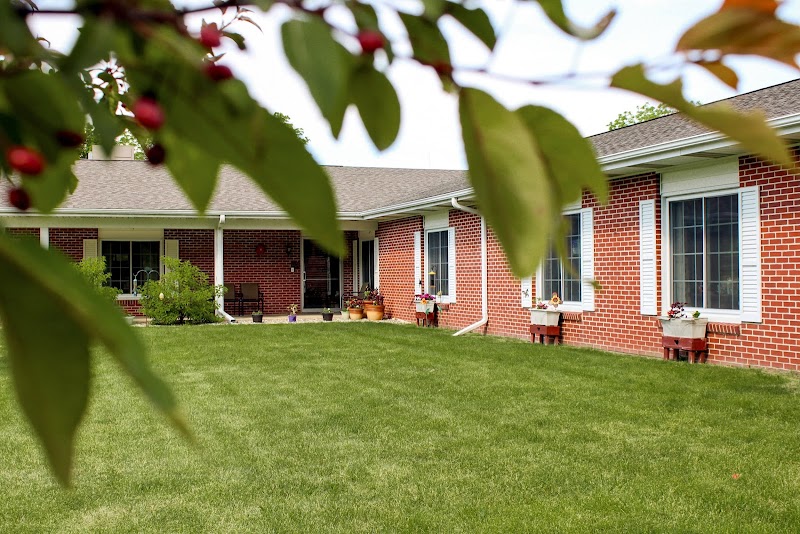
How is Accura Healthcare Of Cresco Staffed?

CMS rates Accura Healthcare of Cresco's staffing level at 1 out of 5 stars, which is much below average compared to other nursing homes. Staff turnover is 47%, compared to the Iowa average of 46%. RN turnover specifically is 67%, which is notably high. RNs provide skilled clinical oversight, so turnover in this role can affect medical care quality.

What Have Inspectors Found at Accura Healthcare Of Cresco?

State health inspectors documented 42 deficiencies at Accura Healthcare of Cresco during 2023 to 2025. These included: 1 that caused actual resident harm, 39 with potential for harm, and 2 minor or isolated issues. Deficiencies causing actual harm indicate documented cases where residents experienced negative health consequences.
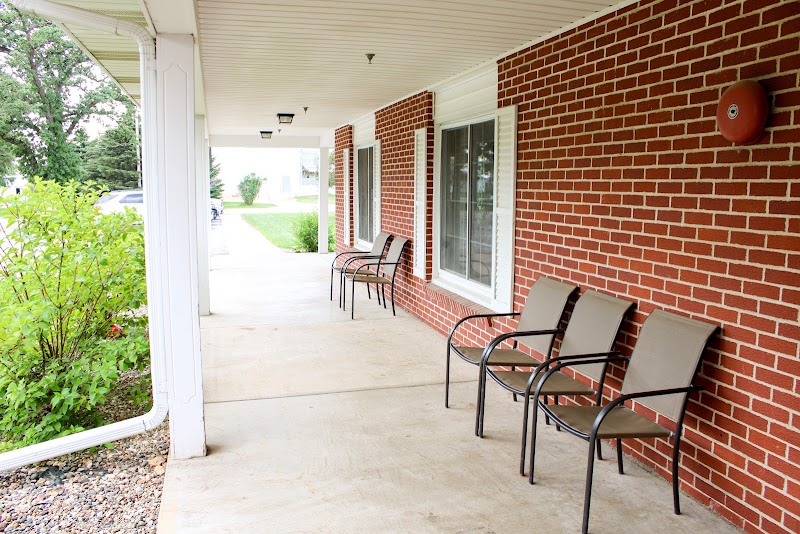
Who Owns and Operates Accura Healthcare Of Cresco?

Accura Healthcare of Cresco is owned by a for-profit company. For-profit facilities operate as businesses with obligations to shareholders or private owners. The facility is operated by ACCURA HEALTHCARE, a chain that manages multiple nursing homes. With 46 certified beds and approximately 28 residents (about 61% occupancy), it is a smaller facility located in Cresco, Iowa.

How Does Accura Healthcare Of Cresco Compare to Other Iowa Nursing Homes?

Compared to the 100 nursing homes in Iowa, Accura Healthcare of Cresco's overall rating (1 stars) is below the state average of 3.0, staff turnover (47%) is near the state average of 46%, and health inspection rating (1 stars) is much below the national benchmark.

What Should Families Ask When Visiting Accura Healthcare Of Cresco?

Based on this facility's data, families visiting should ask: "Can you walk me through typical staffing levels on day, evening, and night shifts?" "Can I visit during a mealtime to observe dining assistance and food quality?" "How do you handle medical emergencies, and what is your hospital transfer rate?" "Can I speak with family members of current residents about their experience?" These questions are particularly relevant given the below-average staffing rating.

Is Accura Healthcare Of Cresco Safe?

Based on CMS inspection data, Accura Healthcare of Cresco has a clean safety record: no substantiated abuse findings (meaning no confirmed cases of resident harm), no Immediate Jeopardy citations (the most serious violation level indicating risk of serious injury or death), and is not on the Special Focus Facility watch list (a federal program monitoring the lowest-performing 1% of nursing homes). The facility has a 1-star overall rating and ranks #100 of 100 nursing homes in Iowa. While no facility is perfect, families should still ask about staff-to-resident ratios and recent inspection results during their visit.

Do Nurses at Accura Healthcare Of Cresco Stick Around?

Accura Healthcare of Cresco has a staff turnover rate of 47%, which is about average for Iowa nursing homes (state average: 46%). Moderate turnover is common in nursing homes, but families should still ask about staff tenure and how the facility maintains care continuity when employees leave.

Was Accura Healthcare Of Cresco Ever Fined?

Accura Healthcare of Cresco has no federal fines on record. CMS issues fines when nursing homes fail to meet care standards or don't correct problems found during inspections. The absence of fines suggests the facility has either maintained compliance or corrected any issues before penalties were assessed. This is a positive indicator, though families should still review recent inspection reports for the full picture.

Is Accura Healthcare Of Cresco on Any Federal Watch List?

Accura Healthcare of Cresco is not on any federal watch list. The most significant is the Special Focus Facility (SFF) program, which identifies the bottom 1% of nursing homes nationally based on persistent, serious quality problems. Not being on this list means the facility has avoided the pattern of deficiencies that triggers enhanced federal oversight. This is a positive indicator, though families should still review the facility's inspection history directly.