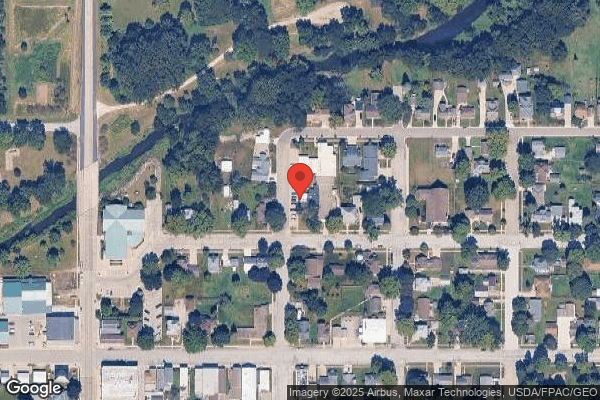
Denver Sunset Home

235 North Mill Street, Denver, IA 50622 (319) 984-5372
Non profit - Corporation 31 Beds Independent Data: November 2025
Trust Grade
90/100
#16 of 392 in IA
Last Inspection: March 2025

Within standard 12-15 month inspection cycle. Federal law requires annual inspections.

Overview

Denver Sunset Home in Denver, Iowa, has a Trust Grade of A, indicating it is excellent and highly recommended for families seeking care. It ranks #16 out of 392 facilities in Iowa, placing it in the top half, and is the best option among the four nursing homes in Bremer County. However, the facility is experiencing a worsening trend, with issues increasing from 3 in 2024 to 4 in 2025. Staffing is a strong point, rated 5 out of 5 stars with a turnover of 40%, which is lower than the state average, ensuring continuity of care for residents. Fortunately, there have been no fines recorded, which is a positive sign. Despite these strengths, there are concerns about care practices. For instance, the facility failed to implement a proper Baseline Care Plan for one resident, which is essential for tracking health goals and symptoms. Additionally, during medication administration, a nurse did not keep the insulin needle under the skin long enough to ensure the full dose was injected, raising safety concerns. Lastly, there was a failure to document oxygen parameters for a resident, which is critical for their comfort and health.

Trust Score
A
90/100
In Iowa
#16/392
Top 4%
Safety Record
Low Risk
No red flags
Inspections
Getting Worse
3 → 4 violations
Staff Stability
○ Average
40% turnover. Near Iowa's 48% average. Typical for the industry.
Penalties
✓ Good
No fines on record. Clean compliance history, better than most Iowa facilities.
Skilled Nurses
✓ Good
Each resident gets 55 minutes of Registered Nurse (RN) attention daily — more than average for Iowa. RNs are trained to catch health problems early.
Violations
○ Average
8 deficiencies on record. Average for a facility this size. Mostly minor or procedural issues.
★★★★★
5.0
Overall Rating
★★★★★
5.0
Staff Levels
★★★★☆
4.0
Care Quality
★★★★☆
4.0
Inspection Score
Stable
2024: 3 issues
2025: 4 issues

The Good

  • 5-Star Staffing Rating · Excellent nurse staffing levels
  • 4-Star Quality Measures · Strong clinical quality outcomes
  • Full Sprinkler Coverage · Fire safety systems throughout facility
  • No fines on record
  • Staff turnover below average (40%)

    8 points below Iowa average of 48%

Facility shows strength in staffing levels, quality measures, fire safety.

The Bad

Staff Turnover: 40%

Near Iowa avg (46%)

Typical for the industry

The Ugly 8 deficiencies on record

Mar 2025 4 deficiencies
CONCERN (E)

Potential for Harm - no one hurt, but risky conditions existed

Deficiency F0655 (Tag F0655)

Could have caused harm · This affected multiple residents

Based on record review, staff interview, and policy review the facility failed to create and implement upon admission a Baseline Care Plan for 1 of 6 residents reviewed (Resident #11). The facility al...

Read full inspector narrative →
Based on record review, staff interview, and policy review the facility failed to create and implement upon admission a Baseline Care Plan for 1 of 6 residents reviewed (Resident #11). The facility also failed to implement Baseline Care Plans that included goals residents wanted to archive while living at the facility, significant diagnoses, and symptoms to monitor for, medications and significant medication side effects to monitor, and signatures that the resident and/or Power of Attorney (POA) were aware and agreed for 5 of 6 residents reviewed. The facility reported a census of 27 residents. Findings include: 1. The MDS (Minimum Data Set) for Resident #11 dated 1/16/25, with an admission date of 10/14/24, indicated the resident had diagnoses of coronary artery disease, renal failure, and depression. The orders tab of the resident's electronic health record (EHR) revealed the resident took Escitalopram (depression), Acetaminophen (pain), and Hydrocodone (pain). A Progress Note on 10/15/24 documented the resident also took Methocarbamol (muscle spasms) and Tramadol (pain) when he was admitted , for pain in his hips. During an interview with the Director of Nursing on 03/27/25 at 11:21 AM she reported she didn't know where to locate the Baseline Care Plan for Resident #11. It was not located in the resident's paper chart or in the electronic health record. 2. The EHR for Resident #126 included an admission record with an initial admission date of 3/14/25. It documented diagnoses of pulmonary fibrosis (scarring/thickening of lung tissue), chronic systolic heart failure (left ventricle weakens and can't pump blood effectively), and type 2 diabetes mellitus. The orders tab of the EHR included Acetaminophen (pain), Eliquis (anticoagulant), Lorazepam (anxiety), Citalopram (depression), and Lasix (diuretic). The Baseline Care Plan for Resident #126 did not include goals based on admission orders and the goals of the resident; a summary of medications and diagnoses; pain goals or interventions; mental health diagnoses, medications, or side effects; diabetic management; or monitoring for diuretic and anticoagulant symptoms and side effects. 3. The EHR for Resident #127 included an admission record with an initial admission date of 3/17/25. It included diagnoses of acute respiratory failure with hypoxia (lungs fail to deliver enough oxygen to the blood), major depressive disorder, anxiety disorder, and repeated falls. The orders tab of the EHR included Metformin (high blood sugar), Acetaminophen (pain), Gabapentin (pain), Hydrocodone (pain), Methenamine (UTI prevention), Lispro and Lantus (insulin), and Warfarin (anticoagulant). Progress Notes for Resident #127 documented falls 3/20/25 at 1:35 AM, 3/23/25 at 2:35 AM, and 3/26/25 at 3:15 AM. The Baseline Care Plan for Resident #127 did not include fall history, goals, or interventions; goals based on admission orders; resident goals; a summary of medications and diagnoses; pain goals, medications, or interventions; mental health diagnoses, medications, or side effects; diabetic and insulin management; discharge planning; or monitoring for anticoagulant symptoms and side effects. An interview with Resident #127 on 03/25/25 at 09:24 AM determined she hoped to go home. She did not think staff provided her with a copy of her Baseline Care Plan. 4. The EHR for Resident #128 included an admission date of 3/18/25. Their diagnoses included dementia, peripheral vascular disease, and transient cerebral ischemic attack (temporary interruption of blood flow to the brain). On 03/24/25 at 12:41 PM the surveyor observed a certified nurses aide (CNA) walk to a dining room table with the resident. The resident did not have a gait belt on. Another CNA came over to put one on her and explained that she needed it for safety. The first CNA said it wasn't on the resident's Care Plan or you better believe it would have been on her. The Baseline Care Plan for Resident #128 included a sentence that indicated the resident was up with one assist and her walker. It did not address the need for a gait belt; goals based on admission orders and resident goals; a summary of medications; pain goals or interventions; or monitoring for anticoagulant symptoms and side effects. 5. The Minimum Data Set (MDS) for Resident #12 documented diagnoses of fracture, anxiety, depression, and hypertension. The orders tab included Cyclobenzaprine (muscle relaxant), Acetaminophen (pain), Protriptyline (depression), and Lorazepam (anxiety). On 03/24/25 at 12:02 PM the surveyor observed the resident folded over in her wheelchair, head down on the table. The resident was not easily redirected by staff. The Baseline Care Plan for Resident #12 did not include mental health diagnoses, medications, behaviors, or side effects; goals based on admission orders and the goals of the resident; range of motion interventions; a summary of medications and diagnoses; or pain goals, medications, and interventions. During an interview on 03/25/25 at 11:14 AM Staff B, CNA stated Resident #12 had been there about 2 months. Since admission she had refused to talk or work with some staff. When asked about folding herself in her chair, Staff B stated she did that to avoid things. She thought the resident was using it as a coping mechanism, something she could control when she felt anxious. On 03/25/25 at 12:51 PM the DON corroborated Staff B's statement and added that family had reported a history of depression, possible PTSD, and electroshock therapy. Later that day, at 03:06 PM, the DON provided Baseline Care Plans for residents that consisted of a single sheet of paper. She confirmed they were the Baseline Care Plan for a resident until the Comprehensive Care Plan was completed, and stated they had until 7 days after the MDS was completed to finish them for a total of 21 days. She acknowledged the documents provided did not include diagnoses, medications, mental health information, behavior concerns, code status, signatures, involvement of the interdisciplinary team, or confirmation a copy had been given to the resident or responsible party. During a follow up interview on 03/27/25 at 11:21 AM the DON showed the surveyor a form the facility used to use for Baseline Care Plans that included most of the items missed on the current documents. She stated she didn't know why they stopped using them and thought they could start using them again. An undated facility policy titled Care Planning - Interdisciplinary Team documented baseline care plans would be posted at admission in the nurse's station until the comprehensive care plan was completed. The resident, resident's family, and/or the resident's legal representative were encouraged to participate in the development and revisions to the resident's care plan. The care planning/interdisciplinary team included the physician, registered nurse, dietary manager/dietician, social services, therapists, consultants, DON, charge nurse, nursing assistants, and others as appropriate to meet the needs of the resident.
MINOR (B)

Minor Issue - procedural, no safety impact

Deficiency F0582 (Tag F0582)

Minor procedural issue · This affected multiple residents

Based on record review and staff interview the facility failed to provide Notice of Medicare Non-Coverage (NOMNC) Form CMS-10123 at least two days before the end of a Medicare covered Part A stay for ...

Read full inspector narrative →
Based on record review and staff interview the facility failed to provide Notice of Medicare Non-Coverage (NOMNC) Form CMS-10123 at least two days before the end of a Medicare covered Part A stay for 1 of 3 residents reviewed (Resident #9). The facility reported a census of 27 residents. Findings include: Record review of Resident #9 NOMNC instructed her services would end on 10/28/2024, the form lacked documentation of family notification until it was signed on 10/30/24 indicating at least two days of notice was not provided. During an interview with the Administrator on 3/26/25 at 2:04 PM revealed there is no documentation of family notification for Resident #9 she can find prior to the 10/30/24 date. During an interview on 3/27/25 at 11:38 AM with the Director of Nursing (DON) revealed she knows she talked to Resident #9 family but did not document it anywhere.
MINOR (B)

Minor Issue - procedural, no safety impact

Deficiency F0625 (Tag F0625)

Minor procedural issue · This affected multiple residents

Based on record review, facility admission paperwork, Bed Hold records, Progress Notes, and staff interview the facility failed to notify a resident and their representative of the cost to hold their ...

Read full inspector narrative →
Based on record review, facility admission paperwork, Bed Hold records, Progress Notes, and staff interview the facility failed to notify a resident and their representative of the cost to hold their bed when the resident was transferred out of the facility for 1 of 1 residents reviewed for hospitalization (Resident #11). The facility reported a census of 27 residents. Findings include: The Minimum Data Set (MDS) for Resident #11 dated 01/16/25 included diagnoses of congestive heart failure, depression, and kidney disease and documented an admission date of 10/14/24. A document titled admission Agreement, signed by Resident #11's representative on 10/14/24, indicated that a resident temporarily absent from the facility for any reason would be charged the current base rate and for additional services. This was listed as $318 per day. A section titled Temporary Absences documented the facility shall provide written information to the resident specifying the duration of the bed hold and the facility's policies. The facility would then ask if the resident wanted to hold the bed. The facility provided Bed Hold documents for Resident #11 dated 11/6/24, 11/7/24, and 12/13/24. The documents indicated that, prior to transfer, the nurse needed to enter the date the current daily rate charge would start. The top of the form included documentation that requested the hospital give the form to the family or legal representative, and directed the family or legal representative to review the form, sign it, date it, and return to the facility. The Bed Hold forms dated 11/6/24 and 11/7/24 indicated a family representative gave verbal permission to hold the bed, documented the resident was at the facility using Medicare funding, and noted this insurance would not pay for Bed Hold days. The forms indicated the rate was listed at the bottom of the form. Neither document included the rate for the Bed Hold or indicated that the resident was notified of the policy. The Bed Hold form dated 12/13/24 documented the resident paid privately and that the current daily rate would be charged from the first day of absence until the date specified in writing or via the telephone. Staff indicated the resident gave verbal permission to hold the bed. The document did not include that the family representative was notified of the policy or provide the rate for holding the bed. Progress Notes dated 11/6/24 and 11/7/24 did not include information regarding Bed Hold policy or rates. Progress Note dated 12/13/24 documented resident wanted to hold the bed and did not include information regarding the Bed Hold policy or rate. A document titled Room Rate Schedule, effective 01/01/25 listed the daily room rates as semi-private, $312; private, $326; and super single private, $343. It did not include the rate on the admission Agreement. During an interview with the Administrator on 3/26/25 at 4:41 PM, she indicated they did not send the written Bed Hold notices to the resident representatives who gave verbal consent or provide a copy to the resident. She confirmed the daily rate was not provided a the time of transfer. At a second interview 03/27/25 at 09:08 AM the Administrator acknowledged the rate for the bed hold was not included on any forms sent to the hospital. She was not able to confirm a copy of the Bed Hold form was provided to the resident or family at the time of transfer. On 03/27/25 at 11:06 AM Staff A, Licensed Practical Nurse (LPN) stated the nurse who sent a resident to the hospital completed the Bed Hold form. She did not send the form to the hospital or the resident representative. She put it in the file for the Director of Nursing (DON). During an interview with the DON on 03/27/25 at 11:21 AM she stated if she was in the building she would complete the Bed Hold form, or the nurse sending the resident to the hospital would. She reported there was a time they sent the forms to the hospital but they didn't get them back so they stopped. They did not send them to the resident's responsible party.
MINOR (B)

Minor Issue - procedural, no safety impact

Assessment Accuracy (Tag F0641)

Minor procedural issue · This affected multiple residents

Based on record review and staff interviews the facility failed to accurately code 1 of 2 residents Preadmission Screening and Resident Review (PASRR) on their annual Minimum Data Set (MDS) (Resident ...

Read full inspector narrative →
Based on record review and staff interviews the facility failed to accurately code 1 of 2 residents Preadmission Screening and Resident Review (PASRR) on their annual Minimum Data Set (MDS) (Resident #1). The facility reported a census of 27 residents. Findings include: The MDS for Resident #1 dated 6/13/2024 documented he was not considered by the state as needing a Level II PASRR. Record review of Resident #1 PASRR dated 6/13/21 documented he required a Level II PASRR. During an interview with the Director of Nursing (DON) on 3/27/25 at 11:36 AM revealed she is not sure why she coded Resident #1 6/13/24 PASRR inaccurately she is aware he required a PASRR level II.
May 2024 3 deficiencies
CONCERN (D)

Potential for Harm - no one hurt, but risky conditions existed

Deficiency F0658 (Tag F0658)

Could have caused harm · This affected 1 resident

Based on observation, record review, staff interviews, and written education review, the facility failed to provide services that met professional standards regarding medication administration for 1 o...

Read full inspector narrative →
Based on observation, record review, staff interviews, and written education review, the facility failed to provide services that met professional standards regarding medication administration for 1 of 1 residents observed for insulin administration (Resident #5). The facility reported a census of 28 residents. Findings include: During the Medication Pass Task, an observation on 5/7/24 at 8:15 AM revealed Staff A, Licensed Practical Nurse (LPN) administered Resident #5's insulin. Staff A, LPN obtained a Humalog (insulin) flex pen from the medication cart, put a needle on the tip of the pen, primed the pen with 2 units then dialed up to 10 units and proceeded to administer the insulin. Staff A, LPN failed to keep the needle under the skin for a full count of 10 to ensure the full dose was injected before removing. During the same observation, Staff A, LPN obtained a Lantus (insulin) flex pen from the medication cart, put a needle on the tip of the pen, primed the pen with 2 units then dialed up to 20 units and proceeded to administer the insulin. Staff A, LPN failed to keep the needle under the skin for a full count of 10 to make sure the full dose was injected before removing. In an interview following the insulin injections on 5/7/24 at 8:15 AM, Staff A, LPN stated she was not aware of a need to leave the needle under the skin for several seconds after injecting but stated she would check on it with administration and report back. In an interview on 5/7/24 at 9:59 AM, Staff A, LPN stated she had checked and learned that she was to leave the needle injected under the skin for the count of 10 prior to removing the needle. She stated she had just learned this but would implement the practice from here on out. In an interview on 5/7/24 at 3:39 PM, the Director of Nursing (DON), stated it was the expectation the licensed staff ensure the insulin pen needle be left under the skin after injecting insulin from a flex pen for the full count of 10 before removing the needle from the skin to ensure all the insulin is administered. A facility provided care giver education titled How to Use an Insulin Pen stated after pushing the injection button down firmly to inject the insulin, count to 10 then pull the needle straight out of the skin.
CONCERN (D)

Potential for Harm - no one hurt, but risky conditions existed

Respiratory Care (Tag F0695)

Could have caused harm · This affected 1 resident

Based on observations, interviews, and record review, the facility failed to obtain parameters for oxygen administration for 1 of 1 resident reviewed with oxygen (Resident #2). The facility reported a...

Read full inspector narrative →
Based on observations, interviews, and record review, the facility failed to obtain parameters for oxygen administration for 1 of 1 resident reviewed with oxygen (Resident #2). The facility reported a census of 28 residents. Findings include: On 5/6/24 at 1:58 p.m., Resident #2 was laying in his bed. He had oxygen on per nasal canula at 1 ½ liters. His respirations were non-labored. On 5/8/24 at 9:57 a.m., Resident #2 was sitting in the common area. Respirations were non-labored. He was not receiving oxygen. A Doctor's Order dated 5/2/24, documented oxygen as needed for comfort. A Treatment Administration Record for May 2024, documented that this resident received oxygen on 5/3/24 and 5/7/24. It did not specify the liter flow. It lacked documentation of the oxygen he received on 5/6/24. On 5/8/24 at 3:03 p.m., the Director of Nursing (DON), stated that this resident's oxygen order should specify the liter flow. She verified it did not. She stated she would call the provider to see what her order was to be. When told the only criteria for when to apply oxygen was for comfort, no pulse oximetry checks (non-invasive test that measures oxygenation level in the blood) and that Resident #2 was receiving oxygen on 5/6/24 but this was not documented on the Treatment Administration Record, the DON acknowledged the concerns. On 5/9/24 at 8:45 a.m., the DON stated she talked with the provider who ordered the oxygen. The DON stated the provider thought this resident was actively dying at the time she wrote the order. The DON stated that the provider said she would be sure to clarify all oxygen orders in the future. An undated Oxygen Administration by Oxygen Concentrator policy, directed staff to administer oxygen to residents when insufficient oxygen is being carried by the blood to the tissues. The facility will administer oxygen to residents when prescribed by a physician to accomplish the following objectives: to relieve hypoxemia (oxygen tension in arterial blood below normal), to relieve hypoxia (insufficient amount of oxygen available to supply the body need), relieve congestion and respiratory distress, to relieve pain and discomfort, and to normalize rate, rhythm, depth, and quality of respirations.
MINOR (B)

Minor Issue - procedural, no safety impact

Deficiency F0625 (Tag F0625)

Minor procedural issue · This affected multiple residents

**NOTE- TERMS IN BRACKETS HAVE BEEN EDITED TO PROTECT CONFIDENTIALITY** Based on interview and record review, the facility failed to issue the bed hold policy to 2 out of 2 residents reviewed for rece...

Read full inspector narrative →
**NOTE- TERMS IN BRACKETS HAVE BEEN EDITED TO PROTECT CONFIDENTIALITY** Based on interview and record review, the facility failed to issue the bed hold policy to 2 out of 2 residents reviewed for recent hospitalizations (Resident #9 and Resident #21). The facility reported a census of 28 residents. Findings include: A Census Page for Resident #9, documented that Resident #9 had Hospital Paid Leave that started on 10/28/23. It documented that Resident #9 returned to the facility on [DATE]. A Census Page for Resident #21, documented that Resident #21 had Hospital Paid Leave on 7/13/23. It documented that Resident returned to the facility on 7/18/23. On 5/7/24 at 12:19 p.m., the Assistant Director of Nursing (ADON), stated the facility did not issue the bed hold policy for Resident #9 or Resident #21 for their most recent hospitalization stays. A Bed Hold Prior To Transfer policy dated 1/2017, directed staff that prior to transferring a resident to the hospital, the facility will provide written information to the resident and/or resident representative regarding bed hold. The facility will provide to the resident or resident representative, written notice at the time of transfer to hospital Bed Hold information which specifies the duration of the Bed Hold.
Jan 2023 1 deficiency
MINOR (B)

Minor Issue - procedural, no safety impact

Deficiency F0582 (Tag F0582)

Minor procedural issue · This affected multiple residents

Based on Record review and staff interview, the facility failed to issue Center for Medicare and Medicaid (CMS) form Skilled Nursing Facility (SNF) Advanced Beneficiary Notice (ABN) 10055 for 2 of 3 r...

Read full inspector narrative →
Based on Record review and staff interview, the facility failed to issue Center for Medicare and Medicaid (CMS) form Skilled Nursing Facility (SNF) Advanced Beneficiary Notice (ABN) 10055 for 2 of 3 residents (Resident #1 and #19) reviewed. The facility reported a census of 25. Findings include: As part of the survey process, surveyor asked for CMS form 10055 for 2 residents discharged from skilled services in the last 6 months. The facility was unable to provide the forms. During an interview on 1/18/23 at 11:49 AM the Administrator stated they did not have the forms. She stated we have looked and we do not have them, they are not there.
Understanding Severity Codes (click to expand)
Life-Threatening (Immediate Jeopardy)
J - Isolated K - Pattern L - Widespread
Actual Harm
G - Isolated H - Pattern I - Widespread
Potential for Harm
D - Isolated E - Pattern F - Widespread
No Harm (Minor)
A - Isolated B - Pattern C - Widespread

Questions to Ask on Your Visit

  • "Can I speak with families of current residents?"
  • "What's your RN coverage like on weekends and overnight?"

Our Honest Assessment

Strengths
  • • Grade A (90/100). Above average facility, better than most options in Iowa.
  • • No major safety red flags. No abuse findings, life-threatening violations, or SFF status.
  • • No fines on record. Clean compliance history, better than most Iowa facilities.
  • • 40% turnover. Below Iowa's 48% average. Good staff retention means consistent care.
Concerns
  • • No significant concerns identified. This facility shows no red flags across CMS ratings, staff turnover, or federal penalties.
Bottom line: Generally positive indicators. Standard due diligence and a personal visit recommended.

About This Facility

What is Denver Sunset Home's CMS Rating?

CMS assigns Denver Sunset Home an overall rating of 5 out of 5 stars, which is considered much above average nationally. Within Iowa, this rating places the facility higher than 99% of the state's 100 nursing homes. This rating reflects solid performance across the metrics CMS uses to evaluate nursing home quality.

How is Denver Sunset Home Staffed?

CMS rates Denver Sunset Home's staffing level at 5 out of 5 stars, which is much above average compared to other nursing homes. Staff turnover is 40%, compared to the Iowa average of 46%. This relatively stable workforce can support continuity of care.

What Have Inspectors Found at Denver Sunset Home?

State health inspectors documented 8 deficiencies at Denver Sunset Home during 2023 to 2025. These included: 3 with potential for harm and 5 minor or isolated issues.

Who Owns and Operates Denver Sunset Home?

Denver Sunset Home is owned by a non-profit organization. Non-profit facilities reinvest revenue into operations rather than distributing to shareholders. The facility operates independently rather than as part of a larger chain. With 31 certified beds and approximately 26 residents (about 84% occupancy), it is a smaller facility located in Denver, Iowa.

How Does Denver Sunset Home Compare to Other Iowa Nursing Homes?

Compared to the 100 nursing homes in Iowa, Denver Sunset Home's overall rating (5 stars) is above the state average of 3.1, staff turnover (40%) is near the state average of 46%, and health inspection rating (4 stars) is above the national benchmark.

What Should Families Ask When Visiting Denver Sunset Home?

Based on this facility's data, families visiting should ask: "Can I visit during a mealtime to observe dining assistance and food quality?" "How do you handle medical emergencies, and what is your hospital transfer rate?" "Can I speak with family members of current residents about their experience?"

Is Denver Sunset Home Safe?

Based on CMS inspection data, Denver Sunset Home has a clean safety record: no substantiated abuse findings (meaning no confirmed cases of resident harm), no Immediate Jeopardy citations (the most serious violation level indicating risk of serious injury or death), and is not on the Special Focus Facility watch list (a federal program monitoring the lowest-performing 1% of nursing homes). The facility has a 5-star overall rating and ranks #1 of 100 nursing homes in Iowa. While no facility is perfect, families should still ask about staff-to-resident ratios and recent inspection results during their visit.

Do Nurses at Denver Sunset Home Stick Around?

Denver Sunset Home has a staff turnover rate of 40%, which is about average for Iowa nursing homes (state average: 46%). Moderate turnover is common in nursing homes, but families should still ask about staff tenure and how the facility maintains care continuity when employees leave.

Was Denver Sunset Home Ever Fined?

Denver Sunset Home has no federal fines on record. CMS issues fines when nursing homes fail to meet care standards or don't correct problems found during inspections. The absence of fines suggests the facility has either maintained compliance or corrected any issues before penalties were assessed. This is a positive indicator, though families should still review recent inspection reports for the full picture.

Is Denver Sunset Home on Any Federal Watch List?

Denver Sunset Home is not on any federal watch list. The most significant is the Special Focus Facility (SFF) program, which identifies the bottom 1% of nursing homes nationally based on persistent, serious quality problems. Not being on this list means the facility has avoided the pattern of deficiencies that triggers enhanced federal oversight. This is a positive indicator, though families should still review the facility's inspection history directly.