Greater Southside Health and Rehabilitation
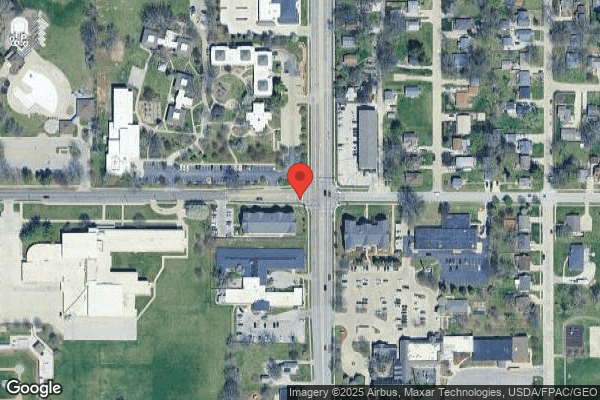

5608 SW 9th Street, Des Moines, IA 50315 (515) 285-3070
For profit - Limited Liability company 80 Beds THE ENSIGN GROUP Data: November 2025 7 Immediate Jeopardy citations
Trust Grade
0/100
#349 of 392 in IA
Last Inspection: June 2025

Inspected within the last 6 months. Data reflects current conditions.

Overview

Greater Southside Health and Rehabilitation has received a Trust Grade of F, indicating significant concerns about the quality of care provided. Ranking #349 out of 392 facilities in Iowa places it in the bottom half of nursing homes statewide, and #26 out of 29 in Polk County suggests very few local options are better. Although the facility's trend is improving, with a reduction in issues from 24 in 2024 to 22 in 2025, the overall situation remains troubling. Staffing is a major concern, with a poor rating of 1/5 stars and a high turnover rate of 70%, well above the state average of 44%, meaning many staff members leave, which can affect resident care continuity. Additionally, the facility has incurred a staggering $377,810 in fines, indicating serious compliance issues, and it has less RN coverage than 87% of Iowa facilities, limiting critical oversight in resident care. Specific incidents include a failure to administer pain medication as prescribed, leaving residents without adequate pain control for extended periods, and unsafe mechanical lift transfers that put residents at risk for injury. Furthermore, there were issues with serving therapeutic meals correctly, which posed choking risks for residents on specialized diets. While the facility is addressing some of these problems, families should be aware of both the improvements and the ongoing serious risks before making a decision.

Trust Score
F
0/100
In Iowa
#349/392
Bottom 11%
Safety Record
High Risk
Review needed
Inspections
Getting Better
24 → 22 violations
Staff Stability
⚠ Watch
70% turnover. Very high, 22 points above average. Constant new faces learning your loved one's needs.
Penalties
✓ Good
$377,810 in fines. Lower than most Iowa facilities. Relatively clean record.
Skilled Nurses
⚠ Watch
Each resident gets only 25 minutes of Registered Nurse (RN) attention daily — below average for Iowa. Fewer RN minutes means fewer trained eyes watching for problems.
Violations
⚠ Watch
76 deficiencies on record. Higher than average. Multiple issues found across inspections.
★☆☆☆☆
1.0
Overall Rating
★☆☆☆☆
1.0
Staff Levels
★★☆☆☆
2.0
Care Quality
★☆☆☆☆
1.0
Inspection Score
Stable
2024: 24 issues
2025: 22 issues

The Good

  • Full Sprinkler Coverage · Fire safety systems throughout facility
  • No fines on record

Facility shows strength in fire safety.

The Bad

1-Star Overall Rating

Below Iowa average (3.0)

Significant quality concerns identified by CMS

Staff Turnover: 70%

24pts above Iowa avg (46%)

Frequent staff changes - ask about care continuity

Federal Fines: $377,810

Well above median ($33,413)

Significant penalties indicating serious issues

Chain: THE ENSIGN GROUP

Part of a multi-facility chain

Ask about local staffing decisions and management

Staff turnover is very high (70%)

22 points above Iowa average of 48%

The Ugly 76 deficiencies on record

7 life-threatening 2 actual harm
Sept 2025 4 deficiencies
CONCERN (D) 📢 Someone Reported This

A family member, employee, or ombudsman was alarmed enough to file a formal complaint

Potential for Harm - no one hurt, but risky conditions existed

Resident Rights (Tag F0550)

Could have caused harm · This affected 1 resident

**NOTE- TERMS IN BRACKETS HAVE BEEN EDITED TO PROTECT CONFIDENTIALITY** Based on clinical record review, observation, staff interview, and policy review the facility failed to ensure a resident's butt...

Read full inspector narrative →
**NOTE- TERMS IN BRACKETS HAVE BEEN EDITED TO PROTECT CONFIDENTIALITY** Based on clinical record review, observation, staff interview, and policy review the facility failed to ensure a resident's buttocks was appropriately covered in order to maintain the resident's dignity for one of sixteen residents sampled (Residents #15). The facility reported a census of 70 residents.Findings include:The Quarterly Minimum Data Set (MDS) assessment dated [DATE] revealed Resident #15 had diagnoses of severe intellectual disability and schizoaffective disorder. The MDS recorded the resident had a Brief Interview for Mental Status Score of 9, indicating moderately impaired cognition. The MDS indicated the resident required partial to moderate assistance for lower body dressing. The Care Plan revised 5/22/25 revealed the resident required assistance with Activities of Daily Living (ADL's). The Care Plan directed staff to provide assistance of one for dressing. During observation on 8/25/25 at 12:04 PM, Resident #15 sat in a chair by a table in the upper dining room with her buttocks fully exposed. At the time, nine other residents were in the same dining room. One male resident sat at a table facing Resident #15's backside. At 12:08 PM, four staff were lined up by the kitchen waiting for food to be plated and in order to deliver plates of food to the residents in the upper dining room. Staff walked back and forth between the kitchen and the upper level dining hall, and walked past Resident #15. At 12:12 PM, Staff B, Certified Medication Aide, placed a blanket between Resident 15's back and the chair to cover the resident's exposed buttocks. In an interview 9/2/25 at 4:05 PM, the Administrator reported sometimes a resident would expose their body but he expected the staff to ensure the resident's backside was appropriately covered. A Dignity and Privacy policy revised 10/2024 revealed all residents treated with dignity and privacy. Residents will be appropriately dressed in a manner that maintains the privacy of their body.
CONCERN (D) 📢 Someone Reported This

A family member, employee, or ombudsman was alarmed enough to file a formal complaint

Potential for Harm - no one hurt, but risky conditions existed

Quality of Care (Tag F0684)

Could have caused harm · This affected 1 resident

**NOTE- TERMS IN BRACKETS HAVE BEEN EDITED TO PROTECT CONFIDENTIALITY** Based on observation, clinical record review, staff interview, and policy review the facility failed to administer treatments an...

Read full inspector narrative →
**NOTE- TERMS IN BRACKETS HAVE BEEN EDITED TO PROTECT CONFIDENTIALITY** Based on observation, clinical record review, staff interview, and policy review the facility failed to administer treatments and perform dressing changes as ordered by the physician for one of four residents reviewed (Resident #11). The facility reported a census of 70 residents.Findings include: The Significant change in status Minimum Data Set (MDS) assessment dated [DATE] revealed Resident #11 had a Stage 3 pressure ulcer on the left ankle, one Stage 1 pressure ulcer and one unstageable pressure ulcer. The MDS recorded the resident required application of nonsurgical dressings and medications for skin treatments. The Care Plan revised 5/23/25 revealed the resident had impaired skin integrity related to wounds on her left inner ankle and coccyx, and also had a history of infections. The care plan directed staff to administer treatments as ordered. The Care Plan lacked information about a wound to the right foot. The Order Summary Report dated 8/27/25 revealed an order to cleanse the right lateral foot wound with cleanser of choice, apply calcium alginate to the wound bed, cover the wound with a silicone absorbent dressing daily and as needed for wound care with order date of 8/21/25.The Treatment Administration Record dated 8/1/25 to 8/31/25 revealed a wound treatment and dressing change to the right lateral foot documented on the day and the night shift 8/24/25 to 8/26/25.During observation on 8/27/25 at 10:10 AM, Staff D, Licensed Practical Nurse (LPN) and Staff E, Wound Nurse Practitioner, were in the room with Resident #11. Staff D removed the foam boots on the resident's feet while the resident was lying in bed. A dressing was observed to the right lateral foot dated 8/24/25. Staff D removed the dressing over the right lateral foot. Staff E took a scalpel and debrided the wounds to the right lateral foot and left inner ankle. Staff D cleansed the wound areas and applied calcium alginate and a silicone foam dressing. Staff D then placed a piece of tape labeled 8/27 and her initials. In an interview 8/28/25 at 10:15 AM, the Director of Nursing (DON) reported he expected staff date and initial the dressing whenever a resident's dressing had been changed. The DON explained if a treatment or dressing change was ordered more than once a day, the dressing should be labeled with the date and the staff's initials. The DON reported he would be able to tell who completed the dressing change and when the dressing was changed by checking the date and the staff's initials on the dressing. A Physician's Order policy reviewed 8/2024 revealed the facility accurately implemented orders in addition to treatment orders in accordance with the resident's plan of care.
CONCERN (D) 📢 Someone Reported This

A family member, employee, or ombudsman was alarmed enough to file a formal complaint

Potential for Harm - no one hurt, but risky conditions existed

Infection Control (Tag F0880)

Could have caused harm · This affected 1 resident

**NOTE- TERMS IN BRACKETS HAVE BEEN EDITED TO PROTECT CONFIDENTIALITY** Based on direct observation, clinical record review, staff interview, and facility policy review, the facility failed to provide...

Read full inspector narrative →
**NOTE- TERMS IN BRACKETS HAVE BEEN EDITED TO PROTECT CONFIDENTIALITY** Based on direct observation, clinical record review, staff interview, and facility policy review, the facility failed to provide appropriate infection control practices in the form of enhanced barrier precautions when required for 3 of 5 individual reviewed (Resident's #9, #11, #14). The facility reported a census of 70. Findings include: 1. The Quarterly Minimum Data Set (MDS) for Resident #14, dated 07/17/2025, documented the residents Brief Interview for Mental Status (BIMS) score as 15, indicating intact cognition. It documented the following relevant diagnoses: Septicemia (Blood infection), Hip fracture, Cerebrovascular Accident (Stroke), Paraplegia (Paralysis of the legs), Traumatic Brain Injury, Need for Assistance with personal Cares, Pressure ulcer of the right ankle. The MDS documented that the resident was dependent on staff for toileting hygiene, personal hygiene, lower body dressing, and putting on/taking off footwear.The Care Plan for Resident #14, last revised 08/14/2025, documented the resident's need for assistance with personal cares due to his paraplegia, as well as warned staff that he had alterations to the right lateral lower leg's skin due to trauma. The Care Plan instructed staff to follow Enhanced Barrier Precautions (EBP). During a direct observation on 08/28/2025 at 09:26 AM with Staff I, Licensed Practical Nurse (LPN), and Staff J, Certified Nurse Aide (CNA) where they were performing wound care for Resident #14's ankle pressure wound. During the observation, Staff I, LPN, donned gloves and a disposable gown, but Staff J, CNA, did not wear a gown while assisting with cares and directly handling the resident. Also during the observation, Staff I touched the incontinence pad and the residents skin and buttocks with gloved hands, then used the same gloves to cleanse the wound bed. In an interview on 09/02/2025 at 10:27 AM with Staff G, CNA, she stated staff members are required to wear Personal Protective Equipment (PPE) when they are handling a resident that has a qualifying condition such as open wound or catheters. She stated she has to wear PPE even when she is not directly providing those cares. In an interview on 09/02/2025 at 10:32 AM with Staff A, CNA, she stated PPE has to be worn by all members of the care team when caring for a resident who requires enhanced barrier precautions. She noted PPE consists of a gown and gloves in this case. She stated the PPE should be donned as soon as they enter the room. In an interview on 09/02/2025 at 10:44 AM with Staff K, CNA, she stated everyone in the room who is touching or might touch a resident who requires enhanced barrier precautions requires PPE. In an interview on 09/02/2025 at 10:20 AM with Staff H, LPN, he stated that all people assisting with cares on a resident who requires enhanced barrier precautions should be wearing PPE as you do not know when you will be required to touch a resident. In an interview on 09/02/2025 at 12:20 PM with the Director of Nursing (DON), he stated that all parts of the care team are expected to wear PPE when required by enhanced barrier precautions standards, which include open wounds and catheters. He stated you should never clean a wound bed after touching potentially contaminated surfaces such as an incontinence pad or a residents skin. 2. The Significant Change in Status MDS assessment dated [DATE] revealed Resident #11 had a Stage 3 pressure ulcer on the left ankle, one Stage 1 pressure ulcer and one unstageable pressure ulcer. The MDS recorded the resident had application of nonsurgical dressings and medications for skin treatments. The Care Plan revised 5/23/25 revealed the resident had impaired skin integrity related to wounds on her left inner ankle and coccyx, and had a history of infections. The Care Plan directed staff to administer treatments as ordered. The Care Plan directed staff to use a gown and gloves for Enhanced Barrier Precautions (EBP) during high resident contact care activities due to wounds. The Order Summary Report dated 8/27/25 revealed an order to cleanse the right lateral foot wound with cleanser of choice, apply calcium alginate to the wound bed, cover the wound with a silicone super absorbent dressing daily and as needed for wound care. During observation on 8/27/25 at 10:10 AM, Staff D, LPN, and Staff E, Nurse Practitioner, were in the room with Resident #11. Resident lying in bed. Staff D removed the foam boots on the resident's feet. A dressing was observed to the right lateral foot dated 8/24/25. Staff D removed the dressing over the right lateral foot. Staff E took a scapel and debrided the wounds to the right lateral food and left inner ankle. Staff D cleansed the wound areas and applied calcium alginate and a silicone foam dressing. Staff D placed a piece of table labeled 8/27 and initials KW. Staff did not wear a gown while performing treatment or the dressing change on the resident's wound. 3. The Quarterly MDS assessment dated [DATE] revealed Resident #9 had diagnoses of quadriplegia. The MDS recorded the resident had no skin conditions such as a pressure ulcer present. The Care Plan revised 1/10/25 revealed the resident had impaired skin integrity. The Care Plan directed staff to provide treatments per the physician's orders and use enhanced barrier precautions. The Order Summary Report dated 8/2025 revealed an order for EBP's with start date of 5/14/25. EBP's indicated due to wound and indwelling medical device. Use of a gown and gloves required for high contact care activities. During observation on 8/27/25 at 11:35 AM, Staff D obtained supplies from a treatment cart, then took the supplies to Resident #9's room. Staff D sanitized her hands and donned a pair of gloves. Staff D took a gauze soaked in Vashe wound cleanser and cleansed the resident's left and right heels. Staff D applied betadine, an ABD (large) dressing, and kerlix to each wound. Staff D did not wear a gown during the procedure, and did not change gloves or sanitize hands when going from a dirty to clean task. In an interview 8/28/25 at 11:30 AM, Staff A, Certified Nursing Assistant (CNA) reported EBP used whenever wound care or catheter care performed, or if a resident had an infection. EBP entailed wearing a gown and gloves during high contact activities. In an interview 8/28/25 at 10:15 AM, the Director of Nursing (DON) reported he expected EBP implemented anytime staff took care of a resident who had a catheter or a wound. Staff should wear PPE gown and gloves for EBP. The DON reported he also expected gloves changed whenever staff removed a dressing and anytime going between steps or a clean area. Staff should change gloves and sanitize their hands, then put a clean dressing on. An Infection Control Standard and Transmission-Based Precautions policy reviewed 8/2024 revealed infection control measures implemented to prevent the spread of diseases and conditions. Section 3 revealed EBP's used in conjunction with standard precautions and expanded the use of gown and gloves during high-contact resident care activities (for example when cared for residents with wounds and indwelling medical devices due to the high risk of acquisition and colonization of Mulit-Drug Resistant Organisms (MDRO's). Personal Protective Equipment (PPE) donned upon room entry, then doffed and properly discarded, and hand hygiene performed before exiting the room to contain pathogens.
CONCERN (E) 📢 Someone Reported This

A family member, employee, or ombudsman was alarmed enough to file a formal complaint

Potential for Harm - no one hurt, but risky conditions existed

Deficiency F0725 (Tag F0725)

Could have caused harm · This affected multiple residents

Based on confidential resident interviews, family interviews, staff interviews, clinical record review, and facility policy review, the facility failed to provide appropriate staffing to meet resident...

Read full inspector narrative →
Based on confidential resident interviews, family interviews, staff interviews, clinical record review, and facility policy review, the facility failed to provide appropriate staffing to meet residents needs. The facility reported a census of 70. Findings include: During a confidential resident interview on 8/25/25 at 11:30 AM, the resident reported he had noticed staff were not getting residents who sat at the assist table up for supper. During the supper meal, only one or two residents were at the assist table, but during the breakfast and lunch meals there were more residents seated at the assist table. The resident reported staff came into the room and shut the call light off, and staff got mad at the resident if he pressed the call light again. The resident reported there had been times when there were only one CNA working upstairs and one CNA working downstairs, which isn't enough to care for all of the residents at the facility. According the the MDS, the resident had a documented BIMS of 15, indicating intact cognition. In an interview 8/25/25 at 8:08 AM, Staff F, LPN, reported the facility only staffed with two CNA's and one nurse downstairs and two CNA's and one nurse upstairs about 50 % of the time. During a confidential interview 8/25/25 at 3:15 PM, a family member expressed concern it took 40-47 minutes for staff to respond to call lights. Staff came in the room, shut the call light off and say they will be back, which took even longer for the resident to get assistance. Staff also brought the resident's food tray in but it took staff 45 minutes to return and feed the resident. In a confidential family interview on 8/27/25 at 11:10 AM, a family member reported the facility was short-handed. The family member expressed concern about the resident not getting changed properly during the night due to the staffing ratio. There were not enough staff to feed the residents that needed assistance with eating. The family member expressed he had concerns about staff coming into the room and shutting the call light off before the resident's needs were addressed. The family member reported residents and family members had expressed concerns about reporting their concerns about call lights and staffing due to they feared retaliation. A confidential resident interview on 08/27/2025 at 09:31 AM with a Resident they stated the facility just does not have enough staff. They stated call lights have been taking a long time, but they was worried about speaking out further for fear of getting in trouble. A review of the Residents Minimum Data Set (MDS) documented they had a Brief Interview for Mental Status (BIMS) score of 15, indicating intact cognition. A confidential resident interview on 08/27/2025 at 02:02 PM with a Resident they stated the facility is under staffed. They stated they mostly notice it at night. They stated they have missed wound dressing changes as a result of the low staffing, and are often left in their wheelchair well past their desired 9pm bed time. They stated they have been left up in their wheelchair due to staffing until at least 11pm, with a few occasions having gone even later. They stated they have openly communicated with the facility about this, but worry about reprisal should they continue to self-advocate. A review of the Residents Minimum Data Set (MDS) documented they had a Brief Interview for Mental Status (BIMS) score of 15, indicating intact cognition. A confidential resident interview on 08/28/2025 at 01:59 PM with a Resident they said the facility has staffing concerns. They stated call lights, often during the evening shift, can take longer than 25 minutes to get assistance. There are times their call light is answered but their issue is not addressed, their call light is turned off, and they have to press their light again. A review of the Residents MDS documented they had a BIMS score of 15, indicating intact cognition. An interview on 09/02/2025 at 10:27 AM with Staff G, Certified Nurse Aide (CNA), she stated there are only some days she feels they have enough CNAs. She stated she knows the facility has been working on it, but it is still difficult and has led to not everything getting done. An interview on 09/02/2025 at 10:27 AM with Staff H, Licensed Practical Nurse (LPN), he stated that while staffing has gotten better, they can still improve. An interview on 09/02/2025 at 10:32 Am with Staff A, CNA, she stated the facility still struggles with staffing. At least once a week they are so short staffed that it is difficult to get everything done. A review of time card data from 07/28/2025, 08/04/2025, and 08/22/2025 failed to document the required number of CNAs on several shifts. It also documented the Director of Nursing (DON) worked the floor from 10pm-6am on 07/28/2025. Review of Resident Council Notes dated 8/22/25 documented facility call light times were still out of parameters (greater than 15 minutes) and that beds were still not getting made. Review of the Facility Assessment from 2025, it documented there are to be at least 5 CNAs on day and evening shifts, and 4 or more on the overnight shift.
Jun 2025 13 deficiencies
CONCERN (D)

Potential for Harm - no one hurt, but risky conditions existed

Deficiency F0578 (Tag F0578)

Could have caused harm · This affected 1 resident

**NOTE- TERMS IN BRACKETS HAVE BEEN EDITED TO PROTECT CONFIDENTIALITY** 2. The Minimum Data Set (MDS) assessment dated [DATE] revealed Resident #30 had diagnoses that included metabolic encephalopathy...

Read full inspector narrative →
**NOTE- TERMS IN BRACKETS HAVE BEEN EDITED TO PROTECT CONFIDENTIALITY** 2. The Minimum Data Set (MDS) assessment dated [DATE] revealed Resident #30 had diagnoses that included metabolic encephalopathy, diabetes, hypertension (high blood pressure), and respiratory failure. The Care Plan revised [DATE] revealed the resident desired a full code status or DNR status per the IPOST (Iowa Physician's Orders for Scope of Treatment) form. The staff directives included to refer to the IPOST form on file and review the advanced directives routinely at the care conferences and PRN (as needed). The Electronic Medical Health Record (EHR) physician's orders revealed Resident #30's code status as a Full Code. The order was created on [DATE] and listed as active. The Order Summary Report revealed a prescriber's active order for a full code ordered on [DATE]. The IPOST signed by the Nurse Practitioner and Resident #30 on [DATE] revealed a DNR/do not attempt resuscitation status. The IPOST binder kept at the nurse's station revealed the IPOST order signed by the Nurse Practitioner and Resident #30 on [DATE] and the box next to DNR was marked. In an interview [DATE] at 02:14 PM, the Director of Nursing (DON) reported the Social Worker (SW) entered the resident's code status. The Advanced Directives was part of the admission packet. The IPOST got scanned into the resident's EHR and placed into a binder located at each nurse's station. At the time, the DON reviewed Resident #30's EHR order and IPOST. The DON confirmed a DNR status marked on the resident's IPOST but a full code status listed on the orders. The DON reported Resident #30 had gone to the hospital a couple of times and thought maybe the resident's code status did not get updated. An Advanced Directives policy revised 6/2023 revealed the care plan team reviewed the resident advanced directives periodically to ensure the wishes of the resident. Such reviews were made during the assessment process and recorded on the resident assessment instrument (MDS). Changes or revocations of a directive must be submitted to the facility in writing. The care plan team will be informed of such changes and/or revocations so that appropriate changes can be made in the MDS and care plan. Based on resident record review, staff interviews, and facility policy review the facility failed to document an accurate code status for 2 of 18 residents reviewed (Res #30 and #52). The facility reported a census of 72. Findings include: 1. The Iowa Physician Orders for Scope of Treatment (IPOST) of Resident #52, dated [DATE], identified the resident desired Full Treatment as a medical intervention and desired for Cardiopulmonary Resuscitation (CPR) should she have an episode of not breathing and having no pulse. Review of the Electronic Health Record of Resident #52 on [DATE] at 10:28 am revealed the resident had a Code Status in the facility of DNR/Do Not Attempt Resuscitation. The EHR revealed the order for DNR status was placed by Staff A, Licensed Practical Nurse on [DATE], stating it was verified by Medical Record Only. On [DATE] at 10:15 am, Staff B, LPN stated each nursing station has an IPOST book where code status sheets are kept. When looking at the Side 1 (area of facility where Resident #52 resides), no IPOST was found for Resident #52. Staff B stated that Resident #52 used to reside on Side 2 and her IPOST might still be at that station. On [DATE] at 10:29 am, the IPOST Book for Side 2 was checked, and there was no IPOST found for Resident #52 in this book either. On [DATE] at 10:39 am, Staff B, LPN was asked what the code status was for Resident #52. He looked at her electronic health record and stated she was a DNR. When Staff B was asked that if Resident #52 were to experience an emergency event, would he perform CPR, he stated he would not perform CPR as he would abide by her wishes to be a DNR. He stated he would look for her IPOST and get it printed and in the book. Staff B then proceeded to locate Resident #52's IPOST in her electronic health record and verified her IPOST stated she wished to be a full code. Staff B then immediately changed her order in her EHR to reflect Full Code. On [DATE] at 1:45 pm, the Director of Nursing stated there is a nurse who handles the admissions for the facility. He stated an IPOST is included in admission paperwork. He stated he was unsure if the resident had a prior DNR status but it is now resolved. The facility policy Care and Treatment, Advance Directives, revision date of 6/2023, detailed a policy statement of: It is the policy of this facility that a resident's choice about advance directives will be respected. Point 1: With admission paperwork the care plan team will ask residents, and/or their family members, about the existence of any advance directives. Point 2: Should the resident indicate that he or she has issued advance directives about his/her care and treatment, the facility will require that a copy of such directives be included in the medical record.
CONCERN (D)

Potential for Harm - no one hurt, but risky conditions existed

Deficiency F0605 (Tag F0605)

Could have caused harm · This affected 1 resident

Based on clinical record review, staff interview, and policy review, the facility failed to ensure timely follow-up for the initiation of an as-needed (PRN) use of a psychotropic drug for 1 of 5 resid...

Read full inspector narrative →
Based on clinical record review, staff interview, and policy review, the facility failed to ensure timely follow-up for the initiation of an as-needed (PRN) use of a psychotropic drug for 1 of 5 residents reviewed for unnecessary medications (Resident #37). The facility reported a census of 72. Findings include: The Quarterly Minimum Data Set (MDS) Assessment completed on 4/16/25 revealed Resident #37 unable to complete the Brief Interview for Mental Status and is severely impaired for daily decision-making. Diagnoses on the MDS include aphasia (communication disorder), autistic disorder, and profound intellectual disabilities. Resident #37 displayed behaviors not directed towards other, such as yelling/screaming. The MDS documented the use of antipsychotic, antianxiety, and antidepressant medications which are all types of psychotropic medications. The Care Plan, which was last updated on 5/13/25, included the use of an antipsychotic mediation related to explosive disorder and an antianxiety medication related to mood disorder/autism. Review of Physicians Orders for Resident #37 revealed the initiation of the psychotropic medication Ativan 0.5 milligrams (mg) administered two times daily on 5/9/25 and ended on 5/23/25. Physician Order further revealed the initiation of Ativan 0.5 mg every 12 hours as-needed (PRN) for anxiety and yelling on 5/10/25. A stop date for the PRN Ativan was not included in the order. The Progress Note dated 5/9/25 at 6:43 PM documented Resident #37 was seen by the facility physician with new medication orders. The start of PRN Ativan was not included in the Progress Note. Review of the Medication Administration Record (MAR) for May 2025 showed PRN Ativan was utilized five times between 5/10/25 and 5/31/25. Review of the MAR for June 2025 showed PRN Ativan was utilized six times between 6/1/25 and 6/9/25. The Electronic Health Record lacked documentation indicating the prescribing practitioner completed a 14-day evaluation for continued use of the PRN Ativan. During an interview on 6/4/25 at 2:15 PM, the Director of Nursing (DON), acknowledged the need for a 14-day re-evaluation from the Primary Care Provider when use of a PRN psychotropic drug, like Ativan, is initiated. The policy Psychotropic Drug Use, last reviewed 11/2021, documented the following: 1. Residents do not receive psychotropic drug pursuant to a PRN order unless medication is necessary to treat a diagnosed specific condition that is documented in the clinical record. 2. PRN orders for psychotropic medications are limited to 14 days. If the prescribing practitioner believes that the PRN psychotropic order should be extended beyond 14 days, they should document the rationale in the medical record and indicate the duration for the PRN order. 3. Psychotropic medications are to be administered only when required to a medical symptom and will be considered only after non-pharmacological interventions have failed
CONCERN (D)

Potential for Harm - no one hurt, but risky conditions existed

Assessment Accuracy (Tag F0641)

Could have caused harm · This affected 1 resident

Based on clinical record review, staff interview, and guidance from the 2024 Resident Assessment Instrument (RAI) Manual, the facility failed to accurately reflect the status of 3 of 3 residents in th...

Read full inspector narrative →
Based on clinical record review, staff interview, and guidance from the 2024 Resident Assessment Instrument (RAI) Manual, the facility failed to accurately reflect the status of 3 of 3 residents in the Minimum Data Set (MDS) Assessments (Resident #11, #13, #37). The facility reported a census of 72 residents. Findings include: 1. The Pre-admission Screening and Resident Review (PASRR) of Resident #11, dated 7/30/24, identified the resident to require PASRR Level II Services. (Considered by the State Level II process to have a serious mental illness and/or intellectual disability or a related condition). The PASRR identified the Resident to have diagnoses of Major Depressive Disorder and Generalized Anxiety Disorder and identified symptoms the resident commonly expressed including being easily upset, not having desire to eat, having trouble sleeping, worry, anxiety, not wanting to be around others and having a passive death wish. The PASRR identified specialized services the facility needed to provide to the resident while remaining in the nursing facility included ongoing psychiatric medication management by a psychiatrist or a psychiatric ARNP (to evaluate response and effectiveness of psychotropic medications on target symptoms, modify medication orders, and to evaluate ongoing need for additional behavioral health services) as well as individual therapy by a licensed behavioral health professional. The MDS of Resident #11, dated 8/14/24 failed to document the resident to be considered by the state level II PASRR process to have a serious mental illness and/or intellectual disability or a related condition. 2. The PASRR of Resident #13, dated 9/9/23, identified the resident to require PASRR Level II Services. The PASRR identified the Resident to have diagnoses of Major Depressive Disorder, Alcohol Dependence, Anxiety Disorder and history of Schizoaffective Disorder. The PASRR identified symptoms the resident commonly expressed including having trouble sleeping, worry, anxiety and restlessness. The PASRR identified specialized services the facility needed to provide to the resident while remaining in the nursing facility included ongoing psychiatric medication management by a psychiatrist or a psychiatric ARNP (to evaluate response and effectiveness of psychotropic medications on target symptoms, modify medication orders, and to evaluate ongoing need for additional behavioral health services) as well as individual therapy by a licensed behavioral health professional. The MDS of Resident #13, dated 12/26/24 failed to document the resident to be considered by the state level II PASRR process to have a serious mental illness and/or intellectual disability or a related condition. 3. The PASRR of Resident #37, dated 12/6/24, identified the resident to require PASRR Level II Services. The PASRR identified the Resident to have diagnoses of Mood disorder and Intermittent Explosive Disorder. The PASRR identified specialized services the facility needed to provide to the resident while remaining in the nursing facility included ongoing psychiatric medication management by a psychiatrist or a psychiatric ARNP (to evaluate response and effectiveness of psychotropic medications on target symptoms, modify medication orders, and to evaluate ongoing need for additional behavioral health services. The MDS of Resident #37, dated 1/17/25 failed to document the resident to be considered by the state level II PASRR process to have a serious mental illness and/or intellectual disability or a related condition. The 2024 RAI Manual, under Steps for Assessment of question A1500, directed: Point 2: Review the Level I PASRR form to determine whether a Level II PASRR was required. Point 3: Review the PASRR report provided by the State if Level II screening was required. In the next section, titled Coding Instructions, the RAI Manual directed: Code 1, yes: if PASRR Level II screening determined that the resident has a serious mental illness and/or ID/DD or related condition, and continue to A1510, Level II Preadmission Screening and Resident Review (PASRR) Conditions. On 6/5/25 and 10:13 am, Staff A, Licensed Practical Nurse/former MDS Coordinator stated when she completed comprehensive MDS, she would look in the resident's medical record for a PASRR status and if she was unable to locate one, she would ask the facility Social Worker about the resident's PASRR status. Each PASRR was reviewed during the interview and was verified to have been uploaded into the resident's Electronic Health Record (EHR) prior the date of the MDS. Staff A stated when the facility changed names in August of 2024 some of the medical records did not transfer over to the new EHR correctly. The facility Policy/Procedure - Resident Assessment Instrument, updated 10/1/2023 documented the following: Point 7: Each person completing a section of the MDS attests to its accuracy by affixing his/her electronic signature to that section of the MDS.
CONCERN (D)

Potential for Harm - no one hurt, but risky conditions existed

Deficiency F0655 (Tag F0655)

Could have caused harm · This affected 1 resident

Based on clinical record review, staff interviews, and policy review, the facility failed to ensure completion of a resident's baseline Care Plan within 48 hours of admission for 1 of 2 residents revi...

Read full inspector narrative →
Based on clinical record review, staff interviews, and policy review, the facility failed to ensure completion of a resident's baseline Care Plan within 48 hours of admission for 1 of 2 residents reviewed with an admission date within the past 30 days (Resident #223). The facility reported a census of 72. Findings include: The admission Minimum Data Set (MDS) Assessment completed on 6/5/25 documented Resident #223's facility admission date as 5/30/25. The Brief Interview for Mental Status score was 14, indicating intact cognition. Diagnoses on the MDS include anemia, atrial fibrillation, non-Alzheimer's dementia, and unsteadiness on feet (with one fall in the last month prior to facility admission). The facility document Therapy to Nursing Communication Form, dated 5/30/25, indicated Resident #223 was an assist of 2 staff members for stand-pivot transfers, an assist of 2 staff members for toileting (to and from commode and wheelchair), and an assist of 1 staff member to utilize a manual wheelchair. The Initial Care Plan-V2.0-V3, located in the Electronic Health Record, showed an initial admission date of 5/30/25 with the Care Plan effective date of 6/2/25. The Care Plan Report, obtained on 6/5/25, documented an initiation date 6/2/25. The Care Plan Report lacked information related to Resident #223 level of staff assistance and supervision needed to complete Activities of Daily Living, such as bed mobility, transfers, toileting, and personal hygiene. During an interview on 6/10/15 at 9:20 AM, the MDS Coordinator explained they have been in the position for approximately three weeks. Responsibilities include completion of resident MDS Assessments and Care Plans. The MDS Coordinator stated they collaborate with the Unit Managers to complete baseline Care Plans but still require clarification on who specifically initiates. During an interview on 6/10/25 at 11:10 AM, the Director of Clinical Services acknowledged the lack of a clear process on Care Plan initiation given the staffing changes with the MDS Coordinator position at the facility. The policy Baseline Care Plans, last revised 5/2021, documented the following: 1. Within 48 hours of the resident's admission, the facility will develop and implement a baseline Care Plan that includes instructions to provide effective and person-centered care 2. The Care Plan will include minimum healthcare information necessary to properly care for a resident including, Physician orders, therapy services, dietary orders, and social services 3. The facility will provide a written summary of the baseline Care Plan to the resident or resident representative
CONCERN (D)

Potential for Harm - no one hurt, but risky conditions existed

Deficiency F0688 (Tag F0688)

Could have caused harm · This affected 1 resident

**NOTE- TERMS IN BRACKETS HAVE BEEN EDITED TO PROTECT CONFIDENTIALITY** Based on record review, observations, resident and staff interviews, and policy review the facility failed to carry out therapy ...

Read full inspector narrative →
**NOTE- TERMS IN BRACKETS HAVE BEEN EDITED TO PROTECT CONFIDENTIALITY** Based on record review, observations, resident and staff interviews, and policy review the facility failed to carry out therapy recommendations and provide restorative exercises for 1 of 2 residents reviewed for rehabilitation services and/or limited range of motion (Resident #30). The facility reported a census of 72 residents. Findings include: The Quarterly Minimum Data Set (MDS) assessment dated [DATE] revealed Resident #30 had diagnoses of arthritis and muscle weakness. The MDS indicated the resident had independence with toileting and transfers. The MDS revealed the resident began Physical Therapy services (PT) on 6/21/24 and Occupational Therapy (OT) services 8/7/24. The MDS indicated the resident had Restorative Nursing Program (RNP) for zero (0) days during the look-back period. The MDS assessment dated [DATE] revealed Resident #30 had unsteadiness on his feet and muscle weakness. The MDS revealed the resident had impaired range of motion (ROM) to the upper extremity on one side. The MDS indicated the resident had independence with bed mobility, and required partial to moderate assistance for toileting and transfers. The MDS indicated the resident had RNP for 0 days during the look-back period. The MDS revealed the resident began OT services on 11/18/24 and PT services on 11/18/24. The MDS assessment dated [DATE] revealed the resident had a Brief Interview for Mental Status of 15 indicating cognition intact. The MDS indicated the resident had impaired ROM to his upper extremities on one side and lower extremities bilaterally. The MDS documented the resident required partial to moderate assistance for bed mobility, and substantial to maximum assistance for transfers and toileting. The MDS indicated the resident had RNP for 0 days during the look-back period. The MDS documented the resident had PT services that started on 2/17/25 and OT services that started on 2/18/25. The MDS assessment dated [DATE] revealed the resident started PT services on 5/28/25 and OT services on 5/27/25. The Care Plan updated on 12/16/24 revealed Resident #30 had diagnoses of a right above the knee amputation (AKA), a prosthesis, and had a deficit in Activities of Daily Living (ADL's). The Care Plan directed staff to ambulate the resident with assistance of one and a wheelchair to follow, and walk to and from meals as tolerated (initiated on 08/08/24 and resolved date 11/19/24), and ambulate the resident with the assistance of one and a four-wheeled walker (FWW) in his room (initiated 12/16/24). The Order Summary revealed a PT and OT evaluation ordered 8/5/24, 11/18/24, 2/17/25, and 5/27/25. A Therapy to Nursing Communication Form dated 8/8/24 revealed the resident required assistance of one for transfers and toileting, ambulate with the assistance of one and a FWW with a wheelchair to follow, and walk to and from meals as tolerated. The form dated 11/25/24 revealed the resident had independence with transfers to and from the wheelchair/bed, and required assistance of one for toileting. The form dated 12/9/24 revealed the resident required assistance of one with a FWW in the room, assistance of two and a FWW with the wheelchair to follow in the hallway, and recommended a walk to and from dining program. An OT Discharge summary dated [DATE] revealed a restorative ROM program recommended for maintaining the resident's strength and ROM. The resident's prognosis to maintain his current level of function (CLOF) was deemed excellent with consistent staff support and resident participation in a RNP. A PT Discharge summary dated [DATE] revealed the resident required assistance of one staff with FWW and a wheelchair to follow for short distances. The PT recommended a restorative ambulation program, and a ROM and transfer program. The EHR POC response (tasks) indicated a nursing rehabilitation order for active ROM, omnicycle for the upper and lower extremities as tolerated, Nustep as tolerated, and weights and bands for 15 repetitions as tolerated. Review of restorative activities (RA) 5/4/25 to 6/3/25 revealed no nursing rehab restorative exercised documented. The Documentation Survey Report 12/2024 to 5/2025 revealed no restorative program exercises listed. In an interview on 06/03/25 at 09:22 AM, Resident #30 sat in a wheelchair in his room. Resident #30 reported he had a right leg amputation and used a prosthesis. Resident #30 reported he was getting therapy again. Resident #30 acknowledged he did not get any exercise program before this, the staff just left him alone. In an interview 06/04/25 at 02:24 PM, the Director Nursing (DON) reported a therapy communication forms kept in a binder at the nurse's station for staff to review a resident's transfer status and therapy recommendations. The DON reported Staff H, certified medication aide (CMA), did the restorative program activities with the residents. Staff H also transported residents to appointments or the hospital and helped out on the floor. The DON reported he was unsure where RA was documented but thought it was listed under the tasks in Point of Care (POC). In an interview 06/05/25 at 07:50 AM, Staff H, CMA, reported she was assigned to do restorative but it was too much with all of the other duties she had been assigned. She transported residents to appointments or picked residents up from the hospital, ordered supplies (Central Supply), and was also assigned on the medication cart to pass medications to residents. Staff H reported Staff I, CNA, did the restorative activities before this time and was recently assigned to do restorative functions. In an interview 06/05/25 at 10:20 AM, Resident #30 sat in a wheelchair in his room and had a prosthesis on his right leg. Resident #30 reported he was currently getting therapy services. He had therapy services previously but the time ran out. Resident #30 reported he was on his own to do exercises after he was discharged from therapy services. The staff did not ambulate him to/from the dining room or do any kind of exercise activity with him. Resident #30 reported he wanted to be able to walk, get in and out of the car, and load his wheelchair on the car. In an interview 06/05/25 at 11:45 AM, Staff I, CNA, reported she had done the restorative with residents, but she was assigned to work the floor as a CNA a lot. She encouraged residents to do things such as ADL's rather than the CNA doing things for the resident. Staff I reported the restorative program was going back into play, but it had been a few years. The new company had stepped up the therapy services for residents. The plan was to implement a restorative program on 6/16/25. Restorative activities were documented in POC and any CNA could see and work the program. Staff I reported Resident #30 was on a walk to dine program, however when she asked him if he was ready to go for walk or do exercises, he would say he would do it later. In an interview 06/10/25 at 08:55 AM, Staff J, PT, reported therapy filled out a paper communication form regarding recommendations such as restorative and gave it to nursing when a resident had completed therapy services. Staff J thought the MDS nurse or Medical Records followed up on the communication form. Staff J was uncertain if the facility had a designated restorative aide, but reported nursing sat the restorative program up. Staff J acknowledged she had seen a decline in residents at times. Residents had decreased strength, became less ambulatory, or had a change in transfer status. At the time, Staff K, PT, reported Resident #30 was currently on therapy caseload. Resident #30 went up and down in his willingness to participate with exercises. Staff wanted to avoid getting him agitated or escalating behaviors so they tried to develop a rapport and figured out the times of day that worked best for him and his availability to do exercises. In an interview 06/10/25 at 09:23 AM the MDS Coordinator reported she had only worked at the facility for three weeks. The MDS Coordinator reported a therapy communication form filled out regarding communication to nursing about how a resident transferred or what needed to be done whenever therapy serviced completed. She took the information and updated the resident's care plan. The MDS Coordinator reported she was unsure who set up the restorative program and unsure if restorative information would be on the care plan. In an interview 06/10/25 at 11:10 AM, the Director of Clinical Services (DNS) reported she noticed restorative was not getting done a few months ago. Restorative was currently in the works to get set up. The plan was for Staff I, CNA, to go to another facility to work with a restorative aide and learn what to do for restorative, and then Staff I would return to the facility and work on getting a restorative program set up for the residents. The DNS reported restorative exercises and the resident's progress with restorative were documented in the EHR under the POC. A Restorative Care policy revised 5/2007 revealed restorative care provided to each resident according to his/her individual needs and desires as determined by assessment and interdisciplinary care planning. The resident received services to attain and maintain the highest possible mental/physical functional status and psychosocial well-being defined by the comprehensive assessment and plan of care. The resident's plan of care should include all restorative nursing measures planned for the resident. Restorative services was every employee's responsibility.
CONCERN (D)

Potential for Harm - no one hurt, but risky conditions existed

Deficiency F0692 (Tag F0692)

Could have caused harm · This affected 1 resident

Based on observations, staff interviews, and policy review, the facility failed to offer a morning meal or snack to a resident (Resident #8). The facility reported a census of 72. The Minimum Data Se...

Read full inspector narrative →
Based on observations, staff interviews, and policy review, the facility failed to offer a morning meal or snack to a resident (Resident #8). The facility reported a census of 72. The Minimum Data Set (MDS) Assessment completed on 3/21/25 revealed Resident #8 unable to complete the Brief Interview for Mental Status, is severely impaired for daily decision-making, and has long/short term memory problems. Diagnoses on the MDS include non-Alzheimer's dementia and malnutrition with weight loss. The MDS reported Resident #8 relies on staff for substantial eating assistance. The Care Plan, last revised on 5/19/25, outlined Resident #8 receives a puree diet with nectar-thick liquids. The Care Plan further documented the presence of an unstageable pressure injury to the coccyx as well as a stage 3 pressure injury to the left ankle. During an observation on 6/5/25 at approximately 9:35 AM, Resident #8 was sitting in the lower (downstairs) dining room with Staff M, Certified Nursing Aide. When asked, Staff M indicated the resident's breakfast tray had already been thrown out and was unable to get another. Resident #8 had a cup full of juice in front of them. During an interview on 6/10/25 at 10:00 AM, the Certified Dietary Manager (CDM) voiced they were not aware of Resident #8 needing a breakfast tray on 6/5/25. The CDM would expect dietary staff to prepare a light breakfast or snack for any resident who missed their morning meal, regardless of the resident's diet order or if outside the meal time. During an interview on 6/10/25 at 10:30 AM, Staff L, Cook, reported they were not informed Resident #8 needed another breakfast tray or snack. They would have been the staff member to prep the meal since Resident #8 is on a puree diet. Staff L confirmed if a resident was unable to eat breakfast during the scheduled breakfast time, some type of meal or snack would be offered, regardless of the resident's diet order. The policy Dining and Meal Service, last updated 11/2019, documented the following: 1. The facility provides an open dining style of service 2. The downstairs dining room breakfast will be served at 8:30 AM 3. Food and substantial snacks are available 24-hours/day The policy Meal Service, Nursing Responsibilities, last revised 11/2007, documented that trays are not delivered to the table before the resident arrives.
CONCERN (D) 📢 Someone Reported This

A family member, employee, or ombudsman was alarmed enough to file a formal complaint

Potential for Harm - no one hurt, but risky conditions existed

Unnecessary Medications (Tag F0759)

Could have caused harm · This affected 1 resident

Based on observation, staff interview, clinical record review, and policy review, the facility failed to assure a medication error rate of less than 5%. Medication errors were observed for Resident #4...

Read full inspector narrative →
Based on observation, staff interview, clinical record review, and policy review, the facility failed to assure a medication error rate of less than 5%. Medication errors were observed for Resident #45 and Resident #11. A total of 27 ordered medications were reviewed with two errors, an error rate of 7%. The facility reported a census of 72 residents. Findings include: 1. On 6/4/25 at 8:54 am, at 7:59 am, Staff C, Certified Medication Aide (CMA) prepared a total of 2 medications for Resident #45. Among the medications observed, Staff C prepared one tablet of Vitamin D, 25 micrograms (mcg). 2. Staff A next prepared medications for Resident #11. She was witnessed preparing and administering ten medications for Resident #11 including Atenolol 50 milligrams (mg), a blood pressure medication. When reconciling the observed medication pass against the orders for Resident #45, it was noted the resident's order was for Vitamin D3, 25 mcg rather than the Vitamin D the resident received. It was also noted for Resident #11 that the order for the resident's Atenolol included parameters to not administer the medication for if the resident had a pulse rate of below 60 beats per minute. It was documented the resident's pulse was 53. On 6/4/25 at 8:14 am, Staff C verified she had administered all medications to Resident #11 including the Atenolol. She verified on her computer the order did state to hold for a pulse of under 60. She reported the error to Staff D, Licensed Practical Nurse (LPN). On 6/4/25 at 8:28 am, Staff D stated she would have expected Staff C to go check the stock medications in the medication room for the correct Vitamin D3. She stated she had notified the medical provider of the error regarding Resident #11 and received an order for monitoring the resident. On 6/4/25 at 1:40 pm the Director of Nursing (DON) stated Staff C had been provided education regarding the medication errors. The facility Policy/Procedure with the Subject of Administration of Medications dated 7/2017 identified the following: Point 3: Medications must be administered in accordance with the written orders of the attending physician. Point 11: Prior to administering the resident's medication, the nurse or medication technician should compare the drug and dosage schedule on the resident's MAR with the drug label. NOTE: If there is any reason to question the dosage or the schedule, the nurse or med tech should check the physician's orders.
CONCERN (D)

Potential for Harm - no one hurt, but risky conditions existed

Deficiency F0761 (Tag F0761)

Could have caused harm · This affected 1 resident

Based on clinical record review, observations, resident and staff interview, and facility policy review, the facility failed to securely store medications for 1 of 7 residents observed during medicati...

Read full inspector narrative →
Based on clinical record review, observations, resident and staff interview, and facility policy review, the facility failed to securely store medications for 1 of 7 residents observed during medication administration (Resident #34). The facility reported a census of 72 residents. Findings include: The Minimum Data Set (MDS) of Resident #34 dated 4/3/25 identified a Brief Interview for Mental Status (BIMS) score of 13, indicating intact cognition. The Care Plan of Resident #34 identified Resident #34 had diagnoses of emphysema and Chronic Obstructive Pulmonary Disease (COPD) related to smoking (dated 8/1/24). It directed the staff to give aerosol or bronchial dilators as ordered. The Care Plan failed to identify the resident was able to self administer any medications. On 6/2/25 at 2:04 pm, the State Surveyor was observing Staff B, Licensed Practical Nurse (LPN) administer tube feeding to Resident #33, who shares a room with Resident #34. During the observation, the nebulizer machine on Resident #34's side of the room was heard to be turned on, with no nursing staff present on that side of the room. On 6/2/25 at 2:14 pm, Resident #34 stated the staff provide him as many vials of the nebulizer medication as he needs and the staff leave them for him at his bedside and he places the medication into the nebulizer machine and self administers the medication. He stated he knew how to do it. On 6/4/25 at 11:24 am, Resident #34 was observed to have an unsecured vial of nebulizer medication at his bedside. Staff B, LPN was in the room and verified the medication at the bedside of Resident #34. He asked resident #34 who provided the medication to him and he stated it was Staff E, Certified Medication Aide. On 6/4/25 at 1:40 pm, the Director of Nursing (DON) stated the facility does have forms for self administration of medication but he would need to check if Resident #34 had one or not. On 6/5/25 at 8:33 am, Staff B, LPN stated Resident #34 did not have an documentation of being assessed for self administration of medications. He stated the facility had provided education to the Certified Medication Aides as well as speaking with Resident #34 that no medications can be left at the bedside. On 6/5/25 at 2:18 pm, Staff E stated she had never left the medication vials at bedside. She stated she administers the medications as ordered. The facility policy/procedure with the subject Medication Access and Storage, revision date 5/2007 identified the following: Policy: It is the policy of this facility to store all drugs and biological in locked compartments under proper temperature controls. The medication supply is accessible only to licensed nursing personnel, pharmacy personnel, or staff members lawfully authorized to administer medications. Procedures: Point 2: Only licensed nurses, the consultant pharmacist and those lawfully authorized to administer medications (e.g., medication aides) are allowed access to medications. Medication rooms, carts, and medication supplies are locked or attended by persons with authorized access.
CONCERN (D) 📢 Someone Reported This

A family member, employee, or ombudsman was alarmed enough to file a formal complaint

Potential for Harm - no one hurt, but risky conditions existed

Deficiency F0805 (Tag F0805)

Could have caused harm · This affected 1 resident

Based on observation, record review, staff interview, and policy review, the facility failed to ensure a resident was served the correct food texture for 1 of 2 residents on a puree diet (Resident #47...

Read full inspector narrative →
Based on observation, record review, staff interview, and policy review, the facility failed to ensure a resident was served the correct food texture for 1 of 2 residents on a puree diet (Resident #47). The facility reported a census of 72. The Minimum Data Set (MDS) Assessment completed on 5/7/25 revealed Resident#47 with a Brief Interview for Mental Status score of 10, indicating a moderate cognitive impairment. The MDS stated Resident #47 requires maximum eating assistance. Medical diagnoses listed in the electronic health record include dementia and dysphagia (swallowing difficulties). Review of Physician Orders noted Resident #47 on a puree texture diet with moderately thick liquids as of 3/14/25. During the lunch service observation on 6/4/25, Resident #47 was provided a lunch plate consisting of puree barbeque pork steak, puree baked beans, and mashed potatoes. A short time later, an unknown staff member set a bowl of regular textured potato salad in front of Resident #47. During an interview on 6/10/25 at 10:00 AM, the Certified Dietary Manager acknowledged Resident #47 had a puree diet order and was provided the regular textured potato salad. The CDM explained the staff member who was assisting Resident #47 at lunch did not feed the potato salad to them. The policy Dining and Meal Service, last updated 11/2019, documented food will be at the proper texture/consistency to meet individual needs.
CONCERN (D) 📢 Someone Reported This

A family member, employee, or ombudsman was alarmed enough to file a formal complaint

Potential for Harm - no one hurt, but risky conditions existed

Medical Records (Tag F0842)

Could have caused harm · This affected 1 resident

Based on clinical record review, family and staff interviews, and facility policy review, the facility failed to verify patient identifiers before sending transfer paperwork, resulting in the receivin...

Read full inspector narrative →
Based on clinical record review, family and staff interviews, and facility policy review, the facility failed to verify patient identifiers before sending transfer paperwork, resulting in the receiving facility obtaining inaccurate medical records for one of three residents reviewed for discharge planning (Res #172). The facility reported a census of 72 residents. Findings include: On 6/3/25 at 9:30 am, a family member of Resident #172 stated the facility sent the incorrect paperwork for her family member to another facility where Resident #172 transferred to. The family member stated when Resident #172 transferred to the other facility, orders were placed incorrectly and the resident did not receive her own medications due to this error for approximately two weeks. She was prescribed psychotropic medications, but did not receive them as ordered, which resulted in a hospitalization related to her mental health. The Discharge Summary for Resident #172, dated 4/17/25, documented the resident's date of birth as 5/12/1954. The Reason for discharge was documented as discharging to [receiving facility]. A clinical record review conducted on 6/4/25 revealed that Resident #172's Electronic Health Record (EHR) contained a file labeled as discharge orders. Page 1 of the six-page document was a fax cover sheet from the facility's contracted healthcare provider group. The cover sheet indicated it was intended for a different facility (neither the transferring nor the receiving facility). While the patient's name on the cover sheet matched that of Resident #172, the date of birth was listed as 5/10/1935. A handwritten note on the cover sheet authorized the transfer to [receiving facility], indicating the same medications and treatments should be continued, with follow up to be conducted by the Advanced Registered Nurse Practitioner (ARNP) affiliated with that facility. The remaining five pages of the document included the diagnoses, allergies, diet order and medication list for the incorrect resident. The Face Sheet (a document that provides a summary of key information about a resident, including patient demographics and medical history highlights) of Resident#172 listed the her primary diagnosis to be schizoaffective disorder (a chronic mental health condition that combines two psychiatric illnesses of schizophrenia and a mood disorder). The Nursing Note dated 4/17/25 at 1:23 pm documented Staff B, Licensed Practical Nurse (LPN) had reviewed discharge instructions with the Assistant Director of Nursing (ADON) at [receiving facility]. On 6/4/25 at 12:25 pm, Staff B, LPN stated he remembered giving report over the telephone to the ADON at the receiving facility. He stated he recalled talking extensively about Resident #172's mental status and her psychiatric diagnosis. He said they talked about how well she had been doing and discussed her current medications and that she had not been having any behaviors recently. He recalled telling the ADON at the receiving facility about her assistance level and her code status as well. He stated he did not send any physical copies of paperwork with her at the time of the transfer as all of that was handled by the facility's social services supervisor. On 6/4/25 at 12:43 pm, the Administrator stated the contracted healthcare provider group oversees both this facility and the receiving facility as well as the third facility named on the paperwork. He stated he was unaware of how the incorrect paperwork would have wound up in the Resident #172's EHR. On 6/4/25 at 12:49 pm, the Social Services Supervisor stated when she saw the paperwork, she noticed it had the wrong facility name on it. She stated she thought the ARNP had just written the wrong name on the cover sheet. She said the paperwork was sent to one of the nurses and it was scanned to her email. She did not know who scanned it to her as the email only shows it came from the scanner. She stated the receiving facility had requested signed orders, and she just forwarded what she received to them. While she noticed the incorrect facility name, she did not check the date or birth or look through the orders. The Social Services Supervisor stated that she had sent the receiving facility all of Resident #172's correct paperwork during the referral so they did have her correct date of birth and medication list from the earlier paperwork. On 6/4/25 at 1:40 pm, when shown the fax cover sheet, the Director of Nursing (DON) stated he assumed that Resident #172 must have at one time lived at the other facility that was named on the cover sheet and that is why it said that. He was aware the contracted healthcare provider group covered multiple facilities. He said someone on staff at this facility received the paperwork and didn't check it over, just forwarded it to social services for the transfer. He was not aware of who received it and forwarded it to social services. On 6/5/25 at 10:40 am, the ARNP stated that she provides care at both the originating and receiving facilities, but not the third facility listed in the transfer paperwork. She recalled being notified of the error when it was identified by staff at the receiving facility. She then gave orders for resident #172 to resume her prior medications and treatments that had been in place prior to transfer. She noted a different ARNP from her medical group oversees the third facility, and she was not aware of how the incorrect resident's paperwork was mistakenly used. The Facility Policy titled Verification of HIPAA Authorization, dated 7/1/14 documented the following: 1. Employees shall obtain a written authorization, signed by the resident/patient, or the resident/patient's legal representative in all situations other than those described for the Treatment, Payment and Operations (TPO); and those required by law. 2. Employees need to review the written authorization for the below information regarding valid authorization. 3. A valid authorization must contain: a. A specific description of the information to be disclosed, including specific types of records and service dates, b. A specific description of the person/agency identified as authorized to disclose the PHI, c. The name or other specific identification of the person(s) or entity(ies) to whom disclosure can be made, d. A statement of the purpose of the requested disclosure, including any limitations on the use of the information, e. An expiration date or valid event expiration date AND check that date has not passed nor has the expiration event occurred, f. A signature dated by the resident/patient or the resident/patient's authorized personal representative. If signed by the authorized representative, a description of such representative's authority to act for the resident/patient is provided, g. A statement of the resident/patient's right to revoke the authorization, exceptions to this rights, and a description of how to revoke, h. A statement that treatment, payment, enrollment or eligibility for benefits may NOT be conditioned upon signing the authorization, i. A statement regarding the potential that the information disclosed pursuant to the authorization may be re-disclosed by the recipient and, if so, it may no longer be protected by a federal confidentiality law, and j. A statement that the person signing the authorization has the right to (or will receive) a copy of the authorization. 4. The signed authorization will be filed with the resident/patient's medical record. Authorizations must be retained for at least ten years after the date the cease to be in effect due to the expiration date or revocations. 5. If a signed authorization is received from an individual that is inconsistent with another document from the same individual regarding the use and disclosure of PHI, the requirements of the most restrictive document should be followed.
CONCERN (E) 📢 Someone Reported This

A family member, employee, or ombudsman was alarmed enough to file a formal complaint

Potential for Harm - no one hurt, but risky conditions existed

Menu Adequacy (Tag F0803)

Could have caused harm · This affected multiple residents

Based on observations, staff interview, and policy review, the facility failed to ensure the lunch menu and meal met the nutritional needs and preferences for 7 out of 68 resident lunch trays prepared...

Read full inspector narrative →
Based on observations, staff interview, and policy review, the facility failed to ensure the lunch menu and meal met the nutritional needs and preferences for 7 out of 68 resident lunch trays prepared. The facility reported a census of 72. Findings include: During on observation on 6/4/25 at 10:30 AM, Staff L, Cook, pureed 2 pork steaks for lunch service. Staff L confirmed the facility had 2 residents on a puree diet. The puree food was placed in a steamtable pan and into the over for reheat until service. During the observation, Staff L did not measure out the final volume of the puree meat before placing into the steam table pan. A Puree Diet Portion Sizes/Scoops chart was laying on the table where the puree food was prepared. Staff L reported the Diet Spreadsheet listed the use of a #8 scooper size for the puree pork. During a lunch service on 6/4/25 from 11:15 AM to 12:45 PM, the following was observed: a. 1 resident did not receive a Magic Cup supplement which was highlight on the lunch ticket b. 1 resident received a Mighty Shake supplement instead of a Magic Cup which was highlighted on the lunch ticket c. 3 residents did not receive a Mighty Shake supplement which was highlighted on the lunch tickets d. 1 resident did not receive a side dish of cottage cheese which was added to the lunch ticket e. 1 resident did not receive ice cream which was added to the lunch ticket f. 3 residents received approximately three-fourths full #8 scooper serving size of the puree pork steak; 2 residents had puree diet orders; 1 resident had a liquified diet which was prepared by mixing the puree meat with hot water in an 8 oz mug During an interview on 6/10/25 at 10:00 AM, the Certified Dietary Manager (CDM) would expect staff to prepare resident meal trays with items as listed on the meal ticket. The CDM stated they were unsure how Staff L typically prepares the liquefied food for the resident. The CDM did not have a preference if staff prepared liquefied food individually in the Robot Coup, to the correct consistency, or if mixed in a cup with puree food and hot water. During an interview on 6/10/25, Staff L confirmed 2 residents on a puree diet and 1 resident on a liquefied diet. Staff F acknowledged serving 3 residents the puree pork even though 2 intact pork steaks were pureed (representing 2 total servings of puree pork). Sample menus from the facility-provided International Dysphagia Diet Standardization Initiative (IDDSI) Resource packet indicated if 3 total servings of a puree item is needed, 3 servings of the cooked food item should be added to the food processor and processed to the appropriate consistency.
CONCERN (E) 📢 Someone Reported This

A family member, employee, or ombudsman was alarmed enough to file a formal complaint

Potential for Harm - no one hurt, but risky conditions existed

Food Safety (Tag F0812)

Could have caused harm · This affected multiple residents

Based on observations, staff interviews, and policy review, the dietary staff failed to maintain clean and sanitary conditions in the kitchen, failed to label and store food items in the kitchen in or...

Read full inspector narrative →
Based on observations, staff interviews, and policy review, the dietary staff failed to maintain clean and sanitary conditions in the kitchen, failed to label and store food items in the kitchen in order to maintain food quality and reduce the risk of food-borne illness, and failed to thaw food to reduce the risk of food-borne illness. The facility reported a census of 72 residents. Findings include: 1. Initial tour of the kitchen on 06/02/25 starting at 11:15 AM revealed the following: a. A large trash barrel with the lid partially off and several broken down cardboard boxes blocked the left door to the Arctic Air freezer. The freezer door handle felt sticky and had dried liquid spillage and crumbs of food lying on the bottom of the freezer. b. One package of what appeared to be blueberries unlabeled and undated. c. The drawer handle with utensils (scoops) inside had a sticky residue. d. A bulk container of sugar had a scoop lying on top of the sugar and the handle of the scoop sat in the sugar. e. A bulk container of flour had no date listed. f. A bulk container of breadcrumbs had a date of 4/18. g. The walk-in cooler had the following: A container of what appeared to be chicken/noodles/broth not labeled or dated. A container of what appeared to be diced peaches not labeled or dated Two bottles of dressing not labeled or dated. h. Two large frying pans hung on a rack above the 3 compartment sink and the inside, sides and the bottom of the pans were black/charred. The Teflon coating was missing. 2. Follow up observations of the kitchen on 06/03/25 at 11:00 AM revealed the following: a. Two packages of ground meat was lying in the sink compartment (by the handwashing sink) and had no water running over the packages. b. The freezer handle remained sticky and had dried liquid spillage inside. c. The bulk sugar container continued to have scoop stored inside with the handle propped along the inside of the container. 3. Observation during the breakfast meal service on 06/03/25 at 08:30 AM revealed Staff L, cook, stood by a warming cart and plated food for residents on the lower level dining room. During the meal service, Staff L touched the inside of lipped plates as she picked the plates up and placed scrambled eggs and toast on the plate. Staff L also placed her bare hand/fingers on plates as she looked at the menu slips. An aide served a resident a plate of food, then touched the end of the straw as she inserted the straw into a milk carton for the resident. In an interview on 06/04/25 at 03:01 PM, the Dietary Supervisor (DM) reported the meat that was thawing in the sink on 06/03/25 was ground turkey. She expected staff to run cold water over the package while thawing not just place the package of meat in the sink to thaw. The DM reported she expected food and beverages labeled and dated. She went through things in the kitchen walk in cooler and freezers on 06/03/25 and cleaned equipment and marked food items. The DM confirmed the large frying pans looked like they needed replaced. In an interview 06/10/25 at 09:50 AM, the DM reported staff should not touch the inside of the plates/bowls when they served food. She expected staff held the bottom of the plates/bowls as they plated and served food. 4. Observation during the lunch meal service on 6/4/25 at 11:35 AM reveal Staff N, Dietary Aide, did not complete hand hygiene after picking up a stack drinking cup plastic lids that fell on the floor and before resuming resident meal tray preparations 5. Observation during lunch meal service on 6/4/25 at 12:35 PM, in the lower dining room, revealed Staff L picking out tongs from the resident serving pan of barbeque pork steaks with her bare hands and continued to use the tongs. The tongs slipped into the pan of pork steaks a total of 3 times. No gloves or extra serving utensils were noted on the steam table cart During an interview on 6/10/25 at 9:50 AM, the DM acknowledged that hand hygiene should have been completed after picking the plastic lids from the floor. The DM also acknowledged Staff L should not have used her bare hands to remove the tongs from the pan of food. A Food Preparation and Service policy revised 4/2019 revealed the following: a. Food preparation staff adhere to proper hygiene and sanitary practices to prevent the spread of foodborne illness b. Food and nutrition service staff, including nursing services personnel, wash their hands before serving food to residents c. Bare hand contact with food is prohibited. Gloves are worn with handling food directly and changed between tasks d. Foods will not be thawed at room temperature. The food package should be completely submerged in cold running water (70 degrees F or below) that is running fast enough to agitate and remove loose ice particles. A Food Receiving and Storage policy revised 10/2017 revealed foods shall be stored in a manner that complies with safe food handling practices. Dry foods stored in bins will be labeled and dated with a use by date. All foods stored in the refrigerator or freezer will be labeled and dated. The U.S. Food and Drug Administration 2017 Food Code (4-904.11) stated (A) Single-service and single use articles and cleaned and sanitized utensils shall be handled, displayed, and dispensed so that contamination of food-and-lip contact surfaces is prevented and (B) Single-service articles that are intended for food or lip-contact shall be furnished with the original wrapper intact.
CONCERN (E)

Potential for Harm - no one hurt, but risky conditions existed

Infection Control (Tag F0880)

Could have caused harm · This affected multiple residents

**NOTE- TERMS IN BRACKETS HAVE BEEN EDITED TO PROTECT CONFIDENTIALITY** 4. The Minimum Data Set (MDS) assessment dated [DATE] revealed Resident #54 had diagnoses of neurogenic bladder, diabetes, and r...

Read full inspector narrative →
**NOTE- TERMS IN BRACKETS HAVE BEEN EDITED TO PROTECT CONFIDENTIALITY** 4. The Minimum Data Set (MDS) assessment dated [DATE] revealed Resident #54 had diagnoses of neurogenic bladder, diabetes, and renal insufficiency. The MDS revealed the resident had a indwelling catheter. The care plan initiated 5/25/25 revealed the resident had a Foley catheter due to neurogenic bladder. The care plan directed staff to use enhanced barrier precautions (EBP). The Order Summary revealed orders for catheter care ordered on 05/28/25 and EBP's ordered on 05/14/25. Gown and gloves were required for residents with a indwelling medical device and during high-contact care activities. During observation on 06/02/25 at 01:31 PM, an EBP sign hung on the door to the resident's room. During observation on 06/05/25 at 08:00 AM, an EBP sign hung on the door to the resident's room. The EBP sign indicated a gown and gloves should be worn during high-contact activity and when catheter care performed. Staff F, certified nursing assistant (CNA) washed his hands, donned a pair of gloves, and drained Resident #54's catheter into a graduate container. Staff F picked the graduate container with urine and a paper towel up from the floor and placed the graduate with urine onto an overbed table. Staff F looked at the numbers on the graduate and reported the amount of urine in the graduate. Staff F emptied the graduate with urine into the toilet, rinsed the graduate with water, then placed the graduate into a plastic bag. Staff F removed his gloves and washed his hands. Staff F did not wear a gown when he handled and emptied the catheter. In a interview 06/05/25 at 08:10 AM. Staff F reported EBP used whenever catheter care performed. Staff F reported a gown and gloves should be worn whenever catheter care performed. Based on observations, clinical record review, staff interviews, guidance from the Centers for Disease Control (CDC) and facility policy review the facility failed to follow infection control standards when providing care for 2 of 3 residents observed (Resident #33 and #54). The facility also failed to properly sanitize a mechanical lift in between use on different residents. The facility reported a census of 72 residents. Findings include: 1. The Minimum Data Set (MDS) of Resident #33 dated 5/7/25 coded the resident to be frequently incontinent of bowel and bladder. The MDS documented the presence of a feeding tube. The Active Orders for Resident #33 documented an order for Enhanced Barrier Precautions: Gown and Gloves required for high resident contact care activities, dated 5/14/25. The Care Plan of Resident #33 identified a focus area of alteration in gastro-intestinal status related to the presence of a Gastronomy tube and directed staff to use enhanced barrier precautions, dated 11/11/2024. On 6/2/25 at 2:00 pm, Staff B, Licensed Practical Nurse (LPN) was observed preparing and administering a tube feeding for Resident #33. Staff B obtained the necessary supplies, including new tubing, the feeding formula and a bag designated for the water flush. He filled the flush bag with water. Staff B performed hand hygiene and donned gloves prior to beginning the procedure. He verified the physician's orders and appropriately connected and initiated the tube feeding. Upon completion, Staff B removed his gloves and washed his hands before exiting the resident's room. No additional Personal Protective Equipment (PPE) was used during the procedure aside from gloves. 2. On 6/4/25 at 11:13 am, Staff B, LPN was observed administering medication through the Gastronomy tube (G-tube) of Resident #33. Staff B performed hand hygiene using hand sanitizer and donned gloves. He poured the medication into a medication cup and withdrew the appropriate amount of medication into a syringe, and discarded the remaining medication. He then removed his gloves and entered the resident's room and then the restroom. He washed his hands and donned a new pair of gloves. Staff B verified g-tube placement via auscultation and checked for residuals which was zero. He stated the physician's orders were to flush 30 milliliters (ml) of water before and after medication administration. He administered the initial 30 mls of water, and then placed the G-tube on a clean split gauze. Staff B then removed his gloves, performed hand hygiene, donned new gloves, and then administered the medication into the G-tube, followed by the second water flush. Following the medication administration, Staff B was asked about Enhanced Barrier Precautions. Staff B acknowledged he had not worn a gown or a mask. He stated this was an error on his part and stated that he should have worn a gown, gloves and mask when the resident's G-tube would be opened, and once it is closed, the additional PPE is not required. 3. On 6/5/35 at 9:35 am, Staff F and Staff G, Certified Nurse Aides (CNA) were observed performing incontinence care for Resident #33. Both staff members performed hand hygiene and donned gloves and gowns. Staff F then grabbed the footboard of the bed to pull the bed further into the room so that Staff G could stand on the other side of the bed. Staff F then reached for the light chain to turn the light on and then used the remote control of the bed to position the bed to the appropriate height. Staff F continued to wear the same gloves he placed on his hands at the beginning of the observation. Staff F then turned the sheet down over Resident #33 and opened his incontinence brief. Using wet wipes, Staff F cleansed the abdomen and groin area of Resident #33, then assisted the resident to turn on his right side. Staff F then cleansed the buttocks of Resident #33 and tucked the soiled brief underneath him. Staff F then removed his gloves, performed hand hygiene and donned new gloves. Staff F obtained a clean adult brief and positioned it under the resident, and assisted the resident back to his back. Staff F secured the clean brief while Staff G disposed of the soiled brief. Staff F, still wearing the same gloves, reached for the remote control of the bed and lowered the head of the bed, and both staff members then repositioned Resident #33 higher up in bed. He then replaced the pillow under the resident's feet. Both staff members then removed their gloves, performed hand hygiene and placed new gloves on their hands. Staff F obtained a clean hospital gown and placed it on Resident #33. Staff G gathered supplies to clean up the room. Both staff members then removed their gowns and gloves and washed their hands prior to leaving the room. Staff F's isolation gown was not secured around his neck and had been observed falling to his shoulders multiple times during the observation. 5. The Minimum Data Set (MDS) Assessment completed on 3/21/25 revealed Resident #8 unable to complete the Brief Interview for Mental Status and is severely impaired for daily decision-making. Resident #8 has a dementia diagnosis and is dependent on staff for all personal cares. The Care Plan, last revised on 5/20/25, reported Resident #8 requires the use of a mechanical lift with 2 staff members for all transfers. During on observation of resident care on 6/5/25 at 9:05 AM, Staff M, Certified Nursing Assistant, and Staff O, Certified Nursing Assistant, both completed personal cares for Resident #8. A mechanical lift was utilized to transfer the resident from their bed to a wheelchair. After Resident #8 left, Staff O remained to clean-up the room after cares. The mechanical lift remained in the room during this time. When Staff O was finished, the mechanical lift was wheeled out of the room and stored in an area around the nursing station. Staff O then went to her next assignment. For the duration of cares, the mechanical lift was not wiped down/disinfected before or after use with Resident #8. During an interview on 6/9/25 at 3:10 PM, Staff B reported equipment should be wiped down after each use. Disinfecting wipes are typically kept on the treatment cart. During an interview on 6/9/25 at 3:15 PM, Staff P, CNA, reported protocol is to wipe down equipment, such as the mechanical lift, after each resident use. They typically find disinfecting wipes either at the nurse's station, where treatment and medication carts are kept, or in the shower room. The policy IPCP Standard and Transmission-based Precautions, last reviewed 8/2024, documented the following: a. If common use of equipment for multiple patients in unavoidable, clean and disinfect such equipment before use on another patient b. Examples of high-contact resident care activities requiring gown and glove use for Enhanced Barrier Precautions include device care or use (indwelling urinary catheter, feeding tube); Residents with indwelling medical devices such as a catheter were at high risk of acquiring a MDRO's (multidrug resistant organism). An article from the CDC dated 6/28/24 titled Frequently Asked Questions (FAQs) about Enhanced Barrier Precautions in Nursing Homes documented the following: Point 1. Enhanced Barrier Precautions are an infection control intervention designed to reduce transmission of multidrug-resistant organisms (MDROs) in nursing homes. Enhanced Barrier Precautions involve gown and glove use during high-contact resident care activities for residents known to be colonized or infected with a MDRO as well as those at increased risk of MDRO acquisition (e.g., residents with wounds or indwelling medical devices). Point 3. Enhanced Barrier Precautions require the use of gown and gloves only for high-contact resident care activities (unless otherwise indicated as part of Standard Precautions). Residents are not restricted to their rooms and do not require placement in a private room. Enhanced Barrier Precautions also allow residents to participate in group activities. Because Enhanced Barrier Precautions do not impose the same activity and room placement restrictions as Contact Precautions, they are intended to be in place for the duration of a resident's stay in the facility or until resolution of the wound or discontinuation of the indwelling medical device that placed them at higher risk. The facility policy IPCP Standard and Transmission-Based Precautions, revised 08/2024 identified Enhanced Barrier Protection (EBP): Used in conjunction with standard precautions and expand the use of PPE through the use of gown and gloves during high-contact resident care activities that provide opportunities for indirect transfer of MDROs (Multiple Drug Resistant Organisms) to staff hands and clothing then indirectly transferred to residents or from resident-to-resident. Point a: PPE: The use of gown and gloves for high-contact resident care activities is indicated when Contact Precautions do not otherwise apply, for residents with: i. Wounds and/or indwelling medical devices regardless of known MDRO infection or colonization. Indwelling medical devices include, but are not limited to central lines, peripherally inserted central catheter (PICC) lines, urinary catheters, feeding tubes and tracheostomies.
Apr 2025 1 deficiency
CONCERN (D) 📢 Someone Reported This

A family member, employee, or ombudsman was alarmed enough to file a formal complaint

Potential for Harm - no one hurt, but risky conditions existed

Quality of Care (Tag F0684)

Could have caused harm · This affected 1 resident

**NOTE- TERMS IN BRACKETS HAVE BEEN EDITED TO PROTECT CONFIDENTIALITY** Based on staff interview, clinical record review, and facility policy review, the facility failed to identify and report ongoing...

Read full inspector narrative →
**NOTE- TERMS IN BRACKETS HAVE BEEN EDITED TO PROTECT CONFIDENTIALITY** Based on staff interview, clinical record review, and facility policy review, the facility failed to identify and report ongoing abnormal vital signs, outside of normal ranges, for 2 of 2 residents (Resident #1 and Resident #2). The facility further failed to complete respiratory assessment (Resident #1) when identified as short of breath on exertion for 5 out of 10 days reviewed. The facility reported a census of 68 residents. Findings include: 1. The admission Assessment, dated 4/11/25, revealed Resident #1 had been alert, confused, oriented to person and place on admission. Resident #1's apical pulse identified as regular in rhythm and resident denied cardiovascular concerns. admission Assessment revealed Resident #1 had no pulmonary diagnoses, respirations were normal without shortness of breath. Resident #1 noted to have contractures and weakness of bilateral upper and lower extremities, and utilized a wheelchair for mobility. The Baseline Care Plan, initiated 4/12/25, revealed Resident #1 at risk for impaired cognitive function or impaired thought processes and at risk for falls. The Care Plan lacked identification of cardiovascular or respiratory system concerns. An Incident Report, dated 4/11/25 at 5:00 PM, revealed Resident #1 had an unwitnessed fall in room, found in front of the bed in a fetal position, no injuries observed. Resident #1 identified as alert and oriented to person, place, and time. Incident Report revealed Resident #1 was lifted off the floor and Neurological Assessments initiated. Incident Report lacked documentation of Resident #1's vital signs at time of fall. The Medication and Treatment Administration Record (MAR/TAR), dated April 2025, revealed an order, initiated 4/11/25, to monitor for signs and symptoms of shortness of breath every shift, as exhibited by the following number codes: 0= None, 1= Shortness of breath on exertion, 2= Shortness of breath when sitting at rest, 3= Shortness of breath when lying flat. A code number 1 documented on the following dates: 4/14/25, 4/15/25, 4/16/25, 4/17/25, and 4/18/25. Review of Resident #1's Nursing Progress Notes revealed the following documentation: 1. On 4/15/25 at 9:24 PM, Blood pressure was 93/63 (normal range 100-120/60-90), heart rate 105 beats per minute (normal range 60-100), and temperature 99.8 degrees Fahrenheit (normal 98.6-99.6 degrees Fahrenheit). Documentation lacked physician notification of abnormal vital signs. 2. On 4/20/25 at 8:20 AM, heart rate was recorded at 102 beats per minute. Documentation lacked physician notification of elevated heart rate. 3. On 4/21/25 at 10:29 AM, Progress Note revealed that hospital was given report on Resident #1. Documentation lacked identification of incident leading to transfer or reason for Resident #1's transfer to Hospital. Facility document, titled Nursing Home to Hospital Transfer Form, indicated date of transfer 4/21/25 for loss of consciousness. Transfer Form revealed Resident #1's blood pressure was 77/58 and heart rate 101 beats per minute. Date of Transfer Form completion 4/22/25 at 6:16 am, after Resident #1's transfer to the hospital. On 4/23/25 at 3:55 PM, Staff A, Licensed Practical Nurse (LPN), stated during her shift on 4/21/25 it was reported to her that Resident #1 did not appear to be doing well and was not responding as usual. Staff A reported Resident #1 found to be sitting in a wheelchair in the dining room with irregular breathing and no verbal response. Staff A informed that a sternal rub was performed on Resident #1, without response, and noted his blood pressure had been low. Staff A revealed that due to Resident #1's lack of responsiveness, she decided to send him to the hospital. Staff A revealed paper work sent with Resident #1 included a Facesheet and a list of medications he was taking. On 4/23/25 at 4:00 PM, Staff B, Certified Nursing Assistant (CNA) stated she had assisted Resident #1 with morning cares on 4/21/25, and reported that he was fine at that time. Staff B revealed at baseline Resident #1 would be alert and verbally respond to staff. Staff B reported observation of Resident #1 in dining room during breakfast on 4/21/25, not lifting head, eyes unfocused, and breathing heavily. On 4/23/25 at 10:55 AM, Assistant Director of Nursing (ADON), revealed nurses were expected to notify physician for vital signs outside of normal range and any change of condition from a resident's baseline. On 4/24/25 at 3:30 PM, Director of Nursing (DON), revealed Unit Manager staff were expected to review and follow up with alerts that the Electronic Health Record (EHR) system provided when vital signs were recorded as outside of normal range, then recheck abnormal vital signs for accuracy, and notify the physician if vital signs remain off. DON revealed the expectation of nursing staff to notify physician for heart rates below 60 and above 100 beats per minute. DON unable to recall if shortness of breath was normal for Resident #1. 2. The Minimum Data Set (MDS), dated [DATE], revealed Resident #2 had a Brief Interview for Mental Status (BIMS) score of 12 out of 15, indicating intact cognition. Diagnoses included Parkinson's Disease, Coronary Heart Disease, and hypertension. The Care Plan, initiated 9/23/24, revealed Resident #2 had hypertension related to stroke with interventions to check blood pressure and give anti-hypertensive medications as ordered. Intervention instructed staff to monitor for side effects of antihypertensive medication such as orthostatic hypotension and increased heart rate (tachycardia) and to report side effects to physician as necessary. The Medication Administration Record (MAR), dated April 2025 revealed an order, initiated 8/20/2022, for Losartan Potassium 25 milligrams (mg) with instructions to give one tablet by mouth in the morning for hypertension and to hold if systolic blood pressure is less than 100 or heart rate is less than 60 beats per minute. The MAR included Resident #2's daily blood pressure and heart rate reading. Review of Resident #2's Nursing Progress Notes revealed the following documentation: -On 3/12/25 at 12:53 PM, heart rate was 56 beats per minute (bpm). -On 3/13/25 at 7:58 AM, Losartan Potassium 25mg was held for blood pressure result of 96/52. -On 3/18/25 at 7:36 AM, heart rate was 41 bpm, Losartan 25 mg held. -On 3/19/25 at 8:46 AM, Resident #2 presented with bradycardia (low heart rate) weak apical pulse of 46 bpm. Note indicated medications held for low pulse and a fax was sent to physician for further advice. -On 3/20/25 at 7:34 AM, heart rate was 38 bpm, Losartan 25mg was held. -On 3/20/25 at 3:02 PM, Resident #2's apical pulse was found to be weak and slow at 52 bpm. Note informed that a fax had been sent to the physician to update with medication list for further advice on low pulse rates. -On 3/21/25 at 5:07, heart rate was 48 bpm, Losartan 25mg held. -On 3/23/25 at 6:30 PM, Resident #2 had unwitnessed fall near restroom, found lying on top of walker after attempting to toilet self. Neurological Assessments initiated, heart rate 43 bpm. -On 3/24/25 at 3:20 AM, heart rate was 55 bpm, Losartan 25 mg held. -On 3/25/25 at 2:01 AM, heart rate was 47 bpm. Losartan 25 mg held. -On 3/26/25 at 4:07 AM, heart rate was 40 bpm. Losartan 25 mg held. -On 3/27/25 at 4:02 AM, heart rate was 40 bpm. Note informed that Resident #2 continued to have low heart rate. Progress Note lacked documentation of physician notification. -On 3/30/25 at 4:32 AM, heart rate was 46 bpm. Note informed that Resident #2 continued to have decreased pulse rate with no complaints of headache or lightheadedness. Progress Note lacked documentation of physician notification. -On 4/03/25 at 3:42 PM, Resident #2 had an unwitnessed fall in room. Heart rate within normal range. -On 4/04/25 at 1:52 AM, heart rate was 45 bpm. -On 4/05/25 at 12:28 AM, heart rate was 58 bpm. -On 4/15/25 at 2:45 PM, Resident #2 had a witnessed fall during transfer in resident's room. -On 4/17/25 at 12:09 AM, Note informed that Resident #2 had increased weakness and required increased staff assistance with transfers. -On 4/17/25 at 2:57 PM, heart rate was 58. Labs and urinalysis specimen collected as ordered. -On 4/18/25 at 1:58 AM, heart rate was 55 bpm. -On 4/18/25 at 10:16 AM, Resident #2 noted to be soft spoken and lethargic for the first half of morning shift. Documentation lacked provider notification. -On 4/19/25 at 8:31 AM, Resident #2 urinalysis results reviewed by Provider, facility received order for Rocephin (antibiotic) 1 gram, with instructions to give intramuscularly daily for 5 days. -On 4/20/25 at 10:26 AM, Note revealed Resident #2 had episodes of unresponsiveness, jerking at times, and choking on breakfast. Oxygen saturation noted to be low at 60% (normal 90-100%) on room air. Family notified and decided to transfer Resident #2 to the hospital. -On 4/20/25 at 2:10 PM, Note revealed that the hospital called to notify facility Resident #2 had passed away. Review of Facimile (fax) sent to Provider on 3/19/25, revealed notification that Resident #2 presented with bradycardia, having a weak apical pulse at 46 beats per minute. Fax informed that medications had been held for low pulse. Fax informed that Resident #2's skin was intact without diaphoresis or pallor, no complaints of dizziness, chest/jaw/shoulder pain, and no fainting episodes. Provider responded they would see Resident #2 today, fax signed by Provider without date. Resident #2's Electronic Health Records (EHR) lacked additional fax communication to Provider related to low heart rates. A Provider Note, dated 3/24/25, revealed Resident #2 continued taking Losartan for hypertension. Review of Resident #2 cardiovascular system revealed normal heart sounds and a pulse of 50 beats per minute. Provider Note revealed chronic conditions were stable and instructed staff to administer medications as ordered and collect laboratory tests as ordered. A Transfer Assessment, dated 4/20/25, revealed Resident #2 had unplanned transfer to the hospital due to respiratory arrest. Vital signs recorded at time of transfer included blood pressure reading 153/98, heart rate 60 bpm, oxygen saturation at 90%. On 4/24/25 at 11:32 AM, Staff C Licensed Practical Nurse (LPN), confirmed working on 4/20/25 with Resident #2 and stated that it appeared Resident #2 was having some choking, vital signs were obtained and noted his oxygen saturation had been low. Staff C revealed that supplemental oxygen was placed on Resident #2, then physician and family were called. Staff C reported that family arrived to the facility shortly after call, and decided to send Resident #2 to the hospital. Staff C stated Resident #2 ' s pulse was always low and that this has been brought up to the physician. Staff C revealed communication with physician included calls, text messages, or faxes and stated that vital signs that were out of normal range would require a call to physician. On 4/24/25 at 1:20 PM, Staff E, Certified Medication Assistant (CMA) reported working at the facility for approximately 2 years. Staff E confirmed administering morning medications to Resident #2 on various dates throughout the month of April 2025. Staff E revealed Resident #2 required blood pressure and heart rate check every morning and reported that an electronic blood pressure machine was used to obtain results. Staff E denied noting any heart rate or blood pressure result concerns. Staff E was unable to recall if Resident #2 had any medication parameters related to blood pressure or heart rate readings. Staff E stated she would call the nurse if any resident vital signs were abnormal, and would notify nurse if Resident #2 ' s heart rate was less than 60 or greater than 100 beats per minute. On 4/24/25 at 3:30 PM, Director of Nursing (DON), revealed Resident #2 had been seen by a Provider on 4/18/25 with instructions to start Rocephin antibiotic for 5 days and if condition did not improve, to send to the hospital. DON revealed the expectation of nursing staff to notify medication aide staff of vital signs outside of normal limits when medications required hold parameters. The DON revealed Unit Manager staff were expected to review and follow up with alerts that the Electronic Health Record (EHR) system provided when vital signs were recorded as outside of normal range, then recheck abnormal vital signs for accuracy, and notify the physician if vital signs remain off. DON revealed the expectation of nursing staff to notify physician for heart rates below 60 and above 100 beats per minute. The facility policy titled, Care and Treatment: Change of Condition Reporting, dated 7/2017, revealed the expectation for all resident changes such as: life threatening changes, acute medical changes, or routine medical changes, be reported to physician prior to the end of assigned shift and all nursing actions, physician contacts, and resident assessment information would be documented in the Nursing Progress Notes.
Mar 2025 4 deficiencies
CONCERN (D) 📢 Someone Reported This

A family member, employee, or ombudsman was alarmed enough to file a formal complaint

Potential for Harm - no one hurt, but risky conditions existed

Resident Rights (Tag F0550)

Could have caused harm · This affected 1 resident

**NOTE- TERMS IN BRACKETS HAVE BEEN EDITED TO PROTECT CONFIDENTIALITY** Based on record review, observations, resident interview, visitor interview, staff interview, and policy review the facility to ...

Read full inspector narrative →
**NOTE- TERMS IN BRACKETS HAVE BEEN EDITED TO PROTECT CONFIDENTIALITY** Based on record review, observations, resident interview, visitor interview, staff interview, and policy review the facility to treat residents in a dignified, respectful manner by entering resident rooms without announcement or knocking and by not ensuring clothing appropriate to the weather conditions for 3 of 10 residents reviewed. (R#1, R #2, R#4). The facility reported a census of 70. Findings include: 1. The Quarterly Minimum Data Set (MDS) dated [DATE] for Resident #2 listed diagnoses of heart disease, cancer, and end stage renal disease depression. The MDS documented the resident scored 15 out of 15 on a Brief Interview for Mental Status (BIMS) exam, which indicated intact cognition. The Care Plan focus initiated 11/27/24 documented resident #2 wishes to be long term placement, in addition Resident #2 had self-care deficits. Interventions included to allow resident to make decisions about treatment regime and to provide sense of control. On 3/18/25 at 9:50 AM observed Activity Department, (AD) Staff A knocked and walked into Resident #2 room simultaneously, did not wait for resident to respond to the knocking. On 3/18/25 at 9:53 AM resident #2 relayed it is not ok and expected courtesy from staff. On 3/18/25 at 10:00 AM Visitor present in the facility relayed staff just come right in, happens a lot. I have seen it many times. 2. The Quarterly Minimum Data Set (MDS) dated [DATE] for Resident #4 listed diagnoses of traumatic spinal cord dysfunction, quadriplegic, anxiety, depression and post-traumatic stress disorder. The MDS documented the resident scored 15 out of 15 on a Brief Interview for Mental Status (BIMS) exam, which indicated intact cognition. The Care Plan initiated 12/15/24 for Resident #4 documented self-care performance deficit and immobility, intervention added to encourage resident to discuss feelings about self-care deficits. On 3/18/25 at 12:10 PM Resident #4 in private conversation with room door closed. CNA, Staff B walked into the room, did not knock. On 3/18/25 AT 12:10 PM CNA, Staff B voiced after entering Resident #4 room, was sorry and should have knocked. During an interview on 3/18/25 at 1:10 PM the Administrator relayed all staff receive orientation at hire and training, included, to knock and introduce self before entering a resident's room and is the expectation. 3. The Annual Minimum Data Set (MDS) for Resident #1 dated 12/12/24 listed diagnoses included traumatic brain dysfunction, renal disease, diabetes, acquired absence of right and left leg above knees. The MDS section for Brief Interview of Mental Status (BIMS) scored 15 out of 15 indicated intact cognition. The Care Plan focus dated 9/4/24 for Resident #1 documented self-care performance deficit. Intervention for dressing included, required assist of one with lower and upper body dressing, putting on and taking off. On 3/19/25 at 9:57 AM Resident #1 sitting in wheel chair waiting to go outside for usual supervised smoking, wore a short-sleeved cotton shirt at chest level with large abdomen exposed revealing varies types of psoriatic rashes. Resident wore shorts on upper thighs, both legs had been amputated and the leg stumps were exposed. Approximately seven other residents waiting in the hall to go outside, most with coats and/or blankets due to the start of rain and windy conditions. Resident #1 exited with staff for the outside break. On 3/19/25 at 10:07 AM Resident #1 back in the facility from outside smoke break, queried if wanted more clothing on when going outside with the changing weather conditions. Resident #1 relayed most everything is in the laundry. Facility Policy/Procedure, Section titled Resident Rights, Subject, Dignity and Respect documented staff members shall knock before entering the resident's room and included residents will be appropriately dressed in clean clothes arranged comfortably on their persons, and be well groomed.
CONCERN (D) 📢 Someone Reported This

A family member, employee, or ombudsman was alarmed enough to file a formal complaint

Potential for Harm - no one hurt, but risky conditions existed

Free from Abuse/Neglect (Tag F0600)

Could have caused harm · This affected 1 resident

**NOTE- TERMS IN BRACKETS HAVE BEEN EDITED TO PROTECT CONFIDENTIALITY** Based on clinical record review, facility document review, personnel file review, resident interview, staff interview, and facil...

Read full inspector narrative →
**NOTE- TERMS IN BRACKETS HAVE BEEN EDITED TO PROTECT CONFIDENTIALITY** Based on clinical record review, facility document review, personnel file review, resident interview, staff interview, and facility policy review, the facility failed to protect 1 of 3 residents (Resident #3) reviewed from financial abuse. The facility reported a census of 70 residents. Findings include: Resident #3's Quarterly Minimum Data Set (MDS) dated [DATE] documented a Brief Interview of Mental Status (BIMS) of 12 which indicated moderate cognitive impairment. The MDS reflected Resident #3 diagnosis Parkinson's disease without dyskinesia, dysphagia, atherosclerotic heart disease, hyperlipidemia, essential hypertension, abnormal gait and mobility, muscle wasting and atrophy, and weakness. The MDS further documented Resident #3 required staff assistance for performing most activities of daily living. A facility reported incident dated 1/20/25 documented the following: on January 20, 2025, at approximately 2:45 PM, the facility was alerted to an isolated incident regarding the misappropriation of property belonging to Resident #3. This concern was raised by Resident's #3 family member, who had installed a camera in his father's room. The footage, recorded on January 17, 2025, showed Staff F, Certified Nurses Aide (CNA) accessing a secured drawer containing Resident's #3 money, resulting in a report of $55 missing. The personnel file for Staff F included a certificate dated 3/3/24 certifying she completed the course for Dependent Adult Abuse. The Counseling/Disciplinary form for Staff F dated 1/20/25 documented discharge (last day worked) 1/20/25, the decision to terminate employment was based on the employee's involvement in the misappropriation of resident property, which represented a serious breach of trust and violation of the facility's policies. Such behavior was unacceptable in any professional setting, particularly in a skilled nursing facility where the safety and well-being of residents was paramount. In an interview with Resident #3 on 3/18/25 at 12:50 pm he recalled event on 1/20/25 about missing money and how his son was able to review the video footage and see that Staff F went into his room while he was asleep, got into his locked drawer and took the money, $55 cash. Resident #3 stated the facility repaid the missing cash back right away and he hasn't had any issues since. No prior incidents of missing cash or any other personal items. Resident #3 stated he had a video camera in his room that his son installed a while ago. In an interview on 3/18/25 at 9:45 am Staff F confirmed she was in Resident #3 room on the alleged date, 1/20/25, but denied taking money from Resident's #3 locked drawer. Staff F also revealed she was not aware Resident #3 had a video camera in his room and she was recorded. In an interview on 3/17/25 at 3:00 pm the Administrator confirmed he watched the video on Resident's #3 son's cellphone and it was evident Staff F unlocked the resident's dresser keypadded drawer with a key, picked up something and then put it in her pocket. She told him the resident asked her to put his wallet in the drawer but the resident denied asking her to do that. The Administrator further explained this event occurred around 2 am while the resident was asleep and Staff F should not have gone through his personal belongings. The Administrator notified Staff F via phone call she was terminated for violating the facility's zero-tolerance policy regarding the misappropriation of resident property. The facility provided policy titled Abuse: Prevention of and Prohibition Against revised 12.2023, documented It is the policy of this Facility that each resident has the right to be free from abuse, neglect, misappropriation of resident property, exploitation and mistreatment. It is also the policy of this Facility to recognize the resident right to personal privacy and confidentiality of their physical body, personal care, and personal space or accommodations. The Facility will provide oversight and monitoring to ensure that its staff, who are agents of the Facility, deliver care and services in a way that promotes and respects the rights of the residents to be from abuse, neglect, misappropriation of resident property, exploitation, or use of technology that would infringe on the resident's right to personal privacy. To assist the Facility's staff members in recognizing incidents of possible abuse, neglect, misappropriation of resident property, or exploitation, the following definitions are provided: Misappropriation of resident property means the deliberate misplacement, exploitation, or wrongful, temporary, or permanent use of a resident's belongings or money without the resident's consent. Mistreatment means inappropriate treatment or exploitation of a resident.
CONCERN (D) 📢 Someone Reported This

A family member, employee, or ombudsman was alarmed enough to file a formal complaint

Potential for Harm - no one hurt, but risky conditions existed

Deficiency F0698 (Tag F0698)

Could have caused harm · This affected 1 resident

**NOTE- TERMS IN BRACKETS HAVE BEEN EDITED TO PROTECT CONFIDENTIALITY** Based on clinical record review, staff interview, resident interview and policy review, the facility failed to ensure before and...

Read full inspector narrative →
**NOTE- TERMS IN BRACKETS HAVE BEEN EDITED TO PROTECT CONFIDENTIALITY** Based on clinical record review, staff interview, resident interview and policy review, the facility failed to ensure before and after dialysis assessments were completed for 1 of 1 resident reviewed on dialysis (Resident #2). The facility reported a census of 70 residents. Findings include: 1. The Quarterly Minimum Data Set (MDS) assessment dated [DATE] revealed Resident #2 revealed diagnosis of end stage renal disease and received dialysis. The Brief Interview for Mental Status (BIMS) scored 15 out of 15 indicating no cognitive impairment. The Care Plan for Resident #2 initiated 9/18/24 documented Resident #2 needed dialysis related to renal failure. Staff directed to encourage resident to go for the scheduled dialysis appointments, to check the fistula (site for dialysis) daily, to obtain vital signs and weight, report significant changes in pulse, respirations and blood pressure immediately, to monitor, document and report to the provider signs any symptoms of renal insufficiency. During an interview on 3/17/25 at 2:20 PM Resident #2 queried about dialysis assessments, Resident #2 relayed staff do not always check vital signs prior to leaving for the appointments and do not always assess when returned from dialysis. Resident #2 reported recollection of day in January was feeling very ill after a dialysis appointment and felt dismissed. During an interview on 3/18/25 at 3:15 PM with Licensed Practical Nurse (LPN) Staff E relayed assessments were completed in the treatment record and there was a recent change, now a form is completed before the resident leaves for dialysis which included vital signs and is also completed after the dialysis. Staff E relayed the form should be uploaded in residents record. Electronic record review look back February 1, 2025 to March 12, 2025 revealed the following Forms titled: Dialysis Communication Transfer Form a. 2/12/25 - included assessment prior to dialysis, no documentation after dialysis b. 2/14/25 - dialysis scheduled, no assessment found c. 2/19/25 - dialysis scheduled, no assessment found d. 2/21/25 - dialysis scheduled, no assessment found e. 2/24/25 - dialysis scheduled, no assessment found f. 2/26/25 - dialysis scheduled, no assessment found g. 2/28/25- included assessment prior to dialysis, no documentation after dialysis h. March 2025 - dialysis assessments completed 3/5/25 and 3/12/25 - no other assessments in March located During an interview on 3/19/25 at 10:30 AM The Director of Nurses (DON) relayed did look at the facility dialysis assessment process and several assessments were not completed or could not be located for Resident #2. DON relayed had a work in progress to improve systems to ensure are completed. Facility Policy, Subject: Dialysis (Renal) Pre and Post Care, last reviewed 3/2023 included directives for dialysis care as follows: Pre-dialysis care: 1. Assess resident's blood pressure (in non-shunt arm) prior to being transported to the dialysis unit. 2. Medications will be administered as prescribed by the medical provider 3. Any staff concerns that may influence the dialysis treatment should be addressed prior to leaving facility. 4. Any staff concerns that may influence the dialysis treatment should be addressed prior to l leaving f facility verbally communicated to the dialysis unit if warranted. Post-dialysis care: 1. Dialysis access should be assessed upon return to the facility for patency, and any unusual redness or swelling. 2. Post dialysis shunt access care as ordered. 3. Any problems with a resident's access should be addressed timely. 4. Report any significant change in the resident will be reported to the provider and dialysis center 5. Any significant change in medical condition should be reported immediately. 6. Notify Registered dietician of any dietary concerns. 7. Contact Social Services staff to help resident deal with adjustment issues as needed. 8. Contact Activity staff to help resident deal with leisure needs as needed. 9. Collect dialysis run sheet from dialysis unit, report any needed changes to the provider for further orders and file.
CONCERN (D) 📢 Someone Reported This

A family member, employee, or ombudsman was alarmed enough to file a formal complaint

Potential for Harm - no one hurt, but risky conditions existed

Deficiency F0919 (Tag F0919)

Could have caused harm · This affected 1 resident

Based on observation, staff interviews, resident interviews and policy review, the facility failed to provide a proper functioning call system to allow resident to staff communication for 1 of 5 resid...

Read full inspector narrative →
Based on observation, staff interviews, resident interviews and policy review, the facility failed to provide a proper functioning call system to allow resident to staff communication for 1 of 5 residents reviewed. (Resident #1). The facility reported a census of 70. Findings include: The Annual Minimum Data Set (MDS) for Resident #1 dated 12/12/24 listed diagnoses included traumatic brain injury, heart disease, respiratory failure, diabetes, renal disease, depression, schizophrenia, acquired absence of right and left leg above knees. The resident was coded needed substantial/maximus assistance with transferring from bed or chair, for dressing lower body bathing and putting footwear. MDS section for Brief Interview of Mental Status (BIMS) scored 15 out of 15 which indicated intact cognition. The Care Plan initiated 8/2/24 for Resident #1 documented self-care performance deficit with intervention to encourage to use bell to call for assistance. On 3/18/25 at 10:30 AM Resident #1 relayed had pulled cord was waiting for staff, not sure how long ago had pulled the call card. Resident #1 agreed and pulled the cord again to test if the light outside of the door would go on. An Observation on 3/18/25 at 10:33 revealed the call light above Resident #1 door was not on. On 3/18/25 at 10:40 AM The Business office Manager (BOM), Staff D standing outside of Resident #1 door reported the call light went on and it was the light for the resident that resided on the opposite side of Resident #1. The call light then observed to go off. Staff D could not explain why it went on then off and relayed the resident would not be able to get up to turn it off, no other person visiting in the room. On 3/18/25 at 10:41 AM Certified Nursing Staff #C arrived and tested Resident #1 call light by pulling the call cord. The call light did not go on. Staff C relayed was not aware Resident #1 call light did not work but, did know the resident on the other side of the room had a call cord that did not work and was given a button to press that will sound at the nurse's station. Staff C voiced Resident #1 may also need the same type of call button since also is not working. On 3/18/25 at 10:50 AM the Administrator arrived and joined outside Resident #1 door. The Administrator relayed awareness of call light concerns and reported there are plans in place for changing the entire call light system but was delayed. The Administrator reported did recognize some call light concerns and when one is found not working, the resident will be given a button that alerts the nurses station. The facility policy Call Light/Bell documented the facility to provide the resident a means of communication with staff.
Nov 2024 2 deficiencies 1 IJ
CRITICAL (J) 📢 Someone Reported This

A family member, employee, or ombudsman was alarmed enough to file a formal complaint

Immediate Jeopardy (IJ) - the most serious Medicare violation

Accident Prevention (Tag F0689)

Someone could have died · This affected 1 resident

**NOTE- TERMS IN BRACKETS HAVE BEEN EDITED TO PROTECT CONFIDENTIALITY** Based on observations, record review, resident and staff interviews, the facility failed to identify a hazard, and the facility ...

Read full inspector narrative →
**NOTE- TERMS IN BRACKETS HAVE BEEN EDITED TO PROTECT CONFIDENTIALITY** Based on observations, record review, resident and staff interviews, the facility failed to identify a hazard, and the facility did not take action to reduce the risk for further injuries. On 10/28/24, Resident #2 was identified to have a rectangular shaped red mark to the right forearm measuring 10.3cm x 5.6cm, with scattered blisters. Resident #2 reported to the staff that the water in the shower room caused the injury. On 10/31/24 the resident went to the Urgent Care and was found to have a 2nd degree burn on the right arm. The facility continued to give showers in the identified shower room. On 11/5/24, After 3 residents received showers, a Department of Inspection, Appeals and Licensing (DIAL) staff measured the water temperature to be 145.2 degrees Fahrenheit. The State Agency informed the facility of the Immediate Jeopardy (IJ) that began as of October 28, 2024 on November 5, 2024 at 4:55 p.m. The facility staff removed the Immediate Jeopardy on November 6, 2024 by implementing the following actions: 1. Resident #2 had treatment in place of the area on the right arm. 2. The 3 residents that were given showers on the morning of 11/5/24 had complete head to toe skin assessments completed and were questioned about the temperature of water. 3. Weekly skin assessments are recorded in each resident's chart in Point Click Care (PCC), no residents voiced concerns about shower temperature, or any injuries noted from skin assessments. 4. All showers were put out of use immediately after DIL staff reported water temperature finding of 145.2 degrees. The high temperature had the potential to harm other residents in the facility that receive showers. 5. All showers are regulated to prevent water temperatures above 120 degrees. 6. 1-[NAME] Plumner services contacted on 11/5/24 to assess the current plumbing system with additional monitoring thermometer installed on the water heater. 1-[NAME] Plumber's report isolated an incident of sediment build up that was resolved by maintenance staff with no further interventions required for safe water temperatures. 7. Maintenance will check water temperature in each shower room daily beginning 11/5 for the next 7 days and then on a weekly basis as a part of weekly system checks through TELS. Weekly system checks have no end date. 8. All nursing staff will be educated on how to monitor water temperature with a thermometer placed in the shower room by the end of day 11/6/24. If the water temperature is greater than 120 degrees, they are to cease the shower for the resident, and report to the administrator, maintenance or charge nurse and cease showers until the water temperature has been checked and deemed to be at a safe level. The scope lowered from J to D at the time of the Survey after ensuring the facility implemented staff education and procedures. The facility reported a census of 59 residents. The Minimum Data Set (MDS) for Resident #2 dated 8/9/24 revealed a diagnosis of quadriplegia (partial or complete paralysis of both arms and legs as a result of a spinal cord injury) and was dependent on staff for a shower. Resident had a Brief Interview for Mental Status (BIMS) score of 15 which suggested an intact cognition. The Care Plan for Resident #2 identified the need for total assistance with bathing and directed staff directed staff to offer a bath/shower 2 times a week and as needed. The Nursing progress notes for Resident #2 revealed: a. On 10/28/24 at 4:12 PM The nurse was notified by Physical Therapy (PT) of a skin alteration to resident's right arm. Upon assessment, the resident was noted with a rectangular shaped red mark to right forearm measured 10.3 centimeters (cm) x 5.6 cm with scattered blisters in the middle of the area. The resident stated this may have happened while in the shower earlier in the day. The area was cleansed, skin prep applied and family and provider notified. b. On 10/28/24 at 4:18 PM A change of condition: skin wound. The primary care provider was notified on 10/28/24 at 3 PM and the resident representative was notified at 3 PM. c. On 10/28/24 at 4:22 PM A condition follow-up: redness to right forearm with scattered blisters. An order for skin prep 2 times a day (BID) until healed. d. On 10/29/24 at 9:59 AM A condition follow-up: Staff J, Nurse Practitioner, was here to see the resident. Resident #2 complained of pain and burn on the site, skin looks red on surface. The treatment completed as ordered. No signs or symptoms of infection noted at this time. e. On 10/31/24 at 9:14 A condition follow-up: A new observation noted. The skin is still red, blisters are drained. A clear tape is covering the area. The resident complained of pain to the area. f. On 10/31/24 at 6:42 PM A condition follow-up: The arm was red with raised blisters, no signs or symptoms of infection. g. On 11/1/24 at 12:47 AM A condition follow-up: The area being monitored is from what resident stated was from water and then stating it was from the shower bar. The area is square in shape, has small intact blisters in the middle. The resident was out all day on Saturday and Sunday with friends and family and did not have a long sleeve shirt on when leaving facility. The resident stated it was sore. There was no bleeding or drainage noted. h. 11/1/24 at 7:45 AM Late entry: on 10/31/24 the resident and his friend came back with a note from Urgent care at Mercy. i. 11/1/24 at 6:26 PM Resident was seen by provider. A new order for a topical antibiotic (TAO) to be applied BID (2 times a day) and as needed (PRN), apply a non-adherent dressing and loosely wrap with Kerlix dressing. A voicemail was left for mother. During an interview on 11/5/24 at 1:09 PM, Resident #2 stated on 10/28/24, Staff B, Certified Nursing Assistant (CNA) assisted him to a shower chair and transported him to the upstairs shower room. Resident #2 stated when the water touched his forearm, he could feel the temperature and Staff B put the water on his right forearm. Resident #2 stated, She had to turn it down because it was scalding hot. Resident #2 stated he felt heat on his right (Rt) arm and felt discomfort when it was dried off with a towel. Resident #2 stated the CNA's that dressed him identified the reddened area and the therapist notified Staff D, Licensed Practical Nurse (LPN). Resident #2 stated Staff D assessed his arm and stated to leave it open. Resident #2 stated he notified his mother who came to the facility and was told it was a rash. Resident #2 stated his arm was painful, and was given Oxycodone for back pain but stated that did not relieve the burning pain. Resident #2 stated the facility provider assessed the reddened, blistered area on 12/29/24 who stated she was not sure what it was but the staff told her it was a rash and gave an order for skin prep to be applied. Resident #2 stated the blisters increased in size and he experienced prickly pain. Resident #2 stated he seen at the Urgent Care on 10/31/24 and treated for a 2nd degree burn to the right forearm. During an observation on 11/5/24 at 1:08 PM, Resident #2 had a reddened area to the right upper forearm/elbow area that revealed a dried, open, scared area inside the reddened skin. Resident #2's mother provided a picture of the affected area, verified by Resident #2, that was taken after a shower on 12/28/24 that revealed a reddened area with blisters in the center to the skin on his right forearm. A document titled Mercy One dated 10/31/24 revealed: a. History of present illness: Minor burn, patient notes a burn on right forearm and elbow. He notes that he lives in a home and was in the shower when he was burned. It is a second degree burn on his right arm at the elbow area. b. Assessment/Plan: 2nd degree burn. Keep clean and dry. Cover and use an antibiotic ointment on it, as needed, for the next 3-4 days until it is healing more and feeling better. During an interview on 10/4/24 at 2:58 PM The Director of Nursing (DON) stated Resident #2 was out of the facility over the weekend and received the shower that he said he received the burn on Monday 10/28/24. The DON stated the provider told her that the water in the shower may have exacerbated the area. The DON stated Resident #2 went to a clinic on his own. The DON stated she had followed up with the clinic staff who stated he was to put an antibiotic on the dressing, but they did not have an antibiotic order. The DON stated the facility provider was treating the area with skin prep to toughen up the blisters. The DON stated the maintenance supervisor keeps water logs and had tested water temperatures every day. During an interview on 11/5/24 at 9:52 AM, Staff K, CNA stated Resident #2 told her the shower water was too hot in the upstairs shower room. Staff K stated sometimes that shower room gets hot and they have to check it. Staff K reported giving 3 showers in that shower room this AM without incident. The metal grab bars could get hot if the water was turned all the way up and running straight down on to the bar. Staff K stated the water will get hot if turned all the way up. During an observation on 11/5/24 at 10:02 AM, in the shower room located in 100 Hall (identified as the upstairs shower room) the DIAL surveyor turned water on and tested the water temperature with her hand and the water was too hot to touch. A measurement was conducted with a thermometer that revealed 145.2 Fahrenheit. The Administrator was present for the test. During an observation on 11/5/24 at 10:37 AM, The administrator applied a sign onto the upstairs shower door that read out of order. During an interview on 11/5/24 at 11:25 AM, Staff I, CNA stated the shower room upstairs, if you turn it all the way up, potentially could burn your skin. Staff I stated, I don't turn it all the way up. I don't think anyone would turn it all the way up. During an interview on 11/5/24 at 3:02 PM Staff B, CNA stated she had assisted Resident #2 out of bed on 10/28/24 about 9 AM and into the shower room for the nurse to do bowel care before his shower. Staff B stated the entire time, the water was running, and she had tested the water. Staff B stated this was her first time to give Resident #2 a shower, he had a routine and would give instructions. Staff B stated Resident #2 let her know the water got cold and she had turned it up, then he could tell her if it was too hot. Staff B stated another aide took over after the shower. Staff B stated Staff E, LPN approached her when she was giving another shower, asked if she had seen anything red or raised on his arms and stated she did not see anything on Resident #2's right arm before or during the shower. Staff B stated she had given 4 showers before Resident #2 had his and the water was not overly hot. During an interview on 11/7/24 at 10:04 AM Staff E, LPN stated Resident #2 had lived in the facility about a year and was a typical [AGE] year old with an active social life. Staff E stated she had completed his bowel care and during that time, she did not visualize anything on his skin. Staff E stated after the shower, she was notified by therapy and assessed a red rectangular shape area with blisters to Resident #2's right arm. Staff E stated Resident #2 stated he was burned when the CNA ran water over his arm. Staff E stated she had notified the provider and received an order to apply skin prep and it was not normal to put skin prep on burns. Staff E stated she notified the mother, the DON and the Assistant Director of Nursing (ADON). Staff E stated she had questioned Staff B, CNA who denied having the water over his arm. Staff E stated that Resident #2 did not want to get the CNA into trouble. During an interview on 11/7/24 at 10:31 AM Staff M, CNA stated she had worked with Resident #2 on 10/28/24 and assisted his to undress for the shower. Staff M stated there was nothing, no redness to his arms and he did not have pain. Staff M stated she had assisted Resident #2 to the shower room then left the room. Staff M stated when Resident #2 returned from the shower, he had a red mark the size of her phone, with blisters to his right arm. Staff M stated she did not visualize the redness before the shower, but it was there after the shower. During an interview on 11/6/24 at 1:16 PM Staff L, Occupational Therapist (OT) stated on 10/28/24 he had entered Resident #2's room to assist in dressing after the shower. Resident #2 told Staff L that he had a burn to his right arm from hot water in the shower room upstairs. Staff L stated there was a red rectangular patch of redness to the upper forearm and lower humerus with small blisters in the center. Staff L stated he did not disagree with Resident #2 and notified the nurse. During an interview on 11/6/24 at 1:42 PM Staff C, CNA stated she was aware that the upstairs shower was pretty hot and stated she did not want to burn anyone. Staff C stated she was recently informed that there was a thermometer in the shower room and the staff were to measure the water to ensure it was not to rise above 120 degrees F. During an interview on 11/6/24 at 2:11 PM Staff F, CNA stated the water was too cold in the down stairs shower rooms, therefore Resident #2 would receive showers in the upstairs shower room. Staff F claimed the water was too hot to put her hand underneath it and would have to turn it down and test it before putting it on a resident. During an interview on 11/6/24 at 2:01 PM, Staff G, Certified Medication Aide (CMA) stated the water temperature in the upstairs shower room depended on how long it was on. Staff G stated she received a text message that read not to give showers until the problem was corrected. During an interview on 11/6/24 at 2:28 PM, Staff D, LPN stated Resident #2 told her on 10/29/24 that he received the injury in the shower room. Staff D stated she had not tested the water temperature, was not aware that the water was hot. Staff D stated, No one could figure out what it (the injury) was, I thought it was a spider bite because there was a blister on it. Document provided by the facility titled Test and Log the Hot Water Temperatures revealed: a. Test the water at various locations throughout your facility. b. For burn prevention, federal guidelines advise that you keep domestic water temperatures below 120 degrees Fahrenheit, although this temperature can still cause burns if exposure reaches five minutes. Many states have even stricter standards that can set maximum temperatures lower than 120 degrees Fahrenheit. Although 100 degrees Fahrenheit is considered a safe water temperature for bathing. c. Test temperature in shower areas. d. Check resident rooms at the end of each wing on a rotating basis or per facility policy. e. Note any discrepancies. f. Adjust water heater settings as required. g. Retest as necessary. A document titled Logbook Water Temps revealed: a. Date 10/31/24 8 Room's tested, room numbers not identified temp range 103 to 105F Laundry room and Kitchen 140F. Lacked testing of shower rooms. Signed by Staff H, Maintenance Supervisor. b. Date 10/25/24 room [ROOM NUMBER]- T 104F, room [ROOM NUMBER]- T 104F, room [ROOM NUMBER]- T103, room [ROOM NUMBER]-T104F room [ROOM NUMBER]-T104F, room [ROOM NUMBER]- 104F, room [ROOM NUMBER]- T 103F, room [ROOM NUMBER]-T 104F Laundry room & Kitchen 140F. Lacked testing of shower rooms. Signed by Staff H. A document titled Logbook Documentation revealed: a. Dated Oct. 24-30 (no year) Side 1 shower pass 108.4, Side 2 east shower pass 104, Side 2 west shower pass 103.8. Comments: Side 1 a little higher than normal. Completed by lacking a signature. b. Dated [DATE]-[DATE] (no year) Side 1 shower pass 108.2, Side 2 east shower pass 103.8, Side 2 west shower pass 104. Comments: Side 1 still a little high than normal, still at passing temperature, I will keep checking it. Completed by lacking a signature. A review of the Journal of American Medical Association Studies of Thermal Injury revealed the time for a 3rd degree burn to occur for a water temperature of 148 degrees F. for 2 seconds, water temperature of 140 degrees F for 5 seconds and a safe water temperature for bathing 100 degrees F. Based upon the time of the exposure and the temperature of the water, the severity of the harm to the skin is identified by the degree of burn, as follows: a. First-degree burns involve the top layer of skin (e.g., minor sunburn). These may present as red and painful to touch, and the skin will show mild swelling. b. Second-degree burns involve the first two layers of skin. These may present as deep reddening of the skin, pain, blisters, glossy appearance from leaking fluid, and possible loss of some skin. c. Third-degree burns penetrate the entire thickness of the skin and permanently destroy tissue.
CONCERN (D) 📢 Someone Reported This

A family member, employee, or ombudsman was alarmed enough to file a formal complaint

Potential for Harm - no one hurt, but risky conditions existed

Deficiency F0698 (Tag F0698)

Could have caused harm · This affected 1 resident

Based on record review, hospital documentation review, resident, staff interviews and policy review the facility failed to assure that 1 of 1 resident (Resident #1) that received dialysis treatments, ...

Read full inspector narrative →
Based on record review, hospital documentation review, resident, staff interviews and policy review the facility failed to assure that 1 of 1 resident (Resident #1) that received dialysis treatments, was provided with arrangements to and from the dialysis facility of his choice. The facility reported a census of 59 residents. Findings include: According to the admission Minimum Data Set (MDS) assessment tool with a reference date of 7/16/24 documented Resident #1 had a Brief Interview of Mental Status (BIMS) score of 15. A BIMS score of 15 suggested no cognitive impairment. The MDS listed the following diagnoses for him: end stage renal disease, atrial fibrillation, coronary artery disease, and diabetes mellitus. A Care Plan Focus Area with a revision date of 9/18/2024 documented Resident #1 needed dialysis related to his renal failure. Staff are instructed to encourage the resident to go for the scheduled dialysis appointments. The hospital provided a document titled Discharge Summary with an admission date of 9/22/24 and discharge date of 10/2/24. The summary included Resident #1's new dialysis center with appointments on Mondays, Wednesdays, and Fridays at 7:05 AM. The hospital provided a document titled Continuation of Care and Discharge Note with a date of service of 10/2/24. At 12:15 PM a call was placed to the facility and spoked with the Administrator. Discussed plan for resident to return today. Informed the Administrator that Resident #1 had completed his dialysis treatment this morning and that his dialysis treatment center has changed to a different location with appointments on Mondays, Wednesdays and Fridays at 7:05 AM, set to begin on Friday 10/4/24. The Administrator verbalized understanding. The document indicated he declined to receive dialysis treatments at the center he was going to prior to being admitted to the facility. He requested to go to a different dialysis center that was closer to the facility. The appointments were set up for Mondays, Wednesdays, and Fridays at 7:05 AM. The following progress notes were documented: a) On 10/3/24 at 8:39 PM on this date the Administrator and Director of Nursing (DON) were informed that Resident #1 had changed his dialysis location and time to 7:00 AM on Monday, Wednesday, and Friday. Resident #1 had previously been informed about transportation options when he first arrived at the facility, but stated he could arrange his own transportation and did not need the facility van. The DON and Administrator talked about his dialysis appointment at 7:00 AM on Friday, October 4, 2024 and reeducated him that transportation with the facility van was not available. He was asked if he could arrange for his own transportation if he wanted to keep the 7:00 AM appointment time. Resident #1 responded, he will have to check with his resources. b) On 10/4/24 at 8:24 AM received a call from a gentleman from the hospital asking why Resident #1 had not gone to his dialysis appointment today. This nurse asked if this was a staff member from the resident's previous dialysis center. The gentleman said it was with the hospital and stated this resident had changed his dialysis treatment location and time to 7:05 AM. Upon re-admission to the facility, it was agreed upon with this resident that they could not provide transportation at that time and would have to arrange for his own transportation to his dialysis treatment. Resident #1 was aware of these factors prior to being re-admitted to the facility. On 11/5/24 at 12:27 AM Staff A Certified Medication Aide (CMA)/Driver stated she does transport residents to and from their appointments. Her working hours are 8:00 AM to 5:00 PM, but usually stays over depending on the appointments for that day. Staff A indicated the earliest she has come in to transport residents to their appointments is 6:30 AM for a 7:00 AM appointment. Staff A was asked if the facility had ever asked her to come in early to take Resident #1 to his dialysis appointment at 7:00 AM, she stated she vaguely remembers. She knew he had switched dialysis centers after one of his hospitalizations and she thought his appointment was at 6:00 AM. She added either way the Administration and Resident #1 got it figured out and his is back at his old dialysis center. Staff A stated if his appointment was at 7:00 AM she would have been able to come in early but not three days a week. She has kids that she has to help get ready for school and finding someone to help with that. But push come to shove, she would have done it. She indicated the Business Office Manager is able to drive the transport van as well. On 11/5/24 at 12:46 PM Resident #1 stated it has been problematic getting him to and from the dialysis center, on time. When asked what was going on, he stated they get him to his appointments late, he has missed days. Resident #1 stated he missed appointments because the facility could not take him; that's what they told him on those missed days. He acknowledged he did refuse to go to some of his treatment days, indicating he is an adult, can make his own decisions and manage his own care. There were some changes at his other dialysis center that he did not like. He spoke with his nephrologist and agreed to going to a different dialysis center. When it came time for his appointment at the new center, the facility told him they could not transport him there because they did not have staff on duty. Resident #1 denied being offered a taxi cab or uber ride to his appointment on 10/4/24. He added they did not tell him transportation was not available until after the appointment was set up. When asked if they could change his appointment times to a later time he indicated he likes to go earlier in the day so he has the rest of his day to get things done. When he would go in the afternoon, he would miss important calls. On 11/6/24 at 12:29 PM the Business Office Manager (BOM) stated prior to being promoted to BOM, she was mainly doing transportation and central supply. She added in the last three months she has helped with transportation at least one time. The BOM stated she would help if a resident needed to be at an appointment at 7:00 AM. She indicated when Resident #1 was initially admitted to the facility, she was taking him to his 11:50 AM dialysis appointments downtown. During one of his recent hospitalizations they changed his dialysis location and they were not aware until last minute. The BOM stated she would have not had any issues with taking Resident #1 to his early appointment time at the new location if they would have asked her to. When asked who was able to drive the transport van she stated herself, Staff A and the Administrator. On 11/6/24 at 1:53 PM the Administrator stated Resident #1 can be non-compliant with his dialysis treatments, telling staff he knows his body better than they do. Resident #1 would tell staff he does not rely on them for transportation for his dialysis appointments. When he changed this appointment time to 7:00 AM at different dialysis center, they touched base with him on wanting to keep that time and he told them he would reach out to his resources for transportation. This was the day before his appointment. The morning of his appointment Resident #1 stated he did change the time of his treatment and they let him know they could not provide transportation because the driver was unable to accommodate for the earlier time. When asked about reaching out to additional transportation options he stated the company did not want to sign the HIPPA agreement, so the third-party option was not of help. When asked if he spoke with Staff A about accommodating, he indicated he told her they were waiting on a chair time change from the resident. He denied being told by Staff A that she could have taken him to the appointment if need be. When aske if the BOM could have taken Resident #1 to his dialysis appointment he stated she would have to do that 3 days a week but Resident #1 was trying to set up his own transportation. The Administrator stated it was working out fine with his 11:50 AM dialysis time, he was unsure what happened. The resident could have kept his 7:00 AM if they had additional resources. When the Administrator was questioned what a couple of options for transportation help between Staff A and the BOM, he stated the resident always would tell them they could not provide the care he needs. He told his staff to really start to document because the resident would have complaints but would refuse to do the things that were brought to him to help with his concerns. When asked if they could have called a Taxi or Uber for Resident #1's dialysis appointments he stated they can't depend on others to transfer him safely. When asked since the facility was given a two day notice about his change in appointment time, could they have arranged transportation for the appointment, the Administration stated the resident wanted to check with his resources. The Administrator indicated he is not under that facility's insurance policy to be a driver of the transportation van. The resident has gone back to his original dialysis center and time. Review of the facility's admission Packet revealed the following: the facility will arrange for appropriate transportation of resident to other healthcare services provided outside of the facility in accordance with the attending physician's or the facility's Medical Director's orders and the facility's policies and procedures. If the resident's condition requires immediate medical attention, the facility will provide or secure transportation for the resident to the appropriate healthcare providers such as but not limited to physicians, dentists, physical therapists, or for treatment at renal dialysis facilities. In the Resident's Rights section with a subsection of medical care it stated: you have the right to be fully informed in advance about care and treatment and any changes in that care and treatment that may affect your well-being including the type of caregiver or professional who will provide that care. You have the right to be involved in the choice of your doctor and other healthcare providers subject to the provider's compliance with all applicable laws and reasonable rules and regulations of the facility.
Oct 2024 10 deficiencies 1 Harm
SERIOUS (G) 📢 Someone Reported This

A family member, employee, or ombudsman was alarmed enough to file a formal complaint

Actual Harm - a resident was hurt due to facility failures

Quality of Care (Tag F0684)

A resident was harmed · This affected 1 resident

**NOTE- TERMS IN BRACKETS HAVE BEEN EDITED TO PROTECT CONFIDENTIALITY** 4) Observation on 9/26/24 at 2:40 PM revealed the Resident #9 resting in wheelchair in lounge, no date on tubing, portable oxyge...

Read full inspector narrative →
**NOTE- TERMS IN BRACKETS HAVE BEEN EDITED TO PROTECT CONFIDENTIALITY** 4) Observation on 9/26/24 at 2:40 PM revealed the Resident #9 resting in wheelchair in lounge, no date on tubing, portable oxygen tank noted completely empty and on 3 liters. The Staff E, Certified Medication Aide (CMA) assessed the pulse ox-noted 85-89%-oxygen tank is empty, checked the nasal cannula for air flow-none noted, looked at the gauge on the portable oxygen tank, noted the tank is empty, asked staff to get a portable oxygen tank, the Assistant Director of Nursing (ADON) obtained the portable oxygen tank, noted the oxygen tank empty, and proceed to switch the tanks, and assessed the pulse ox-noted 95% on 3 liters. Observation on 9/30/24 at 11:26 AM revealed the Resident #9 sitting in wheelchair with visitor in lounge, noted portable oxygen tank gauge at beginning of red-revealed need for refill tank, and showed the Resident #9 on 2 liters. In an interview on 9/26/24 at 2:23 PM the ADON stated the Resident #9 is to be on 3 liters nasal cannula continuously. The Resident #9 current order for oxygen is 4 liters continuous. In an interview on 9/30/24 at 11:26 AM The ADON stated the nurses look at the orders to verify what liters of oxygen the residents are on. The Resident #9 is on 3 liters of oxygen continuous. The Resident #9 current order is 4 liters continuous. Clinical Physician Orders directed staff as follows; Oxygen at 4 liters via nasal cannula continuously with revision date of 2/9/24. The facility policy titled Physician Orders revised 8/24 instructed the staff that drugs shall be administered only upon the written order of a person duly licensed and authorized to prescribe such drugs, no drugs or biologicals shall be administered except upon the order of a person lawfully authorized to prescribe for and treat human illnesses, and drug and biological orders must be recorded on the physician's order sheet in the resident's chart. Based on clinical record review, staff interviews, and policy review, the facility failed to provide assessment and intervention for the necessary care and services for 4 of 4 residents reviewed (#4, #8, #9, & #10). This resulted in harm to Resident #10 due to delayed interventions and resulted in an emergent transfer to a higher level of care. The facility reported a census of 67 residents. Findings include: 1) The Quarterly Minimum Data Set (MDS) for Resident #10 dated 9/12/24 revealed a Brief Interview for Mental Status (BIMS) score could not be obtained but indicated the resident was rarely or never understood. It included diagnoses of anemia, hyponatremia (low blood sodium), non-Alzheimer's Dementia, Transient Ischemic Attack (TIA-brief blockage of blood flow to the brain), metabolic encephalopathy (brain dysfunction caused by a chemical imbalance in the blood), and electrolyte imbalances. It revealed the resident was usually understood with difficulty communicating some words or finishing thoughts and was dependent for all levels of Activities of Daily Living (ADLs). The Care Plan indicated the resident desired to be a full-code and was dependent on staff for cognitive stimulation. It also directed staff to engage the resident in simple, structured activities and revealed her family preferred her to be included in activities even if she is not participating in them. The Electronic Health Record (EHR) revealed monthly labs were collected on 9/19/24 and sent to the lab. On 9/26/24 at 1:06 pm, the resident's relative stated she entered the resident's room and came back out after noting the resident's continued declined condition and notified the nurse the resident's mouth was dry and reminded them the resident needed to be hospitalized . She stated she informed the nurse every time the resident exhibited these signs, it was due to a urinary tract infection (UTI) and she had to be hospitalized . On 9/26/24 at 3:50 pm, Staff J, Licensed Practical Nurse (LPN) stated Resident #10 appeared more tired than usual on 9/19/24 and her white blood cell (WBC) count was a little high at 20 cells/microliter. She also stated Saturday (9/21/24) was the first recollection she noticed the resident's level of consciousness (LOC) had declined since Thursday (9/19/24). On 9/30/24 at 2:18 pm, Resident #12 stated Resident #10 appeared more sluggish than her normal on Thursday (9/19/24) and Friday (9/20/24). She also stated the staff assigned to the resident said they would have the doctor come look at Resident #10. The MDS for Resident #12 dated 8/28/24 revealed a Brief Interview for Mental Status (BIMS) score of 15 out of 15 which indicated completely intact cognition. It included diagnoses of anxiety and depression and revealed her hearing and ability to understand others were intact and she used corrective lenses. On 9/30/24 at 1:23 pm, the resident's relative stated Staff J informed her on 9/21/24 via telephone the resident's vital signs were normal. She added that when she arrived to the facility, she checked the resident's pulse and respiratory rate and had to locate the nurse and notify her of the elevated vital signs. On 9/30/24 at 2:35 pm, Staff J stated she did not work on 9/20/24 but worked on 9/21/24 and 9/22/24. When shown resident documentation she signed on 9/20/24, she stated she forgot she worked that day. She was unable to provide any details of an interaction with the resident's daughter on 9/20/24. She also stated she was made aware on 9/21/24 in report a UA was ordered for the resident but it wasn't collected by the time she began her 9/21/24 AM shift. She stated she was expected to get it if she could but said another nurse said she would get it because she had more time. On 9/30/24 at 3:31 pm, the Assistant Director of Nursing (ADON) stated he received the UA order from the provider via an email on 9/20/24 and was responsible for entering the order into the EHR. He also indicated the Director of Nursing (DON) usually verified his order entries were correct but he didn't believe she had an opportunity to verify it. He also revealed he didn't enter the UA order into the EHR because he thought the resident would need to be straight catheterized. He stated he was waiting to get further clarification because some staff wouldn't think to straight catheterize the resident if they were unsuccessful at collecting a urine sample. On 9/30/24 at 3:48 pm, the DON stated she documented a change of condition on 9/21/24 for Resident #10 because Staff J notified her that the resident's heart rate was elevated at a rate of 110 bpm. She stated the follow-up documented change of condition on 9/21/24 at 11:40 am included dry mouth, increased lethargy (tiredness), and increased WBC count. She stated she did not contact the medical provider about the additional assessment information. The EHR progress notes indicated the resident went unresponsive on 9/22/24 at 10:30 am and staff obtained orders from the medical provider to send the resident to the hospital. On 10/01/24 at 8:50 am, the medical provider stated she was not made aware of the resident's relative's request to send the resident to the hospital nor about the additional change of condition assessment findings on 9/21/24. She also stated she was not notified the UA had not been collected. She added the resident would have been sent to the Emergency Department and would have had more resource options had she been informed of this information. She also stated she felt the resident's outcome would not have changed. A policy titled Resident Assessment dated 8/2024 directed staff to complete a nursing assessment with a significant change in the resident's condition. 2) On 9/24/24 at 9:17 am, Resident #4's negative pressure wound therapy (NPWT = wound vac) machine was audibly beeping while the resident slept. At 9:28 am, Staff K, Certified Nurse Aide (CNA) entered the room and removed the breakfast trays for both residents. The resident's wound vac alarm was audibly beeping. At 9:42 am, Staff L, Occupational Therapist (OT) entered the resident's room and to confirm therapy attendance. Resident #4's wound vac alarm was still audibly beeping. At 9:44 am, Staff M, CNA entered the room to fill ice cups and exited at 9:53 am. The wound vac alarm was still audibly beeping. At 10:13 am, Staff K and Staff M entered the resident's room and the wound vac alarm was no longer audible. The wound vac screen was dark and was not plugged in to the power outlet. The Minimum Data Set (MDS) for Resident #4 dated 8/05/24 indicated a Brief Interview for Mental Status (BIMS) score of 15 out of 15 which indicated completely intact cognition. It included diagnoses of neurogenic bladder (uncontrolled bladder due to nerve damage), hip and other fractures, traumatic brain injury (TBI), and a pressure ulcer. It also revealed the resident required setup assistance with eating, supervision with oral and personal hygiene, moderate assistance with upper body dressing, and was dependent with all other activities of daily living (ADLs). It further indicated he received nonsurgical dressings. The Care Plan dated 9/08/24 directed staff to change the wound vac to the right ischium (the lower back part of the hip) on Monday, Wednesday, and Friday and as needed (PRN) for contamination or dislodgement. On 10/01/24 at 4:15 pm, the DON stated staff should report alarms to the assigned nurse. On 10/02/24 at 1:16 pm, the Administrator indicated the facility did not have a policy specific to staff responding to alarms as it is a standard of practice. 3) The Minimum Data Set (MDS) assessment dated [DATE] revealed Resident #8 carried diagnoses of chronic obstructive pulmonary disease, acute and chronic respiratory failure, obstructive sleep apnea, schizoaffective disorder, anxiety and morbid obesity. The MDS indicated the resident's Brief Interview for Mental Status (BIMS) score was 10 indicating moderate cognitive impairment. The resident required set up or clean up assistance with eating, toileting, and personal hygiene, moderate staff assistance with bathing and was independent with transfers. Resident #8 experienced shortness of breath with exertion, when sitting at rest and when lying flat and utilized oxygen therapy. The care plan dated 8/1/24 revealed a focus area for Resident #8 having emphysema, and chronic obstructive pulmonary disease related to smoking. Interventions included: to give aerosol or bronchodilators as ordered and to give oxygen therapy as ordered by the physician at 2 liters per nasal cannula continuous. The Medication Administration Record for Resident#8 dated 10/01/24 to 10/31/24 documented the following physician order with start date of 8/02/24; Oxygen at 2 liters via nasal cannula continuous every morning and at bedtime related to acute and chronic respiratory failure with shortness of breath. In an observation on 9/24/24/ at 12:45 PM, Resident #8's oxygen concentrator was noted to be unplugged and against the wall in her room and an oxygen tank was in the corner of the room and not being used. Resident #8 did not have oxygen on at the time. On 9/24/24 at 4:07 PM, Resident #8 was lying in bed with her eyes closed and no oxygen on. On 9/25/24 at 9:56 AM, Resident #8 sat on the side of the bed with no oxygen on at that time. The concentrator was along the wall and unplugged. The oxygen tank was next to it and turned off. Resident #8 stated she had not used the oxygen in several days. She denied being short of breath. She stated the concentrator had been unplugged for several days because the staff had moved the concentrator from under the window to along the wall and never plugged it back in. In an interview on 9/25/24 at 10:59 AM, Resident #8 reported she had not refused or told staff she did not want to wear the oxygen. She stated she was able to put the oxygen on herself but she had been unable to do it for the previous 3-4 days, since staff moved the concentrator and never plugged it in. She stated she had not experienced any shortness of breath during that time but did prefer to wear the oxygen at night for sleeping. On 9/26/24 at 1:25 PM, Resident #8 sat in her room in her wheelchair. She did not have oxygen on at that time. The oxygen concentrator was sitting along the wall and not plugged in. On 9/30/24 at 9:05 AM, Resident #8 sat in her room in her wheelchair and the concentrator was located along the wall and not plugged in. The oxygen tank was sitting next to it and turned off. The resident was not wearing oxygen at that time. On 10/2/24 at 10:20 AM, Resident #8 satin her room in her wheelchair. The oxygen concentrator and oxygen tank were both sitting along her wall and the concentrator was not plugged in. The resident was not using oxygen at that time. In an interview on 10/1/24 at 4:41 PM, the Director of Nursing (DON) stated it was the expectation that if a resident was supposed to be using oxygen and they were checking the oxygen saturations when the resident was not wearing oxygen and the oxygen saturations were normal, they should re-evaluate the need for oxygen and contact the provider. The staff should document the resident was not using the oxygen and then follow up with the provider for further evaluation. In an interview on 10/2/24 at 12:42 PM, the Marketing Director stated the facility did not have a policy relating to following physician orders as it was considered a standard of practice.
CONCERN (D) 📢 Someone Reported This

A family member, employee, or ombudsman was alarmed enough to file a formal complaint

Potential for Harm - no one hurt, but risky conditions existed

Deficiency F0551 (Tag F0551)

Could have caused harm · This affected 1 resident

Based on clinical record review, resident, family, and staff interview, and policy review the facility failed to ensure the resident's representative rights were met for 1 of 3 residents reviewed. (Re...

Read full inspector narrative →
Based on clinical record review, resident, family, and staff interview, and policy review the facility failed to ensure the resident's representative rights were met for 1 of 3 residents reviewed. (Resident#10). The facility identified a census of 67 residents. Findings include: The Quarterly Minimum Data Set (MDS) for Resident #10 dated 9/12/24 revealed a Brief Interview for Mental Status (BIMS) score could not be obtained but indicated the resident was rarely or never understood. It included diagnoses of anemia, hyponatremia (low blood sodium), non-Alzheimer's Dementia, Transient Ischemic Attack (TIA-brief blockage of blood flow to the brain), metabolic encephalopathy (brain dysfunction caused by a chemical imbalance in the blood), and electrolyte imbalances. It revealed the resident was usually understood with difficulty communicating some words or finishing thoughts and was dependent for all levels of Activities of Daily Living (ADLs). The Care Plan indicated the resident desired to be a full-code and was dependent on staff for cognitive stimulation. It also directed staff to engage the resident in simple, structured activities and revealed her family preferred her to be included in activities even if she is not participating in them. The Electronic Health Record (EHR) revealed monthly labs were collected on 9/19/24 and sent to the lab. On 9/26/24 at 1:06 pm, the resident's relative stated she entered the resident's room and came back out after noting the resident's continued declined condition and notified the nurse the resident's mouth was dry and reminded them the resident needed to be hospitalized . She stated she informed the nurse every time the resident exhibited these signs, it was due to a urinary tract infection (UTI) and she had to be hospitalized . On 9/26/24 at 3:50 pm, Staff J, Licensed Practical Nurse (LPN) stated Resident #10 appeared more tired than usual on 9/19/24 and her white blood cell (WBC) count was a little high at 20 cells/microliter. She also stated she didn't recall the resident's relative visiting on Thursday (9/19/24) during her 12-hour shift (6 a-6p) and Saturday (9/21/24) was the first recollection she noticed the resident's level of consciousness (LOC) had declined since Thursday (9/19/24). On 9/30/24 at 1:43 pm, the resident's relative stated she didn't insist or stay until the facility contacted medical provider to send the resident to the hospital because she was told the facility was going to contact the physician. She stated she told the Director of Nursing (DON), the Assistant Director of Nursing (ADON), and Staff J, LPN on 9/21/24 the resident needed to be sent to the hospital. On 9/30/24 at 2:18 pm, Resident #12 stated Resident #10 appeared more sluggish than her normal on Thursday (9/19/24) and Friday (9/20/24). She also stated the staff assigned to the resident said they would have the doctor come look at Resident #10. She further stated Resident #10's relative told the assigned nurse on Friday (9/20/24) she still wanted Resident #10 to be sent to the hospital to which the nurse replied they would get a hold of the doctor and see what he wants to do. The MDS for Resident #12 dated 8/28/24 revealed a Brief Interview for Mental Status (BIMS) score of 15 out of 15 which indicated completely intact cognition. It included diagnoses of anxiety and depression and revealed her hearing and ability to understand others were intact and she used corrective lenses. On 9/21/24 at 11:34 am, the DON documented a change of condition for Resident #10 due to an elevated heart rate of 110. At 11:40 am, a follow-up documented change of condition included dry mouth, increased lethargy (tiredness), and increased WBC count. The documentation indicated the resident's relative was notified. On 9/30/24 at 2:35 pm, Staff J stated she was unable to recollect details of any conversation with Resident #10's daughter. She stated she didn't remember the daughter requesting the resident be sent to the hospital. On 9/30/24 at 3:48 pm, the DON stated she didn't recall the resident's daughter saying anything else after she was notified of the change of condition on 9/21/24. The EHR indicated the resident went unresponsive on 9/22/24 at 10:30 am and staff obtained orders from the medical provider to send the resident to the hospital. On 10/01/24 at 8:50 am, the medical provider reported she was not notified Resident #10's relative requested her to be sent to the hospital. A document titled Resident Rights amended 7/13/17 indicated the resident be informed in advance, by the physician or other practitioner or professional, of the risks and benefits of proposed care, of treatment and treatment alternatives or treatment options and to choose the alternative or option the resident prefer and has the right to request, refuse, and/ or discontinue treatment, to participate in or refuse to participate in experimental research, and to formulate an advance directive. In an email, the Administrator indicated if the request is in the best interest of the resident AND is considered appropriate, then the response will depend on that as well as the area of request, which if appropriate, would be directed/provided to the HCP (healthcare provider) responsible for that scope to carry out. In most situations, it should be carried out.
CONCERN (D) 📢 Someone Reported This

A family member, employee, or ombudsman was alarmed enough to file a formal complaint

Potential for Harm - no one hurt, but risky conditions existed

Notification of Changes (Tag F0580)

Could have caused harm · This affected 1 resident

**NOTE- TERMS IN BRACKETS HAVE BEEN EDITED TO PROTECT CONFIDENTIALITY** Based on clinical record review, family and staff interview, and policy review the facility failed to notify a resident family/r...

Read full inspector narrative →
**NOTE- TERMS IN BRACKETS HAVE BEEN EDITED TO PROTECT CONFIDENTIALITY** Based on clinical record review, family and staff interview, and policy review the facility failed to notify a resident family/representative of a medication change for 1 of 3 residents reviewed (Resident #1). The facility reported a census of 67 residents. Findings Include: The admission Minimum Data Set (MDS) assessment dated [DATE] revealed Resident #1 carried the diagnoses of congestive heart failure, diabetes, mitral and aortic valve stenosis and venous insufficiency. The MDS indicated the resident's Brief Interview for Mental Status (BIMS) score was 99 indicating the resident was unable to complete the interview and had severely impaired decision making. Resident #1 was dependent on staff for toileting, bathing, personal hygiene and transfers and required set up assistance with eating. The resident received anti anxiety, antidepressant, diuretic, opioid, and hypoglycemic medications during the observation period. She received oxygen therapy and was under hospice care. The Care Plan dated 8/5/24 indicated Resident #1 was at risk for falls and included an intervention for staff to educate the resident/family/caregivers. Res #1 had a fall on 8/7/24 and the scheduled Lorazepam was discontinued at that time. Review of the physician orders for Resident #1 indicated the resident had the following orders for Lorazepam: Lorazepam Oral Tablet 0.5 milligrams (MG). Give 1 tablet by mouth every 4 hours as needed for anxiety, shortness of breath, or restlessness. It had an order date of 08/05/2024 and a discontinue date of 08/06/2024 Lorazepam Oral Tablet 0.5 MG. Give 1 tablet by mouth every 4 hours as needed for anxiety, shortness of breath, or restlessness. It had an order date of 08/06/2024 and a discontinue date of 08/07/2024 Lorazepam Oral Tablet 0.5 MG. Give 1 tablet by mouth four times a day for anxiety. It had an order date of 08/06/2024 and a discontinue date of 08/07/2024 Lorazepam Oral Tablet 0.5 MG. Give 1 tablet by mouth every 4 hours as needed for anxiety, shortness of breath, or restlessness. It had an order date of 08/07/2024 and a discontinue date of 08/20/2024. The residents medical record lacked notification to the family/decision maker of Resident#1 of the 8/07/24 Lorazepam order. The Progress Notes dated 8/6/24 at 11:30 AM indicated the resident was seen by the nurse practitioner and an order was received for Lorazepam 0.5 MG four times a day and pro re nata (PRN) (as needed). It further indicated the family would be notified by Staff I, Licensed Practical Nurse (LPN). On 9/26/24 at 12:39 PM a call was placed to Staff I, LPN to inquire if she completed the family notification on 8/6/24 as she documented she would related to the resident's new order for Lorazepam 0.5 MG four times a day due to increased anxiety. The number was no longer in service and Staff I, LPN was no longer employed at the facility. A Progress Note dated 8/10/24 at 12:38 PM by the Director of Nursing (DON) indicated the resident was extremely anxious. Lorazepam was scheduled due to being so anxious. The resident normally did not take Lorazepam often. Due to her experiencing a fall, the Lorazepam was switched back to PRN only. Family was understanding and preferred it to be PRN only. Family and provider were aware. On 9/26/24 at 1:48 PM an email from the facility nurse practitioner stated she did not speak to the family/representative related to the order for scheduled Lorazepam. She stated the hospice Registered Nurse (RN) or facility nurses were the ones to notify families/representatives of medication changes In a facility provided policy titled Notification, Physician or Responsible Party revised 8/2024 stated the facility staff was to promptly notify the resident, his/her attending physician, and/or family/representative of changes in the resident's condition and/or status. The family/representative were to be notified when there was a significant change in the resident's physical, mental, or psychosocial status or there was a need to alter the resident's treatment significantly. In an interview on 10/1/24 at 4:28 PM, the DON stated it was the expectation that if a resident's family member/representative was involved, staff were to call them with any changes in condition or medication changes and make sure it was documented.
CONCERN (D) 📢 Someone Reported This

A family member, employee, or ombudsman was alarmed enough to file a formal complaint

Potential for Harm - no one hurt, but risky conditions existed

Deficiency F0642 (Tag F0642)

Could have caused harm · This affected 1 resident

**NOTE- TERMS IN BRACKETS HAVE BEEN EDITED TO PROTECT CONFIDENTIALITY** #2 On 9/24/24 at 3:45 PM observation revealed in the medication cart, the Resident #2 Acetaminophen 325 mg two tablets in a pack...

Read full inspector narrative →
**NOTE- TERMS IN BRACKETS HAVE BEEN EDITED TO PROTECT CONFIDENTIALITY** #2 On 9/24/24 at 3:45 PM observation revealed in the medication cart, the Resident #2 Acetaminophen 325 mg two tablets in a package dated 9/23/24 PM. The Staff I, Registered Nurse (RN), stated that is the Resident #2 Acetaminophen for 9/23/24, to be given at PM. The Staff I stated that we are to give what is in the package, there is no stock medications for the Resident #2. On 9/24/24 at 4:00 PM The Resident #2 clinical record revealed that the Staff D, RN documented on the Electronic Medication Administration Record (EMAR) administered Acetaminophen 325 mg gave two tablet by mouth on 9/23/24 at PM. In an interview on 10/1/24 at 3:57 PM the Director of Nursing (DON) stated if she was auditing documentation of the residents and seen an area that was documented and that did not occur she would address it with that nurse, verify if they accidentally documented it or if they meant to document. Medication related, she would investigate, currently they have daily package, so they should realize what has been given and what has not, documentation should follow. The DON stated if it is a legit error then steps would be followed for medication error. The facility policy titled Documentation and Charting Policy revised 7/23 instructed staff documentation must be accurate to the best of the writer's abilities based upon the information available to them. Based on observations, record review, staff interview and policy review, the facility failed to ensure physician orders were followed and documented appropriately and accurately for 2 of 4 residents reviewed (Resident #2 and #8). The facility reported a census of 67 residents. Findings include: 1. The Annual Minimum Data Set (MDS) assessment dated [DATE] documented Resident #8 had diagnoses including chronic obstructive pulmonary disease, acute and chronic respiratory failure, obstructive sleep apnea, schizoaffective disorder, anxiety and morbid obesity. The MDS indicated the resident's Brief Interview for Mental Status (BIMS) score was 10 which indicated moderate cognitive impairment. The resident required set up or clean up assistance with eating, toileting, and personal hygiene, moderate staff assistance with bathing and was independent with transfers. Resident #8 experienced shortness of breath with exertion, when sitting at rest and when lying flat and utilized oxygen therapy. The Medication Administration Record for Resident#8 dated 10/01/24 to 10/31/24 documented the following physician order with start date of 8/02/24; Oxygen at 2 litters via nasal cannula continuous every morning and at bedtime related to acute and chronic respiratory failure with shortness of breath. O 9/24/24/ at 12:45 PM, Resident #8's oxygen concentrator was noted to be unplugged and against the wall in her room and an oxygen tank was in the corner of the room and not being used. Resident #8 did not have oxygen on at the time. On 9/24/24 at 4:07 PM, Resident #8 was lying in bed with her eyes closed and no oxygen on. On 9/25/24 at 9:56 AM, Resident #8 was sat on the bed with no oxygen on at that time. The concentrator was still along the wall and unplugged. The oxygen tank was next to it and turned off. Resident #8 stated she had not used the oxygen in several days. She denied being short of breath. She stated the concentrator had been unplugged for several days because the staff had moved the concentrator from under the window to along the wall and never plugged it back in. In an interview on 9/25/24 at 10:59 AM, Resident #8 reported she was able to put the oxygen on herself but she had been unable to do it for the previous 3-4 days, since staff moved the concentrator and never plugged it in. She stated she had not experienced any shortness of breath during that time but did prefer to wear the oxygen at night for sleeping. On 9/26/24 at 1:25 PM, Resident #8 sat in her room in her wheelchair. She did not have oxygen on at that time. The oxygen concentrator was sitting along the wall and not plugged in. On 9/30/24 at 9:05 AM, Resident #8 sat in her room in her wheelchair and the concentrator was located along the wall and not plugged in. The oxygen tank was sitting next to it and turned off. The resident was not wearing oxygen at that time. On 10/2/24 at 10:20 AM, Resident #8 was sitting in her room in her wheelchair. The oxygen concentrator and oxygen tank were both sitting along her wall and the concentrator was not plugged in. The resident was not using oxygen at that time. Review of the oxygen saturations documented in the electronic health record (EHR) under the Weight/Vitals tab revealed the staff documented the resident oxygen saturations with the method being oxygen on via nasal cannula on the following dates and times: 9/23/24 at 12:33 AM as 96% with Oxygen via Nasal Cannula 9/24/24 at 12:47 AM as 96% with Oxygen via Nasal Cannula 9/24/24 at 7:57 AM as 94% with Oxygen via Nasal Cannula 9/26/24 at 2:37 AM at 94% with Oxygen via Nasal Cannula 10/1/24 at 2:45 AM at 96% with Oxygen via Nasal Cannula 10/1/24 at 11:45 PM at 92% with Oxygen via Nasal Cannula The resident had not used oxygen at all during this time frame as the concentrator was unplugged in her room and the oxygen tank remained turned off and next to the concentrator. In an interview on 10/1/24 at 4:30 PM, the Director of Nursing (DON) stated it was the expectation that if the resident was supposed to be using oxygen and they were checking the oxygen saturation and the resident did not have oxygen on but the oxygen saturation was normal, the staff should re-evaluate the need for the oxygen and contact the provider. If the oxygen saturation was checked and the resident did not have oxygen on, it was to be documented as room air and not with oxygen on.
CONCERN (D) 📢 Someone Reported This

A family member, employee, or ombudsman was alarmed enough to file a formal complaint

Potential for Harm - no one hurt, but risky conditions existed

Deficiency F0658 (Tag F0658)

Could have caused harm · This affected 1 resident

#2 On 9/24/24 at 3:45 PM The Resident #2 medication was reviewed in the medication cart, found pain relief 325mg two tablets in a package dated 9/23/24 PM. The Staff I, Registered Nurse (RN), stated t...

Read full inspector narrative →
#2 On 9/24/24 at 3:45 PM The Resident #2 medication was reviewed in the medication cart, found pain relief 325mg two tablets in a package dated 9/23/24 PM. The Staff I, Registered Nurse (RN), stated that is the Resident #2 pain relief for 9/23/24, to be given at PM. The Staff I stated that we are to give what is in the package, there is no stock medications for the Resident #2. On 9/24/24 at 4:00 PM The Resident #2 clinical record revealed that the Staff D, RN documented on the Electronic Medication Administration Record (EMAR) administered Acetaminophen 325mg gave two tablet by mouth on 9/23/24 at PM. In an interview on 10/1/24 at 3:57 PM the Director of Nursing (DON) stated if the nursing staff finds an error or commits an error, the staff should notify the doctor, file an Incident Report or Risk assessment, notify the family, monitor-change of condition for every shift for 72 hours. The staff should be trained at orientation about documentation error and how to handle the situation. The future plan is for the staff to have monthly meetings for education. The facility policy titled Medication Errors and Adverse Reactions reviewed 8/24 instructed the staff that medication errors and adverse drug reactions must be reported to the resident's attending physician, medication error means the observed or identified preparation or administration of medications-the prescriber's order, nursing services must immediately implement and follow the physician's orders. The resident's condition must be closely monitored for seventy-two (72) hours or as may directed, Documentation of the resident's condition and response to treatment must be recorded during the monitoring period. The facility policy titled Medication Administration revised 5/07 instructed staff to read resident's medication sheet and select appropriate drugs from the unit dose drawer, open unit dose pills into souff cup, give medications, document administration of medication. Based on clinical record review, staff interview, and policy review the facility failed to ensure physician's orders were followed for 2 of 3 residents reviewed (#2, #10). The facility identified a census of 67 residents. Findings include: 1) The Quarterly Minimum Data Set (MDS) for Resident #10 dated 9/12/24 revealed a Brief Interview for Mental Status (BIMS) score could not be obtained but indicated the resident was rarely or never understood. It included diagnoses of anemia, hyponatremia (low blood sodium), non-Alzheimer's Dementia, Transient Ischemic Attack (TIA-brief blockage of blood flow to the brain), metabolic encephalopathy (brain dysfunction caused by a chemical imbalance in the blood), and electrolyte imbalances. It revealed the resident was usually understood with difficulty communicating some words or finishing thoughts and was dependent for all levels of Activities of Daily Living (ADLs). The Care Plan indicated the resident desired to be a full-code and was dependent on staff for cognitive stimulation. It also directed staff to engage the resident in simple, structured activities and revealed her family preferred her to be included in activities even if she is not participating in them. On 9/21/24 at 5:14 pm, the Assistant Director of Nursing (ADON) entered a Progress Note dated 9/20/24 that indicated the medical provider saw the resident and gave new orders for a urinalysis (UA) with culture and sensitivity (C&S) as indicated, increase gastric tube flushes to 250 mL every 6 hrs, monitor for signs and symptoms of infection, and to recheck complete blood count (CBC) and basic metabolic panel (BMP) in 2 weeks. The Electronic Health Record (EHR) did not include an order for a UA. On 9/26/24 at 1:06 pm, the resident's relative stated she entered the resident's room and came back out after noting the resident's continued declined condition and notified the nurse the resident's mouth was dry and reminded them the resident needed to be hospitalized . She stated she informed the nurse every time the resident exhibited these signs, it was due to a urinary tract infection (UTI) and she had to be hospitalized . On 9/30/24 at 2:35 pm, Staff J, Licensed Practical Nurse (LPN) stated she was made aware on 9/21/24 in report a UA was ordered for the resident but it wasn't collected by the time she began her 9/21/24 AM shift. She stated she was expected to get it if she could but said another nurse said she would get it because she had more time. On 9/30/24 at 3:31 pm, the ADON stated he received the UA order from the provider via an email and was responsible for entering the order into the EHR. He also indicated the Director of Nursing (DON) usually verified his order entries were correct but he didn't believe she had an opportunity to verify it. He also revealed he didn't enter the UA order into the EHR because he thought the resident would need to be straight catheterized. He stated he was waiting to get further clarification because some staff wouldn't think to straight catheterize the resident if they were unsuccessful at collecting a urine sample. On 10/01/24 at 8:50 am, the medical provider stated she was not notified that the UA had not been collected. A policy titled Notification, Physician or Responsible Party revised 8/2024 indicated the nurse supervisor will notify the resident ' s attending physician when there is a need to alter the resident's treatment significantly and when deemed necessary or appropriate in the best interest of the resident. On 10/01/24 at 4:17 pm, the DON stated the order should have been placed in the computer on Friday 9/20/24. She also stated on Saturday 9/21/24, an order to cancel the urine sample should've been obtained. She further added if staff are unsuccessful in executing an order, they should call the DON to get assistance or guidance or utilize another nurse as a resource.
CONCERN (D) 📢 Someone Reported This

A family member, employee, or ombudsman was alarmed enough to file a formal complaint

Potential for Harm - no one hurt, but risky conditions existed

Pressure Ulcer Prevention (Tag F0686)

Could have caused harm · This affected 1 resident

**NOTE- TERMS IN BRACKETS HAVE BEEN EDITED TO PROTECT CONFIDENTIALITY** Based on observations, clinical record review, staff interview, and policy review, the facility failed to provide treatment and ...

Read full inspector narrative →
**NOTE- TERMS IN BRACKETS HAVE BEEN EDITED TO PROTECT CONFIDENTIALITY** Based on observations, clinical record review, staff interview, and policy review, the facility failed to provide treatment and services to promote the healing of a pressure ulcer for 1 of 3 residents reviewed (#4). The facility reported a census of 67 residents. Findings include: The Minimum Data Set (MDS) for Resident #4 dated 8/05/24 indicated a Brief Interview for Mental Status (BIMS) score of 15 out of 15 which indicated completely intact cognition. It included diagnoses of neurogenic bladder (uncontrolled bladder due to nerve damage), hip and other fractures, traumatic brain injury (TBI), and a pressure ulcer. It also revealed the resident required setup assistance with eating, supervision with oral and personal hygiene, moderate assistance with upper body dressing, and was dependent with all other activities of daily living (ADLs). It further indicated he received nonsurgical dressings. The Care Plan dated 9/08/24 directed staff to change the wound vac to the right ischium (the lower back part of the hip) on Monday, Wednesday, and Friday and as needed (PRN) for contamination or dislodgement. A grievance form dated 9/16/24 indicated weekend staff on 9/14/24 and 9/15/24 did not provide wound vac care because the nurses stated they did not know how to do wound vacs. The Director of Nursing (DON) documented on 9/18/24 that staff received education and the wound vac treatment days were changed to Tuesday, Thursday, and Saturday. On 9/24/24 at 9:17 am, Resident #4's negative pressure wound therapy (NPWT = wound vac) machine was audibly beeping while the resident slept. On 9/24/24 between 9:28 am and 9:53 am, two (2) Certified Nursing Assistants (CNAs) and an Occupational Therapist (OT) entered the resident's room and did not respond to the wound vac alarm. On 9/24/24 at 10:13 am, two (2) CNAs entered the resident's room and the wound vac alarm was no longer audible. The wound vac screen was dark and was noted to not be unplugged from the power supply cord and no longer audibly providing negative pressure suction. On 9/24/24 at 11:05 am, the Assistant Director of Nursing (ADON) entered the resident's room to perform his wound vac care. He left at 11:06 am to verify the order and the wound vac was noted to still be disconnected from the power supply cord and no longer audibly providing negative pressure suction. On 9/24/24 at 11:14 am, the ADON disconnected the wound vac tubing and changed the resident's wound vac dressing. On 9/24/24 at 11:29 am, the ADON finished the wound vac change and pressed the power button on the wound vac pump. The screen illuminated and he connected the pump to the power cord connector hung on the resident's bedframe. When he turned on the wound vac pump, a yellow, oval message battery critical was observed on the pump screen. He then directed a CNA to connect the power supply cord to the AC adapter and to plug the receptacle into the wall. He turned on the wound vac pump and secured it beside the resident on his bed. On 9/24/24 at 11:37 am, the resident reported it had happened in the past that the battery has wound down while he was in bed and alarmed. On 9/30/24 at 2:42 pm, Resident #4 was observed in his wheelchair in the hall without his wound vac. He stated he had it off on Friday to go to a festival. He stated he returned from the festival Sunday at 2:00 pm and was expecting the wound vac to be reapplied at that time. It was reapplied after 3:00 pm on Monday 9/30/24. On 9/30/24 at 2:46 pm, Staff J, Licensed Practical Nurse (LPN) stated the ADON changes Resident #4's wound vac and she would go ask him what's the plan. An undated document titled Wound Vacuum Assisted Healing Device indicated negative pressure should be applied to the wound at least 22 hours per day. On 10/01/24 at 4:04 pm, the Director of Nursing (DON) stated if he (the resident) refused to apply the wound vac, staff should have called [NAME] and obtained an order for a wet-to-dry dressing or call the on-call nurse and received guidance.
CONCERN (D) 📢 Someone Reported This

A family member, employee, or ombudsman was alarmed enough to file a formal complaint

Potential for Harm - no one hurt, but risky conditions existed

Respiratory Care (Tag F0695)

Could have caused harm · This affected 1 resident

Based on observation, record review, staff interview and policy review, the facility failed to ensure oxygen was available to a resident requiring the use of oxygen for 1 of 3 residents reviewed (Resi...

Read full inspector narrative →
Based on observation, record review, staff interview and policy review, the facility failed to ensure oxygen was available to a resident requiring the use of oxygen for 1 of 3 residents reviewed (Resident #9). The facility reported a census of 67 residents. Findings include: 1) Observation on 9/26/24 at 2:40 PM revealed the Resident #9 resting in wheelchair in lounge, no date on tubing, portable oxygen tank noted completely empty and on 3 liters. The Staff E, Certified Medication Aide (CMA) assessed the pulse ox-noted 85-89%-oxygen tank is empty, checked the nasal cannula for air flow-none noted, looked at the gauge on the portable oxygen tank, noted the tank is empty, asked staff to get a portable oxygen tank, the Assistant Director of Nursing (ADON) obtained the portable oxygen tank, noted the oxygen tank empty, and proceed to switch the tanks, and assessed the pulse ox-noted 95% on 3 liters. Observation on 9/30/24 at 11:26 AM revealed the Resident #9 sitting in wheelchair with visitor in lounge, noted portable oxygen tank gauge at beginning of red-revealed need for refill tank, and showed the Resident #9 on 2 liters. In an interview on 9/26/24 at 2:23 PM the ADON stated the Resident #9 is to be on 3 liters nasal cannula continuously. The ADON did not know how long the Resident #9 sat in lounge with oxygen tank empty. The ADON stated the oxygen tubing is changed every Wednesday and the staff place a piece of tape on the oxygen tubing. In an interview on 9/30/24 at 11:26 AM The ADON stated the nurses look at the orders to verify what liters of oxygen the residents are on and there is no place that staff document portable oxygen tanks are checked for amount remaining. The ADON stated the Resident #9 is on 3 liters of oxygen continuous. A Physician's Order with revision date of 2/9/24 directed staff as follows; Oxygen at 4 liters via nasal cannula continuously. The facility policy titled Oxygen Administration revised 8/24 instructed the staff that oxygen therapy is administered, as ordered by the physician, obtain appropriate physician's order, assemble the oxygen unit and flowmeter, making sure all connections are secure, reassess oxygen flowmeter for correct liter flow, and document all appropriate information in medical record.
CONCERN (D) 📢 Someone Reported This

A family member, employee, or ombudsman was alarmed enough to file a formal complaint

Potential for Harm - no one hurt, but risky conditions existed

Deficiency F0726 (Tag F0726)

Could have caused harm · This affected 1 resident

**NOTE- TERMS IN BRACKETS HAVE BEEN EDITED TO PROTECT CONFIDENTIALITY** Based on resident and family interviews, staff interviews, record review, and policy review, the facility failed to maintain com...

Read full inspector narrative →
**NOTE- TERMS IN BRACKETS HAVE BEEN EDITED TO PROTECT CONFIDENTIALITY** Based on resident and family interviews, staff interviews, record review, and policy review, the facility failed to maintain competent staff to appropriately perform an enema on a resident (#5) and provide wound vacuum care for 1 resident (#4). The facility reported a census of 67 residents. Findings include: 1) On 9/23/24 at 12:30 pm, Resident #10 reported Staff F, Licensed Practical Nurse (LPN) performed his bowel enema roughly on 9/18/24 and he experienced rectal bleeding afterward. On 9/23/24 at 1:30 pm, the Assistant Director of Nursing (ADON) performed the resident's enema. He was observed providing digital anal stimulation prior to inserting the enema wand into the resident's rectum. On 9/23/24 at 2:00 pm, the resident's relative stated she informed Staff F that she was performing the procedure incorrectly when she noticed Staff F attempted to insert the enema wand into Resident #10's rectum without the resident properly positioned in the shower chair and no visual confirmation of rectum location. The Minimum Data Set (MDS) dated [DATE] for Resident #10 indicated a Brief Interview for Mental Status (BIMS) score of 15 out of 15 which indicated completely intact cognition. It included diagnoses of Neurogenic bladder (loss of bladder control due to damaged nerves), quadriplegia, anxiety, depression, Post-Traumatic Stress Disorder (PTSD), and constipation. It also revealed the resident required maximum assistance with eating, oral hygiene, and personal hygiene and was dependent in all other aspects of Activities of Daily Living (ADLs). The Electronic Health Record (EHR) included a physician's order dated 3/13/24 for Lactulose enema: mix 300 ml of Enulose with 700 ml of water or normal saline and administer rectally three times per week on Monday, Wednesday, and Friday (M-W-F) with bowel care. A subsequent order created 9/16/24 with a 9/18/24 start date directed staff to provide a Lactulose Enema: Mix 300 ml of Enulose with 700 ml of water or normal saline and administer rectally three times per week on M-W-F. The nurse must digitally remove stool before and after enema. The Care Plan dated 8/01/24 revealed the resident had specific bowel cares done on Mondays, Wednesdays, and Fridays. On 9/23/24 at 4:25 pm, Staff G, Certified Nurse Aide (CNA) stated she assisted Staff F with Resident #10's enema on 9/18/24. She stated Staff F had difficulty seeing the resident's anus while she tried to insert the enema wand into his rectum. Staff F asked Staff G to lean the resident forward. Staff G stated Staff F indicated she was able to see the resident's anus then instructed Staff G to put the resident back down. Staff G stated blood was noted on the enema wand when the resident was lowered. On 9/24/24 at 1:10 pm, Staff H, CNA stated she was present with Resident #10's shower on 9/18/24. She put him in the shower chair for Staff F, Licensed Practical Nurse (LPN) to perform his bowel care. She stated Staff F shoved the enema wand into Resident #10's anus a little roughly. Staff H stated Resident #10 asked Staff F if she was going to do the digital stimulation to which she replied no. Staff H stated Staff F said the digital stimulation was discontinued and Resident #10 didn't need anyone playing with his butt. Staff F, LPN, put the enema wand in and out several times but left without checking for efficacy. Staff H went to check to see if Staff F was coming back and stated Staff F stated she was done with him. Staff H stated the resident's family member instructed Staff F to stop because she was doing it too roughly. Staff H stated Staff F instructed the family member the resident required the procedure. Staff H stated the resident's family member performed the digital stimulation with a large, bloody, bowel movement. On 9/24/24 at 2:08 pm, Staff F, LPN stated she performed Resident #10's enema on 9/18/24. She stated when she tried to initiate the enema, she believed the stool was close to the anus because the wand couldn't be inserted too far. She said she initially experienced resistance and presumed there was stool at the anus so she pushed the wand into the anus. She stated she did not perform a digital stimulation because the digital stimulation order was discontinued. She stated the resident asked her during the procedure if she was she fu*@ing him with the probe. She stated she did not come back to the resident afterwards because the procedure was completed. On 9/24/24 at 3:00 pm, the Assistant Director of Nursing (ADON) stated the enema order changed on 9/16/24 because two orders confused the nurses. He stated the digital stimulation component was added to the order. He also stated the facility felt nurses may not have known to include it as he felt may not be familiar with the procedure. On 10/01/24 at 4:04 pm, the Director of Nursing (DON) stated if staff were unable to visualize the resident's anus during the procedure, he or she should have informed the resident and relative that the resident needed to be repositioned lying down to perform the task effectively. She also stated staff should've followed the doctor's order or recruited assistance from another nurse if she felt uncomfortable with further procedure requirements. Two undated documents titled Enema (Retention) and Enema (Cleansing) both describe positioning the resident so the anus can be visualized prior to inserting the enema and require staff to return after the enema solution has been inserted into the resident's rectum. 2) A grievance form dated 9/16/24 indicated weekend staff on 9/14/24 and 9/15/24 did not provide wound vac care for Resident #4 because the nurses stated they did not know how to do wound vacs. The Director of Nursing (DON) documented on 9/18/24 that staff received education and the wound vac treatment days were changed to Tuesday, Thursday, and Saturday. The Minimum Data Set (MDS) for Resident #4 dated 8/05/24 indicated a Brief Interview for Mental Status (BIMS) score of 15 out of 15 which indicated completely intact cognition. It included diagnoses of neurogenic bladder (uncontrolled bladder due to nerve damage), hip and other fractures, traumatic brain injury (TBI), and a pressure ulcer. It also revealed the resident required setup assistance with eating, supervision with oral and personal hygiene, moderate assistance with upper body dressing, and was dependent with all other activities of daily living (ADLs). It further indicated he received nonsurgical dressings. The Care Plan dated 9/08/24 directed staff to change the wound vac to the right ischium (the lower back part of the hip) on Monday, Wednesday, and Friday. The Electronic Health Record (EHR) included an order which indicated vac to be removed for assessment and reapplied 3 times per week and as needed (PRN) for contamination or dislodgement. An undated document titled Wound Vacuum Assisted Healing Device included procedure directions and indicated negative pressure should be applied to the wound at least 22 hours per day. On 10/01/24 at 4:04 pm, the Director of Nursing (DON) stated if he (the resident) refused to apply the wound vac, staff should have called [NAME] and obtained an order for a wet-to-dry dressing or call the on-call nurse and received guidance. On 10/02/24, the Market Leader (ML) stated the facility did not have completed competency checklists for staff but have implemented one that will be used in their annual skills fair.
CONCERN (D) 📢 Someone Reported This

A family member, employee, or ombudsman was alarmed enough to file a formal complaint

Potential for Harm - no one hurt, but risky conditions existed

Pharmacy Services (Tag F0755)

Could have caused harm · This affected 1 resident

**NOTE- TERMS IN BRACKETS HAVE BEEN EDITED TO PROTECT CONFIDENTIALITY** Based on observations, staff interviews, and policy review, the facility failed to properly secure medications from unauthorized...

Read full inspector narrative →
**NOTE- TERMS IN BRACKETS HAVE BEEN EDITED TO PROTECT CONFIDENTIALITY** Based on observations, staff interviews, and policy review, the facility failed to properly secure medications from unauthorized access for two of two medication carts observed. The facility reported a census of 67 residents. Findings include: 1) On 9/24/24 at 9:10 am, the Side 2 (200 resident hall) medication cart was observed unlocked with no staff present. Staff A, Certified Medication Aide (CMA) stated he left the cart unlocked by mistake. 2) On 9/24/24 at 12:08 PM, the Side 1 (100 resident hall) medication cart was observed unlocked. There were 8 residents sitting in the dining room and no medication authorized staff was present. Staff B, Certified Medication Aide (CMA) stated it is not customary to leave the medication cart unlocked when staff are away from the cart. A policy titled Medication & Treatment Carts revised 8/01/24 indicated the medication and treatment carts are to be locked at all times when not in use. It also directed staff the cart must remain in line of sight when it is not locked and to not leave the medication or treatment cart unlocked or unattended in the resident care areas. On 10/01/24 at 4:04 PM, the Director of Nursing (DON) stated if staff leaves the cart, they should lock it. 3. On 9/24/24 at 11:15 AM, the Side 2 (200 resident hall) medication cart was observed unlocked in the hall and no medication authorized staff was present. Staff A, CMA left the medication cart unattended as he entered room [ROOM NUMBER] and the cart was stationed across the hall outside room [ROOM NUMBER] and out of his sight.
CONCERN (E) 📢 Someone Reported This

A family member, employee, or ombudsman was alarmed enough to file a formal complaint

Potential for Harm - no one hurt, but risky conditions existed

Medical Records (Tag F0842)

Could have caused harm · This affected multiple residents

Based on observations, staff interviews, and policy review, the facility failed to properly protect resident information from unauthorized access for two of two laptops reviewed in common areas. The f...

Read full inspector narrative →
Based on observations, staff interviews, and policy review, the facility failed to properly protect resident information from unauthorized access for two of two laptops reviewed in common areas. The facility reported a census of 67 residents. Findings include: On 9/23/24 at 9:10 am, the Side 2 (200 resident hall) medication cart was observed unlocked and resident information was visible on the laptop screen. There was no staff present. Staff A, Certified Medication Aide (CMA) stated he left the cart unlocked and the laptop open by mistake. On 9/24/24 at 12:08 PM, a medication cart was observed unlocked and 12 residents ' information was visible on the laptop screen. There were 8 residents sitting in the dining room and no medication authorized staff was present. Staff B, Certified Medication Aide (CMA) stated it is not customary to leave the laptop with resident information and the medication cart unlocked when staff are away from the cart. A document titled Safeguards for PHI (Protected Health Information) dated January 2017 directed staff to store all documents containing PHI in a secure, locked location with limited access to authorized workforce members. On 10/01/24 at 4:04 PM, the Director of Nursing (DON) stated staff should activate the lock feature on the screen prior to walking away.
Aug 2024 1 deficiency 1 IJ
CRITICAL (J) 📢 Someone Reported This

A family member, employee, or ombudsman was alarmed enough to file a formal complaint

Immediate Jeopardy (IJ) - the most serious Medicare violation

Accident Prevention (Tag F0689)

Someone could have died · This affected 1 resident

**NOTE- TERMS IN BRACKETS HAVE BEEN EDITED TO PROTECT CONFIDENTIALITY** Based on record review, observation, resident and staff interviews, police report, and policy review the facility failed to prop...

Read full inspector narrative →
**NOTE- TERMS IN BRACKETS HAVE BEEN EDITED TO PROTECT CONFIDENTIALITY** Based on record review, observation, resident and staff interviews, police report, and policy review the facility failed to properly secure exit doors and failed to ensure residents were adequately supervised for 1 of 7 residents reviewed for wandering and elopement risk (Resident #1). The facility staff failed to know the whereabouts of a resident who left the facility unattended. Resident #1 was last seen by staff on 8/21/24 at approximately 9:00 PM, and not found until 8/23/24 at approximately 6:45 AM. The resident reported he had walked several blocks from the facility to a retail store, and later admitted himself to the Emergency Department (ED) for an evaluation. On 8/27/24 at 12:00 PM, the Iowa Department of Inspections, Appeals, and Licensing staff contacted the facility staff to notify them the Department staff determined an Immediate Jeopardy (IJ) situation existed at the facility. The IJ began on 8/21/24, the day Resident #1 left the facility without staff knowledge. Facility staff removed the Immediate Jeopardy on 8/28/24 through the following actions: a. Temporary alarms put in place until a permanent new call light and wander guard system could be installed. b. All staff educated on the presence and use of the alarms, and the need to check/investigate the doors and surrounding area outside whenever a door alarm sounded and prior to deactivating the alarm effective 8/27/24. Staff orientation included the elopement policy. Agency staff required to read and sign the education in the schedule binder prior to their worked shift effective 8/27/24. c. The facility conducted a door alarm drill for staff on the day shift on 8/22/24. d. Current residents were assessed for elopement/wandering risk on 8/22/24. Residents assessed at high risk had a further evaluation completed, their care plan updated with resident-centered information and interventions, and a wander alert device initiated as necessary. e. A facility-wide evaluation of the wander alert system conducted on 8/22/24. f. All residents shall be educated upon admission and during Resident Council quarterly about the facility's voluntary discharge process, leave of absence process, and signing out with the charge nurse whenever the resident left for an outing with family/friends. The scope was lowered from J to a G the time of the survey after ensuring the facility implemented education and their policy and procedure. Findings include: The Census List revealed Resident #1 admitted to the facility on [DATE] to Side 1 (upper level) hallway and then moved to the Side 2 (lower level) hallway on 7/17/24. The admission Minimum Data Set (MDS) assessment dated [DATE] revealed Resident #1 admitted to the facility from another long-term care (LTC) facility on 7/11/24 and had diagnoses of debility, diabetes, malnutrition, schizophrenia, and a hip fracture. The MDS recorded the resident had a Brief Interview for Mental Status score of 14 out of 15, which indicated cognition intact. The resident had no behaviors. The MDS indicated the resident used a walker and had independence for toileting, dressing, bed mobility, and transfers. The MDS documented the resident had no wander or elopement alarm. The Care Plan initiated 7/12/24 and revised on 8/7/24, revealed the resident had a self-care deficit in activities of daily living (ADL's) related to a recent left femur fracture. The resident transferred and ambulated independently using a front-wheeled walker, and he was his own responsible party. The Care Plan revealed the resident took medication for schizophrenia and had a risk for falls. The Care Plan lacked any information regarding prior wandering or elopement, or if the resident had a wander guard (a wander alert system). The Care Plan revised on 8/23/24 revealed the resident had impaired safety awareness and at risk for elopement related to a history of attempts to leave the facility unattended at a previous care facility. The staff directives included to monitor the placement of a wander guard on his left ankle. A Nursing admission Evaluation dated 7/11/24, completed by Staff I, Registered Nurse (RN), revealed Resident #1 admitted from another care facility. Resident alert but confused and deemed an elopement risk. An alarm protocol was initiated and a wander guard applied. The Progress Notes dated 7/11/24 to 7/31/24 revealed the following: a. On 7/11/24 at 2:48 PM, Staff I, RN, documented Resident #1 admitted to the facility from another LTC facility. Resident alert and oriented, and ambulated on his own without difficulty. The resident has a known history of wandering so a wander guard placed on his right ankle. Staff educated on the importance of listening for the wander guard alarms and to monitor the resident. b. On 7/11/24 at 3:54 PM, resident had a history of elopement while at home and attempted to leave a facility without informing staff. Elopement risk score 4, indicating the resident at risk for elopement. The resident met the elopement risk criteria for wandering and verbally expressed a desire to go home, packed up belongings to go home, or stayed near an exit door. He also had admitted to the facility within the past 30 days and had not accepted the situation. c. On 7/12/24 at 4:14 PM, the resident wandered the hallways a few times but had no exit seeking. d. The Progress Notes indicated the resident exhibited behaviors on: 8/1/24 at 12:39 PM 8/2/24 at 9:28 AM 8/2/24 at 4:48 PM 8/4/24 at 8:18 AM The progress notes lacked the behaviors the resident exhibited. e. On 8/8/24 at 12:59 PM, the nurse practitioner (NP) saw the resident. The NP ordered to monitor the resident for insomnia and wandering, Trazadone (an antipsychotic medication) 25 milligrams (mg) at bedtime (HS), and continue psychiatric services. Resident is his own power of attorney (POA) and aware of the new orders. f. On 8/22/24 at 1:10 AM, Certified Nursing Assistant (CMA) reported resident not in bed. Unable to locate the resident after a search of the facility and grounds done. Director of Nursing (DON) and provider on-call informed of the missing resident. Awaiting further instructions from the DON. g. On 8/22/24 at 1:30 AM, DON called back and informed Staff D, Licensed Practical Nurse (LPN) to call the police and report the resident missing. Police called. h. On 8/22/24 at 1:45 AM, police arrived. Resident last seen by staff at approximately 8:30 PM wearing jeans, dark shirt/hoodie, and a red hat. Resident had a wheeled walked and ambulated independently in the facility. The temperature outside was 61 degrees. The resident's roommate reported he saw the resident packed belongings into a black bag before he noted Resident #1 missing. Roommate unable to recall what time he last saw Resident #1. Resident #1 did not say anything to him about leaving the facility. Resident's walker not located at the facility or on the grounds. Police will inform the facility if and when they found the resident. i. On 8/23/24 at 7:03 AM, Social Services (SS) visited Resident #1 upon his return to the building. He stated he wanted to see the world and find his friend to get a painting job. He also stated he went to the hospital due to his knees swelled up and hurt. Hospital paperwork given to the nurse. A provider's Encounter Note dated 8/6/24 revealed Resident #1 had increased agitation and wandering at night (HS), and referred to psychiatric services. Resident alert and oriented to self. The resident reported chronic left hip pain. He had an unsteady walk, and had impaired memory and insight/judgement. Trazadone 25 mg ordered every HS. The Order Summary Report revealed the following: a. Monitor wandering every shift started on 8/8/24. b. Monitor placement and functioning of the wander guard every shift started on 8/25/24. Document a (+) if the wander guard in place on right ankle and functioned correctly, and a (-) if the device not working. The Medication Administration Record (MAR) and Treatment Administration Record (TAR) dated 7/1/24 to 7/31/24 lacked documentation of a wander guard. The MAR dated 8/1/24 to 8/31/24 revealed to monitor behaviors such as restlessness, agitation, and elopement started on 7/11/24 and discontinued on 8/5/24 at 5:21 PM. An order to monitor placement and functioning of the wander guard was added to the MAR on 8/25/24 at 3:20 PM. The TAR dated 8/1 - 8/31/24 revealed an order to monitor the resident for insomnia and wandering every shift started on 8/8//24 at 12:50 PM. A Police report created 8/22/24 at 2:41 AM revealed a police officer dispatched to the facility for a missing person on 8/22/24 at 1:10 AM. Staff D reported Resident #1 had gone missing from the facility in what they believed was a voluntary basis on 8/21/24 at 9:00 PM. Staff D reported Resident #1 had a history of walking away from the car/home/facilities he had been placed in. Resident #1 left with a silver walker and took his clothes with him. Staff reported the individual was homeless previously and that could be where he headed. Staff were advised to call if he resurfaced on his volition (own will). The ED Physician's Note recorded Resident #1 triaged in the ED on 8/22/24 at 9:11 PM. The resident presented to the ED for complaint of bilateral knee pain rated at 10 out of 10. The resident had a history of a fall and left hip fracture in 4/2024. X-rays of both knees revealed no acute findings. Labs revealed CK (an enzyme found in heart tissue and the muscle) was elevated and believed to be possibly related to him riding a bike for transportation. He was diagnosed with musculoskeletal pain and referred to follow up at a free clinic. He discharged from the ED on 8/23/24 at 5:13 AM. An Elopement/Wandering Evaluation dated 8/23/24 revealed the resident at high risk for elopement due to a history of wandering and an elopement in the past 6 months. A Condition Monitoring assessment dated [DATE] revealed the resident had an elopement on 8/22/24. Staff I documented a head-to-toe assessment completed and no abnormal findings noted. Resident alert and oriented x 4 (person, place, time, situation) and stated he was going out to see the world. Resident denied pain and rated pain 0 on a 0 to 10 pain scale. Resident seen at the ED on 8/22/24. Resident told SS he fell, and told Staff I his knees were bothering him so he went to the ED. Resident spent the night of 8/22/24 in the ED for observation. Resident had discharge paperwork with education about osteoarthritis. The Facility's Investigation File revealed the following written statements: a. A written statement dated 8/21/24 by Staff E, CNA, revealed she started her shift at about 10:14 PM. Staff realized the resident wasn't in his room. We looked everywhere but we did not find him. b. A written statement dated 8/22/24 by Staff F, CNA, revealed she saw Resident #1 a little bit after supper. He walked up the ramp without his walker and the dietary supervisor handed his walker to me. I gave the walker to Resident #1. He then walked toward the smoke door. It was around 6:45 PM when Staff G, RN, and I saw him. He wore a dark top and had a red ball cap on. It's 2:15 AM and it's 61 degrees in Des Moines. I searched all rooms and bathrooms on side one and side two and also checked the courtyard, as at one time you could walk around the building from the courtyard to circle drive. c. A written statement dated 8/22/24 by Staff G, RN, revealed she saw Resident #1 in the upper dining room around 6:30 - 6:45 PM trying to open the gate (by the ramp to access the upper/lower level). He did not use his walker so I went to him and asked Staff F to get his walker. Dietary got the walker for him and he returned to the lower dining room. I did not see him after that. Staff C, CNA, informed me at approximately 12:30 AM, Resident #1 could not be found. I checked the rooms and spoke to staff. I spoke with the resident's roommate (Resident #6). Resident #6 said he observed Resident #1 packing clothes in a black bag. Staff C and I checked for a black bag in the room and could not find it, and no walker found in the room. Around 9:50 PM, I heard the Circle Drive alarm going off and when I checked it, I saw Staff K, CNA, coming in (the door). Staff K said she just threw (out) the trash. d. A written statement dated 8/21/24 by Staff H, CNA, revealed at 7:45 PM I took the residents outside for a smoke and Resident #1 was with us. After smoking, Resident #1 went back inside. I didn't see him getting out of the building at all. e. A written statement dated 8/22/24 by Staff D, LPN, revealed I did not come into work until midnight so I did not see the resident at all. Staff C, CNA, reported about 12:30 AM the resident was not in his room and questioned if anyone had seen him. Resident #1 is independent throughout the facility so all staff informed Resident #1 missing and started searching the premises which include all rooms, bathrooms, and outdoor premises/grounds. A CNA left the facility to search around the facility up to the gas stations/convenience stores. Unable to locate the resident. DON and local law enforcement informed. f. A written statement dated 8/22/24 by Staff C, CNA, revealed on 8/22/24, we (the staff) noticed that no one had seen Resident #1 since around 8:30 PM. We scattered out to search for him around the property but he was not found. The nurse took over matters and took the proper elopement precautions steps after we didn't locate him. During observation on 8/26/24 at 9:47 AM, the lower lever Circle Drive exterior exit door had a rock propped between the door and the doorframe. At 10:15 AM, the rock remained on the floor in the vestibule by the exterior exit door, but the rock no longer propped the door open. On 8/27/24 at 1:05 PM, a rock remained on the floor by the Circle Drive exit door. At the time, the surveyor showed the Corporate DON and the Administrator the rock by the exit door and told them staff had reported they used the rock to prop the door open so staff could get back inside the building. During an interview 8/26/24 at 10:00 AM, Resident #6 reported his roommate went missing last week (the week of 8/21/24). He noticed his roommate wasn't around. His roommate had a black bag on his bed. The bag was about 2 ft tall (gesturing to show the size of the bag). He didn't think much about it. He usually went to bed before his roommate did. His roommate had packed everything and jumped the facility. He was gone for a couple of days. Resident #6 stated he thought that was the only problem the facility had with Resident #1 leaving. Resident #6 thought the facility needed to put an alarm system on Resident #1's ankle or moved him closer to the nurse's station so they could keep better track of him. During an interview 8/26/24 at 10:15 AM, Resident #1 reported he had lived at the facility about a month. He could come and go from his room as he liked. On the evening he left the facility, he was just going to go for a walk. He liked to walk to get exercise. He reported he walked down to the family dollar store. He doesn't know if they were open, he didn't go inside. Resident #1 stated at the crack of dawn though, he got out of there. He didn't want to get in trouble. Resident #1 stated he just wanted freedom. During an interview 8/26/24 at 10:40 AM, Staff A, Certified Medication Assistant (CMA) reported Resident #1 doesn't have any behaviors. He was independent and required some cues and reminders. Resident #1 got out of the facility about 3-4 days ago. She was uncertain what happened or why he left. The resident told staff when he returned to the facility he left because he was in pain and went to the hospital, but he never told staff he was in pain. Staff A reported wander guards are reliable. If a resident had a wander guard, it alarmed whenever the resident got near the doors. Whenever an alarm sounded, she checked the panel by the nurse's station to see which exit door was alarming, checked the door, then called out 'clear and disabled the alarm. The alarm tone sounded different if there was a wander guard in the area. Staff A reported Resident #1 had a wander guard since he came in 7/2024. His wander guard was still assembled. She thinks Resident #1 was small enough and somehow got the device off his wrist or ankle. Resident #1 could dress himself and reach his extremities. On the day of the incident (8/21/24), she administered his medication around 7:45 - 8:00 PM. There was a culture party that night and there were a lot of people and activities going on. Staff didn't have their undivided attention on all of the residents. She left around 9:00 PM, after she gave residents their medications. Staff A reported she thought maybe Resident #1 slipped out of the facility when the partygoers were leaving. Staff A reported she didn't see Resident #1 outside with the smokers at 7:30 PM. Between 8 and 8:30 PM, staff noticed he wasn't around. Resident #1 wasn't found prior to her leaving at 9:00 PM. Staff A reported the nurse who was supposed to work 6 PM - 6 AM didn't come to work until after 10:00 PM. The CNA let Staff G, RN, know they hadn't seen Resident #1. Staff looked for him. She looked in his room. She did not find a wander guard in his drawer, in his bed, or under his pillow. She thinks he had the wander guard on. Staff A reported Resident #1 often sat in a chair by the exit door. Staff A stated she didn't think there were enough eyes and ears to watch all of the residents. There were also a lot of new staff who were not as familiar or knew the residents. Staff A reported staffing on the evening shift consisted of 3 CNA's, 1 CMA, and 1 nurse for 50 residents on Side 2 (lower level). Wednesdays were a heavier shower days because several residents required a Hoyer for transfers, which left only 1 CNA to watch the other residents. Staff A stated the outside door to the Circle Drive didn't lock. Staff had to put a rock in the door in order to get back into the building. Staff A relayed there are no cameras in the building that she knew of to monitor the hallways or exit doors. During an interview 8/26/24 at 11:00 AM, Staff B, Licensed Practical Nurse (LPN), reported he worked the 6 AM to 6 PM shift on the lower level and took care of Resident #1 on the day he left the building. Staff B recalled Resident #1 didn't have any behaviors, complaints, or anything out of the ordinary when he saw him during his worked shift. He normally filled out a change in condition assessment if a resident had a change in condition such as new behaviors. He checked the wander guard on his ankle and it functioned. Resident #1 is very compliant, and he went out to the courtyard to smoke during the smoke time. He had no complaints of wanting to leave, and he attended all three meals. He was not exit seeking. Resident #1 liked to sit in the chair by the vending machine and the SS's office. The chair sat alongside the wall near the exit door to Circle Drive. Staff B thought the resident maybe walked by the exit door, he sat down, and it triggered the alarm. The facility had a Culture night that evening. It was an introduction for the staff and residents to get to know the new company and the people. He didn't know what happened (with Resident #1 missing) because he got his prize and left the facility. He didn't hear any alarms going off, and he didn't notice anybody walking in the area when he left the building. He stated he had not witnessed Resident #1 try to leave before. During an interview 8/26/24 11:20 AM, Social Services reported Resident #1 stayed to himself and liked to go for walks. She had not seen him try to leave the facility before. He sat in the chair by the exit door and watched the cars outside the window. The SS reported she was not in the facility when Resident #1 apparently left the facility. She got a text (message) from the DON the resident had left the building. The text came at 2:30 AM (on 8/22), but she didn't get the text message until she got up that AM. She drove around looking for Resident #1 before she came to the facility for work. She read his PASRR, and called the social worker at another facility to see if they knew a contact for the resident. She found out from staff at another care facility the resident had eloped from their facility, but the SS didn't know that before until this elopement happened. She also called the mission and shelters. The resident went to the ED sometime after he left the facility and was evaluated for knee pain. The Dr told him he had arthritis. He was discharged from the ED. Staff were out looking for him all day. She called the hospitals and shelters three times but still unable to locate him. Staff H, CNA, found Resident #1 sitting on a park bench near 6th (Avenue) and University. Staff H worked the evening/night shift. He went back to get him and he was gone. Someone had picked him up. She asked the resident after staff brought him back to the facility where he was going or why he left the facility. He told her he tried to find his friends and wanted to get a painting job. He wanted to see the world. During an interview 8/27/24 at 8:05 AM, Staff C, CNA, reported he had worked at the facility since 8/8/24 and worked the 10 PM to 6 AM shift. He had two days of orientation to go over exits, fire extinguishers, on-line education, and things like that. Resident #1 was independent but he checked on the resident and made sure he was ok, and helped do whatever he needed. A company had just bought the facility on 8/1/24. They were having a get to know you party, where staff introduced themselves to each other. The facility was pretty crowded inside. Staff C reported he worked the floor and took care of residents during the time. Resident #1 was ok. When the party got over, Resident #1 went out with the other residents to smoke. Staff C took care of residents while another staff person went out and supervised the smoking residents. The surveyor asked Staff C when he noticed Resident #1 missing. Staff C responded he noticed Resident #1 wasn't in his room but that was not unusual because he was independent and could go around the facility. Residents were allowed to go to different parts of the facility, go outdoors to the courtyard, or anywhere in the building at this facility. The residents had freedom to go where they wanted. Staff C reported he was assigned to 14-15 residents. He couldn't watch the residents when they could go all over the place. Staff C stated the facility needed to look at the resident ratio for safety reasons. Staff C stated around 12 or 12:30 AM, he noticed the resident had not been seen, so they checked the premises. They discovered he was not around. Staff C said come to think of it, he had not seen Resident #1 since he went out to smoke, but there was no cause for concern because he had never left the facility before. The resident was quiet and went about his business. He doesn't bother anyone. Staff C reported no interventions on Resident #1's care plan prior to the incident. He just kept an eye on him and kept him safe. Since the incident, he checked on the resident every hour. The facility also provided education about elopement and how to check the exits. During an interview on 8/26/24 at 12:30 PM, Staff D, LPN, reported she normally worked the 6 PM to 6 AM shift but she didn't come into work until 12:00 AM (on 8/22/23). When she arrived, another nurse was doing treatments and the CNA's made rounds. Staff D reported as she sat at the desk on the lower level, Staff C told her Resident #1 not in his room when he made rounds. Staff C had just started working at the facility and was not as familiar with the residents. She told him where to look. He came back and told her he couldn't find Resident #1. She told everyone they needed to look for him. Some staff got in their car and drove around to see if they could find him. They searched upstairs, downstairs, and the courtyard but still didn't see any signs of him. She talked to Resident #1's roommate. His roommate said he saw Resident #1 packing things in a black bag. Resident #1 didn't mention anything to his roommate about leaving. They continued to search for him. Staff D stated she attempted to call the Administrator but he didn't answer, so she called the DON and told her about the resident. She asked the DON if she should call the authority to report him missing. The DON said she needed to check on something first. Staff D reported she called the police around 1:30 AM. Resident #1 wandered at a facility he resided at previously. Staff D stated she was unsure what interventions were in place for Resident #1. She thought Resident #1 had a wander guard on him but he had a history of taking the wander guard off. She doesn't recall if he had a wander guard on prior to the incident. Staff D stated she was unsure if the wander guard was documented on the TAR but the wander guard should be listed on the resident's care plan. During an interview 8/26/24 at 12:10 PM, Staff E, CNA, stated she normally worked the 10 PM to 6 AM shift. Resident #1 didn't require a lot of care. Most of his cares were done when she got there on the night shift. She made sure he was in his room. Resident #1 would be up and wandered. He would go toward the doors. She let the nurse know to keep an eye on him. Sometimes he got a drink from the machine or got a cup of coffee and drank the coffee in the dining area. He also sat by the nurse's station. Resident #1 had a wander guard on when he lived upstairs (Side 1) and also had the wander guard when he moved downstairs (Side 2). He got moved downstairs for safety reasons. Staff E reported she came to work at 10 PM on the day of the incident, the search for Resident #1 was already going on. The nurse that was working had just started back, and didn't know what he looked like. Staff looked in rooms and around the building, under beds, closets, in the bathrooms, and checked other residents' rooms. They searched around the building and on the road. Some aides drove to the gas stations, across the street to the church, and behind the facility. They checked everywhere where he possibly could be. The last time someone saw him, he came in from a smoke break, it was between 8:45 -9 PM. The staff were busy putting residents back to bed, but there had been a gathering before this. Staff E reported it puzzled them that he had went outside of the building, because when an alarm went off, they checked the door and did a count of the residents. Staff E guessed maybe after the party, the wander guard didn't go off. Resident #1 was independent. He usually came out of his room and got something to drink, then returned to his room. He often sat in the area by the exit door. The chairs near the vending area were not in that location previously. The chairs had recently been placed there because the upstairs area was too packed. Someone was supposed to come and get the chairs. Staff E confirmed no cameras in the area by the exit doors but she heard the company planned to install cameras. Staff E stated she felt they had the required staff on duty the evening of the incident. During an interview 8/27/24 at 3:10 PM, Staff F, CNA, stated she only worked on Wednesdays and Saturdays 16-hour shifts. On the evening of Wednesday, 8/21, around 6:45 PM, she saw Resident #1 ambulate from the lower level dining room toward the upper level dining room without his walker. A dietary staff member from downstairs brought his walker to him. After that, she brought residents from the dining room to their room on the upper level and performed cares and helped the residents into bed. The night shift nurse walked down the hallway and asked her if she had seen Resident #1. She said no. She went and searched the resident rooms on the upper level, then the lower level, and the courtyard. She let the nurse know she couldn't find him. She also told another aide who came in at 10:00 PM to look for him. They went room to room and looked for him but still were unable to find him. Resident #1 resided on the upper level a couple days when he first got admitted . She doesn't know if he had a wander guard on when he got admitted or if he had a wander guard on when he resided downstairs. She didn't take care of him. Staff F stated on 8/21/24 evening, a culture night party was going on. The party started at 7:00 PM. There was a lot of activity going on, and people (staff) were coming and going. No alarms went off during this time. No alarms went off during her shift except the smoke door exit alarm. The alarm went off when the residents who smoked and the staff who supervised the residents came back into the building. Staff F reported normally when an alarm went off, she checked the door, went outside and checked the parking lot and looked down the sidewalks to see if she saw anyone. She then came back into the facility and checked the rooms to ensure each resident was accounted for. Staff F reported she entered a code to exit the facility, and she pressed the green button on the wall to enter the building so it doesn't set the alarm off. The alarm may also trip if it took too long for someone to enter or leave the facility. Staff had to go to the Side 1 nurse's station desk and press the button to clear or deactivate the alarm to the exit door. Staff F reported staff not supposed to shut the alarm off until everything was clear. In a follow up interview 8/27/24 at 4:35 PM, Staff F reported the residents' smoke time scheduled at 7:30 PM but it depended on how fast the resident smoked their cigarette and how long they stayed outside. The smoking time varied from 15 minutes to ½ hour. During an interview 8/26/24 at 1:35 PM, Staff G, RN, stated she worked the 6 PM to 6 AM shift. She worked on Side 1 and also had responsibility for a few residents on the [NAME] end of Side 2. Whenever an alarm sounded, she checked to see which area alarmed. Staff G reported many times visitors came or left the facility and didn't enter the code, which triggered the alarm to go off. If she didn't see anyone when the alarm sounded, she looked outside to see if she saw someone, and then checked and accounted for the residents. The alarm sounded if a resident with a wander guard, got near the exit door. Staff G reported she checked the wander guards every shift. A list of residents due for wander guard checks showed up on the computer. Wander guard checked for placement and functioning and documented in the EHR. Staff G reported she was uncertain if Resident #1 had a wander guard prior to the incident. She was not normally assigned to Resident #1. On the evening of the incident, Staff C came and told her he had tried to find Resident #1. She told him to check the courtyard. The other nurses were aware and they had done a headcount. She went and checked the public bathrooms. Staff also checked other areas of the building. She went to Resident #1's room. The roommate mentioned Resident #1 had packed things in a black bag but the roommate didn't know what time that occurred. Staff C and Staff G looked for the black bag. Staff G stated she looked in the closet and his half of the closet was empty. A staff person drove around to areas by the facility to see if they could find him outside. Staff G reported she didn't hear any wander guard alarms while she passed meds and when she went in and out of the resident rooms. There was culture party downstairs in the dining room and there were a lot of people coming in and out. The door alarm kept going off so she checked the door and turned the alarm off. The maintenance man from a sister facility also helped her turn off the alarm by the nurse's station. She stood by the medication cart in the hall by the upper dining room, but she saw who came or left from the party. At the time, residents waited to go outside to smoke. She asked the residents to wait until the people from the party left. She did not see Resident #1 leave the facility when she worked that night. She seldom saw Resident #1 upstairs. She saw him by the exit door to the courtyard once, but he liked to sit by by the Circle Drive exit doors. Staff G again reported she was certain she did not hear any wander guard alarm or exit door alarm th[TRUNCATED]
Jul 2024 4 deficiencies 1 IJ (1 affecting multiple)
CRITICAL (K) 📢 Someone Reported This

A family member, employee, or ombudsman was alarmed enough to file a formal complaint

Immediate Jeopardy (IJ) - the most serious Medicare violation

Deficiency F0805 (Tag F0805)

Someone could have died · This affected multiple residents

Based on observations, interviews and clinical record review, the facility failed to safely serve the recommended therapeutic meals according to physician orders and speech therapy recommendations for...

Read full inspector narrative →
Based on observations, interviews and clinical record review, the facility failed to safely serve the recommended therapeutic meals according to physician orders and speech therapy recommendations for 2 of 2 residents reviewed (Res #4, and Res #26). The facility contains 16 residents on a mechanically altered diet. The facility reported a census of 60. The State Agency informed the facility of the Immediate Jeopardy (IJ) on 07/09/24 at 03:26 PM. The IJ began on 07/08/24. Facility staff removed the Immediate Jeopardy on 07/11/24. The facility staff removed the Immediate Jeopardy by implementing the following actions: 1. 100% Audit of Resident diet orders on 07/09/24 2. 100% Audit of resident diet cards on 07/09/24 3. 100% Care plan audit for all residents to verify diet and texture are accurate on 07/09/24 4. 100% Audit completed of diet type and texture, with any additional diet texture restrictions to follow a triple check process on 07/09/24 5. All staff educated on the signs and symptoms of choking or swallowing issues on 07/09/24 6. All staff were educated on 07/09/24 for competency of providing correct textures in regard to modified diets 7. An in-service was completed in person by the dietician and verbally communicated by nurse management to staff members regarding diet textures on 07/11/24 8. A Quality Assurance and Performance Improvement (QAPI) meeting was held on 07/09/24 to address the IJ. The scope was lowered from a K to an E at the time of the survey after ensuring the facility implemented education. Findings Include: 1. The Quarterly Minimum Data Set (MDS) for Resident #26, dated 06/13/24, documented a Brief interview for mental status (BIMS) score of 04, which indicated severely impaired cognition. It failed to document her relevant diagnoses of dysphagia, oropharyngeal phase, and documented that she did not have trouble swallowing. Resident #26's Care Plan documented her diagnosis of dysphagia, oropharyngeal phase. The Care Plan directed staff to observe the resident for the signs and symptoms of dysphagia, including choking, pocketing, coughing, drooling, holding food in mouth, several attempts at swallowing, refusing to eat, and appearing concerned during meals with initiated date of 9/14/18. It documented her diet as mechanical soft texture. Review of Resident #26's doctor's order summary revealed her diet was noted as mechanical soft texture, thin consistency, no bread, no watermelon. In an interview on 07/08/24 at 12:46 PM with Staff A, Speech Language Pathologist, reported that she made the recommendation on 07/01/24 to remove breads from Resident #26's diet, citing coughing while consuming bread products. She made the recommendation to move the resident to one-on-one eating assistance on 05/02/24 due to the resident's risk of aspiration and choking. A direct observation of the lunch service on 07/08/24 at 12:30 PM revealed Resident #26 was served a mechanically soft diet with an unmodified garlic breadstick and slice of unmoistened pound cake. Resident #26 was unobserved by staff members when she was originally served. Resident #26 began to immediately consume the pound cake, coughing heavily while she did so. Shortly after consuming the pound cake, Resident #26 picked up and took a bite of the garlic breadstick. She began to cough again. The Speech Language pathologist intervened after her initial bite of the garlic breadstick, removing it from her and reminding the resident that she couldn't have bread anymore. The Speech Language Pathologist sat with Resident #26 to ensure she was observed during her meal, and provided education to three different staff members about Resident #26's diet. The Speech Language Pathologist summoned Staff B, Licensed Practical Nurse (LPN) to assess Resident #26 by listening to her lungs and checking her pulse oxygen levels due to her strong coughing. In an interview on 07/08/24 at 12:37 PM with Staff C, Registered Nurse (RN), she stated that Resident #26 was supposed to stop getting bread with meals a week ago, but the kitchen has sent her bread on more than one occasion since then. She noted Resident #26 was also supposed to be encouraged to take drinks between bites of food. In an interview on 07/08/24 at 12:46 PM with Staff A, she noted that if she had not intervened she believed the resident would have consumed the entire garlic breadstick. She further noted that bread products, such as pound cake in the format it was served to Resident #26, was also not to be served to the resident due to the risk of choking and aspiration it poses to her. She noted this is not the first issue she has had with the kitchen serving improper diets to the residents. She recalls having to send food back to the kitchen on several occasions. The most recent was when the resident was served large whole chunks of chicken, instead of her prescribed mechanically softened diet. She noted she is often the one to catch these issues and correct them. She noted the facility has often not been assisting the resident one-on-one as recommended. She revealed that she had brought this to the attention of previous facility leadership and nothing had been done about it. She was hopeful that the new facility leadership would take these issues more seriously. A direct observation on 07/09/24 at 12:13 PM of the lunch meal revealed Resident #26 was served her appropriate diet. She was observed coughing only briefly on three occasions during her meal. A direct observation on 07/10/24 at 08:18 AM showed that Resident #26 was again served the appropriate diet. She was observed lighting coughing just twice during this meal. In an interview on 07/10/24 at 11:01 AM with The Regional Director of Nutritional services she noted the facility uses the International Dysphagia Diet Standardization Initiative (IDDSI) to inform dietary choices for residents, but further noted they use a more generic diet order system with only three diet levels. Regular, Mechanically Soft, and Puree. In an interview on 07/11/24 at 11:46 AM with Staff D, Dietary Cook, she revealed that on Monday the kitchen did not have enough blushing pears for everyone and substituted Pound Cake for the residents. She indicated she did not document this in the substitutions log and this change was not approved by the dietician. She indicated she did not know how to conduct the fork test, and indicated there was no pound cake remaining to perform a fork test. Review of IDDSI documentation showed the organization currently recommends items like pound cake undergo the Fork Test if being served unmodified to a resident on a level 5 (Mechanically soft) diet, or a level 4 (Puree) diet. The fork test involves using a fork to gently crush a food item, if the item deforms easily and does not return to its previous shape it can be considered on a case-by-case basis for individuals at risk of aspiration and choking. IDDSI framework further noted crumbly textures, like cake, are a choking risk because they need good tongue control to bring crumbly pieces together and mix with enough saliva to hold together to be moist and safe to swallow. A direct observation on 07/10/24 at 12:02 PM revealed a chaotic kitchen service. Staff D, Dietary Cook, was preparing resident plates before locating their diet slip. After plating the resident's food, Staff D then located their diet slip in her stack of slips and immediately passed it on to the next staff member. During this service she plated an incorrect diet for Resident #24, plating a regular diet instead of a mechanically soft diet. This required the intervention of the Region Director of Nutritional Services to correct. Review of Speech Therapy Encounter Notes dated 07/08/24 documented the resident was served and ate a bite of the garlic breadstick, as well as the need for one-on-one assistance at all times during meal service. It further details the education was provided to three separate Certified Nursing Assistants (CNAs). Review of a facility led interview with the Speech Language pathologist dated 07/08/24 at an unknown time documented the observation above and continued to describe Resident #26's coughing as large/strong coughs. It further details that nursing staff was required to assess the resident for possible aspiration. It continued to detail the Speech Language Pathologist spoke with kitchen staff after the incident and asked if they required a second recommendation to be made regarding bread. The kitchen staff are reported to have indicated to her they did not require an additional recommendation and they would fix the issue for the next meal. Review of a facility document titled Principles and Guidelines Used in Meal Planning from the Long-Term Care Diet Manual with an edition date of 2017 documents under the Pureed Diet section, subsection's D and E, bread and plain-cake product are considered to be of similar texture and require a similar treatment to be included in pureed diets, or diets where bread has been excluded due to risk of aspiration or choking. 2. The Minimum Data Set (MDS) for Resident #4, dated 10/01/23, documented a Brief interview for mental status (BIMS) score of 04, indicating severely impaired cognition. It documented relevant diagnoses of Non-Alzheimer's dementia, dysphagia - unspecified, dysphagia - oropharyngeal phase, cognitive communication deficit. It further documented her ability to eat as requiring supervision or touching assistance. Resident #4's care plan documented the resident's dysphagia, as well as a need to observe the resident during meal service for the signs and symptoms of dysphagia, including pocketing, choking, coughing, drooling, holding food in mouth, several attempts at swallowing, refusing to eat, and appearing concerned during meals. It revealed her diet to be regular diet with pureed texture with a start date if 07/08/24. Review of Resident #4's Doctor's order summary documented the resident's diet as pureed texture with thin liquids as of 07/08/24. A direct observation on 07/09/24 at 12:16 PM revealed Resident #4 had been served a pureed diet with the addition of Cheeto Puffs and a lettuce salad for lunch. The lettuce salad was turned away at the table, but resident #4 was observed consuming approximately 5 full-sized Cheese Puffs before Staff A observed the resident and intervened. The Cheeto Puffs were removed from Resident #4 by Staff A. In an interview on 07/09/24 at 12:51 PM with Staff A, she noted Resident #4 had been moved to a pureed diet on 07/08/24 and was transitioned during the evening meal. She noted that the resident should not have Cheeto Puffs on a pureed diet, and intervened as soon as she saw to prevent possible choking or aspiration. In an interview on 07/09/24 at 02:54 PM with Staff E, Dietary Cook, she revealed the diet slips had been printed on Sunday for the entire week. She indicated she knew of recent changes to Resident #4's diet, but when she showed me the diet slip for Resident #4 it showed she was still on mechanically soft diet. She indicated the dietary manager is in charge of updating new diet orders, and stated she knows they should not be printing diet slips in advance. She noted it is the dietary cook's job to follow the diet slips, not to change them in the system. In an interview on 07/09/24 at 03:00 PM with Staff F, Dietary Aide, she noted there had been a significant turnover in the kitchen, and indicated staff should be screening to ensure residents are not given items they cannot have. In an interview on 07/09/24 at 03:09 PM with Staff G, Certified Medication Aide (CMA), she revealed it is everyone's job to watch during meal times for signs and symptoms of choking and aspiration, as well as to verify residents are being served the appropriate diets. She noted there is no formal system to notify CMAs and CNAs about what the diets are and if there are only diet changes. They only notice a diet has changed when they see a resident served a new diet, at which time they often verify the change to ensure the resident had been given the correct diet. She acknowledged that based on her understanding of safe diets, she does not believe Cheeto Puffs are acceptable on a pureed diet. She indicated the kitchen has had issues service the appropriate diet, and revealed that on several occasions in the last few months the kitchen has served another resident, Resident #1, graham crackers despite her being on a pureed diet. In an interview on 07/09/24 at 04:36 PM with the Regional Director of Operations, she noted she believed IDDSI classifies Cheeto Puffs as transitional foods. She stated her understanding is that because biting and chewing are not required because they can break down with saliva they could be used on a pureed diet. Review of IDDSI catalogue reveals that Cheeto puffs are classified as transitional foods and can be safe for residents up to dysphagia level 5 diets, which are also known as mechanically soft diets. Resident #4 was on a pureed diet at the time of the incident. It further indicated transitional foods should be broken into smaller pieces of approximately 1.5 x 1.5 cm across if used on any diet lower than level 7, which under IDDSI guideline is a regular, unmodified diet. In an interview on 07/10/24 at 11:01 AM with The Regional Director of Nutritional services she noted residents can have Cheeto Puffs at higher diet levels, and in some cases puree, under IDDSI guidelines. She also noted the expectation is for diet slips to be printed the evening before dining service, not in advance for the entire week. In an interview on 07/10/24 at 02:39 PM with Staff A, she indicated she does not follow IDDSI guidelines. She recommends a more generic three phase diet that includes regular, mechanically soft, and pureed diets. Under the guidelines she believes the facility uses and based on her education as a Speech Language Pathologist she does not believe Cheeto Puffs are an acceptable food on a pureed diet. She further indicated she is not aware of any pureed diet in which whole Cheeto Puffs would be acceptable. Review of facility document titled Therapeutic Diets with a last reviewed date of 08/16/23 documented diet tray cards will be updated to reflect diet and nutritional interventions to unclude but not limited to Low Concentrated Sweets, No Added Salt, Fortified Foods, Double Portions, Double Protein, and Supplements. Review of a facility document titled Menus and Recipes with a last reviewed date of 11/27/23 documented meals should be prepared according to the facility approved menu. The menu shall be approved by the Registered Dietician in the state of practice. It further documented Therapeutic and mechanically altered diets shall be available on a spreadsheet as ordered by a physician, and all changes to a menu or recipe shall be approved by the registered dietician. Review of a facility document titled Nutritional Services Menus with a last reviewed date of 11/27/23 documented changes which must be made following the start-up of the menus shall be provided to the Registered Dietician in a timely manner for approval. Changes which must occur due to shortage of stock, ect. Shall be reviewed for approval with the Registered Dietician. These changes shall be recorded on the menu substitution log and signed off by the Registered Dietician. Review of the Menu Substitution log lacked documentation of the changes to the menu on 07/08/24.
CONCERN (D)

Potential for Harm - no one hurt, but risky conditions existed

PASARR Coordination (Tag F0644)

Could have caused harm · This affected 1 resident

**NOTE- TERMS IN BRACKETS HAVE BEEN EDITED TO PROTECT CONFIDENTIALITY** Based on clinical record review, staff interview and policy review, the facility failed to refer two residents (Residents #29 an...

Read full inspector narrative →
**NOTE- TERMS IN BRACKETS HAVE BEEN EDITED TO PROTECT CONFIDENTIALITY** Based on clinical record review, staff interview and policy review, the facility failed to refer two residents (Residents #29 and #36) with a Level I Preadmission Screening and Resident Review (PASRR) with a previously unknown serious mental disorder for evaluation of a Level II PASRR at the time the diagnosis was known to the facility for 2 of 4 residents reviewed for PASRR. The facility reported a census of 60. Findings include: 1. The Quarterly Minimum Data Set (MDS), dated [DATE], documented Resident #29 had a Brief Interview for Mental Status (BIMS) of 11, which indicated moderate cognitive impairment. The MDS further documented the resident to have diagnoses to include traumatic brain dysfunction, non Alzheimer's dementia, anxiety disorder, depression, paranoid personality disorder and psychotic disorder. A Preadmission Screening and Resident Review (PASRR) for Level I dated 11/30/22, documented the primary diagnoses as anxiety disorder and depression. The PASRR documented the resident was on Lexapro. The PASRR further documented there were no known mental health behaviors which affect interpersonal interactions, there were no known mental health symptoms affecting the individual's ability to think through or complete tasks which she should have been physically capable of completing, and there were no known recent or current mental health symptoms. The PASRR also noted, if changes occurred or new information refuted these findings, a new screen must be submitted. The Care Plan, with a revision date of 3/19/24, under the focus section, documented Resident #29 had a potential for elopement risk/wanderer risk, impaired safety awareness, resident wandered aimlessly, significantly intruded on privacy or activities. The Care Plan further documented the resident had impaired cognitive function/dementia or impaired thought processes and the resident used antidepressant medication related to depression. The Diagnoses Report dated documented that the resident was diagnosed on [DATE] with the following; delusional disorders, disorientation, major depressive disorder, recurrent, mild, and paranoid personality disorder. The Order Summary Report documented that resident was prescribed Escitalopram for major depressive disorder, with a start date of 11/22/23. On 7/10/24 at 3:45 PM, the Social Services Director (SSD) reported another PASRR screening had not been completed for Resident #29 since the last Level I screening in November of 2022, a Level II screening had not been submitted. The SSD acknowledged a Level II PASRR should be submitted when a resident had a change in medication or change in mental health diagnoses. The SSD acknowledged the resident had changes that required a Level II screening be submitted and stated an expectation this be completed. 2. The Significant Change MDS dated [DATE] documented Resident #36's BIMS should not be conducted as the resident is rarely/never understood. The MDS further documented diagnoses to include medically complex conditions, non-Alzheimer's dementia, anxiety disorder and Schizophrenia. A Preadmission Screening and Resident Review (PASRR) for Level I dated 12/9/19, with no additional PASRR screenings since that date. The screening documented no mental health diagnoses for the resident at that time. The 12/9/19 PASRR documented the resident at that time was on Seroquel. The outcome was a negative Level 1 screening, and documented no further screening is required unless there is a known or suspected major mental illness and a significant change in treatment needs. The Care Plan for Resident #36, with a revision date of 7/13/23, documented under the focus area the resident had a potential for elopement risk/wanderer risk, was disoriented to place, resident wandered aimlessly, and significantly intruded on privacy or activities. The Care Plan further documented the resident had a history/potential for behavior problem, resident had been observed reaching into soiled brief and spreading feces on walls, clothes, bedding. The resident used antipsychotic medications related to behavior management, disease process (specify: Schizophrenia). The resident used anti-anxiety medications related to anxiety disorder. The Diagnosis Report documented that Resident #36 had diagnoses which included the following; anxiety disorder, Schizoaffective disorder, and cognitive communication deficit diagnoses on 9/13/22. The Order Summary Report for Resident #36 revealed the resident was prescribed Hydroxyzine for anxiety disorder, with a start date of 11/22/23, and Quetiapine Fumarate for Schizoaffective disorder, with a start date of 10/12/2023. During an interview 7/10/24 at 3:45 PM, the Social Services Director (SSD) stated another PASRR screening has not been completed for Resident #36 since the last Level I screening in December of 2019, a Level II screening has not been submitted. The SSD acknowledged a Level II PASRR should be submitted when a resident has a change in medication or change in mental health diagnoses. The SSD acknowledged the resident had changes that required a Level II screening be submitted and stated an expectation this be completed. The facility Administrator provided a fact sheet from the Iowa Department of Health and Human Services for PASRR for the facility policy, undated. The fact sheet documented 100% of applicants to Medicaid-certified nursing facilities must have a Level I PASRR screen, to determine whether they may be a person with serious mental illness (SMI), intellectual/developmental disability (IDD), or related condition (RC). Those individuals who appear to have SMI, IDD, or RC are then evaluated in depth, during a Level II PASRR assessment.
CONCERN (D) 📢 Someone Reported This

A family member, employee, or ombudsman was alarmed enough to file a formal complaint

Potential for Harm - no one hurt, but risky conditions existed

Deficiency F0655 (Tag F0655)

Could have caused harm · This affected 1 resident

**NOTE- TERMS IN BRACKETS HAVE BEEN EDITED TO PROTECT CONFIDENTIALITY** Based on family interview, staff interview, and facility training material the facility failed to include the resident represent...

Read full inspector narrative →
**NOTE- TERMS IN BRACKETS HAVE BEEN EDITED TO PROTECT CONFIDENTIALITY** Based on family interview, staff interview, and facility training material the facility failed to include the resident representative in the care plan participation conference for one (Resident #33) of fourteen residents reviewed. The facility reported a census of 60 residents. Findings include: 1. A admission Minimum Data Set (MDS) assessment dated [DATE] for Resident #33, documented resident admitted on [DATE] and a Brief Interview for Mental Status (BIMS) score of 7 which indicated severe cognitive impairment. The Clinical Resident Profile for Resident #33 revealed a family member as Power of Attorney (POA) for care, financial and healthcare for the resident, as well as the care conference person and responsible party. During an interview 7/8/24 at 2:13 PM, the family member who is POA, responsible party and care conference person reported never being invited to or attending a care conference for Resident #33 to discuss plan of care. Review of the Electronic Health Record (EHR) for the Resident #33 lacked documentation of a care plan conference for the resident. During an interview 7/10/24 at 3:40 PM, the MDS Coordinator stated the facility did not complete a 72 hour care conference for Resident #33 and did not invite the resident or family member to the care conference. A care conference was not held for this resident and not scheduled. The MDS coordinator stated an expectation that a care conference be held within 72 hours after a resident's placement in the facility, and that the resident and family members, especially a family member who has POA, be invited and participate. A power point training provided by the facility titled Baseline Care Plan Comprehensive Care Plan without a date directed staff as follows: The admission nurse will need to review the baseline care plan with the resident or Responsible Person (RP). A progress note will need to be written by the nurse stating who they reviewed the baseline with. This process needs to be completed within 48 hours of admit. OR MDS will need to print a copy of the care plan after it is complete with signature line. Print the Order Summary report. Review both items with resident or RP and document in Point Click Care (PCC type of EHR program) that this was completed The facility did not provide a policy on care conference, however provided a power point training on development of the comprehensive care plan, a sample care plan meeting invitation and a care plan development tool.
CONCERN (D)

Potential for Harm - no one hurt, but risky conditions existed

ADL Care (Tag F0677)

Could have caused harm · This affected 1 resident

**NOTE- TERMS IN BRACKETS HAVE BEEN EDITED TO PROTECT CONFIDENTIALITY** Based on observation, resident interview, family interview, staff interview, record review and policy review, the facility faile...

Read full inspector narrative →
**NOTE- TERMS IN BRACKETS HAVE BEEN EDITED TO PROTECT CONFIDENTIALITY** Based on observation, resident interview, family interview, staff interview, record review and policy review, the facility failed to provide necessary services to maintain grooming for nail care for 2 of 2 residents (Residents #33 and #57) reviewed for Activities of Daily Living (ADL). The facility reported a census of 60 residents. Findings include: 1. A admission Minimum Data Set (MDS) assessment dated [DATE] for Resident #33, documented a Brief Interview for Mental Status (BIMS) score of 7, which indicated severe cognitive impairment. The MDS further documented the resident had diagnoses to include progressive neurological conditions, osteoporosis, Alzheimer's disease and non-Alzheimer's dementia. The Care Plan for Resident #33, with a revision date of 6/11/24, documented under the focus area an ADL self-care performance deficit related to dementia and limited mobility. The intervention and task section instructed staff to offer bathing/showering twice weekly, and as necessary, check nail length and trim and clean on bath day and as necessary. During an observation on 7/8/24 at 2:05 PM, Resident #33's toenails were long and jagged, a few toenails were beginning to grow under into the resident's skin. During an interview 7/8/24 at 2:05 PM, a family member of Resident #33 advised they asked staff at the facility to trim the resident's toenails since the 15th of June and the toenails had not been trimmed. During an interview 7/10/24 at 1:38 PM, the Assistant Director of Nursing (ADON) advised staff document on shower sheets, which are kept in hard charting. The shower sheets had a section for toenails and documenting they were observed and if trimmed. The ADON stated it is an expectation that staff observe toenails and trim them during showers. ADON stated if a resident refused a shower, staff ask them 3 more times that day and encourage them to shower, and then ask daily until the resident is in agreement to shower During a review of the shower sheets for Resident #33, resident refused a shower on 6/5/24, 6/6/24, 6/14/24, 6/19/24, 6/23/24 and 6/24/24. Resident showered on 6/12/24, 6/22/24, 7/1/24 and 7/4/24; the shower sheets on these dates documented the toenails do not need trimmed. During an interview 7/10/24 at 3:30 PM, the ADON stated an expectation of the Certified Nursing Assistants (CNA's) are to observe the toenails of a resident when a shower is given and trim the nails regularly. The ADON stated Resident #33's toenails should not have gotten this long and should have been trimmed. Review of facility policy titled Nail Care, with a review date of 7/21/22, documented the purpose of nail care is to clean the nail bed, trim nails, and prevent infection. Nails may be cleaned during bathing and nail care includes daily cleaning and regular trimming. 2. A MDS assessment for Resident #57, dated 6/13/24, included diagnoses of paraplegia (paralysis of lower body/legs)and legal blindness and documented the resident was dependent on staff for lower body dressing and personal hygiene. The MDS documented a Brief Interview for Mental Status score of 15, indicating no cognitive impairment for decision making. Observation and interview on 7/09/24 at 8:27 AM, Resident #57 lying in bed and toes nails very long with jagged edges. Resident #57 stated his toe nails have only been trimmed once since he was admitted 4 months ago and he has no feeling from his knees down. Observation and interview on 7/10/24 at 3:25 PM, Resident #57's toe nails remain very long with jagged edges and Resident #57 stated he would like them trimmed, does not like them long, but has no feeling in lower legs/feet and is blind so not aware of length. Resident #57's care plan documented intervention of bathing/showering twice weekly and check nail length and trim and clean on bath day and as necessary.
Jun 2024 4 deficiencies
CONCERN (D) 📢 Someone Reported This

A family member, employee, or ombudsman was alarmed enough to file a formal complaint

Potential for Harm - no one hurt, but risky conditions existed

Notification of Changes (Tag F0580)

Could have caused harm · This affected 1 resident

Based on clinical record review, policy review, and staff and resident interview, the facility failed to notify the family of a resident's change in condition for 1 of 3 residents reviewed for assessm...

Read full inspector narrative →
Based on clinical record review, policy review, and staff and resident interview, the facility failed to notify the family of a resident's change in condition for 1 of 3 residents reviewed for assessment(Resident #1). The facility reported a census of 59 residents. Findings include: The Quarterly Minimum Data Set(MDS) assessment tool, dated 4/16/24, listed diagnoses for Resident #1 (R#1) which included acute respiratory failure with hypoxia (a low amount of oxygen in the blood), heart failure, and diabetes (a disease which caused abnormal blood sugars). The MDS listed the resident's Brief Interview for Mental Status(BIMS) score as 15 out of 15, indicating intact cognition. A 4/16/24 11:12 a.m. Nurses Note stated the resident reported that yesterday he bumped his shoulder while out on transport and was now having pain in his right shoulder. The facility lacked documentation of resident representative notification of the incident. On 5/30/24 at 8:29 a.m., via phone, the resident's representative stated R#1 was in the van and the driver stopped suddenly, and the brake did not work so R#1 went forward suddenly because he was not properly secured. On 6/3/24 at 1:57 p.m. Staff B Certified Nursing Assistant (CNA) stated she had Resident #1 in her van and they hit a bump and his wheelchair moved. She stated he was strapped into the van but his brakes were not secure so his wheelchair moved and he hit his shoulder on the gate. She stated his shoulder now hurt and he had a Magnetic Resonance Imaging (MRI) scheduled because of this. She stated on a previous trip about 2 weeks prior, the resident's brakes were not working and she reported this and was told by Staff C, Maintenance Supervisor (MS) that the brakes were fixed but they were not. She stated since the brakes were not secure, the chair moved. On 6/3/24 at 1:36 p.m., Staff C, MS stated he fixed the brakes on Resident #1's chair but the problem ended up not being the brake. He stated it would lock tight but the second they put weight in the chair, it would not lock so they switched chairs out. On 6/3/24 at 3:54 p.m., the Director of Nursing (DON) stated she would want wheelchair brakes to work. She stated she was not sure what happened but the resident hit his shoulder and she informed the Nurse Practitioner (NP). She stated she was under the impression the resident's representative was aware of the incident. The undated facility policy Van and Bus Safety directed staff to lock wheelchair brakes after loading. The facility policy Notification of a Change in Condition reviewed 4/26/23, directed staff to notify the resident representative of an accident or incident.
CONCERN (D) 📢 Someone Reported This

A family member, employee, or ombudsman was alarmed enough to file a formal complaint

Potential for Harm - no one hurt, but risky conditions existed

Deficiency F0658 (Tag F0658)

Could have caused harm · This affected 1 resident

Based on clinical record review, policy review, and staff and resident interview, the facility failed to follow professional standards by failing to carry out leg wraps as ordered, failing to ensure a...

Read full inspector narrative →
Based on clinical record review, policy review, and staff and resident interview, the facility failed to follow professional standards by failing to carry out leg wraps as ordered, failing to ensure a resident received a meal in a timely manner after receiving insulin (an injectable medication used to treat diabetes), and failing to ensure the provision of audiology (the medical specialty which treated disorders of the ear) services for 1 of 3 residents reviewed for professional standards (Resident #1). The facility reported a census of 59 residents. Findings include: The Quarterly Minimum Data Set (MDS) assessment tool, dated 4/16/24, listed diagnoses for Resident #1 which included acute respiratory failure with hypoxia (a low amount of oxygen in the blood), heart failure, and diabetes (a disease which caused alterations in blood sugars). The MDS listed the resident's Brief Interview for Mental Status(BIMS) score as 15 out of 15, indicating intact cognition. a. An 11/27/23 Care Plan entry stated the resident had the potential for impaired circulation and dependent edema(swelling which occurred when the legs were in a position lower than the heart). The May 2024 Treatment Administration Record(TAR) listed the following 2/1/24 order: apply Dermaphor(a cream used to prevent skin irritations and protect skin) to bilateral lower extremities(BLE) first thing in the morning, don Tubigrips(a wrap which prevented swelling) do not double it over at the top, only fold over at the bottom by the toes. Next apply foam layer. Apply 8 centimeter(cm) elastic bandage then 10 cm elastic bandage to both legs. Every day. Sleep with them on, take them off in the morning and reapply the treatment, one time per day for lymphedema(swelling caused by the accumulation of fluid). On 5/30/24 at 10:12 a.m. the entry for the above treatment had the initials of Staff A Licensed Practical Nurse(LPN) to indicate the completion of the treatment at 7:00 a.m. on 5/30/24. The entries for the following dates in May also contained Staff A's initials: 5/8/24, 5/10/24, 5/14/24, 5/16/24, 5/24/24, 5/25/24, 5/28/24. On 5/30/24 at 10:16 a.m. the resident stated staff did not wrap his legs yet today. On 5/30/24 at 1:15 p.m., Staff A stated she did not apply his wraps today because they were already on. She stated staff wrapped his legs every other morning. On 5/30/24 at 4:09 p.m. the Director of Nursing(DON) stated staff should follow the orders on the TAR. On 6/3/24 at 3:54 p.m., the DON stated staff should apply the cream and wraps every day and stated Staff A did not understand the order so they separated it out to make it clearer. The facility policy Physician Orders, dated 9/28/22, stated staff would implement orders in accordance with professional standards. b. Care Plan entries, dated 11/27/23, stated the resident had diabetes and would be free of any signs and symptoms of hypoglycemia(low blood sugar). The entries directed staff to administer the medication as ordered by the physician. The May 2024 Registered Nurse(RN)/Licensed Practical Nurse(LPN) Administration Record listed an order for Novolog(a rapid-acting insulin, used to lower blood sugar) 15 units via subcutaneous(injected into the tissue under the skin) route, before meals for diabetes. The 5/29/24 7:00 a.m. entry contained staff initials to indicate the resident received the dose. The Meal Intake flow sheet for May 2024 was blank for the 5/29/24 breakfast entry. On 5/30/24 at 8:29 a.m., via phone, the resident's representative stated yesterday the resident did not receive breakfast but received his insulin. She stated he told the nurse but one and a half hours elapsed. She stated at 11:00 a.m., the kitchen manager came in, dropped the tray on the table, stated to him here's your breakfast, and left. She stated there were multiple times when he missed meals. On 6/3/24 at 1:57 p.m. Staff B Certified Nursing Assistant(CNA) stated there were times when resident's did not get breakfast and they had to go back to the kitchen and request one. She stated Resident #1 did not get breakfast until 10:00 a.m. or 11:00 a.m. and stated it happened on a few occasions where residents did not get a tray. On 6/3/24 at 2:39 p.m., the Dietary Manager stated she was here the day that Resident #1 did not get a tray and stated it was around 8:00 a.m. or 9:00 a.m. when someone said he did not get a tray. She stated he did receive breakfast a little bit before 10:00 a.m. She stated she didn't think staff completed their rounds to make sure everyone received a tray. She stated the dietary staff and CNAs should do rounds to make sure everyone received a meal. On 6/3/24 at 3:54 p.m., the DON stated nurses should ensure residents ate after they received insulin. On 6/3/24 at 5:51 p.m., via email, the DON stated the facility utilized the manufacturer guidelines with regard to insulin administration and meal times. The Novolog Prescribing Information, revised 2/2023 and retrieved from https://www.novo-pi.com/novolog.pdf on 6/4/24 stated residents should eat a meal within 5-10 minutes after administration. The facility policy Meals and Snacks reviewed 3/31/21, stated the facility provided breakfast at 7:30 a.m. and stated Nutritional Services was responsible for delivering meals to residents. c. A 3/19/24 Nurses Note stated the resident's representative inquired about an audiology appointment for the resident and stated the writer of the note would check on the appointment tomorrow and call her with an update. The facility lacked further documentation regarding an audiology appointment from 3/19/24-6/3/24. On 6/3/24 at 3:54 p.m., the Director of Nursing stated she was not aware the resident's representative wished for the resident to see the audiologist and stated they were coming to the building within a couple of weeks and she would follow up. She stated in general if there was a desire to see a specialist, the facility would carry this out.
CONCERN (D) 📢 Someone Reported This

A family member, employee, or ombudsman was alarmed enough to file a formal complaint

Potential for Harm - no one hurt, but risky conditions existed

Accident Prevention (Tag F0689)

Could have caused harm · This affected 1 resident

Based on clinical record review, policy review, and staff and resident interview, the facility failed to ensure a resident was secured in a van during transport causing the resident to bump his should...

Read full inspector narrative →
Based on clinical record review, policy review, and staff and resident interview, the facility failed to ensure a resident was secured in a van during transport causing the resident to bump his shoulder during the ride for 1 of 3 resident's reviewed for supervision(Resident #1). The facility reported a census of 59 residents. Findings include: The Quarterly Minimum Data Set (MDS) assessment tool, dated 4/16/24, listed diagnoses for Resident #1 which included acute respiratory failure with hypoxia (a low amount of oxygen in the blood), heart failure, and diabetes (a disease which caused abnormal blood sugars). The MDS listed the resident's Brief Interview for Mental Status(BIMS) score as 15 out of 15, indicating intact cognition. A 4/16/24 Nurses Note stated the resident reported that yesterday he bumped his shoulder while out on transport and was now having pain in his right shoulder. On 5/30/24 at 8:29 a.m., via phone, the resident's representative stated he was in the van and the driver stopped suddenly and the brake did not work so he went forward suddenly because he was not properly secured. On 6/3/24 at 1:57 p.m. Staff B Certified Nursing Assistant (CNA) stated she had Resident #1 in her van and they hit a bump and his wheelchair moved. She stated he was strapped into the van but his brakes were not secure so his wheelchair moved and he hit his shoulder on the gate. She stated his shoulder now hurt and he had a MRI scheduled because of this. She stated on a previous trip about 2 weeks prior, the resident's brakes were not working and she reported this and was told by Staff C, Maintenance Supervisor that the brakes were fixed but they were not. She stated since the brakes were not secure, the chair moved. On 6/3/24 at 1:36 p.m., Staff C Maintenance Supervisor stated he fixed the brakes on Resident #1's chair but the problem ended up not being the brake. He stated it would lock tight but the second they put weight in the chair, it would not lock so they switched chairs out. On 6/3/24 at 3:54 p.m., the Director of Nursing (DON) stated she would want wheelchair brakes to work. She stated she was not sure what happened but the resident hit his shoulder and she informed the Nurse Practitioner (NP). She stated she was under the impression the resident's representative was aware of the incident. The undated facility policy Van and Bus Safety directed staff to lock wheelchair brakes after loading.
CONCERN (E) 📢 Someone Reported This

A family member, employee, or ombudsman was alarmed enough to file a formal complaint

Potential for Harm - no one hurt, but risky conditions existed

Safe Environment (Tag F0584)

Could have caused harm · This affected multiple residents

**NOTE- TERMS IN BRACKETS HAVE BEEN EDITED TO PROTECT CONFIDENTIALITY** Based on observation, policy review, and staff interview, the facility failed to ensure bathroom surfaces were clean and tile i...

Read full inspector narrative →
**NOTE- TERMS IN BRACKETS HAVE BEEN EDITED TO PROTECT CONFIDENTIALITY** Based on observation, policy review, and staff interview, the facility failed to ensure bathroom surfaces were clean and tile in good repair for 4 of 4 resident bathrooms observed. The facility reported a census of 59 residents. Findings include: Observation of sampled resident bathrooms revealed the following concerns: On 5/30/24 at 9:03 a.m. the bathroom of room [ROOM NUMBER], occupied by Resident #3, was missing a tile on the back wall and had a black substance covering the edges of the tiles. On 5/30/24 at 9:10 a.m., the bathroom of room [ROOM NUMBER], occupied by Resident's #4 and #6, had a missing tile on the back wall with a black substance on the walls and built-up in the corners of the room. On 5/30/24 at 9:30 a.m., the bathroom of room [ROOM NUMBER], occupied by Resident #1 had a brown substance on the hinges of the toilet seat and on the outside of the toilet. On 6/3/24 at 3:54 p.m., the Director of Nursing stated bathrooms should be free of black substances and tiles should be in good shape. On 6/3/24 at 4:45 p.m., the bathroom of room [ROOM NUMBER], occupied by Resident #10 and Resident #11 was missing 2 tiles on one side of the toilet and broken pieces of tile sat on the floor toward the wall. The facility policy Room Cleaning, dated 10/2022, directed staff to clean under the toilet bowl, spot clean walls, and, mop the floor. The policy directed staff to carry out a maintenance check for repairs.
Apr 2024 1 deficiency 1 IJ
CRITICAL (J) 📢 Someone Reported This

A family member, employee, or ombudsman was alarmed enough to file a formal complaint

Immediate Jeopardy (IJ) - the most serious Medicare violation

Quality of Care (Tag F0684)

Someone could have died · This affected 1 resident

**NOTE- TERMS IN BRACKETS HAVE BEEN EDITED TO PROTECT CONFIDENTIALITY** Based on clinical record review, staff interview, Nurse Practitioner (NP ) interview, and Registered Nurse (RN)/Certified Wound ...

Read full inspector narrative →
**NOTE- TERMS IN BRACKETS HAVE BEEN EDITED TO PROTECT CONFIDENTIALITY** Based on clinical record review, staff interview, Nurse Practitioner (NP ) interview, and Registered Nurse (RN)/Certified Wound Ostomy Continence Nurse (CWOCN) interview, Job Description forms and facility policy review, the facility failed to provide an assessment and interventions for a 2 of 3 residents who presented with a condition change. (Resident #2 and #3) The facility identified a census of 58 residents. On [DATE] at 2:30 p.m. the Iowa Department of Inspections, Appeals and Licensing (DIAL) staff contacted the facility staff to notify them the Department staff dtermined an Immediate Jeopardy (IJ) situation existed at the facility. The facility staff removed the immediacy on [DATE] after the facility staff completed the following: 1. NP/Designee Completed 100% Audit on All Residents; Change of Condition Evaluation in EMR/PCC on [DATE]. 2. 100% Care Plan Audit Completed; Interventions in Place for Residents with a Change in Condition on [DATE]. 3. DON/Designee Completed 100% Education w/Nursing Staff on the Following on [DATE]: Identifying Early Change in Condition; Completing Change in Condition Evaluation Utilizing SBAR/eInteract in EMR/PCC. Implementing Interventions with Change in Condition. Monitoring Change in Condition X72 Hours or Until Condition Improves; Utilizing Shift to Shift Reporting. DON/Designee will Incorporate Education on Change in Condition with New Hires as part of Orientation. 4. Facility will Monitor through Facility Audit Tool (5) Residents, X5/Week for X4 Weeks and then Monthly to ensure ongoing Compliance. Monitored Findings will be Reviewed during Monthly QAPI Meeting. The scope was lowered from and J to a G at the time of the survey. Findings include: 1. A Minimum Data Set (MDS) assessment form dated 3.1.24 indicated Resident #3 had diagnosis that included a cognitive communication deficit, Anemia, Atrial Fibrillation (AF), Hypertension (HTN), Renal Insufficiency, Diabetes Mellitus (DM), Respiratory Failure, morbid obesity, required assistance with personal care and muscle weakness. The assessment indicated the resident had a Brief Interview for Mental Status (BIMS) score of 8 (moderately impaired cognitive skills), an impairment of both sides of her lower extremities, dependent on staff with toileting hygiene, required substantial to maximum assistance of staff with rolling/repositioning and as always incontinent of her bowels and bladder. The assessment identified the resident as at risk for pressure ulcers however with no pressure ulcers and not on a turning/repositioning program. A Care Plan revealed the following Focus area and Interventions as dated: a. I/my responsible party requested a full code status. (initiated 2.25.22) 1. Staff to have called for an ambulance. (initiated 2.25.22) 2. Provision of emergency measures as appropriate. (initiated 2.25.22) b. A diagnosis of HTN. (initiated 3.8.22) 1. Staff to have monitored for and document any edema. (initiated 3.8.22) c. Anticoagulant medication use with a risk of abnormal bleeding, hemorrhage and/or increased/easy bruising related to (r/t) anticoagulant use of Coumadin/Warfarin. (initiated 2.16.23) d. The resident had a pressure ulcer to the left heel or potential for pressure ulcer development. (initiated 3.8.22) 1. Monitor/document/report any as needed (PRN) changes in skin status: appearance, color, wound healing, signs and symptoms of infection, wound size and stage. (initiated 3.8.22) An email from Staff A, Assistant Director of Nursing (ADON) dated 4.5.24 at 9:59 a.m. to a NP revealed the following: Hey, the husband of Resident #3 made us send the resident to the hospital and we had no documentation related to (r/t) you having identified the resident as terminal or about the conversation you had with the resident's husband and etc. She requested a full code/CPR (cardiopulmonary) status so we really needed to be documenting everything on her. An email from the NP dated 4.5.24 at 3:50 p.m. revealed the following response to the above documented email: Sorry I have/had no right to say/write that someone is/was terminal until proven. I referred to Hospice because of the decline in health. I sent her to the hospital and they sent her back and the husband made the decision to refuse Hospice care. If her Husband is/was her Power of Attorney (POA), he had the right of decision to make her a Do Not Resuscitate (DNR) or FULL Code. During an interview 4.10.24 at 3 p.m. the Director of Nursing (DON) confirmed the facility staff failed to properly assess the resident and they should have due to (d/t) her CPR status. Review of the resident's Progress Notes revealed the following as dated: a. 3.25.24 at 1:43 p.m. - A NP addressed the resident's code status as CPR. b. 3.25.24 at 1:49 p.m. - The resident experienced a change of condition r/t skin wounds and pressure ulcers. The blood pressure, pulse, respirations, temperature and pulse oximetry documented on this date revealed documentation from a 1.22.24 assessment. This assessment failed to identify the resident's current vital signs. c. 3.25.24 at 2:01 p.m. - Two (2) small scabbed areas to the resident's right 2nd toe and a small 0.5 centimeter (cm) x 0.5 cm scab to the top of the right end toe. Also noted to have a small scabbed area to her left third toe with no assessment provided. d. 3.26.24 and 3.27.24 - No assessment completed. e. 3.28.24 - The interdisciplinary team met to review the resident's changes in weight and overall decline in her physical health. No assessment completed. f. 3.28.24 at 11:05 a.m. - New order received on 3.27.24 which discontinued the treatment to the resident's right buttock. No assessment completed r/t skin issues and her overall decline in physical health. g. 3.29.24 thru 3.31.24 - No assessments completed r/t skin issues and her overall decline in physical health. h. 3.30.24 at 2:39 a.m. - PT/INR (prothrombin time and international normalized ratio) drawn with a reading of 7.3 (critically high). Order received for administration of 5 milligrams (mg) of Vitamin K and recheck PT/INR in the afternoon of 3.30.24. No further assessment completed. According to an email 4.23.24 at 10:25 a.m. the resident's therapeutic PT/INR range should have been 2.0 - 3.0 i. 3.30.24 at 2:45 a.m. - Order received to discontinue (DC) current Coumadin order with a plan for an establishment of new Coumadin dosing with the providers when the critical PT/INR of 7.3 had been resolved. No further assessment completed. j. 3.30.24 at 6:45 p.m. - Received an order to hold Coumadin for one (1) more day an recheck the PT/INR on 3.31.24 with nofurther assessment completed. k. 3.31.24 at 3:35 p.m. - Attempted to draw PT/INR times (x) 2 attempts and without success. A new Physician's order received to try again in morning. No further assessment completed. l 4.1.24 at 10:45 a.m. - Order received to send the resident the emergency room (ER) d/t edema to her right hand and an elevated PT/ INR. No further assessment completed. m. 4.1.24 at 1:04 p.m. - The NP completed the following assessment: Staff requested the NP to see the Resident for swelling to her right arm. Objective: Edema first observed to right arm on 02/25 from blood draw and resolved with elevation of extremity. The Resident also had an open areas to her buttocks with treatment orders in place. Staff also reported an elevated INR of 7.3 as they held her Coumadin/Warfarin until the next PT/INR draw. Staff report attempted to redraw blood but failed with multiple trials. Today staff reported an acute change in the resident's health from baseline, with changes in skin color and temperature. The resident demonstrated consciousness to herself, tail bone pain and appetite changes. The resident denied nausea and vomiting, chest pain and shortness of breath. n. 4.1.24 at 1:24 p.m. - The NP received a call from the hospital ER where a PA notified her the resident's INR had improved and down to 4.3 from 7.3. The PA also confirmed the resident's right swollen hand which resulted from the attempted blood draws and no diagnosis identified. The PA reported the resident came to the hospital with a report of right-hand swelling and they planned a transfer back to the facility. The NP discussed with PA that resident required a more diagnostic workup because her health had gradually changed from baseline. The resident had been disoriented during an assessment, staff reported a sore buttock which might have gotten worse and the resident complained of tailbone pain. The NP also mentioned of her lower left extremity swelling. The PA at the hospital promised to take a closer look. Without any significant diagnosis, PA planned to send resident back to facility for routine care. o. 4.1.24 at 8:30 p.m. - Resident returned from the ER with no new orders but rather a follow up with the primary care provider (PCP) for her PT/INR and continued pressure ulcer care to her buttocks. The current PT was 41.1 and INR was . The Resident took medications without difficulty. Blood sugar (BS) 89 at HS (hour of sleep) staff gave the resident a banana and snack. No further assessment completed. A Weekly Wound Observation form dated 4.2.24 at 1:53 p.m. included the following assessment to the resident's worsening right buttock: 4.5 cm x 5.0 cm and 0.1 cm deep. 60% dermis and 40% necrotic (dead) tissue. A small amount of sero-sanguineous drainage and no odor. A Skin Observation tool dated 4.2.24 at 4:46 p.m. provided no assessment. p. A Progress Note entry dated 4.2.24 at 5:41 p.m. included the following: Resident seen by a NP that morning who diagnosed the ulcers on the resident's buttocks as a Kennedy ulcer (an ulcer that occurred as part of the dyeing process) and unavoidable. The wound to the resident's right buttock appeared much larger and now included her left buttock. No further assessment completed. q. 4.3.24 at 1:26 p.m. - No assessments completed by the facility nursing staff throughout the entire day. r. 4.4.24 at 10:54 a.m. - The resident alert without verbal responses to the nurse. The resident had been alert to self only. No further assessment completed. Review of the Hospital's ER report dated 4.5.24 indicated the resident arrived in the ER at 10:31 a.m. and was admitted at 10:35 a.m. A Certificate of Death form filed 4.10.24 indicated the resident passed away 4.5.24 at 3:30 p.m. from Sepsis. During an interview 4.11.24 at 3:54 p.m. Staff C, Certified Nursing Assistant (CNA) confirmed he found the area on the resident's gluteal region which he indicated it looked like a bruised, blistered area the size of a quarter. He reported the area to Staff A who assessed the area and applied a cream. The next time the staff member observed the ulcered area had been about another week and at that time he described the area as the size of an orange, the blister opened up as the skin flapped and drainage present in/on her brief. At that point the resident presented as coherent however the staff member kept saying staff needed to send her to the hospital. When the resident became really weak and made moaning noises the staff member called the resident's husband with a status report and the husband directed him to get her to the hospital Staff C state on 4.1.24 a Physician and Staff A came down to the resident's room and the staff member showed them new ulcered areas on her upper back and her thighs. The staff member offered that he felt like the facility management failed to take the direct care workers word/assessments seriously and they are the ones that saw everything. During an interview 4.11.24 at approximately. 12 p.m. a NP confirmed she observed the area on the resident's gluteal region on 3.25.24 and described it more like an unopened blister but not pressure of which the facility told her they thought the area presented as a [NAME] Ulcer. The NP confirmed once the blistered area presented itself staff should have assessed the area as a means to monitor the status. The NP indicated she had not observed the resident again until 4.1.24 when she was told in a meeting the resident had a swollen right arm. When she reviewed the Progress Notes there had been no assessment present so she had to assess the area herself but she expected staff to have assessed the area prior. Following the assessment she called the resident ' s husband who directed her to send the resident to the ER. The facility transferred the resident to the ER via the ambulance and after the hospital assessed and intervened they called her and told her they planned to send her back to the facility. The NP directed the hospital staff to wait as the resident ' s current condition had not been her baseline. The NP confirmed she expected staff to thoroughly assess a resident with a condition change on a regular basis and/or until resolved. During an interview 4.12.24 at 8:08 a.m. an RN/CWOCN at the hospital confirmed she cared for the resident while hospitalized . The RN, CWOCN voiced several concerns with the 1st having been the resident's full code status and 2nd it had been obvious by the condition of the resident's skin on arrival to the hospital the nursing facility neglected her care and treatment. Based on the location of all of her wounds she laid on her left side most of the time. Staff failed to reposition her and/or treat the resident ' s wounds appropriately. Although the wound on her buttocks turned into a Kennedy ulcer the etiology had been pressure and should have been treated accordingly. When this hospital staff member 1st treated the resident ' s wound on her buttocks she described the smell as horrendous and it was obvious to her no treatment had occurred. The resident should have been treated appropriately again, due to her desire for CPR and all life sustaining measures and she was not. During an interview 4.11.24 at 11:04 a.m. the DON indicated the facility had no policy on what to assess with a condition change but she had been told by a Corporate Nurse the facility charted by exception (a deviation from normal). During an interview 4.11.24 at 2:21 p.m. Staff B, RN indicated he never witnessed the blistered area on the resident's gluteal area, rather he described the area the 1st time her observed it as a darker coloration of the right buttock, oval shaped and open. The staff member had not recalled any depth, drainage, odor or signs of infection to the area. Upon assessment he described the area as a pressure area because she refused to get out of bed. The pressure area got worse and worse and it changed to a Kennedy ulcer as she declined in health. Staff B indicated the facilities standard of practice r/t assessments as a result of a change of condition from baseline had been 72 hours from when the change started. The staff member confirmed he had never been directed to document by exception. During an interview 4.12.24 at 10:42 a.m. Staff D, RN confirmed three (3) staff members attempted to draw blood on 3.29.24 without success because her arm had been swollen but on 3.30.24 they were successful at the blood draw. The staff member confirmed the resident's arm as swollen on 3.29.24 and told Staff E about the status but failed to perform an assessment herself. The staff member confirmed if a resident exhibited a change of condition staff assessed for seven (7) days. Pertaining to this resident the staff member indicated all nurses should have been assessed the resident through her entire decline in her medical condition. During an interview 4.12.24 at 9:44 a.m. the resident's husband verbalized the following concerns: a. The facility staff failed to reposition her every 2 hours as expected. The husband confirmed he visited his wife every day for 5-6 hours per day and each time no staff member came into her room to reposition her. b. The swelling in/on her arm began Sunday 3.31.24 but the facility staff failed to assess the area. It has not been until 4.1.24 when he insisted staff send her to the ER. The Resident's husband felt the edema in/on her arm resulted when Staff D poked the resident so many times to draw her PT/INR which had been the hospital's conclusion as well. 2. A MDS assessment form dated 3.27.24 indicated Resident #2 had diagnosis that included Cardiorespiratory Conditions/Debility, Pneumonia, Chronic Obstructive Pulmonary Disease (COPD), Interstitial Pulmonary Disease and a mild cognitive impairment. The assessment indicated the resident had a BIMS score of 9 out of 15 (moderately impaired cognitive skills) and required supervision to moderate assistance with his activities of daily living. A Care Plan revealed the following Focus area and Interventions as dated: a. I elected for a full code status. (revised 6.8.21) 1. Provision of all life sustaining measures. (initiated 2.27.21) 2. Hospitalization for acute status changes and send for tests/treatments as ordered. (revised 5.27.21) b. The resident with COPD r/t smoking. (revised 7.13.23) 1. Monitor for difficulty breathing on exertion. (initiated 7.13.23) 2. Monitor, report and document signs and symptoms of acute respiratory insufficiency i.e. anxiety, confusion, restlessness, shortness of breath (SOB) at rest cyanosis (blue color) and somnolence (tired). (initiated 6.8.21) 3. Application of oxygen when SOB or SPO2 (saturation of peripheral oxygen) registered below 90%. (initiated 9.7.23) Review of the facilities Progress Notes revealed the following as dated: a. 3.31.24 at 3:34 p.m. - A condition change evaluation form had been completed. b. 4.1.24 and 4.4.24 - No assessment completed. c. 4.5.24 at 5:40 a.m. - The resident had not felt well and suffered from a congested cough. No further assessment completed. d. 4.6.24 - No assessment completed. e. 4.7.24 at 6:05 a.m. - Resident still had not felt well. No further assessment completed f. 4.7.24 at 6:36 p.m. - Resident admitted to the hospital with Acute Respiratory Failure. An ER Hospital admission form indicated the resident arrived in the ER 4.7.24 at 8:56 a.m. and admitted at 8:57 a.m. with a chief complaint of SOB. The Resident's SPO2 registered at 70 (95% or higher signified a normal range) with room air only when the medics arrived at the nursing facility. The medics placed a CPAP (continuous positive airway pressure) machine which increased his CPO2 to 90%. Active diagnosis in the ED had been Acute Hypoxic Respiratory Failure as his primary diagnosis, Pneumonia due to an infectious organism, Lactic Acidosis and a fever. The Resident had been placed on a ventilator when hospitalized . 3. Review of the facilities Job Description for a Licensed Practical Nurse (LPN) revised 5.2022 the essential functions included the following: a. Assess and document the resident's condition and nursing needs. 4. Review of the facilities Job Description: Director Nursing (DON) form revised 5.2022 the essential functions included the following: a. Provided personal care to residents in a manner conductive to their safety and comfort conistent with the Company Clinical Policies and Procedures as well as the state/federal guidelines and regulations. 5. A Notification of a Change of Condition policy revised 4.26.23 included the following: The attending Physician/Physician Extender (NP, Physician Assistant (PA) or Clinical Nurse Specialist) should have been notified of a change in the resident's condition, per standards of practice and federal and/or state regulations. The change in condition included, but not limited to the following: a. Significant change or unstable vital signs. b. Onset of pressure injuries. c. Signs/symptoms of infection. d. Change in the level of consciousness. Once a change of condition had been identified the policy directed the facility staff to have documented the resident's change of condition in the Interdisciplinary Team Notes (Progress Notes).
Mar 2024 2 deficiencies
CONCERN (D) 📢 Someone Reported This

A family member, employee, or ombudsman was alarmed enough to file a formal complaint

Potential for Harm - no one hurt, but risky conditions existed

Deficiency F0658 (Tag F0658)

Could have caused harm · This affected 1 resident

Based on clinical record review, facility policy review resident interview and staff interview, the facility failed to follow physician orders as directed for 1 of 4 residents reviewed (Resident #4). ...

Read full inspector narrative →
Based on clinical record review, facility policy review resident interview and staff interview, the facility failed to follow physician orders as directed for 1 of 4 residents reviewed (Resident #4). Medications for Resident #4 were omitted without physician notification. The facility reported a census of 62 residents. Findings include: The Minimum Data Set (MDS) assessment for Resident #4 dated 12/21/23 included diagnoses of diabetes mellitus, non-Alzheimer's dementia, depression, bipolar disorder, and obstructive sleep apnea. The MDS documented the resident required moderate assistance for toileting and supervision for bed mobility and transfers, and set up assistance for eating. The MDS identified a Brief Interview for Mental Status (BIMS) score of 15 indicating intact cognition. The Care Plan dated 12/20/21 with a revision dated of 7/7/23, revealed a focus area for diabetes mellitus and an intervention to administer diabetes medication as ordered by the doctor and to monitor/document for side effects and effectiveness. Review of the Medication Administration Record (MAR) for Resident #4 for January 2024 revealed an order for Januvia 100 mg 1 tablet by mouth one time a day at 7 AM. Noted the Januvia not given from January 15th through January 29th. The MAR lacked documentation of why the medication not given. In an interview on 3/5/24 at 1:50 PM Resident #4 stated she received her medications as ordered but stated the facility did not always have her prescribed medications on hand related to the pharmacy being out of state. She stated when this happened she didn't get the medication as ordered until the medication restocked but she felt it wasn't the facilities fault when it occurred. In an interview on 3/6/24 at 11:20 AM, the Director of Nursing (DON) stated the MAR and Treatment Administration Records (TAR) for January 2024 revealed the medication staff did not do a good job signing the medications as given. She believed the medications were given as prescribed but staff did not sign the administration records. She stated since starting employment in January of 2024 she is unaware of the facility ever running out of a medication. They have a prn (as needed) emergency kit that medication staff can obtain medication from or they can use a local pharmacy, if needed, to obtain needed medication. The DON stated a pharmacy technician in the facility frequently checked their medication machine to ensure enough medications to give the residents as prescribed. In an interview on 3/7/24 at 11:02 AM, the DON stated facility protocol revealed when a resident is running low on a medication, the medication staff are to tell the nurse and the nurse is to call the pharmacy to get the medication delivered to the facility. If the pharmacy is unable to deliver the medication timely, they are to get a script from the physician to go to a local pharmacy for the medication. The staff are to order the medication 7 days out. If not received, a call is to be placed to find out why the medication not delivered. In an interview on 3/7/24 at 11:17 AM, Staff E, Certified Medication Aide (CMA) stated Resident #4's sister had taken her to an appointment and upon return had reported the physician took her off the Januvia and switched her to something else. She stated she was unsure if the facility didn't have the Januvia or if they were waiting on the pharmacy to deliver it. Staff E stated the CMA's did not have access to the computer and had to have a nurse look things up for them. She stated Resident #4 occasionally declined the medication but would not decline several days consecutively. Staff E stated sometimes the pharmacy was not good about sending medications. She stated it is the expectation when they do not have a medication to notify the nurse right away and to document it on the back of the MAR, but she is not aware the staff were not signing the back of the MARs. She stated she always notified the nurse if a resident ran out of a medication. In an interview on 3/11/24 at 11:00 AM, the DON stated review of the January 2024 MAR revealed no documentation the Januvia being refused by Resident #4 from 1/15/24 through 1/29/24. The MAR indicated, via a circle around the staff initials, the resident did not receive the medication but no documentation as to why. The DON stated there is no documentation in the electronic health record the facility notified the physician the medication had not been given. In an interview on 3/11/24 at 11:12 AM, the DON stated she contacted the facility pharmacy and they reported they did not keep communication from facilities for any period of time and had no communication on file related to Res #4 or the Januvia ordered for her. In an interview on 3/11/24 at 11:20 AM, the DON stated it is the expectation if a resident refused a medication or if the facility did not have a medication ordered for a resident in stock, the CMA is to let the nurse know and the nurse is to notify the physician. The nurse is responsible to document the CMA's report of the refusal of lack of availability of the medication and notification of the physician in the resident's progress notes in the electronic health record. The facility provided policy titled Medication Administration-General Guidelines dated 12/17, stated if a medication with a current, active order could not be located in the medication cart/drawer, other areas of the medication cart, medication room, and the facility was searched, if possible, and the medication was not located, the pharmacy was to be contacted or medication removed from the emergency kit. It further stated if a regularly scheduled medication was withheld, refused or not available, the space provided on the front of the MAR for that dosage administration was to be initialed and circled. An explanatory note was to be entered on the reverse side of the record. If a vital medication was withheld, refused or not available the physician was to be notified. Nursing was to document the notification and physician response.
CONCERN (E) 📢 Someone Reported This

A family member, employee, or ombudsman was alarmed enough to file a formal complaint

Potential for Harm - no one hurt, but risky conditions existed

Accident Prevention (Tag F0689)

Could have caused harm · This affected multiple residents

**NOTE- TERMS IN BRACKETS HAVE BEEN EDITED TO PROTECT CONFIDENTIALITY** 2. Resident #5's MDS assessment dated [DATE] identified a BIMS score of 15, indicating intact cognition. The MDS indicated Resid...

Read full inspector narrative →
**NOTE- TERMS IN BRACKETS HAVE BEEN EDITED TO PROTECT CONFIDENTIALITY** 2. Resident #5's MDS assessment dated [DATE] identified a BIMS score of 15, indicating intact cognition. The MDS indicated Resident #5 as dependent on staff for transfers. The MDS included diagnoses of quadriplegia, anxiety disorder, depression, post traumatic stress disorder and chronic pain due to trauma. The Care Plan initiated 11/6/23 and a revision date of 11/15/23, identified a focus area related to ADL self-care performance deficit with a goal to maintain current level of function. Interventions directed staff to transfer with assistance of two staff and a full mechanical lift transfer. In an observation on 3/6/24 at 1:00 PM, Staff A, CNA and Staff B, Licensed Practical Nurse (LPN) transferred Resident #5 from his bed into his shower chair. Staff A put residents head of bed all the way up and Staff A and Staff B assisted resident to lean forward and the large dark gray sling slid behind Resident #5's back and pulled down, the leg straps tucked under his thighs and behind his knees then the straps were crossed. They positioned the Drive mechanical lift with the legs spread under the bed. Staff then attached the straps of the sling to the lift using the long loops on the top of the sling and the top loops on the bottom of the sling. Staff A locked the wheels to the lift with her foot and then raised the resident in the lift with the wheels locked. The lift then unlocked and staff A steered the mechanical lift to the resident's shower chair and centered the resident over the shower chair with the legs of the lift open. Staff A again locked the wheels prior to lowering the resident onto the shower chair with Staff B directing to position him correctly. The staff then removed the sling. In an interview on 3/6/24 at 1:40 PM, the DON stated the facility had not had any falls from a mechanical lift since the last survey. Review of the Drive Mechanical Lift Manufacturer's Recommendations stated staff were not to lock the casters of the patient lift when lifting an individual. Casters must be left unlocked to allow the patient lift to stabilize during the lifting procedure. In an interview on 3/11/24 at 11:22 AM, the DON stated it was the expectation, according to the manufacturer's guidelines, that the mechanical lift be left unlocked when raising a resident for a transfer. Based on observations, resident and staff interviews, record review and policy review, the facility failed to provide safe mechanical lift transfers for 2 of 3 residents reviewed (Residents #1 and #5). The facility failed to transfer residents safely by locking the lift wheels while raising the resident. The mechanical lift recommendations and warning sign posted on the lift stated that the wheels must remain unlocked during transfers. If the wheels are in the locked position it can affect stabilization during the lift procedure. The facility identified a census of 62 residents. Findings include: 1. Resident #1's Minimum Data Set (MDS) assessment dated [DATE] identified a Brief Interview for Mental Status (BIMS) score of 10, indicating moderately impaired cognition. The MDS indicated Resident #1 was dependent for transfer. The MDS included diagnoses of bipolar disorder, Schizophrenia, dependence on wheelchair, abnormalities of gait and mobility. The Care Plan initiated 5/13/16 and a revision date of 4/12/23, identified a focus area related to Activities of Daily Living (ADL) self-care performance deficit with a goal to maintain current level of function. Interventions directed staff to transfer with assistance of two staff and a full mechanical lift transfer with a large sling. In an observation on 3/6/24 at 10:15 AM, Staff C, Certified Nursing Assistant (CNA) and Staff A, CNA transferred Resident #1 from her wheelchair into her bed. Staff A, CNA approached from the side and positioned the mechanical lift about the resident and attached the straps of the sling. Staff A locked the wheels to the lift with her foot and stated that she was locking the wheels and started to raise the resident in the lift with the wheels locked. Staff determined that the resident was too close to the TV on the wall, stopped the lift, unlocked the wheels, repositioned the lift, relocked the wheels and again started lifting the resident from the surface of the wheelchair. The wheels to the lift were unlocked prior to transporting the resident to a position above her bed. Staff A, again locked the wheels prior to lowering the resident to the surface of the bed. Surveyor noted there was a black warning label affixed to the side of the lift that warned staff that the wheels or castors must remain unlocked during the lifting procedure and if the wheels are in the locked position it can affect stabilization during the lift procedure. In an interview on 3/6/24 at 2:17 PM Staff A, CNA responded that she had been taught to lock the wheels of the full mechanical lift while putting the sling under and while lifting the resident prior to being employed at the facility. Staff A further stated that she has always performed the mechanical lift transfer as observed and denied that anyone at the facility had ever corrected her even though she had been audited by staff while completing the mechanical lift transfer. Staff A denied that she had received education at the facility regarding the proper way to complete a safe mechanical lift transfer. Staff A further stated she is not aware that there is a warning label affixed to the lift that instructed to not lock the wheels/castors while lifting a resident. In an interview on 3/6/24 at 2:35 PM, Staff D, Registered Nurse reported she had previously been involved in the training of staff how to properly complete a mechanical lift transfer when a concern had been identified during a previous survey. Staff D stated that the expectation would be to follow the manufacturers recommendations which included not locking the wheels of the mechanical lift while lifting the resident. Staff D responded that she is aware that there is a warning label affixed to the lift that contained a warning to not lock the wheels of the lift while lifting the resident. Staff D recalled that the education previously provided to staff included direction to not lock the wheels while lifting, however had reviewed the facility policy and education documentation and stated that this instruction is not clearly stated.
Sept 2023 5 deficiencies
CONCERN (D)

Potential for Harm - no one hurt, but risky conditions existed

Deficiency F0558 (Tag F0558)

Could have caused harm · This affected 1 resident

**NOTE- TERMS IN BRACKETS HAVE BEEN EDITED TO PROTECT CONFIDENTIALITY** Based on clinical record review, observations, resident interview and staff interviews, the facility failed to accommodate resid...

Read full inspector narrative →
**NOTE- TERMS IN BRACKETS HAVE BEEN EDITED TO PROTECT CONFIDENTIALITY** Based on clinical record review, observations, resident interview and staff interviews, the facility failed to accommodate residents needs with assurance of accessibility to call lights within resident's reach and provision of appropriate and adaptive equipment for 1 of 1 residents reviewed (Resident #33). The facility reported a census of 59. Findings include: The Minimum Data Set (MDS) dated [DATE] identified Resident #33 had a Brief Interview for Mental Status (BIMS) score of 3 out of 15 indicating severe cognitive impairment. The MDS reflected diagnoses including medically complex conditions, aphasia and Schizophrenia. The MDS coded a functional limitation in range of motion on both sides of the upper extremity (shoulder, elbow, wrist, hand). The Care Plan for Resident #33, revised 7/15/22 reflected a focus area of activities of daily living (ADL). The focus area documented Resident #33 had an ADL self care performance deficit related to stroke and quadriplegia. The Care Plan directed the resident had bilateral hand contractures and to utilize carrot from therapy in both hands (cushion in hands to assist in preventing worsening of contractures) and place call light within reach while in room. On 9/5/23 at 10:35 am, Resident #33 was observed in bed. The cylinder call light device with a button at the top that required a thumb or finger to push was on the nightstand next to the bed, not on the bed within reach. Observed Resident #33 to have bilateral hand contractures. On 9/5/23 at 10:40 am, Resident #55 ( roommate to Resident #33), stated Resident #33 is unable to push the call light device and Resident #55 will push her own call light to get staff assistance for Resident #33 when Resident #33 calls out for help. On 9/6/23 8:20 am, Resident #33 was observed sleeping in bed with the same call light device located on the nightstand next to the bed, but not on the bed within reach. On 9/6/23 at 10:32 am, the Director of Nursing (DON) stated she believed Resident #33 had a pull cord call light device and an ability to operate this device if the device is placed in her hand. The DON acknowledged due to Resident #33 bilateral hand contractures, an adaptive call light device was needed. The DON further acknowledged Resident #33 does not have an adaptive call light device. On 9/6/23 at 10:45 am, the DON advised the current call light device for Resident #33 is the cylinder call light with a push button at the top, a device Resident #33 is unable to manipulate due to bilateral hand contractures. On 9/6/23 at 10:45 am the Administrator stated Resident #33 had an adaptive call light device in the past, however the current call light device is not appropriate for Resident #33. The Administrator acknowledged Resident #33 is unable to manipulate and use the current call light device and acknowledged the call light should be within reach at all times. The Administrator stated the facility does not have a call light policy, and expects the facility to follow call light regulations.
CONCERN (D)

Potential for Harm - no one hurt, but risky conditions existed

Transfer Notice (Tag F0623)

Could have caused harm · This affected 1 resident

**NOTE- TERMS IN BRACKETS HAVE BEEN EDITED TO PROTECT CONFIDENTIALITY** Based on clinical record review and staff interview, the facility failed to notify the Long Term Care Ombudsman for 1 of 1 resid...

Read full inspector narrative →
**NOTE- TERMS IN BRACKETS HAVE BEEN EDITED TO PROTECT CONFIDENTIALITY** Based on clinical record review and staff interview, the facility failed to notify the Long Term Care Ombudsman for 1 of 1 residents who transferred to the hospital (Resident #47). The facility reported a census of 59 residents. Findings include: The Minimum Data Set (MDS) dated [DATE] for Resident #47 documented diagnoses to include medically complex conditions, anemia and cirrhosis of the liver. The MDS documented a Brief Interview for Mental Status (BIMS) score of 12 out of 15, indicating moderate cognitive impairment. The MDS dated [DATE] documented Resident #47 had an unplanned discharge to an acute care hospital with a return anticipated. The MDS dated [DATE] documented Resident #47 re-entered the facility 8/14/23. The Progress Notes for Resident #47 revealed the resident transferred to the hospital on 7/24/23 and returned to the facility on 8/14/23. On 9/6/23 at 2:30 pm, the Administrator confirmed the facility did not notify the Ombudsman of the transfer to the hospital for Resident #47. The Administrator stated the facility does not have a policy for notifying the Ombudsman and acknowledged notifications should be sent to the Ombudsman for transfers and discharges.
CONCERN (D)

Potential for Harm - no one hurt, but risky conditions existed

PASARR Coordination (Tag F0644)

Could have caused harm · This affected 1 resident

Based on clinical record review and staff interview, the facility failed to refer one of three residents (Resident #18) with a negative Level I result for the Pre-admission Screening and Resident Revi...

Read full inspector narrative →
Based on clinical record review and staff interview, the facility failed to refer one of three residents (Resident #18) with a negative Level I result for the Pre-admission Screening and Resident Review (PASRR), who had a possible serious Mental Disorder, Intellectual Disability, or other related condition, to the appropriate state-designated authority for Level II PASRR evaluation and determination. The facility reported a census of 59. Findings include: The Minimum Data Set (MDS) for Resident #18, dated 6/23/23 identified a Brief Interview for Mental Status (BIMS) score of 15 out of 15 which indicated cognition intact. The MDS documented diagnoses that included anxiety disorder, depression and schizophrenia/schizoaffective disorder. The Care Plan of Resident #18 identified focus areas of use of anti-anxiety, antidepressant and antipsychotic drugs due to schizoaffective disorder. These focus areas were dated 5/31/23. The PASRR dated 9/21/17 documented the resident had no diagnosis of schizophrenia or schizoaffective disorder. The Medical Diagnosis portion of the Electronic Health Record (EHR) documented the diagnosis of schizoaffective disorder was added as an active diagnosis on 4/8/2019. On 9/7/23 at 8:13 am, the Administrator stated the most recent PASRR for the resident was the PASRR from 2017. On 9/7/23 at 9:21 am, the Social Services Director stated she had been employed at the facility for 6 weeks and was in the process of updating PASRR's for any residents who need them updated. In an email dated 9/7/23 at 8:59 am, the Regional Assessment Coordinator stated the facility does not have a policy regarding PASRR but follows the guidance of Maximus (The agency who provides PASRR services).
CONCERN (D)

Potential for Harm - no one hurt, but risky conditions existed

Deficiency F0657 (Tag F0657)

Could have caused harm · This affected 1 resident

Based on clinical record review, staff interviews and facility policy review, the facility failed to revise the comprehensive care plan to accurately reflect status of 1 of 18 residents reviewed (Resi...

Read full inspector narrative →
Based on clinical record review, staff interviews and facility policy review, the facility failed to revise the comprehensive care plan to accurately reflect status of 1 of 18 residents reviewed (Resident #18). The facility reported a census of 59. Findings include: The Minimum Data Set (MDS) for Resident #18, dated 6/23/23 identified a Brief Interview for Mental Status (BIMS) score of 15 out of 15 which indicated cognition intact. The MDS documented diagnoses that included anxiety disorder, depression and schizophrenia/schizoaffective disorder. The Medical Diagnosis portion of the Electronic Health Record (EHR) documented the diagnosis of schizoaffective disorder was added as an active diagnosis on 4/8/19. The Care Plan of Resident #18, identified focus areas of using anti-anxiety, antidepressant and antipsycotic drugs due to schizoaffective disorder. These focus areas were dated 5/31/23. The Care Plan failed to have a focus area for mental illness to direct the staff of any specific needs to care for the resident's schizoaffective disorder. On 9/7/23 at 2:12 pm, the MDS Coordinator stated she had been employed at the facility since January of 2022. She stated her routine for updating Care Plans is to review the resident's diagnoses, their medications, etc. and update the care plans accordingly. She stated any new diagnosis, acute illness, hospice services, etc. are placed on the Care Plan immediately and a full review of the Care Plan is done quarterly. On 9/7/23 at 2:15 pm the Regional Assessment Coordinator verified no documentation of schizoaffective disorder was on the Care Plan prior to 5/31/23, four years after the diagnosis was added to the EHR. The policy Comprehensive Person-Centered Care Plan, review date 10/23/19 documented : • Staff approaches are to be developed for each problem/strength/need. Assigned disciplines will be identified to carry out the intervention. • The Comprehensive Person Centered Care Plan can be reviewed and/or revised at quarterly intervals in conjunction with the completion of the MDS quarterly, significant change and annual assessments per the RAI manual.
CONCERN (D)

Potential for Harm - no one hurt, but risky conditions existed

Deficiency F0688 (Tag F0688)

Could have caused harm · This affected 1 resident

**NOTE- TERMS IN BRACKETS HAVE BEEN EDITED TO PROTECT CONFIDENTIALITY** Based on clinical record review, family interview and staff interviews the facility failed to provide restorative therapy to 1 o...

Read full inspector narrative →
**NOTE- TERMS IN BRACKETS HAVE BEEN EDITED TO PROTECT CONFIDENTIALITY** Based on clinical record review, family interview and staff interviews the facility failed to provide restorative therapy to 1 of 3 residents reviewed for limited range of motion (Resident #43). Findings include: The Minimum Data Set (MDS) dated [DATE] of Resident #43 documented an admission date of 9/15/22. The MDS documented diagnoses that included stroke and hemiplegia (paralysis of one side of the body). The MDS revealed the resident totally dependent upon staff physical assistance for bed mobility, transfer, locomotion, dressing, eating, toilet use and personal hygiene. The MDS coded a functional limitation in range of motion (ROM) with impairment present on one side of the resident's body in both the upper and lower extremities. The MDS reflected the resident received no physical, occupational or restorative therapy. The Care Plan reflected a focus area of ADL (Activities of Daily Living) self-care performance deficit due to hemiplegia and stroke, dated 10/17/22. The Care Plan directed the resident to be totally dependent on staff for repositioning and turning, eating and personal hygiene. On 9/5/23 at 1:50 pm a family member of Resident #43 stated she would like the resident to get therapy to see if there is any chance of him improving. On 9/7/23 at 10:57 am, the Interim Director of Nursing (DON) stated Resident #43 had an order on 4/21/23 of May participate as tolerated in Restorative. She stated the Interdisciplinary team has morning meetings daily as well as weekly Risk meetings and Medicare meetings. She said if a resident is identified to have a decline in function they need a restorative program or if a need is identified to maintain or improve mobility then a restorative program would be done. On 9/7/23 at 11:18 am, the Restorative Aide stated Resident #43 does not currently and has never had a restorative program since he was admitted . She stated she had been the restorative aide for 2 years. On 9/7/23 at 11:35 am the Regional Assessment Coordinator stated a resident is evaluated by nursing or by therapy to determine if a restorative program is appropriate and then the program is implemented. She stated she was not aware of why Resident #43 did not have a restorative program.
Jul 2023 3 deficiencies 1 IJ (1 affecting multiple)
CRITICAL (K) 📢 Someone Reported This

A family member, employee, or ombudsman was alarmed enough to file a formal complaint

Immediate Jeopardy (IJ) - the most serious Medicare violation

Deficiency F0697 (Tag F0697)

Someone could have died · This affected multiple residents

**NOTE- TERMS IN BRACKETS HAVE BEEN EDITED TO PROTECT CONFIDENTIALITY** Based on observations, interviews, and record review the facility failed to administer pain medication as ordered by a physician...

Read full inspector narrative →
**NOTE- TERMS IN BRACKETS HAVE BEEN EDITED TO PROTECT CONFIDENTIALITY** Based on observations, interviews, and record review the facility failed to administer pain medication as ordered by a physician leaving 4 out of 4 residents reviewed without adequate pain control (Resident #4, #19, #20, and #21). Four residents reviewed were not administered their Controlled II pain medication as ordered for prolonged periods of time. The nurses and CMAs stated the medication was not available to give, therefore they did not give it. Resident #21 went 8 days without receiving his three times a day routine order of Percocet (an oral opioid pain medication). The other 3 residents did not receive their Fentanyl patches (potent opioid pain patch) as ordered every 3 days. In a 22 day period, the 3 residents reviewed did not have their patch applied every 3 days as ordered resulting in Resident #4 going 11 days, Resident #19 going 12 days, and Resident #20 going 7 days without Fentanyl during the 22 day review period. This situation resulted in Immediate Jeopardy to residents health and safety for the facility. The facility was notified of the Immediate Jeopardy on 6/29/23. The facility abated the Immediate Jeopardy situation on 6/29/23 lowering the scope from a K to an E after staff education was complete and the facility ensured all scheduled/ordered pain medications were available for residents. The facility reported a census of 62 residents. Findings include: 1. A Minimum Data Set (MDS) dated [DATE], documented that Resident #4 diagnoses included Multiple Sclerosis (MS), osteomyelitis of the vertebra (infection of the bone), and non-Alzheimer's dementia. A Brief Interview for Mental Status (BIMS) documented a score of 8 out of 15, which indicated moderate cognitive impairment. Resident #4 required total dependence of 2 for transfers, and personal hygiene. The MDS documented that this resident received opioid medication 7 out of the 7 observation period days. The Pain Management section revealed that Resident #4 received pain medication both routine and PRN (as needed) in the 5 prior days. The Pain Assessment revealed that in the prior 5 days this resident rated her pain at a moderate level and documented that she had pain occasionally. A Medication Administration Record (MAR) for the month of June 2023, directed staff to administer a Fentanyl Patch 12 mcg (microgram)/hr(hour) transdermal (absorbed through the skin) application at bedtime every 3 days for chronic pain to Resident #4. The start date was 2/20/23. Review of the record revealed that this resident did not receive the patch as scheduled on 6/2/23, it was applied the following day on 6/3/23. The resident had a patch applied on 5/5/23 and 5/8/23, then this resident did not have a patch applied again until 5/21/23. On 6/21/23 at 4:00 p.m., When asked if she had pain, this resident stated she did. When asked to rate the pain, she stated it was at a 5 on a scale of 0-10 and the pain was on her bottom. Resident lying in bed at the time. On 6/22/23 at 11:20 a.m., it was noted that Resident #4 had a patch on her right chest dated 6/21/23. Resident was asleep. This resident woke up but required some patting on the arm by staff. On all observations of Resident #4 during this survey Resident #4 had been awake, eyes opened, and responsive with exception of this observation. 2. An MDS dated [DATE], documented that Resident #19's diagnoses included MS and chronic pain. The MDS revealed a BIMS score of 15 out of 15, which indicated intact cognition. This resident required total dependence of 2 staff for transfers. She required total dependence of 1 staff for personal hygiene. The MDS documented that this resident received opioid medication 7 out of the 7 observation period days. The Pain Management section revealed that Resident #19 received pain medication both routine and PRN in the 5 prior days. The Pain Assessment revealed that in the prior 5 days this resident rated her pain at a 5 out of 10 (0 is no pain and 10 is the worse pain you can imagine) and documented that she had pain frequently. A Medication Administration Record for the month of June 2023, directed staff to administer a Fentanyl Patch 25 mcg/hr transdermal application at bedtime every 72 hours (3 days) for chronic pain to Resident #19. The start date was 3/4/23. Review of the record revealed that this resident did not receive the patch as scheduled on 6/2/23, it was applied on 6/5/23. It revealed that she was to get a patch placed on 6/8/23 and did not have a patch applied until 6/14/23. She was scheduled to have a patch applied on 6/17/23 and did not have it applied until 6/20/23. It was documented that it was not available on 6/23/23. The MAR also directed staff that Oxycodone (opioid) 5 mg tablet was to be administered orally 4 times a day to Resident #19. The order date was 6/8/23. From 6/8/23 at 5 p.m. when the first dose was to be given to 6/12/23 at 6:00 a.m. the doses were not given. The 6:00 a.m. dose on 6/13/23 and all 4 doses on 6/14/23 and 6/15/23 were not available. The 8:00 p.m. dose on 6/23/23 was also not available. On 6/21/23 at 4:54 p.m., Resident #19 stated she was in pain and rated it at a 9 out of 10. She stated that she needed to lie down. She stated she hurt everywhere. Resident appeared to be in pain. She was pale and did not move during the conversation. On 6/22/23 at 10:30, Resident #19 was observed to have a patch last placed on 6/20/23 on her left chest. Resident #19 rated her pain at a 9 and stated she hurt all over. She added that the medication person is going to give her pain meds now and they will help. She said she went without the patch a few days ago and she became very sick. She stated she was throwing up and everything. She stated once they were able to get a patch the sickness went away. 3. An MDS dated [DATE], documented that Resident #20's diagnoses included anxiety and chronic pain syndrome. The MDS revealed a BIMS score of 15 out of 15, which indicated intact cognition. This resident required extensive assist of 1 for transfers and personal hygiene. The MDS documented that this resident received opioid medication 7 out of the 7 observation period days. The Pain Management section revealed that Resident #20 received pain medication both routine and PRN in the 5 prior days. The Pain Assessment revealed that in the prior 5 days this resident rated her pain at a 4 out of 10 and documented that she had pain frequently. A Medication Administration Record for the month of June 2023, directed staff to administer a Fentanyl Patch 25 mcg/hr transdermal application at bedtime every 72 hours for chronic pain syndrome to Resident #20. The start date was 5/1/23. Review of the record revealed that this resident did not receive the patch as scheduled on 6/3/23. The last patch prior to this was applied on 5/30/23 and 3 days from that was 6/2/23. This resident went 4 days without the absorption of the patch from 6/2/23 when it should have been applied to 6/6/23. She had the patch applied again on 6/9/23, it wasn't applied on 6/12/23 then it was applied again on 6/15/23. On 6/21/23 at 4:55 p.m., Resident #20 stated she was in pain and rated her pain at an 8 out of 10. She stated it hurt in her tailbone and back. The resident appeared to be in pain. The DON (Director of Nursing) was notified of where Resident #19 and Resident #20 were rating their pain. Both residents had been outside to smoke and were sitting beside their respective beds in their wheelchairs in their room. These two residents are roommates. Both residents had facial grimacing. Resident #19 had guarded movements and sat very still. Observation on 6/22/23 at 10:35 a.m., noted Resident #20 had a patch on her right chest. It was not labeled. Resident #20 stated her tailbone pain is at an 8 which is constant, and her stomach pain was at a 5. She stated they were supposed to give her a suppository 2 nights ago and they never did. She stated she was constipated. When asked if they have missed giving her some pain medications, she said yes. She stated the reason she didn't receive her medication was they didn't have the medication to give. When asked if she was given anything to help with her pain she said no, they told me they didn't have anything else to give. 4. A MDS dated [DATE], documented that Resident #21's diagnoses included malignant neoplasm of the larynx (cancer of the voice box) and chronic pain. The BIMS score for Resident #21 was 12 out of 15 which indicated moderate cognitive impairment. This resident required extensive assist of 2 for transfers and extensive assist of 1 for personal hygiene. The Pain Management section revealed that Resident #21 received routine pain medication in the 5 prior days. The Pain Assessment revealed that in the prior 5 days this resident rated his pain at a 6 out of 10 and documented that he had pain frequently. A MAR for the month of June, directed staff to administer Percocet 5-325mg three times a day at 8:00 a.m., 2:00 p.m., and at 8:00 p.m. to Resident #21. The MAR revealed that Resident did not receive his scheduled Percocet from 6/13/23 at 2:00 p.m. through 6/20/23. The MAR documented that he received a dose at 8:00 a.m. on 6/21/23. On 6/27/23 at 10:31 p.m. observed Resident #21 lying in bed. He nodded his head in affirmation that he did know they didn't have the pain meds to give him. When asked if he was in pain during that time, his eyes widened and he nodded a definite yes. When asked if he remembers what level his pain was at during that time and if he could rate it he shook his head no. He affirmed by nodding that he had went about a week without the pain medication and this happened a couple of weeks back. On 6/21/23 at 10:26 a.m., Staff C, Certified Nurse Aide/Certified Medication Aide (CNA/CMA), when asked what the circled initials meant on the MAR/TAR (/Treatment Administration Record) she stated it meant that they didn't have the medication. She stated it happened more than she would like to admit. She said the DON said to just pass the medications that you can. When asked why some residents had Fentanyl patches and another did not, she stated she did not know. She said maybe it had something to do with pharmacy. She said the facility does not want to report these things. Staff C stated she is told not to get so upset about things. On 6/21/23 at 2:45 p.m., the DON stated she was looking into the Fentanyl patches not being given. When asked what she knew about it, she just shook her head no. On 6/21/23 at 3:00 p.m., Staff C, when asked again about the numerous Fentanyl patches that weren't applied, she stated that the night shift which is mainly agency nurses put the patches on. She acknowledged all of the holes with the Fentanyl patches. She stated it meant they did not get the patches put on. She did not think there was drug diversion. She thought it was more laziness, destroyed. On 6/21/23 at 4:07 p.m., Staff D, Register Nurse (RN) traveler with the facility corporation and the Nurse Consultant stated they were aware of this too and looking into it, when they were told there was a concern with the Fentanyl patches and narcotics not being given. On 6/22/23 at 10:30 a.m., Staff A, CMA stated that medications are getting missed and sometimes it's because staff don't understand the different names of Vitamins i.e. ascorbic acid vs Vitamin C and sometimes they just don't look for the medications. Staff A stated that Resident #4 was without Percocet. Staff A stated she had sent the information that he was out of his Percocet and needed more several times but she was not sure if they had gotten it. She stated that Staff E, RN had told her they were getting a script (prescription for a physician) for the Percocet. Staff A said she had sent the tag in about 5 days before he was out of them. Staff A said it was ample time, more than 3 days to get it ordered. Staff A stated they (nurses) had tried to get it out of the e-kit (emergency medication kit) but he needed a new script. She said that he went 8 days without the Percocet. Staff A did not think there was any drug diversion just laziness. She stated that Resident #4 was going through withdrawal symptoms. Stated he was really tired. Staff B, RN, was part of the above conversation. He stated that there normally are medications up front. Staff B stated they can go up and get them. Staff B stated he did not think there was any drug diversion, just sloppy nursing. On 6/22/23 at 4:06 p.m., Staff F, Nurse Practitioner (NP), stated the facility let her know that the 3 ladies did not receive their patches. She stated she took a look at them and discontinued 2 of the 3 ladies patches as she did not feel they needed it. She said the 3rd lady was a different story. She stated she did know about another resident not getting his Percocet. She found out through faxes. She will look for the faxes of the facility notifying her of the pain medication not being given. Staff F stated it was okay to call her back with any further questions. Stated it was recently brought up to her about the Fentanyl patches not being administered, but she had been notified of this before and was notified by fax. No faxes were provided. On 6/22/23 at 2:30 p.m., Staff G, NP stated that no one had notified her of medications not being given. She had not heard about Fentanyl patches not being available. She had not heard about Resident #4 not getting his Percocet. She said there would be no reason for this. If not contacting her they could contact other providers to get a script or to get these medications ordered. She said in Resident #4's case she saw him after a fall and had abdominal x-ray/test done related to pain. She said at that time she reviewed his medications and did not feel he needed anything more for pain as he was on several medications that helped with pain. Staff G looked at Resident #4's MAR. She stated now that she knows he went without Percocet for that many days she will need to go back to Resident #4 and ask him about pain control. She said she came in to see 5 residents on this day and she was still at the facility because she finds things out when she talks with residents and feels she needs to take care of it. She stated a lot of the stuff she ends up doing are things the nurse should be doing but for some reason it is not getting done. She repeated that there is no reason the residents should not be receiving their medication. She stated a provider and pharmacy can be called. On 6/22/23 at 3:05 p.m., Staff E, RN stated that it was reported to her that Resident #4 did not have Percocet. She stated the CMA did not tell her until the last day that she worked. Staff E stated that sometimes she worked 2-3 days in a row. She stated that afternoon she called the pharmacy for it and the pharmacy said they were waiting on a script for it. Staff E stated that the pharmacy calls the care provider to get the script. She stated that the pharmacy was located out of state, so the pharmacy didn't always call the provider for the nurses. Staff E stated that on weekends it depends on who is on call, the provider might not write a script. Staff E didn't think she had called the on call provider the day she found out about needing a Percocet refill. Staff E stated she reported it on to the next shift but did not remember who. Staff E stated she did think it was important for the residents to have their meds. Staff E stated the facility was running bubble packs as well as cards with medications (meds) in them. Staff E stated that she was running meds all the time. Staff E said she did not want to put the facility under the bus or anything, but the nurses are continually getting meds out of this system because the meds are not filled. Staff E stated it was like all day long they were pulling meds from the ekit (emergency kit storage). Staff E stated it was very time consuming. Staff E stated the fax machine was down for a long time. She said she had been there for 6 months and the facility finally got a fax machine this week. She stated they were unable to fax the pharmacy because of it. Staff E stated they had to call the pharmacy or Staff F, LPN and another nurse had been emailing the pharmacy. Staff E stated that she always called the pharmacy and they would get upset when you have a huge list, the pharmacy wanted the list sent instead. She stated the pharmacy also sometimes did not send the meds. Staff E said that every day she pulled medications out of the ekit, even though the meds had been requested from the pharmacy. Staff E stated that the CMAs don't let the nurse know if there is a med missing, they will just circle it. Staff E said that she and another nurse have reported to the DON that the med aides (CMA's) aren't reporting that there are not meds in the carts. Staff E then went into the medication room. The system was hooked up to a computer. Staff E stated the nurses are able to type in the name of a resident and the medication needed and then you can get it out of the ekit. She stated that the nurses run meds for the residents and then deliver them. She said that it happened often that all of the meds are not there. Staff E said that often times with narcotics, the pharmacy will say a script was needed. Staff E stated that it could be difficult to get a script. Staff E said she honestly did not know if there was drug diversion at the facility, it's pretty scary. Staff E said that she had seen that people have signed things off and she had wondered how the CMAs have signed stuff off that the facility did not have. Staff E was unable to give any specific examples of this nor could she give a time frame. Staff E stated that Staff A and Staff C had told Staff E that night shift agency aides are not passing the meds. Staff C was really good about reporting to Staff E but Staff A didn't always report. Staff E said that Staff A would report to Staff B, but he was Staff A's son in law. Staff E stated she reported this to the DON and nothing really happened. Staff E stated that she did not want to be fired or anything but many things needed fixed. Staff E became tearful and said it's hard to work here because it's very busy and many things get missed. On 6/26/23 at 3:13 p.m., Staff I, RN Hospice stated she had brought up concerns regarding Resident #19 going through withdrawals. Staff I said the facility set her up on routine Oxycodone with the Fentanyl patch before related to Resident #19 requesting so much PRN (as needed) Oxycodone. Staff I said that with Resident #19 taking both of the meds she would still rate her pain at an 8 or 9. Staff I said that Resident #19 had a history of MS so it could be hard to tell with her because you don't know if she is masking pain. When asked who she goes through for medications, she stated they go through the facility doctor first. Staff I said that a lot of times they do things without communicating with her. Staff I stated she has to ask for an updated medication list for Resident #19. Staff I said she sees Resident #19 two times a week. When asked if she knew about Resident #19 not receiving her Fentanyl patch, Staff I stated that she would notice it would be dated for 5 days prior or not on her at all. Staff I said she had her hospice aide check the date on the patch and the hospice aide was to let Staff I know if the date was more than 3 days old or if there was no patch. Staff I stated that Resident #19 would ask Staff I if Staff I would go and see when she was due for her next dose of pain medication. Staff I stated that Resident #19 would ask more about the oxycodone and not the patch. Staff I said she had been Resident #19's case manager for almost 2 months now and that Resident #19 had went on hospice on 1/27/23 and there was a different hospice nurse case manager before Staff I. Staff I said that Resident #19 can make her own decisions and Resident #19 did have a son and a daughter that she wants us to update on her care. Staff I had a conversation with Resident #19 about missing Fentanyl patches. Staff I said that back in May she had went in and noticed that Resident #19 hadn't had one (Fentanyl patch) changed and Staff I brought it up to her and they were able to get a new one started. Staff I stated that since then Resident #19 had been able to let Staff I know if it was taken care of or not taken care of. Staff I stated that in June Resident #19 told Staff I that the Fentanyl patch wasn't being taken care. Staff I said that she spoke with the floor nurse and spoke with the ADON (Assistant Director of Nursing) and it seemed like every time Staff I would talk to somebody, they would tell Staff I they'd get the Fentanyl Patch shortly. Staff I stated she did not feel the issue got addressed. Staff I stated that the other hospice nurse spoke with the floor nurse on June 14th when the other hospice nurse noticed that the patch had not been changed and her roommate noticed the patch had not been changed. Staff I stated that she knew she was biased because them discontinuing the patch after the fact is doing her a disservice. On 6/26/23 at 4:20 p.m., Resident #19 stated that she was in pain and rated her pain at a 9 and ½. This resident was lying in bed. Stated she was feeling really bad and was going downhill fast. When asked what she meant by that she stated she just wasn't doing good. When asked about the Fentanyl patch, she said they took that off last week and told her that she didn't need it. When asked what she thought about that, she stated it really didn't help her much anyway. This resident had opened her eyes when the door was knocked on but did not open them very far. This resident did not move any extremities nor her head when she talked. When asked if staff check on her and ask her about her pain, she stated sometimes. When asked if they were checking twice a day, she stated no. When asked if she ever has no pain, she said no. When asked what the lowest her pain had been in the past few months, she stated a 6 or 7. The MAR for Resident #19 for the month of June 2023, directed staff to do a twice a day pain assessment with 0 as no pain, 1-3 as mild pain, 4-6 as moderate pain, and 7-10 as severe pain. The documentation of the pain revealed that from June 1st through June 26th this resident had pain rated four times at 7, two times at 8 and one time at a 6, the rest of the documentation revealed 0's or there were times when it wasn't filled out. On 6/26/23 at 4:30 p.m., Resident #4 was lying in bed smiling. Stated she really didn't have any pain. She was feeling pretty good. Resident #4 was wide awake and appeared happy. She asked about what time it was. The MAR for Resident #4 for the month of June 2023, directed staff to record pain on a 0-10 scale twice a day. The documentation of the pain revealed that from June 1st through the first part of June 26th this resident had 40 times the pain was not rated. On 6/27/23 at 9:15 a.m., Staff J, agency RN, stated he thought there was a Fentanyl patch on the 2nd floor downstairs for a day or so that was not put on. Staff J stated he did not put on but he did leave a note and passed it on. Staff J stated there was no way for him to get the patch. He stated he talked to day shift. He said that it was pretty complicated to talk to pharmacy on the weekend. He said he did assessments. When told about the patches that weren't placed and the time frame the residents went without a Fentanyl patch, he stated he did not know that they did not have patches for that long. Staff J stated he worked a lot on the 2nd floor (where all 4 residents resided). Staff J stated he would work a few days and then off but when he would come back he did not recall seeing any resident going a long time without a patch. Staff J stated that the CMAs do not apply Fentanyl. Staff J said that medications being not available happened quite often. Staff J stated that every time something happened when there wasn't a medication, he always left a note. Staff J stated that he would give a verbal report but he also would write the meds on the sheet and then hand it to the next shift. Staff J stated that the pharmacy says that he needs to fax when he did get a hold of the pharmacy. Staff J stated that the facility's fax was not working and on weekends the pharmacy was not available. Staff J stated that if you want to order more than one or two meds the pharmacy would say to fax the list of meds as the pharmacy preferred faxes. Staff J stated that he always made sure he put it on the sheet that they have so the day nurse would know what the situation was and then they could handle it during the day. When asked about the sheet, he stated he was not very sure where the sheet was kept. Staff J stated that they hand over a copy of it to the next nurse. Staff J stated that sometimes he would pass 8:00 p.m. meds but most of the time it's a CMA. Staff J stated he didn't know about Resident #21's Percocet. Staff J stated that he felt the residents received good care and he thought the communication with the pharmacy was the biggest concern. On 6/27/23 at 9:45 a.m., Staff E stated she did not know where the pharmacy book was in the back (2nd floor). She stated she wasn't sure what they did when the nurses and CMAs filled out the sheets with the meds that are needed. Staff E said she didn't see the book and she thought the sheets might just get thrown away. She pulled a couple of sheets out of the box with things that needed to be shredded. On 6/27/23 at 10:25 a.m., Staff E pulled 2 more pharmacy sheets out of the box when asked if there were any more sheets in the box. On 6/27/23 at 9:50 a.m., Staff H, Licensed Practical Nurse (LPN), stated the facility got a new machine and it copies and prints but it doesn't fax. Staff H stated she had developed a process with the pharmacy where you have an encryption code so the emails between Staff H and the pharmacy can go between us without HIPPA violations. Staff H stated that she had been doing this for 2 months. Staff H stated she receives sheets from the CMAs and on Mondays, Tuesdays, and Wednesdays Staff H forwards the sheets on to the pharmacy and then writes emailed to pharmacy and the date and time. Staff H stated she then puts the sheets into the pharmacy book. Staff H stated that she only worked on the 1st floor. Staff H state the process to get medication was the doctor writes out the order for her on a script, then she would take a picture and email to the pharmacy, after that she documented in the electronic health record to make it an active order. Staff H stated she would usually then call the pharmacy and let them know that she had put in an active order and she would pull a couple of doses of the medication so that they could cover the first couple of doses that needed to be given. Staff H stated that not all nurses have access to their medication system. She stated that sometimes they have agency nurses and the agency nurses cannot get into the facility's medication system. Discussed Resident #19's medication and Staff H stated that Resident #19 had been in pain since she has been here. Staff H stated that Resident #19 should not go without her pain medication. Staff H said that Resident #19 was so frail and pale and always looked like she was in pain. When told the pain level had been signed often as no pain for this resident, Staff H stated that was not right. Staff H stated what she thought staff were doing was seeing if Resident #19 was sleeping and marking it 0, they should be asking her. Staff H said that Resident #19 needed her pain medication. Staff H stated that hospice staff could call the pharmacy too and Staff H stated she did not know why agency nurses wouldn't just call the pharmacy. Staff H stated if they are writing down on the sheet that there was not a med available then it should be in the pharmacy book down there. They should be putting those sheets in to the pharmacy book and those papers should not be shredded. Staff H stated that usually on Mondays there are a lot of meds to order. Staff H stated that she just called the pharmacy and asked them how could she get the meds without a fax and they said she could use her own email but she would need to use their encryption. Staff H stated that's what she did. Staff H stated she did not want to put down the company but they had people running to another facility to fax orders because their facility couldn't get the meds. On 6/27/23 at 11:32 a.m., Staff K, CMA/CNA, stated that it did happen when meds were not available. Staff K stated she circled her initials on the MAR's when meds were not available. Staff K stated that she actually asks her nurse if the med is printable, meaning they can get it from the medication system, but if not to circle it and write a note on 24 hour report. When asked how often she thinks this happens, she stated daily. She stated it had gotten better because they had a new ADON who listens. Staff K stated that they tell the resident when we don't have a med for them and most of the time they are not surprised, unless it's a pain med, anti coagulant (blood thinner), anti anxiety, etc. Staff K stated they have one resident who gets upset if he did not get his oxycodone (pain medication), Lyrica (blocks pain signals in nervous system), or Clonazepam (anti-anxiety). Staff K sated that it took time but they were able to get it for him because they would call the pharmacy and the on call physician and get it pulled. Staff K stated that sometimes the on call doctor doesn't answer and sometimes the pharmacy doesn't answer. On 6/27/23 at 12:03 p.m., Staff L, RN stated she passes medications when they need someone. Staff L stated she would just get meds out of their medication system if she needed a med. She stated she has had trouble with the system jamming. Staff L stated she leaves at 10:30 p.m. and asks prior to leaving if anybody needs anything. Staff L stated she worked noon to 10:30 p.m. Staff L stated that they were checking every night now, they check the MARS and TARS they have to sign. Staff L, RN stated she knew that medications not being available was a problem and they had been working on it real hard. Staff L stated that the facility lost a couple of nurses about a month ago and then it wasn't brought to our attention. Staff L stated after that she went to check not too long ago for gaps and that's when she noticed it was a couple weeks ago. Staff L stated she had no clue that Resident #21 went without Percocet. Staff L stated that they could have called the on call providers. Staff L stated that they can get a hold of pharmacy 24 hours a day and they could get a hold of a physician 24 hours a day. Staff L stated that there was always 2 nurses in the facility so any of them can call and get medication. Staff L stated that they had trouble with faxing a while back. Staff L stated that it was routine orders that the facility had trouble with getting. Staff L stated she did not know who would tell Resident #21 they couldn't get the Percocet. Staff L stated they could always get Percocet. When told that Resident #21 said he was in pain during the time he did not receive the Percocet, Staff L nodded understanding and stated that she was somewhat related to Resident #4, and he will always tell you he has pain. Staff L stated that Staff E, Staff H, and Staff B, all know what to do (how to retrieve medications). Staff L stated that no one ever told her that the facility was out of narcotics for residents, until the facility caught it. Staff L stated that Resident #19 had been on narcotics about 7 months. Staff L stated that Resident #19 is in pain now and stated that Resident #19 was addicted. Staff L said that the meds are available. She stated that staff could also call the ADON, the DON, or Staff L and they would come in and get the meds for the staff. Staff L stated that pretty much every day that she works she takes meds out of the facility's medication system. On 6/28/23 at 9:02 a.m., Staff I called and wanted to give an update on Resident #19. She stated she wanted to give an update on Resident #19's pain. Staff I stated that Resident #19 was rating her pain at a 9 out of 10 and described it as sharp and throbbing. Staff I stated that Resident #19's roommate had piped up and said that Resident #19's moaning and groaning through out the night. Staff I stated she felt Resident #19's pain
CONCERN (D) 📢 Someone Reported This

A family member, employee, or ombudsman was alarmed enough to file a formal complaint

Potential for Harm - no one hurt, but risky conditions existed

Employment Screening (Tag F0606)

Could have caused harm · This affected 1 resident

Based on record review and interviews, the facility failed to run a criminal background check before hiring Staff E, Registered Nurse (RN), and failed to obtain a may work letter (ok to hire) after a ...

Read full inspector narrative →
Based on record review and interviews, the facility failed to run a criminal background check before hiring Staff E, Registered Nurse (RN), and failed to obtain a may work letter (ok to hire) after a criminal background check came back with misdemeanors on it. The facility reported a census of 62 residents. Findings include: On 6/29/23 employee files were requested related to an extended survey. The Human Resource Specialist provided an Action Plan that was drafted on 6/12/23 with target date of 6/30/23. The objective and goal was to ensure every employee had a background check and a DHS may work letter of approval before completing onboarding. Through review of Staff E's employee file, it was revealed that there was not a hire date in her file. An Iowa Record Check Request Form that was ran on 2/3/23 revealed that she had been charged with 2 misdemeanors. No may work letter was found. An email was sent on 6/29/23 at 4:43 p.m. to request further information that was not found in the employee files. On 7/5/23 at 12:58 p.m., the Human Resource Specialist provided a graph of items requested. On the graph it noted Staff E's hire dated was 1/4/23. It noted that Staff E's background check was not ran until 2/2/23. It noted her RN license was in probation status. The Human Resource Specialist documented on the graph that a new background check was completed on 6/30/23 to attempt to gain a may work letter. The Human Resource Specialist acknowledged that the facility waited a month to run a criminal background check along with the may work letter for Staff E that should have been run and received before Staff E worked the floor. The Administrator was present for this interaction. On 7/11/23 11:28 p.m., an email was received from the Administrator, documenting that Staff E's may work letter was obtained. It was dated 2/10/23. An undated Employment Policy and Procedure Document from the Employee Handbook, directed under the Background Investigations heading that Federal and State law require us to perform pre-employment criminal history, dependent adult abuse, and founded child abuse background checks. Offers of employment will be conditioned upon successful completion of the background checks. Employees will be required to sign an authorization allowing the facility to initiate these checks and acknowledging your receipt of this information. Employees MAY NOT begin working until the facility has received a successful background result. An Abuse Prevention policy dated 10/2022, directed that the facility was committed to protecting the residents from abuse by anyone including, but not necessarily limited to: Facility staff, other residents, and staff from other agencies providing services to our residents, family members, legal guardians, surrogates, sponsors, friends visitors, or any other individual. Steps to Prevent, Detect and Report included the facility conducts employee background checks and will not knowingly employ any individual who has been convicted of abusing, neglecting, or mistreating individuals or misappropriation of property. The facility will pre-screen all potential new employees for a history of abusive behavior.
CONCERN (D) 📢 Someone Reported This

A family member, employee, or ombudsman was alarmed enough to file a formal complaint

Potential for Harm - no one hurt, but risky conditions existed

Deficiency F0943 (Tag F0943)

Could have caused harm · This affected 1 resident

Based on employee file review and interview, the facility failed to provide Dependent Adult Abuse (DAA) Training as required by Iowa Administrative Code to 1 of 6 staff reviewed (Staff S). The facilit...

Read full inspector narrative →
Based on employee file review and interview, the facility failed to provide Dependent Adult Abuse (DAA) Training as required by Iowa Administrative Code to 1 of 6 staff reviewed (Staff S). The facility reported a census of 62 residents. Findings include: A review of employee records was done on 6/29/23. An email was sent on 6/29/23 at 4:43 p.m., requesting missing employee file information. A request for Staff S's Dependent Adult Abuse training was included in the email as it was not found in her folder. On 7/5/23 at 12:55 p.m., the Human Resource Specialist provided a graph which documented that a request had been made that Staff S receive the DAA training on 6/30/23 and again on 7/5/23. Staff S's hire date was 10/26/22, indicating that Staff S had gone over the 6 month period of time allotted for her to receive the training. The Human Resource Specialist acknowledged that Staff S should have had her DAA training. The Administrator was present for this interaction. An Abuse Prevention policy dated 10/2022, directed that the facility was committed to protecting the residents from abuse by anyone including, but not necessarily limited to: Facility staff, other residents, and staff from other agencies providing services to our residents, family members, legal guardians, surrogates, sponsors, friends, visitors, or any other individual. Steps to Prevent, Detect, and Report included training. It directed that all staff shall be in-serviced upon initial employment, and at least annually thereafter, regarding Resident's Rights, including freedom from abuse, neglect, mistreatment, misappropriation of property, exploitation, and the related reporting requirements and obligations.
Apr 2023 17 deficiencies 2 IJ (2 affecting multiple)
CRITICAL (K) 📢 Someone Reported This

A family member, employee, or ombudsman was alarmed enough to file a formal complaint

Immediate Jeopardy (IJ) - the most serious Medicare violation

Accident Prevention (Tag F0689)

Someone could have died · This affected multiple residents

**NOTE- TERMS IN BRACKETS HAVE BEEN EDITED TO PROTECT CONFIDENTIALITY** Based on observations, resident, staff and family interviews, record review, and policy review, the facility failed to provide s...

Read full inspector narrative →
**NOTE- TERMS IN BRACKETS HAVE BEEN EDITED TO PROTECT CONFIDENTIALITY** Based on observations, resident, staff and family interviews, record review, and policy review, the facility failed to provide safe mechanical lift transfers for 5 of 7 residents reviewed (Residents #4, #7, #14, #16, and #18). The facility failed to transfer residents safely by not following the Hoyer lift recommendations and locking the lift while raising the resident, not having a clear process in place to ensure staff were using the appropriate sling for transfers, and allowing a non-certified staff to assist in the Hoyer transfer. The State Agency informed the facility of the Immediate Jeopardy (IJ) that began as of January 9, 2023 on April 25, 2023 at 1:44 P.M. The Facility Staff removed the Immediate Jeopardy on April 26, 2023 through the following actions: a. Education of nursing staff on proper use of Hoyer lift and ensuring the brakes are not locked when raising the resident. b. Removing the Invacare Hoyer lift from service until compatible slings can be obtained. c. A new process was implemented to put the size of sling the resident was to use on the Kardex and placed copies at each nurse's station. d. Nursing staff return demonstrations of a Hoyer lift transfer completed by the Director of Nursing (DON) and Nurse Manager. e. Education of nursing staff that all mechanical lift transfers are to be completed with two certified nursing staff. The scope lowered from a K to an E at the time of the survey after ensuring the facility implemented education and made appropriate changes to their processes and procedures. The facility identified a census of 69 residents. Findings include: 1. Resident #4's Minimum Data Set (MDS) assessment dated [DATE] identified a Brief Interview for Mental Status (BIMS) score of 8, indicating moderately impaired cognition. The MDS indicated Resident #4 required extensive assistance of one person for bed mobility, total assistance of two persons for transferring, and total assistance of one person for toilet use. Resident #4 was always incontinent of bowel and bladder and used oxygen therapy. The MDS included diagnoses of diabetes mellitus, anemia, heart failure, multiple sclerosis, non-Alzheimer's dementia, depression, schizophrenia, respiratory failure, and osteomyelitis of the vertebrae. The Care Plan initiated 5/13/16 and a revision date of 2/16/23, had a fall risk focus area, with a goal for the resident to not sustain any preventable serious injury if a fall should occur. Interventions directed staff to be sure the call light was within reach, half side rail in place for ease in bed mobility and safety, encourage participation in activities that promote exercise, physical activity for strengthening and improved mobility, ensure that resident was wearing appropriate footwear when ambulating or in the wheelchair, follow facility fall protocols, and provide the resident a safe environment with even floors free from spills and/or clutter; adequate, glare-free light; a working and reachable call light. Provide resident with activities that minimize the potential for falls while providing diversion and distraction and have physical therapy (PT) evaluate and treat as ordered and as needed. The Care Plan initiated 3/13/16 also had an activities of daily living (ADL) self-care performance deficit focus area related to activity intolerance, muscle weakness, obesity, and fatigue with a goal that the resident would maintain their current level of function in bed mobility, transfers, eating, dressing, toilet use, and personal hygiene. Interventions directed staff to encourage the resident to utilize half side rails for increased bed mobility, encourage resident to be up in the wheelchair for meals, assistance of one staff person for bed mobility and dressing and the resident required mechanical aid (Hoyer) and assistance of two staff for transfers. A fall Incident Report dated 2/12/23 at 8:34 PM documented the resident was found lying on the floor with her feet facing the bed and a pillow under her head. Blood noted to be coming from the back of the residents head. Per staff the resident was being transferred from the wheelchair to bed by full mechanical lift (Hoyer) and assistance of two staff when she fell sideways out of the lift after the Hoyer sling caught on the wheelchair arm. The Hoyer sling was still on the lift and the bottom straps observed to not be crossed. The resident was assessed and a laceration viewed to the back of the scalp after flushing the area. The ambulance was called to transport to the emergency room for further assessment. Vital signs were stable at (T),Temperature 97.4, (HR) Heart Rate 96, (R) Respirations per minute 20, (BP) Blood Pressure 127/54, and (PO2) pulse oximeter of 94% on room air. Neurological assessment intact and pupils were equal and reactive to light. Resident was oriented to person, place, and situation. Predisposing environmental factors included clutter, poor lighting, food on the floor, and crowding. Predisposing physiological factors included impaired memory. The Physician was notified of the fall at 8:57 PM. A progress note dated 2/12/23 at 8:56 PM, documented the resident was found lying on her back with her feet facing the bed on the floor with a pillow under her head. Blood noted to be coming from the back of the residents head. Per the Certified Nursing Assistant (CNA) the resident was being transferred from the wheelchair to bed by full mechanical lift (Hoyer) and assistance of two staff and fell sideways out of the lift after the Hoyer sling caught on wheelchair arm. The Hoyer sling was still on the lift and the bottom straps observed to not be crossed. Vital signs were stable and neurological assessment intact. Laceration observed to back of the head. The Emergency Medical Technician's (EMT's) were notified of need for transfer of the resident due to a head injury. A progress note dated 2/13/23 at 1:28 AM, documented the resident returned to the facility at 1:10 AM via ambulance from the emergency room. Documents received stated the resident was treated for injuries sustained from a fall earlier. Diagnosis of laceration of the scalp. The resident received 5 staples to the laceration on the back of her head. The computerized tomography (CT) scans of the cervical spine and head without contrast were both negative. Hospice was notified of residents return to the facility and will come to the facility to assess and readmit to hospice. Resident resting in bed with no complaints of pain, call light in reach and vital signs stable. A physician progress note dated 2/13/23 at 11:58 PM, documented the resident was seen to follow up with an injury to resident's posterior head and post hospital visit. Resident returned to the facility with staples in her posterior head laceration. Surrounding skin was red with no drainage. The resident complained of pain rating at 5 out of 10 and her pain was managed by Tylenol. Resident was awake and alert. Lungs were clear to auscultation, respirations were even and unlabored. Pulse oximeter 97%. Posterior head laceration noted to have some swelling, erythema, and staples. Resident was alert, awake, and oriented to self. Plan was to monitor laceration to posterior head for bleeding, use Tylenol for pain, monitor for signs and symptoms of infection, and notify the provider of metal status changes. In an observation on 4/13/23 at 1:50 PM, Staff G, Certified Nursing Assistant (CNA) and Staff H, CNA transferred Resident #4 from her wheelchair into her bed. Staff G, CNA removed resident's oxygen and the liberator (portable oxygen tank) was turned off. They hooked the sling up to the locked Hoyer using the green loops on the top and the purple loops on the bottom. The resident was instructed to cross her arms and hug herself and she complied. Staff H, CNA used the remote to raise the resident out of the chair. Staff H, CNA unlocked the Hoyer and steered the Hoyer so the resident was positioned in the center of the bed and lowered her down. The sling was removed from the Hoyer. Oxygen was applied once laid down in bed. In an observation on 4/18/23 at 9:40 AM, Staff I, CNA and Staff J, CNA completed a Hoyer transfer for Resident #4 from her wheelchair to bed. Oxygen was removed prior to the transfer. Staff J, CNA placed the Hoyer from the side of the chair with legs apart and it was locked. The sling was a bariatric sling and did not have straps that crisscross under the legs. The staff reported this was the same sling that is always used for this resident. The staff hooked the sling up to the Hoyer using the purple loops on the bottom and the green loops on the top. She was raised up out of the chair, the Hoyer was unlocked and the staff guided to the center of the bed and gently lowered onto the center of the bed. She was rolled side to side and the sling was removed from under her. Staff reapplied resident oxygen and covered her up. The call light was given to resident. In an interview on 4/12/23 at 12:21 PM with Resident #4's Power of Attorney (POA), he stated that the facility was not always the best at updating him on changes in Resident'#4's condition. He stated he recalled an incident in February when the resident fell from a Hoyer and was sent to the hospital and the facility never notified him. He stated he was notified by the hospital when she was admitted for the night but not by the facility. He stated he had a long conversation with the Administrator about this and it has been better since. In an interview on 4/18/23 at 12:22 PM, the Assistant Director of Nursing (ADON) stated it is the expectation that all Hoyer and EZ Stand transfers be completed with two staff without exception. In an interview on 4/18/23 at 1:05 PM, the Administrator acknowledged Staff L, CNA was involved in the fall from the Hoyer with Resident #4. Staff L, CNA terminated her position on the night of the fall (2/12/23). The administrator reported per punch detail, Staff L, CNA punched out at 10:19 PM and wrote a note stating that was her last day. He stated she was very upset over the fall and she was not transferring Resident #4 with the Hoyer by herself, she had another staff person with her (Staff M, CNA). The Administrator did report that she had been involved in a fall from a Hoyer a few weeks prior in which she was transferring using the Hoyer by herself. He stated they had done a lot of education with Staff L, CNA on this and she was not doing Hoyer transfers by herself any longer. On 4/18/23, the Administrator provided a written statement from Staff M, CNA stating that he worked in the facility on 2/12/23 and he was walking past a room with a resident slid down in her chair on the opposite hall he was working. He reported it to Staff L, CNA and they both entered the resident's room and helped guide Resident #4 to the floor in a lying position. Staff L, CNA then left to get a Hoyer and brought it into the room and they adjusted the sling behind the residents back as the resident was on the floor. They hooked the resident up to the Hoyer lift. As Staff L, CNA was raising the Hoyer, the resident shifted herself to the right. Staff M, CNA told Staff L, CNA to stop but the resident shifted herself so fast Staff L, CNA did not have time to react causing the resident to fall out of the sling onto the floor hitting her head on the back right of the Hoyer lift. Staff L, CNA immediately went and got the nurse and the nurse called 911 because the fall caused injury to the resident's head. The ambulance arrived and took the resident to the hospital. In a phone interview on 4/19/23 at 9:23 AM, Staff O, Registered Nurse (RN) stated Staff L, CNA came and got her to report resident #4 fell and was on the floor and had a head laceration. Staff O, RN was agency and she did not know the resident so was unsure of her baseline. Staff reported to her they were Hoyer transferring the resident from the chair and she fell out the right side of the sling. The resident was on the floor when she entered the room and a pillow was under her head. Resident #4 was covered with a blanket as she reported feeling cold. Staff O, RN reported she completed an assessment, vital signs were taken and a neurological assessment was completed and were intact. Staff O, RN left the room to get the resident's chart and items for the laceration to the back of her head. Upon return she completed another assessment and vital signs, pulse oximeter, and neurological assessment were done. Resident remained on the floor in the same position until the ambulance arrived as she didn't want to move her. Staff O, RN stated neither staff involved mention to her at all that resident had been lowered to the floor and that they were completing a Hoyer transfer off the floor. They stated it was from the wheelchair and the Hoyer sling had caught on the arm of the wheelchair. She questioned if the sling was to be crisscrossed under the resident's leg and she was informed the resident didn't use that type of sling and that the sling was correctly put under the resident and she was correctly hooked up to the lift. In a phone interview on 4/19/23 at 9:55 AM, Staff L, CNA reported she did work on 2/12/23 and was involved with the fall from the Hoyer for Resident #4. She reported she was working with another CNA who was agency and a male (Staff M, CNA). At around 7:40 PM, he notified her that the resident was attempting to get out of her wheelchair or was sliding out of the wheelchair. She entered the room to assist him. She noted the resident was sliding out of the chair and the staff were not able to lift her back up into the chair. They made the decision to lower her to the floor. She was laid on the floor on her back. She then went to find a Hoyer to lift the resident back into her chair but it took her about 5 minutes to locate and get the Hoyer back to the room. She was unsure if a nurse was notified of the resident being on the floor. She stated she did not notify the nurse. They used the sling that had been under her in the wheelchair and tucked it under her so they could hook her up to the Hoyer. Hooked her up to the machine using the black loops on the top and the green loops on the bottom. She was positive the sling was correctly hooked to the lift and they left the sling attached to the machine after the incident. She reported she was running the controls and the other male CNA was located behind the wheelchair with the residents feet pointed towards him. She stated the resident's head was pointed toward her and no one was touching her as they couldn't reach her. The wheelchair was in the way for him and she couldn't reach around Hoyer to touch her while running the control. She stated she got the resident about half way up and the male CNA stated Her arm! She stated she immediately stopped the machine but the resident then slid out the right side of the sling. She reported the residents head, arm, shoulder, and chest area came out the side of the sling and she hit her head on the base of the lift. Staff L, CNA then lowered the lift back down and went and found the nurse on the 100 hall. The nurse came to the resident's room and assessed her. Staff L, CNA reported she did raise the residents head enough to put a pillow under it for comfort. She reported she left the room to go answer a light and assist another resident. She stated they used the sling that had been under her in the wheelchair and she was not aware of a chart for sizing of Hoyer slings. She stated she was not aware of any other residents falling out of a Hoyer and never anyone under her care. In an interview on 4/19/23 at 11:51 AM, the DON stated that Staff M, CNA (agency) was involved in the fall from the Hoyer for Resident #4, and returned to the facility the next morning and talked to them about the incident. He took the DON and Staff N, OTA/Therapy Coordinator to the room and showed them with the Hoyer what had happened. Per an email sent on 4/25/23 at 4:40 PM, Staff P, Regional Director of Operations reported he had interviewed Staff M, CNA and he had reported he had worked one shift at the facility on 2/13/23 and remembered the incident with Resident #4. He reported the resident was sliding from her chair and so she was lowered by staff to the floor. Staff got the mechanical lift to get her up off of the floor. While the resident was in the lift on the floor she began moving around and hit her head on the tan cover at the base of the lift that covers the leg separation bar. There was no malicious intent by the other staff he was with, the resident just hit her own head. In a phone interview 4/26/23 at 9:22 AM, Staff M, CNA reported that he did speak with Staff P, Regional Director of Operations yesterday while he was at work. The email statement that was sent by Staff P, Regional Director of Operations from their interview yesterday and was reviewed with him. Staff M, CNA's original write up regarding the incident was then reviewed with him. He stated he remembers the night as it was Super Bowl Sunday. He stated he felt the place was very short staffed. He reported he was not actually working in the hall that the resident was in but noted her to be sliding out of her chair when he walked by. He immediately got a hold of Staff L, CNA and they went into the room to assist her. The resident was slid all the way down in the chair. So they lowered her to the floor and placed her sling under her. At that point Staff L, CNA went to get a Hoyer to lift her up. He stated once she was back with the lift they hooked the resident up to the Hoyer and Staff L, CNA was running the controls and he was located at the residents feet. He stated he felt that Staff L, CNA may not have been paying the closest attention to what she was doing as she was arguing with the roommate at the same time she was running the lift. He stated he did not feel that she had any malicious intentions but maybe wasn't paying the closest attention to what she was doing. He said Staff L, CNA began to lift the resident using the controller. He said that the resident was maybe a foot or so off the ground and he thought maybe she got scared and jolted herself to the right a bit and her right arm came out and then she jolted to the right one more time before Staff L, CNA could stop the lift and her right arm, then her head and upper body came out of the right side of the sling and fell to the floor and resident struck her head on the base of the Hoyer. He stated her bottom half remained in the sling but her top half came out the side. He stated Staff L, CNA immediately lowered the Hoyer back to the floor. Staff L, CNA then went and got the nurse and he stayed with the resident until the nurse arrived. He could see the back of her head was bleeding. He also reported he asked both Staff L, CNA and the nurse what kind of action needed to be taken with an incident like this and they both said nothing different than any other fall. 2. Resident #7's MDS assessment dated [DATE] identified a BIMS score of 14, indicating intact cognition. The MDS indicated Resident #7 required extensive assistance of one person for bed mobility, total dependence of two people for transfers, and total dependence of one person for toilet use. Resident #7 was wheelchair dependent and always incontinent of bowel and bladder. The MDS included diagnoses of diabetes mellitus, thyroid disorder, Alzheimer's dementia, cerebral palsy, non-Alzheimer's dementia, seizure disorder, depression, schizophrenia and suicidal ideation. The Care Plan initiated on 7/27/18 with a revision date of 4/7/23, revealed a fall risk focus area related to cognition and being unaware of safety needs and cerebral palsy and a goal that the resident will have no unaddressed falls. Interventions directed staff to anticipate and meet resident needs, encourage resident to wear gripper socks, follow therapy recommendations for transfers and mobility - assist of two people for Hoyer lift transfers, place call light in reach, and skid strips next to bed. The Care Plan initiated on 7/27/18 with a revision date of 4/7/23, also had an ADL self-care performance deficit focus area related to cerebral palsy with a goal the resident maintain their current level of function. Interventions directed staff to encourage the resident to utilize half side rails for increased bed mobility, one person assistance with bed mobility and assistance of two staff with transfers - Hoyer lift only. In an observation on 4/12/23 at 2:00 PM, Staff Q, CNA and Staff R, CNA completed a Hoyer transfer for Resident #7. The resident was sitting in her wheelchair and had the Hoyer sling in place under her. They brought the Hoyer in and hooked her up to it using the blue loops on the top and the purple loops on the bottom. The Hoyer legs were spread and the Hoyer machine was locked. Staff Q, CNA then used the remote to raise the resident into the air and then the machine was unlocked and steered around with Staff R, CNA assisting to guide the resident until she was centered over the bed. She was encouraged to give herself a hug during the transfer. Once she was centered over the bed she was lowered onto the bed and unhooked from the machine. The resident tolerated the process well. The sling was removed from under her by rolling her side to side. 3. Resident #14's MDS assessment dated [DATE] identified a BIMS score of 15, indicating intact cognition. The MDS indicated Resident #14 required total dependence of one person for bed mobility and toilet use and total dependence of two people for transfers. Resident was always incontinent of bowel and bladder and was wheelchair dependent. The MDS included diagnoses of atrial fibrillation, diabetes mellitus, thyroid disorder, arthritis, anxiety disorder, depression, respiratory failure, and morbid obesity. The Care Plan initiated on 2/28/22 with a revision date of 4/7/23, revealed an ADL self-care performance deficit activity intolerance focus area related to impaired balance and limited mobility and a goal to maintain current level of function with ADL. Interventions directed staff to assist with bed mobility using two people, encourage to discuss feelings about self-care deficit, praise all efforts at self-care, and Hoyer transfers with assistance of two people. In an interview on 4/19/23 at 2:35 PM, Resident #14 stated she had been a Hoyer lift transfer since admitting to the facility. Staff used the same style and size sling for all transfers. They normally use two staff for her transfers but Staff L, CNA had transferred her alone a couple of times but nothing recent. Felt secure most of the time with her transfers except when the transfer was being completed with one staff person. 4. Resident #16's MDS assessment dated [DATE] identified a BIMS score of 15, indicating intact cognition. The MDS indicated Resident #16 required extensive assistance of one person for bed mobility, total dependence of two people for transfers, and total dependence of one person for toilet use. She was wheelchair dependent, used oxygen, and always incontinent of bowel and bladder. The MDS included diagnoses of heart failure, renal insufficiency, cerebrovascular accident, hemiplegia, anxiety disorder, depression, bipolar disorder, schizophrenia, and chronic obstructive pulmonary disease. The Care Plan initiated on 2/10/22 with a revision date of 4/20/22, revealed an ADL self-performance deficit with a goal to maintain current level of function with ADL's. Interventions directed staff to assist resident to turn and reposition in bed, encourage use of enabling bars/side rails to maximize independence with turning and repositioning in bed, allow sufficient time for dressing and undressing, and requires the assistance of two people for Hoyer transfers. A fall Incident Report dated 1/9/23 at 3:04 PM, documented the nurse was alerted to Resident #16's room by a loud noise and yelling coming from the resident's room. The nurse arrived and observed the resident resting with her head and torso supported in the lift sling and her legs in the wheelchair under the armrest. The Hoyer sling was attached to the lift and the Hoyer lift was tipped sideways with the lift portion between the resident's legs and on her groin. The resident was assisted to the floor with the sling and the assistance of six staff. Resident was assess for injury and it was noted the resident had bruising and raised and abraded areas on her inner thigh. Resident had functional range of motion per her baseline but complained of left hip pain. While being assessed, the resident's eyes rolled back and her body began to shake. Her eyes were fixed open and she was not responsive to verbal or physical stimuli. The nurse directed staff to call 911 and the resident was having suspected seizure activity. Paramedics arrived and transported the resident to the hospital for evaluation. Immediate action: Resident was assisted to the floor, assessed for injury and sent to hospital via ambulance. Resident noted to have an abrasion to front of left thigh. Resident oriented to person. Predisposing environmental factors included clutter, furniture, crowding, and equipment malfunction. Physician was notified of incident. A progress note date 1/9/23 at 3:41 PM, documented the nurse was alerted to Resident #16's room by a loud noise and yelling coming from the room. The nurse arrived and observed the resident resting with her head and torso supported in the lift sling and her legs in the wheelchair under the armrest. The Hoyer sling was attached to the lift and the Hoyer lift was tipped sideways with the lift portion between the resident's legs and on her groin. Resident was assisted to the floor with the lift sling and the assistance of six staff. Resident was assessed for injury and it was noted that she had bruising and pinched areas on her inner thigh. Resident had functional range of motion per her baseline but complained of pain. While being assessed, the resident's eyes rolled back and her body began to shake. Her eyes were fixed open and she was not responsive to verbal or physical stimuli. The nurse directed staff to call 911 as the resident was having suspected seizure activity. Paramedics arrived and transported the resident to the emergency room for evaluation. A progress note dated 1/9/23 at 11:24 PM, documented Resident #16 returned to the facility at approximately 10:00 PM via ambulance. Resident was found to have a clear CT scan and x-rays showed no broken bones or fractures. The resident reported her tailbone and bottom were sore. Resident was given her bedtime medications which included pain medication. Vital signs were stable upon arrival back to the facility (T - 97.8, HR - 74, R - 20, BP - 122/86, and oxygen level was 96% on room air). Resident voiced no other concerns at that time. A physician progress note dated 1/11/23 at 6:29 PM, documented resident had a fall on 1/9/23 from a malfunction of the Hoyer and landed on her back. She was transported to the emergency room. A head CT, back and hip x-ray was done. Hip x-ray was negative for fracture but it did show a contusion of the hip. The head CT was unremarkable. Today she complained of occipital headache, onset was after the fall on 1/9/23, describes it as intermittent throbbing and rates the pain at a 5. She was seen for post emergency room visit. No acute distress and oriented x 4. Plan: Celebrex 100 milligrams (mg) by mouth twice daily as needed for headache as previously ordered, utilize Tylenol as previously ordered and notify the provider with any changes. In an interview on 4/19/23 at 11:51 AM, the DON acknowledged the fall from a Hoyer involving Resident #16 had occurred when Staff L, CNA was operating the Hoyer without a second person at the time. She stated she was not aware of other staff operating mechanical lifts independently. In an interview on 4/25/23 at 8:10 AM, Staff N, OTA/Therapy Coordinator reported he held several in-services throughout the week following the incident with the Hoyer tipping and a staff person using the mechanical lift independently. He stated the in-service consisted of them watching a YouTube video and then they worked in groups of two and practiced Hoyer transfers of a person from the bed to the wheelchair and then back to bed. He stated he observed and let them do the transfers unless he saw a concern, then he would educate and correct at the time. He stated Staff L, CNA did attend the in-service and completed the transfer perfectly. He stated that he feels she knew exactly how to complete the transfers but it was a behavior thing that she chose to take short cuts. 5. Resident #18's MDS assessment dated [DATE] identified a BIMS score of 3, indicating severely impaired cognition. The MDS indicated Resident #18 required total dependence of one person for bed mobility and toilet use and total dependence of two people for transfers. Resident was wheelchair dependent and had a feeding tube. Resident was always incontinent of bowel and bladder. The MDS included diagnoses of anemia, cerebrovascular accident, altered mental status, and dysphagia. The Care Plan initiated on 9/9/13 with a revision date of 12/9/21, revealed a fall risk focus area related to dementia, inability to recognize safety issues, poor gait/balance, and need for assistance with transfers with a goal to not sustain any preventable serious injury. Interventions directed staff to ensure proper footwear with transfers or in wheelchair, anticipate and meet resident needs, ensure call light is available and encourage to use for assistance, encourage participation in activities that promote exercise, physical activity for strengthening and improve mobility, non-skid strips in place next to bed, and half side rail on bed to help roll herself from side to side. The Care Plan initiated on 9/9/13 with a revision date of 12/9/21, revealed an ADL self-care performance deficit focus area related to a history of transient ischemic attack, muscle weakness, contractures/hemiparesis, and cognitive deficits related to dementia with a goal to not have any preventable decline in the resident's current level of function in ADL's. Interventions directed staff to utilize one person to check and change resident, anti-slip one way slide in wheelchair at all times due to repeated falls, use her wheelchair for locomotion, use two people for all Hoyer transfers, and encourage the resident to participate to the fullest extent possible with each interaction. In an observation on 4/20/23 3:50 PM, Staff S, CNA and Staff T, Hospitality Aide performed a Hoyer transfer for Resident #18. The resident was sitting in her wheelchair with the Hoyer sling in place. The resident's daughter present for transfer. Staff T, Hospitality Aide was running the Hoyer. Staff S, CNA was placing the sling on the boom of the Hoyer. Top loops were on the green and the bottom loops were on purple. The Hoyer was not locked. Staff T, Hospitality Aide raised the boom of the lift and the resident's daughter assisted as the resident's left foot had foot drop and started to get stuck under the lift. The daughter assist in guiding the resident's legs. The wheelchair was pushed back towards the other side of the room and the resident was lowered to the bed. Staff T, Hospitality Aide has been employed at the facility since 11/23/22 and worked as a dietary aide and moved into the hospitality aide position on 2/26/23. In an interview on 4/20/23 at 4:23 PM, The Administrator stated Staff T, Hospitality Aide would be sent to CNA class. She hadn't started things yet so they hadn't enrolled her yet. The facility provide Hospitality Aide policy identified that no hands on care is allowed in this position. In an interview on 4/19/23 at 11:51 AM, the DON stated she wasn't sure but thought staff measured the resident to decide what kind and size of sling a resident should use with the Hoyer lift. She stated there is normally one sling in the room unless it gets dirty and then it is replaced with the same type and size sling that was in there previously. In an interview on 4/19/23 at 1:00 PM, the Administrator reported the Maintenance Supervisor performed monthly preventative maintenance on the Hoyer lifts in the facility to ensure they are functioning properly and that the wheels are
CRITICAL (K) 📢 Someone Reported This

A family member, employee, or ombudsman was alarmed enough to file a formal complaint

Immediate Jeopardy (IJ) - the most serious Medicare violation

Deficiency F0697 (Tag F0697)

Someone could have died · This affected multiple residents

**NOTE- TERMS IN BRACKETS HAVE BEEN EDITED TO PROTECT CONFIDENTIALITY** Based on observations, interviews, and record review the facility failed to administer pain medication as ordered by a physician...

Read full inspector narrative →
**NOTE- TERMS IN BRACKETS HAVE BEEN EDITED TO PROTECT CONFIDENTIALITY** Based on observations, interviews, and record review the facility failed to administer pain medication as ordered by a physician leaving 4 out of 4 residents reviewed without adequate pain control (Resident #4, #19, #20, and #21). Four residents reviewed were not administered their Controlled II pain medication as ordered for prolonged periods of time. The nurses and CMAs stated the medication was not available to give, therefore they did not give it. Resident #21 went 8 days without receiving his three times a day routine order of Percocet (an oral opioid pain medication). The other 3 residents did not receive their Fentanyl patches (potent opioid pain patch) as ordered every 3 days. In a 22 day period, the 3 residents reviewed did not have their patch applied every 3 days as ordered resulting in Resident #4 going 11 days, Resident #19 going 12 days, and Resident #20 going 7 days without Fentanyl during the 22 day review period. This situation resulted in Immediate Jeopardy to residents health and safety for the facility. The facility was notified of the Immediate Jeopardy on 6/29/23. The facility abated the Immediate Jeopardy situation on 6/29/23 lowering the scope from a K to an E after staff education was complete and the facility ensured all scheduled/ordered pain medications were available for residents. The facility reported a census of 62 residents. Findings include: 1. A Minimum Data Set (MDS) dated [DATE], documented that Resident #4 diagnoses included Multiple Sclerosis (MS), osteomyelitis of the vertebra (infection of the bone), and non-Alzheimer's dementia. A Brief Interview for Mental Status (BIMS) documented a score of 8 out of 15, which indicated moderate cognitive impairment. Resident #4 required total dependence of 2 for transfers, and personal hygiene. The MDS documented that this resident received opioid medication 7 out of the 7 observation period days. The Pain Management section revealed that Resident #4 received pain medication both routine and PRN (as needed) in the 5 prior days. The Pain Assessment revealed that in the prior 5 days this resident rated her pain at a moderate level and documented that she had pain occasionally. A Medication Administration Record (MAR) for the month of June 2023, directed staff to administer a Fentanyl Patch 12 mcg (microgram)/hr(hour) transdermal (absorbed through the skin) application at bedtime every 3 days for chronic pain to Resident #4. The start date was 2/20/23. Review of the record revealed that this resident did not receive the patch as scheduled on 6/2/23, it was applied the following day on 6/3/23. The resident had a patch applied on 5/5/23 and 5/8/23, then this resident did not have a patch applied again until 5/21/23. On 6/21/23 at 4:00 p.m., When asked if she had pain, this resident stated she did. When asked to rate the pain, she stated it was at a 5 on a scale of 0-10 and the pain was on her bottom. Resident lying in bed at the time. On 6/22/23 at 11:20 a.m., it was noted that Resident #4 had a patch on her right chest dated 6/21/23. Resident was asleep. This resident woke up but required some patting on the arm by staff. On all observations of Resident #4 during this survey Resident #4 had been awake, eyes opened, and responsive with exception of this observation. 2. An MDS dated [DATE], documented that Resident #19's diagnoses included MS and chronic pain. The MDS revealed a BIMS score of 15 out of 15, which indicated intact cognition. This resident required total dependence of 2 staff for transfers. She required total dependence of 1 staff for personal hygiene. The MDS documented that this resident received opioid medication 7 out of the 7 observation period days. The Pain Management section revealed that Resident #19 received pain medication both routine and PRN in the 5 prior days. The Pain Assessment revealed that in the prior 5 days this resident rated her pain at a 5 out of 10 (0 is no pain and 10 is the worse pain you can imagine) and documented that she had pain frequently. A Medication Administration Record for the month of June 2023, directed staff to administer a Fentanyl Patch 25 mcg/hr transdermal application at bedtime every 72 hours (3 days) for chronic pain to Resident #19. The start date was 3/4/23. Review of the record revealed that this resident did not receive the patch as scheduled on 6/2/23, it was applied on 6/5/23. It revealed that she was to get a patch placed on 6/8/23 and did not have a patch applied until 6/14/23. She was scheduled to have a patch applied on 6/17/23 and did not have it applied until 6/20/23. It was documented that it was not available on 6/23/23. The MAR also directed staff that Oxycodone (opioid) 5 mg tablet was to be administered orally 4 times a day to Resident #19. The order date was 6/8/23. From 6/8/23 at 5 p.m. when the first dose was to be given to 6/12/23 at 6:00 a.m. the doses were not given. The 6:00 a.m. dose on 6/13/23 and all 4 doses on 6/14/23 and 6/15/23 were not available. The 8:00 p.m. dose on 6/23/23 was also not available. On 6/21/23 at 4:54 p.m., Resident #19 stated she was in pain and rated it at a 9 out of 10. She stated that she needed to lie down. She stated she hurt everywhere. Resident appeared to be in pain. She was pale and did not move during the conversation. On 6/22/23 at 10:30, Resident #19 was observed to have a patch last placed on 6/20/23 on her left chest. Resident #19 rated her pain at a 9 and stated she hurt all over. She added that the medication person is going to give her pain meds now and they will help. She said she went without the patch a few days ago and she became very sick. She stated she was throwing up and everything. She stated once they were able to get a patch the sickness went away. 3. An MDS dated [DATE], documented that Resident #20's diagnoses included anxiety and chronic pain syndrome. The MDS revealed a BIMS score of 15 out of 15, which indicated intact cognition. This resident required extensive assist of 1 for transfers and personal hygiene. The MDS documented that this resident received opioid medication 7 out of the 7 observation period days. The Pain Management section revealed that Resident #20 received pain medication both routine and PRN in the 5 prior days. The Pain Assessment revealed that in the prior 5 days this resident rated her pain at a 4 out of 10 and documented that she had pain frequently. A Medication Administration Record for the month of June 2023, directed staff to administer a Fentanyl Patch 25 mcg/hr transdermal application at bedtime every 72 hours for chronic pain syndrome to Resident #20. The start date was 5/1/23. Review of the record revealed that this resident did not receive the patch as scheduled on 6/3/23. The last patch prior to this was applied on 5/30/23 and 3 days from that was 6/2/23. This resident went 4 days without the absorption of the patch from 6/2/23 when it should have been applied to 6/6/23. She had the patch applied again on 6/9/23, it wasn't applied on 6/12/23 then it was applied again on 6/15/23. On 6/21/23 at 4:55 p.m., Resident #20 stated she was in pain and rated her pain at an 8 out of 10. She stated it hurt in her tailbone and back. The resident appeared to be in pain. The DON (Director of Nursing) was notified of where Resident #19 and Resident #20 were rating their pain. Both residents had been outside to smoke and were sitting beside their respective beds in their wheelchairs in their room. These two residents are roommates. Both residents had facial grimacing. Resident #19 had guarded movements and sat very still. Observation on 6/22/23 at 10:35 a.m., noted Resident #20 had a patch on her right chest. It was not labeled. Resident #20 stated her tailbone pain is at an 8 which is constant, and her stomach pain was at a 5. She stated they were supposed to give her a suppository 2 nights ago and they never did. She stated she was constipated. When asked if they have missed giving her some pain medications, she said yes. She stated the reason she didn't receive her medication was they didn't have the medication to give. When asked if she was given anything to help with her pain she said no, they told me they didn't have anything else to give. 4. A MDS dated [DATE], documented that Resident #21's diagnoses included malignant neoplasm of the larynx (cancer of the voice box) and chronic pain. The BIMS score for Resident #21 was 12 out of 15 which indicated moderate cognitive impairment. This resident required extensive assist of 2 for transfers and extensive assist of 1 for personal hygiene. The Pain Management section revealed that Resident #21 received routine pain medication in the 5 prior days. The Pain Assessment revealed that in the prior 5 days this resident rated his pain at a 6 out of 10 and documented that he had pain frequently. A MAR for the month of June, directed staff to administer Percocet 5-325mg three times a day at 8:00 a.m., 2:00 p.m., and at 8:00 p.m. to Resident #21. The MAR revealed that Resident did not receive his scheduled Percocet from 6/13/23 at 2:00 p.m. through 6/20/23. The MAR documented that he received a dose at 8:00 a.m. on 6/21/23. On 6/27/23 at 10:31 p.m. observed Resident #21 lying in bed. He nodded his head in affirmation that he did know they didn't have the pain meds to give him. When asked if he was in pain during that time, his eyes widened and he nodded a definite yes. When asked if he remembers what level his pain was at during that time and if he could rate it he shook his head no. He affirmed by nodding that he had went about a week without the pain medication and this happened a couple of weeks back. On 6/21/23 at 10:26 a.m., Staff C, Certified Nurse Aide/Certified Medication Aide (CNA/CMA), when asked what the circled initials meant on the MAR/TAR (/Treatment Administration Record) she stated it meant that they didn't have the medication. She stated it happened more than she would like to admit. She said the DON said to just pass the medications that you can. When asked why some residents had Fentanyl patches and another did not, she stated she did not know. She said maybe it had something to do with pharmacy. She said the facility does not want to report these things. Staff C stated she is told not to get so upset about things. On 6/21/23 at 2:45 p.m., the DON stated she was looking into the Fentanyl patches not being given. When asked what she knew about it, she just shook her head no. On 6/21/23 at 3:00 p.m., Staff C, when asked again about the numerous Fentanyl patches that weren't applied, she stated that the night shift which is mainly agency nurses put the patches on. She acknowledged all of the holes with the Fentanyl patches. She stated it meant they did not get the patches put on. She did not think there was drug diversion. She thought it was more laziness, destroyed. On 6/21/23 at 4:07 p.m., Staff D, Register Nurse (RN) traveler with the facility corporation and the Nurse Consultant stated they were aware of this too and looking into it, when they were told there was a concern with the Fentanyl patches and narcotics not being given. On 6/22/23 at 10:30 a.m., Staff A, CMA stated that medications are getting missed and sometimes it's because staff don't understand the different names of Vitamins i.e. ascorbic acid vs Vitamin C and sometimes they just don't look for the medications. Staff A stated that Resident #4 was without Percocet. Staff A stated she had sent the information that he was out of his Percocet and needed more several times but she was not sure if they had gotten it. She stated that Staff E, RN had told her they were getting a script (prescription for a physician) for the Percocet. Staff A said she had sent the tag in about 5 days before he was out of them. Staff A said it was ample time, more than 3 days to get it ordered. Staff A stated they (nurses) had tried to get it out of the e-kit (emergency medication kit) but he needed a new script. She said that he went 8 days without the Percocet. Staff A did not think there was any drug diversion just laziness. She stated that Resident #4 was going through withdrawal symptoms. Stated he was really tired. Staff B, RN, was part of the above conversation. He stated that there normally are medications up front. Staff B stated they can go up and get them. Staff B stated he did not think there was any drug diversion, just sloppy nursing. On 6/22/23 at 4:06 p.m., Staff F, Nurse Practitioner (NP), stated the facility let her know that the 3 ladies did not receive their patches. She stated she took a look at them and discontinued 2 of the 3 ladies patches as she did not feel they needed it. She said the 3rd lady was a different story. She stated she did know about another resident not getting his Percocet. She found out through faxes. She will look for the faxes of the facility notifying her of the pain medication not being given. Staff F stated it was okay to call her back with any further questions. Stated it was recently brought up to her about the Fentanyl patches not being administered, but she had been notified of this before and was notified by fax. No faxes were provided. On 6/22/23 at 2:30 p.m., Staff G, NP stated that no one had notified her of medications not being given. She had not heard about Fentanyl patches not being available. She had not heard about Resident #4 not getting his Percocet. She said there would be no reason for this. If not contacting her they could contact other providers to get a script or to get these medications ordered. She said in Resident #4's case she saw him after a fall and had abdominal x-ray/test done related to pain. She said at that time she reviewed his medications and did not feel he needed anything more for pain as he was on several medications that helped with pain. Staff G looked at Resident #4's MAR. She stated now that she knows he went without Percocet for that many days she will need to go back to Resident #4 and ask him about pain control. She said she came in to see 5 residents on this day and she was still at the facility because she finds things out when she talks with residents and feels she needs to take care of it. She stated a lot of the stuff she ends up doing are things the nurse should be doing but for some reason it is not getting done. She repeated that there is no reason the residents should not be receiving their medication. She stated a provider and pharmacy can be called. On 6/22/23 at 3:05 p.m., Staff E, RN stated that it was reported to her that Resident #4 did not have Percocet. She stated the CMA did not tell her until the last day that she worked. Staff E stated that sometimes she worked 2-3 days in a row. She stated that afternoon she called the pharmacy for it and the pharmacy said they were waiting on a script for it. Staff E stated that the pharmacy calls the care provider to get the script. She stated that the pharmacy was located out of state, so the pharmacy didn't always call the provider for the nurses. Staff E stated that on weekends it depends on who is on call, the provider might not write a script. Staff E didn't think she had called the on call provider the day she found out about needing a Percocet refill. Staff E stated she reported it on to the next shift but did not remember who. Staff E stated she did think it was important for the residents to have their meds. Staff E stated the facility was running bubble packs as well as cards with medications (meds) in them. Staff E stated that she was running meds all the time. Staff E said she did not want to put the facility under the bus or anything, but the nurses are continually getting meds out of this system because the meds are not filled. Staff E stated it was like all day long they were pulling meds from the ekit (emergency kit storage). Staff E stated it was very time consuming. Staff E stated the fax machine was down for a long time. She said she had been there for 6 months and the facility finally got a fax machine this week. She stated they were unable to fax the pharmacy because of it. Staff E stated they had to call the pharmacy or Staff F, LPN and another nurse had been emailing the pharmacy. Staff E stated that she always called the pharmacy and they would get upset when you have a huge list, the pharmacy wanted the list sent instead. She stated the pharmacy also sometimes did not send the meds. Staff E said that every day she pulled medications out of the ekit, even though the meds had been requested from the pharmacy. Staff E stated that the CMAs don't let the nurse know if there is a med missing, they will just circle it. Staff E said that she and another nurse have reported to the DON that the med aides (CMA's) aren't reporting that there are not meds in the carts. Staff E then went into the medication room. The system was hooked up to a computer. Staff E stated the nurses are able to type in the name of a resident and the medication needed and then you can get it out of the ekit. She stated that the nurses run meds for the residents and then deliver them. She said that it happened often that all of the meds are not there. Staff E said that often times with narcotics, the pharmacy will say a script was needed. Staff E stated that it could be difficult to get a script. Staff E said she honestly did not know if there was drug diversion at the facility, it's pretty scary. Staff E said that she had seen that people have signed things off and she had wondered how the CMAs have signed stuff off that the facility did not have. Staff E was unable to give any specific examples of this nor could she give a time frame. Staff E stated that Staff A and Staff C had told Staff E that night shift agency aides are not passing the meds. Staff C was really good about reporting to Staff E but Staff A didn't always report. Staff E said that Staff A would report to Staff B, but he was Staff A's son in law. Staff E stated she reported this to the DON and nothing really happened. Staff E stated that she did not want to be fired or anything but many things needed fixed. Staff E became tearful and said it's hard to work here because it's very busy and many things get missed. On 6/26/23 at 3:13 p.m., Staff I, RN Hospice stated she had brought up concerns regarding Resident #19 going through withdrawals. Staff I said the facility set her up on routine Oxycodone with the Fentanyl patch before related to Resident #19 requesting so much PRN (as needed) Oxycodone. Staff I said that with Resident #19 taking both of the meds she would still rate her pain at an 8 or 9. Staff I said that Resident #19 had a history of MS so it could be hard to tell with her because you don't know if she is masking pain. When asked who she goes through for medications, she stated they go through the facility doctor first. Staff I said that a lot of times they do things without communicating with her. Staff I stated she has to ask for an updated medication list for Resident #19. Staff I said she sees Resident #19 two times a week. When asked if she knew about Resident #19 not receiving her Fentanyl patch, Staff I stated that she would notice it would be dated for 5 days prior or not on her at all. Staff I said she had her hospice aide check the date on the patch and the hospice aide was to let Staff I know if the date was more than 3 days old or if there was no patch. Staff I stated that Resident #19 would ask Staff I if Staff I would go and see when she was due for her next dose of pain medication. Staff I stated that Resident #19 would ask more about the oxycodone and not the patch. Staff I said she had been Resident #19's case manager for almost 2 months now and that Resident #19 had went on hospice on 1/27/23 and there was a different hospice nurse case manager before Staff I. Staff I said that Resident #19 can make her own decisions and Resident #19 did have a son and a daughter that she wants us to update on her care. Staff I had a conversation with Resident #19 about missing Fentanyl patches. Staff I said that back in May she had went in and noticed that Resident #19 hadn't had one (Fentanyl patch) changed and Staff I brought it up to her and they were able to get a new one started. Staff I stated that since then Resident #19 had been able to let Staff I know if it was taken care of or not taken care of. Staff I stated that in June Resident #19 told Staff I that the Fentanyl patch wasn't being taken care. Staff I said that she spoke with the floor nurse and spoke with the ADON (Assistant Director of Nursing) and it seemed like every time Staff I would talk to somebody, they would tell Staff I they'd get the Fentanyl Patch shortly. Staff I stated she did not feel the issue got addressed. Staff I stated that the other hospice nurse spoke with the floor nurse on June 14th when the other hospice nurse noticed that the patch had not been changed and her roommate noticed the patch had not been changed. Staff I stated that she knew she was biased because them discontinuing the patch after the fact is doing her a disservice. On 6/26/23 at 4:20 p.m., Resident #19 stated that she was in pain and rated her pain at a 9 and ½. This resident was lying in bed. Stated she was feeling really bad and was going downhill fast. When asked what she meant by that she stated she just wasn't doing good. When asked about the Fentanyl patch, she said they took that off last week and told her that she didn't need it. When asked what she thought about that, she stated it really didn't help her much anyway. This resident had opened her eyes when the door was knocked on but did not open them very far. This resident did not move any extremities nor her head when she talked. When asked if staff check on her and ask her about her pain, she stated sometimes. When asked if they were checking twice a day, she stated no. When asked if she ever has no pain, she said no. When asked what the lowest her pain had been in the past few months, she stated a 6 or 7. The MAR for Resident #19 for the month of June 2023, directed staff to do a twice a day pain assessment with 0 as no pain, 1-3 as mild pain, 4-6 as moderate pain, and 7-10 as severe pain. The documentation of the pain revealed that from June 1st through June 26th this resident had pain rated four times at 7, two times at 8 and one time at a 6, the rest of the documentation revealed 0's or there were times when it wasn't filled out. On 6/26/23 at 4:30 p.m., Resident #4 was lying in bed smiling. Stated she really didn't have any pain. She was feeling pretty good. Resident #4 was wide awake and appeared happy. She asked about what time it was. The MAR for Resident #4 for the month of June 2023, directed staff to record pain on a 0-10 scale twice a day. The documentation of the pain revealed that from June 1st through the first part of June 26th this resident had 40 times the pain was not rated. On 6/27/23 at 9:15 a.m., Staff J, agency RN, stated he thought there was a Fentanyl patch on the 2nd floor downstairs for a day or so that was not put on. Staff J stated he did not put on but he did leave a note and passed it on. Staff J stated there was no way for him to get the patch. He stated he talked to day shift. He said that it was pretty complicated to talk to pharmacy on the weekend. He said he did assessments. When told about the patches that weren't placed and the time frame the residents went without a Fentanyl patch, he stated he did not know that they did not have patches for that long. Staff J stated he worked a lot on the 2nd floor (where all 4 residents resided). Staff J stated he would work a few days and then off but when he would come back he did not recall seeing any resident going a long time without a patch. Staff J stated that the CMAs do not apply Fentanyl. Staff J said that medications being not available happened quite often. Staff J stated that every time something happened when there wasn't a medication, he always left a note. Staff J stated that he would give a verbal report but he also would write the meds on the sheet and then hand it to the next shift. Staff J stated that the pharmacy says that he needs to fax when he did get a hold of the pharmacy. Staff J stated that the facility's fax was not working and on weekends the pharmacy was not available. Staff J stated that if you want to order more than one or two meds the pharmacy would say to fax the list of meds as the pharmacy preferred faxes. Staff J stated that he always made sure he put it on the sheet that they have so the day nurse would know what the situation was and then they could handle it during the day. When asked about the sheet, he stated he was not very sure where the sheet was kept. Staff J stated that they hand over a copy of it to the next nurse. Staff J stated that sometimes he would pass 8:00 p.m. meds but most of the time it's a CMA. Staff J stated he didn't know about Resident #21's Percocet. Staff J stated that he felt the residents received good care and he thought the communication with the pharmacy was the biggest concern. On 6/27/23 at 9:45 a.m., Staff E stated she did not know where the pharmacy book was in the back (2nd floor). She stated she wasn't sure what they did when the nurses and CMAs filled out the sheets with the meds that are needed. Staff E said she didn't see the book and she thought the sheets might just get thrown away. She pulled a couple of sheets out of the box with things that needed to be shredded. On 6/27/23 at 10:25 a.m., Staff E pulled 2 more pharmacy sheets out of the box when asked if there were any more sheets in the box. On 6/27/23 at 9:50 a.m., Staff H, Licensed Practical Nurse (LPN), stated the facility got a new machine and it copies and prints but it doesn't fax. Staff H stated she had developed a process with the pharmacy where you have an encryption code so the emails between Staff H and the pharmacy can go between us without HIPPA violations. Staff H stated that she had been doing this for 2 months. Staff H stated she receives sheets from the CMAs and on Mondays, Tuesdays, and Wednesdays Staff H forwards the sheets on to the pharmacy and then writes emailed to pharmacy and the date and time. Staff H stated she then puts the sheets into the pharmacy book. Staff H stated that she only worked on the 1st floor. Staff H state the process to get medication was the doctor writes out the order for her on a script, then she would take a picture and email to the pharmacy, after that she documented in the electronic health record to make it an active order. Staff H stated she would usually then call the pharmacy and let them know that she had put in an active order and she would pull a couple of doses of the medication so that they could cover the first couple of doses that needed to be given. Staff H stated that not all nurses have access to their medication system. She stated that sometimes they have agency nurses and the agency nurses cannot get into the facility's medication system. Discussed Resident #19's medication and Staff H stated that Resident #19 had been in pain since she has been here. Staff H stated that Resident #19 should not go without her pain medication. Staff H said that Resident #19 was so frail and pale and always looked like she was in pain. When told the pain level had been signed often as no pain for this resident, Staff H stated that was not right. Staff H stated what she thought staff were doing was seeing if Resident #19 was sleeping and marking it 0, they should be asking her. Staff H said that Resident #19 needed her pain medication. Staff H stated that hospice staff could call the pharmacy too and Staff H stated she did not know why agency nurses wouldn't just call the pharmacy. Staff H stated if they are writing down on the sheet that there was not a med available then it should be in the pharmacy book down there. They should be putting those sheets in to the pharmacy book and those papers should not be shredded. Staff H stated that usually on Mondays there are a lot of meds to order. Staff H stated that she just called the pharmacy and asked them how could she get the meds without a fax and they said she could use her own email but she would need to use their encryption. Staff H stated that's what she did. Staff H stated she did not want to put down the company but they had people running to another facility to fax orders because their facility couldn't get the meds. On 6/27/23 at 11:32 a.m., Staff K, CMA/CNA, stated that it did happen when meds were not available. Staff K stated she circled her initials on the MAR's when meds were not available. Staff K stated that she actually asks her nurse if the med is printable, meaning they can get it from the medication system, but if not to circle it and write a note on 24 hour report. When asked how often she thinks this happens, she stated daily. She stated it had gotten better because they had a new ADON who listens. Staff K stated that they tell the resident when we don't have a med for them and most of the time they are not surprised, unless it's a pain med, anti coagulant (blood thinner), anti anxiety, etc. Staff K stated they have one resident who gets upset if he did not get his oxycodone (pain medication), Lyrica (blocks pain signals in nervous system), or Clonazepam (anti-anxiety). Staff K sated that it took time but they were able to get it for him because they would call the pharmacy and the on call physician and get it pulled. Staff K stated that sometimes the on call doctor doesn't answer and sometimes the pharmacy doesn't answer. On 6/27/23 at 12:03 p.m., Staff L, RN stated she passes medications when they need someone. Staff L stated she would just get meds out of their medication system if she needed a med. She stated she has had trouble with the system jamming. Staff L stated she leaves at 10:30 p.m. and asks prior to leaving if anybody needs anything. Staff L stated she worked noon to 10:30 p.m. Staff L stated that they were checking every night now, they check the MARS and TARS they have to sign. Staff L, RN stated she knew that medications not being available was a problem and they had been working on it real hard. Staff L stated that the facility lost a couple of nurses about a month ago and then it wasn't brought to our attention. Staff L stated after that she went to check not too long ago for gaps and that's when she noticed it was a couple weeks ago. Staff L stated she had no clue that Resident #21 went without Percocet. Staff L stated that they could have called the on call providers. Staff L stated that they can get a hold of pharmacy 24 hours a day and they could get a hold of a physician 24 hours a day. Staff L stated that there was always 2 nurses in the facility so any of them can call and get medication. Staff L stated that they had trouble with faxing a while back. Staff L stated that it was routine orders that the facility had trouble with getting. Staff L stated she did not know who would tell Resident #21 they couldn't get the Percocet. Staff L stated they could always get Percocet. When told that Resident #21 said he was in pain during the time he did not receive the Percocet, Staff L nodded understanding and stated that she was somewhat related to Resident #4, and he will always tell you he has pain. Staff L stated that Staff E, Staff H, and Staff B, all know what to do (how to retrieve medications). Staff L stated that no one ever told her that the facility was out of narcotics for residents, until the facility caught it. Staff L stated that Resident #19 had been on narcotics about 7 months. Staff L stated that Resident #19 is in pain now and stated that Resident #19 was addicted. Staff L said that the meds are available. She stated that staff could also call the ADON, the DON, or Staff L and they would come in and get the meds for the staff. Staff L stated that pretty much every day that she works she takes meds out of the facility's medication system. On 6/28/23 at 9:02 a.m., Staff I called and wanted to give an update on Resident #19. She stated she wanted to give an update on Resident #19's pain. Staff I stated that Resident #19 was rating her pain at a 9 out of 10 and described it as sharp and throbbing. Staff I stated that Resident #19's roommate had piped up and said that Resident #19's moaning and groaning through out the night. Staff I stated she felt Resident #19's pain
SERIOUS (G) 📢 Someone Reported This

A family member, employee, or ombudsman was alarmed enough to file a formal complaint

Actual Harm - a resident was hurt due to facility failures

Pressure Ulcer Prevention (Tag F0686)

A resident was harmed · This affected 1 resident

**NOTE- TERMS IN BRACKETS HAVE BEEN EDITED TO PROTECT CONFIDENTIALITY** Based on clinical record review, family, physician, and staff interviews, and policy review, the facility failed to ensure a res...

Read full inspector narrative →
**NOTE- TERMS IN BRACKETS HAVE BEEN EDITED TO PROTECT CONFIDENTIALITY** Based on clinical record review, family, physician, and staff interviews, and policy review, the facility failed to ensure a resident's pressure ulcer did not worsen through following physician orders and accurately assessing the need for further medical intervention for 1 of 1 residents reviewed (Resident #3). This resulted in harm to the resident due to a boggy heel worsening to a Stage 4 pressure ulcer with bone infection and a prolonged hospitalization. Findings include: The Minimum Data Set (MDS) assessment dated [DATE] of Resident #3 identified a Brief Interview of Mental Status (BIMS) score of 8, which indicated moderate cognitive impairment. The MDS revealed the resident was independent with no setup help needed for bed mobility. The MDS revealed the resident required limited assistance with help of 1 staff member for transfers. The MDS documented diagnoses that included diabetes, heart failure, non Alzheimer's dementia, and malnutrition. The current Comprehensive Care Plan of Resident #3 with a Target Date of 5/18/2023 failed to reveal any documentation of the resident being at risk of skin impairment or having any wounds. The Care Plan failed to document any interventions for skin integrity or treatment of any skin wounds. Determining the Stage of Pressure Injury MDS Skin Assessment Tool: Stage 1 Pressure Injury: Non-blanchable erythema of intact skin Intact skin with a localized area of non-blanchable erythema, which may appear differently in darkly pigmented skin. Presence of blanchable erythema or changes in sensation, temperature, or firmness may precede visual changes. Color changes do not include purple or maroon discoloration; these may indicate deep tissue pressure injury. Stage 2 Pressure Injury: Partial-thickness skin loss with exposed dermis Partial-thickness loss of skin with exposed dermis. The wound bed is viable, pink or red, moist, and may also present as an intact or ruptured serum-filled blister. Adipose (fat) is not visible and deeper tissues are not visible. Granulation tissue, slough and eschar are not present. These injuries commonly result from adverse microclimate and shear in the skin over the pelvis and shear in the heel. This stage should not be used to describe moisture associated skin damage (MASD) including incontinence associated dermatitis (IAD), intertriginous dermatitis (ITD), medical adhesive related skin injury (MARSI), or traumatic wounds (skin tears, burns, abrasions). Stage 3 Pressure Injury: Full-thickness loss of skin, in which adipose (fat) is visible in the ulcer and granulation tissue and epibole (rolled wound edges) are often present. Slough and/or eschar may be visible. The depth of tissue damage varies by anatomical location; areas of significant adiposity can develop deep wounds. Undermining and tunneling may occur. Fascia, muscle, tendon, ligament, cartilage and/or bone are not exposed. If slough or eschar obscures the extent of tissue loss this is an Unstageable Pressure Injury. Stage 4 Pressure Injury: Full-thickness skin and tissue loss with exposed or directly palpable fascia, muscle, tendon, ligament, cartilage or bone in the ulcer. Slough and/or eschar may be visible. Epibole (rolled edges), undermining and/or tunneling often occur. Depth varies by anatomical location. If slough or eschar obscures the extent of tissue loss this is an Unstageable Pressure Injury. Unstageable Pressure Injury: Obscured full-thickness skin and tissue loss Full-thickness skin and tissue loss in which the extent of tissue damage within the ulcer cannot be confirmed because it is obscured by slough or eschar. If slough or eschar is removed, a Stage 3 or Stage 4 pressure injury will be revealed. Stable eschar (i.e. dry, adherent, intact without erythema or fluctuance) on the heel or ischemic limb should not be softened or removed. Deep Tissue Pressure Injury: Persistent non-blanchable deep red, maroon or purple discoloration Intact or non-intact skin with localized area of persistent non-blanchable deep red, maroon, purple discoloration or epidermal separation revealing a dark wound bed or blood filled blister. Pain and temperature change often precede skin color changes. Discoloration may appear differently in darkly pigmented skin. This injury results from intense and/or prolonged pressure and shear forces at the bone-muscle interface. The wound may evolve rapidly to reveal the actual extent of tissue injury, or may resolve without tissue loss. If necrotic tissue, subcutaneous tissue, granulation tissue, fascia, muscle or other underlying structures are visible, this indicates a full thickness pressure injury (Unstageable, Stage 3 or Stage 4). Do not use DTPI to describe vascular, traumatic, neuropathic, or dermatologic conditions. On 11/30/22 at 4:59 PM, the MDS Coordinator documented an open area to Resident #3's right heel which was draining. Orders were received on 12/1/22 for daily wound care with dressing changes to the wound. On 12/9/22 at 1:11 AM, Staff E, Registered Nurse, documented in a Skin Observation Tool note she removed a dressing from the resident's wound dated 12/1/22. The note documented the wound had purulent, foul smelling drainage and the resident's skin going up the back of her calf was red and warm (signs of infection). This was the only Skin Assessment documented on the resident during her time at the facility. On 12/9/22 at 12:24 PM Staff A, ARNP, documented Resident #3 was seen for assessment of a right heel wound which was reported to have odor and pus discharge. On 12/9/22 at 5:41 PM the Assistant Director of Nursing (ADON) documented new orders had been received for an antibiotic related to the foot wound for Resident #3. On 1/23/23 at 9:53 PM the Director of Nursing (DON) documented she called Resident #3's daughter and informed her the resident had tested positive for COVID. She also discussed the resident's wound with her at this time, need for antibiotic and a wound culture. On 1/24/23 at 5:19 PM, Staff C documented she informed Resident #3's daughter, the Resident was now on two antibiotics, was weak and shaking. On 1/24/23 at 5:24 PM, Staff C documented Resident #3's daughter requested the Resident be sent to the hospital. On 1/25/23 at 4:50 PM, Staff C documented Resident #3 was admitted to the hospital, had one surgery on her right heel and was scheduled for a second surgery the next morning. The facility wound care physician had an initial visit with the resident on 12/14/22. She noted the size of the wound to be 8 cm 8 x cm by a non measurable depth. At that time, the wound was 30% necrotic (non viable, dead tissue) and 70% eschar (dried necrotic tissue). The wound care physician assessed the wound weekly and gave orders for daily wound care treatments to be completed by the facility staff. Each week the wound notes reflected the wound to be a non measurable depth. Recommendations were made to float her heel when in bed, to wear a prevalon boot, and reposition per facility protocol. On the weekly visit on 1/20/23, the wound was noted to have deteriorated. On 4/10/23 at 12:45 PM, a family member of Resident #3 stated the resident was still hospitalized from being sent to the hospital on 1/24/23 from the facility and the wound on her heel was the reason for the prolonged hospitalization. On 4/12/23 at 2:14 PM a family member of Resident #3 stated the resident had 4 surgeries so far during the prolonged hospitalization including bone grafts. She stated more surgeries were likely going to be needed in the future and the resident currently had a wound vac on the wound. She also stated the facility had never contacted her regarding this wound until a few days prior to the hospitalization. On 4/13/23 at 8:05 AM the Director of Nursing (DON) stated her expectation if a wound is found on a resident is to report that to the Assistant Director of Nursing (ADON) who also acts as the facility skin/wound nurse. Further her expectation is to notify the nurse practitioner or physician and get orders and interventions in place. At the time of a new wound being found, she stated her expectation to be the wound to be measured and documented using a Skin Assessment and documented weekly. On 4:13/23 at 9:45 AM the ADON stated the nurse who was first aware of a wound is expected to measure and document the wound and to notify the physician and obtain orders and to initiate for the wound physician to begin weekly visits. On 4/13/23 at 10:30 AM the MDS Coordinator stated she was working the floor on 11/30/22 when one of the Certified Nurse Aides told her about the heel wound on Resident #3. She stated she remembered looking at the wound and telling the ADON about it. She also said the normal procedure if a new wound was found is to note the location and measurements of the wound and give that information to the ADON. The ADON would then notify the facility medical director or wound doctor and get orders and notify the family. On 4/13/23 at 2:50 PM, Staff A, ARNP stated she recalled one of the staff nurses informing her initially the heel was boggy. She ordered a wound culture and initiated antibiotics. She stated she initiated the wound doctor to begin seeing the Resident. On 4/13/23 at 4:05 PM Staff E, Registered Nurse (former employee) stated she worked the overnight shift at the facility. She stated she was unaware of the resident's wound until 12/9/22 and had never been told about it in report. She said one of the CNA's mentioned it to her and asked her to assess it. She stated she could smell it when she entered the room and it smelled like gangrene. She removed a the dressing which was dated 12/1/22. It had a horrid odor and slough was present. She stated she sent faxes to the wound physician and the primary care physician and reported to the day shift the Resident needed to be seen immediately and notified the DON. Staff E said the lack of care the residents in the facility get is why she is no longer an employee. She described the care as horrific. She said when she would arrive to work the night shift, multiple day shift medications were often not given. She noted the resident was a night owl and often would not go to bed until the middle of the night and normally had a sock and a shoe on her foot. Her other leg was amputated and she used that foot to self propel in her wheelchair. She stated she did not have any heel protectors or any preventatives in place for the wound until she initiated them the early morning hours of 12/9/22. On 4/14/23 at 2:11 PM Staff C, LPN stated the first time she saw the heel wound on the Resident it was just boggy and had treatments for betadine. She said for the next several weeks she was scheduled on the other side of the building and did not care for the resident during that time period. When she was next scheduled on the hall the Resident resided on, the wound had significantly worsened and the smell from the wound was present in the hallway. This was on 1/24/23 and she then sent the resident to the hospital. She stated the normal protocol for a new wound is to get orders for a dressing and treatment and place and note in the box for the physician to assess on next rounds to the facility. A skin assessment should be placed in the Electronic Health Record. On 4/14/23 at 3:08 PM, Staff F, ARNP stated she was aware of the resident but did not know her well. She stated the resident had comorbidities of diabetes and poor nutrition and heart failure and often refused cares. She stated she felt the development of the wound was not avoidable due to comorbidities and behaviors. On 4/14/23 at 3:52 PM the Wound Care Physician state the wound was very advanced upon her initial assessment of the Resident. She stated during her visits she provided education to the resident to elevate the heel. She was aware the resident did refuse treatments at times. She stated with the resident's diabetes and history of a similar wound leading to amputation on her other leg that complications were likely for the Resident. On 4/18/23 at 9:10 AM, a hospital physician who has cared for the resident throughout the hospitalization stated upon admission to the hospital the wound was a Stage IV pressure ulcer with bone being visible. She stated it may have started out as a diabetic foot ulcer and progressed to a Stage IV pressure wound. She stated she would consider Resident #3 to be a high risk for development of wounds due to her history of this type of wound, her diabetes, and her behaviors. She stated in her medical opinion, Resident #3 should have been hospitalized earlier than she was and surgical intervention was needed earlier. She felt the initial development of the wound was likely not avoidable but a higher level of treatment should have been sought earlier than it was. On 4/18/23 at 10:50 AM, the DON stated the facility has weekly Risk meetings and skin issues are discussed. She stated the facility has no policy regarding doing regular foot checks on diabetic patients. She stated her expectation if a resident refuses cares is to re-approach the resident later in the shift. If the resident continues to refuse cares the Nurse Practitioner should be notified and follow up with the resident. On 4/18/23 at 11:10 AM, the Registered Dietitian stated she was only aware the resident had a wound on her foot which required antibiotics. She stated she was not aware it was a pressure wound or that it was severe. She stated during the time frame Resident #3 admitted to the facility weekly skin assessments were not being done which is against corporate policy. She stated this is something the DON has been working on but while it's improving it's still a work in progress. She stated wounds are discussed in weekly meetings but she normally attends via telephone and the discussion is normally very brief and not detailed. On 4/18/23 at 12:45 PM, the Therapy Coordinator stated Resident #3 was very non compliant. She frequently refused therapy due to the pain from the wound. He stated he has seen dressings on residents dated several days old and seen residents not wearing pressure relieving boots as they are supposed to. He further stated he has had conversations with multiple staff regarding these issues. The policy Skin Evaluation dated 12/28/22 included the following points: • Residents will have a head to toe skin evaluation performed and documented on a routine basis. • Any skin abnormalities identified through this evaluation may be documented in Interdisciplinary Notes. • The Unit Manager/Wound Nurse will review and sign the Skin Observation Tool if documented manually. The signature indicated follow up, documentation and care plan interventions have been implemented.
CONCERN (D) 📢 Someone Reported This

A family member, employee, or ombudsman was alarmed enough to file a formal complaint

Potential for Harm - no one hurt, but risky conditions existed

Notification of Changes (Tag F0580)

Could have caused harm · This affected 1 resident

**NOTE- TERMS IN BRACKETS HAVE BEEN EDITED TO PROTECT CONFIDENTIALITY** Based on record review, family interviews, and policy review, the facility failed to notify the resident representative for 2 of...

Read full inspector narrative →
**NOTE- TERMS IN BRACKETS HAVE BEEN EDITED TO PROTECT CONFIDENTIALITY** Based on record review, family interviews, and policy review, the facility failed to notify the resident representative for 2 of 3 residents who had a change of condition (Resident #3 & #4). The facility reported a census of 69. Findings include: 1. The Minimum Data Set (MDS) assessment dated [DATE] of Resident #3 identified a Brief Interview of Mental Status (BIMS) score of 8, which indicated moderate cognitive impairment. The MDS revealed the resident independent with no setup help needed for bed mobility. The MDS revealed the resident required limited assistance with help of 1 staff member for transfers. The Comprehensive Care Plan, with a Target Date of 5/18/2023, for Resident #3 failed to reveal any documentation of the resident being at risk of skin impairment or having any wounds. The Care Plan failed to document any interventions for skin integrity. The Skin Observation Tool for Resident #3 dated 12/9/22 recorded a pressure ulcer with a smaller open area inside of the larger open area. The note documented the nurse had removed a dressing dated 12/1/22 of gauze wrapped around heel and ankle and purulent, foul smelling drainage was noted. On 11/30/22 at 4:59 PM, the MDS Coordinator documented an open area to Resident #3's right heel which was draining. The Progress Note failed to reflect any family notification made of this wound. On 12/9/22 at 12:24 Staff A, ARNP, documented Resident #3 was seen by the writer for assessment of a right heel wound which was reported to have odor and pus discharge. The Progress Note failed to reflect any family notification made of this wound. On 12/9/22 at 5:41 PM the Assistant Director of Nursing (ADON) documented new orders had been received for an antibiotic related to the foot wound for Resident #3. The Progress Note failed to reflect any family notification was made of the wound or the antibiotic. On 12/28/22 at 9:20 the ADON documented the resident was seen by the wound care physician with no new orders. The Progress Notes failed to reflect any family notification made of the visit. On 1/6/23 at 1:51 am Staff B, RN documented the resident was found on the floor with a skin tear injury. This Progress note documented Staff B would request family notification be made by the oncoming shift due to the time of day of the fall. On 1/23/23 at 9:53 PM the Director of Nursing (DON) documented she called Resident #3's daughter and informed her the resident had tested positive for COVID. She also discussed the resident's wound with her at this time. This is the first progress note in the 7.5 weeks since the first documentation of the wound which reflected any family notification. On 4/12/23 at 2:14 PM a family member of Resident #3 stated she did not receive any phone calls from the facility regarding the wound on Resident #3 until January 23rd. The wound was found on November 30th. She stated she received a phone call from the DON regarding the Resident testing positive for COVID and the discussion led to the wound. Review of a policy titled Notification of a Change in a Resident's Condition, dated 4/28/21 directs the attending physician/physician extender and the Resident Representative will be notified of a change in a resident's condition. Guidelines of things to be reported include, but not all inclusive: Significant Change or Unstable Vital Signs. Emesis/Diarrhea Onset of Pressure Sores Any Accident or Incident Symptoms of any Infectious Process Abnormal Lab Findings 5% Weight Gain or Loss in 30 days Repeated refusals to take Prescribed Medication (for two days) Change in Level of Consciousness Unusual Behavior Missing Resident Glucometer reading below 70 or above 200 unless specific parameters given by physician for reporting. 2. Resident #4's Minimum Data Set (MDS) assessment dated [DATE] identified a Brief Interview for Mental Status (BIMS) score of 8, indicating moderately impaired cognition. The MDS indicated Resident #4 required extensive assistance of one person for bed mobility, total assistance of two persons for transferring, and total assistance of one person for toilet use. Resident #4 was always incontinent of bowel and bladder and used oxygen therapy. The MDS included diagnoses of diabetes mellitus, anemia, heart failure, multiple sclerosis, non-Alzheimer's dementia, depression, schizophrenia, respiratory failure and osteomyelitis of the vertebrae. The Care Plan dated 5/13/16 with a revision date of 11/25/22 revealed a focus area related to a potential for alteration in psychosocial wellbeing with a goal of her long term care placement needs being met to her and her Power of Attorney's (POA's) satisfaction. The staff were directed to encourage continued family involvement and support in the plan of care. The progress notes for Resident #4 revealed the following: 2/12/23 at 8:56 PM, Staff V, LPN documented the resident to be lying on the floor on her back with a pillow under her head and bloody fluid coming from the back of her head. Per the CNA the resident was being transferred from the wheelchair to bed by full mechanical lift and assistance of 2 staff and she fell sideways out of the lift after the Hoyer sling caught on the wheelchair arm. The sling was still on the lift and the bottom straps observed to not be crossed. Vital signs stable and neurological assessment intact. Laceration observed to the back of the head. Emergency Medical Technicians (EMT's) were notified of the need for transfer due to head injury . 2/13/23 at 1:28 AM, Staff V, LPN documented the resident returned to the facility at 1:10 AM via ambulance. Vital signs: temperature 99.1 degrees Fahrenheit (F.), heart rate 93 beats per minute, respiration rate 20 per minute and blood pressure 103/43. Documentation from the hospital stated resident was treated for injuries sustained from a fall earlier in the shift. Resident had a diagnosis of laceration of the scalp, initial encounter. Resident received 5 staples to the laceration on the back of her head. A Computed Tomography (CT) scan of the cervical spine and head without contrast completed with negative results. Hospice was notified of the residents return to the facility and a member of the team was to come to the facility to evaluate and readmit the resident to Hospice. Resident resting in bed with no complaints of distress or pain. The facility failed to notify Resident #4's POA of the fall, the transfer to the hospital, or the resident's return to the facility after the emergency room visit. In an interview on 4/25/23 at 11:37 AM, the DON stated it was the expectation that staff call the family or representative and/or leave a message for them to call back with any medication changes, new orders, hospitalizations, changes in condition, and falls. They are expected to follow the facility's Notification of Change in a Resident's Condition policy.
CONCERN (D) 📢 Someone Reported This

A family member, employee, or ombudsman was alarmed enough to file a formal complaint

Potential for Harm - no one hurt, but risky conditions existed

Free from Abuse/Neglect (Tag F0600)

Could have caused harm · This affected 1 resident

**NOTE- TERMS IN BRACKETS HAVE BEEN EDITED TO PROTECT CONFIDENTIALITY** Based on clinical record review, staff and resident interviews, and policy review the facility failed to provide resident safety...

Read full inspector narrative →
**NOTE- TERMS IN BRACKETS HAVE BEEN EDITED TO PROTECT CONFIDENTIALITY** Based on clinical record review, staff and resident interviews, and policy review the facility failed to provide resident safety and well-being for 1 of 1 resident reviewed (Resident #2). The facility reported a census of 69 residents. Findings include: The Minimum Data Set (MDS) assessment dated [DATE] for Resident #2 identified a Brief Interview for Mental Status (BIMS) score of 9, indicating moderately impaired cognition. The MDS revealed the resident required extensive assistance of 1 person with bed mobility and transfers and totally dependent on 1 person for toilet use. The resident was dependent on a wheelchair for mobility and always incontinent of bowel and bladder. The MDS included diagnoses of deep vein thrombosis, arthritis, anxiety disorder, depression, bipolar disorder, schizophrenia, conversion disorder, borderline personality disorder, and spinal stenosis. Resident #2's Care Plan dated 1/17/23 included a focus area for anger, history of harm to others, and poor impulse control. The Care Plan directed staff to provide physical and verbal cues to alleviate anxiety, give positive feedback, assist with verbalization of source of agitation, assist to set goals for more pleasant behavior, and encourage seeking out of staff when agitated. The Care Plan further directed staff to document the observed behavior and attempt interventions in the behavior log, give as many choices as possible about her care and activities. Known triggers for physical aggression included not being allowed to go outside to smoke and her behaviors were de-escalated by alone time in her room with the door closed and going outside to smoke. In an interview on 4/13/23 at 9:45 AM, Resident #2 stated on the night of 3/26/23 she had her call light on to be changed and she felt it took a long time for a staff person to answer the light so she was somewhat angry and frustrated when Staff W, Certified Nursing Assistant (CNA) entered the room. She reported they bantered a little bit about the call light taking so long to answer and that was when Staff W, CNA stated Fucking change yourself, threw a brief and a glove at her, left the room, and never returned. She reported another staff person came in right away and changed her. She recalled a couple of days later the Administrator came in and told her that after visiting with Staff W, CNA, she wanted to extend an apology for her behavior and to let her know she never should have said what she did. Resident #2 stated she had not had any trouble with Staff W, CNA prior to the incident. In an interview on 4/13/23 at 10:20 AM, the Administrator stated there had been no other reported incidents of this type of behavior with Staff W, CNA. He stated when he interviewed Staff W, CNA, she admitted to the incident and felt very badly about it. She reported she had just returned from taking the smokers out and being berated by them and then walked into Resident #2's room and was being berated by her and it was just more than she could take. The Administrator had terminated Staff W, CNA for mental abuse but stated I don't really feel it was abuse but certainly inappropriate and unacceptable behavior. The Administrator also stated Staff W, CNA had reported to him that she tossed a brief and gloves on the wheelchair but did not throw them at the resident. In a phone interview on 4/13/23 at 3:22 PM, Staff W, CNA reported she worked 6:00 P.M. to 6:00 A.M. on the evening of 3/26/23. She voiced she felt it was chaotic from the moment she got to work. It was dinner time so she assisted in the dining room and then with passing room trays. After supper was taken care of, the residents that smoked started lining up to go outside. She stated she took them out to smoke as it was on the schedule as one of her duties. When she came back in, one of the CNA's told her Resident #2's light had been on for an hour and asked her to go check on her. When she entered the room, the resident began to yell and curse at her about no one taking care of her and her being their last priority. She said she was using the F world a lot. Staff W, CNA stated apologizing to her wasn't effective and she just got frustrated and tossed the brief onto the wheelchair and said Fuck you! Change yourself! Then she walked out of the room. She stated Staff X, CNA did enter the resident's room after her and took care of her needs. She reports she returned to the resident's room a couple of hours later and assisted her to change her brief again but did not apologize to her as she should have. Resident #2 was fine with her and didn't seem scared of her or say anything about the earlier incident. Staff W, CNA reported as soon as she said what she said, she regretted it and she immediately called the on-call phone and spoke with Staff Y, Certified Medication Technician (CMT) who told her she knew it had been a bad night and to hang in there and they would discuss it tomorrow. Staff W, CNA stated it was her own fault and she knew she had no one to blame except herself. She stated she felt really stupid and was really sorry it happened. In an interview on 4/13/23 at 2:26 PM, Staff X, CNA stated he did work on the evening of 3/26/23 and was working with Staff W, CNA that evening. He reported he had helped with her residents and she had taken a resident outside to smoke. While she was out monitoring the smokers, others resident smokers lined up to go outside. He requested she take the others out since she was already out there. She became angry and was yelling and cursing at him. He stated she said I don't give a fuck and maybe 3 smokers were present when she cursed at him. He stated she did not take the resident he had requested out to smoke. He reported the incident to a male nurse and then to the Assistant Director of Nursing (ADON). The ADON then called him to let him know the incident was being looked in to. He doesn't speak that way and doesn't like to be around that type of language. Resident #2 did not report any issues with Staff W, CNA when he assisted her with incontinence care. He stated her call light was on and he went in and changed her. He reported he and the resident have a good rapport but she didn't mention anything about the incident with Staff W, CNA. In an interview on 4/18/23 at 9:50 AM, Resident #2 was asked to clarify whether Staff W, CNA had tossed the brief in her direction, thrown it at her, or tossed it on the chair. The resident reported she was lying in bed during the incident and Staff W, CNA threw the brief and a glove at her and hit her in the chest area. She stated she did it when she was angry with her and threw the brief at her and said Fucking change yourself! and walked out of the room. In a phone interview on 4/18/23 at 12:33 PM, Staff X, CNA reported he did not see any brief in Resident #2's room that evening after the incident with Staff W, CNA. He said he didn't note a brief in the wheelchair or on the bed. He believed he brought in new bedding and got a new brief out when he was in the room. In an interview on 4/11/23 at 10:12 AM, Resident #7 stated the call lights were bad and took 15-20 minutes to answer. The resident stated she had not been treated badly but had heard an aide cussing at the residents. Resident #7 reported around 10:00 PM she heard an aide yell You better get into the fuckin bed down the hall from her room. In an interview on 4/11/23 at 10:47 AM, Resident #10 reported some of the aides were rude. They just didn't want to get up and do something when the resident asked for it. The resident reported he told the Administrator about one of the aides but now she's not here anymore. She reported she had never heard anyone cursing at a resident. In an interview on 4/11/23 at 1:48 PM, Staff Z, CNA, stated she had not personally witnessed it but residents have complained about staff being rude. She reported a resident that smokes said a staff member told her she could not get up to smoke and had to stay in bed and another staff member told her she could do more for herself and she was taking advantage of the CNAs. Staff Z, CNA did not name the staff members but reported it took place on the evening shift. Staff Z, CNA stated she heard but did not witness that a staff member came in 45 minutes late upset and wanted to go smoke and other coworkers told her no because she was late. A resident needed to be changed and the CNA and the resident got into an argument and she told the resident to Fucking change herself She stated the Resident was Resident #2 and she didn't know the CNA's name but she no longer worked at the facility. In an interview on 5/2/23 at 2:11 PM, the Administrator stated it is the expectation that the staff treat their residents highly and compassionately. On 4/13/23 at 10:42 AM, review of Staff W, CNA employee file revealed a hire dated of 3/8/23. A background check was completed on 2/24/23 with no concerns noted. She received social services orientation that included being kind and considerate with voice tone, smiling, good eye contact, and utilizing the privacy curtains, knocking on the door before entering for example. Abuse reporting was gone over: report immediately so that the administrator and the Director of Nursing (DON) are informed as there are only 2 hours after the allegation to file a report with the state. She signed the Abuse Prevention policy on 3/8/23. The facility provided Abuse Prevention Policy, reviewed and revised on 10/21/22, stated the facility is committed to protecting the residents from abuse by anyone including, but not necessarily limited to: facility staff, other residents, and staff from other agencies providing services to our residents, family members, legal guardians, surrogates, sponsors, friends, visitors, or any other individual. It further identified Mental Abuse as the following: The use of verbal or nonverbal conduct which causes or has the potential to cause the resident to experience humiliation, intimidation, fear, shame, agitation or degradation including staff taking or using photographs or recordings in any manner that would demean or humiliate a resident(s).
CONCERN (D) 📢 Someone Reported This

A family member, employee, or ombudsman was alarmed enough to file a formal complaint

Potential for Harm - no one hurt, but risky conditions existed

Employment Screening (Tag F0606)

Could have caused harm · This affected 1 resident

Based on record review and interviews, the facility failed to run a criminal background check before hiring Staff E, Registered Nurse (RN), and failed to obtain a may work letter (ok to hire) after a ...

Read full inspector narrative →
Based on record review and interviews, the facility failed to run a criminal background check before hiring Staff E, Registered Nurse (RN), and failed to obtain a may work letter (ok to hire) after a criminal background check came back with misdemeanors on it. The facility reported a census of 62 residents. Findings include: On 6/29/23 employee files were requested related to an extended survey. The Human Resource Specialist provided an Action Plan that was drafted on 6/12/23 with target date of 6/30/23. The objective and goal was to ensure every employee had a background check and a DHS may work letter of approval before completing onboarding. Through review of Staff E's employee file, it was revealed that there was not a hire date in her file. An Iowa Record Check Request Form that was ran on 2/3/23 revealed that she had been charged with 2 misdemeanors. No may work letter was found. An email was sent on 6/29/23 at 4:43 p.m. to request further information that was not found in the employee files. On 7/5/23 at 12:58 p.m., the Human Resource Specialist provided a graph of items requested. On the graph it noted Staff E's hire dated was 1/4/23. It noted that Staff E's background check was not ran until 2/2/23. It noted her RN license was in probation status. The Human Resource Specialist documented on the graph that a new background check was completed on 6/30/23 to attempt to gain a may work letter. The Human Resource Specialist acknowledged that the facility waited a month to run a criminal background check along with the may work letter for Staff E that should have been run and received before Staff E worked the floor. The Administrator was present for this interaction. On 7/11/23 11:28 p.m., an email was received from the Administrator, documenting that Staff E's may work letter was obtained. It was dated 2/10/23. An undated Employment Policy and Procedure Document from the Employee Handbook, directed under the Background Investigations heading that Federal and State law require us to perform pre-employment criminal history, dependent adult abuse, and founded child abuse background checks. Offers of employment will be conditioned upon successful completion of the background checks. Employees will be required to sign an authorization allowing the facility to initiate these checks and acknowledging your receipt of this information. Employees MAY NOT begin working until the facility has received a successful background result. An Abuse Prevention policy dated 10/2022, directed that the facility was committed to protecting the residents from abuse by anyone including, but not necessarily limited to: Facility staff, other residents, and staff from other agencies providing services to our residents, family members, legal guardians, surrogates, sponsors, friends visitors, or any other individual. Steps to Prevent, Detect and Report included the facility conducts employee background checks and will not knowingly employ any individual who has been convicted of abusing, neglecting, or mistreating individuals or misappropriation of property. The facility will pre-screen all potential new employees for a history of abusive behavior.
CONCERN (D) 📢 Someone Reported This

A family member, employee, or ombudsman was alarmed enough to file a formal complaint

Potential for Harm - no one hurt, but risky conditions existed

Investigate Abuse (Tag F0610)

Could have caused harm · This affected 1 resident

**NOTE- TERMS IN BRACKETS HAVE BEEN EDITED TO PROTECT CONFIDENTIALITY** Based on clinical record review, staff and resident interviews, and policy review, the facility failed to timely report an alleg...

Read full inspector narrative →
**NOTE- TERMS IN BRACKETS HAVE BEEN EDITED TO PROTECT CONFIDENTIALITY** Based on clinical record review, staff and resident interviews, and policy review, the facility failed to timely report an alleged abuse to the facility Administrator or designee for 1 of 1 resident reviewed (Resident #2). The facility staff failed to timely report the allegation of abuse toward a resident to the Administrator or designee and did not suspend the staff person involved at the time to keep the resident safe which prevented facility administration from reporting potential abuse to the Department of Inspections and Appeals within 2 hours as required. The facility reported a census of 69 residents. Findings include: The Minimum Data Set (MDS) assessment dated [DATE] for Resident #2 identified a Brief Interview for Mental Status (BIMS) score of 9, indicating moderately impaired cognition. The MDS revealed the resident required extensive assistance of 1 person with bed mobility and transfers and totally dependent on 1 person for toilet use. The resident was dependent on a wheelchair for mobility and always incontinent of bowel and bladder. The MDS included diagnoses of deep vein thrombosis, arthritis, anxiety disorder, depression, bipolar disorder, schizophrenia, conversion disorder, borderline personality disorder and spinal stenosis. Resident #2's Care Plan dated 1/17/23 included a focus area for anger, history of harm to others, and poor impulse control. The Care Plan directed staff to provide physical and verbal cues to alleviate anxiety, give positive feedback, assist with verbalization of source of agitation, assist to set goals for more pleasant behavior, and encourage seeking out of staff when agitated. The Care Plan further directed staff to document the observed behavior and attempt interventions in the behavior log, give as many choices as possible about her care and activities. Known triggers for physical aggression included not being allowed to go outside to smoke and her behaviors were de-escalated by alone time in her room with the door closed and going outside to smoke. Review of the progress notes for Resident #2 revealed no documentation of the resident reporting an incident of a staff person yelling and cursing at her. No facility incident report was completed related to Resident #2's reported incident. In an interview on 4/13/23 at 9:45 AM, Resident #2 stated on the night of 3/26/23 she had her call light on to be changed and she felt it took a long time for a staff person to answer the light so she was somewhat angry and frustrated when Staff W, Certified Nursing Assistant (CNA) entered the room. She reported they bantered a little bit about the call light taking so long to answer and that was when Staff W, CNA stated Fucking change yourself, threw a brief and a glove at her, left the room, and never returned. She reported another staff person came in right away and changed her. She recalled a couple of days later the Administrator came in and told her that after visiting with Staff W, CNA, she wanted to extend an apology for her behavior and to let her know she never should have said what she did. Resident #2 stated she had not had any trouble with Staff W, CNA prior to the incident. In a phone interview on 4/13/23 at 3:22 PM, Staff W, CNA reported she worked 6:00 P.M. to 6:00 A.M. on the evening of 3/26/23. She voiced she felt it was chaotic from the moment she got to work. It was dinner time so she assisted in the dining room and then with passing room trays. After supper was taken care of, the residents that smoked started lining up to go outside. She stated she took them out to smoke as it was on the schedule as one of her duties. When she came back in, one of the CNA's told her Resident #2's light had been on for an hour and asked her to go check on her. When she entered the room, the resident began to yell and curse at her about no one taking care of her and her being their last priority. She said she was using the F world a lot. Staff W, CNA stated apologizing to her wasn't effective and she just got frustrated and tossed the brief onto the wheelchair and said Fuck you! Change yourself! Then she walked out of the room. She stated Staff X, CNA did enter the resident's room after her and took care of her needs. She reports she returned to the resident's room a couple of hours later and assisted her to change her brief again but did not apologize to her as she should have. Resident #2 was fine with her and didn't seem scared of her or say anything about the earlier incident. Staff W, CNA reported as soon as she said what she said, she regretted it and she immediately called the on-call phone and spoke with Staff Y, Certified Medication Technician (CMT) who told her she knew it had been a bad night and to hang in there and they would discuss it tomorrow. Staff W, CNA stated it was her own fault and she knew she had no one to blame except herself. She stated she felt really stupid and was really sorry it happened. In an interview on 4/18/23 at 9:50 AM, Resident #2 was asked to clarify whether Staff W, CNA had tossed the brief in her direction, thrown it at her, or tossed it on the chair. The resident reported she was lying in bed during the incident and Staff W, CNA threw the brief and a glove at her and hit her in the chest area. She stated she did it when she was angry with her and threw the brief at her and said Fucking change yourself! and walked out of the room. In a phone interview on 4/18/23 at 12:33 PM, Staff X, CNA reported he did not see any brief in Resident #2's room that evening after the incident with Staff W, CNA. He said he didn't note a brief in the wheelchair or on the bed. He believed he brought in new bedding and got a new brief out when he was in the room. In an interview on 4/13/23 at 3:57 PM, Staff Y, Certified Medication Technician (CMT) reported she did get a call from Staff W, CNA on the evening of 3/26/23 to report she had yelled at Resident #2. She told her that she had said Fuck you! Change yourself! or something along that line. She reported she told Staff W, CNA to stay away from the resident for the rest of the night. She reported she texted Staff AA, Scheduler/Medical Records about the situation and Staff AA, Scheduler/Medical Records said she would handle it. She stated she had nothing further to do with it. In a phone interview on 4/17/23 at 11:47 AM, Staff AA, Scheduler/Medical Records stated she believed she was on call that evening. She was aware of an incident between Staff W, CNA and Resident #2. She could not remember if she received word from Staff Y, CMT or from Staff W, CNA or from both. She states she remembered that Staff W, CNA had reportedly refused to change the resident and cussed at her and remembers being told that it was a very stressful night for her and she was irritated with another conflict between a staff person and a resident. She reported she was not notified of the incident until the next morning. At that time she spoke with the Administrator and he told her to take her off the schedule for that night (Monday). She stated she did contact Staff W, CNA to let her know she would be taken off the schedule for that night. The Director of Nursing (DON) later came and told her to take her off the schedule for the rest of the week. She did not notify Staff W, CNA that she was removed from the schedule for the rest of the week. Once she talked to her initially and removed her from the schedule for the week as directed she had nothing further to do with the situation. In an interview on 4/17/23 at 3:20 PM, the Administrator reported it was the expectation that any report of abuse be reported to him or the DON immediately. The staff member was to be sent home immediately pending an investigation. The incident would then be submitted to the Department of Inspections and Appeals (DIA) within 2 hours but was usually sent immediately. They would complete their investigation of the report and ensure it was wrapped up within 5 days but usually before that. They would gather up all the information and upload it to DIA. If they felt it was substantiated they would go ahead and terminate the employee before DIA came. If they did not feel it was substantiated they would return the employee to duty. They would try to accommodate the residents' wishes if they did not want that specific staff person to care for them. He reported he was not notified nor was the DON notified of the incident involving Staff W, CNA and Resident #2 the night it happened. He stated he was notified the next morning by Staff Y, CMT or Staff AA, Scheduler/Medical Records. He instructed them to suspend Staff W, CNA and the investigation was initiated. He stated it was an expectation that he be notified immediately of a potential abuse situation. He said it was Staff Y, CMT's first time on-call. She was only to be on-call for staffing. She was not the nurse on-call. He stated it should have been the nurse on-call that was notified not the scheduling on-call person. He stated Staff Y, CMT was not trained on what to do and stated they try to do abuse training with staff at least semi-annually. They cover what abuse is and what and who to notify if they see any type of abuse in the facility. He stated he did not believe Staff W, CNA had completed the Mandatory Dependent Adult Abuse Reporter training yet. He reported he did not believe the nurse on-call was notified of the incident at all. In an interview on 4/17/23 at 3:33 PM, Staff BB, RN acknowledged that she was the nurse on call on 3/26/23. She reported she did not get any calls related to any altercations or regarding Resident #2 and Staff W, CNA that evening. She stated the nurse on-call was posted on the bottom of the schedule that is kept at the 1st floor nurse's station. She reports the phone numbers were right behind the schedules so staff could get the number to call. In an interview on 4/18/23 at 1:00 PM, Staff Y CMT reported she was on-call for scheduling the evening of this incident, not for nursing and the nurse on-call was in the building at the time. She was unsure why it wasn't reported to her. She stated she told Staff W, CNA to stay away from the resident when she called to report herself and didn't realize how bad it was. She did not ask Staff W, CNA if she had reported it to the nurse on-call but assumed she had talked to the nurse prior to calling her. She reported she thought maybe Staff W, CNA was just more comfortable with her than the nurse on-call. She reported she was unaware it needed to be reported to the DON/Administrator at that time, but knows now. In a phone interview on 4/24/23 at 1:25 PM, Staff Y, CMT stated she did not remember if she signed the abuse policy. She stated they signed a lot of things during orientation but she could not be sure if the abuse policy was one of them. She stated that if she saw or had a resident report abuse to her or suspected abuse that she would report it to her charge nurse immediately. She further stated that she had been educated by administration that if in the future someone would call her when on-call or report abuse or suspected abuse, she was to call the administrator or the DON immediately. In an interview on 5/2/23 at 2:11 PM, the Administrator stated it was the expectation that staff treat the residents highly and compassionately and that staff report any allegation of abuse to himself or the DON whether it be day or night. In a facility provided policy titled Abuse Prevention last reviewed on 10/21/22, stated the Administrator and DON must be promptly notified of suspected abuse or incidents of abuse. If such incidents occur or are discovered after hours, the Administrator and DON must be called at home or must be paged and informed of such incident. It further stated any allegation of abuses, or neglect, misappropriation or exploitation against any employee must result in his/her immediate suspension to protect the resident.
CONCERN (D) 📢 Someone Reported This

A family member, employee, or ombudsman was alarmed enough to file a formal complaint

Potential for Harm - no one hurt, but risky conditions existed

Comprehensive Care Plan (Tag F0656)

Could have caused harm · This affected 1 resident

**NOTE- TERMS IN BRACKETS HAVE BEEN EDITED TO PROTECT CONFIDENTIALITY** Based on clinical record review, staff interview, and the Resident Assessment Instrument (RAI) manual v1.17.1_October 2019, the ...

Read full inspector narrative →
**NOTE- TERMS IN BRACKETS HAVE BEEN EDITED TO PROTECT CONFIDENTIALITY** Based on clinical record review, staff interview, and the Resident Assessment Instrument (RAI) manual v1.17.1_October 2019, the facility failed to ensure full and accurate development of a comprehensive Care Plan for 2 of 3 residents reviewed for Care Plan accuracy (Resident #3, #10). The facility reported a census of 69 residents. Findings include: 1. The Minimum Data Set (MDS) assessment dated [DATE] for Resident #3 revealed the resident was,independent with no setup help needed for bed mobility. The MDS revealed the resident required limited assistance with help of 1 staff member for transfers. The MDS triggered Care Areas included cognitive loss, urinary incontinence, nutritional status, dehydration, dental care, pressure ulcer, and psychotropic drug use. The MDS recorded all of the triggered items would be addressed on the Comprehensive Care Plan. The Comprehensive Care Plan for Resident #3 with a Taget Date of 5/18/2023 failed to address any of those triggered areas. The Care Plan lacked any documentation of the resident being at risk of skin impairment or having any wounds. The Care Plan failed to document any interventions to prevent impaired skin integrity. The Skin Observation Tool dated 12/9/22 recorded a pressure ulcer with a smaller open area inside of the larger open area. The note documented the nurse had removed a dressing dated 12/1/22 of gauze wrapped around heel and ankle and purulent, foul smelling drainage was noted. On 11/30/22 at 4:59 PM, the MDS Coordinator documented an open area to Resident #3's right heel which was draining. On 12/9/22 at 12:24 Staff A, ARNP, documented Resident #3 was seen by the writer for assessment of a right heel wound which was reported to have odor and pus discharge. On 12/9/22 at 5:41 PM the Assistant Director of Nursing (ADON) documented new orders had been received for an antibiotic related to the foot wound for Resident #3. On 12/28/22 at 9:20 the ADON documented the resident was seen by the wound care physician with no new orders. On 1/23/23 at 9:53 PM the Director of Nursing (DON) documented she called Resident #3's daughter and informed her the resident had tested positive for COVID. She also discussed the resident's wound with her at this time. On 1/24/23 Resident #3 was discharged to an acute care hospital for a Stage 4 pressure wound. On 4/18/23 at 9:10 am a physician caring for the resident during this hospitalization stated that upon admission to the hospital the wound was a very large ulceration, bone was visible. 2. The MDS assessment dated [DATE] of Resident #10 recorded the resident reported she experienced pain on a frequent basis and rated the pain as moderate. The MDS triggered Care Areas included pain. The MDS recorded pain would be addressed on the Comprehensive Care Plan. The Comprehensive Care Plan for Resident #10 with a Target Date of 9/20/2023 failed to reveal any documentation of the resident having pain or a daily medication regimen for pain. The RAI manual v1.17.1_October 2019, page 4-11 includes the following direction: • Facilities have 7 days after completing the RAI assessment to develop or revise the resident's care plan. • The resident's care plan must be revised based on changing goals, preferences and needs of the resident and in response to current interventions. The policy Comprehensive Person-Centered Care Plan, review date 10/23/19 included the following points. • The Comprehensive Person-Centered Care Plan shall be fully developed within 7 days after completion of the admission MDS Assessment. • The Baseline Care Plan/Comprehensive Person Centered Care Plan is updated to reflect risk/occurrences with a problem area, including goals and interventions to reduce the risk/occurrence. The policy Skin Evaluation dated 12/28/22 included the following point: • The Unit Manager/Wound Nurse will review and sign Skin Observation Tool if documented manually. The signature indicated follow up, documentation and care plan interventions have been implemented. On 4/19/23 at 1:00 PM the Director of Nursing stated it was her expectation that any wounds would be documented on the Care Plan along with appropriate interventions. Additionally she stated it was her expectation that any item that triggered as a Care Area on the MDS would be in place on the Care Plan.
CONCERN (D) 📢 Someone Reported This

A family member, employee, or ombudsman was alarmed enough to file a formal complaint

Potential for Harm - no one hurt, but risky conditions existed

Deficiency F0657 (Tag F0657)

Could have caused harm · This affected 1 resident

**NOTE- TERMS IN BRACKETS HAVE BEEN EDITED TO PROTECT CONFIDENTIALITY** Based on clinical record review, staff interview, observation, and policy review the facility failed to update and revise 1 of 3...

Read full inspector narrative →
**NOTE- TERMS IN BRACKETS HAVE BEEN EDITED TO PROTECT CONFIDENTIALITY** Based on clinical record review, staff interview, observation, and policy review the facility failed to update and revise 1 of 3 residents Care Plans reviewed (Resident #1). The facility failed to revise the Care Plan after the resident had falls. The facility reported a census of 69 residents. Findings Include: The Minimum Data Set (MDS) dated [DATE] identified Resident #1 had a Brief Interview for Mental Status (BIMS) score of 3 indicating severe cognitive impairment. The MDS revealed the resident required the total assistance of 1 person for bed mobility, transfers, and toilet use. The resident was always incontinent of bowel and bladder, had 2 or more falls with no injury, and 2 or more falls with injury since the prior assessment and took an antipsychotic, antianxiety, and antidepressant medication daily. The MDS included diagnoses of non-Alzheimer's dementia, anxiety disorder, schizophrenia, hyperglycemia, cognitive communication deficit, and history of falling. The Comprehensive Care Plan dated 4/2/21 with a revision date of 12/26/22 for Resident #1 revealed a focus area for being at risk for falls related to the residents cognition and being unaware of safety needs, gait and balance problems, chronic knee pain bilaterally, and resident climbing out of bed independently into praying position on the mat next to the bed. Interventions instructed staff to anticipate and meet the resident's needs, provide education and reminders to call for assistance as needed, educate and provide supervision and reminders to the resident to wear appropriate, non-slip footwear, follow therapy recommendations for transfers and mobility, hipsters to prevent injury in the event of a fall, nonskid strips in place, place call light within reach while in the room, ensure gripper socks are on, physical therapy consult, and review information on past falls and attempt to determine cause of falls. Resident #1 had falls on 2/27/23 at 3:36 PM, 3/7/23 at 11:00 AM, and 3/20/23 at 12:24 PM. A progress note on 3/7/23 at 4:37 PM indicated the bed was placed in the lowest position, the call light was in reach and a fall mat was on the floor next to the bed. A physician progress note on 3/8/23 at 11:16 PM indicated the plan was to have the bed in the low position, floor mattress next to bed, to complete hourly rounding for safety, and to move the resident closer to the nurse's station when a room becomes available. A progress note on 3/9/23 at 4:05 AM indicated the resident's call light was in reach, the bed was in low position, and the fall mat was on the floor next to the bed. A progress note on 3/10/23 at 4:33 AM indicated the bed was in the low position, the fall mat was on the floor next to the bed, and the call light was in the residents reach. A physician progress note on 3/20/23 at 3:46 PM indicated the resident would require one-on-one supervision post hospital stay due to multiple falls with head injuries. A physician progress note dated 3/22/23 at 6:05 PM indicated staff were to continue fall intervention currently in plan of care. The care plan lacked documentation of current interventions being used such as bed in low position, fall mat on floor next to bed, hourly rounding, move resident to a room closer to the nurse's station when one becomes available, and protective helmet when out of bed. In an observation on 4/17/23 at 11:10 AM, Resident #1 noted to be sitting in her wheelchair with her feet on the footrest at a table by the nurses station. Noted to have a helmet on her head at this time related to residents having a history of frequent falls. In an observation on 4/19/23 at 11:35 AM, Resident #1 noted to be sitting in her wheelchair out by the nurse's station. Her helmet was off and sitting beside her on the table. In an interview on 4/19/25 at 11:46 AM, the Director of Nursing (DON) stated the team had tried different things with the resident in an attempt to prevent further falls such as changing her medication times, 1:1 time provided by the social worker, giving the resident stuffed animals to hold, and helping her attend bible study and music therapy. She reported they did not find any of them to be very effective due to her poor attention span related to her dementia. In an interview on 4/25/23 at 11:39 AM, the DON stated it was the expectation the MDS Coordinator keep the Care Plans updated with any changes in condition or fall interventions. The facility provided policy titled Comprehensive Person-Centered Care Plan last reviewed on 10/23/19 stated the Baseline Care Plan/Comprehensive Person Centered Care Plan will be updated to reflect risk/occurrences with a problem area, including goals and interventions to reduce the risk/occurrence.
CONCERN (D) 📢 Someone Reported This

A family member, employee, or ombudsman was alarmed enough to file a formal complaint

Potential for Harm - no one hurt, but risky conditions existed

ADL Care (Tag F0677)

Could have caused harm · This affected 1 resident

Based on resident interviews, staff interview, and record review, the facility failed to provide showers twice weekly per the resident Care Plans for 2 of 3 residents reviewed (Resident #7, Resident #...

Read full inspector narrative →
Based on resident interviews, staff interview, and record review, the facility failed to provide showers twice weekly per the resident Care Plans for 2 of 3 residents reviewed (Resident #7, Resident #8). The facility reported a census of 69 residents. Findings include: 1. The Minimum Data Set (MDS) for Resident #7, dated 3/17/23, identified a Brief Interview for Mental Status (BIMS) score of 14 which indicated intact cognition. The MDS documented the resident was completely dependant for bathing and needed the assistance of 2 staff members for bathing. The current Comprehensive Care Plan for Resident #7 directs staff to assist Resident #7 two times a week and as necessary for bathing/showering, dated 8/12/18. The shower sheets provided by the facility for 2/15/23 through 4/5/23 revealed Resident #7 received a shower on: 2/15/23 2/22/23 (7 days after the previous shower) 3/1/23 (7 days after the previous shower) 3/8/23 (7 days after the previous shower) 3/15/23 (7 days after the previous shower) 3/23/23 (8 days after the previous shower) 3/29/23(6 days after the previous shower) 4/5/23 (7 days after the previous shower) 2. The MDS for Resident #8, dated 3/31/23, identified a BIMS score of 15 which indicated intact cognition. The MDS documented the resident needed the assistance of 1 staff member for part of her bathing activity. The current Comprehensive Care Plan for Resident #8 directs staff to assist Resident #8 two times a week and as necessary for bathing/showering, dated 5/18/21. The shower sheets provided by the facility for 2/15/23 through 4/5/23 revealed Resident #8 received a shower on: 2/15/23 3/1/23 (14 days after the previous shower) 3/8/23 (7 days after the previous shower) 3/15/23 (7 days after the previous shower) 3/23/23 (8 days after the previous shower) 3/29/23 (6 days after the previous shower) 3/31/23(2 days after the previous shower) 4/5/23 (5 days after the previous shower) On 4/11/23 at 11:07 am, Resident #8 stated she normally only receives showers once a week. She further stated this is not her choice, and her preference would be to get showers daily. In an interview on 4/25/23 at 11:40 AM, the Director of Nursing (DON) she stated it was the expectation that baths/showers be offered twice a week or at the residents preference. The Care Plan should reflect what the resident should be getting for scheduled baths/showers. The facility provided policy titled ADL(Activities of Daily Living) Bathing Policy last revised on 7/21/22, did not address the expected frequency residents were to receive baths/showers.
CONCERN (D) 📢 Someone Reported This

A family member, employee, or ombudsman was alarmed enough to file a formal complaint

Potential for Harm - no one hurt, but risky conditions existed

Quality of Care (Tag F0684)

Could have caused harm · This affected 1 resident

**NOTE- TERMS IN BRACKETS HAVE BEEN EDITED TO PROTECT CONFIDENTIALITY** Based on clinical record review, staff interviews and policy review, the facility failed to assess and document a fall and neuro...

Read full inspector narrative →
**NOTE- TERMS IN BRACKETS HAVE BEEN EDITED TO PROTECT CONFIDENTIALITY** Based on clinical record review, staff interviews and policy review, the facility failed to assess and document a fall and neurological assessments with a head strike for 2 of 3 residents reviewed for falls (Resident #1 and #4). The facility reported a census of 69 residents. Finding include: 1. The Minimum Data Set (MDS) dated [DATE] identified Resident #1 had a Brief Interview for Mental Status (BIMS) score of 3 indicating severe cognitive impairment. The MDS revealed the resident required the total assistance of 1 person for bed mobility, transfers and toilet use. The resident was always incontinent of bowel and bladder, had 2 or more falls with no injury, and 2 or more falls with injury since the prior assessment and took an antipsychotic, antianxiety, and antidepressant medication daily. The MDS included diagnoses of non-Alzheimer's dementia, anxiety disorder, schizophrenia, hyperglycemia, cognitive communication deficit, and history of falling. The Comprehensive Care Plan dated 4/2/21 with a revision date of 12/26/22 for Resident #1 revealed a focus area for being at risk for falls related to the residents cognition and being unaware of safety needs, gait and balance problems, chronic knee pain bilaterally, and resident climbing out of bed independently into praying position on the mat next to the bed. Interventions instructed staff to anticipate and meet the resident's needs, provide education and reminders to call for assistance as needed, educate and provide supervision and reminders to the resident to wear appropriate, non-slip footwear, follow therapy recommendations for transfers and mobility, hipsters to prevent injury in the event of a fall, nonskid strips in place, place call light within reach while in the room, ensure gripper socks are on, physical therapy consult, and review information on past falls and attempt to determine cause of falls. An Incident Report dated 2/27/23 at 5:31 PM was completed related to resident's fall and stated vital signs and neurological assessment were at resident's baseline An Incident Report dated 3/7/23 at 10:39 AM was completed related to resident's fall and stated the resident's neurological assessment and range of motion were within normal limits. An Incident Report dated 3/20/23 at 12:36 PM was completed related to resident's fall and stated the resident's neurological assessment and vital signs were within normal limits. A progress note dated 2/27/23 at 3:36 PM documented Resident #1 was lying on her back with a pillow under her head with blood soaked gauze noted to the back of her head. The nurse held pressure to area until the Emergency Medical Technician's (EMT's) arrived and transferred the resident to the emergency room(ER). Family was contacted and will join the resident at the ER. A progress note dated 2/28/23 at 5:27 AM documented the hospital was called for an update on the resident's condition. The nurses reported the resident was being admitted for a diagnosis of left frontal hematoma with hemorrhage. A progress note dated 3/7/23 at 11:22 AM documented the resident was re-admitted back to the facility from the hospital earlier that morning. At 11:00 AM the resident was found lying on the floor in her room next to her bed on her right side. The right side of her head had contact with the floor and a small new bump to the right side of the forehead. Neurological assessment and range of motion were within normal range. Resident reported pain but was unable to tell staff how she got on the floor related to her cognitive level. Daughter and primary care provider was notified. Received an order to send resident out via ambulance to the ER for evaluation and a computerized tomography (CT) scan. A progress note dated 3/7/23 at 4:37 PM documented the resident returned to the facility via ambulance. A progress note on 3/9/23 at 4:05 AM documented the resident voiced no complaints of pain or discomfort. No bump or bruising noted from fall. Neurological check was within normal limits and per resident's baseline. A progress note on 3/20/23 at 12:24 PM documented the resident fell next to the nurse's station. An assessment revealed a large hematoma to the left forehead and resident reporting neck and back pain. The resident was noted to have a skin tear to the left forearm. Staff placed a pillow under the residents head and covered her with a blanket. Vital signs and neurological assessment were within normal limits. Call placed to 911 and resident sent to the ER for evaluation and treatment. Family and primary care provider notified. The facility failed to provide the documentation of the neurological assessments being completed as documented in the progress notes and per protocol. 2. Resident #4's MDS assessment dated [DATE] identified a BIMS score of 8, indicating moderately impaired cognition. The MDS indicated Resident #4 required extensive assistance of one person for bed mobility, total assistance of two persons for transferring, and total assistance of one person for toilet use. Resident #4 was always incontinent of bowel and bladder and used oxygen therapy. The MDS included diagnoses of diabetes mellitus, anemia, heart failure, multiple sclerosis, non-Alzheimer's dementia, depression, schizophrenia, respiratory failure and osteomyelitis of the vertebrae. The Care Plan for Resident #4 initiated 5/13/16 and a revision date of 2/16/23, had a fall risk focus area, with a goal for the resident to not sustain any preventable serious injury if a fall should occur. Interventions directed staff to be sure the call light was within reach, half side rail in place for ease in bed mobility and safety, encourage participation in activities that promote exercise, physical activity for strengthening and improved mobility, ensure that the resident was wearing appropriate footwear when ambulating or in the wheelchair, follow facility fall protocols, and provide resident a safe environment with even floors free from spills and/or clutter; adequate, glare-free light; a working and reachable call light. Provide the resident with activities that minimize the potential for falls while providing diversion and distraction and have physical therapy (PT) evaluate and treat as ordered and as needed. An Incident Report dated 2/12/23 at 8:34 PM was completed related to resident's fall from the Hoyer and stated the resident's vital signs were stable and neurological assessment intact with pupils equal and reactive to light. A progress note dated 2/12/23 at 8:56 PM, documented the resident was found lying on her back with her feet facing the bed on the floor with a pillow under her head. Blood noted to be coming from the back of the residents head. Per the Certified Nursing Assistant (CNA) the resident was being transferred from the wheelchair to bed by full mechanical lift (Hoyer) and assistance of two staff and fell sideways out of lift after the Hoyer sling caught on the wheelchair arm. The Hoyer sling was still on the lift and the bottom straps observed to not be crossed. Vital signs were stable and neurological assessment intact. Laceration observed to back of head. The Emergency Medical Technician's (EMT's) were notified of need for transfer of the resident due to a head injury. A progress note dated 2/13/23 at 1:28 AM, documented the resident returned to the facility at 1:10 AM via ambulance from the emergency room. Documents received stated the resident was treated for injuries sustained from a fall earlier. Diagnosis of laceration of scalp. The resident received 5 staples to the laceration on the back of her head. The CT scans of the cervical spine and head without contrast were both negative. Resident resting in bed with no complaints of pain, call light in reach, and vital signs stable. On 4/18/23, the Administrator provided a written statement from Staff M, CNA stating that he worked in the facility on 2/12/23 and he was walking past a room with a resident slid down in her chair on the opposite hall he was working. He reported it to Staff L, CNA and they both entered the resident's room and helped guide Resident #4 to the floor in a lying position. Staff L, CNA then left to get a Hoyer and brought it into the room and they adjusted the sling behind the residents back as the resident was on the floor. They hooked the resident up to the Hoyer lift. As Staff L, CNA was raising the Hoyer, the resident shifted herself to the right. Staff M, CNA told Staff L, CNA to stop but the resident shifted herself so fast Staff L, CNA did not have time to react causing the resident to fall out of the sling onto the floor hitting her head on the back right of the Hoyer lift. Staff L, CNA immediately went and got the nurse and the nurse called 911 because the fall caused injury to the resident's head. The ambulance arrived and took the resident to the hospital. In a phone interview on 4/19/23 at 9:23 AM, Staff O, Registered Nurse (RN) stated Staff L, CNA came and got her to report resident #4 fell and was on the floor and had a head laceration. Staff reported to her they were Hoyer transferring the resident from the chair and she fell out the right side of the sling. The resident was on the floor when she entered the room and a pillow was under her head. Staff O, RN reported she completed an assessment, vital signs were taken, and a neurological assessment was completed and were intact. Staff O, RN left the room to get the resident's chart and items for the laceration to the back of her head. Upon return she completed another assessment and vital signs, pulse oximeter, and neurological assessment were done. Staff O, RN stated neither staff involved mention to her at all that resident had been lowered to the floor and that they were completing a Hoyer transfer off the floor. They stated it was from the wheelchair and the Hoyer sling had caught on the arm of the wheelchair. In a phone interview on 4/19/23 at 9:55 AM, Staff L, CNA reported she was involved with the fall from the Hoyer for Resident #4. At around 7:40 PM, another CNA notified her that the resident was attempting to get out of her wheelchair or was sliding out of the wheelchair. She entered the room to assist him. She noted the resident was sliding out of the chair and the staff were not able to lift her back up into the chair. They made the decision to lower her to the floor. She was laid on the floor on her back. She then went to find a Hoyer to lift the resident back into her chair. She was unsure if a nurse was notified of the resident being on the floor. She stated she did not notify the nurse. They used the sling that had been under her in the wheelchair and tucked it under her so they could hook her up to the Hoyer. Hooked her up to the machine using the black loops on the top and the green loops on the bottom. She reports she was running the controls and the other male CNA was located behind the wheelchair with the residents feet pointed towards him. She stated she got the resident about half way up and the male CNA stated Her arm! She stated she immediately stopped the machine but the resident then slid out the right side of the sling. She reported the residents head, arm, shoulder and chest area came out the side of the sling and she hit her head on the base of the lift. Staff L, CNA then lowered the lift back down and went and found the nurse. The nurse came to the resident's room and assessed her. Per an email sent on 4/25/23 at 4:40 PM, Staff P, Regional Director of Operations reported he had interviewed Staff M, CNA and he had reported he had worked one shift at the facility on 2/13/23 and remembered the incident with Resident #4. He reported the resident was sliding from her chair and so she was lowered by staff to the floor. Staff got the mechanical lift to get her up off of the floor. While the resident was in the lift on the floor she began moving around and hit her head on the tan cover at the base of the lift that covers the leg separation bar. There was no malicious intent by the other staff he was with, the resident just hit her own head. In a phone interview 4/26/23 at 9:22 AM, Staff M, CNA reported that he did speak with Staff P, Regional Director of Operations yesterday while he was at work. The email statement that was sent by Staff P, Regional Director of Operations from their interview yesterday was reviewed with him. Staff M, CNA's original write up regarding the incident was then reviewed with him. He reported he was not actually working in the hall that the resident was in but noted her to be sliding out of her chair when he walked by. He immediately got a hold of Staff L, CNA and they went into the room to assist her. The resident was slid all the way down in the chair. So they lowered her to the floor and placed her sling under her. At that point Staff L, CNA went to get a Hoyer to lift her up. He stated once she was back with the lift they hooked the resident up to the Hoyer and Staff L, CNA was running the controls and he was located at the residents feet. He said Staff L, CNA began to lift the resident using the controller. He said that the resident was maybe a foot or so off the ground and he thought maybe she got scared and jolted herself to the right a bit and her right arm came out and then she jolted to the right one more time before Staff L, CNA could stop the lift and her right arm, then her head and upper body came out of the right side of the sling and fell to the floor and resident struck her head on the base of the Hoyer. He stated her bottom half remained in the sling but her top half came out the side. He stated Staff L, CNA immediately lowered the Hoyer back to the floor. Staff L, CNA then went and got the nurse and he stayed with the resident until the nurse arrived. The facility failed to provide the documentation of the neurological assessments being completed as documented in the progress notes and per protocol. The facility CNA's involved in the fall incident with the resident failed to notify a nurse of lowering the resident to the floor so the resident could be assessed prior to being Hoyer lifted off the floor. In an interview on 4/25/23 at 11:44 AM, the Director of Nursing (DON) stated it was the expectation that after every fall a nurse completed an assessment, made sure the resident was safe, complete vital signs and neurological checks if the fall was unwitnessed or there was a head strike. They were expected to call the family or representative, notify the physician, notify Administration if there is a serious injury, complete an incident report and document the incident in the progress notes. In an interview on 4/25/23 at 3:36 PM, the Administrator reported they were unable to locate neurological check documentation that were to be completed on resident after her falls. A facility provide policy titled Fall Management Guidelines Overview dated 2/16 with a revision date of 7/14/17 defined falls as unintentionally coming to rest on the ground, floor, or other lower level but not as a result of an overwhelming external force (i.e., resident pushes another resident). An episode where a resident lost his/her balance and would have fallen if not for staff intervention, is considered a fall. A fall without injury is still a fall. Unless there is evidence suggesting otherwise, when a resident is found on the floor, a fall is considered to have occurred. A facility provided policy titled Neurological Evaluation dated 3/28/23 and stated The Licensed Nurse shall perform a Neurological Evaluation as followed for a 72 Hour Timeframe, unless otherwise ordered by the Physician. The results will be recorded on the Neurological Evaluation Form. Every 15 Minutes X 1 Hour Every 30 Minutes X 1 Hour Every 1 Hour X 2 Hours Every 2 Hours X 8 Hours Every 4 Hours X 12 Hours Every Shift X 48 Hours
CONCERN (D) 📢 Someone Reported This

A family member, employee, or ombudsman was alarmed enough to file a formal complaint

Potential for Harm - no one hurt, but risky conditions existed

Incontinence Care (Tag F0690)

Could have caused harm · This affected 1 resident

**NOTE- TERMS IN BRACKETS HAVE BEEN EDITED TO PROTECT CONFIDENTIALITY** Based on clinical record review, observation, staff interview, and policy review the facility failed to provide incontinence car...

Read full inspector narrative →
**NOTE- TERMS IN BRACKETS HAVE BEEN EDITED TO PROTECT CONFIDENTIALITY** Based on clinical record review, observation, staff interview, and policy review the facility failed to provide incontinence care to minimize the occurrence of urinary tract infections and to ensure the perineal area was kept clean and dry for 2 of 4 residents reviewed (Resident #2 and #4). The facility reported a census of 69 residents. Finding include: 1. The Minimum Data Set (MDS) assessment dated [DATE] for Resident #2 identified a Brief Interview for Mental Status (BIMS) score of 9, indicating moderately impaired cognition. The MDS revealed the resident required extensive assistance of 1 person with bed mobility and transfers and totally dependent on 1 person for toilet use. The resident was dependent on a wheelchair for mobility and always incontinent of bowel and bladder. The MDS included diagnoses of deep vein thrombosis, arthritis, anxiety disorder, depression, bipolar disorder, schizophrenia, conversion disorder, borderline personality disorder and spinal stenosis. A Care Plan dated 1/5/20 with a revision date of 7/15/22 for Resident #2 revealed a focus area for bowel and bladder incontinence and being at risk for urinary tract infections (UTI) and/or skin breakdown with a goal the resident would be kept clean, dry, and comfortable daily with the use of incontinence products. Interventions directed staff to check the resident before and after meals and as needed for incontinent episodes, communicate changes in urine odor, color, bleeding, or pain with urination to the nurse, provide incontinence care after each incontinent episode, and use barrier cream to perineal area. Review of progress notes revealed the resident had been treated for UTI's the following dates since 2/1/23: 2/18/23 Resident was sent to the emergency room and admitted with diagnosis of UTI and encephalopathy. 2/27/23 Resident returned from the hospital 3/38/23 Resident started on Cipro 250 milligrams (MG) (antibiotic) by mouth twice daily for 10 days for diagnosis of UTI. 3/29/23 Order was received to discontinue the Cipro related to resistance to the organism causing the UTI and to start Rocephin 1 Gram (G) (antibiotic) intramuscularly (IM) every day for 5 days. 4/11/23 Resident was started on Keflex 500 MG (antibiotic) by mouth four times a day for 10 days for a diagnosis of UTI. In an observation on 4/12/23 at 7:52 AM, Staff I, CNA and Staff CC, CNA completed cares on resident before breakfast. The two staff members knocked and entered the room. They did not wash their hands but applied gloves and asked the resident if she was ready to get dressed. She stated she was ready and needed to be boosted up in bed and her brief needed changed as she was soaking wet. The staff immediately removed her blanket and began to undo her wet brief. Both staff assisted with undoing the wet brief and Staff I, CNA used wet wipes to cleanse the perineal area. She used the one wipe - one swipe method to cleanse from front to back but did not wash the mons pubis area. The wet brief remained under her at that time. Staff CC, CNA requested and assisted resident to turn onto her left side and the wet brief was removed from under her at that time. The comply underpad was noted to be wet but left under her at this point. Staff I, CNA cleansed the buttock area and right hip using the one wipe - one swipe method. The left hip was never cleansed. Once done, a new brief was put under her and she was assisted to her back and the clean brief was pulled through on the left side and then pulled up between her legs and attached with the pull tabs. Staff I, CNA changed her gloves at this time but no hand hygiene was completed. Staff CC, CNA assisted the resident to roll to the side again and the wet comply underpad was tucked under her and she was assisted to her back and the comply underpad was removed from the left side. It was noted that the residents brief, comply pad, sheet and gown were all wet with urine. Staff CC, CNA went to the closet and picked out clothes for the resident. Staff I, CNA was putting dirty clothes and soiled items in a garbage bag. Staff CC, CNA handed a pair of pants to Staff I, CNA who assisted the resident in putting them on. Staff CC, CNA found a shirt for the resident and removed the dirty urine soaked hospital gown from the resident. She assisted the resident to put on her shirt. Staff CC, CNA had not changed her gloves at all. The two staff assisted the resident to sit on the side of the bed in preparation for the transfer into the resident's wheelchair. 2. Resident #4's Minimum Data Set (MDS) assessment dated [DATE] identified a Brief Interview for Mental Status (BIMS) score of 8, indicating moderately impaired cognition. The MDS indicated Resident #4 required extensive assistance of one person for bed mobility, total assistance of two persons for transferring, and total assistance of one person for toilet use. Resident #4 was always incontinent of bowel and bladder and used oxygen therapy. The MDS included diagnoses of diabetes mellitus, anemia, heart failure, multiple sclerosis, non-Alzheimer's dementia, depression, schizophrenia, respiratory failure and osteomyelitis of the vertebrae. A Care Plan dated 7/21/19 with a revision date of 11/25/22 for Resident #4 revealed a focus area for bowel and bladder incontinence and is at risk for signs and symptoms of UTI and/or skin breakdown related to the incontinence and diuretic use. The interventions directed staff to check resident before and after meals and as needed for incontinent episodes, communicate changes in urine odor, color, bleeding, or pain with urination to the nurse, administer medications as ordered, place the call light or other communication devices within reach at all times, provide incontinence/perineal care after each incontinent episode, and use barrier cream to the perineal area. Review of progress notes does not indicate the resident had been diagnosed with a UTI since 2/1/23. In an observation on 4/13/23 at 1:50 PM, Staff G, CNA and Staff H, CNA complete incontinence care for resident #4. The staff transferred the resident from her wheelchair into her bed using the Hoyer lift. Hand hygiene was completed upon entering the room and they both applied gloves. Staff reported that the resident was laid down after every meal and checked and changed at that time. The Resident was rolled to the right and the resident's brief was undone and tucked as well as the Hoyer sling under her. It was noted the resident did not have a dressing on her coccyx area and it was bleeding. The brief was soaked and her pants and the sling were wet as well. Staff assisted the resident to roll to the left and the brief and sling were removed. Staff did not change their gloves or sanitize their hands. A new brief was tucked under the resident. Peri-fresh was sprayed onto the resident's buttocks and her buttocks was cleansed using the one wipe - one swipe method from front to back while on her side. Staff slightly spread her legs while on her side and wiped perineal area front to back using one wipe - one swipe. The resident was turned onto her back and the brief was pulled up between her legs. The brief was not fastened. The resident's groins, pubis and outer buttock cheeks were not cleansed. Gloves were removed by CNA's but no hand hygiene completed. Staff applied the resident's pants and pulled them up to her upper thighs as they were waiting for the nurse to come and apply a dressing to the open area on the coccyx. Staff H, CNA washed her hands and left the room to go get the nurse to apply the dressing. Staff DD, Licensed Practical Nurse (LPN) entered the room to complete the dressing change to her coccyx. Hand hygiene completed upon entering the room and supplies set up on a tray table with a towel for a barrier. No gloves were worn. She used 4 x 4's to wipe the bloody drainage away. She then got a Mepilex dressing and applied it to the area. The patch was dated and initialed after applied to the wound. The resident was positioned on her right side for the treatment. Staff H, CNA applied gloves but did not complete hand hygiene prior to applying her gloves and applied Periguard to the resident's inner thighs and buttocks area. She removed her gloves and positioned her onto her back. Pants were removed at resident's request. Covered with a sheet, the head of bed was elevated, and call light placed in reach. No hand hygiene completed by the CNA's when leaving the room. In an interview on 4/25/23 at 11:48 AM, the Director of Nursing (DON) she stated it was the expectation that staff complete rounds frequently and check and change residents. Staff should also be toileting residents and changing them at their request, and before and after meals. Staff know the residents that are heavy wetters and should check them more frequently. Staff should also watch for cues that a resident may need to use the toilet, like trying to get up out of the chair or bed. A facility provided policy titled Perineal/Incontinence Care dated 1/1/14 stated incontinence perineal/incontinence care was to be done to provide cleanliness and comfort to the resident, prevent infections and skin irritation, and observe the resident's skin condition.
CONCERN (D) 📢 Someone Reported This

A family member, employee, or ombudsman was alarmed enough to file a formal complaint

Potential for Harm - no one hurt, but risky conditions existed

Medical Records (Tag F0842)

Could have caused harm · This affected 1 resident

**NOTE- TERMS IN BRACKETS HAVE BEEN EDITED TO PROTECT CONFIDENTIALITY** Based on clinical record review and staff interview, the facility failed to maintain medical records which were readily accessib...

Read full inspector narrative →
**NOTE- TERMS IN BRACKETS HAVE BEEN EDITED TO PROTECT CONFIDENTIALITY** Based on clinical record review and staff interview, the facility failed to maintain medical records which were readily accessible and systematically organized during the survey process for 1 resident (Resident #3). The facility reported a census of 69 residents. Findings include: During the investigation of a Stage 4 pressure ulcer acquired by Resident #3, requests were made of the facility multiple times to provide Medication Administration Records (MAR) and Treatment Administration Records (TAR) for Resident #3 for the month of December, 2022. On 4/12/23 at 1:39 PM the request was made for the MAR and TAR records for the hall of the 100 room numbers for December of 2022 via an email request to the Administrator. On 4/13/23 at 9:30 AM the Director of Nursing (DON) provided a stack of MARS and TARS. She stated they included every resident who resided on the 100 hall in the month of December 2022. The provided records failed to include the records for Resident #3. Per the census in the Electronic Health Record of Resident #3, she resided in room [ROOM NUMBER] 12/1/22-12/12/22 and moved to room [ROOM NUMBER] on 12/13/22. On the afternoon of 4/14/23, the Administrator stated they had gathered the records for Resident #3 for a prior survey in February of 2023 and they were in a separate area and they were in the process of looking for them. On 4/18/23 at 10:35 AM the DON stated she would look to see if she was able to locate the records. She stated she would also look for any skin assessments that were done on paper. On 4/20/23 at 3:00 PM the December of 2022 MARS and TARS were provided, 8 days following the initial request being made. No skin sheets were provided. The Skin Observation Tool dated 12/9/22 for Resident #3 included a note documenting the author had removed a dressing dated 12/1/22. Purulent, foul smelling drainage was noted. The Order Summary Report for Resident #3 documented the resident had orders for dressing changes to be done daily beginning on 12/2/22. The Report further documented the resident received orders on 12/9/22 for a 10 day course of antibiotics for a skin ulcer. On 1/24/23 Resident #3 was admitted to an acute care hospital for the care of a Stage 4 pressure ulcer which resulted in multiple surgeries. The policy Medical Records, Review date 4/25/19 included the following points: • Each resident will have a medical record. The record shall be kept current, complete, legible and available at all times. • When a resident is admitted to the hospital on a bed hold status, the Medical Record is to be kept open until discharged to home, another level of care, or elsewhere. If the resident is discharged , the Medical Record is closed, and a new record is to be opened using the same Medical Record number upon return. The policy Skin Evaluation dated 12/28/22 included the following point: • Manual Skin Observations Evaluations are to be kept with the Treatment Record and filed in the Medication/Treatment section of the Medical Record.
CONCERN (D) 📢 Someone Reported This

A family member, employee, or ombudsman was alarmed enough to file a formal complaint

Potential for Harm - no one hurt, but risky conditions existed

Infection Control (Tag F0880)

Could have caused harm · This affected 1 resident

**NOTE- TERMS IN BRACKETS HAVE BEEN EDITED TO PROTECT CONFIDENTIALITY** Based on clinical record review, observation, staff interview and policy review, the facility failed to maintain proper infectio...

Read full inspector narrative →
**NOTE- TERMS IN BRACKETS HAVE BEEN EDITED TO PROTECT CONFIDENTIALITY** Based on clinical record review, observation, staff interview and policy review, the facility failed to maintain proper infection control practices to prevent cross contamination and potential infection when completing perineal care and wound care for 2 of 4 residents reviewed (Residents #2 and #4). The facility reported a census of 69 residents. Findings include: 1. The MDS assessment dated [DATE] for Resident #2 identified a BIMS score of 9, indicating moderately impaired cognition. The MDS revealed the resident required extensive assistance of 1 person with bed mobility and transfers and totally dependent on 1 person for toileting. The resident was dependent on wheelchair for mobility and always incontinent of bowel and bladder. The MDS included diagnoses of deep vein thrombosis, arthritis, anxiety disorder, depression, bipolar disorder, schizophrenia, conversion disorder, borderline personality disorder, and spinal stenosis. A Care Plan dated 1/5/20 with a revision date of 7/15/22 for Resident #2 revealed a focus area for bowel and bladder incontinence and being at risk for urinary tract infections (UTI) and/or skin breakdown with a goal the resident would be kept clean, dry, and comfortable daily with the use of incontinence products. Interventions directed staff to check resident before and after meals and as needed for incontinent episodes, communicate changes in urine odor, color, bleeding, or pain with urination to the nurse, provide incontinence care after each incontinent episode, and use barrier cream to perineal area. In an observation on 4/12/23 at 7:52 AM, Staff I, CNA and Staff CC, CNA completed cares on resident before breakfast. The two staff members knocked and entered the room. They did not wash their hands but applied gloves and asked the resident if she was ready to get dressed. She stated she was ready and needed to be boosted up in bed and her brief needed changed as she was soaking wet. The staff immediately removed her blanket and began to undo her wet brief. Both staff assisted with undoing the wet brief and Staff I, CNA used wet wipes to cleanse the perineal area. She used the one wipe - one swipe method to cleanse from front to back but did not wash the mons pubis area. The wet brief remained under her at that time. Staff CC, CNA requested and assisted resident to turn onto her left side and the wet brief was removed from under her at that time. The comply underpad was noted to be wet but left under her at this point. Staff I, CNA cleansed the buttock area and right hip using the one wipe - one swipe method. The left hip was never cleansed. Once done, a new brief was put under her and she was assisted to her back and the clean brief was pulled through on the left side and then pulled up between her legs and attached with the pull tabs. Staff I, CNA changed her gloves at this time but no hand hygiene was completed. Staff CC, CNA assisted the resident to roll to the side again and the wet comply underpad was tucked under her and she was assisted to her back and the comply underpad was removed from the left side. It was noted that the residents brief, comply pad, sheet, and gown were all wet with urine. Staff CC, CNA went to the closet and picked out clothes for the resident. Staff I, CNA was putting dirty clothes and soiled items in a garbage bag. Staff CC, CNA handed a pair of pants to Staff I, CNA who assisted the resident in putting them on. Staff CC, CNA found a shirt for the resident and removed the dirty urine soaked hospital gown from the resident. She assisted the resident to put on her shirt. Staff CC, CNA had not changed her gloves at all. The two staff assisted the resident to sit on the side of the bed in preparation for the transfer into the resident's wheelchair. 2. Resident #4's Minimum Data Set (MDS) assessment dated [DATE] identified a Brief Interview for Mental Status (BIMS) score of 8, indicating moderately impaired cognition. The MDS indicated Resident #4 required extensive assistance of one person for bed mobility, total assistance of two persons for transferring, and total assistance of one person for toilet use. Resident #4 was always incontinent of bowel and bladder and used oxygen therapy. The MDS included diagnoses of diabetes mellitus, anemia, heart failure, multiple sclerosis, non-Alzheimer's dementia, depression, schizophrenia, respiratory failure and osteomyelitis of the vertebrae. A Care Plan dated 7/21/19 with a revision date of 11/25/22 for Resident #4 revealed a focus area for bowel and bladder incontinence and is at risk for signs and symptoms of UTI and/or skin breakdown related to the incontinence and diuretic use. The interventions directed staff to check the resident before and after meals and as needed for incontinent episodes, communicate changes in urine odor, color, bleeding, or pain with urination to the nurse, administer medications as ordered, place the call light or other communication devices within reach at all times, provide incontinence/perineal care after each incontinent episode, and use barrier cream to the perineal area. In an observation on 4/13/23 at 1:50 PM, Staff G, CNA and Staff H, CNA complete incontinence care for resident #4. The staff transferred the resident from her wheelchair into her bed using the Hoyer lift. Hand hygiene was completed upon entering the room and they both applied gloves. Staff reported that the resident was laid down after every meal and checked and changed at that time. The resident was rolled to the right and the resident's brief was undone and tucked as well as the Hoyer sling under her. It was noted the resident did not have a dressing on her coccyx area and it was bleeding. The brief was soaked and her pants and the sling were wet as well. Staff assisted the resident to roll to the left and the brief and sling were removed. Staff did not change their glove or sanitize their hands. A new brief was tucked under the resident. Peri-fresh was sprayed onto the resident's buttocks and her buttocks was cleansed using the one wipe - one swipe method from front to back while on her side. Staff slightly spread her legs while on her side and wiped perineal area front to back using one wipe - one swipe. The resident was turned onto her back and the brief was pulled up between her legs. The brief was not fastened. The resident's groins, pubis and outer buttock cheeks were not cleaned. Gloves were removed by CNA's but no hand hygiene completed. Staff applied the resident's pants and pulled them up to her upper thighs as they were waiting for the nurse to come and apply a dressing to the open area on the coccyx. Staff H, CNA washed her hands and left the room to get the nurse to apply the dressing. Staff DD, Licensed Practical Nurse (LPN) entered the room to complete the dressing change to her coccyx. Hand hygiene completed upon entering the room and supplies set up on a tray table with a towel for a barrier. No gloves were worn. She used 4 x 4's to wipe the bloody drainage away. She then got a Mepilex dressing and applied it to the area. The patch was dated and initialed after applied to the wound. The resident was positioned on her right side for the treatment. Staff H, CNA applied gloves but did not complete hand hygiene prior to applying her gloves and applied Periguard to the resident's inner thighs and buttocks area. She removed her gloves and positioned her onto her back. Pants were removed at resident's request. Covered with a sheet, the head of bed was elevated, and call light in reach. No hand hygiene completed by the CNA's when leaving the room. In an interview on 4/25/23 at 11:51 AM, the Director of Nursing (DON) stated it was the expectation that staff wash their hand or use hand sanitizer before touching a resident and every time they take off their gloves. Staff were to use gloves for all incontinence care and wound care. They were expected to change their gloves and complete hand hygiene when moving from dirty to clean with incontinence care and wound care and should complete hand hygiene prior to leaving the residents room. A facility provided policy titled Perineal/Incontinence Care dated 1/1/14 stated the following procedure for completing perineal/incontinence care: Place equipment on clean surface within easy reach Provide hand hygiene and apply gloves Remove soiled brief/underpad from resident by rolling the brief/underpad to contain as much fecal matter as possible Cleanse the resident's perineal area using an approved no-rinse incontinence cleansing product For female resident, separate labia and cleanse one side, the other, then the center of the labia toward the rectal area. Cleanse the perineal area from front to back. The rectal area and buttocks should be cleansed as well. Use a clean area of cloth for each area cleansed. Assure all areas affected by incontinence have been cleansed Remove gloves and perform hand hygiene Apply clean gloves Apply protective ointment as part of incontinence care Remove gloves and perform hand hygiene, Apply clean gloves Apply clean brief and reapply clothing Discard contaminated items in approved containers Remove gloves and perform hand hygiene Reposition resident into a safe and comfortable position and return the bed to the lowest position, unless contraindicated Place call light within reach
CONCERN (D) 📢 Someone Reported This

A family member, employee, or ombudsman was alarmed enough to file a formal complaint

Potential for Harm - no one hurt, but risky conditions existed

Deficiency F0943 (Tag F0943)

Could have caused harm · This affected 1 resident

Based on employee file review and interview, the facility failed to provide Dependent Adult Abuse (DAA) Training as required by Iowa Administrative Code to 1 of 6 staff reviewed (Staff S). The facilit...

Read full inspector narrative →
Based on employee file review and interview, the facility failed to provide Dependent Adult Abuse (DAA) Training as required by Iowa Administrative Code to 1 of 6 staff reviewed (Staff S). The facility reported a census of 62 residents. Findings include: A review of employee records was done on 6/29/23. An email was sent on 6/29/23 at 4:43 p.m., requesting missing employee file information. A request for Staff S's Dependent Adult Abuse training was included in the email as it was not found in her folder. On 7/5/23 at 12:55 p.m., the Human Resource Specialist provided a graph which documented that a request had been made that Staff S receive the DAA training on 6/30/23 and again on 7/5/23. Staff S's hire date was 10/26/22, indicating that Staff S had gone over the 6 month period of time allotted for her to receive the training. The Human Resource Specialist acknowledged that Staff S should have had her DAA training. The Administrator was present for this interaction. An Abuse Prevention policy dated 10/2022, directed that the facility was committed to protecting the residents from abuse by anyone including, but not necessarily limited to: Facility staff, other residents, and staff from other agencies providing services to our residents, family members, legal guardians, surrogates, sponsors, friends, visitors, or any other individual. Steps to Prevent, Detect, and Report included training. It directed that all staff shall be in-serviced upon initial employment, and at least annually thereafter, regarding Resident's Rights, including freedom from abuse, neglect, mistreatment, misappropriation of property, exploitation, and the related reporting requirements and obligations.
CONCERN (E) 📢 Someone Reported This

A family member, employee, or ombudsman was alarmed enough to file a formal complaint

Potential for Harm - no one hurt, but risky conditions existed

Resident Rights (Tag F0550)

Could have caused harm · This affected multiple residents

Based on resident interviews, staff interviews, and Resident Council notes, the facility failed to speak to each resident in a respectful manner for 3 of 3 residents reviewed for dignity (Resident #7,...

Read full inspector narrative →
Based on resident interviews, staff interviews, and Resident Council notes, the facility failed to speak to each resident in a respectful manner for 3 of 3 residents reviewed for dignity (Resident #7, #8, #10). The facility reported a census of 69 residents. Findings include: The Minimum Data Set (MDS) for Resident #7, dated 3/17/23, identified a Brief Interview for Mental Status (BIMS) score of 14 which indicated intact cognition. The MDS for Resident #8, dated 3/31/23, identified a BIMS score of 15 which indicated intact cognition. The MDS for Resident #10, dated 3/24/23, identified a BIMS score of 12 which indicated moderate cognitive impairment. Resident council notes include the following concerns: • Second shift Certified Nurse Aides (CNA) do little resident care. They hide in closets and are always on their personal phones • CNA's use a rude tone of voice when speaking to residents • CNA's talk on their personal phones while in the resident rooms providing cares. On 4/11/23 at 10:12 am Resident #7 stated that she has never personally been mistreated. She reported she has overheard staff speaking disrespectfully to other residents. She stated she heard a CNA cursing at another resident recently. This matter was reported to the facility administration and investigated. On 4/11/23 at 10:31 am, Staff C, Licensed Practical Nurse (LPN) stated residents have complained about overhearing cursing in the hallways. She clarified the cursing was not directed at residents but it was in conversations amongst staff members who were discussing their personal lives. She said their voices were loud and carried into the resident's rooms when they were still in bed. On 4/11/23 at 10:47 am, Resident #10 reported some of the CNAs have been rude to her. She stated she has asked for things like snacks that she knows are available and the staff lie to her and tell her they don't have any. She stated she thinks the staff is just lazy and does not want to get the items. On 4/11/23 at 11:07 am, Resident #8 stated some of the staff have an I'm the boss attitude. She stated they give orders such as it's time to go to bed rather than offering a choice. She clarified this is mostly on the evening shift. On 4/11/23 at 1:48 PM, Staff D, CNA stated she has not ever personally witnessed any disrespectful behavior. She reported she has had residents complain to her about other employees. She stated one resident who was a smoker wanted to go outside for a cigarette and a staff member told the resident no and that she just needed to go to bed. Another resident reported to Staff D that a CNA told her she could do more for herself and she was taking advantage of the CNAs asking them to perform cares. Staff D said the residents have only complained about the staff on the evening shift.
CONCERN (F) 📢 Someone Reported This

A family member, employee, or ombudsman was alarmed enough to file a formal complaint

Potential for Harm - no one hurt, but risky conditions existed

Deficiency F0658 (Tag F0658)

Could have caused harm · This affected most or all residents

**NOTE- TERMS IN BRACKETS HAVE BEEN EDITED TO PROTECT CONFIDENTIALITY** Based on observations, interviews, and record review, the facility failed to systemically administer medications and treatments ...

Read full inspector narrative →
**NOTE- TERMS IN BRACKETS HAVE BEEN EDITED TO PROTECT CONFIDENTIALITY** Based on observations, interviews, and record review, the facility failed to systemically administer medications and treatments ordered by a physician to the residents residing at the facility. Out of a sample size of 7 residents, 7 residents did not receive all of their medications as ordered (Residents #4, #14, #19, #20, #21, #23 and #30). The facility reported a census of 62. Findings include: 1. A Minimum Data Set (MDS) dated [DATE], documented that Resident #4 diagnoses included Multiple Sclerosis (MS), osteomyelitis of the vertabra (infection of the bone), and non-Alzheimer's dementia. A Brief Interview for Mental Status documented a score of 8 out of 15, which indicated moderate cognitive impairment. Resident #4 required total dependence of 2 for transfers, and personal hygiene. The MDS documented that this resident received opioid medication 7 out of the 7 observation period days. The Pain Management section revealed that Resident #4 received pain medication both routine and prn (as needed) in the 5 prior days. The Pain Assessment revealed that in the prior 5 days this resident rated her pain at a moderate level and documented that she had pain occasionally. A Medication Administration Record (MAR) for the month of June 2023, directed staff to administer a Fentanyl Patch 12 mcg (microgram)/hr(hour) transdermal (absorbed through the skin) application at bedtime every 3 days for chronic pain to Resident #4. The start date was 2/20/23. Review of the record revealed that this resident did not receive the patch as scheduled on 6/2/23, it was applied the following day on 6/3/23. The resident had a patch applied on 5/5/23 and 5/8/23, then this resident did not have a patch applied again until 5/21/23. The 2023 June MAR/TAR (Medication Administration Record/Treatment Administration Record) showed that staff was to administer Liothyronine Sodium tablet (for hypothyroidism)25 mcg, 0.5 tab once daily at 6:00 a.m. From June 1 through June 16th this resident did not receive her daily dose 13 times. The MAR also showed she did not receive all of the following medications as ordered: Clonazepam (for schizophrenia), Lexapro (for depression), perphenazine (for schizophrenia), and L-Arginine (for wound healing). On 6/21/23 at 4:00 p.m., When asked if she had pain, this resident stated she did. When asked to rate the pain, she stated it was at a 5 on a scale of 1-10 and the pain was on her bottom. Resident lying in bed at the time. 2.A MDS dated [DATE], documented that Resident #14's diagnoses included diabetes, morbid obesity, and renal (kidney) insufficiency. The MDS revealed a BIMS score of 15 out of 15, which indicated intact cognition. This resident required total dependence of 2 staff for transfers and total dependence of 1 for personal hygiene. The 2023 MAR for the month of June for this resident, documented that this resident was to have Warfarin (anti-coagulant) 5 mg at bedtime daily for venous insufficiency with a start date of 6/13/23. The resident did not receive 2 doses of Warfarin from 6/13/23 to 6/27/23. The MAR directed staff to administer Flonase 1 spray in each nostril at bedtime for allergies with a start date of 2/21/22. From 6/1/23 to 6/27/23, 13 doses were not given. The MAR directed staff to administer Levothyroxine 75 mcg 1 tablet daily for hypothyroidism with a start date of 6/9/22. From 6/1/23 to 6/27/23, 10 doses were not given. This MAR directed staff to administer Losartan 25 mg daily for hypertension (high blood pressure) with a start date of 4/1/22. This resident did not receive this medication from 6/1/23 through 6/7/23. This resident was not administered all doses of the following medications as well for the dates 6/1/23 throught 6/27/23: Vitamin D, Colchicine (medication for gout), lyrica ( for nephropathy(diabetic kidney disease)), Omeprazole (for Gastric Esophageal Reflux Disease(GERD)) and AZO (for bladder spasms). 3. A MDS dated [DATE], documented that Resident #19's diagnoses included MS and chronic pain. The MDS revealed a BIMS score of 15 out of 15, which indicated intact cognition. This resident required total dependence of 2 staff for transfers. She required total dependence of 1 staff for personal hygiene. The MDS documented that this resident received opioid medication 7 out of the 7 observation period days. The Pain Management section revealed that Resident #19 received pain medication both routine and prn in the 5 prior days. The Pain Assessment revealed that in the prior 5 days this resident rated her pain at a 5 out of 10 (0 is no pain and 10 is the worse pain you can imagine) and documented that she had pain frequently. A Medication Administration Record for the month of June 2023, directed staff to administer a Fentanyl Patch 25 mcg/hr transdermal application at bedtime every 72 hours (3 days) for chronic pain to Resident #19. The start date was 3/4/23. Review of the record revealed that this resident did not receive the patch as scheduled on 6/2/23, it was applied on 6/5/23. It revealed that she was to get a patch placed on 6/8/23 and did not have a patch applied until 6/14/23. She was scheduled to have a patch applied on 6/17/23 and did not have it applied until 6/20/23. It was documented that it was not available on 6/23/23. The MAR also revealed that an order for Oxycodone (opioid) 5 mg tablet was to be given orally 4 times a day. The order date was 6/8/23. From 6/8/23 at 5 p.m when the first dose was to be given to 6/12/23 at 6:00 a.m. the doses were not given. The 6:00 a.m. dose on 6/13/23 and all 4 doses on 6/14/23 and 6/15/23 were not available. The 8:00 p.m. dose on 6/23/23 was also not available. The 2023 June MAR/TAR also revealed this resident did not receive the following medications/treatments as ordered: Potassium tablet (for low potassium level), AZO tablet(for difficulty in urinating), and icy hot (for shoulder pain). On 6/21/23 at 4:54 p.m., Resident #19 stated she was in pain and rated it at a 9 out of 10. She stated that she needed to lie down. She stated she hurt everywhere. Resident appeared to be in pain. She was pale and did not move during the conversation. On 6/22/23 at 10:30, Resident #19 was observed to have a patch last placed on 6/20/23 on her left chest. Resident #19 rated her pain at a 9 and stated she hurt all over. She added that the medication person is going to give her pain meds now and they will help. She said she went without the patch a few days ago and she became very sick. She stated she was throwing up and everything. She stated once they were able to get a patch the sickness went away. 4. A MDS dated [DATE], documented that Resident #20's diagnoses included anxiety and chronic pain syndrome. The MDS revealed a BIMS score of 15 out of 15, which indicated intact cognition. This resident required extensive assist of 1 for transfers and personal hygiene. The MDS documented that this resident received opioid medication 7 out of the 7 observation period days. The Pain Management section revealed that Resident #20 received pain medication both routine and prn in the 5 prior days. The Pain Assessment revealed that in the prior 5 days this resident rated her pain at a 4 out of 10 and documented that she had pain frequently. A Medication Administration Record for the month of June 2023, directed staff to administer a Fentanyl Patch 25 mcg/hr transdermal application at bedtime every 72 hours for chronic pain syndrome to Resident #20. The start date was 5/1/23. Review of the record revealed that this resident did not receive the patch as scheduled on 6/3/23. The last patch prior to this was applied on 5/30/23 and 3 days from that was 6/2/23. This resident went 4 days without the absorption of the patch from 6/2/23 when it should have been applied to 6/6/23. She had the patch applied again on 6/9/23, it wasn't applied on 6/12/23 then it was applied again on 6/15/23. The 2023 June MAR/TAR also revealed this resident did not receive the following medications/treatments as ordered: Omeprazole, Trazadone (for anxiety and depression), Carafate (GERD), levetiracetam (for seizure activity/convulsions), Miralax (for constipation), Xanax (for anxiety), hydrocodone/acetaminophen (for pain), reglan (for nausea), bacitracin (wound care), house barrier cream (for skin excoriation), muscle rub extra strength cream (for pain), and Bioten (for dry mouth). This resident was to receive Biotin 4 times a day. She did not receive Biotin from 6/1/23 to 6/23/23. The start date was 12/9/21. On 6/21/23 at 4:55 p.m., Resident #20 stated she was in pain and rated her pain at an 8 out of 10. She stated it hurt in her tailbone and back. Resident appeared to be in pain. On 6/22/23 at 10:35 a.m., noted Resident #20's had a patch on her right chest. It was not labeled. Resident #20 stated her tailbone pain is at an 8 which is constant, and her stomach pain was at a 5. She stated they were supposed to give her a suppository 2 nights ago and they never did. She stated she was constipated. When asked if they have missed giving her some pain medications, she said yes. She stated the reason she didn't receive her medication was they didn't have the medication to give. When asked if she was given anything to help with her pain she said no, they told me they didn't have anything else to give. 5. A MDS dated [DATE], documented that Resident #21's diagnoses included malignant neoplasm of the larynx (cancer of the voice box) and chronic pain. The BIMS score for Resident #21 was 12 out of 15 which indicated moderate cognitive impairment. This resident required extensive assist of 2 for transfers and extensive assist of 1 for personal hygiene. The Pain Management section revealed that Resident #21 received routine pain medication in the 5 prior days. The Pain Assessment revealed that in the prior 5 days this resident rated his pain at a 6 out of 10 and documented that he had pain frequently. A 2023 MAR for the month of June, directed staff to administer Percocet 5-325mg three times a day at 8:00 a.m., 2:00 p.m., and at 8:00 p.m. to Resident #21. The MAR revealed that Resident did not receive his scheduled Percocet from 6/13/23 at 2:00 p.m. through 6/20/23. The MAR documented that he received a dose at 8:00 a.m. on 6/21/23. The 2023 June MAR/TAR also revealed this resident did not receive the following medications/treatments as ordered: Atorvastatin (for hyperlipidemia), duloxetine (for depression), Gemtosa (for overactive bladder), tamsulosin (overactive bladder), Zenpep (pancreatic enzyme), naproxen (for pain), baclofen (muscle relaxer), and gabapentin (pain). On 6/27/23 at 10:31 p.m., Resident #21 lying in bed. He nodded his head in affirmation that he did know they didn't have the pain meds to give him. When asked if he was in pain during that time, his eyes widened and he nodded a definite yes. When asked if he remembers what level his pain was at during that time and if he could rate it he shook his head no. He affirmed by nodding that he had went about a week without the pain medication and this happened a couple of weeks back. 6. A MDS dated [DATE] , documented that Resident #23's diagnoses included heart failure. This resident had a BIMS score of 8 out of 15, which indicated moderately impaired cognition. This resident required total dependence of 2 for transfers and total dependence of 1 for personal hygiene. A MAR for the month of June 2023, directed staff to administer Digoxin daily for cardiomyopathy (disease that makes it harder for the heart to pump), chronic congestive heart failure (disease that effects the pumping action of the heart), and persistent atrial fibrillation (irregular and often fast heartbeat). From 6/1/23 to 6/27/23, this resident did not receive her digoxin 7 times. Tobramycin eye gtts 4 times a day for pain was ordered on 6/14/23 and was discontinued on 6/19/23. The resident only received 4 doses. The 2023 June MAR/TAR also revealed this resident did not receive the following medications/treatments as ordered: insulin, Supplement 2.0 (for wound healing), and Midodrine (for low blood pressure). 7. A MDS dated [DATE], documented that Resident #30's diagnoses included heart failure. This resident had a BIMS score of 15 out of 15, indicating intact cognition. This resident required a limited assist of 1 for transfers and personal hygiene. A MAR for the month of June 2023, directed staff to administer Digoxin every other day. The MAR did not direct the staff to take a pulse prior to giving this medication. From 6/1/23 to 6/27/23, 5 doses were not given. The MAR directed staff to administer Levothyroxin daily for hypothryroidism. From 6/1/23 to 6/27/23, 11 doses were not given. The 2023 June MAR/TAR also revealed this resident did not receive the following medications/treatments as ordered: Rivoraxiban (for atrial fibrillation, congestive heart failure, and hypertension) and bumetanide (for heart failure). On 6/21/23 at 10:26 a.m., Staff C, Certified Nurse Aide/Certified Medication Aide (CNA/CMA), when asked what the circled initials meant on the MAR/TAR she stated it meant that they didn't have the medication. She stated it happened more than she would like to admit. She said the DON said to just pass the medications that you can. When asked why some residents had Fentanyl patches and another did not, she stated she did not know. She said maybe it had something to do with pharmacy. She said the facility does not want to report these things. Staff C stated she is told not to get so upset about things. On 6/21/23 at 2:45 p.m., the DON stated she was looking into the Fentanyl patches not being given. When asked what she knew about it, she just shook her head no. On 6/21/23 at 3:00 p.m., Staff C, when asked again about the numerous Fentanyl patches that weren't applied, she stated that the night shift which is mainly agency nurses put the patches on. She acknowledged all of the holes with the Fentanyl patches. She stated it meant they did not get the patches put on. She did not think there was drug diversion. She thought it was more laziness. On 6/21/23 at 4:07 p.m., Staff D, Register Nurse (RN) traveler with the facility corporation and the Nurse Consultant stated they were aware of this too and looking into it, when they were told there was a concern with the Fentanyl patches and narcotics not being given. On 6/22/23 at 10:30 a.m., Staff A, CMA stated that medications are getting missed and sometimes it's because staff don't understand the different names of Vitamins ie ascorbic acid vs Vitamin C and sometimes they just don't look for the medications. Staff A stated that Resident #4 was without Percocet. Staff A stated she had sent the information that he was out of his Percocet and needed more several times but she was not sure if they had gotten it. She stated that Staff E, RN had told her they were getting a script (prescription for a physician) for the Percocet. Staff A said she had sent the tag in about 5 days before he was out of them. Staff A said it was ample time, more than 3 days to get it ordered. Staff A stated they (nurses) had tried to get it out of the e-kit but he needed a new script. She said that he went 8 days without the percocet. Staff A did not think there was any drug diversion just laziness. She stated that Resident #4 was going through withdrawal symptoms. Stated he was really tired. Staff B, RN, was part of the above conversation. He stated that there normally are medications up front. Staff B stated they can go up and get them. Staff B stated he did not think there was any drug diversion, just sloppy nursing. On 6/22/23 at 4:06 p.m., Staff F, Nurse Practitioner (NP), stated the facility let her know that the 3 ladies did not receive their patches. She stated she took a look at them and discontinued 2 of the 3 ladies patches as she did not feel they needed it. She said the 3rd lady was a different story. She stated she did know about another resident not getting his Percocet. She found out through faxes. She will look for the faxes of the facility notifying her of the pain medication not being given. Staff F stated it was okay to call her back with any further questions. stated it was recently brought up to her about the Fentanyl patches not being administered, but she had been notified of this before and was notified by fax. No faxes were provided. On 6/22/23 at 2:30 p.m., Staff G, NP stated that no one had notified her of medications not being given. She had not heard about Fentanyl patches not being available. She had not heard about Resident #4 not getting his Percocet. She said there would be no reason for this. If not contacting her they could contact other providers to get a script or to get these medications ordered. She said in Resident #4's case she saw him after a fall and had abdominal x-ray/test done related to pain. She said at that time she reviewed his medications and did not feel he needed anything more for pain as he was on several medications that helped with pain. Staff G looked at Resident #4's MAR. She stated now that she knows he went without Percocet for that many days she will need to go back to Resident #4 and ask him about pain control. She said she came in to see 5 residents on this day and she was still at the facility because she finds things out when she talks with residents and feels she needs to take care of it. She stated a lot of the stuff she ends up doing are things the nurse should be doing but for some reason it is not getting done. Staff G gave an example of a request she received to discontinue Biotin. She said she looked at the MAR and the person had not been receiving Biotin. So, she did not discontinue the Biotin, instead she told the staff it needed to be given. She repeated that there is no reason the residents should not be receiving their medication. She stated a provider and pharmacy can be called. On 6/22/23 at 3:05 p.m., Staff E, RN stated that it was reported to her that Resident #4 did not have Percocet. She stated the CMA did not tell her until the last day that she worked. Staff E stated that sometimes she worked 2-3 days in a row. She stated that afternoon she called the pharmacy for it and the pharmacy said they were waiting on a script for it. Staff E stated that the pharmacy calls the care provider to get the script. She stated that the pharmacy was located out of state, so the pharmacy didn't always call the provider for the nurses. Staff E stated that on weekends it depends on who is on call, the provider might not write a script. Staff E didn't think she had called the on-call provider the day she found out about needing a Percocet refill. Staff E stated she reported it on to the next shift but did not remember who. Staff E stated she did think it was important for the residents to have their meds. Staff E stated the facility was running bubble packs as well as cards with medications (meds) in them. Staff E stated that she was running meds all the time. Staff E said she did not want to put the facility under the bus or anything, but the nurses are continually getting meds out of this system because the meds are not filled. Staff E stated it was like all day long they were pulling meds from the ekit (emergency kit storage). Staff E stated it was very time consuming. Staff E stated the fax machine was down for a long time. She said she had been there for 6 months and the facility finally got a fax machine this week. She stated they were unable to fax the pharmacy because of it. Staff E stated they had to call the pharmacy or Staff F, LPN and another nurse had been emailing the pharmacy. Staff E stated that she always called the pharmacy and they would get upset when you have a huge list, the pharmacy wanted the list sent instead. She stated the pharmacy also sometimes did not send the meds. Staff E said that every day she pulled medications out of the ekit, even though the meds had been requested from the pharmacy. Staff E stated that the CMAs don't let the nurse know if there is a med missing, they will just circle it. Staff E said that she and another nurse have reported to the DON that the med aides (CMA's) aren't reporting that there are not meds in the carts. Staff E then went into the medication room. The system was hooked up to a computer. Staff E stated the nurses are able to type in the name of a resident and the medication needed and then you can get it out of the ekit. She stated that the nurses run meds for the residents and then deliver them. She said that it happened often that all of the meds are not there. Staff E said that often times with narcotics, the pharmacy will say a script was needed. Staff E stated that it could be difficult to get a script. Staff E said she honestly did not know if there was drug diversion at the facility, it's pretty scary. Staff E said that she had seen that people have signed things off and she had wondered how the CMAs have signed stuff off that the facility did not have. Staff E was unable to give any specific examples of this nor could she give a time frame. Staff E stated that Staff A and Staff C had told Staff E that night shift agency aides are not passing the meds. Staff C was really good about reporting to Staff E but Staff A didn't always report. Staff E said that Staff A would report to Staff B, but he was Staff A's son in law. Staff E stated she reported this to the DON and nothing really happened. Staff E stated that she did not want to be fired or anything but many things needed fixed. Staff E became tearful and said it's hard to work here because it's very busy and many things get missed. On 6/26/23 at 3:13 p.m., Staff I, RN Hospice stated she had brought up concerns regarding Resident #19 going through withdrawals. Staff I said the facility set her up on routine Oxycodone with the Fentanyl patch before related to Resident #19 requesting so much PRN (as needed) Oxycodone. Staff I said that with Resident #19 taking both of the meds she would still rate her pain at an 8 or 9. Staff I said that Resident #19 had a history MS so it could be hard to tell with her because you don't know if she is masking pain. When asked who she goes through for medications, she stated they go through the facility doctor first. Staff I said that a lot of times they do things without communicating with her. Staff I stated she has to ask for an updated medication list for Resident #19. Staff I said she sees Resident #19 two times a week. When asked if she knew about Resident #19 not receiving her Fentanyl patch, Staff I stated that she would notice it would be dated for 5 days prior or not on her at all. Staff I said she had her hospice aide check the date on the patch and the hospice aide was to let Staff I know if the date was more than 3 days old or if there was no patch. Staff I stated that Resident #19 would ask Staff I if Staff I would go and see when she was due for her next dose of pain medication. Staff I stated that Resident #19 would ask more about the oxycodone and not the patch. Staff I said she had been Resident #19's case manager for almost 2 months now and that Resident #19 had went on hospice on 1/27/23 and there was a different hospice nurse case manager before Staff I. Staff I said that Resident #19 can make her own decisions and Resident #19 did have a son and a daughter that she wants us to update on her care. Staff I had a conversation with Resident #19 about missing Fentanyl patches. Staff I said that back in May she had went in and noticed that Resident #19 hadn't had one (Fentanyl patch) changed and Staff I brought it up to her and they were able to get a new one started. Staff I stated that since then Resident #19 had been able to let Staff I know if it was taken care of or not taken care of. Staff I stated that in June Resident #19 told Staff I that the Fentanyl patch wasn't being taken care. Staff I said that she spoke with the floor nurse and spoke with the ADON (Assistant Director of Nursing) and it seemed like every time Staff I would talk to somebody, they would tell Staff I they'd get the Fentanyl Patch shortly. Staff I stated she did not feel the issue got addressed. Staff I stated that the other hospice nurse spoke with the floor nurse on June 14th when the other hospice nurse noticed that the patch had not been changed and her roommate noticed the patch had not been changed. Staff I stated that she knew she was biased because them discontinuing the patch after the fact is doing her a disservice. On 6/26/23 at 4:20 p.m., Resident #19 stated that she was in pain and rated her pain at a 9 and ½. This resident was lying in bed. Stated she was feeling really bad and was going downhill fast. When asked what she meant by that she stated she just wasn't doing good. When asked about the Fentanyl patch, she said they took that off last week and told her that she didn't need it. When asked what she thought about that, she stated it really didn't help her much anyway. This resident had opened her eyes when the door was knocked on but did not open them very far. This resident did not move any extremities nor her head when she talked. When asked if staff check on her and ask her about her pain, she stated sometimes. When asked if they were checking twice a day, she stated no. When asked if she ever has no pain, she said no. When asked what the lowest her pain had been in the past few months, she stated a 6 or 7. The MAR for Resident #19 for the month of June 2023, directed staff to do a twice a day pain assessment with 0 as no pain, 1-3 as mild pain, 4-6 as moderate pain, and 7-10 as severe pain. The documentation of the pain revealed that from June 1st through June 26th this resident had pain rated four times at 7, two times at 8 and one time at a 6, the rest of the documentation revealed 0's or there were times when it wasn't filled out. On 6/26/23 at 4:30 p.m., Resident #4 was lying in bed. Smiling. Stated she really didn't have any pain. She was feeling pretty good. Resident #4 was wide awake and appeared happy. She asked about what time it was. The MAR for Resident #4 for the month of June 2023, directed staff to record pain on a 0-10 scale twice a day. The documentation of the pain revealed that from June 1st through the first part of June 26th this resident had 40 times the pain was not rated. On 6/27/23 at 9:15 a.m., Staff J, agency RN, stated he thought there was a fentanyl patch on the 2nd floor downstairs for a day or so that was not put on. Staff J stated he did not put on but he did leave a note and passed it on. Staff J stated there was no way for him to get the patch. He stated he talked to dayshift. He said that it was pretty complicated to talk to pharmacy on the weekend. He said he did assessments. When told about the patches that weren't placed and the time frame the residents went without a fentanyl patch, he stated he did not know that they did not have patches for that long. Staff J stated he worked a lot on the 2nd floor (where all 4 residents resided). Staff J stated he would work a few days and then off but when he would come back he did not recall seeing any resident going a long time without a patch. Staff J stated that the CMAs do not apply Fentanyl. Staff J said that medications being not available happened quite often. Staff J stated that every time something happened when there wasn't a medication, he always left a note. Staff J stated that he would give a verbal report but he also would write the meds on the sheet and then hand it to the next shift. Staff J stated that the pharmacy says that he needs to fax when he did get a hold of the pharmacy. Staff J stated that the facility's fax was not working and on weekends the pharmacy was not available. Staff J stated that if you want to order more than one or two meds the pharmacy would say to fax the list of meds as the pharmacy preferred faxes. Staff J stated that he always made sure he put it on the sheet that they have so the day nurse would know what the situation was and then they could handle it during the day. When asked about the sheet, he stated he was not very sure where the sheet was kept. Staff J stated that they hand over a copy of it to the next nurse. Staff J stated that sometimes he would pass 8:00 p.m. meds but most of the time it's a CMA. Staff J stated he didn't know about Resident #21's Percocet. Staff J stated that he felt the residents received good care and he thought the communication with the pharmacy was the biggest concern. On 6/27/23 at 9:45 a.m., Staff E stated she did not know where the pharmacy book was in the back (2nd floor). She stated she wasn't sure what they did when the nurses and CMAs filled out the sheets with the meds that are needed. Staff E said she didn't see the book and she thought the sheets might just get thrown away. She pulled a couple of sheets out of the box with things that needed to be shredded. On 6/27/23 at 10:25 a.m., Staff E pulled 2 more pharmacy sheets out of the box when asked if there were any more sheets in the box. On 6/27/23 at 9:50 a.m., Staff H, Licensed Practical Nurse (LPN), stated the facility got a new machine and it copies and prints but it doesn't fax. Staff H stated she had developed a process with the pharmacy where you have an encryption code so the emails between Staff H and the pharmacy can go between us without HIPPA violations. Staff H stated that she had been doing this for 2 months. Staff H stated she receives sheets from the CMAs and on Mondays, Tuesdays, and Wednesdays Staff H forwards the sheets on to the pharmacy and then writes emailed to pharmacy and the date and time. Staff H stated she then puts the sheets into the pharmacy book. Staff H stated that she only worked on the 1st floor. Staff H state the process to get medication was the doctor writes out the order for her on a script. and then she would take a picture and email to the pharmacy, after that she document in the electronic health record to make it an active order. Staff H stated she would usually then call the pharmacy and let them know that she had put in an active order and she would pull a couple of doses of the medication so that they could cover the first couple of doses that needed to be given. Staff H stated that not all nurses have access to their medication system. She stated that sometimes they have agency nurses and the agency nurses cannot get into the facility's medication system. Discussed Resident #19's medication and Staff H stated that it was so sad. Staff H stated that Resident #19 had been in pain since she has been here. Staff H stated that Resident #19 should not go without her pain medication. Staff H said that Resident #19 was so frail and pale and always looked like she was in pain. When told the pain level had been signed often as no pain for this resident, Staff H stated that was not right. Staff H stated what she thought staff were doing was seeing if Resident #19 was sleeping and marking it 0, they should be asking her. Staff H said that Resident #19 needed her pain medication. Staff H stated that hospice staff could call the pharmacy too and Staff H stated she did not know why agency nurses wouldn't just call the pharmacy. Staff H stated if they are writing down on the sheet that there was not a med available then it should be in the pharmacy book down there. They should be putting those sheets in to the pharmacy book and those papers should not be shredded. Staff H stated that usually on Mondays there are a lot of meds to order. Staff H stated that she just called the pharmacy and asked them how could she get the meds without a fax and they said she could use her own email but she would need to use their encryption. Staff H stated that's what she did. Staff H stated she did not want to put down the company but they had people running to another facility to fax orders because their facility couldn't get the meds. On 6/27/23 at 11:32 a.m., Staff K, CMA/CNA, stated that it did happen when meds were not available. Staff K stated she circled her initials on the MARs when meds were not available. Staff K stated that she actually asks her nurse if the med is printable, meaning they can get it from the medication system, but if not to circle it and write a note on 24 hour report. When asked how often she thinks this happens, she stated daily. She stated it had gotten better because they had[TRUNCATED]
Feb 2023 5 deficiencies
CONCERN (D) 📢 Someone Reported This

A family member, employee, or ombudsman was alarmed enough to file a formal complaint

Potential for Harm - no one hurt, but risky conditions existed

Deficiency F0567 (Tag F0567)

Could have caused harm · This affected 1 resident

**NOTE- TERMS IN BRACKETS HAVE BEEN EDITED TO PROTECT CONFIDENTIALITY** Based on interviews and policy review, the facility failed to have money accessible to residents on the same day it was request...

Read full inspector narrative →
**NOTE- TERMS IN BRACKETS HAVE BEEN EDITED TO PROTECT CONFIDENTIALITY** Based on interviews and policy review, the facility failed to have money accessible to residents on the same day it was requested. Through interviews it was determined that 2 out of 3 residents interviewed (Resident #6 and Resident #10), were not receiving cash on the same day it was requested. The facility reported a census of 61 residents. Findings include: A current trust rep representative payee list provided by the facility on 2/8/23, revealed Resident #6 and Resident #10 were on the list. There were 29 residents on the list. 1. A Minimum Data Set (MDS) dated [DATE], documented that Resident #6 had a Brief Interview for Mental Status Score (BIMS) score of 15 out of 15, which indicated intact cognition. Resident #6 was totally dependent of one staff for her mobility. On 2/8/23 at 4:45 p.m., Resident #6 stated the facility did not keep normal business office hours. She stated there were no hours posted outside the business office. She stated that she always had to wait to get money and that it was usually a day's wait (not the same day as the request). Resident #6 stated she did not receive statements. 2. A MDS dated [DATE], documented that Resident #10 had a BIMS score of 15 out of 15, which indicated intact cognition. Resident #10 required limited assist of 1 staff for mobility. On 2/28/23 at 4:40 p.m., Resident #10 the Business Office Manager (BOM) had told Resident #10, that she (the BOM) does not have to give Resident #10 money. Resident #10 stated she finally got some money out the day before. When asked if she has had to wait more than a day to get money, Resident #10 laughed and said yes. She stated they tell her they keep bankers hours but they are never open. She stated the last time she received a statement was 6 months ago and it pisses her off. On 2/13/23 at 2:50 p.m., the Administrator stated that the facility provides statement balances to residents or their representatives on a quarterly basis. He stated they would also do this on demand or per a resident's request. He stated that currently if a resident wanted money and he or the BOM was not in the facility that the resident would have to wait until one of them returned. When asked about the weekend, he stated the same thing applied. He was unaware that the facility needed to make money available to the residents and planned to put a mechanism in place to ensure this would happen. The administrator stated that there would be no way to prove that each resident received their quarterly statement. They can keep a copy if they want, but they do not have the residents or their representatives' sign that they received the statements. Nor do they send the statements by certified mail. He stated that a 3rd party 'Resident Fund Management Service' runs the quarterly statements. He stated that he does audits on financial statements along with the BOM. They also have a corporate person who looks over the billing periodically. On 2/13/23 at 3:30 p.m., the BOM, concurred that there was not a process in place to get residents money to them when she or the Administrator was not in the building. She stated that she has only done the quarterly statements once by herself and that was in December. She stated she had started at the facility in June. She stated in September her trainer showed her what to do. She also stated the statements are run off for her and then she delivered them. She stated she reviewed the statements with the residents and offered to give them a copy, but very few of them wanted to keep a copy. An undated BUSINESS OFFICE - RESIDENT TRUST FUND POLICY AND PROCEDURE, documented that: -Residents of a Skilled Nursing Center are to have their funds managed and personal spending money available to them. -For the benefit of its residents, the Center shall provide a Resident Trust Cash Box and a separate bonded interest bearing bank account for all residents who choose to have their personal money safeguarded and managed by the Center. -The Center will honor any request of resident funds $50 ($100 for Medicare residents) or less that same day.
CONCERN (D) 📢 Someone Reported This

A family member, employee, or ombudsman was alarmed enough to file a formal complaint

Potential for Harm - no one hurt, but risky conditions existed

ADL Care (Tag F0677)

Could have caused harm · This affected 1 resident

**NOTE- TERMS IN BRACKETS HAVE BEEN EDITED TO PROTECT CONFIDENTIALITY** Based on resident and staff interviews, and shower record reviews, the facility failed to provide and/or offer 2 showers a week ...

Read full inspector narrative →
**NOTE- TERMS IN BRACKETS HAVE BEEN EDITED TO PROTECT CONFIDENTIALITY** Based on resident and staff interviews, and shower record reviews, the facility failed to provide and/or offer 2 showers a week to 3 out of 3 residents reviewed (Resident #1, #4 and #5). Review of shower records revealed that these residents did not receive and/or refuse showers on a twice a week basis. The facility reported a census of 61 residents. Findings include: 1. A Minimum Data Set (MDS) dated [DATE], documented that Resident #1 was admitted to the facility on [DATE] after an acute hospital stay. Resident #1 had a Brief Interview for Mental Status (BIMS) score of 15 out of 15, which indicated her cognition was intact. Resident #1 was totally dependent on 1 staff for bathing. On 1/25/23 at 1:20 p.m., Resident #1 stated she received her showers most of the time. 2. A MDS dated [DATE], documented that Resident #4 was admitted to the facility on [DATE] from an acute hospital stay. Resident #4 had a BIMS score of 3, which indicated severe cognitive impairment. Resident #4 was totally dependent on 1 staff for bathing. On 1/30/23 at 1:08 p.m., Staff F, Registered Nurse, RN stated that every day when she had seen Resident #4 she believe she was not being cleaned up. Staff F stated that she and another nurse clean her up. 3. A MDS dated [DATE], documented that Resident #5 was admitted to the facility on [DATE] from an acute hospital stay. Resident #5 had a BIMS score of 0 out of 3, which indicated severe cognitive impairment. Resident #5 required physical help of 1 for part of her bathing. On 2/17/23 at 12:25 p.m., Resident #5's daughter stated her mom was not getting showers. She stated it was not okay. She stated her mom was not combative, and her mom would tell them to leave her alone, but that was no excuse to not give her showers for weeks at a time. The facility supplied shower sheets from 12/23/22 to 1/20/22. A total of 9 showers should have been offered during this time. The residents received or refused showers on the following days: Resident #1- 12/23/22, 12/29/22, 1/2/23, 1/5/23 this resident did not get a shower related to no hot water, 1/12/23, 1/24/23 refused (6 out of 9) Resident #4- 12/27/23, 12/29/22, 1/2/23, 1/5/23, 1/12/23, 1/19/23 (6 out of 9) Resident #5- 12/20/23 refused, 12/27/22 refused, 1/20/23 refused (3 out of 9) On 2/8/23 at 1:45 p.m., the Administrator stated the facility did not have a shower policy. He stated that the facility's expectation was that all residents are offered 2 showers a week. He stated the residents can refuse. On 2/13/23 at 2:50 p.m., The administrator acknowledged that the residents were not receiving twice a week showers and stated they had hired a second shower person to reach the goal of offering twice a week showers and to ensure documentation of refusals of showers is done.
CONCERN (D) 📢 Someone Reported This

A family member, employee, or ombudsman was alarmed enough to file a formal complaint

Potential for Harm - no one hurt, but risky conditions existed

Deficiency F0882 (Tag F0882)

Could have caused harm · This affected 1 resident

**NOTE- TERMS IN BRACKETS HAVE BEEN EDITED TO PROTECT CONFIDENTIALITY** Based on interviews, the facility failed to have a designated infection preventionist who had completed the specialized training...

Read full inspector narrative →
**NOTE- TERMS IN BRACKETS HAVE BEEN EDITED TO PROTECT CONFIDENTIALITY** Based on interviews, the facility failed to have a designated infection preventionist who had completed the specialized training and worked at least part time at the facility. The facility reported a census of 61 residents. Findings include: On 2/9/23 at 2:44 p.m., the Director of Nursing (DON) stated she felt the Nurse Consultant met the criteria to be the facility's designated Infection Preventionist. The DON stated that she would check with the Nurse Consultant to see if he met the criteria of working at least part time. On 2/14/23 at 8:41 a.m, the DON stated the Nurse Consultant did not meet the criteria for the Infection Preventionist (IP) as he did not work at the facility part time. The DON stated the Assistant Director of Nursing (ADON) who was the facility's IP left the last week of September. A [NAME] Coronavirus COVID 19 policy revised on 10/22, directed staff that the facility will conduct education, surveillance, infection control and prevention strategies to reduce the risk of transmission of the Novel Coronavirus (2019-nCoV). The facility will rely on CDC recommendations including Identification, Isolation and will notify State/Federal Agencies as required. It directed the responsibility went to team members including the ICP (Infection control Preventionist).
CONCERN (E) 📢 Someone Reported This

A family member, employee, or ombudsman was alarmed enough to file a formal complaint

Potential for Harm - no one hurt, but risky conditions existed

Infection Control (Tag F0880)

Could have caused harm · This affected multiple residents

**NOTE- TERMS IN BRACKETS HAVE BEEN EDITED TO PROTECT CONFIDENTIALITY** Based on observations, interviews, and record review, the facility failed to provide services to residnets while adhering to acc...

Read full inspector narrative →
**NOTE- TERMS IN BRACKETS HAVE BEEN EDITED TO PROTECT CONFIDENTIALITY** Based on observations, interviews, and record review, the facility failed to provide services to residnets while adhering to accepted Infection Control practices. Observations during the survey revealed that staff were not wearing their personal protective equipment (PPE) correctly. Staff were seen with face masks below their noses and their chins. Staff left a room with a COVID 19 positive resident (Resident #1) resided with their PPE on as there was not a receptacle to dispose of their PPE, which included mask, gown, and gloves. The facility reported a census of 61 residents. Findings include: In an email sent 2/9/23 at 12:52 p.m., the Administrator provided a list of residents that were positive for COVID-19 during the time of the survey. The survey began on 1/24/23. The following is the list of residents and the date they tested positive provided by the Administrator in the email: On 1/23/2023 Residents #5, #11, #12, #13, #14, #15 and #16 On 1/31/21 Residents #7, #17 and #18. A progress note dated 1/18/23 at 5:07 p.m., documented that Resident #1 was COVID positive. On 1/25/23 at 1:20 p.m., Staff B, Certified Nurse Aide (CNA) and Staff A, CNA donned PPE, which consisted of gloves, gown, and N95 mask then went into Resident #1's room. After having conversation with the resident regarding lunch, the 2 staff went to doff their PPE, and stated there was no where to dispose of the PPE. They did not know what to do with it and ended up walking out of the room wearing their PPE which consisted of gown, gloves, masks and goggles. The Housekeeping Supervisor brought in a receptacle in which PPE could be disposed. The Housekeeping Supervisor apologized for not having the receptacle in the room and stated he did not know what happened, but it should have been in there. On 2/8/23 at 1:20 p.m., the dietitian came out of the front office and out into the hall, walked down by the nurse's station and down by the front door. She then returned to the office, all the while she was not wearing a mask. Both staff and residents were in the hallway at the time. 2/13/23 at 2:45 p.m., Staff C, CNA and Staff D, CNA were in Resident #1's room with their masks underneath their noses. Both verified they should have had their masks over their noses. Both stated it was hot in the room. After the above observation, it was noted that at a table in the lower dining room the Activities Supervisor was sitting with 2 residents. The Activities Supervisor had her mask below her chin and was assisting the residents with an activity. On 2/13/23 at 2:50 p.m., the Administrator stated they have been working on reminding staff to wear their masks. He stated that the facility had purchased more trash bins to place in isolation rooms for disposal of PPE. He stated the facility did this after hearing about staff leaving room with PPE still on and surveyor waiting for something to place the PPE in that was worn in an isolation room. On 2/13/23/at 3:20 p.m. Staff E, CNA, was pushing a hoyer lift into a resident's room then walked into another resident's room and talked with her. Staff E's mask was under her chin. When asked about it, she agreed that the mask should have been covering her nose. On 2/13/23 at 3:45 p.m., the administrator confirmed it was the Activities Administrator that was sitting out at the table doing activities with 2 residents. He stated that he followed up with her, and she stated she walked out of her office which is right beside the dining room and started doing activities, without even thinking that her mask was below her chin. He acknowledged that the masks were not being worn properly. A [NAME] Coronavirus COVID 19 policy revised on 10/22, directed staff that the facility will conduct education, surveillance, infection control and prevention strategies to reduce the risk of transmission of the Novel Coronavirus (2019-nCoV). The facility will rely on CDC recommendations including Identification, Isolation and will notify State/Federal Agencies as required. It directed staff to apply appropriate PPE.
CONCERN (E) 📢 Someone Reported This

A family member, employee, or ombudsman was alarmed enough to file a formal complaint

Potential for Harm - no one hurt, but risky conditions existed

Deficiency F0886 (Tag F0886)

Could have caused harm · This affected multiple residents

Based on interviews, the facility lacked documentation to demonstrate that the facility conducted testing of staff based on the identification of residents diagnosed with COVID-19 in the facility in a...

Read full inspector narrative →
Based on interviews, the facility lacked documentation to demonstrate that the facility conducted testing of staff based on the identification of residents diagnosed with COVID-19 in the facility in a manner that is consistent with current standards of practice for contact tracing. The facility reported a census of 61 residents. Findings include: In an email sent 2/9/23 at 12:52 p.m., the Administrator provided a list of residents that were positive for COVID-19 during the time of the survey. The survey began on 1/24/23. The following is the list of residents and the date they tested positive provided by the Administrator in the email: On 1/23/2023 Residents #5, #11, #12, #13, #14, #15 and #16 On 1/31/21 Residents #7, #17 and #18. On 2/9/23 at 2:00 p.m., the Director of Nursing (DON), stated the facility was testing a couple times a week. She stated they also test residents if there are any symptoms and that the facility also tested staff. We ask for an order to test residents if they are symptomatic. The DON stated that twice a week testing was done for residents and staff. The DON stated the facility just tested residents on Monday 2/6/23 and there were no new positive residents. She stated that she just had a call that one of their new employees tested positive. The employee did not test positive at the facility but had went somewhere. The DON stated the facility had a nurse do the testing on the residents. One person goes around and tests the residents. The DON stated that for the staff, either the nurse or the DON does the testing or they have product available that the staff can test themselves. They can test themselves and then there they follow up and check to make sure it is negative. The nurses at night have their own kits. The nurse is there when staff test and make sure it is negative after 15 minutes. The DON stated that staff are good and know to report symptoms or to get tested right away when they get to the facility or to get tested outside of the facility if they are feeling like they may be ill. On 2/14/23 at 8:41 a.m., the DON stated she would look for logs of staff testing. She then said that staff let the facility know if they are not doing very well. We do have the logs for the residents. Staff let us know if they have symptoms. They come and they take their own tests and let us know if they are positive. The DON stated they had not been keeping very good track of this. She stated for those who are not familiar with the testing, the nurses can help them test. The DON stated staff come in to work and if we have an outbreak and they know to test themselves, they will come to the office. The DON stated the facility does not keep logs of staff testing results, they only keep logs of resident testing results. On 2/14/23 at 10:00 a.m., Staff A, Certified Nurse Aide (CNA), stated that they, as staff, test themselves on Mondays and Thursdays. However, Staff A stated, she had COVID 19 in December so she was told she did not need to test herself for 3 months. Staff A thought that most staff knew to test themselves. On 2/14/23 at 11:50 a.m., Staff B, CNA, stated that staff do their own COVID 19 testing. Staff B stated she did not work on Mondays so she does the testing when she goes in to work on Tuesdays and then she does the testing again on Thursdays. When asked if they do testing every week, Staff B stated the facility probably does testing during outbreaks. Staff B stated she does testing when she sees it out (the testing kits are placed out) that's when the staff know when to test. Staff B stated that sometimes agency staff had been doing the testing but who was she to say. Staff B stated that she guessed agency staff probably did not know to do the testing. Staff B stated she did not think the facility was doing what they should be doing with testing as they have to hunt supplies down. A Novel Coronavirus COVID 19 policy revised on 10/22, directed staff that the facility will conduct education, surveillance, infection control and prevention strategies to reduce the risk of transmission of the Novel Coronavirus (2019-nCoV). The facility will rely on CDC recommendations including Identification, Isolation and will notify State/Federal Agencies as required. It directed that a resident/employee COVID tracker would be completed daily and sent to RDO/RNC. It directed to follow CDC updates and guidance.
Understanding Severity Codes (click to expand)
Life-Threatening (Immediate Jeopardy)
J - Isolated K - Pattern L - Widespread
Actual Harm
G - Isolated H - Pattern I - Widespread
Potential for Harm
D - Isolated E - Pattern F - Widespread
No Harm (Minor)
A - Isolated B - Pattern C - Widespread

Questions to Ask on Your Visit

  • "What changes have you made since the serious inspection findings?"
  • "Why is there high staff turnover? How do you retain staff?"
  • "Can I speak with families of current residents?"
  • "What's your RN coverage like on weekends and overnight?"

Our Honest Assessment

Strengths
  • • Licensed and certified facility. Meets minimum state requirements.
Concerns
  • • Multiple safety concerns identified: 7 life-threatening violation(s), Special Focus Facility, 2 harm violation(s), $377,810 in fines, Payment denial on record. Review inspection reports carefully.
  • • 76 deficiencies on record, including 7 critical (life-threatening) violations. These warrant careful review before choosing this facility.
  • • $377,810 in fines. Extremely high, among the most fined facilities in Iowa. Major compliance failures.
  • • Grade F (0/100). Below average facility with significant concerns.
Bottom line: This facility is on CMS's Special Focus list for poor performance. Consider alternatives strongly.

About This Facility

What is Greater Southside Health And Rehabilitation's CMS Rating?

CMS assigns Greater Southside Health and Rehabilitation an overall rating of 1 out of 5 stars, which is considered much below average nationally. Within Iowa, this rating places the facility higher than 0% of the state's 100 nursing homes. A rating at this level reflects concerns identified through health inspections, staffing assessments, or quality measures that families should carefully consider.

How is Greater Southside Health And Rehabilitation Staffed?

CMS rates Greater Southside Health and Rehabilitation's staffing level at 1 out of 5 stars, which is much below average compared to other nursing homes. Staff turnover is 70%, which is 24 percentage points above the Iowa average of 46%. High turnover can affect care consistency as new staff learn residents' individual needs. RN turnover specifically is 73%, which is notably high. RNs provide skilled clinical oversight, so turnover in this role can affect medical care quality.

What Have Inspectors Found at Greater Southside Health And Rehabilitation?

State health inspectors documented 76 deficiencies at Greater Southside Health and Rehabilitation during 2023 to 2025. These included: 7 Immediate Jeopardy (the most serious level, indicating potential for serious harm or death), 2 that caused actual resident harm, and 67 with potential for harm. Immediate Jeopardy findings are rare and represent the most serious regulatory concerns. They require immediate corrective action.

Who Owns and Operates Greater Southside Health And Rehabilitation?

Greater Southside Health and Rehabilitation is owned by a for-profit company. For-profit facilities operate as businesses with obligations to shareholders or private owners. The facility is operated by THE ENSIGN GROUP, a chain that manages multiple nursing homes. With 80 certified beds and approximately 71 residents (about 89% occupancy), it is a smaller facility located in Des Moines, Iowa.

How Does Greater Southside Health And Rehabilitation Compare to Other Iowa Nursing Homes?

Compared to the 100 nursing homes in Iowa, Greater Southside Health and Rehabilitation's overall rating (1 stars) is below the state average of 3.0, staff turnover (70%) is significantly higher than the state average of 46%, and health inspection rating (1 stars) is much below the national benchmark.

What Should Families Ask When Visiting Greater Southside Health And Rehabilitation?

Based on this facility's data, families visiting should ask: "What changes have been made since the serious inspection findings, and how are you preventing similar issues?" "How do you ensure continuity of care given staff turnover, and what is your staff retention strategy?" "Can you walk me through typical staffing levels on day, evening, and night shifts?" "Can I visit during a mealtime to observe dining assistance and food quality?" These questions are particularly relevant given the facility's Immediate Jeopardy citations, the facility's high staff turnover rate, and the below-average staffing rating.

Is Greater Southside Health And Rehabilitation Safe?

Based on CMS inspection data, Greater Southside Health and Rehabilitation has documented safety concerns. Inspectors have issued 7 Immediate Jeopardy citations (the most serious violation level indicating risk of serious injury or death). The facility is currently on the Special Focus Facility watch list (a federal program monitoring the lowest-performing 1% of nursing homes nationwide). The facility has a 1-star overall rating and ranks #100 of 100 nursing homes in Iowa. Families considering this facility should ask detailed questions about what corrective actions have been taken since these incidents.

Do Nurses at Greater Southside Health And Rehabilitation Stick Around?

Staff turnover at Greater Southside Health and Rehabilitation is high. At 70%, the facility is 24 percentage points above the Iowa average of 46%. Registered Nurse turnover is particularly concerning at 73%. RNs handle complex medical decisions and coordinate care — frequent RN changes can directly impact care quality. High turnover means new staff may not know residents' individual needs, medications, or preferences. It can also be disorienting for residents, especially those with dementia who rely on familiar faces. Families should ask: What is causing the turnover? What retention programs are in place? How do you ensure care continuity during staff transitions?

Was Greater Southside Health And Rehabilitation Ever Fined?

Greater Southside Health and Rehabilitation has been fined $377,810 across 6 penalty actions. This is 10.3x the Iowa average of $36,857. Fines at this level are uncommon and typically indicate a pattern of serious deficiencies, repeated violations, or failure to correct problems promptly. CMS reserves penalties of this magnitude for facilities that pose significant, documented risk to resident health or safety. Families should request specific documentation of what issues led to these fines and what systemic changes have been implemented.

Is Greater Southside Health And Rehabilitation on Any Federal Watch List?

Greater Southside Health and Rehabilitation is currently an SFF Candidate, meaning CMS has identified it as potentially qualifying for the Special Focus Facility watch list. SFF Candidates have a history of serious deficiencies but haven't yet reached the threshold for full SFF designation. The facility is being monitored more closely — if problems continue, it may be added to the official watch list. Families should ask what the facility is doing to address the issues that led to this status.