Rehabilitation Center of Des Moines
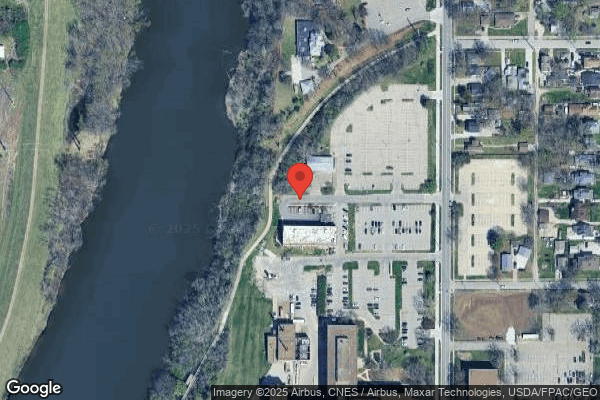

701 RIVERVIEW, DES MOINES, IA 50316 (515) 266-1106
For profit - Corporation 74 Beds THE ENSIGN GROUP Data: November 2025 1 Immediate Jeopardy citation
Trust Grade
33/100
#297 of 392 in IA
Last Inspection: October 2024

Within standard 12-15 month inspection cycle. Federal law requires annual inspections.

Overview

The Rehabilitation Center of Des Moines has received a Trust Grade of F, indicating significant concerns and poor overall quality. With a state rank of #297 out of 392, they are in the bottom half of Iowa facilities, and #19 out of 29 in Polk County, meaning only a few local options are worse. Although the facility is improving, having reduced issues from 11 in 2024 to 3 in 2025, it still reported a total of 44 deficiencies, including critical incidents like a cognitively impaired resident eloping from the building due to inadequate supervision. Staffing is average, with a turnover rate of 40%, which is slightly better than the state average, and there have been no fines recorded, which is a positive sign. However, specific incidents, such as a resident not being properly secured in a van during transport and the failure to maintain sanitary conditions for outside dumpsters, highlight serious areas of concern that families should consider.
Trust Score
F
33/100
In Iowa
#297/392
Bottom 25%
Safety Record
High Risk
Review needed
Inspections
Getting Better
11 → 3 violations
Staff Stability
○ Average
40% turnover. Near Iowa's 48% average. Typical for the industry.
Penalties
✓ Good
No fines on record. Clean compliance history, better than most Iowa facilities.
Skilled Nurses
○ Average
Each resident gets 37 minutes of Registered Nurse (RN) attention daily — about average for Iowa. RNs are the most trained staff who monitor for health changes.
Violations
⚠ Watch
44 deficiencies on record. Higher than average. Multiple issues found across inspections.
★★☆☆☆
2.0
Overall Rating
★★★☆☆
3.0
Staff Levels
★★★★☆
4.0
Care Quality
★★☆☆☆
2.0
Inspection Score
Stable
2024: 11 issues
2025: 3 issues

The Good

  • 4-Star Quality Measures · Strong clinical quality outcomes
  • Full Sprinkler Coverage · Fire safety systems throughout facility
  • No fines on record
  • Staff turnover below average (40%)

    8 points below Iowa average of 48%

Facility shows strength in quality measures, fire safety.

The Bad

2-Star Overall Rating

Below Iowa average (3.0)

Below average - review inspection findings carefully

Staff Turnover: 40%

Near Iowa avg (46%)

Typical for the industry

Chain: THE ENSIGN GROUP

Part of a multi-facility chain

Ask about local staffing decisions and management

The Ugly 44 deficiencies on record

1 life-threatening 1 actual harm
May 2025 3 deficiencies
CONCERN (D) 📢 Someone Reported This

A family member, employee, or ombudsman was alarmed enough to file a formal complaint

Potential for Harm - no one hurt, but risky conditions existed

Deficiency F0557 (Tag F0557)

Could have caused harm · This affected 1 resident

**NOTE- TERMS IN BRACKETS HAVE BEEN EDITED TO PROTECT CONFIDENTIALITY** Based on observations, interviews, and record review, the facility failed to provide privacy and dignity while providing care to...

Read full inspector narrative →
**NOTE- TERMS IN BRACKETS HAVE BEEN EDITED TO PROTECT CONFIDENTIALITY** Based on observations, interviews, and record review, the facility failed to provide privacy and dignity while providing care to 1 out of 3 residents reviewed (Resident #5). Staff provided care to Resident #5 while she was lying in bed. During the provision of care both upper and lower areas of Resident #5 were exposed to include her breasts, buttocks and genitals. The blinds on this resident's window were left open with a parking lot just outside of her window. The facility reported a census of 72 residents. Findings include: A Quarterly Minimum Data Set, dated [DATE], documented diagnoses for Resident #5 included bipolar disorder, muscle weakness and need for assistance with personal care. A Brief Interview for Mental Status documented a score of 15 out of 15, which indicated intact cognitive functioning. Resident #5 was dependent on 2 or more staff for toileting hygiene, showering/bathing, upper and lower body dressing and personal hygiene. On 5/5/25 at 12:26 p.m., Resident #5 stated that when staff do her cares they often leave the blinds to her window open, so anyone that is out there could see. On 5/5/25 at 1:15 p.m., Staff D, Certified Nurse Aide (CNA) and Staff E, CNA, went into Resident #5's room. They started providing cares to this resident. The window blinds were open. A car parked in an empty spot approximately 4 spaces away from this resident's window. A person got out of the car and walked away from, not toward the window. Directly following this observation, Staff D, when asked about the blinds being left open while they provided care, stated she should have shut them. When told a car pulled up, a person got out but that person didn't walk toward the window, Staff D nodded and repeated she should have shut them. On 5/6/25 at 3:35 p.m., the Licensed Nursing Home Administrator (LNHA) and the Director of Nursing (DON), acknowledged the concern regarding the blinds not being drawn while cares were given. They acknowledged this was a dignity/resident rights issue. A Resident Rights Policy with the subject of Dignity and Privacy revised on 10/2024, directed the following: POLICY: It is the policy of this facility that all residents be treated with dignity, respect, and privacy. PROCEDURES: 1. The staff shall display respect for Resident's when speaking with, caring for, or talking about them, as constant affirmation of their individuality and dignity as human beings. 2. Schedules of daily activities allow maximum flexibility for residents to exercise choices about what they will do and when they will do it. Residents' individual preferences regarding such things as menus, clothing, religious activities, friendships, activity programs, and entertainment are elicited and respected by the facility. 3. Residents will be appropriately dressed in clean clothes arranged comfortably on their persons, and be well groomed per their preference. 4. Residents shall be examined and treated in a manner that maintains the privacy of their bodies. A closed door or drawn curtain shields the Resident from passers-by. People not involved in the care of the Resident shall not be present without the resident's consent while they are being examined or treated. 5. Privacy of a Resident's body shall be maintained during toileting, bathing and other activities of personal hygiene, except when staff assistance is needed for the Resident's safety. 6. Violations of the Resident's right to dignity and respect should be promptly reported to the Director of Nursing Services and/or the Administrator. HIGHLIGHTS: Dignity and respect, daily activity schedules, privacy, care and treatments, reporting violations and grievances
CONCERN (D) 📢 Someone Reported This

A family member, employee, or ombudsman was alarmed enough to file a formal complaint

Potential for Harm - no one hurt, but risky conditions existed

Deficiency F0578 (Tag F0578)

Could have caused harm · This affected 1 resident

**NOTE- TERMS IN BRACKETS HAVE BEEN EDITED TO PROTECT CONFIDENTIALITY** Based on observations, interviews and record review, the facility failed to have clear direction for their staff regarding code ...

Read full inspector narrative →
**NOTE- TERMS IN BRACKETS HAVE BEEN EDITED TO PROTECT CONFIDENTIALITY** Based on observations, interviews and record review, the facility failed to have clear direction for their staff regarding code status for 1 of 1 resident reviewed (Resident #2). The facility had a doctor's order for a full code which directed that in the event Resident #2's heart and respirations should stop, CPR (Cardiopulmonary Resuscitation)(Chest Percussions and rescue breathing) (Full Code) was to be performed. The IPOST (Iowa Physician's Orders for Scope of Treatment) for this resident directed that this resident was to be a DNR (Do Not Resuscitate) in the event Resident #2's heart and respirations should stop this resident was not to have chest percussions nor was he to have rescue breathing given to him. The facility reported a census of 72 residents. Findings include: A Care Plan for Resident #2 had a focus area initiated on [DATE], directed that Resident #2 desired to be a DNR per IPOST. The Goal was that Advanced Directives will be honored by staff. The intervention directed that the IPOST document would be reviewed with each care conference and updated as needed. An IPOST dated [DATE], directed that resident was a DNR/Do Not Attempt Resuscitation. A Physician's Order dated [DATE], directed that Resident #2 was to have CPR/Full Code. On [DATE] at 11:47 a.m., Staff A, Certified Medication Aide (CMA), stated that on [DATE] Resident #2's eyes didn't look right and his respirations were high. Staff A asked 2 other staff to lay Resident #2 down. Staff A stated that the staff reported when they were laying this resident down, this resident started to turn blue. Staff A stated he called for a code blue overhead and everyone came down. Staff A stated he knew they (the nurses) were trying to work with the oxygen and they were trying to find out code status for Resident #2. Staff A stated that the papers they were going to send with the ambulance directed that Resident #2 was a DNR, but Resident #2 was listed as a Full Code in the facility's system. On [DATE] at 12:56 p.m., Staff B, Registered Nurse (RN), 2nd floor Unit Manager, stated that Staff A shouted down the hall to Staff B that they needed her. She stated that they called on the overhead speaker for assistance on the 2nd floor. She stated the overhead call was for a code. Staff B stated a code was not initiated as Resident #2 had a pulse and was breathing. He was pale in color. She stated then the EMS (Emergency Medical Services) arrived. Staff B stated that this resident was a DNR. She stated his IPOST directed that he was a DNR. Staff A stated she knew that in his chart there was a doctor's order for a full code. She stated the DNR/IPOST was signed around December (2024) and the doctor's order was written as a full code when Resident #2 returned around [DATE] from his prior hospitalization last month. Staff B stated she did not feel the team at this facility could have done anything differently then what they did, other than being sure the code status was aligned. On [DATE] at 11:36 p.m., Staff C, Nurse Practitioner, stated that she usually goes over code status when residents return from the hospital and Staff C wanted to talk with his son. Staff C stated that the hospital likely changed Resident #2 to a full code in order for them to perform a wound debridement procedure. Staff C stated that she thought Resident #2's son made Resident #2 a DNR when this resident was very first admitted to the facility. On [DATE] at 3:35 p.m., the Licensed Nursing Home Administrator (LNHA) and the Director of Nursing (DON) , acknowledged the above concern regarding differing code status for Resident #2. They stated they became aware of this situation on the day it happened and have started to look further into this situation, including doing audits on the other residents. A Care and Treatment Policy with the subject Advance Directives revised on 6/2023, directed the following: POLICY: It is the policy of this facility that a resident's choice about advance directives will be respected. PROCEDURES: 1. The care plan team will ask residents, and/or their family members, about the existence of any advance directives. 2. Should the resident indicate that he or she has issued advance directives about his/her care and treatment, the facility will require that a copy of such directives be included in the medical record. 3. The facility will work with the resident and their responsible party in completing an advanced directive if they choose and an IPOST to clarify their wishes to be documented for physician signature. 4. The facility has defined advanced directives as preferences regarding treatment options and are included, but not limited to: a. Living Will - A document that specifies a resident's preferences about measures that are used to prolong life when there is a terminal prognosis; b. Do Not Resuscitate -- Indicates that, in case of respiratory or cardiac failure, the resident, legal guardian, health-care proxy, or representative (sponsor) have directed that no cardiopulmonary resuscitation (CPR) or other life-saving methods are to be used; c. Do Not Hospitalize - Indicates that the resident is not to be hospitalized , even if he/she has a medical condition that would usually require hospitalization; d. Feeding Restrictions - Indicates that the resident, legal guardian, health-care proxy, or representative (sponsor) does not wish for the resident to be fed by artificial means (e.g., tube, intravenous nutrition, etc.) if he/she is not able to be nourished by oral means; e. Medication Restrictions - Indicates that the resident, legal guardian, health-care proxy, or representative (sponsor) does not wish for the resident to receive life-sustaining medications (e.g., antibiotics, chemotherapy, etc.); and f. Other Treatment Restrictions - Indicates that the resident, legal guardian, health-care proxy, or representative (sponsor) does not wish for the resident to receive certain medical treatments. Examples include, but are not limited to, blood transfusions, tracheotomy, respiratory incubation, etc. 5. If advance directive documents or IPOST are not available or signed by the resident (responsible party) and the physician, the facility will consider the resident a full code until clarification is obtained. 6. If advance directive documents were developed in another state, the resident must have such documents reviewed and revised by legal counsel in this state before the facility may honor such directives. 7. The care plan team will review periodically, at least quarterly, annually with the resident his/her advance directives to ensure that they are still the wishes of the resident. Such reviews will be made during the assessment process and recorded on the resident assessment instrument (MDS). 8. Changes or revocations of a directive must be submitted to the facility, in writing. The facility may require new documents if changes are extensive. The care plan team will be informed of such changes and/or revocations so that appropriate changes can be made in the resident assessment (MDS) and care plan. 9. The facility will notify the attending physician of advance directives so that appropriate orders can be documented in the resident's medical records and plan of care. 10. Inquiries concerning advance directives should be referred to social services, and/or to the director of nursing services.
CONCERN (D) 📢 Someone Reported This

A family member, employee, or ombudsman was alarmed enough to file a formal complaint

Potential for Harm - no one hurt, but risky conditions existed

Accident Prevention (Tag F0689)

Could have caused harm · This affected 1 resident

**NOTE- TERMS IN BRACKETS HAVE BEEN EDITED TO PROTECT CONFIDENTIALITY** Based on observation, interviews, and record and policy review, the facility failed to ensure safety risks were minimized for 1 ...

Read full inspector narrative →
**NOTE- TERMS IN BRACKETS HAVE BEEN EDITED TO PROTECT CONFIDENTIALITY** Based on observation, interviews, and record and policy review, the facility failed to ensure safety risks were minimized for 1 of 1 resident observed (Resident #8). Resident #8 was observed being pushed in her wheelchair (w/c) by Staff F, Certified Nurse Aide (CNA) without her feet on w/c pedals. It was noted that the bottom of Resident #8's feet were skimming the floor while Staff F was pushing her. The facility reported a census of 72 residents. Findings include: A Minimum Data Set (MDS) dated [DATE], documented that diagnoses for Resident #8 included carpal tunnel syndrome bilateral upper limbs, repeated falls, and weakness. A Brief Interview for Mental Status (BIMS) documented a score of 15 out of 15, which indicated intact cognitive functioning. Resident #8 could wheel herself once seated in a manual wheelchair at least 50 feet and make 2 turns. It documented that this resident used a manual wheel chair and once seated she had the ability to wheel at least 150 feet in a corridor or similar space. Observation on 5/6/25 at 3:30 p.m., revealed Resident #8 was being pushed in her w/c by Staff F, CNA. There were no w/c pedals on the chair. This resident stated she asked Staff F to push her down the hall. Staff F said she knows to use w/c pedals when pushing residents. Staff F said this resident had asked Staff F to push her in her w/c. This resident said she did ask Staff F to push her down the hall in her w/c. When asked about her feet touching the floor, this resident lifted her feet way up. Staff F stated that Resident #8 normally wheels herself all over the place or walks behind the w/c. Staff H, Certified Nurse Aide (CMA) was standing at the medication cart. She said she didn't see this incident. Staff H said she was new to the facility. Staff H asked Staff F if most residents have bags on their w/cs to place w/c pedals. Staff F said she didn't know if Resident #8 even had any w/c pedals. Staff G, MDS Coordinator/nurse, stated understanding of this observation. Staff G acknowledged that no resident should be pushed in a w/c by staff without having the legs and w/c pedals on the wheelchair with the resident's feet on the pedals. When Staff F was asked if she knew why there was a concern with this situation, she stated yes, they could break their ankles. On 5/6/25 at 3:35 p.m., the Licensed Nursing Home Administrator (LNHA) and the Director of Nursing (DON), when told about this observation, stated understanding of the concern and acknowledged it was a concern. The DON stated usually Resident #8 uses her feet to go all over the facility in her w/c. On 5/7/26 at 11:36 a.m., Staff C, Nurse Practitioner, stated that Resident #8 is alert and oriented times 3 (oriented to person, place, and time). Staff C stated that Resident #8 should not have been pushed with her feet skimming on the ground. A Quality of Life policy with a subject of Safety, Resident was reviewed on 10/2024. It directed the following: POLICY: It is the policy of this facility to create a safe environment for wheelchair mobility. PROCEDURES: 1. Assist resident to wheelchair as resident needs arise per resident's care plan. 2. Make sure the person is comfortable. 3. Position the patient's feet on the footrests of the wheelchair when needed per resident needs. 4. When transporting a resident in a wheelchair unlock the wheelchair brakes and transport the individual forward through an open doorway after checking for traffic. 5. When transporting the individual up to a closed door, open the door and back the wheelchair through the doorway. 6. Take the individual to their destination and ensure they are safe
Oct 2024 6 deficiencies
CONCERN (D) 📢 Someone Reported This

A family member, employee, or ombudsman was alarmed enough to file a formal complaint

Potential for Harm - no one hurt, but risky conditions existed

Resident Rights (Tag F0550)

Could have caused harm · This affected 1 resident

**NOTE- TERMS IN BRACKETS HAVE BEEN EDITED TO PROTECT CONFIDENTIALITY** Based on observation, staff interview and policy review, the facility failed to ensure dignity was provided, resident pulled to ...

Read full inspector narrative →
**NOTE- TERMS IN BRACKETS HAVE BEEN EDITED TO PROTECT CONFIDENTIALITY** Based on observation, staff interview and policy review, the facility failed to ensure dignity was provided, resident pulled to shower room backwards down the hall covered with only a blanket for 1 of 3 residents reviewed for dignity (Resident #51). The facility reported a census of 66 residents. Findings include: A Quarterly Minimum Data Set (MDS) assessment dated [DATE] revealed Resident #51 had a Brief Interview for Mental Status (BIMS) of 15 which indicated intact cognition. The MDS further documented the resident had diagnoses included traumatic brain injury, schizophrenia and bilateral lower leg amputation. The resident required substantial/maximal assistance with bathing. The Care Plan dated initiated 2/21/24 revealed a focus area for Resident #51 Activity of Daily Living (ADL) self-care performance deficits related to traumatic brain injury and double below knee amputation. Interventions included substantial/maximum assistance with bathing/showering 2 times a week and as necessary, dependent on staff to dress lower body. In an observation on 10/14/24 at 12:21 PM Certified Nursing Aide (CNA) Staff A pulled resident in a wheeled shower chair through the hall while resident sat with back to staff A. Resident observed covered with a blanket, head uncovered, lower legs partially covered displayed both legs were amputated. In an Interview on 10/16/24 at 5:30 PM The Director of Nurses (DON) acknowledged concerns regarding Resident #51 dignity, relayed ongoing work is in process to ensure resident dignity is maintained. Facility policy titled Dignity and Privacy Revised May 2007 documented all residents be treated with dignity, respect and privacy. Residents shall be examined and treated in a manner that maintains the privacy of their bodies.
CONCERN (D)

Potential for Harm - no one hurt, but risky conditions existed

Deficiency F0657 (Tag F0657)

Could have caused harm · This affected 1 resident

**NOTE- TERMS IN BRACKETS HAVE BEEN EDITED TO PROTECT CONFIDENTIALITY** Based on clinical record review, observations, staff interview, and policy review, the facility failed to revise and update a co...

Read full inspector narrative →
**NOTE- TERMS IN BRACKETS HAVE BEEN EDITED TO PROTECT CONFIDENTIALITY** Based on clinical record review, observations, staff interview, and policy review, the facility failed to revise and update a comprehensive person-centered care plan for 2 of 21 residents reviewed (Residents #27 and #61). The facility reported a census of 66 residents. Findings include: 1. The Minimal Data Set (MDS) assessment dated [DATE] recorded Resident #27 had diagnoses including cancer, anemia, coronary artery disease, hypertension, renal insufficiency, obstructive uropathy, history of urinary tract infections, and diabetes. Other diagnoses verified by the primary care provider include chronic osteomyelitis (unspecified site), difficulty walking (not elsewhere classified), type 2 diabetes with diabetic polyneuropathy, and acquired absence of left leg below the knee amputation (BKA). The MDS documented Resident #27 does not have any type of a urinary catheter. Resident #27's Care Plan, with target completion date of 11/1/24, revealed inconsistent amputation sites and presence of a urinary catheter with the following Focus area statements: a. Activities of Daily Living (ADL) self-care performance deficit related to recent myocardial infarction, left BKA, adult failure to thrive b. Has a risk for urinary retention related to benign prostatic hyperplasia (BPH) with obstruction. I know have a Foley catheter c. Has indwelling catheter related to BPH d. At risk for falls related to confusion and recent amputation of right foot e. Potential fluid deficit related to history of infection to amputated left BKA f. Has acute/chronic pain related to right foot amputation The Change in Condition progress notes completed by nursing staff revealed the following: On 7/16/2024 at 5:39 PM, Symptoms or signs noted of Condition change: Other change in condition Blood in urine. foley catheter d/c. Voiding trial. Notifications: Reported to primary care clinician: Date and time of clinician notification: 07/16/2024 3:00 PM On 7/16/24 at 5:48 PM, Blood in urine. Foley d/c. Voiding trial initiated. Current Conditions: Resident noted with blood in his urine and also blood from his penis. Resident denials pain/discomfort. Respiration even, unlabored. No s/s of acute distress noted. VSS. Nurse Practitioner on unit and she made aware. Order received for labs. BMP, CBC, UA/C&S. CBC and BMP labs obtained. Pending results. Order also received to keep foley catheter out after it dislodge. Check VS every shift. Voiding trial initiated. Resident voids large amount of urine mixes with blood. Care plan ongoing. On 7/17/24 at 8:15 AM, Change in Condition: Symptoms or signs noted of Condition change: Falls Other change in condition Ok to send to the hospital to eval/treat d/t hematuria, lethargic and generalized weakness. Notifications: Reported to primary care clinician. On 10/14/24 at 10:00 AM. Resident #27 observed sitting at the edge of his bed wearing a short-sleeved shirt and an incontinent brief (no shorts or pants). No urinary catheter visualized. On 10/16/24 at 11:25 AM. Resident #27 verbalized and confirmed an amputation to his left leg due to an infection. The resident's right foot visualized and did not show signs of an amputation. No urinary catheter tubing or bag visualized. During an interview on 10/17/24 at 8:15 AM, Staff H, Registered Nurse, confirmed Resident #27 returned without a urinary catheter when hospitalized in July. Resident #27 remains without urinary catheter. 2. The Quarterly MDS assessment dated [DATE] revealed the Brief Interview for Mental Status could not be completed on Resident #61. Diagnoses on the MDS included stroke, aphasia, hemiplegia or hemiparesis, depression, and dysphagia. The MDS indicated Resident #61 experienced one fall since admission or prior assessment. The MDS indicated the use of an antidepressant. Resident #61's Care Plan, with target completion date of 9/26/24, indicated a fall with an intervention to utilize a fall mat (date initiated 7/18/24). Room observations completed on 10/15/24, 10/16/24, and 10/17/24. Resident #61 found sleeping during each visit with no fall mat present visualized next to the bed. During an interview on 10/17/24 at 8:15 AM, Staff H voiced Resident #61 did not have any specific fall preventions in place. Staff H denied current use of or need for a fall mat. Staff H explained Resident #61 brought out to the nurse's station after meals and encouraged to remain upright for 30 minutes. This additional oversight indicated due to history of Resident #61 scooting himself down to laying position. Staff H also explained his room door is kept open most of the time for increased resident visualization. The Care Plan failed to indicate the above fall interventions and contained an intervention not being utilized. The Order summary Report documented Sertraline HCl 100 milligrams by mouth in the morning for depression with the start date of 7/30/24. Clinical record review indicated Resident #61 receiving counseling services thru Flowstate Health for treatment of his depression. The Social Services Summary progress note from 9/27/24 at 11:28 AM states, Rick is a resident at a Long Term Care Facility (LTC) which remains appropriate for his LOC needs as he is dependent for most ADLs. He is cognitively impaired and has some signs and moderate symptoms of depression. BIMS 9 PHQ 15. Agreeable to continue individual therapy sessions. Family would like to see him move to a facility closer to their home, but he has not been accepted elsewhere. The clinic record showed scanned counseling session notes from the Flowstate Health therapist During an interview on 10/17/24 at 8:50 AM, Staff L, Social Services, confirmed Resident #61 received counseling. Services began 6/7/24 with Flowstate Health. Staff L indicated social services personnel would update resident care plans to reflect mental health services. During an interview on 10/16/24 at 3:30 PM, the Director of Nursing (DON) explained unit managers were responsible for care plan updates up until August of this year. The DON or the MDS coordinator are primarily responsible to update care plan. The policy Care Planning, with a review date of November 2022, revealed the following: a. The comprehensive care plan will be developed by the Interdisciplinary Team (IDT) within seven days of the completion of the resident's MDS> and will include needs identified in the comprehensive assessment, any specialized services, resident goals/outcomes, and preferences for future discharge plans b. The comprehensive care plan will be reviewed and/or revised by the IDT after each assessment and updated as appropriate c. The care plan will be reviewed as needed for order changes or resident changes in condition and interventions will be implemented as appropriate.
CONCERN (D) 📢 Someone Reported This

A family member, employee, or ombudsman was alarmed enough to file a formal complaint

Potential for Harm - no one hurt, but risky conditions existed

Deficiency F0658 (Tag F0658)

Could have caused harm · This affected 1 resident

**NOTE- TERMS IN BRACKETS HAVE BEEN EDITED TO PROTECT CONFIDENTIALITY** Based on clinical record review and staff interviews the facility failed to obtain follow-up blood work in the timeframe ordered...

Read full inspector narrative →
**NOTE- TERMS IN BRACKETS HAVE BEEN EDITED TO PROTECT CONFIDENTIALITY** Based on clinical record review and staff interviews the facility failed to obtain follow-up blood work in the timeframe ordered by the Primary Care Provider (PCP) laboratory (Resident #49) and the resident was eventually hospitalized with 1 of 3 residents reviewed. The facility reported a census of 66 residents. Findings include: 1. The admission Minimal Data Set (MDS) assessment dated [DATE] indicated Resident #49 could not complete the Brief Interview for Mental Status. Diagnoses on the MDS included: renal insufficiency/renal failure/or end stage renal disease, diabetes, aphasia, stroke, hemiplegia/hemiparesis, and respiratory failure. The MDS revealed the presence of a feeding tube and the resident received tracheostomy care. Laboratory blood work obtained on 8/6/24, revealed a low potassium level of 3.1 mEq/L (reference range 3.4-5.0mEq/L) and a sodium level of 142 (refence range of 135-15mEq/L). On 8/8/24, the PCP ordered a potassium supplement and to recheck labs in one week (8/13/24). The order was noted by the facility's registered nurse on 8/8/24 and placed on the laboratory treatment administration sheet for 8/15/24. The clinical record revealed the follow-up blood draw was not completed until 8/20/24, five days after it was initially scheduled. There is no indication in the clinical record that staff notified the PCP of the missed and delayed lab work. On 8/22/24, the PCP notified of results which included a potassium level of 3.8mEq/L (within acceptable parameter) and an elevated sodium level of 154mEq/L. Orders to increase free water flushes and to recheck labs next week noted by the facility's registered nurse on 8/22/24. The Progress Note dated 8/27/24 11:43 AM documented a critical sodium 161mEq/L with Resident #49 tired and lethargic. Per orders from the PCP, Resident #49 transported to the emergency room and was subsequently admitted for hypernatremia (elevated sodium level). During an interview on 10/17/24 at 8:15 AM, Staff H, Registered Nurse explained routine, non-emergent blood work completed on Tuesdays. Those labs which are considered emergent are obtained per timeframe ordered by the PCP. Facility staff will contact the PCP if labs were not obtained, as ordered, for any reason. During an interview on 10/17/24 at 12:30 PM, the Director of Nursing (DON), voiced the expectation of staff obtaining Resident #49's blood work on 8/15/24, as ordered by the PCP. The DON acknowledged lab work was missed and lacked documentation which indicated the PCP was notified. The DON explained labs were obtained as soon as the oversight noticed, which was on 8/20/24. During an interview on 10/17/24 at 1:55 PM, Staff I, Advanced Registered Nurse Practitioner, unable to recall if the facility staff notified of the missed lab work from 8/15/24. Staff I unable to determine if the delay in obtaining the lab work on 8/15/24 would have prevented the hospitalization for hypernatremia.
CONCERN (D) 📢 Someone Reported This

A family member, employee, or ombudsman was alarmed enough to file a formal complaint

Potential for Harm - no one hurt, but risky conditions existed

Deficiency F0685 (Tag F0685)

Could have caused harm · This affected 1 resident

**NOTE- TERMS IN BRACKETS HAVE BEEN EDITED TO PROTECT CONFIDENTIALITY** Based on resident interview, staff interview, clinical record review and facility policy the facility failed to ensure specialis...

Read full inspector narrative →
**NOTE- TERMS IN BRACKETS HAVE BEEN EDITED TO PROTECT CONFIDENTIALITY** Based on resident interview, staff interview, clinical record review and facility policy the facility failed to ensure specialist referral for 1 of 3 residents reviewed for referrals. Resident #38 complained of worsening vision. The facility reported a census of 66 residents. Findings include: The Quarterly Minimum Data Set (MDS) assessment dated [DATE] revealed Resident #38 scored 15 out of 15 on the Brief Interview for Mental Status (BIMS) which indicated intact cognition. The MDS included resident diagnoses, heart and respiratory disease, non-Alzheimer's dementia, anxiety, depression, post-traumatic stress and depression. The Care Plan dated 4/2/22 identified Resident #38 medications included the following types psychoactive drugs, antidepressants, antipsychotics and antianxiety medications and directed to observe for side effects which included blurred vision. A Progress Note dated 6/27/23 from the Nurse Practitioner, Staff C documented, detailed exam included for vision, seen today as a new patient, Resident #38 has blurry vision in his left eye that isn't new onset. A Progress note dated 11/2/2023 revealed Resident #38 reported that he has a hard time seeing out of his left eye and that its been getting worse over the last month or so, this nurse spoke with resident and social services and an appointment will be made for the optometrist, reported Nurse Practitioner, Staff C notified as well. In an interview on 10/15/24 08:59 AM Resident #38 relayed needs to see an eye doctor, could not see out of left eye, had told staff and continued to worsen since February 2024. In an interview on 10/16/24 at 5:17 PM Director of Nurses, DON relayed was not aware of Resident #38 had eye trouble, would check into further. In an interview on 10/17/24 09:16 AM Social Services, Staff B relayed several options for vision care nearby without regard to funding source. Relayed was not aware until this week that resident expressed change in vision, reported Resident #38 now has an appointment for tomorrow. In an Interview on 10/17/24 at 1:39 PM with the DON reported the expectation if a resident complained of vision changes, the resident would be referred to the optometrist. In a telephone interview on 10/17/24 at 01:15 PM Nurse Practitioner Staff C relayed did not recall resident complaining of blurred vision and If a resident complained would write an order, patient needs to be seen by an optometrist, also would alert the facility nurses. Relayed is no longer contracted to work at this facility, cannot access notes and could not recall Resident #38 complaining of any vision complains. Discussed note in resident electronic recorded by this NP dated 6/27/23 documented, Resident #38 has blurry vision in left eye that isn't new onset, Staff C relayed had just begun working at the facility at that time likely one of the first notes and could not recall. The facility policy titled, Procedure Referrals dated May 2022 documented, If the facility does not employ a qualified professional to furnish a specific service ordered by the physician, the facility will make necessary arrangements for services to be furnished to the resident by a person or agency outside the facility.
CONCERN (D)

Potential for Harm - no one hurt, but risky conditions existed

Respiratory Care (Tag F0695)

Could have caused harm · This affected 1 resident

Based on observation, clinical record review, and staff interview the facility failed to ensure an emergency tracheostomy kit was at the resident's bedside for 1 of 3 residents reviewed (Resident #57)...

Read full inspector narrative →
Based on observation, clinical record review, and staff interview the facility failed to ensure an emergency tracheostomy kit was at the resident's bedside for 1 of 3 residents reviewed (Resident #57). The facility reported a census of 66 residents. Findings include: The Annual Minimum Data Set (MDS) for Resident #57, dated 7/19/24, included diagnoses of anoxic brain damage (due lack of oxygen) and respiratory failure. The MDS documented resident was totally dependent on staff for all cares, had a tracheostomy (surgical opening in neck to provide for obstruction of breathing) and required oxygen. Observation on 10/14/24 at 11:54 AM, resident in room reclined in a wheelchair with a tracheostomy, with an oxygen (O2) mask over the tracheostomy, and O2 at 4.5 liters. No emergency tracheostomy kit available at the resident's bedside. Resident's Care Plan initiated 6/30/23, documented resident had a tracheostomy related to impaired breathing mechanics and intervention to keep a tracheostomy tube and obturator (medical device to hold tracheostomy tube in place) at bedside. Interview on 10/15/24 at 1:50 PM, Staff D Registered Nurse confirmed she was unable to find an emergency tracheostomy kit in the resident's room. Interview on 10/15/24 at 3:02 PM, the Director of Nursing confirmed no emergency tracheostomy kit in the resident's room and stated her expectation of an emergency tracheostomy kit should be at the bedside for any resident with a tracheostomy.
CONCERN (E)

Potential for Harm - no one hurt, but risky conditions existed

Infection Control (Tag F0880)

Could have caused harm · This affected multiple residents

**NOTE- TERMS IN BRACKETS HAVE BEEN EDITED TO PROTECT CONFIDENTIALITY** 3. The admission Minimal Data Set (MDS) assessment dated [DATE] indicated Resident #49 could not complete the Brief Interview fo...

Read full inspector narrative →
**NOTE- TERMS IN BRACKETS HAVE BEEN EDITED TO PROTECT CONFIDENTIALITY** 3. The admission Minimal Data Set (MDS) assessment dated [DATE] indicated Resident #49 could not complete the Brief Interview for Mental Status. Diagnoses on the MDS included: renal insufficiency/renal failure/or end stage renal disease, neurogenic bladder, Multidrug-Resistant Organism (MDRO), diabetes, aphasia, stroke, hemiplegia/hemiparesis, and respiratory failure. The MDS revealed the presence of a feeding tube and receiving tracheostomy care. The Care Plan initiated on 6/24/24 revealed Resident #49 with self-care performance deficit due to impaired mobility. The Care Plan noted the need for a tracheostomy related to impaired breathing mechanics. A jejunostomy tube present for daily tube feedings due to dysphagia. A gastric tube present for drainage with the drainage bag emptied daily. During observation on 10/16/24 at 9:00 AM, Staff E, Certified Nursing Assistant, and Staff H, Registered Nurse, completed hand hygiene & donned a pair of gloves upon room entry. Both staff members completed pericares with hand hygiene and glove changes completed throughout. Once pericares were completed, Staff H washed hands and initiated tracheostomy cares. All Supplies laid out on a bedside table with a barrier. A new pair of gloves obtained from the tracheostomy suction kit. Suctioning completed. Staff H transitioned to changing out the tracheostomy annual. Hand hygiene completed with a new pair of gloves obtained from the cannula kit. The cannula changed out with Staff H completing hand hygiene and glove change afterwards. Staff H did not wear a gown during tracheostomy cares. An enhanced barrier protection sign present on the door with supplies available in the hallway. 4. The Care Plan initiated on 10/3/24 revealed Resident #219 admitted to the facility with two stage three pressure Injuries to bilateral hips requiring daily dressing changes. The Care Plan documented that Resident #219 had and infection to the buttocks that required antibiotic therapy. During wound care observation on 10/15/24 at 3:25 PM, Staff H, Registered Nurse completed hand hygiene and donned a pair of gloves upon room entry. Wound supplies laid out on bedside table with a barrier. Staff H explained Resident #219 had a shower earlier where the left hip wound dressing was removed. Wound cleansed with gauze pre-soaked with normal saline and then pat dry. Staff H completed hand hygiene and changed gloves. Triad paste and dressing applied. Staff H completed hand hygiene and changed gloves to initiate wound cares to the right hip. After the old dressing removed, hand hygiene completed and gloves changed. Wound cleansed with gauze pre-soaked with normal saline and then pat dry. Staff H completed hand hygiene and changed gloves. Triad paste and dressing applied. Hand hygiene complete after all cares were finished. Staff H did not wear a gown during wound cares. An enhanced barrier protection sign present on the door with supplies available in the hallway. 2. The Quarterly MDS dated [DATE] for Resident #52 documented diagnoses including, wound infection, pneumonia, schizophrenia and bipolar disorder. Skin conditions included surgical wound and open lesions. Resident #52 required surgical wound care, application of ointments and medications. The Care Plan focus dated 9/30/24 indicated resident had infection to the right knee that required intravenous antibiotics. Also indicated impairment to skin integrity on left ankle and directed to maintain standard precautions when providing resident care. The Treatment Administration Record, October 2024 for Resident #52 directed treatments as follows: a. cleanse right knee with normal saline and cover with (absorbent dressing to treat large wounds, or wounds that require a lot of absorption) ABD pad secure with any tape of choices, one time a day for surgical area b. Cleanse wounds on the left lateral leg with normal saline and gauze, cover wound bed with triad then cover with 4 inch x 4 inch Mepilex border (dressing). Perform wound cares every other day and as needed for saturation of dressing. in the morning, Tuesday, Thursday, Saturday. During an observation on 10/14/24 at 8:27 AM, Registered Nurse (RN) Staff #B entered resident #52's room. Staff B set up supplies needed for dressing change on a barrier, gowned and gloved appropriately for the procedure. Staff B removed the right knee dressing, cleansed the wound and covered with a dressing. Staff B took off the gloves and put on new gloves, did not sanitize hands after removing gloves and proceeded on to complete the left leg wound care. In an interview on 10/16/24 at 8:51 AM followed dressing change, RN Staff B acknowledged he did not complete hand hygiene after removing gloves and putting on new gloves as continued on for wound care to resident's other leg. On 10/16/24 at 5:30 PM the Director of Nursing (DON) acknowledged hand hygiene should be performed after removing gloves and new gloves for infection control. DON also, acknowledged Enhanced Barrier Precautions (EBP) needed improvements for compliance, had struggled with EBP process since this is resident's home and felt EBP conflicted with resident dignity by wearing gowns for some procedures. In an interview with 10/16/24 02:00 PM with Registered nurse, Staff K, acknowledge EBP signs were posted on resident doors earlier this week and reported work needed to be done to ensure compliance. Staff K reported not receiving education about the EBP and would look into this. Based on observation, clinical record review, staff interview and family interview, and policy review, the facility failed to maintain infection control standards due to not wearing Personal E(PPE) of gown and gloves while providing high contact care activity for a resident required to be on Enhanced Barrier Precautions (EBP) (an infection control intervention requiring staff to wear designated PPE to reduce transmission of organisms for designated residents) for 3 (Resident #49, #119, and #219) of 3 residents reviewed and not completing proper hand hygiene with cares for 1 (Resident #52) of 1 reviewed. The facility reported a census of 66 residents. Findings include: 1. The Quarterly Minimum Data Set (MDS) for Resident #119, dated 8/9/24, included diagnoses of osteomyelitis (bone infection) of vertebra, Stage 4 (full thickness of skin wound) pressure ulcer of right buttock, and septicemia (infection in blood) and documented the resident had a Foley catheter (tube to empty urine from the bladder) and colostomy (opening in the abdominal wall from the colon to the outside of the body). Observation on 10/15/24 at 3:00 PM, Staff E, Certified Nurse Aide (CNA) and Staff F, CNA entered Resident #119's room and applied gloves. Staff E and Staff F transferred the resident from the bed to a wheelchair with a full body mechanical lift, holding the catheter tubing while transferring. Staff E and Staff F removed their gloves and exited the resident's room without completing hand hygiene. No EBP signage on resident's door and no PPE supplies available at doorway. Interview on 10/14/24 at 2:09 PM, a resident's wife stated she visited daily. The wife stated the staff always wear gloves, but do not wear a gown, when providing care for her husband who had a tracheostomy (surgical opening in neck) and gastrostomy tube (surgical opening into stomach to provide nutrition). Observation and interview on 10/14/24 at 3:04 PM, no EBP signs on ant residents' doors in the 200 hall. Staff J, CNA stated did have EBP signs on the residents' doors back in July and August but have not had for a while. Staff J stated his understanding of EBP was to wear a gown and gloves with cares with residents with wounds or lots of tubes and he stated staff do not to that consistently. Staff J confirmed there were no EBP signs on the residents' doors in the 200 hall. Staff J stated PPE supplies are available at the nurse's station and not outside doors or inside rooms. Observation on 10/15/24 at 10:AM, EBP signs on 9 residents' doors in the 200 hall. Facility policy for Standard and Transmission-Based Precautions revised 3/2024 directed EBP used in conjunction with standard precautions and expand the use of PPE through the use of gown and gloves during high-contact resident care activities. Examples of high-contact resident care activities requiring gown and glove use include: dressing, transferring, providing hygiene, device care (indwelling catheters, feeding tube, tracheostomy).
Jun 2024 5 deficiencies 1 Harm
SERIOUS (G) 📢 Someone Reported This

A family member, employee, or ombudsman was alarmed enough to file a formal complaint

Actual Harm - a resident was hurt due to facility failures

Accident Prevention (Tag F0689)

A resident was harmed · This affected 1 resident

Based on clinical record review, policy review, and staff interview, the facility failed to ensure 1 of 1 residents reviewed for vehicle safety(Resident #8) was secured in a van during transport, caus...

Read full inspector narrative →
Based on clinical record review, policy review, and staff interview, the facility failed to ensure 1 of 1 residents reviewed for vehicle safety(Resident #8) was secured in a van during transport, causing the resident to fall out of her seat. The facility reported a census of 65 residents. Findings include: The Quarterly Minimum Data Set(MDS) assessment tool, dated 10/11/23, listed diagnoses which included diabetes, non-Alzheimer's dementia, and anxiety disorder and listed her Brief Interview for Mental Status(BIMS)score as 15 out of 15 indicating intact cognition. The facility policy Fleet Safety Program, revised 4/14/21, stated the driver and all occupants were required to wear safety belts at all times and the driver was responsible for ensuring all passengers were properly secured in the vehicle at all times. A 12/9/23 untitled incident report stated the resident was transported and was not properly fastened in the seat belt. The driver attempted to leave the parking lot and the resident's flew forward and landed on her stomach on the front of the vehicle. The resident was not properly fastened in the car seat which caused her to fall forward when the vehicle started moving. The resident was sore all over her body but had no visible bruising and could move all extremities without difficulty. A 12/9/23 11:30 a.m. Nursing Note stated the resident transferred to the ER due to fall. A 12/9/23 3:06 p.m. Nursing Note stated the resident returned to the facility and had no pain or discomfort at the time. A 12/11/23 provider Encounter Note stated the resident hit the right side of her head when she flew between the driver and passenger seat during a van trip. The resident went to the ER for evaluation and stated her head still hurt some, and her chronic shoulder and knee pains were worse. A 12/11/23 Nursing Note stated the resident's was sore but her pain medications helped. On 6/6/24 at 1:40 p.m., the Director of Nursing(DON) stated that residents should be strapped into vehicles securely. She stated the resident did not sustain a fracture but was assessed at the hospital.
CONCERN (D) 📢 Someone Reported This

A family member, employee, or ombudsman was alarmed enough to file a formal complaint

Potential for Harm - no one hurt, but risky conditions existed

Deficiency F0578 (Tag F0578)

Could have caused harm · This affected 1 resident

**NOTE- TERMS IN BRACKETS HAVE BEEN EDITED TO PROTECT CONFIDENTIALITY** Based on clinical record review, policy review, and staff interviews, the facility failed to honor a resident's desire to be a D...

Read full inspector narrative →
**NOTE- TERMS IN BRACKETS HAVE BEEN EDITED TO PROTECT CONFIDENTIALITY** Based on clinical record review, policy review, and staff interviews, the facility failed to honor a resident's desire to be a Do Not Resuscitate(DNR) status by initiating cardiopulmonary resuscitation(CPR) for 1 of 4 residents(Resident #2) reviewed for advance directives(written instruction, such as a living will or durable power of attorney for health care, recognized under State law relating to the provision of health care when the individual was incapacitated). The facility reported a census of 65 residents. Findings include: The Minimum Data Set(MDS) assessment tool, dated [DATE], listed diagnoses for Resident #2 which included heart failure, pneumonia, and wound infection. The MDS listed the resident's Brief Interview for Mental Status(BIMS) score as 15 out of 15, indicating intact cognition. The MDS documented the resident had diagnoses including heart disease, diabetes, kidney disease, and respiratory failure. The facility policy Nursing Administration with subject Advanced Directives revised 6/2023, stated with admission paperwork, the care plan team would ask resident and family member about the existence of any advance directives and include a copy of the directives in the medical record. The resident's Initial admission Record, effective date [DATE], stated the resident's advance directives wish was DNR. A hospital Discharge summary, dated [DATE] listed the resident's code status at discharge as DNR. The resident's Care Plan did not address the resident's advance directive wishes. The resident's Initial Care Plan, dated [DATE], did not address the resident's advance directive wishes. The resident's electronic health record(EHR) Resident Dashboard stated no information found under the resident's Advance Directive. The untitled, undated facility summary of the event stated Staff A Registered Nurse(RN) walked by the resident's room and she quickly became non-responsive. At the moment, the resident did not have an Iowa Physician Orders for Scope of Treatment(IPOST-directed staff regarding advance directive wishes) so staff initiated CPR. The resident's daughter was contacted and directed staff to continue CPR. Staff contacted the hospital and determined the resident was a DNR status so CPR was terminated. On [DATE] at 12:29 p.m. via phone, Staff A Registered Nurse(RN) stated as he walked by the resident's room, she dropped something and he ran into the room and the resident could not speak. He told the nurse to call 911. He stated the electronic health record stated DNR but when they called the daughter she instructed them to continue CPR. He stated they initiated CPR and emergency medical services(EMS) arrived and took over. He stated EMS inquired as to her code status and called the hospital. The hospital reported that she was a DNR so they stopped CPR. On [DATE] at 1:17 p.m., Staff B RN stated she was at the nursing station and Staff A directed to call a code. She stated he initiated an emergency response and she followed him. In the EHR, it stated she was a DNR but the resident's daughter directed to carry out CPR. She stated they carried out CPR until EMS arrived. She stated there was a binder at the nursing station with resident code statuses but it did not contain one for Resident #2. On [DATE] at 1:40 p.m., the Director of Nursing stated upon admission, nurses should fill out code status paperwork. She stated with regard to Resident #2, there was confusion because she went to the hospital shortly after her arrival. She stated they did not have a signed IPOST at the time of the incident.
CONCERN (D) 📢 Someone Reported This

A family member, employee, or ombudsman was alarmed enough to file a formal complaint

Potential for Harm - no one hurt, but risky conditions existed

Notification of Changes (Tag F0580)

Could have caused harm · This affected 1 resident

Based on clinical record review, policy review, and staff interviews, the facility failed to notify the resident's family of an increase in pain and the need for additional pain medication for 1 of 3 ...

Read full inspector narrative →
Based on clinical record review, policy review, and staff interviews, the facility failed to notify the resident's family of an increase in pain and the need for additional pain medication for 1 of 3 residents reviewed for a change in condition(Resident #1). The facility reported a census of 65 residents. Findings include: The Minimum Data Set(MDS) assessment tool, dated 8/19/24, listed diagnoses for Resident #1 which included Alzheimer's disease, anxiety disorder, and depression. The MDS listed the resident's Brief Interview for Mental Status(BIMS) score as 15 out of 15. The MDS documented the resident had diagnoses including Alzheimer's disease, arthritis, joint contracture, muscle weakness. The facility policy Notification, Physician or Responsible Party, dated 8/2007, stated the facility would inform the resident's family/responsible party when there was a significant change in the resident's physical status. A Care Plan entry, dated 5/2/23, stated the resident's had acute(short term)/chronic(long-term) pain. An 11/2/23 5:28 p.m. Secure Conversations entry stated the nurse reported to the Nurse Practitioner(NP) that the resident refused cares and refused to get out to bed and her Tramadol(a narcotic pain medication) was ineffective. The NP stated she would order Oxycodone(a narcotic pain medication) 5 milligrams three times daily. The facility lacked documentation of family notification of the resident's increased pain level and new order of Oxycodone. On 6/6/24 at 1:40 p.m., the Director of Nursing(DON) stated if a resident was in pain and required Oxycodone, this would warrant a call to the family.
CONCERN (D) 📢 Someone Reported This

A family member, employee, or ombudsman was alarmed enough to file a formal complaint

Potential for Harm - no one hurt, but risky conditions existed

Report Alleged Abuse (Tag F0609)

Could have caused harm · This affected 1 resident

Based on clinical record review, policy review, and resident and staff interviews, the facility failed to report an allegation of abuse to the State Agency within 2 hours for 1 of 1 residents reviewed...

Read full inspector narrative →
Based on clinical record review, policy review, and resident and staff interviews, the facility failed to report an allegation of abuse to the State Agency within 2 hours for 1 of 1 residents reviewed for an allegation of abuse(Resident's #3). The facility reported a census of 65 residents. Findings include: The admission Minimum Data Set(MDS) assessment tool, dated 2/28/24, listed diagnoses for Resident #3 which included anxiety, depression, and psychotic disorder, and listed her Brief Interview for Mental Status(BIMS) score as 9 out of 15, indicating moderately impaired cognition. The facility policy Abuse: Prevention of and Prohibition Against, revised 12/20/23, stated all allegations of abuse, neglect, misappropriation of resident property, or exploitation should be reported immediately to the Administrator and the facility would notify the appropriate State or Federal agencies in the applicable time frames, as per this policy and applicable regulations. The policy stated the facility would immediately remove the employee from the care of any resident and suspend the employee during the pending of the investigation. A 2/23/24 Care Plan entry directed staff to approach the resident in a calm manner. The facility's undated self-report 5 Day Summary stated the resident reported to staff on 6/3/24 that a Certified Nursing Assistant(CNA) touched her face and told her to shut the [expletive] up on 6/2/24 at approximately 6:30 p.m. Camera footage revealed Staff D CNA exited the resident's room on 6/2/24 at approximately 6:30 p.m. A Grievance Resolution Form, dated 6/3/24 at 11:50 a.m. stated the resident reported at 6:30 p.m. on 6/2/24, a nurse aide grabbed her face and told her to shut the [expletive] up. A 6/3/24 4:28 p.m. Speech Therapy Treatment Encounter Note stated the resident's reported an incident with the night staff and the speech therapist(ST) filled out a grievance form and gave it to the Director of Nursing(DON). A Time Tracking: Daily Punch Details report documented Staff D worked the following hours: 6/2/24 12:03 a.m. to 6:27 a.m. and 6:02 p.m. to 12:00 a.m. 6/3/24 12:00 a.m. to 6:29 a.m. and 5:59 p.m. to 12:00 a.m. 6/4/24 12:00 a.m. to 6:33 a.m. The facility lacked documentation they submitted the allegation of abuse to the State Agency prior to 6/3/24 at 4:20 p.m. On 6/5/24 at 10:27 a.m. Resident #1 stated that a staff member grabbed her by the jaw and shook her face and told her to shut the [expletive] up. On 6/5/24 at 11:50 a.m., the Director of Nursing(DON) stated after an allegation of abuse, the facility usually suspended the staff member alleged of abuse but in this cased they separated the staff member from the resident who made the accusation. She stated on 6/3/24, Staff D was assigned the other half of the resident's hall. On 6/5/24 at 2:01 p.m., Staff C Speech Therapist(ST) stated the resident reported to her that a staff member grabbed her face and told her to shut the [expletive] up. She stated she filled out a grievance form and this was around 11:40 a.m. on 6/3/24. She stated she gave the form to the DON later in the day. On 6/6/24 at 1:40 p.m. the DON stated if there was an allegation of abuse, she would want to know about it immediately. She stated with regard to Resident #2, she found out about it about 2 hours after the resident reported it. She stated Staff C wrote a grievance but did not turn it in at that time. On 6/6/24 at 2:00 p.m., the Administrator stated after an allegation of abuse, they would intervene immediately and if it was reportable, they would reach out to the State Agency. He stated they separated the accused staff member from that resident specifically but she continued to work on the floor with other residents. He stated it was his understanding this was acceptable.
CONCERN (D) 📢 Someone Reported This

A family member, employee, or ombudsman was alarmed enough to file a formal complaint

Potential for Harm - no one hurt, but risky conditions existed

Investigate Abuse (Tag F0610)

Could have caused harm · This affected 1 resident

Based on clinical record review, policy review, and resident and staff interviews, the facility failed to separate an alleged perpetrator of abuse(Staff D) from other residents for 1 of 1 allegation o...

Read full inspector narrative →
Based on clinical record review, policy review, and resident and staff interviews, the facility failed to separate an alleged perpetrator of abuse(Staff D) from other residents for 1 of 1 allegation of abuse reviewed(Resident's #3). The facility reported a census of 65 residents. Findings include: The Minimum Data Set(MDS) assessment tool, dated 2/28/24, listed diagnoses for Resident #3 which included anxiety, depression, and psychotic disorder and listed her Brief Interview for Mental Status(BIMS) score as 9 out of 15, indicating moderately impaired cognition. The facility policy Abuse: Prevention of and Prohibition Against, revised 12/20/23, stated all allegations of abuse, neglect, misappropriation of resident property, or exploitation should be reported immediately to the Administrator and the facility would notify the appropriate State or Federal agencies in the applicable time frames, as per this policy and applicable regulations. The policy stated the facility would immediately remove the employee from the care of any resident and suspend the employee during the pending of the investigation. A 2/23/24 Care Plan entry directed staff to approach the resident in a calm manner. The facility's undated self-report 5 Day Summary stated the resident reported to staff on 6/3/24 that a Certified Nursing Assistant(CNA) touched her face and told her to shut the [expletive] up on 6/2/24 at approximately 6:30 p.m. Camera footage revealed Staff D CNA exited the resident's room on 6/2/24 at approximately 6:30 p.m. A Grievance Resolution Form, dated 6/3/24 at 11:50 a.m., stated the resident reported at 6:30 p.m. on 6/2/24, a nurse aide grabbed her face and told her to shut the [expletive] up. A 6/3/24 4:28 p.m. Speech Therapy Treatment Encounter Note stated the resident's reported an incident with the night staff and the speech therapist(ST) filled out a grievance form and gave it to the Director of Nursing(DON). A Time Tracking: Daily Punch Details report documented Staff D worked the following hours: 6/2/24 12:03 a.m. to 6:27 a.m. and 6:02 p.m. to 12:00 a.m. 6/3/24 12:00 a.m. to 6:29 a.m. and 5:59 p.m. to 12:00 a.m. 6/4/24 12:00 a.m. to 6:33 a.m. The facility lacked documentation they submitted the allegation of abuse to the State Agency prior to 6/3/24 at 4:20 p.m. On 6/5/24 at 10:27 a.m. Resident #1 stated that a staff member grabbed her by the jaw and shook her face and told her to shut the [expletive] up. On 6/5/24 at 11:50 a.m., the Director of Nursing(DON) stated after an allegation of abuse, the facility usually suspended the staff member alleged of abuse but in this case they separated the staff member from the resident who made the accusation. She stated on 6/3/24, Staff D was assigned the other half of the resident's hall. On 6/5/24 at 2:01 p.m., Staff C Speech Therapist(ST) stated the resident reported to her that a staff member grabbed her face and told her to shut the [expletive] up. She stated she filled out a grievance form and this was around 11:40 a.m. on 6/3/24. She stated she gave the form to the DON later in the day. On 6/6/24 at 1:40 p.m. the DON stated if there was an allegation of abuse, she would want to know about it immediately. She stated with regard to Resident #2, she found out about it about 2 hours after the resident reported it. She stated Staff C wrote a grievance but did not turn it in at that time. On 6/6/24 at 2:00 p.m., the Administrator stated after an allegation of abuse, they would intervene immediately and if it was reportable, they would reach out to the State Agency. He stated they separated the accused staff member from that resident specifically but she continued to work on the floor with other residents. He stated it was his understanding this was acceptable.
Oct 2023 13 deficiencies
CONCERN (D) 📢 Someone Reported This

A family member, employee, or ombudsman was alarmed enough to file a formal complaint

Potential for Harm - no one hurt, but risky conditions existed

Resident Rights (Tag F0550)

Could have caused harm · This affected 1 resident

**NOTE- TERMS IN BRACKETS HAVE BEEN EDITED TO PROTECT CONFIDENTIALITY** 3. On 10/04/23 12:50 PM observed Resident #16's indwelling catheter bag without a dignity cover while Staff F was transporting h...

Read full inspector narrative →
**NOTE- TERMS IN BRACKETS HAVE BEEN EDITED TO PROTECT CONFIDENTIALITY** 3. On 10/04/23 12:50 PM observed Resident #16's indwelling catheter bag without a dignity cover while Staff F was transporting him down the hallway. Upon requesting Staff F to confirm the catheter bag needed to be covered, she notified a CNA to locate a cover for the resident's catheter bag. Based on resident observations, record review, staff interview, and policy review, the facility failed to treat each resident with respect and dignity and care for each resident in a manner and in an environment that promotes quality of life, for 4 of 17 residents reviewed for dignity (Residents #6, #7, #15, #16). The facility reported a census of 68 residents. Findings include: 1. On 10/2/23 at 5:13 AM, Resident #7 asked Staff E, Licensed Practical Nurse (LPN) for his pain medication. Staff E was looking it up and asked him if his times had changed. He said no. She told him he got his last med at 2:00 AM and couldn't get it again until 11:00 AM. Resident #7 started to curse. He told Staff E he wanted to talk with the physician. Staff E told him the physician would be in that day and that she would make sure Resident #7 got a chance to speak to the clinician. Resident #7 raised his voice to which Staff E asked him to calm down. He got more upset and cursed again. Staff E told him she was trying to work on it and turned to the resident and said do you want to take away your pain med all together? The doctor told you about your behavior associated with your pain med. The resident stopped talking and sat down. Staff E told the resident he would be able to have his pain medication at 6:30 AM. The Electronic Health Record (EHR) included diagnoses of bilateral pes cavus (high arch in the foot that does not flatten with weightbearing) and alcoholic polyneuropathy (damaged peripheral nerves) with pain in both feet. It also included a physician order directing staff to give one (1) Norco Oral Tablet 5-325 MG (Hydrocodone-Acetaminophen) by mouth four times per day for pain. The Minimum Data Set (MDS) dated [DATE] indicated the resident had Brief Interview of Mental Status (BIMS) score of 13 which indicated intact cognition. The MDS also revealed the resident experienced occasional pain frequency and rated his worst pain at a level 8 within the previous five (5) days using a 0-10 numeric pain scale. At 6:56 AM, Resident #7 stated his pain level was 8 out of 10 using a numeric pain scale at 6:25 AM when he received the pain medication. The Pain Level Summary indicated Resident #7's pain was 8 at 6:56 AM. On 10/03/23 at 12:50 PM, a review of Resident #7's Care Plan revealed pain was a focus area and directed staff to assess for pain and respond immediately to any complaint of pain. On 10/02/23 at 10:10 AM, Resident # 7 stated he didn't want to get anyone in trouble because he was afraid the facility might discontinue his pain medication completely. On 10/05/23 at 10:05 AM, the Director of Nursing (DON) stated the staff response should have been delivered a different way. A policy titled Dignity and Privacy revised 10/2015 indicated the facility staff should display respect for residents when speaking with, caring for, or talking about them, as constant affirmation of their individuality and dignity as human beings. 2. On 10/02/23 at 10:39 AM, Resident #15's indwelling urinary catheter was observed without a dignity bag. The resident stated she preferred to have one but the facility ran out. The EHR included diagnoses of urinary retention and cystitis (inflammation of the bladder). The MDS dated [DATE] indicated the resident had a BIMS score of 15, indicating intact cognition. It revealed the resident required extensive, one-person assistance for mobility and locomotion on and off of the unit. The resident's Care Plan did not reference a dignity bag for the Foley catheter focus. On 10/05/23 at 10:05 AM, the DON stated a dignity bag should be on the resident's drainage bag if it is not the type of urine bag that has a built-in dignity cover. A policy titled Dignity and Privacy revised 10/2015 indicated residents' individual preferences regarding such things as menus, clothing, religious activities, friendships, activity programs, and entertainment are elicited and respected by the facility. It further indicated privacy of a resident's body shall be maintained during toileting, bathing and other activities of personal hygiene, except when staff assistance is needed for the Resident's safety. A policy titled Indwelling Urinary Catheter Care revised 1/2022 directed staff to cover the drainage bag with a privacy bag to maintain dignity if down drain bag does not have cover attached. 4. A Minimum Data Set (MDS) dated [DATE] for Resident #6, included diagnoses of Non-Alzheimer's Dementia and heart failure. The MDS identified the resident required extensive assistance of one staff for dressing. A continuous observation on 10/02/23 starting at 8:36 AM, Resident # 6 was in the dining room with six other residents. Resident #6 was sitting in a wheel chair, dressed in a shirt and with a blanket covering above knees to feet, with her bare upper thighs exposed. At 8:47 AM, a staff member pulled the blanket up to resident's waist and the blanket slid back down with exposure of upper thighs again and remained exposed until resident was taken to her room at 9:05 AM. An observation on 10/03/23 at 8:40 AM, Resident # 6 was in the dining room with staff assisting with dining. Resident was dressed in shirt and pants, no socks with bare feet exposed. An observation on 10/04/23 at 8:51 AM, Resident # 6 was in the dining room with staff assisting with dining. Resident was dressed in shirt and pants, no socks with bare feet exposed. Interview on 10/04 23 at 8:52, Staff A, Certified Nurse Aide, stated Resident #6 did not have any clean socks, socks were being washed now. Facility policy, Residents Rights, Dignity and Privacy documented residents will be appropriately dressed in clean clothes arranged comfortably on their persons, and be well groomed per their preference. Interview on 10/05/23 at 1:25 PM, the Director of Nursing stated expectation for residents to be appropriately dressed when out in the dining room.
CONCERN (D) 📢 Someone Reported This

A family member, employee, or ombudsman was alarmed enough to file a formal complaint

Potential for Harm - no one hurt, but risky conditions existed

Report Alleged Abuse (Tag F0609)

Could have caused harm · This affected 1 resident

Based on record review, staff interview, and policy review the facility failed to report the results of an investigation for an allegation of abuse within 5 working days of the incident to the State S...

Read full inspector narrative →
Based on record review, staff interview, and policy review the facility failed to report the results of an investigation for an allegation of abuse within 5 working days of the incident to the State Survey Agency for one of three residents reviewed (Resident #170). The facility reported a census of 68 residents. Findings included: The Minimum Data Set (MDS) assessment for Resident #170 dated 8/21/23, included diagnoses of Bipolar Disorder, Schizophrenia, and Anxiety Disorder. The MDS identified the resident needed limited assistance of one staff for dressing and toilet use, and was independent with bed mobility, transfers, personal hygiene, and locomotion. The MDS indicated the resident had a Brief Interview for Mental Status score of 14, indicating intact cognition for decision making. Facility Incident Report for Resident #170, dated 9/14/23 at 9:54 AM, documented the resident reported: nighttime CNAs (Certified Nurse Aide) are coming into her room at night to check for incontinence and are pulling back her sheets and grabbing her brief area without asking permission and also states that they are doing so in a rough manner. State Survey Agency Intake Information form #115885, dated 9/14/23 at 2:18 PM, documented a facility self-report submitted 9/14/23 at 11:59 AM for Resident #170 alleges night staff rough with internal investigation initiated. Facility policy, Nursing Facility Abuse Prevention, Identification, Investigation and Reporting Policy dated January 2023, documented: following investigation the Administrator (ADM) or designated agent will be responsible for forwarding the results of the investigation to the Department of Inspections and Appeals (DIA) and the written report shall be forwarded within five days of the initial report. Interview on 10/04/23 at 1:17 PM, the Director of Nursing stated she did not send the 5-day report to DIA for I# 115885. Interview on 10/5/23 at 1:00 PM, the ADM stated expectation for a completed investigation to be sent to DIA on time.
CONCERN (D)

Potential for Harm - no one hurt, but risky conditions existed

PASARR Coordination (Tag F0644)

Could have caused harm · This affected 1 resident

**NOTE- TERMS IN BRACKETS HAVE BEEN EDITED TO PROTECT CONFIDENTIALITY** Based on clinical record review, staff interview, and policy review, the facility failed to refer 1 of 1 sampled resident with a...

Read full inspector narrative →
**NOTE- TERMS IN BRACKETS HAVE BEEN EDITED TO PROTECT CONFIDENTIALITY** Based on clinical record review, staff interview, and policy review, the facility failed to refer 1 of 1 sampled resident with a negative Level I result for the Pre-admission Screening and Resident Review (PASRR), who had a possible newly diagnosed serious Mental Disorder, Intellectual Disability, or other related condition, to the appropriate state-designated authority for Level II PASRR evaluation and determination (Resident #17). The facility reported a census of 68 residents. Findings include: On 10/03/23 at 02:49 PM, Resident #17's medication list included Abilify prescribed for schizophrenia for hallucinations that began on 3/16/23. The Minimum Data Set (MDS) dated [DATE] included diagnoses of anxiety and Schizoaffective disorder and indicated the resident received antipsychotic, antidepressant, and antianxiety medications within the seven (7) day look-back period. It also identified a Brief Interview of Mental Status (BIMS) score of 15, indicating intact cognition. The PASRR review dated 1/10/20 included anxiety and major depressive disorder as the resident's only major mental illness, intellectual disability, or behavior diagnoses and did not include a level II PASRR condition. The Electronic Health Record (EHR) revealed a new diagnosis of schizoaffective disorder dated 8/21/23. A review of Progress Notes revealed documentation of Schizophrenia and schizoaffective-depressive type in 4/2023 with hallucinations. On 10/04/23 at 12:13 PM, the Community Relations Coordinator stated Resident #17 did not have a PASRR that included schizophrenia or schizoaffective disorder. On 10/05/23 at 10:05 AM, the Director of Nursing (DON) stated the PASRR should be submitted per directions (i.e. change of behavior, medication, or diagnosis). She stated the psyche physician entered her own orders and did not notify the facility. A policy titled PASRR reviewed 5/2021 indicated the facility would refer to the state's Pre-admission Screening and Resident Review (PASRR) policy.
CONCERN (D)

Potential for Harm - no one hurt, but risky conditions existed

Comprehensive Care Plan (Tag F0656)

Could have caused harm · This affected 1 resident

**NOTE- TERMS IN BRACKETS HAVE BEEN EDITED TO PROTECT CONFIDENTIALITY** Based on observation, clinical record review, staff interviews, and policy review, the facility failed to implement a comprehens...

Read full inspector narrative →
**NOTE- TERMS IN BRACKETS HAVE BEEN EDITED TO PROTECT CONFIDENTIALITY** Based on observation, clinical record review, staff interviews, and policy review, the facility failed to implement a comprehensive care plan for 2 of 2 residents reviewed (Residents #7 & #54). The facility reported a census of 68 residents. Findings include: 1. On 10/02/23 at 6:25 AM, Resident #7 asked Staff C, Certified Medication Aide (CMA) for pain medication. Staff C told Resident #7 he would get it in a little bit. At 6:45 AM, Resident #7 asked another staff member for his pain medication. The staff member told Staff C that the resident requested pain medication. Staff C walked past the resident and told the resident he hadn't forgotten about him and would get his medication in a little bit. At 6:55 AM, Staff C began looking through the medication cart for another resident's medications. Resident #7 asked Staff C whose medications he was looking for. Staff C closed the medication drawer and opened the locked narcotic bin and got Resident #7's pain medication The Electronic Health Record (EHR) included diagnoses of bilateral pes cavus (high arch in the foot that does not flatten with weightbearing) and alcoholic polyneuropathy (damaged peripheral nerves) with pain in both feet. It also included a physician order directing staff to give one (1) Norco Oral Tablet 5-325 MG (Hydrocodone-Acetaminophen) by mouth four times per day for pain. The Minimum Data Set (MDS) dated [DATE] indicated the resident had Brief Interview of Mental Status (BIMS) score of 13 which indicated intact cognition. The MDS also revealed the resident experienced occasional pain frequency and rated his worst pain at a level 8 within the previous five (5) days using a 0-10 numeric pain scale. At 9:00 AM, Resident #7 stated his pain level was 8 out of 10 using a numeric pain scale at 6:25 AM when he requested the pain medication. The Pain Level Summary indicated Resident #7's pain was 8 at 6:56 AM. On 10/03/23 at 12:50 PM, a review of Resident #7's Care Plan revealed pain was a focus area and directed staff to assess for pain and respond immediately to any complaint of pain 2. On 10/03/23 at 9:49 AM, Resident #54 stated he fell and broke his L hip not too long ago. He stated he was trying to get up to use the restroom and didn't call staff for help. He stated the facility subsequently put the fall mattress next to his bed to minimize fall injuries. The mattress was on the floor between the left side of the resident's bed and the window. The resident was noted to be lying closer to the far right of his bed and stated he gets out of bed on the right side. The bed was positioned with the headboard against the left wall with no barriers on either side of the resident's bed. The MDS dated [DATE] indicated the resident had a BIMS score of 09, indicating moderately impaired cognition. It also indicated the resident had diagnoses of Non-Alzheimer's dementia, hip and knee replacement, hip fracture, and osteonecrosis (death of bone cells). The EHR Fall Risk Evaluation dated 9/16/23 indicated the resident was a high fall risk. The resident's Care Plan included a risk for falls focus with an intervention dated 8/16/23 to place bed against right wall On 10/05/23 at 10:05 AM, the Director of Nursing (DON) stated the Care Plan should be updated on an on-going basis and within 48 hours of any change of condition. She also stated that all Care Plan interventions should be followed. A policy titled Care Planning reviewed 11/2022 indicated Care Plan interventions would be implemented as appropriate.
CONCERN (D)

Potential for Harm - no one hurt, but risky conditions existed

Deficiency F0657 (Tag F0657)

Could have caused harm · This affected 1 resident

**NOTE- TERMS IN BRACKETS HAVE BEEN EDITED TO PROTECT CONFIDENTIALITY** Based on observation, record review, staff interview, and policy review, the facility failed to fully review and revise the comp...

Read full inspector narrative →
**NOTE- TERMS IN BRACKETS HAVE BEEN EDITED TO PROTECT CONFIDENTIALITY** Based on observation, record review, staff interview, and policy review, the facility failed to fully review and revise the comprehensive care plan for 1 of 1 resident reviewed (Resident #17). The facility reported a census of 68 residents. Findings include: On 10/03/23 at 02:49 PM, Resident #17's medication list included Abilify prescribed for schizophrenia for hallucinations that began on 3/16/23. The Minimum Data Set (MDS) dated [DATE] included diagnoses of anxiety and Schizoaffective disorder and indicated the resident received antipsychotic, antidepressant, and antianxiety medications within the seven (7) day look-back period. It also identified a Brief Interview of Mental Status (BIMS) score of 15, indicating intact cognition. A review of physician medication orders revealed a new order on 3/16/23 for Abilify for Schizophrenia with hallucinations. The Electronic Health Record (EHR) revealed a new diagnosis of schizoaffective disorder dated 8/21/23 and simultaneous removal of the schizophrenia diagnosis. The Care Plan initiated 8/07/23 added hallucinations as a focus area and directed staff to monitor and record occurrence of hallucinations. There were no revisions to the hallucinations focus area since the change in diagnosis. On 10/05/23 at 10:05 AM, the Director of Nursing (DON) stated the Care Plan should be updated on an on-going basis and within 48 hours of any change of condition. A policy titled Care Planning revised 11/2022 indicated the resident's comprehensive plan of care will be reviewed and/or revised by the interdisciplinary team after each assessment and updated as appropriate and would be revised as needed for order changes or Resident changes in condition, and interventions will be implemented as appropriate.
CONCERN (D)

Potential for Harm - no one hurt, but risky conditions existed

Accident Prevention (Tag F0689)

Could have caused harm · This affected 1 resident

Based on observations, staff interviews, and policy review the facility failed to ensure two storage closets were locked when not in use. The facility reported a census of 68 residents. Findings incl...

Read full inspector narrative →
Based on observations, staff interviews, and policy review the facility failed to ensure two storage closets were locked when not in use. The facility reported a census of 68 residents. Findings include: On 10/02/23 at 4:45 AM, a soiled utility storage room door was unlocked and a janitor's storage closet door had paper towel stuffed in the strike plate and prevented the door from latching. There were no staff members present and both storage closets contained unsecured chemicals used for disinfecting and cleaning surfaces. The unit housed multiple, independently ambulatory residents with cognitive impairments. On 10/04/23 at 10:35 AM, the Director of Nursing stated the storage closets should be latched and locked. A policy titled Safety, Resident reviewed 10/2022 directed staff to ensure all medications, chemicals, cleaning supplies, and any other potential hazardous materials are kept locked/secured when staff has completed their use and is no longer in attendance.
CONCERN (D)

Potential for Harm - no one hurt, but risky conditions existed

Tube Feeding (Tag F0693)

Could have caused harm · This affected 1 resident

Based on observations, record review, and staff interview, the facility failed to ensure residents who were reliant on enteral nutrition received their tube feeding per physician orders for 2 of 3 res...

Read full inspector narrative →
Based on observations, record review, and staff interview, the facility failed to ensure residents who were reliant on enteral nutrition received their tube feeding per physician orders for 2 of 3 residents reviewed for tube feedings (Resident #32 & Resident #63). The facility reported a census of 68 residents. Findings include: 1. The Minimum Data Set (MDS) of Resident #32, dated 7/3/23 identified the presence of short and long-term memory impairment. The MDS documented diagnoses that included stroke, seizure disorder, and dysphagia (difficulty swallowing foods or liquid). The MDS recorded the resident received 51% or greater of total calories through tube feeding and 501 cc/day (cubic centimeters per day) or more fluid intake per tube feeding. The Care Plan of Resident #32 revealed a focus area of the resident requiring a feeding tube for nutritional support dated 6/20/22. The Treatment Administration Record revealed an active order for enteral feed of Jevity 1.2 enteral nutrition at 75 milliliters per hour (mls/hr). Observation on 10/2/23 at 4:58 am revealed the feeding pump was administering the enteral feeding at 70 mls/hr. Observation on 10/3/23 at 9:24 am revealed the feeding pump continued to administer feeding at 70 mls/hr. Observation on 10/4/23 at 4:27 pm revealed the feeding pump continued to administer feeding at 70 mls/hr. On 10/4/23 at 5:01 pm, the Director of Nursing (DON) stated Resident #32 had been gaining weight and she was not comfortable changing the pump to run at the ordered 75 mls/hr. She stated she would call the Registered Dietitian (RD) and verify what rate she wanted the pump set at. The Nutrition Note dated 6/8/23, authored by the RD documented the resident continued with continuous tube feed at 75 mls/hr. The Registered Dietitian Note dated 7/8/23 documented the resident continued with continuous tube feed at 75 mls/hr. The Nutrition Note dated 8/17/23 authored by the RD documented the resident continued with continuous tube feed at 75 mls/hr. The Weight Change Note dated 9/28/23 authored by the RD documented the resident continued with continuous tube feed at 75 mls/hr. 2. The MDS of Resident #63, dated 7/6/23 reflected the resident to be in a vegetative state. The MDS documented diagnoses that included traumatic brain dysfunction and malnutrition. The MDS recorded the resident received 51% or greater of total calories through tube feeding and 501 cc/day (cubic centimeters per day) or more fluid intake per tube feeding. The Care Plan of Resident #63 revealed a focus area of the resident having a nutritional problem requiring total dependence for nutritional support via enteral feeding, dated 6/30/23. The Treatment Administration Record revealed an active order for enteral feed of Jevity 1.5 enteral nutrition at 55 mls/hr. Observation on 10/2/23 at 4:48 am revealed the feeding pump administered feeding of Jevity 1.2 enteral nutrition at 55 mls/hr. Observation on 10/3/23 at 9:20 am revealed the feeding had been corrected and the feeding pump administered the ordered feeding of Jevity 1.5 nutrition at 55 mls/hr. Observation on 10/4/23 at 5:03 pm of Staff D, Licensed Practical Nurse (LPN) changing the feeding tube enteral nutrition and tubing revealed her to hang the incorrect bottle of enteral nutrition and Jevity 1.2 was administered. On 10/5/23 at 2:51 pm, the DON stated she will provide education to all nurses. She stated her expectation is the nurse on duty is to check each shift that the tube feeding is running at the correct rate and the correct formula for all tube feeding residents. She additionally stated her expectation is for the nurses to verify the physician order when hanging a new bottle of feeding enteral nutrition.
CONCERN (D) 📢 Someone Reported This

A family member, employee, or ombudsman was alarmed enough to file a formal complaint

Potential for Harm - no one hurt, but risky conditions existed

Deficiency F0697 (Tag F0697)

Could have caused harm · This affected 1 resident

**NOTE- TERMS IN BRACKETS HAVE BEEN EDITED TO PROTECT CONFIDENTIALITY** Based on observation, clinical record review, staff interview, and policy review, the facility failed to provide adequate pain m...

Read full inspector narrative →
**NOTE- TERMS IN BRACKETS HAVE BEEN EDITED TO PROTECT CONFIDENTIALITY** Based on observation, clinical record review, staff interview, and policy review, the facility failed to provide adequate pain management for 1 of 17 residents reviewed (#7). The facility reported a census of 68 residents. Findings include: On 10/02/23 at 6:25 AM, Resident #7 asked Staff C, Certified Medication Aide (CMA) for pain medication. Staff C told resident #7 he would get it in a little bit. At 6:45 AM, Resident #7 asked another staff member for his pain medication. The staff member told Staff C that the resident requested pain medication. Staff C walked past the resident and told the resident he hadn't forgotten about him and would get his medication in a little bit. At 6:55 AM, Staff C began looking through the medication cart for another resident's medications. Resident #7 asked Staff C whose medications he was looking for. Staff C closed the medication drawer and opened the locked narcotic bin and got Resident #7's pain medication The Electronic Health Record (EHR) included diagnoses of bilateral pes cavus (high arch in the foot that does not flatten with weightbearing) and alcoholic polyneuropathy (damaged peripheral nerves) with pain in both feet. It also included a physician order directing staff to give one (1) Norco Oral Tablet 5-325 MG (Hydrocodone-Acetaminophen) by mouth four times per day for pain. The Minimum Data Set (MDS) dated [DATE] indicated the resident had Brief Interview of Mental Status (BIMS) score of 13 which indicated intact cognition. The MDS also revealed the resident experienced occasional pain frequency and rated his worst pain at a level 8 within the previous five (5) days using a 0-10 numeric pain scale. At 9:00 AM, Resident #7 stated his pain level was 8 out of 10 using a numeric pain scale at 6:25 AM when he requested the pain medication. The Pain Level Summary indicated Resident #7's pain was 8 at 6:56 AM. On 10/03/23 at 12:50 PM, a review of Resident #7's Care Plan revealed pain was a focus area and directed staff to assess for pain and respond immediately to any complaint of pain. On 10/03/23 at 12:59 PM, the Director of Nursing defined 'immediately' as within 15 minutes upon request as long as the medication was within the scheduled time to be given. A review of facility policy titled Pain Management, reviewed 09/2022 indicated residents are provided and receive the care and services needed according to established practice guidelines and resident pain is assessed and managed by an interdisciplinary team who work together to achieve the highest practicable outcome.
CONCERN (D)

Potential for Harm - no one hurt, but risky conditions existed

Deficiency F0698 (Tag F0698)

Could have caused harm · This affected 1 resident

**NOTE- TERMS IN BRACKETS HAVE BEEN EDITED TO PROTECT CONFIDENTIALITY** Based on clinical record review, staff interview, and policy review, the facility failed to complete pre and post dialysis asses...

Read full inspector narrative →
**NOTE- TERMS IN BRACKETS HAVE BEEN EDITED TO PROTECT CONFIDENTIALITY** Based on clinical record review, staff interview, and policy review, the facility failed to complete pre and post dialysis assessments for 1 of 1 resident reviewed for dialysis treatment (Resident #17). The facility reported a census of 68 residents. Findings include: On 10/03/23 at 9:49 AM, Resident #17 stated that his vital signs were not always taken at the facility before and/or after dialysis treatment. The quarterly Minimum Data Set (MDS) assessment dated [DATE] revealed Resident #17 had diagnoses of End Stage Renal Disease, Diabetes Mellitus, anemia, and heart failure. The MDS identified a Brief Interview of Mental Status (BIMS) score of 15, indicating intact cognition. It also revealed the resident received dialysis treatment within the last 14 days. The Electronic Health Record (EHR) indicated the resident's dialysis days were three (3) times per week every Monday, Wednesday, and Friday beginning 9/08/23 at 10:00 AM. The EHR included an order on 9/08/23 to discontinue dialysis center post dialysis instructions and follow facility protocol. The Nursing Dialysis Communication Records indicate the resident received dialysis treatments on 9/11/23 and 9/15/23. The Vital Sign Point-of-Care (POC) Response History lacked blood pressure documentation. The Blood Pressure Summary revealed facility staff did not obtain pre-dialysis vital signs on 9/11/23, 9/13/23, and 9/23/23 nor did facility staff obtain post-dialysis vital signs on 9/13/23, 9/15/23, and 9/18/23. Resident #17's comprehensive Care Plan, initiated 6/29/18, identified the resident was receiving dialysis three days per week and directed the nursing staff to obtain the resident's vital signs per protocol. A policy titled Dialysis (Renal), Pre- and Post-Care, revised 1/2022, directed staff to assess residents' blood pressure prior to being transported to the dialysis unit, assess the dialysis access upon return, and place assessment documentation in the resident's clinical record. 10/05/23 at 10:05 AM, the Director of Nursing stated pre & post dialysis assessments should be done and include vital signs and dialysis site assessment. The weight taken by dialysis staff may be used.
CONCERN (D) 📢 Someone Reported This

A family member, employee, or ombudsman was alarmed enough to file a formal complaint

Potential for Harm - no one hurt, but risky conditions existed

Medical Records (Tag F0842)

Could have caused harm · This affected 1 resident

Based on clinical record review, staff interviews, and policy review, the facility failed to provide a complete, accurate, and detailed record for resident medication administration for 1 of 1 residen...

Read full inspector narrative →
Based on clinical record review, staff interviews, and policy review, the facility failed to provide a complete, accurate, and detailed record for resident medication administration for 1 of 1 resident reviewed and failed to protect resident information from unauthorized access for 1 of 1 resident reviewed. The facility reported a census of 68 residents. Findings include: 1. On 10/02/23 at 5:08 AM, a stack of skin observation - shower sheets were noted on the nurses' station counter unsecured with a resident's name and skin assessment data listed. On 10/04/23 at 10:35 AM, the Director of Nursing stated resident information documents should be out of sight of anyone who does not need the information; otherwise, it should be flipped over. A policy titled Safeguards for PHI (Personal Health Information) dated 01/2017 indicated PHI will be safeguarded against unauthorized use, access or disclosure in accordance with federal and state laws to prevent access by unauthorized persons. It directed staff to store all documents containing PHI in a secure, locked location with limited access to authorized workforce members. 2. On 10/04/23 09:45 AM, observation of an empty medication wrapper labeled revealed unsecured sensitive health information related to Resident #32, identifying name, medications scheduled time, types of medications ordered for 10/04/23, located on top of the laundry bin lid at the end of the hallway's stairs exit. 3. On 10/02/23 at 06:55 AM, Staff C, Certified Medication Aide (CMA) was observed administering 12 medications to Resident #7. At 8:00 AM, a review of the Medication Administration Record (MAR) indicated three additional medications, Esomeprazole Magnesium, Meloxicam, and Polyethylene glycol were documented as administered and signed by the CMA. At 8:45 AM, an inspection of administered medication packets revealed Resident #7 had not received the three (3) additional medications indicated on the MAR. At 8:55 AM, Staff C stated he gave the three medications to Resident #7. Staff C was not able to find the Esomeprazole Magnesium medication stock bottle and also discovered the Meloxicam packet doses dated for 10/1; 10/2, and 10/3 were connected together and unopened. He acknowledged the dose for 10/1 and 10/2 had not been given. Staff C was reminded that Resident #7 took his medications with a Coke and did not drink any water. Staff C stated the resident refused the Polyethylene glycol. When the documented administration record was shown to Staff C, he stated sometimes he gets excited and clicks everything. At 9:00 AM, Staff C administered the Polyethylene glycol and Meloxicam to Resident #7. There was no direct observation of the resident receiving the Esomeprazole Magnesium. On 10/05/23 at 10:05 AM, the Director of Nursing stated the staff is expected to document medication administration immediately after it has been administered. A policy titled Charting and Documentation revised 5/2007 indicated the resident's clinical record is a concise account of treatment, care, response to care, signs, symptoms and progress of the resident's condition.
CONCERN (D) 📢 Someone Reported This

A family member, employee, or ombudsman was alarmed enough to file a formal complaint

Potential for Harm - no one hurt, but risky conditions existed

Deficiency F0919 (Tag F0919)

Could have caused harm · This affected 1 resident

Based on observation, staff interview, and policy review, the facility failed to provide a call system for resident access for 2 of 19 residents sampled (Resident #9 & #32). Findings include: The Mini...

Read full inspector narrative →
Based on observation, staff interview, and policy review, the facility failed to provide a call system for resident access for 2 of 19 residents sampled (Resident #9 & #32). Findings include: The Minimum Data Set (MDS) of Resident #9, dated 7/18/23 identified a Brief Interview for Mental Status (BIMS) score of 15 which indicated cognition intact. The Care Plan of Resident #9 revealed a focus area of Activity of Daily Living (ADL) deficit dated 8/1/23. The Care Plan directed to encourage the resident to use bell to call for assistance. The MDS of Resident #32, dated 7/3/23 identified the presence of short and long-term memory impairment. The Care Plan of Resident #32 revealed a focus area of alteration in musculoskeletal status, dated 10/17/22. The Care Plan directed staff to be sure call light is within reach and respond promptly to all requests for assistance. On 10/2/23 at 4:58 am, Resident #32 was observed sleeping in bed. His call light was observed sitting on the dresser out of reach of the resident. On 10/2/23, Resident #9 was observed sleeping in bed. His call light was observed on his dresser, underneath a mesh bag which was folded over on top of the call light. On 10/2/23 at 10:25 am, Resident #9 stated his call light is frequently kept out of reach on the overnight shift. He stated during the daytime he is up in his wheelchair and is able to get help or go to the nursing station. On 10/5/23 at 2:52 pm, the Director of Nursing (DON) stated that only 1 of the the 2 residents found with call lights out of reach use the call lights. She stated she would work on correction for all residents to have a call light that is accessible for use. The facility policy Call Light/Bell, review date 8/2020 documented: - Place the call device within resident's reach before leaving the room.
CONCERN (E) 📢 Someone Reported This

A family member, employee, or ombudsman was alarmed enough to file a formal complaint

Potential for Harm - no one hurt, but risky conditions existed

Infection Control (Tag F0880)

Could have caused harm · This affected multiple residents

2. Observation on 10/02/23 04:25 AM revealed the 4th floor of the facility had 3 residents on isolation precautions. No isolation precautions were implemented for 3 residents. No personal protective e...

Read full inspector narrative →
2. Observation on 10/02/23 04:25 AM revealed the 4th floor of the facility had 3 residents on isolation precautions. No isolation precautions were implemented for 3 residents. No personal protective equipment (PPE) were available outside of the affected rooms. 2 of the 3 rooms had a single reusable gown hanging outside of the doors on a hook. 3 rooms did not have postings for isolation precautions. 3. Observation on 10/02/23 08:44 AM revealed a staff member exited 1 of the isolation rooms with the disposable gown on, removed it in the hallway with bare hands and then walked down the hallway and disposed of it in the soiled utility closet. Based on observations, staff interview, clinical record review, and policy review the facility failed to implement appropriate infection control practices to prevent cross contamination. The facility reported a census of 68 residents. Findings include: 1. On 10/02/23 at 4:30 AM, the front cover of the linen cart near nurses' station was observed pulled up and sitting on top of rack exposing linen. A box of gloves, 2 packs of pericare wipes, and clear trash bags were stored on top of the cart. An isolation precautions sign was noted on two (2) resident rooms' door. The Personal Protective Equipment (PPE) cart, located outside of each room, did not contain isolation gowns. At 6:25 AM, the Assistant Director of Nursing (ADON) placed an isolation precautions sign on a resident's room door and stated it was for a positive COVID result obtained the previous week. There was no isolation precaution sign previously noted on the door. At 6:30 AM, Staff C, Certified Medication Aide (CMA), put on an isolation gown and wrapped the middle tie around his waist and did not tie the top string. He entered a COVID isolation room and left the door open while he took a resident's blood sugar. He carried the glucose machine and glucose strips in an orange tray in the room wearing gloves, a gown, and a mask (N95). He exited the room with the orange tray while wearing the PPE. He took the orange tray to the nurses' station and removed his PPE in front of the medication cart. Resident #7 was seated in a chair behind Staff C. Staff C changed his gloves and continued to obtain blood sugar levels on seven (7) other residents without performing hand hygiene or cleaning the glucometer (Residents #1, #3, #8, #23, then proceeded to take the following blood sugars without disinfecting the machine. On 10/03/23 at 7:56 AM, a blue, used isolation gown was hanging on a peg on the back of the fire door. Staff C stated the blue gowns were for COVID isolation rooms. An undated document titled Rapid Education indicated all PPE would be put on prior to entering the resident's room and removed and disposed of in the garbage directly inside the resident's room. It also directed staff to complete hand hygiene prior to entering resident's room and upon exiting the resident's room. On 10/03/23, the Director of Nursing stated staff should adhere to infection control policies. 4. During a continuous observation on 10/02/23, from 8:37 AM - 9:00 AM, during the medication pass for 2 different residents Staff B, Certified Medication Aide (CMA), poured 3 multivitamin pills into the cap of the bottle, then with bare hands placed 2 of the pills back into the bottle. Interview on 10/05/23 at 1:47 PM, the Director of Nursing stated her expectation to not touch medication with bare hands, wear gloves or use other technique to put medication back in the bottle.
MINOR (B)

Minor Issue - procedural, no safety impact

Transfer Notice (Tag F0623)

Minor procedural issue · This affected multiple residents

**NOTE- TERMS IN BRACKETS HAVE BEEN EDITED TO PROTECT CONFIDENTIALITY** Based on clinical record review and staff interview, the facility failed to notify the long term care ombudsman for resident tra...

Read full inspector narrative →
**NOTE- TERMS IN BRACKETS HAVE BEEN EDITED TO PROTECT CONFIDENTIALITY** Based on clinical record review and staff interview, the facility failed to notify the long term care ombudsman for resident transfers to an acute care hospital for 1 of 3 residents reviewed for rehospitalization (Resident #12). The facility reported a census of 68 residents. Findings include: The Minimum Data Set (MDS) portion of the Electronic Health Record (EHR) of Resident #12 revealed the resident had transferred to the hospital on 6 occasions between November of 2022 and July of 2023. The dates the resident was hospitalized were • 11/26/22 - 11/29/22 • 2/25/23 - 3/2/23 • 3/21/23 - 3/28/23 • 4/27/23 - 5/2/23 • 6/7/23-6/14/23 • 7/31/23-8/4/23 The facility document Admission/Discharge To/From Report dated 12/2/22 revealed Resident #12 was sent to an acute care hospital on [DATE] and returned to the facility on [DATE]. This report was sent to the long term care ombudsman as notice of hospitalization. On 10/5/23 at 1:29 PM the Administrator stated the facility had a prior procedure in place that notice of all discharges were sent to the ombudsman. He stated late in 2022 the facility changed the report that was ran for ombudsman notification and residents who were sent to the hospital were no longer included in the report. The Administrator confirmed the ombudsman was not notified of the other 5 times Resident #12 had been sent to the hospital during this time.
Mar 2023 2 deficiencies
CONCERN (D) 📢 Someone Reported This

A family member, employee, or ombudsman was alarmed enough to file a formal complaint

Potential for Harm - no one hurt, but risky conditions existed

Quality of Care (Tag F0684)

Could have caused harm · This affected 1 resident

**NOTE- TERMS IN BRACKETS HAVE BEEN EDITED TO PROTECT CONFIDENTIALITY** Based on clinical record review, facility record review, and staff interview the facility failed to assess a wound weekly for 1 ...

Read full inspector narrative →
**NOTE- TERMS IN BRACKETS HAVE BEEN EDITED TO PROTECT CONFIDENTIALITY** Based on clinical record review, facility record review, and staff interview the facility failed to assess a wound weekly for 1 of 3 residents reviewed (Resident #2). The facility reported a census of 67 residents. Findings include: The Minimum Data Set (MDS) assessment tool dated 1/18/23 documented Resident #2 admitted to the facility on [DATE]. The MDS documented she scored 12 out of 15 possible points on the Brief Interview of Mental Status indicating she was moderately impaired for cognition. The MDS documented she required extensive assist of two people for transfers; extensive assist of one person for bed mobility, walking, dressing, and hygiene; required minimal assist of one person for toileting; and was independent with set up help for eating. The MDS documented she had diagnoses to include atrial fibrillation, heart failure, hypertension, renal insufficiency, urinary tract infection, diabetes, pneumonia, adult failure to thrive and metabolic acidosis. The MDS documented she had one unstageable pressure ulcer and was at risk of developing more pressure ulcers. The Care Plan dated 1/13/23 documented Resident #2 had a pressure ulcer. The Care Plan directed staff with the following interventions: -To assess/record/monitor wound healing. To measure length, width and depth where possible. Assess and document status of wound perimeter, wound bed and healing process. Report improvements and declines to the medical doctor. -To do a weekly head to toe skin at risk assessment. The Initial admission Record dated 1/13/23 documented the resident had purple hard epithelial tissue noted to left heel. Left heel tissue measures 2.0cm x 4.0cm x 0.1cm. The record lacked any other assessment of wound perimeter, wound bed or healing process. The residents medical record lacked any other measurements or assessments of the left heel. The Discharge Report from the facility dated 12/20/22 to 3/20/23 documented the resident discharged home on 1/23/23. The facility policy Skin/Wound Management dated 05/2007 documented a skin review will be completed on all resident routinely and documented on a Skin Review UDA (user defined assessment) in PCC (point click care) by a nurse. The policy documented any identified wounds will be assessed routinely. On 3/21/23 at 11:45 AM the Director of Nursing stated nurses are to assess and document all wounds once a week. On 3/23/23 at 11:59 AM the Director of Nursing stated she did not have any other documentation for wound assessments other than on admit for Resident #2.
CONCERN (D) 📢 Someone Reported This

A family member, employee, or ombudsman was alarmed enough to file a formal complaint

Potential for Harm - no one hurt, but risky conditions existed

Deficiency F0725 (Tag F0725)

Could have caused harm · This affected 1 resident

**NOTE- TERMS IN BRACKETS HAVE BEEN EDITED TO PROTECT CONFIDENTIALITY** Based on clinical record review, facility record review, resident interview, family interview and staff interview the facility f...

Read full inspector narrative →
**NOTE- TERMS IN BRACKETS HAVE BEEN EDITED TO PROTECT CONFIDENTIALITY** Based on clinical record review, facility record review, resident interview, family interview and staff interview the facility failed to provide adequate nursing supervision by failing to ensure call lights were answered timely for 2 of 3 residents reviewed (Resident #2 and #4). The facility reported a census of 67 residents. Findings include: 1.The Minimum Data Set (MDS) assessment tool dated 1/18/23 documented Resident #2 admitted to the facility on [DATE]. The MDS documented she scored 12 out of 15 possible points on the Brief Interview of Mental Status (BIMS) indicating she was moderately impaired for cognition. The MDS documented she required extensive assist of two people for transfers; extensive assist of one person for bed mobility, walking, dressing, and hygiene; required minimal assist of one person for toileting; and was independent with set up help for eating. The MDS documented she had diagnoses to include atrial fibrillation, heart failure, hypertension, renal insufficiency, urinary tract infection, diabetes, pneumonia, adult failure to thrive and metabolic acidosis. The Care Plan dated 1/13/23 for Resident #2 documented she had an activities of daily living self-care performance deficit and was at risk for falls. The Care Plan directed staff to assist her with her activities of daily living, to be sure her call light was within reach and to encourage her to use it for assistance as needed. On 3/21/23 at 2:45 PM during an interview with the daughter she stated she felt like her mom was not safe at the facility. She stated a man would come into her room and stand over top of her. Her mom would put her call light on and no one would come. She stated she talked to the staff about it and they told her the man would not hurt her. On 3/23/23 at 10:29 AM the daughter stated her call light would be on at times up to 45 minutes to an hour. 2. The MDS dated [DATE] for Resident #4 documented she scored 14 out of 15 possible points on the BIMS indicating she is cognitively intact. The MDS documented she was totally dependent for cares of two people for transfers; totally dependent for cares of one person for toileting and hygiene; required extensive assist of two people for bed mobility; and required extensive assist of one person for dressing. The MDS documented the resident had diagnoses to include heart failure, hypertension, depression, atrial fibrillation, primary osteoarthritis of her knee, overactive bladder, sleep apnea, morbid obesity and irritable bowel syndrome. The Care Plan dated 5/4/22 for Resident #4 documented she had a self-care performance deficit and directed staff to assist her with her activities of daily living. The Care Plan documented the resident was at risk for falls while working on strengthening. The Care Plan directed staff to anticipate and meet her needs, and to be sure the call light was in reach and encourage her to use it. On 3/21/23 at 9:45 AM observed the resident lying in bed resting. She stated she is dependent on the staff for her cares because she cannot transfer or stand by herself. She stated she has to wait quite a while for help at times. She stated the usual call light time is 30 to 40 minutes but she has waited up to 2 hours for someone to come and help. She stated last week, she thinks on Wednesday, she asked for Tylenol and cough syrup and they never brought it. She stated she thinks it is a communication issue. She stated she will put her call light on and they will come in and say they will be back and they never come. On 3/21/23 at 11:45 AM the Director of Nursing stated the facility has had recent complaints from residents regarding call light times. She stated the facility addresses the complaints in resident council and has educated the staff that they are to answer call lights in order to address the needs of the resident within 15 minutes. The facility policy for Call Light/Bell dated reviewed 08/2020 documented to answer the light/bell within a reasonable time frame to enable you to meet resident need within 15 minutes.
Oct 2022 15 deficiencies 1 IJ
CRITICAL (J)

Immediate Jeopardy (IJ) - the most serious Medicare violation

Accident Prevention (Tag F0689)

Someone could have died · This affected 1 resident

**NOTE- TERMS IN BRACKETS HAVE BEEN EDITED TO PROTECT CONFIDENTIALITY** Based on observations, clinical record and policy review, and staff and resident interviews, the facility failed to provide adeq...

Read full inspector narrative →
**NOTE- TERMS IN BRACKETS HAVE BEEN EDITED TO PROTECT CONFIDENTIALITY** Based on observations, clinical record and policy review, and staff and resident interviews, the facility failed to provide adequate nursing supervision and assistance devices to mitigate risk for elopement for 2 of 9 residents reviewed (Residents #32 and #23). Elopement is defined as a resident leaving the facility without staff knowledge or permission. The facility door alarm system only sounded on the first floor where there were times when there were no staff present on that floor to monitor the alarm. On other floors, a light displayed on a screen at the nurse's station that also showed which residents had pressed their call light for assistance. However, there was no sound to alert staff that the door alarm had been activated on the first floor. 1. On 8/1/22 at approximately 6:50 AM, a cognitively impaired resident (Resident #32) exited the building (eloped) via the west door and later at approximately 7:00 AM. Staff were alerted by another resident that saw Resident #32 leaving the building. When staff investigated, they found Resident #32 outside on the southeast corner of the building by the road. 2. Resident #23, who prior to admission had a history of leaving a homeless shelter, getting intoxicated, and forgetting to return to the shelter, was admitted to the facility on [DATE], after being declared mentally incompetent by a court. The facility determined the resident was not at risk for elopement and took no action to supervise the resident. On 02/04/2022, the day after admission, at approximately 1:30 to 1:45 PM, Resident #23 left the facility during a resident smoke break. Staff saw the resident go out the door, but believed the resident was a visitor. The facility did not identify Resident #23 was missing until 3:30 PM, approximately two hours later. Resident #23 was located at a local hospital at 4:00 PM and was transported back to the facility with no injuries. This situation was identified as an Immediate Jeopardy to resident health and safety. The facility reported a census of 72 residents. Findings include: The quarterly Minimum Data Set (MDS) dated [DATE] documented Resident #32 had a Brief Interview for Mental Status (BIMS) score of 3 which indicated severely impaired decision making and had wandering behavior presence of 1 to 3 days during the look back period. The MDS reported him to be independent with activities of daily living and needed set up only for eating, dressing and personal hygiene. The MDS reported diagnoses of hypertension, Alzheimer's disease, non-Alzheimer's Dementia, unsteadiness on feet and generalized muscle weakness and he took an anticoagulant, diuretic and opioid 7 out of 7 days during the look back period. Resident #32's Care Plan dated 5/18/18 included the risk for impaired cognitive function related to dementia and Alzheimer's disease. The care plan included interventions as follows: a. Communicate with family/caregivers regarding my capabilities and needs. b. Engage me in simple, structured activities that avoid overly demanding tasks. c. Keep routine consistent and try to provide consistent care givers as much as possible in order to decrease confusion. d. Needs supervision/assistance with all decision making. e. Provide me with a program of activities that accommodates abilities. The Care Plan dated 5/18/18 also included He is at risk for an ADL Self Care Performance deficit related to dementia. He wanders around and ask lots of questions due to diagnosis of dementia and included interventions as follows: a. Independent with transferring without the use of an assistive device, updated 3/5/20. b. Elopement risk related to Impaired safety awareness, diagnosis of dementia, updated 8/13/19. c. On 8/1/22 staff trained on where to find high risk resident binder at each nurse's station, staff educated to monitor call light board for elopement notification, updated 8/15/22. d. If I am wandering, please document my behavior and attempted diversional interventions, initiated 8/13/22. e. If wandering reoccurs, identify pattern of wandering: Is wandering purposeful, aimless, or escapist? Is resident looking for something? Does it indicate the need for more exercise? Intervene as appropriate, initiated 8/13/19. f. Monitor Wander Guard placement on left wrist, initiated 8/3/22. The Elopement Policy and Assessment revised on 2/2022 included the following: It is the policy of this facility to provide a safe environment for all residents. The facility will properly assess residents and plan their care to prevent accidents related to wandering behavior or elopement. Wandering is defined as movement about the area without a fixed goal, and elopement is defined as slipping away secretly, running away, leaving without accompaniment or knowledge of staff. Assessment and Identification of Wandering Residents a. The facility will attempt to obtain history of behaviors, including wandering prior to admission This can be accomplished during the pre- admission inquiry from the family, hospital records, or physician's history. b. Upon admission an elopement evaluation will be completed. Resident identified to be at risk for elopement will have and individualized care plan and intervention implemented. c. Change in environment can stimulate wandering behavior in resident with no prior history. Observed behaviors will be documented in the medical record and a new elopement evaluation will be completed. d. Each resident will be reassessed quarterly and after a significant change in condition, the care plan modified as necessary. Residents Identified at Risk for Elopement Residents whose assessment identified wandering behavior shall also be considered at risk for elopement. If a resident is identified at risk for elopement. If a resident is identified at risk for elopement, the following steps will be taken and or verified that completed by the individual completing the assessment: a. An alarm bracelet may be placed on the resident to audible alert staff for attempts by the resident to exit. In the facilities with this capability. b. The resident's care plan shall address behaviors using resident specific goals and /or approaches as assessed by the interdisciplinary team. c. A current picture of the resident will be maintained in the facility. d. Facility staff will insure that all exit alarms are responded to immediately. Elopement Risk Protocol/ Known Resident Eloper Residents with an elopement incident form the facility either on or off the grounds shall be considered at higher risk for further attempts at elopement. These residents will have the following precautionary measures implemented to prevent repeat incidents of elopement. a. Resident will wear an alarm bracelet (in all facilities with this monitoring capability) to alert staff if he/she is trying to leave the facility. The bracelet will be checked daily to assure that it is functional. And checks will be logged. b. Staff will encourage activities which the resident enjoys in order to occupy the resident; c. An Elopement book identifying risk for elopement will be placed at the nurse's stations so that staff is aware of residents to be closely monitored and will be available for law enforcement in the event of an elopement. d. In the unlikely event the residents missing from the facility, the elopement policy will be initiate. When a Door Alarm Sounds When any door alarm sounds the facility staff shall: a. Check the alarm panel to determine which door has been opened. DO NOT ASSUME someone else has already done this. b. Check that exit floor for any exiting resident by means of a visual check. c. Visual check means observing the area around the exit, and may require leaving the building. d. If a resident discovered outside the facility inappropriately, staff will assist him/her back into the facility. e. Reset the door alarm after it is determined by visual check that no residents has exited the facility inappropriately, or is returned to the facility. f. If for any reason door alarms are turned off, the staff will continually visually monitor the door/doors. g. If an alarm is discovered de-activated, staff will prefer an immediate head count to ensure all resident are accounted for. Elopement Policy When an alarm is activated, and it is determined a resident is missing, the following will occur: a. Call CODE PINK on intercom system. Alert the unit nurse and all shift personnel to search the facility. If staff cannot locate the resident, institute a grounds search. b. If the resident is still unaccounted for after a thorough search of the building and grounds, immediately notify the Administrator/Director of Nursing (DON), Family and or legal representative, Attending physician, police. c. A complete description of the resident will be given to police along with a current photo of the resident. When the resident is located, the following procedures will be followed: a. The charge nurse or designee will utilize the intercom system to call CODE PINK ALL CLEAR b. An assessment of the resident will be completed to determine if medical attention is required. c. After assessment is completed, the attending physician will be notified and results of assessment reported. d. The resident's family. Legal representative shall be notified of the resident's condition. The resident's condition will be monitored every shift for forty-eight (48) hours. A detailed incident report will be completed and submitted to Administration. The incident will be logged in the Elopement Incident Log. Incident for the month shall be reviewed at the monthly Safety Committee meeting and again at each quarter with the Quality Assurance Committee. The facility will notify the appropriate State Agency a. Any incident or accident which has, or likely to have a significant effect of the health, safety or welfare of a resident or residents. b. Any incident or incident requiring the services of a physician, hospital, police department fire department, coroner or other service provided on an emergency basis. Notification of the appropriate State Agency will be made: a. Within twenty-four (24) hours of the serious accident/incident. b. A narrative summary of each incident/accident will be forwarded to the appropriate State Agency within 5 days. The document tilled Elopement/Wandering Evaluation dated 4/20/22 included the following: a. Predisposing Diseases - Alzheimer's Disease. b. Ambulation - Ambulates independently or with supervision. c. Mental Status - Disoriented. d. History of elopement in last 6 months - no history. e. Resident makes statements about a desire to leave the facility, etc. - Yes. f. Does the wandering place the resident at significant risk of getting to a potentially dangerous place (stairs, outside the facility)? - Yes, wandering is aimless with the potential to go outside, active exit seeking behavior. g. Does the wandering significantly intrude on the privacy or activities of others? - Yes, wandering is aimless with potential to intrude on others, active exit seeking behavior that could intrude on others. h. How does the resident's wandering behavior compare to prior evaluation or 90 days if new admission? - Improved i. Score Ranges: Low Risk: 0-9 -- High Risk: 10-55, Score 11. Form completed by DON. Resident #32's Medication Review Report included the following: a. Check code alert monitoring system every shift for monitoring, with a start date of 7/13/22. b. Check code alert placement every shift for monitoring, with a start date of 7/13/22. c. Code alert expires 10/2024 change alert on or before date expiration date, with a date of 4/28/22. An untitled document provided by the facility of the screen alert on all floors for the date and time of Resident #32's elopement included the following: a. On 8/1/22 at 7:00 AM, the Emergency East Exit Door alarm sounded. Staff responded in 11 seconds. b. On 8/1/22 at 7:00 AM, an elopement was identified at the East Door when the Wanderguard alarm sounded. Staff responded in 4 minutes and 9 seconds after being paged again one time. c. On 8/1/22 at 6:50 AM, an elopement was identified at the [NAME] Door. Staff responded in 5 minutes and 42 seconds after being paged again one time. d. On 8/1/22 at 6:50 AM, an elopement was identified at the [NAME] Door when the Wanderguard alarm sounded. Staff responded in 14 minutes after being paged again four times. e. The document showed none of the alerts were acknowledged. According to the incident report dated 8/1/22 at 6:50 AM, Resident #32 seen leaving the building. The resident pushed the door until it opened and then exited on foot. The wander guard system alerted at the door and on the call light monitor. Staff activated Code Pink and the resident was found near the east door. Resident stated I was stuck outside. Resident #32's August Medication Administration Audit Report directed staff to: a. Check code alert for proper functions every shift, Schedule dated 8/1/22 at 6:00 AM, Administration time 8/1/22 at 7:07 AM by Staff H, Certified Medication Aide (CMA). b. Check code alert placement every shift for monitoring, Schedule date 8/1/22 at 6:00 AM, Administration time 8/1/22 at 7:07 AM by Staff H, CMA. During an observation on 9/26/22 at 11:17 AM Resident #32 sat by the nurse's station on the 3rd Floor wearing a Wanderguard on his left wrist. At 11:48 AM, the resident walked from the Nurse's Station to his room without difficulty. Closer observation showed no staff around with an awareness of his whereabouts. During an observation on 9/27/22 at 1:25 PM Resident #32 entered the 3rd floor elevator wearing a Wanderguard on his wrist. The elevator dinged, the door opened, and the elevator did not move. He tried it again and the door shut, dinged, and immediately opened again. Resident #32 made several more attempts until staff approached, entered the elevator code, and rode the elevator down with him. Resident wanted to wait to go smoke and knew he needed a code to make the elevator descend. On 9/27/22 at 8:56 AM Staff H CMA stated he observed Resident #32 walking up and down the hallway in the morning of 8/1/22 around 6:45 AM after he came to work. He stated he checked the Wanderguard before the incident and it turned green to show it had worked. Staff H stated Resident could just go outside if he followed a resident that knew the code. Resident # 8 alerted Staff L housekeeper that a resident went outside. Staff L called up to the floor to let him know. On 9/27/22 at 9:12 AM Staff L, Housekeeper explained another resident alerted her that Resident #32 went outside, so she went to the door, looked, and did not see the resident. Staff L reported she walked around the building and found him on the west side of the building. Staff L continued that she called the floor with her cell phone, and just then 2 nurses arrived and assisted the resident back into the building. On 9/27/22 at 12:15 PM, the Administrator provided the work order for Alliance Monitoring Technologies. He reported when Resident #32 left, the screen on each floor showed the Wanderguard had been activated but did not audibly alarm. The facility placed the walkie talkies in a box at each of the nurse's station so alarms would sound at the nurse's station when it shows on the screen. Now it sounds both at the board and on the walkie, so that way they had a backup for the alarm. The Administrator and the DON added that the morning Resident #32 went outside it registered on the screen, but did not sound. They then provided the call light log to verify an alert showed on the screen. An interview on 9/27/22 at 1:18 PM with Staff B, Registered Nurse (RN) revealed she was on her way to work on the morning of 8/1/22 and recognized Resident #32 (outside). Staff B explained she turned onto the side street off Pennsylvania Ave and pulled her car to the side of the road and ran down the street to the resident. At that time, he did not resist going with her as she explained to him who she was and resident agreed to go with her. Staff B acknowledged Resident at the south east corner of the building heading to the street. Staff B further explained as the two of them walked around the building to the side door and a staff member came out the door since the facility called a (CODE PINK) alert that a resident out of the building. Resident went back into the building without incident. On 9/27/22 at 1:20 PM, Resident #8 (BIMS of 11) reported he lived in room [ROOM NUMBER], just down the hall from Resident #32's room (301). He stated Resident #32 he did not follow any one, he just walked out the door, just left. He added the alarm did not sound until Resident #32 went out the door. Resident #8 reported he then told a staff member what he had witnessed. On 9/28/22 at 3:26 PM, Staff H CMA explained the day that Resident #32 left out east door the box was not hooked up so is did not sound ([NAME] Notification) sounds off and the shows the location of the door. The paper goes off with the call lights and wander guard (all call) system. The system does go to all floors so that if call lights going off other floors could come and help out. The only place the alarms sound is at the nurse's station. The pager is in a locked plastic box. Staff H stated they use to have pagers but not used anymore. Observation at the same time 2 residents that smoke and wear wander guards were at the west elevator waiting to go smoke. Once they got on the elevator the all call symptom showed on the screen the west elevator for elopement and sounded an alarm. The alarm stopped when a Staff Member entered the elevator and entered the code. The elevator did not work until code entered. This system is new since Resident #32 eloped. An interview on 9/29/22 at 9:44 AM with Maintenance Supervisor stated the wander guard system not completely hooked up at the time Resident #32 eloped. He will provide the information to show the date they started hooking up the wander guard. He further explained on 8/1/22 the time Resident #32 eloped the door alarmed down on the first floor (no staff on the first floor). It only showed up on the screen with no alarm going off, it showed up on screen on all floors elopement for the west door. An interview on 9/29.22 at 3:40 PM per DON she went right away on 8/1/22 and bought clear plastic boxes to place pager in. The DON acknowledged they had problems with batteries for the [NAME] Notification system and believe someone unplugged the system to quiet it down. The DON explained if the battery is low it sounds off as low battery. The Administrator stated he did not know we needed to list it as a regular maintenance check item but it is now. DON stated she was not worried about the battery issue since they are checked now. The DON added that is why we put the clear boxes on the wall at each nurse's station as a backup in case the system did not sound when activated. The Administrator provided a work order dated 9/12/22 that verified the alarm system was complete and functioning. 2. A review of the facility's policy titled, Elopement-Policy and Assessment, revised February 2022 revealed, It is the policy of this facility to provide a safe environment for all residents. The facility will properly assess residents and plan their care to prevent accidents related to wandering behavior or elopement. Wandering is defined as movement about the area without a fixed goal, and elopement is defined as slipping away secretly, running away, leaving without accompaniment or knowledge of the staff. A review of the facility's Wander System Monitoring Program policy/procedure dated February 2022 revealed, It is the policy of this facility that all new residents will be evaluated with initial assessment process as to whether he or she presents an elopement risk. Any residents previously identified as a wandering risk will be reassessed quarterly and with changes in behavior. All residents identified to be at risk for elopement will have a wander-monitoring bracelet. An elopement/wandering binder will be kept at each nurse's station identifying all residents currently using the wander monitoring system. The policy/procedure indicated 1. An Initial Wandering assessment will be completed on all new residents on admission. 3. One wander-monitoring bracelet will be placed on either the resident's wrist or approved alternate location, i.e., ankle or back of resident's wheelchair. A review of Resident #23's hospital Chief Complaint & History of Present Illness dated 02/02/2022, revealed the resident presented to the Emergency Department (ED) with a Department for Human Services (DHS) Social Worker. The resident had a history of alcohol abuse, was recently diagnosed with dementia, and presented to the ED for diarrhea. Resident #23 had been residing at a homeless shelter and had been leaving the shelter to buy alcohol, forgetting to return to the shelter, and passes out on snow. The DHS social worker reported the homeless shelter was unable to keep the resident safe. A court order was obtained declaring the resident was not competent to make decisions and DHS was seeking nursing home placement. A review of Resident #23's admission Record revealed the facility admitted the resident on 02/03/2022 with diagnoses which included dementia, lack of coordination, and alcohol dependence. A review of Resident #23's Initial admission Record, initiated on 02/03/2022 and completed on 02/04/2022, revealed the resident was admitted due to alcohol dependence, homelessness, and chronic pain. The resident was oriented to the facility. According to the Initial admission Record the facility answered not applicable to a question about whether the resident was ambulatory or self-mobile in wheelchair. The record indicated if the facility answered yes, an elopement/wandering evaluation would trigger. Further review of the Initial admission Record revealed the resident smoked, which indicated a smoking evaluation would be triggered. The resident was alert; oriented to time, place, person; and was able to follow simple commands. A review of an Elopement/Wandering Evaluation, dated 02/03/2022, for Resident #23 revealed even though the assessment was not triggered from the Initial admission Record, the facility completed an evaluation. In addition, even though Resident #23 had a history of leaving the homeless shelter and forgetting to return, and had been declared incompetent to make decisions, the facility assessed the resident as low risk for elopement with a score of 8. The scoring was based on the following information: The resident had dementia, ambulated independently or with supervision, was disoriented, did not have an elopement history, made statements about a desire to leave the facility but had no history or current behaviors of wandering. A review of Resident #23's Smoking Evaluation, effective 02/03/2022 at 4:45 PM, revealed the resident had cognitive loss, smoked a pack of cigarettes a day during the morning, afternoon, evening, and at night. The evaluation indicated staff was unable to determine if the resident was able to light their own cigarette. According to the evaluation, the plan of care was not used to assure Resident #23 was safe while smoking; however, the resident needed staff supervision while smoking. A review of Resident #23's Care Plan, initiated on 02/03/2022, indicated the resident was at risk for impaired cognitive function/dementia or impaired thought processes related to a diagnosis of dementia without behavioral disturbance and a diagnosis of alcohol abuse. The care plan revealed the department of human services was supporting the resident due to cognitive impairments and homelessness. The care plan interventions included supervising/assisting the resident with all decision making. A review of Resident #23's Progress Notes dated 02/04/2022 at 3:35 PM revealed the resident was at the facility entrance door at approximately 1:30 PM to 1:45 PM when the resident smoking group was coming in from a supervised smoke break. An activity staff member was holding the door open for the resident smoking group to come inside when Resident #23 went out the door. At the time, the activity staff member was unsure but thought that Resident #23 was a visitor. At approximately 3:30 PM, therapy staff alerted the nurse that Resident #23 was not in his/her room and a building search was conducted. The note revealed Resident #23 could not be located inside the facility or on the facility grounds. Subsequently, police and local hospitals were contacted. Further review of the Progress Notes revealed the resident was located at approximately 4:00 PM at a hospital emergency department, which was a short walking distance from the facility. Hospital staff stated that they were unsure how long the resident had been in the waiting area of the hospital. The facility transported the resident back to the facility without incident. According to the Progress Notes, Resident #23 was wearing socks, shoes, a maroon-colored puffer winter jacket, a stocking hat with a baseball cap over it, and blue colored pants. The note indicated the temperature outside was 18 degrees. Further review of Progress Notes for Resident #23 dated 02/04/2022 at 4:45 PM, revealed the resident's temperature was 97 degrees Fahrenheit (average is 98.6 degrees Fahrenheit), blood pressure was 151/84 (normal is 90/60 to 140/80), pulse was 64 (normal is 60-100), and oxygen saturation was 99 percent (normal is 95-100). The resident was alert and oriented, denied pain/discomfort, and had no signs/symptoms of acute distress. According to Progress Notes dated 02/04/2022, at 7:37 PM, a wander guard bracelet was placed on Resident #23's right wrist upon return to the facility and the resident's care plan was updated. An interview with Resident #23 on 09/30/2022 at 10:05 AM, revealed the resident left the faciity on [DATE], went to a convenient store, and ended up at the hospital. Resident #23 stated he/she wanted to take a walk and then someone called the store to take the resident to the hospital. The resident stated someone took the resident to the hospital because the resident was wearing blue clothes, like the ones from the hospital. Resident #23 stated staff picked the resident up from the hospital in the van. Resident #23 stated he/she was gone from the facility for approximately one and one-half hours. The resident stated that was why they put this on me and pointed to a Wanderguard bracelet. Resident #23 stated the bracelet let staff know where the resident was located. During a phone interview on 10/03/2022 at 8:19 AM, Staff BB, the former Activity Director, stated Resident #23 was admitted to the facility on [DATE], and did not have a Wanderguard bracelet. She stated the hospital made it known the resident was at risk of wandering and the resident should have been wearing a Wanderguard bracelet. She stated the Director of Nursing (DON) employed at the time agreed that Resident #23 should have been wearing a Wanderguard bracelet. She stated the resident went out the door with other residents during the 3:30 PM smoke break. Staff BB stated she and the Activity Director thought Resident #23 was a visitor and did not know otherwise until staff told them after the resident eloped. Staff BB stated that at the time, there was no way to identify a resident and no way to identify whether the resident was at risk for elopement or required supervision with smoking. She stated once the facility identified the resident was missing, staff went to look for the resident. She said she left her telephone number with the hospital, who called within approximately 30 minutes and reported the resident had walked into the hospital. Staff BB stated she thought the resident got the two buildings confused. At the time, the resident was able to recall what happened and realized he/she should have told someone he/she was leaving. Staff BB stated the resident reported he/she went to a convenient store to purchase cigarettes. During a phone interview on 09/30/2022 at 11:36 AM, the Activity Director stated that on 02/04/2022 when Resident #23 left the facility, staff was letting residents in and out of the patio door for a smoke break. She stated it was a traffic jam at the door during smoke break times and Resident #23 slipped out the door. She stated she, Staff BB (the former Activity Director), and a former housekeeper were monitoring that day. She said there were a lot of residents in the area, and some were being pushed in and out and Resident #23 slipped by them. The Activity Director stated she did not know she had to keep an eye on the resident to make sure the resident was at the facility. She stated she spoke with Resident #23 after the incident, and the resident reported he/she did not know residents were supposed to ask staff to purchase cigarettes for them, and the resident went to the convenient store. The resident told staff that he/she could not remember which building to return to, so the resident went to the hospital. The Activity Director stated the hospital notified the facility that the resident was safe, and staff picked the resident up in the facility van. The Activity Director stated prior to Resident #23's elopement, the facility did not have elopement books in place. The Activity Director stated the residents the facility identified as high risk for elopement had Wanderguard bracelets and the doors alarmed when the resident got near them. During a phone interview on 10/01/2022 at 11:26 AM, Corporate Nurse #1 stated she was not in the facility when Resident #23 was admitted nor when the resident eloped. She said she received a call from the former MDS coordinator/DON that the resident left the building. She stated the activity staff thought the resident was a visitor and let the resident out the door. She stated staff searched the building and grounds and contacted the police. Corporate Nurse #1 stated the resident was located at the hospital. She stated she spoke with Resident #23, who told her he/she went to the hospital to get warm when homeless. The resident stated he/she just needed cigarettes and would not go out again. During a phone interview on 10/03/2022 at 11:56 AM, Staff CC, the Medical Director, stated Resident #31 managed to get out of the facility without facility knowledge, and ended up at the hospital emergency department. He stated the facility reported the resident was admitted the day before. Staff CC stated he did not know how the resident got out of the facility. He stated it was possible the resident got out because staff thought the resident was a visitor. Staff CC stated staff should recognize a new resident. Staff CC did not think there was anything in place to ensure staff were familiar with new residents, which was a concern because some residents were admitted on night shift and the facility utilized agency staff who were not familiar with residents. He stated the facility had Wanderguard bracelets for those who needed them and was told residents were not able to move from floor to floor if they had a Wanderguard. Staff CC stated the facility needed to monitor residents and visitors to reduce the risk of harm. During a phone interview on 10/04/2022 at 12:12 PM, Staff GG, the former Administrator, stated she left early and was not at the facility when Resident #23 eloped. She stated the resident was newly admitted and staff had not seen the resident; subsequently, activity staff thought the resident was a visitor. She stated later the staff discovered Resident #23 was not a visitor. She
CONCERN (D)

Potential for Harm - no one hurt, but risky conditions existed

Deficiency F0561 (Tag F0561)

Could have caused harm · This affected 1 resident

**NOTE- TERMS IN BRACKETS HAVE BEEN EDITED TO PROTECT CONFIDENTIALITY** Based on observations, interviews, record review, and facility policy review, the facility failed to ensure the resident's right...

Read full inspector narrative →
**NOTE- TERMS IN BRACKETS HAVE BEEN EDITED TO PROTECT CONFIDENTIALITY** Based on observations, interviews, record review, and facility policy review, the facility failed to ensure the resident's right to make choices was promoted for 1 of 5 sampled residents reviewed for choices (Resident #1). Specifically, the facility failed to honor Resident #1's request for more than two showers per week. The facility reported a census of 72 residents. Findings include: Review of a facility policy titled, Policy/Procedure-Nursing Services ADL [Activities of Daily Living], Services to carry out, revised 08/2021, revealed, It is the policy of this facility that residents are given the appropriate treatment and services to attain or maintain the highest practicable physical, mental and psychosocial well-being of each resident in accordance with a written plan of care. The policy also indicated, 3. Residents will be involved in decision making and given choices related to ADL activities as much as possible. 4. Bathing will be offered at least twice weekly, and PRN [as needed] per resident request. Review of an admission Record revealed Resident #1 had diagnoses which included end stage renal disease, chronic obstructive pulmonary disease, chronic pain syndrome, lack of coordination, and hemiplegia (paralysis on one side of the body). Review of a quarterly Minimum Data Set (MDS), dated [DATE], revealed Resident #1 had a Brief Interview for Mental Status (BIMS) score of 15, indicating the resident was cognitively intact. The MDS indicated the resident required assistance of one person with bathing. Review of a Care Plan, dated as initiated 12/07/2021, revealed Resident #1 had an activities of daily living (ADL) self-care deficit related to weakness, generalized debility, and the effects of end stage renal disease, with dialysis treatments three times per week. Interventions included one-person assistance with bathing. Review of a care plan, dated as initiated on 01/06/2022, revealed the resident had dialysis treatments at a dialysis center every Monday, Wednesday, and Friday. Review of the second floor Shower Book at the nurses' station revealed Resident #1's shower days were Wednesdays (one of the days the resident went to dialysis) and Saturdays. The shower book contained Skin Observation-Shower forms that indicated staff were to complete the forms on all bath or shower days. Review of the Skin Observation-Shower forms for Resident #1 revealed there were two forms completed for the resident, one on 09/21/2022 (with a comment that a shower was completed on 09/20/2022) and 07/09/2022. Review of bathing records in the electronic medical record revealed no evidence that Resident #1 was assisted with bathing during the month of September 2022. The record indicated, No data found. Further review revealed the resident received assistance with bathing twice in August 2022, once in July 2022, and seven times in June 2022. During an interview on 09/26/2022 at 3:52 PM, Resident #1 voice a preference for showers to be provided daily and stated when the staff were asked to provide extra showers, they said no and did not provide an explanation. During an observation on Tuesday, 09/27/2022 at 4:01 PM, Resident #1 was at the nurses' station in a wheelchair. The resident asked Certified Nursing Assistant (CNA) Staff T when they could have a shower. Staff T looked at the Shower Book and responded that the resident's shower days were on Wednesdays and Saturdays. The resident stated they would not be in the facility on Wednesday due to dialysis. Staff T stated she would try to get the resident's shower done before the CNA left for the day. During an interview on 09/27/2022 at 4:02 PM, CNA Staff S and Staff T were at the nurse's station. Staff S stated the staff documented showers in the kiosk for the electronic medical record and on paper, and the forms were left in the shower book at the nurses' station. Staff T stated the facility previously had a person dedicated to providing showers, but that person was no longer employed with the facility. She stated an unknown nursing employee created a schedule for residents' baths, but she did not know how the shower days were determined. During an interview on 09/29/2022 at 10:55 AM, CNA Staff W stated she was not sure of the bathing policy or process for residents. She stated she thought the residents received two showers per week. Staff W stated there was a shower book that listed the days and times staff were supposed to assist residents with showers. During an interview on 09/29/2022 at 11:28 AM, CNA Staff X stated she checked the shower list daily. She stated a bathing icon appeared on the computer screen during the shift on the day a resident's shower was due. She indicated once a resident's shower was completed, she documented it on a shower sheet (Skin Observation -Shower form) and in the daily tasks in the electronic medical record. She stated Resident #1 received two showers per week, maybe more. Staff X stated most of the time, staff were able to assist the resident with a shower when the resident asked for one. Staff X reviewed the previous 30 days of documentation for Resident #1 and confirmed a shower was not documented as provided. During an interview on 09/29/2022 at 12:03 PM, Registered Nurse (RN) Staff F stated residents normally showered two times a week. He stated Resident #1 normally asked for a shower when it was not the scheduled shower day. Staff F stated the potential negative outcome of not providing a shower was neglect, because the resident did not get a shower when requested. During an interview on 10/04/2022 at 2:38 PM, the Director of Nursing (DON) stated staff asked residents' preferences for showers. She stated Resident #1 did not mention wanting daily showers when the new schedule was recently created. The DON stated it was important for residents to make choices about their care. During an interview on 10/04/2022 at 2:38 PM, the Administrator stated all staff were responsible for asking about residents' preferences upon admission or pre-admission, by interviewing the resident or the family when a resident could not communicate their needs. He stated staff could make changes to the schedule during a care conference, per a resident request, or related to a formal grievance.
CONCERN (D)

Potential for Harm - no one hurt, but risky conditions existed

Deficiency F0567 (Tag F0567)

Could have caused harm · This affected 1 resident

**NOTE- TERMS IN BRACKETS HAVE BEEN EDITED TO PROTECT CONFIDENTIALITY** Based on record review and interviews, it was determined the facility failed to ensure 1 of 36 sampled residents had access to t...

Read full inspector narrative →
**NOTE- TERMS IN BRACKETS HAVE BEEN EDITED TO PROTECT CONFIDENTIALITY** Based on record review and interviews, it was determined the facility failed to ensure 1 of 36 sampled residents had access to their personal funds on weekends and holidays (Resident #40). The facility reported a census of 72 residents. Findings included: A review of a quarterly Minimum Data Set (MDS), dated [DATE], indicated Resident #40's Brief Interview for Mental Status (BIMS) score was 15, indicating the resident was cognitively intact. The facility reported a census of 72 residents. During an interview on 09/26/2022 at 3:15 PM, Resident #40 stated the money kept in the facility account was not available on weekends. During an interview on 09/30/2022 at 9:10 AM, the Director of Nursing (DON) revealed residents could get money from the Activities Director during business hours and on Saturday mornings, but probably not on Sunday or holidays. She added she was not sure if residents were required to have access to their money seven days a week. During an interview on 09/30/2022 at 4:00 PM, the Social Services Director revealed residents could get money from the Activities Director; however, the Activities Director was on vacation at this time. The Social Service Director stated she could also issue money to residents during the week. She stated she thought residents' money was available Monday through Friday, but not on weekends or holidays. During an interview on 09/30/2022 at 3:45 PM, the Administrator revealed he was unsure if there was a facility policy related to resident funds and did not provide a policy.
CONCERN (D)

Potential for Harm - no one hurt, but risky conditions existed

Abuse Prevention Policies (Tag F0607)

Could have caused harm · This affected 1 resident

**NOTE- TERMS IN BRACKETS HAVE BEEN EDITED TO PROTECT CONFIDENTIALITY** Based on interviews, record reviews, and facility policy review, the facility failed to ensure the facility policy for screening...

Read full inspector narrative →
**NOTE- TERMS IN BRACKETS HAVE BEEN EDITED TO PROTECT CONFIDENTIALITY** Based on interviews, record reviews, and facility policy review, the facility failed to ensure the facility policy for screening and behavioral monitoring of a resident with a criminal history was implemented for 1 of 1 sampled resident admitted with a criminal record (Resident #43). Specifically, the facility failed to perform a risk assessment prior to admitting Resident #43, a registered sex offender, and failed to conduct and document frequent monitoring of Resident #43's behaviors, as per the facility's Residents with Violent Criminal History/Sex Offenders policy. The facility reported a census of 72 residents. Findings included: Review of a facility policy titled, Residents with Violent Criminal History/Sex Offenders, dated 08/2022, revealed, It is the policy of this facility to provide to its residents in the surround community the opportunity to receive skilled nursing care and/or long-term care. This includes providing care for residents who may have a criminal history of violent behavior and/or sex offenders, as long as the residents do not pose a danger to other residents, staff, or visitors. The policy also indicated, Procedures: 3. The facility will perform a Risk Assessment prior to deciding to accept the resident. The Risk Assessment may include, but not necessarily be limited to: criminal history; pre-sentence reports; probation/parole reports; interviews with probation/parole officers and/or prison/jail officials; interview of the potential resident; evaluation medical history including physical ability/limitations and, obtaining any other information, as necessary. Additionally, the policy indicated, 5. The facility will conduct Safety Management Procedures for residents under this policy. The Safety Management Procedure may include but will not necessarily be limited to the following: informing staff of the resident's criminal history; making adjustments to staffing based on the resident's past behavior(s); frequent observation of behaviors with strict resolution to inappropriate behavior. Review of an admission Record revealed the facility admitted Resident #43 on 06/15/2022 with diagnoses including heart failure, mild cognitive impairment, legal blindness, and need for assistance with personal care. Review of a quarterly Minimum Data Set (MDS), dated [DATE], revealed Resident #43 had a Brief Interview for Mental Status (BIMS) score of 15, indicating the resident was cognitively intact. The MDS indicated the resident required only set-up assistance for transfer and locomotion on the unit and used a wheelchair for mobility. According to the MDS, the resident exhibited no behavioral symptoms during the seven-day assessment period. Review of a care plan, dated 06/30/2022, revealed Resident #43 was a lifetime registered sex offender and was impulsive with actions and thoughts and would attempt to act on inappropriate thoughts or actions. Interventions included assisting the resident to develop appropriate methods of coping and interacting encouraging the resident to express feelings appropriately; not attending meetings with minor children present; providing activities that were of interest and that accommodated the resident's status; and offering one-on-one (1:1) when the resident verbalized inappropriate thoughts or feelings. Review of an email dated 05/11/2022 revealed the Director of Nursing (DON) informed the Administrator and admissions staff that Resident #43 would be a long-term care (LTC) resident. The email indicated the resident was on the (sex offender) registry. The email indicated the DON spoke to the resident's care providers, and they had no concerns with the resident. Per the email, the sex offense happened 30 years ago, and the resident was now wheelchair-bound and had very poor vision. Review of Progress Notes revealed no documentation related to Resident #43 being assessed related to the resident's criminal history. A review of the resident's assessments revealed no reference to the criminal record. A review of the physician's assessments dated 06/15/2022, 07/15/2022, and 08/13/2022 revealed no references to the resident's criminal record. There was no documentation in the resident's medical record of routine behavioral monitoring. During an interview on 10/03/2022 at 10:59 AM, the DON stated the facility had worked with the Veteran's Administration's social worker and nurse to help decide whether to admit Resident #43. The DON indicated observations were conducted for one month to ensure the resident would not be a risk to admit. The DON indicated there had been no concerns, and the facility had discussed that the resident would not participate in activities involving children, such as trick-or-treating. During a telephone interview to the County Sheriff's Department on 10/03/2022 at 1:45 PM, it was revealed that Resident #43 was contacted by a member of the Sex Offender Registry every 90 days. The last call was on 09/07/2022. Additionally, the resident would be visited by a member of the Sheriff's Department yearly. During an interview on 10/03/2022 at 2:01 PM, the Administrator and DON indicated they were unaware of the call from the Sex Offender Registry. The DON stated the care plan would be updated to include those calls. The DON also stated there was no behavioral monitoring noted in the resident's medical record but this information would be added today.
CONCERN (D)

Potential for Harm - no one hurt, but risky conditions existed

Comprehensive Care Plan (Tag F0656)

Could have caused harm · This affected 1 resident

**NOTE- TERMS IN BRACKETS HAVE BEEN EDITED TO PROTECT CONFIDENTIALITY** Based on observations, interviews, record review, and facility policy review, the facility failed to ensure the comprehensive ca...

Read full inspector narrative →
**NOTE- TERMS IN BRACKETS HAVE BEEN EDITED TO PROTECT CONFIDENTIALITY** Based on observations, interviews, record review, and facility policy review, the facility failed to ensure the comprehensive care plan addressed resident's individual care needs for 3 of 32 residents whose care plans were reviewed (Resident #14 and Resident #41). Specifically, the facility: - failed to ensure the care plan addressed behavioral issues including rejection of care for Resident #14. - failed to ensure the care plan addressed prevention and treatment of skin tears for Resident #41. - failed to ensure they analyzed causitive facotord The facility reported a census of 72 residents. Findings included: Review of a facility policy titled, Care Planning, dated as revised 02/2019, revealed, It is the policy of this facility that the interdisciplinary team (IDT) shall develop a comprehensive person-centered care plan for each resident. The policy also indicated, 2. A comprehensive care plan is developed per assessment findings, diagnosis, medications and psych-social needs within seven (7) days of completion of the Resident Minimum Data Set (MDS). 1. Review of an admission Record revealed Resident #14 had diagnoses including dementia without behavioral disturbance, major depression, and a need for assistance with personal care. Review of a quarterly Minimum Data Set (MDS), dated [DATE], revealed Resident #14 scored 4 on a Brief Interview for Mental Status (BIMS), indicating severe cognitive impairment. The MDS indicated the resident exhibited physical and verbal behavioral symptoms and rejection of care on one to three days during the seven-day assessment period. According to the MDS, the resident required extensive assistance with personal hygiene. Review of a care plan, dated as initiated 12/14/2021, revealed Resident #14 was at risk for impaired cognitive function/dementia or impaired thought processes related to a diagnosis of dementia. Review of a care plan dated as initiated 12/29/2021 revealed the resident had a potential for a behavior problem related to a diagnosis of dementia. The care plan indicated the resident often became combative if they felt others were taking the resident's belongings and often accused staff/other residents of stealing even though they were not. There were no interventions or care plan focus statements related to the resident's rejection of care. Observations of Resident #14 on 09/26/2022 through 09/29/2022 revealed the resident had unshaven facial hair. During an interview on 09/29/2022 at 8:17 AM, Certified Nursing Assistant (CNA) Staff A indicated she was familiar with Resident #14 and stated the resident used an electric razor. She stated she had offered the razor to the resident on 09/27/2022 but the resident replied they were not shaving that day. Staff A stated she would try again to get Resident #14 to shave. Observation on 09/29/2022 at 9:19 AM, revealed Staff A approached Resident #14 and asked the resident if she could shave the resident's facial hair. The resident immediately became angry and started telling the staff member No and stated, You never listen. Although Staff A was speaking quietly and calmly to the resident, the resident became more agitated. During an interview on 10/01/2022 at 9:37 AM, the Administrator stated he expected the care plan to address behaviors, including refusal of care. 2. Review of an admission Record revealed Resident #41 had diagnoses including diabetes, osteomyelitis, and difficulty walking. Review of an admission Minimum Data Set (MDS) dated [DATE] revealed Resident #41 scored 14 on a Brief Interview for Mental Status (BIMS), indicating the resident was cognitively intact. The MDS indicated the resident required extensive assistance with transfer and limited assistance for ambulation. According to the MDS, the resident had surgical wounds but no other skin problems. Review of a Progress Note, dated 08/04/2022 at 10:50 AM, revealed Resident #41 was found with a bleeding laceration that measured 4.5 centimeters (cm) by 9.5 cm to the left upper arm. Additionally, the resident had a laceration measuring 1 cm by 2.5 cm to the back of the elbow. Review of a care plan, dated as revised 08/18/2022, revealed the resident was at risk for pressure ulcers. The care plan did not address treatment or prevention of skin tears. During an observation and interview on 09/26/2022 at 2:26 PM, Resident #41 reported a fall from bed that occurred some time ago. The resident lifted the left arm, and scratches and scabbed areas were visible on the upper left arm. During an interview on 09/29/2022 at 2:04 PM, Registered Nurse (RN) Staff F recalled writing the note dated 08/04/2022 related to the lacerations on Resident #41's arm. Staff F stated Resident #41 had fragile skin and had opened the skin by scratching. Staff F stated the resident had not mentioned falling at that time. During an interview on 09/30/2022 at 10:39 AM, the Director of Nursing (DON) stated an intervention should have been added to the care plan to help prevent further skin tears for Resident #41. During an interview on 10/01/2022 at 9:53 AM, the Administrator stated interventions should have been care planned to lessen the chance of the resident sustaining more skin tears. He added Resident #41's care plan should reflect the resident's current status.
CONCERN (D)

Potential for Harm - no one hurt, but risky conditions existed

Deficiency F0657 (Tag F0657)

Could have caused harm · This affected 1 resident

**NOTE- TERMS IN BRACKETS HAVE BEEN EDITED TO PROTECT CONFIDENTIALITY** Based on interviews, record review, and facility policy review, the facility failed to revise the care plans for 1 of 8 sampled ...

Read full inspector narrative →
**NOTE- TERMS IN BRACKETS HAVE BEEN EDITED TO PROTECT CONFIDENTIALITY** Based on interviews, record review, and facility policy review, the facility failed to revise the care plans for 1 of 8 sampled residents reviewed for falls and for 1 (Resident #30) of 1 sampled resident reviewed for activities (Resident #31). Specifically: - Resident #30's care plan did not address the resident's prior activity interests, nor include appropriate, realistic, and measurable goals. - Resident #31's care plan was not revised with new fall prevention interventions after repeated falls. The facility reported a census of 72 residents. Findings included: Review of the facility policy titled, Care Planning, revised 02/2019, indicated, It is the policy of the facility that the interdisciplinary team (IDT) shall develop a comprehensive, person-centered care plan for each resident. 1. Review of an admission Record revealed Resident #30 had diagnoses including traumatic brain injury and spinal cord injury. Review of a quarterly Minimum Data Set (MDS), dated [DATE], revealed Resident #30 was in a persistent vegetative state and was unable to understand or be understood. The resident was totally dependent on staff for all activities of daily living (ADLs). Review of a care plan, dated 05/10/2022, revealed Resident #30 was dependent on staff for activities, cognitive stimulation, and social interaction related to cognitive deficits, immobility, and physical limitations. The goal was for the resident to maintain involvement in cognitive stimulation and social activities as desired. Interventions included staff talking with the resident during care and provision of one-to-one, bedside/in-room visits and activities if the resident was unable to attend out-of-room activities. During an interview on 09/30/2022 at 9:11 AM, the Director of Nursing (DON) stated the purpose of a care plan was to outline personalized care for a resident and that the care plan should reflect the current condition of the resident. The DON reviewed the care plan for Resident #30 and stated the goal was not appropriate for the resident, and the intervention of one-to-one visits should include what type of music or activities the resident previously enjoyed. The DON acknowledged that even though Resident #30 had a diagnosis of persistent vegetative state, no one could be sure what the resident was able to comprehend. During a telephone interview on 09/30/2022 at 11:26 AM, the Activity Director (AD) stated the care plan for Resident #30 should be individualized with the type of activities provided and how often one-to-one in-room visits occurred. The AD acknowledged she was familiar with Resident #30 and had spoken with the resident's representative (RR), who had informed her Resident #30 enjoyed watching soccer and listening to reggae music. The care plan for Resident #30 was reviewed with the AD, and she acknowledged the goal was not appropriate for the resident, since the resident could not express activity preferences. She added interventions were not personalized to reflect the resident's prior activity preferences. During an interview on 10/01/2022 at 9:27 AM, the Administrator stated Resident #30's family should have been involved to determine the resident's past interests. 2. Review of an admission Record revealed Resident #31 had diagnoses which included difficulty walking, repeated falls, unsteadiness on feet, vascular dementia with behavioral disturbance, lack of coordination, muscle weakness, age related bilateral nuclear cataract, and history of falling, Review of a discharge Minimum Data Set (MDS), dated [DATE], revealed Resident #31 was severely impaired in cognitive skills for daily decision-making per a staff assessment for mental status (SAMS). The MDS indicated the resident required supervision with transfers, walking in the corridor, locomotion on and off the unit, and toilet use. According to the MDS, the resident had experienced one fall with major injury since admission, reentry, or the prior assessment. The MDS indicated the resident received occupational therapy (OT) services from 01/18/2022 through 02/02/2022 and physical therapy (PT) services from 12/13/2021 through 12/23/2021. The MDS did not indicate the resident required the use of ambulatory aids. Review of a quarterly MDS, dated [DATE], revealed Resident #31 scored 4 on a Brief Interview for Mental Status (BIMS), which indicated severe cognitive impairment. The MDS indicated the resident required supervision for bed mobility and walking in the room and corridor and required extensive assistance with transfers, dressing, and toilet use. The MDS revealed the resident had experienced more than two falls without injury; used a walker for mobility; and received five days of therapy services during the assessment period. Review of a care plan, dated as initiated on 02/08/2022, revealed Resident #31 was at risk for falls related to a history of strokes that had altered the resident's memory and ability to speak at times. The care plan indicated the medications the resident was taking placed the resident at risk for falls due to the side effects such as dizziness or increased confusion. The interventions were as follows: - An intervention related to a fall on 02/04/2022 indicated the resident was to be taken to smoke breaks in a wheelchair to help prevent fatigue and risk for falls. There was no evidence the resident was a smoker. - An intervention related to a fall on 02/09/2022 indicated staff were to offer to walk with the resident to the bathroom during night rounds if the resident was awake. - An intervention related to a fall on 05/08/2022 indicated orthostatic (sitting/lying/standing) vitals were to be checked every shift for three days. The care plan did not reveal how to keep the resident safe from falling. - An intervention related to a fall on 06/01/2022 was for the psychiatrist to complete a medication review. The care plan did not reveal how to keep the resident safe from falling. The care plan was not updated for two falls that occurred on 09/02/2022. During an interview on 09/30/2022 at 6:00 PM, the Director of Nursing (DON) stated that prior to September 2022, the Interdisciplinary Team (IDT), which included the DON, Assistant Director of Nursing (ADON), MDS Coordinator, Administrator, Director of Rehabilitation (DOR) or the Assistant Director of Rehabilitation (ADOR), the Social Worker (SW), and the Unit Manager (UM) from each floor, met and discussed the falls or other incidents. The DON stated they did not have notes but talked about the conditions, to include root causes and interventions, updated the care plan, notified the nurse of the interventions, and then the floor staff was informed of new interventions during shift change reports, beginning 09/01/2022. During an interview on 10/03/2022 at 9:46 AM, the DOR stated there were multiple interventions in place, but the resident did not follow them due to the resident being confused and having dementia. During an interview on 10/03/2022 at 1:53 PM, Certified Nursing Assistant (CNA) Staff G stated she thought the care plan and the [NAME] were updated after falls, depending on what therapy and nursing discussed. She stated either nursing or therapy communicated the interventions to staff. During an interview on 10/03/2022 at 3:00 PM, Registered Nurse (RN) Staff O stated she would try to document the intervention she put in place, based on what she saw in the resident's room. She stated the MDS Coordinator updated the care plans. During an interview on 10/04/2022 at 9:34 AM, Licensed Practical Nurse (LPN) Staff Z stated staff previously checked on the resident when the resident walked with a walker, but the resident no longer walked. During an interview on 10/04/2022 at 10:21 AM, CNA/Certified Medication Assistant (CMA) Staff AA stated she only worked weekends, and the interventions were passed on by word of mouth during cross-shift reports. She stated the interventions for Resident #31 included to check on the resident every two hours and move the resident to the second floor close to the nurses' station. During an interview on 10/04/2022 at 10:44 AM, Staff U, CNA, stated the resident had several falls. She stated the resident usually fell out of the recliner that was near the window, and the resident would fall toward the closet. Staff U described the set-up in the room as having the recliner between the bed and the closet. She stated there was a meeting to discuss interventions, and the resident was moved to the second floor, closer to the nurses' station and staff rounded every hour.
CONCERN (D)

Potential for Harm - no one hurt, but risky conditions existed

Deficiency F0658 (Tag F0658)

Could have caused harm · This affected 1 resident

**NOTE- TERMS IN BRACKETS HAVE BEEN EDITED TO PROTECT CONFIDENTIALITY** Based on clinical record and policy review, and staff interviews, the facility failed to ensure staff followed physician orders ...

Read full inspector narrative →
**NOTE- TERMS IN BRACKETS HAVE BEEN EDITED TO PROTECT CONFIDENTIALITY** Based on clinical record and policy review, and staff interviews, the facility failed to ensure staff followed physician orders in accordance with professional standards. Facility staff failed to provide medication as ordered (Resident #32) and complete wound treatments as ordered (Resident #321). The facility reported a census of 72 residents. Findings include: 1. The quarterly Minimum Data Set (MDS) dated [DATE] documented Resident #32 had a Brief Interview for Mental Status (BIMS) score of 3 which indicated the resident had severely impaired decision making and had wandering behavior present on 1 to 3 days during the look back period. The MDS reported he was independent with activities of daily living and needed set up help only for eating, dressing, and personal hygiene. The MDS reported diagnoses of hypertension, Alzheimer's disease, non-Alzheimer's dementia, unsteadiness on his feet, and generalized muscle weakness. He also took an anticoagulant, diuretic, and opioid 7 out of 7 days during the look back period. Resident #32's Care Plan dated 5/18/18 included the risk for impaired cognitive function related to dementia and Alzheimer's disease. The care plan included interventions as follows: a. Communicate with family/caregivers regarding capabilities and needs. b. Engage in simple, structured activities that avoid overly demanding tasks. c. Keep routine consistent; try to provide consistent care givers as much as possible to decrease confusion. d. Needs supervision/assistance with all decision making. The Policy/Procedure Section: Pharmacy Services Subject: Physician Orders dated 5/19 include the following: Policy: It is the policy of this facility that drugs shall be administered only upon the order being entered into electronic record of a person duly licensed and authorized to prescribe such drugs. Procedures: a. No drugs of biologicals shall be administered except upon the order of a person lawfully authorized to prescribe for and treat human illnesses. b. All drug and biological orders shall be entered into the electronic record, dated and signed by the person lawfully authorized to give such an order. The signing of orders shall be by signature or a personal computer key. c. Verbal orders for drugs and treatments shall be received only by licensed nurses, psychiatric technicians, pharmacists, nurse practitioners, physicians, physician assistants ( from their supervision physician only), and certified respiratory therapists when the orders relate specifically to respiratory care. d. Verbal orders must by recorded immediately in the resident's chart by the person receiving the order and must include the date and time of the order. e. The prescriber must sign the order within 14 days of the receipt of the order. f. Orders for medication must include: a. Name and strength of the drug; b. Quantity or specific duration of therapy; c. Dosage and frequency of administration; d. Route of administration other than oral; and e. Reason or problem for which given. f. All orders will be noted in the progress note section of the resident's chart must include: g. Notification of responsible party h. Notification of MD i. Reason or problem for which given. The provider document titled Psychiatry Intake Note date 8/15/22 for Resident #32 included changes to medications for Cymbalta 30 mg by mouth daily, and to monitor for depression symptoms and pain. Recheck in two weeks. The document faxed to the facility on 8/18/22 from the provider included a new order for Cymbalta (Duloxetine) an antidepressant) 30 mg by mouth daily for depression and pain. Resident #32's August and September Medication Administration Record (MAR) lacked an order for Cymbalta (Duloxetine) 30 mg by mouth daily for depression and pain. During an interview on 10/4/22 at 7:54 am, the Director of Nursing (DON) reviewed emails from the nurse practitioner for an order for Cymbalta (Duloxetine) 30 mg daily for depression and pain for Resident #32. The DON was not sure of the process in place when the order came through. The nurse practitioner comes to the facility and then emails her visits and sends her orders separately. The DON thought at that time the order came, she forwarded the visits and orders to the floors and if they were not noted they were missed. DON pulled up the order and realized the order from 8/18/22 was not initiated. The DON said she would call the ARNP to find out if it was still okay to start the medications since it was written back in Aug. This is the same day the orders for a different resident were also missed. 2. The admission MDS dated [DATE] for Resident #321 documented she had a BIMS score of 12 which indicated intact cognition for daily decision making and she felt down, depressed, or hopeless nearly everyday. The MDS identified the resident required limited assist of 1 staff for dressing and supervision of 1 staff for personal hygiene. The MDS revealed she had diagnoses of hypertension, diabetes mellitus, schizophrenia, pressure ulcer of sacral region and anorectal abscess and had surgical wounds. Resident #321's Care Plan dated 7/11/22 included a focus area for pressure ulcer or potential for pressure ulcer development due to sacral pressure ulcer related to weakness and diabetes and had a surgical wound. The care plan directed staff to do the following: a. Administer treatments as ordered and monitor for effectiveness. b. Assess/record/monitor wound healing. Measure length, width and depth where possible. Assess and document status of wound perimeter, wound bed and healing progress. Report improvements and declines to the physician. c. Monitor dressing to ensure it is intact and adhering. Report lose dressing to Treatment nurse. d. Notify nurse immediately of any new areas of skin breakdown: Redness, Blisters, Bruises, discoloration noted during bath or daily care. Policy/Procedure, Section: Medication Administration, Subject: Medication Administration Record a(MAR) and Treatment Administration Record (TAR) Documentation. Policy: It is the policy of this facility that medication and treatment records shall reflect the administration as prescribed by the physician. Procedures: a. The nurse who administers the medication or treatment acknowledged then record their name in the administration record via electronic signature. b. As Needed (PRN's) administered are to include the date, time, reason for administration, and the effectiveness and the time, PRN treatments are to be administered according to the frequency stated within the order, rather than administering one time. Resident #321's TAR included the following wound treatment with a start date of 7/13/22: Cleanse wound with wound cleanser and dry. Apply skin prep around wound edges, then cut large Eakin ring in half ( or equivalent duoderm), then cut into long strips to make a boarder around wound. Cut sheet of Endoformdressing ( or equivalent) in half, place 1 half around small ball of tissue at 5 o' clock area of wound and place the half at 11-12 o'clock are of wound undermining. Resident #321's TAR for July and August of 2022 lack documentation of the wound care being provided on July 29th, August 4th, 5th , 9th, 13th, 14th, 15th, and 19th. The August TAR document resident refused 10th, 11th 12th, and 16th. Resident #321's progress notes lacked documentation of why treatments not done on those dates. An Interview on 9/29/22 at 11:40 AM with Staff C Licensed Practical Nurse (LPN) am Staff C stated Resident #321 had refused wound care and she complained that if she was able to go home if the dressing change was done every 3 days she wanted to only have it done every 3 days at the end. Staff C explained resident was very specific about her wound care only to have it done at certain times and certain ways. It was from a surgical debridement and very small when discharged . An interview on 10/3/22 at 8:08 AM with Staff I LPN stated she just forgot to sign off on the TAR. In an interview on 10/3/22 at 8:50 AM, Staff O Registered Nurse (RN) stated she would always do her treatment. Resident #321 was alert and oriented x 3, she would let you know she was ready for her treatment. Staff O acknowledged that only one time she kicked her out of her room. Staff O explained the resident did have behaviors. Staff O said she must have gotten busy and not signed off the TAR. On 10/3/22 at 9:15 AM Staff F LPN stated Resident #321 would refuse to have a male do her treatment and I did not document that, but he then asked the overnight nurse to do the treatment on those days. On 10/3/22 at 2:23 PM Staff K explained she did her treatments but had a problem with documenting them. Staff K added she always had to do Resident #321's treatment for Staff L LPN because the resident did not want a male doing her treatments. On 10/3/22 at 2:44 PM Staff N LPN stated she did not recall ever having a male nurse letting her know she needed to do Resident #321's treatment. On 10/3/22 at 2:40 PM, the DON explained she would expects staff to complete the MAR and TAR by the end of each staff person's shift daily. During an interview on 10/3/22 at 3:02 PM Staff Z LPN verified that Staff F relayed to her about needing to do the treatment. Staff Z stated she probably did not switch it to day time to sign off the treatment, but did do the treatment and just forgot to sign off.
CONCERN (D)

Potential for Harm - no one hurt, but risky conditions existed

Deficiency F0676 (Tag F0676)

Could have caused harm · This affected 1 resident

**NOTE- TERMS IN BRACKETS HAVE BEEN EDITED TO PROTECT CONFIDENTIALITY** Based on interviews, record reviews, and review of facility policies, the facility failed to provide showers and baths for 1 of ...

Read full inspector narrative →
**NOTE- TERMS IN BRACKETS HAVE BEEN EDITED TO PROTECT CONFIDENTIALITY** Based on interviews, record reviews, and review of facility policies, the facility failed to provide showers and baths for 1 of 2 residents that were independent, only requiring supervision for activities of daily living (ADLs), that requested and did not receive a bath or shower (Resident #34). The facility reported a census of 72 residents. Findings included: The facility's policy, titled, Bath, Shower, undated, indicated, Policy: It is the policy of this facility to promote cleanliness, stimulate circulation and as: Procedures: Equipment: Shower chair, Bathmat or non-skid strips, Soap, Washcloth and towel, Toiletries, and clothing. Ambulatory Residents: 1. Assist resident to shower room. 2. Orient resident to water controls and emergency call bell. 3. Place bathing articles within resident's reach. 4. Adjust water to comfortable temperature. 5. Provide necessary assistance or privacy. 6. Assist with toiletries and dressing, as necessary. 7. Report any unusual observations. 8. Wash hands properly. 9. Document all appropriate information in medical record. A review of Resident #34's admission Record revealed the facility admitted the resident with diagnoses of end stage renal disease, severe protein-calorie malnutrition, morbid obesity (severe), hypertension, anemia, pain, and dependence on renal dialysis. A review of Resident #34's quarterly Minimum Data Set (MDS), dated [DATE], revealed Resident #34 had a Brief Interview for Mental Status (BIMS) score of 15 out of 15, indicating the resident was cognitively intact with no behaviors. Resident #34 was independent in bed mobility, transfers, locomotion off the unit, and eating, and required supervision in dressing, toilet use, and personal hygiene. A review of Resident #34's Care Plan, dated 10/29/2021, revealed the resident had an ADL Self Care Performance Deficit related to residual weakness and debility following a heart attack. The resident needed assistance to complete some ADLs. An intervention revealed the resident needed set-up assistance to complete personal hygiene. A review of Resident #34's showers that were documented as given for the last 30 days in September 2022 revealed Resident #34 received a shower/bath on 09/02/2022, 09/09/2022, and 09/16/2022. During an interview on 09/26/2022 at 11:48 AM, Resident #34 revealed it had been a week since the resident had received a shower. During an interview on 09/29/2022 at 8:21 AM, Resident #34 revealed they had not received a shower or bed bath for over a week. The resident stated it made them feel dirty, and they had asked staff for assistance, and they stated they were too busy. The resident further revealed the shower aide left about a couple of weeks ago, and the resident had not received a shower or bed bath. It made the resident feel helpless, and no one had listened to the resident. Resident #34 further revealed they were mostly independent, and all staff had to do was set the resident up in the shower at the staff's convenience, but no one gave them a shower. During an interview on 09/29/2022 at 8:37 AM, Staff R, Certified Nursing Assistant (CNA), revealed she was the only nursing assistant on 300 Hall, but felt she could handle all the residents' care. Staff R revealed she could get help if she asked the nurse for help. Staff R further revealed there had been a shower aide hired and the residents and staff depended on her to get the showers done, but the shower aide was no longer at the facility. Staff R revealed all the residents should get a bed bath or shower daily. During an interview on 09/29/2022 at 8:39 AM, Staff C, Licensed Practical Nurse (LPN), revealed there were 10 to 12 residents on 300 Hall that required CNA assistance. A lot of the residents were independent and only required a little assistance. Staff C further revealed that if the CNA needed help, she would have assisted the CNA. During an interview on 09/29/2022 at 10:59 AM, the Administrator revealed it was his expectation for a resident to get a shower or bath no fewer than two times a week and according to the resident's preference. During an interview on 09/29/2022 at 2:16 PM, the Director of Nursing (DON) revealed they had a shower aide but about two weeks ago the shower aide resigned and the shower schedules changed. They scheduled a shower for twice a week, and if the resident's preference was different, then they would discuss with the resident their preferred time. During an interview on 09/30/2022 at 3:33 PM, Staff O, Registered Nurse (RN), revealed staff were to report to her that they had not given a shower. When the shower aide resigned, the CNAs had a hard time getting things done, and they had an adjustment in times the residents were showered. Some residents did let Staff O know that when Staff O was off for a couple of days, they did not get their showers while the nurse was off. During an interview on 09/30/2022 at 3:39 PM, Staff S, CNA, revealed she started working after the shower aide quit. Staff S revealed that in order for residents to get showers, they had shower sheets assigned on certain days. After the CNA gave a shower, they would sign the shower sheet that they had given the shower and the nurse would monitor it. During an interview on 09/30/2022 at 3:47 PM, Staff H, CNA, stated that for a while residents were not getting showers. They realized that after the shower aide quit, some of the residents were not getting showers, so they developed a shower schedule. Resident #34 had talked to Staff H that they had not had a shower. Resident #34 received a shower that day.
CONCERN (D)

Potential for Harm - no one hurt, but risky conditions existed

ADL Care (Tag F0677)

Could have caused harm · This affected 1 resident

**NOTE- TERMS IN BRACKETS HAVE BEEN EDITED TO PROTECT CONFIDENTIALITY** Based on facility policy, observations, staff and resident interviews, and record review, it was determined that the facility fa...

Read full inspector narrative →
**NOTE- TERMS IN BRACKETS HAVE BEEN EDITED TO PROTECT CONFIDENTIALITY** Based on facility policy, observations, staff and resident interviews, and record review, it was determined that the facility failed to provide showers and baths for 1 (Resident #65) of 8 residents that were dependent on staff for activities of daily living (ADLs) that requested and did not receive a bath or shower. The facility reported a census of 72 residents. Findings included: The facility's policy, titled, Bath, Shower, undated, indicated, Policy: It is the policy of this facility to promote cleanliness, stimulate circulation and as: Procedures: Equipment: Shower chair, Bathmat or non-skid strips, Soap, Washcloth and towel, Toiletries, and clothing. Ambulatory Residents: 1. Assist resident to shower room. 2. Orient resident to water controls and emergency call bell. 3. Place bathing articles within resident's reach. 4. Adjust water to comfortable temperature. 5. Provide necessary assistance or privacy. 6. Assist with toiletries and dressing, as necessary. 7. Report any unusual observations. 8. Wash hands properly. 9. Document all appropriate information in medical record. A review of Resident #65's admission Record, dated 12/22/2021 as the admission date and 04/22/2022 as the readmission date, revealed the facility admitted the resident with diagnoses of muscular dystrophy, malignant neoplasm of the colon, and a colostomy. A review of Resident #65's quarterly Minimum Data Set (MDS), dated [DATE], revealed Resident #65 had a Brief Interview for Mental Status (BIMS) score of 15, indicating the resident was cognitively intact. The resident required physical help and support for bathing. A review of Resident #65's Care Plan, dated 12/27/2021, revealed the resident had an activities of daily living self-care performance deficit related to the long-term effects of muscular dystrophy. Resident #65 needed assistance to complete most of their ADLs. Intervention for bathing required the resident to have two staff to transfer to and from the bathing area and assist times one to complete bathing tasks. A review of Resident #65's Bathing report for 30 days in September 2022 revealed the resident received showers on 09/06/2022, 09/13/2022, and 09/16/2022. An observation on 09/26/2022 at 5:29 PM revealed Resident #65's facial hair was long and untrimmed. During an interview on 09/26/2022 at 5:30 PM, Resident #65 revealed the resident did not want long facial hair and during showers staff trimmed the resident's beard. The resident stated it had been 11 days since the resident had a shower. The resident stated it was just not right to go that many days without a bath or shower. The resident further revealed that for someone who could not do their own shower, at least staff could have given the resident a bed bath. Resident #65 further revealed the resident had even volunteered to have a bed bath but still did not get a bed bath. An observation on 09/28/2022 at 11:38 AM revealed Resident #65's beard was trimmed and shaven. During an interview on 09/28/2022 at 11:40 AM, Resident #65 revealed they had received a shower the previous day (09/27/2022). Resident #65 reported the shower aide had resigned, and the regular staff had to pick up the slack but not getting a shower for 11 days was a bit much. Resident #65 revealed that not getting a shower or bath made the resident feel dirty, and they just wanted to be clean to feel better. During an interview on 09/29/2022 at 8:58 AM, Staff R, Certified Nursing Assistant (CNA) revealed Resident #65 had asked her to give the resident a shower, and the resident had informed Staff R they had not been given a shower again on Monday (September 26, 2022). Staff R further revealed the resident even offered to get a bed bath instead of a shower. Staff R revealed she gave Resident #65 a shower on Tuesday. A review of Resident #65's Bathing report for 30 days in September 2022 revealed the resident received a sponge bath on 09/27/2022. During an interview on 09/29/2022 at 11:02 AM, Administrator revealed his expectation was for residents to receive a shower or bath at least twice a week and according to their choice. During an interview on 09/29/2022 at 2:16 PM, Director of Nursing (DON) revealed they had a shower aide; about two weeks ago the shower aide resigned and the shower schedules changed. They scheduled a shower for twice a week, and if the resident's preference was different, then they would discuss with the resident their preferred time. During an interview on 09/30/2022 at 3:33 PM, Staff O, Registered Nurse, revealed staff were to report to her that they had not given a shower. When the shower aide resigned, the CNAs had a hard time getting things done, and they had an adjustment in times the residents were showered. Some residents did let Staff O know that when Staff O was off for a couple of days, they did not get their showers. During an interview on 09/30/2022 at 3:39 PM, Staff S, CNA, revealed she started working after the shower aide quit. Staff S revealed for residents to get showers they had shower sheets assigned on certain days. After the CNA gave a shower, they would sign the shower sheet that they had given the shower and the nurse would monitor it. During an interview on 09/30/2022 at 3:47 PM, Staff H, Certified Medication Assistant (CNA), revealed that for a while, residents were not getting showers, and Staff H realized that after the shower aide quit, the system was broken. The facility developed a shower schedule to ensure all residents received their showers, and the nurses looked at the shower sheets to ensure the residents had received their showers. During an interview on 09/30/2022 at 4:03 PM, Staff T, CNA, revealed she worked on both the third and second floors. Staff T revealed the shower aide had resigned. Staff T did not realize Resident #65 had not gotten a shower, and the resident had never informed her.
CONCERN (D)

Potential for Harm - no one hurt, but risky conditions existed

Deficiency F0679 (Tag F0679)

Could have caused harm · This affected 1 resident

**NOTE- TERMS IN BRACKETS HAVE BEEN EDITED TO PROTECT CONFIDENTIALITY** Based on observations, interviews, and record reviews, the facility failed to implement an ongoing resident centered activities ...

Read full inspector narrative →
**NOTE- TERMS IN BRACKETS HAVE BEEN EDITED TO PROTECT CONFIDENTIALITY** Based on observations, interviews, and record reviews, the facility failed to implement an ongoing resident centered activities program for 1 of 1 resident (Resident #30) reviewed for activities. The facility reported a census of 72 residents. Findings included: A review of the facility policy, Delivery of Activity Services, revised 07/2022, indicated, It is the policy of this facility to ensure that residents have the right to choose the types of activities and social events in which they wish to participate. A review of the admission Record for Resident #30 indicated the facility admitted the resident with diagnoses that included diffuse traumatic brain injury. A review of the admission Minimum Data Set (MDS) dated [DATE] revealed Resident #30 was in a persistent vegetative state. The assessment further revealed the resident's representative (RR) had not participated in the completion of the MDS. A review of the resident's care plan, dated 05/10/2022, indicated Resident #30 was dependent on staff for activities, cognitive stimulation, social interaction related to cognitive deficits, immobility, and physical limitations. The goal for Resident #30 was the resident would maintain involvement in cognitive stimulation and social activities as desired. Interventions to achieve the goal included all staff conversing with the resident while providing care and providing one-to-one bedside, in-room visits and activities if unable to attend out of room activities. Observations made on 09/26/2022 at 11:12 AM and on 09/27/2022 at 11:15 AM revealed Resident #30 was lying in bed with eyes open. The television in the room was not on. There was no music playing in the room. An interview with Staff B, a Registered Nurse, on 09/27/2022 at 3:30 PM revealed she was unaware of what the activity department's schedule was for the floor. She stated that at times she had taken the initiative to call the activity department to include residents in activities that were occurring downstairs. Staff B stated she knew restorative services provided stretching exercises and played music during treatment one to two times per week. The staff member stated she had not seen activity staff visiting one-to-one with Resident #30. An observation on 09/28/2022 at 7:40 AM revealed there was no television or radio playing for the resident and the resident was lying in the bed with their eyes open but making no eye contact when spoken to. An interview with Staff A, a Certified Nursing Assistant (CNA), on 09/29/2022 at 8:31 AM revealed she had not seen anyone from the activity department in the resident's room. She stated the residents on the floor were bored, and activities were barely offered in the building. The staff member stated the television for Resident #30 was turned on daily, usually between 10:30 AM and 11:00 AM when the resident's eyes were open. The staff member stated that on Monday and Tuesday the television remote would not work, and maintenance came up yesterday (09/28/2022) and fixed the remote. An interview with Staff M, the Activity Assistant, on 09/29/2022 at 3:11 PM revealed one-to-one activities were provided every Tuesday and Thursday to Resident #30. The staff member, who had been leading activities for two months, stated no participation records had been kept for the past two months. She stated she tried talking to Resident #30 but received no response. She stated she had not tried music, had not read to Resident #30, and had not turned on the television for the resident. Staff M stated the only thing she did was put lotion on the resident's hands. During an observation on 09/29/2022 at 3:45 PM, Resident #30 was observed sitting in a reclining chair in the resident's room with the television playing. During an interview with the Director of Nursing (DON) on 09/30/2022 at 9:11 AM, the DON stated she would have expected staff to contact Resident #30's RR to determine the resident's prior interests. The DON stated activity interventions provided during one-to-one visits should include what type of music and activities Resident #30 previously enjoyed. An interview with the Activity Director (AD) by telephone on 09/30/2022 at 11:26 AM revealed she typically kept participation records for residents receiving one-to-one activity visits and had recently become aware activity participation records had not been completed. The AD acknowledged she was familiar with Resident #30 and had spoken with the resident's RR and determined the resident's prior activity interests included watching soccer and Reggae music. The Administrator was interviewed on 10/01/2022 at 9:27 AM. The Administrator stated Resident #30's RR should have been involved as well as staff to determine the resident's past interests.
CONCERN (D)

Potential for Harm - no one hurt, but risky conditions existed

Deficiency F0692 (Tag F0692)

Could have caused harm · This affected 1 resident

**NOTE- TERMS IN BRACKETS HAVE BEEN EDITED TO PROTECT CONFIDENTIALITY** Based on observations, interviews, and record review, the facility failed to ensure 1 of 6 residents (Resident #56) reviewed for...

Read full inspector narrative →
**NOTE- TERMS IN BRACKETS HAVE BEEN EDITED TO PROTECT CONFIDENTIALITY** Based on observations, interviews, and record review, the facility failed to ensure 1 of 6 residents (Resident #56) reviewed for nutrition maintained usual body weight. Specifically, the facility failed to obtain Resident #56's weight weekly as recommended by the registered dietitian and failed to assess the resident to determine the cause of weight loss. The facility reported a census of 72 residents. Findings included: An interview with the Director of Nursing (DON) on 09/30/2022 at 10:16 AM revealed staff were required to obtain residents' weights by the seventh of the month and were reviewed by the clinical management team by the tenth of the month. The DON stated reweighs were requested, as necessary. If there were issues with weight, the DON stated the clinical management team reviewed them with the registered dietitian (RD) on the second Thursday of the month. A review of Resident #56's admission Record revealed the facility admitted the resident on 03/24/2022 with diagnoses that included congestive heart failure (CHF), morbid obesity, diabetes mellitus (DM), and mild chronic kidney disease. A review of Resident #56's quarterly Minimum Data Set (MDS) dated [DATE] revealed the resident had a Brief Interview for Mental Status (BIMS) score was 7, indicating moderately impaired cognition. The MDS revealed Resident #56 required supervision with eating. According to the MDS, the resident's weight was 237 pounds and had no/unknown weight loss/gain. A review of the care plan for Resident #56, last reviewed on 07/19/2022, indicated the resident had a potential nutritional problem related to chronic obstructive pulmonary disease (COPD), DM, CHF, pressure areas, and cognitive impairment. The care plan also indicated the recent weight fluctuations were due to the resident wearing a controlled ankle movement (CAM) boot when weighed. The goal was for recent fluctuations in weight to stabilize. Interventions included providing the diet as ordered, allowing the resident to make choices about food, providing education as needed, monitoring, and reporting decreased appetite or unexpected weight loss to the physician and registered dietitian to evaluate as needed. A review of an RD-Nutrition Risk Review dated 07/19/2022, revealed Resident #56's admission weight as 236.8 pounds and the most recent weight on 07/18/2022 was 265.7 pounds, which indicated a significant weight gain of 12.2% since admission. The RD recommended weekly weights. A review of a RD-Nutritional Risk Review dated 08/04/2022 at 10:24 AM indicated Resident #56's current weight obtained on 07/25/2022 was 268.7 pounds. According to the review, Resident #56 had experienced a significant weight gain in one month and in three months. Again, weekly weights were recommended. A review of Resident #56's Weight Summary record revealed on 08/04/2022 at 10:41 AM, the resident weighed 243.6 pounds, a nine percent/25.1-pound weight loss in ten days, which was a severe weight loss. A review of nutrition Progress Notes dated 08/05/2022 at 1:34 PM revealed a quarterly assessment was completed for Resident #56. The note indicated the resident's weight gain was discussed during the risk meeting with the Interdisciplinary team (IDT). It was suggested the weight gain was likely due to the resident being weighed with [his/her] CAM boot. There was no documented evidence that the facility identified that the resident had sustained a severe weight loss in the previous ten days. According to the Progress Notes, there were no new dietary recommendations. A review of the August 2022 Medication Administration Record (MAR), Weight Summary, and the vital sign portal in the electronic medical record (EMR) indicated the RD's recommendation for weights were not completed weekly as requested for Resident #56. According to the Weight Summary record, the facility obtained the resident's weight on 08/15/2022 (11 days after the previous weight). The resident weighed 237.6 pounds, a 2.5 percent/six-pound weight loss in 11 days and 11.6 percent/31.1 pounds in less than 30 days, which was a severe weight loss. A review of the 08/19/2022 nutrition Progress Notes revealed the resident's current weight was 237.6 pounds and triggered for weight loss. The weight loss was attributed to the resident being weighed with the CAM boot on. The note indicated there were no concerns and no new dietary recommendations. A review of Resident #56's Weight Summary and Progress Notes, revealed there was no documented evidence the facility obtained another weight for Resident #58 after 08/15/2022. A review of a RD-Nutrition Risk Review for Resident #56 dated 09/07/2022, revealed the resident's weight of 237.6 pounds on 08/15/2022 was a weight loss of 10.3% in one month. The RD indicated the significant weight gain in the previous month was due to Resident #56 wearing a CAM boot while being weighed. The RD attributed the weight gain and weight loss to the CAM boot. The RD indicated the resident's current weight was stable compared to the resident's March readmission weight (236.8 pounds). According to the RD review note, the resident was eating 69-76 percent of meals. There were no new dietary recommendations at that time. A review of RD Progress Notes dated 09/27/2022, indicated based on Resident #56's last weight obtained on 08/15/2022 (more than a month with no weight obtained), the resident had experienced a significant weight loss that was due to previously being weighed with a CAM boot. The RD requested a current weight and documented the resident's weight trends would be re-evaluated once the current weight was received. There was no documented evidence the facility obtained a weight for Resident #56 until 09/29/2022, when the surveyor requested a current weight for the resident and a weight of the CAM boot. The Facility Resource Nurse (FRN) reported at 4:00 PM on 09/29/2022, that the CAM boot weighed 2.2 pounds and Resident #56's current weight was 229.8 pounds, a 3.3 percent/7.8-pound weight loss since the facility last obtained the resident's weight on 08/15/2022. The Facility Resource Nurse stated that it appeared Resident #56 had experienced a significant weight loss. An interview with Staff A, a Certified Nursing Assistant (CNA) on 09/28/2022 at 7:50 AM revealed Resident #56's significant other passed away approximately two months ago, and the resident had declined. Staff A stated the resident did not have a good appetite and ate approximately 10% of meals. Staff A stated she was responsible for weighing residents on the unit where she worked, and the DON reviewed the weights. Staff A stated if Resident #56 had lost weight, it was due to the decreased intake of food. An interview with the Social Worker (SW) on 09/29/2022 at 10:23 AM revealed Resident #58's significant other passed away prior to July 2022. Resident #58 had experienced a change in mental status and was moderately depressed. The Social Worker stated the facility held at risk meetings on Thursdays, which included reviewing residents' nutrition. The Social Worker stated they had reviewed Resident #56 and the IDT team was trying to decide if the resident had experienced actual weight loss or if there was a problem with the scales. The SW stated the current intervention was to monitor for changes in the resident's weight and encourage intake. An interview with the Dietary Manager on 09/29/2022 at 2:47 PM revealed she was notified of weight loss during weight meetings, and reported weight loss to the RD. The RD was responsible for reviewing significant weight loss. She stated she thought Resident #56's weight loss was due to the resident having a diagnosis of thrush. The DM stated that previously Resident #56 consumed 100% of meals but now consumed 25% to 50% of meals. She added that at one point Resident #56 ate in the dining room and now the resident ate meals in their room. The DM stated she was unaware of the resident's significant weight loss and would have to confer with the RD and DON about implementing interventions to address weight loss. During a follow-up interview with the Dietary Manager on 09/29/2022 at 3:15 PM, the Dietary Manager stated Resident #56's weight gain was due to wearing a CAM boot. When the boot was removed, it resulted in a false significant weight loss. A phone interview with the RD on 09/30/2022 at 9:46 AM revealed she did not think the weight increase for Resident #56 was accurate. She stated she thought the 09/27/2022 weight was an accurate weight for the resident. The RD stated the rehabilitation department told her that weighing the resident with the CAM boot was the reason for the weight gain. She stated the DON had asked her to explain the weight gain and loss in her notes and she should have followed the DON's advice. The DON stated in an interview at 10:16 AM on 09/30/2022 that Resident #56 was unable to stand and was weighed in a wheelchair. At times, the staff failed to deduct the weight of the wheelchair. She stated Staff A was responsible for obtaining residents' weights on the fourth floor. The DON stated the clinical management team thought Resident #56's weight gain and weight loss may have been due to the weight of the wheelchair and the addition of the CAM boot. She acknowledged the team should have weighed the CAM boot but had not. The DON stated she felt all the July 2022 weights for Resident #56 were inaccurate, adding the resident had been reweighed three times in July. The DON stated that in hindsight, someone from nursing management should have observed Staff A weigh the resident or should have weighed the resident themselves. She stated the scales were calibrated when they were moved. The DON stated she the scales had been calibrated since she returned to the facility but was unsure when the scales were calibrated. An interview was conducted with the Administrator on 10/01/2022 at 9:45 AM. The Administrator stated the facility should have had a system in place to obtain weights consistently. The Administrator added he expected the RD to review weights and implement interventions prior to weight loss becoming an issue.
CONCERN (D)

Potential for Harm - no one hurt, but risky conditions existed

Deficiency F0760 (Tag F0760)

Could have caused harm · This affected 1 resident

**NOTE- TERMS IN BRACKETS HAVE BEEN EDITED TO PROTECT CONFIDENTIALITY** Based on interviews, record review, and facility policy review, the facility failed to ensure physician's or advanced registered...

Read full inspector narrative →
**NOTE- TERMS IN BRACKETS HAVE BEEN EDITED TO PROTECT CONFIDENTIALITY** Based on interviews, record review, and facility policy review, the facility failed to ensure physician's or advanced registered nurse practitioner's (ARNP's) orders were followed to prevent significant medication errors for 1 (Resident #56) of 5 sampled residents reviewed for medications. Specifically, Resident #56's provider ordered sertraline (an antidepressant), and the facility failed to transcribe the order into the electronic medical record system and administer the medication as ordered. This resulted in the resident missing daily doses of sertraline for an approximate six-week period. The facility reported a census of 72 residents. Findings included: Review of an admission Record revealed Resident #56 had diagnoses that included anxiety disorder, mood disorder with depressive features, and cognitive communication deficit. Review of a quarterly Minimum Data Set (MDS), dated [DATE], revealed Resident #56 had a Brief Interview for Mental Status (BIMS) score of 7, indicating severe cognitive impairment. The MDS indicated the resident had felt down, depressed, or hopeless in the last two weeks; had trouble falling asleep, staying asleep, or sleeping too much; and had felt bad about him/herself. According to the MDS, Resident #56 received antipsychotic and antidepressant medications one seven of the past seven days. Review of a care plan, dated as initiated 04/01/2022, revealed Resident #56 used antidepressant medication related to a diagnosis of depression. The goal was for the resident to show decreased episodes of signs/symptoms of depression. Interventions included to administer antidepressant medications ordered by the physician and monitor/document side effects and effectiveness. Review of a fax, dated 08/18/2022 and sent to the facility from the Advanced Registered Nurse Practitioner (ARNP) at the psychiatric/mental health practice, revealed the ARNP ordered sertraline 50 milligrams (mg) by mouth daily for depression and anxiety for Resident #56. Review of the physician's orders in the resident's electronic medical record revealed no evidence that showed the order for sertraline was entered and initiated for Resident #56. The resident did have physician's orders for Lexapro (an antidepressant) 20 mg daily and Abilify (an antipsychotic medication) five mg daily. Review of a Psychiatry Progress Note, dated 09/07/2022, revealed, Prior order for sertraline had not been placed. The note indicated the resident was moderately worse than previous visit. During an interview on 09/29/2022 at 9:58 AM, the third floor Assistant Director of Nursing (ADON) revealed when the psychiatric ARNP came to the facility and issued new orders, the ARNP usually verbally communicated the order then sent in her encounter notes. When encounter notes came in from the ARNP, the order was entered into the electronic medical record. The ADON stated orders were usually entered within 24 hours. She stated that prior to 09/12/2022 when a new fourth floor manager was hired, the Director of Nursing (DON) and other managers were responsible for transcribing orders for the fourth floor, where Resident #56 resided. During an interview on 09/30/2022 at 10:25 AM, the Director of Nursing (DON) revealed after the ARNP visited residents, the ARNP's notes were sent to the DON. She stated this process started approximately one month ago. The DON stated she sent the notes to the Unit Manager (UM). The DON reviewed the 08/18/2022 faxed order and the resident's current orders in the electronic medical record and stated she was unsure why the order was missed. During a telephone interview on 09/30/2022 at 2:20 PM, the psychiatric ARNP revealed when she visited Resident #56 on 08/04/2022, she had planned to switch the resident's antidepressant to sertraline because she had seen no improvements in the resident's depressive symptoms with the medication the resident had been taking. The NP stated her process included assessing the resident and returning home to write visit notes and add orders to the visit notes. The ARNP stated she sent the visit notes to the DON, who was responsible for making sure the orders were entered into the resident's electronic medical record. She stated if there was a misunderstanding about an order, she expected staff to call her for clarification. The ARNP stated she became aware on 9/26/2022 that the August 2022 order she had written for Resident #56 had not been transcribed. The ARNP stated she could not say that not receiving the sertraline had a negative effect on the resident, since the resident had continued the previous antidepressant medication. During an interview on 10/01/2022 at 9:41 AM, the Administrator revealed if a medication was not transcribed and administered to the resident, the outcome would depend on the medication and the condition of the resident. The Administrator indicated he expected all physician orders to be transcribed into the resident's electronic medical record (EMR). The medication error was significant based on the condition of the resident and the frequency of the error.
CONCERN (D)

Potential for Harm - no one hurt, but risky conditions existed

Deficiency F0924 (Tag F0924)

Could have caused harm · This affected 1 resident

Based on observations, interviews, and review of a facility policy, it was determined that the facility failed to ensure handrails were firmly secured to the wall on 1 (fourth floor) of 4 resident flo...

Read full inspector narrative →
Based on observations, interviews, and review of a facility policy, it was determined that the facility failed to ensure handrails were firmly secured to the wall on 1 (fourth floor) of 4 resident floors. The facility reported a census of 72 residents. Findings included: A review of the facility policy, dated 11/2016, titled, Maintenance Request/Work Orders, indicated, It is the policy of this facility to maintain a clean, well repaired building and staff to report any issues needing attention. An observation was made on 09/26/2022 at 4:23 PM of the right handrail in the hallway by the fourth-floor west elevator. The handrail was separated, leaving a rough edge exposed. The left handrail was observed to be hanging loosely, and able to be moved with the screw that was holding the handrail to the wall exposed and completely out of the wall. An interview was held with Staff A, a Certified Nursing Assistant (CNA) on 09/29/2022 at 9:46 AM. Staff A stated if any maintenance issues were noticed, such as loose handrails, she reported these verbally to the maintenance supervisor (MS). Staff A stated she had reported the loose handrails to the MS a few weeks ago when she had noticed the rail coming loose by the fourth-floor west elevator. The Social Worker (SW) was interviewed on 09/29/2022 at 10:23 AM. The SW stated if there was a maintenance issue, the staff should either communicate the issue to her or to the maintenance director. The SW added there was no log for entering maintenance concerns. An interview with the MS on 09/29/2022 at 1:42 PM revealed he usually made routine maintenance rounds daily. The MS stated the rounds consisted of looking for maintenance issues concerning outlets, bed problems, sinks, and toilets. He stated he talked with residents and staff and received maintenance issues orally or staff entered maintenance issues into an electronic work order system. The MS stated he had only received information about handrails near the third-floor elevator. At 2:00 PM on 09/29/2022, the MS and the Administrator rounded with the surveyor on the fourth floor and observed the handrails near the 4th [NAME] elevator. The right side had come apart, leaving a rough edge, and the right side was extremely loose on the wall. When the rail was shaken, there was a screw extending from the wall three to four inches. The Administrator stated the handrails should have been observed during the MS's daily rounds and his, the Administrator's, daily rounds as well. He stated the danger could be skin tears or other injuries to residents.
CONCERN (D)

Potential for Harm - no one hurt, but risky conditions existed

Deficiency F0943 (Tag F0943)

Could have caused harm · This affected 1 resident

Based on record review and interview, the facility failed to ensure the mandatory Dependent Adult Abuse training was done within the regulatory timeframe for 1 of 5 staff reviewed. The facility report...

Read full inspector narrative →
Based on record review and interview, the facility failed to ensure the mandatory Dependent Adult Abuse training was done within the regulatory timeframe for 1 of 5 staff reviewed. The facility reported a census of 72 residents. Findings include: A Dependent Adult Abuse certificate documented that Staff A completed her training on 8/16/2019. 10/3/22 at 3:00 p.m., the DON and the Corporate Nurse, verified that Staff A did not complete her Dependent Adult Abuse training within the regulatory guideline for completion. They stated Staff A would be completing the training on this day. They acknowledged the facility should have ensured that that Staff A completed DAA training in August of this year (2022). A Nursing Facility Abuse Prevention, Identification, Investigation and Reporting Policy dated July 2019, directed that the 2 hour initial training course provided by the Iowa Department of Human Services relating to the identification and reporting of Dependent Adult Abuse would be required to be completed by new employees within 6 months of their hire date. It required that every employee would take a 1 hour recertification training within 3 years and then every 3 years thereafter. On May 8, 2019 the Iowa Governor signed HF731 into law, making changes on how mandatory reporting training is provided. Beginning July 1, 2019 the Iowa Department of Human Services (DHS) will take over the responsibilities for mandatory reporting training. There will be a two hour child abuse and a two hour dependent adult abuse available on the DHS website free of charge. There are changes in how often you need to take the training, instead of every five years it is now every three years.
CONCERN (F)

Potential for Harm - no one hurt, but risky conditions existed

Garbage Disposal (Tag F0814)

Could have caused harm · This affected most or all residents

Based on observations, interviews, and review of the facility's policy, it was determined the facility failed to ensure three of three outside dumpsters were maintained in a sanitary condition. Specif...

Read full inspector narrative →
Based on observations, interviews, and review of the facility's policy, it was determined the facility failed to ensure three of three outside dumpsters were maintained in a sanitary condition. Specifically, the lids and sliding doors on the sides of the dumpsters were open. The facility reported a census of 72 residents. Findings included: A review of the facility's Garbage and Rubbish Disposal policy/procedure revised September 2022 revealed, It is the policy of this facility that garbage and rubbish shall be disposed of in accordance with current state laws regulating such matters. The policy indicated Outside dumpsters provided by garbage pickup services must be kept closed and free of litter around the dumpster area. Observation of all three of the facility's outside dumpsters on 09/26/2022 at 12:03 PM, revealed the dumpsters did not have the top lids and the sliding doors on the sides of the dumpsters were open. An interview on 09/26/2022 at 12:03 PM with the Maintenance Director revealed two of the dumpsters contained food scraps and the third dumpster contained cardboard. He stated he was unaware of a requirement related to keeping the lids and doors on the dumpsters closed. On 09/30/2022 at 9:10 AM, an interview with the Director of Nursing revealed she expected the dumpster lids and doors to be kept closed but stated they had a lot of wind. During an interview on 09/30/2022 at 3:45 PM, the Administrator stated he expected the dumpsters to be kept closed.
Understanding Severity Codes (click to expand)
Life-Threatening (Immediate Jeopardy)
J - Isolated K - Pattern L - Widespread
Actual Harm
G - Isolated H - Pattern I - Widespread
Potential for Harm
D - Isolated E - Pattern F - Widespread
No Harm (Minor)
A - Isolated B - Pattern C - Widespread

Questions to Ask on Your Visit

  • "What changes have you made since the serious inspection findings?"
  • "Can I speak with families of current residents?"
  • "What's your RN coverage like on weekends and overnight?"

Our Honest Assessment

Strengths
  • • No fines on record. Clean compliance history, better than most Iowa facilities.
  • • 40% turnover. Below Iowa's 48% average. Good staff retention means consistent care.
Concerns
  • • Multiple safety concerns identified: 1 life-threatening violation(s), 1 harm violation(s). Review inspection reports carefully.
  • • 44 deficiencies on record, including 1 critical (life-threatening) violation. These warrant careful review before choosing this facility.
  • • Grade F (33/100). Below average facility with significant concerns.
Bottom line: Trust Score of 33/100 indicates significant concerns. Thoroughly evaluate alternatives.

About This Facility

What is Rehabilitation Center Of Des Moines's CMS Rating?

CMS assigns Rehabilitation Center of Des Moines an overall rating of 2 out of 5 stars, which is considered below average nationally. Within Iowa, this rating places the facility higher than 0% of the state's 100 nursing homes. A rating at this level reflects concerns identified through health inspections, staffing assessments, or quality measures that families should carefully consider.
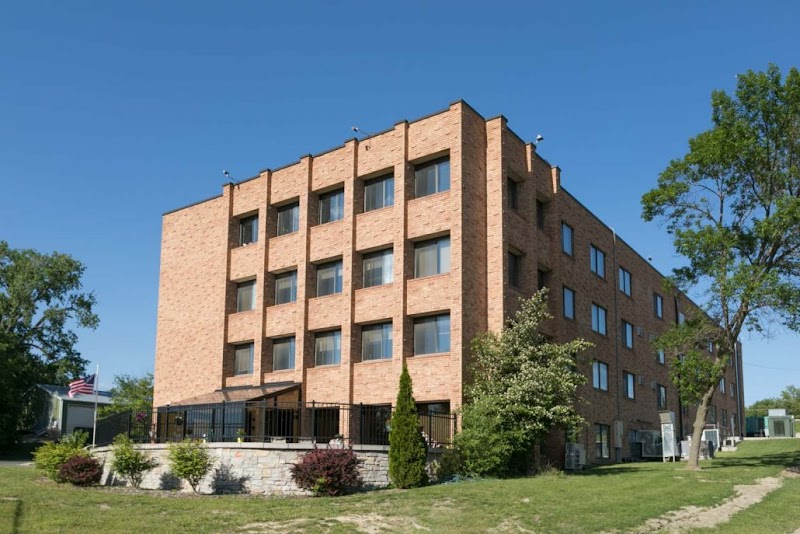
How is Rehabilitation Center Of Des Moines Staffed?

CMS rates Rehabilitation Center of Des Moines's staffing level at 3 out of 5 stars, which is average compared to other nursing homes. Staff turnover is 40%, compared to the Iowa average of 46%. This relatively stable workforce can support continuity of care. RN turnover specifically is 56%, which is notably high. RNs provide skilled clinical oversight, so turnover in this role can affect medical care quality.

What Have Inspectors Found at Rehabilitation Center Of Des Moines?

State health inspectors documented 44 deficiencies at Rehabilitation Center of Des Moines during 2022 to 2025. These included: 1 Immediate Jeopardy (the most serious level, indicating potential for serious harm or death), 1 that caused actual resident harm, 41 with potential for harm, and 1 minor or isolated issues. Immediate Jeopardy findings are rare and represent the most serious regulatory concerns. They require immediate corrective action.
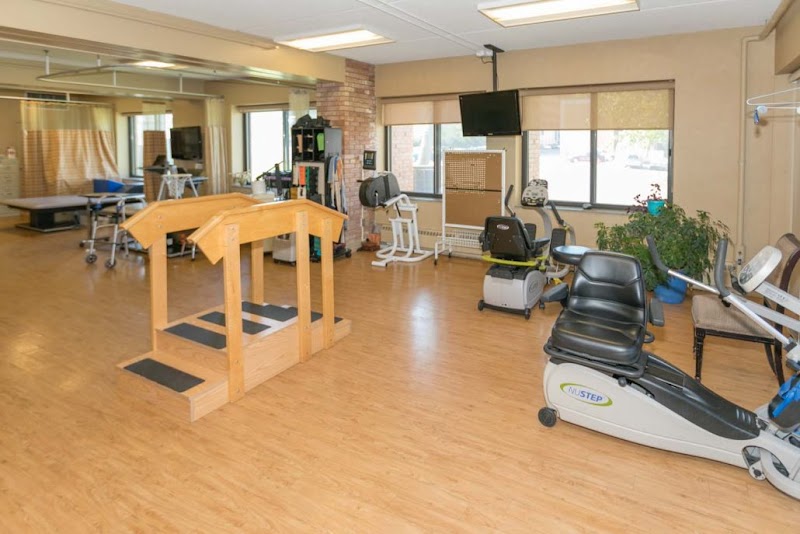
Who Owns and Operates Rehabilitation Center Of Des Moines?

Rehabilitation Center of Des Moines is owned by a for-profit company. For-profit facilities operate as businesses with obligations to shareholders or private owners. The facility is operated by THE ENSIGN GROUP, a chain that manages multiple nursing homes. With 74 certified beds and approximately 70 residents (about 95% occupancy), it is a smaller facility located in DES MOINES, Iowa.

How Does Rehabilitation Center Of Des Moines Compare to Other Iowa Nursing Homes?

Compared to the 100 nursing homes in Iowa, Rehabilitation Center of Des Moines's overall rating (2 stars) is below the state average of 3.0, staff turnover (40%) is near the state average of 46%, and health inspection rating (2 stars) is below the national benchmark.

What Should Families Ask When Visiting Rehabilitation Center Of Des Moines?

Based on this facility's data, families visiting should ask: "What changes have been made since the serious inspection findings, and how are you preventing similar issues?" "Can I visit during a mealtime to observe dining assistance and food quality?" "How do you handle medical emergencies, and what is your hospital transfer rate?" "Can I speak with family members of current residents about their experience?" These questions are particularly relevant given the facility's Immediate Jeopardy citations.

Is Rehabilitation Center Of Des Moines Safe?

Based on CMS inspection data, Rehabilitation Center of Des Moines has documented safety concerns. Inspectors have issued 1 Immediate Jeopardy citation (the most serious violation level indicating risk of serious injury or death). The facility has a 2-star overall rating and ranks #100 of 100 nursing homes in Iowa. Families considering this facility should ask detailed questions about what corrective actions have been taken since these incidents.

Do Nurses at Rehabilitation Center Of Des Moines Stick Around?

Rehabilitation Center of Des Moines has a staff turnover rate of 40%, which is about average for Iowa nursing homes (state average: 46%). Moderate turnover is common in nursing homes, but families should still ask about staff tenure and how the facility maintains care continuity when employees leave.

Was Rehabilitation Center Of Des Moines Ever Fined?

Rehabilitation Center of Des Moines has no federal fines on record. CMS issues fines when nursing homes fail to meet care standards or don't correct problems found during inspections. The absence of fines suggests the facility has either maintained compliance or corrected any issues before penalties were assessed. This is a positive indicator, though families should still review recent inspection reports for the full picture.

Is Rehabilitation Center Of Des Moines on Any Federal Watch List?

Rehabilitation Center of Des Moines is not on any federal watch list. The most significant is the Special Focus Facility (SFF) program, which identifies the bottom 1% of nursing homes nationally based on persistent, serious quality problems. Not being on this list means the facility has avoided the pattern of deficiencies that triggers enhanced federal oversight. This is a positive indicator, though families should still review the facility's inspection history directly.