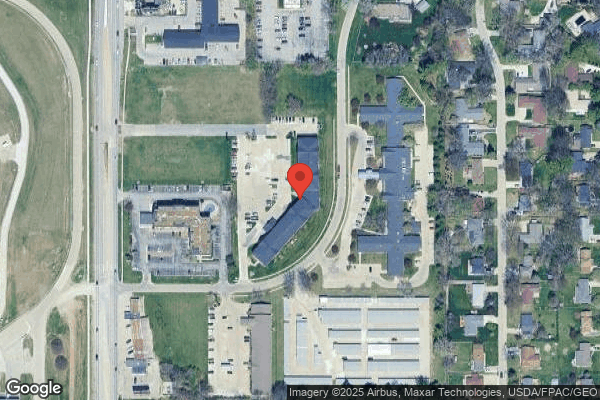
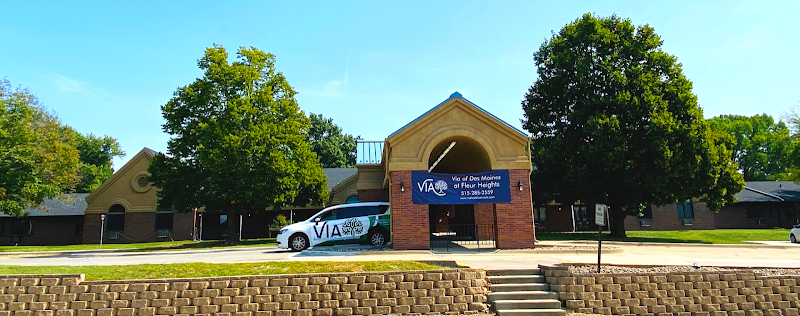
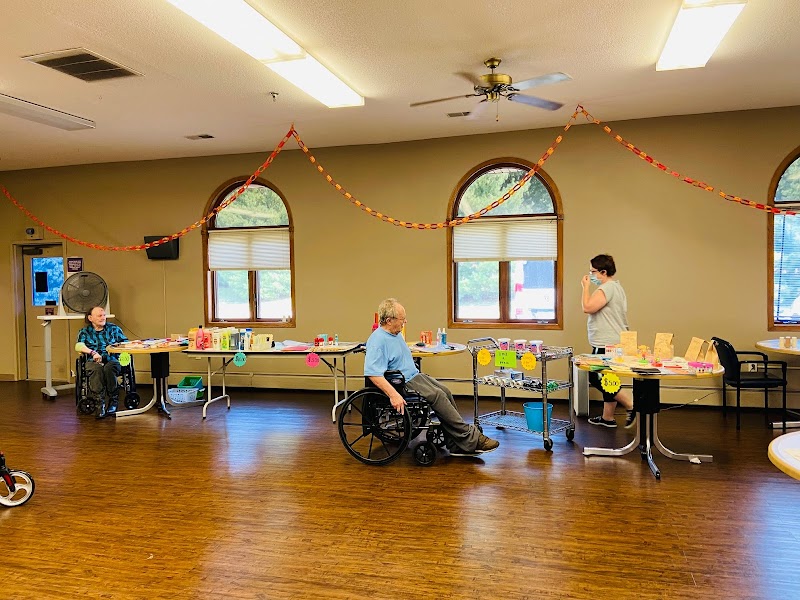
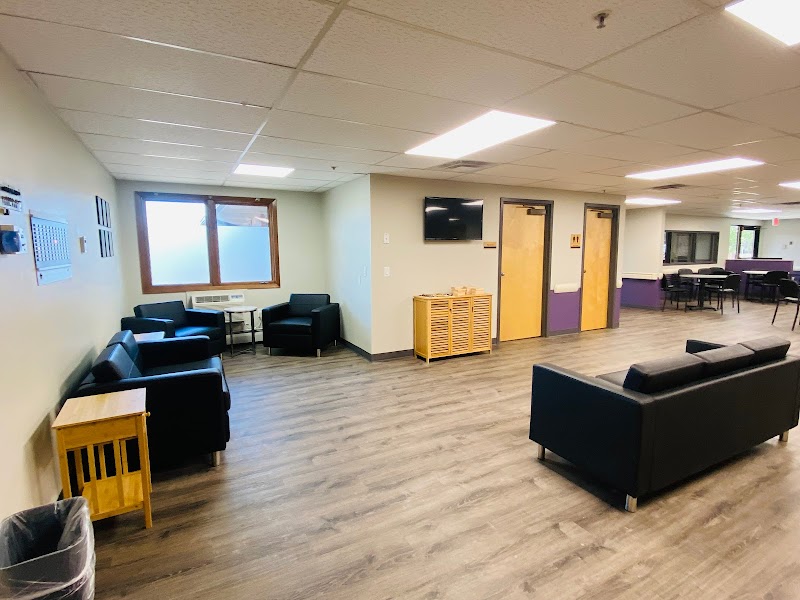
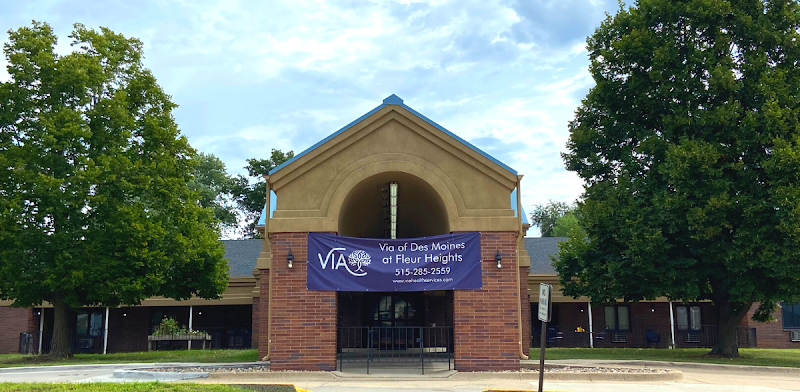
Via of Des Moines

4911 SW 19TH Street, DES MOINES, IA 50315 (515) 285-2559
For profit - Limited Liability company 89 Beds Independent Data: November 2025 3 Immediate Jeopardy citations
Trust Grade
0/100
#390 of 392 in IA
Last Inspection: July 2025

Inspected within the last 6 months. Data reflects current conditions.

Overview

Via of Des Moines has received a Trust Grade of F, indicating significant concerns about the care and safety provided at the facility. It ranks #390 out of 392 nursing homes in Iowa, placing it in the bottom tier, and #29 out of 29 in Polk County, meaning there are no local options that rank lower. However, the facility is showing signs of improvement, having reduced the number of reported issues from 29 in 2024 to 8 in 2025. Staffing is a relative strength with a 4 out of 5 star rating, although the 49% turnover rate is average. It's important to note that the facility has faced $60,559 in fines, which is concerning and suggests ongoing compliance issues. There are serious incidents that highlight weaknesses in resident safety. For example, one resident was pushed and ended up with a head injury after a lack of intervention during aggressive interactions. Additionally, there were reported incidents of sexual abuse where vulnerable residents were not adequately supervised. Another critical issue involved improper use of a mechanical lift during a resident transfer, which created a serious risk of injury. While there are some positive aspects, such as staffing levels, the significant safety concerns and overall low ratings warrant careful consideration for families researching this home.

Trust Score
F
0/100
In Iowa
#390/392
Bottom 1%
Safety Record
High Risk
Review needed
Inspections
Getting Better
29 → 8 violations
Staff Stability
⚠ Watch
49% turnover. Above average. Higher turnover means staff may not know residents' routines.
Penalties
✓ Good
$60,559 in fines. Lower than most Iowa facilities. Relatively clean record.
Skilled Nurses
○ Average
Each resident gets 31 minutes of Registered Nurse (RN) attention daily — about average for Iowa. RNs are the most trained staff who monitor for health changes.
Violations
⚠ Watch
81 deficiencies on record. Higher than average. Multiple issues found across inspections.
★☆☆☆☆
1.0
Overall Rating
★★★★☆
4.0
Staff Levels
★★☆☆☆
2.0
Care Quality
★☆☆☆☆
1.0
Inspection Score
Stable
2024: 29 issues
2025: 8 issues

The Good

  • 4-Star Staffing Rating · Above-average nurse staffing levels
  • Full Sprinkler Coverage · Fire safety systems throughout facility
  • No fines on record

Facility shows strength in staffing levels, fire safety.

The Bad

1-Star Overall Rating

Below Iowa average (3.0)

Significant quality concerns identified by CMS

Staff Turnover: 49%

Near Iowa avg (46%)

Higher turnover may affect care consistency

Federal Fines: $60,559

Above median ($33,413)

Moderate penalties - review what triggered them

The Ugly 81 deficiencies on record

3 life-threatening 2 actual harm
Sept 2025 1 deficiency
CONCERN (D) 📢 Someone Reported This

A family member, employee, or ombudsman was alarmed enough to file a formal complaint

Potential for Harm - no one hurt, but risky conditions existed

Medical Records (Tag F0842)

Could have caused harm · This affected 1 resident

**NOTE- TERMS IN BRACKETS HAVE BEEN EDITED TO PROTECT CONFIDENTIALITY** Based on clinical record review, resident and staff interview, the facility failed to maintain complete and accurate documentati...

Read full inspector narrative →
**NOTE- TERMS IN BRACKETS HAVE BEEN EDITED TO PROTECT CONFIDENTIALITY** Based on clinical record review, resident and staff interview, the facility failed to maintain complete and accurate documentation of an ENT (Ear, Nose and Throat) referral for 1 of 3 residents' records reviewed (Resident #1). The facility reported a census of 82 residents. Findings Include: Review of Resident #1 Minimum Data Set (MDS) dated [DATE], documented Brief Interview for Mental Status score (BIMS) of 4, indicating severe cognitive impairment. Documented diagnoses included Alzheimer's Disease, Non-Alzheimer's Dementia, Anxiety Disorder, Depression, Bipolar Disorder, Obsessive Compulsive Disorder and behaviors including hallucinations and delusions. Review of an Emergency Department After Visit Summary dated 8/27/25 revealed Resident #1 was seen for a fall that resulted in a nasal fracture. Discharge instructions stated Resident #1 to be re-evaluated in the next week by ENT for nasal fracture. Review of Resident #1's Electronic Health Records failed to provide documentation of communication or referral to ENT. In an interview on 9/17/25 at 12:10 PM, Director of Nursing (DON), stated she was not able to recall the exact date, but thought the first week of September was the first call she had made to the ENT clinic about Resident #1's referral for nasal fracture. The DON informed ENT staff, Resident #1 was seen in the ER and a nasal fracture was noted and Resident #1 was to have a follow up with ENT. DON informed ENT staff that it is difficult for Resident #1 to be seen outside of the facility due to diagnoses and behaviors, requested the Doctor review Resident #1's x-rays. DON stated she called the ENT clinic again on 9/10/25 due to not hearing back and was notified Resident #1 only needed to be seen if there were issues related to the fracture. If repair is wanted or needed, Resident #1 would need to consult with plastic surgery. DON acknowledged at time of interview no documentation for ENT referral had been entered into Resident #1's EHR. Review of Resident #1's EHR, a Late Entry Progress Note was created by the DON on 9/17/25 at 12:13PM, with an effective date of 9/10/25 at 11:30 AM stated, received communication back from the ENT office. No follow up needed at this time, follow up if breathing issues develop. Resident's daughters were notified via email. In agreement with plan at this time.In an interview of 9/18/25 at 4:10 PM with the Facility Administrator and DON, DON acknowledged the failure to document the communication the ENT Clinic and Resident #1's family in Resident #1's chart and verbalized need for improvement with documenting these communications.
Jul 2025 3 deficiencies
CONCERN (D) 📢 Someone Reported This

A family member, employee, or ombudsman was alarmed enough to file a formal complaint

Potential for Harm - no one hurt, but risky conditions existed

Quality of Care (Tag F0684)

Could have caused harm · This affected 1 resident

Based on clinical record review, staff interview, and policy review, the facility failed to initiate nursing assessments of a surgical amputation site in a timely manner for 1 of 1 residents reviewed ...

Read full inspector narrative →
Based on clinical record review, staff interview, and policy review, the facility failed to initiate nursing assessments of a surgical amputation site in a timely manner for 1 of 1 residents reviewed for surgical sites (Resident #39). The facility reported a census of 74. Findings include: The admission Minimum Data Set (MDS) Assessment, completed on 7/14/25, revealed a Brief Interview for Mental Status score of 14, which indicated intact cognition for Resident #39. Diagnoses listed on the MDS include presence of an above the knee amputation and hypertension. Pain was assessed as moderate. The After Visit Summary from Resident #39's hospitalization from 6/26/25 -7/8/25 indicated an above the knee amputation occurred. Discharge instructions listed a follow-up appointment with Vascular Surgery on 8/12/25. The admission Skin Assessment completed on 7/8/25 noted a left leg amputation incision. No Physician Orders identified regarding cares to the surgical site. The Baseline Care Plan initiated on 7/8/25 listed an incision site to Resident's #39's left knee. The Comprehensive Care Plan obtained on 7/22/25 identified Resident #39 with the potential impairment to skin integrity related to fragile skin. Interventions included following facility protocol for treatment of injury. The Care Plan identified Resident #39 with an infection of the surgical amputation site. Interventions included administering antibiotic as ordered, following facility policy and procedures for line listing and summarizing/reporting infections and to monitor/document/report to MD signs/symptoms of a urinary tract infection. After the admission Skin Assessment was completed, no further Skin Assessments identified either by paper, which would be located in the Skin/Wound Book, or electronically in the medical record. Review of Progress Notes in the electronic medical record revealed the first documented evaluation of the left leg amputation site occurred on 7/19/25. This was due to the start of Clindamycin (antibiotic) on 7/15/25. The Progress Note dated 7/21/25 documented communication with the vascular surgeon's office. Orders obtained to monitor the incision and to keep clean and dry. The surgical site was then evaluated as clean, dry, and intact with sutures in place. During an interview on 7/24/25 at 9:25 AM the Assistant Director of Nursing (ADON) acknowledge the Resident #39's recent surgical left leg amputation, which occurred on 6/27/25. The ADON acknowledged the lack of nursing surgical site skin assessments during the first nine to thirteen days of admission. The ADON noted the facility's wound care provider does not treat surgical wounds.The policy Weekly Skin Assessment and Documentation Process, updated 1/20/23, outlined the following: Skin ulcers and non-ulcers will be assessed and documented weeklyTreatment orders for all skin ulcers or non-ulcers will be implemented per the facility/corporate Skin Management ProtocolThe Nurse Leader will communicate appropriate wound treatment order per the facility/corporate Skin Protocol to the physician for approvalThe Care Plan will be updated and reviewed to ensure that the skin/wound alteration and appropriate interventions have been identified on the Care Plan.
CONCERN (D)

Potential for Harm - no one hurt, but risky conditions existed

Tube Feeding (Tag F0693)

Could have caused harm · This affected 1 resident

Based on observation, clinical record review, staff interview, and policy review the facility failed to flush an enteral gastrostomy tube (g-tube)(tube surgically inserted into the stomach to provide ...

Read full inspector narrative →
Based on observation, clinical record review, staff interview, and policy review the facility failed to flush an enteral gastrostomy tube (g-tube)(tube surgically inserted into the stomach to provide nutrition and medication) per the physician order prior to administering medication thru the gastrostomy tube for 1 of 1 resident (Resident #7) reviewed. The facility reported a census of 74 residents. Findings include: A Annual Minimum Data Set (MDS) for Resident #7 dated 7/3/25, included diagnoses of Non-Alzheimer's Dementia and hemiplegia (paralysis of one side of the body). The MDS revealed the resident had a g-tube. Observation on 7/22/25 at 9:50 AM, Staff A, Registered Nurse placed crushed medications and liquid medications into a cup and added 30 milliliters (ml.) of water to the medications. Staff A proceeded to administer the cup of medications mixed with water to Resident #7 thru her g-tube, and then administered 30 ml. of water into the g-tube. Clinical Physician Orders for Resident #7 documented an order with start date of 7/22/25 for 30 ml of water before medication administration and 30 ml water after medication administration for g-tube. The facility's Medication Administration via Enteral Tube Policy revised 1/31/24 revealed to flush enteral tube with at least 15 ml. of water prior to administering medications, dilute the solid or liquid medication as appropriate and administer, and flush the tube with a final flush of at least 15 ml of water to ensure drug delivery and clear the tube. Interview on 7/23/25 at 4:05 PM, the Director of Nursing stated her expectation when administering g-tube medications is to flush the g- tube per physician's order with water only, then add water to dilute the crushed and liquid medications and administer the diluted medications mixed with water, and follow with a flush of water only.
CONCERN (D)

Potential for Harm - no one hurt, but risky conditions existed

Infection Control (Tag F0880)

Could have caused harm · This affected 1 resident

Based on observation, record review, staff interviews and policy review, the facility failed to use appropriate infection control practices and Enhanced Barrier Practices (EBP) during urinary catheter...

Read full inspector narrative →
Based on observation, record review, staff interviews and policy review, the facility failed to use appropriate infection control practices and Enhanced Barrier Practices (EBP) during urinary catheter care for 1 of 3 residents reviewed (Resident #66). The facility reported a census of 74residents. Findings Include:Resident #66's Quarterly Minimum Data Set (MDS) assessment, dated 5/29/25, reflected a Brief Interview for Mental Status (BIMS) score of 14, which indicated intact cognition. The MDS listed Resident #66 had an indwelling urinary catheter. The MDS included diagnoses of other neurological conditions, benign prostatic hyperplasia (enlarged prostate) with lower urinary tract symptoms and retention of urine. The Care Plan with a target date of 9/3/25 included the following Focuses and Interventions:a. Resident #66 had an SP catheter (suprapubic) and a history of urinary tract infection (UTI). The intervention directed staff to change catheter bag twice a month and PRN, monitor output every shift.b. Resident is at risk of colonization at Multidrug-Resistant Organisms (MDRO). The intervention directed staff to use Enhanced Barrier Precautions (EBP). Review of the Electronic Health Record (EHR) for Resident #66 revealed an order from the Primary Care Physician (PCP) dated 3/3/25 for Enhanced Barrier Precautions and an order to change the catheter bag to a leg bag in the morning for UTI prevention, dated 7/18/25. Review of the Medication Administration Record (MAR) for Resident #66 for July 2025 revealed an administration of Cefdinir Oral Capsule (antibiotic), 300 mg, give 1 capsule by mouth two times a day for UTI until 7/23/25.During an observation 7/23/25 at 9:10 AM of catheter care for Resident #66, noted two staff in the resident's room. Staff B, Certified Nursing Assistant (CNA), walked out of the room without a gown or gloves on, she carried a room tray. Staff B handed the room tray to the Assistant Director of Nursing (ADON). Then, without sanitizing or washing her hands, Staff B donned a gown outside of the room and then placed gloves on her hands. Staff B retrieved a 2nd gown out of the cart and a 2nd pair of gloves and brought them in to the resident's room and handed them to another staff in the room, Staff C, CNA. Staff C placed the gown and gloves on the sink counter in the room as she was holding the resident's catheter bag, standing in front of the resident, she did not have a gown on, she did have on gloves. The resident was in a wheelchair, the leg bag was attached to his leg. Staff C handed the catheter bag to Staff B and then donned a gown and removed her gloves, she sanitized her hands and put on new gloves. A barrier was already placed on the ground with a container on the barrier. Staff B removed an alcohol swab from a wrapper and cleaned the port to the catheter bag, she emptied the urine into the container and then used a clean alcohol swab to clean the port. The container was emptied into the toilet and cleaned. During an interview 7/23/25 at 9:25 AM, Staff C acknowledged she and Staff B already started catheter care for Resident #66 before the observation. Staff C stated neither she nor Staff B had their gowns on when they removed the catheter bag and attached the leg bag. When the observation started, Staff C stated she had already removed the catheter bag and attached the leg bag, without wearing a gown. Staff C stated an understanding of EBP and stated she and Staff B should have worn gowns during the entirety of catheter care. During an interview 7/23/25 at 10:21 AM, the ADON stated an expectation staff wear gowns during the entirety of catheter care and an expectation staff sanitize their hands or wash their hands prior to placing gloves on their hands. The ADON stated she talked to all of her staff this morning about EBP and infection control practices when completing catheter care. Review of the facility policies for Catheter Care and Enhanced Barrier Precautions, dated 5/11/21 and 11/13/24 respectively, documented to wash hands or use hand sanitizer and apply gloves prior to cleansing the access port with an alcohol pad and an order for enhanced barrier precautions will be obtained for residents with urinary catheters, gowns and gloves will be readily accessible to staff to use when performing high-contact care activities, which includes device care or use; urinary catheters.
Feb 2025 4 deficiencies
CONCERN (D) 📢 Someone Reported This

A family member, employee, or ombudsman was alarmed enough to file a formal complaint

Potential for Harm - no one hurt, but risky conditions existed

Deficiency F0657 (Tag F0657)

Could have caused harm · This affected 1 resident

**NOTE- TERMS IN BRACKETS HAVE BEEN EDITED TO PROTECT CONFIDENTIALITY** Based on observation, clinical record review, policy review, and staff interviews, the facility failed to implement resident cen...

Read full inspector narrative →
**NOTE- TERMS IN BRACKETS HAVE BEEN EDITED TO PROTECT CONFIDENTIALITY** Based on observation, clinical record review, policy review, and staff interviews, the facility failed to implement resident centered care plan interventions to protect the resident's right to be free from physical abuse for 4 of 7 residents reviewed for resident to resident altercations (Resident #5, #6, #11, #13). The facility continued to use the intervention of resident separation, and implimentation of 15-minute checks, with additional follow up intervention. On 7/20/24, Resident #4 scratched Resident #13. On 11/22/24, Resident #4 hit Resident #5 in the hand with an empty plastic pop bottle and shortly after hit Resident #6 in the back. On 2/4/25, Resident #4 hit Resident #11 on the head and shoulder and kicked her knees. The facility reported a census of 79 residents. Findings include: 1. The Quarterly Minimum Data Set(MDS) assessment tool, dated 10/10/24, listed diagnoses for Resident #4 which included non-Alzheimer's dementia, anxiety, and depression. The MDS stated the resident had verbal behavioral symptoms directed towards others (e.g., threatening others, screaming at others, cursing at others) for 1-3 days out of the 7 day review period and listed a Brief Interview for Mental Status(BIMS) score as 11 out of 15, indicating moderately impaired cognition. The facility Nursing Facility Abuse Prevention, Identification, Investigation, and Reporting Policy updated 10/19/22, stated residents had the right to be free from abuse and must not be subjected to abuse by anyone, including other residents. The policy included assault as an example of Dependent Adult Abuse and defined Assault of a Dependent Adult as any act which was generally intended to cause pain or injury or which was generally intended to result in physical contact which could be considered by a reasonable person to be insulting or offensive. The facility policy Comprehensive Care Plans, revised 1/30/24, stated the facility would develop and implement a person-centered Care Plan for each resident. The policy stated the Care Plan would include measurable objectives to meet a resident's medical, nursing, mental, and psychosocial needs. A 1/18/24 Care Plan entry stated the resident was at risk for alterations in her mood and behavior related to anxiety, depression, and dementia and directed staff to distract the resident from wandering by offering pleasant diversions, structured activities, food, conversation, television, and books. Further entries on 1/18/24 directed staff to provide structured activities such as toileting, walking inside and outside, and reorientation strategies including signs, pictures, and memory boxes. A 7/20/24 Care Plan entry stated the residents were separated. The Care Plan lacked information regarding why the residents were separated. A 12/30/24 Care Plan entry directed the staff to implement 15 minute checks. The resident's Care Plan lacked documentation of the resident's history of resident to resident physical altercations and lacked direction for staff regarding how to prevent future incidences. a. Resident #4 and Resident #13 The Quarterly MDS assessment tool, dated 10/31/24, listed diagnoses for Resident #13 which included Alzheimer's, anxiety disorder, and heart failure. The MDS listed her BIMS score as 0 out of 15, indicating severely impaired cognition. A 7/20/24 7:25PM [NAME] Verbal Aggression Received report stated Resident #4 scratched Resident #13's arm. The facility separated the residents and initiated 15 minute checks. b. Resident #4 and Resident #5 The MDS assessment tool, dated 9/5/24, listed diagnoses for Resident #5 which included Alzheimer's disease, non-Alzheimer's dementia, anxiety, and depression. The MDS listed her cognition as severely impaired. An 11/22/24 Alleged Abuse report stated Resident #5's tablemate(Resident #4) was upset and hit the resident in the right hand with a soda bottle. c. Resident #4 and Resident #6 The MDS assessment tool, dated 8/22/24, listed diagnoses for Resident #6 which included Alzheimer's disease, non-Alzheimer's dementia, and anxiety. The MDS listed a BIMS scores as 3 out of 15, indicating severely impaired cognition. An 11/22/24 Alleged Abuse report stated another resident(Resident #4) walked through the dining room and struck Resident #6 in the back/shoulder area with a pop bottle. d. Resident #4 and Resident #11 The MDS assessment tool, dated 11/21/24, listed diagnoses for Resident #11 which included Alzheimer's disease, non-Alzheimer's dementia, and anxiety. The MDS listed her BIMS score as 6 out of 15, indicating severely impaired cognition. A 2/4/25 Physical Aggression Initiated report stated Resident #4 became rude, aggressive, and verbally abusive to a group of residents who sat at the adjacent dining room table. Resident #4 then hit Resident #11 on her head, shoulders, and kicked her knees. The facility initiated 15-minute checks. On 2/12/25 at 1:53 p.m. Staff E Certified Medication Aide stated(on 11/22/24) Resident #4 and Resident #5 argued and it became more aggressive. He stated Resident #4 reached across the table and hit Resident #5 with her plastic soda bottle. He stated they separated the residents but Resident #4 got ahead of the staff and hit Resident #6 in the left shoulder. Staff E stated the resident had always been explosive and they had to keep her corralled He said he tried to keep her away from certain tables and looked at verbal cues. He stated they were not always successful(in preventing her physical aggression with other residents) but they tried. On 2/12/25 at 2:18 p.m., Staff F Licensed Practical Nurse(LPN) stated(on 11/22/24) she heard Resident #4 screaming profanities at other residents and she pointed a soda bottle. She stated she went to get her out of the dining room but they had to walk past two tables and when they did so, she hit Resident #6 but did not hit her hard at all. Staff F stated she did not know why she did this as Resident #6 did nothing to provoke this. She stated she didn't know how to handle Resident #4 and she hit other residents. She stated she was not sure if she had triggers and stated she did not hear of any concrete interventions she could carry out to prevent these incidents. On 2/12/25 at 3:40 p.m., Staff G Registered Nurse(RN) stated Resident #4 was verbally and physically aggressive. She stated she lashed out at several residents and she could go from 0 to 360 in 2 seconds. She stated the other residents were fearful when she screamed loudly and that she was very impulsive. Staff G stated if they did not stand right next to her within a couple of feet, she did not feel they could stop a future physical altercation. On 2/13/25 at 8:25 a.m., Staff H LPN, Assistant Director of Nursing(ADON) stated Resident #4 was triggered easily. She stated her behaviors were very unprovoked and came out of nowhere. She would just go over and hit someone. She stated they tried several different interventions but it was difficult. She stated she didn't know if there was a way to 100% prevent her physical aggression towards other residents. On 2/13/25 at 3:12 p.m., the interim Director of Nursing(DON) stated the goal of the facility was for residents to be free from physical aggression. She stated with Resident #4, they tried their best to intervene but at times she got to the point where she picks on someone before they were able to intervene. She stated they did everything they could besides removing her from the facility. On 2/17/25 at 10:57 a.m., Staff I MDS Coordinator stated she did not include specifics in Care Plans such as resident physical aggression and the details of the altercation.
CONCERN (D) 📢 Someone Reported This

A family member, employee, or ombudsman was alarmed enough to file a formal complaint

Potential for Harm - no one hurt, but risky conditions existed

Deficiency F0658 (Tag F0658)

Could have caused harm · This affected 1 resident

Based on clinical record review and staff interview, the facility failed to follow physician's orders for a genetic testing referral for 1 of 3 residents reviewed for a physician's orders(Resident #4)...

Read full inspector narrative →
Based on clinical record review and staff interview, the facility failed to follow physician's orders for a genetic testing referral for 1 of 3 residents reviewed for a physician's orders(Resident #4). The facility reported a census of 79 residents. Findings include: The Quarterly Minimum Data Set(MDS) assessment tool, dated 6/20/24, listed diagnoses for Resident #2 which included non-Alzheimer's dementia, seizure disorder, and diabetes. The MDS listed the resident's Brief Interview for Mental Status(BIMS) score as 15 out of 15, indicating intact cognition. A 7/31/24 clinic Patient Encounter Form stated the resident had newly diagnosed breast cancer. The form listed a referral to genetic testing for history of ovarian cancer and now breast cancer with an extensive family history. The facility lacked documentation the resident completed genetic testing and lacked information regarding the resident's appointments and a reason she did not attend. On 2/11/25 at 10:06 a.m., Staff A Cancer Center representative stated Resident #2 had an appointment scheduled for genetic testing on 9/4/24 and the facility called and canceled the appointment right before the appointment time and stated they did not have a ride for the resident. She stated the resident had an appointment rescheduled on 10/8/24 but she did not show up. On 2/12/25 at 10:01 a.m. the interim Administrator stated the genetic testing was not completed. On 2/12/25 at 12:40 p.m., Staff D Staffing Coordinator stated she did not see an appointment for the resident on 9/4/24 when she reviewed the calendar. She stated she did have an appointment on 10/8/24 and she (Staff D) thought that another driver would take her to the appointment. She stated when she found out the other driver was not taking her she went to the resident's room and was going to rush to get her there. Staff D stated the resident did not want to rush to get to the appointment and also did not feel well. Staff D stated she did not document this anywhere. She stated no one at the facility rescheduled the appointment. On 2/12/25 at 12:43 p.m., Staff C Driver stated there were times when the facility had to reschedule appointments the day of the appointment if the nurse forgot to put a note in. On 2/13/25 at 3:12 p.m., the interim Director of Nursing (DON) stated the facility should follow physician's orders which would include referrals. On 2/17/25 at approximately 12:00 p.m., the Administrator stated the facility did not have a policy for physician's orders and they utilized the standards of practice as a guideline.
CONCERN (E) 📢 Someone Reported This

A family member, employee, or ombudsman was alarmed enough to file a formal complaint

Potential for Harm - no one hurt, but risky conditions existed

Free from Abuse/Neglect (Tag F0600)

Could have caused harm · This affected multiple residents

**NOTE- TERMS IN BRACKETS HAVE BEEN EDITED TO PROTECT CONFIDENTIALITY** Based on clinical record review, policy review, and staff interviews, the facility failed to protect the resident's right to be ...

Read full inspector narrative →
**NOTE- TERMS IN BRACKETS HAVE BEEN EDITED TO PROTECT CONFIDENTIALITY** Based on clinical record review, policy review, and staff interviews, the facility failed to protect the resident's right to be free from physical abuse for 4 of 7 residents reviewed for resident to resident altercations (Resident #5, #6, #11, #13). On 7/20/24, Resident #4 scratched Resident #13. On 11/22/24, Resident #4 hit Resident #5 in the hand with an empty plastic pop bottle and shortly after hit Resident #6 in the back. On 2/4/25, Resident #4 hit Resident #11 on the head and shoulder and kicked her knees. The facility reported a census of 79 residents. Findings include: 1. The Quarterly Minimum Data Set(MDS) assessment tool, dated 10/10/24, listed diagnoses for Resident #4 which included non-Alzheimer's dementia, anxiety, and depression. The MDS stated the resident had verbal behavioral symptoms directed towards others (e.g., threatening others, screaming at others, cursing at others) for 1-3 days out of the 7 day review period and listed a Brief Interview for Mental Status(BIMS) score as 11 out of 15, which indicated moderately impaired cognition. The facility Nursing Facility Abuse Prevention, Identification, Investigation, and Reporting Policy updated 10/19/22, stated residents had the right to be free from abuse and must not be subjected to abuse by anyone, including other residents. The policy included assault as an example of Dependent Adult Abuse and defined Assault of a Dependent Adult as any act which was generally intended to cause pain or injury or which was generally intended to result in physical contact which could be considered by a reasonable person to be insulting or offensive. A 1/18/24 Care Plan entry stated the resident was at risk for alterations in her mood and behavior related to anxiety, depression, and dementia and directed staff to distract the resident from wandering by offering pleasant diversions, structured activities, food, conversation, television, and books. Further entries on 1/18/24 directed staff to provide structured activities such as toileting, walking inside and outside, and reorientation strategies including signs, pictures, and memory boxes. A 7/20/24 Care Plan entry stated the residents were separated. The Care Plan lacked information regarding why the residents were separated. A 12/30/24 Care Plan entry directed the staff to implement 15 minute checks. The resident's Care Plan lacked documentation of the resident's history of resident to resident physical altercations and lacked direction for staff regarding how to prevent future incidences. a. Resident #4 and Resident #13 The Quarterly MDS assessment tool, dated 10/31/24, listed diagnoses for Resident #13 which included Alzheimer's, anxiety disorder, and heart failure. The MDS listed her BIMS score as 0 out of 15, which indicated severely impaired cognition. A 7/20/24 [NAME] Verbal Aggression Received report stated Resident #4 scratched Resident #13's arm. The facility separated the residents and initiated 15 minute checks. Health Status Note dated 7/20/24 at 9:29PM documented the following; Resident sitting in chair crying accompanied by staff states she scratched me look at my arm resident obtained red bruise to right forearm approximate 1 centimeter (cm) by 4 cm, clean area with soap and water took resident back to her room, performed head to toe assessment no other redness or bruises noted, temperature 97.9, pulse 89 blood pressure 144//88. Physician called, and family notified. Incident Note dated 8/11/24 at 4:20PM documented the following; This nurse summoned to resident hallway outside of Resident#13's room and noted resident yelling, please, somebody do something with her, she came in my room and slapped me! Resident then started pointing to her right, arm, and stated Right there, this is where she hit me! This nurse assessed resident's arm, and no redness or markings present upon assessment. Both residents were immediately separated to avoid further allegations. On call provider was informed. Statements provided by CNA's working that incident was not witnessed. The residents record lacked documentation of follow-up interventions, or review as to how to prevent futher similar incidents. b. Resident #4 and Resident #5 The Quarterly MDS assessment tool, dated 9/5/24, listed diagnoses for Resident #5 which included Alzheimer's disease, non-Alzheimer's dementia, anxiety, and depression. The MDS listed her cognition as severely impaired. An 11/22/24 5:31PM Alleged Abuse report stated Resident #5's tablemate(Resident #4) was upset and hit the resident in the right hand with a soda bottle in the dining room. c. Resident #4 and Resident #6 The Quarterly MDS assessment tool, dated 8/22/24, listed diagnoses for Resident #6 which included Alzheimer's disease, non-Alzheimer's dementia, and anxiety. The MDS listed a BIMS scores as 3 out of 15, which indicated severely impaired cognition. An 11/22/24 2:30PM Alleged Abuse report stated another resident(Resident #4) walked through the dining room and struck Resident #6 in the back/shoulder area with a pop bottle. d. Resident #4 and Resident #11 The Quarterly MDS assessment tool, dated 11/21/24, listed diagnoses for Resident #11 which included Alzheimer's disease, non-Alzheimer's dementia, and anxiety. The MDS listed her BIMS score as 6 out of 15, which indicated severely impaired cognition. A 2/4/25 at 7:00PM Physical Aggression Initiated report stated Resident #4 became rude, aggressive, and verbally abusive to a group of residents who sat at the adjacent dining room table. Resident #4 then hit Resident #11 on her head, shoulders, and kicked her knees. The facility initiated 15-minute checks. On 2/12/25 at 1:53 p.m. Staff E Certified Medication Aide stated (on 11/22/24) Resident #4 and Resident #5 argued and it became more aggressive. He stated Resident #4 reached across the table and hit Resident #5 with her plastic soda bottle. He stated they separated the residents but Resident #4 got ahead of the staff and hit Resident #6 in the left shoulder. Staff E stated the resident had always been explosive and they had to keep her corralled He said he tried to keep her away from certain tables and looked at verbal cues. He stated they were not always successful(in preventing her physical aggression with other residents) but they tried. On 2/12/25 at 2:18 p.m., Staff F Licensed Practical Nurse (LPN) stated(on 11/22/24) she heard Resident #4 screaming profanities at other residents and she pointed a soda bottle. She stated she went to get her out of the dining room but they had to walk past two tables and when they did so, she hit Resident #6 but did not hit her hard at all. Staff F stated she did not know why she did this as Resident #6 did nothing to provoke this. She stated she didn't know how to handle Resident #4 and she hit other residents. She stated she was not sure if she had triggers and stated she did not hear of any concrete interventions she could carry out to prevent these incidents. On 2/12/25 at 3:40 p.m., Staff G Registered Nurse (RN) stated Resident #4 was verbally and physically aggressive. She stated she lashed out at several residents and she could go from 0 to 360 in 2 seconds. She stated the other residents were fearful when she screamed loudly and that she was very impulsive. Staff G stated if they did not stand right next to her within a couple of feet, she did not feel they could stop a future physical altercation. On 2/13/25 at 8:25 a.m., Staff H LPN, Assistant Director of Nursing (ADON) stated Resident #4 was triggered easily. She stated her behaviors were very unprovoked and came out of nowhere. She would just go over and hit someone. She stated they tried several different interventions but it was difficult. She stated she didn't know if there was a way to 100% prevent her physical aggression towards other residents. On 2/13/25 at 3:12 p.m., the interim Director of Nursing (DON) stated the goal of the facility was for residents to be free from physical aggression. She stated with Resident #4, they tried their best to intervene but at times she got to the point where she picks on someone before they were able to intervene. She stated they did everything they could besides removing her from the facility.
CONCERN (E) 📢 Someone Reported This

A family member, employee, or ombudsman was alarmed enough to file a formal complaint

Potential for Harm - no one hurt, but risky conditions existed

Deficiency F0804 (Tag F0804)

Could have caused harm · This affected multiple residents

Based on observation, policy review, and staff interviews, the facility failed to maintain hot holding temperatures above 135 degrees Fahrenheit for 1 of 1 meal observed. The facility reported a censu...

Read full inspector narrative →
Based on observation, policy review, and staff interviews, the facility failed to maintain hot holding temperatures above 135 degrees Fahrenheit for 1 of 1 meal observed. The facility reported a census of 79 residents. Findings include: On 2/12/25 at 11:09 a.m., the Dietary Services Manager placed plated food into two warming carts. When she completed filling the first cart, Staff B Dietary Aide took the cart to the Chronic Confusion Dementing Illness (CCDI) unit. At 11:19 a.m., she finished filling the last cart and the State Agency (SA) requested she place a test tray and a thermometer on the last warming cart. At 11:21 a.m., Staff B took the second cart to the CCDI unit. At 11:24 a.m., staff in the CCDI unit began to pass out trays to the resident. At 11:43 a.m., Staff C Restorative Aide stated they passed all of the trays with the exception of a few residents who were not in the dining room yet. The SA immediately obtained the following temperatures on the test tray: mixed vegetables 115 degrees Fahrenheit and tuna casserole 128 degrees Fahrenheit. The SA tasted the tuna casserole and it was warm but not hot. On 2/13/25 at approximately 2:00 p.m., the Dietary Services Manager stated she expected hot foods held above 140 degrees Fahrenheit. The facility policy Food Temperatures, dated 2021, stated foods will be transported and delivered to unit storage areas to maintain at temperature above 135 degrees Fahrenheit or above.
Aug 2024 11 deficiencies
CONCERN (D)

Potential for Harm - no one hurt, but risky conditions existed

Deficiency F0625 (Tag F0625)

Could have caused harm · This affected 1 resident

Based on clinical record review and staff interview the facility failed to provide the resident/resident representative notice of the bed hold policy at the time of transfer for hospitalization for tw...

Read full inspector narrative →
Based on clinical record review and staff interview the facility failed to provide the resident/resident representative notice of the bed hold policy at the time of transfer for hospitalization for two (Residents # 36 and #43) of three residents reviewed. The facility reported a census of 71 residents. Findings include: 1.A Minimum Data Set for Resident #36 dated 6/6/24, included diagnoses of heart failure and diabetes. A Brief Interview for Mental Status score of 15 indicated no cognitive impairment for decision-making. Review of resident's progress notes documented the resident was admitted to the hospital 5/26/24 and returned to the facility 6/3/24. Review of resident's clinical record lacked documentation of notification to the resident/ resident's representative regarding the bed-hold policy when transferred to the hospital. 2. Minimum Data Set for Resident #43 dated 8/8/24, included diagnoses of diabetes and cancer. A Brief Interview for Mental Status score of 15 indicated no cognitive impairment for decision-making. Review of resident's progress notes documented the resident was admitted to the hospital 5/9/24 and returned to the facility 5/14/24. Review of resident's clinical record lacked documentation of notification to the resident/ resident's representative regarding the bed-hold policy when transferred to the hospital. Interview on 8/21/24 at 3:26 PM, the Administrator confirmed no bed hold forms completed for Residents #36 and Resident #43. Interview on 8/22/24 at 10:40 AM, the Director of Nursing stated expectation for a bed hold to be completed with any hospital transfer.
CONCERN (D)

Potential for Harm - no one hurt, but risky conditions existed

Deficiency F0655 (Tag F0655)

Could have caused harm · This affected 1 resident

**NOTE- TERMS IN BRACKETS HAVE BEEN EDITED TO PROTECT CONFIDENTIALITY** Based on clinical record review and staff interview, the facility failed to develop and implement a Baseline Care Plan that incl...

Read full inspector narrative →
**NOTE- TERMS IN BRACKETS HAVE BEEN EDITED TO PROTECT CONFIDENTIALITY** Based on clinical record review and staff interview, the facility failed to develop and implement a Baseline Care Plan that included anticoagulant (blood thinner), antipsychotic, and antidepressant medications and monitoring for one (Resident #76) of three residents reviewed. The facility reported a census of 71 residents. Findings include: A Minimum data set (MDS) assessment dated [DATE] for Resident #76, included diagnoses of heart failure, anxiety disorder, and mood disorder. Review of resident's order summary report dated 8/21/24, listed the following medications: 1. Apixaban (anticoagulant) 5 milligrams (mg)- 2 times daily. 2. Duloxetine(antidepressant) 40 mg. in the morning and 60 mg. at bedtime. 3. Risperdal (antipsychotic) 1 mg.- 2 times a day. Review of resident's Baseline Care Plan, dated 8/8/24, lacked documentation of the anticoagulant, antidepressant, and antipsychotic medications. Interview on 8/22/24 at 10:27 AM, the Director of Nursing stated expectation for the medications to be included in the baseline care plan. Interview on 8/22/24 at 1:00 PM, the Administrator stated there was no facility policy for the Baseline Care Plan, facility is expected to follow the regulations.
CONCERN (D) 📢 Someone Reported This

A family member, employee, or ombudsman was alarmed enough to file a formal complaint

Potential for Harm - no one hurt, but risky conditions existed

Quality of Care (Tag F0684)

Could have caused harm · This affected 1 resident

Based on clinical record review, resident, family, and staff interviews, the facility failed to appropriately provide assessment and interventions for the necessary care and services, to maintain the ...

Read full inspector narrative →
Based on clinical record review, resident, family, and staff interviews, the facility failed to appropriately provide assessment and interventions for the necessary care and services, to maintain the residents' highest practical physical well-being. Clinical record review revealed the nursing staff failed to provide thorough assessment, did not contact the resident's physician in a timely manner or provide treatment for 1 of 18 residents reviewed. (Resident#61). Findings include: The Minimum Data Sample (MDS) for Resident #61, dated 06/27/24, documented a brief interview for mental status score (BIMS) of 99, indicating the resident was unable to complete the interview. The MDS documented relevant diagnoses of Non-Alzheimer's Dementia, anxiety disorder, and bipolar disorder. The Care Plan, last updated on 07/15/2024, documented Resident #61 is dependent on staff to meet her emotional, intellectual, physical, and social needs. Review of a health status note dated 07/22/2024 documented a phone call between a resident family member and Staff M, Registered Nurse (RN), in which the family member states she had spoken to staff members over the course of two weeks about reported pain in Resident #61's right thumb. In an interview on 08/22/24 at 08:11 with Staff M, RN, she stated Resident #61 had mentioned pain in her right thumb for approximately two weeks before an order for an X-ray was received on 07/25/24. She assessed Resident #61 for impairment to the range of motion or swelling and didn't note anything. She stated she had provided as needed Tylenol after assessing the resident's thumb. In an interview on 08/22/24 at 08:35 AM with Staff K, Certified Medication Aide (CMA), reported Resident #61 had been complaining of pain in her right thumb and been more resistant to cares for at least two weeks leading up to the resident's X-ray on 07/25/24. She stated she did not believe she had reported the pain to anyone else or documented it in the electronic health record (EHR). She stated she had provided as needed (PRN) Tylenol on several occasions. In an interview on 08/22/24 at 08:53 AM with Staff L, Certified Nurse Aide (CNA), she stated Resident #61 had been reporting pain in her right thumb for days before receiving an X-ray on 07/25/24. Review of Resident #61's Medication Administration Record (MAR) dated from 07/01/24 to 08/22/24 documented that her as needed Tylenol had only been documented as administered on one occasion between 07/01/24 and 08/22/24, on 08/06/24. In an interview on 08/22/24 at 09:18 AM with the Director of Nursing (DON), stated the expectation is for staff members to take all newly reported resident pain seriously by informing nursing staff and document in the Electronic Health Record (EHR) to track. She acknowledged she expects nursing staff to use their best nursing judgement and to contact the physician if assessment reveals something abnormal. In an email sent by the facility administrator on 08/22/24 at 12:53 PM she stated the facility does not have a policy for assessment and intervention.
CONCERN (D) 📢 Someone Reported This

A family member, employee, or ombudsman was alarmed enough to file a formal complaint

Potential for Harm - no one hurt, but risky conditions existed

Accident Prevention (Tag F0689)

Could have caused harm · This affected 1 resident

**NOTE- TERMS IN BRACKETS HAVE BEEN EDITED TO PROTECT CONFIDENTIALITY** Based on clinical record review, observations, staff interview, competency checklist, and a mechanical lift manufacturer user in...

Read full inspector narrative →
**NOTE- TERMS IN BRACKETS HAVE BEEN EDITED TO PROTECT CONFIDENTIALITY** Based on clinical record review, observations, staff interview, competency checklist, and a mechanical lift manufacturer user instruction manual, the facility staff failed to utilize safe transfer technique when they used a mechanical lift (Hoyer) transfer device for 1 of 3 residents observed for transfers and required a mechanical lift for transfers (Resident #23). The facility also failed to ensure adequate ventilation and temperature controls in a room that contained servers and electronic devices. The facility also failed to ensure bathroom call lights accessible for residents and staff for 1 of 3 units observed. The facility reported a census 71 residents. Findings include: 1. The Minimum Data Set (MDS) assessment dated [DATE] revealed Resident #23 had diagnoses of dementia, muscle weakness, and anxiety. The MDS documented the resident had a Brief Interview for Mental Status (BIMS) score of 3 out of 15, which indicated severely impaired cognition. The MDS documented the resident had dependence on staff for transfers. The Care Plan revised 6/21/24 revealed the resident had a self-care deficit in activities of daily living related to dementia, impaired cognition, and impaired safety awareness. The Care Plan directed staff to use a Hoyer (mechanical lift) and two staff for transfers. During observation on 08/20/24 at 7:55 AM, Staff D, Certified Nursing Assistant (CNA), placed a sling under Resident #23 while the resident laid in bed. At 7:57 AM, Staff C, CNA, and Staff D attached the sling straps to a mechanical lift. Staff D moved the leg bars together, raised the resident up in the mechanical lift, and transferred the resident from the bed to a broda chair. Staff D opened the legs (outward) on the mechanical lift as she moved the lift under the broda chair in order for the lift legs to straddle around the broda chair. Staff D lowered the resident into the broda chair and removed the straps from the bar on the mechanical lift. Staff D then moved the mechanical lift legs together on the lift after she pulled the mechanical lift machine out from under the broda chair. In an interview 08/21/24 at 1:55 PM, the Director of Nursing (DON) reported the proper use of a mechanical lift. The mechanical lift legs should be in whenever the lift had no resident in it. The mechanical lift legs should be open whenever there was a resident in the lift and during the transfer of a resident so it is safe for the resident. The mechanical lift legs left open to prevent the resident from hitting their feet on the mechanical lift, and also in order to balance the resident and the machine so the lift doesn't tip. The facility's Hoyer Lift Competency updated 5/11/21 revealed the following: 1. Place sling under the resident 2. Position and secure the brakes on the bed or chair 3. Place the lift with the legs of the lift opened to the widest setting and the boom arm is centered over the resident. Lower the boom arm to hook the sling on the lift. 4. The lead caregiver uses the controls to raise the resident off the bed. The helper assures the sling is secured and may need to hold the resident's head. 5. The lead pulls the lift from the bed. 6. Ensure the resident's safety and properly positioned, then resume transfer. If possible, turning the lift should be avoided by moving the wheelchair to the lift. 7. Lower and position the resident into the chair. 8. Remove the sling An undated Hoyer User Instruction Manual revealed the mechanical lift is not intended to be a transport device. The legs on the Hoyer HPL 700 are electrically adjustable for width. The legs opened to enable access around chairs and wheelchairs. The lift legs should be in the closed position for negotiating narrow doorways and passages. 2. Observations revealed the following: On the Skilled Unit: a. On 08/19/24 at 2:22 PM, a folding chair propped the door open to the server room. A small fan sat on top of the folding chair and faced toward the server room. The air temperature in the hallway leading up to the server room and the server room felt extremely warm. b. On 08/21/24 at 7:41 AM, a folding chair propped the door open to the server room. A fan sat on top of the folding chair and faced toward the inside of the server room. A larger fan sat on the floor in the hallway near the door to the server room. The air temperature in the room and surrounding hallway continued to feel hot. c. On 08/22/24 at 10:20 AM, the folding chair continued to prop the door open to the server room. A fan sat on top of the folding chair and faced toward the inside of the server room. A larger fan sat on the floor in the hallway near the door to the server room. In an interview 08/22/24 at 10:33 AM, Staff J, certified medication aide (CMA) reported the door to the server room propped open and had a fan blowing (into the room) because the room got really hot. He was unsure what the temperature got up to in the room. Staff J reported IT checked the temperature and monitored things in the server room. At the time, two residents resided on the skilled unit. Staff J reported one resident independent and able to go outside of her room. In an interview 08/22/24 at 10:58 AM, Staff F, Maintenance Assistant, reported the server room got really warm. They ran the air conditioner (AC) in the room to help cool the room but it didn't seem to help. Staff F reported they kept the door to the server room open and used a fan to circulate the air. In an interview 08/22/24 at 12:49 PM, the Information Technologist (IT) reported he came to the facility about four times a month, but he had remote access to the VPN and the server. The IT reported the servers and electronic equipment such as the video and call systems in a small room on the lower lever and it had been that way since he started working for the company in 2015. The air conditioner (AC) unit in the server room had been a challenge because they no longer made parts for this AC unit . It was a challenge to keep the room cool so they put fans in there. The AC worked a month ago but then had problems with the AC again recently. The IT reported there is no way to vent the room into an open area due to the concrete floor and no subflooring under the room to do so. The IT reported there was not alot of server equipment or sensitive equipment hurt by the heat in that room. He kept the equipment clean and blew the units out regularly. He had replacement equipment and most generally could have things back up and running in an hour if something went down. On 08/22/24 at 1:10 PM, a Room Temperature app (application) revealed the temperature at 78 degrees Fahrenheit (F) in the server room. At the time, the IT reported the air conditioner wasn't working when he entered the room. The IT stated the AC unit was in the ceiling. He checked the thermostat on the wall behind the door and something had tripped so he called and got the thermostat reset. The IT reported the AC ran now but would take awhile to cool the area. 3. On 08/19/24 at 2:32 PM, Resident #75 reported an incident when staff left him in the bathroom. The bathroom had no call light for him to pull to let staff know he needed assistance. At the time, the surveyor observed a chrome cover with a small metal lever but no string or device to pull the call light in the bathroom. On 08/20/24 at 7:59 AM, the call light in the bathroom in room [ROOM NUMBER] had a very small metal level on it and no device for a resident or staff member to pull the call light.
CONCERN (D) 📢 Someone Reported This

A family member, employee, or ombudsman was alarmed enough to file a formal complaint

Potential for Harm - no one hurt, but risky conditions existed

Incontinence Care (Tag F0690)

Could have caused harm · This affected 1 resident

**NOTE- TERMS IN BRACKETS HAVE BEEN EDITED TO PROTECT CONFIDENTIALITY** Based on clinical record review, observation, staff interview, and the facility policy review, the facility staff failed to prov...

Read full inspector narrative →
**NOTE- TERMS IN BRACKETS HAVE BEEN EDITED TO PROTECT CONFIDENTIALITY** Based on clinical record review, observation, staff interview, and the facility policy review, the facility staff failed to provide complete incontinence care for one of three residents reviewed (Resident #23). The facility reported a census of 71 residents. Findings include: The Minimum Data Set (MDS) assessment dated [DATE] revealed Resident #23 had diagnoses of dementia. The MDS documented the resident had a Brief Interview for Mental Status (BIMS) score of 3 out of 15, indicating severely impaired cognition. The MDS documented the resident had incontinence, and had dependence on staff for toileting hygiene. The Care Plan revised 2/8/24 revealed the resident had a self-care deficit in activities of daily living and had incontinence. The resident required maximum assistance for bed mobility and dressing. The care plan directed staff to clean the peri-area after each incontinence episode. During observation on 08/20/24 at 07:44 AM, Resident #23 [NAME] in bed while Staff C, certified nursing assistant (CNA), provided cares. Staff C donned gloves, removed the tabs on the resident's brief, then took a disposable wipe and cleansed the resident's groin bilaterally. Staff C then took one wipe and cleansed down the front (peri-area). Staff C pushed each wipe down and left the soiled wipes in place after she cleansed each area. Staff C rolled the resident onto her right side, removed the soiled brief and soiled wipes under the resident, then grabbed the trashcan and placed the items into the trash. Staff C took one wipe and cleansed the buttocks, then placed a clean brief under the resident. Staff C removed her gloves, donned a pair of shorts on the resident, and washed her hands. In an interview 08/20/24 at 8:05 AM, Staff C, CNA, reported Resident #23's brief was wet when she performed cares and provided incontinence care on 8/20/24 AM while the surveyor observed. In an interview 08/21/24 at 1:55 PM, the Director of Nursing (DON) reported she expected staff follow the policy whenever they provided peri-care. She also expected staff changed their gloves and sanitized their hands whenever going from a dirty to a clean area. The facility's Peri Care Competency revealed the following procedural steps: 1. Assemble equipment and supplies. 2. Wash hands and don gloves. 3. Gently separate the labia, wash one side then the other cleansing from front to back. 4. Wash the left and right inner thighs. Use a new wipe for each area and one swipe wipe technique. 5. Place soiled wash cloths into a plastic bag. 6. Remove gloves before turning the resident onto their side. 7. Wash the anal area front to back. 8. Wash the buttocks and both hips. 9. Remove gloves, wash hands, and roll the resident onto their side and onto a clean, dry surface. 10. Remove gloves and cleanse hands.
CONCERN (D) 📢 Someone Reported This

A family member, employee, or ombudsman was alarmed enough to file a formal complaint

Potential for Harm - no one hurt, but risky conditions existed

Unnecessary Medications (Tag F0759)

Could have caused harm · This affected 1 resident

Based on observations, clinical record review, staff interview, and policy review the facility failed to assure a medication error rate of less than 5%. During observation of medication administration...

Read full inspector narrative →
Based on observations, clinical record review, staff interview, and policy review the facility failed to assure a medication error rate of less than 5%. During observation of medication administration, the facility had 5 errors out of 37 opportunities for error resulting in an error rate of 13.51% (Residents #69). The facility identified a census of 71 residents Findings include: During observation on 08/20/24 at 3:28 PM, Staff A, Licensed Practical Nurse (LPN), checked the electronic health record (EHR) and obtained a Styrofoam cup with hot water. Staff A reported the hot water would help dissolve the pills better. Staff A prepared the following medication for Resident #69: 1. Amantadine (anti-seizure/tremor medication) 15 milliliters (ml) 2. Docusate sodium (stool softener) 30 ml 3. Atorvastatin (for cholesterol)10 milligrams (mg) 4. Eliquis (blood thinner) 5 mg 5. Metoprolol (for blood pressure) 25 mg Staff A crushed the pills (atorvastatin, eliquis, and metoprolol) and placed them into the liquid medication and warm water mixture in the Styrofoam cup. Staff A then stirred the contents together. At 3:37 PM, Staff A donned a gown and gloves, and placed the Styrofoam cup with medications on a table. Staff A checked placement of the Peg tube. Staff A attached a syringe to the Peg Tube, poured an unmeasured amount of water into the syringe, then poured the medication mixture into the syringe until the stryofoam cup emptied, and then poured 60 ml of water into the syringe. Staff A removed the syringe and plugged the Peg tube. An order summary report revealed Resident #69 on a mechanical soft diet. An active verbal order started on 04/29/2024 revealed medications may be given through the Peg tube as needed. The order summary lacked an order to cocktail medications whenever g-tube (gastrostomy) (a tube in the stomach) medications administered. The Medication Administration Record (MAR) dated 8/1/24 to 8/31/24, revealed amantadine, docusate sodium, atorvastatin, eliquis, and metoprolol administered by Staff A on 8/20/24 on the evening/PM shift. In an interview 08/21/24 at 1:40 PM, the Director of Nursing (DON) reported she expected staff followed the policy for g-tube medication administration. The DON stated g-tube medications given individually along with the amount of water flush per the physician's orders. At the time, the DON checked Resident #69's EHR and reported an order for medications may be given through the Peg tube as needed. The DON confirmed no order to cocktail the medications for Resident #69. In an interview 08/22/24 at 10:50 AM, Staff I, LPN, reported medications given one at a time whenever medications given through a g-tube. A facility's Medication Administration via Enteral Tube Policy revised 1/31/24 revealed each medication administered separately unless had a physician's written order that medications may be combined and given all together. The enteral tube flushed with at least 15 ml of water after each medication administered.
CONCERN (D) 📢 Someone Reported This

A family member, employee, or ombudsman was alarmed enough to file a formal complaint

Potential for Harm - no one hurt, but risky conditions existed

Deficiency F0760 (Tag F0760)

Could have caused harm · This affected 1 resident

**NOTE- TERMS IN BRACKETS HAVE BEEN EDITED TO PROTECT CONFIDENTIALITY** Based on clinical record review, observation, staff interview, and policy review, the facility failed to follow the physician's ...

Read full inspector narrative →
**NOTE- TERMS IN BRACKETS HAVE BEEN EDITED TO PROTECT CONFIDENTIALITY** Based on clinical record review, observation, staff interview, and policy review, the facility failed to follow the physician's orders and administer medications as ordered. Facility staff administered medications through a gastrostomy tube instead of by mouth as ordered for 1 of 7 residents observed during medication administration. The facility reported a census of 71 residents. Findings include: The Minimum Data Set (MDS) assessment dated [DATE] revealed Resident #69 had diagnoses of stroke, non-Alzheimer's dementia, seizure disorder, and dysphagia. The MDS documented the resident had impaired short-term and long-term memory and severely impaired decision making skills. The MDS indicated the resident on a mechanically altered diet and had a tube feeding. The Care Plan revised 5/3/24 revealed the resident had a Peg tube placed during hospitalization. The care plan directed staff to administer medications as ordered. The Medication Administration Record (MAR) dated 8/1/24 to 8/31/24, revealed Staff A, Licensed Practical Nurse (LPN) documented amantadine, docusate sodium, atorvastatin, eliquis, and metoprolol medications administered on 8/20/24 on the evening/PM shift. An order summary report revealed Resident #69 had physician's order to administer amantadine, docusate sodium, atorvastatin, apixaban (eliquis), and metoprolol by mouth. An active verbal order started on 04/29/2024 revealed medications may be given through the Peg tube as needed. The order summary lacked an order to cocktail medications whenever g-tube (gastrostomy) (tube in the stomach) medications administered. During observation on 08/20/24 at 3:28 PM, Staff A, Licensed Practical Nurse (LPN), checked the electronic health record (EHR) and obtained a Styrofoam cup with hot water. Staff A reported the hot water would help dissolve the pills better. Staff A prepared the following medication for Resident #69: 1. Amantadine (anti-seizure/tremor medication) 15 milliliters (ml) 2. Docusate sodium (stool softener) 30 ml 3. Atorvastatin (for cholesterol)10 milligrams (mg) 4. Eliquis (blood thinner) 5 mg 5. Metoprolol (for blood pressure) 25 mg Staff A crushed the pills (atorvastatin, eliquis, and metoprolol) and placed them into the liquid medication and warm water mixture in the Styrofoam cup. Staff A then stirred the contents together. At 3:37 PM, Staff A donned a gown and gloves, and placed the Styrofoam cup with medications on a table. Staff A checked placement of the Peg tube. Staff A attached a syringe to the Peg Tube, poured an unmeasured amount of water into the syringe, then poured the medication mixture into the syringe until the stryofoam cup emptied, then poured 60 ml of water into the syringe. Staff A removed the syringe and plugged the Peg tube. Removed her gown and gloves, and washed her hands. In an interview 08/21/24 at 1:40 PM, the Director of Nursing (DON) reported she expected staff followed the policy for medication administration. The DON stated g-tube medications given individually along with the amount of water flush per the physician's orders. At the time, the DON checked Resident #69's EHR and reported an order for medications may be given through the Peg tube as needed. The DON confirmed no order to cocktail the medications for Resident #69. In an interview 08/22/24 at 10:50 AM, Staff I, LPN, reported medications given one at a time whenever medications given through a g-tube. In an interview 08/22/24 at 10:24 AM, Staff H, Speech Therapist (ST), reported Resident #69 discharged from ST on 7/18/24. The ST stated she worked with the resident on diet texture and swallowing. The ST stated she was unsure if Resident #69 took pills orally or if nursing staff gave the medications through the g-tube. In an interview 08/22/24 at 12:55 PM, a family member reported the resident received medications through the Peg tube in her abdomen but he was not here all of the time to see if staff gave the medications another route. The family decided to leave the tube in place in case she had a seizure or something happened and she wouldn't be able to eat or take things orally. The resident had been eating with much encouragement from family members. In an interview 08/22/24 at 1:20 PM, Staff H, ST, reported she thought the nursing staff gave Resident #69's medications through the g-tube. The ST reported if a resident on a regular diet, the resident may be able to take medications orally. The resident went to the hospital after she had a seizure, and that's when the feeding tube was placed. Staff H reported Resident #69's tube got pulled out once and staff had concerns they couldn't replace the tube until the following week, and at that time, staff had a concern for making sure the resident got her medications. The ST stated the resident had receptive aphasia. She thought maybe the resident didn't understand fully and maybe staff wanted to ensure she got her medications so that is why the medications administered through the tube. A facility's Medication Administration via Enteral Tube Policy revised 1/31/24 revealed each medication administered separately unless had a physician's written order that medications may be combined and given all together. The enteral tube flushed with at least 15 ml of water after each medication administered.
CONCERN (E) 📢 Someone Reported This

A family member, employee, or ombudsman was alarmed enough to file a formal complaint

Potential for Harm - no one hurt, but risky conditions existed

Resident Rights (Tag F0550)

Could have caused harm · This affected multiple residents

Based on observation, clinical record review, resident, family, and staff interviews, the facility failed to respect each resident's dignity throughout all cares provided or talk to residents with dig...

Read full inspector narrative →
Based on observation, clinical record review, resident, family, and staff interviews, the facility failed to respect each resident's dignity throughout all cares provided or talk to residents with dignity and respect. The facility reported a census of 71. Findings include: 1. A direct observation on 08/19/24 at 11:30 AM revealed Staff K, Certified Medication Aide (CMA), on her cell phone at this time. From a period lasting from 11:30 AM until 11:42 AM Staff K remained on her phone while residents were seated and began to eat in the dining room. A direct observation on 08/19/24 at 12:06 PM revealed Staff K, CMA, return to her phone for a period lasting until 12:15 PM. During the observation a resident was observed needing comfort because she was afraid she did not have enough money to pay for lunch. Another staff member intervened. Staff K finally put her phone down when a resident spilled a portion of her lunch on the floor and attempted to clean it herself, at which point Staff K put her phone away and assisted other staff members in intervening. A direct observation on 08/20/24 at 12:23 PM revealed Staff L, Certified Nurse Aide (CNA), leave residents she was currently assisting in the dining room to position herself out of sight in the corner of the family room after receiving a cell phone notification. For a period of just over ten minutes, ending at 12:33 PM, Staff L continued to type on her phone without looking up or otherwise monitoring residents. A direct observation on 08/20/24 at 02:39 PM revealed Staff L, CNA, use her phone to start music over a blue tooth device for residents. Music played for residents until 02:49 PM, at which time a phone notification sound could be heard over the blue tooth speaker playing music. Staff L took her phone out of her pocket and began to type on her phone. The reply disrupted the music playing, replacing it with a typing sound. Staff L remained on her phone typing until 03:08 PM, at which time the typing sound ended and she used her phone to resume the music for the few residents remaining in the dining room. In a confidential interview on 08/19/24 at 10:42 AM a residents family member stated the staff are constantly on their phones, often seen ignoring residents. They stated they are in the facility almost daily and see staff members in the corners of the rooms on their phones, often while residents are eating. In an interview on 08/22/24 at 09:18 AM with the Director of Nursing (DON), she stated staff members are to refrain from using their phones while not on break. The expectation is for staff members to keep their phones turned off while on the floor unless they have an extenuating circumstance and an exception to policy discussed with their supervisor. She acknowledged she did not know of any staff member with a current exception to policy working in the Chronic Confused Dementia (CCDI) unit. Review of an undated facility policy titled Cell Phone Usage Policy documented all employees of the facility are expected to leave their personal cell phones in their vehicle or designated employee area. It further documented the use of cell phones during the work day is believed to negatively impact services provided to residents. 2. During a confidential interview on 8/19/24 at 1:45 PM, a resident stated staff are talking on their personal cell phones even when in the resident's room assisting the resident with cares. The resident also reported some staff talk in another language than English when in the resident's room and the resident feels it's rude as the resident does not know if the staff are talking about the resident. 3. During a confidential interview on 8/18/24 at 2:16 PM, a resident stated staff are on their personal cell phones a lot, talking and texting, while in the resident's room assisting with the resident's cares. Resident also stated some other staff don't talk English language while in the resident's room and makes the resident feel uncomfortable.
CONCERN (E) 📢 Someone Reported This

A family member, employee, or ombudsman was alarmed enough to file a formal complaint

Potential for Harm - no one hurt, but risky conditions existed

Safe Environment (Tag F0584)

Could have caused harm · This affected multiple residents

**NOTE- TERMS IN BRACKETS HAVE BEEN EDITED TO PROTECT CONFIDENTIALITY** Based on observations, staff interviews, and policy review, the facility failed to provide a clean, comfortable and homelike env...

Read full inspector narrative →
**NOTE- TERMS IN BRACKETS HAVE BEEN EDITED TO PROTECT CONFIDENTIALITY** Based on observations, staff interviews, and policy review, the facility failed to provide a clean, comfortable and homelike environment. The facility identified a census of 71 residents. Findings include: Observations revealed the following: On 08/19/24 at 8:50 AM: a. A wooden pallet laid on the floor in the common area and smaller dining room across from the Station 2 nurse's station. The wooden pallet had boxes of flooring on it. b. The baseboard heaters on the 200 hall by the exit door had metal flaps that were bent up and torn away from the heater. c. The walls in the 100-400 hallways had missing baseboards (trim). d. A clear plastic bag of garbage contained a soiled brief, paper towels, and gloves, and a large black garbage bag laid on the floor by the doorway in room [ROOM NUMBER]. e. Soiled washcloths lying on the floor by the door in room [ROOM NUMBER]. A sign on the wall revealed the resident on enhanced barrier precautions. At 10:25 AM, the wooden pallet laid on the floor (between 2 recliner chairs) with boxes of flooring remained in the common area across from the Station 2 nurse's station. At the time, five residents (Resident #9, #20,#26,#29, and #68) sat in the same common area /smaller dining room across from Station 2 nurse's station. On 08/20/24 at 7:59 AM: a. The divider curtain in room [ROOM NUMBER] had a dried brown stain on it. b. The headboard on Resident #23's bed was loose and slanted downward on the bed. The headboard wood felt rough and had particles of wood showing. Multiple black ties were wrapped around the headboard and bedframe. c. The bathroom light in room [ROOM NUMBER] was not working. On 08/22/24 at 10:35 AM, the pallet with flooring remained on the floor in the Station 2 common area. At the time, 5 residents were seated in the area watching tv or sleeping. On 08/22/24 at 10:42 AM, the divider curtain in room [ROOM NUMBER] still had a brown stain. Resident #23's headboard on the bed still broken and had multiple black ties on it. In an interview 08/21/24 at 9:01 AM, Staff F, Maintenance Assistant, reported he fixed the beds and whatever else needed done at the facility. Staff put in a work order in the TELS system or verbally notified him when something needed repaired. He called the company if a bed wasn't the facility's bed and in need of repairs or checked. Staff F reported a remodel project completed in the [NAME] Unit and they have been doing renovations on Station 2. In an interview 08/21/24 at 10:14 AM, the Regional Maintenance Director stated he came to the facility about once a week. The new company took over around 4/2024 and they had been in the process of fixing things up. They removed the carpet in the halls and had been working on installing new flooring, and baseboards on Station 2. Some heater bases replaced but no plans to change out unless bad the heaters were badly damaged. In an interview 08/22/24 at 10:57 AM, Staff G, housekeeper, reported she took the divider curtains down to launder them whenever she saw they were dirty. In an interview 08/22/24 at 10:58 AM, Staff F, Maintenance Assistant, reported staff reported things that needed repaired or checked every day. He also checked the electrical remotes and fixed the beds about every day. Staff F reported Resident #23's headboard had been like that (slanted and loose) for awhile. He fixes the headboard but thought the resident knocked on it. At the time, Staff F observed the headboard on Resident #23's bed with the surveyor and stated the headboard needed repaired or replaced. In an interview 08/22/24 at 11:11 AM, the housekeeping supervisor reported they tried to clean the divider curtains in the resident rooms, and aimed to do a hall a week. In an interview 08/22/24 at 1:00 PM, Staff F reported he fixed the bed in room [ROOM NUMBER]. The surveyor verified the headboard attached to the bedframe and no longer slanted and loose, and the headboard no longer had multiple ties to hold the headboard to the bedframe. In an interview 08/22/24 at 1:30 PM, the Administrator reported a new company took over on 1/2024. The Administrator reported they tried to pull the manpower to lay the flooring and finish the trim by the nurse's station and common area. In an email dated 8/22/24 at 2:16 PM, the surveyor requested a policy for homelike environment. The surveyor's email also included to let the surveyors know if the facility had no policy. In an email 8/22/24 at 4:21 PM, the Administrator wrote we do not have policies for the other requests (homelike environment).
CONCERN (E) 📢 Someone Reported This

A family member, employee, or ombudsman was alarmed enough to file a formal complaint

Potential for Harm - no one hurt, but risky conditions existed

Deficiency F0726 (Tag F0726)

Could have caused harm · This affected multiple residents

Based on direct observation, family and staff interviews, the facility failed to appropriately supervise and have interventions in place to ensure the resident's individual safety in the Chronic confu...

Read full inspector narrative →
Based on direct observation, family and staff interviews, the facility failed to appropriately supervise and have interventions in place to ensure the resident's individual safety in the Chronic confusion and dementing illnesses (CCDI) unit. The facility reported a census of 28 in the CCDI unit and a total census of 71. Findings include: In a confidential interview on 08/19/24 at 10:42 AM with a resident Family Member A, they stated they felt they had to take over many of the cares their family member received because the facility staff had a pattern of ignoring their loved ones needs. They stated they were performing several of their family members activities of daily living after discovering their family member soiled with dried feces on them. In a confidential interview on 08/19/24 02:22 PM with Resident Family Member B, they stated their loved one had been found on multiple occasions heavily soiled with dried feces on their body. They stated staff members often told them the resident had refused all cares, and had not showered in weeks as a result. A continuous direct observation that started on 08/20/24 at 10:32 PM of the CCDI unit revealed Staff N, Certified Nurses Aide (CNA), asleep in a chair positioned towards the center of the CCDI unit. A resident was actively having a behavioral episode that could be heard down the hallway and through the locked doors of the CCDI unit. Staff N resisted attempts from Staff O to wake her up by loudly clearing her throat and making loud vocalizations. She continued to sleep as the surveyor introduced himself, only waking up when Staff O directly addressed her by name. After waking up she continued to fall asleep until she requested to go on break at 08/20/24 11:28 PM. During the observation 08/20/24 at 10:48 PM, Staff N was approached by Resident #12 who asked for a glass of orange juice or hot chocolate. Staff N attempted to redirect Resident # 12, informing her they were out of orange juice and the kitchen was closed. Resident #12 continued to ask and be denied her request until Staff N stated fine and left the unit at 08/20/24 11:11 PM to get Resident #12 a hot chocolate. Upon receiving the hot chocolate, Resident #12 immediately returned to her bedroom. In an interview on 08/22/24 at 09:18 AM with the Director of Nursing (DON), she stated it was unacceptable for staff members to sleep during their shift. She stated it was explicitly against the code of conduct. Review of an undated facility document titled Work Rules, under section 5, records that staff members are prohibited from sleeping on the job.
CONCERN (E) 📢 Someone Reported This

A family member, employee, or ombudsman was alarmed enough to file a formal complaint

Potential for Harm - no one hurt, but risky conditions existed

Infection Control (Tag F0880)

Could have caused harm · This affected multiple residents

**NOTE- TERMS IN BRACKETS HAVE BEEN EDITED TO PROTECT CONFIDENTIALITY** 4. The MDS assessment for Resident #41, dated 6/27/24, included diagnoses of diabetes and anxiety disorder and documented the re...

Read full inspector narrative →
**NOTE- TERMS IN BRACKETS HAVE BEEN EDITED TO PROTECT CONFIDENTIALITY** 4. The MDS assessment for Resident #41, dated 6/27/24, included diagnoses of diabetes and anxiety disorder and documented the resident had an indwelling catheter (tube into the bladder to drain urine). Observation on 8/20/24 at 12:53 PM, Staff P, Certified Nurse Aide (CNA) and Staff A, Licensed Practical Nurse (LPN) washed hands and applied a gown and gloves, then proceeded to transfer Resident #41 from the wheel chair to the bed, with a mechanical stand lift, hooking the resident's catheter bag to the arm of the lift during the transfer. Staff P, with the same gloves, proceeded to touch the lift, lift sling, bed and bed rail while transferring the resident and moving the catheter bag from the lift to the bed frame. Staff P, with the same gloved hands, got a graduate (container to empty and measure urine) from the bathroom and placed a paper towel on the floor under the graduate. Staff P proceeded with the same gloved hands and cleansed the tip of the catheter bag tubing with an alcohol swab, emptied the catheter, and cleansed the tip again. Staff P removed her gown and gloves, washed her hands, and placed the mechanical stand lift in hallway. Interview on 8/20/24 at 1 PM, Staff A confirmed the mechanical stand lift is used for other residents and expectation to wash hands and apply new gloves before emptying catheter bag after touching other items, to keep the catheter bag below the level of the bladder, and clean the mechanical stand lift after use. Interview on 8/22/24 at 10:21 AM, the Director of Nursing stated expectation to complete hand hygiene when going from dirty surfaces/items to clean and to clean equipment after use. Based on clinical record review, observation, staff interviews, and policy review the facility failed to utilize infection control techniques in order to prevent cross contamination for 2 of 3 residents reviewed for catheter care, treatments, and dressing changes (Resident #6 and #28). The facility also failed to ensure staff changed gloves and performed hand hygiene when contaminated for two of three residents observed. The staff failed to utilize a barrier and disinfect contaminated equipment and surfaces after use for 1 of 3 units observed. The facility staff also failed to don personal protective equipment on a resident on enhanced barrier precautions prior to catheter care for 1 of 3 units observed. The facility also failed to provide peri-care in a manner to prevent cross-contamination and infection for 1 of 3 residents observed for peri-care. The facility also failed to disinfect resident care devices when soiled for 2 of 3 residents observed during incontinence/catheter cares (Resident #6 and #41). The facility staff failed to rinse nebulizer equipment after use with hot water for 1 0f 1 treatments observed. (Resident#7). The facility reported a census of 71 residents. Findings include: 1. The Minimum Data Set (MDS) assessment dated [DATE] revealed Resident#6 had diagnosis of neurogenic bladder, renal insufficiency, and urinary retention. The MDS indicated the resident had an indwelling catheter. The Care Plan revised 4/5/2024 revealed the resident had a suprapubic catheter and a history of UTI (urinary tract infection). During observation on 08/20/24 at 12:10 PM, Resident #6 lying in bed. An EBP sign sat on the counter by the sink. Staff C, certified nursing assistant, donned gloves, sat a graduate container on the floor by the resident's bed. Staff C unclamped and drained the catheter into the graduate container, the replaced the catheter port into the holder on the catheter bag. Staff C measured the amount of urine in the graduate then emptied the graduate into the toilet. Staff C then took toilet paper and wiped the inside of the graduate container and placed the graduate on the back of the toilet. Staff C removed her gloves. Staff C placed her hand under the soap dispenser but no soap came out. Staff C stated no soap in the soap dispenser and no soap in the resident's room for her to use. Staff C washed her hands with water. Staff C failed to follow enhanced barrier precautions and don an isolation gown prior to handling and care of the catheter. Staff C did not use a barrier to place the graduate container on, and did not cleanse the catheter port with alcohol after she emptied the catheter. Staff C failed to perform hand hygiene appropriately after she handled the urinary catheter. In an interview 08/20/24 at 3:40 PM, Staff A, Licensed Practical Nurse (LPN), reported EBP required for residents with a catheter. Gown and gloves worn during cares whenever a resident on EBP. In an interview 08/21/24 at 11:38 AM, the Infection Preventionist (IP) reported residents who had a catheter or any tubes coming out of the body placed on EBP. She expected staff to put personal protective equipment such as gown and gloves on whenever they entered the resident's room. At the time, the IP provided a list of resident on EBP. The IP confirmed Resident # 6 on EBP according to her EBP list. The IP reported an EBP sign placed inside the room above the light switch in the resident's room. The IP reported she expected staff used a barrier whenever they emptied a catheter. The IP reported staff needed to clean the catheter port with an alcohol swab after a catheter emptied. She expected staff rinsed the graduate with soap and water after the graduate emptied. The IP reported the housekeeping supervisor checked the soap dispensers in the resident rooms weekly and ensured they worked and had soap in them. Observation on 08/22/24 at 10:42 AM revealed the soap dispenser in room [ROOM NUMBER] still not working. In an interview 08/22/24 at 10:50 AM, Staff I, Licensed Practical Nurse (LPN) reported the housekeepers filled the soap dispensers and maintenance checked the soap dispensers to ensure they worked. In an interview 08/22/24 at 10:57 AM, Staff G, Housekeeper, reported she checked the soap dispensers. Staff let them know when soap dispensers ran out of soap. In an interview 08/22/24 at 10:58 AM, Staff F, Maintenance Assistant, reported staff reported things that needed repaired or checked every day. Housekeeping filled the soap dispensers but he fixed the soap dispensers and replaced the batteries. At the time, Staff F checked the soap dispenser in RM [ROOM NUMBER]. Staff F placed his hand under the dispenser but no soap came out or sound heard. Staff F reported the soap dispenser not working. Staff F opened the front of the dispenser, removed the batteries and put the batteries back in, then closed the front of the dispenser. Staff F stated the dispenser needed batteries. At the time, the EBP sign remained on the sink counter in the resident's room An Enhanced Barrier Precautions policy updated 5/6/24 revealed EBP implemented for the prevention of transmission of multidrug resistant organisms. A gown and gloves used during high contact resident care activities including handling and care of a urinary catheters. In an email dated 8/22/24 at 2:16 PM, the surveyor requested a policy for emptying the catheter bag. The surveyor's email also included to let surveyors know if the facility had no policy. In an email 8/22/24 at 4:21 PM, the Administrator wrote we do not have policies for the other two requests (homelike environment and emptying the catheter bag). 2. The MDS assessment dated [DATE] revealed Resident #28 had diagnosis of diabetes with foot ulcer, viral hepatitis, and a Stage 3 pressure ulcer on the right heel. The Care Plan revised 5/2/24 revealed Resident #28 had an unstageable pressure area on her right heel. The resident had potential for impaired skin related to diabetes and impaired mobility. The care plan staff directives included treatments per physician's orders The order summary revealed an order to cleanse the right heel wound with wound cleanser, apply Clobetasol 0.05% to periwound (surrounding around the wound), then apply collagen sheet to the wound, cover with ABD (large dressing) pad, and secure with a gauze roll daily and PRN (as needed) started on 07/18/24. During observations on 08/21/24 at 9:35 AM, Staff A, Licensed Practical Nurse (LPN), placed supplies on a towel on an overbed table by the bed. Staff A washed her hands, then donned a gown and gloves. Staff A reported Resident #28's right heel wound dressing off because therapy had just performed an ultrasound to the foot. Staff A reached into her uniform pocket, pulled out a pair of scissors and cut a roll of gauze. Staff A sprayed wound cleanser onto the resident's right heel, then took gauze and wiped the area. Staff A changed her gloves, then took a q-tip and applied Clobetasol to the skin around the wound area. Staff A applied Puracol collagen and an ABD dressing over the right heel wound. Staff A pulled and moved the yellow gown with her gloved hand, reached into her uniform pocket to get tape, and applied tape to the dressing. Staff A reached into her uniform pocket again, pulled out a pen, and wrote the date and her initials on the tape. Staff A removed one glove, then removed the yellow gown and her other glove, and rolled the gown up and placed the gown and glove into the trashcan. Staff A washed her hands, donned a glove, rolled the wound cleanser, tape, scissors, and hand sanitizer into the towel on the overbed table, tucked the towel and supplies against her uniform, opened the door to the resident's room with her gloved hand, then removed the glove, and took the towel with supplies rolled up inside to the soiled utility room. Staff F, Assistant Director of Nursing, stood in the room with the surveyor and observed Staff A during the procedure. In an interview 08/21/24 at 11:38 AM, the Infection Preventionist reported some residents with a wound placed on EBP. At the time, the IP provided a list of resident on EBP. The IP confirmed Resident #28 on EBP according to her EBP list. The IP reported she expected staff removed gloves and gown, and sanitized hands before they removed an item from their pocket, then wash or sanitize hands again, and reapply a gown and gloves to resume the treatment. The IP reported staff should plan accordingly and place supplies on barrier prior to a procedure. If staff forgot something, then they needed to remove the gown and gloves, wash their hands, obtain the supplies, re-sanitize hands, and reapply the gown and gloves. She expected staff to clean scissors with alcohol prior to and after use. Soiled linens should not be carried against the uniform due to infection control reasons. A facility's Dressing Change Competency updated 5/11/21 revealed the following procedural steps: 1. Gather necessary equipment: plastic biohazard bag, clean towel for clean field, dressing supplies, gloves, pen for making dressing, tape. 2. Wash hands, don gloves 3. Perform treatment: cleanse wound and perform treatment according to the orders 4. Apply dressing and date 5. Discard all waste into a plastic bag 6. Remove gloves 7. Wash hands 8. Discard waste into biohazard waste and return supplies (clean scissors) Enhanced Barrier Precautions policy updated 5/6/24 revealed EBP implemented for the prevention of transmission of multidrug resistant organisms. 3. During observation on 08/21/24 at 8:10 AM, Staff E, Licensed Practical Nurse (LPN) prepared and administered an albuterol treatment to Resident #17. Staff E placed the medication solution into the nebulizer chamber, then attached the chamber to a mask and applied the mask over the resident's face. Staff E turned the machine on and set a timer. At 08:26 AM, Staff E removed the nebulizer mask from the resident's face and placed the mask with nebulizer chamber onto the nebulizer machine holder on the bedside table. Staff E did not rinse the nebulizer chamber parts and mask after the treatment completed. In an interview 08/21/24 at 1:55 PM, the DON reported staff should pull the nebulizer chamber apart after a nebulizer treatment administered, rinse the nebulizer chamber and mask with water, and allow the pieces to dry. The facility's Nebulizer Treatment competency update 5/11/21 revealed after treatment administered, take the mouthpiece apart and rinse with hot water and allow to air dry after each use.
Jun 2024 2 deficiencies 2 Harm
SERIOUS (G) 📢 Someone Reported This

A family member, employee, or ombudsman was alarmed enough to file a formal complaint

Actual Harm - a resident was hurt due to facility failures

Free from Abuse/Neglect (Tag F0600)

A resident was harmed · This affected 1 resident

**NOTE- TERMS IN BRACKETS HAVE BEEN EDITED TO PROTECT CONFIDENTIALITY** Based on clinical record review, staff interviews and policy review, the facility failed to ensure staff protected and prevented...

Read full inspector narrative →
**NOTE- TERMS IN BRACKETS HAVE BEEN EDITED TO PROTECT CONFIDENTIALITY** Based on clinical record review, staff interviews and policy review, the facility failed to ensure staff protected and prevented resident to resident abuse for 1 of 1 resident reviewed (Resident # 3), when Resident # 2 slapped Resident #1 while in the lounge area. Resident #2 had a known history of resident to resident altercations and history of hitting staff, and the facility failed to evaluate the effectiveness of the interventions implemented to prevent harm to other residents. The facility reported a census of 72 residents. Findings include: 1. Resident #2 Minimum Data Set (MDS) assessment dated [DATE] documented a BIMS score of 3, indicating severe cognitive deficits. The MDS included diagnoses of Alzheimer's disease, anxiety disorder, and depression. The MDS documented during the look back period the resident had both physical behaviors symptoms directed toward others, and other behavioral symptoms not directed toward others, and wandering that occurred 1 to 3 days. The MDS further documented the resident behaviors of wandering that occurred 1 to 3 days. It documented the resident's current behavior status was worse the then prior MDS. The Care Plan included the following Focuses: a. Revised 4/30/24: Resident #2 is at risk for increase in mood/behaviors dx diagnoses Alzheimer's with early onset, anxiety and depression. Resident #2 will wander in the hallways, he had times of inappropriate sexual behaviors and can be easily angered and become verbally and physically abusive. He will attempt to punch, kick and slap staff and other residents. The Interventions indicated the following: -Resident #2 to have a silent type alarm placed in the resident's chair. -Resident had an altercation with his roommate. The roommate was moved for his safety. -Observe for risk for harming others, increased anger, labile mood or agitation or feels threaten by others. -Redirect Resident #2 away from female residents when he is sexually inappropriate An observation on 6/12/24 at 12:35 PM revealed, Resident #2 in his wheelchair with no alarm on sitting at the table within four feet of Resident #3 (female resident) in the lounge. No staff present at this time. At 12:42 PM, Resident #3 started yelling out and staff then came up the hallway and assisted Resident #3 The Facility Investigation dated 5/23/24 reflected Staff I, Certified Medication Aide (CMA) reported concerns to Staff J, Registered Nurse (RN), regarding Resident #2 slapping Resident #3. Staff J, RN reported to the Administrator and Director of Nursing. Staff I, CMA reported she was in view of the common area and witnessed Resident #2 in the common area, self-propelling in his wheelchair toward Resident #3. When Resident #2 reached Resident #3 he slapped her on the right side of the face. Staff I, CMA reported she continued to run over and immediately separate the two residents. Staff I, CMA reported she had witnessed Resident #2 sitting by himself at the table in the common area just five minutes prior to the incident. During an interview on 6/12/24 at 9:38 AM, Staff I, CMA reported she was down the 400 hallway passing medications and needed a blood pressure cuff and so proceeded to walk by the dayroom and saw Resident #2 sitting at the table by himself and Resident #3 was against the wall in the lounge/common area (around 12 feet away). She proceeded down to the end of 300 hallway to get the blood pressure cuff from the nurse working. When she turned around to head back up the hallway she saw Resident #2 self-propelling his wheelchair toward Resident #3. She started to run up the hallway but did not make it in time and witnessed Resident #2 slap Resident #3 on the right side of the face. She continued to run until she got to them and immediately separated them. She then reported it to the nurse. During an interview on 6/12/24 at 9:50 AM, Staff K, Rehab Aide reports Resident #2 is to stay away from the women. Resident #2 had a chair alarm when in a recliner or wheelchair, bed alarm and motion sensor in is doorway. He reports Resident #2 had a history of sexually and physically abusive behaviors toward staff and other residents. During an interview on 6/12/24 at 9:54 AM, Staff L, CMA Resident #2 was to sit by himself in the dayroom and not be left in his wheelchair. Resident #2 had a chair alarm when in a recliner or wheelchair, bed alarm and motion sensor in is doorway. He reports Resident #2 had a history of sexually and physically abusive behaviors toward staff and other residents. During an interview on 6/12/24 at 9:57 AM, the DON reported Resident #2 is not to be put in a wheelchair unless he is weak and unable to ambulate. She reports he had a chair alarm when out of his room and bed alarm and motion sensor when in his room. She reported he is not to be up in his wheelchair to move around and staff are to transfer him to a regular chair when at the table. Staff are to do frequent visual checks on him when he is out of his room. He is not to be close to any women. She reports staff are aware of these interventions due to being educated on them. During an interview on 6/12/24 at 10:05 AM, the Administrator reported Resident #2 was to have frequent checks on him and not be close to any women. She reported he had a motion sensor and bed alarm in his room and when he was out to have a chair alarm on. She verbalized the staff were educated on these interventions. Review of Resident #2 Progress Notes documented on these dates and times the following behaviors: *1/28/23 6:10 AM Health Status Note documented as follows; This nurse noticed resident going into another female resident's room. This nurse went into room and asked resident to leave. Resident stated Well aren't you going to help her?! This nurse assured resident that I would help her but he needed to leave the room. Resident stated You better you bitch Resident then left the room and this nurse assisted female resident. I left female resident's room and went to nurses desk, resident was noted to be sitting in a chair by the wall in the dining room. After a few minutes resident got up and started walking back to his room. This nurse was leaving the med room when I heard resident back in female resident's room. I went back into female resident's room and asked him to leave again when resident got angry and yelled at this nurse You shut your fucking mouth! This nurse was standing at the foot of female resident's bed with resident standing in between me and the door. This nurse told resident that he needed to leave the female resident's room immediately. Resident then got physical with this nurse hitting me three times in the chest, hitting me one in the face and grabbing and bending my right wrist back. This nurse yelled out for help but all the Certified Nurses Aide (CNA) CNA's were in other resident's rooms and could not assist. I told the resident that he needed to stop hitting me and leave the room. Resident stated I'll leave when you help her! This nurse assured resident that I would help her but he needed to leave as I couldn't do cares on her while he was in the room. Resident left room and went back to his room. On call manager [NAME] notified. On call Dr. also notified of situation. New Order (N.O.) obtain us with culture and sensitivity may straight cath if needed. Resident currently sitting calmly in chair in dining room. Will continue to monitor *3/21/2023 Health Status Note documented as follows; res. approached med-aide stating that he wanted a knife so he could cut his face. Res. redirected. will monitor *8/3/23 7:58 PM Health Status Note documented as follows; the resident being aggressive to another resident in lounge area. Verbal disagreement between this resident and a female resident. Resident#2 stood with walker and walked past another resident and said, What you gonna do about it? and ran his walker into the other residents' wheelchair. There were words between the two residents and then staff intervened to separate the resident. The incident was witnessed by CNA staff and this nurse. *3/22/24 at 3:43 p.m., Note Text: resident walking with staff in hall way. Resident made comment regarding breasts and attempted to touch staff member over clothes on her breast. Incident reported to this nurse and DON. *3/24/24 at 3:10 a.m., Note Text: CNA reported to this nurse that resident made sexually inappropriate comments to her. This RN reported to resident to inform him that comments like that were inappropriate. Resident stated I know I'm sorry. No other behaviors observed this shift. Will continue to monitor The Nursing Abuse Prevention, Identification, Investigation and Reporting Policy dated 10/01/2019 directed staff as follows: Policy Statement: All Residents have the right to be free from abuse, neglect, misappropriation of resident property, exploitation, corporal punishment, involuntary seclusion, and any physical or chemical restraint not required to treat the resident's medical symptoms. This includes prohibiting nursing facility staff from taking acts that result in person degradation, including the taking or using photographs or recording in any manner that would demean or humiliate a resident, and prohibits using of equipment (e.g., cameras, smart phones, and other electronic devices) to take, keep or distribute photographs and/or recording on social media or through multimedia messages. Residents must not be subjected to abuse by anyone, including, but not limited to, facility staff, other residents, consultants or volunteers, staff of other agencies serving the resident, family members or legal guardians, friends or other individuals. -Physical abuse includes, but not limited to hitting, slapping, pinching, and kicking. It also includes corporal punishment when used to correct or control behavior, including but not limited to, pinching, spanking, slapping hands, flicking, or hitting with an object. - Resident-to-resident physical contact that occurs, which includes but is not limited to where residents are hit, slapped, pinched or kicked and results in physical harm, pain or mental anguish is considered resident-to-resident abuse. Resident-to-resident sexual harassment, sexual coercion, or sexual assault is also considered abuse. The facility will presume that instances of abuse caused physical harm, or pain or mental anguish in resident with cognitive and/or physical impairments which may result in a resident unable to communicate physical harm, pain or mental anguish, in the absence of evidence of the contrary. An example would be a resident slapping another resident who is physically or cognitively impaired, even though the resident who was slapped showed no reaction (e.g., yelp or grimace), it is presumed the resident experienced pain. 2. Resident #3 Minimum Data Set (MDS) assessment dated [DATE] documented a Brief Interview of Mental Status (BIMS) score of 5, which indicated severe cognitive deficits. The MDS documented the resident was moderate assistance with transfers and ambulation. The Plan of Care with a revised date of 2/08/24, revealed a focus area that resident has impaired cognitive function/dementia or impaired thought processes related to Dementia, Impaired decision making. Intervention include: *Monitor/document/report PRN any changes in cognitive function, specifically changes in: decision making ability, memory, recall and general awareness, difficulty expressing self, difficulty understanding others, level of consciousness, mental status. Date Initiated: 10/25/2023
SERIOUS (G) 📢 Someone Reported This

A family member, employee, or ombudsman was alarmed enough to file a formal complaint

Actual Harm - a resident was hurt due to facility failures

Accident Prevention (Tag F0689)

A resident was harmed · This affected 1 resident

**NOTE- TERMS IN BRACKETS HAVE BEEN EDITED TO PROTECT CONFIDENTIALITY** Based on observation, clinical record review, policy review, resident and staff interviews, the facility failed to carry out saf...

Read full inspector narrative →
**NOTE- TERMS IN BRACKETS HAVE BEEN EDITED TO PROTECT CONFIDENTIALITY** Based on observation, clinical record review, policy review, resident and staff interviews, the facility failed to carry out safety interventions to prevent the likelihood of further abuse perpetrated by Resident #2 for 2 of 2 residents reviewed for abuse (Resident #'s 1 and #3); the facility failed to carry out interventions to prevent a fall with a major injury for 1 of 3 residents reviewed for a fall (Resident #6). The facility reported a census of 72 residents. Findings include: 1. Resident #2 Minimum Data Set (MDS) assessment dated [DATE] documented a BIMS score of 3, which indicated severe cognitive deficits. The MDS included diagnoses of Alzheimer's disease, anxiety disorder, and depression. The MDS documented during the look back period the resident had both physical behaviors symptoms directed toward others and other behavioral symptoms not directed toward others that occurred 1 to 3 days. The MDS further documented the resident behaviors of wandering that occurred 1 to 3 days. It documented the resident's current behavior status was worse than the prior MDS. The Care Plan included the following Focuses: a. Revised 4/30/24: Resident #2 is at risk for increase in mood/behaviors diagnoses Alzheimer's with early onset, anxiety and depression. Resident #2 will wander in the hallways, he has times of inappropriate sexual behaviors and can easily be angered and become verbally and physically abusive. He will attempt to punch, kick and slap staff and other residents. The Interventions indicated the following: -Resident #2 to have a silent type alarm placed in the resident's chair. -Resident had an altercation with his roommate. The roommate was moved for his safety. -Observe for risk for harming others, increased anger, labile mood or agitation or feels threatened by others. -Redirect Resident #2 away from female residents when he is sexually inappropriate The Care Plan failed to direct new interventions for safety measures following the 4/23/24 sexual abuse incident and 5/23/24 physical abuse incident to protect the residents. An observation on 6/11/24 at 8:30 AM Resident #2 sat in at the nurse's station with no staff present around at the time. All the other staff assisted residents down the hallway and six minutes passed until staff came back to the area. An observation on 6/12/24 at 12:35 PM, revealed Resident #2 in his wheelchair with no alarm on sitting at the table within four feet of Resident #3 (female resident) in the lounge. No staff present at the time. At 12:42 PM, Resident #3 started yelled out and staff then came up the hallway and assisted Resident #3. During an interview on 6/12/24 at 9:50 AM, Staff K, Rehab Aide reported Resident #2 was to stay away from the women. Resident #2 had a chair alarm when in a recliner or wheelchair, bed alarm and motion sensor in the doorway. He reported Resident #2 had a history of sexually and physically abusive behaviors toward staff and other residents. During an interview on 6/12/24 at 9:54 AM, Staff L, CMA Resident #2 is to sit by himself in the dayroom and not be left in his wheelchair. Resident #2 had a chair alarm when in a recliner or wheelchair, bed alarm and motion sensor in the doorway. He reported Resident #2 had a history of sexually and physically abusive behaviors toward staff and other residents. During an interview on 6/12/24 at 9:57 AM, the DON reported Resident #2 was not to be put him in a wheelchair unless he was weak and unable to ambulate. She reports he had a chair alarm when out of his room and bed alarm and motion sensor when in his room. She reported he was not to be up in his wheelchair to move around and staff are to transfer him to a regular chair when at the table. Staff are to do frequent visual checks on him when he is out of his room. He is not to be close to any women. She reported staff were aware of those interventions due to being educated on them. During an interview on 6/12/24 at 10:05 AM, the Administrator reports Resident #2 had frequent checks on him and was not be close to any women. She reported he had a motion sensor and bed alarm in his room and when he was out to have a chair alarm on. She verbalized the staff were educated on these interventions. 2. Resident #1 MDS dated [DATE] documented that Resident#1 had diagnoses which included hypertension, anxiety, depression and psychotic disorder. The MDS revealed the resident with a BIMS score of 13, for which indicated no impairments with decision making or memory problems. The MDS documented that the resident had adequate hearing, was able to make self-understood, and had the ability to understand others. The MDS documented that the resident needed partial to moderate assistance with personal hygiene. The Plan of Care with an initiated date 7/28/21, revealed a focus area that resident was at risk for cognitive deficit with impaired thought processes as evidenced by diagnosis of Bi-polar II, depression, anxiety, delusional disorder. Intervention include: *prefers to have her door kept shut at all times. Date Initiated: 03/22/2024 During an interview on 6/11/24 at 1:50 PM, Resident #1 reported she had no further interactions with Resident #2 but is worried she might due to staff are not always present in the common areas when Resident #2 is present. She reported it bothers her a lot so she stays in her room most of the time with the door shut. She reported she had told staff about it but nothing changes so she quit telling them. 3. Resident #3 Minimum Data Set (MDS) assessment dated [DATE] documented a Brief Interview of Mental Status (BIMS) score of 5, which indicated severe cognitive deficits. The MDS documented the resident was moderate assistance with transfers and ambulation. The Plan of Care with a revised date of 2/08/24, revealed a focus area that resident has impaired cognitive function/dementia or impaired thought processes related to Dementia, Impaired decision making. Intervention include: *Monitor/document/report PRN any changes in cognitive function, specifically changes in: decision making ability, memory, recall and general awareness, difficulty expressing self, difficulty understanding others, level of consciousness, mental status. Date Initiated: 10/25/2023 The Nursing Abuse Prevention, Identification, Investigation and Reporting Policy dated 10/01/2019 lacked safety directions to prevent the likelihood of further abuse perpetrated by a resident. 4. The Minimum Data Set(MDS) assessment tool, dated 3/1/24, listed diagnoses for Resident #6 which included muscle weakness, unsteadiness on the feet and Alzheimer's disease. The MDS stated the resident required supervision or touching assistance for transfers and walking and listed her cognition as severely impaired. An 11/17/23 Incident Note stated a Certified Nursing Assistant (CNA) saw the resident open the door, walk across the hallway, and slide down the wall to sit on her bottom. The note stated she lost her balance and had a small red blood clot filling the right nostril. The resident required the assistance of 1 staff but ambulated on her own. The facility educated staff to assist the resident while she was up at all times. A 12/7/23 Care Plan entry stated the resident was at risk for falls related to impaired cognition and dementia. The Care Plan stated the resident required the assistance of 1 staff for transfers and directed staff to use Hand Held Assistance (HHA) if she refused the walker. A 1/16/24 Care Plan entry stated the resident would be free of falls through the review date and directed staff to follow facility fall protocol. A 2/7/24 Care Plan entry directed staff to encourage the resident to stay in common areas during anxiety. A 2/21/24 7:02 a.m. Incident Note stated staff walked the resident back to her room and when staff returned to the day room, they heard a crash and found the resident on the floor, having a possible seizure. The resident had no injuries. A 2/21/24 11:41 a.m. Health Status Note stated a nurse found the resident on the floor with her head bleeding. The resident transferred to the hospital. A 2/21/24 Hospitalist report stated the resident transferred to the hospital after she had a fall with head trauma with a scalp laceration(cut). A 2/26/24 Health Status Note stated the resident readmitted to the facility and had an additional fall at the hospital on 2/23/24. The note stated the resident would be an assist of 1 with hand held assist. A 2/27/24 Health Status Note stated the resident was on the floor. The Physical Therapy Discharge summary, dated [DATE], stated the resident required the assistance of 1 staff with HHA. A 3/12/24 provider Encounter Note stated the resident fell and sustained a head laceration. There was a concern for seizure activity but the work up was negative. The resident had sutures in her head. A 4/24/24 8:15 p.m. Behavior Note stated staff found the resident in another resident's room at the end of Hall 700. The resident laid on her right side in the fetal position. The resident stated she hurt but would not allow the nurse to manipulate either leg. A 4/24/24 9:20 p.m. Order Note stated the resident had increasing pain when moving the right leg and the facility received an order for a portable x-ray of the right hip. A 4/24/24 9:41 p.m. Health Status Note stated the resident had increased pain and the facility called 911. A 4/24/24 10:29 p.m. Health Status Note stated the resident transferred to the hospital. The facility Nursing Schedule for 4/24/24 revealed the following staff members worked in the resident's unit during the evening: Staff B CNA 6:00 p.m.-6:00 a.m. Staff C Registered Nurse(RN) 6:00 p.m.-6:00 a.m. Staff D CNA 2:00 p.m.-10:00 p.m. Staff H Certified Medication Aide(CMA) 2:00 p.m.-10:00 p.m. Staff G CNA 2:00 p.m.-10:00 p.m. A 4/30/24 Hospitalist report stated the resident admitted to the hospital following a mechanical fall. She sustained a right hip fracture and underwent an open reduction and internal fixation (ORIF-a surgical repair procedure). The facility's undated untitled investigation of the resident's 4/24/24 fall stated Staff B observed Resident #6 sitting on another resident's bed. Staff B began picking up trash from the floor and the resident began walking toward the door. The resident then lost her balance and fell on the floor, landing on her right side before Staff A was able to provide assistance. The resident had pain and the facility transferred her to the hospital. The investigation did not include information regarding when staff saw the resident prior to her fall. A Witnessed Fall report, dated 4/24/24, revealed the following witness statements: Staff D witness statement. She walked down the hall and saw the resident exit another resident's room and fall to the ground. Staff B Witness statement: The resident was in another resident's room going through her trash. Staff B came in to the room and told the resident that she would show her to her room and the resident got mad that Staff B picked up garbage she put on the floor. The resident sat on the bed, then picked up a trash bag and headed out the door. She turned as she was going to say something to Staff B and fell outside the door. On 6/11/24 at 1:24 p.m. Staff A Physical Therapist(PT) walked with the resident with a gait belt and a walker. On 6/11/24 at 1:41 p.m., via phone Staff C Registered Nurse(RN) stated Staff D alerted her that Resident #6 fell and it was a hard hit. Upon assessment the resident had increasing pain and they decided to send her to the hospital. Since the fall she has had a decline. She stated the resident was a fall risk. On 6/11/24 at 1:58 p.m. Staff B CNA stated she was pulling down sheets to help other residents to bed when she found Resident #6 in another resident's room. She stated there was trash on the floor and the resident got up from the bed and Staff A made sure she would not trip on anything so she picked up the trash. She stated when the resident got up, Staff A did not touch her and she fell on her side. Staff A stated when the resident walked, they were not supposed to touch her per the family member's direction. She stated they were only supposed to follow her. Staff A stated she had just started her shift at 6:00 p.m. so she had not seen the resident prior to the fall. On 6/11/24 at 2:21 p.m., Staff A PT stated the resident required the assistance of 1 staff for transfer and if she refused a walker staff could use HHA. He stated he was not aware of a directive for staff not to make contact with her. On 6/11/24 at 2:29 p.m., Staff E RN stated prior to the resident's fall(on 4/24/24) the resident was an assist of 1. She would have used a gait belt or a hand hold. If she got up and walked on her own, staff would have rushed over to her. She stated the resident was unstable and they always needed to make contact with her and be hands on because she could fall. On 6/11/24 at 2:36 p.m. Staff F CNA stated prior to the resident's fall, staff did not use a gait belt or physical assistance with her when she walked. She explained that they just needed to stand behind her. On 6/12/25 at 6:33 a.m. Staff B clarified that when she found the resident in the other resident's room, she was sitting on the bed. Staff B started picking up the trash and asked the resident if she wanted to go to her room. The resident started walking to the door and Staff B followed behind her but not too close. Staff A reached for a piece of trash behind the door and that is when the resident turned around and fell. Staff A stated she did not know how far away she was from the resident when she fell but she was not within arms reach. She stated they could not hover over her and had to give her space. She stated when she fell she did not make contact with her because she fell too quickly. On 6/12/24 at 9:33 a.m., via phone Staff D CNA stated she worked on a different unit that night but happened to come up to the area when she saw the resident fall. She stated prior to the fall, the resident was an assist of 1. She stated if the resident started to get up on her own she would absolutely want to make contact with her. She stated at the time of the fall, Staff B was the only staff member she observed around the resident. On 6/12/24 at 9:58 a.m., Staff H CMA stated on the night the resident fell she did not remember seeing the resident as she may have passed medications both downstairs and upstairs. On 6/12/24 at 12:08 p.m., the Director of Nursing (DON) stated prior to the resident's fall, she was an assist of 1. She stated the resident needed physical stabilization. She stated staff should have checked on her frequently and they should have been watching her more closely. She stated Staff B informed her she had just laid her down in bed prior to the fall. She stated safety was first and was a priority over the trash. On 6/12/24 at 12:41 p.m., via email, the Social Services Supervisor stated the facility did not have a fall prevention policy. On 6/12/24 at 2:37 p.m., Staff G, CNA stated she did not see the resident the night she fell because she worked on another hall.
Apr 2024 5 deficiencies 1 IJ
CRITICAL (J) 📢 Someone Reported This

A family member, employee, or ombudsman was alarmed enough to file a formal complaint

Immediate Jeopardy (IJ) - the most serious Medicare violation

Free from Abuse/Neglect (Tag F0600)

Someone could have died · This affected 1 resident

**NOTE- TERMS IN BRACKETS HAVE BEEN EDITED TO PROTECT CONFIDENTIALITY** Based on observation, clinical record review, documentation from the facility self-report, staff interviews and facility policy ...

Read full inspector narrative →
**NOTE- TERMS IN BRACKETS HAVE BEEN EDITED TO PROTECT CONFIDENTIALITY** Based on observation, clinical record review, documentation from the facility self-report, staff interviews and facility policy the facility failed to provide an environment free from sexual abuse for 1 of 2 residents reviewed for sexual abuse. (Resident #1). Resident #2, the aggressor was well known for sexual behavior and comments toward other females. Resident #1 experienced unwanted sexual touching on 3/16/24. On 4/23/24, Resident #2 was observed sitting by Resident #4 who had poor cognitive status, and was unsupervised by staff for over two minutes. A serious adverse outcome was likely to occur as the facility failed to provide proper supervision of Resident#2, which put Resident#4 and any other vulnerable residents at risk for unwanted sexual advances. There was an immediate need for the facility to take steps to ensure all residents were protected from the risk of abuse. The facility reported a census of 78 residents. On April 23rd, 2024 at 5:45 p.m., the Iowa Department of Inspections, Appeals, and Licensing (DIAL) staff contacted the facility staff to notify them the Department staff determined an Immediate Jeopardy (IJ) situation existed at the facility. The facility staff removed the immediacy on April 24th after the facility staff completed the following: 1. On 4/23/24, a motion alarm was installed on Resident #2's door to ensure staff are notified when Resident exits the room. 2. On 4/23/24, staff education was initiated to ensure staff are aware of the motion alarm on Resident #2's door and to ensure the whereabouts are being monitored. 3. On 4/24/24, all interview-able residents will be interviewed by staff to ensure any abuse-related concerns have been addressed appropriately. 4. On 4/24/24, a silent alarm will be procured to place in Resident #2's chair while they are out of the room to ensure their activity is monitored. This intervention will be reviewed weekly for appropriateness. 5. On 4/24/24, a silent alarm will be procured to Resident #2 door to ensure staff are notified when exiting the room. Once the alarm sounds the charge nurse will be responsible to ensure resident whereabouts and summon nursing staff to provide intervention such as toileting, snacks, ambulation and activities. 6. On 4/24/24, Resident #1 and Resident #2 were moved rooms to decrease the potential interaction between Resident #1 and Resident #2. 7. The facility will continue with medication management and psychosocial services for Resident #2 as previously implemented. 8. The facility will continue with psychosocial services for Resident #1 as previously implemented. 9. Any concerns will be reported to the administrator immediately and addressed in facility Quality Assurance. The scope was lowered from an IJ to a G at the time of the survey. Finding include: 1. The Minimum Data Set (MD'S) assessment with a reference date of 12/29/23 for Resident #2 documented a score of 4 on the Brief Interview for Mental Status (BIMS) test which indicated severe cognitive impairment. The resident had diagnoses that included diabetes mellitus, Alzheimer disease, anxiety and depression and required supervision to touching assistance with transfers and ambulation with a walker. The MDS revealed the resident had no physical behavioral symptoms directed towards others (grabbing, abusing other sexually). Review of Facility Self-Report dated 3/16/24, Timeline of Incident: *On 3/16/24 at approximately 3:56 p.m., Executive Director, was notified by Infection Prevention and Quality Nurse, that Resident #1 had reported to Certified Nurses Aid (CNA), that Resident #2 had touched Resident #1 inappropriately. This was reported to Department of Inspections Appeals and Licensing (DIAL) on 3/16/24 at approximately 4:11 p.m. *On 3/16/24 at approximately 3:30 p.m., CNA had reported to Registered Nurse (RN) that Resident #1 wanted to speak with a nurse at Resident #1 bedside. The RN stated that Resident #1 reported that That man was in here and touched me. RN asked where and Resident #1 pointed to her private area under the covers and stated He went away and went to go sit on the bed over there. I then noticed Resident #2 was having trouble getting up, so I pushed the call light, and that CNA, came in here and helped him up. RN asked Resident #1 how she was feeling, and Resident #1 stated I am ok, I just want Resident #2 to stay out of my room. RN told Resident #1 that she would notify the management team, family, and providers and Resident #1 stated she was fine. The Care Plan with initiated date 4/8/22 documented a focus area of increase in mood/behavior as evidence by diagnoses of dementia without behavioral disturbances, anxiety, and depression. The resident would wander the hallways putting him at risk for elopement. The resident had times of inappropriate sexual behavior including verbal comments to females, and exposing himself. The resident could be easily angered, become verbally, and physically abusive. (The following documentation was removed with a revision of the Care Plan along with the words physically abusive on 4/20/22, and then added back to the Care plan on 6/16/23; The resident would attempt to punch, kick, slap staff and other residents). The following Care Plan interventions were in place at the time of the incident on 3/16/24; -Redirect the resident from female residents when he is sexually inappropriate. initiated 4/8/2022 -The resident is not able to give consent for sexual encounters. Monitor and redirect the other party immediately. Any encounter with another resident must follow resident to resident guidelines and be reported to the DON and or Administrator immediately along with a completion of an incident report 6/6/2022 -An attempt to conduct an evaluation for sexual consent was attempted with the resident on 6/6/22. Power of Attorney (POA) gave approval for the evaluation. The resident refused cooperation with the evaluation, and did not remember the sexual incident that took place with another female in his room on 6/5/22. A Care Plan intervention with initiated date of 4/8/22 documented as follows; Behavior management referral will be made to Deer Oaks Psychiatry and Bridges Community Services, this was discontinued prior to the incident, but another referral was made on 3/16/24. The Primary Care (physician visit notes) documented the following; -Visit dated 9/1/23, Seroquel (antipsychotic) added recently for hypersexual behaviors and delusions. The resident is oriented to place and time, but does have memory loss, becomes easily agitated. - Visit dated 10/27/23, Resident with increased hypersexual behaviors, exposes self to female resident, becomes agitated easily. -Visit 11/3/23, Depression. Takes sertraline and Cymbalta. Followed by Deer Oaks. Denies symptoms today. Seroquel for hypersexual behaviors and delusions. Dose recently increased, becomes easily agitated. -Visit 12/29/23, Depression. Takes sertraline and Cymbalta. Followed by Deer Oaks. Denies symptoms today. Seroquel for hypersexual behaviors and delusions. Dose recently increased, becomes easily agitated, but able to redirect. - Visit 2/12/24, Depression. Takes sertraline and Cymbalta. Followed by Deer Oaks. Denies symptoms today. Seroquel for hypersexual behaviors and delusions. Dose recently increased, becomes easily agitated, but able to redirect. Continue to monitor behaviors. -Visit 2/26/24, Seroquel dose decreased due to increased sleepiness and falls. Depression. Takes sertraline and Cymbalta. Followed by Deer Oaks. Seroquel for hypersexual behaviors and delusions. Dose recently decreased. No increase in behaviors at this time. Becomes easily agitated but able to redirect. Continue to monitor behaviors and follow up with Deer Oaks. Deer Oaks Psychiatric Subsequent assessment dated [DATE] documented the following; =Per staff on 1/5/23 resident asked another female resident to have sex, resident was redirected. Assessment/Plan directed staff to monitor mood and behaviors, provide supportive care and safe environment to meet resident's needs. =Deer Oaks Psychiatric Subsequent assessment dated [DATE] documented the following; Reason for referral at staff request the resident had aggressive behaviors difficult to redirect. Per staff resident seen in females' rooms- difficult to redirect, worsening agitation, verbally aggressive, physically aggressive, hit staff nurse, and roommate. Plan; Increase Seroquel, risk outweighs benefits as resident is danger to self and others. If Seroquel makes resident too sleepy, plan to cross taper Risperdal. Monitor mood and behaviors. Provide supportive care, safe environment to meet resident's needs. =9/28/23 Per staff resident makes inappropriate sexual comments at times. No behaviors. = 10/26/23 Per staff: Resident with recurrent falls. Resident inappropriate sexual behaviors and comments. Per chart on 10/24/23; resident found by CNA in a female resident room, with his pants around his ankles, and exposing his penis to the females in the room. Resident was made aware that it was inappropriate, assisted in pulling his pants, up, and was walked out of the room to a safe location. Resident had made in appropriate sexual comments toward staff. =3/5/24 Per staff resident impulsive and restless at time. Resident will change clothing multiple times per day, ambulates without walker, unsteady gait. No concern with inappropriate sexual behaviors. The Progress Notes documented on these dates and times the following behaviors: *6/5/22 at 5:40 p.m., Incident Note: Incident report complete due to inappropriate behavior with another resident. Physician notified, and family notified of incident. *6/6/22 at 8:44 a.m., Note Text: Message for, Advanced Registered Nurse Practitioner (ARNP) with Deer Oaks psych nurse manager regarding behaviors and incident on Sunday 6/5/22. She has sent over orders to increase med's and obtain labs. Noted in chart. Daughter to be notified by social worker when she contacts her regarding the incident. *6/6/22 at 2:09 p.m., Note Text: Administrator attempted to complete sexual consent assessment evaluation with resident to determine if resident is able to consent to sexual contact. Resident refused to answer questions asked by administrator. Administrator asked resident if he would prefer to be interviewed by a male staff member and he refused. Social Worker was present for attempted interview. *6/6/22 at 7:41 p.m., Note Text: resident observed sitting in lounge area trying to convince female resident, to come in to his room. This nurse reminded both residents that they cannot be alone in residents' room. *6/9/22 at 3:19 a.m., Note Text: Inappropriate behavior noted between resident and another resident. Educated on appropriate behavior and not to enter employee only exits. *6/10/22 at 12:25 p.m., Note Text: At the request of the family this writer attempted to do a second Sexual Consent; Assessment with the resident. The resident did agree to the assessment. This writer provided the resident with reassurance that all the information would be kept confidential and reminded him that the questions are sexually explicit. He voiced understanding and wanted to continue. This writer asked the first question, and the resident provided a yes answer but refused to provide the second part to those questions and asked to proceed to the next question. This writer asked him the second question he responded yes. Again, when this writer asked him the second part to that question he refused to answer and stated We are done with these questions. I am not going to answer any more. This writer asked the resident do you understand what that means, he stated Yes, and I do not want to talk about it. This writer voiced understanding and left the resident. *8/3/23 7:58 p.m. Health Status Note documented as follows; the resident being aggressive to another resident in lounge area. Verbal disagreement between this resident and a female resident. Resident#2 stood with walker and walked past another resident and said, What you gonna do about it? and ran his walker into the other residents' wheelchair. There were words between the two residents and then staff intervened to separate the resident. The incident was witnessed by CNA staff and this nurse. *10/24/23 7:13 p.m. Behavior Note documented Resident was found by CNA in a female resident room, with his pants around his ankles, and exposing his penis to the females in the room. Resident was made aware that it was inappropriate, assisted in pulling his pants up, and was walked out of the room to a safe location. The CNA then came and told this RN about the incident. *10/25/24 5:26 p.m. Behavior Note documented CNA assisting resident with hallway ambulation and resident made inappropriate sexual comments to female CNA. Physician office notified. *10/26/23 10:06 a.m. Health Status Note documented Fax received from physician related to exposing self to peer with no new orders, continue to monitor and report persistent behaviors. Provider to follow up with next visit. *3/16/24 at 5:25 p.m., Note Text: Certified Nursing Assistant (CNA), reported to nurse that a female resident is requesting nurse at bedside. This nurse at bedside. Nurse asked female resident how can we help her and she said, That man was in here and he touched me. She then said, He had trouble getting up by himself on that bed over there so I pushed my call light and the CNA girl came in and helped him up. Registered Nurse (RN) found resident's CNA and asked her if she helped resident up and staff member said, Yes, female resident called and said he needed help getting up. She then asked me to get a nurse. RN went to go see male resident next. RN found male resident laying down in his bed. RN asked male resident if he went into female resident room and male resident said, Yes, I went in there to say hi to her. RN asked male resident if he touched female resident at all and male resident said, No, I would not do that. RN assessed resident male resident head to toe and obtained vital signs. RN asked resident if he was having any pain, questions or concerns and resident said, No, I am fine. INTERVENTION: 15- minute checks started at 3:30 p.m. stat. RN stepped out of male residents' room and called On-call nurse to update her on recent incident, also notified Director of Nursing (DON) as soon as possible (ASAP). *3/22/24 at 3:43 p.m., Note Text: resident walking with staff in hall way. Resident made comment regarding breasts and attempted to touch staff member over clothes on her breast. Incident reported to this nurse and DON. *3/24/24 at 3:10 a.m., Note Text: CNA reported to this nurse that resident made sexually inappropriate comments to her. This RN reported to resident to inform him that comments like that were inappropriate. Resident stated I know I'm sorry. No other behaviors observed this shift. Will continue to monitor. Observation on 4/23/24 at 9:20 a.m., Resident #2 sitting in north lounge area in an armed chair with back against the east wall and Resident #4 in a wheelchair sitting next to Resident #2, for which Resident #4 was with in an arm's reach of Resident #2. No staff were in the area between 9:28 a.m.-9:30 a.m. Interview on 4/23/24 at 10:40 a.m., Staff D, CNA, recalled working on 3/16/24, and that Staff D witnessed Resident #2 ambulating independently with a walker, Staff D confirmed and verified that Staff D assisted Resident #2 to their room. Staff D stated that Resident #2 would make sexual comments to staff when cares where being performed. Resident#2 will do what Resident#2 wants to do. Staff D stated that staff were to keep an eye on Resident #2 when out of their room, but with the staffing status, that was not always being completed. Staff D reported that Resident#1 does not come out of her room as often as she did before the incident. Interview on 4/23/24 at 11:00 a.m., Staff E, CNA, recalled working on 3/16/24, and stated that Resident #1 had put on the call light, so Staff E went into Resident #1's room to answer the light. Resident #1 explained that Resident #2 had come into Resident #1 room and was sitting on the empty bed across from Resident #1 and that Resident #1 would like for Resident #2 to leave the room, and if Staff E would get the charge nurse. Staff E, remembered asking Resident #1 if there was something that Staff E could help with and Resident #1 said no. Staff E confirmed and verified that Resident #2 would make sexual comments during cares performed and Staff E would tell Resident #2 that those comments are not appropriate. Staff E reported that Resident#2 is well known for his sexual comments about wanting a kiss or wanting to relieve himself, and staff just ignore the comments or tell him that those comments are not appropriate. Staff E also confirmed and verified that Resident #2 needed to be supervised when out of their room but with our staffing numbers that was not always done. Interview on 4/23/24 at 12:50 p.m., Staff F, RN, recalled working on 3/16/24, and that Staff E came out of Resident #1 room and explained that the resident would like to speak with me. Resident #1 told Staff F that Resident #2 had touched Resident #1 in the private areas and that Resident #1 was scared of Resident #2 and did not know what to do. Staff F, confirmed and verified that Resident #2 is to be supervised when out of the room, but due to staffing issues that is not always done and Resident #2 can ambulate throughout the facility independently. Resident#2 can be by someone and you get up to do something, and then you look, and he is already up and walking away. Interview on 4/23/24 at 2:00 p.m., the DON confirmed and verified that Resident #2 needed to be kept away from female residents and it is the expectation of the staff to make sure that Resident #2 is not in the proximity of any female resident. The DON reported that even before the incident with Resident#1 it was well known that Resident#2 had made sexual comments, and staff were to report it to the nurse, and intervene. The DON reported that when she was a charge nurse on the floor, and Resident#2 made these comments, she then told the upper management about. She reported that upper management responded with the comment that it was just Resident#2 and he had not acted on those comments. The DON also confirmed and verified that staff were aware before the incident that Resident #2 needed to be kept away from other female residents. The DON reported that when she questioned staff for the 100 and 300 hallways of their whereabouts when the incident happened, staff responded to be down the 300 hallway assisting a resident, another staff member was in the dining room, and the nurse was down the 200 hallway passing medications, and that no one knew that Resident#2 came out of his room until Resident#1 put on her call light. The DON reported that she had directed staff to keep Resident#2 away from other residents, but they failed to follow that directive. The DON confirmed and verified that the Resident#1 did not come out of her room for a week after the incident, and wanted the door shut due to being scared of Resident#2. The DON reported that she had visited with Resident#1 frequently since the incident, and the resident is just now allowing the door to her room to be opened. 2. The Annual MDS dated [DATE] documented that Resident#1 had diagnoses which included hypertension, anxiety, depression and psychotic disorder. The MDS revealed the resident with a BIMS score of 13, for which indicated no impairments with decision making or memory problems. The MDS documented that the resident had adequate hearing, was able to make self-understood, and had the ability to understand others. The MDS documented that the resident and needed partial to moderate assistance with personal hygiene. The Plan of Care with an initiated date 7/28/21, revealed a focus area that resident was at risk for cognitive deficit with impaired thought processes as evidenced by diagnosis of Bi-polar II, depression, anxiety, delusional disorder. Interventions include: *3/16/2024 - frequent checks every shift for 72 hours. Date Initiated: 03/21/2024 *prefers to have her door kept shut at all times. Date Initiated: 03/22/2024 The Progress notes documented on the dates and times as follows: *3/16/2024 at 6:07 p.m., Note Text: This resident CNA reported to nurse that resident is requesting nurse at bedside. This RN went to bedside and asked how can we help. female resident said, That man was in here and he touched me near my private area. She then said, He had trouble getting up by himself on that bed over there so I pushed my call light and the CNA girl came in and helped him up. RN found resident CNA next and asked her if she helped resident male resident up and CNA said, Yes, female resident called and said male resident needed help getting up. She then asked me to get a nurse. RN performed assessments and obtained vital signs. Resident denied pain, questions or concerns. INTERVENTION: 15 MIN CHECK STAT. RN stepped out of resident room and went to males' room next. *3/25/2024 at 9:20 a.m., Note Text: Resident informed this writer that she would like to move to the other side of the room for multiple reasons. IDT in agreement with moving resident to the other side of the room. This writer notified maintenance; resident will be moved this morning. *3/27/2024 at 9:25 a.m., Late Entry: Note Text: SOCIAL SERVICES NOTE: This writer met with resident for her weekly visit. Resident stated that she is doing pretty good. *4/12/2024 at 2:16 p.m., COMMUNICATION - with Resident Late Entry: Note Text: SOCIAL SERVICES NOTE: This writer met with resident for her last weekly visit. Resident stated that she is doing well. Resident still prefers to have her door shut a majority of the time. Resident is enjoying her new recliner. Resident denied having any questions or concerns at this time. Social services to follow as needed. Interview on 4/23/24 at 9:45 a.m., Resident #1, confirmed and verified that Resident #2 came into the room and proceeded to touch Resident #1 private areas on 3/16/24. Resident #1 was scared and fearful of Resident #2. Resident #1 explained that after the incident with Resident #2, the door to her room was closed at all times. Resident #1 went on to say that Resident #2 would make comments to Resident #1 out in the dining room that Resident #1 felt was offensive and inappropriate comments about Resident #1 breast size. Resident #1 did not tell any staff about those comments, but did not go to the dining room to eat anymore. 3. The Quarterly MDS dated [DATE] documented Resident #4 had the diagnoses which included, hypertension, cerebrovascular accident, non-Alzheimer dementia, hemiplegia and depression. The MDS revealed the resident with short- and long- term memory problems and moderately impaired decision- making abilities. The MDS documented the resident, usually understood others, but missed parts of the intent of the message. The MDS documented the resident required substantial to maximal assistance with personal hygiene, and was dependent on staff for transfers and mobility. The Plan of Care with an initiated date 7/23/2019, revealed a focus area that resident is at risk for an ADL self-care performance deficit related to weakness, lack of coordination, difficulty walking, is at risk for alterations in mood/behavior as evidenced by diagnosis vascular dementia, depression, seizures and history CVA. She enjoys the attention of her male peers and will be observed holding hands and kissing her male peers. Interventions include: * TRANSFER: Assist x 2 with EZ-stand (mechanical lift to assist residents to stand and transfer). Ensure shoes always on when transferring. * Monitor resident when she is interacting with her male peers for sexual behaviors. Family is okay with resident holding hands, but no other inappropriate touching including kissing. * Notify Son, and nurse manager when if observed interacting inappropriately with another resident. This does not include hand holding. * Redirect and separate immediately and other resident when inappropriate sexual behavior is observed. This does not include hand holding. *On 3/16/24 at approximately 3:45 p.m., RN spoke with Resident #2 in his room and asked if he went into Resident #1 room to which Resident #2 replied. Yes, I went in there to say hi to her. RN asked Resident #2 if he touched Resident #1 and responded No, I would not do that. The Nursing Abuse Prevention, Identification, Investigation and Reporting Policy dated 10/1/2019 directed staff as follows; Policy Statement: All Residents have the right to be free from abuse, neglect, misappropriation of resident property, exploitation, corporal punishment, involuntary seclusion, and any physical or chemical restraint not required to treat the resident's medical symptoms. This includes prohibiting nursing facility staff from taking acts that result in person degradation, including the taking or using photographs or recordings in any manner that would demean or humiliate a resident, and prohibits using any type of equipment (e.g., cameras, smart phones, and other electronic devices) to take, keep, or distribute photographs and/or recordings on social media or through multimedia messages. Residents must not be subjected to abuse by anyone, including, but not limited to, facility staff, other residents, consultants or volunteers, staff of other agencies serving the resident, family members or legal guardians, friends, or other individuals. = Sexual abuse is non-consensual sexual contact of any type with a resident [however, see Iowa Code definition of sexual exploitation above which provides that consensual contact between a resident and staff can be sexual exploitation]. Sexual abuse includes, but is not limited to: *Unwanted intimate touching of any kind especially of breasts or perineal area; *All types of sexual assault or battery, such as rape, sodomy, and coerced nudity; *Forced observation of masturbation and/or pornography; and *Taking sexually explicit photographs and/or audio/video recordings of a resident(s) and maintaining and/or distributing them (e.g. posting on social media). This would include, but is not limited to, nudity, fondling, and/or intercourse involving a resident. *Sexual contact is generally nonconsensual if the resident either: *Appears to want the contact to occur, but lacks the cognitive ability to consent; or * Does not want the contact to occur.
CONCERN (D) 📢 Someone Reported This

A family member, employee, or ombudsman was alarmed enough to file a formal complaint

Potential for Harm - no one hurt, but risky conditions existed

Deficiency F0658 (Tag F0658)

Could have caused harm · This affected 1 resident

Based on observation, clinical record review, and staff interviews, the facility failed to hold a medication as directed per the physicians orders for which caused a resident to reschedule an appointm...

Read full inspector narrative →
Based on observation, clinical record review, and staff interviews, the facility failed to hold a medication as directed per the physicians orders for which caused a resident to reschedule an appointment for 1 or 3 residents reviewed. (Resident #1). The facility reported a census of 78 residents. Finding include: 1. The Annual Minimum Data Set (MDS) for Resident #1, with an assessment reference dated 2/21/24, documented diagnosis for which included hypertension, anxiety, depression and psychotic disorder. The MDS revealed the resident with a Brief Interview for Mental Status (BIMS) score of 13, for which indicated no impairments with decision making or memory problems. The MDS documented the resident had adequate hearing and is able to make self understood and had the ability to understand others. The MDS documented the resident required partial to moderate assistance with personal hygiene. An After Visit Summary Dated 2/15/24, documented next appointment on 4/4/24 at 9:30 a.m., and you will need to stop the following medications 48 hours prior to your appointment, Tramadol (pain medication), and noted to hold the Tramadol between 4/2/24-4/5/24. The Medication Administration Record (MAR), date 4/1/24-4/30/24 documented Tramadol oral tablet 50 milligrams, give 1 tablet by mouth three times a day for pain and to hold from 4/2/24-4/3/23, The MAR documented the medication held on 4/2/24 a.m. dose and given on: *4/2/24, noon and hour of sleep dose *4/3/24, a.m., noon and hour of sleep dose *4/4/24, a.m., noon and hour of sleep dose The Progress Notes dated 2/18/24 at 6:51 a.m., documented, noted after visit summary from 2/15/24 with noted follow up appointment on 4/4/24 for CT Myelogram. Order to hold Tramadol 48 hours before and 24 hours after. The Progress Notes dated 4/2/24 at 9:45 a.m., Residents Tramadol was to be held for upcoming CT scan. Resident was given medication at 8:50 a.m. Education for nurses and medication aides completed. Ordering physician notified and family physician notified. Sister notified and new appointment made for May 2nd at 8:30 a.m., arrival for imaging. SAME INSTRUCTIONS APPLY FOR IMAGING. NO TRAMADOL 48 HOURS PRIOR. Resident is to take medications with and is scheduled with neuro physician at 2:30 p.m. The Progress Notes dated 4/2/24 at 11:22 a.m., documented, Certified Medication Aide (CMA) came to this nurse and reported that they had by mistake given a medication that was on hold for an appointment on Thursday. Appointment changed. Family aware. Management aware. Interview on 4/25/24 at 12:31 p.m., the facility Director of Nursing confirmed and verified that the resident medication was given and stated that the expectation of the staff are to follow the physicians orders as written.
CONCERN (D) 📢 Someone Reported This

A family member, employee, or ombudsman was alarmed enough to file a formal complaint

Potential for Harm - no one hurt, but risky conditions existed

ADL Care (Tag F0677)

Could have caused harm · This affected 1 resident

**NOTE- TERMS IN BRACKETS HAVE BEEN EDITED TO PROTECT CONFIDENTIALITY** Based on clinical record review and staff and resident interview, the facility failed to provide two baths a week as directed fo...

Read full inspector narrative →
**NOTE- TERMS IN BRACKETS HAVE BEEN EDITED TO PROTECT CONFIDENTIALITY** Based on clinical record review and staff and resident interview, the facility failed to provide two baths a week as directed for 2 out of 4 residents reviewed (#1 and #4). The facility reported a census of 78 residents. Findings include: 1. The Annual Minimum Data Set (MDS) for Resident #1, with an assessment reference dated 2/21/24, documented diagnosis for which included hypertension, anxiety, depression and psychotic disorder. The MDS revealed the resident with a Brief Interview for Mental Status (BIMS) score of 13, for which indicated no impairments with decision making or memory problems, had adequate hearing, and was able to make self understood, and had the ability to understand others. The MDS documented that the resident required partial to moderate assistance with personal hygiene and showers/bathing activity. Review of electronic documentation of task completion for Resident #1 revealed the facility failed to provide baths between April 8, 2024 and April 15th, 2024. In an interview on 4/23/23 at 9:50 a.m., Resident #1 stated that they did not receive their bath/showers between the dates above due to the shower aide was on vacation. Resident#1 reported she would like to have her bath/shower two times per week, and bath/showers are not being completed due to the facility not having enough staff. 2. The Quarterly MDS assessment dated [DATE], revealed Resident #4 had diagnosis that included hypertension, Cerebrovascular Accident, Non-Alzheimer's Dementia, hemiplegia and depression. The MDS documented the resident with short and long term memory impairments, and moderate impaired cognition. The MDS documented that the resident required substantial to maximal assistance with showers/bathing. Review of the electronic documentation of task completion for Resident #4 revealed the facility failed to provide baths between April 3,2024 and April 13th, 2024 On 4/22/24 at 3:15 p.m., Staff A, Certified Nursing Assistant (CNA) reported that the showers and baths are not getting complete two times a week due to not enough staff. On 4/25/24 at 12:31 p.m., the facility Director of Nursing stated that the shower/baths were not completed as required for Resident #1 and Resident #4, and that the expectation of the staff are to complete the baths twice a week.
CONCERN (D) 📢 Someone Reported This

A family member, employee, or ombudsman was alarmed enough to file a formal complaint

Potential for Harm - no one hurt, but risky conditions existed

Deficiency F0712 (Tag F0712)

Could have caused harm · This affected 1 resident

Based on clinical record review, and staff interview the facility failed to have 1 of 3 residents seen at least once every 60 days by the physician. (Resident #1) The facility census was 78 residents....

Read full inspector narrative →
Based on clinical record review, and staff interview the facility failed to have 1 of 3 residents seen at least once every 60 days by the physician. (Resident #1) The facility census was 78 residents. Finding include: 1. The Minimum Data Set (MDS) for Resident #1, with an assessment reference dated 2/21/24, documented diagnosis for which included hypertension, anxiety, depression and psychotic disorder. The MDS revealed the resident with a Brief Interview for Mental Status (BIMS) score of 13, for which indicated no impairments with decision making or memory problems, and had adequate hearing, and was able to make self understood The MDS documented the resident had the ability to understand others, and required partial to moderate assistance with personal hygiene. The Clinical Record for Resident #1 documented that the Physician visited the patient on these dates: *10/26/23 (Behavioral Health visit) *3/11/24 (Physician Assistant visit) The clinical record lacked documentation of the primary care physician seeing the resident between 10/26/23 and 3/11/24. Interview on 4/25/24 at 1:22 p.m., Regional Clinical Nurse Specialist, confirmed and verified that the expectation is that the residents are seen every other month by the physician. and that the clinical record lacked documentation of the resident being seen by the physician between October 2023 and February 2024.
CONCERN (D) 📢 Someone Reported This

A family member, employee, or ombudsman was alarmed enough to file a formal complaint

Potential for Harm - no one hurt, but risky conditions existed

Deficiency F0725 (Tag F0725)

Could have caused harm · This affected 1 resident

Based on resident and staff interviews, the facility staff failed to answer resident call lights in a timely manner (no longer than 15 minutes) for 1 of 3 residents reviewed . (Resident #1). The facil...

Read full inspector narrative →
Based on resident and staff interviews, the facility staff failed to answer resident call lights in a timely manner (no longer than 15 minutes) for 1 of 3 residents reviewed . (Resident #1). The facility identified a census of 78 residents. Findings include: 1. The Annual Minimum Data Set (MDS) for Resident #1, with an assessment reference dated 2/21/24, documented diagnosis for which included hypertension, anxiety, depression and psychotic disorder. The MDS revealed the resident with a Brief Interview for Mental Status (BIMS) score of 13, for which indicated no impairments with decision making or memory problems. The MDS documented the resident had adequate hearing and was able to make self understood, and had the ability to understand others The MDS indicated the resident required partial to moderate assistance with personal hygiene and showers/bathing activity On 4/23/24 at 9:45 a.m., Resident #1 stated that it could take the staff over a half hour to answer the call light. During an interview on 4/22/24 at 3:15 p.m., Staff A, Certified Nursing Assistant (CNA) confirmed and verified that it could take over 15 minutes to answer a call light, and that the expectation is to answer the call light with in 15 minutes. During an interview on 4/22/24 at 4:10 p.m., Staff B, CNA, confirmed and verified that it takes over 15 minutes to answer the call lights. During an interview on 4/22/22 at 5:15 p.m. Staff C, CNA confirmed and verified that it does take over 15 minutes to answer the call lights. During an interview on 4/24/24 at 4:30 p.m., the Administrator confirmed and verified that the expectation of the staff are to answer call lights with in 15 minutes per the state and federal rules and regulations.
Feb 2024 3 deficiencies
CONCERN (D) 📢 Someone Reported This

A family member, employee, or ombudsman was alarmed enough to file a formal complaint

Potential for Harm - no one hurt, but risky conditions existed

Resident Rights (Tag F0550)

Could have caused harm · This affected 1 resident

**NOTE- TERMS IN BRACKETS HAVE BEEN EDITED TO PROTECT CONFIDENTIALITY** Based on resident interview, clinical record review, and staff interview, the facility failed to treat residents with dignity an...

Read full inspector narrative →
**NOTE- TERMS IN BRACKETS HAVE BEEN EDITED TO PROTECT CONFIDENTIALITY** Based on resident interview, clinical record review, and staff interview, the facility failed to treat residents with dignity and respect throughout cares provided for 3 of 9 residents reviewed (Resident #2, Resident #12, and Resident #14). The facility reported a census of 72 residents. Findings include: 1. Record review of Resident #2 Minimum Data Set (MDS) dated [DATE] documented a Brief Interview for Mental Status (BIMS) of 15 indicating intact cognition. The MDS documented Resident #2 required dependence on one staff member for performing activities of daily living. During an interview on 2/26/24 at 10:40 AM Resident #2 stated his legs sometimes were in a lot of pain and he couldn't lift them up on his own when getting into his bed. He wasn't able to get into bed completely and would push a call light but on many occasions no one came to assist him so he would lay down in bed with his legs still on the floor. He said it made him feel less than a man. 2. Record review of Resident #12 Minimum Data Set (MDS) dated [DATE] documented a Brief Interview for Mental Status (BIMS) of 15 indicating intact cognition. The MDS documented Resident #12 required dependence on 1-2 staff members for performing most activities of daily living (ADL). During an interview on 2/26/24 at 10:40 AM Resident #12 stated recently he felt a CNA wasn't gentle enough with him during ADLs and reported it to the Director of Nursing (DON). Review of Resident #12 Electronic Health Record documented the complaint voiced to the DON. The DON took appropriate actions to address Resident #12 concern. 3. Record review of Resident #14 Minimum Data Set (MDS) dated [DATE] documented a Brief Interview for Mental Status (BIMS) of 12 indicating moderate cognitive impairment. The MDS documented Resident #14 required dependence on one staff member for performing activities of daily living. During an interview on 2/22/24 at 2:00 PM Resident #14 stated some staff were not gentle enough with him during transfers even after he voiced his left leg was in pain. He felt that staff didn't treat him with respect and dignity. During an interview with the DON on 2/28/24 at 2:25 PM she stated her expectations were that staff treat all residents with dignity and respect during ADLs. Upon a request on 2/28/24 at 2:57 PM for the facility policy in regards to Residents Rights and Dignity, the Administrator reported they follow the regulations.
CONCERN (D) 📢 Someone Reported This

A family member, employee, or ombudsman was alarmed enough to file a formal complaint

Potential for Harm - no one hurt, but risky conditions existed

Report Alleged Abuse (Tag F0609)

Could have caused harm · This affected 1 resident

**NOTE- TERMS IN BRACKETS HAVE BEEN EDITED TO PROTECT CONFIDENTIALITY** Based on resident interview, staff interview, documentation review, and facility policy review, the facility failed to report an...

Read full inspector narrative →
**NOTE- TERMS IN BRACKETS HAVE BEEN EDITED TO PROTECT CONFIDENTIALITY** Based on resident interview, staff interview, documentation review, and facility policy review, the facility failed to report an allegation of abuse within two (2) hours to the State Survey Agency related to mistreatment of 1 resident (Resident #12). The facility reported a census of 72 residents. Findings include: Record Review of Resident #12 Minimum Data Set (MDS) dated [DATE] documented a Brief Interview for Mental Status (BIMS) of 15 indicating intact cognition. The MDS listed diagnoses of seizure disorder or epilepsy, anxiety disorder, depression, and post traumatic stress disorder (PTSD). The MDS documented Resident #12 required dependence on 1-2 staff members for performing most activities of daily living (ADLs). During an interview on 2/26/24 at 10:40 AM Resident #12 stated recently he felt a CNA was rough with him while providing hands-on assistance and it made his PTSD flare up, he felt scared and reported it to the Director of Nursing (DON). A review of the facility report submitted to the State Survey Agency on 2/08/24 at 12:07 PM documented the incident with Resident #12 was reported to the DON on 1/22/2024 at 07:50 AM. During an interview with the DON on 2/26/24 at 2:15 PM she acknowledged the facility missed reporting to the State Survey Agency in a timely manner after the allegation of abuse was reported to her. The facility provided a policy titled Nursing Facility Abuse Prevention, Identification, Investigation and Reporting Policy updated on 10/19/2022, documented all allegations of Resident abuse shall be reported to the Iowa Department of Inspections and Appeals not later than two (2) hours after the allegation is made.
CONCERN (E) 📢 Someone Reported This

A family member, employee, or ombudsman was alarmed enough to file a formal complaint

Potential for Harm - no one hurt, but risky conditions existed

Deficiency F0725 (Tag F0725)

Could have caused harm · This affected multiple residents

**NOTE- TERMS IN BRACKETS HAVE BEEN EDITED TO PROTECT CONFIDENTIALITY** Based on resident interviews, staff interviews, and the facility policy review, the facility failed to consistently answer call ...

Read full inspector narrative →
**NOTE- TERMS IN BRACKETS HAVE BEEN EDITED TO PROTECT CONFIDENTIALITY** Based on resident interviews, staff interviews, and the facility policy review, the facility failed to consistently answer call lights within a reasonable amount of time, under 15 minutes. Residents and staff reported having low staffing caused missed or delayed cares. The facility reported a census of 72 residents. Findings include: 1. Record review of Resident #2 Minimum Data Set (MDS) dated [DATE] documented a Brief Interview for Mental Status (BIMS) of 15 indicating intact cognition. The MDS documented Resident #2 required dependence on one staff member for performing activities of daily living. During an interview on 2/26/24 at 10:40 AM Resident #2 stated he had to wait on average over 30 minutes for staff to answer his call light and between hours of 11 PM - 7 AM it's a lot longer, up to a few hours. 2. Record review of Resident #12 Minimum Data Set (MDS) dated [DATE] documented a Brief Interview for Mental Status (BIMS) of 15 indicating intact cognition. The MDS documented Resident #12 required dependence on 1-2 staff members for performing most activities of daily living (ADL). During an interview on 2/26/24 at 10:40 AM Resident #12 stated the call lights take longer than 15 minutes for staff to answer. 3. Record review of Resident #3 Minimum Data Set (MDS) dated [DATE] documented a Brief Interview for Mental Status (BIMS) of 4 indicating severe cognitive impairment. The MDS documented Resident #3 required dependence on one staff member for performing activities of daily living. During an interview on 2/22/24 at 3:00 PM Resident #3 stated the facility staff didn't answer his call lights for a long period of time and he couldn't turn himself in bed. He further stated that the staff didn't come to check on him. 4. Record Review of Resident #14 Minimum Data Set (MDS) dated [DATE] documented a Brief Interview for Mental Status (BIMS) of 12 indicating moderate cognitive impairment. The MDS documented Resident #14 required dependence on one staff member for performing activities of daily living. During an interview on 2/22/24 at 2:00 PM Resident #14 stated he often was told by the staff they were short-staffed and he felt rushed while they assisted him with ADLs. In an interview with Staff A, Certified Medication Aide (CMA), on 2/26/24 at 11:30 AM, she revealed recent staff shortage caused delay in serving meals up to an hour past scheduled times 1-2 times per week. Staff A, CMA, further revealed she had to delay medication administration due to providing cares to residents. In an interview with the Administrator on 2/27/24 at 2:57 PM she revealed the facility has experienced low staffing and had plans to hire more staff in the near future. Upon a request for a review of the facility policy on 2/28/24 at 2:57 PM in regards to Call Lights, the Administrator reported they follow Standards of Care.
Jan 2024 8 deficiencies
CONCERN (D) 📢 Someone Reported This

A family member, employee, or ombudsman was alarmed enough to file a formal complaint

Potential for Harm - no one hurt, but risky conditions existed

Deficiency F0568 (Tag F0568)

Could have caused harm · This affected 1 resident

Based on clinical record review, resident interview, and staff interview, the facility failed to provide quarterly financial statements for 3 of 3 residents reviewed for personal funds. (Residents #15...

Read full inspector narrative →
Based on clinical record review, resident interview, and staff interview, the facility failed to provide quarterly financial statements for 3 of 3 residents reviewed for personal funds. (Residents #15, #35, and #36). The facility reported a census of 78 residents. Findings include: 1. The Minimum Data Set (MDS) assessment tool, dated 12/15/23, listed Resident #15's Brief Interview for Mental Status (BIMS) score as 15 out of 15, indicating intact cognition. On 1/23/24 at 9:35 a.m., Resident #15 stated he did not receive monthly financial statements from the facility but he wished he did. 2. The MDS assessment tool, dated 12/13/23, listed Resident #35's BIMS score as 15 out of 15, indicating intact cognition. On 1/22/24 at approximately 10:00 a.m., Resident #35 stated she did not receive monthly financial statements from the facility. 3. The MDS assessment tool, dated 1/19/24, listed Resident #36's BIMS score as 14 out of 15, indicating intact cognition. On 1/22/24 at approximately 10:10 a.m., Resident #36 stated she did not receive monthly financial statements from the facility. On 1/23/24 at 12:48 p.m., the Business Office Manger(BOM) stated she was going to create a spreadsheet to show when she provided the residents with their statements but had not had time. She stated she thought she provided the statements on 12/29/23 but did not remember specifically with the above 3 residents. She stated if a resident was sleeping, she would not wake them up but would leave the statement in their room. She stated administration had gone over the facility's plan of correction after the last survey and part of that plan of correction was for her to document when she provided statements. Via email correspondence on 1/24/24 at 3:37 p.m., the Administrator stated the facility did not have a policy for the provision of financial statements and followed the regulations.
CONCERN (D) 📢 Someone Reported This

A family member, employee, or ombudsman was alarmed enough to file a formal complaint

Potential for Harm - no one hurt, but risky conditions existed

Abuse Prevention Policies (Tag F0607)

Could have caused harm · This affected 1 resident

Based on employee file review, policy review, and staff interview, the facility failed to complete a criminal background check to include a record check evaluation for 1 of 3 staff members reviewed (S...

Read full inspector narrative →
Based on employee file review, policy review, and staff interview, the facility failed to complete a criminal background check to include a record check evaluation for 1 of 3 staff members reviewed (Staff A). The facility reported a census of 78 residents. Findings include: The facility policy Nursing Facility Abuse Prevention, Identification, Investigation and Reporting Policy, updated 10/19/22, stated the facility would conduct criminal record checks for potential employees. A Record Check Evaluation, ran by a former facility and dated 3/28/23, stated Staff A may work. A Single Contact License and Background Check, dated 12/5/23, stated further research was required for the staff member's criminal history background check and directed to await the final response for criminal history. An untitled, undated facility document listed the hire date for Staff A Registered Nurse (RN) as 12/6/23. An Iowa Criminal History Misdemeanor Convictions Only document, dated 12/10/23, listed an 11/1/23 arrest for Staff A for theft in the third degree. The facility lacked documentation of an additional Record Check Evaluation completed to include Staff A's 11/1/23 arrest. On 1/24/24 at 11:54 a.m., the Administrator stated with regard to a record check evaluation, the facility would utilize a former evaluation if there were no new charges, however if there were new charges, they would run a new one.
CONCERN (D) 📢 Someone Reported This

A family member, employee, or ombudsman was alarmed enough to file a formal complaint

Potential for Harm - no one hurt, but risky conditions existed

Comprehensive Care Plan (Tag F0656)

Could have caused harm · This affected 1 resident

**NOTE- TERMS IN BRACKETS HAVE BEEN EDITED TO PROTECT CONFIDENTIALITY** Based on electronic record reviews, staff interview, and resident interview, the facility failed to develop a comprehensive, per...

Read full inspector narrative →
**NOTE- TERMS IN BRACKETS HAVE BEEN EDITED TO PROTECT CONFIDENTIALITY** Based on electronic record reviews, staff interview, and resident interview, the facility failed to develop a comprehensive, person-centered Care Plan for 2 out of 3 residents reviewed (Resident #19 and #61). The facility reported a census of 78 residents. Finding include: 1. The Minimum Data Set (MDS) dated [DATE] documented Resident #61 entered the facility on 12/1/23. The MDS also documented a Brief Interview of Mental Status (BIMS) of 15, indicating intact cognition. The MDS documented the functional abilities and goals for showers, toilet transfers, sit to stand, and chair/bed-to-chair transfers as requiring partial/moderate assistance of at least one staff member with lifting, holding or supporting with less than half the effort. The Care Plan initiated on 12/07/23 did not document Resident #61's current functional status, a minimum of one staff member needed to assist with showers, toilet use, or transfers. During an interview with the Resident on 1/23/24 at 3:30 p.m., she expressed she relied on staff to assist her with showers but did not receive assistance consistently. In an interview with the Director of Nursing (DON) on 1/24/24 at 10:35 a.m., she stated the Care Plan had to reflect a current functional status for all residents. 2. The MDS assessment tool, dated 11/25/23, listed diagnoses for Resident #19 which included hypertension (high blood pressure), edema (swelling), and anxiety. The MDS stated the resident received opioids (narcotic pain medication) and diuretics (medications used to rid the body of fluid) and listed the resident's BIMS score as 10 out of 15, indicating moderately impaired cognition. The January Medication Administration Record(MAR) listed the following medications: a. Tramadol (a narcotic) 50 milligrams(mg) three times daily, started 6/2/23 b. Furosemide (a diuretic) 40 mg every morning, started 6/3/23 The resident's Care Plan did not address opioids or diuretics and lacked guidance to staff regarding potential side effects to monitor for. On 1/24/24 at 2:47 p.m., the DON stated Care Plans should address opioids and diuretics. Via email correspondence on 1/24/24 at 3:37 p.m., the Administrator stated the facility did not have a policy related to Care Plans and followed the regulations.
CONCERN (D) 📢 Someone Reported This

A family member, employee, or ombudsman was alarmed enough to file a formal complaint

Potential for Harm - no one hurt, but risky conditions existed

Deficiency F0657 (Tag F0657)

Could have caused harm · This affected 1 resident

Based on clinical record review, resident interview, and staff interview, the facility failed to conduct quarterly care conferences which included the resident and/or the resident's representative and...

Read full inspector narrative →
Based on clinical record review, resident interview, and staff interview, the facility failed to conduct quarterly care conferences which included the resident and/or the resident's representative and the interdisciplinary team for 3 of 3 residents reviewed (Residents #66, #67, and #68). The facility reported a census of 78 residents. Findings include: 1. The Minimum Data Set (MDS) assessment tool for Resident #66, dated 12/18/23, listed a Brief Interview for Mental Status (BIMS) score as 3 out of 15, indicating severely impaired cognition. A 12/27/23 Care Conference Review contained multiple blank entries such as the date of the care conference review, attendees, nursing services information, and social services documentation. The form lacked documentation of an attempt to invite the resident's representative. 2. The MDS assessment tool for Resident #67, dated 12/29/23, listed a BIMS score as 4 out of 15, indicating severely impaired cognition. A 1/3/24 Care Conference Review contained multiple blank entries such as the date of the care conference review, attendees, nursing services information, and social services documentation. The form lacked documentation of an attempt to invite the resident's representative. 3. The MDS assessment tool for Resident #68, dated 12/18/23, listed a BIMS score as 11 out of 15, indicating moderately impaired cognition A 12/27/23 Care Conference Review contained multiple blank entries such as the date of the care conference review, attendees, nursing services information, and social services documentation. The form lacked documentation of an attempt to invite the resident's representative. On 1/25/24 at 12:16 p.m., Resident #68 stated she had not had a Care Conference. On 1/24/24 at 12:20 p.m., Staff D Social Services stated she could not locate a care conference for Resident's #67 and #68 but stated there should have been one. She stated for Resident #66 she was pretty sure she talked to her daughter but did not document it. On 1/24/24 at 2:47 p.m., the Director of Nursing(DON) stated care conferences should be held weekly and should include a member of each department. Via email correspondence on 1/24/24 at 3:37 p.m., the Administrator stated the facility did not have a policy related to care conferences and followed the regulations.
CONCERN (D) 📢 Someone Reported This

A family member, employee, or ombudsman was alarmed enough to file a formal complaint

Potential for Harm - no one hurt, but risky conditions existed

Quality of Care (Tag F0684)

Could have caused harm · This affected 1 resident

Based on observation, clinical record review, resident interview, and staff interview, the facility failed to carry out a physician ordered intervention by failing to ensure the application of compres...

Read full inspector narrative →
Based on observation, clinical record review, resident interview, and staff interview, the facility failed to carry out a physician ordered intervention by failing to ensure the application of compression socks (used to prevent blood clots and aid in circulation) for 1 of 3 residents reviewed for assessment and intervention (Resident #56). The facility reported a census of 78 residents. Findings include: The Minimum Data Set (MDS) assessment tool, dated 11/28/23, listed diagnoses for Resident #56 which included diabetes, coronary artery disease (a buildup in the arteries), and edema (swelling). The MDS stated the resident required supervision and touching assistance for lower body dressing and putting on and taking off footwear. The MDS listed the resident's Brief Interview for Mental Status (BIMS) as 15 out of 15, indicating intact cognition. An 11/5/21 Care Plan entry stated the resident had an Activities of Daily Living (ADL) self-care performance deficit related to weakness and the need for assistance with personal cares. A 9/22/23 Order Details report listed an order for compression socks to bilateral lower extremities (BLE) on in the AM and off at bedtime (HS). A Physician Encounter Note, dated 12/5/23, stated the resident had lower extremity edema. On 1/18/24 at 1:43 p.m., Resident #56 laid in bed and did not have compression socks on. The resident stated staff only applied the stockings twice in the last 3 weeks. On 1/22/24 at 10:29 a.m., the resident sat on the edge of the bed and did not have compression socks on. The January Treatment Administration Record (TAR) listed an order for compression socks to BLE on in the am and off at bedtime. The 1/18/24 and 1/22/24 entries contained checkmarks and staff initials to indicate staff applied the socks. On 1/24/24 at 2:47 p.m., the Director of Nursing(DON) stated staff should apply stockings every morning and assess for edema. She stated she would follow-up with this. Via email correspondence on 1/24/24 at 3:37 p.m., the Administrator stated the facility did not have a policy related to assessment and intervention and followed the regulations.
CONCERN (E) 📢 Someone Reported This

A family member, employee, or ombudsman was alarmed enough to file a formal complaint

Potential for Harm - no one hurt, but risky conditions existed

ADL Care (Tag F0677)

Could have caused harm · This affected multiple residents

**NOTE- TERMS IN BRACKETS HAVE BEEN EDITED TO PROTECT CONFIDENTIALITY** Based on the clinical record reviews, resident and staff interviews, the facility failed to provide residents with the assistanc...

Read full inspector narrative →
**NOTE- TERMS IN BRACKETS HAVE BEEN EDITED TO PROTECT CONFIDENTIALITY** Based on the clinical record reviews, resident and staff interviews, the facility failed to provide residents with the assistance of Activities of Daily Living (ADLs) for 4 out of 6 residents reviewed for baths/showers (Residents #31, #49, #56, and #61). The facility reported a census of 78 residents. Finding include: 1. The Minimum Data Set (MDS) dated [DATE] documented Resident #31 entered the facility on 6/20/23. The MDS also documented a Brief Interview for Mental Status (BIMS) of 06, indicating severe cognitive impairment. The MDS documented Resident #31 did not have functional abilities for transfers in/out of tub/shower and required a total assistance of two or more staff members. During an observation on 1/22/24 at 11:00 AM, Resident #31 appeared to have dull and greasy hair. Upon review of Resident #31's Electronic Health Record (EHR), the last documented bath/shower occurred on 12/28/23. The Progress Note in the EHR on 1/8/24 documented a shower attempted three times but was refused by the resident. Review of the Care Plan revised on 10/25/23 revealed Resident #31 required assistance from one staff member during bathing/showering. 2. The Minimum Data Set (MDS) dated [DATE] documented Resident #61 entered the facility on 12/1/23. The MDS also documented a Brief Interview for Mental Status (BIMS) of 15, indicating intact cognition. The MDS documented the following functional abilities and goals for showers, toilet transfers, sit to stand, and chair/bed-to-chair transfers as requiring partial/moderate assistance of at least one staff member with lifting, holding or supporting with less than half the effort. During an observation on 1/23/24 at 3:00 PM, Resident #61 was sitting in the wheelchair socializing with other residents near the nurse's desk. Resident #61 appeared to have dull and greasy hair. The Care Plan initiated on 12/07/23 did not document functional abilities of Resident #61 or if she required staff members to assist her with showers. During an interview with the Resident on 1/24/24 at 10:00 AM, she stated her preference was to receive a shower at least every other day and she relied on staff to assist her but did not receive consistent showers. During the review of EHR for the previous 30 days, no showers/baths were documented. Review of the binder located at the nurse's desk titled Showers documented Resident #61 received a shower on 1/17/24. In an interview with the Director of Nursing (DON) on 1/24/24 at 10:35 AM, she stated the Care Plan had to reflect a current functional status for all residents and her expectation was for the staff to document all baths/showers in the EHR. She further stated she has been working on scheduling bath aides consistently. 3. The MDS assessment tool, dated 11/28/23, listed diagnoses for Resident #56 which included diabetes, coronary artery disease (a buildup in the arteries), and edema (swelling). The MDS stated the resident required partial to moderate assistance with bathing. The MDS listed the resident's BIMS score as 15 out of 15, indicating intact cognition. On 1/18/24 at 1:43 PM, Resident #56 stated he received a shower on Tuesday(1/16/24) but this was the first time in 3 weeks. The Activities of Daily Living (ADL) Bathing document revealed the resident received a bath on 1/5/24 and 1/16/24. The record lacked documentation the resident received a shower between 1/5/24 and 1/16/24. 4. The MDS assessment tool, dated 1/8/24, listed diagnoses for Resident #49 which included heart failure, diabetes, and arthritis. The MDS stated the resident was dependent on staff for bathing assistance and listed her BIMS score as 15 out of 15, indicating intact cognition. On 1/23/24 at 9:02 AM, Resident #49 stated it had been 3 weeks since she had a bath. She stated she did not want a bath on Sundays or at night and this was when staff offered her baths. The Activities of Daily Living (ADL) Bathing document revealed the resident received a bath on 1/13/24 and 1/24/24. The record stated she refused her bath on 1/17/24 and 1/20/24. The record lacked documentation the resident received a shower between 1/13/24 and 1/24/24. The resident's Progress Notes during the period of 1/13/24-1/24/24 lacked documentation the resident refused a shower and lacked attempts by staff to provide the resident a shower at the time she requested. On 1/24/24 at 1:43 PM, the Assistant Director of Nursing(ADON) stated staff charted all baths in the electronic health record. She stated there were no additional baths charted on paper. On 1/25/24 at approximately 1:00 PM, the Staff C Director of Clinical Services, stated the facility did not have a policy related to bathing.
CONCERN (E) 📢 Someone Reported This

A family member, employee, or ombudsman was alarmed enough to file a formal complaint

Potential for Harm - no one hurt, but risky conditions existed

Deficiency F0725 (Tag F0725)

Could have caused harm · This affected multiple residents

**NOTE- TERMS IN BRACKETS HAVE BEEN EDITED TO PROTECT CONFIDENTIALITY** Based on observation, staff and resident interviews, the facility failed to provide sufficient number of staff to provide Activi...

Read full inspector narrative →
**NOTE- TERMS IN BRACKETS HAVE BEEN EDITED TO PROTECT CONFIDENTIALITY** Based on observation, staff and resident interviews, the facility failed to provide sufficient number of staff to provide Activities of Daily Living (ADL) assistance for 4 out of 5 residents reviewed (Resident #31, #49, #56 and #61). The facility reported a census of 78 residents. Findings include: 1. During an observation on 1/22/24 at 11:00 AM, Resident #31 appeared to have dull and greasy hair. During a review of Resident #31's Electronic Health Record (EHR), the last documented bath occurred on 12/28/23. 2. During an observation on 1/23/24 at 3:00 PM, Resident #61 appeared to have dull and greasy hair. The Minimum Data Set (MDS) dated [DATE] documented Resident #61 entered the facility on 12/1/23. The MDS also documented a Brief Interview for Mental Status (BIMS) of 15, indicating intact cognition. In an interview with Resident #61 on 1/24/24 at 10:00 AM, she stated she hadn't been receiving showers per her preference due to low staffing. She revealed if the facility had enough staff then she would get showers more frequently. In an interview with Staff B, Certified Nursing Assistant (CNA) on 1/24/24 at 3:30 PM, she stated the facility is typically short-staffed. In an interview with the Director of Nursing (DON) on 1/24/24 at 10:35 AM, she revealed she has been working on scheduling bath aides consistently. 3. The MDS assessment tool, dated 11/28/23, listed diagnoses for Resident #56 which included diabetes, coronary artery disease(a buildup in the arteries), and edema(swelling). The MDS stated the resident required partial to moderate assistance with bathing. The MDS listed the resident's BIMS score as 15 out of 15, indicating intact cognition. On 1/18/24 at 1:43 PM, Resident #56 stated he received a shower on Tuesday(1/16/24) but this was the first time in 3 weeks. The Activities of Daily Living (ADL) Bathing document revealed the resident received a bath on 1/5/24 and 1/16/24. The record lacked documentation the resident received a shower between 1/5/24 and 1/16/24. 4. The MDS assessment tool, dated 1/8/24, listed diagnoses for Resident #49 which included heart failure, diabetes, and arthritis. The MDS stated the resident was dependent on staff for bathing assistance and listed her BIMS score as 15 out of 15, indicating intact cognition. On 1/23/24 at 9:02 AM, Resident #49 stated it had been 3 weeks since she had a bath. She stated she did not want a bath on Sundays or at night and this was when staff offered her baths. The Activities of Daily Living (ADL) Bathing document revealed the resident received a bath on 1/13/24 and 1/24/24. The record stated she refused her bath on 1/17/24 and 1/20/24. The record lacked documentation the resident received a shower between 1/13/24 and 1/24/24. The resident's Progress Notes during the period of 1/13/24-1/24/24 lacked documentation the resident refused a shower and lacked attempts by staff to provide the resident a shower at the time she requested. On 1/24/24 at 1:43 PM, the Assistant Director of Nursing(ADON) stated staff charted all baths in the electronic health record. She stated there were no additional baths charted on paper. On 1/25/24 at approximately 1:00 PM, the Staff C Director of Clinical Services, stated the facility did not have a policy related to bathing. On 1/25/24 at approximately 1:00 PM, the Staff C Director of Clinical Services, stated the facility did not have a policy related staffing.
CONCERN (E) 📢 Someone Reported This

A family member, employee, or ombudsman was alarmed enough to file a formal complaint

Potential for Harm - no one hurt, but risky conditions existed

QAPI Program (Tag F0867)

Could have caused harm · This affected multiple residents

Based on record review, policy review, and staff interview, the facility failed to carry out Quality Assurance (QA) activities in order to address problem-prone areas and create a plan for improvement...

Read full inspector narrative →
Based on record review, policy review, and staff interview, the facility failed to carry out Quality Assurance (QA) activities in order to address problem-prone areas and create a plan for improvement. The facility reported a census of 78 residents. Findings include: The Centers for Medicare and Medicaid Services 2567, dated 11/2/23, listed the following concerns: F550, F568, F607, F656, F657, F677, F684, F725. The untitled audit sheets related to the 11/2/23 survey revealed the following: F550 lacked documentation of an audit completed between 11/30/23 and 1/25/24. F568 was blank and lacked documentation of audits completed. F607 was blank with the exception of 2 yes entries but lacked documentation of an audit completed. F656 lacked documentation of an audit completed after 12/1/23. F657 lacked documentation of an audit completed after 12/1/23. F677 was blank and lacked documentation of audits completed. F684 lacked documentation of an audit completed after 12/4/23. F725 was blank and lacked documentation of audits completed. An Education Sheet documented a 12/21/23 QA meeting. The contents of the meeting did not address the above concerns. The current survey, conducted from 1/18/24-1/25/24 also identified the above concerns. On 1/25/24 at 9:28 AM, the Administrator stated the facility had not held any QA meetings since she arrived on 1/8/24 and she did not know if bath audits were completed. She stated the facility had a QA meeting at the end of December and she would provide this documentation. The undated facility policy Quality Assurance Reports stated the QA committee would develop systems and procedures for action plans and monitoring to ensure continued quality of care.
Dec 2023 3 deficiencies 1 IJ (1 affecting multiple)
CRITICAL (K) 📢 Someone Reported This

A family member, employee, or ombudsman was alarmed enough to file a formal complaint

Immediate Jeopardy (IJ) - the most serious Medicare violation

Free from Abuse/Neglect (Tag F0600)

Someone could have died · This affected multiple residents

Based on observation, record review, resident, staff interviews, and facility policy review the facility failed to implement safety measures and interventions to protect residents on the CCDI (Chronic...

Read full inspector narrative →
Based on observation, record review, resident, staff interviews, and facility policy review the facility failed to implement safety measures and interventions to protect residents on the CCDI (Chronic Confusion and Dementing Illness) unit from resident to resident physical abuse from Resident #2. On 11/26/23 during the lunch meal Resident #2 pushed a table into Resident #3 who responded by throwing cooled coffee on Resident #2. Later that same shift Resident #2 verbally threatened Resident #3 that she was going to get her. The facility separated the residents but failed to implement any measures to prevent further aggression. At approximately 7:00 p.m. that same day, a staff person responded to a commotion in Resident #3's room. Resident #2 and #3 were both in the room. Resident #3 was on the floor with blood coming from her head, and reported Resident #2 pushed me and caused to hit her head. Both residents were agitated and the staff person was unable to redirect Resident #2 from the room. Staff left the residents unattended and went to the nurse's station located in the middle of the unit to get help because there was no call light available in the room to summon help. Resident #3 required transfer to the local emergency room and 6 staples to repair a head laceration. These circumstances posed Immediate Jeopardy to resident health and safety. The facility was notified of the Immediate Jeopardy on 12/12/23 at 2:30 p.m. The facility took the appropriate steps to remove the Immediate Jeopardy on 12/12/23 at 4:11 p.m. This lowered the scope and severity from a K to an E. The facility identified 31 other residents reside on the CCDI unit. Findings include: 1. The Minimum Data Set (MDS) for Resident #2 dated 9/20/2023 documented severe cognitive impairment. The MDS documented no hallucinations or delusions and no physical or verbal behavioral symptoms directed towards others. The MDS also documented they wandered 1-3 days of the week during the observation period. The MDS documented the resident independent for bed mobility, transfer, toilet use, and walking. The MDS identified diagnoses that included Non-Alzheimer's disease, cerebral atherosclerosis, restlessness and agitation, and wandering. Resident #2's Care Plan, dated as initiated on 3/18/23, included a focus area: Resident has behavior problems as evidenced by exit seeking, verbal aggression toward staff and peers, and non-compliance with cares with a goal that residents behavior problems would not infringe on her care or the care of peers. Interventions included the following, dated as initiated on 3/18/23: Anticipate and meet needs, intervene as necessary to protect the rights and safety of others, approach in a calm manner, divert attention, remove from situation and take to alternate location. The Care Plan failed to direct new interventions following the 11/26/23 altercation to protect residents. Following surveyors' entrance on 11/30/23 a new intervention was added to monitor resident for agitation following family visits. Observation on 11/30/23 at 1:00 p.m. Resident #2 and Resident #3 were in the common dining. Resident #3 was seated at the table closest to the nurse's station and Resident #2 was seated at another table talking to a staff person and wandering about, and sitting down again. The two residents, displayed no non-verbal or verbal reaction to the other. Both residents appeared calm, and not agitated. 2. The MDS for Resident #3 dated 12/1/2023 documented a Brief Interview for Mental Status (BIMS) assessment score of 14. A score of 14 out of 15 indicating intact cognition. The MDS documented no physical or verbal behavioral symptoms directed towards others. The MDS documented the resident was independent for bed mobility, transfer, toilet use, and walking. The MDS identified diagnoses that included unspecified dementia, moderate, with agitation, and anxiety. During an observation and interview 12/5/23 at 2:10 p.m., Resident #2 voiced frustration that there are no activities going on. Responded that she doesn't like it here because there isn't anything to do. Denied that she felt unsafe, recalled that a lady had pushed her and she had hit her head. Can't recall who the lady was. Resident #3's Care Plan, dated as initiated on 8/19/23, included a focus area at risk for alteration in mood/behavior related to diagnoses of dementia with agitation, anxiety, and disorientation with a goal that residents safety will be maintained through the review date. Interventions included the following dated as initiated on 8/19/23: Distract from wandering by offering pleasant diversions, structured activities. The Care Plan failed to direct new interventions following the 11/26/23 altercation. Following surveyors' entrance on 11/30/23 a new intervention was added on 12/4/23 to place a stop sign and one-way arrow on patient door in an attempt to limit the number of residents wandering into her room. Review of a Progress Note dated 11/26/23 at 8:00 p.m. documented it had been reported to the nurse that Resident #3 had fallen and was bleeding. As the nurse entered room, Resident seated on floor with blood on hands and back of head bleeding. Cold compress applied. Resident Stated, she pushed me then I fell flat on my head. Order received to send to local emergency room to evaluate and treat. Further review revealed a note dated 11/27/23 at midnight that documented resident returned from the emergency room, accompanied by daughter. Resident returned to the facility with 6 staples to back of head, family member reported CT scan done with negative result. Review of an unwitnessed fall report dated 11/26/23 at 7:15 p.m., initiated by Staff A, Licensed Practical Nurse (LPN) documented nurse received call Resident #3 fell and bleeding. As nurse entered room, Resident seated on floor with blood on hands and back of head bleeding. Cold compress applied. Resident Stated, she pushed me then I fell flat on my head. 911 called and resident sent to local emergency room. Review of a facility document titled Clinical Follow Up for the time period 11/7/23-12/7/23 revealed no entry for behaviors or altercation for Resident #2 or Resident #3 on 11/26/23 to communicate the information between staff. In an interview on 12/5/23 at 3:14 p.m. Staff B, Certified Nurse Assistant (CNA) stated she had worked on Sunday 11/26/23. Reported she had witnessed Resident #2 push the table into Resident #3. Resident #3 responded by throwing cooled coffee on Resident #2. Residents were separated. When Resident #2 returned from getting her clothes changed she verbally threatened to get back at Resident #3. Staff B denied there was any direction for increased supervision, added that on Monday 11/27/23 Resident #2 was found wandering into Resident #3's room twice, and was able to be redirected out of the room. In an interview on 12/6/23 at 1:09 p.m. Staff C, Certified Medication Aide (CMA) stated she had witnessed an altercation at lunch on 11/26/23. Described Resident #2 had pushed a table into Resident #3, who had in response thrown cooled coffee. Had separated residents and took Resident #2 to her room to change wet clothes. Stated when Resident #2 returned to the dining room she threatened Resident #3 that she was going to get her. Staff C responded that she was not aware of any direction for increased supervision or interventions to prevent further aggression between these residents. Further stated at approximately 7:00 p.m. she was in the nurse's station with Staff D, CNA when Staff E, CNA entered to inform them Resident #3 was on the floor in her room bleeding, Resident #2 was also in the room, and Resident #3 had accused her of pushing her down. Staff C stated when they got to the room they heard Resident #2 continue to verbally threaten Resident #3. Reported staff were able to get Resident #2 out of the room, but she continued to try to re-enter. Additionally, reported she heard Resident #3 accuse Resident #2 of pushing her to the floor causing her to hit her head. Reported that Resident #3's head was bleeding, and there was blood on her shirt and the floor. Denied that following the fall she had been made aware of any direction for increased supervision or interventions to prevent further aggressive incidents other than what they normally provide on the unit. In an interview on 12/5/23 at 2:38 p.m. Staff E, CNA stated that she had reported to work at 6:00 p.m. and had not been informed of the earlier incident. Informed was in the dining room when she heard a commotion and yelling coming from the end of the hall where Resident #3's room was located, so responded. Described that she found Resident #3 on the floor, and Resident #2 standing in the room. Resident #3 had blood on her head and on the floor. Both residents were agitated and yelling at each other. Recalled that Resident #3 had specifically stated that Resident #2 had pushed her and caused her to fall and wanted her out of her room. Staff E stated there was no call light, walkie, or phone in the room to get help. Again, stated that she had not been made aware of the earlier incident and there was no direction for increased supervision. In an interview on 12/5/23 at 2:49 p.m. Staff D, CNA stated that she was in the nurse's station when Staff E, CNA reported that Resident #3 was on the floor in her room. Staff D reported she responded to the room, Resident #3 on the floor accused Resident #2 of pushing her down. Reported both residents were very agitated. Responded that she had heard something had happened earlier in the shift, but didn't know the details until after the incident where Resident #3 was on the floor. Staff D stated that she would have expected closer supervision after the earlier incident but was not aware of any intervention for increased supervision. In an interview on 12/5/23 at 3:39 p.m. Staff F, CNA reported she had worked on 11/27/23. Stated she had not been informed of the incident or any injury to Resident #3. Recalled that she had found Resident #2 in Resident #3's room and had redirected her out of the room. Stated that she had not been directed that Resident #2 was not to be in Resident #3's hallway. In an interview on 12/6/23 at 1:45 p.m. Staff A, LPN stated she had reported to work at 5:00 p.m. on 11/26/23 and had not been informed of the incident at noon, clarified that she had not been aware of the first incident until after the second incident had occurred. Was not aware of any increased supervision prior to the incident and denied putting any new intervention in place after the incident as Resident #2 was asleep in her room when Resident #3 returned from the emergency room with staples. Reported around 7:00 p.m. she received a call from the unit that Resident #3 was on the floor. Found Resident #3 on the floor in her room, touching her head, and bleeding. Stated Resident #3 alleged that she was pushed by Resident #2. In an interview on 12/6/23 at 1:20 p.m. the MDS nurse and supervisor of the day on 11/26/23 reviewed her text messages for the day and stated that she had been informed of Resident #3's fall at 7:30 p.m. Confirmed she was the on-call supervisor for the entire day, but had not been contacted or informed of the earlier incident where Resident #2 shoved the table into Resident #3, and Resident #3 threw coffee in response. Stated she would have expected to have been contacted and had she been contacted she would have instructed staff to initiate a 1:1. Further stated that she was unaware that no new intervention had been put in place when Resident #3 returned from the hospital. Would also have initiated a 1:1 if it hadn't already been implemented. Stated Resident #2 does hold a grudge and remembers so it would have been important to put a 1:1 in place right away to prevent further incident. Stated she is authorized to put a 1:1 in place and so is the charge nurse. In an interview on 12/5/23 at 2:00 p.m. the Interim Administrator stated that no new interventions had been implemented after the dining room incident, before Resident #2 entered Resident #3's room and allegedly pushed her to the floor. In an interview on 12/12/23 at 1:20 p.m. the Director of Nursing (DON) stated that she had not been the DON when the incident had occurred but has participated in the investigation. Stated the facility failed to communicate to the current and next shifts. Would have expected the nurse to chart the incident at noon where the table was shoved and coffee was thrown. Would have expected a risk management investigation, and as a part of this, new interventions to be put in place. That would also include notification of the on-call manager, and communicating by being placed on the nurse to nurse hot charting. Reviewed the hot charting and confirmed that had not been completed. Confirmed on her first day as DON, 12/5/23, had implemented a hall monitor and are staffing for this. Record review of a facility document titled Unusual Occurrence Protocol directed any time a resident is reported to have an unusual occurrence which included resident to resident altercation the following steps should be taken included: Nurse notified. Vitals and assessment. Separate resident from the source of any alleged abuse, neglect, or other resident involved in the altercation if applicable. Provide first aid if needed. Notify resident representative. Notify primary care provider. Notify the Director of Nursing and Administrator immediately. Initiate intervention to prevent further incident. Completed incident report in Risk Management section. Document. The Facility Policy Titled Abuse Prevention, Identification, Investigation and Reporting Policy dated 1/15/2020 defined, Resident to resident physical contact that occurs, which includes but is not limited to where residents are hit, slapped, pinched or kicked and results in physical harm, pain or mental anguish is considered resident to resident abuse. The facility will presume that instances of abuse cause physical harm, or pain or mental anguish in residents with cognitive and/or physical impairments which may result in a resident unable to communicate physical harm, pain or mental anguish, in the absence of evidence to the contrary. The policy further stated that all residents have the right to be free from abuse.
CONCERN (E) 📢 Someone Reported This

A family member, employee, or ombudsman was alarmed enough to file a formal complaint

Potential for Harm - no one hurt, but risky conditions existed

Accident Prevention (Tag F0689)

Could have caused harm · This affected multiple residents

Based on observation, record review, resident, staff interviews, and facility policy review the facility failed to provide adequate nursing supervision to protect residents on the CCDI (Chronic Confus...

Read full inspector narrative →
Based on observation, record review, resident, staff interviews, and facility policy review the facility failed to provide adequate nursing supervision to protect residents on the CCDI (Chronic Confusion and Dementing Illness) unit from resident to resident physical abuse from Resident #2. The facility identified 31 other residents reside on the CCDI unit. Additionally, the facility failed to provide a safe mechanical lift transfer for 1 of 3 residents reviewed (Resident #1). The facility further failed to provide a safe environment on the CCDI unit allowing residents to exit the unit to a secured outdoor area without staff knowledge or consent due to the door alarm being deactivated. Findings include: 1. The MDS for Resident #2 dated 9/20/2023 documented severe cognitive impairment. The MDS documented no hallucinations or delusions and no physical or verbal behavioral symptoms directed towards others. The MDS also documented they wandered 1-3 days of the week during the observation period. The MDS documented the resident independent for bed mobility, transfer, toilet use, and walking. The MDS identified diagnoses that included Non-Alzheimer's disease, cerebral atherosclerosis, restlessness and agitation, and wandering. Resident #2's Care Plan, dated as initiated on 3/18/23, included a focus area: Resident has behavior problems as evidenced by exit seeking, verbal aggression toward staff and peers, and non-compliance with cares with a goal that residents behavior problems would not infringe on her care or the care of peers. Interventions included the following, dated as initiated on 3/18/23: Anticipate and meet needs, intervene as necessary to protect the rights and safety of others, approach in a calm manner, divert attention, remove from situation and take to alternate location. The Care Plan failed to direct new interventions following the 11/26/23 altercation to protect residents. Following surveyors' entrance on 11/30/23 a new intervention was added to monitor resident for agitation following family visits. Observation on 11/30/23 at 1:00 p.m. Resident #2 and Resident #3 were in the common dining area. Resident #3 was seated at the table closest to the nurse's station and Resident #2 was seated at another table talking to a staff person and wandering about, and sitting down again. The two residents, displayed no non-verbal or verbal reaction to the other. Both residents appeared calm, and not agitated. The Minimum Data Set (MDS) for Resident #3 dated 12/1/2023 documented a BIMS assessment score of 14. A score of 14 out of 15 indicating intact cognition. The MDS documented no physical or verbal behavioral symptoms directed towards others. The MDS documented the resident independent for bed mobility, transfer, toilet use, and walking. The MDS identified diagnoses that included unspecified dementia, moderate, with agitation, and anxiety During an observation and interview 12/5/23 at 2:10 p.m., Resident #2 voiced frustration that there are no activities going on. Responded that she doesn't like it here because there isn't anything to do. Denied that she felt unsafe, recalled that a lady had pushed her and she had hit her head. Can't recall who the lady was. Resident #3's Care Plan, dated as initiated on 8/19/23, included a focus area at risk for alteration in mood/behavior related to diagnosis of dementia with agitation, anxiety, and disorientation with a goal that residents safety will be maintained through the review date. Interventions included the following dated as initiated on 8/19/23: Distract from wandering by offering pleasant diversions, structured activities. The Care Plan failed to direct new interventions following the 11/26/23 altercation. Following surveyors' entrance on 11/30/23 a new intervention was added on 12/4/23 to place a stop sign and one-way arrow on patient door in an attempt to limit the number of residents wandering into her room. Review of a Progress Note dated 11/26/23 at 8:00 p.m. documented it had been reported to the nurse that Resident #3 had fallen and was bleeding. As nurse entered room, Resident #3 was seated on the floor with blood on hands and back of her head bleeding. Cold compress applied. Resident stated, she pushed me then I fell flat on my head. Order received to send to local emergency room to evaluate and treat. Further review revealed a note dated 11/27/23 at midnight that documented resident returned from the emergency room, accompanied by daughter. 6 staples to back of her head, family member reported CT scan done with negative result. Review of an unwitnessed fall report dated 11/26/23 at 7:15 p.m., initiated by Staff A, Licensed Practical Nurse (LPN) documented nurse received call Resident #3 fell and bleeding. As nurse entered room, Resident #3 seated on floor with blood on hands and back of her head bleeding. Cold compress applied. Resident stated, she pushed me then I fell flat on my head. 911 called and resident sent to local emergency room. Review of a facility document titled Clinical Follow Up for the time period 11/7/23-12/7/23 revealed no entry for behaviors or altercation for Resident #2 or Resident #3 on 11/26/23 to communicate the information between staff. In an interview on 12/5/23 at 3:14 p.m. Staff B, Certified Nurse Assistant (CNA) stated she had worked on Sunday 11/26/23. Reported she had witnessed Resident #2 push the table into Resident #3. Resident #3 responded by throwing cooled coffee on Resident #2. Residents were separated. When Resident #2 returned from getting her clothes changed she verbally threatened to get back at Resident #3. Staff B denied there was any direction for increased supervision, added that on Monday 11/27/23 Resident #2 was found wandering into Resident #3's room twice, and was able to be redirected out of room. In an interview on 12/6/23 at 1:09 p.m. Staff C, Certified Medication Aide (CMA) stated she had witnessed an altercation at lunch on 11/26/23. Described Resident #2 had pushed a table into Resident #3, who had in response thrown cooled coffee. Had separated residents and took Resident #2 to her room to change wet clothes. Stated when Resident #2 returned to the dining room she threatened Resident #3 that she was going to get her. Staff C responded that she was not aware of any direction for increased supervision or interventions to prevent further aggression between these residents. Further stated at approximately 7:00 p.m. she was in the nurse's station with Staff D, CNA when Staff E, CNA entered to inform them Resident #3 was on the floor in her room bleeding, Resident #2 was also in the room, and Resident #3 had accused her of pushing her down. Staff C stated when they got to the room they heard Resident #2 continue to verbally threaten Resident #3. Reported staff were able to get Resident #2 out of the room, but she continued to try to re-enter. Additionally, reported she heard Resident #3 accuse Resident #2 of pushing her to the floor causing her to hit her head. Reported that Resident #3's head was bleeding, and there was blood on her shirt and the floor. Following the fall she was not made aware of any direction for increased supervision or interventions to prevent further aggressive incidents other than what they normally provide on the unit. In an interview on 12/5/23 at 2:38 p.m. Staff E, CNA stated that she had reported to work at 6:00 p.m. and had not been informed of the earlier incident. Informed she was in the dining room when she heard a commotion and yelling coming from the end of the hall where Resident #3's room was located, so responded. Described that she found Resident #3 on the floor, and Resident #2 standing in the room. Resident #3 had blood on her head and on the floor. Both residents were agitated and yelling at each other. Recalled that Resident #3 had specifically stated that Resident #2 had pushed her and caused her to fall and wanted her out of her room. Staff E stated there was no call light, walkie, or phone in the room to get help. Staff E stated that she had not seen Resident #2 walk down the hall. Again, stated that she had not been made aware of the earlier incident and there was no direction for increased supervision. In an interview on 12/5/23 at 2:49 p.m. Staff D, CNA stated that she was in the nurse's station when Staff E, CNA reported that Resident #3 was on the floor in her room. Staff D reported she responded to the room, Resident #3 was on the floor and accused Resident #2 of pushing her down. Reported both residents very agitated. Responded that she had heard something had happened earlier in the shift, but didn't know the details until after the incident where Resident #3 was on the floor. Staff D stated that she would have expected closer supervision after the earlier incident but was not aware of any intervention for increased supervision. In an interview on 12/5/23 at 3:39 p.m. Staff F, CNA reported she had worked on 11/27/23. Stated she had not been informed of the incident or any injury to Resident #3. Recalled that she had found Resident #2 in Resident #3's room and had redirected her out of the room. Stated that she had not been directed that Resident #2 was not to be in Resident #3's hallway. In an interview on 12/6/23 at 1:45 p.m. Staff A, LPN stated she had reported to work at 5:00 p.m. on 11/26/23 and had not been informed of the incident at noon, added that she had not been aware of the first incident until after the second incident had occurred. Was not aware of any increased supervision and denied putting any new intervention in place as Resident #2 was asleep in her room when Resident #3 returned from the emergency room with staples. Reported around 7:00 p.m. she received a call from the unit that Resident #3 was on the floor. Found Resident #3 on the floor in her room, touching her head, and bleeding. Stated Resident #3 alleged that she was pushed by Resident #2. In an interview on 12/6/23 at 1:20 p.m. the MDS nurse and supervisor of the day on 11/26/23 reviewed her text messages for the day and stated that she had been informed of Resident #3's fall at 7:30 p.m. Confirmed she was the on-call supervisor for the entire day, but had not been contacted or informed of the earlier incident where Resident #2 shoved the table into Resident #3, and Resident #3 threw coffee in response. Stated she would have expected to have been contacted and had she been contacted she would have instructed staff to initiate a 1:1. Further stated that she was unaware that no new intervention had been put in place when Resident #3 returned from the hospital. Would also have initiated a 1:1 if it hadn't already been implemented. Stated Resident #2 does hold a grudge and remembers so it would have been important to put a 1:1 in place right away to prevent further incident. Stated she is authorized to put a 1:1 in place and so is the charge nurse. In an interview on 12/5/23 at 2:00 p.m. the Interim Administrator stated that no new interventions had been implemented after the dining room incident, before Resident #2 entered Resident #3's room and allegedly pushed her to the floor. In an interview on 12/12/23 at 1:20 p.m. the DON stated that she had not been the DON when the incident had occurred but has participated in the investigation. Stated the facility failed to communicate to the current and next shifts. Would have expected the nurse to chart the incident at noon where the table was shoved and coffee was thrown. Would have expected an incident report, and as a part of this new interventions to be put in place. That would also include notification of the on-call manager, and communicating by being placed on the nurse to nurse hot charting. Reviewed the hot charting and confirmed that had not been completed. Confirmed on her first day as DON, 12/5/23, she had implemented a hall monitor and are staffing for this. Record review of a facility document titled Unusual Occurrence Protocol directed any time a resident is reported to have an unusual occurrence which included resident to resident altercation the following steps should be taken included: Nurse notified. Vitals and assessment. Separate resident from the source of any alleged abuse, neglect, or other resident involved in the altercation if applicable. Provide first aid if needed. Notify resident representative. Notify primary care provider. Notify the Director of Nursing and Administrator immediately. Initiate intervention to prevent further incident. Completed incident report in Risk Management section. Document. 2. The Minimum Data Set (MDS) for Resident #1 dated 10/13/23 documented a Brief Interview for Mental Status (BIMS) assessment score of 15 which indicated intact cognition. The MDS further documented the resident dependent for rolling from left to right in bed, move from sitting on the bed to lying, ability to come to a standing position from sitting in a chair, and the ability to transfer to and from a bed or chair. Diagnoses included: Diabetes Mellitus, degeneration of the spinal column at the lumbar region, and abnormal curvature of the spine. Resident #1's Care Plan dated as initiated on 4/9/21 included a focus area: self-care performance deficit related to pain, weakness, and other abnormalities of gait and mobility, need for assistance with personal cares. Directives included the following: Transfer-assist with two staff. A witnessed fall report dated 11/4/23 at 8:45 p.m. documented Resident #2 lowered to the floor during a transfer. Resident on the floor, on her left side, with pillows underneath her in front of the recliner. Shoes on resident. Resident reported she just went down, resident assessed with no injuries. Resident assisted off floor with full mechanical lift. During an interview on 12/12/23 at 1:15 p.m. Resident #1 stated that Staff E, Certified Nursing Assistant (CNA) had transferred her by herself with the stand lift, and she fell to the floor. Resident #1 further stated that they are supposed to have two staff when transferring and do now. Observation on 12/12/23 at 2:15 p.m. two staff entered Resident #1's room and completed a stand lift transfer with no observed difficulty. Staff G, CNA and Staff H, CNA responded that two staff are required for all mechanical lift transfers. Interview on 12/12/23 at 5:34 p.m. Staff E, CNA stated on 11/4/23 she had transferred Resident #1 alone and had eased her to the floor. Reported there were no staff available to assist, so she had completed the mechanical stand lift by herself. Responded that she knew that she was supposed to have two staff, but no one was available, and Resident #1 wouldn't give up, wanted to be transferred right away. Review of a corrective action form dated 12/13/23 revealed Staff E, CNA had received a final warning. Description of the infraction included: On 11/4/23 Staff E transferred a resident with an EZ stand-mechanical lift, without a second CNA. The resident was lowered to the floor during the transfer. Corrective action included: Staff E will use a second CNA for all lift transfers, stand lift and full mechanical lift as that is the policy of the facility. Further infractions could result in additional disciplinary action, up to and including termination. The corrective action form was dated as signed by the employee on 12/14/23. In an interview on 12/16/23 at 11:50 a.m. the Director of Nursing (DON) stated that Staff E had admitted to transferring Resident #1 alone. DON stated that expectation of facility for all mechanical lifts which included EZ stand and full mechanical lift, that two staff are required at all times. Review of an undated facility protocol titled EZ stand transfer included the following expectation: Two assistance is always used with the EZ stand. 3. Observation on 12/19/23 at 7:45 a.m. revealed a female resident on the CCDI unit exited through an unlocked, unalarmed door adjacent to the dining room. The door led to a secured outdoor area. Female resident noted to not have on shoes, just gripper socks, and no coat. There was no alarm when the female resident exited to the outside. Observation on 12/19/23 at 8:45 a.m. revealed the same female resident exited the CCDI unit through the unlocked door adjacent to the dining room. Female resident again noted to have gripper socks and no coat. No audible alarm as resident exited the facility to the secured outdoor area. Observation on 12/19/23 at 2:30 p.m. the female resident went outside again with gripper socks and no coat, dining room chair was noted to be wedged in the doorway to keep it open. Staff were observed to remove the chair when the surveyor entered the unit and the female resident returned inside. No audible alarm. Observation on 12/19/23 at 3:30 p.m. the female resident walked outside and the alarm sounded. The Interim Administrator stated that the stop sign alarm is to audibly alarm as it had now, and should be on at all times. The alarm was silenced and reset. In an interview on 12/19/23 at 3:50, Staff D, CNA stated the alarm on the exit door from the dining room on the CCDI unit is supposed to be on at all times. Staff D responded that the alarm on the door to the enclosed outside area had not been on all day until just recently. Stated someone from night must have deactivated the alarm. Further stated that if the alarm wasn't working it would be expected to report to the nurse but hadn't done that and should have.
CONCERN (E) 📢 Someone Reported This

A family member, employee, or ombudsman was alarmed enough to file a formal complaint

Potential for Harm - no one hurt, but risky conditions existed

Deficiency F0725 (Tag F0725)

Could have caused harm · This affected multiple residents

Based on observation, record review, resident, staff interviews, and facility policy review the facility failed to have sufficient staff to protect residents on the CCDI (Chronic Confusion and Dementi...

Read full inspector narrative →
Based on observation, record review, resident, staff interviews, and facility policy review the facility failed to have sufficient staff to protect residents on the CCDI (Chronic Confusion and Dementing Illness) unit from resident to resident physical abuse from Resident #2. Staff left the residents unattended and went to the nurse's station located in the middle of the unit to get help because there was no call light available in the room to summon help, no nurse was on the unit, and the CMA and the other CNA were in the enclosed nurses station and couldn't hear her calling for help. The facility identified 31 other residents reside on the CCDI unit. Additionally, the facility failed to have sufficient staff to provide a safe mechanical lift transfer for 1 of 3 residents reviewed (Resident #1). The facility reported a census of 81 residents. Findings include: 1. The Minimum Data Set (MDS) for Resident #1 dated 10/13/23 documented a Brief Interview for Mental Status (BIMS) assessment score of 15 which indicated intact cognition. The MDS further documented the resident dependent for rolling from left to right in bed, move from sitting on the bed to lying, ability to come to a standing position from sitting in a chair, and the ability to transfer to and from a bed or chair. Diagnoses included: Diabetes Mellitus, degeneration of the spinal column at the lumbar region, and abnormal curvature of the spine. Resident #1's Care Plan dated as initiated on 4/9/21 included a focus area: self-care performance deficit related to pain, weakness, and other abnormalities of gait and mobility, need for assistance with personal cares. Directives included the following: Transfer-assist with two staff. A witnessed fall report dated 11/4/23 at 8:45 p.m. documented Resident #1 lowered to the floor during a transfer. Resident on the floor, on her left side, with pillows underneath her in front of recliner. Shoes on resident. Resident reported she just went down, resident assessed with no injuries. Resident assisted off the floor with full mechanical lift. During an interview on 12/12/23 at 1:15 p.m. Resident #1 stated that Staff E, Certified Nursing Assistant (CNA) had transferred her by herself with the stand lift, and she fell to the floor. Resident #1 further stated that they are supposed to have two staff when transferring and do now. Observation on 12/12/23 at 2:15 p.m. two staff entered Resident #1's room and completed a stand lift transfer with no observed difficulty. Staff G, CNA and Staff H, CNA responded that two staff are required for all mechanical lift transfers. Interview on 12/12/23 at 5:34 p.m. Staff E, CNA stated on 11/4/23 she had transferred Resident #1 alone and had eased her to the floor. Reported there were no staff available to assist, so she had completed the mechanical stand lift by herself. Responded that she knew she was supposed to have two staff, but no one was available, and Resident #1 wouldn't give up, wanted to be transferred right away. Review of a corrective action form dated 12/13/23 revealed Staff E, CNA had received a final warning. Description of the infraction included: On 11/4/23 Staff E transferred a resident with an EZ stand-mechanical lift, without a second CNA. The resident was lowered to the floor during the transfer. Corrective action included: Staff E will use a second CNA for all lift transfers, stand lift and full mechanical lift as that is the policy of the facility. Further infractions could result in additional disciplinary action, up to and including termination. The corrective action form was dated as signed by the employee on 12/14/23. In an interview on 12/16/23 at 11:50 a.m. the Director of Nursing (DON) stated that Staff E had admitted to transferring Resident #1 alone. DON stated that the expectation of facility for all mechanical lifts which included med stand and full mechanical lift, that two staff are required at all times. Review of an undated facility protocol titled EZ stand transfer included the following expectation: Two assistance is always used with the EZ stand. 2. The MDS for Resident #2 dated 9/20/2023 documented severe cognitive impairment. The MDS documented no hallucinations or delusions and no physical or verbal behavioral symptoms directed towards others. The MDS also documented they wandered 1-3 days of the week during the observation period. The MDS documented the resident independent for bed mobility, transfer, toilet use, and walking. The MDS identified diagnoses that included Non-Alzheimer's disease, cerebral atherosclerosis, restlessness and agitation, and wandering. Resident #2's Care Plan, dated as initiated on 3/18/23, included a focus area: Resident has behavior problems as evidenced by exit seeking, verbal aggression toward staff and peers, and non-compliance with cares with a goal that residents behavior problems would not infringe on her care or the care of peers. Interventions included the following, dated as initiated on 3/18/23: Anticipate and meet needs, intervene as necessary to protect the rights and safety of others, approach in a calm manner, divert attention, remove from situation and take to alternate location. The Care Plan failed to direct new interventions following the 11/26/23 altercation to protect residents. Following surveyors' entrance on 11/30/23 a new intervention was added to monitor resident for agitation following family visits. The Minimum Data Set (MDS) for Resident #3 dated 12/1/2023 documented a BIMS assessment score of 14. A score of 14 out of 15 indicating intact cognition. The MDS documented no physical or verbal behavioral symptoms directed towards others. The MDS documented the resident independent for bed mobility, transfer, toilet use, and walking. The MDS identified diagnoses that included unspecified dementia, moderate, with agitation, and anxiety. During an observation and interview 12/5/23 at 2:10 p.m., Resident #2 voiced frustration that there are no activities going on. Responded that she doesn't like it here because there isn't anything to do. Denied that she felt unsafe, recalled that a lady had pushed her and she had hit her head. Can't recall who the lady was. Resident #3's Care Plan, dated as initiated on 8/19/23, included a focus area at risk for alteration in mood/behavior related to diagnoses of dementia with agitation, anxiety, and disorientation with a goal that residents safety will be maintained through the review date. Interventions included the following dated as initiated on 8/19/23: Distract from wandering by offering pleasant diversions, structured activities. The Care Plan failed to direct new interventions following the 11/26/23 altercation. Following surveyors' entrance on 11/30/23 a new intervention was added on 12/4/23 to place a stop sign and one-way arrow on patient door in an attempt to limit the number of residents wandering into her room. Review of a Progress Note dated 11/26/23 at 8:00 p.m. documented it had been reported to the nurse that Resident #3 had fallen and was bleeding. As nurse entered room, Resident #3 seated on floor with blood on hands and back of her head bleeding. Cold compress applied. Resident stated, she pushed me then I fell flat on my head. Order received to send to local emergency room to evaluate and treat. Further review revealed a note dated 11/27/23 at midnight that documented the resident returned from the emergency room, accompanied by daughter. 6 staples to the back of her head, family member reported CT scan done with negative result. Review of an unwitnessed fall report dated 11/26/23 at 7:15 p.m., initiated by Staff A, Licensed Practical Nurse (LPN) documented nurse received call that Resident #3 fell and bleeding. As nurse entered room, Resident seated on floor with blood on hands and back of head bleeding. Cold compress applied. Resident stated, she pushed me then I fell flat on my head. 911 called and resident sent to local emergency room. In an interview on 12/5/23 at 3:14 p.m. Staff B, Certified Nurse Assistant (CNA) stated she had worked on Sunday 11/26/23. Reported she had witnessed Resident #2 push the table into Resident #3. Resident #3 responded by throwing cooled coffee on Resident #2. Residents were separated. When Resident #2 returned from getting her clothes changed she verbally threatened to get back at Resident #3. Staff B denied there was any direction for increased supervision, added that on Monday 11/27/23 Resident #2 was found wandering into Resident #3's room twice, and was able to be redirected out of room. In an interview on 12/6/23 at 1:09 p.m. Staff C, Certified Medication Aide (CMA) stated she had witnessed an altercation at lunch on 11/26/23. Described Resident #2 had pushed a table into Resident #3, who had in response thrown cooled coffee. Had separated the residents and took Resident #2 to her room to change wet clothes. Stated when Resident #2 returned to the dining room she threatened Resident #3 that she was going to get her. Staff C responded that she was not aware of any direction for increased supervision or interventions to prevent further aggression between these residents. Further stated at approximately 7:00 p.m. she was in the nurse's station with Staff D, CNA when Staff E, CNA entered to inform them Resident #3 was on the floor in her room bleeding, Resident #2 was also in the room, and Resident #3 had accused her of pushing her down. Staff C stated when they got to the room they heard Resident #2 continue to verbally threaten Resident #3. Reported staff were able to get Resident #2 out of the room, but she continued to try to re-enter. Additionally, reported she heard Resident #3 accuse Resident #2 of pushing her to the floor causing her to hit her head. Reported that Resident #3's head was bleeding, and there was blood on her shirt and the floor. Following the fall she was not made aware of any direction for increased supervision or interventions to prevent further aggressive incidents other than what they normally provide on the unit. In an interview on 12/5/23 at 2:38 p.m. Staff E, CNA stated that she had reported to work at 6:00 p.m. and had not been informed of the earlier incident. Informed she was in the dining room when she heard a commotion and yelling coming from the end of the hall where Resident #3's room was located, so responded. Described that she found Resident #3 on the floor, and Resident #2 standing in the room. Resident #3 had blood on her head and on the floor. Both residents were agitated and yelling at each other. Recalled that Resident #3 had specifically stated that Resident #2 had pushed her and caused her to fall and wanted her out of her room. Staff E stated there was no call light, walkie, or phone in the room to get help. Staff E stated that she had not seen Resident #2 walk down the hall. Again, stated that she had not been made aware of the earlier incident and there was no direction for increased supervision. Further interview on 12/6/23 at 11:23 a.m. Staff E stated that she had screamed for help, and ran up the hall to get help, both other staff were in the nurse's station. Staff E stated she entered the nurse's station to inform and called the nurse. In an interview on 12/5/23 at 2:49 p.m. Staff D, CNA stated that she was in the nurse's station when Staff E, CNA reported that Resident #3 was on the floor in her room. Staff D reported she responded to the room, Resident #3 on the floor accused Resident #2 of pushing her down. Reported both residents were very agitated. Responded that she had heard something had happened earlier in the shift, but didn't know the details until after the incident where Resident #3 was on the floor. Staff D stated that she would have expected closer supervision after the earlier incident but was not aware of any intervention for increased supervision. In an interview on 12/6/23 at 1:45 p.m. Staff A, LPN stated she had reported to work at 5:00 p.m. on 11/26/23 and had not been informed of the incident at noon, added that she had not been aware of the first incident until after the second incident had occurred. Stated that she was not on the unit when the incident occurred and was called to the unit. Was not aware of any increased supervision and denied putting any new intervention in place as Resident #2 was asleep in her room when Resident #3 returned from the emergency room with staples. Reported around 7:00 p.m. received a call from the unit that Resident #3 was on the floor. Found Resident #3 on the floor in her room, touching her head, and bleeding. Stated Resident #3 alleged that she was pushed by Resident #2. In an interview on 12/6/23 at 1:20 p.m. the MDS nurse and supervisor of the day on 11/26/23 reviewed her text messages for the day and stated that she had been informed of Resident #3's fall at 7:30 p.m. Confirmed she was the on-call supervisor for the entire day, but had not been contacted or informed of the earlier incident where Resident #2 shoved the table into Resident #3, and Resident #3 threw coffee in response. Stated she would have expected to have been contacted and had she been contacted she would have instructed staff to initiate a 1:1. Further stated that she was unaware that no new intervention had been put in place when Resident #3 returned from the hospital. Would also have initiated a 1:1 if it hadn't already been implemented. Stated Resident #2 does hold a grudge and remembers so would have been important to put a 1:1 in place right away to prevent further incident. Stated she is authorized to put a 1:1 in place and so is the charge nurse. Stated the facility would not have the staff on the weekend to do a 1:1, would have to call in additional staff to provide the increased supervision. In an interview on 12/12/23 at 1:20 p.m. the DON stated that she had not been the DON when the incident had occurred but has participated in the investigation. Confirmed on her first day as DON, 12/5/23, she had implemented a hall monitor and are staffing for this. Additionally, stated would not expect that two of the staff were in the enclosed mediation room and the nurse was off the unit leaving only one staff person in the common area as was reported at the time of the fall. Has implemented measures to assure that the nurse is available on the unit. Observation on 12/12/23 at 1:35 p.m. hall monitor in place on the unit.
Nov 2023 27 deficiencies
CONCERN (D) 📢 Someone Reported This

A family member, employee, or ombudsman was alarmed enough to file a formal complaint

Potential for Harm - no one hurt, but risky conditions existed

Resident Rights (Tag F0550)

Could have caused harm · This affected 1 resident

**NOTE- TERMS IN BRACKETS HAVE BEEN EDITED TO PROTECT CONFIDENTIALITY** Based on resident observations, record review, staff interview, and policy review, the facility failed to provide residents with...

Read full inspector narrative →
**NOTE- TERMS IN BRACKETS HAVE BEEN EDITED TO PROTECT CONFIDENTIALITY** Based on resident observations, record review, staff interview, and policy review, the facility failed to provide residents with facial cleaning after meals for 1 of 8 residents reviewed for dignity (Resident #1). The facility reported a census of 81 residents. Findings include: On 10/23/23 at 1:48 PM, Resident #1 was observed with a red substance around her mouth. She stated it was the sauce from lunch. The tray had already been picked up. She stated she asked staff to clean it and no one came back. The resident stated she didn't like sitting in her room with food sauce on her mouth. The residents quarterly Minimum Data Set (MDS) dated [DATE] revealed the resident had a Brief Interview for Mental Status (BIMS) of 99, indicating the resident was not able to complete the interview. It also listed diagnoses of heart failure, Alzheimer's disease, psychotic disorder, seizure disorder, anxiety, depression, and paraplegia. The MDS revealed the resident required one-person, limited assistance with personal hygiene, grooming, and oral care. The Progress Notes indicated the resident ate in her room independently with no noted concerns with chewing and swallowing. The Electronic Health Record (EHR) Point-of-Care (POC) summary indicated the resident ate 26%-50% of her lunch on 10/23/23 at 1:00 PM with setup assistance. The Care Plan directed staff to provide one-person assistance with grooming, personal hygiene, and oral care. On 10/30/23 at 2:50 PM, Staff Q, Certified Nursing Aide (CNA) stated CNAs were supposed to pick up meal trays from residents' rooms and offer oral care and to clean the face if the resident required assistance. On 10/30/23 at 2:51 PM, Staff V, CNA, stated CNAs were supposed to pick up meal trays from residents' rooms and offer oral care and clean the resident's face if the resident required assistance. She normally works 6:00 PM - 6:00 AM, but was working to help day shift. On 11/01/23 at 6:00 AM, the Assistant Director of Nursing (ADON) stated staff should clean the residents' hands, face, and teeth after meals. She stated this should be done within 2 hours for dining room residents and immediately upon collecting the meal tray from residents who dined in their rooms. She stated the facility does not have a specific policy for this. A document titled Resident [NAME] of Rights revised 10/2021 indicated the facility must treat each resident with respect and dignity and care for each resident in a manner and in an environment that promotes maintenance or enhancement of his or her quality of life, recognizing each resident's individuality.
CONCERN (D) 📢 Someone Reported This

A family member, employee, or ombudsman was alarmed enough to file a formal complaint

Potential for Harm - no one hurt, but risky conditions existed

Deficiency F0567 (Tag F0567)

Could have caused harm · This affected 1 resident

Based on observations, interviews, record review, and policy review, the facility failed to maintain Medicaid funded Resident Trust Fund (RTF) amounts exceeding $50 in an interest-bearing account. The...

Read full inspector narrative →
Based on observations, interviews, record review, and policy review, the facility failed to maintain Medicaid funded Resident Trust Fund (RTF) amounts exceeding $50 in an interest-bearing account. The facility also failed to secure RTF money held at the facility for 19 residents. The facility reported a census of 81 residents. Findings include: On 10/24/23, an Interview with Residents #15, #35, and #36 indicated the residents did not receive a statement of funds or a receipt of earned interest for their Medicaid funded RTF accounts. On 10/31/23 at 4:25 PM, the Business Office Manager (BOM) stated there were no resident RTF funds held in an interest-bearing account. There were no interest statements available. On 11/01/23 at 9:17 AM, the BOM stated there were 19 residents in the facility who had RTF accounts. On 11/01/23 at 8:55 AM, the BOM's office door was observed opened with no staff present within view. The cabinet where RTF funds were kept had keys hanging out of the locking mechanism. The mechanism was noted to be unlocked position (extended). Between 8:55 AM and 9:17 AM, five staff members separately walked past the BOM's office at varying times. At 9:17 AM, the administrator stated the BOM had been located and was en-route to her office. At 9:17 AM, the BOM entered her office and confirmed the filing cabinet was unlocked and 19 residents' trust funds were kept in one of the drawers. She stated she usually always locked the cabinet. There were no cameras or monitoring system located in the visible area. On 11/01/23 at 1:36 PM, the Administrator stated the resident funds should be locked in the cabinet in the BOM's locked office if the BOM or any administrative team member could not monitor the funds. There was no policy dedicated to resident trust funds available.
CONCERN (D) 📢 Someone Reported This

A family member, employee, or ombudsman was alarmed enough to file a formal complaint

Potential for Harm - no one hurt, but risky conditions existed

Deficiency F0568 (Tag F0568)

Could have caused harm · This affected 1 resident

Based on interviews, record review, and policy review, the facility failed to provide individual financial records through quarterly statements for 3 of 3 residents (Residents #15, #35, and #36). The ...

Read full inspector narrative →
Based on interviews, record review, and policy review, the facility failed to provide individual financial records through quarterly statements for 3 of 3 residents (Residents #15, #35, and #36). The facility identified a census of 81 residents. Findings include: On 10/24/23, an Interview with Residents #15, #35, and #36 indicated the residents did not receive a statement of funds for their Medicaid funded Resident Trust Fund (RTF) accounts. On 10/25/23 at 10:45 AM, the Business Office Manager (BOM) stated she mailed or hand delivered the RTF statements to the residents every quarter or upon request but residents did not sign for receipt. She stated the RTF statements were tracked on a spreadsheet but admitted it had not been updated in a couple of months. On 10/31/23 at 4:25 PM, the BOM stated there were no resident RTF funds held in an interest-bearing account. There were no interest statements available. On 11/01/23 at 9:17 AM, the BOM stated there were 19 residents in the facility who had RTF accounts. On 11/01/23 at 1:36 PM, the Administrator stated account statements were expected to be sent monthly to each resident or the responsible party. An undated document titled Welcome Handbook indicated statements would be mailed on the first of each month but there was no policy dedicated to resident trust funds statements.
CONCERN (D)

Potential for Harm - no one hurt, but risky conditions existed

Assessment Accuracy (Tag F0641)

Could have caused harm · This affected 1 resident

**NOTE- TERMS IN BRACKETS HAVE BEEN EDITED TO PROTECT CONFIDENTIALITY** Based on clinical record review and staff interview, the facility failed to accurately complete a Minimum Data Set (MDS) assessm...

Read full inspector narrative →
**NOTE- TERMS IN BRACKETS HAVE BEEN EDITED TO PROTECT CONFIDENTIALITY** Based on clinical record review and staff interview, the facility failed to accurately complete a Minimum Data Set (MDS) assessment for 1 of 19 resident's reviewed in the sample (Residents #52). The facility reported a census of 81 residents. Findings include: The Minimum Data Set (MDS) assessment dated [DATE] revealed Resident #52 had a diagnosis of COVID-19. The MDS documented the resident had a Brief Interview for Mental Status (BIMS) score of 15, indicated cognition intact. The MDS revealed oxygen not marked under section O /special treatments. The Progress Notes revealed: a. On 9/26/23 at 2:16 PM resident on oxygen at 2 liters per nasal canula (NC), and started on an antibiotic for bronchitis. b. On 9/28/23 at 4:11 PM, the resident remained on oxygen due to oxygen saturation dropped to 88% on room air. c. On 9/29/23 at 5:44 AM the resident complained of shortness of breath. Oxygen increased from 1.5 to 2 liters for comfort. Observations revealed the following: a. On 10/23/23 at 12:30 PM, the resident had oxygen at 3 liters and connected to a concentrator with a humidifier bottle. b. On 10/24/23 at 9:30 AM, the resident sat in a recliner and had oxygen on per NC. c. On 10/25/23 at 10:20 AM, the resident had portable oxygen on at 2 liters per NC. During an interview on 10/25/23 at 9:58 AM, Resident #52 reported she needed oxygen at all times. During an interview on 10/25/23 at 11:35 AM, the Assistant Director of Nursing (ADON) reported Resident #52 used oxygen as needed. The ADON reported she wasn't sure how long Resident #52 had oxygen, she had to check the records. During an interview on 10/26/23 at 10:30 AM, the MDS Coordinator reported she obtained information from the resident's medical record, physician's notes, medication list, and any pertinent orders or treatments to complete the MDS assessments and update the Care Plans. On 10/30/23 at 9:00 AM, the ADON reported she was unable to locate an order for when Resident #52 began to use oxygen. She noted the resident had used oxygen for at least a month per notes she found in the resident's record. On 10/30/23 at 12:30 PM, the ADON reported no policy for MDS assessments, MDS assessments are completed according to the guidelines.
CONCERN (D) 📢 Someone Reported This

A family member, employee, or ombudsman was alarmed enough to file a formal complaint

Potential for Harm - no one hurt, but risky conditions existed

Deficiency F0657 (Tag F0657)

Could have caused harm · This affected 1 resident

**NOTE- TERMS IN BRACKETS HAVE BEEN EDITED TO PROTECT CONFIDENTIALITY** Based on record review, family and staff interviews, and policy review, the facility failed to involve the resident and resident...

Read full inspector narrative →
**NOTE- TERMS IN BRACKETS HAVE BEEN EDITED TO PROTECT CONFIDENTIALITY** Based on record review, family and staff interviews, and policy review, the facility failed to involve the resident and resident's representative in care conferences, and in making decisions about his or her plan of care and care plan development for 1 of 4 residents reviewed for care conferences (Resident #31). Findings include: The admission Minimum Data Set (MDS) assessment dated [DATE] revealed Resident #31 admitted to the facility on [DATE], and had diagnoses of non-traumatic brain dysfunction, cognitive communication deficit, and dementia. The MDS documented the resident had a Brief Interview of Mental Status (BIMS) score of 6, indicating severely impaired cognition. The MDS indicated the resident deemed having family involved in a discussion about her care as very important. The baseline Care Plan dated 6/20/23 revealed the resident's daily preferences for family or significant other involvement in her care discussions. A care conference review document dated 10/17/23 had only notes listed from dietary, activity, and therapy. The Progress Notes dated 6/20/23 - 10/26/23 lacked documentation regarding care conferences or discussions with the resident or resident's representative regarding her Care Plan. A Progress Note dated 10/9/23 at 10:19 PM revealed family would like to schedule a Care Plan meeting to discuss care, and a question if the social worker could follow up. The electronic health record (EHR) lacked documentation related to care conference notice or care conference meetings held with the resident / representative. During an interview on 10/19/23 at 11:45 AM, a family member reported no Care Plan meeting held with facility staff since the resident admitted in 6/2023. The family member reported she told facility staff about her concerns but never had any follow up on their concerns or questions. During an interview 10/30/23 at 3:00 PM, Staff O, Social Services, reported resident care conferences are held every 90 days, and typically held on Thursdays. He let the POA (power of attorney) know one week in advance of the care conference being held, and also let the resident know if he/she wanted to attend the meeting. Care conference review form filled out under the assessments screen by each interdisciplinary team member (dietary, activities, social services) on their department's section. During an interview 11/2/23 at 11:30 AM, the Assistant Director of Nursing (ADON) reported care conferences scheduled by the social worker, and the MDS nurse and social worker attended the care conference meetings. No nurse managers went to the care conference meetings because they didn't have them. The ADON reported she had interaction with the resident's family and documented a note in the Progress Note. A Care Plan policy revealed the plan of care regularly consulted by staff and others as a guide to the care they should aim to provide. The facility staff arranged a more formal review and involved at least the resident, next of kin or POA, a nurse, and /or a key worker where they discussed the progress of the plan.
CONCERN (D) 📢 Someone Reported This

A family member, employee, or ombudsman was alarmed enough to file a formal complaint

Potential for Harm - no one hurt, but risky conditions existed

Deficiency F0660 (Tag F0660)

Could have caused harm · This affected 1 resident

**NOTE- TERMS IN BRACKETS HAVE BEEN EDITED TO PROTECT CONFIDENTIALITY** Based on record review, policy review, and staff interviews the facility failed to properly discharge a resident by failing to p...

Read full inspector narrative →
**NOTE- TERMS IN BRACKETS HAVE BEEN EDITED TO PROTECT CONFIDENTIALITY** Based on record review, policy review, and staff interviews the facility failed to properly discharge a resident by failing to provide a 30-day discharge notice and necessary discharge paperwork for 1 of 1 resident reviewed (#49). The facility reported a census of 81 residents. Findings include: The Progress Notes and Electronic Health Record (EHR) uploaded files indicated Resident #49 was not offered a bed-hold prior to or within 24 hours after she transferred from the facility on [DATE]. The Minimum Data Set (MDS) dated [DATE] indicated the resident's Brief Interview for Mental Status (BIMS) score was 15 out of 15, indicating intact cognition. It also listed diagnoses of Cerebrovascular Accident (stroke) and depression. The Electronic Health Record's (EHR) clinical census report (payor source) indicated the resident was billed as Medicaid and was listed as hospital unpaid leave status while she was in the hospital between [DATE] and [DATE]. The census report also revealed the resident's billing stopped on [DATE] and did not resume until [DATE]; indicating the resident had been discharged from the facility during the hospitalized period. The EHR Progress Notes revealed the resident was removed from the facility system per policy due to her expired bed-hold. The Clinical Assessments tab indicated the resident did not receive an advance notice of discharge nor required discharge paperwork, such as a physician's discharge order or discharge summary. On [DATE] at 11:20 AM, the Assistant Director of Nursing (ADON) stated the expectation for staff is to follow the facility policy. On [DATE] at 11:24 AM, Staff G, Registered Nurse (RN) stated the forms required for discharging a resident to home or an external facility include a discharge paper form (initiated by social services) completed by each discipline, a copy of the resident's medication list, documentation of any at-home services (if applicable), a discharge summary, a resident's face sheet (demographic information), and a transfer sheet. She stated the preceding information is all documented in the assessments tab in Point-Click-Care (PCC - the EHR software). On [DATE] at 11:35 AM, Staff O, Social Services (SS) stated he initiates the residents' discharge paperwork and they are scanned into PCC when nursing staff has completed them. He stated he did not initiate discharge paperwork for Resident #49 because the resident was discharged due to her automatic Medicaid bed-hold period ending. The resident was already admitted to the hospital at the time of the discharge. An undated document titled admission Agreement indicates a resident will not be discharged involuntarily and would receive prior notice as required by law.
CONCERN (D) 📢 Someone Reported This

A family member, employee, or ombudsman was alarmed enough to file a formal complaint

Potential for Harm - no one hurt, but risky conditions existed

Quality of Care (Tag F0684)

Could have caused harm · This affected 1 resident

**NOTE- TERMS IN BRACKETS HAVE BEEN EDITED TO PROTECT CONFIDENTIALITY** Based on clinical record review, speech therapy recommendations, and staff interviews, the facility failed to follow speech ther...

Read full inspector narrative →
**NOTE- TERMS IN BRACKETS HAVE BEEN EDITED TO PROTECT CONFIDENTIALITY** Based on clinical record review, speech therapy recommendations, and staff interviews, the facility failed to follow speech therapy recommendations for a resident who had dysphagia for 1 of 7 residents reviewed (Resident #44). The facility also failed to obtain daily weights and notify the physician as ordered when a resident had a weight gain greater than 3 pounds in a day or 5 pounds in a week for 1 of 7 residents reviewed, and also failed to complete follow up skin assessments for 1 of 7 residents reviewed for a skin condition (Resident #87). The facility reported a census of 81 residents. Findings include: 1. The admission Minimum Data Set (MDS) assessment dated [DATE] revealed Resident #44 had diagnoses of cerebrovascular accident and aphasia. The MDS documented the resident had a Brief Interview for Mental Status (BIMS) score of 9, which indicated moderately impaired cognition. The resident required extensive assistance of two staff for bed mobility and transfers, and supervision of one for eating. The MDS indicated the resident on a mechanically altered diet, and had a possible swallowing disorder because he held food in his mouth/cheeks or had residual food in his mouth after meals. The MDS documented speech therapy services started on 7/31/23. A baseline Care Plan dated 7/18/23 revealed the resident on a mechanical soft diet with nectar thick liquids. The Care Plan indicated the resident had a risk for chewing and swallowing problems and a risk for weight loss. The resident ate in his room. The comprehensive Care Plan revealed the resident had an increased nutritional risk. The staff directives included for the resident to be out of bed for meals or have the head of bed (HOB) up for all meals (initiated 8/1/23), and monitor for signs and symptoms of dysphagia such as pocketing or holding food in his mouth, choking, or coughing. The Care Plan revealed activities of daily living (ADL's) such as assistance needed for bed mobility and eating added to the Care Plan on 10/24/23 (during the survey week), and revealed the resident was independent with eating. A therapy to nursing communication dated 7/23/23 revealed swallowing precautions needed. Resident out of bed for all meals and needed intermittent supervision due to pocketing food. The speech therapy (ST) evaluation and plan of treatment dated 7/31/23 revealed Resident #44 had diagnoses of dysphagia and cerebral infarction, and had a risk for aspiration. The ST documented the resident required supervision and assistance at mealtime due to a concern for swallowing safety. The resident required increased time for mastication (chewing food) and residue clearance. A minced and moist diet recommended. Observations revealed the following: a. On 10/24/23 at 8:25 AM, Resident #44 lying in bed and had the HOB up 45 degrees. A sign on wall by the resident's bed revealed the resident needed to be up for meals or have the HOB raised during meals. Intermittent supervision and cues for residue clearance due to right side pocketing. b. On 10/24/23 at 8:58 AM, Resident #44 lying on right side in bed and leaning over to eat breakfast off the over-bed table parked on the right side of his bed. The HOB was up 45 degrees. c. On 10/24/23 at 12:30 PM, Resident #44 lying on right side with HOB up 45 degrees feeding himself lunch. The over-bed table was parked next to the bed and had his tray of food on it. During an interview 11/2/23 at 11:30 AM, the Assistant Director of Nursing (ADON) reported ST recommended Resident #44 have HOB elevated or sit upright for meals because the resident had a stroke. A sign placed on the wall in his room as a reminder to staff to let the resident know to raise the HOB. 2. The annual MDS assessment dated [DATE] revealed Resident #87 had diagnoses of respiratory failure with hypoxia, Stage 4 chronic kidney disease (CKD), heart failure (CHF), and a history of COVID-19. A discharge return anticipated MDS assessment dated [DATE] revealed the resident had an unplanned discharge to the hospital on 9/21/23. The Care Plan revealed the resident had potential for heart failure and renal insufficiency related to end stage renal disease. The Care Plan directed to staff to: a. Auscultate heart and lung sounds and document findings b. Monitor vital signs c. Monitor for signs of edema d. Weigh per facility protocol. Notify the physician of significant weight changes as needed and weight gain of over 2 pounds (lbs) in a day. The order summary revealed the following: a. Weigh every morning. Call the nephrologist if weight greater than 3 lbs in a day or 5 lbs in a week started on 4/15/23. b. Administer lasix (furosemide) (a diuretic/ water pill) 20 milligrams (mg) by mouth as needed if weight up greater than 3 to 5 lbs started on 5/10/23. c. Send resident to the ER (emergency department) for evaluation on 9/21/23 Review of Resident #87's weights 8/1/2023 to 9/20/23 revealed weights documented only 16 times out of 21 days in 8/2023 and 13 times out of 21 days in 9/2023. No weights documented on 8/2, 8/5, 8/6, 8/9, 8/12, 8/13, 8/14, 8/15, 8/18, 8/19, 8/23, 8/25, 8/26, 8/27, 8/30, 9/1, 9/2, 9/3, 9/9, 9/12, 9/13, 9/16, 9/17, 9/20. Weights recorded included the following: 8/31/23 208.0 lbs 9/4/23 208.5 lbs 9/5/23 210.0 lbs 9/6/23 212.0 lbs 9/7/23 211.7 lbs 9/8/23 213.7 lbs 9/10/23 215.0 lbs 9/11/23 217.0 lbs 9/14/23 217.0 lbs 9/15/23 217.0 lbs 9/18/23 215.0 lbs 9/19/23 218.0 lbs 9/21/23 215.5 lbs The record lacked notification to the physician when the resident had a weight gain of 5 lbs in a week (for example: 9/4 - 9/10/23 =weight up 6.5 lbs). Vital signs last recorded on 9/16/23 at 8:29 AM revealed blood pressure 112/ 68, pulse 77, respirations 18 per minute, pulse ox 94.0% on room air. The record lacked vital signs recorded 9/17 - 9/21/23. Progress Notes revealed: a. On 8/19/23 at 12:43 AM, skin prep to blisters. Monitor lower extremities for edema and wounds. b. On 8/20/23 at 9:51 AM, bilateral lower extremities (BLE's) had 2-3 + pedal/ankle edema and slight redness. Lasix 40 mg by mouth given twice a day. Resident encouraged to elevate BLE's 3-4 hours. c. On 9/13/23 at 10:49 AM, a dietary note indicated the resident's weight 217 lbs, up 4 lbs in 30 days, and up 14 lbs in 180 days. Resident given furosemide 40mg daily related to edema. Will continue to follow weight trends. d. On 9/18/23 at 2:50 PM, order to discontinue lasix. Slight edema noted to BLE's. e. On 9/21/23 at 5:31 AM, swelling apparent on BLE's and blisters had begun to form on her lower extremities. f. On 9/21/23 at 9:10 AM, order to send resident to the ER. The clinical record lacked documentation of assessment of lung sounds. A physician's wound treatment note dated 8/30/23 documented the resident had congestive heart failure. The resident had 2+ pitting edema, and had developed BLE blisters due to the increased edema. A Weekly Wound Observation tool dated 8/30/23 revealed the right and left lower legs had fluid overload. The right wound measured 35 x 26 x 10 millimeters (mm) and the left leg wound measured 45 x 90 x 10 mm. A treatment order revealed to cleanse the areas with wound cleanser, apply collagen to the open areas, and cover with an ABD (dressing) and kerlix daily and PRN. The record lacked further skin assessments. In an interview on 10/26/23 at 8:15 AM, Staff G, Registered Nurse (RN) reported if a resident had diagnosis of CHF, the nurse should monitor the resident's lung sounds, do daily weights, check for edema, and administer diuretic as ordered. Staff G reported a resident assessment completed monthly and documented in the Progress Note. The lung sounds documented in the Progress Notes. Weights recorded in the electronic health record (EHR) under the vital signs/weights tab, but weights sometimes recorded on the MAR. In an interview 10/31/23 at 9:55 AM, Staff S, RN, reported a resident assessment completed upon admission, when a resident discharged , and whenever a resident had a change in condition. Assessments and lung sounds documented in the Progress Notes. If a resident had CHF or history of CHF, need to monitor breath sounds, monitor fluid intake, and diet. Resident #87 had a lot of edema in her legs. She would develop skin wounds or blisters due to the swelling/edema. In an interview 11/2/23 at 11:30 AM, the ADON reported skin assessments performed by the nurse weekly and documented under the skin assessments in the EHR. Resident weights recorded on the MAR or in the EHR under the weights and vital signs section. The ADON reported she expected staff to enter a Progress Note if weights out of range. The ADON reported Resident #87 had edema and venous stasis ulcers that opened up on her legs. The wound nurse saw her. The wound nurse came typically every Wednesday.
CONCERN (D) 📢 Someone Reported This

A family member, employee, or ombudsman was alarmed enough to file a formal complaint

Potential for Harm - no one hurt, but risky conditions existed

Incontinence Care (Tag F0690)

Could have caused harm · This affected 1 resident

**NOTE- TERMS IN BRACKETS HAVE BEEN EDITED TO PROTECT CONFIDENTIALITY** 3. On 10/26/23 at 8:15 AM, Staff J, CNA, and Staff K, CNA performed incontinence care on Resident #1. Both staff members put glo...

Read full inspector narrative →
**NOTE- TERMS IN BRACKETS HAVE BEEN EDITED TO PROTECT CONFIDENTIALITY** 3. On 10/26/23 at 8:15 AM, Staff J, CNA, and Staff K, CNA performed incontinence care on Resident #1. Both staff members put gloves on, unfastened the resident's brief, and pulled the brief down below the resident's perineal area. Staff K got a hygiene wipe and wiped the resident's left perineal area and threw the wipe in the garbage. She took another hygiene wipe and wiped the resident's labia area and threw the wipe in the garbage. She got another hygiene wipe and wiped the resident's right perineal area and threw the wipe in the garbage. The two staff members turned Resident #1 on her left side and moved the brief and exposed the resident's right buttock. Staff K got a hygiene wipe and wiped the resident's entire right buttock and threw the wipe in the garbage. They rolled the resident on her right side but left the brief in place and exposed the inner ¼ of the resident's left buttock. Staff K got a hygiene wipe and wiped the exposed portion of the resident's left buttock and threw the wipe in the garbage. Staff J removed the brief, threw it in the trash, and placed another brief under the resident. The remainder of the resident's left buttock was not cleaned. Staff K confirmed the resident's brief was soiled with urine. The quarterly Minimum Data Set (MDS) dated [DATE] revealed the resident had a Brief Interview for Mental Status (BIMS) score of 99, indicating the resident was not able to complete the interview. The MDS included diagnoses of Alzheimer's Disease, paraplegia, and heart failure. It also indicated the resident was totally dependent for toileting and required 1-person and 2-person, extensive assistance with bed mobility and transfers, respectively. The Care Plan directed staff to use 2-person assistance for peri-care with every incontinent episode. A undated document titled Perineal-Incontinence Care Competency Checklist directed staff to assure all areas affected by incontinence have been cleansed. Based on clinical record review, observation, resident and staff interviews, and policy review the facility failed to provide proper incontinence care to minimize the risk of cross-contamination and prevent the risk and occurrence of a urinary tract infection for 3 and 3 residents observed for incontinence care (Resident #31, #52, and #1). Findings include: 1. The Minimum Data Set (MDS) assessment dated [DATE] revealed Resident #31 had diagnoses of a non-traumatic brain dysfunction, cerebrovascular accident (stroke), and dementia. The MDS documented the resident had a brief interview of mental status (BIMS) score of 7, indicating severely impaired cognition. The MDS indicated the resident had incontinence and required substantial to maximum assistance for toilet transfer and dependent for toileting hygiene. The Care Plan initiated and revised on 10/25/23 revealed the resident had an ADL (activities of daily living) self-care performance deficit related to dementia and impaired cognition. The Care Plan directed staff to provide assistance of one for toileting and transfers. During observations on 10/26/23 at 9:00 AM, Staff K, certified nursing assistant (CNA) washed her hands and donned a pair of gloves, checked Resident #31's pants and brief and confirmed the brief was wet. Staff K had the resident sit on the toilet. Staff K removed her gloves, washed her hands, and donned another pair of gloves, then placed a clean brief over the resident's legs. At 9:05 AM, Staff K removed a few disposable wipes from the package and held the wipes in her hand, as she assisted the resident to stand by the toilet. Staff K took a disposable wipe, reached under the resident from the backside, and wiped front to back with the disposable wipe, then turned the same wipe over, reached under the resident from the backside and cleansed from front to back again. Staff K took another disposable wipe, cleansed between the buttocks area front to back, flipped the wipe over, and cleansed between the buttocks again. Staff K took another disposable wipe and cleansed the skin on the inner/outer buttocks area, folding the same wipe several times, then applied a barrier cream to the buttocks area. Staff K removed her gloves, and pulled the resident's brief and pants up, and washed her hands. During an interview 10/26/23 at 9:00 AM, Staff K, CNA, confirmed resident #31's brief was wet with urine. During an interview 10/30/23 at 9:00 AM, the Assistant Director of Nursing (ADON) reported she expected staff used and tossed the disposable wipe after one swipe when they provided incontinence care. The ADON reported she expected staff cleansed all areas, including the front, sides, hips, and the back side when they provided incontinence care. A facility's undated perineal-incontinence care competency checklist revealed the following procedural steps: 1. Perform hand hygiene and apply gloves 2. Position the resident in a safe and comfortable position 3. Remove soiled brief/underpad 4. Cleanse the resident's perineal area using disposable wipe or an approved no-rinse incontinence cleansing product, cleansing perineal area front to back. a. For female residents, separate the labia and cleanse on each side, then down the center of the labia toward the rectal area. 5. Cleanse rectal and buttocks area. 6. Use a new disposable wipe for each area cleansed. Use multiple cloths if necessary to maintain infection control practices. 7. Assure all areas affected by incontinence cleansed. 8. Remove gloves and perform hand hygiene. 9. Apply clean gloves and apply protective ointment as needed. 10. Remove gloves and perform hand hygiene 11. Apply clean brief and reapply clothing. 2. The MDS assessment dated [DATE] revealed Resident #52 had diagnoses of diabetes, renal (kidney) insufficiency, and a bladder disorder. The MDS revealed the resident's cognition intact. The MDS documented the resident had incontinence, and required substantial and maximal assistance for toileting and hygiene. The MDS also indicated the resident currently took an antibiotic. The Care Plan revised 4/22/22 revealed the resident had an ADL self-care performance deficit and needed assistance with personal cares. The Care Plan directives included assistance of two staff for toileting. A Progress Note dated 10/6/23 at 9:45 AM, revealed the resident had milky white urine when the nurse cathed her for a urine specimen. The nurse practitioner ordered Cefdinir (an antibiotic) daily. On 10/10/23 at 7:46 PM, Cefdinir was discontinued and Cipro (an antibiotic) started daily for 7 days for a urinary tract infection (UTI). During an observation on 10/24/23 at 4:20 PM Staff P, CNA, and Staff Q, CMA, used an EZ stand mechanical lift and stood the resident up. Staff P removed the resident's pants and a large pad (like a brief without tabs) inside the resident's brief, disposed of the wet soiled pad into a garbage can, removed her right glove, then donned another clean glove on her right hand. Staff P took a disposable wipe, reached under the resident from the backside, wiped front to back, then folded the wipe and wiped the area again. Staff P removed her right glove and placed a clean large pad inside the brief, attached the brief tabs, and pulled the resident's pants up. Staff P and Staff Q then transferred the resident into a recliner. During an interview 10/24/23 at 4:30 PM, Staff P, CNA, reported the pad inside Resident #52's brief was wet . During an interview on 10/25/23 at 11:45 AM, Resident # 52 reported she had a UTI recently and took an antibiotic. The resident reported when the nurse put a tube in her bladder to get a specimen, the urine was like the color of milk, it was white. During an interview 11/2/23 at 11:30 AM, the ADON reported she expected staff sanitize their hands upon entry to a resident's room. The ADON stated she expected staff changed their gloves whenever touched bodily fluid, and whenever went from a dirty to a clean area.
CONCERN (D)

Potential for Harm - no one hurt, but risky conditions existed

Respiratory Care (Tag F0695)

Could have caused harm · This affected 1 resident

**NOTE- TERMS IN BRACKETS HAVE BEEN EDITED TO PROTECT CONFIDENTIALITY** Based on clinical record review, observation, staff interviews, and facility policy review, the facility staff failed to ensure ...

Read full inspector narrative →
**NOTE- TERMS IN BRACKETS HAVE BEEN EDITED TO PROTECT CONFIDENTIALITY** Based on clinical record review, observation, staff interviews, and facility policy review, the facility staff failed to ensure a physician's order for oxygen use and failed to ensure oxygen equipment maintained for one of two residents reviewed for oxygen use (Resident #52). The facility reported a census of 81 residents. Findings include: The Minimum Data Set (MDS) assessment dated [DATE] revealed Resident #52 had a history of COVID-19. The MDS documented the resident had a Brief Interview for Mental Status (BIMS) score of 15, indicated cognition intact. The MDS revealed oxygen not marked under section O /special treatments. The Care Plan revealed the resident had oxygen therapy related to a respiratory illness added to the Care Plan on 10/23/23 (during the survey week). The order summary revealed a verbal order entered on 10/23/23 (during the survey week) for oxygen at 1-3 liters per nasal canula as needed, and change oxygen tubing every Sunday on the night shift. The Progress Notes revealed: a. On 9/26/23 at 2:16 PM resident on oxygen at 2 liters per nasal canula (NC), and started on an antibiotic for bronchitis. b. On 9/28/23 at 4:11 PM, the resident remained on oxygen due to oxygen saturation dropped to 88% on room air. c. On 9/29/23 at 5:44 AM the resident complained of shortness of breath. Oxygen increased from 1.5 to 2 liters for comfort. Observations revealed the following: a. On 10/23/23 at 12:30 PM, the resident had oxygen at 3 liters and connected to a concentrator with a humidifier bottle. No date listed on the oxygen tubing or bottle. A portable oxygen tank sat on the back of her wheelchair, but had no date on the oxygen tubing. b. On 10/24/23 at 9:30 AM, the resident sat in a recliner and had oxygen on. c. On 10/25/23 at 10:20 AM, the resident had portable oxygen on at 2 liters per NC. The oxygen concentrator in her room had a humidifier bottle attached labeled 10/24/23. During an interview on 10/25/23 at 11:35 AM, the Assistant Director of Nursing (ADON) reported they ran out of oxygen tubing and had to order more. Resident #52 had oxygen tubing changed out on 10/24/23. The ADON reported she was unsure how long Resident #52 had oxygen, she needed to check the record. The ADON confirmed she entered an order into the EHR on 10/23/23 for oxygen and oxygen tubing needed changed weekly. During an interview on 10/26/23 at 10:30 AM, the MDS Coordinator reported she obtained information from the resident's medical record, physician's notes, medication list, and any pertinent orders or treatments to complete the MDS assessments and update the Care Plans. On 10/30/23 at 9:00 AM, the ADON reported she was unable to locate an order for when Resident #52 began to use oxygen until she entered an order into the EHR on 10/23/23. She noted the resident had used oxygen for at least a month per notes she found in the resident's record. A Progress Note 9/26/23 revealed resident placed on O2. An Oxygen Administration policy revealed oxygen administration carried out only with a physician's order. Staff needed to check the physician's order for liter flow and method of administration, and a diagnosis required for oxygen use. The oxygen tubing and humidifier needed labeled with a date and time, and changed weekly.
CONCERN (D) 📢 Someone Reported This

A family member, employee, or ombudsman was alarmed enough to file a formal complaint

Potential for Harm - no one hurt, but risky conditions existed

Unnecessary Medications (Tag F0759)

Could have caused harm · This affected 1 resident

Based on observation, clinical record review, staff interview and facility policy review, the facility failed to assure a medication error rate of less than 5%. The facility reported a census of 81 re...

Read full inspector narrative →
Based on observation, clinical record review, staff interview and facility policy review, the facility failed to assure a medication error rate of less than 5%. The facility reported a census of 81 residents. Findings include: During observation on 10/24/23 medication pass was observed for a total of 5 residents, including Resident #26, Resident #28, and Resident #33. A total of 36 medications were observed being administered. Four errors were observed, calculating a medication error rate of 11.11%. Resident #33 was given her morning medications by Staff I, Certified Medication Aide (CMA) at 8:08 AM. She received a total of 11 oral medications. Two of those medications, Amlodipine 10 mg, and Lisinopril 40 mg (both are blood pressure pills) had instructions to hold the medication if the resident had a systolic blood pressure of less than 100 mm Hg (millimeters of mercury) or a heart rate of less than 55 beats per minute. Staff I did not assess the blood pressure or the heart rate of of Resident #33 prior to administering either of the medications. Resident #28 was given his morning medications by Staff I at 8:17 AM. He received a total of 15 medications. One of the medications administered was 2 tablets of Senna, 8.6 mg (a laxative). Review of the orders for Resident #28 revealed he had no orders for Senna. His order was for Senna Plus 8.6-50 mg, which is a combination medication of Sennosides with docusate sodium (a laxative which includes a stool softener). Resident #26 was observed for two medications at 8:57 AM. One of these medications was Flonase, a medicated nasal spray. During the observation, Staff I handed the Flonase to Resident #26 and allowed the resident to self administer the medication. The Resident sprayed two sprays of the medication in her left nostril and then sprayed two sprays of the medication in her right nostril. The State Surveyor asked the resident how many sprays she administered in each nostril and she stated she did two sprays in each. Staff I stated, yes she did two sprays. Staff I then looked at the administration instructions on the box which stated one spray each nostril and stated that the Resident only did one spray. Review of Resident #26's active orders revealed the Flonase order to read 1 spray in both nostrils. The Active Orders failed to reveal an order for self administration of any medication. On 10/24/23 at 8:26 AM, Staff I, CMA stated she had not checked the blood pressure or pulse or Resident #33 prior to medication administration. She stated she was not aware of the directions on the order to hold the medications for blood pressure or heart rate parameters. She explained normally if there are parameters on a medication a heart will be on the screen when administering the medication. This heart signifies further documentation must be provided such as blood pressure or heart rate. She said she has never been instructed to monitor vital signs unless the computer shows required documentation. On 10/24/23 at 8:39 AM, the Assistant Director of Nursing (ADON) verified upon reading the orders of Resident #26 that there were parameters on the orders. She stated the nurse who entered the orders into the computer failed to add the flag for staff to check blood pressure and pulse. She stated her expectation is for staff to only check vital signs if the computer flags them to do so. When asked for clarification that vital signs do not need to be checked unless there is a flag, even though the order states to do so, she verified she does not expect staff to check vital signs unless the computer flags them to do so. On 10/24/23 at 11:01 AM via email, the Administer stated all residents in the facility are considered dependent adults and the facility does not allow self-administration of medications. On 10/26/23 at 1:19 PM, the ADON stated if a resident wishes to self administer a medication, the facility would make sure the resident does it safely and appropriately. She stated she would personally watch the resident administer it and if it is appropriate to do so, she would get an order from the Nurse Practitioner to allow self administration. She stated once that is in place, the resident is assessed monthly by the floor nurse and the self administration is added to the resident Care Plan. On 10/30/23 at 2:10 PM, the [NAME] President of Operations reported the facility did not have a policy for checking parameters when medication administered, they would follow the physician's orders. On 10/31/23 at 8:50 AM, Staff G, Registered Nurse, reported she used Google as a reference to look up information about a medication and how she needed to administer a medication and what she needed to monitor. On 10/31/23 at 9:00 AM, Staff O, CMA, reported he Googled medication when he needed to reference information about a medication. Review of Resident #26 care plan failed to reveal documentation of self administration of medications. The undated facility policy, Medications, Administration documented: • Identify resident by bracelet or picture if applicable and check the MAR. Each medication is to be verified for right dose, right medication and right time as well as right route by comparing the label on the medication container to the MAR. • Read the label 3 times before dispensing medication into med cap.
CONCERN (D)

Potential for Harm - no one hurt, but risky conditions existed

Deficiency F0760 (Tag F0760)

Could have caused harm · This affected 1 resident

Based on observation, clinical record review, and staff interview, the facility failed to assure residents in the facility to be free of significant medication errors. The facility reported a census o...

Read full inspector narrative →
Based on observation, clinical record review, and staff interview, the facility failed to assure residents in the facility to be free of significant medication errors. The facility reported a census of 81 residents. Findings include: During observation on 10/24/23 medication pass was observed for Resident #33. Resident #33 was given her morning medications by Staff I, Certified Medication Aide (CMA) at 8:08 AM. She received a total of 11 oral medications. Two of those medications, Amlodipine 10 mg, and Lisinopril 40 mg (both are blood pressure pills) had instructions to hold the medication if the resident had a systolic blood pressure of less than 100 mm Hg (millimeters of mercury) or a heart rate of less than 55 beats per minute. Staff I did not assess the blood pressure or the heart rate of Resident #33 prior to administering the medication. Review of Resident #33's Blood Pressure Summary and Pulse Summary revealed her blood pressure and pulse had been checked twice in August of 2023, twice in September of 2023, and as of the observation date of 10/24/23, her blood pressure had been checked 4 times in October of 2023. For 85 administrations of the medications, her blood pressure and pulse was only checked 8 times per documentation. On 10/24/23 at 8:26 AM, Staff I, CMA stated she had not checked the blood pressure or pulse or Resident #33 prior to medication administration. She stated she was not aware of the directions on the order to hold the medications for blood pressure or heart rate parameters. She explained normally if there are parameters on a medication a heart will be on the screen when administering the medication. This heart signifies further documentation must be provided such as blood pressure or heart rate. She said she had never been instructed to monitor vital signs unless the computer shows required documentation. Review of the facility policies regarding medication administration lacked direction to follow physician orders for medications with parameters or for best nursing practice of monitoring vital signs prior to blood pressure medication administration. On 10/24/23 at 8:39 AM, the Assistant Director of Nursing (ADON) verified upon reading the orders of Resident #26 that there were parameters on the orders. She stated the nurse who entered the orders into the computer failed to add the flag for staff to check blood pressure and pulse. She stated her expectation is for staff to only check vital signs if the computer flags them to do so. When asked for clarification that vital signs do not need to be checked unless there is a flag, even though the order states to do so, she verified she does not expect staff to check vital signs unless the computer flags them to do so. On 10/30/23 at 2:10 PM, the [NAME] President of Operations reported the facility did not have a policy for checking parameters when medication administered, they would follow the physician's orders. On 10/31/23 at 8:50 AM, Staff G, Registered Nurse, reported she used Google as a reference to look up information about a medication and how she needed to administer a medication and what she needed to monitor. On 10/31/23 at 9:00 AM, Staff O, CMA, reported he Googled medication when he needed to reference information about a medication.
CONCERN (D) 📢 Someone Reported This

A family member, employee, or ombudsman was alarmed enough to file a formal complaint

Potential for Harm - no one hurt, but risky conditions existed

Infection Control (Tag F0880)

Could have caused harm · This affected 1 resident

**NOTE- TERMS IN BRACKETS HAVE BEEN EDITED TO PROTECT CONFIDENTIALITY** Based on clinical record review, observations, resident and staff interview, and facility policy review, the facility staff fail...

Read full inspector narrative →
**NOTE- TERMS IN BRACKETS HAVE BEEN EDITED TO PROTECT CONFIDENTIALITY** Based on clinical record review, observations, resident and staff interview, and facility policy review, the facility staff failed to change gloves and sanitize hands during cares, and failed to provide a sanitary environment and maintain infection control practices to prevent the potential spread of infection or disease for 3 of 19 residents sampled (Resident #52, #6, #35). The facility also failed to properly disinfect a glucometer after resident use for 1 of 2 observations. The facility reported a census of 81 residents. Findings included: 1. During an observation on 10/24/23 11:17 AM, Staff A, Certified Medication Aide (CMA) completed a blood glucose check for 1 resident and returned the glucometer (blood glucose monitor) to the medication storage cart. During an interview with Staff A, CMA, she revealed she used alcohol pads for disinfecting the glucometer. During an interview with Staff B, Licensed Practical Nurse (LPN), she confirmed alcohol pads were used to disinfect the glucometer which was shared between residents. Facility provided policy titled Glucometer Cleaning Policy dated 7/11/16 documented after using a glucometer on a resident, you must wipe glucometer with a non stop rubbing motion with a super sani-cloth wipe which disinfects in 2 minutes. This process must be completed between each resident use for 2 minutes each time. 3. On 10/31/23 at 2:48 PM, Staff F, Certified Medication Aide (CMA) dropped four (4) medicine cups on the floor at the entrance to a unit located in the Station 2 nursing unit. He picked up the cups with his ungloved hand, put them back on the cart on top of some other medication cups and proceeded to administer medications to the residents. No hand hygiene was performed. 4. On 11/01/23 at 5:50 AM, Staff Y, Certified Nursing Aide (CNA) stated the facility ran out of resident hygiene wipes and bladder pads overnight. She stated the staff had to use community wipes. She clarified that community wipes indicated a shared pack of hygiene wipes between two residents in the same room. She indicated Residents #6 and #35 had to share a packet of hygiene wipes during the night shift. She stated that the supply storage room in station #1 (CCDI unit) was not used due to the residents being disturbed when staff got supplies. At 5:54 AM, an observation of the clean storage room in nursing Station #2 revealed there were no stocked hygiene wipes nor bladder pads. At 5:55 AM, an observation of the main supply storage room revealed there were no stocked hygiene wipes nor bladder pads. At 6:00 AM, the Assistant Director of Nursing (ADON) stated she located a 24-pack box of hygiene wipes Monday at 6:00 PM. She stated this information was discussed with administration during the morning meeting on 10/31/23. The maintenance staff was observed bringing two (2) cases of hygiene wipes to the Station #2 nursing unit for staff to stock each resident room. At 6:25 AM, one pack of hygiene wipes and 21 bladder pads were noted in the supply storage room in the Station #1 nursing unit. She stated some bladder pads and hygiene wipes had possibly been delivered and stored in the locked storage supply room adjacent to the Station #1 nursing unit. She also stated the administrator and maintenance were the only two (2) staff in the facility who had access to the locked supply storage room. She also said maintenance would come access the locked supply storage room on off-hours if contacted. She stated she had not contacted maintenance because she was not aware staff resorted to using community wipes. She stated her expectation was any hygiene supplies that were opened should be resident specific and not shared. At 7:10 AM, Staff J, Certified Nursing Aide (CNA) identified the hygiene wipes on Resident #6's table was accessed and used and the hygiene wipes for Resident #35 was a new pack that had not yet been accessed. 2. The MDS assessment dated [DATE] revealed Resident #52 had diagnoses of diabetes, renal (kidney) insufficiency, and a bladder disorder. The MDS revealed the resident's cognition intact. The MDS documented the resident had incontinence, and required substantial and maximal assistance for toileting and hygiene. The MDS also indicated the resident currently took an antibiotic. The Care Plan revised 4/22/22 revealed the resident had an ADL (activities of daily living) self-care performance deficit and needed assistance with personal cares. The Care Plan directives included assistance of two staff for toileting. A Progress Note dated 10/6/23 at 9:45 AM, revealed the resident had milky white urine when the nurse cathed her for a urine specimen. The nurse practitioner ordered Cefdinir (an antibiotic) daily. On 10/10/23 at 7:46 PM, Cefdinir was discontinued and Cipro (an antibiotic) started daily for 7 days for a urinary tract infection (UTI). During observation on 10/24/23 at 4:20 PM Staff P, certified nursing assistant (CNA) removed the resident's pants and a large pad (like a brief without tabs) inside the resident's brief while Resident #52 stood on an EZ stand mechanical lift. Staff P disposed of the wet soiled pad into a garbage can, removed her right glove, then donned another clean glove on her right hand. Staff P took a disposable wipe, reached under the resident from the backside, wiped front to back, then folded the wipe and wiped the area again. Staff P removed her right glove and placed a clean large pad inside the brief, attached the brief tabs, and pulled the resident's pants up. Staff P and Staff Q, CMA then transferred the resident into a recliner. Staff P did not sanitize hands when she provided incontinence care, and only changed the glove on her right hand during the procedure. During an interview 10/24/23 at 4:30 PM, Staff P, CNA, reported the pad inside Resident #52's brief was wet. During an interview on 10/25/23 at 11:45 AM, Resident # 52 reported she had a UTI recently and took an antibiotic. The resident reported when the nurse put a tube in her bladder to get a specimen, the urine was like the color of milk, it was white. During an interview 10/30/23 at 9:00 AM, the Assistant Director of Nursing (ADON) reported she expected staff used and tossed the disposable wipe after one swipe when they provided incontinence care. The ADON reported she expected staff cleansed all areas, including the front, sides, hips, and the back side when they provided incontinence care. During an interview 11/2/23 at 11:30 AM, the ADON reported she expected staff sanitize their hands upon entry to a resident's room. The ADON stated she expected staff changed their gloves whenever they touched bodily fluid, and whenever they went from a dirty to a clean area. A facility's undated perineal-incontinence care competency checklist revealed the following procedural steps: 1. Perform hand hygiene and apply gloves 2. Position the resident in a safe and comfortable position 3. Remove soiled brief/underpad 4. Cleanse the resident's perineal area using disposable wipe or an approved no-rinse incontinence cleansing product. For female residents, separate the labia and cleanse on side, then other side, then the center of the labia toward the rectal area. Cleanse perineal area front to back. Cleanse rectal and buttocks area. Use a new disposable wipe for each area cleansed. Use multiple clothes if necessary to maintain infection control practices. Assure all areas affected by incontinence cleansed. Remove gloves and perform hand hygiene. Apply clean gloves and apply protective ointment as needed. Remove gloves and perform hand hygiene. Apply clean brief and reapply clothing.
CONCERN (E)

Potential for Harm - no one hurt, but risky conditions existed

Deficiency F0565 (Tag F0565)

Could have caused harm · This affected multiple residents

Based on resident interviews, staff interviews, resident council notes, and facility policy review, the facility failed to address issues brought forward from the Resident Council. The facility report...

Read full inspector narrative →
Based on resident interviews, staff interviews, resident council notes, and facility policy review, the facility failed to address issues brought forward from the Resident Council. The facility reported a census of 81 residents. Findings include: The Minimum Data Set (MDS) of Resident #49 dated 9/23/23 identified a Brief Interview of Mental Status (BIMS) score of 15 which indicated cognition intact. The MDS of Resident #53 dated dated 10/13/23 identified a BIMS score of 15 which indicated cognition intact. The MDS of Resident #56 dated 8/28/23 identified a BIMS score of 14 which indicated cognition intact. The MDS of Resident #57 dated 10/4/23 identified a BIMS score of 15 which indicated cognition intact. On 10/25/23 at 10:03 AM, the State Surveyor met as a group with Residents #49, #53, #56 and #57, all active members of the Resident Council. Resident #56 was identified as President of the Resident Council. Resident #56 stated the night shift Certified Nurse Aides (CNAs) do not answer call lights. He stated he has witnessed the CNAs sitting with their backs turned so they cannot see what call lights are on. He stated he has waited for greater than 2 hours for his call light to be answered and has brought this up in resident council but it has not changed. Resident #53 agreed he has witnessed the night shift CNAs with their backs turned to the call lights. He stated he has waited over an hour for a call light to be answered. He stated he considers this very unacceptable. Resident #49 stated she has had CNAs speak on their personal phones while in her room providing cares. She said this has happened on all shifts but it is primarily night shift who sit around and talk and laugh. Resident #57 stated she agrees and has also witnessed the same actions the other residents described. Resident Council notes dated 8/22/23 identified Residents #49, 53, 56, & 57 were all in attendance. Identified concerns discussed in the 8/22/23 meeting included: • Night shift not doing rounds, residents not being changed on night shift. • Waiting 2+ hours for help • Response time to call lights being awful • Not being put to bed when asking for help at night Resident Council notes dated 9/18/23 identified Residents #49, 56, & 57 were all in attendance. Identified concerns discussed in the 9/18/23 meeting included: • CNAs sitting around doing nothing • Rounds not being done on 2nd & 3rd shift • Waiting an hour or more for help • Not getting assistance when asked, being told to do it yourself Resident Council notes dated 10/16/23 identified Residents #49, 53, 56, & 57 were all in attendance. Identified concerns discussed in the 10/16/23 meeting included: • CNAs sitting around doing nothing • Not being put to bed when asked • Call light response time of an average of 1 hour • 2nd and 3rd shift long wait times for call lights On 10/25/23 at 12:07 PM, the Administrator was asked how the facility responds to issues brought up in Resident Council, specifically the concerns that have been addressed for the last 3 consecutive meetings which residents stated still have not been resolved of concerns of overnight shift staff. The Administrator stated the Quality Assurance nurse is to be doing audits on call light times. She stated the facility's call light system does not allow electronic reports to be ran. She stated she will speak to the nurse managers again regarding this. She stated the QA nurse was not in the building that day. On 10/26/23 it was stated the QA nurse had resigned and was no longer an employee of the facility. The undated facility policy Grievances Policy directed: • All grievances and/or concerns requiring specific resolution will be directed to the appropriate department(s). The facility will make every effort to resolve the resident's concerns within 10 business days, depending upon additional actions and/or investigations needed.
CONCERN (E)

Potential for Harm - no one hurt, but risky conditions existed

Deficiency F0576 (Tag F0576)

Could have caused harm · This affected multiple residents

Based on resident interview, staff interviews, and resident [NAME] of Rights, the facility failed to facilitate the residents receiving unopened mail delivered to the facility. The facility reported a...

Read full inspector narrative →
Based on resident interview, staff interviews, and resident [NAME] of Rights, the facility failed to facilitate the residents receiving unopened mail delivered to the facility. The facility reported a census of 81 residents. Findings include: On 10/25/23 at 10:28 am, Resident #56 stated at times the mail is already opened when it is delivered to the residents. On 10/25/23 at 10:29 am, the Activities Director stated at times when she is given the mail to distribute to residents, it is already opened. She stated the mail first goes to the Business Office Manger and it is then given to her to pass on to the residents. She stated she had delivered mail earlier in the day on 10/25/23 and some of it was already opened. On 10/25/23 at 11:03 am, the Business Office Manager (BOM) stated that all personal mail is delivered to all of the residents and all mail is delivered to the cognitively aware residents. She remarked if the resident is not cognitively aware, she just deals with it. She stated mail such as benefits statements from insurance companies, described as mail that states This is not a bill, she feels would only confuse the residents. She stated she shreds that mail rather than delivering to the residents. She explained any mail that is related to billing she keeps. She stated she has opened personal mail in error when opening large quantities of mail and that was unintentional. She said when this happens, she tapes the envelope closed again. After she has gone through all of the mail, she then gives it to the Activities Director to deliver to the residents. On 10/26/23 at 12:57 pm the Administrator stated her expectation is any mail that comes for a resident, unless it is on a hold for family, is to be delivered to the resident. She stated that is part of the admission packet. She was unaware the BOM was shredding any mail. The Resident [NAME] of Rights, revision date 10/21 directed: • The facility must respect the residents right to personal privacy, including the right to privacy in his or her oral (that is, spoken) , written, and electronic communications, including the right to send and promptly receive unopened mail and other letters, packages and other materials delivered to the facility for the resident, including those delivered through a means other than a postal service.
CONCERN (E) 📢 Someone Reported This

A family member, employee, or ombudsman was alarmed enough to file a formal complaint

Potential for Harm - no one hurt, but risky conditions existed

Safe Environment (Tag F0584)

Could have caused harm · This affected multiple residents

**NOTE- TERMS IN BRACKETS HAVE BEEN EDITED TO PROTECT CONFIDENTIALITY** Based on observation, resident and staff interview, and policy review, the facility failed to provide a safe and homelike enviro...

Read full inspector narrative →
**NOTE- TERMS IN BRACKETS HAVE BEEN EDITED TO PROTECT CONFIDENTIALITY** Based on observation, resident and staff interview, and policy review, the facility failed to provide a safe and homelike environment by failing to exercise reasonable care for the protection of the resident's property from loss or theft for 4 of 4 residents reviewed for missing belongings (Resident #49, #15, #31, & #284) and failed to maintain a safe, clean, comfortable, and homelike environment during remodeling of the facility. The facility reported a census of 81 residents. Findings include: 1. On 10/23/23 Resident #49 stated she was missing two pair of pants (one black with brown and white stripes; one blue with lavender and white stripes) and a T-shirt since July 2023. She stated the housekeeping manager was not able to locate them. Resident #15 stated he was missing two black T-shirts with designs that had not been located. On 10/30/23 at 11:43 AM, Staff W, laundry personnel stated the process for personal item identification is residents are asked upon admission if the facility will be laundering the personal clothing. The facility staff or resident's family labels the resident's clothing. If an item is reported missing or lost, the staff looks in the soiled linen bags to see if the item can be located. They also write down an item description then she and the laundry manager go through closely named residents' items to make sure missing or lost items didn't get mistakenly placed in another resident's room. If the item is not found, the resident's family is asked to go through the resident's belongings to see if the missing or lost items can be located. Unlabeled items in the laundry department are placed on a PVC rack for a few days and family is asked to look through unclaimed items to see if the resident's items can be identified. Unclaimed items are subsequently placed in the linen closet. She stated Resident #15 had not mentioned anything regarding any missing or lost items to her. They identified his clothes based on his clothing preference (biker stuff). She was also not aware of any missing or lost items for Resident #49. On 10/30/23 at 12:39 PM, the laundry manager stated the facility staff try to get as much marked as possible upon a resident's admission. She admitted sometimes staff weren't able to accomplish it because of personal items brought in after admission. Unmarked items are taken to lost and found and kept for six (6) months then are donated to charity. She stated Staff O, Social Services and Certified Medication Aide (SS and CMA) completes the resident's inventory sheet. She stated staff communicate lost or missing personal resident items verbally and no paperwork is completed. If a lost item is not clothing, the resident's room is searched and Staff O notifies the family if the item is not located within a week or two. She stated Resident #49 has been missing the pants for a long time and they're still looking for it. She sometimes invites the aides down to go through her Lost & Found stuff since the aides are with the residents so much. She hasn't seen iPad cords but when cords, phones, etc. are found, they are taken to the nurses' station. They keep items separately because they launder each unit separately. She stated Resident #15's missing clothes have not been located for about a year but she knows his clothes tend to be black with some biker stuff on them. On 10/30/23 at 3:04 PM, Staff O stated he notifies the laundry manager of missing clothing and helps her look for it if he can. He stated she lets him know if it's found or not. If the items were not found in three to four (3-4) days, the resident is informed. He said a grievance form is not filled out but the family can complete one if they want. For missing items other than laundry, such as a cell phone cord, he notifies the administrator. He stated he knew a resident was missing a cord and notified the administrator. He wasn't aware of Resident #15's missing items but was aware of Resident #49's missing items. He stated the facility is not responsible for replacing resident personal items. He stated the family is asked to label the resident's personal clothing items. He stated if a resident comes without family, unlabeled items, and is unable to identify their own personal belongings, then he supposes the person who assists them would mark the clothing or items. He stated there was not a standard process for labeling resident personal items. He stated the inventory lists are in the Social Services office file and are updated if family members notify staff of a newly brought in item. He stated he verbally tries to tell staff to let him know when the resident acquires new personal items. He stated the inventory sheet is the only thing being used to document residents' personal belongings but it does not identify details of each item. He stated five personal items of clothing would be listed as 5 miscellaneous clothing items. He also stated if resident notifies the Certified Nursing Aide (CNA), the CNA is to report it to the supervising nurse who should notify Social Services via a note under Social Services' door since there is no form to complete. On 10/30/23 at 4:10 PM, the Administrator stated corporate has made it clear they are not responsible for lost resident items so the facility does not have an official process for reporting lost items. She stated the resident is welcome to request a lock box with a key or it is common for residents to have the nursing staff to hold items, such as hearing aids, in the medication cart. She stated an inventory sheet is done but does not include detailed listing of personal items. She also stated a grievance form is available if requested by staff or family. She stated that all grievance forms were to be submitted to her but none were submitted to her since her arrival on 8/2021. She stated the facility has no mechanism in place to secure residents' personal belongings from potential theft by non-residents and confirmed the facility has no security cameras to ensure resident belongings aren't removed from the building. She stated that if money was repetitively missing, the facility would investigate. 2. On 10/23/23 at 2:05 PM, Resident #40's room door got stuck on the floor when it was almost completely opened. There were significant scratch marks under the portion of the door that contacted the floor. The resident taped the window air conditioner faceplate on the top to hold it in place. Resident #40 stated if the tape was removed, the cover would fall off. The left window did not have a handle attached to open or close the window and the exposed gear was stripped. On 10/25/23 at 11:00 AM, the Maintenance Assistant stated he relies on staff to use the TELLS system to report needed repairs. He stated he is aware of the door issues in room [ROOM NUMBER] but was not aware of any other issues. He stated he does not perform a building check on a routine basis. On 10/25/23 at 11:45 AM, the [NAME] President of Operations (VPoO) and Director of Maintenance (DM) stated resident room repairs took precedence over building remodeling needs. On 10/30/23 at 12:30 PM, Resident #40's window air conditioner faceplate was still taped on the top to hold it in place and the left window did not have a handle attached to open or close the window. A document titled Residents' [NAME] of Rights dated 10/2021 indicated the resident has a right to a safe, clean, comfortable and homelike environment, including but not limited to receiving treatment and supports for daily living safely. 3. During an observation on 10/24/23 at 11:30 AM, halls 200, 300, and 400, were under remodeling as evidenced by dry spackled patches, missing floorboards and chipped, discolored paint on doorways. Carpeted flooring throughout all three hallways appeared to have extensive wear and stains of various colors and sizes. In the main dining room, one wall appeared to have dry mudding from the top to the bottom of the wall, approximately 5 feet wide. During an interview with the Administrator on 10/25/23 at 9:30 AM, she stated that she did not have knowledge of the remodeling project completion date. During an interview with the Regional Administrator and the Maintenance Supervisor on 10/25/23 at 11:35 AM, it was revealed the facility maintenance staff worked on the remodeling project after office hours when residents were resting and there was no written or definitive plan for the project completion. The remodeling on 3 hallways has been going on for over one month. A review of the facility provided document on 10/26/23 at 4:10 PM titled Resident's [NAME] of Rights, revised on 10/21, documented the following: Safe Environment. The resident has a right to a safe, clean, comfortable and homelike environment, including but not limited to receiving treatment and supports for daily living safely. A request from the Administrator in an email on 10/31/23 at 4:15 PM to provide a facility policy on Safe, Clean, Homelike Environment for review was not met. 4. The admission Minimum Data Set (MDS) assessment dated [DATE] revealed Resident #31 had a Brief Interview for Mental Status score of 6 indicating cognition severely impaired. The MDS indicated the care of personal belongings and her things were deemed very important. In an interview 10/19/23 at 11:45 AM, a family member reported the resident admitted to the facility on [DATE], and had the following missing laundry: a. A blue/green throw blanket with gnomes and reindeers on it b. Pajama pants (red/gray/black/white) and had a character on it c. A dark blue sweatpant and sweatshirt d. A fuzzy black zippered jacket. The family member reported the items had the resident's name on them. She reported concerns to facility staff and the social worker. The social worker told her he would look into it but she never got any follow up on her concerns. In an interview 10/26/23 at 12:35 PM, the Administrator reported no grievances logged for the past 3 months. The resident and resident's representative received a copy of grievance information in the admission packet when the resident admitted to the facility and she went over the admission information with the resident/representative. In an interview 10/30/23 at 11:43 AM, Staff W, laundry, reported when someone reported missing items, they looked for the missing clothing or items in laundry. She let her supervisor know if unable to find the missing items. When a resident admitted to the facility, they let family know to put the resident's name on clothes. Staff W reported clothes without names are placed on a PVC rack for a few days to see if they can be identified. The housekeeping supervisor also looked through other similarly named residents' closets to see if it got placed in another resident's room. Staff W reported she let her supervisor know an item was not found. In an interview on 10/30/23 at 12:39 PM, the laundry manager stated the facility staff tried to get as much laundry marked as possible upon a resident's admission. She admitted sometimes staff weren't able to accomplish it because of personal items brought in after admission. Unmarked items are taken to a lost and found and kept for six (6) months then are donated to charity. She stated Staff O, Social Services, completed the resident's inventory sheet. She stated staff communicate lost or missing personal resident items verbally and no paperwork is completed. If a lost item is not clothing, the resident's room is searched and Staff O notifies the family if the item is not located within a week or two. She sometimes invites the aides down to go through the Lost & Found since the aides are with the residents so much. She hasn't seen iPad cords but when cords, phones, etc. are found, they are taken to the nurses' station. They keep items separately because they launder each unit separately. In an interview 10/30/23 at 3:00 PM, Staff O, Social Services, reported whenever something reported missing clothing or items, the CNA should report to their supervisor or the nurse. Residents or staff placed a note under the Social Service's door but no form or grievance form filled out. Staff O reported he let the laundry supervisor know whenever someone reported resident belongings missing. Sometimes it depended on who put the laundry away, as it can get mixed up with other resident's items. Staff let him know when the item is found. He let the resident and family know if unable to find the missing item. Staff O reported no timeframe for how long staff looked for missing items and let the resident know, but tried to let them know within 3-4 days. Staff O stated 9 out of 10 times they found the missing item. He let the Administrator know if the resident had a missing electronic device or cord for the electronic device. Staff O reported the facility is not responsible for replacing clothing items, electronics, or personal items. Family are told to put resident name or room number on the resident's clothing. Upon admission, fill out personal inventory form but don't list individual clothing items. Let staff know to tell him when additional items brought in so he can add it to the inventory form. The inventory forms kept for 7 years. In an interview 10/30/23 at 4:10 PM, the Administrator reported their corporate office made clear the facility not responsible for lost items, unless something got broken and due to negligence then would look at replacement of the item. The resident and/or representative signed off on their personal items when admitted . No process for missing money, glasses, or other valuables. They would just look for the missing item, and let housekeeping and laundry know so they looked for whatever was missing. A resident could request a lock box for money or other valuables such as jewelry. The Administrator told residents not to keep money or valuable items in their room, but lock them in the business office. An inventory form is filled out at admission but they don't list a detail of individual clothing items. A resident, family member, or staff person could request a grievance form but she had never had anyone fill one out or turn one into her since 8/2021. She was the SW prior to becoming the Administrator. All grievance forms came to her. The facility would investigate if a resident had money missing repetitively. A policy on Personal Items revealed the facility is not responsible for loss or damage of personal belongings. 5. The MDS assessment dated [DATE] revealed Resident #284 had intact cognition. The MDS indicated care of belongings and things were deemed very important to her. In an interview 10/19/23 at 11:25 AM, a family member reported Resident #284's iPad charging cord missing and the facility replaced it with a broken one. In an interview 10/26/23 at 12:35 PM, the Administrator reported no grievances logged for the past 3 months. The resident and resident's representative received a copy of grievance information in the admission packet when the resident admitted to the facility, and she went over the admission information with the resident/representative. In an interview 10/30/23 at 11:43 AM, Staff W, laundry, reported when someone reported missing items, they looked for the missing items in laundry. She let her supervisor know if unable to find the missing items. In an interview on 10/30/23 at 12:39 PM, the laundry manager stated the facility staff tried to get as much marked as possible upon a resident's admission. She admitted sometimes staff weren't able to accomplish it because of personal items brought in after admission. Unmarked items are taken to a lost and found and kept for six (6) months then are donated to charity. She stated Staff O, Social Services, completed the resident's inventory sheet. She stated staff communicate lost or missing personal resident items verbally and no paperwork is completed. If a lost item is not clothing, the resident's room is searched and Staff O notifies the family if the item is not located within a week or two. She sometimes invites the aides down to go through the Lost & Found since the aides are with the residents so much. She hasn't seen iPad cords but when cords, phones, etc. are found, they are taken to the nurses' station. In an interview 10/30/23 at 3:00 PM, Staff O, Social Services, reported whenever someone reported missing items, the CNA should report to their supervisor or the nurse. Residents or staff placed a note under the Social Service's door but no form or grievance form filled out. Staff O reported he let the laundry supervisor know whenever someone reported resident belongings missing. Staff let him know when the item is found. He let the resident and family know if unable to find the missing item. Staff O reported no timeframe for how long staff looked for missing items and let the resident know, but tried to let them know within 3-4 days. Staff O stated 9 out of 10 times they found the missing item. He let the Administrator know if the resident had a missing electronic device or cord for the electronic device. Staff O reported the facility was not responsible for replacing clothing items, electronics, or personal items. Upon admission, they fill out a personal inventory form. He let staff know to tell him when additional items are brought in so he can add it to the inventory form. The inventory form is kept for 7 years. Staff O reported he was aware of a tablet cord missing and let the Administrator know when he couldn't find the cord. In an interview 10/30/23 at 4:10 PM, the Administrator reported their corporate office made clear the facility was not responsible for lost items, unless something got broken and due to negligence then would look at replacement of the item. The resident and/or representative signed off on their personal items when admitted . No process for missing money, glasses, or other valuables. They would just look for the missing item, and let housekeeping and laundry know so they looked for whatever was missing. An inventory form is filled out at admission. A resident, family member, or staff person could request a grievance form but she had never had anyone fill one out or turn one into her since 8/2021. She was the SW prior to becoming the Administrator. All grievance forms came to her. In an interview 11/2/23 at 11:30 AM, the Assistant Director of Nursing stated she was aware of Resident #284's missing iPad cord. Staff looked for it but no charger cord found. The ADON stated she thought maybe the charger cord slipped into the garbage because the charger cord sat on the counter by the sink and the garbage can sat near that area.
CONCERN (E)

Potential for Harm - no one hurt, but risky conditions existed

Abuse Prevention Policies (Tag F0607)

Could have caused harm · This affected multiple residents

Based on employee file review, communication from facility staff, and facility policy review, the facility failed to ensure 1 of 6 staff members (Staff E) completed the two hour Dependent Adult Abuse ...

Read full inspector narrative →
Based on employee file review, communication from facility staff, and facility policy review, the facility failed to ensure 1 of 6 staff members (Staff E) completed the two hour Dependent Adult Abuse training within 6 months of hire date. The facility further failed to complete a Single Contact Repository (SING) background check prior to hire for 1 of 6 staff members (Staff C). The facility reported a census of 81 residents. Findings include: 1. Review of employee file of Staff E, housekeeper, revealed a hire date of 6/22/22. The file lacked documentation of an Iowa Department of Public Health (IDPH) approved Dependent Adult Abuse (DAA) Mandatory Reporter training certificate. On 10/26/23 at 12:53 PM the Administrator provided a DAA training certificate for Staff E dated 10/26/23. 2. Review of employee file of Staff C, Certified Nurse Aide, revealed a hire date of 4/12/23. Staff C was a rehire from previous employment at the facility in 2021. Staff C's employee file lacked documentation of a SING background check for the current hire date. On 10/25/23 at 12:58 PM, via email, the Administrator provided a SING background check for Staff C dated 10/24/23. The facility policy titled Abuse Prevention, Identification, Investigation, and Reporting Policy, effective 1/15/20 directed: • The facility will conduct an Iowa criminal record check and dependent adult/child abuse registry check on all prospective employees prior to hire, in the manner prescribed under 48 I Iowa Administrative Code 58.11(3). • Employees will complete two hours of training relating to the identification and reporting of dependent adult abuse within 6 months of initial employment.
CONCERN (E)

Potential for Harm - no one hurt, but risky conditions existed

Comprehensive Care Plan (Tag F0656)

Could have caused harm · This affected multiple residents

**NOTE- TERMS IN BRACKETS HAVE BEEN EDITED TO PROTECT CONFIDENTIALITY** 5. On 10/23/23 at 10:58 AM, Resident #49 stated she rarely received her Saturday bath because the bath aide was not working. On...

Read full inspector narrative →
**NOTE- TERMS IN BRACKETS HAVE BEEN EDITED TO PROTECT CONFIDENTIALITY** 5. On 10/23/23 at 10:58 AM, Resident #49 stated she rarely received her Saturday bath because the bath aide was not working. On 10/25/23 at 8:30 AM, the resident's admission Minimum Data Set (MDS) dated [DATE] revealed the resident had a Brief Interview for Mental Status (BIMS) of 15 out of 15, indicating intact cognition. The MDS included diagnoses of respiratory failure, depression, Diabetes Mellitus, morbid obesity, Cerebrovascular Accident (stroke), and Atrial Fibrillation (irregular heartbeat that causes shortness of breath with physical exertion). It indicated the resident was totally dependent for all Activities of Daily Living (ADLs) and required only supervision with eating and oral hygiene. The Care Plan directed staff to use two-person assist for bathing/showering and encourage the resident two times per week. The resident's Electronic Health Record (EHR) bath history documentation indicated the resident was bathed with one-person assist on 10/18 and 10/25. On 10/25/23 at 10:55 AM, Staff X, bath aide (BA) stated bath sheets are not scanned into Point-Click-Care (PCC) but the bath data is entered electronically and the bath sheets are placed in a plastic bin for the Quality Assurance (QA) staff to collect. She also indicated any CNA could document a resident bath in Point-of-Care (POC). Based on clinical record review, staff interviews, and policy review, the facility failed to develop comprehensive Care Plans for 5 of 19 residents reviewed (Resident #19, #31, #49, #52 and #77). The facility reported a census of 81 residents. Findings include: 1. The Minimum Data Set (MDS) assessment dated [DATE] revealed Resident #19 had diagnoses of bipolar disorder, psychotic disorder, anxiety disorder, and depression. The Care Plan revised on 7/28/21 revealed the resident had impaired thought processes as exhibited by diagnoses of bipolar disorder, depression, anxiety, and delusional disorder. The staff directives included to administer psychotropic medications as ordered and monitor for medications side effects. The order summary report revealed a STAT (immediate) order on 5/27/23 to send the resident to the hospital for psychiatric evaluation due to suicidal thoughts. The Progress Notes dated 5/27/23 at 6:07 PM, revealed the resident had thoughts of harming herself and ending her life, and wanted to die. An order obtained to send the resident to the hospital for a psychiatric evaluation. Staff M, certified nursing assistant (CNA) reported the resident kept trying to reach for the bed control cord in order to wrap it around her neck. The nurse talked with the resident while they waited for EMT's (emergency medical technicians) and the police to arrive. At 10:25 PM, Resident #19 admitted to the hospital for suicidal ideology. The Progress Note on 6/2/23 at 2:31 PM revealed the resident readmitted to the facility. The Continuity Care Report and patient instructions had a discharge date of 6/2/23, and revealed a section with Supporting Care Plan Information. The report contained discharge contact numbers for resources such as the mobile crisis unit, First Call for Help, hospital crisis team, the Mental Health Unit, and the National Suicide Prevention Lifeline. The Care Plan lacked information regarding the resident's history of suicidal ideation, psychiatric hospitalization, and the recommended resources (such as crisis hotline, crisis team contact information) as outlined in the hospital continuity care report. During an interview on 10/26/23 at 10:30 AM, the MDS Coordinator reported she had worked at the facility since 7/2023, and had the responsibility for updating the resident's Care Plans. The MDS Coordinator reported she was in the process of updating the Care Plans and completion of MDS assessments since they were behind. The MDS Coordinator reported she obtained information to add to the Care Plan from the resident's medical record, physician notes, medication list, and any pertinent orders or treatments. In a follow up interview 11/2/23 at 3:30 PM, the MDS Coordinator agreed information pertaining to a resident's history of suicidal ideation or threats to harm self, and psychiatric/hospital recommendations needed to be added to the Care Plan. An undated Care Plan policy revealed each resident had an individualized plan of care which provided the outline of the care to be delivered. An initial plan drawn up on the basis of a thorough assessment of the resident's needs, abilities, and aspirations. The manager continued to monitor the care and care plan regularly, and a more formal review completed at least monthly. 2. The admission MDS assessment dated [DATE] revealed Resident #31 admitted to the facility on [DATE] and had diagnoses of a right patella fracture, non-Alzheimer's dementia, and anxiety disorder. The MDS documented the resident had a brief interview for mental status score of 6, indicating cognition severely impaired. The MDS documented the resident took an antipsychotic medication 7 of 7 days, and an antianxiety medication 3 of 7 days during the look-back period. The care area assessment (used to develop the Care Plan) triggered care areas of ADL (activities of daily living) function, cognitive loss, behaviors, and psychoactive medication use. The MDS assessment dated [DATE] revealed Resident #31 had severely impaired cognition and had behaviors. The MDS documented the resident required partial to moderate assistance for eating and substantial assistance for toilet transfer. The resident took an antipsychotic and an antianxiety medication. The Care Plan lacked focus areas or information pertaining to ADL's, antianxiety and antipsychotic medication use, impaired cognition, and a risk for falls. The Care Plan also lacked staff directives on the provision of cares and monitoring for adverse effects of medications. ADL's, antianxiety medication, cognition and fall risk categories were added to Resident #31's Care Plan on 10/25/23 during the survey week. During an interview on 10/26/23 at 10:30 AM, the MDS Coordinator reported she had worked at the facility since 7/2023, and had responsibility for updating the resident's Care Plans. The MDS Coordinator reported she was in the process of updating the Care Plans and completion of MDS assessments since they were behind. The MDS Coordinator reported she obtained information to add to the Care Plan from the resident's medical record, physician notes, medication list, and any pertinent orders or treatments. The MDS Coordinator acknowledged she updated Resident #31's Care Plan on 10/25/23 with missing information. She expected ADL's such as assistance needed for eating, transfers, and toilet use listed on the Care Plan. She also expected the resident's cognitive status, fall risk, and if a resident took an antianxiety medication be on the Care Plan, along with interventions and/or things to watch for. 3. The MDS assessment dated [DATE] revealed Resident #52 had diagnoses of diabetes, renal insufficiency, and a history of COVID-19. The MDS revealed the resident's cognition intact. The MDS revealed no oxygen marked under Section O/special treatments. The Care Plan revealed the resident had an ADL self-care deficit related to weakness and abnormal gait. The staff directives included assistance of two for toilet use and transfers, and stand-pivot-transfer only with gait belt and front wheeled walker. The Care Plan focus added to the Care Plan on 10/23/23 also included the resident had oxygen therapy related to respiratory illness. The order summary revealed an order entered on 10/23/23 for oxygen at 1-3 liters per nasal canula as needed, and change oxygen tubing every Sunday on the night shift. Observations revealed the following: a. On 10/23/23 at 12:30 PM, the resident had oxygen at 3 liters and connected to a concentrator with a humidifier bottle. No date listed on the oxygen tubing or bottle. At the time the resident reported she thought staff changed the oxygen about every week. b. On 10/24/23 at 9:30 AM, the resident sat in a recliner and had oxygen on. c. On 10/24/23 at 4:20 PM, Staff P, certified nursing assistant (CNA) and Staff Q, certified medication assistant (CMA) used an EZ stand lift to provide incontinence care and then transfer the resident into a recliner. d. On 10/25/23 at 10:20 AM, the resident had portable oxygen on at 2 liters per NC. The oxygen concentrator in her room had a humidifier bottle attached and labeled 10/24/23. The Progress Notes revealed: a. On 9/26/23 at 2:16 PM resident on oxygen at 2 liters per NC, and started on an antibiotic for bronchitis. b. On 9/28/23 at 4:11 PM, the resident remained on oxygen due to oxygen saturation dropped to 88% on room air. c. On 9/29/23 at 5:44 AM the resident complained of shortness of breath, and pain in her neck and head. The pulse ox not working at this time, however, resident does not appear short of breath. O2 increased from 1.5 to 2 liters for comfort. During an interview on 10/25/23 at 9:58 AM, Resident #52 reported she needed oxygen at all times. During an interview on 10/25/23 at 11:25 AM, the Assistant Director of Nursing (ADON) reported she expected staff to check the Care Plan on the computer to know what cares were needed and how a resident transferred. The ADON reported the MDS Coordinator updated the resident Care Plans. During an interview on 10/25/23 at 11:35 AM, the ADON reported Resident #52 had her oxygen tubing changed out on 10/24/23 because the facility had run out of oxygen tubing and she had to order more. The ADON reported Resident #52's oxygen is PRN. The ADON reported she wasn't sure how long Resident #52 had oxygen, she had to check the records. The ADON confirmed she had just added the order into the EHR for staff to change out the oxygen tubing weekly. During an interview on 10/26/23 at 10:30 AM, the MDS Coordinator reported she had worked at the facility since 7/2023, and responsible for updating resident Care Plans. The MDS Coordinator reported she had been in the process of updating resident Care Plans because they were behind. The MDS Coordinator reported she obtained information from the resident's medical record, physician's notes, medication list, and any pertinent orders or treatments to update the Care Plans. The MDS Coordinator acknowledged she updated Resident #52's Care Plan on 10/25/23 with missing information. The MDS Coordinator reported she expected ADL's such as assistance needed for eating, transfers, toilet use, and oxygen use added to the Care Plan. 4. The admission MDS dated [DATE] revealed Resident #77 admitted to the facility on [DATE]. The MDS revealed the resident required limited assistance on one for transfers and ambulation, and supervision for eating. The MDS also revealed the resident took an antipsychotic (AP), antianxiety (AA), and an antidepressant (AD) medication. The MDS documented speech therapy services started on 7/12/23. The care area assessment (CAA's) used to develop the Care Plan revealed cognitive loss, nutrition, psychotropic drug use, and ADL function triggered. The MDS assessment dated [DATE] revealed the resident had diagnoses of Alzheimer's disease, dementia, seizure disorder, and dysphagia. The MDS indicated the resident had impaired short-term and long-term memory, and moderately impaired decision-making skills. The MDS indicated the resident on a mechanically altered diet and required set up and clean up assistance for eating. The MDS documented the resident took an antipsychotic, antidepressant, and antianxiety medications. The baseline Care Plan dated 7/7/23 revealed a status of in progress. The functional status section to include eating, transfer, ADL abilities, and mobility was not completed. The baseline Care Plan listed the resident on a pureed diet and had a risk for swallowing problems, as well as weight loss. The comprehensive Care Plan revealed the resident had an increased nutritional risk related to dysphagia. The staff directives included monitor for signs and symptoms of dysphagia such as pocketing, choking, coughing, and holding food in his mouth. The comprehensive Care Plan lacked ADL function/status, cognitive status, and psychotropic drug use, as well as speech therapy (ST) recommendations. The categories were added to the Care Plan on 10/26/23. The order summary revealed: a. General, pureed textured diet (since 9/14/23) b. Sertraline 100 MG - 1.5 tablets by mouth daily for major depressive disorder started on 7/8/23. c. Buspirone 15 MG by mouth two times a day for anxiety disorder started on 7/7/23. A speech therapy Discharge summary dated [DATE] revealed the resident required supervision and assistance at mealtime due to swallow safety 0-25 % of the time. The ST recommended for the resident to be in an upright posture during meals, as well as an upright posture for at least 30 minutes after meals to facilitate safety and efficiency. A health status note dated 9/14/23 at 1:18 PM revealed a new order received from ST to downgrade diet to a pureed consistency. Ok for mechanical soft foods for pleasure feeds. During continuous observations on 10/25/23, 12:15 - 12:57 PM after a meal tray delivered to the resident: a. At 12:39 PM, resident lying in bed on back. A covered plate of pureed food on a tray sat on the seat of the walker next to the bed. b. At 12:57 PM, Staff L, dietary, picked up the meal tray in the resident's room. Staff L reported the resident had not eaten any of the food. The surveyor's continuous observation on 10/25/23, 12:15 - 12:57 PM, no staff offered to assist the resident or told the resident his lunch tray had been delivered.
CONCERN (E) 📢 Someone Reported This

A family member, employee, or ombudsman was alarmed enough to file a formal complaint

Potential for Harm - no one hurt, but risky conditions existed

ADL Care (Tag F0677)

Could have caused harm · This affected multiple residents

**NOTE- TERMS IN BRACKETS HAVE BEEN EDITED TO PROTECT CONFIDENTIALITY** 3. On 10/23/23 at 10:58 AM, Resident #49 stated she rarely received her Saturday baths because the bath aide was not working. O...

Read full inspector narrative →
**NOTE- TERMS IN BRACKETS HAVE BEEN EDITED TO PROTECT CONFIDENTIALITY** 3. On 10/23/23 at 10:58 AM, Resident #49 stated she rarely received her Saturday baths because the bath aide was not working. On 10/25/23 at 8:30 AM, the resident's admission Minimum Data Set (MDS) dated [DATE] revealed the resident had a Brief Interview for Mental Status (BIMS) score of 15 out of 15, indicating intact cognition. The MDS included diagnoses of respiratory failure, depression, Diabetes Mellitus, morbid obesity, Cerebrovascular Accident (stroke), and Atrial Fibrillation (irregular heartbeat that causes shortness of breath with physical exertion). It indicated the resident was totally dependent for all Activities of Daily Living (ADLs) and required only supervision with eating and oral hygiene. The Care Plan directed staff to use two-person assist for bathing/showering and encourage the resident two times per week. The resident's Electronic Health Record (EHR) bath history documentation for October indicated the resident was bathed with one-person assist on 10/18/23 and 10/25/23. A review of the resident's Electronic Health Record (EHR) bath history documentation indicated the resident was physically in the facility but not bathed on 10/04/23, 10/07/23, 10/11/23, 10/14/23, or 10/21/23. 4. On 10/23/23 at 12:13 PM, Resident #15 stated he did not get a bath on 10/21/23. On 10/25/23 at 8:30 AM, the resident's quarterly MDS dated [DATE] revealed the resident had a BIMS score of 15 out of 15, indicating intact cognition. The MDS included diagnoses of Cerebrovascular Accident (stroke), Diabetes Mellitus, seizure disorder, anxiety, depression, and Post-Traumatic Stress Disorder (PTSD), and morbid obesity. It indicated the resident was totally dependent for bathing. The Care Plan directed staff to use one-person assist for bathing/showering and encourage the resident two times per week and as needed. A review of the resident's Electronic Health Record (EHR) bath history documentation indicated the resident was physically in the facility but no documented bath on 10/4/23, 10/07/23, 10/11/23, or 10/21/23. 5. On 10/24/23 at 12:46 PM, Resident #35 stated she did not receive a bath on 10/16/23 or 10/23/23. The resident's quarterly MDS dated [DATE] revealed the resident had a BIMS score of 13 out of 15, indicating intact cognition. The MDS included diagnoses of depression, Diabetes Mellitus, and morbid obesity. It indicated the resident was totally dependent for bathing and required one-person physical assistance. The Care Plan directed staff to use one-person assist for bathing/showering and encourage the resident two times per week. It also revealed the resident had an Activity of Daily Living (ADL) self-care performance deficit and required assistance with ADL's. On 10/25/23 at 9:26 AM, manual bath sheets were available for 10/17/23, 10/18/23, 10/19/23, 10/20,23, and 10/24/23 but were not available for 10/21/23, 10/22/23, or 10/23/23. On 10/25/23 at 10:55 AM, Staff X, bath aide (BA) stated bath sheets are not scanned into Point-Click-Care (PCC) but the bath data is entered electronically and the bath sheets are placed in a plastic bin for the Quality Assurance (QA) staff to collect. She also indicated any Certified Nursing Aide (CNA) could document a resident bath in Point-of-Care (POC). On 10/30/23 at 12:30 PM, Staff N stated if the bath aide was not working, the resident didn't get a bath unless a CNA was pulled to give residents a bath. An undated document titled Welcome Handbook indicated the facility provides a variety of 24-hour services which include grooming, toileting, bathing, feeding, dressing, transferring, medication administration, therapeutic diets, assistance with adaptive devices, and care planning. It also revealed the CNAs are responsible for meeting the resident's needs, including activities of daily living (ADL) and their meals/snacks/beverages. Based on clinical record review, resident and staff interview, and policy review, the facility failed to ensure residents received adequate frequency of baths/showers per the residents preference for 5 of 6 residents reviewed for baths/showers (Residents #15, #35, #49, #87, and #284). The facility reported a census of 81 residents. Findings include: 1. The Minimum Data Set (MDS) assessment tool dated 6/10/23 revealed Resident #87 had diagnoses of diabetes and urinary tract infections. The MDS documented the resident had required assistance of one staff for bathing. The MDS documented choosing the type of bath or shower was very important to her. The Care Plan revised on 5/8/23 revealed the resident had an ADL (activities of daily living) self-care deficit related to impaired mobility and functional abilities. The staff directives included assistance of one for bathing, and bathing encouraged twice a week and as necessary. The electronic health record included a weekly wound observation tool dated 8/30/23 but no other skin assessments. The Skin Monitoring Comprehensive CNA (certified nursing assistant) Shower review documents reviewed 8/2023 - 9/2023 revealed only one form filled out indicating the skin under bilateral breasts very red, and legs healing dated 9/7/23. The facility lacked further documentation of bathing provided for the resident or offered to provide a bath on an alternate date or time whenever the resident refused a bath or shower during the period of 8/1/23 to 9/20/23. The facility's Bath policy revealed baths performed to cleanse the skin, observe the condition of skin, and provide comfort for the resident. The bath policy did not address the frequency of baths/showers offered or provided to residents. In an interview 11/2/23 at 11:30 AM, the Assistant Director of Nursing reported staff documented resident baths in Point of Care under the PRN bath tab. The facility had a bath schedule for the residents to get two baths/showers a week. If resident refused a bath/shower, she expected the CNA to let the nurse know, then re-approach the resident at a later time, and/or offer a bath on another day. 2. The MDS assessment dated [DATE] revealed Resident #284 had diagnosis of contact dermatitis. The MDS indicated no bathing occurred during the 7 day look back period. The Care Plan revised on 1/16/21 revealed the resident had an ADL self-care deficit and needed assistance with personal cares. The staff directives included assistance of two for bathing, and bathing encouraged twice a week and as necessary. The electronic health record included a weekly wound observation tool dated 2/13/20 and a skin observation tool dated 8/24/23 but no other skin assessments. The Skin Monitoring Comprehensive CNA shower review dated 9/1/2023 - 9/30/23 revealed a shower provided on 9/13/23. On 9/20/23, staff signed off on the visual assessment of skin but the type of bath not marked. The records lacked further documentation of bathing/showers provided for the resident or a bath offered on an alternate date or time whenever the resident refused a bath or shower during the period of 9/1/23 to 9/30/23.
CONCERN (E)

Potential for Harm - no one hurt, but risky conditions existed

Deficiency F0761 (Tag F0761)

Could have caused harm · This affected multiple residents

**NOTE- TERMS IN BRACKETS HAVE BEEN EDITED TO PROTECT CONFIDENTIALITY** 2. On 10/23/23 at 10:37 AM, an unlocked medication cart was observed in hall 400 of Station 2 nursing unit. Staff I exited a res...

Read full inspector narrative →
**NOTE- TERMS IN BRACKETS HAVE BEEN EDITED TO PROTECT CONFIDENTIALITY** 2. On 10/23/23 at 10:37 AM, an unlocked medication cart was observed in hall 400 of Station 2 nursing unit. Staff I exited a resident's room and confirmed she was assigned to the medication cart. She also stated the medication cart should be locked if left unattended. The medication cart included anticoagulants, antiplatelets, and respiratory inhalers. An undated document titled Drug Storage and Handling directed staff to keep medications in a locked medication cart. Based on observations, staff interview, and policy review the facility failed to secure medications in a locked medication cart for two of four medication carts. The facility reported a census of 81 residents. Findings include: 1. On 10/24/23 at 4:00 PM, an unlocked medication cart sat in the middle of the 200 hall between rooms [ROOM NUMBERS], with no staff observed in the area. The medication cart drawers had multiple resident medications, including antipsychotic medications, heart medication, blood pressure medications, etc. The top drawer of the medication cart had multiple medication cups stacked inside of each other and each medication cup had pills in various colors, shapes, and sizes, with a number and letter A or B listed on them. The computer on top of the medication cart was open and had resident pictures, names, and room numbers listed on the screen, giving access to resident medical record information. On 10.24.23 at 4:10 PM Staff F, certified medication aide (CMA), reported he was assigned to the medication cart on the 200 and 400 halls and acknowledged he had left the medication cart unlocked. Staff F reported he was the only one who had keys to the medication cart, which had medications for residents in the 200 and 400 halls. Staff F reported he set up the medications in the medication cups when he began his shift. The reason he prepared and placed the medications in the medication cups for the residents is because he had to help in the dining room at 5:00 PM, and lacked time to prepare medications otherwise. Staff F reported they were supposed to have 6 CNA's but only had 4 CNA's for the entire building because staff called in or didn't show up to work that day. Staff F reported he only had 2 CNA's assigned in the 100-400 halls, and unsure if the facility tried to call and replace staff on his shift. During an interview on 10/24/23 at 4:35 PM, the Assistant Director of Nursing (ADON) reported she expected the medication cart locked when not attended by a nurse or CMA. The ADON reported resident medications are not supposed to be set up ahead of time. ADON reported she expected medications prepared for individual resident and administered, and should not be prepared and set up ahead of time. At the time, the surveyor requested Staff F open the medication cart for the 200 and 400 halls, and showed the ADON the medication cups full of pills and stacked inside of each other inside the top drawer of the medication cart. The medication cups had numbers and letters listed on them, but no resident names or other identifying information, or labeled contents inside the medication cups. The ADON advised Staff F medications could not be prepared ahead of time. The Resident Council Meeting held on 8/22/23 at 1:30 PM revealed a resident reported the medication aide gave them someone else's pills and cup labeled with the other resident's name at noon. An undated Drug Storage and Handling policy revealed medications stored according to manufacturers' recommendations. Medications stored in a locked medication cart, drawer, or cupboard. A Medication Administration policy revised 12/7/16 revealed medication never preset or prepared ahead of time. Each medication verified for right resident, drug, dose, time, and route.
CONCERN (E)

Potential for Harm - no one hurt, but risky conditions existed

Deficiency F0917 (Tag F0917)

Could have caused harm · This affected multiple residents

Based on observation, staff interviews, and the facility policy review, the facility failed to provide functional furniture appropriate to the residents needs for 11 out of 32 rooms reviewed. The faci...

Read full inspector narrative →
Based on observation, staff interviews, and the facility policy review, the facility failed to provide functional furniture appropriate to the residents needs for 11 out of 32 rooms reviewed. The facility reported a census of 81 residents. Findings include: During an observation on 10/23/23 at 11:40 AM of the CCDI (Chronic Confusion or Dementing Illness) unit, 11 out of 32 resident rooms were not furnished with functional furniture, to include bedside storage tables, chairs, and a place to store clothing in an organized manner, reachable by residents. Some rooms had socks and smaller clothing items stored in paper boxes under the sink and some closets had clothing stored directly on the floor. During an interview with the Administrator on 10/25/23 at 10:57 AM, she stated resident rooms in the CCDI unit were furnished with a bed and a TV upon admission and if the facility had any donated furniture then they would make it available upon request. She further stated that all other resident rooms in the facility were furnished with a bed and a bedside table with storage shelves. A review of the facility provided document on 10/26/23 at 4:10 PM titled Residents [NAME] of Rights, revised on 10/21, documented the following: The resident has a right to a safe, clean, comfortable and homelike environment, including but not limited to receiving treatment and supports for daily living safely.
CONCERN (E)

Potential for Harm - no one hurt, but risky conditions existed

Deficiency F0919 (Tag F0919)

Could have caused harm · This affected multiple residents

Based on observations, family and staff interviews, the facility failed to adequately equip residents with a communication system to call for assistance from a bedside and from toilet and bathing faci...

Read full inspector narrative →
Based on observations, family and staff interviews, the facility failed to adequately equip residents with a communication system to call for assistance from a bedside and from toilet and bathing facility for 32 residents in the facility. The facility reported a census of 81 residents. Findings include: During an observation on 10/23/23 at 10:41 AM of the CCDI (Chronic Confusion or Dementing Illness) unit, 32 resident rooms, including private bathrooms and the main shower room, did not have a communication/call system available to call for assistance. During a family member interview on 10/25/23 at 12:45 PM, a concern was brought up in regards to no call light system available for their mother to use who was still independent with toilet use. During an interview with another family member on 10/25/23 at 04:54 PM, the family member was concerned about his mother not being able to call for help with her history of falls. He stated that she would use it if she was provided a call light. During an interview with the Administrator on 10/25/23 at 10:57 AM, she stated that floor staff made rounds around the unit and visually checked on residents continuously but did not have a way of knowing if a resident was in immediate need of staff assistance inside their rooms/bathrooms due to no call light system in place. A review of the facility provided policy on 10/26/23 at 11:30 AM titled Call Lights in CCDI Units, undated, documented patients who meet the criteria to be admitted to the CCDI unit are advanced enough in disease progression that they are unable to communicate their needs in a formalized fashion.
CONCERN (F) 📢 Someone Reported This

A family member, employee, or ombudsman was alarmed enough to file a formal complaint

Potential for Harm - no one hurt, but risky conditions existed

Deficiency F0725 (Tag F0725)

Could have caused harm · This affected most or all residents

**NOTE- TERMS IN BRACKETS HAVE BEEN EDITED TO PROTECT CONFIDENTIALITY** 5. On 10/31/23 at 2:30 PM, the call light indicators illuminated for resident assistance in hall 200; one outside room [ROOM NUM...

Read full inspector narrative →
**NOTE- TERMS IN BRACKETS HAVE BEEN EDITED TO PROTECT CONFIDENTIALITY** 5. On 10/31/23 at 2:30 PM, the call light indicators illuminated for resident assistance in hall 200; one outside room [ROOM NUMBER] and one in front of the Station #2 nursing unit. An audible call light alarm was also activated. Four (4) staff members observed at the Station #2 nurses' station didn't respond to the call light nor the alarm. At 2:46 PM, Staff G, Registered Nurse (RN) responded to the call light when she returned from the staff meeting. 6. On 11/01/23 at 5:30 AM, the call light indicators illuminated for resident assistance in hall 100; one outside room [ROOM NUMBER] and one in front of the Station #2 nursing unit. An audible call light alarm was also activated. At 5:49 AM, Staff Y, Certified Nurse Aide (CNA) responded to the residents' call light. 7. On 10/31/23 at 2:09 PM, Resident #235 was observed ambulating alone and wandering around halls 100, 200 and the Station #2 nursing unit dining area with no assistance or assistive devices. Another staff member asked the Social Services Supervisor to assist Resident #235 because he wasn't supposed to be wandering around without assistance. She asked him if he wanted to go sit down and guided him to a chair in the dining area. The resident's Care Plan directed staff to use 1 to 2-person assistance for resident transfers and ambulation. It indicated the resident was to use his preference of staff hand-hold assistance or a front wheeled walker (FWW) when ambulating. The resident's Progress Notes dated 10/24/23 at 3:14 PM indicated the resident required a reminder that day regarding self-transfers and ambulation with un-steady gait. It indicated the nurse would continue to anticipate the resident's needs. It also included a note dated 10/25/23 at 7:40 AM that indicated the resident was now Ax1-2 (1 to 2-person assistance) for transfers and ambulation. It included the resident may use Hand hold assist or FWW per resident preference. The resident's Minimum Data Set (MDS) dated [DATE] revealed a Brief Interview for Mental Status (BIMS) score was 99, indicating the resident was not able to complete the interview. It included diagnoses of Alzheimer's disease, anxiety, and depression. The MDS revealed the resident had previously been independent with ambulation. On 11/01/23 at 10:42 AM, an observation revealed Resident #235 ambulated and wandered around station #2 nursing units (halls 100, 200, and 400) without a walker or staff assistance. Based on observations, staff and resident interviews, staff posting sheets, nursing staff schedules, and the Facility Assessment, the facility failed to have a sufficient number of nursing staff on duty on a 24 hour basis to adequately and safely meet the residents' needs. Findings include: 1. On 10/23/23 at 12:10 PM, the Administrator stated the facility has no current Director of Nursing. On 10/24/23, lunch service was observed. The facility document titled Meal Times states lunch service is from 11:00-12:00 in the main dining room and meal service for the Station 2 cart begins at 11:15 am. The following observations were made on 10/24/23: • 12:10 PM the second meal cart for Station 2 was ready to go to the floor but the first meal cart had not yet been returned to the kitchen. At 12:18 PM Staff I, CMA came to the dining room and stated that there is not enough staff to serve and meal service had just begun a few minutes earlier. • 12:22 PM: The second meal cart was taken to Station 2 by Staff L, cook, but the first meal cart still had greater than 10 trays not yet served. • 12:28 PM: The second meal cart was returned to the dining room by Staff L. She stated there was nowhere to plug the cart in to keep it warm at Station 2 so she returned it to the kitchen to keep the food warm. • 12:35 PM: Resident #56 came to the dining room looking for his lunch. The Certified Dietary Manager found his tray sitting on the second cart which was still waiting to go to Station 2 and served him his meal in the main dining room. • 12:40 PM: Cart 1 was returned to the kitchen empty. • 12:42 PM: Cart 2 arrived to Station 2 and was plugged in. • 12:45 PM: Resident #50 was sitting at a dining table calling out to staff • 12:50 PM: Resident #14 was sitting at the table in the dining area of Station 2 and was given a tray. The plate cover was removed. Resident #14 sat and looked at the food but made no attempts to feed herself. Staff M, Certified Nurse Aide (CNA) tells Staff G, Registered Nurse (RN) that she is the only staff member serving lunch and she needs assistance with the residents who need fed. Staff G at this time was sitting at the nursing station. Staff G got up and walked down the hall and stated she would find assistance. • 12:53 PM: Staff M, CNA served the final meal tray. • 12:55 PM: Staff M sat down with Resident #50 to assist him to eat. Resident #50 was heard stating My food is cold now. Staff M stated there were 3 CNAs on duty for 4 halls of residents. She stated there are frequently only 2 CNAs on duty. She was the only staff helping with lunch for all of the residents on Station 2. • 12:56 PM: A staff member sat down to feed Resident #14, 6 minutes after her tray was sat in front of her and plate cover removed. On 10/25/23 at 10:03 am, the State Surveyor met as a group with residents #49, #53, #56 and #57, all active members of the Resident Council. Resident #56 is identified as President of the Resident Council. Resident #56 stated the night shift Certified Nurse Aides (CNAs) do not answer call lights. He stated he has witnessed the CNAs sitting with their backs turned so they cannot see what call lights are on. He stated he has waited for greater than 2 hours for his call light to be answered and has brought this up in Resident Council but it had not changed. Resident #53 agreed he had witnessed the night shift CNAs with their backs turned to the call lights. He stated he had waited over an hour for a call light to be answered. He stated he considers this very unacceptable. Resident #49 stated she has had CNAs speak on their personal phones while in her room providing cares. She said this has happened on all shifts but it was primarily night shift who sit around and talk and laugh. Resident #57 stated she agreed and had also witnessed the same actions the other residents described. On 10/25/23 at 12:58 PM, Staff G, RN stated staffing is terrible. She states residents at times miss cares being done due to not enough staff. She stated on average there are approximately 50 residents for Station 2 and ideally there would be at least one CNA for each of the 4 halls and one to two CNAs to float between the halls. She stated it has been especially hard since the facility has been without a Director of Nursing. Review of 3 months worth of Resident Council notes revealed the following concerns: • Night shift not doing rounds, residents not being changed on night shift. • Waiting 2+ hours for help • Response time to call lights being awful • Not being put to bed when asking for help at night • Waiting an hour or more for help • Not getting assistance when asked, being told to do it yourself • Call light response time of an average of 1 hour Review of the Staff Posting Census sheets for 10/1/23-10/24/23 revealed there were 6 or less CNAs to care for the residents on the 6:00 am to 2:00 PM shift on 9 of 24 days. The Facility Assessment Tool dated 3/15/23 indicated the average daily census for the facility at that time was 61 residents. It identified 18 Nurse Aides were needed in an average 24 hour period to provide support and care for residents on an average day. For 10/1/23-10/24/23 the average daily census was 80 residents. 2. On 10/24/23 at 4:00 PM an unlocked medication cart sat in the middle of the 200 hall between rooms [ROOM NUMBERS], with no staff observed in the area. The top drawer of the medication cart had multiple medication cups stacked inside of each other and each medication cup had pills in various colors, shapes, and sizes, and a number and letter A or B listed on them. The medication cart drawers had multiple resident medications, including antipsychotic medications, heart medication, blood pressure medications, etc. At 4:10 PM, Staff F, certified medication aide (CMA) reported he was assigned to the medication cart on the 200 and 400 halls and acknowledged he had left the medication cart unlocked. He was the only one who had keys to this medication cart, which had medications for residents in the 200 and 400 halls. Staff F confirmed he dispensed and set up the medications in the medication cups when he began his shift. Staff F stated the reason he prepared and placed the resident medications in the medication cups was because he had to help in the dining room at 5:00 PM, and lacked the time to prepare resident medications otherwise. Staff F reported they were supposed to have 6 certified nursing assistants (CNA) but only had 4 CNA's for the entire building. They only had 2 of the 4 CNA's assigned in the 100 to 400 halls because staff called in or didn't show up to work on 10/24/23. Staff F reported he was unsure if the facility staff tried to call and replace staff who called in that day. On 10/24/23 at 3:50 PM, Staff G, Registered Nurse (RN), confirmed current staffing consisted of only 2 CNA's, Staff R and Staff P, who were assigned to cover the 100 to 400 halls. Staff G reported they were short staffed on 10/24/23 day shift and the reason why staff unable to get several residents up today. Staff G reported CI on the nursing schedule staff assignment sheets meant the staff person called in, and NCNS listed meant a no call no show. At 3:55 PM, Staff H, shower aide/CNA, reported to Staff G she was the shower aide but had been pulled to work the floor and float between the 100 to 400 hall and not doing showers. Review of the nursing schedule assignment sheet dated Tuesday 10/24/23 revealed a total of 2 CMA's and 2 CNA's assigned to the 100, 200, 300, and 400 halls. The daily census list dated 10/24/23 revealed 47 residents on the 100 to 400 halls. Review of list of residents and their transfer status for Station 2 (100 to 400 halls) revealed 16 of the 47 residents required assistance of one staff for transfers and ambulation, and 13 of the 47 resident required assistance of 2 staff for transfers. 2. During a interview 10/23/23 at 12:30 PM, Resident #52 reported staff response to call light depended upon what staff were doing, and if there were enough staff working. The resident reported sometimes staff came right away, but other times it took 20-30 minutes before someone showed up. The resident reported the person who told her she would give her a bath on Saturday 10/18/23 didn't show up. On 10/24/23 at 8:25 AM, Resident #44 lying in bed and hollered help me. The resident reported he had his call light on, and the person who was passing pills, Staff I, told him she was passing pills and couldn't help him. Staff I turned his call light off but nobody came to help him, and he still waited for assistance. Resident # 44 said he's a human being and needed help. He wanted to get up but his legs didn't work, and that's why he needed someone to help him. At the time, a call light sat by an over-bed stand next to the bed. The resident turned the call light on again. The resident reported he had a clock on the wall near the head of his bed to know how long it took for staff to respond to the call light. At 8:40 AM, Staff J, CNA, entered the resident's room and shut the call light off, and asked the resident what he needed, then left the room. On 10/25/23 at 12:40 PM, Resident #44 sat in a wheelchair outside his room. The resident stated he had waited for staff to lye him down, but his bed needed made, because the bed had been completely stripped down to the mattress. The resident requested the surveyor turn his call light on in order to get staff to come down his hallway, since he couldn't reach the call light from where he sat in the hallway. At 1:08 PM, Staff I, CMA, entered Resident 44's room, and shut the call light off. 3. Dining observations on 10/24/23 revealed the following: At 11:50 AM, 13 residents seated in the dining room and feeding self food. No CNA, CMA, or nursing staff in the dining room. Dietary staff plated food and placed on a cart behind the serving area. At 11:55 AM, the Assistant Administrator entered the dining room. At 11:59 AM, the Assistant Administrator left the dining room. Staff L, dietary cook, requested another dietary person to find the Assistant Administrator. Staff L told the dietary staff person he left the dining room but they still needed someone in the dining area. At 12:00 PM the Assistant Administrator returned to the dining room but left again. At 12:02 PM, the Administrator from a sister facility entered the dining room. A female resident seated at a table near the window requested assistance. The Assistant Administrator had returned to the dining room and reported he couldn't help her because he needed to stay in the dining room. At 12:03 PM, the Assistant Administrator left the dining room. At 12:04 PM, the DON from a sister facility entered the dining room and sanitized her hands. At 12:05 PM, the Administrator from a sister facility sat down by Resident #2 , then at 12:06 PM Staff U, CMA, entered the dining room and took over and assisted Resident #2 with eating. During an interview 10/24/23 at 10:00 AM, the Administrator and DON from the sister facility reported they came to the facility to help out while the surveyors at the facility. During an interview 11/2/23 at 11:30 AM, the ADON reported she expected staff responded to call lights within 15 minutes or less. If staff not able to assist the resident right away because they were assisting another resident, and resident's call light on, she expect staff to find out what the resident needed and then take care of it as soon as they could. The ADON reported ideal staffing for Station 2 (100 to 400 halls): 6 AM- 2 PM & 2 PM-10 PM shifts: 4 CNA, 1 float, 1 shower aide, 2 CMA, and 1 nurse The ADON reported staffing a struggle especially after the schedule turned over to the Administrator. The Facility Assessment Tool reviewed by the facility on 4/13/23 revealed a facility-wide assessment completed to determine their resident population and the resources the facility needed to care for their residents competently during day-to-day operations and emergencies. Resources included number of staff to provide care and meet the needs of the residents. 4. Record Review of Resident #86 Minimum Data Set (MDS) dated [DATE] documented a Brief Interview of Mental Status (BIMS) of 15 indicating intact cognition. The MDS reflected Resident #86 had diagnoses of Closed Fracture of Left Hip, Diabetes Mellitus (DM), and Hypertension. The MDS further documented Resident #86 required staff supervision for performing toileting hygiene and partial/moderate staff assistance with showers. During an interview on 10/24/23 at 08:49 AM Resident stated he was offered a shower this morning for the first time since admission on [DATE], and was not notified when he would be offered the next shower. The resident further stated that he had to wait for the staff for prolonged times after pushing a call light for assistance so he often transferred himself back to his chair.
CONCERN (F) 📢 Someone Reported This

A family member, employee, or ombudsman was alarmed enough to file a formal complaint

Potential for Harm - no one hurt, but risky conditions existed

Deficiency F0727 (Tag F0727)

Could have caused harm · This affected most or all residents

Based on employee interviews and facility documentation, the facility failed to have full time Registered Nurse Director of Nursing. The facility reported a census of 81 residents. Findings include: T...

Read full inspector narrative →
Based on employee interviews and facility documentation, the facility failed to have full time Registered Nurse Director of Nursing. The facility reported a census of 81 residents. Findings include: The employee roster provided by the facility listed the Nursing Management team to include the Assistant Director of Nursing (ADON), Licensed Practical Nurse (LPN); the Quality Assurance/Infection Control nurse, LPN and the MDS Coordinator, Registered Nurse (RN). On 10/23/23 at 12:10 PM, the Administrator stated the facility has no current Director of Nursing (DON). She stated the facility has three nurse managers who have been designated to split the tasks of the DON. On 10/25/23 at 12:36 PM, the MDS Coordinator, RN stated she was a DON at a former facility and she helps out as much as possible with DON duties at this facility. She stated she felt burned out from several years of being a DON and does not want the position of DON at this facility. She reiterated she has been willing to share her knowledge but she is not an interim DON and her title is MDS Coordinator. On 10/26/23 at 12:57 PM the Administrator stated the prior DON's last day of employment was 7/17/23.
MINOR (B) 📢 Someone Reported This

A family member, employee, or ombudsman was alarmed enough to file a formal complaint

Minor Issue - procedural, no safety impact

Deficiency F0625 (Tag F0625)

Minor procedural issue · This affected multiple residents

**NOTE- TERMS IN BRACKETS HAVE BEEN EDITED TO PROTECT CONFIDENTIALITY** 2. On 10/23/23 at 12:13 PM, Resident #15 stated a bed-hold was not offered for their most recent hospitalization in October 2023...

Read full inspector narrative →
**NOTE- TERMS IN BRACKETS HAVE BEEN EDITED TO PROTECT CONFIDENTIALITY** 2. On 10/23/23 at 12:13 PM, Resident #15 stated a bed-hold was not offered for their most recent hospitalization in October 2023. The Progress Notes and Electronic Health Record (EHR) uploaded files indicated Resident #15 was not offered a bed-hold prior to or within 24 hours after he transferred from the facility on 10/13/23. The quarterly Minimum Data Set (MDS) dated [DATE] indicated the resident's Brief Interview for Mental Status (BIMS) score was 15 out of 15, indicating intact cognition. It also listed diagnoses of Diabetes Mellitus, Cerebrovascular Accident (stroke), anxiety, depression, and Post-Traumatic Stress Disorder (PTSD). The Electronic Health Record's (EHR) clinical census report (payor source) indicated the resident was billed as Medicaid and was listed as hospital unpaid leave status between 10/13/23 and 10/19/23. 3. On 10/23/23 at 2:15 PM, Resident #24 stated he was not offered a bed-hold when he went to the hospital for COVID. The Progress Notes and Electronic Health Record (EHR) uploaded files indicated Resident #24 was not offered a bed-hold prior to or within 24 hours after he transferred from the facility on 5/02/23. The annual MDS dated [DATE] indicated the resident's BIMS score was 10 out of 15, indicating moderate cognitive impairment. It also listed diagnoses of acute respiratory failure with hypoxia and Alzheimer's disease. The Electronic Health Record's (EHR) clinical census report (payor source) indicated the resident was billed as private pay and was listed as hospital paid leave status between 5/02/23 and 5/06/23. 4. On 10/23/23 at 10:58 AM, Resident #49 stated she did not remember receiving a bed-hold offer for her transfer to the hospital on 9/23/23. The Progress Notes and Electronic Health Record (EHR) uploaded files indicated Resident #49 was not offered a bed-hold prior to or within 24 hours after she transferred from the facility on 12/31/22, 5/14/23, or 9/23/23. The MDS's dated 12/20/22, 5/01/23, and 8/24/23 indicated the resident's BIMS score was 15 out of 15, indicating intact cognition. It also listed diagnoses of Cerebrovascular Accident (stroke) and depression. The Electronic Health Record's (EHR) clinical census report (payor source) indicated the resident was billed as Medicaid and was listed as hospital unpaid leave status for every transferred date. On 10/25/23 at 9:50 AM, Staff G, Registered Nurse (RN) stated she documents bed-hold information in Progress Notes if a resident is transferred and admitted to an acute care facility. She stated completed bed-hold forms are placed in a bin labeled to be scanned, but not everyone does that. On 10/25/23 at 11:20 AM, the Assistant Director of Nursing (ADON) stated the resident's nurse should contact the resident or resident's family for bed-holds. She stated the expectation for staff is to follow the facility policy. On 11/01/23 at 10:42 AM, Staff O, Social Services (SS) stated the nurse should address bed-holds with the resident and/or the family at the time of transfer. He stated he contacts family close to the 10-day hold period expiration. He stated he has never been notified by a nurse that a bed hold had not been addressed with a resident who had transferred out of the facility. An undated document titled Bed-hold Policy for Hospitalization or Temporary Leave of Absence indicated a resident who is transferred from the facility to the hospital for acute care or goes on a pass for a temporary leave of absence may request to have his/her bed held. Based on clinical record review and staff interview, the facility failed to provide notice to the resident and/or representative of the facility's bed-hold policy prior to and upon transfer to the hospital for 4 of 4 residents reviewed for transfers to the hospital or another facility (Resident #87, #15, #24, and #49). The facility reported a census of 81 residents. Findings include: 1. The discharge return anticipated Minimum Data Set (MDS) assessment dated [DATE] revealed Resident #87 had diagnoses of acute respiratory failure with hypoxia, diabetes, chronic kidney disease-Stage 4, heart failure, and a history of COVID-19. The MDS revealed the resident had an unplanned discharge to the hospital on 9/21/23. The census list revealed Resident #87 had an unpaid hospital leave 9/21/23, and billing stopped on 10/1/23. The Progress Notes dated 9/21/23 at 9:10 AM revealed resident was sent to the Emergency Department. An expiration of bed-hold notice for Resident #87 revealed the bed-hold began on 9/21/23. The notice sent by Staff O on 9/29/23. Review of Resident #87's clinical record revealed no documentation of any explanation to the resident and/or family member regarding the bed-hold policy when the resident admitted to the hospital 9/21/23. In an interview 11/2/23 at 11:30 AM, the Assistant Director of Nursing (ADON) reported the nurse is responsible for obtaining a verbal consent for bed-hold whenever they notify the family about a resident transfer to the hospital and entered into the Progress Note about the bed-hold and a verbal consent obtained. Then the social worked or nurse manager followed up and got the bed-hold form signed. The ADON reported since she had been working the night shift and the only nurse manager she had not been able to do the follow up on the bed-holds.
MINOR (B)

Minor Issue - procedural, no safety impact

Comprehensive Assessments (Tag F0636)

Minor procedural issue · This affected multiple residents

Based on record review and staff interviews the facility failed to ensure 1 of 1 Minimum Data Set (MDS) assessments reviewed for not being submitted to the Centers of Medicare and Medicaid Services (C...

Read full inspector narrative →
Based on record review and staff interviews the facility failed to ensure 1 of 1 Minimum Data Set (MDS) assessments reviewed for not being submitted to the Centers of Medicare and Medicaid Services (CMS) in 120 days (Resident #43). The facility reported a census of 81 residents. Findings include: Record review of Resident #43 MDS with an Assessment Reference Date (ARD) of 9/22/23 documented the Assessment being completed correctly. Record review of the facilities Electronic Health Record (EHR) Assessment History for Resident #43 MDS with an ARD date of 9/22/23 revealed the facility never added the assessment to a batch to be submitted to CMS. During an interview on 10/26/23 at 11:30 AM with the MDS Coordinator revealed she was told not to submit Private Pay resident assessments to CMS.
MINOR (B)

Minor Issue - procedural, no safety impact

MDS Data Transmission (Tag F0640)

Minor procedural issue · This affected multiple residents

Based on record review and staff interviews the facility failed to ensure a Significant Change in Status Minimum Data Set (MDS) assessment was completed and transmitted within 14 days of the Assessmen...

Read full inspector narrative →
Based on record review and staff interviews the facility failed to ensure a Significant Change in Status Minimum Data Set (MDS) assessment was completed and transmitted within 14 days of the Assessment Reference Date (ARD) for 1 of 2 residents reviewed (Resident #9). The facility reported a census of 81 residents. Findings include: Record review of the MDS for Resident #9 documented an ARD date of 4/28/2023. The MDS then documented a completion date of 5/31/23, revealing the date from 4/28/23 to 5/31/23 is greater than 14 days. During an interview on 10/26/23 at 11:30 AM the MDS Coordinator revealed she would have expected the MDS to be completed within 14 days from the ARD date. She also revealed she did not work at the facility at this time. She then informed the facility should follow the Resident Assessment Instrument (RAI) guidance for completing MDS assessments.
MINOR (C)

Minor Issue - procedural, no safety impact

Staffing Information (Tag F0732)

Minor procedural issue · This affected most or all residents

Based on observation and staff interview, the facility failed to ensure staffing information was posted daily with current date, resident census, and staffing hours. The facility reported a census of ...

Read full inspector narrative →
Based on observation and staff interview, the facility failed to ensure staffing information was posted daily with current date, resident census, and staffing hours. The facility reported a census of 81 residents. Findings include: On 10/24/23 at 2:30 PM, the staff posting displayed in the lobby of the facility was dated 10/22/23. On 10/25/23 at 8:10 AM, the staff posting displayed in the lobby remained for the date of 10/22/23. On 10/25/23 at 11:12 AM, the Administrator stated the daily posting is completed by Staff D, Scheduler. The Administrator further stated the current staff posting was in the scheduler's office and she is aware they are to be posted daily with current census and staff. On 10/26/23 at 10:39 AM, the staff posting displayed in the lobby of the facility was dated 10/25/23. On 10/26/23 at 12:53 PM, the Administrator stated the scheduler comes in 7 days a week to complete the staff posting.
Jun 2023 4 deficiencies
CONCERN (D) 📢 Someone Reported This

A family member, employee, or ombudsman was alarmed enough to file a formal complaint

Potential for Harm - no one hurt, but risky conditions existed

Deficiency F0658 (Tag F0658)

Could have caused harm · This affected 1 resident

Based on observation, clinical record review, staff and resident interviews, resident council minutes and facility policy review, the facility failed to follow physician's orders for 1 of 3 residents ...

Read full inspector narrative →
Based on observation, clinical record review, staff and resident interviews, resident council minutes and facility policy review, the facility failed to follow physician's orders for 1 of 3 residents reviewed (Resident #1) and failed to properly administer medications according to the proper professional standards for 3 of 3 residents reviewed (Resident #1, #3, #6 ) The facility identified a census of 57 residents. Findings include: 1. The Minimum Data Set (MDS) assessment dated 3.29.23 indicated Resident #1 had a Brief Interview for Mental (BIMS) score of 12 out of 15 indicating the resident is cognitively intact. The undated Care Plan for Resident #1 documented a potential for impairment to skin related to a need for assistance with personal cares. The interventions directed the staff as follows: a. Keep skin clean and dry. Use lotion on dry skin. b. Monitor/document location, size and treatment of skin injury. Report abnormalities, failure to heal, signs and symptoms of infection, maceration etc. to MD. On 6.8.23 at 12:35 p.m. observed Resident #1 positioned in bed with a red, raised rash on his face, neck and upper chest. The resident stated the rash itched and staff failed to perform any treatments to the areas. Review of the Treatment Administration Record (TAR) for the resident dated 6.1.23 thru 6.30.23 revealed a physician's order dated 4.10.23 at 7:56 p.m. for A&D ointment, BAZA cream or other barrier cream of facility choice every 4 hours as needed (PRN) for skin health which had never been applied. Review of the facilities Medication Administration (Admin) Audit Report revealed the staff failed to have administered the following medications per physician's order on 6.3.23 at 7 a.m. instead administered at 9:12 a.m.: a. Cymbalta Capsule Delayed Release Particles 60 milligrams (MG) one (1) capsule by mouth (po) in the morning for depression. b. Seroquel oral tablet 12.5 mg po in the morning related to anxiety. c. Aspirin 81 mg 1 tablet po in the morning for heart health. d. Memantine HCL (hydrochloride) tablet 10 mg 1 tablet po two (2) times a day (BID) for memory. e. Calcium 600+D mineral tablet 600-400 mg 1 tablet po BID for a supplement. f. Fluticasone Propionate Suspension 50 micrograms (MCG) 1 spray in both nostrils in the morning for allergies. g. Acetaminophen Extra Strength Tablet 500 mg 1 tablet po four (4) times a day (QID) for pain. 2. The MDS assessment form dated 4.30.23 indicated Resident #3 had diagnoses that included cancer (CA), anemia, orthostastis hypotension, cerebrovascular accident (CVA) and polyneuropathy. The assessment indicated the resident had a Brief Interview for Mental Status (BIMS) score of 15 out of 15 indicating the resident is cognitively intact. During an interview on 6.8.26 at 10:26 a.m., Resident #3 confirmed staff failed to administer his medications as scheduled. Review of the facilities Medication Admin Audit Report revealed staff failed to administer the following medications per physician's order on 6.3.23 at 7 p.m. instead administered at 8:21 p.m. and 8:22 p.m.: a. Gabapentin Capsule 100 MG Give 2 capsules po three times (TID) a day for pain at 8:21 p.m. b. Senna Plus Tablet 8.6-50 MG 1 tablet po BID for constipation at 8:21 p.m. c. Calcium/Vitamin D Tablet 600-400 MG-UNIT 1 tablet po BID for a supplement at 8:21 p.m. d. Melatonin Tablet 3 MG 2 tablets po at bedtime (HS) for sleep at 8:22 p.m. e. Folic Acid Tablet 1 MG 1 tablet po by mouth HS for supplement at 8:22 p.m. f. Salmeterol Xinafoate Aerosol Powder Breath Activated 50 MCG/DOSE 1 puff inhale orally BID for shortness of breath (SOB) at 8:22 p.m. g. Atorvastatin Calcium Tablet 40 MG 1 tablet po at HS for cholesterol at 8:22 p.m. h. Mirtazapine Oral Tablet 15 MG 1 tablet po at HS for vascular dementia at 8:22 p.m. 3. The MDS assessment form dated 2.26.23 indicated Resident #6 had diagnoses that included CA, hypertension (HTN) and type II diabetes mellitus (DM). The assessment indicated the Resident had a BIMS score of 15 out of 15 indicating intact cognition. During an interview on 6.8.23 at 1:43 p.m. Resident #6 confirmed staff failed to administer his medications on time. Review of the facilities Medication Admin Audit Report revealed staff failed to administer the following medications per physician's order on 6.4.23 at 7 a.m. instead administered at 9:15 a.m.: a. Gabapentin Oral Capsule 100 MG 2 capsules po TID for pain. b. Sertraline HCl Oral Capsule 150 MG 1 capsule po in the morning for depression c. Lisinopril Oral Tablet 5 MG 1/2 tablet po mouth in the morning for HTN. d. Januvia Oral Tablet 100 MG 1 tablet po in the morning related to type II DM. e. Lasix Oral Tablet 40 MG 40 mg 1 po in the morning for edema. f. Calcium 600+D Plus Minerals Oral Tablet 600-400 MG-UNIT 1 po BID for a supplement. During an interview on 6.16.23 at 8:45 a.m., Staff A, Certified Medication Aide, Certified Nurses Aide, CMA/CNA, stated when she worked, medications had been administered according to the physician's order but residents complained a lot about when other staff members administered medications late. Review of Resident Council Minutes dated 5.15.23 at 3 p.m. indicated one (1) resident stated staff failed to have administered medications on time. The facilities Medications, Administration policy (not dated) included the following documentation as part of the purpose: a. As an assurance that each resident received the proper medications at the correct time as ordered by the physician.
CONCERN (D) 📢 Someone Reported This

A family member, employee, or ombudsman was alarmed enough to file a formal complaint

Potential for Harm - no one hurt, but risky conditions existed

ADL Care (Tag F0677)

Could have caused harm · This affected 1 resident

Based on clinical record review, resident, family and staff interviews and review of Resident Council Minutes the facility failed to bath/shower according to their request and/or schedules 2 of 3 resi...

Read full inspector narrative →
Based on clinical record review, resident, family and staff interviews and review of Resident Council Minutes the facility failed to bath/shower according to their request and/or schedules 2 of 3 residents reviewed (Resident #3, #6). The facility identified a census of 57 residents. Findings include: 1. The Minimum Data Set (MDS) assessment form dated 4.30.23 indicated Resident #3 had diagnoses that included cancer, anemia, orthostatis hypotension, cerebrovascular accident (CVA) and polyneuropathy. The assessment indicated the resident had a Brief Interview for Mental Status (BIMS) score of 15 out of 15 indicating the resident is cognitively intact and as dependent on staff with showers/bathing. According to the Plan of Care (POC) History form dated 6.8.23 the resident received a bath/shower on 6.8.23 at 10:39 a.m. During an interview on 6.8.23 at 10:26 a.m. the resident stated the facility is to bathe him at least two (2) times a week on Tuesdays and Fridays. Reviewed the shower/bath sheets for the resident the past 30 days and the record documented the resident received a shower at 10:39 a.m. and he stated that had been a lie. During an interview on 6.8.23 at 4:00 p.m. the resident confirmed he had not received a shower. During an interview on 6.9.23 at 10:00 a.m. the resident confirmed he had not received a shower. 2. The MDS assessment form dated 2.26.23 indicated Resident #6 had diagnosis that included cancer (CA), hypertension (HTN) and type II diabetes mellitus (DM). The assessment indicated the Resident had a BIMS score of 15 out of 15 indicating intact cogntitin and required extensive assistance of staff with his bath/shower. According to the POC History form dated 6.8.23 Resident #6 refused a bath/shower on 5.15.23 at 1:16 p.m. During an interview on 6.8.23 at 1:43 p.m. the resident stated in April and May he went as long as 2 weeks without a shower. Reviewed the POC History form dated 6.8.23 for the past 30 days and the resident stated he had never refused a shower rather he had never been asked. During an interview on 6.8.23 at 2:52 p.m. a family member stated the resident complained he had not received his showers as scheduled. The resident told the family member whenever he said something about his shower he had been told the facility had been short staffed which in the family members mind had not been acceptable. During an interview 6.16.23 at 8:45 a.m., Staff A, Certified Nurse Aide (CNA), confirmed the CNA's bathed/showered the residents here and there and it depended on who the bath aides were as to if the baths were completed. During an interview on 6.16.23 at 9:04 a.m., Staff B CNA, confirmed she knew they had issues with bath aides and staff failed to bath residents according to their individual schedules. During an interview on 6.16.23 at 9:24 a.m., Staff C, Licensed Practical Nurse (LPN), confirmed residents received their scheduled baths/showers 50/50 percent of the time. Review of the Resident Council Minutes dated 4.17.23 at 3:00 p.m. indicated Resident #6 stated shower aides had been piss poor and he had not received a shower in 1 week.
CONCERN (D) 📢 Someone Reported This

A family member, employee, or ombudsman was alarmed enough to file a formal complaint

Potential for Harm - no one hurt, but risky conditions existed

Deficiency F0725 (Tag F0725)

Could have caused harm · This affected 1 resident

Based on clinical record review, resident council minute review, resident and staff interviews and facility policy review the facility failed to answer resident call lights in a timely manner, within ...

Read full inspector narrative →
Based on clinical record review, resident council minute review, resident and staff interviews and facility policy review the facility failed to answer resident call lights in a timely manner, within 15 minutes as regulated, for 2 of 3 residents reviewed (Resident #3, and #6). The facility identified a census of 57. Findings include: 1. The Minimum Data Set (MDS) assessment form dated 4.30.23 indicated Resident #3 had diagnoses that included cancer (CA), anemia, orthostatic hypotension, cerebrovascular accident (CVA) and polyneuropathy. The assessment indicated the resident had a Brief Interview for Mental Status (BIMS) score of 15 out of 15 indicating the resident is cognitively intact. Review of Resident Council Minutes dated 4.17.23 at 3:00 p.m. indicated 1 resident stated staff failed to answer call lights in a timely manner. Review of Resident Council Minutes dated 5.15.23 at 3:00 p.m. indicated one (1) resident stated staff answered call lights in 60 plus minutes and another resident stated call lights took to long. During an interview on 6.8.23 at 10:26 a.m. Resident #3 confirmed his call light had been on up to half an hour as he used the clock on the wall. The resident indicated he then got up and walked to the nurse's station and the staff all just sat there and talked. 2. The MDS assessment form dated 2.26.23 indicated Resident #6 had diagnoses that included CA, hypertension (HTN) and type II diabetes mellitus (DM). The assessment indicated the resident had a BIMS score of 15 out of 15 indicating intact cognition. During an interview on 6.8.23 at 1:43 p.m. Resident #6 stated after 6:00 p.m. the staff failed to answer resident call lights. The resident timed his call light to be on up to 50 minutes, as he used his personal clock on his bedside stand, and this made him pissed off. During an interview on 6.8.23 at 2:52 p.m. a family member could imagine that it took up to 50 minutes for staff to have answered his call lights based on when they spoke on the telephone and he told her his call light had been turned on. During an interview on 6.16.23 at 8:45 a.m., Staff A, Certified Nursing Assistant (CNA) confirmed staff had not always answered resident call lights within the allotted 15 minutes. The staff member stated when the facility had extra staff they would hide and/or sat at the nurse's station. During an interview on 6.16.23 at 9:04 a.m., Staff B, CNA/CMA (certified medication aide) stated it depended on who worked and the time of day if resident's call lights had been answered timely. During an interview on 6.16.23 at 9:24 a.m., Staff C, Licensed Practical Nurse confirmed staff failed to answer resident's call lights timely depending on the staffing levels. The facilities Call Light, Use Of policy (not dated) included the following documentation as part of the purpose: a. Staff to have responded promptly to resident's call for assistance.
CONCERN (E) 📢 Someone Reported This

A family member, employee, or ombudsman was alarmed enough to file a formal complaint

Potential for Harm - no one hurt, but risky conditions existed

Safe Environment (Tag F0584)

Could have caused harm · This affected multiple residents

**NOTE- TERMS IN BRACKETS HAVE BEEN EDITED TO PROTECT CONFIDENTIALITY** Based on observations, staff and resident interviews, resident council minutes and facility policy review, despite regulations t...

Read full inspector narrative →
**NOTE- TERMS IN BRACKETS HAVE BEEN EDITED TO PROTECT CONFIDENTIALITY** Based on observations, staff and resident interviews, resident council minutes and facility policy review, despite regulations that require the facility to exercise reasonable care for the protection of the resident's property from loss or theft, the facility failed to ensure the safety of one (1) resident's personal belongings. The facility's policy specifically removed liability of the facility even though federal regulations and state rules require the facility to ensure the resident's personal belongings are safe. (Resident #3). The facility also failed to maintain hallway 300 free of a foul, long standing odor of urine. The facility identified a census of 57 residents. Findings include: 1. A Minimum Data Set (MDS) assessment form dated 10.9.22 indicated Resident #3 had diagnoses to include cancer, anemia, orthostatis hypotension, cerebrovascular accident (CVA) and polyneuropathy. The assessment indicated the resident had a Brief Interview for Mental Status (BIMS) score of 13 out of 15 indicating the resident is cognitively intact. During an interview 6.8.23 at 10:26 a.m. the resident stated approximately seven (7) to eight (8) months ago the facility made him replace his own pajama bottoms and white t-shirts the facility lost at a cost of $62.00. An Inventory of Personal Effects form signed by the resident's son 10/1/21 confirmed the resident as admitted to the facility with three (3) white t-shirts and two (2) pajama pants. Review of the resident's billing statements in his possession revealed one (1) entry dated 3.13.23 where 2 pair of pajama bottoms and six (6) white t-shirts had been purchased at his request for a total of $63.10 however, the resident felt the facility should have purchased the items at their expense because they lost his clothes and he should not have been liable for the facilities mistakes. The resident stated if he would not have asked them to purchase the pajamas he would not have anything to wear. Review of the resident's admission Checklist form signed by a family member 10.1.21 included the following entry: a. The Facility reserved the right to limit personal belongings of the resident. The facility had not been responsible for loss or damage of personal belongings. During an interview 6.15.23 at approximately 11:10 a.m. the Administrator indicated the facility had decided not to change their policy and procedures on lost and stolen resident items. Additionally, the resident would not be reimbursed for his belongings. During an observation and interview 6.15.23 at 12:15 p.m. the resident reviewed his admission Agreement and signature at which time he confirmed that had not been his signature on the form. When questioned who's signature it may have been the resident felt it could have been his sons. The resident then stated, why would my son have signed the paperwork as I am a grown ass man. During an interview 6.15.23 at approximately 1:30 p.m. the resident's son arrived with a friend. The son confirmed the signature as his own on the admission Agreement. The son denied having read the entire agreement and/or having knowledge of the above clause. The son confirmed he would not have signed such a form because felt the facility had been liable for lost and stolen items. When asked why he failed to read the entire agreement he stated, there had been to much going on at that time. The facilities Policy on Personal Items (not dated) included the following documentation: a. The facility had not been responsible for the loss or damage of any personal items which included clothing and money. 2. An observation on 6.7.23 at 1:04 p.m. revealed a strong odor of urine in the hallway outside of room [ROOM NUMBER]. Random observations on 6.8.23 from 8:30 a.m. till 11:47 a.m. revealed a strong odor of urine in the hallway outside room [ROOM NUMBER]. An observation on 6.8.23 at 12:35 p.m. revealed room [ROOM NUMBER] with a foul, long standing odor of urine. During an interview 6.16.23 at 9:24 a.m., Staff L, Licensed Practical Nurse (LPN), stated odors came and went but lately on the 300 hallway outside the room [ROOM NUMBER] there had been a foul odor of urine. Review of Resident Council Minutes dated 5.15.23 at 3:00 p.m. indicated Resident #6, who resided in room [ROOM NUMBER] stated housekeeping failed to consistently clean his room and the floor had always been sticky with urine.
May 2023 4 deficiencies 1 IJ
CRITICAL (J) 📢 Someone Reported This

A family member, employee, or ombudsman was alarmed enough to file a formal complaint

Immediate Jeopardy (IJ) - the most serious Medicare violation

Accident Prevention (Tag F0689)

Someone could have died · This affected 1 resident

Based on clinical record review, hospital record review, staff interview, policy review and observations, the facility failed to ensure the safety of residents during a mechanical lift transfer (Hoyer...

Read full inspector narrative →
Based on clinical record review, hospital record review, staff interview, policy review and observations, the facility failed to ensure the safety of residents during a mechanical lift transfer (Hoyer lift) for 1 of 3 residents reviewed for safe transfers (Resident #1). On April 26, 2023 at 2:00 p.m., the State Survey Agency informed the facility the staff's failure to ensure the proper sling was used for a Hoyer transfer of a resident created an Immediate Jeopardy situation, which began on April 18, 2023. The facility staff removed the immedicacy on April 18, 2023, when the facility staff implemented the following Corrective Actions: a. Hoyer transfer education provided immediately to the staff involved in the transfer which resulted in a fall. b. Review of sling size signage and placement at the nurse's station and clean utility closet c. Hoyer and Easy Stand transfer education provided to nursing staff on 4/18/23 and ongoing. d. TELS education provided to all staff on 4/18/23 and ongoing e. Added hands on training for Hoyer and Easy Stand to orientation. Based on the actions taken by the facility prior to the start of the survey on 4/24/23 the event is considered past non-compliance. Findings include: The Quarterly Minimum Data Set (MDS) of Resident #1, dated 3/1/23, identified the presence of short and long term memory impairment. The MDS revealed the resident required extensive physical assistance of 1 staff member for bed mobility and revealed the resident totally dependent upon 2 person physical assistance for transfers. The MDS documented a height of 64 inches and weight of 288 pounds (lbs). The Care Plan revised 4/24/23 identified a focus area for Activities of Daily Living(ADL) self care performance deficit. The Care Plan directed staff the resident required assistance of 2 staff members with a mechanical Hoyer lift for transfers. The Progress Note, dated 4/18/23 documented Staff G, Registered Nurse, was called to the room of Resident #1 and observed the resident laying on her back with a laceration to her left temple which was bleeding. The resident had a delayed response to verbal stimuli and showed signs of head and neck pain. Staff G called emergency services. Resident #1 was transferred by emergency services to an acute care hospital. The Emergency Department notes dated 4/18/23 documented Resident #1 was seen in the emergency room due to a head laceration above the left eye brown obtained from falling out of a Hoyer lift sling at the nursing facility. The notes further documented the results from a Computerized Tomography (CT) scan that showed the Resident to have right side Cervical 6 and Cervical 7 facet fractures (a breakage of the spinal vertebrae). Additional injuries were documented as a large scalp hematoma (a pool of mostly clotted blood) measuring 6.8 x 4.4 x 2.1 centimeters (cm) extending over a larger area of the calvarium (the top part of the skull) measuring 10.3 x 10.3 x 11.2 cm. The Physician Transfer Order Report dated 4/24/23 documented the activity orders for Resident #1 upon readmission to the facility were for bedrest, rolling 20 degrees side to side, and needing to wear a Cervical Collar (C-Collar; a neck brace used to support the spinal cord) at all times. The Investigation Summary provided by the facility documented on 4/18/23 at approximately 7:15 am, Resident #1 fell out of the Hoyer sling that was the incorrect size. The resident sustained a C6-C7 fracture as a result. The investigation found that Staff H, Certified Nursing Aide (CNA) placed the wrong size sling under Resident #1. Staff I, CNA, attached this sling to the Hoyer lift and started the transfer process. Staff D, Certified Medication Aide (CMA) was getting Resident #1's wheelchair as Staff I began the transfer. As the resident was raised above the bed and the Hoyer lift was turned to transfer her into the wheelchair, one of the straps of the sling came off of the Hoyer and the resident fell to the floor. Observation on 4/25/23 at 1:00 pm, Resident #1 was lying in bed wearing a C-Collar. Her call light was sitting in a flower basket next to her bed out of reach. A small framed wheelchair with a purple Hoyer lift sling was parked in the room, on Resident #1 ' s side of the dividing curtain. On 4/26/23 at 11:08 am, Resident #1 was observed lying flat in bed with a C-Collar in place. On 4/25/23 at 10:27 am, Staff G, RN stated Resident #1 is a larger sized person. At the time she was summoned to the room for the fall, she looked up and noticed immediately the Hoyer sling hanging on the Hoyer was too small. She stated Resident #1 ' s roommate also is a Hoyer lift transfer and is a very petite person. She stated the larger Hoyer sling which should have been used for Resident #1 was noted to be in the roommate ' s wheelchair at the time of the fall. On 4/25/22 at 10:42 am, Staff D, CMA stated on the morning of the fall, she was passing medications on the hall where Resident #1 resided. She stated Staff I had entered the resident's room and she asked Staff D to assist as a 2nd person. She added when she entered the room, Staff I already had Resident #1 hooked up in the Hoyer and had already begun the transfer. Staff D stated she grabbed Resident#1's wheelchair and was looking down to guide it between the Hoyer lift legs. She stated the Hoyer lift legs were not fully open and she was concentrating on getting the wheelchair in place. She said she heard a pop noise and the resident fell to the ground and landed on the floor. Resident #1 hit her head on the floor during the fall. Staff D stated the sling in the Hoyer lift was purple. She voiced Resident #1 should be transferred with a larger sling colored green, blue or black. Staff D stated the normal protocol for a Hoyer transfer is to double check all the loops before beginning the transfer to ensure safety. When she entered the room, Staff had already had the resident in the air and was completing the transfer and her concern was to get the wheelchair in place since she was already up and out of the bed. She stated when the resident fell she questioned Staff I if she had double checked the loops and staff I responded she knew how to do her job. Staff D stated at that time she left to get help for the resident. On 4/25/23 at 3:31 pm, Staff H, CNA stated the day of the fall was his 4th day of employment at the facility. He said he began work at 6:00 am and began to get the residents ready for the day who were Hoyer lift transfers. He stated he got both Resident #1 and her roommate dressed. He said the sling he placed under Resident #1 was in the larger, taller wheelchair in the room which Resident #1 used. He stated the other larger Hoyer sling was on the roommate's side of the room. He felt because the sling was in Resident#1's wheelchair, that must have been the sling she preferred. He stated he had only worked at the facility a few days and he did not receive any training upon starting employment. After placing the sling under Resident #1, he went to answer call lights and did not care for the Resident any further that day. He was later called into the office and was told that Resident#1 had fallen and it was due to the Hoyer sling being too small. He stated he explained to them it was in her wheelchair and he put it under her, but he did not transfer the resident. On 4/25/23 at 4:00 pm, the Director of Nursing (DON) stated in the fall investigation, the facility had determined the way the sling popped off, the sling was not placed correctly on the Hoyer lift. The DON voiced the staff recreated the situation, having a staff member in the Hoyer lift suspended above a bed. They placed one loop only partially on the Hoyer lift instead of fully over the hoops and it popped off in the same fashion in that scenario as well. This recreation was done on 4/19/23, the day after Resident#1's fall. Additionally, the sling used for Resident #1 was too small. The DON stated as a result of this fall, Resident #1 is now on strict bed rest for likely 6-8 weeks. She stated the resident is to lie flat except for when being fed her head can be raised 20 degrees under supervision of the staff and she can be log rolled for care. Otherwise she is to be flat in bed. An undated document titled Mechanical Lift Transfer directs staff to follow manufacturer's instructions for the transfer procedure. The Via Health Services training packet for Staff I, dated 3/2/22 included training provided to Staff I for Hoyer lift transfers. Page 8 of the Transfer Audit & Training directs to place the straps of the sling over the hooks of the swivel bar. Match the corresponding colors on each side of the sling for an even lift of the patient. The unnamed document for Hoyer lift slings directs that the slings are color coded by size. Purple slings are medium with a recommended patient weight of 100-175 pounds Green slings are large with a recommended patient weight of 150-275 pounds Blue slings are extra large with a recommended patient weight of 200-400 pounds Black slings are bariatric with a recommended patient weight of 300-600 pounds. Photographs provided by the facility of the sling on the lift which Resident #1 fell out of show a purple sling was used. The Termination Report dated 4/19/23 documented the termination of employment for Staff I documented the description of the incident as Staff member did not place Hoyer sling onto lift correctly resulting in injury to resident. The Termination Report dated 4/19/23 documented the termination of employment for Staff H documented the description of the incident as Staff member placed wrong size Hoyer sling under resident prior to resident transfer which led to the injury of a resident.
CONCERN (D) 📢 Someone Reported This

A family member, employee, or ombudsman was alarmed enough to file a formal complaint

Potential for Harm - no one hurt, but risky conditions existed

Deficiency F0558 (Tag F0558)

Could have caused harm · This affected 1 resident

**NOTE- TERMS IN BRACKETS HAVE BEEN EDITED TO PROTECT CONFIDENTIALITY** Based on observation, staff interview, resident interview, family interview and policy review the facility failed to ensure resi...

Read full inspector narrative →
**NOTE- TERMS IN BRACKETS HAVE BEEN EDITED TO PROTECT CONFIDENTIALITY** Based on observation, staff interview, resident interview, family interview and policy review the facility failed to ensure resident call lights within in reach for 3 of 3 residents reviewed (Resident #1, # 6 and #9). The facility reported a census of 73. Findings include: 1. The Quarterly Minimum Data Set (MDS) dated [DATE] documented that Resident#9 scored 2 out 15 on a Brief Interview of Mental Status (BIMS) which indicated severe cognitive impairment. The MDS revealed the resident required one-person assistance with transfers, extensive assistance of one-person physical assistance with dressing, personal use and hygiene. The MDS documented the resident had diagnoses which included cerebral palsy, bi-polar and schizoaffective disorder. The Care Plan updated 3/14/23 for Resident #9 included resident's gait/balance problems, communication deficits, alteration in musculoskeletal status, self-care deficits and intellectual deficit. The Care Plan directed Staff to allow adequate time to respond, eye contact, ask yes /no questions, simple and brief, documented resident needs for a safe environment with intervention to educate and give reminders, anticipate to meet needs, call light within reach and respond promptly to all requests for assistance. On 4/26/23 at 9:45 am Resident #9 in bed, awake, waved approval to enter. His call light was on the floor near head of bed, under top of the bed. Resident #9 nodded indicating he could not reach the call light and then attempted to reach leaning over, unsteadily, demonstrated understanding and was not able to reach. On 4/26/23 at 9:53 am, Staff A, Certified Nurse Aide (CNA) stated Resident #9 will put his call light on when needing assistance. Staff A acknowledged the call light was not within the resident's reach, and relayed he could get to it if needed. 2. The Quarterly MDS dated [DATE] documented that Resident #1, had short and long term memory impairment. The MDS revealed the resident required extensive physical assistance of 1 staff member for bed mobility and required totally assist of 2 staff for transfers. The Care Plan with revised date 4/24/23 identified a focus area for Activities of Daily Living(ADL) self care performance deficit. The Care Plan directed staff to provide assistance of 2 staff with a mechanical Hoyer lift for transfers. On 4/25/23 at 1:00 pm, Resident #1 laid in bed wearing a C-Collar. Her call light sat in a flower basket next to her bed out of reach. 3. The MDS of Resident #6, dated 3/9/23 identified a BIMS score of 15 which indicated cognition intact. The MDS revealed the resident required extensive physical assistance of 1 staff member for bed mobility and revealed the resident totally dependent upon 2 person physical assistance for transfers. The Care Plan of Resident #3 revised 1/16/21 identified a focus area for Activities of Daily Living(ADL) self care performance deficit. The Care Plan directed staff the resident required assistance of 2 staff members with a mechanical Hoyer lift for transfers. During an observation of on 4/26/23 at 11:12 am Resident #6 laid in bed watching television. Her bedside table was approximately a foot and a half away from her bed out of her reach. Her call light was on the bedside table. When asked if she was able to reach her call light, Resident #6 replied yes but when she tried to reach it she was unable to. Resident #6 stated she requires assistance to turn over in bed and uses the Hoyer lift for transfers. On 4/26/23 at 09:56 am the Director of Nursing (DON) stated her expectation is for the residents call light to be within residents reach. Facility policy titled Call Light, Use of, noted be sure call lights are placed within resident reach at all times, never on the floor or bedside stand.
CONCERN (D) 📢 Someone Reported This

A family member, employee, or ombudsman was alarmed enough to file a formal complaint

Potential for Harm - no one hurt, but risky conditions existed

Safe Environment (Tag F0584)

Could have caused harm · This affected 1 resident

**NOTE- TERMS IN BRACKETS HAVE BEEN EDITED TO PROTECT CONFIDENTIALITY** Based on observation, interview with staff and residents the facility failed to provide a clean, comfortable homelike environmen...

Read full inspector narrative →
**NOTE- TERMS IN BRACKETS HAVE BEEN EDITED TO PROTECT CONFIDENTIALITY** Based on observation, interview with staff and residents the facility failed to provide a clean, comfortable homelike environment for 2 of 3 resident reviewed Resident #9 and Resident #15. The facility reported the census is 73. Findings include: 1. The Quarterly (MDS) dated [DATE] documented a Brief Interview of Mental Status (BIMS) for Resident#9 as 02 which indicated severe cognitive impairment. The MDS documented the need for supervision of one-person assistance with transfer, extensive assistance of one-person physical assistance with dressing, personal use and hygiene. The MDS documented Resident #9 had diagnoses including cerebral palsy, bi-polar and schizoaffective disorder. Care plan updated 3/14/2023 for Resident #9 documented resident's communication deficits, intellectual deficit, gait/balance problems, alteration in musculoskeletal status and self-care deficits. The Care Plan directed staff to allow adequate time to respond, ensure understanding, with eye contact, ask yes /no questions, be simple and brief. Care plan noted the resident needed a safe environment with intervention to educate, give reminders and anticipate to meet needs of the resident. 2. The Quarterly MDS dated [DATE] for Resident #15 documented a Brief Interview of Mental Status (BIMS) as 15 which indicated intact cognition The MDS documented Resident #15 had diagnoses which included stroke, diabetes with chronic kidney disease and weakness. Residents bill of Rights provided by the facility revealed rights of residents for respect and dignity, in a manner and environment that promotes quality of life. Observation on 04/26/23 at 12:21 PM residents room had the following items on the floor; clothing a disposable brief, a cup, clothing bag under the bed and paper items on the floor. Closet door partially open with bags and clothes piled up several feet, items directly on the floor. Bed side tables cluttered with clothes and other items. During the observation a mouse scurried across the room. On 4/26/23 at 12:30 PM Staff E Business Office Manager in the room of Resident #9. Staff E, mentioned seeing a mouse, Resident #9 pointed to the floor, appeared as if he said mouse. Staff E asked Resident #9 if had seen a mouse. The Resident acknowledged nodding his head yes when asked if he had seen a mouse. Staff E acknowledged the room could be tidier to deter mice. On 4/26/23 at 12:35 PM Staff A, Certified Medication Aide (CMA) acknowledged the Resident#9's room is untidy, and reported that the resident is not always agreeable to housekeeping. On 4/26/23 at 04:45 p.m. the Administrator reported she was not aware of a pest issue. The Administrator reported if mice are reported, the pest control company would be informed and expected to take care of it. Interview with Resident # 15 on 4/27/23 at 3:04 PM resident #15 reported mice come out in the day time even with the loud television. Relayed a mouse was at her feet while another one poked his head from out from under the bedside table. Resident #15 relayed staff are aware, included maintenance staff and front office staff. Resident #15 relayed family brought her traps and she caught four in one week. Relayed she left with her blanket down to the floor and came back to the room seeing a mouse scurry across the bed. Resident relayed thought it was improving and no longer has the traps since she wasn't supposed to have them. Resident #15 pointed to her window that she taped up along the side, relayed was done to stop them from coming in and pointed to her bedside table that she taped to keep mice from hiding underneath. Interview on 4/27/23 at 04:30 PM front office Staff D relayed is only aware of one incident, states a mouse was in the front office several months ago, was caught and has been no others. On 5/1/23 at 10:31 a.m. Staff C, Maintenance Manager reported he saw a mouse in the three hundred hall, and have heard they are more in the four hundred hall. On 5/1/23 at 2:45 p.m. Staff B, Maintenance Assistant he had caught mice in the traps, and thought the mice problem had improved. Staff B, reported that the pest control company had traps in the building Administrator relayed on 5/1/23 at 2:45 PM in response to follow up on facility policies requested that housekeeping is per standard of care set forth by State and Federal Guidelines. The facility did not have a specific housekeeping policy. Administrator relayed facility contracts with pest control company that is scheduled monthly and can be contacted to come for additional visits.
CONCERN (E) 📢 Someone Reported This

A family member, employee, or ombudsman was alarmed enough to file a formal complaint

Potential for Harm - no one hurt, but risky conditions existed

Safe Environment (Tag F0921)

Could have caused harm · This affected multiple residents

**NOTE- TERMS IN BRACKETS HAVE BEEN EDITED TO PROTECT CONFIDENTIALITY** Based on observation, staff interview and resident interview the facility failed to maintain comfortable environment and safe fu...

Read full inspector narrative →
**NOTE- TERMS IN BRACKETS HAVE BEEN EDITED TO PROTECT CONFIDENTIALITY** Based on observation, staff interview and resident interview the facility failed to maintain comfortable environment and safe functional equipment in resident rooms for 4 of 7 (#9, #15, #16, #17) reviewed. The facility reported a census of 76. Findings include: 1. The Quarterly Minimum Data Set (MDS) dated [DATE] documented Resident#9 scored a Brief Interview of Mental Status (BIMS) as 02 which indicated severe cognitive impairment. The MDS documented Resident diagnoses included cerebral palsy, bi-polar and schizoaffective. Resident#9's Care Plan updated 3/14/23 documented communication deficits, and intellectual deficit. Observation on 5/1/23 at 3:45 pm Resident #9 bed is directly against the air conditioning unit; the unit was on. 2. The Quarterly MDS dated [DATE] documented Resident#15 scored a Brief Interview of Mental Status (BIMS) as 15 which indicated intact cognition The MDS documented Resident #15 diagnoses which included stroke, diabetes with chronic kidney disease and weakness. Observation on 4/24/23 at 10:52 AM, revealed Resident #15 had boxes, containers and bedside dresser in front of the air conditions. The top exhaust vent cover was missing from the unit. On 4/24/23 at 10:51 AM Resident #15 revealed It's either too hot or too cold, reported last summer it was so hot, no one wanted to visit me. I did run the air conditioner all the time, stated, I don't think it works very well. Relayed is not sure what happened to the top exhaust vent cover, that was missing from the unit. Reported, I have a fan my daughter brought that helps some. States in the winter if it's really cold all I can do is wrap up. 3. Resident #16 MDS dated [DATE] did not document a Brief Interview of Mental Status (BIMS) for cognition assessment. Diagnosis included Chronic obstructive pulmonary disease, non-Alzheimer's dementia, peripheral vascular disease. Resident #16 Care Plan revised 04/24/22 documented Resident #16 with a communication barrier, primary language is Spanish. Observation on 4/26/23 at 10:30 AM Resident #16 in bed with air conditioning unit on, the bed is directly against the unit that is blowing air. Resident indicated was cold with gesturing for blankets at the end of the bed. Staff B, Maintenance Assistant entered and moved the bed away slightly away from the unit, acknowledged air conditioning unit should not be directly against the bed. Staff B, closed a window and adjusted the unit per resident requested. Staff B, acknowledged resident was not able to adjust the temperature, and was not sure why the window was open. Outside temp about sixty degrees per National Weather Service website on 4/26/23 at 10:30 AM. 4. Resident #17 MDS dated [DATE] documented BIMS score of 10 indicating moderate cognitive impairment, diagnosis included cancer, peripheral vascular disease, diabetes and Alzheimer's disease. Observation on 5/1/23 at 3:50 PM Resident #17 in bed with air conditioning unit on, the bed is directly against the unit that is blowing air. Observation on 4/26/23 at 3:00 PM the hall temperature was 80 degrees indicated by a kitchen thermometer, the outside temperature was cool, reported as sixty-three 63 degrees per National Weather Service website. On 4/26/22 at 10:40 AM Staff C, Maintenance Manager reported that the thermostat in the halls are only for the heat that comes from the base board in residents' rooms. The hall thermostats are set usually between seventy-two to seventy-five depending on conditions, wind blowing and outside temperatures. The rooms have individual air conditioning units for air conditioning. Staff C reported maintenance does not adjust room units unless there is a complaint, and there is no way to determine individual room temperatures since maintenance does not have a thermometer to check room temperatures. Staff C acknowledged the air conditioning units should not be obstructed and hall temperatures are not consistent with resident room temperatures. On 4/27/23 at 3:09 PM Staff F relayed sometimes it is hot, some days it is cold, just varies that's all I can say, it varies greatly. On 5/1/23 at 10:31 am staff D relayed sometimes it's hot sometimes it's cold, we give more blankets when residents ask if it is too cold. On 05/01/23 at 2:00 PM during an Interview with the administrator, relayed if temperatures are seventy-one to eighty-one degrees it is within the regulations. Acknowledged maintenance response, does not test room temperatures. On 5/1/23 at 2:04 PM the Administrator relayed via email in response to policies requested on facility temperature, wrote Monitoring Temperature Control, we follow standard of care set forth by State and Federal Guidelines and maintain the temperature in the building between 71-81 degrees. Cognitive Residents have the right to adjust their temperature in their own room. We attempt to pair roommates the best that we can and address issues as they arise.
Feb 2023 2 deficiencies
CONCERN (D) 📢 Someone Reported This

A family member, employee, or ombudsman was alarmed enough to file a formal complaint

Potential for Harm - no one hurt, but risky conditions existed

ADL Care (Tag F0677)

Could have caused harm · This affected 1 resident

**NOTE- TERMS IN BRACKETS HAVE BEEN EDITED TO PROTECT CONFIDENTIALITY** Based on clinical record review, observation and resident family member and staff interviews, facility staff failed to provide r...

Read full inspector narrative →
**NOTE- TERMS IN BRACKETS HAVE BEEN EDITED TO PROTECT CONFIDENTIALITY** Based on clinical record review, observation and resident family member and staff interviews, facility staff failed to provide routine oral care and shower/bathing assistance for two of six residents (#2 and #8) reviewed who required assistance with activities of daily living (ADLs). The facility identified a census of 63 current residents. Findings include: 1. The Minimum Data Set (MDS) assessment dated [DATE] documented that Resident #2 had a Brief Interview for Mental Status (BIMS) score of 9, indicating moderately impaired cognition. The resident's diagnoses included heart failure, high blood pressure, renal insufficiency, cerebrovascular accident, quadriplegia, depression, chronic lung disease, sepsis (a blood infection) and muscle weakness. The assessment documented he required the assistance of one staff to meet his personal hygiene needs. The resident's Care Plan initiated on 5/4/22 documented he had an ADL self-care performance deficit related to a history of cerebral infarction and as evidenced by a Hoyer (total body) lift for transfers and assistance needed for nutritional intake. An intervention directed staff that Resident #2 required extensive assistance by one to two staff with personal hygiene and oral cares. The resident had poor dentition and staff were directed to assure oral cares were being provided. During observation on 2/7/23 at 12:35 pm Staff A, Restorative Aide and Staff B, Certified Nursing Aide/Certified Medication Assistant (CNA/CMA) entered the resident's room; the resident sat in an adaptive wheelchair in his room. Staff A and Staff B assembled an EZ stand (an assisted lift device) and transferred Resident #2 to bed. Staff B then washed and dried his hands and drained the resident's catheter bag, using appropriate infection control technique. Staff A and B then completed hand hygiene and exited the resident's room; staff did not offer or provide oral care prior to exit. Observation of the resident's mouth revealed visible food debris, pale pink gums and carries to his lower teeth. When asked if he'd had toothbrushing or oral care that day, the resident replied no. A toothbrush on the sink's counter was dry. Observation at 2 PM revealed Resident #2 with continued food debris in his mouth with pale pink gums and stale breath. Resident #2's Point of Care Audit report documented staff provided oral care on 2/7/23 at 1:59 PM. Observation on 2/8/23 at 7:50 AM revealed Resident #2 lay in bed in his room. The observation revealed a large amount of food debris, with a pale pink gumline, multiple gray carries at base of his front teeth and dry lips. When asked if his teeth are brushed, he stated ' yeah, but not for a long time ' . At 8:10 AM, Staff C and D, CNAs entered his room with an EZ stand, dressed the resident and assisted him to edge of his bed to put his shirt on. Staff transferred the resident with the assistance of two to his wheelchair. Staff D gave the resident a wet washcloth and the resident washed his own face. Staff D then asked the resident if it would be okay to brush his teeth after he ate; the resident agreed. Observation at 9:45 AM revealed he had finished breakfast and sat in his wheelchair in the hall; the resident continued to have food debris in his mouth and he stated he'd had no toothbrushing yet. At 12:45 PM, the resident's mouth continued to contain food debris and he stated he'd had no toothbrushing yet. At 2:15 PM, the resident's mouth continued to contain food debris. Resident #2's Point of Care Audit report documented staff provided oral care on 2/8/23 at 1:59 PM. 2. According to the Nursing admission assessment dated [DATE] at 2:40 PM, Resident #8 admitted to the facility and displayed dependence on staff to meet her personal hygiene needs. The resident's Medical Diagnosis report created on 1/9/23 documented diagnoses that included encephalopathy (which affects brain function), Type 2 diabetes, obesity, anxiety disorder, chronic pain syndrome, disorientation, hallucinations, weakness, high blood pressure, osteoarthritis and acute kidney failure. A Health Status Note dated 12/29/22 at 12:00 documented Resident #8 arrived to the facility accompanied by her daughter and Hospice staff. A Health Status Note dated 1/8/23 at 1:03 PM documented Resident #8 transferred to the hospital and did not return to the facility at a later date. Resident #8's Baseline Care Plan dated 12/29/22 documented she received Hospice care or coordination upon admission to the facility. The Baseline Care Plan instructed staff that Resident #8 required the physical assistance of two or more staff with bathing. During interview on 2/6/23 at 3:30 PM, Resident #8's daughter stated her mother entered the facility on a Thursday (12/29/22) and facility staff did not bathe her mother while she resided there. The resident's daughter visited on Monday (1/2/23) and the resident was not bathed based on the schedule staff told her of. On Wednesday (1/4/23) Hospice staff gave her mother a shower and only Hospice staff bathed/showered her while she was there. One nurse told her that for Hospice residents, facility staff don't bathe them, only Hospice staff. She could not recall the nurse's name, but described her appearance. Resident #8's Point of Care Audit report dated 12/29/22 to 1/8/23 contained no documentation that facility staff provided a bath or shower during this timeframe. During interview on 2/9/23 at 10:20 AM, Staff E, Registered Nurse (who matched the description provided by the resident's daughter) stated that for Hospice residents, Hospice aides come in to shower their residents or give bed baths. Staff E stated that facility staff would not do showers or baths for Hospice residents. Facility staff would provide meal assistance, personal hygiene and other cares since Hospice residents were at the facility for a 24-hour duration. Interview on 2/13/23 at 10:47 AM with Resident #8's Hospice Case Manager revealed that for ADLs for Hospice residents, Hospice aides go in with comfort in mind. They are extra help. If residents don't want a shower, the aides did a bed bath. Hospice aide care wouldn't replace facility care, but would be in addition to instead. She described Hospice aide visits as more companionship visits. During interview on 2/14/23 at 11:15 AM, Staff F, Licensed Practical Nurse, when asked about ADLs provided for Hospice residents, stated that Hospice aides do baths/showers here and also coordinate mealtimes. If Hospice aides come during a meal, they may help feed their resident. In other facilities she had worked at, facility staff did baths and showers; here it is different. During interview on 2/13/23 at 11:20 AM with the Administrator, she stated the facility did not have a policy on Hospice Coordination. When asked if the facility used the federal regulation for guidance, she stated she would assume so.
CONCERN (D) 📢 Someone Reported This

A family member, employee, or ombudsman was alarmed enough to file a formal complaint

Potential for Harm - no one hurt, but risky conditions existed

Deficiency F0849 (Tag F0849)

Could have caused harm · This affected 1 resident

**NOTE- TERMS IN BRACKETS HAVE BEEN EDITED TO PROTECT CONFIDENTIALITY** Based on clinical record review and family member and staff interviews, the facility failed to effectively coordinate care and s...

Read full inspector narrative →
**NOTE- TERMS IN BRACKETS HAVE BEEN EDITED TO PROTECT CONFIDENTIALITY** Based on clinical record review and family member and staff interviews, the facility failed to effectively coordinate care and services from Hospice for one of three residents reviewed who required Hospice care (Resident #8). The facility identified a census of 63 current residents. Findings include: According to the Nursing admission assessment dated [DATE] at 2:40 PM, Resident #8 admitted to the facility and displayed dependence on staff to meet her personal hygiene needs. The resident's Medical Diagnosis report created on 1/9/23 documented diagnoses that included encephalopathy (which affects brain function), Type 2 diabetes, obesity, anxiety disorder, chronic pain syndrome, disorientation, hallucinations, weakness, high blood pressure, osteoarthritis and acute kidney failure. A Health Status Note dated 12/29/22 at 12:00 documented Resident #8 arrived to the facility accompanied by her daughter and Hospice staff. A Health Status Note dated 1/8/23 at 1:03 PM documented Resident #8 transferred to the hospital and did not return to the facility at a later date. Resident #8's Baseline Care Plan dated 12/29/22 documented she received Hospice care or coordination upon admission to the facility. The Baseline Care Plan instructed staff that Resident #8 required the physical assistance of two or more staff with bathing. a. During interview on 2/6/23 at 3:30 PM, Resident #8's daughter stated her mother entered the facility on a Thursday (12/29/22) and facility staff did not bathe her mother while she resided there. The resident's daughter visited on Monday (1/2/23) and the resident was not bathed based on the schedule staff told her of. On Wednesday (1/4/23) Hospice staff gave her mother a shower and only Hospice staff bathed/showered her while she was there. One nurse told her that for Hospice residents, facility staff don't bathe them, only Hospice staff. She could not recall the nurse's name, but described her appearance. Resident #8's Point of Care Audit report dated 12/29/22 to 1/8/23 contained no documentation that facility staff provided a bath or shower during this timeframe. During interview on 2/9/23 at 10:20 AM, Staff E, Registered Nurse (RN, who matched the description provided by the resident's daughter) stated that for Hospice residents, Hospice aides come in to shower their residents or give bed baths. Staff E stated that facility staff would not do showers or baths for Hospice residents. Facility staff would provide meal assistance, personal hygiene and other cares since Hospice residents were at the facility for a 24-hour duration. Interview on 2/13/23 at 10:47 AM with Resident #8's Hospice Case Manager revealed that for ADLs for Hospice residents, Hospice aides go in with comfort in mind. They are extra help. If residents don't want a shower, the aides did a bed bath. Hospice aide care wouldn't replace facility care, but would be in addition to instead. She described Hospice aide visits as more companionship visits. During interview on 2/14/23 at 11:15 AM, Staff F, Licensed Practical Nurse, when asked about ADLs provided for Hospice residents, stated that Hospice aides do baths/showers here and also coordinate mealtimes. If Hospice aides come during a meal, they may help feed their resident. In other facilities she had worked at, facility staff did baths and showers; here it is different. During interview on 2/13/23 at 11:20 AM with the Administrator, she stated the facility did not have a policy on Hospice Coordination. When asked if the facility used the federal regulation for guidance, she stated she would assume so. b. Review of Resident #8's EMR (electronic medical record) on 2/7/23 revealed no Hospice provider documentation. At 12 PM, the Administrator stated that Hospice staff notes were kept in a binder at the nurse's station. Observation of the described area and Hospice binders revealed no Hospice provider documentation for Resident #8 in any binder. At 12:05 PM, Staff G, RN stated that Hospice staff notes should be scanned in the miscellaneous tab of the resident's EMR (no documentation there). Staff G contacted the Assistant Director of Nursing (ADON) at 12:10 PM and the ADON said she'd look for hard copies of the resident's Hospice notes in the medical records. During interview on 2/7/23 at 1:40 PM, the Administrator stated the ADON had not been able to find any Hospice provider documentation for Resident #8. She stated Resident #8 was at the facility only 10 days and Hospice may not have left any documentation. During interview on 2/7/23 at 1:45 PM, the ADON stated she'd looked everywhere for Resident #8's Hospice provider records. Normally she kept Hospice notes for discharged residents on her desk and she should have them there, but does not. The ADON contacted the Hospice provider who planned to send the records by facsimile (fax). Upon receipt of Resident #8's Hospice provider documentation, review of the document revealed the Hospice provider faxed the documents to the facility on 2/7/23 at 1:17 PM (Resident #8 discharged from the facility on 1/8/23). Interview on 2/13/23 at 10:47 with Resident #8's Hospice Case Manager revealed their staff fax resident care plans to facility staff every Wednesday and that each facility should have a purple binder that contained hard copies of all the Hospice resident's information.
Dec 2022 4 deficiencies
CONCERN (D) 📢 Someone Reported This

A family member, employee, or ombudsman was alarmed enough to file a formal complaint

Potential for Harm - no one hurt, but risky conditions existed

Transfer Notice (Tag F0623)

Could have caused harm · This affected 1 resident

**NOTE- TERMS IN BRACKETS HAVE BEEN EDITED TO PROTECT CONFIDENTIALITY** Based on clinical record reviews, review of the Notice of Transfer to the Long Term Care Ombudsman form, and family interview, t...

Read full inspector narrative →
**NOTE- TERMS IN BRACKETS HAVE BEEN EDITED TO PROTECT CONFIDENTIALITY** Based on clinical record reviews, review of the Notice of Transfer to the Long Term Care Ombudsman form, and family interview, the facility failed to notify the Long Term Care (LTC) Ombudsman of resident transfer and involuntary notices to the ombudsman for two of two residents who receive medicaid benefits (Residents #2 and #3). The facility reported a census of 66 residents. Findings include: 1. The Minimum Data Set (MDS) assessment dated [DATE] for Resident #2 included diagnoses of coronary heart disease, hypertension, heart failure, diabetes mellitus, anxiety, depression, morbid obesity, chronic pain syndrome, and restless leg syndrome. The MDS identified a Brief Interview for Mental Status (BIMS) score of 15, indicating intact cognition. The electronic health record (EHR) census list reviewed on [DATE] documented an original admission date to the facility on [DATE]. The EHR reflected that the resident was transferred to the hospital on unpaid leave on [DATE]. The census listed Resident #2's billing as stop billing on [DATE], indicating that the resident was discharged from the facility. The EHR revealed the resident received Medicaid benefits. The progress notes revealed the resident was transferred to the hospital on [DATE], and discharged due to an expiration of the 10-day bed hold on [DATE]. The Bed-Hold Policy for Hospitalization or Temporary Leave of Absence signed on [DATE] by Resident #2, revealed that she wanted to have her bed held and agreed to pay as established by the policy, during her absence. On [DATE] at 3:46 pm the Hospital Social Worker (HSW) explained that the facility notified the hospital that they gave Resident #2's bed away and that she could not return to the facility. The HSW reported that she questioned the facility's decision but the facility said that she could not return. At first the facility said she could return but then her bedhold expired, and then the facility changed their decision. At the time of interview the HSW stated that Resident #2 still remained in their hospital waiting for placement into another facility. 2. The MDS assessment dated [DATE] for Resident #3 included diagnoses of anemia, heart failure, hypertension, septicemia, diabetes mellitus, electrolyte imbalances, psychotic disorder, schizophrenia, heart arrhythmia, and a history of COVID-19. The MDS identified a BIMS score of 13, indicating intact cognition. The EHR census list revealed an original admission date of [DATE]. The EHR reflected that the resident was transferred to the hospital on [DATE]. The census listed Resident #3's billing as stop billing on [DATE], indicating that the resident was discharged from the facility. The EHR revealed the resident received Medicaid benefits. The Notice of Transfer Form to the LTC Ombudsman dated [DATE], lacked Resident #3's name on the form when he transferred to the hospital on [DATE]. The Bed-Hold Policy for Hospitalization or Temporary Leave of Absence signed [DATE] by Resident #3 documented that he wanted his bed held and agreed to pay as established by the policy, during his absence. In a phone conversation on [DATE] at 12:23 pm with the ombudsman revealed she did not receive notification of any involuntary discharges for Resident #2 or Resident #3. On [DATE] at 3:46 pm the HSW reported that after the bedhold expired, the facility wouldn't allow the resident to return because they gave his bed away. The HSW called and inquired further. The facility reported that Resident #3 needed too much and they don't get paid enough to take care of him. The HSW explained that it was weird because if the resident goes past that ten days, they still plan to take them back. In a follow-up interview via email received on [DATE] the Ombudsman reported that their expectation for notification is that the facility notifies the Ombudsman of an involuntary discharges on the same date they notify the resident or their Power of Attorney (POA), so as to provide ample time to offer assistance to the resident/POA should they require Ombudsman services to appeal the discharge. On [DATE] at 11:14 am, the Administrator reported the process for Medicaid bed holds is that the leave starts at midnight, and the resident is given 10 midnights to be in the hospital. If the resident is not stable and not able to be readmitted into the facility by the end of the bed hold, then the hospital Social Worker will need to submit a referral for readmission to the facility. The Administrator reported a release of a Medicaid Bedhold is not an involuntary discharge so the Ombudsman would be notified as if it was a regular transfer or discharge to the hospital per policy. Review of the Facility admission Packet revealed a policy for Bed Holds revealed if a resident receives medicaid benefits and has a temporary absence from the facility, the facility will provide written information to the resident specifying the duration of the bed hold policy under the applicable governmental regulations and the facility's policies regarding bed hold periods. The facility will then ask the resident or resident's legal representative if he/she wishes the bed be held open. This shall be documented in the resident's record including the response. The facility will hold the bed open for at least 10 days during the resident's absence and the facility shall receive payment for the absence period in accordance with the provisions of the agreement. An undated copy of Bed-hold Policy for Hospitalizations or Temporary Leave of Absence revealed residents on medicaid are offered a state mandated bed-hold for up to 10 days per month. The resident who is not able to return within 10 days will be discharged and will be eligible to apply for readmission, upon the availability of the next semi private bed. A facility policy for Involuntary Discharge revealed the facility has the right to involuntary discharge a patient under the following conditions: resident endangers the safety or health of others while in the facility and the resident has failed to pay for their stay at the facility. A written 30-day involuntary discharge notice will be given to the patient or responsible party and will include why they are being discharged , when the discharge will occur, and the resources of how to appeal the facility's decision with the department of inspections and appeals. A copy of this notice, once presented to the resident or responsible party, will be sent to the medical director, the Department of Inspections and Appeals, the disability rights of Iowa and the State Ombudsman Office. In a follow up interview on [DATE] at 12:02 pm, the Administrator reported that a Medicaid Bed hold is an automatic Bed Hold where they inform the family and all they have to do is say yes or no, otherwise they are given a Bed Hold policy that they sign upon admission. Per the State Operations Manual Appendix PP - Guidance to Surveyors for Long Term Care Facilities revised [DATE], the section labeled F623 listed that in situations where the facility has decided to discharge the resident while the resident is still hospitalized , the facility must send a notice of discharge to the resident and the Resident's Representative before the discharge, and must also send a copy of the discharge notice to a representative of the Office of the State LTC Ombudsman. A notice to the Office of the State LTC Ombudsman must occur at the same time the notice of discharge is provided to the resident and the Resident's Representative, even though, at the time of initial emergency transfer, sending a copy of the transfer notice to the Ombudsman only needed to occur as soon as practicable as described below. For any other types of facility-initiated discharges, the facility must provide notice of discharge to the resident and the Resident's Representative along with a copy of the notice to the Office of the State LTC Ombudsman at least 30 days prior to the discharge or as soon as possible. The copy of the notice to the Ombudsman must be sent at the same time notice is provided to the resident and Resident's Representative.
CONCERN (D) 📢 Someone Reported This

A family member, employee, or ombudsman was alarmed enough to file a formal complaint

Potential for Harm - no one hurt, but risky conditions existed

Safe Transfer (Tag F0626)

Could have caused harm · This affected 1 resident

**NOTE- TERMS IN BRACKETS HAVE BEEN EDITED TO PROTECT CONFIDENTIALITY** Based on clinical record reviews, review of the Notice of Transfer to the Long Term Care Ombudsman form, facility policy review,...

Read full inspector narrative →
**NOTE- TERMS IN BRACKETS HAVE BEEN EDITED TO PROTECT CONFIDENTIALITY** Based on clinical record reviews, review of the Notice of Transfer to the Long Term Care Ombudsman form, facility policy review, resident, staff, and family interviews, the facility failed to allow a resident to return to the facility when a bed was available for one of two residents reviewed (Resident #2) who were discharged to hospital. At the time of referral for readmission, the facility failed to document the reason the resident could not return to the facility in the resident's medical record. The facility reported a census of 66 residents. Findings include: 1. The Minimum Data Set (MDS) assessment dated [DATE] for Resident #2 had diagnoses of coronary heart disease, hypertension, heart failure, diabetes mellitus, anxiety, depression, morbid obesity, chronic pain syndrome, and restless leg syndrome. The MDS revealed during a seven day look back for mood, the resident experienced feelings of being down, tired or lethargic. The MDS revealed the resident's cognition intact with a brief interview mental score of 15 out 15. The electronic health record (EHR) census list revealed the resident originally admitted to the facility [DATE]. The EHR reflected that the resident was transferred to the facility [DATE] and the facility discharged the resident 10 days after and stopped billing [DATE]. The EHR revealed the resident as a medicaid benefit stay. The progress notes revealed the resident was transferred to the hospital on [DATE], and discharged due to an expiration of the 10-day bed hold on [DATE]. Resident #2's clinical record lacked documentation regarding the request for referral for readmission and the reason for denial of readmission. The Bed-Hold Policy for Hospitalization or Temporary Leave of Absence signed on [DATE] by Resident #2, revealed that she wanted to have her bed held and agreed to pay as established by the policy, during her absence. On [DATE] at 3:46 pm the Hospital Social Worker (HSW) explained that the facility notified the hospital that they gave Resident #2's bed away and that she could not return to the facility. The HSW reported that she questioned the facility's decision but the facility said that she could not return. At first the facility said she could return but then her bedhold expired, and then the facility changed their decision. At the time of interview the HSW stated that Resident #2 still remained in their hospital waiting for placement into another facility. On [DATE] at 4:15 pm Resident #2's Power of Attorney (POA) reported that the facility told her the resident could not be admitted back to the facility due to the resident being in the hospital for 10 days and they had to give her bed away. She reported she felt she didn't get a decent amount of time to be informed about the resident's discharge. She reported the hospital is looking to discharge Resident #2 to a facility in another town which is further away for them to visit. On [DATE] at 4:19 pm Resident #2 revealed that she did not want to go to a facility in another town. She reportedly wanted to go back to her previous facility. Resident #2 reported that she did not want to go to a different facility in another town because it would be further away from her family. She reported she wanted to go back to her previous facility. She said it is a nice facility and knew the staff there. On [DATE] at 11:15 am the Administrator revealed the facility did have one Medicaid bed for a female. In a follow up interview on [DATE] at 12:49 pm the HSW revealed that the resident was ready to discharge from the facility and was looking for placement. She reported that she reached out to the facility on [DATE] and spoke with the Administrator to see about having the resident return to the facility. She reported the Administrator told her the resident would have to be reassessed to see if she could readmit to the facility. The HSW reported on the following day, [DATE], she spoke with the facility's admission Coordinator who reported they would not be taking the resident back as the facility could not meet the resident's psychosocial needs. The HSW said that she asked the facility's admission Coordinator to explain what psychosocial needs would not be able to be met. The facility's admission Coordinator told the HSW that Resident #2 did not fit in the social community and that she had a family member who was difficult to deal with. On [DATE] at 1:08 pm, the Director of Nursing (DON) reported one of the reasons the facility would not accept a referral is related to psychosocial or behaviors. She reported everything goes through the Administrator. She reported if a referral came in, they would look at the resident's financial stuff and their medications to see if they are on intravenous medications. The DON stated if the resident has a history of beating up staff, or even if the resident has been at the hospital for six weeks, it's a red flag and won't be something they can commit to. On [DATE] at 11:14 am, the Administrator reported the process for Medicaid bed holds is that the leave starts at midnight, and the resident is given 10 midnights to be in the hospital. If the resident is not stable and is unable to be readmitted into the facility by the end of the bed hold, then the hospital Social Worker will need to submit a referral for readmission to the facility. At that time, the facility will review the resident's referral, medications, stability, and past history with the facility, etc. She reported the resident would be readmitted if the facility can meet the needs of the resident and if there is a bed available. The Administrator reported examples of not being able to meet a resident's needs that would exclude a resident for readmission if their conditions have changed as if the resident exhibited combative behaviors, or the resident is just unhappy. Review of the Facility admission Packet revealed a policy for Bed Holds revealed if a resident receives Medicaid benefits and has a temporary absence from the facility, the facility will provide written information to the resident specifying the duration of the bed hold policy under the applicable governmental regulations and the facility's policies regarding bed hold periods. The facility will then ask the resident or resident's legal representative if he/she wishes the bed be held open. This shall be documented in the resident's record including the response. The facility will hold the bed open for at least 10 days during the resident's absence and the facility shall receive payment for the absence period in accordance with the provisions of the agreement. An undated copy of Bed-hold Policy for Hospitalizations or Temporary Leave of Absence revealed residents on Medicaid are offered a state mandated bed-hold for up to 10 days per month. The resident who is not able to return within 10 days will be discharged and will be eligible to apply for readmission, upon the availability of the next semi private bed. The review of the facility bed availability policy revealed the facility has the right to determine how many Medicaid beds are available at any given time as indicated by the needs of the facility. Long-Term Care admissions with medicaid as the payor source will only be given the option of a gender specific semi private room. If no room is available, they will be denied admission to the facility. In a follow up interview on [DATE] at 12:02 pm, the Administrator reported that a Medicaid Bed Hold is an automatic Bed Hold where they inform the family and all they have to do is say yes or no, otherwise they are given a Bed Hold policy that they sign upon admission.
CONCERN (D) 📢 Someone Reported This

A family member, employee, or ombudsman was alarmed enough to file a formal complaint

Potential for Harm - no one hurt, but risky conditions existed

Comprehensive Care Plan (Tag F0656)

Could have caused harm · This affected 1 resident

**NOTE- TERMS IN BRACKETS HAVE BEEN EDITED TO PROTECT CONFIDENTIALITY** Based on observations, clinical record reviews, facility policy review, and staff interviews the facility failed to ensure the d...

Read full inspector narrative →
**NOTE- TERMS IN BRACKETS HAVE BEEN EDITED TO PROTECT CONFIDENTIALITY** Based on observations, clinical record reviews, facility policy review, and staff interviews the facility failed to ensure the development and revision of a Comprehensive Care Plans for 1 of 10 residents reviewed (Residents #9). The facility reported a census of 66 residents. Findings include: The Minimum Data Set (MDS) assessment dated [DATE], for Resident #9, identified an admission date to the facility of 9/29/22. A Brief Interview of Mental Status (BIMS) score of 15 which indicated cognitively intact. The MDS revealed the resident required extensive physical assistance of two staff for bed mobility, dressing, and toileting; dependent on two staff for transfers; and limited assistance of two staff for personal hygiene. The MDS indicated the resident had an indwelling urinary catheter and was frequently incontinent of bowel. The MDS documented diagnosis that included: A-Fib (atrial fibrillation), hypertension and low back pain. The MDS indicated the resident had a history of falls in the past month and the past 2-6 months, prior to the admission to the facility. The MDS identified the resident at risk for pressure ulcers. The MDS indicated the resident was admitted to the facility with a venous arterial ulcer. The MDS identified the resident had taken an antidepressant, anticoagulant (blood thinner), and diuretic (water pill) daily in the last 7 days. The MDS identified the following care areas to be addressed on the resident's care plan: ADL (activities of daily living), Urinary continence and indwelling catheter, psychosocial well-being, activities, falls, nutritional status, dehydration, fluid maintenance, pressure ulcer, and psychotropic drug use. The Care Plan with date initiated 9/29/22 for Resident #9, identified focus areas and interventions for the following: a. Code status b. Activities of daily living c. Discharge plan d. Nutritional problem The Care Area Assessment (CAA) Summary for Resident #9, identified ADL's, urinary and indwelling catheter, psychosocial well-being, activities, falls, nutritional status, dehydration/fluid maintenance, pressure ulcer, and psychotropic drug use triggered and would be care planned. Review of the CAA worksheets for Resident #9 revealed: Urinary Incontinence and Indwelling Catheter nature of the problem, indwelling catheter present upon admission. b. Pressure ulcer/injury nature of the problem, at risk for skin breakdown related to incontinence and impaired mobility, catheter in place, and followed by the wound nurse for a vascular wound. Psychotropic drug use with a problem, antidepressant ordered. Psychosocial well-being with a problem, the resident at risk for a decline in psychosocial well-being related to the adjustment to skilled care and activities in place within the facility. Falls with a of the problem, at risk for falling related to history of falls, disease process, issues with balance and mobility, and skilled level of care with therapy ordered. Dehydration/fluid maintenance a problem of, at risk for fluid imbalance related to recent urinary tract infection. Activities, at risk for decline in activities. Review of the Medication Administration Record (MAR) dated December 2022, for Resident #9 identified the following orders: Mirtazapine Tablet (antidepressant) 7.5 milligrams (mg) one tablet at bedtime, start date of 9/30/22 1900. Spironolactone (diuretic) 25 mg, half a tablet in the morning, start date of 10/1/22. Torsemide (diuretic) 10 mg every other day, start date of 10/28/22. Apixaban (blood thinner) 5 mg two times a day, start date 9/29/22. Lexapro (antidepressant) 10 mg two times a day, start date 9/30/22. Review of the Treatment Administration Record (TAR) dated November 2022 for Resident #9 revealed an order for: a. 18 French catheters to be changed monthly for urinary retention, 10/23 - 11/5/22. b. Left lower leg: cleanse with wound cleanser, apply triple antibiotic ointment, and cover with a foam border dressing every Tuesday, Thursday, and Saturday; 10/13/22 - 11/2/22. Review of the progress notes from 9/29 - 11/1/22 for Resident #9, revealed the resident's catheter was discontinued on 10/27/22. Review of the weekly skin assessment dated [DATE] - 11/1/22 for Resident #9, revealed the venous ulcer to the left lower leg was healed 11/1/22. The Braden Scale dated 9/29/22 identified Resident #9 at high risk for pressure ulcers with a score of 11 out of 18. The Morse Fall Scale dated 9/29/22 identified Resident #9 at a high risk for falls with a score of 60. A score of 45 or higher identified a high risk. The Care Plan failed to identify and include interventions for Resident #9 for the following: a. Urinary incontinence and Indwelling catheter b. Psychosocial well-being c. Activities d. Dehydration/fluid maintenance e. Pressure ulcer f. Psychotropic drug use g. Anticoagulant use (signs and symptoms of bleeding) h. Fall Risk The facility policy titled Care Plan, undated, stated the facility would ensure that each resident had an individual plan of care which would provide the outline of the care to be delivered. a. The resident's Care Plan would be drawn up on the basis of the assessment, and would identify the objectives which the facility and the resident agree for the care the facility would provide. b. The aim of care would embrace all the aspects of the resident's welfare. c. For each stated objective, the facility would develop a range of strategies to be used to attain the objective, to allocate the responsibilities and where appropriate set time scales. d. The plan of care would be regularly consulted by the staff and others who had legitimate access, as a guide to the care they should be aiming to provide. On 12/14/22 at 4:30 PM, during the review of Resident #9's Care Plan and the CAA worksheets from their admission MDS dated [DATE], the Director of Nursing (DON) confirmed Resident #9's Care Plan did not contain that the resident received an antidepressant, anticoagulant, or diuretic. In addition, the DON confirmed that Resident #9's Care Plan lacked their risk for falls and pressure ulcer. The DON stated she expected those things to be on Resident #9's Care Plan. The DON stated she thought maybe there had been another Care Plan for the resident from when the resident was on skilled care, however, reported there was not a Care Plan from skilled care. The DON stated she felt the MDS Coordinator would not have left those items off the Care Plan. On 12/15/22 at 9:50 AM, the Administrator stated she reviewed Resident #9's Care Plan and agreed, the Care Plan was not a complete comprehensive Care Plan and that it would be updated.
CONCERN (D) 📢 Someone Reported This

A family member, employee, or ombudsman was alarmed enough to file a formal complaint

Potential for Harm - no one hurt, but risky conditions existed

Deficiency F0761 (Tag F0761)

Could have caused harm · This affected 1 resident

**NOTE- TERMS IN BRACKETS HAVE BEEN EDITED TO PROTECT CONFIDENTIALITY** Based on staff interviews, resident clinical record reviews, facility reported incident investigation, and drug storage handling...

Read full inspector narrative →
**NOTE- TERMS IN BRACKETS HAVE BEEN EDITED TO PROTECT CONFIDENTIALITY** Based on staff interviews, resident clinical record reviews, facility reported incident investigation, and drug storage handling policy review the facility failed to ensure that resident medications were stored and handled properly for one of three residents reviewed (Resident #14). The facility reported a census of 66 residents. Findings include: The Minimum Data Set (MDS) dated [DATE] for Resident #14 revealed diagnoses of anxiety, psychotic disorder, chronic obstructive pulmonary disorder, benign neoplasm of meninges, major depressive disorder, chronic pain syndrome, and epigastric pain. The MDS revealed the resident received opioids for seven out of seven days in the lookback period. Resident #14's Care Plan revised 12/9/19 revealed the resident had a history of a right wrist fracture, chronic pain syndrome, sciatica, polyosteoarthritis, and was prescribed pain medication. The Care Plan intervention dated 5/14/19 directed the staff to administer the residents prescribed analgesics as prescribed. Resident #14's November 2022 Medication Administration Record (MAR) revealed that she had an order for hydrocodone-acetaminophen tablet 7.5/325 milligrams (mg) by mouth four times a day. The MAR revealed on 11/1/22, that Resident #14 took her pain medication four times as prescribed. On 11/2/22, the MAR showed that she did not get three out of four doses of the pain medication. The Orders - Administration Note dated 11/2/22 at 10:12 am indicated the facility was waiting on delivery from the pharmacy for Resident #14's hydrocodone-acetaminophen tablet 7.5/325 mg. The Facility Submitted Self-Report with investigation revealed the pharmacy delivered a narcotic for Resident #14 and two other residents to the facility on [DATE]. However, on 11/2/22 Resident #14's narcotic could not be found when a nurse brought it to the attention of management. Facility findings during their investigation included: · A 60 count card of Hydroco/APAP 7.5-325 was delivered to the facility on [DATE]. · Staff G, Licensed Practical Nurse (LPN), signed for 4 cards of narcotics when they were delivered at 10:15 am on 11/1/22 · The last dose of the previous card was given at 11/1/22 at 7:27 pm. · On 11/2/22 the card that was delivered on 11/1/22 was supposed to be used but was not in the cart. · There was no count sheet for the missing card in the count book. · Shift to shift narcotic count was done since medication delivery on 11/1/22. · Three of four cards that were delivered on 11/1/22 were checked in appropriately. Facility Response: · Facility-wide search for the card was completed with Assistant Director of Nursing (ADON), Administrator, and pharmacy consultant. · Police report made with Des Moines Police Department · Ensured all medications were available to residents for whom they are prescribed · A narcotic card count sheet will be added to the narcotic box. · Staff G, LPN placed on suspension pending investigation on 11/3/22 Review of the facility schedule for 11/1/22 morning revealed: · Staff F, Certified Medication Aide (CMA), worked the 200 and 400 hall. · Staff G, LPN, worked the med cart for 200/400 hall · Staff I, Registered Nurse (RN) worked the 100 and 300 hall and orientated a new nurse · Staff H, CMA worked the med cart for 100/300 hall · Staff J, RN, oriented with Staff I, RN. On 12/13/22 at 4:30 pm Staff I reported that on 11/1/22, she was outside taking a smoke break when the pharmacy car pulled up. She reported when she came in from her break, she saw Staff G sitting at the end of the nurses' station counter. She reported seeing the medication cards that the pharmacy just delivered next to Staff G. She reported it was a stack of medication cards. She reported seeing a green plastic bag in the garbage. She explained that she had a conversation with Staff G about the proper procedure on how to sign in the medication cards. Staff I reported she told Staff G she is to sign for the cards, punch holes into the resident medication papers that came with the medicines from the pharmacy, put the papers into the book, and then put the medication cards in the medication cart. Staff I added that is how she signs in the medications from the pharmacy. Staff I said that Staff G told her she would take the medication cards to the Certified Medication Aide (CMA), Staff F. Staff I reported the normal procedure is that a pharmacy delivery person will come to the nurses station and find a nurse to check in the medications. She reports the pharmacy delivery person will stand there until the nurse checks over the medication receipt and signs it. Staff I reported that the nurses are to sign and give the pharmacy delivery person their copy that goes with them and sign the facility copy. Staff I reported that she always wrote the date and time she signed the pharmacy receipt, punched a hole in the facility copy and then placed it in the pharmacy medication book. She then puts the medications into the medication cart. On 12/14/22 at 9:20 am Staff H reported that on 11/1/22 she worked the 100 and 300 medication cart while Staff F worked on the 200 and 400 hall. Staff F reported that 11/1/22 was an orientation day for Staff G. She reported Staff G used to work at the facility and recently got rehired back to the facility and 11/1/22 was her orientation date. She reported Staff G didn't have access to the medication cart. Staff F had the keys and must have taken the keys with her when she went on break so Staff G couldn't put the medications away until Staff F got back from break. On 12/14/22 at 9:53 am, Staff G reported that she remembered there were four cards. She reported signing the delivery receipt for Resident #14's medications. She reported that she had to wait to give the medication cards to the CMA. Staff G stated she never left the cards on the counter at the nurses station at any time. They were with her until she gave the medications to Staff F. Staff G reported that the nurses do not have access to the medication carts. As the CMAs had the keys, she couldn't put the medications away herself. Staff G reported that she recently got rehired back to the facility and this was her first day back. On 12/14/22 at 1:08 pm, the Director of Nursing (DON) reported that whoever signs for the medications delivered from the pharmacy should lock the medications up. She explained that they would then sign them into the sheet. The DON said that was the proper way, then this wouldn't have been an issue with an unaccounted entire card. The DON reported it is uncertain whether Staff G took the medications or not, but she signed for the medications so it was her responsibility. The DON reported she was new to the facility at that time and did not know Staff G. She reported she heard that Staff G used to work here, but if she was here on orientation, she thinks there should be a charge nurse over her at the time. On 12/14/22 at 1:30 pm the ADON reported that if it had been her, who was in Staff G's place, and she couldn't put the medications away, she would put the medications in the med room. She reported the medication room is locked and can only be accessed by the nurse, the ADON, and maintenance. She reported Staff G could have also locked the medications in the other medication cart until she was able to hand them off to the other staff member to put in their cart. An undated controlled substance policy revealed if new medications are delivered, the licensed nursing staff on duty at the time of the delivery is responsible for counting, locking up the new drugs, and adding the count to the record. One nurse unlocks the controlled substances storage unit and counts the controlled drugs on hand for each resident. The other nurse assists by watching and verifying the count in the individual resident's record. Staff are to add additional medications delivered, then initial if count is correct and verified. An undated policy changed for the facility in narcotic handling procedure revealed floor nurses are responsible for signing medications into the building. Only one card of medications will be on hand for resident medications.
Understanding Severity Codes (click to expand)
Life-Threatening (Immediate Jeopardy)
J - Isolated K - Pattern L - Widespread
Actual Harm
G - Isolated H - Pattern I - Widespread
Potential for Harm
D - Isolated E - Pattern F - Widespread
No Harm (Minor)
A - Isolated B - Pattern C - Widespread

Questions to Ask on Your Visit

  • "What changes have you made since the serious inspection findings?"
  • "What safeguards are in place to prevent abuse and neglect?"
  • "Can I speak with families of current residents?"
  • "What's your RN coverage like on weekends and overnight?"

Our Honest Assessment

Strengths
  • • Licensed and certified facility. Meets minimum state requirements.
Concerns
  • • Multiple safety concerns identified: Federal abuse finding, 3 life-threatening violation(s), 2 harm violation(s), $60,559 in fines, Payment denial on record. Review inspection reports carefully.
  • • 81 deficiencies on record, including 3 critical (life-threatening) violations. These warrant careful review before choosing this facility.
  • • $60,559 in fines. Extremely high, among the most fined facilities in Iowa. Major compliance failures.
  • • Grade F (0/100). Below average facility with significant concerns.
Bottom line: This facility has a substantiated abuse finding. Extreme caution advised. Explore alternatives.

About This Facility

What is Via Of Des Moines's CMS Rating?

CMS assigns Via of Des Moines an overall rating of 1 out of 5 stars, which is considered much below average nationally. Within Iowa, this rating places the facility higher than 0% of the state's 100 nursing homes. A rating at this level reflects concerns identified through health inspections, staffing assessments, or quality measures that families should carefully consider.

How is Via Of Des Moines Staffed?

CMS rates Via of Des Moines's staffing level at 4 out of 5 stars, which is above average compared to other nursing homes. Staff turnover is 49%, compared to the Iowa average of 46%.

What Have Inspectors Found at Via Of Des Moines?

State health inspectors documented 81 deficiencies at Via of Des Moines during 2022 to 2025. These included: 3 Immediate Jeopardy (the most serious level, indicating potential for serious harm or death), 2 that caused actual resident harm, 72 with potential for harm, and 4 minor or isolated issues. Immediate Jeopardy findings are rare and represent the most serious regulatory concerns. They require immediate corrective action.

Who Owns and Operates Via Of Des Moines?

Via of Des Moines is owned by a for-profit company. For-profit facilities operate as businesses with obligations to shareholders or private owners. The facility operates independently rather than as part of a larger chain. With 89 certified beds and approximately 73 residents (about 82% occupancy), it is a smaller facility located in DES MOINES, Iowa.

How Does Via Of Des Moines Compare to Other Iowa Nursing Homes?

Compared to the 100 nursing homes in Iowa, Via of Des Moines's overall rating (1 stars) is below the state average of 3.0, staff turnover (49%) is near the state average of 46%, and health inspection rating (1 stars) is much below the national benchmark.

What Should Families Ask When Visiting Via Of Des Moines?

Based on this facility's data, families visiting should ask: "What changes have been made since the serious inspection findings, and how are you preventing similar issues?" "What safeguards and monitoring systems are in place to protect residents from abuse or neglect?" "Can I visit during a mealtime to observe dining assistance and food quality?" "How do you handle medical emergencies, and what is your hospital transfer rate?" These questions are particularly relevant given the facility's Immediate Jeopardy citations and the substantiated abuse finding on record.

Is Via Of Des Moines Safe?

Based on CMS inspection data, Via of Des Moines has documented safety concerns. The facility has 1 substantiated abuse finding (meaning confirmed case of resident harm by staff or other residents). Inspectors have issued 3 Immediate Jeopardy citations (the most serious violation level indicating risk of serious injury or death). The facility has a 1-star overall rating and ranks #100 of 100 nursing homes in Iowa. Families considering this facility should ask detailed questions about what corrective actions have been taken since these incidents.

Do Nurses at Via Of Des Moines Stick Around?

Via of Des Moines has a staff turnover rate of 49%, which is about average for Iowa nursing homes (state average: 46%). Moderate turnover is common in nursing homes, but families should still ask about staff tenure and how the facility maintains care continuity when employees leave.

Was Via Of Des Moines Ever Fined?

Via of Des Moines has been fined $60,559 across 3 penalty actions. This is above the Iowa average of $33,684. Fines in this range indicate compliance issues significant enough for CMS to impose meaningful financial consequences. Common causes include delayed correction of deficiencies, repeat violations, or care failures affecting resident safety. Families should ask facility leadership what changes have been made since these penalties.

Is Via Of Des Moines on Any Federal Watch List?

Via of Des Moines is not on any federal watch list. The most significant is the Special Focus Facility (SFF) program, which identifies the bottom 1% of nursing homes nationally based on persistent, serious quality problems. Not being on this list means the facility has avoided the pattern of deficiencies that triggers enhanced federal oversight. This is a positive indicator, though families should still review the facility's inspection history directly.