Dubuque Specialty Care
2935 Kaufmann Avenue, Dubuque, IA 52001 (563) 556-0673
Non profit - Corporation 84 Beds CARE INITIATIVES Data: November 2025
Trust Grade
20/100
#265 of 392 in IA
Last Inspection: July 2025

Inspected within the last 6 months. Data reflects current conditions.

Overview

Dubuque Specialty Care has a Trust Grade of F, indicating significant concerns about the facility's quality of care. It ranks #265 out of 392 nursing homes in Iowa, placing it in the bottom half of facilities statewide and #9 out of 12 in Dubuque County, meaning only three local options are worse. While the facility is showing some improvement, having reduced issues from 14 to 8 over the past year, staffing remains a concern with a turnover rate of 58%, significantly higher than the state average. The facility has incurred $70,142 in fines, which is troubling as it exceeds the fines of 87% of Iowa facilities, suggesting ongoing compliance problems. Specific incidents noted during inspections include failure to prevent pressure ulcers for residents who were at risk, and inadequate supervision leading to a fall that resulted in serious injury, highlighting both critical weaknesses in care alongside some positive trends in quality measures.
Trust Score
F
20/100
In Iowa
#265/392
Bottom 33%
Safety Record
High Risk
Review needed
Inspections
Getting Better
14 → 8 violations
Staff Stability
⚠ Watch
58% turnover. Above average. Higher turnover means staff may not know residents' routines.
Penalties
✓ Good
$70,142 in fines. Lower than most Iowa facilities. Relatively clean record.
Skilled Nurses
○ Average
Each resident gets 30 minutes of Registered Nurse (RN) attention daily — about average for Iowa. RNs are the most trained staff who monitor for health changes.
Violations
⚠ Watch
25 deficiencies on record. Higher than average. Multiple issues found across inspections.
★★☆☆☆
2.0
Overall Rating
★★☆☆☆
2.0
Staff Levels
★★★★☆
4.0
Care Quality
★★☆☆☆
2.0
Inspection Score
Stable
2024: 14 issues
2025: 8 issues

The Good

  • 4-Star Quality Measures · Strong clinical quality outcomes
  • Full Sprinkler Coverage · Fire safety systems throughout facility
  • No fines on record

Facility shows strength in quality measures, fire safety.

The Bad

2-Star Overall Rating

Below Iowa average (3.0)

Below average - review inspection findings carefully

Staff Turnover: 58%

12pts above Iowa avg (46%)

Frequent staff changes - ask about care continuity

Federal Fines: $70,142

Well above median ($33,413)

Moderate penalties - review what triggered them

Chain: CARE INITIATIVES

Part of a multi-facility chain

Ask about local staffing decisions and management

Staff turnover is elevated (58%)

10 points above Iowa average of 48%

The Ugly 25 deficiencies on record

3 actual harm
Jul 2025 8 deficiencies
CONCERN (D)

Potential for Harm - no one hurt, but risky conditions existed

PASARR Coordination (Tag F0644)

Could have caused harm · This affected 1 resident

**NOTE- TERMS IN BRACKETS HAVE BEEN EDITED TO PROTECT CONFIDENTIALITY** Based on observation, record review, resident and staff interview, the facility failed to incorporate recommendations from the P...

Read full inspector narrative →
**NOTE- TERMS IN BRACKETS HAVE BEEN EDITED TO PROTECT CONFIDENTIALITY** Based on observation, record review, resident and staff interview, the facility failed to incorporate recommendations from the PASRR (Pre-admission Screening and Resident Review) Level II Determination into the Care Plan for 2 of 3 residents reviewed (Residents #10 and Resident #52). The facility reported a census of 57 residents.Findings include:1.The Minimum Data Set (MDS) dated [DATE] identified Resident #10 as cognitively intact with a BIMS (Brief Interview for Mental Status) of 14 out of 15, and had the following diagnoses: Seizure Disorder/Epilepsy, Depression, Bipolar Disorder and Schizophrenia. Daily observations of Resident #10 on July 21, 22, 23, 24 revealed he was well groomed, wearing clean clothing and shoes and did not display any behaviors that would require staff interventions.Review of an assessment of PASRR compliance report dated 4/16/25 revealed Resident #10 had a Level II Outcome dated 3/10/25. The Clinical Reviewer Assessment section revealed the facility was noncompliant with disability specific specialized services, rehabilitative services, and community placement supports. The report noted the facility lacked multiple required components of Resident #10's Care Plan. 2. The MDS dated [DATE] identified Resident #52 as cognitively intact with a BIMS of 15 and had the following diagnoses: Diabetes Mellitus, Anxiety Disorder, Depression and Post Traumatic Stress Disorder.Multiple observations of Resident #52 daily on July 21, 22, 23, 24 and 28 revealed she was tearful and upset over the events that have occurred recently, ie: Care Plan changed to require staff to provide cares in pairs and being sent out to the Emergency Department for an evaluation.Review of an assessment of PASRR compliance report dated 3/19/25 revealed Resident #52 had a Level II Outcome dated 12/19/24. The Clinical Reviewer Assessment section revealed the facility was noncompliant with disability specific specialized services, rehabilitative services, and community placement supports. The report noted the facility lacked multiple required components of Resident #52's Care Plan.
CONCERN (D)

Potential for Harm - no one hurt, but risky conditions existed

Deficiency F0657 (Tag F0657)

Could have caused harm · This affected 1 resident

**NOTE- TERMS IN BRACKETS HAVE BEEN EDITED TO PROTECT CONFIDENTIALITY** Based on clinical record review, staff interviews and facility policy review the facility failed to update the Care Plan after a...

Read full inspector narrative →
**NOTE- TERMS IN BRACKETS HAVE BEEN EDITED TO PROTECT CONFIDENTIALITY** Based on clinical record review, staff interviews and facility policy review the facility failed to update the Care Plan after a new mental health diagnosis for 1 of 4 residents reviewed (Resident#2). The facility reported a census of 57 residents. Findings include:The Minimum Data Set (MDS) assessment dated [DATE], list of diagnoses for Resident #2 included Post Traumatic Stress Disorder (PTSD) and anxiety.Review of the Medical Diagnosis list in the electronic health record for Resident#2 revealed a diagnosis of PTSD, date 5/11/2023. Review of the Pre-admission Screening & Resident Review (PASRR) dated 7/11/24, revealed a diagnoses of PTSD.The Care Plan for Resident #2, revised date of 6/20/25, failed to reflect the updated PASRR, and address the diagnosis of PTSD. Review of the Trauma Informed Intake assessment dated [DATE], directed review or update the Trauma Care Plan. During an interview on 07/30/25 at 9:33 AM, the MDS Coordinator reported Resident#2 did not know her PTSD triggers, as a result the facility lacked the information to put in the Care Plan. She reported the facility did not have a policy that directed what to put on the Care Plan. The MDS Coordinator reported she followed the Resident Assessment Instrument (RAI).During an interview on 07/30/2025 at10:49 AM, the Director of Nursing (DON) reported she expected a diagnosis of PTSD to be addressed on the Care Plan.The facility provided a policy titled Goals and Objectives, Care Plans dated 4/09. The policy directed goals and objectives are reviewed and/or revised:a. When there has been a significant change in the resident's condition;b. When the desired outcome has not been achieved;c. When the resident has been readmitted to the facility from a hospital/ rehabilitation stay; andd. At least quarterly.
CONCERN (D)

Potential for Harm - no one hurt, but risky conditions existed

Deficiency F0725 (Tag F0725)

Could have caused harm · This affected 1 resident

**NOTE- TERMS IN BRACKETS HAVE BEEN EDITED TO PROTECT CONFIDENTIALITY** Based on clinical record review, resident and staff interviews, and facility policy review the facility failed to respond to cal...

Read full inspector narrative →
**NOTE- TERMS IN BRACKETS HAVE BEEN EDITED TO PROTECT CONFIDENTIALITY** Based on clinical record review, resident and staff interviews, and facility policy review the facility failed to respond to call lights in a timely manner for 2 out of 10 residents reviewed (Resident # 2 and Resident #51). The facility reported a census of 57 residents.Finding include:1. Review of the Minimum Data Set (MDS) assessment dated [DATE], revealed a list of diagnosis for Resident #2 which included heart failure, and anxiety disorder. The Brief Interview for Mental Status (BIMS) score of 15 out of 15, indicated cognition intact. The MDS identified Resident #2 dependent for transfers to bed and chair, and dependent with toileting hygiene. Review of the Care Plan, dated 9/8/22, identified Resident #2 dependent and required the assist of 1 staff with toileting and the assist of 2 staff for transferring in and out of bed. The Care Plan further identified the resident needed the substantial assist of 1 staff for personal hygiene, and bed mobility.During an interview on 7/21/25 at 2:48 PM, Resident #2 stated staff can take up to 30 minutes to get her call light before and after meals. She said between 11 AM to 2 PM is when it happens the most, and on the weekends. She stated the staff failed to explain to her why staff took so long to get her call lights.2. Review of the MDS assessment dated [DATE], revealed a list of diagnoses for Resident #51 which included heart failure, cancer, and high blood pressure. The BIMS score of 13 out of 15 indicated intact cognition. The MDS identified Resident #51 as dependent on staff with toileting transfers and toileting hygiene. Review of the Care Plan, dated 4/25/25, identified Resident #51 as non-ambulatory, dependent on the assist of 2 staff for toileting and transfers. The Care Plan directed the assist of 1 staff for personal hygiene. During an interview on 07/30/2025 at 9:22 AM, Staff L, Certified Nurse Assistant (CNA) stated staff need to get to the call lights in 15 minutes. She revealed at times residents reported call lights took longer than 15 minutes. She stated never on her hall. During an interview on 7/22/25 at 8:42 AM, Resident #51 stated it can take 40 minutes to an hour for staff to come get his light and help him after lunch. He stated he's been incontinent due to waiting so long for help. Resident #51 explained he felt frustrated and upset after the incontinence because of the waiting. He stated the staff told him they were busy helping others, and doing the best they could. During an interview on 07/30/2025 at 10:49 AM, the Director of Nursing reported she expected the call lights answered in 15 minutes. During an interview on 07/30/2025 at 11:13 AM, the Administrator confirmed she knew residents complained of long call light times. She reported she's filled out grievances for long call light times and she does audits. Review of a Resident Council Meeting note dated 5/22/25, revealed a concern of the CNAs took a while to answer the call lights. Review of the facility policy titled Answering the Call Light dated 3/2021, identified the purpose of this procedure is to ensure timely responses to the resident's requests and needs.
CONCERN (D) 📢 Someone Reported This

A family member, employee, or ombudsman was alarmed enough to file a formal complaint

Potential for Harm - no one hurt, but risky conditions existed

Deficiency F0740 (Tag F0740)

Could have caused harm · This affected 1 resident

**NOTE- TERMS IN BRACKETS HAVE BEEN EDITED TO PROTECT CONFIDENTIALITY** Based on observation, clinical record review, resident and staff interviews, the facility failed to ensure ongoing care planning...

Read full inspector narrative →
**NOTE- TERMS IN BRACKETS HAVE BEEN EDITED TO PROTECT CONFIDENTIALITY** Based on observation, clinical record review, resident and staff interviews, the facility failed to ensure ongoing care planning to address a resident's behavioral health needs, including timely implementation of a Crisis Intervention/Safety Plan per Preadmission Screening and Resident Review (PASRR) recommendation for 1 of 1 resident reviewed for behavioral healthcare (Resident #52). The facility reported a census of 57 residents. Findings include: The Minimum Data Set (MDS) dated [DATE] identified Resident #52 as cognitively intact with a Brief Interview for Mental Status (BIMS) of 15 out of 15, and had the following diagnoses: diabetes mellitus, anxiety disorder, depression, and post traumatic stress disorder. The MDS also identified Resident #52 had little interest or pleasure in doing things several days over the past two weeks, and did not respond when asked if feeling depressed or hopeless. Per the MDS, the resident sometimes felt lonely and isolated from those around her. The Care Plan initiated 1/6/23 and revised on 3/13/24 revealed the following for Resident #52: I have a history of using attention seeking behaviors. I have a history of suicidal ideations, with no active plan. The care plan interventions included the following: a. I have been noted to have issues staying on topic when discussing things I don't want to discuss (Initiated 3/14/23, revised 3/13/24). b. I refuse care on occasion, so cares in pairs is recommended (Initiated 3/3/23, revised 5/2/23). c. I will not have any items in my room that I could harm myself with while on suicidal precautions. Suicidal precautions will remain until cleared by a physician (Initiated 1/6/23, revised 3/13/24).d. I write myself notes to remind myself of self-affirmations (Initiated 1/6/23). e. My counselor from [Behavioral Health Services Provider] (counselor)/[Name Redacted] (Psychiatrist) will continue to attempt to talk to me, despite me refusing at times. (Initiated 1/6/23, revised 3/14/23).Additional Care Plan interventions included the following: f. I refuse to talk to [Behavioral Health Services Provider] counselor. I am going to get an appointment with [Name Redacted] (Initiated 1/6/23, revised 12/9/24).g.I wear a rubber band on my wrist and will snap it. This helps me manage my mental health more independently. (Initiated 12/6/24).The Encounter Note for psychiatric follow up dated 12/5/24 at 12:00 AM, revealed the resident was seen for an acute visit due to an increase in agitation and self-harm. The note further revealed, It has been noted that she has been punching herself in the chest, scratching her arms and slapping her face. She also has some suicidal ideation with no specific plan at this time.[Resident #52] also states that she has called the suicide hotline over 5 times and they have not been able to help her. She is not currently seeing a therapist. Does report being severely depressed and anxious. [Resident #52] also tells me that she has a butter knife that was kept off of her room tray and is having ideations of continuous self-harm. Order given to the facility to facility to send to ED (Emergency Department) for further evaluation and treatment due to the acuity of the situation and residents inability to remain safe or make safe decisions at this time.The Encounter Note further revealed Resident #52 had disorganized thought process, poor insight, suicidal ideation with means, and current self harming behaviors. Recommendations to address depression included, in part, regularly observing the patient's behavior and emotional state to detect any changes or signs of improvement, and to implement safety protocols to prevent self-harm or harm to others, especially if the patient was at risk of suicide. The Behavior Note dated 12/5/24 3:30 PM revealed, in part, Resident #52 has called the suicide hotline 5 times this week. She has held a knife back from her tray and has been punching and slapping herself. The psych provider gave an order to be evaluated and treated at the hospital. A Nurses Note dated 12/5/24 at 6:15 PM indicated Resident #52 returned from the hospital, and was currently one on one (one on one supervision).The Progress Note dated 12/6/24 at 12:00 AM note by Psychiatric Nurse Practitioner reported resident seen in person for acute suicidal ideation, behaviors, and actions. The Progress Note further revealed, today, staff reports that the patient is continuing her self-harm behaviors and suicidal threats. Behaviors include punching herself in the chest, scratching skin to excoriation and bleeding, and slapping herself. Additionally staff reported finding additional knives and forks in her room (removed by staff) that the patient had previous stated she would use for self-harm. Upon in-person interview today by this Provider, patient is found to be despairing and tearful. She verbalizes that I am bad and need to be punished. Patient is seen to be continuously scratching her arms, causing open wounds. When asked if she is aware of scratching herself, she shakes her head as if to indicate no and does not respond verbally. When asked questions, her verbal response is delayed, halting, and agitated. When she provides no responses. Her mood is despondent, frustrated, and downcast; her affect is consistent with mood. [Resident #52] continues to state that she does not want to live. She (Resident #52) also newly endorses intermittent auditory and visual hallucinations. In the judgement of this Provider, patient at this point continues to pose an imminent threat to self and potentially to staff and other residents.The Progress Note dated 12/6/24 at 12:00 AM further revealed a recommendation by the provider for resident's transfer to the ED, noted resident refused transport to the ED, and emergency medical services (EMS) were unable to transport the resident due to lack of consent. The resident remained on one-to-one staffing, and was seen by the Nurse Practitioner (NP) with cognitive behavioral therapy provided. Per the Progress Note, Resident #52 provided with a homework exercise in which she (Resident #52) verbally replaced negative self-statements with positive ones when they occurred, was provided lotion to apply to arms instead of scratching, with staff education completed on the plan.The Focused Evaluation Note dated 12/7/24 at 9:38 AM revealed, in part, Resident does have flat affect majority of the time. Does have a monotone voice, lacks eye contact and has little facial expressions.Resident states she is doing better and currently has no desire to self harm or to end life. Resident states she did have a plan for suicide, would not tell nurse what that entailed. The Social Services Note dated 12/10/24 at 9:16 AM revealed notification made that the resident was taken off one to one the night before.Review of a clinical reviewer assessment of Resident #52's PASRR revealed the following Level II Outcome Date: 12/19/24. The review identified noncompliance as the review outcome. The Rationale section revealed the facility was noncompliant in development of a Crisis Intervention/Safety Plan, developed by the facility in conjunction with the individual and behavioral health providers.Review of Resident #52's Care Plan revealed the resident did not have a PASRR care plan focus area until 12/24/24. One of the goals of the PASRR focus area included the following: Development by the nursing facility in conjunction with the individual and behavioral health providers of a Crisis Intervention/Safety Plan to identify triggers and symptoms, best methods for management of challenges, and action steps to be taken by all parties in order to reduce risk of hospitalization. Interventions to address this goal were not present on the resident's Care Plan until revision (date initiated 12/24/24, revised on 4/30/25). The Social Services Note dated 3/14/25 at 12:43 PM revealed the resident was given some positive adult coloring pages for the weekend, were going to utilize a notebook for communication between [resident and staff] to build trust, and Crisis Plan worksheet had been provided to the resident the day prior, and Crisis Plan scanned into [Electronic Health Record].The PHQ 2 to 9 Evaluation Note (depression screening tool) dated 5/1/25 at 3:46 PM revealed the resident had little interest or pleasure in doing things, with a frequency of 2 to 6 days, as well as feeling down, depressed, or hopeless for 2 to 6 days.On 7/21/25 at 11:47 AM Resident #52 sat in her wheelchair in her room, reported conflict with staff, and explained things had been getting a lot worse this week because of the way she was treated. The resident explained she had Post Traumatic Stress Disorder (PTSD) due to depression and anxiety, and began to cry. Resident #52 reported the Social Worker had come in and asked how long she had refused her medications as she had not heard anything about it.On 7/23/25 at 11:38 AM, Staff C, NP queried if Resident #52 had ever reported to them that resident felt suicidal, and queried as to what expected staff to do when resident voiced that. Staff C responded they did not take care of that part of it when the resident was taken to the emergency room (ER) in December, and could not remember what happened that led to the resident feeling suicidal in December. Staff C explained they did not know the exact protocol, check room for harmful objects, and someone check on her every 15 minutes. Per Staff C, this was not the first time the resident had suicidal ideations, and explained the first time she met the resident, the resident voiced that she could kill herself using the cord to the call light. Staff C explained there was another NP that specialized in psychiatric services that no longer treated the resident, and now another NP treated the resident's psychiatric needs. Per Staff C, the resident had been refusing her medications, and there had been a point two weeks ago that she stopped taking all of her medications except for Tylenol (pain medication) and Hydrocodone (narcotic pain medication). On 7/23/25 at 3:45 PM, Staff D, Licensed Practical Nurse (LPN) queried if ever heard Resident #52 talk about committing suicide, and responded no. When queried as to the last time the resident called the suicide hotline, Staff D responded was not aware that she had called. When queried if police or ambulance had ever come to check on the resident or were called to the facility, Staff D responded they did not think so, not to check on her. Staff D further explained, in part, they did not know anything about the incident the resident was sent to hospital for in December.On 7/23/25 at 4:17 PM, Staff F, Certified Nurse Aide (CNA) reported that Resident #52 had not said she wanted to kill herself, but over the past month, kept saying, I don't want to be here. Staff F denied knowledge the resident called the suicide hotline, and was unsure if the police or ambulance had ever come to check on the resident/were called to the facility. When queried as to what should happen if the resident had suicidal behavior, Staff F responded there should be one on ones with resident, was not sure how often to document resident's behavior, and would report to the nurse, who would notify the Director of Nursing (DON). On 7/24/25 at 9:19 AM, the Social Services Coordinator (SSD) reported, in part, the resident had not talked about wanting to kill herself recently, and she believed the last time the resident was sent out to the emergency room was the end of last year due to being a threat to herself. Per the SSD, the resident had scratches on one of her arm, from wrist to about five inches. When queried as to what interventions were in place to address the resident's suicidal ideations, the SDD reported the resident had a crisis plan that she wrote up herself, that was included in the resident's care plan. When queried who was responsible for monitoring the resident's behavior, the SSD responded the nurses were responsible every shift, and for Resident #52, that would be any changes, any behaviors, refusing medications, refusing to sign out, resident crying, and remarks to staff. The SSD also explained they knew the resident had called the crisis/suicide hotline because someone from the corporate office sent them the voice mail from the hotline nimber that she called. Per the SSD, the message was played, which requested follow up on a call regarding Resident #52. When the call was returned, the response provided was person was not there at that time, and the SSD explained the all was made last week. Per the SSD, they were not aware that any follow up was done on that phone call, and were not sure who was responsible for the follow-up. The SSD queried if the resident's therapist was made aware that the resident called the crisis hotline, and responded no. The SSD acknowledged calling the hotline was in the resident's plan of care. On 7/24/25 at 12:35 PM, the facility's Administrator queried if the resident had called the suicide hotline, and how she had found out the resident did. The Administrator acknowledged they were aware she called the crisis hotline, and got a message from central intake department, and listened to the message from the crisis hotline just recently (past week). Per the Administrator, the message was that had a patient who called, and requested a call back to get surrounding details. The Administrator explained they returned the call, and the person who answered could not give any information. The Administrator explained it was a patient at their facility, and needed more information. Additional information was not provided. The Administrator requested a call back, and had not heard back. The Administrator explained went to Resident #52's room, asked if she called the crisis line, the resident said she did, and said she just needed to talk to somebody. The resident said had already talked to someone and was fine. On 7/29/25 at 1:07 PM, Staff G, LPN reported the MDS Coordinator was responsible for adding PASRR recommendations to the Care Plan.In an interview on 7/30/25 at 9:35 AM, the DON reported when reports from [PASRR] arrived to the facility, they were sent to the Business Office Manager and the SSD, and they were responsible to follow up on areas identified as non-compliant.
CONCERN (D)

Potential for Harm - no one hurt, but risky conditions existed

Deficiency F0760 (Tag F0760)

Could have caused harm · This affected 1 resident

Based on observation, clinical record review, facility policy review and staff interview, the facility failed to prime an insulin pen prior to 2 of 2 observations for insulin administration (Resident ...

Read full inspector narrative →
Based on observation, clinical record review, facility policy review and staff interview, the facility failed to prime an insulin pen prior to 2 of 2 observations for insulin administration (Resident #25). The facility reported a census of 57 residents. Findings include: Review of the Minimum Data Set assessment, dated 7/10/25 revealed a list of diagnoses for Resident #25 which included diabetes mellitus, renal insufficiency, and osteomyelitis (infection of bone) to the right ankle and foot. The Brief Interview for Mental Status score of 13 out of 15 indicated intact cognition. The MDS identified Resident #25 had orders for insulin (a hypoglycemic medication used to lower blood sugars) to be administered at least daily.A review of the July 2025 Medication Administration Record revealed the following orders:a. NovoLOG Solution 100 UNIT/ML (unit per milliliter) (Insulin Aspart) Inject 2 units subcutaneously three times a day .Start date: 7/18/25. b. Tresiba FlexTouch Subcutaneously Solution Pen-Injector 200 UNIT/ML (Insulin Degludec) Inject 10 units subcutaneously one time a day .Start date: 7/19/25.During an observation on 7/22/25 at 7:26 AM, Staff G, Licensed Practical Nurse removed 2 insulin pens from the medication cart. Staff G placed a new needle on the Novolog pen (dated as opened 7/8/25) and dialed to 2 units; and on the Tresiba pen (dated as opened 7/21/25) and dialed to 10 units. Staff G did not prime needles prior to administering both insulins.During an interview on 7/23/25 at 2:00 PM, the Director of Nursing reported she would expect the nurse to prime the needle after putting on the insulin pen with 2 units and waste the 2 units.During an interview on 7/29/25 at 1:07 PM, Staff G, LPN reported when administering insulin from a pen, she should prime the pen with 2 units. She thought she primed the needles when she administered the insulins to Resident #25 during the observation on 7/22/25 at 7:26 AM. A review of the facility policy titled: Insulin Administration, last revised September 2014, Insulin Delivery section directed, in part: The forms of insulin delivery include: 3. Pens - containing insulin cartridges deliver insulin subcutaneously through a needle.The Steps in the Procedure section (Insulin Injections via Syringe) did not provide direction on the use of Pen to deliver insulin.
CONCERN (D)

Potential for Harm - no one hurt, but risky conditions existed

Food Safety (Tag F0812)

Could have caused harm · This affected 1 resident

Based on observation, review of kitchen staff training records, and staff interviews the facility failed to prepare pureed foods under safe and sanitary conditions during 1 of 2 kitchen observations. ...

Read full inspector narrative →
Based on observation, review of kitchen staff training records, and staff interviews the facility failed to prepare pureed foods under safe and sanitary conditions during 1 of 2 kitchen observations. The facility reported a census of 57 residents.Findings include:During an observation on 7/22/2025 at 8:23 AM, Staff A, [NAME] started the puree process for lunch. She stated she would make 4 servings of puree for 2 residents and wanted a pudding consistency. Staff A placed 12 ounces of turkey and turkey gravy in the machine, added additional gravy from a pan, and blended. She used a measuring cup to determine scoop size and transferred the pureed turkey into a holding pan and set it on another counter. She used a dry cloth to wipe the prep surface and the side of the puree machine. There was not a sanitizer bucket or spray on the counter or near the puree machine. Staff A did not wash her hands.At 8:30 AM, Staff A poured the peas from a holding pan into the puree canister. She wiped the counter again with the dry rag, smearing turkey from the rag back onto the counter where she wiped away a few mashed peas. When the peas were pureed, Staff A measured them and poured them into a clean holding pan and set them on the counter next to the turkey. She wiped the puree machine and food prep surface with the same dry cloth she used before. She did not sanitize the counter or wash her hands. She then wiped her right hand on the side of her shirt, picked up the rag, and wiped at the counter one more time.At 8:38 AM, Staff A reported she was done with puree because the bananas needed for lunch did not come on the truck. Staff B, Certified Dietary Manager (CDM), stated he was going to get them since she was done. When asked why she did not puree the bread on the menu, Staff A stated she was not thinking on that and forgot. She stated she should have done it with the meat. She was not able to describe what her process should be next and asked the Regional Dietary Manager (RDM) if she could add the bread to the meat. The RDM stated she could and would have to remeasure the total for a correct scoop size. Staff A said forget it. When asked what she would do if the Regional Dietary Manager and surveyor were not present, Staff A stated she would skip it (pureeing the bread). The RDM told her to puree the bread. Staff A did not wash her hands, and put gloves on to pick up the bread. She took off the gloves and did not wash her hands. She wiped the prep surface with the same dry rag used earlier to clean up spilled gravy she added to the bread, which smeared mashed peas and turkey back on to the surface. The surface was not sanitized. Staff A did not tap down the bread and gravy mixture in the measuring cup and indicated they needed a size 12 scoop. The RDM corrected Staff A and told her that the scoop should be a 16 scoop to make sure the residents had the right amount. At the end of the observation turkey, gravy, and peas were noted on the prep surface and the puree machine. The pureed food remained in the holding containers on the counter.During an interview on 7/22/25 at 8:49 AM, the CDM and RDM acknowledged Staff A did not sanitize the prep surface between foods or wash her hands properly during the puree process. The RDM indicated all staff were trained on these topics when they started. The CDM stated she should have washed her hands between food items and after removing her gloves. He reported that staff needed education, it was better to be safe than sorry, and he would start from the beginning. He stated Staff A needed to review filling and using the sanitizer bucket, keeping it near to her, sanitizing between foods prepped, how to store foods, tapping down the puree for accurate measurement, and proper use of the puree chart. A document titled Course Completion History printed 7/21/25 documented Staff A completed the following Kitchen related training:a. An Overview of Safe Eating and Drinking on 1/21/25;b. Customer Service in Dining Rooms on 1/23/25;c. Dry Storage on 1/23/25; d. Food Safety Fundamentals on 1/27/25; e. Handling Food Safely Part 1 on 1/27/25f. Handling Food Safely Part 2 on 1/27/25; g. Setting up the Steam Table on 1/27/25; h. Using a 3 Compartment Sink on 1/27/25; i. Using the Dishwasher on 1/27/25. During an interview on 7/23/25 at 9:29 AM, the CDM stated he started staff re-education. A document titled Five Minute Meeting for Employees dated 7/22/25 documented topics that included the puree process, washing hands, added bread, measuring cups, sanitizing, and temperatures.
CONCERN (D)

Potential for Harm - no one hurt, but risky conditions existed

Infection Control (Tag F0880)

Could have caused harm · This affected 1 resident

**NOTE- TERMS IN BRACKETS HAVE BEEN EDITED TO PROTECT CONFIDENTIALITY** Based on observations, clinical record review, staff interview and facility document review the facility failed to use enhanced ...

Read full inspector narrative →
**NOTE- TERMS IN BRACKETS HAVE BEEN EDITED TO PROTECT CONFIDENTIALITY** Based on observations, clinical record review, staff interview and facility document review the facility failed to use enhanced barrier precaution (EBP) and keep resident catheter tubing off the floor for 1 out of 2 residents reviewed (Resident #2). The Facility reported a census of 57 residents.Finding include:Review of the Minimum Data Set (MDS) assessment dated [DATE], revealed a list of diagnosis for Resident #2 which included neurogenic bladder (loss of control due to nerve damage) heart failure, and anxiety disorder. The Brief Interview for Mental Status (BIMS) score of 15 out of 15, indicated cognition intact. The MDS identified Resident #2 dependent for transfers to bed and chair, and dependent with toileting hygiene. Review of the Care Plan, dated 9/8/22, revealed a Focus area for Resident #2 to address the use of a urostomy (a specific type of urinary system to collect urine outside of the body through tubing to a collection bag, may be referred to in general terms as a urinary catheter) due to bladder dysfunction with a goal to remain free of infection. Interventions included, in part: Use of enhanced barrier precautions. During an observation on 7/21/25 at 2:50 PM, a sign noted to be placed on Resident #2's bedroom door. The sign directed the use of Enhanced Barrier Precautions, which included: Everyone must: Wear gloves and a gown for the following high-contact resident care activities: Dressing, Bathing/Showering, Transferring Changing Linens, Providing Hygiene Changing briefs or assisting with toileting, Device care or use: central line, urinary catheter, feeding tube, tracheostomy, Wound Care: any skin opening requiring a dressingDuring an observation on 07/22/2025 at 10:40 AM, after a group activity, Resident #2 wheeled herself through the facility while approximately 2 inches of her urostomy tubing drug on the floor under her wheelchair.During an interview on 07/24/2025 10:58 AM, Staff J, Certified Nurse Aid (CNA) said they needed to empty Resident #2's catheter (urostomy collection bag for urine) bag. Both CNA's put on the gowns, and gloves (EBP) transferred Resident #2 from her wheelchair and placed her in the bed. Staff J, removed her gloves and gown, completed hand hygiene applied gloves, gathered the supplies to empty the urinary drainage bag. Staff J, placed a plastic barrier on the floor, she set the graduate on top of the plastic barrier, unhooked the drain spout to empty the urine drainage bag in the graduate used the alcohol swab to clean the tip. The urine filled to the top of the graduate 1000 cubic centimeters (cc). Staff J, dumped the urine into the toilet and rinsed out the graduate. Staff J, failed to wear the gown during the high contact care.During an interview on 07/24/2025 at 11:07 AM, Staff J, CNA reported the EBP were needed because of the catheter (urostomy) and the wounds. During an interview on 07/29/2025 at 10:49 AM, the Director of Nursing (DON) reported staff needed the EBP if a resident required a tube feeding, a port, dialysis, a chronic wound and catheters. The DON reported she expected urinary catheter tubing kept off the floor. During an interview on 7/30/25 at 9:22 AM Staff L, CNA reported if nursing staff see catheter tubing on the floor they are expected to pick it up and adjust the tubing so it doesn't touch the floor.Review of the facility policy titled Enhanced Barrier Precautions dated 3/28/24, revealed it is the policy of this facility to implement Enhanced Barrier Precautions for the prevention of transmission of multidrug-resistant organisms.EBP refer to an infection control intervention designed to reduce transmission of multidrug-resistant organisms that employs targeted gown and gloves use during high contact resident care activities.An order for EBP (in accordance with physician-approved standing orders) will be initiated for residents with any of the following:Wounds (e.g., chronic wounds such as pressure ulcers, diabetic foot ulcers, unhealed surgical wounds, and chronic venous stasis ulcers) and/or indwelling medical devices (e.g., central lines, urinary catheters, feeding tubes, tracheostomy/ventilator tubes) even if the resident is not known to be infected or colonized with a MDRO.Review of the facility policy titled Infection Prevention and Control Program dated 10/2018, revealed an infection prevention and control program (IPCP) is established and maintained to provide a safe, sanitary and comfortable environment and to help prevent the development and transmission of communicable diseases and infections. Policies and procedures reflect the current infection prevention and control standards of practice.
CONCERN (F)

Potential for Harm - no one hurt, but risky conditions existed

Deficiency F0865 (Tag F0865)

Could have caused harm · This affected most or all residents

Based on staff interview, facility policy review and review of the Summary Statement of Deficiencies of previous surveys, the facility failed to maintain an effective Quality Assurance and Performance...

Read full inspector narrative →
Based on staff interview, facility policy review and review of the Summary Statement of Deficiencies of previous surveys, the facility failed to maintain an effective Quality Assurance and Performance Improvement (QAPI) program to prevent repeat deficiencies. The facility reported s census of 57 residents.Review of the Statement of Deficiencies for a Recertification and Complaint Survey completed on 7/15/24, revealed the deficiencies identified included F657 (Care Plan Timing and Revision), F725 (Sufficient Nursing Staff), F812 (Food Procurement, Store/Prepare/ Serve-Sanitary), and F880 (Infection Control). The Recertification and Complaint Survey completed on 7/30/25, identified repeat deficient practices for: F657, F725, F812, and F880. During an interview on 07/30/2025 at 11:03 AM, the Administrator reported the facility worked on all the previously cited deficiencies in the Quality Assurance Performance Improvement (QAPI).The Facility provided a policy titled Quality Assurance and Performance Improvement (QAPI) Program dated march 2020, included the responsibilities of the QAPI Committee are to:a. Collect and analyze performance indicator data and other information;b. Identify, evaluate, monitor and improve facility systems and processes that support the delivery of care and services;c. Identify and help to resolve negative outcomes and/or care quality problems identified during the QAPI process;d. Utilize root cause analysis to help identify where identified problems point to underlying systematic problems;e. Help departments, consultants and ancillary services implement systems to correct potential and actual issues in quality of care;f. Establish benchmarks and goals by which to measure performance improvement;g. Coordinate the development, implementation, monitoring, and evaluation of performance improvement projects to achieve specific goals; andh. Communicate all phases of the QAPI process to the Administrator and governing body through sharing meeting minutes, committee activities and results of QAPI activities.
Jul 2024 14 deficiencies 1 Harm
SERIOUS (G)

Actual Harm - a resident was hurt due to facility failures

Pressure Ulcer Prevention (Tag F0686)

A resident was harmed · This affected 1 resident

**NOTE- TERMS IN BRACKETS HAVE BEEN EDITED TO PROTECT CONFIDENTIALITY** Based on observation, record review, resident and staff interview, the facility failed to prevent two pressure ulcers from devel...

Read full inspector narrative →
**NOTE- TERMS IN BRACKETS HAVE BEEN EDITED TO PROTECT CONFIDENTIALITY** Based on observation, record review, resident and staff interview, the facility failed to prevent two pressure ulcers from developing for 1 of 2 residents reviewed with pressure ulcers (Resident #14). The facility reported a census of 58 residents. Findings include: The Minimum Data Set (MDS) dated [DATE] identified Resident #14 as cognitively intact with a BIMS (Brief Interview for Mental Status) of 15 and had the following diagnoses: Heart Failure, Renal Insufficiency, and COPD (Chronic Obstructive Pulmonary Disease). The MDS also identified Resident #14 to be dependent on staff assistance with putting on and taking off footwear, transfers from chair to bed and from sitting to standing. On 7/30/20, the Care Plan identified Resident #14 with the problem of being at risk for pressure ulcers and had an open areas on her right shin. The Care Plan did not identify Resident #14 developed pressure ulcers to both outer calves. On 3/25/24, the Care Plan directed staff to teach her the risk factors for development of pressure ulcers. A review of the Progress Notes revealed the following: 03/25/24 New wounds which opened up 4 days ago. The nurse called stating she had a new blister on her leg that popped up rather quickly and large, she had these blisters before. She has no feeling on these aspects of her legs, with history of neuropathy. Her blisters seem to be where her wheelchair rubs with the footrest bars. Does have chronic edema issues, this had been slowly worsening with time, but no worse today than last week. The wound to the left outer leg On 3/22/24 the wound was 4.6 cm (centimeters) long, 2.2 cm wide and had no depth. No signs of infection (no odor or purulence, inflammation or surrounding erythema or undue warmth). The wound to the right outer leg On 3/22/2024, the wound was 5.1 cm long, 3.0 cm wide and had no depth. There was surrounding erythema and warmth and inflammation, mild yellow drainage on the bandage. A review of the Treatment Administration Records revealed the following: Santyl External Ointment 250 units per gram - Apply to right, left outer leg topically one time a day for pressure wound clean area with wound cleaners then Santyl border. There was no documentation to show treatments were given on April 12, 26, and May 3, 18, & 22. In an interview on 7/10/24 at 8:04 AM, Staff R, Nurse Practitioner reported Resident #14 developed pressure ulcers to lateral sides of both calves possibly caused by rubbing against the foot pedals of her wheelchair. They are stage 3. Her edema fluctuates and we have lymphedema wraps to both legs. Currently they are cleaning with Vashe and apply Calcium Alginate AG then bordered foams. These are changed when lymphedema wraps are changed and after she gets her massage for the lymphedema. It will vary from week to week. In an observation of wound care on 7/10/24 8:32 AM Staff H, LPN had donned an isolation gown and gloves, removed the soiled dressing from the wound to Resident #14's left calf area. Staff H cleansed the wound using the correct technique, then picked up the scissors with same gloves and left the scissors in the Calcium Alginate packet which had already been opened. Then Staff H changed gloves and did not disinfect the scissors (after she had picked them up with previous gloves) and cut the Calcium Alginate dressing and placed the dressing on to wound to left calf then covered with Mepilex Border Flex Lite dressing. The wound appeared to have a small necrotic area to the top of the wound, however, no signs of infection noted to the surrounding skin. 7/10/24 at 8:39 AM Staff H then used the correct technique to cleanse the wound to the right outer calf, however, she did not disinfect the scissors before she cut the Calcium Alginate dressing. Staff H placed the dressing onto the wound. The wound to the right calf did not have any necrotic areas or any redness to surrounding skin. In an interview on 7/10/24 at 2:53 PM, the DON (Director of Nursing) reported the following: a. She was not sure if the Primary Care Physician/Medical Director had been notified of Resident #14's pressure ulcers to her calves. b. Actions taken to prevent further wounds or to prevent current wounds from growing were lymphedema wraps that are applied at a clinic. A wound nurse practitioner, Staff R makes rounds every Wednesday on all the residents with pressure ulcers. c. She was not sure how the wounds developed. But when they develop, the facility should complete a root-cause analysis and change what ever could have caused it. She was not sure if a root-cause analysis had been completed yet. In an interview on 7/11/24 at 7:52 AM, the ADON (Assistant Director of Nursing) reported the following: a. The pressure ulcers to Resident #14's calves opened up due to her foot pedals from the wheelchair pushing into her legs. b. She could not recall the exact date the wounds developed, she thought it may have been the beginning of this year c. When asked if she felt the pressure ulcers could have been prevented, she reported she was not sure. d. The Medical Director had been notified and should be documented in the Progress Notes. In an interview on 7/11/24 at 11:19 AM, Staff M, CNA reported she was unsure how the wounds developed, but thought it may be from rubbing against the foot pedals. There was nothing to cover the foot pedals. In an interview on 7/11/24 at 12:10 PM, Staff P, CMA reported she was not sure what caused the wounds to her legs. Resident #14 used to have a bigger wheelchair but she had a hard time self propelling in that wheelchair. She uses her feet to self propel. A review of the facility policy titled: Ulcers/Skin Breakdown dated as last revised September 2017 had documentation of the following: Recognition a. The nursing staff and practitioner will assess and document an individual's significant risk factors for developing pressure ulcers; for example, immobility and medical instability. b. The staff and practitioner will examine the skin of newly admitted residents/patients for evidence of existing pressure ulcers and other skin conditions. c. The physician will help the staff identify the type (for example, arterial or stasis ulcer) and characteristics (presence of necrotic tissue, status of wound bed, etc.) of an ulcer. d. The physician will help identify and define any complications related to pressure ulcers.
CONCERN (D) 📢 Someone Reported This

A family member, employee, or ombudsman was alarmed enough to file a formal complaint

Potential for Harm - no one hurt, but risky conditions existed

Resident Rights (Tag F0550)

Could have caused harm · This affected 1 resident

**NOTE- TERMS IN BRACKETS HAVE BEEN EDITED TO PROTECT CONFIDENTIALITY** Based on record review, resident interviews, staff interviews, and policy review the facility failed to treat residents with dig...

Read full inspector narrative →
**NOTE- TERMS IN BRACKETS HAVE BEEN EDITED TO PROTECT CONFIDENTIALITY** Based on record review, resident interviews, staff interviews, and policy review the facility failed to treat residents with dignity and respect for 2 of 6 residents reviewed for dignity (Residents #36 and #214). The facility reported a census of 58 residents. Findings include: 1. The Minimum Data Set (MDS) assessment for Resident #36, dated 4/5/24 documented a Brief Interview for Mental Status (BIMS) of 15 out of 15, which indicated intact cognition. The MDS reflected diagnoses of diabetes mellitus, morbid obesity, and need for assistance with personal care. The MDS indicated Resident #36 was dependent for toileting and transfers, and required partial to moderate assistance for sitting to lying and lying to sitting. The resident's Care Plan included a focus area dated 10/6/23 related to activities of daily living (ADL), with a goal to continue to participate during ADLs and an intervention required assist of 2 staff with toileting. A focus area dated 10/13/22 indicated the resident experienced incontinence. These focus areas lacked documentation of the urinal as an intervention and the resident's request for staff assistance with it. A document titled Documentation Survey Report v2, dated 07/11/24 at 7:48 AM, revealed the resident had incontinence episodes during the day shift July 4, 5, and 10. On 07/09/24 at 09:19 AM observed the resident lying in bed with the TV on and a urinal next to him. He stated he kept it close most of the time in case he needed it but sometimes forgot to make sure it was there. He indicated he could use it himself, but when he did not feel well it was better to have help. He mentioned about a week ago he put on his call light for help. He waited well over an hour around breakfast time. When he finally went his output was several hundred milliliters and he had been uncomfortable. He stated mornings between 6:00 AM and 8:00 AM were usually the longest wait times, and sometimes after lunch. Resident #36 described another incident where he had urinated on himself when he could not hold it any longer and described urine ending up on his stomach and legs, the bed, and the floor. He said he had put his call light on that morning, and it was 3 hours before anyone came (TV as a time reference). He reported a certified nursing assistant (CNA) told him the call light system must not be working because it was not on in the hallway. The resident recalled another time he had an accident in the morning and it was 5-6 hours and after lunch before his sheets were changed. He revealed it was embarrassing and uncomfortable to have to sit like that and just wait. On 07/09/24 at 1:40 PM Staff B, Certified Nursing Assistant, stated the resident had reported long call lights and she was aware of at least one incident where he had an accident from staff not getting there fast enough. She stated he could use the urinal alone, but she understood that it might be harder if his blood sugars were low or he did not feel well. Staff B also noted urinal was sometimes hanging on a garbage can out of the resident's reach. A policy titled Answering the Call Light, revised March 2021, documented staff should be sure that call light was plugged in and functioning at all times. It further indicated staff were expected to document any significant requests or complaints made by the resident and how the request or complaint was addressed. An interview with the Administrator on 7/10/24 at 8:05 AM determined audits are conducted every weekend. She was not aware of any documented call light complaints. She also stated Resident #36 could use the urinal himself. An interview with the Director of Nursing 7/10/24 at 8:16 AM revealed residents had spoken to her about call lights. She stated the staff were very busy and the population of the facility was younger with more needs. She was not aware of documented complaints. On 7/10/24 at 2:19 PM the Maintenance Supervisor stated he was in the building once per week, and the last couple of times he was in the building there were issues reported to him about call lights not working that he had to fix. He stated he didn't know how to run a call light report with this system and didn't think they even could. 2. The Minimum Data Set (MDS) dated [DATE] identified Resident #214 with moderate cognitive impairment with a BIMS (Brief Interview for Mental Status) score of 11 and had the following diagnoses: Peripheral Vascular Disease, Diabetes Mellitus and Hip Fracture. The MDS also identified Resident #214 required partial/moderate staff assistance with transfers from bed to chair and required supervision with toilet transfers. On 7/1/24, the Care Plan identified Resident #214 with the problem of a right hip fracture related to fall at home and directed staff to anticipate and meet needs. Be sure call light is within reach and respond promptly to all requests for assistance. Observations on 7/8/24 which began at 4:00 PM revealed the following. 4:00 PM, the [NAME] at the end of C hall showed the call light on for Resident #214's room, surveyor observed during medication pass on C hall. 4:05 PM, assessment unchanged 4:10 PM assessment unchanged 4:14 PM Resident #214 in her room, observed sitting at the edge of her bed. Staff G, CNA exited another resident's room pushed a mechanical lift and walked by Resident #214's room and did not check on Resident #214. 4:15 PM the [NAME] at the end of the A hall showed room Resident #214's call light was still on and had been on for 15 minutes 4:17 PM, the [NAME] now showed the call light to Resident #214's room had been answered. The call light had been on for 16 minutes. In an observation and interview on 7/10/24 at 2:39 PM, Resident #214 had clock in her room that was easily visible from her bed. Resident #214 reported she has had accidents waiting for help to the bathroom which made her feel awful like a child pooping in her pants. Resident #214 reported this usually happens 2 to 3 times a week usually on night shift which she felt was embarrassing and degrading. Resident #214 also reported she was not supposed to get up by herself to go to the bathroom and thought it was ridiculous that she had to wait so long until she ends up soiling herself. In an interview on 7/11/24 at 7:52 AM, the Assistant Director of Nursing (ADON) reported no residents had reported bouts of incontinence waiting for assistance to the bathroom and that she would expect staff to answer call lights within 15 minutes. A review of the facility policy titled: Resident Rights dated as last reviewed September 2016 had documentation that resident shall be treated with respect, kindness and dignity.
CONCERN (D) 📢 Someone Reported This

A family member, employee, or ombudsman was alarmed enough to file a formal complaint

Potential for Harm - no one hurt, but risky conditions existed

Notification of Changes (Tag F0580)

Could have caused harm · This affected 1 resident

**NOTE- TERMS IN BRACKETS HAVE BEEN EDITED TO PROTECT CONFIDENTIALITY** Based on record review, family and staff interview, the facility failed to notify family of changes in the resident's condition ...

Read full inspector narrative →
**NOTE- TERMS IN BRACKETS HAVE BEEN EDITED TO PROTECT CONFIDENTIALITY** Based on record review, family and staff interview, the facility failed to notify family of changes in the resident's condition for 1 of 3 residents reviewed (Resident #5). The facility reported a census of 58 residents. Findings include: The Minimum Data Set (MDS) dated [DATE] identified Resident #5 with moderate cognitive impairment with a BIMS (Brief Interview for Mental Status) of 10 and had the following diagnoses: Renal Insufficiency (a kidney impairment), Diabetes Mellitus, and Urinary Tract Infection. The MDS also identified Resident #5 had been totally dependent on staff for assistance with all transfers and toileting. In an interview on 7/8/24 at 2:01 PM, Resident #5's family member reported the following: a. Family notification has been a chronic problem for years. She had asked the DON (Director of Nursing) about it and she reported she would find out who is not documenting it. b. Someone from the facility had left a message that she had a fractured ankle which happened 6/29/24 which may have been caused by a transfer using a mechanical lift. c. On 7/2/24 they sent her to the hospital for an x-ray and that they would have her see an orthopedic doctor after that. No one ever called after she had the x-rays and saw the Orthopedic doctor. She called the Director of Nursing (DON) the next day and the DON said the x-ray showed an old fracture. d. When the family member asked the DON what date the incident occurred, she checked the records and found that it happened on 6/28/24. The Care Plan dated as last reviewed 5/28/24 did not direct staff to notify family with any changes in the resident's condition or medications, etc. A review of the Progress Notes revealed the following: 6/28/24 at 3:15 PM The Resident complained of right ankle pain and rated at a 8 (on the pain scale). Her right ankle was swollen with two purple bruises. Upper bruise measured 3.3 mm (millimeters) long and 6.6 mm wide. The lower bruise measured 3.5 mm long and 4.3 mm. wide. Resident stated that she was being assisted for a transfer on the EZ-stand when her ankle slipped off the stand. Resident states this happened yesterday 6/27/24. This nurse asked the CNA if this happened on her shift she reported that it did not and resident already had a bruise there yesterday. Administered Tylenol and called the Nurse Practitioner. Orders received for an x-ray of the right ankle, scheduled Tylenol 650 mg (milligrams) QID (four times daily) for 10 days and Voltaren gel 4 Grams QID. Biotech to come today. 6/28/2024 15:17 POA (Power of Attorney) aware of right ankle pain and new orders. No comments or concerns at this time. 7/2/2024 14:36 Call placed to the Orthopedic Doctor and said orders received for an appointment for an x-ray of the right ankle and to see the orthopedic doctor. The notes did not show documentation to show the family had been notified of the x-ray results or the visit with the Orthopedic Doctor. A review of the E-interact forms showing family notification revealed the last form completed was dated 5/21/24. A review of the facility policy titled: Change in a Resident's Condition or Status dated as last revised February 2021 had documentation of the following: Unless otherwise instructed by the resident, a nurse will notify the resident's representative when: a. The resident is involved in any accident or incident that results in an injury including injuries of an unknown source; b. there is a significant change in the resident's physical, mental, or psychosocial status; c. there is a need to change the resident's room assignment; d. a decision has been made to discharge the resident from the facility; and/or e. it is necessary to transfer the resident to a hospital/treatment center. f. Except in medical emergencies, notifications will be made within twenty-four (24) hours of a change occurring in the resident's medical/mental condition or status. In an interview on 7/11/24 at 7:52 AM, the ADON (Assistant Director of Nursing) reported the following: a. She would expect the nurse to notify the family as soon as it occurs with any medication change, falls even without injuries, transfers out to the hospital. b. This should be documented in the Progress Note or E-interact note under Evaluations In an interview on 7/11/24 at 12:15 PM, Staff I, RN reported the following: a. The nurse should notify the family as soon as there is any falls, medication change, change of status, transfer to the hospital. b. This should be documented in the Progress Notes. In an interview on 7/12/24 at 9:32 AM, Staff H, RN reported If there are any changes in condition and changes in medication, etc. this should be called to family, and documented in the electronic record either in the incident report or a Progress Note. Family should be notified as soon as the change occurred.
CONCERN (D)

Potential for Harm - no one hurt, but risky conditions existed

Safe Environment (Tag F0584)

Could have caused harm · This affected 1 resident

**NOTE- TERMS IN BRACKETS HAVE BEEN EDITED TO PROTECT CONFIDENTIALITY** Based on observation, facility records, resident interviews, and staff interviews the facility failed to maintain a homelike env...

Read full inspector narrative →
**NOTE- TERMS IN BRACKETS HAVE BEEN EDITED TO PROTECT CONFIDENTIALITY** Based on observation, facility records, resident interviews, and staff interviews the facility failed to maintain a homelike environment related to musty urine odors in common areas and stains on hallway carpets. The B wing was noted by Resident #27 to have more odor during humid days. The facility reported a census of 58 residents. Findings include: 1. The Minimum Data Set (MDS) assessment for Resident #27 dated 4/5/24 documented a Brief Interview for Mental Status (BIMS) of 15 out of 15, which indicated intact cognition. The clinical record documented Resident #27 resided in the B hallway in room [ROOM NUMBER]. On 07/09/24 at 01:09 PM observed this resident seated in the common area at the end of the B hallway watching television. He made a slight grimace and shook his head. When asked if he was okay, the resident described a musty smell, maybe urine, but he wasn't sure. The resident revealed this was not the first time he had smelled the same odor. He said it was worse when it was humid in the building. On 07/09/24 at 01:10 PM observed 6 visible stains on the carpet between the common area and the resident's room from approximately golf ball sized to about 6 inches by 3 inches. The stains were darker than the carpet and involved unknown substances that appeared ground into the fibers. An additional observation of this hallway and hallway A on 07/11/24 at 11:59 AM revealed a milky white stain approximately 8 inches long, matted stained carpet going into 9 different rooms, and a reddish brown 4 inch by 3 inch stain that clumped the carpet fibers together. An interview with the Administrator on 7/10/24 at 8:05 AM determined housekeeping shampooed carpets until a full time maintenance person could be hired. She was not aware of the schedule for cleaning the carpets. During room visits on 7/10/24 at 2:01 PM noted a strong, musty type of odor in the B hallway by the common area TV, pop machine, and snack machines. An interview with the Maintenance Supervisor on 7/11/24 at 11:58 AM revealed carpets were spot cleaned by the facility between deep cleanings twice a year by a contracted provider. He acknowledged they were past due for a deep cleaning. He was not aware of the odor concern in the B hallway.
CONCERN (D)

Potential for Harm - no one hurt, but risky conditions existed

Deficiency F0657 (Tag F0657)

Could have caused harm · This affected 1 resident

**NOTE- TERMS IN BRACKETS HAVE BEEN EDITED TO PROTECT CONFIDENTIALITY** Based on observation, record review, and staff interview, the facility failed to update the Care Plans for 2 of 2 residents revi...

Read full inspector narrative →
**NOTE- TERMS IN BRACKETS HAVE BEEN EDITED TO PROTECT CONFIDENTIALITY** Based on observation, record review, and staff interview, the facility failed to update the Care Plans for 2 of 2 residents reviewed after changes in care occurred (Residents #5 and #14). The facility reported a census of 58 residents. Findings include: 1. The Minimum Data Set (MDS) dated [DATE] identified Resident #5 with moderate cognitive impairment with a BIMS (Brief Interview for Mental Status) of 10 and had the following diagnoses: Renal Insufficiency (a kidney impairment), Diabetes Mellitus and Urinary Tract Infection. The MDS also identified Resident #5 had been totally dependent on staff for assistance with all transfers and toileting. In an interview on 7/8/24 at 2:01 PM, Resident #5's family member reported the facility called on 6/29/24 to inform them that Resident #5 had a fractured ankle. She was later sent to the hospital on 7/2/24 to get another x-ray and see an orthopedic doctor. The doctor said the plastic brace placed on her was to be temporary over the weekend. A review of the Progress Notes revealed the following: 6/28/24 3:15 PM The Resident complained of right ankle pain and rated at a 8 (on the pain scale). Her right ankle was swollen with two purple bruises. Upper bruise measured 3.3 mm x 6.6 mm. Lower bruise 3.5 mm x 4.3 mm. Resident stated that she was being assisted for a transfer on the EZ-stand when her ankle slipped off the stand. Resident states this happened yesterday 6/27/24. This nurse asked the CNA if this happened on her shift she reported that it did not and resident already had a bruise there yesterday. Administered Tylenol and called the nurse practitioner. Orders received for an x-ray of the right ankle, scheduled Tylenol 650 mg (milligrams) QID (four times daily) for 10 days and Voltaren gel 4 Grams QID. A review of the Physician Orders revealed the following: 6/29/24 Non Weight Bearing status every shift. 6/29/24 CAM BOOT right ankle/foot every day and evening shift for right ankle fracture. 7/3/24 Open brace to check skin every shift. 7/3/24 Follow up appointment with orthopedic doctor on July 16, 2024 at 1:45 PM. On 11/01/17, the Care Plan identified Resident #5 with the problem of being at risk for falls and dated as reviewed last 6/30/23 and no new interventions added after the incident occurred 6/28/24. 2. The Minimum Data Set (MDS) dated [DATE] identified Resident #14 as cognitively intact with a BIMS (Brief Interview for Mental Status) of 15 and had the following diagnoses: Heart Failure, Renal Insufficiency, and COPD (Chronic Obstructive Pulmonary Disease) The MDS also identified Resident #14 to be dependent on staff assistance with putting on and taking off footwear, transfers from chair to bed, and from sitting to standing. A review of the nurse practitioner Progress Notes dated 3/25/24 had documentation of the following: On 3/22/24, a pressure ulcer noted to the left lateral lower leg which measured 4.6 cm (centimeters) long, 2.2 cm wide and no depth. No signs of infection or drainage noted. On 3/22/24, a pressure ulcer noted to the right lateral lower leg which measured 5.1 cm long, and 3 cm wide and no depth. On the surface of her leg with 1.2 cm long and 1.4 cm wide and no depth area of eschar and surrounding erythema and warmth and inflammation, mild yellow drainage on the bandage. A review of the Treatment Administration Records revealed the following orders: 4/4/24 Santyl External Ointment 250 UNIT/GM (Collagenase) Apply to right, left outer leg topically one time a day for pressure wound clean area with wound cleaners then Santyl border. 4/10/24 Heel protectors on at all times, every shift for protection 5/24/24 Wound care to Left and Right lateral lower legs: clean wounds with soap and water, pat dry with gauze, apply Prisma (cut to fit wound) to wound beds, lightly dampen Prisma with Normal Saline, cover with Mepilex border dressing 3 times a week and PRN (as needed) for dressing dislodgement or soiling. Resident aware of new wound care orders and will tell family. every day shift every Monday, Wednesday, Friday for wound care both legs. 6/21/24 clean the right and the left bilateral leg with Vashe and and apply thin hydrocolloid to the area and change every 3 days and PRN if falls off, one time a day every Monday, Wednesday, Friday for wounds. 6/27/24 To bilateral calves: cleanse wounds well with Vashe, apply calcium alginate AG to open areas. cover with bordered foam dressing. Once lymphedema therapy starts change on lymphedema days, every day shift for wound care 7/11/24 Vashe Cleansing External Solution (Wound Cleansers) Apply to Bilateral calfs topically every day shift for wound care To bilateral calves: cleanse wounds well with Vashe, apply Medihoney to open areas. cover with bordered foam dressing. Once lymphedema therapy starts change on lymphedema days. On 7/30/20, the Care Plan identified Resident #14 with the problem of being at risk for developing pressure ulcers. It did not include the new pressure ulcers identified 3/22/24 or include new interventions ordered. In an interview on 7/11/24 at 7:52 AM, the ADON reported the following: a. If a resident develops a pressure ulcer, she would expect to have that added to the Care Plan. b. The MDS Coordinator is responsible for updating Care Plans, however, any nurse can update the Care Plans. c. She could not explain why Resident #14's Care Plan was not updated when her pressure ulcers developed. A review of the policy titled: Care Plan and Care Plan Conference dated as last revised 4/1/24 had documentation of the following: Resident care plans must be updated immediately when there is: a. Change in ADL status b. Risk Management Incident/Accident/Unusual Occurrence c. Falls d. Adding/removing devices (alarms/wander guards)
CONCERN (D) 📢 Someone Reported This

A family member, employee, or ombudsman was alarmed enough to file a formal complaint

Potential for Harm - no one hurt, but risky conditions existed

Quality of Care (Tag F0684)

Could have caused harm · This affected 1 resident

**NOTE- TERMS IN BRACKETS HAVE BEEN EDITED TO PROTECT CONFIDENTIALITY** Based on observation, record review, resident and staff interview, the facility failed to document an assessment for 1 of 2 resi...

Read full inspector narrative →
**NOTE- TERMS IN BRACKETS HAVE BEEN EDITED TO PROTECT CONFIDENTIALITY** Based on observation, record review, resident and staff interview, the facility failed to document an assessment for 1 of 2 residents sent to the hospital (Resident #5). The facility reported a census of 58 residents. Findings include: The Minimum Data Set (MDS) dated [DATE] identified Resident #5 with moderate cognitive impairment with a BIMS (Brief Interview for Mental Status) of 10 and had the following diagnoses: Renal Insufficiency (a kidney impairment), Diabetes Mellitus, and Urinary Tract Infection. The MDS also identified Resident #5 had been totally dependent on staff for assistance with all transfers and toileting. In an observation on 7/8/24 at 10:53 AM, Resident #5 sat up in her wheelchair in her room, with an open brace to her right foot and both feet on a foot buddy on the foot pedals of her wheelchair. Resident #5 reported when the staff pushed her in her wheelchair 2 weeks ago, her right foot slid off the foot pedal and got caught underneath the pedal and she fractured her right ankle. In an interview on 7/8/24 at 2:01 PM, Resident 5's family member reported Resident #5 fell on 6/29/24 and the facility informed her that she had a fractured ankle. When asked how it happened, they said it may have been due to the mechanical lift out of the wheelchair. On 7/2/24 they sent her to the hospital for an x-ray and that they would have her see an Orthopedic Doctor after that. The Director of Nursing (DON) reported the fracture was an old fracture. A review of the Progress Notes revealed the following: 6/28/24 at 3:15 PM, Resident #5 complained of right ankle pain which she rated at a 8 (out of 10) on the pain scale. Her right ankle appeared swollen with two purple bruises. Upper bruise measures 3.3 mm x 6.6 mm. Lower bruise 3.5 mm x 4.3 mm. Resident #5 stated that she was being assisted for a transfer on the EZ-stand when her ankle slipped off the stand. Resident states this happened yesterday 6/27/24. 7/2/24 2:29 PM Call placed to the son who wanted her sent to the Hospital Emergency Room. 7/2/224 2:36 PM Call placed to Orthopedic Physician and orders received for an x-ray at of the right ankle and bring to the Orthopedic Physician's office . Resident #5 was not hospitalized . However, the Progress Note did not include documentation of an assessment of the right ankle and foot prior to being sent out. In an interview on 7/12/24 at 9:32 AM, Staff H, RN reported before she was sent to the hospital on 7/2/24, the nurse should have documented an assessment of the resident. A review of the facility policy titled: Acute Condition Changes, dated as last revised September 2017 had documentation of the following: Before contacting a physician about someone with an acute change of condition, the nursing staff will collect pertinent details to report to the physician; for example, the history of present illness and previous and recent test results for comparison. If it is decided, after sufficient review, that care or observation cannot reasonably be provided in the facility, the physician will authorize transfer to an acute hospital, Emergency Room, or another appropriate setting.
CONCERN (D) 📢 Someone Reported This

A family member, employee, or ombudsman was alarmed enough to file a formal complaint

Potential for Harm - no one hurt, but risky conditions existed

Accident Prevention (Tag F0689)

Could have caused harm · This affected 1 resident

**NOTE- TERMS IN BRACKETS HAVE BEEN EDITED TO PROTECT CONFIDENTIALITY** Based on observation, record review, family and staff interview, the facility failed to prevent an incident with injury for 1 of...

Read full inspector narrative →
**NOTE- TERMS IN BRACKETS HAVE BEEN EDITED TO PROTECT CONFIDENTIALITY** Based on observation, record review, family and staff interview, the facility failed to prevent an incident with injury for 1 of 3 residents reviewed (Resident #5). The facility reported a census of 58 residents. Findings include: The Minimum Data Set (MDS) dated [DATE] identified Resident #5 with moderate cognitive impairment with a BIMS (Brief Interview for Mental Status) of 10 and had the following diagnoses: Renal Insufficiency (a kidney impairment), Diabetes Mellitus and Urinary Tract Infection. The MDS also identified Resident #5 had been totally dependent on staff for assistance with all transfers and toileting. In an interview on 7/8/24 at 2:01, Resident #5's family member reported that the facility called and said Resident #5 fractured her ankle on 6/29/24. The doctor had been notified and orders for Tramadol (pain medication). When asked how it happened, they said it may have been due to the mechanical lift of the wheelchair. On 7/2/24, they sent her to the hospital for an X-ray and to see an Orthopedic Doctor after that. She called the DON (Director of Nursing) and said the bruise to her ankle was an old fracture. The Doctor had ordered a brace for her right foot. The Care Plan identified Resident #5 as being at risk for falls on 11/1/2017 and directed staff to encourage her to use the call light for assistance and refer her to Physical Therapy for evaluations as needed. A review of the Incident Report dated 6/28/24 at 3:01 PM had documentation of the following: Resident #5 complained of right ankle pain and rated at a 8 on the pain scale. Her right ankle was swollen with two purple bruises. Resident #5 stated on 6/27/24, she was being assisted for a transfer on the EZ stand when her ankle slipped off the stand. A review of the nurse's Progress Notes revealed the following: 6/28/24 3:15 PM Resident #5 Complained of right ankle pain and rated at a 8 on the pain scale. Her right ankle was swollen with two purple bruises. Resident #5 stated on 6/27/24, she was being assisted for a transfer on the EZ stand when her ankle slipped off the stand. 6/30/24 12:11 PM Received a written statement from Staff K, CNA on this day 6/30/24 which documentation of the following: On the 26th or 27th, Resident #5 was being pushed down the hall in her chair and as she was being pushed she took her foot off the pedal and her foot got stuck under her wheelchair. She kept taking her foot off while being pushed even after several reminders to keep feet up if being pushed. A review of the Physician Orders revealed the following: 6/29/24 Non-Weight Bearing status. 6/29/24 CAM boot right ankle/foot every day and evening shift for right ankle fracture. 7/3/24 Open brace to check skin every shift. 7/3/24 Follow up appointment with orthopedics on July 16 at 1:45 PM to evaluate right ankle. A review of the emergency room Physician Notes dated 7/2/24 had documentation of the following: [AGE] year-old female presents to the emergency department via EMS for evaluation of leg pain. Patient reports that she has an appointment with Orthopedic Doctor to evaluate ongoing right ankle pain. She reports that she re-injured the ankle and requests repeat x-rays for further evaluation. She denies any right knee pain or right hip pain. X-rays of the right foot showed diffuse severe osteopenia. No evident fracture, dislocation, or other bony abnormality. In an interview on 7/11/24 at 8:27 AM, Staff K, CNA reported the following: a. When asked how she would transport a resident in a wheelchair, she would make sure both feet are up on foot pedals. b. When asked what happened when Resident #5 had the incident with her foot in the wheelchair, she reported another CNA pushed Resident #5 in the wheelchair in the hallway. She could not recall the name of the CNA. Resident #5 somehow got her foot caught under the foot pedal of the wheelchair. c. She could not recall if Resident #5 had any injuries or fractures. She had heard a week later that she had a broken foot or broken ankle. Someone said it happened when she was transferred from the EZ stand. In an interview on 7/11/24 at 10:55 AM, Staff J, Nurse Practitioner reported the following: a. She was notified the Monday after the incident that there was swelling to Resident #5's right ankle. At that time, they did not how it happened. b. She asked Resident #5 what happened and she said when they transferred her from her wheelchair to the toilet using the EZ stand and her foot slipped off the EZ stand platform. c. There was a questionable fracture on the Biotech X-ray. Staff J was not working that day. The nurse notified the on-call Physician who ordered a brace for it and did an orthopedic referral. She went to orthopedics and had repeat X-rays done, Staff J did not know what the results of that X-ray were. In an interview on 7/11/24 at 11:19 AM, Staff M, CNA reported when asked how she would transport a resident in a wheelchair, she reported she should place both feet on the foot pedals. That the foot pedals are on the wheelchair, feet should be on the pedals. She could not recall what happened when Resident #5 had the incident with her right ankle. In an interview on 7/11/24 at 11:30 AM, Staff N, CNA/CMA reported when she transports a resident in the wheelchair, she would make sure both feet are on the foot pedals. She could not recall what happened when Resident #5 had the incident with her right ankle. In an interview on 7/11/24 at 11:45 AM, Staff O, CNA reported she could not recall what happened when Resident #5 had the incident with her right ankle. When asked about the incident Resident #5 had with her right ankle, she reported she was working that hallway when she reported that her foot was hurting her. Resident #5 said it happened when her foot fell off a pedal of the wheelchair. And her right foot folded over and got caught under the foot pedal. She said this had happened two days before and she could not remember what happened. A review of the facility policy titled: Falls - Clinical Protocol dated as last revised March 2018 had documentation of the following: The staff will evaluate and document falls that occur while the individual is in the facility; for example, when and where they happen, any observations of the events, etc. The staff and physician will continue to collect and evaluate information until either the cause of the falling is identified, or it is determined that the cause cannot be found or is not correctable.
CONCERN (D)

Potential for Harm - no one hurt, but risky conditions existed

Infection Control (Tag F0880)

Could have caused harm · This affected 1 resident

**NOTE- TERMS IN BRACKETS HAVE BEEN EDITED TO PROTECT CONFIDENTIALITY** Based on observation, record review, and staff interview, the facility failed to utilize the proper infection control techniques...

Read full inspector narrative →
**NOTE- TERMS IN BRACKETS HAVE BEEN EDITED TO PROTECT CONFIDENTIALITY** Based on observation, record review, and staff interview, the facility failed to utilize the proper infection control techniques during wound care for 1 of 2 residents (Resident #14). The facility reported a census of 58 residents. Findings include: The Minimum Data Set (MDS) dated [DATE] identified Resident #14 as cognitively intact with a BIMS (Brief Interview for Mental Status) of 15 and had the following diagnoses: Heart Failure, Renal Insufficiency and COPD (Chronic Obstructive Pulmonary Disease) The MDS also identified Resident #14 to be dependent on staff with assistance with putting on and taking off footwear, transfers from chair to bed and from sitting to standing. On 7/30/20, the Care Plan identified Resident #14 with the problem of being at risk for pressure ulcers and has an open areas on her right shin. The Care Plan did not identify Resident #14 developed pressure ulcers to both outer calves. On 3/25/24, the Care Plan directed staff to teach her the risk factors for development of pressure ulcers. In an observation of wound care on 7/10/24 8:32 AM Staff H, LPN had donned an isolation gown and gloves, removed the soiled dressing from the wound to Resident #14's left calf area. Staff H cleansed the wound using the correct technique, then picked up the scissors with same gloves and left the scissors in the Calcium Alginate packet which had already been opened. Then Staff H changed gloves and did not disinfect the scissors (after she had picked them up with previous gloves) and cut the Calcium Alginate dressing and placed the dressing on to wound to left calf then covered with Mepilex Border Flex Lite dressing. The wound appeared to have a small necrotic area to the top of the wound, however, no signs of infection noted to the surrounding skin. 7/10/24 at 8:39 AM Staff H then used the correct technique to cleanse the wound to the right outer calf, however, she did not disinfect the scissors before she cut the Calcium Alginate dressing. Staff H placed the dressing onto the wound. The wound to the right calf did not have any necrotic areas or any redness to surrounding skin. A review of the Progress Notes revealed the following: 03/25/24 New wounds which opened up 4 days ago. The nurse called stating she has a new blister on her leg that popped up rather quickly and large, she has had these blisters before. She has no feeling on these aspects of her legs, with history of neuropathy. Her blisters seem to be where her wheelchair rubs with the footrest bars. Does have chronic edema issues, this has been slowly worsening with time, but no worse today than last week. The wound to the left outer leg On 3/22/24 the wound was 4.6 cm (centimeters) long, 2.2 cm wide and had no depth. No signs of infection (no odor or purulence, inflammation or surrounding erythema or undue warmth). The wound to the right outer leg On 3/22/2024, the wound was 5.1 cm long, 3.0 cm long and had no depth. There was surrounding erythema and warmth and inflammation, mild yellow drainage on the bandage. In an interview on 7/10/24 at 10:25 AM, the DON (Director of Nursing) reported that she would expect the nurse during wound cares to change gloves anytime they are going from dirty to clean. For example if they take dirty bandages off, take off gloves and do hand hygiene and then new gloves. And any time they are soiled. Scissors- definitely when they come out of the room. They should sanitize in between if using scissors going from a dirty bandage to a clean bandage. In an interview on 7/11/24 at 7:52 AM, the ADON (Assistant Director of Nursing) reported when providing wound care, she would expect the nurse to change her gloves any time she soils them and disinfect the scissors any time they get soiled or prior to and after using. In an interview on 7/11/24 at 12:15 PM, Staff I, RN reported when providing wound care the nurse should change her gloves any time they get soiled and they should disinfect the scissors after each use.
CONCERN (D) 📢 Someone Reported This

A family member, employee, or ombudsman was alarmed enough to file a formal complaint

Potential for Harm - no one hurt, but risky conditions existed

Deficiency F0919 (Tag F0919)

Could have caused harm · This affected 1 resident

**NOTE- TERMS IN BRACKETS HAVE BEEN EDITED TO PROTECT CONFIDENTIALITY** 2. The Minimum Data Set (MDS) assessment for Resident #36, dated 4/5/24 documented a Brief Interview for Mental Status (BIMS) of...

Read full inspector narrative →
**NOTE- TERMS IN BRACKETS HAVE BEEN EDITED TO PROTECT CONFIDENTIALITY** 2. The Minimum Data Set (MDS) assessment for Resident #36, dated 4/5/24 documented a Brief Interview for Mental Status (BIMS) of 15/15, which indicated intact cognition. The MDS reflected diagnoses of diabetes mellitus, morbid obesity, and need for assistance with personal care. The MDS indicated Resident #36 was dependent for toileting and transfers, and required partial to moderate assistance for sitting to lying and lying to sitting. The resident's Care Plan included a focus area dated 10/6/23 related to activities of daily living (ADL), with a goal to continue to participate during ADLs and an intervention required assist of 2 staff with toileting. A focus area dated 10/13/22 indicated the resident experienced incontinence. These focus areas lacked documentation of the urinal as an intervention and the resident's request for staff assistance with it. A document titled Documentation Survey Report v2, dated 07/11/24 at 7:48 AM, revealed the resident had incontinence episodes during the day shift July 4, 5, and 10. On 07/09/24 at 09:19 AM observed the resident lying in bed with a urinal next to him and the TV on. He stated he kept it close most of the time in case he needed it but sometimes forgot to make sure it was there. He indicated he could use it himself, but when he did not feel well it was better to have help. Resident #36 stated he had urinated on himself in the past when he could not hold it any longer and described urine ending up on his stomach and legs, the bed, and the floor. He said he put his call light on the morning that happened, and it was 3 hours before anyone came (TV as a time reference). He reported a certified nursing assistant (CNA) told him the call light system must not be working because it was not on in the hallway. The resident could not confirm if the light had been repaired. On 07/09/24 at 1:40 PM Staff B, CNA, stated the resident had reported long call lights and she was aware of at least one incident where he 'had an accident' when staff did not get there in time to provide assistance. She stated he could use the urinal alone, but she understood it might be harder if his blood sugars were low or he did not feel well. Staff B added the resident sometimes left the urinal hanging on a garbage can out of his reach and would need help getting it. An interview with the Administrator on 7/10/24 at 8:05 AM determined audits are conducted every weekend. She was not aware of any documented call light complaints. She also stated Resident #36 could use the urinal himself. An interview with the Director of Nursing 7/10/24 at 8:16 AM revealed residents had spoken to her about call lights. She stated the staff were very busy and the population of the facility was younger with more needs. She was not aware of documented complaints. On 7/10/24 at 2:19 PM the Maintenance Supervisor stated he was in the building once per week, and the last couple of times he was in the building there were issues with call lights not working. He stated he didn't know how to run a call light report with this system and didn't think they even could. A policy titled Answering the Call Light, revised March 2021, documented staff should be sure that call light was plugged in and functioning at all times. Based on observation, record review, resident and staff interview, the facility failed to repair call lights for 2 of 2 residents (Residents #28 and #36). The facility reported a census of 58 residents. Findings include: 1. The MDS dated [DATE] identified Resident #28 as cognitively intact with a BIMS of 15 and had the following diagnoses: Diabetes Mellitus, Bipolar Disorder, and Right Below the Knee Amputation. The MDS also identified Resident #28 was completely dependent on staff for assistance with toileting, showers, putting on and taking off footwear, lower body dressing, and personal hygiene. In an interview on 7/9/24 7:41 AM, Resident #28 reported when asked if staff answer his call light timely, he stated when his call light works. The call light will not work properly and this happens at least once a month. The longest he has had to wait to get his call light answered is 3 hours. When asked if he had reported the problem to anyone, he stated the CNAs knew about it when he told them it didn't work, he assumed they would tell the maintenance supervisor. In an interview on 7/10/24 at 2:13 PM, the Maintenance Supervisor reported the following: a. When asked if he worked full time at the facility, he reported he worked full time at another facility and tries to come to this facility once a week. b. He had trained the last 2 maintenance supervisors, and both were terminated. c. When asked how he is notified of any repairs that need to be completed, he reported there is a book that the staff will write down what repairs need to be done. When it's done it gets crossed off. They're not always good about filling out the form. Sometimes they will verbally tell me when I am here. When I come in, I will check the book first thing in the morning and before I leave. d. When asked if work orders were recorded when completed, he reported the work orders stay in the book and after he completed the orders, he crossed it off as completed and initial it. e. When asked if he had been notified of any problems with call lights not working, he reported he had been notified of some the last few times he was at the facility and repaired them before he left for the day. f. He had not been aware of the call light for Resident #28's room not functioning. On 7/10/24 at 2:31 PM, the Maintenance Supervisor returned and reported he looked at the call light for Resident #28 and it appeared to be working fine. He also reported there was a problem with the wrong room numbers showed up on the [NAME] and he repaired that today. The housekeeper had called the previous Maintenance Supervisor and he told her the transmitter has 2 wires that gets hooked up to where the call light plugs in. There is a wireless transmitter in the wall. The current Maintenance Supervisor reported he took care of that problem today because the housekeeper hooked it up wrong. In an interview on 7/11/24 at 11:19 AM, Staff M, CNA reported if a resident reports their call light isn't working, she would report it to the charge nurse, then to the maintenance supervisor.
CONCERN (E) 📢 Someone Reported This

A family member, employee, or ombudsman was alarmed enough to file a formal complaint

Potential for Harm - no one hurt, but risky conditions existed

Deficiency F0658 (Tag F0658)

Could have caused harm · This affected multiple residents

**NOTE- TERMS IN BRACKETS HAVE BEEN EDITED TO PROTECT CONFIDENTIALITY** Based on observation, record review, staff interviews, resident interviews, and policy review the facility failed to follow Phys...

Read full inspector narrative →
**NOTE- TERMS IN BRACKETS HAVE BEEN EDITED TO PROTECT CONFIDENTIALITY** Based on observation, record review, staff interviews, resident interviews, and policy review the facility failed to follow Physician's Orders when administering insulin for 4 of 4 residents reviewed for diabetes mellitus medication administration (Residents #4, #36, #56, and #60). The facility reported a census of 58 residents. Findings include: 1. The Minimum Data Set (MDS) assessment for Resident #36, dated 4/5/24 documented a Brief Interview for Mental Status (BIMS) of 15/15, which indicated intact cognition. The MDS reflected diagnoses of diabetes mellitus, morbid obesity, and need for assistance with personal care. The assessment indicated Resident #36 was dependent on staff for toileting and transfers, and required partial to moderate assistance for sitting to lying and lying to sitting. The resident's Care Plan included a focus area dated 1/11/23 which documented the resident had diabetes mellitus with interventions to take diabetes medication as ordered by doctor, and to monitor for and document side effects and effectiveness. On 07/09/24 at 09:19 AM Resident #36 stated his medications were 'messed up' a lot, and that he missed his Ozempic altogether on 7/6/24. He stated they seemed short staffed and that someone told him his medication had been thrown away by mistake. He thought they reordered it but he wasn't sure, and he had not heard anything more about it. The resident stated his insulin was often late, and he sometimes received his breakfast insulin closer to lunch. A document titled Medication Administration Record for July 2024 documented the resident did not receive his scheduled semaglutide (1 mg/dose) by solution pen-injector 4 mg/3 ml (Ozempic) on 7/6/24 as scheduled. The electronic health record entry was not checked and included a number 9, which indicated there was an associated Progress Note. A Progress Note dated 7/6/2024 at 12:58 PM indicated the resident's medication was not available, and staff requested for pharmacy to send the medication. It noted the facility was awaiting delivery. As of 7/10/24 no follow up documentation was in the electronic health record. On 7/11/24 at 8:59 AM Certified Medication Aide, Staff F, confirmed the resident did not receive his semaglutide over the weekend and that some of his medications have been late. She stated the medication was requested 7/6/24 and it had not been received. A document titled Location Administration Report, dated 07/09/24 at 11:19 AM, revealed that between 7/1/24 and 7/9/24 Resident #36 received the following medications outside of the allowed one hour administration window 33 out of 43 times; Insulin Lispro Injection Solution, Insulin Lispro Solution 100 UNIT/ML, and Insulin NPH (Human) (Isophane) Subcutaneous Suspension 100 UNIT/ML. 15 of those injections were over 2 hours late, with the longest gap documented as a 7:00 AM dose of Lispro given at 10:20 AM on 7/8/24. An interview with the Director of Nursing on 7/11/24 at 9:32 AM determined she was not aware of the missed and late medications and needed to follow up. At 11:01 AM on 7/11/24 the DON stated the pen used to administer multiple doses of the resident's Ozempic was mistakenly thrown away after just the first dose was administered, so they were down a pen. When staff updated the pharmacy to let them know they needed a refill, they had updated the facility pharmacy instead of the resident's preferred pharmacy. This was corrected by the facility on 7/11/24. A policy titled Administering Medications, revised April 2019, indicated medications were to be administered in a safe and timely manner, and as prescribed. Staffing schedules were arranged to ensure medications were administered without unnecessary interruptions. Medications were administered in accordance with prescriber orders, including any required time frame. 2. The Minimum Data Set (MDS) dated [DATE] identified Resident #4 as cognitively intact with a BIMS (Brief Interview for Mental Status) of 15 and had the following diagnoses: Coronary Artery Disease, Peripheral Vascular Disease, and Diabetes Mellitus. The MDS also identified Resident #4 as independent with most activities of daily living. On 1/23/23 the Care Plan identified Resident #4 with the problem of Diabetes Mellitus and directed staff to administer Diabetes medication as ordered by doctor. Monitor for and document side effects and effectiveness. In an observation on 7/9/24 at 7:28 AM, Staff C prepared the Novolog insulin pen using the correct technique, however, Resident #4 was not in her room. Staff C stated she would give it to her after Resident #4 had her breakfast. In an observation on 7/9/24 at 8:42 AM, Staff C, RN used the correct technique to administer Novolog 12 units subcutaneously. A review of the physician orders revealed the following order: 5/12/24 Novolog (Insulin Aspart) Inject 12 unit subcutaneously two times a day. Give with meals Hold if Blood Glucose is below 100. A review of the facility report titled: Location of Administration Report for July 2024 revealed the following: Insulin Glargine Solution scheduled to be given at 7:00 AM 07/02/24 given at 8:55 AM 07/03/24 given at 8:28 AM 07/03/24 given at 8:28 AM 07/09/24 given at 8:44 AM 07/10/24 given at 8:03 AM 3. The MDS dated [DATE] identified Resident #56 as cognitively intact with a BIMS of 14 and had the following diagnoses: Diabetes, Thyroid Disorder, and Bipolar Disorder. The MDS also identified Resident #56 as independent with most activities of daily living. On 4/26/24, the Care Plan identified Resident #56 with the problem of using insulin/hypoglycemic medications related to diabetes and directed staff to: a. Monitor blood glucose as ordered. b. Monitor for side effects (low blood sugar, headache, weakness, sweating and fainting) and effectiveness. A review of the Physician Orders revealed the following: Basaglar KwikPen Subcutaneous (Insulin Glargine) Inject 14 unit subcutaneously two times a day for diabetes. Admelog SoloStar Subcutaneous (Insulin Lispro) Inject 20 unit subcutaneously three times a day for Diabetes II give w/meals. Hold insulin if blood sugar is less than 90. In an observation on 7/9/24 at 8:52 AM, Staff C prepared Lantus 14 units and Admelog 20 units using the correct technique, however, upon entering Resident #56's room, he was in the bathroom. In an observation on 7/9/24 at 9:02 AM, Staff C used the correct technique to administer Lantus 14 units and Admelog 20 units subcutaneously. A review of the facility report titled: Location of Administration Report for July 2024 revealed the following scheduled to be given at 7:00 AM Basaglar KwikPen Subcutaneous 7/2/24 given at 9:04 AM 7/3/24 given at 9:34 AM 7/5/24 given at 8:18 AM 7/6/24 given at 8:29 AM 7/9/24 given at 9:09 AM 7/10/24 given at 9:45 AM Admelog 7/2/24 given at 9:04 AM 7/3/24 given at 9:34 AM 7/5/24 given at 8:18 AM 7/6/24 given at 8:29 AM 7/9/24 given at 9:10 AM 7/10/24 given at 9:45 AM 4. The MDS dated [DATE] identified Resident #60 as cognitively intact with a BIMS of 15 and had the following diagnoses: Diabetes Mellitus, Osteomyelitis, and Sleep Apnea. The MDS also identified Resident #60 required staff supervision or partial assistance with most activities of daily living. On 6/21/24, the Care Plan identified Resident #60 with the problem of using insulin /hypoglycemic medications related to diabetes and directed staff to: a. Monitor blood glucose as ordered. b. Monitor for side effects (low blood sugar, headache, weakness, sweating and fainting) and effectiveness. A review of the Physician Orders revealed the following: 6/21/24 Insulin Lispro Inject 5 unit subcutaneously three times a day for Diabetes Mellitus with meals. Update physician if blood glucose is less than 60 or greater than 400. In an observation during medication pass task on 7/9/24 at 8:47 AM, Staff C RN administered Lispro 5 units subcutaneously. A review of the facility report titled: Location of Administration Report for July 2024 revealed the following: Insulin Lispro Injection scheduled to be given at 7:00 AM were given at the following dates and times: 7/2/24 given at 9:02 AM 7/3/24 given at 9:32 AM 7/4/24 given at 9:01 AM 7/5/24 given at 8:55 AM 7/7/24 given at 8:41 AM 7/9/24 given at 8:52 AM 7/10/24 given at 9:44 AM In an interview on 7/11/24 at 7:52 AM, the ADON (Assistant Director of Nursing) reported the following: a. When insulin is scheduled to be given in the morning, it is usually given before breakfast or right after breakfast. b. When asked if there would be any reason why insulin was being given 2 hours late, the ADON reported only if it is per resident's choice or doctor order. c. This has not been a problem identified by the QA Committee and she was not aware of any new interventions to correct the problem. In an interview on 7/11/24 at 10:55 AM, Staff J, Nurse Practitioner reported she would expect morning doses of insulin to be given before meals or at least within an hour after breakfast. In an interview on 7/11/24 at 12:15 PM, Staff I, RN reported morning doses of insulin should be given with breakfast and that there should not be any reason for insulin to be given 2 hours late.
CONCERN (E) 📢 Someone Reported This

A family member, employee, or ombudsman was alarmed enough to file a formal complaint

Potential for Harm - no one hurt, but risky conditions existed

Deficiency F0725 (Tag F0725)

Could have caused harm · This affected multiple residents

**NOTE- TERMS IN BRACKETS HAVE BEEN EDITED TO PROTECT CONFIDENTIALITY** 4. The Minimum Data Set (MDS) assessment for Resident #36, dated 4/5/24 documented a Brief Interview for Mental Status (BIMS) of...

Read full inspector narrative →
**NOTE- TERMS IN BRACKETS HAVE BEEN EDITED TO PROTECT CONFIDENTIALITY** 4. The Minimum Data Set (MDS) assessment for Resident #36, dated 4/5/24 documented a Brief Interview for Mental Status (BIMS) of 15/15, which indicated intact cognition. The MDS reflected diagnoses of diabetes mellitus, morbid obesity, and need for assistance with personal care. The assessment indicated Resident #36 was dependent for toileting and transfers, and required partial to moderate assistance for sitting to lying and lying to sitting. The resident's Care Plan included a focus area dated 10/6/23 related to activities of daily living (ADL), with a goal to continue to participate during ADLs and an intervention required assist of 2 staff with toileting. A focus area dated 10/13/22 indicated the resident experienced incontinence. Another section dated 1/11/23 documented the resident had diabetes mellitus with interventions to take diabetes medication as ordered by doctor, and to monitor for and document side effects and effectiveness. On 07/09/24 at 09:19 AM Resident #36 stated his medications were 'messed up' a lot, and that he missed his Ozempic altogether the Saturday before (7/6/24). He stated they seemed short staffed and that someone told him his medication had been thrown away by mistake. He thought they reordered it but he wasn't sure, and he had not heard anything more about it. The resident stated his insulin was often late, and he sometimes received his breakfast insulin closer to lunch. A document titled Hallway Assignments dated 7/6/24 revealed 2 of the 6:00 AM to 2:00 PM staff called off, 2 CNAs on the 2:00 PM -10:00 PM shift did not come in, and another 2nd shift CNA was late. A document titled Medication Administration Record for July 2024 documented the resident did not receive his scheduled semaglutide (1 mg/dose) by solution pen-injector 4 mg/3 ml (Ozempic) on 7/6/24 as scheduled. The box included a number 9, which indicated there was an associated Progress Note. A Progress Note dated 7/6/2024 at 12:58 indicated the resident's medication was not available, and staff requested for pharmacy to send in medication. It noted the facility was awaiting delivery. As of 7/10/24 no follow up documentation was in the electronic health record. A document titled Location Administration Report, dated 07/09/24 at 11:19 AM, revealed that between 7/1/24 and 7/9/24 Resident #36 received the following medications outside of the allowed one hour administration window 33 out of 43 times; Insulin Lispro Injection Solution, Insulin Lispro Solution 100 UNIT/ML, and Insulin NPH (Human) (Isophane) Subcutaneous Suspension 100 UNIT/ML. 15 of those injections were over 2 hours late, with the longest gap documented as a 7:00 AM dose of Lispro given at 10:20 AM on 7/8/24. On 7/11/24 at 8:59 AM Certified Medication Aide, Staff F, confirmed the resident did not receive his semaglutide over the weekend and that some of his medications have been late. She stated the semaglutide medication was requested 7/6/24 and it had not been received. An interview with the Director of Nursing on 7/11/24 at 9:32 AM determined she was not aware of the missed medication and needed to follow up. A policy titled Administering Medications, revised April 2019, indicated medications were to be administered in a safe and timely manner, and as prescribed. Staffing schedules were arranged to ensure medications were administered without unnecessary interruptions. Medications were administered in accordance with prescriber orders, including any required time frame. Based on observation, record review, resident and staff interview, the facility failed to answer call lights in a timely manner for 4 of 4 residents observed. (Residents #14, #28, #36 and #214). The facility reported a census of 58 residents. Findings include: 1. The Minimum Data Set (MDS) dated [DATE] identified Resident #14 as cognitively intact with a BIMS (Brief Interview for Mental Status) of 15 and had the following diagnoses: Heart Failure, Renal Insufficiency, and COPD (Chronic Obstructive Pulmonary Disease) The MDS also identified Resident #14 to be dependent on staff assistance with putting on and taking off footwear, transfers from chair to bed and from sitting to standing. An observation of Resident #14's call light on 7/29/24 revealed the following: 6:50 AM [NAME] at end of C hall showed Resident #14's call light was on. Currently no staff in the hallway. 6:56 AM Staff S, CNA entered room C 11 to assist that resident then pushed that resident out to the main dining room without checking on Resident #14. 7:00 AM Staff S, CNA returned to C hall and knocked on door to room C 7. Call light to Resident #14's room had been on for 10 minutes now. No other staff in hallway. Resident #14 sat up in her wheelchair in her room and did not appear to be in any distress. 7:05 AM Resident #14's call light had been on for 15 minutes now. Staff S, CNA entered room C 14, however, did not check on Resident #14. 7:07 AM [NAME] now showing call lights on to Resident #14's room now off. It had been on for 17 minutes. The Care Plan with the last revision date of 5/17/24 did not address the need to answer Resident 14's call light in a timely manner despite requiring staff assistance with transfers. During an observation and interview on 7/10/24 at 2:46 PM , Resident #14 sat up in her wheelchair, properly positioned and appeared comfortable. She had a clock above the bathroom door which was visible from her bed. She also had a cell phone on her tray table that has a clock to show her the time. 2. The MDS dated [DATE] identified Resident #28 as cognitively intact with a BIMS of 15 and had the following diagnoses: Diabetes Mellitus, Bipolar Disorder, and Right Below the Knee Amputation. The MDS also identified Resident #28 was completely dependent on staff for assistance with toileting, showers, putting on and taking off footwear, lower body dressing, and personal hygiene. In an interview on 7/9/24 7:41 AM, Resident #28 reported when asked if staff answer his call light timely, he stated when his call light works. The call light will not work properly and this happened at least once a month. The longest he has had to wait to get his call light answered was 3 hours In an observation of Resident #28 in his room on 7/10/24 at 2:44 PM, he was asleep in bed, had a cell phone on a tray table next to him which shows a clock where he can see the time. There was also a clock above the bathroom door, that can be seen from his bed. The Care Plan identified Resident #28 with requiring assistance with most activities of daily living however, it did not address the need to answer Resident 14's call light in a timely manner. 3. The Minimum Data Set (MDS) dated [DATE] identified Resident #214 with moderate cognitive impairment with a BIMS (Brief Interview for Mental Status) score of 11 and had the following diagnoses: Peripheral Vascular Disease, Diabetes Mellitus, and Hip Fracture. The MDS also identified Resident #214 required partial/moderate staff assistance with transfers from bed to chair and required supervision with toilet transfers. On 7/1/24, the Care Plan identified Resident #214 with the problem of a right hip fracture related to fall at home and directed staff to anticipate and meet needs. Be sure call light is within reach and respond promptly to all requests for assistance. Observations on 7/8/24 which began at 4:00 PM revealed the following. 4:00 PM, the [NAME] at the end of C hall showed the call light on for Resident #214's room which surveyor observed during medication pass on C hall. 4:05 PM, assessment unchanged. 4:10 PM assessment unchanged. 4:14 PM Resident #214 observed sitting at the edge of her bed. Staff G, CNA exited another resident's room pushing a mechanical lift and walked by room A 4 and did not check on the resident. 4:15 PM the [NAME] at the end of the A hall showed Resident #214's call light was still on and had been on for 15 minutes. 4:17 PM, the [NAME] now showed Resident #214's call light had been answered. The call light had been on for 16 minutes. In an observation and interview on 7/10/24 at 2:39 PM, Resident #214 had a clock in her room that was easily visible from her bed. Resident #214 reported she has had accidents waiting for help to the bathroom which made her feel awful like a child pooping in her pants. Resident #214 reported this usually happens 2 to 3 times a week usually on night shift which she felt was embarrassing and degrading. Resident #214 also reported she was not supposed to get up by herself to go to the bathroom and thought it was ridiculous that she had to wait so long until she ends up soiling herself. In an interview on 7/11/24 at 7:52 AM, the ADON reported the following: a. She would expect staff to answer call lights as soon as possible, within 15 minutes at most. b. When asked what did she feel would be the reason why call lights were not being answered timely, she reported because the [NAME] is located at the end of the hall and the aides are not looking up to check the [NAME]. Half of the CNA staff were newer. c. Staff call in at least once a month, shifts varies. In an interview on 7/11/24 at 11:13 AM, Staff L, CNA reported the following: a. When asked when staff should answer a call light, she reported right away. b. When asked if she felt she had enough help to give the residents the care they need, she reported no. On day shift, there should be 2 CNAs and one nurse for each hall. Today, there is only one nurse out on the floor and 2 CMAs covering for the nurses in the other two halls. c. Staff call in sick daily and at least 2 people will call in. In an interview on 7/11/24 at 12:15 PM, Staff I, RN reported the following: a. Staff are expected to answer call lights right away. b. When asked why she felt call lights were not being answered timely, she reported there are a lot of agency staff that aren't familiar with the building and may not know to look up at the [NAME], however, the call lights are audible. In an interview on 7/11/24 at 11:19 AM, Staff M, CNA reported the following: a. Staff are expected to answer call lights as soon as possible. b. Staff call in sick at least two to three times a week on all shifts and more so on the weekends. In an interview on 7/11/24 at 11:30 AM, Staff N, CNA/CMA reported the following: a. Staff are expected to answer call lights within 15 minutes. b. Staff will call in sick at least 3 times a week on the days she is scheduled, however, they try to cover it by asking someone to stay over or have someone come in early. c. Staff should be checking the [NAME] every time they are in the hallway. The call lights are audible. Anyone can answer a call light. d. When call lights aren't answered timely, this usually happens before or after meals when staff are helping residents to and from the dining room to their rooms and when staff are helping residents to bed. In an interview on 7/11/24 at 11:45 AM, Staff O, CNA reported the following: All staff should be able to hear them and see the [NAME] at the end of each hall, except the D hall where there is no [NAME].
CONCERN (E)

Potential for Harm - no one hurt, but risky conditions existed

Food Safety (Tag F0812)

Could have caused harm · This affected multiple residents

Based on observation, policy review, and staff interview the facility failed to keep fingers off the drinking surface of glasses during dining service. The facility reported a census of 58 residents. ...

Read full inspector narrative →
Based on observation, policy review, and staff interview the facility failed to keep fingers off the drinking surface of glasses during dining service. The facility reported a census of 58 residents. Findings include: During an observation on 7/08/24 at 11:25 AM Staff A, Dietary Aide passed 20 glasses to 14 residents with fingers over the top of the glass or touching the drinking surface on the side of the glass. She served 7 glasses to 2 residents with fingers on the inside surface of the glass. During an interview on 7/10/24 at 8:31 AM Dietary Service Manager explained staff are instructed to have no fingers on the plates, they must wear hair nets, and no gloves are worn unless cleaning. Staff can pour drinks ahead of time but they have to cover, date, and refrigerate them. Diets are right on the ticket to make sure the order matches. She further explained no hands are to be over the top on tumblers, and staff must use handles on the mugs. The facility policy titled Sanitation, updated October 2008 lacked direction for hand placement during dining service.
MINOR (B)

Minor Issue - procedural, no safety impact

Transfer Notice (Tag F0623)

Minor procedural issue · This affected multiple residents

Based on record review, policy review, and staff interview the facility failed to notify the ombudsman of resident transfers for 1 of 2 residents reviewed (Resident #6). The facility reported a census...

Read full inspector narrative →
Based on record review, policy review, and staff interview the facility failed to notify the ombudsman of resident transfers for 1 of 2 residents reviewed (Resident #6). The facility reported a census of 58 residents. Findings include: The Minimum Data Set (MDS) report dated 6/12/24 for Resident #6 documented a Brief Interview for Mental Status score of 13/15 indicating no cognitive impairment. The MDS documented diagnoses including heart failure, urinary tract infection, and acute and subacute infective endocarditis (infection of the heart valve lining). The eINTERACT Transfer Form V5 dated 5/18/24 indicated Resident #6 transferred to the hospital on 5/6/24 for shortness of breath. The nursing Progress Note dated 5/18/24 documented the resident was again sent to the hospital on that date for evaluation and treatment. Review of the May Notice of Transfer Form to Long Term Care Ombudsman revealed the facility failed to notify the ombudsman of both hospital transfers. In an interview on 7/10/24 at 11:12 AM the Business Office Manager (BOM) explained she had looked at the discharge report for May but Resident #6 was not on that report. From 5/6/24 to 5/16/24 she was on 10 day bed hold and was on an interrupted stay at the end of May. The BOM noted she was not aware the ombudsman needed to be notified if residents were admitted to the hospital even if they were not discharged from the facility. The facility lacked a policy regarding ombudsman notification.
MINOR (B) 📢 Someone Reported This

A family member, employee, or ombudsman was alarmed enough to file a formal complaint

Minor Issue - procedural, no safety impact

Deficiency F0625 (Tag F0625)

Minor procedural issue · This affected multiple residents

**NOTE- TERMS IN BRACKETS HAVE BEEN EDITED TO PROTECT CONFIDENTIALITY** Based on record review, staff interview and policy review, the facility failed to document that the Bed Hold policy had been rev...

Read full inspector narrative →
**NOTE- TERMS IN BRACKETS HAVE BEEN EDITED TO PROTECT CONFIDENTIALITY** Based on record review, staff interview and policy review, the facility failed to document that the Bed Hold policy had been reviewed with 1 of 4 residents that were transferred to the hospital (Resident #14). The facility reported a census of 58 residents. Findings include: The Minimum Data Set (MDS) dated [DATE] identified Resident #14 as cognitively intact with a BIMS (Brief Interview for Mental Status) of 15 and had the following diagnoses: Heart Failure, Renal Insufficiency and COPD (Chronic Obstructive Pulmonary Disease) The MDS also identified Resident #14 to be dependent on staff assistance with putting on and taking off footwear, transfers from chair to bed, and from sitting to standing. A review of the Progress Notes revealed the following: 9/14/23 at 8:01 AM The resident was unresponsive to tactile stimuli, was foaming out the right side of mouth, difficult to arouse, and pupils dilated 6-7 mm (millimeters), resident unable to respond to questions. Found with vape with unknown substance. Ambulance called to facility. Last known time for patient having normal activity was 5:00 PM on 9/13/23. Transferred to emergency department. 9/14/23 at 8:30 AM Nurse Practitioner called and gave orders to send to the ER (Emergency Room) 9/14/23 at 11:00 AM Hospital called. Resident admitted with diagnosis of Urosepsis No documentation to show the resident's family had Bed Hold policy reviewed. 9/17/23 at 3:05 PM Resident returned from the hospital with new orders for antibiotic. A review of the Bed Hold policy dated 9/14/23 at 7:49 AM revealed the option to request to reserve a room had been marked, however, written or verbal confirmation had not been marked and the form did not have the signature of the family or date confirmation was obtained. In an interview on 7/11/24 at 7:52 AM, the ADON reported the following: a. When residents are transferred to the hospital, the nurse who is sending the resident out is responsible for reviewing the Bed Hold policy with resident or family. b. This should be documented on a form under the Evaluations tab in the electronic medical record. c. The form should include the name of the family member or resident. d. The form should be reviewed with the resident/family prior to the resident being transferred. In an interview on 7/11/24 at 12:15 PM, Staff I, RN reported she had never completed the Bed Hold policy before or reviewed it with any residents and did not know the process to follow when a resident is transferred to the hospital.
Oct 2023 1 deficiency 1 Harm
SERIOUS (G) 📢 Someone Reported This

A family member, employee, or ombudsman was alarmed enough to file a formal complaint

Actual Harm - a resident was hurt due to facility failures

Accident Prevention (Tag F0689)

A resident was harmed · This affected 1 resident

**NOTE- TERMS IN BRACKETS HAVE BEEN EDITED TO PROTECT CONFIDENTIALITY** Based on clinical record review, observations, staff interviews, and facility incident and policy review, the facility failed to...

Read full inspector narrative →
**NOTE- TERMS IN BRACKETS HAVE BEEN EDITED TO PROTECT CONFIDENTIALITY** Based on clinical record review, observations, staff interviews, and facility incident and policy review, the facility failed to provide appropriate supervision to keep the resident safe and free from injury for one of three residents reviewed (Resident #2). The facility reported a census of 60 residents. Findings include: The MDS (Minimum Data Set) dated May 5, 2023 revealed Resident #2 had moderately impaired cognitive ability, required extensive assistance of two staff for bed mobility, (how resident moves to and from lying position, turns side to side, and positions body while in bed or alternate sleep furniture). The resident required total dependence on staff for transfers, (how resident moves between surfaces including to or from: bed, chair, wheelchair). The MDS indicated the resident had diagnoses including hypertension, morbid obesity and diabetes. The MDS dated [DATE] revealed the resident had a fall since the prior assessment that resulted in a major injury (bone fractures, joint dislocations, closed head injuries with altered consciousness, subdural hematoma). The Care Plan identified the resident had a risk for falls initiated: 03/02/2020 with updates. It directed staff to anticipate and meet the resident's needs, encourage her to use call light as needed, assist x 2, and full body lift for transfers. Non ambulatory. The Care Plan identified the resident had a self-care deficit r/t impaired mobility, bipolar, pain, diabetes, obesity initiated: 08/26/2015 with updates. It directed staff to assist me with routine repositioning, check and change routinely. The resident had bilateral grab bars at the head of the bed to assist with positioning, and used a wheel chair for locomotion. Resident #2's CNA (Certified Nurse's Aide) charting for the month of June, 2023, revealed the resident required assistance of two staff for bed mobility, toileting, and transfers with a Hoyer lift (mechanical lift used to transfer residents from one surface to another). Incident- Fall with injury report included: On 06/08/2023 at approximately. 12:40 PM two CNAs transferred the resident to bed via Hoyer lift to be cleaned and changed after an incontinent episode. While cleaning her staff rolled her onto her side. The resident became off balance and her legs come out of the bed. Staff attempted to get her legs back into the bed but were unable to and she was lowered to the floor from her bed by the two nurse aides. When placed on the floor the resident was on her knees. Resident was incontinent of bowel and bladder during the incident. Residents weight at the time of the fall is 312.6 pounds. Following the incident, the resident complained of right leg pain. Hospice was notified and daughter requested the resident be transferred to the ER (Emergency Room) to be evaluated. At the ER, the resident was noted to have a mildly displaced impacted very distal femur fracture with severe osteopenia of the bone. Treatment will be to put the resident in a knee immobilizer and then eventually convert to a plaster splint. Education continues to be given on bed safety and proper bed positioning for nursing staff. Resident was given a larger bariatric bed as well to provide a larger workspace for staff and ensure that resident has an easier time when rolling . The facility incident report dated 6/8/2023 at 1:49 P.M., prepared by Staff A, LPN (Licensed Practical Nurse) revealed the resident had a witnessed fall in the resident's room. Nursing Description: Resident was in bed and the 2 CNA's were rolling resident on her side and her legs started hanging over the side of the bed, the aides lowered resident to the floor and resident was set on her knees. Resident was assessed and then hoyered from the floor to the bed. Hospice and family were notified of the incident. Resident sent to the ER for evaluation. Resident Description: Resident stated that she fell on the floor and now her leg hurts. Description: Resident was assessed and sent to the ER. No Injuries observed at time of incident. Witness statements: Staff B, CNA. On 06/08/23 at approximately 12:40 PM. Staff B walked into resident's room to assist and saw the resident centered in bed. The other CNA, Staff C, had just started cleaning the resident's bottom. Staff C rolled the resident onto her left side, with the right leg over the left leg. The resident began to slip to the edge of the bed. Staff B attempted to grab the resident's legs to prevent them from falling, but he could not so he eased them to the ground. Staff B indicated he assisted to the floor and the resident landed on her knees with her knees, her arms were upright and the lower part of her legs were split apart. The resident did not hit her head, and was incontinent of bowel and bladder. They notified the nurse via walkie. The nurse came in and assessed the resident. They moved the bed out of the way, and four staff used a Hoyer lift to transfer the resident back. Staff C, CNA (Agency) 06/08/23 at Approximately. 12:40 PM. Staff C walked in resident's room after lunch to change her. Staff B was coming to assist. The resident was centered in the bed, and then rolled on her left side, with her right leg over the left leg. Staff C began cleaning the resident's bottom as the resident held onto the grab bar. Staff B changed gloves in bathroom, and came right back to assist. The resident she got too close to the edge of the bed and began to fall. The resident faced the room door, her bottom faced the window, and she slid out feet first. Both staff tried to hold her, but she was too heavy so they gently lowered her to the ground. When she got to the ground she was on her knee, but her right leg was bent. Her upper body was laying against the wall. Resident Progress Notes included; 6/8/2023 at 5 P.M., staff called MercyOne ER for update. MercyOne ER staff stated, 'Resident fractured right knee; waiting for Dr. [NAME] with Orthopedic to evaluate, to call back later for further update. 6/8/2023 at 2:58 P.M. Resident was in bed and the CNA rolled resident on the side and her legs started hanging over the side bed and slid out of the bed right on to the knees and here legs resident had voided on the floor and resident did the splits . Resident was hoyered from the floor to the bed resident was assessed and family and hospice. Set to ER The hospital transfer record dated 6/9/2023 revealed the resident received a cast from the right thigh to the foot. The facility provided education regarding Transfer training/proper positioning on June 9, 2023. It included: two assist if resident unable to assist, not mobile, and larger resident. Make sure the resident is in the middle of the bed and make sure legs are not over the edge of the bed. Observation on 10/24/2023 at 11:30 A.M. revealed the resident in a bariatric bed with 1/4 side rails, oxygen per nasal canula, and bilateral blue boots on her lower extremities. Two staff provided incontinence cares, rolling the resident side to side with two pillows in between the resident's lower extremities. The resident had a blue immobilizer brace on the right lower extremity, knee to foot. The room had no Care Card posted with directions regarding the assistance needed to properly care for the resident. Staff D, CNA indicated the facility had Care Cards in resident rooms up until about four months ago. Currently, staff had cheat sheets that document how residents transfer. A review of the cheat sheet showed the resident transferred with a Hoyer lift. On 10/23/2023 at 3:50 P.M., Staff F, ADON (Assistant Director of Nursing) indicated after the resident's fall from the bed, the resident received a larger bariatric bed. She received a 48 inch bed in place of a 42 inch bed. On 10/23/2023 at 4 P.M., Staff A, LPN reported on the day Resident #2 fell from the bed, Two aides, Staff B, CNA and another staff who no longer worked at the facility were providing cares. The resident was in bed and they were changing her. She got close to the side and she started to roll out of the bed. They eased her to the ground. It was in a bariatric bed with grab bars at the top because she used them when she rolled. When Staff A arrived, she observed the resident on the floor, but still hanging onto the rail. They said gravity got her and they eased her to the floor. Her legs were on the floor, spread apart. At the time, the resident did not complain of pain, she just wanted to get out of that position. They were cleaning her up. They got her to a laying position so they could Hoyer her up into bed. She was between the bed and the wall. They moved the bed out and got her to a position to where Staff A could assess her, and then assessed her further once they had her in bed. The resident complained of leg pain when they got her into bed. Staff A got an order to send her out. She was hospice at the time. She had two people with her for cares. The aides said it happened so fast, rolling her over to put a new brief on her. Once her legs started to fall out of bed, they tried to catch her and stop her from falling. All they could do is ease her down. She returned with a brace and then she went back and she got a cast. Now she has a brace. On 10/24/2023 at 12:03 P.M., Staff B, CNA reported he worked at the facility for over a year. When Resident #2 fell from the bed, he and another agency aide were assisting the resident. He walked in the room and the other aide had already started to roll the resident over. He grabbed gloves and saw the resident's legs slipping off the bed. He ran and attempted to lift her legs, but could not. The other aide got to the room first and started before Staff B arrived. The resident had already turned over when he got there. He tried to ease the resident to the ground and they called for help. The resident landed on her knees and said help, my knees. The nurse arrived, they moved the bed and assisted the resident to bed with a Hoyer lift. The other aide should have waited for Staff B to arrive, they were to have two people present with cares. After the incident they received education regarding the need to have two staff present when providing cares. The facility Falls-Clinical Protocol policy included: Assessment and Recognition 1. The physician will help identify individuals with a history of falls and risk factors for falling. c. While many falls are isolated individual incidents, a few individuals fall repeatedly and have an identifiable underlying cause. Treatment and Management 1. The staff and physician will identify pertinent interventions to try to prevent subsequent falls and to address the risks of clinically significant consequences of falling.
Feb 2023 2 deficiencies 1 Harm
SERIOUS (G) 📢 Someone Reported This

A family member, employee, or ombudsman was alarmed enough to file a formal complaint

Actual Harm - a resident was hurt due to facility failures

Pressure Ulcer Prevention (Tag F0686)

A resident was harmed · This affected 1 resident

**NOTE- TERMS IN BRACKETS HAVE BEEN EDITED TO PROTECT CONFIDENTIALITY** Based on observation, staff interview, and record review the facility failed to provide repositioning and assessment to prevent ...

Read full inspector narrative →
**NOTE- TERMS IN BRACKETS HAVE BEEN EDITED TO PROTECT CONFIDENTIALITY** Based on observation, staff interview, and record review the facility failed to provide repositioning and assessment to prevent pressure ulcers and further decline of unstageable facility acquired pressure ulcer over the coccyx for 1 of 3 residents reviewed with pressure ulcers (Resident #1). The facility reported a census of 67 residents. Findings include: The MDS (Minimum Data Set) assessment identifies the definition of pressure ulcers: Stage I is an intact skin with non-blanchable redness of a localized area usually over a bony prominence. Darkly pigmented skin may not have a visible blanching; in dark skin tones only it may appear with persistent blue or purple hues. Stage II is partial thickness loss of dermis presenting as a shallow open ulcer with a red or pink wound bed, without slough (dead tissue, usually cream or yellow in color). May also present as an intact or open/ruptured blister. Stage III Full thickness tissue loss. Subcutaneous fat may be visible but bone, tendon or muscle is not exposed. Slough may be present but does not obscure the depth of tissue loss. May include undermining and tunneling. Stage IV is full thickness tissue loss with exposed bone, tendon or muscle. Slough or eschar (dry, black, hard necrotic tissue). may be present on some parts of the wound bed. Often includes undermining and tunneling or eschar. Unstageable Ulcer: inability to see the wound bed. Other staging considerations include: Deep Tissue Pressure Injury (DTPI): Persistent non-blanchable deep red, maroon or purple discoloration. Intact skin with localized area of persistent non-blanchable deep red, maroon, purple discoloration due to damage of underlying soft tissue. This area may be preceded by tissue that is painful, firm, mushy, boggy, warmer or cooler as compared to adjacent tissue. These changes often precede skin color changes and discoloration may appear differently in darkly pigmented skin. This injury results from intense and/or prolonged pressure and shear forces at the bone-muscle interface. According to the Minimum Data Set (MDS) assessment dated [DATE] for Resident #1 shown diagnoses that include cerebrovascular accident, non-Alzheimer's dementia, and hemiplegia. The MDS indicated Resident #1 scored a 12 out of 15 on the Brief Interview for Mental Status (BIMS), indicating the resident had moderately impaired cognitive status. The MDS indicated the resident needed extensive assist of 2 staff with transfers, bed mobility and toilet use. The MDS documented Resident #1 as always incontinent of bowel and bladder. The MDS indicated the resident was high risk for pressure ulcer development. The resident had a pressure reducing device for the chair. The resident did not have a turning and repositioning program. Review of the care plan revealed a focus area on 4/13/21 which indicated resident was at high risk for pressure ulcer development the interventions/tasks directed staff to provide assist with repositioning to avoid friction/shearing. It directed staff to provide a full skin evaluation weekly with bath/shower. On 2/6/23 a new focus area added with unstageable pressure area on coccyx. The care plan failed to address a positioning schedule or frequency. Review of the nurse progress note dated 1/20/23 at 3:10 PM revealed the Certified Medication Aide reported to a Hospice nurse a pressure ulcer on Resident #1 coccyx. The hospice nurse contacted the physician for treatment orders and notified the facility. The progress note for 1/20/23 at 6:28 PM revealed the facility received wound care orders for the coccyx of Resident #1. Review of the electronic health record failed to show any further documentation of the pressure ulcer until 2/6/23. On 2/6/23 wound measurements were obtained with length 2.6 centimeter (cm) x 1.0 cm width. The depth was marked as not applicable. The notes indicate the wound was unstageable. Obscured due to full thickness skin and tissue loss due to slough and eschar present. The progress notes dated 2/6/23 at 10:38 AM reveal the physician assistant assessed the wound at the facility and ordered a new treatment. The dietary progress note dated 2/6/23 at 5:45 PM stated - notified of new unstageable pressure ulcer to coccyx. The nutrition note stated weight down 8.7 pounds in the past 180 days. Intake varies less than 25-100%. Resident #1 did not eat for a few days related to decline per nursing. Recommend 4 ounces of house supplement three times a day. The wound evaluation for 2/8/23 reveal measurements of the wound 2.5 cm length and 1.3 cm width. The document reveals an increase of length of the wound by 23%. The area of the wound had increased 26%. During an observation on 2/6/23 at 11:56 AM Staff A, Certified Nursing Assistant (CNA) and Staff B, CNA assisted Resident #1 out of bed to her wheelchair with a hoyer lift. The resident has a cushion in the wheelchair. Her bed does have a foam mattress on it. On 2/6/23 at 1:05 PM observed Resident #1 in her wheelchair at the nurses station. Hoyer sling remains under the resident with incontinence pad between her and the cushion in the wheelchair. On 2/6/23 at 2:15 PM Resident #1 in her wheelchair at the nurses station with her eyes closed. On 2/6/23 at 4:00 PM Resident #1 remained in her wheelchair at the nurses station, position unchanged with right arm hanging over the side of the wheelchair resident eyes closed. On 2/6/23 at 4:33 PM Resident #1 remains in her wheelchair at the nurses station yelling help me. On 2/6/23 at 4:40 PM resident remained in her wheelchair at the nurses station with 2 staff that walked by and did not assist resident. Resident stated help me and moaned. Staff C, Certified Medication Aide (CMA) stated, we are going to go in and eat, to the resident. On 2/6/23 at 4:56 PM Staff C took Resident #1 to the main dining room for the supper meal and she remained in her wheelchair for the meal. On 2/7/23 at 8:00 AM observed Resident #1 sitting up in her wheelchair in her room with hoyer sling under her with incontinence pad below that and cushion in the wheelchair On 2/7/23 at 9:30 AM observed Resident #1 remained sitting up in the wheelchair in her room, position remained unchanged. On 2/7/23 at 10:55 AM Resident #1 remained sitting upright in her wheelchair in her room. Hoyer sling remains on the seat of the wheelchair with an incontinence pad below it between the resident and the cushion . Hospice nurse in visiting with her. On 2/7/23 at 12:35 PM resident #1 remained in her wheelchair at the nurses station position unchanged with hoyer sling under her. Pillow under her right arm in the wheelchair On 2/7/23 at 2:06 PM Resident #1 remains up in wheelchair at the nurses station eyes closed leaning to the right side with a pillow under her right arm. On 2/7/23 at 3:00 PM observed Resident #1 remained in the same position in the wheelchair across from the nurse station. During an interview on 2/7/23 at 11:39 AM with the Hospice nurse she states resident seems to be up sitting in her wheelchair when she does visit. She did see the pressure ulcer on 1/25/23 but did not obtain measurements of the wound. She also observed the wound on 2/4/23 when she visited Resident #1 and it did not have a dressing on it. She tends to spend most of her time in the wheelchair and is the reason we brought a power lift reclining chair for her but the chord was lost and has not been able to be utilized. On 2/8/23 at 9:53 AM observed Staff D, Registered Nurse (RN) Assistant Director of Nursing (ADON) provide wound cares. She took a picture of the wound and stated the measurements would be in the electronic health record. The picture does not measure depth and she measured the depth of wound and stated it is 0.5 cm deep. Staff D also stated the wound should be assessed and wound measurements obtained on a weekly basis. On 2/8/23 at 10:30 AM Staff A, CNA stated residents should be repositioned every 2 hours if they have a pressure sore. The nurse informs us if there is a pressure sore and then we follow their direction for any additional things we should do with a pressure sore. On 2/8/23 at 10:30 AM Staff D confirmed residents with pressure sores should be repositioned at least every 2 hours. During an interview on 2/8/23 at 1:10 PM the Director of Nursing (DON) stated she would expect wounds to be measured initially by a nurse as soon as it is found and then they should have weekly wound assessments completed on Wednesdays. During an interview on 2/8/23 at 1:59 PM the DON she stated Resident #1 did not have measurements for the wound to the coccyx until 2/6/23, she did find something in the Hospice notes about the pressure ulcer. She states there was a gap in the documentation. She would expect for wounds to be measured and assessed on a weekly basis by the staff . She stated they do not have a specific schedule they follow for repositioning for residents with a pressure sore but they should be repositioned every 2 hours. The facility provided a policy titled Prevention of Pressure Ulcer with a revision date of April 2020 which directed staff regarding Mobility/Positioning: 1.) Reposition all residents with or at risk of pressure injuries on an individualized schedule as determined by the interdisciplinary care team. 2.) Choose a frequency for repositioning based on the resident's risk factors and current clinical practice guidelines. 3.) Teach resident who can change position independently the importance of repositioning. Provide support devices and assistance as needed. Remind and encourage residents to change positions.
CONCERN (D) 📢 Someone Reported This

A family member, employee, or ombudsman was alarmed enough to file a formal complaint

Potential for Harm - no one hurt, but risky conditions existed

Deficiency F0657 (Tag F0657)

Could have caused harm · This affected 1 resident

**NOTE- TERMS IN BRACKETS HAVE BEEN EDITED TO PROTECT CONFIDENTIALITY** Based on observation, record review and staff interview, the facility failed to revise and update resident's care plans for new ...

Read full inspector narrative →
**NOTE- TERMS IN BRACKETS HAVE BEEN EDITED TO PROTECT CONFIDENTIALITY** Based on observation, record review and staff interview, the facility failed to revise and update resident's care plans for new concerns or changes in status and treatments for 1 out of 3 residents reviewed (Resident #1). The facility identified a census of 67 residents. Findings include: According to the Minimum Data Set (MDS) assessment dated [DATE] for Resident #1 shown diagnoses that included cerebrovascular accident, non-Alzheimer's dementia, and hemiplegia. The MDS indicated Resident #1 scored a 12 out of 15 on the Brief Interview for Mental Status (BIMS), indicating the resident had moderately impaired cognitive status. The MDS indicated the resident needed extensive assist of 2 staff with transfers, bed mobility, and toilet use. Review of the nurse progress notes for Resident #1 revealed on 1/20/23 a open wound on the coccyx. Review of the care plan revealed resident #1 high risk for pressure ulcers. The care plan failed to identify the unstageable pressure ulcer for Resident #1 until 2/6/23. Observation of Resident #1 on 2/8/23 at 9:53 AM during wound cares provided by Staff D, Assistant Director of Nursing (ADON) revealed an unstageable pressure area to the coccyx. During an interview on 2/8/23 at 1:59 PM the Director of Nursing stated when a pressure ulcer is discovered the care plan should be updated and the MDS nurse is responsible for getting pressure ulcers on the care plan. The facility provided a policy titled Care Plans, Comprehensive, Person Centered revised December 2016 the policy stated the comprehensive, person-centered care plan that includes measurable objectives and timetables to meet the resident's physical, psychosocial and functional needs is developed and implemented for each resident. It directed staff assessments of residents are ongoing and care plans are revised as information about the residents and the residents conditions change.
Understanding Severity Codes (click to expand)
Life-Threatening (Immediate Jeopardy)
J - Isolated K - Pattern L - Widespread
Actual Harm
G - Isolated H - Pattern I - Widespread
Potential for Harm
D - Isolated E - Pattern F - Widespread
No Harm (Minor)
A - Isolated B - Pattern C - Widespread

Questions to Ask on Your Visit

  • "Why is there high staff turnover? How do you retain staff?"
  • "Can I speak with families of current residents?"
  • "What's your RN coverage like on weekends and overnight?"

Our Honest Assessment

Strengths
  • • Licensed and certified facility. Meets minimum state requirements.
Concerns
  • • Multiple safety concerns identified: 3 harm violation(s), $70,142 in fines, Payment denial on record. Review inspection reports carefully.
  • • 25 deficiencies on record, including 3 serious (caused harm) violations. Ask about corrective actions taken.
  • • $70,142 in fines. Extremely high, among the most fined facilities in Iowa. Major compliance failures.
  • • Grade F (20/100). Below average facility with significant concerns.
Bottom line: Trust Score of 20/100 indicates significant concerns. Thoroughly evaluate alternatives.

About This Facility

What is Dubuque Specialty Care's CMS Rating?

CMS assigns Dubuque Specialty Care an overall rating of 2 out of 5 stars, which is considered below average nationally. Within Iowa, this rating places the facility higher than 0% of the state's 100 nursing homes. A rating at this level reflects concerns identified through health inspections, staffing assessments, or quality measures that families should carefully consider.
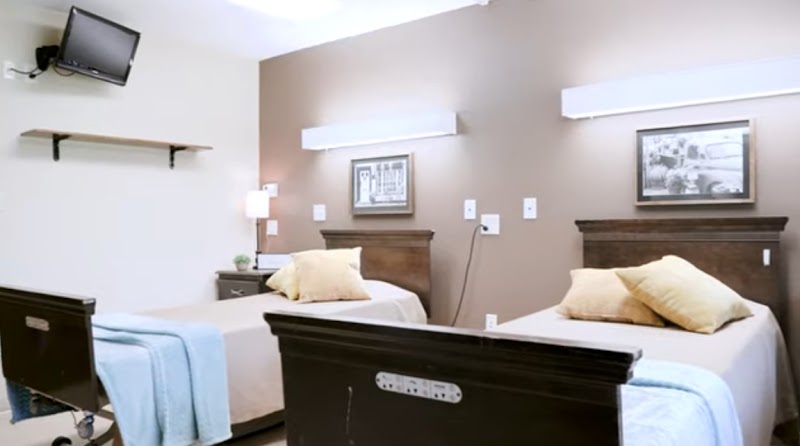
How is Dubuque Specialty Care Staffed?

CMS rates Dubuque Specialty Care's staffing level at 2 out of 5 stars, which is below average compared to other nursing homes. Staff turnover is 58%, which is 12 percentage points above the Iowa average of 46%. High turnover can affect care consistency as new staff learn residents' individual needs. RN turnover specifically is 67%, which is notably high. RNs provide skilled clinical oversight, so turnover in this role can affect medical care quality.

What Have Inspectors Found at Dubuque Specialty Care?

State health inspectors documented 25 deficiencies at Dubuque Specialty Care during 2023 to 2025. These included: 3 that caused actual resident harm, 20 with potential for harm, and 2 minor or isolated issues. Deficiencies causing actual harm indicate documented cases where residents experienced negative health consequences.

Who Owns and Operates Dubuque Specialty Care?

Dubuque Specialty Care is owned by a non-profit organization. Non-profit facilities reinvest revenue into operations rather than distributing to shareholders. The facility is operated by CARE INITIATIVES, a chain that manages multiple nursing homes. With 84 certified beds and approximately 52 residents (about 62% occupancy), it is a smaller facility located in Dubuque, Iowa.

How Does Dubuque Specialty Care Compare to Other Iowa Nursing Homes?

Compared to the 100 nursing homes in Iowa, Dubuque Specialty Care's overall rating (2 stars) is below the state average of 3.0, staff turnover (58%) is significantly higher than the state average of 46%, and health inspection rating (2 stars) is below the national benchmark.

What Should Families Ask When Visiting Dubuque Specialty Care?

Based on this facility's data, families visiting should ask: "How do you ensure continuity of care given staff turnover, and what is your staff retention strategy?" "Can you walk me through typical staffing levels on day, evening, and night shifts?" "Can I visit during a mealtime to observe dining assistance and food quality?" "How do you handle medical emergencies, and what is your hospital transfer rate?" These questions are particularly relevant given the facility's high staff turnover rate and the below-average staffing rating.

Is Dubuque Specialty Care Safe?

Based on CMS inspection data, Dubuque Specialty Care has a clean safety record: no substantiated abuse findings (meaning no confirmed cases of resident harm), no Immediate Jeopardy citations (the most serious violation level indicating risk of serious injury or death), and is not on the Special Focus Facility watch list (a federal program monitoring the lowest-performing 1% of nursing homes). The facility has a 2-star overall rating and ranks #100 of 100 nursing homes in Iowa. While no facility is perfect, families should still ask about staff-to-resident ratios and recent inspection results during their visit.

Do Nurses at Dubuque Specialty Care Stick Around?

Staff turnover at Dubuque Specialty Care is high. At 58%, the facility is 12 percentage points above the Iowa average of 46%. Registered Nurse turnover is particularly concerning at 67%. RNs handle complex medical decisions and coordinate care — frequent RN changes can directly impact care quality. High turnover means new staff may not know residents' individual needs, medications, or preferences. It can also be disorienting for residents, especially those with dementia who rely on familiar faces. Families should ask: What is causing the turnover? What retention programs are in place? How do you ensure care continuity during staff transitions?

Was Dubuque Specialty Care Ever Fined?

Dubuque Specialty Care has been fined $70,142 across 2 penalty actions. This is above the Iowa average of $33,780. Fines in this range indicate compliance issues significant enough for CMS to impose meaningful financial consequences. Common causes include delayed correction of deficiencies, repeat violations, or care failures affecting resident safety. Families should ask facility leadership what changes have been made since these penalties.

Is Dubuque Specialty Care on Any Federal Watch List?

Dubuque Specialty Care is not on any federal watch list. The most significant is the Special Focus Facility (SFF) program, which identifies the bottom 1% of nursing homes nationally based on persistent, serious quality problems. Not being on this list means the facility has avoided the pattern of deficiencies that triggers enhanced federal oversight. This is a positive indicator, though families should still review the facility's inspection history directly.