Harmony Dubuque

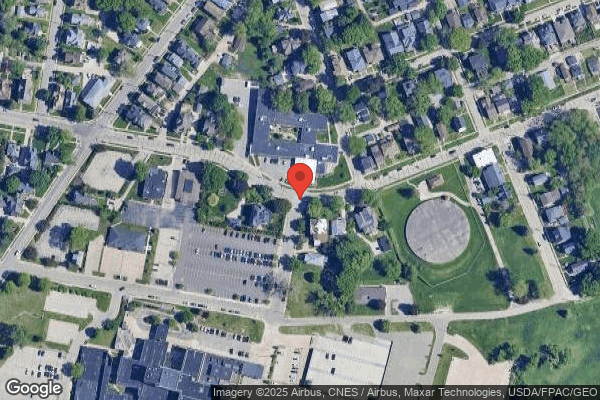
901 West Third Street, Dubuque, IA 52001 (563) 556-1161
For profit - Limited Liability company 89 Beds LEGACY HEALTHCARE Data: November 2025
Trust Grade
28/100
#277 of 392 in IA
Last Inspection: October 2024

Within standard 12-15 month inspection cycle. Federal law requires annual inspections.

Overview

Harmony Dubuque has received a Trust Grade of F, indicating significant concerns about the facility's care and management. It ranks #277 out of 392 nursing homes in Iowa, placing it in the bottom half, and #11 out of 12 facilities in Dubuque County, meaning there is only one local option that performs worse. While the facility is improving, with issues reducing from 10 in 2024 to just 1 in 2025, there are still serious weaknesses to consider. Staffing is average with a 3/5 rating, but the turnover rate is concerning at 72%, significantly higher than the state average of 44%. Additionally, there are incidents of care failures, such as not providing adequate assistance to prevent falls for some residents and failing to use safety equipment as recommended by therapy, highlighting serious gaps in care that families should be aware of.

Trust Score
F
28/100
In Iowa
#277/392
Bottom 30%
Safety Record
Moderate
Needs review
Inspections
Getting Better
10 → 1 violations
Staff Stability
⚠ Watch
72% turnover. Very high, 24 points above average. Constant new faces learning your loved one's needs.
Penalties
✓ Good
$19,371 in fines. Lower than most Iowa facilities. Relatively clean record.
Skilled Nurses
✓ Good
Each resident gets 66 minutes of Registered Nurse (RN) attention daily — more than 97% of Iowa nursing homes. RNs are the most trained staff who catch health problems before they become serious.
Violations
⚠ Watch
32 deficiencies on record. Higher than average. Multiple issues found across inspections.
★★☆☆☆
2.0
Overall Rating
★★★☆☆
3.0
Staff Levels
★★★☆☆
3.0
Care Quality
★★☆☆☆
2.0
Inspection Score
Stable
2024: 10 issues
2025: 1 issues

The Good

  • Full Sprinkler Coverage · Fire safety systems throughout facility
  • No fines on record

Facility shows strength in fire safety.

The Bad

2-Star Overall Rating

Below Iowa average (3.0)

Below average - review inspection findings carefully

Staff Turnover: 72%

26pts above Iowa avg (46%)

Frequent staff changes - ask about care continuity

Federal Fines: $19,371

Below median ($33,413)

Minor penalties assessed

Chain: LEGACY HEALTHCARE

Part of a multi-facility chain

Ask about local staffing decisions and management

Staff turnover is very high (72%)

24 points above Iowa average of 48%

The Ugly 32 deficiencies on record

2 actual harm
Jan 2025 1 deficiency
CONCERN (D) 📢 Someone Reported This

A family member, employee, or ombudsman was alarmed enough to file a formal complaint

Potential for Harm - no one hurt, but risky conditions existed

Notification of Changes (Tag F0580)

Could have caused harm · This affected 1 resident

**NOTE- TERMS IN BRACKETS HAVE BEEN EDITED TO PROTECT CONFIDENTIALITY** Based on clinical record reviews, staff and resident interviews, policy review, and observations the facility failed to notify a...

Read full inspector narrative →
**NOTE- TERMS IN BRACKETS HAVE BEEN EDITED TO PROTECT CONFIDENTIALITY** Based on clinical record reviews, staff and resident interviews, policy review, and observations the facility failed to notify a resident's physician of a change in condition in a timely manor for 1 of 6 residents reviewed (Resident #6). The facility reported a census of 59 residents. Findings include: According to the Minimum Data Set (MDS) dated [DATE], Resident #6 had diagnoses which included fractured left femur neck, Parkinson's disease, and sepsis. The MDS revealed the resident had a Brief Interview for Mental Status score of 11, which revealed the resident had moderate cognitive impairment and may need extra help for daily tasks. The resident had a history of falls. The resident required supervision or touch assistance with transfers and partial to moderate assistance with walking. Review of the resident's Care Plan dated 12/10/23 directed the staff to assist the resident with ambulation and transfers as needed and on 3/27/2024 the Care Plan directed the staff to place a sign in the resident's room to remind him to use his call light. Review of the Nurses Progress Notes dated 1/16/25 at 5:49 pm the staff found the resident lying on the floor of his room, next to his roommates bed, complaining of left hip pain. The resident complained of his hip hurting and rated the pain as 3 on a scale of 0-10. The nurse called the on-call provider at 6:35 pm and gave a status report. The on-call provider ordered a mobile x-ray of the resident's left hip. The Nurse's Progress Notes revealed the mobile x-ray unit arrived at the facility at 11:00 pm and completed the ordered x-ray. The results of the x-ray were printed off and placed on the Primary Care Providers desk in the facility at 3:00 am for her to review on rounds the morning of 1/17/25. Review of the portable x-ray report dated 1/17/25 indicated Resident #6 had an acute mildly displaced subcapital left femoral neck fracture. During an interview with Staff B-RN on 1/29/25 at 12:15 pm, Staff B stated she was the Primary Nurse responsible for Resident #6 on 1/16-1/17 am. She reported he fell at change of shift on 1/16 at approximately 6:00 pm. On initial assessment he denied pain but at about 7:30-8:00 pm he complained of pain in his left hip. The nurse called the on-call provider to report the fall with pain. An x-ray was ordered and obtained at 11:00 pm. The facility received a phone call from the mobile x-ray provider between 1:30 and 2:00 am on 1/17/25 directing them to refer to the residents electronic health record. Staff B-RN stated at about 3:00 am they read the results and noted the resident had a fractured left hip. The resident was sleeping at the time so she decided to copy the results and placed them on the Nurse Practitioner desk to review when she came in that morning. Staff B stated she received a 1:1 In-service re-education from the Assistant Director of Nurses as directed by the Administrator. She stated she should have called the on-call physician when she noted the results of the fractured hip as soon as she read the results. Review of the One on One In-service Record dated 1/17/25, stated that on 1/16/25, Staff B-RN received an x-ray report on a patient which showed a fractured left hip. Staff B re-educated when she receives an x-ray report or critical lab result and its after hours, Staff B must call and report the findings to the on-call provider and not to wait until the following day. During an interview with Staff D-Administrator on 1/29/25 at 11:03 am. Staff D stated she did the investigation regarding the fall. She became aware the staff failed to call the provider with the fractured hip report. Staff D stated the staff should have called the provider immediately upon learning of the resident's fractured left hip. During an interview 1/29/25 at 11:35 am with Resident #6's Nurse Practitioner regarding the fractured hip the resident sustained on 1/16/25 fall. The on-call provider working the evening of 1/16 ordered a portable x-ray which was completed at 11:00 pm. The results returned to the facility on 1/17/25 around 3:00 am but the staff failed to call the on-call provider to report the findings. The Nurse Practitioner would have expected the staff to call the on-call provider to alert them of the resident's fractured hip and not to wait until the next morning when she was expected to make rounds to review the results. Hospital records dated 1/17/25 revealed the resident arrived at the emergency room with a diagnosis of left hip fracture. The resident underwent surgical repair of the left hip and returned to the facility on 1/21/25. Review of a Notification of Change of Condition policy dated June 2023 directed the facility staff they must immediately consult with the resident's physician when an accident occurs which result in an injury and has potential for requiring physician intervention, a change in the resident's condition, a need to alter treatments or a decision to transfer or discharge a resident.
Oct 2024 5 deficiencies
CONCERN (D)

Potential for Harm - no one hurt, but risky conditions existed

ADL Care (Tag F0677)

Could have caused harm · This affected 1 resident

Based on record review, resident and staff interviews, and policy review the facility failed to provide showers as scheduled for 1 of 2 residents reviewed (Resident #2). The facility reported a census...

Read full inspector narrative →
Based on record review, resident and staff interviews, and policy review the facility failed to provide showers as scheduled for 1 of 2 residents reviewed (Resident #2). The facility reported a census of 52 residents. Findings include: The Minimum Data Set (MDS) report dated 10/02/24 for Resident #2 indicated a Brief Interview for Mental Status (BIMS) score of 15/15, indicating no cognitive impairment. The MDS further indicated diagnoses including: acute and chronic respiratory failure, mild intellectual disabilities, and other specified disorders of muscle. It documented the resident as fully dependent on staff for assistance with showering/bathing. The Care Plan revised 7/10/24 instructed staff to assist the resident with shower/bathing per schedule. The Station 1 Shower List, updated 10/03/24 listed Resident #2 shower days as Tuesday and Friday. The Follow Up Question Report compiled 10/22/24 revealed the resident missed showers on the following dates in the last three months: 8/6, 8/20, 8/27, and 9/27. In an observation on 10/21/24 at 9:54 AM Resident #2's hair appeared greasy and matted, his shirt had food stains on it, and there was a moderate smell of body odor emanating from him. In an observation on 10/22/24 at 8:02 AM the resident remained in the same clothing as the prior day. There were additional food stains on the shirt and shorts, his hair remained matted and greasy, and body odor was present. In an interview on 10/21/24 at 9:54 AM Resident #2 reported he gets a shower once per week and would like an additional shower or two. In an interview on 10/22/24 at 11:11 AM Staff A, Certified Nursing Aide (CNA) and Staff B, CNA reported they fill out a shower sheet and chart showers in the Electronic Medical Record (EMR). The sheets are given to the nurse to sign off and then the Unit Manager files them. They reported Resident #2 got showers twice per week in the afternoons on Tuesdays & Friday. They explained the shower schedule was posted at the CNA desk. In an interview on 10/22/24 at 12:14 PM the Unit Manager, Station 1, explained if the shower reports are not there on paper they would be in the EMR where the CNA's chart. In an interview on 10/22/24 at 1:20 PM Staff C, CNA confirmed the resident is supposed to get a shower twice per week. She noted it could be a staffing issue. There are not enough staff to get showers done during the day. In an interview on 10/22/24 at 1:23 PM Staff B, CNA reported there were times where there were not enough staff to get all the showers in for the week. In an interview on 10/22/24 at 1:24 PM Staff A, CNA explained they have Sundays as a make-up shower day in case they couldn't do it another day. In an interview on 10/23/24 at 12:03 PM the Director of Nursing explained she expected residents to be offered a shower twice a week. She further explained showers have to be documented by the CNA's on the shower sheets and then the nurse signs off on it. The Unit Managers double check everything and then give it to her. She reported she was not aware of residents not getting offered a shower twice a week. The facility policy titled Hygiene- Bathing/Showering, revised 3/2024 failed to indicate a frequency for baths/showers to be offered to residents.
CONCERN (D)

Potential for Harm - no one hurt, but risky conditions existed

Infection Control (Tag F0880)

Could have caused harm · This affected 1 resident

Based on clinical record review, observation, staff interview, and facility policy review the facility failed to maintain proper infection control practices to prevent cross contamination and potentia...

Read full inspector narrative →
Based on clinical record review, observation, staff interview, and facility policy review the facility failed to maintain proper infection control practices to prevent cross contamination and potential infection of residents. During medication administration staff touched medication with their bare hands. While in community areas of the building Resident #3's catheter dignity bag and tubing dragged on the floor. The facility reported a census of 52 residents. Findings include: 1. The Minimum Data Set for Resident #3, dated 9/16/24, documented diagnoses of cancer, obstructive uropathy, and non-Alzheimer's dementia. The Brief Interview for Mental Status Assessment revealed a score of 10, which indicated moderately impaired cognition. Resident #3's Care Plan, with a focus area dated 5/30/24, indicated the resident required the use of an indwelling Foley catheter related to urinary retention due to obstructive uropathy. A goal with the same date was to remain free of complications related to catheter use. Interventions also dated 5/30/24 documented the use of a catheter securement device, ensuring the dignity bag remained in place, monitoring tubing for kinks and leaks, and keeping the tubing off of the floor. During a meal observation on 10/21/24 at 12:14 PM the resident was eating in the dining room. The blue dignity bag holding the catheter bag rested on the floor below his wheelchair, near the left wheel. On 10/22/24 at 07:46 AM observed the resident enter the dining room. Staff reminded him not to put his brakes on and to use the wheels and his feet to propel himself. Resident #3's catheter bag was in a dignity bag under his wheelchair and dragged along the floor near the right wheel as he moved toward a table. On 10/22/24 at 05:58 PM observed the resident leaving the dining room after dinner. His catheter tubing dragged along the floor between the two wheels, with visible urine stopped in the tube. As he used a combination of his feet and hands to move himself forward, his right foot hit the tubing twice. The catheter bag was in a dignity bag, and it skidded along the floor near the left wheel. An interview with Staff E, Registered Nurse (RN) on 10/24/24 at 9:08 AM revealed she had not seen the resident's bag or tubing dragging on the ground. She stated the resident did try to self transfer at times and the bag or tubing hanging low or dragging would be a good indicator that he tried. She stated the CNAs have to check that and make sure it is secured. During an interview with the Infection Preventionist on 10/24/24 at 09:14 AM she confirmed CNAs were responsible for making sure the bag and tubing were off of the floor. She stated the dignity bag was supposed to be strapped up with clips and the tube tucked so it didn't hang that low. She stated she would have to look into why both were dragging on the ground and said the way it was supposed to be positioned should ensure it did not do that. A policy titled Catheter Care: Indwelling Catheter, documented as Rev. 12/2023, noted the purpose was to provide hygiene for patients with indwelling catheters. Numbers 12-14 of the procedure section documented to secure the catheter to the patient's leg using a securement devise or Velcro leg strap to prevent tension on the urethra. Check that tubing is not kinked, looped, clamped, or positioned above the level of the bladder. Validate drainage bag is off the floor and in a dignity bag. 2. During observation of a medication pass on 10/22/24 at 6:49 PM Staff E, Registered Nurse (RN) took a stock bottle of acetaminophen from the medication cart drawer for Resident #52. She removed the lid, emptied out two pills, and put them in the medication cup with ungloved fingers. When each of the resident's medications were in the cup, she administered them. At 7:46 PM on 10/22/24 observed Staff E prepare medications for Resident #8. She prepared the resident's acetaminophen, senna plus, and melatonin by shaking them out of the bottles and putting them in the medication cup with ungloved fingers. When each of the resident's medications were in the cup, she administered them. On 10/22/24 at 07:57 PM the Administrator was seated at the nurses station. When asked how medications should be administered from the bottle, she said the nurse should pour the stock meds into the cup and not touch them. During an interview on 10/23/24 at 2:16 PM the Director of Nursing stated she expected staff to gel in and gel out with medications administration. She expected they would not touch the medication itself and would work with one resident at a time. On 10/24/24 at 8:59 AM the Infection Preventionist stated staff should not be using their bare hands to administer medication, and they should put medications in the lid and then put in the med cup. They also should be washing their hands. She reported they would provide in-services and education regarding both medications and catheter care. On 10/24/24 at 9:08 AM Staff E stated she was an agency nurse and did not receive medication administration training at the facility. She was trained as part of her education and had 'extensive' training through her agency. A policy titled Medication Administration - Medication Pass, documented as Rev. 5/2023, indicated the purpose was to safely and accurately prepare and administer medication according to physician order and patient needs. The general instructions section documented staff should not touch medication or inside of the medication cup. The tablets/capsules section noted if the medication was obtained from a bottle, it should be transferred to the cap and then into the souffle cup.
CONCERN (E)

Potential for Harm - no one hurt, but risky conditions existed

Food Safety (Tag F0812)

Could have caused harm · This affected multiple residents

Based on observation, staff interview, and record review the facility failed to label and date food appropriately to prevent a food borne illness during initial tour of the kitchen. The facility faile...

Read full inspector narrative →
Based on observation, staff interview, and record review the facility failed to label and date food appropriately to prevent a food borne illness during initial tour of the kitchen. The facility failed to serve food in a way that prevents food borne illness for 1 out of 1 meals observed. The facility reported a census of 52 residents. Findings include: 1. ) During the initial tour of the kitchen on 10/21/24 at 9:20 AM the following items were observed in a refrigerator across from the stove not labeled or dated: - meat sandwiches - tater tot casserole - sliced cheese open to air in original package - sliced cheese and bologna stored together in a plastic container - tomato juice in a pitcher - box of bacon open to air and not dated - large container of strawberries - large container of barbeque pork During an interview on 10/21/24 at 9:45 AM Staff D, cook, stated everything should be labeled and a use by date on it that is stored in the refrigerator. On 10/21/24 at 9:50 AM the dietary manager stated the items would need to be tossed because no date on them. She said all food should be labeled and dated when opened and stored in the refrigerator. The facility provided a policy titled: Labeling and Dating, with a revision date of 12/2023 it directed staff once opened, all ready to eat, potentially hazardous food will be re-dated with a use by date according to current safe food storage guidelines or by the manufacturers expiration date. 2.) During a continuous meal observation on 10/22/24 from 11:29 AM to 12:40 PM Staff D, cook, during meal service used her gloved hands to touch the quiche and cake she was serving to residents on plates. She changed her gloves multiple times but would touch the counter, the lids to serving pans, and the serving utensils then would use a spatula to scoop up the cake or quiche and use her other gloved hand to remove them from the spatula onto the plate. During an interview on 10/23/24 at 10:54 AM Staff D, stated she does have the Serve Safe certificate for food handling. She stated she should not have used her gloves to touch the food during meal service. I am supposed to use tongs or other utensils to serve the food. On 10/23/24 at 1:21 PM the Dietary Manager discussed the cooks practice of food handling the prior day at lunch and she stated she noticed how she served the food - not proper food handling. She stated she even attempted to hand her tongs and she did not use them correctly. The changing of the gloves and touching all the food is not correct food handling, she should have used the tongs. I would expect her to use tongs and utensils and not touch the food. The facility provided a policy titled: Food Handling, with a revision date of 10/23 it directed Purpose: To adhere to the food safety standards described in the local Food Code and as per Center for Medicare Services (CMS) food safety standards for long-term care Procedures: 1. Employees must perform hand hygiene prior to handling food and maintain safe food handling practices. 2. Employees wear approved hair restraints and clean uniforms. 3. Ready-to-eat food must not be touched with bare hands.
CONCERN (E)

Potential for Harm - no one hurt, but risky conditions existed

Deficiency F0865 (Tag F0865)

Could have caused harm · This affected multiple residents

Based on the Centers for Medicare and Medicaid Services (CMS) Statement of Deficiencies forms, the facility Quality Assessment and Performance Improvement (QAPI) Plan, and staff interview the facility...

Read full inspector narrative →
Based on the Centers for Medicare and Medicaid Services (CMS) Statement of Deficiencies forms, the facility Quality Assessment and Performance Improvement (QAPI) Plan, and staff interview the facility failed to carry out Quality Assurance (QA) activities to ensure effective measures had been taken to correct deficiencies and prevent their ongoing prevalence. The facility reported a census of 52 residents. Findings include: The CMS 2567, dated 10/20/22 listed, in part, the following concerns: F880 The CMS 2567, dated 11/07/23 listed, in part, the following concerns: F677, F812 The current survey, conducted 10/21/24-10/24/24 also identified the above concerns. In an interview on 10/24/24 at 10:48 AM the Administrator explained the QAPI Committee monitors improvement projects for 4-6 weeks depending on what the issue is. After that, they review things monthly and then every other month if there is consistency. She acknowledged she was not aware of the repeat deficiencies. The facility policy titled QAPI Plan, updated 8/16/24 instructed the following: The QAPI Committee is responsible and accountable for: 1. Identifying and prioritizing problems based on performance indicator data; 2. Including patient, patient representative, and staff input into the process; 3. Ensuring corrective actions are effective; 4. Analyzing QAPI program performance to identify and follow up on areas of concern or opportunities for improvement. Method of Monitoring Multiple Data Sources: Regulatory outcomes are monitored and trended at the center level. Regulatory outcomes include licensure survey results, certification survey results, life safety survey results, complaint survey results, and additional focused survey results. The QAPI Committee directs these activities and reviews these data sources for the identification of trends, comparison to available benchmarks, and identifying and monitoring additional performance improvement projects (PIP) needed. Identifying Change as an Improvement: Areas of opportunity identified in the QAPI Assessments are corrected through the PIP. Completion of the Investigation stage and review of those findings should demonstrate that process improvement initiative implemented in the initial stage have been sustained and the focus area has not been re-identified in the investigation stage.
CONCERN (F)

Potential for Harm - no one hurt, but risky conditions existed

Staffing Data (Tag F0851)

Could have caused harm · This affected most or all residents

Based on Payroll Based Journal (PBJ) Data, schedule review, and staff interview the facility failed to submit complete and accurate payroll data to CMS during the third quarter of the 2024 fiscal year...

Read full inspector narrative →
Based on Payroll Based Journal (PBJ) Data, schedule review, and staff interview the facility failed to submit complete and accurate payroll data to CMS during the third quarter of the 2024 fiscal year. The facility reported a census of 52 residents. Findings include: A document titled PBJ Staffing Data Report for Fiscal Year 2024 Quarter 3 (April 1-June 30) documented the facility triggered for excessively low weekend staffing. On 10/22/24 at 8:12 PM the Administrator stated she became aware there was an issue with the PBJ data the day before. She had already reached out to their main office for a report of what was submitted and to try to learn what caused the facility to trigger for low staffing. She reported they were the ones who submitted PBJ data for the facility, and she was not aware of any days with excessively low staff. On 10/23/24 the Administrator provided paper copies of staff schedules for the months of April, May, and June. They documented hours worked by nurses, certified medication aides, and certified nursing aides for three shifts each day and included staff who called off or did not show for their shift. The documentation included both facility and agency staff. On 10/24/24 at 10:17 AM the Administrator reported she had not received an email response with the report, apologized, and said she would have to try to reach someone again.
Jul 2024 2 deficiencies
CONCERN (D) 📢 Someone Reported This

A family member, employee, or ombudsman was alarmed enough to file a formal complaint

Potential for Harm - no one hurt, but risky conditions existed

Menu Adequacy (Tag F0803)

Could have caused harm · This affected 1 resident

Based on observation and resident and staff interviews the facility failed to follow the menu and offer food choices according to the residents' requests. The facility reported a census of 62 resident...

Read full inspector narrative →
Based on observation and resident and staff interviews the facility failed to follow the menu and offer food choices according to the residents' requests. The facility reported a census of 62 residents. Findings include: Observation on 7/1/2024 at 11:30 A.M. revealed dietary staff serving lunch. Staff C, Dietary Aide indicated they switched Monday and Wednesday's menus due to the holiday. Staff C indicated they prepared enough food according to the menu most of the time. Resident #5 sat at a dining room table and reported not always being served what she requested. The resident indicated the facility runs out of food. On 7/1/2024 at approximately 11:00 A.M., Resident #1 reported he eats meals in his room and occasionally does not get what he orders. The previous night the menu included soup, sandwich and salad. The resident failed to receive a salad for dinner as he requested, and the food is not always hot when the food tray arrived. On 7/2/2024 at 12:15 A.M., Resident #6 reported she eats meals in her room and occasionally does not get what she orders from the menu. The kitchen occasionally fails to send milk, coffee, and dessert and food is not always hot when it arrives. A review of the Food Temperature Log book revealed staff failed to consistently document food temperatures prior to serving at each meal, a test tray entree on 7/1/24 tested at 154 degrees. On 7/2/2024 at 11:40 A.M., Staff E, RDLD reported 154 degrees was not an acceptable temperature in order for the room trays to be served hot and expected residents to receive menu items they request. The concern had been addressed and they had a plan in place.
CONCERN (E) 📢 Someone Reported This

A family member, employee, or ombudsman was alarmed enough to file a formal complaint

Potential for Harm - no one hurt, but risky conditions existed

Safe Environment (Tag F0584)

Could have caused harm · This affected multiple residents

Based on observation and staff interview, the facility failed to provide housekeeping services in a manner to maintain a clean, comfortable, and homelike environment. The facility reported a census of...

Read full inspector narrative →
Based on observation and staff interview, the facility failed to provide housekeeping services in a manner to maintain a clean, comfortable, and homelike environment. The facility reported a census of 62 residents. Findings include: Facility observation on 7/1/2024 at approximately 10:30 - 11:30 A.M. included: Rooms 163, 164, 165, and 172 had floors with heavy dirt and grime. Rooms 163, 166, 169 and 171 had bathrooms with a dark substance on the floors and toilets. Observation of the kitchen revealed heavy dark grime along the perimeter of the floor and base boards. The floor also had used gloves, a coffee cup, food debris, a red food storage lid, and heavy dirt and food particles under the food storage shelves. The stainless steel food prep tables had a moderate amount of grime and food particles. The gas stove had heavy food particles and the floor area was covered with a brown substance. The refrigerator exteriors had a moderate amount of fingerprints and a sticky substance. Staff A, housekeeping revealed the facility had two housekeepers on duty, and the previous floor maintenance staff no longer worked at the facility. Staff B, housekeeping indicated the facility had one housekeeping staff on weekends. Staff C, dietary supervisor revealed she recently became the supervisor and had worked as the cook for 2.5 years. Staff C reported she needed to complete her classes and tests.
Jun 2024 1 deficiency
CONCERN (D) 📢 Someone Reported This

A family member, employee, or ombudsman was alarmed enough to file a formal complaint

Potential for Harm - no one hurt, but risky conditions existed

Deficiency F0658 (Tag F0658)

Could have caused harm · This affected 1 resident

**NOTE- TERMS IN BRACKETS HAVE BEEN EDITED TO PROTECT CONFIDENTIALITY** Based on clinical record review, facility policy review, and staff interviews the facility failed to follow physician orders for...

Read full inspector narrative →
**NOTE- TERMS IN BRACKETS HAVE BEEN EDITED TO PROTECT CONFIDENTIALITY** Based on clinical record review, facility policy review, and staff interviews the facility failed to follow physician orders for three of three residents reviewed. (Residents #2, #3, #6). The facility reported a census of 59 residents. Findings include: 1. The MDS (Minimum Data Set), an assessment tool dated 3/20/2024 revealed Resident #2 had moderate cognitive impairment, transferred from one surface to another with staff assistance. The resident received scheduled pain medication for occasional pain rated at a score of 6 on a 0-10 pain scale. The resident had diagnoses including muscle disorder, history of falls, seizure disorder, and cognitive deficit. The Care Plan identified the resident had a risk for pain related to osteoarthritis and amputation of toes. On 3/26/2024, the Care Plan directed staff to administer pain medication as ordered by the physician and evaluate effectiveness of pain management. The current Physician Orders included an order for Hydrocodone/Acetaminophen 5/325 mg (milligrams), one tablet three times a day. On 3/6/2024 the order instructed staff to administer the medication two times a day. The March, 2024 MAR (Medication Administration Record) revealed staff failed to administer the Hydrocodone/Acetaminophen on March 30, March 31 and April 1, 2024 due to the unavailability of the medication. 2. The MDS dated [DATE] revealed Resident #3 had intact cognitive abilities, transferred from one surface to another with staff assistance and had diagnoses including PTSD (Post Traumatic Stress Disorder), depression , diabetes, and COPD (Chronic Obstructive Pulmonary Disease). The Care Plan identified the resident had PTSD and had a risk for changes in mood, had cardiac disease, edema, respiratory impairment, and urinary incontinence. It directed staff to administer medication as ordered by the physician. The April and May Physician Orders, and MAR included: Prednisone, 5 mg every day for four days from 4/12 - 4/16/2024, for inflammation. No dose administered on 4/15/2024. Quetiapine 50 mg table two times a day, for PTSD. No morning dose administered on 4/19/2024. Hydrochlorothiazide tablet 25 mg, give one tablet one time a day, every other day for COPD. No dose administered on 4/1/2024. Allegra Hives 24 hour oral tablet, 180 mg. Give one tablet by mouth one time a day. No dose administered on 5/11/2024. Incruse Ellipta Inhalation Aerosol. Inhale orally one time a day for COPD. No dose administered on 5/2 and 5/3/2024. Saw Palmetto oral tablet. Give one tablet by mouth one time every day for supplement. No dose administered on 5/26, 5/27, & 5/28/2024. 3. The MDS dated [DATE] revealed Resident #6 had severe cognitive impairment, transferred from one surface to another with staff assistance, had a colostomy and diagnoses including aftercare following surgery, diabetes, colon cancer, and dementia. The Care Plan identified the resident had a colostomy initiated on 5/13/2024 and directed staff to monitor and provide care as needed. The Care Plan identified the resident had diabetes and it directed staff to administer medication as ordered by the physician and monitor effectiveness and side effects. The Physician Orders included an order for Glipizide 10 mg orally two times a day for diabetes to begin on 5/10/2024. The resident also had an order for Loperamide 2 mg four times a day for high ostomy (opening in an organ of the body, colostomy) output to begin 5/10/2024. The May MAR revealed staff failed to administer the Glipizide and Loperamide on 5/10/2024. On 6/3/2024 the Administrator and Director of Nursing indicated they were aware of the medication concern, have educated staff regarding documentation and pharmacy notification, and have implemented a performance improvement plan. The facility Medication Administration - Medication Pass policy dated 5/2023 included: Purpose - To safely and accurately prepare and administer medication according to physician's order and patient's needs.
Jan 2024 2 deficiencies
CONCERN (D) 📢 Someone Reported This

A family member, employee, or ombudsman was alarmed enough to file a formal complaint

Potential for Harm - no one hurt, but risky conditions existed

Deficiency F0761 (Tag F0761)

Could have caused harm · This affected 1 resident

Based on observation, clinical record review, staff and resident interviews, and facility policy, the facility failed to remain with one of four residents to ensure the resident consumed their medicat...

Read full inspector narrative →
Based on observation, clinical record review, staff and resident interviews, and facility policy, the facility failed to remain with one of four residents to ensure the resident consumed their medication. (Resident #3). Findings include: The MDS (Minimum Data Set) dated 10/26/2023 revealed Resident #3 had no cognitive impairment, ambulated independently with a wheeled walker, and had diagnoses including anxiety. The resident's Physician Orders dated 1/3/2024 included an order for Clonazepam 0.5 mg (milligrams) four times a day for anxiety. The January, 2024 MAR (Medication Administration Record) revealed staff administered the medications daily at 7:30 and 11:30 a.m., and 4:30 and 8:30 p.m. A review of the MAR revealed staff administered the medication at 7:30 a.m. and 11:30 a.m. on 1/4/2024. Observation on 1/4/2024 at 1:40 p.m. revealed Resident #3 had a medicine cup that contained a small yellow pill sitting on the tray table near the recliner in her room. Resident #3 identified the pill as Clonazepam, and staff delivered it before lunch at approximately 11:30 a.m Staff left it for her to take, and she forgot to take it. On 1/4/2024 at 1:55 p.m., Staff B, LPN (Licensed Practical Nurse) reported he delivered the Clonazepam to Resident #3 at approximately 11:15 a.m. While the resident sat in the recliner, Staff B handed her the medication, and she indicated she would take it. The facility Medication Administration - Medication Pass policy included: Purpose: To accurately prepare and administer medication according to physician order and patient needs. Procedure: 9. Administer medication Remain with patient until administration of medication is complete. Document initials on EMAR (electronic medication administration record) for each medication administered.
CONCERN (E) 📢 Someone Reported This

A family member, employee, or ombudsman was alarmed enough to file a formal complaint

Potential for Harm - no one hurt, but risky conditions existed

Safe Environment (Tag F0584)

Could have caused harm · This affected multiple residents

**NOTE- TERMS IN BRACKETS HAVE BEEN EDITED TO PROTECT CONFIDENTIALITY** Based on observation and staff interview, the facility failed to provide housekeeping services in a manner to maintain a clean, ...

Read full inspector narrative →
**NOTE- TERMS IN BRACKETS HAVE BEEN EDITED TO PROTECT CONFIDENTIALITY** Based on observation and staff interview, the facility failed to provide housekeeping services in a manner to maintain a clean, comfortable, and homelike environment. The facility reported a census of 61 residents. Findings include: Facility observation on 12/4/2024 at approximately 8:20 A.M. included: room [ROOM NUMBER] and room [ROOM NUMBER] had used linens on the resident's floor. room [ROOM NUMBER], 146, and 165 had used exam gloves on the resident's floor. room [ROOM NUMBER] had a large area of peeling paint on the bathroom door. room [ROOM NUMBER] had wallpaper border peeling away from the wall. Observation on 1/8/2024 at 11:40 a.m. revealed room [ROOM NUMBER] had a used exam glove and an oxygen mask on the floor. During an interview 1/4/24 at 8:40 A.M. Staff A, housekeeping, revealed the facility had two housekeepers on duty and one staff using the floor machine. Staff A indicated the facility had only one housekeeping staff over the prior weekend. The Administrator indicated on 1/4/24 at 3:00 P.M. the facility had a plan to renovate and repair necessary wallpaper and paint concerns, room [ROOM NUMBER] is on the priority list.
Nov 2023 11 deficiencies 1 Harm
SERIOUS (G) 📢 Someone Reported This

A family member, employee, or ombudsman was alarmed enough to file a formal complaint

Actual Harm - a resident was hurt due to facility failures

Accident Prevention (Tag F0689)

A resident was harmed · This affected 1 resident

**NOTE- TERMS IN BRACKETS HAVE BEEN EDITED TO PROTECT CONFIDENTIALITY** Based on clinical record review, facility policy review, and staff interviews the facility failed to provide the assistance requ...

Read full inspector narrative →
**NOTE- TERMS IN BRACKETS HAVE BEEN EDITED TO PROTECT CONFIDENTIALITY** Based on clinical record review, facility policy review, and staff interviews the facility failed to provide the assistance required to prevent falls for 2 of 5 residents reviewed for falls (Resident #8, and Resident #223). The facility reported a census of 72 residents. Findings include: 1. The Minimum Data Set (MDS) assessment tool, dated 8/30/23 , listed diagnoses for Resident #8 that included: Type 2 diabetes, dysphagia (difficulty swallowing), severe intellectual disability, and fracture of lower right leg. The MDS assessed the resident required extensive assistance of one staff for: bed mobility, transfers, and walking in the room and the corridor; and supervision with set up help only for eating. The MDS did not list the resident's Brief Interview for Mental Status (BIMS) score. The Care Plan revealed a focus area of at risk for falls due to history of falls, impaired balance/poor coordination initiated on 5/27/21. A Progress Note dated 8/20/23 revealed the resident incurred a witnessed fall after using the bathroom. The fall did not result in an injury. A Fall Risk Assessment complemented on 8/20/23 lacked a completed conclusion/narrative summary. A Progress Note dated 8/23/23 revealed the resident had a witnessed fall in the bathroom. Due to not being able to tolerate standing, the resident transferred to the local hospital and an x-ray confirmed a right ankle fracture. A Fall Risk Assessment complemented on 8/23/23 lacked a completed conclusion/narrative summary. The resident remained hospitalized until 8/26/23, when she discharged back to the facility. The clinical record lacked a Fall Risk Assessment upon readmission. The Care Plan revealed a focus area of at risk for falls due to history of falls, impaired balance/poor coordination initiated on 5/27/21. Interventions listed in the Care Plan included providing assistance to transfer and ambulate as needed initiated on 5/27/21. During an interview on 11/1/23 at 3:36 PM, Staff P, Certified Nursing Assistant (CNA) stated she assisted the resident to the bathroom on 8/23/23. Staff P stated the resident got out of bed, and walked to the bathroom with her walker. Staff P stated she walked behind the resident to ensure safety. Staff P stated she was unsure if she used a gait belt to assist the resident. Staff P stated the resident's walker blocked her from being able to sit on the toilet. Staff P stated she reached over the resident to move the walker, while the resident reached for the grab bar. Staff P stated the resident then fell to her knees. During an interview on 11/1/23 at 3:57 PM, Staff Q, Registered Nurse (RN) stated she did not witness the residents fall, but assessed the resident after the fall. Staff Q stated when she entered the residents bathroom, she found the resident resting on her knees. Staff Q stated the resident could not tolerate standing so she transferred to the local hospital for evaluation. Staff Q stated Resident #8 did not have a gait belt on when she came to the bathroom to assess. Staff Q stated the CNA should have used a gait belt as the resident has a history of falls and can be unsteady. During an interview on 11/6/23 at 4:02 PM, the Director of Nursing (DON) stated she expects staff to use a gait belt when assisting any resident who has a fall history. The facility policy, with a revised date of 11/2023, titled Fall Occurrence Purpose indicated the purpose of the policy is for the facility to ensure that residents are evaluated for fall risks and interventions implemented to minimize risk for falls and/or risk for injury from falls. Procedure #1 of the policy directed staff to complete a Fall Risk Assessment upon admission, readmission, and as necessary. Procedure #2 of the policy directed staff to implement Care Plan interventions to be based on the assessment. 2. The Minimum Data Set (MDS) assessment tool, dated 9/11/23, listed diagnoses for Resident #223 that included Metabolic encephalopathy (chemical imbalance in the brain), cirrhosis, and adult failure to thrive. The MDS assessed the resident required extensive assistance of two staff for bed mobility, and toilet use. The MDS listed the resident's Brief Interview for Mental Status (BIMS) score as 15 out of 15, indicating intact cognition. The Care Plan, initiated on 9/13/23, included a focus area for risk of falling due to impaired mobility. A Physical Therapy Discharge summary, dated [DATE], Functional Assessment for bed mobility indicated the resident is dependent to roll left and to the right. A Progress Note, dated 10/9/23 at 7:55 PM, documented the resident rolled out of bed while a CNA (Certified Nursing Assistant) changed the resident. The initial assessment revealed a large skin tear to the left inside of the resident upper arm, and a large laceration on the outside of the upper arm. The resident transferred to the local hospital for evaluation and treatment. A Progress Note, dated 10/9/23 at 11:10 PM, documented the resident returned to the facility. A Progress Note, dated 10/10/23 at 12:10 AM, documented the resident had the left forearm laceration sutured with 11 stitches, and a left humerus fracture. The Facility Investigation Witness statements revealed on 10/9/23 Resident #223 transferred to bed with the use of a Hoyer lift and assistance from two CNA's. One CNA left the room, the other resident assisted the resident with incontinence care. While rolling the resident towards the window, the aide was unable to stop the resident and the resident fell off the bed to the floor. An Employee Warning Notice, dated 10/11/23, issued to an agency CNA due to Violation of Policy and Procedure. The notice documented: On the evening of 10/9, a resident sustained a fall with injury due to staff not having proper staff assistance. During an interview on 11/6/23 at 3:19 PM, the Administrator stated the staff involved in Resident's #223 fall had been an agency staff and is no longer able to work at the facility. The Administrator stated two staff transferred the resident with a Hoyer, but only one staff assisted with incontinence care. The Administrator stated both staff should have stayed with the resident until after all care tasks had been completed. The Administrator stated since this fall, the facility has changed their policy now requiring two staff to assist with bed mobility if the resident required two staff for a transfer.
CONCERN (D) 📢 Someone Reported This

A family member, employee, or ombudsman was alarmed enough to file a formal complaint

Potential for Harm - no one hurt, but risky conditions existed

Safe Environment (Tag F0584)

Could have caused harm · This affected 1 resident

**NOTE- TERMS IN BRACKETS HAVE BEEN EDITED TO PROTECT CONFIDENTIALITY** 2. Observation on 10/31/23 at 2:10 PM of brown flecks of a substance on the privacy curtain in room [ROOM NUMBER]. On 10/31/23 0...

Read full inspector narrative →
**NOTE- TERMS IN BRACKETS HAVE BEEN EDITED TO PROTECT CONFIDENTIALITY** 2. Observation on 10/31/23 at 2:10 PM of brown flecks of a substance on the privacy curtain in room [ROOM NUMBER]. On 10/31/23 02:11 PM room [ROOM NUMBER] had food debris and liquid on the floor with straws, plastic lid, dietary slip, and other garbage on the floor. Under the heater unit below the window was food debris and on the other side of the bed there was paper and straw debris on the floor. Observation on 10/31/23 at 3:35 PM room [ROOM NUMBER] continues to have the same debris and food on the floor as earlier. The privacy curtain in room [ROOM NUMBER] continues to have brown flecks of a substance on it. Observation on 11/01/23 at 07:50 AM room [ROOM NUMBER] had the brown flecks of a substance which are now smears of a brown substance on the curtain. Observation on 11/2/23 at 08:19 AM room [ROOM NUMBER] continued to have brown smears of a substance on the privacy curtain, there are 9 different areas. During an interview on 11/02/23 at 12:31 PM Staff H, Housekeeping Aide, stated rooms are cleaned every day. I am by myself today and it is hard to get to all the rooms. I was off on Tuesday and another staff was here by herself. When we clean a room we wipe everything down, clean the bathroom, and then sweep and mop the floors. We wipe everything down every day as good as we can. The privacy curtains in the room if they are dirty the housekeeping supervisor will come take them down and laundry will wash them. In an interview on 11/02/23 at 12:37 PM the Director of Nursing stated, I would expect rooms to be cleaned daily. Spot checking floors and garbage should be done as needed . If there is something on the privacy curtain it should be removed and laundered and a clean one hung up The facility provided a policy titled Resident Room - Daily Cleaning with a revision date of 10/2023 that directed staff to complete daily cleaning tasks as scheduled which may include the following: - Empty trash and replace liners - Restock supplies if needed (e.g., gloves, toilet paper, soap, and fold towels) - Damp wipe furniture/high touch areas (e.g., nightstand, telephone, over-bed table, chairs, etc.) - Dust and mop hard surface floors - Vacuum carpet - Clean bathroom fixtures. Based on record review, family and staff interview, the facility failed to document an inventory list of belongings and failed to protect the resident's property from loss for one of three residents reviewed (Resident #123). The facility failed to maintain a clean environment in 2 resident rooms. The facility reported a census of 72 residents. Findings include: 1. The Minimum Data Set (MDS) identified Resident #123 as cognitively impaired with a BIMS (Brief Interview for Mental Status) of 11 and with the following diagnoses: Chronic Combined Systolic and Diastolic Heart Failure, Arthritis, and Anxiety Disorder. The MDS also identified Resident #123 required extensive staff assistance only with bathing and required limited staff assistance with most activities of daily living. A review of the admissions paperwork in the electronic medical record (EMR) revealed Resident #123 was admitted to the facility on [DATE] and no documentation to show the POA had reviewed or signed to acknowledge belongings brought in to the facility. A review of the Care Plan with the initiation date of 5/15/23 did not address the problem of Resident #123's missing jewelry. A review of the Progress Notes revealed the following entries: 5/12/23 at 5:22 PM admission Summary entry did not have documentation to show the resident had jewelry upon admission. 5/18/23 at 12:45 PM admission note by Social Services did not have documentation to show the resident had jewelry upon admission. 6/22/23 at 11:57 AM This writer spoke with the resident regarding sending her ring home with family. Ring on right hand is loose and may easily fall off. Patient representative notified to talk with resident at next visit. 6/22/23 at 1:43 PM Spoke with resident representative regarding ring and she will visit patient this evening and will attempt to take ring home. If she is successful she will notify nurse she is taking it home. 6/23/23 at 12:25 PM Checked in with resident today, the ring is still on her finger, indicating her representative was not able to get her to take it off and home for safe keeping. 8/1/23 at 8:23 AM Resident #123 was discharged from the facility. In an interview on 10/30/23 at 2:45 PM, the resident's power of attorney (POA) reported when Resident #123 was admitted to the facility, she had a wedding ring and a gold ring which was made by her husband. No one had asked her to document the list of her valuables. She reported she first noticed the wedding ring missing and ten days later, the gold ring was missing. The facility staff informed her that they would put the rings in the facility safe. In an interview on 11/1/23 at 6:55 AM, the Administrator reported they informed Resident #123's POA on admission that it would be a good idea to take her rings home and not leave them here, however, Resident #123 did not want to take the rings off. She had lost weight and she asked the POA if she could have the rings re-sized. When Resident #123 was first admitted , an inventory sheet was not completed until the POA reported the rings missing. Resident #123 had two rings missing and when she left the facility to go to a memory unit in an assisted living, the administrator called to ask if they completed an inventory form to see if she had the rings on her when she was admitted to their facility. The assisted living facility reported they did not complete an inventory form. In an interview on 11/1/23 at 12:09 PM, Staff A, LPN reported when a resident is first admitted to the facility, there is an inventory record that staff should complete in the EMR. It is usually the nurse and aide that review the valuables and the nurse will document. When asked about Resident #123's rings that were missing, she reported she only knew of one ring that Resident #123 did not want to remove. Her POA tried to remove it from her finger, however, Resident #123 did not want it removed. The ring was a little loose on her finger. The staff could not pinpoint what date the ring came up missing. In an interview on 11/1/23 at 1:05 PM, Staff C, CNA reported when a resident is first admitted to the facility, the admitting nurse should record the valuables the resident had. He could not recall Resident #123. In an interview on 11/1/23 1:29 PM, Staff D, CNA reported when a resident is first admitted to the facility, the nurse or one of the administrative staff will document any valuables the resident came in with. She could not recall Resident #123 as she was hired after Resident #123 had been discharged . In an interview on 11/1/23 1:49 PM, the Administrator verified when Resident #123 was admitted , the staff should have completed an inventory sheet. Currently, the facility system does not save the paper chart. Once a resident is discharged or transferred, the paper chart is closed and some are put in medical records and some are stored in the basement and some in storage. The facility did not have a policy. From this point on, however, she would expect the nurse or aide to complete the inventory sheet. In an interview on 11/2/23 at 12:40 PM, the Administrator reported when a resident is first admitted to the facility, either the nurse or CNA should document the resident's valuables. When Resident #123 was admitted , the Administrator reported an inventory sheet had not been completed. She later discovered the rings were too big for the resident who also had dementia and would remove them to clean them. The facility made attempts to locate the rings, however, had not been able to.
CONCERN (D)

Potential for Harm - no one hurt, but risky conditions existed

Deficiency F0625 (Tag F0625)

Could have caused harm · This affected 1 resident

Based on clinical record review, review of facility policy, and staff interviews the facility failed to provide 1 of 2 residents with a bed-hold option upon transfer to a hospital. (Residents #8). The...

Read full inspector narrative →
Based on clinical record review, review of facility policy, and staff interviews the facility failed to provide 1 of 2 residents with a bed-hold option upon transfer to a hospital. (Residents #8). The facility reported a resident census of 72 residents. Findings include: The Minimum Data Set (MDS) assessment tool, dated 7/19/23 , listed diagnoses for Resident #8 that included: Type 2 diabetes, dysphagia (difficulty swallowing), severe intellectual disability, and fracture of lower right leg. The MDS did not list the resident's Brief Interview for Mental Status (BIMS) score. A Progress Note dated 8/10/23 revealed the resident transferred to the local hospital after an incident of choking. A Progress Note dated 8/14/23 documented the resident readmitted after 8/10/23 hospitalization. A Progress Note dated 8/23/23 revealed the resident transferred to the local hospital after a fall resulting in an injury. A Progress Note dated 8/26/23 documented the resident readmitted after 8/23/23 hospitalization. The clinical record lacked documentation of bed-holds for the 8/10/23, and 8/23/23 hospitalizations. On 11/2/23 at 3:00 PM the Social Services Designee reported bed-holds for the residents hospitalization could not be found. During an interview on 11/6/23 at 3:59 PM, the Director of Nursing (DON) stated she expects a Bed Hold to send when any resident is sent to the emergency room as it is not known if they will be admitted . The DON stated at the latest the Bed Hold should be completed within 24 hours of the residents transfer. The facility policy, dated 10/2023, titled Bed Hold and Return Policy revealed Procedure #1. Facility will provide bed hold notice to residents, and/or resident representative upon admission and at the time of transfer or within 24 hours of transfer if the transfer is emergent/urgent.
CONCERN (D)

Potential for Harm - no one hurt, but risky conditions existed

Deficiency F0657 (Tag F0657)

Could have caused harm · This affected 1 resident

**NOTE- TERMS IN BRACKETS HAVE BEEN EDITED TO PROTECT CONFIDENTIALITY** 3. The Minimum Data Set (MDS) assessment tool, dated 8/30/23 , listed diagnoses for Resident #8 that included: Type 2 diabetes, ...

Read full inspector narrative →
**NOTE- TERMS IN BRACKETS HAVE BEEN EDITED TO PROTECT CONFIDENTIALITY** 3. The Minimum Data Set (MDS) assessment tool, dated 8/30/23 , listed diagnoses for Resident #8 that included: Type 2 diabetes, dysphagia (difficulty swallowing), severe intellectual disability, and fracture of lower right leg. The MDS assessed the resident required extensive assistance of one staff for: bed mobility, transfers, and walking in the room and the corridor; and supervision with set up help only for eating. The MDS did not list the resident's Brief Interview for Mental Status (BIMS) score. A Progress Note dated 8/10/23 revealed Resident #8 required the Heimlich maneuver due to choking on an unidentified food item. A Progress Note dated 8/14/23 revealed the Resident's readmission from the hospital due to a diagnosis of choking and aspiration. A Progress Note dated 12/1/22 documented Resident #8 brought to the nursing desk after being found in the TV lounge eating a ham sandwich, coughing and with blue lips. The staff encouraged the Resident to cough and she expelled three small pieces of food, and then three larger pieces of food. A Progress Note dated 12/7/22 revealed Resident #8 brought to the nurses desk choking. The Resident coughed up unidentifiable phlegm coated material through her nose. During an interview on 11/2/23 at 11:20 AM, Staff J, Licensed Practical Nurse (LPN) stated on 8/10/23 a Certified Nursing Assistant called for assistance and brought the resident to the nursing desk by the dining room. Staff J stated the resident had been choking and she started the Heimlich maneuver, while another nurse administered oxygen, and then started to use suction to clear the airway. Staff J stated the Resident coughed up a thick yellowish substance. Staff J stated she had not been aware of the residents history of taking food with no regard to texture. During an interview on 11/2/23 at 11:42 AM, Staff K, Registered Nurse stated the resident definitely needed to be monitored when eating and drinking due to her history of taking food and eating quickly. He stated the resident can feed herself independently, but does need supervision with verbal reminders through a meal to slow down. Staff K stated Resident #8 moved to a table with staff providing feeding assistance and supervision after the 8/10/23 choking incident. The Care Plan revealed a focus area of Nutrition due to history .choking episode with aspiration in 8/2023. Interventions listed in the Care Plan included: a. Encouraging and assisting as needed to consume food and/or supplements and fluids offered, monitoring closely for safety to prevent the Resident from consuming foods inconsistent with current diet texture initiated on 6/3/2021. b. Provide diet as ordered: CCHO (Consistent Carbohydrate Diet) initiated on 6/3/21 c. Report signs or symptoms of diet and/or texture intolerance due to risk of aspiration initiated on 6/3/21. A Progress Note dated 8/23/23 revealed the resident had a witnessed fall in the bathroom. Due to not being able to tolerate standing, the resident transferred to the local hospital and an X-ray confirmed a right ankle fracture. The Care Plan revealed a focus area of at risk for falls due to history of falls, impaired balance/poor coordination initiated on 5/27/21. Interventions listed in the Care Plan included providing assistance to transfer and ambulate as needed initiated on 5/27/21. During an interview on 11/6/23 at 4:19 PM, the Director of Nursing (DON) stated she would have expected a residents Care Plan to be updated after any incident that resulted in a hospitalization or injury to include personalized safety interventions. The DON stated she would expect interventions to specify the type of assistance a resident requires for transfer. The facility policy, dated 7/2023, titled Care Plan Policy Procedure #5 directed the interdisciplinary team review and revise the Care Plan after completion of the MDS assessment when applicable, and with changes that warrant a Care Plan revision. Based on observation, record review, resident and staff interview, the facility failed to update the Care Plans for 3 of 21 residents reviewed. Resident #7's Care Plan did not include the need for prophylactic antibiotic and still identified the resident with a pressure ulcer that had already healed. Resident #8's Care Plan had not been updated after a choking incident and a fall. Resident #41's Care Plan did not address the diagnosis of dementia. The facility reported a census of 72 residents. Findings include: 1. The Minimum Data Set (MDS) dated [DATE], identified Resident #7 as cognitively intact with a BIMS (Brief Interview for Mental Status) of 14 and had the following diagnoses: Diabetes Mellitus, Anxiety Disorder, and Depression. The MDS also identified Resident #7 did not have any pressure ulcers at the time of assessment. The MDS also identified Resident #7 required extensive staff assistance with bed mobility, transfers, dressing, toileting, personal hygiene and bathing. In an interview on 10/30/23 at 10:46 AM, Resident #7 sat up in her wheelchair with feet elevated and wearing bilateral Prevalon boots on her feet. Resident #7 reported the only open area she had was a pressure ulcer to her left heel. Her left foot and ankle had a clean and dry dressing. Resident #7 rated the pain to her left heel as 4 or 5 (out of a scale of 1 to 10). A review of the Physician Orders revealed an order dated 6/5/23 for Cefadroxil Oral Capsule 500 mg (milligrams) (Cefadroxil - an antibiotic) Give 1 capsule by mouth one time a day for chronic medication for prophylaxis (the order did not specify what prophylaxis was for) The Care Plan reviewed 11/2/23 identified the resident with the following problems: On 12/27/22 the problem identified was open area to the coccyx. It did not identify the problem of the resident having orders for prophylactic antibiotic orders. In an interview on 11/6/23 at 9:10 AM, the Care Plan Coordinator reported Care Plans should be updated quarterly and with any significant changes, or if they returned from the hospital and readmitted . In an interview on 11/6/23 at 9:20 AM, the Director of Nursing (DON) reported if a resident had a pressure ulcer or open area that healed out, she would expect that to be updated on the Care Plan within 2 weeks of being healed. She could not recall the date the coccyx wound for Resident #7 healed out. She also reported if a resident had orders for a prophylactic antibiotic, she would expect that to be addressed on the Care Plan. She could not explain why this was not addressed on Resident #7's Care Plan and said it should have been addressed. 2. The Minimum Data Set (MDS) dated [DATE] identified Resident #41 as mildly cognitively impaired with a BIMS of 12 and had the following diagnoses: Alcoholic Cirrhosis of the Liver without Ascites, Non-Alzheimer's Dementia, and Anxiety Disorder. The MDS also identified Resident #41 required extensive staff assistance only with dressing, toilet use, and bathing. A review of the Nurse's Admission/readmission Evaluation Form dated 2/24/23 at 1:30 PM had documentation of the diagnosis of Dementia. A review of the current Care Plan on 11/1/23 revealed no documentation to address the diagnosis of Dementia with interventions to ensure Resident #41 receives the appropriate treatment and services to attain or maintain her highest practicable physical, mental, and psychosocial well-being. A review of the Physician Order Summary Report dated 11/1/23 had documentation the resident had a diagnosis of Unspecified Dementia, unspecified severity with other behavioral disturbance and had the following medication orders: 2/24/23 Namenda Oral Tablet 10 mg (Memantine HCl) Give 1 tablet by mouth two times a day for cognitive loss 2/24/23 Seroquel Oral Tablet 25 mg (Quetiapine Fumarate) Give 1 tablet by mouth two times a day for behaviors 2/24/23 Sertraline HCl Oral Tablet 100 mg (Sertraline HCl) Give 1 tablet by mouth one time a day for depression give with 50 mg to = 150 mg daily 2/24/23 Sertraline HCl Oral Tablet 50 mg (Sertraline HCl) Give 1 tablet by mouth one time a day for depression give with 100 mg to =150 mg daily In an interview on 11/6/23 at 9:10 AM, the Care Plan Coordinator reported she will be notified if a resident has a diagnosis of dementia with behaviors with physician orders or hospital history and physical report. The diagnosis of dementia should be identified on the nurse's admission assessment if it addressed on the History and Physical report. She also reported she would expect that diagnosis to be addressed on the Care Plan and could not explain why Resident #41's Care Plan did not address it. She also reported Social Services should address anything psych related on the Care Plan. The Care Plan Coordinator would address any medications such as the use of antipsychotics and antidepressants. She verified that Resident #41 had orders for those medications and it should be addressed on the Care Plan. In an interview on 11/6/23 at 9:20 AM, the DON reported Care Plans are updated by MDS Coordinator, ADON's, Social Worker, and DON. She also reported if a resident had a diagnosis of dementia with behaviors, she would expect that to be addressed on the Care Plan. She could not explain why Resident #41's Care Plan did not address the dementia. A review of the facility policy titled: Care Plan Policy and dated as last revised on July 2023 had documentation of the following: Purpose: To ensure that all care plans including base line care plans are in conjunction with the federal regulations including a baseline care plan to be completed within 48 hours of admission and a comprehensive care plan developed after the comprehensive assessment of a resident. Procedures 1. During admission, the facility will put in place baseline care plans within 48 hours to address resident's care. 2. The baseline care plan at a minimum should include initial goals, physician orders, dietary orders, therapy services, social services, and PASARR recommendations if applicable. 3. The facility will provide the resident/representative a written summary of the baseline care plan by the completion of the comprehensive care plan. 4. After the comprehensive assessment (state/federal-required MDS) is completed, the facility will put in place person-centered care plans outlining care for the resident. 5. These will be reviewed and revised by the interdisciplinary team after completion of MDS assessments when applicable and with changes that warrant a care plan revision.
CONCERN (D) 📢 Someone Reported This

A family member, employee, or ombudsman was alarmed enough to file a formal complaint

Potential for Harm - no one hurt, but risky conditions existed

Deficiency F0658 (Tag F0658)

Could have caused harm · This affected 1 resident

**NOTE- TERMS IN BRACKETS HAVE BEEN EDITED TO PROTECT CONFIDENTIALITY** Based on observations, clinical record review, and staff interviews the facility failed to follow physician orders and use stand...

Read full inspector narrative →
**NOTE- TERMS IN BRACKETS HAVE BEEN EDITED TO PROTECT CONFIDENTIALITY** Based on observations, clinical record review, and staff interviews the facility failed to follow physician orders and use standard practice to treat skin concerns for 2 of 2 residents (Residents #7 & #8). The facility reported a census of 72 residents. Findings include: 1. The Minimum Data Set (MDS) assessment tool, dated 7/19/23, listed diagnoses for Resident #8 that included: Type 2 diabetes, dysphagia (difficulty swallowing), severe intellectual disability, and fracture of lower right leg. The MDS did not list the resident's Brief Interview for Mental Status (BIMS) score. A clinical record review revealed a 8/26/23 Physician's Order for Betamethasone Dipropionate External Cream 0.05% to be applied to groin and buttocks topically every 12 hours as needed for redness to the groin and buttocks. During an interview on 11/1/23 at 1:02 PM, Staff L, Licensed Practical Nurse (LPN) stated Resident #8 has a reddened area on her coccyx and the Certified Nursing Assistants (CNA) put on a cream when the resident is changed after incontinence. During an observation on 11/1/23 at 1:31 PM, the resident found to have a large reddened area covering sacral area and right and left buttocks. During an interview on 11/6/23 at 12:12 PM, Staff M, CNA stated Aides apply a silicone barrier cream to her buttocks after she is changed. Staff M stated the resident's buttocks are red and nurses used to put a cream on the area but she does not know what is done now. A review of the August 2023 electronic Treatment Administration Record (eTAR) revealed Betamethasone cream had not been administered. A review of the September 2023 eTAR revealed the Betamethasone cream had not been administered. A review of the October 2023 eTAR revealed the Betamethasone cream had not been administered. During an interview on 11/6/23 at 2:05 PM, Staff N, Registered Nurse - Nurse Supervisor (RN) stated Resident #8 had been prescribed a Nystatin cream on 11/4/23. Staff N stated the staff should have first used the Betamethasone cream for the reddened area and then called the doctor to make them aware of the reddened area. During an interview on 11/6/23 at 4:10 PM, the Director of Nursing (DON) stated if a resident has an as needed physician order for reddened skin, the medication or treatment should be administered, and then the provider notified for further direction. 2. The Minimum Data Set (MDS) dated [DATE], identified Resident #7 as cognitively intact with a BIMS (Brief Interview for Mental Status) of 14 and had the following diagnoses: Diabetes Mellitus, Anxiety Disorder and Depression. The MDS also identified Resident #7 did not have any pressure ulcers at the time of assessment. The MDS also identified Resident #7 required extensive staff assistance with bed mobility, transfers, dressing, toilet use, personal hygiene, and bathing. An observation of wound care to the left heel for Resident #7 revealed the following: 11/2/23 at 1:53 PM Resident #7 laid in bed, air mattress in place and activated, properly positioned lying on back. Staff I, LPN entered the room with dressing supplies and clean towels. Staff I washed her hands and donned gloves. Staff I placed a clean soaker pad underneath Resident #7's feet, removed gripper socks and removed gloves. Staff I used bandage scissors to cut off kerlix dressing to left foot and placed soiled dressing into trash. Staff I reported Resident #7 no longer had an open areas to her coccyx. 11/2/23 1:57 PM Staff I then washed hands and donned new gloves. Then removed gloves and left room to get no-rinse soap. When asked, Resident #7 could not recall how the area to her left heel opened up and could not remember if she bumped it on anything. 11/2/23 1:59 PM Staff I cleansed the pressure ulcer using washboard motion (scrubbing back and forth), but did not change surfaces of the cloth and, did not wash from inner wound to outer wound. The wound to left heel appeared necrotic, no signs of infection noted to surrounding skin. Staff I removed gloves and left room to get ABD dressings. 11/2/23 2:02 PM Staff I returned and opened up packets of 4x4 gauze dressings and ABD dressings, donned new gloves. Staff I poured betadine on 4x4s and cleansed the pressure ulcer using the same washboard motion rather than cleansing from inner wound to out. Then placed ABD dressing underneath the heel and changed gloves. 11/2/23 2:04 PM Staff I then wrapped kerlix dressing around the left foot and secured with tape. Then Staff I removed gloves, wrote today's date and her initials on tape and placed gripper socks on resident's feet. A review of the nurse's progress notes in the electronic medical record revealed the following entries: 9/27/2023 20:25 Wound rounds completed today and left heel diabetic ulcer measures 6 x 7 x 0.1 cm 11/1/2023 19:11 Wound rounds completed today and left heel unstageable ulcer measures 2.5 x 3.7 cm A review of the facility policy titled: Dressing Change with the last revision date of July 2023 had documentation of the following: 1. Perform hand hygiene and apply gloves 2. Remove soiled dressing and discard in trash bag. Inspect soiled dressing and wound site for redness, swelling, bleeding or drainage, measure area if indicated. Inspect surrounding skin 3. Remove soiled gloves, discard and perform hand hygiene 4. Prepare clean field: Arrange supplies on table and open supplies. If dressings need to be cut to size, use clean scissors (disinfect the scissors with an EPA approved disinfectant before and after using) 5. Perform hand hygiene and apply gloves 6. Cleanse wound per physician's orders. Follow manufacturer's guideline for product use. Clean from center of wound moving outward. Clean wound then peri wound 7. Remove soiled gloves, discard 8. Perform hand hygiene and apply gloves 9. Apply dressing per physician's orders. If orders require topical application of ointment or cream, apply with applicator if available or clean glove 10. Apply tape with initials and date of dressing change to secure dressing, if applicable 11. Remove procedure towel (wound drape) or clean towel from under patient and discard
CONCERN (D)

Potential for Harm - no one hurt, but risky conditions existed

ADL Care (Tag F0677)

Could have caused harm · This affected 1 resident

**NOTE- TERMS IN BRACKETS HAVE BEEN EDITED TO PROTECT CONFIDENTIALITY** Based on observation, record review, resident and staff interview, the facility failed to document residents had been given show...

Read full inspector narrative →
**NOTE- TERMS IN BRACKETS HAVE BEEN EDITED TO PROTECT CONFIDENTIALITY** Based on observation, record review, resident and staff interview, the facility failed to document residents had been given showers twice a week for 3 out of 3 residents reviewed (Residents #7, #41 and #42). The facility reported a census of 72 residents. Findings include: 1. The Minimum Data Set (MDS) dated [DATE], identified Resident #7 as cognitively intact with a BIMS (Brief Interview for Mental Status) of 14 and had the following diagnoses: Diabetes Mellitus, Anxiety Disorder, and Depression. The MDS also identified Resident #7 required extensive staff assistance with bed mobility, transfers, dressing, toilet use, personal hygiene, and bathing. In an interview on 10/30/23 at 10:46 AM, Resident #7 reported she is supposed to get a shower twice a week, she has not had a shower for a month. She could not recall when she had a bed bath last. A review of the shower/bath records revealed resident did not receive showers as scheduled on: August 15 through 20 (scheduled to be done on the 17th) September 22 through 30 (scheduled to be done on the 25th and 28th) October 13 through 25 (scheduled to be done on 16th, 19th and 23rd) 2. The Minimum Data Set (MDS) dated [DATE] identified Resident #41 as mildly cognitively impaired with a BIMS of 12 and had the following diagnoses: Alcoholic Cirrhosis of the Liver without Ascites, Non-Alzheimer's Dementia and Anxiety Disorder. The MDS also identified Resident #41 required extensive staff assistance only with dressing, toilet use, and bathing. On 2/26/23, the Care Plan identified Resident #41 with the problem of ADL Self-care deficit and directed staff to: Assist to bathe/shower as needed Assist with daily hygiene, grooming, dressing, oral care, and eating as needed A review of the shower/bath records revealed the resident did not receive showers as scheduled on: August 16th through 24th (was scheduled the 19th, the 22nd and the 29th) September 24 to 29 (was scheduled to be done on the 26th) [DATE]th through 20th (was scheduled 10th, 14th, 17th) [DATE]th through 31st (was scheduled on the 28th) 3. The Minimum Data Set (MDS) dated [DATE] identified Resident #42 as cognitively intact with a BIMS (Brief Interview for Mental Status) of 15 and had the following diagnoses: Septicemia, Urinary Tract Infection, and Diabetes Mellitus. It also identified Resident #42 required extensive staff assistance with bed mobility, dressing, toilet use, and personal hygiene. The MDS also identified Resident #42 was totally dependent on staff for transfers, locomotion on and off the unit, and showers. It also identified Resident #42 with an indwelling urinary catheter and occasionally incontinent of bowel. In an interview on 10/30/23 at 10:12 AM, Resident #42 reported she is supposed to get whirlpool baths on Tuesdays and Fridays. For the past 2 weeks on Fridays, she had not been getting a whirlpool or bed bath. When staff are unable to give her a whirlpool, they are supposed to give her a bed bath, because there aren't enough aides. During the interview, her hair appeared greasy as if it had not been washed. On 2/3/21, the Care Plan identified Resident #42 with the problem of ADL (Activities of Daily Living) self care deficit and directed staff to: Assist to bathe/shower as needed Assist with daily hygiene, grooming, dressing, oral care and eating as needed A review of the shower/bath records revealed Resident #42 did not have documentation of having showers from August 19 through 24 (was scheduled to have on 22nd) September 13 through 18 (scheduled to have on 15th) October 7 through 12 (scheduled to have on 10th) October 24 through 31 (scheduled to have on 24th, 27th, and 31st) In an interview on 11/1/23 at 12:09 PM, Staff A, LPN reported residents are supposed to be showered twice weekly and as needed. Reasons there would not be documentation of such would be if they refused and should be documented in the EMR (electronic medical record). The staff should try again the next shift or on Sunday which is a make-up shower day. In an interview on 11/1/23 at 12:44 PM, Staff B, RN reported residents are supposed to be showered twice a week. Reasons why there would not be documentation of such would be if the resident refused. The aide should report it to the nurse and the nurse would try to see if she could talk the resident into it, if they still continue to refuse, staff should try to make-up for it on Sunday which is the make-up shower day. In an interview on 11/1/23 at 1:05 PM, Staff C, CNA reported residents are supposed to be showered two or three times a week. Reasons why there would not be documentation of such would be if the resident refused. If that happened, the staff are supposed to try to re-approach and try again on Sunday and it should be charted in the EMR. In an interview on 11/1/23 1:29 PM, Staff D, CNA reported residents are supposed to be showered two days a week. Reasons why there would not be documentation of such would be if the shower aide did not have any slings for the mechanical lifts. Aides are supposed to document in the EMR when showers are given. In an interview on 11/2/23 at 12:40 PM, the Administrator reported residents are supposed to be showered twice a week as scheduled. Reasons why there would not be documentation of such would be if the resident refused. The aide should notify the nurse and the nurse should attempt to talk to the resident and try again on the next shift or the next day. The aide should also document this in the EMR. Another reason residents don't receive showers would be the facility utilizes agency staff who call in sick every day, leaving the facility short staffed. A review of the facility policy titled: Shower/Hygiene and dated as last revised July 2023 had documentation of the following: Purpose: It is the policy of this facility to ensure that resident shower/hygienic care is provided by the nursing staff to promote cleanliness, provide comfort to the resident, and observe the condition of the resident's skin. Procedures 1. Administer resident shower. Any resident who needs hygienic care will be provided care to promote hygiene (facial, body, perineal care, etc). 2. If reasonably practicable, try to accommodate resident's preference in the shower schedule. 3. Shower refusal by the resident shall be relayed by the assigned CNA to the charge nurse. 4. Assess that the bath area is at a comfortable temperature for the resident. 5. Explain shower procedure to the resident. 6. Tub bath procedure may be performed in accordance to resident's safety and preference as determined by the charge nurse. 7. Hand washing before and after the procedure. 8. Maintain clean techniques and isolation precautions as indicated. 9. After completion of the procedure, clean, store, and/ or dispose appropriate equipment and supplies in the prescribed manner consistent to the facility's infection control policy. 10. Documentation: complete in POC (Point of Care in the Electronic Medical Record)
CONCERN (D)

Potential for Harm - no one hurt, but risky conditions existed

Quality of Care (Tag F0684)

Could have caused harm · This affected 1 resident

Based on clinical record review, facility policy review, and staff interviews the facility failed to carry out assessments and interventions for a change in condition for 1 of 21 residents reviewed (R...

Read full inspector narrative →
Based on clinical record review, facility policy review, and staff interviews the facility failed to carry out assessments and interventions for a change in condition for 1 of 21 residents reviewed (Resident #8). The facility reported a census of 72 residents. Findings include: The Minimum Data Set (MDS) assessment tool, dated 7/19/23 , listed diagnoses for Resident #8 that included: Type 2 diabetes, dysphagia (difficulty swallowing), severe intellectual disability, and fracture of lower right leg. The MDS did not list the resident's Brief Interview for Mental Status (BIMS) score. The Care Plan identified focus areas of the endocrine system and nutritional risk due to diagnosis of diabetes. A clinical record review revealed a 11/25/22 physician's order for Novolog insulin sliding scale (amount of insulin given depends on blood sugar reading). The order directed staff to call the physician if the resident's blood sugar exceeded 350 mg/dl (milligrams per deciliter). Review of the electronic Medication Administration Records revealed the resident had a blood sugar result exceeding 350 mg/dl on: a. 2/9/23 result of 381 mg/dl b. 4/3/23 result of 379 mg/dl c. 4/6/23 result of 430 mg/dl d. 4/25/23 result of 473 mg/dl e. 7/16/23 result of 380 mg/dl f. 9/1/23 result of 400 mg/dl The clinical record lacked documentation of physician notification of the residents high blood sugars. The record lacked any documentation of further assessments of follow up following the high readings. During an interview on 11/6/23 at 4:14 PM , the Director of Nursing (DON) stated she would expect staff to contact the prescribing physician anytime residents blood sugar is below or exceeds the level identified in the insulin order. The facility provided a policy, dated 8/2023, titled Medication Administration: Injections. The policy did not address assessment and intervention of blood sugars exceeding the level specified in a sliding scale insulin order.
CONCERN (D)

Potential for Harm - no one hurt, but risky conditions existed

Deficiency F0698 (Tag F0698)

Could have caused harm · This affected 1 resident

**NOTE- TERMS IN BRACKETS HAVE BEEN EDITED TO PROTECT CONFIDENTIALITY** 2. The Minimum Data Set (MDS) dated [DATE] identified Resident #5 as cognitively impaired with a BIMS (Brief Interview for Menta...

Read full inspector narrative →
**NOTE- TERMS IN BRACKETS HAVE BEEN EDITED TO PROTECT CONFIDENTIALITY** 2. The Minimum Data Set (MDS) dated [DATE] identified Resident #5 as cognitively impaired with a BIMS (Brief Interview for Mental Status) of 11. The MDS listed the following diagnosis Hypertension, End Stage Renal Disease, and Diabetes. It also identified Resident #5 required extensive staff assistance with bed mobility, transfers, and toilet use. The MDS indicated the resident receives dialysis. The Physician Order Sheet dated 8/1/23 directed the staff to check dialysis site for bruit and thrill of right upper extremity each shift. If absent to notify MD (medical doctor) immediately. It also directed staff to check right upper extremity fistula for signs and symptoms of infection. Notify MD as soon as possible if present. The Care Plan listed an intervention with a date of 9/30/22 which directed staff to check access site for lack of thrill/bruit, evidence of infection, swelling, or excessive bleeding per facility guidelines. Report abnormalities to the physician. Review of the treatment administration record (TAR) for the month of September revealed the facility failed to document the checks on 5 occasions. Review of the TAR for October revealed 4 occasions where the facility failed to document fistula checks. In an interview on 11/02/23 at 12:41 PM the Director of Nursing (DON) states the expectation is for nurses to be checking the dialysis site every shift for bruit and thrill and signs and symptoms of infection. I would expect staff to follow the physician order. Based on observation, record review, and staff interview, the facility failed to document assessments on the access sites for dialysis for 2 of 2 residents reviewed on dialysis (Residents #5 and #32). The facility reported a census of 72 residents. Findings include: 1. The Minimum Data Set (MDS) dated [DATE] identified Resident #32 as cognitively impaired with a BIMS (Brief Interview for Mental Status) of 3 and had the following diagnoses: End Stage Renal Disease, Diabetes Mellitus, and dependent on renal dialysis. The MDS also identified Resident #32 required moderate assistance for toilet use, showers, and transfers. On 6/27/23, the Care Plan identified Resident #32 with the problem of requiring dialysis related to end stage renal failure and directed staff to: a. Assess for fluid excess (weight gain, increased BP, full/bounding pulse, jugular vein distention, shortness of breath, moist cough, rales, rhonchi, wheezing, edema, worsening of edema, increased urinary output, nausea/vomiting, liquid stools) and notify MD. b. Check and change dressing daily at access site. c. Dialysis scheduled Tuesday-Thursday-Saturday. d. Monitor access site for bleeding. e. Monitor AV fistula - a surgical opening (anastomosis) for thrill or bruit daily. f. Monitor/document/report to MD as needed any signs/symptoms of infection to access site: redness, swelling, warmth, or drainage. g. Obtain vital signs and weight per protocol. Report significant changes in pulse, respirations, and BP (blood pressure) immediately. A review of the Nurse's Notes revealed the electronic medical record did not have consistent documentation of assessment of access site pre and post dialysis. A review of the communication/coordination forms revealed a statement Access site check/dressing inspection and did not include documentation of appearance of the access site. A review of the October 2023 Physician Order Summary and October 2023 Treatment Administration Record (TAR) revealed the following order: 6/28/23 IJ catheter to right chest. Keep dressing clean, dry and intact, if becomes saturated or falls off, call dialysis center. Scheduled to be checked every shift. The October TAR did not have documentation of assessments on [DATE]rd, 6th, and 14th on the night shift, and on the 29th on 2nd shift. In an interview on 11/1/23 at 12:09 PM, Staff A, LPN reported access sites for dialysis should be assessed every shift and documented on the TAR. There should not be any reason for no documentation. Nurses should assess bruit, thrill, signs/symptoms of infection, and any presence of drainage or bleeding. In an interview on 11/1/23 at 12:44 PM, Staff B, RN reported access sites for dialysis should be assessed every shift and documented on the TAR. The nurses should check the site for signs of bleeding, infection, lack of bruit or thrill, and that should be documented in the Nurse's Notes. In an interview on 11/2/23 at 12:40 PM, the Administrator reported access sites for dialysis should be assessed and documented on before and after dialysis on paper forms, she was not sure. She also reported the nurses should assess the site for bruit and thrill, any bleeding and remove dressing per order. A review of the facility policy titled: Hemodialysis AV Fistula or Graft Care, dated as last revised October 2023 had documentation of the following: Purpose: To prevent infection and monitor patency of AV fistula or graft for hemodialysis Definitions: AV Fistula - a surgical opening (anastomosis) between an artery and a vein Graft - a surgically implanted, semi-biologic or prosthetic device connecting an artery to a vein Both an AV fistula and graft are used to facilitate needle placement for hemodialysis Note: The history and physical should indicate the location and type of hemodialysis access being used Procedures: 1. Verify physicians order 2. Knock on door and explain procedure 3. Perform hand hygiene Upon Returning From Hemodialysis Treatment: 1. (Follow steps 1-3 above under Procedures) 2. Observe: a. Assess fistula/graft for signs of active bleeding b. If active bleeding noted, apply pressure with gloved hand and gauze until bleeding stops 3. Auscultate: a. Auscultate fistula/graft for swishing bruit indicating active circulation to the area 4. Palpate: a. Palpate fistula/graft for buzzing/pulse sensation thrill indicating patency to area 5. Perform hand hygiene General Care: Do not take blood pressure on extremity with fistula/graft Do not allow blood draws from extremity with fistula/graft
CONCERN (D)

Potential for Harm - no one hurt, but risky conditions existed

Medication Errors (Tag F0758)

Could have caused harm · This affected 1 resident

Based on clinical record review, and staff interviews the facility failed to ensure as needed antipsychotic medications are prescribed with a 14 day time limitation or rationale for why a limit is not...

Read full inspector narrative →
Based on clinical record review, and staff interviews the facility failed to ensure as needed antipsychotic medications are prescribed with a 14 day time limitation or rationale for why a limit is not needed for 1 of 5 residents reviewed for psychoactive medications (Resident #26). The facility reported a census of 72 residents. Findings include: The Minimum Data Set (MDS) assessment tool, dated 8/11/23 listed diagnoses for Resident #26 that included Huntington's disease (neurological disorder), dysphagia, and cognitive communication deficit. The MDS listed the resident's Brief Interview for Mental Status (BIMS) score as 15 out of 15, indicating intact cognition. The Care Plan addressed focus areas of verbal/physical agitation/aggression related to Huntington's disease. A physician note, dated 9/1/23 revealed a plan to STOP the PRN (as needed) haldol - use ONLY with extreme agitation. A clinical record review revealed a physician's order, dated 9/2/23, for haloperidol lactate concentrate 2 mg/ml (milligrams per milliliter) give 0.5 ml by mouth every 2 hours as needed for extreme agitation. The order lacked a time limitation or end date. Haloperidol (commonly called Haldol) is an antipsychotic medication used to treat severe agitation and/or aggression. A review of the electronic Medication Administration Records revealed the haloperidol administrated to the resident on: a. 9/8/23 at 3:24 PM b. 9/20/23 at 10:31 AM c. 9/25/23 at 9:22 AM d. 10/2/23 at 5:13 AM e. 10/10/23 at 6:26 AM f. 10/15/23 at 11:50 PM g. 10/17/23 at 8:25 PM h. 10/26/23 at 2:44 PM i. 10/31/23 at 2:03 AM j. 10/31/23 at 6:49 AM k. 10/31/23 at 9:41 AM A 10/27/23 physician progress note revealed a plan to continue Haldol 5 mg at bedtime. The note did not address the PRN haldol order. On 11/6/23 at 4:22 PM, the Director of Nursing stated she would expect any as needed order for an antipsychotic medication be time limited to 14 days, or a physician rationale provided as to why the medication can be prescribed for a longer time period. The DON stated any resident with an as needed antipsychotic medication needs to also be seen by the physician before the mediation can be reordered after the time limitation. The DON stated she would expect staff to clarify with the provider the time frame for any as needed antipsychotic medication order received. The facility lacked a policy for the use of antipsychotic medications.
CONCERN (E) 📢 Someone Reported This

A family member, employee, or ombudsman was alarmed enough to file a formal complaint

Potential for Harm - no one hurt, but risky conditions existed

Deficiency F0725 (Tag F0725)

Could have caused harm · This affected multiple residents

**NOTE- TERMS IN BRACKETS HAVE BEEN EDITED TO PROTECT CONFIDENTIALITY** 2. The Minimum Data Set (MDS) dated [DATE] identified Resident #175 as cognitively intact with a BIMS (Brief Interview for Menta...

Read full inspector narrative →
**NOTE- TERMS IN BRACKETS HAVE BEEN EDITED TO PROTECT CONFIDENTIALITY** 2. The Minimum Data Set (MDS) dated [DATE] identified Resident #175 as cognitively intact with a BIMS (Brief Interview for Mental Status) of 13 and had the following diagnoses: Coronary Artery Disease, Hypertension, Urinary Tract Infection, and Diabetes Mellitus. It also identified Resident #175 required extensive staff assistance with bed mobility, dressing, toilet use, and personal hygiene. The MDS also identified Resident #175 needed moderate assist with mobility. During an observation on 10/31/23 at 9:55 AM the call light put on in room [ROOM NUMBER] staff responded at 10:16 AM (21 minutes). The surveyor in the room talking to Resident #175. He states the call lights are never just a moment and can take up to an hour to have someone come assist. Yesterday during bingo I just wanted my bed turned down so I could lie down. I waited an hour to have someone come in to assist. The other night I wanted to go to the bathroom and just gave up and took myself. 3. The Minimum Data Set (MDS) dated [DATE] identified Resident #66 as cognitively intact with a BIMS (Brief Interview for Mental Status) of 15. It also identified Resident #175 required extensive staff assistance with bed mobility, transfers, and toilet use. In an interview on 11/01/23 at 7:32 AM Resident # 66 stated the problem has been they put him on the bed pan and then don't come back for an hour. This morning it was over the change of shift and I had my call light on for an hour and they did not come back to take me off the bed pan. The next shift had to do it this morning. I get very frustrated and it upsets me when it happens. It happens too often. In an interview on 11/02/23 at 12:41 PM the Director of Nursing (DON) states the expectation is call lights should be answered in a timely manner or 15 minutes or less. She would expect staff to respond in a timely manner. 4. The CASPER (Certification and Survey Provider Enhanced Reporting System) Payroll Based Journal (PBJ)identified staffing concerns with low weekend staffing. A review of the schedules for April, May and June 2023 revealed 4/1/23 - day shift CNA called in sick, 2nd shift 2PM to 6PM CMA was no call no show, 3rd shift CNA called in sick 4/2/23 - day shift CNA no call no show, 2nd shift CMA 2PM to 6AM was no call no show and 2nd shift CNA called in sick. 4/9/23 - one day shift CNA no call no show, two day shift CNA's called in sick 4/15/23 - one 2nd shift CNA called in sick, one third shift CNA called and would not be in until 2:00 AM 4/16/23 - one day shift CNA called in sick, one 2nd shift CNA called in sick. 4/22/23 - one third shift CNA called in sick 4/23/23 - one 2nd shift CNA and one third shift CNA called in sick 5/6/23 - one first shift CNA was no call no show, one 2nd shift CNA called in sick 5/7/23 - one first shift CNA was no call no show 5/13/23 - one first shift CNA called in sick, 5/14/23 - one first shift CNA called in sick 5/20/23 - one first shift CNA was no call no show, one 2nd shift CNA called in sick, one third shift CNA was no call no show 5/21/23 - one third shift CNA was no call no show 5/27/23 - one third shift nurse and CNA called in sick 5/28/23 - one first shift CNA called in sick, another CNA was no call no show 6/3/23 - one third shift CNA called in sick and another CNA was no call no show 6/4/23 - two first shift CNAs called in sick, one 2nd shift CNA called in sick and one second shift CNA was no call no show,one third shift CNA was no call no show 6/10/23 - one first shift nurse called in sick, one 2nd shift nurse called in sick, one 2nd shift CNA was no call no show 6/11/23 - one first shift nurse called in sick, one 2nd shift CNA was no call no show 6/17/23 - three CNAs on 2nd shift called in sick, one third shift CNA called in sick 6/18/23 - two 2nd shift CNAs called in sick, one third shift CNA called in sick Based on observation, record review, resident an staff interview, the facility failed to answer call lights in a timely manner for 3 out of 5 residents reviewed (Residents #42, #66, and #175). The facility reported a census of 72 residents. Findings include: 1. The Minimum Data Set (MDS) dated [DATE] identified Resident #42 as cognitively intact with a BIMS (Brief Interview for Mental Status) of 15 and had the following diagnoses: Septicemia, Urinary Tract Infection, and Diabetes Mellitus. It also identified Resident #42 required extensive staff assistance with bed mobility, dressing, toilet use, and personal hygiene. The MDS also identified Resident #42 was totally dependent on staff for transfers, locomotion on and off the unit, and showers. It also identified Resident #42 with an indwelling urinary catheter and occasionally incontinent of bowel. In an interview on 10/30/23 at 10:12 AM, Resident #42 reported there are supposed to be 3 or 4 CNAs but on 2nd shift lots of times, staff will call in sick. This has happened more than once. On 3rd shift, there was only one aide for the whole building. Resident #42 had an electronic tablet which displayed a digital clock on it on her bedside table. An observation of Resident #42's call light revealed the following: 11/1/23 at 9:40 AM Resident #42's call light on, no staff in hallway, Staff B, RN and Staff A, LPN, were at the nurse's station nearby and no one got up to answer call light. Resident laid in bed on her back with continuous oxygen maintained at 2.5 Liters per Nasal Canula per Concentrator. Respirations even and unlabored. 11/1/23 at 9:47 AM Staff C, CNA by nurse's station and pushed another resident down the other hall. Staff E, CNA stood at the nurse's station for a minute then left without answering Resident #42's call light. 11/1/23 at 9:48 AM Staff E, CNA walked down the other hallway, Resident #42's call light still on, no other staff in this hallway. 11/1/23 at 9:51 AM Staff E, CNA now in hallway by nurse's station, had placed a tray in cart and pushed another tray with plate of food off which spilled on the floor. She stopped to pick up the plates and food. Resident #42's call light remains on, nurses still at nurse's station, none got up to answer call light. 11/1/23 at 9:53 AM Staff E, CNA walked by Resident #42's room, the call light remains on. Staff E did not check on the resident when she walked by again in the other direction. 11/1/23 at 9:55 AM Staff O, housekeeper stood at the end of the hall close to Resident #42's room and did not check on this resident. Staff E, CNA walked by this room and pushed a mechanical lift past this resident's room without checking on resident. 11/1/23 at 9:57 AM Staff G, activity aide stopped to talk to the resident across the hallway, however, did not check on Resident #42 who still had her call light on. Nurses remain at the nurse's station. 11/1/23 at 10:00 AM call light has been on 20 minutes now, only staff member in the hallway was Staff O, housekeeper, sweeping floor across the hall who did not check on the resident. Staff A, LPN walked away from nurse's station. Staff E, CNA stood at nurse's station then followed Staff A, LPN down the other hall. Neither one checked on Resident #42. 11/1/23 at 10:02 AM Staff F, CNA entered Resident #42's room and turned off the call light which had been on for 22 minutes. In an interview on 11/1/23 at 12:09 PM, Staff A, LPN reported staff should probably answer call lights within 5 minutes, she was not sure. She also reported anyone can answer call lights and if they can not help the resident, they need to find someone that can. In an interview on 11/1/23 at 12:44 PM, Staff B, RN reported staff should try to answer all lights as soon as they can, however, could not report if there was a specific time frame. There are many times that agency staff will not show up for work and would need to pull the shower aide to work the floor. She also reported on the weekends, aides will call in sick, this happens at least 3 weekends a month. In an interview on 11/1/23 at 1:05 PM, Staff C, CNA reported he thought the staff had 15 to 20 minutes to answer call lights, he did not think there was a set time frame. He also reported anyone can answer call lights. Staffing on the weekends is often a problem as there is always agency staff scheduled to work and will not show up. This happens daily. In an interview on 11/1/23 1:29 PM, Staff D, CNA reported she was not sure if there was a time frame that staff had to answer call lights, but they should try to answer it as soon as possible. She also reported not everyone can answer the call lights such as housekeeping or maintenance. She also reported on the weekends staffing is short especially on Sunday as staff will call in sick. This happens at least 2 Sundays a month. In an interview on 11/2/23 at 12:40 PM, the Administrator reported she would expect staff to answer the call lights within 15 minutes and anyone can answer call lights. Staffing can be low on the weekends as when agency is scheduled, they will call in sick or will be a no call, no show. A review of facility policy titled: Call Light Policy dated as last revised September 2023 had documentation of the following: Purpose: To ensure that there is a prompt response to the resident's call for assistance. The facility also ensures that the call system is in proper working order Procedures: 1. Facility shall answer call lights in a timely manner 2. Orient new residents as appropriate to the call light at bedside as well as the call light in the bathroom and in shower/tub rooms 3. Answer call lights in a prompt and courteous manner, knocking before entering and introducing self 4. When answering a call light, respond to the request. If immediate assistance cannot be provided and there is not an emergent need, call light may be turned off and resident informed that a staff member will be back to assist them shortly 5. If a call light is not functional, evaluate and provide another means in order for the resident to call for assistance (i.e. bell) until the call light is fixed. Notify the administrator/maintenance director immediately for repair 6. Call lights are to be placed within reach of residents for those residents who can use it. Frequent rounds and interventions per care plan must be followed for supervision of those patients who are physically and/or cognitively unable to utilize call light. (Soft touch call lights can be utilized if needed) 7. Be sure that when a call light is triggered, it will either alert the staff visually, audibly, or both
CONCERN (E)

Potential for Harm - no one hurt, but risky conditions existed

Food Safety (Tag F0812)

Could have caused harm · This affected multiple residents

Based on observation, facility policy, and staff interviews the facility failed to ensure proper food storage, food handling and kitchen sanitation. The facility reported a census of 72 residents. Fi...

Read full inspector narrative →
Based on observation, facility policy, and staff interviews the facility failed to ensure proper food storage, food handling and kitchen sanitation. The facility reported a census of 72 residents. Findings include: An observation of the reach in cooler on 10/30/23 at 9:45 AM revealed: a. A package of deli meat found open, with no date on the packaging. b. Shredded lettuce that had been opened, and closed with a twist of the bag . The bag was not tightly sealed and had an opening. No date found on the bag. c. Hard boiled eggs in a bag, wrapped in saran wrap lacked a date the package opened d. A measuring cup of liquid eggs uncovered sitting on top of a container. e. Four cups of fruit, and four cups of cottage cheese on a tray loosely covered with tin foil. The cups were not covered with a lid, labeled, or dated. f. A steel pan with prepared pureed food with no label of contents or date on the covering. An observation of the walk-in cooler on 10/30/23 9:50 AM revealed two pans of sheet cake on the shelf, uncovered and with no date. During an interview on 10/30/23 at 9:54 AM, Staff R, [NAME] stated all items need to be covered or fastened as not to be exposed, labeled, and dated. During an observation on 11/1/23 at 11:47 AM, Staff S, Dietary Aide prepared two sandwiches for residents who requested substitutes for their lunch meal. Without washing her hands, Staff S wiped her hands on the back of her pants, and then put on gloves. She opened the reach in the cooler with her right gloved hand and got out a container of cheese and a pack of deli meat. Staff S then obtained a jar of jelly and container of peanut butter. At 11:48 AM, Staff S set all items, including a loaf of bread, on the prep table. Staff S did not wipe down the table. The table top had drips of a dark batter like substance near the peanut butter container, and crumbs throughout. Staff S did not remove her gloves and wash her hands or change gloves between tasks. At 11:49 AM, with her gloved right hand, Staff S took out two slices of bread and placed them on a plate. Staff S took one slice of bread and placed it on the table, while she put peanut butter on the other slice. She then picked up the bread from the table, and while holding it in her left hand applied jelly. Staff S held the bread with her left hand while she cut the sandwich. Staff S did not remove her gloves and wash her hands or change gloves between tasks. At 11:53 AM, Staff S took out two slices of bread with her gloved right hand. She then proceeded to walk across the kitchen and with the bread in her left hand, and opened up an utensil drawer with her right hand. After finding the needed utensil, Staff S closed the drawer with her left hand while holding the bread. At 11:54 AM, Staff S picked up a slice of bread and buttered while holding it in her left gloved hand. She repeated this with the second slice of bread. During an observation on 11/1/23 at 12:06 AM, Staff T, [NAME] removed mashed potatoes out of the Extreme Steam oven. Staff T obtained a thermometer, wiped the probe with an alcohol pad and placed the probe in the potatoes. Staff T then took the probe out, wiped the mashed potatoes off with her right hand and without using an alcohol prep on the probe put it back into the mashed potatoes. During an interview on 11/2/23 at 2:23 PM, Staff S stated when in the kitchen preparing food she would wear gloves, and wash her hands and change gloves between each task. When asked if she washed her hands and changed gloves between tasks on 11/1/23 when making sandwiches, Staff S stated she did not. Staff S states she does not usually assist with food preparation. During an interview on 11/2/23 at 2:30 PM, the Dietary Services Manager (DSM) stated it is her expectation that when preparing food staff first wash there hands and then rewash between each task. She stated if staff wear gloves then they should remove their gloves, wash their hands, and reglove between tasks. The DSM stated all food that has been opened, prepared, or left over from a meal needs to be covered tightly, labeled, and dated. The facility policy, dated 10/2023, titled Food Storage Procedure directed staff to inspect all products for safety and quality, date upon receipt, when open, and when prepared. Use Use-by dates on all food stored in refrigerators. Remember to cover, label, and date. The facility policy, dated 10/2023, titled Kitchen Sanitation did not address food preparation and hand hygiene.
Jul 2023 5 deficiencies 1 Harm
SERIOUS (G) 📢 Someone Reported This

A family member, employee, or ombudsman was alarmed enough to file a formal complaint

Actual Harm - a resident was hurt due to facility failures

Accident Prevention (Tag F0689)

A resident was harmed · This affected 1 resident

**NOTE- TERMS IN BRACKETS HAVE BEEN EDITED TO PROTECT CONFIDENTIALITY** Based on observation, clinical record review, document review, resident and staff interviews, the facility failed to prevent an ...

Read full inspector narrative →
**NOTE- TERMS IN BRACKETS HAVE BEEN EDITED TO PROTECT CONFIDENTIALITY** Based on observation, clinical record review, document review, resident and staff interviews, the facility failed to prevent an injury of unknown origin on 6/10/23 which resulted in a hematoma and facial bruising for 1 of 3 resident's sampled (Resident #6) and failed to utilize a gait belt per the therapy recommendations for safety for 1 of 3 residents reviewed (Resident #20). The facility completed an investigation for injury of unknown origin to assure resident safety from abuse from 6/10/23 - 6/15/23. The facility reported a census of 65 residents. Findings include: 1. Resident #6's MDS dated [DATE] showed Resident #6 with long/short term memory impairment and severely impaired decision making. The Resident exhibited fluctuating symptoms of inattention (easily distractible or having difficulty keeping track of what was said); disorganized thinking (rambling or irrelevant conversation, unclear or illogical flow of ideas, or unpredictable switching from subject to subject); and an altered level of consciousness (startles easily to any sound or touch; lethargic - repeatedly dozes off when being asked questions, responds to voice or touch; stuporous - very difficult to arouse and keep aroused for an interview; comatose - not being able to arouse). The Resident required extensive assistance for bed mobility (how resident moves to and from lying position, turns side to side, and positions body while in bed), dressing, toileting, and personal hygiene. The MDS listed diagnoses of atrial fibrillation, hypertension, peripheral vascular disease, diabetes mellitus, depression, anxiety, cognitive communication deficit, and weakness. The MDS identified the Resident had not fallen since the last assessment. The Care Plan dated 10/04/21 documented Resident #6 at a risk for falls due to impaired mobility, weakness, and repeated falls. The Care Plan directed staff to use body pillows when in bed and encourage to transfer and change positions slowly. An Order Review Report signed by the Provider on 6/06/23 showed Resident #6 received Eliquis 2.5 milligrams (mg) 1 tablet orally twice a day for chronic atrial fibrillation. Eliquis is a prescription anticoagulant, or blood thinner, used to lower the risk of strokes and blood clots in people with an irregular heartbeat known as atrial fibrillation. The medication carries of risk of bleeding. A Progress Note dated 6/10/23 at 7:30 a.m. entered by Staff H, RN documented a CNA reported the Resident almost rolled out of bed at 4:00 a.m. on rounds during incontinence care. The first shift CNA reported the Resident had a bruise on her forehead measuring 4 centimeters (cm) x 7 cm. The facility notified hospice. Vital signs and neurological checks were done. All were within normal limits. As needed pain medication had been administered to the Resident. A Facility Investigation Brief Description of the Incident completed by the Director of Nursing (DON) with an incident date of 6/10/23 documented at approximately 6 a.m. Staff F, CNA and Staff G, CNA went into Resident #6's room to get her up for the day. Upon entering the room and turning on the lights, they noted the Resident had a big bump and bruise on the right side of her head. Staff F and Staff G reported this to Staff H Registered Nurse (RN). The Resident's room, upon entering, was set up with a bedside night stand on the Resident's left and an over-bed table on the Resident's right, perpendicular to the bed. Staff H administered the Resident as needed pain medication and notified hospice who came up to see the Resident and the family, who also joined hospice at the facility. An interview of the staff that worked that night was conducted. It had been noted that Staff N and Staff O, CNA's, entered the Resident's room about 5:30 a.m. to check and reposition the patient for the last time on their shift. They both reported the Resident did not have any bumps or bruising on her face upon entering the room. During this time the bed was raised to working level. Staff O was on the Resident's left side and Staff N was on the Resident's right side. Staff N placed an incontinence brief on the Resident. The Resident was on her left side facing Staff O and he assisted in supporting and rolling the Resident. The Resident unexpectedly rolled forward more causing her feet to slide off the bed. At that time, Staff N went to the left side of the bed to help Staff L get the Resident's legs back in bed. Staff O was supporting the Resident's upper body while Staff N placed the Resident's legs back in bed. They did this without further incident, finished up cares and made the Resident comfortable in bed. Both CNA's stated they did not see or hear the Resident hit their head. They both said they were focused on getting her legs back in bed so they were looking in that direction. Both CNA's agreed it was possible her head hit on the bedside table but neither saw this happen and the Resident did not call out in pain or call out at all. Both CNA's stated when they left the room about 10 minutes after entering, the patient had nothing visible on her face or head and did not say anything about her face or head. The Type of Injury documented a right frontal and periorbital (the area around the eyes)/premolar (the permanent teeth located between the molars in the back of your mouth and your canine teeth, or cuspids, located in the front) soft tissue contusions (bruising caused by a direct blow to the body that can cause damage to the surface of the skin and to the deeper tissues) without underlying fracture (broken bone) identified. The Facility Investigation detailed the following immediate actions taken on 6/10/23: a. 6:00 a.m. large bump noted upon entering the room on the Resident's head. b. 6:15 a.m. as needed morphine given for pain and the on-call hospice nurse notified. c. 7:40 a.m. as needed morphine given again for pain. d. 8:55 a.m. hospice called for an in-person visit. e. 9:25 a.m. hospice arrived. f. 11:00 a.m. family arrived. g. 12:30 p.m. a decision was made to send the Resident to the emergency room and the Resident was transferred out. h. 3:00 p.m. call from the hospice nurse stating everything is negative and the Resident would be returning. i. 4:00 p.m. call from the hospice nurse stating the Resident would not be returning and had been admitted to the hospital. The Facility Investigation Disposition documented the Resident had been sent to the emergency room following bruising and a hematoma to the right side of the face with unknown origin. The Resident admitted to the facility on [DATE]. She had a primary diagnosis of chronic atrial fibrillation. The Resident is dependent for all activities of daily living (ADL's) and transfers with assist of two staff with a hoyer lift. The Resident at times needs assistance with feeding, but is able to feed self at times. Upon admission her BIMS was a 7 (10/09/21); BIMS of a 4 (11/24/21) and by March of 2022 she was not able to participate successfully to complete a BIMS. The Resident had recently been placed back on hospice at the beginning of June 2023. She did not have a strong fall history. The facility was unable to interview her on the incident as she had no short-term memory recall. She could answer simple yes/no questions but not with 100 percent accuracy. The Resident called out when she wanted to lay down, get up, or have a drink. She spent most of her days in bed at her request, but did get up for meals. The family decided to send her to the emergency room (ER). The ER nurse called the hospice nurse, who called the facility around 3 p.m. that same day and stated there were no injuries found. The computer tomography (CT) scan (a CT scan is a diagnostic imaging exam that uses X-ray technology to produce images of the inside of the body) and x-rays were negative. The Resident would get a liter of fluid and return to the facility. About 1 hour after that the ER nurse called the hospice nurse who call the facility and said the Resident would not be returning and had been admitted with a diagnosis of a concussion. A head to toe assessment had been done and there were no further new injuries. The Resident's roommate had a BIMS of 9 and could not be interviewed. All residents with a BIMS of 13 or above were interviewed on 6/10/23 in regard to abuse. All residents with a BIMS below 13 had skin checks conducted. There were no verbal reports or concerns identified and no physical new areas of concern identified. Staff N's Witness Statement dated 6/10/23 documented last night on rounds about 5:30 a.m. she had been helping Staff O with Resident #6's. She was on the right side of the bed. She cleaned the Resident up and the Resident faced the wall where Staff O stood. Staff N tucked the pad under the Resident who was resisting some and pushing back on her. She tried to calm her down by talking to her and telling her what she was doing and that it would be okay. Suddenly the Resident stopped resisting and when she did her whole body moved forward and the lower part of her legs fell off the side of the bed. Staff O was on that side of the bed holding her upper body from falling. She went to the other side of the bed to help him put her legs back in the bed. Staff P CNA was coming into the room at this time to see if we needed help and Staff N shut the door, Staff P went down and told Staff H the nurse that they may need help. Staff H came into the room and asked if everything was okay. By that time, they had her legs back in bed and she was okay. They finished her cares by fastening her brief, getting her centered in the bed, comfortable, put her bed down to the ground, gave her the call light, covered her and left. The Resident did not have any injury when she left the room. She did not see her hit her head but assumed that it might have happened as her head was toward the edge of the bed and the table was right next to the bed. She had been focused on her legs and getting her them back in bed. The Resident did not say anything that would have indicated she hit her head. She did not call out in pain. Staff O's Witness Statement dated 6/10/23 at 8:55 a.m. given by a company representative documented he and another aide were in the process of changing the Resident. They had her rolled toward him and her feet slipped off the bed. He stated she was close to the edge. He held her up while the other aide went to get her legs back on the bed and stabilize her. He stated he didn't notice any injuries or bumps anywhere. He stated his main concern was for her to not fall on the floor as she was high up due to being changed. He said that when she slipped she may have hit her head on the table by her bed as that was the side he was trying to hold her up on. He had let the supervisor know and if there were more questions, someone would reach out to him. Staff P's Witness Statement dated 6/10/23 documented he did not provide cares to the Resident that night. After his last rounds he could hear the Resident yelling, which was not abnormal because she yelled a lot with cares but he went to her room anyway to check if she was yelling for help or if someone was in the room and needed help. He got to the door of the Resident's room and started to open the door and Staff N pushed the door back in his face. He stood outside the door for about 1-2 minutes then Staff H came down and went into the room so he figured they were okay and walked away. Later Staff N and Staff O informed him that the Resident's legs had fallen out of bed and Staff N had pushed the door back on him because she was running over to help put the Resident's legs back in bed and the door was in the path of that. He didn't actually go into the resident's room at any point that night. Staff F's Witness Statement dated 6/10/23 documented when she came in and got report nothing was mentioned about the Resident. At 6:00 a.m. she went into the Resident's room with Staff G, they immediately noticed a big bump on her head. They proceeded to get her dressed and ready for the day. As they were rolling her the Resident shouted, don't drop me again! She was shouting for a doctor as well. They finished getting her up and reported what had happened to the nurses. Staff G's Witness Statement dated 6/10/23 documented when she and Staff F entered the Resident's room, they noticed a red swollen bump on her head. They continued to dress her and get her up for the day. She brought her out to the nurse's station and asked Staff H and Staff Q, RN if anything had been reported. Neither knew about any injury. Nothing had been reported. While getting her dressed she kept yelling, don't drop me again. Staff H Witness Statement, undated, documented during the early morning medication pass on 6/10/23, Staff O and Staff N were doing final round check and changes. They changed Resident #6 at approximately 5:20 p.m. Afterwards Staff O stated to him that the Resident had almost fallen out of bed during incontinence cares, but he was able to keep her from falling. He described she was close to rolling off the edge of the bed, but a fall was narrowly missed. The day shift nurse at 6:00 a.m. was a no show. At 6:15 p.m. Staff H notified management of the no show. Shortly thereafter, the day shift CNA's brought Resident #6 out to the hallway by the nurse's desk. The Resident was agitated and had an obvious bruise above her right eye extending into her hairline. The short hall day shift nurse, Staff Q, administered as needed morphine and called the hospice after hours answering service. He was aware that the Unit Manager was on his way to relieve him. The hospice on call nurse returned a call and stated to continue to treat for pain, do vital signs and neuro checks, and apply ice if needed. The hospice staff would be in to assess. He administered her scheduled medications, because they included Tylenol and lorazepam. Her vital signs and neurological checks were within normal limits. Her pupils were equal and reactive. Her right eye was not swollen shut. No changes in mentation were noted. When the Unit Manager arrived, he instructed me to enter it under risk management and skin issues since a fall was not reported but still under risk management. Hospice would be in to assess and issue orders from there. At that time the bruise measured 4 centimeters (cm) by 7 cm long. When he left, the Resident had been sitting in the wheelchair in the hallway. The Unit Manager was the nurse on the hallway and hospice was coming in to assess. The DON's Written Statement dated 6/10/23 documented she had been notified by the Unit Manager who was working as a floor nurse that day. The Resident had a rather large bump on her head and hospice had been called and was coming in. Staff were unclear about what had happened. She was scheduled to work on the floor following the Unit Manager midday. She arrived to work and went to the Resident's room first. The Resident's son, daughter, daughter's husband and the hospice nurse were in the room. The hospice nurse told her she was discussing options with the family as far as sending her to the ER. She had explained what would happened with her hospice care both ways. She also explained the risks and benefits of being seen. All other options were explained to the family. She joined in the conversation supporting the hospice nurse. At that time, she only knew the Resident was bruised with a bump. She had not talked with all staff. She assured the family they would conduct an investigation and the incident would be turned into the State of Iowa (Iowa Department of Inspection and Appeals, DIA) for further review. Around 12:30 p.m. the hospice nurse approached her and said the family was going to send the Resident to the ER and she had called for transport. She gathered the paperwork needed and called report to the ER nurse. She informed the ER Nurse of the situation and that her next steps were to do a formal report to DIA. A Second Witness Statement with Staff O dated 6/10/23 completed by the DON documented she wanted to clarify the incident with Staff O. Staff O repeated he did not see the Resident bump her head. The Resident did not call out in pain and he did not hear anything. When he left the room, the Resident was resting in bed and nothing was on her face. He stated he was a bit shook up because he was worried she was going to fall and was very glad that a fall from bed had been prevented. He stated he had told the nurse about the near fall incident after leaving the room. The Unit Manager's Witness Statement dated 6/12/23 documented on Saturday 6/10/23 when he arrived to work to relieve the 3rd shift nurse (Staff H), the Resident was sitting in the hallway against the wall in her wheelchair. During report Staff H informed him that the Resident had a large goose egg to her forehead above her right eye. Staff H stated that nothing had been reported to him until the day shift CNA's got her up for the day. He proceeded to do his skin protocol and stated the hospice nurse was aware of the situation. The Resident talked at the time and was taken down to the dining room for breakfast. Around 8:30 a.m. the Resident came back to her room and was placed in bed. At 8:50 a.m. the Resident was lying in bed. Her goose egg had swollen and her right eye was starting to swell shut. Per nursing judgment ice was placed and hospice was notified to come see the Resident at 8:55 a.m. Hospice arrive to see the Resident at 9:25 a.m. Hospice started to make their calls and notifications. He continued with his medication pass and treatments as scheduled. Hospice informed him the family was going to be coming to see the Resident and would decide what they would like done. The Family arrived around 11:00 a.m. and met with hospice. The hospice nurse asked for Tylenol and Lasix to see if she would take her medication which she did. The DON relieved him at 12:00 p.m. The DON took over the situation from there. During an interview on 6/26/23 at 2:09 p.m. Staff Q reported he had picked up a four-hour shift on 6/10/23. When the aides on first shift brought Resident #6 out to breakfast, she had a red lump on her head. Bruising had started on her right forehead but wasn't very pronounced at that point. He stated by 10:15 am judging from time how fast it started to swell and bruise, he thought something had probably happened on the last rounds between 4-5 a.m. The night shift had one agency aide, Staff O and two other aides, Staff N and Staff P. He gave the Resident morphine around 6:15 am. On 6/27/23 10:57 a.m. The Hospice Patient Care Director reviewed the Resident's medical record and reported a call first came through their triage around 6:43 a.m. The nurse returned a call to the facility within 2 minutes. Staff H reported the Resident had a goose egg on the right side of the forehead measuring 4 cm x 7 cm. A CNA reported she had almost rolled out of bed, but didn't. At 8:46 p.m. the Unit Manager called triage to notify the area was getting larger and requested a hospice visit. The Unit Manager reported the Resident did not receive her morning insulin as she didn't eat breakfast. When the hospice nurse arrived, the Resident lay in bed with her eyes closed. She opened her left eye and said her name, but wouldn't answer any other questions. The facility should have notified the family as it took them a long time to get to the facility. The hospice nurse called the son within about 10 minutes of getting to the facility. The family was very distressed at what had happened at the facility. The POA questioned if they dropped her on her head or hit her in the head with something. The hospice nurse went through options with the family. They decided to have to go to the ED due to using Eliquis and potential for a brain bleed. Two aides reported the Resident had been unable to eat that morning. She acted like she didn't know how to chew. They took food out of her mouth and took her back to room and laid her down. The facility staff denied a fall or injury. The hospice nurse followed up with the hospital staff in the afternoon. She had a soft tissue contusion. The x-rays showed no fractures. She stayed at the hospital per family request until they could find another facility. On 6/10/23 at 4:17 p.m. the hospice nurse called to report the Resident had been admitted to the hospital unable to eat or drink and with concussion. On 6/27/23 at 3:34 p.m. The Hospice RN Case Manager reported she got to the facility and the Resident lay in bed with a hematoma and bruising to her right forehead and along the top of her hairline. The bruising had started to move downward on her forehead. The right eye was swollen and looked like it had water injected into it. It was starting to turn black. She was on Eliquis (blood thinning medication) 2.5 mg. As she had walked to the Resident's room, the Unit Manager stood there and said they found her with a bump on her head and they were not sure what had happened. The resident did not say anything to her while she was at the facility. She asked her questions but she did not get answers the questions. By what the family said, she could answer yes or no questions, but couldn't carry on a conversation. When she examined her head it seemed like the injury impact happened on the top of her head and the swelling was settling more on the forehead. She could not speculate about the injury. She said the facility thought she had rolled and hit her on the nightstand. She didn't see that as a viable option, she feels there would have been a laceration or an abrasion to the side of the head and the hematoma probably would be smaller. It seemed like there was a direct impact with the top of her head. It would make sense if someone rolled her she could have rolled out of bed onto her head but that is speculation only. She contacted the daughter who was in shock. She wanted to know what happened to her mom. She told her the facility didn't know at that point what had happened. She asked her to come to the facility so they could make decisions on if the Resident needed to stay in the facility or transfer out. At first the family thought she was on hospice and it seemed like they were not going to send her out. The son got agitated since there were no answers on what happened, so he wanted her sent to the hospital so he knew what the extent of the injuries were. She reported she followed up with the hospital on 6/10/23 at 15:15 p.m. there were no brain bleeds and no fractures to the face and the hospital was sending her back to the facility. Then 16:20 p.m. hospital called and said she had a bad concussion and couldn't eat or drink so they were going to keep her. During an interview on 6/27/23 at 5:27 p.m. Staff O reported he had been coming to the facility for approximately 1 month. He didn't recall a crashing sound, or the Resident calling out for help. He didn't notice any injuries while they were in the room. He was on his way home from work when Staff H called and asked him what had happened as the Resident had a knot on the side of her head. He had assisted Staff N with incontinence cares on the Resident. The Resident lay in the first bed as you entered the room. The room layout was her bedside stand, the bed, the space between the two roommates, her roommate's recliner, then her roommates' bed. He had been on the left side of the bed. She had been hollering out earlier in the night and they had said she does that when she is wet. They went in the room and by then she had calmed down and had her eyes closed. She was pretty out of it at that time, sleeping. They did a check and change and her legs rolled off the bed and she came toward him so fast. He supported her body weight. Her feet never hit the floor but her left arm was the only thing on the bed. The rest of her body was laying on him. He was trying to keep her from hitting the floor. They had put the bed height up so that they could do the check and change. She just rolled off the bed with her legs going to the left. She was laying on her arm with her belly and body across him. Her left arm was still on the bed. Her legs were hanging off the bed and her head was hanging off the bed. The rest of her body was laying on him. He didn't want her to hit the floor. Staff N grabbed her legs and rolled her back over onto the bed. He never heard a bang or heard the resident yell out to indicate that she had hit anything with her head. Once they got the check and change completed he went out in the hallway to get some linens and told Staff H she almost rolled off the bed. The nurse stated as long as she didn't hit the floor, it was okay. The nurse didn't even go in to see her at that time. The resident never said anything. He was holding almost all of her body except the arm that was touching the bed. Her legs were off the side of the bed and her head was hanging off the bed. He did not hear a bang or anything or hear her say ouch. The bedside stand was up next to the bed. She could have hit that with her head but he didn't see it. It had happened so fast. He doesn't recall if the bed was higher than the bedside stand. He didn't remember where her head was but it was hanging off the bed. She did not have any side rails up on her regular size bed. He guessed she had been a little too close to the edge of the bed. They should have moved her over in the bed before rolling her to her side so that it would not have happened. He was not meaning for her to get hurt. He was trying to keep her off the floor, but she got hurt anyway. He thought the way her legs went over so fast and she came out of the bed so fast, they should have moved her over in the bed before rolling her. On 6/28/23 at 10:22 a.m. Staff F reported she had asked if anyone had fallen during the night as part of report that morning. There had been no falls. They always get the Resident up right after report in the morning around 6:06 a.m. Staff G had walked in the Resident's room right after her and the Resident lay in bed with a large bump on the right side of her head that looked like a cone head. Staff G went to talk to the nurse and she stayed with the Resident. The Resident stated her head hurt and to please don't drop me again. They got her up via hoyer lift. She was in her normal disposition when they hoyered her into her chair. She yelled out her head hurt and to take her to the doctor, she kept repeating that over and over until they took her out for breakfast for about an hour. She kept checking in with the Unit Manager to see where they were with things. The Unit Manager said they were waiting on hospice. She took her out to breakfast and tried to feed her. The Resident just let food sit in her mouth. She wouldn't chew or swallow. It was frustrating to her as the resident clearly was not okay. Around 9:00 - 9:30 a.m. she and Staff G took the Resident back to her room and laid her down. They put the head of the bed up. At that point she was developing more swelling on the right side of her face and trailing down from the bump on her forehead. Her bruising was more pronounced. It looked like she was bleeding out of her pores. Hospice came shortly after and put ice on her head. They were trying to make her comfortable. A review on 6/28/23 of the Emergency Department to Hospital admission records from 6/10/23 for Resident #6 documented Resident #6 as a [AGE] year old female with a history of dementia, insulin dependent diabetes, congestive heart failure, atrial fibrillation and presented to the emergency department via emergency medical services for evaluation of facial swelling. The nursing home reported the patient had been found to have swelling and pain over her right forehead and around her right eye. She was sent to the ED for further evaluation. The nursing home was unable to determine what had happened during the night to cause this injury. The Resident presented in the emergency room with a blood pressure of 168/92, heart rate of 72 beats per minute, respirations of 22 breaths per minute, temperature of 97.3 degrees, and an oxygen saturation rate of 92%. On Physical Exam she did not exhibit any acute distress and had tenderness and swelling to the superior aspect of the right orbit and lateral orbital region of the right eye. Swelling noted to the right upper eyelid. The Comprehensive Metabolic Panel showed an abnormally high sodium level of 151 (normal range 136-145). Further lab results showed a Protime (A prothrombin time (PT) test measures how long it takes for a clot to form in a blood sample) of 15.8 high (normal range 9.4 - 12.5) and an elevated INR (An INR (international normalized ratio) is a type of calculation based on PT test results. Prothrombin is a protein made by the liver. It is one of several substances known as clotting (coagulation) factors) of 1.3 (normal range 0.8 - 1.2). The Resident admitted to the hospital with a diagnosis of injury to head, dehydration, hypernatremia, and type 2 diabetes mellitus with other specified complication, with long-term current use of insulin. During an interview on 6/28/23 11:19 a.m. The Discharging Hospital Doctor of Osteopathic Medicine reviewed the Resident's sodium level from the emergency room records and reported Resident #6 was severely dehydrated and her electrolytes were off. He stated the family had stated she had been eating a banana and candy bars two days prior to the incident. He couldn't state that the dehydration was caused by the facility versus a result of a very recent head injury that caused her to quit eating and drinking. She had been hospice prior to the hospitalization and they were talking to the family about hospice again. They were going to send her back to the facility but then she was admitted for dehydration. He remembered the family did not want her to go back to the nursing home. She responded very well to the IV fluids treatment, woke up, was eating, talking, and discharged to a nursing home on hospice care. On 6/28/23 at 11:56 a.m. Staff G reported they went into the Resident's room around 6:00 a.m. She saw the lump and asked Staff F if she had seen it. She had a goose egg on her right side of her head by the hairline. They got her ready and took her out to the nurse's station. She asked Staff Q and Staff H if there were any falls or incidents and they both said no. They turned on the hallway lights and took a look at her. They took vital signs on her and started calling the CNA's to see what had gone on. They put her back in bed after breakfast. When they were rolling her in bed she screamed please don't drop me again. She repeated it again and again. She thought she probably went head down onto the floor and they picked her back up and didn't realize how bad it was. The Resident didn't say anything at the breakfast table she was very disoriented at the breakfast table. When at the nurse's station she had been asking to see a doctor. The nurses were really not paying attention to her. There were no actual cuts that she could see, but it looked like she was bleeding out of her pores by 9:30 a.m. The Unit Manager requested they start putting ice packs on her head when they laid her back down. She always used two aides to reposition her in bed. She was really stiff and if she went over too far, you would not be able to keep her from going down on the floor from the bed. To her knowledge night shift did not get her up with the hoyer that night. On 6/28/23 at 12:34 p.m. Staff N reported Staff O needed help just finishing rounds on his side. Resident #6 was worked up. She was on the Resident's right side of the bed and Staff O was on the left side of the bed. They rolled the Resident toward the wall and she was providing cares to her. She had one hand holding her by her hip a little bit, Staff O was holding her on her side as well. She cleansed her bottom and the Resident pushed back and was resisting care. The Resident didn't say anything, she was just really worked up. All of a sudden, the Resident stopped resisting and the counter pressure of her hand on her hip the resident went forward out the edge of the bed and her feet went off the bed. She kind of rolled over and Staff O was holding her up. She thought her bottom was still on the bed. She ran over to that side of the bed to get her feet back in the bed. Staff O supported all of the Resident's weight. At that time there was som
CONCERN (D) 📢 Someone Reported This

A family member, employee, or ombudsman was alarmed enough to file a formal complaint

Potential for Harm - no one hurt, but risky conditions existed

Resident Rights (Tag F0550)

Could have caused harm · This affected 1 resident

**NOTE- TERMS IN BRACKETS HAVE BEEN EDITED TO PROTECT CONFIDENTIALITY** Based on observation, clinical record review, and staff interview the facility failed to maintain resident dignity for 3 of 12 r...

Read full inspector narrative →
**NOTE- TERMS IN BRACKETS HAVE BEEN EDITED TO PROTECT CONFIDENTIALITY** Based on observation, clinical record review, and staff interview the facility failed to maintain resident dignity for 3 of 12 residents reviewed for dignity (Residents #2, #4, #13). The facility reported a census of 65 residents. Findings include: 1. The Minimum Data Set (MDS) dated [DATE] for Resident #2 documented an admission date of 4/12/23. The MDS listed diagnoses including traumatic brain injury, anxiety disorder, and acquired absence of larynx (voice box). During an observation on 6/26/23 at 12:55 PM Resident #2 was sitting in his wheelchair. Resident had a tracheostomy stoma. The stoma had red/brown and yellow dried mucus visible. During an observation on 6/26/23 continuous observation from 1:26 PM to 3:35 PM Resident #2 sat in his wheelchair in the hall outside of his room by the nurse station. The resident had a brown/green mucus spot, approximately 1 inch by 1 inch on his shirt, near the collar just to the right of midline. During this time multiple staff members from multiple departments walked by the resident. No one interacted with the resident or noticed and cleaned up the mucus or changed the resident's shirt. At 2:03 PM CNAs did walking rounds for shift change report. No one offered to clean or change Resident #2's shirt. At 3:29 PM, 4 staff members were at the nurse's station directly across the hall from Resident #2. No one offered to clean or change his shirt. The mucus remained on the shirt during the entire 2 hour and 9-minute observation. During an interview on 6/29/23 at 9:01 AM the Director of Nursing stated she would expect staff to try to wipe the mucus off of the resident's shirt or change his shirt. 2. Resident #4's MDS dated [DATE] showed a BIMS score of 11 indicating moderate cognitive loss. The Resident required limited assistance with personal hygiene and toilet use with frequent incontinence of urine. The MDS listed a diagnoses of disorder of the muscle, unspecified, and hypertension. The Care Plan dated 7/28/22 listed a focus problem of urinary incontinence and directed the staff to assist with toilet use and peri-care as needed. During an observation on 6/27/23 at 8:57 a.m. Staff C, CNA asked Resident #4 if she would like to go to the bathroom. Neither Staff B, CNA nor Staff C closed the curtains to the outside window of the room that faced outward to a private residence. Staff B and Staff C assisted the resident to transfer onto the toilet using the standing lift. Staff B unbuckled the standing lift sling and leg strap and removed the lift from the bathroom. Staff C removed an adult brief soaked with urine. Staff C cleansed the back of the resident's legs. At 9:03 a.m. Staff B attached the standing lift sling to the lift and buckled the lower leg strap. Staff B raised Resident #4 off the toilet in the standing lift with her pants down and no brief pulled up and continued to move the resident out of the bathroom to her wheelchair which sat parked in the middle of the room. The Resident stood high enough in the lift she was visible with her bare bottom in front of the outside window. Staff C cleansed the Resident's gluteal crease and pulled up her clean brief and pants. Staff C failed to cleanse the full buttocks, bilateral hips and the frontal peri care area. On 6/28/23 at 3:12 p.m. the Registered Nurse (RN) Unit Manager reported the CNA staff do rounds every two hours for toileting and check and changes. The CNA's are trained to do peri-cares in their CNA course and that is the expectation of how they should do peri-cares. Staff should ensure doors are closed, privacy curtains are closed, the curtains or blinds to the outside window are closed. He expected staff to retract the foreskin to complete full peri-care and wash all areas that came into contact with urine. During an interview on 6/28/23 at 4:11 p.m. the Director of Nursing (DON) reported she expected staff to close the curtains or blinds to maintain privacy. She expected staff to cleanse all areas that come into contact with feces or urine. She expected staff to retract the foreskin and cleanse the penis. The Incontinence Care Policy, undated, provided by the facility under the Procedure directed the following: 1. Provide privacy. Avoid unnecessary exposure of the resident. 3. Resident #13's MDS dated [DATE] showed a BIMS score of 12 indicating mild cognitive impairment. The Resident required extensive assistance with bed mobility, dressing, personal hygiene and total assistance with toileting (how resident uses the toilet room, commode, bedpan, or urinal; transfers on/off toilet; cleanses self after elimination; changes pad; manages ostomy or catheter; and adjusts clothes). The MDS documented Resident #13 as always incontinent of bowel/bladder and listed diagnoses of Benign prostatic hyperplasia, hypertension, and muscle weakness. The Care Plan dated 1/28/22 directed the staff to provide peri-care as needed for urinary and bowel incontinence. During an observation on 6/27/23 at 1:59 p.m. Staff B, CNA and Staff C, CNA set up to transfer Resident #16 via hoyer lift from his wheelchair to the bed. Neither Staff B or C pulled the curtains on the outside window of the room that faced out toward a private residence. Upon transfer to the bed noted a strong urine odor present. Staff B and Staff C rolled the Resident to remove his pants and positioned the resident onto his right side. Staff B removed a brief saturated with urine and handed it to Staff C who threw the dirty brief in the garbage. Without changing her gloves Staff C cleansed bowel movement (BM) from the Resident's gluteal crease with a right gloved hand. She continued to pull wipes from the disposable wipe package with the same dirty right glove. Staff B assisted the Resident onto his back. At 12:47 p.m. Staff C changed her gloves and proceeded to cleanse the front groin folds and then down the Resident's foreskin. Staff C failed to retract the foreskin to cleanse the Resident's penis, failed to cleanse the right hip, and failed to cleanse down both of the Resident's legs. Staff C removed the resident's sweat pants which were soaked with urine from the buttocks down to the mid-thigh on both sides of the pants. The curtains to the outside window with a visible private residence outside the window remained open during the entire resident care.
CONCERN (D) 📢 Someone Reported This

A family member, employee, or ombudsman was alarmed enough to file a formal complaint

Potential for Harm - no one hurt, but risky conditions existed

Notification of Changes (Tag F0580)

Could have caused harm · This affected 1 resident

**NOTE- TERMS IN BRACKETS HAVE BEEN EDITED TO PROTECT CONFIDENTIALITY** Based on clinical record review, facility policy review, and staff interview the facility failed to inform the family of an inju...

Read full inspector narrative →
**NOTE- TERMS IN BRACKETS HAVE BEEN EDITED TO PROTECT CONFIDENTIALITY** Based on clinical record review, facility policy review, and staff interview the facility failed to inform the family of an injury of unknown origin which resulted in a hematoma (a bad bruise from an injury which causes blood to collect and pool under the skin. The pooling blood gives the skin a spongy, rubbery, lumpy feel) to the right forehead and a right black eye for 1 of 3 residents sampled (Resident #6). The facility identified a census of 65 residents. Findings include: The MDS dated [DATE] showed Resident #6 with long/short term memory impairment and severely impaired decision making. The Resident exhibited fluctuating symptoms of inattention (easily distractible or having difficulty keeping track of what was said); disorganized thinking (rambling or irrelevant conversation, unclear or illogical flow of ideas, or unpredictable switching from subject to subject); and an altered level of consciousness (startles easily to any sound or touch; lethargic - repeatedly dozes off when being asked questions, responds to voice or touch; stuporous - very difficult to arouse and keep aroused for an interview; comatose - not being able to arouse). The Resident required extensive assistance for bed mobility (how resident moves to and from lying position, turns side to side, and positions body while in bed), dressing, toilet use and personal hygiene. The MDS listed diagnoses of atrial fibrillation, hypertension, peripheral vascular disease, diabetes mellitus, depression, anxiety, cognitive communication deficit, and weakness. The MDS identified the Resident had not fallen since the last assessment. The Care Plan dated 10/04/21 documented Resident #6 at a risk for falls due to impaired mobility, weakness, and repeated falls. The Care Plan directed to use body pillows when in bed and encourage to transfer and change positions slowly. A Progress Note dated 6/10/23 at 7:30 a.m. entered by Staff H, RN documented a CNA reported the Resident almost rolled out of bed at 4:00 a.m. on rounds during incontinence care. The first shift CNA reported the Resident had a bruise on her forehead measuring 4 centimeters (cm) x 7 cm. The facility notified hospice. Vital signs and neurological checks were done. All were within normal limits. As needed pain medication had been administered to the resident. The Progress Note lacked documentation the facility notified the family of the injury of unknown origin. A Progress Note dated 6/10/23 at 9:25 a.m. entered by Staff I, RN Unit Manager detailed hospice arrived to see the Resident. A Progress Note dated 6/10/23 12:30 p.m. showed a late entry into the medical record detailing the family made the decision with the hospice nurse to send Resident #6 to the emergency room. The Late Entry Progress Note had a created date of 6/12/23 at 1:08 p.m. by the Director of Nursing. A Progress Note dated 6/10/23 at 1:40 p.m. documented the DON arrived at the facility at noon. The family sat in the Resident's room with the hospice nurse discussing options for the Resident. The Resident's eye was documented as swollen shut at that time. The Resident could not tell the family or the nurse what had happened. The family stated their last visit to the facility had been on Thursday afternoon and the Resident had no injuries. The Progress Note documented the family as very upset that the hospice nurse and the DON did not have an answer as to what happened. A Facility Investigation Brief Description of the Incident completed by the Director of Nursing (DON) with an incident date of 6/10/23 documented at approximately 6 a.m. Staff F, CNA and Staff G, CNA went into Resident #6's room to get her up for the day. Upon entering the room and turning on the lights, they noted the Resident had a big bump and bruise on the right side of her head. Staff F and Staff G reported this to Staff H, Registered Nurse (RN). Patient's room, upon entering, was set up with a bedside night stand on the patient's left and an over-bed table on the patient's right, perpendicular to the bed. Staff H administered the patient as needed pain medication and notified hospice who came up to see the patient and the family, who also joined hospice at the facility. An interview of the staff that worked that night was conducted. It had been noted that Staff N and Staff O, CNA's, entered the patient's room about 5:30 a.m. to check and reposition the patient for the last time on their shift. They both reported the patient did not have any bumps or bruising on her face upon entering the room. During this time the bed was raised to working level. Staff O was on the patient's left side and Staff N was on the patient's right side. Staff N placed a depend on the patient. The Patient was on her left side facing Staff O and he assisted in supporting and rolling the patient. The patient unexpectedly rolled forward more causing her feet to slide off the bed. At that time, Staff N went to the left side of the bed to help Staff L get the resident's legs back in bed. Staff O was supporting the patient's upper body while Staff N placed the patient's legs back in bed. They did this without further incident, finished up cares and made the patient comfortable in bed. Both CNA's stated they did not see or hear the patient hit their head. They both said they were focused on getting her legs back in bed so they were looking in that direction. Both CNA's agreed it was possible her head hit on the bedside table but neither saw this happen and the patient did not call out in pain or call out at all. Both CNA's stated when they left the room about 10 minutes after entering, the patient had nothing visible on her face or head and did not say anything about her face or head. The Type of Injury documented a right frontal and periorbital (the area around the eyes)/premolar (the permanent teeth located between the molars in the back of your mouth and your canine teeth, or cuspids, located in the front) soft tissue contusions (bruising caused by a direct blow to the body that can cause damage to the surface of the skin and to the deeper tissues) without underlying fracture (broken bone) identified. The Facility Investigation detailed the following immediate actions taken on 6/10/23: a. 6:00 a.m. large bump noted upon entering the room on the patient's head. b. 6:15 a.m. as needed morphine given for pain and the on-call hospice nurse notified. c. 7:40 a.m. as needed morphine given again for pain. d. 8:55 a.m. hospice called for an in-person visit. e. 9:25 a.m. hospice arrived. f. 11:00 a.m. family arrived. g. 12:30 p.m. a decision was made to send the patient to the emergency room and the patient was transferred out. h. 3:00 p.m. call from the hospice nurse stating everything is negative and the patient would be returning. i. 4:00 p.m. call from the hospice nurse stating the patient would not be returning and had been admitted to the hospital. On 6/27/23 at 10:57 a.m. the Hospice Patient Care Coordinator reported the facility nurse should have notified the family of the initial incident, then their nurses follow-up with the family. The incident happened in the facility's care. On 6/27/23 at 12:12 p.m. the Hospice RN Case Manager explained she received a call from triage that the staff reported the Resident had a large bruise on her head. Later she found it was a goose egg the size of Miami. The facility called triage again at 8:45 a.m. for a visit as the lump to her head gotten larger. The hospice nurse arrived at the facility around 9:10 a.m. that morning according to the notes that she reviewed. The hospice nurse contacted the family, but she wasn't sure which family member had been contacted. On 6/28/12 at 3:06 p.m. the RN Unit Manager voiced he called the hospice on-call service. The Hospice nurse got to the facility on 6/10/23 around 9:00 a.m. He informed the hospice nurse the Resident had not fallen and hospice took over the Resident's care. The hospice nurse notified the family. He did not attempt to call the family because the hospice nurse was coming to the facility to see the Resident. The hospice nurse arrived at the facility within about 25 minutes, so he kept doing his pill pass. The facility does try to notify family of incidents or changes in condition, but when the resident is on hospice care, hospice takes care of notifying the family. On 6/27/23 at 3:34 p.m. the Hospice RN Case Manager reported she got to the facility and as she walked to the resident's room, the RN Unit Manager was standing there and stated they had found her with a lump on her head and they were not sure what had happened. The Unit Manager walked with her to the doorway of the Resident's room, but did not follow her into the Resident's room. She thought she had asked the RN Unit Manager if the facility had contacted the Resident's family within the first 10 minutes of being at the facility. She thought the Unit Manager had told her no, so she thought she had better get the family notified. When she entered the Resident's room, she saw the Resident lying in bed with a hematoma and bruising to the right side of her forehead and along the top hairline. It looked like the hematoma had started to move downward on her forehead. The right eye was swollen and looked like it had water injected into it. It was starting to turn black. She asked her questions but she did not get answers the questions. During an interview on 6/28/23 at 3:49 p.m. the DON reported it happened on a Saturday. A nurse didn't show up and the Unit Manager had to come in and cover the floor. She planned to come in and relieve him around noon. She got to the facility between 11:30 a.m. - 12:00 a.m. She had not been expecting to see the Resident's right eye swollen shut and her forehead black and blue, it looked bad. She didn't know if the staff nurses had tried to call the family. The injury got progressively worse from the time it happened until the time the family had arrived at the facility. She didn't know if the facility had anything that guided staff to notify the family when there hadn't been a fall or a known incident, but the facility should have notified the family. It is on the facility incident report to notify the family. She voiced she had filled out the incident report for the Resident. During an interview on 7/10/23 at 11:17 a.m. the DON reported they do not have a fall policy. They have a cheat sheet that guides the nurses through what they need to do when a resident falls, but it is not a corporate policy. The Change in Condition Policy, undated, provided by the facility defined a purpose to guide in the identification of clinical changes that may constitute a change in condition and require intervention and notification. The Policy noted the Center for Medicare and Medicaid (CMS) requires: 1. A facility must immediately inform the resident, consult the resident's physician; and notify, consistent with his or her authority, the resident representative(s), when there is: a. An accident involving the resident which results in injury and has the potential for requiring physician intervention; b. A significant change in the resident's physical mental, or psychological status (that is a deterioration in health, mental, or psychosocial status in either life-threatening conditions or clinical complications); c. A need to alter treatment significantly (that is a need to discontinue a change in an existing form of treatment due to adverse consequences, or to commence a new form of treatment); d. A decision to transfer or discharge the resident from the facility. 2. According to the American Medical Directors Association (AMDA) Clinical Practice Guidelines - Acute Changes in Condition in the Long-Term Care Setting, immediate notification is recommended for any symptom, sign or apparent discomfort that is acute or sudden in onset and a marked change in relation to usual symptoms and signs, or is unrelieved by measures already prescribed. 3. The Centers for Medicare & Medicaid Services Long-Term Care Facility Resident Assessment Instrument 3.0 User's Manual Version 1.17.1 October 2019, Chapter 3, Page J-28, documents the fall definition: FALL Unintentional change in position coming to rest on the ground, floor or onto the next lower surface (e.g., onto a bed, chair, or bedside mat). The fall may be witnessed, reported by the resident or an observer, or identified when a resident is found on the floor or ground. Falls include any fall, no matter whether it occurred at home, while out in the community, in an acute hospital, or a nursing home. Falls are not a result of an overwhelming external force (e.g., a resident pushes another resident). An intercepted fall occurs when the resident would have fallen if he or she had not caught him/herself or had not been intercepted by another person - this is still considered a fall. CMS understands that challenging a resident's balance and training him/her to recover from a loss of balance is an intentional therapeutic intervention and does not consider anticipated losses of balance that occur during supervised therapeutic interventions as intercepted falls.
CONCERN (D) 📢 Someone Reported This

A family member, employee, or ombudsman was alarmed enough to file a formal complaint

Potential for Harm - no one hurt, but risky conditions existed

Deficiency F0658 (Tag F0658)

Could have caused harm · This affected 1 resident

**NOTE- TERMS IN BRACKETS HAVE BEEN EDITED TO PROTECT CONFIDENTIALITY** Based on observation, clinical record review, and staff interview the facility failed to follow physician orders to correctly dr...

Read full inspector narrative →
**NOTE- TERMS IN BRACKETS HAVE BEEN EDITED TO PROTECT CONFIDENTIALITY** Based on observation, clinical record review, and staff interview the facility failed to follow physician orders to correctly draw up the correct amount of insulin and allowed a resident to self-administer meter dose inhaler medication for 2 of 5 residents observed for medication administration (Resident #11 and #14). The facility identified a census of 65 residents. Findings include: 1. Resident #11's MDS dated [DATE] showed a BIMS score of 14 indicating no cognitive impairment. The MDS listed a diagnosis of diabetes mellitus and documented the Resident received insulin injections. The Care Plan dated 1/06/21 documented a focus of non-insulin dependent diabetes and directed staff to administer the medication per the physician orders. An Insulin Dose Sheet signed by the Provider on 6/13/23 documented an order for sliding scale insulin, Humalog insulin for the supper meal as follows: a. If under 50, treat the hypoglycemia episode. Retest and take the number of units of insulin in the 50-80 row if before a meal. b. 50-80 = 3 units c. 81-130 = 16 d. 131-150 = 22 e. 151-175 = 23 f. 176 - 200 = 24 g. 201 - 225 = 24 h. 226 - 250 = 36 i. 251- 275 = 38 j. 276 - 300 = 38 k. over 301 = 38 units. The June 2023 Electric Medication Administration Records (EMAR) documented the following physician order: 1. Humalog subcutaneous solution 100 u/ml. Inject as per sliding scale: a. If 0-49 = 0 call Medical Doctor (MD) if less than 60; b. 50-80 = 3 units, blood sugar less than 60, call MD; c. 81-130 = 16 d. 131-150 = 22 e. 151-175 = 23 f. 176 - 225 = 24 g. 226-250 = 36 h. 251-600 = 38 call MDS if greater than 400. During an observation on 6/26/23 at 4:15 p.m. Staff D, Licensed Practical Nurse (LPN) reported Resident #11 had a blood sugar of 129. She checked the sliding scale physician orders and stated the Resident needed 16 units of insulin. Staff D drew up 17 unit of insulin for administration. The Surveyor stopped Staff D from the insulin administration. Staff D then corrected the Humalog insulin to the correct 16 units. During an interview on 6/27/23 at 7:50 a.m. Staff E, Registered Nurse (RN) reported she waits until the resident's meal is ready and then checks the resident's blood sugar. She then checks the physician orders to see how much sliding scale insulin she needs to draw up. She would follow the physician orders for administration of sliding scale insulin. On 6/28/23 at approximately 1:00 p.m. the DON reported she expected the nurse to follow the physician orders for correct medication administration. The Physician Order Policy, undated, provided by the facility detailed a Policy Statement it is the policy of the facility to ensure that all resident medications, treatment and plan of care must be in accordance to the licensed physician orders. The facility shall ensure to follow the physician orders as written in the physician order sheet (POS). The Policy documented all medication administered to the resident must be ordered in writing by the patient's attending physician. The Medication Administration Injections Policy under Procedure outlined to open the Medication Administration Record and review the medical practitioners medication order against the medication label and to prepare the medication by drawing the ordered amount of medication into the syringe. 2. Resident #14's MDS dated [DATE] showed a BIMS score of 15 indicating no cognitive loss. The Resident required extensive assistance with bed mobility, dressing, toilet use, and personal hygiene. The MDS listed diagnoses of anemia, hypertension, depression, and muscle weakness. The MDS did not identify the resident having shortness of breath during the look-back period. The Care Plan dated 2/19/21 identified Resident #14 at risk for respiratory impairment related to a history of COVID 19. The Care Plan had a general intervention directing the staff to administer medications as physician ordered. The Care Plan lacked any documentation the Resident could self-administer her own inhalers. An Order Review Report signed by the Provider on 5/09/23 showed the following orders: a. Albuterol HRA (hydrofluoroalkane, propellant spray) 90 micrograms (mcg) inhaler (18 grams), give 1 puff by mouth two times a day for shortness of breath and give 2 puff by mouth every 4 hours as needed for shortness of breath. Active 2/22/22 b. Budesonide-Formoterol 80-4.5 mcg 120 inhalations, inhale 2 puffs orally two times a day for asthma. Active 10/19/21. The Physician Order Sheet lacked a physician order for the Resident to self-administer her inhalers or that she could keep them at her bedside. The Physician Orders lacked any documentation the Resident could self-administer her own inhalers. On 6/27/23 at 7:45 a.m. Staff E set up the resident's morning medications. She opened the medication cart to obtain the Albuterol and the Budesonide-Formoterol inhalers and she pulled out two empty boxes from the drawer. Staff E stated the inhalers probably got left in the Resident's room. She doesn't have an order to self administer her inhalers. She will do them herself, so sometimes they leave the inhalers with her, but they are not supposed to do that. They are supposed to wait and watch her administer the inhalers. At 7:46 a.m. Staff E entered Resident #14's room and both the Albuterol and Budesonide-Formoterol inhalers lay on her bedside table. After Staff E administered the Resident's morning pills, Resident #14 picked up the Budesonide-Formoterol inhaler, shook the inhaler, then took 1 puff of the medication. Resident #14 waited about 20 seconds and then inhaled a second puff of the inhaler. Resident #14 then picked up the Albuterol inhaler, shook the inhaler and inhaled one puff of the inhaler about 20 seconds after the second puff of the Budesonide-formoterol inhaler. Staff E then directed Resident #14 to take sips of water to rinse her mouth after inhaling the medication. Staff E removed the inhalers from the room. The Self-Administration of Medication Policy, undated, under Procedure directed the resident may store the medication at the bedside if there is a physician order to keep it at the bedside.
CONCERN (E) 📢 Someone Reported This

A family member, employee, or ombudsman was alarmed enough to file a formal complaint

Potential for Harm - no one hurt, but risky conditions existed

ADL Care (Tag F0677)

Could have caused harm · This affected multiple residents

**NOTE- TERMS IN BRACKETS HAVE BEEN EDITED TO PROTECT CONFIDENTIALITY** 5. The MDS for Resident #15 dated 5/22/23 documented an admission date of 8/19/22. The MDS documented the resident is always inc...

Read full inspector narrative →
**NOTE- TERMS IN BRACKETS HAVE BEEN EDITED TO PROTECT CONFIDENTIALITY** 5. The MDS for Resident #15 dated 5/22/23 documented an admission date of 8/19/22. The MDS documented the resident is always incontinent and not on a toileting program. The MDS documented the resident was totally dependent on staff for toilet use. During an observation on 6/27/23 at 1:21 PM Resident #15 was transferred from her wheelchair to her bed with a mechanical lift by Staff B, CNA and Staff C, CNA. The resident had urine saturated through her pants and mechanical lift sling. A draw sheet had been placed on the bed prior to the resident. Staff B washed her hands. Staff B and Staff C applied gloves. The resident's pants were taken off and her brief was unfastened and pushed down. Staff B wiped across the resident's abdomen and discarded the wipe. She wiped down middle and discarded the wipe, wiped down the middle again and discarded the wipe. The resident was rolled onto her right side, Staff B wiped her left upper thigh/buttock and discarded the wipe. Staff B wiped between the buttocks 3 times, using a fresh wipe each time. The draw sheet and mechanical lift sling were rolled under resident. Staff B changed her gloves and placed a clean brief under the resident. The resident was rolled to her left side. Staff C removed the mechanical lift sling and draw sheet from under the resident. Neither Staff B or Staff C wiped the resident's right hip or buttock. The Resident was rolled on her back and the brief was fastened. Based on clinical record review, observation, facility policy review, and staff interview, the facility failed to perform appropriate incontinence care for 4 of 5 residents sampled (Resident #2, #4, #15, and #16). The facility identified a census of 65 residents. Findings include: 1. The MDS dated [DATE] showed a BIMS score of 11 indicating moderate cognitive loss. The Resident required limited assistance with personal hygiene and toilet use with frequent incontinence of urine. The MDS listed diagnoses of disorder of the muscle, unspecified, and hypertension. The Care Plan dated 7/28/22 listed a focus problem of urinary incontinence and directed the staff to assist with toilet use and peri-care as needed. During an observation on 6/27/23 at 8:57 a.m. Staff C, CNA asked Resident #4 if she would like to go to the bathroom. Staff B, CNA and Staff C assisted the resident to transfer onto the toilet using the standing lift. Staff B unbuckled the standing lift sling and leg strap and removed the lift from the bathroom. Staff C removed an adult brief soaked with urine. Staff C placed the package of disposable wipes and peri-wash on the floor of the bathroom. She cleansed the back of the resident's legs. At 9:03 a.m. Staff B attached the standing lift sling to the lift and buckled the lower leg strap. Staff B raised the Resident off the toilet in the standing lift with her pants down and no brief pulled up and continued to move the resident out of the bathroom to her wheelchair which sat parked in the middle of the room. Staff C cleansed the Resident's gluteal crease and pulled up her clean brief and pants. Staff C failed to cleanse the full buttocks, bilateral hips and the frontal peri care area. On 6/28/23 at 3:12 p.m. the Registered Nurse (RN) Unit Manager reported the CNA staff do rounds every two hours for toileting and check and changes. The CNA's are trained to do peri-cares in their CNA course and that is the expectation of how they should do peri-cares. He expected staff to retract the foreskin to complete full peri-care and wash all areas that came into contact with urine. During an interview on 6/28/23 at 4:11 p.m. the Director of Nursing (DON) reported she expected staff to cleanse all areas that come into contact with feces or urine. She expected staff to retract the foreskin and cleanse the penis. She did not expect staff to change their gloves when cleansing from back to the front, unless their gloves were soiled with bowel movement. The Incontinence Care Policy, undated, provided by the facility under the Procedure directed the following: 1. Provide privacy. Avoid unnecessary exposure of the resident. 2. Cleanse the peri-area and buttocks with a cleansing agent or disposable wipe, wiping from front to perineum toward the rectum. Use a separate area of the cloth or disposable wipe for each stroke. Turn the patient side to side to cleanse the entire affected areas, as needed. Rinse with water if needed. 3. Put on a new set of clean gloves to put on a clean brief/incontinence pad, to make the resident comfortable, groom, and change clothing. The Policy directed if a male was uncircumcised to retract the foreskin then proceed to cleanse from the tip of the penis outward. Cleanse down to body including scrotum and skin folds. Use an alternate site on the washcloth or disposable wipe with each downward stroke. Rinse using the same procedure with a clean washcloth or a new disposable wipe. Pat dry with a towel. If uncircumcised, reposition foreskin to the natural position. 2. Resident #2's MDS dated [DATE] showed a BIMS score of 2 indicating severe cognitive loss. The Resident required extensive assistance with transfers, dressing, personal hygiene, and toilet use for urinary and bowel incontinence. The MDS listed diagnoses of metabolic encephalopathy (a problem in the brain. It is caused by a chemical imbalance in the blood. The imbalance is caused by an illness or organs that are not working as well as they should) and traumatic brain injury (a traumatic brain injury (TBI) can be caused by a forceful bump, blow, or jolt to the head or body, or from an object that pierces the skull). The Care Plan dated 4/28/23 included a focus that identified bladder incontinence and directed the staff to check Resident #2 for incontinence episodes and assist with washing, rinsing, and drying the perineum. The Care Plan directed the staff to assist with changing his clothing as needed after incontinence episodes. During an observation on 6/27/23 at 1:15 p.m. Staff J, CNA and Staff B pulled the curtains to the outside window of the room to provide privacy and stood Resident #2 to provide a check and change of a soiled incontinence brief. A strong urine odor was noted when the resident stood in the standing lift and Resident #2 had a urine soaked brief on and urine had soaked through the back of his sweatpants. Staff J cleansed the Resident's gluteal crease, then without changing gloves proceeded to clean the front groin folds and penis. Staff J removed her gloves and pulled up a clean brief for the resident. Staff J reported the resident is very incontinent and goes through almost every pair of pants he has everyday. Staff B assisted the resident to change his shirt due to a stain on the front of his shirt from lunch. Staff J and Staff B transferred the resident to the recliner in the standing lift. Staff J failed to cleanse the full buttock and back of the legs. Staff J came back and sanitized the Resident's wheelchair cushion with bleach wipes after the care had been completed. 3. Resident #13's MDS dated [DATE] showed a BIMS score of 12 indicating mild cognitive impairment. The Resident required extensive assistance with bed mobility, dressing, personal hygiene and total assistance with toileting (how resident uses the toilet room, commode, bedpan, or urinal; transfers on/off toilet; cleanses self after elimination; changes pad; manages ostomy or catheter; and adjusts clothes). The MDS documented Resident #13 as always incontinent of bowel/bladder and listed diagnoses of Benign prostatic hyperplasia (enlarged prostate), hypertension, and muscle weakness. The Care Plan dated 1/28/22 directed the staff to provide peri-care as needed for urinary and bowel incontinence. During an observation on 6/27/23 at 1:59 p.m. Staff B, CNA and Staff C, CNA set up to transfer Resident #16 via hoyer lift from his wheelchair to the bed. Upon transfer to the bed noted a strong urine odor present. Staff B and Staff C rolled the Resident to remove his pants and positioned the resident onto his right side. Staff B removed a brief saturated with urine and handed it to Staff C who threw the dirty brief in the garbage. Without changing her gloves Staff C cleansed bowel movement (BM) from the Resident's gluteal crease with a right gloved hand. She continued to pull wipes from the disposable wipe package with the same dirty right glove. Staff B assisted the Resident onto his back. At 12:47 p.m. Staff C changed her gloves and proceeded to cleanse the front groin folds and then down the Resident's foreskin. Staff C failed to retract the foreskin to cleanse the Resident's penis, failed to cleanse the right hip, and failed to cleanse down both of the Resident's legs. Staff C removed the resident's sweatpants which were soaked with urine from the buttocks down to the mid-thigh on both sides of the pants. 4. Resident #5's MDS dated [DATE] showed a BIMS score of 12 indicating moderate cognitive loss. The Resident required extensive assistance with bed mobility, dressing, toileting, personal hygiene and required total assistance for bathing. The MDS identified the resident with a stage 3 pressure injury present upon admission and two deep tissue injuries present upon admission. The MDS listed diagnoses of end stage renal disease, obstructive uropathy, diabetes mellitus, and morbid obesity. The Care Plan dated 12/01/22 listed a focus of hospice care and directed the staff to assist with activities of daily living (ADLs) care and pain management as needed and for the hospice staff to provide care, assistance, and/or evaluation during visits. The ADL self care deficit care plan dated 10/24/23 documented Resident #5 needed assistance related to impaired mobility, bilateral nephrostomy tubes, hypertension, hyperlipidemia, diabetes mellitus, morbid obesity, atrial fibrillation and didn't like to get up before 10 a.m. The ADL Care Plan directed the staff to assist with daily hygiene, grooming, dressing, oral care and eating as needed. The Care Plan lacked specific direction on resident bathing. The February 2023 Documentation Survey Report V2 listed an Intervention/Task for a shower/bath on Monday and Thursday evenings and had the following information documented: a. 2/09/23 at 4:29 p.m. bath documented as not applicable. b. 2/13/23 at 8:44 p.m. bath documented as not applicable. c. 2/16/23 at 7:20 p.m. bath documented as not applicable. d. 2/20/23 at 8:40 p.m. bath documented a bed bath had been performed. e. 2/23/23 at 8:58 p.m. bath documented as not applicable. f. 2/27/23 at 7:34 p.m. bath documented as not applicable. The March 2023 Documentation Survey Report V2 listed an Intervention/Task for a shower/bath on Monday and Thursday evenings and documented the following information: a. 3/05/23 at 9:59 p.m. No bath received; activity did not occur. b. 3/05/23 9:27 p.m. Bath documented as not applicable; activity did not occur. c. 3/20/23 1:35 p.m. Bed bath provided. d. 3/23/23 11:45 p.m. Bed bath provided. e. 3/27/23 10:22 a.m. Bed bath provided. A Hospice Visit Summary Sheet provided by the facility on 6/28/23 showed the hospice aide provided visits on the follow dates, but did not detail what the hospice aide had provided during the visits. a. 2/02/23 1:00 p.m. b. 2/06/23 12:30 p.m. c. 2/06/23 1:55 p.m. d. 2/13/23 10:15 a.m. e. 2/20/23 10:20 a.m. f. 2/21/23 10:40 a.m. g. 2/27/23 10:00 a.m. h. 2/27/23 1:40 p.m. i 3/06/23 10:00 a.m. j. 3/14/23 12:50 p.m. k. 3/20/23 9:30 a.m. l. 3/27/23 9:00 a.m. On 6/26/23 at 2:59 p.m. Staff M, CNA recalled the Resident received mostly bed baths. Hospice usually did one bed bath a week and they would do the other weekly bedbath. They document on the shower sheets and in the computer when the bath is completed. On 6/27/23 at 12:21 p.m. the RN Case Manager reported the hospice CNA provided nail care and lotioning one time a week for the Resident. They are not allowed to double-dip Medicare since the facility has staff to provide baths. A hospice aide had not been assigned to provide baths. She checked the hospice records and confirmed the hospice aide had only been assigned to provide nail care and lotioning. On 6/28/23 at 7:33 a.m. Staff L, CNA reported they try to give each resident 2-3 showers a week. There is a schedule at the nurses station they use to know when the resident is scheduled to receive a shower. He reported they try to strongly encourage a resident and offer a shower again if the resident initially refuses or try to give them a bed bath when they lay down. If the resident is hospice and refuses their bath, they usually can't do much about it. They have the right to refuse. They don't really push them on their baths. If they can try to get hospice to assist with getting the resident take a bath, they will. During an interview on 6/28/23 at 7:43 a.m. the RN Unit Manager, reported residents are offered baths twice a week. Staff are to document the bath completion in the electronic record. If a resident refuses, they are supposed to offer a bath the next day and document it as an as needed bath. If the resident does not get a makeup bath the next day they should get their next scheduled bath for the week. If they do not get that second bath of the week, then they try to make up the bath on Sunday as there are no scheduled baths on Sundays. On 6/28/23 at 12:06 p.m. Staff G, CNA reported it is common for showers not to get done. It is usually the residents that cannot voice if they do or do not want a shower that don't get them. Or staff blame the resident had behaviors or staff blatantly ignore the shower list altogether. She couldn ' t recall specifically if the Resident had gotten baths. During an interview on 6/28/23 at 4:18 p.m. the DON explained the documentation regarding baths had been a problem around that time. She explained around 80% of the time baths were getting done, but the baths were not getting documented right. They started to work on the documentation and working on agency staff documenting baths. The DON provided a Hospice Aide Visit Summary Sheet showing when the hospice aide visited and stated the hospice aide may have done baths at those times, but there are no notes, just the visit date so they do not know exactly what the hospice aide did. She believes baths are getting done and it is a documentation issue. She expects staff will get baths done. The facility lacked actual documentation to show baths had been completed as scheduled or made up. During an interview on 6/29/23 at 8:15 a.m. the Administrator reported the facility did not have a bath policy. On 6/29/23 at 11:08 a.m. the DON explained the facility does not keep old bath schedules. They don't make a ton of changes, but when changes are made and a new schedule is printed, they don't keep the old schedule. It's an ongoing thing.
Oct 2022 5 deficiencies
CONCERN (D)

Potential for Harm - no one hurt, but risky conditions existed

Deficiency F0657 (Tag F0657)

Could have caused harm · This affected 1 resident

**NOTE- TERMS IN BRACKETS HAVE BEEN EDITED TO PROTECT CONFIDENTIALITY** 2. Resident #61's Minimum Data Set (MDS) assessment dated [DATE], included diagnoses of Atrial Fibrillation (AFib) and heart fai...

Read full inspector narrative →
**NOTE- TERMS IN BRACKETS HAVE BEEN EDITED TO PROTECT CONFIDENTIALITY** 2. Resident #61's Minimum Data Set (MDS) assessment dated [DATE], included diagnoses of Atrial Fibrillation (AFib) and heart failure. The MDS listed a BIMS score of 14, indicating cognitively intact. The MDS reflected that the resident required limited assistance of one staff for bed mobility, transfers, ambulation, dressing, hygiene and toilet use. The MDS indicated that Resident #61 received anticoagulant medication for seven out of seven days of the lookback period. The Medication Administration Record (MAR) dated October 2022 revealed an order for apixaban (Eliquis) tablet 2.5 milligram (mg) tablet by mouth two times a day for AFib. A review of the MARS from July 3, 2022 to October 19, 2022 revealed Resident #61 received the medication as ordered. A Physician order sheet signed by the physician on 7/11/22 directed to continue to use Apixaban tablet 2.5 milligram to give one tablet by mouth two times a day for AFib. The Care Plan for Resident #61 with a targeted date of 10/13/22, failed to identify the use of an anticoagulant medication, failed to inform the staff of which side effects to monitor. Based on clinical record reviews, facility policy review, and staff interviews, the facility failed to Care Plan the use of blood thinning medications for 2 of 3 residents (Resident #55 and #61) sampled for the use of anticoagulant medication. The facility identified a census of 65 residents. Findings include: 1. Resident #55's Minimum Data Set (MDS) dated [DATE] showed a Brief Interview for Mental Status (BIMS) Score of 99, indicating severe cognitive loss. The resident required extensive assistance with bed mobility, dressing, eating, toilet use, and personal hygiene. The MDS documented that the Resident utilized anticoagulant medication and had a diagnosis of atrial fibrillation. A Physician Order sheet electronically signed by the Provider on 9/27/22 documented the following order: a. Eliquis (blood thinning medication) 2.5 milligram (mg) tablet. Give 1 tablet orally two times a day related to chronic atrial fibrillation, unspecified. Start date 10/19/21. A review of the September 1, 2022 - September 30, 2022 Medication Administration Record (MAR) revealed Resident #55 received Eliquis medication as directed. A review of the October 1, 2022 - October 19, 2022 MAR showed the resident received Eliquis medication as the physician ordered. A review of the Care Plan on 10/19/22 lacked documentation that Resident #55 received blood thinning medication or interventions to monitor the risks of bleeding and side effects. During an interview on 10/20/22 at 9:26 a.m. the Director of Nursing (DON) reported that the MDS Coordinator is out of the facility due to illness, but the facility had a specific Care Plan to address the use of anticoagulant medications. She reported that she expected the Care Plan to include the use of anticoagulant medication and directed the staff to monitor and report on signs of excessive bleeding. The Interdisciplinary Care Planning Policy, updated March 2018, provided by the facility documented the patient's Care Plan is a communication tool that guides members of the Interdisciplinary Healthcare team in how to meet each individual patient's needs. It also identifies the types and methods of care that the patient should receive. The Care Plan should focus on: (1). Preventing avoidable declines in function; (2). Managing patient risk factors; (3). Planning for care to meet the patient's needs and involving the direct care staff. The Care Plan should describe the services that the facility is to provide. The Care Planning Process, under the planning section, identified how the interventions regarding treatments and other services will be evaluated for effectiveness and monitored for negative consequences. Under Implementation the Policy identified after development of the Care Plan the staff must implement the interventions identified in the Care Plan. These may include, but are not limited to the administering of treatments and medications. The Care Plan identified under the section Evaluation as the Care Plan is implemented, members of the Interdisciplinary team need to evaluate whether the interventions are effective or whether the Care Plan needs to be revised. Evaluating the effectiveness of the Care Plan interventions will help the Interdisciplinary Team modify the Care Plan as needed to help the patient reach their highest practicable level of well-being.
CONCERN (D)

Potential for Harm - no one hurt, but risky conditions existed

Deficiency F0761 (Tag F0761)

Could have caused harm · This affected 1 resident

**NOTE- TERMS IN BRACKETS HAVE BEEN EDITED TO PROTECT CONFIDENTIALITY** Based on observations, clinical record reviews, staff interviews, and facility policy review the facility failed to lock the med...

Read full inspector narrative →
**NOTE- TERMS IN BRACKETS HAVE BEEN EDITED TO PROTECT CONFIDENTIALITY** Based on observations, clinical record reviews, staff interviews, and facility policy review the facility failed to lock the medication cart to prevent unauthorized access for one of one observation. The facility reported a census of 65 residents. Findings included. Resident #6's Minimum Data Set (MDS) assessment dated [DATE], listed diagnoses of Alzheimer's disease. The MDS identified a Brief Interview for Mental Status (BIMS) score of 3, indicating severe cognitive impairment. The MDS indicated that Resident #6 needed supervision and set up assistance from one staff member for ambulation in the building. The Care Plan dated 3/21/22, indicated that Resident #6 could be independent in facility, they required supervision in the hallway for cueing and locations as needed. The Care Plan directed the staff to encourage the use of a walker. On 10/18/22 at 3:30 PM, the medication cart sat unlocked by room [ROOM NUMBER] and room [ROOM NUMBER]. Two staff members walked by the unlocked medication cart. On 10/18/22 at 3:33 PM, the Station 2 Unit Manager Registered Nurse (RN), stood by his office door on Station 2, as a resident drove her motorized wheelchair by the unlocked medication cart. On 10/18/22 at 3:34 PM, the Station 2 Unit Manager walked by the unlocked medication cart. At 3:34 PM, Resident #6 walked by the unlocked medication cart with her walker. At 3:38 PM, the Station 2 Unit Manager walked by the unlocked medication cart and went into a room by the unlocked Medication cart. At 3:39 PM, the Station 2 Unit Manager locked the medication cart, and unlocked the Medication cart as he placed several bottles of medication that sat on the top of the medication cart, in the medication cart. At 3:40 PM, the Station 2 Unit Manager confirmed that he expected the medication cart to be locked with the medications stored in the medication cart and not on the top of the medication cart. On 10/19/22 at 1:04 PM, the Director of Nursing, (DON), reported that she expected the medications to be stored in the locked medication cart and not kept on the top of the medication cart. The DON explained that she expected the medication cart to be locked. The facility provided a policy titled Medication Storage and Security undated, read medications and biologicals are securely stored in a locked cabinet, cart, or medication room accessible to only the licensed nursing staff, Pharmacist, authorized pharmacy staff, or a medication aide if applicable per state regulation. The medication and biologicals should be maintained under lock system when not actively utilized and attended by nursing staff for medication administration, receipt, or disposal.
CONCERN (D)

Potential for Harm - no one hurt, but risky conditions existed

Dental Services (Tag F0791)

Could have caused harm · This affected 1 resident

**NOTE- TERMS IN BRACKETS HAVE BEEN EDITED TO PROTECT CONFIDENTIALITY** Based on observations, clinical record reviews, family, and staff interviews, the facility failed to replace a lower denture and...

Read full inspector narrative →
**NOTE- TERMS IN BRACKETS HAVE BEEN EDITED TO PROTECT CONFIDENTIALITY** Based on observations, clinical record reviews, family, and staff interviews, the facility failed to replace a lower denture and assess a resident's dental needs for one of one resident (Resident #47). The facility identified a census of 65 residents. Findings include: Resident #47's Minimum Data Set (MDS) assessment dated [DATE] identified a Brief Interview for Mental Status (BIMS) score of 14, indicating intact cognition. The resident required extensive assistance with eating. Resident #47 had a loss of liquids and/or solids from mouth when eating or drinking. In addition they held food in their mouth and/or cheeks or had residual food left in their mouth after meals. The resident required a mechanically altered diet. A Concern Form dated 5/3/22 for Resident #47 documented a concern reported to the Activity Director. The Concern Form documented that Resident #47 stated she took out her bottom dentures, wrapped them in a napkin, and left them at her dining room table, two to three days before. The Concern Form documented the Resolution of Concern as setting up a dental referral - niece not sure what dentist the resident used prior. During an interview on 10/18/22 at 8:16 a.m. Resident #47 reported that she had her top denture but that she wrapped her lower denture in a napkin at the dining room table. The set of dentures got thrown away by the staff. She reported that she did not know if the facility planned to replace them. She did not hear anything from them. During an interview on 10/18/22 at 2:26 p.m. a family member reported someone in the kitchen threw away Resident #47's lower denture. She took her lower denture out of her mouth at the dinner table and wrapped it in a napkin. The staff then threw the denture in the garbage. Resident #47 reported her missing lower denture to the family member during a visit before July 2022. The family member reported they went to the Social Worker, who referred them to the Administrator. The family member asked the Administrator if the facility planned to replace her lower denture. The Administrator told the family she didn't know about the missing denture. The family reported they received information for the dental service within a few days from the facility and had to make their own dental appointment for Resident #47. The family reported that the facility did not have dental service come often and Resident #47 couldn't get an appointment until 10/12/22. The family reported that Resident #47 went on hospice services but they still wanted her to see the dentist and have her denture replaced. Resident #47 did not see the dentist on 10/12/22. The nurse informed the dental service that Resident #47 received hospice services and she didn't need to be seen. The family member reported being upset with this as they had specifically told the dental service they wanted to have her seen and the denture replaced. The family reported the Administrator called the situation, bad communication. The family reported currently there is no new appointment set up and the lower dentures have not been replaced. The family reported the Administrator told them they could make an appointment with any dentist in the area. The family explained that Resident #47 had a stroke and needs to use a wheelchair. She had difficulty moving and once she leaves the facility she doesn't want to go back, which is why they wanted her seen by the dental service at the facility. During an interview on 10/19/22 at 10:29 a.m. Staff B, Licensed Practical Nurse (LPN), reported that she didn't remember Resident #47 being on the list to see the dentist on 10/12/22. She added that she thought the Director of Nursing (DON) or the Administrator took care of setting up the dental appointments. Then the list of appointments goes to the unit manager and he gets the list out to the charge nurse on the day of the dental visit. During an interview on 10/19/22 at 11:45 a.m. the DON reported that the dental hygienist from the dental service stated they do not see hospice patients, which is why Resident #47 did not see them on 10/12/22. She stated Resident #47 wrapped her denture in a napkin at the dinner table, but they didn't know if she took the napkin and accidentally threw it away. The DON did confirm that the staff cleared the tables after the meals. During an observation on 10/19/22 at 12:18 p.m. Resident #47 sat in a wheelchair at the dining room table eating the baked four cheese pasta. Staff C, Certified Nursing Assistant (C.N.A.), provided cueing to ensure that she swallowed her food. During an interview on 10/19/22 at 3:44 p.m. the Administrator reported they learned of the dentures being thrown away on May 3, 2022. The Social Worker contacted the dental service to let them know about a family member interested in their services. The dental service then contacted the family to get authorization forms signed. In the meantime, Resident #47 went on hospice level of care. The facility is required to let the dental service know if there have been any changes to the Residents on the dental visit list before the next appointment. During an interview on 10/19/22 at 4:03 p.m. the Social Services Director reported that she sent a referral to the dental service per the family request on 5/25/22. She looked up in the Resident's electronic health record and found a progress note dated 5/25/22 at 9:19 a.m. indicating the referral to the dental service per the family request. She thought she actually talked to the granddaughter about the missing denture and dental services on 5/23/22 but she did not document the actual conversation in the progress notes. She reviewed the August 2022 Care Conference note and said it didn't seem they followed up on if the resident saw the dentist. She reviewed the past dental visits and stated the dental service did visits on 7/5/22 and 10/12/22 since the resident lost her denture. She didn't know why it took so long for the resident to be scheduled for a dental appointment. A review of the Progress Notes on 10/19/22 at 4:07 p.m. showed a Progress Note dated 5/23/22 at 3:00 p.m. documenting a Care Conference planned for Thursday 5/26/22 at 4:15 p.m. with the granddaughter for the patient's quarterly MDS Assessment. The Progress Note lacked documentation about a missing denture or any conversation about a dental appointment with the family. A review of the 5/26/22 at 4:35 p.m. Care Conference Note documented a referral to the dental service. During an interview on 10/19/22 at 4:12 p.m. the Administrator reported that she didn't know why it took so long from May 2022 until October 2022 to get an appointment with the dental service. She reported that they make the referral for dental services. Then the dental service contacts the family to discuss the paperwork and the financial coverage. She couldn't answer why it had taken so long to make an appointment for Resident #47. During an interview on 10/19/22 at 4:18 p.m. the DON reported that she didn't think they did any nursing assessment on her chewing when Resident #47's lower denture went missing. She reported that she didn't think she had any issues at that time with swallowing. Her swallowing issues started later. The DON stated she didn't think Resident #47 wore her dentures half of the time. A Nutrition Progress Note dated 5/16/22 at 9:49 a.m. by the Dietician documented Resident #47 continued to tolerate a regular diet. The note lacked documentation that the Dietician knew about Resident #47 did not have her lower denture. An Order Audit Report dated 8/24/22 documented a change in her diet order to a no added salt diet, minced, and moist texture meats only. A Speech Language Pathology Discharge summary dated [DATE] showed a diagnosis for treatment as dysphagia with recommendations for soft and bite sized foods. A Physician Order dated 9/22/22 documented that Resident #47's diet changed to a carbohydrate controlled diet, minced, and moist texture, with a mildly thick consistency. During an interview on 10/19/22 at 6:14 p.m. Resident #47's family member reported that the facility never notified them of her lower denture getting thrown away. She stated Resident #47 informed them that the staff threw away her lower denture in early July of 2022 during a visit. She reported that received the number of the dental service from the Social Worker or the Administrator. They told her that she could call and set up an appointment. The family called the dental service to set up an appointment. The dental service sent out some paperwork for the family to fill out. The family reported they had to wait for the Department of Human Services (DHS) to have the paperwork done to change payment. The family started paying $159 per month for dental services starting in July 2022 even though the resident did not see the dentist. After they completed the paperwork, the family received notice that the dentist already came to the facility for the July 2022 dental visit. The family called the next month (August 2022) and learned that the dental service did not plan to come to the facility that month. The family called the next month after that (September 2022) and finally could schedule an appointment on October 12, 2022. The family reported that when they approached the Administrator in early July 2022, the Administrator claimed that she did not know Resident #47 had her lower denture thrown away. The Administrator never said the facility would pay for a new lower denture. The family had been told the $159 per month to Senior Dental would cover the dental costs including the lower denture. The family member reported that they attended Resident #47's Care Conference in August (2022). The facility never mentioned her denture. The family member reported Resident #47 had a stroke that affected her swallowing. She pocketed food on her left side of her mouth. The family pushed to get the denture replaced as they thought that would assist her in chewing. The family member reported the day Resident #47 missed her dental appointment on 10/12/22 she had gone to the billing office with questions. The billing office referred them to the Unit Manager (Station 2). The Unit manager told the family member the dental appointment had been canceled due to Resident #47 being in hospice care. The family member then went to the DON, who couldn't tell the family why the appointment got canceled. She then received a call from the Administrator telling them the dental appointment would be rescheduled. The family member reported there is so much miscommunication from the facility, that they feel the nursing home never knows what is going on with their own residents. On 10/19/22 the Administrator provided the Surveyor with emails to the dental service. An Email dated 9/28/22 at 6:31 a.m. indicated that the Administrator notified the dental service via email about Resident #47 receiving hospice care services. The dental service responded with a confirmation email on 9/28/22 at 7:52 a.m. to the Administrator that they would remove Resident #47 from the visit list. A Concern Form dated 10/12/22 filled out by the DON for Resident #47 documented the family wanted to know why she did not see the dental service on 10/12/22. The Concern Form documented a follow-up on 10/13/22 explaining that the dental service informed nursing they would not see hospice patients. The Resolution documented that the facility denied knowing the granddaughter talked to hospice or the dental service about her seeing the dental service when they called for information on level of care of patients. The Concern Form documented on 10/19/22 recorded that the facility contacted the dental service to come see the patient. An email dated 10/19/22 at 10:45 a.m. documented that the Administrator contacted the dental service regarding Resident #47 requesting someone to come evaluate/measure for new dentures. An email dated 10/19/22 at 1:47 p.m. from the dental service to the Administrator documented they received a triage form for Resident #47. The Email documented the dental team attempted to see Resident #47 at the 10/12/22 visit. The exam notes state, per the DON at the facility, the resident is not on hospice. The dental service placed Resident #47 on the extra stop list. As soon as there is a dentist in the area, the dental service will get an extra stop scheduled for her. A Dental Triage Form dated 10/19/22 for Resident #47 documented a request about needing a lost denture replaced. The Form documented about Resident #47's lost denture. The family talked with the dental service regarding her dentures which the facility denied knowing about. They would like someone to evaluate/measure for new dentures as soon as possible. She inadvertently did not get seen on the last visit. During an interview on 10/20/22 at 10:22 a.m. the DON reported that she couldn't remember why the delay happened from 5/3/22 to 5/25/22 in making a referral to the dental service. She reported that if Medicaid paid for the denture then it will be covered under Medicaid. If Medicaid will not cover, then the facility will cover the cost of the denture. She reported either way Resident #47 would not have to pay for replacement of the denture. The Facility failed to promptly, within 3 days, refer Resident #47 for dental services due to a lost denture. The facility failed to document what they did to ensure Resident #47 could still eat and drink adequately while awaiting dental services and the extenuating circumstances that led to the delay. The Facility admission Contract, under Ancillary Charges, Private Pay, third party payer, and Managed Care Organizations documented the services and supplies categorically described below are not included in the basic Room and Board Rate. Therefore, you will be individually billed and required to pay for these items, unless covered by a third-party payer (including Medicare and Medicaid) or managed care organization. A complete list of ancillary items, together with the current price is on file at the Center's business office. The services and supplies listed included dental services and dentures. The admission Contract further documented that Medicare and Medicaid supplied categorically described below are not covered by the Medicare and Medicaid programs. If the resident is covered under either program, they will be individually billed for those items. A complete list of ancillary items, together with the current price, is on file at the Center's business office. The Service and Supply list included dental services and dentures. The Denture Care, Long Term Care Policy, revised 2/18/22, provided by the facility documented dentures are prosthetic devices used to replace missing teeth as well as to support the soft and hard tissues in the oral cavity. Dentures offer a host of advantages to residents, such as enabling them to chew, which allows for greater independence and a wider choice of foods. Dentures can also aid pronunciation and enhance oral communication in older adults who may experience speech difficulties due to missing teeth. Further, older residents who feel uncomfortable with their appearance due to tooth loss may experience increased self-esteem with denture use, which provides support to the oral cavity, mouth, and lips, thereby preserving a more natural appearance. Because dentures are a costly investment and a much-needed prosthetic aid, caring for them properly is imperative. The Facility admission Contract and Denture Care Policy failed to address the loss or damage of dentures when responsible by the facility and not charge a resident for the loss or damage of dentures determined in accordance with the facility policy to be the facility's responsibility.
CONCERN (D)

Potential for Harm - no one hurt, but risky conditions existed

Infection Control (Tag F0880)

Could have caused harm · This affected 1 resident

**NOTE- TERMS IN BRACKETS HAVE BEEN EDITED TO PROTECT CONFIDENTIALITY** Based on observations, clinical record reviews, facility policy review, and staff interviews the facility failed follow adequate...

Read full inspector narrative →
**NOTE- TERMS IN BRACKETS HAVE BEEN EDITED TO PROTECT CONFIDENTIALITY** Based on observations, clinical record reviews, facility policy review, and staff interviews the facility failed follow adequate infection control techniques for three of 17 residents reviewed (Residents #66, #19, and #59) in the following situations 1. The facility failed to place clean dressing supplies on a barrier surface and failed to put soiled dressings immediately in a trash can for 1 of 1 resident observed (Resident #66). 2. The facility failed ensure catheter tubing did not touch the floor for 1 of 1 resident observed (Resident #19). 3. The facility failed to place the glucometer on a barrier surface while in a resident's room (Resident # 59) during the medication administration task. In addition the facility failed to clean the glucometer after use and prior to returning to the medication cart. Findings include: 1. During an observation on 10/19/22 at 1:06 PM a. Staff A, Registered Nurse (RN), entered Resident #66's room to complete her dressing changes. Staff A and Staff B, RN, performed hand hygiene and applied gloves. Staff B supported Resident #66's left leg while Staff A unwrapped the kling gauze from her left heel. Staff A laid the kling directly on the resident's bed on the sheet. Staff A then placed a clean ABD (large thick dressing) pad directly on the bed sheet near the soiled kling, and placed a Vaseline gauze on the ABD pad. Staff A removed the soiled ABD pad with Vaseline gauze from the left heel and placed it directly on the resident's bed sheet. Staff A applied a clean ABD pad with Vaseline gauze to the left heel, wrapped with it kling and secured it with tape. The nurse removed the old dressing from the bed sheet and disposed of it into the trash can. b. Staff A and Staff B removed their gloves, performed hand hygiene and applied clean gloves. Staff B supported Resident #66's right leg while Staff A removed the kling wrap from Resident #66's right lower leg. Staff A placed the kling wrap directly on the bed sheet. Staff A placed a clean gauze and an ABD pad directly on the bed sheet. Then she placed a betadine-soaked gauze on the ABD pad and added a Vaseline gauze to the betadine-soaked gauze. She sprayed the clean gauze with a wound cleanser and placed it on the bed sheet. She removed the soiled dressing from the heel and placed it directly on the bed sheet. Staff A removed her gloves, performed hand hygiene, and applied clean gloves. She cleaned the wound with the saline soaked gauze, applied a new clean dressing, wrapped it with kling, secured it with tape, and then disposed of the soiled dressing. c. Staff A removed her gloves, performed hand hygiene, and applied clean gloves. She placed clean gauze on the bed and removed a soiled dressing from the right lower leg. She disposed of the soiled dressing and without hand hygiene, Staff A cleansed the wound with the gauze from the bed and wound spray. Staff A removed her gloves, then performed hand hygiene, and applied clean gloves. She placed an ABD on the bed and added a betadine-soaked gauze on the ABD pad. She changed her gloves and placed a Vaseline gauze on the betadine-soaked gauze. Staff A applied the dressing to the wound, wrapped with kling, and secured with tape. During an interview on 10/19/22 at 1:27 PM Staff A stated that she shouldn't place soiled dressings on the bed. She explained they should go directly in the trash. She added that she should not place clean dressings directly on the bed. The facility policy titled Dressing Change: Non-Sterile (Clean) dated 2022 directed the staff to disinfect the over bed table with an EPA approved disinfectant. Place a clean barrier on the over bed table and place supplies on the barrier. Place a procedure towel (wound drape) or clean towel under the area for treatment. Remove soiled dressing. Inspect soiled dressing and discard it in a trash bag. During an interview on 10/19/22 at 2:18 PM the Director of Nursing (DON) reported that she would expect a clean barrier to be used under the wound supplies or the bedside table should have been disinfected prior to the treatment supplies being set up. 2. Resident #59's MDS dated [DATE], included diagnoses of diabetes mellitus (DM), end stage renal disease, and heart failure. On 10/18/22 at 3:40 PM, Staff E, Registered Nurse (RN), reported that Resident #59 needed his blood sugar checked. Staff E removed the blood glucose (sugar) monitor from the top drawer of the medication cart and placed it directly on the top of the medication cart. Staff E entered a room and obtained gloves. On 10/18/22 at 3:42 PM, Staff E took the blood glucose monitor and entered Resident #59's room. Staff E sat the blood glucose monitor directly on the resident's tray table. Staff completed the blood glucose check and set the blood glucose monitor directly on the tray table. On 10/18/22 at 3:45 PM Staff E put the blood glucose monitor back in the top drawer of the medication cart without cleaning/disinfecting the monitor. 3. Resident #29's MDS dated [DATE], listed a diagnosis of neurogenic bladder. The MDS indicated that Resident #19 required extensive assistance of 1-2 staff for personal hygiene and toilet use. The Care Plan for Resident #19 dated 10/4/22, directed the following a. To secure the catheter with a securement device b. Report to the physician signs of urinary tract infection (UTI) such as blood, cloudy urine, fever, increased restlessness, lethargy, complaint of pain/burning, acute change in mental status, and a functional decline in activities of daily living (ADLs). On 10/19/22 at 12:21 PM, Resident #19 wheeled himself out of the dining room while two inches of his catheter tubing hung under the wheelchair touching the floor from the dining door to his room, approximately 75 feet. On 10/19/22 at 2:18 p.m. the DON reported that she expected a clean barrier to be used under the wound supplies or that the bedside table should have been disinfected prior to the treatment supplies being set up. The blood glucose machines should have a clean barrier underneath when in use in the rooms and should be disinfected with the bleach wipes after each use before being stored. She confirmed their blood glucose monitors are shared amongst the residents. She would expect the urinary catheter tubing to be in the privacy bag under the wheelchair, and not dragging along on the floor. The Blood Glucose Monitoring, Long-Term Care Policy, reviewed 11/19/21, provided by the facility indicated that the Centers for Disease Control and Prevention (CDC) recommended refraining from sharing blood glucose monitors among residents whenever possible. If one device must be used to monitor several residents, it must be cleansed and disinfected after every use following the manufacturer's instructions to prevent carryover of blood and infectious agents. The policy directed to clean and disinfect the blood glucose monitor using a facility-approved disinfectant according to the manufacturer's instructions. The contaminated blood glucose monitoring equipment increases the risk of transmitted infections caused by blood borne pathogens, such as hepatitis B, hepatitis C, and human immunodeficiency viruses. The Policy failed to address the use of a clean barrier or disinfection of the surface under the blood glucose monitor to prevent the potential for cross contamination of the blood glucose monitor that could spread or expose others to infections. The Indwelling Catheter, Long-Term Care Policy, dated 2022, directed the staff to check that the catheter tubing is not looped, kinked, clamped or positioned above the level of the bladder, off the floor, and place the urinary bag holder in a catheter bag if appropriate.
MINOR (B)

Minor Issue - procedural, no safety impact

Deficiency F0625 (Tag F0625)

Minor procedural issue · This affected multiple residents

**NOTE- TERMS IN BRACKETS HAVE BEEN EDITED TO PROTECT CONFIDENTIALITY** Based on clinical record review, staff interview and facility policy review the facility failed to provide the bed hold policy t...

Read full inspector narrative →
**NOTE- TERMS IN BRACKETS HAVE BEEN EDITED TO PROTECT CONFIDENTIALITY** Based on clinical record review, staff interview and facility policy review the facility failed to provide the bed hold policy to 1 out of 4 resident reviewed (Resident # 19). The facility reported a census of 65 residents. Findings included: Resident #19's Minimum Data Set (MDS) assessment dated [DATE], listed diagnoses of acquired absence of right leg below the knee and osteomyelitis (bone inflammation). The General Progress Note dated 9/21/22 at 1:31 PM, indicated that Resident #19 admitted to the hospital following an incision and drainage procedure. During surgery the surgeon ended up doing a revision of the amputation. The facility did not know when Resident #19 would return. Medications returned to the pharmacy and personal belongings remained in their room. The Progress Note failed to reflect a Bed Hold Notice. On 10/19/22 at 1:44 PM, the Director of Nursing (DON) confirmed the facility failed to document the bed hold offered for Resident # 19 for the hospital stay from 9/20/22 through 10/3/22. The facility provided a policy titled Bed Hold Agreement dated September 2022, that directed that if a resident stayed away from the Center for more than 24 hours, they will be offered the option to pay for a bed hold to hold their bed and retain their belongings in the Center. If they do not pay for a bed hold, the Center may assign the bed to another patient.
Understanding Severity Codes (click to expand)
Life-Threatening (Immediate Jeopardy)
J - Isolated K - Pattern L - Widespread
Actual Harm
G - Isolated H - Pattern I - Widespread
Potential for Harm
D - Isolated E - Pattern F - Widespread
No Harm (Minor)
A - Isolated B - Pattern C - Widespread

Questions to Ask on Your Visit

  • "Why is there high staff turnover? How do you retain staff?"
  • "Can I speak with families of current residents?"
  • "What's your RN coverage like on weekends and overnight?"

Our Honest Assessment

Strengths
  • • Licensed and certified facility. Meets minimum state requirements.
Concerns
  • • Multiple safety concerns identified: 2 harm violation(s), Payment denial on record. Review inspection reports carefully.
  • • 32 deficiencies on record, including 2 serious (caused harm) violations. Ask about corrective actions taken.
  • • $19,371 in fines. Above average for Iowa. Some compliance problems on record.
  • • Grade F (28/100). Below average facility with significant concerns.
Bottom line: Trust Score of 28/100 indicates significant concerns. Thoroughly evaluate alternatives.

About This Facility

What is Harmony Dubuque's CMS Rating?

CMS assigns Harmony Dubuque an overall rating of 2 out of 5 stars, which is considered below average nationally. Within Iowa, this rating places the facility higher than 0% of the state's 100 nursing homes. A rating at this level reflects concerns identified through health inspections, staffing assessments, or quality measures that families should carefully consider.

How is Harmony Dubuque Staffed?

CMS rates Harmony Dubuque's staffing level at 3 out of 5 stars, which is average compared to other nursing homes. Staff turnover is 72%, which is 26 percentage points above the Iowa average of 46%. High turnover can affect care consistency as new staff learn residents' individual needs. RN turnover specifically is 60%, which is notably high. RNs provide skilled clinical oversight, so turnover in this role can affect medical care quality.

What Have Inspectors Found at Harmony Dubuque?

State health inspectors documented 32 deficiencies at Harmony Dubuque during 2022 to 2025. These included: 2 that caused actual resident harm, 29 with potential for harm, and 1 minor or isolated issues. Deficiencies causing actual harm indicate documented cases where residents experienced negative health consequences.

Who Owns and Operates Harmony Dubuque?

Harmony Dubuque is owned by a for-profit company. For-profit facilities operate as businesses with obligations to shareholders or private owners. The facility is operated by LEGACY HEALTHCARE, a chain that manages multiple nursing homes. With 89 certified beds and approximately 49 residents (about 55% occupancy), it is a smaller facility located in Dubuque, Iowa.

How Does Harmony Dubuque Compare to Other Iowa Nursing Homes?

Compared to the 100 nursing homes in Iowa, Harmony Dubuque's overall rating (2 stars) is below the state average of 3.0, staff turnover (72%) is significantly higher than the state average of 46%, and health inspection rating (2 stars) is below the national benchmark.

What Should Families Ask When Visiting Harmony Dubuque?

Based on this facility's data, families visiting should ask: "How do you ensure continuity of care given staff turnover, and what is your staff retention strategy?" "Can I visit during a mealtime to observe dining assistance and food quality?" "How do you handle medical emergencies, and what is your hospital transfer rate?" "Can I speak with family members of current residents about their experience?" These questions are particularly relevant given the facility's high staff turnover rate.

Is Harmony Dubuque Safe?

Based on CMS inspection data, Harmony Dubuque has a clean safety record: no substantiated abuse findings (meaning no confirmed cases of resident harm), no Immediate Jeopardy citations (the most serious violation level indicating risk of serious injury or death), and is not on the Special Focus Facility watch list (a federal program monitoring the lowest-performing 1% of nursing homes). The facility has a 2-star overall rating and ranks #100 of 100 nursing homes in Iowa. While no facility is perfect, families should still ask about staff-to-resident ratios and recent inspection results during their visit.

Do Nurses at Harmony Dubuque Stick Around?

Staff turnover at Harmony Dubuque is high. At 72%, the facility is 26 percentage points above the Iowa average of 46%. Registered Nurse turnover is particularly concerning at 60%. RNs handle complex medical decisions and coordinate care — frequent RN changes can directly impact care quality. High turnover means new staff may not know residents' individual needs, medications, or preferences. It can also be disorienting for residents, especially those with dementia who rely on familiar faces. Families should ask: What is causing the turnover? What retention programs are in place? How do you ensure care continuity during staff transitions?

Was Harmony Dubuque Ever Fined?

Harmony Dubuque has been fined $19,371 across 2 penalty actions. This is below the Iowa average of $33,273. While any fine indicates a compliance issue, fines under $50,000 are relatively common and typically reflect isolated problems that were subsequently corrected. Families should ask what specific issues led to these fines and confirm they've been resolved.

Is Harmony Dubuque on Any Federal Watch List?

Harmony Dubuque is not on any federal watch list. The most significant is the Special Focus Facility (SFF) program, which identifies the bottom 1% of nursing homes nationally based on persistent, serious quality problems. Not being on this list means the facility has avoided the pattern of deficiencies that triggers enhanced federal oversight. This is a positive indicator, though families should still review the facility's inspection history directly.